

The BMW S50 is one of the most legendary straight-six engines to come from BMW M. Produced in the 1990s, it powered the E36 M3 in Europe and other markets, delivering a mix of high-revving excitement, precision engineering, and everyday usability. Today, the S50 remains a favorite for collectors, track-day enthusiasts, and tuners.
Origins and Development
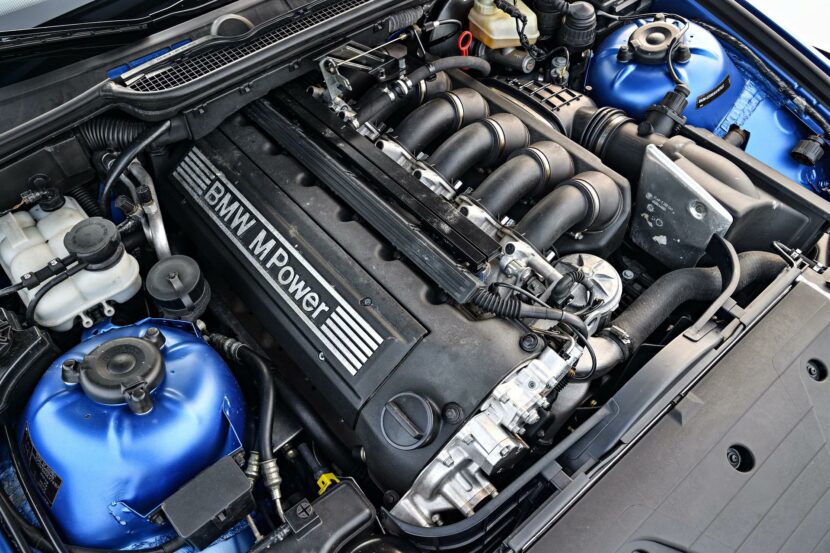
The S50 evolved from the M50 engine, which was used in mainstream BMW models like the E36 325i. BMW M re-engineered it extensively—strengthening the internals, adding individual throttle bodies, higher-lift camshafts, and raising compression. The result was a race-bred inline-six with everyday drivability.
Two main European versions were produced:
- S50B30 (1992–1995) – 3.0 liters, 286 hp
- S50B32 (1995–1999) – 3.2 liters, 321 hp
North American M3s received a detuned S50B30US and later the S52, which lacked some of the exotic hardware like ITBs and high-lift cams.
Technical Specifications
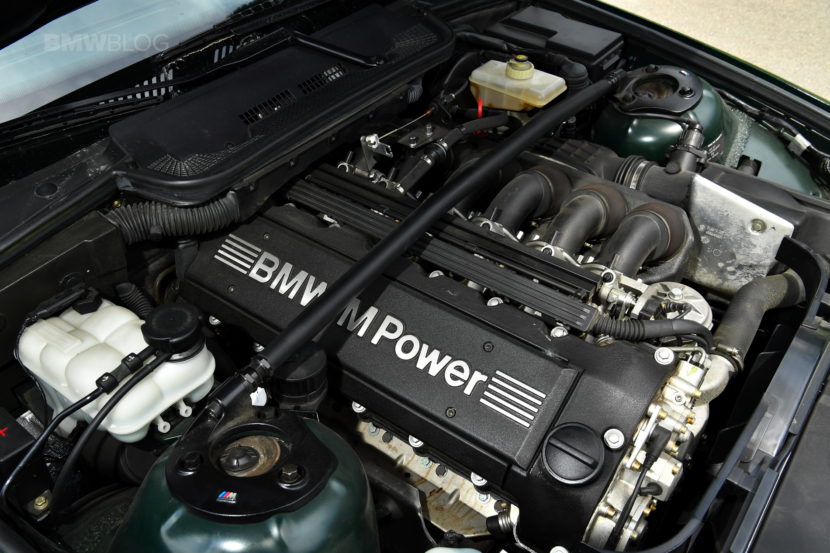
S50B30 (Euro)
- Inline-6, DOHC, 24 valves
- 2,990 cc
- Bore x Stroke: 86.0 mm x 85.8 mm
- Compression: 10.8:1
- 286 hp @ 7,000 rpm
- 320 Nm (236 lb-ft) @ 3,600 rpm
- Redline: 7,600 rpm
- Bosch Motronic M3.3
- Individual throttle bodies, single VANOS
S50B32 (Euro)
- Inline-6, DOHC, 24 valves
- 3,201 cc
- Bore x Stroke: 86.4 mm x 91.0 mm
- Compression: 11.3:1
- 321 hp @ 7,400 rpm
- 350 Nm (258 lb-ft) @ 3,250 rpm
- Redline: 7,600 rpm
- Bosch MSS50
- Double VANOS, larger ITBs, lightweight pistons, motorsport oiling
Reliability and Common Issues

When maintained properly, the S50 is a long-lasting engine, but there are some known issues:
- VANOS wear – Single-VANOS on the B30 and double-VANOS on the B32 can fail, causing power loss and idle issues.
- Rod bearings – Less prone than the later S54, but high-rev abuse and poor oiling can cause wear.
- Cooling system failures – Radiators, thermostats, and water pumps should be replaced preventively.
- Throttle body sync – ITBs need periodic balancing for smooth operation.
- Oil leaks – Common at valve cover gaskets and rear main seals.
Tip: Use quality oil (often 10W-60 in warmer climates), change it every 5,000–7,500 miles, and stay on top of cooling system maintenance.
Tuning Potential
The S50’s motorsport pedigree makes it a great platform for modifications:
- ECU remap – +15–20 hp and sharper throttle response.
- Intake & exhaust upgrades – Better breathing and a more aggressive sound.
- Camshaft upgrades – Motorsport cams can push NA builds past 330 hp.
- Forced induction – Supercharger kits can yield 450–500 hp on stock internals with careful tuning.
- Track prep – Oil coolers, baffled sumps, and lightweight flywheels are common upgrades.
Legacy
The BMW S50 is more than just a performance engine—it’s a piece of M division history. Sitting between the high-strung S14 of the E30 M3 and the S54 of the E46 M3, it blended motorsport hardware with road car usability in a way few engines have matched.
Today, well-maintained S50-powered M3s are sought after for their driving purity, mechanical sound, and connection to a golden era of BMW engineering.