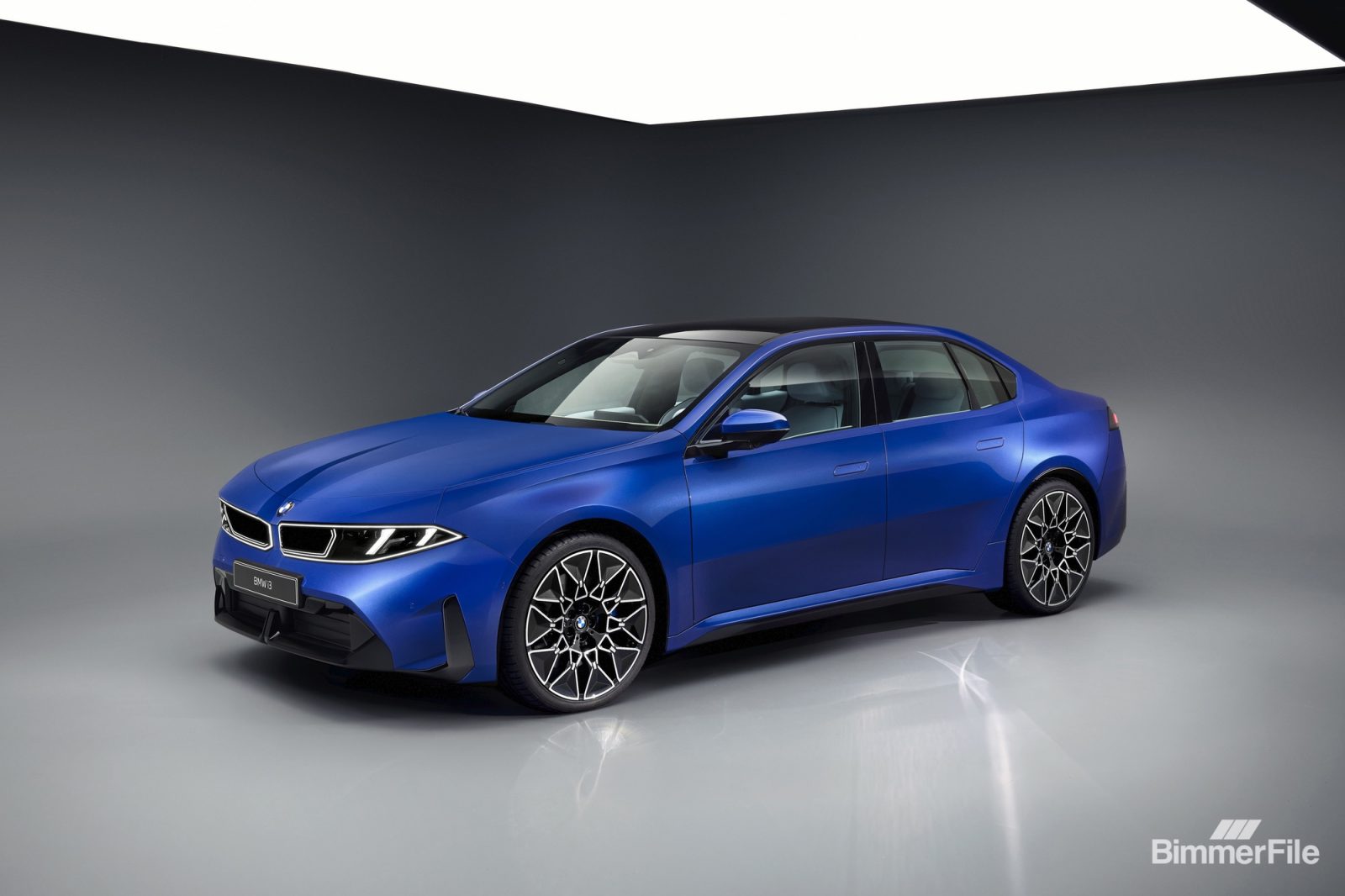

There are moments when BMW launches a car that feels bigger than a typical model cycle. The original Neue Klasse sedans did that in the 1960s when they rescued the company and defined the sports sedan formula. The E21 turned that formula into the first 3 Series. The E46 refined it into what many still consider the benchmark. Even the strange little carbon fiber i3 represented a bold experiment in how BMW might approach the future.
Now BMW is attempting something even more ambitious.
The new BMW i3 is not just another electric sedan entering the premium EV market. It is the first fully electric interpretation of the BMW 3 Series and one of the most important vehicles launching the Neue Klasse era. In many ways it is the car that will determine whether BMW can translate its core identity into the electric age without losing what made the brand special in the first place.
That makes this launch far more significant than the introduction of another EV. It represents BMW redefining its most important car for a completely different technological era.
The Electric 3 Series Finally Arrives
For more than five decades the BMW 3 Series has served as the nucleus of the brand. It is the car that distilled BMW’s philosophy into something tangible. A sedan that balanced performance, usability, and driver engagement better than almost anything else on the road.
Every generation has carried that responsibility forward. Now the i3 takes on that same role in the electric era.
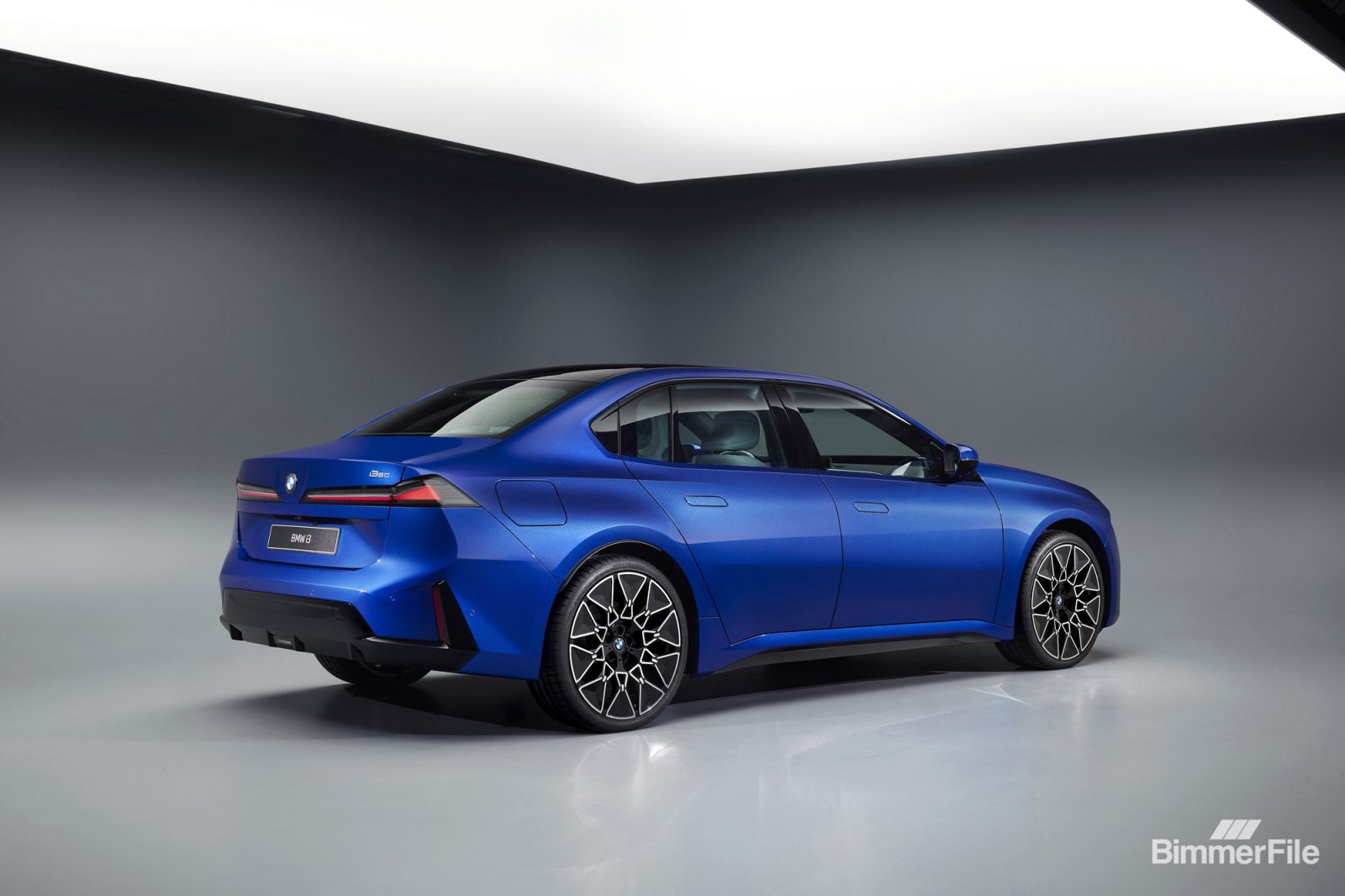
The launch model arrives as the BMW i3 50 xDrive, equipped with electric motors on both the front and rear axles. Combined system output reaches 463 horsepower and 476 pound feet of torque, which places the new i3 squarely in the territory of serious performance sedans.
Those numbers are only part of the story. What makes the new i3 truly significant is the platform beneath it. This is one of the first production vehicles built on BMW’s Neue Klasse architecture, a ground up electric platform that will underpin the next generation of BMW vehicles across the lineup.
Rather than adapting an existing combustion platform, BMW started with a clean sheet. That allowed engineers to rethink everything from battery packaging to driving dynamics.
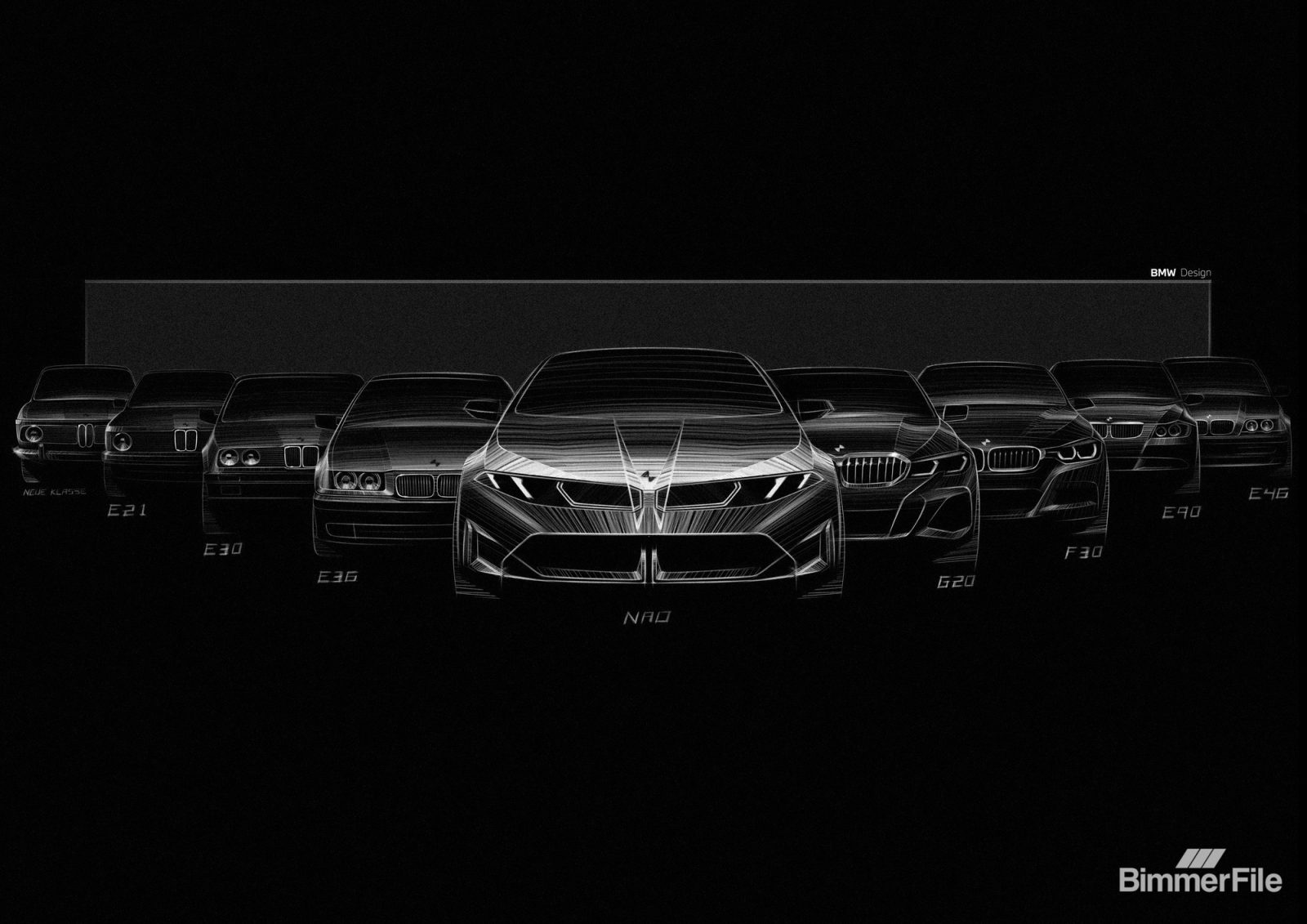
A Design That Looks Back at Past BMWs While looking Forward
One of the biggest challenges facing EV design is maintaining brand identity. Aerodynamics tends to push electric cars toward the same smooth shapes, which can make vehicles from different brands look surprisingly similar.
The new BMW i3 avoids that trap by leaning heavily on classic BMW proportions.
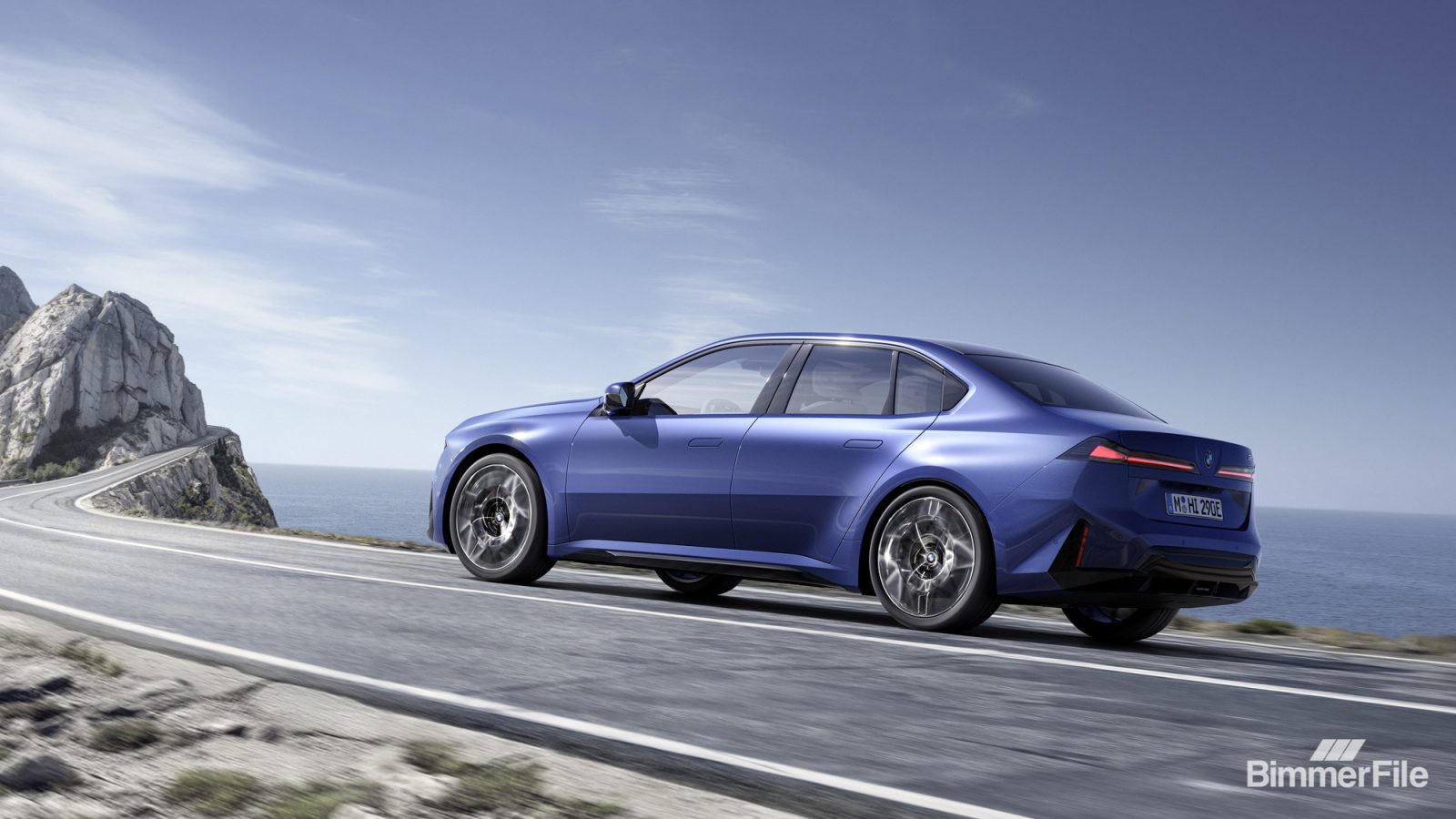
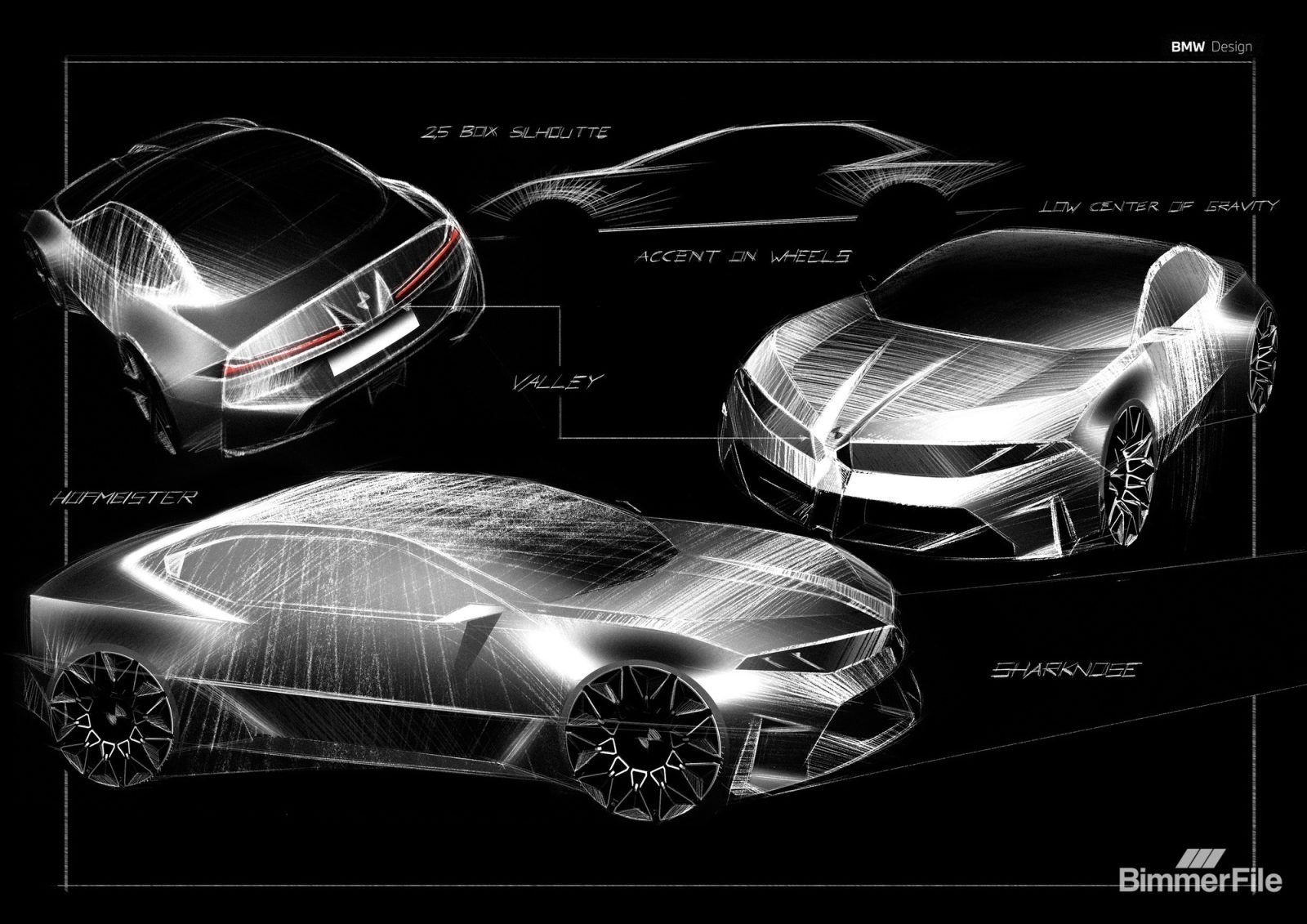
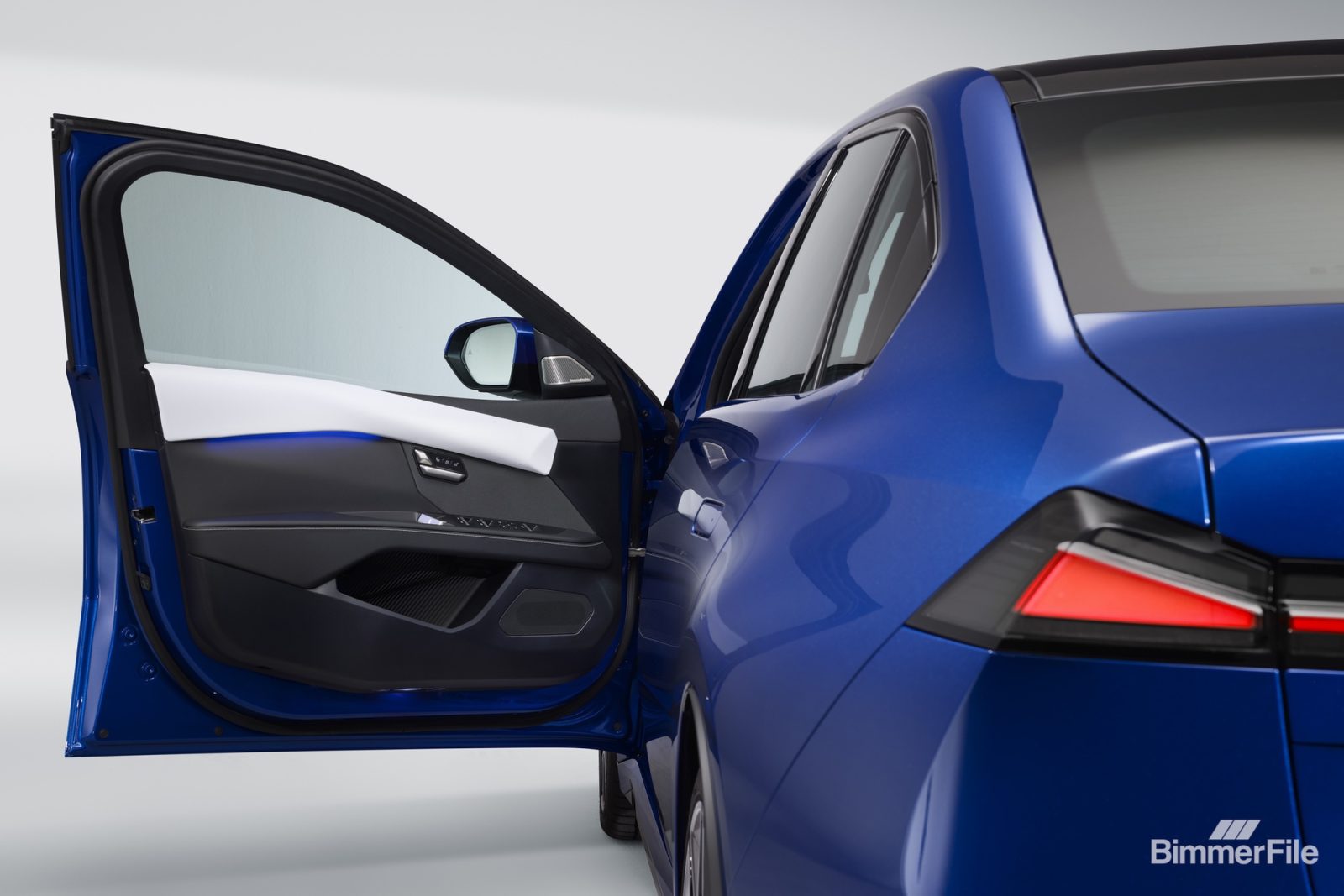
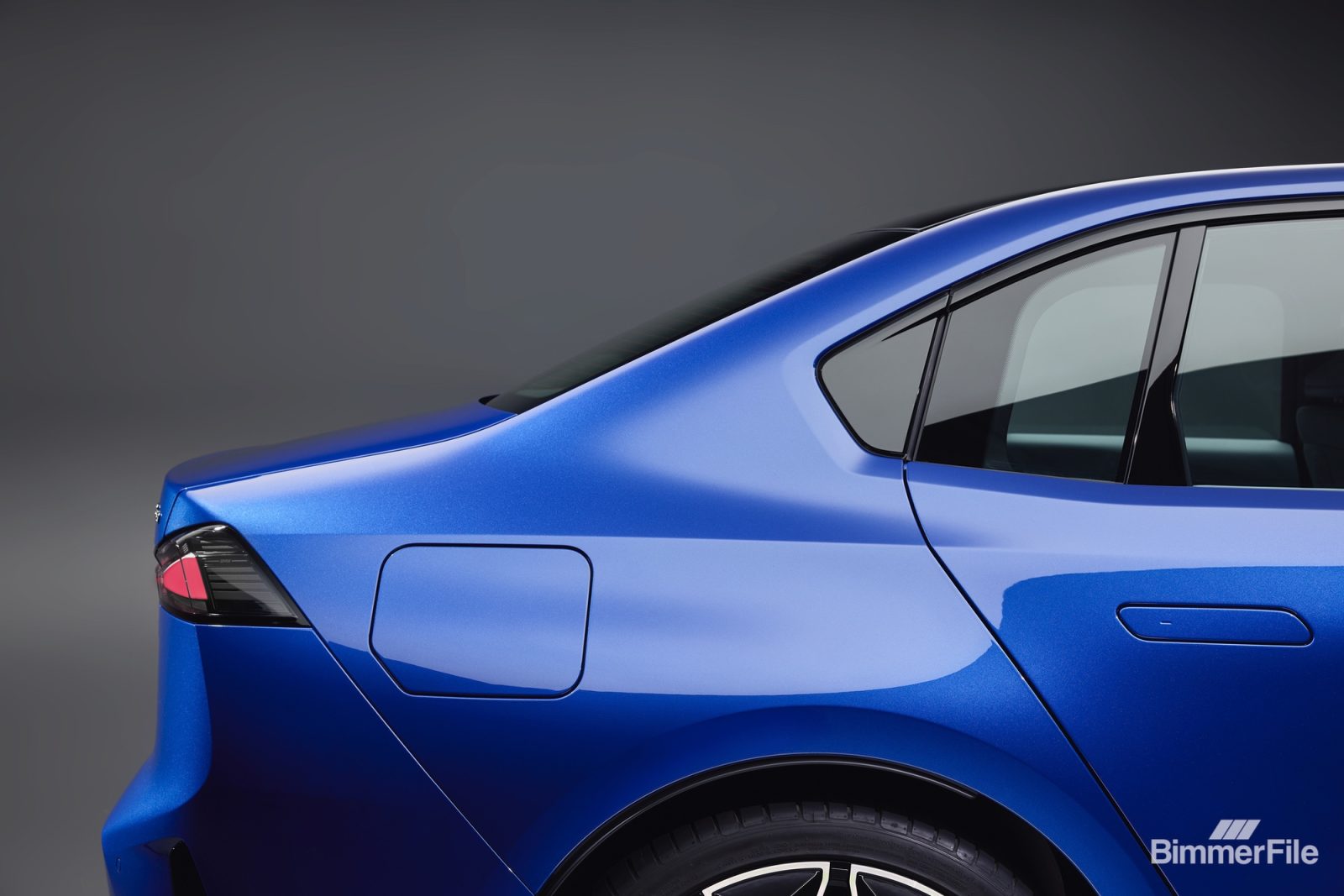
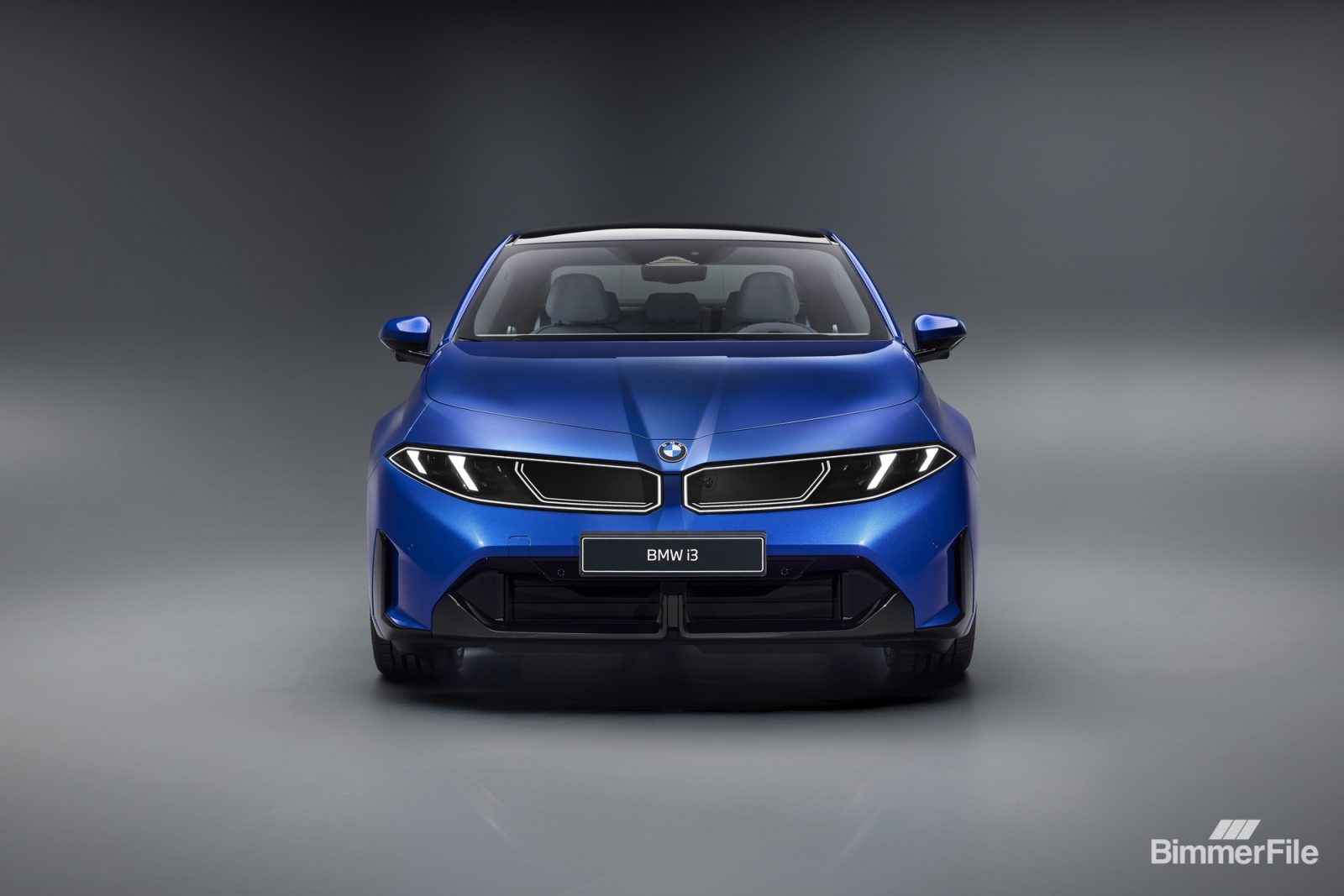
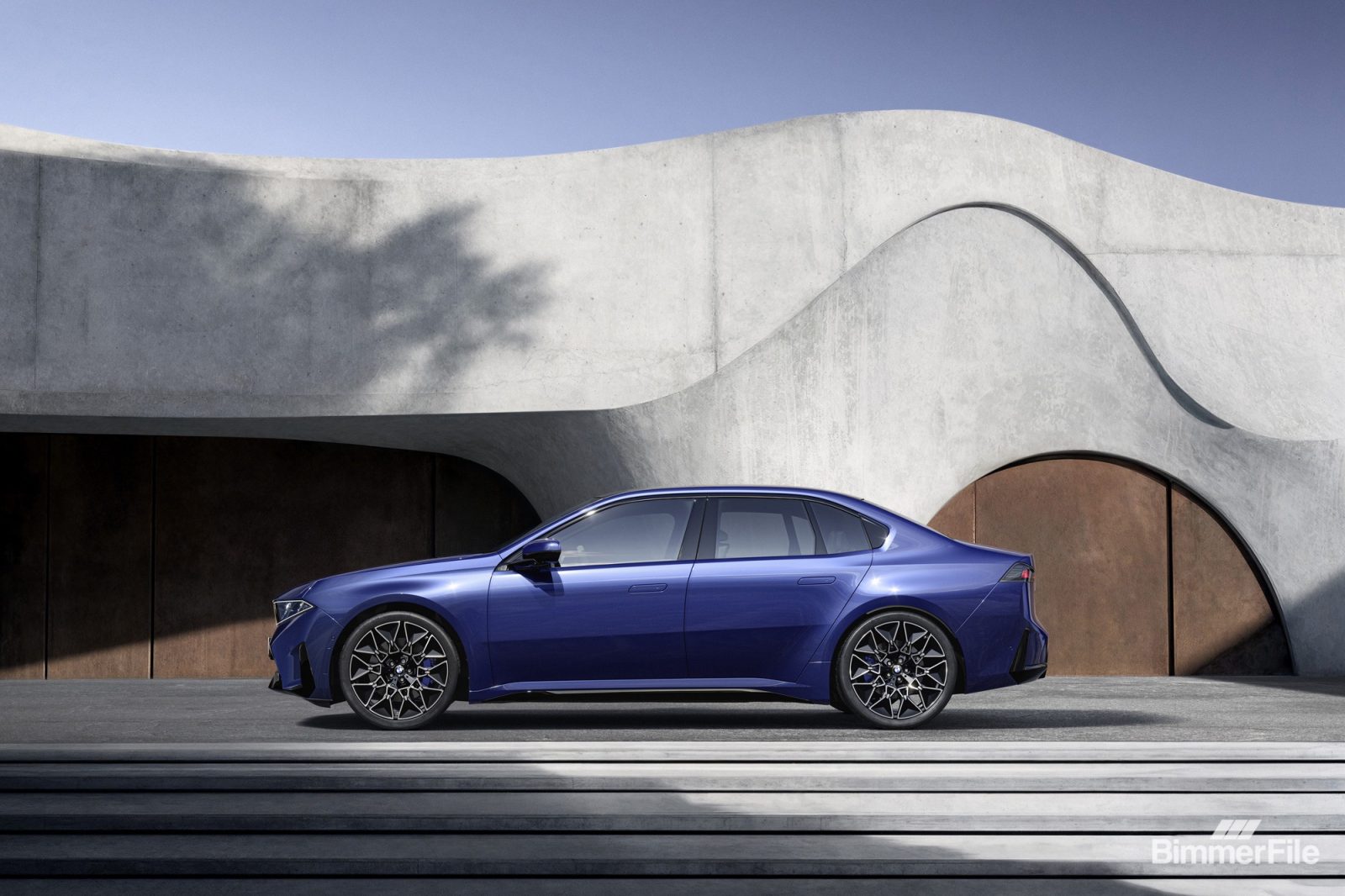
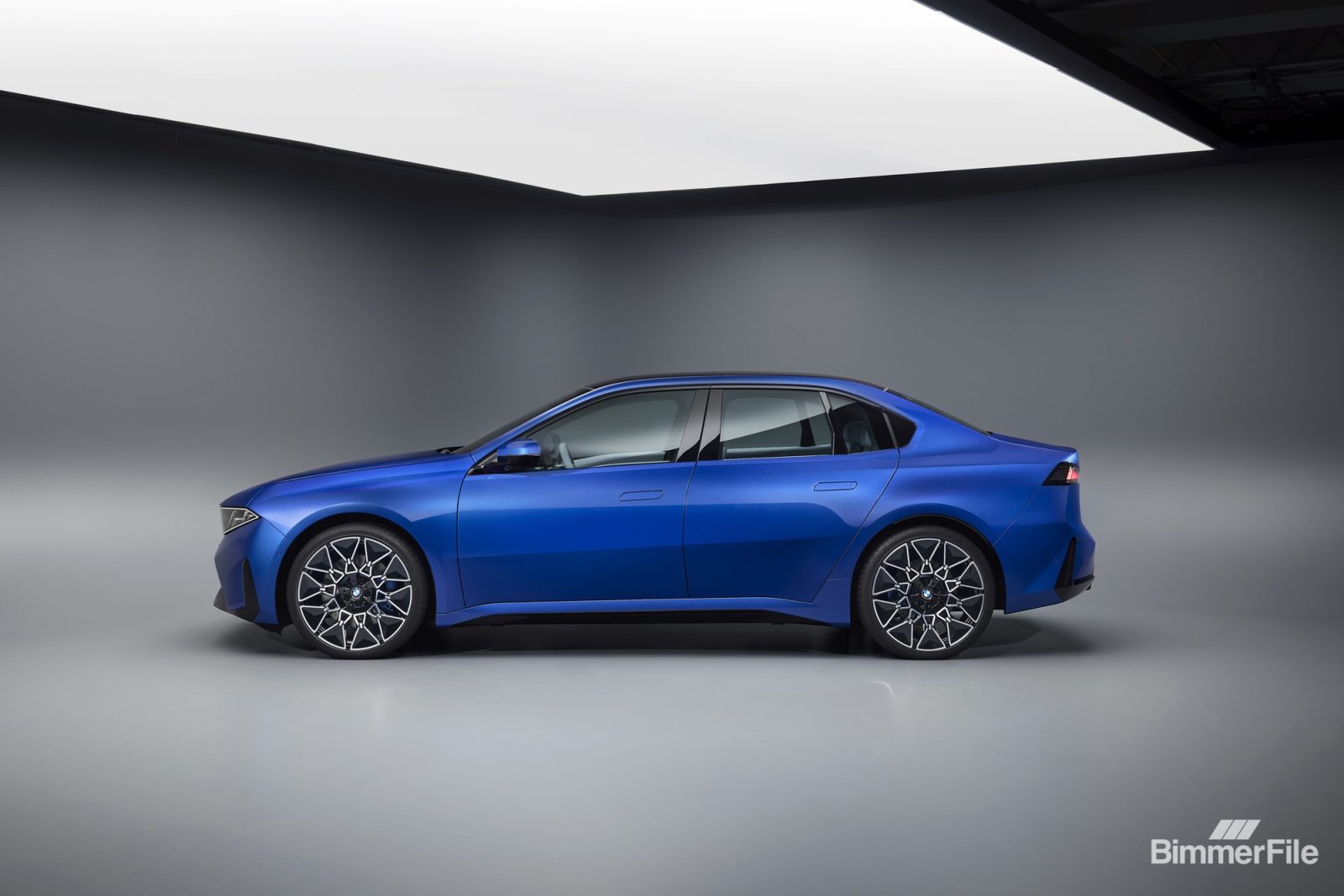
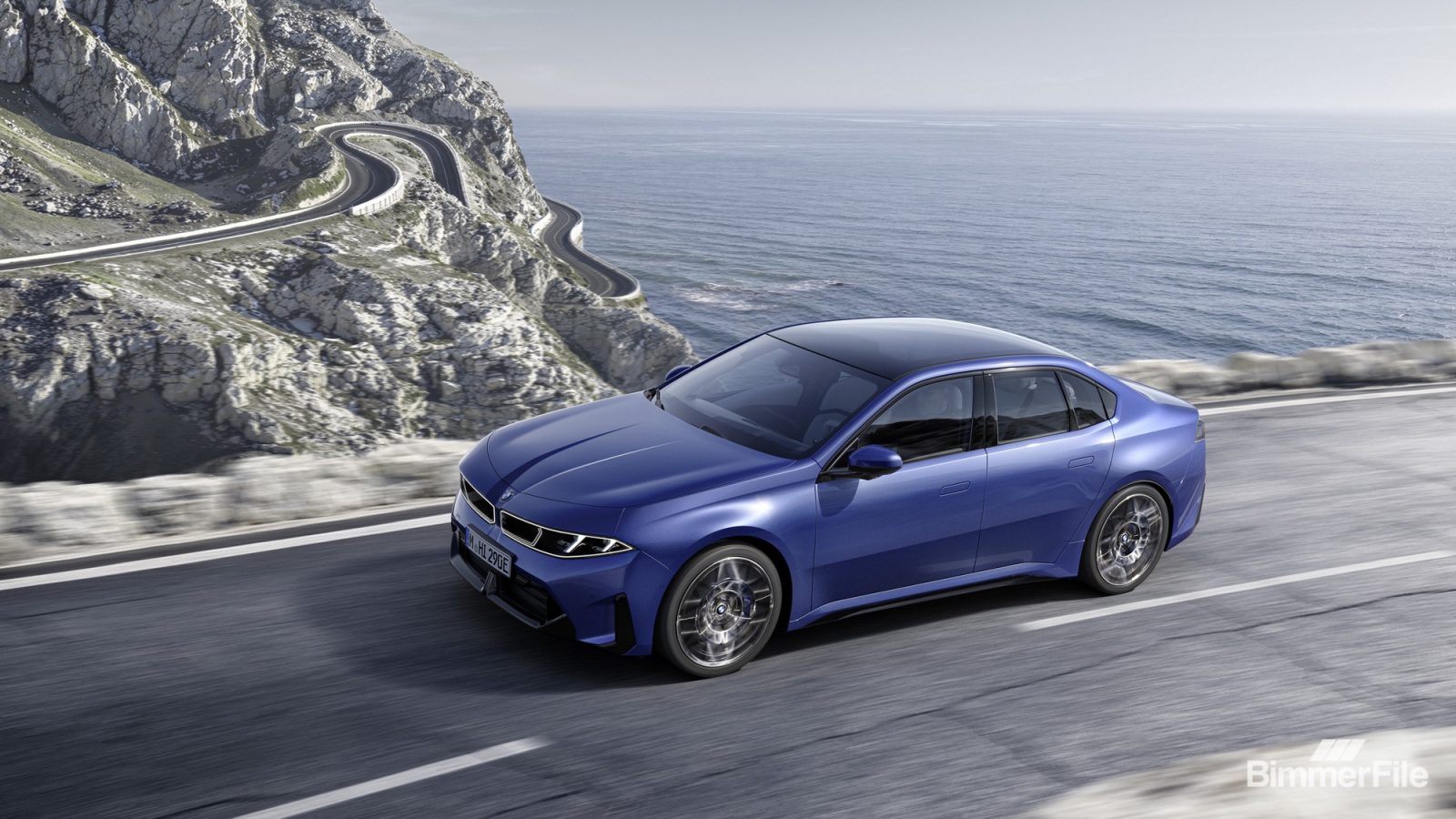
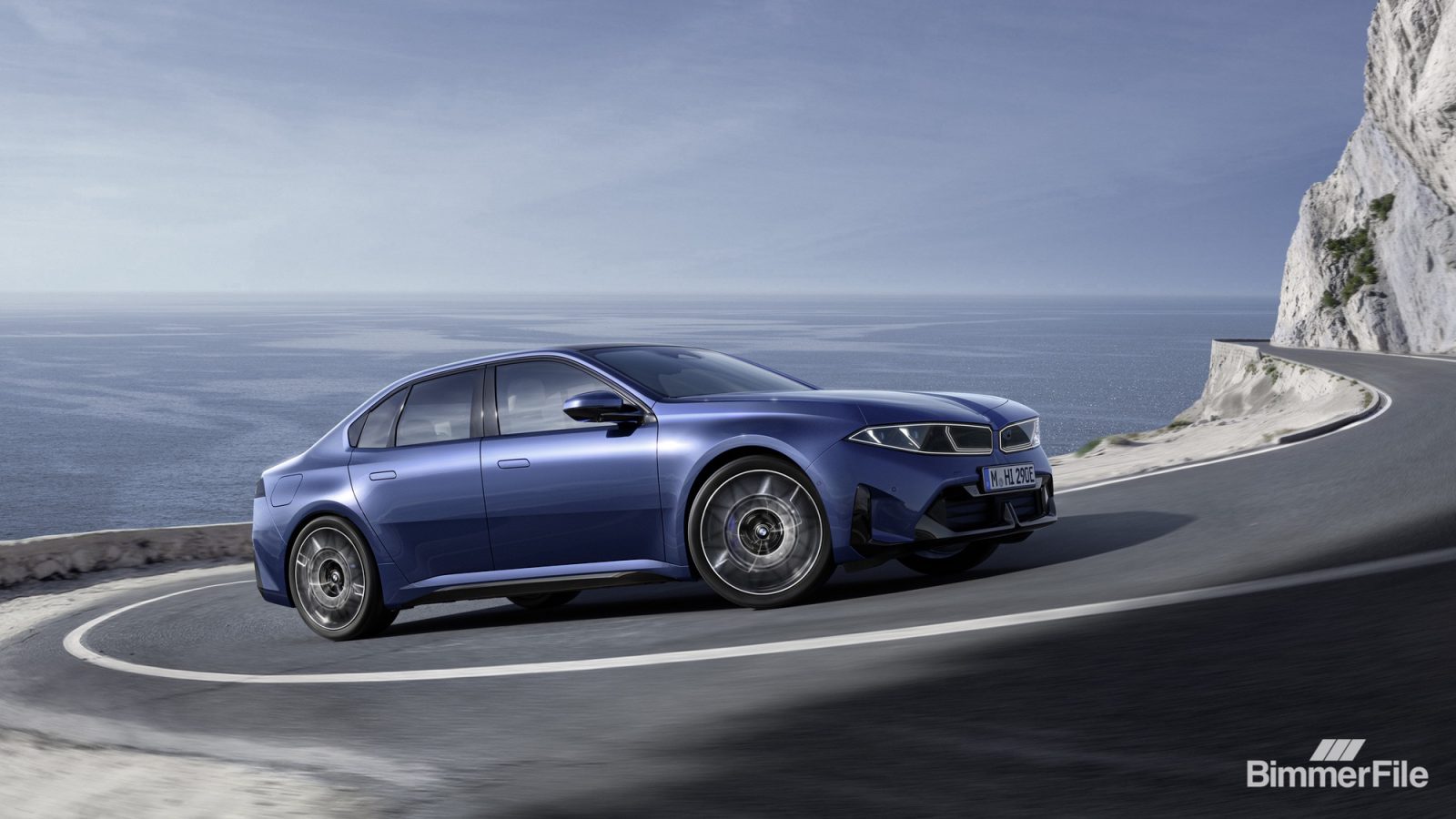
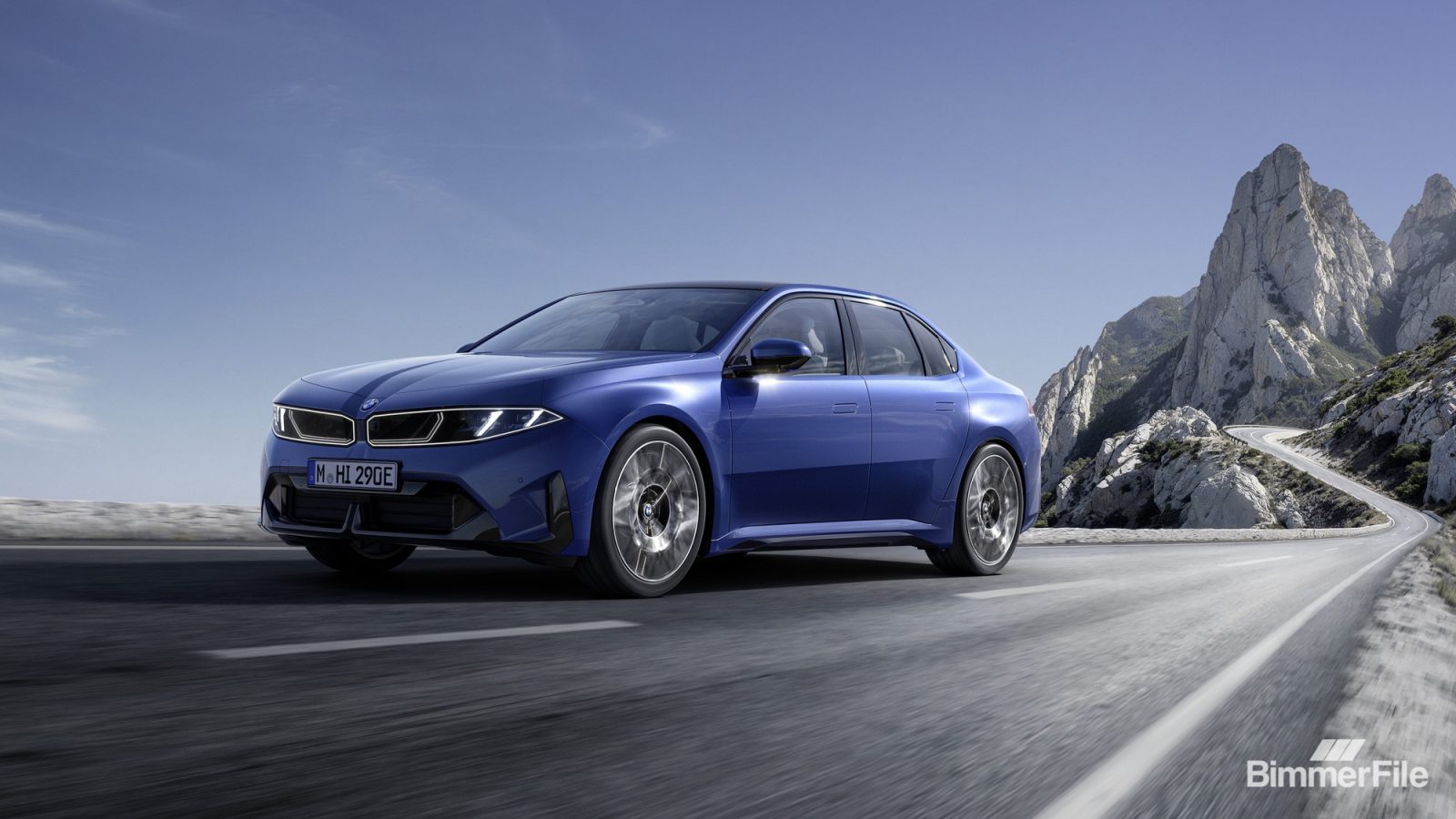
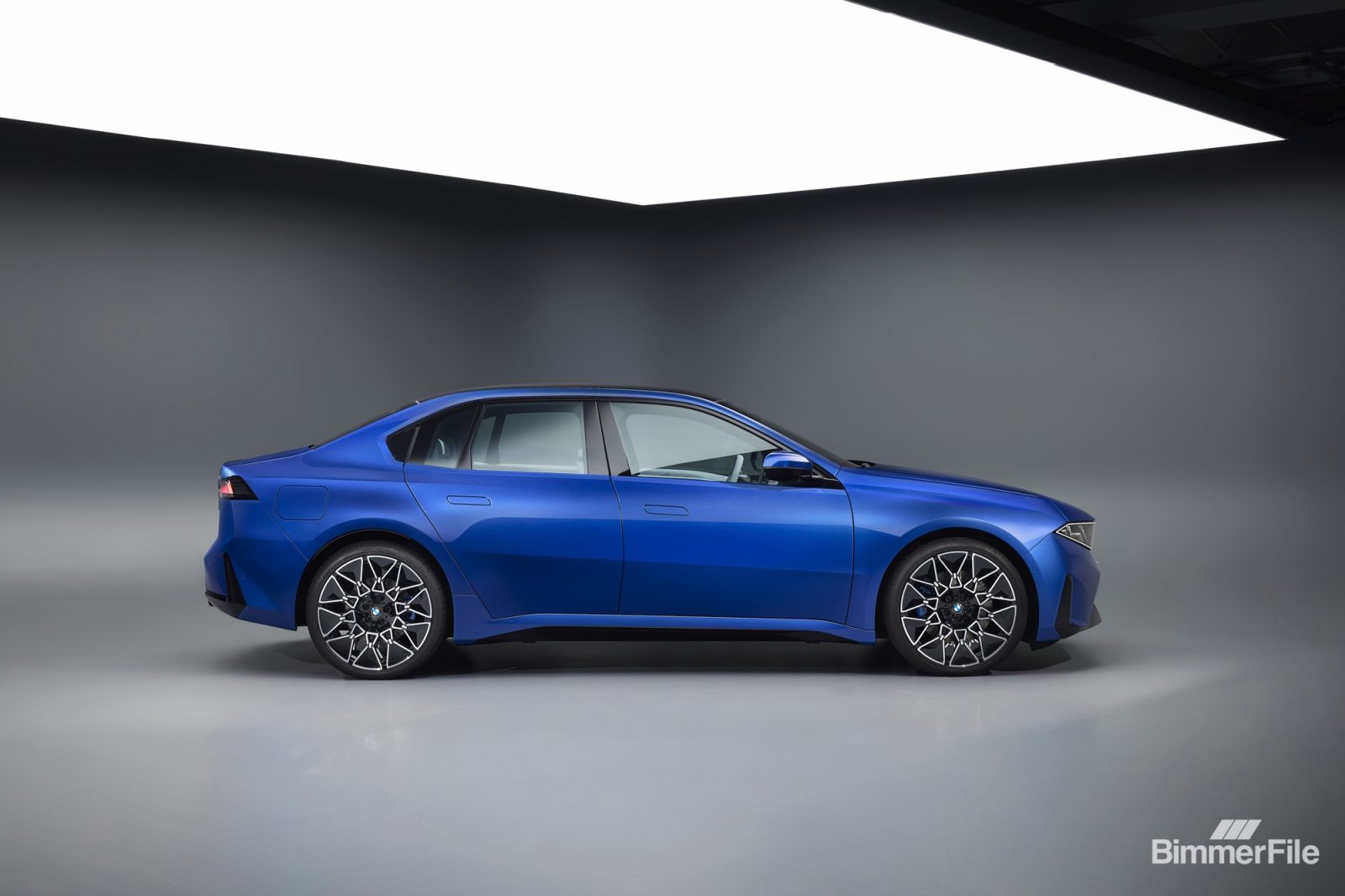
The sedan uses what BMW calls a modern 2.5 box silhouette with a long wheelbase, short overhangs, and a greenhouse that tapers toward the rear. Strong shoulder surfaces and flared wheel arches emphasize the car’s athletic stance while visually lowering its center of gravity.
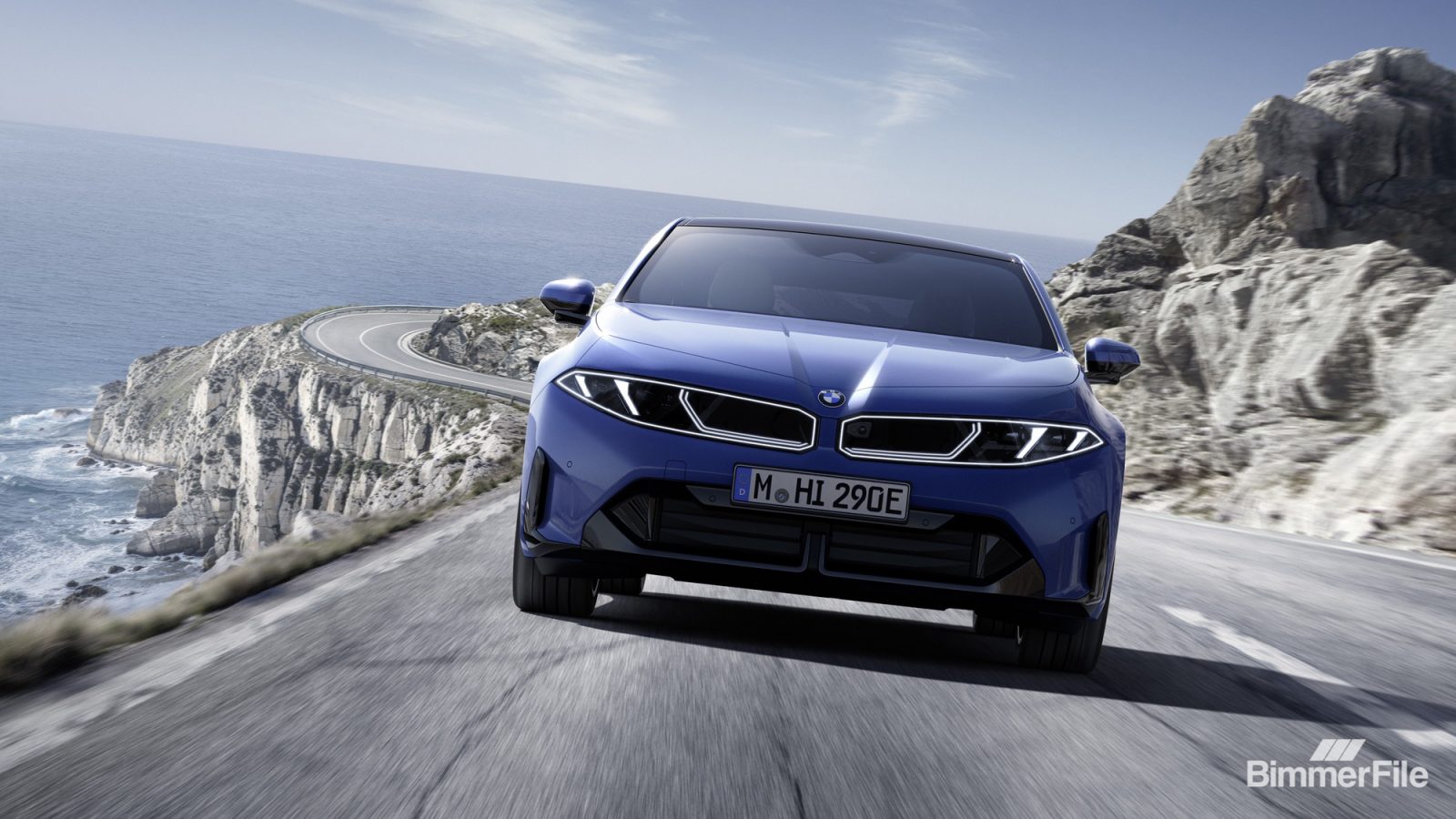
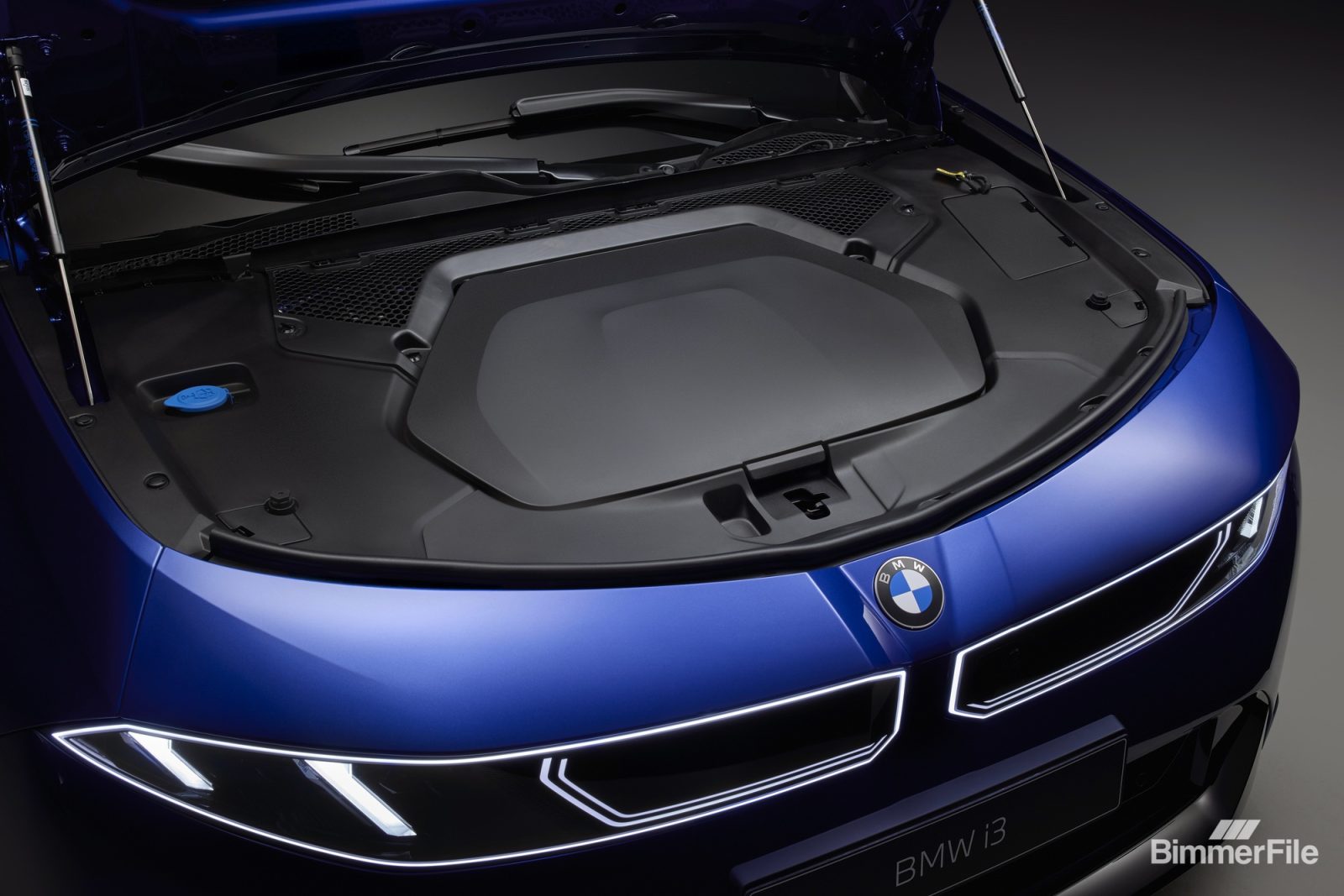
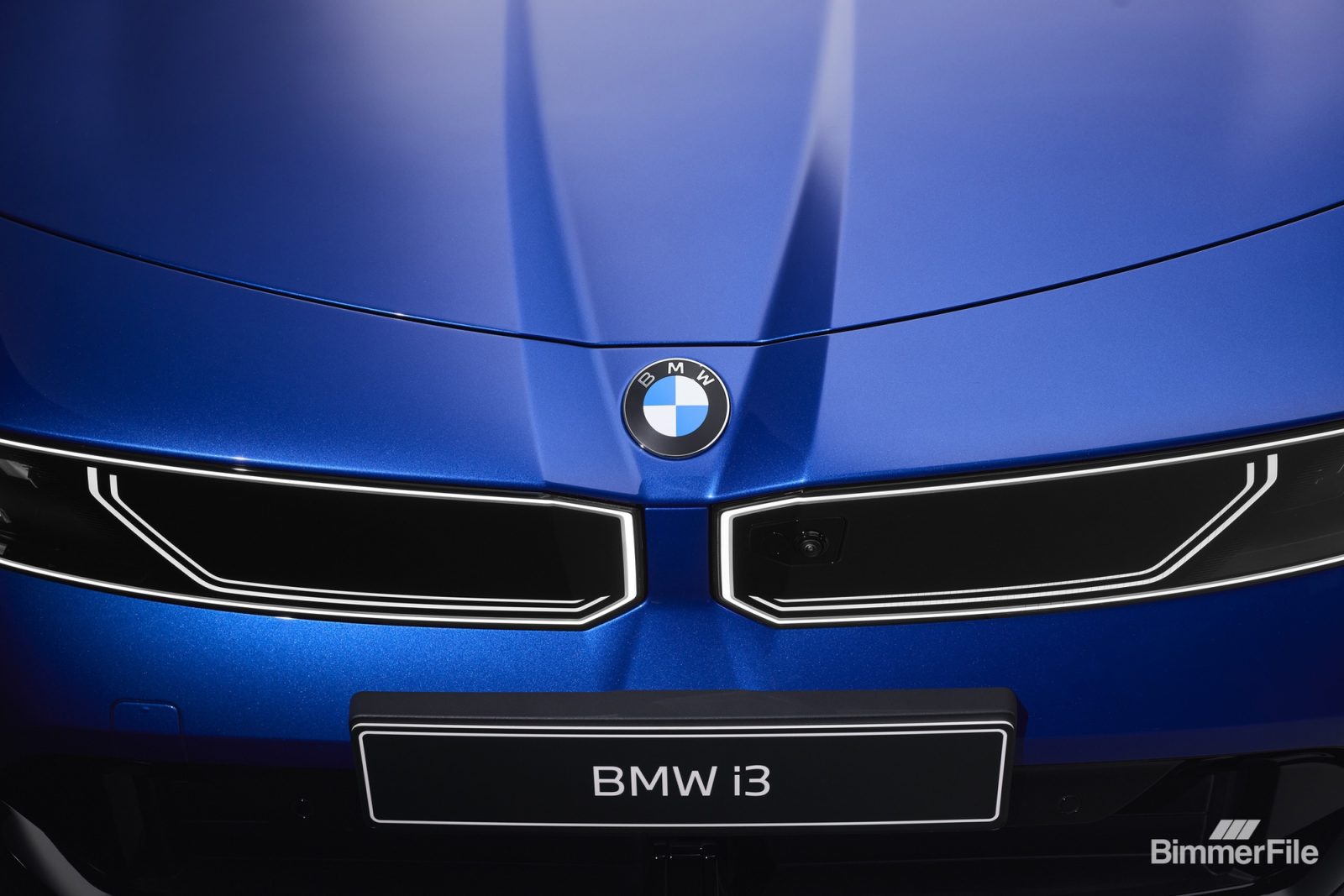
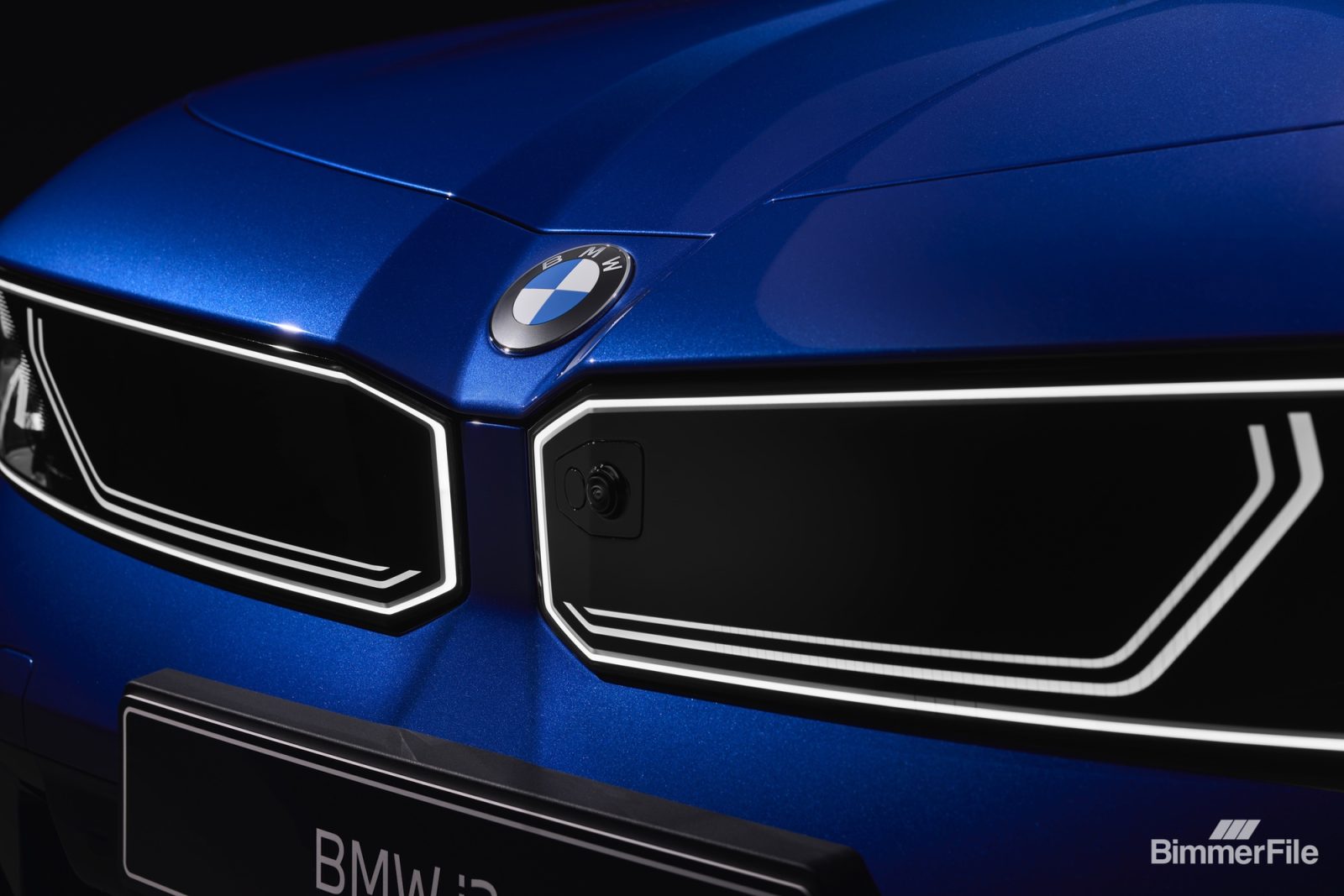
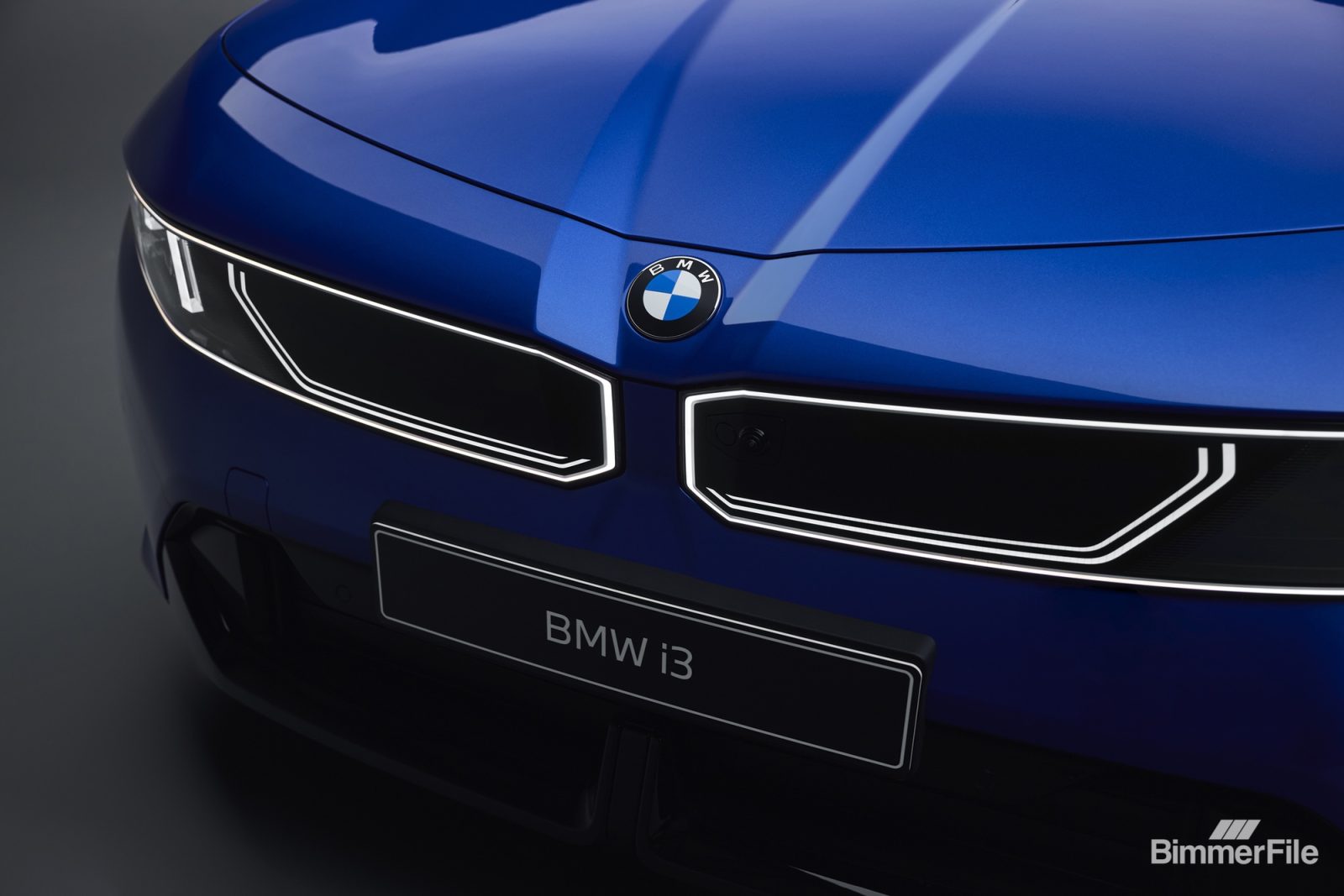
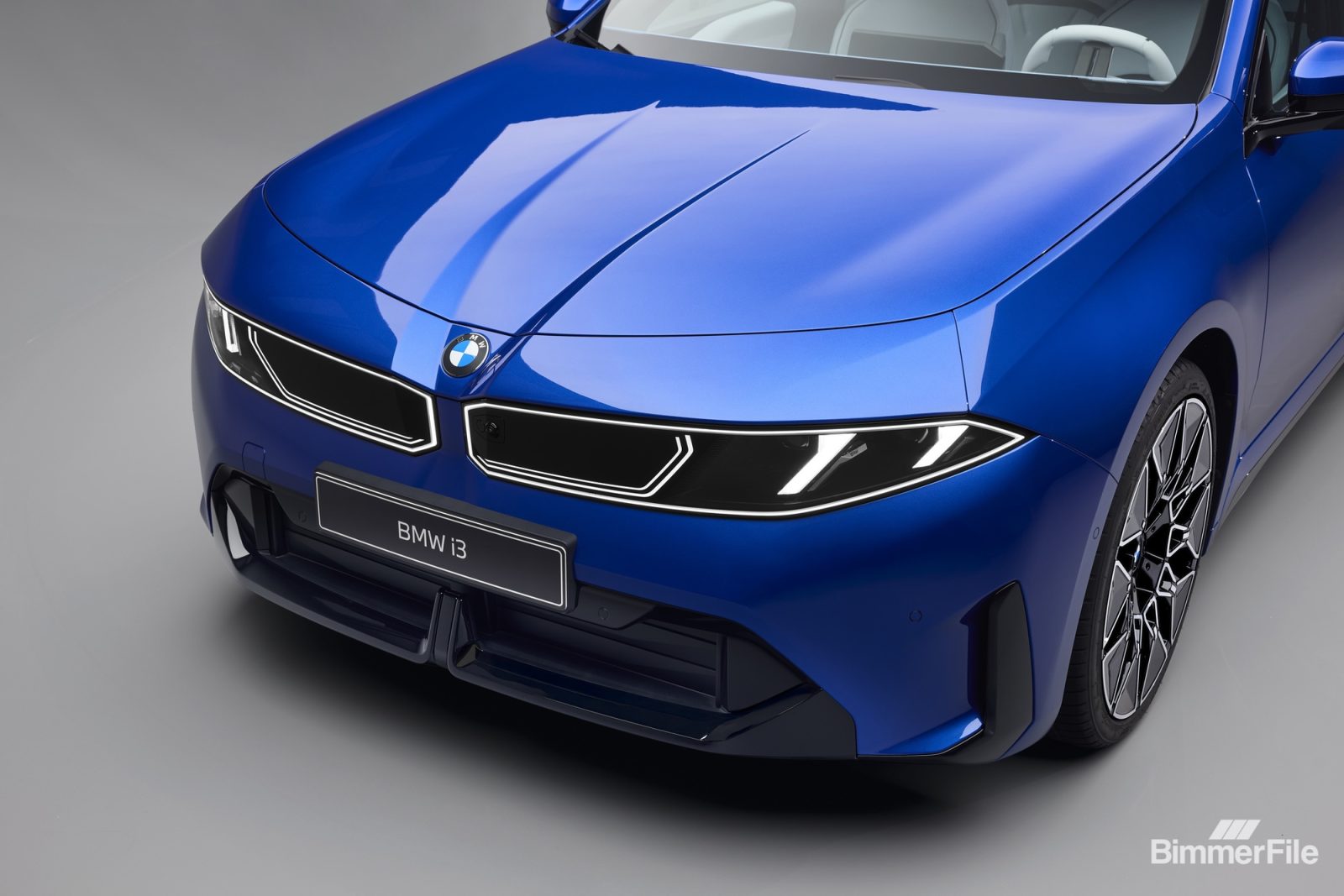
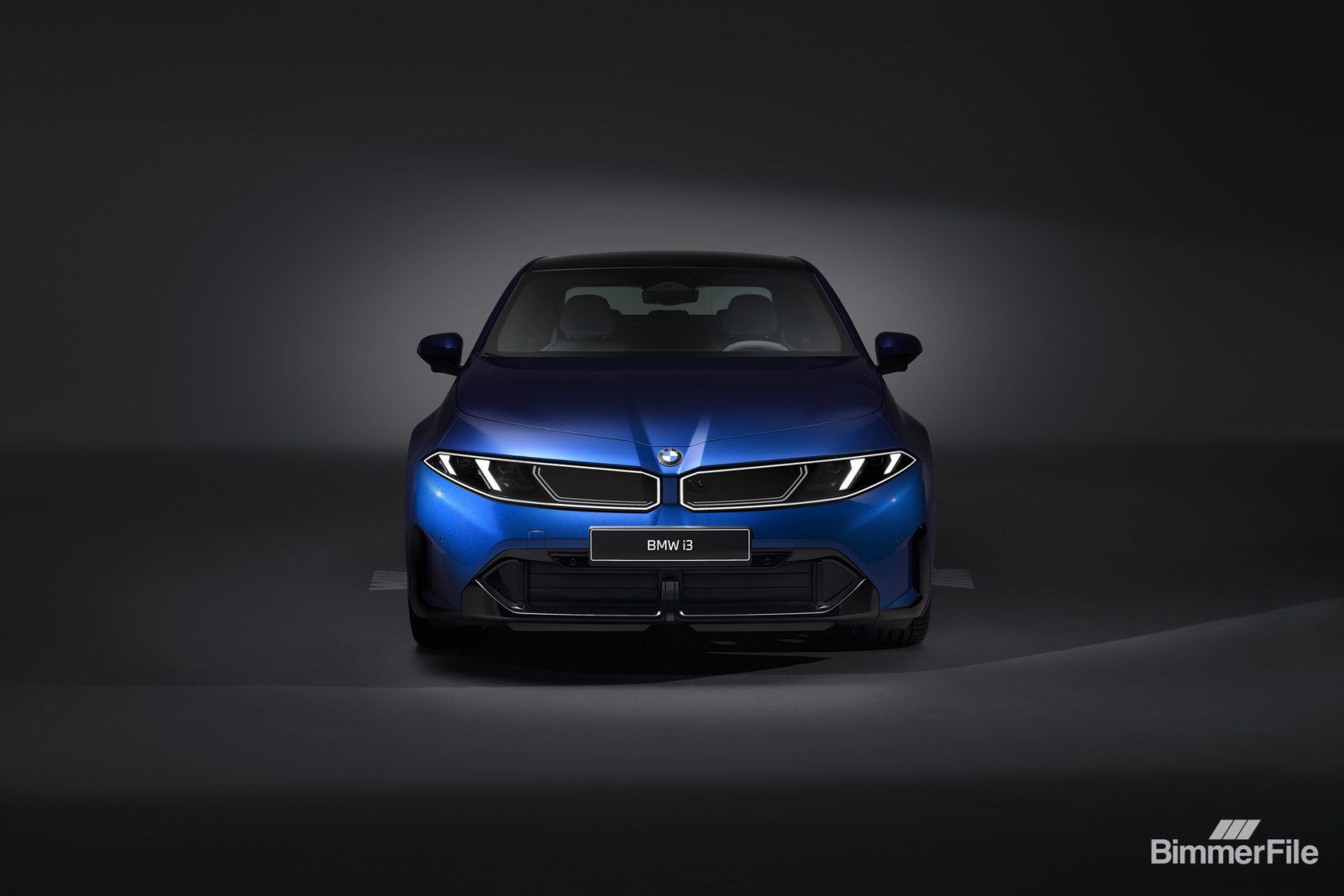
The front end introduces a fresh interpretation of BMW’s traditional face. The kidney grille and the familiar four eye light signature are integrated into a single visual element that blends lighting and geometry. The effect is modern but still instantly recognizable.
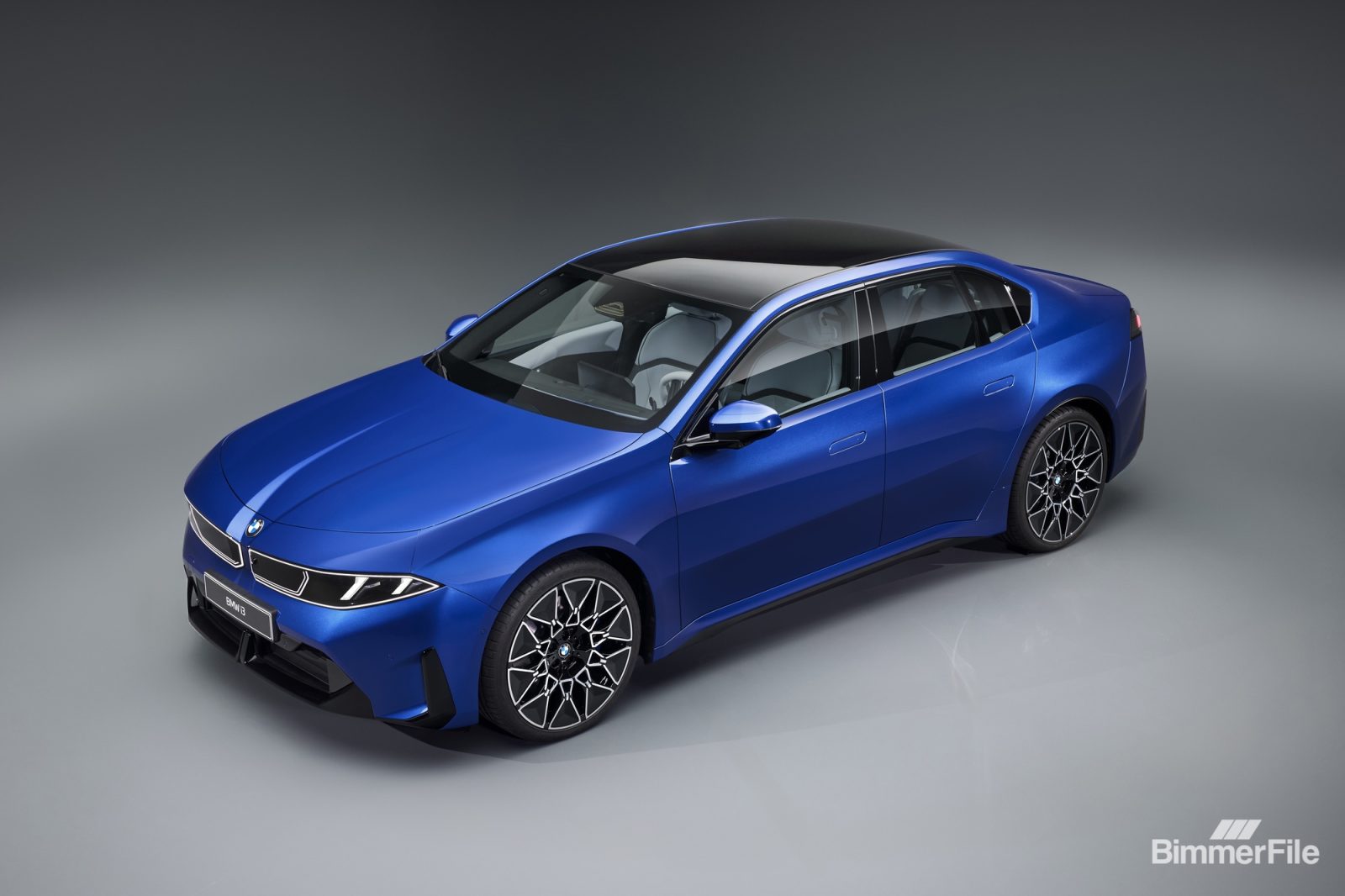
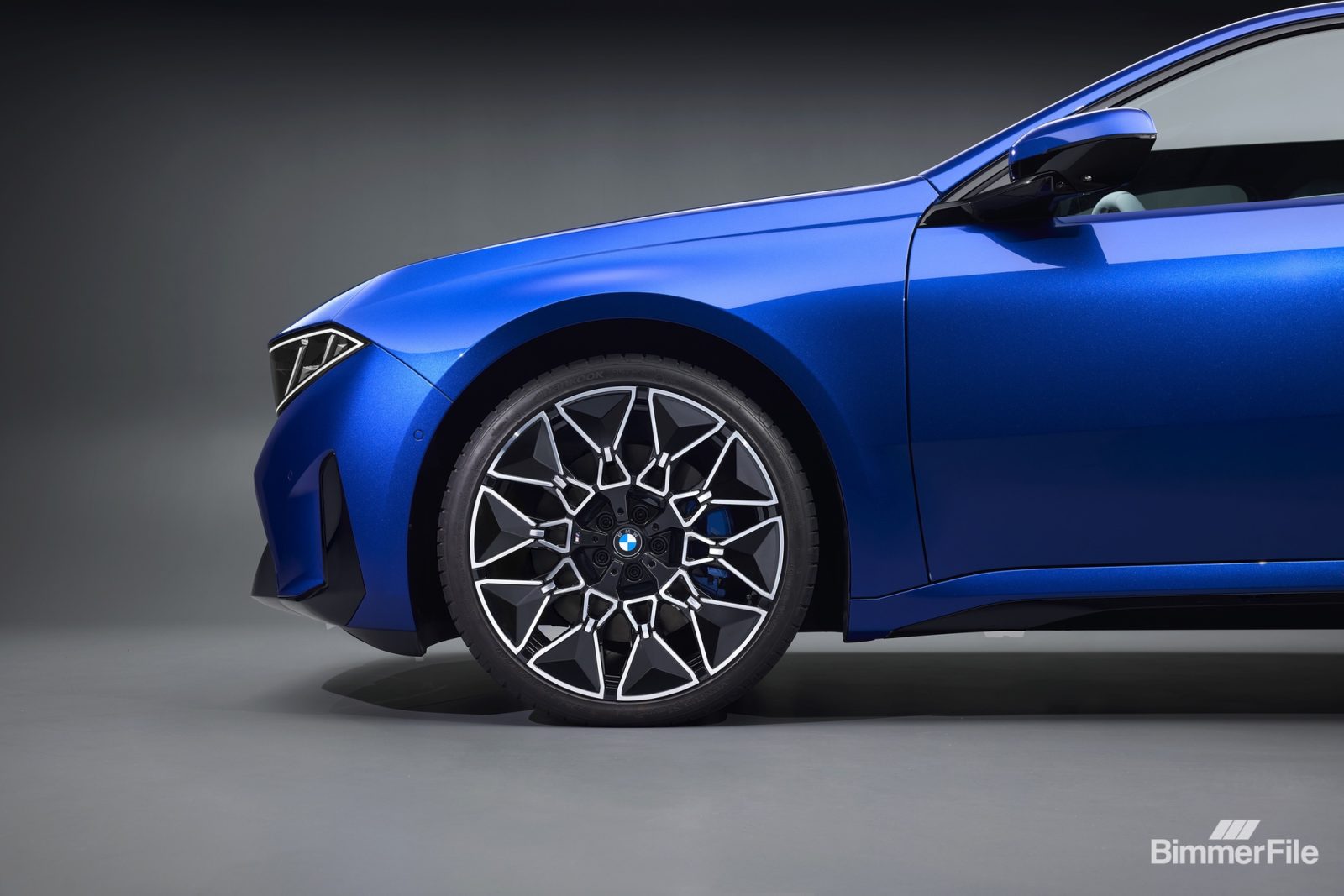
BMW designers also retained one of the brand’s most beloved details. The front of the car still carries a subtle shark nose angle that leans forward toward the road. It is a small touch but one that immediately signals sporting intent.
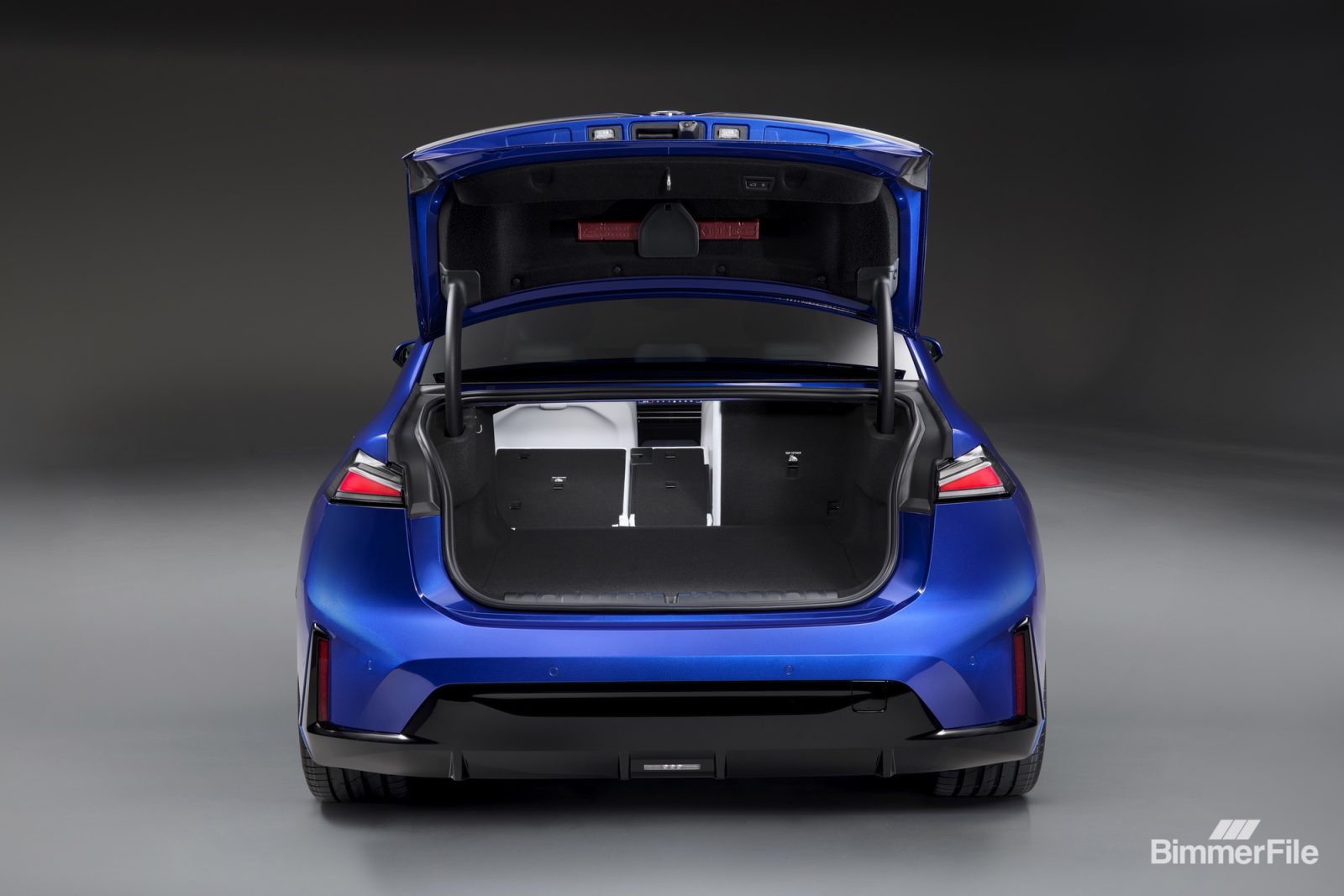
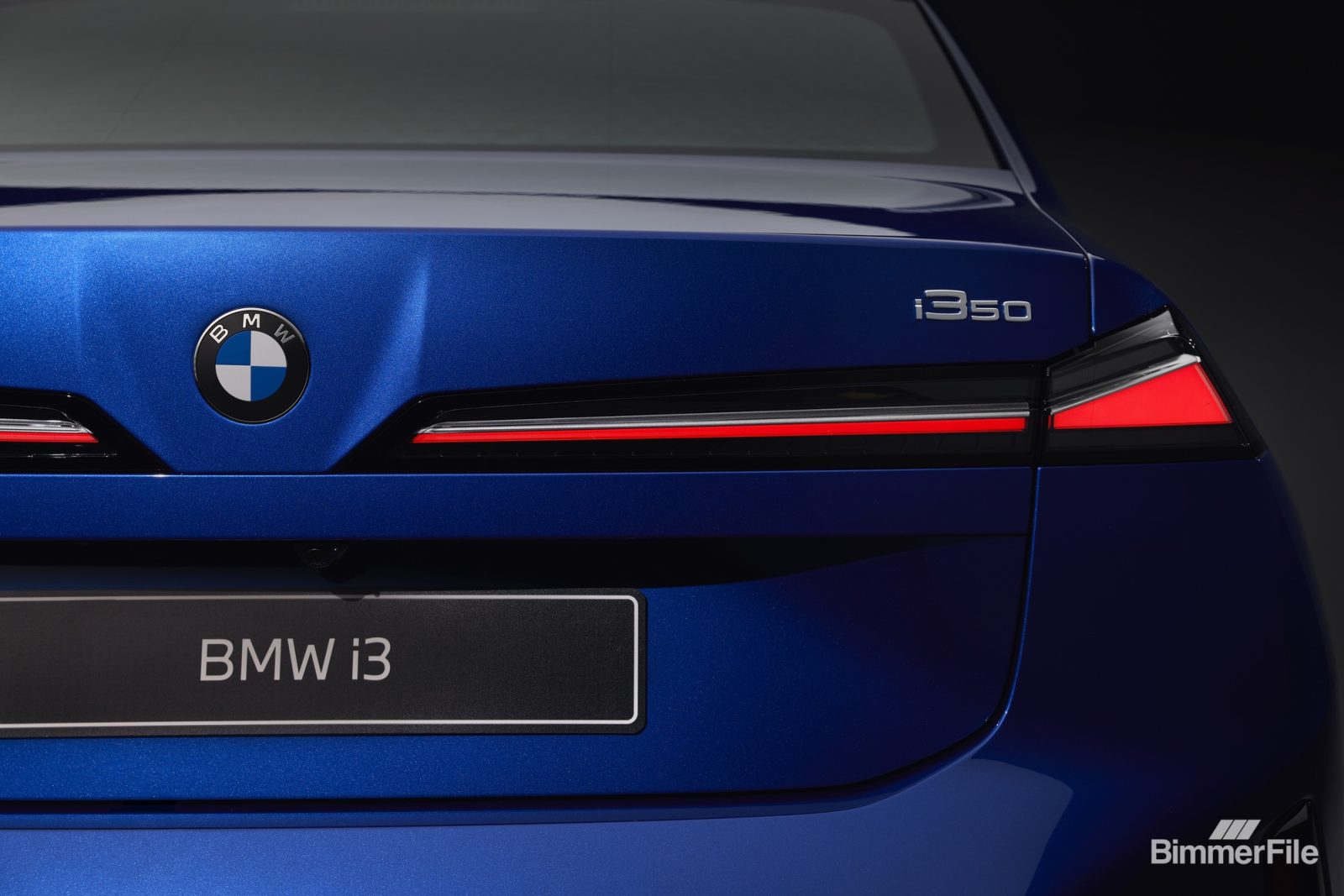
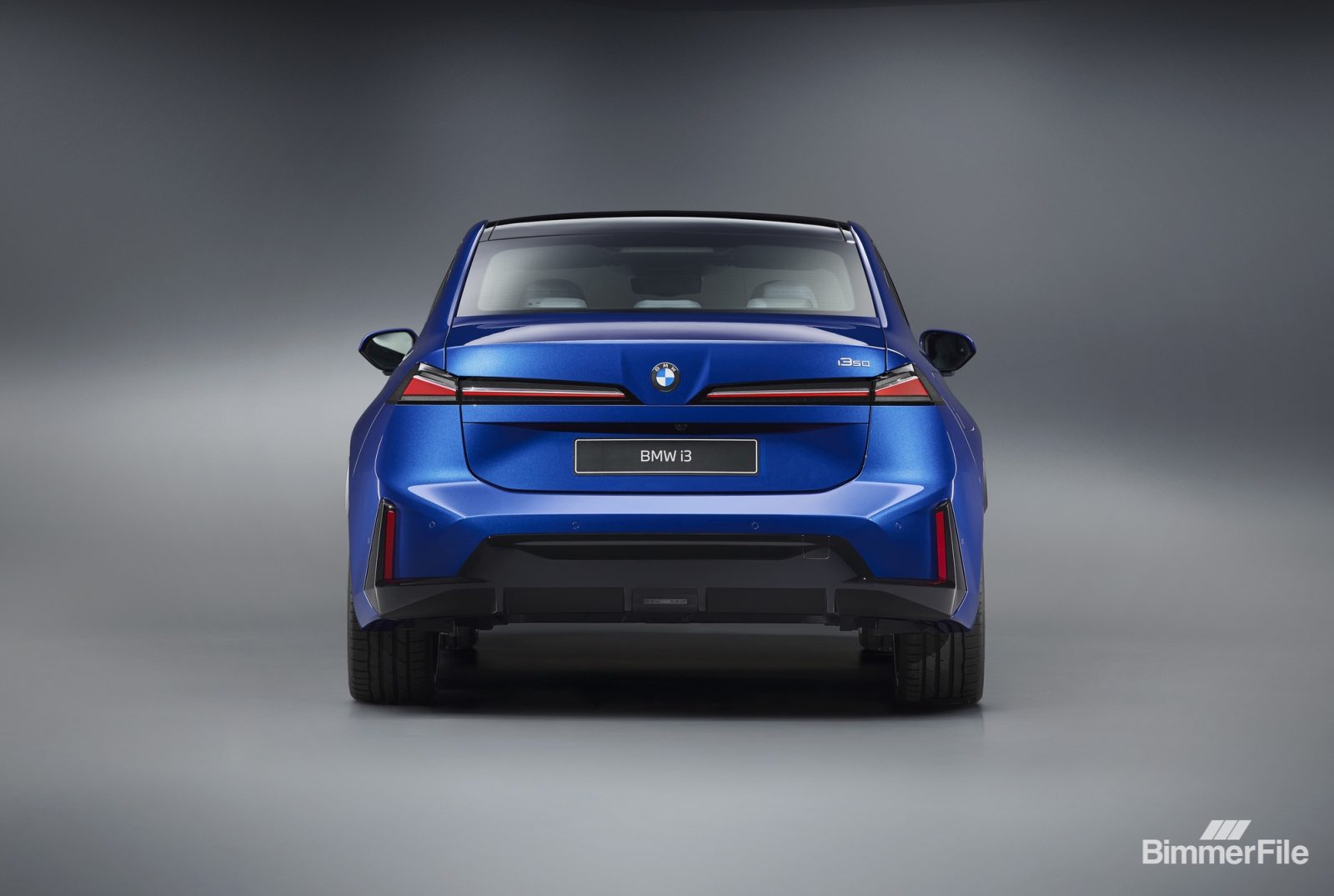
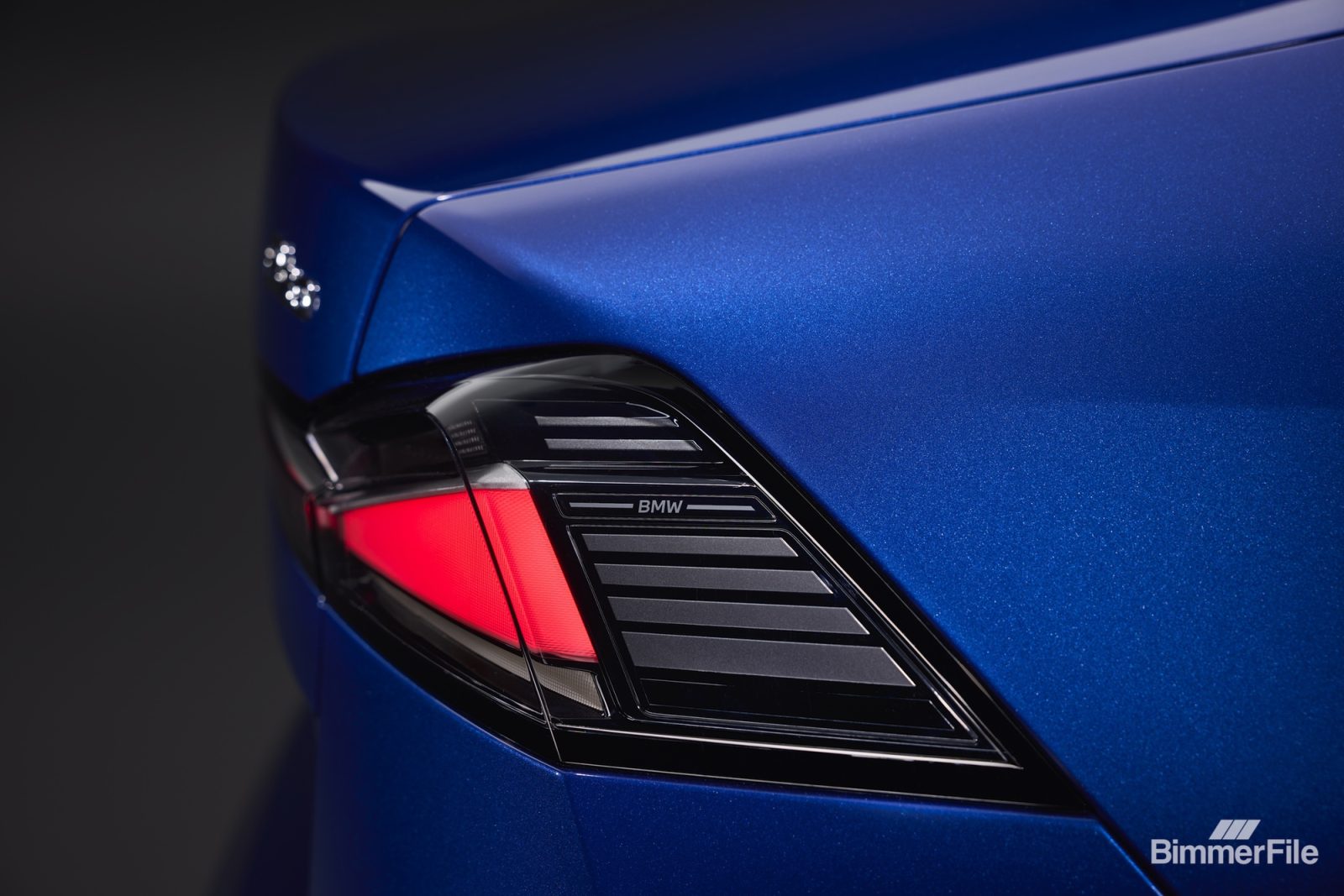
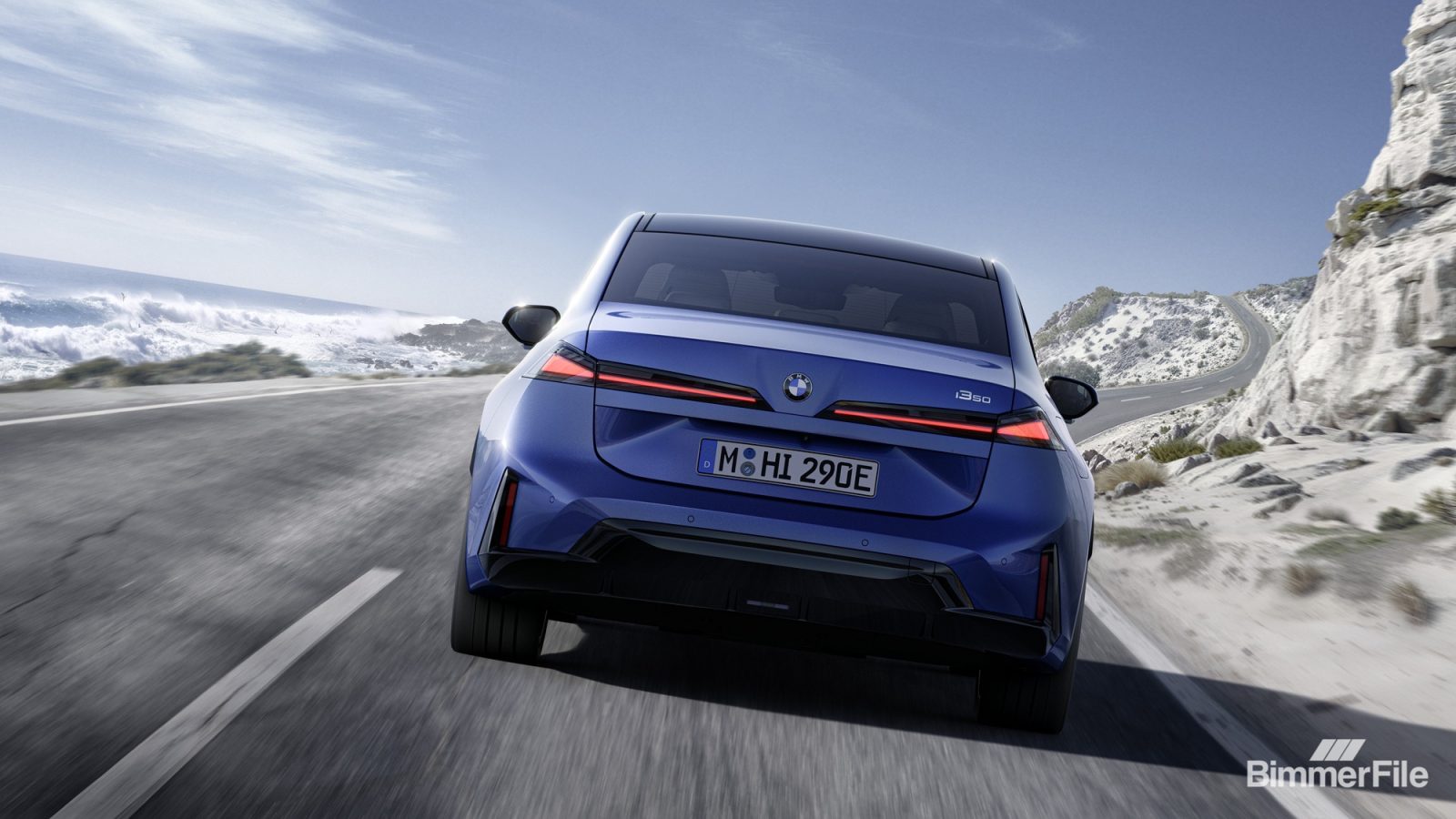
At the rear, horizontal lighting elements stretch into the wide shoulders of the body. The design emphasizes width and stability while reinterpreting BMW’s traditional L shaped taillight signature.
Dimensionally, the new i3 stays remarkably close to the current 3 Series sedan while subtly pushing the formula in a more planted, premium direction. At 187.4 inches long, 73.4 inches wide, and 58.3 inches tall, it is 1.5 inches longer, 1.5 inches wider, and 1.5 inches taller than today’s 3 Series. Its 114.1-inch wheelbase is also 1.6 inches longer, while the front and rear tracks grow to 63.2 and 63.5 inches, up 0.9 and 1.8 inches respectively over the current car. In other words, BMW has not reinvented the 3 Series footprint here. It has simply stretched it, giving the i3 a slightly longer, wider, more cab-rearward stance that should help with both interior packaging and road presence.
The result is a car that clearly belongs to the BMW family even as it introduces a new design language for the Neue Klasse era.
Inside the Neue Klasse Interior
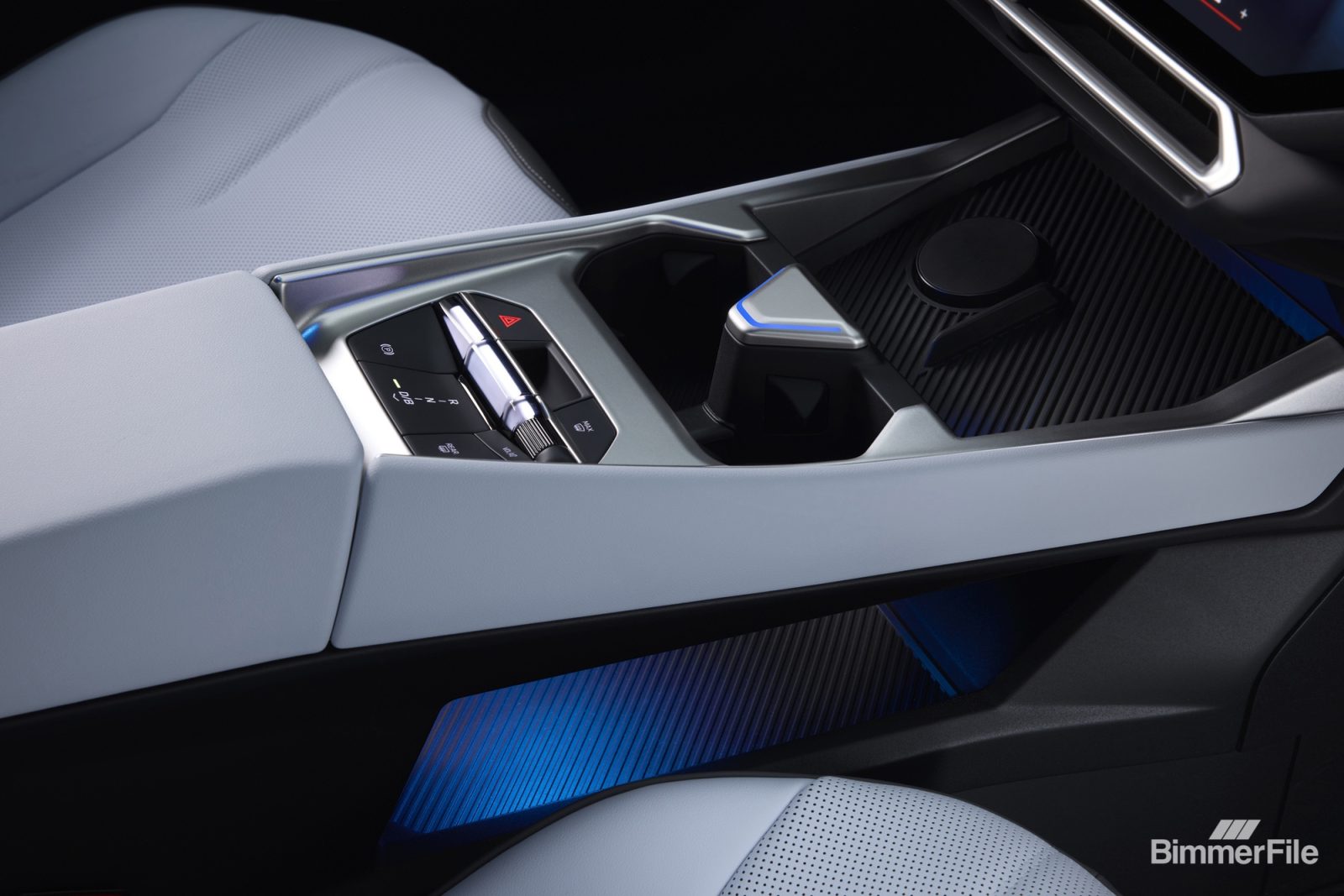
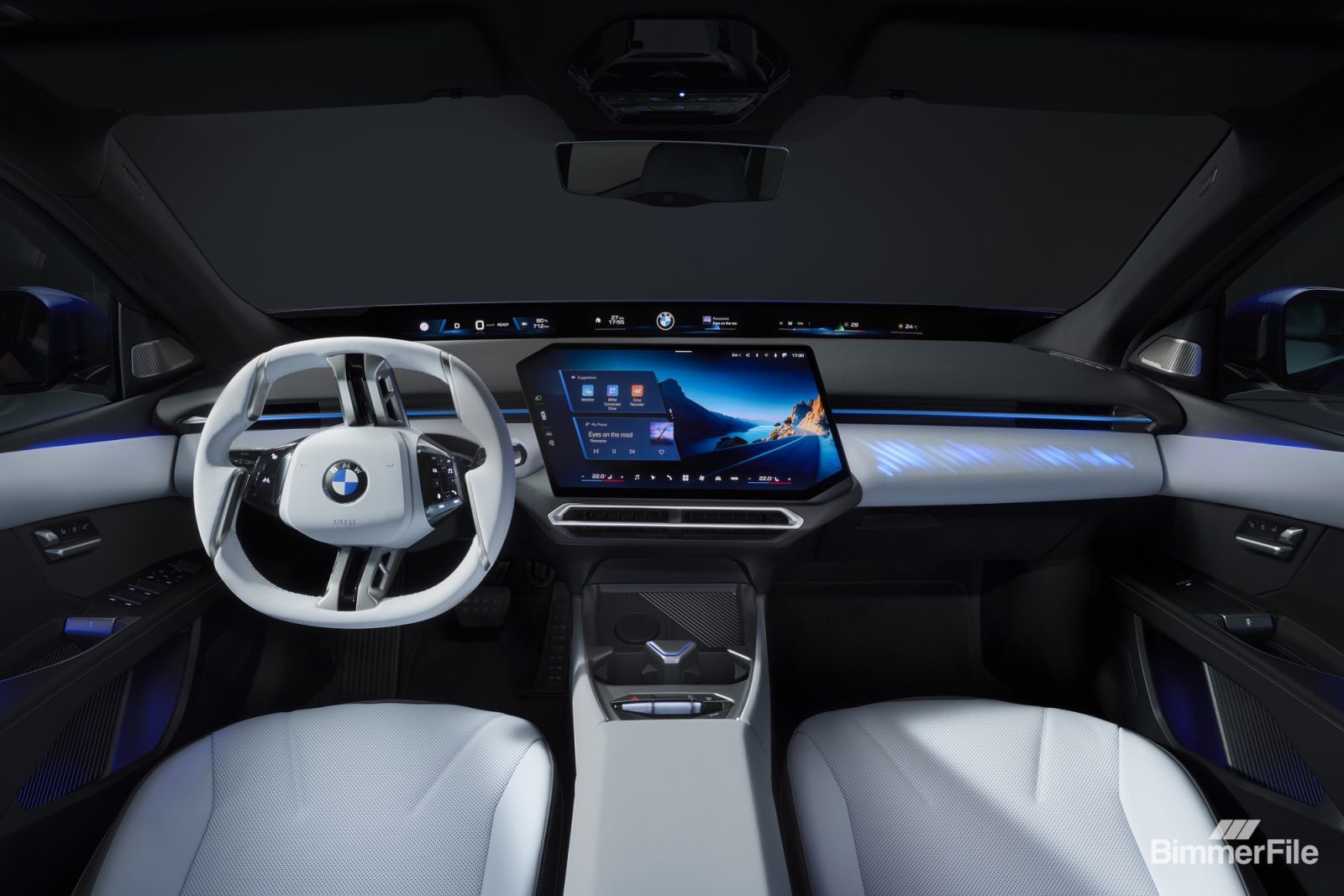
The interior of the new BMW i3 introduces one of the most significant changes to the brand’s cockpit design in years.
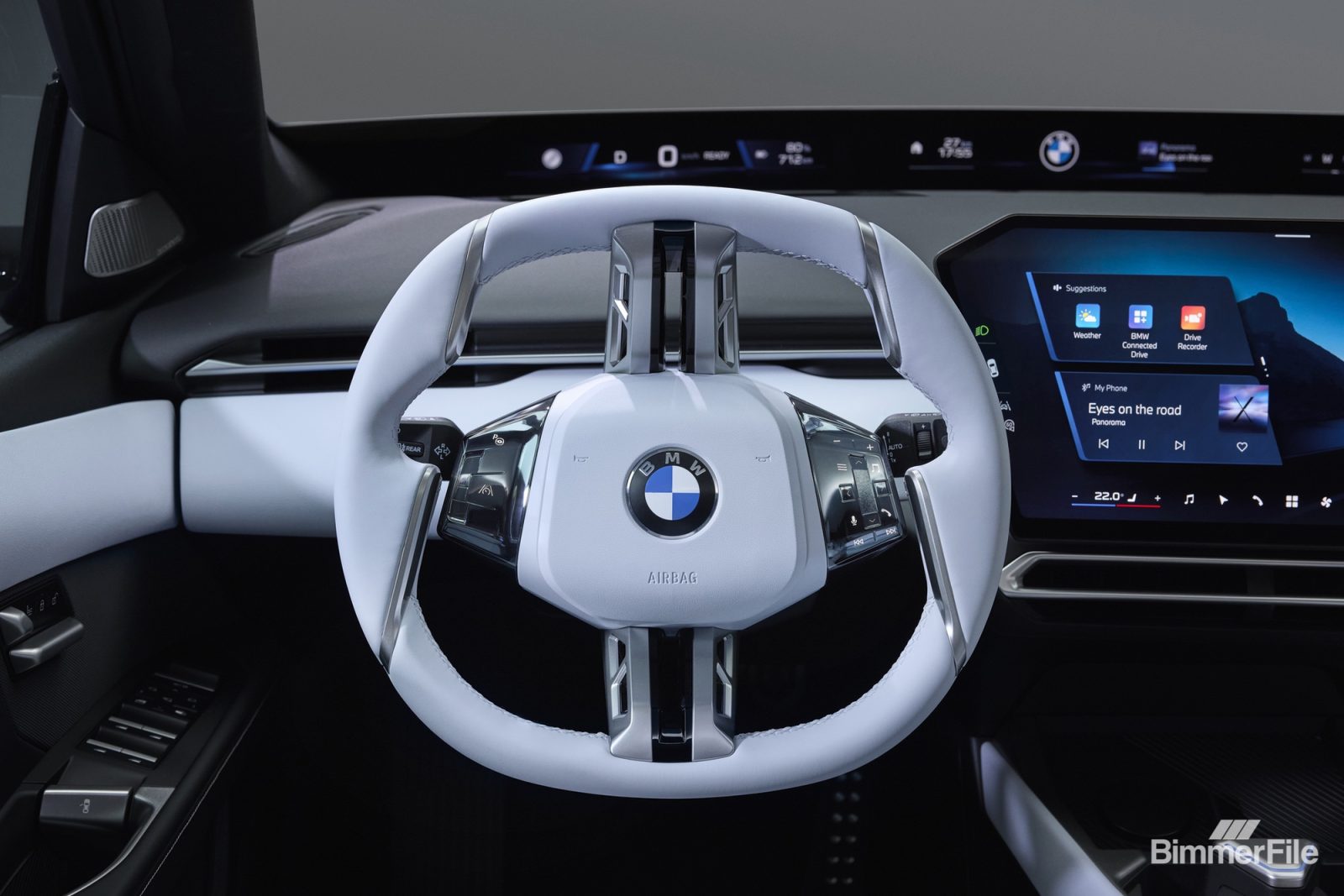
At the center of the experience is BMW Panoramic iDrive, a new display concept that projects information across the lower portion of the windshield from pillar to pillar. Driving information sits directly in the driver’s line of sight while additional widgets and vehicle data can be customized across the display.
A large central display sits next to the steering wheel and is angled toward the driver in the traditional BMW fashion. This screen measures 17.9 inches and serves as the primary interface for infotainment, navigation, and vehicle settings.
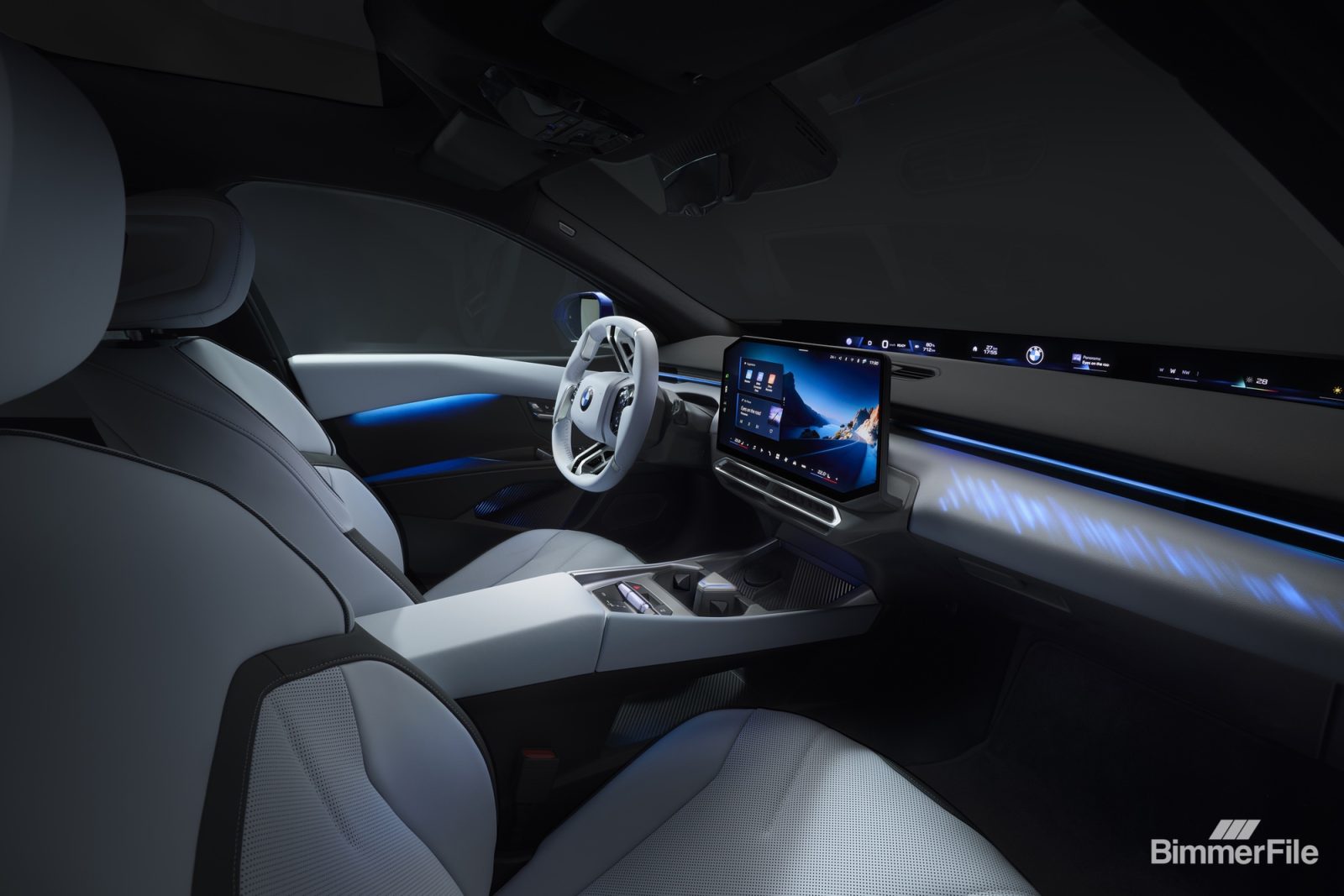
BMW has also redesigned the steering wheel with illuminated Shy Tech controls that only appear when the associated functions are available. This approach keeps the interface clean while preserving tactile interaction.
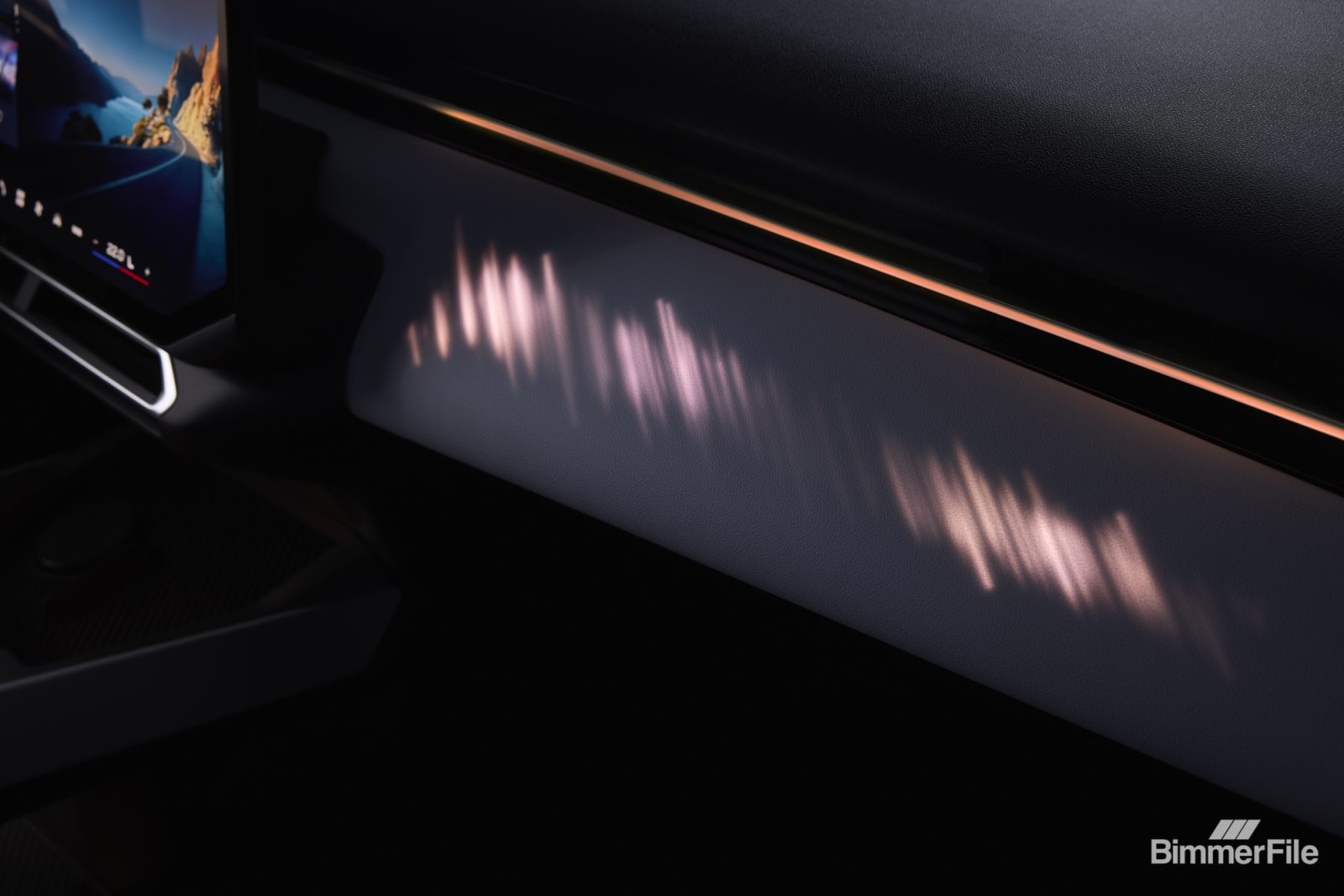
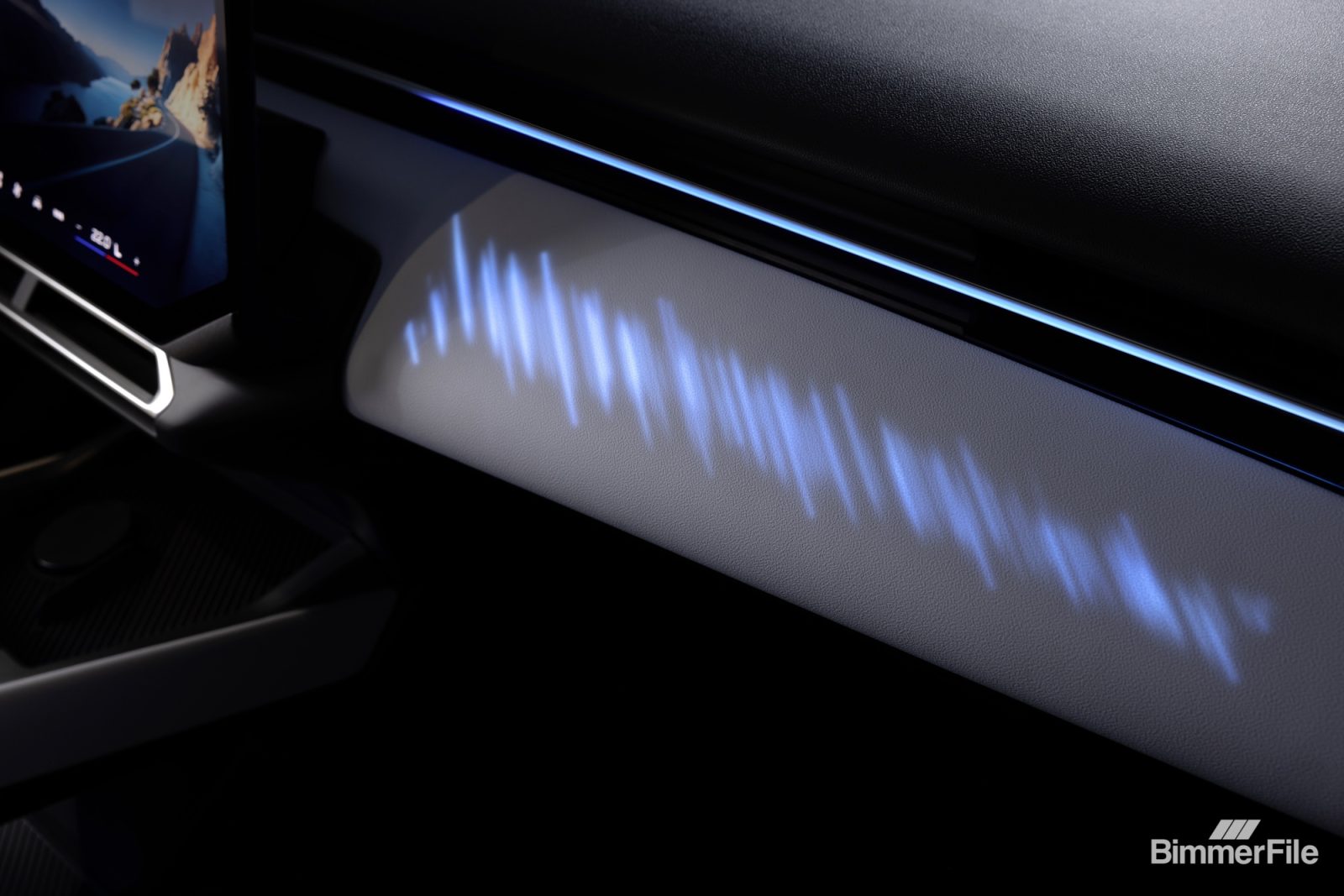
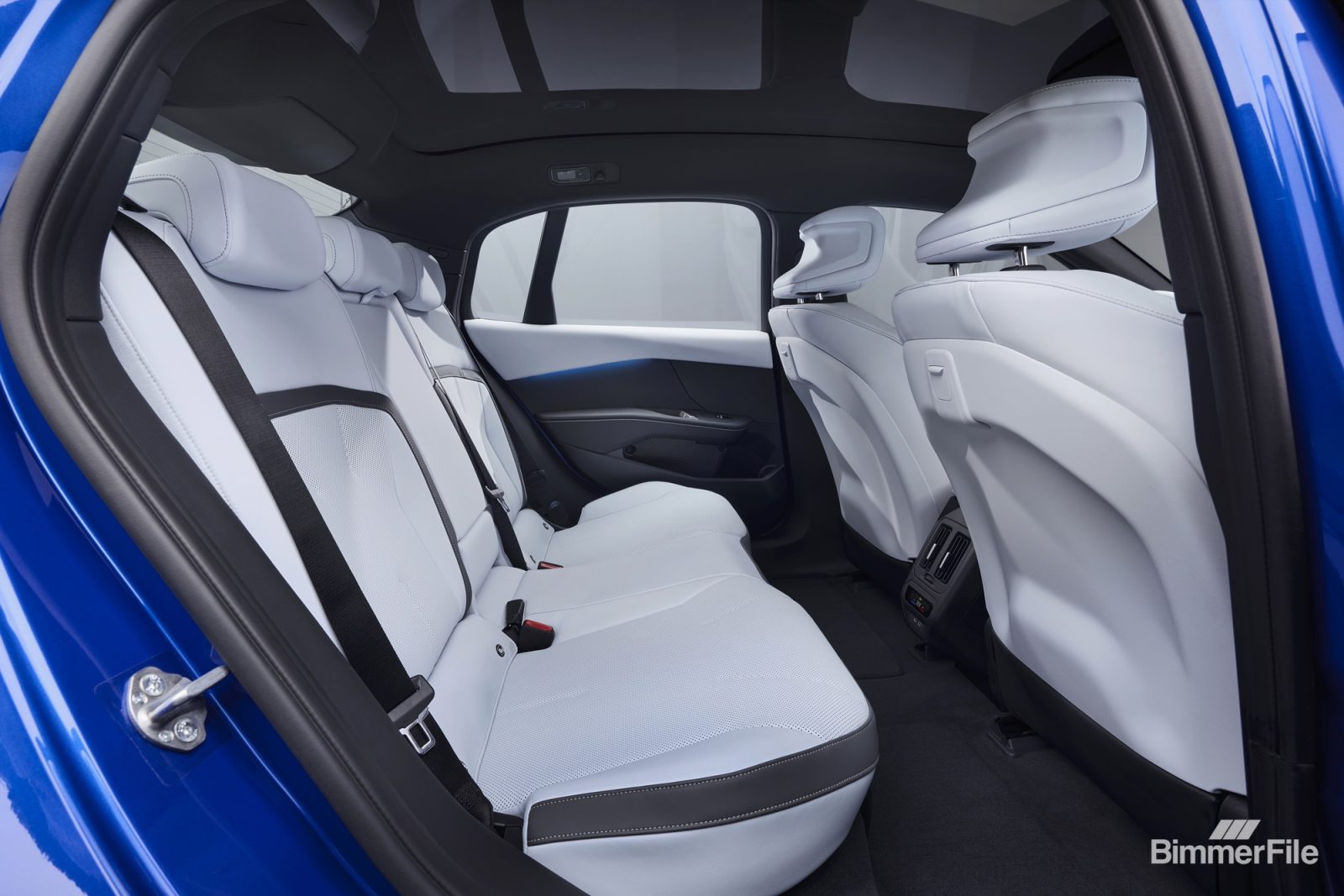
The cabin itself feels more open than previous generations of the 3 Series. Large window areas and a panoramic glass roof create an airy atmosphere while ambient lighting and digital graphics blend together to create a unified visual environment.
Despite all the new technology, the underlying principle remains familiar. The entire layout is still centered around driver orientation.
Gen6 eDrive Technology
Underneath the sleek sedan body sits one of the most important technological advancements BMW has introduced in years.
The new i3 debuts the sixth generation of BMW eDrive technology. This system combines a new electric motor design, an advanced battery architecture, and an 800 volt electrical system that significantly improves charging performance.
Compared with BMW’s previous generation EV technology, Gen6 eDrive increases driving range by roughly thirty percent while also improving charging speeds by a similar margin.
The high voltage battery itself uses cylindrical cells integrated directly into the battery pack using a cell to pack design. Eliminating traditional modules improves energy density and reduces weight while allowing the battery to sit flatter within the vehicle structure.
BMW has also integrated the battery into the body structure through a pack to open body concept. In this design the battery housing forms part of the structural underbody of the vehicle, improving torsional rigidity and contributing to better handling.
Heart of Joy and BMW Driving Dynamics
BMW knows that numbers alone do not define a great sports sedan. The real measure will always be how the car feels from behind the wheel.
That is where a system called Heart of Joy enters the picture.
This high performance control computer manages key aspects of the car’s dynamic behavior including drive power, braking, steering inputs, and regenerative braking. BMW says it processes data ten times faster than previous systems, which allows the car to respond more quickly and smoothly to driver inputs.
In everyday driving most braking is handled through regenerative braking from the electric motors. Conventional friction brakes are primarily used during aggressive driving or emergency situations.
BMW has also introduced a Soft Stop function designed to deliver extremely smooth deceleration when coming to a stop. Anyone familiar with the sometimes awkward brake transitions of EVs will appreciate how important that refinement could be.
Combined with a low center of gravity and a new suspension layout that includes a five link rear axle, the i3 aims to deliver the agile and balanced handling expected from a BMW sports sedan.
Range, Charging, and Long Distance Capability
The new BMW i3 also makes significant progress in the areas that matter most to EV owners.
BMW estimates a driving range of up to 440 miles based on preliminary testing using EPA procedures. That figure places the new i3 among the longest range electric sedans currently under development.
Charging performance is equally impressive. Thanks to its 800 volt architecture the i3 supports DC fast charging speeds of up to 400 kW, which dramatically reduces the time required to recharge during long trips.
The car also introduces several intelligent charging features. Route planning within BMW Maps automatically identifies charging stops when necessary and prepares the battery for fast charging before arrival.
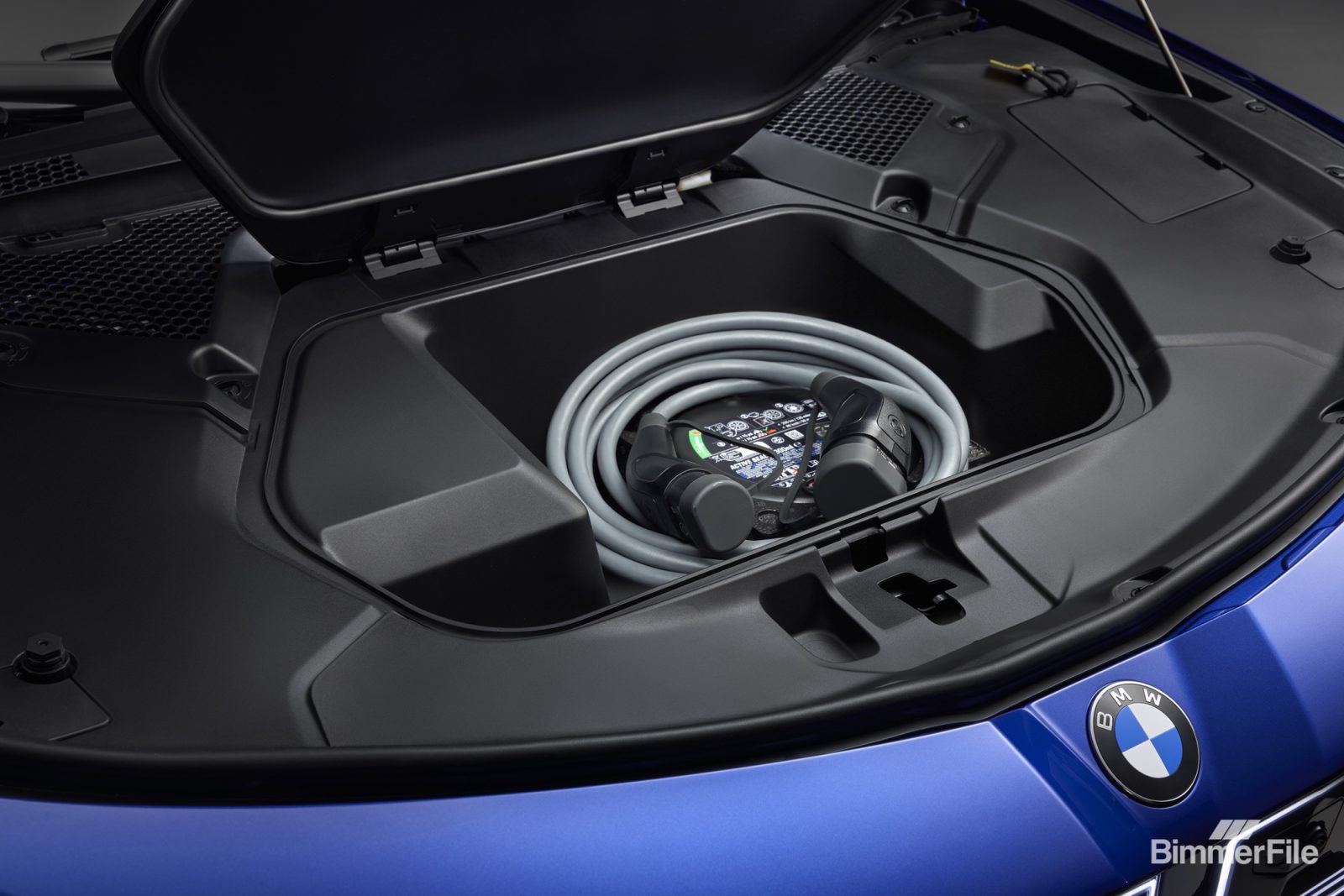
The i3 also supports bidirectional charging functions. Owners will be able to use the car to power external devices, supply electricity to a home, or even feed energy back into the electrical grid depending on regional capabilities.
BMW has confirmed that the North American version of the i3 will include the NACS charging port as standard. That means owners will have access to Tesla’s extensive Supercharger network while still being able to use CCS charging stations through an adapter.
Our Take on the new BMW i3
The new BMW i3 is important not simply because it is electric. But electrification allows BMW to give this cars abilities that simply aren’t easily replicated in an ICE car. Take emotion out of it and look at what we have here; a non-M 3 Series that offers 463 hp, 476 ft-llb and 440 miles of EPA estimated range (not some WLTP dream).
It does all of this with vehicle dynamics that are rumored to be beyond anything we’ve seen in class. No it won’t have the sound of an inline six or a manual transmission to engage with. But in our view, if you’re going to move to electrification, you might as well go all-in. And that’s what BMW has done here.
The new i3 will be sold alongside a similar looking refreshed 3 Series along with new look. Beyond the 3er, the Neue Klasse architecture, the new digital operating system, the updated design language, and the sixth generation electric drivetrain will all appear across BMW’s future lineup. In that sense the i3 is more than a single model. It is the blueprint for the next generation of BMW vehicles.
Production will begin at BMW’s historic Munich plant in August 2026, with the first deliveries expected later in the year. Within twelve months the facility will transition to producing only fully electric Neue Klasse vehicles. That transition marks a turning point not just for a factory but for the entire company.
For many of us this new i3 must succeed in delivering the same balance of performance, usability, and driver engagement that defined the best 3 Series models. But for BMW their goal is nothing less than redefining what’s possible in the segment.