

US hybrid sales are outpacing the broader market by more than two to one since the Iran conflict began. By Stewart Burnett
US hybrid sales surged 37% in the two months following the outbreak of the Iran war in late February, handily outpacing a broader market gain of 15% over the same period, according to Motor Intelligence data. Gasoline prices topped US$4 per gallon in late April and peaked at US$4.40 in May, with diesel reaching US$5.64 the same month—putting them 60% and 54% above their January levels respectively.
Battery-electric vehicles (BEVs) have struggled to follow the same trend. BEV sales rose just 11% in the same window, 4% below the broader market pace and well down on year-earlier levels. The elimination of the US$7,500 federal tax credit for new BEV purchases has collapsed by almost half in the wake of the elimination, from a peak around 12% in September 2025, the month the credits expired.
The divergence is sharply at odds with Europe, where higher fuel prices have driven both hybrid and BEV demand upward. UK BEV sales have exploded, rising 79% in the two months since the conflict began—far outpacing the broader market—while Germany recorded a 39% gain. Q1 2026 data from ACEA captures the full extent of the divergence: BEV registrations across 15 key European markets rose 29.4% year-on-year to nearly 560,000 units, with March alone producing a 51.3% gain as fuel price shock accelerated purchasing decisions
In all, market share for BEVs sat at 19.4% for Q1 in Europe. Hybrids and plug-in hybrids saw comparable surges, reaching market shares of 38.6% and 9.5% respectively. In combination, this would put Europe’s electrified vehicle market share at 67.5% —far ahead of the US, and even China following the latter’s winding down of tax subsidies. China came in at 61%, down from 68.3% a year prior. Greater model availability and stricter emissions regulations underpin the difference; the US has neither the affordable EV range nor the regulatory pressure that has reshaped European and Chinese consumer behaviour.
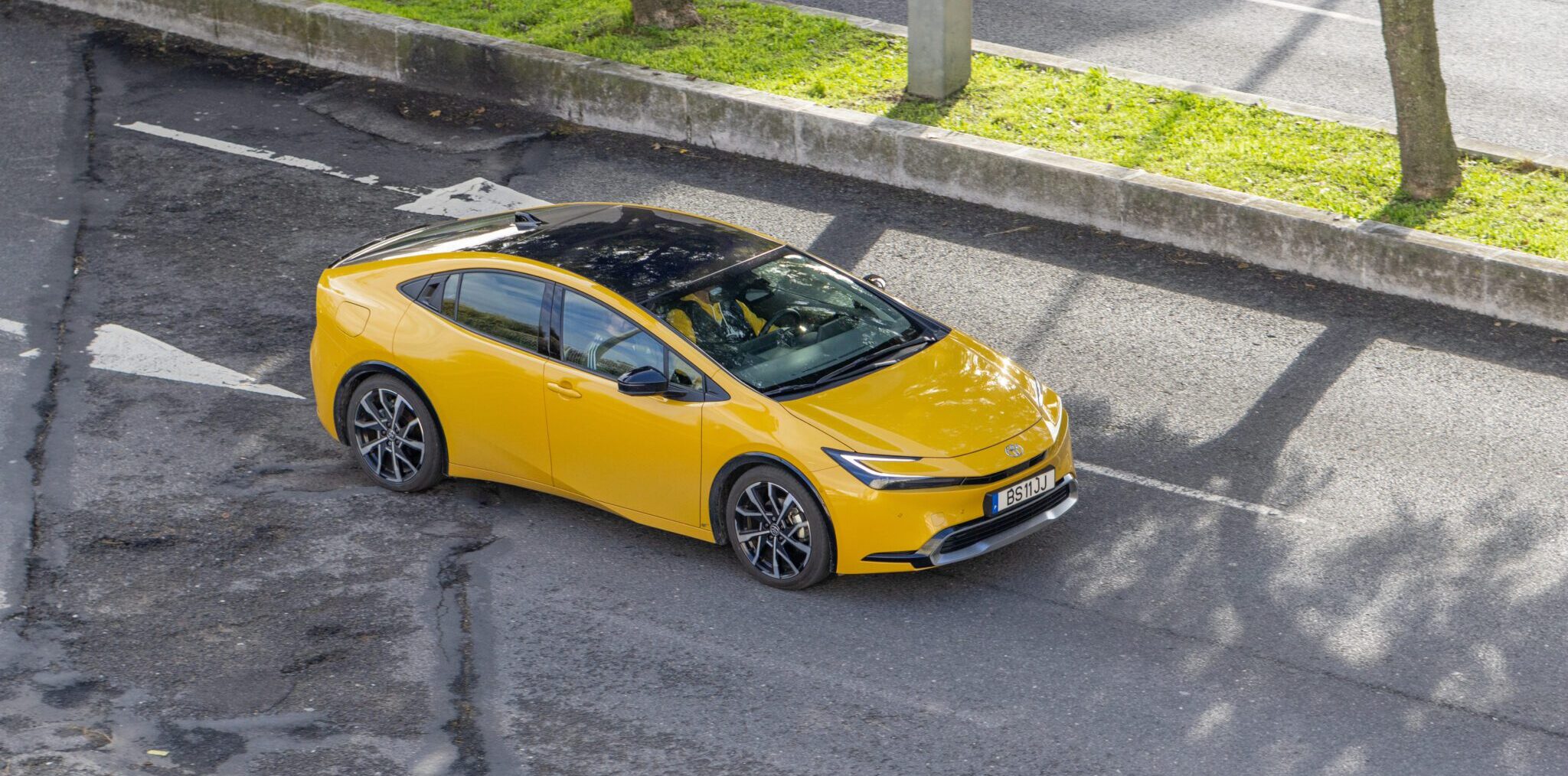
Toyota is arguably the primary beneficiary of the US hybrid surge. The company pioneered the segment with the Prius in the late 1990s and now accounts for roughly half of all US hybrid sales; its electrified deliveries—almost entirely hybrid-driven—rose 34% in the two months following the conflict’s outbreak, against 23% growth for its overall US business.
To sustain its leading position in hybrids, Toyota has committed US$912m across five US plants to expand output. The largest tranche (US$453m) goes to the West Virginia facility to reinforce hybrid engine and component capacity; US$125m will bring Corolla Hybrid assembly to Mississippi, currently an import from Japan. The investment forms part of a broader US$10bn U.S. commitment announced several weeks prior; the automaker has also intimated plans to boost its global hybrid output by 30% to 6.7 million units in 2028.
The US hybrid surge has not displaced pick-up truck demand. Large truck purchases rose 20% in March and April relative to February pre-war levels, with dealers reporting that automaker discounts—concentrated on internal combustion engine vehicles—are overriding pump price concerns for many buyers. “We’re still selling lots of pickup trucks,” one Ford, Toyota, and Stellantis dealer in Michigan told Reuters.
The energy price outlook suggests the hybrid advantage will persist. Infrastructure damage from the conflict—including strikes on Qatar’s Ras Laffan LNG complex, which experts estimate will take three to five years to fully repair—points to it taking a substantially longer time to restore fuel prices than some expect. For US consumers who have already ruled out a full BEV on price and infrastructure grounds—or having the regulatory mechanisms that made it feasible take away—that timeline may serve to reinforce the calculus for a hybrid purchase in the years to come, too.