

For decades, enthusiasts have joked about “new BMW smell.” Open the door, drop into the seat, and there it is. That faint mix of leather, plastics, and fresh materials that signals a car has just rolled out of Munich or Spartanburg. It feels premium in a way that’s hard to explain but instantly recognizable.
What most owners don’t realize is that BMW engineers treat that smell as a serious engineering problem.
It turns out the air inside a car is a surprisingly complex environment. Every material inside the cabin releases microscopic emissions over time. Plastics, adhesives, fabrics, foam, leather treatments. Heat, sunlight, and humidity all change how those materials behave. Put the car in the summer sun and those emissions increase. Park it overnight in winter and they drop.
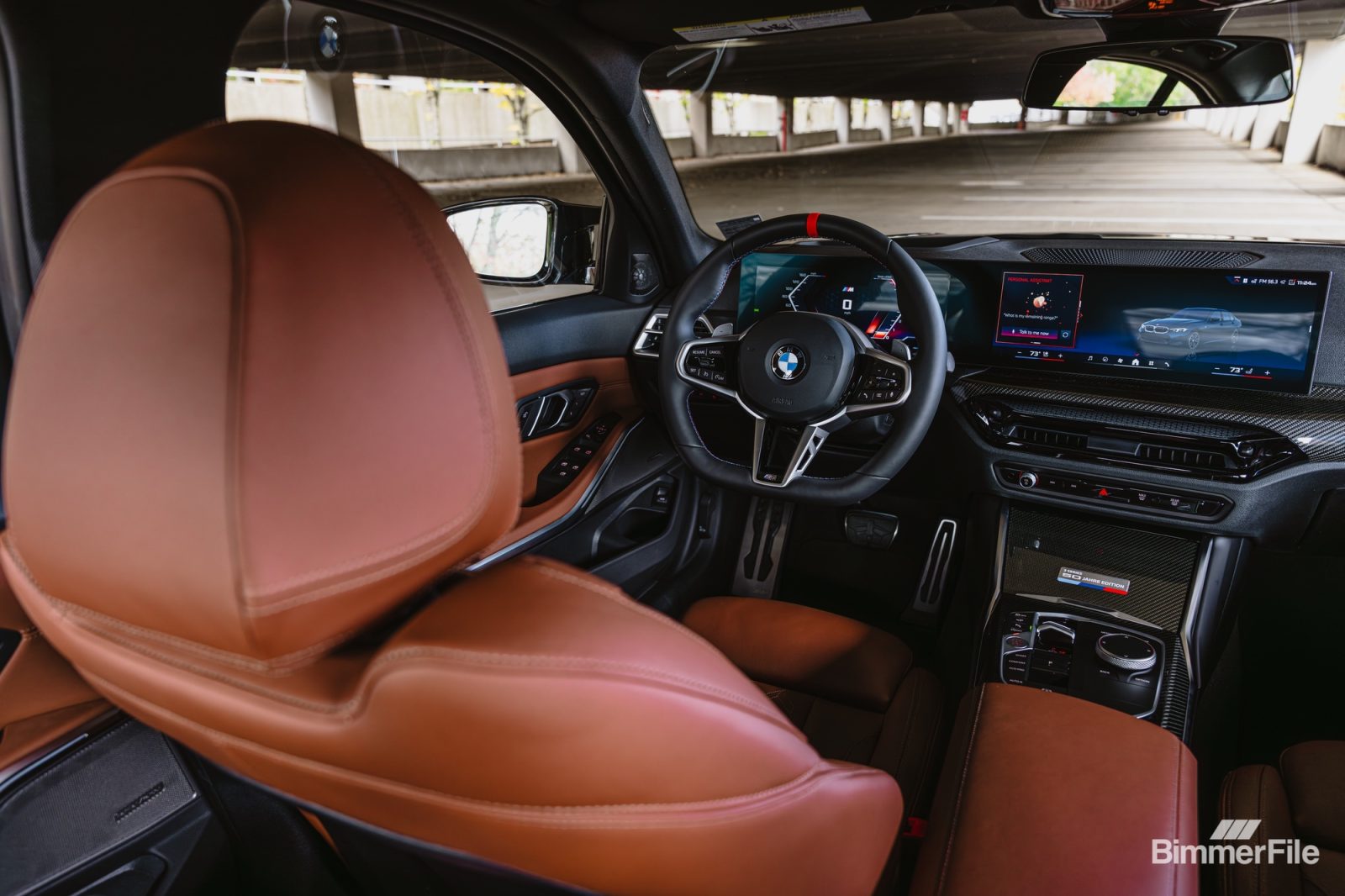
BMW has spent more than twenty five years studying exactly how those materials interact inside the cabin. The goal is not just comfort. It is health, sustainability, and the overall experience of being inside the car.
Sustainability in the auto industry usually starts with batteries, tailpipes, and recycled materials. BMW takes a wider view. The company looks at the entire life cycle of a vehicle from raw materials to production, driving, and eventual recycling. That philosophy reaches further than most people expect, all the way into the air you breathe while driving.
To manage that, BMW operates something that sounds almost fictional. An odor laboratory dedicated to testing interior components and complete vehicle cabins.
This is where science meets the human nose. Engineers use specialized equipment to measure emissions from materials. At the same time, trained evaluators literally smell interior components to assess scent quality. It is part chemistry lab and part sensory panel.
BMW does not add artificial fragrance to the cabin. Instead the company tries to eliminate problematic emissions and create a neutral, natural scent profile. That subtle smell you notice in a new BMW is not perfume. It is the result of carefully chosen materials behaving the way engineers intended.
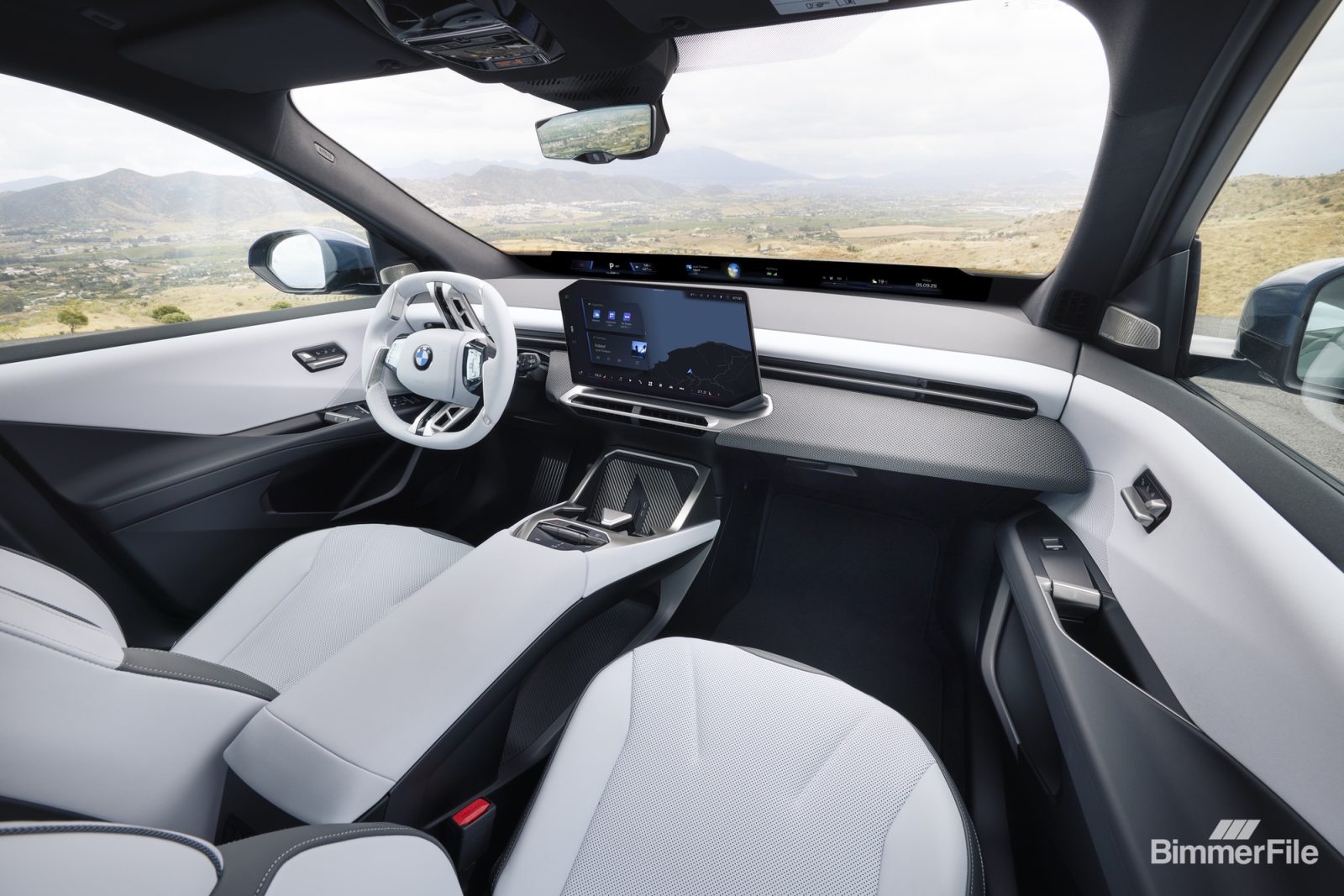
The reason this matters goes beyond luxury.
The human sense of smell connects directly to the limbic system, the part of the brain that handles emotion and memory. Smell shapes how we perceive spaces in ways we rarely notice consciously. A cabin that smells clean and neutral feels calmer, healthier, and more premium even if drivers cannot explain why.
As BMW pushes deeper into sustainable materials and electric vehicles, this kind of thinking becomes even more important. Future interiors will rely more heavily on recycled materials, alternative fabrics, and new manufacturing processes. Each of those changes affects how materials behave inside the cabin.
Which means the engineers in that odor lab are going to stay busy.
It is the kind of invisible engineering BMW rarely advertises but enthusiasts end up appreciating anyway. We talk about steering feel, chassis balance, and engine character. Yet part of what makes a BMW interior feel right happens before you even touch the wheel.
You open the door, sit down, and breathe in. The experience feels clean, precise, and unmistakably BMW.