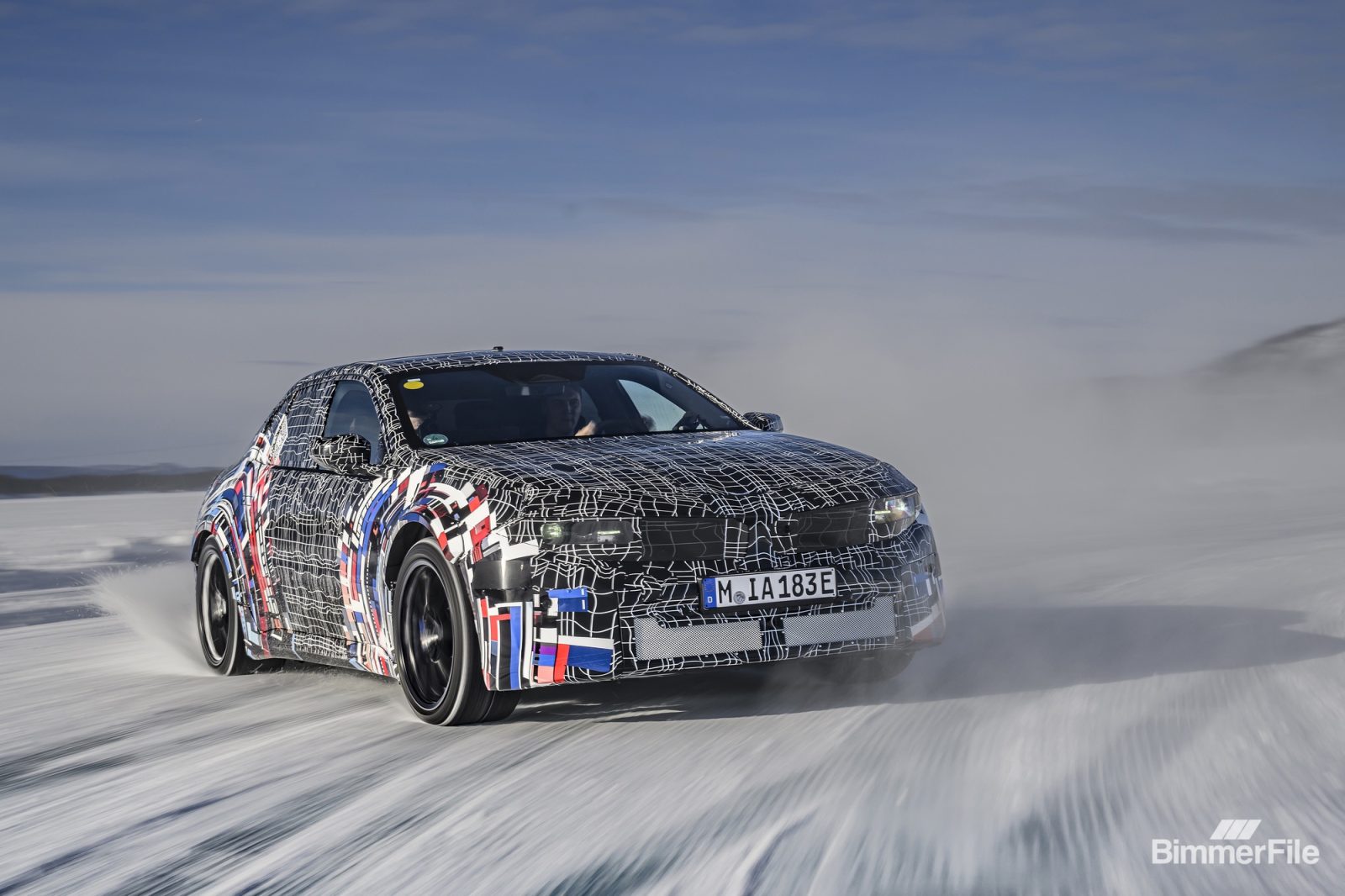

For decades, the BMW M3 has been a fixed point in the performance landscape. A benchmark not simply for speed, but for what driving enthusiasts prize most: feel. Steering weight, throttle response, and the sense of connection that defines an M car when everything is working in harmony. So when BMW confirmed that a fully electric M3 is on the way, it was never going to be just a change in propulsion. It is a test of whether the M3’s core values can survive a fundamental shift in how performance is delivered.
Quad Motors, Synthetic Gear Shifts and Rear Wheel Drive On-Demand
And BMW isn’t easing into that test. The electric M3 will arrive with a quad-motor layout, synthetic gearshifts, and digitally generated engine sound, three elements that go straight to the heart of what makes an M3 feel like an M3. This is BMW M choosing to confront the emotional and technical challenges of electrification head-on rather than quietly sidestepping them.
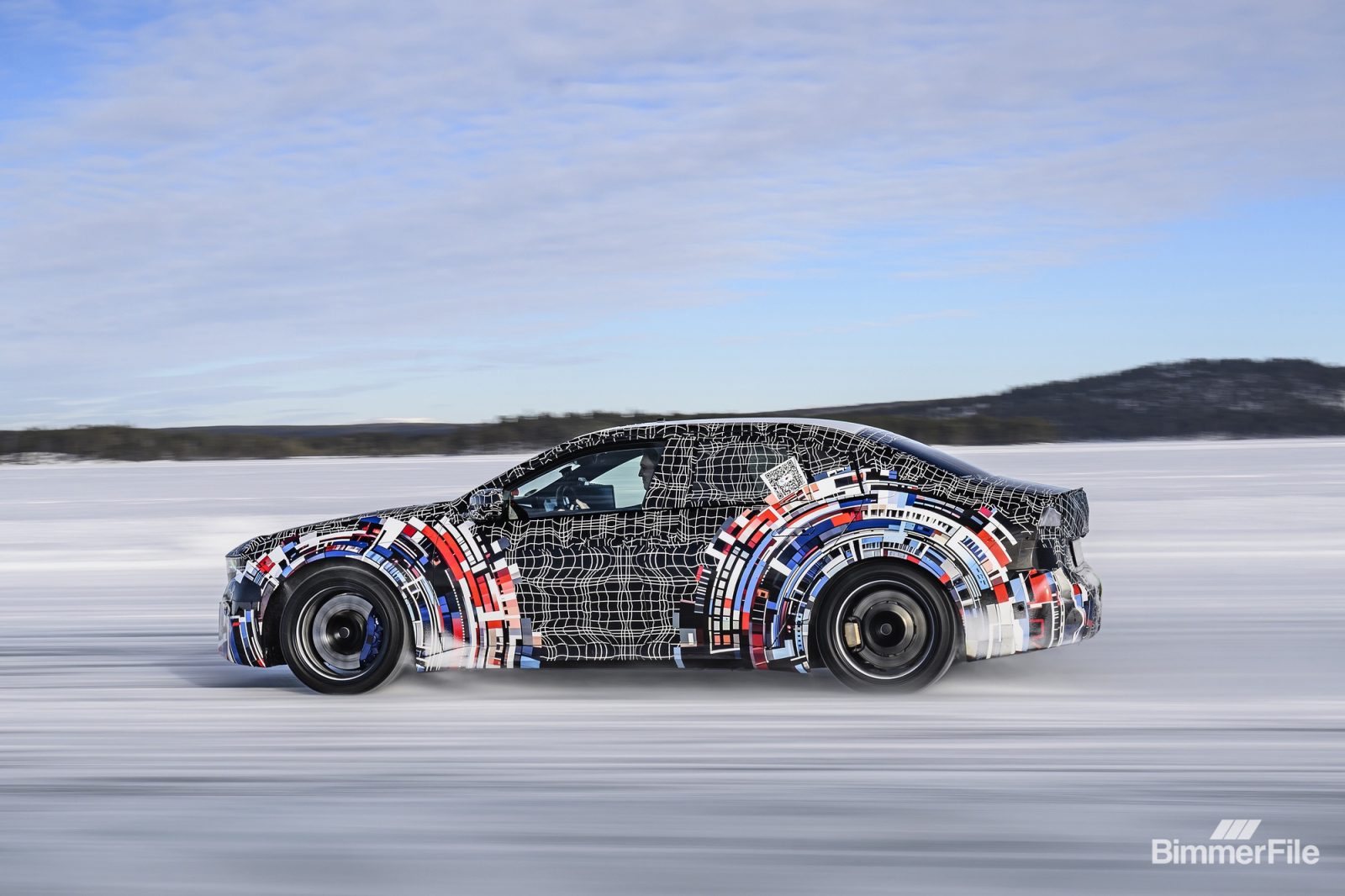
From a BimmerFile perspective, that openness matters. BMW isn’t pretending this is a silent, seamless evolution. It’s acknowledging that performance has always been about more than numbers, and that cadence, feedback, and controllability still matter even when combustion disappears. Naturally details will matter so we’ll withhold judgement until we experience it ourselves.
Beneath that continuity, however, the car represents a genuine first. This will be BMW M’s first fully electric production model, and it will sit on the brand’s Neue Klasse EV platform, an architecture designed from the outset around electrification, centralized computing, and next-generation vehicle dynamics. The electric M3 is not adapting to this platform. It is helping define it.
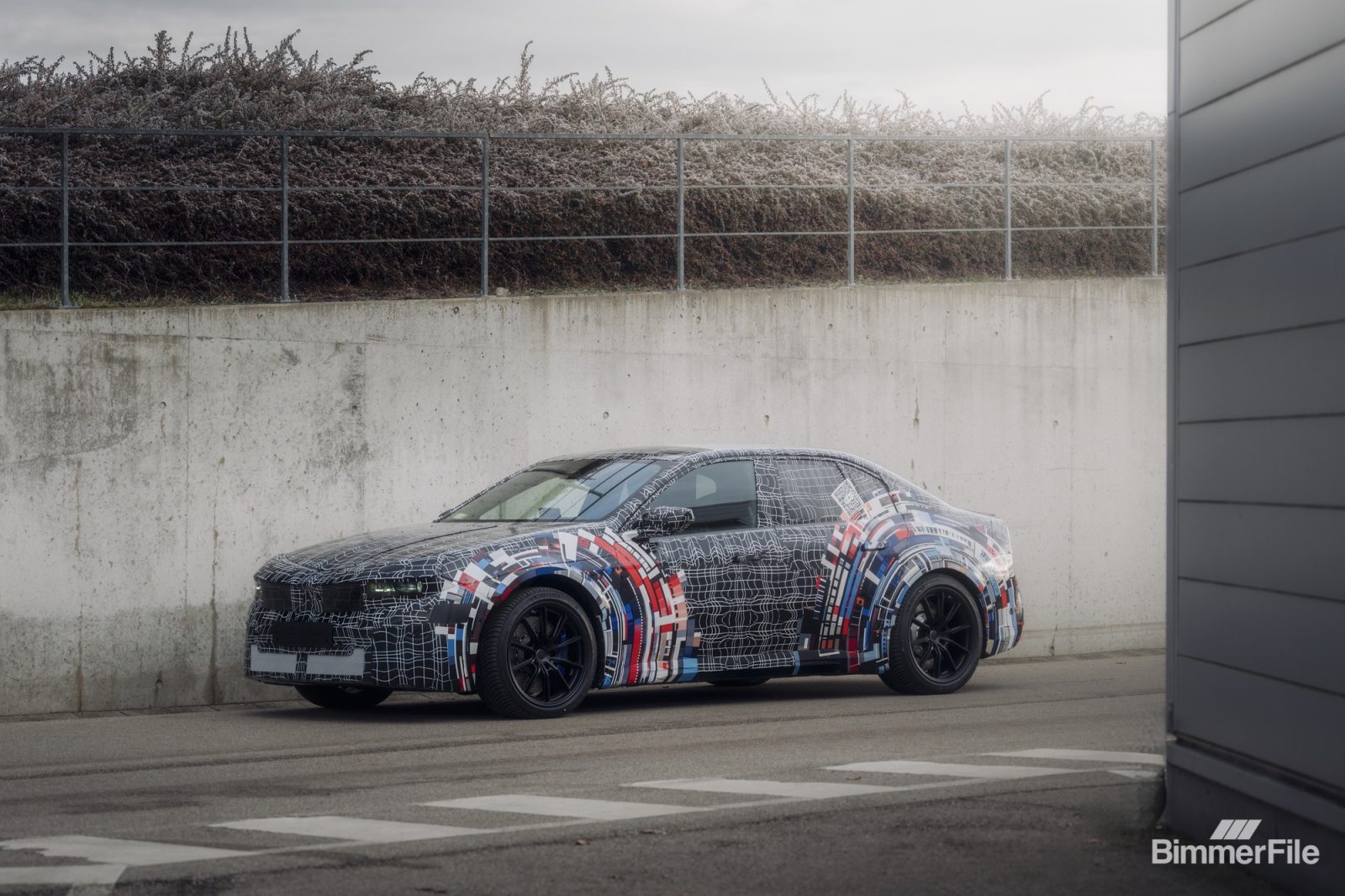
BMW M eDrive: The Technical Core of the Electric M3
At the heart of the electric M3 is a drivetrain concept that represents the most comprehensive rethink of BMW M performance since the division’s founding. Known as BMW M eDrive, it is built on the Gen6 electric architecture of the Neue Klasse and developed from the ground up specifically for high-performance applications.
This is not a single motor solution scaled up for output. In the electric M3, each wheel is driven by its own electric motor, creating a true quad-motor layout. Two fully integrated drive units sit on the front and rear axles, with one motor per wheel. Each motor feeds its own reduction gearbox, while the inverter and oil supply are packaged directly within the drive unit itself. The result is extremely high power density and the most powerful electric drive system BMW M has ever deployed.
What makes this architecture transformative is not just output, but control. All four motors are managed by BMW M’s dedicated software layer running on the Heart of Joy central processing unit. Working in concert with what BMW calls M Dynamic Performance Control, the system continuously manages torque, traction, stability, braking, and energy recuperation at each individual wheel. This allows for levels of precision that simply were not possible with mechanical differentials or even previous electronically assisted systems.
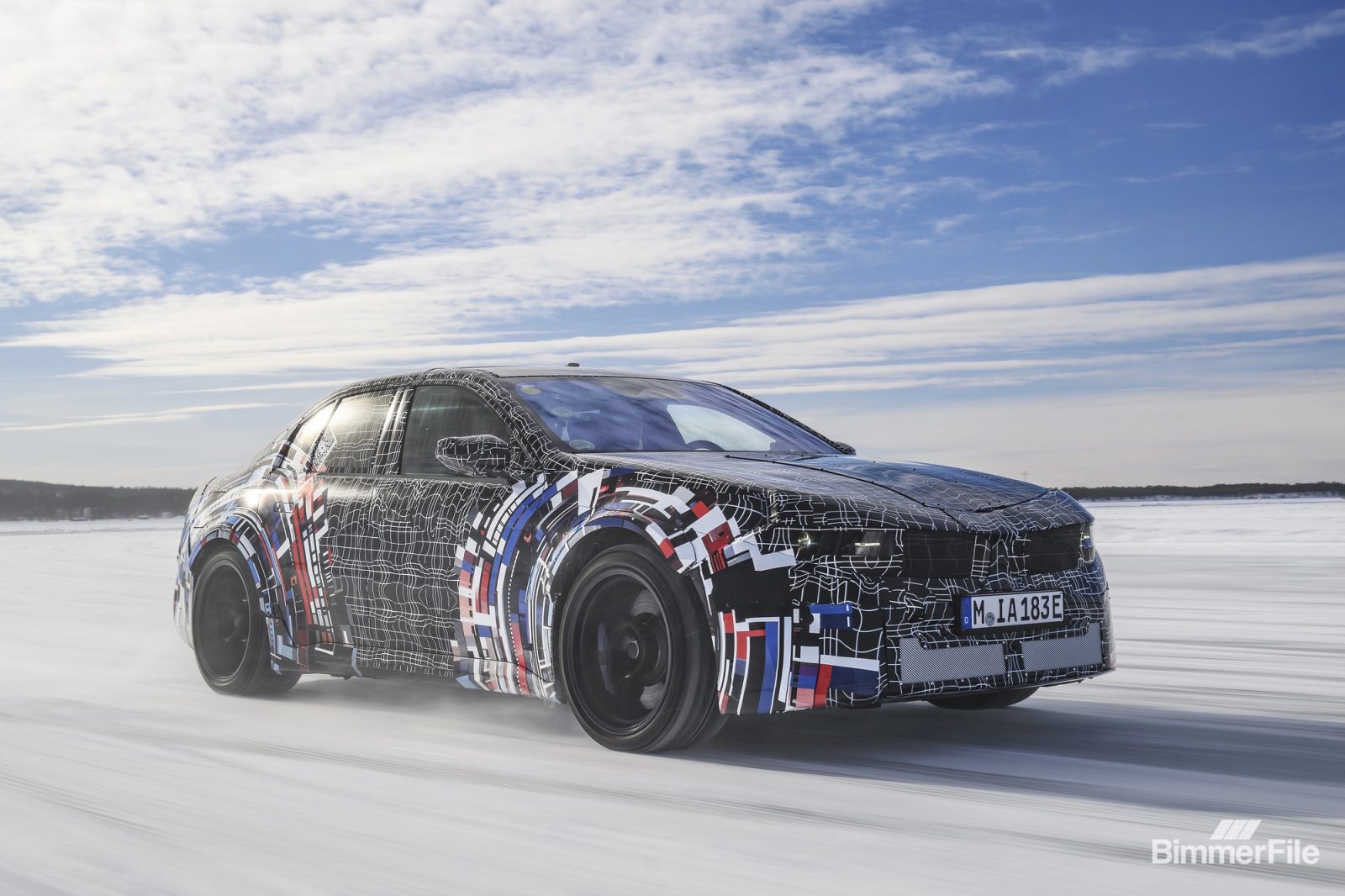
The benefits are felt everywhere. Torque distribution can be adjusted instantaneously based on grip, steering angle, and driver input. Brake energy recuperation is blended seamlessly with the friction braking system right up to the limit. Traction remains consistent not through intervention, but through anticipation. BMW describes the result as a more direct response and increased stability under extreme loads, particularly in high-speed cornering and during repeated hard driving.
Crucially, this quad-motor layout allows the electric M3 to combine the advantages of both all-wheel drive and rear-wheel drive. The system can operate as a fully variable all-wheel-drive setup when maximum traction is required. But just as importantly for BMW M, the front axle can be completely decoupled. In those moments, the electric M3 behaves as a rear-wheel-drive car, preserving the dynamic character that has defined the M3 for decades. BMW also points to this decoupling as a way to increase efficiency and extend range during steady-state driving, particularly on longer motorway journeys.
To reinforce driver engagement, BMW M is layering in predefined driving modes, simulated gear shifts, and a newly developed soundscape. These elements are not there to disguise the electric powertrain, but to give drivers structure, rhythm, and feedback under hard driving. They are part of BMW M’s broader effort to ensure the car remains intuitive and emotionally engaging, particularly on track.
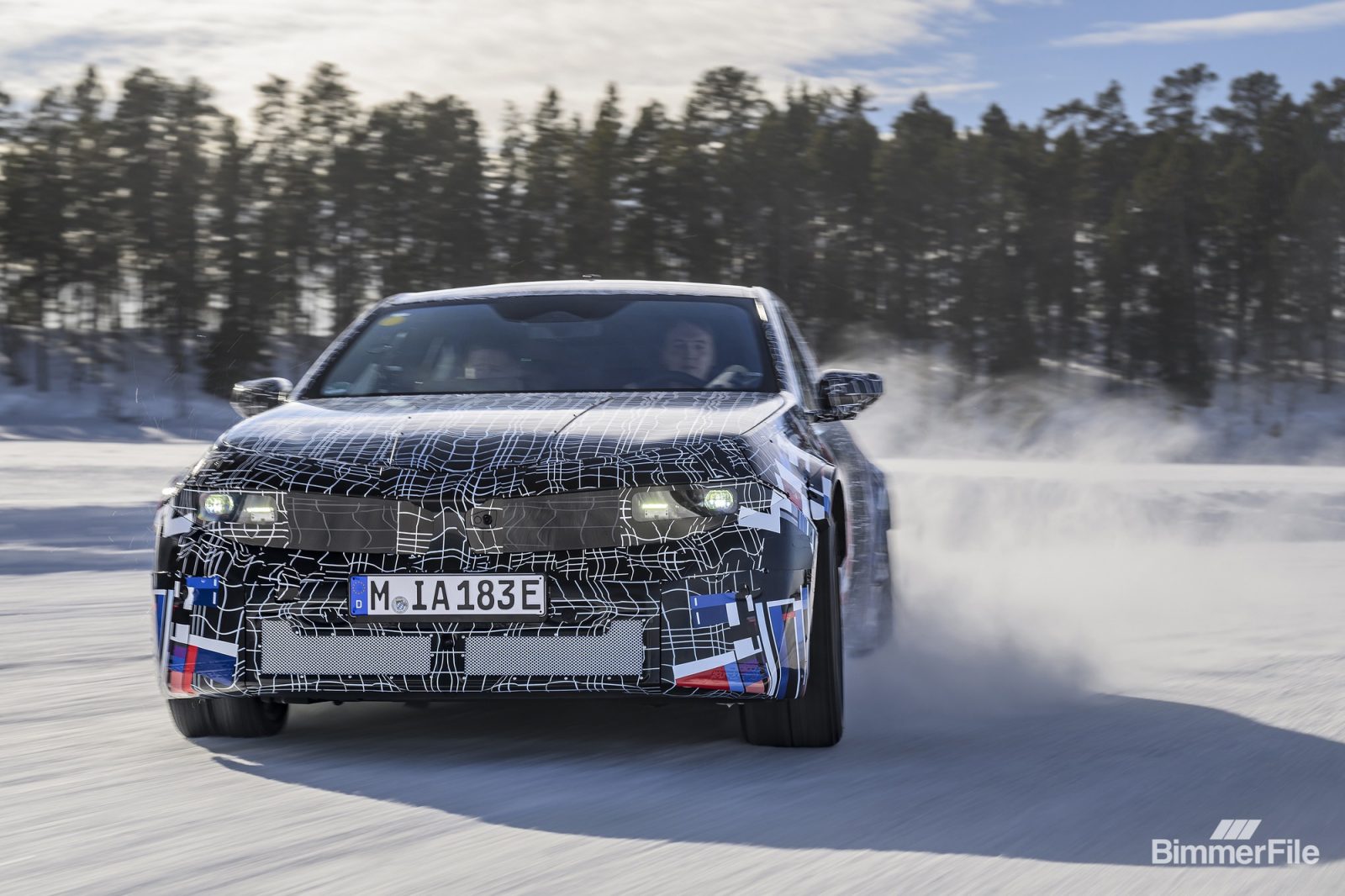
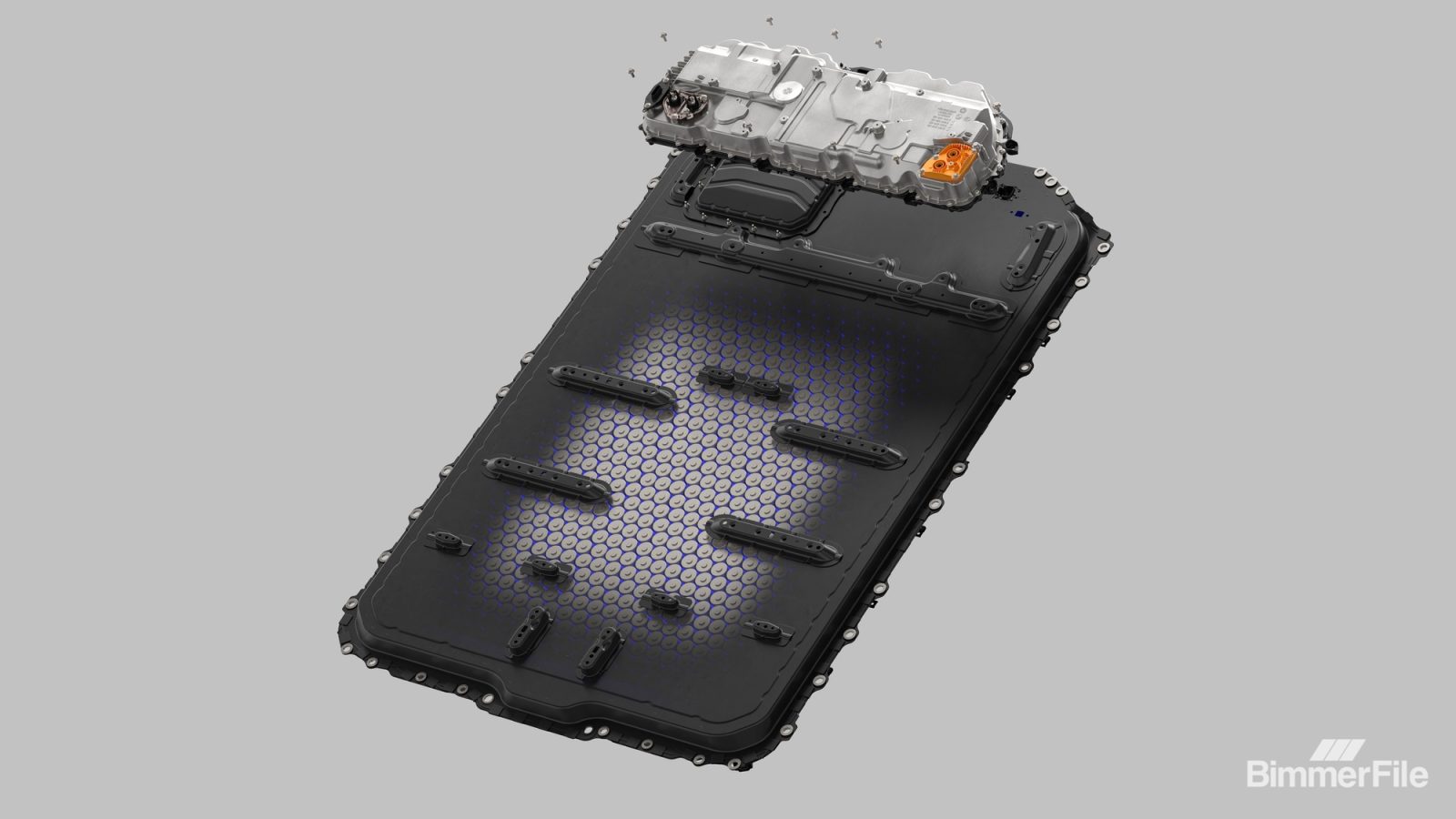
Supporting all of this is a newly developed high-voltage battery with more than 100 kWh of usable energy, engineered specifically for M applications. Using a performance-optimized version of BMW’s Gen6 cylindrical cells, the battery has been designed under a “Design to Power” philosophy. Cooling systems and the Energy Master control unit have been upgraded to support sustained high power output, rapid recuperation, and faster charging without thermal degradation.
The battery housing itself plays a structural role, connecting directly to the front and rear axles. This increases overall chassis stiffness, which in turn improves steering precision and body control. Within the Neue Klasse range, BMW says these M models will also achieve the highest levels of energy recuperation, further enhancing both performance consistency and efficiency.
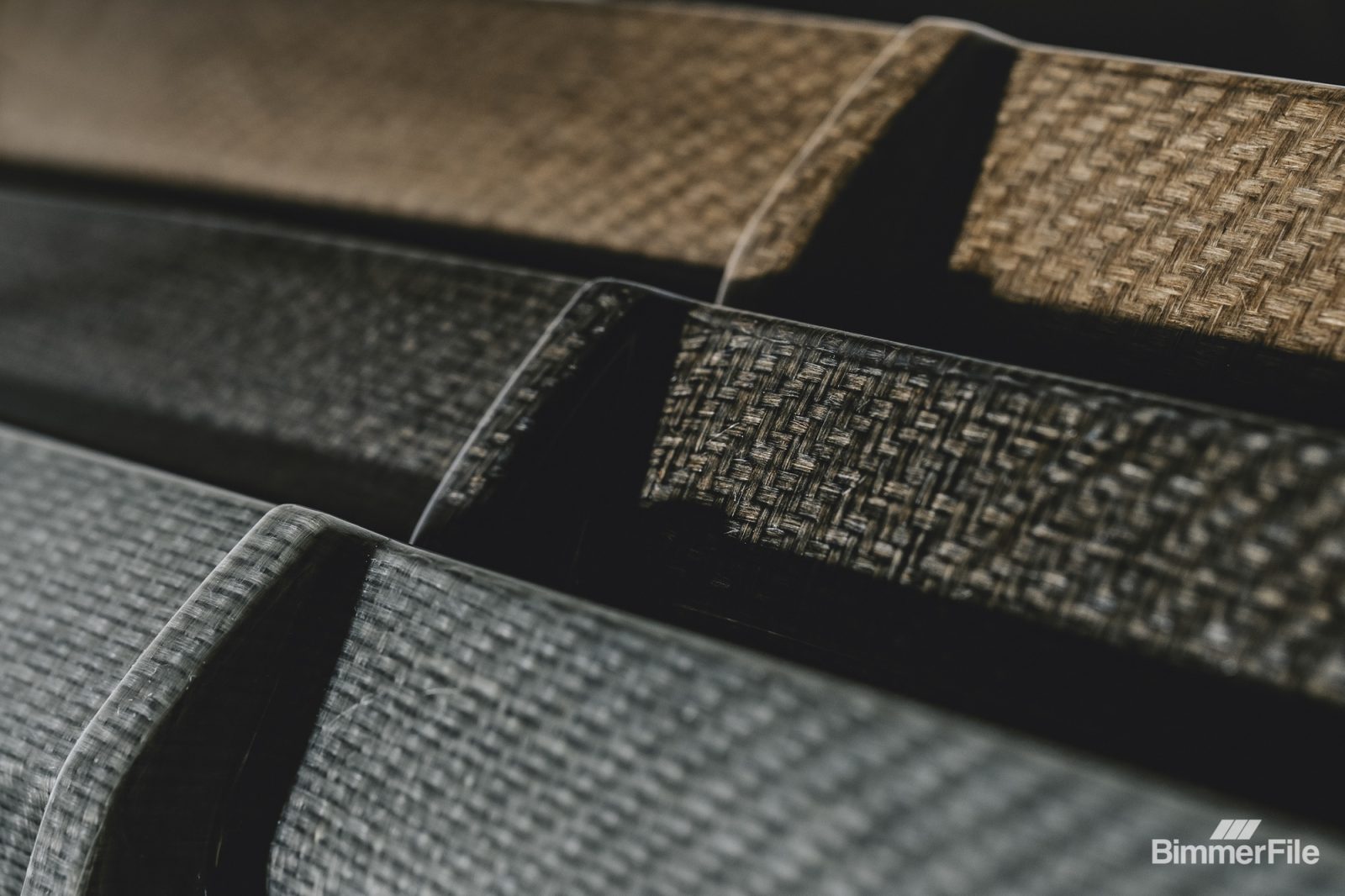
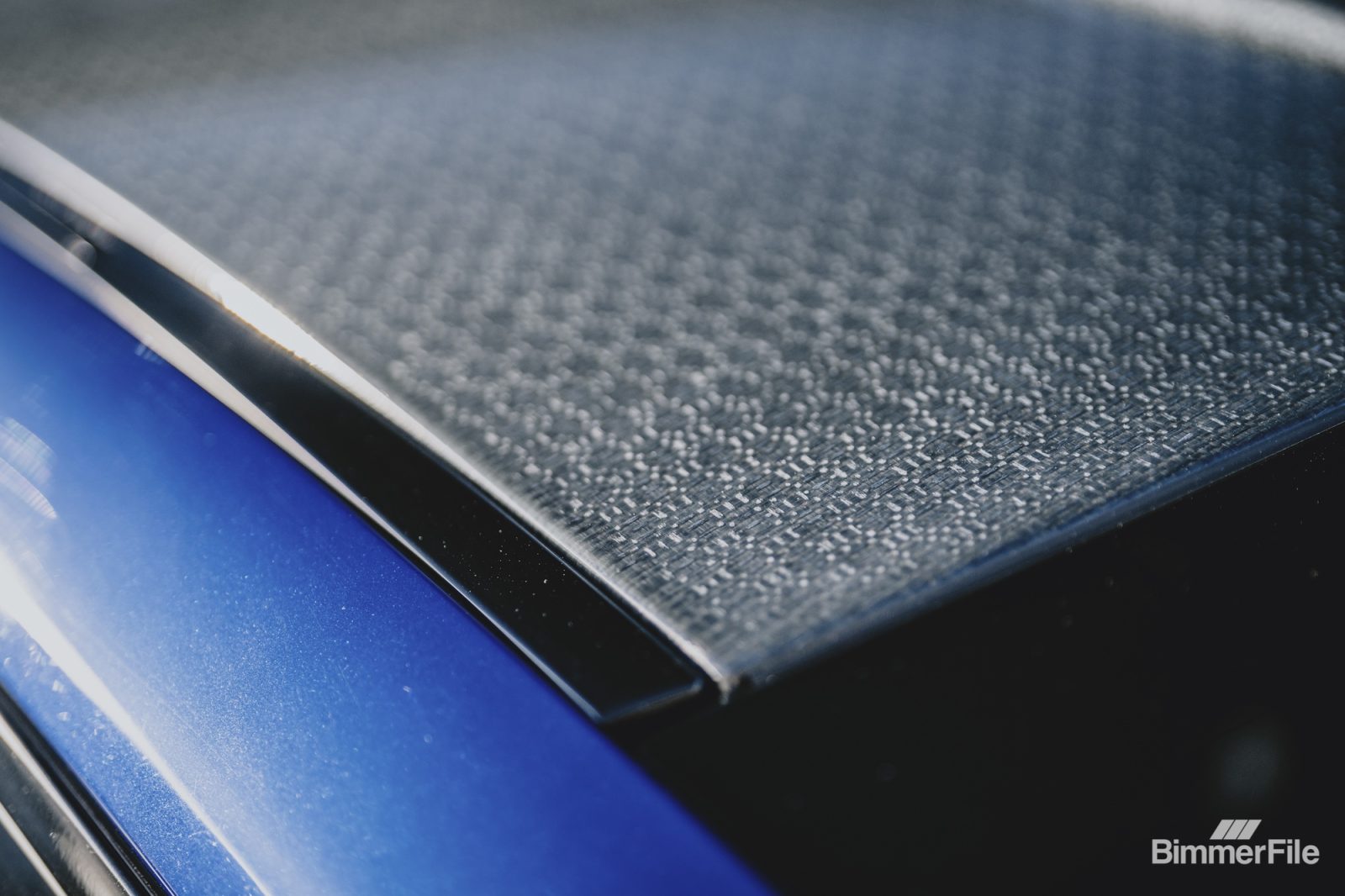
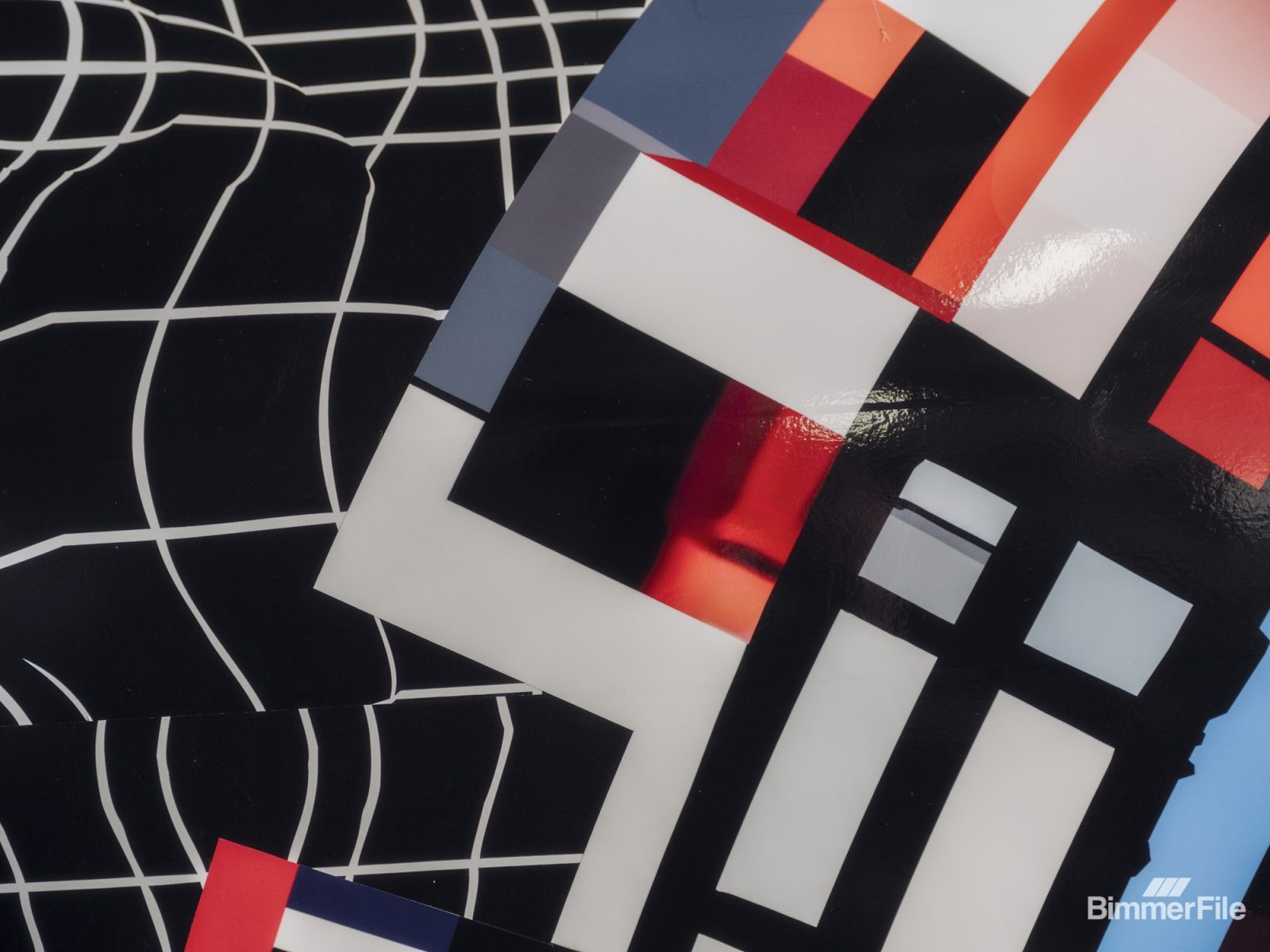
Finally, BMW M is applying its motorsport experience beyond the drivetrain. For the first time, natural fibre composite elements will be used in a BMW M production vehicle. Developed through years of racing use, the material offers mechanical properties similar to carbon fibre while reducing CO₂e emissions by roughly 40 percent. It is a reminder that lightweight construction remains central to BMW M’s philosophy, even as materials and propulsion methods evolve.
Taken together, BMW M eDrive is not a single innovation but a tightly integrated system. Motors, software, battery, structure, and materials are all working toward the same goal: delivering a level of control, repeatability, and driver confidence that BMW believes defines the next era of M.
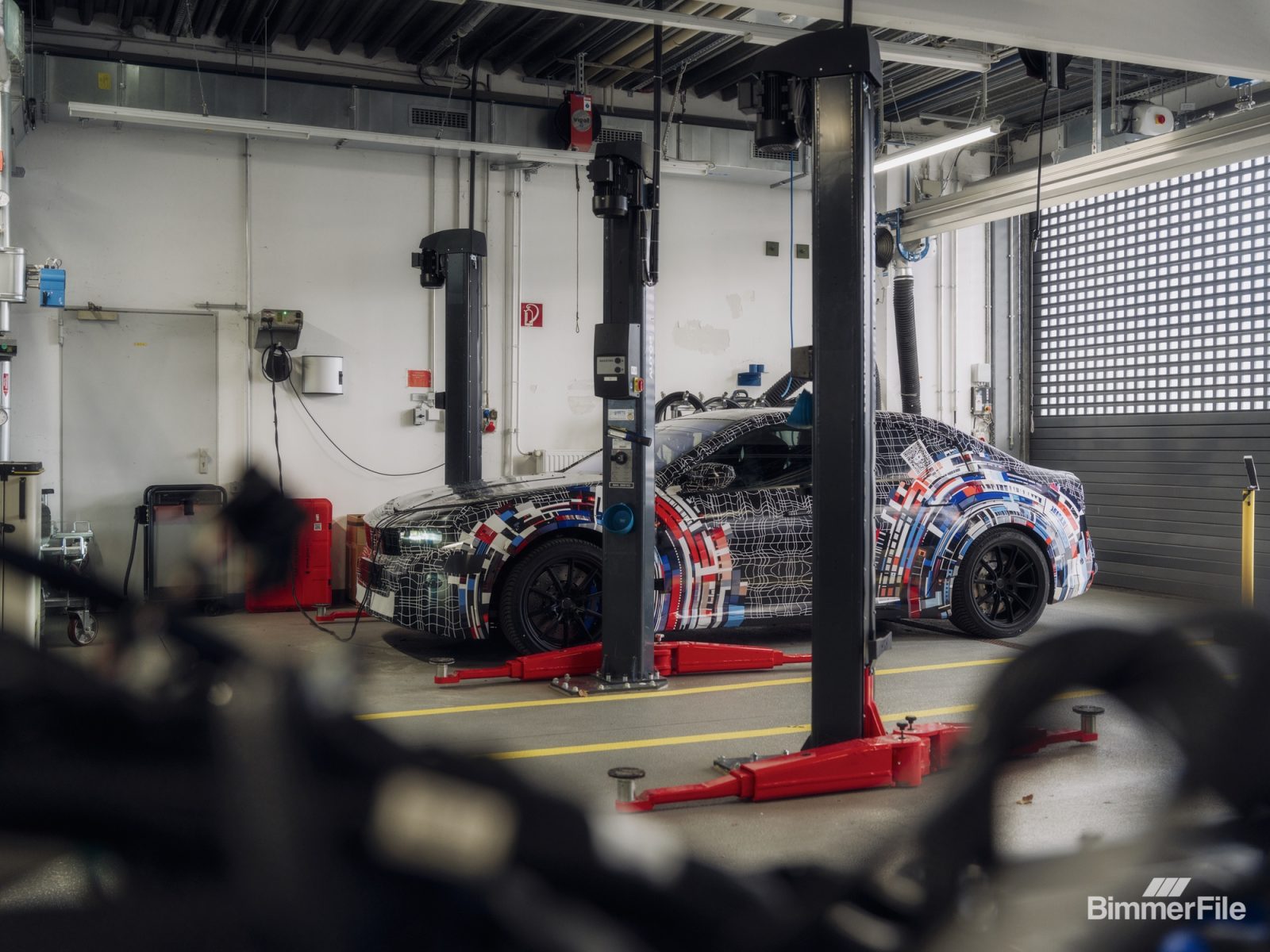
Timing is also closer than many expect. Current indications point to a debut as early as late 2027, placing the electric M3 at the front edge of BMW’s performance transition rather than as a distant follow-up.
Technically, this is where the electric M3 begins to separate itself from both its predecessors and its peers. Each wheel will be driven by its own motor, inverter, and reduction gearbox, all managed by a single central control unit. This enables fully independent torque vectoring at each corner, operating continuously and in real time.
That architecture unlocks something no previous M3 could offer. The ability to seamlessly switch between four-wheel drive and rear-wheel drive. For track driving or drifting, the electric M3 can send power exclusively to the rear axle. For everyday driving and efficiency, BMW is also planning a rear-wheel-drive range-extending mode, allowing the car to reduce energy consumption without dulling its responses.
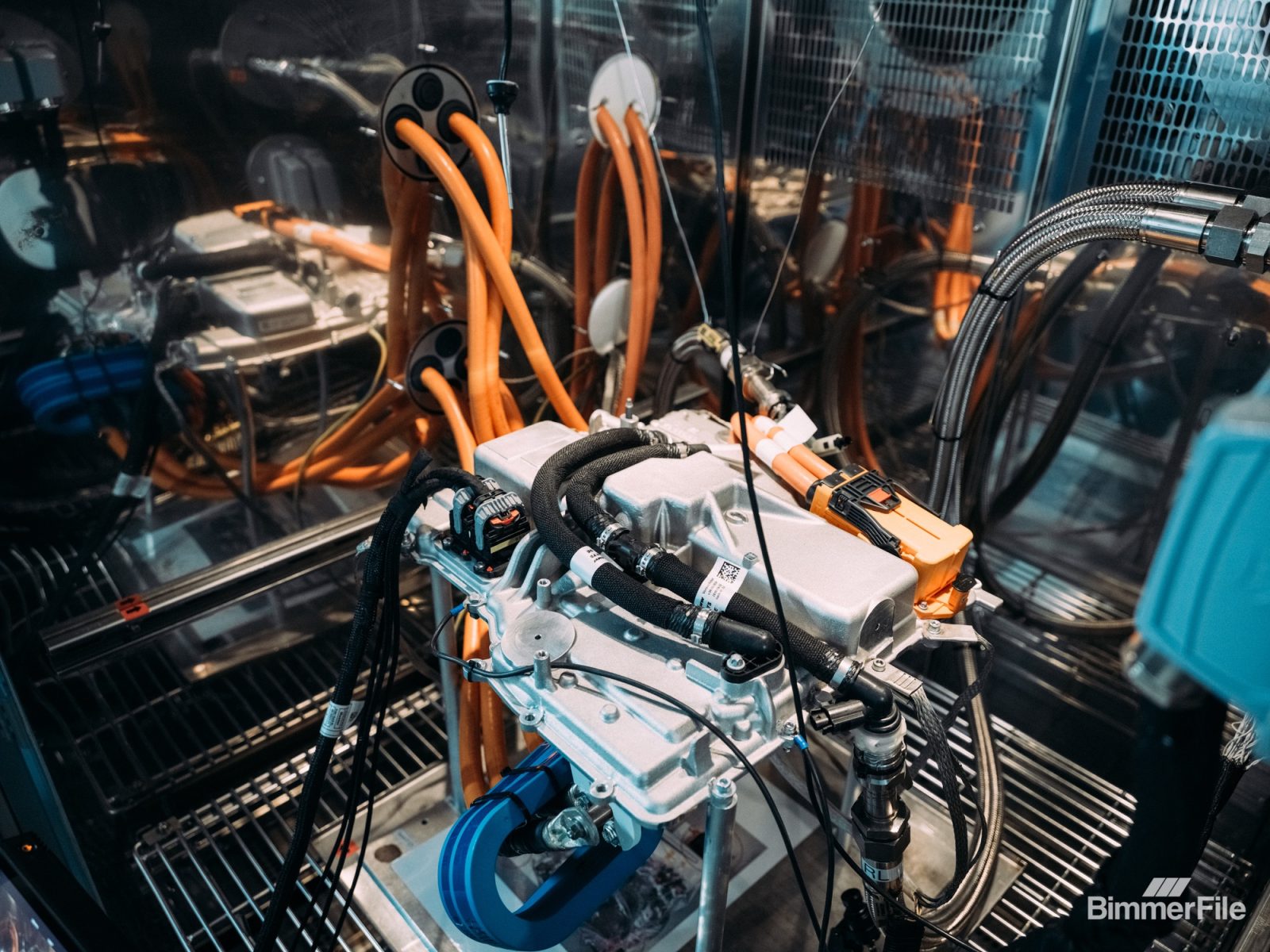
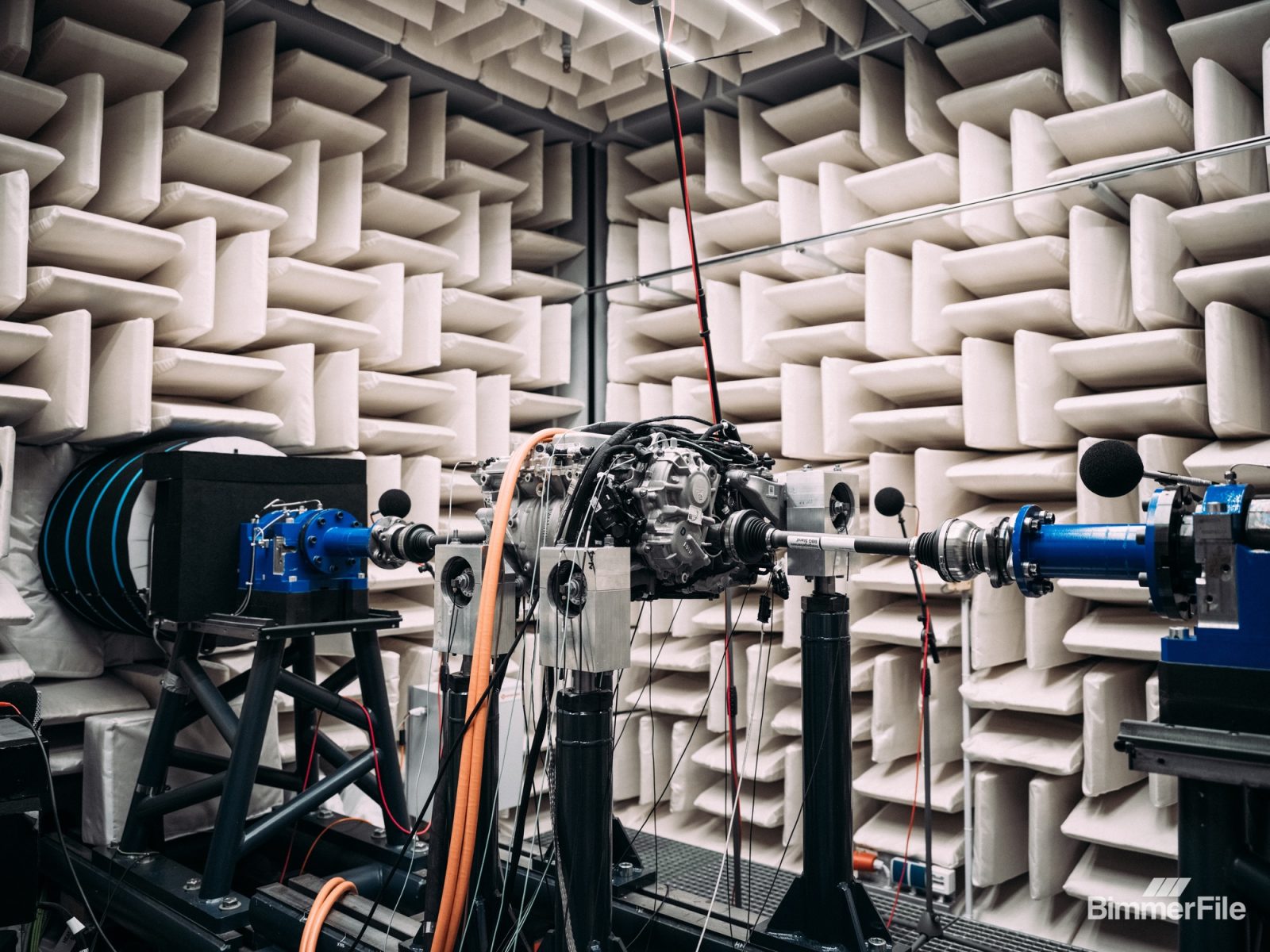
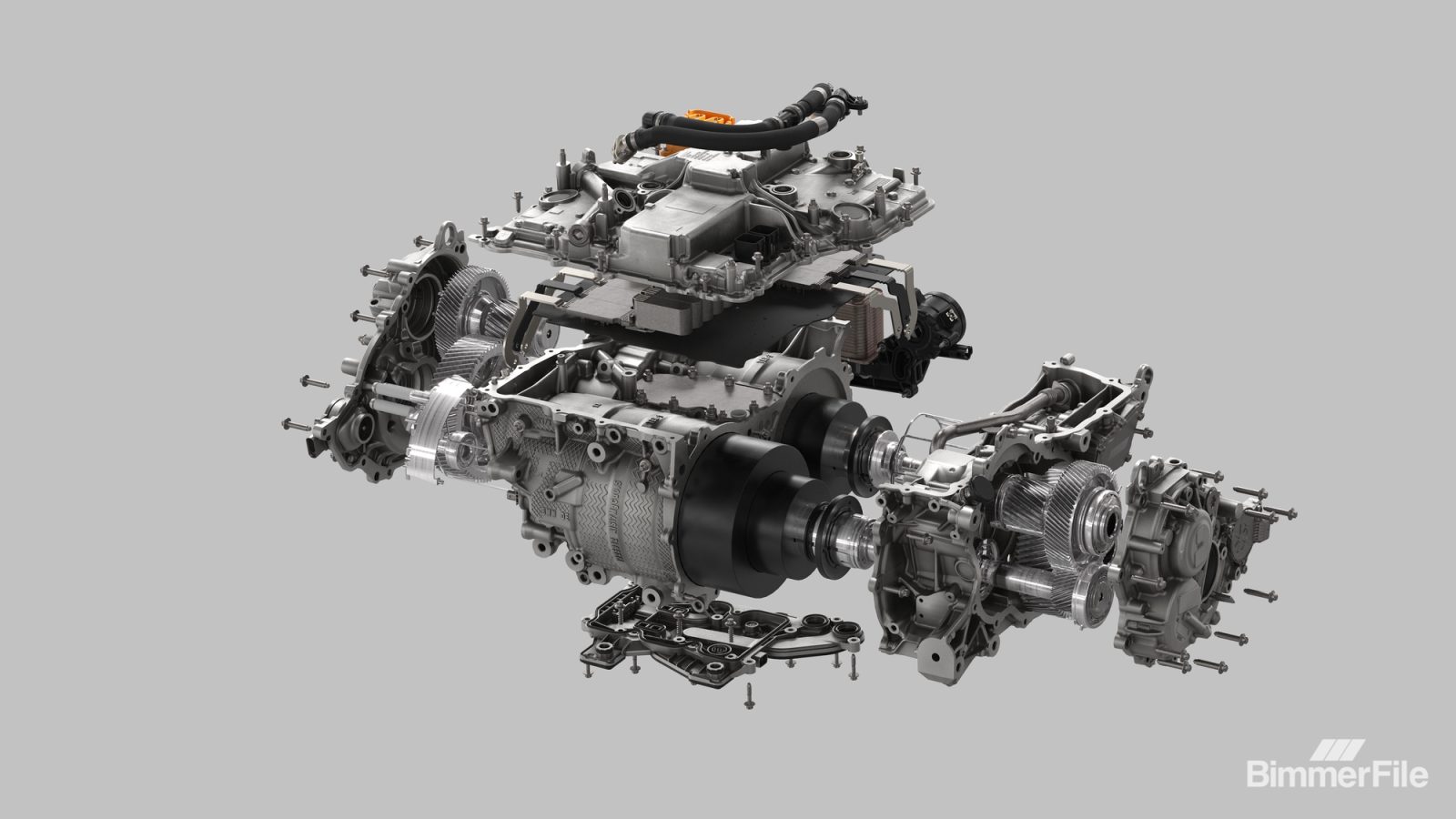
All of this is coordinated quietly by BMW’s new centralized vehicle computing architecture, often referred to internally as the Heart of Joy. In the M3, its role is to reduce latency between driver input and vehicle response, ensuring that the car feels immediate and predictable rather than digital or detached.
BMW is clearly aware that sound and structure still matter to drivers. The synthesized shifts and artificial engine noises are not intended to mimic combustion outright, but to provide rhythm and reference points under hard driving. Whether they enhance or detract from the experience will ultimately be decided behind the wheel, not in a press release.
From everything BimmerFile has tracked, the electric M3 is expected to launch alongside a combustion-powered counterpart, giving enthusiasts choice rather than forcing a single path forward. That parallel approach suggests confidence. BMW isn’t asking buyers to take this on faith.
The electric M3 will be controversial. Every M3 has been. What matters is that BMW appears to understand exactly why. The tools have changed. The formula has not.