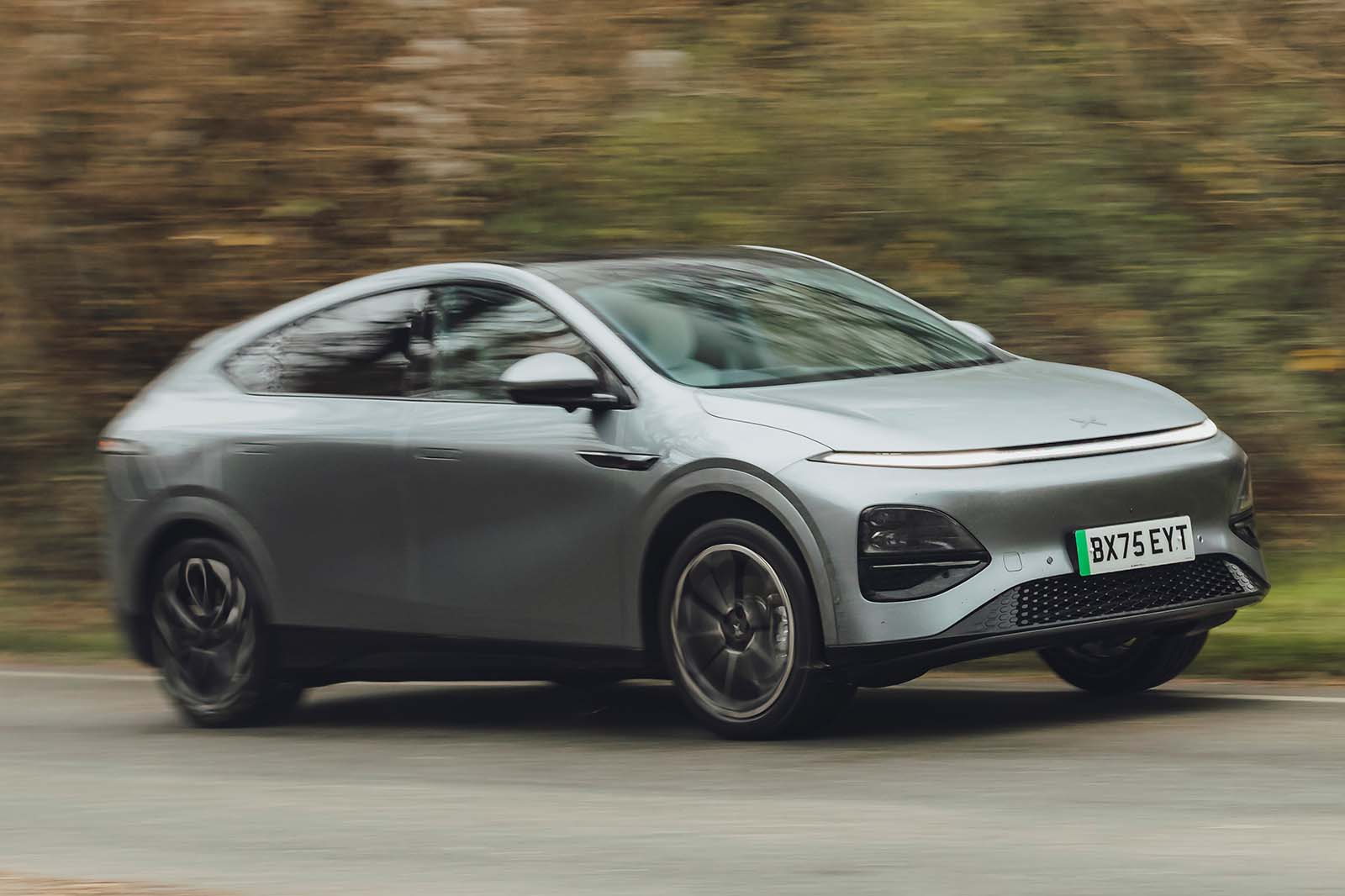
The G6 feels a bit bathtub-like to sit in, because the plunging bonnet and bodysides are hidden from view from the driver’s seat behind quite a high beltline and scuttle. This, combined with the effect of that rakish roofline at the rear, makes for quite an enveloping ambience, which it builds on to modestly luxurious effect in at least one respect.
This is quite a big car for the price – around 200mm longer than the Peugeot e-3008 and more than 100mm longer than the Skoda Enyaq. Most generous is second-row passenger space: even taller adults will find room to stretch out on the back seats, which don’t seem to suffer from the ‘high floor syndrome’ that affects so many electric cars. They also recline quite a long way.
Digital technology aside, though, the G6’s interior doesn’t feel particularly premium in feel, and yet it neither is it hard or diminished by the use of cheap materials.
Perceived quality throughout the cabin is good: interrogate key touch points on the doors, dash and centre console and you’ll be pleasantly surprised. Materially it feels plusher than an MG and on par with a BYD.
Up front, there’s a slightly anonymous look to the dashboard and primary controls, but that’s mostly because there are so few features to look at here – and what is there isn’t very originally themed.
The Standard Range car’s use of stain chrome switchgear and decorative trim against the charcoal grey of mouldings and cloth puts you in mind of a mid-level Mercedes business saloon, while the layout of a dominant central touchscreen, and so little elsewhere, is clearly from the Tesla playbook.
That being said, the brighter-coloured Nappa leather seats and imitation wood trim across the dashboard of the AWD Performance model is far less austere and agreeably appointed.
Unlike in a Tesla, the G6 does have an instrument display, but no head-up display, and it does have a ‘column shifter’ drive selector and an indicator stalk. The ‘thumb’ button consoles on the steering wheel spokes, meanwhile, double up to change door mirror position and adjust the motorised steering column, in a similar way to a Tesla, once the right touchscreen menu is selected. It’s not the most seamless process and makes adjusting certain functions far harder when driving.
There’s quite a bit of cabin storage in the front row, between a deep armrest cubby and the space below the floating centre console. However, while the boot is advertised at a voluminous-sounding 571 litres, its outright space is clearly shallower than in some squarer-bodied SUV rivals, and it might not be suited to carrying the very bulkiest of loads.
Multimedia
The G6’s 15.6in landscape-oriented touchscreen has very little back-up from permanent physical controls. As a result, like so many infotainment screens we’ve criticised, it must provide heater and ventilation controls, audio system controls, trip computer information and more – and all at a fairly distantly stretched arm’s length from the driver.
Admittedly, the heating, cooling and fan speed can be adjusted by the thumb buttons – unless the cruise control is selected. If that’s in use, you need to use the touchscreen to control the HVAC.
It’s generally well-configured, but there are a fair few menus to hop between. That the lower shortcut nav bar makes the icons on it a little too small for easy at-a-glance identification is a more minor annoyance.
The system includes wireless smartphone mirroring for Apple CarPlay and Android Auto as standard. The twin, air-conditioning-cooled, 50W wireless smartphone charging pads are really great, too, working perfectly to keep your device topped up.
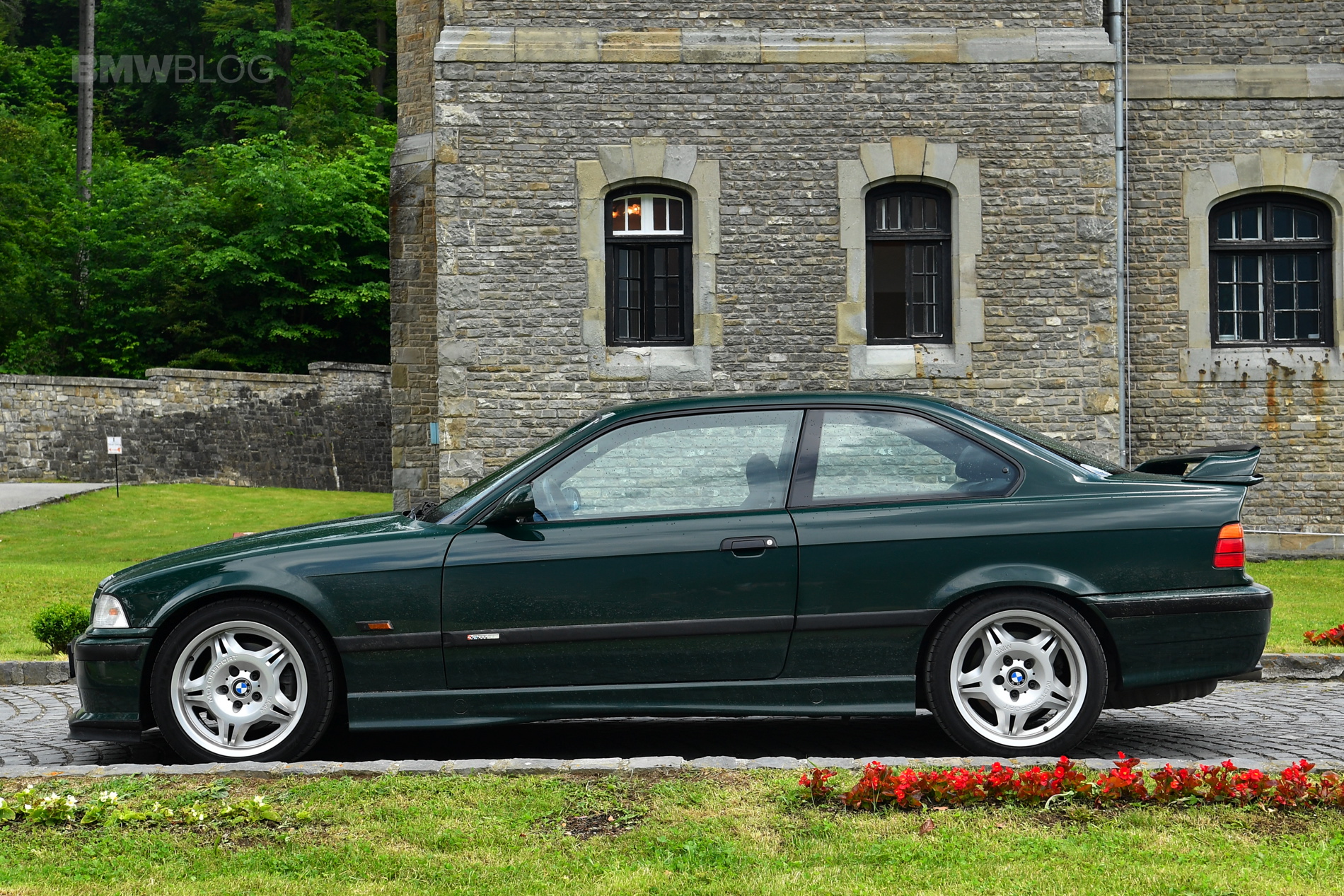
After production ended, the E36-generation BMW M3 sort of lived in the shadow of its siblings. Introduced in 1992 as the successor to the motorsport-bred E30 M3, it refined the formula rather than reinventing it — pairing a familiar 3 Series body with sharper suspension tuning and a more powerful engine. Yet despite being the backbone of BMW performance throughout the 1990s, the standard E36 M3 never enjoyed the universal reverence later bestowed upon the E30 before it or the E46 that followed. That said: nothing sells better than exclusivity, and the E36 is certainly no exception. So it’s perhaps unsurprising that when a car as rare as the AC Schnitzer ACS3 CLS surfaces on an auction site, prices get crazy fast. This one’s already past $150,000.
The ACS3 CLS at a Glance
Never heard of the AC Schnitzer ACS3 CLS? You probably aren’t alone. The ACS3 CLS began life as a 1995 BMW M3 before being extensively reworked by AC Schnitzer. AC Schnitzer replaced key body panels —including the hood, bumpers, and fenders — with lightweight carbon Kevlar components. The squared-off fender design gave the car a purposeful, widebody stance distinct from any factory E36. A stripped out interior further contributed to total weight loss around 160 kg (352 pounds) compared to a factory car. Visually, nearly every recognizable AC Schnitzer part of the era is present. A rear spoiler, DTM-style mirrors, and multi-piece wheels complete an exterior intended as a rolling manifesto of what the company could achieve when unrestrained by cost or regulation.
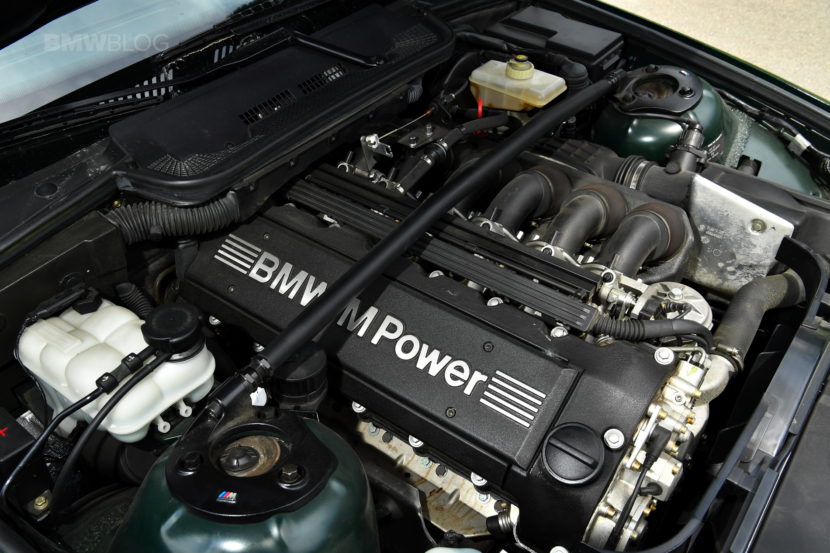
Power came by way of a European-spec S50 engine. The 3.0-liter mill is already significantly more potent than most Stateside E36 M3s, thanks to individual throttle bodies, more aggressive camshafts, and higher compression. From factory, it was good for around 282 horsepower. Here, AC Schnitzer threw the parts book at the car, too. A new exhaust, tuning, and other enhancements bring power up to an AC Schnitzer-claimed 320 horsepower.
ACS3 CLS Production: Far Lower Than Expected
While the Bring a Trailer listing describes the ACS3 CLS as one of 75 examples, even cursory research suggests actual production was far lower. Estimates from those familiar with the cars place total output closer to the mid-teens, potentially even fewer. A former CLS owner — who’s profile is still viewable on bimmerforums — claims the car is one of just two. The number rises to 14 if you count CLS and CLSII cars, the latter of which is built on the later 3.2-liter car. Again — based on what a former owner claims.
That level of scarcity transforms the car from a modified E36 into an artifact worthy of collectible status. With extremely low mileage, period-correct modifications, and a production count that borders on mythical, the ACS3 CLS occupies a rare space in the BMW world. It appeals not only to M3 collectors, but also to enthusiasts of 1990s tuning culture — a moment in time when companies like AC Schnitzer built cars that blurred the line between road car, race car, and rolling statement piece. Given those credentials, its six-figure valuation feels less surprising. You can check out the auction (and arguably more importantly, pictures) at the link below.
1995 BMW M3 AC Schnitzer ACS3 CLS listing on Bring a Trailer
VW shutters Dresden, first closure in Germany for 88 years | Automotive World
Skip to content
VW has chosen the low-output Dresden site for the first swing of an axe designed to reduce excess capacity and headcount in Germany. By Will Girling
Volkswagen will close its assembly plant in Dresden on 16 December 2025, according to an article by the Financial Times. This event marks the first time a company facility on German soil has shuttered in its 88-year history.
Subscribe to Automotive World to continue reading
Sign up now and gain unlimited access to our news, analysis, data, and research
Welcome back , to continue browsing the site, please click here
We use cookies to ensure that we give you the best experience on our website. If you continue to use this site we will assume that you are happy with it.
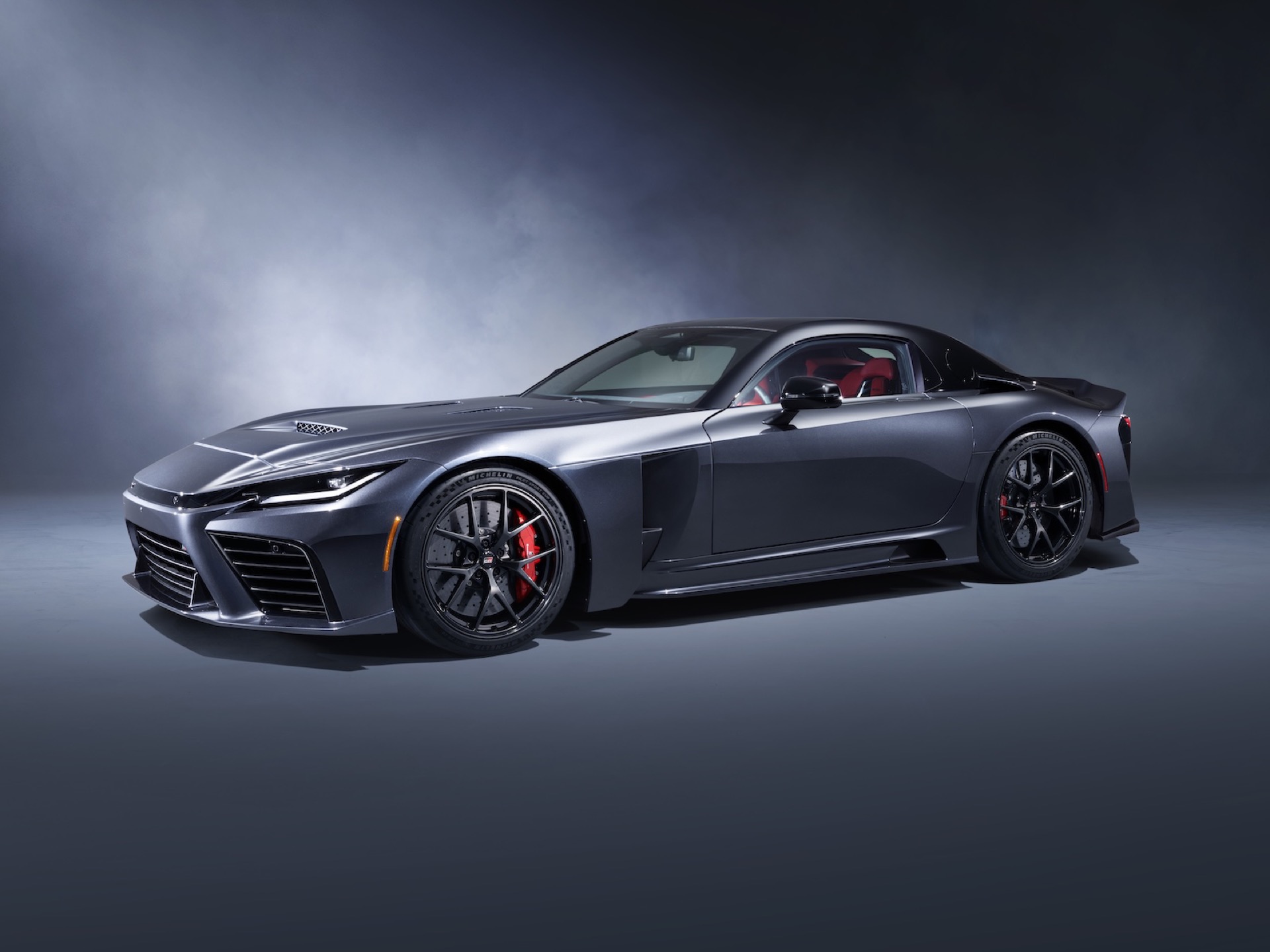
Toyota is preparing a powerful and highly image-shaping double blow. After giving a preview of the forthcoming all-electric Lexus LFA at Monterey Car Week, the brand has now followed it with a V8 hybrid power coupé. True sports cars have a hard time surviving in today’s market. More and more non-electrified models are disappearing from the portfolios of premium and luxury manufacturers. Toyota, however, is moving in the opposite direction. The world’s largest carmaker is reviving several luxury coupés with a four-litre V8, an impressive hybrid boost and genuine sports-car DNA. For those who prefer electric power, the reborn LFA will return as a full-battery model. Both newcomers are set to arrive in 2027.
Mercedes has long retired its S-Class Coupé and BMW is phasing out the 8 Series, while many other brands have lost their image-leading grand tourers entirely. Toyota is demonstrating that, despite efficient hybrids and global EV trends, there is room for something different. The new Toyota GR GT is not only the foundation for future GT3 racing cars, it is also designed to appeal to wealthy buyers who previously looked only to Porsche, BMW, Ferrari or Mercedes.
At 4.82 metres long, the GR GT is the first Toyota to feature an aluminium body. This reduces mass and, together with its muscular design, creates the low centre of gravity essential for GT3 competition. Development included direct input from TMC chairman Akio Toyoda, himself a passionate racing driver for decades. Power comes from a four-litre twin-turbo V8 paired with a hybrid module, producing more than 650 PS and 850 Nm.
Alongside the aluminium body, carefully managed aerodynamics and carbon-fibre-reinforced plastics deliver both downforce and the required rigidity. Drive goes exclusively to the rear axle, with the V8 twin-turbo and electric motor arranged in a transaxle layout and linked to an eight-speed automatic transmission. Top speed for the roughly 1.8-tonne coupé exceeds 320 km/h.
For those who prefer pure electric power, the new Lexus LFA will make its debut in 2027. The near-production concept appeared at Monterey Car Week in August and again at the Japan Mobility Show. The iconic LFA, famous for its charismatic naturally aspirated V10, will return as a fully electric successor. Technical details have not yet been released. The 4.69-metre concept shares its underlying architecture with the Toyota GR GT but is powered solely by electric drive.
This post may contain affiliate links. See our affiliate disclaimer here.
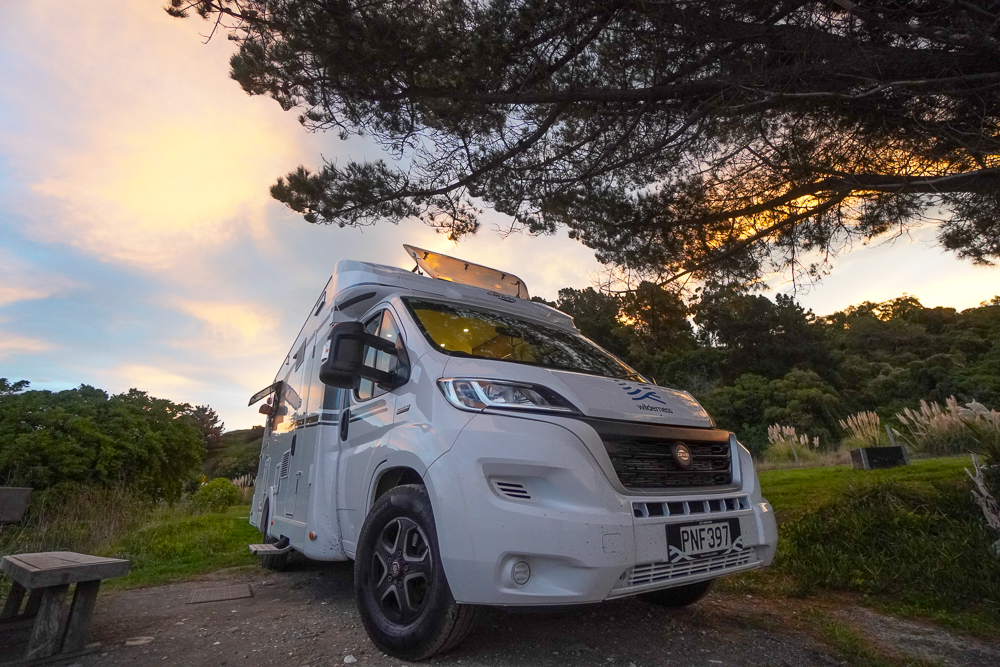
RV design has come SO FAR in the last 10 years. The differences between a 2013 RV and a 2023 RV are staggering. You can really see these modern innovations in this Wilderness Motorhome rental. It’s no joke when I say this was our favorite RV floorplan EVER.
Tour it with us:
Watch time: <10 minutes
In addition to being beautiful, this RV was particularly functional with movable floor pieces that turned the shower into a hallway when not in use. Plus I think this is the only RV rental we’ve had that has the step outside the RV instead of inside the RV. This meant never once having a baby fall into the tiny stairwell by the door.
(Which happened often in France, Italy, Japan… Many tears have been shed over that inside step 😭)
Tour the entire beautiful RV (and its giant gear garage) here.
Best Features of this Wilderness Motorhome
1. King Size Bed
Sometimes an RV king isn’t a true king-size bed. But in this case, it felt even larger than a king! We comfortably fit our family of four in the bed and it spread wall to wall in the back of the rig. This meant never worrying about kids falling off the bed. The bed was comfortable and we had plenty of bedding (included in our rental).
There are USB plugs built into the lights meaning we could charge phones and run a sound machine every night even while freedom camping.
2. Beautiful Interior Design
White walls and curtains paired with light grain wood cabinets keep this tiny motorhome feeling spacious. The lighting in this RV was particularly great. There were ambient rope lights framing windows and cabinets. At night, the RV was aglow and felt extra cozy. Camping in the fall, this was perfect on chilly nights!
3. Dish Racks
There’s nothing more stressful and annoying than hearing dishes rattle while you’re driving your motorhome. In one rental, we had glass dishes crash out of a cabinet while driving!
Wilderness doesn’t have this problem. They have racks built into the kitchen cabinets where mugs, glasses, and even wine glasses can be securely stored while driving. Every RV rental in the world needs this!
4. Car seats
Thank you for including a car seat with our rental ❤️ Traveling with a car seat is the worst!
Ellie’s car seat also doubled as a high chair for Eli at mealtimes 😂
5. The Garage
Holy WOW this gear garage can fit everything! Check it out at the beginning of the video above.
Would I rent from Wilderness Motorhomes again?
This was our second time renting from Wilderness Motorhomes. We’ve now rented motorhomes in multiple countries across four continents. I wondered if all our love for Wilderness before this trip was simply because of our excitement to RV abroad for the first time.
Nope.
Compared to multiple other RV rental companies, Wilderness is hands down the best in the business. Their staff is kind, accommodating, and extremely knowledgeable. The team is quick on communication and solving any issues that come up during a rental.
The biggest con to Wilderness is that they do spoil you. We are now used to their luxurious rental process and other rentals do not even compare! I would 100% confidently recommend them to anyone planning a road trip across New Zealand.
You can learn more about WIlderness Motorhomes here.
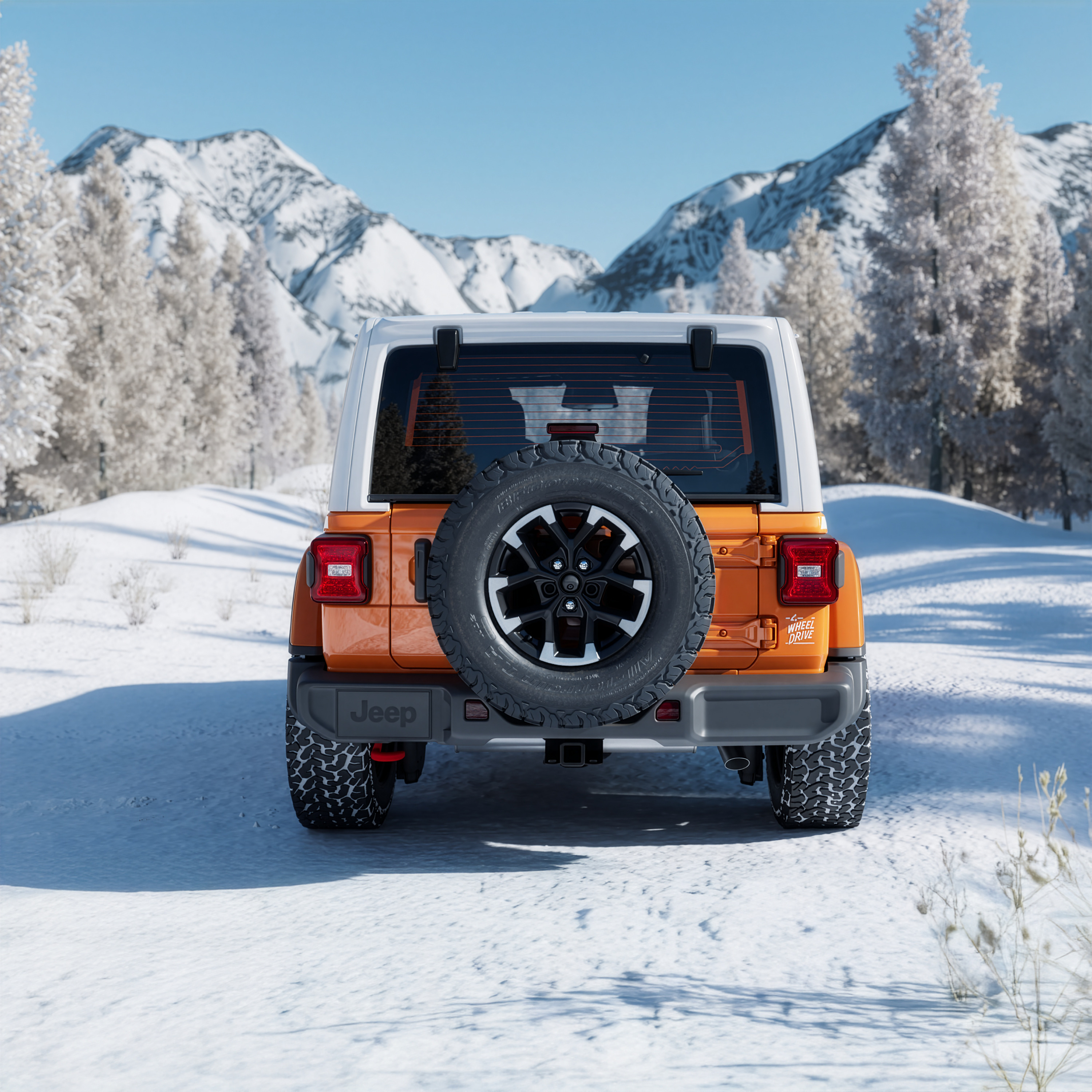
Jeep® Brand Unveils Wrangler Whitecap, Second Exclusive Model in Yearlong Twelve 4 Twelve Celebration of 85 Years of Off-road Leadership
* Second of 12 special-edition Wrangler models in the Jeep brand’s yearlong Twelve 4 Twelve series debuts * Heritage-inspired design, featuring Bright White painted hardtop and grille, available exclusively on Sahara and Rubicon trims * Orders now open; MSRP starts at $495
The Jeep® brand continues its bold Twelve 4 Twelve celebration with the reveal of its second exclusive Wrangler buzz model: the Jeep Wrangler Whitecap.
Jeep heritage has thrived for 85 uninterrupted years. The new Wrangler Whitecap draws inspiration from the classic CJ-Universal and its iconic Arctic White top, a design that has long symbolized individuality and adventure. This modern interpretation proudly carries that tradition forward, offered exclusively on Sahara and Rubicon trims.
Following the November debut of the 2026 Jeep Wrangler Moab 392, the Whitecap brings a fresh, fearless look to the lineup.
“The Jeep Wrangler Whitecap is more than a special edition, it’s a statement,” said Bob Broderdorf, CEO of the Jeep brand. “It honors Jeep brand heritage while introducing a striking two-tone look that turns heads on any trail. Just like every model in the Twelve 4 Twelve series, Whitecap is designed to stand out—a true tip of the hat to the brand’s legendary legacy. With more ways to personalize and customize than ever before, we’re giving Jeep owners the freedom to make their Wrangler truly their own.”
The 2026 Jeep Wrangler Whitecap combines the advanced technology of the Sahara and Rubicon models with legendary 4×4 capability, built to conquer any terrain with ease. Powered by either the 2.0L turbo or 3.6L engine, every Whitecap delivers authentic Jeep 4×4 performance through the brand-exclusive Selec-Trac part-time or full-time transfer cases, ensuring unmatched versatility.
Other notable features include:
* Bright White painted hardtop roof * Bright White painted iconic seven slot grille, with body-color fender flares (standard on Sahara and packaged on Rubicon) * Bright White 1941 side stripe decal (Sahara and Rubicon) / Bright White hood decal on Rubicon * Optional Sky One-Touch powertop in Bright White accent
Orders for the new 2026 Jeep Wrangler Whitecap are now open, with a starting MSRP of $495 on Rubicon X, $2,690 on Sahara (includes optional body-color hardtop) and $3,185 on Rubicon (includes optional body-color hardtop and body-color fender flares)
Automobile manufacturers consistently look to various sources of inspiration when designing their cars. A current trend or future direction in the industry can ignite the spark for a new design. It is also not uncommon to revisit vintage designs, blending nostalgic elements with modern technology into one seamless package.
The reasons for reaching into the past are varied, ranging from functional motivations and aesthetics to commemorating an iconic model. This list is by no means exhaustive, but it does showcase modern cars influenced, in varying degrees, by classic-era relatives.
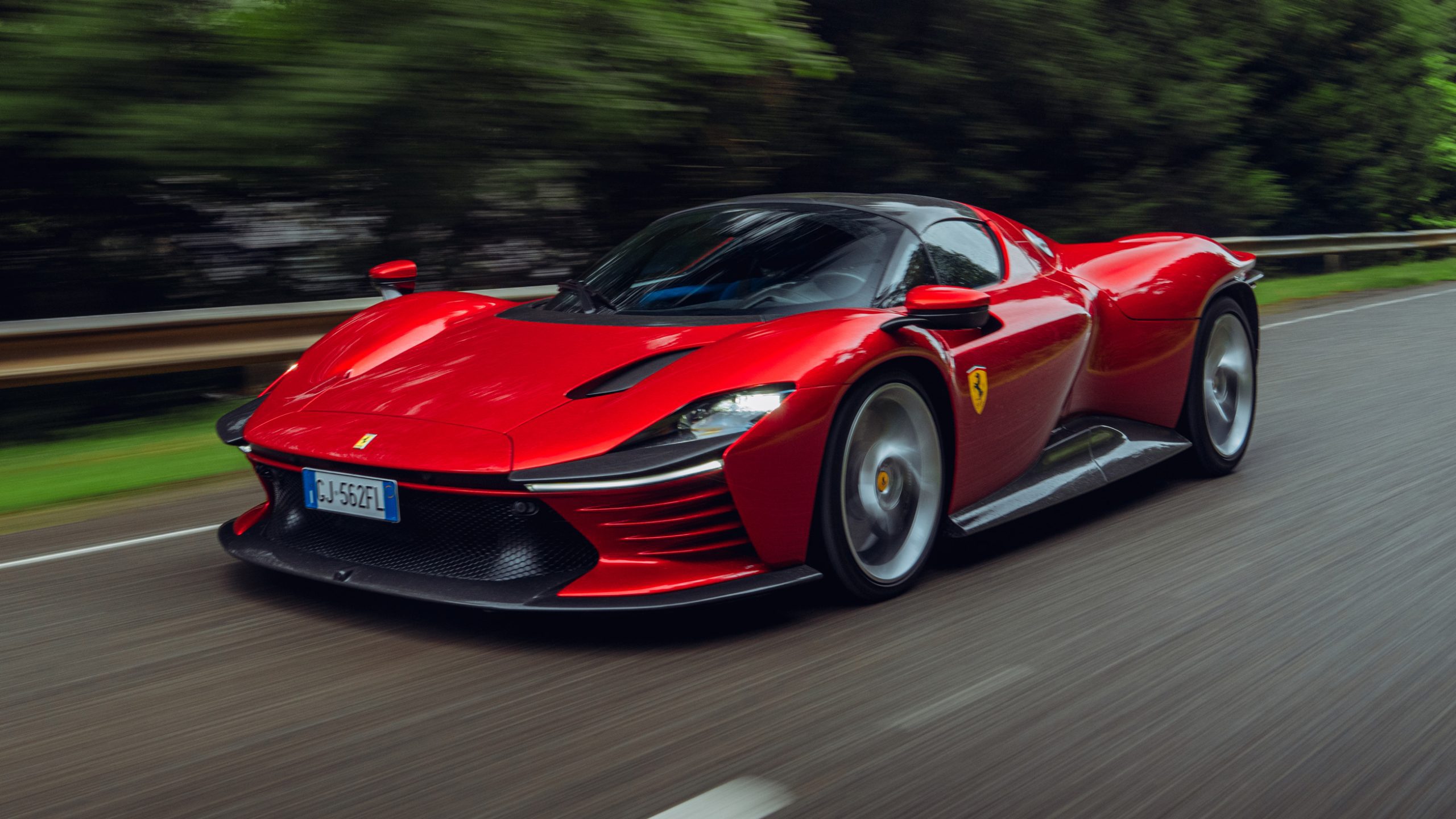
#1: Ferrari Daytona SP3
Image Via: Top Gear
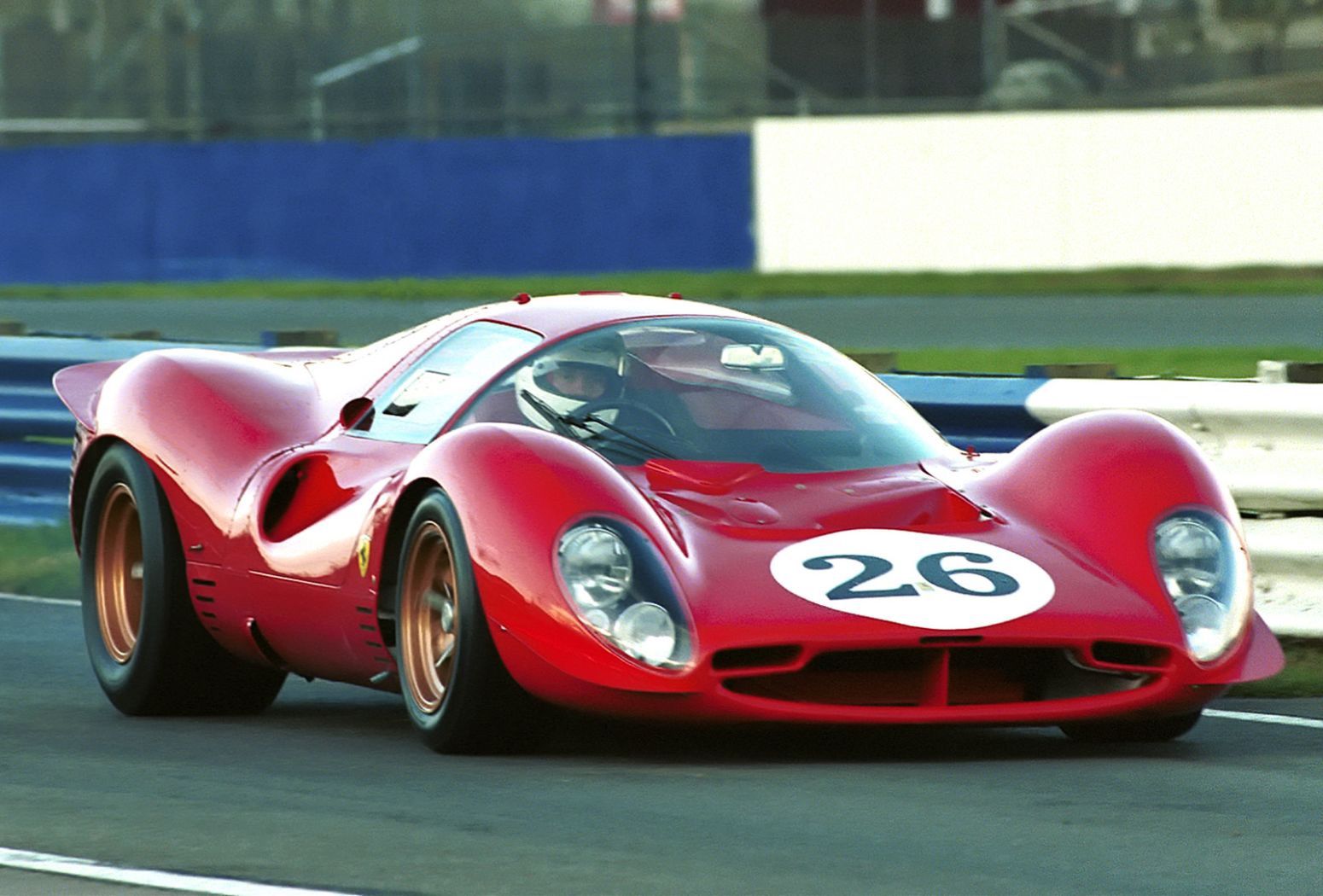
The Daytona SP3 is the newest Ferrari’s Icona series member, a special model line dedicated to paying homage to some of the carmaker’s most iconic classic models (hence the name, Icona). In the case of the Daytona SP3, its design language borrows heavily from Ferrari’s ’60s era racing cars like the 330 P4 and 350 Can-Am and the 512 TS.
Image Via: AutoEvolution
This is evident with elements like the clean double-crested front wings, the positioning of the door mirrors and the distinctive horizontal blades at the rear. Ferrari will only make 599 units of the Daytona SP3; unsurprisingly, they are sold out.
#2: Kimera EVO37
Image Via: Carscoops
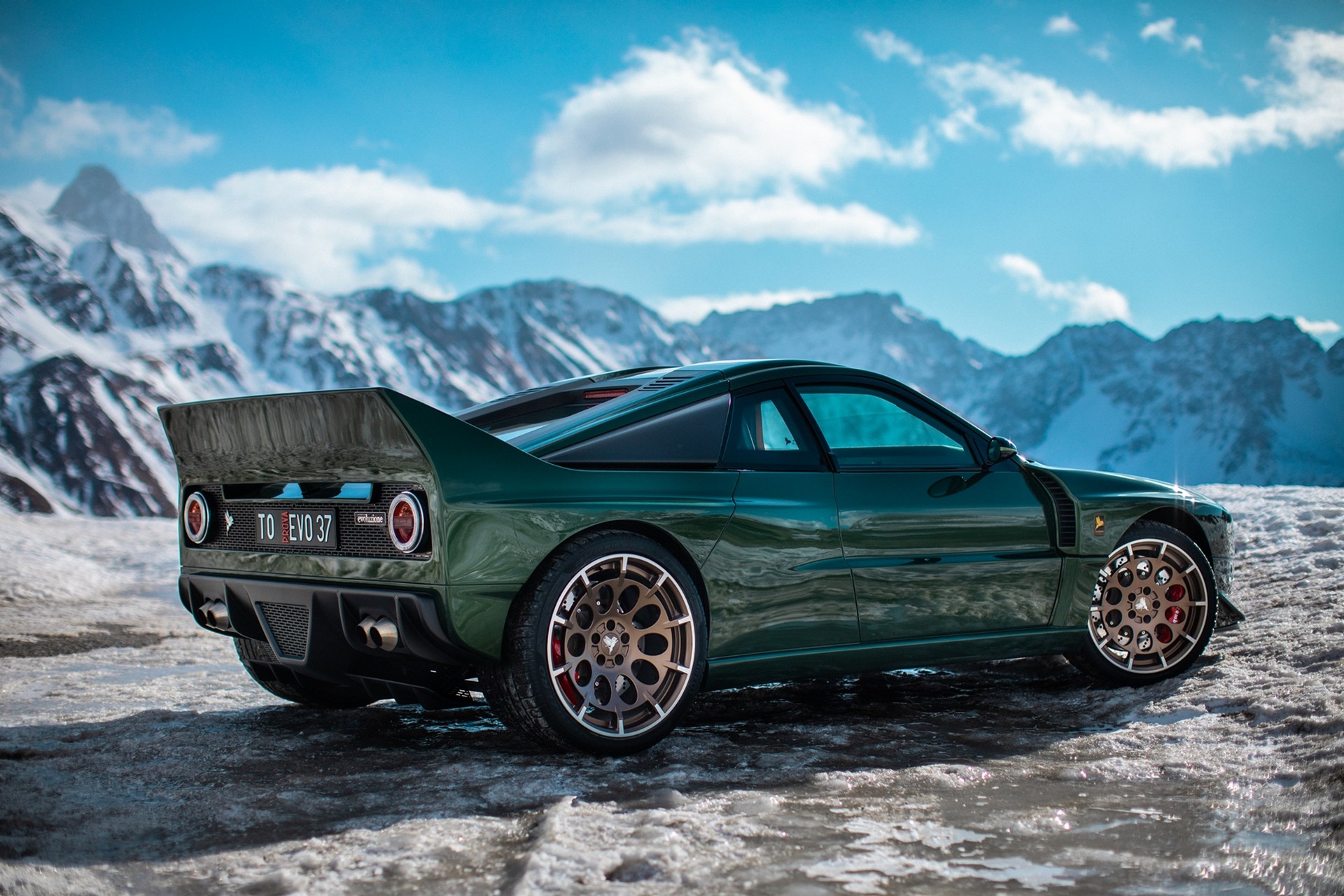
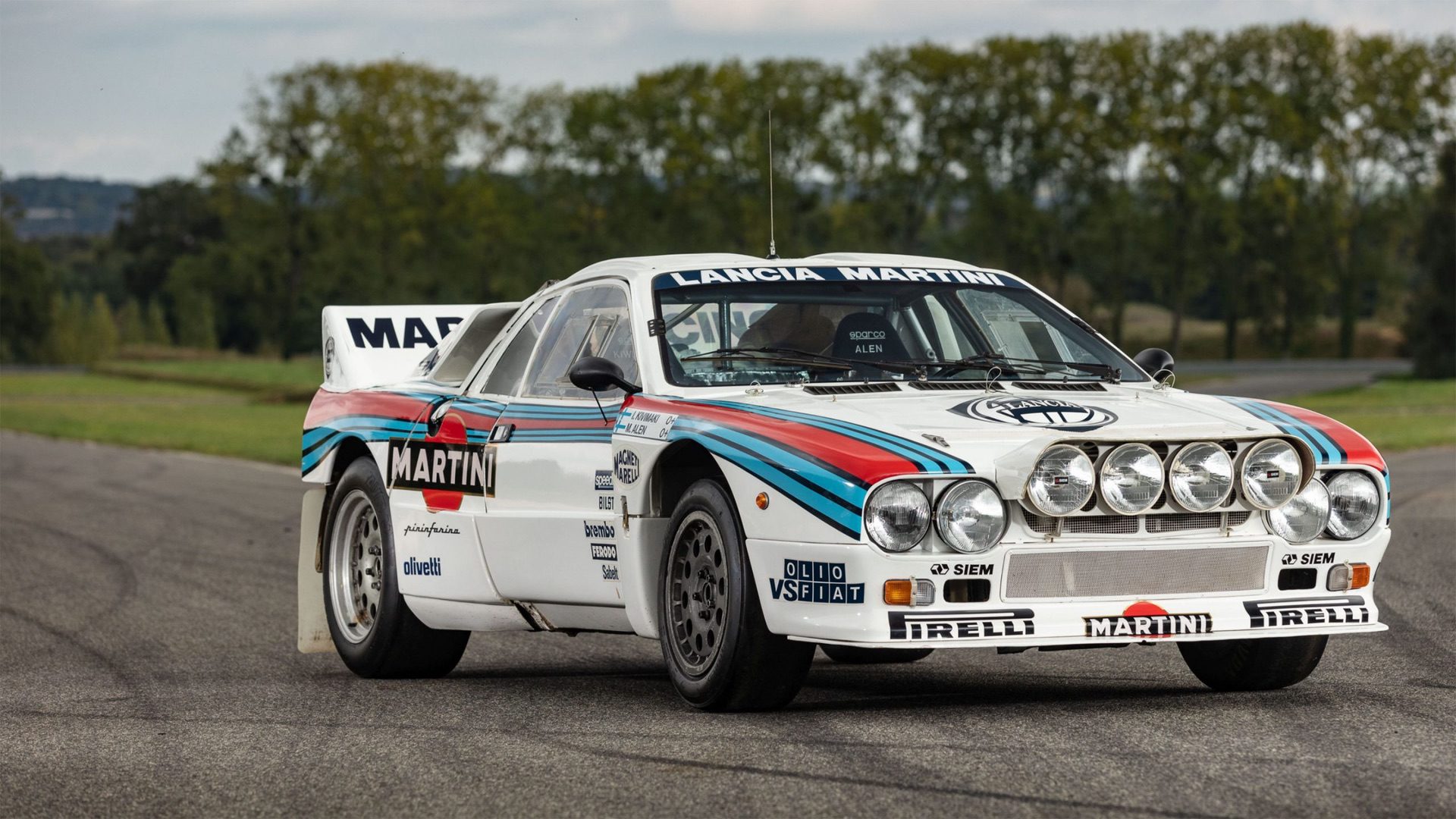
One of Lancia’s most famous rally cars was the Lancia 037, and it is this car that inspired the EVO37, built by Italy-based Kimera Automobili. However, do not yield to the temptation to describe the Kimera EVO37 as a Lancia restomod. It is so much more than that. For one, the EVO37 is a ground-up redesign, and only two parts are exactly the same as on the original 037.
Image Via: Hagerty
They share the same philosophy, though, creating the ultimate driving machine that offers maximum driver engagement at all times. For the Kimera EVO37, that means rear-wheel-drive, six-speed manual and a turbocharged engine unit that can crank out as much as 512 hp.
#3: Touring Superleggera Aero 3
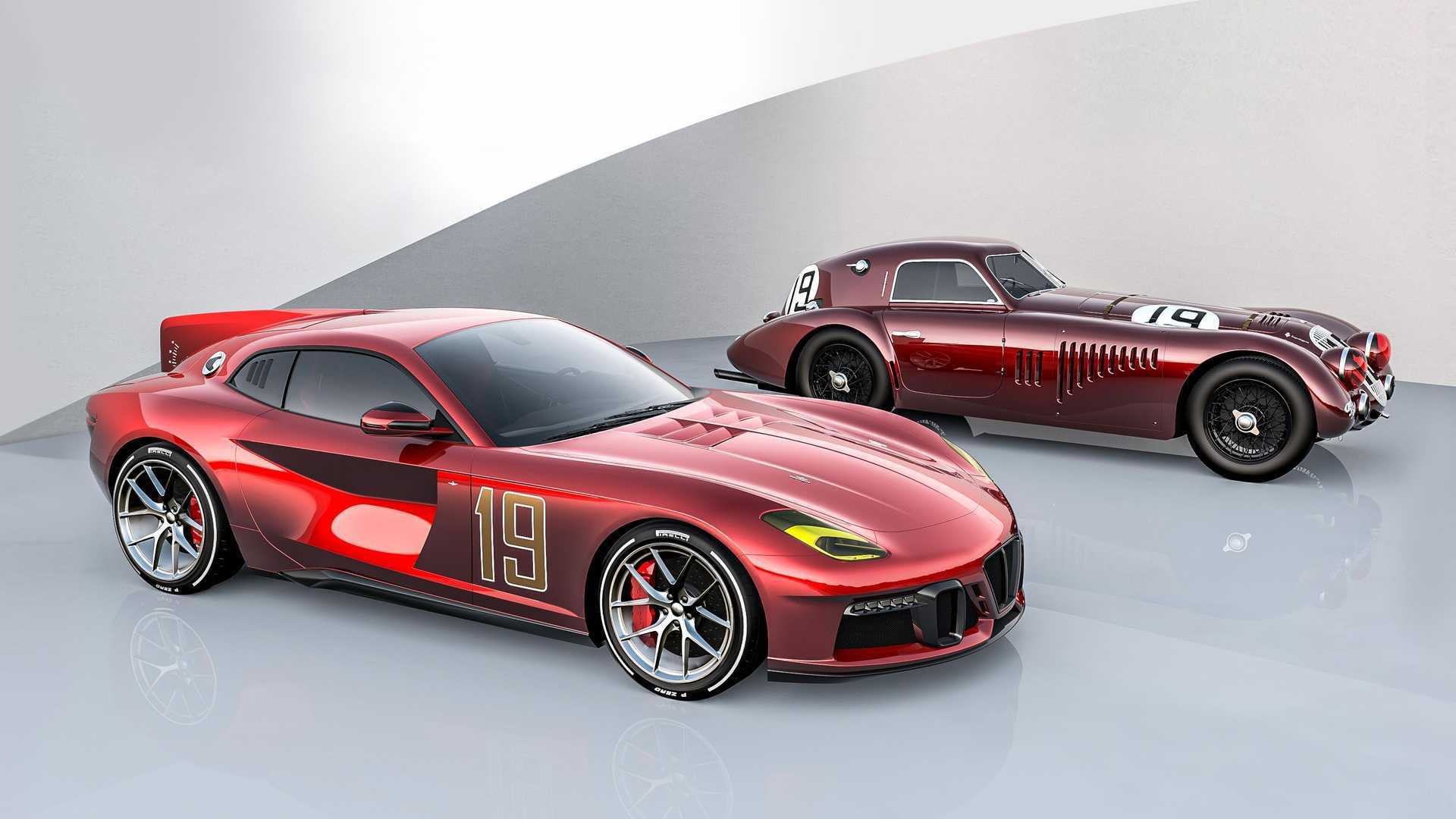
With the Aero 3, Image Via: Carrozzeria Touring Superleggera digs deep into its rich history. The carmaker has gone for one of its age-long design themes emphasizing streamlined profiles and super lightweight construction, which stretch nearly paper-thin alloy panels over featherweight tubular structural frames.
The first car to feature this signature styling by Carrozzeria coachbuilders back then was the 1937 Alfa 6C 2300 B, a race car specifically designed for the famous Mille Miglia 1,000-mile road race. Now, the Aero 3, with a similar design mindset, seeks to connect the coachbuilder to its roots with styling cues borrowed from past Touring projects. An example of the subtle touches is the horizontal tail lights, a style that recalls the Disco Volante and other classic Touring-styled coupes.
#4: MAT New Stratos
Image Via: Road & Track
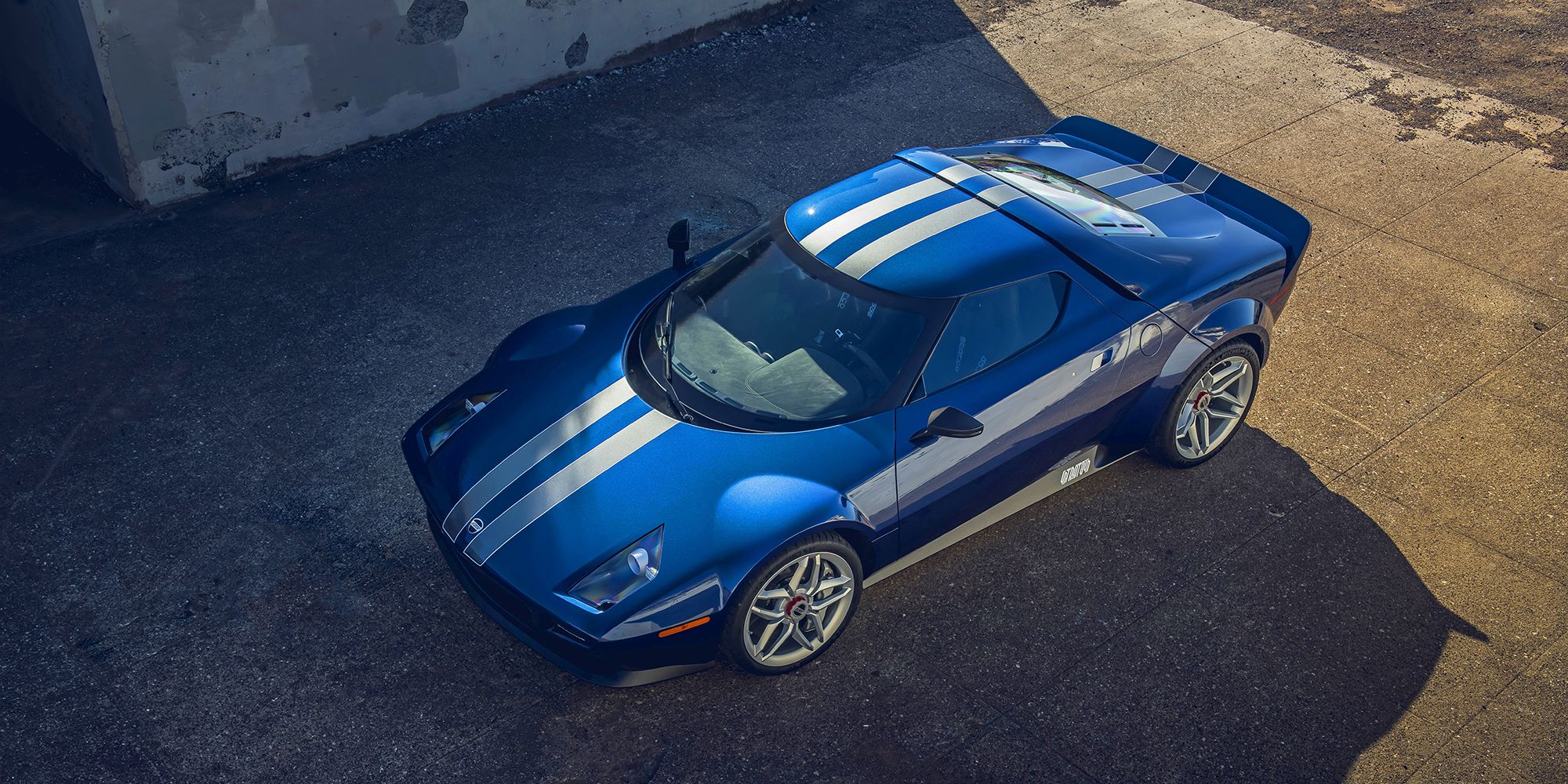
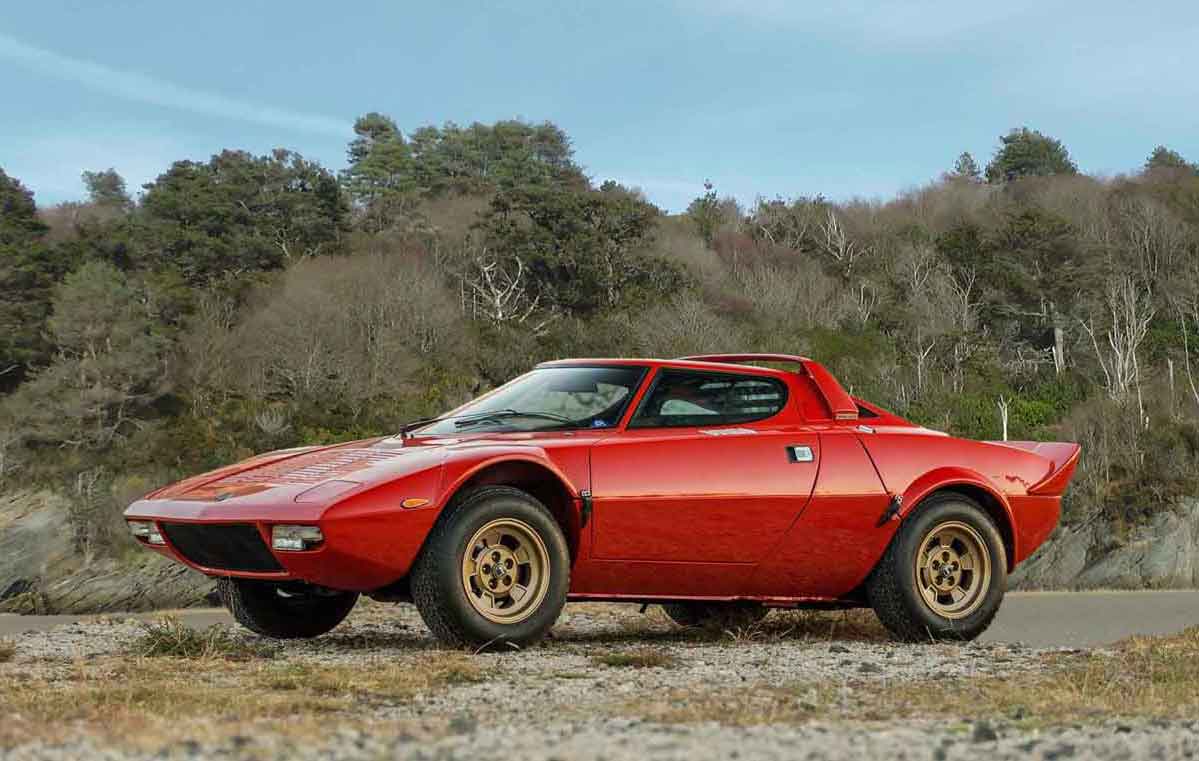
A Ferrari F430 might have supplied the mechanical underpinnings, but the MAT New Stratos is an unwavering tribute to the 1973-1978 Lancia Stratos. That much is clear from the similar exterior wedge-shaped styling, though with the New Stratos, much of that bodywork is carbon fiber. Manifattura Automobili Torino (MAT) wanted to bring back the rawness of analog driving, just like it was with the ’70s Lancia Stratos.
Image Via: The Lancia Story
A project that began with a request to build a one-off interpretation of the original Stratos soon morphed into a limited 25-unit production run with a flat-plane crank V8 and six-speed manual gearbox as some of the highlights.
#5: Alpine A110
Image Via: Wardsauto
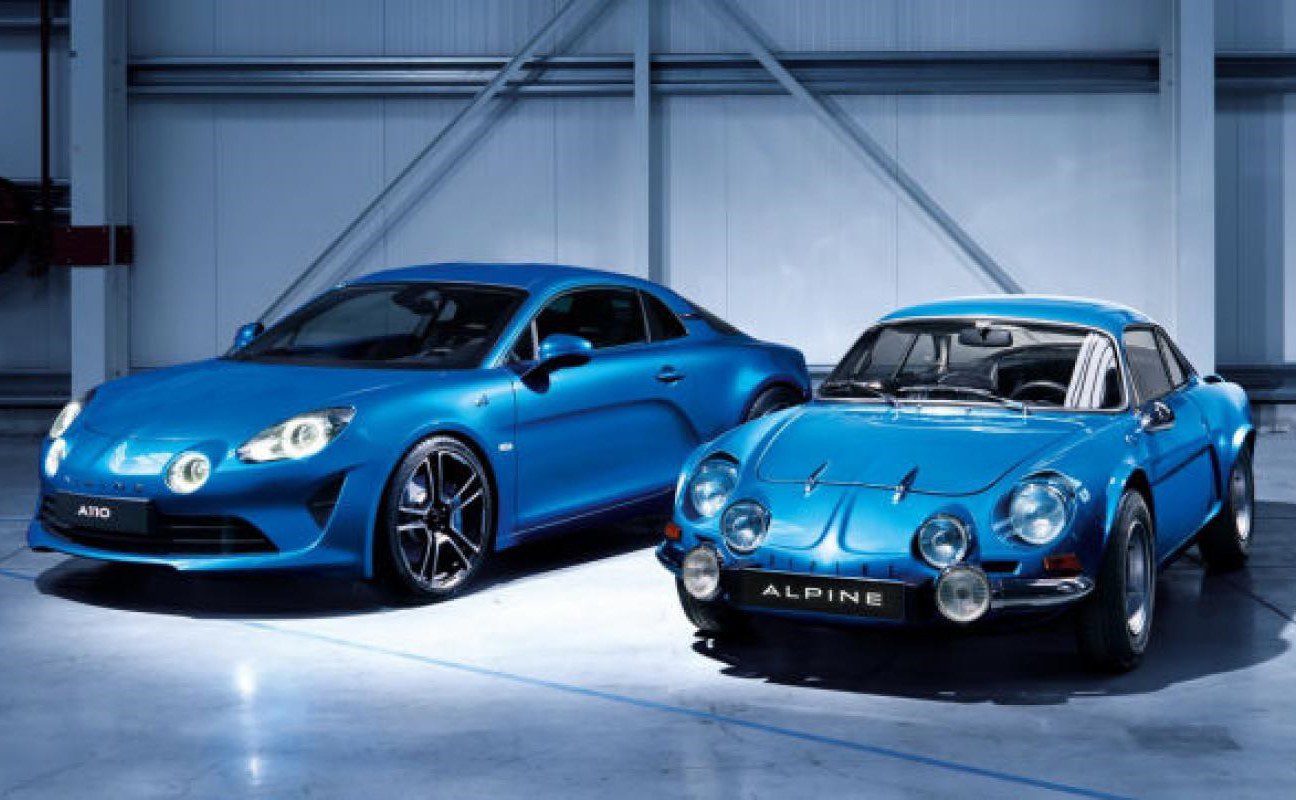
First introduced in 1961, the first-gen Alpine A110 was one of the most notable French cars that emerged during the ’60s-era. The car cemented its iconic status by winning the first rally championship in 1967 and the inaugural World Rally Championship in 1973. In 2017, leveraging this legacy, Alpine introduced a modern take on the original A110.
Not only did the name remain unchanged, the new A110 shares striking visual similarities with the first-gen model. You can spot the design influences in the headlights and overall curved profile. Like the original, the reinvented A110 also emphasized lightweight construction, with a bodywork mostly made from aluminum and a curb weight of 2, 432 lbs (1103 kg).
#6: Porsche 911
Image Via: Porsche
It’s hard to think of any other supercar that has remained faithful to its original design, like the Porsche 911. The first iteration entered production in 1964, and today, eight 911 generations and almost six decades later, the initial design continues to inspire every evolution. Among other things, the latest models still sport the iconic silhouette, round headlights, rear-engine layout and a manual gearbox (now optional), just like the classic variants.
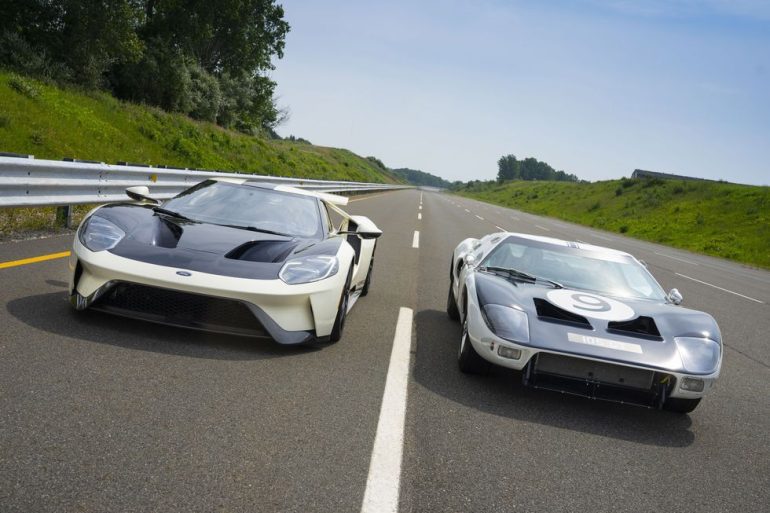
#7: Ford GT (2nd Gen)
Image Via: Top Gear
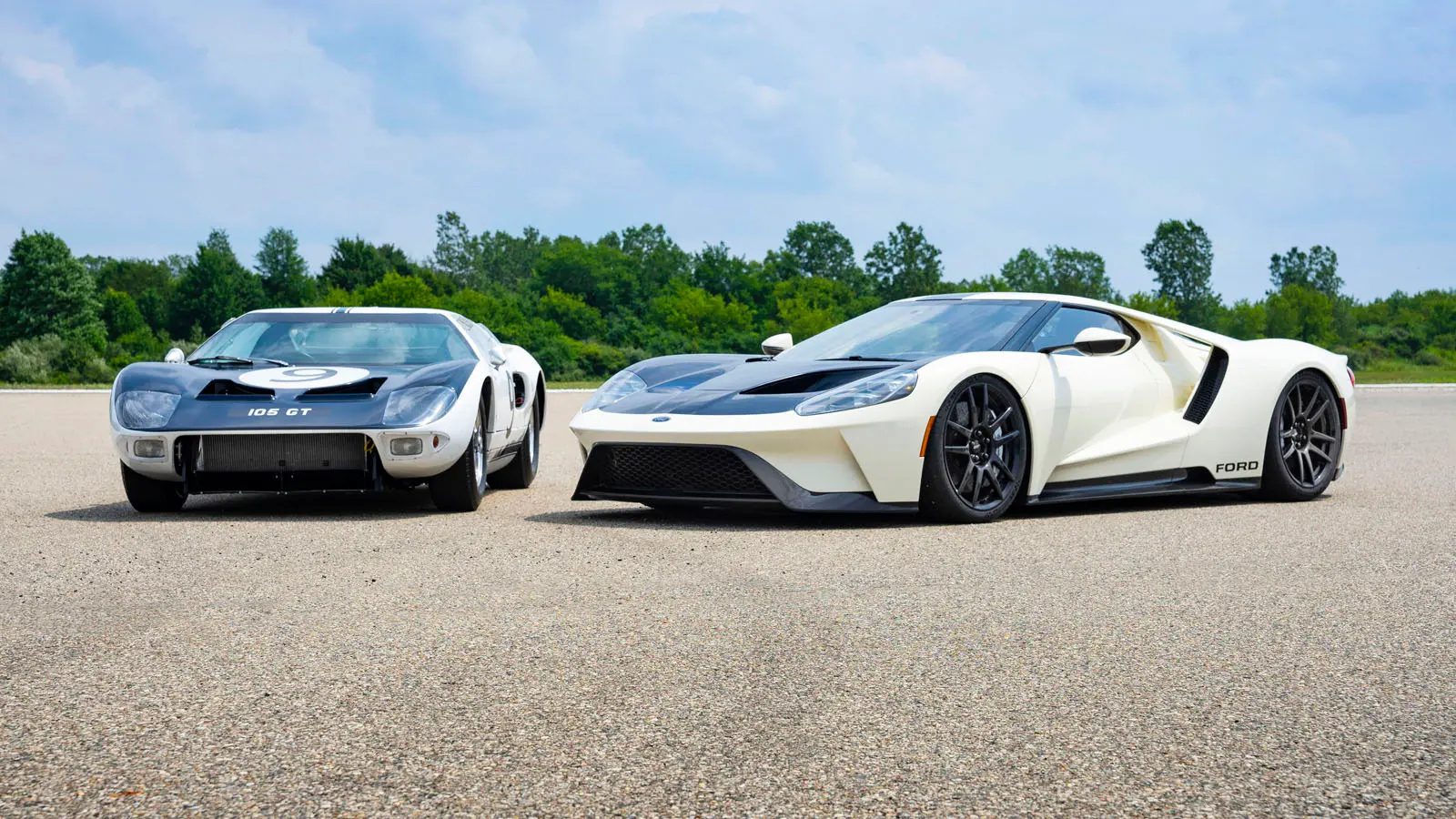
The second-gen Ford GT is an aerodynamic tour de force. The low-slung design aims to reduce drag as much as possible in order to maximize the power from its turbocharged V6 powerplant. From that perspective, one can see a connection to the 1964 Ford GT40 supercar, a car that was only 40 inches above the ground at its highest point.
According to Chris Svensson, Ford’s Design Director who oversaw the GT’s development, other elements connect the two supercars. He mentioned how the windscreen wraps into the side screens (a visor screen). Chris also discussed the similar positioning of the round taillights and round exhausts at the rear of both cars.
#8: Mercedes Benz SLS AMG
Image Via: exoticcarhacks
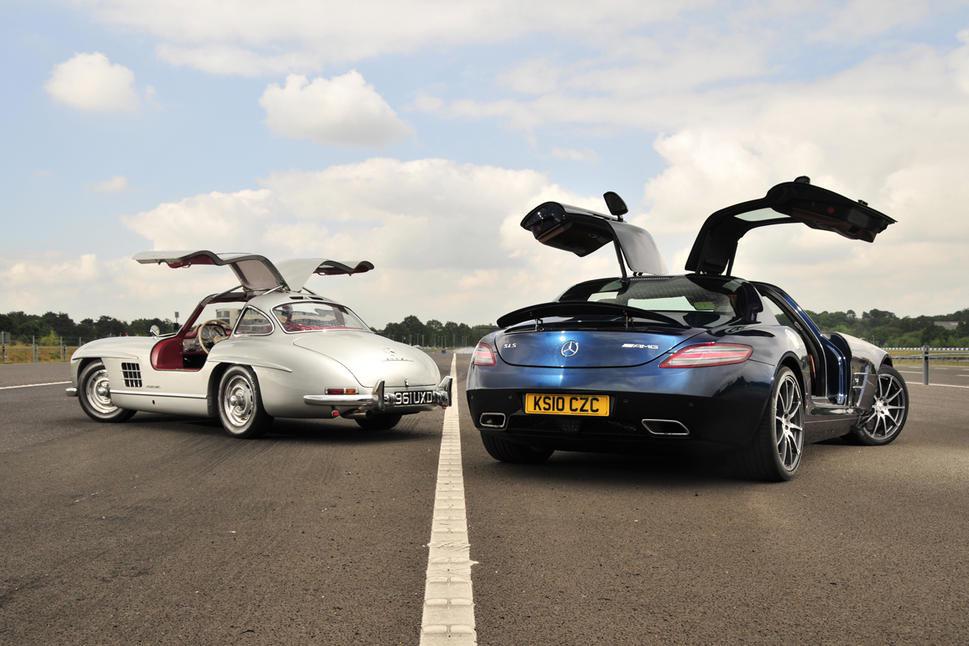
The SLS AMG has been described as a classic reincarnation of the Benz 300 SL, unveiled at the 1954 New York Auto Show. The design inspirations are immediately evident with the iconic gullwing doors on the SLS AMG. Other elements reminiscent of the gullwing 300 SL classic sports car include the wide radiator grille with the large Mercedes star and the wing-like cross fin on the bonnet.
There is nothing classic about the SLS AMG’s powerplant, though. Beneath that long bonnet lies a 6.2-litre naturally aspirated V8 that generates 563 hp in the base model and up to 631 hp in the SLS AMG Black Series.
#9: Nissan Z
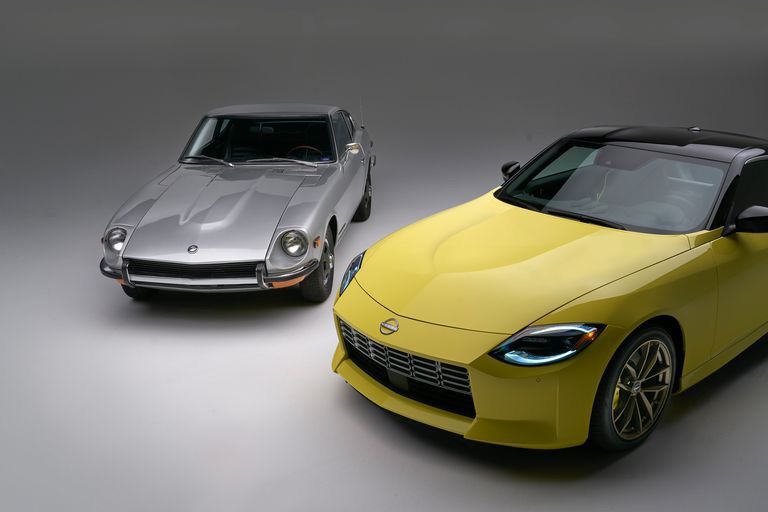
Now in its seventh generation, the Nissan Z sports car boasts a name change and an all-new design. However, there are aspects of the new styling that pay homage to some of the family line’s most memorable ‘Z’ cars. For example, the emblem, headlights and the bulge on the car’s hood are influenced by the 240Z.
Then you have the double-row tail lights, which are a nod to the 300ZX. The new Nissan Z features several technological upgrades over the previous models. Still, the carmaker will hope that these design references to the past evoke nostalgia every time you see the car.
#10: Lamborghini Countach LPI 800-4
Image Via: Carscoops
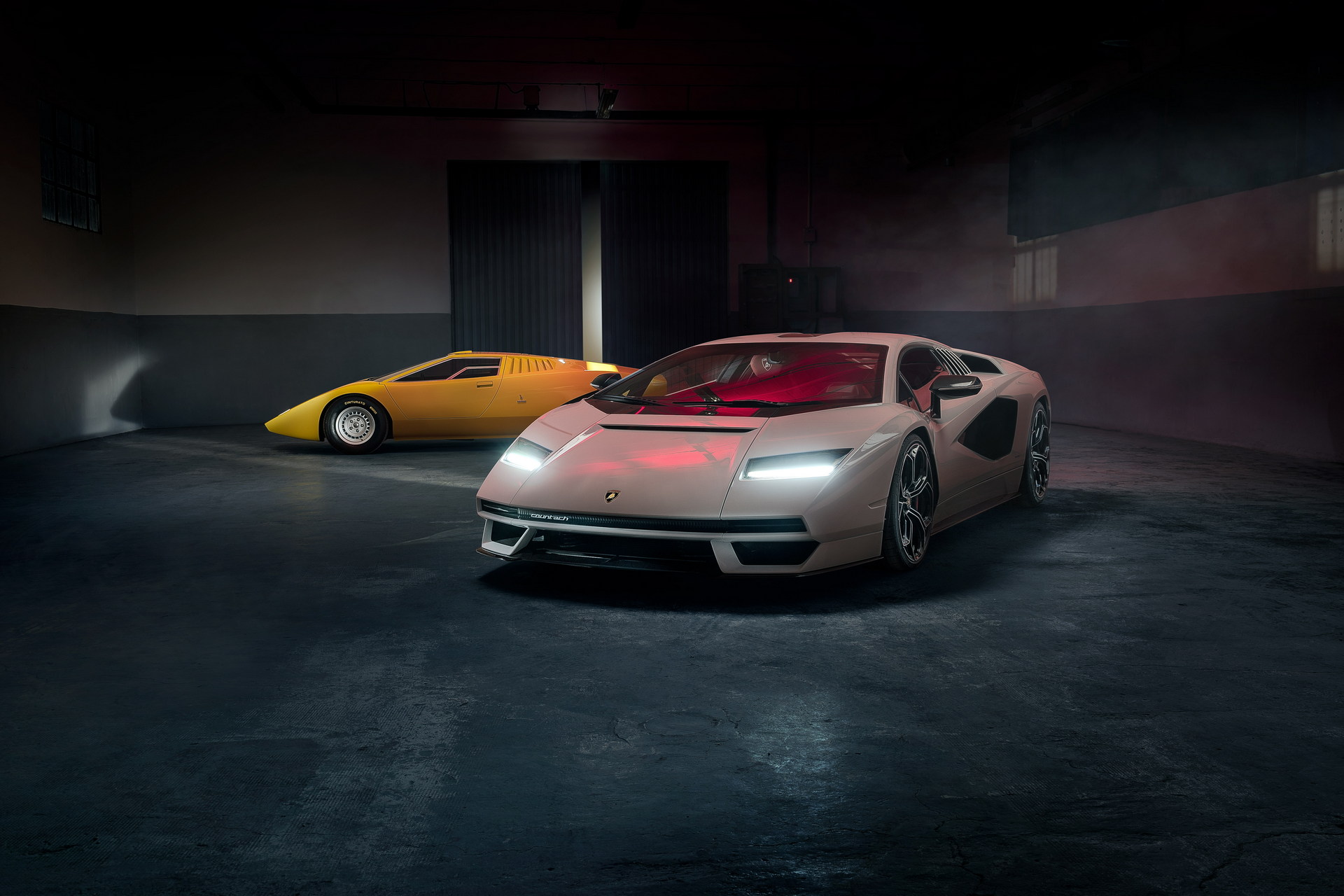
The Countach flagship supercar was the definitive poster car for many a gearhead growing up. There was nothing particularly remarkable about the way the car handled or drove. However, the combination of that iconic wedge shape and the rumbling V12 powerplant placed the car on a pedestal, conferring a legendary status that endures to this day.
It made perfect sense then that Lamborghini resurrected the nameplate on the car’s 50th anniversary for a modern interpretation of a timeless classic. The Countach 2.0 or Countach LPI 800-4 features many styling cues of the original. The powerplant, however, is a significant upgrade, featuring a hybrid powertrain that cranks out 803 hp. That’s more than double the output of the 1st-gen Countach.
Tesla hinted at a potential Starlink internet terminal integration within its vehicles in a recent patent, which describes a vehicle roof assembly with integrated radio frequency (RF) transparency.
The patent, which is Pub. No U.S. 2025/0368267 describes a new vehicle roof that is made of RF-transparent polymer materials, allowing and “facilitating clear communication with external devices and satellites.”
Tesla believes that a new vehicle roof design, comprised of different materials than the standard metallic or glass elements used in cars today, would allow the company to integrate modern vehicular technologies, “particularly those requiring radio frequency transmission and reception.
Tesla has recently filed a US patent application on integrating RF transparent materials into the roof structure.
“facilitating clear communication with external devices and satellites”
Instead of glass or metallic materials, Tesla says vehicles may benefit from high-strength polymer blends, such as Polycarbonate, Acrylonitrile Butadiene Styrene, or Acrylonitrile Styrene Acrylate.
These materials still provide ideal strength metrics for crashworthiness, stiffness for noise, vibration, and harshness control, and are compliant with head impact regulations.
They would also enable better performance with modern technologies, like internet terminals, which need an uninterrupted signal to satellites for maximum reception. Tesla writes in the patent:
“By employing polymer blends, some examples enable RF transmission from all the modules to satellites and other communication devices both inside and outside the vehicle.”
One of the challenges Tesla seems to be aware of with this type of roof design is the fact that it will still have to enable safety and keep that at the forefront of the design. As you can see in the illustration above, Tesla plans to use four layers to increase safety and rigidity, while also combating noise and vibration.
It notes in the patent that disclosed examples still meet the safety requirements outlined in the Federal Motor Vehicle Safety Standards (FMVSS).
Starlink integrated directly into Tesla vehicles would be a considerable advantage for owners. It would come with a handful of distinct advantages.
Initially, the inclusion of Starlink would completely eliminate cellular dead zones, something that is an issue, especially in rural areas. Starlink would provide connectivity in these remote regions and would ensure uninterrupted service during road trips and off-grid adventures.
It could also be a critical addition for Robotaxi, as it is crucial to have solid and reliable connectivity for remote monitoring and fleet management.
Starlink’s growing constellation, thanks to SpaceX’s routine and frequent launch schedule, will provide secure, stable, and reliable internet connectivity for Tesla vehicles.
SpaceX reaches incredible milestone with Starlink program
Although many owners have already mounted Starlink Mini dishes under their glass roofs for a similar experience, it may be integrated directly into Teslas in the coming years, either as an upgrade or a standard feature.
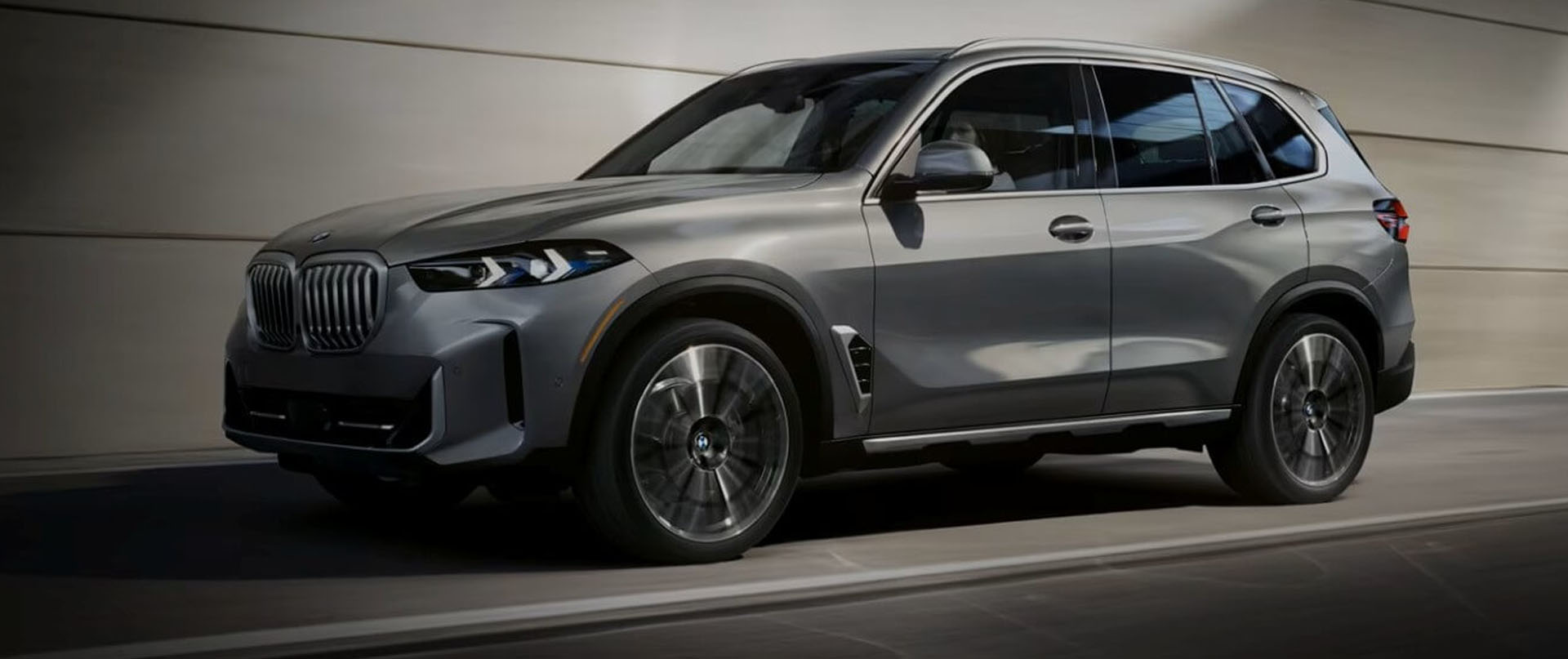
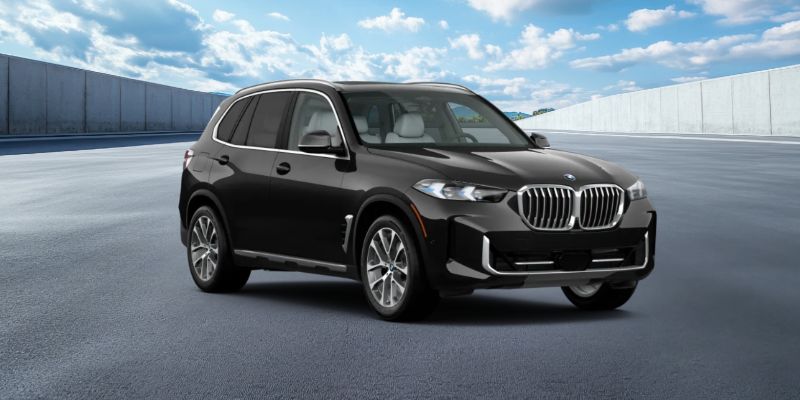
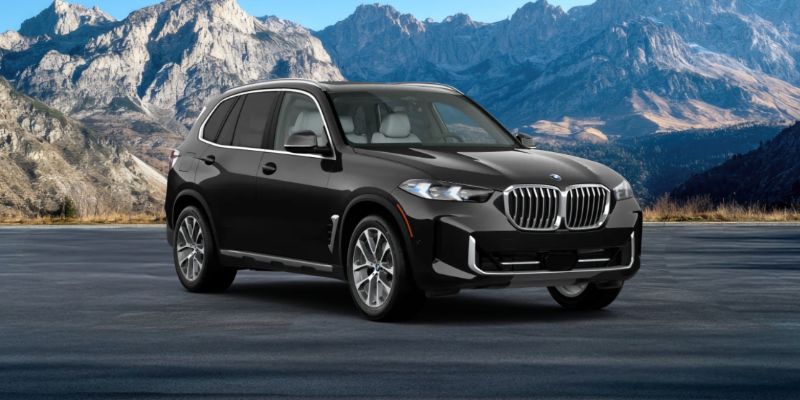
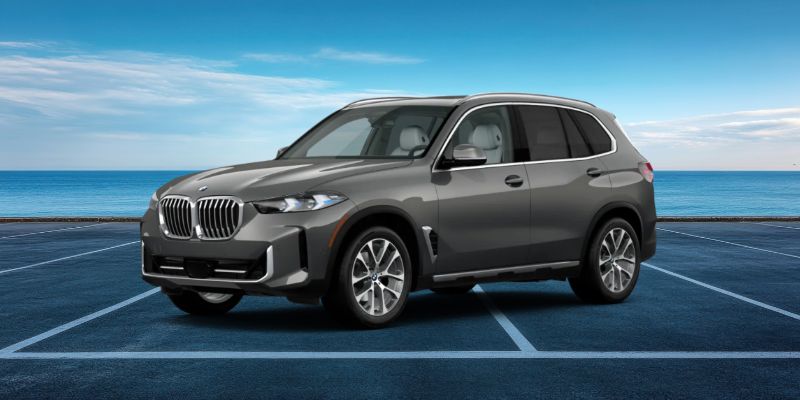
The 2026 BMW X5 was built from the ground up to be a class-defining SUV. Featuring an impeccable build, both inside and out, as well as unparalleled capabilities on both the open road and between city streets, one thing is clear: BMW has a lot to be proud of with the new X5. To find out what the new BMW X5 has in store, check out our full model overview.
2026 BMW X5 Features and Specs
Performance
When you think of a SUV, you imagine a vehicle that’s equal parts powerful, smooth, and capable — you imagine the new BMW X5. Unleash the power stored within the X5’s turbocharged and intercooled DOHC 24-valve inline-6 engine which boasts a maximum of 617 horsepower. Drivers can also look forward to the new X5’s improved traction thanks to its available all-wheel drive. This model has other available performance features, including:
SiriusXM® with 360L incl. 1 Year Trial Subscription
Lane Keeping Assistant
Auto Start-Stop function
Technology
With the new X5, it’s clear that BMW was trying to let their customers have a SUV with technology that could do it all. Options for additional safety features help you monitor the road, navigate tight parking lots, and protect passengers. Smartphone integration and a seemingly endless number of connectivity options really complete the package. Take a look at this list for other technology options that might interest you:
Front and rear Head Protection System (HPS) with side-impact airbags
Anti-lock Braking System (ABS)
Anti-theft alarm system
Design
You should fall in love with your new SUV at first sight, and the new X5 makes that easy. The new X5 flexes a versatile interior sporting 5 seats and a maximum cargo space of up to 72.3 cu ft. Beyond cargo space, the new X5 lets you upgrade the interior to maximize comfort. Check out even more of the available design features here:
20” V-Spoke Wheels
Satin Aluminum Exterior Trim
Fineline stripe brown high-gloss Wood trim
Experience a 2026 BMW X5 near Upper Marlboro, MD
You can find the 2026 X5 when you visit Passport BMW. We can tell you more about this model or other new BMW cars for sale near Upper Marlboro, MD. You’ll also love all the new BMW specials we feature.
*MSRP: Starting price represents the manufacturer’s suggested retail price (MSRP) for the trim. The MSRP does not include destination and handling charges, taxes, title, license, options, and dealer charges. Actual prices are set by the dealer and may vary. Photo is for marketing and example purposes only. Photo may not reflect starting MSRP or trim level.\n**EPA-estimated MPG for City/Highway for 2026 BMW X5 . Actual mileage will vary. Displayed MPG is based on applicable EPA mileage ratings. Use for comparison purposes only. Your actual mileage will vary, depending on how you drive and maintain your vehicle, driving conditions, battery pack age/condition (hybrid models only) and other factors.
Posted in
BMW Information |
Comments Off on Your Preview of the 2026 BMW X5
The Lamborghini Aventador S Roadster is a mid-engined sports car produced by Italian Automotive manufacturer Lamborghini. The Aventador S was officially revealed at the 2017 Geneva Motor Show. Then later the same year, the Aventador S Roadster was unveiled at the Frankfurt International Motor Show.
The Lamborghini Aventador S Roadster, also known as the LP740-4 S Roadster, is mechanically similar to the coupe. The main difference is obviously the removable roof panel, on the LP740-4 S, the roof cannot be manually removed. Another great unfamiliarity is the fact that the Aventador S Roadster gets new optional wheels.
For all those who were complaining about the original Aventador’s handling, well good news for you peeps. The new Aventador S Roadster is an updated version of the original one. On an overall, everything has been made better, just so that you can have ultimate fun. However, the performance figure remains the same as the standard Aventador.
Designs
The manufacturers of the car updated the looks, making it more beautiful and more aggressive while at the same time, they kept the original Aventador design. The new Aventador S Roadster has 130 percent more downforce than the previous model. The car also handles much better than the original Aventador.
The front end of the car is completely new. There is a bigger front splitter and two new air ducts that makes the car looks very mean. This made the Aventador S Roadster look much more stylish. The air intakes have been modified for maximum cooling capability. There has been a huge improvement in terms of aerodynamics in this car.
The new Lamborghini Aventador S Roadster also has a slightly updated suspension. The latter is controlled by the ‘Lamborghini Dinamica Veicolo Attiva’ (LDVA) control unit. The LDVA has four modes selection namely Sport, Strada (street), Corsa (track) and Ego (individual). Ego mode basically lets you control how you want the car to drive. The driver can select his preferred criteria for traction, steering and suspension.
The car also features permanent four-wheel drive system along with four-wheel steering. This is the first time that a four-wheel drive system has been fitted in a series production Lamborghini. How the system works is pretty simple. At low speeds, the front wheels go in the opposite direction from the steering angle. This virtually reduces the wheelbase, making the car more agile with a reduced turning angle. Higher performance is ensured in corners and makes the car easier to handle in town and at low speeds. At high speeds, both the front and rear wheels go in the same direction, extending the wheelbase thus providing increased stability and optimising the responsiveness of the car. The previous models did have a bad turning angle but this problem has been finally solved.
The Lamborghini Aventador S Roadster is developed around a ‘total control concept’. This provides a superior driving, ride and performance. The car uses either 20-inch or 21-inch wheels wrapped in Pirelli P Zero tires. These wheels give ultimate grip around corners. Carbon ceramic brakes are standard on the new Aventador S Roadster. This is a must to have on such a powerful car like this.
The car has a new black (carbon-fibre on request) rear diffuser with fins that increase aerodynamics. A new three single exit exhaust tips is on the car, not only is the new mechanism lighter than the older one but also, the noise that it makes is worth every single penny of yours. The active rear wing can be moved to three different positions depending on speed and drive mode.
Even though the Aventador S Roadster is a convertible, the car is only 50 kgs heavier than the coupe because of chassis reinforcing components. The car has a dry weight of only 1625 kgs.
Moving on to the interior of the Lamborghini Aventador S Roadster, one thing that is noticeable is the fact that the interior is mostly the same as the previous models. However, there are few features that have been added.
A new TFT digital dashboard can be customised according to the driver’s preferences. Apple CarPlay comes as a standard specification. What comes optional is the telemetry system that basically allows you to record lap times and track performance as well as trip data. This is usually for the owner that is planning on taking their Aventador S Roadster to the track.
Engine
Let’s talk about what is powering this beast. Bear in mind that the new Lamborghini Aventador S Roadster is using the same engine as the previous model but it has got a boost in power.
Under the engine cover is a 6.5L naturally aspirated V12. This is no crappy supercharged or turbocharged engine with awful sound. You get to experience the raw naturally aspirated noise and believe me, this is so satisfying to the ears. This massive engine makes a whopping 740 hp and 509 lb-ft of torque. The car will skyrocket from 0 to 60 mph in 3.0s flat and it will reach 100 mph in 6.3s. The car will do a standing quarter mile in just 10.8s. The Lamborghini Aventador S Roadster has a top speed of 217 mph (349 km/h).
The car still uses the same seven-speed automated manual transmission. All those who were complaining about the single clutch transmission, Lamborghini found a solution for you. After all, the manufacturer really loves its customers. The transmission has been updated and it is not that much bad as before.
Bad news for those who care about the fuel consumption of the car (well if there are people who even bother about that), the new Aventador S Roadster is still sinful in terms of fuel economy. The fuel rating is 12 miles per gallon.
Price
The Lamborghini Aventador S Roadster lies in the same price range as the previous Aventador models. It has a starting price of around $460,247. It is not a little amount of money but everyone who has driven one will proudly say that it is worth every penny. Delivery for the Aventador S Roadster has already started in February 2018 and if you think this will make a great addition to your garage, you can order yours right now.
The car is definitely not for the person who is buying their first car. This is for those who want to live on the edge, for those who are in search of pure driving heaven. Most probably, these people already have some (if not a lot) cars sitting in their garage. Each day, they wake up with one concern, which car should I roll in today. If you want to experience real Lamborghini driving pleasure with the top down, then the Lamborghini Aventador S Roadster is for you.
If you like our article on the 2018 Lamborghini Aventador S Roadster, please share it on any social platform of your choice. It really helps us to keep creating awesome contents for you. Also, if you have questions, tips, recommendation or anything else, feel free to write it down in the comments section and we will try our best to reply to all of them. Don’t forget to subscribe to our newsletter for hot supercar related news and also to be the first one to know when we upload a new blog.







.jpg)