The United Auto Workers union, which represents nearly 150,000 employees of companies that manufacture U.S.-made vehicles, has been engaged since July 2023 in the labor negotiations it undergoes every four years with the three main unionized automakers.
By late August, it still wasn’t clear that the UAW would agree to a new contract with Ford, General Motors and Stellantis – the automaker that manufactures Chrysler and 13 other vehicle brands – by their impending deadline. The contracts expire at 11:59 p.m. Sept. 14.
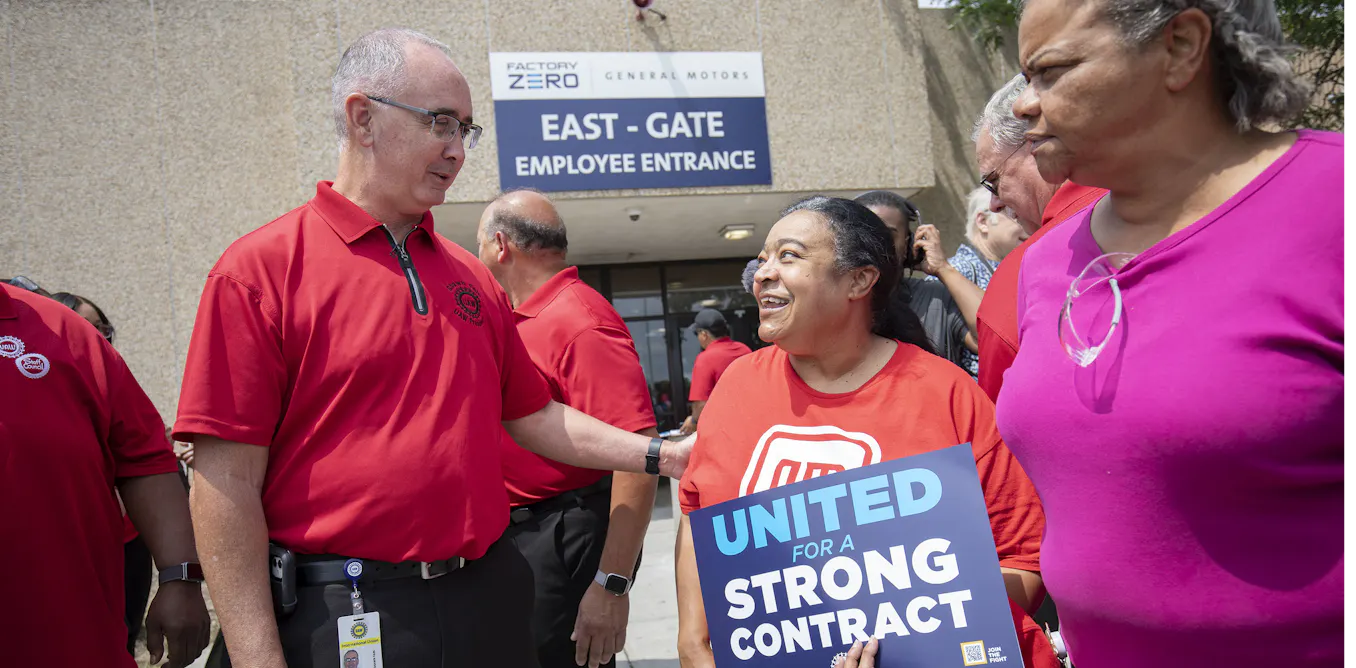
The union’s leaders skipped the traditional handshake ceremonies it usually holds with these automakers, which are often called the Big Three or Detroit Three. The union instead held grassroots photo-ops: UAW leaders greeted rank-and-file members at one Ford, one GM and one Stellantis factory. On Aug. 25, the UAW announced that 97% of its members had authorized a strike “if the Big Three refuse to reach a fair deal.” It’s a major milestone.
I’m a labor scholar who has studied the history of UAW collective bargaining with the Detroit Three. Given that the UAW is making major demands at a time of rising union assertiveness and ambition, I believe it’s reasonable to wonder whether U.S. automakers will be the next industry to face a strike.
In 2023, there have been strikes by screenwriters, actors, health care workers and hotel staff, as well as vigorous organizing by workers for warehouse and delivery services at Amazon, UPS and FedEx.
Strike could stall Detroit GM, Ford and Stellantis
All three automakers with expiring contracts have amassed nearly US$250 billion in reported profits in their North American operations over the past decade.
And UAW leaders have pledged to garner what they see as their members’ fair share of those profits through higher wages and stronger job security.
The UAW’s newly elected president, Shawn Fain, frequently denounces corporate greed and has proclaimed the union’s willingness to go on strike. In the past, the union has held strikes against one automaker at a time, most recently in 2019 against GM.
That could change this time.
“The Big Three is our strike target,” Fain has said. “And whether or not there’s a strike, it’s up to Ford, General Motors and Stellantis.”
The UAW has said it has more than $825 million in its strike fund to help workers make do without pay should they walk off the job.
Autoworker Ray Dota picketed outside the shuttered General Motors plant in Lordstown, Ohio, on Sept. 23, 2019, during the most recent UAW strike. Craig F. Walker/The Boston Globe via Getty Images
Fain’s leadership
Fain has declared that the union will no longer maintain the somewhat cozy relationship with the Big Three that led to major concessions in the past.
Many of the union’s other new leaders also are affiliated with the UAW’s Unite All Workers for Democracy caucus, which launched a successful campaign to require the direct election of the union’s top officials in 2022, with runoff elections held in 2023. They want to prevent a recurrence of a massive scandal that resulted in the federal prosecution of more than a dozen UAW leaders from 2017 to 2022.
Two former UAW international presidents were sentenced to time in prison after being convicted of embezzling union funds. The new slate of leaders assumed control of the UAW under court supervision in March 2023.
Seeking equal pay for EV workers
As part of their bolder strategy, the UAW’s new leaders have criticized the joint ventures between the three automakers and foreign-based electric battery producers.
They want to see Ford, GM and Stellantis paying UAW-level wages and benefits at all joint-venture operated plants in the U.S. making batteries for their EVs. Today, workers at the joint-venture factories earn far less than their counterparts who produce vehicles that run on fossil fuels.
The UAW has succeeded in organizing one of these joint ventures, Ultium Cells in Lordstown, Ohio. But pay for workers at the former General Motors plant, which is now a joint EV battery venture between GM and LG Energy, starts at just $16.50 per hour. In 2019, the year that GM ended car assembly at that factory, workers earned $32 per hour.
The UAW has several other objectives, which Fain first announced in a Facebook live meeting on Aug. 1, 2023.
They include greater job security and steep wage increases for UAW-represented workers covered by the union’s contracts with GM, Ford and Stellantis.
Among other things, it also seeks to end the two-tier wage system negotiated in 2007, under which new hires make much less than veteran workers, and the restoration of cost-of-living allowances, which the UAW also conceded in 2007 to help the companies stay afloat during the Great Recession.
Other UAW goals include resuming company-paid retiree health care benefits, adding more paid time off and limiting the use of temporary employees. Fain also says he wants workweeks scaled down to 32 hours, from its current 40.
Smaller ranks
Union membership in the auto manufacturing industry has shrunk from nearly 60% in 1983 to under 16% in 2022. Nonunion competitors with U.S. locations include foreign companies such as Toyota, Honda, BMW and Volkswagen, as well as domestic-based EV rivals Tesla and Rivian.
In 1970, GM employed more than 400,000 workers. In 2001, the Big Three combined employed 408,000. Today, a total of only 146,000 people work for those companies – 57,000 at Ford, 46,000 at GM and 43,OOO at Stellantis.
The Big Three’s share of the U.S. automotive market has declined to about 40% from more than 90% in the mid-1960s.
But the UAW’s negotiations also directly affect the economic livelihood of the millions who work for the Big Three’s suppliers and in communities dependent on the $1 trillion the auto industry contributes to the U.S. economy.
In addition, many union and nonunion employers monitor the wages and benefits of UAW-represented workforces as they set compensation for their own employees. When union members get raises and better benefits, many employers of nonunion autoworkers mirror those changes – raising pay too.
The shift to electric vehicles poses several related challenges to the UAW.
First, it requires less labor than producing vehicles that burn fossil fuels, which means EV manufacturing generates fewer jobs.
Second, autoworkers employed at joint-venture EV-battery factories have to be organized by the UAW on a case-by-case basis. That can prove especially difficult at plants located in such states as Kentucky, Tennessee or Georgia – where unions have lower membership rates.
Third, nonunion electric vehicle companies like Tesla and Rivian generally pay their production workers less than the Detroit Three.
What the automakers say
Ford, GM and Stellantis have noted that they have invested heavily in U.S.-based factories to preserve UAW-represented jobs. Also, the Big Three point out that they have shared their North American profits in sizable annual payments to their workers.
In 2022, for example, the Detroit Three combined made profit-sharing payments that averaged $36,686 per worker. In addition, the companies pay higher wages and provide more benefits to U.S. autoworkers than foreign automakers, such as Toyota and Honda, or domestic EV producers.
Ford CEO Jim Farley and GM President Mark Ruess have published op-eds in the Detroit Free Press praising their workers and expressing their commitments to do right by them.
“We share common goals” with the UAW, Farley wrote in late June. Both sides want to reach “a new deal that allows us to stay ahead of the changing industry landscape, protecting good-paying jobs in the U.S.”
But both executives have emphasized their need to be competitive.
After seeing the UAW’s demands, GM criticized their “breadth and scope” and said they “would threaten our ability to do what’s right for the long-term benefit of the team.” The automaker also reiterated its openness to what it called a “fair agreement” and to raise wages.
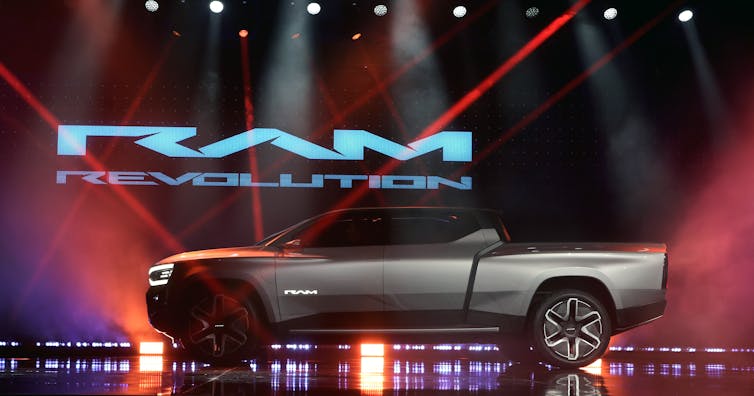
Stellantis’ Ram 1500 Revolution battery-electric concept pickup truck was on display in January 2023 at a trade show in Las Vegas. Ethan Miller/Getty Images
What may happen during a UAW strike
Halting production for even one big automaker during a strike would directly harm thousands of workers and cost the company money in terms of lost sales and production. Strikers would lose out on wages that would only be partially offset by the union’s striker benefits of $500 per week.
And any strike could further disrupt supply chains that have not fully recovered from the shocks caused by the COVID-19 pandemic and natural disasters that have sharply curtailed vehicle production since 2020.
Financial losses can be immense for automotive companies when their workers walk off the job. The 40-day strike in 2019 cost GM a reported $3.6 billion.
A weekslong strike would also jeopardize the UAW’s struggle to rebuild its image following a string of corruption scandals.
I believe that it’s up to both the corporate and labor leaders involved to avoid what could turn out to be a costly miscalculation.
This article was updated on Aug. 25, 2023, to report the strike vote.
WINTER RV CAMPING is more accessible than ever, thanks to improvements in RV technology and an increase in four-season capabilities. But if you plan to camp in the cold, you still need to prepare accordingly. Here’s what you need to know to keep your camper—and your crew—healthy and happy.
Key Takeaways
Exterior protection—such as snow removal, preventing frozen jacks, installing skirting, sealing windows, and using safer steps—plus slow, weather-aware driving, ensures both camper longevity and comfortable winter RV travel.
Winter camping is increasingly popular, thanks to improved four-season RV technology. However, staying safe requires protecting water systems from freezing, managing propane and heat sources, and keeping pipes, tanks, and sewer hoses warm.
Insulating high-loss areas like floors, windows, doors, roof vents, and the RV underbelly is key to maintaining interior warmth and efficiency, along with safe use of propane furnaces, electric heaters, and proper ventilation practices.
How To Get Water For Winter RV Camping
Image by Camco
Protecting your water lines from freezing is arguably the most important factor when winter camping in an RV. When outside temperatures drop below freezing, water can freeze in your pipes and your fresh water hose.
Frozen water expands, which can cause your pipes to burst. Even if your pipes don’t freeze completely, a frozen section can increase water pressure enough to stress pipe joints to the point of bursting.
Unregulated RV water pressure will lead to major repairs when you don’t want to be working on your motorhome or travel trailer. Repairing your RV’s plumbing also comes with a hefty bill. Avoid the expense with a little preparation.
Hooking Up to City Water in Winter
If you’re hooking up to city water when temperatures are at or below freezing, it’s a good idea to use an insulated water hose for your camper. An option like the Camco Freeze Ban insulated water hose plugs into an AC outlet and includes an electric heating element to keep water from freezing at the source while it’s flowing into your RV.
This design is rated for temperatures as low as -20℉ and features insulated sleeves that slide over the hose fittings at the inlet and outlet for added protection.
Some people add insulation to their heated hoses if they know temperatures will remain below freezing for long stretches. This can be done by wrapping the entire length of the hose in foil or foam insulation tape.
Technician Tip: Check the recommendations and read through the manual that came with your heated hose before adding insulation
Filling Your Fresh Water Tank When It’s Cold
Image by Camping World
If you don’t have a heated hose, you can fill your fresh water tank instead of connecting to city water. Many modern RVs designed for winter camping feature 12V heated holding tank pads or ducted heating into the underneath storage compartments to prevent water from freezing in your tanks.
For older RVs, you can add your own insulation or place a drop light in the compartment. The heat produced by the light can be sufficient to prevent the water in your tank from freezing, unless you encounter extremely cold temperatures.
Technician Tip: Drop lights must use incandescent bulbs rather than LED or fluorescent bulbs to produce heat to warm your tanks. Extreme caution should be exercised to prevent the heat from damaging the coach or starting a fire.
As a general rule, only connect your water hose when filling your fresh water tank. Disconnect it when you’re finished, and drain all water from the hose before storing it. This will prolong the tank’s life and the hose while preventing potential freezing.
How To Keep RV Pipes from Freezing While Camping
Image by Camping World
So, you have running water in your RV. Excellent, but you’re not out of the woods yet. To prevent your RV pipes from freezing, it’s helpful to open cabinets and allow the heat from your furnace to fill the entire space, not just the central part of the coach.
If your RV doesn’t include tank heating pads or ducted heat to the basement, consider adding a tank blanket. Tank blankets are typically available in 12V DC and 120V AC models, allowing you to choose one that suits your off-grid or on-grid winter RV camping trips.
Technician Tip:It’s best to consult with a local Camping World specialist for assistance on modifications to avoid adding a heater that damages your plumbing.
Additionally, many towable RVs have exposed water lines underneath. These are the most likely candidates for freezing when camping in cold temperatures. An easy way to reduce the risk of exposed water lines freezing is to add foam pipe insulation and wrap it with foam insulation tape.
How To Keep Your RV Sewer Hose from Freezing
Image by Camping World
It’s best to wait until your holding tanks are full to hook up your sewer hose and empty. This reduces the time the valves are open, allowing heat to escape.
Some RVers who enjoy long-term winter stays leave their sewer hose connected to an outlet for the duration of their stay. If you do this, only open valves and empty holding tanks when they reach at least two-thirds of their capacity.
It’s also a good idea to empty your tanks during the hottest part of the day and ensure the hose is empty after dumping. This may require lifting the hose or using sewer hose supports to ensure it drains completely and minimizes the risk of waste particles freezing in the hose.
How To Prepare Your RV’s Interior for Winter Camping
Winter RV camping should be enjoyable, but that’s tough if you’re perpetually cold. Fortunately, we have plenty of tips to keep your living space warm and cozy throughout the winter.
Insulating RV Floors
Just like at home, RV floors often feel extra chilly in the morning. Fortunately, there are several ways to insulate the flooring in your camper, adding insulative properties and making your feet more comfortable.
These range from as simple as laying down interior rugs or runners to installing self-adhesive carpet tiles to adding rugs to your RV steps. Use the link below to explore all your options.
How To Insulate RV Windows and Doors
Subscribe to the Camping World Tutorials YouTube channel and never miss a video.
The next two obvious places for heat loss are your RV windows and doors. An RV with dual-pane windows is best for winter camping, but there are ways to insulate single-pane windows if your budget doesn’t allow for that upgrade. Here are a few ideas:
Add made-for-RV foil insulation panels
Upgrade to thicker window shades
Add pre-sized covers/sunshades to doors and front windows
Check weather stripping and replace if partially detached or missing.
If you can’t find exact matches for all your windows and doors, you can purchase a foil insulation roll and cut squares to the needed dimensions. While you can, most winter campers don’t cover ALL their RV windows, so they can still enjoy natural light and heat from the sun during the day.
Technician Tip: Exercise caution when installing window insulation to prevent blocking the weep holes or causing them to become obstructed with ice. The condensation will back up and run down the walls inside your RV if you’re not careful.
Preventing Heat Transfer Through Roof Vents
Image by Camping World
Because you won’t necessarily need RV roof vents for air circulation during the winter, consider installing insulated vent cushions to reduce heat loss further.
Vent cushions can also be used during the warmer months to trap cool air inside your RV, making them an excellent investment for conserving energy when boondocking. These roof vent cushions are relatively affordable and easy to install or remove.
Electric vs Propane Heat Sources
Image by Camping World
You’ll have three primary RV heating options when RVing in winter. The first is your RV propane furnace. The second is an RV-safe portable electric space heater or fireplace—if your RV is equipped with the latter. And the third—and least recommended—is a catalytic heater or a portable Buddy heater that relies on a small propane cylinder.
Now, before you go grabbing each of these options for camping during the winter, let’s talk safety, maintenance, and proper use.
RV Furnace Tips
Before your winter camping trip, take the time to have your furnace professionally inspected. This will help you avoid a costly and inconvenient trailer furnace repair. Ask a certified technician if you need a furnace filter replacement (if applicable) to ensure adequate airflow and efficient operation throughout the winter.
Technician Tip: Never install a filter on a furnace that was not equipped with one by the factory.
At the very least, you should use compressed air and a soft brush to remove dirt, dust, and debris from the furnace. Ensure all vents are clean and unobstructed. Perform a test by setting your RV thermostat to the desired temperature and measuring its effectiveness with a digital thermometer.
RV Electric Heating Tips
Electric fireplaces and portable space heaters can supplement your RV furnace if you’re plugged into AC power all winter. They can even help you save propane in your RV and lower your energy bill, depending on the electric costs in your location.
The issue with space heaters is that they heat the living space above the floor, causing the furnace thermostat to shut off the furnace. Only a ducted gas furnace will send heat to your RV’s underbelly. The heated tank spaces are no longer heated if the furnace is off.
Technician Tip: Portable space heaters can also overwhelm your coach’s electrical system if used simultaneously with multiple other RV appliances. This may result in inconveniences, damage to the coach, or even fires. Avoid models with a maximum wattage rating exceeding 1,500 watts and turn them off before powering on other high-draw appliances, such as your microwave.
Portable RV Propane Heater Safety
Finally, using a portable propane heater poses several safety risks. You must ensure the heater is safe for indoor use, and you’ll need extra propane cylinders to make this a reliable heat source for winter camping.
The issue with propane space heaters is that they can increase condensation, potentially leading to a hazardous accumulation of carbon monoxide. They should never be used in a tightly sealed RV, so you’ll need to crack a window and use a dehumidifier to avoid moisture issues, both of which can render these ineffective for efficient RV heating.
External vs Onboard Propane
Subscribe to the Camping World Tutorials YouTube channel and never miss a video.
When winter camping, you’ll burn propane faster than usual. Your onboard propane container(s) supply propane to your stove, oven, central furnace, and water heater. Refilling propane is essential for maintaining warmth and comfort during cold weather.
For travel trailers and fifth wheels, propane cylinders can be disconnected, exchanged, or refilled at local hardware or grocery stores. Just know that small portable LP containers are subject to refrigeration in cold weather.
Technician Tip:In cold weather, small LP containers seem to run out of gas when they’re only half empty. Keeping your containers above half full is your best bet for a reliable propane supply when winter camping.
For motorhome owners, your options include either moving your RV to a fill station or finding a propane fill service that comes to you. Depending on your location and style of winter camping, both can be treacherous on winter roads.
For full-time campers, an external propane tank can be installed outside and, in many cases, hooked into your RV’s propane lines. This requires a propane adapter kit and a propane company to deliver and attach an external tank.
Call multiple propane providers in your area to compare prices and services. If given the option of “Keep Full” or “On Call” service, “Keep Full” will eliminate the hassle of running out of propane because you forgot to check the level regularly.
How To Protect the Outside of Your RV
From removing snow from the roof to preventing stabilizing jacks from freezing to the ground, there are some important steps to protect your RV’s exterior during winter adventures.
Protecting Your Roof, A/C, Slide-Outs, and Awnings
Image by Camping World
Avoid snow and ice accumulation on any part of your RV. No matter how cold it is, the best way to protect your RV when winter camping is to push the snow off after each storm. This includes your slide-outs and all covers for your air conditioner, roof vents, and other roof-mounted accessories. The goal is to protect everything from the added weight of snow and ice.
Technician Tip:Your best bet in heavy snow events is to close slide-outs until the storm passes.
When removing snow and ice, be careful to avoid damaging your roof or awnings. A broom with soft bristles will help you clear a light dusting, but you may need a plastic shovel for the top layer of larger accumulations, before using the broom to push the bottom layer off.
Climbing up your RV ladder can be the most dangerous part of this effort. Shoes with soft rubber soles are best for handling slippery surfaces. If possible, ask a partner or friend to spot you. However, be aware that a harness and fall protection are the only true ways to guarantee your safety when climbing on a fully walkable RV roof.
We also want to note that it’s best to leave your main RV awning closed when camping in your RV in the snow. The weight of snow and ice, combined with the potential for high winds, increases the risk of awning damage in the winter.
If your awning is damaged, consult our RV awning maintenance guide for information on removal, installation, and awning fabric replacement.
Lastly, consider installing a cover over your air conditioner, as you will most likely not use it in the winter. An insulated RV air conditioner cover protects the unit from damage while keeping out those dreadful winter drafts.
Technician Tip:DO NOT install an A/C cover when your coach is in use if your units have a heat pump.
Preventing Stabilizing Jacks From Freezing to the Ground
To keep RV stabilizing jacks from freezing to the ground, place wooden blocks, leveling blocks, or stabilizing jack pads beneath them. If you store recreation items under your RV, place them on a tarp or in sealed bins to avoid water damage.
Insulating an RV Underbelly
Image by Tucker Ballister
Using an RV skirt provides an additional layer of insulation for the open space beneath your RV. A skirt can keep your floors, holding tanks, and vehicle components warmer when outside temperatures drop below freezing.
Portable or long-term insulated skirting makes a massive difference in comfort and efficiency. Any warmth you can trap inside your RV or underbelly works to your advantage.
An added benefit of skirting your RV is protected exterior storage. If you have kayaks or bikes that don’t have anywhere else to go, slide them under your RV before skirting to keep them out of the elements.
Technician Tip: RV skirting can make an attractive home for critters. Use insect and rodent deterrentsto keep them at bay throughout the winter.
How To Make Exterior RV Steps Safer
Image by Camping World
Your convenient RV step can quickly turn into a slippery hazard in freezing conditions. The best way to add grip is to install wraparound step rugs. You can also install an external handrail for added safety when entering and exiting your RV in the winter.
Technician Tip: Choose step rugs carefully. The open styles with aggressive textures are best suited for winter camping, as carpet styles can still become icy in cold, wet weather.
Inspecting RV Window Seals
Image by Aaron Rapps Photos via Shutterstock
You should also check the status of your RV’s exterior window seals. If you haven’t addressed them in a few years, adding caulk or sealant might be helpful before winter camping in your RV. Many of these products have temperature limits that must be adhered to, so please check the manufacturer’s instructions to ensure proper use.
There are several caulk and sealant products available for RV maintenance, designed explicitly for resealing around your RV’s windows. Ideally, find a non-sagging or quick-drying product so you can complete this job quickly without making a mess.
Technician Tip: Consult your owner’s manual for recommendations on compatible sealants for your RV.
Driving Tips for Winter RV Camping
Image by Good Sam
If you aren’t full-time winter camping in one place, you’ll need to navigate wet and slippery roads between destinations. Here are a few tips for safe winter RV driving:
Get all-weather tires.
Check the weather early and often, especially when navigating mountain passes.
Accelerate and decelerate more slowly than normal.
Avoid quick lane changes and turns, which are always bad ideas in an RV.
If chain restrictions are in place, don’t go.
Consider investing in traction boards to help you self-rescue if you get stuck.
If you feel uncomfortable with the weather conditions, stay put.
Slow and steady wins the race.
Plan ahead and enroll in a roadside assistance programto know help won’t be far off if you need it.
Choosing the Right RV for Cold-Weather Camping
Even with careful preparation, winter comfort ultimately comes down to the RV you bring into the cold. Not every travel trailer or fifth wheel is engineered for colder temperatures, and choosing the right platform makes all the difference in how much effort you’ll need to stay warm, protect your plumbing, and keep systems running efficiently.
When evaluating a winter-capable RV, look for:
Enclosed and heated underbellies to protect tanks and water lines
Heated holding tank pads or ducted basement heat
Improved insulation values in walls, roofs, and floors
Dual-pane windows or upgraded cold-weather window packages
Furnace capacity sized appropriately for the RV’s square footage
Four-season or “extended season” designations backed by clear manufacturer claims, not just branding
Even within these categories, there’s a wide range of capability. If you expect to camp regularly in cold temperatures, starting with the right construction is far easier than trying to retrofit a lightweight, warm-weather coach for winter use.
And if you’re not sure where to begin, we’ve gathered the best options to point you in the right direction. Whether you’re leaning toward a travel trailer or a fifth wheel, these guides break down manufacturers, insulation methods, key cold-weather features, and what separates true four-season builds from others.
Use these additional resources to protect and enjoy your RV in the winter:
Do you have experience camping in your RV during the winter? Share your advice with fellow RVers in the comments below!
Jessica is currently living and traveling fulltime in her 5th wheel RV with her husband, two kids, and four cats.
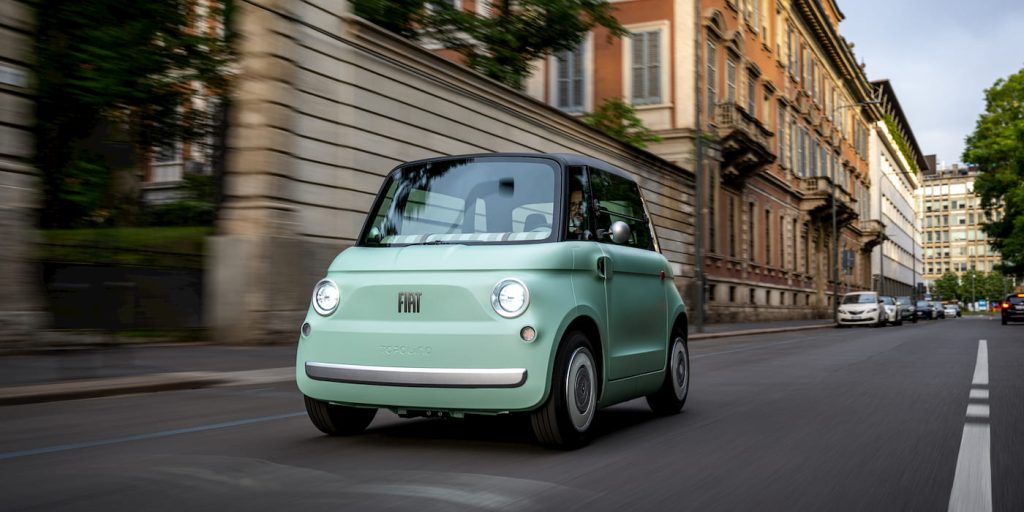
Is this the tiny “kei” car everyone is talking about? Not exactly. Jeep maker Stellantis announced plans to bring the tiny Fiat Topolino EV, which sells for under $12,000 in Europe, to the US.
Fiat plans to launch the tiny Topolino EV in the US
Less than a week after President Trump called Japan’s kei cars “really cute” during a White House meeting with Stellantis CEO Antonio Filosa, Ford’s Jim Farley, GM’s Mary Barra, and Tesla CEO Elon Musk in attendance, we might actually get one in the US.
At Miami Art Week, Fiat CEO Olivier Francois announced that the company is planning to launch the ultra-compact Topolino EV in the US.
After a few appearances in the US, including at last month’s LA Auto Show, Francois said the tiny electric car is “creating tremendous excitement among consumers.”
Advertisement – scroll for more content
So much so that the company is actually planning to make it available for US buyers. “I’m happy to share that we’ll be bringing the Fiat Topolino to the US,” Francois said.
Although the company didn’t reveal any other information beyond “more details to come next year,” we have a good idea of what to expect.
The new Fiat Topolino (Source: Stellantis)
The Topolino, which translates to “little mouse” in Italian, is currently sold in Europe and South America. In Europe, it starts at 9,890 euros, or roughly $11,500.
At just 2,530 mm (99.6″) long, the Topolino is classified as an electric “quadricycle,” rather than a standard car. In some EU countries, like Germany, it can be driven by 15-year-olds.
Powered by a 5.4 kWh battery pack and an 8 hp electric motor, the tiny EV delivers up to 75 km (46 miles) of WLTP range. It can also be fully charged in four hours using a 240V outlet. We will find out more details soon, including prices and US specs.
Can Fiat’s tiny EV win over US buyers? With America’s love for bigger trucks and SUVs, it might be a tough sell. Fiat sold just 1,528 vehicles in the US last year, down from nearly 44,000 in 2012, its first full sales year.
FTC: We use income earning auto affiliate links. More.
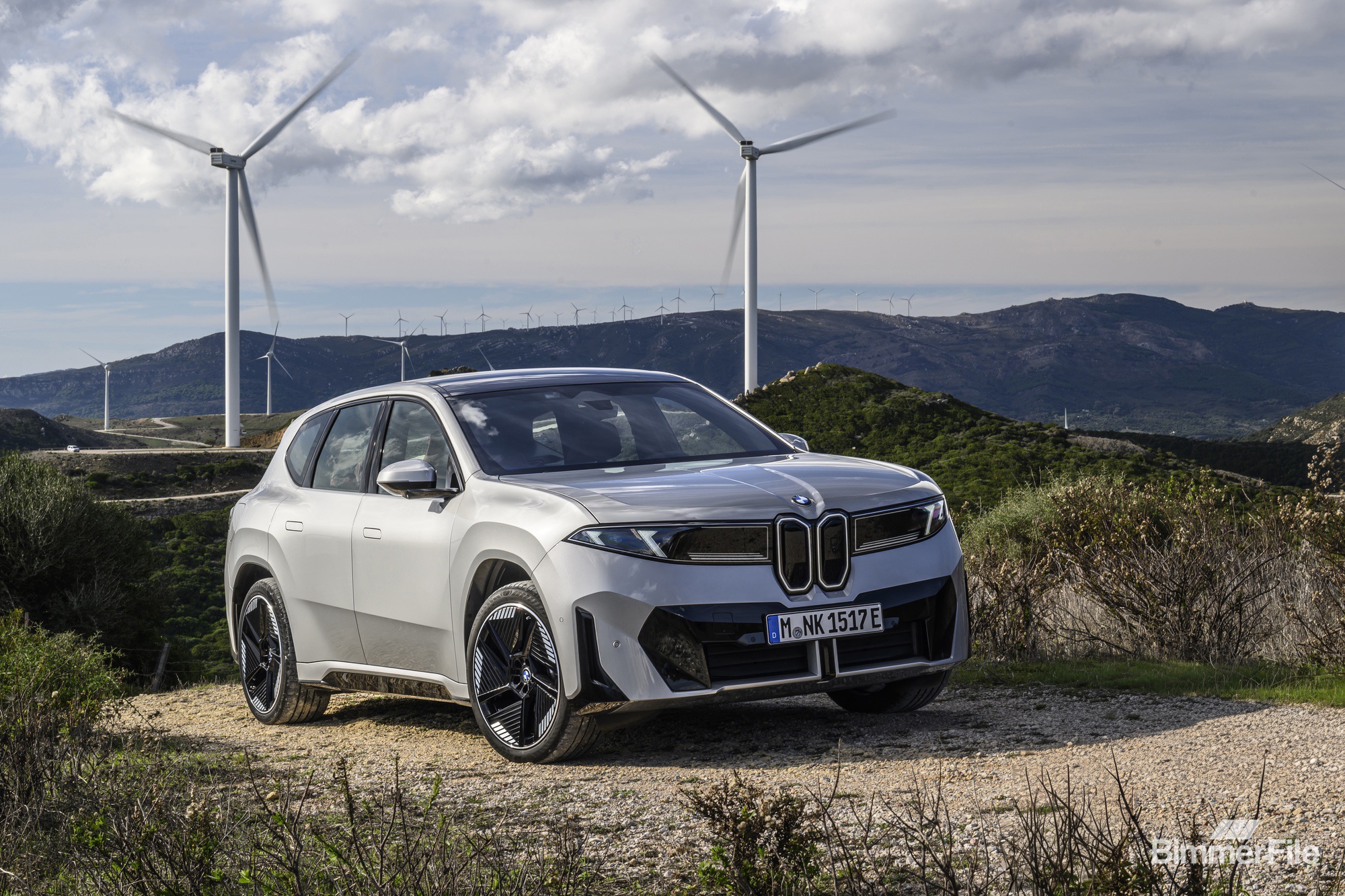
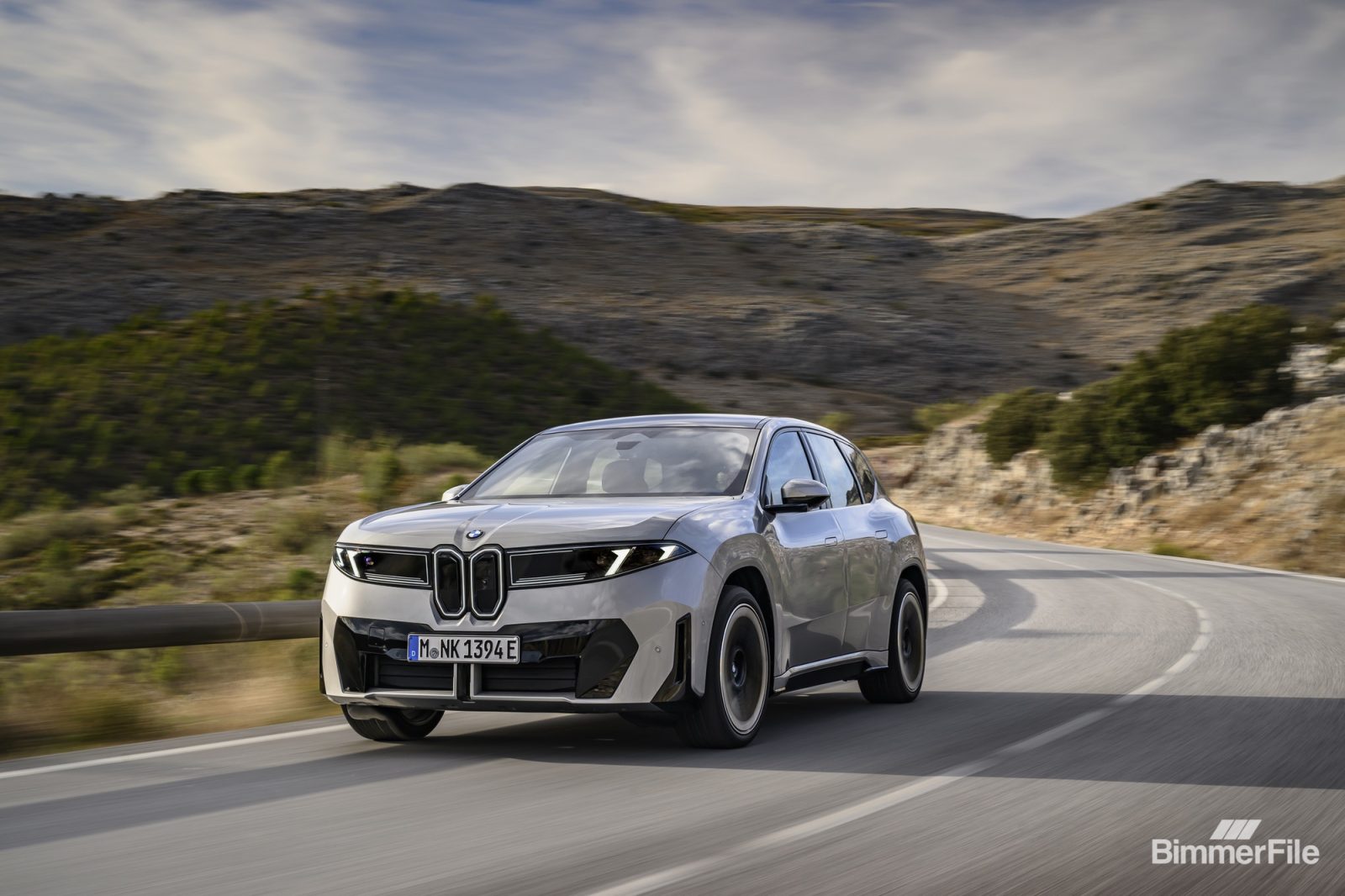
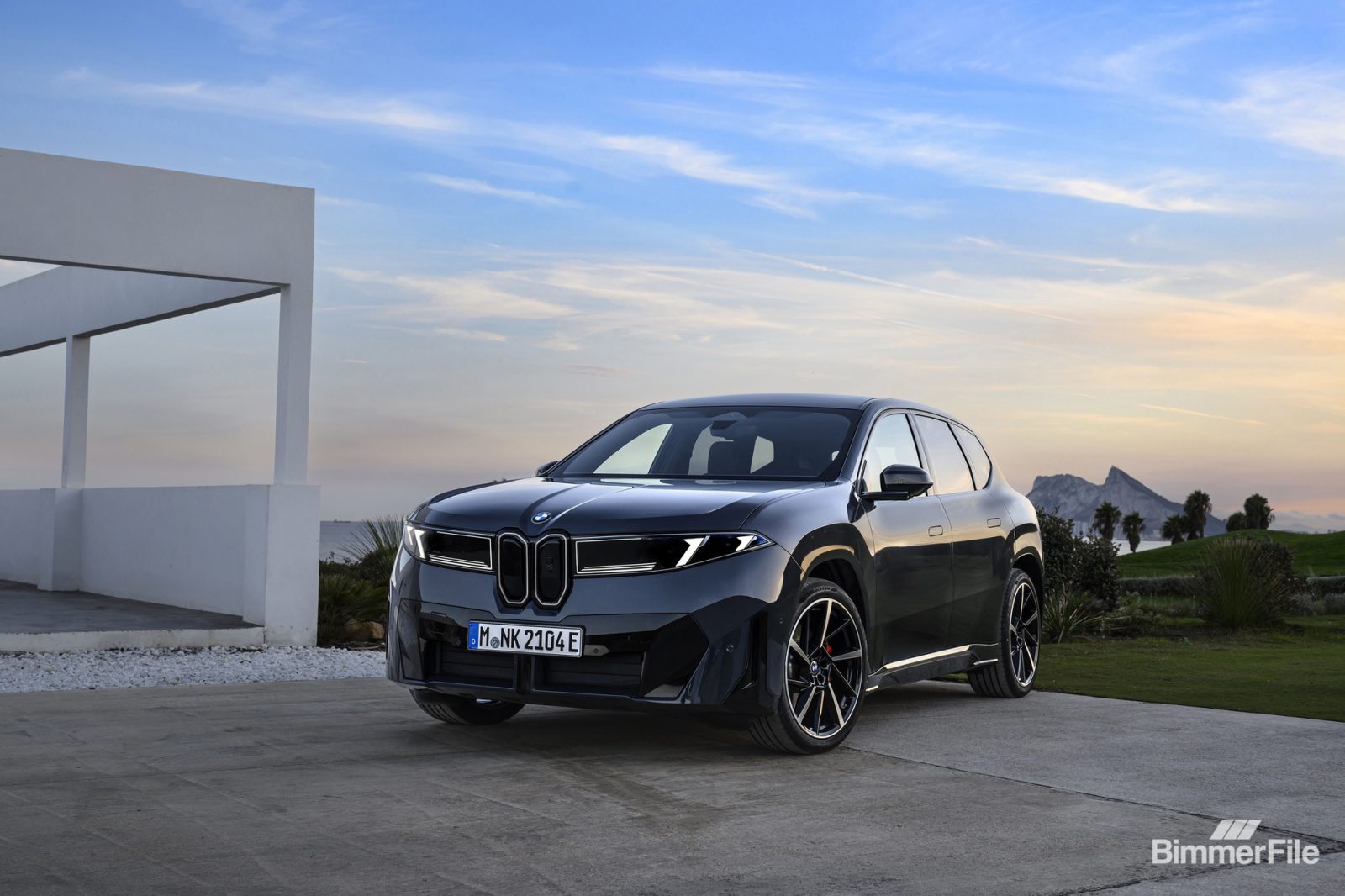
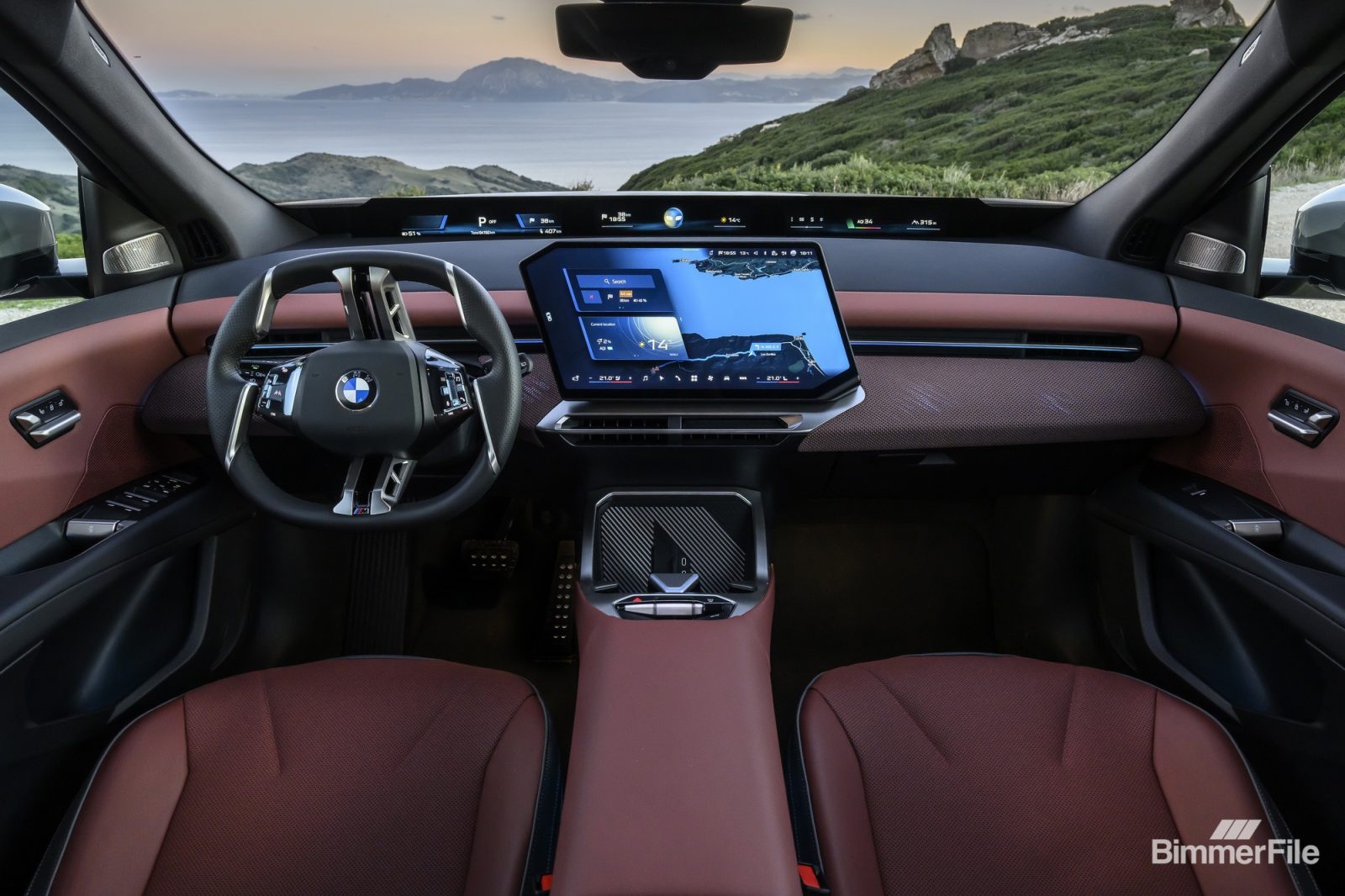
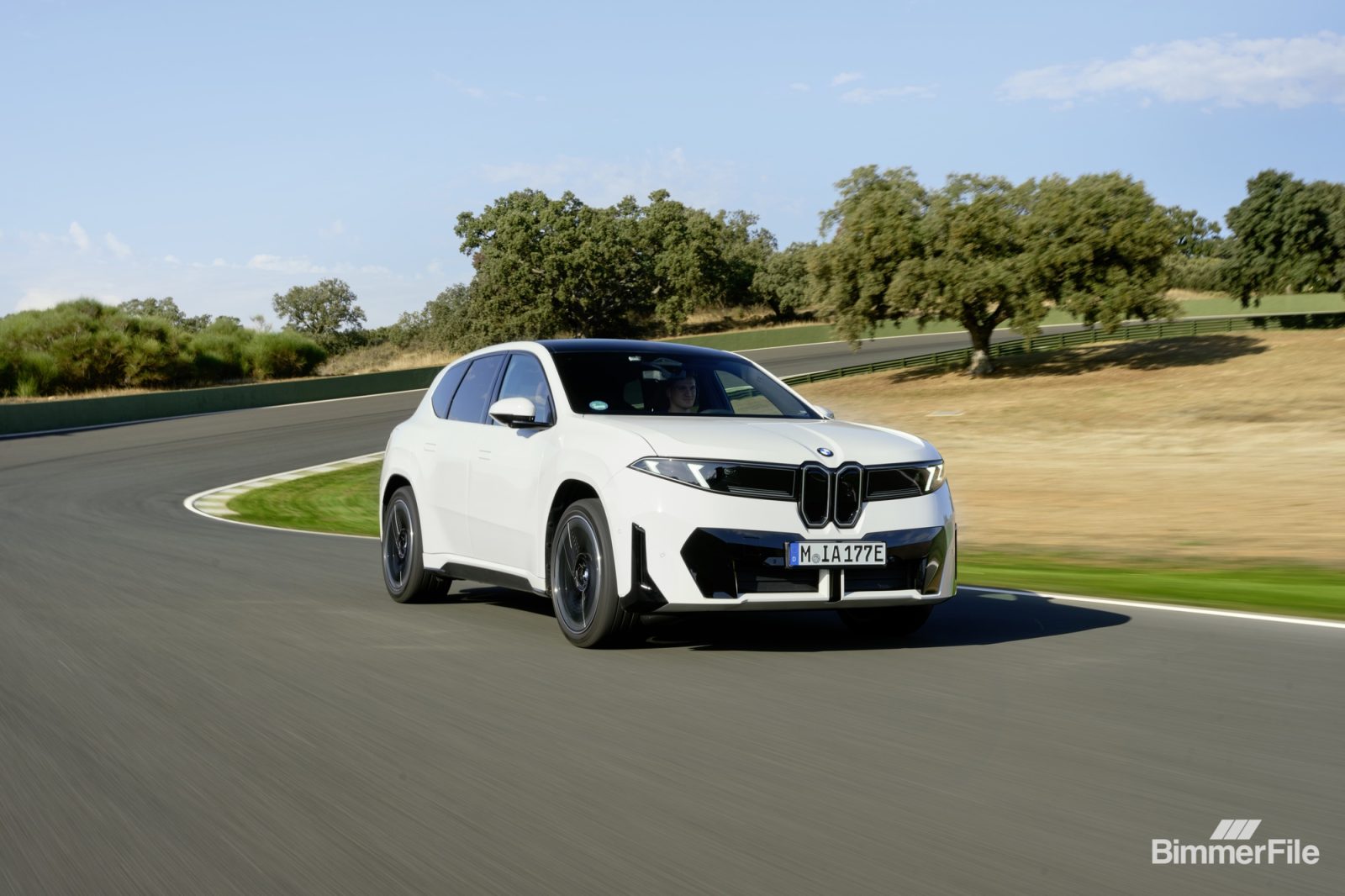
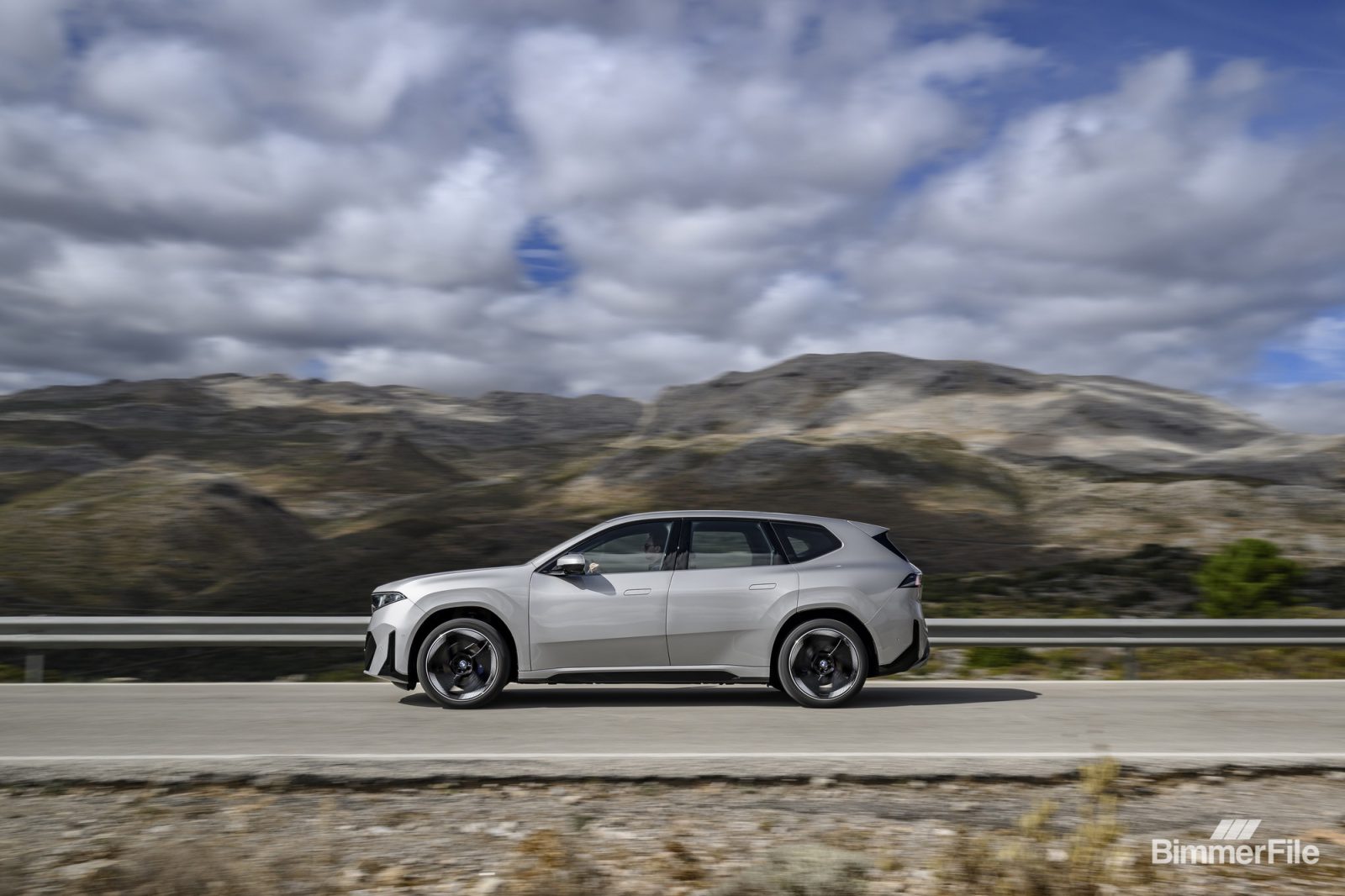
The new BMW iX3 is the first volume Neue Klasse product and the clearest indication yet of where BMW is taking its electric strategy. As we have written previously, this is the most important electric BMW since the original i cars. It introduces BMW’s sixth-generation battery system, next-generation software, and all-new packaging. With reviews now live across major publications, we can finally see how the iX3 is landing.
Driving Dynamics and Ride Quality
This is what we’ve been waiting for. From hints we’ve gathered over the last few years, those inside BMW have benefited quietly confident that the Neue Klasse would usher in a new era of driving engagement for the brand. It looks like the iX3 might be the start of that.
Autocar writes that the iX3 “feels like the first BMW EV that truly understands what makes a BMW drive the way it should,” highlighting its steering clarity and balance.
Car and Driver notes that “the iX3 shrinks around you in a way few electric SUVs manage,” calling out its agility and lightness on the road.
The Drive says the suspension calibration “delivers a level of calm and precision that immediately puts it among the best-mannered electric crossovers tested this year.”
Road & Track calls the iX3 “a showcase of the Neue Klasse advantage,” adding that it “finally fuses BMW’s dynamic identity with an EV platform that can keep up with it.”
Top Gear reports that the iX3 “floats over broken roads yet never loses its sense of control,” describing the drive as quiet, confident, and distinctly BMW.
Battery Performance, Charging, and Efficiency
This is where the Gen6 battery tech is a massive leap for BMW. But what does it mean in the real world? We now have some answer.
Car and Driver writes that the iX3’s 800-volt charging capability delivers “numbers that finally feel like the future BMW has been promising.”
Electrifying.com says the sixth-generation battery “sets a new benchmark for efficiency,” noting that range results feel like a step change for BMW.
The Drive highlights that the thermal management system “feels engineered for real-world abuse rather than lab numbers,” a rare compliment for an EV platform.
Auto Express reports that BMW seems to have “side-stepped the bloat that has plagued many rival electric SUVs,” resulting in stronger real-world efficiency.
MotorTrend calls the motor and inverter integration “the most cohesive engineering BMW has shown in an EV to date.”
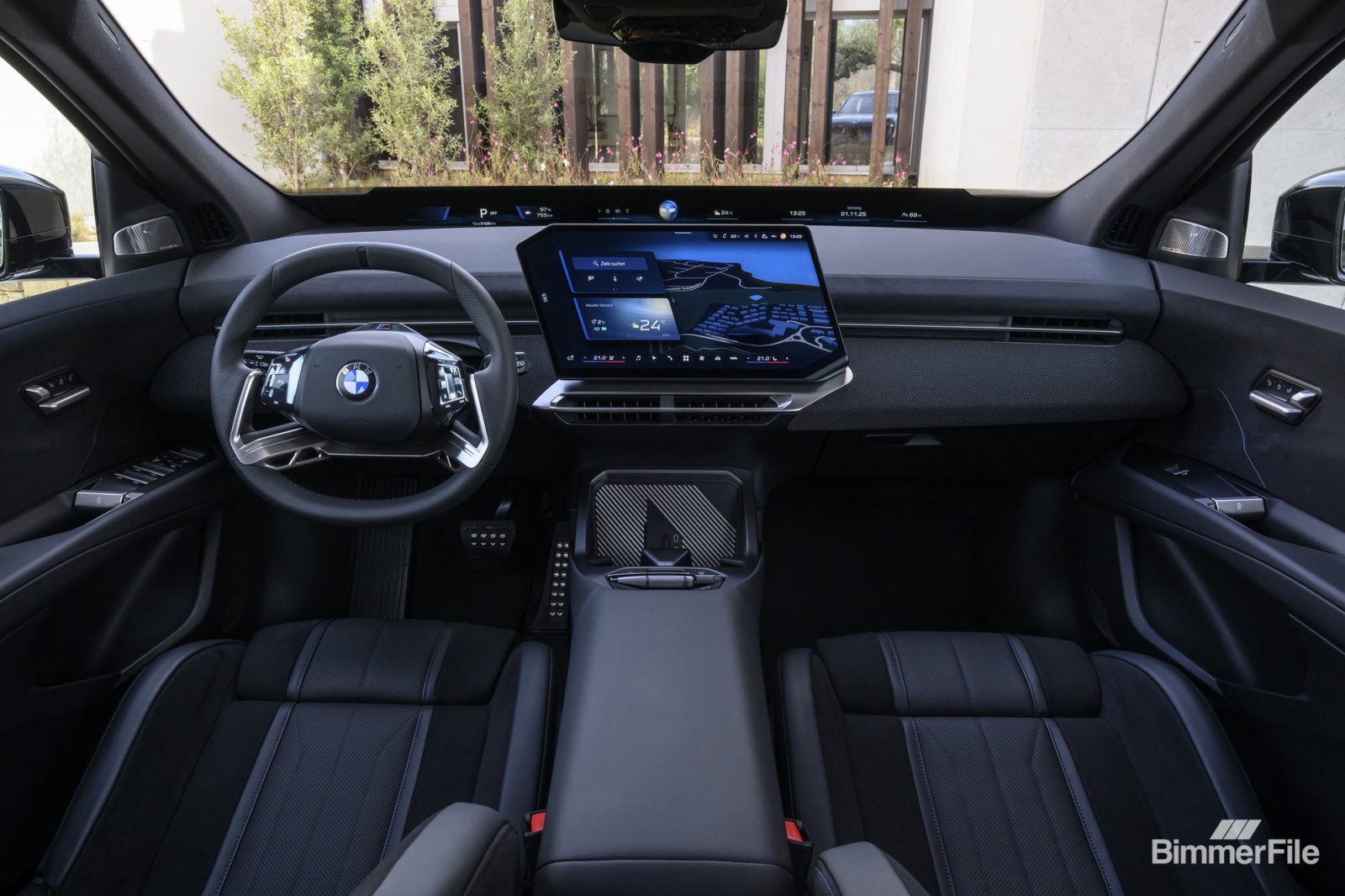
Interior, Technology, and Everyday Usability
iDrive X is a bold move for BMW. And in our early testing it seems to have paid off. Now in production form, we have even more proof.
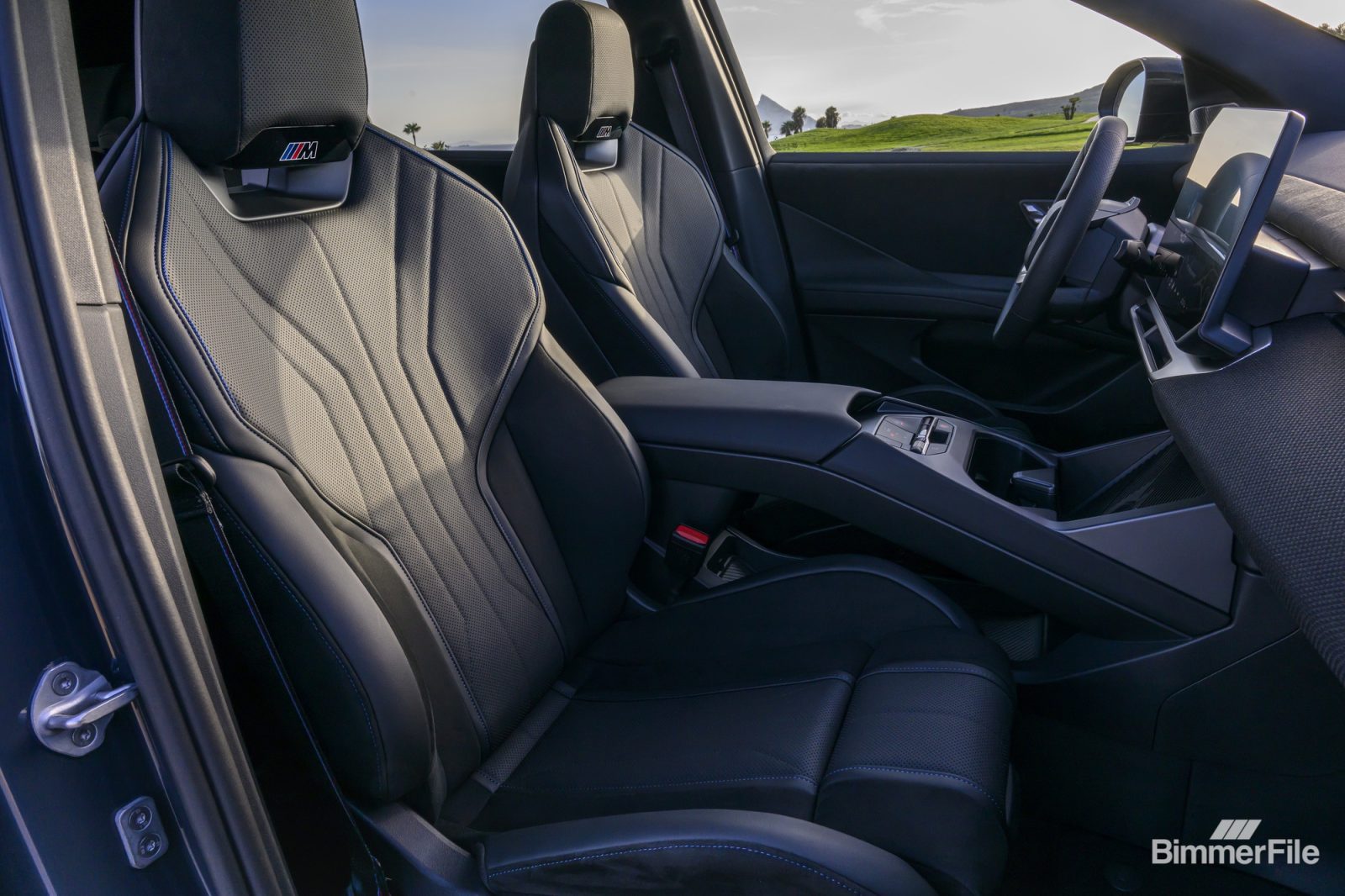
Autocar praises the cabin as “calm, modern, and free of the visual clutter that often overwhelms new EV interiors,” calling it BMW’s best design reset in years.
Car and Driver says the Panoramic Display “finally brings coherence to BMW’s digital story,” describing the UI as cleaner and more purposeful.
The Drive writes that the cabin “walks the line between tech-forward and hospitable,” avoiding the sterility common in some EV competitors.
Top Gear highlights the packaging gains, noting that the flat-floor platform “feels like one of the clearest benefits of Neue Klasse.”
Auto Express says the refreshed interface “finally understands how drivers actually interact with screens,” citing stronger voice and system response.
MotorTrend praises the overall craftsmanship, saying the iX3 “feels exactly like a BMW EV should.”
US Launch and Market Position
The iX3 is especially important in the United States because it finally fills the gap between the i4 and the iX. As we have reported on BimmerFile, BMW engineered this generation for the US from the start. That includes tuning and charging behavior tailored to American highways, packaging that aligns with US crossover expectations, and feature sets designed for the market’s growing EV demand.
This model effectively becomes the electric counterpart to the X3, the most important BMW in the US lineup. It will serve as BMW’s volume EV crossover here and anchor the transition to Neue Klasse products. The upcoming i3 sedan, built on the same platform, will pair with the iX3 to create a two-model core around which BMW’s US EV strategy will grow.
In short, the iX3 is not simply an EV BMW is bringing to the US. It is the beginning of an entirely new US-focused EV generation that will define the brand for the next decade.
The ministry of transport has moved to quell reports that outstanding road transport department (JPJ) summonses would cause users to be locked out of their Budi95 petrol subsidy. According to a statement released by minister Anthony Loke, unpaid fines and subsidy eligibility are based on two different mechanisms that operate separately; they are not related to each other.
He insisted that Budi95 eligibility will continue as is, whereby users will only need to be Malaysian citizens with a valid MyKad and have an active driving licence. Note that this does not mean the licence itself needs to be valid – users can pump subsidised RON95 petrol at RM1.99 per litre even with an expired licence, as long as it has lapsed for no more than three years.
This is in response to a now-deleted article from Malay Mail, which stated that motorists could lose their Budi95 subsidy if they failed to pay their outstanding summonses by December 31. It stated that because the subsidy eligibility is tied to having a valid driving licence, if a user is unable to renew their licence due to being blacklisted, they would be unable to get the fuel at a cheaper rate.
Obviously, the provision allowing users to have an expired licence up to three years puts paid to that notion, as they will have plenty of time to enjoy the subsidy until the amnesty period is up. Still, the ministry stressed that motorists should still abide by traffic laws to ensure the safety of other road users.
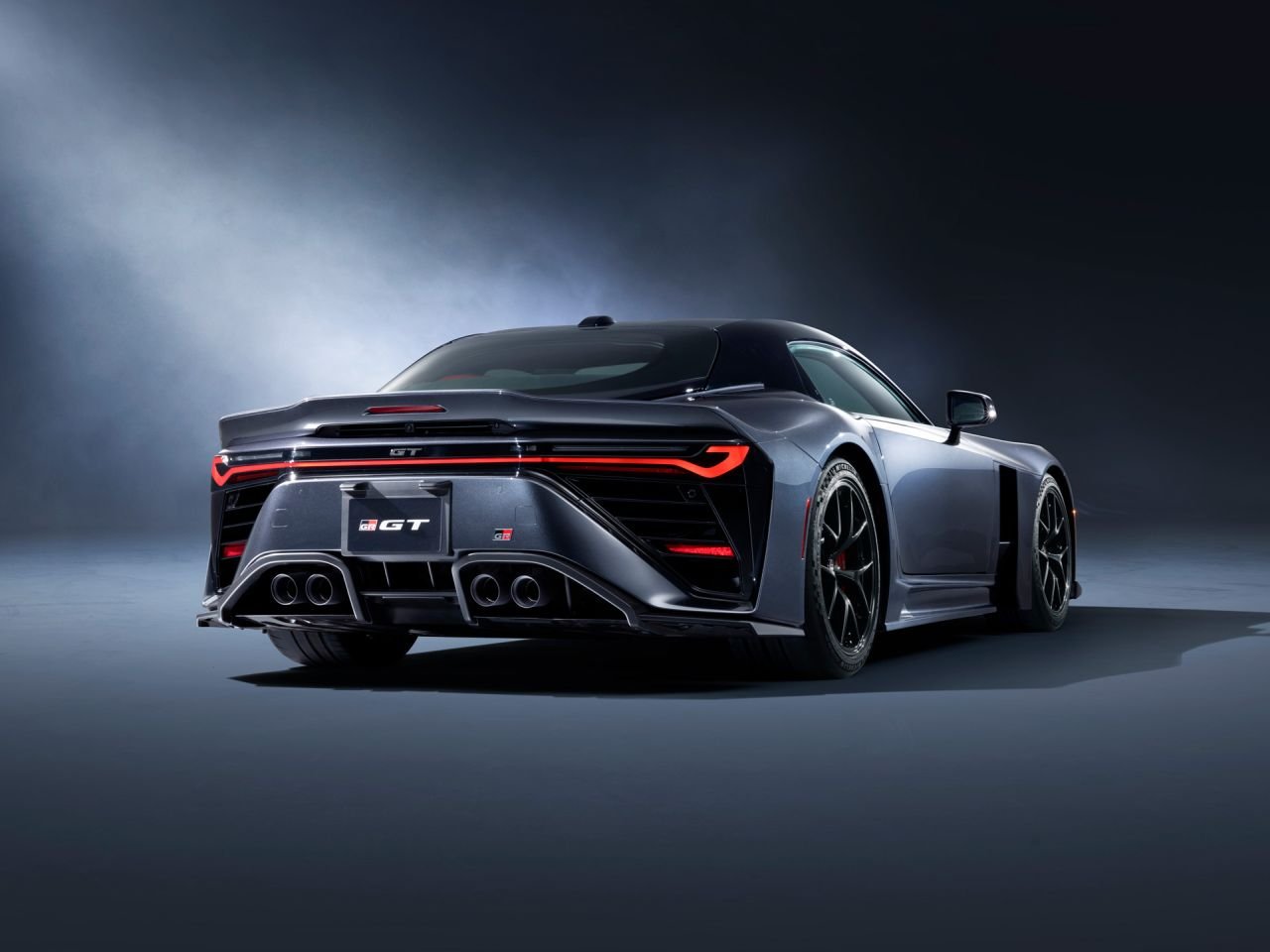
Toyota Gazoo Racing has finally revealed the much-anticipated GR GT sports car. The flagship model was presented as a pre-production prototype alongside the GR GT3 race car.
The Toyota GR GT will carry on the legacy of the iconic 2000GT and Lexus LFA. Speaking of which, Lexus has also revealed its new flagship model based on the same platform – Lexus LFA Concept.
According to Toyota, the GR GT was conceptualized and developed as a road-legal race car. It features a front-engine, rear-wheel-drive layout with a 4.0-liter twin-turbo V8 hybrid powertrain, dry-sump lubrication and a rear-mounted transaxle.
The GR GT is based on an all-aluminium chassis – a first for Toyota, and has carbon fibre reinforced plastic (CFRP) body panels. The car design was dictated by aerodynamics, with the aesthetic aspect being secondary. Aerodynamics engineers and exterior designers worked together to achieve a balance of aerodynamic and cooling performance. The interior has been designed to achieve the optimal driving position.
Under the hood is a 4.0-liter twin-turbo V8 engine paired with a single electric motor and a combined output of over 640 hp and 627 lb-ft of torque. The engine is mated to an 8-speed automatic transmission, which allows the car to reach a top speed of over 200 mph.
The suspension setup comprises double wishbones with coil springs all around, while brakes come in the form of carbon ceramic discs.
The Toyota GR GT is expected to go on sale around 2027.
This post may contain affiliate links. See our affiliate disclaimer here.
It’s been a while since we’ve done our “monthly” business updates. I’m honestly surprised we made it so many months in a row sharing these updates before we dropped off!
You can blame the fact that we had an amazing RV trip across England and Wales (watch it on Youtube!) and we’ve been living in Portugal these past few months.
Fresh pineapple pureed with coconut? Yes please.
Are those reasons to not blog? I hope so. Okay if you’re new around here, here’s the speel:
In December we bought a new business! We’ve started something like five businesses over the years and this was our first time to ever buy a business. We were excited, ambitious, and a little out of our depth as we set goals for growing this new business. (Spoiler alert: if this is the first acquisition update you’ve read, it’s been going better than expected!)
Our goal on the blog is to share the ups and downs of our experience buying our first business (so you can learn from our mistakes!).
The business we purchased is called RV Inspiration, which consists of two websites: RVInspiration.com & RenovatedRVsforSale.com.
As a whole, the blog is focused on helping you make your RV feel like home and the renovated RV marketplace helps people sell their beautifully restored RVs. (Featured image credit goes to @BBandtheRV for one of the more unique toy hauler renovations I’ve seen lately!)
Okay, let’s get into it!
What Went Well in Q3
Lets recap July, August, and September shall we? (Yes, that’s how late this is. But I kept notes from July planning to write this month ago, so we are going with a mega recap today!)
We hit a major goal.
Our goal for RV Inspiration for 2023 was simple, straightforward, and completely unattainable. We want to triple our ad revenue. Ad revenue averaged $129 in 2022 (before we owned the site) and in our first month of owning the business, it averaged only $64. We (foolishly?) decided that our goal was to triple the 2022 revenue and hit $400/day.
This was inherently a silly goal since RVing is seasonal and we knew that by September our numbers would start going down steadily.
But, somehow, for one GLORIOUS DAY, we HIT THAT GOAL:
Literally for one day only.
We were in Wales at the time and didn’t even notice the spike until a few days later, so we had no clue how or why this day was so particularly amazing.
Then I got on my phone to Google something and saw this:
The fact that my recommended quick links are all about RVing, cruises, and inflight entertainment is a very good summation of me as a person.
We were right at the top on Google Discover! I click on Google Discover articles all the time, so I have no doubt this feature is why our traffic went crazy bonkers on this day. (How did this article get chosen by Google to be on Google Discover, not sure completely. It’s only happened a couple of times, and I would love for it to happen more!)
Did the $450+ days continue? Nope. Not even close. We had a few $300+ days though.
But I’m the boss so I say that we nailed this goal, even if it was only once.
Our actual daily average for ads ended up like this for the quarter (more numbers below):
July $211
August $232
September $228
Not triple and not even double that original $129 average, but still a major increase.
(Also why did we not make it our goal to triple our daily average of $64? If that was the goal, we slayed it!!)
Getting Ahead on Content
The first week of August, we moved out of our house so we could move to Europe for the rest of the year (where I’m currently typing). I knew I would be off of my computer for a month, so I sat down and cranked out a ton of content! This was a major win in that it meant we didn’t have to worry about the business while we were traveling across the UK.
Subtle hint that you should be watching our UK series:
Funnel Me In
When we bought the business, it came with a BUNCH of funnels. I mentioned in a previous update that many of these emails from the old owner were pretty personal and needed to be updated.
I had the main funnel updated soon after buying the business, but in Q3 I finally got them all updated. (There were over a dozen so this took some time!) We also had a process set up for members of our Facebook group to be added to our funnels, so we were growing our email list steadily.
This is a super not-sexy thing that went well. But automations make a business run smoothly, right?
What Didn’t Go Well in Q3
Here’s how I dropped the ball.
And Now I’m Behind Again 😪
After scheduling content out for six weeks, we made it to Portugal thinking that once the kids were in school, we would be back behind our computers working. Not the case. We were adjusting to living in a new country, meeting new friends, and it was harder than I thought it would be to get back into the swing of the business after taking a month off.
This is the third month I’ve taken off while we’ve had this business—and by taking off I mean not opening my laptop cause I’ve been in Japan, New Zealand, England, and Portugal.
Taking off in August was very different than taking off in the spring. I think because even though the content was scheduled and I had an editor managing things, we had started to double our content in July. My brain wasn’t ready to come back to double the workload. I had lofty expectations that I could jump right back into the swing of things, but instead, I came back seriously overwhelmed and struggling to get a grasp on the business. This was also because of some other things that went poorly this quarter…
Building a Writing Team
I have been dragging my feet on building a team. This is something I still hadn’t tackled in Q3, even though in Q3 we went from publishing one blog a week and one newsletter a week to TWO. We doubled our content (this should be listed as a win!) but this meant I was doing 100% of the writing and writing 8 articles a month.
I’m not a natural team builder or manager, so thinking of running a business that employs a bunch of people, even just contract writers, is overwhelming for me.
This is something I should’ve done earlier in the business, but nine months in it still hadn’t happened. (Write it down on my to-do list for Q4, will ya?)
Hello Tech Issues
August and September were the months of tech issues. Daily I was hearing from our VA about new issues on the site. We got a few customer complaints. I swear the theme was glitching like crazy. Links were breaking, listings disappearing, spam messages coming in, the list goes on and on.
It felt like the Renovated RV marketplace was out to get me.
I’ll share the numbers in a second, but emotionally, this business had me at the end of my rope and ready to let it go.
I think this is where it’s important to note that business success isn’t all about the money. At least not for me. For investors, sure. For finance people, sure. But I would like to enjoy what I do every day. And I ended our June recap saying just that. I love running RV Inspiration. It’s so much fun and very much in line with the things I want to do with my life.
I took over the marketplace over the summer (Heath was working on YouTube and our VA had a baby). With all the issues and it being put in my lap right before we moved to Europe, I’ve been overwhelmed. A lot. And often. So even though you’ll see in the numbers that it’s doing great as a business, I’ve toyed with the idea of selling it off or shutting it down.
(Bring on your business advice and encouragement in the comments. I’m very much at a loss for what to do next!)
Okay back to something straightforward.
Gimme the Numbers
July Revenue Breakdown
Ads: $7,508
Listings: $1,529.08
Amazon Affiliates: $1,800.51
Other affiliates: $571.93
Total: $11,328.52 (a little more than June)
August Revenue Breakdown
Ads: $8,183.67
Listings: $1,777.14
Amazon Affiliates: $1,261.29
Other affiliates: $381
Total: $11603.10 (new best month ever!!)
September Revenue Breakdown
Ads: $7,734.60
Listings: $2,222.30 (best month ever for listings!)
Amazon Affiliates: $1,116.88
Other affiliates: $1,269.35
Total: $12,343.13 (new, new best month ever!!!)
Revenue Deep Dive
We’ve grown every month since we bought the business 😮 🥳
Best Month Ever for Listings
With RV season winding down at the end of summer, people started listing their RVs. We were getting new listings almost every single day! This was exciting, stressful, probably one of the reasons why the site was having so many errors, and amazing.
We’ve consistently had over 70 RVs listed on the site for the last few months and currently have over 80 listed. (We had I think 13 when we bought the business, so this is pretty wild growth, if you ask me!)
Check Out Those Affiliates
Affiliate revenue fluctuates crazy month-to-month, but it’s been steadily ticking upward all year. To cross over $1,000 in affiliate revenue + to earn over $1,000 specifically from Amazon is way more than I expected. Also, YAY!
I’ll share more about affiliate revenue and why I think it’s been doing so well in our October recap 😉
Back to that “Triple the Revenue” Goal
When we said our goal was to triple ad revenue, we calculated that $400/day for a month = $12,000 in revenue. In my head, this was always the actual revenue goal number.
And in September, we hit it!
This was especially thrilling since I assumed traffic would take a major hit when school started/RV season ended.
Instead of hitting that number with ads alone, we’ve gotten better at diversifying and growing other income streams too. That’s been essential since you never know when Google will change the algorithm on you…
I know it’s time for things to slow down for the season (historically November-February is much lower than other months). But it feels like we’re ending the season on a high note.
Key Takeaway
I’m the sole driver of this business.
That is intimidating, scary, and a little empowering. Heath has always been the entrepreneur in our family and I’ve been more of a worker bee. Give me a task, and I’ll get it done. This has been my first time guiding the ship, which, as I’ve shared in this post, has gotten the best of me at times. Heath and I started this journey together, but now that he’s exploring other business ideas, I’ve shouldered more of this business (than I can perhaps handle).
But when I look back at just how much the business has grown, it’s kind of jaw-dropping to know that I did that. I have 3x’ed (tripled?) this business in less than a year. I’m starting to be a little more out of my depth, but that’s where you really grow, right?
Looking back on Q3 and looking forward to the end of the year, I’m focusing on taking the reins now that the business is fully mine and not a shared responsibility. I’ll be building a team and reinvesting back into the business so it will continue to grow. This quarter is when I’ve most started to feel like I’ve exhausted my knowledge and my skill set. I’m pushing against the edge of what I know how to do, and it’s time to find a seasoned blogger and mentor who can teach me how to take this business to the next level.
Samsung SDI, BMW and US battery technology company Solid Power have signed an agreement to work together on establishing global value chains for all-solid-state batteries across materials, cells and EVs.
The collaboration aims to pave the way for the commercialization of all-solid-state battery cells by bringing together their complementary expertise in cell manufacturing, automaking and materials development.
Under the partnership, Samsung SDI will supply battery cells using the solid electrolyte developed by Solid Power. BMW will develop modules and packs for the cells. The three companies aim to evaluate the performance of the cells based on the agreed parameters and requirements and to integrate them into BMW’s next-generation evaluation vehicles.
Samsung SDI and BMW have collaborated since 2009, when the German automotive group chose the South Korean firm as a battery supplier. In March 2023, Samsung SDI established a pilot line at the Suwon R&D Center in South Korea, and it began producing prototypes at the end of 2023. Sample tests are currently underway in collaboration with multiple customers. The battery developer outlined its roadmap for mass production of all-solid-state batteries last year. It plans to mass-produce 900 Wh/L solid-state batteries using its solid electrolyte and anode-less technologies.
“Our solid electrolyte technology is designed for stability and conductivity, and by working closely with global leaders in automotive and battery innovation, we strive to bring ASSB technology closer to widespread adoption,” said John Van Scoter, President and CEO of Solid Power.
The BMW 1M has reached a point where it’s no longer just a used performance car. Prices have climbed, good examples are getting harder to find, and many owners aren’t daily-driving them anymore. When a car starts to enter that territory, regular insurance stops making sense. It values the car like any other aging coupe — not something that’s holding or gaining value. That’s why we insured our 1M with Hagerty (not paid advertisement), and after going through the process, it’s clear that collector insurance works differently than a standard auto policy in ways that actually matter.
Agreed Value — The Part That Really Makes a Difference
Hagerty uses Agreed Value Coverage. You and the insurer decide what the car is worth, and if it’s totaled, that’s the number you’re paid. Not a depreciated figure. Not whatever an adjuster finds online. The value is set in writing ahead of time. This matters because most traditional policies use Actual Cash Value — which means the payout drops as the car ages. On something like a BMW 1M, where prices are rising instead of falling, depreciation-based coverage misses the point.
Where the Numbers Landed for Us
Our car is insured for $76,500, based on Hagerty’s valuation tool and current market movement. The tool is part of the Hagerty Drivers Club membership and shows how pricing has trended over the years, which makes it easier to adjust the insured value if the market changes. Being able to change the insured value mid-term, not just at renewal, is useful as the market continues to move.
Modified Cars Don’t Cause Problems — You Just Have to Document Them
A 1M doesn’t have to be stock to be insured. If the car has a tune, upgraded turbos, suspension, paintwork, interior changes, or anything else that affects value, Hagerty will cover it — they just want records. Parts and labor can be included in the insured value as long as the work is accounted for.
Track Day Coverage Exists, and It’s Optional
Hagerty offers single-event track day coverage for non-competitive HPDE events. You don’t need a full policy to buy it, and you don’t have to carry track coverage year-round if you only drive events occasionally. For anyone who wants to take a 1M on track a couple of times per year without committing to a dedicated motorsport rider, that flexibility helps. I skipped this for now since I still treat the 1M like a “garage queen.”
If Something Goes Wrong — They Try to Fix the Car, Not Total It
A big difference from normal insurance is how claims are handled. With Hagerty, the default approach is repair — not totaling the car and cutting a check. OEM parts are used when possible, you can pick the shop, and if you’re capable of doing the work yourself, you can be compensated for it. A total loss is treated as a last step, not the first. For a car like a 1M, where originality and VIN continuity matter, that mindset goes a long way.
There’s also an optional add-on called Cherished Salvage. If the car is totaled and that endorsement is on the policy, you get the full payout and you can keep what’s left of the car without having to buy it back. Not every car needs this, but it’s a sensible option for something personal or rare.
Here’s What Our Policy Actually Costs
Our annual cost is $1,092, split between $649 for collision and $443 for comprehensive, using a $10,000 deductible. It’s not a daily-use policy — the pricing reflects occasional driving and careful ownership. One important note: Hagerty required our 1M to be kept in an enclosed garage. Outdoor storage wouldn’t have qualified the same way, and it likely would have changed pricing, or simply the car would have not been insured.
A Modern Benchmark — To See How It Compares
To get perspective, we also ran numbers on a modern car: a 2024 Porsche 718 Cayman GTS 4.0, insured at a guaranteed value of $113,000 and stored in similar enclosed garaged conditions. With a $1,000 deductible, collision coverage came in at $1,005 per year, and other-than-collision coverage (including glass) was $665. The only fee attached beyond that was a small $4 law-enforcement training assessment.
Putting it next to the 1M highlights the difference between insuring something established as a collectible and something still new enough to feel like a high-value road car. The Porsche costs more to cover despite a similar garage setup and similar agreed-value structure. That contrast makes it easier to understand where the 1M sits in the market now: not cheap, but clearly treated like a vehicle that has already crossed into long-term enthusiast territory rather than something disposable or easily replaced.
Ford CEO Jim Farley believes that Europe will condemn itself to industry irrelevance if it does not revise decarbonisation legislation. By Will Girling
In an opinion piece published on 8 December 2025 by the Financial Times, Ford boss Jim Farley warned that Europe’s legislative push for battery-electric vehicles (BEVs) risks turning the continent into a “museum of 20th century manufacturing”. He joins a chorus of other prominent industry executives, most recently Stellantis Chairman John Elkann, in predicting European automotive’s decline if regulations are not urgently re-examined.
Subscribe to Automotive World to continue reading
Sign up now and gain unlimited access to our news, analysis, data, and research