7.2 C
London
Thursday, May 14, 2026
Home Blog Page 79

RVers Review of T-Mobile Home Internet for RV Travel

0
RVers Review of T-Mobile Home Internet for RV Travel


As a full-time traveling family, reliable internet isn’t just a luxury, it’s a necessity! Between remote work, homeschooling our boys, streaming, and keeping in touch with loved ones, we need a connection that works wherever the road takes us. We’ve been using T-Mobile Home Internet during our RV travels for the past few years, and here’s our honest review of how it performed.

What is T-Mobile Home Internet?

T-Mobile Home Internet uses the company’s 5G and 4G LTE networks to provide high-speed internet through a plug-and-play gateway device. Unlike traditional cable or satellite internet, you don’t need a fixed address, and setup is as simple as plugging in the unit. For RVers, that portability makes it an appealing alternative to hotspots and satellite.

What’s in the Box?

When you sign up for T-Mobile Home Internet, here’s what comes standard:

  • T-Mobile 5G gateway device (modem + router in one)
  • Power cord
  • Quick-start guide.

That’s it! There’s no complicated installation, drilling, or technician visits required

Setup & Portability

  • Ease of Use: Setup couldn’t have been easier. We plugged the gateway into an outlet in our travel trailer, downloaded the T-Mobile app, and were online in minutes.
  • Portability: While the gateway isn’t officially marketed as a mobile product, many RVers like us have used it successfully on the road. As long as you’re within T-Mobile’s coverage area, it works just like it would at home.
  • Possible changes: Unfortunately, T-Mobile has recently announced changes to this flexibility. They’ve indicated that they may begin geofencing devices to a specific address, meaning the unit will only work in one fixed location. If that happens, full-time RVers like us would no longer be able to take it on the road. To replace this “unofficial” RV use, T-Mobile has rolled out a product called T-Mobile Home Internet Away. It’s designed for travel, but it comes with a hefty price tag of $160 for unlimited data which is a huge jump compared to the $50/month home version, making it a less budget-friendly option for families like ours who need consistent internet on the go.

Speed & Performance on the Road

  • Urban Areas: In cities and larger towns, speeds impressed us. We consistently had fast speeds that were more than enough for online homeschool programs, remote work, and Netflix streaming all at once.
  • Rural & Remote Areas: Here’s where things got trickier. In some rural campgrounds, speeds were frustratingly slow and in very remote spots with weak T-Mobile coverage, the gateway sometimes struggled to connect at all.
  • Streaming & Work: When the signal was strong, it easily handled HD streaming, video calls, and even online gaming for the kids.

Cost & Value

  • Pricing: At about $50/month with AutoPay, it’s very competitive compared to other mobile internet options.
  • No equipment fees: Unlike Starlink with its pricey equipment cost TMobile has none! 
  • No Data Caps: this is a huge perk! Having unlimited data you’ll never had to worry about throttling after hitting a usage cap.
  • Flexibility: No contracts or long-term commitments. If it doesn’t fit your travel needs, you can cancel anytime. 
TMobile home internet small enough for RV counters

How It Works (Service Area)

T-Mobile Home Internet runs entirely on T-Mobile’s 5G/4G LTE network. Coverage is strongest in urban and suburban areas, but can be limited in rural or mountainous regions. Always check out the T-Mobile coverage map before heading to your next destination. It can save you a lot of frustration when planning internet-dependent days on the road.

Pros & Cons for RV Travelers

Pros:

  • Affordable compared to satellite or multiple hotspot plans. 
  • Quick, plug-and-play setup. 
  • Strong speeds in cities and larger towns. 
  • Unlimited data with no contracts. 

Cons:

  • Not officially supported for mobile use (and soon may be locked to a fixed address.)
  • Inconsistent speeds in rural or remote locations. Sometimes we don’t get a single bar depending on where we are. 
  • The new “Away” version that RVers might have to switch to costs significantly more. 
  • Requires reliable T-Mobile coverage to work well

Our Family’s Experience

For our family of four, T-Mobile Home Internet has been a game-changer in many places. It gives us peace of mind for work and school without worrying about limited data plans. That said, it’s not a one-size-fits-all solution. In remote national parks or campgrounds with weak T-Mobile coverage, we’ve had to rely on a backup, so it’s best to have an alternative if you absolutely need a connection. Also with the potential home address locks and the pricier “Away” plan, it may become less cost-effective for some RV families.


Source link

Good News, Bad News As Rondo Energy 100 MWh Heat Storage Facility Goes Live

0
Good News, Bad News As Rondo Energy 100 MWh Heat Storage Facility Goes Live


Support CleanTechnica’s work through a Substack subscription or on Stripe.


First the good news. Rondo Energy has developed technology that uses electricity — preferably from renewable energy sources — to heat fire bricks to temperatures of 1500º C or more. Unlike most energy storage, the Rondo Energy system is not primarily meant to provide electricity for the grid when the sun goes down or the wind stops blowing. Instead, it is meant to decarbonize the process heat used in industries as diverse as dairy products and cement. Today that process heat is usually created by burning fossil fuels.

The Rondo process turns low cost, intermittent electricity into heat using electric heaters which the company claims convert electrical energy into heat at 100% efficiency. When heat is needed, air flows up through the stack of superheated bricks until it reaches 1000° C or more. The heat delivery rate is adjusted easily by changing air flow and heat at the outlet and is delivered at exactly the desired temperature via automated AI patented controls, the company says.

The air is eventually recycled back through the system, minimizing heat loss and maximizing efficiency. The Rondo system delivers heat at the exact temperature and pressure needed to meet the demands
of industry customers. The heat battery is easily integrated into existing infrastructure and is a drop-in, zero emission replacement for conventional boilers.

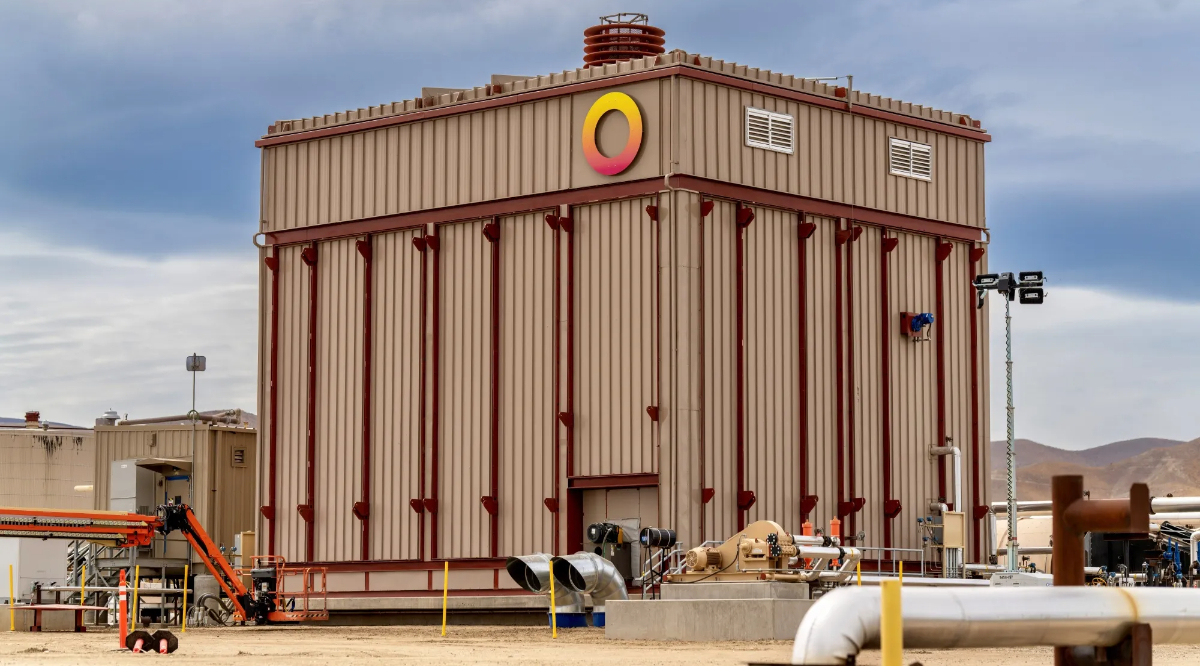
Rondo Energy heat battery
Credit: Rondo Energy

The Not So Good News From Rondo Energy

Now the bad news, or the not quite so good news, if you prefer. The first 100 MWh Rondo Energy system is now operational in Kern County, California, where it is supplied with zero emission electricity by a 20 MW solar installation. However, the heat from the system is being used by Holmes Western Oil for its enhanced oil recovery system, according to a report by Michelle Ma for Bloomberg.

Environmentalists are quite unhappy with the news. They argue that deploying clean tech to produce fossil fuels prolongs the life of the nation’s carbon emitting infrastructure. However, Andy Lubershane of Energy Impact Partners, which is partnering with Rondo Energy on this project, views things differently.

He told Ma that for clean tech startups like Rondo, “it’s hard to find a customer to do your first commercial project. Having a partner like Holmes that has an interest in decarbonization” is critical to scaling any new technology. Overall, using renewables and a heat battery lowers the carbon footprint of Holmes’ entire process.

Holmes also gets the benefit of the California Low Carbon Fuel Standard, which regulates oil and gas producers in the state. That fuel standard has helped companies that produce some of the most carbon intensive oil in the US to continue operating, Bloomberg said. It includes a carve-out for local drillers to generate credits for using “innovative crude oil production methods” that cut emissions at the well site.

By replacing natural gas with the solar and battery system, the oil company avoids 13,000 tons of carbon dioxide emissions annually while lowering its costs, according to Rondo founder and chief innovation officer John O’Donnell. “It is absolutely a moral necessity to decarbonize every single part of our economy,” and producing oil locally produces fewer emissions than shipping it in tankers across the ocean. “Uncertainty is the enemy of infrastructure,” and developers building long term projects need consistent business conditions, O’Donnell added.

The avoided emissions allow the company to generate environmental credits, which can be sold or used to offset its own excess emissions. Holmes itself declined a request from Bloomberg for comment.

Other climate tech startups have also partnered with oil companies for early-stage support, Bloomberg reports. Occidental Petroleum acquired a direct air capture startup in part so that it could use the captured carbon dioxide for enhanced oil recovery. Meanwhile, oil majors including Chevron and Shell have experimented with using solar to boost their oil output.

Regulatory Uncertainty

Rondo sees applications of its technology beyond the fossil fuel sector, including for the production of green cement, aluminum, and other industrial processes. The company has also partnered with Portugal-based energy company EDP to install 2 GW of heat batteries in Europe.

Rondo Energy is focusing most of its future development efforts outside the US, partly because the current administration has made long term business planning virtually impossible with its frequent policy shifts, O’Donnell maintains. In theory, battery storage technology still qualifies for federal clean energy tax credits even after the One Big Beautiful Bill was passed by Congress in the spring.

But who knows what the pudgy potentate on the Potomac and his sycophants will decide next week? Is a battery that stores heat instead of electricity a “battery?” And if it is today, will it be tomorrow? Business decisions require certainty. When there is none, businesses often take a “wait and see” approach, to the detriment of the economy in general.

Another factor favoring deployment of the Rondo Energy technology in Europe is the change in the Continent’s economy after access to cheap Russian supplies of methane was cut off when Russia invaded Ukraine. Much of the process heat utilized by industries in Europe was supplied by burning methane, but now that the price of that fuel has gone up dramatically, the Rondo Energy technology looks quite appealing from a business point of view, where it might not have a few years ago.

In Europe, Rondo Energy has won a commitment of €75 million from Breakthrough Energy Catalyst, the European Commission, and the European Investment Bank. The funding will support projects at a chemicals plant in Germany, a green industrial park in Denmark, and an unnamed food and beverage processing facility.

Industry Is Waiting

The new projects follow a $60 million investment round last year that included Breakthrough Energy Catalyst and Energy Impact Partners, as well as ​“a whole host of industrial groups wanting to use Rondo for their particular application, from mining and minerals to textiles and cement,” Eric Trusiewicz, CEO of Rondo Energy, told Canary Media.

Other industrial companies interested in the Rondo Energy technology are mining giant Rio Tinto, chemicals manufacturer SABIC, SDCL Energy Efficiency Income Trust, and Siam Cement Group, a major cement manufacturer that also produces the refractory bricks used in the Rondo heat batteries.

The technology itself is well known — refractory brick has been used to store heat in blast furnaces used for making steel for more than a century. The funding Rondo is getting for its European projects will help finance “two to three first of a kind projects in a series of industries,” Trusiewicz said. That’s important because industrial companies want to see successful implementations in facilities similar to their own before committing to costly and time consuming retrofits.

Rondo is not alone in the clean energy for process heat field. My colleague Jake Richardson is reporting on another 100 MWh heat battery being installed by Alliant Energy in Grant County, Wisconsin. Electrified Thermal Solutions, started by a couple of MIT graduates, has tweaked the heating process by electrifying the bricks themselves so they heat themselves directly rather than being heated indirectly by external devices.

Process heat accounts for roughly half of all energy consumed by humans every year. Decarbonizing it is cheap and efficient — and essential to maintaining a sustainable environment where humans can continue to thrive for more than a few more centuries.


Sign up for CleanTechnica’s Weekly Substack for Zach and Scott’s in-depth analyses and high level summaries, sign up for our daily newsletter, and follow us on Google News!


Advertisement


Have a tip for CleanTechnica? Want to advertise? Want to suggest a guest for our CleanTech Talk podcast? Contact us here.


Sign up for our daily newsletter for 15 new cleantech stories a day. Or sign up for our weekly one on top stories of the week if daily is too frequent.


CleanTechnica uses affiliate links. See our policy here.

CleanTechnica’s Comment Policy


Source link

Get Your BMW Back on the Road with Ignition Module Service in Plano

0
Get Your BMW Back on the Road with Ignition Module Service in Plano


Get Your BMW Back on the Road with Ignition Module Service in Plano

Do you struggle to start your BMW every time you get into the vehicle? Does it require several attempts before the engine starts?  This can be caused by several reasons, such as a weak battery, a bad starter, or even a problem with the fuel system. However, one of the most unnoticed causes is a faulty ignition module. The ignition module provides electrical signals to the ignition coil, providing the spark needed to start the engine.

Get Your BMW Back on the Road with Ignition Module Service in Plano

Whenever this module is faulty, the engine will not receive the right signals, leading to problems such as difficulty starting the engine or even complete failure. If you experience such issues, replacing the ignition module as early as possible is best to avoid costly repair and sudden failure.

Signs of a Failing Ignition Module

  • Starting Problem: The first symptom you will likely notice in a faulty ignition module is that it will be hard to start your BMW. You might observe that it will take some time to start or, in some instances, it starts very slowly and roughly. If this occurs frequently, the ignition module may not signal the engine to start as it is supposed to.
  • Intermittent Stalling: An ignition module problem can cause your BMW car to stall while you are driving. If the module is overheating or not functioning properly, it may cut off power to the ignition system, and the car will stall. This is quite risky, especially when driving at high speeds, as this may lead to a fatal accident.
  • Rough Idle and Engine Stuttering: If you have detected that your BMW tends to stutter while idling, then it may be due to the faulty ignition module. Sometimes, the module is not able to deliver the correct signal, which causes misfires because the spark timing is not correct. This not only affects the engine’s performance but also leads to gradual wear and tear of other parts in the engine.
  • Weak Acceleration and Low Power: A faulty ignition module will likely result in low acceleration and power. It may take longer for your BMW to accelerate, and when you press the gas pedal, the car may not accelerate as it should. This occurs because the ignition module is not supplying the required amount of spark to the engine to enable it to run optimally.
  • Check Engine Light: There are several reasons for this, including a faulty ignition module. While this warning light can mean many things, a diagnostic scan will determine if the ignition module is the issue.

Why You Should Replace a Bad Ignition Module Quickly

  • Avoid Getting Stranded: A damaged ignition module will cause a lot of havoc at the most unwanted time. If your BMW doesn’t start, you may be left with your car in a location that is not safe or convenient for you. To avoid this frustration, replacing the module before it becomes completely ineffective is advisable.
  • Prevent Further Engine Damage: If your car’s ignition module is faulty, it may cause more harm to the engine if not corrected. Misfires and rough idling lead to the failure of the spark plugs, ignition coils, and catalytic converter. Replacing it early is beneficial to avoid repairing or replacing it later at a much higher cost.
  • Restore Smooth Performance: BMWs are usually built with impressive acceleration and fantastic handling, which can be affected by a worn ignition module. A new ignition module will make your car start up properly and perform to the best of its capabilities.

BMW Ignition Module

It’s Time To Call For a BMW Ignition Module Replacement!

If you experience troubles such as starting difficulty, misfire, or stalling, it is high time to check the ignition module. Here at Ultimate Bimmer Service, we focus on BMW cars, and one of the services we render is ignition module replacement. Our skilled mechanics employ various equipment to diagnose the problem with the ignition system and replace the damaged parts with the original ones.

We are located in Carrollton, Texas, and work with BMW owners in nearby areas like Dallas. If your BMW refuses to start or exhibits any of the symptoms explained above, do not let the situation worsen. Call us now for an appointment and have your ignition module replaced for proper and efficient vehicle running.


Source link

Carney: Stellantis Canada plant hinges on USMCA talks

0
Carney: Stellantis Canada plant hinges on USMCA talks


Prime Minister Mark Carney has sought to remind the US just how intertwined its automotive sector is with Canada’s. By Stewart Burnett

Canadian Prime Minister Mark Carney has said Stellantis will decide on future vehicle production at its Brampton, Ontario factory once a review of USMCA has been finalised. In comments made 16 October, Carney revealed that Chief Executive Officer Antonio Filosa assured him Stellantis was looking at building a different model at the plant following the cancellation of Jeep Compass production, which will instead move to Illinois to avoid US tariffs.

Subscribe to Automotive World to continue reading

Sign up now and gain unlimited access to our news, analysis, data, and research

Subscribe

Already a member?

Carney: Stellantis Canada plant hinges on USMCA talks


Source link

Why RVers Are Heading to This New Resort Near Houston

0
Why RVers Are Heading to This New Resort Near Houston


A Brand-New RV Resort Near Houston That Fits Any Kind of Stay

Sometimes you just need a change of pace. A quiet weekend to recharge. A mild winter away from the brutal cold. Or a comfortable spot to stay while you’re making a move to the Houston area. Whether you’re passing through, escaping the city for a bit, or looking for a long-term setup that still feels like a getaway, RV Resort at Walnut Creek offers a stay that’s as flexible as your plans.

This new RV resort near Houston is about an hour northwest of downtown, tucked among the trees in Waller, Texas. It blends the peacefulness of nature with the practical comforts RVers appreciate: spacious, shaded sites and thoughtful community amenities that make daily life easy.

Why RVers Are Choosing RV Resort at Walnut Creek

It starts with the space. RV sites at Walnut Creek are big—really big. Ranging from 2,600 to 8,800 square feet, they’re two to three times the size of a typical RV site. Each one is laid out with gravel pads, double parking areas, and 20/30/50 AMP service, so you’re not sacrificing comfort or convenience for the sake of scenery.

And speaking of scenery, every site backs up to trees, offering natural shade and a level of privacy that’s tough to find in most RV parks near Houston.

Even though it feels tucked into the woods, the resort doesn’t leave you roughing it. The entire property is wired with high-speed fiber internet, giving guests reliable Wi-Fi if they’re working remotely, streaming at night, or keeping in touch on the road. (More on the other amenities in a bit.)

With flexible stay options, from weekend getaways to seasonal or year-round stays, it’s easy to see why RV Resort at Walnut Creek stands out as a place that fits the way real RVers travel.

“This is hands down one of the nicest places I’ve stayed! The RV sites are brand new and the spots are huge, so you don’t feel packed in like other parks. It’s peaceful and surrounded by nature, but still has tons of great amenities.”

Rhett | Google Reviews

Who’s This Resort a Good Fit For?

Weekend warriors, snowbirds, digital nomads, and folks in between. This RV resort near Houston works for all kinds of stays. That’s part of what makes it stand out. It’s not trying to be one thing for one type of traveler. Instead, RV Resort at Walnut Creek is designed to be flexible, accommodating, and comfortable no matter how long you’re there or how you travel.

  • If you’re escaping city life for the weekend, the quiet, shaded setting feels like a true reset, without a long drive.
  • If you’re riding out the winter in a milder climate, the spacious sites and reliable utilities make for an easy seasonal stay.
  • If you’re relocating to the Houston area, it’s an ideal home base while you scout neighborhoods, house hunt, or settle into a new job.
  • If you’re just passing through Texas, Walnut Creek is a great place to rest up, recharge, and get a taste of that laid-back Southern hospitality.
  • If you don’t travel by RV, the resort also offers two luxury cabins and the Hillcrest Lodge residence, perfect for visiting friends, family getaways, or anyone who just wants to enjoy the setting without the wheels.

“This place is massive, so much to do. We have the luxury of renting a cabin for a few days while my husband prepares to move our 5th wheel here. Out of the places we have stayed in our RV this is one of the prettiest, calmest and if you want to you can swim, fish, BBQ, lay-out grill , exercise and these are just the things off the top of my mind.”

Shannon | Google Reviews

What Amenities Make Daily Life Easier?

At RV Resort at Walnut Creek, the little things are done right, and they add up to a stay that feels both easy and elevated.

You’ve got the essentials covered: clean, private shower facilities, a laundry center, and a maintenance/shop building on-site for convenience. But there’s more here than just function.

  • Take a dip in the lagoon-style pool, a central gathering spot that’s as relaxing as it is refreshing.
  • Let your pup burn off steam in the 7,000-square-foot dog park, complete with agility equipment, shaded benches, and room to roam.
  • Spend an afternoon by one of the three fishing ponds—two catch-and-release, one catch-and-cook.
  • Get some steps in on a peaceful walk through the park or stay on track with your goals at the on-site fitness center, well-equipped and ready for your daily routine.
  • Host a casual hangout under the 24×36 palapa with an outdoor kitchen, or swing by the Horned Lizard Cook Shack (yes, there’s even golf cart parking).
  • Need propane? Trash service? The resort coordinates those too, so you can spend less time managing logistics and more time enjoying your stay.

“I had the best stay here at Walnut Creek! Don’t even hesitate to book a trip here, just do it!!”

Chloe | Google Reviews

What’s Nearby Without Being Too Close?

RV Resort at Walnut Creek puts you within reach of shopping, restaurants, and some of the region’s most popular events and attractions.

Need essentials? Cypress is just 25 miles away, with everything from H-E-B and outlet malls to movie theaters, breweries, and big-box stores. 

Looking for something to do?

  • The Houston Livestock Show and Rodeo (the largest in the world) is just under an hour away and draws visitors from across the country every spring.
  • Lake Conroe is about an hour north and makes for a great day trip if you’re in the mood for fishing, boating, or just lounging by the water.
  • Love live music, markets, or small-town festivals? Keep an eye on nearby Magnolia, Brenham, and Tomball. Each hosts events throughout the year that give you a taste of Texas without the massive crowds.
  • And yes, if you’re here in the fall, the Texas Renaissance Festival is just eight miles down the road and hard to miss.

The best part? After a busy day out, you’ll come back to a resort that feels calm, quiet, and comfortably your own.

A Resort That Works with Your Plans, Not Against Them

Whether you’re on the road for a weekend, a season, or something in between, RV Resort at Walnut Creek makes it easy to settle in and stay a while. The oversized sites, wooded surroundings, and thoughtful amenities create a space that feels relaxed but still gives you everything you need to live comfortably.

Thinking About Staying at RV Resort at Walnut Creek?

You can learn more, check availability, or get in touch with the team here. And if you do end up staying, be one of the first to leave a review on RV LIFE Campgrounds. Your feedback helps other travelers discover this hidden gem just outside Houston.


Source link

Southern US states are set for the most EV range, data suggests

0
Southern US states are set for the most EV range, data suggests


Extreme temperatures can affect electric vehicle range, but the extreme heat of the South is nothing to offset the extreme cold in other parts of the U.S., according to new findings.

Vaisala, a Finnish instrumented measurement firm, analyzed the effect of weather and road conditions on EV range across the Lower 48 states, looking at how these factors affected range at different times of the year. That analysis involved not only temperature by month, but also winds, rolling resistance from snow, air density, and solar radiation, among other factors.

EV range based on climate in U.S. states (via Vaisala)

EV range based on climate in U.S. states (via Vaisala)

States at lower latitudes, with hotter average temperatures, showed better results. The top five states for EV range, based on a median and across all local climatic conditions were Arizona, Florida, Texas, Georgia, and Louisiana. The bottom five were the more northern—and frigid—Maine, Vermont, New Hampshire, North Dakota, and Minnesota.

Analysts also compared the median-range findings to rates of EV adoption in each state. Some of the states with the most ideal conditions for EVs have the lowest adoption, and vice versa. Further, California is a surprise; although tops in EV adoption, it doesn’t actually have ideal conditions for maximizing range.

EV range based on climate in U.S. states (via Vaisala)

EV range based on climate in U.S. states (via Vaisala)

Florida, however, is second only to California in EV sales. And Texas ranks especially high in EV sales as well. Those two states—and some others with high EV adoption rates—don’t have sales mandates or strong incentives for them, either.

The pattern here also doesn’t follow the states that have adopted California’s EV mandate, which tend to be in the colder, northern parts of the country where weather appears to affect EV range more. Although Connecticut and Maine, a couple of the most challenging states according to the data, have delayed adopting the mandate.


Source link

One-Way RV Rentals vs. Round Trip: Comparison Breakdown

0
One-Way RV Rentals vs. Round Trip: Comparison Breakdown


Any RV trip can be life-changing — but you may be in the process of deciding between a one-way RV rental vs round trip. Both have their pros, cons and unique benefits. For instance, a round-trip RV trip gives you the opportunity to start off and end up in the same place, making a wide loop to explore lots of things along the way. But a one-way RV rental means you’ll be able to spend all the time you set aside for your vacation truly exploring the route you choose to its fullest potential. Then, when you get to your destination, you can simply drop off your rental RV and fly home.

Below, we’ll break down all the pros and cons between one-way vs. round-trip RV rentals, including real-world examples of popular one-way routes and the details you need to find the rental rig of your dreams. We’ll cover cost differences, convenience factors, and drop-off logistics along with so much more. Let’s get this trip started!

What Is a One-Way RV Rental?

A one-way RV rental is a rental in which you pick up a motorcoach or trailer in one city and drive it to another city where you drop it off. (That’s as opposed to a round-trip RV rental, where you pick up and drop off your rental RV in the same city, meaning you’ll have to double back from wherever your destination is.)

One-way RV rentals mean you’ll have extra time, energy, and money to fully explore and enjoy the one-way route you choose. Of course, you have to stick to a predetermined route since the RV will need to be dropped off in a specific city. Common one-way RV rentals include routes between:

  • Denver and Los Angeles
  • Salt Lake City and San Francisco
  • Seattle and Salt Lake City
  • Las Vegas to Los Angeles
  • San Francisco and Los Angeles

There are many other permutations of one-way routes between these cities, too. Many of them include unforgettable road trip routes, like the Pacific Coast Highway or Nevada’s portion of US Highway 50, also known as the Loneliest Road in America. RVshare also offers many one-way RV rentals, so you can peruse available routes here, too.

What Is a Round-Trip RV Rental?

A round-trip RV rental is the more classic version of an RV rental you’re probably most familiar with. Round-trip RV rentals are both picked up and dropped off in the same city, which, if you’re driving to a faroff destination, can make for a longer — and more expensive — trip.

Round-trip RV rentals do make sense in many situations, including:

  • Local trips closer to home
  • National Park loops
  • Quick weekend getaways
  • Situations where you don’t want to fly home from the city you’re traveling to

Round-trip RV rentals give you a certain amount of flexibility to change plans along the way, since you don’t have to wind up in any specific place. However, keep in mind that more miles means more fuel as well as more per-mile rental cost, if your rental comes with any. 

One-Way vs. Round-Trip RV Rentals — Key Differences at a Glance

Here are the primary differences between one-way vs. round-trip RV rentals, at a glance.

Factor One-Way RV Rental Round-Trip RV Rental
Flexibility High: More time to deeply explore your route Medium: You have to return to the starting place 
Cost May include drop-off fees (but potentially lower mileage and fuel) Typically lower base price (but may be more expensive for more miles)
Time Efficiency Can save time if you’re heading to a destination Requires more driving to return to home base
Route Planning Ideal for linear trips Perfect for scenic loops
Availability Limited destinations Easier to book just about anywhere

Cost Comparison — One-Way vs. Round-Trip RV Rentals

For many travelers, cost is among the most crucial factors to consider when planning a trip. Here’s what to understand about the difference between one-way and round-trip RV rentals when it comes to dollars and cents.

Base Rates

  • Round-trip RV rentals: The base costs tend to be lower (and more RVs tend to be available at a broader range of locations).
  • One-way RV rentals: The rental may include a drop-off fee, but along the way you’ll likely save money on both mileage and fuel.

How much are drop-off fees, you ask? They can range from about $100 to about $700, depending on the distance you drive and the demand/availability for rental RVs in each specific destination. One piece of good news, though: drop-off fees are often waived during relocation specials or seasonal deals!

Fuel & Mileage

  • Round-trip RV rentals: Because you’ll have to go all the way back the way you came, you can plan to double both your mileage and fuel costs.
  • One-way RV rentals: Single-direction travel means lower fuel expenses along with less wear-and-tear (which may be assessed as a per-mile fee, depending on your rental vehicle).

Travel Time

Time is money, as they say, so we’re including this factor under this headline as well!

  • Round-trip RV rentals: Obviously, a whole return leg means more travel time, which can spell opportunity costs if you’re missing work. You’ll also likely spend more on campground fees since you may have to travel for more nights.
  • One-way RV rentals: One-way RV rentals can be a lot more efficient when it comes to time, since you’ll only be driving one direction. You can maximize your sightseeing opportunities (and the time you take off from work) without having to budget time or cash for the backtrack.

Who Each Type of RV Rental Is Best For

It’s not that one type of RV rental is best — it’s that each type of RV rental is best for specific people under specific circumstances! Here’s when each type of RV rental might work best for you.

One-Way RV Rentals

One-way RV rentals are ideal for certain types of trips, including:

  • Cross-country or long-distance trips
  • Limited-time travelers (such as those who must request time off of work for traveling)
  • Specific long, scenic routes such as Route 66 or traveling from coast to coast
  • Relocation trips that will land you in the city you’re moving to

Specific benefits of one-way RV travels include the opportunity to see more and save time specifically for the journey, without having to worry about the time, energy or money it takes to get back where you came from.

Many real-life RVshare renters are enjoying one-way RV rentals between popular destinations like Los Angeles and Las Vegas (about five hours and 270 miles of drive time) or even longer routes like Seattle to Salt Lake City (13 hours and 840 miles). It’s all up to what kinds of landscapes you’d most like to explore, where you’d like to wind up, and how much time you have to devote to the project.

Round-Trip RV Rentals

Round-trip RV rentals have their own set of ideal circumstances. We find this classic type of RV rental scenario is best for:

  • Families and first-timers
  • Regional loops
  • Budget-conscious travelers (since the base price tends to be lower)
  • Trips near one base (i.e., a National Park circuit)

The benefits of round-trip RV rentals include lower upfront costs, simpler logistics, and a more flexible itinerary — as long as you wind up back where you came from, you can always change direction during the trip itself. (With a one-way RV rental, on the other hand, you’ll need to land in the city you said you would, no matter what, which can force your hand when it comes to route planning.)

A couple of examples of popular routes that work best with a round-trip RV rental include:

We hope this post has showed you that there really is no such thing as the right way to rent an RV — but also that it’s opened your mind to a new, less traditional form of RV rental (which could turn out to be exactly the right thing for your next RV trip!). No matter which way you decide to go, RVshare has your back for every mile and then some. We can’t wait to see what adventures and memories you create.


Source link

Here Are The EV Winners And Losers Right Before The Tax Credits Died

0
Here Are The EV Winners And Losers Right Before The Tax Credits Died


It’s now a post-electric-forward world here in the United States, and that means that a lot of programs and tax incentives for EVs have been straight-up cancelled. That meant a surge of electric buyers while those offers lasted, but unsurprisingly, some brands did much better than others. 

Welcome back to Critical Materials, your morning roundup of industry and technology news. Today, we’re talking about some big EV projects slated for loss of funding from the U.S. Department of Energy, but also the winners and losers in terms of EV sales before tax credits officially collapsed. Meanwhile, in China, Polestar has officially closed its last store—what’s next for the brand there?

30% EV Registrations Surge Before IRA Ends


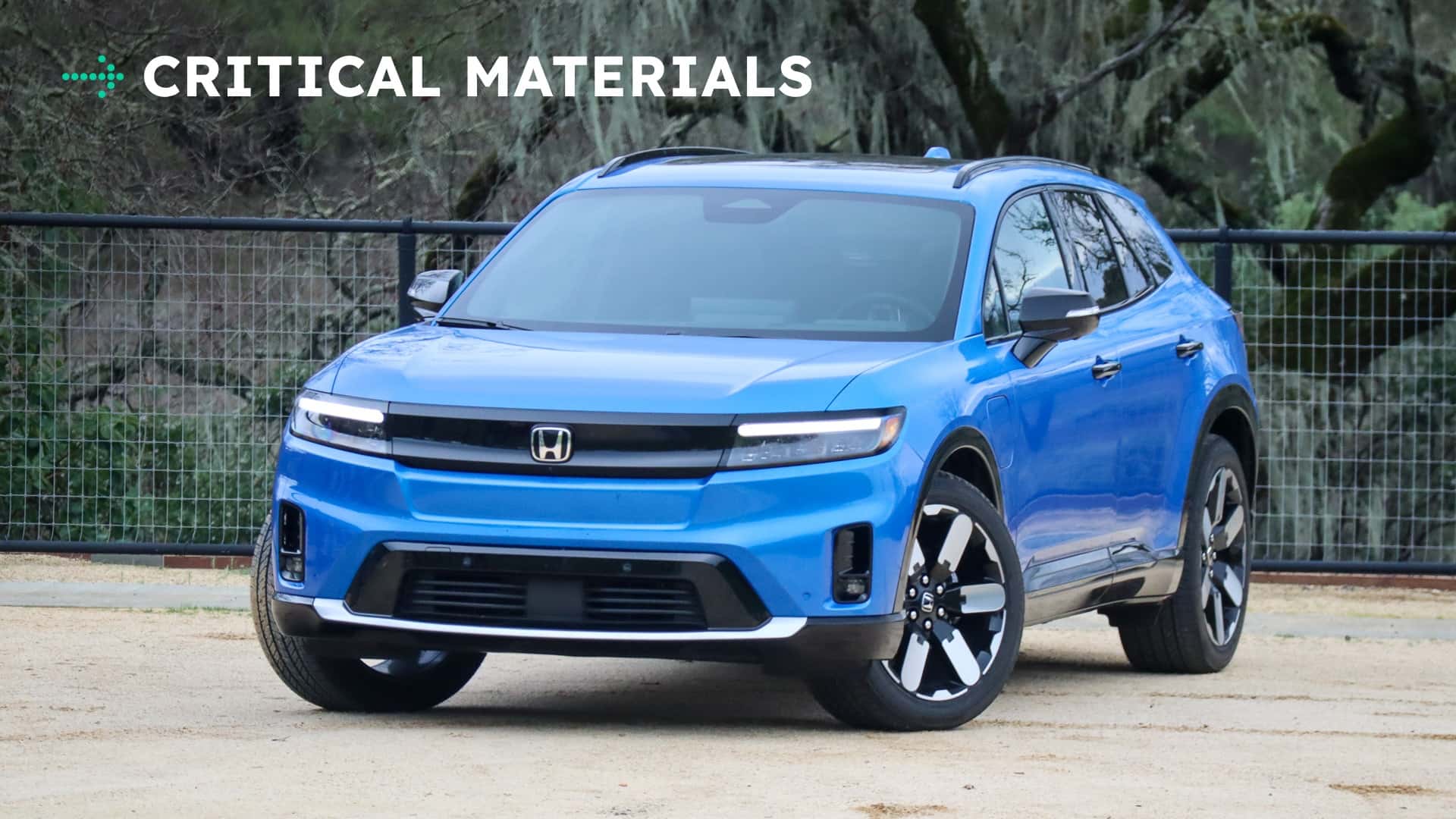
Honda Prologue Winter Driving

Photo by: InsideEVs

It’s officially over, folks. The IRA tax credit is done and gone for, but before it ended, lots of EV buyers rushed to cash in before the tax credit evaporated entirely.

The tax credits ended in September, but it always takes a few weeks for new car registration data to trickle in. Now, we have a sense of the winners and losers in August. EV registrations were up a whopping 24% that month, but not all models were equally loved, according to reporting from Automotive News.

Mainstream brands won big, while luxury brands were fairly ignored. The Honda Prologue was one of the biggest winners, but on the backs of heavy incentives. Emphasis mine below:

The Honda Prologue was among August’s biggest winners as registrations jumped 81 percent to 9,005 vehicles. The Prologue was the No. 3 most-popular EV for the month after the Tesla Model Y crossover and Model 3 sedan, S&P Global Mobility said.

Registration data serve as a proxy for sales because some EV makers don’t separate U.S. results or report sales by model. Many automakers also don’t report sales monthly.

The Prologue came with incentives of $12,704 per vehicle in August, compared with $5,813 a year earlier, Motor Intelligence said. In contrast, Honda’s gasoline-powered CR-V crossover had $2,016 in August incentives, the data provider said.

The real information here is that buyers are clearly shopping on price. Buyers want a cheap car, and the Prologue has some of the best incentives and deals to get drivers behind the wheel. Likewise, cars like the Hyundai Ioniq 5 also have strong pricing incentives to get buyers in the door. But that’s a lot of cash on the hood to get people to buy a Honda EV, for example. 

Also up: the Tesla Model Y, Chevrolet’s EVs and the Ioniq 5. Down: Cadillac Lyriq didn’t see all that much growth, partially because of the brand’s incentive cut for that model, the Tesla Model 3 (people may just be buying the SUV instead) and the Cybertruck. 

I think going forward, the U.S. EV market will likely continue to fall along lines of price. So, cars like the new Chevrolet Bolt, Nissan Leaf or updated Hyundai Ioniq 5 will likely continue to be winners for most consumers—and hopefully more cheap options are on their way.

60% The Department of Energy Pulls the Plug on Some EV Projects


General Motors Toledo Propulsion Systems Factory in Ohio

It’s not been an easy time for any EV manufacturer in the United States.

Since President Trump has taken office, EVs and clean energy have become incredibly politicized. Of course, the Inflation Reduction Act’s promises, including the EV tax credit, may have been the most visible on the chopping block, but there are other changes, too. The Department of Energy isn’t too fond of EV manufacturing or clean energy, and it’s been slashing funding once awarded to big companies to make new stuff. In fact, it’s taken the axe to 233 projects that it’s dubbed part of “the left’s climate agenda.”

That includes big projects and awards for General Motors and Stellantis. A whopping $500 million for GM to convert a manufacturing facility to EV is now gone. Likewise, a $335 million grant for Stellantis to do something similar at its Belvidere, Ill. plant is also gone. The worst part is, that nothing has officially been confirmed, but just ascertained via a list that fell into the hands of journalists, analysts and politicians. 

There are two lists, the second of which has the cancellations from Stellantis and GM. From Automotive News:

A day later, the department said in a news release that the DOE terminated 321 financial awards supporting 223 projects totaling $7.56 billion.

“Following a thorough, individualized financial review, DOE determined that these projects did not adequately advance the nation’s energy needs, were not economically viable, and would not provide a positive return on investment of taxpayer dollars,” it said.

Analysts told Automotive News that the Department of Energy did not release the first list of terminated projects. However, the news outlet Latitude Media obtained the list and published it online.

That first list of terminated projects includes investments in hydrogen, industrial decarbonization and transmission and distribution of electricity.

Days later, the second list appeared.

This is not great news, especially for automakers that desperately need the cash to help offset the great losses from EV sales and manufacturing. Unfortunately, it doesn’t seem like the Trump Administration is all that interested in making sure the U.S.’s manufacturing stays globally competitive, instead opting to mire itself in weirdly partisan politics. We’re in for a strange couple of years. 

90% Polestar Closes Up Shop in China (Sort Of)


Polestar 4 premiere in Spain

Polestar certainly hasn’t fared all that well in China. That’s interesting, the brand has started to find its roots globally, increasing sales in European and American markets, but it’s been a non-starter in China. Just a few weeks ago, we reported on how it closed all of its stores but one, and had a dismal 69 cars sold in China for the whole first half of the year. 

Well, it looks like Polestar is kind of done in China. It’s shifting to an entirely online business model, and it has closed its last store, once located in Shanghai. Oof. From CarNewsChina:

Polestar officially closed its final direct sales store in the Chinese market. The store was located at L+Plaza in Qiantan, Shanghai, according to Auto-home. The company stated that this move is part of a strategic adjustment to its China business model. It emphasized that other operations in the country, as well as customer rights, remain unaffected. Polestar now primarily sells its vehicles through online channels.

Now, Polestar still has more models coming for the rest of the world. The Polestar 5, as well as the Geely-based Polestar 7 are still on the way, even if they won’t make their debut in China. Polestar still exists in China, and is very much a part of China’s Geely group—but it looks like the brand is pivoting to focus more on its successes elsewhere across the globe. 

100% Did You Cash In On the EV Tax Credit?


Chevrolet Bolt EV/Bolt EUV

The IRA is over. But the deals are hard to deny; whether you were purchasing new or used, or rolling the $7,500 into a lease, the IRA brought the prices down for a lot of everyday people.

So, did you cash in before the Sept. 30 deadline? Or, was the IRA’s advantage not much of a selling point? Let us know about your car-buying choices this year, or what’s on the horizon for you, by dropping a note into the comments.

Contact the author: kevin.williams@insideevs.com


Source link

The Road to a New Career: Why Truck Driving Schools Matter More Than Ever

0
The Road to a New Career: Why Truck Driving Schools Matter More Than Ever


Read Time:3 Minute, 56 Second

In a time when job stability and economic certainty are hard to come by, one profession has quietly surged in both demand and opportunity: truck driving. As the backbone of the American supply chain, truck drivers keep the nation moving, delivering everything from groceries to industrial equipment. If you’re considering a career switch or just getting started in the workforce, attending a professional truck driving school can be your gateway to a stable, well-paying job.

For those in California, especially around the capital region, truck driving schools Sacramento CA offer some of the most reputable programs to get your commercial driver’s license (CDL) and hit the ground running.

Why Truck Driving Schools Are More Important Than Ever

The American Trucking Associations (ATA) has reported a significant shortage of qualified drivers, with projections suggesting a need for over 80,000 new drivers just to keep up with demand. That number is only expected to grow as older drivers retire and consumer reliance on shipping continues to increase.

Truck driving schools are crucial because they don’t just teach you how to operate a big rig. They prepare you for real-world conditions, help you navigate federal and state regulations, and get you road-ready with hands-on training. A proper education makes you a safer, more confident driver—which benefits everyone on the road.

What to Expect at a Truck Driving School

Most truck driving schools offer several program lengths, typically ranging from a few weeks to a couple of months, depending on the depth of training. Here’s what a standard curriculum often includes:

  • Classroom Instruction: Learn the rules of the road, federal and state regulations, trip planning, logbooks, and more.
  • Yard Training: Practice basic maneuvers like backing up, parking, and turning within a closed, controlled environment.
  • On-Road Driving: Gain real-world experience under the supervision of an instructor, learning how to handle highways, city streets, and challenging traffic conditions.

Instructors are usually industry veterans who can provide both technical guidance and career advice. Schools also often have connections with local and national trucking companies, helping students land jobs shortly after graduation.

How to Choose the Right School

Choosing the right truck driving school is essential. Here are a few tips to help you make the best decision:

  • Accreditation and Licensing: Make sure the school is licensed by the state and ideally accredited by a third-party organization.
  • Job Placement Rates: Ask about graduate employment statistics. A strong placement program is a good sign.
  • Instructor Experience: The best programs are taught by experienced drivers who know the ins and outs of the profession.
  • Equipment Quality: Training on well-maintained, modern trucks makes a big difference when you transition to the real thing.
  • Financial Aid and Scheduling Options: Look for flexible class times and assistance with tuition costs or payment plans.

The Financial Upside of a CDL

The average entry-level salary for a CDL driver ranges from $50,000 to $70,000 per year, depending on the company and type of driving (long haul, local, hazmat, etc.). With experience, endorsements, and a clean driving record, those numbers can go even higher.

Many companies also offer sign-on bonuses, benefits packages, and even tuition reimbursement for students coming from certified schools. Unlike other careers that require years of college debt, truck driving can get you on the road and earning in a matter of months.

Life on the Road: Is It for You?

Truck driving is not for everyone. It can involve long hours, time away from home, and the need to be self-reliant. However, many drivers find the solitude, travel, and independence deeply rewarding. If you enjoy driving, are comfortable with routine and responsibility, and want a career with low entry barriers and high demand, it might just be the right fit.

Additionally, the industry is evolving. Technology is improving logistics and making trucks safer and easier to operate. The growing use of telematics, route optimization, and driver-assist features means a modern trucking career is not what it used to be—in the best way possible.

Final Thoughts

The decision to enroll in a truck driving school can open the door to a reliable and well-compensated career. Whether you’re looking for a fresh start or aiming to upskill in today’s evolving job market, the road ahead is full of opportunity.

With the shortage of drivers and the stability of the logistics industry, there’s arguably never been a better time to get behind the wheel. And if you’re in Northern California, programs like those offered by truck driving schools in Sacramento, CA can give you the solid foundation you need to succeed.

Start your journey today—the open road is calling.


Source link

Mercedes-Benz Vision Iconic: A Batmobile you can take to a dinner party

0
Mercedes-Benz Vision Iconic: A Batmobile you can take to a dinner party


Mercedes-Benz has revealed a new concept car. While the Vision Iconic has been designed for the future, it draws inspiration from some of the brand’s iconic heritage models.

The Vision Iconic concept features a large grille that pays homage to the traditional chrome grille that has been a key design element on Mercedes-Benz cars for over 100 years. The grille has featured on legendary models like the W108, W111 and the 600 Pullman. It has a chrome frame with a smoked-glass lattice structure and an illuminated upright star logo on the top.

Mercedes-Benz Vision Iconic Concept-1

The Vision Iconic is a 2-door coupe with a long hood, wide fenders and a swooping roofline. The rear of the car reminds us of the 300 SL.

Mercedes-Benz Vision Iconic Concept-4

Inside, the Vision Iconic adopts a more classic design with a 4-spoke steering wheel and sofa-like bench seats. It has a floating glass dashboard dubbed “Zeppelin”. The car comes equipped with several advanced features, such as steer-by-wire, solar paint and Level 4 ADAS.

Mercedes-Benz Vision Iconic Concept-3

Source: Mercedes-Benz


Source link