8.4 C
London
Thursday, May 14, 2026
Home Blog Page 80

Unique Fall Festivals for RVers

0
Unique Fall Festivals for RVers


For many people, autumn is the last hurrah of RV season. It’s a time to get in those last-minute trips, admire the changing leaves, and possibly head for warmer climates. But there’s another element that makes this season ideal for travel: the wide variety of fall festivals you can visit!

Two coffee mugs on a picnic table in fall.

All across the country, this is the time for fairs, festivals, carnivals, competitions, and other unique events. Harvest season brings people together and it’s a great chance for vendors to show off their skills and handiwork. And for visitors, there are endless opportunities for food, entertainment, and fun!

Nearly every town in the nation has some kind of seasonal event in the fall. We all know about hot-air balloons, haunted houses, and flea markets. But to help showcase some of the best lesser-known events (plus one familiar favorite) for RVers, we’ve compiled a list of our top six fall festivals. we’re confident that least one of these will make the cut for your future autumn plans.

Sever’s Fall Festival

  • 2025 Dates: September 13–October 26
  • Location: Shakopee, Minnesota
  • Website: seversfestivals.com

If you’re traveling through Minnesota in autumn, you may want to swing by Sever’s fall festival. This venue is open for business every Saturday and Sunday between September 13- October 26 so you’ll have plenty of chances to visit. This place is fantastic for families who are looking for fall fun!

Corn is the focus at Sever’s and they really go all out. This location is home to the largest corn maze in the state (and one of the biggest in the country). They also have a massive corn kernel pit for kiddos to play in, popcorn, corn on the cob, corn corn corn!

Of course, there’s some variety to keep things interesting as well. Other activities at this festival include pumpkin launching games, giant slides, a petting zoo, BMX stunt shows, and all the fair food you could want. Stop by anytime and treat the family to a day of fun.

Where to Stay

Dakotah Meadows RV Park

If you want a great place to go walking, biking, canoeing/kayaking or play golf, check out Cleary Lake Regional Park. It’s a short drive from the park. The trails are paved and wide. The area is really nice, too. Also, check out the Prior Lake Farmers Market on Saturdays (open at 8am). — Pamela_647

State Fair of Texas

  • 2025 Dates: September 26–October 19
  • Location: Dallas, Texas
  • Website: bigtex.com

Many states, towns, and counties host their annual fairs during the fall season. But as they say, everything is bigger in Texas! By far the most famous festival on our list, the State Fair of Texas is one of the biggest and best fall festivals in the entire country. It also lasts longer than many fairs, stretching across three whole weeks. In fact, you’ll probably need to take several days just to see everything this fair has to offer!

This fair has everything you could hope for from a major state fair: carnival rides, livestock exhibitions, and food stalls as far as the eye can see. Live concerts are also included in the ticket price, so you can kick back and enjoy musical artists of all genres here.

Additional events include rodeos, car shows, art displays, live demonstrations, and homemade goods from local vendors. It’s hard to even list everything that’s going on here, so you’ll have to stop by and see for yourself!

Where to Stay

Cedar Hill State Park

The Dungeness Crab Festival

  • 2025 Dates: October 10–12
  • Location: Port Angeles, Washington
  • Website: crabfestival.org

If you’re tired of apple cider and pumpkin pie, you might be ready for a change of pace. That’s where the Dungeness Crab Festival comes to the rescue! Fall festivals are always a foodie paradise, but this one specifically caters to those who love seafood.

This event is completely free to visit and it’s located right on the Washington coast. A beach, wharf, and city pier are all included in the layout, so even those who don’t want to tuck into the food can enjoy the lovely beach-side market. The star of the show is the festival crab dinner, cooked fresh every day.

But plenty of other fishermen and local businesses make an appearance here, so even if one dish doesn’t catch your fancy, another one is certain to. Take a break from fall-flavored sweets and dig into some delicious seafood!

Where to Stay

RV@Olympic

Excellent new RV park close to the Visitor Center and northern entrances to Olympic NP. Clean and well kept. All new facilities. Quiet. We had a great stay! — KellyTravel

Junkstock

  • 2025 Dates: October 3–5, October 10–12
  • Location: Waterloo, Nebraska
  • Website: junkstock.com

Although the name might not sound appealing at first, Junkstock is one of the most fun and varied fall festivals of the year. This is a massive open-air market for antiques, crafts, and all manner of collectibles. If you’re looking for the perfect accent piece for your RV decor, you can probably find it here.

In addition to the vendors, this event is also home to live music (honoring the “Woodstock” callback in its name). 18 bands are scheduled to perform here, each one bringing their unique sound to the festival.

And don’t go hungry when you visit! There are food trucks galore here. Quirky drinks are also a staple of Junkstock, helping everyone broaden their palette and have a good time while they explore. This is a fun, colorful showcase that brings in visitors from miles around. Any RVers traveling through Nebraska in autumn should definitely give it a chance!

Where to Stay

West Omaha / NE Lincoln KOA Holiday

Going to Ashland and enjoy the downtown and small businesses. Go to the Holy Family Shrine as it is a very interesting stop. There is also the outlet mall, Mahoney State Park, SAC museum And eat at Around the bend steakhouse. Dont forget to stop at Glacier Till for some great Hard Cider. — Karen_302

Circleville Pumpkin Show

  • 2025 Dates: October 15–18
  • Location: Circleville, Ohio
  • Website: pumpkinshow.com

Trying something new is fine, but sometimes you just want to cozy up with the classics. In this case, it’s the Circleville Pumpkin Show! This is one of the most famous fall festivals in the country and it centers around the seasonal staple – pumpkins! Of course, these vegetables are features in nearly every autumn celebration to some degree, but Circleville takes it to a new level.

Titans battle for the top prize during the giant pumpkin weigh-in, gourds are craved and sculpted into fantastic designs, and all manner of sweet and savory dishes are put up for sale. Art projects from all ages and disciplines are displayed as well, showing this town’s enthusiasm for the season.

A parade and carnival take everything over the top, making this the perfect one-stop-shop for all things autumn. If you’re looking for a place where nostalgia and fun take center stage, then this festival is a must-visit!

Where to Stay

Sun Valley Campground

Expect to pay cash. If time permits, visit nearby Hopewell Culture National Historical Park. The National Park Service visitor center and park grounds have extensive displays of earthworks and burial mounds from the Hopewell culture (i.e., Indigenous peoples who flourished from about 200 BC to 500 AD). — Kona Boy

Krewe of Boo

  • 2025 Dates: October 25–26
  • Location: French Quarter, New Orleans
  • Website: kreweofboo.com

Finally, let’s wrap up with a Halloween extravaganza from one of the most haunted places in America: New Orleans! If you missed Mardi Gras at the start of the year but still want to experience a true New Orleans party, then head over to attend Krewe of Boo.

This festival always occurs on the weekend before Halloween and its a chance for everyone to show their spooky spirit. Some of the most popular events include a zombie run through the Warehouse District, a huge costume parade/contest, and a scary fun afterparty!

And in true New Orleans fashion, jazz, booze, and soul food is around every corner during this weekend of fun. There are plenty of places to celebrate Halloween, but Krewe of Boo has a flavor all its own.

Festival Favorites

As you can see, there’s a huge variety when it comes to fall festivals. Whether you’re looking for delicious local food, a new vintage decoration for your RV, or a fun activity for the family, this list should have something for everyone. Feel free to share some of your own favorite autumn events in the comments below.

Related Articles:


Source link

The Mercedes Vision Iconic EV revives Golden Era style for today

0
The Mercedes Vision Iconic EV revives Golden Era style for today


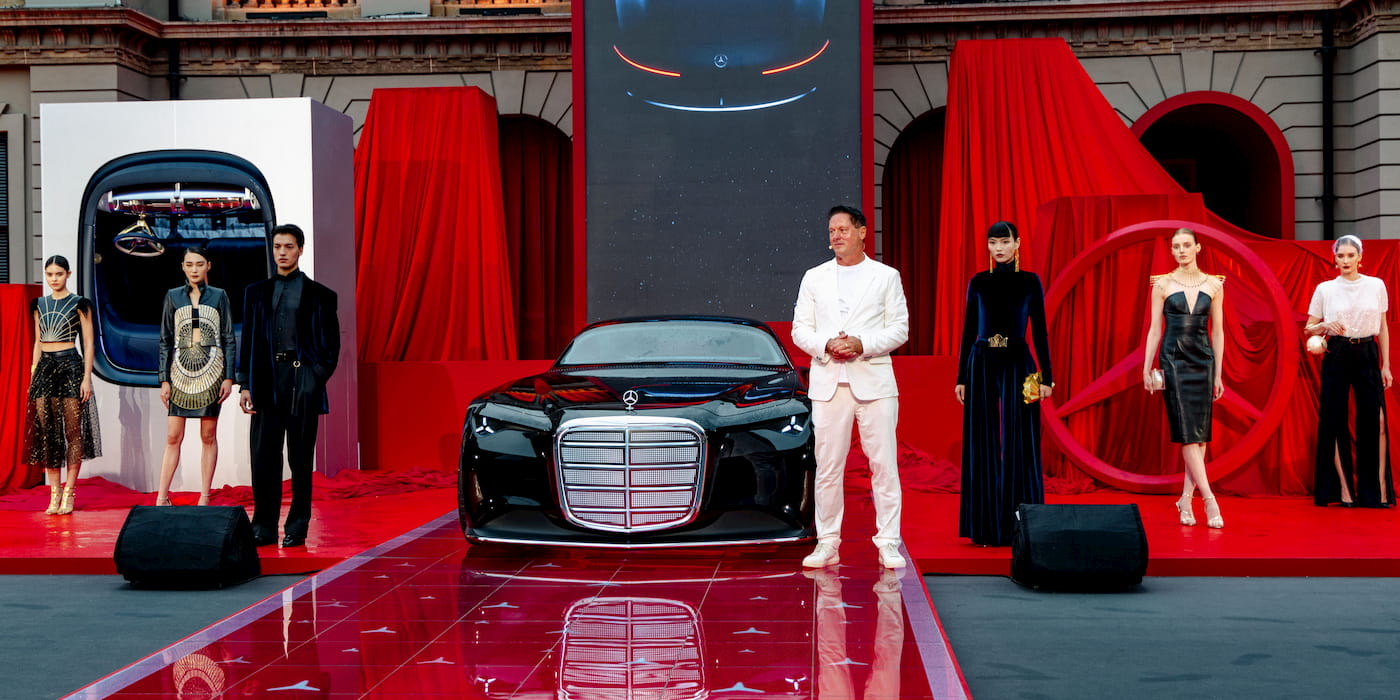
It looks like the Batmobile from the future. Mercedes unveiled a stunning new Vision Iconic EV concept, promising to “stand out in a sea of sameness.” The show car blends the Golden Era of auto design with advanced new tech and features like Solar Paint and Level 4 self-driving capabilities.

Meet the Mercedes Vision Iconic EV concept

The Vision Iconic offers a glimpse of the luxury brand’s new era of design. It’s no secret by now that legacy automakers are struggling to keep up with the influx of new, more advanced, and oftentimes better-looking EVs coming out of China, South Korea, and other regions.

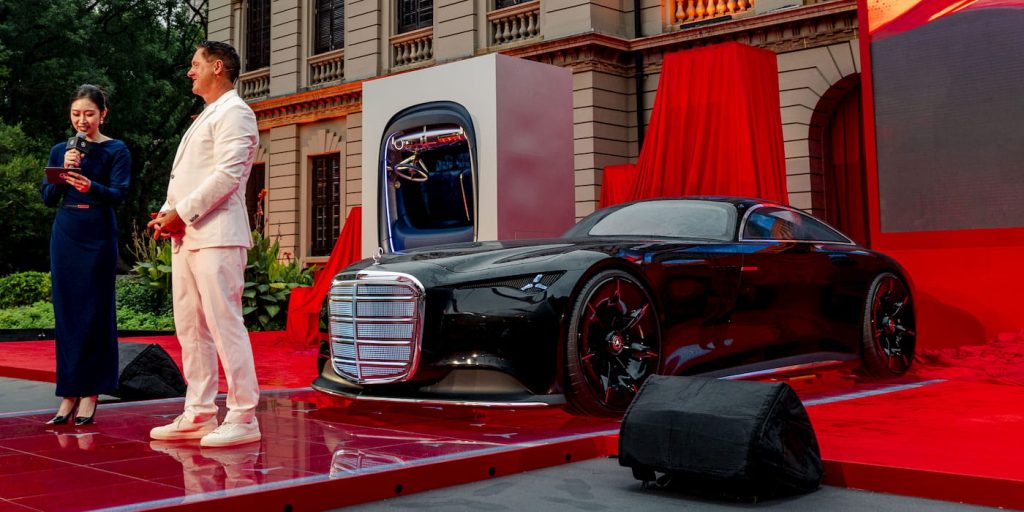
Mercedes is drawing inspiration from its past icons to revamp the brand with a fresh new look. The first thing you’ll notice is the redesigned grille.

The updated grille design was first shown on the new GLC in August. After introducing a closed-off grille design on its first electric vehicles, Mercedes is going back to a more traditional luxury style with a massive, bold new look.

Advertisement – scroll for more content

Mercedes said the new front face, showcased on the Vision Iconic, enables the brand to “stand out from the sea of sameness.” And that it does. The concept builds on it with an illuminated upright star on the bonnet.

Mercedes-Vision-Iconic-EV
Chief Design Officer Gorden Wagener at the world premiere of the Vision Iconic Shanghai 2025 (Source: Mercedes-Benz)

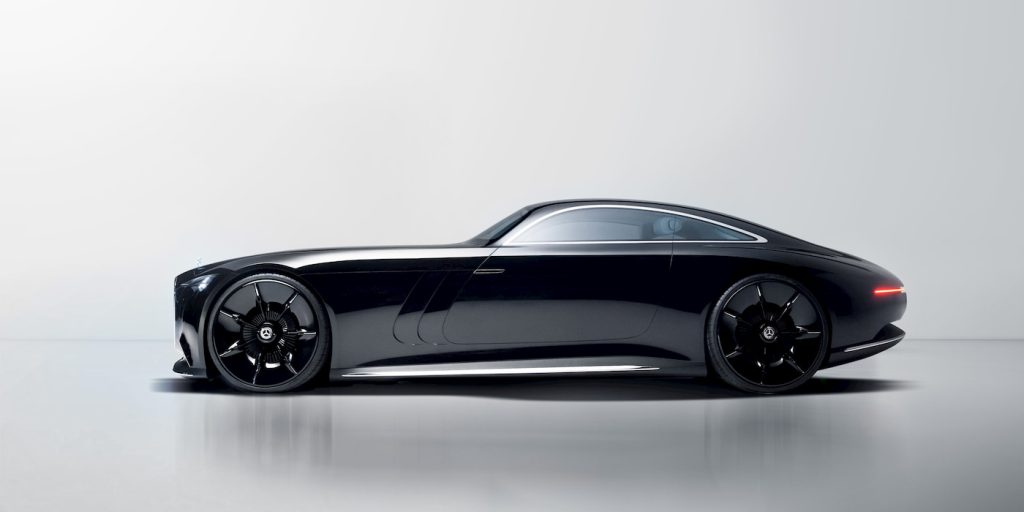
The electric coupe is inspired by the Golden Era of auto design, the 1930s. It draws inspiration from Mercedes’ icons, like the 300 SL and 600 Pullman.

According to Mercedes’ chief designer, Gorden Wagener, the Vision Iconic is “more than just an automobile – it is a sculpture in motion, a homage to timeless elegance, and a statement for the future.”

Mercedes-Vision-Iconic-EV
The Mercedes-Benz Vision Iconic EV concept (Source: Mercedes-Benz)

The concept is more than just a beautiful show car. It’s also packed with Mercedes’ most advanced tech and features.

An entirely new driving experience

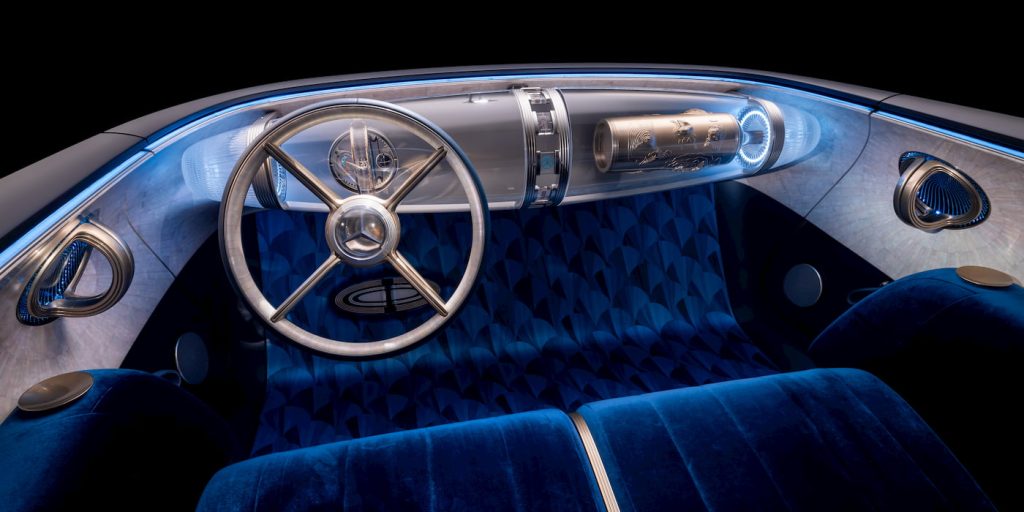
Inside, the Vision Iconic is defined by “lounge-like comfort” and an entirely new digital experience. The instrument panel is a floating glass structure Mercedes calls “Zeppelin.”

Once you open the door, the instrument cluster comes to life with a screen stretching pillar to pillar. At the center, one of the four clocks is shaped like the Mercedes’ logo and acts as an AI assistant. The massive four-spoke steering wheel almost looks like something you’d find on a sailboat.

Mercedes-Vision-Iconic-EV-interior
The interior of the Mercedes-Benz Vision Iconic (Source: Mercedes-Benz)

With steer-by-wire, Mercedes claims the Vision Iconic offers an entirely new steering experience with rear axle steering.

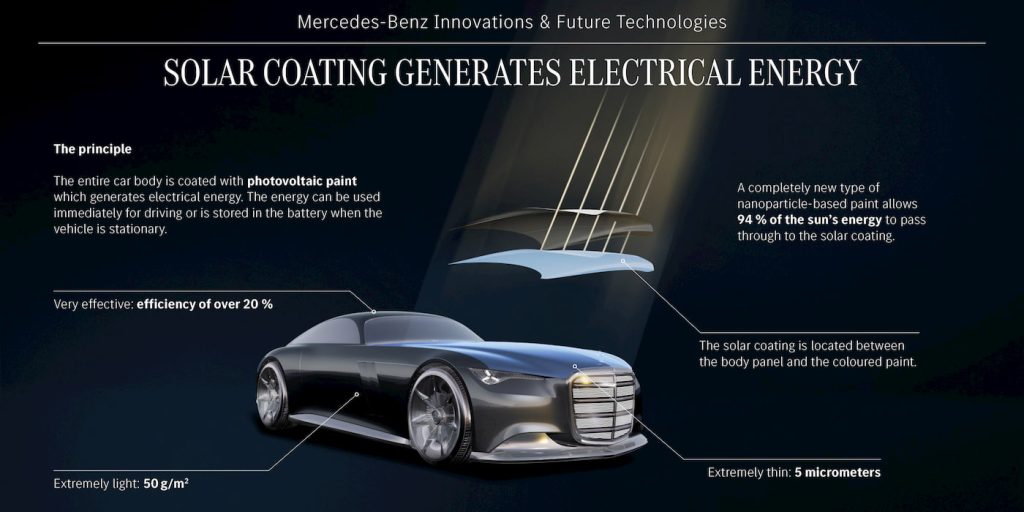
Mercedes said it’s also looking into using solar modules applied to the body of an EV to draw energy from the sun and extend the driving range.

Mercedes-Vision-Iconic-EV-interior
The interior of the Mercedes-Benz Vision Iconic (Source: Mercedes-Benz)

According to Mercedes, an area of 11 square meters, or about the size of a mid-size SUV, could produce energy for up to 12,000 km (7,456 miles) a year in ideal conditions. The coating can be easily recycled and does not contain any rare earths or silicon.

Mercedes said the solar cells have a high efficiency of 20% and generate energy constantly, even if the vehicle is off.

Mercedes-Vision-Iconic-EV-solar-paint
The Mercedes Vision Iconic uses solar paint to extend driving range (Source: Mercedes-Benz)

And that’s not all of it. The company is also advancing neuromorphic computing, which Mercedes said “has the potential to reduce the energy requirements for data processing in autonomous driving by 90 percent compared to today’s systems.”

The Vision Iconic will come with Level 2 autonomous driving capabilities, but on the highway, Level 4 autonomy is activated.

Will we ever see the Vision Iconic on the road? Don’t get your hopes up, as it’s just a show car. However, you can expect to see several elements and new tech make their way into upcoming Mercedes models.

What do you think of the electric show car? A timeless design? Or should Mercedes head back to the drawing board yet again? Let us know your thoughts in the comments.

Add Electrek as a preferred source on Google

FTC: We use income earning auto affiliate links. More.


Source link

The 2026 BMW M2 Turbo Design Edition: A Hand-Painted Homage to a Legend

0
The 2026 BMW M2 Turbo Design Edition: A Hand-Painted Homage to a Legend


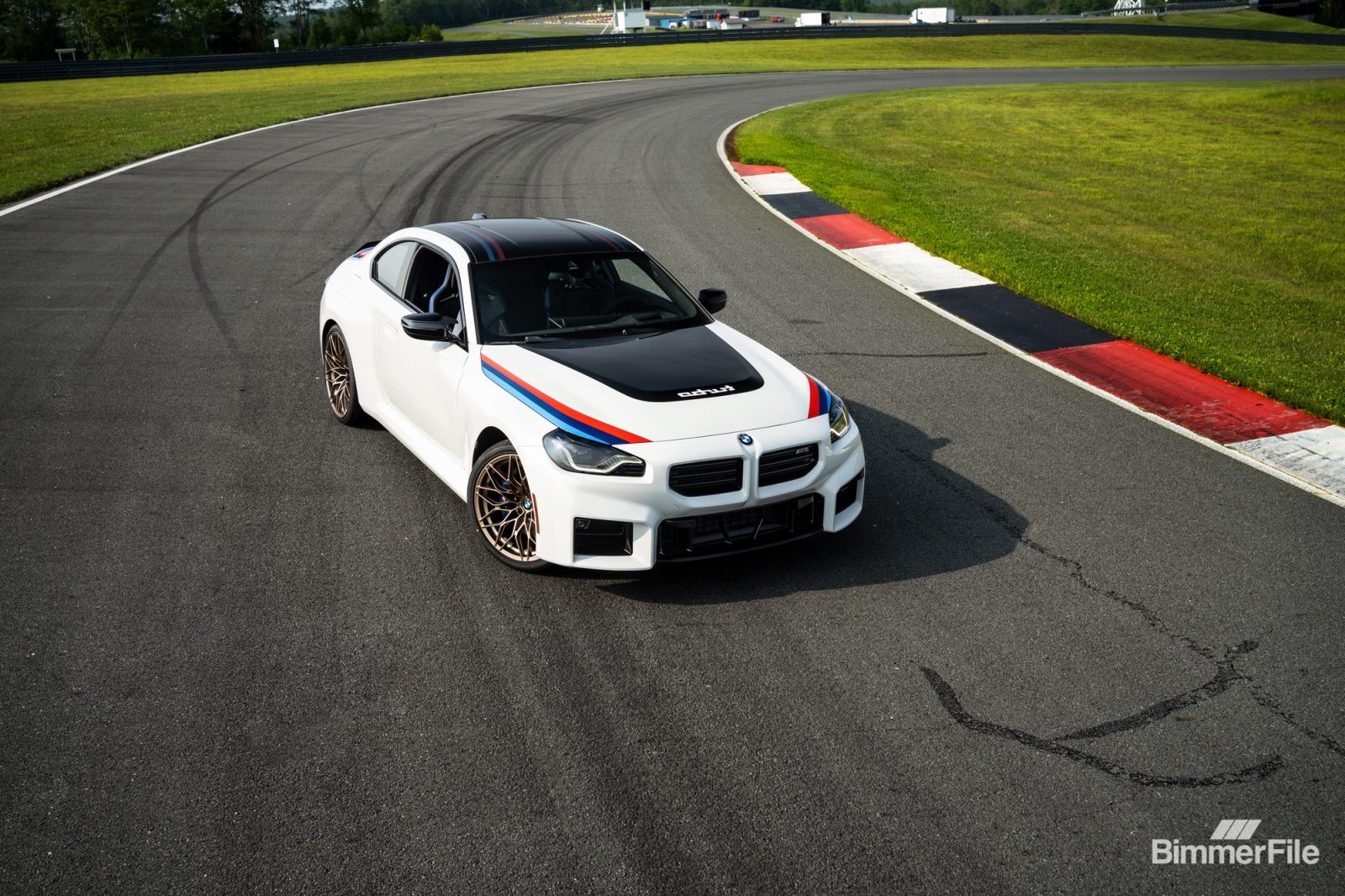
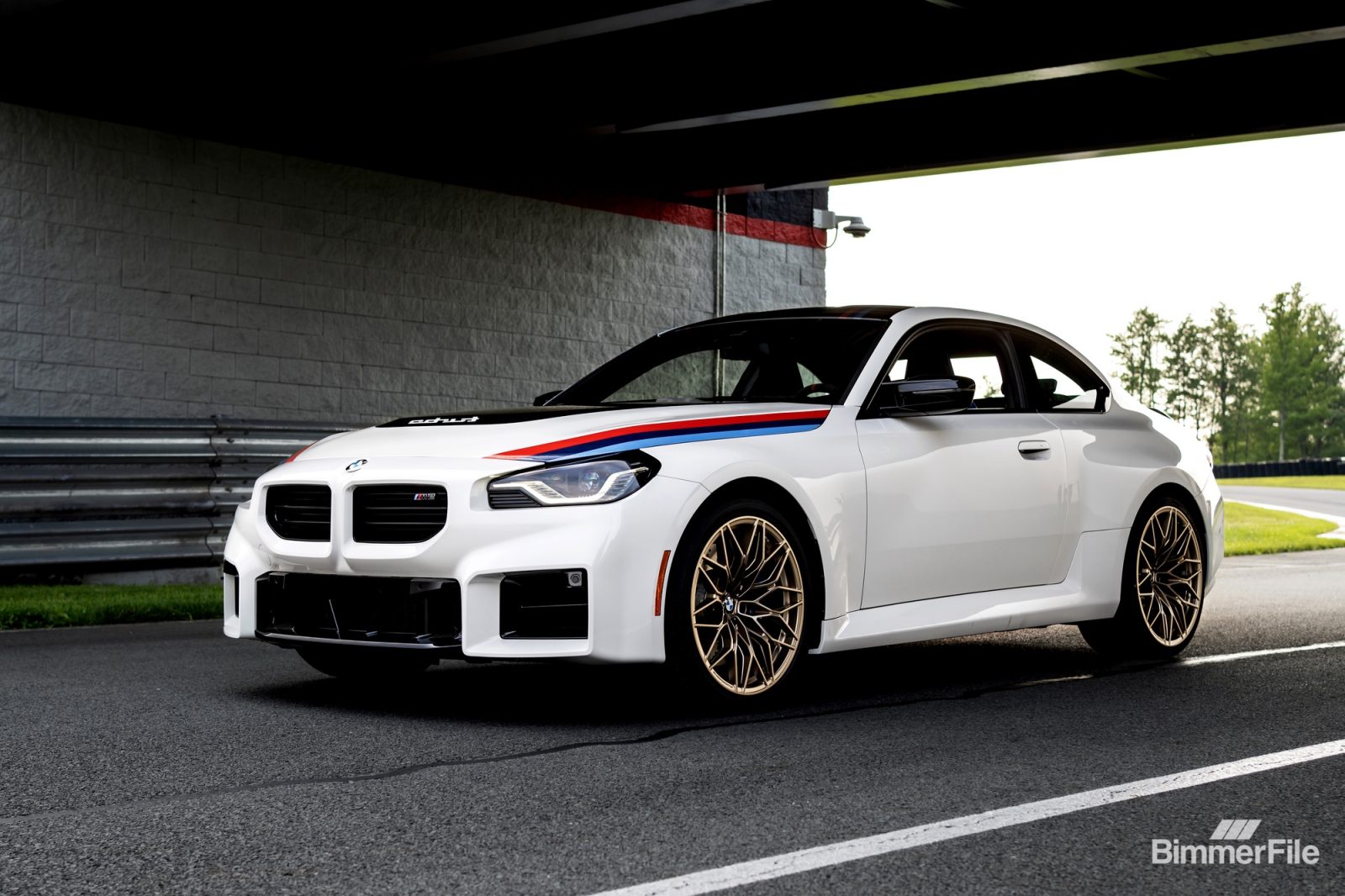
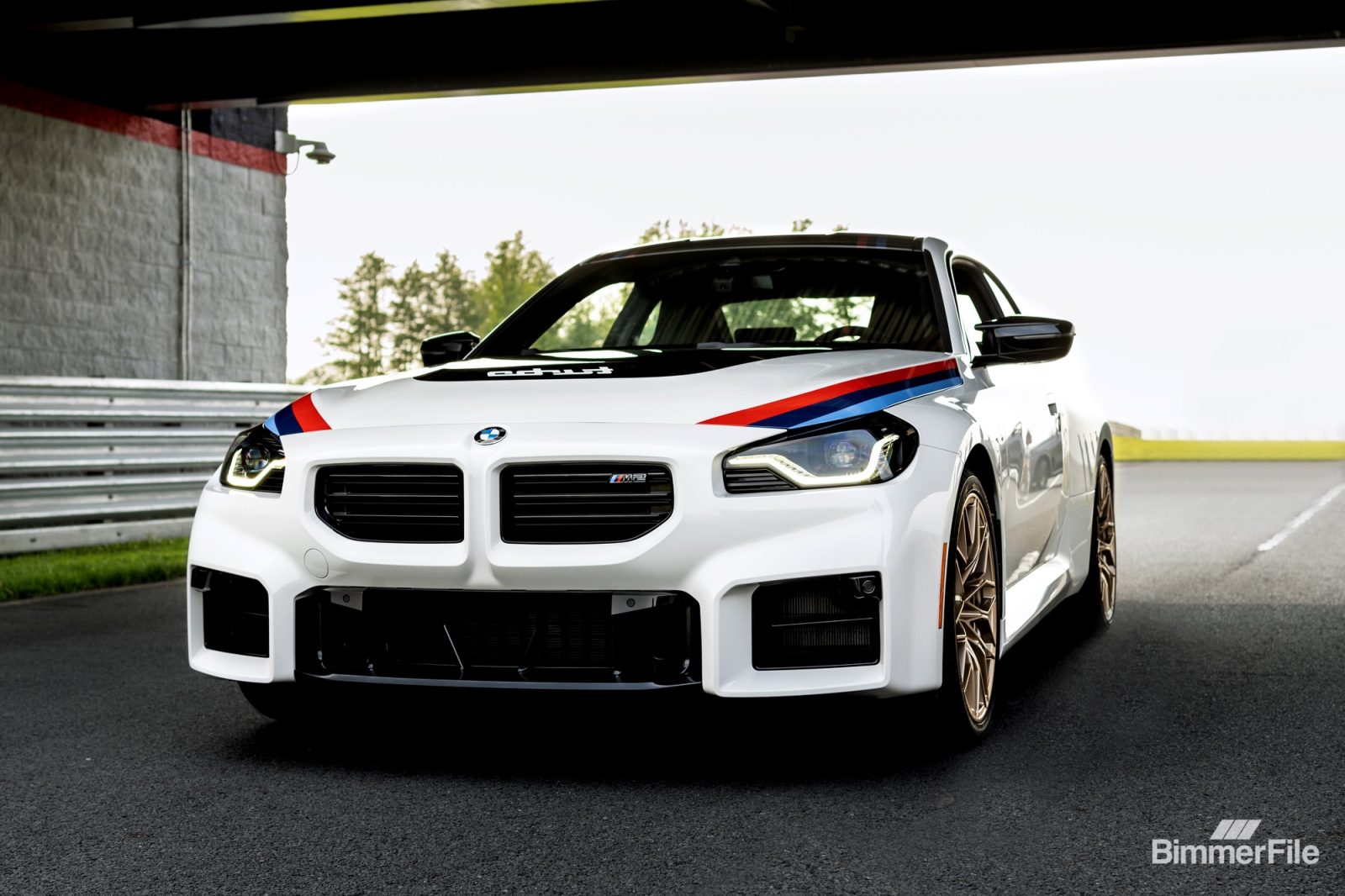
BMW M has unveiled the 2026 M2 Turbo Design Edition, a limited-run model that draws its inspiration from the 1974–75 BMW 2002 turbo. Revealed at Road Atlanta during Motul Petit Le Mans, this is less about chasing new performance records and more about reinterpreting a pivotal moment in BMW’s history.

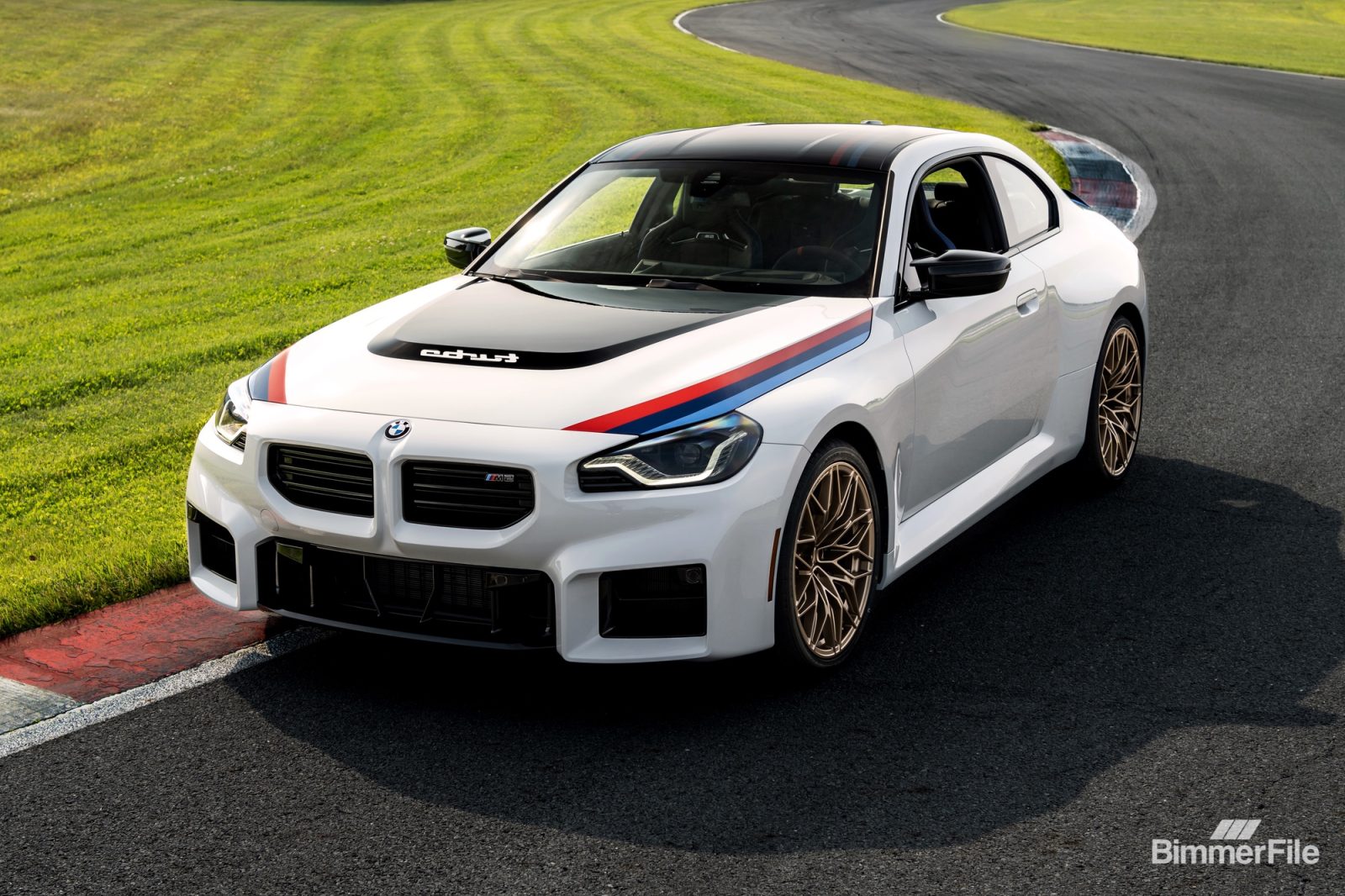
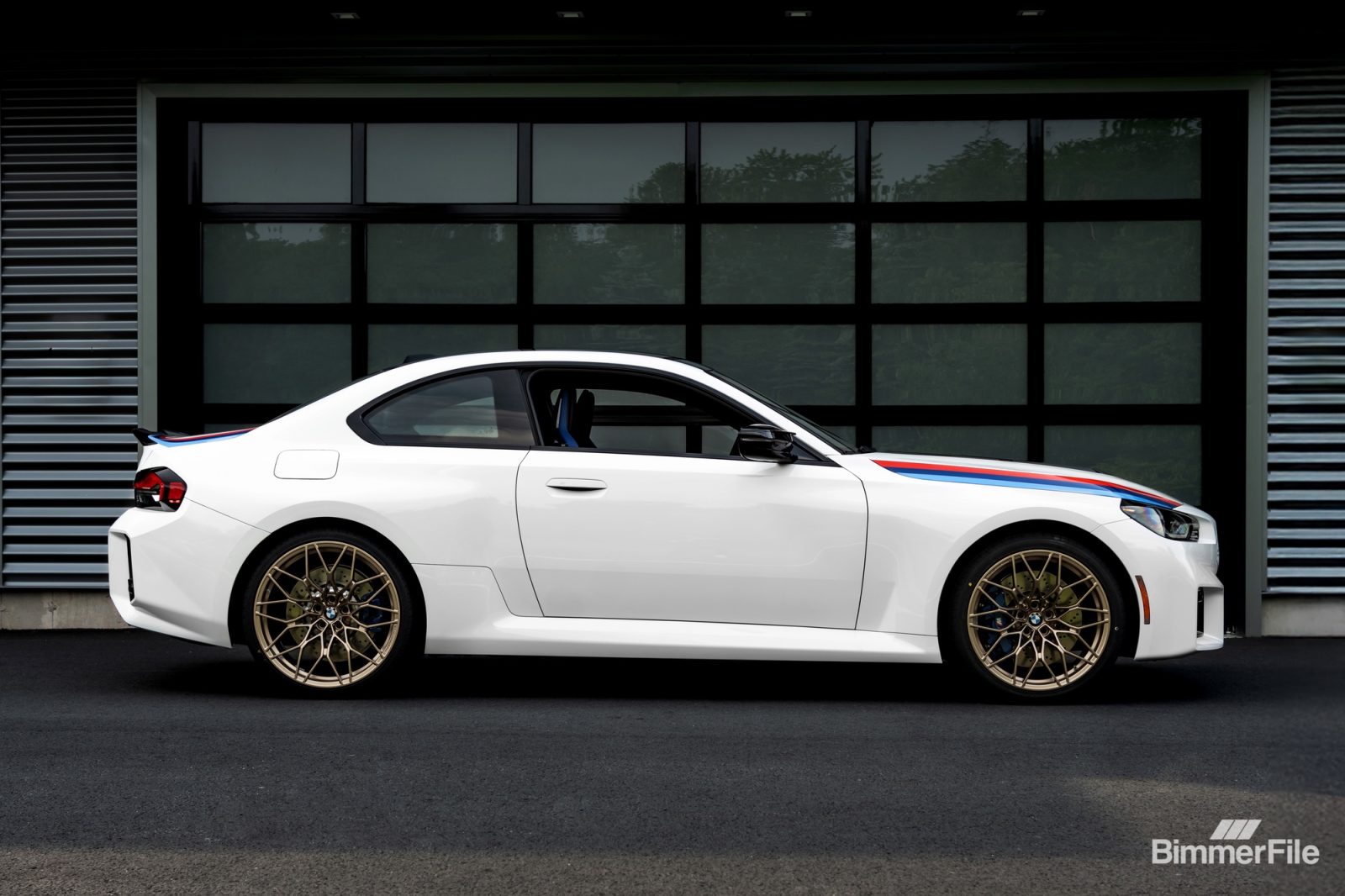
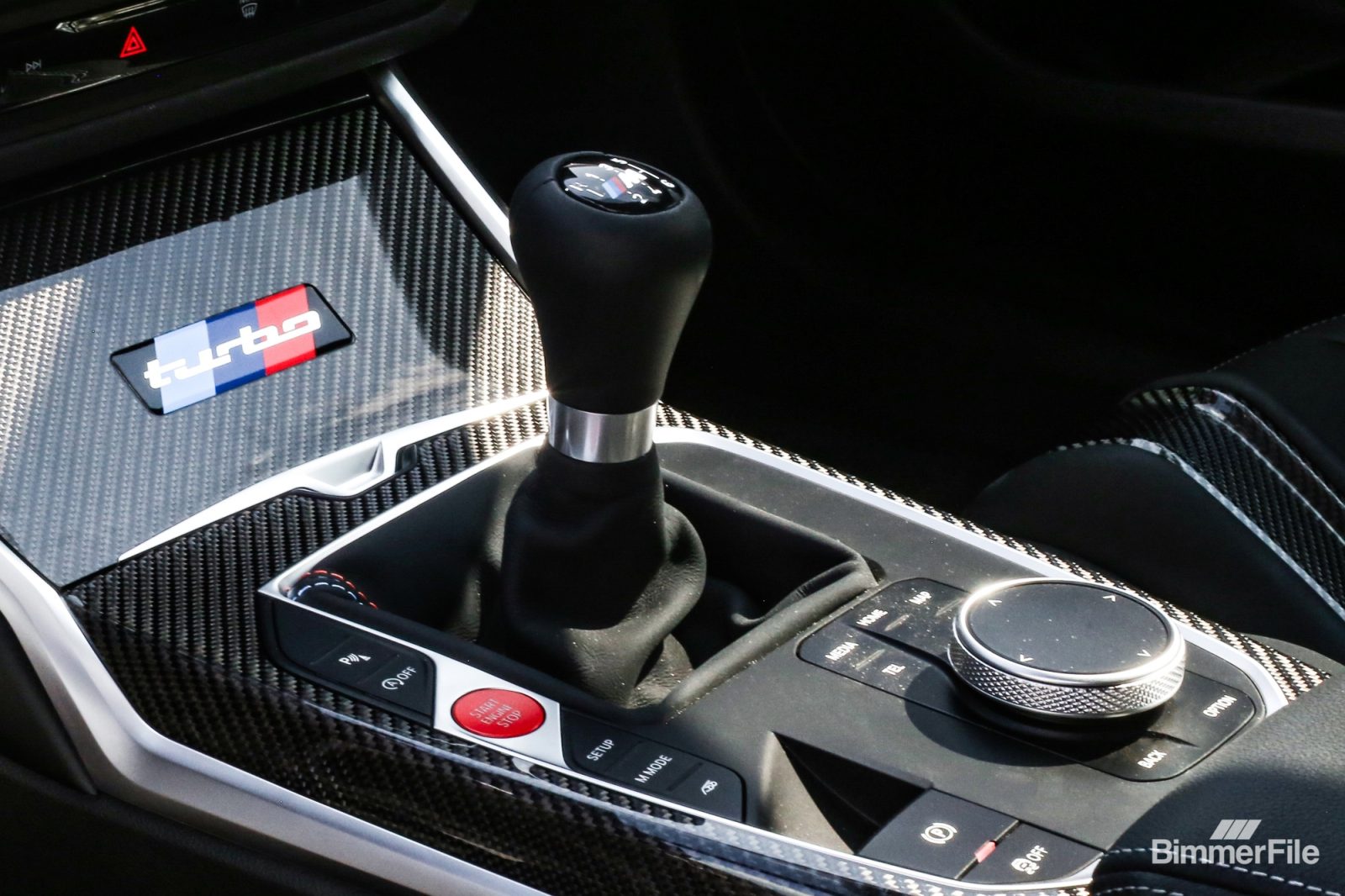
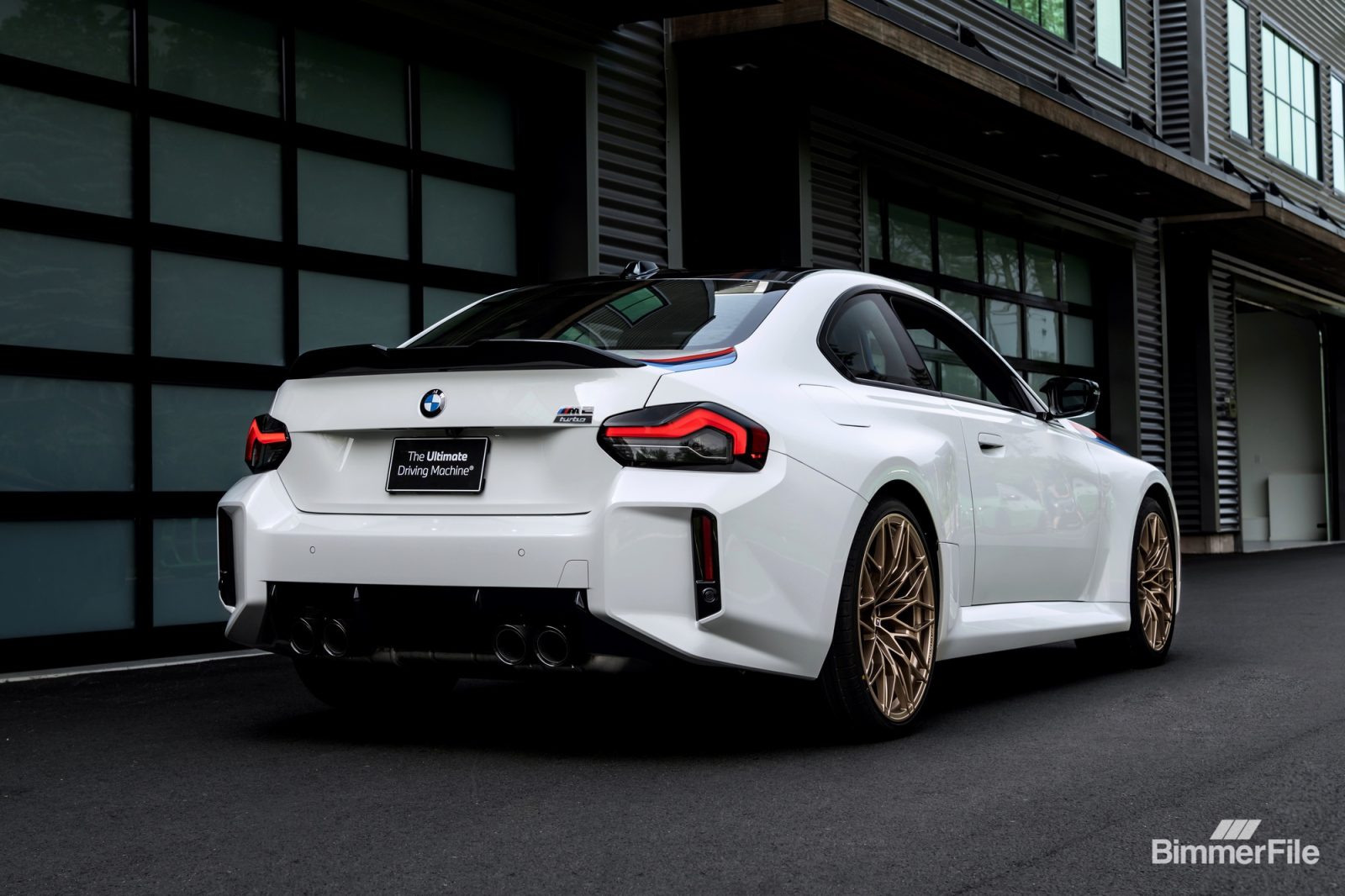
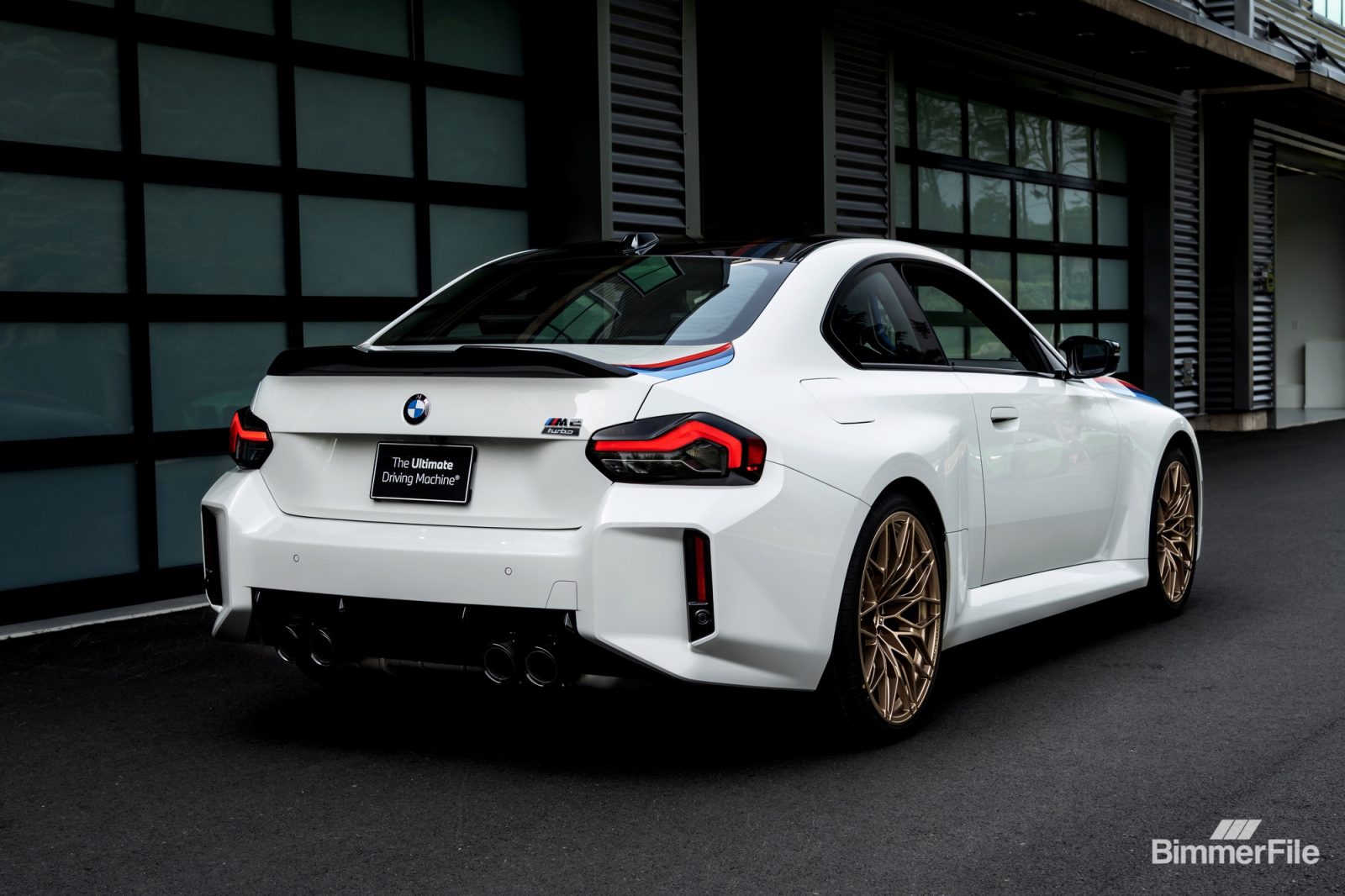
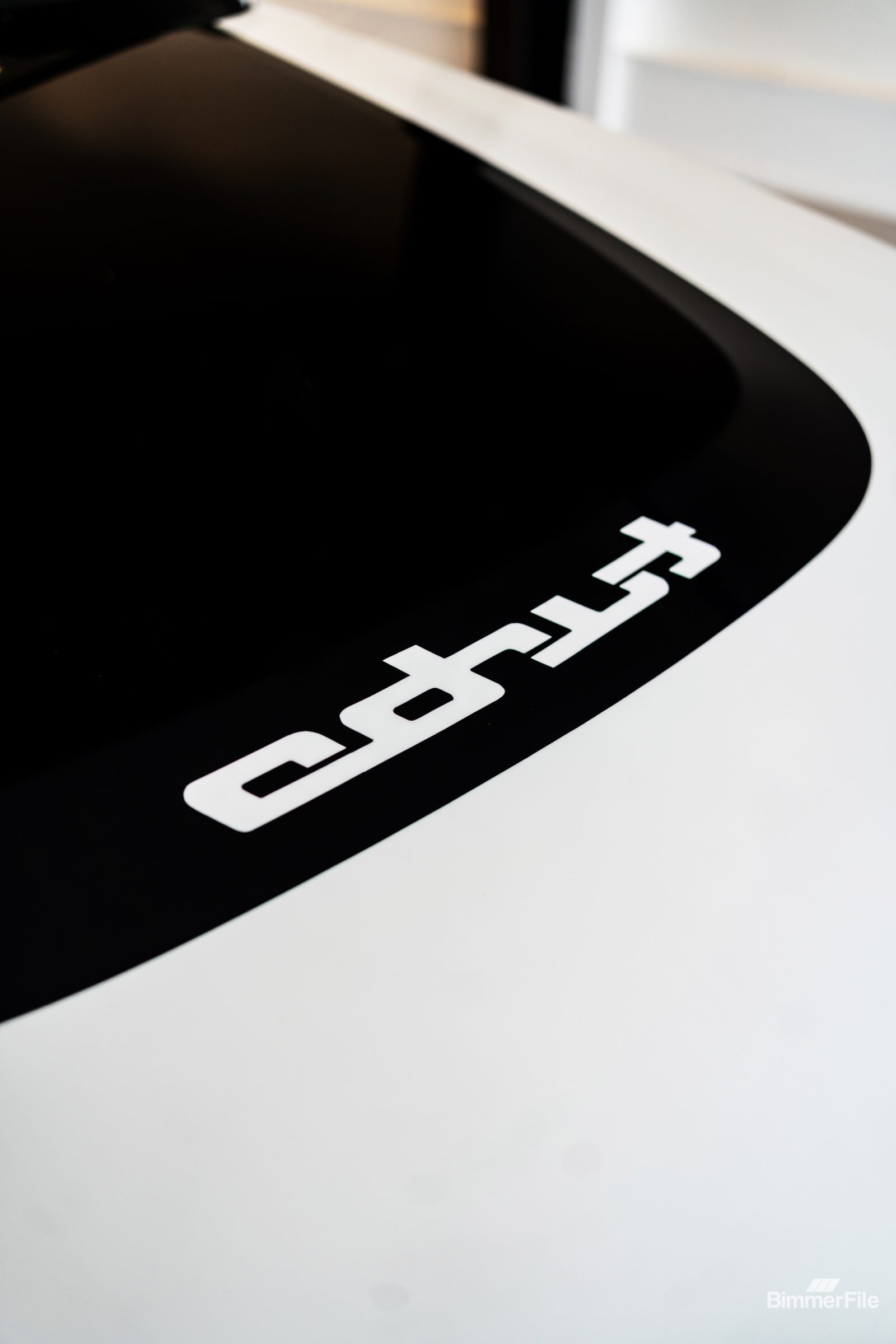
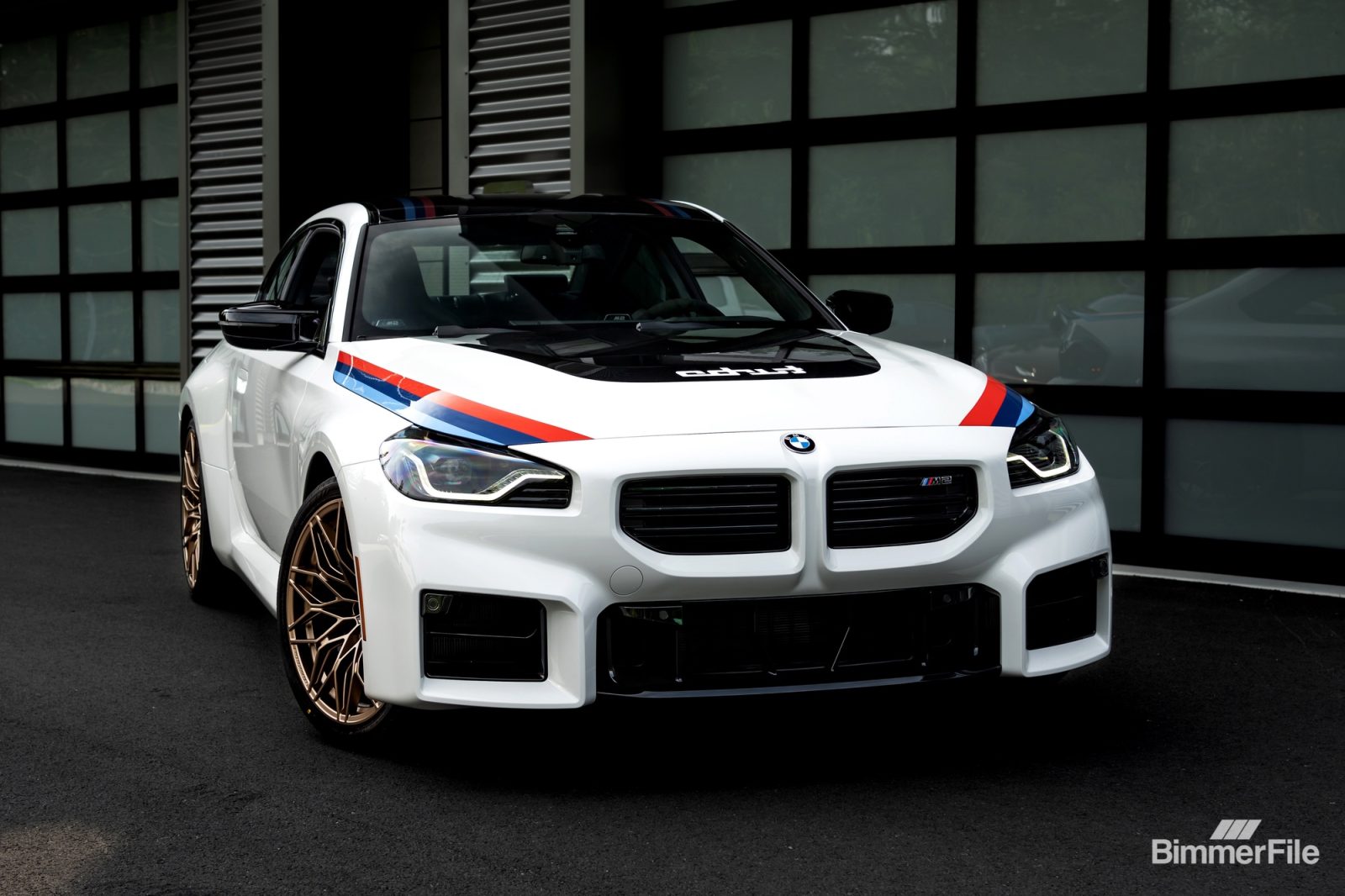
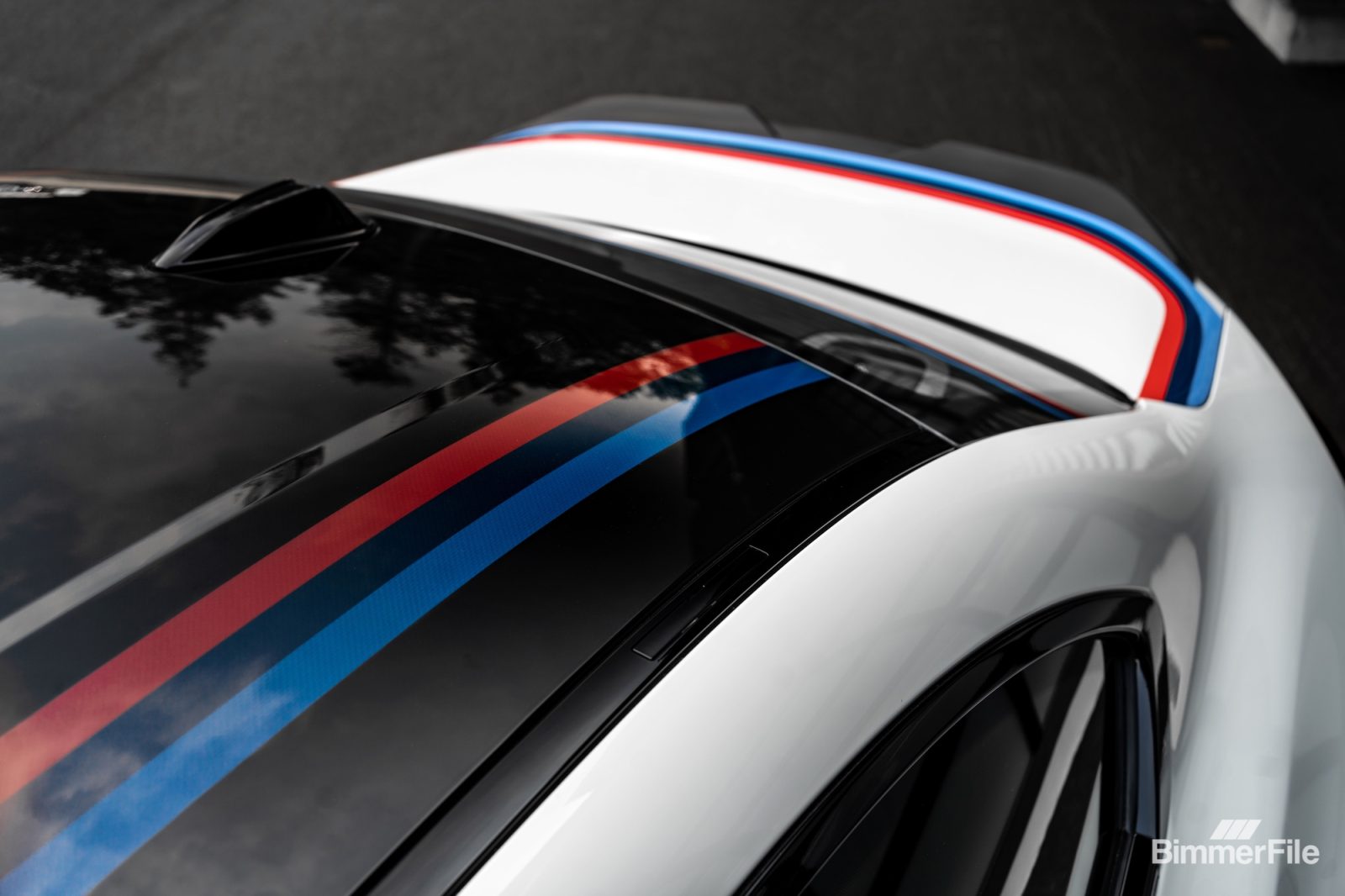
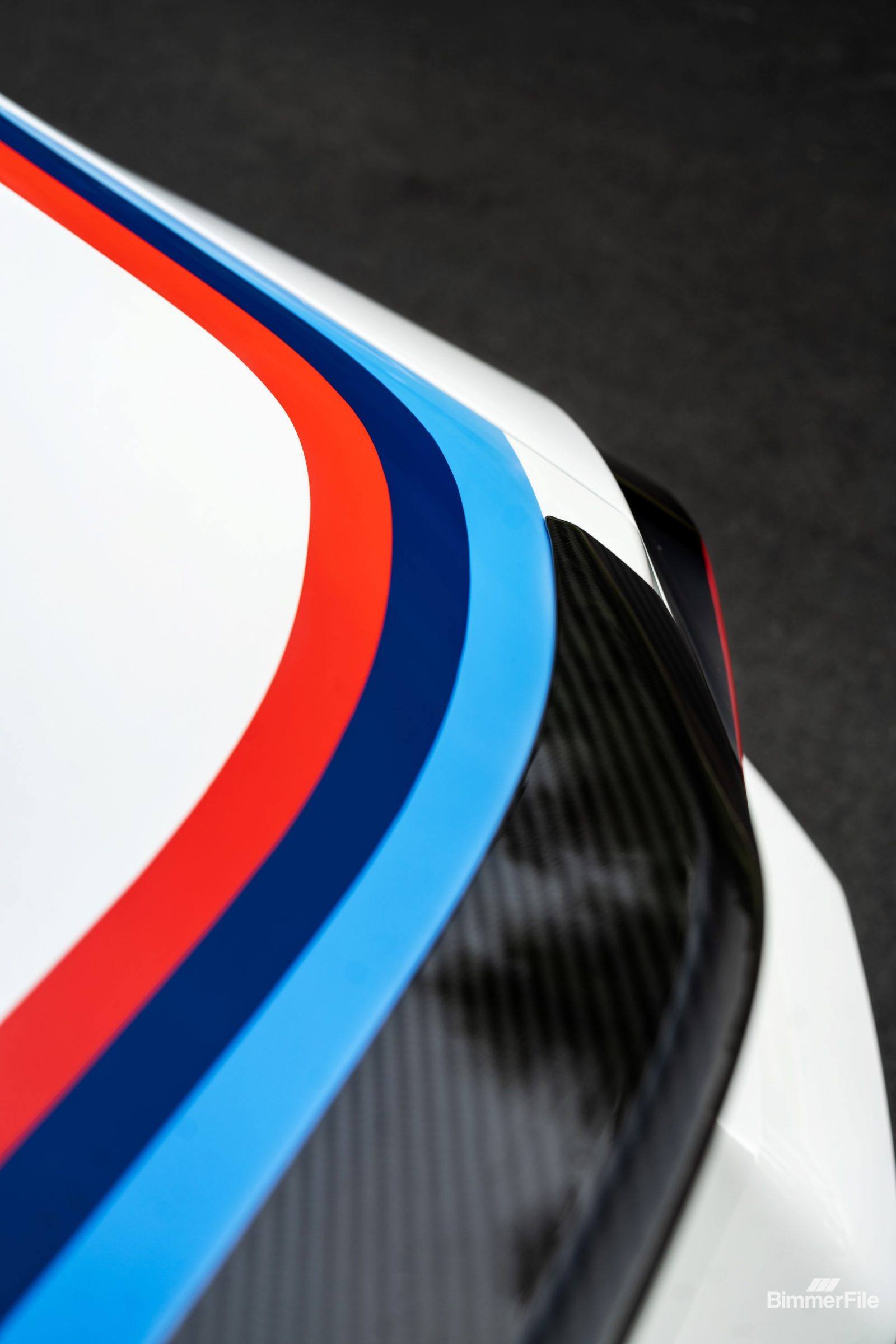
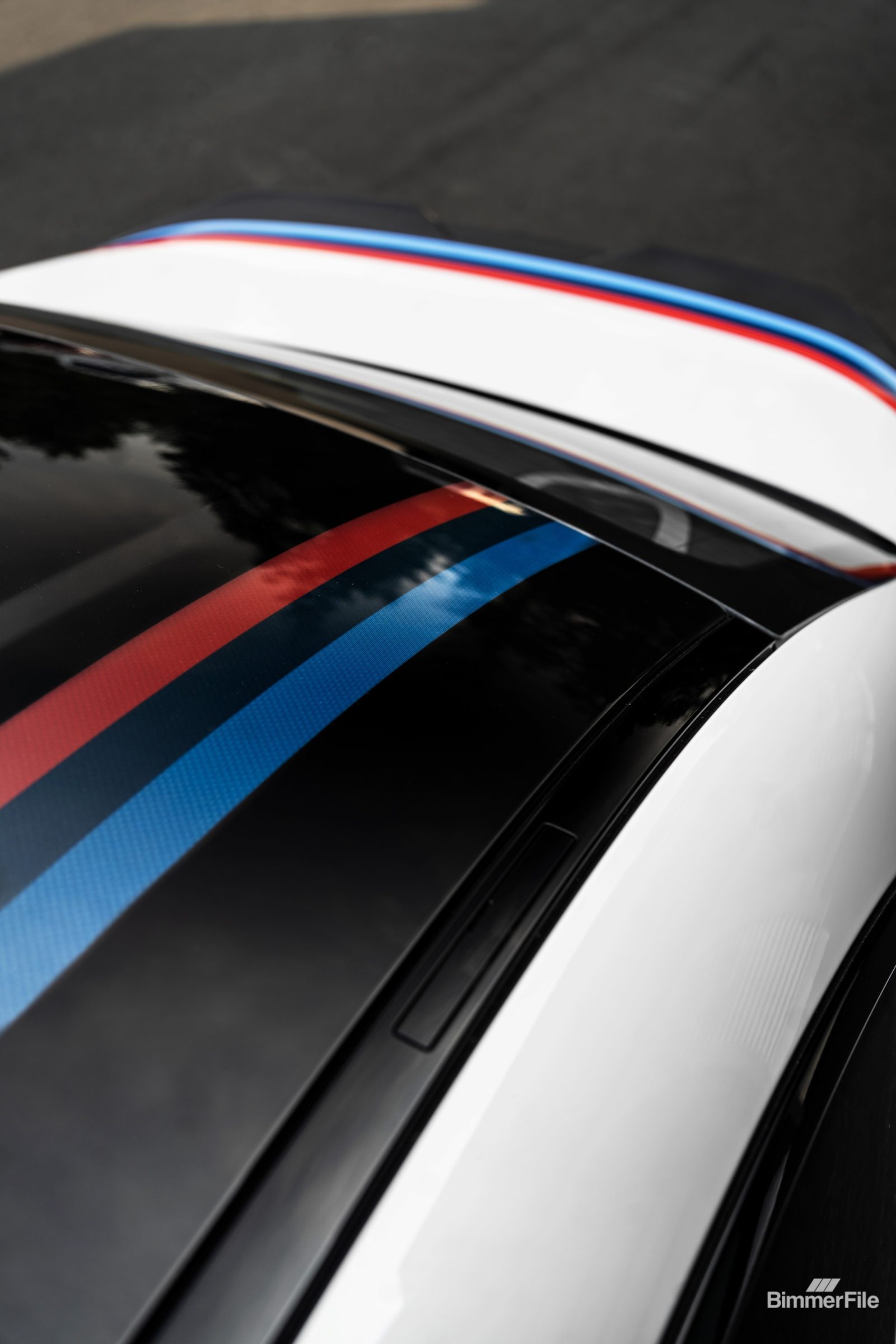
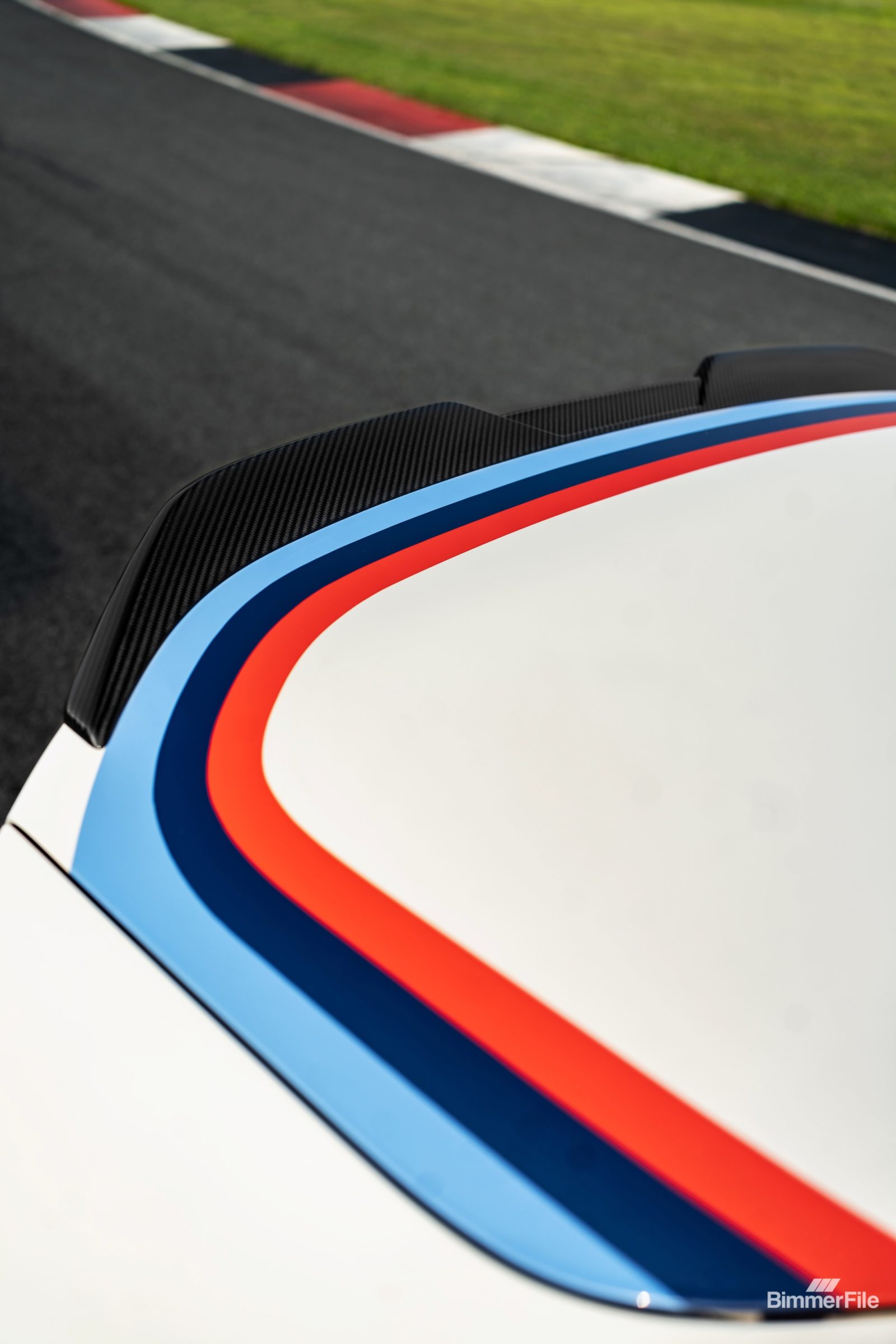
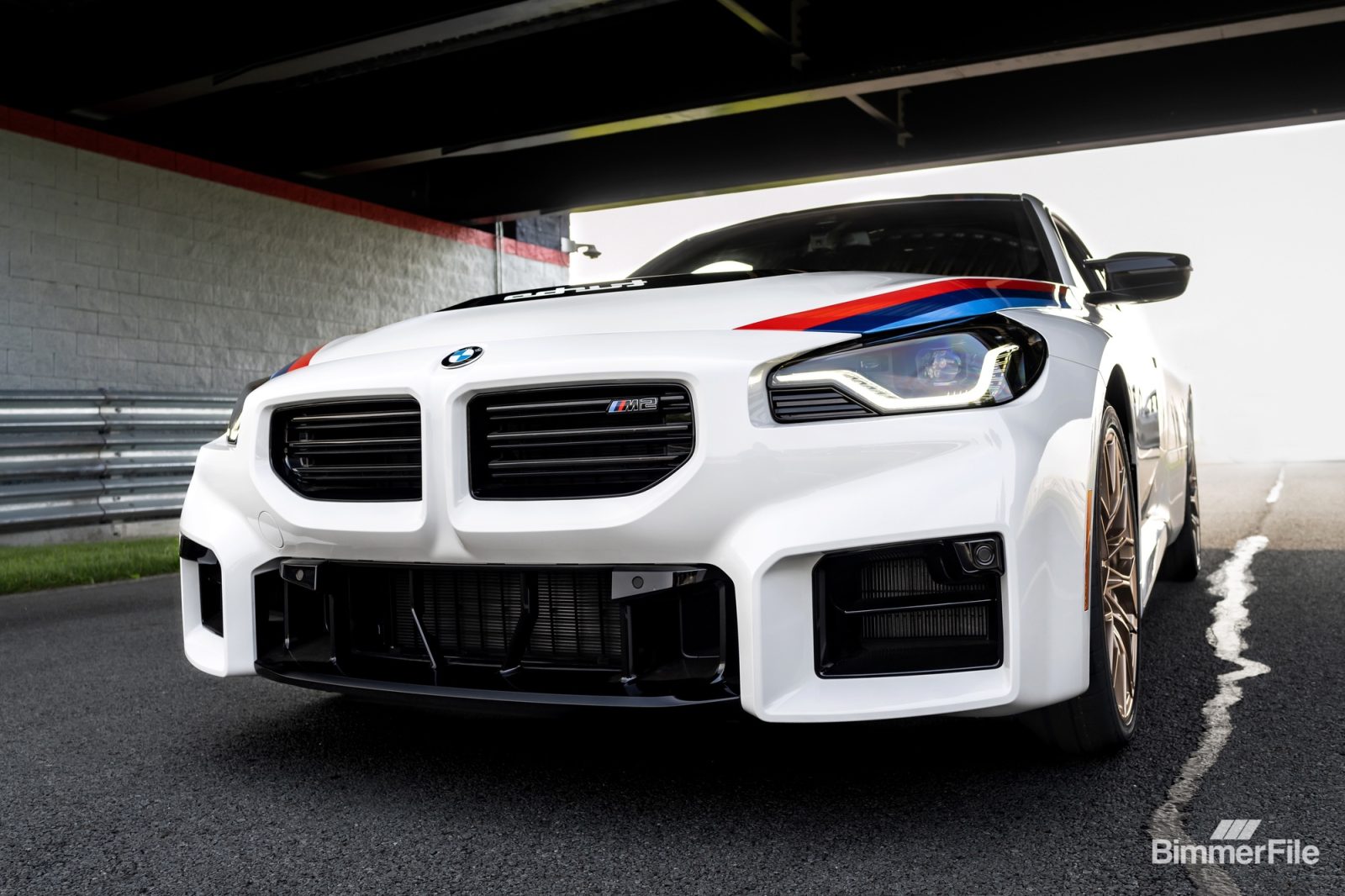
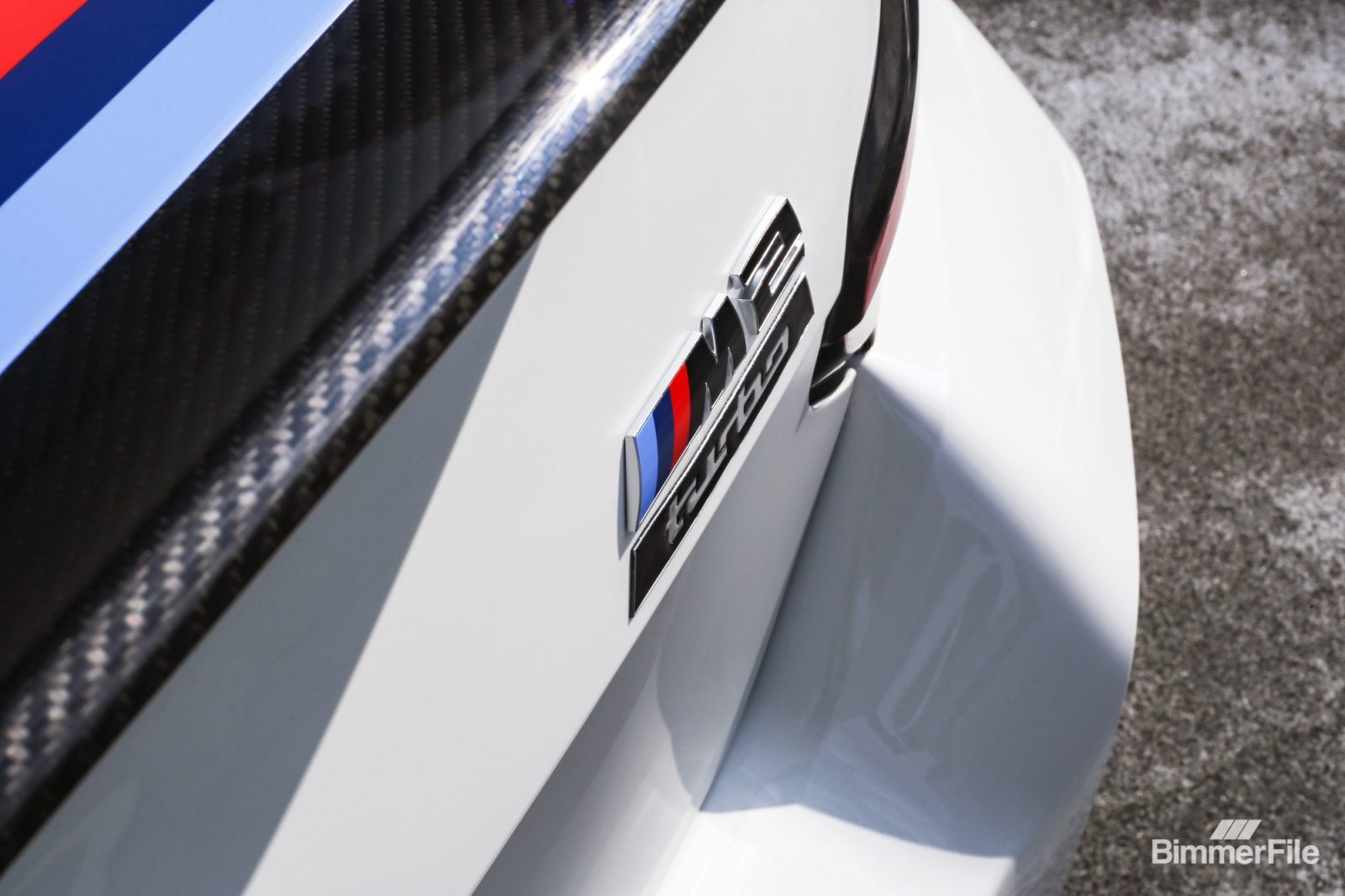
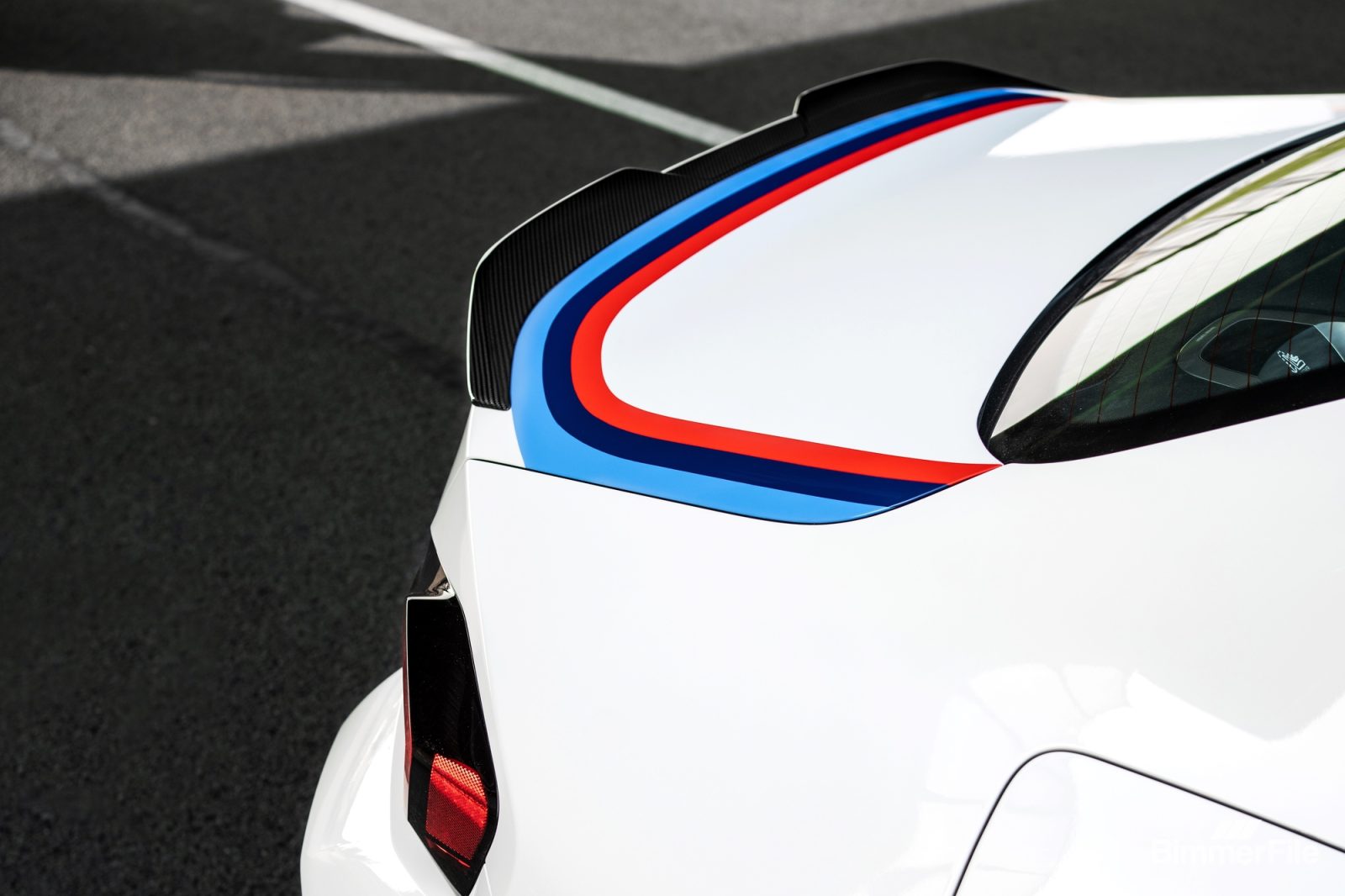
Finished exclusively in Alpine White, each car receives hand-painted BMW Motorsport stripes that trace the hood, roof, and decklid. The reversed “turbo” lettering on the hood, a faithful nod to the 2002 turbo, remains the visual centerpiece. A carbon fiber roof panel with integrated M tricolor stripes and a carbon M Performance rear spoiler complete the look. It’s retro with precision, but also restrained—evoking heritage rather than recreating it wholesale.

The Echo of 1973

The original 2002 turbo was Europe’s first production car to feature turbocharging when it debuted at the 1973 Frankfurt Auto Show. Its 2.0-liter four-cylinder produced 170 horsepower, a striking figure for its time, and made clear that BMW’s small sedans could carry serious intent. It also established the visual cues—the graphics, the stance, the purposeful aggression—that would define the brand’s sporting identity for decades.

Half a century later, the M2 Turbo Design Edition channels that same DNA, albeit through a contemporary lens. Under the hood is the familiar 3.0-liter S58 inline-six producing 473 horsepower and 406 lb-ft of torque, paired exclusively with a six-speed manual transmission. There are no mechanical upgrades, and that feels deliberate. This edition is about design and sentiment, not lap times.

A Carefully Curated Spec Sheet

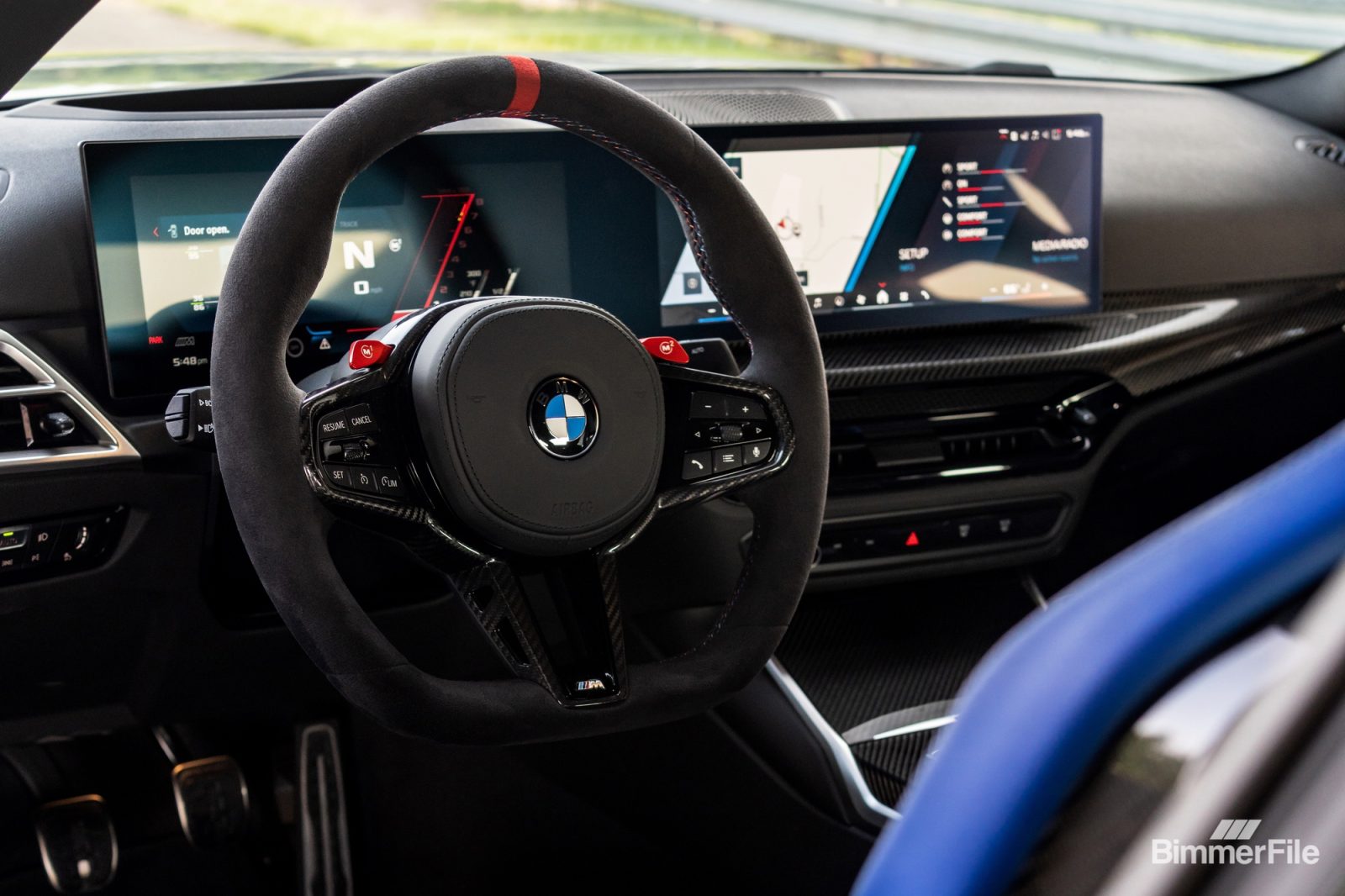
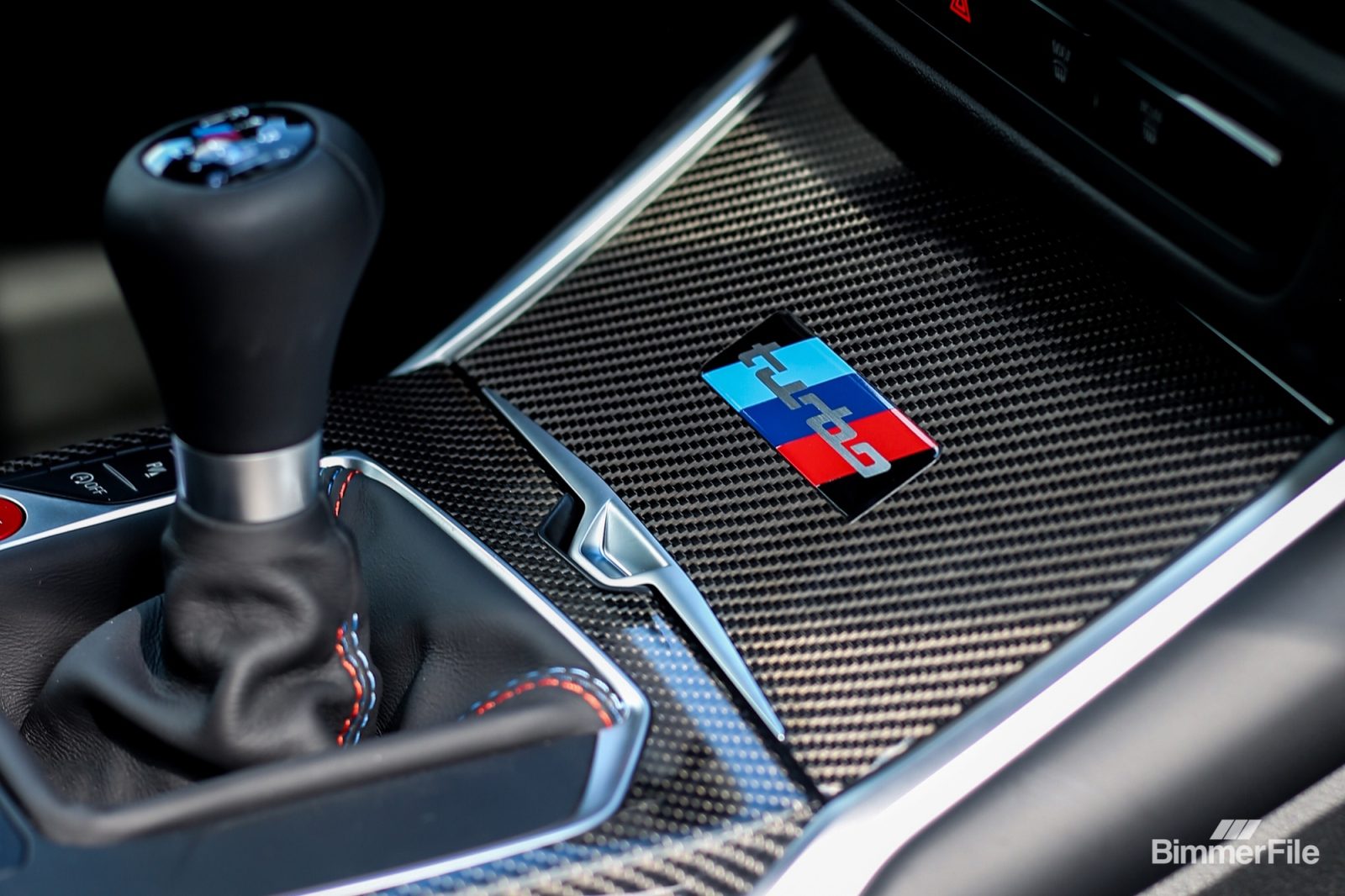
BMW’s configuration choices here are telling. The Turbo Design Edition arrives well equipped with M Sport seats trimmed in black Vernasca leather with subtle M-color highlights, carbon fiber interior trim, Adaptive Full LED lights with Shadowline accents, and a heated Alcantara M steering wheel.

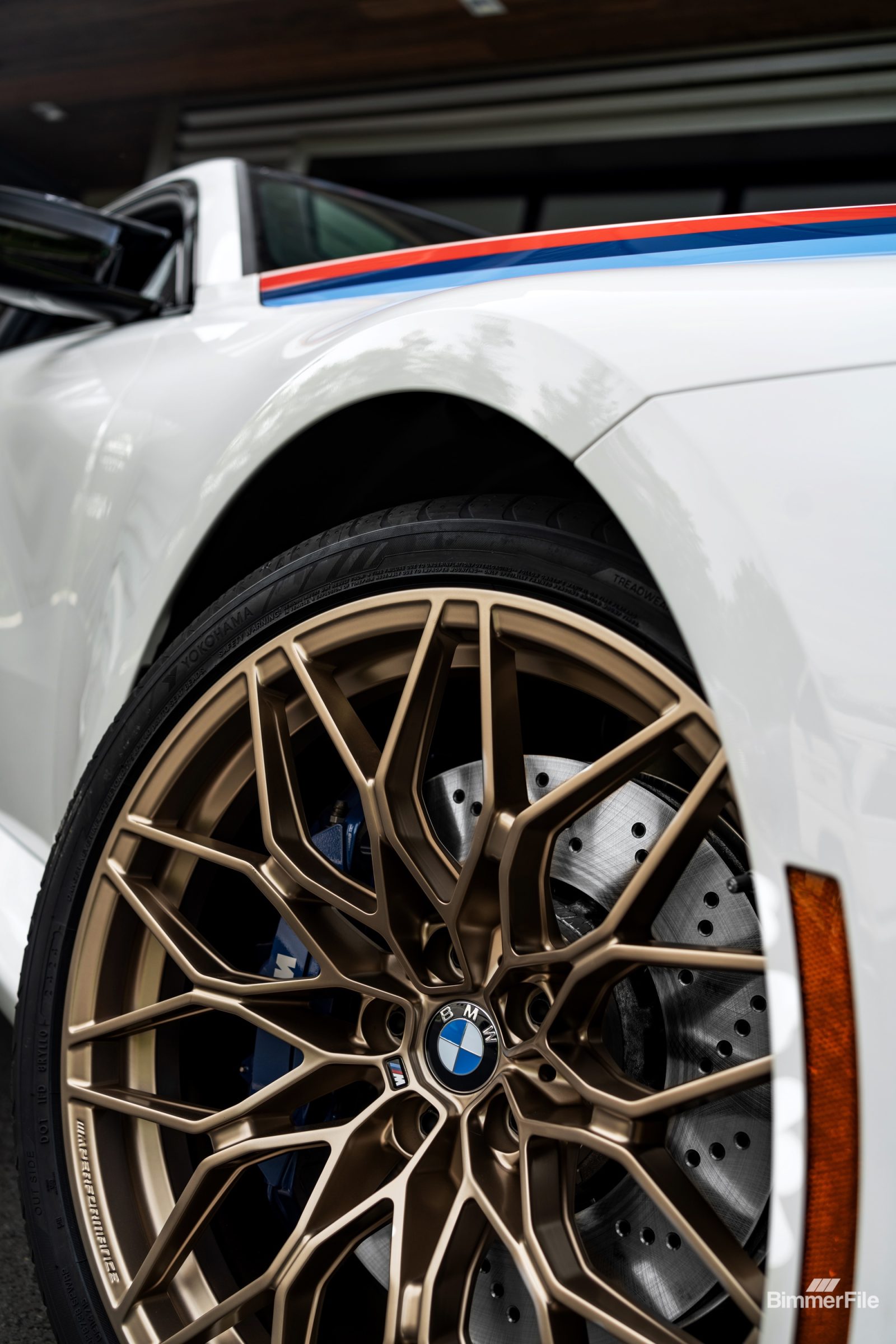
For those who want a sharper edge, M Carbon bucket seats can be added for $4,500, along with Matte Gold Bronze 1000M wheels for $6,266, and the M Driver’s Package for $2,500. These options are visually dramatic but arguably more about theater than authenticity. The gold wheels, in particular, flirt with nostalgia but feel modern in execution—less 1973, more 2026 showroom centerpiece.

Between Heritage and Marketing

Priced at $82,900 plus $1,175 destination, the M2 Turbo Design Edition doesn’t move the performance needle, but that isn’t its goal. This is BMW’s way of connecting its turbocharged past to its present, reminding enthusiasts where the M lineage started while acknowledging how far the brand has evolved.

Like the 2002 turbo, it is expressive rather than excessive, a car that leans on identity and history more than outright innovation. It may not push the M2 story forward, but it frames the lineage with care—and in an era of constant reinvention, that’s a statement of its own.

Our Take

In recent years BMW M has shown a growing willingness to create special edition models to introduce interesting design details. What makes this one interesting is its focus on M’s history and specifically one of the cars that laid the groundwork for the entire M philosophy. And they’re doing it not on a $150,000 model but on M’s most attainable product.

The 2002 turbo predated M Division itself, yet its influence is visible in every M car that followed—compact proportions, direct steering, and a slightly unruly character. The M2 Turbo Design Edition could never fully capture that rawness, but it does something few modern cars attempt: it connects today’s performance culture back to the experimental spirit that defined BMW’s rise. In an era when M’s identity is being stretched by electrification and luxury, that reflection feels both timely and necessary.

Executive Summary

Model: 2026 BMW M2 Turbo Design Edition
Production start: January 2026
Deliveries: Early Q2 2026
Price: $82,900 + $1,175 destination
Engine: 3.0L S58 inline-six
Power: 473 hp / 406 lb-ft
Transmission: 6-speed manual only
0–60 mph: 4.1 seconds
Top speed: 155 mph (177 mph with M Driver’s Package)

Standard features:
Alpine White paint with hand-painted 2002 turbo-inspired graphics
Carbon fiber roof with integrated M striping
Carbon M Performance rear spoiler
Adaptive Full LED lighting with Shadowline accents
Carbon fiber interior trim
M Sport seats in black Vernasca leather with M-color highlights
Heated Alcantara M steering wheel
Live Cockpit Professional with Head-Up Display
Wireless device charging

Options:
M Carbon bucket seats ($4,500)
M Driver’s Package ($2,500)
19/20-inch Matte Gold Bronze 1000M wheels ($6,266)

BMW M2 Turbo Edition Gallery


Source link

Letter of Intent: Aston Martin DB12 S

0
Letter of Intent: Aston Martin DB12 S


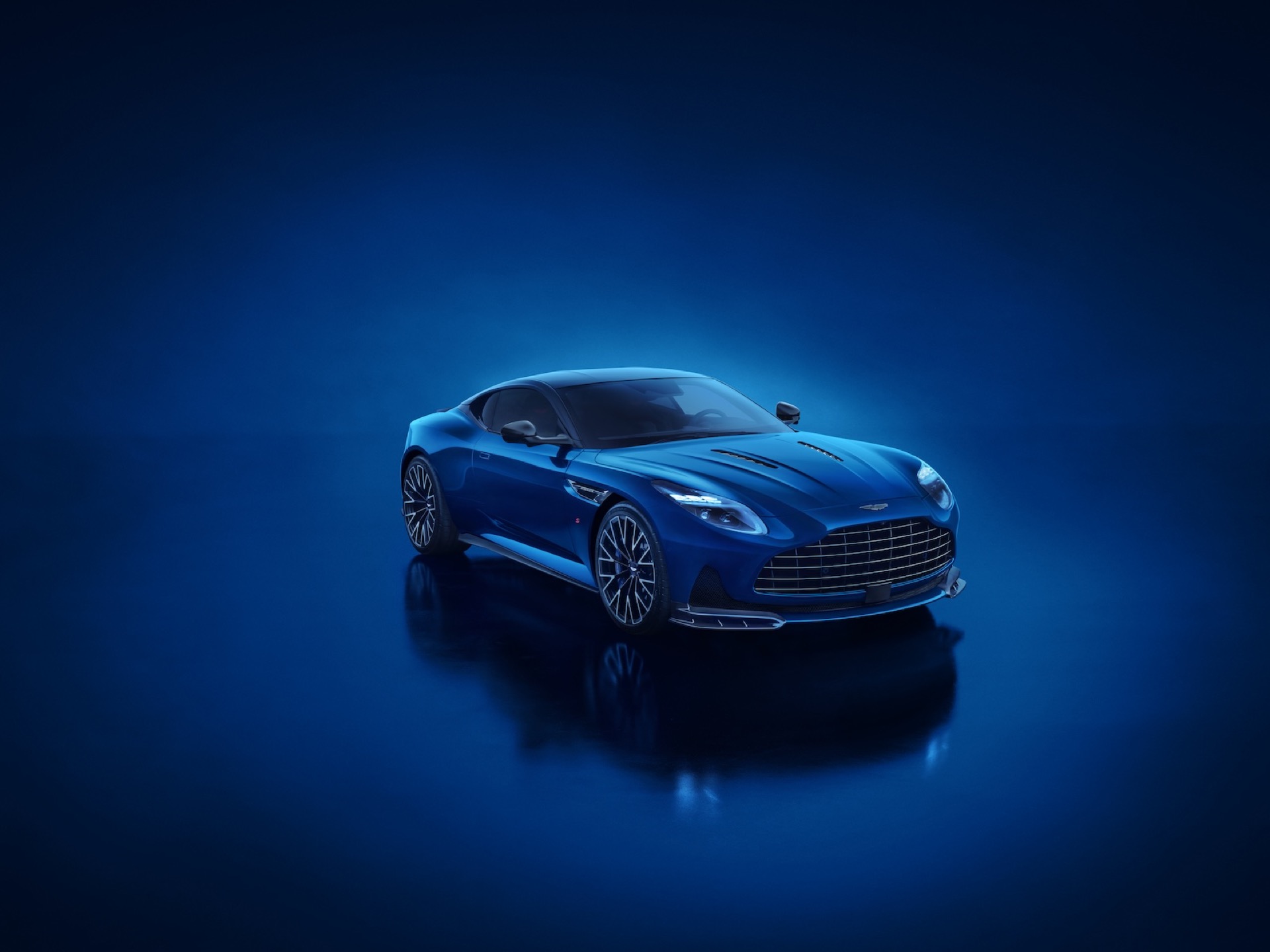
Aston Martin has awarded its DB12 the official “S” badge. A modest 20PS increase and a handful of weight-saving tweaks should only make the DB12 S more desirable than ever.

In a world where truly petrol-powered sports cars are becoming rare, Aston Martin remains an exception — and that only adds to its allure. As if the standard DB12 weren’t exclusive enough, the British marque is now following in the footsteps of the DBX and Vantage by giving its grand tourer a sharpened “S” treatment.

Power from the 4.0-litre twin-turbocharged V8 rises from 680PS to 515kW (700PS), with a maximum torque output of 800Nm delivered between 3,000 and 6,000rpm. Top speed is rated at 325km/h, and the 0–100km/h sprint takes just 3.5 seconds. Visual tweaks are limited to a new front splitter, reprofiled side sills and a discreet rear spoiler.

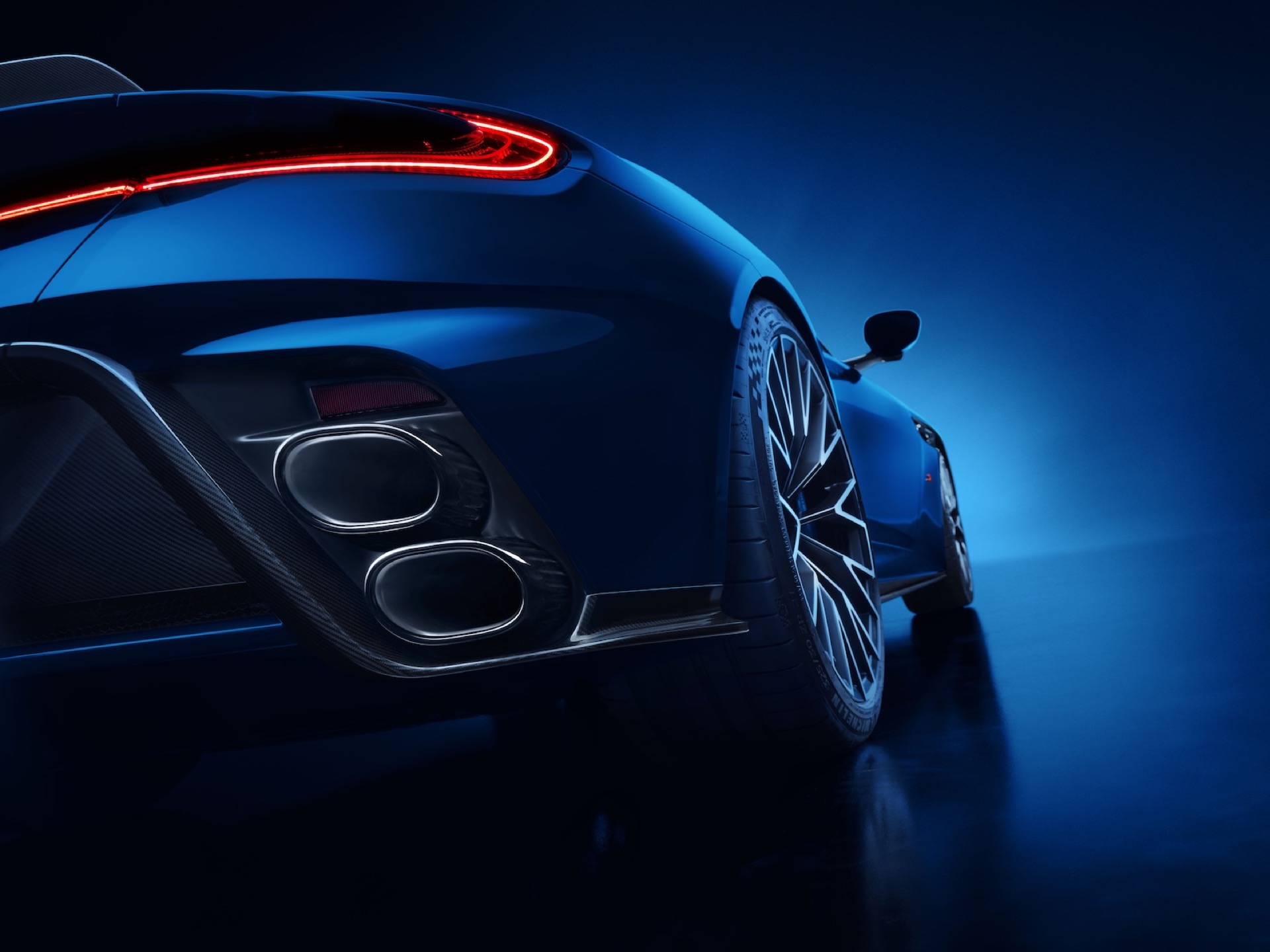
The acoustic experience has been turned up a notch thanks to a four-exit stainless steel sport exhaust system. Not only does it sound deeper and more purposeful than the standard DB12, it also saves nearly 12kg. The S model features revised suspension tuning, a retuned limited-slip differential, and steering enhancements aimed at boosting driver engagement and road feel.

GTspirit DB12S 4

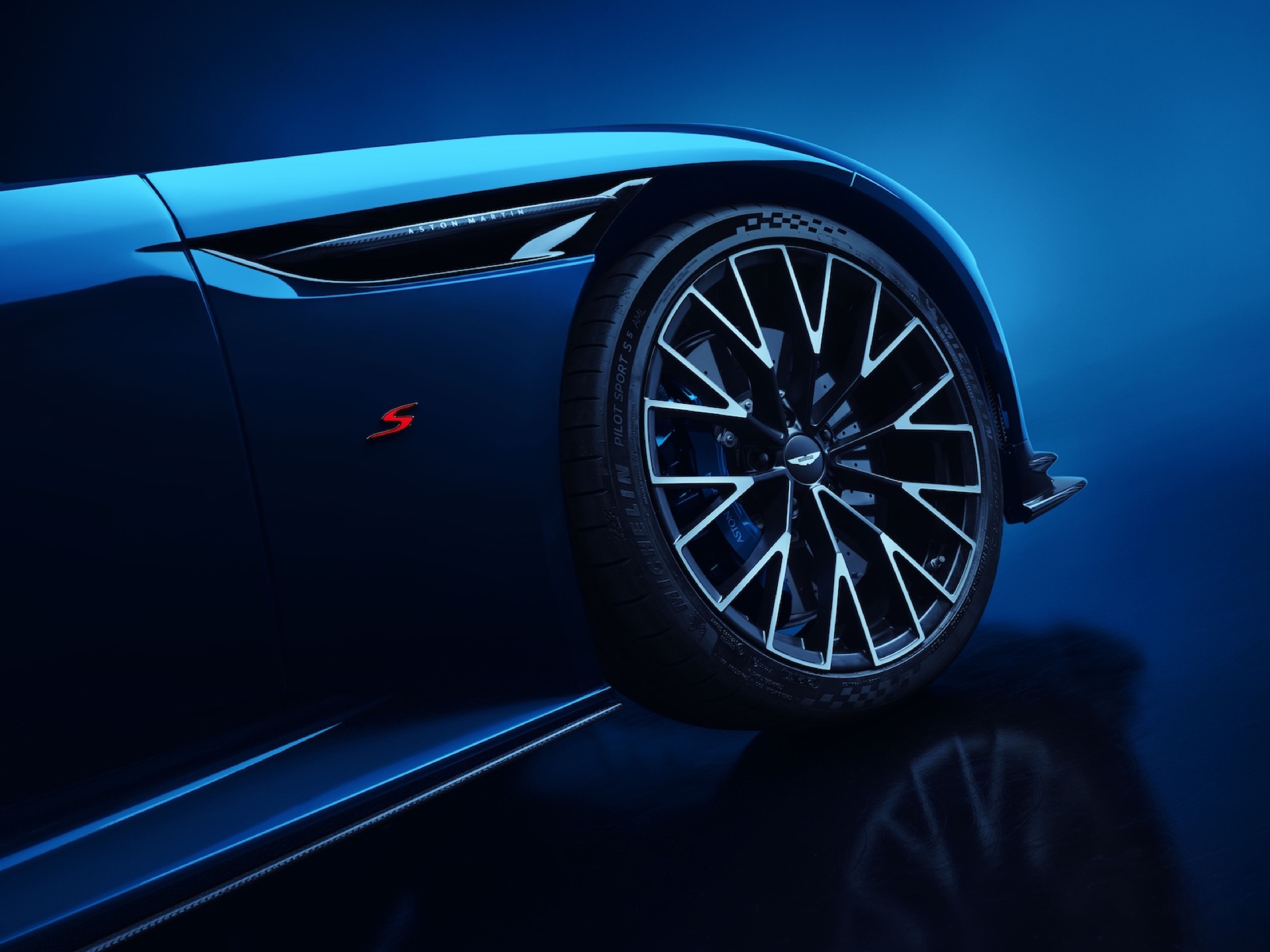
Carbon-ceramic brakes are standard – 410mm at the front and 360mm at the rear – offering improved stopping power and a reduction in unsprung mass. In fact, the braking system alone trims 27kg from the car’s overall weight.

“We’ve made a wide range of carefully considered refinements that retain the DB12’s signature refinement while delivering greater performance and a more rewarding drive,” explains Simon Newton, Director of Vehicle Performance at Aston Martin. “The DB12 S elevates the super tourer formula with a new dimension of dynamism and depth.”

GTspirit DB12S 15

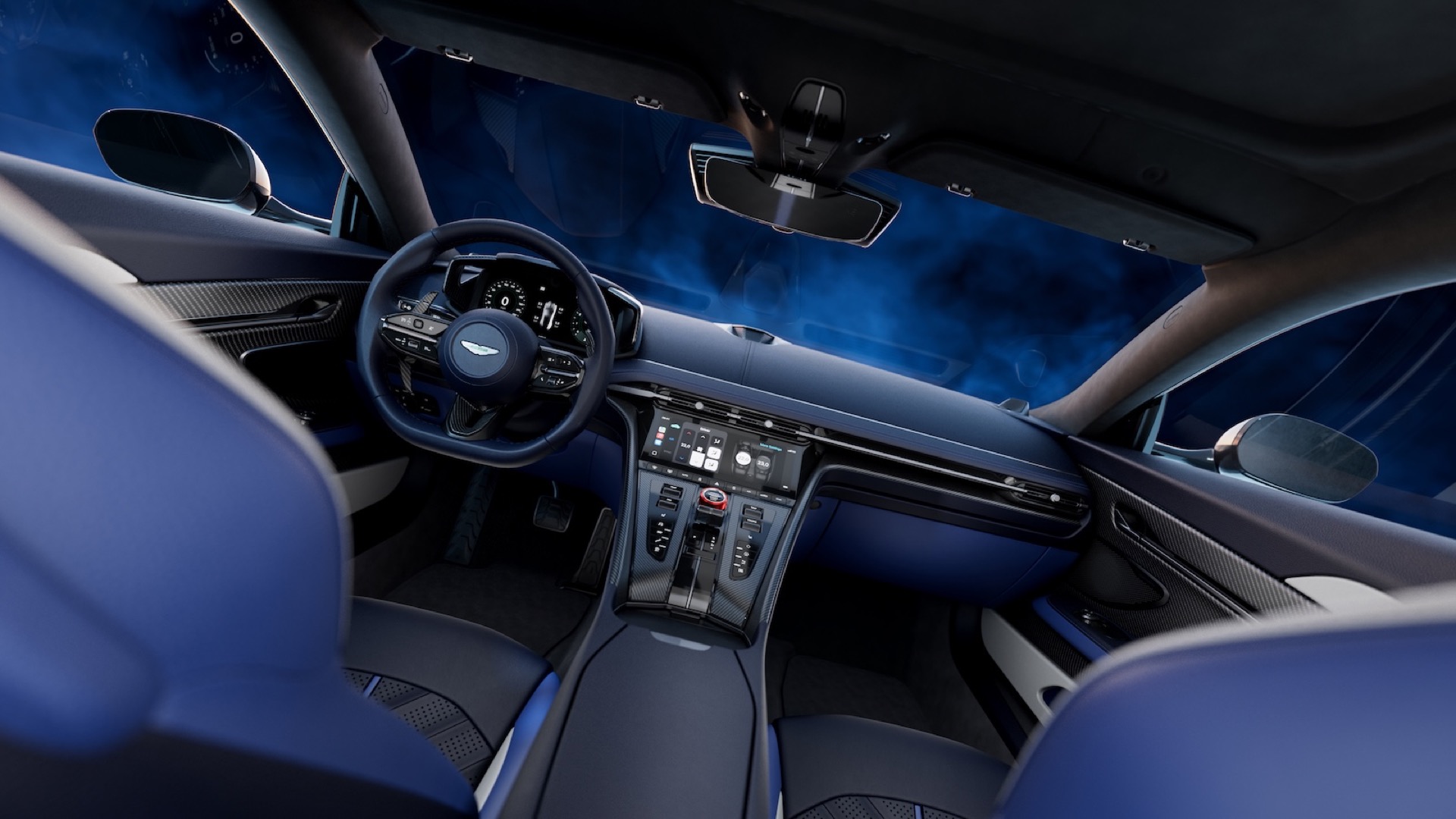
Interior options include full semi-aniline leather, a mix of semi-aniline leather and Alcantara, or leather with Alcantara accents. Buyers can also choose between comfort seats or carbon sport seats.

The Aston Martin DB12 S is available to order now as a coupé or Volante, with first deliveries scheduled for early 2026.

GTspirit DB12S 14


Source link

Van Cleef & Arpels’ Poetry of Time: An Enchanted Vision of Watchmaking

0
Van Cleef & Arpels’ Poetry of Time: An Enchanted Vision of Watchmaking


Credits to © Van Cleef & Arpels
Photographer Marc de Groot / Art Direction Gaspard Yurkievich and Guido Voss

Lovers meeting at midnight on a bridge. Ballerinas are poised in the wings before their performance. A fairy perched delicately on a cloud. These are not scenes from the theatre or the opera — they are the ticking heartbeats of Van Cleef & Arpels timepieces.

This is a Maison that does not merely construct watches. It composes fairytales. Each timepiece is written in the language of rare crafting techniques such as enamel, miniature painting and engraving, all underpinned by extraordinary mechanical artistry. 

Positioning the female figurine on the dial of the Lady Arpels Bal des Amoureux Automate

Ever since its foundation – following Alfred Van Cleef and Estelle Arpels’s wedding in 1895 – emotion, craftmanship and storytelling have been the soul of the brand.

Love is more than a theme for Van Cleef & Arpels; it is a cornerstone. The first piece the Maison ever sold was a diamond heart. And more than a century later, that spirit of enchantment and poetry endures in its most iconic horological collection: Poetic Complications.

Lady Arpels Bal des Amoureux Automate

“Each of our creations starts with a story,” says Pascal Narbeburu, Timepieces Métiers Director at Van Cleef & Arpels. When the Poetic Complications collection was launched in 2006, it turned traditional watchmaking over its head. Instead of privileging technical prowess for its own sake, here, emotion, craftsmanship and storytelling become the driving force of the watch, while animations, complications and métiers d’art all come together to paint a vivid picture of romance and poetry. 

The governor of the automaton is put into place on the calibre of the Lady Arpels Bal des Amoureux Automate​

Each watch takes up to 5 to 10 years of research and development. It is hardly surprising, then, that throughout the years Van Cleef & Arpels has received 15 awards (eight of them for the Poetic Complications) at the Grand Prix d’Horlogerie de Genève. 

Time to Romance

Lady Arpels Bal des Amoureux Automate with a diamond-paved bracelet

One of the most emblematic watches embodying the Van Cleef & Arpels spirit is the Lady Arpels Pont des Amoureux. Launched 15 years ago, it features two lovers standing on opposite sides of a bridge, waiting for their reunion. 

Beyond the charming narrative is an ingenious technical feat: she moves with the passing hours; he climbs more quickly, in line with the minutes, to meet her at 12 o’clock. There, they share a kiss lasting a magical three minutes before a retrograde mechanism returns them to their respective places. Since 2019, an on-demand animation triggered by a push-button allows the wearer to replay the scene at will. 

The lovers have returned in various guises over the years. For 2025, Van Cleef & Arpels has brought back the couple in two iterations: the first is a series of four watches where they make a date to rendezvous at the bridge at different times of the day. Then, there is the Lady Arpels Bal des Amoureux Automate watch, where they waltz on the cobblestoned streets of Paris.  

Embodying the very essence of Van Cleef & Arpels’ identity, this collection remains a cornerstone of the brand’s horological storytelling, still highly sought-after by collectors and emblematic of timeless design.

“We have our own vision of time which stays very consistent through the years” says Narbeburu. “That is one of the reasons why the Poetic Complications watches we have created since 2006 are timeless. It is like taking a classic from your bookshelf and reading it to your children. A story never gets old.”

Applying coloured grisaille enamel on the dial of the Lady Arpels Pont des Amoureux Soirée

The latest Pont des Amoureux creations for 2025 meld a multitude of artisanal techniques and mechanical feats, showcasing the Maison’s ever-evolving mastery. Narbeburu notes that
Van Cleef & Arpels has been steadily developing its in-house capabilities, especially for mechanisms that serve the storytelling aspect of the Poetic Complications collection. As a result, the Maison is able to develop, assemble and do quality control for its complications in-house. This allows designers, engineers, watchmakers and artisans to create embodiments of the Van Cleef & Arpels watchmaking philosophy; the movements they craft are mechanically ambitious yet always elegant, with decorative techniques applied that serve a narrative purpose. The watchmaking team demonstrates technical finesse in creating advanced complications in the most compact way possible. This is necessary so that the movements can fit in ergonomically optimised cases, making the watches suitable for everyday wear.

From Day to Night 

Lady Arpels Pont des Amoureux Soirée (left) & Lady Arpels Pont des Amoureux Aube (right)

For 2025, the Maison depicts the lovers meeting at different moments of the day, namely dawn, morning, dusk, and moonlight. The dials are a sight to behold, crafted using the coloured grisaille enamel technique. A palette of delicate watercolours depicts the city at various points during the day and night. During sunrise, the rays of the sun permeate through the buildings in a radiant burst of yellows, oranges, purples and pinks, while the sky shimmers in a gradient kaleidoscope of purples, pinks and oranges as the sun sets. 

To achieve this effect, the craftsman fires each dial around 10 times in the oven, a complex endeavour that captures every nuance and detail of the sky. Each dial takes about 40 hours to create. The scene continues on the caseback, with a sculpted gold case and an enamel decal – making for a true work of art. 

Dancing Under the Stars

Left: Lady Arpels Pont des Amoureux Matinée; Below: Lady Arpels Pont des Amoureux Clair de Lune​

The lovers continue their romantic sojourn, off the bridge and on to the cobbled streets of Paris. Inspired by the open-air dance cafes of the 19th century, they lean into each other for a kiss at noon and midnight. However, the Maison pushed the envelope even further for the Lady Arpels Bal des Amoureux Automate, as the two lovers lower their linked arms in harmony – this seemingly simple gesture took
Van Cleef & Arpels four years to perfect, so the movement appears natural, fluid and graceful. 

The scene is ebullient, with a smattering of stars, lanterns and fairy lights evoking an idyllic night out, while two stars indicate the time on the retrograde counter. One of the biggest challenges, says Narbeburu, was to combine all the Maison’s narrative elements inside the limited space of a case. “This watch is almost three-dimensional. On the dial, there are five different layers, including the clouds, the buildings, the figures, and we had to make sure that the watch remained thin.”

This dial requires over 40 hours of work, created using two enamel techniques: the ancient and highly complex grisaille and coloured grisaille, a technique created in-house, so the background is almost hypnotic in its chiaroscuro effect. 

When the Stars Align

Lady Arpels Planétarium​

What could be more romantic than stargazing with someone you love? For Van Cleef & Arpels, the sky is not the limit, it is a canvas. While many brands have explored astronomical complications, calculating tides and celestial positions with scientific precision, Van Cleef & Arpels’ goal is more emotive: to bring the heavens to the wrist. 

Technical innovation meets artistic ingenuity within the Lady Arpels Planétarium. The beauty lies in the astronomical mechanism, which can track the movement of planets around the dial. It all fits within a 38mm case, making it truly a work of wonder

The Lady Arpels Planétarium watch is a perfect representation of this vision. Set on a dial of deep blue aventurine glass, which shimmers like a night sky, it features seven concentric rings that chart the real-time movement of the planets. Each orb is crafted in a different, exquisite material: Venus in green enamel, Earth in turquoise, Mercury in pink mother-of-pearl, the Sun in sculpted gold, and the Moon as a diamond, which itself revolves around the Earth in 29.5 days. A golden shooting star encircles the dial every 12 hours, pointing to the current time, a touch that adds just the right celestial flair to the timepiece. 

Positioning the turquoise at the centre of the oscillating mass in the Lady Arpels Planétarium​

When Horology Meets Horticulture  

In a magical garden, flowers bloom and close, marking each passing hour. In the hands of
Van Cleef & Arpels, nature is captured in a rich and vivid tableau.

Lady Arpels Heures Florales

The Lady Arpels watch serves as a canvas, allowing Van Cleef & Arpels’ artisans to pay homage to their perennial muse, nature, in all its boundless beauty and bounty. Among the highlights are the Lady Arpels Heures Florales timepieces, offered in two variations and colours, inspired by the 1751 work Philosophia Botanica by Swedish botanist Carl von Linné. In his book, Linné imagined a garden whose flowers opened and closed to reveal the time.

Lady Arpels Heures Florales

The Lady Arpels Heures Florales timepieces bring this dream to life with a miniature garden where blossoms unfurl to display the hours, offering a delightful surprise as the next flowers to bloom remain a mystery. 

Demonstrating how the team takes a hands-on role for every watch and is constantly pushing boundaries, Narbeburu reveals that they went through a demanding creative process that involved all production teams working on several iterations, each time incorporating an elevated touch of “magic” to the creation.  

Featuring a mechanical garden of blooms, the Lady Arpels Heures Florales features hand-painted flowers that unfurl upon the hour.

One of the “magical” aspects of the garden is that the blooming of the flowers appears completely random. “In the morning, one flower might bloom to indicate 1am; in the afternoon, it will be a different flower; and the morning of the next day, yet another one,” explains Narbeburu. “So, we have three cycles that give the impression of randomness.” 

The minutes are indicated on a lateral band on the case middle, allowing time to be read discreetly. Though poetic and gentle in its expression, the mechanism is a marvel of engineering, representing five years of innovation from concept to creation.

Summer Breeze

Assembling the sapphire crystal disc bearing the two butterflies on the Lady Arpels Brise d’Été

The winner of the Prestigious Ladies’ Complication Prize at the 2024 Grand Prix d’Horlogerie de Genève, the Lady Arpels Brise d’Été watch evokes the lightness of a summer breeze, surrounded by nature. With this piece, Van Cleef & Arpels showcases its mastery of a wide range of artistic crafts, combining techniques such as gem-setting, plique-à-jour, and vallonné enamel. These methods act like brushstrokes painting a vivid landscape: the butterfly wings and blades of grass are rendered in delicate plique-à-jour enamel, giving them a translucent quality, while the flower petals — crafted in vallonné enamel — have a domed, luscious finish.

The caseback of the Lady Arpels Brise d’Été

Each blossom is adorned with spessartite garnets, and the garden shimmers with vibrant green tsavorites. Completing this enchanting tableau, wildflowers gently sway in the summer breeze, while two butterflies gracefully circle the dial to indicate the hours and minutes. Pressing the pusher at 8 o’clock sets their elegant dance in motion.

Fairy Dust

At Van Cleef & Arpels, Haute Joaillerie and Haute Horlogerie often collide, as they are complementary. 

Left: Lady Féerie; Right: Lady Féerie Or Rose 

A familiar figure in the universe of Van Cleef & Arpels, the fairy is a recurring muse, a symbol of lightness, hope and benevolence. She first fluttered into the Maison’s world in the 1940s as a sculpted, gem-set clip. Today, she reappears in the Lady Féerie watch, perched gracefully on a cloud, her wand delicately commanding the minutes.

Left: Lady Féerie Or Rose ; Right: The caseback of the Lady Féerie Or Rose

Her form is sculpted in gold, and she wears a sapphire- and diamond-studded tutu. Her wings are made of turquoise plique-à-jour enamel, while the dial is crafted in guilloché mother-of-pearl. 

A Perfect Dance

Lady Arpels Ballerine Musicale Rubis (left) and Lady Arpels Ballerine Musicale Émeraude (right)

Van Cleef & Arpels has long been both passionate about the arts, and inspired by it, with an affinity for dance. It started with Louis Arpels, a member of the founding family of the Maison, who would often attend the ballet with his nephew Claude in tow. This passion eventually took form in the iconic ballerina clips of the 1940s, pieces that remain beloved to this day.

Lady Arpels Ballerine Musicale Diamant

The Maison continues to dance its way into our hearts with a series of three timepieces, the Lady Arpels Ballerines Musicales watches, which uses gem-setting, miniature painting and a complex animation and a mechanism that combines a music box and a chime to create a sensorial spectacle. Available in a series of three, each iteration, the Lady Arpels Ballerine Musicale Émeraude watch with its green tones, Rubis in red, and finally Diamant in blue, pays homage to the three acts in Jewels. Famously, ballet choreographer George Balanchine developed Jewels in the 1960s following an encounter with Claude Arpels, with whom he shared a passion for gemstones.

Lady Arpels Ballerine Musicale Emeraude

The details of the watch are truly exquisite, from the dramatic folds of the curtain that parts to the revealed hand-painted dancing ballerinas. They pirouette onto the stage, to the tune of the music.  Unlike a minute repeater, this musical box can play a range of notes. Miniaturising this engineering marvel into a wristwatch was truly an extraordinary feat, one that was 10 years in the making.

This being Van Cleef & Arpels, the diamonds on the front of the case emulate the chandelier of a stage and those on the case middle give the impression of curtains – a demand that made the architecture even more challenging, as they muffled the sound, requiring masterful engineering to preserve both the watch’s beauty and its musical clarity.

Curtain call

Van Cleef & Arpels redefines the function of time with its Poetic Complications collection, watches where technical prowess is at the service of the story. As Narbeburu reminds us, “The story is at the center of the creation; mechanics and métiers d’art allow us to tell it.” 

Here, time pauses for a kiss on a bridge or the blooming of flowers in a garden. Blending mechanical ingenuity with artistic craftsmanship, these pieces reflect the spirit of Van Cleef & Arpels, from its inception more than a century ago; it continues to shape the Maison’s unique approach to watchmaking.

We have our own vision of time which stays very consistent through the years. That is one of the reasons why the Poetic Complications watches we have created since 2006 are timeless. It is like taking a classic from your bookshelf and reading it to your children. A story never gets old.
– Pascal Naberburu, Timepieces Métiers Director at Van Cleef & Arpels​

For more on the latest in luxury watch reads, click here.


Source link

What is the 3-3-3 Rule for RVing?

0
What is the 3-3-3 Rule for RVing?


When it comes to freedom, flexibility and fun, there’s simply no other style of travel that can quite match RVing. The RV lifestyle combines the spontaneity and adventure of traveling with all the creature comforts of home in a way that you simply can’t imitate in a trip on a car, train, or plane.

Still, there is such a thing as too much of a good thing—and too much driving is a surefire way to feel cranky and exhausted by the time you roll up to your destination. The same can be said about arriving late (especially after dark) or making a too-quick turnaround, which robs you of the opportunity to fully explore the place you just landed.

All of this is where the 3-3-3 rule for RVing comes in. This simple, easy-to-remember guideline can help RVers (like you!) create more enjoyable, less stressful road trips. 

In this article, we’ll cover what the 3-3-3 rule is, why it works, and how to use it to plan your next RV adventure. Ready? Let’s hit the road!

The 3-3-3 Rule for RVing Explained

The 3-3-3 rule covers three of the primary aspects of the RV lifestyle: drive time, arrival time, and how long you’ll stay at your destination.

Put simply, the 3-3-3 rule states:

  • 300 miles: Drive no more than 300 miles in a day.

  • 3 p.m.: Aim to arrive at your campground or destination by 3 p.m.
  • 3 nights: Stay at least 3 nights in one place before moving on.
Why It Exists

The 3-3-3 rule for RVing exists, in short, to make trips better. It’s designed to prevent road fatigue, give you enough daylight to set up (and enjoy) your campsite, and ensure you actually explore and experience your stops instead of constantly rushing on to the next thing.

Variations of the Rule

While the 3-3-3 rule for RVing is a useful rule of thumb for most RV travelers, there are other variations of the rule for those whose needs differ. Consider, for example, the 2-2-2 rule or 4-4-4 rule, as outlined below.

  • 2-2-2 Rule: Drive 200 miles, arrive by 2 p.m., stay 2 nights. (This one’s popular among travelers who have to limit their drive time due to physical ability or fatigue, for example—or travelers who like to make the most of each day of their trip, with a nice early arrival time.)

  • 4-4-4 Rule: Drive 400 miles, arrive by 4 p.m., stay 4 nights. (This variation works well for drivers who are happy to cover more ground in exchange for more time spent exploring the destination.)

Of course, one of the best parts of RVing is that you are, ultimately, the captain of your own adventure — so if these don’t feel quite right, either, you can always custom-craft your own rule. For example, if you’re trying to cover a long distance, maybe you’ll abide by a 4-3-2 rule: Drive 400 miles, arrive by 3 p.m., and stay at least 2 nights. Obviously, you can create your own variations to your heart’s content, but for many RV travelers, 3-3-3 is a great starting point.

Why the 3-3-3 Rule Works for RV Travel

There are—appropriately—three main reasons the 3-3-3 rule works so well for RV travelers. Let’s take a look at each below.

Reduces Driver Fatigue

Even if you really, really love road trips—and we’re RVers too, so we get it—driving just is tiring. That’s especially true when you’re driving a large RV, which takes more concentration than a car. When you’re trying to make a long-distance RV trip, it can be easy to let the miles sneak up on you, and then you might suddenly find yourself burnt out when you reach your destination. (Which, after all, you were supposed to be there to enjoy!) Additionally, staying to a limit of 300 miles—which takes about five hours of driving at 60 miles per hour on average—helps ensure you stay alert, awake, and safe on the road.

Makes Campground Setup Easier

There’s nothing worse than arriving after dark, hungry and tired, and realizing you still have to set up your campsite before you can even start to think about dinner—or a good night’s rest. Arriving by 3 p.m. means you’ll have daylight hours to check into the campground, get your rig leveled out and set up, and settle in for a relaxed first evening at your destination.

Allows More Time to Explore

The whole point of RVing in the first place is to enjoy and explore the places you’ll stop along the way, right? Giving yourself three nights in each destination gives you time to sightsee and get a true feel for the area—along with providing plenty of downtime, rest, and maybe even some empty, unplanned hours for serendipitous exploration. 

How to Apply the 3-3-3 Rule to Your RV Trips

Feeling like the 3-3-3 rule might improve your RV trips—but not sure where to start when it comes to implementing it on your next drive? It’s as simple as three easy steps!

1. Plan Your Route

While the 3-3-3 rule for RVing can provide you more time and energy to explore your destinations, it does require some upfront planning. Primarily, you’ll want to take the time to chunk out your road trip into 300-mile increments from the very start.

An RV-friendly GPS app or mapping tool can help you set realistic travel goals. For instance, Roadtrippers is a great resource that has built in intel on campgrounds, attractions, and wilderness areas to add to your trip along the way. However, you could also easily use the map app built into your phone.

2. Book Ahead When Possible

Since you’ll know where you’re going to be each night, it’s a good idea to book ahead if and when possible. Campgrounds can fill up quickly, especially during peak season, and reserving ahead of time ensures you won’t be stranded on the side of the road. 

However, another benefit of the 3-3-3 rule is that arriving earlier in the day (by 3 p.m.) usually means you’ll have a better choice of available campsites for any first-come, first-served campgrounds. 

3. Stay Flexible

Remember: The whole point of RVing is to enjoy an adventure at your own pace. So although the 3-3-3 rule can be helpful, it’s meant to be a guideline rather than a strict ordinance. As we mentioned above, you can feel free to adjust the rule based on your travel style, destination, and timeline, for example, among other factors. And remember: Some things probably won’t go according to plan. That’s just the rules of the road!

Benefits of Following the 3-3-3 Rule

Along with what we’ve discussed above, following the 3-3-3 rule can bring some additional benefits into your travel days—and some big ones, at that. Consider, for example, the following:

  • You’ll travel safer. Less time driving means less fatigue means fewer mistakes on the road.
  • You’ll get to set up your campsite, stress-free. No rushing to find a site in the dark and leveling your rig while you’re starving.
  • You’ll have more time for fun. Explore attractions instead of spending all day, every day driving!
  • You can enjoy a balanced pace. The 3-3-3 rule is especially perfect for full-time RVers who want to keep from burning out so they can enjoy the footloose and fancy-free lifestyle for, well, a lifetime.  

When You Might Adjust the 3-3-3 Rule

As helpful as the 3-3-3 rule is, there are also some great reasons to adjust it depending on what you’re trying to accomplish with your trip, how much time you have, and more. Here are three cases in which you might want to adjust the 3-3-3 rule for RVing.

Short Weekend Trips

Sometimes, you’re just heading out for a quick weekend trip—but you still want to cover some serious ground. In this situation, you may want to drive a longer distance in exchange for getting to your destination and staying there.

Deadlines and Events

Whether it’s a family visit, an RV rally, a concert, or another event you’ve been looking forward to, sometimes, you just have to get where you’re going, fast—which could mean longer driving days and shorter stays in destinations along the way.

Personal Preference

Maybe you prefer the slower pace offered by the 2-2-2 rule (or something closer to it), or maybe you’re young, spry and happy to push a 400+ mile day. Either way, your personal preferences are a perfectly appropriate reason to shift the rules around!

Tips for Making the Most of the 3-3-3 Rule

Having just a few insider tips ahead of time can go a long way toward making the most of the 3-3-3 rule. Here are our best ones.

  • Create a pre-arrival checklist to speed up setup. Even with the additional daylight time, it’s nice to get setup out of the way so you can sit back, relax, and enjoy your campsite.
  • Plan rest stops for meals, fuel, and stretching. A shorter driving day can help reduce fatigue, but it’s still important to stop along the way to keep your body and vehicle fueled and happy.
  • Research attractions within a short drive of your campsite. Make the most of each stay by diving into all the cool things to see and do within easy driving distance.
  • Use the extra time at camp to relax, hike, or meet other RVers. Especially the last one. In any campground, you have neighbors—might as well act neighborly and help bring campgrounds a community vibe!

Frequently Asked Questions About the 3-3-3 Rule

Here are some of your most frequently asked questions about the 3-3-3 rule, answered.

Is the 3-3-3 rule strict?

Not at all! The whole point of the 3-3-3 rule is to reduce stress, so if you’re taking it too seriously, it’ll backfire. Instead, think of it as a flexible guideline you can easily adjust to fit your comfort levels, trip goals, and other circumstances.

What’s the difference between the 3-3-3 and 2-2-2 rule?

The 2-2-2 rule is, essentially, a slower-paced version of the 3-3-3 rule: You’ll drive only 200 miles each day, arrive by 2 p.m., and stay 2 nights in your destination. Following this rule will slow down the pace of your travel, but do wonders to decrease your road fatigue and help you have plenty of time to enjoy each destination.

Do full-time RVers follow the 3-3-3 rule?

The 3-3-3 rule is actually especially well-suited to full-time RVers, who are at a higher risk of burning out on driving and constantly moving. Long-term travel is a privilege, but it can also be exhausting. By following the 3-3-3 rule, full-timers know they’ll always have plenty of down time, no matter where they’re going.

How do you plan routes that follow the rule?

It’s easy! Simply map your trip as you usually would with a GPS map or planning app, and look at what destinations and cities are nearby every 300 or so miles along the way. You can also use this time to scout out fuel stops, restaurants you might want to try, and sightseeing opportunities. Modern technology makes it so easy!The 3-3-3 rule for RVing is a simple but powerful way to make road trips less stressful and more enjoyable. By limiting your drive to 300 miles, arriving by 3 p.m., and staying 3 nights, you’ll create a balanced pace that allows for both safe travel and meaningful experiences.


Source link

Charged EVs | Ecotourist paradise Ko Kut to deploy Candela hydrofoil electric ferries

0
Charged EVs | Ecotourist paradise Ko Kut to deploy Candela hydrofoil electric ferries


Ko Kut, also known as Koh Kood, one of a dozen islands in the Gulf of Thailand, is a tranquil, jungle-covered place known for its pristine beaches, clear turquoise waters and abundant coconut palms. It has an economy centered around fishing, agriculture and ecotourism.

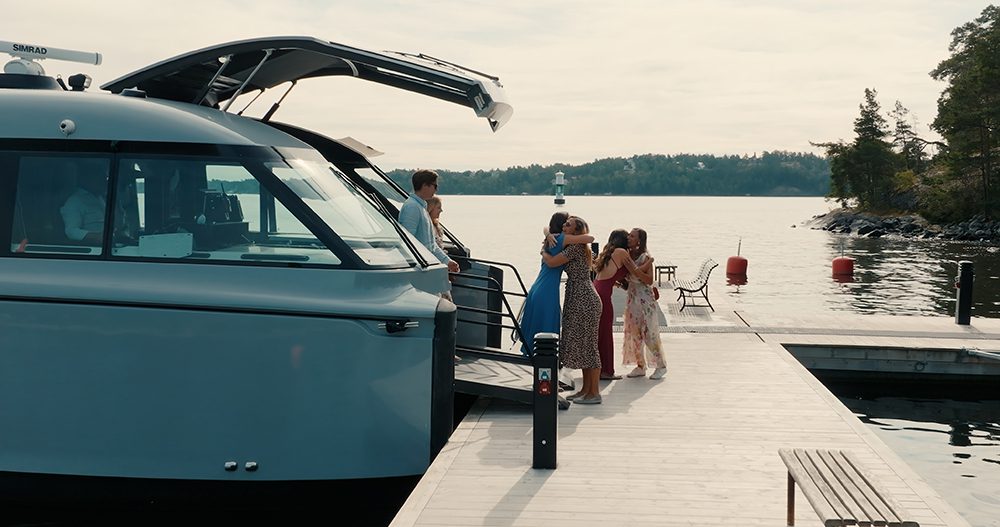
The island, which is in the least populous district in Thailand, is only accessible by boat from Trat province on the mainland. But ecotourism visitors and local officials alike have been limited to the use of internal combustion engine-powered speedboats accompanied by all of their commensurate disadvantages, including noise, vibration and environmental pollution. These factors threaten marine life and are not in keeping with the quiet character of Ko Kut.

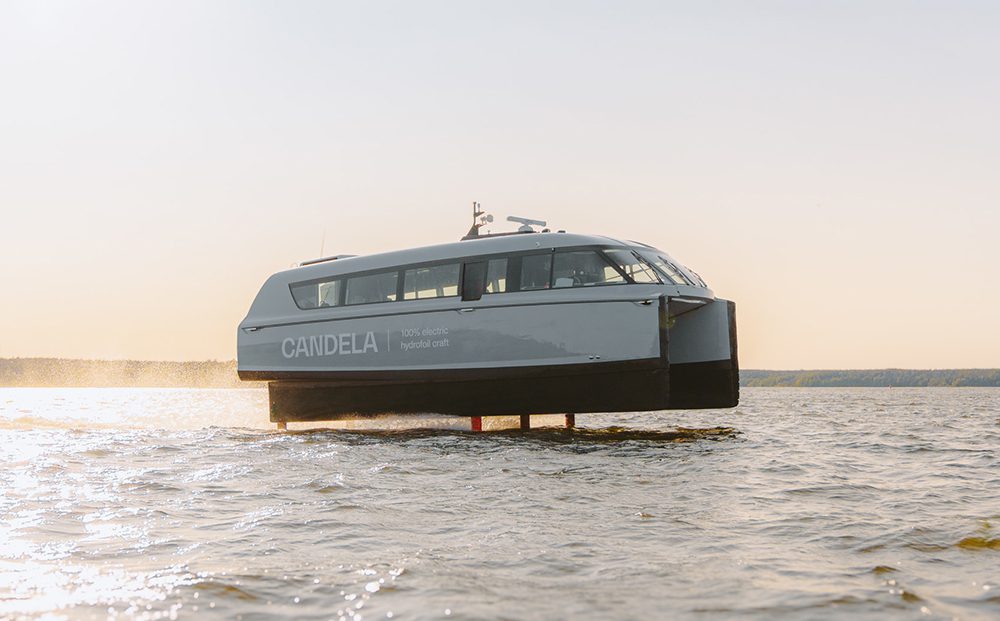
Seudamgo, a unit of Leopard Transportation, plans to solve that problem by deploying a fleet of ten P-12 electric hydrofoil ferries from Candela. The vessel’s digital flight control system minimizes slamming, ensuring a smooth ride free of seasickness, Candela said.

By turning to clean green power, Seudamgo is poised to transport ecotourism travelers to Ko Kut via high-speed, clean, efficient and electrified water transport. Seudamgo will be the first company to operate the Candela electric hydrofoil ferries in Thailand and southeast Asia.

“Candela’s P-12 foil electric technology is a game-changer,” said Surachai Suwanthanakul, Leopard’s CEO. “It represents a truly sustainable vessel—free from emissions, oil spills and underwater noise.”

At a speed of 25 knots (29 mph, 46 km/h), the P-12 will cover the 20 nautical miles (23 miles, 37 km) on the route in 40 minutes.

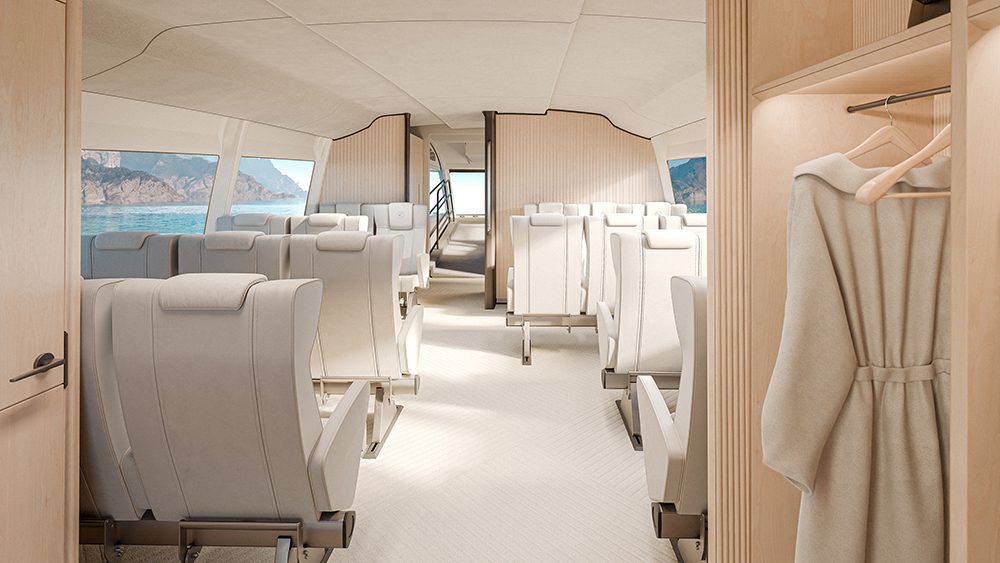
The P-12 seats up to 30 passengers, depending on operator configuration, with plenty of room for passenger bags. It is 39 feet, 4.1 inches (11.99 m) in length, has a 14-foot, 8.4-inch (4.5 m) beam and displaces 11.02 tons (10 metric tonnes).

Candela has now received multiple orders from major municipalities and operators for the electric ferry. The P-12 went into service in Stockholm in November 2024, picking up passengers in Ekerö, an island of almost 12,000 inhabitants outside Stockholm, and reaching Stockholm’s City Hall, a 9-mile (15 km) jaunt, in just 30 minutes. That was 15 minutes faster than its diesel-powered counterpart while using 80% less energy to power the trip.

A fleet of eight P-12 ferries is on order by Saudi Arabia to make trips to Neom, the massive, unsustainable development that Mohammed bin Salman Al Saud, the crown prince and authoritarian leader of Saudi Arabia, is creating there.

The P-12 is coming to Lake Tahoe to speed up north-south trips across the lake on the California-Nevada border, and to Mumbai to help the city get cars off its heavily trafficked roadways. It is also being deployed in Berlin to bring the travel time from the Eastside Gallery to Funkhaus down from as much as 26 minutes in traffic to 10 minutes by traveling along the Spree River.

In November 2024, Candela said it had raised an additional $14 million in its Series C funding round, putting the company’s total secured funding in 2024 at over $40 million. The investment will help Candela ramp up production to meet demand for its vessels. The new $14-million investment was led by SEB Private Equity, a global private equity investor, with additional participation by existing investors EQT Ventures and KanDela.

Source: Candela Technology


Source link

The E30 M4: A Wild Mashup of Classic BMW M3 and Modern M4 Power

0
The E30 M4: A Wild Mashup of Classic BMW M3 and Modern M4 Power


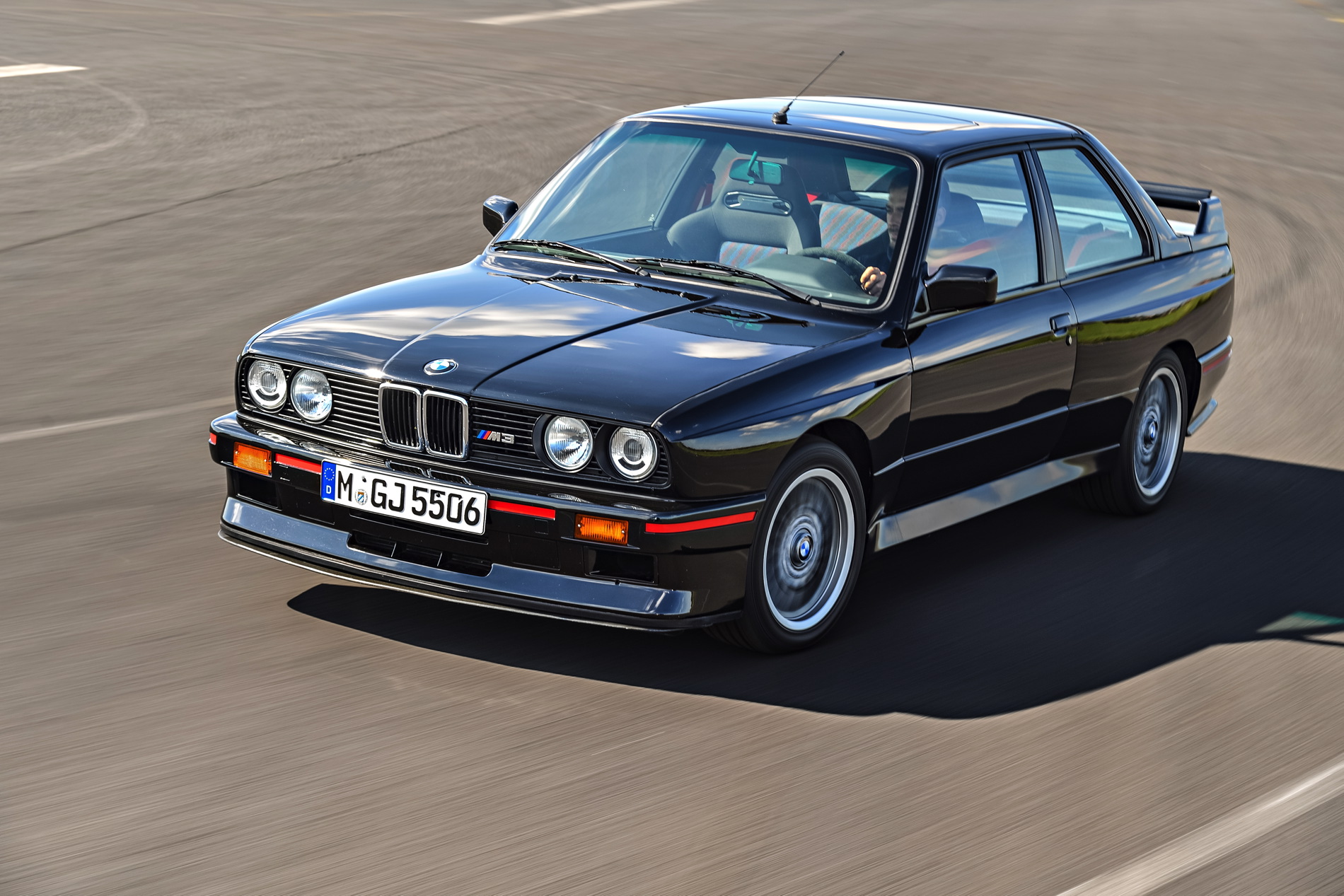
The BMW M4 didn’t exist until around 2013. That year, the brand decided to officially split two- and four-door models of the 3 Series. Sedans kept the 3 badge, while coupes and convertibles became the 4 Series. Of course, this split also spawned the confusing 4 Series Gran Coupe, which was a ultimately a four-door version of a two-door version of a four-door sedan. But, we’ve digressed. The changes carried over to the brand’s M Series lineup, too. The following model year, convertibles and coupes became the M4, while sedans retained the M3 title. As a result, reading or hearing “E30 M4” might cause some immediate confusion. But, courtesy of BMW M’s Instagram page, we now know (or remember) that it’s — at least in some capacity — very real.

The E30 M4, as BMW itself referred to it, is a heavily modified E30 M3. While one glance of the exterior tells you the car isn’t stock, the real magic takes place under the hood. As the name suggests, the S14 four-cylinder normally found under the bonnet has been replaced with the twin-turbo 3.0-liter inline-six from the first generation M4. While sadly missing the beautiful carbon strut brace that bejewels most S55-powered cars, it’s amazing the engine fit in the first place — we won’t pick nits for presentation. Besides, when it comes to handling, the E30 M4 has things more than under control. This S55-swapped E30 M3 also features a custom push-rod suspension setup.

Getting to Know the E30 M4

View this post on Instagram

A post shared by BMW M GmbH (@bmwm)

You’ve already got the S55 engine under the hood and a heavily customized suspension setup. So, why not go the extra mile? Builder JP Performance must have agreed, because they’ve done exactly that. As a result, the E30 M4 sports mostly M4-sourced running gear inside the car. The factory gauge cluster, steering wheel, and even dual-clutch transmission (and shifter) all made it in. There are some factory E30 M3 bits remaining, too. Much of the interior, like the door cards and headlight switch, remains intact, and the car’s bodywork is largely held over from the icon of the 80s. Even the check control is visible in some videos. However, it’s likely non-functioning, as JP Performance swapped all the sensors over from the F82 M4. While some modifications exist — custom Recaro seats and cooling bits by CSF, for example — the car is largely a “best-of” collection of the F82 M4 and E30 M3.

View this post on Instagram

A post shared by BMW M GmbH (@bmwm)

This isn’t the first time we’ve seen BMW feature the E30 M4. And, it bears saying that this isn’t even the only S55-swapped E30 out there. But thanks to its extreme suspension setup, it’s safe to say this is one of the most extensive E30 M4 projects ever. It’s also one of the best documented. What better way to start your week than by flipping through pictures of the only car BMW has ever called the “E30 M4?”

First published by https://www.bmwblog.com


Source link

Detroit park honors labor and environmental history

0
Detroit park honors labor and environmental history


The intersection of Fort Street and Oakwood Boulevard in southwest Detroit today functions mostly as a thoroughfare for trucks and commuters.

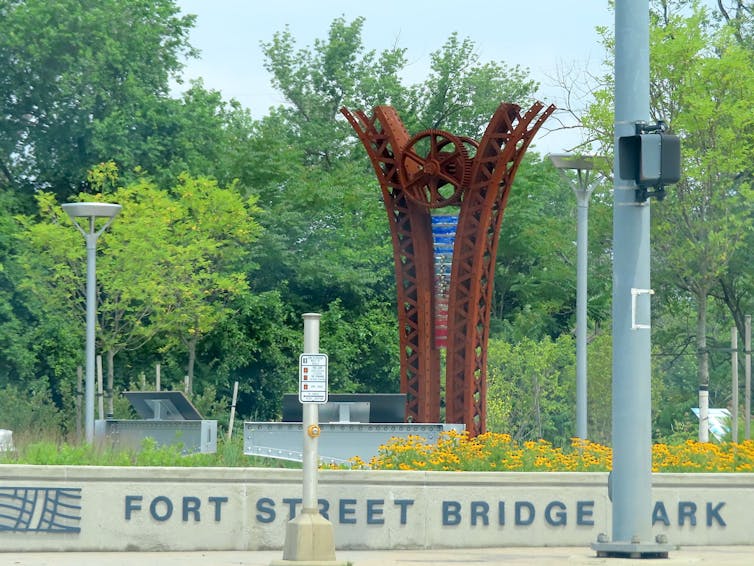
However, as you sit idling at the stoplight waiting to cross the bridge over the Rouge River, you might glance to the side and see something unexpected in this heavily industrialized area: A sculpture of weathered steel reaches toward the sky alongside a spray of flowers and waves of grasses and people fishing.

This inconspicuous corner, now the home of the Fort Street Bridge Park, has several stories to tell: of a river, a region, a historic conflict and an ongoing struggle.

If you pull over, you’ll enter a place that attempts to pull together threads of history, environment and sustainable redevelopment.

Signs explain why this sculpture and park are here: to honor the memory of protesters who met on this very spot on March 7, 1932, before marching up Miller Road to the massive Ford Rouge River Complex located in the adjacent city of Dearborn.

As a sociology professor, I have a strong interest in how the history of labor and industrial pollution have influenced Detroit.

I’m also interested in the potential for environmental restoration or “green reparations” to offer a new way forward.

To understand this potential future, we must first recognize and honor the past.

An iron sculpture commemorates industry and sits as the centerpiece of the Ford Street Bridge Park.
The Fort Street Bridge Park is located along the banks of the Rouge River in southwest Detroit.
Paul Draus, CC BY

14 demands

In their book “Labor’s Untold Story,” published in 1955, journalist Richard Boyer and historian Herbert Morais quote a contemporary account of the Hunger March:

It was early, it was cold when the first of the unemployed Ford workers (many of whom had been laid off the day before) arrived at Baby Creek Bridge. They were a small gray group and they stood slapping their sides, warding off the cold, and wondering if they alone would come.

Others soon joined them: Black and white, men and women, immigrants and American-born. They united to deliver a list of 14 demands to the auto tycoon Henry Ford, whose US$5 daily wage for his workers was once considered revolutionary.

Police with bats follow Hunger March marchers on March 7, 1932.
Hunger March protesters demanded better pay and working conditions at the Ford Rouge plant.
Detroit News Staff via Walter P. Reuther Library, Archives of Labor and Urban Affairs, Wayne State University.

Among the marchers’ demands: jobs for laid-off workers, a seven-hour workday without a pay reduction, two 15-minute rest periods a day, an end to discrimination against Black workers and the right to organize.
This crowd of several thousand marched up the road on one of the coldest days of winter. They were greeted at the Dearborn border with clouds of tear gas, jets of cold water and a shower of bullets.

It was then that the Ford Hunger March became the Ford Massacre.

Detroit Workers News Special 1932: Ford Massacre via Workers Film & Photo League International.
The seeds of a labor movement

Beth Tompkins Bates, in her book “The Making of Black Detroit in the Age of Henry Ford,” wrote that “The response of the Ford Motor Company on that day shot holes in the myth that Ford cared about his workers, that he was different from other businessmen.”

Black and white portrait of a young man with wavy hair
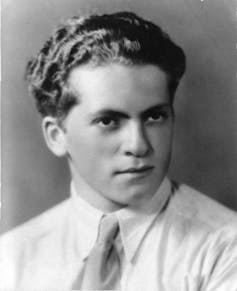
Portrait of Joe Bussell, killed by Ford Servicemen during the 1932 Ford Hunger March in Detroit. Bussell’s relatives contributed to the Fort Street Bridge Park.
Walter P. Reuther Library

At the end of the day, four marchers lay dead, while many others were injured and hospitalized. A fifth would die months later of his wounds.

More than 30,000 people showed up for the dead marchers’ funerals. The violent reactions of Ford security and Dearborn police during the march were widely condemned.

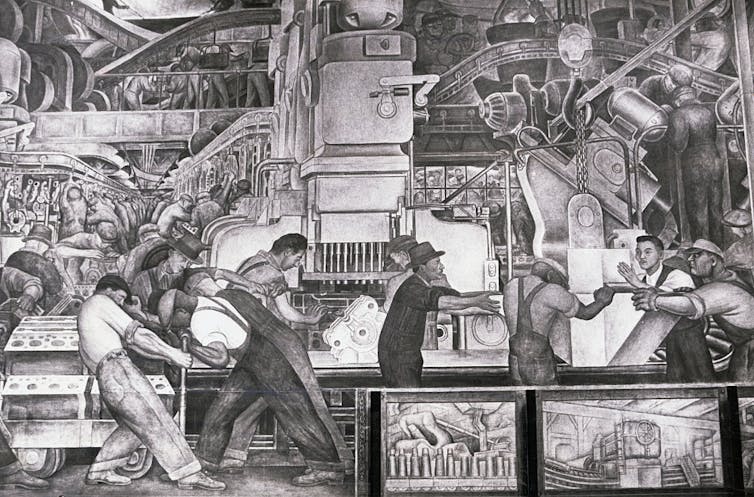
In an effort to address the stain on its public image, the Ford family first commissioned then expanded a major work by Mexican muralist Diego Rivera that was to become the centerpiece of the Detroit Institute of Arts, known as the Detroit Industry Mural. Rivera, a known communist, depicted both ruthless efficiency and the racialized inequality of the industrial process.

Auto industry executives objected to Diego Rivera’s famous Detroit Industry fresco because it depicted life in the auto plant as being less than pleasant.
Bettmann via Getty Images

Ford’s battle against unions was ultimately a failure. Five years after the Hunger March, the so-called “Battle of the Overpass” led to the organization of the Rouge plant by the United Auto Workers.

The Ford Hunger March, long forgotten by many, is now acknowledged as an important catalyst in the growth of the union movement.

Struggle for sustainability and justice

The fight for sustainability and environmental justice is another major theme of the park, which chronicles the history of the Rouge River, including the day in 1969 when the oily water infamously caught fire.

The hellish image of burning rivers helped motivate the signing of the Clean Air and Clean Water acts, as well as the creation of the Environmental Protection Agency.

The air and water in and around Detroit are much cleaner today than they were 1969. But this doesn’t change the fact that the area where the park sits bears a disproportionate burden of the pollution generated by the region’s industrial production, which includes cement plants, gypsum and aggregates processors, salt mining and asphalt storage, as well as a steel mill and petroleum refinery.

Another donor to the park is Marathon Petroleum Corporation whose Detroit Refinery occupies the adjoining neighborhood. Though Marathon has invested in the development of green spaces on its own property, the refinery has also expanded in recent years, further degrading the local environment.

Research shows that workers benefit from unionization in myriad ways, not only directly but indirectly. But recent labor victories by the UAW, Hollywood writers and other organizers stand in stark contrast to the long-term erosion of union membership.

Today, the Fort Street Bridge Park in southwest Detroit serves to remind us of the complexities of history and how apparent progress in one area may be followed by a setback somewhere else. It also represents how the spirit of community, unbroken, keeps pushing for something better.


Source link

1000 Miglia (2023) – Recap & Photo Gallery

0
1000 Miglia (2023) – Recap & Photo Gallery


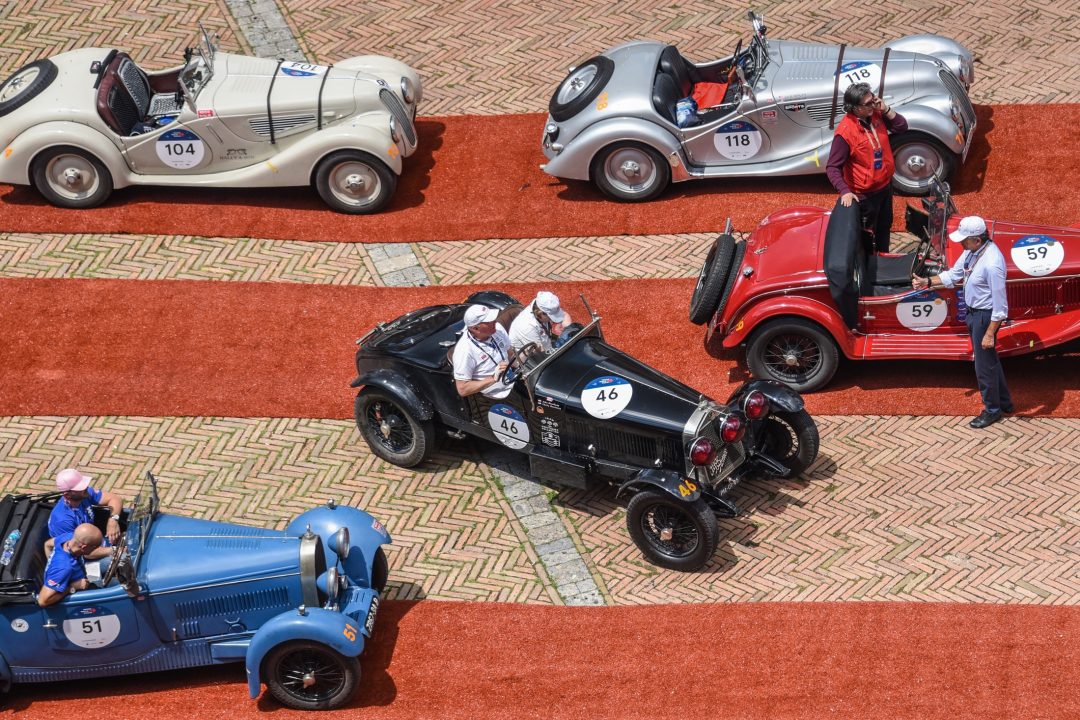
What was once a single-day event now spans five days. And the original 1,000 miles from Brescia to Roma and back now cover more than 2,000 kilometers. Change has come to the Mille Miglia, but the icons of man and machine endure.

The 2023 Mille Miglia began with a flyover up Brescia’s Viale Venezia from the Frecce Tricolore, the aerobatic demonstration team of the Italian Air Force, with 417 historic automobiles each waiting for their own official start.

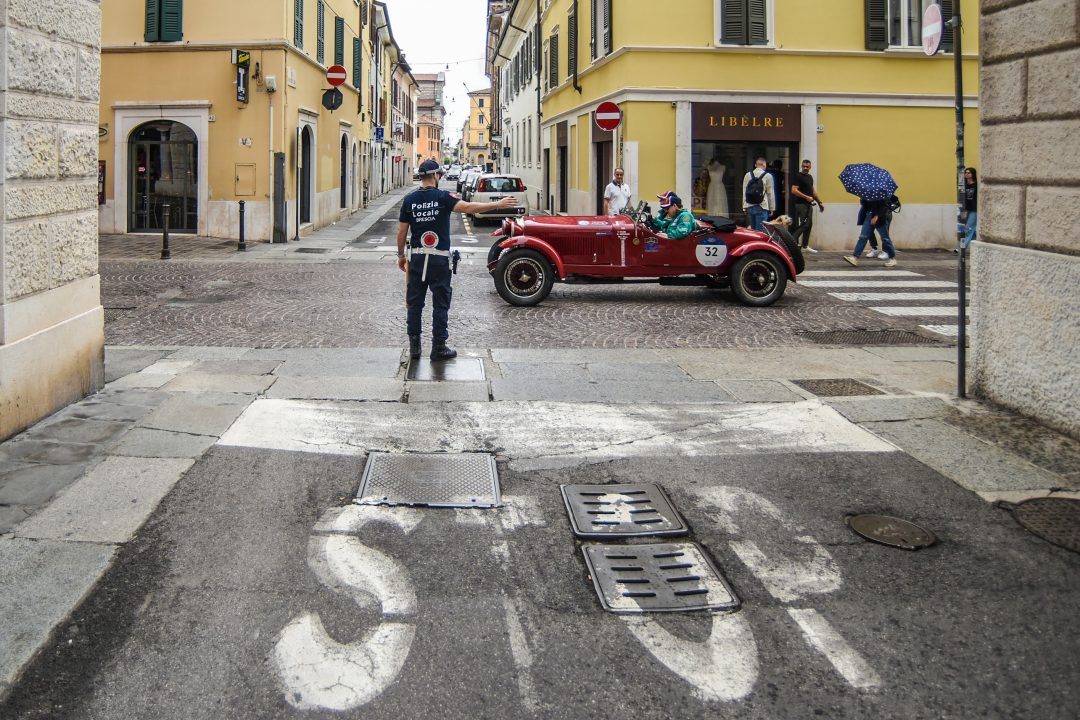
A 1928 Salmson in Brescia
A 1955 Fiat Berlina at Piazza della Loggia, Brescia

A little rain in Brescia couldn’t dampen the enthusiasm of the crowds and the drivers in the opening kilometers.

A 1930 Mercedes Benz 710 SSK at Piazza della Loggia, Brescia
Piazza della Loggia, Brescia
A 1934 Lancia Augusta…and a bicycle…at Piazza della Loggia, Brescia

The first-day parade through Brescia passed the landmark Piazza della Loggia. The Mille Miglia is the biggest annual event in Brescia, but a local man and his bicycle reminded everyone that he’ll be here long after the cars have gone.

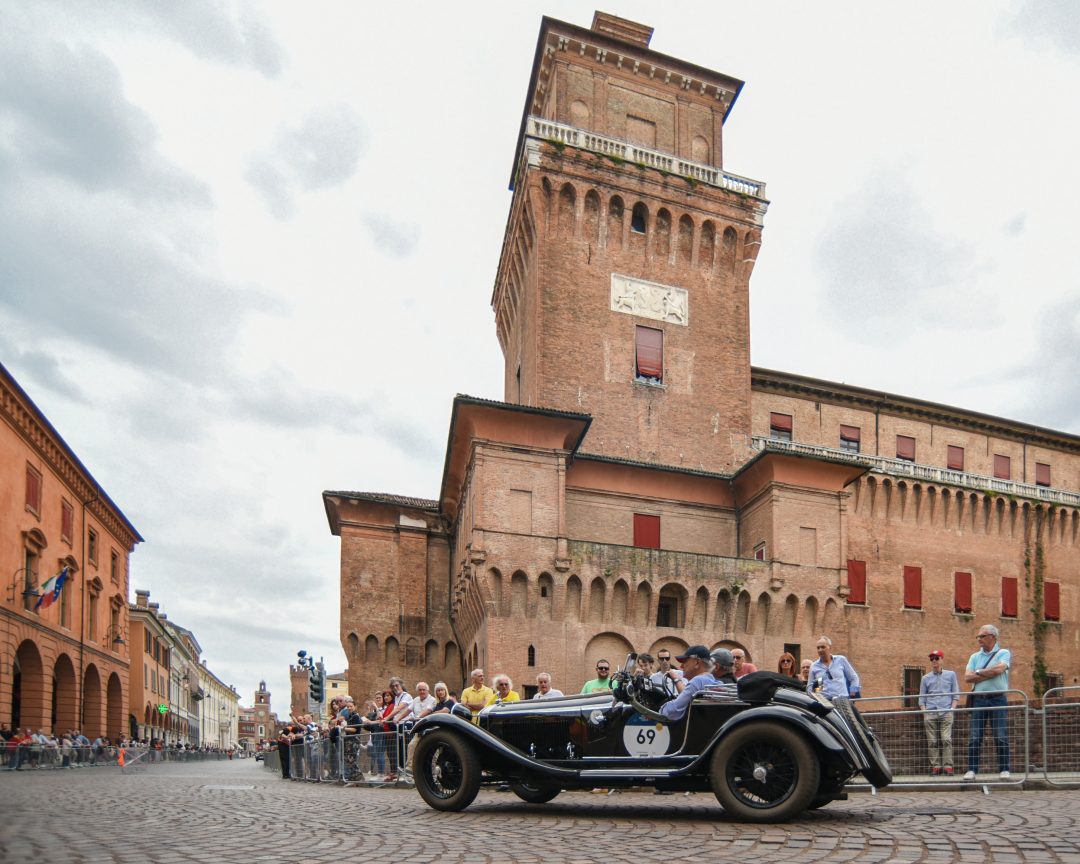
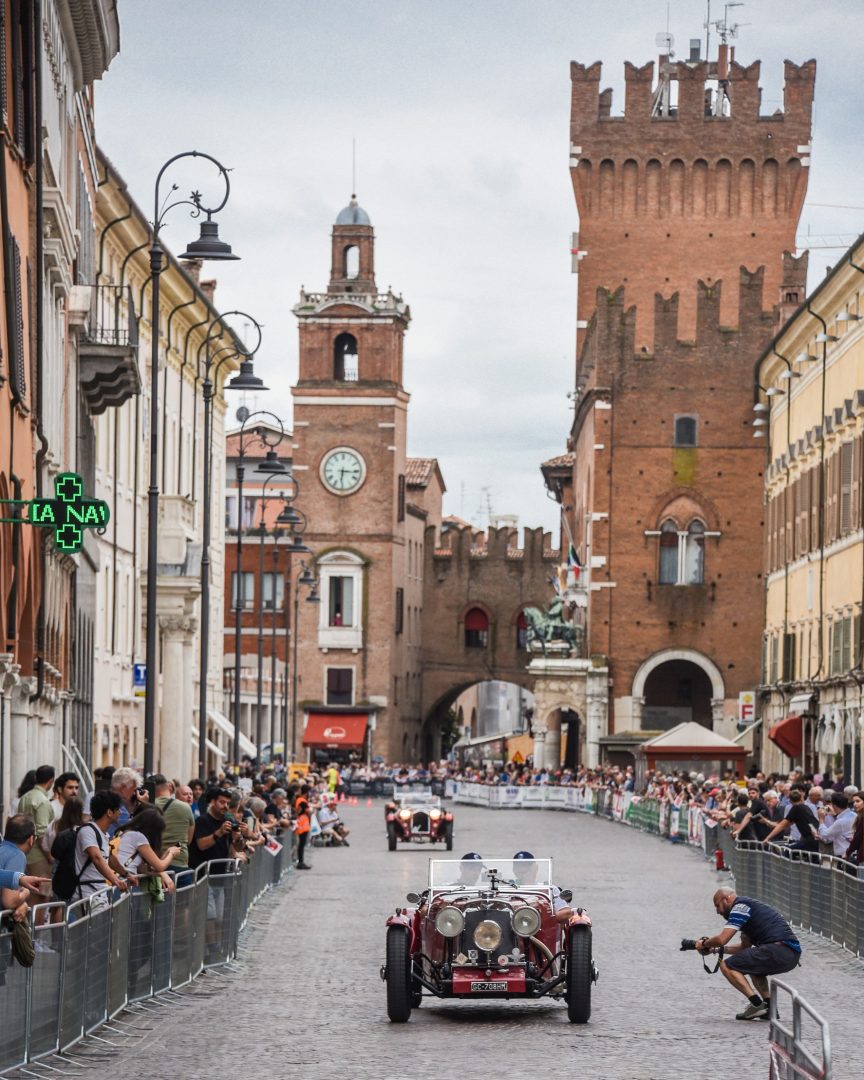
A 1931 Alfa Romeo 6C Zagato in Ferrara
A 1931 Alfa Romeo 6C Zagato at Castello Estense in Ferrara

The art and architecture of Ferrara give this UNESCO World Heritage city its character. The cars on the cobblestones added to the local color.

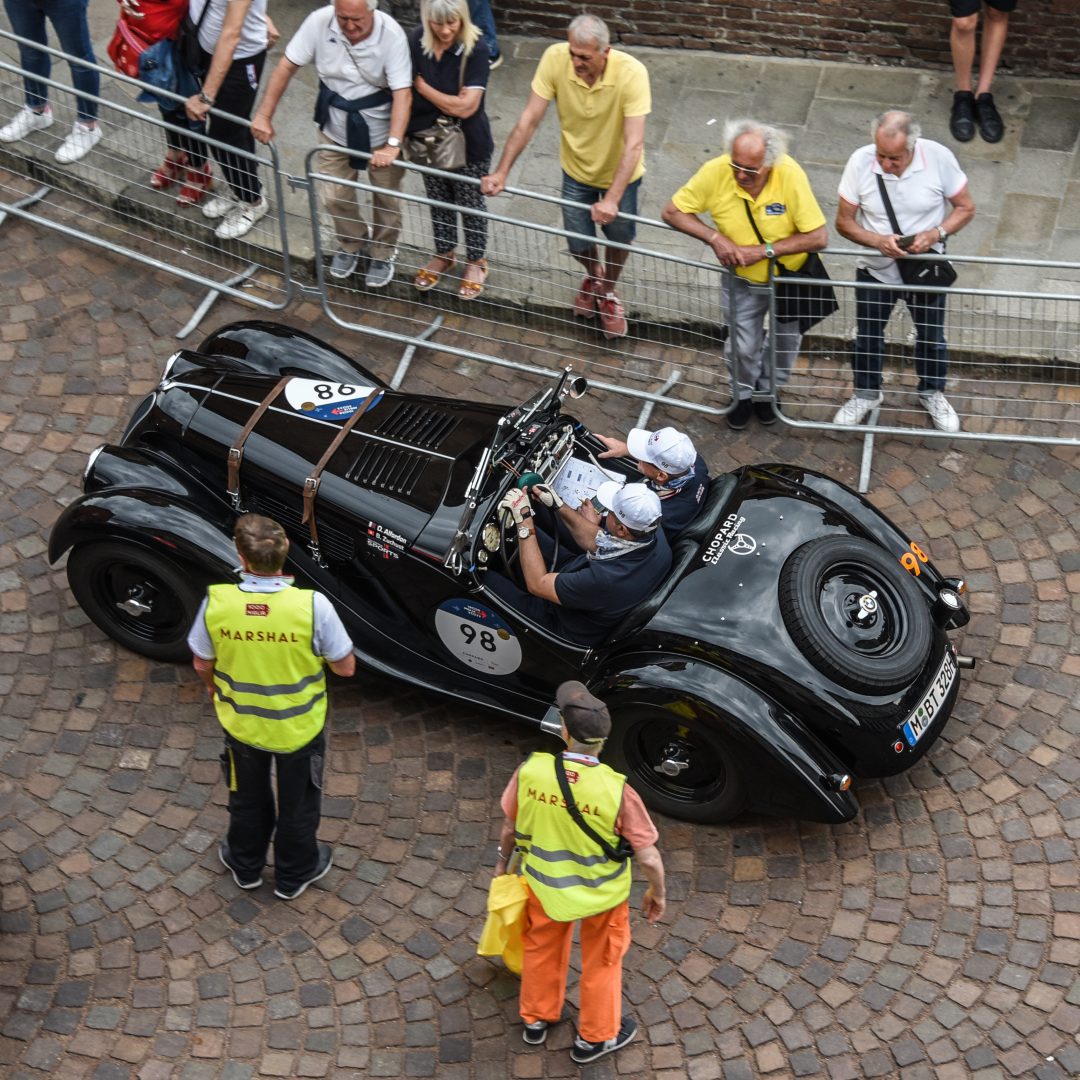
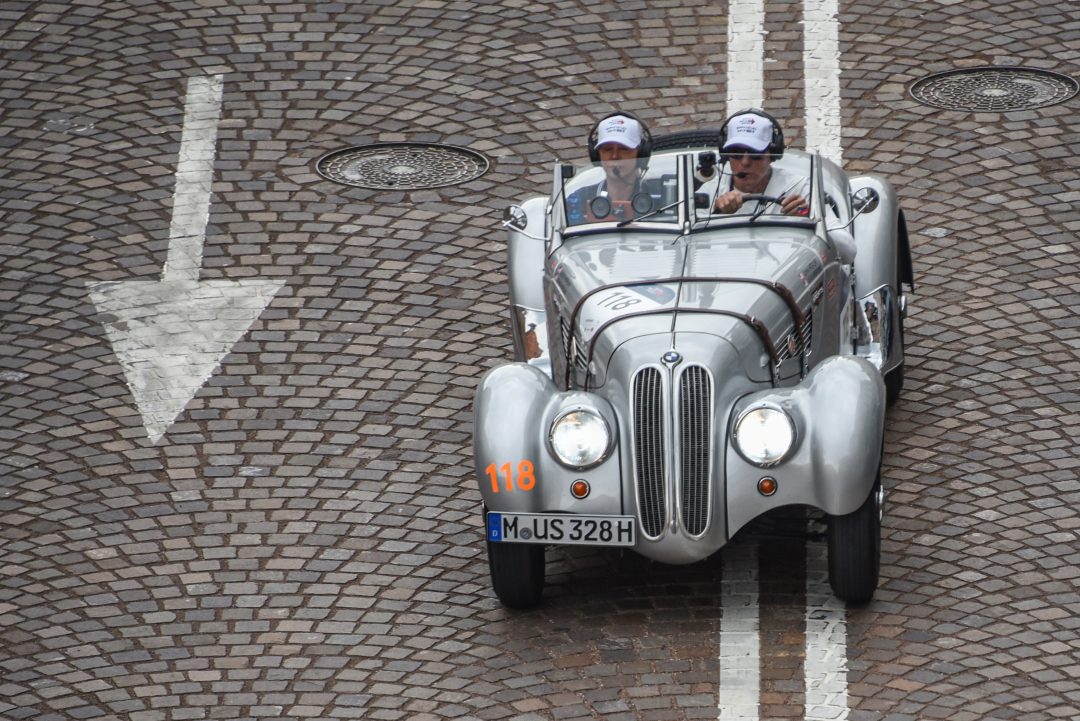
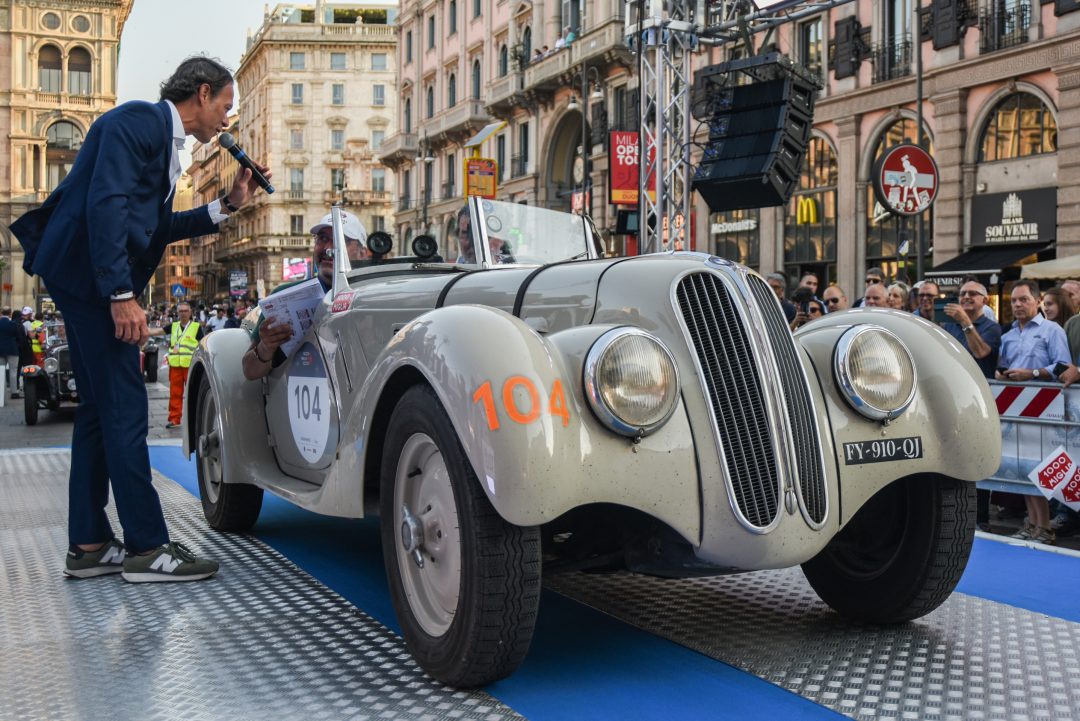
A 1937 BMW 328 in Ferrara
A 1939 BMW 328 in Ferrara

Looking down from above on these beautiful 1930s-vintage BMW 328s gives you a different perspective on the cars cruising through Ferrara.

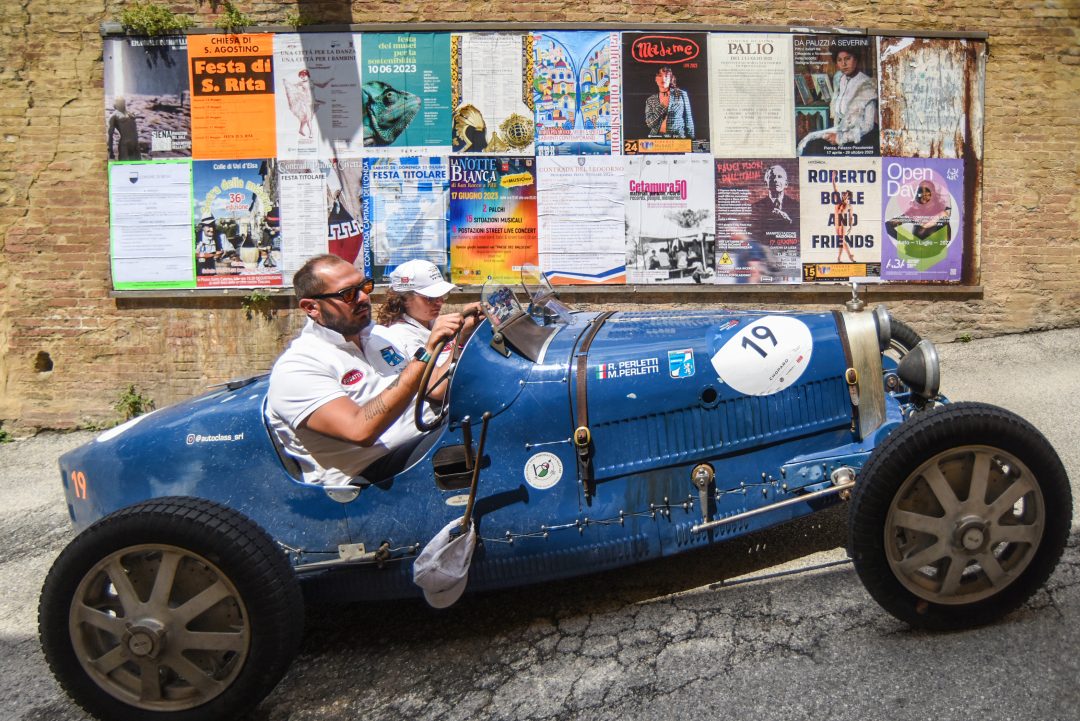
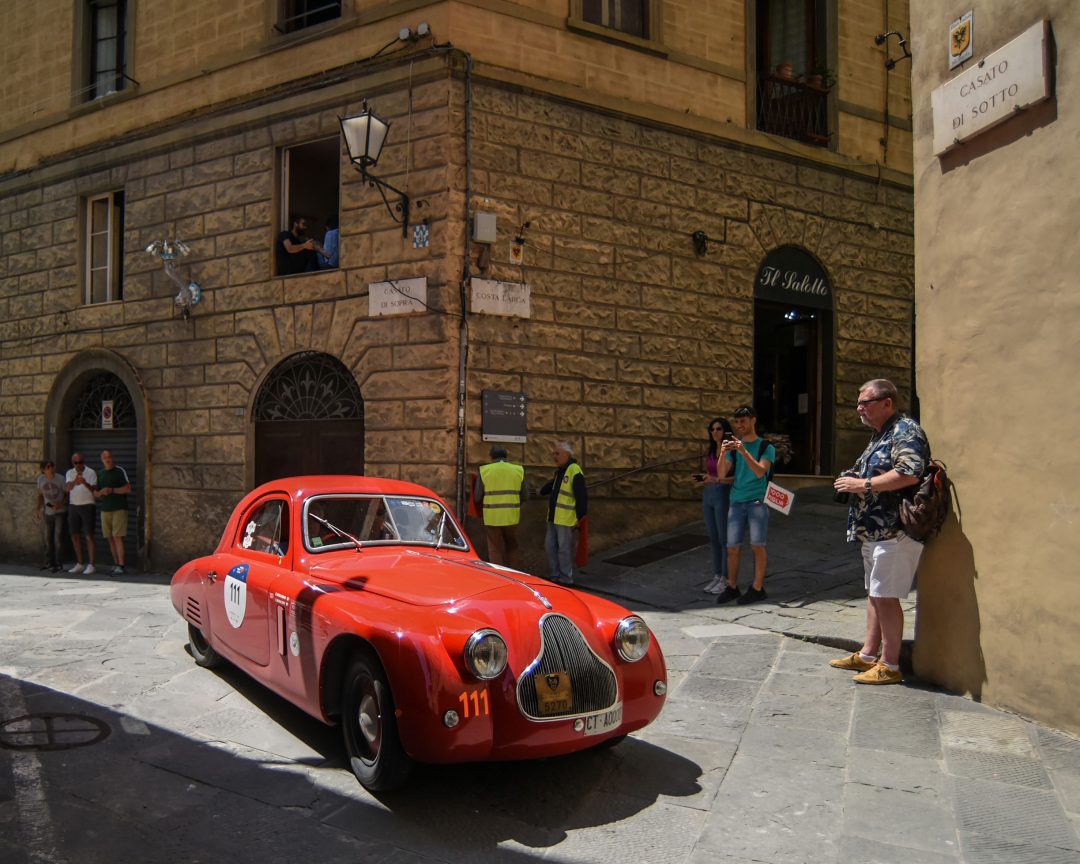
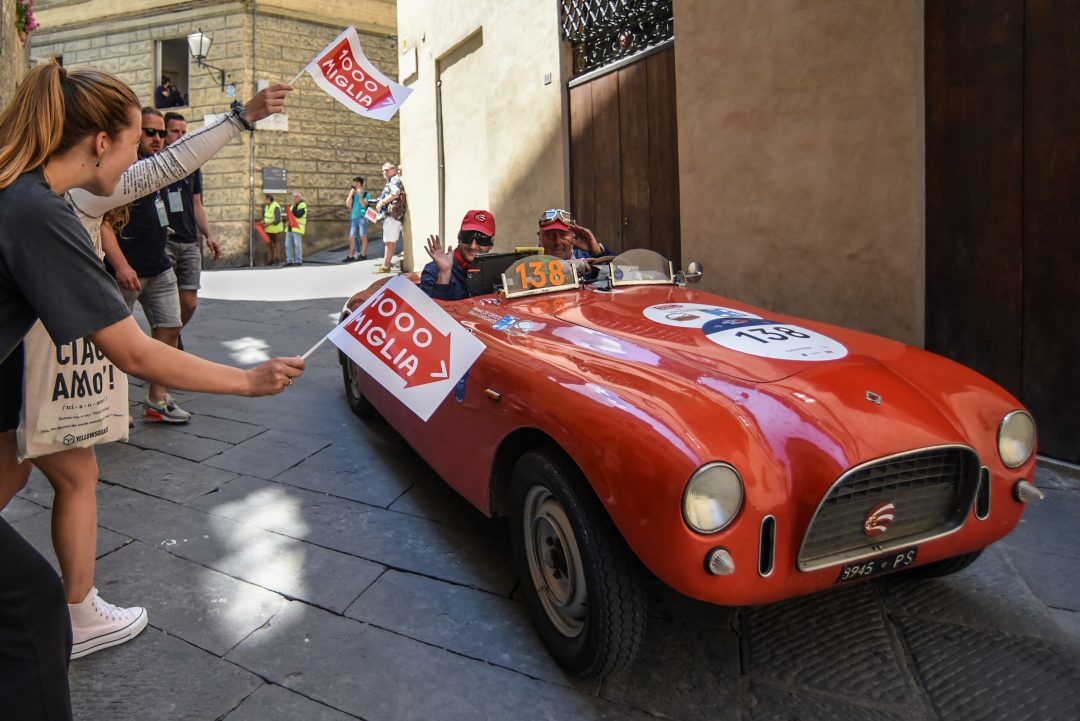
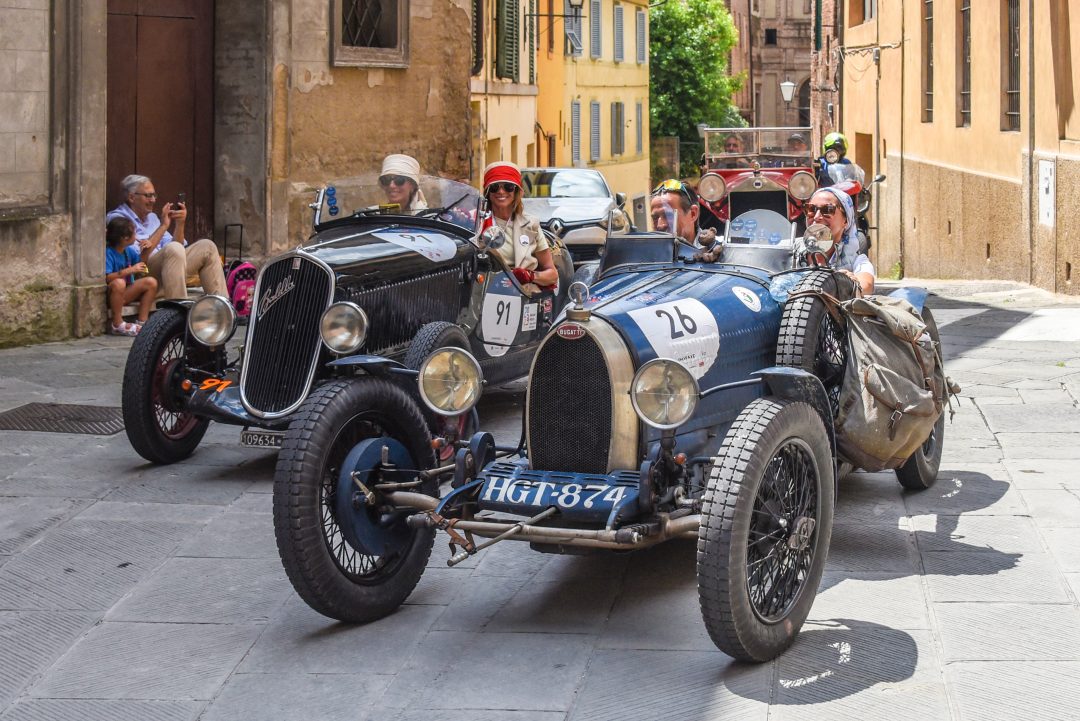
A 1926 Bugatti T37 in Siena

A 1935 Fiat 508 Balilla and a 1927 Bugsatti T37 in Siena
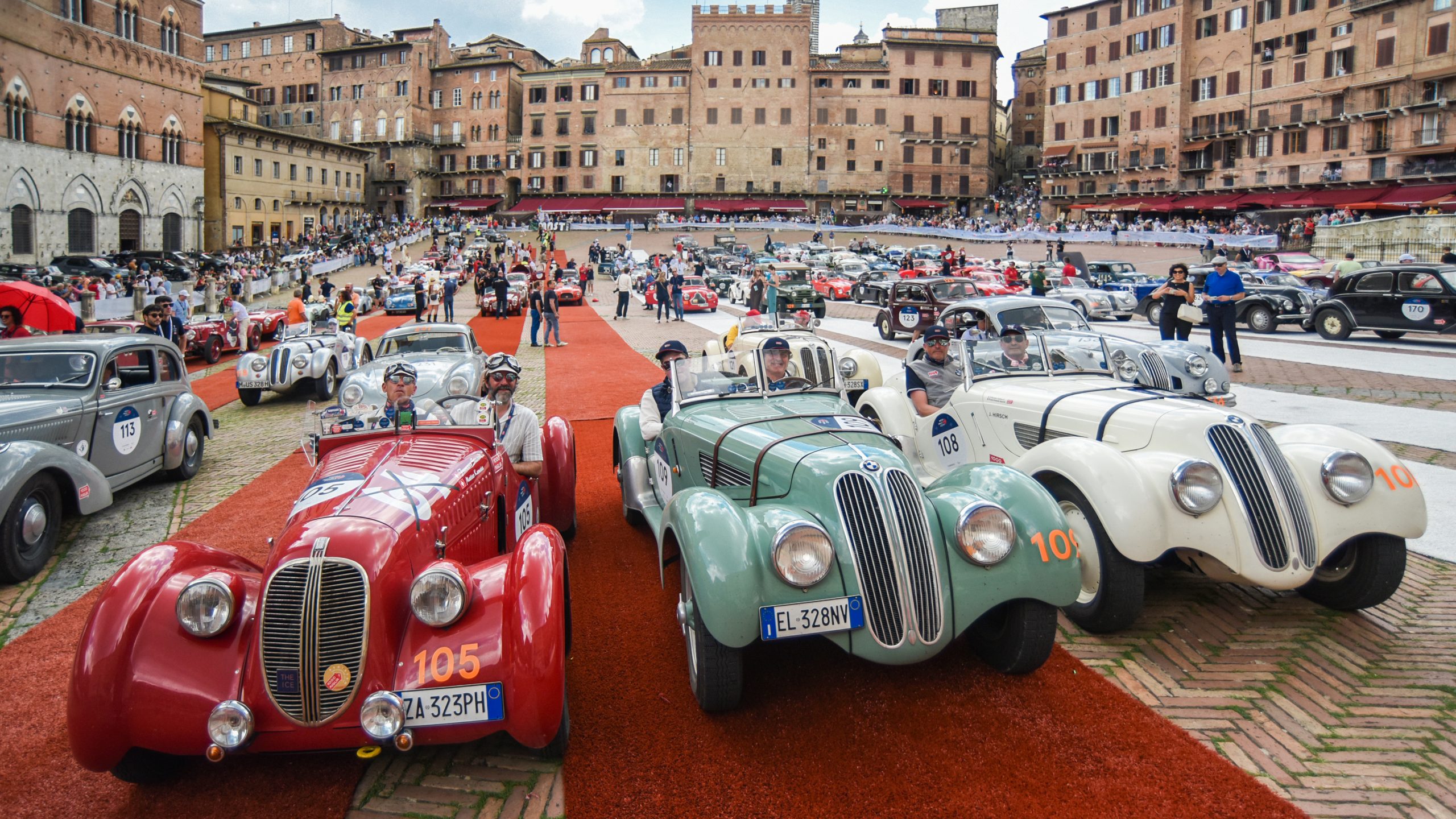
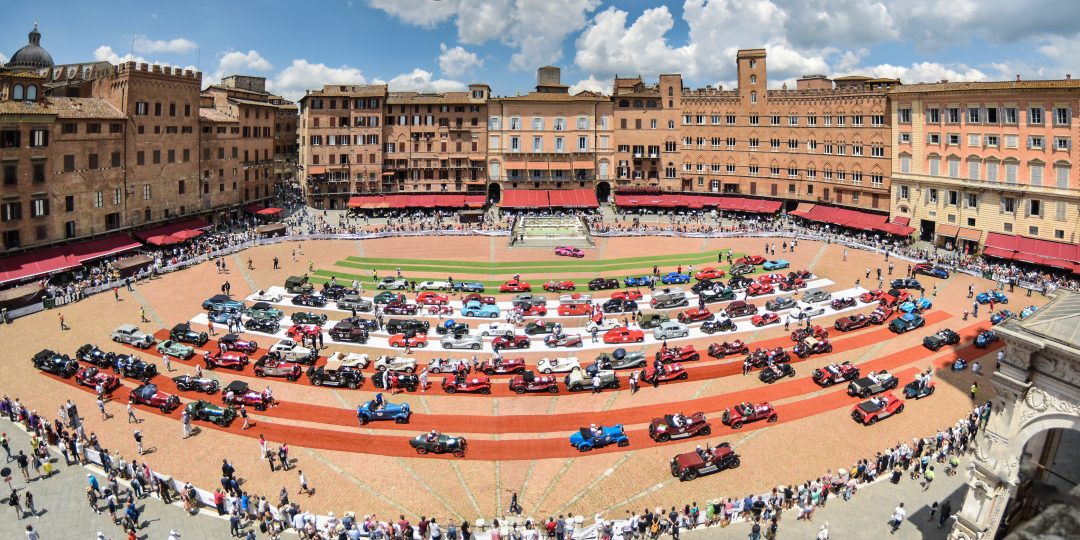
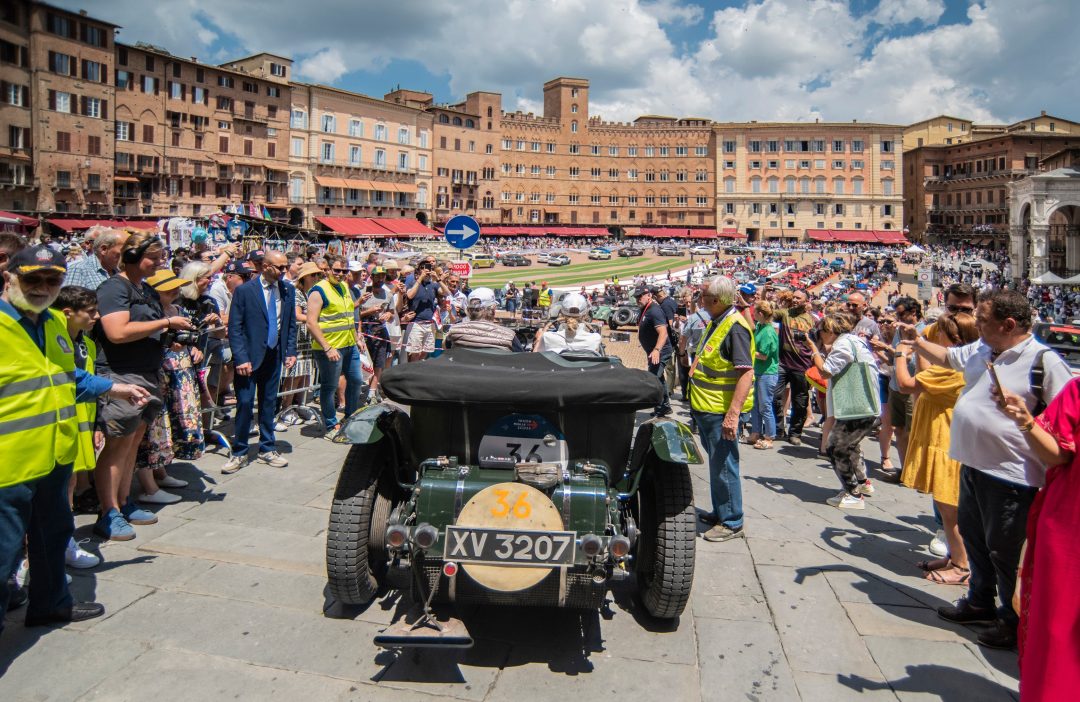
Piazza del Campo, Siena

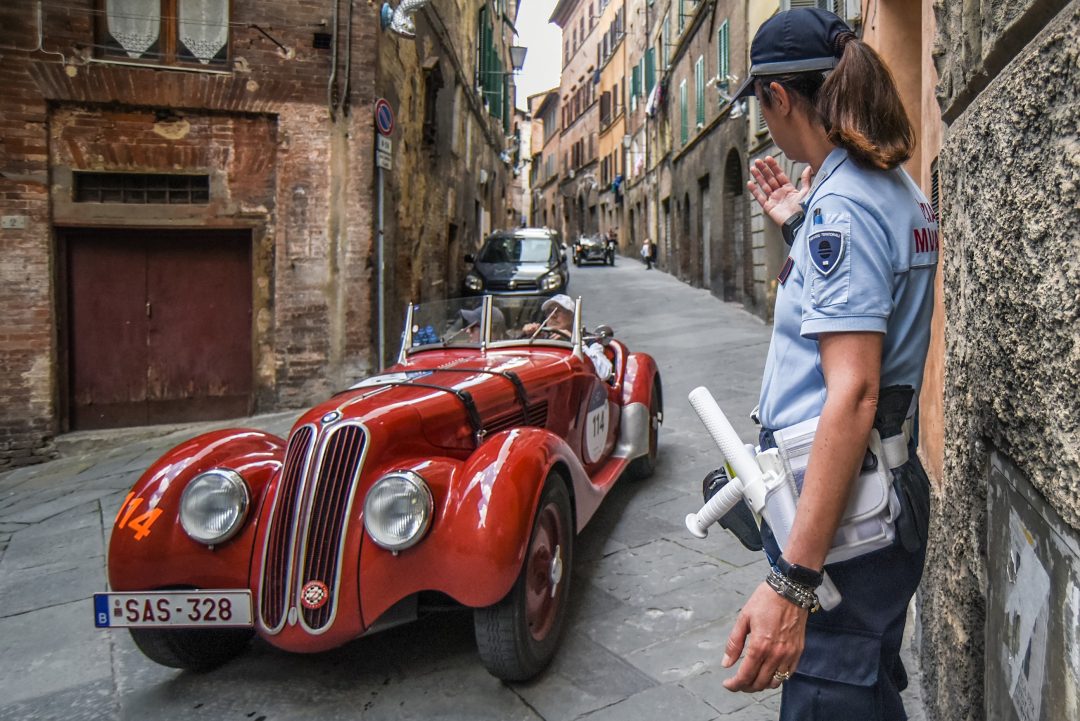
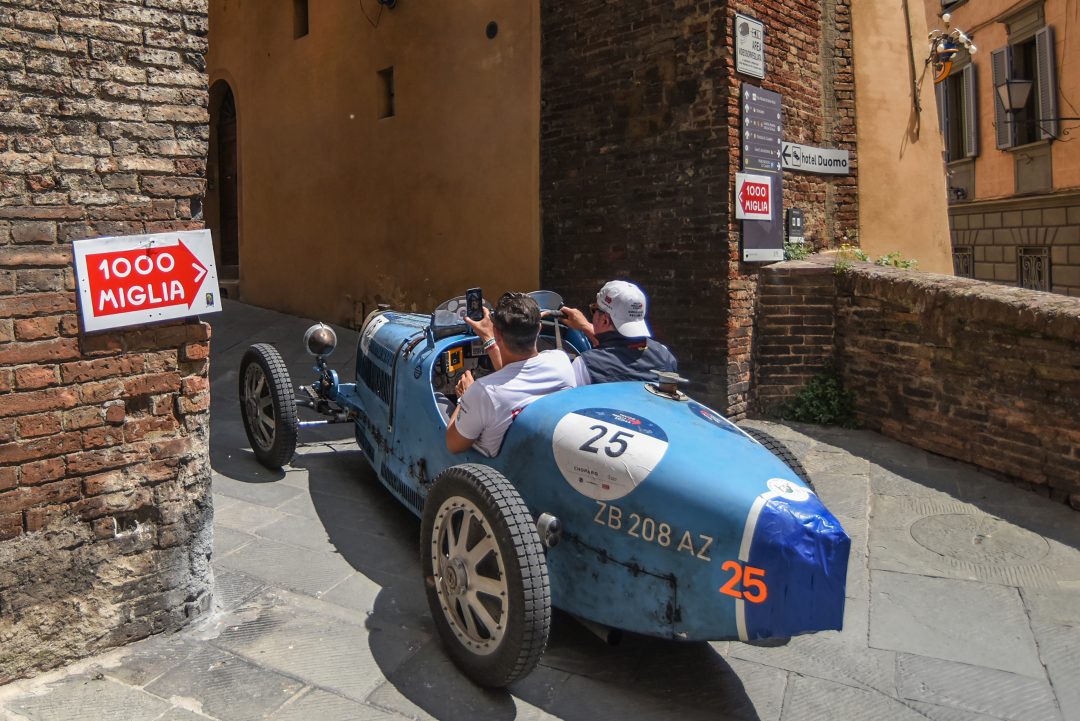
On to Siena, where vintage Bugattis navigated the narrow, steep streets, leading to a breathtaking break at Piazza del Campo.

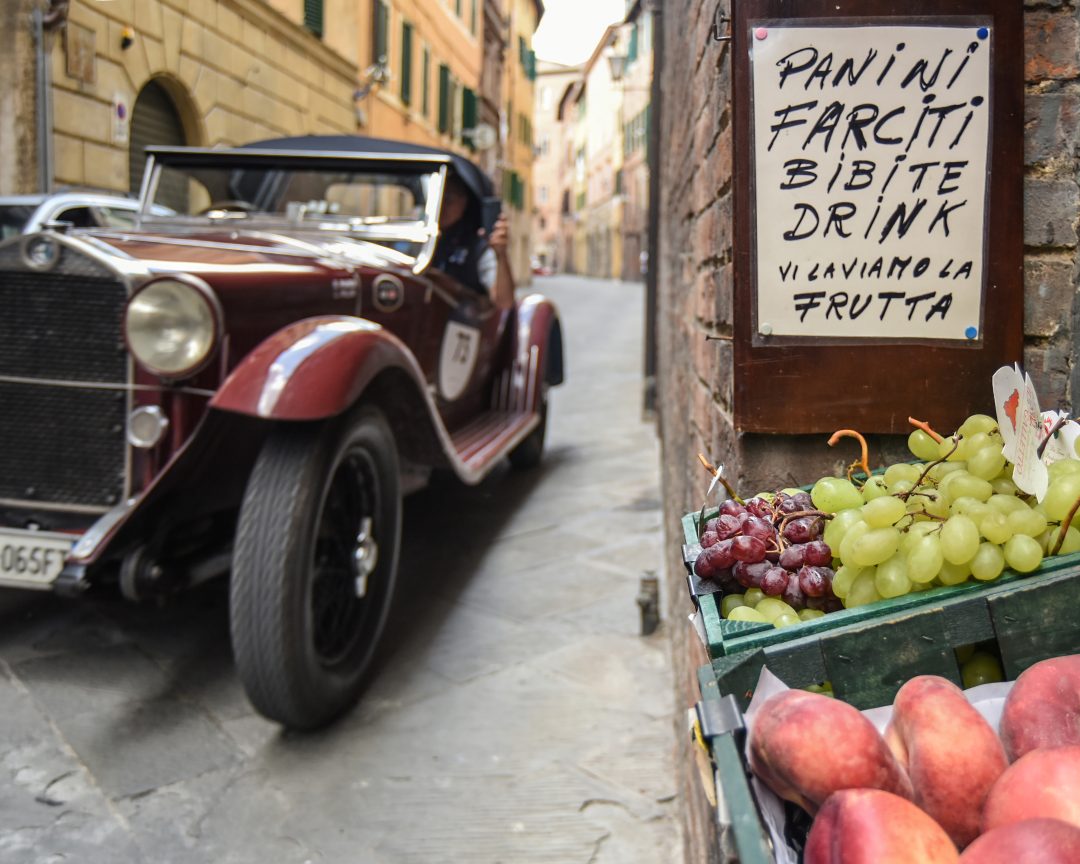
Fruit stand in Siena
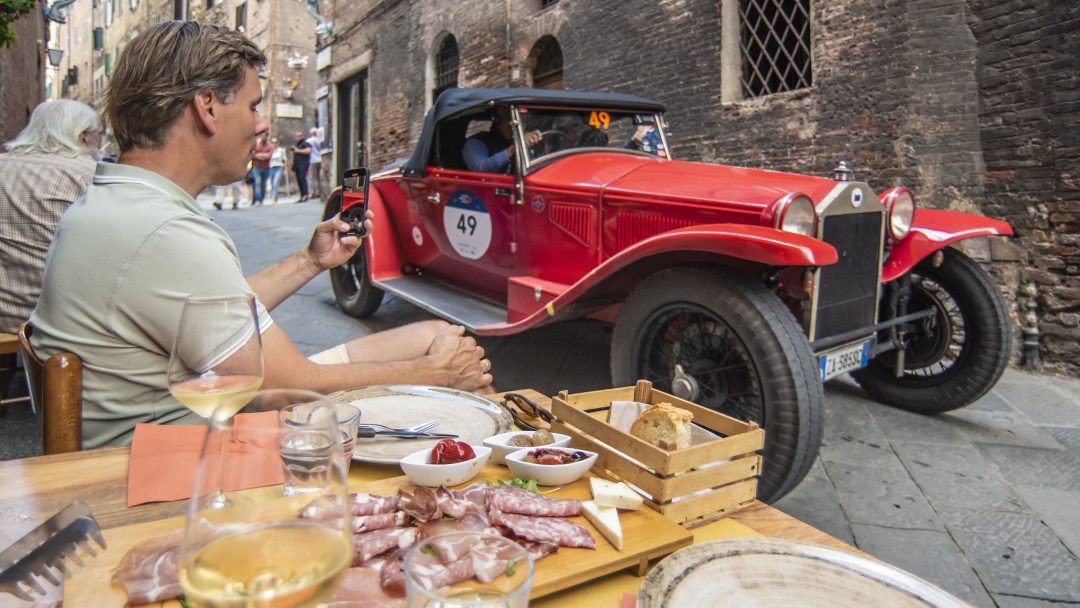
A 1929 Lancia Lambda in Siena

Even in the midst of the Mille Miglia, life went on in Siena. Shops and restaurants that lined the corsa did a brisk business on the day the cars cruised by.

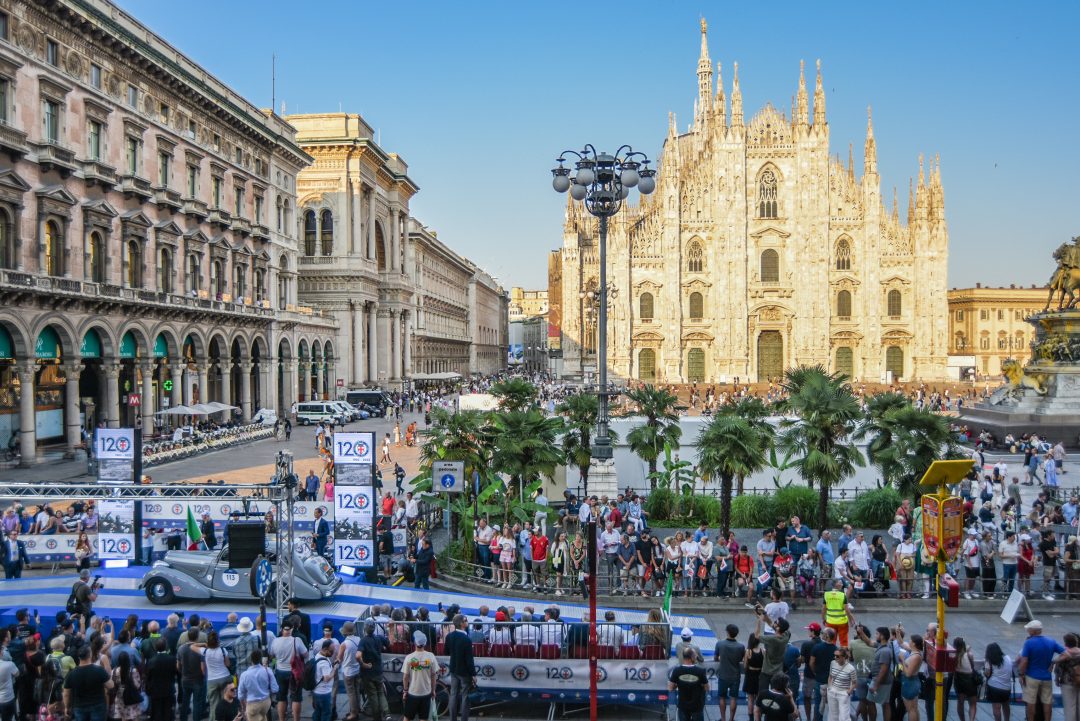
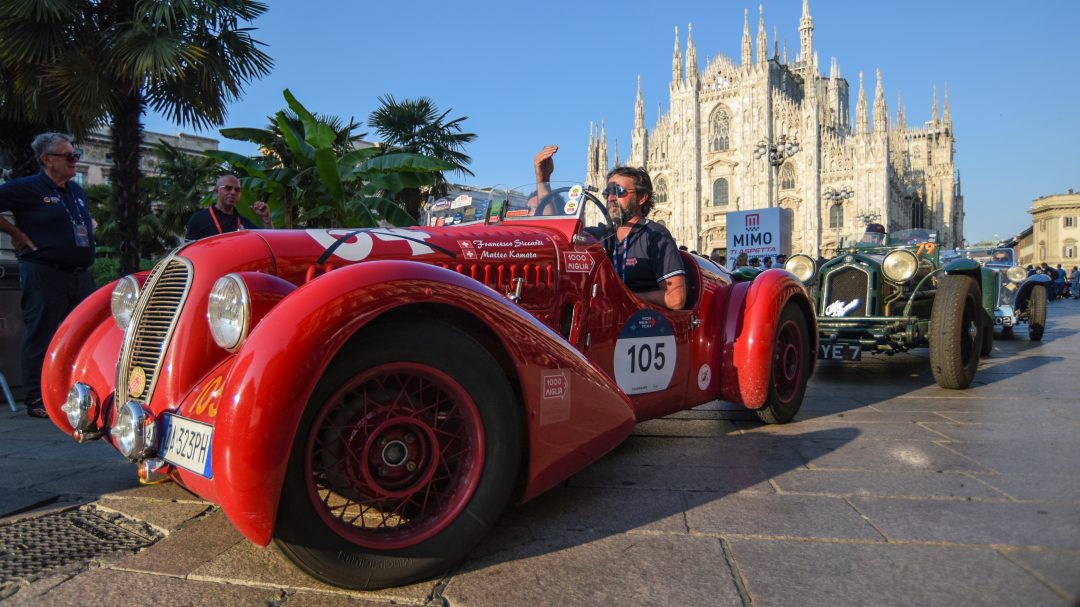
Piazza Duomo, Milano
A 1937 BMW 328 at Piazza Duomo, Milano
A 1937 Fiat 508 at Piazza Duomo, Milano

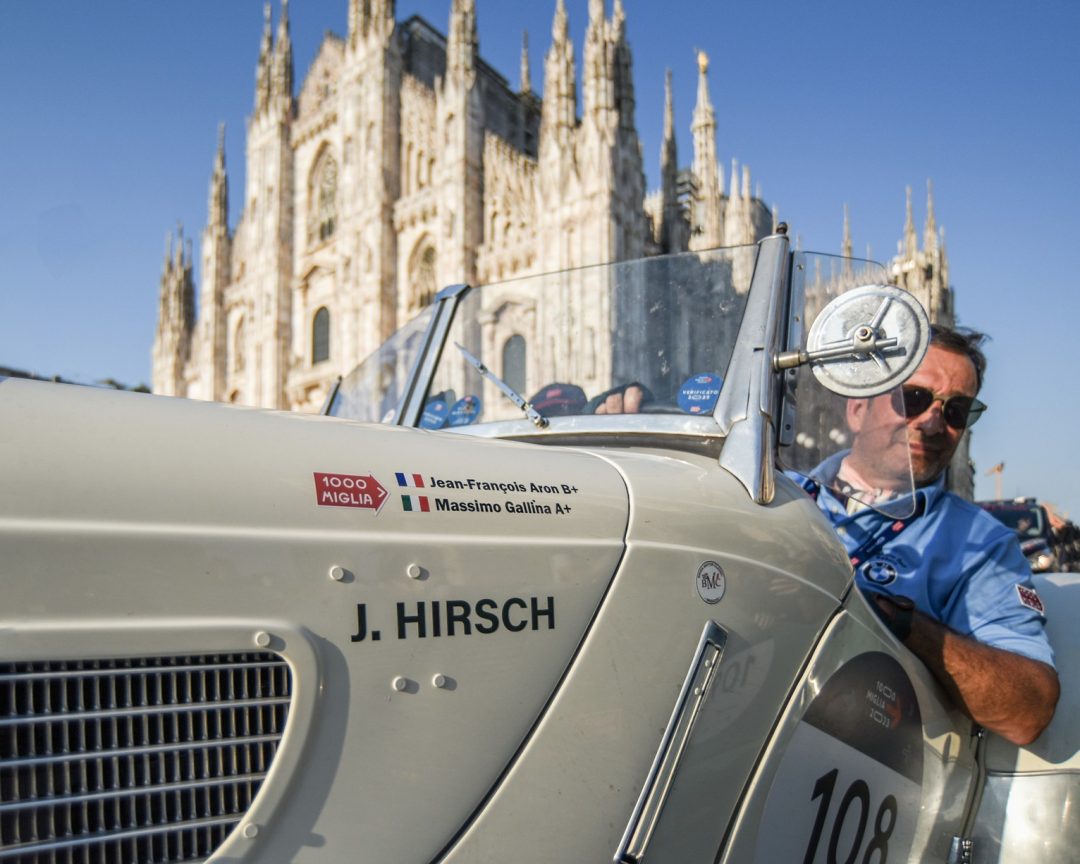
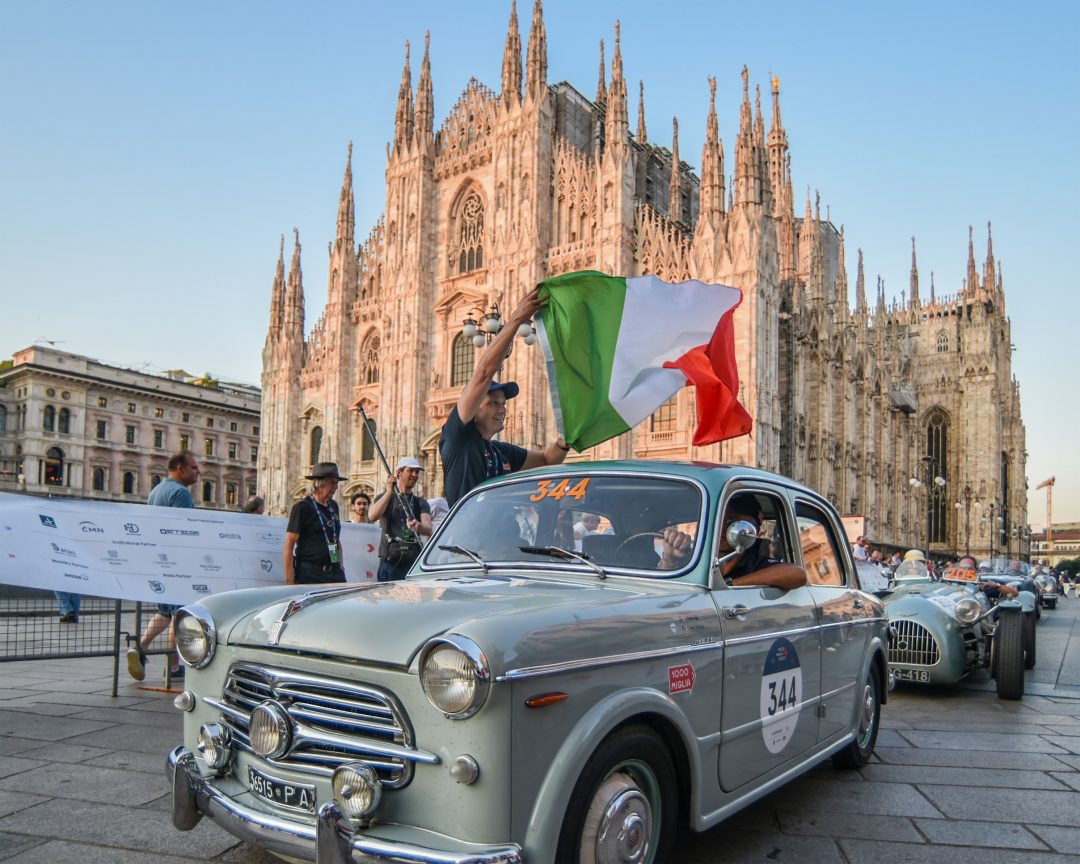
Milan’s historic Piazza del Duomo was set up as a checkpoint for the cars of the Mille Miglia, as the autos arrived in the fading light of day, all lininup to be recognized and admired.

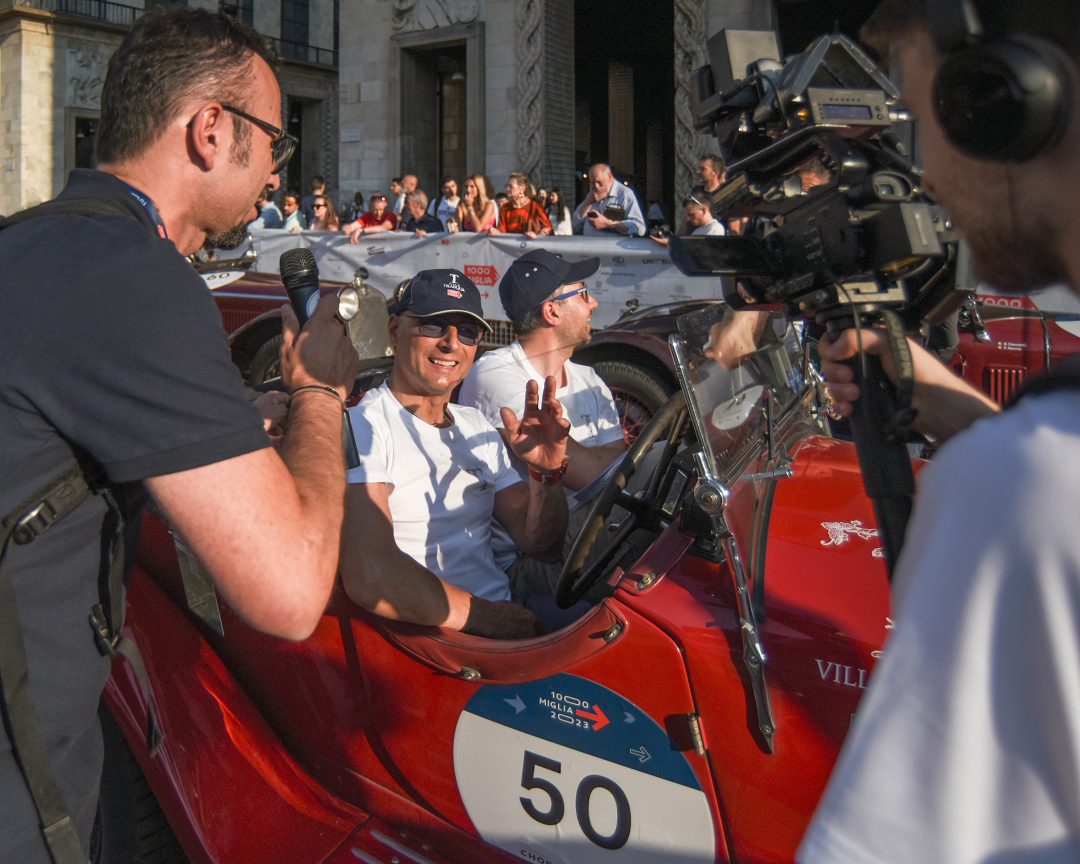
Andrea Vesco and Fabio Salvinelli, winners of the 2023 Mille Miglia

After the 2,200 kilometers had been covered, and the 34 Passage Controls, 23 Time Controls, 144 Time Trials and 8 Average Trials (with 25 secret detections) scored and stamped, the 1929 #50 Alfa Romeo 6C Zagato team of Andrea Vesco and Fabio Salvinelli were declared the winners of the 2023 Mille Miglia. For Vesco, it’s his fourth consecutive victory. And for Salvinelli, it’s his third.

There are more iconic images of the 2023 Mille Miglia in the following gallery.

Mille Miglia 2023 Gallery


Source link