10.9 C
London
Thursday, May 14, 2026
Home Blog Page 91

Koenigsegg Jesko vs. Lambo Revuelto vs. Tuned 1,000hp M3 Touring G81 Drag Race

0
Koenigsegg Jesko vs. Lambo Revuelto vs. Tuned 1,000hp M3 Touring G81 Drag Race


How’s this for a drag race line-up!

We’ve got our hands on a Koenigsegg hypercar, and it’s going up against a Lamborghini Revuelto and a tuned BMW M3 Touring! The question is, what will come out on top – the hypercar, the supercar, or the tuned family-friendly estate?! Let’s take a closer look at the stats…

First up, we have the Koenigsegg Jesko Attack. This is powered by a 5-litre twin-turbo V8, which creates 1280hp and 1000Nm. This power is sent to the rear wheels only via a 9-speed multi-clutch gearbox, and it weighs just 1,420kg. The starting price was £2.85M back in 2022, but in 2025, you can expect this car to cost at least £5,000,000!

Then we have the Lambo. It’s powered by a 6.5-litre naturally-aspirated V12 and three electric motors. Combined, they can put down 1,015hp and 1,062Nm. The car comes with all-wheel drive, and it tips the scales at just under 2 tonnes. It’s also a whole lot more expensive than the Audi, costing around £447,000!

Finally, we have the BMW M3 Touring. It rolls up with a fully built 3-litre twin-turbo straight-six, and this produces 1,000hp and 1,100Nm. Power is sent to all four wheels via an 8-speed automatic gearbox, and the car weighs 1,865kg. The cost of the car and the upgrades combined is around £150,000.

So the Koenigsegg has the most power, but will it be able to snatch the win? There’s only one way to find out for sure… LET’S RACE!


Source link

A more detailed look at the McLaren Senna

0
A more detailed look at the McLaren Senna


It is unquestionable that McLaren have once again produced a
masterpiece with the astounding McLaren Senna.
Paying homage to three-time Formula One World Championship
winner and motorsports legend, the late Ayrton Senna, this carbon fibre
hypercar certainly lives up to its name.

What is the McLaren Senna?

The McLaren Senna is a new addition to the company’s
Ultimate Series range, sporting a 4.0 litre twin turbo V8 engine with 789bhp,
which helps the super car go from 0 to 60 in just 2.8 seconds.

The Senna is a track-focused road car with a seven-speed
twin-clutch gearbox that encapsulates engineering brilliance and personifies
McLaren’s identity at its most extreme, providing the ultimate driver
experience.
Yes, McLaren’s masterminds have somehow found a way to make
this beast entirely road legal.
How fast is the McLaren Senna? It can reach a top speed of a
rapid 208mph. However, despite being quick, it’s not necessarily this that sets
it apart from the rest.
Built primarily to create the most intense track driving
experience possible, the beauty of the Senna is that you can tear up on the
track and then drive home in it later.
Of course, you’re not expected to hit its top speed on the
way to your local store, but there are plenty of race tracks that will welcome you
with open arms if you arrive in this head-turner.
Although they share similarities, it is not to be confused
with the track-only McLaren Senna GTR, which is not road legal.


Senna Vs the P1

The Senna is faster around a track than its Ultimate Series
counterpart, the McLaren P1, due to an impressive 800kg of downforce at 155mph.
The P1 and Senna are near enough identical in a straight line, until the 186mph
mark, where the P1 does take a one second advantage.

 Despite their similarity,
the Senna has more power per tonne (659bhp vs 647bhp of the P1) and is faster
around the track due to the astonishing attention to detail that increases its
grip and aero.

Who is Ayrton Senna?

The inspiration behind the car is Ayrton Senna, who won
World Championships for McLaren in 1988, 1990 and 1991 before a crash led to
him losing his life at just 34-years-old.
Although Senna himself is considered an idol by many, he is
quoted as saying – “I have no idols. I admire work, dedication and competence”
– and it evidently took an abundance of all three qualities to produce the
supercar that is fittingly named in his honour.

Aesthetics and Design

What does the Senna look like? It basically looks how a
supercar should look.
It may not be the best looking car McLaren has ever
produced, but that was not its purpose. That being said, it’s far from an
unpleasant car to look at and will absolutely turn heads for the right reasons.

McLaren themselves labelled the design “aggressive” and the
extraordinary performance seems to have been at the forefront of their
designers’ minds, with aesthetics taking the back seat on this occasion.

Staying true to their “form follows function” mantra,
McLaren designed the Senna with performance and acceleration targets in mind, focusing
on aerodynamics to maximise its quality on the track.
At first sight, the purpose-built track specialist looks
notably wide and low, largely due to the prominent rear wing with layered
slats. This wing, though an eye-catching feature, was not included for
decorative reasons, but to aid the balance between the drag and the
down-force. 

Performance

The Senna is the fastest McLaren road car ever around a
racetrack. Along with the revolutionary RaceActive Chassis Control II, the
Senna includes an abundance of technology that co-works to make the hypercar as
fast as it is, including the drag reduction system (DRS).
The DRS is essentially the adjustable rear wing, which is
hydraulically controlled and continually adapts to cater to the driving
situation, reducing aerodynamic drag in order to increase the top speed. It is
used in Formula One to facilitate and promote overtaking, once again outlining
the track-focused design.

The Senna does not include conventional springs and
anti-roll bars, but new hydraulic gas-filled accumulators that do a great job
in resisting roll. As with most features of this car, these accumulators also
improve aerodynamics by keeping the body as level as possible. 


McLaren Senna Specs 

McLaren’s focus was weight rather than power, with the Senna
weighing in at an agile 2,641lbs without fluids.
If you want to drive it rather than just look at it, you’ll obviously
need some fluids and fuel, which takes the driving weight to around 2,866lbs.
Any unnecessary weight has been systematically omitted, and
its features are as light as possible. The front wings weigh a mere 1lb each,
and the rear wing – which can support up to 100 times its own weight – weighs just
11lbs.

Door mechanisms have also been updated from the heavier
mechanical releases to more modern electrical ones, subsequently decreasing their
weight by 20% and allowing optimum track performance.

The Senna’s seats 

The car’s carbon seat shells are just 3.35kg each and the
gear selector panel is fixed to the driver’s seat, moving fore and aft with it
for a fixed reach.
Behind the driver’s seat there is storage room for two crash
helmets and race suits, reiterating the minimalistic design centred on track
racing. The seats are designed to maximise airflow around the driver’s back,
which comes in handy when it gets pretty warm during track laps.

McLaren themselves like the unique carbon fibre seats so much
that new models, including the McLaren 600 LT, are fitted with them. 

Reliability and Running Costs

Despite being road legal, the Senna may not be the cheapest
McLaren to run on a day-to-day basis. Not that the typical owner of it will
worry too much about the costs, but with nearly 800bhp and 800Nm of torque,
it’s not expected to be cheap to run.
It comes to no surprise that it sinks a lot of fuel when
driven hard, but the Senna offers quite a reasonable 22.8MPG and 280g/km CO2.
The McLaren P1, for example, is far more environmentally
friendly than the Senna due to its hybrid engine, but causes nowhere near as
much havoc on the track.

The Feel

The twin-clutch paddle gearbox located behind the steering
wheel provides a comfortable and effortless drive wherever you are, but due to
its track-focused nature, the Senna may not travel as fluidly on roads as your
average car.
As we know, the track is where the Senna feels at home. On
the circuit, Track and Race mode can be activated for quicker gear shifts,
allowing you to get the most out of this car.
Peace of mind is provided by four high-class Pirelli Trofeo
R tires as they keep you steady as you speed through the corners, maintaining
as much speed as possible.
At higher speeds, the carbon ceramic breaks and rear ring
work simultaneously to bring the Senna to a stop from speeds of around 140mph
in under 200metres.
While it isn’t at its best on the road, the progressive
oversteer proves useful for day-to-day driving and breaking on corners.

Adjustable Track
Driving

Don’t mistake the Senna’s aggression for unpleasantness.
Reacting to every move made by its driver, the Senna is
incredibly responsive, but it may take some time to become accustomed to the
feel of the car. Steering is immaculate and the chassis adapts as and when required,
allowing you to corner with ease. 

Its handling is refined by the RaceActive Chassis Control 2,
using adaptive dampers which are programmed to react to movements within two
milliseconds. Cornering is consequently improved as the dampers tighten in Race
mode and lower the height of the car.

No stone was left unturned in the construction of the Senna
and its highly complex algorithms mean that track performance is fine-tuned by
its ability to adapt quickly to changing situations.
You’re obviously going to pick up some speed in this
hypercar, so safety precautions – including the gas-filled accumulators – are
in place to help ensure that you don’t roll or spin out of corners too often.
Should you break heavily or abruptly, the rear wing is also
raised and helps bring the car to a smooth stop.

The McLaren Senna’s Stylish Interior

Firstly, it’s probably worth mentioning that the
aforementioned lightweight doors open upwards, as all real supercars should.
On the inside, the modern carbon shelled seats – which can
be bought in two sizes to suit the driver’s needs – curve slightly to provide a
satisfactory level of comfort while cruising or on the track.
Quite a unique and quirky feature, the optional glazed door
area allows you to view the road surface from your seat while driving,
undeniably increasing the intense sensation and driving experience.
If you really do want to do the school run in the Senna, an
added fixed passenger seat can be installed, as can a drinks holder. It’s
probably not wise to take your coffee out on the track with you, though.
The layout controls and rising dashboard display complete
this contemporary style, offering drivers an authentic supercar experience at
the wheel.

McLaren Track
Telemetry app

The flashy dash display contains an app that interacts with various
on-board cameras to record data from your race laps, allowing you to analyse
your performance or just to show off to the family.


Can You Still Buy the McLaren Senna and
How Much Does it Cost?

Only 500 Senna models were made available for purchase, all
starting from just under $1million.
All of which were snapped up in no time, meaning that the Senna
is currently not up for sale, but keep your eyes peeled and your cash ready as
second-hand cars could be available in the near future.
Bearing in mind how highly McLaren and its customers rate
the extreme hypercar, as well as its ground-breaking track performance, the Senna’s
asking price is not unreasonable for those that they are targeting.

Our Verdict

The immaculate, calculated design of the McLaren Senna makes
for an incredibly aerodynamic finish that is exhibited by its outstanding lap
times.
Down to every ounce and every inch, McLaren succeeded in
sculpting the ultimate road-legal track car.
Ground-breaking, unique and ferocious around the track – the
McLaren Senna is an apt homage to the legendary Ayrton Senna.


Source link

Back in the Philippines after 6 Long Years!

0
Back in the Philippines after 6 Long Years!


The last
time I was in Manila was six long years ago. I used to go back home every two
years until I found fewer and fewer reasons to go home.
 My three children have migrated to Canada, the US, and Australia and I began
to spend my time visiting them in their homes.

Last July, an
announcement from the University of the Philippines Alumni Association (UPAA) gave
me one good reason. I was to be honored with a Distinguished Alumnus Award for
2024, specifically for “Leadership in IT Development (Private and Public), and
I had to be there in person.  

The local nomination
came from a former colleague, Fe Ferriols, and the American nomination came
from Liza Reyes, a co-founder of UPAA in Arizona and a fellow Board Member of
the UPAA in America for which we drafted a strategic plan.

The Award

During the early days of computers in the Philippines (1970s),
I was fortunate to have been selected by multinationals (NCR, IBM, SGV/Andersen
Consulting). Their global training prepared me for the impending computer era
of the next decades. The following were the assignments for which I was sought
to lead. They increased in complexity and impact, defining my contributions to
the country:

a. As Marketing Manager of the Institute of Advanced Computer
Technology, an offshoot of SGV/Andersen Consulting, I was at the forefront of
promoting the introduction of information technology in the country, from kids
to CEOs.

b. As Vice-President of the Development Academy of the
Philippines, we pioneered IT applications in government agencies, including the
Office of the President.

c. As General Manager of MegaLink, I launched the switch that
enabled banks to share ATMS, widening the use of electronic banking in the
country. 

d.      As Deputy
Commissioner of the Bureau of Internal Revenue, I helped launch its automation,
changing how it interfaced with taxpayers, thereby reducing opportunities for
graft and corruption.

e.       As Managing
Director of SAP Philippines, I led the introduction of enterprise-wide
end-to-end applications to the largest corporations in the Philippines, making
them globally competitive.

f. As President/CEO of BayanTrade, a consortium of the six
largest conglomerates in the country, I led the introduction of eProcurement in
the Philippines.

g. As pro-bono en banc consultant to the Commission on
Elections, I helped define how electoral processes could be automated and
proceeded with the first phase, voter registration.

On August 14,
UP President Angelo Jimenez hosted a Dinner for the awardees. He gave us journal
mementos of the university. Three days later, on August 17, the Awards were
formally conferred in a ceremony held at
the Ang Bahay ng Alumni at the University of the Philippines’
hallowed grounds.

 My youngest eight-year-old grandchild came
from Melbourne, Australia with his Mom, my youngest daughter. As he escorted me
on stage to receive the award, friends said it was a heartwarming little man’s
statement. His light blue Barong Tagalog matched my darker blue Diwata gown. All
three outfits, including my daughter’s short black modern dress, were from
Filipiniana Australia. Two siblings and a brother-in-law also attended to wish me congratulations.

Eight former colleagues completed my guest list. Although I was somewhat disappointed that I was the
only awardee for information technology, I was proud that Secretary Ivan Uy of the Department of Information and Communication Technology, who endorsed my nomination, was there to personally
congratulate me. 

The Appreciation
Parties

The day
after, I hosted two Appreciation Parties at Ral’s in the UP Ayala Techno Hub on
Commonwealth Avenue near UP. In the morning, I had a family breakfast for my
siblings’ families including their children, spouses, and grandchildren. At
lunch, there was a gathering of all the colleagues who worked with me on the
seven projects mentioned above. Also included were members of the Philippine
computer industry, the Philippine Toastmasters District, and the
Vanguards/Corps of Sponsors from where I derived much support and leadership training.
I expressed my gratitude to my former colleagues who worked alongside me,
welcomed my leadership style, and supported me every step of the way.

It felt good
to have returned to my home country to receive this Award. At 75 years old, I
had completed a full circle of my time in the Philippines, from birth,
education, family building, career advancement, and final recognition. It was too
bad my husband Bill could not be with me on this visit like he had done three
other times.

The timing of the events gave me opportunities to enjoy two bonus prizes! Watch our for the next two posts on my nostalgic visit to Baguio and a staycation at the historic Manila Hotel with
a tour of what’s new in Malacanang.


Source link

Tesla Full Self-Driving Subscription: Is It Worth It?

0
Tesla Full Self-Driving Subscription: Is It Worth It?


A TikTok video of a woman wanting to purchase Tesla’s Full Self-Driving (FSD) package has viewers asking if the electric vehicle’s luxury feature is worth the hefty price tag.

On Sept. 17, married couple Heidi and Bob (@heidiandbob) posted a video where Heidi shared that she loved the self-driving package so much that she wanted them to splurge. “We’re gonna keep it,” she says. 

The FSD package is described by Tesla as “a suite of advanced driver assistance features that can drive your Tesla vehicle almost anywhere” and “will make lane changes, select forks to follow your navigation route, navigate around other vehicles and objects and make left and right turns.”

The video’s caption declared, “She’s ridiculous! Got addicted to the Tesla FSD and drove all around town with it. Now she can’t live without it.” 

How Much Does The FSD Package Cost?

Bob mentions that the self-driving feature costs $99 per month. The feature can also be purchased for a one-time fee of $8,000 (which he mistakenly says is $9,000). 

His wife declares that the price is worth the convenience. “I didn’t have to drive it all day,” she shared.

“I saw you pull out of the garage with full self-driving,” he added. “You didn’t even have your hands on the steering wheel or anything.”

What Concerns Do Potential Customers Have? 

Viewers are divided as to whether the feature is worth it, with many concerned about safety.

“I could never!” shared one commenter. “Anything automatic freaks me out.”

“I always steer but it is crazy, I don’t trust it enough yet,” wrote another. 

It should be noted that while the feature is self-driving, Tesla specifies that supervision is still required. The Tesla FSD Q&A specifies that the feature “is an advanced driver assistance system that is intended to be used only with a fully attentive driver. It does not turn a Tesla into a fully autonomous vehicle.”

Have Customers Been Satisfied With The FSD package?

While the comments under that video were divisive, the topic has also been discussed on Reddit, where many Tesla owners have stated that the $99/month price tag was worth the convenience. 

“I use it every time I drive and won’t buy any other car that doesn’t have at least this level of autonomy,” shared one user. 

“I have an hour commute twice daily, and FSD makes it a much less stressful experience,” wrote another. “So, for me, the answer is yes.”

“I drive almost 2000km a month for work so FSD really pays off since I use it for every trip,” said a third. “I just relax and let FSD drive 90% of the time.”

Some users said that they are considering paying the one-time fee to avoid the possibility of monthly subscription prices increasing over time. “Be aware they MAY require a raise at any time since you are on a subscription. I feel the upfront payment brings me the ease of mind,” wrote one Tesla owner.


Source link

Reliable Coolant Leak Solutions for Your BMW in Dallas

0
Reliable Coolant Leak Solutions for Your BMW in Dallas


The coolant system in a BMW controls the temperature in the engine by making a coolant mixture flow through the engine block, radiator, and cylinder head. This will absorb the heat and transmit it to the air for it to cool. At Ultimate Bimmer Service, we recommend having the coolant system on your BMW changed every 30,000 miles or 2 years if it’s an older model. Newer BMW models have a lifetime coolant. It’s still important to think about a coolant flush every 30,000 to 60,000 miles, or 3 to 5 years. This preventative maintenance will help your BMW’s longevity.

Reliable Coolant Leak Solutions for Your BMW in Dallas

At Ultimate Bimmer Service, our technicians are formally trained in BMW repairs and service. Our experts will listen to any signs you may have noticed, offer to look for specific signs that are linked to coolant leaks, explain the common causes for a coolant leak, and offer the best solutions to repair the leak. Don’t ignore a coolant leak in your BMW and bring it into Ultimate Bimmer Service as soon as possible. If you ignore the problem, it can cause significant engine damage, such as head gasket failure, overheating, and complete engine failure. This damage will lead to harder repair, and it will be costly to repair.

What to Look Out For if You Suspect a Coolant Leak in Your BMW

Our experts believe that the following are the most common signs of a coolant leak in your BMW.

Engine Overheating

  • Overheating Warning Light: Low coolant levels can make your engine overheat, so keep an eye out for a warning light on your dash or the engine temperature gauge.
  • Steam from Under the Hood: When smoke or steam starts to come out from under the front of your hood, this is a strong indicator that you have a leak or your engine is overheating.
  • Bubbling Radiator: There can be an issue with the coolant flow in your radiator if you hear a bubbling noise coming from around the radiator.

Visible Signs

  • Puddles of Coolant: Puddles of coolant that are brightly colored can appear under your BMW, and this is a very common sign of a coolant leak.
  • Visible Leaks: Check your water pump, engine bay, hoses, and radiator for any signs of a coolant leak.
  • Low Coolant Levels: Try to check your coolant levels routinely. By checking the coolant reservoir that is located under the hood, you can see if the fluid level is low on a consistent basis. This indicates a leak is happening.
  • Coolant on Engine Components: Check engine components to make sure that coolant isn’t dripping onto them.

Other Indicators

  • Sweet Smell: The smell of coolant is a specific type of sweetness. You will notice the smell while parked or driving, and this is a big sign of a leak.
  • White Smoke from Exhaust: White smoke coming from the exhaust is a sign that the combustion chamber is burning coolant that is leaking into it.
  • Poor Gas Mileage: You may experience poor gas mileage due to the engine working a lot more because it is overheating since the coolant level is low from a leak.

Why is Coolant Leaking From my Radiator?

The professionals at Ultimate Bimmer Service will use factory-grade tools and equipment to diagnose what is causing the coolant leak. The list below is the most common causes our experts see while dealing with coolant leaks in a BMW.

  • Cracked or Damaged Radiator: One of the most common reasons a coolant leak happens is due to a damaged or cracked radiator. If the radiator is older and has undergone high temperatures for years, it is more likely to be damaged.
  • Damaged or Worn-Out Hoses: Coolant will leak when the hoses become loose, crack, or wear out over time.
  • Faulty Water Pump: The water pump is what flows coolant through the engine. If it is failing, a coolant leak is possible.
  • Cracked or Damaged Coolant Reservoir: A cracked or damaged coolant reservoir is a definite way for there to be a coolant leak because it is where the coolant is stored.
  • Leaking Gaskets or Seals: Gaskets and seals can leak over time because they will deteriorate, and this will result in coolant loss.
  • Plastic Thermostat Housing: In some BMW models, there is a plastic housing where the thermostat is located. This plastic housing can warp because of high engine heat.

Experts in Dallas Provide Factory-Level Repairs: Cheaper Than Going to a Dealership

Our skilled technicians will complete the varying repairs needed to fix your BMW’s coolant leak. The steps below are how the repair will be done.

Identifying the Source of the Leak

Visual Inspection

A visual inspection will be completed by our staff to check for leaks under the vehicle near the water pump, engine bay, or radiator.

Common Leak Points

    • Radiator: The radiator will be inspected for any kind of cracks that will allow coolant to leak out.
    • Hoses: The coolant hoses will be checked for any damage, bulges, or cracks where they bend to ensure no leaks.
    • Water Pump: The weep hole or gaskets of a failing water pump can leak out coolant, so an inspection of them is needed.
    • Coolant Reservoir: The coolant reservoir is important because it holds the coolant for your BMW. If this component has any damage, like cracks or holes, then coolant will leak out of it.
    • Head Gasket: When a head gasket is blown, it can cause coolant to leak into the engine and make the oil diluted.
    • Other potential leak areas
      • Radiator cap
        • Our experts will make sure that the radiator cap is on properly and that it is the correct kind for the model of BMW you have.
      • Thermostat housing
        • The thermostat housing is an area where coolant can leak, so it must be inspected.

Addressing the Leak

Small Leaks

    • Small leaks usually come from the radiator or the hoses. Our experts will use a sealant to stop the leak.

Major Leaks

    • If the leak is too large, then this is a strong indicator that the leaking component needs to be replaced.

Repair/Replacement

    • Hoses: Any kind of worn or damaged hoses needs to be replaced.
    • Water Pump: A failing water pump must be replaced, or the leak will only get worse.
    • Radiator: If a radiator is damaged too much or cracked, it can’t be repaired, so it must be replaced.
    • Head Gasket: Once the head gasket gets blown, it is complex to repair, and usually it’s better to just replace it.
    • Refilling the Coolant: When the repairs or replacements are made by our professionals, they will refill the coolant with the proper type.

BMW Coolant Filling

At Ultimate Bimmer Service, we are the ultimate BMW repair shop in Carrollton and Dallas. Our technicians are factory-trained BMW Level 1 Master Certified and have over 30 years of combined experience. With factory-grade diagnostic tools and equipment, our experts can figure out what is going on with your BMW. We are proud to serve drivers in the Carrollton and Dallas areas. We also serve drivers in the neighboring cities of:

Visit our shop today and schedule an appointment to have the coolant leak in your BMW serviced by our experts. Call us at 972-418-1800 or set up an appointment online at https://www.ultimatebimmerservice.com/contact-us/.


Source link

Bentley Continental GT Second-Generation Buyers Guide

0
Bentley Continental GT Second-Generation Buyers Guide


In 2012, the Bentley Continental GT debuted, and it was a new generation for the Continental GT platform. Building on the success of the first-generation Continental GT, this second iteration refined the formula and overall package. 

At the heart of the Continental GT lies a 6.0-liter twin-turbocharged W12 engine, delivering an impressive 567 hp and 516 lb-ft of torque in its initial form. Paired with an all-wheel-drive system and a smooth 6-speed automatic transmission, the car ensured effortless acceleration and high-speed stability.

In 2013, Bentley introduced a 4.0-liter twin-turbo V8, offering 500 hp, a lighter overall weight, and improved fuel efficiency while still delivering thrilling performance. Over the years, more powerful variants followed, including the Continental GT Speed, the V8 S, and the ultimate Supersports model, pushing power figures as high as 700 hp.

On the outside, the second-generation Continental GT refined the design language of its predecessor. The body was sculpted with sharper lines and a more aggressive stance, featuring a prominent mesh grille, larger oval headlights with LED accents, and a more pronounced rear haunch to emphasize its grand touring capability.

The redesigned rear end featured a sleeker taillight design and a subtle integrated spoiler, helping to improve aerodynamics and high-speed stability.

Inside, the Continental GT offered one of the most luxurious cabins in its class, combining hand-stitched leather, polished wood veneers, and precision metal detailing. Every aspect of the interior exuded craftsmanship, from the diamond-quilted seats to the customizable ambient lighting.

Bentley also integrated advanced infotainment and driver assistance features, including a touchscreen navigation system, premium Naim audio, and a fully digital instrument cluster in later model years.

Throughout its production run, the Bentley Continental GT Second Generation competed with some of the most prestigious grand tourers on the market, including the Aston Martin DB11, the Mercedes-AMG S63 Coupe, and the Ferrari California T. Despite the strong competition, the Continental GT distinguished itself with unmatched luxury, all-weather capability, and a perfect balance of power and refinement, solidifying its place as one of the most desirable grand tourers of its time.

Model Changes (Breakdown by Year)

2012 Bentley Continental GT

For the 2012 model year, Bentley introduced the second-generation Continental GT to the market.

The Continental GT W12 remained the flagship model, featuring a 6.0-liter twin-turbocharged W12 engine producing 567 hp and 516 lb-ft of torque, paired with a 6-speed automatic transmission and standard all-wheel drive.

Some of the notable options for the Continental GT included Mulliner Driving Specification, which added diamond-quilted leather seats, drilled alloy pedals, and unique 21-inch wheels. Buyers could also opt for adaptive cruise control, a rearview camera, ventilated and massaging seats, and a Naim for Bentley premium audio system for an enhanced listening experience. Additionally, a wide selection of bespoke interior trims, including various wood veneers, carbon fiber, and piano black finishes, allowed for nearly limitless personalization.

The starting price of the 2012 Bentley Continental GT was $189,900.

2013 Bentley Continental GT

For the 2013 model year, Bentley expanded the Continental GT lineup with two new variants. The Continental GT V8 made its debut, featuring a 4.0-liter twin-turbocharged V8 producing 500 hp and 487 lb-ft of torque. This new engine was paired with a more advanced 8-speed automatic transmission and retained the standard all-wheel-drive system, allowing improved fuel efficiency.

Alongside the V8 model, Bentley introduced the Continental GT Speed, a more powerful version of the W12 model aimed at performance enthusiasts. It came equipped with a 6.0-liter twin-turbocharged W12 engine, now tuned to deliver 616 hp and 590 lb-ft of torque. 

This model also received an 8-speed automatic transmission, replacing the previous 6-speed, resulting in smoother power delivery and improved responsiveness. With its increased power and revised suspension setup, the GT Speed became the fastest production Bentley at the time.

For the 2013 model year, the Continental GT V8 started at $175,700, the Continental GT W12 had a base price of $189,900, and the Continental GT Speed started at $215,000. Convertible variants were also available, with the Continental GT V8 Convertible starting at $193,400, the Continental GT W12 Convertible at $212,800, and the Continental GT Speed Convertible at $238,700.

2014 Bentley Continental GT

For the 2014 model year, Bentley expanded the lineup with the introduction of the Continental GT V8 S, a more performance-focused version of the V8 model. It featured a 4.0-liter twin-turbocharged V8 producing 521 hp and 502 lb-ft of torque, along with more aggressive suspension tuning for sharper handling. 

Meanwhile, the GT Speed remained unchanged as the previous year.

For the 2014 model year, the Continental GT V8 Coupe started at $177,500, while the V8 Convertible had a base price of $195,200. The Continental GT W12 Coupe was priced at $198,500, with the W12 Convertible starting at $218,500. The high-performance Continental GT Speed Coupe had a base price of $217,000, while the Speed Convertible started at $238,700.

2015 Bentley Continental GT

For the 2015 model year, Bentley introduced a mid-cycle refresh for the Continental GT lineup. 

The exterior received minor styling updates, including revised bumpers, redesigned fenders with new vent styling, and additional interior customization options. Under the hood, the GT W12 saw a power increase from 567 hp to 582 hp, while the GT Speed was upgraded from 616 hp to 626 hp.

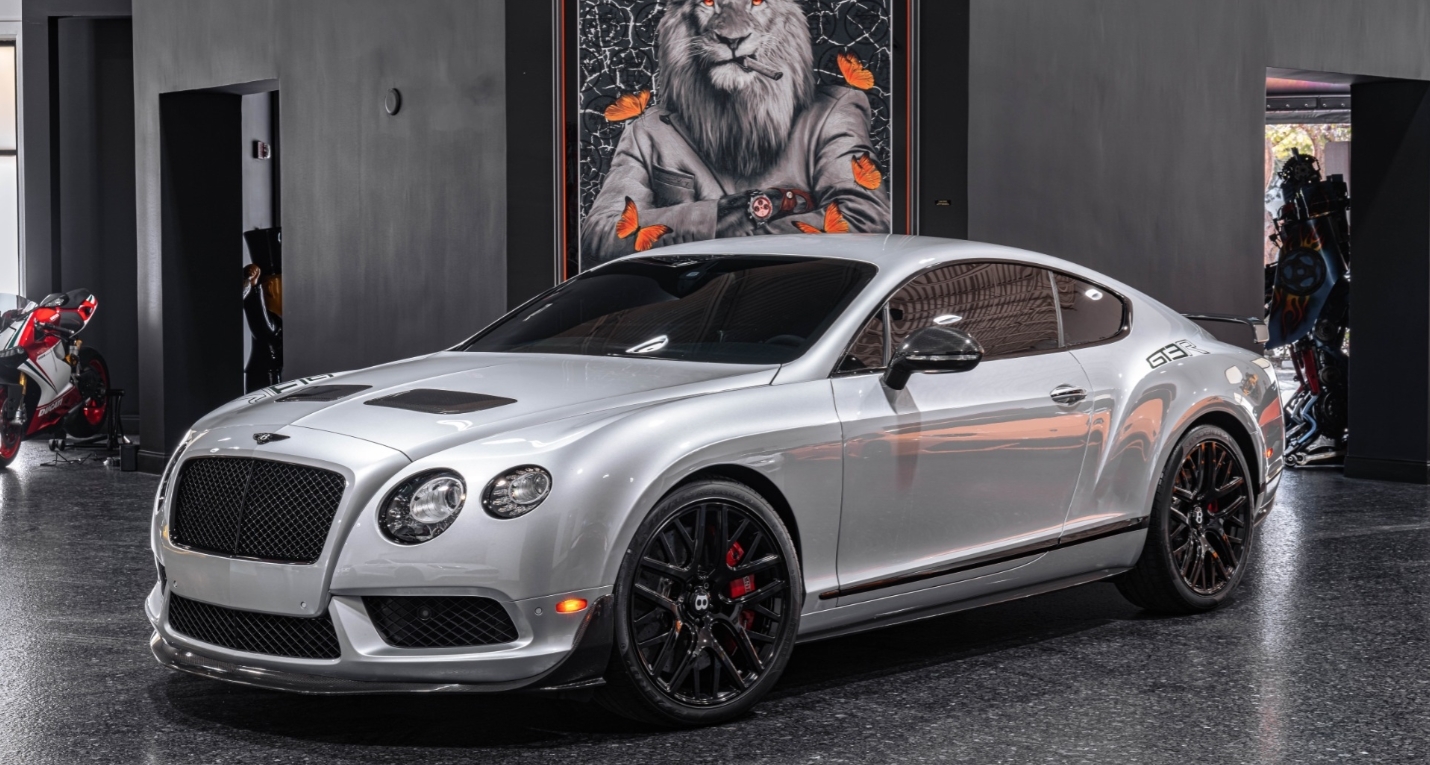
Bentley also introduced the Continental GT3-R, a limited-production, performance-focused variant inspired by Bentley’s GT3 race car. The GT3-R featured a 4.0-liter twin-turbo V8 producing 592 hp and 553 lb-ft of torque, making it one of the most powerful V8-powered Continental GT models. It was also significantly lighter than the standard GT, thanks to carbon fiber components, a rear seat delete, and titanium exhaust. 

The GT3-R came exclusively with all-wheel drive and a shorter final drive ratio, resulting in sharper acceleration and improved handling. Limited to just 300 units worldwide, it remains one of the most collectible second-generation Continental GT models.

In the United States, the GT3-R was priced at $337,000, with deliveries beginning in the first quarter of 2015, with only 99 allocated to the U.S. market.

The 2015 Continental GT also offered new options, including revised seat stitching patterns, additional wood veneer choices, a redesigned steering wheel, and updated driver assistance features like blind-spot monitoring.

For the 2015 model year, the Continental GT V8 Coupe started at $187,900, while the V8 S Coupe had a base price of $202,000. The Continental GT W12 Coupe was priced at $198,500, and the Continental GT Speed Coupe started at $217,000. Convertible variants were also available, with the Continental GT V8 Convertible starting at $207,800, the V8 S Convertible at $221,400, the W12 Convertible at $228,400, and the GT Speed Convertible at $248,100.

2016 Bentley Continental GT

For the 2016 model year, the Bentley Continental GT remained largely unchanged, carrying over the updates from the 2015 mid-cycle refresh.

For the 2016 model year, the Continental GT V8 Coupe started at $198,500, while the V8 S Coupe had a base price of $202,000. The Continental GT W12 Coupe was priced at $218,400, and the Continental GT Speed Coupe started at $240,300. Convertible variants included the Continental GT V8 Convertible, which started at $221,125, the V8 S Convertible at $242,125, the W12 Convertible at $250,125, and the GT Speed Convertible at $263,400.

2017 Bentley Continental GT

For the 2017 model year, Bentley increased the power output of the Continental GT Speed, boosting its 6.0-liter twin-turbo W12 from 626 hp to 633 hp for even stronger performance. 

Additionally, Bentley introduced the Continental Supersports, the most powerful version of the Continental GT to date. Equipped with a 6.0-liter twin-turbo W12 producing 700 hp and 750 lb-ft of torque, the Supersports featured carbon-ceramic brakes as standard and a revised all-wheel-drive system for improved handling and traction. This model marked the peak of the second-generation Continental GT.

For the 2017 model year, the Continental GT V8 Coupe started at $201,225, while the V8 S Coupe had a base price of $220,000. The Continental GT W12 Coupe was priced at $218,400, and the Continental GT Speed Coupe started at $240,300. Convertible variants included the Continental GT V8 Convertible, which started at $221,125, the V8 S Convertible at $242,125, the W12 Convertible at $250,125, and the GT Speed Convertible at $263,400. The high-performance Continental Supersports Coupe had a starting price of $298,000, while the Supersports Convertible was priced at $325,000.

2018 Bentley Continental GT

For the 2018 model year, Bentley marked the final production year of the second-generation Continental GT before the model underwent a full redesign for 2019. 

As the last iteration of this generation, the Continental Supersports remained unchanged, continuing to offer its 700 hp W12 engine and high-performance upgrades. 

Meanwhile, the Continental GT Speed retained 633 hp, maintaining its status as one of the most powerful grand tourers in Bentley’s lineup.

For the 2018 model year, the Continental GT V8 Convertible started at $218,400, while the V8 S Convertible had a base price of $242,125. The Continental GT W12 Convertible was priced at $241,425, and the GT Speed Convertible started at $322,600. The high-performance Continental Supersports Convertible also had a starting price of $322,600.

Bentley Continental GT Second-Generation Common Problems

While the Bentley Continental GT Second-Generation is fairly reliable, no vehicle is without its flaws. As with any high-end grand tourer, long-term ownership comes with certain maintenance concerns and potential reliability issues that buyers should be aware of. From electrical glitches to air suspension wear, understanding these common problems can help prospective owners make informed decisions and ensure proper upkeep of their Continental GT.

Keep in mind, that it is crucial to perform a Pre-Purchase Inspection (PPI) from an authorized dealer or experienced independent mechanic to reveal all issues.

Electrical System Failures: Problems with wiring looms can lead to various electrical malfunctions. 

Air Suspension Issues: The air suspension system may experience wear, resulting in the front of the vehicle sitting lower than the rear, or producing knocking noises indicating potential failure. 

Brake Light Failures: Owners have reported frequent brake light malfunctions, often necessitating the replacement of the entire unit. 

Brake Hose Deterioration: Bentley recommends replacing brake hoses every five years to maintain optimal braking performance. 

Power Window Failures: Issues with power windows, such as hissing sounds or operational failures, are common and may require motor or full unit replacements. 

Transmission Concerns: While the eight-speed automatic transmission is generally reliable, the earlier six-speed units have been known to encounter issues, leading to costly repairs. 

Routine Maintenance Complexity: The intricate design of the Continental GT can make routine maintenance challenging, often requiring specialized expertise and tools.

Recalls

2012 to 2014 Bentley Continental GT vehicles

Loose Battery Cable Connection (Recall No. 15V688000)

In November 2015, a recall was issued for 2012–2014 Bentley Continental GT models, along with certain 2012–2015 Continental GTC and 2012–2014 Flying Spur vehicles. The 12V battery cable connection at the front bulkhead (firewall) may be loose, which could cause overheating under high electrical load and potentially lead to an engine compartment fire. Bentley dealers replaced the battery-cable securing nut/bolt and tightened it to specification at no cost to owners.

2017 to 2018 Bentley Continental Supersports vehicles 

Power Steering Cooler Hose Detachment (Recall No. 19V863000)

In January 2020, a recall was issued for 2017–2018 Bentley Continental Supersports models. The power-assisted steering (PAS) cooler pipe may be the wrong size, which can cause the hose to detach and leak power steering fluid. A fluid leak could result in loss of steering assistance and pose a fire hazard if the fluid contacts an ignition source, increasing the risk of a crash. Bentley dealers replaced the PAS cooler pipe with the correct-sized part free of charge.

2007 to 2011 Bentley Continental GT (Including Early Second-Gen Models) vehicles

Brake Rotor Fastener Failure (Recall No. 13V484000)

In October 2013, a recall was issued for 2007–2011 Bentley Continental GT, GTC, and Flying Spur models equipped with optional carbon-ceramic brakes. The stainless-steel screws securing the brake rotors can corrode and fail after exposure to road salt, potentially reducing braking performance and increasing the risk of an accident. Bentley dealers replaced all the rotor mounting screws with an updated design at no charge.

Maintenance and Ownership Costs

The Bentley Continental GT is a dependable grand tourer with relatively low maintenance needs.

However, it is important to remember that regular maintenance and repairs will still be necessary, and the costs can vary depending on whether you take your car to a dealer or an independent mechanic.

1st YEAR / 10,000 MILES

2nd YEAR / 20,000 MILES

  • Services of the 10,000-mile check

  • Brake fluid flush and replacement

  • Engine and exhaust inspection

  • Cabin (pollen) filter replacement

  • Engine air filter replacement

  • Windshield wiper blade replacement (if necessary)

  • Onboard diagnostics scan and service indicator reset

  • Road test

3rd YEAR / 30,000 MILES

  • Services of 10,000-mile and 20,000-mile checks

  • Spark plug replacement

  • Transmission fluid level check

  • Belt and tensioner inspection

  • Brake system and flexible hoses inspection

  • Power steering fluid check and top-off

  • Suspension and steering linkage inspection

  • Road test

4th YEAR / 40,000 MILES

  • Services of 10,000-mile and 20,000-mile checks

  • Brake fluid flush and replacement

  • Engine coolant replacement

  • Tire sealant canister replacement (if equipped)

  • Comprehensive suspension and chassis inspection

  • Exhaust system inspection

5th YEAR / 50,000 MILES

  • Services of 10,000-mile check

  • Fuel filter replacement

  • Transmission and final drive fluid level check

  • Belt and hose inspection (replace as needed)

  • Full brake system evaluation

  • Engine and cooling system check

  • Road test

6th YEAR / 60,000 MILES

  • Services of 10,000-mile, 20,000-mile, and 30,000-mile checks

  • Spark plug replacement

  • Transmission fluid and filter replacement (recommended)

  • Power steering and differential fluid check

  • Brake hose and pipe inspection

  • Comprehensive vehicle diagnostic scan

  • Road test

8th YEAR / 80,000 MILES

  • Services of 10,000-mile, 20,000-mile, and 40,000-mile checks

  • Air and cabin filter replacements

  • Suspension and bushing inspection

  • Brake pad and rotor condition check

  • Coolant replacement

  • Brake fluid flush

10th YEAR / 100,000 MILES

  • Services of 10,000-mile, 20,000-mile, and 50,000-mile checks

  • Fuel filter replacement

  • Transmission fluid and differential oil change

  • Coolant flush

  • Exhaust and catalytic converter inspection

  • Full electrical system check

Here is a rough estimate of typical service costs associated with the Bentley Continental GT:

  • Oil Change – An oil and filter change for the Continental GT is recommended every 10,000 miles. At a Bentley dealership, this service typically costs around $600. Independent shops may offer the same service for approximately $300 to $500, depending on the region and the shop’s expertise.

  • Minor Service – A minor service includes an oil and filter change, replacement of pollen filters, wiper blades, key fob batteries, and a comprehensive vehicle inspection. At a Bentley dealership, the cost for this service is approximately $1,785. Independent repair shops may charge between $1,200 and $1,500 for similar services. 

  • Major Service – Major services encompass all items in a minor service, plus additional tasks such as replacing air filters, spark plugs, brake fluid, and tire sealant. Dealerships typically charge around $4,385 for a major service. Independent shops may offer this service for approximately $3,500 to $4,000. 

  • Tires – The Continental GT uses high-performance tires such as Pirelli P Zero tires, which can be expensive to replace. A set of four tires typically costs around $3,200 at a dealership. Independent tire shops may offer similar tires for approximately $2,400 to $2,800, depending on the brand and specifications.

  • Brakes – Replacing brake pads and rotors is a significant maintenance task. At a Bentley dealership, the cost for replacing all four brake pads and rotors can be around $1,300. Independent repair shops may perform the same service for approximately $1,000 to $1,200. 

  • Clutch – The Bentley Continental GT features an automatic transmission; therefore, it does not have a traditional clutch that requires regular replacement.

Options List

When purchasing a Bentley Continental GT second-generation, selecting the right options can significantly enhance both the driving experience and resale value.

For those seeking enhanced driving dynamics, Bentley offered several performance-focused options. The Mulliner Driving Specification was a sought-after package, featuring diamond-quilted leather seats, drilled alloy pedals, and 21-inch Mulliner wheels for a more aggressive and refined look.

The Carbon Ceramic Brakes were an available upgrade, providing superior stopping power while reducing unsprung weight. Additionally, an adaptive air suspension system allowed drivers to adjust ride comfort and handling to suit different road conditions.

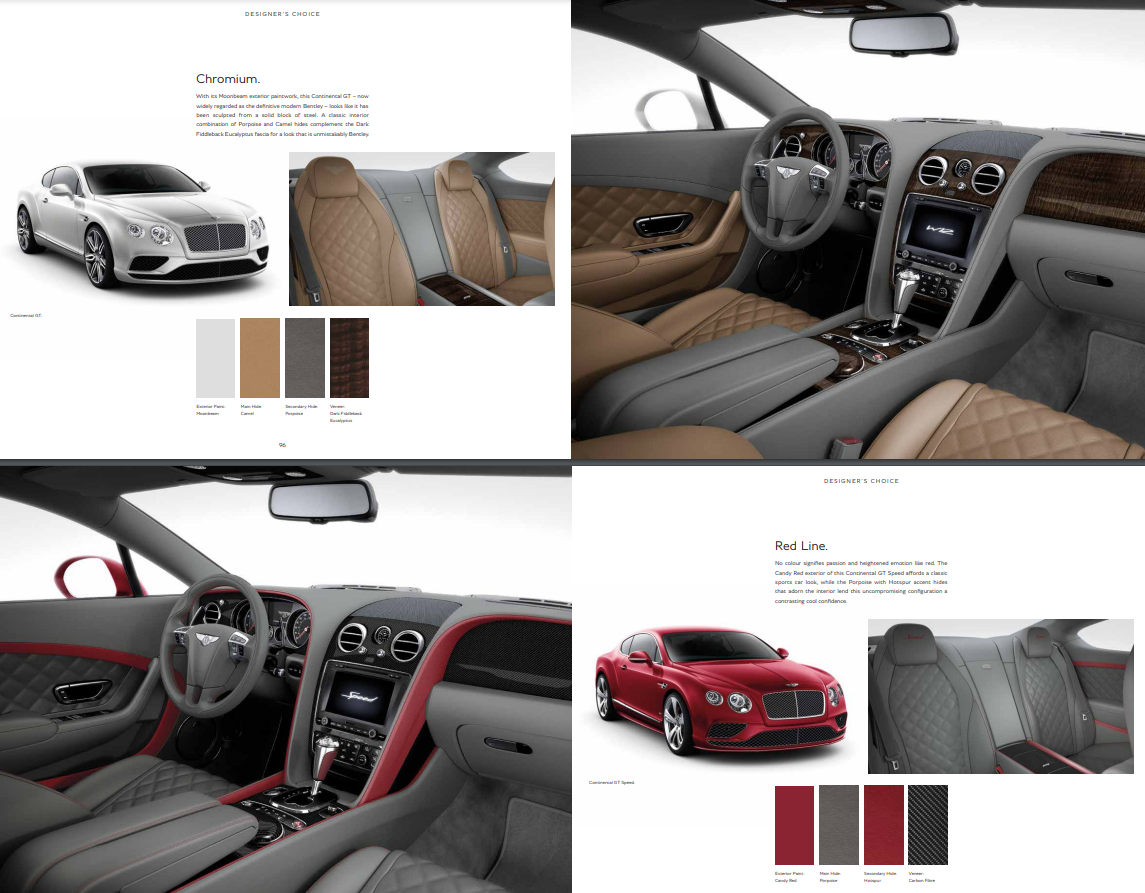
When it comes to the Continental GT’s interior, it is one of the most luxurious in its segment, and Bentley provided numerous bespoke customization options. Buyers could choose from premium leather in a variety of colors, hand-selected wood veneers, or even carbon fiber trim.

The Naim for Bentley premium audio system was a popular option, delivering exceptional sound quality with a 2,200-watt amplifier and 20 speakers. Heated, ventilated, and massaging seats were also available, adding to the long-distance comfort expected from a Bentley grand tourer.

Buyers could further personalize the Continental GT’s exterior with unique paint finishes, contrast stitching, and bespoke wheels. Bentley’s Extended Paint Range allowed customers to select from a vast palette of colors, including exclusive Mulliner bespoke shades. The Black Edition package, available on certain models, added gloss black trim, black wheels, and carbon-fiber accents.

To enhance daily usability, Bentley offered advanced technology and driver assistance features. Available options included adaptive cruise control, a rearview camera, and night vision assistance, improving safety and visibility in various driving conditions. The Bentley Rotating Display, introduced in later model years, provided a digital touchscreen that could flip to reveal classic analog gauges.

Bentley’s Mulliner division allowed for complete customization. Buyers could commission unique stitching patterns, personalized embroidery, custom veneers, and even one-of-a-kind paintwork. With the ability to tailor nearly every detail, Mulliner-built Continentals stand out as the most bespoke and valuable examples on the market.

2012 Bentley Continental GT options list

2013 Bentley Continental GT options list

2016 Bentley Continental GT options list

Key Options

Bentley Continental GT Second-Generation Price and Value

The Best Bentley Continental GT Second-Generation to Buy

When it comes to choosing the best Bentley Continental GT Second Generation, several key factors can influence your decision, including model year updates, available options, and overall condition of the vehicle.

For those wanting the best version of the second-generation Continental GT, the 2017 and 2018 model years are the top choices. By this time, Bentley had refined the platform with incremental performance improvements, updated interior technology, and enhanced driver assistance features. 

However, the most desirable second-generation Continental GT is the 2015 Bentley Continental GT3-R. Inspired by Bentley’s GT3 race car, this limited-production model was lighter, more aggressive, and more track-focused than any other Continental GT of its era. With 592 hp from its twin-turbo V8, a rear seat delete for weight reduction, and better handling characteristics, the GT3-R is the most exclusive and performance-oriented version of the second-gen Continental GT, limited to just 300 units worldwide.

The 2017 Continental GT Speed received an increase in power to 633 hp, making it the fastest non-Supersports variant of the lineup. Meanwhile, the 2018 model year marked the final year of the second-generation Continental GT, making it a desirable option for buyers who want the most refined version before the full redesign in 2019. The Continental Supersports variant, available in 2017 and 2018, is another solid choice due to its 700 hp   W12 engine, carbon-ceramic brakes, and subtle styling updates.

In terms of market stability, model years 2012 to 2018 should be safe if you find the right example. 

In addition to model selection, the condition and mileage of the vehicle are critical factors when buying a Continental GT. 

Vehicles that have been well-maintained with a complete service history and low mileage tend to retain their value better and offer fewer mechanical concerns. 

It is important to research previous ownership records, inspect service history, and ensure that all major maintenance items have been addressed, particularly on earlier models that may require more attention to suspension, electronics, and drivetrain components.

Conclusion

In summary, with a starting price of around $90,000+ on the used market, the Bentley Continental GT second-generation remains a great choice for those wanting to be in a luxurious yet high-performance grand tourer. It offers a lot of power, and luxury, making it one of the most desirable choices for the money.

While alternatives such as the Aston Martin DB11, Mercedes-AMG S63 Coupe, and Ferrari California T exist, the Continental GT sets itself apart with its effortless power delivery, handcrafted interior, and signature all-wheel-drive capability, ensuring year-round usability.

For those looking for a highly capable grand tourer that blends British luxury with exceptional performance, the Bentley Continental GT Second Generation remains an outstanding choice. Whether prioritizing comfort, exclusivity, or dynamic driving, this Bentley continues to hold its appeal as an exciting luxury grand tourer.

Car Hacking Shortcuts

  • Look for models with the Mulliner Driving Specification for premium interior materials and better resale value

  • GT3-R models are future collectables 

  • 2017 to 2018 Continental GT Speed or Supersports are desirable

  • Prioritize well-maintained, low-mileage examples with full-service history to minimize costly repairs



Source link

RV Oktoberfest: Don’t Miss These US Microbreweries

0
RV Oktoberfest: Don’t Miss These US Microbreweries


We all love finding something new and delicious while we travel. Luckily, the United States is extremely diverse in terms of food and drink options. Many RVers love to visit wineries and microbreweries during their cross-country adventures, especially during Oktoberfest. There are so many options to choose from and sometimes you can even camp close to your favorite stop.

A group of friends toasting with glasses of beer.

Microbreweries may have gained in popularity in recent years, but the core concept is as old as brewing itself. Essentially, each microbrewery sells unique drinks that have been specially crafted, tweaked, and perfected over time. No two are quite alike, which is why several people like to sample as many options as possible. There are some drinks that you can only get in one specific location.

Anyone can get their hands on a case of standard beer, but microbreweries offer something special. If you want to try something new during your upcoming trip, we’ve got you covered! Check out some of these highly rated breweries and set up camp in the surrounding area. You might be able to enjoy food, tours, and complimentary samples at these stops as well. Many locations may accommodate RVs, but we suggest traveling in your dinghy or tow vehicle. And, naturally, drink responsibly, and always select a designated driver.

Microbreweries for Your RVing Bucket List

AleSmith Brewing Company, San Diego, California

California is the biggest hotspot in the nation when it comes to microbreweries. There are hundreds of locations throughout the state, so RVers will have their pick of the litter! But one of the top-rated options is AleSmith Brewing Company. This brewery has won multiple awards over the years and there’s a wide selection of options. You might need to come back multiple times just to sample everything on the menu!

RV Parks in the Area

The campground is close to all the activities you would like to do in the San Diego area. We biked around the Bayshore Bikeway which included a ferry ride. We also golfed at Coronado Golf Course, spent a day at the San Diego Zoo and a day at Balboa Park — Dave Goltz

Kettlehouse Brewing Company, Missoula, Montana

This microbrewery in Montana is just that — Micro! It’s a tiny hole in the wall, but it’s beloved by locals and travelers alike. The specialties here include Cold Smoke Scotch Ale and the Double Haul. The drinks are powerful and carefully crafted to provide maximum impact. If you want to really experience Missoula, Kettlehouse is the place to do it.

RV Parks in the Area

Downtown Missoula is only a few miles away, with anything you could want. Heading North on 93, the trip along Flathead Lake is gorgeous. Just as you are coming over the hill into Polson, turn into the turnout lot…Best view of the lake you will find, with the Mission Mountains on the East side. — Larry and Pattie

New Belgium Brewing, Fort Collins, Colorado

Colorado is full of microbreweries and the state has gained a reputation for having some of the finest craft beers in the country. Adventurers love to stop in at a taproom or bar after a long day! New Belgium Brewing was one of the first businesses to begin the microbrewery trend and they have grown quite a bit since the early days. In addition to premium brews, this location also hosts community events and outdoor activities for guests. In the summer you can bring your bike and enjoy an outdoor movie under the stars.

RV Parks in the Area

We really enjoyed Fort Collins. Our favorite activity was to go to the City Park, which was just a few minutes away. The Park is very large with beautiful trees and lovely green grass. Our two dachshunds totally tired themselves out straining on their leashes from tree to tree thinking they could catch one of those squirrels. We went to the park every day. We also loved driving around old town Fort Collins with lovely homes and a nice old downtown. We went to a farmers market, which is held on Sundays and Wednesdays. It was about 15 miles away, but we were able to pick us some very nice product and some excellent baked goods. — Marc H Montgomery

Barrio Brewing Co., Tucson, Arizona

Barrio Brewing may be hard to find if you’ve never been there before, but it’s well worth a visit. Arizona can get quite hot during any season, so you’ll always need a nice cold brew to cool down. It’s also in a gorgeous scenic location, close to a railroad and surrounded by rugged mountains. If a train passes by while you’re there, you may even get cheap drinks! It’s a local tradition.

RV Parks in the Area

Several nice trails in the park. We saw javelinas while on the Nature trail. Lots of old growth saguaro cactus. East access from the park to the Chuck Huckleberry bike trail that circles Tuscon. We rode for about 40 miles. — Donskiman

Central Waters Brewing Co., Amherst, Wisconsin

There’s no shortage of microbreweries in Wisconsin. However, Central Waters Brewing Co. stands out due to its focus on sustainability and eco-friendly brewing practices. Each beer is brewed using solar heat and they take extra measures to limit their water consumption. Best of all, the end result is always delicious. This brewery is open 7 days a week and food trucks park out front so you can grab a delicious meal to go with your drink.

RV Parks in the Area

Great place to stay. It is now one of our favorites! Nice big pool – Large Waterslide on site! But it wasn’t open while we were there. Lots of summer kids activities on weekends. Many campers brought boats for the lake. Sites are nicely spaced in the section we stayed in. Some areas of campground were shady with lots of trees, and some were open & sunny. Campground roads are easy to navigate, some wide some a little narrow. The campground has golf carts for rent. Fish on the lake (shallow, reedy) or at the campground’s pond (catch & release). Just a couple of miles from the small town of Fremont which is your typical small summer tourist town, with a couple of resort like restaurants, open air bars on the river, ice cream shops, gas stations nearby with large big rig friendly gas pump islands. — LizzyWA

Heavy Seas Beer, Baltimore, Maryland

Baltimore is home to plenty of bars and pubs but Heavy Seas Beer should be at the top of your list. This microbrewery creates a famous lineup of award-winning craft beers. This is an homage to their coastal heritage, and the entire brewery revolves around the nautical theme. Be sure to try their seasonal brews; all are excellent, regardless of the time of year.

RV Parks in the Area

There are several bus tours that are available leaving from the park. We did the nighttime monuments tour and it was fabulous. It is a 4 hour tour. We also visited the Capitol, the FBI Experience, American History Museum, Annapolis, The Navy Memorial and Museum and The People’s House. It was very easy to drive from the campground to the Metro and easy to navigate through the city. Lots of great restaurants and all the monuments, museums and other places to see! — Karen L Bates

Straub Brewery, Saint Marys, Pennsylvania

Pennsylvania has a rich history of brewing and the Straub Brewery takes inspiration from European flavors. This company has been in business since 1872. Because it’s been around for so long, there’s a lot to learn about the business and the building. Guests can take a tour of the facility, visit the gift shop, and perhaps pick up a complimentary drink! It’s a full experience when you stop here.

RV Parks in the Area

Cherry Springs State Park is a must see after sunset. Pennsylvania Grand Canyon is a must see before sunset (gets very dark after). Nearby town has supermarket, gas stations, ice cream store, etc. Very cute. — Frankjmead

Long Trail Brewing Company, Bridgewater Corners, Vermont

Last but not least, we have Long Trail Brewing Company. This was named after the oldest long-distance hiking trail in America. The scenery is beautiful and some people even host private events in this microbrewery. Visitors can wander the property in a self-guided tour before they enjoy a delicious dinner and drink combo.

RV Parks in the Area:

Bikers can enjoy the New Hampshire Northern rail trail just minutes away in Lebanon, New Hampshire. Lots of free parking. Quechee Gorge is nice short hike along a stream. Not a lot of restaurants around in Vermont. Need to cross the river to New Hampshire but it’s a short drive. If you like Creamees you have to go to Mac’s Maple in Plainfield, NH, about a 10 mile drive. Nice campground but the restrooms and showers are showing their age. — RV Tripper 007


Source link

Car designer portfolio advice

0
Car designer portfolio advice


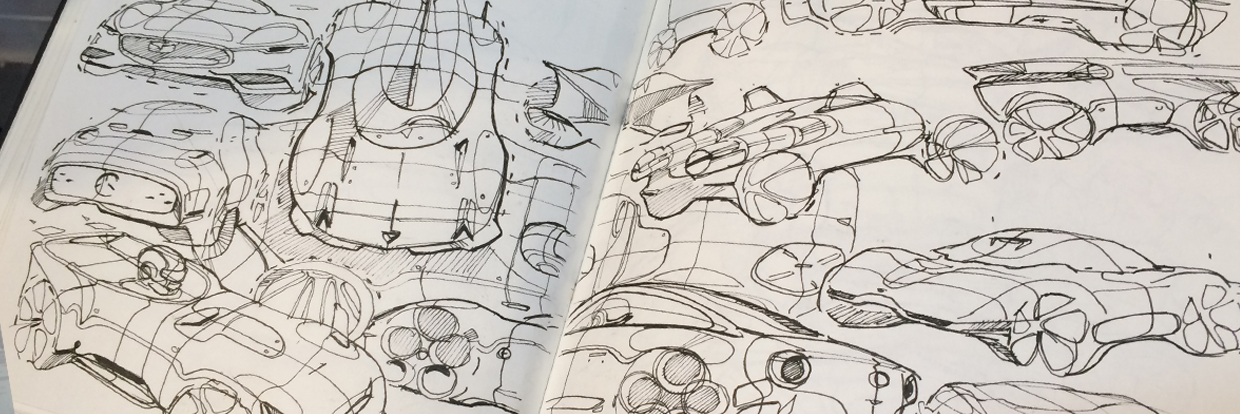
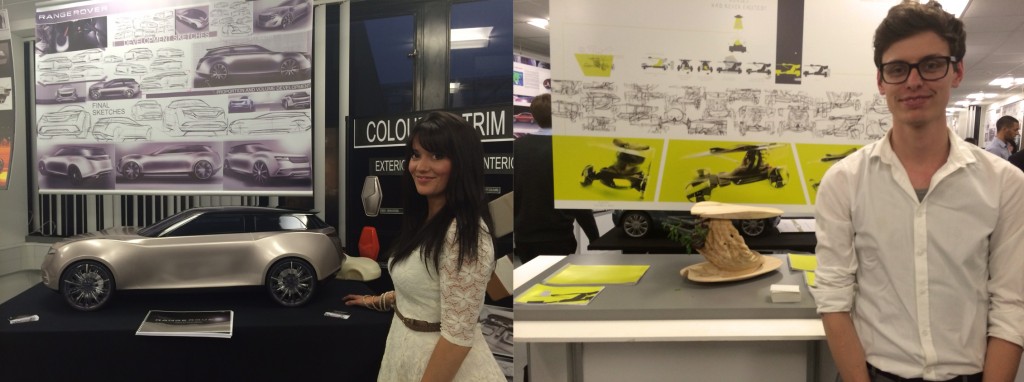
Here is some car designer portfolio advice, aimed at what a designer’s portfolio should contain –

Design is all about opinion, this is one.  You can take all of it on board, some of it on board or none at all.

Unlike other designers giving you advice, this is from someone who actually employs both graduates and established designers .

PORTFOLIOS

From designers to alias modellers, we are all aware that our industry doesn’t tend to favour the conventional CV and cover letter with a careful placement of buzz words/phrases like ‘I can manage a team of people and take on individual responsibilities’.  Although these are areas we all have to consider, at the end of the day it is the your Portfolio that we are discussing here. 

Car designer portfolio advice for Graduates
KNOW WHO YOU ARE APPLYING TO

If all you have is speed boats and lawn mowers in your portfolio then I would say it is quite rare that an automotive studio will consider you. Research the studio / brand and try your best to think of what they might look for in a candidate.

“You are only as good as your worst piece of work”. As a designer, your portfolio will mainly be put under the eyes of other designers, we love looking at them, we want to be excited, we want to see that sketch or render that inspires us and then we will want you!  So reduce or throw away lifeless package drawings of translucent, colour filled boxes that say “batteries” or “motors”, and the 97.5 percentile Dutch males that you’ve squashed into your vehicle.

Keep your projects to a minimum, we see 56 page portfolios with about 10 projects in.  These are too big to keep/capture attention for the period of time it would take to digest that amount of information / wade through it.  We are designers ourselves and therefore have to do the day job designing and unfortunately we can’t spend all day every day looking at portfolios!

DISCARDING OLDER PROJECTS

This is the hard bit, discarding older projects as your skills have improved …. nearly impossible to do sometimes as you probably hold emotions for each project as if they were your own child.  They aren’t your children and they don’t have emotions, cut them out and be brutal.  Do it, cut it down, get through it.  Even if you are left with 3 projects of a high standard, we will think that you can do everything of this level.

Cut out some of the projects you may have done like – 1. Clay head project  2. Any ergonomics based project with lights that reflect your mood  3. An alias model or render which is then repeated in different colours to show colour choices up to 5-6 times (padding out your portfolio?).

VARIATIONS OF DESIGN WORK

This topic divides people when asked, and can be difficult to answer without causing a whole world of LinkedIn design debates. I prefer the overall portfolio to be focussed. Try to mix it up, don’t just have 3 projects of space ships and fantastic speed painting art work, show that side of you by all means it’s great to see, however try and include some good old fashioned automotive design, displaying an understanding of surfacing, brand interpretation and proportion over 4 conventional wheels.

Car designer portfolio advice

Your portfolio should be a reflection of yourself, it should be presented in a way that you are comfortable with.  Your style should be natural rather than something that is forced.  Always be honest with the way that you work, whether you are all about hand sketching or a Photoshop wizard, show how you work as we all have different ways we do things.

DESIGN COMPETITIONS

A great way to stay sharp, promote your name and they really keep you on your toes.  Polestar, the Michelin design challenge and interior motives to name but a few, the briefs are usually fun, and if it is not fun then you need to twist their brief to do so!  No one wants to design something boring in their spare time.  These usually have no engineering requirement, package constraints or a need to convince university tutors to what you are doing, go forth and have fun!

Automotive Design Jobs near me
Automotive Design CV Advice
CV WRITING

Like my car designer portfolio advice – Keep it simple, if you don’t have that much to show it’s ok, we have all been in your shoes at some point and we don’t expect to see years of experience from a student.  Whatever you do, please don’t write that you have been ‘freelancing’, unless you can back it up with examples to prove you haven’t just living at home with your parents with a part time job.  Better to say you have been working on your portfolio and design competitions in an evening, but again you have to back it up with the evidence!

SELF RATING CHARTS

My last thought on this topic, which I could probably continue to preach about for another hour whilst I annoy my colleagues by seemingly moaning endlessly is this …. the self-rating skill charts!  Now I’m not sure what the universities have been preaching to the students of late, but here’s my number one pointless thing to put in your portfolio if you are applying to be a designer or alias modeller.  Grading yourself out of 10, maybe out of 5 stars even and stating how good you are at alias, photoshop, design or sketching.

Automotive Designer Portfolio Advice by the Drive Team

The idea of your portfolio or data you send is that we will be working out your abilities. Then deciding the level we see you, and where we feel you would fit within a studio. Whatever you do, please don’t include ‘football’ as a skill set, to which you then score yourself higher on this than any other design skills.  Makes me think you should be a professional footballer instead!  (NOTE: Only exception is if you are applying to drive where your karting lap times are important)

Have an opinion, perhaps a photo of you applying a tape to a clay model or sketching revealing some of your personality and be protective over your pen. Talk about sketches with emotions and feelings and never be truly happy with your work. Keep portfolios to no bigger than 5mb (if possible)

Although car designer portfolio advice is aimed at graduates, I hope it helps everyone.

If you are serious about securing
a design role within a leading studio.
To give yourself the best opportunity
drive offer a Resume / CV and portfolio review service.

Careers progression

Coventry University Automotive Design Course


Source link

Hyundai recalls 600,000 vehicles, including Palisade and IONIQ EV

0
Hyundai recalls 600,000 vehicles, including Palisade and IONIQ EV


Hyundai issued a recall for nearly 600,000 vehicles in the US, including the popular Palisade SUV and several IONIQ electric vehicles.

Hyundai Palisade and IONIQ EV recall details

In a notice to the National Highway Traffic Safety Administration (NHTSA) on September 12, Hyundai announced a recall of 568,580 2020-2025 model year Palisade vehicles.

The recall is due to faulty seat belt buckles in the front and rear, which may fail to latch. Although Hyundai expects only about 1% of the Palisade models actually have the defect, it’s issuing the recall out of an abundance of caution.

Hyundai said those with impacted vehicles may notice a lighter-than-normal “click” when fastening the seatbelt. You can bring it to a Hyundai dealer, where they will fix the seatbelt, free of charge.

Advertisement – scroll for more content

Owner notification letters are expected to be mailed on November 10, 2025. You can contact Hyundai’s customer service at 1-855-371-9460 with any questions. Hyundai’s recall number is 283.

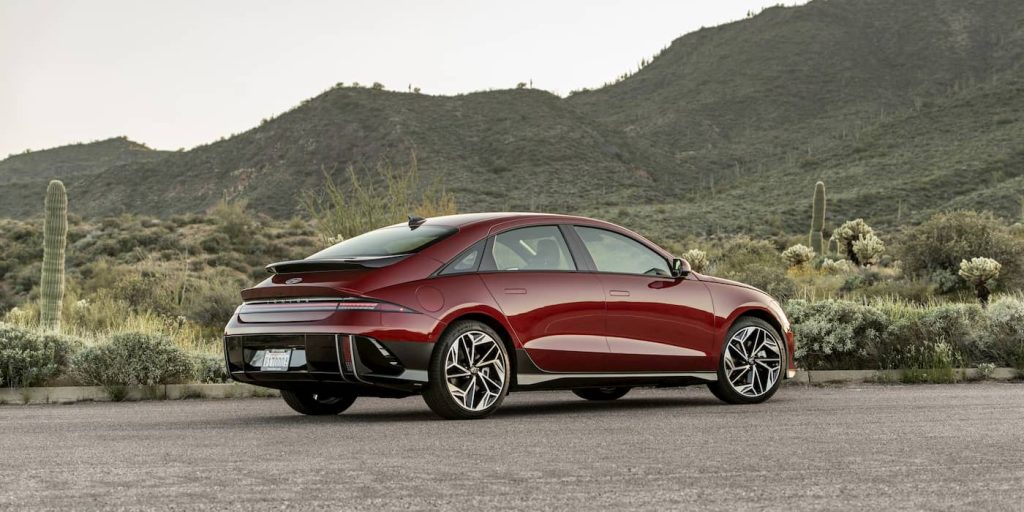
Hyundai-IONIQ-6-recall
Hyundai IONIQ 6 Limited (Source: Hyundai)

In a separate notice sent to the NHTSA on September 12, Hyundai issued another recall for 31,042 2023 – 2025 IONIQ 6 EV models because the charging port door panel could detach.

Again, Hyundai expects only about 1% of them to have the defect. Those impacted can bring their vehicle to a local Hyundai dealer, where they will fix the port, free of charge.

Owner notification letters will also go out on November 10. Hyundai’s recall number for the IONIQ 6 is 282. Owners can contact Hyundai’s customer service hotline (listed above) with any questions.

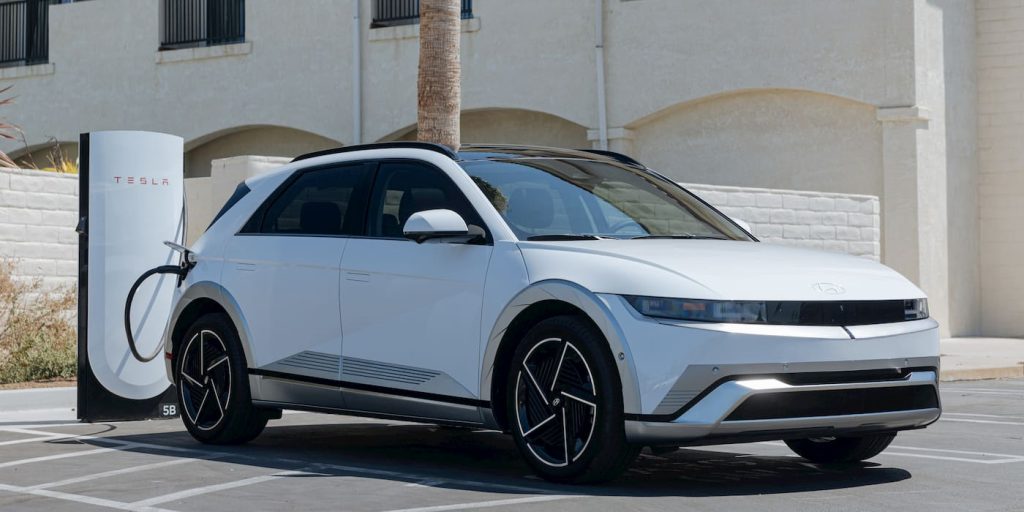
Hyundai-IONIQ-5-recall
The 2025 Hyundai IONIQ 5 at a Tesla Supercharger (Source: Hyundai)

But, wait, that’s not all. Hyundai issued a third recall on September 12 for just eight 2025 IONIQ 5 models due to improperly tightened fasteners that could loosen over time. Dealers will replace the bolts, align the wheels, and even replace the tires if needed, free of charge.

If you own any of the recalled vehicles, you can contact Hyundai’s customer service or NHTSA hotline (1-888-327-4236) with questions. You can also visit NHTSA.gov for more information.

Hyundai’s recalls follow Toyota, which issued a recall for over 590,000 vehicles in the US. Between the two, a combined 1.1 million cars have been recalled.

Add Electrek as a preferred source on Google

FTC: We use income earning auto affiliate links. More.


Source link

Grand Seiko Unveils Spring Drive Ultra Fine Accuracy SLGB003

0
Grand Seiko Unveils Spring Drive Ultra Fine Accuracy SLGB003


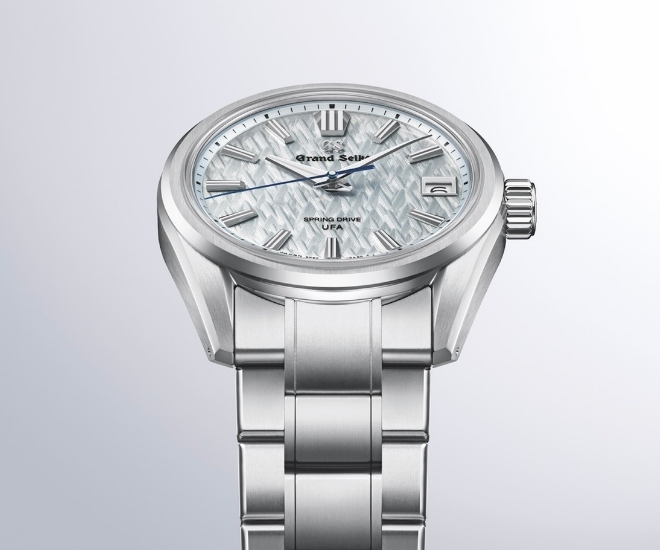
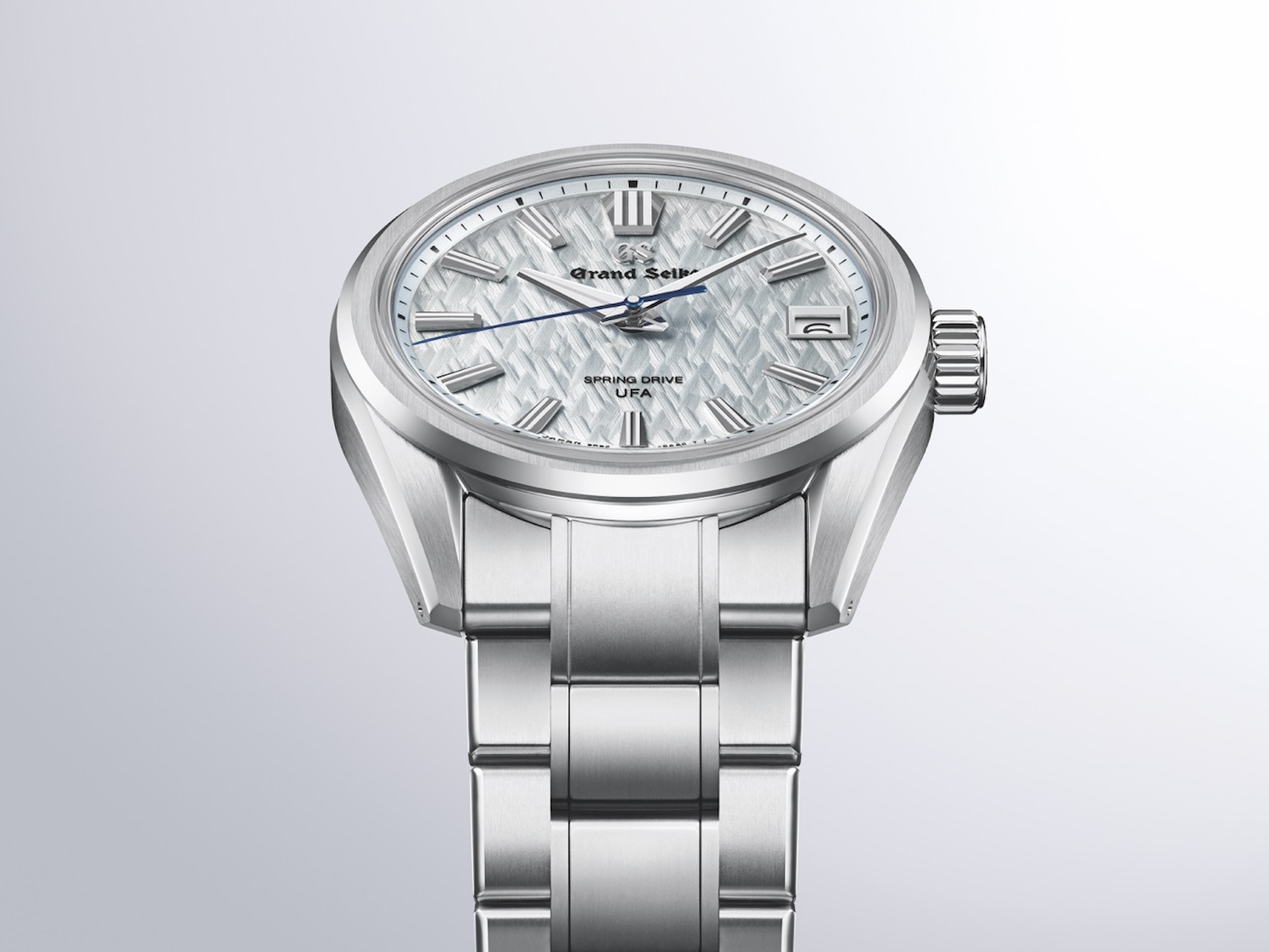
Grand Seiko is a brand that was founded on being better. At one point, it represented the highest version of Seiko in terms of watchmaking, imagining what a luxury Japanese timepiece would be. Today, it has since branched off to become its entity, keeping the ethos of making fantastic luxury Japanese watches with the highest level of craftsmanship. Beyond that, however, there was, and is, a quest for Grand Seiko to achieve the utmost level of timekeeping precision. This year marks the next step the brand is taking with the new Spring Drive Ultra Fine Accuracy (U.F.A) SLGB003.

Grand Seiko

Just as a little bit of a backgrounder, Grand Seiko’s Spring Drive technology is their effort to combine the precision of a quartz oscillator with a mechanical soul. It was developed at a time when quartz movements were disrupting the industry and by 2004, when it was first unveiled, the world was ready to accept that mechanical timekeeping was its form of luxury.

The basic premise of the Spring Drive movement is that it uses a mainspring to power a geartrain as per any mechanical watch. The difference is that instead of a traditional escapement system to regulate the release of power from the mainspring, it uses a quartz oscillator and a braking system to ensure that the seconds hand glides ever so smoothly, making one full rotation of the dial in 60 seconds.

As a comparison, a chronometer certified by COSC has to be accurate to within -4/+6 seconds per day and Rolex does a -2/+2 seconds per day accuracy for their Superlative Chronometer. Spring Drive already beats that with -10/+10 seconds per month. And now, with the U.F.A., Spring Drive is capable of reaching an accuracy rate of -20/+20 seconds per year. Yes, per year! That is 3 seconds per month and about 0.1 seconds per day. This makes the Spring Drive U.F.A. the most accurate wristwatch powered by a mainspring ever.

Grand Seiko Back Watch

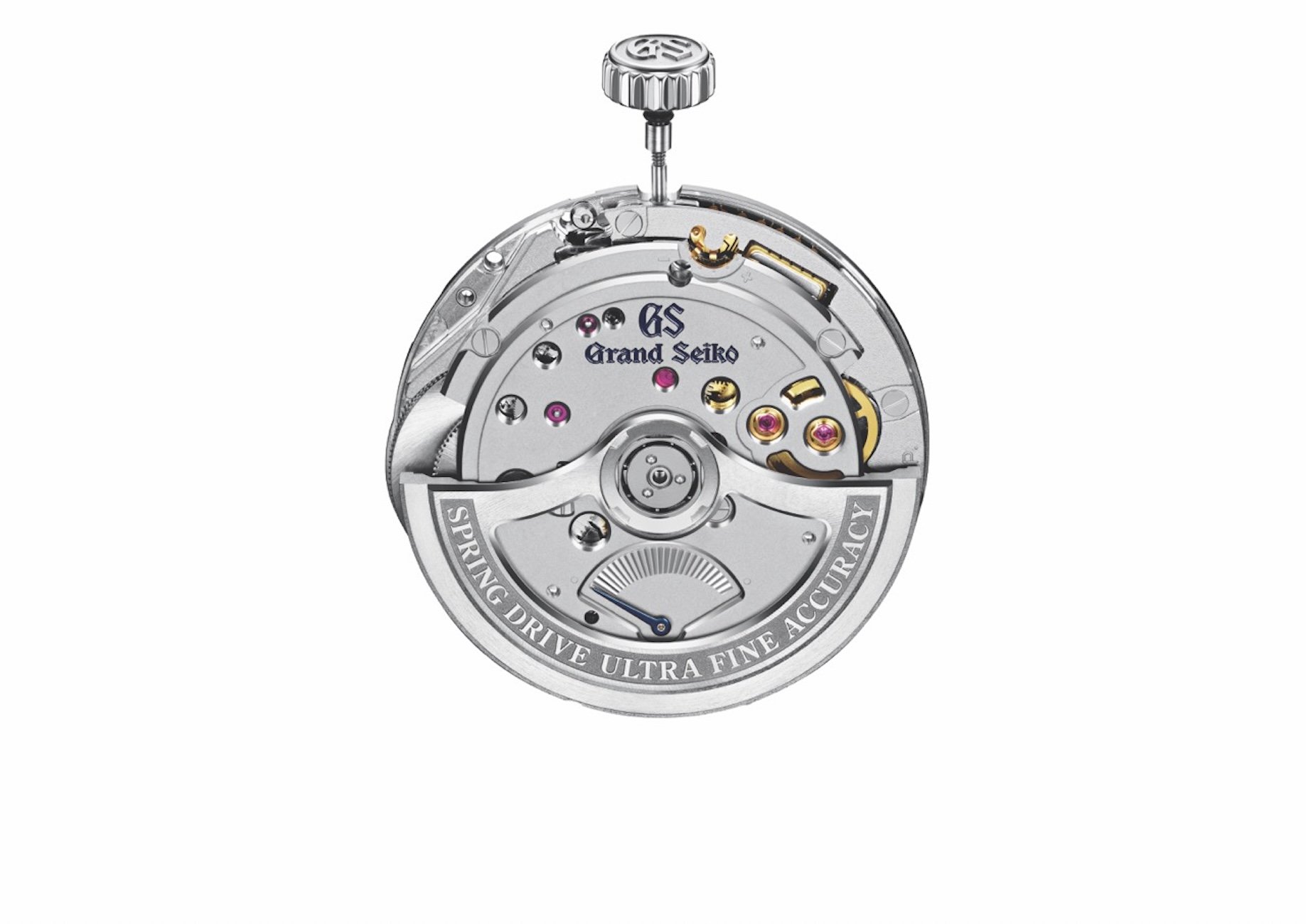
To achieve this stunning accuracy, the calibre 9RB2 movement combines a newly designed integrated circuit (IC) and a new three-month-aged quartz oscillator. As with the previous generation of Spring Drive movements, the frequency of each quartz oscillator is measured at different temperatures and the data is fed into a temperature compensation programme within the low-power IC.

The entire thing is then vacuum sealed to protect against external factors such as humidity, static electricity, and light. For such finely controlled accuracy, however, the new calibre 9RB2 is fitted with a new regulation switch that after-sales personnel can use to correct any divergence in accuracy.

Beyond the fantastic movement, the aesthetics of the Spring Drive U.F.A watch also bring with it a unique appeal. First of all, it measures 37mm in diameter, making it the smallest case size to use a 9R movement to date. The case and bracelet of the SLGB003 are made of High-Intensity Titanium, which, as you can imagine, was incredibly difficult considering that all Grand Seiko cases have some form of Zaratsu mirror-polished surfaces. Not forgetting the dial, this incredible pattern was inspired by the Kirigamine Highlands east of the Shinshu Watch Studio, where frost-covered trees stand majestically during the harsh winter months.

This story was first seen as part of the WOW #79 Summer 2025 Issue

For more on the latest in luxury watch reads, click here.


Source link