10.9 C
London
Thursday, May 14, 2026
Home Blog Page 92

How to Plan RV Trips with EV Charging Logistics

0
How to Plan RV Trips with EV Charging Logistics


EV RV travel is an emerging trend, but you’ll want to do some planning before hitting the road with an electric vehicle. Knowing where there is electric RV charging and how long it will take is key to planning a successful road trip with an electric vehicle.

This guide will help you confidently plan RV trips with charging in mind—covering range, charging types, campground compatibility, and practical tips to avoid being stranded.

The Future of RV Travel is Electric

The adoption of electric vehicles is increasing, both in the U.S. and around the world. And along with considering electric vehicles to replace their gas-powered cars or SUVs, people are looking into EV RV travel as well. It’s no wonder when you realize many of those electric pickups, vans, and SUVs use the same platforms that RV makers use for motorhomes and campervans.

Winnebago, Thor, and other top brands have already showcased electric prototypes, and they have plans to get these electric RVs on the market.

EV RV travel is a cleaner, quieter way to travel that relies less on gas stations. Electricity can also be cheaper per mile than gas, especially if you’re charging at a campground.

But you’ll need to plan ahead when it comes to charging your vehicle. Charging takes longer than gassing up your RV, so you’ll need to consider your vehicle charging logistics.

If you’ll be towing a trailer with an electric-powered vehicle, you’ll also need to think about when, where, and how often you’ll need to charge. Both towing a trailer and driving a motorhome reduce your mileage range significantly – sometimes by up to 30-50%. Planning for stops where you can charge your RV is critical.

It’s especially critical when you realize that the infrastructure isn’t quite there yet. Not every campground or area has charging stations, and you’ll need to check ahead of time to see about Level 2 or DC fast charging. Some RV parks do have 50-amp electric hookups that can support RV charging with the right adapters. Some parks are also starting to advertise RV-compatible sites. But those amenities aren’t universal, and there’s no guarantee you’ll get them where you stay unless you check ahead of time.

What Is EV-Capable RVing?

EV-capable RVing means combining electric vehicle ownership with an RV lifestyle. Instead of relying solely on a gas or diesel engine, you’ll use electric power. You’ll either use an RV tow vehicle to pull your trailer, or you’ll one day drive a fully electric motorhome. It’s a great option for eco-conscious RVers who may already be using solar panels and practicing other environmentally friendly habits.

So currently, RV-capable RVing applies to two main groups: EV tow owners and EV motorhome owners.

Group Description Examples Key Notes
EV Tow Vehicle Owners People who own an electric truck or SUV and use it to tow a travel trailer, teardrop, or pop-up camper Ford F-150 Lightning, Rivian R1T, Tesla Model X, Kia EV9 Tow ratings are improving, but towing can reduce range by 30–50%, making careful trip planning essential
EV Motorhome Owners Early adopters of fully electric RVs (a still-emerging category) Winnebago eRV2 (prototype Class B), Thor Vision Vehicle (concept motorhome with battery + fuel cell), Airstream eStream (prototype trailer with powered assist) Not yet mass-market, but these prototypes show where the RV industry is headed

There are lots of benefits of EV-capable RVing. Here are a few of them:

  • Sustainability – Electric vehicles have reduced tailpipe emissions and a smaller carbon footprint. They’re often paired with solar panels or renewable campground power as part of an environmentally-conscious lifestyle.
  • Lower fuel costs – Electricity, especially campground hookups and at-home charging, can cost much less per mile than gas or diesel. Even DC fast-charging, which is more expensive than slow charging, is usually less.
  • Innovation – Some EV systems allow a “vehicle-to-load” power, which means you can run your RV appliances directly from your tow vehicle’s battery.

Understanding EV Charging Basics

To plan for charging your EV, you’ll need to understand a few EV charging basics. There are various levels of charging, for starters. Charging times can also vary by vehicle and charger type. You’ll notice a difference between charging at home and when you’re on the road. Finally, you’ll notice that your EV range goes way down when you’re towing another vehicle.

Charging Level Voltage & Source Typical Speed Best Use Case Notes for RVers
Level 1 120V (household outlet) 3–5 miles of range per hour Overnight top-ups at home or basic hookups Very slow; not practical for long trips
Level 2 240V (home wall unit or 50-amp RV hookup) 20–40 miles of range per hour Campground stays, overnight charging Widely available at RV parks; full charge takes 6–12 hours
DC Fast Charging (Level 3) 400–800V (public highway chargers) 100–200 miles of range in 20–40 minutes Road trips, highway stops Essential for long-distance travel, but availability may be limited near remote campgrounds
Towing Impact N/A Range reduction of 30–50% Applies to tow vehicles pulling RVs Plan for extra charging stops and shorter travel legs

Planning RV Trips with EV Charging in Mind

When you’re planning an RV trip with EV charging in mind, you’ll want to think about a few things. You’ll want to look at route planning apps and tools. Look for charging stations near campgrounds. Factor charging stops into your travel times and adjust your itinerary accordingly.

Also, consider whether you can charge while towing, think about how to manage your wait time at busy chargers, and know how to keep yourself safe on an electric vehicle trip.

Route Planning Apps and Tools

Consider some route planning apps and tools to help you on your EV RV road trip. PlugShare is a community-sourced map of charging stations. It has real-time user reviews, pictures, and information on parking and nearby things to do. A Better Routeplanner (ABRP) is an app that’s designed for EV trip planning. Enter your vehicle type, speed, and destination, and the app will predict where and when to stop and recharge.

Finding Charging Stations Near Campgrounds

Many campgrounds now list their “EV-friendly” hookups so you know before you book whether you can recharge there. KOA has also begun to add EV charging as an amenity at some campgrounds.

Planning Charging Stops

Here are a few things to consider as you plan where to stop and charge on your trip.

  • Charger spacing: On major interstates and in high-traffic areas, there are often DC fast chargers spaced fairly regularly so you can find one easily. But there are long stretches where chargers may be sparse. Calculate your range conservatively, and stop before you get too desperate.
  • Towing range: The average EV towing range is 30-50% less than the rated range. So a truck rated at 300 miles might only get 150-200 miles if it’s towing something. Be sure to adjust your stops.
  • Multi-task: Plan to charge your vehicle while you eat or do some sightseeing, so you’re not sitting around waiting for charging to be done. Plan in some buffer time for slower charging or unexpected wait times as well. You might also want to adjust your total mileage for the day – you probably won’t get as far as you think when you need to plan in charging stops.
  • Unhitching: Most chargers aren’t designed for vehicles with trailers. You may need to unhitch your trailer. Some sites are starting to roll out pull-through chargers, but it’s rare.
  • Space: Look for chargers at large retail centers like Walmart, Target, and truck stops. You’ll likely have more room to maneuver than at a smaller charging station.
  • Have a backup: Look up nearby alternate charging stations in case your first choice doesn’t work out for some reason. This is another reason you don’t want to wait until you’re at 0% power to recharge! You want a little extra in case of unforeseen events.

EV-Friendly RV Campgrounds

A growing number of campgrounds are now offering EV charging, and more continue to add it as a feature. At least 30 KOA campgrounds have EV charging at this point, and many state park campgrounds and private campgrounds have either added charging stations or have plans to do so. More than 140 chargers are also available at national parks, although not necessarily in the campgrounds.

Many campers also bring portable Level 2 chargers and use the 50-amp / 240-volt outlets at RV sites. This works for overnight charging if the campground allows it.

Here are some of the differences – both pros and cons – of using a dedicated EV charger vs. RV hookups.

Feature Hookup (RV electric pedestal / outlet, e.g. 30-amp, 50-amp) Dedicated EV Charger (Level 2, or possibly DC fast)
Power/Voltage RV pedestals often supply 120 V or 240 V AC; many sites have 30A or 50A service. An RV outlet (especially 50A) can provide decent power to run a portable EVSE Level 2 chargers are typically 240V, higher amps, sometimes hard-wired. DC fast chargers are much higher power & designed for rapid top-ups
Speed Slower: suitable for overnight charging or long stay Faster than RV hookups (for Level 2) and much faster for DC fast. Useful for shorter breaks or recharging during the day
Convenience & Reliability More available now (many campgrounds have electric pedestals). But not all pedestals are built for continuous high loads, may require bringing your own portable EVSE/adapter. Also campground electrical infrastructure may not permit continuous draw Mixed. Dedicated chargers are more “plug-and-play” for EVs, fewer worries about adapter/compatibility. But they may be shared, busy, or not available
Cost Often part of site fee; sometimes no extra cost if electric is included; could be extra if high usage. Also may necessitate purchasing/bringing a suitable portable charger May have per-kWh or per-hour fees; dedicated chargers might be metered/per use
Electrical Safety / Impact Use of high-amp continuous loads might stress circuits not designed for continuous draw. Campground pedestals generally support intermittent loads for RV use, not continuous high draw as EV charging might need. Overloading, breaker trips can happen Dedicated chargers are designed for their loads; infrastructure is more likely built (or upgraded) to handle continuous charging safely

Because “EV-friendly” can mean different things in different campgrounds, you may want to try some of these things to make sure you’re well-prepared.

  • Check the campground website: Begin by looking at the campground website or listing. Look for amenities like EV charging, electric vehicle charging station, Level 2 charger, and so on. Also look at their photo galleries – sometimes you can see the charging stations so you know exactly what to expect.
  • Call ahead: If you’re still unsure of what the campground offers, call and talk to someone. Ask whether your campsite hookup or pedestal provides enough power for your EV or portable charger if that’s what you’ll be using. See if the pedestal is rated for continuous draw. Some campgrounds won’t let you do this in case it overloads the circuit. Ask for specifics – the kind of outlet it is, the voltage and maximum amperage, and whether there’s a Level 2 EV charger.
  • Bring necessary gear: Bring a portable EVSE (Level 2 charger) that can plug into the outlet types available to you. Bring adapters and cables. Consider bringing voltage and amperage testers as well.
  • Read others’ reviews: Look on apps like PlugShare and ChargeHub and check out camper and EV-EVer forums to see what others say about camping in the area you’ll be in.
  • Ask about extra fees: See if there’s an extra charge for EV charging, high amperage, or continuous loads. Also, see if there are any restrictions on when you can charge and for how long.
  • Have a backup: Know where the closest public chargers are in case you can’t use the campground one for some reason. Also, make sure you have some battery power when you arrive, just in case.

Seasonal and Regional Considerations

the Million Dollar Highway

Weather – both hot and cold – can impact the range of an electric vehicle. In very cold weather, the battery chemistry slows down and you’ll have fewer usable miles before you need to recharge. Heating your car also puts an extra drain on the battery. Charging can take longer because the battery needs to warm up, and it may accept less current.

In hot weather, using the air conditioner also draws extra power. Extreme heat can reduce battery efficiency, although it’s less dramatic than extreme cold. It can help to park in the shade and to schedule charging for the cooler parts of the day.

You’ll also want to consider the region where you’re traveling when you plan charging stops. You’ll find many Level 2 and DC fast chargers in urban and well-populated areas. A lot of these chargers are clustered around highways, shopping centers, and other high-traffic areas. In fact, roughly six in ten Americans now live within 2 miles of a public charger. However, rural areas have fewer chargers, and you may have to travel farther to find one. Many rural areas don’t have fast chargers, which make road trips much more convenient in an electric vehicle.

West Coast

California, Oregon, and Washington have both amazing road trips, and lots of chargers along interstates and coastal highways. Many state parks and towns in these states have EV charging. The Pacific Coast Highway has some fast-charge hubs where you can charge. Also, many campgrounds and hotels offer EV charging. Yosemite National Park has many public charging stations throughout the park, and Death Valley has several as well.

Rocky Mountains

Mountains are more challenging places for electric vehicles, thanks to the elevation, snowy and cold conditions, and remote areas. But there is increasing infrastructure, especially around national parks including Yellowstone, Grand Teton, and Glacier. You will need to plan carefully if you want to road trip through this area in the winter, but the mountains are equally stunning in the summer.

Northeast

Much of the Northeast is densely populated, with shorter distances between towns and higher charger availability. Many state parks and forests are also near highways, where you’ll find charging stations, and there are lots of options for lodging and dining with charging nearby. Cold weather can be a challenge, and you may lose power more quickly. However, distances are shorter between towns and charging stations.

South

The drive from Miami, through Key Largo, and down to Key West is one of the better EV road trips in Southern states. You’ll find lots of fast chargers along the way, and many of the lodging and resort options offer charging. Florida has among the largest numbers of public chargers in the country.

National Parks & Gateway Towns

As we mentioned above, many national parks are adding EV charging stations and infrastructure. If you don’t find a charging station inside the park, many of the larger gateway towns just outside the park may have some.

Technology & Future of Electric RV Travel

There are no fully mass-produced, all-electric motorhomes on the market as of mid-2025. A few prototypes, like the Winnebago eRV2, are on the road in pilot programs but aren’t widely available yet. But here are two electric RVs on the horizon:

  • Winnebago eRV2: An all-electric Class B campervan. The production model is positioned for zero-tailpipe-emission RVing. This Winnebago will be capable of multiple days off-grid, relying on the house batteries.
  • THOR Vision Vehicle: This is in the conceptual stage and would involve a battery-electric platform paired with a fuel cell range-extender and solar integration. The goal is an RV that could manage long off-grid stays.

Currently, if you want EV RV travel, you’ll need to drive an EV truck or vehicle and tow a trailer. The Rivian R1T is a popular EV tow vehicle among early adopters. The Tesla Cybertruck is another electric vehicle popular for towing trailers. Tesla Superchargers are also opening to other electric vehicles, expanding options for electric vehicle drivers.

At the same time, government programs aim to encourage chargers at 50-mile intervals or shorter to prevent “charging deserts” across the U.S. More electric vehicle charges will likely be added over the coming years.

In the next 5-10 years, we’ll likely see more EV-ready trailers with power-assist tech to help vehicles not lose towing mileage. We may also see more fast-charging stations that aren’t just concentrated on the coasts. Reliability standards and other metrics should also improve as systems become more common.

Tips for Confident EV + RV Road Trips

If you’re planning EV RV travel, make sure to follow these tips for a smooth road trip!

  • Always start with a full charge: Make sure your vehicle is fully charged before you head out on your trip.
  • Bring cables and adapters: Pack adapters and charging cables that are compatible with multiple networks to increase your charging options.
  • Book EV-friendly campgrounds: Check that your campground has EV amenities and find out exactly what they have to offer.
  • Schedule extra time: Build extra time in your daily itinerary for charging. Also, plan extra time to wait for a station or for other delays.
  • Stop before you’re empty: Be conservative with your mileage and stop well before you’re at a low charge. You may not find a station where you thought you would, or you may have to head to a second station if there’s a problem.
  • Use apps: Use apps to monitor charger availability in real-time so you know if you can roll right up, or if you’ll have to wait.

Frequently Asked Questions

Here are a few of the most common questions about EV RV travel.

Can I use an RV’s electrical hookup to charge my EV?

Yes, you can use an RV’s electrical hookup to charge your EV. Many RV parks and campgrounds use 30-amp or 50-amp electrical hookups. They use NEMA TT-30 (30-amp, 120-volt) or NEMA 14-50 (50-amp, 240-volt) outlets and both can supply power to an electric vehicle if you have the right adapter and charger. For a NEMA 14-50 (50-amp hookup), it’s the same type of outlet many people install at home for EV charging. With a portable Level 2 EVSE (charger), you can usually charge at 25–35 miles of range per hour, depending on your vehicle. For a NEMA TT-30 (30-amp hookup), you’ll be charging with 120 volts, not 240. With the correct adapter and EVSE, it will charge much more slowly, and you’ll want to charge overnight for meaningful range, closer to Level 1 speeds (~3–5 miles of range per hour).

Make sure you have the proper, safe adapter for the charging you need to do. Follow campground rules, and make sure the campground doesn’t prohibit EV charging. It can draw a lot of power, so not every campground allows this.

Also, don’t run your RV’s air conditioner, microwave, and charge your electric vehicle all at the same time on the same hookup – you can trip the breakers.

How long does it take to charge an EV at a campground?

How long it takes to charge an EV at a campground will depend on the type of RV hookups. 50-amp hookups are basically the same as a Level 2 home charger. You should get about 25–35 miles of range per hour of charging, so a typical EV with a 250-300-mile battery could go from empty to full in 8-12 hours. You’ll want to plan on charging overnight.

30-amp hookups are 120 volts, so this acts like a strong Level 1 charger. It adds just 3-5 miles of range per hour. A full charge can take 2-3 days, depending on your battery size. This works if you plan to be parked for a few days, without traveling.

A standard household outlet adds 2-4 miles of range per hour and a full charge can take 3-4 days for a long-range EV.

Which EVs are best for towing an RV?

The EVs that are best for towing an RV will have high towing capacity, strong power and torque, good chassis cooling, and a big usable range. Here are some options:

Vehicle Typical Max Towing Capacity Pros Trade-offs / Things to Watch
Rivian R1T ~ 11,000 lb Very good power, good build, strong in mixed offroad/highway; good for big trailers Big battery but heavy; range drops a lot when towing heavy loads. Cooling under heavy loads matters
Ford F-150 Lightning Up to ~ 10,000 lb (with the max trailer tow package) in certain trims Familiar truck name, lots of support, parts, etc.; strong towing capability Heavier payloads reduce range; cooling, aerodynamics when towing are critical
Chevrolet Silverado EV / GMC Sierra EV ~ 12,500 lb in premium trim levels Very high towing capacity; GM’s EV platform is promising for this kind of work More expensive; charger availability & real-world towing range need careful planning
Tesla Cybertruck Also around ~11,000 lb in many configurations Excellent torque, Tesla charging network is a plus; rugged build Very large vehicle; consider service, repair cost, and how it handles in long‐haul towing scenarios
Electric SUVs like Rivian R1S, Tesla Model X, Volvo EX90 Varies—some in the 4,000-5,000 lb range (EX90: ~4,850 lb; Model X: ~5,000 lb) for moderate trailers More aerodynamic, better comfort; good if your RV/trailer is lighter Many RVs exceed those numbers, limiting what you can tow. Range decline is especially steep at highway speeds

Is EV RVing more expensive than gas RVing?

There are a few factors to consider to determine whether EV RVing is more expensive than gas RVing.

  • Fuel: Electricity is usually cheaper than gas, so the cost of fuel is usually lower for an electric vehicle. However, towing cuts your EV range by 30-50%, so you’ll need to stop more often and spend more time at (more expensive) fast chargers. So the total cost to fuel your rig may be a wash.
  • Maintenance: Gas RVs need oil changes and transmission servicing. They have exhaust systems, belts, hoses, and other mechanisms and parts that need to be checked and replaced. Electric vehicles have fewer moving parts. Maintenance is mostly tires, brakes, and cooling systems, so over the years EVs tend to be cheaper to maintain.
  • Upfront Cost: Electric tow vehicles tend to cost more than their gas counterparts – sometimes $10-20k more. Federal and state tax credits can sometimes lower the total payment on EVs, however.
  • Campground & Charging Costs: Many campgrounds charge a flat rate for hookups. If you can charge at your site’s 50-amp outlet, that’s much cheaper than using gas. However, some campgrounds now add a surcharge for EV charging since it can double your electricity use.
  • Hidden Costs and Trade-offs: You’ll need to plan carefully to make sure you don’t exceed your range. Charging takes much longer than gassing up a vehicle, so you’ll need to plan around that as well.

Can you tow an RV with an electric vehicle?

Yes, you can tow an RV with an electric vehicle. Several good options are mentioned in the table above. Remember that the range you get while towing a trailer will be lower than when you drive the vehicle unencumbered.

How do I plan an EV-friendly RV road trip?

Planning an EV-friendly RV road trip is easy when you remember a few things. Keep your trailer within 70-80% of your EV’s rated tow capacity to preserve the range and reduce stress on your drivetrain. Plan out your charging stops ahead of time using EV-friendly route planning apps. Also, remember that very cold or very hot weather can affect your range and be ready to charge earlier if necessary.

Look for DC fast chargers (Level 3) along the highway to keep charging time down. Keep in mind that many of these charging sites aren’t meant for trailers, and be ready to unhitch and drive your vehicle in. Book campsites with 50-amp hookups where you can charge overnight and confirm that the campground allows EV charging.

Finally, have a backup plan for each stop, in case you can’t charge where you thought you could.

Are there EV charging stations at RV campgrounds?

There are EV charging stations at some RV campgrounds. Many campgrounds are beginning to add dedicated EV chargers for campers to use. If the campground where you’re staying does not have a dedicated EV charger, you might be able to use 50-amp hookups to charge. You’ll need an adapter, and make sure you check with the campground first. Some allow this practice and some don’t.

If you’re at a site with 30-amp hookups, you can charge at a rate of 3-5 miles of range per hour. You’ll need to stay parked for several days to completely charge your vehicle. Just as with 50-amp hookups, you’ll need an adapter, and you’ll need to check with the campground to make sure this is allowed.

Can you charge an EV while it’s towing an RV?

In some places, you can charge an EV while it’s towing an RV. However, many charging stations are not set up to pull through while towing a trailer. Check out charging stations ahead of time using an EV-friendly app to see if it allows pull-through towing. But for the most part, you’ll want to be prepared to unhitch your trailer from your vehicle to charge.

How much does it cost to charge an EV on a road trip?

The cost to charge an EV on a road trip will factor in the station’s price per kWh, your EV’s efficiency, and any extra fees. You can check apps for popular charging companies, or EV-friendly apps to see what the current pricing is. Electric vehicles typically get the following:

  • Sedan: 26-30 kWh/100 mi
  • Small/mid SUV: 30-36 kWh/100 mi
  • Pickup: 40-55 kWh/100 mi
  • Towing a camper/boat: can jump to 65-90+kWh/100 mi (varies a lot)

Fast charging prices can vary. Electrify America offers a Pass+ membership that advertises about 25% off standard rates. Tesla Superchargers have varying prices, and congestion fees apply when stations are busy. Those fees are waived if you move within 5 minutes. EVgo has varying fees, which often include a $0.99 session fee. If you have a membership, you may get a discounted rate and not have to pay the session fee.

Fees to watch for: As mentioned above, some charging stations add per-minute fees if the site is busy or if you don’t move after charging. Also, check for session fees and be ready for prices to be more expensive in some areas of the country than others.

How can I avoid running out of charge while towing an RV?

The biggest way to avoid running out of charge while towing an RV is to be conservative with your charging estimates. Cut your expected range in half when you’re towing an RV or trailer. In other words, your truck that’s rated for 300 miles may only get 120-160 miles when you’re towing. Choose the smaller number, and plan to recharge before that. The A Better Routeplanner app lets you put in a trailer weight and drag, and gives you an estimate of when to stop.

You can extend your range by being mindful of your energy while driving. Drive at a slower, steady speed. If your tow vehicle has a tow or haul mode, use it. Make sure your trailer is well-aligned, and minimize any extra drag from items like roof racks.

Plan to keep at least 20% of your battery in reserve so you’re not coasting into a charger with nothing left. You’ll also want to plan some backup charging options in case there’s traffic, an offline charging station, or another unexpected twist.

EV RV travel is a still-emerging category of RVing, and it’s exciting to see what’s on the horizon! In the meantime, check out our other tips for general RV road trip planning and see our options for RVs at RVshare.

Source link

African cars.: (TUNISIA) WALLYS CAR

0
African cars.: (TUNISIA) WALLYS CAR


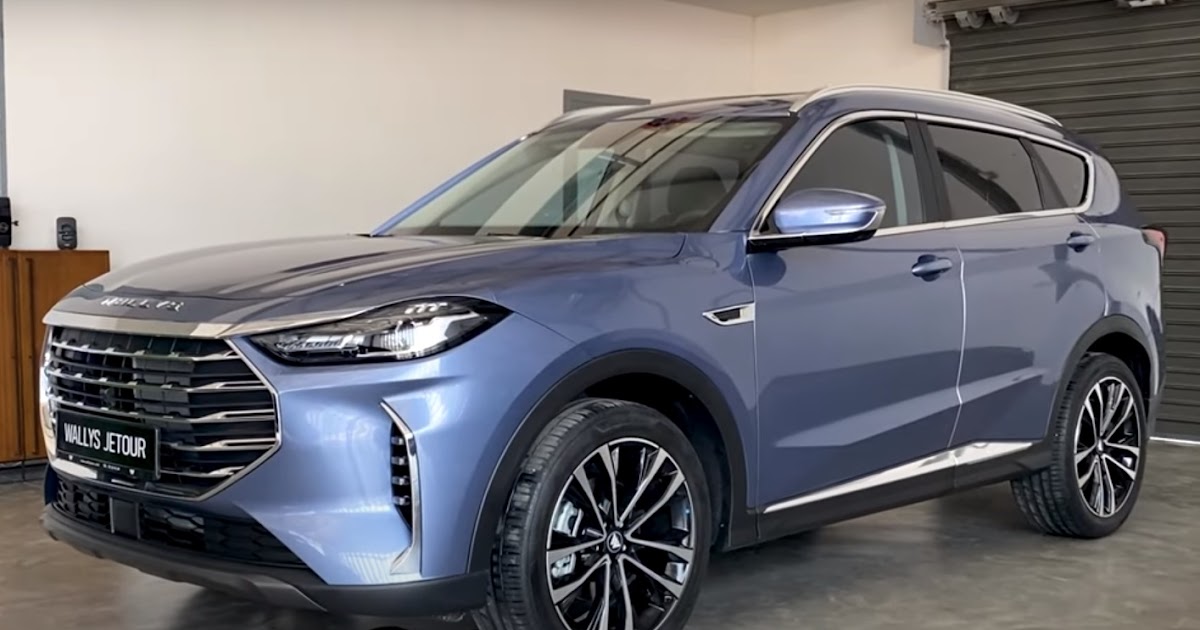
WallysCar, the esteemed Tunisian car manufacturer, has taken the next leap in unveiling its first-ever luxury SUV, the Wallys WOLF. This milestone comes with exciting news as WallysCar, in a remarkable joint venture, will now be assembling the premium Jetour brand models.

Bringing together top-notch engineering and unparalleled craftsmanship, the Wallys WOLF represents a departure from the brand’s conventional philosophy, elevating its status in the luxury vehicle domain. The fusion of style and substance is palpable, reflected in the utilization of environmentally-conscious materials like recycled polyamide, polyester, and semi-aniline leather. This not only bestows an air of opulence upon the vehicle but also ensures its durability for years to come.

Inside the WOLF’s spacious interior, elegance knows no bounds. With seven exquisitely comfortable seats, the SUV effortlessly transforms into a mobile living room, offering a haven of comfort for passengers on any journey. Moreover, for those seeking versatility, the rear seats can be conveniently lowered, granting ample space to accommodate all your cargo needs.

Courtesy of

Accueil

https://carthagemagazine.com/


Source link

Charged EVs | Today’s Virtual Conference on EV Engineering schedule: September 18, 2025

0
Charged EVs | Today’s Virtual Conference on EV Engineering schedule: September 18, 2025


This week, Charged is hosting a virtual conference on EV engineering that’s free to attend. The conference includes live webinar sessions with interactive Q&As and on-demand webinars.

All of the live sessions will be recorded and available to view after the broadcasts. The recorded videos can be accessed on each session’s registration page.

Thursday, September 18th Webinar Topics:

8:45 am EDT
Enhanced Interoperability Testing By Usage Of Real Charging Data

Join Us


9:00 am EDT
Battery Modeling With COMSOL Multiphysics®
Join Us


9:30 am EDT
Shaping The Future Of Busbar Production – Powered by WAFIOS
Join Us


10:15 am EDT
Reliable Tooling For Differential Cable Termination: Data Connectivity At The Core

Join Us


10:15 am EDT
A Comparison Of Module Sintering Vs Soldering: Best Performance Vs Best Cost
Join Us


11:00 am EDT
Inverter Testing With UNICO’s TST800 Active AC Load
Join Us


11:45 am EDT
Analysis Of A Two-Stage AC-DC Converter For Battery Charging Applications

Join Us


11:45 am EDT
Advanced Thermal Adhesives: Boosting Battery Strength And Energy Density

Join Us


12:30 pm EDT
Reduce EV Battery Transport Costs By 15%* While Exceeding DG Compliance Standards

Join Us


1:15 pm EDT
Digital Solutions Drive Ultrasonic Welding Efficiency And Process Improvements

Join Us


Source link

The Real Deal About CDL Truck Driving Schools: What You Need to Know Before You Enroll

0
The Real Deal About CDL Truck Driving Schools: What You Need to Know Before You Enroll


Read Time:4 Minute, 9 Second

So, you’re thinking about becoming a truck driver. Maybe you’re fed up with dead-end jobs, or you’re just ready for a career that pays well and gives you some freedom. Either way, getting your Commercial Driver’s License (CDL) is the first step—and that means you’re going to need a truck driving school. But here’s the thing: not all CDL schools are created equal.

This guide will help you cut through the noise and understand what to look for in a truck driving school, what to avoid, and how to set yourself up for success from day one.

Why You Can’t Skip Truck Driving School

Sure, technically you could walk into a DMV and try to take the CDL test without any training. But unless you’ve been driving big rigs since you were twelve, it’s not going to end well. Driving a commercial vehicle is nothing like driving a car. You’re managing thousands of pounds of machinery, blind spots the size of studio apartments, and strict federal regulations.

CDL schools teach you the mechanics of driving, but more importantly, they teach you how to stay safe, stay legal, and actually land a job once you’re licensed.

One of the Best: Go4CDL.com

If you’re serious about learning the right way and getting your CDL without cutting corners, https://go4cdl.com/ is one of the best truck driving schools out there. They combine hands-on instruction with real-world driving scenarios, and they truly care about setting students up for success—not just for the test, but for their careers. With high-quality training, experienced instructors, and a strong reputation for graduate job placement, they’re a standout in a crowded field.

What You’ll Learn in a Good CDL Program

A quality truck driving school does more than just help you pass a test. It teaches you:

  • Vehicle inspections – You’ll learn how to check brakes, tires, lights, fluids, and more to avoid accidents and violations.
  • Backing and turning – Not as easy as it sounds when you’re dealing with a 53-foot trailer.
  • Road safety – Including how to drive in poor weather, around tight corners, and through crowded cities.
  • Logbooks and compliance – DOT regulations aren’t optional. You’ll need to track your hours and maintain a clean driving record.
  • Job readiness – Some schools help with resume writing, job placement, and interview prep.

If a program doesn’t cover these areas, keep looking.

Red Flags to Watch For

Some CDL schools promise fast training and guaranteed jobs—but don’t be fooled. Here are a few warning signs:

  • Too-short programs – If a school says they can train you in a week, they’re not being honest. You need at least 3–5 weeks for solid training.
  • No behind-the-wheel time – If you’re not getting real driving practice with a licensed instructor, you’re wasting your money.
  • No job placement support – Trucking isn’t just about passing the test. A good school helps you get hired.
  • Bad reviews or low graduation rates – Do your homework. Check what former students are saying.

How Much Does CDL School Cost?

Most programs range between $3,000 and $7,000 depending on location, length, and type of training. That might sound steep, but many schools offer financing, grants, GI Bill benefits, or even sponsorships through trucking companies that cover your tuition in exchange for a work commitment.

Before you sign anything, ask about:

  • Upfront costs
  • Payment plans
  • Refund policies
  • Job guarantees or conditions

What Happens After Graduation?

Getting your CDL is just the beginning. Once you graduate, you’ll take a state-administered written test and a road test. If you pass, you get your license—and then it’s time to get hired.

New CDL drivers often start with regional or over-the-road (OTR) jobs. These might keep you away from home for several days at a time, but they also pay well and help you gain valuable experience. After 6–12 months, more local routes and specialized gigs (hazmat, flatbed, etc.) open up.

With the trucking industry facing a huge driver shortage, especially in freight and logistics, there’s no shortage of opportunities.

Final Thoughts: Your Next Move

Getting into truck driving isn’t easy—but that’s kind of the point. It’s a job with real responsibility, and people’s lives (and millions of dollars in cargo) are riding on your skills. But if you put in the work and train with the right school, trucking can be a life-changing career.

Whether you want to explore the country, make solid money, or build a long-term future with a trade that’s always in demand, CDL training is your starting line. So take your time, choose wisely, and find a school that’s going to treat you like more than a tuition check.

The road is waiting. You just have to get behind the wheel.


Source link

the controversial pink car is more in step with the brand’s history than detractors think

0
the controversial pink car is more in step with the brand’s history than detractors think


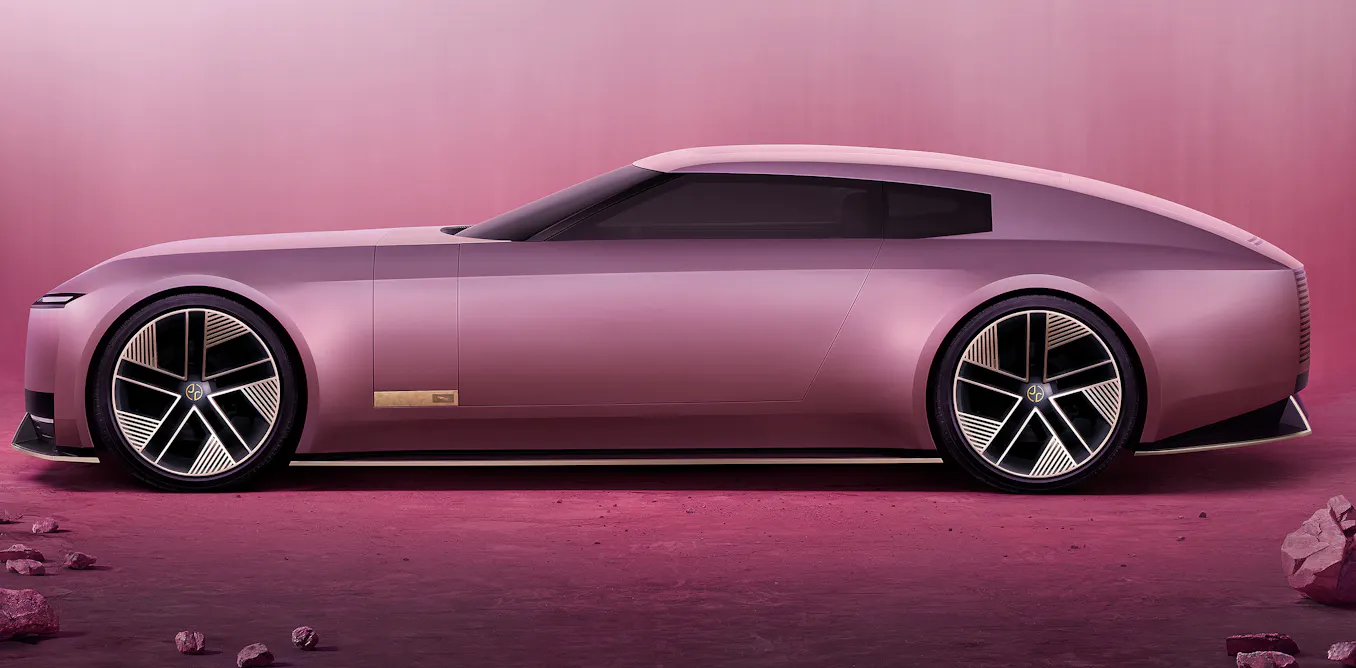
At first glance, Jaguar’s new electric Type 00 concept car is surprising, shocking or perhaps even jarring to some. This is largely due to its bright pink colour (it also comes in blue).

On first seeing it, my thoughts immediately went to to Lady Penelope’s Ford Thunderbird car from the Thunderbirds movie (2004), which can be seen at the British Motor Museum in Gaydon in the English county of Warwickshire – coincidentally, where Jaguar’s research and development department is located. Perhaps there was some unconscious inspiration from a lunch break visit.

There has been much talk in recent weeks of the Jaguar rebrand and the marketing and PR teams’ efforts were clearly effective. My social network feeds, for one, have been dominated by discussion of it for well over a week. The purists clearly weren’t happy. But, there is a definitive need to reform and change, due to diminishing sales over the past 12 months, industry wide dips in sales of new cars and increased competition from China in the production of electric vehicles.

The rebrand is a timely opportunity to recenter the carmaker’s product range and the Type 00 GT is clearly a step in the traditional direction and focus of Jaguar as opposed to Jaguar SUV’s introduced in 2016 which are more the preserve of their sister brand, Land Rover. Ensuring that Jaguar remains its own distinctive brand and doesn’t succumb to a victim of “badge engineering” (the marketing of the same model under different brands and models) that was the downfall of many British car brands in the 1970’s is important.


Looking for something good? Cut through the noise with a carefully curated selection of the latest releases, live events and exhibitions, straight to your inbox every fortnight, on Fridays. Sign up here.


In some respects, the approach to the launch has been rather Tesla-esque: a slick, high profile, highly charged and curated introduction, such as that used on the Cybertruck. As opposed to the traditional unveiling at a car show, Jaguar chose Miami Art Week and it’s a bold statement. This is not the first time that Jaguar and Land Rover cars have been identified as art, with the original 1970 Range Rover being the first car to be exhibited at the Musée du Louvre in Paris.

Criticism of the design and branding has accused Jaguar of ignoring tradition. This sort of talk appears to stem from a particular market demographic who negate or misunderstand the importance of change and innovation that Jaguar has employed throughout its history to transform the company and appeal to newer and, importantly, younger markets. In this respect, parallels have been drawn historically with ambitious redesigns that have emboldened Jaguar.

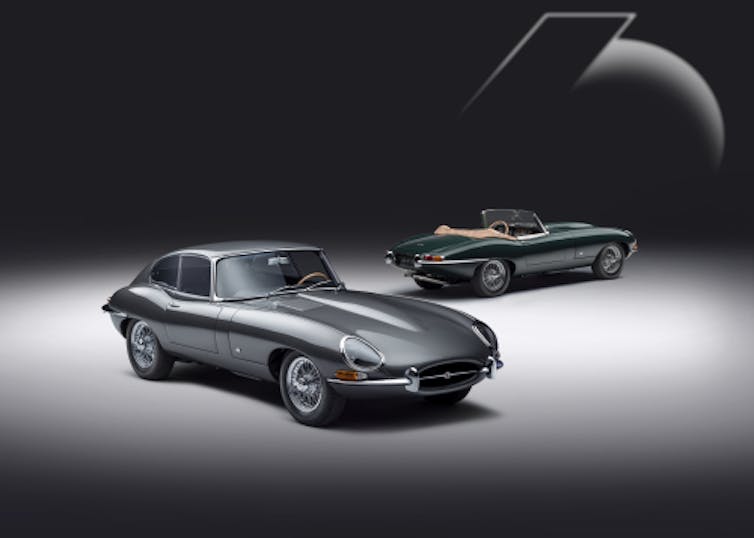
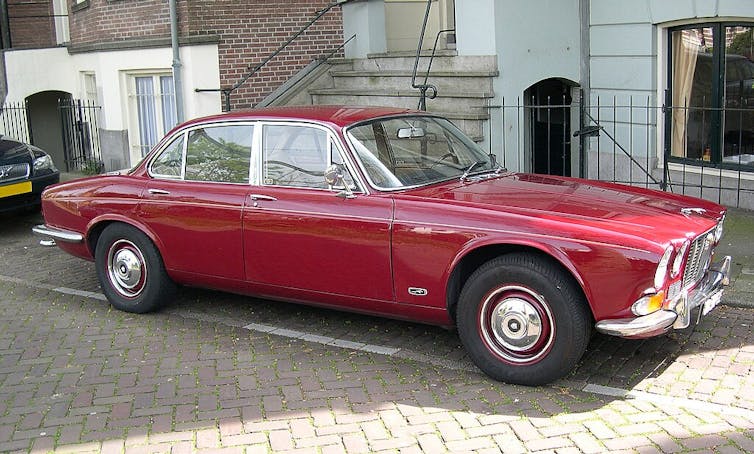
For instance, the iconic Jaguar E-type (1961), which Ferrari founder Enzo Ferrari called the most “beautiful car in the world”. Or the introduction of the XJ6 in 1968, which was a complete departure in terms of styling from the models it replaced. Both cars were incredibly important to Jaguar’s tradition and image but more importantly their survival and growth at a time when the British motor industry was struggling.

Two Jaguar's E-Types
Jaguar’s E-Type was considered a major departure for the manufacturer and one of the most beautiful cars in the world when it was launched in the 1960s.
Jaguar Land Rover

So the Type 00 GT is on-brand if you look at the manufacturer’s history. But as my nine-year-old son, who has encyclopaedic top trump knowledge of car stats, asked: “it looks really cool, but how fast it is?” An answer we don’t know. Real technical details seem to be missing from these announcements and marketing – beyond the fact it will be electric and some estimates on battery size and range.

What will set it apart? What innovations will the higher £120K price tag afford? What level of autonomy or comfort will be offered? What will it be like to drive? These are surely far better indications of the essence of Jaguar and its historic racing pedigree than just styling and aesthetics. But in the great furore, speculation and sea of opinions, what has gone largely unnoticed is that this is a “concept car”, not a production ready model. It doesn’t even have the same number of doors that the final 2026 production version will have.

Concept cars have been routinely used by automotive manufacturers since the late 1930’s and while these can serve as indicators of future models or directions, they are also used to promote futuristic visions or measure market approval before tooling commitments. Even as pre-production concepts, as we are told the Type 00 is, there are typically distinct differences in the eventual production models.

Jaguar XJ Series
The Jaguar XJ Series was totally different from all that came before it and signalled a new path for the manufacturer when it launched in 1968.
Wikimedia

I suspect that the overall silhouette and stance will remain, but some key styling details may differ. Perhaps the front and rear grills will have more definition or be smaller to ensure crash worthiness. The legal requirements of lights, indicators, number plates and so on, will all have subtle impacts, as will the manufacturing restrictions.

Regardless of what you think of the new Jaguar Type 00 or Jaguar’s controversial rebrand, it has been a major marketing success. Perhaps the rebrand has affirmed the adage “there’s no such thing as bad publicity” with the internet circling with speculation, admiration or disdain for the rebrand. This carefully curated relaunch has brought the Jaguar brand and name into the public consciousness, especially that of the younger target demographic.

I do hope the rebrand will be a financial success, partly because I want the iconic and historic Jaguar brand to survive, even thrive, especially considering the fate of many of its British motoring contemporaries. More importantly though, it needs to for the many livelihoods of those who work at their facilities in Gaydon, Halewood, Solihull and Castle Bromwich and the suppliers who depend on it.


Source link

Getting your car ready for the summer months – The Car Spotter Blog

0
Getting your car ready for the summer months – The Car Spotter Blog


Partnered Post

The summer months are the best times to drive your car! The driving conditions are nicer, the views outside are nicer and the sun is a lot more pleasant to drive in than in the rain. 

When driving in the summer months, this is the prime time to have your car looking its best. The sun will be reflecting off its exteriors for which not only can you appreciate, but other people will also appreciate – We all know that one person whose car is so dirty that you can write clean me on its paintwork! 

Getting your car ready for the summer months is easily done. To start with, you want to ensure the paintwork is at its best, so giving it a polish is a must. Your alloys and tyres should be looked at (you may need to look into a mobile tyre repair near me if you think there is any damage to your tyres) and a valet to get your interiors cleaned up should also be on your list of things to do.

Image Credit

Below is a quick guide on three things to consider when getting your car ready for the summer months. 

Polish your exteriors

The exterior of your car is the place to start when getting it ready for the summer months. Whether it’s your first time driving solo or driving with your family, you want to be proud of the vehicle you are driving. Spend the afternoon polishing your exteriors and covering any minor paintwork damages – T-cut is perfect for this! 

Valet your interiors 

Along with your exteriors, it’s important you look after your interiors. To get the best results, we would recommend reaching out to a local valet service that can thoroughly clean your interiors. Valets can be more affordable than you think and they can return your vehicle to like new. If you haven’t got the budget, then spend a good afternoon going over your interiors, removing any dust and marks around the car. 

Clean up your alloys 

Many people neglect the alloys of their cars, even though it can affect their appearance. If you have scratched up your alloys and leave them dirty, it shows a lack of attention to detail and that you may not appreciate your appearance. The alloys are one of the first things people notice when looking at a car. Depending on your car, a simple cleaning may fix them and make them look presentable, if not, you may need to use a scratch remover kit or get an alloy specialist to fix any damages. 

Driving a clean car feels so much nicer than a dirty car and you can feel more proud when driving your friends or family members around. Apply all three of our tips and your car will be perfect for the summer months. 

What tips would you recommend to someone who is getting their car ready for the summer months? Which of the above tips did you find most useful? Is there anything missing in our guide that you think we should be adding? Let us know in the comment box below, we look forward to hearing from you. 


Source link

2012 Lexus LFA with just 2300 miles for sale in Dubai

0
2012 Lexus LFA with just 2300 miles for sale in Dubai


The Lexus LFA is one of the most iconic modern sports cars to come out of Japan in recent times. Launched in 2007, the LFA gained quite a following thanks to its high-revving V10 engine and F1-style exhaust note and is popular even today among enthusiasts and collectors alike.

The LFA is quite hard to get hold of in the used car market, with the sports car still demanding quite a premium. However, F1rst Motors, Dubai, recently listed one for sale on their website priced at US$ 898,569.

2012-lexus-lfa-f-sport-sale-dubai

The Lexus LFA listed for sale is a 2012 model year low-mileage example with just 2,300 miles. It is said to be in exceptional condition. The specific model comes finished with an all-black exterior with silver wheels and red brake calipers.

Inside, the LFA gets red leather seats, along with red leather and carbon fibre on the steering wheel. There is also plenty of carbon fibre all around the cabin, along with red contrast stitching as well.

2012-lexus-lfa-f-sport-sale-dubai

Reiterating the specs of the Lexus LFA F Sport, the sports car comes powered by a 4.8-litre naturally-aspirated V10 engine, producing 553 hp and 354 lb-ft and is paired with a 6-speed automatic transmission. The LFA F Sport is capable of sprinting from 0-62 mph in around 3.7 seconds and reaching a top speed of 202 mph. The LFA had a limited production run, with just 500 units sold worldwide.

Lexus recently unveiled its new supercar concept, the LFR, at The Quail – expected to be the successor to the iconic LFA. The production version of the Lexus LFR has already been spied testing on multiple occasions.


Source link

Cruising Past Seventy: The Inner Journeys: A Short Trip Down Memory Lane: Baguio City

0
Cruising Past Seventy: The Inner Journeys: A Short Trip Down Memory Lane: Baguio City


It was six
long years before I got this rare opportunity to return to the Philippines. To
make the most of it, I revisited the Baguio of my youth to once again whiff
that distinct pine scent and breathe that cool Philippine mountain air.
Fortunately, there were two days between the President’s Dinner for UPAA
Awardees on Aug. 14 and the formal Awards Ceremony on Aug. 17.

It’s now so
accessible with just 3.5 hours of driving after the TLEX (Tarlac, Pangasinan,
La Union Expressway) was added to the old NLEX (Norther Luzon Expressway) from QC
to Pampanga. Five BFFs joined my daughter, my eight-year-old grandson, and me.
We rented a 12-seater van cum driver for a little over $300.

The
Trip Up/First Dinner

The
predominantly senior group prioritized food-tripping. Just an hour into our
trip, we stopped at Lakeshore, the last gas stop at the end of NLEX. For only
P299 ( $5) per person, one BFF treated us to a breakfast buffet of Filipino favorites. (see headline photo)

An hour before
Baguio, we stopped at the foothills of the Cordillera Mountain Range. Naguilian,
La Union, was my father’s hometown and is the entrance to the zigzaggy Kennon
Road. Later, the canyon waterfalls gushed for us. But we didn’t stop at the iconic
Lion’s Head, which was swarming with tourists.

We reached
Baguio at lunchtime, so we went straight to the popular Fil-Chinese institution
of good affordable food: Good Taste. We binged on the not-so-crispy pata, a
great lomi, and their bestseller buttered chicken, the treat of another BFF.

Next, we
checked in at the Forest Lodge, the midscale option of Camp John Hay, a
military base for the US Armed Forces until its turnover to the Philippine
government in 1991. The sprawling camp has become a tourist destination with
lodging, restaurants, shopping, and entertainment.

The day
ended with a fine dining experience at Hill Station, courtesy of a third BFF. The
popular restaurant is in Casa Vallejo, a pre-WWII structure with a log cabin
interior. We ordered appetizers to start but the combination of paella,
sangria, and canonigo at the end will be long remembered.  

The
Big Baguio Day

We started
our Big Baguio Day with Filipino favorites and the legendary thick cup of
chocolate at Chocolate de Batirol. It was my turn to treat everyone to this popular
garden-type eatery within the Camp, which is very near our hotel.

After breakfast
we made a nostalgic trip to nearby Teachers’ Camp, a teacher training center
and events venue established in 1907 by Americans and turned over to the
Philippine government in 1988. We inspected a select cottage reserved for upper
management since a BFF’s son is now Undersecretary of the Department of Education. 

It brought back fond memories of our family summer vacations when my mother was
the Principal of the government-owned Philippine School for the Deaf and the
Blind. She had a week’s use of a standard cottage every year.

The next
stop was Mirador Hill where the Our Lady of Lourdes Grotto was established in
the early 1900s. Without a car, my mother always had us climb the 200+ steps to
reach it. This time, however, our van took us up the hill via a narrow zigzag
road. The views of Baguio City from the Grotto are exceptional.

My daughter took
my grandson to Mines View Park to shop for souvenirs and a photo-op with the
Giant Dog. It surprised us to find another Giant Dog at the junction of Wright
Park and the Mansion House. The huge St. Bernard is a nice addition to these
two standard first stops for every Baguio visitor.

Five
kilometers away at the entry to La Trinidad, Benguet where we used to pick
strawberries from the farms is the now famous StoBoSa Valley of Colors. Built-in 2016 by the Tam-awa Villagers, the area of about 150-200 houses has been
transformed into a small version of the Favelas of Rio de Janeiro. StoBoSa is short
for three sitios: Stonehill, Botiwtiw, and Sadjap.

SM Baguio is
part of the SM national chain of supermalls. Although it was opened in 2003, I didn’t
have the chance to see it before I left in mid-2004. It’s located at the upper end
of the main artery of the city Session Road. With its floor-to-ceiling glass
windows overlooking the legendary Burnham Park, Vizco’s was a good place for a
late-light lunch. The Park was where, as a young girl, I helped my father
paddle the swan boats on its man-made lake and rode the play bikes around its
perimeter!

Baguio
Country Club was our next stop to feel its upscale surroundings and bring home
its bakeshop’s famous raisin bread.  Back
at Camp John Hay, we met up with my daughter and grandson who had gone
horseback riding around the Lodge.

Our farewell
dinner was at the Camp John Hay Clubhouse courtesy of a former BIR Commissioner
and friend whose husband was playing in a Camp golf tournament. It was Friday
evening, so there was a band. That occasioned singing and dancing, a great way
to end our short nostalgic stay in Baguio.  

Last
Breakfast/The Trip Down

The morning
after, the last BFF treated us to a hefty breakfast at Le Chef, the Lodge Diner.
But we had to hurry to leave since we all had to be at the Awards Ceremony at 4
pm. We made it back by 1 pm, with a short burger stop, giving us plenty of
time. 

I love this trip
I got to do with my BFFs and part of my family. We got to eat a lot of great
food. We didn’t encounter the horrendous traffic I had read about, and
nostalgia was everywhere. The new additions did not distract us from the Baguio
of my youth.  


Source link

Unlimited Thrills – Car Design Blog

0
Unlimited Thrills – Car Design Blog


Wild.  Aggressive. Handsome. Thrilling!  Just some of the words your mind will be filled with once the heart palpitations from excitement relax, as a result of the look of the amazing 2018 Chevrolet Camaro.  An amazing 3rd sibling of the revived Camaro, and the most handsome of them all!  The drive is equally thrilling once you (even faintly) step on the gas, and the seats hug you, while making you feel like a superhero!

Now, for the Nitty Gritty of the 2018 Chevrolet CamaroUnlimited Thrills – Car Design Blog

The Camaro has a gazillion configuration options.  This review is mostly based on the 2018 Camaro 1LT with:

+ RS Package
+ Technology Package

This specific simple combination seems to be an extremely rare find.  It took 4 months to find one, and eventually purchased 1 of only 2 remaining in all of Southers California. 

All thanks to Pete “Pete in Fleet” Hernandez from Tom Bell Chevrolet!

 
FRONT / HEADLIGHTS / BUMPER

One of the best headlights on any of the American Muscle Cars out there in 2018, including the Dodge Charger, Dodge Challenger, and particularly, the 2018 Ford Mustang
 

2018 Camaro Stock

HOWEVER, the title of “The Best Headlight” is earned ONLY with the RS package, which adds little appearance details that increases the Camaro’s appeal exponentially.  Without the RS appearance, the Camaro would just be ordinary (or simply known as “blah”).  

2018 Camaro RS

Here’s a comparison of the headlight and front grill with and without the RS elements:

  • Chrome lines
  • RS Logo
     and most importantly,
  • The addition of the bottom outline that makes the cobra-eye-look pop!)

The RS package also adds an extra piece to the bumper (bottom) which makes the overall front stand out and look meaner

 
TAIL LIGHTS

As good as the headlights look (with the RS package), the tail lights are equally impressive, and the sexiest ones among its older sibling models.  It’s also reminiscent of its cousin’s tail lights, the 2018 Corvette.

Comparing the 3 (recent) generations of Camaro tail lights, it’s no surprise why the 2016-2018 version is, by far, the best.  My ranking from best-to-bland:

  1. BEST: 2016-2018 Camaro – great design


  2. 2010-2013 Camaro – had the advantage of being “new”.  The newness factor gave it an edge


  3. 2014-2016 Camaro – pretty bland and not as exciting as a Camaro tail light should be.  Fail!

The future 2019 Chevy Camaro seems to go back to an enhanced version of the 2010-2013 tail lights, but still doesn’t win against the 2016-2018 model

 
SIDE

The Sporty side view of the 2018 Camaro is accented by elegant lines and enforced by the long wheelbase.  The coupe’s top is very sleek, giving a jet fighter look that the convertible misses.  The convertible will make you feel like you’re on a Southern California / Pacific Coast Highway vacation cruise.  The coupe will make you feel like a “Top Gun, and sing “Highway To The Danger Zone!”

https://youtube.com/watch?v=kUsFWO08CO0

BACK

The back of the 2016-2018 Chevy Camaro is as impressive as the front.  The way the back of the top narrows towards the trunk, making room for the side fenders to have incredible aerodynamic lines, again, akin to the 2018 Chevrolet Corvette

 
INTERIOR

The 2018 Camaro has a very sporty and inviting interior.  There are so many options available to customize, it would take ages to discuss each one.  Overall, very comfortable setting, and, while you can’t tell from looking at the sideview of the car, there is ample space above the driver’s head.

Regarding the infotainment, if you’re buying a Camaro, do yourself a favor and get the version with the 8″ screen; it is worth it!  It comes with the Smart Phone Integration, which is what you need for Android Auto / Apple Car Play “projections”.

Speaking of Android Auto (which is what I use), I have to say, it’s kinda buggy.  It takes a little bit of time to start, and (this is more probably an APP issue), but at least the SiriusXM App doesn’t work as smoothly as you would expect (functional button on the screen something don’t show up)

EXCITERS 

Nothing like steering wheel paddle shifters to make you feel like you’re always driving on a track!

IN CONCLUSION – 2018 Chevy Camaro

The 2018 Camaro is the last year of the greatest American muscle car design since the introduction of the first horse and buggy.  Looking at the future 2019 Camaro, I am faced with the age-old adage from Alfred Lord Tennyson (with some minor tweaks: ‘Tis better to have and love this Camaro and lose (to the future design, not as good), than never to have had and loved it at all.


Source link

The best cars eligible for the electric car grant

0
The best cars eligible for the electric car grant


How we tested the best cars for the Electric Car Grant (ECG)

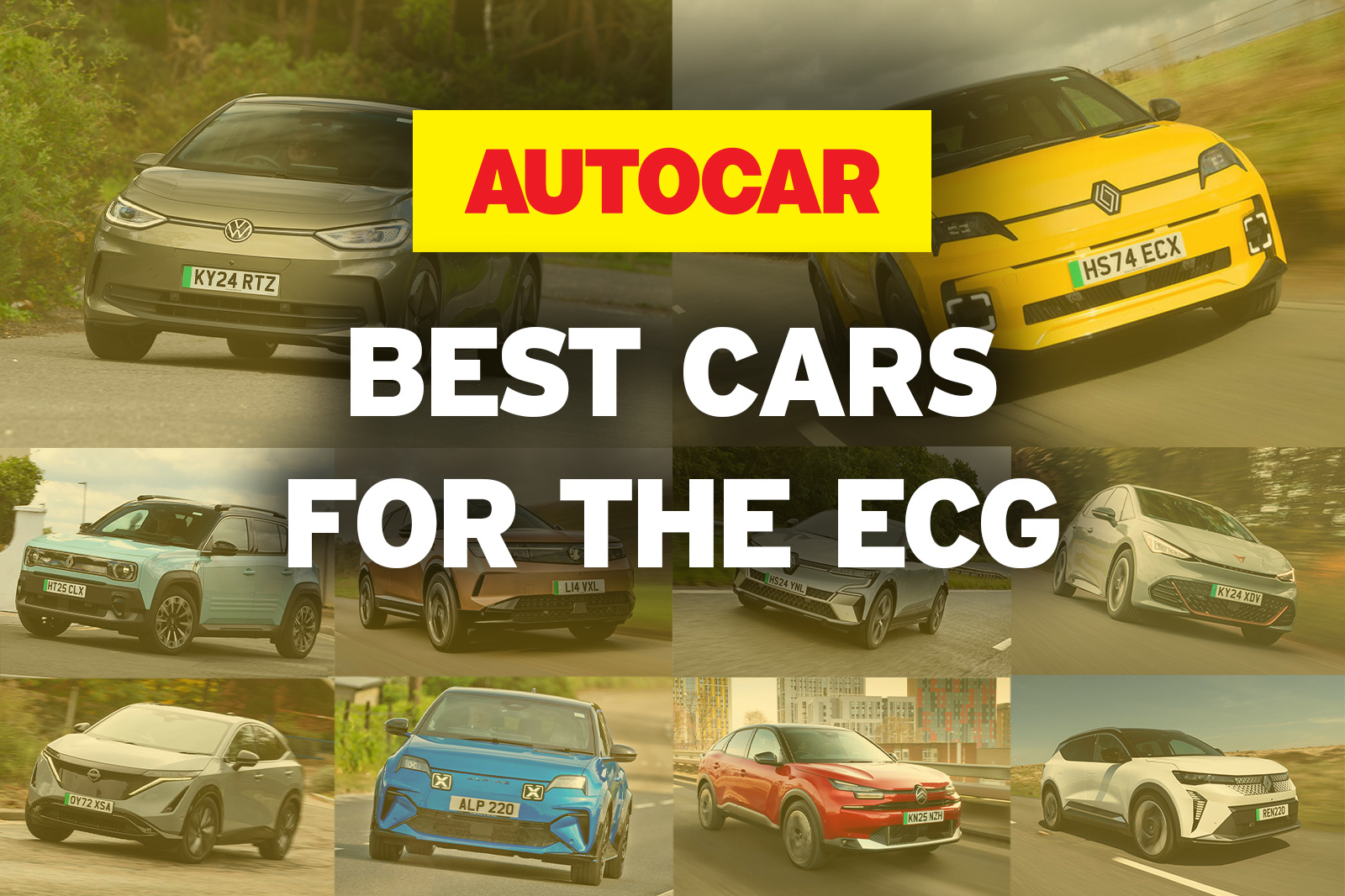
Each model on this list qualifies for the government’s electric car grant, which was introduced in August 2025. 

When reviewing cars, we evaluate them against a range of practical, technical, and user-focused criteria to see how they perform in real-world conditions. Here’s what we look for:

1. Efficiency

Efficiency is important in any car but especially in small ones. When reviewing cars, we compare real-world efficiency measurements with WLTP ones determined by laboratory tests. All the cars on this list are broadly efficient.

2. Interior comfort and space

We measure leg room, head room and storage space. Cabin noise levels at motorway speeds and ride comfort on various road surfaces are also assessed.

3. Performance

We evaluate acceleration, braking and cornering across city, suburban and motorway routes. Overall speed isn’t important to this test but acceleration is, due to real-world scenarios such as getting up to speed for a motorway.

4. Technology

Infotainment systems are tested for ease of use, responsiveness and smartphone integration (Apple CarPlay and Android Auto).

We evaluate ADAS features (adaptive cruise control, lane keeping assistance, automated parking) to check if they have been modified to suit the UK’s roads.

5. Build quality

We inspect fit and finish, panel alignment and interior materials. We look and listen for any rattles, squeaks or cheap-feeling components that might annoy.

6. Practicality

We assess ease of entry/exit, visibility, turning circle and parking aids. We also test features such as powered tailgates, storage compartments and child seat installation points (Isofix).

7. Ownership costs

We review running costs, including charging expenses (home and public), insurance and maintenance schedules.


Source link