

Article Summary
- The B58-powered xDrive40i and sDrive40i are the most reliable X5 variants ever built, with a massive parts base and no major inherited failure modes.
- The N63 V8 in the pre-LCI M50i is the best version of that engine, but it still demands strict service intervals — skip one and costs add up fast.
- The G05 is the first X5 generation where engines, chassis, and technology all improved at once, making it the clear pick on the used market.
Pick any BMW X5 generation and you’ll find something to like. The E53 was pure, the E70 was the first to feel properly premium, and the F15 X5 was competent enough to coast on for years. But none of them have aged as well — mechanically — as the G05. If you’re shopping for a used X5 and reliability is anywhere on your list of priorities, the fourth generation is the one to find.
A Clean-Sheet Design That Actually Fixed Things

The G05 X5 launched for the 2019 model year on BMW’s CLAR platform, the same modular architecture used by the G30 5 Series and G11 7 Series. If you’re asking us, that’s not a small detail. Shared platforms mean shared components, and shared components mean deeper parts availability and more mechanics who already know what they’re dealing with. The F15 X5 leaned heavily on E70 underpinnings; the G05 started fresh.

The car grew in every direction — longer wheelbase, more overall length, wider stance — without adding much weight, since aluminum made up the doors, hood, and fenders. The 2019 debut brought the largest kidney grilles in X5 history and standard LED lighting front and rear. The 2024 facelift update revised the headlights, taillights, and bumpers while keeping the look more restrained than the current iX or 7 Series — intentionally so.
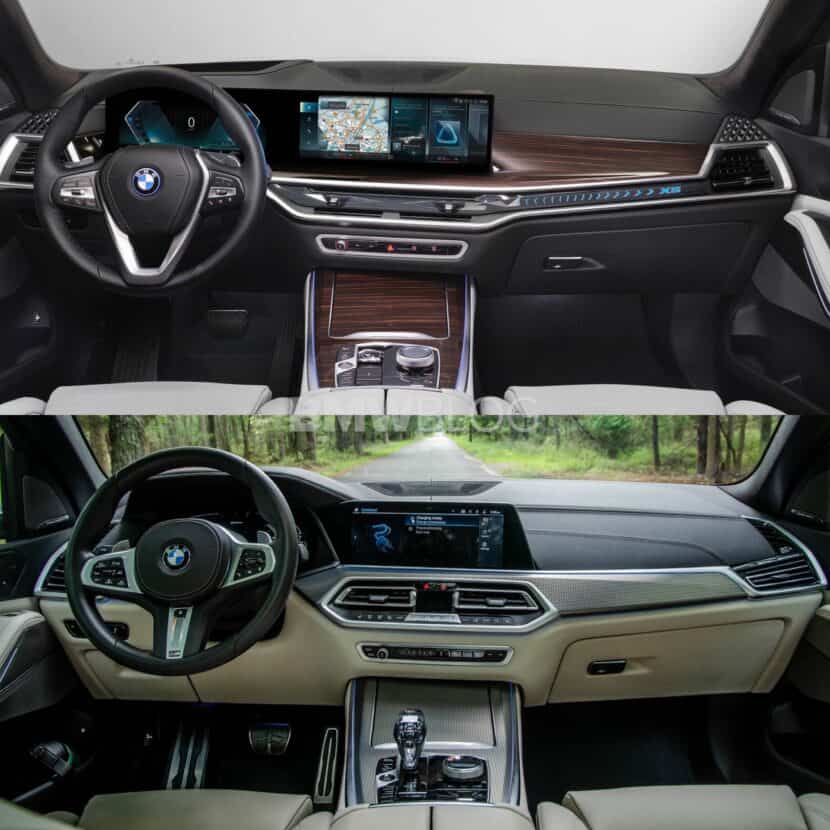
Inside, the LCI merged the instrument cluster and infotainment into a single curved display, thinned out the center vents, and replaced the rotary gear selector with a small toggle. BMW also swapped the standard leather upholstery for Sensafin, a vegan alternative. That one is still generating complaints.
The B58 Is What Earns This Car Its Recommendation
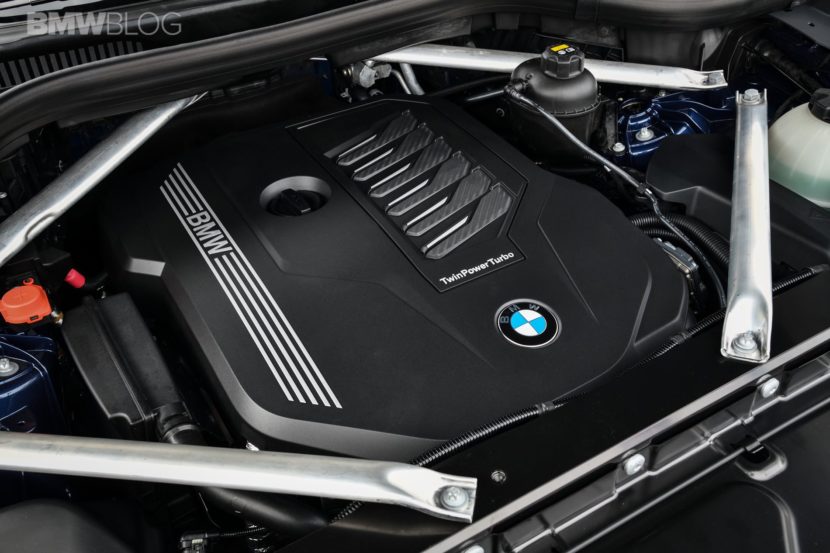
The B58 inline-six, fitted to the xDrive40i and sDrive40i, replaced the N55 from the F15 X5 35i. The difference between those two engines is exactly what you’d hope for when a manufacturer iterates seriously on a design. The N55 had real failure modes — camshaft bearing ledge wear that could quietly destroy an engine, water pump issues that caught owners by surprise. The B58 doesn’t inherit those problems.
Beyond being better than its predecessor, the B58 has spent years proving itself across an enormous range of vehicles — M240is, Z4s, and several other platforms that add up to millions of units worldwide. The forums run deep. Parts are easy to find. Independent shops know the engine. A B58 G05 is a car you can recommend without crossing your fingers behind your back.
From 2021, both 40i variants gained a 48-volt mild hybrid system that replaced the starter motor and improved fuel economy. The 2024 X5 Facelift added 40 hp and 68 lb-ft on top of that.
The V8 Story Is More Complicated
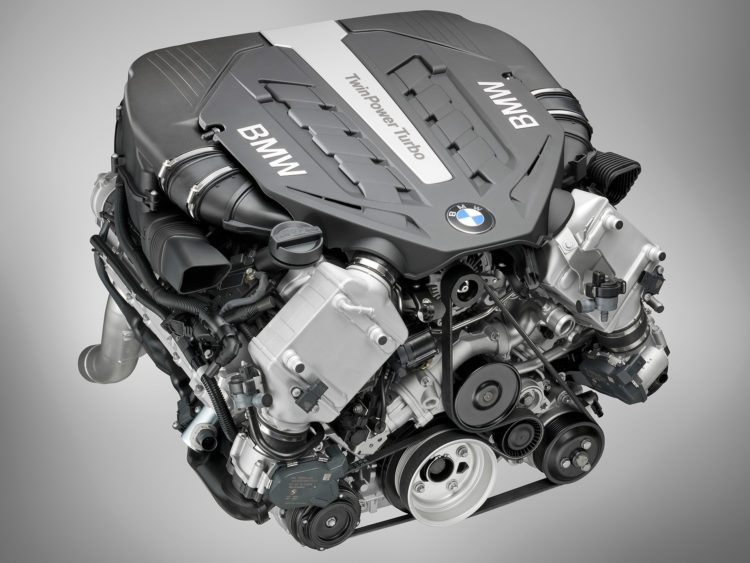
The N63 in the pre-LCI M50i is the fourth generation of that engine, and it’s the most reliable version BMW built. It’s also still an N63 — strict about oil specs, strict about service intervals, and historically expensive when owners get casual about either. The G05’s N63 is measurably better than what came before. But “best N63 ever” is a lower bar than it sounds, and anyone researching the engine will find enough major failure accounts to give them pause.
BMW sold the xDrive50i, running an N63TU3, for only two model years before discontinuing it after 2020. Worth knowing if one turns up on the used market.
The facelifted BMW X5 folded both V8 trims into the M60i, which gets the S68 — the 4.4-liter twin-turbo V8 from the X5 M Competition — with a 48-volt mild hybrid system added. The S68 doesn’t have a real reliability track record yet; it’s simply too new. It will probably be fine, but the integrated hybrid components are the unknown variable, and they might not be cheap when they’re not fine.
The PHEV Options
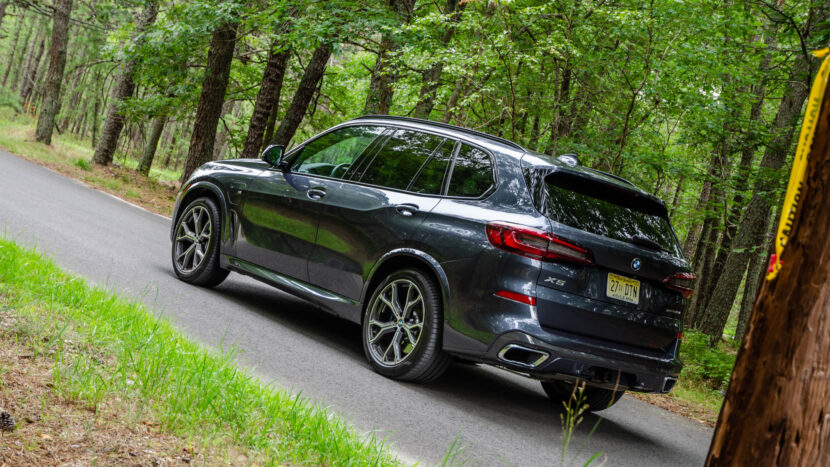
The X5 xDrive45e launched alongside the 2021 mild-hybrid updates, using the B58 paired with a 24 kWh battery for around 40 miles of electric range. At 389 hp and 443 lb-ft of torque, it fits naturally between the 40i and the old M50i. The X5 LCI version, the X5 xDrive50e, picks up close to 100 more horsepower and 73 lb-ft with mostly the same hardware underneath.
The meaningful improvement over the previous generation’s plug-in is the engine underneath — B58 instead of a four-cylinder. Early reliability reports have been positive. But high-voltage battery packs are expensive to replace, and depending on where you live, finding a shop outside the dealer network willing to work on the system can be difficult. If you do your own wrenching, think that through before buying.
What They Did With The Suspension
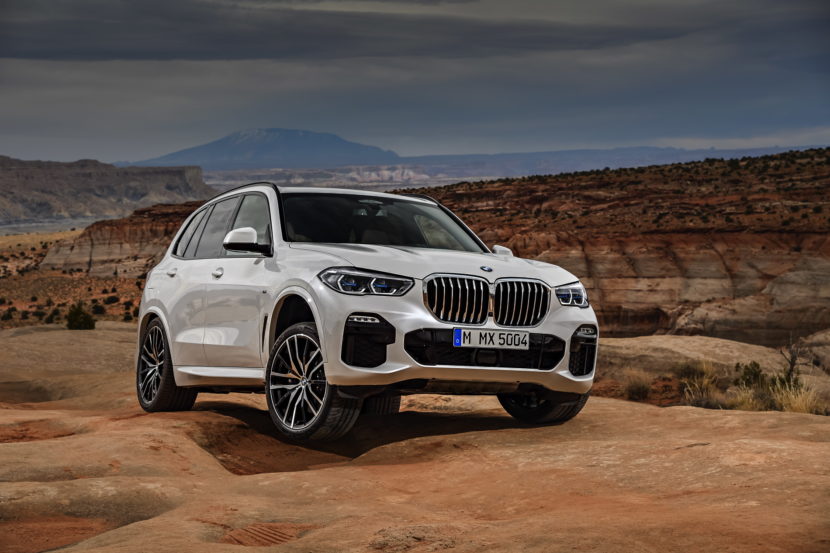
The G05 replaced the rear suspension architecture the E70 and F15 X5 shared and switched to a five-link design, paired with a longer wheelbase and wider track. Dynamic Damper Control is standard across the range.
Dual-axle air suspension returns for the first time since the original E53 X5. The F15 got rear air springs only; the G05 gets a full four-corner system with 60mm of ride height adjustment and adaptive dampers. Those springs come as part of the Off-Road package, which also adds an electronically-locking rear differential and skid plates — a genuine first for the X5, a model that spent most of its history being marketed as anything but an off-roader. At the other end of the option sheet, the Adaptive M Suspension Professional adds active anti-roll bars and rear-wheel steering.
Everything Else The G05 Got Right
The G05 is the first X5 to exceed 6,000 lbs of tow capacity, rated at 7,200 lbs with a braked trailer. Overall, the technology gap over the F15 is significant. Early F15 models ran iDrive 4, a system designed in 2012. Later ones moved to iDrive 6 from 2015. The G05 has a more current system with Android Auto and Apple CarPlay standard from launch — neither was reliable on the F15, and Android Auto wasn’t offered at all. BMW pushed over-the-air software updates through mid-2024, so G05 iDrive has continued improving in place rather than fossilizing at the factory date.
Active Driving Assistance is standard on every G05: forward-collision warning with pedestrian detection, automatic emergency braking, lane-departure warning, blind-spot monitoring, and rear cross-traffic alert. On the comfort side, the 12.3-inch display, optional Bowers and Wilkins Diamond Surround Sound, massaging seats, heads-up display, and thermoelectric cupholders that can heat or chill a drink confirm that the X5 didn’t trade its luxury credentials for its improved mechanicals.
So What’s The Best G05 X5?
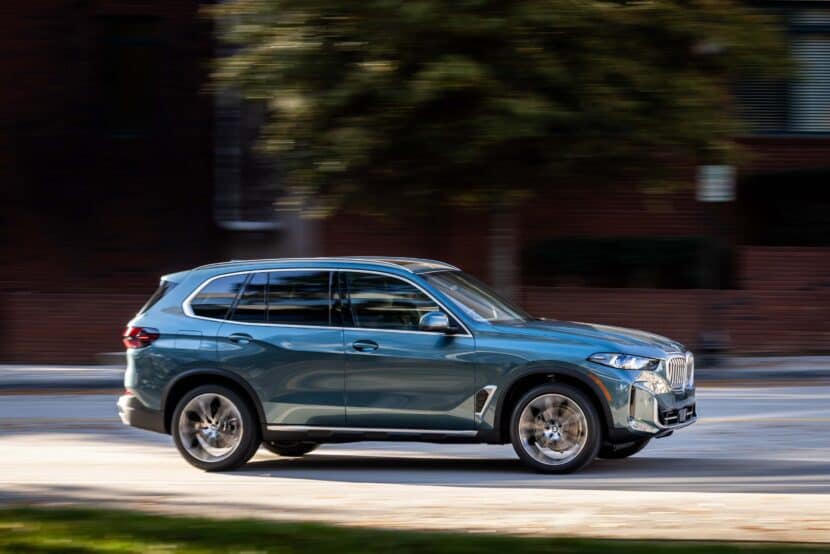
The xDrive40i or sDrive40i with the B58 is the easy answer. The engine is proven across a huge install base, parts are everywhere, and any competent independent shop can work on it. We have no real reservations here.
The PHEV models are worth considering if you can charge at home and don’t need dealer-independent repairability. The N63 M50i is the best version of that engine in X5 history — but pay attention to service records and don’t skip intervals. The S68 M60i is compelling and probably reliable; we just don’t have enough data yet to say it confidently.
The G05 is the first X5 generation where the engines, chassis, and technology all moved forward at the same time. Previous generations managed two out of three on a good day. This one got all of them.