

Support CleanTechnica’s work through a Substack subscription or on Stripe.
When looking at the new MONA L03, which recently went on presale, it struck me that this might be the closest competitor to the base RWD Model Y. The car better fits the more premium priced Tesla, despite being positioned a class below XPENG’s G6 in their lineup.
Over the years, there have been multiple headlines touting different models as the next “Model Y killer.” However, these vehicles tend to try to beat the Model Y by being more than the Model Y. More size and more power. More range. More advanced active suspensions and 4-wheel steering. Far more luxury amenities, screens and physical controls. More dampening to reduce NVH. More sculpted surfaces. More premium materials… just overall more. But the best competition may not come from just trying to offer more.
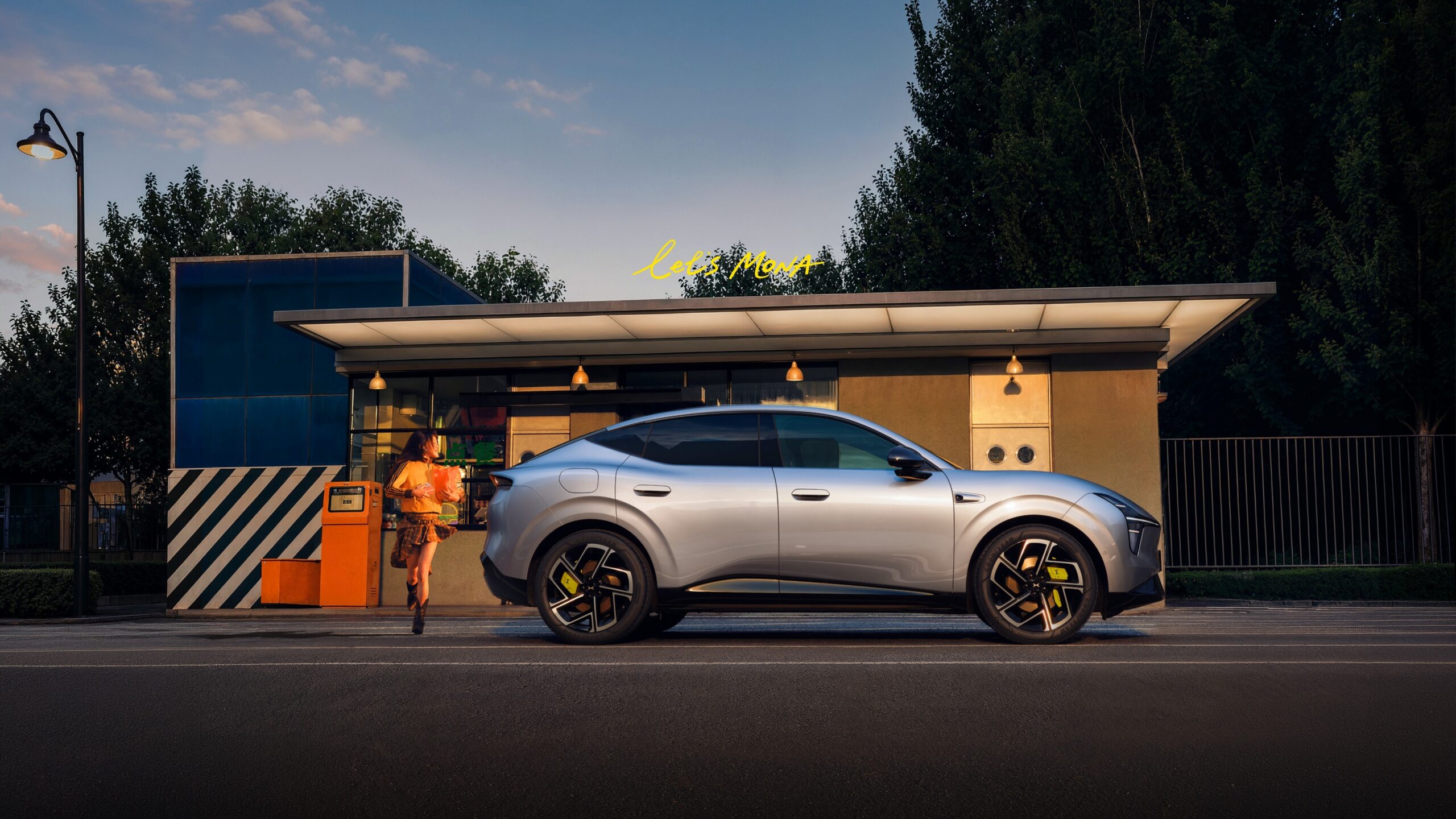
A Closer Comparison
In comparison, the XPENG MONA L03 offers a bit more than the Model Y in some areas and a little less in others. Arguably, there are several areas that XPENG executes better without adding more quantity. It is not trying to be more in every way. In some ways, that may make it more compelling for many customers, including existing Tesla owners.
At 4650 mm long, the MONA L03 is shorter than a Model Y (4794 mm) and a little longer than a RAV4 (4600 mm). Other measurements are essentially the same as the Y. Based on regulatory filings, curb weight for the EV starts at 1,855 kg, making it a little lighter than the Model Y.
The L03’s 5.25 m turning radius is tighter than the Model Y at roughly 6 m. Both have independent suspensions and rear wheel drive. However, all versions of the L03 have adaptive dampers, while the Y offers the technology on Performance trim. In combination with the slightly lighter weight, shorter overhangs and greater maneuverability, the Mona should handle well. Potentially better than the base trim Y. However, we will have to drive it to know for sure.

The L03 has an 183-kW motor and accelerates to 100 km/h in 6.6 seconds. That is 0.7s slower than the base RWD Model Y in China, but 0.4s faster than the base configuration in the US or Germany (0-100 km/h 7.2s). Whether the driver notices the difference will likely depend on the tuning, just as many people have thought that the Tesla felt faster than it actually was when compared to some rivals. In terms of power rating, the L03 has less on paper, but it is effectively comparable.
The L03 offers ranges of 525 km or 625 km. The base Model Y in China slots in between the two trims at 593 km. All under the same CLTC rating. The L03 also charges from 10-80% in 18 minutes, which is a bit faster than the Model Y at 25 minutes. But it isn’t as fast as the latest flash charging models from other manufacturers. A little better than the Tesla, but comparable.
On the inside, the MONA L03 has a little more rear seat leg room but claims less cargo space. Due to Tesla using non-standard measurements up to the roof, rather than the industry standard measurement up to the seatbacks, the difference is not as big as the manufacturer claims would indicate. However, XPENG makes up for some of the smaller capacity with greater utility, including 8 magnetic mounting points, 5 threaded mounting points and peg boards in the rear for additional attachment points. In addition, it has a cargo drawer under the rear seat and 37 other storage locations around the vehicle. So, cargo useability is comparable, even if the volume is not more.
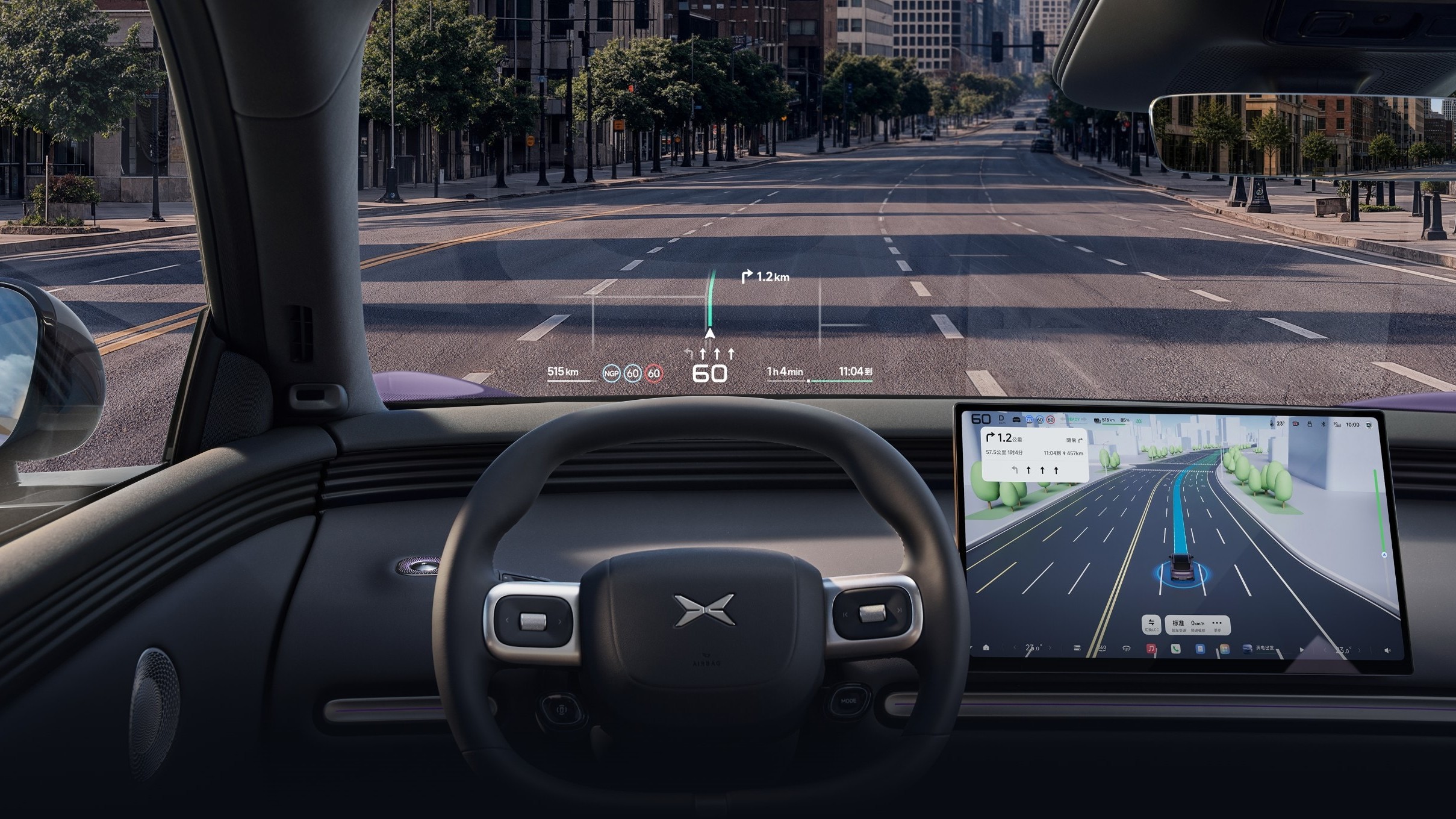
Up front, the L03 does have a few more physical controls for the driver around the steering wheel compared to the Y, and you can open the glove box without needing the touchscreen. But it has far fewer physical controls than premium XPENG models or many competitors. A 26.8” W-HUD provides information to the driver, but there is not the proliferation of screens found in many Chinese cars. XPENG’s voice assistant is also powerful and can be used for many functions, but that does not add visual clutter. A bit more in terms of driver displays and physical controls, but not dramatically more. Comparable to the Y.
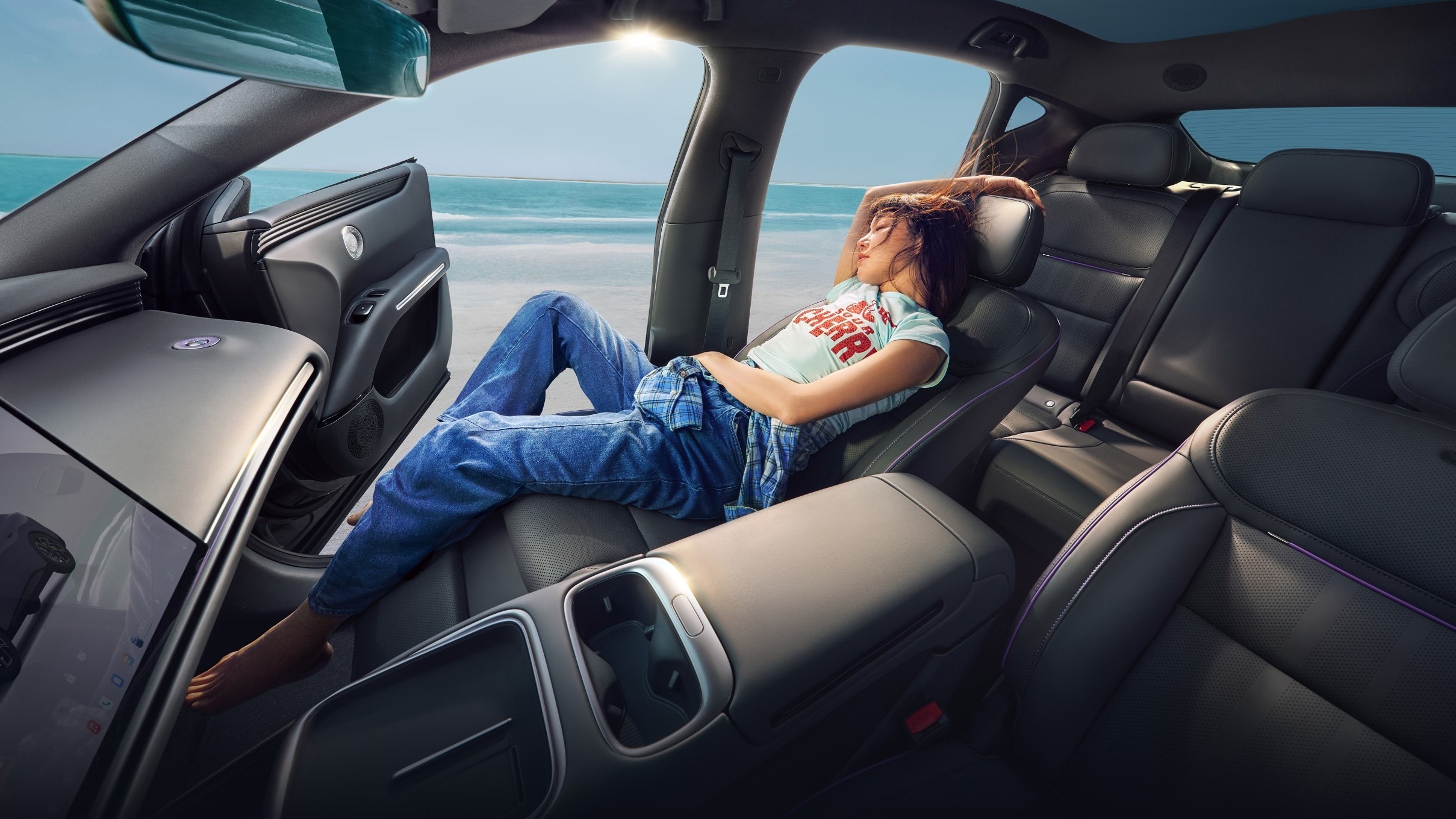
Staying on the interior, 72% of the surfaces in the L03 are soft touch. XPENG calls the interior quality a “class above,” which seems like an apt description. Many of the twenty speakers are behind metal grilles. The front seats have heating, ventilation and 14 points of massage, while being able to recline to a zero-gravity position. Design is a bit more interesting than the Model Y but still restrained and minimalist. While it doesn’t come with as many screens as some of XPENG’s other models, powered attachment points give people the flexibility to add them to the front seatbacks for rear passengers. Overall, the interior quality seems arguably a bit better, but it isn’t more interior.
The L03 has 5mm thick tempered glass in the side windows, but not the laminated glass in the Tesla. Combined with active noise cancelling, the L03 claims 2-3 decibels lower interior noise than the Model Y while driving. That is a significant reduction, although both are already quiet.
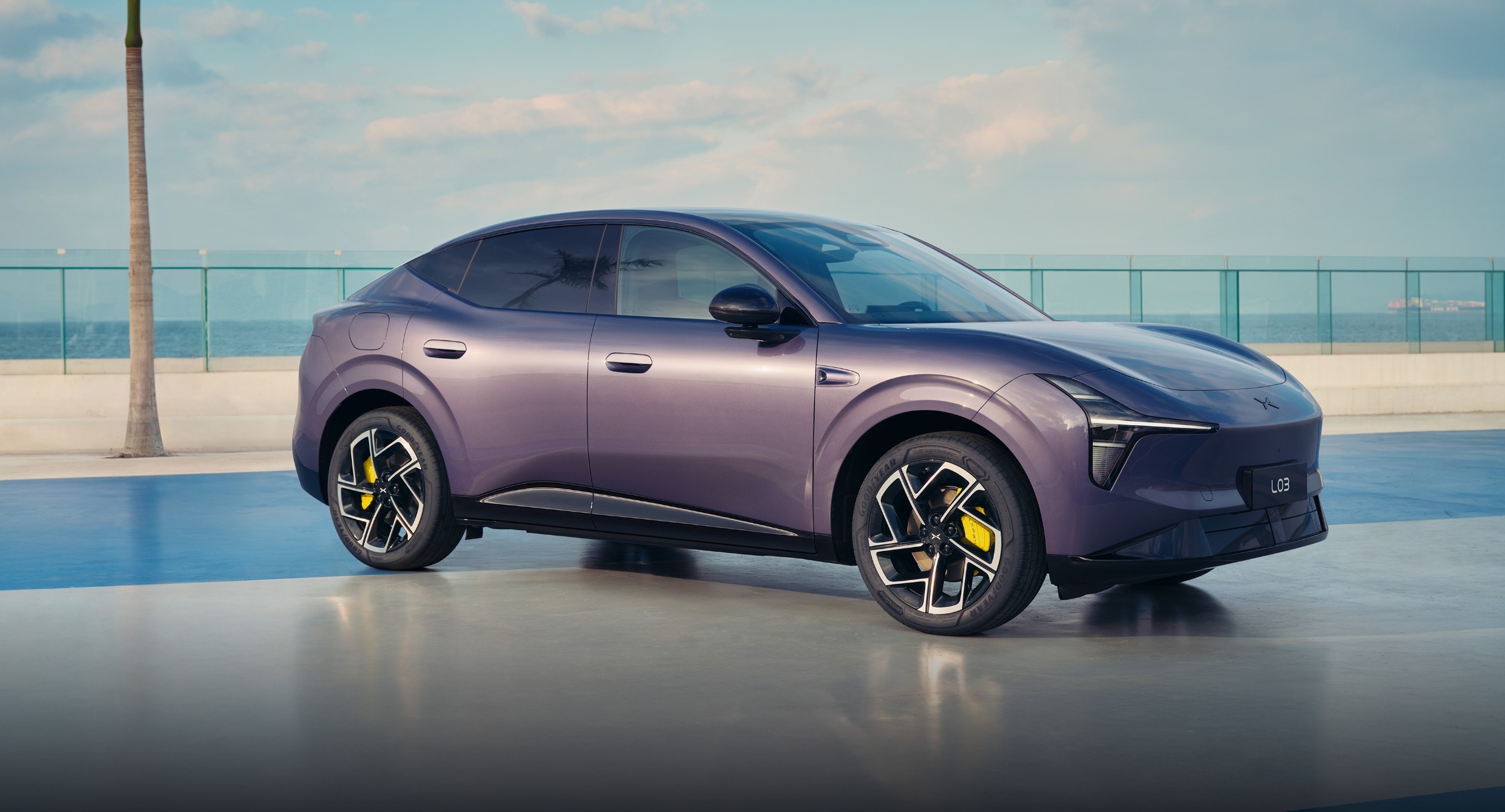
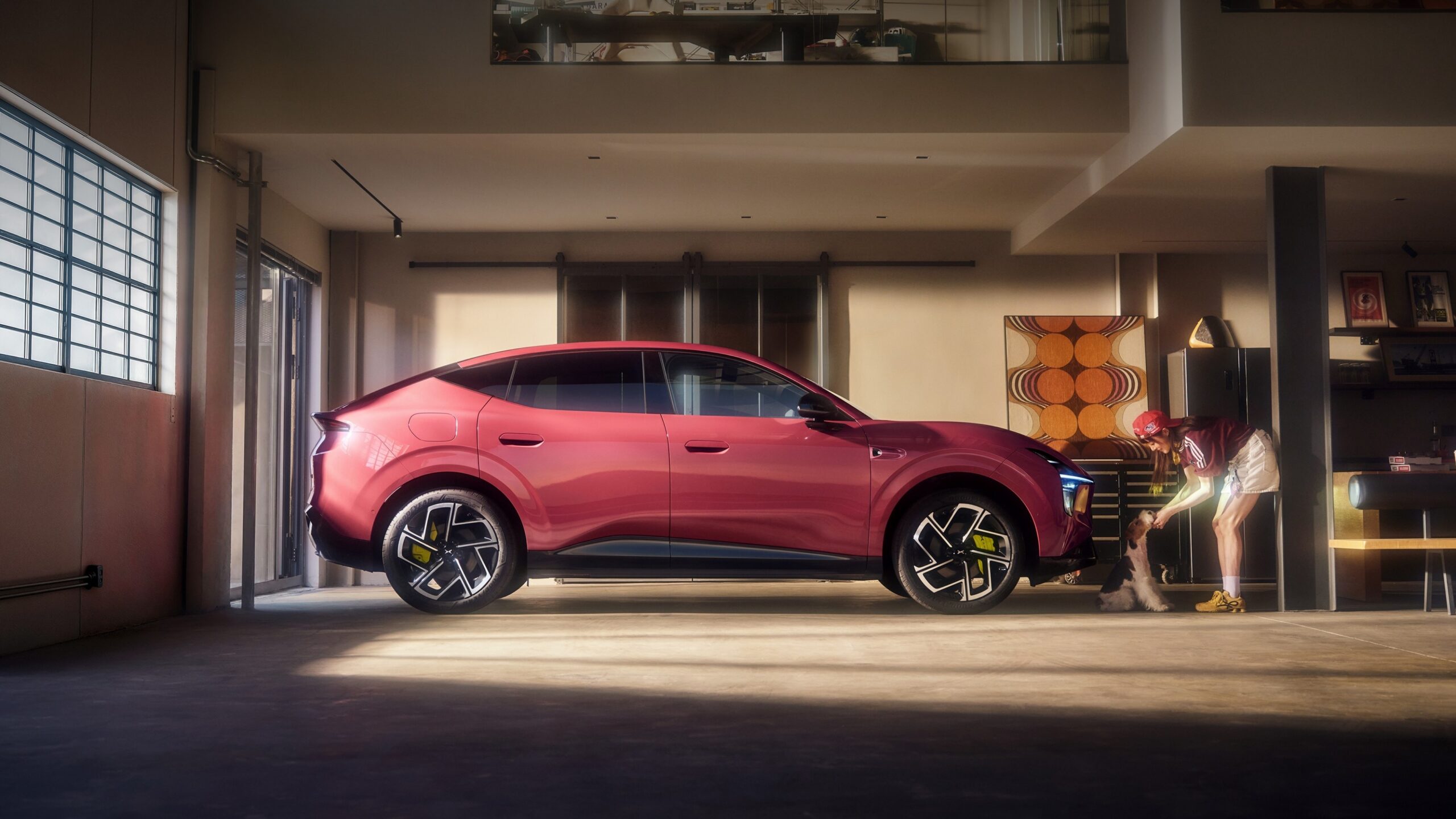
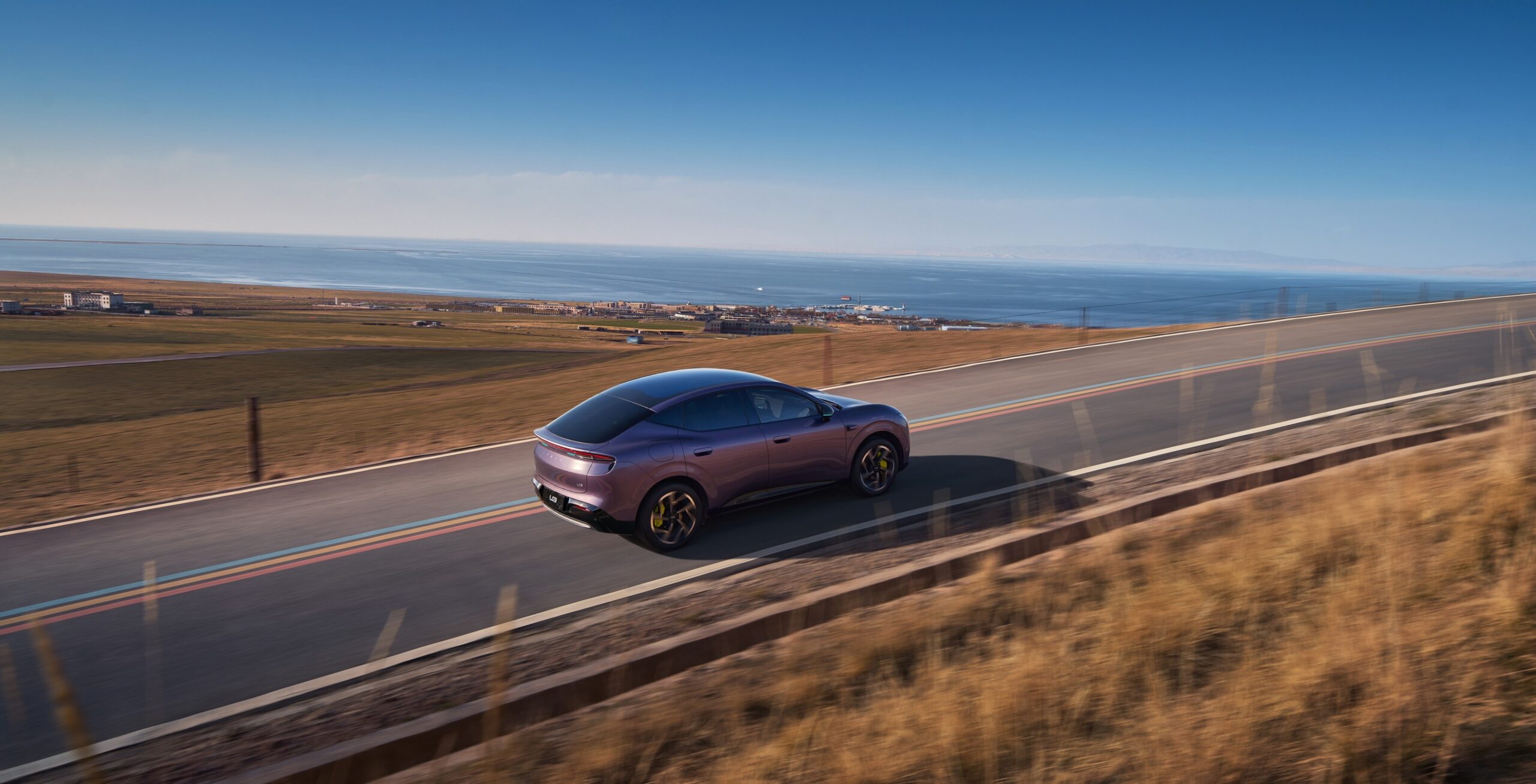
The exterior of the L03 was designed by former Ferrari designer JuanMa López, who previously designed the Purosangue. XPENG compared the designs, but the L03 is a bit more restrained than the Ferrari. Both are arguably better looking than the Luce. Compared to the Y, the L03 is more sculpted, but not over the top or garish. The lighting signature is also a bit more sophisticated on the L03. The yellow fixed calipers on versions with 20” wheels give the L03 a sportier appearance, more like a Model Y Performance. The L03 is arguably more visually interesting in detail than a Y, but it takes the familiar SUV Coupe shape. In addition, the 0.228 drag coefficient is comparable to the Y (which claims 0.22), and significantly better than the Ferrari Luce (0.254).
The MONA L03 is also built to have tight panel gaps between 3.25 and 3.5 mm. Even though Tesla has improved significantly compared to what they previously produced, L03 panel gaps are still tighter and more consistent than what can be found on a current Model Y. So, while the body isn’t bigger, it is arguably built more precisely.
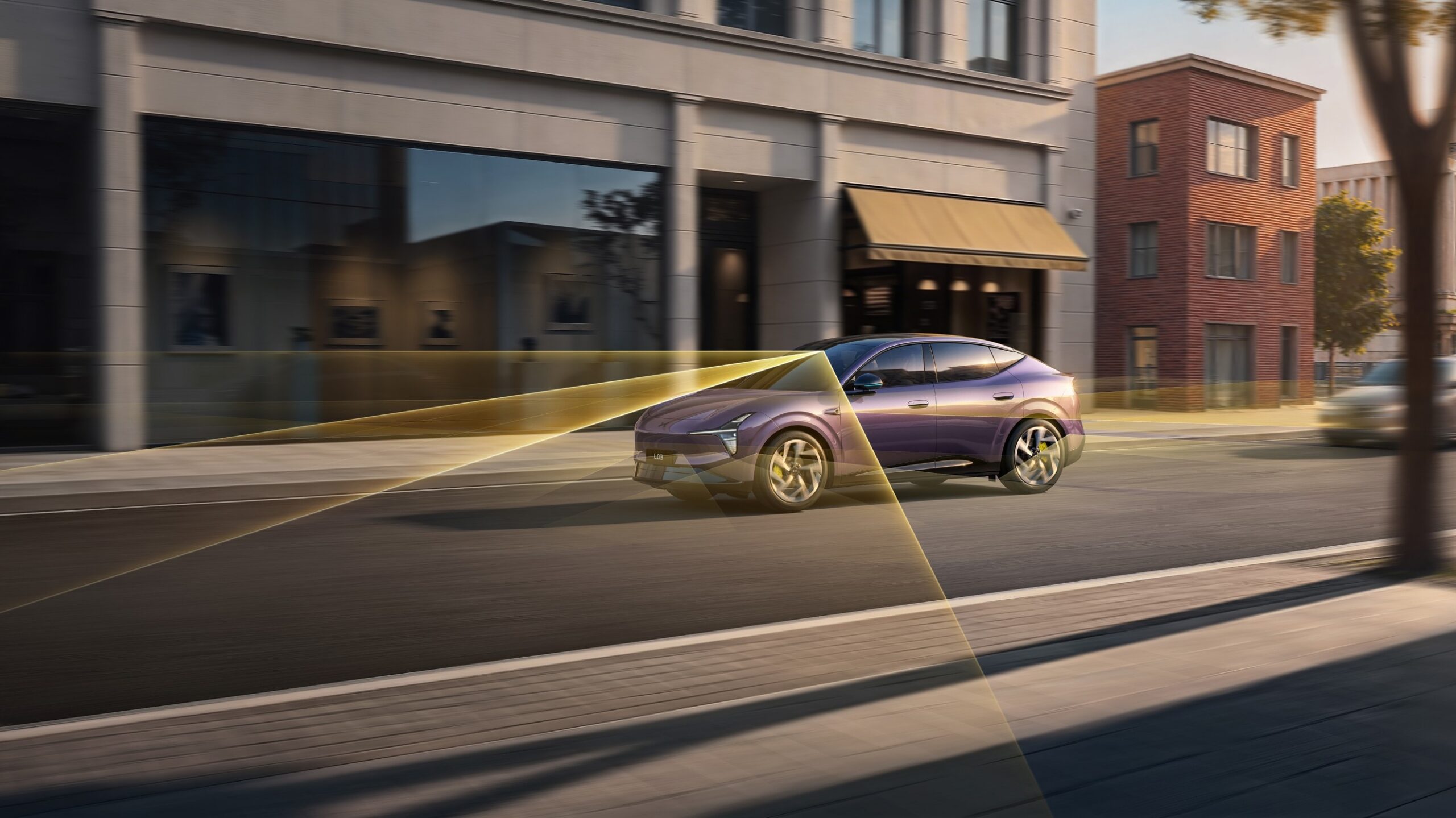
In terms of intelligence, the XPENG comes standard with 750 TOPS of computing power, and top spec models have 1500 TOPS, which provides a bit more processing headroom for future VLA 2.0 updates. That gives both trim levels more computing power than HW4. XPENG also has a dozen ultrasonic sensors, useful for parking in tight spaces. However, both intelligent driving systems are vision-based, instead of using LiDAR and other long-range sensors. While VLA 2.0 tends to be smoother and more capable in dense urban environments, overall, it is the most comparable system to FSD amongst competitors.
Due to how VLA 2.0 learns, more processing is done onboard. Combined with advanced simulation, this lets the self-driving systems quickly enter more global markets. As such, not only will the L03 launch in 64 markets, but will also be able to offer its intelligent driving capabilities in those markets. XPENG’s intelligent driving system may soon be available in more markets than FSD.
The car is also launching with 5 stars across ANCAP, CNCAP and Euro NCAP safety testing. Some Chinese automakers are withholding their best models from some markets. But XPENG is launching as a global vehicle. That global footprint will rival the Y across most major markets (of course, excluding the US).
Arguably Better, But Not More
When looking at many competitors, in the process of adding more to try to gain an advantage, something gets lost. Adding more size and power tends to increase weight, which tends to require a larger battery, which increases the weight further. Drivers can feel that weight, even if the active suspensions and larger motors on some competitors lead to better quantifiable performance. The bulk and weight can make the car feel slower, even when it measures faster. More screens and physical controls are desired by many people, but some prefer the “minimalism” of Tesla. Some people also prefer the smaller footprint, especially given the smaller European garages and parking spaces
In several areas, the L03 is a bit better than the base Model Y. Some of the technologies are more advanced. Better maneuverability, charging, interior amenities, noise reduction, materials… but it isn’t trying to be more of a vehicle. In some ways, it is a better Model Y competitor than XPENG’s G6, which is more of a car.
The L03 measures a little smaller and a little less powerful than the Y. However, the vehicle compares to the Model Y in a similar way to how the Tesla compares to many of the vehicles designed to compete against it. While I have yet to drive it, I have a feeling that the L03 will be of a similar character to what drives people to the Y, despite it being less of a vehicle on spec sheets. In spirit, it is likely the best competitor to the Model Y.
One Area Where The MONA L03 Is Significantly Less
According to XPENG, the L03 is built around affordability and the needs of young people. Tesla has been very successful at convincing buyers that their cost cutting measures are features. In the L03, similar measures also significantly improve the affordability of the vehicle.
The MONA L03 EV starts at 142,800 RMB ($21,018 USD) for the 525 Max trim up to 152,800 RMB ($22,490) for the 625 Max, with the numbers indicating range in km. Moving up to the Ultra SE trim adds 1500 TOPS of computing power for extended intelligent driving capability, with pricing from 155,800 RMB ($22,931) for the 525 Ultra SE up to 165,800 ($24,403) for the 625 Ultra SE. Of note, these are presale prices, and final prices tend to be a little lower in China, while also offering several additional options.
For comparison, the base RWD Model Y with 593 km of range and Tesla Driver Assist included comes to 327,500 RMB ($48,203). Over twice as much money for a comparable vehicle. Tesla also offers models with more power and more range for more money. And the offer the larger Model YL with more room. Many other competitors also offer vehicles that offer more room, range and power. But this comparison isn’t about “more.”
For something a bit different, there is also an EREV version of the L03, which starts at 149,800 ($22,019) in Max trim up to 161,800 ($23,815) in Ultra SE trim. This version has 315 km of WLTP battery range, which should be more than enough to cover daily commuting on electricity. 1015 km of additional range is available from the gasoline range extender. For people who are not ready to go full BEV, it could be an attractive option. Likely the closest available vehicle to a Model Y in EREV form.
Of course, we have yet to see final pricing or how much the MONA L03 will cost in global markets. However, the L03 is likely to cost less than XPENG’s G6, which tends to be priced below the Model Y. So, it is likely to be an attractive value in markets where it is available. We also have yet to drive the vehicle on the road, to see if it lives up to its promise. Whether or not it is better than the Y will ultimately depend on the execution. XPENG may also come out with other versions of the L03 in the future that compete with other Model Y trim levels. However, by not trying to be more of a vehicle than the Y, the MONA L03 could become a more compelling vehicle for many customers.
Can you think of a better base Model Y competitor?
Sign up for CleanTechnica’s Weekly Substack for Zach and Scott’s in-depth analyses and high level summaries, sign up for our daily newsletter, and follow us on Google News!
Have a tip for CleanTechnica? Want to advertise? Want to suggest a guest for our CleanTech Talk podcast? Contact us here.
Sign up for our daily newsletter for 15 new cleantech stories a day. Or sign up for our weekly one on top stories of the week if daily is too frequent.


CleanTechnica uses affiliate links. See our policy here.
CleanTechnica’s Comment Policy