Recently I found myself back in Ireland, this time bound for the south-west, in a personal capacity – a prenuptial rendezvous in delightful Dingle, home of Fungie the dolphin who lost his pod and an implausibly large number of drinking establishments.
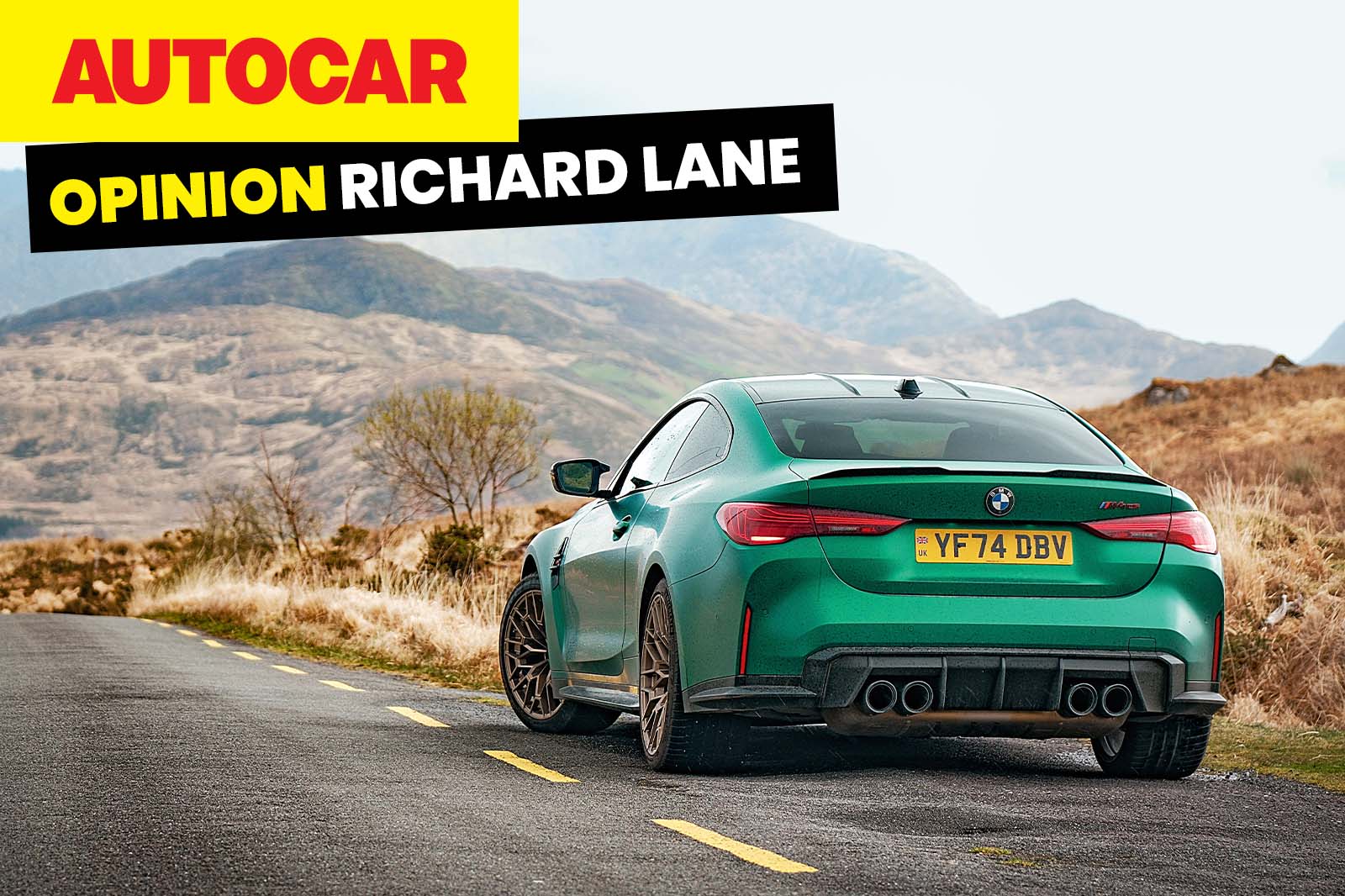
Most of the guys turned to Michael O’Leary to get them to Limerick and ended up hiring Hyundai Tucsons from there. With the new BMW M4 CS in for its road test that week, and in on-brand green, fate was a bit kinder to me. I collected a friend who lives in Pembrokeshire and we took the ferry to Rosslare.
We made for Killarney the day before the official itinerary commenced. This gave us time to explore the Ring of Kerry and experience for ourselves what are supposed to be some of the most heavenly roads in all Ireland – and, we therefore surmised, the world.
Needing to get to Dingle by lunchtime, we chose our route carefully. Naturally 542bhp and an effective four-wheel drive system wouldn’t hurt, but going full Paddy Hopkirk wasn’t really why we were there.
After waking everyone at our B&B with that unmistakably nasal, impatient M-car cold-start idle, the following morning we left Killarney and traced the N71 south-west through the Middle Earth landscape between Muckross Lake and Looscaunagh Lough (if nothing else, you have fun wrapping your tongue around the names).
The M4 CS moves well for a big beast but, really, this is Caterham Seven country. Then it was the rugged, rallying mecca that is Moll’s Gap (named after the landlady who ran an unlicensed pub when the road was being built in the 1820s) and onto the R568 before we joined the flowing N70 as it meets the coastline before Caherdaniel.
Here the BMW was much more at home and poised through third-gear sweepers, but the real star was the breathtaking backdrop where Ireland meets the Atlantic. It’s a rival for the Hebrides.
Instead of completing the northern coast of the Ring, we cut inland at Waterville (if you need breakfast, hit the Beachcove Café) and wove our way up the Ballaghisheen Pass before heading north-west and onto the Dingle peninsula. Dingle itself sits on the south side of this spit of land, and the N86 is pleasant enough and will get you there pretty quickly.
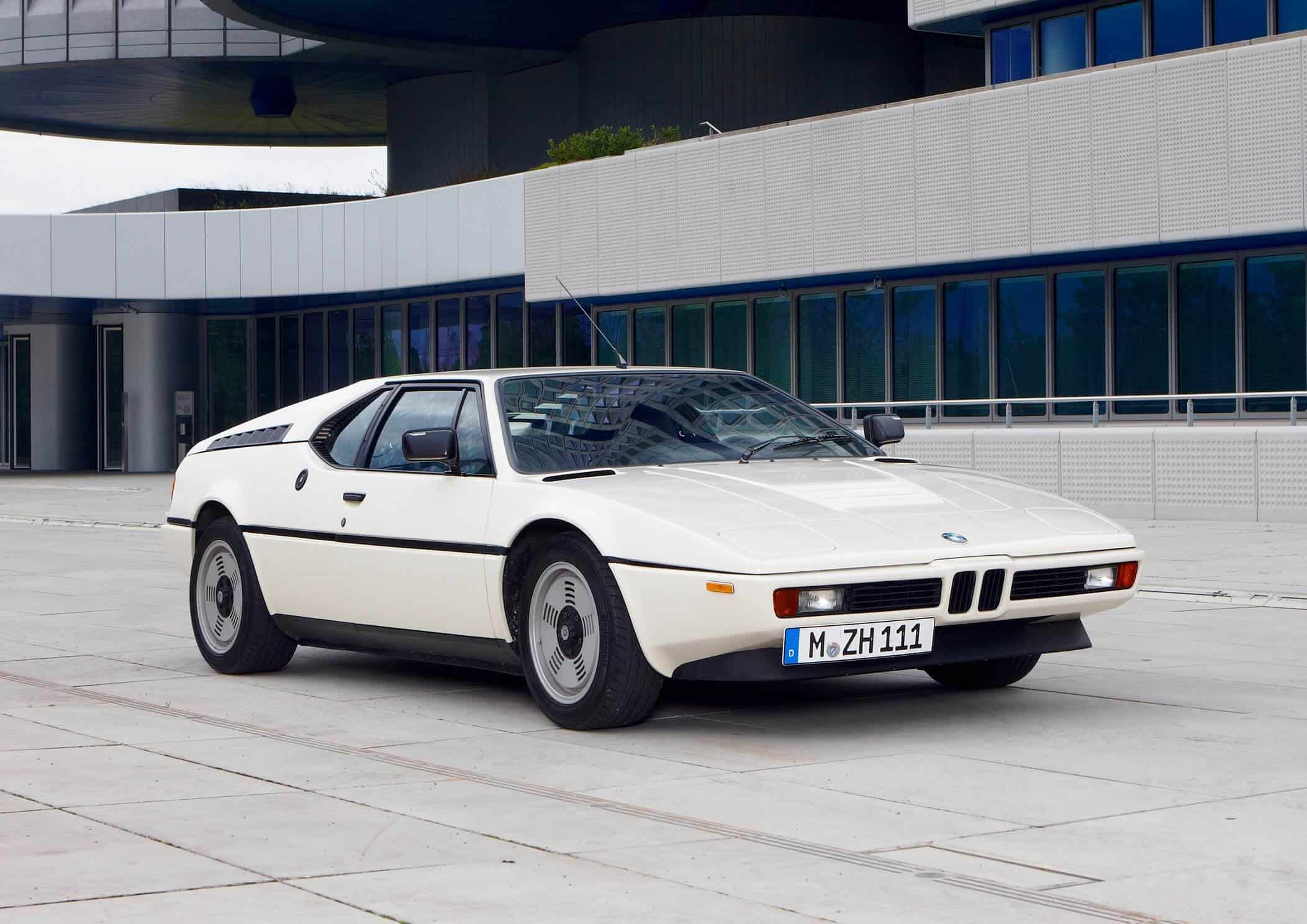
It’s been a while since BMW last provided an update on the M1’s restoration. The car in question is a white E26 that crashed in 2013 during the Concorso d’Eleganza Villa d’Este. A new Instagram post reveals the mid-engine supercar has now been stripped down to its bare metal, well, fiberglass.
Legendary artist Walter Maurer is lending a helping hand to BMW, resulting in a creation that will be nothing short of exquisite. The 82-year-old Art Car collaborator knows a thing or two about the M1, having painted several Procars in the early 1980s. Some road-going examples also bear his signature.
This isn’t BMW Classic’s first rodeo with reviving an M1. Ronnie Fieg’s Techno Violet example took a full year to complete. Like the current work-in-progress, it’s one of the 399 road cars built. These wedge-shaped, street-legal coupes were assembled between 1978 and 1981, with 54 Procar-spec race versions produced during the same period.
The restoration goes well beyond refreshing the Giugiaro-designed body’s paint and lacquer. BMW is also overhauling the M1’s internals, including its beating heart. The naturally aspirated 3.5-liter inline-six codenamed “M88″ is receiving the full BMW Classic treatment. Back in the day, it delivered 273 hp and 330 Nm (243 lb-ft) to the rear wheels via a five-speed manual gearbox. With a top speed of 165 mph (265 km/h), it was the fastest German road car of its day.
Disassembling one of the 163 white cars provides the perfect opportunity to restore every nut and bolt. The finished product should match the quality of the original Baur-assembled car. How long will it take? Since work began back in February, it’s unlikely the M1 will be completed before sometime in 2026.
Two years later, BMW will celebrate the supercar’s 50th anniversary. For its 30th birthday, the M1 was honored with the Hommage concept in 2008. However, the planned production version, intended to feature a V10, never materialized. Will there be at least another concept in 2028? Only BMW knows. Either way, don’t expect a spiritual successor anytime soon, as M boss Frank van Meel recently told us it’s not a priority.
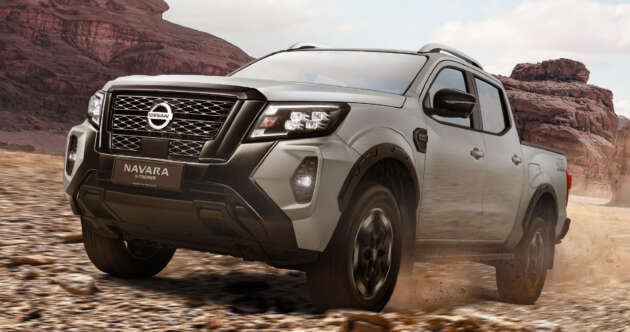
Edaran Tan Chong Motor (ETCM) has introduced the Nissan Navara X-Tremer, the latest addition to the brand’s pick-up truck range in Malaysia.
The Navara X-Tremer brings an exterior and interior trim package that is available in three variants; the 2.5L Turbo V at RM134,800 (RM136,850 in East Malaysia), the 2.5L Turbo VL at RM146,900 (RM148,950), and the 2.5L Turbo Pro-4X at RM154,800 (RM156,850). Prices are on-the-road without insurance for private individual registration.
This would appear rather similar in terms of darkened elements specified on the Black Edition variant of 2023 at first glance, though there are differences; incidentally, X-Tremer prices match those of the of the V and VL variants of the Black Edition.
The X-Tremer gets a black grille and “X-formation” black bumper cladding that brings the darkened sections higher up to join the front grille, while the black over-fender elements are joined by carbon-fibre-look fender garnish. Also on are the shark fin antenna, black rear bumper and tailgate decal for the X-Tremer.
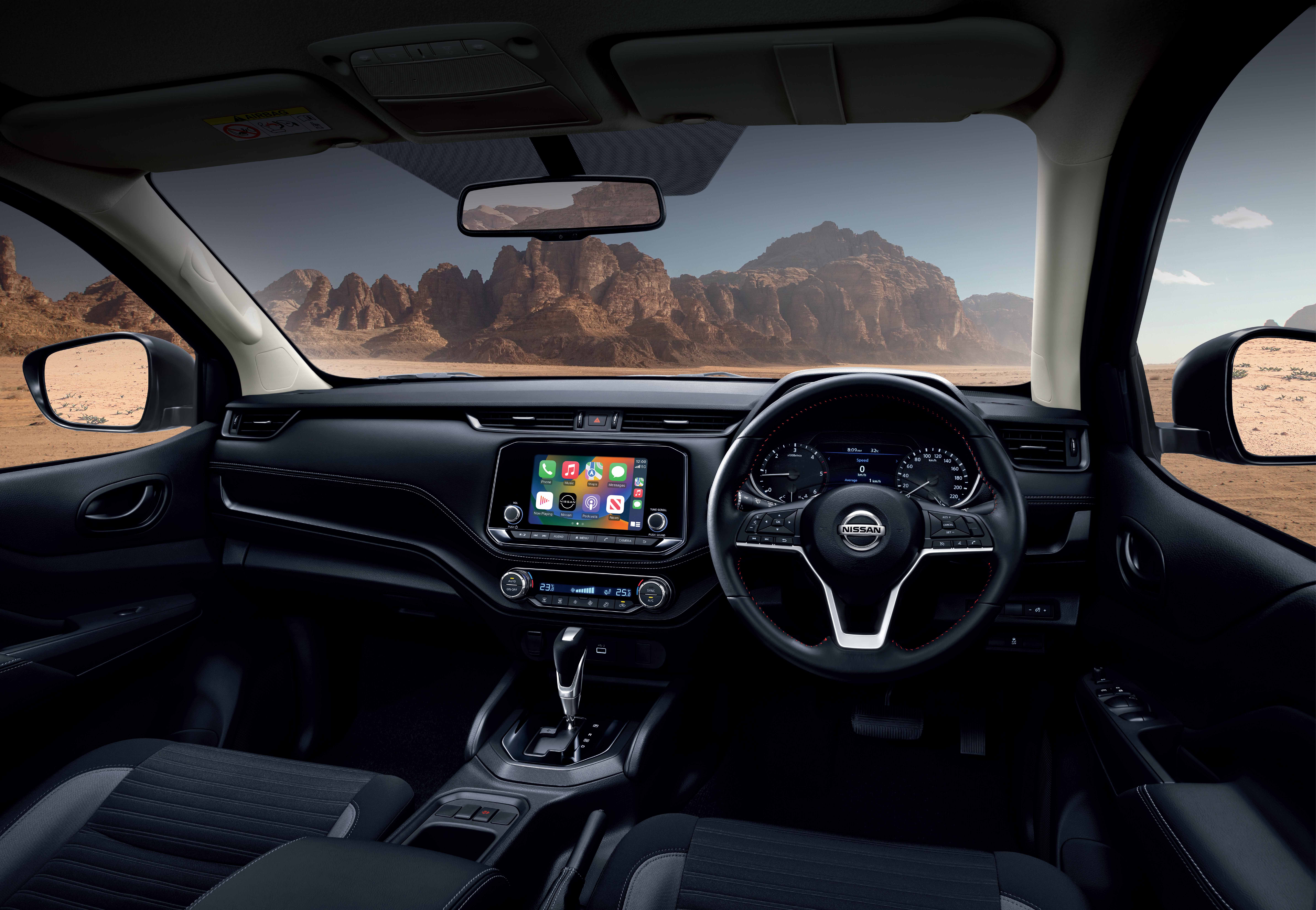
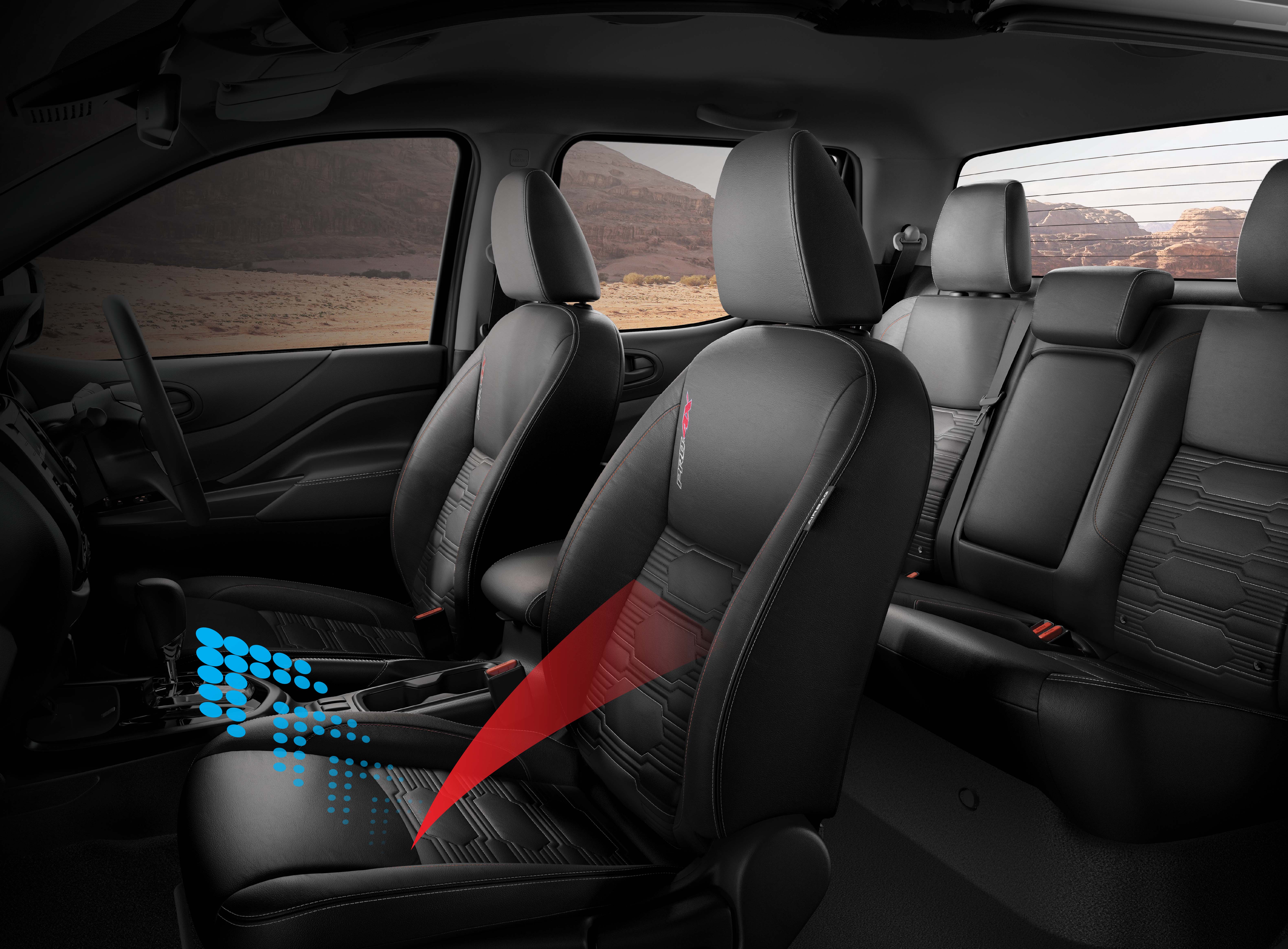
Inside, the cabin gains soft-touch material for the dashboard with double stitching, and the leather-trimmed steering wheel gets a smooth-grain finish. Quole Modure stain-resistant upholstery features for the Zero Gravity front seats and rear seats in selected variants, while the eight-inch infotainment unit supports Android Auto and Apple CarPlay connectivity.
Powertrain for the V, VL and Pro-4X variants that offer the basis for the X-Tremer continues to be the YD25 2.5 litre inline-four cylinder turbodiesel engine that outputs 190 PS at 3,600 rpm and 450 Nm at 2,000 rpm, with outputs going to the driven wheels via a seven-speed automatic transmission with manual override, plus an electronically-locking rear differential.
Chassis specifications for the X-Tremer is standard NP300 Navara fare, bringing a double-wishbone layout in front and coil-sprung multi-link rear layout for the rear; braking is by disc brakes in front and drum brakes at the rear.
For ADAS kit, the Navara X-Tremer gets front collision warning, AEB, blind spot warning, lane departure warning, rear cross-traffic alert, among others. Also on are ABS, EBD, brake assist, stability control and traction control, hill start assist, hill descent control and trailer sway assist.
Edaran Tan Chong Motor is currently offering the Nissan Navara X-Tremer – across the aforementioned V, VL and Pro-4X variants – with a cash rebate of RM8,000.
To recap, the Navara X-Tremer starts from the 2.5L Turbo V at RM134,800 (RM136,850 in East Malaysia), the 2.5L Turbo VL at RM146,900 (RM148,950), and the 2.5L Turbo Pro-4X at RM154,800 (RM156,850). Prices are on-the-road without insurance for private individual registration.
A new, manual transmission variant of the latest Aston Martin Vantage is due to be available later this year, with company CEO – Andy Palmer – confirming production in 2018.
It will be the first time a Mercedes-AMG V8 engine has been paired with a manual gearbox, rather than the standard direct-shift gearbox (DSG), so the variant’s development is not without its challenges.
The decision of Aston Martin’s relatively newly appointed CEO to go against industry trends by offering a manual variant is bold, but demonstrates his goal of preserving the traditional transmission option.
It’s not the first time that Aston Martin has displayed such an intention, as exemplified by the manual transmission V12 Vantage S produced back in 2016.
Reactions to the Manual Vantage 2019
Opinion is divided among some automotive enthusiasts, but talk of the manual transmission variant seems to be welcomed by most.
Some love the idea of a traditional manual variant of a brand new Aston, but some feel that manual transmissions have no place in contemporary supercars.
The aim of a manual transmission is to generate a more engaging drive, allowing car purists to experience a closer connection with the car, which inevitably attracts interest from old-school car fanatics.
Seven-speed manual transmissions have become a rarity in the industry in recent years, but Aston Martin is seemingly devoted to earning kudos from enthusiasts who are calling for the conventional feel to be maintained.
Despite a delight amongst many car traditionalists that the manual variant is being made available, the lack of a manual transmission did not deter customers from buying the new Aston Martin Vantage V8 in its original form.
The Automatic Aston Martin Vantage
The standard, automatic new Vantage followed the DB11 as the second model of Aston Martin’s ‘second century plan’.
The ‘second century plan’ was a simple proposal made by Aston’s CEO in 2016 of how he aimed to transform the company to become genuine competitors against the likes of Ferrari and Bentley, including the launch of seven models in seven years.
Aston’s Vantage models were immediately successful with pre-orders covering the whole production run of 2018 and a waiting list going into the beginning of 2019.
Despite Aston Martin not necessarily having an explicit ‘need’ to produce a manual variant of the model, it is fast becoming an important part of the brand’s identity under Palmer.
With prices starting at around £120,900 (around $160,000) for the standard version, the Vantage is competing with the likes of the McLaren 540C, Audi R8 and, of course, the Porsche 911 Turbo. All of which are available around the £100,000-130,000 ($130,000-170,000) mark.
The New Manual Vantage’s Specs and Performance
The manual variant is expected to account for a far lower percentage of sales in comparison to the standard automatic range, and emissions tests will undoubtedly favour automatic gearboxes, but Aston is remaining resolute regardless.
A new variant of the Vantage will need tweaking in terms of both its parts and its tuning in order to work well with the twin-turbocharged 4.0-litre engine, as the 4.0-litre AMG does not come with a manual gearbox elsewhere.
The manual variant’s gearbox is likely to be seven-speed and the car is expected to be available in the same guises as the standard automatic Vantage from 2018, implying that an S version is imminent.
In its standard form, the Vantage produces 503bhp and 505lb ft of torque, less than the 600bhp plus generated by more powerful AMG cars.
A manual transmission variant will lose some of the car’s performance, at least in terms of the hard numbers, in place for an anticipated greater driving experience.
A clutch pedal and gearstick is always going to mean a slight decline in acceleration, so expect the Aston Martin Vantage’s 3.6 second 0-62mph time to slow slightly and the 195mph top speed to possibly decrease.
Our Verdict
Contemporary cars tend to avoid old-school, seven-speed manual transmissions, but Aston Martin is staying true to its commitment to traditionalist car-lovers in recent years.
In an increasingly automated industry, we appreciate Aston Martin’s passion and dedication to the familiar manual transmission and can see no harm in preserving the choice between manual and automatic cars.
It may not be popular for the mass production at the moment, but Palmer and Aston Martin are reluctant to let manual transmission cars fade into the abyss.
In the year 2008, the Lexus IS-F was introduced. It was a big deal for Lexus, because the IS-F ventured into the high-performance sports sedan segment dominated by European rivals.
As the first-ever F-badged performance model from Lexus, the IS-F was designed to challenge the likes of BMW’s M Division and Mercedes-AMG. More than just a high-powered version of the IS sedan, the IS-F was engineered to be a legitimate performance machine.
With input from Toyota’s racing division and extensive testing at circuits like Fuji Speedway and Nürburgring, the IS-F was developed to push Lexus beyond its luxury-focused identity and into a true performance sedan.
At the heart of the IS-F lies a naturally aspirated 5.0-liter V8 engine (2UR-GSE), a significant departure from Lexus’ usual emphasis on refinement over raw power. This engine produces 416 hp and 371 lb-ft of torque, delivering an exhilarating performance that propels the IS-F from 0 to 60 mph in just 4.6 seconds.
Unlike many of its rivals that opted for dual-clutch setups, Lexus equipped the IS-F with an 8-speed Sport Direct Shift automatic transmission, one of the fastest-shifting automatics of its time. The transmission’s aggressive downshifts, combined with a high-revving V8, provided a thrilling driving experience that was both engaging and practical for daily use.
Visually, the IS-F stood apart from the standard IS sedan with its wide-body stance, bulging hood, and aggressive aerodynamic elements. A more pronounced front bumper with large air intakes improved cooling, while unique flared fenders gave it a muscular look. One of the most distinctive features was the quad-stacked exhaust tips, arranged diagonally, a design element exclusive to the IS-F. Completing the aggressive aesthetic were 19-inch forged BBS wheels.
Inside, the interior featured leather-trimmed sport seats with enhanced bolstering, offering both comfort and support for spirited driving. Paddle shifters mounted behind the steering wheel allowed for manual control of the transmission, reinforcing its driver-focused nature.
The instrument cluster featured a unique digital speedometer, and carbon-fiber accents added to the performance-oriented feel. Standard luxury features included a Mark Levinson premium audio system, navigation, and Lexus’ advanced safety technology.
Throughout its production, the Lexus IS-F competed against some of the most respected performance sedans in the segment. Key rivals included the BMW M3 (E90/E92), known for its balanced chassis and high-revving V8, the Mercedes-AMG C63, which offered raw V8 power and aggressive styling, and the Audi RS4, which brought all-wheel-drive traction and a high-revving V8 to the table. Despite facing stiff competition, the IS-F carved out a niche for itself, appealing to enthusiasts who wanted a unique alternative to the established European options, blending reliability with track-ready performance.
Model Changes (Breakdown by Year)
2008 Lexus IS-F
The 2008 Lexus IS-F debuted as Lexus’ first high-performance sports sedan, powered by a 5.0-liter naturally aspirated V8 producing 416 hp and 371 lb-ft of torque. Paired with an 8-speed Sport Direct Shift automatic transmission, it launched from 0-60 mph in 4.6 seconds with a 170 mph top speed.
Visually, the IS-F stood out with wider fenders, a bulging hood, and quad-stacked exhaust tips, while 19-inch forged BBS wheels reinforced its aggressive stance. Inside, it featured leather and Alcantara sport seats, paddle shifters, carbon-fiber trim, and a digital speedometer. Technology highlights included adaptive cruise control, navigation, and an optional Mark Levinson audio system.
The starting price of the 2008 Lexus IS-F was $56,765.
2009 Lexus IS-F
The 2009 Lexus IS-F received subtle refinements to improve its driving dynamics and interior usability. Suspension tuning was revised for a smoother ride and sharper handling, while steering feel was enhanced for better driver feedback.
Inside, Lexus introduced a new instrument cluster design for improved visibility and updated shift logic for more responsive manual mode operation. While the exterior remained unchanged, new interior trim color options, including Black and Terra Cotta/Black, were added.
The starting price of the 2009 Lexus IS-F was $56,610.
2010 Lexus IS-F
The 2010 Lexus IS-F received key performance and technology upgrades. ‘
A limited-slip rear differential (LSD) became standard, improving traction and cornering stability, while further suspension refinements enhanced ride comfort and handling. Inside, Lexus introduced an updated navigation system with a more intuitive interface and better graphics, along with Bluetooth streaming audio and improved USB/iPod integration for added convenience.
On the exterior, slightly updated LED daytime running lights (DRLs) were introduced, and a new Light Gray interior color option was added.
The starting price of the 2010 Lexus IS-F was $58,460.
2011 Lexus IS-F
The 2011 Lexus IS-F received further refinements. The suspension was revised to provide a smoother ride while maintaining sharp handling, and electric power steering was updated for better feedback and precision.
Inside, Lexus introduced darker two-tone seat options and new instrument panel lighting, while the navigation system was also updated with a faster processor for improved responsiveness.
On the exterior, Lexus introduced a new paint option, Ultrasonic Blue Mica 2.0, adding a fresh and vibrant color choice for buyers.
The starting price of the 2011 Lexus IS-F was $60,600.
2012 Lexus IS-F
The 2012 Lexus IS-F received several refinements aimed at improving handling, interior comfort, and aesthetics.
New suspension components enhanced body control, while a larger rear stabilizer bar and adjustments to the differential tuning provided better power delivery and cornering stability. Inside, Lexus introduced a new steering wheel design, upgraded interior trim materials, and made SiriusXM satellite radio standard.
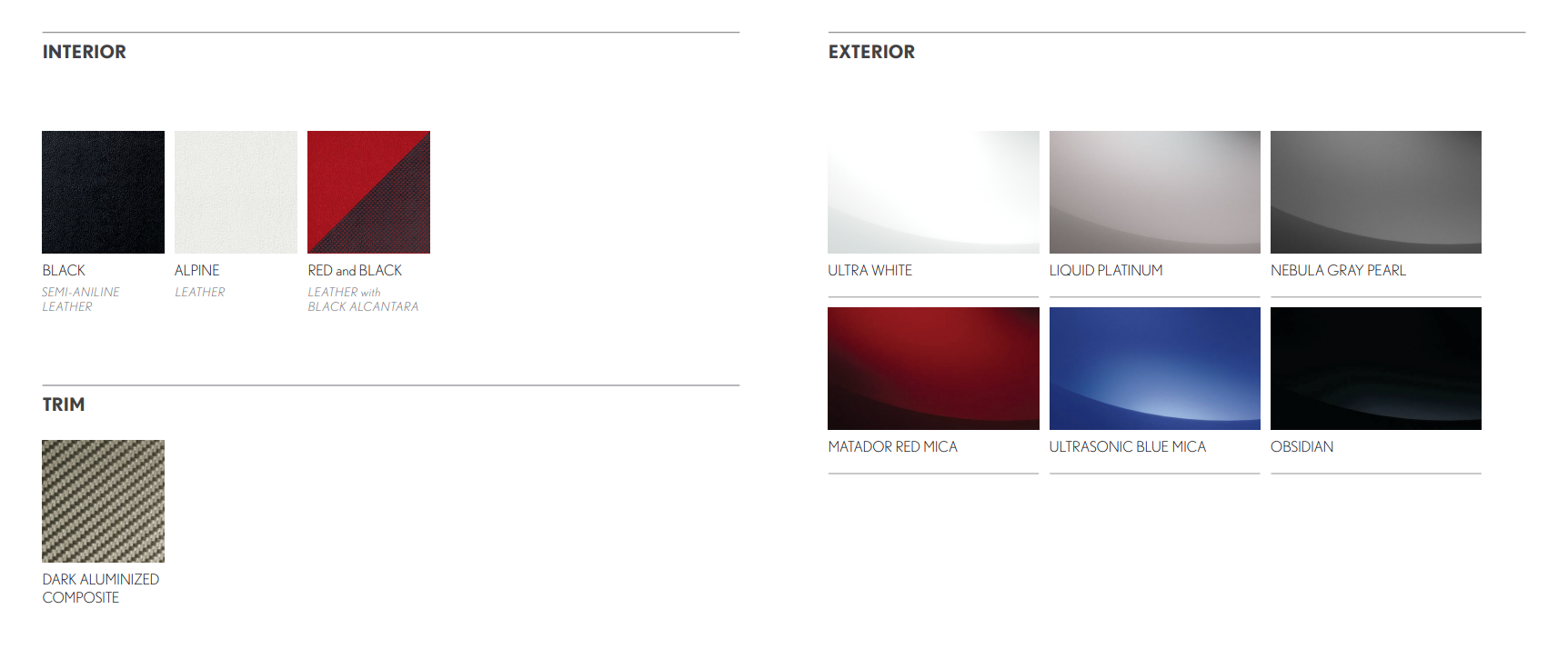
On the exterior, the BBS wheels were updated to a lighter design, the front bumper saw slight revisions, and a new Red Leather Interior option was added for a more aggressive look.
The starting price of the 2012 Lexus IS-F was $61,300.
2013 Lexus IS-F
The 2013 Lexus IS-F received subtle refinements to improve ride quality and interior appeal. Suspension tuning was revised once again for better compliance over bumps, while the traction and stability control system saw further refinements for improved handling dynamics.
Inside, carbon fiber trim became standard on the dashboard, and a new red leather seat option was introduced. While there were no major styling updates, Lexus added a new Pearl White paint option.
The starting price of the 2013 Lexus IS-F was $61,750.
2014 Lexus IS-F
2014 was the final model year for the Lexus IS-F. Lexus discontinued the IS-F after 2014 and did not introduce a direct successor in the third-generation IS lineup.
The starting price of the 2013 Lexus IS-F was $63,600.
Lexus IS-F Common Problems
While the Lexus IS-F is regarded for its strong reliability and durable engineering, thanks to Toyota, however, no performance car is completely free of issues. Most problems with the IS-F are age-related or due to wear and tear, rather than serious mechanical failures. Some of the most commonly reported issues involve coolant leaks, water pump failures, and exhaust manifold cracks, which tend to appear on higher-mileage or older models.
Additionally, suspension components and transmission cooler lines can wear over time, leading to potential handling and drivetrain concerns.
Below is a breakdown of the most common problems IS-F owners may encounter.
Valley Plate Coolant Leaks: The gasket beneath the intake manifold can fail, leading to coolant leakage. This issue is prevalent in early models and can be costly to repair due to the labor-intensive process.
Water Pump Failures: Particularly in 2008–2009 models, water pumps have been known to leak or fail, necessitating replacement to prevent overheating.
Exhaust Manifold Cracks: Some owners have reported cracks in the exhaust manifolds, which can cause ticking noises and may require replacement or upgrading to aftermarket headers.
Lower Control Arm Bushing Wear: The factory bushings can deteriorate over time, leading to uneven tire wear and diminished handling performance. Upgrading to more durable aftermarket bushings is a common solution.
Transmission Fluid Cooler Line Corrosion: Corrosion of the transmission fluid cooler lines can result in leaks, potentially causing transmission damage if not addressed promptly.
Recalls
2008 to 2009 Lexus IS-F vehicles
Airbag Inflator Rupture (Recall No. 16V340000)
Certain IS-F models were recalled due to defective passenger frontal airbag inflators that could rupture upon deployment, potentially causing serious injury or death.
The internal surface of the aluminum fuel delivery pipes could corrode when exposed to ethanol fuels with low moisture content. This could lead to fuel leakage and an increased fire risk.
Unsecured or incompatible driver’s floor mats could trap the accelerator pedal, leading to unintended acceleration and increasing the risk of a crash.
Maintenance and Ownership Costs
Compared to other high-performance luxury sedans, owning a Lexus IS-F is relatively low maintenance, thanks to Toyota’s reputation for reliability and strong engineering. Unlike some of its German rivals, the IS-F does not suffer from excessive repair costs or frequent mechanical failures.
However, regular maintenance is still essential, and costs can vary depending on whether you service the car at a Lexus dealership or with an independent mechanic. Staying on top of oil changes, brake service, suspension components, and transmission maintenance will help keep the IS-F running at its best.
Here are the recommended service schedules and intervals provided by Lexus:
Every 5,000 Miles / 6 Months:
Replace engine oil and oil filter
Rotate tires
Inspect brake pads, calipers, and rotors
Check and adjust all fluid levels
Inspect wiper blades
Perform a road test
Every 15,000 Miles / 18 Months:
Perform all 5,000-mile services
Inspect engine air filter
Inspect nuts and bolts on the chassis
Inspect axle shaft boots
Inspect rack-and-pinion assembly
Inspect steering linkage and boots
Inspect exhaust pipes and mountings
Inspect brake lines and hoses
Inspect ball joints and dust covers
Inspect engine coolant
Inspect fuel lines and connections
Inspect fuel tank band and vapor vent system hoses
Inspect fuel tank cap gasket
Replace smart key battery
Every 30,000 Miles / 36 Months:
Perform all 15,000-mile services
Replace engine air filter
Replace cabin air filter
Replace brake fluid
Inspect transmission fluid cooler hoses and connections
Inspect transmission for signs of leakage
Measure brake pad thickness and rotor runout
Every 60,000 Miles / 72 Months:
Perform all 30,000-mile services
Replace transmission fluid
Inspect and replace spark plugs if necessary
Here is a rough estimate of typical service costs associated with the Lexus IS-F:
Oil Change – The IS-F requires high-quality synthetic oil. An oil change typically costs between $150 and $250 at a dealership, while independent shops may charge between $100 and $200, including oil, filter, and labor.
Minor Service – Minor services, including oil changes, fluid top-offs, and inspections, are usually performed every 10,000 miles. Dealerships typically charge between $300 and $500 for these services, whereas independent shops may offer them for $200 to $400.
Major Service – Major services, encompassing comprehensive inspections, spark plug replacements, brake fluid changes, and other preventive maintenance, are recommended every 30,000 to 50,000 miles. Dealerships may charge between $1,000 and $1,500 for these services, while independent shops might offer them for $800 to $1,200.
Tires – The IS-F uses high-performance tires, which can wear more quickly due to the car’s performance capabilities. A set of four high-quality tires such as Michelin Pilot Sport tires generally costs between $1,200 and $2,000, depending on the brand and specifications. Installation costs are similar at both dealerships and independent shops, though some dealerships may offer complimentary installation with purchase.
Brakes – The IS-F’s high-performance brakes can lead to increased wear during spirited driving or track use. Replacing brake pads and rotors can cost between $1,000 and $1,800 for all four wheels at a dealership. Independent shops may offer similar services for $800 to $1,500, depending on whether OEM or aftermarket parts are used.
Clutch – The Lexus IS-F is equipped with an 8-speed automatic transmission and does not have a traditional clutch that requires regular replacement.
Options List
When purchasing a Lexus IS-F, understanding the available options and packages is key to finding the best-equipped model. While the IS-F came well-appointed as standard, Lexus offered a few key options that are desirable.
One of the most notable options available was the Mark Levinson Premium Surround Sound System, which significantly upgraded the audio experience with high-quality speakers and advanced acoustics. Buyers who enjoy premium sound quality will find this option desirable, especially since it was only available as part of the navigation package.
The navigation system, although now outdated and you wouldn’t use it anymore today, was another key option, because it offered an improved infotainment interface with a larger display and enhanced connectivity features, including Bluetooth streaming and voice commands.
When it came to the interior, Lexus offered a selection of interior trim and color options beyond the standard black leather. The Red Leather Interior was a standout choice, adding an aggressive yet sophisticated touch to the cabin. Over the years, Lexus also introduced other trim refinements, such as carbon fiber accents and new steering wheel designs, enhancing the IS-F’s sporty feel.
Another important consideration when selecting an IS-F is the wheel and tire setup. While all IS-Fs came with 19-inch forged BBS wheels, some later models featured revised, lighter-weight designs that improved handling.
Choosing an IS-F with the latest factory performance updates, such as the limited-slip differential (LSD) added in 2010.
2014 Lexus IS-F options list
Key Options
Mark Levinson Premium Surround Sound System
Navigation System
Red Leather Interior Option
Carbon Fiber Interior Trim
Limited-Slip Differential (LSD) (Standard from 2010 onward)
Lexus IS-F Price and Value
The Best Lexus IS-F to Buy
When it comes to choosing the best Lexus IS-F, several key factors should be considered, including model year updates, available options, and overall condition of the vehicle. While all IS-F models share the same high-revving 5.0L V8 engine and aggressive styling, certain years received refinements that make them more desirable.
For those seeking the best version of the IS-F, the 2012 or 2013 model years are strong choices. By this point, Lexus had refined the suspension for improved ride quality, updated the limited-slip differential (LSD) tuning for better performance, and introduced lighter BBS wheels for reduced unsprung weight.
These later models also benefited from interior upgrades, including a redesigned steering wheel, carbon fiber trim, and new seat color options like Red Leather. Additionally, the 2012 model introduced a larger rear stabilizer bar, further enhancing handling dynamics.
In regards to market stability, all model years from 2008 to 2013 are safe to hack, as long as you find a clean example with lower mileage and non-to-very minimal modifications, it will always remain a desirable Lexus.
Beyond model year selection, condition and mileage play a crucial role in determining the best IS-F to buy. Vehicles with complete service records, low mileage, and minimal modifications tend to retain value better over time.
Since the IS-F was often driven enthusiastically, checking for proper maintenance of key components such as brakes, suspension bushings, and cooling system is essential.
Conclusion
In summary, for around $29,000+ the Lexus IS-F remains a strong choice for those looking for a high-performance sports sedan with Japanese reliability and a naturally aspirated V8 engine. With its muscular styling, aggressive exhaust note, and sharp handling, the IS-F offers a unique alternative in the performance sedan market.
While competitors like the BMW M3 (E90/E92), Mercedes-AMG C63, and Audi RS4 provide strong alternatives, the IS-F stands out with its bulletproof reliability, low maintenance costs, and exclusivity. It delivers a balanced mix of luxury and performance, making it a great option for enthusiasts who want everyday usability without sacrificing excitement.
For those seeking a rare and dependable performance sedan, the Lexus IS-F is an excellent choice that continues to hold its value and deliver an exhilarating driving experience.
Car Hacking Shortcuts
2012 to 2013 models featured the most refined suspension, interior updates, and lighter BBS wheels
Vehicles with the Mark Levinson audio system are desirable
Seek out Red Leather Interior options, as they are rarer and more appealing to collectors
Ensure the limited-slip differential (LSD) is included—standard from 2010 onward for improved performance
Focus on low-mileage, well-maintained examples with full-service records to maximize long-term value and reliability
Whether or not they have one at home, more RVers than ever are discovering the benefits of having a bidet in their RV. One of the biggest benefits of an RV bidet is that is significantly reduces the amount of toilet paper flushed into the black tank. Less toilet paper in the blackwater system helps to eliminate clogs and blockages, including the dreaded “pyramid.” But aside from that, any RVer who uses a bidet in their RV will probably tell you about another big advantage of an RV bidet: It leaves you feeling fresh and clean. Bidets are really the ultimate in, er … toilet hygiene.
That’s because instead of using toilet paper, a bidet shoots a fountain of directed water at areas where you’d normally use toilet paper. The result is superior cleansing that requires little to no toilet paper. Not only that, but this bathroom upgrade is surprisingly easy to DIY, requiring just two tools: A wrench and maybe a flat screwdriver. Whether you’re a full-timer or a weekend camper, a bidet can make your RV bathroom experience cleaner and more comfortable.
Benefits of RV Bidets
Better hygiene: A gentle water rinse offers more effective cleansing than toilet paper.
Eco-friendly: Using a bidet greatly reduces the amount of toilet paper used, preserving trees, water and fossil fuels.
Cost savings: Saves money because you won’t be buying as much toilet paper.
Black tank-friendly: No more toilet paper clogs in the black tank!
Top Picks for RV Bidets
You might be thinking, But-all bidets are pretty much the same, aren’t they? However, the truth is that every bidet model is a little different when it comes to fit, function, manufacturer’s warranty, and price. With that in mind, we picked out three favorites for RV use. Of course, the bidet you choose will depend on your own personal preferences, the size and shape of your RV toilet, and how much you’re willing to spend.
Key Considerations for Choosing a Bidet
There are a few things you’ll want to consider before you buy a bidet for your RV:
Toilet size and compatibility
Budget: RV bidets are available at a wide range of prices
Look for a bidet that is specifically compatible with RV toilets because bidets designed for residential use might not be compatible
Clean Camper RV Bidet
The popular Clean Camper RV bidet boasts nearly universal fitment and jets that will leave you feeling refreshed and maybe even delighted. It’s easy to install, requiring only a wrench a a screwdriver.
Key Features
Fits nearly all RV toilets
Simple installation
No electricity required
Reversible control mounts for tight spaces
Front and rear self-cleaning nozzles
Adjustable water pressure
Self cleaning
Tank-safe design
Includes all hardware
American owned company
30-day money-back guarantee
Price at Clean-Camper.com: $129.96
Kleen Keester RV Bidet
Kleen Keester bidet is ultra thin, so it can be installed on many (but not all) RV toilets. Its features front and rear jets, which helps to ensure a completely hygienic bidet experience. The Kleen Keester installs in minutes with only a wrench and perhaps a screwdriver.
Thetford: Aqua-Magic Style II (the hump-back toilet), Aqua-Magic Residence
Retractable nozzles
Easy installation
No electricity required
Self cleaning
Front wash and rear wash
Includes all hardware
Designed in the USA by an American company
24-month warranty
Price at KleenKeester.com: $79.89
Premier Bidets Eco-NOVA Heated RV Bidet Seat
If you’re looking for a top of-the-line, luxury bidet for your RV, you’ll want to consider Premier Bidets’s Eco-NOVA Washlet RV bidet seat. Unlike the previous RV bidets on this list, the Eco-Nova replaces the existing toilet seat and lid, but it has more than enough luxurious features to make it a worthwhile trade. Among its many benefits and features are a heated seat, heated water with four temperature settings, and a drying function that completely eliminates the need for toilet paper. On top of all that, you can control all the functions on the Eco-NOVA bidet with a remote control.
Key Features
Instant unlimited warm water
Ergonomic sitting experience
400-pound sittable lid
Two wash modes (front & rear)
Spa-like pulse spray with warm/cold combo
Nozzle oscillation allows more coverage
Auto wash setting: 90-second rear wash followed by a 4-minute drying cycle
Stainless-steel nozzle
Completely adjustable settings
Air bubble induction pump for a more gentle spray
Generous wash stream
Heated seat with four temperature levels
Warm air dryer offers four temperature levels
LED night light
Nano antibacterial water filtration and UV sterilizer lamp
Elongated size, ultra-thin body design
Durable antibacterial polypropylene construction
Quick-release feature for easy cleaning
4-foot power cable plugs into a 110-volt outlet
4-year full warranty
Price at PremierBidets.com: $699
Further Thoughts on RV Bidets
Bidets have been around since the 1700s, and have been common in Europe for most of the past 50 years. While North Americans are only beginning to discover the benefits of bidets, most people find that once you add a bidet to your bathroom routine, there’s no going back to toilet paper. Installing a bidet eliminates black-water system clogs and pyramids. Not only that, but you’ll virtually eliminate the need to buy toilet paper and just as importantly, you won’t have to worry about running out of it. Upgrading your RV bathroom with a bidet is an easy (and impressive) job that nearly anyone can do.
This is a step-by-step tutorial that will teach you how to create a digital car rendering yourself.
We start by clarifying what a good basis for each rendering is and how best to start. Next, we will use a digital brush to define the shapes. In the end, we will apply reflections and details to get an outstanding result.
1. Creating the sketch base
One of the most important tips for a successful rendering is to have a good and solid base. By “base,” I mean a hand sketch, digital sketch, or line model. If you don’t have a base, things can get complicated and frustrating. So do not explore shapes without a solid sketch base, simply because it’s easy to lose yourself and waste time.
After you’ve created a base, at this point, the actual design process and shape development has already taken place. The rendering is a more detailed illustration that helps make a visually appealing presentation, which, in turn, helps sell the proposal to the customer.
2. Defining the surroundings
Before the coloring process, you should be roughly aware of what your surroundings look like. It helps to prepare a scene to roughly visualize your thoughts. It’s not necessary to do this every time, but it helps you understand what’s going on.
In the example below, there is a primary light source coming near the front of the car, there is a wall behind the car in an outside environment, and the sun is shining. So, we should somehow transfer this scene to our reflections.
.
3. Blocking out
In this step, we divide the car into three different blocks. This helps you visualize the different materials later.
Divide the vehicle into the main body, greenhouse, and grill and wheels.
Then, create paths with which you get a sharp edge and an overall clean look. Select the path and fill it out with a base color.
Cut out the wheels from the original sketch and transform them a little bit. Make them elliptical and correct their position.
Once this step is done, half the rendering is done. You can’t go wrong anymore.
.
4 & 5. Shading
In this step, try to describe the shape using different gray values. The rule is: Whenever the value changes, the shape also changes.
Try to use the correct values. The rendering will look unrealistic if you use the wrong values. If you want to know more about the topic, I definitely recommend Scott Robertson and Thomas Bertling’s book “How to Draw,” in which they explain the fundamentals of light and shadow.
By the way, never choose white as your brightest value. It will not work. We will only paint certain spots white at the end when we use the color dodge tool in Photoshop to really highlight certain areas.
6. Adding reflections
Don’t draw a photorealistic render here. The reflections should be designed as simply and effectively as possible. It will be helpful to check the surfaces.
In the example mentioned earlier, the car is in front of a wall. That information should show in your reflection. Moreover, all surfaces that point upwards should reflect the sky. And don’t forget the greenhouse. If you want to create lighting effects, simply use the color dodge tool.
7. Adding details
Details take a lot of effort and time. If you don’t make an effort in this step and don’t invest time, the details will often just disturb and not help your rendering. I definitely recommend adding details because they help the rendering a lot and make it much more attractive to the viewer.
In order to create details quickly and effectively, I suggest using real photos. Use a photo of an existing car’s grill, and you’ll save time. Also, add some mirrors.
In bars, “top-shelf” refers to premium, higher-priced liquors, while “well drinks” (or “house drinks”) are made with the standard, more cost-effective liquors typically stored in the “well.” We can apply a similar scheme to which fuel we put into our motorcycles.
Wikipedia’s grossly oversimplified assertion that “high-octane fuel is of very good quality” is not incorrect, but it does not accurately define the difference between low- and high-octane fuel, leaving the reader with the misconception that higher octane is always better.
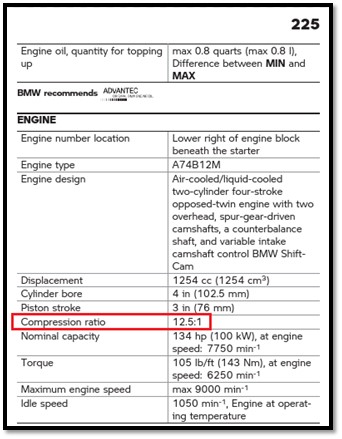
Firstly, race gas is for a racing engine, period. Common motorcycle engine compression ratios* typically range from around 9.5:1 to 12:1, with some higher-performance or racing engines reaching ratios of 14:1 or even higher. Many modern motorcycles, especially those designed for everyday use have engine compression ratios from 10:1 to 12:1. The Suzuki DR650SE has a 9.5:1 compression ratio; the 2024 BMW R 1250 GS Adventure I ride is 12.5:1; and the Ducati Panigale V4 has a 14:1 compression ratio.
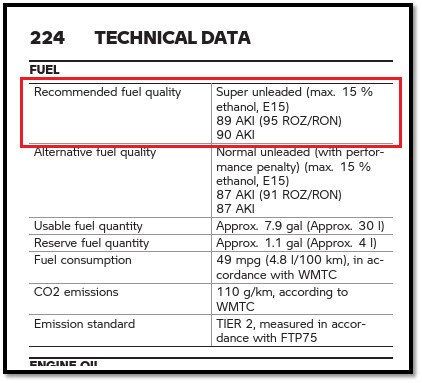
Excerpt from the 2024 BMW R1250GA Adventure Owner’s Manual.
The problem with running super high-octane gas is that if you don’t have the compression to squeeze the air/fuel mixture enough, the result will be decreased performance and a higher potential of damaging your engine.
(* Ed.’s Note: The compression ratio is a mathematical expression comparing the maximum volume of a cylinder to its minimum volume—that is, how much space there is for fuel and air when the piston is at bottom dead center versus when it is at top dead center. Higher compression ratios typically denote higher performance, and some engines with high compression ratios require higher-octane gasoline for peak performance and to prevent knocking, which is the fuel-air mixture burning unevenly or incompletely.)
Despite what some people think, the octane rating is not a direct indication of a particular blend of fuel’s overall quality or power. According to the EPA, “Octane rating is the measure of a fuel’s ability to resist ‘knocking’ or ‘pinging’ during combustion, caused by the air/fuel mixture detonating prematurely in the engine.” That’s it. Every other label you see on premium gas, the “V-Power Nitro+ Wicked Mega Awesome” grade, is marketing hype intended to make you spend more money on a higher grade of fuel that you likely do not need.
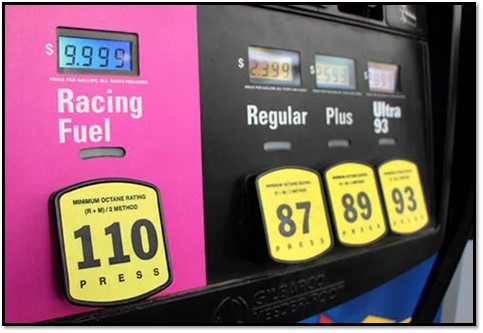
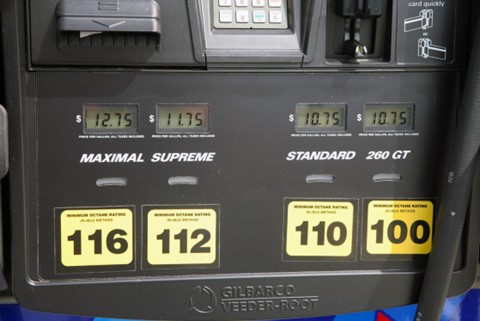
In the United States and Canada, gasoline is typically available in three varieties: regular, mid-grade, and premium. The numbers appearing on the pump can vary depending on the method used to calculate them. In North America, we use what is known as the “(R+M)/2 method.” You might have seen this formula printed on the pump, as shown in the title picture.
The manufacturers of fuel use two tests to determine the octane number. The Research Octane Number (RON) is tested under engine idle conditions with a low air temperature and slow engine speed. The Motor Octane Number (MON) is tested under the more stressful conditions of higher air temperature and engine speed. The number you see on the pump is the number derived from each of these tests added together then divided by two to get an average. The (R+M)/2 formula means RON plus MON, divided by two. For our purposes, it’s safe to say that typically, regular gas is 87 octane, mid-grade is 89, and premium is 91 or 93.
When gas has more octane, it will burn cooler and slower, and more importantly, requires a higher compression to get that fuel to release its energy. Higher octane simply means a more controlled burn under higher pressure conditions, such as in high compression or high boost or turbo charged engines. If you use super high-octane fuel without the compression to support it, your engine will “ping.”
In piston engines, detonation, also known as “engine knock” or “pinging,” is an abnormal combustion event where the fuel-air mixture explodes rather than burns smoothly, causing a pounding force on the piston and potentially leading to engine damage. This can break piston tops, shred rings, blow head gaskets and cause other damage, all of which can be detrimental and expensive to repair. When gas becomes unstable in the burn stroke of a piston engine, it goes from a push on the piston top to a slam, like hitting it with a sledgehammer!
Try pushing a car 10 feet. It isn’t too difficult if you lean into it and give it a nice, steady (controlled) push.Now stand behind it and hit it with a sledgehammer!
You hit it hard. In fact, much harder than you did by just pushing on it, and much harder than you could with just your hands. The car didn’t move, but you sure as heck just destroyed the trunk!
That is the difference between a controlled “push” and an out-of-control “slam” or “detonation.” This will likely cause irreparable damage to your engine. To keep higher compression race engines under control, a higher-octane fuel is used to keep that “push” from becoming an out-of-control sledgehammer hit. Without the higher compression, ultra-high octane (race) fuel doesn’t burn well.
The definitive answer as to what fuel you should run in your bike is to run whatever the manufacturer recommends. I can’t get away with the practice of using regular gas and BMW has good reasons to require premium fuel. Check the owner’s manual for your specific make, model, and year, and follow those recommendations.
Here’s the recommendations for mine along with my suggestion that you know your acronyms. In the United States, the “octane rating” displayed on gas pumps, also known as the Anti-Knock Index (AKI), is the average of the Research Octane Number (RON or ROZ) and Motor Octane Number (MON). The octane rating/octane number is a standard measure of a fuel’s ability to withstand compression in an internal combustion engine without causing engine knocking
Excerpt from the 2024 BMW R1250GA Adventure Owner’s Manual.
If you don’t have a copy of the owner’s manual for your bike, you should be able to look it up online. Be careful to follow the manufacturer’s actual recommendation, though, and not speculation from forums.
Top-Tier (Shelf) fuel is what most big-name retailers carry. Top Tier fuels contain a higher concentration of detergent additives—typically at least 2.5 times more at minimum for all grades of gas, with some station’s premium blend using seven times the required amount. These extra detergents and additives to their premium grades go beyond what is required, and these can have favorable effects on your engine.
I and a lot of my fellow BMW owners choose to use premium Chevron or Texaco fuels. Techron is a fuel additive designed to clean deposits from fuel injectors, carburetors, intake valves, and combustion chambers, helping to restore lost power, improve fuel economy, and minimize emissions.
If you want to reap the benefits of these detergent additives but your bike only requires regular gas, it is acceptable to run a tank of premium from time to time. You will not benefit from additional power or performance unless the engine is specifically tuned to take advantage of higher-octane fuel, but if you like the idea of running premium’s extra additives through your engine occasionally, it’s probably okay.
But what if you’re in the middle of nowhere? Then what do you do?
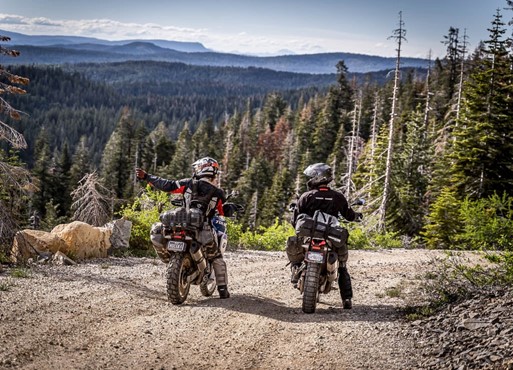
From time to time, if your bike requires premium fuel, you may find yourself in a situation where that fuel is not available from the pump. I have run into this myself many times while exploring Alaska and western Canada. As avid adventure riders, we may find ourselves in far off places with extremely limited access to fuel of any kind—never mind the proper octane rating. Sometimes beggars can’t be choosers! The real question is what to do when low-octane fuel is all that was available, especially in higher elevations.
If you’re forced to use low octane fuel, there are some ways to make it easier on your machine. First, let the bike cool off from time to time in heavy, slow traffic. Second, be gentle on the throttle, like when accelerating away from traffic lights. In one instance of low-quality fueling, I put my BMW into “Rain Mode” to do just that. Finally, be smooth and gradual when overtaking other traffic.
These techniques are also helpful on modern fuel-injected bikes. The electronics will detect engine knocking and change the air/fuel mixture to avoid it, though at the cost of performance. It’s not ideal to run lower octane fuel than recommended, but if you absolutely must, try to keep the engine load and RPMs as low as possible. Basically, don’t ask too much of the engine until you can get the proper grade fuel in the tank.
Racing fuel—100 octane or above—is expensive, and I’d rather not pay more than needed to gas up. The trade-off for this expensive fuel will not benefit you with increased performance or higher mileage—indeed, it could instead cause disastrous damage to your faithful steed. Reciprocating piston engines are designed and rigorously tested with a specific compression ratio that indicates a fuel octane level for best performance.
Simply put, using the appropriate fuel octane rating, as recommended by your vehicle manufacturer, is vital for optimal engine performance, fuel efficiency and engine longevity.
The correct octane rating is crucial to prevent engine damage, as using a lower (or higher) octane than recommended can lead to knocking or pinging, while using a higher octane than needed just wastes money. Check your owner’s manual or consult with your maintenance provider.
If you frequent the nearest quickie mart for discount regular gas, the occasional tank of premium from a name-brand, Top Tier retailer may do your engine some good. But remember that extra octane does not mean more power or performance. Unless your engine has been modified to take advantage of an ultra-high-octane fuel, absolutely stay away from racing fuel over 100 octane. However, premium 91 or 93 octane gas typically has a higher concentration of detergents, keeping your engine cleaner, which in the long run will help sustain power, mileage and throttle response.
Truckmakers’ withdrawal from electrification commitments in the US could signal a similar move in Europe. By Megan Lampinen
European players are increasingly concerned that a pushback on emissions targets in the US could repeat itself in the EU. Four of the leading truckmakers on the US market—Paccar, Daimler Truck, Volvo Group, and Traton Group’s International brand—are backing away from commitments made under the Clean Truck Partnership (CTP). On 11 August 2025, they brought legal challenge against the California Air Resources Board (CARB) and California Governor Gavin Newsom, seeking to nullify zero emission vehicle (ZEV) requirements, which 11 states have adopted.
Subscribe to Automotive World to continue reading
Sign up now and gain unlimited access to our news, analysis, data, and research
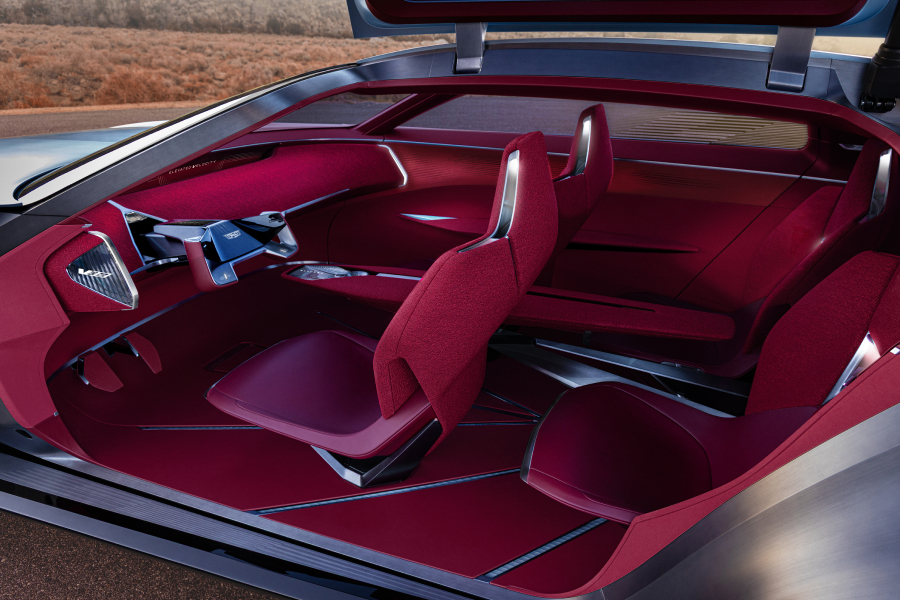
Anyone remembers the Apple Car and how the idea was eventually scrapped, probably right after reading my humble little Op-Ed about it? As far as concept carsgo, Elevated Velocity catches your attention right off the bat. There’s this ongoing theory that people don’t care about the performance of the car as much as they do about the aesthetics of it (it’s me, I’m the one pushing that theory). Owning a car, in this economy? Especially in a COE country? Wild.
Appreciating the design, though? FOC.
CADILLAC
Form
Cadillac unveiled a line up of self-driving concepts last year that lean into the notion of spaces and give the word futuristic a bang for its buck. Amongst the line up, the autonomous coupe Opulent Velocity.
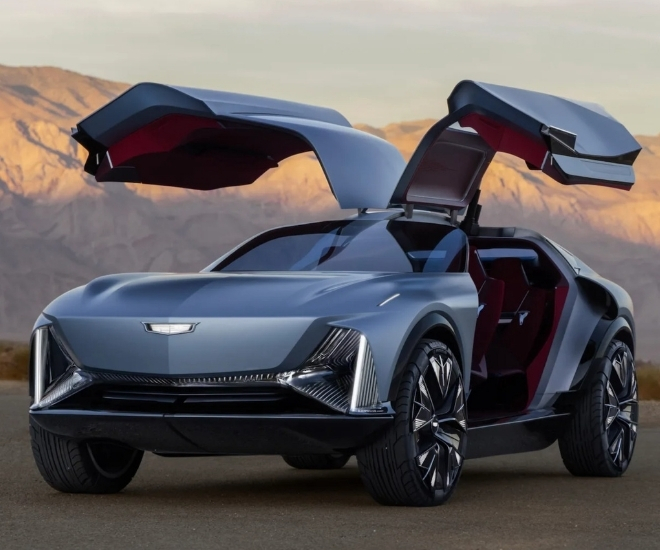
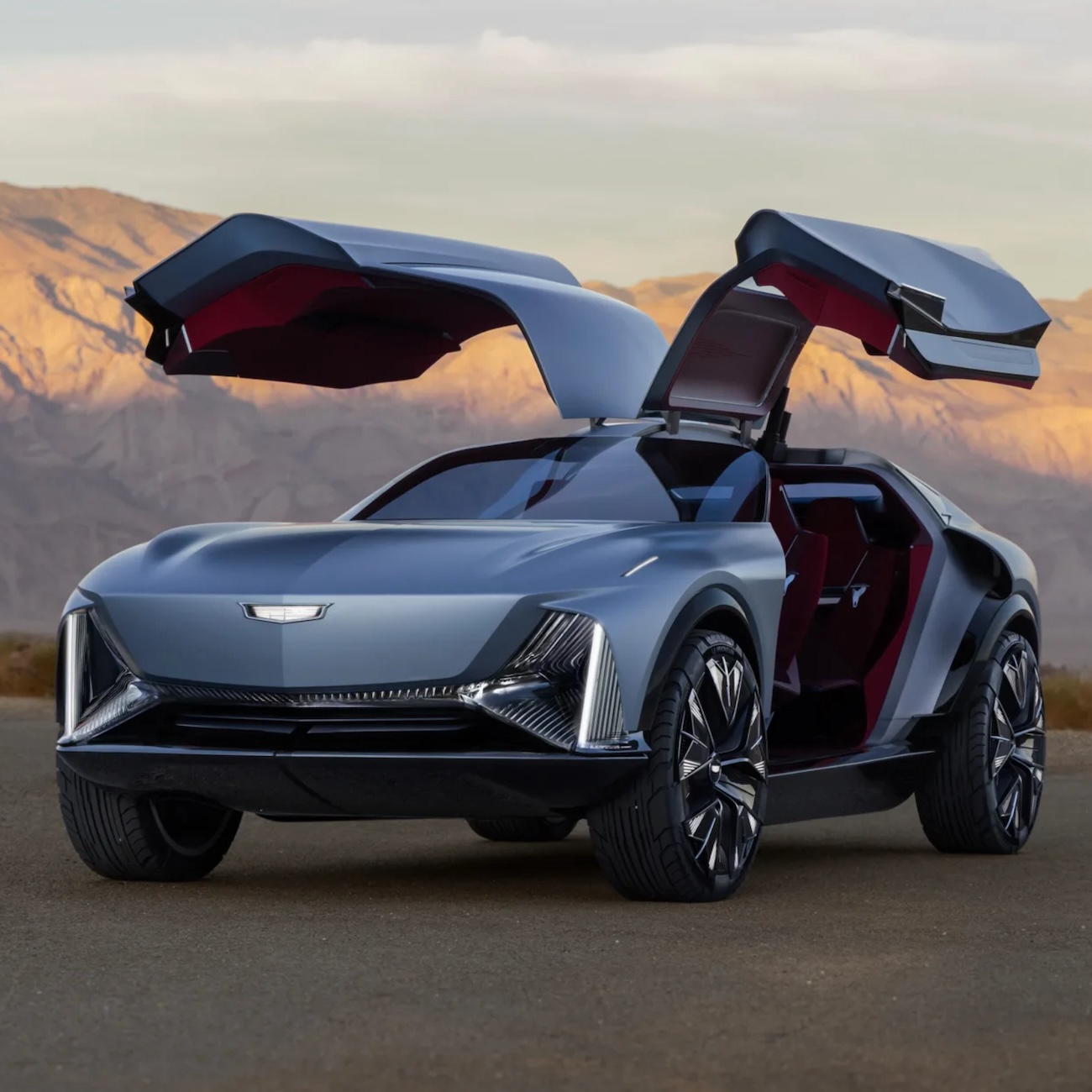
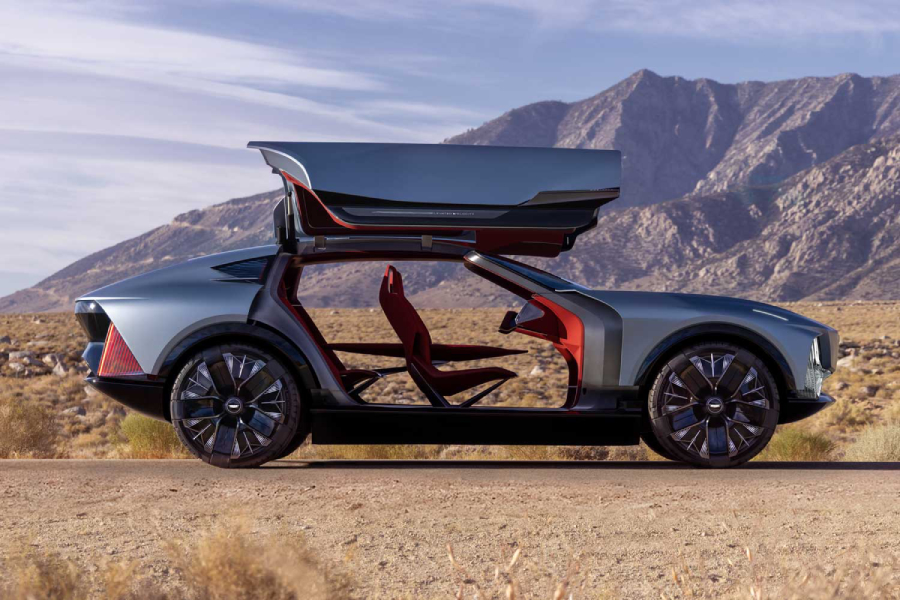
No points for putting two and two together (geddit, 2+2? No?) that Elevated Velocity is its successor in the SUV arena. So while carrying an aerodynamic hood consistent to the LYRIQ, combining it with the commanding look of the gull-wing doors makes for a truly spectacular silhouette.
The contrast of interior and exterior gets even more dramatic too. The Vapor Blue sheen is inspired by glacial ice, directly juxtaposing the fiery red carriage. There’s something so blatant about the choice that it harkens to the vintage Cadillacs and their unmistakable style.
CADILLAC
Function
‘Elevated’ and ‘Velocity’ mean serious business here; titling two distinct modes of the automobile.
Picture this: Elevate Mode retracts the pedals and steering wheel, turns ambient lighting to red and seatback lighting to infrared. A light travels from front to rear in breathing tempo in conjunction with an animation on the cowl as doors backlit in sync. Interior cabin filtration keeps the air pristine while Extreme Climatisation compensates for dry air, sudden temperature shifts and altitude changes.
Velocity Modeevokes cool white tones and dims floor lighting as deployable steering wheel displays speed, AR HUD navigation and more haptics on the cowl. Possibly the closest we get to the Batmobile with the cockpit as the focus. The 24-inch wheels already prime for off-road locales, but Sand Vision builds on Cadillac’s existing Night Vision tech to enable the driver better visibility in a sandstorm. Dust-phobic vibration also cleans the vehicle of external debris.
Flair
The all-electric, high-performance crossover clearly does not shy away from its heritage in luxury. Sure, everyone and their grandmother is onboard the EV train, but a concept as strong as this positively signals how brands can continue to reinvent themselves for the future without losing the awe of their illustrious past.
For more information visit Cadillac.
This article was first seen on ESQUIRE SG.
For more on the latest in luxury motoring reads, click here.