
15.1 C
London
Tuesday, May 12, 2026
Home Blog Page 101

The Real Reasons Auto Insurance Is Critical

0
The Real Reasons Auto Insurance Is Critical


Read Time:5 Minute, 32 Second

Auto insurance is often viewed as just another bill—something you have to pay each month because the law says so. But the truth runs deeper. Accidents happen every day. Roads are unpredictable, and even the most careful drivers can’t control weather, other drivers, or random bad luck. That’s where auto insurance becomes more than just a legal checkbox; it becomes a safeguard for your finances, your health, and your peace of mind.

In this article, we’ve discussed the real reasons why car insurance is more than a legal formality – it is absolutely critical.

1. Financial Protection from Expensive Repairs and Medical Bills

One of the most immediate reasons people purchase auto insurance is to protect themselves from the high cost of accidents. Even a relatively small crash can result in thousands of dollars in damage. A broken headlight, bent frame, or airbag deployment can all lead to expensive repairs. If injuries are involved, costs increase dramatically. Hospital visits, surgeries, therapy, and medications can pile up quickly. Without insurance, those bills come straight out of your pocket.

Having auto insurance means you don’t have to carry the entire financial burden alone. Your provider helps pay for repairs, covers medical bills, and ensures that a single incident doesn’t leave you deep in debt.

2. Legal Compliance and Peace of Mind

Driving without insurance isn’t just risky—it’s illegal in most states. The specific requirements vary by location, but nearly all states mandate some level of car insurance. If you’re caught driving without it, the penalties can be severe. Fines, license suspension, and even impoundment of your vehicle are real consequences.

Staying insured keeps you compliant with the law and gives you peace of mind. You don’t have to worry about what will happen during a routine traffic stop or in the event of a collision. Knowing you’re covered legally means one less thing to stress about when you’re behind the wheel.

3. Coverage Against Uninsured or Underinsured Drivers

Not everyone on the road is responsible. Despite legal requirements, many drivers either don’t carry insurance or only purchase the bare minimum. If you get hit by someone who lacks adequate coverage, you could end up paying for the damage yourself.

That’s where uninsured and underinsured motorist coverage comes into play. This type of protection helps you avoid financial disaster when the other driver can’t cover the costs. It’s especially important in areas with high numbers of uninsured drivers. With this added layer of coverage, you’re protected even when someone else drops the ball.

4. Safeguarding Against Natural Disasters and Theft

Accidents aren’t the only threat to your vehicle. Natural events like floods, wildfires, and hailstorms can cause serious damage. Theft and vandalism are also real risks, especially in urban areas. These situations fall outside the scope of basic liability coverage but can be handled by a comprehensive insurance policy.

Comprehensive coverage helps repair or replace your car in these unexpected circumstances. It offers a level of protection that goes beyond collisions and ensures you’re not left scrambling to cover losses from weather events or criminal activity. This type of insurance can be especially valuable for those living in regions prone to extreme weather or high crime rates.

5. Liability Coverage That Protects Your Assets

Being at fault in an accident carries more than just emotional stress—it can also put your finances and personal assets on the line. If you cause an accident that injures another person or damages their property, you may be held liable. Medical costs, repair bills, and even legal fees could become your responsibility.

Liability insurance covers these expenses so that you’re not personally on the hook. It’s designed to protect your income, your savings, and your future.

Without it, a single mistake could wipe out years of hard work.

6. Rental Car and Roadside Assistance Support

When your car is gone for repairs after an accident, you can’t hit the pause button. You still need to get to work, school, or appointments. That’s why rental car reimbursement is such a valuable part of many auto insurance plans. It keeps you mobile while your own vehicle is being repaired.

Roadside assistance is another underrated feature. Flat tires, dead batteries, and accidental lockouts happen to nearly everyone at some point. Having roadside support through your insurer means you don’t have to call for a tow or fix the problem yourself. It’s comforting to know help is just a phone call away when you’re stranded.

7. Coverage for Legal Costs After an Accident

Sometimes an accident doesn’t end with a repair and a handshake. Legal issues can arise, especially if there are serious injuries, questions of fault, or disputes over damages. A lawsuit can be expensive, even if you aren’t responsible. Think about those legal defense costs—attorney fees, court appearances, settlements, and more.

Most car insurance policies include liability coverage that extends to legal defense. Your insurance provider takes care of the legal side, so you’re not left navigating court procedures alone. This kind of protection is crucial in avoiding personal financial exposure during a lawsuit, which can otherwise drain your savings or even threaten your livelihood.

8. Helping You Get Back on the Road Faster

After an accident, dealing with repairs can be a hassle. You have to coordinate with repair shops, negotiate costs, and possibly wait weeks to get your car back. But with the right insurance provider, that process becomes much smoother. Many insurers work directly with certified repair facilities and streamline the entire workflow.

This means faster approvals, direct billing, and often guaranteed repairs. You don’t have to worry about being overcharged or delayed. You can focus on getting back to normal while your insurer handles the logistics. It’s one of those behind-the-scenes benefits that you only truly appreciate when you need it most.

The Key to Stress-free Driving

Auto insurance isn’t just about meeting legal requirements or fixing dents—it’s about protecting everything that matters when you’re on the road. From your finances and health to your legal security and savings, the right policy brings stability in moments of chaos. Life is full of unexpected turns, and when it comes to driving, you never know what’s around the corner. But with comprehensive auto insurance, you’re not facing the road alone. You’re backed by a system designed to support you when it counts most. And that peace of mind? That’s something no driver should be without.



Source link

Busiest Airports in the US: Top 10 Listed

0
Busiest Airports in the US: Top 10 Listed


The US has some of the biggest and busiest airports in the world. We’ve compiled the top 10 busiest airports in the US in accordance with the annual passenger traffic. Read on to learn whether your airport has made it to the list or not.

Busiest Airports in the US

Here’s the list of the top busiest airports in the US.

Airport Annual passenger traffic (2024) Number of seats (2024)
Hartsfield–Jackson Atlanta International Airport (ATL) 108,067,766 62,743,665
Dallas–Fort Worth International Airport (DFW) 87,817,864 51,516,707
Denver International Airport (DEN) 82,358,744 49,218,244
Chicago O’Hare International Airport (ORD) 80,043,050 46,992,360
Los Angeles International Airport (LAX) 76,587,980 45,509,963
John F. Kennedy International Airport (JFK) 63,265,972 38,150,327
Charlotte Douglas International Airport (CLT) 58,811,725 35,228,663
Harry Reid International Airport (LAS) 58,447,782 35,586,378
Orlando International Airport (MCO) 57,211,628 34,269,851
Miami International Airport (MIA) 55,926,566 32,391,050

Source: Aerotime

Hartsfield–Jackson Atlanta International Airport (ATL)

Busiest Airports in the US: Top 10 Listed
Image by Florida Chuck
  • With an annual passenger traffic of around 108 million, Atlanta Airport is the busiest airport in the US and the world. Since 1998, ATL has been the busiest airport in the US.
  • Located 10.2 miles from Downtown Atlanta, the airport primarily serves Atlanta and its nearby metropolitan area. ATL is two hours away from major hubs like Dallas, Chicago, New York, and Houston, and a few hours away from Central America and the Caribbean.
  • The airport offers over 1,000 daily flights to around 225 destinations. A primary hub for Delta Air Lines, it also serves as an operating base for airlines like Spirit, Southwest, and Frontier.
  • Orlando and Cancún, Mexico, are the busiest routes from ATL Airport.

Dallas-Fort Worth International Airport (DFW)

top 10 busiest airports in the US
Image courtesy: EQRoy
  • With an annual passenger traffic of around 82.35 million, Dallas-Fort Worth International Airport is the second-busiest airport in the US and the third-busiest globally.
  • Covering an area close to 17,207 acres, DFW is also the second-largest US airport.
  • The airport offers continuous services to more than 250 destinations, more than any of the country’s airports.
  • DFW operates as American Airlines’ main hub, the second-biggest single-airline hub globally. Los Angeles and Cancún, Mexico, are the busiest routes from DFW Airport.

Denver International Airport (DEN)

Denver Airport
Image courtesy: Sanogo700 at English Wikipedia, CC BY 3.0, via Wikimedia Commons
  • Denver Airport is not only the biggest airport in the US and the second-biggest in the world, but also one of the world’s and the country’s busiest airports. Currently, DEN has an annual passenger traffic of around 82.35 million.
  • It covers an area of around 33,531 acres.
  • Located around 22.4 miles from Denver, it is one of the key hubs for United Airlines. The airport serves more than 215 destinations globally via 25 airlines.
  • Las Vegas and Cancún, Mexico, are the busiest routes from Denver Airport.

Chicago O’Hare International Airport (ORD)

ORD Airport
Image courtesy: https://www.flickr.com/photos/15216811@N06/, CC BY 2.0, via Wikimedia Commons
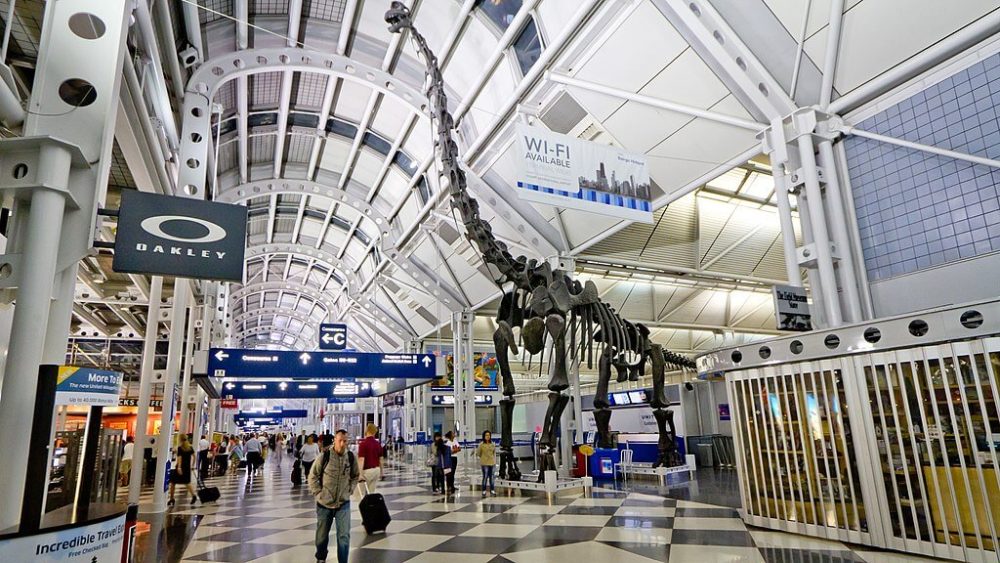
  • O’Hare Airport was the busiest airport globally regarding passenger traffic from 1963 to 1988. Currently, the airport has an annual passenger traffic of around 80 million.
  • ORD offers non-stop flights to nearly 214 destinations in the Caribbean, South America, North America, Asia, the Middle East, Oceania, Europe, Africa, and the North Atlantic, making it the world’s best-connected airport.
  • O’Hare is an important hub for United Airlines and American Airlines.
  • The busiest routes from ORD are to Los Angeles and London–Heathrow, UK.

Los Angeles International Airport (LAX)

Los Angeles Airport
Image courtesy: monkeytime | brachiator, CC BY-SA 2.0, via Wikimedia Commons
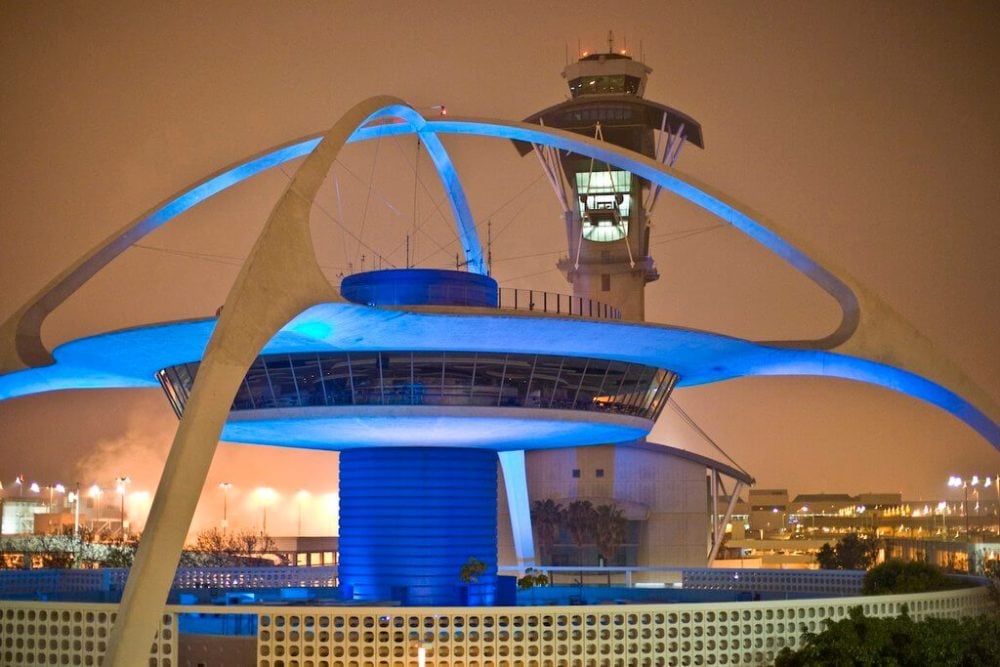
  • With an annual traffic of nearly 76.5 million passengers yearly, LAX Airport remains one of the busiest airports in the US and the world.
  • Located 18.6 miles from Downtown Los Angeles, LAX is the main airport for Los Angeles and its nearby metropolitan area.
  • LAX is a hub for American Airlines, Alaska Airlines, United Airlines, and Delta Air Lines.
  • The busiest routes from LAX are to New York–JFK and London–Heathrow, UK.

John F. Kennedy International Airport (JFK)

JFK Airport
Image courtesy: Beyond My Ken, CC BY-SA 4.0, via Wikimedia Commons
  • With a yearly average passenger traffic of close to 63.2 million, JFK is the sixth busiest airport in the US.
  • Located around 19.1 miles from New York City, JFK is the busiest airport within the New York Airport system.
  • The airport offers flights to around 200 destinations via 93 carriers. It is the main hub for Delta Air Lines and American Airlines and a focus city for JetBlue.
  • Los Angeles and London–Heathrow, UK, are the busiest routes from the airport.

Charlotte Douglas International Airport (CLT)

CLT Airport
Image courtesy: SunDawn, CC BY-SA 4.0, via Wikimedia Commons
  • CLT is the primary airport which serves the Charlotte metropolitan area.
  • Charlotte Airport served around 58.81 million travelers in 2024, its highest annual passenger traffic.
  • CLT is the main hub for American Airlines, offering non-stop flights to around 181 destinations via 26 carriers.
  • The busiest routes from CLT are to Orlando and Cancún, Mexico.

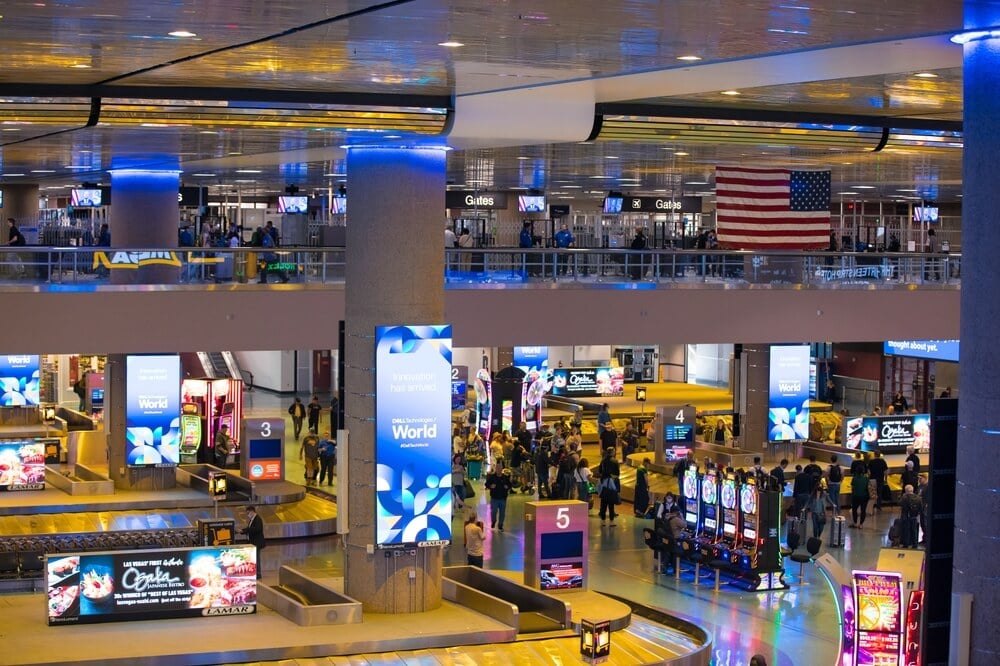
Harry Reid International Airport (LAS)

Harry Reid Airport
Image by RYO Alexandre
  • Located around 11.4 miles from Downtown Las Vegas, Harry Reid International Airport is the primary international airport serving the Las Vegas Valley.
  • Currently, it has an annual passenger traffic of around 58.4 million.
  • The airport serves around 171 destinations via 36 airlines and provides international flights to Europe and Asia. LAS is an operating base for Southwest Airlines, Allegiant Air, Spirit Airlines, and Frontier Airlines.
  • The busiest routes from LAS are to Los Angeles and Toronto-Pearson, Canada.

Orlando International Airport (MCO)

Orlando International Airport
Image courtesy: Larry D. Moore, CC BY 4.0, via Wikimedia Commons
  • Located around 12 miles from downtown Orlando, MCO is the key airport serving the Orlando Metropolitan Area.
  • The airport had annual passenger traffic of around 57.21 million in 2024, a small drop compared to the 2023 passenger traffic.
  • This is the second-busiest airport in Florida and serves as a hub for Silver Airways. It offers non-stop services to more than 160 destinations.
  • Like most Florida Airports, the airport offers great connectivity to the Bahamas, Central America, and the Caribbean. Atlanta and Toronto, Canada, are the busiest routes from the airport.

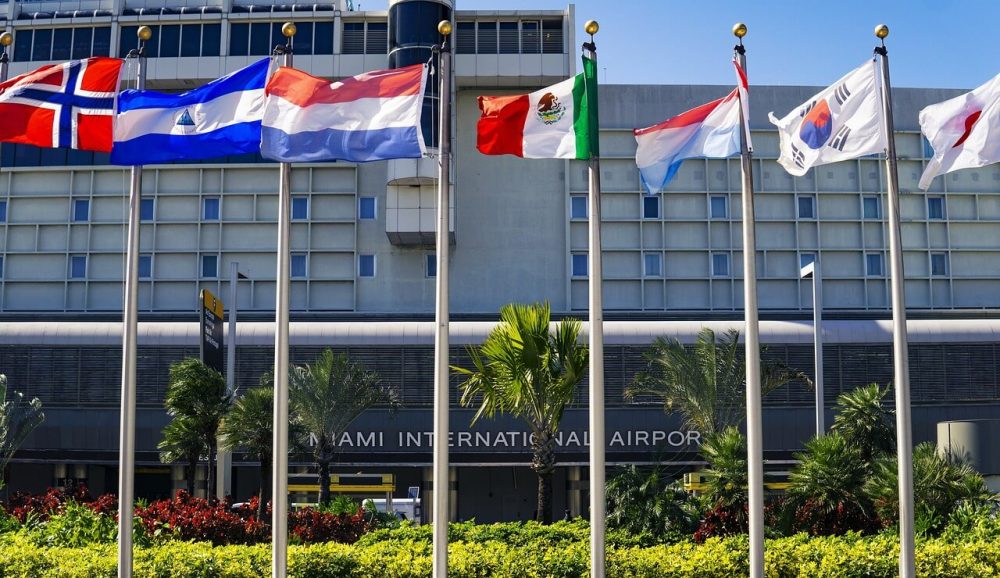
Miami International Airport (MIA)

Miami International Airport
Image courtesy: Image by Joshua Woroniecki from Pixabay
  • With an annual passenger traffic of around 55.92 million, Miami Airport is currently the tenth busiest airport in the US.
  • More than 80 airlines fly from the airport to nearly 150 destinations globally.
  • Serving as one of American Airlines’ biggest hubs, the airport offers many flights to the Caribbean and Latin America.
  • Also, there are direct flights from MIA to destinations like Costa Rica, Belize, Guatemala, and Nicaragua. The busiest routes from MIA are to Atlanta and Mexico City.

All Your Questions Answered

What is the busiest airport in the US?

Hartsfield–Jackson Atlanta International Airport (ATL) is the busiest airport in the US, with an annual passenger traffic of 108 million.

What are the busiest airports in the US?

Currently, Hartsfield–Jackson Atlanta International Airport (ATL), Dallas Fort Worth International Airport (DFW), Denver International Airport (DEN), Orlando International Airport (MCO), Chicago O’Hare International Airport (ORD), John F. Kennedy International Airport (JFK), Harry Reid International Airport (LAS), Los Angeles International Airport (LAX), Charlotte Douglas International Airport (CLT), and Miami International Airport (MIA) are the top 10 busiest airports in the US.

Is O’Hare the busiest airport in the US?

No, but it ranks among the busiest in the country. With an annual passenger traffic of 80 million, ORD is currently the fourth busiest airport in the US. Hartsfield–Jackson Atlanta International Airport (ATL) is the busiest airport in the US.

What are the 5 busiest airports in the US?

Hartsfield–Jackson Atlanta International Airport (ATL), Dallas-Fort Worth International Airport (DFW), Denver International Airport (DEN), Los Angeles International Airport (LAX), and Chicago O’Hare International Airport (ORD).

What is the #1 airport in the US?

Hartsfield–Jackson Atlanta International Airport (ATL) is the country’s #1 airport by passenger traffic. In 2024, it had an annual passenger traffic of around 108 million, making it the world’s busiest airport.

What is the busiest international airport in the world?

Hartsfield-Jackson Atlanta International Airport (ATL) is the world’s busiest airport. Still, Dubai International Airport (DXB) is the busiest airport for international travelers. ATL handles around 62 million seats.

Which US city has the busiest airport?

Atlanta, Georgia, has the busiest airport. Hartsfield–Jackson Atlanta International Airport (ATL) is around 10.2 miles from Downtown Atlanta.

Which airport has the most traffic in the US?

Hartsfield–Jackson Atlanta International Airport (ATL) has the most passenger traffic in the country, with 108 million passengers using its terminals annually.

The post Busiest Airports in the US: Top 10 Listed appeared first on Way Blog.


Source link

5 most popular supercars of 2023

0
5 most popular supercars of 2023


New year, new cars

As we rolled into a new year, all things clean and new are on our minds. 

From starting a new exercise routine to lose those few holiday pounds, to starting a new job or a new hobby, the New Year always brings plenty of opportunities. It also happens to bring an entire new year of automotive delights that are designed to make the hearts of enthusiasts sing. We know that everyone is gaga for electric cars at the moment, but we thought we’d take a step back and talk about something that’s more in our wheelhouse. That’s right! Supercars. 

We know it’s hard to pick just five, but trust us, these are some of the most epic supercars out there. So, which supercars are buzzing for 2023, and will we get out hands on any for our supercar driving tour or supercar track days?

Read on to learn more. 

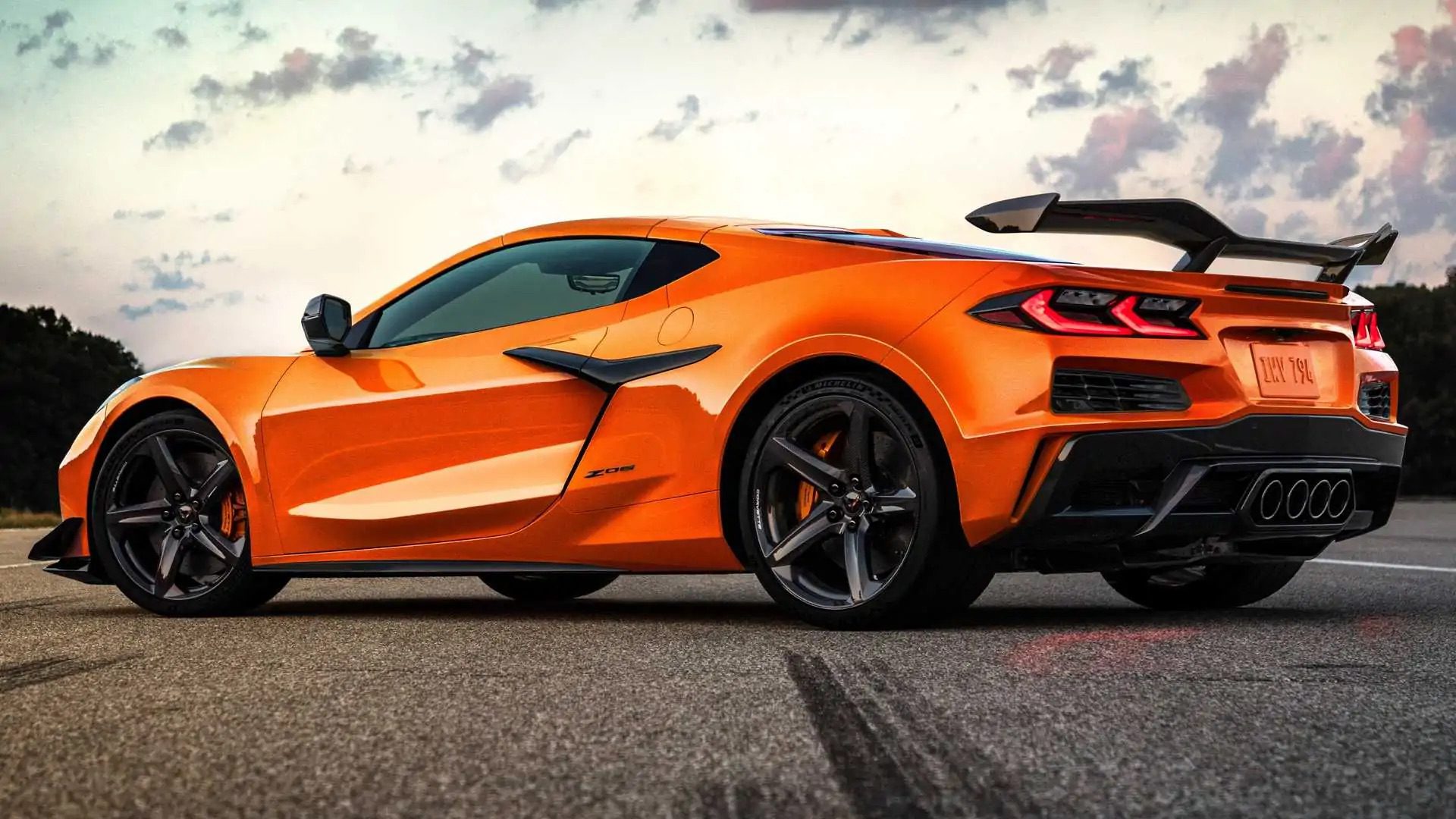
Chevrolet Corvette Z06

Photo Source: MotorBiscuit.com

Vehicle Type: Mid-engine, rear-wheel-drive, 2-passenger, 2-door Targa

Engine: DOHC, 5.5-liter, 32-valve V-8 with an aluminum block, heads, and direct fuel injection

Transmission: 8-speed dual-clutch automatic

Horsepower: 670 hp @ 8400 rpm

Torque: 460 lb-ft @ 6300 rpm

Country of Origin: U.S.A.

0-60: 2.7 seconds

Top Speed: 189 MPH

If you follow the automotive industry at all, there’s just no way that you haven’t heard about the all-new C8 Corvette Z06. Over the last year, we’ve fielded the same “Are you getting a new Z06?” question from hundreds of customers. As much as we’d like to give you a definitive yes, we’re not really sure because there are so many people trying to get their hands on one of these miraculous all-American monsters! We gotta stand in line, just like everybody else. 

So why are people so crazy over this thing? It comes down to two simple words: Naturally Aspirated. That’s right, the new Corvette Z06 is rocking a naturally aspirated, flat-plane crank V8 out back that produces a staggering 670 horsepower at 8400 RPM. If you’re thinking those sound more like Ferrari numbers, you’d be dead on. In fact, the Z06 is the most powerful naturally aspirated V8 to ever come out of America. Thanks to oodles of race-ready tricks, a brilliant chassis with some serious brakes, and one of the best dual-clutch transmissions in the world, there is plenty of stopping and turning prowess to go along with the prodigious power. This thing is the complete package. Oh, did we mention it also sounds incredible (by design)? 

Did Chevrolet build a vehicle that can take on the best of the world and beat them at their own game? You bet they did. 

Lamborghini Aventador SVJ Roadster

Photo Source: Lamborghini.com

Vehicle Type: Mid-engine, all-wheel-drive, 2-passenger, 2-door Targa

Engine: DOHC, 6.5-liter, 48-valve V-12, aluminum block, and heads with port fuel injection

Transmission: 7-speed automated manual

Horsepower: 770 hp @ 8500 rpm

Torque: 531 lb-ft @ 6750 rpm

Country of Origin: Italy / Germany

0-60: 2.8 seconds

Top Speed: 217 MPH

Ah, who doesn’t love the absolute mechanical madness of a Lamborghini? We certainly do, which is exactly why we’ve had several Italian bulls come through the ranks here at Xtreme Xperience. 

The Lamborghini Aventador SVJ Roadster represents the absolute last of a dying breed of supercars. Much like the Z06, the Lamborghini Aventador SVJ Roadster comes to the table sans turbochargers, and wow, does this thing have an engine! Under the rear engine cover, Lamborghini has stuffed in a 6.5-liter V12 that cranks out a crazy 770 horsepower at 8500 RPM. Trust us when we say that you will collapse to your knees in an automotive state of bliss when you hear thing fire up. It’s all Italian and it is brutal. They really don’t make engines like this anymore, and if you love cars, you owe yourself a drive behind the wheel of a naturally aspirated monster. 

Of course, the Lamborghini Aventador SVJ Roadster also handles like a racecar, all while providing the driver an open-air experience to better hear that howling V12 over your shoulder. 

What can we say? In the world of supercar experiences, the Lamborghini Aventador SVJ Roadster is about as good as you can get. 

Porsche 911 GT3

Photo Source: Caranddriver.com

Vehicle Type:  Rear-engine, rear-wheel-drive, 2-passenger, 2-door coupe

Engine: DOHC, 4.0-liter, 24-valve flat-6, aluminum block, and heads with direct fuel injection

Transmission: 7-speed dual-clutch automatic

Horsepower: 502 hp @ 8400 rpm

Torque: 346 lb-ft @ 6100 rpm

Country of Origin: Germany

0-60: 2.7 seconds

Top Speed: 198 MPH

In the world of supercars, there are a few ways to go about things. You can do what Lamborghini does and stuff a huge V12 under the rear bonnet hooked up to an equally large, AWD chassis. Or, you can do what Porsche does, and stuff a lightweight, high-revving engine, in a compact, lightweight body that can handle nearly telepathic abilities. 

Porsche’s GT3 is the embodiment of what a sports car should be. To put it bluntly, the GT3 nearly matches the performance of the Aventador SVJ Roadster, but does so with six fewer cylinders and over 250 less horsepower! Thanks to a race-prepped flat-six engine that spins madly to a lofty 8500 RPM redline, and rear-wheel drive, the GT3 takes some serious skill to pilot up to its limits. Most normal drivers will never see anywhere near the limits of the GT3 on the street, but that doesn’t mean you can’t enjoy that 502-horsepower scream. 

We have a GT3 in our Open Road fleet, and every person that comes out of the GT3 is giggling with a mix of delight and terror. For the normally stoic German brand, the GT3 is like a punch to the gut and we love it. 

Ferrari SF90 Stradale

Photo Source: Caranddriver.com

Vehicle Type: Mid-engine, all-wheel-drive, 2-passenger coupe

Engine: Twin-turbocharged and intercooled, DOHC, 4.0-liter, 32-valve 4.0-liter V-8. 2 permanent-magnet synchronous AC front motors and 1 permanent-magnet synchronous AC.

Transmission: 8-speed dual-clutch automatic

Horsepower: 986 hp

Torque: 786 lb-ft 

Country of Origin: Italy

0-60: 2.0 seconds

Top Speed: 211 MPH

Excuse us while we catch out breath. 

Okay, we’re good. 

Of all the vehicles on this insane list, the Ferrari SF90 Stradale is somehow even more insane than the rest. Ferrari’s marquee supercar gets its pazzo prestazione from a twin-turbocharged V8 and a set of three electric motors that draw power from a 6.5-kWh lithium-ion battery pack. All this translates to a face-melting 968 horsepower and 786 lb-ft of torque, which is enough for a 2.0-second blast to sixty. Yes, you heard that right, a 2.0 second 0-60 time! 

This is also the first mid-engined Ferrari supercar (not counting the coupe` GT4C Lusso) to have all-wheel drive. So yes, you can drive your half-million car up into the mountains during the winter for a ski trip. Do people do that? Well, if you want to, you can. 

Of course, the Ferrari SF90 Stradale can also handle a race car, and stop like a race car, but it also happens to have one of the best interiors of any supercar, ever. Seriously, this thing has a 16-inch screen across the dash! 

If you like madness, the Ferrari SF90 Stradale is your cup of crazy. 

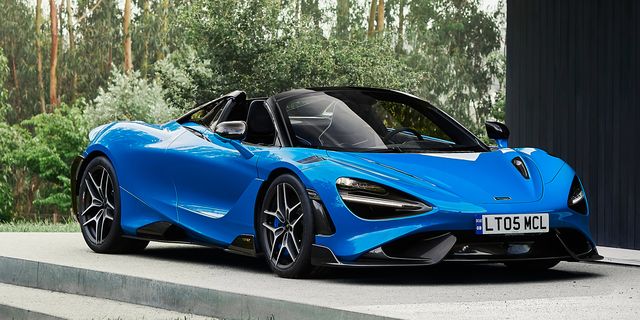
McLaren 765LT Spider

Photo Source: Caranddriver.com

Vehicle Type: Mid-engine, rear-wheel-drive, 2-passenger, 2-door convertible

Engine: Twin-turbocharged and intercooled DOHC, 4.0-liter V-8 with an aluminum block/ heads, and port fuel injection

Transmission: 7-speed dual-clutch automatic

Horsepower: 755 hp @ 7500 rpm

Torque: 590 lb-ft @ 5500 rpm

Country of Origin: United Kingdom

0-60: 2.7 seconds

Top Speed: 205 MPH

McLaren is one of those companies that exist solely for the most passionate automotive enthusiasts out there. Their Formula 1 team is the second oldest in the paddock, and their road cars have been clenching behinds and stealing hearts since the debut of the McLaren F1 in the 1990s. 

Formerly available solely as a coupe, the McLaren 765 LT (Long Tail) Sider blends a lightweight, carbon fiber body with one of McLarens insane turbocharged V8 engines. In this iteration, we’re talking 755 horsepower cranking out through rear wheels. Handling is brutal but focused and the entire supercar feels like it wraps around your heart and soul. If you want to feel like you’re driving a thinly veiled race car, the McLaren 765 LT Spider is your ride. 

We’ve had a mixed history with McLaren vehicles, but we can always say that when pushed (and working) they are one of the most focused drivers cars on the planet. 

Come Drive A Supercar In 2023

At Xtreme Xperience, our passion is putting people like you behind the wheel of a bonafide supercar for the thrill of a lifetime. 

Come out to one of our track days at award-winning tracks around the country and you’ll be guided by professional racing instructors who will help you push a supercar to the limits. You’ll learn how to hit apexes, brake at the right time, and learn when to hammer the gas on the straights. It is the thrill of a lifetime, and it makes a great gift for anyone who loves to go fast. 

Open Road puts the supercar experience on the street in some of the most beautiful places in the country. You’ll embark on a guided tour through soaring mountains, river valleys and so much more as you push a supercar through its paces around some of the best driving roads. By blending supercars and bespoke travel experiences, we’re in the business of building memories. Bring your family or friend along for the ride, but just make sure they are ready for a thrill ride. 

Who knows what will land in our fleet during the 2023 season! See you at the track or on the Open Road!

FIND AN EVENT

The post 5 most popular supercars of 2023 appeared first on Xtreme Xperience.


Source link

Crowd-Free Trails in Olympic National Park

0
Crowd-Free Trails in Olympic National Park


Yes, all the American National Parks are phenomenal—but few can touch Olympic National Park for sheer size and diversity. From moody, windswept Pacific beaches to alpine mountain meadows to temperate rainforests so utterly lush they’ve been designated UNESCO World Heritage Site, this stretch of nearly a million acres truly has it all. Of course, a landscape like that can also draw crowds—and many of Olympic National Park’s most popular trails are also its most crowded. Fortunately, it’s a big enough landscape that there are also plenty of hidden gems for those in search of crowd-free hiking trails—and they offer the same kinds of breathtaking views you’d get on the well-known paths. 

Below, we’ve partnered with AllTrails to bring you some of the best less crowded trails in Olympic National Park (and a great deal, which we’ll talk about in just a minute). And as you already know, RV camping is the name of the game here at RVshare—and the very best way to enjoy wild places including the national parks and beyond. Without further ado, let’s dive into the best unique hiking experiences in Olympic National Park that bring the beauty—without the crowds.

Best Crowd-Free Trail Suggestions by AllTrails

If you aren’t already familiar with AllTrails (a situation that’s probably pretty unlikely if you’re searching for less crowded hiking trails!), it’s an all-in-one app for all things outdoors. From trail maps to wrong turn alerts to a community heat map powered by its more than 80 million members, AllTrails is a must-have for any serious hiker.

And if you’re really serious, upgrading is worth it—especially since, for a limited time, AllTrails is offering RVshare readers 30% off their Plus Membership, which allows you to download maps ahead of time for when you get deep enough into the outdoors to lose cell signal (among many other neat features). Once you’ve got that set up, you’re ready to go—so let’s dive into their expert recommendations!

Skip the Hoh River Trail to Five Mile Island; Instead, Try Elwha River and Lillian River Trail

Yes, the Hoh River Trail to Five-Mile Island is one of the most iconic hikes in the entire park. And yes, at 10 miles of distance and a few hundred feet of elevation gain, it’s highly sought-after by the most adventurous park visitors, many of whom compete for limited permits to backpack, so they can set up camp and sleep along the way, immersing themselves in this incredible landscape for longer.

But if you’re after deep old-growth forests with peek-a-boo riverside views and the opportunity to spot wildlife you might not easily find anywhere else, there’s a path less taken that can bring you all the same magic—without a lot of strangers crowding your photos.

The Elwha River and Lillian River Trail offers a similarly rugged profile, elapsing about 10 miles and seeing more than 1,500 feet of elevation gain along the way. This moderately challenging trail is particularly special because it’s nestled along the banks of the Elwha River, which is undergoing a historic restoration: In the 2010s, the two dams that held the river back for more than a century were removed, allowing the area to return to its previous free-flowing glory.

Along the Elwha River and Lillian River Trail, hikers often spot elk and even black bears, who come to feed on the salmon that populate the newly restored river. There are also Doug firs, western hemlock, and bigleaf maples, surrounded by giant sword ferns. In other words, it’s pretty much as Pacific Northwest as it gets. And you’ll also likely have it almost all to yourself.

Before You Go Considerations 

Like any outdoor adventure, there are safety considerations to keep in mind before you head out on the Elwha River and Lillian River Trail. Here’s what to know before you go:

  • You’re going to be in a remote area, so be prepared. Obviously, getting away from crowds is kind of the whole point—but this trail is tucked deep into the park and you’re unlikely to have cell signal, so you’ll need to carry everything you need with you and be prepared for emergencies.
  • This is bear country. As noted above, black bears like to hunt in this area—and while they can be fun to see in the wild, it’s important to know how to behave in an encounter. Check out the National Park Service’s bulletin about staying safe around bears.

Skip Hurricane Hill Trail; Instead, Try Sam’s River Trail

Sweeping views of snow-topped peaks in the distance; large, ambling alpine meadows dotted, at the right times of year, with wildflowers; off on the horizon, the blue waves of Puget Sound. We absolutely understand what makes Hurricane Hill via the Hurricane Ridge Trail so popular. Along with these breathtaking experiences, the trail is also a relatively moderate challenge level, at under four miles in length and 1,000 feet in elevation change. It’s also in one of the easiest-to-access parts of the park, only an hour away from Port Angeles.

But accessibility does sometimes mean extra crowds—which is why AllTrails recommends trying out Sam’s River Trail instead. Although it’ll take you more driving to arrive there, this easy, three-mile loop is an excellent alternative for those looking for a crowd-free experience—and one easy enough for the whole family. At just three miles round trip and a nearly flat profile, even the youngest campers will likely be able to make it.

Sam’s River Trail offers dense forests and river views as you pass through a landscape so lush and green you might scarcely believe it’s real. You may also get the opportunity to pass over a downed log bridge or hug a tree that’s been around since before your parents were born. Oh, and did we mention you are very unlikely to have strangers around you?

Here’s what some real, live hikers have to say about their experiences on Sam’s River Trail:

  • Nice, easy loop; very secluded. A little muddy in places but it’s the rainforest so that’s part of the fun!
  • Beautiful, magical, easy-to-follow trail along the river
  • Lots of cool stuff! Mushrooms, banana slugs, surprised a herd of elk. Male bugled at us, we chose to detour off trail to give them space.

Before You Go Considerations 

Here’s what to keep in mind before you take off for Sam’s River Trail.

  • As you saw in the comments above, this trail can get muddy—so be sure you’ve got a sturdy pair of boots and perhaps some gaiters. 
  • As you also saw in the comments, elk live here along with black bears—always do the same as this commenter did and give them plenty of space!
  • No matter where you are in Olympic National Park, be sure to be prepared for wet weather. A large chunk of the park is, after all, a rain forest, so no matter when you come, rain is possible. You’ll want to bring waterproof clothes!

Post-Hike Resources for Olympic National Park 

Given that Olympic National Park has—again—almost a million acres to its name, you probably won’t get bored just wandering around inside of it. But this part of the world has a whole lot else to see and do, so here are some other items to add to your list.

  • For starters, you’ll want to set up camp at one of the nearby RV parks in and around Olympic National Park. Be sure to reserve well in advance, since even for those who seek out the less crowded trails, the park itself tends to fill up fast!
  • Nearby cities like Port Angeles are awash in dining opportunities as well as shops and art galleries—and Forks, Washington is already a well-known destination to anyone who has read and loved the Twilight books. You can even have a meal at the Carver Café—sometimes, Bella’s cobbler is on special!
  • In case you want to add even more outdoorsy adventures to your trip, consider Olympic National Forest to the south, Mt. Baker-Snoqualmie National Forest to the east, or North Cascades National Park to the northeast — not to mention all the other cool camping spots and activities on the Olympic peninsula. (Psst: There are also some incredible Olympic National Park destination dupes if you need even more PNW-style goodness in your life!)

No matter where in the world your RVing adventure takes you—and especially Olympic National Park—RVshare will be there every step of the way with tips, tricks, and the perfect rental rig for your needs. (Oh, yeah—and that 30% discount on AllTrails Plus!)


Source link

Charged EVs | Webinar: A comparison of module sintering vs. soldering—best performance vs. best cost

0
Charged EVs | Webinar: A comparison of module sintering vs. soldering—best performance vs. best cost


SiC chips have revolutionized not only the performance of power modules but also the surrounding packaging technologies. Chips are no longer soldered but sintered, die top connections are no longer Aluminum wires but Cu wires on die top systems or Cu clips. So, what is the next level module connection? Sintering with large area silver sinter paste for best performance or soldering with high reliability solder preforms for best cost?

In this webinar, we compare soldering with Innolot preforms to sintering with PE360P, our silver sinter paste designed for printing, and highlight the benefits and drawbacks of each approach.

Clearly, the preforms win on the price, application is simple via pick and place process from a waffle pack and are pre-cut to match the substrate design. The solder melts at 218°C and requires flux or formic acid for the soldering to work properly. No pressure is required. It shows excellent reliability for thermal cycling from -40°C to +125°C, i.e. less than 3% after 2000 cycles compared to over 15% for SAC. However, for thermal shock testing from -50°C to +150°C it shows substantial (> 40%) delamination after 500 cycles.

This is where large-area sintering comes in. It shows only slight (< 3%) delamination after 500 cycles of temperature shock and only in the very corners of the substrate. It is applied by stencil printing but requires 5 minutes of 12 MPa pressure at 230°C for sintering. It is also significantly more expensive due to its 87% silver content, compared to only 3.8% for the IL preforms. However, the higher reliability and higher thermal conductivity (sintered silver is at > 200 W/mK while solder materials are < 65 W/mK), the resulting improved thermal resistance may well make it worth it for high power modules

Join this webinar at our September Virtual Conference on EV Engineering, presented by Heraeus, to learn more about a comparison of module sintering versus soldering.

September 18, 2025, 10:15 am EDT
Register now—it’s free!


See the complete session list for the Virtual Conference on EV Engineering here.

Broadcast live from September 15 to 18, 2025, the conference content will encompass the entire EV engineering supply chain and ecosystem, including motor and power electronics design and manufacturing, cell development, battery systems, testing, powertrains, thermal management, circuit protection, wire and cable, EMI/EMC and more.


Source link

Mercedes Rumored To Use BMW’s B48 Engine in Future Products

0
Mercedes Rumored To Use BMW’s B48 Engine in Future Products


Mercedes-Benz is reportedly in advanced discussions to source BMW’s four-cylinder petrol engines for a wide range of its future models. The move, first reported by Germany’s Manager Magazin, could see one of BMW’s most important powerplants, the B48, playing a central role in both brands’ internal combustion futures – and by extension, BMW’s.

According to Manager Magazin, the two German rivals are at a high level of planning and negotiations, with an announcement expected before the end of the year. If finalized, the deal would represent a major shift for Mercedes, which has recently slowed its EV roll-out in response to weaker-than-expected demand and is rethinking its ICE strategy.

Why Mercedes Wants BMW’s B48

For Mercedes, the attraction is clear. The B48 engine family already meets Euro 7 standards and has been engineered for both longitudinal and transverse layouts. That flexibility means it can be dropped into everything from compact cars like the CLA and GLA to mid-size staples like the C-Class, E-Class, and GLC – not to mention the upcoming “Little G.”

By contrast, Mercedes’ new in-house M252 four-cylinder, developed in Germany and built in China by Horse (a Geely-Renault joint venture), is limited in scope. Offered in the latest CLA with outputs ranging from 136 to 190 hp, it works well in mild-hybrid form but isn’t engineered for plug-in hybrid or range-extender applications. The B48, however, is already proven in such roles, giving Mercedes a ready-made solution without massive new R&D investment.

What This Means for BMW and MINI

For BMW, supplying engines to Mercedes would mark a historic first: two German luxury carmakers sharing combustion engines. It’s being framed as a “strategic step to cut development costs,” but it also signals that BMW has no intention of walking away from refining the B48 any time soon.

The B48 powers every combustion MINI model today, from Cooper S to X2, and if BMW is about to commit to a deeper, long-term development cycle for the engine, it suggests both brands will continue to benefit from upgrades in efficiency, emissions compliance, and potentially performance.

A Shared Future and Shared Costs

The partnership could go even further. Reports suggest the two companies may look at shared production hubs, including the possibility of a U.S.-based engine plant to avoid mounting import tariffs. There’s even speculation that gearboxes could be part of the agreement in the longer term.

If this deal is signed, it won’t just reshape Mercedes’ ICE lineup. It could also lock in the B48 as BMW’s (and MINI’s) mainstay four-cylinder for years to come – a reassuring sign for those of us who still believe in the future of a turbocharged MINI Cooper S or X1 with petrol power.


Source link

Agnelli and Peugeot families take back control

0
Agnelli and Peugeot families take back control


A significant rift has shaken Stellantis, the world’s fourth-largest automaker. In a dramatic turn of events, the company’s board has summoned CEO Carlos Tavares, ultimately compelling him to step down.

This development raises questions: Why would such a move occur when Stellantis posted record-breaking revenue, net profit, and free cash flow in 2023? And what role did the Agnelli and Peugeot families play in this historic decision?

Our analysis highlights the pivotal role of the Agnelli family, founders of Fiat, and the Peugeot family in Stellantis’ governance since its inception. Their influence endures: today, they control 14.4% and 7.2% of the company’s share capital, respectively.

John Elkann: The catalyst behind Carlos Tavares’ resignation?

Amid mounting challenges for Europe’s automotive sector, especially in the hybrid and electric vehicle market, Stellantis has faced significant financial strain. This was underscored by a steep 27% revenue drop in the third quarter of 2024.

This crisis has exposed deep divisions over the group’s strategic and managerial direction, particularly between Carlos Tavares and John Elkann, the Agnelli family heir. Elkann has clashed with the CEO over aggressive growth targets and performance benchmarks, arguing instead for prioritising stakeholder interests. The result: the board convened and demanded Tavares’ resignation.

For the interim, John Elkann has assumed leadership of the executive committee until a new CEO is appointed in 2025. He has also enlisted Richard Palmer, a trusted Fiat ally, as a special advisor. This unexpected reshuffle underscores the enduring influence of the Agnelli and Peugeot families in Stellantis’ governance – particularly the authority of “John the Conqueror.”

The Agnelli and Peugeot families: Founders of Stellantis

The current tensions can be traced back to the crucial role played by the Agnelli and Peugeot families in Stellantis’ creation.

Before the 2021 merger, Fiat Chrysler Automobiles (FCA) engaged in discussions with both PSA Group (Peugeot Société Anonyme) and Renault. Talks between FCA’s then-CEO Michael Manley and PSA’s Carlos Tavares stalled when FCA proposed a 50/50 merger with Renault, which Renault’s board ultimately rejected.

Subsequently, the Agnelli and Peugeot families resumed negotiations. Initially, Robert Peugeot proposed acquiring FCA, then suggested a 50/50 merger to John Elkann. However, Elkann, wary of diluting his family’s interests, rejected both options. Manley and Tavares returned to the table, and a merger agreement was finally reached. Both PSA’s supervisory board and FCA’s board of directors approved the deal, leading to the birth of Stellantis, a global automotive giant.

This consolidation created an industrial behemoth valued at €45 billion, with a portfolio of 16 automotive brands and strong market positions in Europe and the United States – an advantage in a fiercely competitive market.

The Agnelli family: Stellantis’ leading shareholder

From Stellantis’ launch in January 2021, the Agnelli family has held 14.4% of the company’s share capital, making them its largest shareholder. This strategic position has allowed them to exert considerable influence. Other major shareholders include the Peugeot family (7.2%), the French state via Bpifrance (6.2%), and Chinese automaker Dongfeng Motor (5.6%). A specific clause allows the Peugeot family to repurchase shares held by Dongfeng Motor, which had planned to exit, as well as some of Bpifrance’s shares. The goal was to establish parity between the Agnelli and Peugeot families’ holdings, though this balance was never achieved.

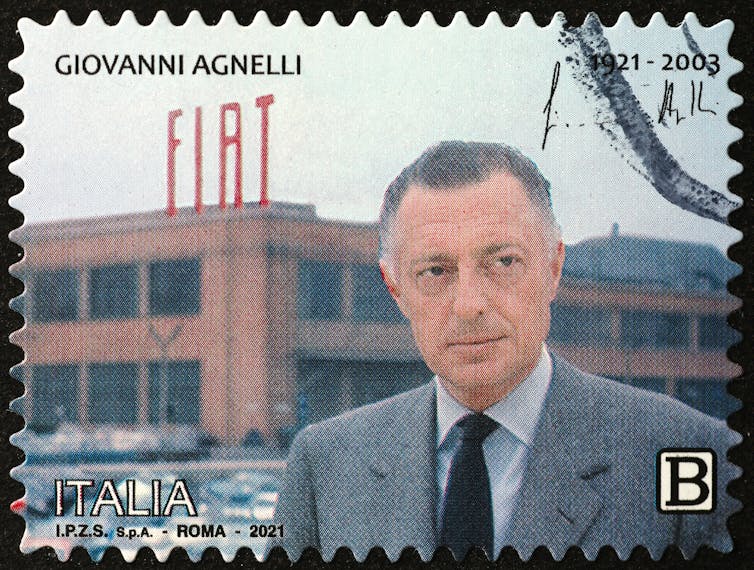
Giovanni Agnelli posing in front of a Fiat factory in Italy
John Elkann is the grandson of Giovanni Agnelli, iconic president of Fiat.
Spatuletail/Shutterstock

Reflecting this distribution of power, key shareholders hold seats on Stellantis’ board of directors. John Elkann and his cousin Andrea Agnelli represent the Agnelli family, while Robert Peugeot and Bpifrance’s CEO Nicolas Dufourcq also sit on the board. Elkann was appointed chairman, and Tavares took the role of CEO. This leadership structure ushered in a period of prosperity for Stellantis.

A future dominated by Fiat Chrysler Automobiles?

These power dynamics could shape the governance of the world’s fourth-largest automaker going forward.

Currently, John Elkann leads the interim executive committee, with Richard Palmer, Stellantis’ former CFO, serving as his advisor. Palmer, a key figure in Fiat Chrysler Automobiles and later Stellantis, left the company in 2023. Michael Manley, FCA’s former CEO and head of Stellantis’ Americas division until his 2021 departure, is also considered a contender for the CEO role.

Could the return of Fiat Chrysler Automobiles’ former leadership – Elkann, Palmer, and Manley – be on the horizon?


Source link

Car Of The Day: 1975 Ford Escort RS1800

0
Car Of The Day: 1975 Ford Escort RS1800


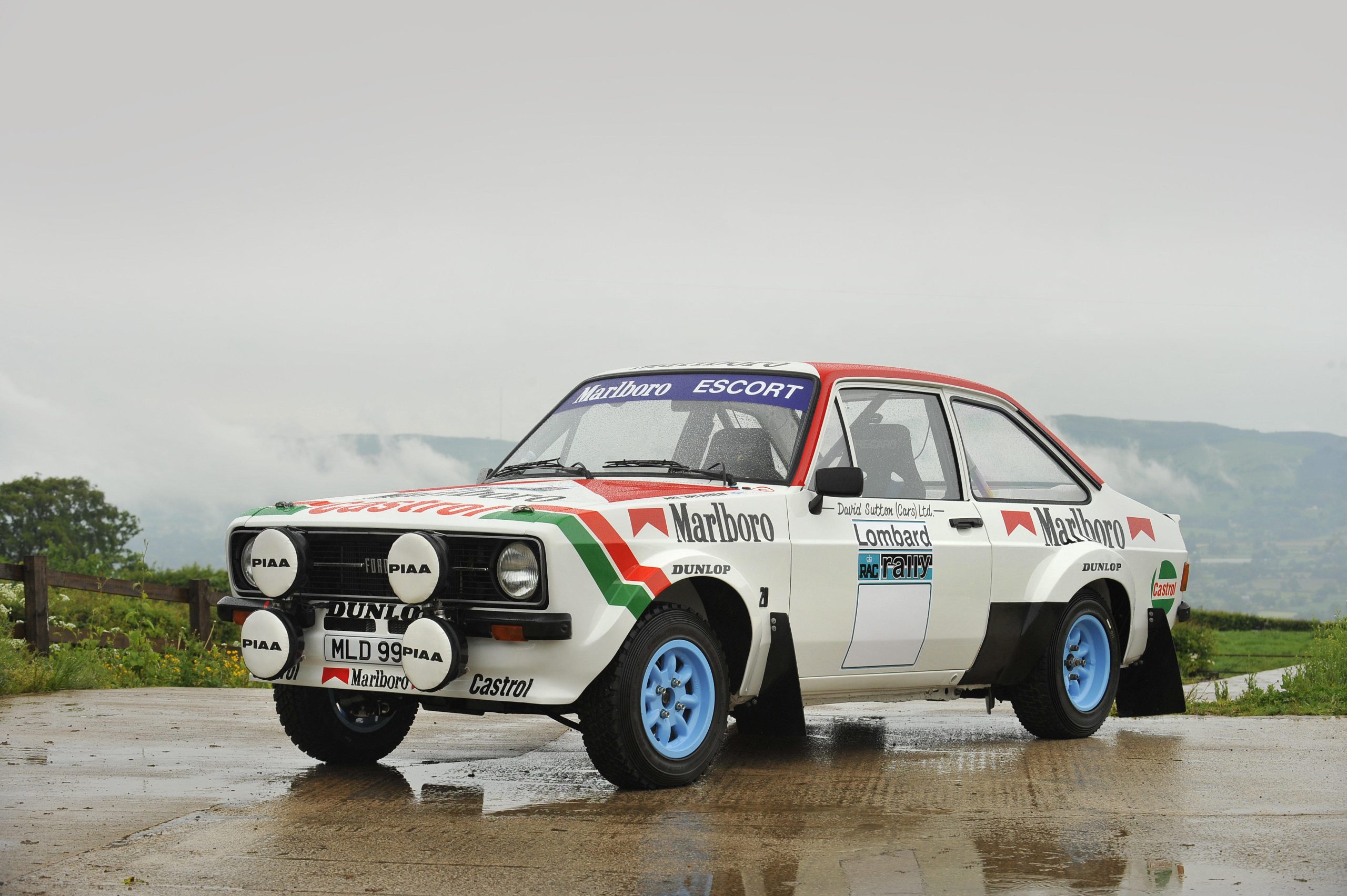
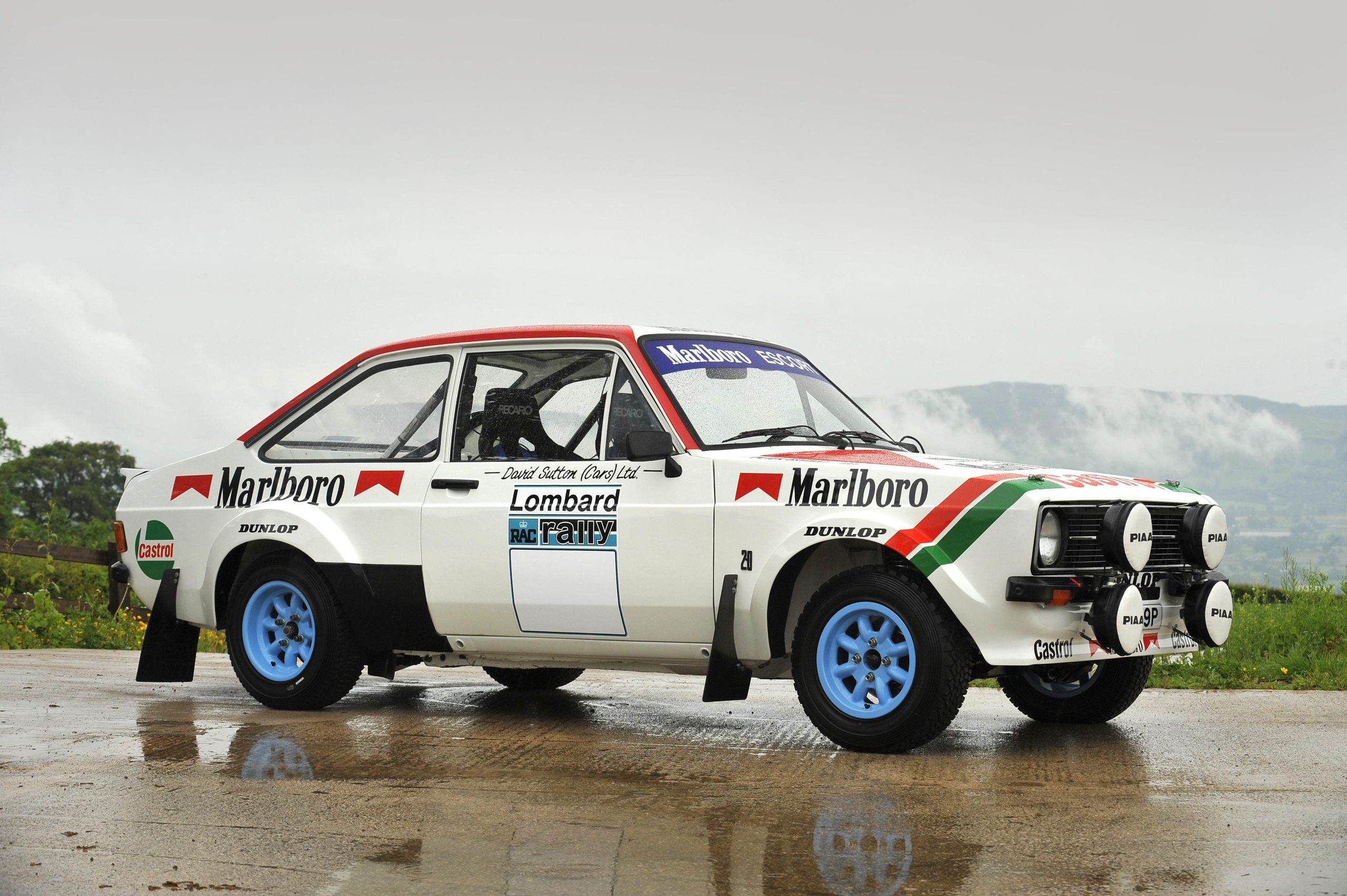
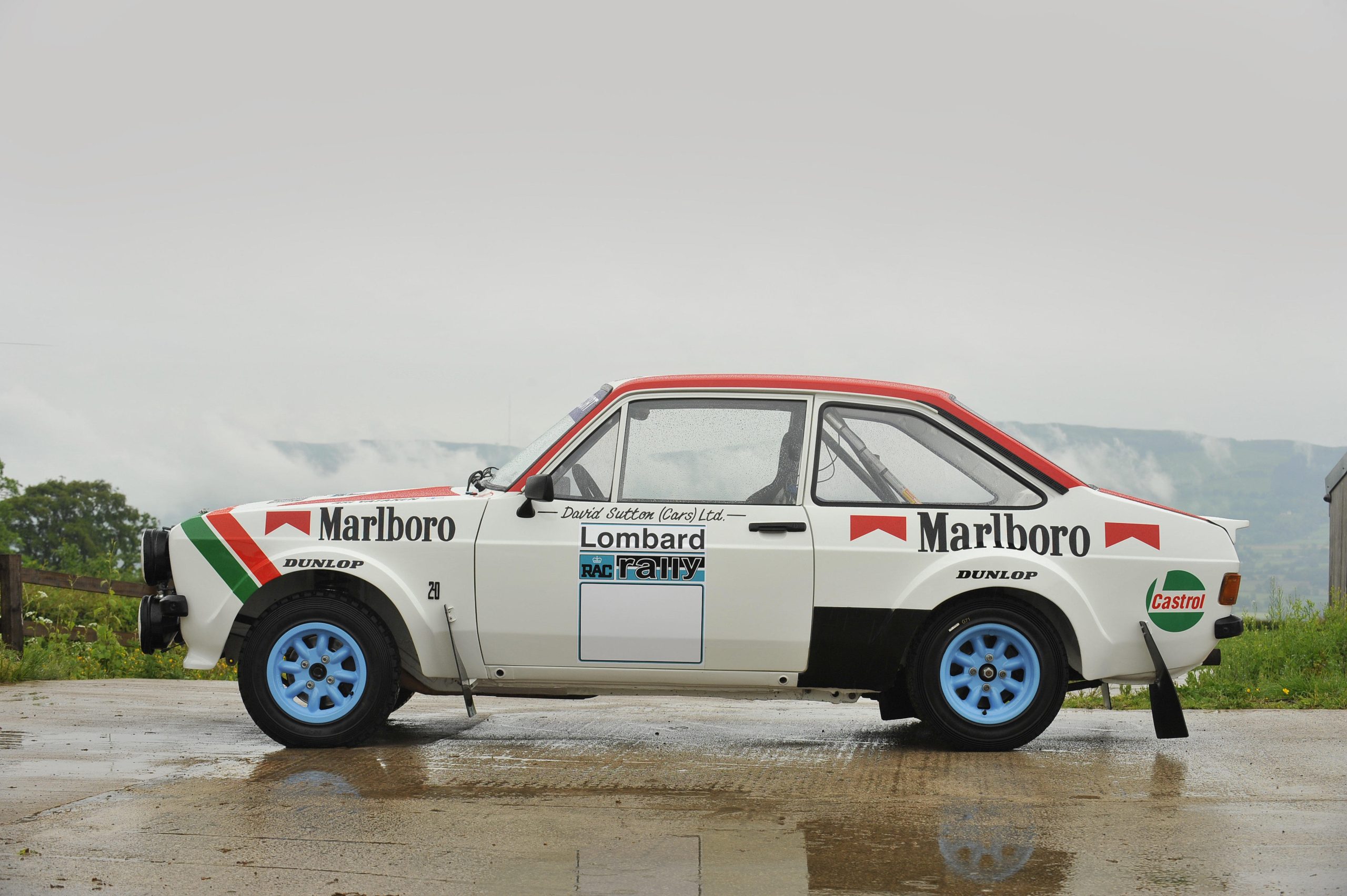
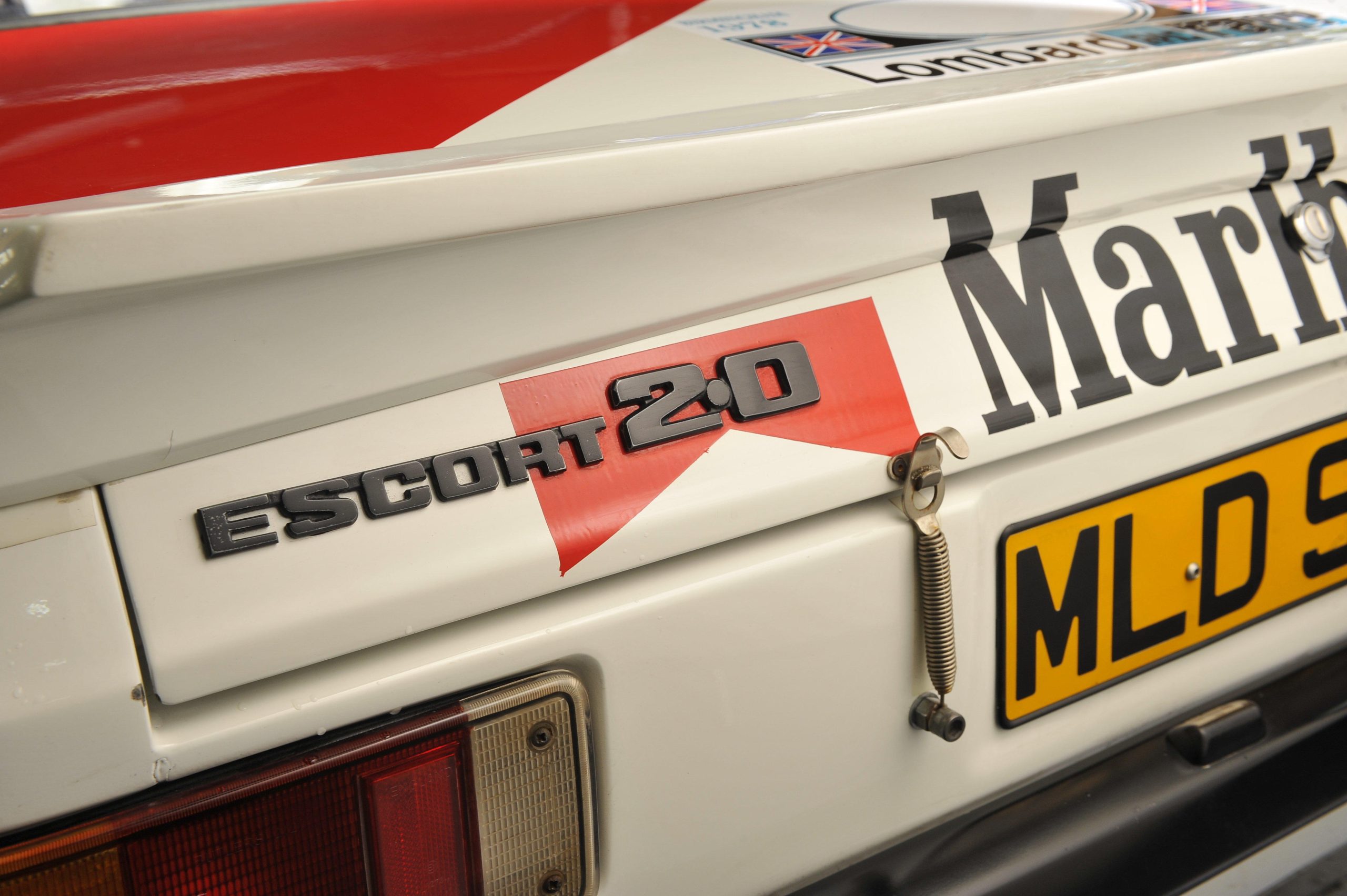
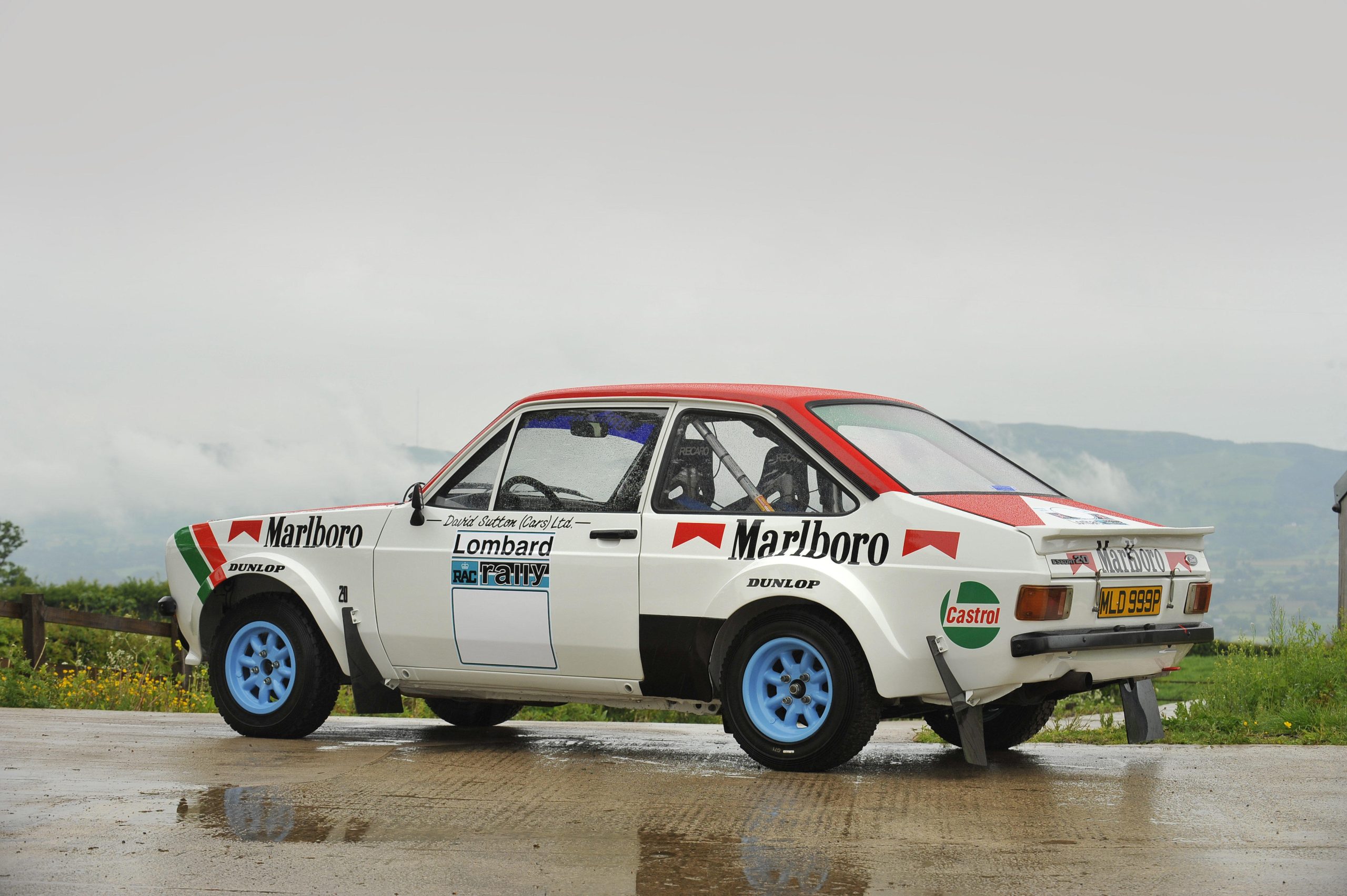
Most people probably don’t know that Ford has been around in rally racing almost as long as it has in any other format of motorsport. The Ford Escort represented the American automaker’s first real foray into the off-roading landscape, and arguably its most successful too. Beginning with the Ford Escort RS1600, the car eventually evolved into the RS1800 and enjoyed a healthy spell of dominance in competition throughout the 1970s.

1975 Ford Escort RS18001975 Ford Escort RS1800


This started after Hannu Mikkola was crowned champion of the World Cup of Rally in 1970 and garnered enough momentum for him to become the first foreign/European driver to win the East African Safari Rally in 1972. The RS1800s would continue to seal a number of title-winning runs late into the 1970s, with an expanded ensemble which also included drivers Ari Vatanen and  Björn Waldegård.

1975 Ford Escort RS18001975 Ford Escort RS1800


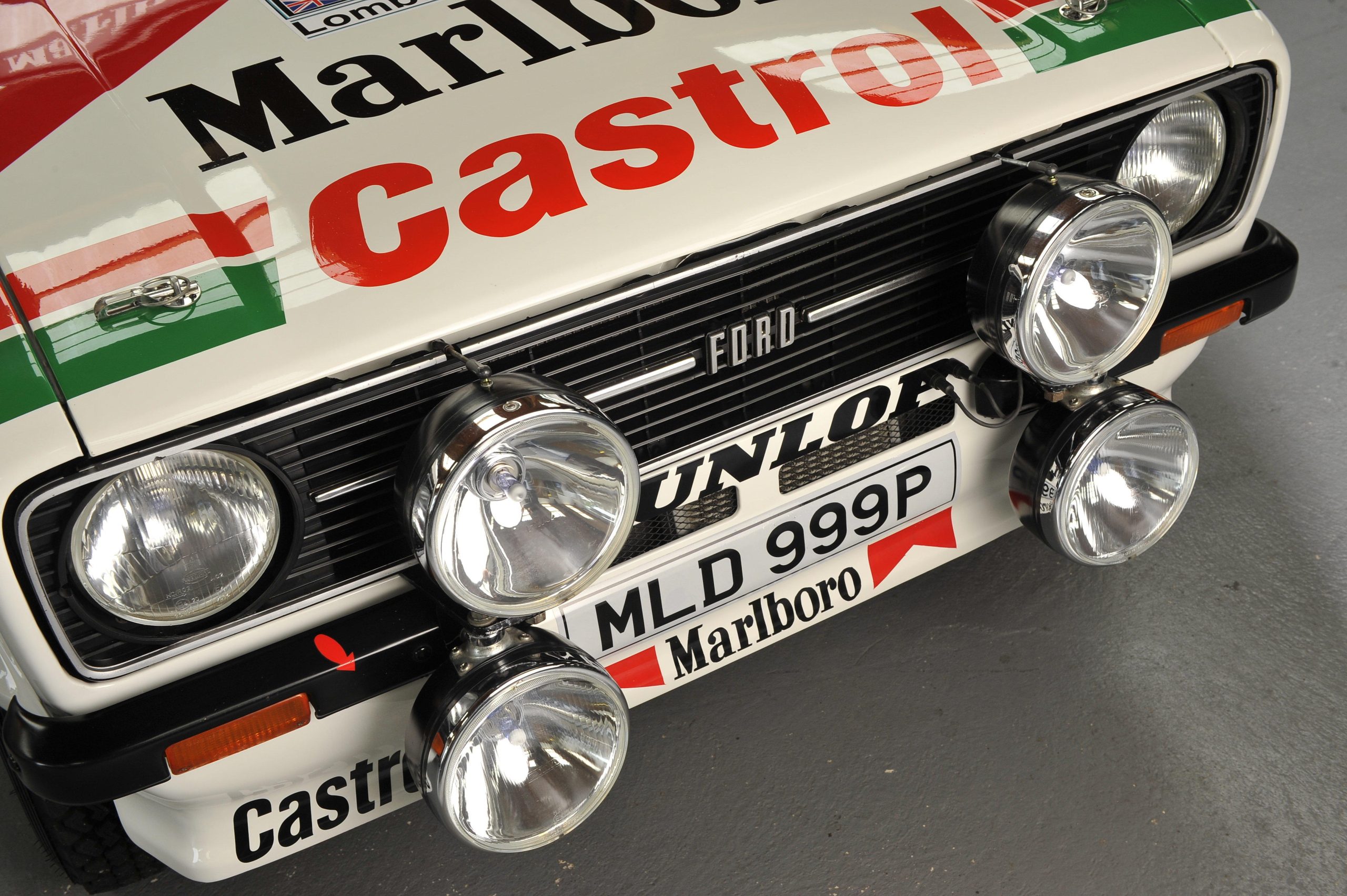
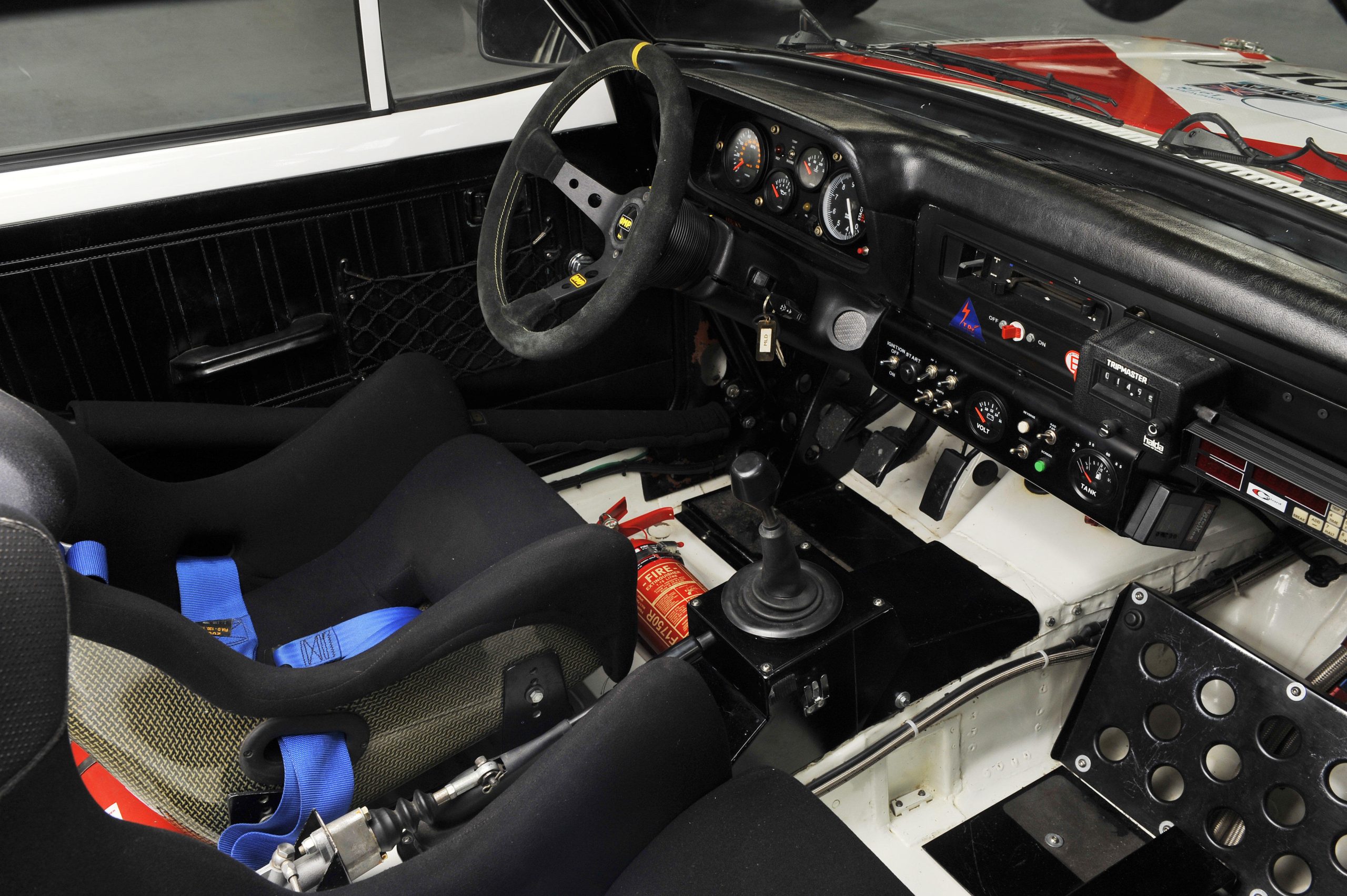
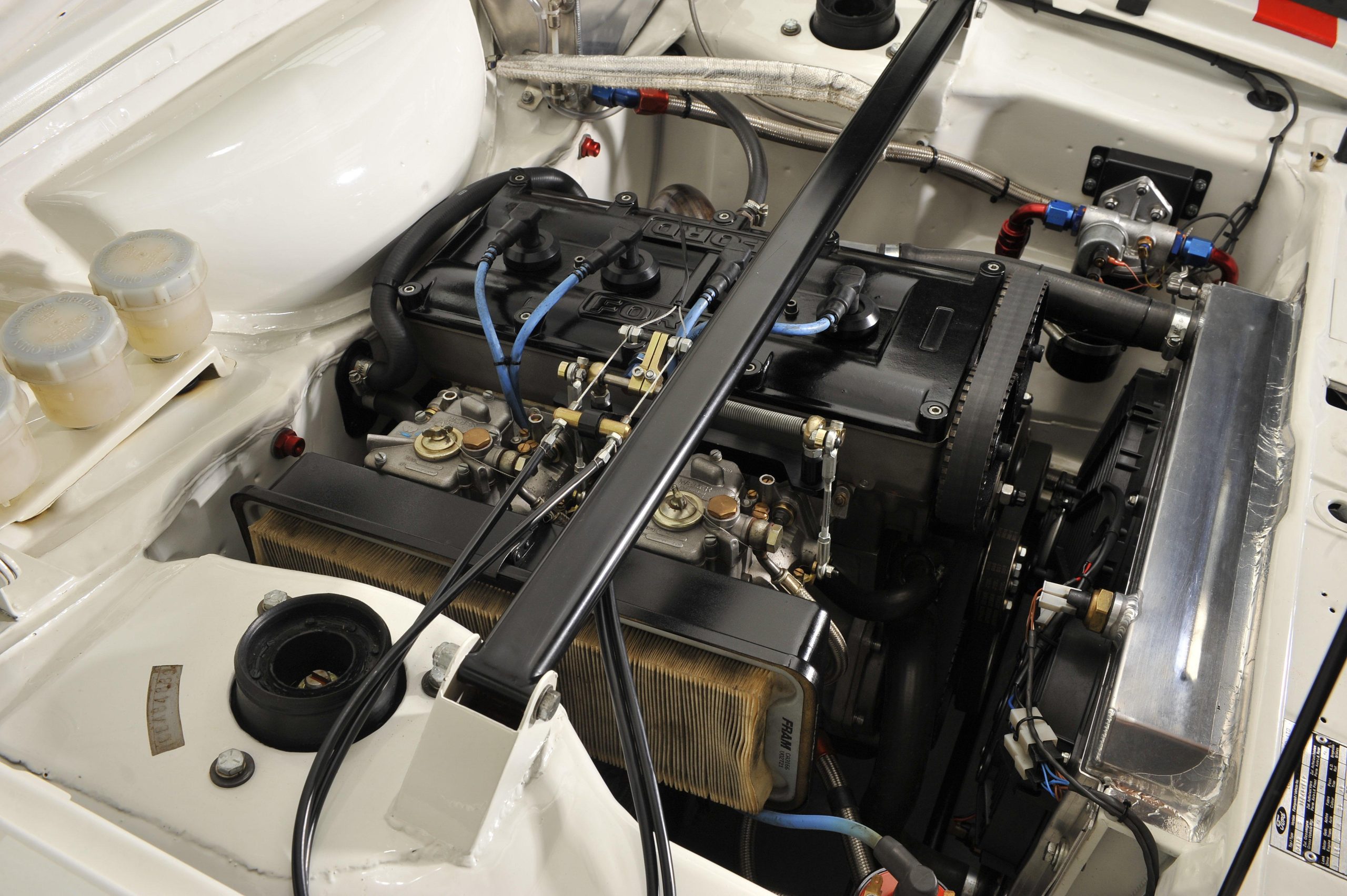
The Ford Escort RS1800 came with a naturally aspirated 1.8L Cosworth BDE engine, a five-speed ZF gearbox and five-link suspension system. Compared to the road-going version, the chassis was heavily reinforced and featured wider wheel arch extensions which differentiated it most easily from the regular car. Four large spotlights were also fitted for night stages. While not overly remarkable on paper, even for its time, the car’s undisputable success was an important foundation in Ford’s tenure in rally motorsport.

 1975 Ford Escort RS1800 1975 Ford Escort RS1800  1975 Ford Escort RS1800 1975 Ford Escort RS1800  1975 Ford Escort RS1800 1975 Ford Escort RS1800  1975 Ford Escort RS1800 1975 Ford Escort RS1800  1975 Ford Escort RS1800 1975 Ford Escort RS1800 1975 Ford Escort RS1800 1975 Ford Escort RS1800

Photo Source: Bonhams Cars


Source link

How to Identify and Nurture Future Leaders

0
How to Identify and Nurture Future Leaders


women leaders in IT


The average time
I worked for companies in the Philippines was 2.3 years. US statistics show
that the median stay has come down to 3.9 years, considered part of the Great
Resignation phenomenon. I must have been way ahead of the times.

But back
then, I had a good excuse. Automation was being introduced in the country at
the time. I was always invited to launch a pioneering IT project and when that finished,
I was recruited for a new one.

The availability
of future leaders became a key requirement. Even in normal situations, organizations
cannot afford downtime from leadership changes.

The
Anecdotal Story

I was lucky
because I found
nine future
leaders in my 32-year career.  And they
were willing to be “trained” by me, unusual since I had the reputation of being
“difficult.” Here are five of the nine:

1.    Institute
of Advanced Computer Technology

At my first
managerial job as Marketing Manager in I/ACT, it was my tremendous luck that one
special day, two fresh graduates from the University of the Philippines walked
into our office, looking for jobs. They were diamonds waiting to be polished.  

One of them
helped me launch the first Micro Expo, the exhibition that introduced personal
computers in the Philippines. Later, she headed our spin-off operations in HK.
She is now headquartered in Malaysia at the top of her Asian management
consulting firm.

The other
one provided excellent and steady staff work. I invited her to join me later in
BayanTrade as my executive assistant. When I left, a consortium member conglomerate
recruited her as their VP for Human Resources.

2.   
Development
Academy of the Philippines

When I
joined, I found staffing complete since government turnover is low. I handpicked an executive assistant to support me. When a third
business unit was organized, she was ready to lead it.

Later I invited
her to join me in MegaLink. She impressed people there, too.  When one of the bank
CEOs assumed the Chairmanship of the Social Security System, he took her with
him as VP of Management Services. She rose to be Senor VP.  

3.   
MegaLink

At MegaLink,
I created two business units: Operations and Business Development. I recruited
two people I identified as future leaders from my I/ACT days and waited for who
between them would emerge as my deputy.

It was a
time when IT professionals went abroad for greener pastures and the Operations Head
did just that. When I was recruited as Deputy Commissioner of the BIR, the Business
Development Head was ready to become General Manager.

4.   
SAP
Philippines

When I
returned to the private sector after the BIR, I had a bigger problem at SAP.
The technical team was fine, but the sales team needed more to meet the
challenges of introducing the German ERP software into the market. I had to
recruit from outside the company.

Although she
was not a well-known salesperson in the industry, one of them proved to be an
outstanding recruit. Later she rose to become the Country Manager. She moved on
to found Third Pillar, a successful SAP Business Partner.  When she sold it to a leading telco conglomerate
for a profit, she was retained as Chairman/CEO.

Lessons
on Identifying and Nurturing Future Leaders

Similar stories can be told for the other four future leaders I found. From this rich experience, I can share the
following tips.

1.   
Use
Behavioral Assessment

I looked for
people who exhibited similar traits that made me successful as a
leader and if possible, did not have my weaknesses. I didn’t use leadership
assessment tools to discover adaptability, resilience, communication skills,
and teamwork.

The 360-Degree
Feedback principle, from peers, superiors, subordinates, and external
stakeholders, complemented my observations. I got a complete view of the person’s
performance and potential.

2.   
Do
Things Together and Involve Them in Stretch Assignments

They are the
kind of people who did not hesitate to join me in working towards excellence. Like
me, they were not content with just getting by. We did things together. Instead
of formal leadership programs, mentorship and coaching were the norm.

I assigned
them activities and projects that required them to step outside their comfort
zones and develop more skills. For example, they were exposed to board members
of MegaLink and BayanTrade.

3.   
Make
them Boss-Whisperers

This
perspective came from them: how they viewed the process.  

One said she
considered herself a “boss-whisperer.” The term is used informally to
describe someone who sustains a close, influential relationship with a leader.
They act as trusted advisors and provide confidential counsel and operational
support.

Another
called herself a virtual chief of staff. A chief of staff is typically a formal
position within an organization responsible for operations oversight, staff
coordination, and smooth functioning of the leader’s office. I usually did not
have such a formal position (except in BIR) but this was how the
“boss-whisperer” acted.

While working
closely with me, they gained a deep understanding of my goals, challenges, and
personality. This understanding allowed them to provide valuable counsel,
influencing my decisions and actions. It became the stepping stone to taking
over my role or preparing for future leadership positions.

However,
it’s important to note that while these roles can provide opportunities for
advancement, they are not guaranteed paths to leadership. However, identifying
them correctly in the first place ensures they have the potential and the
traits necessary to achieve success. These roles then become a good track to
leadership.


Source link

Alejandro Mesonero-Romanos Appointed Alfa Romeo Head of Design

0
Alejandro Mesonero-Romanos Appointed Alfa Romeo Head of Design


There have been – as previously reported – many changes taking place within design at FCA’s European design facility since the Italy-based company and French manufacturer PSA merged to form the Stellantis Group at the start of the year. Besides the appointment of Francois Leboine to head the Fiat-Abarth brands and the welcome announcement of the revival of the Lancia brand (which will now be led by Stellantis Chief Design Officer Jean-Pierre Ploué), it has now been confirmed that Alejandro Mesonero-Romanos will be the new Head of Design for Alfa Romeo.

Mesonero-Romanos will join the Stellantis Group on July 1, 2021, and take over leadership of the Alfa Romeo marque, reporting to Ploué. While it may seem strange to appoint a Spaniard to lead the design direction of the iconic Italian brand, Mesonero-Romanos’ history and experience appears perfectly in tune with the new opportunity, despite his passport.

Prior to his short-lived appointment as design director for the Dacia brand, Mesonero-Romanos lead the renaissance of VW Group’s Spanish subsidiary Seat and spearheaded the Cupra performance sub-brand offshoot. His work on the Cupra Tavascan and Formentor models aptly demonstrates his understanding of the sporting premium class, while his ability to lead the team that designed the fourth-generation Seat Leon and fifth-generation Ibiza and Arona demonstrates how his forward-thinking design can provide stimulus to and increase a brand’s appeal.

“Alejandro’s arrival represents a great opportunity for Alfa Romeo,” Jean-Pierre Ploué said in a statement. “Alejandro Mesonero-Romanos is a car enthusiast and did a wonderful job at Cupra. The design team and I look forward to working with him.”

Mesonero-Romano’s mission will be to refresh Alfa Romeo, modernizing the brand and its processes from an internal, structural perspective, while concentrating on the development of future products worthy of the heralded Trefoil face. He will also need to lead the development of electrified vehicles for Alfa Romeo, which has seen legendary racing victories over its 110-year history. Attributing new values to a brand so steeped in heritage will not be an easy feat, but given Mesonero-Romanos’ background, we’re certain he’ll be up to the challenge.

See also

Jorge Diez, SEAT design directorJorge Diez, SEAT design director

Amidst this wrath of changes, previous Alfa Romeo, Lancia, Fiat, Abarth and Maserati Head of Design Klaus Busse has been assigned to lead the Maserati brand’s design effort exclusively, which will enable him to focus on the crown jewel of Stellantis’ European brand portfolio. Alongside Ploué, Leboine and now Mesonero-Romanos, the Stellantis design leadership team has been entirely reborn.

Mesonero-Romanos, an alumnus of the Royal College of Art, began his design career at SEAT in 1994. In 2001 he went to work for Renault Group before returning to SEAT as design director a decade later. His relationship with Luca de Meo, now CEO at Renault, flourished while at SEAT and he joined Renault Group in summer 2020. He resigned from Renault Group in April 2021.


Source link