10.3 C
London
Monday, May 11, 2026
Home Blog Page 129

The Future of Autonomous Vehicles: Breakthroughs in AI Technology

0


The automotive industry is on the cusp of an unprecedented transformation, driven largely by advancements in artificial intelligence (AI) and a growing demand for sustainability. As we race into the future, the integration of electric and autonomous vehicles (AVs) is not just a trend but a shift that could redefine mobility as we know it. In this article, we will explore the latest AI technology breakthroughs that pave the way for autonomous vehicles, the impacts of these developments on the automotive landscape, and what the future holds for car enthusiasts and everyday drivers alike.

The Rise of Autonomous Vehicles

Autonomous vehicles have been a topic of fascination and debate for years. AV technology is rapidly evolving with the promise of reducing accidents, easing traffic congestion, and revolutionizing transportation. Recent breakthroughs in machine learning, computer vision, and sensor technologies have accelerated the journey toward fully self-driving cars.

Key Developments in AI Technology

One of the most significant advancements has been in AI-driven perception systems. Companies like Tesla, Waymo, and Cruise are investing heavily in neural networks that enable vehicles to interpret their surroundings in real time. These systems utilize vast amounts of data collected from sensors, cameras, and LIDAR to accurately detect obstacles, pedestrians, and road conditions. Tesla’s Full Self-Driving (FSD) Beta has made headlines for its ability to navigate complex urban environments with minimal driver intervention.

Moreover, Machine Learning (ML) algorithms are becoming increasingly sophisticated. They allow vehicles to learn from their experiences, improving performance over time. For instance, Waymo has reported that its self-driving taxis in Phoenix, Arizona, have driven millions of miles autonomously, continuously refining their algorithms based on real-world scenarios.

Enhanced Safety Features

Safety remains paramount in the development of autonomous vehicles. The National Highway Traffic Safety Administration (NHTSA) has emphasized that AVs should meet strict safety standards before being deployed on public roads. As a response, automotive manufacturers are integrating advanced driver-assistance systems (ADAS) that are precursors to full autonomy. Features such as adaptive cruise control, lane-keeping assist, and automatic emergency braking are becoming standard, significantly reducing the risk of accidents.

The combination of AI and robust safety protocols is crucial. According to a report from the Insurance Institute for Highway Safety (IIHS), AVs could reduce traffic fatalities by up to 90%. This statistic highlights the transformative potential of these technologies, reinforcing the industry’s commitment to creating safer roads.

Electric Vehicles: The Backbone of Autonomous Technology

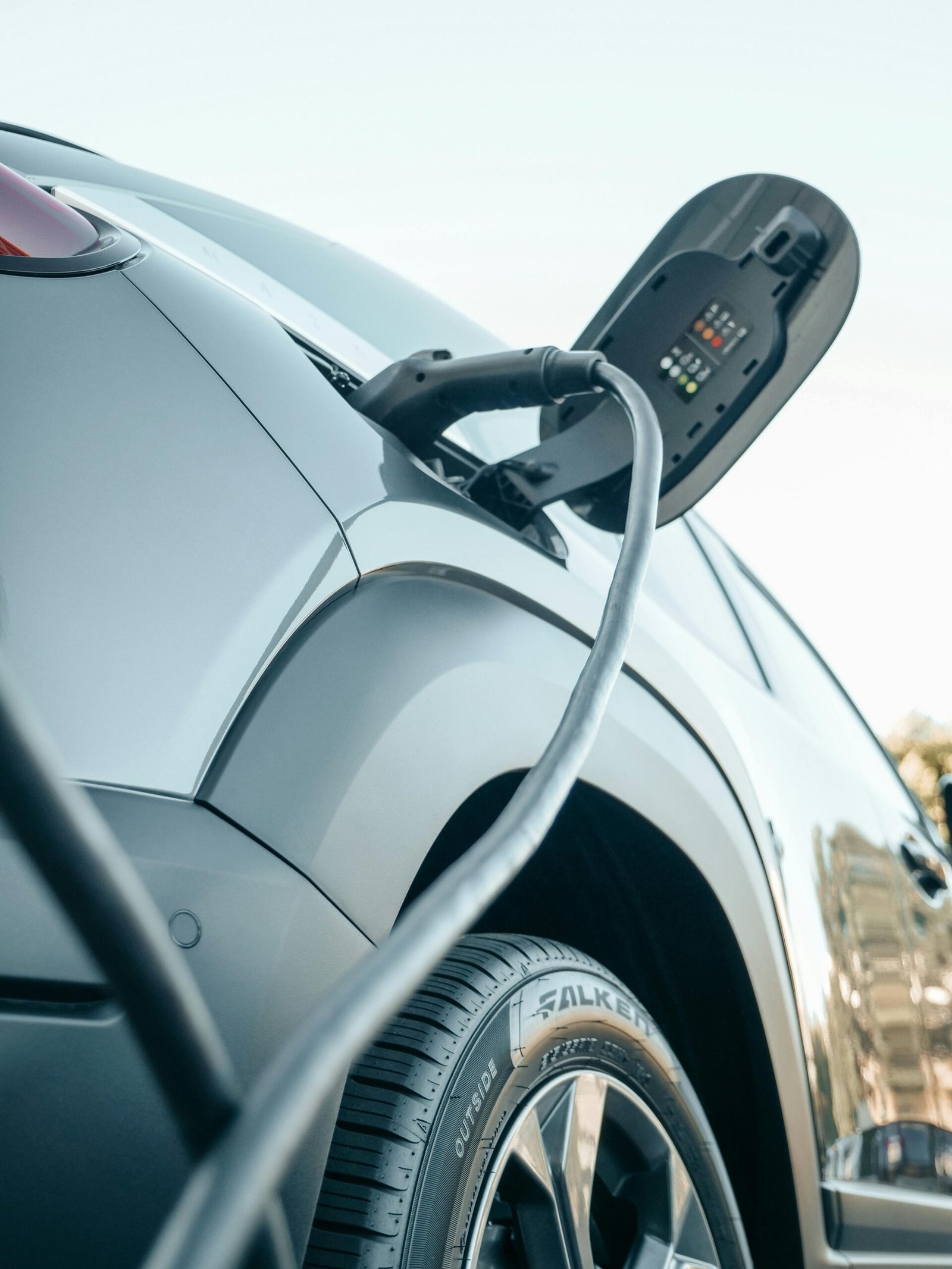
While AI is the brain behind autonomous vehicles, electric vehicles (EVs) are the backbone that supports this evolution. The shift towards electric mobility is vital for reducing emissions and enabling the complex technologies required for AVs.

Battery Technology Innovations

The development of battery technology is a critical factor in the wider adoption of both EVs and AVs. Companies like Tesla, Panasonic, and CATL are pushing the envelope with solid-state batteries, which promise higher energy density, faster charging times, and improved safety. As these technologies become commercially viable, they will enhance the range and performance of electric vehicles and support the power-hungry systems necessary for autonomous driving.

Charging Infrastructure Growth

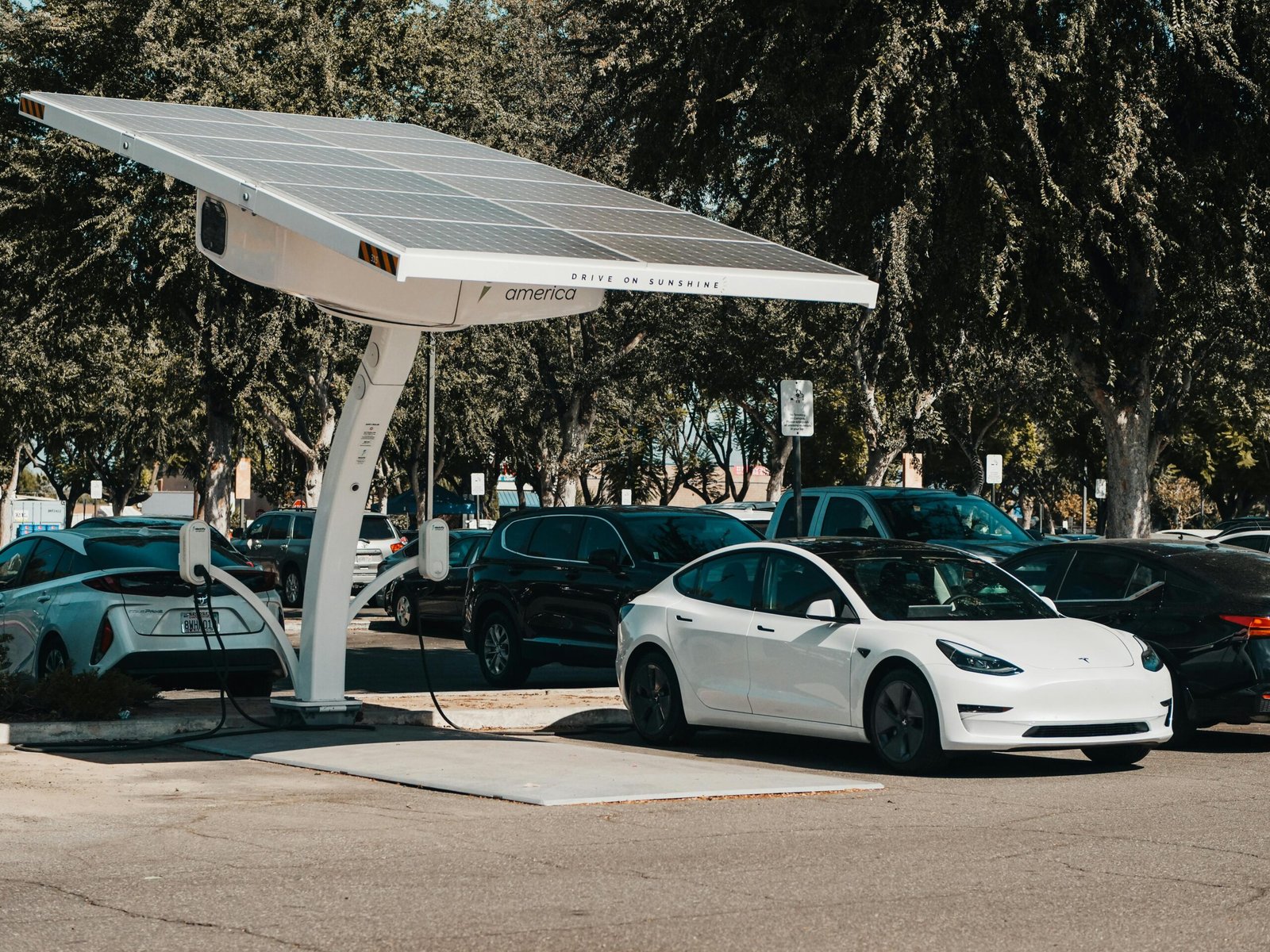
As more automakers commit to electrification, the demand for charging infrastructure is skyrocketing. Governments and private companies are investing in fast-charging networks to alleviate range anxiety. The U.S. government plans to allocate billions of dollars to expand charging stations nationwide, making electric and autonomous driving more accessible to the masses.

Sustainability: A Driving Force in Automotive Design

The automotive industry increasingly focuses on sustainability, and this ethos extends to the design and manufacturing of autonomous vehicles. Manufacturers are exploring new materials and processes that reduce environmental impact while maintaining performance and safety standards.

Eco-friendly Materials

Automakers are incorporating recyclable and bio-based materials into vehicle interiors and exteriors. For example, BMW has introduced plastics made from recycled ocean waste in some of its models. This commitment to sustainability is not just about compliance; it is a value proposition for consumers who are becoming more environmentally conscious.

Manufacturing Innovations

The shift towards sustainable practices extends to manufacturing processes as well. Companies like Ford and General Motors are investing in advanced manufacturing techniques, such as 3D printing and robotics, to minimize waste and energy consumption. These innovations lead to a more efficient production cycle and a reduced carbon footprint.

Market Shifts and Consumer Trends

As the automotive industry evolves, consumer preferences are shifting dramatically. The demand for electric and autonomous vehicles is growing, driven by technological advancements and a heightened awareness of environmental issues.

Increasing Acceptance of Autonomous Driving

Surveys indicate that consumer acceptance of autonomous vehicles is on the rise. A recent study found that nearly 70% of respondents would feel comfortable using a fully autonomous vehicle for short trips. This is a significant increase from just a few years ago, reflecting a growing trust in technology and its ability to enhance personal mobility.

Emerging Market Players

Traditional automakers no longer dominate the market for electric and autonomous vehicles. Startups like Rivian, Lucid Motors, and Nuro are making waves with innovative approaches to EVs and AVs. Rivian’s all-electric R1T pickup truck and Lucid’s luxury sedan, the Lucid Air, have garnered attention for their cutting-edge technology and performance. Meanwhile, Nuro is pioneering small, autonomous delivery vehicles transforming last-mile logistics.

Notable New Model Launches

As we look forward, 2023 has already seen a flurry of exciting new model launches highlighting advancements in autonomous and electric vehicle technology.

Tesla Cybertruck

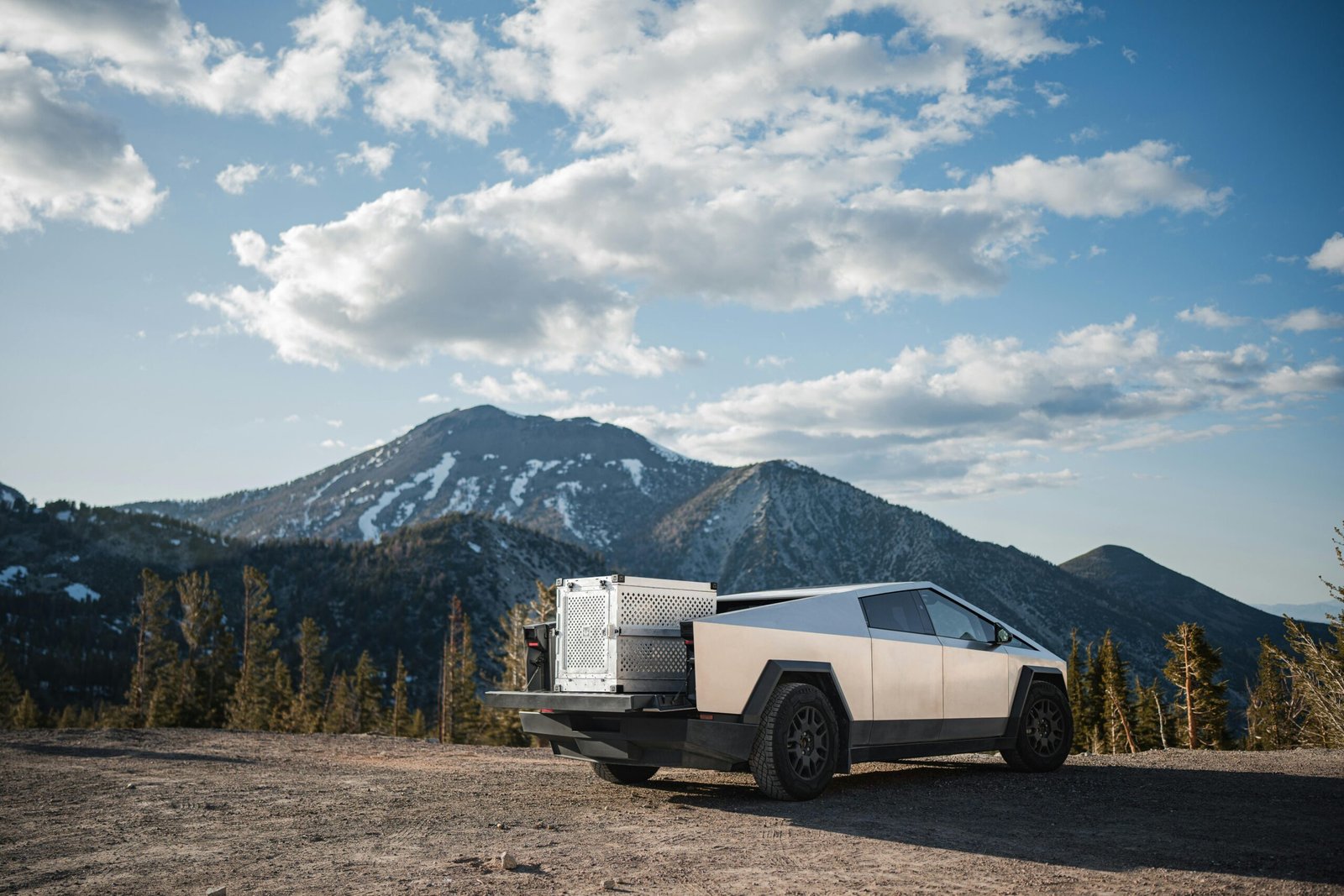
The highly anticipated Tesla Cybertruck is set to hit the market. It boasts a unique design and impressive specs. With an all-electric range and advanced AI capabilities, it promises to be a game-changer in the pickup segment.

Ford F-150 Lightning

Ford’s F-150 Lightning, an all-electric version of America’s best-selling truck, is making headlines with its blend of utility and sustainability. With advanced connectivity features and robust towing capabilities, the Lightning exemplifies how traditional models are being reimagined for the electric age.

Waymo’s Automated Taxi Service Expansion

Waymo continues to expand its autonomous taxi service, recently launching a pilot program in San Francisco. This initiative showcases the capabilities of autonomous technology and reflects the growing acceptance and integration of AVs into urban mobility solutions.

The Road Ahead

As we stand at the intersection of technology, sustainability, and consumer demand, the future of autonomous vehicles looks incredibly promising. With continual breakthroughs in AI technology, advancements in electric vehicle infrastructure, and a commitment to sustainable practices, the automotive industry is poised for a radical transformation.

The journey towards fully autonomous vehicles may still have some hurdles, including regulatory challenges and public acceptance. However, today’s advancements are laying the groundwork for a future where mobility is safer, more efficient, and environmentally friendly.

For car enthusiasts and everyday drivers alike, the next decade promises to bring revolutionary changes that redefine what it means to be behind the wheel. Embracing the future of autonomous vehicles means embracing a new era of transportation—one that is not just about getting from point A to point B but transforming the fabric of our mobility experience. Buckle up; the ride is just beginning!

Essential Driving Tips for Safety

0


When it comes to driving, safety is paramount. Whether you’re commuting to work, heading off on a family road trip, or running errands, understanding the essential driving tips for safety can make a significant difference in your driving experience and the well-being of everyone on the road. In this article, we’ll delve into the key aspects of safe driving, highlighting important techniques, tools, and features that can help you confidently navigate the roads.

1. Understanding Vehicle Performance

One of the first steps to ensuring safety on the road is understanding how your vehicle performs. Familiarizing yourself with your car’s handling, braking capability, and acceleration can greatly affect your driving experience.

Performance Insights

– Braking Distance:

Knowing how long it takes your vehicle to stop at various speeds is crucial. In general, a passenger car traveling at 60 mph can take up to 300 feet to come to a complete stop on dry pavement. Regularly check your brakes and ensure they are in good condition, as worn brakes can dramatically increase your stopping distance.

– Acceleration Control:

Smooth acceleration is not only comfortable but also safer. Rapid acceleration can lead to loss of control, especially in adverse weather conditions. Practice gradual and deceleration, particularly when merging onto highways or navigating turns.

– Suspension and Stability:

A well-maintained suspension system contributes to your vehicle’s stability. Ensure that your shocks and struts function properly to maintain traction, especially in rough terrain or cornering.

2. Design and Ergonomics

The design and layout of your vehicle can significantly impact your driving experience. Ergonomics play a vital role in effectively controlling your car while remaining comfortable and alert.

Key Features to Consider

– Seat Comfort and Adjustment:

Make sure your seat is adjusted to provide optimal visibility and comfort. A well-positioned seat can reduce fatigue during long drives and help maintain your focus on the road.

– Visibility:

Check that your mirrors are correctly positioned to minimize blind spots. Many modern vehicles have advanced features like blind-spot monitoring, which can alert you to vehicles in adjacent lanes.

– Dashboard Layout:

A cluttered dashboard can be distracting. Opt for a vehicle with intuitive controls and a clear display, which will allow you to manage your infotainment system, navigation, and climate control without taking your eyes off the road.

3. Technology for Safer Driving

Today’s vehicles are equipped with many safety technologies that enhance your driving experience. Familiarizing yourself with these features can help you utilize them fully.

Advanced Driver-Assistance Systems (ADAS)

– Adaptive Cruise Control:

This feature automatically adjusts your vehicle’s speed to maintain a safe distance from the car in front. It’s particularly useful during long highway drives, allowing you to relax without sacrificing safety.

– Lane Keeping Assistance:

This technology can help prevent unintentional lane departures by providing steering assistance or alerts. To use it effectively, make sure to understand how this system works in your vehicle.

– Automatic Emergency Braking:

This feature can detect an impending collision and apply the brakes if you don’t respond quickly. It’s a lifesaver in emergencies, especially in urban environments where sudden stops are common.

4. Practical Driving Tips

Beyond understanding your vehicle’s features and performance, adopting practical driving habits is essential for safety.

Defensive Driving Techniques

– Stay Alert:

Avoid distractions, such as mobile devices, loud music, or anything that distracts you from driving. Stay focused on the road and your surroundings.

– Maintain a Safe Following Distance:

The general rule is to keep a three-second gap between your vehicle and the one in front of you. In adverse weather conditions, increase this distance to allow for longer stopping times.

– Anticipate Hazards:

Always be on the lookout for potential hazards, such as pedestrians, cyclists, or erratic drivers. Anticipating these situations can give you more time to react safely.

Weather Considerations

– Adjust for Conditions:

In rain or snow, reduce your speed and increase your following distance. Remember that wet roads can double your stopping distance, while icy conditions can be even more treacherous.

– Use Headlights Wisely:

Always turn on your headlights in low-visibility conditions. This helps you see better and makes your vehicle more visible to others.

5. Regular Maintenance

A well-maintained vehicle is inherently safer. Regular maintenance checks can prevent mechanical failures that could lead to accidents.

Key Maintenance Tips

– Tire Health:

Check your tire pressure and tread depth regularly. Underinflated or worn tires can compromise traction and handling, especially in wet or icy conditions. Rotate your tires regularly to ensure even wear.

– Fluid Levels:

Monitor essential fluids such as oil, brake, coolant, and windshield washer. Low fluid levels can lead to performance issues and mechanical failures.

– Lighting Systems:

Ensure all lights (headlights, brake lights, turn signals) function properly. Non-working lights can lead to accidents, especially at night or in poor visibility conditions.

6. Emergency Preparedness

Finally, being prepared for emergencies can make a significant difference if you are in a difficult situation.

Essential Tools

– Emergency Kit:

Keep a well-stocked emergency kit in your vehicle, including first-aid supplies, water, non-perishable snacks, a flashlight, and basic tools.

– Roadside Assistance:

Consider investing in a roadside assistance plan. Whether you run out of gas, get a flat tire, or face a more serious issue, having support can provide peace of mind.

– Know Your Vehicle:

Familiarize yourself with your vehicle’s manual. Understanding how to operate your controls, reset warning lights, and handle basic troubleshooting can save you time and stress in emergencies.

Conclusion

Driving is a responsibility that requires constant attention, respect, and education. By understanding your vehicle’s performance, design, and safety features, and by adopting safe driving practices, you can significantly reduce risks on the road. Whether you’re a seasoned driver or a new car owner, embracing these essential driving tips will not only enhance your safety but also create a more enjoyable driving experience. Remember, the ultimate goal is to arrive at your destination safely—so buckle up, stay alert, and enjoy the journey!

Electric Vehicles Set to Dominate the Auto Industry by 2030

0


The automotive landscape is on the cusp of a significant transformation, signaling a seismic shift toward electric vehicles (EVs). By 2030, experts predict that EVs will dominate the roads and reshape the entire industry—from manufacturing processes to consumer behavior. As we delve into the latest news and trends, it’s evident that the future of automotive is electric, and this evolution is driven by a combination of emerging technologies, sustainability initiatives, and revolutionary design.

The Rise of Electric Vehicles

The global shift toward electric vehicles has accelerated in recent years, propelled by government regulations, environmental concerns, and consumer demand for sustainable alternatives. According to a recent report from the International Energy Agency (IEA), the number of electric cars on the road surpassed 10 million in 2020, and projections suggest that this figure may reach 230 million by 2030. This staggering growth indicates a broader trend where EVs are not merely a novelty but becoming a consumer’s mainstream choice.

Government Initiatives and Regulations

Governments worldwide are stepping up to encourage the adoption of electric vehicles. In Europe, the European Union has set ambitious targets to reduce carbon emissions, aiming for a 55% reduction by 2030 compared to 1990. To achieve these goals, many countries are implementing stringent regulations on internal combustion engine (ICE) vehicles, with some, like Norway, aiming to ban the sale of new gasoline and diesel cars by 2025.

President Biden’s administration in the United States has committed to building a national network of EV chargers and plans to replace the federal government’s fleet with electric models. The recently passed Infrastructure Investment and Jobs Act includes provisions for electric vehicle infrastructure, representing a commitment to a greener future. These initiatives create a conducive environment for automakers to invest heavily in EV technology.

Innovations in EV Technology

The technological advancements in electric vehicles are nothing short of revolutionary. Battery technology, in particular, has seen remarkable progress. The development of solid-state batteries promises to enhance energy density, reduce charging times, and improve safety compared to traditional lithium-ion batteries. Companies like QuantumScape are at the forefront of this innovation, aiming to bring solid-state batteries to market by the mid-2020s.

The push for better charging infrastructure is also crucial for the EV market’s growth. Fast-charging stations are becoming increasingly prevalent, with companies like Tesla, Electrify America, and ChargePoint expanding their networks. Introducing ultra-fast chargers, capable of delivering 350 kW or more, means that recharging an EV can be completed in a matter of minutes, akin to filling up a gas tank.

Furthermore, advancements in autonomous driving technology are closely linked to electric vehicles. As automakers develop self-driving capabilities, many opt for electric platforms for their inherent benefits, such as lower operational costs and fewer mechanical complexities. Companies like Waymo, Tesla, and Cruise are leading the charge in this area, with projections suggesting that a significant portion of the EV market will also feature some level of automation by 2030.

Sustainability and Automotive Design

The shift toward electric vehicles concerns not only powertrains but also a broader commitment to sustainability in automotive design. Many manufacturers are embracing eco-friendly materials and practices throughout the vehicle lifecycle. Recycled materials, bio-based composites, and sustainable manufacturing processes are gaining traction, with companies like BMW and Ford pledging to increase their use of sustainable materials in their vehicles.

Moreover, the concept of circular economy is becoming a focal point in the automotive industry. This approach emphasizes the importance of reusing and recycling materials, which can significantly reduce the environmental impact of vehicle production. Automakers are exploring initiatives to recycle lithium-ion batteries, creating a closed-loop system that minimizes waste and conserves resources.

New Model Launches

As we look toward 2030, the number of electric vehicles available to consumers is set to explode. Major automakers are ramping up their EV offerings, with several notable launches on the horizon. Ford’s Mustang Mach-E has already made waves, but the company is set to expand its electric lineup with the F-150 Lightning, an electric version of its best-selling truck. This model is anticipated to showcase impressive range and performance and innovative features like vehicle-to-home charging capabilities.

General Motors is another key player in the EV race. The company’s ambitious plan to become an all-electric automaker by 2035 includes the launch of the Chevrolet Silverado EV. This full-size electric pickup promises to deliver impressive performance and cutting-edge technology.

Volkswagen, facing a significant backlash over the diesel emissions scandal, is betting on electric vehicles as part of its recovery strategy. The ID.4, an all-electric SUV, has already garnered positive reviews, and the company is set to introduce various models across different segments, including the ID. Buzz is a modern take on the iconic VW Microbus.

Emerging Markets and Global Trends

While much of the focus on electric vehicles has been centered on established markets like Europe and North America, emerging markets are also beginning to embrace EV technology. Countries like China are leading the world in EV sales, with various local manufacturers, including BYD and NIO, making significant strides. China’s government incentives and investments in charging infrastructure are driving a rapid transition to electric mobility.

Moreover, the adoption of electric vehicles in India is gaining momentum, with several manufacturers launching affordable electric models to cater to the growing demand. The Indian government’s push for a cleaner transportation system and ambitious targets for electric mobility are expected to shape the country’s automotive sector’s future.

Conclusion: The Road Ahead

The automotive industry is on the brink of an electric revolution that promises to reshape our roads, cities, and the very fabric of transportation. By 2030, electric vehicles will dominate sales and drive innovations in technology, sustainability, and design. As governments enforce stricter regulations and consumers demand greener choices, automakers respond with exciting new models and groundbreaking technologies.

The road ahead may be filled with challenges, including supply chain issues, battery production constraints, and the need for comprehensive charging infrastructure. However, the momentum toward electric vehicles is undeniable, and the industry is poised for a transformation that prioritizes sustainability and innovation. For car enthusiasts and environmentally conscious consumers alike, the future is electric and promises to be thrilling. Buckle up; the journey is just beginning!

Emerging Electric Vehicle Technologies Transforming the Automotive Industry

0


As we stand on the brink of a new automotive era, the landscape of the industry is undergoing a monumental transformation. Electric vehicles (EVs) are no longer just a niche segment; they are becoming the cornerstone of automotive innovation. With sustainability, technology, and consumer preferences reshaping the market, the automotive industry is racing towards a future that promises to be cleaner, smarter, and more efficient. In this article, we delve into the latest news and trends in electric vehicle technologies, spotlighting significant developments, emerging innovations, and the models that are leading the charge.

1. The Rise of Electric Vehicles

The shift towards electric vehicles has accelerated dramatically over the past few years. According to the International Energy Agency (IEA), global EV sales surged to over 6.6 million units in 2021, marking a 108% increase from the previous year. This growth is expected to continue, with projections estimating that EVs could account for over 30% of global car sales by 2030.

Major Players Entering the Market

Traditionally dominated by a handful of manufacturers, the EV market is witnessing an influx of new entrants. Legacy automakers like Ford and General Motors are committing billions to electrification. Ford’s recent announcement of a $50 billion investment in EVs aims to produce over 2 million electric vehicles annually by 2026. Meanwhile, GM’s ambitious plan to phase out gasoline-powered cars by 2035 has solidified its commitment to an all-electric future.

Startups like Rivian and Lucid Motors are also gaining traction, showcasing innovative designs and impressive performance metrics. Rivian’s R1T electric pickup truck and Lucid’s Air luxury sedan have garnered significant attention, proving that electric vehicles can compete with traditional combustion engines in terms of performance and desirability.

2. Autonomous Vehicles: The Next Frontier

While electric vehicles are revolutionizing how we think about transportation, the integration of autonomous driving technology is poised to further transform the automotive landscape. Companies like Tesla, Waymo, and Cruise lead the charge in developing self-driving capabilities that promise to make roads safer and travel more efficient.

The Latest Developments

Tesla’s Full Self-Driving (FSD) Beta software continues to evolve, with recent updates enabling more sophisticated navigation and response to complex driving scenarios. Although the technology is not yet fully autonomous, it is a step closer to achieving Level 5 autonomy, where vehicles can operate without human intervention.

Meanwhile, Waymo has expanded its autonomous ride-hailing service in Phoenix, Arizona, offering rides in fully driverless vehicles. This move represents a significant leap toward mainstream acceptance of autonomous driving technology, paving the way for broader applications in urban environments.

3. Sustainability in Automotive Design

As sustainability becomes a central theme in the automotive industry, manufacturers are exploring innovative ways to reduce their environmental footprint. The industry is committed to creating a greener future from recycling materials to adopting sustainable manufacturing practices.

Eco-Friendly Materials

One notable trend is the use of sustainable materials in vehicle production. Brands like BMW and Audi have begun incorporating recycled plastics and natural fibers into their vehicles’ interiors. Ford’s new F-150 Lightning electric truck features a frunk made from recycled materials, showcasing how sustainability can be stylish and functional.

Carbon Neutral Goals

Several automakers have set ambitious carbon neutral goals. Volvo aims to be a fully electric car brand by 2030 and is targeting carbon neutrality across its operations by 2040. Similarly, Mercedes-Benz has announced plans to cut CO2 emissions in half by 2030 and achieve carbon neutrality by 2039. These commitments signal a broader industry shift towards sustainable practices, with manufacturers recognizing the importance of environmental stewardship.

4. Innovations in Car Manufacturing

The manufacturing process itself is undergoing a revolution, driven by advancements in technology and automation. Electric vehicles, with their simpler powertrains and fewer moving parts, lend themselves to innovative manufacturing techniques.

3D Printing and Robotics

3D printing technology is gaining traction in automotive production, enabling manufacturers to produce parts more efficiently and reduce waste. Companies like Local Motors have successfully utilized 3D printing to create the Strati, a fully 3D-printed electric car. This approach not only cuts production costs but also allows for rapid prototyping and customization.

Robotics and automation are also reshaping the assembly line. Tesla’s Gigafactory in Nevada is a prime example, showcasing how automation can streamline production processes. The factory employs thousands of robots to assemble battery packs and vehicles, significantly enhancing efficiency and output.

Digital Twins and AI in Manufacturing

The concept of digital twins—virtual replicas of physical assets—is becoming increasingly prevalent in automotive manufacturing. By simulating production processes, manufacturers can identify bottlenecks and optimize operations. AI-driven analytics are also being leveraged to improve quality control and predict maintenance needs, ensuring that vehicles are built to the highest standards.

5. Notable New Model Launches

With the rapid pace of EV development, several exciting new models are set to hit the market in the coming years. These vehicles not only showcase cutting-edge technology but also reflect the evolving tastes and preferences of consumers.

Ford Mustang Mach-E

Ford has made waves with its Mustang Mach-E, an all-electric SUV that blends the iconic Mustang brand with modern electric performance. With an impressive range of up to 300 miles and rapid charging capabilities, the Mach-E has quickly become a favorite among EV enthusiasts.

Rivian R1T

Rivian’s R1T electric pickup truck has generated considerable buzz, offering innovative features like a powered frunk, a built-in kitchen, and impressive off-road capabilities. With a range of over 300 miles and a focus on adventure, Rivian is positioning itself as a leader in the electrified pickup segment.

Lucid Air

The Lucid Air luxury sedan is another standout, boasting an astonishing range of over 500 miles on a single charge. With its opulent interior, cutting-edge technology, and rapid acceleration, the Air is set to compete with high-end brands like Tesla and Mercedes-Benz.

Conclusion

The automotive industry is in the midst of a profound transformation, driven by emerging electric vehicle technologies that are reshaping how we think about transportation. With a focus on sustainability, innovation, and enhanced driving experiences, manufacturers are racing to meet the demands of an increasingly eco-conscious consumer base. As electric and autonomous vehicles continue to gain popularity, the future of the automotive industry looks brighter than ever.

For car enthusiasts and everyday consumers alike, the shift towards electric vehicles represents not just a change in how we get from point A to point B, but a complete reimagining of mobility as we know it. The journey is just beginning, and with each new development, the road ahead promises to be electrifying. Whether you’re an avid car lover or a casual driver, staying informed about these trends will ensure you’re well-prepared for the exciting future of automotive technology.

Best Car Reviews: Top Picks for Performance

0


When it comes to the world of automobiles, performance reigns supreme for many drivers. The thrill of acceleration, the grip of tires on asphalt, and the sheer joy of navigating curves at speed can turn a mundane commute into an exhilarating experience. This review delves into some of the top-performing cars currently on the market, showcasing their outstanding capabilities, cutting-edge technology, and innovative designs. Whether you’re a seasoned motoring enthusiast or a first-time buyer looking for a fun ride, our top picks promise to deliver adrenaline-fueled performance without compromise.

1. Porsche 911 Carrera S

Performance

The Porsche 911 Carrera S is synonymous with performance. It boasts a rear-engine layout and a robust 3.0-liter twin-turbocharged flat-six engine that produces 443 horsepower and 390 lb-ft of torque. With a 0-60 mph time of just 3.5 seconds and a top speed of 191 mph, the 911 Carrera S is a true supercar in a refined package. The eight-speed PDK automatic transmission ensures seamless gear transitions, allowing drivers to unleash the engine’s full potential while maintaining absolute control.

Design

The 911 Carrera S’s design is a masterpiece of automotive engineering. With its iconic silhouette and timeless aesthetic, the 911 has maintained its allure for decades. The aerodynamic lines enhance its visual appeal and improve performance through reduced drag. Inside, the cabin blends luxury and sportiness, featuring high-quality materials, supportive seating, and an intuitive layout that puts the driver in command.

Technology and Features

Porsche has equipped the 911 Carrera S with various advanced technology features. The 10.9-inch touchscreen infotainment system is responsive and easy to navigate, incorporating Apple CarPlay and Android Auto for seamless smartphone integration. The available Porsche Active Suspension Management (PASM) allows drivers to adjust the ride height and stiffness, ensuring optimal handling dynamics on any road.

2. Ford Mustang Mach 1

Performance

The Ford Mustang Mach 1 bridges the gap between classic muscle car heritage and modern engineering prowess. Under the hood lies a naturally aspirated 5.0-liter V8 engine that churns out an impressive 480 horsepower and 420 lb-ft of torque. This powerplant, paired with a six-speed manual or optional ten-speed automatic transmission, delivers an exhilarating driving experience. With a 0-60 mph time of around 4.2 seconds, the Mach 1 is not just about looks; it’s built for serious performance.

Design

The Mach 1 pays homage to its predecessors with a design that exudes muscularity and aggression. The distinctive front grille, bold hood scoop, and aerodynamic enhancements give it a commanding presence on the road. Inside, the cockpit is designed with the driver in mind, featuring sport bucket seats, retro-inspired gauges, and modern amenities that cater to comfort without sacrificing the car’s performance-focused essence.

Technology and Features

Ford has packed the Mustang Mach 1 with advanced technology features, including the Ford Co-Pilot360 suite, which offers driver-assistance systems like adaptive cruise control and lane-keeping assist. The SYNC 3 infotainment system with an available 12-inch digital instrument cluster ensures drivers have all the information they need at their fingertips. In contrast, the available B&O sound system provides an audio experience that rivals any concert hall.

3. Chevrolet Corvette Stingray

Performance

The Chevrolet Corvette Stingray has redefined the American sports car landscape. Powered by a mid-mounted 6.2-liter V8 engine, the Stingray generates a staggering 495 horsepower and 470 lb-ft of torque. This configuration enhances weight distribution and facilitates blistering acceleration, with a 0-60 mph time of just 2.9 seconds. The eight-speed dual-clutch transmission ensures lightning-fast gear shifts, making every drive thrilling.

Design

The Corvette Stingray’s design boldly asserts modern automotive aesthetics. Its sharp lines, aggressive stance, and striking LED headlamps create a futuristic look reminiscent of classic Corvettes. The interior is equally impressive, featuring premium materials, a driver-centric layout, and customizable ambient lighting that enhances the driving experience.

Technology and Features

Chevrolet has equipped the Stingray with an impressive array of technology features. The 8-inch touchscreen infotainment system supports Apple CarPlay and Android Auto, ensuring connectivity on the go. The Performance Data Recorder allows drivers to capture and analyze their driving performance, making it a valuable tool for track enthusiasts. Additionally, the available Magnetic Ride Control system provides an unrivaled driving experience by adjusting the suspension in real time based on road conditions.

4. BMW M3 Competition

Performance

The BMW M3 Competition is a masterclass in high-performance engineering. With a 3.0-liter BMW M TwinPower Turbo inline six-cylinder engine that delivers 503 horsepower and 479 lb-ft of torque, the M3 Competition can sprint from 0 to 60 mph in a mere 3.8 seconds. The standard rear-wheel-drive system can be swapped out for an optional xDrive all-wheel-drive system, which provides exceptional grip and stability during spirited driving.

Design

The M3’s aggressive design is unmistakable, characterized by its muscular stance, bold kidney grille, and flared wheel arches. The interior perfectly blends sportiness and luxury, featuring M-specific displays, premium materials, and comfortable seating that supports spirited driving without sacrificing comfort.

Technology and Features

The BMW iDrive 7.0 system is intuitive and easy to use, with a large touchscreen and gesture controls. The M3 Competition also includes many driver assistance features, such as Active Driving Assistant and Parking Assistant Plus, ensuring that performance doesn’t come at the expense of safety. The Harman Kardon surround sound system elevates the in-car audio experience, making every journey pleasurable.

Conclusion: Finding Your Perfect Performance Car

When choosing a performance car, the options can be overwhelming. The Porsche 911 Carrera S, Ford Mustang Mach 1, Chevrolet Corvette Stingray, and BMW M3 Competition each offer unique strengths that cater to different driving preferences and lifestyles. Whether you’re drawn to the timeless elegance of the Porsche, the raw power of the Mustang, the innovative design of the Corvette, or the precision engineering of the BMW, these vehicles promise an exhilarating driving experience.

Ultimately, the best choice depends on your performance, design, technology, and feature preferences. Test-driving these vehicles is essential to truly understand what each has to offer. So buckle up and get ready to experience the thrill of performance driving like never before. Your next adventure awaits, and the road is calling!

Comprehensive Car Reviews: Uncovering Performance

0


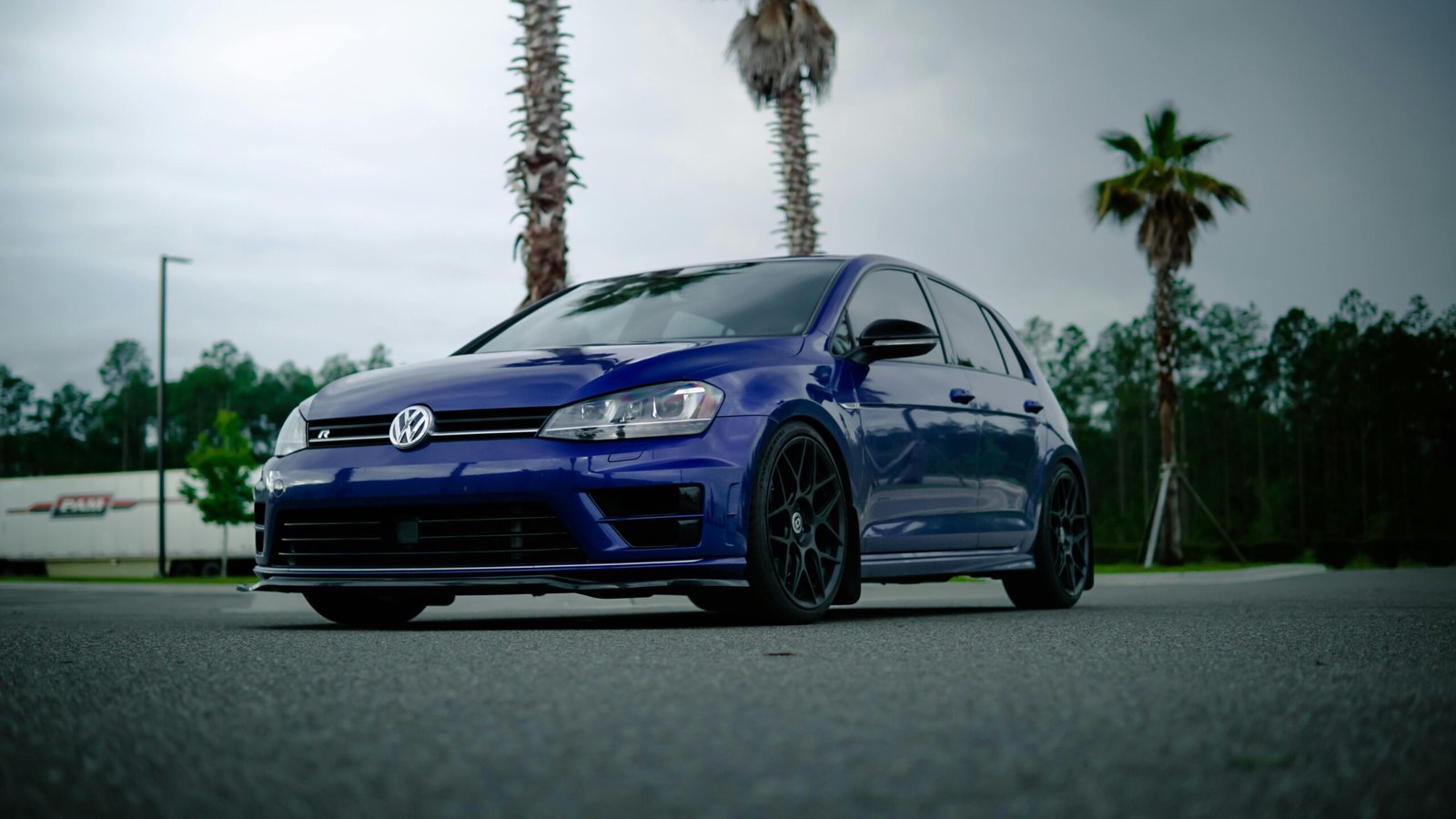
When it comes to choosing a vehicle, performance stands out as one of the most crucial factors for enthusiasts and everyday drivers alike. Today, we delve into the world of automotive excellence with an in-depth review of one of the most talked-about cars on the market: the 2023 Volkswagen Golf R. This compact powerhouse combines spirited performance, advanced technology, and practical design, making it a top contender for anyone in search of a thrilling, yet versatile vehicle.

Performance: Power Meets Precision

At the heart of the Golf R is a turbocharged 2.0-liter inline-four engine that delivers an impressive 315 horsepower and 295 lb-ft of torque. This peppy engine is paired with a standard seven-speed dual-clutch automatic transmission (DSG) that provides lightning-fast gear shifts, ensuring you never miss a beat when you hit the gas. For those who crave a more hands-on experience, a six-speed manual transmission is also available, offering the joy of traditional driving.

What sets the Golf R apart from its competitors is the cutting-edge 4Motion all-wheel-drive system. This technology optimally distributes power to all four wheels, enhancing traction and stability, especially in challenging weather conditions. Whether you’re navigating through rain-soaked streets or carving through winding mountain roads, the Golf R feels planted and confident, giving you the assurance to push the limits.

For performance enthusiasts, the Golf R boasts a 0-60 mph time of just 4.7 seconds, which is nothing short of exhilarating. The adaptive chassis control allows drivers to switch between various driving modes, including Comfort, Sport, and Race, tailoring the car’s behavior based on your preferences. In Race mode, the throttle response sharpens, the suspension tightens, and the exhaust system emits a throaty growl that signals the car’s readiness to unleash its full potential.

Design: A Blend of Sportiness and Sophistication

The exterior design of the 2023 Golf R encapsulates a sporty yet sophisticated aesthetic. With its signature angular headlights, aggressive front fascia, and sculpted body lines, the Golf R stands out in a crowd without being overly ostentatious. The signature R logo on the grille and rear adds a touch of exclusivity, while the quad exhaust tips hint at the power lurking beneath the hood.

Inside, the cabin is a harmonious blend of comfort and high-tech sophistication. The layout is driver-focused, with an ergonomic design that ensures all controls are easily within reach. High-quality materials and finishes are used throughout, giving the interior a premium feel. The standard sports seats are not only stylish but also supportive, making long drives comfortable.

A notable feature is the ambient lighting system, which allows drivers to customize the interior ambiance to suit their mood. This is complemented by a digital cockpit that replaces traditional dials with a customizable 10-inch display, providing all essential information at a glance.

Technology: Innovation at Your Fingertips

In today’s automotive landscape, technology plays a pivotal role in enhancing the driving experience. The Golf R is equipped with the latest infotainment system, featuring a 10-inch touchscreen display that supports Apple CarPlay and Android Auto. This seamless integration allows you to access navigation, music, and apps through your smartphone.

Moreover, the sound system in the Golf R is designed to impress. With a premium audio system developed by Harman Kardon, the cabin comes alive with crisp, clear sound, making any drive feel like a concert experience. The inclusion of a wireless charging pad is a thoughtful touch, ensuring you stay connected without the hassle of tangled cords.

Safety is another cornerstone of the Golf R’s technology suite. It comes equipped with an array of advanced driver assistance systems (ADAS), including adaptive cruise control, lane-keeping assist, and blind-spot monitoring. These features not only enhance safety but also contribute to a more relaxed driving experience, especially on long journeys.

Key Strengths and Unique Aspects

One of the Golf R’s standout qualities is its versatility. While it excels on the track and twisting roads, it also serves as a practical daily driver. The spacious hatchback design offers ample cargo room, making it suitable for everything from grocery runs to weekend getaways. The rear seats fold down easily, providing even more storage space when needed.

The Golf R is also backed by Volkswagen’s reputation for reliability and solid build quality. Owners can expect a vehicle that not only offers thrilling performance but also stands the test of time. Additionally, Volkswagen’s warranty coverage provides peace of mind for potential buyers.

For those who appreciate personalization, the Golf R offers a range of optional features and packages. From upgraded wheels to performance brakes, drivers can tailor their vehicle to match their driving style and aesthetic preferences.

Practical Insights for Potential Buyers

If you’re considering the 2023 Volkswagen Golf R, there are a few practical insights to keep in mind. First, it’s essential to evaluate your driving habits. The Golf R is best suited for enthusiasts who appreciate spirited driving and enjoy the thrill of performance. However, it also serves well for those seeking a reliable and stylish daily driver with ample space for passengers and cargo.

Another aspect to consider is fuel efficiency. The Golf R is relatively efficient for a performance-oriented vehicle, achieving an EPA-rated 23 mpg in the city and 30 mpg on the highway. This balance of performance and efficiency makes it more appealing for those who prioritize both excitement and economy.

Additionally, potential buyers should be aware of the price point. The Golf R starts around $44,000, which positions it at the higher end of the compact car segment. However, given its performance capabilities, advanced technology, and overall quality, many buyers may find that the investment is well worth it.

Conclusion: The Ultimate Compact Performance Car

The 2023 Volkswagen Golf R embodies the essence of a modern performance car — a perfect blend of power, precision, and practicality. Its turbocharged engine, advanced technology, and thoughtful design make it a standout option for car enthusiasts and everyday drivers alike. With its ability to deliver thrilling performance without compromising on comfort and usability, the Golf R is more than just a car; it’s an experience.

For those in the market for a compact car that offers both excitement and functionality, the Golf R is a must-visit at your nearest dealership. Prepare to be captivated by its performance on the road, and you may just find yourself falling in love with this automotive marvel.