In this cutting-edge factory, a high degree of automation and intelligence has become the key driver behind its development of new quality productive forces.
Sci-tech innovation is the core element for developing new quality productive forces. In China today, such productive forces are undergoing robust development, as evidenced by a constant stream of sci-tech innovation achievements.
The video [PRNewsWire link below] offers a close look at Xiaomi’s electric vehicle factory in Beijing, where a new car rolls off the production line every 76 seconds on average. With over 700 robots working in sync, the factory achieves 100 percent automation in key production processes. In this cutting-edge factory, a high degree of automation and intelligence has become the key driver behind its development of new quality productive forces. The factory itself epitomizes the high-quality development of China’snew energy vehicle industry. Watch the video to see it in action.
“Each time a woman stands up for herself, without knowing it possibly, without claiming it, she stands up for all women.” – Maya Angelou
In our modern world, it can be so easy to take things for granted, but events like Women’s History Month are part of keeping our perspective in check. As much as we like to think that we’ve come a long way, there are dozens of industries that still lack representation for women and even more industries where the accomplishments of women have gone unnoticed.
Few industries have quite the reputation for being a “boys club” quite like the automotive industry, but despite old tropes about only boys being able to like cars, women have had a stunning impact on the entire industry since its very inception.
For all you race fans out there, don’t worry, we’re going to cover women in motorsport in our next blog!
Mary Anderson
Here’s the thing. If you’ve driven a car or flown in an airplane, then you’ve been impacted by the work of Mary Anderson.
As the story goes, Mary was riding a trolley car in New York City during a blinding snowstorm, and she observed the operator sticking his head out the window to see the way ahead. At that moment, she conceived the idea of a rubber blade that could be operated by the operator from inside the trolley. To help keep the blade flush with the windshield, it would have a counterweight or a spring. In 1903, she received her patent and it wasn’t long before her mass transit solution was making its way onto cars all over the world, starting with Cadillac in 1922.
From then on, the humble windshield wiper would go on to be an oft-forgotten bit of standard equipment that is designed to keep us safe out on the road. Everything from a 747 jet to a cruise ship uses windshield wipers to see the path ahead, and it’s all thanks to Mary Anderson.
So, next time it’s raining and you fire up those wipers, remember that without Mary, you couldn’t see a thing.
Florence Lawrence
Photo Source: drive.com
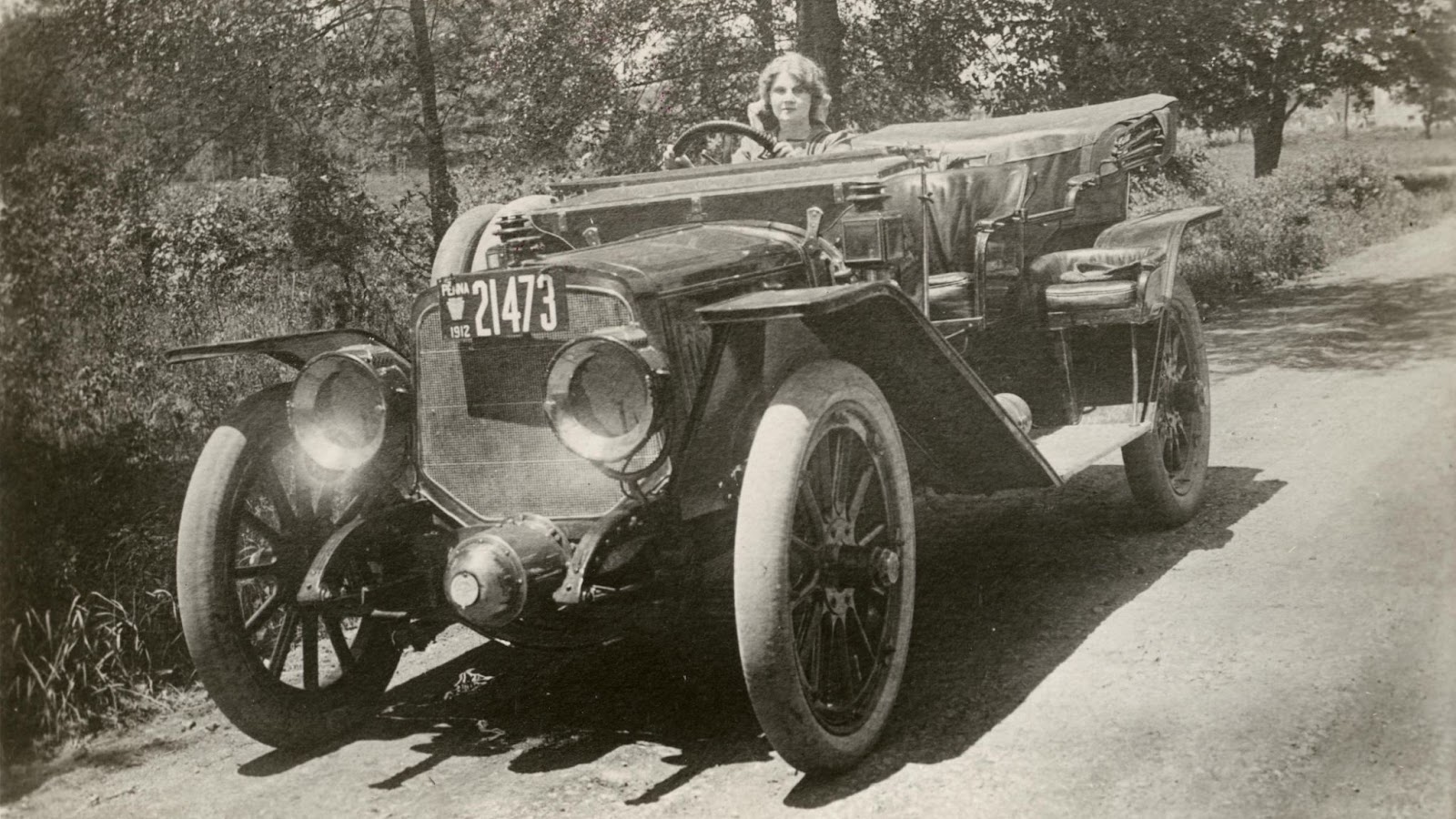
For what it’s worth, Florence Lawrence doesn’t deserve to just be remembered for her contributions to the automotive industry.
She was also the first woman to be named onscreen during the credits, and she also happened to be a serious automotive enthusiast. Florence, like every other driver on the road in those early days, dealt with pervasive safety issues and general chaos. Remember, streets were still a new thing and so were cars! One day, after nearly getting into a fender bender because the person to the side of her cut her off, she decided that car safety needed an overhaul.
Her first invention in 1914 was turn indicators, which were flaps that extended out from the side of the car via a mechanical lever. Unfortunately, she didn’t patent the idea and it would be another ten years before her idea would make its way onto vehicles all over the world. She lost most of her wealth in the stock market crash of 1929 and then was essentially eliminated from the public eye.
Florence’s story is a sad story to be sure but in the end, we can still stand back in awe of not one of the first big-time female actors, but also a true car enthusiast at a time when few people were.
Bertha Benz
You may recognize that famous last name as the second half of a certain famous German car maker, and you’d be right, but that’s just not the whole story behind dear old Bertha Benz.
Yes, Bertha was the supportive wife of Karl Benz, the person who is often credited with creating the modern car as we know it today. Bertha does not deserve to live in the shadow of her husband, on the contrary, Bertha was a badass soul, who took it upon her own hands to help make her husband’s invention the talk of the German countryside.
On 5 August 1888, 39-year-old Bertha Benz took their invention, the Patent Motorcar, and drove her and her two sons over 60 miles across Germany. This made her the first person to travel any significant distance in a vehicle. Remember, people had never seen a car before, so imagine their shock and awe when a woman driving a motorized car rolls by on the country lane.
Thanks to the sheer hype of this new “devil carriage” that moved without a horse, there was plenty of buzz, but even bad publicity is good publicity. The best part? She didn’t tell her husband, for fear he would say no. Since their invention changed the world, we’d say Bertha made the right call.
Bertha Benz knew a good thing when she saw it, and she forced Karl to stand up alongside her instead of slinking in the background. She didn’t ask permission, she just got to work.
Margaret Wilcox
Photo Source: drive.com
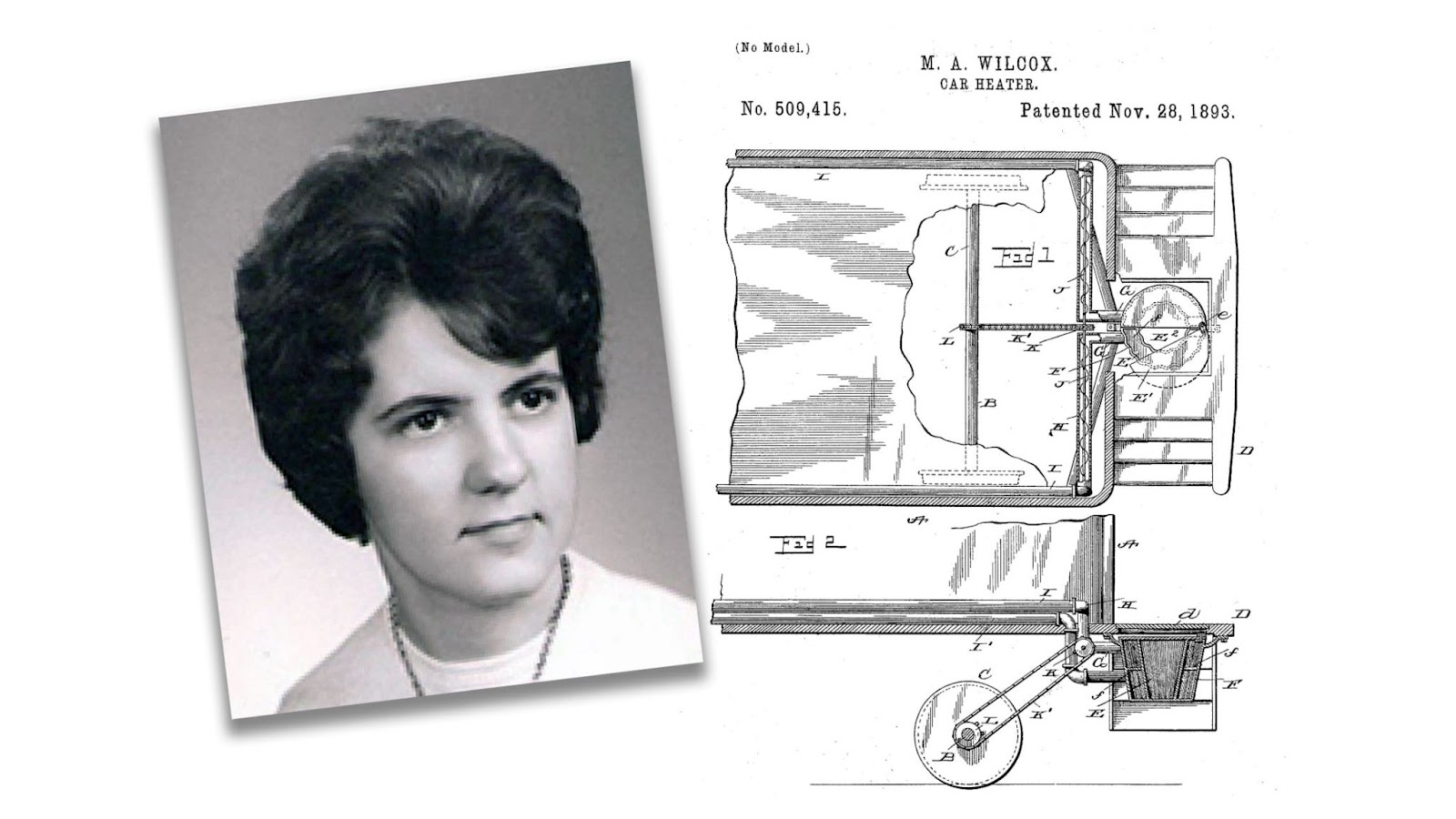
Way back in the late 1800s, being a woman meant a lack of rights and a definitive lack of respect, especially in the professional world. Few women were scientists, engineers, or worked in other STEM fields, thanks to a lack of access and a pervasively arcane attitude. In fact, women couldn’t even secure a patent until 1893, it was flat-out illegal.
Yet, in the midst of this repressive time, there was Margaret Wilcox. A mechanical engineer with a knack for solving common problems, and after riding in a blindingly cold street car in New York, she decided that passengers deserved a little better. She realized that engines already ran hot, so she designed and patented a device that channeled airflow from the hot engine to the inside of the street car. In 1893, she received her patent for the modern car heater.
Although this design was originally intended for street cars, eventually, it would be adapted for use in the mass market by Ford in 1927. So, the next time you are warm and cozy in your car during a cold snap, remember, you have Margaret Wilcox to thank.
A Thank You is Never Enough
Life without these women’s inventions would look so very different than it does today.
It’s easy to brush aside their accomplishments, but that would remove the true struggle that each and every one of them went through to just be seen. They built a name for themselves on their true grit, intelligence, compassion, and understanding at a time when the mere fact that they were women prevented them from achieving the success they deserved. This is only a small selection of the women that fundamentally changed the automotive industry over the past 150 years.
To all women who continue to continuously improve the safety, quality, and performance of all types of vehicles, we support and appreciate every single one of you.
The post Women’s History Month: Celebrating Women In Automotive appeared first on Xtreme Xperience.
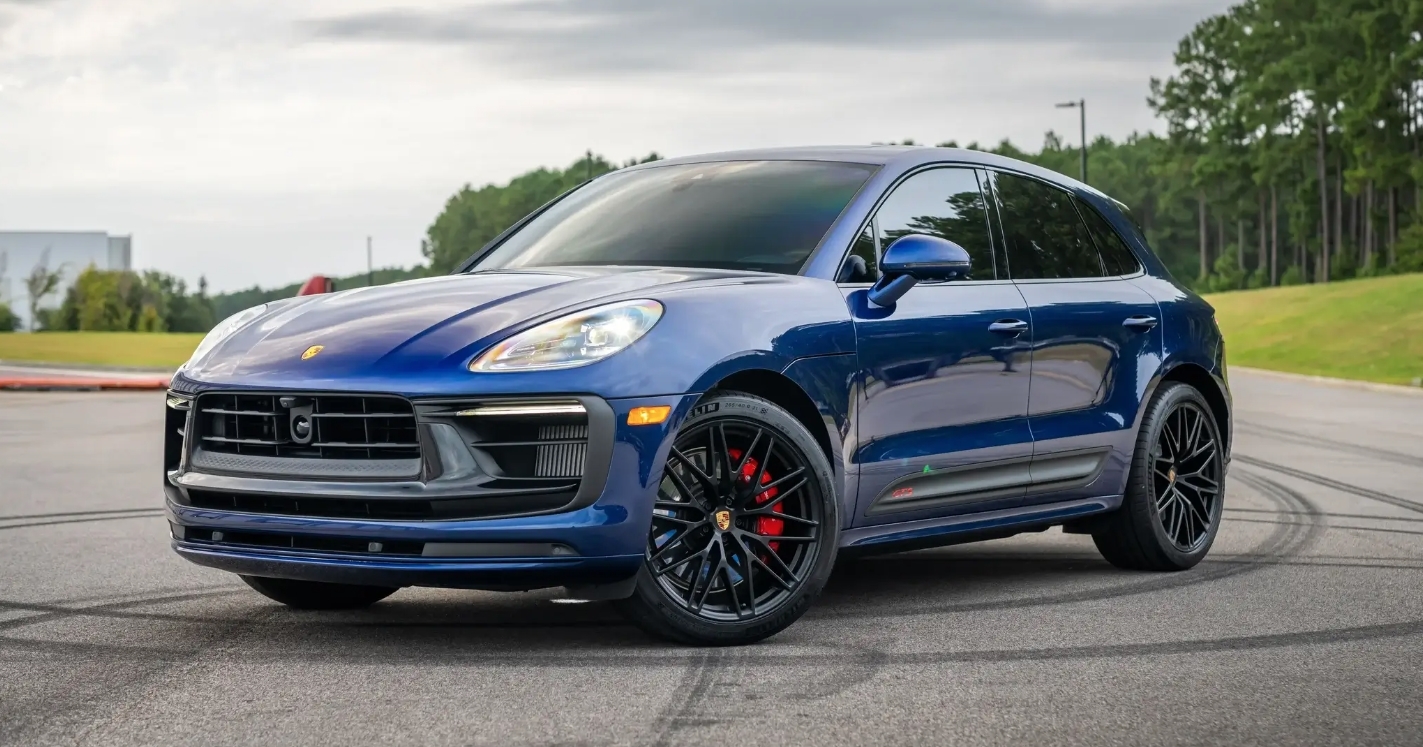
With the introduction of the facelifted Porsche Macan Turbo and GTS, Porsche updated its best-selling compact luxury SUV, bringing more performance, new styling, and technology. First unveiled in 2019 (although it was not sold in the USA until 2020), the facelift Macan Turbo returned as the range’s top performance model, while the GTS made its comeback in 2020, offering daily drivability and dynamic handling. By 2022, Porsche streamlined the lineup, discontinuing the Turbo and positioning the GTS as the new flagship.
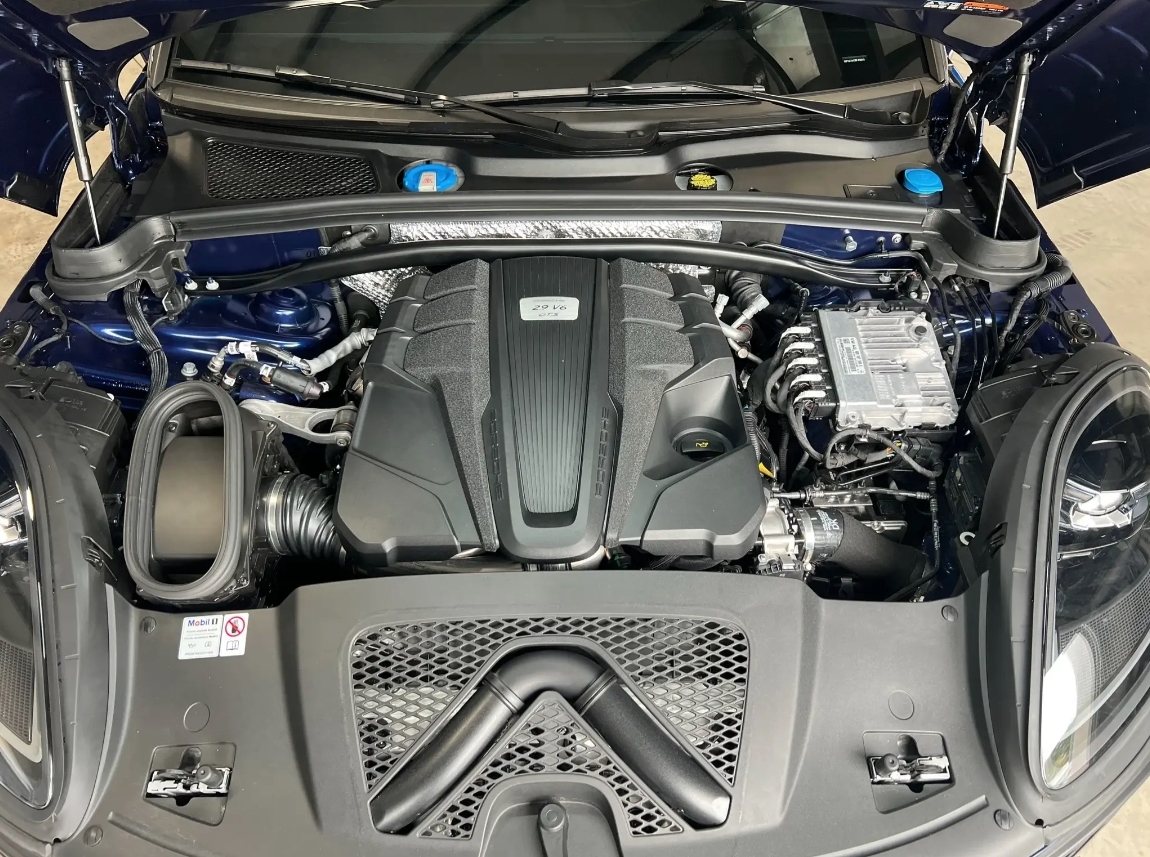
Beneath the hood, both models received a 2.9-liter twin-turbocharged V6 engine. The Macan Turbo produced 440 hp and 405 lb-ft of torque, from 0 to 60 mph in just 4.1 seconds (3.9 seconds with the optional Sport Chrono package). Meanwhile, the Macan GTS, initially offering 375 hp, was upgraded in 2022 to adopt the Turbo’s 440 hp engine, effectively making it the performance flagship. Power was channeled through Porsche’s seven-speed PDK dual-clutch transmission, ensuring lightning-fast gear shifts and an engaging driving experience.
Beyond raw power, the facelifted Macan models featured enhanced chassis tuning, adaptive air suspension, and Porsche’s Active Suspension Management (PASM) to deliver an even sharper, more responsive driving dynamic. The GTS variant received a slightly lower ride height, stiffer suspension, and sportier tuning.
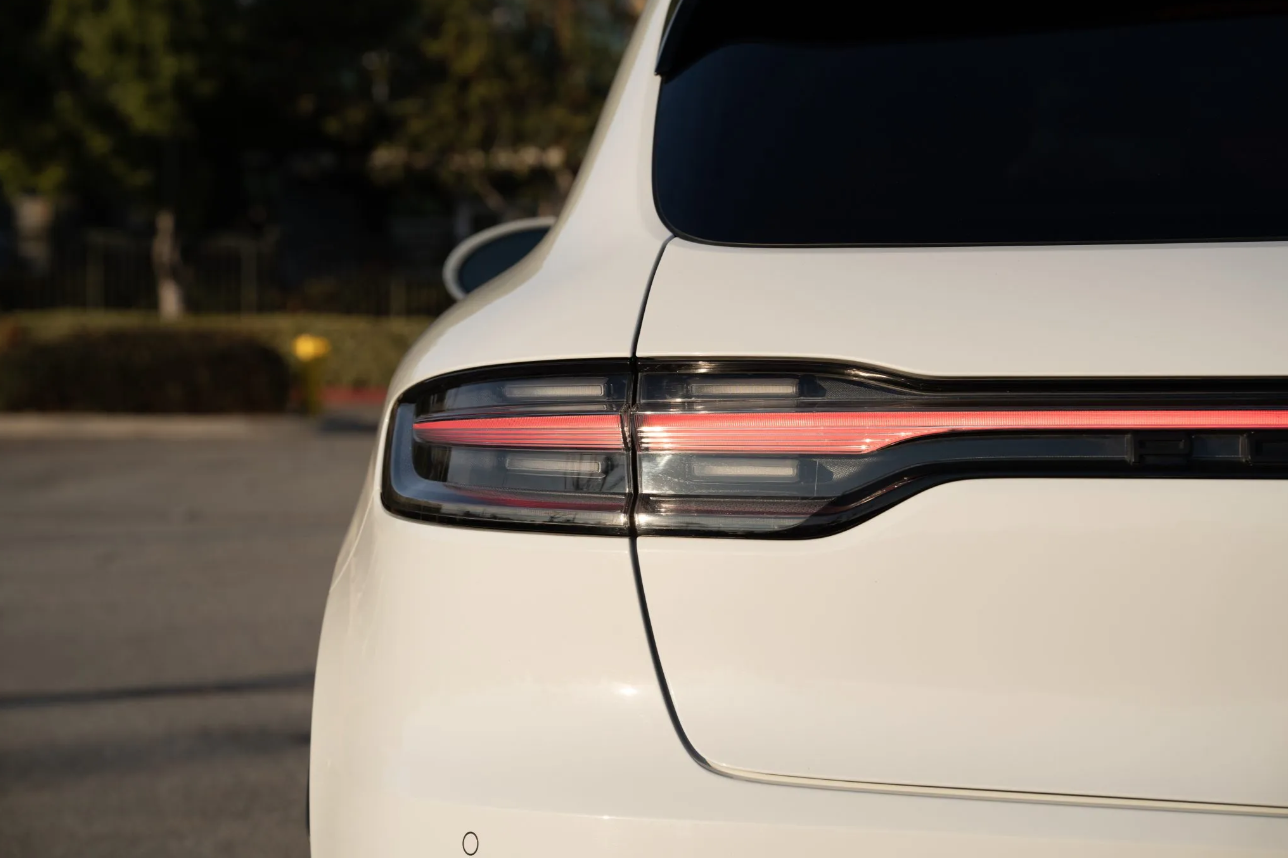
Visually, the facelift introduced a redesigned front fascia, more aggressive bumpers, and three-dimensional LED light strips at the rear, giving the Macan a more modern and muscular stance.
The Turbo variant sported larger air intakes for improved cooling, while the GTS stood out with blacked-out trim elements and unique Sport Design accents. Both models rode on 20-inch or 21-inch alloy wheels, with available high-performance ceramic composite brakes for superior stopping power.
Inside, the Macan’s cabin was updated to reflect Porsche’s latest design philosophy, featuring a larger 10.9-inch touchscreen infotainment system, high-resolution digital displays, and new materials for a more refined feel. The GTS variant emphasized a sportier atmosphere, offering Alcantara upholstery, red contrast stitching, and brushed aluminum trim, while the Turbo leaned toward a refined balance of luxury and performance. Comfort was also improved with newly designed sports seats that provided excellent support.
Throughout its production run, the facelifted Macan Turbo and GTS faced strong competition from performance-oriented luxury SUVs. Rivals included the Mercedes-AMG GLC 63 S, Alfa Romeo Stelvio Quadrifoglio, and the BMW X3 M. Despite this formidable competition, the Macan remained a standout thanks to its sharp handling, premium build quality, and unmistakable Porsche driving experience.
Model Changes (Breakdown by Year)
2020 Porsche Macan Turbo/GTS
For the 2020 model year, Porsche reintroduced the Macan Turbo to the U.S. market, marking its return with a 2.9-liter twin-turbo V6 producing 440 hp and 405 lb-ft of torque. This new powertrain replaced the previous 3.6-liter engine, offering improved performance and efficiency.
Alongside the Turbo, Porsche also brought back the Macan GTS, featuring a 2.9-liter twin-turbo V6 tuned to 375 hp and 383 lb-ft of torque. Positioned as the sportier alternative to the Macan S, the GTS provided a more dynamic driving experience with a lower ride height, sharper suspension tuning, and exclusive design elements that set it apart in the lineup.
The starting price for the 2020 Porsche Macan Turbo was $84,950, while the 2020 Macan GTS started at $71,300.
2021 Porsche Macan Turbo/GTS
The 2021 model year marked the final year of production for the Porsche Macan Turbo in the U.S. Before being discontinued, the Turbo remained the top performance model. Meanwhile, the Macan GTS carried over unchanged from 2020.
For the 2021 model year, the Porsche Macan GTS had a starting price of $72,100, while the Macan Turbo started at $84,600.
2022 Porsche Macan GTS
For the 2022 model year, the Porsche Macan Turbo was officially discontinued, leaving the Macan GTS to take its place as the top performance model in the lineup. To fill the gap, the GTS was upgraded with the 2.9-liter twin-turbo V6 previously used in the Turbo, now producing 440 hp and 405 lb-ft of torque.
This effectively positioned the GTS as the new range-topping performance variant, offering the same power output as the outgoing Turbo but with the sportier suspension and handling characteristics that defined the GTS trim.
The starting price for the 2022 Porsche Macan GTS was $81,250.
2023 Porsche Macan GTS
For the 2023 model year, the Porsche Macan GTS remained unchanged from the previous year.
The starting price for the 2023 Porsche Macan GTS is $84,350.
2024 Porsche Macan GTS
For the 2024 model year, the Porsche Macan GTS carried over unchanged, continuing production with the same specifications as the previous year.
The starting price for the 2024 Porsche Macan GTS is $87,650.
2025 Porsche Macan GTS
For the 2025 model year, the Porsche Macan GTS remains unchanged, but a full model update is expected in 2026, marking the next evolution of the Macan lineup.
The starting price for the 2025 Porsche Macan GTS is $89,000.
Porsche Macan GTS/Turbo (Facelift) Common Problems
The facelifted Porsche Macan Turbo and GTS have certain mechanical and electronic problems that have been reported by owners over the years.
Some of these issues are minor nuisances, while others can lead to expensive repairs if left unchecked.
Below is a breakdown of the most commonly reported problems, helping potential buyers understand what to look out for when considering a Macan Turbo or GTS.
Transfer Case Failures: Owners have reported vibrations or unsteady acceleration, particularly between 25-35 mph, often due to a faulty transfer case. This component directs power to the front wheels and synchronizes their rotation with the rear wheels.
Timing Cover Oil Leaks: Some Macan models have experienced oil leaks from the timing case cover seal, which can lead to significant repair costs, as addressing this issue often requires engine removal.
Water Pump Failures: Instances of water pump failures have been reported, leading to overheating warnings and necessitating replacement to prevent engine damage.
Squeaky Steering Wheel: Some owners have reported a light squeaking noise from the steering wheel, which may require attention if persistent.
Whining Air Vents: Occasional whining noises from air vents, especially noticeable at startup, have been observed in certain models.
Recalls
2020 to 2022 Porsche Macan GTS & Turbo Vehicles
Headlight Adjustment Caps (Recall No. 22V656000)
This recall pertains to missing caps covering the low-beam headlight horizontal adjustment screws, which could allow improper headlight adjustments. This may result in inadequate road illumination or excessive glare for oncoming drivers, increasing the risk of a crash.
2020 Porsche Macan Turbo vehicles
Rear Seat Belt Anchors (Recall No. 23V443000)
This recall regards improperly tightened screws attaching the lower seat belt anchor to the seat frame on the outboard rear seats. A loose seat belt anchor could detach in a crash, increasing the risk of injury.
Some vehicles may have shock absorbers on both axles that were not tightened to the correct specification, potentially leading to sudden instability and loss of control while driving.
Maintenance and Ownership Costs
Owning a facelifted Porsche Macan Turbo or GTS, like any vehicle, will come with some maintenance and ownership costs. Routine services, such as oil changes, brake pad replacements, and transmission fluid changes, are essential to keep the Macan running at its best. Additionally, Porsche’s dual-clutch PDK transmission and adaptive air suspension require periodic attention to ensure longevity.
Insurance premiums and fuel costs are higher compared to standard Macan models, and replacement parts—especially for brakes, tires, and suspension components—can add up. However, with proactive maintenance and timely servicing, many owners find the Macan Turbo and GTS to be rewarding and relatively reliable performance SUVs.
10,000-Mile Service (Every 1 Year)
20,000-Mile Service (Every 2 Years)
Brake fluid replacement
Cabin air filter replacement
Visual inspection of brakes, belts, and hoses
30,000-Mile Service (Every 4 Years)
Spark plug replacement
Battery health check
Fuel system inspection
40,000-Mile Service (Every 4 Years)
PDK transmission oil and filter change
All-wheel drive system inspection
Suspension and steering component check
80,000-Mile Service (Every 8 Years)
Engine air filter replacement
Exhaust system inspection
Coolant system check and flush if necessary
160,000-Mile Service (Every 16 Years)
All-wheel and rear final drive oil change
Complete drivetrain and differential fluid replacement
Full suspension and bushing inspection
Here is a rough estimate of typical service costs associated with the Porsche Macan GTS/Turbo (Facelift):
Oil Change – The Macan requires high-quality synthetic oil, with oil changes recommended every 10,000 miles or 1 year. The cost typically ranges from $150 to $300, including oil, filter, and labor.
Minor Service – Minor services, performed every 10,000 miles, include an oil change, filter replacements, and a comprehensive inspection. Costs generally range from $200 to $400, depending on the service provider and region.
Major Service – Major services, recommended every 40,000 miles or 4 years, encompass more extensive maintenance tasks such as spark plug replacements, brake fluid changes, and transmission servicing. These services can cost between $1,000 and $1,500.
Tires – The Macan GTS and Turbo models are equipped with high-performance tires, such as Pirelli Scorpion Verde All Season tires, which may wear faster due to the vehicle’s capabilities. A set of four tires typically costs between $1,200 and $2,000, depending on the brand and specifications.
Brakes – Brake maintenance costs vary based on usage and driving style. Replacing brake pads and rotors can range from $500 to $1,500 per axle, depending on whether OEM or aftermarket parts are used.
Clutch – The Porsche Macan GTS and Turbo models are equipped with the Porsche Doppelkupplung (PDK) dual-clutch transmission, which does not have a traditional clutch pedal and is designed to be maintenance-free under normal driving conditions. However, servicing the PDK transmission fluid and filter is recommended every 40,000 miles or 4 years, with costs typically ranging from $800 to $1,000.
Options List
When purchasing a facelifted Porsche Macan Turbo or GTS, the available options and packages can play a determining factor for long-term value. Porsche is well known for its extensive list of customization choices, allowing buyers to tailor their Macan to their exact preferences..
For enthusiasts who prioritize sharper handling and driving engagement, the Porsche Torque Vectoring Plus (PTV Plus) system is a good option. This system enhances cornering ability by applying brake pressure to the inside rear wheel during aggressive turns, improving agility and stability. Additionally, the adaptive air suspension with Porsche Active Suspension Management (PASM) is available, allowing drivers to adjust ride height and damping stiffness for improved comfort or sportier handling.
Porsche offers a range of premium interior upgrades. The GTS Interior Package adds Alcantara upholstery, red or chalk contrast stitching, and unique GTS branding on the seats and dashboard, further emphasizing the sporty character of the vehicle.
Buyers can also opt for 14-way or 18-way Adaptive Sport Seats, providing exceptional support for spirited driving while maintaining long-distance comfort. Heated and ventilated front seats are another popular upgrade for those who drive in varying climates.
The Premium Package Plus is one of the most sought-after option bundles, adding a panoramic roof, Bose Surround Sound System, ventilated seats, LED Matrix headlights, and a surround-view camera system.
Photo by Bring a Trailer
Those looking for a more immersive audio experience can upgrade to the Burmester High-End Surround Sound System, which delivers superior sound quality with advanced acoustics. Additionally, Porsche InnoDrive with Adaptive Cruise Control offers semi-autonomous driving assistance, making highway travel more convenient.
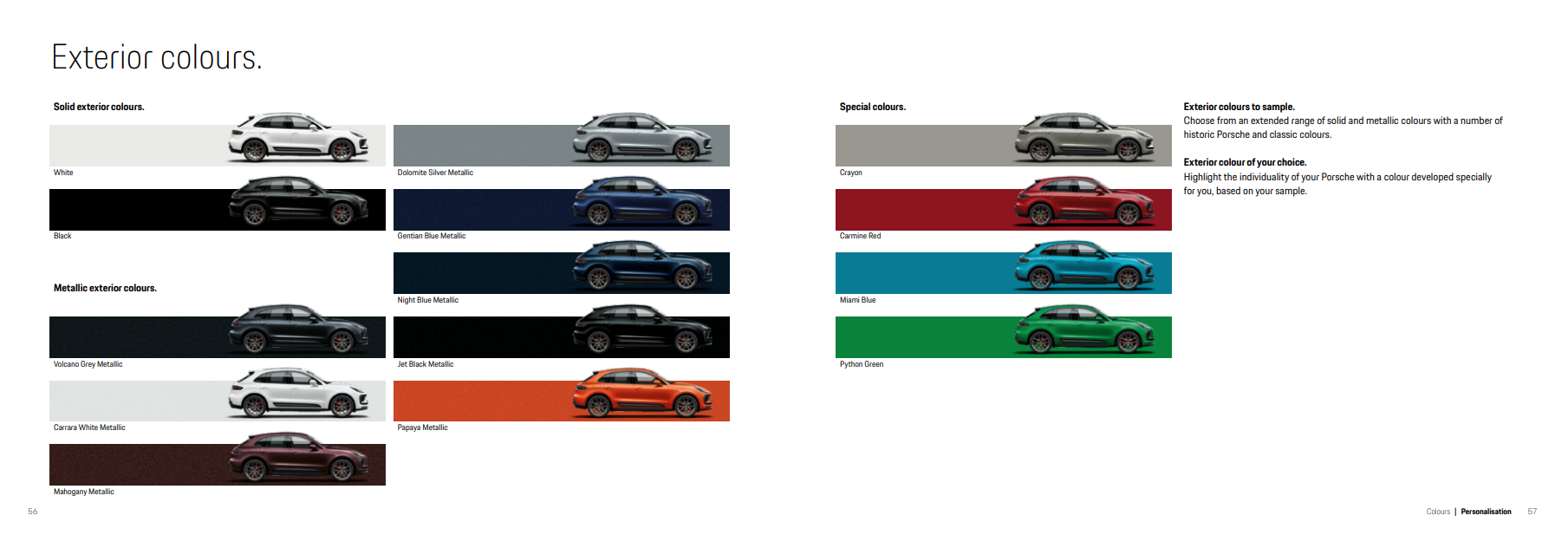
Options extend beyond the interior, with Porsche offering exclusive paint colors, SportDesign body kits, and a variety of wheel choices. The 21-inch GT Design wheels are a popular option, adding an aggressive stance while maintaining everyday drivability. The Sport Exhaust System with Black or Silver Tips enhances the Macan’s exhaust note, delivering a deeper and more pronounced engine sound under acceleration.
For those who plan to push the Macan’s performance limits, Porsche Ceramic Composite Brakes (PCCB) provide superior stopping power with increased durability and reduced brake fade. Additionally, safety features such as Lane Keep Assist, Lane Change Assist, and a Head-Up Display are available to enhance driver awareness and convenience.
2023 Porsche Macan options list (Includes other Porsche Macan models)
Key Options
Porsche Torque Vectoring Plus (PTV Plus)
Adaptive Air Suspension with Porsche Active Suspension Management (PASM)
Premium Package Plus (panoramic roof, ventilated seats, Bose audio, LED Matrix headlights)
Porsche Ceramic Composite Brakes (PCCB)
Porsche Macan GTS/Turbo (Facelift) Price and Value
The Best Porsche Macan GTS/Turbo (Facelift) to Buy
When it comes to choosing the best facelifted Porsche Macan Turbo or GTS, several key factors should be considered.
For buyers seeking the most well-rounded and desirable version, the 2022 Macan GTS is the best option. This model year marked a significant shift, as Porsche discontinued the Turbo variant and repositioned the GTS as the top-performance model. To achieve this, Porsche equipped the 2022 Macan GTS with the 2.9-liter twin-turbo V6 from the previous Turbo model, increasing its output to 440 hp and 405 lb-ft of torque.
This upgrade effectively made it a Macan Turbo in disguise but with the sportier chassis tuning, lowered suspension, and aggressive styling cues that define the GTS trim.
Another advantage of the 2022+ Macan GTS is that it benefits from all the final updates to the Macan lineup before Porsche transitions to the next-generation model. These include revised styling, updated interior technology, and refined driving dynamics, making it the most polished and well-sorted version of the facelifted Macan.
For market stability, 2020 to 2021 Macan Turbo and 2020 to 2024 Macan GTS models are solid choices, provided you find a well-maintained example.
In addition to model selection, the condition and mileage of the vehicle are crucial factors to consider. Well-maintained examples with a full-service history and lower mileage are more likely to retain their value and offer a trouble-free ownership experience.
Buyers should prioritize cars that have received regular oil changes, PDK transmission servicing, and brake fluid replacements at the recommended intervals.
Conclusion
In summary, with a starting price ranging from $40,000+, the facelifted Porsche Macan Turbo and GTS offer an exciting mix of performance, luxury, and practicality in the compact SUV segment. With sharp handling, a powerful 2.9-liter twin-turbo V6, and a high-quality interior, the Macan stands out as one of the most engaging SUVs to drive.
While alternatives like the BMW X3 M, Mercedes-AMG GLC 63 S, and Alfa Romeo Stelvio Quadrifoglio offer similar performance, the Macan GTS and Turbo standsout themselves with Porsche’s driving dynamics, and high build quality.
For those looking for a daily driver that blends sports car performance with SUV versatility, the Porsche Macan GTS and Turbo are among the best choices in their class.
Car Hacking Shortcuts
Look for models with the Premium Package Plus
Opt for a 2022+ Macan GTS for the best performance
Sport Exhaust System and 21-inch GT Design wheels are nice to have
Prioritize well-maintained, low-mileage examples with a full-service history to maximize resale value and reliability
at one of my last talks in Manila, already very thin
When I turned 54, my
sister passed on, alone and lonely, from cancer. I did not want to die like
her, so I felt I had to change the trajectory of my life. Besides, burnout was
starting to rear its ugly head.
After I got off the
career bandwagon and retired early, I migrated to America. My eldest and two beloved
grandchildren had already moved there to join her husband and their father.
It is helpful to revisit
what happened to me. Understanding the factors that led to my situation allows
me to uncover strategies that could have prevented burnout. Sharing them may
help you prevent one.
Understanding
Burnout
I had dwindled to a skinny 101 pounds when I entered the US. Burnout is a serious issue that can lead
to physical and mental health problems.
It often occurs when an individual feels
more than overwhelmed. It can be a combination of exhaustion and disillusionment.
In hindsight, I should
not have taken the one-two punch of SAP and BayanTrade. My work at the
BIR was meaningful and manageable. However, my savings had been depleted as pay in
government was tiny.
The money, perks, and
accolades offered by SAP proved hard to resist. But I walked straight into a
burnout waiting to happen.
Preventing Burnout
I should have done the following:
1.Listen to My Heart
At the time, my eldest
was already working, my second daughter had graduated and was job hunting, and
my youngest was about to graduate from college.
If I had been smart, the
time to simplify my life would have arrived. There was nothing more I had to
prove. The cues were there. I did not have to return to the private sector.
Instead, I should have returned
to teach in DAP’s Master in Public Management Program and the Master in
Business Administration Program of the University of the Philippines College of
Business Administration.
The government and the
academe are gentler work environments. In the process, I could have completed
my Doctorate in Business Administration. And I thrive in a scholarly
undertaking.
2.Listen to My Body
To make matters worse, in
the middle of my stay in SAP, I went into menopause. I would have benefitted
from a mentor who reminded me of self-care, prioritized my health, and learned
to say no.
Again, I did not take
this cue. Foolishly, I made the same terrible mistake and accepted the BayanTrade
offer.
Reducing Burnout
If I had been more forward-looking, I would have implemented burnout prevention or mitigation strategies as soon as I joined SAP.
1.Promote Work-Life Balance in the Office
I should have introduced
flexible work arrangements and addressed workload concerns. The company could
have also provided resources for fitness, relaxation, and counseling programs.
These are components of
a more sustainable work environment. I would have been the first
beneficiary, and other employees could have benefited.
2.Reduce Personal Commitments
Promoting work-life
balance is not the sole responsibility of the company. I was also responsible
for focusing on the job and family. These two are complex enough.
I should have minimized
extra-curricular activities in professional associations. I could also have
postponed my doctoral studies.
3.Ask for Support
I wrongly thought CEOs were
supposed to be superhumans able to withstand all kinds of challenges. At lower levels, higher executives support anyone in navigating
the challenges. The same is true for CEOs.
But I was too embarrassed
to ask. Worse, I thought I would be punished. Distance prevented me from building
closeness with the SAP regional team in Singapore. And, unlike MegaLink, I had yet to develop open and honest communication with the BayanTrade
board.
Burnout is a real issue.
It is essential to take care of oneself first and foremost. If you are
overwhelmed, exhausted, and disillusioned, take a break. It can allow you to
reflect, recharge, and regain your footing.
Acknowledge what your
heart says, listen to your body, promote work-life balance, reduce your outside
commitments, and ask for support. By addressing the underlying causes of
burnout and prioritizing your well-being, you can stay in your role and
enjoy it longer.
Skoda has released another teaser for its upcoming Vision O electric wagon concept.
The Vision O previews an electric Octavia wagon built on a new Volkswagen EV architecture.
The concept debuts on September 8 at IAA 2025 in Germany.
Skoda currently builds Europe’s hottest new electric vehicle, the Elroq crossover, and it’s working on something that could become even more popular. Europeans love long-roof wagons, or estate cars, as they are known in the UK, but there aren’t that many available with electric power. That’s why the arrival of an electric Octavia wagon is a big deal in Europe.
Europeans also love the Skoda Octavia, which has been a favorite on the continent for decades and across multiple generations. It’s now going to be available as an EV for its next generation and the combination of the nameplate’s success, Simply Clever touches and Europeans’ growing appetite for electric vehicles should ensure its success.
5
Source: Skoda
Skoda has started teasing the concept that previews the electric Octavia wagon. It’s called the Vision O and will be unveiled on September 8 at IAA 2025 in Germany. The older teaser showed the side profile of the vehicle, which doesn’t look too different from what we were expecting, bar maybe the more slanted fastback-style rear glass that gives it a slightly sportier look than today’s combustion model.
The new teaser reveals the lower part of the vehicle from a front three-quarter perspective, and one thing is instantly obvious: this has a raised ground clearance. This could mean one of two things: the concept is meant to preview the high-riding Scout variant of the Octavia EV, or the model will simply sit higher off the ground in the hopes of also bringing in people who would have otherwise bought a crossover.
We can also see that the car has a fairly high beltline and a comparably small-looking greenhouse. The front section also looks pretty long, making this look a bit like a big luxury car with a longitudinally mounted engine under the hood. This will make it look very distinctive and also ensure there is ample room in the front trunk.
Skoda is all about practicality, but none of its current EVs offer a front trunk. The new Octavia could and should change that since it doesn’t ride on the Volkswagen MEB platform that underpins all of the group’s compact and midsize electric cars. It will be built on MEB’s replacement, called SSP, which brings numerous improvements and helps reduce costs by around 20%.
SSP won’t just replace MEB but also PPE, VW’s premium EV platform that currently underpins models like the Porsche Macan, Audi Q6 and A6 E-Tron. VW says that this platform also allows for more differentiation and individuality for products from different brands, which is great to hear, given that equivalent cars built on MEB have virtually identical specs regardless of what badge they bear and they all kind of feel the same.
According to Oliver Stefani, Skoda’s design boss, “With Vision O, we are consistently advancing our ‘Modern Solid’ design language, boosting its emotional appeal and further refining our brand identity. New design concept also highlights our commitment to pushing boundaries and continuously bringing innovation to future automotive design. Clear lines emphasize simplicity, showcasing totally that we remain true to our brand values. Vision O is extremely practical for everyday use and brings surprising and thoughtful details.”
There is no mention of why it appears so tall, but Skoda CEO Klaus Zellmer did previously say about the Vision O that it “will highlight the future trajectory of estate models,” which could mean all of the brand’s new wagons will have this raised crossover-like stance. One design detail we’re sure won’t make it to production is the rear-hinged rear doors that you can see in the older teaser video.
We don’t know when the electric Octavia will go into production, but it will be among the first VW Group vehicles built on SSP. It should debut sometime around 2027 and be sold alongside the combustion Octavia at least until the end of the decade.
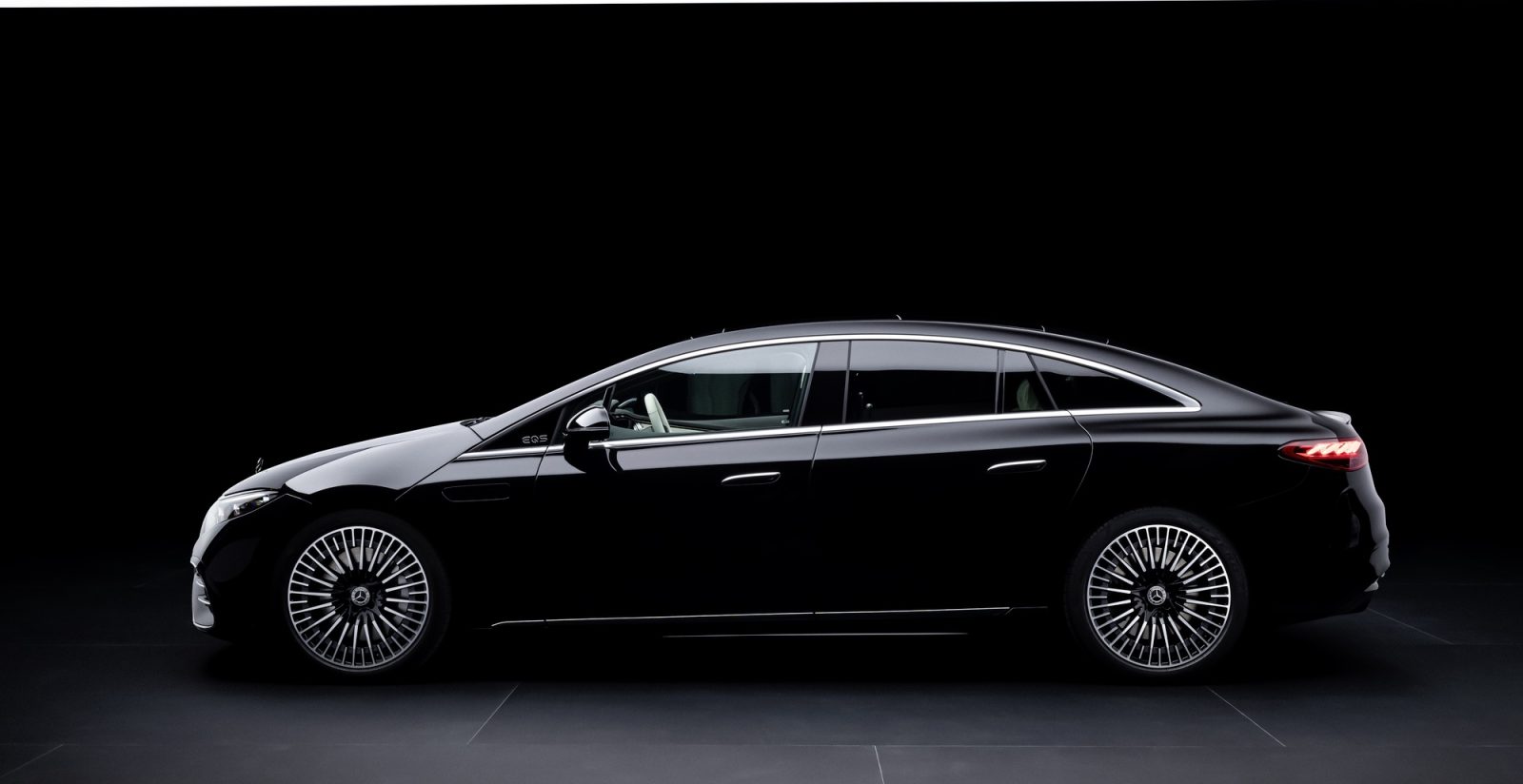
BMW’s electric transition is quietly making its rivals sweat. While Mercedes-Benz is backpedaling on its EV strategy and calling for a rethink of Europe’s 2035 combustion ban, BMW’s rollout has been deliberate, balanced, and—judging by sales—working. The i4, iX, and i5 have carved out meaningful market share without flooding showrooms with overpriced halo cars no one is buying. And with the Neue Klasse just around the corner, BMW’s next chapter is already in motion. Mercedes, meanwhile, finds itself publicly questioning whether the industry can even meet the EU’s deadline.
Ola Källenius, wearing both his CEO hat and his role as head of the European Automobile Manufacturers’ Association (ACEA), warns that the ban risks sending Europe “full speed into the wall.” His reasoning? Consumer demand is softer than policymakers assumed, U.S. tariffs are biting, and China’s EV juggernaut is muscling in fast. Källenius is lobbying for a “technology-neutral” approach—keep EVs in the spotlight, but give automakers the freedom to mix in combustion and hybrid tech as needed, while governments tackle the real adoption bottlenecks like charging infrastructure and affordability.
The problem is Mercedes’ EV troubles are partly self-inflicted. They’ve admitted to a gap in mid-range models and are only now scrambling to launch more attainable EVs like the upcoming electric GLC and C-Class. By contrast, BMW has been playing the long game—sequencing product launches to match demand, keeping combustion and hybrid offerings fresh, and avoiding the consumer fatigue that comes from pushing a half-baked electric portfolio too hard, too fast.
That doesn’t mean BMW can ignore Källenius’ warning. The same cliff edge exists for Munich: a hard 2035 stop risks a last-gasp ICE buying spree followed by a market drop-off. And without a healthy charging network, even the best Neue Klasse sedan won’t save you from frustrated customers. This is where BMW can make a power move—aligning with the push for more infrastructure investment and realistic policy timelines, but from a position of strength rather than desperation.
The broader industry picture is messy. The German auto lobby is already floating tweaks to the ban, like allowing a small slice of ICE sales beyond 2035 with e-fuels or biofuels. Conservative lawmakers like the idea; environmental groups hate it. Meanwhile, the Chinese competition isn’t waiting for Europe to sort itself out—they’re landing sharp-looking, well-equipped EVs at prices that make even premium brands nervous.
Mercedes’ “reality check” should be a warning shot for BMW, but also an opening. If Munich can keep its EV strategy disciplined, expand its charging influence, and maintain combustion excellence during the transition, it could do more than just weather the storm—it could own the next decade of premium mobility while its rivals are still figuring out which way is up.
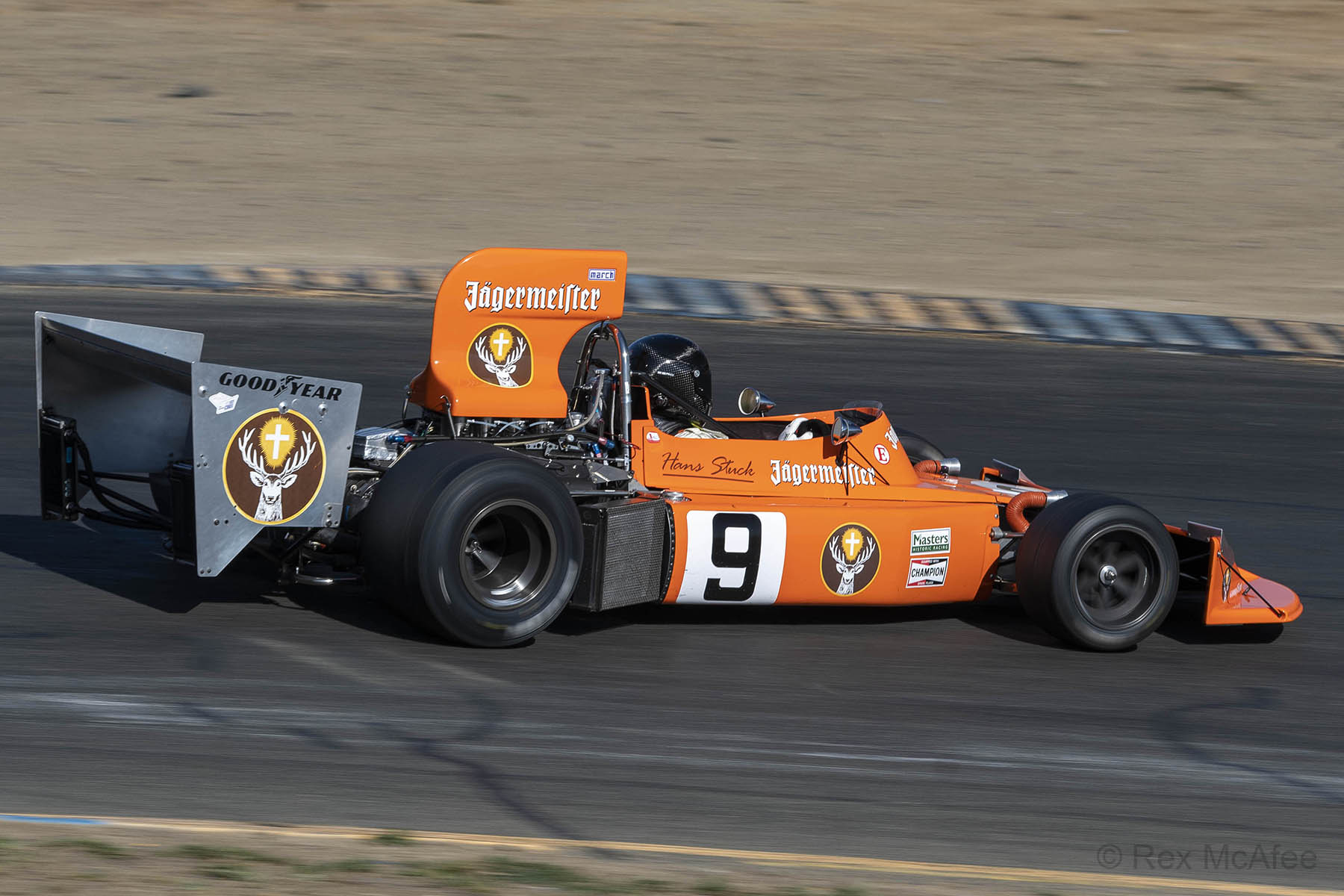
Goodyear has announced a long-term tire supply agreement with Masters Historic Racing, one of the world’s leading promoters of historic motorsport. The tire supply agreement builds on Masters‘ long-standing relationships with the Goodyear-owned Dunlop and Avon brands, and marks the reintroduction of Goodyear into several premium championships, including events for Formula 1 and 24 Hours of Le Mans cars.
Masters was formed in 2004 and currently runs nine race series in the UK, Europe and North America. The current race portfolio encompasses a diverse range of races for historically significant cars from 1960s touring cars through to 2010s sports cars. Goodyear will supply tires to the Masters Endurance Legends and Masters GT Trophy series from the beginning of 2024. These tires will be manufactured alongside Goodyear’s contemporary FIA World Endurance Championship and European Le Mans Series LMP2 and LMGT3 tires. This will ensure the prototypes and GT cars in the Masters portfolio benefit from the same consistency, performance and durability as the current cars.
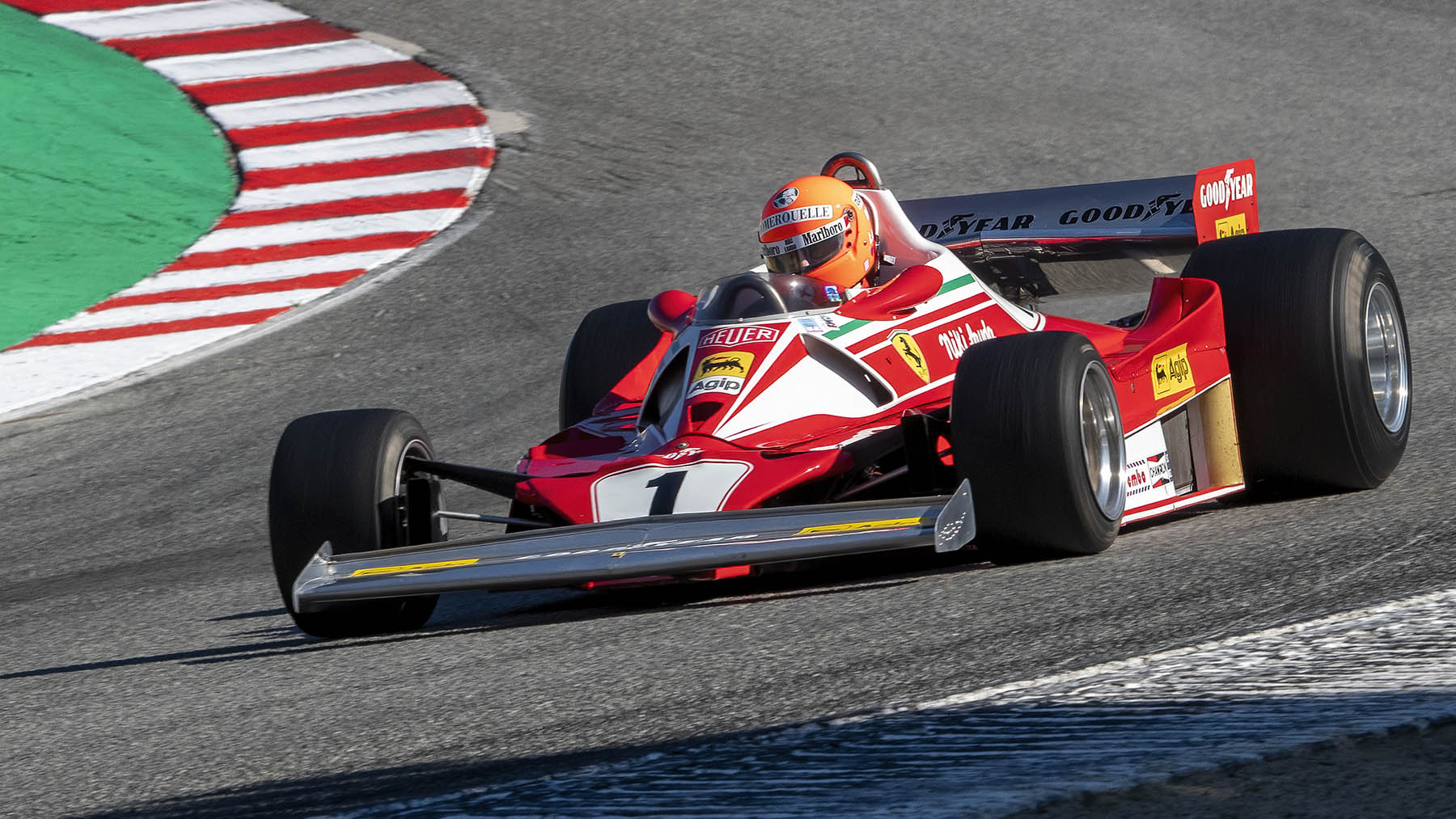
Goodyear will also become the supplier for the Masters Racing Legends series for 1966 to 1985 Formula 1 cars. With 368 Grand Prix wins, Goodyear is the most successful manufacturer in the history of Formula 1. In an era spanning the eligibility period for the Masters championship, Goodyear dominated F1 against intense competition from other tire manufacturers. The newly developed Goodyear F1 tires will gradually replace the Avon brand in this category. The existing Dunlop-branded range of cross-ply treaded tires for historic Pre-66 GT and touring cars will be expanded to support Masters’ burgeoning grids, highlighting the company’s commitment to the sector. The Dunlop range gives truly authentic performance and aesthetics, complying with the FIA’s Appendix K regulations.
David Joy, Technical Leader and Sales Account Manager Historic, Goodyear EMEA, explains the scale of the company’s commitment: “The historic racing market is becoming increasingly diverse, spanning vintage to very recent cars. Across our Goodyear and Dunlop brands we have increased the size of our historic tire portfolio, with an investment in new tire sizes and specifications, to ensure entrants have the most appropriate and authentic period tires for their cars. It is a pleasure to commit to a long-term partnership with Masters, who take a forward-thinking approach to historic motorsport.”
Ron Maydon, President and Founder of Masters Historic Racing: “We are extremely pleased to have the long-term commitment of Goodyear across its range of brands. This new agreement gives confidence in tire supply to our Masters customers and historic racing in general. We are proud to have the most successful tire company in the history of both F1 and the 24 Hours of Le Mans as a partner.”
Youth culture has always been a powerful force driving shifts in music, fashion, art and social movements. Each generation redefines what it means to be young in its own way. From 70s Soul Train to 90s skateboarding or 60s anti-war flower power to 80s graffiti tags, youth expression has long shaped global culture. Today, Gen Z is evolving the notion of youth culture once again — this time as a fluid, digital-native subculture with growing economic and creative clout. As each generation has reframed what youth means in its time, the rise of Gen Z’s ideals and “radical movements” now signals a shift in how youth culture is commodified, communicated and capitalised on.
Youth culture today is more than a series of trends; it is a powerful movement shaping how brands communicate and connect. Yet, navigating this evolving landscape is not without controversy. Take American Eagle’s recent campaign featuring Sydney Sweeney, which sparked controversy not for the jeans themselves, but for a play on words in the ads. One version shows Sweeney in front of a banner reading “Sydney Sweeney has great genes,” with the word “genes” painted over to read “jeans.” Critics argued the subtle reference touched on sensitive cultural and political tensions in America, with some interpreting it as echoing divisive nationalist themes.
Despite the uproar, the ads have driven significant sales, with many jean sizes sold out and proceeds supporting mental health charities — yet the debate highlights how fraught marketing to Gen Z has become. Interestingly, reports also showcase how the campaign negatively impacted the brand’s foot traffic. Data shows a notable nine percent year-over-year decline in store visits during the week beginning 3 August, following the campaign’s launch on 27 July. This downturn contrasts sharply with the weeks prior, which saw traffic gains of nearly six percent.
Millennials Vs Gen Z Subcultures
One could argue that millennials carved their identity largely through physical rebellion and distinct subcultures that often took years to reach the mainstream. In contrast, Gen Z’s cultural imprint is immediate, digital and decentralised. Millennials typically had to make noise to be noticed. Their subcultures were forged in physical spaces — concerts, clubs or street culture — expressed through fashion ensembles, music genres and political ideologies. This was a slower build, with trends taking years to become widely accepted. Gen Z’s subculture, however, thrives on digital platforms where personal likes, dislikes and values are shared instantly via social media. Trends erupt overnight and rapidly become normalised through widespread digital broadcasting. This organic growth is less about rebellion and more about authentic self-expression shared on a global scale without physical or geographic limitations.
So why is Gen-Z subculture so elusive? The reason one does not “see” Gen Z’s subculture is that it grows rapidly online — often overnight — and eventually becomes a norm through digital broadcasting, a more streamlined, less confrontational way of creating and sharing a subculture.
Gen Z’s Digital Subculture(s)
@brycekicks As always wear what you like? What trends do you think will be big in 2025? #mensfashion #fallfashion #outofstyle #2025 #fashiontrends ♬ UNSTOPPABLE EVENING – finetune
Several digital-first movements now define Gen Z’s values and aesthetics. Slow fashion and thrift culture have emerged as key examples, with today’s youth curating wardrobes from secondhand finds as a response to sustainability concerns and rejection of fast fashion — especially on platforms like Depop — as Gen Z rejects fast fashion and leans into eco-conscious curation. This movement aligns with broader environmental values and recycling culture — drawing profit from nostalgia while reducing waste, and fueling vintage Y2K revivals on marketplaces and TikTok.
When it comes to how brands market their campaigns, diversity and inclusivity have become central components — particularly in the beauty and fashion industries — with demand for broader makeup shade ranges, extended fashion sizes and media representation reflecting a commitment to equity and acceptance. Eco-conscious minimalism embraces a clean, simple aesthetic tied to low-waste living and environmental awareness. Meanwhile, vulnerability and mental health awareness are openly shared online in selective, intentional ways that foster empathy and safe digital spaces. Gen Z also revitalises nostalgic fashion eras such as Y2K or Cottagecore, blending past aesthetics with fresh perspectives to create hybrid and constantly evolving subcultures.
How Brands Commodify Gen Z Subculture
Gen Z’s online subcultures — like Cottagecore’s nature-inspired nostalgia, Y2K Maximalists’ bold retro revival and Goblincore’s embrace of chaotic, anti-glam aesthetics — have reshaped youth culture and consumer trends. Brands tapping into these movements succeed by adapting their products and marketing to reflect these niche styles and values. For example, fast fashion labels like Urban Outfitters and Zara have launched thrift-inspired collections catering to thriftcore and Goblincore fans, blending “ugly” aesthetics with supposedly “sustainable” materials. Meanwhile, beauty brands such as Fenty Beauty have expanded diverse shade ranges and playful packaging that resonate with Gen Z’s demand for inclusivity and self-expression. Even luxury brands like Dior have capitalised on viral social media trends by releasing limited-edition lip glosses and accessories that tap into the Y2K craze. By collaborating with creators and influencers within these subcultures, brands gain cultural credibility and drive sales through social commerce and viral campaigns. Ultimately, this approach turns grassroots cultural movements into profitable, market-ready products without alienating Gen Z’s demand for genuine connection.
However, much of this marketing remains a farce — brands often resort to greenwashing, promoting sustainability without rigorous efficacy studies to back their claims. Initially, many tried simply changing their look to mimic Gen Z subcultures, but when that failed to build lasting trust, they dug deeper by talking up sustainability. Consumers quickly saw through superficial efforts, prompting brands to add yet another layer — performative inclusivity, exemplified by campaigns like Skims featuring plus-size models. Still, Gen Z pursues a lifestyle rooted in authenticity and values that fast fashion’s fleeting trends cannot truly capture.
Controversy Does Not Equal Cultural Cache
As Gen Z reshapes consumer culture, brands have a prime opportunity to reinvent themselves by revisiting their roots. Embracing vintage logos, packaging and classic product lines allows companies to tap into nostalgia while modernising these elements for today’s market. This trend of redesigning heritage styles not only fuels successful comebacks but also positions brands to connect authentically with a generation that is now leading the industry’s direction. For businesses, blending legacy with innovation is proving to be a winning strategy in capturing Gen Z’s loyalty and driving growth.
However, controversy no longer guarantees cultural cachet. Where American Eagle’s recent ad campaign sparked debate but yielded mixed results, luxury Maisons like Balenciaga have succeeded by authentically embracing subcultures such as motorcycle and biker styles, proving that genuine connection — not controversy — is key to winning consumer loyalty and driving sustainable growth.
For more on the latest in luxury fashion and style reads, click here.
At this point, my family and I have been living the full-time RV life for about a decade. During this time, we’ve experienced our fair share of RV beginner pitfalls and have learned a lot of lessons. That said, there’s no reason you have to make the same mistakes we did, or the mistakes so many others make as they’re transitioning to life on the road. Instead, learn about the common pitfalls to avoid so you can make your first weeks of travel a smooth and fun experience. Following are the most common RV mistakes that you’ll want to avoid.
Rushing Into the Lifestyle Without a Trial Run
Many people sell everything, buy an RV, and hit the road within a matter of weeks. This is what we did, and luckily we had no regrets. That said, some people realize after doing all of this that the lifestyle doesn’t suit them and then feel stuck.
Yes, the freedom of RV living is amazing, but it’s important to remember that it also comes with sacrifices: space, stability, long showers, reliable internet, and being near family and friends.
For this reason, it’s good to take an extended trip for at least two to four weeks. Mimic your intended lifestyle. Cook meals in the RV, try boondocking, manage your RV’s waste tanks, and see how you handle remote work (if applicable).
This trial run can help you determine if this lifestyle fits your needs before going all-in.
Choosing the Wrong RV
There’s no such thing as a perfect RV. Trust me, I’ve been through enough rigs to know this is true. That said, there is always a best RV for you and your lifestyle. New RVers don’t always know exactly what their needs are, and end up buying rigs that are too big for national parks, too small for everyone to fit, or lacking key features they didn’t realize they needed. This leads to discomfort and can ultimately lead to adventurous people giving up the RV life.
Thank you for subscribing to the RV LIFE newsletter, keep your eye on your inbox for updates.
Before you jump in, spend time evaluating your travel style. Will you be staying in RV parks or going off-grid? Do you need a workspace? Are you traveling solo, as a couple, or with kids or pets? Tour as many RVs as possible, talk to full-timers, and be honest about your needs and wants.
Remember that newer doesn’t always mean better. Many older rigs are more reliable and built with higher-quality materials than modern mass-produced ones. It’s also good to keep in mind the fact that your needs may change, so you may need to switch rigs a few years down the line.
Neglecting Weight and Towing Safety
One thing I’ve always been hyper-vigilant of? Weight ratings and tow capacity. That said, many beginner RVers don’t know this is something to be aware of, and unknowingly exceed their rig’s weight ratings or their truck’s towing capacity. This leads to dangerous handling, tire blowouts, or costly repairs.
Know your RV’s gross vehicle weight rating (GVWR), gross combined weight rating (GCWR), tongue weight, and cargo carrying capacity. Use a CAT scale to weigh your rig. If you’re towing, match your trailer to your tow vehicle—not the other way around—and always leave a safety margin.
Remember that overloading will void warranties and could potentially put you, your passengers, and other people on the road in danger.
Underestimating Maintenance and Repairs
Here’s an unfortunate reality: RV systems are fragile and prone to failure, especially under constant use and frequent travel. Many new RVers believe their brand-new rig will be “worry-free.” Really though, RVs often leave the factory needing immediate fixes.
For this reason, we quickly learned to fix things ourselves and I highly recommend you do the same. Even basic knowledge of 12-volt systems, fuses, sealant checks, and water systems can save you thousands of dollars and a whole lot of time in the shop.
Read RV forums and watch YouTube channels to learn basic skills. Carry a well-stocked toolkit and plenty of spare parts (fuses, light bulbs, water filters, etc.). DIY knowledge and a well-stocked RV workshop gives you freedom and peace of mind.
Skipping Routine Inspections
Routine maintenance and inspections are so important when you’re an RV owner. A small leak today can become a rotten wall tomorrow, and a frayed tire can blow out and cause significant damage and a dangerous situation. When you skip maintenance and inspections, you are risking paying a whole lot extra for it down the line.
Set a regular schedule for inspecting seals, tires, the roof, battery water levels, and your hitch or towing connections. Keep a maintenance log and update it monthly, using a program like RV LIFE Maintenance to help you out. Walk around your rig before every move and replace tires every 4–6ß years, regardless of tread.
Overplanning—or Underplanning—Travel
There are two totally opposite traps that many new RVers tend to fall into. They either try to cram too many stops into a short time or they wing it without considering reservations, weather, or legal camping rules. Both can cause huge problems.
Yes, you want to plan a flexible route, but you still want to have a plan and even a backup plan or two. Use resources like RV LIFE Campgrounds to scope out sites, check reviews, and confirm road conditions. During peak seasons, book ahead. In shoulder seasons, leave room for spontaneity.
Most importantly, don’t try to “see it all” during your first year. You won’t be able to, and you’ll end up suffering from burnout. Instead, travel slowly—two weeks per location is a great rule of thumb. You’ll spend less money on gas and get more out of each destination.
Forgetting About Connectivity
When we first hit the road, the only internet access we had was via our phones. This was an issue because we were trying to work remotely, meaning we had to drive to a coffee shop or library every time we needed to get work done. While some campgrounds claimed to offer internet access, this was rarely reliable and our phones often wouldn’t have service in remote areas.
To address this issue, we invested in a good hotspot and a cell signal booster. Later, we turned to satellite internet, which is a popular option for boondockers. Just know that even satellite internet has its limitations (power draw, tree cover, portability).
These days we like to have multiple options. These include satellite internet, our hotspot, and our phones, which respectively use two different carriers.
Ignoring the Budget
Despite what many say, RV life can be cheaper than living in a sticks-and-bricks house. That said, it can also be significantly more expensive. Campground fees, fuel, maintenance, and insurance add up quickly, meaning you really do have to keep an eye on the budget.
Track your expenses religiously for the first few months. Boondocking, work camping, and slow travel can all drastically cut costs. Campground memberships like Passport America, Harvest Hosts, and Thousand Trails may also pay off. Just make sure they align with your travel style, and never buy a membership unless you’re ready to use it.
Disregarding Legal Camping Rules
One of the wonderful things about RVing is that you have your whole house with you wherever you roam. That said, you can’t just park anywhere and call it home. Newbies often make the mistake of overnighting in illegal spots and overstaying limits on public land. Ignoring quiet hours is another mistake many make.
Be a well-behaved RVer. Learn how to find legal boondocking spots, Follow “Leave No Trace” principles, and always call ahead or check signage before staying overnight in a parking lot. You’ll also want to pick up trash, keep noise down, and respect stay limits.
Loneliness and Burnout
Often, RV life is portrayed as a glamorous thing, and sometimes it is. That said, there are also some parts of RV living that are decidedly un-glamorous.
One of the least glamorous things? The loneliness that can set in when traveling full-time. Constant travel, unfamiliar places, and the lack of a support network can wear you down.
The best thing we did about this? Building our community intentionally. We joined groups like Escapees, Fulltime Families, and the Republic of Nomads and attended rallies and convergences. These days we keep in touch with friends—even if it’s just a regular video call—and make a point of meeting up with our travel buddies regularly, sometimes traveling with them for extended periods of time.
By avoiding these basic mistakes, you’ll be several steps ahead of the average newbie RVer. Sure, you’ll probably still find some mistakes to make, but you’ll have a solid foundation to build upon, so you’ll be able to find your footing again in no time and continue your RV adventures.
Volvo Cars is showcasing the potential of electric platforms and its next-generation electric vehicles with the Concept Recharge. The five-door SUV’s dedicated EV architecture enables the hood and roofline to be lower than current SUVs – thanks to its floor-mounted battery modules – while the longer wheelbase and minimal overhangs amplify space within the cabin. Highlights include the modern interpretation of the Thors hammer headlamps, which open to reveal a set of high-definition units that better illuminate the road at night; the recessed and lit diagonal and iron mark logo that provide a unique DRG signature to its grille-less face, and the sustainable materials that feature in the four-seat interior. Volvo design director Robin Page calls the Recharge concept “a new type of vehicle” but its aesthetic and functionality match those of Volvo’s traditionally boxy wagons, albeit one with a lowered roofline, higher ground clearance and larger interior volume.