2.9 C
London
Tuesday, May 12, 2026
Home Blog Page 113

EV Life is Better Than Ever

0
EV Life is Better Than Ever


Living with an EV isn’t what it used to be. And after a week in Porsche’s latest electric offerings—the new Macan Turbo EV and second-generation Taycan 4S Cross Turismo—I’m more optimistic than ever that the tipping point has arrived. No hypermiling, no app-juggling charger hunts, just proper driving in proper cars. Both delivered on their promise of over 300 miles of range, even when driven as if they were combustion-engined. In fact, I barely thought about range at all.

Collected from Porsche GB with full batteries, both the Macan and Taycan showed range estimates of 300 miles. In reality, that number was remarkably accurate. My driving style didn’t change: air-con on full blast, cooled seats in the Macan, and every horsepower used as intended. I didn’t precondition the batteries or nurse them to chargers. I simply drove.

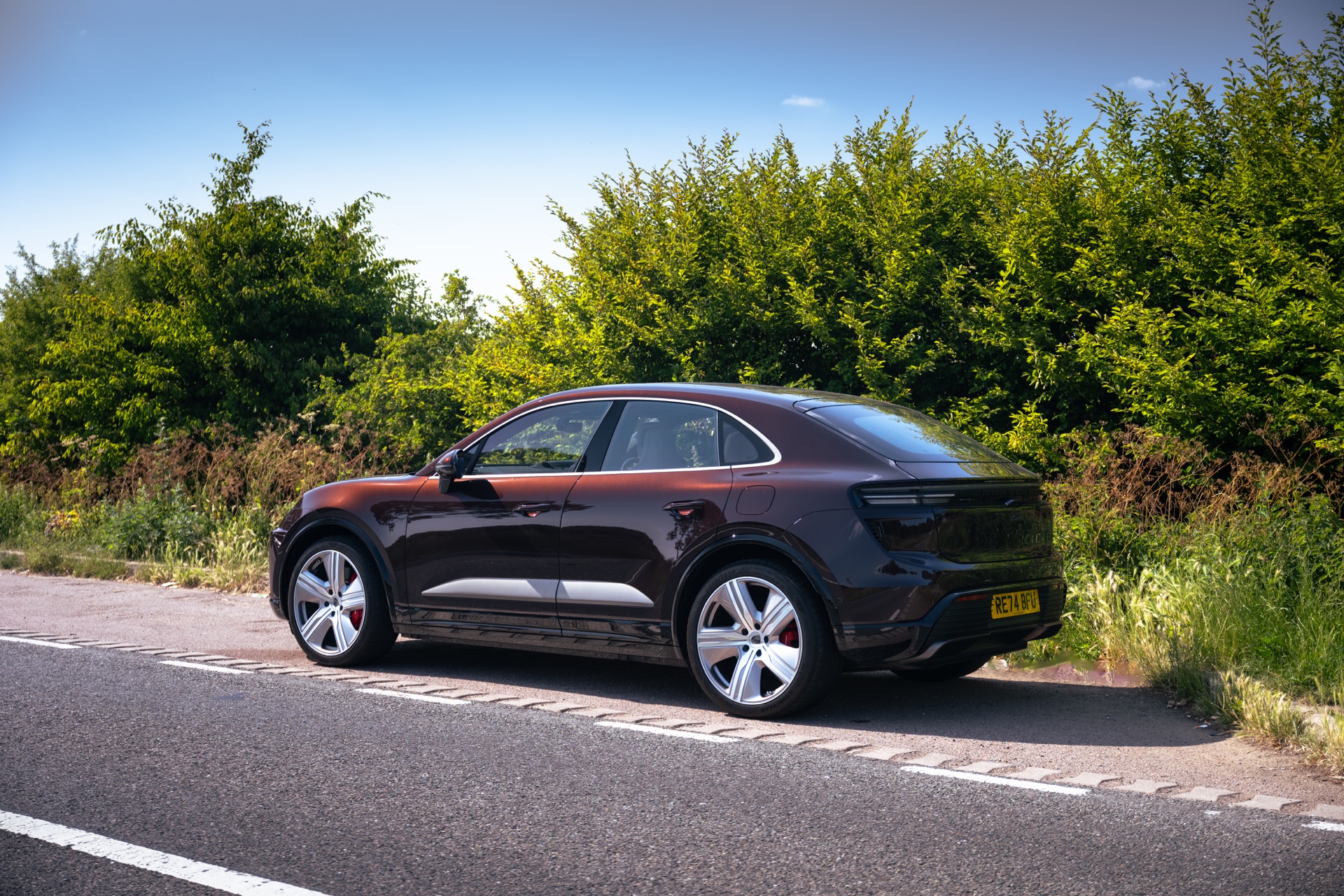
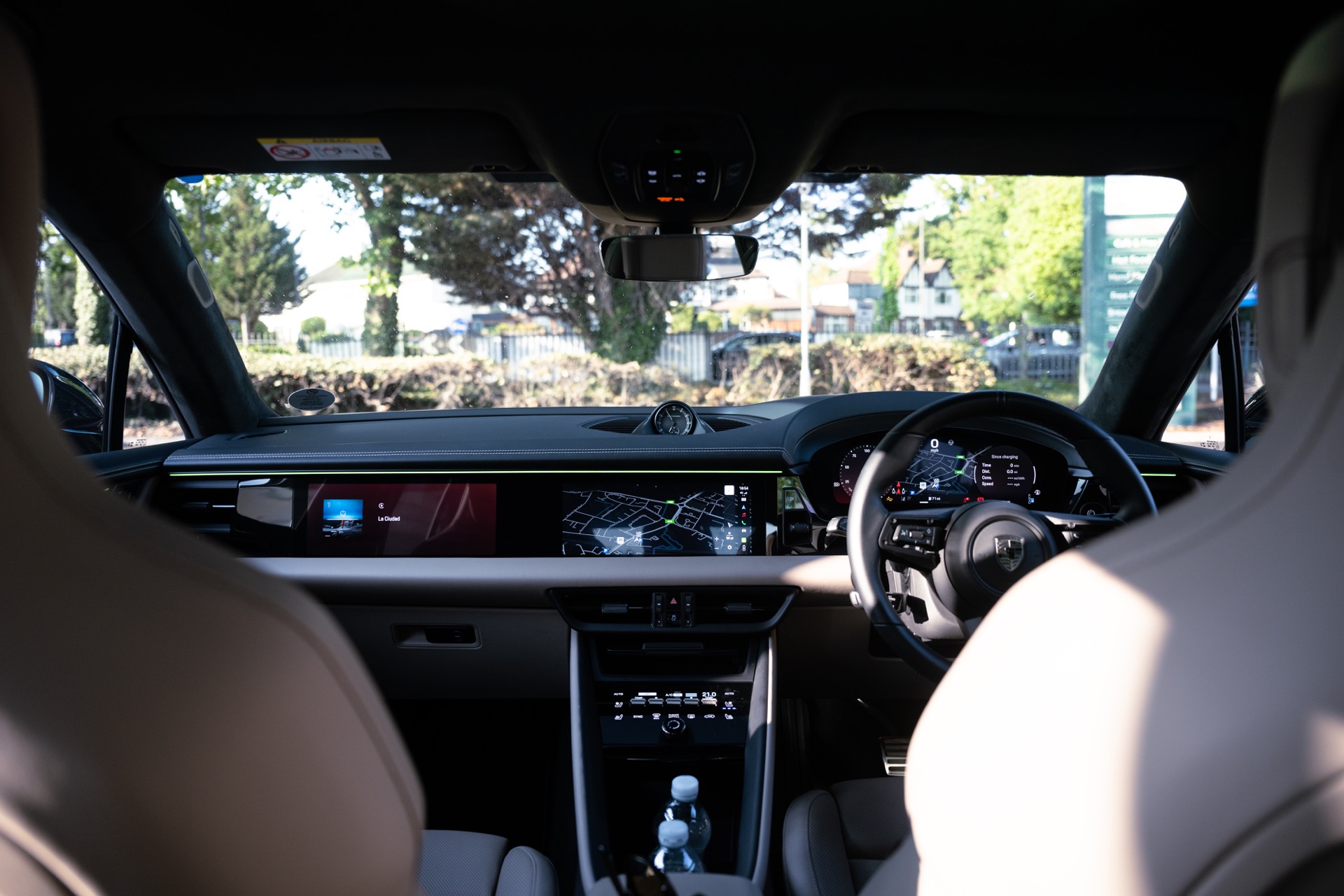
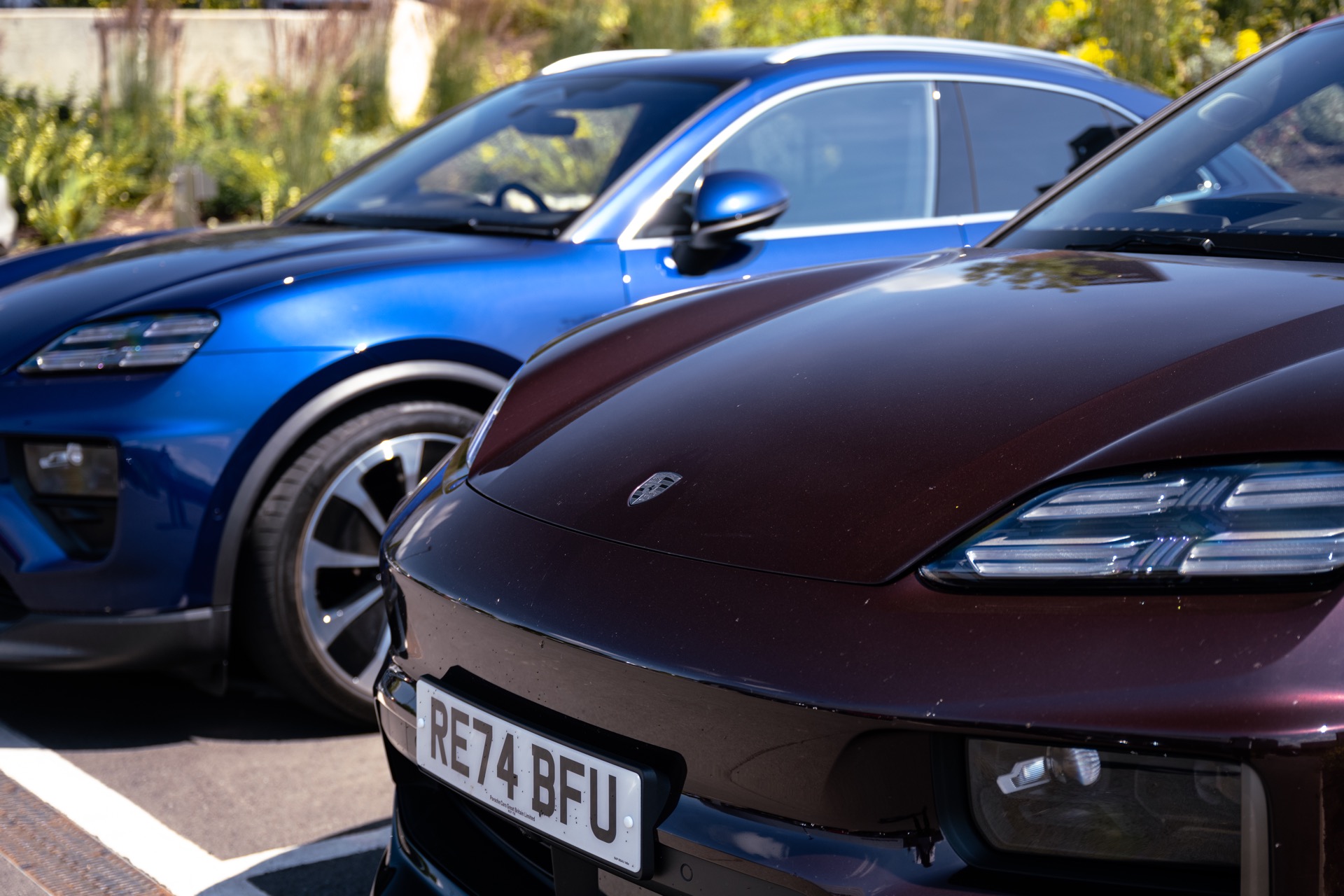
The Macan, finished in stunning Copper Ruby Metallic with massive wheels that looked spectacular but gave the ride a slightly brittle edge, felt every bit the Porsche SUV it claims to be. Control weights were perfect, the seating position spot-on. Despite its 2.6-tonne mass, the Macan Turbo EV moved with conviction, thanks to its 630bhp twin-motor setup and sophisticated chassis. On the road to Silverstone, I stopped at a Porsche dealership to charge, but spent more time taking photos than waiting for battery percentage to climb. Later, a 400kW supermarket charger delivered 32kWh in eight minutes, jumping from 15% to 51%, with the cabin cooling me in 35-degree heat, massage seats and all.

The Taycan 4S Cross Turismo offered a different flavour: a more dynamic seating position, less in-cabin tech frippery, and a marginally softer ride. It lacked cooled seats, which I sorely missed during London’s heatwave, but its drivetrain remained characteristically sharp. On my 50-mile daily commute, a five-minute top-up at a fast charger more than sufficed. Even without home charging in London, I never once experienced range anxiety or inconvenience.

GTspirit MacanEV 11

The Taycan featured Porsche Active Ride, a new suspension system that quietly transforms the experience behind the wheel. Using high-speed hydraulic actuators at each corner, the system actively manages body movement, keeping the Taycan astonishingly level and composed—even during hard cornering or over poor surfaces. It enhances comfort, sharpens dynamics and helps disguise the cars’ weight. It’s also available with the latest generation Panamera.

That’s the real revelation. These EVs finally offer the ease and confidence of ICE cars, thanks to battery and infrastructure advancements. The second-generation Taycan uses a new 105kWh battery with improved cell chemistry, and the Macan’s 800V PPE architecture allows it to charge from 10 to 80% in just 21 minutes under ideal conditions.

GTspirit MacanEV 5

But not everything is perfect. At over £100,000 as-tested, interior materials in both cars didn’t quite meet expectations. Some touchpoints felt plasticky and out of step with the badge on the bonnet. As with many EVs, both the Taycan and Macan face tough questions around depreciation and long-term desirability.

Still, there’s no mistaking the Porsche-ness. From the way they steer to the way they hunker down into corners, these are true products of Weissach. That the Macan, now in its second generation and 1 million units deep, has evolved into something so advanced yet still recognisable is impressive. With these cars, Porsche proves that the future can be electric with next to no compromise.

GTspirit MacanEV 10


Source link

Introducing the 2025 Chevy Corvette ZR1 (Big News in the Car World)

0
Introducing the 2025 Chevy Corvette ZR1 (Big News in the Car World)


2025 Corvette ZR1

2025 Chevy Corvette ZR1

Chevy has just unveiled the newest addition to their iconic Corvette lineup: the 2025 Corvette ZR1. With an astounding 1064 horsepower, this beast is essentially a twin-turbocharged version of the already impressive Corvette Z06. This new release is set to redefine performance standards and push the boundaries of what a supercar can achieve.

The Powerhouse

The 2025 Corvette ZR1 is not just a car; it’s a statement. Under its sleek hood lies a twin-turbo V8 engine, delivering an earth-shattering 1064 horsepower. This power boost makes the ZR1 one of the most formidable contenders in the supercar arena. Its design is inspired by the Z06, but the addition of twin turbos elevates its performance to a whole new level, promising adrenaline-pumping acceleration and top-notch speed.

Design and Features

2025 Chevy Corvette ZR1

2025 Chevy Corvette ZR1

While performance is at the forefront, Chevy has not compromised on design. The ZR1 boasts an aerodynamic body, designed to reduce drag and enhance speed. Its aggressive stance and stylish contours make it a head-turner on and off the track. Inside, the ZR1 combines luxury with functionality, offering a cockpit that’s equipped with the latest technology and premium materials, ensuring both comfort and control.

What This Means for Car Enthusiasts

For car enthusiasts, the launch of the 2025 Corvette ZR1 is monumental. It represents a fusion of cutting-edge engineering and breathtaking design. This car is not just about speed; it’s about delivering an unrivaled driving experience. Whether you’re a collector, a racer, or just someone who appreciates the finer things in automotive engineering, the ZR1 promises to deliver on all fronts.

Experience the Thrill with Xtreme Xperience

While the Corvette ZR1 is grabbing headlines, you don’t have to wait to get behind the wheel of a high-performance Corvette. At Xtreme Xperience, we offer the chance to drive the stunning Corvette C8 Z51. Our fleet includes this remarkable supercar, allowing you to experience the thrill of driving a real supercar on some of the best tracks in the country.

Corvette C8 Z51

Drive a Corvette C8 Z51 with Xtreme Xperience Our Corvette C8 Z51 is designed to provide an exhilarating driving experience. With professional in-car instruction, no speed limits, and access to real racetracks, you can unleash your inner car enthusiast and enjoy a high-performance test drive like no other.


Exciting News!
Starting next year, Xtreme Xperience will also offer the Corvette Z06. Get ready to experience another level of performance and excitement. Stay tuned for more details and get a sneak peek here.

Corvette Model Comparison

To help you understand the performance differences among the top Corvette models, here is a detailed comparison:

Model Horsepower (hp) Torque (lb-ft) 0 to 60 mph (s) Top Speed (mph) Price (starting)
Corvette C8 Stingray 490 465 2.9 194 $64,500
Corvette C8 Z51 495 470 2.8 194 $69,995
Corvette C8 Z06 670 460 2.6 195 $105,000
Corvette ZR1 (2025) 1064 TBD 2.5 210 TBD


  • Corvette C8 Stingray: The base model of the C8 generation, offering impressive performance with a naturally aspirated V8 engine.
  • Corvette C8 Z51: A performance package for the Stingray that includes additional features like improved suspension, brakes, and aerodynamics.
  • Corvette C8 Z06: A high-performance variant with a flat-plane crank V8 engine, delivering higher RPMs and a significant power boost.
  • Corvette ZR1 (2025): The latest and most powerful model, featuring a twin-turbocharged V8 engine. Detailed torque figures and pricing are yet to be announced.


Book Your Drive Today!

Ready to get behind the wheel? Visit Xtreme Xperience and book your drive today. Whether you’re looking to fulfill a lifelong dream or gift an unforgettable experience to a loved one, Xtreme Xperience offers the ultimate driving adventure.

Don’t just read about the excitement – live it! Drive a real supercar and make memories that will last a lifetime. Book now and take the first step towards your high-speed adventure with Xtreme Xperience

The post Introducing the 2025 Chevy Corvette ZR1 (Big News in the Car World) appeared first on Xtreme Xperience.


Source link

Bugatti Type 35

0
Bugatti Type 35


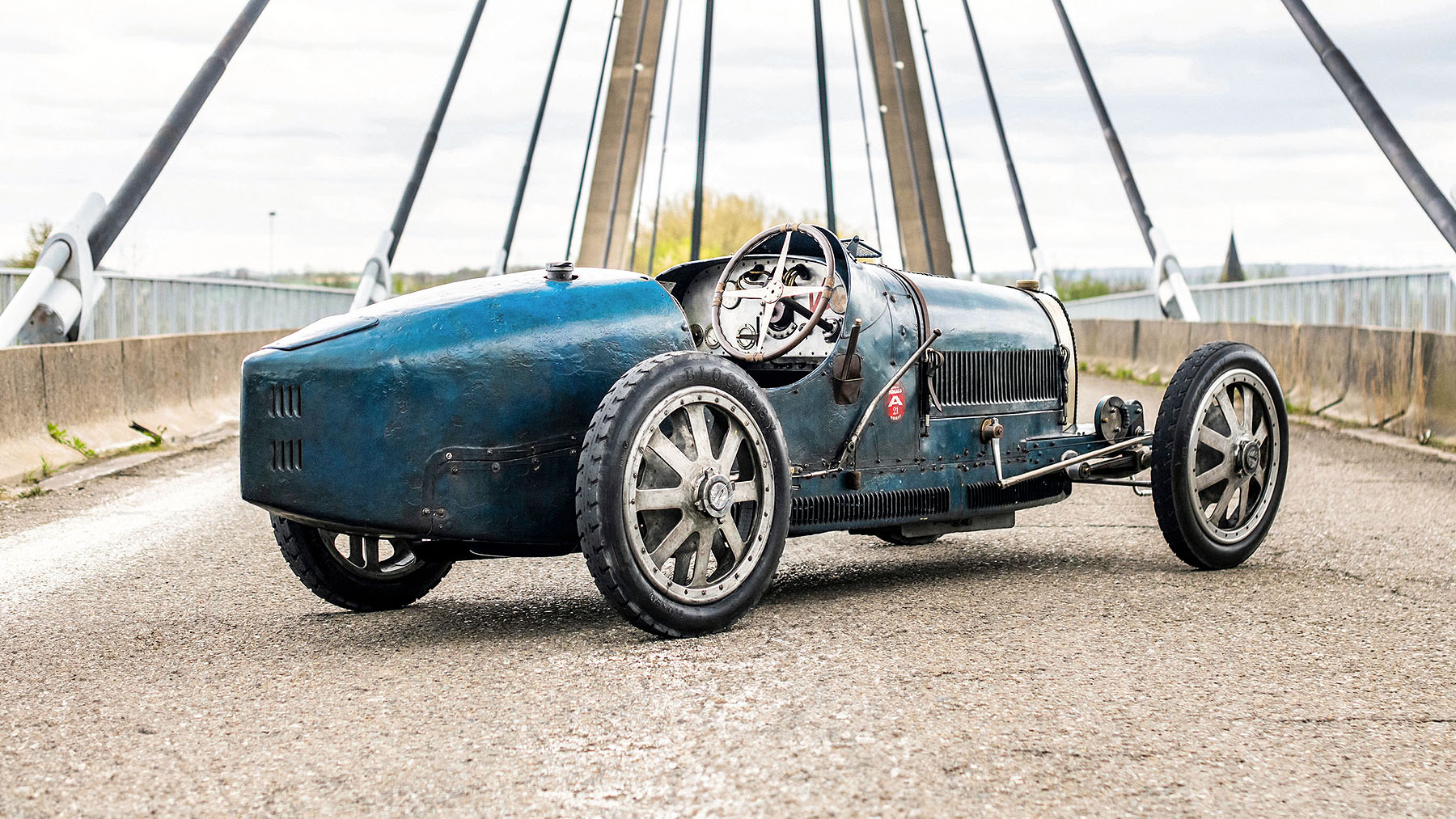
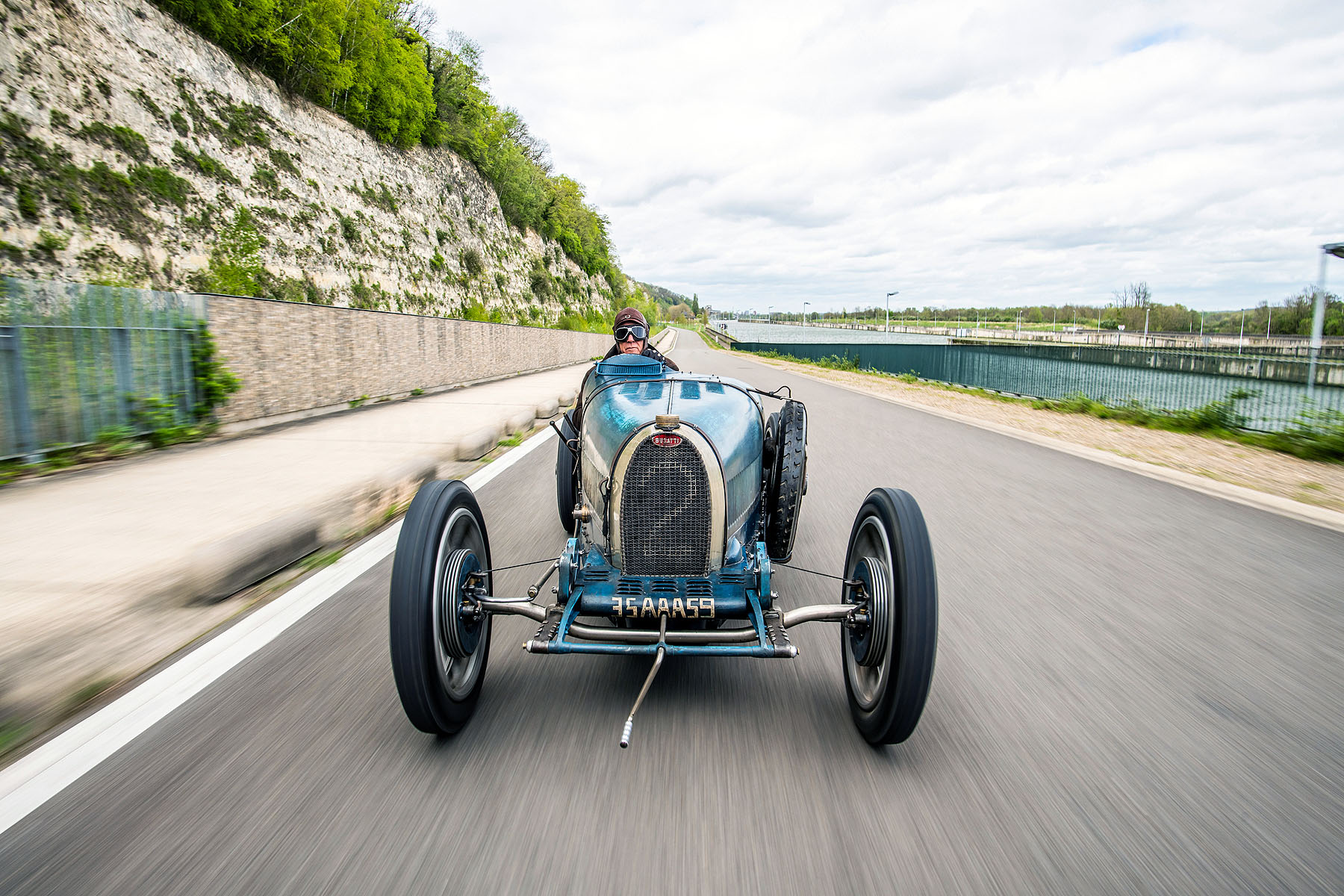
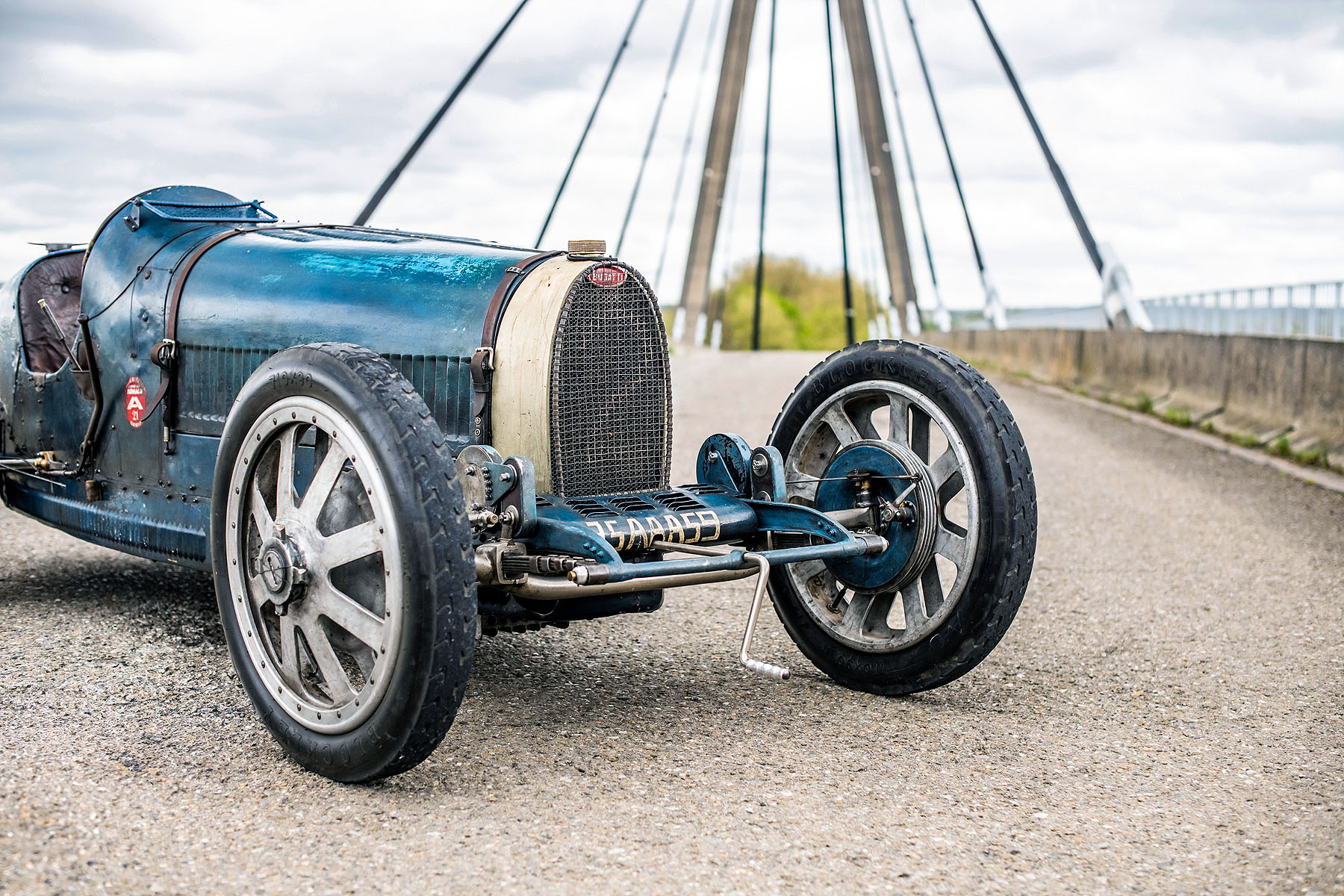
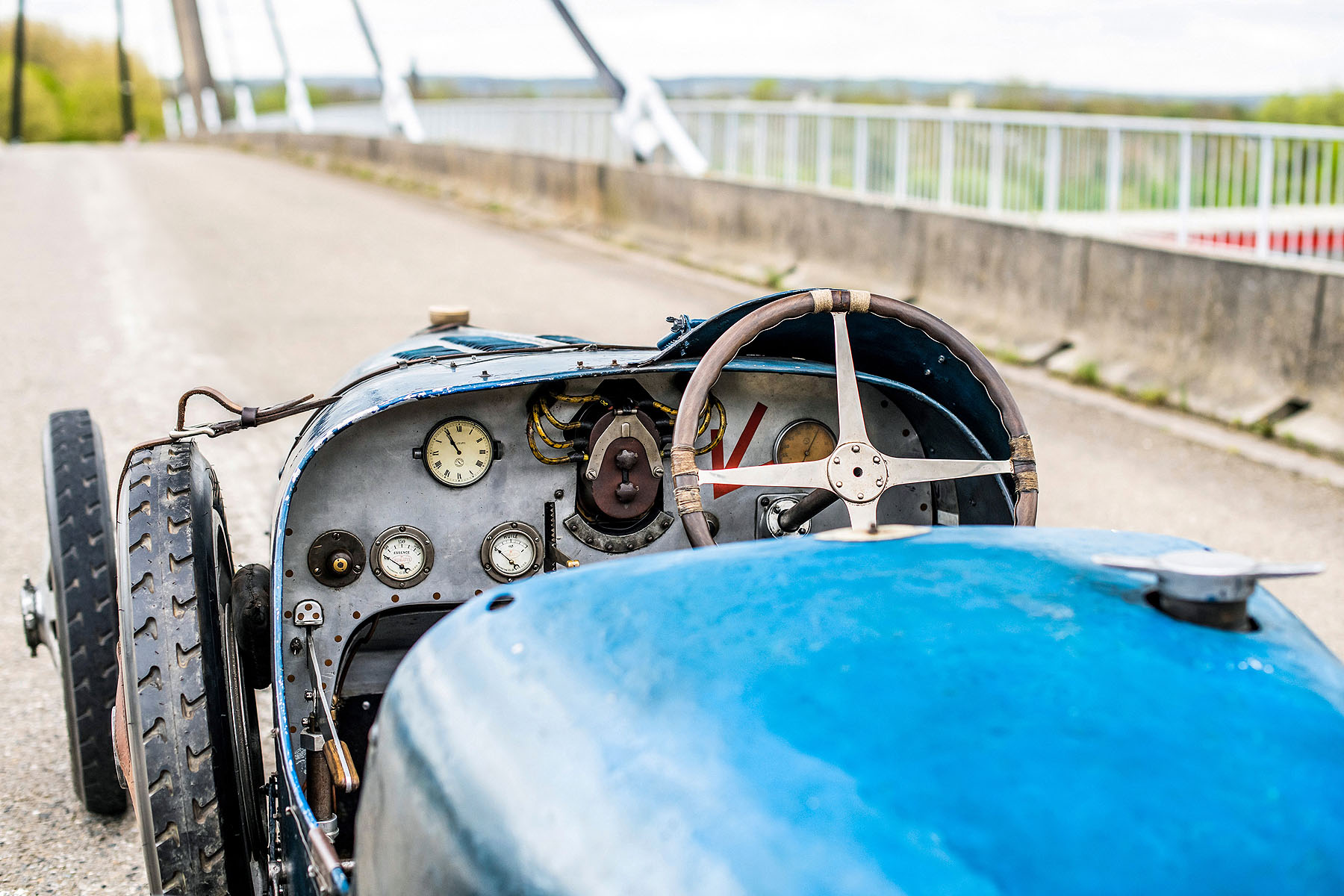
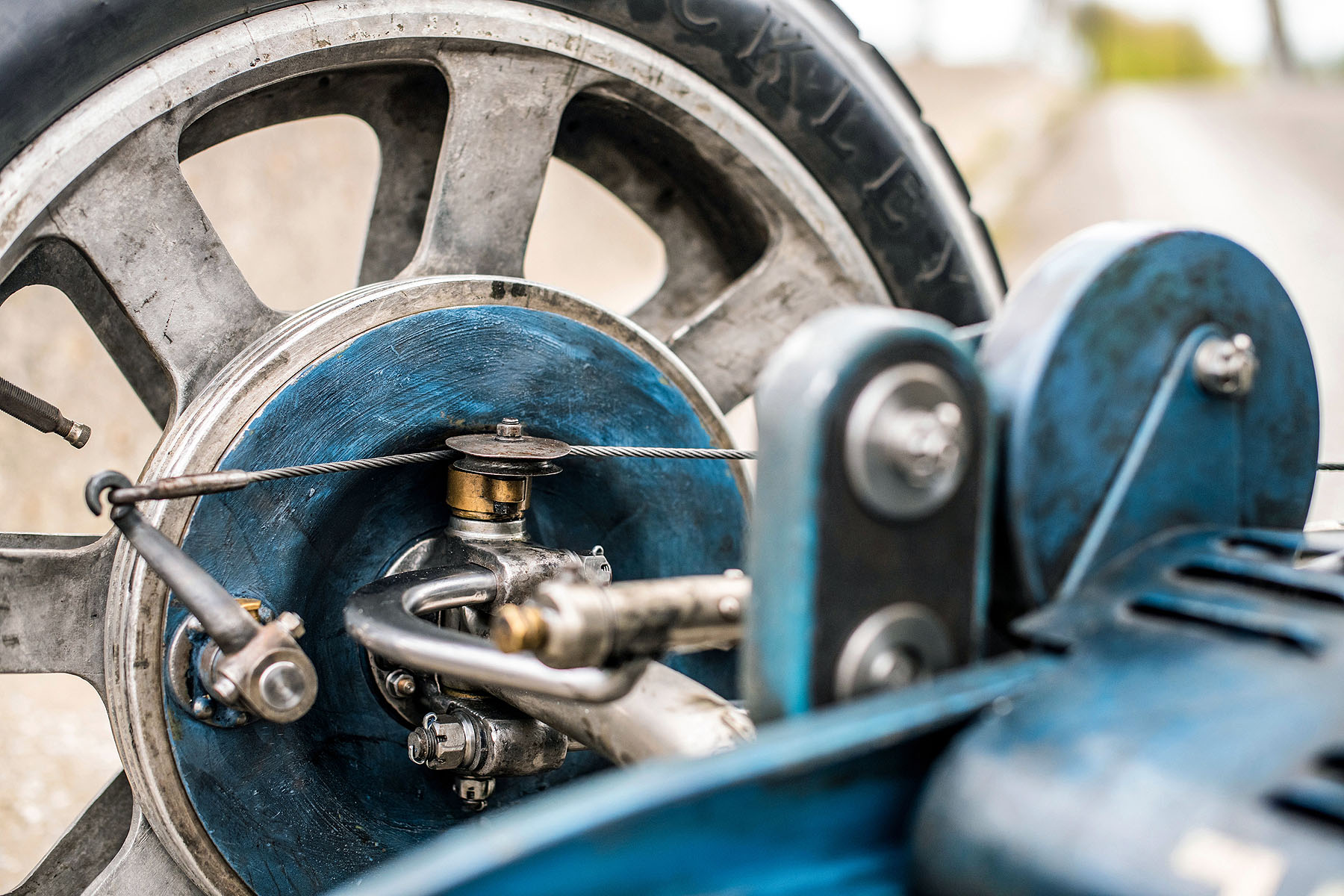
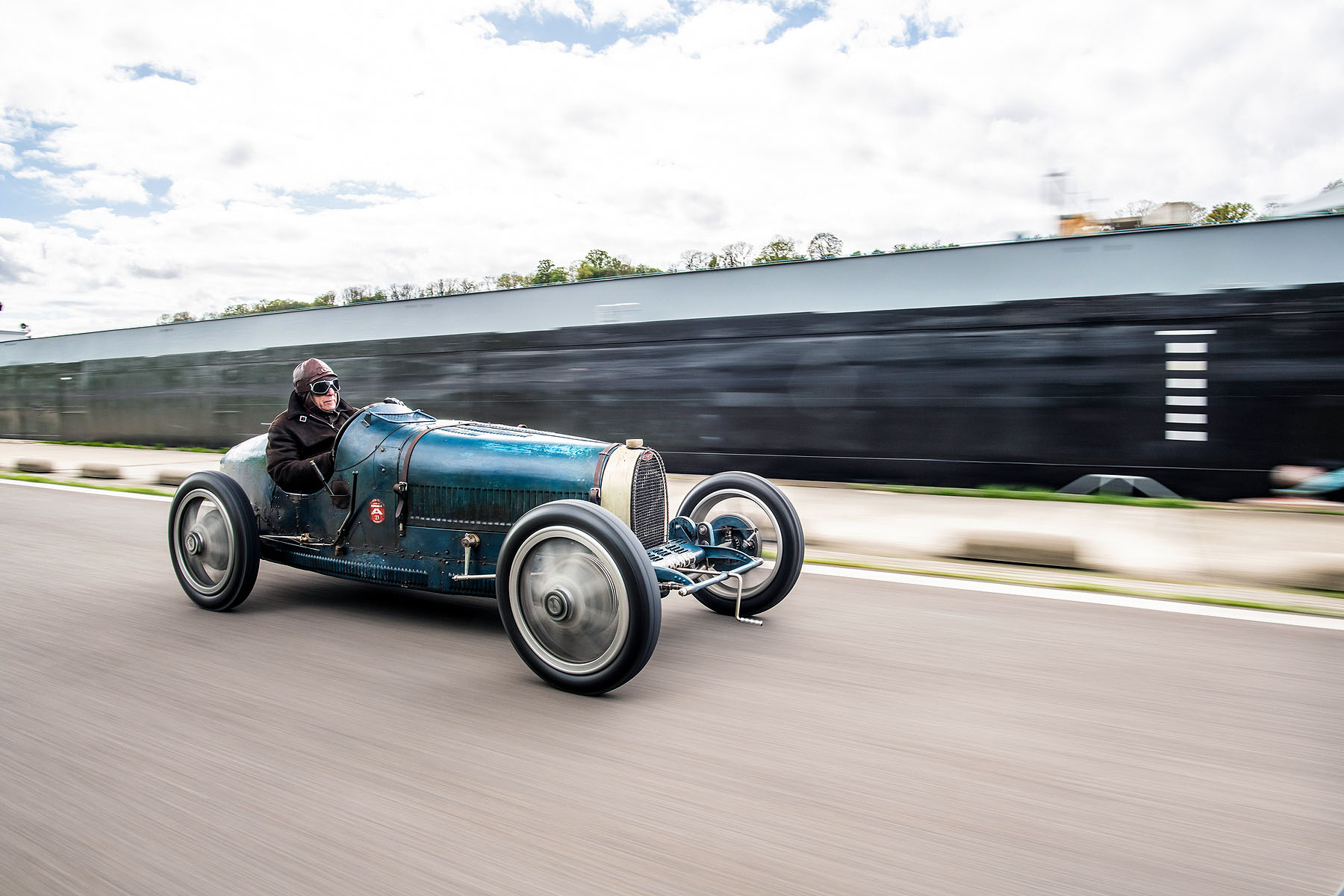
Ettore Bugatti was a man who did not fear setting himself a hard task. It was not just Bugatti’s exceptional design skills, but also his vision and bravery to defy conventional engineering principles of the time that delivered the Bugatti Type 35 – a car significantly ahead of its rivals in so many areas. It was also “Le Patron’s” willingness to push himself and the entire Bugatti team hard in pursuit of perfection.

Continuous evolution

Even after the Type 35 was launched in 1924, Bugatti still chose the hard road. He was one of the first automobile manufacturers to understand the commercial benefits of publicity gained by racing – and winning – on Europe’s famous motor circuits and more established road tracks. But although Bugatti was extremely confident in the ability of his new car, he had no way of knowing that the Type 35 would go on to become the most successful race car of all time with 2,500 victories in its active period. What Ettore Bugatti did know for certain was that his rivals would not stand still and that he could not rest. He must continue to develop the Type 35 to deliver even greater performance.

Equipped with an eight-cylinder 1,991cc engine, in 1924 the first Type 35 mustered 90PS in race specification. By early 1926, the engine had been enlarged to 2,262cc. Badged Type 35T for Targa, the resultant performance upgrade enabled the new car to win the great Targa Florio road race in Italy, chased home by two smaller-engine Type 35 sister cars.

The pursuit of increased efficiency

“It’s no secret Ettore Bugatti’s first preference was for naturally aspirated engines and that he was not initially an enthusiast of supercharging because they were relatively inefficient,” explains Luigi Galli, Specialist for Heritage and Certification at Bugatti. “However, what may be less well known is that despite his preference for naturally aspirated engines, Bugatti was looking to the future and to forced induction, using superchargers, even before the Type 35 made its race debut in Lyon in August 1924.

“In fact, Bugatti applied for French patent number 576.182 for a ‘Compresseur ou pompe à palettes’ on 22 January 1924, for a rotary vane design which could deliver extra power on-demand when engaged by the driver, by forcing pressurized air into the carburetor. And one thing was certain, if Bugatti was going to use a supercharger, then he was going to do it his way.”

Supercharged

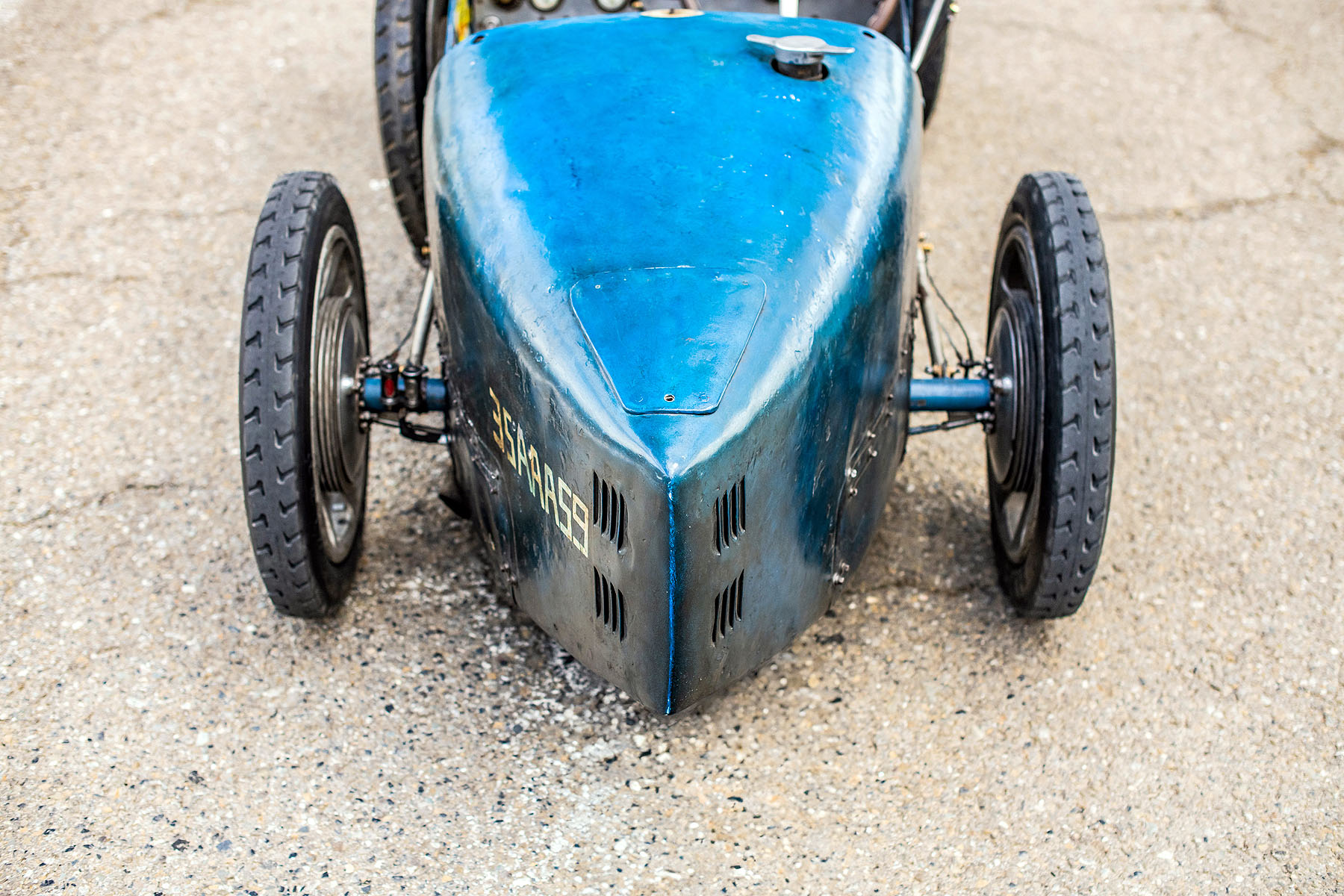
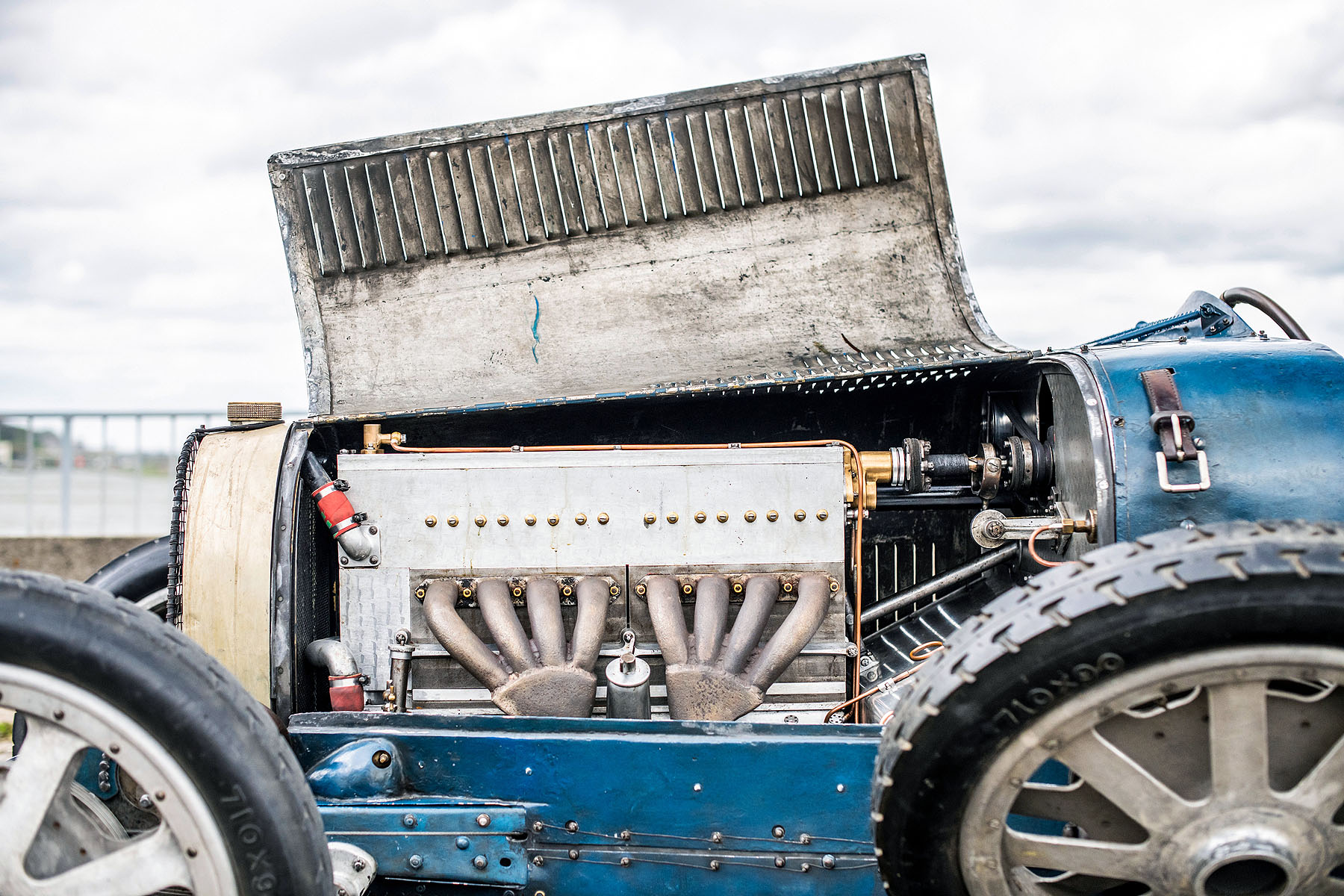
As a result, Ettore Bugatti developed his own Roots-type supercharger with prominent Italian engineer Edmond Moglia, but opted for a three-rotor configuration instead of the two-rotor design that was more common at the time. The supercharger was mounted on the engine’s offside. A pressure relief valve was mounted above the manifold and vented excess boost pressure through a corresponding hole cut into the bonnet.

In a further innovative step, the engine exhaust inlet manifold was heated by engine coolant. This meant that it warmed up much more quickly, for greater efficiency, while contributing to greater cooling capacity for the engine itself, a principle which is still deployed in engine construction today.

Type 35TC

Arriving in late 1926, the Type 35TC, named for Targa Compressor, evolved into the Type 35B in 1927. Represented by a larger radiator and cowling to allow for greater cooling, known as the ‘Miramas’ design, it produced up to 130PS, sufficient to propel the car to a top speed of more than 205 km/h (150 mph).

See also

1965→1973 AC 4281965→1973 AC 428

Type 35B

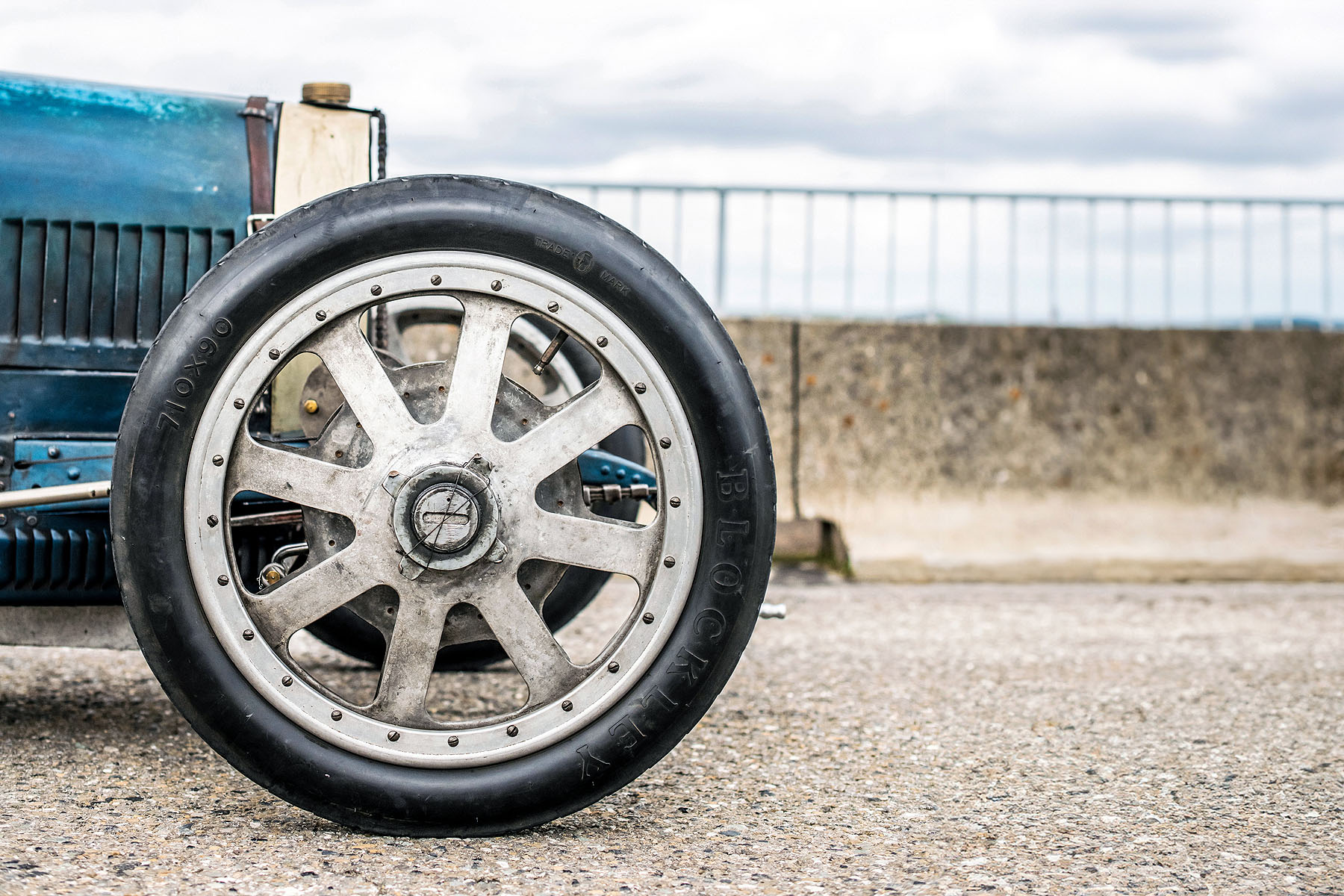
Further development of the car followed and by late 1930 the Type 35B had evolved to what many regard as its ultimate specification, with a twin-cam, two-valve per-cylinder engine. It also featured a twin fuel filler cap, upgraded suspension, wheels, brakes and tires and a lower-mounted supercharger relief valve. Bugatti’s determination to leave no detail overlooked in the pursuit of ultimate performance led to fine-tuning every element of the engine’s combustion system, including piston and cylinder head sculpting and even the use of aero-grade fuel to deliver 140PS.

Over a century later

Today, at Molsheim, inside the Bugatti Atelier, every Bugatti model is hand-assembled with the same relentless precision that Ettore applied to every detail of the Type 35. A century later and Bugatti’s designers and engineers are still pushing themselves exceptionally hard to develop the finest automobiles in the world.

All content © 2024 Bugatti


Source link

Exclusive Access to the Rare Koenigsegg CCXR Edition: Review and Gallery

0
Exclusive Access to the Rare Koenigsegg CCXR Edition: Review and Gallery


The CCXR Edition packs a remapped 4.8-litre
twin-supercharged V8, which generates 1,018bhp on E85. Yes, a twin-supercharged
V8!

The chassis has been re-worked and the suspension has been
lowered, both to hone its breath-taking track performance.

Setting a 0-62mph (100km/h) time of just 2.9 seconds and a 0-124mph
(200km/h) time of 8.75 seconds, the CCXR Edition is as rapid as it is powerful. 

At max throttle, the CCXR Edition’s top speed is a whopping
250mph+ (400km/h) without the rear wing, which is some serious pace. It also just
happens to be a good old-fashioned manual
transmission supercar as well, adding to the already-thrilling sensation of
the drive as you tear through the gears.

A number of other features have been specifically added to
enhance its performance – including:

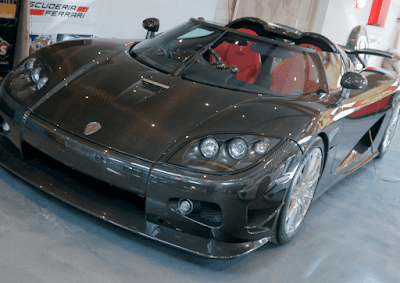
Its appearance is unique, as is its presence, being largely
unpainted and practically covered in bare carbon fibre. The visible carbon
fibre is not only lightweight, but it gives the car a distinctive look and
beautifully contrasts with the two bright red seats on the inside.

With its side winglets and unique rear wing, the CCXR
Edition was designed with performance in mind, along with style, comfort and
even a level of practicality that has always been scarce in supercars.

Koenigsegg CCXR Edition front side view from above

It has a removable roof, which is able to be stowed away
under the front hood lid – a feature which Christian von Koenigsegg included on
his first car designs when he began the company. 

The wrap-around windscreen you see here was also part of the
owner’s original designs, providing drivers with a great view of the road from
the cockpit and giving the inside of the vehicle a far less claustrophobic feel
than you’d expect. That doesn’t mean it’s easy to get in-and-out of with the
roof on, though. 

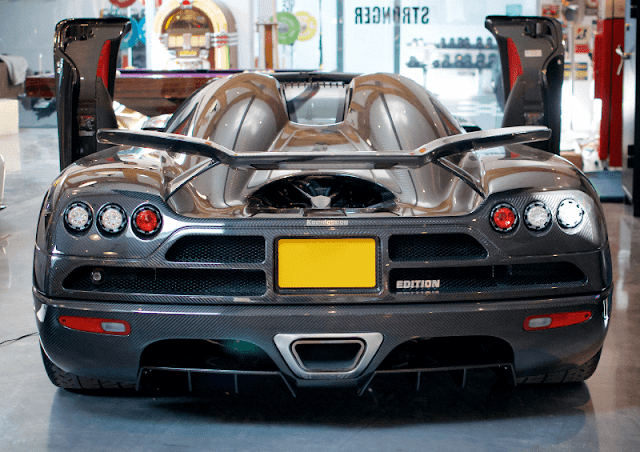
From the rear, the CCXR Edition simply looks immense –emphasising
its wide and low dimensions that give it a powerful, somewhat intimidating
presence. It was deliberately lowered in ride height, being lower than the
standard CCX, so there’s no illusion here – it puts the driver as close to the
ground as possible to (once again) further refine the driving experience.

Koenigsegg CCXR Edition rear

The interior is basic, but unlike any other. The centre
console buttons are laid out like an old rotary dial telephone and the gear
stick is as vintage as they come, but there’s something satisfying about the
modesty of it.

Koenigsegg CCXR Edition 360 interior view

With its superb finish, the CCXR Edition perfectly
encapsulates the vision and aspirations of the company as they looked to expand
and take the industry by storm towards the end of the 2000’s.

Due to its individual, extreme design, the CCXR Edition will
never fail to turn heads.

How Much is a Koenigsegg CCXR Edition? 

For such an extraordinary asset, you have to expect an
extraordinary price-tag. This CCXR Edition is worth about £1.8million
($2.3million) – so you’d have to be pretty well-off to even think about buying
one.

Back in 2008, the Koenigsegg CCXR Edition’s price was
originally around £1.2 million ($1.6million) – it has unsurprisingly appreciated
and will only continue to do so. Hypercars appreciate at a rate of knots
nowadays, so those looking to buy one should get it done as soon as possible! 

Koenigsegg CCXR Edition seats

The Future of Koenigsegg and its Current Models

After the CCXR Edition came the Agera, the One:1 and the
Regera – the so called ‘luxury megacar’.

The most recent model to be revealed was pretty special,
even for Koenigsegg’s standards, labelled the Koenigsegg Jesko.

The Jesko was revealed at the Geneva Motor Show earlier this
year and it evidently had a lasting impression on all attendees and motor
enthusiasts, including one in particular, Jesko von Koenigsegg – Christian’s
father.

As well as paying homage to the owner’s father, the Jesko
packs a 5.0-litre twin-turbo V8 engine and generates 1,280bhp on standard fuel
and a crazy 1,600bhp on E85 biofuel. It’s also claimed to be the world’s first
road-legal car with the ability to break the 300mph (480km/h) barrier.

Just 125 Jeskos will be created, all of which have already
been allocated to customers. Koenigsegg has no intention of becoming a
mass-production manufacturer, which is what makes it one of the most exciting
and intriguing companies in the motoring world.

What Cars Do the Koenigsegg Family Drive?

You’d expect the answer to be pretty straightforward – Koenigsegg
cars, surely?

Nope! Bit of trivia for you – despite owning the record-breaking
company, Christian von Koenigsegg drives a Tesla and more recently re-purchased
his 1992 Mazda MX-5, which he previously owned many moons ago.

The CCXR Edition: A Piece of Swedish Automotive History

In a world caught up in looking to the future and always
wanting more – we must occasionally raise a glass to what we already have. To
the rare, fascinating, and the beautiful.

The Koenigsegg CCXR Edition.

Koenigsegg CCXR Edition close up to badge and carbon fibre


Source link

Crowd-Free Trails in Yosemite National Park

0
Crowd-Free Trails in Yosemite National Park


With its glittering granite cliffsides reflected in placid waters, there’s no surprise that Yosemite National Park remains one of the most popular in the nation. But when we say popular, we mean it: Yosemite sees some four million visitors per year, with the peak summer travel months being especially crowded. And some of its most stunning vistas, like Half Dome, require a permit, which can be challenging to obtain—even if you’re just aiming at a day hike.

Fortunately, this wilderness of nearly 750,000 acres is plenty big enough to include some hidden gems, including less-crowded hiking trails so you can enjoy a crowd-free hiking experience—or the closest you can get to it in such a popular national park. These trails are less popular, but equally rewarding—and as you already know if you’re reading this page, RV camping is the very best way to enjoy them. It keeps you up close to the action without having to sacrifice any of the comforts of home. (Even, literally, the kitchen sink.)

Best Crowd-Free Trail Suggestions by AllTrails

For our “hike this, not that” series, we’ve partnered up with AllTrails, the best app in the business (when by business you mean all things outdoors). Even at the free Base membership, you’ll get access to thousands of trail maps with options for real-time tracking and automatic directions to the trailhead—but the adventure really begins when you upgrade to Plus. (By the way, for a limited time only, our readers get an exclusive 30% off an annual AllTrails Plus membership. Just sayin’.)

At the Plus level, you can download your trail maps before you go so you’re ready for anything, even when you’re out of cell range (which, as we know, is where all the best stuff happens anyway). And at the new AllTrails Peak tier, members can build their own trails from scratch, check out the Community Heatmap to see what’s hot (and, more importantly for those after crowd-free hiking trails, what’s not), and stay up to date with real-time trail conditions. 

Skip Mist Trail to Vernal and Nevada Falls; Try Yosemite Creek Trail Instead

Waterfalls plummeting as if straight out of the clear-blue sky, stately stands of pine trees that have seen it all, and, if you’re lucky (and at just the right angle), the chance to see rainbows reflected off all of it: There’s a reason Vernal and Nevada Falls via Mist Trail is one of the most popular trails in the mark. It’s also, with an elevation gain of more than 2,200 feet over the course of its 6.4-mile round-trip distance, one of the most grueling. (And, yes, one of the most crowded.)

Instead, we offer you Yosemite Creek Trail, which offers an equal level of adventure and challenge and absolutely stunning, sweeping views across the valley. And don’t worry, you’ll still get to enjoy a waterfall—Upper Yosemite Fall, to be exact, from a scenic viewpoint (and unlike on Mist Trail, you might not even get wet if you don’t want to, but there are still plenty of place to take a dip!).

Yosemite Creek Trail winds more than 12 miles round trip and sees just over 1,500 feet of elevation change, so plan for an all-day adventure with plenty of food, water, and sunscreen along for the hike—even for those in the best shape. 

Need more incentive? Here’s what some real-deal Yosemite Creek Trail hikers have to say about their experience.

  • Upper Yosemite falls is beautiful and has a lot of places to get in the creek or filter water. 
  • Nice swimming holes near top of falls. Beautiful views. Met only a few people during the entire weekend.
  • Very beautiful! Flowers are blooming and the views at the end are worth it—much better than doing upper Yosemite falls hike to get to the same point, in my opinion.

Before You Go Considerations 

Like any outdoor adventure, Yosemite Creek Trail has some safety considerations to keep in mind before you set out.

  • Be prepared for a long, long walk. Twelve miles may not sound like much, but under the hot sun, it can be brutal. This trail should only be attempted by those who are already in good shape.
  • Bring enough food and water. Even hikers who are in fighting shape will need plenty of fuel to help them get where they’re going. Bring at least a liter of water per person per hour, along with salty snacks to help balance electrolytes and sun protection.
  • Be bear aware. Approximately 300 to 500 black bears call Yosemite National Park home, so consider carrying bear spray, and remember—if you see a bear, never turn your back and run or make sudden movements. Speak to the bear in a firm (but calm) voice.

Skip Half Dome via the Cables Route; Try Wawona Meadow Loop Trail Instead

If there were one iconic Yosemite hike, it would be Half Dome via the Cables—also known as Half Dome via the John Muir Trail. (Not every trail has more than 42,000 photos on AllTrails, but this one does!) 

As its name suggests, this route does involve using actual cables which are installed into the rock face to ascend to the summit of this famous cliff (which you may remember Alex Honnold free soloing a few years ago). The 16-mile route sees more than 5,000 feet of elevation gain, which means it should truly only be attempted by those who have specifically trailed for it. It also requires a permit.

If you’re looking for something that’s just as memorable, but on the opposite end of the difficulty spectrum, we suggest Wawona Meadow Loop. At just 3.6 round-trip miles and seeing only a couple hundred feet of elevation change, this trail is family-friendly, crowd-free, and downright easy—not to mention beautiful. Seas of endless green will greet your eyes (and keep you under shade cover during the high summer months), and during spring and summer, it’s also a great spot to see wildflowers.

Here’s what hikers have to say about Wawona Meadow Loop:

  • Great, shady and fairly short.
  • Trail is super close to the southern entrance of yosemite, it has gorgeous meadow views. i definitely recommend!
  • So beautiful, and super shaded too. Easy, pretty flat, and not busy at all. Gorgeous wildflowers in summer time. 10/10

Before You Go Considerations 

Just because it’s short doesn’t mean Wawona Meadow Loop is risk free! Here’s what to know before you go.

  • Time of year matters. Even for easy hikes in Yosemite, wintertime snow and ice can mean treacherous and slippery conditions.
  • Be ready for weather changes. Yes, even in summertime, storms can roll through—bring plenty of layers, including a waterproof shell.
  • On-leash dogs allowed! Unlike many other trails in Yosemite, dogs are allowed on Wawona Meadow Loop—which is a big win in national parks, where pets are restricted in many areas.

Skip Four-Mile Trail to Glacier Point; Try Lukens Lake Trail Instead

With one-of-a-kind views of both El Capitan and the Cathedral Rocks tower, as well as the distant stripe of Yosemite Falls, dwarfed by your elevation, Four-Mile Trail to Glacier Point is another iconic Yosemite stop—and a bit misleading, to be honest. The hike is actually a little more than five miles round trip, according to AllTrails, with an impressive elevation gain of over 3,000 feet. In short: It’s for the fittest among us only.

Lukens Lake Trail, on the other hand, is one of the most unique crowd-free hiking experiences in Yosemite—and unlike Four-Mile Trail, is lodged firmly in the “easy” category. At 2.3 miles round trip and just 300 feet of elevation change (a tenth of what Four-Mile Trail sees), Lukens Lake Trail offers the shimmering, reflective surface of its namesake lake as its main viewpoint—and plenty of opportunities for interior reflection, too. Plus, with its pared-down footprint, this one is easy enough to bring the whole family along for, even the littlest campers!

Here’s what visitors have to say about Lukens Lake Trail:

  • This felt like a hidden gem. We saw 3 people on this trail on a Friday afternoon. Pretty easy hike. A slight elevation change but not hard at all. My 5 year old made it. The wild flowers were beautiful and the lake was so peaceful. Great family hike.
  • Great short little hike to a beautiful lake. Didn’t see a single other person on the trail.
  • It’s so beautiful and peaceful! We watched 3 deer on the other side for awhile!

Before You Go Considerations 

Lukens Lake might be easy, but again, it still requires preparation! Here’s what to know before you go.

  • Yes, bears live here, too! Even in family-friendly parts of the park, bears are providing for their own families. In fact, one recent reviewer saw a mama bear with two cubs close to the trail, which can be both amazing and scary. Just be sure to keep your wits about you!
  • Prepare for mosquitos. Still water can be a great place for these little, literal buggers to get to breeding—so if you visit during the hottest times of year, be sure to bring along some bug spray.

Post-Hike Resources for Yosemite National Park 

Like we said (and like you already know), RV camping is the very best way to enjoy Yosemite National Park—not least because there are so many incredible RV campgrounds in the nearby vicinity.

During your stay, you may also want to check out the gateway town of El Portal, California, which is just 14 miles west of the national park along Highway 140. Top tip: Be sure to make a quick stop at El Portal Market, a great down-home grocery and deli. If you’re looking for a finer dining experience, on the other hand, you may need to travel a bit further afield—perhaps to June Bug Café at Yosemite Bug in Midpines.)

To be sure, though, the park is the main attraction in these parts—along with other nearby wildernesses like the Stanislaus and Sierra National Forests. If there were a heaven for RVers, this might just be it!

When it comes to the great outdoors, it doesn’t get any greater than Yosemite National Park—and the experience doesn’t get any better than an RVshare vehicle, where you’ll enjoy all the comforts of home that have actually been lived in and loved by a real family. No matter where the road takes you, we’ll be here with you every step along the way—as will AllTrails, especially if you sign up for the special limited-time Plus membership discount, only for RVshare travelers. Happy (All)Trails!


Source link

Stellantis launches annual Drive for Design contest

0
Stellantis launches annual Drive for Design contest


For the 12th annual Drive for Design contest, Stellantis North America design team is asking high school students to create their dream vehicle for the year 2040 using inspiration from the company’s North American or global brands.

Stellantis Drive for Design Contest PosterStellantis launches annual Drive for Design contest

This year’s top prize is an opportunity to intern this summer in the Ram Truck design studio.

All student-created entries must be submitted by Friday, April 12, 2024. One grand prize winner and two additional finalists will be selected from all valid entries received.

Students, teachers and parents can follow the contest on the Stellantis North America social media channels and learn about automotive design. Weekly contest updates and content will be posted every Tuesday with the hashtag #DriveForDesign.

Prizes

In addition to the summer designer internship in the Ram Truck Exterior Design Studio, the grand prize winner will also receive a Wacom MobileStudio Pro 16 tablet and have their winning sketch featured on the Stellantis North America social media platforms.

Prizes for the second- and third-place finishers include an Apple iPad Pro and Apple Pencil, virtual portfolio review with members of the Stellantis design team and a scholarship to College for Creative Studies’ four-week summer program. All three winners will also be invited to be a student judge at this summer’s prestigious car show, EyesOn Design at Ford House, in Grosse Pointe, Michigan.

About the Contest

Drive for Design is powered by the passion of Mark Trostle, vice president, Ram Truck and Mopar design, who won one of the program’s early iterations as a high schooler in 1987. Since bringing back the contest in 2012, it has highlighted the path to a career in automotive design and illustrated the many creative opportunities available within the automotive industry.

“We host this contest because we want to inspire young creative talent and also enlighten parents about the many opportunities available within automotive design,” said Trostle. “Many of the past winners have gone on to have successful careers here, as well as at other companies and that is what’s rewarding not only to me, but our entire design team, and it drives us to continue on each year.”

Notable Drive for Design winners:

  • 2014 winner: Alex Fischer (Rochester, Michigan), former intern
  • 2015 winner: Dongwon Kim (Cupertino, California), Advanced Design Studio employee
  • 2015 winner: Josh Blundo (Moultonborough, New Hampshire), former intern
  • 2016 winner: Ben Treinen (Loveland, Ohio), Ram Truck Interior Design Studio employee
  • 2019 winner: Max Cooper (Miami, Florida), former intern
  • 2020 winner: Job Skandera (Santa Rosa, California), former intern
  • 2021 winner: Vincent Piaskowski (Birmingham, Michigan), 2024 summer intern
  • 2023 winner: Rocco Morales (Northville, Michigan), First high school student intern

For detailed contest rules, information on how to submit sketches and free resources for students of all ages, visit StellantisDriveForDesign.com.

(Source: Stellantis)


Source link

Elon Musk confirms Tesla AI6 chip is Project Dojo’s successor

0
Elon Musk confirms Tesla AI6 chip is Project Dojo’s successor


Earlier this week, reports emerged stating that Tesla has stepped back from its Project Dojo initiative. While the reports were initially framed as a negative development for the electric vehicle maker’s autonomous driving efforts, CEO Elon Musk later noted on X that Tesla was indeed halting its Dojo initiative.

Elon Musk’s Confirmation

As per Musk, Tesla was shuttering Project Dojo because it does not make sense for the company to divide its resources and scale two different AI chip designs. Dojo, after all, is designed to train the company’s autonomous driving program, and thus, it would not be rolled out to Tesla’s consumer products.

In a series of posts on X, Musk stated that it would make sense to just use Tesla’s AI5/AI6 to train its FSD and Autopilot systems. “In a supercomputer cluster, it would make sense to put many AI5/AI6 chips on a board, whether for inference or training, simply to reduce network cabling complexity & cost by a few orders of magnitude,” Musk said.

Tesla’s AI5 and AI6 chips are expected to be rolled out to the company’s consumer products, from Optimus to the Cybercab to the next-generation Roadster.

AI6 is Dojo’s Successor

What was particularly interesting about Musk’s comment was his mention of using AI5/AI6 chips for training. As per Musk, this strategy could be seen as “Dojo 3” in a way, since the performance of Tesla’s AI5 and AI6 chips is already notable. Musk’s comment about using AI6 chips for training caught the eye of many, including Apple and Rivian alumnus Phil Beisel, who noted that “AI6 is now Dojo.”

“Dojo is Tesla’s AI training supercomputer, built around a custom chip known as the D1. The D1 and AI5/AI6 share many core design elements, particularly the math operations used in neural networks (e.g., matrix multiplication) and highly parallel processing.

“Dojo had a unique feature: chips arranged in a 5×5 grid using a system-on-wafer design, with etched interconnects enabling high-speed data transfer. In a sense, Dojo will live on as the generalized AI6. Going forward, all efforts will focus on AI6,” the tech veteran wrote in a post on X.

Elon Musk confirmed the Apple alumnus’ musings, with the CEO responding with a “bullseye” emoji. Musk is evidently excited for Tesla’s AI6 chip, which is expected to produced by Samsung’s upcoming Texas fabrication facility. In a post on X, Musk stated that he would personally be walking Samsung’s line to accelerate the output of Tesla’s AI6 computers.


Source link

Ruby Star Neo Fire

0
Ruby Star Neo Fire


BIMMERPOST

Bimmerpost. We finished up our Rubystar project and super excited to share with build with the M community

2025 BMW M3 x drive comp
Ruby Star Neo Individual

Motor:
Ei V3 Equal length manifold with 19.25 runners
Precision 7475 Sportsman cover with T51 Mod
Ei 4inch Stainless Downpipe
Ei Stainless Dumptubes
Ei Stainless 3.5 inch single mid pipe with brace
Ei Catch Can kit with coolant bottle relocation harness
Ei Coolant hose kit
Ei an3 waste gate lines with thermal coating
Ei 3 inch charge pipe with billet ends and V-Band
Ei Billet oil fitting and block off kit
Akrapovic Slip on
Akrapovic Carbon Tips
CSF Charge Cooler with port injection
ID 1050 injectors (Port Injection)
Turbosmart Stealth 40mm wastegates
TurboSmart Stealth Bov
Aeromotive Fuel Pressue Regulator
Precision Racewerks Stand Alone Fuel System AFS800
Booted Rev2
GTP tuned ( 935 wheel hp 784TQ)
XHP Stage 3 Trans tune

Suspension:
KW V3 Coilovers with Ei EDC Delete Holders

Exterior
Autotecnik grill
RSC Tuning Carbon Front Lip
Rsc Carbon Lip
Painted engine cover
Painted ecu cover
IND Painted Front Reflectors

Wheel:
HRE Classic 305

Im sure there are a few small details that I forgot to list but will update the thread as time goes on.


Last edited by EuropeanInnovations; 08-07-2025 at 12:08 PM..


Source link

Tariffs and India’s soft car market impact Tata Motors in Q1

0
Tariffs and India’s soft car market impact Tata Motors in Q1


Tata cited tariffs and sluggish consumer demand in India as contributing to its year-on-year consolidated revenue loss in Q1 2025/26. By Will Girling

In Q1 2025/26, Tata Motors recorded a consolidated revenue result of INR 10.4tr (US$119bn), down 2.5% year-on-year (YoY). This was a difficult quarter for Jaguar Land Rover (JLR), Tata Commercial Vehicles (CV) and Tata Passenger Vehicles (PV), which are all contending with challenging market conditions that show no definite sign of abating.

Subscribe to Automotive World to continue reading

Sign up now and gain unlimited access to our news, analysis, data, and research

Subscribe

Already a member?

Tariffs and India’s soft car market impact Tata Motors in Q1


Source link

How to Keep Your Hybrid Toyota Running Smoothly for Years – The Car Spotter Blog

0
How to Keep Your Hybrid Toyota Running Smoothly for Years – The Car Spotter Blog


Partnered Post

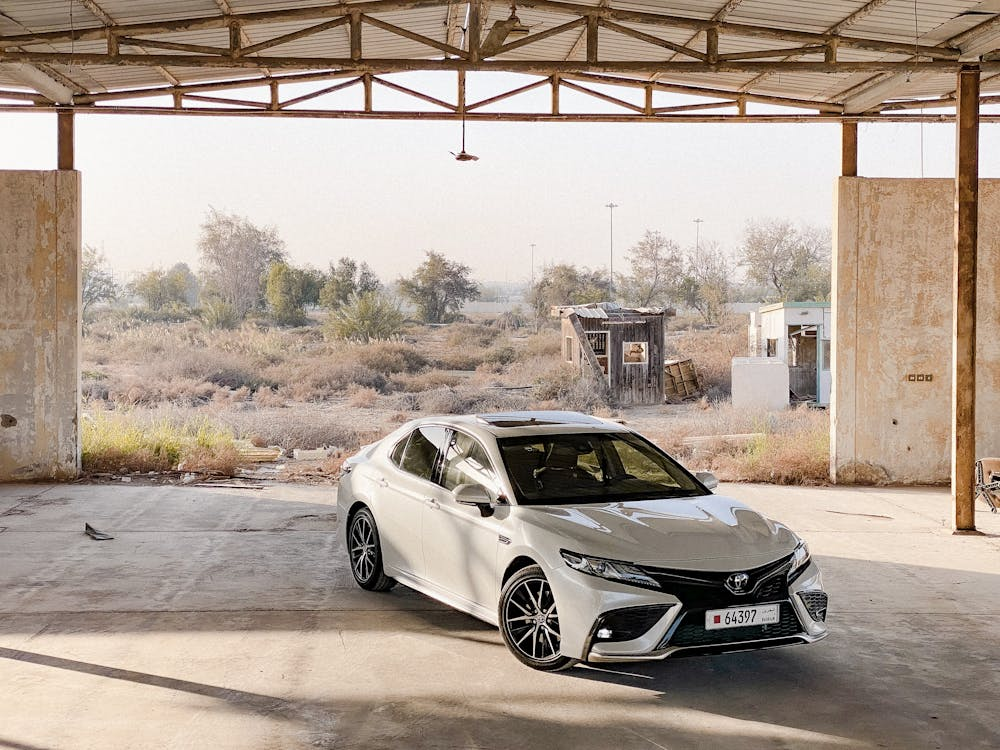
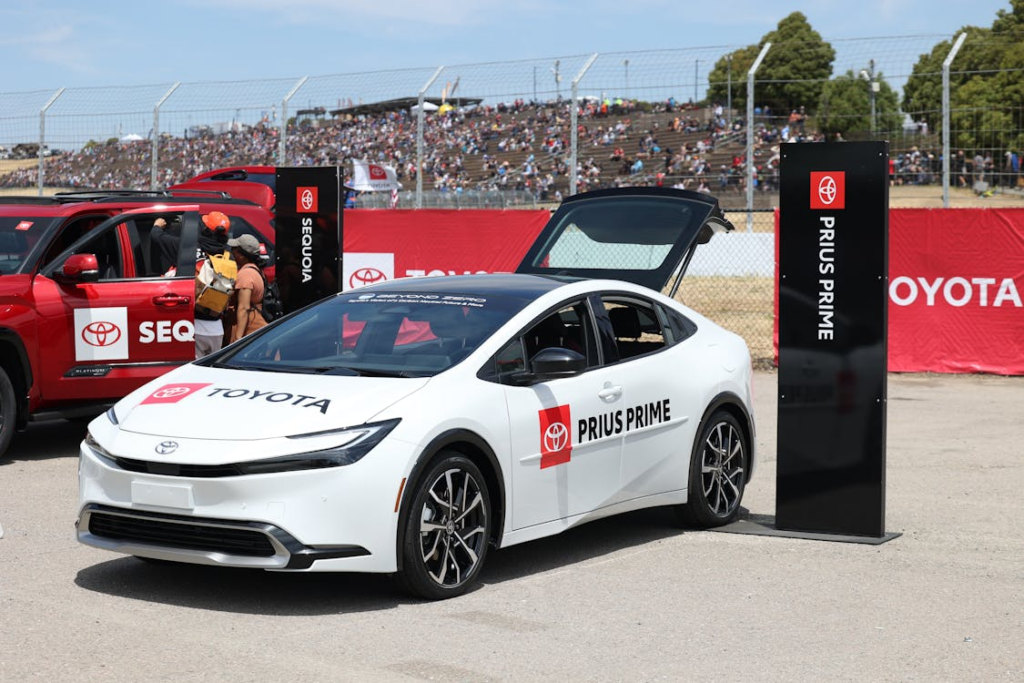
Hybrid Toyotas are known for their efficiency, reliability, and smooth driving experience. But like any car, they need proper care to stay in peak condition.

Here’s how to keep your Hybrid Toyota running smoothly for years.

Image Credit

1. Choose Quality Hybrid Toyota Car Parts

Using the right parts is essential for maintaining a hybrid. While it might be tempting to opt for cheaper aftermarket alternatives, they don’t always match the quality and durability of genuine Toyota parts. Hybrid-specific components, such as the battery, inverter, and electric motor, are designed to work seamlessly with your car’s system. Genuine hybrid Toyota car parts ensure optimal performance, better longevity, and fewer issues down the track. If you’re replacing anything—from brake pads to air filters—always check if it’s recommended for hybrids.

2. Maintain Your Hybrid Battery

The hybrid battery is the heart of your vehicle’s electric system, and taking care of it will maximise its lifespan. Toyota hybrid batteries are built to last, but they still require attention.

  • Drive regularly – Leaving your car unused for long periods can weaken the battery. Even if you don’t drive every day, try to take it for a spin at least once a week.
  • Monitor the cooling system – Hybrid batteries generate heat, and a clogged or malfunctioning cooling system can reduce efficiency. Clean the vents and ensure there’s good airflow.
  • Keep an eye on charge levels – Hybrid batteries perform best when they’re not constantly running on empty or full charge. The car’s system manages this automatically, but avoiding extreme conditions can help prolong battery life.

3. Stay on Top of Oil and Fluid Changes

Even though hybrid engines use less fuel, they still need regular oil changes. In fact, since hybrid engines switch between petrol and electric power, the engine may sit idle for long periods, which can cause oil to degrade over time. Using high-quality, hybrid-specific engine oil ensures smooth performance.

Other fluids, like coolant, brake fluid, and transmission fluid, also play a crucial role in keeping the car running efficiently. Hybrid cooling systems are more complex than those in standard petrol cars, so keeping up with scheduled fluid changes is essential.

4. Drive Smart to Reduce Wear and Tear

Hybrids are built for efficiency, and the way you drive affects their performance. Adopting good driving habits will not only help your Toyota last longer but also improve fuel economy.

  • Gentle acceleration and braking – Sudden stops and aggressive acceleration put extra strain on the battery, brakes, and engine. Smooth driving helps everything last longer.
  • Use regenerative braking – Toyota hybrids use regenerative braking to recharge the battery. Instead of hard braking, ease off the accelerator and let the system do its work.
  • Stick to Eco mode when possible – Most Toyota hybrids have an Eco mode, which optimises performance and fuel efficiency. It’s a simple way to reduce engine stress and extend component life.
Image Credit

5. Check the Tyres Regularly

Good tyre maintenance is crucial for any vehicle, but hybrids rely on properly inflated tyres for maximum efficiency. Under-inflated tyres create extra resistance, forcing the car to use more fuel and battery power. Check the pressure regularly and keep them at the recommended levels.

Wheel alignment and rotation are also important. Uneven wear can impact handling and efficiency, so make sure you follow Toyota’s recommended tyre rotation schedule.

6. Keep the Hybrid Cooling System Clean

Hybrid vehicles have unique cooling systems for both the engine and battery. If these systems aren’t working properly, the car can overheat, leading to expensive repairs. Dust and debris can block cooling vents, reducing airflow to the hybrid battery. Regularly cleaning the vents, particularly if you drive in dusty areas, helps maintain battery efficiency.

7. Stick to Your Service Schedule

Regular servicing is the best way to prevent issues before they become costly repairs. Toyota provides a specific maintenance schedule for hybrids, which includes battery checks, fluid changes, and software updates. Sticking to this schedule ensures your car stays in top condition and helps catch potential problems early.

Toyota hybrid systems also have special diagnostic tools that help technicians monitor battery health and system performance. Routine check-ups will give you peace of mind that everything is running as it should.

8. Keep the Software Updated

Hybrid Toyotas rely on advanced software to manage the engine, battery, and braking system. Toyota periodically releases software updates to improve efficiency and performance. During servicing, ask if your car’s software is up to date. Keeping everything running on the latest version ensures you’re getting the best from your hybrid.

9. Protect Your Car’s Exterior and Interior

While the hybrid system is the star of the show, don’t forget about general upkeep. Keeping your car clean helps protect the paint, and regular waxing prevents damage from the elements. Inside, avoiding excess weight helps reduce strain on the battery and fuel efficiency. Simple habits like keeping unnecessary items out of the boot can make a difference.

10. Use the Right Fuel and Charging Habits

Most Toyota hybrids don’t need special fuel, but using high-quality petrol can improve performance and engine cleanliness. Avoid ethanol-rich fuels unless specified in the owner’s manual. While Toyota hybrids don’t require external charging, plug-in hybrid models do. If you own a plug-in hybrid, using a proper home charger and avoiding frequent fast charging will help prolong battery life.

Give Your Hybrid the Care It Deserves

Hybrid Toyotas are built to last, but they need proper care to stay efficient and reliable. Choosing quality parts, maintaining the battery, keeping up with fluid changes, and driving smart all contribute to a longer-lasting hybrid.


Source link