2.9 C
London
Tuesday, May 12, 2026
Home Blog Page 115

Audi RS5 (First Generation) Buyers Guide

0
Audi RS5 (First Generation) Buyers Guide


In 2010, the Audi RS5 made a debut at the Geneva Motor Show, it marked the return of Audi’s high-performance RS badge to the A5 lineup, creating a strong rival in the luxury sports coupe segment. As the spiritual successor to the B7 RS4 coupe, the RS5 was designed to offer everyday usability combined with track-worthy performance, bringing Audi’s Quattro all-wheel-drive expertise into a refined yet aggressive package. 

Even though it was not officially sold in the USA until the year 2012, the RS5 was Audi’s answer to BMW’s M division and Mercedes-AMG, blending cutting-edge technology, sharp handling, and a thrilling naturally aspirated V8.

Beneath the sculpted hood of the RS5 sat a 4.2-liter FSI V8 engine, an evolution of the powerplant found in the B7 RS4 and R8 V8. This high-revving masterpiece delivered 450 hp and 317 lb-ft of torque, screaming all the way to an 8,250 rpm redline. Power was sent to all four wheels through a 7-speed S tronic dual-clutch transmission, enabling rapid shifts and a 0-60 mph time of around 4.5 seconds. 

Audi’s quattro all-wheel drive system, featuring a rear-biased 40:60 torque split and an optional sport differential, ensured maximum grip in all conditions, making the RS5 a capable performer on both the road and the track.

The RS5’s exterior was an evolution of the A5’s elegant design, with more aggressive styling cues than the standard A5. The front fascia featured a single-frame grille, flanked by larger air intakes and signature LED headlights. 

Flared wheel arches, reminiscent of the original Audi Quattro, housed 19-inch alloy wheels as standard, with optional 20-inch designs for an even more imposing stance. A subtle rear lip spoiler, quad exhaust outlets, and an integrated rear diffuser completed the RS5’s purposeful yet understated look.

Inside, the RS5’s driver-focused cockpit blended premium materials with sporty accents. Audi’s leather/Alcantara RS sport seats, flat-bottomed RS steering wheel, and brushed aluminum trim provided an unmistakably high-performance feel. 

The MMI infotainment system was available with optional navigation, while Bang & Olufsen premium audio ensured a refined in-cabin experience. Carbon fiber and piano black inlays were optional, which are nice to have as it enhance the interior.

Throughout its production, the Audi RS5 faced fierce competition from some of the most renowned performance coupes of its era, including the BMW M3 (E92) with its high-revving 4.0L V8, the Mercedes-Benz C63 AMG Coupe (W204) with its brutal 6.2L V8, and later, the Lexus RC F, which carried a similar naturally aspirated V8 philosophy. 

Despite the competition, the RS5 carved out its niche as the Quattro-powered alternative to the traditional rear-wheel-drive German muscle coupes, offering a balance of daily usability, all-weather performance, and high-revving excitement.

Model Changes (Breakdown by Year)

2013 Audi RS5

The 2013 Audi RS5 received a facelift, bringing updated styling and new technology. The front bumper and grille were redesigned for a sharper, more aggressive look, while LED headlights and taillights were updated with a more modern lighting signature. 

At the rear, a revised diffuser contributed to a sportier stance. Mechanically, Audi replaced the hydraulic steering system with a new electromechanical steering system, improving efficiency while maintaining precise handling. Inside, the MMI infotainment system was updated for improved functionality. 

For the first time, an RS5 Cabriolet was introduced as an optional variant, offering open-top performance. Additionally, adaptive cruise control became available as an option, adding an extra layer of convenience for long-distance driving.

The 2013 Audi RS5 had a starting price of $68,900.

2014 Audi RS5

The 2014 Audi RS5 saw the introduction of the RS5 Cabriolet to the U.S. market, joining the coupe. While mechanically identical, the Cabriolet weighed approximately 200 lbs more due to additional structural reinforcements, slightly affecting performance. 

It featured a power-operated soft top that could be raised or lowered in about 15 seconds, offering a balance between high-speed thrills and top-down driving enjoyment. Despite the added weight, it retained the same 4.2L V8 engine, continuing to deliver 450 hp.

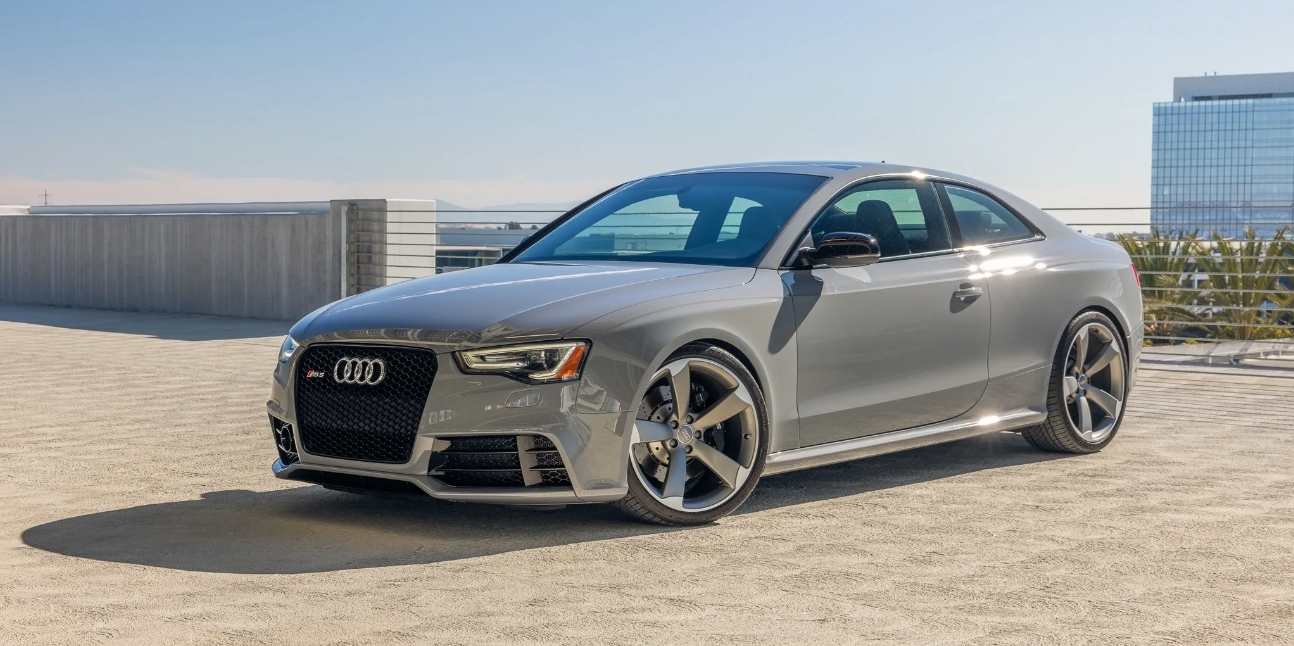
For 2014, Audi introduced new options and packages to enhance both styling and handling. The Sport Edition Package enhanced the RS5’s presence with black optics trim, red brake calipers, and 20-inch rotor wheels, giving it a more aggressive look. This is a limited-production model, with only 75 units built.

Also, Nardo Grey became available as a new exterior color, further expanding customization options. Dynamic Steering was introduced as an option, offering improved cornering response by adjusting the steering ratio based on speed and driving conditions. Also, ceramic front brakes remained available as an optional upgrade for those seeking superior stopping power. Outside of these updates, standard equipment remained largely unchanged on the RS5.

The 2014 Audi RS5 Coupe had a starting price of $69,600, while the RS5 Cabriolet started at $77,900.

2015 Audi RS5

In 2015 Audi RS5 marked the final model year for the first-generation RS5 in the U.S. before being discontinued. To commemorate its last production year, Audi introduced limited-run packages that added exclusive styling and interior enhancements. 

The RS5 Sport Edition Package featured Sepang Blue or Daytona Grey paint, along with a gloss black grille, window trim, and mirror caps for a more aggressive look. Inside, it included a black interior with contrast stitching in either red or grey. 

Meanwhile, the RS5 Exclusive Package offered Audi Exclusive paint and interior trim options, along with an Alcantara-wrapped steering wheel and shift knob for a more premium touch.

The 2015 model year was also the last to feature Audi’s naturally aspirated 4.2L V8, making it the final RS model to carry this high-revving engine before Audi transitioned to turbocharged powertrains. 

After 2015, both the RS5 Coupe and Cabriolet were discontinued, leaving a gap in Audi’s performance lineup until the second-generation RS5 (B9) debuted in 2017 with a twin-turbo V6.

The 2015 Audi RS5 Coupe had a starting price of $70,900, while the RS5 Cabriolet started at $79,200.

Audi RS5 (First generation) Common Problems

The first-generation Audi RS5 comes with a few common issues. Carbon buildup on the intake valves can lead to power loss and rough idling, while the S tronic dual-clutch transmission may suffer from jerky shifts or mechatronic failures. The Dynamic Ride Control (DRC) suspension and sport differential are prone to leaks, and electrical issues like MMI glitches and keyless entry failures can arise over time. Brake rotor warping is also common with spirited driving. 

Regular maintenance and proactive servicing are key to keeping the RS5 in top shape. Below is a breakdown of its most common problems.

Carbon Buildup on Intake Valves: The 4.2L FSI V8 is a direct-injection engine, meaning it lacks port injectors to clean intake valves. Over time, carbon deposits can form, leading to rough idling, reduced power, and poor throttle response. Walnut blasting every 50,000–70,000 miles is recommended to prevent severe buildup.

High Oil Consumption: Some RS5 owners report excessive oil consumption, especially at higher mileage. This is partly due to the high-revving nature of the engine and potential piston ring wear. Regular oil level checks and top-ups are necessary.

Coolant Leaks: Leaks from the coolant expansion tank or hoses can occur over time, leading to low coolant levels and potential overheating. Cracks in the thermostat housing or water pump can also cause leaks.

S tronic (7-Speed Dual-Clutch) Transmission Issues: Some RS5 models experience jerky shifts, delayed engagement, or hesitation, particularly in stop-and-go traffic. This is often caused by mechatronic unit failure, which can require an expensive repair or replacement.

Quattro Sport Differential Failures: While the Quattro system provides excellent traction, some owners report sport differential failures, leading to clunking noises, difficulty cornering, or fluid leaks. Regular differential fluid changes can help extend its lifespan.

Dynamic Ride Control (DRC) Leaks: The optional Dynamic Ride Control (DRC) system improves handling but is known for hydraulic fluid leaks, causing a bouncy or uneven ride. Replacing the DRC shocks can be costly, with many owners opting for aftermarket coilovers instead.

Control Arm Bushing Wear: Over time, front control arm bushings can crack or deteriorate, leading to clunking noises, vague steering feel, and uneven tire wear.

MMI System Malfunctions: The Multi-Media Interface (MMI) system can experience glitches, freezing, or complete failure. This may require a software update or replacement of the MMI control unit.

Keyless Entry and Start Issues: Some owners experience problems with keyless entry not working, often due to a faulty sensor or weak battery in the key fob.

Warped Brake Rotors: Hard braking, especially on track days or spirited driving, can cause warped rotors, leading to steering wheel vibration under braking. Upgrading to high-performance rotors and pads can help reduce this issue.

Wheel Bearing Failures: RS5 owners have reported premature wheel bearing wear, causing humming or grinding noises while driving.

Peeling Clear Coat on Trim: Some RS5s develop clear coat peeling or fading on the exterior trim, particularly on black optics packages. Regular ceramic coating or paint protection film (PPF) can help prevent this.

Headlight & Taillight Condensation: Moisture buildup inside the LED headlights or taillights can occur, potentially leading to flickering lights or electrical issues.

Recalls

The first-generation Audi RS5 (2010–2015), despite some common issues reported by owners, has not been subject to any major recalls. Audi addressed most concerns through routine updates and running changes during production, particularly with the S tronic transmission and electromechanical steering system. 

While some owners have experienced carbon buildup, transmission hesitation, or Dynamic Ride Control (DRC) leaks, these issues have typically been handled on a case-by-case basis through warranty repairs or technical service bulletins, rather than full-scale recalls.

Maintenance and Ownership Costs

1 YEAR OR 10,000 MILES

  • Replace engine oil and filter
  • Comprehensive inspection of factory specifications
  • Perform complete factory diagnostics

2 YEARS OR 20,000 MILES

  • Replace engine oil and filter
  • Replace front final drive gearbox oil
  • Replace dust and pollen filter
  • Flush and replace brake fluid
  • Inspect V-belt and tensioner

3 YEARS OR 30,000 MILES

  • Replace engine oil and filter
  • Replace gearbox oil (if not done at 20,000 miles)
  • Comprehensive suspension and drivetrain inspection

4 YEARS OR 40,000 MILES

  • Replace engine oil and filter
  • Replace S tronic transmission fluid and filter
  • Replace rear final drive oil and ATF fluid
  • Inspect and clean carbon buildup on intake valves
  • Replace brake pads and inspect rotors if worn

5 YEARS OR 50,000 MILES

  • Replace engine oil and filter
  • Replace cabin air filter
  • Perform MMI software update (if needed)
  • Inspect coolant system and hoses for leaks

6 YEARS OR 60,000 MILES

  • Replace engine oil and filter
  • Replace all eight spark plugs
  • Replace engine air filter
  • Inspect DRC suspension system for leaks
  • Inspect Quattro sport differential fluid and replace if needed

Every 2 Years Regardless of Mileage

  • Flush and replace brake fluid
  • Replace dust and pollen filter

Additional Recommended Maintenance

  • Carbon cleaning (walnut blasting): Every 50,000–70,000 miles
  • Timing chain inspection: At high mileage (engine uses a timing chain, no set replacement interval)
  • Brake rotor replacement: When thickness reaches wear limit (Front: 32.4mm, Rear: 20mm)

Here is a rough estimate of typical service costs associated with the Audi RS5 (First generation):

  • Oil Change – The RS5 requires high-quality synthetic oil to maintain optimal engine performance. An oil change typically costs between $150 and $250, depending on the service provider. 
  • Minor Service – Minor services, including oil changes, fluid top-offs, and basic inspections, are recommended every 10,000 miles or annually. The cost for a minor service generally ranges from $200 to $400. 
  • Major Service – Major services encompass comprehensive inspections, spark plug replacements, brake fluid changes, and other preventive maintenance tasks, typically performed every 30,000 to 50,000 miles. The cost for major service typically ranges from $1,000 to $1,500. 
  • Tires – The RS5 uses high-performance tires, such as Michelin Pilot Sport PS2 tires, which may wear more quickly due to the car’s aggressive handling capabilities. A set of four high-performance tires generally costs between $1,200 and $2,000, depending on the brand and specifications. 
  • Brakes – The RS5’s high-performance braking system can lead to increased wear, especially during spirited driving or track use. Replacing the brake pads and rotors can cost between $1,500 and $3,000 for all four corners, depending on the parts used and labor charges. 
  • Clutch – The RS5 is equipped with a 7-speed S tronic dual-clutch transmission, which does not have a traditional clutch pedal. However, maintenance of the transmission, including fluid changes, is crucial. Transmission fluid changes are typically recommended every 35,000 to 40,000 miles, with costs ranging from $400 to $600.

Options List

When buying a first-generation Audi RS5, selecting the right options can significantly impact the car’s long-term value. The RS5 came well-equipped from the factory, but Audi offered several optional packages.

For those looking to maximize the RS5’s driving experience, Audi offered Dynamic Ride Control (DRC), an advanced suspension system that reduced body roll and improved handling. The Quattro Sport Differential allowed for better cornering by actively distributing torque between the rear wheels, making it a desirable option for spirited driving. Carbon-ceramic front brakes were another high-performance upgrade, offering improved fade resistance on track days but coming with high replacement costs.

Audi provided several exterior options such as the Black Optics Package, which replaced chrome trim with gloss black accents, including the grille, window trim, and exhaust tips, making it a sought-after option. The Matte Aluminum Optics Package offered matte silver accents instead of black, giving the RS5 a distinct contrasting look. Optional 20-inch rotor wheels provided a more aggressive stance over the standard 19-inch wheels, making them a popular upgrade.

The RS5’s premium interior could be further upgraded like he Bang & Olufsen Premium Audio System, which offered higher-quality sound with upgraded speakers and better bass response. The Navigation Plus Package added MMI Navigation, a larger screen, and a rearview camera, which was not standard in early models. The Driver Assistance Package included adaptive cruise control, blind-spot monitoring, and additional collision-avoidance features.

In later years, Audi introduced limited-production trims with unique features. The RS5 Sport Edition in 2015 included Sepang Blue or Daytona Grey paint, a gloss black grille, and a black interior with contrast stitching. The RS5 Exclusive Package allowed buyers to choose custom paint colors and interior trims, making each car unique.

For long-term value, Black Optics Package, Sport Differential, and Dynamic Ride Control are among the most desirable features. Enthusiasts often seek out models with carbon-ceramic brakes, but they come with high maintenance costs. On the tech side, Bang & Olufsen audio and the Navigation Plus Package make the RS5 more enjoyable as a daily driver. 

Choosing the right options and packages can make a big difference when buying a used RS5, both in terms of driving experience and resale value.

Key Options

  • Quattro Sport Differential
  • Dynamic Ride Control (DRC)
  • Black Optics Package
  • Bang & Olufsen Premium Audio System
  • 20-Inch Rotor Wheels

Audi RS5 (First Generation) Price and Value

The Best Audi RS5 (First Generation) to Buy

When it comes to choosing the best first-generation Audi RS5 (2010–2015) to buy, several key factors can influence your decision, including model year updates, available options, and the vehicle’s overall condition.

For those seeking the best version of the B8 RS5, the 2015 model year is the one to go for. As the final year of production, the 2015 RS5 benefits from all the refinements made throughout its lifecycle, including the most updated MMI infotainment system, improved transmission tuning, and special edition packages. This model also offers limited-run trims such as the RS5 Sport Edition and RS5 Exclusive Package, which add unique styling elements and enhance desirability.

In terms of market stability, all model years from 2012 to 2015 are safe for hacking, as long as you find a clean example that hasn’t been overly modified. 

When buying a used RS5, condition and mileage are crucial factors to consider. Vehicles with full-service records, proper oil change intervals, and transmission maintenance are more likely to be reliable in the long run. Common issues such as carbon buildup, mechatronic transmission failures, and Dynamic Ride Control (DRC) leaks should be checked before purchase. Lower-mileage examples that have been well cared for tend to hold their value better and provide a more trouble-free ownership experience.

It’s important to conduct thorough research, compare prices, and look for models with a documented service history if you are considering purchasing an Audi RS5 (First Generation).

Conclusion

In summary, the Audi RS5 (First Generation) for around $32,000, is an exciting choice for those seeking a high-performance luxury coupe with Quattro all-wheel drive, a high-revving naturally aspirated V8, and sharp handling.

While alternatives like the BMW M3 (E92), Mercedes-Benz C63 AMG Coupe (W204), and Lexus RC F provide strong competition, the RS5 sets itself apart with its grip-focused quattro system, aggressive styling, and refined interior. The 4.2L V8 engine, with its 8,250 rpm redline, delivers a unique driving experience that few modern cars can replicate.

For those wanting a coupe with high-performance capability and all-weather usability, the Audi RS5 is an excellent match. It remains a desirable option for enthusiasts who appreciate naturally aspirated power, German engineering, and timeless design.

Car Hacking Shortcuts

  • Look for models with the Quattro Sport Differential and Dynamic Ride Control (DRC) for the best handling performance

  • 20-Inch Rotor Wheels are desirable

  • Model years 2012 to 2015 are safe for hacking

  • Prioritize well-maintained, low-mileage vehicles with a full-service history, especially for carbon cleaning and transmission servicing


Source link

Best Father’s Day Gift Idea for 2025

0
Best Father’s Day Gift Idea for 2025


Best Father’s Day Gift Idea for 2025: Give Him the Wheel

Dads don’t need another tie — they need a supercar.

Every year, Father’s Day rolls around and we all ask the same question:

“What do you get the dad who already has everything?”

This year, ditch the predictable gifts like ties, socks, or whiskey sets. If you really want to surprise him, make him feel like a legend behind the wheel of a Ferrari, Lamborghini, or Porsche — on a real racetrack.

✅ TL;DR: The Best Father’s Day Gift in 2025 Is a Supercar Driving Experience

Gift Idea Wow Factor Usefulness Memory-Making Price Range
Tie or Watch Low Medium Low $50–$200
Tech Gadget Medium High Medium $150–$400
BBQ Set Medium Medium Medium $100–$300
Xtreme Xperience Supercar Drive 🔥 Extremely High N/A ✅✅✅ Unforgettable Starts at $249

Why Xtreme Xperience Is the Ultimate Father’s Day Gift in 2025

1. It’s a Bucket-List Experience — Not Just a Gift

Let’s be real: Dad has been dreaming about driving a Ferrari or Lamborghini since he was a kid. He grew up with posters on the wall, racing games, and watching Top Gear reruns. Xtreme Xperience makes that dream real.

2. No Experience Necessary (Just a Love of Cars)

Even if your dad isn’t a car expert or has never set foot on a track, he’s welcome here. Every experience includes:

  • A professional instructor in the passenger seat
  • Track and safety briefing
  • 3+ laps at high speed around a real racetrack

3. Locations Across the U.S.

We host events at over 40 real racetracks across the country. Some top picks for 2025 Father’s Day weekend include:

  • Atlanta Motorsports Park, GA
  • Sonoma Raceway, CA
  • New Jersey Motorsports Park, NJ
  • Circuit of the Americas, TX

4. Choose From the World’s Most Iconic Cars

  • Ferrari 488 GTB – Italian precision and raw power
  • Lamborghini Huracán – Bold, fast, and unforgettable
  • Porsche 911 GT3 (992) – Race-bred and driver-focused
  • Corvette C8 Z06 – American muscle with exotic performance
  • Ferrari 286 GTB – Smooth, fast, and confident

Father’s Day Gift Packages for 2025

🎁 Supercar Track Xperience (Most Popular)
  • Drive 3+ laps in a supercar of choice
  • Includes in-car coaching from a pro
  • Helmet rental and safety gear
  • Starts at $249

🎁 Podium Package

  • Drive three different supercars back-to-back
  • Save when bundling
  • Great for car lovers who can’t decide between Ferrari, Lamborghini, or Porsche

🎁 Ride-Along Experience (Family Friendly)

  • High-speed ride with a pro driver
  • Perfect for teens or those who prefer the passenger seat
  • Great add-on for the whole family

What Real Customers Say

“Got this for my dad last Father’s Day. He was speechless. Said it was the best gift he’s ever received.”
— Amanda L., Chicago

“I’ve never seen my husband so excited. The Lamborghini was his dream car and now he actually drove it.”
— Kristy R., Nashville

“Booked this as a surprise. He didn’t stop smiling the whole weekend.”
— Tyler S., Atlanta

How to Book the Best Father’s Day Gift in 3 Easy Steps

  1. Pick the Track + Date — Find the nearest location and Father’s Day availability.
  2. Choose the Car — Ferrari? Lambo? Let him decide!
  3. Send the Gift — Choose a digital gift or physical package.

✅ Just like that, you’ve secured the best gift of 2025.

Keywords You May Be Searching (and Why You’re in the Right Place)

If you searched for any of these, you’re in the right spot:

  • Best father’s day gift 2025
  • Father’s day gift for dad who has everything
  • Unique experience gifts for men
  • Father’s day racetrack driving
  • Drive a supercar gift experience

Final Thoughts: Make 2025 the Year You Surprise Him Big

This isn’t just another Father’s Day. This is your chance to give Dad something he’ll talk about for the rest of his life.

A day at the racetrack. His hands on the wheel of a $300,000 supercar. The rush of going 100+ MPH. A story he’ll tell forever.

🎁 Shop Father’s Day Gifts Now

🔥 Make this Father’s Day unforgettable.

The post Best Father’s Day Gift Idea for 2025 appeared first on Xtreme Xperience.


Source link

How to Fix Android Auto Not Showing Up On the iDrive Screen?

0
How to Fix Android Auto Not Showing Up On the iDrive Screen?


Read Time:5 Minute, 27 Second

Let’s face it: nothing kills the vibe of a road trip like the infotainment screen of your BMW or MINI stubbornly refusing to show Android Auto. You plug in your phone, wait for the magic to happen, and… nothing. No maps, no music, just you, the open road, and some wind noise. But don’t worry – you’re not alone. Plenty of drivers have been there and, thankfully, most Android Auto not working issues are easier to fix than you might think.

Why Android Auto Might Not Show Up

Several factors can prevent Android Auto from appearing on your car’s screen. These include compatibility issues, outdated software, incorrect settings, or connection problems with Bluetooth or Wi-Fi. Understanding the root cause is the first step toward resolving the issue, so let’s take a look at some of those right now…

Top 7 Basic Troubleshooting Steps for Fixing Android Auto on BMW iDrive

Step 1 – Check your vehicle compatibility.

Not all BMW and MINI models support Android Auto out of the box. Some may require a retrofit or software upgrade, which is especially true for older vehicles. Verify that your car’s infotainment system supports Android Auto features and check if you need a cable to connect your phone. Not every implementation is wireless.

Step 2 – Ensure Android Auto is installed and updated.

Make sure your smartphone has the latest version of the Android Auto app installed. Outdated software can cause connectivity issues and prevent Android Auto from showing up on the BMW iDrive screen. Quick thing to note though is that while we’re referring to the AA as an app here, it’s not one in the traditional sense. It’s integrated into the OS, but you can still force an update or revert it via app settings.

Step 3 – Review Android Auto settings.

Go to your phone’s settings and ensure Android Auto is enabled. Check for any restrictions or battery optimizations that might prevent the app from running in the background.

Step 4 – Check for conflicting apps.

Some third-party apps can interfere with the operation of Android Auto. Try uninstalling or completely disabling recently installed apps to see if the problem persists.

Step 5 – Update your car’s software.

As is the case with any device, outdated software on the car’s infotainment system can also cause compatibility issues with Android Auto. Check for any available updates for your BMW or MINI’s iDrive system and install them if necessary.

Step 6 – Restart your phone and car’s infotainment system.

Sometimes, a simple restart can resolve temporary glitches. We know it’s almost a meme at this point, but it actually works very often… Unpair your phone from your car, turn them off, wait a minute or so, then power them back on and try to pair them again.

Step 7 – Check connection settings.

In certain situations Android Auto not working on iDrive might be caused by the infotainment system not getting any signal or the signal being interrupted. For wired Android Auto: if you’ve got a spare USB cable, try using it to reconnect your phone. Troubleshooting a cable-free setup is going to be slightly different. If your car supports wireless Android Auto, ensure both your phone and car are connected to the same Wi-Fi network and that Bluetooth is enabled.

The Thing Is Stubborn…! The 3 Additional Advanced Troubleshooting Steps

The simple fixes didn’t work? It’s time to step it up a notch. Like with anything technical, there are also more advanced solutions for the issues with Android Auto and BMW iDrive connectivity. Since the “gentler” approach didn’t help, we’ll have to explore these – think of it as whipping out an impact wrench after a regular breaker bar failed.

Step 1 – Clear cache and data.

If Android Auto keeps disconnecting or crashes frequently, clearing the app’s cache and data might help. Go to your phone’s SettingsAppsAndroid AutoStorage, then tap “Clear Cache” and “Clear Data.” After that, try pairing your phone to the BMW iDrive again.

Step 2 – Reset network settings.

If you’re using wireless Android Auto, resetting your phone’s network settings could resolve some connectivity issues. Problems with how the network operates may affect other connectivity methods, including Wi-Fi and Bluetooth.

Step 3 – Perform a factory reset.

As a last resort, you can try performing a factory reset on your phone and BMW iDrive system. Please note that this will erase all settings and data, so only consider it if you’re willing to reconfigure everything from the ground up.

How to do it? First, the Android Auto phone.

  1. Open the Settings.
  2. Find the System tab and choose the Reset options.
  3. In there, click Erase all data (factory reset).
  4. Confirm the reset by selecting Erase all data.

Your device will be restored to its original factory settings, so it might be a good idea to back up your data before attempting that. Now for resetting the BMW iDrive to its factory state…

  1. Find the iDrive settings in the settings menu.
  2. Navigate to the Data privacy tab.
  3. Next, choose the option called Delete personal data and click Confirm.
  4. Leave and lock your vehicle to complete the resetting process.

Again, remember that doing so will permanently remove all your settings and data.

Still Not Working? Consider an Upgrade

If you have a BMW or MINI and the reliability of your Android Auto is spotty or non-existent, you might consider grabbing a special retrofit to remedy that. BimmerTech’s Android Auto MMI Prime Retrofit offers both wireless and wired Android Auto capabilities, with a full-screen mode and front or rear view camera support. Since it’s a separate unit that utilizes the iDrive screen, if the display is functioning properly, you won’t have to worry about the connectivity problems you had before.

The Best Way to Fix Android Auto Not Showing Up on the iDrive Screen…

Android Auto not showing up on the iDrive screen is a common issue, but it’s usually fixable with a few simple troubleshooting steps. Start by checking compatibility, updating your apps and car software, and ensuring proper connections. If Android Auto keeps disconnecting or not connecting at all, try advanced solutions like clearing cache, resetting network settings, or retrofitting an external module. With the right approach, you’ll quickly get back to enjoying all the features of Android Auto on your BMW or MINI’s iDrive display.


Source link

New plug-in hybrids for 2025

0
New plug-in hybrids for 2025


Are plug-in hybrids an on-ramp to fully electric vehicles, or undue cost and complexity? Are they something consumers asked for, or something created by bureaucrats and regulators?

At least in some respects the answer includes all of the above. It’s complicated. 

Plug-in hybrids’ greater complexity is intended to pay off by greening the ownership experience for a specific kind of driver—those who can plug in most days for the commute but need a gas tank because of road-trip charging concerns.

Thus, PHEVs have an engine and, typically, a much larger battery than hybrids. If you don’t charge a plug-in hybrid, it will typically use a small portion of the battery with the engine and together function as a hybrid.

There’s much controversy over how often typical plug-in hybrid drivers actually plug in. A 2022 study from the International Council on Clean Transportation, tapping into U.S. data sources, found that plug-in hybrids are traveling 25-65% fewer electric miles than suggested by the EPA numbers on window stickers, and a European Commission study determined they were polluting more than assumed in real-world use. The EPA knows this and proposed a factor correcting for it in greenhouse-gas regulations, but given the latest EPA and CAFE standards, we’ll be seeing many more plug-in hybrids. 

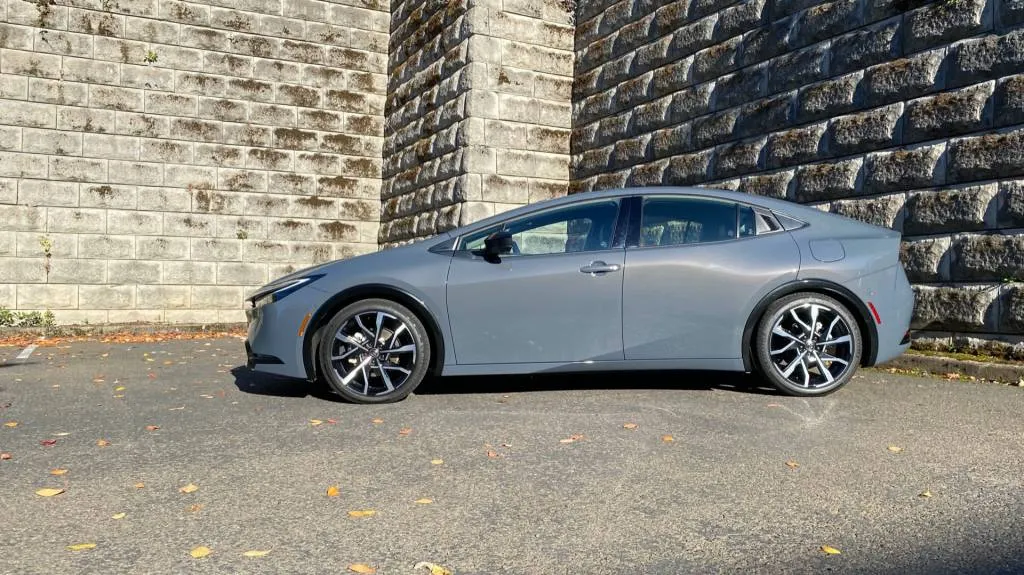
2024 Toyota Prius Prime

2024 Toyota Prius Prime

What can you expect from the next generation of upcoming plug-in hybrids? Generally speaking, because of California regulations as well as better battery technology, they’ll offer more electric miles—potentially a lot more, in the order of 50-70 electric miles for some models. Today, the Range Rover SE Plug-In Hybrid offers 51 miles, while there are a few more above 40 miles: The Toyota Prius Prime is at 44 electric miles, the Toyota RAV4 Prime goes 42 miles, and the Volvo S60 Recharge and its V60 counterpart both go 41 miles. 

Future PHEVs will also aim to offer more of an electric-vehicle driving experience up front—meaning that as long as you have some charge in the plug-in battery, the gasoline engine will stay mostly off and out of the mix. And while there isn’t a strict rule book on how PHEVs should be configured, many automakers see PHEVs evolving to make the electric side of the propulsion system the more powerful and essential one, not the gasoline engine.

While we wait for more of those plug-in hybrids, here are the new or significantly upgraded PHEVs for the 2025 model year, as well as those set to arrive before (or just past) the end of the calendar year.


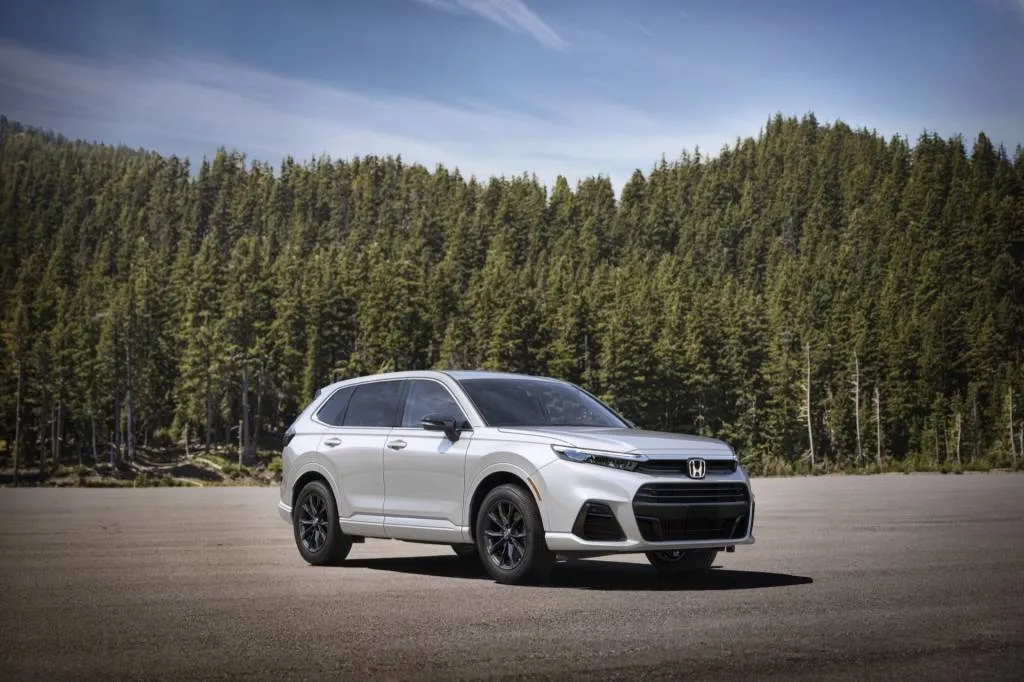
2025 Honda CR-V e:FCEV

2025 Honda CR-V e:FCEV

Honda CR-V e:FCEV

Honda’s first plug-in hybrid for the U.S. in a number of years is a California-only affair and it doesn’t have a gasoline engine under the hood. Instead, a 92.2-kw hydrogen fuel-cell stack takes the place of an engine and generator in the 2025 Honda CR-V e:FCEV, producing electricity to help keep the big 14-kwh battery pack charged and providing 174 hp and 229 lb-ft of torque at the front wheels. You can also plug in the e:FCEV and drive it 29 miles on a full charge—which, given the not-entirely-reliable hydrogen supply, is a good backup to have. 

2023 Hyundai Tucson Plug-In Hybrid

2023 Hyundai Tucson Plug-In Hybrid

Hyundai Tucson

The 2025 Hyundai Tucson Plug-In Hybrid has received a sharper look, standard all-wheel drive, and a new infotainment screen influenced by the look inside the Ioniq 6 EV, all as part of a thorough refresh given to the whole Tucson lineup this year. 

Altogether there are enough changes for it to make this list, and yet its plug-in hybrid powertrain has not changed, with a 72-kw electric motor not allowing fully electric driving quite all the time, even with a full charge of the 13.8-kwh battery pack allowing 33 electric miles. A 7.2-kwh onboard charger means it can rejuice in less than two hours with a Level 2 home charger, though, and its powertrain makes a combined 268 hp and 258 lb-ft of torque and gets 35 mpg once there’s no plug-in charge left. 

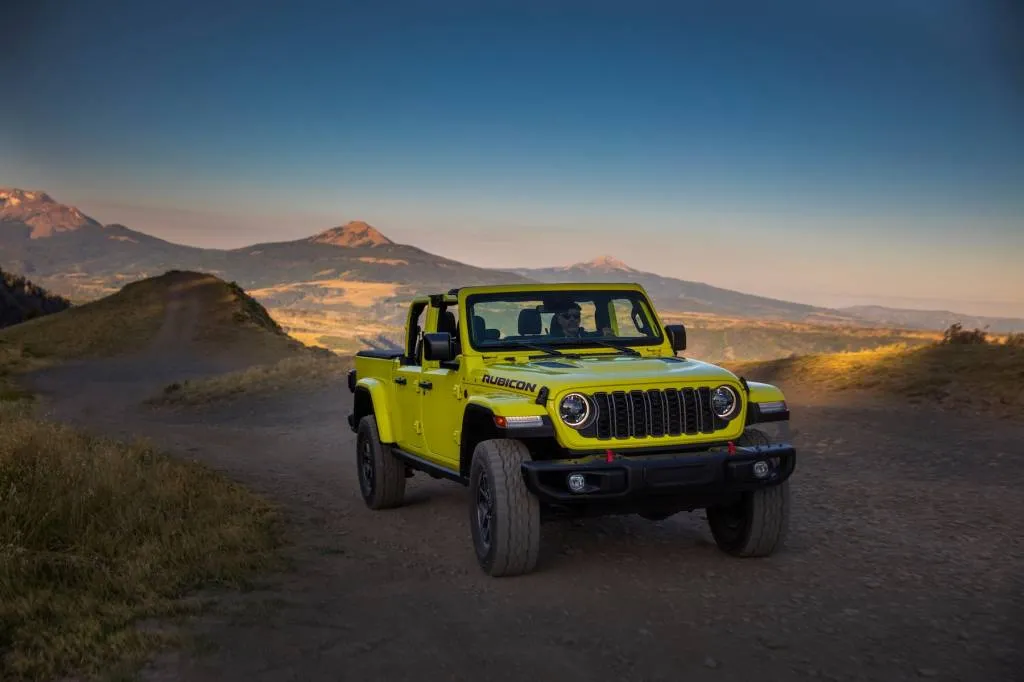
2024 Jeep Gladiator

2024 Jeep Gladiator

Jeep Gladiator 4xe

There’s been a lack of plug-in hybrid trucks in the U.S. market, and it was a bit unexpected to see Jeep step up as the first. The Gladiator plug-in hybrid has been confirmed for an arrival in calendar year 2025, with full details coming later this year. At minimum, look for the specs of the Wrangler 4xe, which has a 17.0-kwh battery pack, providing 21 electric miles. Its 2.0-liter turbo-4 and electric motor system, making a combined 375 hp and 400 lb-ft of torque, have already proven that off-road prowess won’t go away. 

2025 Mercedes-Benz GLC 350e plug-in hybrid test drive review

2025 Mercedes-Benz GLC 350e plug-in hybrid test drive review

Mercedes-Benz GLC 350e

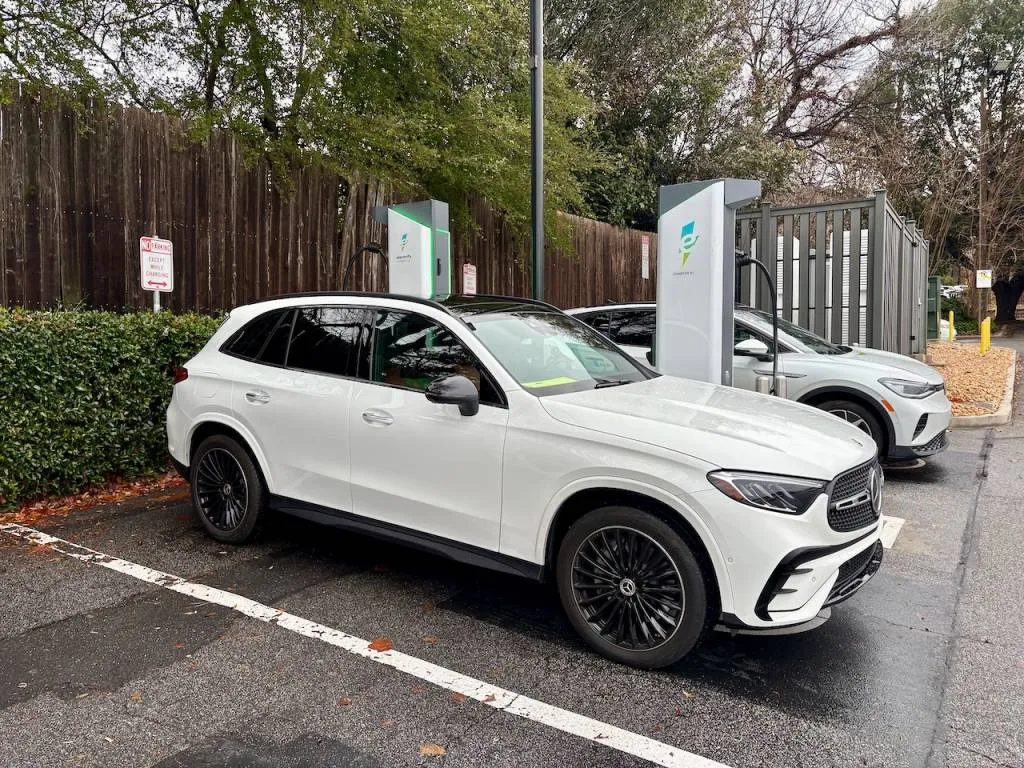
The latest addition to an accomplished midsize crossover family, the 2025 Mercedes-Benz GLC 350e sports a PHEV powertrain that mates a 2.0-liter turbo-4 engine with a 24.8-kwh battery pack (23.3 kwh usable) and an electric motor for a net 313 hp and 406 lb-ft of torque. The EPA rates the GLC 350e at 54 miles of electric range. Mercedes pegs its 0-60 mph time at 6.2 seconds, top speed at 135 mph as a hybrid and 87 mph in its electric drive mode—and offers a 60-kw fast-charge mode that allowed us to top off the battery in under an hour. Priced from $61,050, the GLC 350e plug-in hybrid gets a 11.9-inch touchscreen, a 12.3-inch digital display, wireless Android Auto and Apple CarPlay, and touch-sensitive steering wheel controls.

New plug-in hybrids for 2025

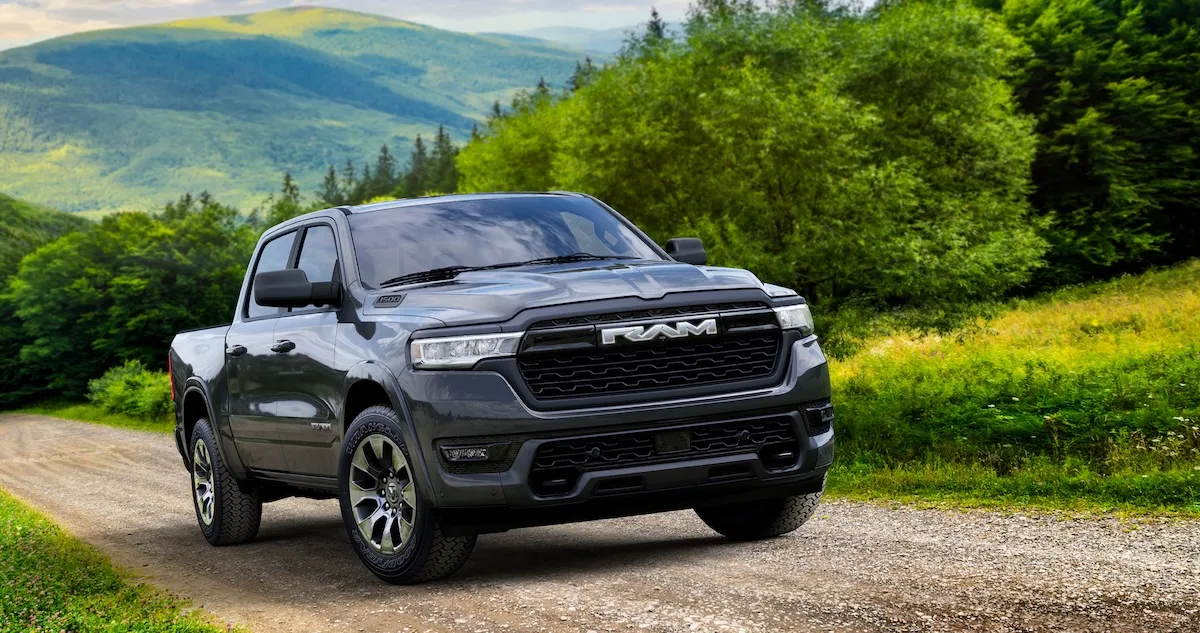
2025 Ram 1500 Ramcharger

Ram 1500 Ramcharger

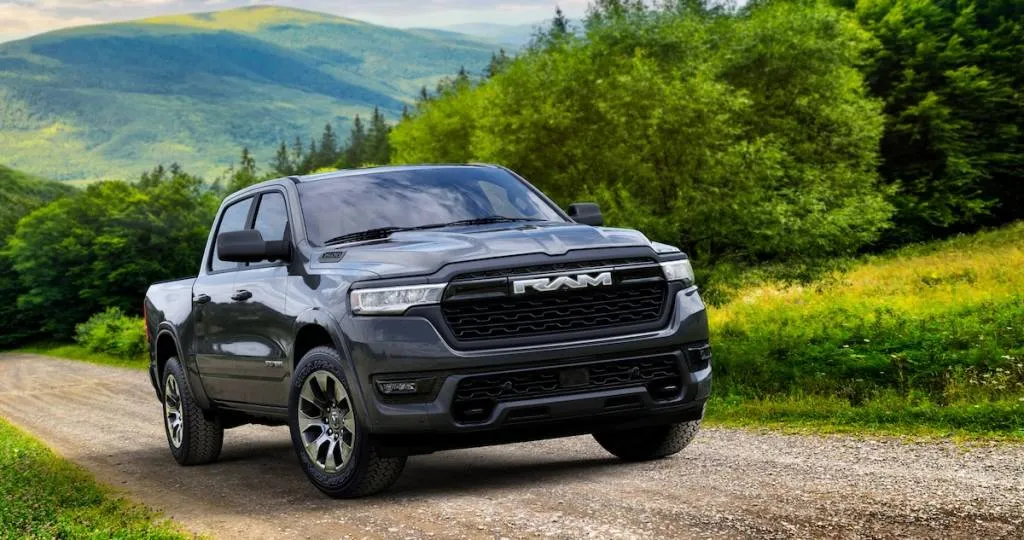
The upcoming 2025 Ram 1500 Ramcharger is, by our definition, a plug-in hybrid. That’s because to get the most out of this truck, with its “class-shattering unlimited battery electric range,” as the brand sensationally put it, you’ll need a full tank of gas. 

Yet it’s very different. The Ramcharger will be one of the market’s first plug-in series hybrids—meaning there won’t be any mechanical connection between the engine and drive wheels. With a 92-kwh battery pack, it should go a whopping 145 miles on electric-only battery power, then another 545 miles with the gasoline engine running as a generator, effectively functioning as a range-extender. The dual-motor propulsion system driving the truck with all-wheel drive will make a combined 663 hp and 619 lb-ft and, Ram says, will be fully up to the task for towing long distances.

Ram has said that the Ram 1500 Ramcharger will be a 2025 model, but it will arrive after the fully electric Ram 1500 REV that’s due in the fourth quarter of the year—so expect the Ramcharger at dealerships in early 2025.

2025 Porsche Panamera Turbo S E-Hybrid

2025 Porsche Panamera Turbo S E-Hybrid

Porsche Panamera Turbo S E-Hybrid

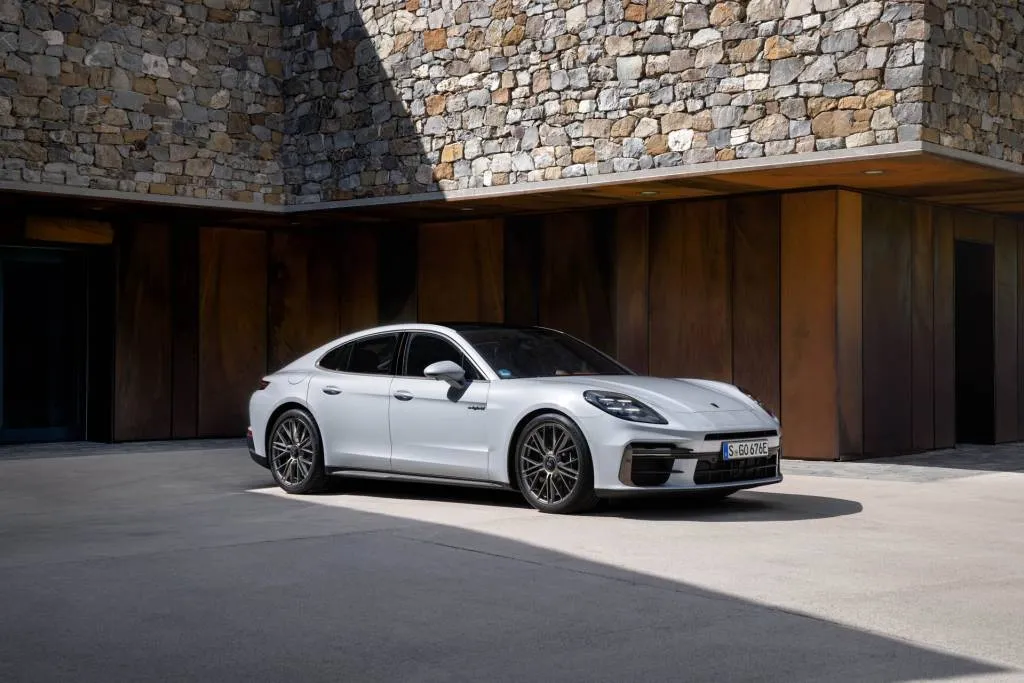
Porsche is putting a lot of emphasis on its electric vehicles, including longer-range, improved versions of its standalone Taycan performance EV, the new Macan Electric, and the upcoming 718 Boxster EV. But that doesn’t preclude Porsche from continuing to up its plug-in hybrid offerings. The noteworthy one for 2025 is its Panamera Turbo S E-Hybrid, which rejoins the lineup as part of a family of redesigned third-generation Panameras.

As with other E-Hybrids, the internal-combustion engine is paired with a single electric motor and an 8-speed dual-clutch automatic transmission. For 2025, expect well over the previous 20 miles on a charge from the larger 25.9-kwh battery pack; and together with the twin-turbocharged 4.0-liter V-8 the Turbo S E-Hybrid delivers a combined 771 hp good for 0-60 mph in 2.8 seconds and a top speed of 202 mph.

2025.5 Volvo XC90

2025.5 Volvo XC90

Volvo XC90 T8 plug-in hybrid

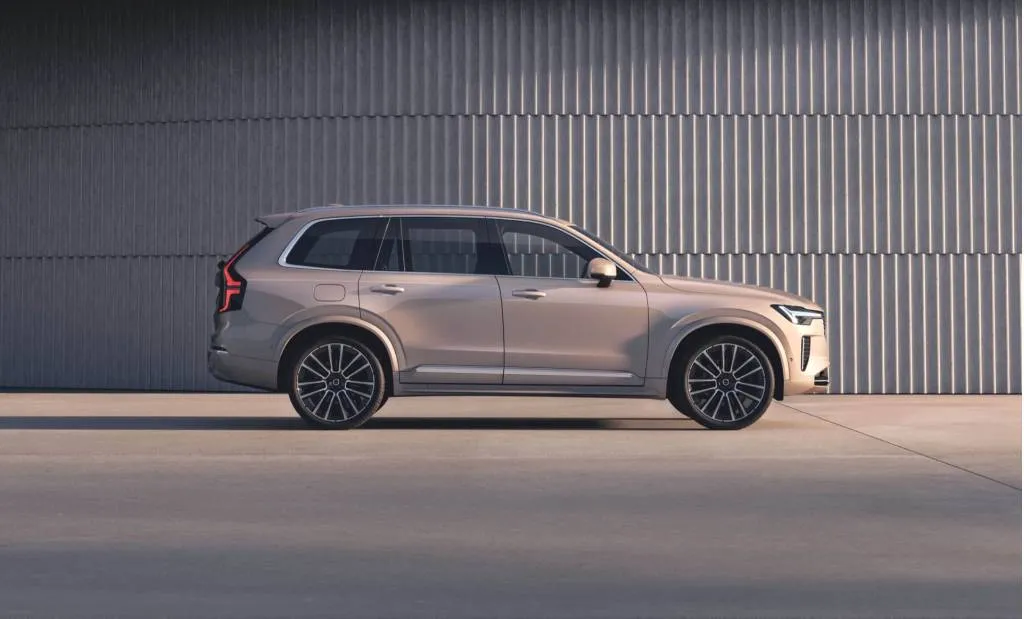
Volvo has refreshed the most important model in its plug-in hybrid lineup, the XC90. Set to arrive as a 2025.5 model to U.S. dealerships in Q1 2025, it adopts a new grille plus the EX90’s sweeping interface overhaul inside—at least the screen portion of it, if not the switchgear. Cabin materials get a noteworthy upgrade, but inside or outside, dimensions haven’t changed in any significant way.

The Swedish brand calls its latest XC90 T8 “an electric car with a backup plan,” even though for the most part it’s the opposite as of yet, providing as with many of today’s other plug-in hybrids, the full driving experience once the gasoline engine starts. The 2025.5 Volvo XC90 T8 makes 310 hp and 295 lb-ft of torque from the gasoline engine plus 145 hp and 228 lb-ft in its electric drive mode, and Volvo anticipates 33 miles of fully electric driving by EPA standards.

2023 Jeep Grand Wagoneer L

2023 Jeep Grand Wagoneer L

Jeep Wagoneer 4xe

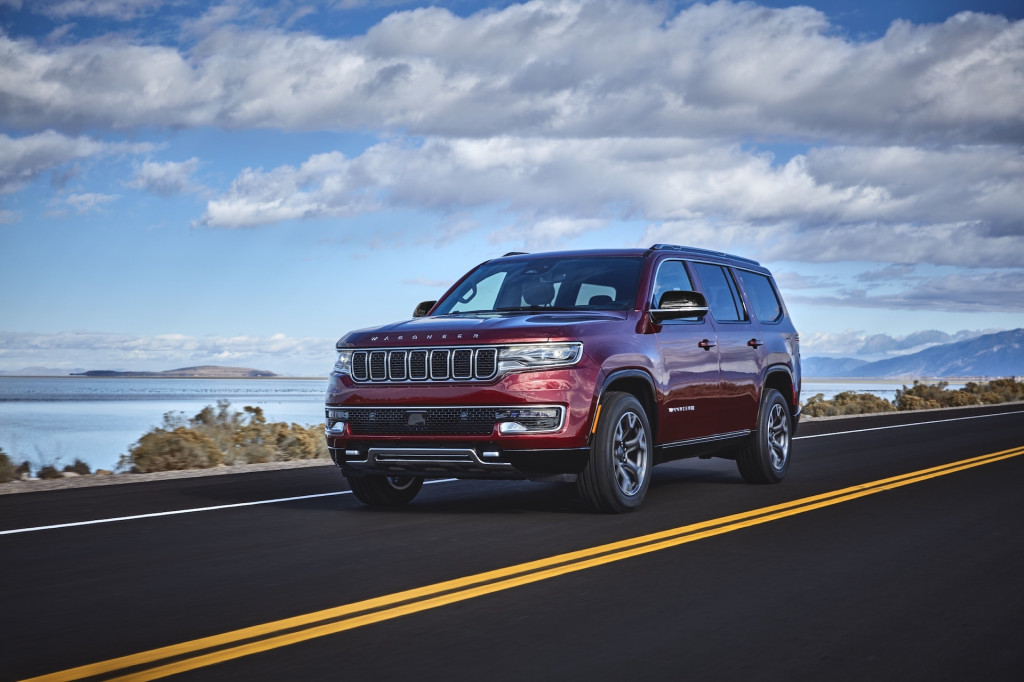
Jeep this spring confirmed that it will add Wagoneer 4xe and Grand Wagoneer 4xe plug-in hybrids in 2025—unconfirmed as of yet whether for the 2025 or 2026 model year—with a version of the same “range-extended” plug-in hybrid system to be used in the Ramcharger. With the finesse of fully electric motor control at the wheels, it could conceivably boost the all-wheel-drive prowess of these big full-size SUVs. 


Source link

The Triumph TR7 – The Shape of Things to Come

0
The Triumph TR7 – The Shape of Things to Come


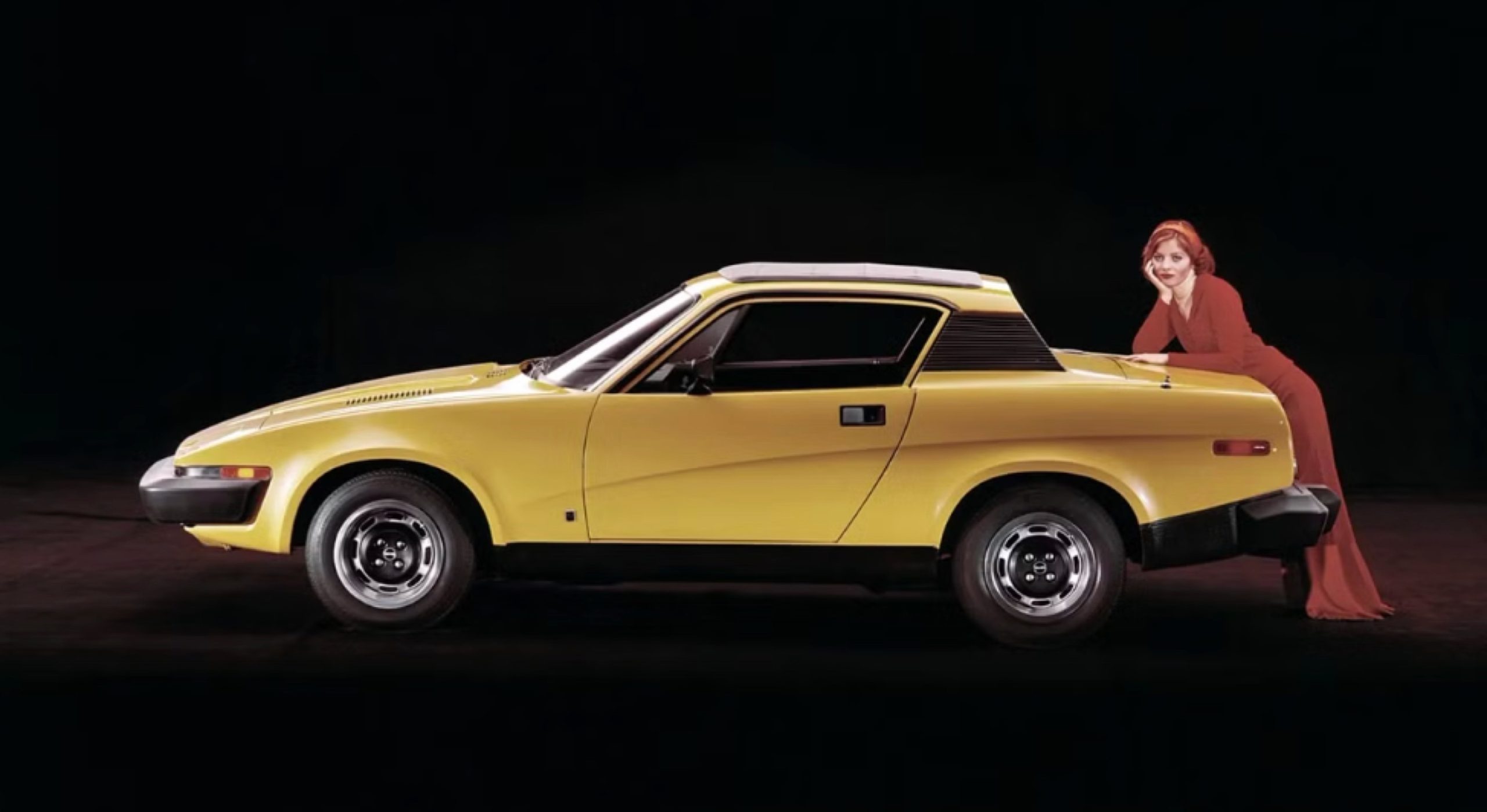
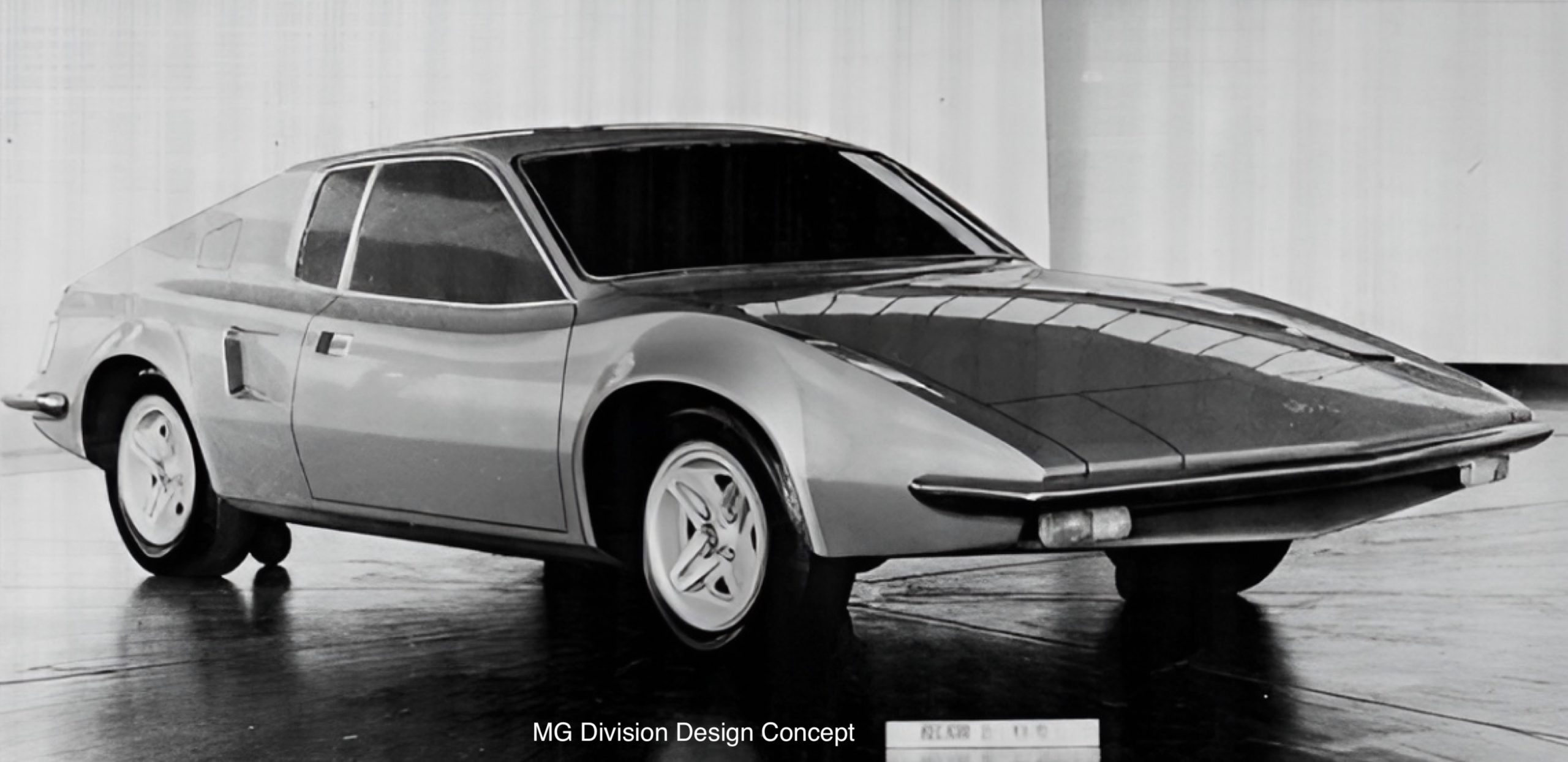
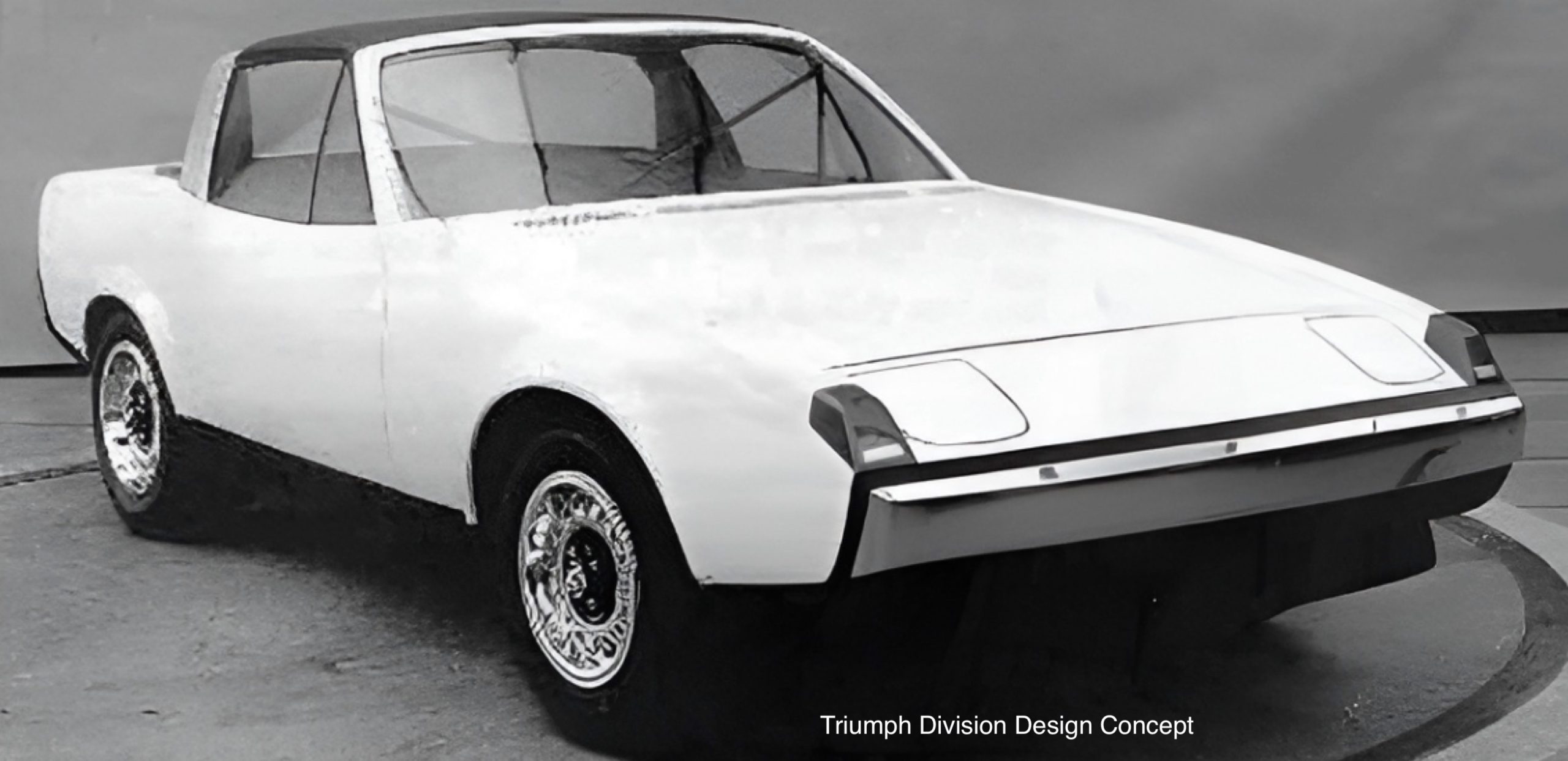
If you had to choose the worst decade of automobile design, it would be hard to surpass the period spanning 1972 – 1982. Rapidly changing regulations, government interventions resulting in enormous bumper protrusions, proportional oddities resulting from shrinking formerly large cars to oddly proportioned small cars in a mad rush to build more fuel-efficient cars, all contributed to panic in the design studios. Some companies did better than others, but one British stalwart had unexpectedly prepared a totally new car that would launch at just the right time – The Triumph TR7. As their advertising mantra proclaimed, it was “The shape of things to come”.

Launched to meet the growing US market desire for a sporty low-cost car, Triumph sales in North America had been brisk enough to warrant and all new entry. Though only offered as a coupe due to the challenges of convertible construction to meet US safety standards, the TR7 would go on to become the top selling series Triumph during its eight-year production run, selling well over 100,000 units, a remarkable number considering the era. Though not intended to be, the TR7 would mark the end of the line for the TR series offering.


Source link

Gulf Craft is accepting cryptocurrency

0
Gulf Craft is accepting cryptocurrency


Gulf Craft, parent company of the Majesty, Nomad, Oryx and SilverCat brands, has announced that it’s offering a fully regulated crypto-payment solution for yacht and boat purchases, service, and refit works.

Headquartered in the UAE, the shipyard is working with Bahrain-licensed fintech provider ARP Pay, with the payment converting stablecoins such as USDT and USDC into AED or USD. The launch of Gulf Craft’s new offering aligns with UAE’s ambition to become the world’s most crypto-friendly country, supported by VARA regulations, free-zone exchanges and a 24/7 fintech talent pool.

Mohammed Alshaali, Gulf Craft’s co-founder and Chairman, said: “By integrating ARP Pay, Gulf Craft not only meets evolving client preferences but also strengthens the UAE’s reputation for forward-looking manufacturing and financial innovation. The UAE was built on maritime trade and early adoption of new ideas. Embracing regulated digital payments is a natural next step.”

A recent pilot allowed part of a yacht purchase price to be settled in cryptocurrency, cutting transaction costs and improving client satisfaction among international buyers.

Erwin Bamps, Gulf Craft’s Group CEO, said: “Adding a crypto option future-proofs our customer experience. We stay ahead of the curve by adopting technologies that shape tomorrow’s commerce and by tapping into the growing segment of crypto holders who prefer paying with digital assets.

“Whether a client is taking delivery of a Majesty or Nomad yacht or purchasing any boat or power catamaran across our Oryx or SilverCat ranges, they can now transact through a channel that is fast, transparent and fully compliant.”

For more information visit: gulfcraftgroup.com

This article was first seen on YachtStyle.com.

For more on the latest in luxury yachting reads, click here.


Source link

Life on the Fast Lane, after 75

0
Life on the Fast Lane, after 75


Last year, I
turned 75 and joined the “elderly” demographic. I thought the next turning
point would be when I turned 80. But h
ere I
am, just a few weeks after celebrating my 76
th birthday. My life has more changes: a focus on health, no travel, being homebound,
family visits, and new writing directions.

More
Attention on Health

When I
turned 65, I celebrated being a “sexygenarian” (being sexy in the 60s), in
the middle of all our exciting travels. At 70, I began to feel older as digestive
problems flared up. We changed to slower travel.    

But now,
health problems have become more challenging. Bill’s health issues have grown
from cardiovascular to neurological. My hypothyroidism has been cured, but GERD
still haunts me. Worse, my blood pressure and cholesterol levels have risen.

After the
Blue Zones captured the world’s imagination in Netflix’s “Live to 100”
documentary, I became a student of longevity. Because we are more plant-based, I have dropped 12 pounds, and Bill, six. We also try to move and walk a lot. Hopefully, we are on the road to better health.  

Practically
No Travel

After we returned
from winter in Mexico, a San Diego celebration, a visit to Colorado in April,
and a trip to Honolulu for the wedding of Bill’s first grandson in May, we have
not traveled again. In August, we canceled our 16th-anniversary trip to Leavenworth,
Washington.

Bill did not
join me on a 10-day trip to Manila to receive an award and a two-day visit to my
first great-grandbaby in Santa Monica. Regrettably, our traveling days are over. We will no longer be the wanderers we
once were.

Being
Homebound

We sold our
car last December before we left for Cancun. We now travel around the valley on
Uber rides, primarily for doctor visits. Everything is delivered via Prime, by the
grocery, and the pharmacy.

Our resort
life has become busy. Every Thursday, I play Scrabble at a neighbor’s home, host a poker session at home on one Tuesday a month, and have Filipino friends come to the
house for mahjong one Sunday a month.

There are Photography Club and Painting Group meetings, line dancing classes, and Karaoke sessions. Finding new, healthy, and flavorful recipes is a constant delight. Now that my dwarf Meyer has given me 110 lemons this year, new plants will be added to my garden in
the spring.

Outreach projects have become easier to follow through on. Last month, our Fil-Am Gala
project successfully raised funds for deserving UP students after meeting via Zoom throughout the year.

A new cause has also engaged my attention. I have become a participant in an NIH-funded study managed by the Mayo Clinic and
Banner Alzheimer’s Institute. It’s for the early diagnosis and prevention
of Alzheimer’s disease.
 

More
Family Visits

My
son-in-law visited in May to help with the house improvements we needed, and my
eldest daughter came down from San Francisco last month to help with my
birthday parties and Christmas decor.

My two
daughters’ families in North America will come to celebrate with us in a couple
of weeks, from Christmas Day to New Year’s Day. I am renting another house to
accommodate everyone.

Come and visit
us. It has become the norm. Even if hosting is a bit stressful, I love doing it! I will cherish every visit.

New
Writing Directions

With all
these changes, I hardly write about travel anymore. Recently, my posts have
been about leadership and management, inspired by the award I received last
August. Health and longevity, retirement and renewal, and occasional reminiscences of our travels are other favorite topics.

My travel
blog can no longer host these writings. My next post will discuss my plans for
a new platform. In the meantime, n
ew book projects have emerged. My MediterrAsian Kitchen: Cooking for Both Taste and Health is in the works and the idea for a fourth book about caregiving
has taken shape.

Life can be in
the fast lane, even after 75, even without travel. There are so many unrealized
ideas. It feels like we are running out of time.


Source link

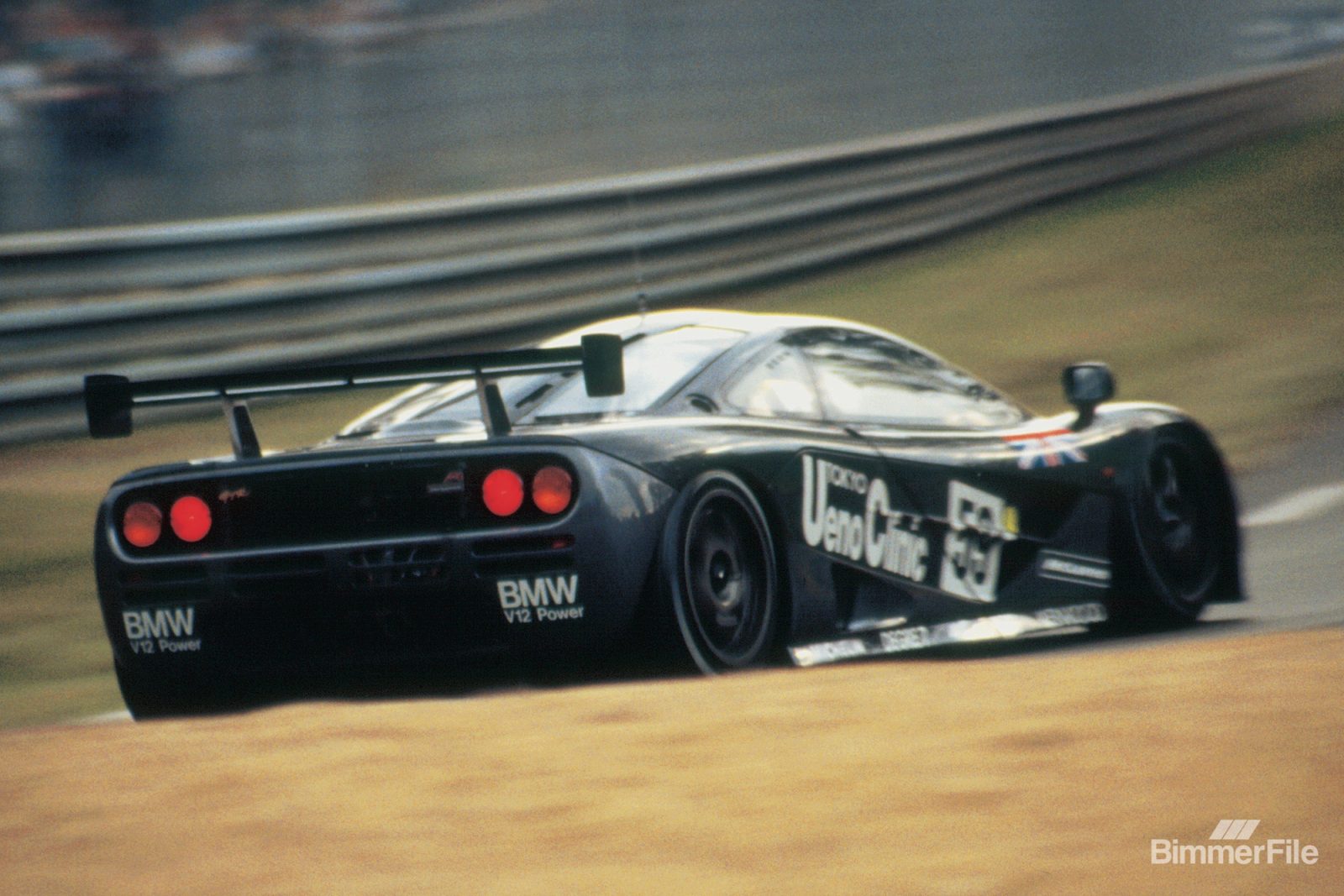
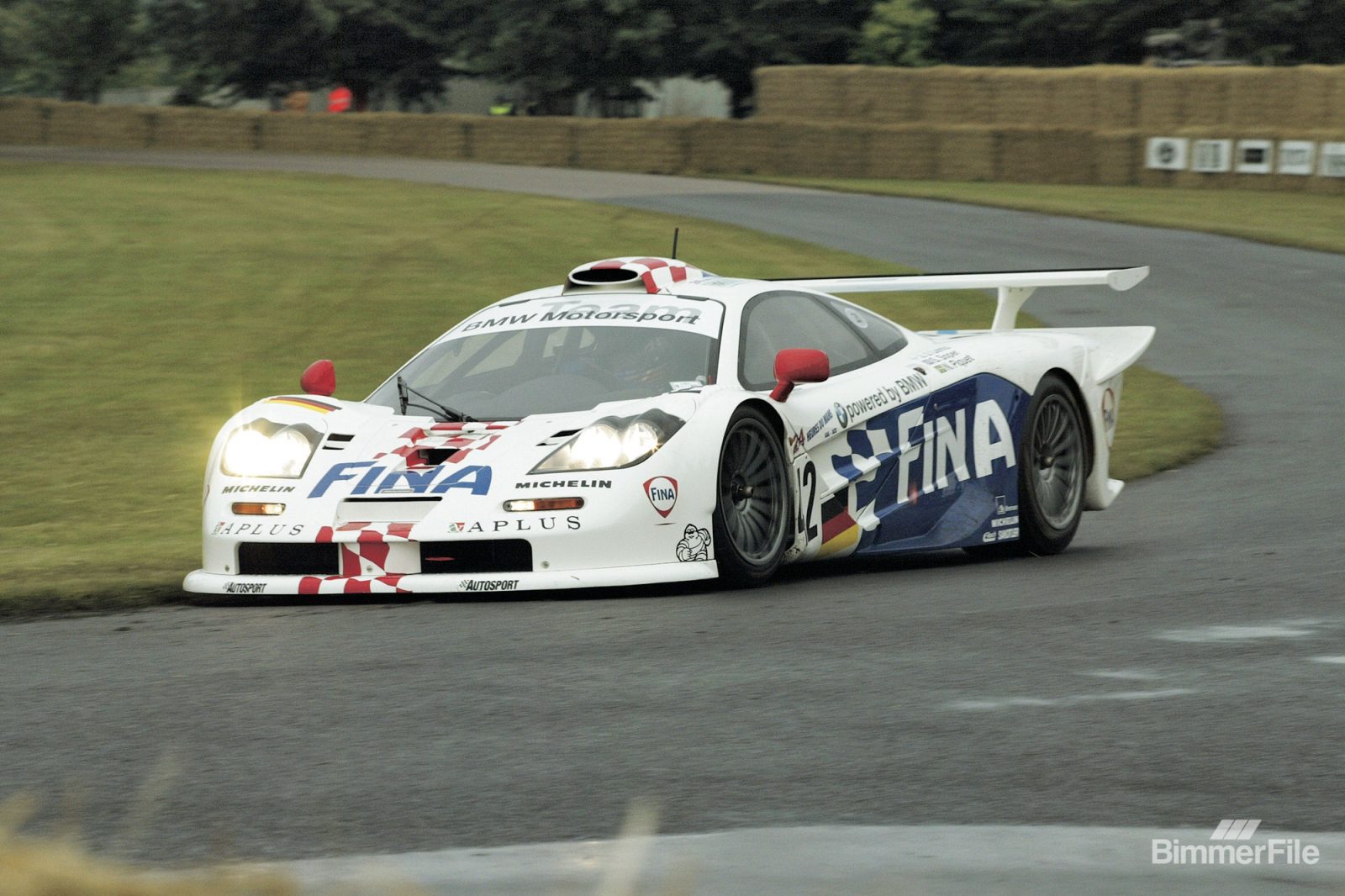
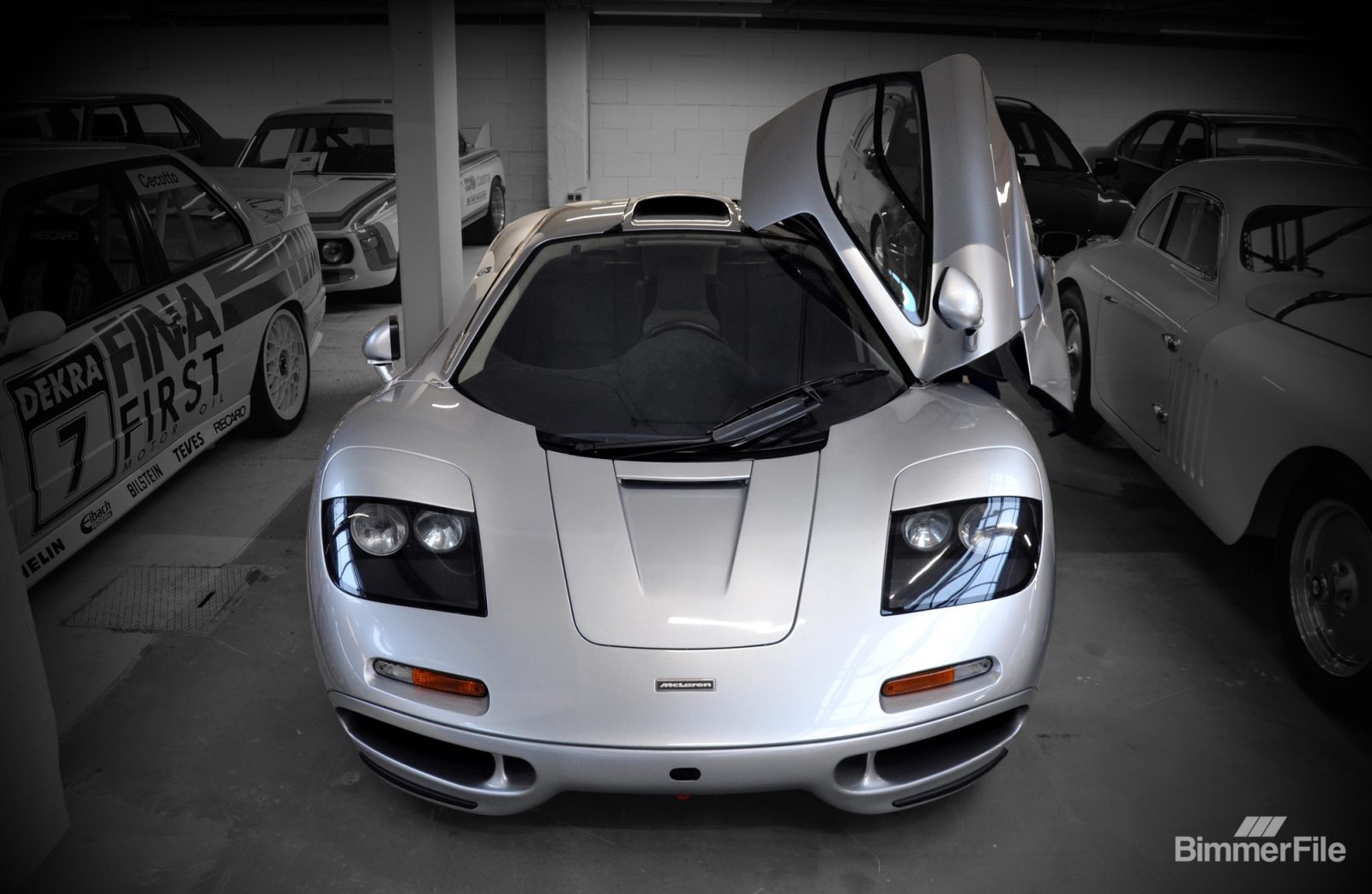
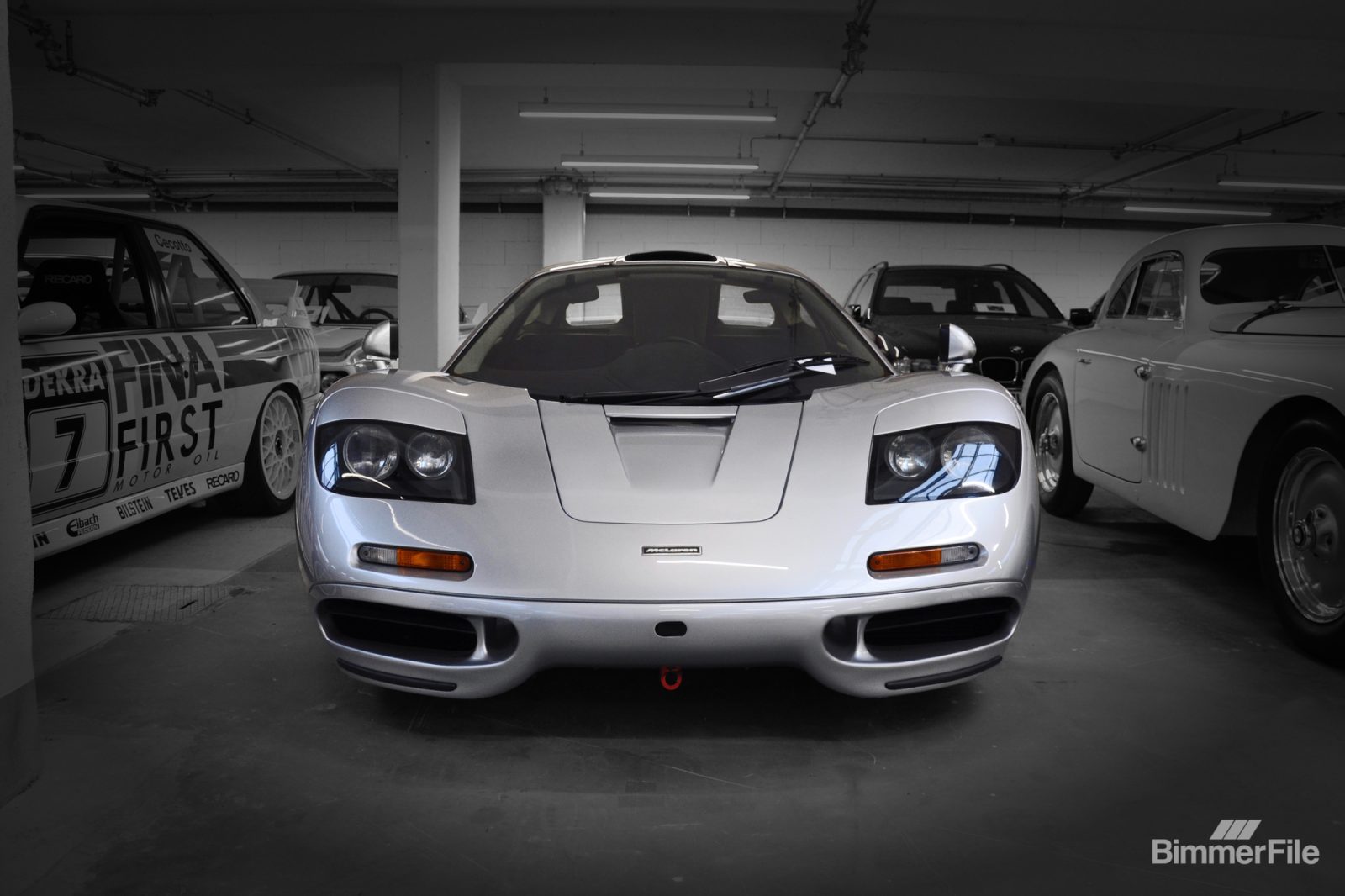
The Greatest BMW Engine Ever – A Inside Look at the Legendary McLaren F1 V12

0
The Greatest BMW Engine Ever – A Inside Look at the Legendary McLaren F1 V12


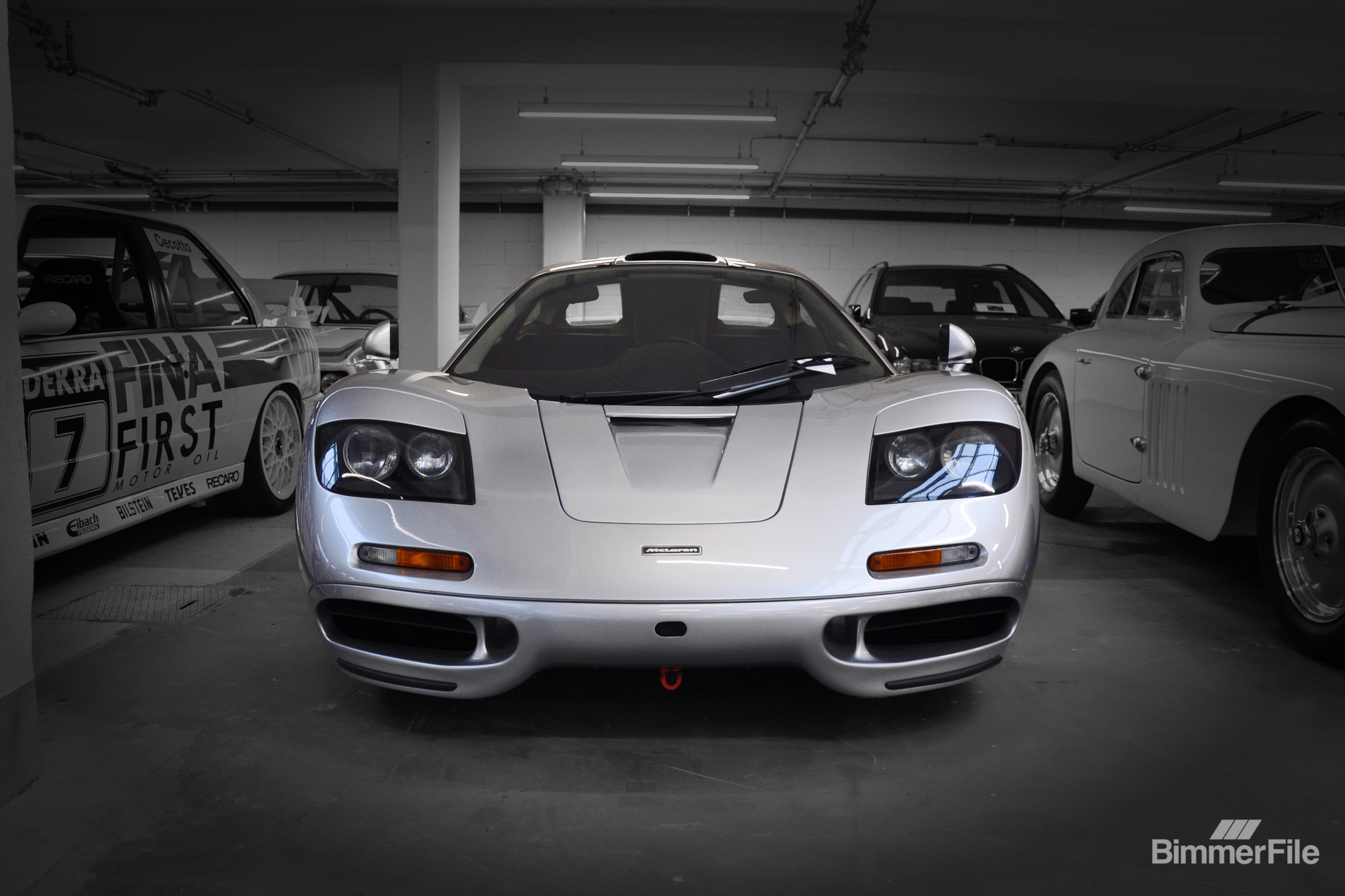
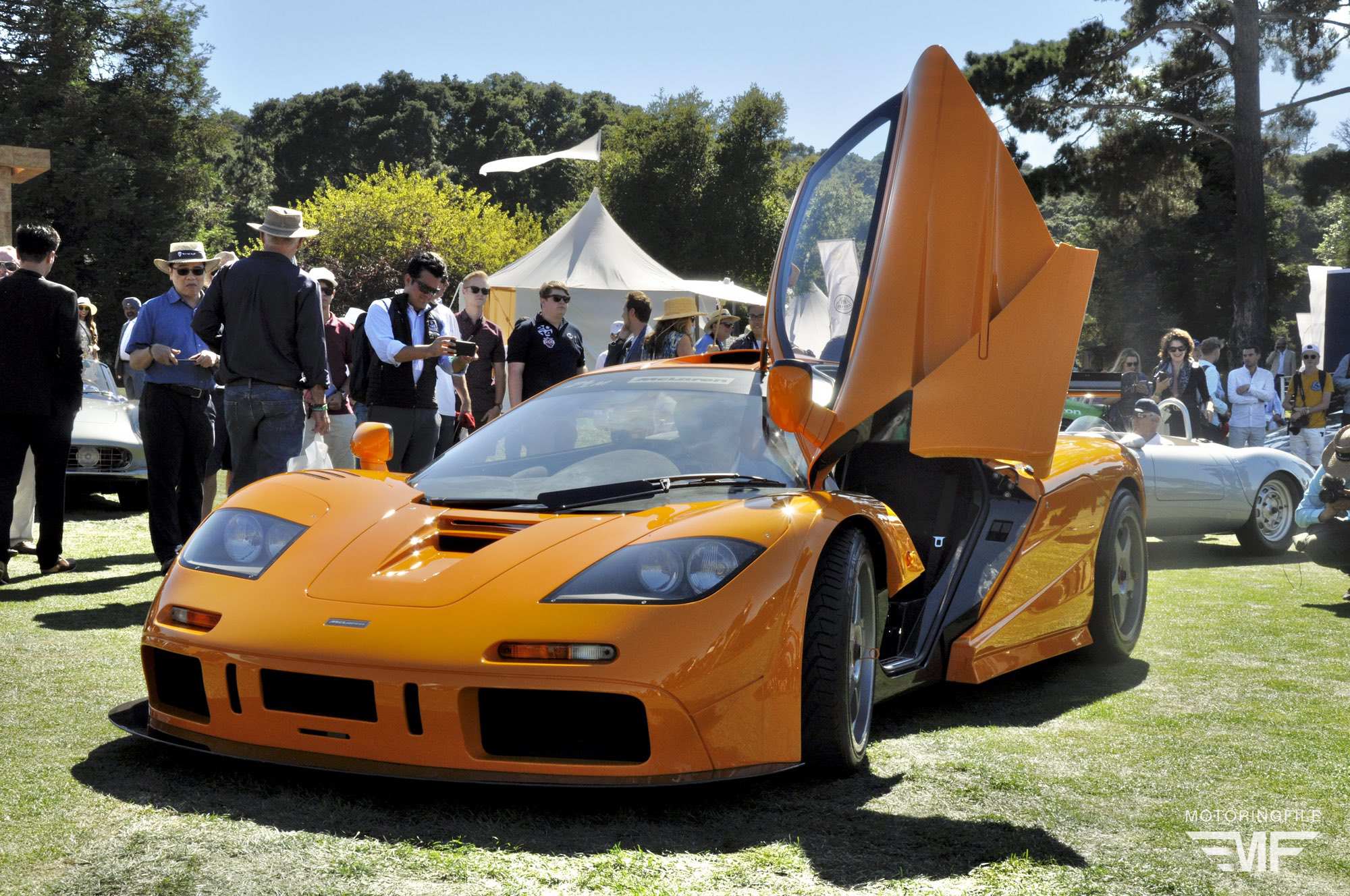
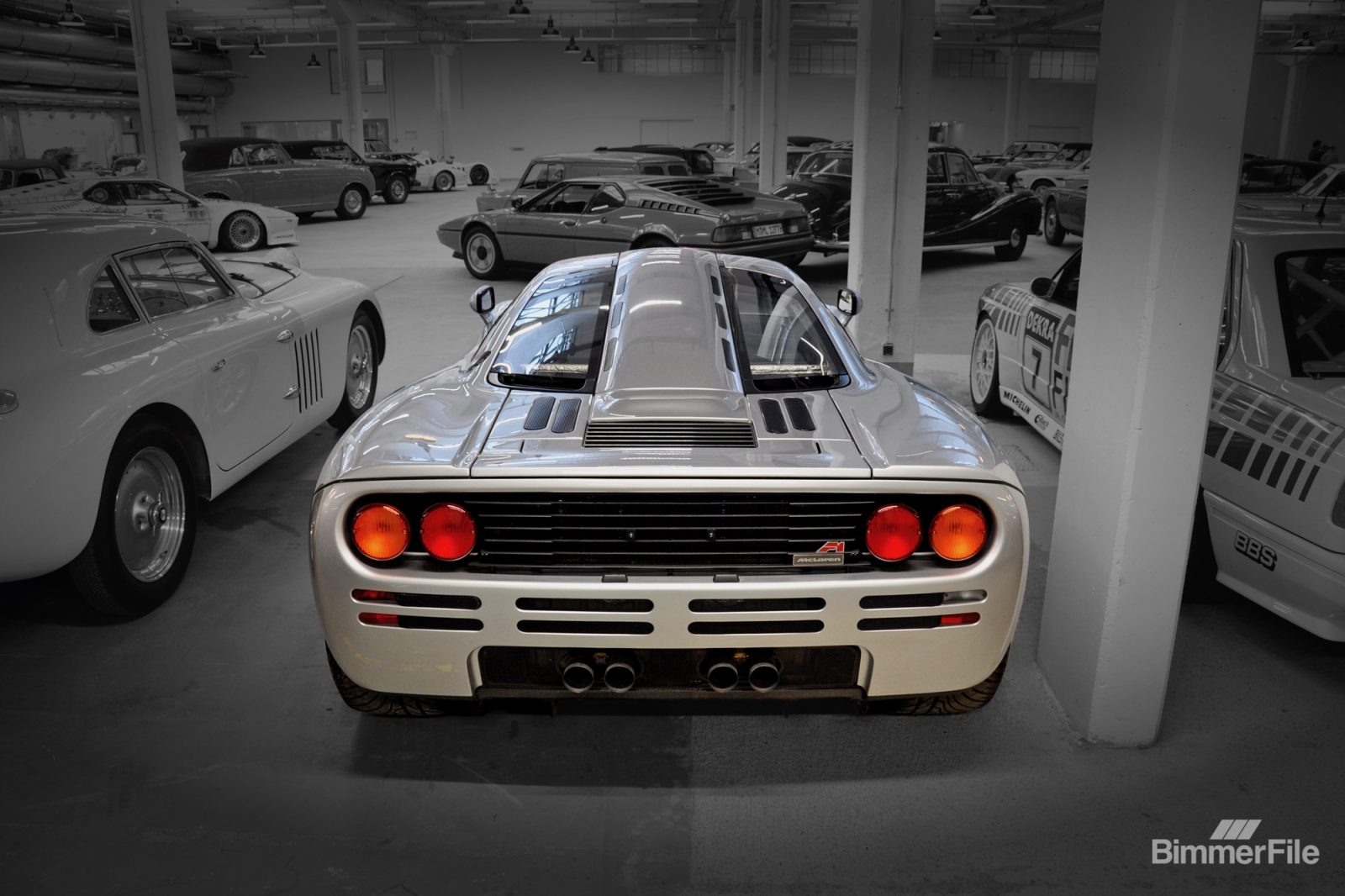
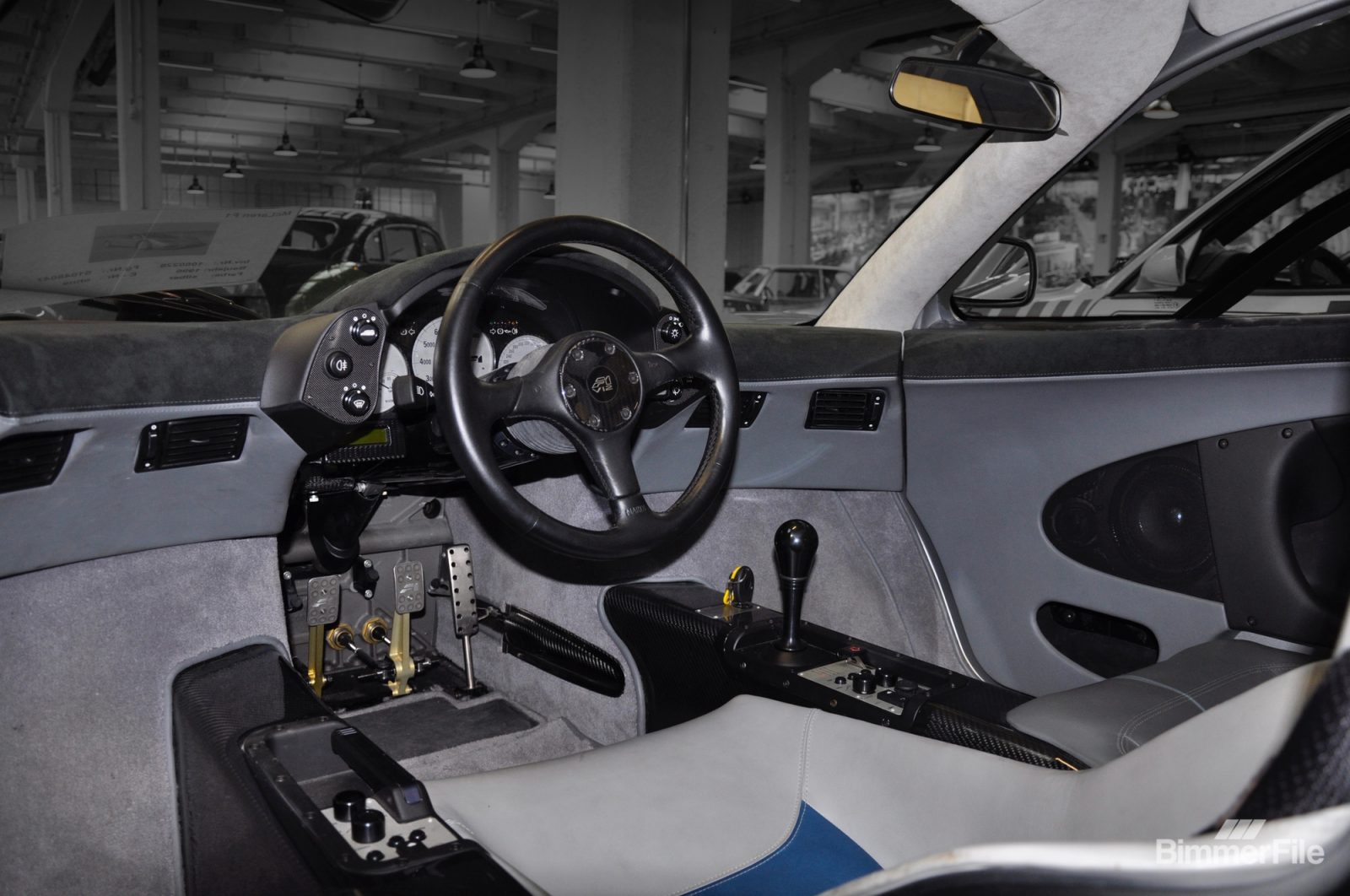
For all the engines Munich has produced—from the screaming S14 of the E30 M3 to the torquey brute force of the S85 V10—none match the mythos, engineering purity, or historic importance of the one developed for a car that doesn’t even wear a roundel: the V12 at the heart of the McLaren F1.

Yes, the greatest BMW engine ever made may very well be the one designed not for a 5 Series or M car, but for a low-volume British hypercar that redefined what performance could be in the 1990s. The F1’s engine wasn’t just a masterpiece—it was the soul of a car that many still consider the greatest road car of all time. And that’s not a coincidence.

The Origin Story

The McLaren F1 project began with an uncompromising vision from Gordon Murray: a lightweight, central-seat road car with Formula 1 levels of engineering purity. But when it came time to choose an engine, no one could meet the brief. Honda said no. So did every other major player. It was BMW Motorsport—specifically Paul Rosche, the legendary engineer behind the M88 and countless other masterpieces—who stepped up and said, “Yes. But only if we can do it right.”

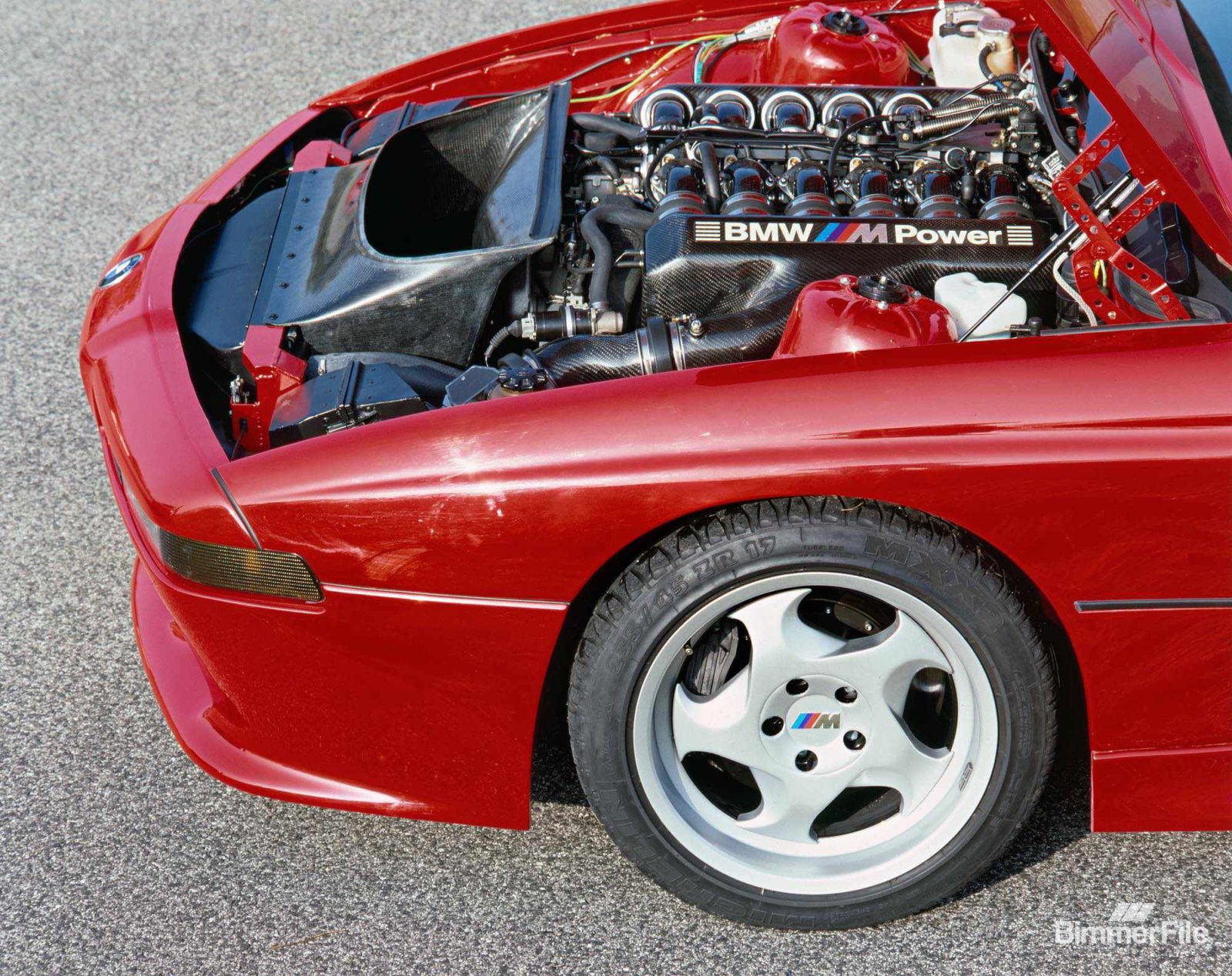
The result was engine code S70/2. A naturally aspirated 6.1-liter V12 producing 618 hp and 479 lb-ft of torque—numbers that still raise eyebrows today. But it wasn’t just about peak output. The engine was a technical flex, a study in balance, response, and durability. It could idle like a luxury sedan but screamed to a redline just north of 7,500 rpm with a sound that belongs in a museum. It was over-engineered in the best way possible—so much so that it ran dry-sump and had dual ECUs managing twelve individual throttle bodies. Murray had wanted a lightweight, high-revving motor with instant response and no forced induction. BMW gave him exactly that.

Built Different

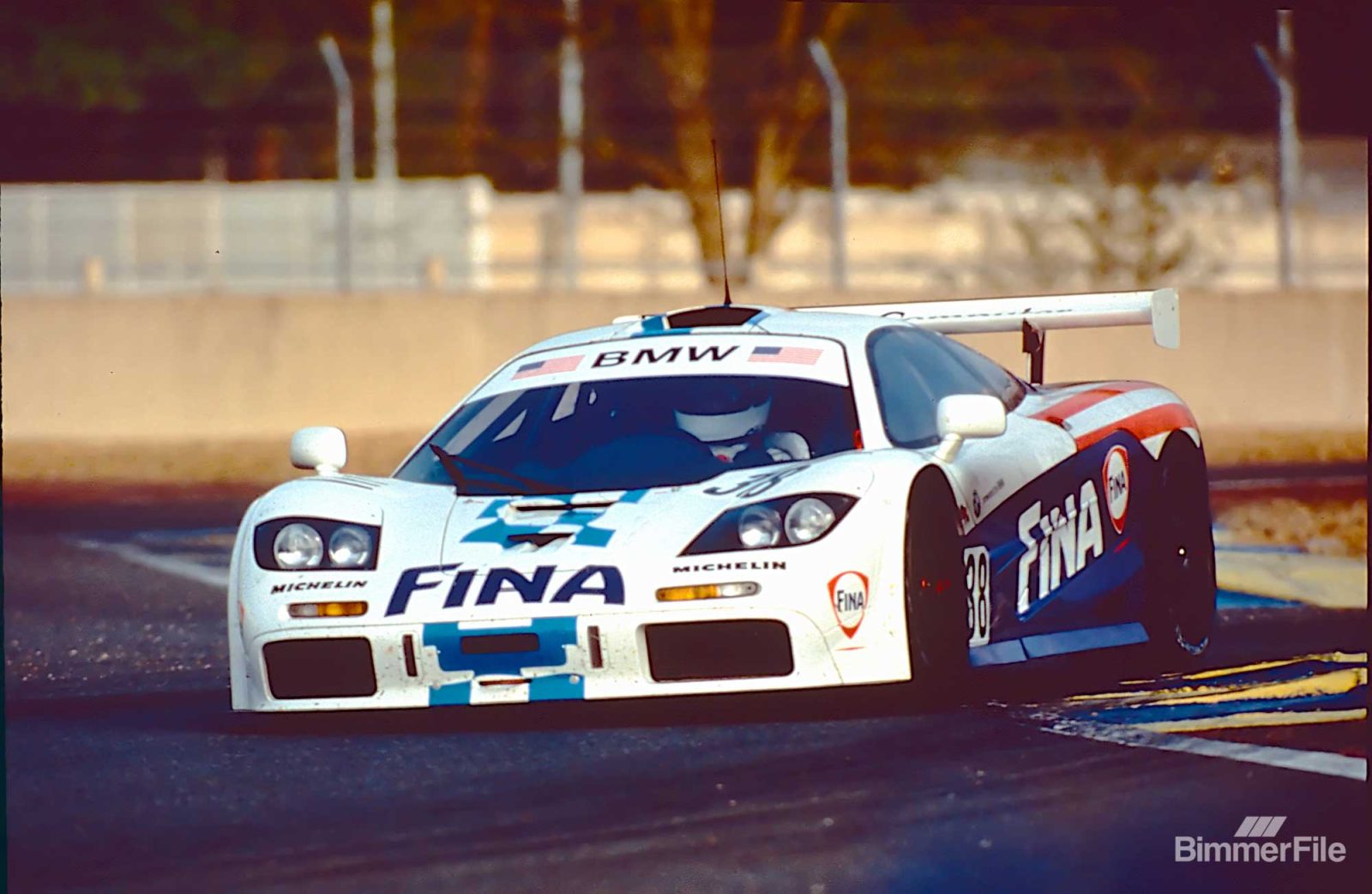
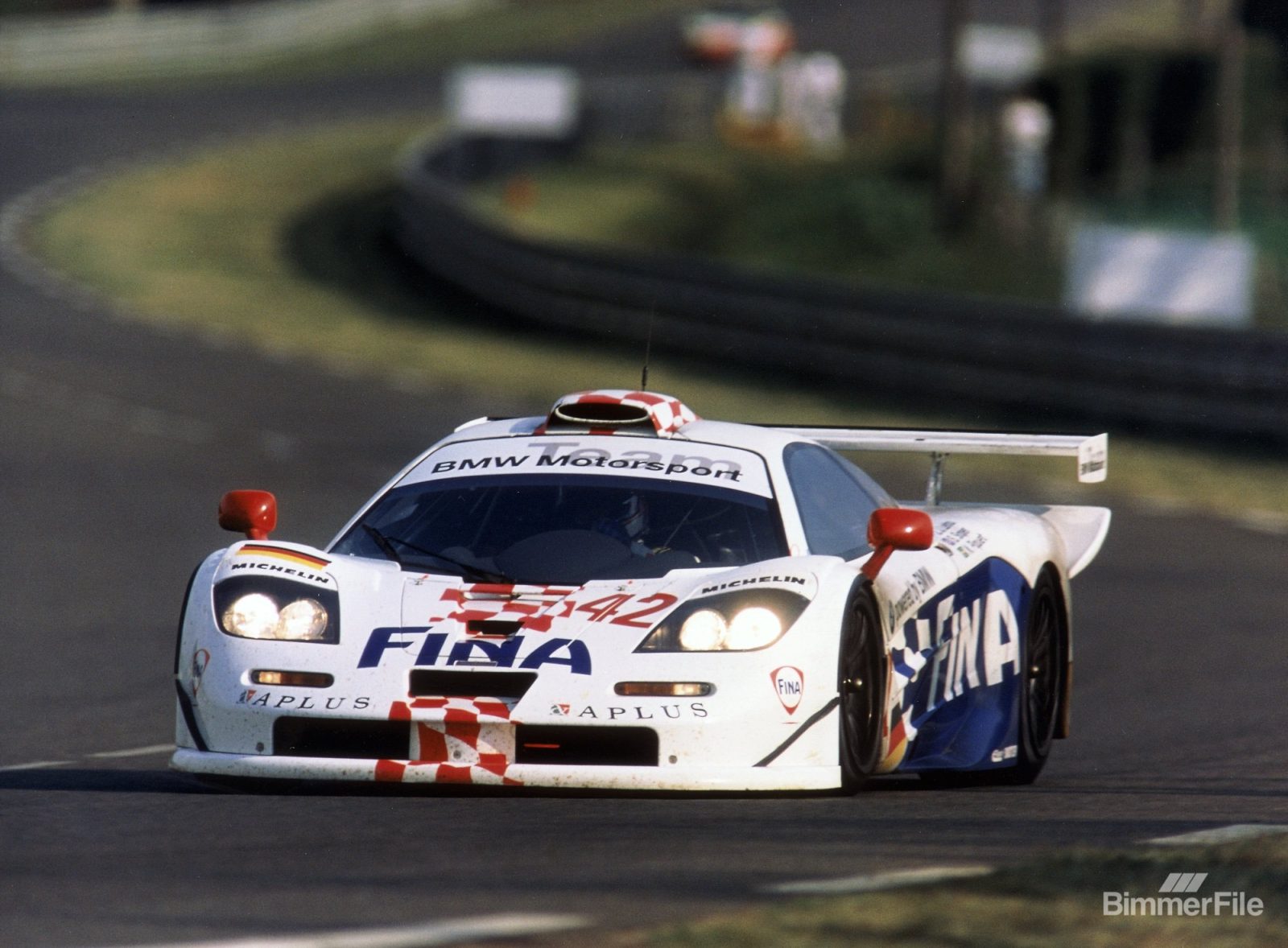
We throw around the term “race engine for the road” far too often. But the S70/2 was exactly that—born from motorsport know-how and tailored with the restraint of real-world usability. It was lighter than most V8s of its day, yet had more cylinders and more sophistication. And its cooling system was so effective that even when raced at Le Mans, it needed no mechanical changes beyond standard endurance prep.

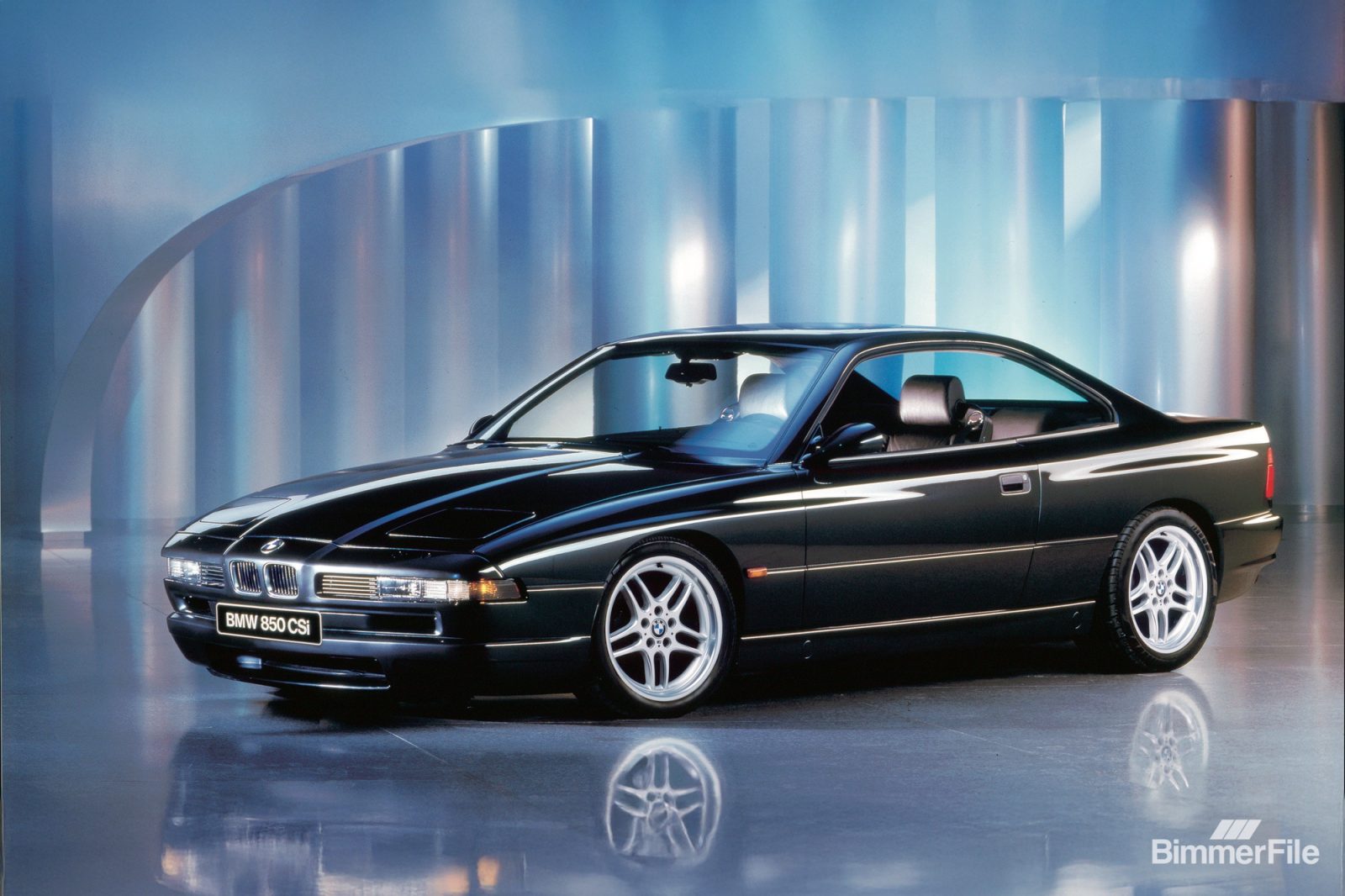
This wasn’t a development of the production S70B56 found in the 850CSi. It shared a name—and not much else. The McLaren’s V12 was a bespoke creation. Cosmetically, it looked beautiful. Functionally, it was overkill in the best way possible. And unlike most of BMW’s M engines, the S70/2 was never softened, detuned, or massaged to fit a broader product lineup. It existed for one car, and one purpose.

BMW S70/2 vs. S70B56: A Tale of Two V12s

It all begs the question, what does it share with other BMW V12’s of the time period. Of all production V12, it’s the E31 850csi’s S70B56 that comes the closest. But the moment you look at the data, you really begin to see the differences. From the number of valves to the 12 individual throttle bodies, there’s clearly a different intent and level of sophistication between the two.

Feature S70/2 – McLaren F1 S70B56 – BMW 850CSi
Displacement 6.1L (6064 cc) 5.6L (5576 cc)
Layout 60° V12, DOHC, 48 valves 60° V12, SOHC, 24 valves
Power Output 618 hp @ 7400 rpm 375 hp @ 5300 rpm
Torque 479 lb-ft @ 5600 rpm 406 lb-ft @ 4000 rpm
Throttle Bodies 12 individual Single throttle body
ECU Dual ECUs (TAG Electronics) Bosch Motronic 1.7
Redline ~7500 rpm ~6000 rpm
Induction Naturally aspirated Naturally aspirated
Fuel System Sequential injection Conventional injection
Dry Sump Yes No
Production Intent One-off, motorsport-derived Road car refinement
Weight ~265 kg (584 lbs) ~240 kg (530 lbs)

How Does the S70/2 Compare to the Prototype E31 M8?

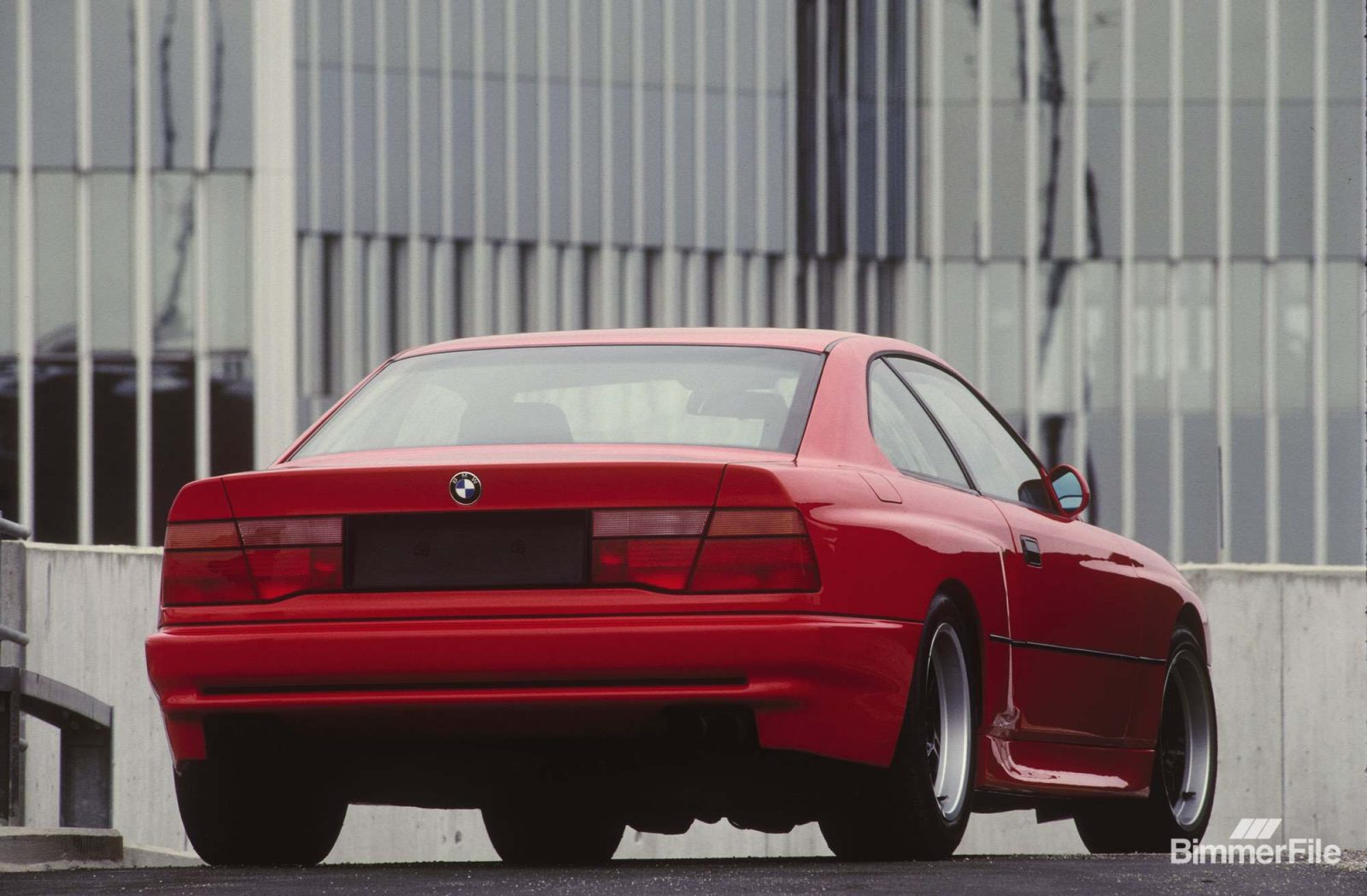
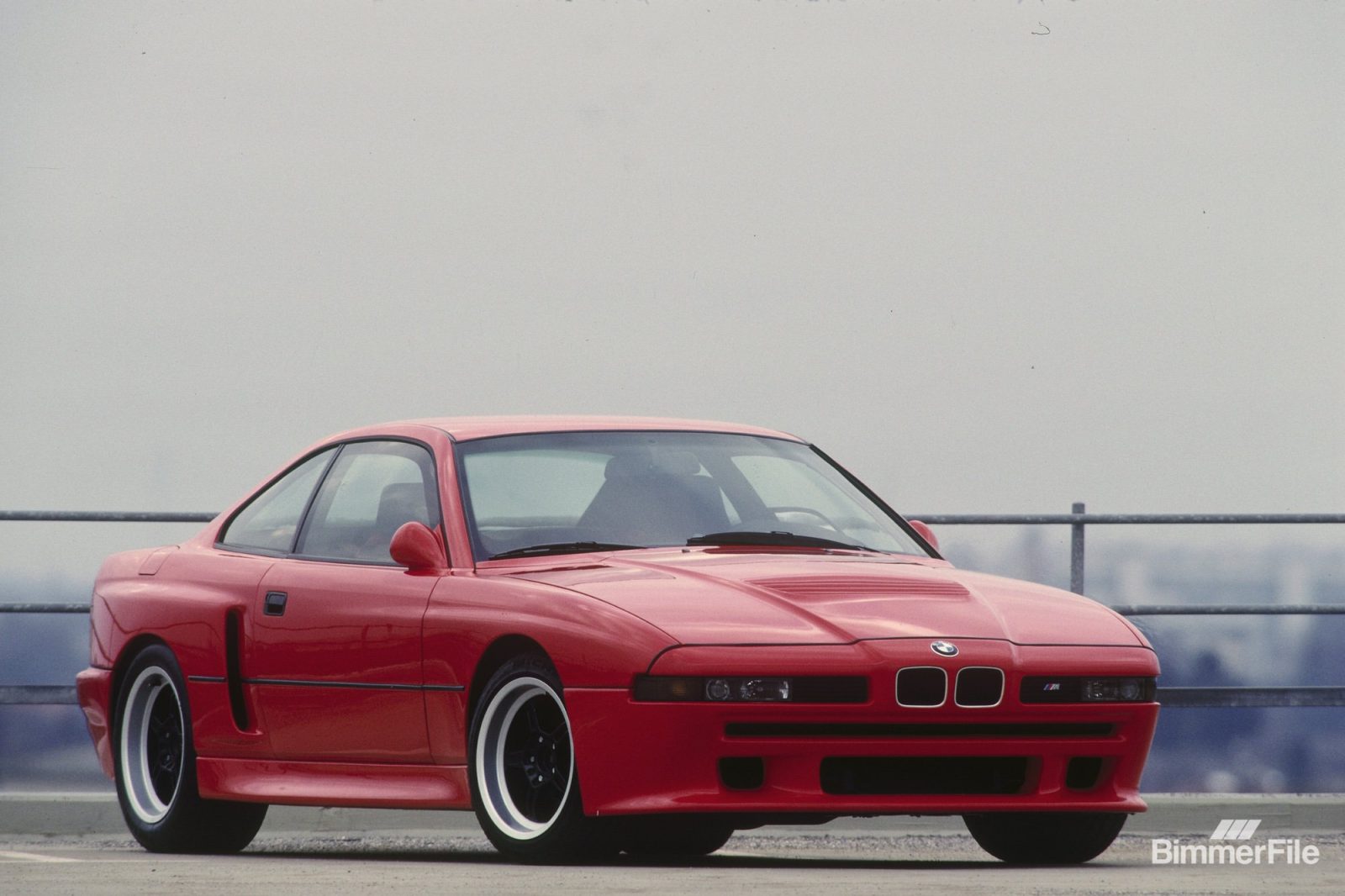
Things get more interesting when we look at the stillborn E31 M8 prototype and it’s V12 – code-named the S70/1. Interestingly the McLaren F1’s engine was derived from the BMW M8 prototype’s engine design – which was on the drawing board before McLaren approached BMW. They’re identical in terms of overall design concept and even size. The S70/1 even produced around 550 horsepower, close the 627 hp from the F1. However BMW has always been clear to point out that the S70/1 served as the foundation that the S70/2 was born from.

The Legacy

There’s a reason the McLaren F1 still holds the title for the fastest naturally aspirated car ever built. In 1998, it hit 240.1 mph with the rev limiter removed—more than two decades before Ferrari, Porsche or even Bugatti caught up. And at the center of that record? A BMW-built V12.

The engine’s influence didn’t directly echo through BMW’s mainstream lineup—but it didn’t need to. Its legacy is in its singularity. It was an uncompromised engine built for a car with no peers. No other production BMW motor can claim the same level of bespoke craftsmanship, historical impact, and mechanical perfection.

Why It Still Matters

In a world shifting rapidly toward electrification and turbocharged everything, the McLaren F1’s BMW V12 feels like a postcard from another era—a reminder of what engineering passion and corporate bravery can produce. It’s a monument to BMW’s motorsport division at its absolute peak, when “The Ultimate Driving Machine” wasn’t just a tagline—it was an ethos. But interesting, it also seems to be a blueprint for the future. With Murry Automotive, Bugatti, and Aston Martin all releasing high-revving naturally aspirated engines recently, it would seem that there’s some magic left in BMW’s formula.

So, is the McLaren F1’s S70/2 the best BMW engine of all time?

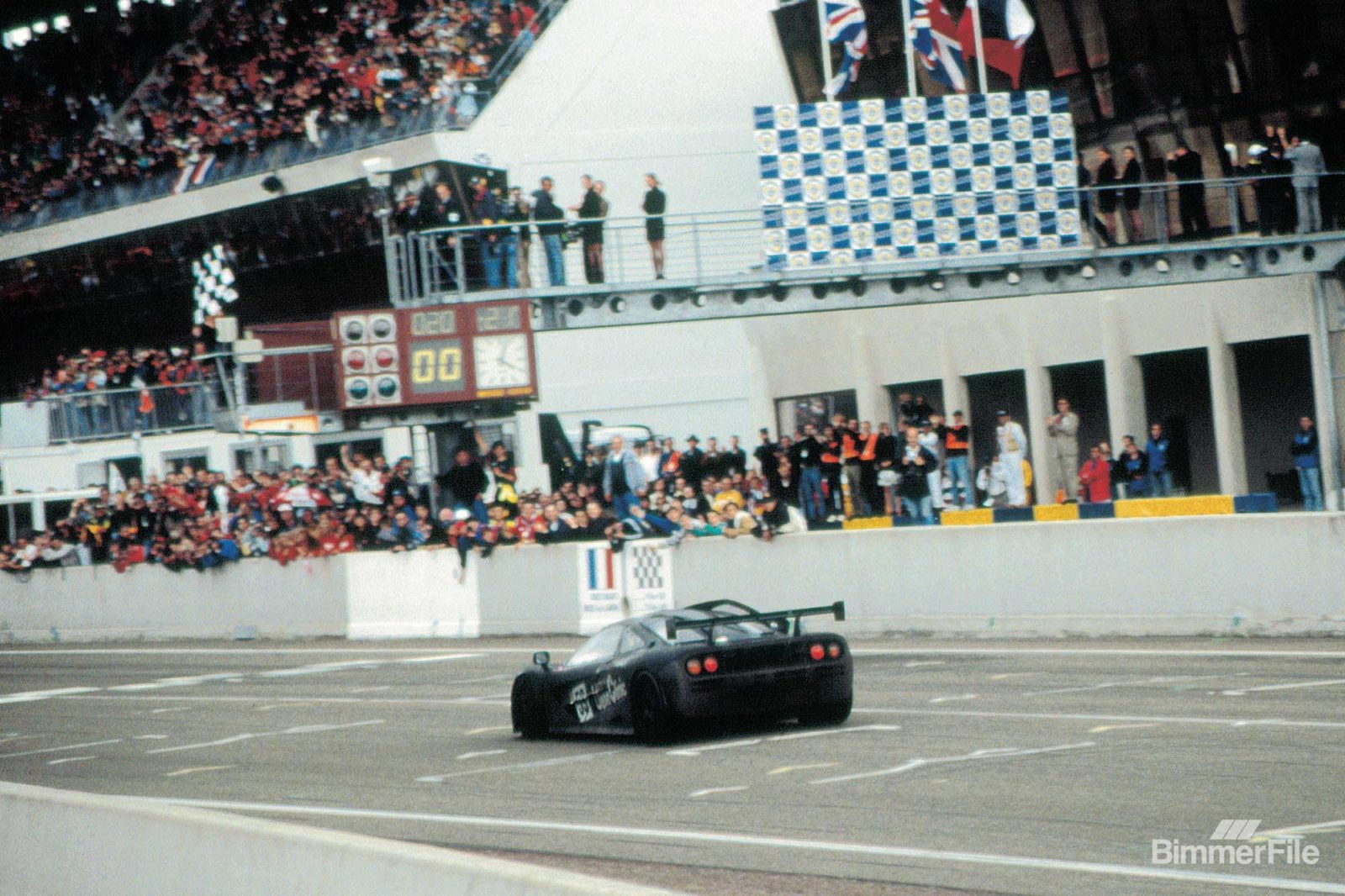
Without question. Not just because it sits at the heart of arguably the best analogue car of all time and even went on to win LeMans twice. It’s because it captures everything BMW M has stood for since its inception.


Source link

Trump’s ‘Liberation Day’ tariffs are the highest in decades − an economist explains how that could hurt the US

0
Trump’s ‘Liberation Day’ tariffs are the highest in decades − an economist explains how that could hurt the US


President Donald Trump unveiled a sweeping new tariff plan on April 2, 2025, to reshape U.S. trade and boost domestic industry.

Framing the announcement as “Liberation Day,” he proposed a 10% tariff on essentially all imports, with steeper rates for major trade partners, including 34% on Chinese goods and 20% on those from the European Union. Starting April 3, a 25% tariff on all foreign-made cars and auto parts will take effect – a move that he says will revive U.S. manufacturing and reset America’s trade agenda.

But the fanfare surrounding the announcement masks a much larger gamble. What’s really at stake is trust – America’s long-standing reputation as a stable and predictable destination for global investment. And once that trust is lost, it’s incredibly hard to win back.

The strategy is presented as a robust defense of American manufacturing and the middle class. But foreign direct investment – when overseas companies build factories or expand operations in the U.S. – depends on more than just opportunity. It depends on certainty.

If global investors start to worry that U.S. trade policy can shift abruptly, they may relocate their capital elsewhere. As such, the administration’s aggressive approach to tariffs risks undermining the very confidence that has long made the U.S. a top destination for global capital.

Auto tariffs as a case in point

Nowhere is this risk more visible than in the auto industry.

In 2023 alone, the United States attracted over US$148 billion in foreign direct investment, with nearly $42.9 billion tied to manufacturing, including in the automotive sector. Over the past few decades, major global automakers such as Toyota, BMW and Hyundai have established expansive plants in states including Alabama, Ohio and Kentucky.

These facilities – many of which have seen significant reinvestment and expansion in recent years, especially in response to the shift toward electric vehicles – employ thousands of Americans and contribute significantly to local economies.

Trump’s tariff push aims to get automakers to manufacture more vehicles on U.S. soil to overcome rising import costs. It’s a strategy with precedent. During his first term, the threat of auto tariffs, alongside existing plans, helped spur Toyota’s $1.6 billion investment in a North Carolina plant and Volkswagen’s expansion of its operations in Tennessee. It’s not far-fetched to imagine Honda or Mercedes following suit with new factories in Indiana or Texas.

But here’s the catch: “Made in the USA” doesn’t always mean “made for less.” American auto plants often face productivity and efficiency gaps compared with foreign competitors. Labor costs are higher. Assembly lines move more slowly, partly due to stricter labor protections, less automation and aging infrastructure. And U.S. automakers such as Ford and GM still depend heavily on global supply chains. Even for vehicles assembled in America, about 40% of the parts, such as engines from Canada and wiring harnesses from Mexico, are imported.

A man at a desk holds a document.
President Donald Trump in the Oval Office on March 26, 2025, when he announced he would impose 25% tariffs on all foreign-made cars.
Win McNamee/Getty Images

When those parts are taxed, production costs go up. Moody’s estimates that pickups such as the Ford F-150 and Chevy Silverado could cost $2,000 to $3,000 more as a result. Goldman Sachs projects price hikes of up to $15,000, depending on the vehicle. Automakers then face a dilemma: raise prices and risk losing customers or absorb the costs and cut into their margins.

A ripple effect across the economy

Tariffs may protect one industry, but their ripple effects reach much further. They raise costs for other sectors that rely on imported inputs, slow down production by making supply chains more expensive and less efficient, squeeze profit margins, and leave businesses and consumers with harder choices.

Factories represent billion-dollar investments that take years to recoup their costs. Mixed signals, such as the president calling tariffs “permanent” one moment and negotiable the next, create a climate of uncertainty. That makes companies more hesitant to build, hire and expand.

And investors are watching closely. If building in the U.S. becomes more expensive and less predictable, is it still a smart long-term bet? When a company is deciding where to build its next battery plant or chip facility, volatility in U.S. policy can be a deal breaker.

The consequences could surface soon. Goldman Sachs has already lowered its 2025 U.S. GDP growth forecast to 1.7%, down from an earlier 2.2%, citing the administration’s trade policy risks. Consumers, still grappling with inflation and high interest rates, may begin to delay big-ticket purchases, especially as tariffs push prices even higher.

The international fallout

America’s trading partners aren’t standing still. Canadian Prime Minister Mark Carney says his country “will fight back – with purpose and with force.” The European Union is exploring duties on American tech firms. Japan, a longtime ally, is signaling unease. If these countries redirect investment to other countries, the U.S. could lose its competitive edge for years to come.

And while roughly 1 million Americans work in the auto manufacturing industry, more than 150 million make up the total American labor force. When tariffs drive up input costs, it can trigger a chain reaction, hurting retailers, stalling service-sector jobs and slowing overall economic growth.

Consumers will feel it too. Higher prices mean lower sales, reduced tax revenues and shrinking profits. All of that weakens the economy at a time when household budgets are already strained.

Lessons from history

The U.S. has seen how trade policy can shape investment decisions – just in reverse. In the 1980s, Japanese automakers responded to U.S. import quotas not by withdrawing but by building plants in the United States. That response was possible because policies were clear and negotiated, not abrupt or adversarial.

Today, the story is different. Volatile, unilateral tariffs don’t build trust – they erode it. And when trust erodes, so does investment.

Yes, a factory in Indiana or Kentucky might reopen. Yet if that comes at the cost of deterring billions of dollars in long-term investment, is it worth it?

So while the president may celebrate April 2 as Liberation Day, markets may come to see it as the tipping point – when global confidence in the U.S. economy began to falter in earnest.


Source link

Exterior Designer – Gothenburg, Sweden

0
Exterior Designer – Gothenburg, Sweden


At Volvo Cars, we’re on a mission to make people’s lives less complicated. We never start with technology and try to squeeze people in around it – we always design our cars around people, and we innovate to provide safe, sustainable and convenient mobility. Want to join us?

The Exterior designer must have in-depth knowledge of what it means to create great exterior designs which are on brand, and to an exceptional standard. They must demonstrate a true understanding of the subtleties of 3D surface and translation of a 2D sketch into reality.  

WHAT YOU WILL DO

The mission will be to propose innovative design solutions which help to push the future development of the Volvo brand. The exterior designer will be asked to create compelling and appropriate design proposals for concept and production car programs in the form of sketches, renderings and 3D digital models.


RESPONSIBILITIES

  • Collaborating cross functionally with all team disciplines.
  • Support program timing by delivering appropriate design proposals with speed and efficiency.
  • Benchmark competitive vehicles to aid design direction.
  • Work closely together with studio engineering on design solutions that can be brought to production.
  • Support Digital modellers with clear visual and verbal direction in the creation of digital models, physical models and CG renderings.
  • Work on a broad range of advanced design and production programs.
  • Presenting and communicating design proposals using multiple media including PPT, VRED, etc.

QUALIFICATIONS

  • Bachelors or higher degree in transportation / automotive design, industrial design.
  • Express a high level of creativity through sketching, digital sketching, and final digital rendering.
  • Skilled in Alias Automotive Studio, VRed, Photoshop and other visual medias.
  • Ability to develop and maintain collaborative relationships with peers and colleagues across the organization, as well as internal clients.
  • Ability to work well autonomously and within a team in a fast-paced and deadline-oriented environment. 
  • Strong aesthetic sensibility.
  • Periodic travel may be required, including the potential for international travel for full time employees.
  • Fluent English communication skills.
  • Candidates MUST BE LEGALLY AUTHORIZED TO WORK IN SWEDEN. Verification of employment eligibility will be required at the time of hire.

Location
Gothenburg, Sweden 

See also

HOW TO APPLY

Please apply via the link below by the 13th of August, 2021. Job requisition ID:  52867 Applicants must provide a portfolio of work as part of their application. Applications and CVs are only accepted via the job link. If you have any questions regarding the recruitment process, please contact Senior Tech Recruiter, Rinor Alihajdaraj, [email protected].

ABOUT VOLVO CARS

Everything we do starts with people. Our purpose is to provide freedom to move, in a personal, sustainable and safe way. We are committed to simplifying our customers’ lives by offering better technology solutions that improve their impact on the world and bringing the most advanced mobility innovations to protect them, their loved ones and the people around them. 

Volvo Cars’ continued success is the result of a collaborative, diverse, and inclusive working environment. The people of Volvo Cars are committed to making a difference in our world. Today, we are one of the most well-known and respected car brands, with over 40,000 employees across the globe. We believe in bringing out the best in each other and harnessing the true power of people. At Volvo Cars your career is designed around your talents and aspirations so you can reach your full potential. Join us on a journey of a lifetime as we create safety, autonomous driving and electrification technologies of tomorrow.


Source link