9.1 C
London
Monday, May 11, 2026
Home Blog Page 123

The Best Cars for Young and New Drivers: A Guide to Safety, Affordability, and Reliability

0

Getting your first car is an exciting milestone. Whether you’re fresh out of driving school or just starting your journey behind the wheel, choosing the right vehicle is crucial. Young and new drivers need a safe, easy-to-handle, reliable, and, of course, budget-friendly car. In this guide, we’ll break down the best cars for new drivers, key factors to consider, and essential tips to keep you safe on the road.

What to Look for in a First Car

Before jumping into a list of the best cars for new drivers, it’s important to understand what makes a car ideal for beginners. Here are some key factors to keep in mind:

1. Safety Features

  • Look for cars with high safety ratings from the National Highway Traffic Safety Administration (NHTSA) or the Insurance Institute for Highway Safety (IIHS).
  • Features like anti-lock brakes (ABS), electronic stability control (ESC), lane departure warnings, and automatic emergency braking (AEB) can be lifesaving.

2. Affordability

  • A first car should be budget-friendly, both in terms of upfront costs and long-term expenses such as maintenance and insurance.
  • Consider certified pre-owned vehicles to get a well-maintained car at a lower price.

3. Fuel Efficiency

  • Gas mileage is an important factor, especially for young drivers on a tighter budget.
  • Look for cars with at least 30 miles per gallon (MPG) to save money at the pump.

4. Reliability

  • A car that requires constant repairs can be stressful and expensive.
  • Stick to brands known for their reliability, such as Toyota, Honda, and Mazda.

5. Ease of Handling

  • Smaller cars are easier to maneuver, park, and drive in traffic.
  • Avoid overly powerful engines that might be harder to control for new drivers.

Top 5 Best Cars for Young and New Drivers

1. Honda Civic
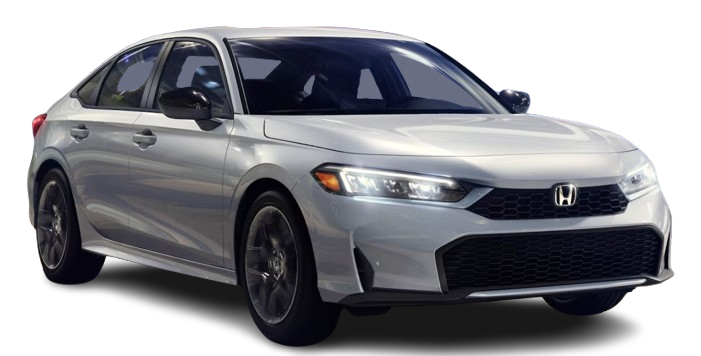
  • Pros: High safety ratings, excellent fuel economy, and long-term reliability.
  • Cons: Can be slightly more expensive than other compact cars.
  • Why it’s great for new drivers: The Civic is known for its responsive handling, making it easier to control on the road.

2. Toyota Corolla
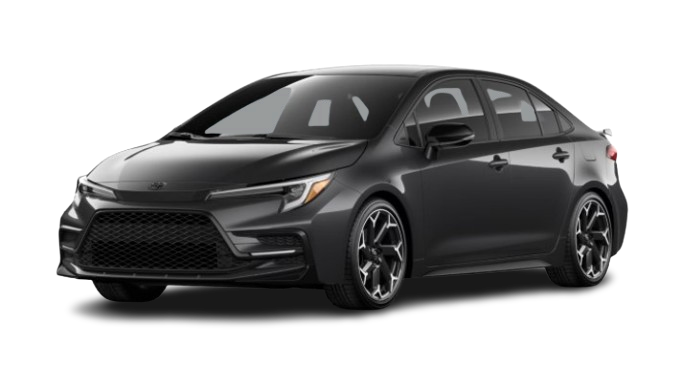
  • Pros: Extremely reliable, affordable, and fuel-efficient.
  • Cons: Not as sporty in design compared to competitors.
  • Why it’s great for new drivers: Toyota’s legendary reliability means fewer repair worries, and it has excellent safety features.

3. Mazda3
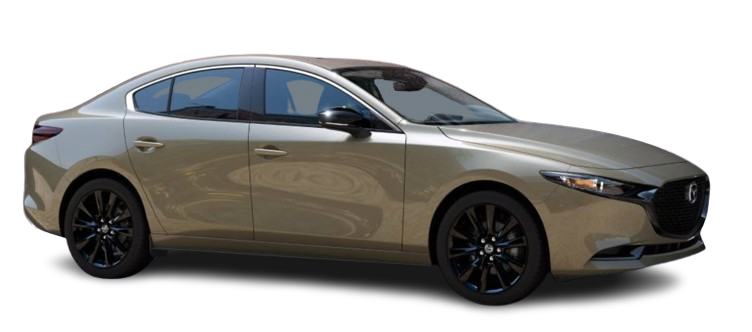
  • Pros: Fun to drive, stylish, and comes with advanced safety tech.
  • Cons: Slightly higher maintenance costs than Toyota or Honda.
  • Why it’s great for new drivers: It offers a balance of safety, affordability, and performance.

4. Hyundai Elantra
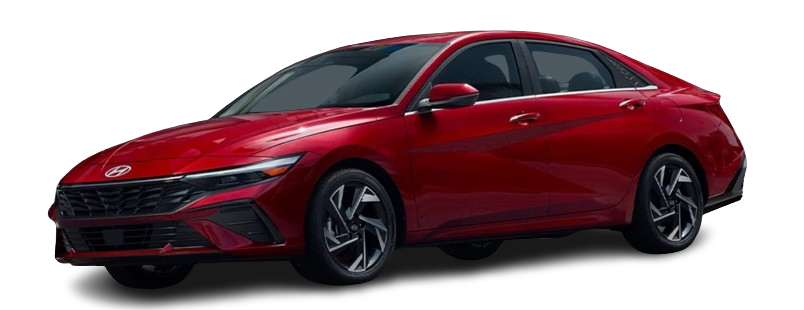
  • Pros: Budget-friendly, modern tech features, and good fuel economy.
  • Cons: Resale value isn’t as strong as Toyota or Honda.
  • Why it’s great for new drivers: It’s packed with safety features and offers a smooth driving experience.

5. Subaru Impreza
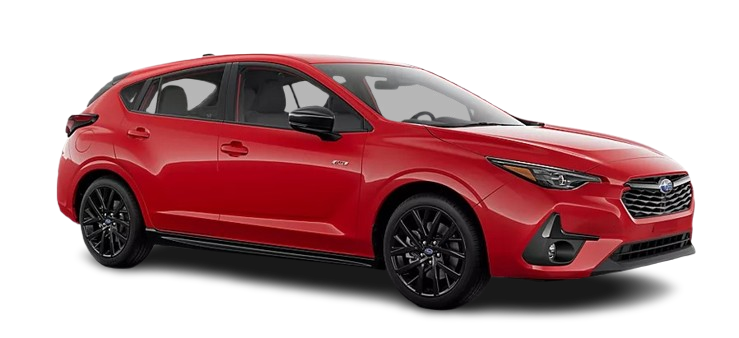
  • Pros: Comes with all-wheel drive (AWD), which is great for bad weather conditions.
  • Cons: Fuel economy isn’t as high as other compact cars.
  • Why it’s great for new drivers: If you live in an area with snow or rain, AWD can be a huge advantage for stability and control.

Insurance Tips for Young Drivers

Car insurance can be pricey for young drivers due to limited driving experience. Here are some ways to save money on car insurance:

  • Choose a car with a high safety rating: Insurance companies offer lower rates for safer cars.
  • Take a defensive driving course: Many insurers provide discounts for completing a certified driving course.
  • Stay on your parent’s insurance policy: If possible, being on a parent’s plan is often cheaper than getting your own policy.
  • Increase your deductible: A higher deductible means lower monthly payments, but be sure you can afford it if needed.
  • Look for good student discounts: Some insurance companies offer discounts for students with good grades.

Essential Safety Tips for New Drivers

Buying the right car is just the first step—being a responsible driver truly matters. Keep these safety tips in mind:

1. Avoid Distracted Driving

  • No texting or using your phone while driving. Use hands-free options if necessary.
  • Keep music and conversations at a reasonable volume to stay focused.

2. Follow Speed Limits

  • Speeding is one of the biggest causes of accidents among young drivers.
  • Stick to posted speed limits and adjust for road conditions.

3. Always Wear Your Seatbelt

  • Seatbelts reduce the risk of serious injury in an accident by up to 50%.

4. Don’t Drive Under the Influence

  • Never drink and drive. Use a rideshare service or taxi, or have a designated driver.

5. Practice Defensive Driving

  • Be aware of your surroundings and anticipate other drivers’ actions.
  • Keep a safe following distance to avoid sudden braking accidents.

Final Thoughts

Choosing the right car as a young or new driver is an important decision that impacts safety, affordability, and overall driving experience. Vehicles like the Honda Civic, Toyota Corolla, and Mazda3 offer a perfect mix of reliability, safety, and cost-effectiveness. Remember to also focus on good driving habits, as responsible driving is as important as picking the right vehicle.

By making smart choices now, you can enjoy the freedom of driving while staying safe and saving money in the long run. Happy driving!
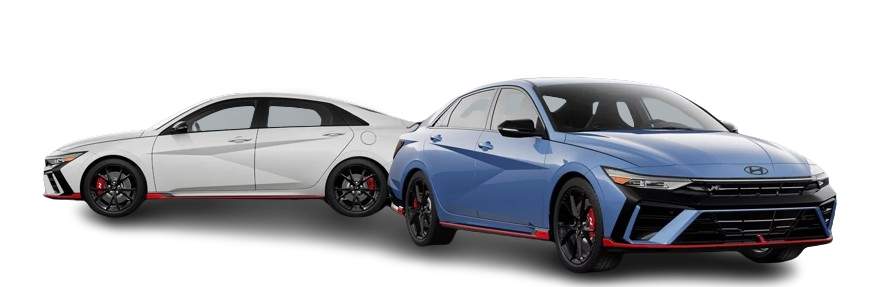
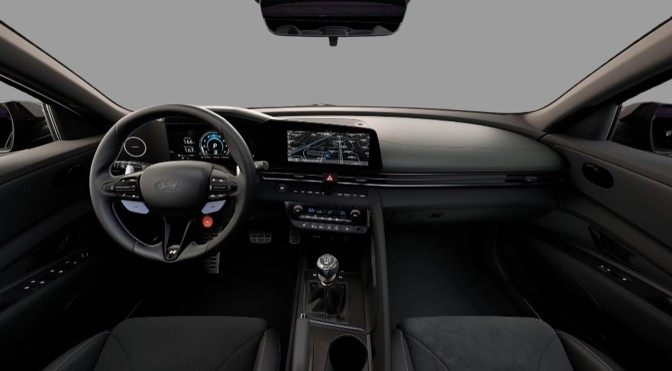
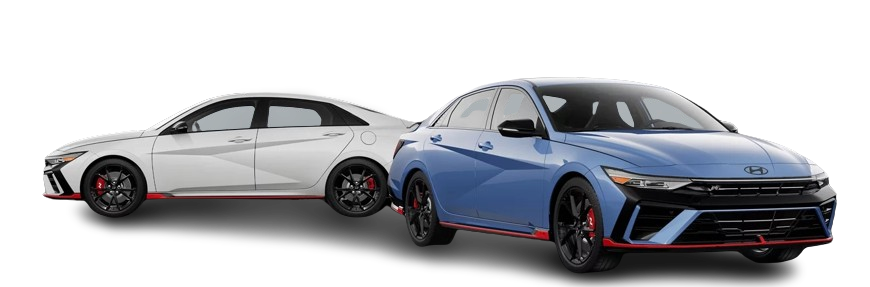
2025 Hyundai Elantra N: Manual vs DCT – Which One Should You Buy?

0

The 2025 Hyundai Elantra N continues to be a top choice for enthusiasts who want a fun, affordable performance sedan. With a turbocharged 2.0-liter engine pushing out 276 horsepower, the Elantra N delivers plenty of thrills whether you opt for the six-speed manual transmission (MT) or the eight-speed dual-clutch automatic (DCT). But which transmission is the better pick? Let’s break it down.

Performance & Driving Experience

Manual Transmission (MT): The Purist’s Choice

If you love being fully engaged while driving, the six-speed manual transmission is a no-brainer. Here’s why:
More Driver Engagement – You control every shift, making each drive more exciting.
Lighter Weight – The MT version is slightly lighter, which helps with handling.
Rev-Matching – Standard feature for smoother downshifts and a sportier feel.
Cost Savings – Typically, the manual is the cheaper option.

However, there’s a trade-off. The 0-60 mph time is slightly slower compared to the DCT because shifting manually isn’t as fast as an automated gearbox.

Dual-Clutch Transmission (DCT): The Speed Demon

The eight-speed DCT is all about speed and convenience. It offers:
Lightning-Fast Shifts – No manual can match how quickly a dual-clutch can swap gears.
Launch Control – Helps maximize traction and acceleration.
Better Daily Drive Comfort – Perfect for city driving and stop-and-go traffic.
Faster 0-60 Times – Expect around 4.9 seconds, compared to the manual’s 5.3 seconds.

The downside? It adds a bit more weight and costs more, both at purchase and for potential maintenance.

Which One Should You Get?

  • Go for the Manual if you love a raw, connected driving experience and don’t mind rowing your own gears. It’s also the better choice for track days where control matters more than outright speed.
  • Choose the DCT if you want the fastest possible acceleration, smoother daily driving, and tech features like launch control.

Final Verdict

Both versions of the 2025 Hyundai Elantra N are fantastic, but it comes down to what kind of driver you are. If you crave total control, the manual is your best bet. If you want speed and convenience, the DCT is the way to go. Either way, you’re getting one of the best sport compact sedans of 2025.

Which one would you pick? Let us know in the comments!

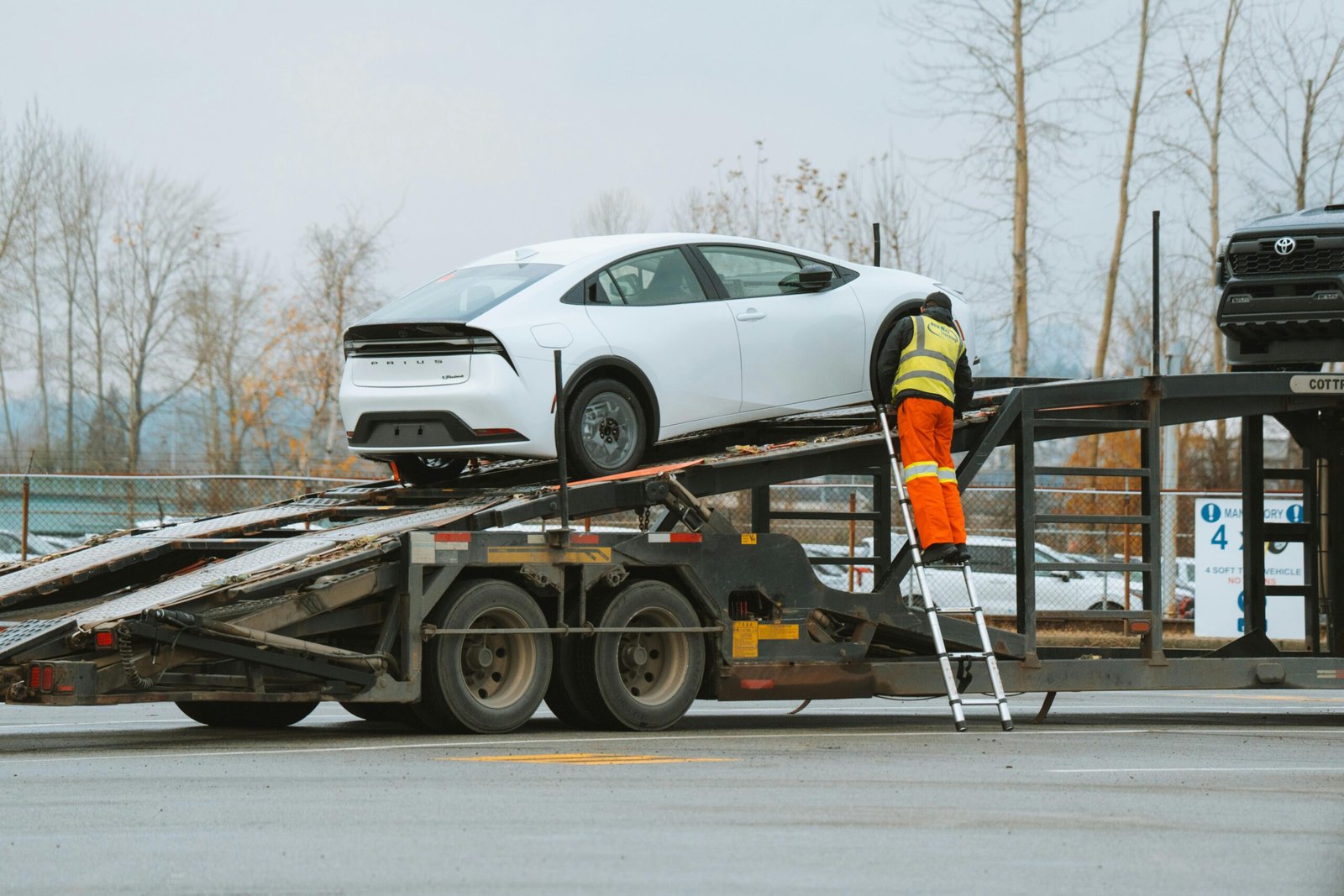
How Car Shipping Services Are Revolutionizing Vehicle Transportation

0

The demand for vehicle transportation has been steadily rising, with car shipping services becoming an essential part of the auto industry. Whether it’s individuals relocating across states, online car buyers, dealerships transporting inventory, or seasonal travelers moving their vehicles, car shipping services provide a convenient and efficient solution.

With more people looking for reliable ways to transport their vehicles safely and affordably, the industry has seen tremendous growth. Despite this, many consumers remain unaware of how car shipping works, the benefits it offers, and what to consider when selecting a shipping provider.

This article will explore the key drivers behind the growth of car shipping services, how the industry operates, and why this sector is rapidly becoming a necessity in today’s automotive world.

Why Car Shipping Services Are in High Demand

Car shipping services have become increasingly popular due to several key factors. These services cater to individuals, businesses, and even the government, ensuring the safe and efficient transportation of vehicles across various distances.

1. Growth of Online Vehicle Purchases

  • The rise of e-commerce has made it easier than ever for consumers to buy vehicles online, often from dealerships or private sellers in different states.
  • Platforms like Carvana, Vroom, and AutoTrader enable buyers to purchase cars without visiting a dealership.
  • Once a car is bought, it needs to be transported safely to the buyer, increasing the need for reliable car shipping services.

2. Increased Relocations Across States

  • Every year, millions of Americans relocate for work, education, or personal reasons.
  • Instead of driving long distances, many prefer to ship their vehicles to their new locations.
  • Military personnel and government employees frequently use auto transport services when relocating to new bases or assignments.

3. Seasonal Travelers and Snowbirds

  • Many retirees and seasonal travelers, known as “snowbirds,” move between colder states and warmer regions like Florida, Arizona, and California.
  • Instead of driving thousands of miles, they opt for auto transport services to move their vehicles hassle-free.

4. Classic and Luxury Car Transport

  • Collectors and owners of high-end vehicles require specialized transport services that ensure their cars arrive without damage.
  • Enclosed auto transport is a popular option for exotic, vintage, and luxury cars, providing extra protection during transit.

5. Auto Dealerships and Rental Companies

  • Car dealerships frequently move inventory between locations, making shipping a crucial part of their operations.
  • Rental car companies transport fleets to different regions based on seasonal demand.

How Car Shipping Services Work

Understanding how auto transport works can help consumers make informed decisions when choosing a shipping provider. Here’s a step-by-step breakdown of the process:

1. Requesting a Quote

  • Customers provide details about their vehicle, pick-up and delivery locations, and preferred shipping method.
  • Quotes vary based on distance, vehicle size, and transport type (open vs. enclosed).

2. Choosing the Right Shipping Method

  • Open Transport: The most affordable option, where cars are shipped on open carriers.
  • Enclosed Transport: Offers better protection, ideal for luxury, exotic, and classic cars.

3. Vehicle Pick-Up

  • The shipping company schedules a pick-up date based on availability.
  • The driver inspects the car and documents its condition before loading.

4. Transit and Tracking

  • Depending on the distance, shipping can take anywhere from a few days to a couple of weeks.
  • Many companies provide tracking options so customers can monitor their vehicle’s journey.

5. Vehicle Delivery

  • Upon arrival, the customer inspects the car to ensure it is in the same condition as when it was picked up.
  • The final payment is made, and the vehicle is handed over.

Cost Factors in Car Shipping

The cost of shipping a vehicle varies based on several factors:

1. Distance

  • Longer distances increase shipping costs, though per-mile rates often decrease for long hauls.

2. Vehicle Size and Weight

  • Larger and heavier vehicles cost more to transport due to space and fuel considerations.

3. Transport Type

  • Open transport is more affordable, while enclosed transport costs 30-50% more due to added protection.

4. Seasonal Demand

  • Prices fluctuate based on peak seasons, such as winter when snowbirds move south.

5. Fuel Prices and Route Availability

  • Rising fuel costs and availability of drivers can impact pricing.

Conclusion: Why Car Shipping Services Are Essential in Today’s World

Car shipping services have transformed vehicle transportation, providing convenience, efficiency, and reliability for individuals and businesses alike. Whether you’re relocating, buying a car online, or shipping a luxury vehicle, these services make long-distance transport stress-free.

As the demand for vehicle shipping continues to grow, choosing the right company and understanding how the industry works can help consumers make informed decisions. With innovations in logistics and technology, the future of car shipping looks brighter than ever.

Would you ever use a car shipping service? Share your thoughts in the comments!

Why 2025 French Cars Are Innovating the Industry but Still Absent from the U.S. Market

0

French automakers have long been at the forefront of innovation, crafting vehicles that blend cutting-edge technology, eco-friendly solutions, and distinct European styling. In 2025, manufacturers like Renault, Peugeot, and DS Automobiles are pushing the boundaries of electric vehicle (EV) technology, luxury, and performance.

Despite their success in Europe and other markets, French cars remain absent from American roads. The question is, why? While these vehicles are celebrated for their design and efficiency, various market forces, regulations, and business strategies have kept them from making a strong comeback in the U.S.

Let’s explore some of the most exciting 2025 French cars and the reasons behind their absence in the American automotive landscape.

🚗 2025’s Most Exciting French Cars

🔋 Renault 5 E-Tech – The Iconic Hatchback Reborn

  • A fully electric remake of the classic Renault 5, designed for the modern era.
  • Features a compact, retro-futuristic design with bold LED lighting.
  • Offers a competitive driving range and fast-charging capabilities.
  • Built with affordability in mind, making EV ownership more accessible in Europe.

The Renault 5 E-Tech is a nostalgia-driven EV aimed at urban drivers who need a compact yet efficient car. It has received widespread praise for its practicality, making it one of Renault’s most anticipated releases.

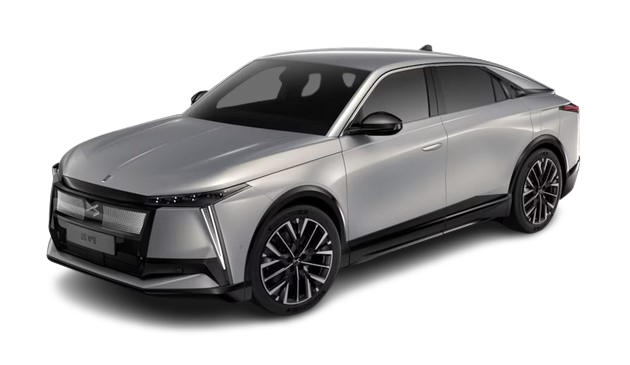
⚡ DS N°8 – French Luxury Meets Electric Innovation

  • The first fully electric luxury sedan from DS Automobiles.
  • Crafted with premium materials and a sleek, aerodynamic design.
  • Packed with advanced driver-assistance systems and smart features.
  • A direct competitor to luxury EVs like the Tesla Model S and Mercedes EQS.

DS Automobiles, known for its craftsmanship and innovation, is making a bold statement with the DS N°8. This electric luxury sedan represents France’s push toward premium electric mobility, showcasing exquisite design and high-tech features.

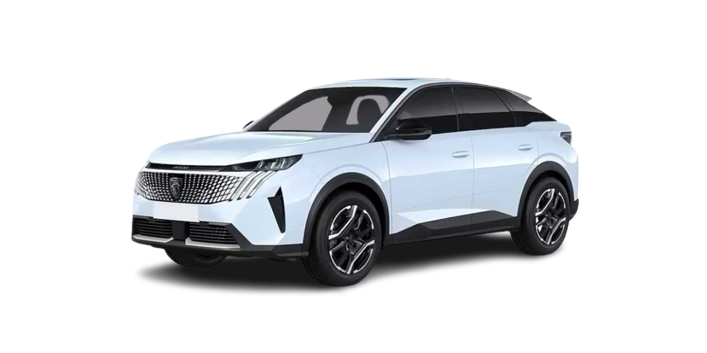
🌿 Peugeot e-3008 – A Stylish Electric SUV

  • Peugeot’s all-electric answer to the rising demand for EV crossovers.
  • Features a futuristic interior with the latest Peugeot i-Cockpit technology.
  • Offers impressive battery range and rapid-charging capabilities.
  • Designed for urban and highway driving with a focus on comfort and efficiency.

The Peugeot e-3008 stands out as a practical and stylish choice for families and daily commuters. Its bold aesthetics and high-tech interior make it one of the most attractive EV crossovers on the market.

🇺🇸 Why Are French Cars Not Sold in the U.S.?

Despite their innovation and popularity in Europe, French cars are nowhere to be seen in the U.S. Here are the main reasons why.

🚧 Strict U.S. Regulations and Safety Standards

  • The U.S. has different vehicle safety and emissions regulations than Europe.
  • French automakers would need to redesign cars to meet crash safety standards.
  • Compliance with U.S. emissions laws adds extra costs and complexity.

The National Highway Traffic Safety Administration (NHTSA) and the Environmental Protection Agency (EPA) enforce strict regulations that differ from European standards. French manufacturers would need to invest heavily in modifying their vehicles to comply, making entry into the U.S. market less attractive.

💰 High Costs and Tough Market Competition

  • Establishing a dealer network in the U.S. is expensive and risky.
  • Competition from established brands like Toyota, Ford, and Tesla makes entry difficult.
  • French brands lack strong brand recognition among American consumers.

Entering the U.S. market requires significant investment in dealership networks, advertising, and customer support. With dominant brands already controlling the market, French automakers struggle to justify the financial risks of expansion.

🛠️ Past Reputation and Consumer Preferences

  • French brands like Renault and Peugeot struggled with reliability issues in past decades.
  • American buyers prefer larger vehicles like SUVs and trucks, while French cars are often smaller.
  • French automakers lack the strong customer base needed for a successful U.S. reentry.

Many Americans still remember past experiences with French cars from the 1980s and 1990s when brands like Renault and Peugeot failed to meet expectations for reliability and service. While their vehicles have drastically improved, old reputations are hard to shake.

🌍 Trade Policies and Tariffs

  • Potential tariffs on European cars could increase costs.
  • U.S. trade policies favor domestic and existing international brands.
  • Shipping costs for importing cars from Europe add to pricing challenges.

Trade regulations and tariffs play a significant role in whether foreign automakers can enter the U.S. market. With ongoing trade negotiations between the U.S. and Europe, the cost of bringing French cars to American dealerships remains a significant hurdle.

🔮 Will French Cars Ever Return to the U.S.?

While French cars are unlikely to flood the U.S. market anytime soon, there are signs of change. Electric vehicle growth and shifting consumer preferences could open the door for brands like Renault, Peugeot, and DS Automobiles to explore niche markets.

🚀 Potential Future Strategies for French Automakers

  • Selling directly to consumers online (similar to Tesla’s model).
  • Partnering with established U.S. dealers to reduce entry barriers.
  • Focusing on luxury EVs to attract high-end buyers willing to try new brands.

French automakers may one day return to the U.S., but it will take the right mix of strategy, investment, and consumer demand. Until then, car enthusiasts in America will have to admire these innovative vehicles from afar.

Would you like to see French cars in the U.S.? Let us know in the comments!

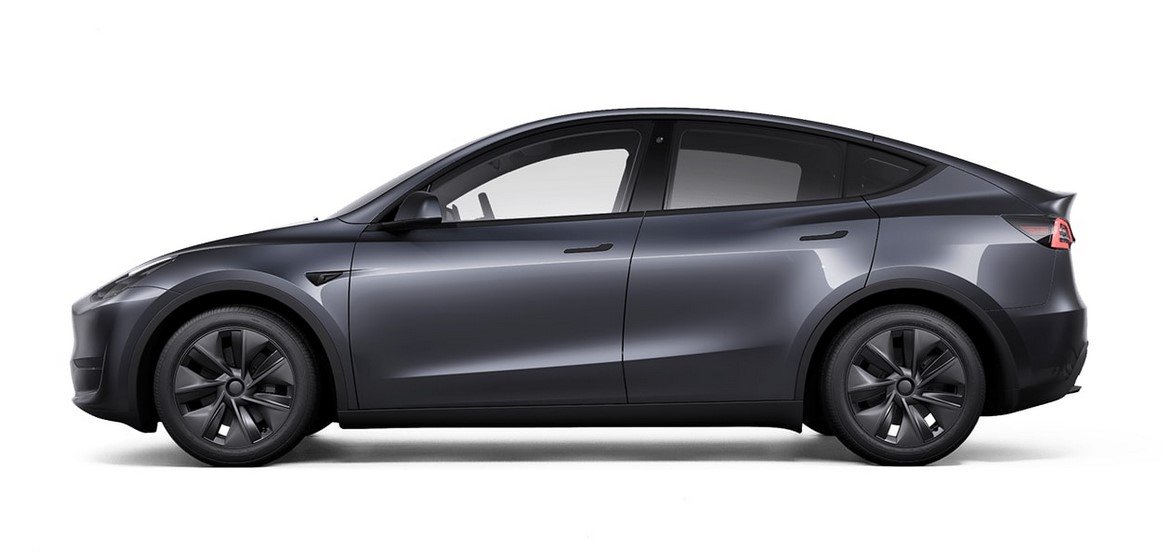
2025 Tesla Model Y: A Game-Changer in Electric SUV Innovation

0

The 2025 Tesla Model Y has arrived and continues to push the boundaries of what an electric SUV can offer. With enhanced range, improved autonomous driving features, and cutting-edge technology, this latest iteration of the Model Y is set to redefine the EV market. Tesla has fine-tuned its best-selling SUV, making it more efficient, intelligent, and accessible. This review will explore the major updates, performance enhancements, and overall driving experience of the 2025 Tesla Model Y.

Enhanced Performance and Efficiency

Tesla is known for its emphasis on performance, and the 2025 Model Y is no exception. This electric SUV delivers an exhilarating driving experience while maintaining impressive efficiency.

  • Extended Range: The new Model Y boasts a range of up to 350 miles per charge, thanks to its upgraded battery technology and improved aerodynamics.
  • Faster Charging: Tesla’s new supercharger network upgrade allows ultra-fast charging, enabling a 0-80% charge in just 20 minutes.
  • Dual-Motor AWD: The all-wheel-drive system provides excellent traction and stability, making the Model Y suitable for various road conditions.
  • Acceleration Boost: With the Performance model, the SUV can go from 0 to 60 mph in just 3.5 seconds, rivaling many sports cars.

Interior and Technology Upgrades

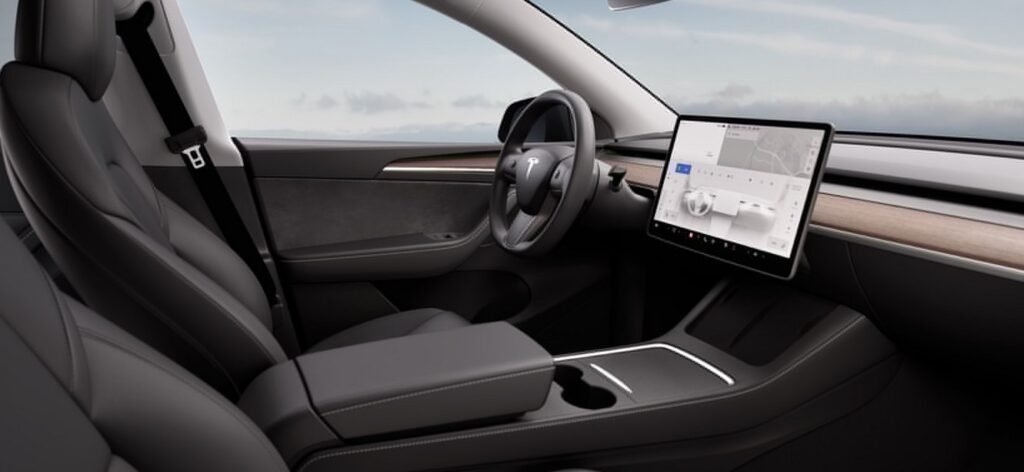
The 2025 Model Y’s interior and onboard technology will undergo significant refinements, creating a more luxurious and connected experience.

  • Minimalist Cabin Design: Tesla continues its sleek, clutter-free interior with high-quality materials and a focus on sustainability.
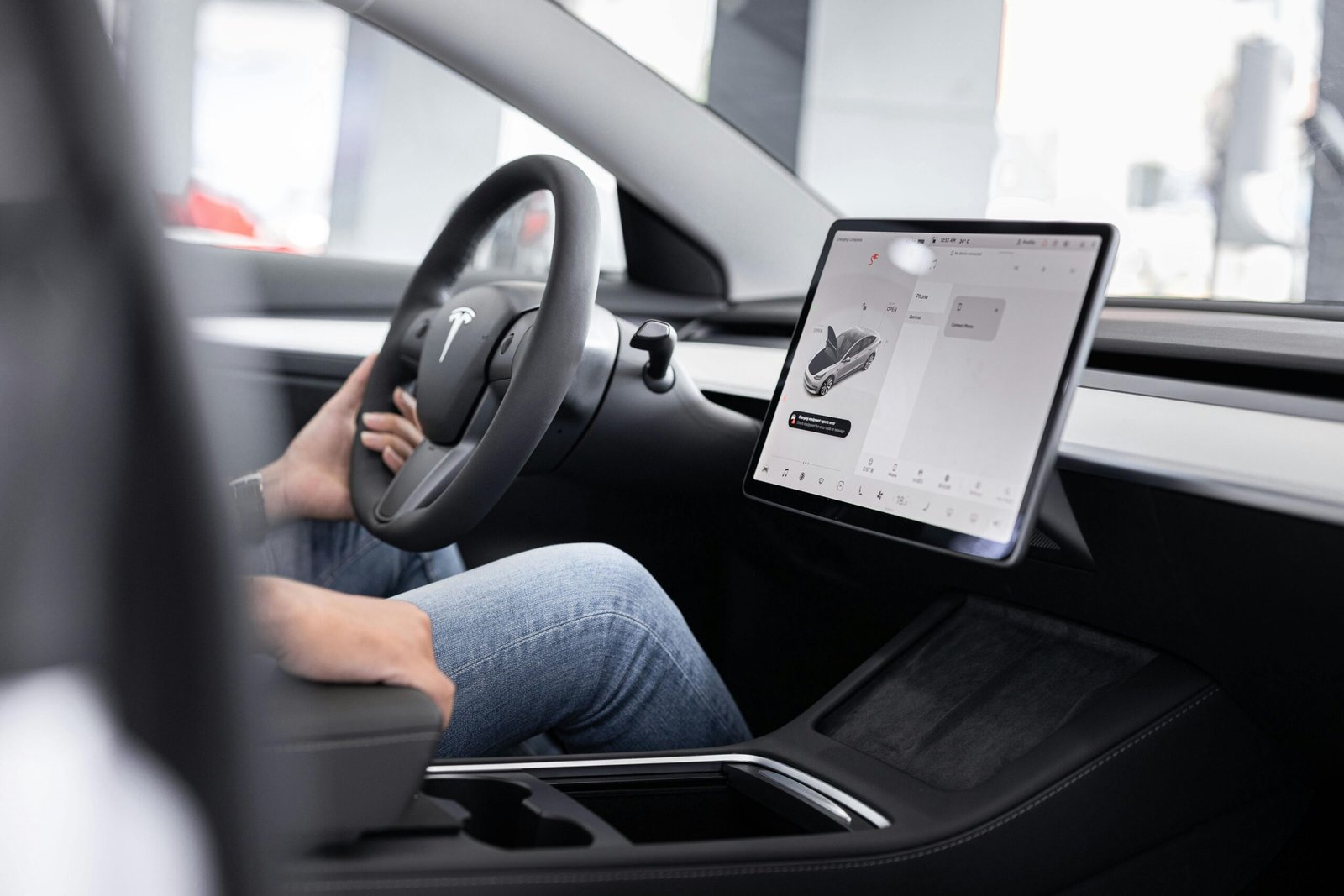
  • Larger Infotainment Display: A new 17-inch high-resolution touchscreen enhances visibility and usability for navigation, entertainment, and controls.
  • Tesla AI Assistant: The upgraded AI-driven assistant understands natural language better, making voice commands more intuitive.
  • Enhanced Autopilot and Full Self-Driving (FSD): Tesla’s latest software update improves lane changes, intersection navigation, and parking assistance.
  • Wireless Connectivity: 5G integration ensures seamless connectivity, faster software updates, and improved streaming capabilities.

Safety and Autonomous Features

Tesla has always been at the forefront of vehicle safety, and the 2025 Model Y is no exception.

  • Advanced Collision Avoidance: The updated safety suite includes predictive collision avoidance using AI-based sensors.
  • 360-Degree Camera System: Enhanced vision-based assistance provides better obstacle detection and maneuverability.
  • Smart Summon 2.0: The improved Smart Summon feature allows the vehicle to navigate parking lots more efficiently and reach the driver autonomously.
  • Driver Monitoring System: Tesla now incorporates an AI-powered system to detect driver attention and enhance safety during autonomous driving.

Sustainability and Environmental Impact

Tesla continues to prioritize sustainability in the development of its vehicles.

  • Recyclable Battery Technology: The new Model Y features improved battery recycling methods, reducing environmental impact.
  • Sustainable Materials: The interior is made with eco-friendly vegan leather and responsibly sourced materials.
  • Solar Charging Compatibility: Tesla’s energy ecosystem integrates better with solar panels, allowing users to charge their Model Y using solar energy.

Cargo Space and Practicality

The Model Y provides an excellent balance of space and convenience for families and adventure seekers.

  • Spacious Cabin: The Model Y’s roomy interior offers ample legroom and headroom for front and rear passengers.
  • Expanded Cargo Capacity: With up to 68 cubic feet of cargo space, the Model Y is highly practical for long trips and storage needs.
  • Frunk and Underfloor Storage: Additional storage compartments provide extra utility for drivers.
  • Panoramic Glass Roof: Enhances visibility and creates an open, airy feel inside the cabin.

Final Verdict: Is the 2025 Tesla Model Y Worth It?

The 2025 Tesla Model Y successfully builds on its predecessor’s strengths, making it one of the most compelling electric SUVs. With extended range, improved technology, and advanced safety features, it offers a futuristic driving experience. Whether you are a long-time EV enthusiast or considering your first electric vehicle, the Model Y remains a top choice.

Tesla continues to innovate and refine its electric vehicles, setting industry benchmarks for sustainability, performance, and autonomous driving. If you’re looking for a smart, efficient, and exhilarating SUV, the 2025 Model Y is worth considering.

Keywords: 2025 Tesla Model Y, Tesla electric SUV, best electric SUVs 2025, Tesla Autopilot updates, EV performance, Model Y battery life, Tesla full self-driving, sustainable vehicles, fast charging EVs, Tesla AI assistant, Model Y cargo space, Tesla range improvements, smart summon feature, electric car review.

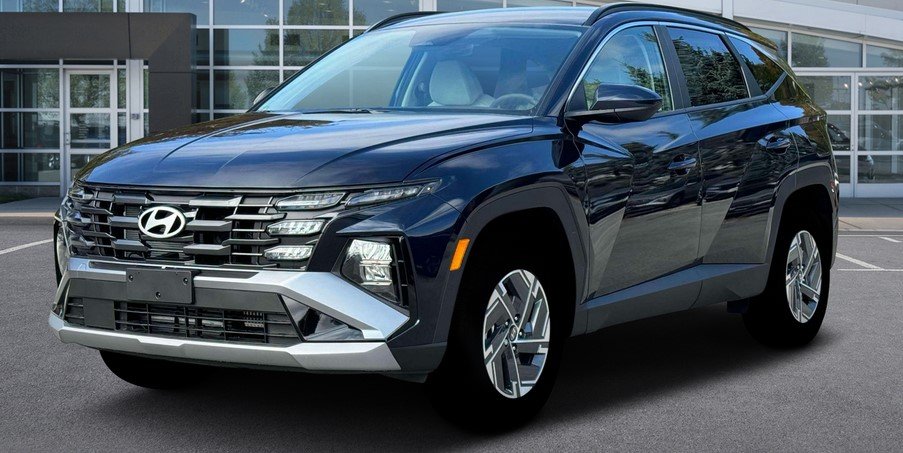
2025 Hyundai Tucson Hybrid Review: A Perfect Blend of Innovation, Efficiency, and Comfort

0

The automotive industry continues to evolve rapidly, and the 2025 Hyundai Tucson Hybrid is a prime example of how innovation and sustainability can merge to create an exceptional driving experience. With cutting-edge technology, impressive fuel efficiency, and a design that balances aesthetics with functionality, this latest Tucson model is an exciting addition to the hybrid SUV segment. This review examines the 2025 Hyundai Tucson Hybrid in depth, highlighting its features, performance, and technological advancements.

Performance and Efficiency

One of the key selling points of the 2025 Hyundai Tucson Hybrid is its performance. Hyundai has engineered this vehicle to deliver power and efficiency, making it an excellent choice for eco-conscious drivers who don’t want to compromise performance.

  • Hybrid Powertrain: The Tucson Hybrid is powered by a turbocharged 1.6-liter four-cylinder engine paired with an electric motor, producing a combined 226 horsepower. This combination ensures smooth acceleration and a responsive drive.
  • Fuel Efficiency: Hyundai has optimized the hybrid system for maximum efficiency, achieving an EPA-estimated 38 mpg combined. This makes the Tucson Hybrid an economical option for city and highway driving.
  • Seamless Transition: The hybrid system intelligently switches between electric and gasoline power, offering a seamless driving experience that enhances performance and fuel savings.
  • Regenerative Braking: The Tucson Hybrid incorporates regenerative braking technology, which helps recharge the battery while slowing down, improving overall efficiency.

Interior Comfort and Technology

Hyundai has packed the 2025 Tucson Hybrid with high-tech features and luxurious materials to ensure both driver and passengers travel in comfort.

  • Spacious Cabin: The Tucson Hybrid offers ample legroom and headroom, ensuring comfort for all passengers. The rear seats are particularly spacious, making long drives more enjoyable.
  • Premium Materials: High-quality materials and soft-touch surfaces give the cabin a premium feel, enhancing the overall driving experience.
  • Infotainment System: A 10.25-inch digital instrument cluster and an available 10.25-inch touchscreen infotainment system provide seamless connectivity and crisp visuals. Apple CarPlay and Android Auto come standard, making it easy to integrate smartphones.
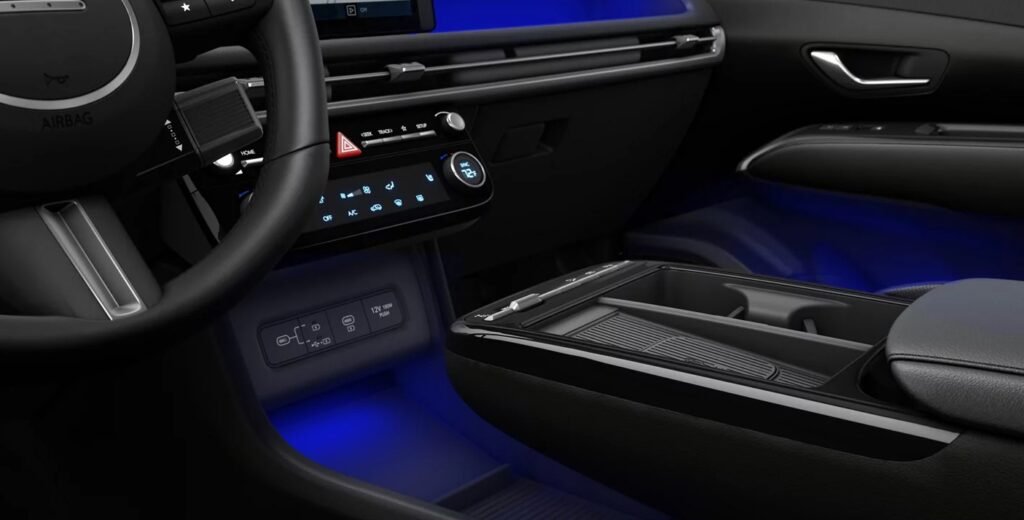
  • Ambient Lighting: With 64 color options, the Tucson Hybrid allows drivers to customize the cabin’s ambiance according to their mood and preference.
  • Wireless Charging: A built-in wireless charging pad ensures devices remain powered without cables.

Advanced Safety Features

Safety is a top priority in the 2025 Hyundai Tucson Hybrid, and Hyundai has equipped it with advanced driver-assistance technologies to provide peace of mind on the road.

  • Forward Collision-Avoidance Assist: This system detects potential collisions and can apply the brakes automatically to prevent accidents.
  • Lane Keeping Assist: Helps keep the vehicle centered in its lane by making small steering adjustments when necessary.
  • Blind-Spot View Monitor: This monitor displays a live video feed of the blind spot on the digital instrument cluster, increasing visibility when changing lanes.
  • Driver Attention Warning: Monitors driver behavior and provides alerts if signs of drowsiness or inattentiveness are detected.
  • Adaptive Cruise Control: Adjusts speed based on traffic flow, maintaining a safe following distance from the vehicle ahead.

Cargo and Practicality

One of the standout features of the Tucson Hybrid is its practicality. Hyundai has designed this SUV with families and adventurers in mind.

  • Cargo Space: The Tucson Hybrid provides 38.7 cubic feet of cargo space behind the rear seats, expanding to 74.8 cubic feet when the 60/40 split-folding rear seats are lowered.
  • Hands-Free Smart Liftgate: The hands-free liftgate makes loading and unloading cargo easier, especially when carrying groceries or luggage.
  • Rear-Seat Comfort: The Tucson Hybrid’s rear seats offer excellent cushioning and can recline for added passenger comfort.
  • Versatile Storage: Thoughtful storage compartments throughout the cabin ensure that personal belongings can be stored conveniently.

Cutting-edge technology and Innovation

Hyundai continues to push boundaries in automotive technology, and the 2025 Tucson Hybrid is no exception.

  • Over-the-Air Software Updates: The Tucson Hybrid can receive software updates remotely, ensuring that features and system optimizations remain current.
  • Smart Key with Digital Access: Hyundai’s digital key allows drivers to unlock and start their vehicle using their smartphone, adding convenience and security.
  • AI-Based Navigation System: The onboard navigation system utilizes artificial intelligence for real-time route optimization and traffic updates.
  • Eco Mode and Sport Mode: Depending on their needs, drivers can choose between different driving modes to prioritize efficiency or performance.

Final Thoughts: Is the 2025 Hyundai Tucson Hybrid Worth It?

The 2025 Hyundai Tucson Hybrid successfully blends innovation, efficiency, and comfort into a well-rounded SUV. Its advanced hybrid powertrain, high-tech safety features, and luxurious cabin make it a top choice for those looking to transition to an eco-friendly vehicle without sacrificing performance or convenience.

The Tucson Hybrid’s fuel economy is a major advantage for drivers who value efficiency. The spacious and well-equipped interior ensures comfort for families and solo travelers alike. Plus, its cutting-edge technology makes driving more enjoyable and hassle-free.

If you’re in the market for a hybrid SUV that offers the perfect balance of power, style, and practicality, the 2025 Hyundai Tucson Hybrid is certainly worth considering. It represents Hyundai’s commitment to sustainability while delivering an outstanding driving experience.

Keywords: 2025 Hyundai Tucson Hybrid, hybrid SUV review, Hyundai Tucson Hybrid performance, fuel-efficient SUVs, best hybrid SUVs 2025, Hyundai safety features, automotive innovation 2025, Tucson Hybrid cargo space, eco-friendly SUVs, Hyundai technology advancements.

Electric Vehicle (EV) Maintenance and Repair: A Comprehensive Guide

0

As electric vehicles (EVs) become more popular, understanding their maintenance and repair needs is essential for owners looking to keep their cars running efficiently. While EVs require less maintenance than traditional internal combustion engine (ICE) vehicles, they still need regular care to ensure longevity and optimal performance. This guide covers key aspects of EV maintenance and repair.

1. Battery Maintenance

The battery is the heart of an EV, making its care a top priority. Here’s how to maintain it effectively:

  • Optimal Charging Practices: Avoid frequent full charges (100%) and deep discharges (0%). Keeping the charge between 20% and 80% can extend battery life.
  • Temperature Management: Extreme heat and cold can degrade battery performance. Park in shaded areas or garages when possible and use pre-conditioning features in cold weather.
  • Software Updates: Regularly update your EV’s software to improve battery efficiency and overall vehicle performance.
  • Avoid Fast Charging When Not Necessary: While DC fast charging is convenient, frequent use can accelerate battery degradation.

2. Tire Care and Alignment

Due to battery weight, EVs are heavier than traditional cars, which can increase tire wear.

  • Regular Tire Rotation: Rotate tires every 5,000-7,500 miles to ensure even wear.
  • Proper Inflation: Keep tires inflated to maximize efficiency and reduce rolling resistance.
  • Wheel Alignment Checks: Misalignment can lead to uneven tire wear and reduced driving efficiency.

3. Brake System Maintenance

EVs use regenerative braking, which reduces wear on traditional brake components, but regular checks are still necessary.

  • Brake Fluid Check: Replace brake fluid as per the manufacturer’s schedule.
  • Monitor Brake Pads: While they last longer than those in ICE vehicles, brake pads should still be inspected periodically.
  • Regenerative Braking Settings: Adjust settings based on driving conditions for optimal energy recapture.

4. Cooling System Checks

EVs use liquid cooling systems to regulate battery temperature.

  • Coolant Levels: Ensure the coolant is at the recommended level to prevent overheating.
  • Regular Inspections: Check for leaks and ensure cooling fans are functioning properly.

5. Electrical System and Software Maintenance

  • Charging Port Inspection: Keep the charging port clean and free of debris.
  • Electrical Connections: Have a professional inspect high-voltage cables and connections periodically.
  • Software Updates: EV manufacturers frequently release updates that improve performance, fix bugs, and enhance efficiency.

6. Cabin Air Filter and HVAC System

  • Replace Cabin Air Filter: Change every 15,000-30,000 miles for better air quality.
  • HVAC System Maintenance: Check refrigerant levels and ensure climate control systems function efficiently.

7. Routine Inspections and Professional Servicing

While EVs require fewer oil changes and engine tune-ups, regular servicing is still recommended.

  • Annual Inspection: Have a certified technician perform a yearly inspection.
  • Suspension and Undercarriage Checks: Ensure no excessive wear on suspension components.
  • Software Diagnostics: Use diagnostic tools or consult service centers to check for potential issues.

Common EV Repairs

Despite lower maintenance needs, EVs may still require repairs. Some common issues include:

  • Battery Degradation: Battery capacity may decrease over time, requiring reconditioning or replacement.
  • Charging System Issues: Faulty charging cables or ports may need replacement.
  • Electrical Malfunctions: Occasional sensor or circuit failures may require professional attention.

Final Thoughts

Maintaining an EV is simpler than an ICE vehicle, but it still requires attention to critical components like the battery, tires, brakes, and cooling system. Following the manufacturer’s maintenance schedule and adopting best practices will ensure your EV remains efficient, reliable, and long-lasting. An EV can provide years of low-cost, environmentally friendly driving with proper care.

By staying informed and proactive, EV owners can enjoy their vehicles with minimal hassle and maximum efficiency.

Top 10 Easy Fixes Every Car Owner Should Know

0

Owning a car is a rewarding experience, but it also comes with responsibilities. Regular maintenance and minor repairs are essential to ensure your vehicle runs smoothly and lasts for years. While some issues require professional help, many common problems can be fixed with a little knowledge and a few tools. Whether you’re a seasoned car enthusiast or a new owner, here are the top 10 easy fixes every car owner should know.

1. Changing the Oil

Why It Matters

Oil lubricates and protects your engine, reducing friction and wear. Regular oil changes improve performance and extend engine life.

How to Do It

  1. Gather Supplies: New oil, oil filter, wrench, oil catch pan, and funnel. 2. Warm Up the Engine: Run the car for a few minutes to warm the oil for easier drainage. 3. Drain Old Oil: Place the catch pan under the oil pan, remove the drain plug, and let the oil flow out. 4. Replace the Filter: Use a wrench to remove the old oil filter and install a new one. 5. Refill with New Oil: Replace the drain plug, pour in new oil using a funnel, and check the dipstick for proper levels.

Expert Tip

Check your owner’s manual for the recommended oil type and change intervals.

2. Replacing Windshield Wipers

Why It Matters

Clear visibility is critical for safe driving, especially in adverse weather. Worn wipers can leave streaks and reduce visibility.

How to Do It

  1. Inspect the Wipers: Check for cracks, tears, or stiffness in the rubber. 2. Get the Right Blades: Find the correct size for your car in the owner’s manual or at an auto store. 3. Remove Old Blades: Lift the wiper arm, press the release tab, and slide the old blade out. 4. Attach New Blades: Slide the new blade into place until it clicks.

Expert Tip

Replace your wipers every six months or sooner if they show signs of wear.

3. Checking Tire Pressure

Why It Matters

Proper tire pressure ensures safety, fuel efficiency, and longer tire life.

How to Do It

  1. Check Pressure: Use a tire pressure gauge on cold tires. 2. Inflate as Needed: Add air using a pump if pressure is low, following the recommended levels on your driver’s door jamb. 3. Avoid Overinflation: Do not exceed the maximum pressure listed on the tire.

Expert Tip

Check tire pressure monthly and before long trips.

4. Jump-Starting a Car

Why It Matters

A dead battery can happen unexpectedly, and knowing how to jump-start your car can get you back on the road.

How to Do It

  1. Gather Jumper Cables: Ensure they’re in good condition. 2. Connect Cables Properly: Red cable: Positive terminal of the dead battery, then positive of the good battery. Black cable: Negative terminal of the good battery, then a metal surface on the dead car. 3. Start the Good Car: Let it run for a few minutes, then start the dead car.

Expert Tip

Follow your car manual for specific battery procedures.

5. Replacing the Cabin Air Filter

Why It Matters

A clean cabin air filter ensures better air quality and optimal HVAC performance.

How to Do It

  1. Locate the Filter: Usually behind the glove compartment. 2. Remove Old Filter: Open the glove box, unclip or unscrew it to access the filter. 3. Install New Filter: Match the airflow direction arrow and slide it in.

Expert Tip

Replace it annually or more often in dusty areas.

6. Fixing Minor Scratches

Why It Matters

Scratches can lead to rust and further damage if ignored.

How to Do It

  1. Clean the Area: Wash and dry the scratched surface. 2. Apply a Repair Kit: Follow the instructions on a scratch repair kit, usually involving rubbing compound and polish. 3. Wax the Surface: Protect the paint with a layer of wax.

Expert Tip

For deep scratches, use matching touch-up paint.

7. Replacing Headlight Bulbs

Why It Matters

Working headlights are essential for safe driving at night or in poor weather.

How to Do It

  1. Choose the Right Bulb: Check the manual for the correct bulb type. 2. Access the Headlight Assembly: Remove the cover or assembly as needed. 3. Replace the Bulb: Handle new bulbs carefully—avoid touching the glass.

Expert Tip

Upgrade to brighter bulbs for improved visibility.

8. Fixing a Flat Tire

Why It Matters

Changing a tire can save you from waiting for roadside assistance.

How to Do It

  1. Gather Tools: Spare tire, jack, and lug wrench. 2. Loosen Lug Nuts: Do this while the car is on the ground. 3. Lift the Car: Use the jack to raise the car until the flat tire is off the ground. 4. Replace the Tire: Remove the flat, mount the spare, and tighten the lug nuts.

Expert Tip

Regularly check your spare tire’s condition and pressure.

9. Checking Fluid Levels

Why It Matters

Proper fluid levels keep your car running smoothly and prevent major issues.

How to Do It

  1. Check Oil: Use the dipstick to check the level and consistency. 2. Inspect Other Fluids: Include coolant, brake fluid, power steering fluid, and windshield washer fluid. 3. Top Off as Needed: Add fluid if levels are low.

Expert Tip

Look for leaks if any fluids drop unexpectedly.

10. Understanding Dashboard Warning Lights

Why It Matters

Warning lights alert you to potential problems that need immediate attention.

Common Lights

  • Check Engine: Engine or emissions issue. – Oil Pressure: Low oil pressure—stop the engine. – Battery: Charging system issue.

Expert Tip

Refer to your owner’s manual for detailed guidance on warning lights.

Conclusion

Mastering these simple fixes empowers you to handle minor car issues confidently, saving time and money. Regular maintenance and prompt attention to small problems ensure your vehicle stays reliable, performs well, and keeps you safe on the road. Keep your owner’s manual handy, and don’t hesitate to consult a professional for more complex repairs. Happy driving!

2025 Kia Telluride: The Family SUV That Sets the Standard

0

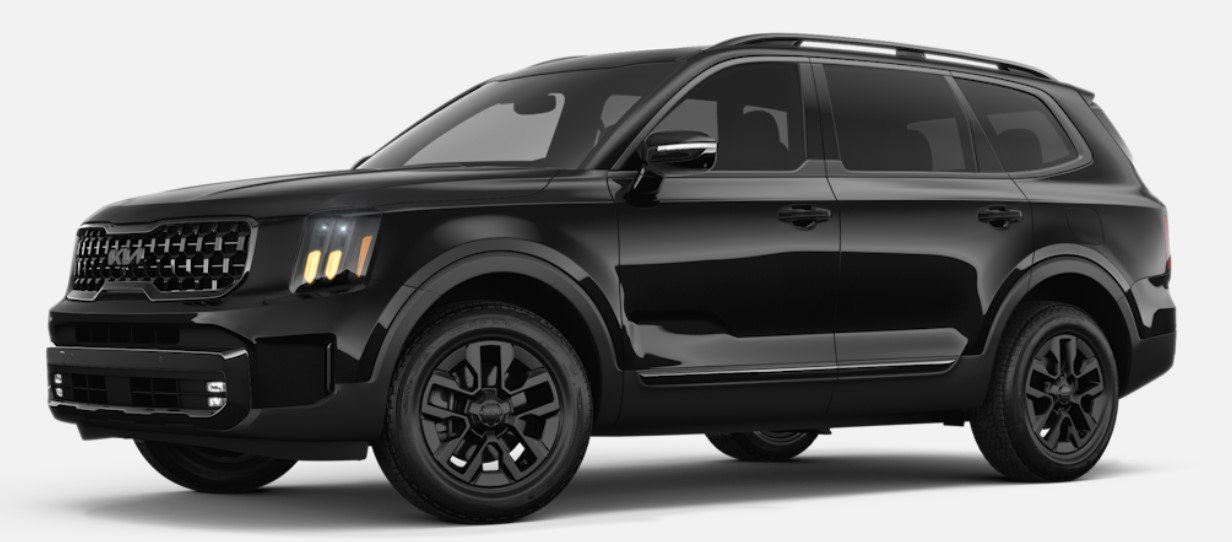
The Kia Telluride has become a household name since its debut, and the 2025 model is no exception. With its bold design, luxurious interior, and advanced features, the Telluride continues to dominate the midsize SUV market. For 2025, Kia has refined its flagship SUV to deliver even more of what families and adventure-seekers crave: space, comfort, performance, and cutting-edge technology.

Let’s dive into the 2025 Kia Telluride and explore why it remains one of the most compelling choices in its segment.

Redesigned for Elegance and Utility

The 2025 Kia Telluride boasts subtle but impactful updates to its already striking exterior design.

  • Bold Front Fascia: The updated grille, featuring a sleeker mesh design, pairs perfectly with redesigned LED headlights and a more aggressive bumper, giving the Telluride a commanding road presence.

  • Streamlined Profile: The SUV’s sculpted body lines, integrated roof rails, and new 20-inch alloy wheels enhance its modern aesthetic.

  • Rear Enhancements: Redesigned taillights and a reworked rear bumper add a touch of sophistication.

  • Color Options: Exciting new shades like Midnight Blue, Sage Green, and Terra Bronze join the palette, providing buyers with even more ways to personalize their Telluride.

Luxurious Interior: Comfort for Every Passenger

Inside, the 2025 Telluride continues to set benchmarks for comfort and functionality, making it a favorite among families.

  • Spacious Cabin: The Telluride offers generous legroom and headroom in all three rows, with seating for up to eight passengers. Second-row captain’s chairs are available for added comfort and easier access to the third row.

  • Premium Materials: High-quality materials like quilted leather upholstery, wood trim accents, and soft-touch surfaces elevate the cabin’s ambiance.

  • Advanced Displays: A dual 12.3-inch screen setup integrates the digital instrument cluster and infotainment system, creating a seamless and intuitive user experience.

  • Ambient Lighting: Customizable ambient lighting adds a sense of luxury, allowing drivers to set the mood for any journey.

  • Cargo Space: With 21 cubic feet behind the third row and up to 87 cubic feet with the second and third rows folded, the Telluride offers exceptional versatility for families on the go.

Tech-Savvy Features

The 2025 Telluride comes packed with advanced technology to enhance convenience, entertainment, and safety.

  • Kia Connect: The latest iteration of Kia’s infotainment system includes wireless Apple CarPlay, Android Auto, and voice recognition. Over-the-air updates ensure the system remains cutting-edge.

  • Rear-Seat Entertainment: Dual 10.25-inch displays on the front seatbacks keep rear passengers entertained during long drives.

  • Wireless Charging: Multiple wireless charging pads and USB-C ports are strategically placed throughout the cabin.

  • Head-Up Display (HUD): Available on higher trims, the HUD projects critical driving information onto the windshield, keeping the driver’s focus on the road.

Power and Performance

Under the hood, the 2025 Kia Telluride remains a capable and confident performer.

  • 3.8L V6 Engine: The Telluride continues to use its reliable 3.8-liter V6 engine, delivering 291 horsepower and 262 lb-ft of torque. This powertrain ensures smooth acceleration and ample power for highway merging or towing.

  • Transmission: An 8-speed automatic transmission provides seamless gear changes and contributes to the Telluride’s refined driving experience.

  • All-Wheel Drive (AWD): Optional AWD enhances the SUV’s capability, making it a reliable choice for off-road adventures and challenging weather conditions.

  • Drive Modes: Eco, Comfort, Sport, and Snow modes adjust throttle response, steering, and traction to suit varying conditions.

  • Towing Capacity: With a maximum towing capacity of 5,500 pounds, the Telluride is well-suited for hauling trailers, boats, or campers.

Advanced Safety Features

Safety has always been a priority for the Telluride, and the 2025 model raises the bar with new and improved features.

  • Kia Drive Wise: This comprehensive suite of driver-assistance technologies includes:

    • Forward Collision-Avoidance Assist with Junction Turning

    • Blind-Spot Collision-Avoidance Assist

    • Lane Following Assist

    • Rear Cross-Traffic Collision-Avoidance Assist

    • Smart Cruise Control with Stop & Go

  • Highway Driving Assist 2: This semi-autonomous system now includes automatic lane changes, making highway driving more effortless.

  • Safe Exit Assist: Prevents passengers from opening doors when an approaching vehicle is detected.

  • 360-Degree Camera System: Provides a bird’s-eye view of the SUV, simplifying parking and tight maneuvers.

Trims and Pricing

The 2025 Kia Telluride is available in several trims, ensuring there’s a model for every driver.

  • LX: The base model, starting at $37,500, includes essentials like LED lighting, a dual-screen setup, and advanced safety features.

  • S: Priced at $40,000, this trim adds second-row captain’s chairs, a sunroof, and larger wheels.

  • EX: At $44,500, the EX trim includes leather upholstery, ventilated front seats, and a power liftgate.

  • SX: Starting at $48,000, the SX trim features a 360-degree camera system, Harman Kardon® audio, and a panoramic sunroof.

  • SX Prestige: At $52,000, this trim includes Nappa leather, a head-up display, and advanced climate controls.

Competitors: How the Telluride Stacks Up

The 2025 Kia Telluride faces stiff competition in the midsize SUV segment but continues to stand out for its value, features, and design.

  • Toyota Highlander: The Highlander offers a hybrid option, but its interior lacks the Telluride’s premium feel.

  • Honda Pilot: While the Pilot delivers solid performance, it falls short in cargo space and tech features.

  • Hyundai Palisade: The Palisade shares a platform with the Telluride but is more luxury-oriented, often at a higher price.

Final Thoughts: The Gold Standard of Midsize SUVs

The 2025 Kia Telluride proves that excellence is in the details. Combining bold design, a luxurious interior, advanced technology, and robust performance, Kia has created a vehicle that caters to many drivers. Whether you’re a family seeking a reliable and spacious SUV or an adventurer looking for a capable and stylish ride, the Telluride delivers.

With its competitive pricing and impressive list of standard features, the 2025 Telluride continues to set the benchmark for midsize SUVs. No wonder this model remains one of its class’s most highly rated vehicles. If you’re in the market for a versatile, feature-packed SUV, the 2025 Kia Telluride deserves a top spot on your list.

2025 Kia Carnival MPV: Redefining Family Travel with Style and Innovation

0

In 2025, Kia has again raised the bar for multi-purpose vehicles (MPVs) with the new Carnival. Blurring the lines between an SUV and a minivan, the 2025 Kia Carnival MPV is designed to cater to families who demand comfort, space, and cutting-edge technology. With its modern styling, luxurious interior, and advanced safety features, the Carnival is a versatile solution for families and adventurers.

Let’s review the 2025 Kia Carnival MPV in detail and explore why it’s a top contender in the competitive MPV segment.

Bold and Stylish Exterior Design

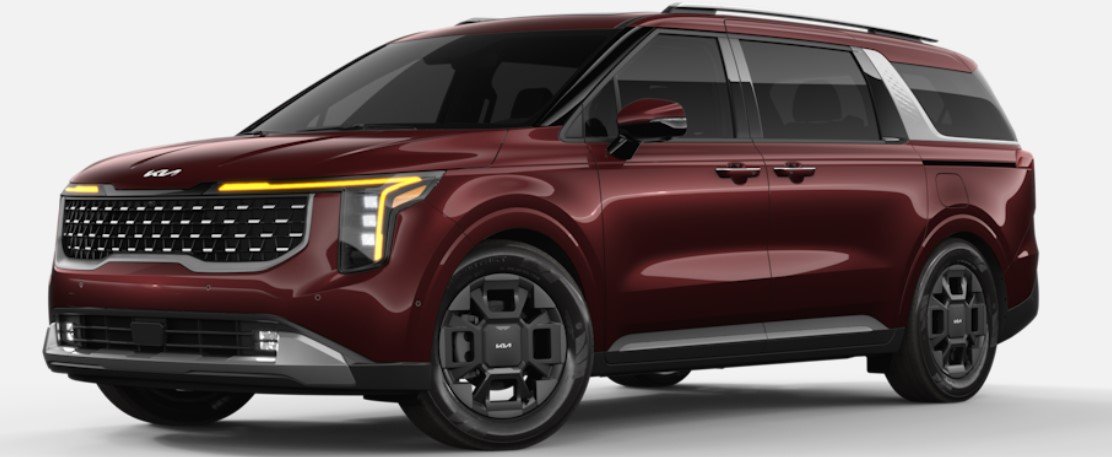
The 2025 Kia Carnival is anything but your typical minivan. Its design, which heavily reflects SUV-inspired aesthetics, projects confidence and sophistication.

  • Dynamic Front Fascia: The bold tiger-nose grille, flanked by sleek LED headlights and a sculpted bumper, gives the Carnival a commanding road presence.
  • Streamlined Profile: A longer wheelbase and chrome accents enhance its upscale appearance while sliding rear doors add practicality.
  • Wheel Options: Buyers can choose from stylish 17-, 19-, or 20-inch alloy wheels, allowing them to customize the Carnival’s look.
  • Color Palette: New color options for 2025 include Aurora Black, Deep Forest Green, and Glacier White Pearl, ensuring there’s a Carnival to match every taste.

Luxurious and Spacious Interior

Step inside the Carnival, and you’re greeted with an upscale cabin that prioritizes comfort and convenience for every passenger.

  • Seating Configurations: The 2025 Carnival offers seating for up to eight passengers in various configurations, including second-row VIP Lounge Seats with heating, ventilation, and reclining functionality.
  • Premium Materials: Soft-touch surfaces, leather upholstery, and ambient lighting create a welcoming and refined atmosphere.
  • Dual-Screen Setup: The dashboard is dominated by a pair of 12.3-inch displays, one of which serves as the digital instrument cluster and the other as the infotainment touchscreen.
  • Infotainment: The latest Kia Connect system provides wireless Apple CarPlay, Android Auto, navigation, and Bluetooth connectivity. Multiple USB-C ports and wireless charging pads ensure every device stays powered.

Performance and Powertrain

Under the hood, the 2025 Kia Carnival MPV offers multiple powertrain options to cater to a wide range of driving needs.

  • Gasoline Engine: The standard 3.5-liter V6 engine delivers 290 horsepower and 262 lb-ft of torque, providing smooth acceleration and ample power for highway merging or hauling cargo.
  • Hybrid Option: Kia introduces a hybrid powertrain combining a 1.6-liter turbocharged engine with an electric motor for the eco-conscious driver. This setup produces 227 horsepower and significantly improves fuel efficiency.
  • Transmission: Both powertrains are paired with an 8-speed automatic transmission that ensures seamless gear changes.
  • Drive Modes: Eco, Comfort, Sport, and Smart modes adjust throttle response, steering feel, and transmission behavior to suit different driving conditions.

Advanced Safety Features

The 2025 Carnival prioritizes passenger safety with an impressive array of standard and optional safety technologies.

  • Kia Drive Wise: Standard features include forward collision avoidance, blind-spot monitoring, rear cross-traffic alert, and lane-keeping assist.
  • Highway Driving Assist 2: This semi-autonomous system maintains a set distance from the car ahead and keeps the Carnival centered in its lane, even during curves.
  • Surround View Monitor: Multiple cameras provide a 360-degree view of the vehicle, making parking and maneuvering in tight spaces effortless.
  • Safe Exit Assist: Alerts passengers if it detects an approaching vehicle, preventing accidents when exiting the Carnival.

Comfort and Versatility

Designed with families in mind, the 2025 Carnival excels in comfort and versatility.

  • Ample Cargo Space: The Carnival offers 40.2 cubic feet of cargo space behind the third row, expanding to a massive 145.1 cubic feet with the second and third rows folded flat.
  • Dual Power Sliding Doors: These doors make entry and exit a breeze, especially in crowded parking lots.
  • Rear Entertainment System: Dual 12.3-inch screens with HDMI and USB inputs keep rear passengers entertained during long trips.
  • Tri-Zone Climate Control: Separate temperature controls for the driver, front passenger, and rear occupants ensure everyone stays comfortable.

How the Carnival Stands Out

The 2025 Kia Carnival MPV faces stiff competition, but it distinguishes itself with its unique blend of style, technology, and practicality.

  • SUV Appeal: The Carnival’s bold design makes it a viable alternative to traditional SUVs for families who need more space.
  • Hybrid Efficiency: The new hybrid option sets it apart in a segment where fuel efficiency is increasingly important.
  • Luxury Features: The Carnival rivals luxury SUVs with features like VIP Lounge Seats and a dual-screen infotainment system.

Pricing and Trims

The 2025 Kia Carnival is available in multiple trims, ensuring a model for every budget and preference.

  • LX: The base model, starting at $34,000, includes essentials like a 12.3-inch infotainment system, Apple CarPlay, and advanced safety features.
  • EX: Priced at $39,000, this trim adds a power liftgate, tri-zone climate control, and additional driver-assist technologies.
  • SX: At $44,000, the SX trim includes premium features like a 360-degree camera system, a larger touchscreen, and upgraded interior materials.
  • SX Prestige: This top-tier trim starts at $48,000 and offers VIP Lounge Seats, a premium audio system, and a panoramic sunroof.

Competitors

The 2025 Kia Carnival competes with a variety of MPVs and three-row SUVs, including:

  • Toyota Sienna: Offers a hybrid-only powertrain but lacks the Carnival’s bold design.
  • Honda Odyssey: A strong contender with excellent reliability, though it feels more like a traditional minivan.
  • Chrysler Pacifica: Provides a plug-in hybrid option and a luxurious cabin, but at a higher price point.

Final Thoughts: A Game-Changer in the MPV Segment

The 2025 Kia Carnival MPV is more than just a family vehicle—it’s a statement. By combining SUV-inspired design, advanced technology, and unparalleled versatility, Kia has created a car that meets the diverse needs of modern families. Whether you’re embarking on a cross-country road trip, navigating daily commutes, or running errands, the Carnival offers a seamless blend of comfort and capability.

With its competitive pricing, new hybrid option, and premium features, the 2025 Kia Carnival is set to remain a top choice in the MPV market. The Carnival delivers on all fronts for families seeking a stylish, spacious, and tech-savvy vehicle.