
12.2 C
London
Monday, May 11, 2026
Home Blog Page 124

Understanding the Benefits of Regular Scheduled Servicing

0

Owning a vehicle is a significant investment, and like any investment, it requires proper care to yield the best returns. Regular scheduled servicing is a cornerstone of car maintenance that enhances your vehicle’s performance, longevity, and safety. This article explores the benefits of regular servicing, essential car maintenance tips, common issues, troubleshooting advice, and best practices to keep your vehicle in prime condition.

The Importance of Regular Scheduled Servicing

1. Enhanced Vehicle Performance

Regular servicing ensures that your car operates at its best. During these sessions, key systems—engine, brakes, suspension, and transmission—are thoroughly inspected and fine-tuned. This proactive approach identifies and resolves issues early, preventing performance decline.

2. Extended Vehicle Lifespan

A well-maintained car lasts longer. Routine oil changes, fluid top-offs, and tire rotations prevent wear and tear, significantly increasing the chances of your vehicle achieving high mileage with minimal repairs.

3. Improved Fuel Efficiency

Peak performance means better fuel efficiency. Regular maintenance, including replacing air filters, fuel filters, and spark plugs, ensures optimal engine function. This not only reduces fuel consumption but also saves you money over time.

4. Increased Safety

Safety is paramount. Regular servicing checks critical components like brakes, tires, and lights to ensure they function properly, reducing the likelihood of accidents caused by mechanical failures.

5. Cost Savings in the Long Run

Although regular servicing involves upfront costs, it prevents major issues and expensive repairs down the line. Moreover, adhering to the manufacturer’s service schedule helps maintain your warranty, protecting you from unforeseen expenses.

Essential Tips for Car Maintenance

1. Follow the Manufacturer’s Service Schedule

Stick to the service intervals outlined in your vehicle’s manual to ensure optimal performance and protect your warranty.

2. Monitor Fluid Levels

Check and maintain proper levels of essential fluids—oil, coolant, brake fluid, transmission fluid, and washer fluid. Low levels can lead to severe damage or system malfunctions.

3. Inspect Tires and Brakes

Ensure tires are properly inflated and have adequate tread depth. Check brakes for wear, as failing brake systems compromise safety and increase repair costs.

4. Replace Worn Parts Promptly

Don’t delay replacing worn components such as wiper blades, belts, or hoses. Addressing these issues early prevents further damage and costly repairs.

5. Maintain Vehicle Cleanliness

Regularly wash and wax your vehicle to protect against rust and corrosion. A clean interior also helps preserve resale value.

Common Issues and Troubleshooting Advice

1. Engine Warning Lights

Address warning lights promptly. Use an OBD-II scanner or consult a professional to diagnose and resolve underlying issues.

2. Unusual Noises

Grinding, squealing, or knocking noises often signal mechanical problems. For instance, grinding may indicate brake wear, while squealing could point to a worn belt. Have these checked without delay.

3. Fluid Leaks

Spotting puddles under your car can indicate a fluid leak. Identifying and addressing the source promptly can prevent severe damage.

4. Poor Fuel Economy

Sudden drops in fuel efficiency may result from clogged air filters, worn spark plugs, or improper tire inflation. Routine servicing helps address these issues effectively.

Best Practices for Vehicle Maintenance

1. Keep a Maintenance Log

Document services, parts replacements, and fluid changes to track your car’s health and simplify diagnostics for mechanics.

2. Use Quality Parts and Fluids

Invest in high-quality components and fluids. Cheaper alternatives may compromise performance and lead to additional repairs.

3. Educate Yourself

Learn basic maintenance tasks such as oil changes, tire pressure checks, and filter replacements. Familiarity with your vehicle empowers you to address minor issues independently.

4. Find a Trusted Mechanic

Choose a reliable, certified mechanic with good reviews and experience handling your vehicle type. Building a relationship with a trusted professional ensures honest and efficient service.

5. Plan for Seasonal Maintenance

Prepare for weather-related challenges by performing seasonal checks. For instance, inspect antifreeze levels in winter and air conditioning in summer.

Conclusion

Regular scheduled servicing is essential for ensuring your vehicle’s performance, safety, and longevity. By following the tips and practices outlined in this article, you can enjoy a smoother, safer driving experience while saving money in the long run. Whether you’re a seasoned driver or a new car owner, proactive maintenance is an investment that pays off with reliability and peace of mind. A well-maintained car isn’t just a joy to drive—it’s a testament to your commitment to safety and value.

Understanding Professional Repair Services

0

Owning a vehicle means more than just enjoying the freedom of the open road; it requires a solid understanding of car maintenance and repair to ensure longevity and optimal performance. Whether you’re a seasoned car owner or new to vehicle ownership, gaining insight into professional repair services can save you time, money, and stress. This comprehensive guide explores car maintenance essentials, troubleshooting common issues, and best practices for keeping your vehicle in excellent condition.

The Importance of Regular Maintenance

Routine maintenance is the foundation of a well-functioning vehicle. Much like regular health check-ups, your car needs periodic inspections to perform at its best. Key areas of maintenance include:

  1. Oil Changes
    Regular oil changes keep the engine lubricated, reducing friction and heat. Most manufacturers recommend changes every 5,000–7,500 miles, but always consult your owner’s manual for specifics.
  2. Tire Care
    Tires are your vehicle’s contact point with the road. Regularly check tire pressure and tread depth, and inspect for signs of wear. Rotate tires every 5,000–7,500 miles to ensure even wear and prolong lifespan.
  3. Brake Inspections
    Your brakes are vital for safety. Regularly inspect them and pay attention to any squeaking, grinding, or reduced braking efficiency.
  4. Fluid Levels
    Check and replenish essential fluids like coolant, brake fluid, transmission fluid, and windshield washer fluid to avoid mechanical issues.
  5. Battery Maintenance
    A dead battery can leave you stranded. Inspect terminals for corrosion, ensure tight connections, and test batteries older than three years.

Common Issues and Troubleshooting

Even with diligent maintenance, vehicles may encounter problems. Here are some common issues and their solutions:

1. Engine Overheating

Symptoms: Rising temperature gauge, steam from under the hood.
Troubleshooting: Check coolant levels in the reservoir and radiator. Top off with the appropriate coolant if low, and inspect hoses for leaks. Persistent issues may indicate a faulty thermostat or water pump—consult a professional.

2. Strange Noises

Symptoms: Clicking, grinding, or whining sounds while driving.
Troubleshooting: Determine the noise source. Clicking could point to CV joint problems, while grinding might indicate brake issues. If unsure, seek professional help.

3. Warning Lights

Symptoms: Illuminated dashboard indicators like “Check Engine” or “Oil Pressure.”
Troubleshooting: Don’t ignore warning lights. Use an OBD-II scanner to retrieve codes, or visit an auto parts store for a free diagnostic scan. Address severe issues promptly with professional assistance.

Best Practices for Car Owners

Adopting these habits will help you maintain your vehicle’s health and performance:

  1. Keep a Maintenance Log
    Track service dates, mileage, and repairs to stay on top of maintenance and assist mechanics with diagnostics.
  2. Educate Yourself
    Learn about your vehicle’s components and common issues specific to its make and model. Familiarity can empower you to handle minor tasks and better understand repair advice.
  3. Choose a Trustworthy Repair Shop
    Select ASE-certified repair shops with positive reviews. Recommendations from friends or family and firsthand visits to assess professionalism can guide your decision.
  4. Request Written Estimates
    Before authorizing repairs, get a detailed written estimate to avoid unexpected costs.
  5. Prioritize Routine Services
    Postponing small tasks like oil changes or tire rotations can lead to expensive repairs later. Stay proactive.

Cost-Saving Strategies for Car Owners

Car maintenance doesn’t have to break the bank. Here are strategies to cut costs without compromising quality:

  1. DIY Maintenance
    Simple tasks like oil changes, air filter replacements, and tire rotations can be done at home with basic tools and online tutorials.
  2. Consider Aftermarket Parts
    High-quality aftermarket parts often cost less than OEM (Original Equipment Manufacturer) parts while maintaining reliability.
  3. Join Membership Programs
    Many repair shops offer loyalty programs with discounts on routine services.
  4. Watch for Promotions
    Seasonal specials on oil changes or tire rotations can significantly reduce costs.
  5. Plan for Major Repairs
    Set aside a small amount monthly to prepare for large expenses, reducing financial strain when repairs are needed.

Conclusion

Understanding professional repair services and the essentials of car maintenance empowers you to keep your vehicle running smoothly for years. Regular upkeep, early issue detection, and strategic cost-saving measures can make vehicle ownership more manageable and enjoyable. Whether you’re a seasoned driver or just starting out, a proactive approach to car care ensures not only reliability but also safety on the road. A well-maintained car doesn’t just serve you better—it protects you and your passengers.

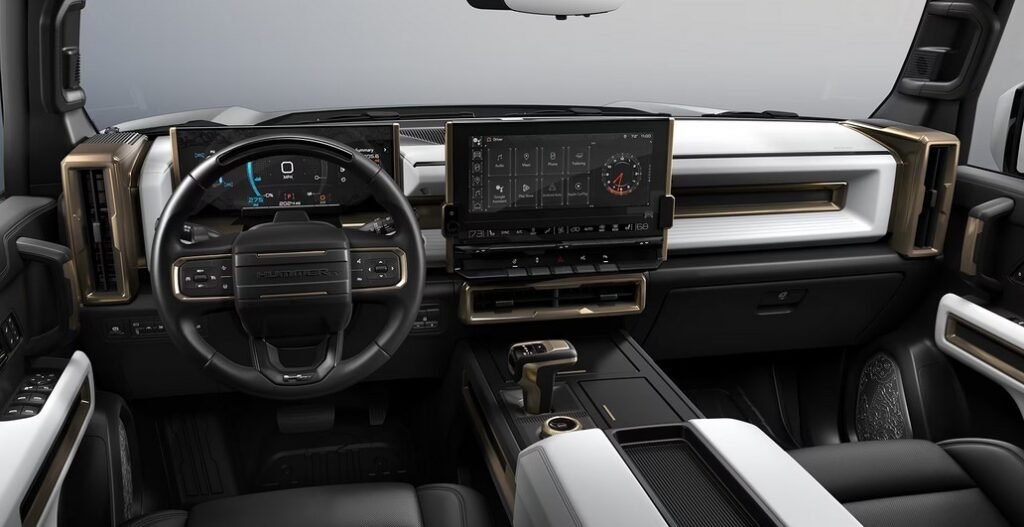
2025 GMC Hummer EV SUV: The Ultimate Electric Off-Roader Redefines Rugged Luxury

0

The Hummer name has long been associated with ruggedness, brute power, and a commanding presence on and off the road. In 2025, the GMC Hummer EV SUV continues to carry that torch, but with a modern twist: electrification. As part of General Motors’ commitment to an all-electric future, the Hummer EV SUV combines extreme off-road capabilities with cutting-edge technology, making it one of the most exciting electric vehicles to hit the market.

Let’s review the 2025 GMC Hummer EV SUV in depth and explore what makes it a game-changer in the EV landscape.

Exterior Design: Bold and Futuristic

The 2025 Hummer EV SUV retains the iconic design elements that made the Hummer a household name while incorporating futuristic touches that reflect its electric powertrain.

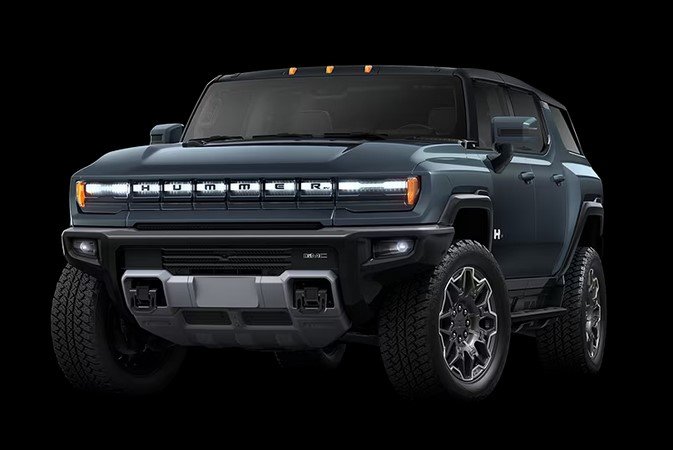
  • Rugged Aesthetic: With its boxy shape, high ground clearance, and wide stance, the Hummer EV SUV exudes toughness. Signature design elements like the H-shaped headlights and bold grille give it a modern yet recognizable look.
  • Removable Roof Panels: The SUV features the Infinity Roof, with modular, transparent panels that can be removed to create an open-air experience, ideal for off-road adventures.
  • Wheel Options: Massive 22-inch wheels come standard, while 18-inch wheels with all-terrain tires are available for hardcore off-roaders.
  • Color Choices: The Hummer EV SUV offers striking colors like Moonshot Green Matte and Interstellar White, complemented by black or chrome accents.

Interior: Luxury Meets Adventure

Inside, the Hummer EV SUV balances rugged functionality with premium comfort and cutting-edge technology.

  • Spacious Cabin: The SUV’s five-passenger seating layout provides ample space for passengers and gear, with fold-flat rear seats that expand the cargo area.
  • Premium Materials: The cabin is adorned with high-quality materials like leather, brushed aluminum, and soft-touch plastics, which give it a refined yet durable feel.
  • Digital Displays: A massive 13.4-inch touchscreen infotainment system is paired with a 12.3-inch digital driver display, offering a wealth of information and customization options.
  • Advanced Connectivity: Wireless Apple CarPlay, Android Auto, and built-in Amazon Alexa ensure seamless connectivity.
  • Panoramic Roof View: The Infinity Roof’s transparent panels let in natural light, enhancing the cabin’s airy feel.

Performance: Power Beyond Expectations

The 2025 Hummer EV SUV delivers jaw-dropping performance thanks to its advanced Ultium battery platform and powerful electric motors.

  • Tri-Motor Configuration: The top-tier Edition 1 trim features a tri-motor setup, generating a staggering 830 horsepower and 11,500 lb-ft of wheel torque. This allows the SUV to sprint from 0 to 60 mph in just 3.5 seconds—unheard of for a vehicle of its size.
  • Range: Equipped with a 200 kWh battery pack, the Hummer EV SUV offers an EPA-estimated range of up to 300 miles on a single charge.
  • Drive Modes: Multiple drive modes, including Off-Road, Terrain, and Watts to Freedom (WTF), tailor the SUV’s performance to the driving environment.
  • CrabWalk Technology: This innovative feature allows the rear wheels to steer at the same angle as the front wheels, enabling diagonal movement to navigate tight trails.
  • Extract Mode: When activated, the air suspension raises the vehicle by up to six inches to clear obstacles like large rocks or water crossings.

Off-Road Capabilities

True to its Hummer heritage, the EV SUV is designed to easily conquer the toughest terrains.

  • Skid Plates and Rock Rails: Reinforced underbody protection shields critical components from off-road hazards.
  • 4WD Capabilities: Advanced four-wheel-drive systems and locking differentials provide exceptional traction on loose surfaces.
  • UltraVision Cameras: With up to 18 camera views, including underbody cameras, the UltraVision system gives drivers a clear view of obstacles during off-road adventures.
  • Suspension System: Adaptive air suspension ensures a smooth ride on highways and rugged trails alike.

Charging and Sustainability

The Hummer EV SUV takes charging convenience and sustainability to the next level.

  • Fast Charging: The 800-volt system supports DC fast charging at up to 300 kW, adding 100 miles of range in 10 minutes.
  • Bidirectional Charging: The SUV’s Power Station feature allows it to charge other EVs or power appliances, making it a versatile tool for outdoor enthusiasts and emergencies.
  • Recycled Materials: Sustainability extends to the vehicle’s construction, with recycled materials used in the interior and battery components.

Technology: Smarter Than Ever

The Hummer EV SUV has state-of-the-art technology to enhance convenience and safety.

  • Super Cruise: This hands-free driving system offers lane-changing capabilities and works on over 400,000 miles of mapped highways across North America.
  • Enhanced Infotainment: The intuitive touchscreen features real-time maps, trail navigation, and energy management tools.
  • Driver Assistance: Features like adaptive cruise control, lane-keeping assist, and automatic emergency braking are standard.

Pricing and Trim Levels

The 2025 Hummer EV SUV is available in multiple trims, catering to various budgets and preferences.

  • Edition 1: Starting at $105,000, this fully loaded trim includes all premium features and capabilities.
  • EV3X: Priced at $95,000, this trim offers the tri-motor setup with slightly fewer luxury touches.
  • EV2X: Starting at $85,000, it includes dual motors and essential off-road features.
  • EV2: The entry-level model, priced at $80,000, provides a dual-motor setup and core EV capabilities.

Competitors: How the Hummer EV SUV Stacks Up

The 2025 GMC Hummer EV SUV faces competition from other electric SUVs, but it sets itself apart with its extreme capabilities and luxury.

  • Rivian R1S: The Rivian offers impressive off-road features but lacks the Hummer’s power and unique technologies like CrabWalk.
  • Tesla Model X: While the Model X boasts superior range and technology, it doesn’t match the ruggedness and off-road prowess of the Hummer.
  • Ford Expedition Electric: Ford’s electric SUV offers family-focused practicality but lacks Hummer’s bold design and trail-ready features.

Final Thoughts: A New Chapter for an Icon

The 2025 GMC Hummer EV SUV is more than just a revival of an iconic nameplate—it’s a statement of what the future of off-road SUVs can look like in an electric age. With its unparalleled power, technology, and rugged capability, the Hummer EV SUV redefines what it means to be a luxury off-roader.

Whether you’re tackling challenging trails, cruising on the highway, or making a statement in the city, the Hummer EV SUV delivers an experience that few vehicles can match. For those ready to embrace the future without sacrificing performance or style, the 2025 Hummer EV SUV is a worthy contender.

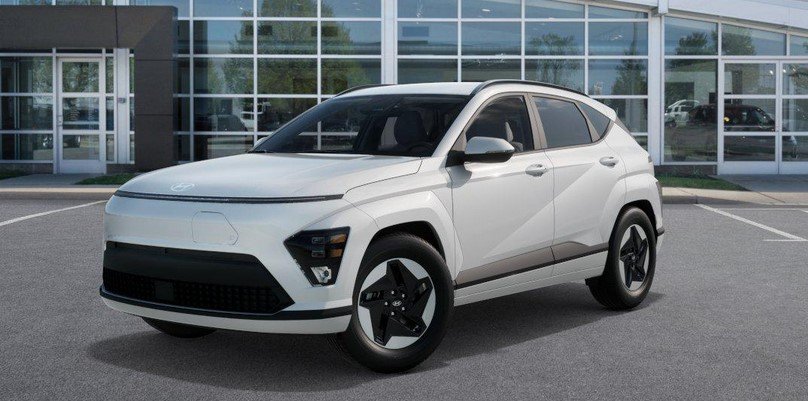
2025 Hyundai Kona Electric SEL: Affordable Innovation in an All-Electric Package

0

The 2025 Hyundai Kona Electric SEL represents the next step in Hyundai’s push toward an all-electric future. As electric vehicles become more mainstream, the Kona Electric SEL stands out for its affordability, practicality, and cutting-edge features. Combining a fresh design, impressive range, and a tech-savvy interior, this new iteration of the Kona Electric is poised to win over eco-conscious drivers seeking a stylish and capable compact SUV.

This review examines every aspect of the 2025 Hyundai Kona Electric SEL, from its design and performance to its tech features and how it compares to competitors.

Redesigned for 2025: A Bold and Modern Look

The 2025 Hyundai Kona Electric SEL is completely redesigned, giving it a more futuristic and upscale appearance.

  • Exterior Styling: The Kona Electric now features a sleeker, more aerodynamic silhouette with sculpted lines and a closed-off grille that underscores its EV identity. LED headlights and taillights with a unique light signature provide a striking presence on the road.
  • Wheel Options: The SEL trim includes stylish 17-inch alloy wheels that optimize aerodynamics.
  • Color Options: Bold colors like Gravity Gold and Abyss Black Pearl join the lineup, allowing drivers to personalize their Kona Electric.

Interior: Spacious and Packed with Tech

The 2025 Kona Electric SEL interior has been reimagined to offer more space, comfort, and cutting-edge technology.

  • Expanded Cabin Space: Thanks to its longer wheelbase, the 2025 Kona Electric provides additional legroom for rear passengers and a more spacious cargo area.
  • Premium Materials: The SEL trim includes cloth upholstery with a modern texture, soft-touch surfaces, and eco-friendly materials.
  • Digital Displays: A dual-display setup features a 12.3-inch digital instrument cluster and a 12.3-inch touchscreen infotainment system, offering seamless integration of essential functions.
  • Connectivity: Standard wireless Apple CarPlay and Android Auto make connecting your smartphone effortless. Bluetooth and USB-C ports further enhance connectivity.

Performance and Range

The 2025 Kona Electric SEL balances efficiency and performance, making it a practical choice for urban commutes and weekend adventures.

  • Electric Motor: Powered by a single electric motor, the Kona Electric SEL delivers 201 horsepower and 291 lb-ft of torque, providing quick acceleration and smooth performance.
  • Battery and Range: Equipped with a 64.8 kWh battery pack, the SEL trim offers an EPA-estimated range of up to 260 miles on a single charge, making it competitive.
  • Regenerative Braking: Adjustable regenerative braking levels allow drivers to customize the driving experience and maximize energy recovery.
  • Drive Modes: Eco, Normal, and Sport modes adjust throttle response and efficiency to suit your preferences.

Charging Made Simple

Charging the 2025 Kona Electric SEL is convenient at home or on the road.

  • Fast Charging: The Kona Electric supports DC fast charging from 10% to 80% in approximately 43 minutes at a 100 kW charging station.
  • Home Charging: Level 2 charging at home takes about 9 hours to fully charge the battery, perfect for overnight charging.
  • Hyundai Charging Network: Through partnerships, Hyundai offers access to thousands of public charging stations across the U.S., simplifying long-distance travel.

Advanced Technology and Safety Features

The Kona Electric SEL is packed with advanced technology to enhance convenience, safety, and driving experience.

  • Hyundai SmartSense: A comprehensive suite of driver-assistance features includes:
    • Forward collision avoidance Assist with Pedestrian Detection
    • Lane Keeping Assist and Lane Following Assist
    • Blind-Spot Collision-Avoidance Assist
    • Rear Cross-Traffic Collision-Avoidance Assist
    • Smart Cruise Control with Stop & Go
  • Infotainment Features: Voice recognition and built-in navigation ensure stress-free trips. At the same time, Hyundai’s BlueLink app offers remote access to vehicle functions like pre-conditioning the cabin or checking battery status.
  • Head-Up Display (Optional): The available head-up display projects key information onto the windshield, keeping the driver’s focus on the road.

Comfort and Versatility

The Kona Electric SEL is designed to make everyday life easier and more comfortable.

  • Heated Seats: Standard heated front seats ensure comfort during colder months.
  • Dual-Zone Climate Control: The SEL trim includes dual-zone automatic climate control, allowing passengers to set their preferred temperature.
  • Cargo Space: The Kona Electric offers 25.5 cubic feet of cargo space behind the rear seats, which expands to 63.7 cubic feet with the rear seats folded flat.

Competitors: How the Kona Electric SEL Stands Out

The 2025 Hyundai Kona Electric SEL faces competition from other compact electric SUVs but has an excellent mix of features and value.

  • Chevrolet Bolt EUV: While slightly more affordable, the Bolt EUV offers a shorter range and less advanced features.
  • Nissan Ariya Engage: The Ariya boasts a premium interior but is priced higher and offers fewer standard safety features.
  • Volkswagen ID.4: The ID.4 matches the Kona in range but falls short in terms of interior space and standard technology.

Pricing and Value

The 2025 Hyundai Kona Electric SEL is competitively priced, offering excellent value for its features and capabilities.

  • Starting Price: The SEL trim starts at approximately $37,000 before federal tax credits and state incentives, making it an attractive choice for budget-conscious EV buyers.
  • Incentives: Buyers may qualify for federal tax credits of up to $7,500 and additional state or local incentives, further lowering the cost of ownership.
  • Warranty: Hyundai’s industry-leading warranty includes a 10-year/100,000-mile battery warranty, ensuring peace of mind.

Final Thoughts: The Future Is Bright for the Kona Electric SEL

The 2025 Hyundai Kona Electric SEL is a testament to how far electric vehicles have come. With its striking design, impressive range, advanced safety features, and affordable pricing, the Kona Electric SEL is a compelling option for drivers transitioning to EVs or upgrading their current rides. Hyundai’s commitment to innovation and sustainability shines through in this well-rounded electric SUV.

As the EV market grows, the 2025 Kona Electric SEL proves that you don’t have to compromise on style, comfort, or technology to embrace a greener future. For those seeking an eco-friendly vehicle that’s both practical and fun to drive, the Kona Electric SEL is a top contender.

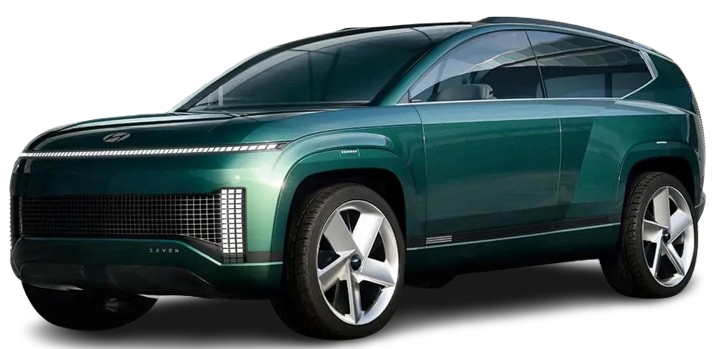
The 2025 Hyundai Ioniq 7: A Bold Step Into the Future of Electric SUVs

0

As the automotive world pivots toward electrification, the 2025 Hyundai Ioniq 7 sets new benchmarks in the growing field of electric SUVs. Combining Hyundai’s cutting-edge electric vehicle (EV) technology with a spacious, luxurious design, the Ioniq 7 is a flagship model in the brand’s Ioniq lineup. Built on the Hyundai Electric Global Modular Platform (E-GMP), the Ioniq 7 represents the automaker’s vision for the future of sustainable transportation.

This review examines the design, performance, technology, and overall driving experience of the 2025 Hyundai Ioniq 7, offering insights into why this EV is one of the most anticipated vehicles of the year.

Exterior Design: Modern and Futuristic

The 2025 Hyundai Ioniq 7 commands attention with its bold and futuristic design language.

  • Striking Front Fascia: The Ioniq 7 features a distinctive Parametric Pixel grille, seamlessly integrated LED lighting, and a sleek front end emphasizing aerodynamics.
  • SUV Proportions: With its long wheelbase, short overhangs, and imposing stance, the Ioniq 7 balances functionality with elegance.
  • Sustainability in Design: Hyundai has incorporated eco-friendly materials into the exterior, including recycled plastics and sustainable paint finishes.
  • Wheel Options: The SUV has aerodynamic 20- to 22-inch wheels that enhance aesthetics and performance.

Interior: A Tech-Packed Haven

Step inside the Hyundai Ioniq 7, and you’ll be greeted by a cabin that prioritizes space, comfort, and cutting-edge technology.

  • Spacious Layout: The E-GMP platform provides ample interior space for a flat floor. With three rows of seating, the Ioniq 7 comfortably accommodates up to seven passengers.
  • Premium Materials: The cabin features sustainable materials such as eco-processed leather, recycled plastics, and bio-paint for an upscale yet eco-conscious vibe.
  • Digital Displays: A massive 14.5-inch touchscreen infotainment system and a fully digital instrument cluster offer a seamless and intuitive interface.
  • Ambient Lighting: Customizable LED lighting enhances the cabin’s modern and luxurious feel.
  • Smart Features: Innovations such as Smart Glass, which allows passengers to adjust transparency levels, and UV-C lighting for sanitizing surfaces showcase Hyundai’s commitment to futuristic convenience.

Performance and Powertrain

The 2025 Hyundai Ioniq 7 delivers a performance blend that prioritizes smoothness, efficiency, and power.

  • Dual Motor Setup: The Ioniq 7 has a dual-motor all-wheel-drive system, delivering up to 380 horsepower and 516 lb-ft of torque.
  • Range: Equipped with a 100 kWh battery pack, the SUV offers an impressive range of up to 350 miles on a single charge.
  • Acceleration: Despite its size, the Ioniq 7 accelerates from 0 to 60 mph in just 5.8 seconds, making it one of the quicker options in its class.
  • Regenerative Braking: Adjustable levels of regenerative braking allow drivers to customize their driving experience while optimizing energy recovery.

Charging and Sustainability

Charging an EV should be as seamless as driving it, and the Ioniq 7 excels in this area.

  • Ultra-Fast Charging: The Ioniq 7 supports 800V ultra-fast charging, enabling it to recharge from 10% to 80% in 18 minutes at compatible stations.
  • Bi-Directional Charging: The Ioniq 7’s vehicle-to-load (V2L) functionality allows it to power external devices, making it a versatile companion for camping trips or emergencies.
  • Sustainability Features: Beyond the powertrain, Hyundai’s commitment to sustainability is evident in its use of eco-friendly materials and carbon-neutral manufacturing processes.

Technology: Smart and Connected

The Ioniq 7 has cutting-edge technology that enhances safety, connectivity, and convenience.

  • Hyundai SmartSense: This advanced safety suite includes adaptive cruise control, lane-keeping assist, blind-spot monitoring, and an enhanced version of Highway Driving Assist.
  • Autonomous Features: Level 3 semi-autonomous driving capabilities allow hands-free driving in specific conditions.
  • Augmented Reality (AR): The heads-up display uses AR to project navigation and vehicle information directly onto the windshield.
  • OTA Updates: Over-the-air updates ensure the car’s software remains up-to-date with the latest features and improvements.
  • Integrated Apps: The infotainment system supports native apps for streaming music, navigating, and controlling smart home devices.

Comfort and Versatility

Hyundai’s focus on passenger comfort is evident throughout the Ioniq 7.

  • Third-Row Access: The spacious cabin makes accessing the third row effortless, with sliding second-row seats and wide door openings.
  • Cargo Space: With the rear seats folded, the Ioniq 7 provides over 75 cubic feet of cargo space, ideal for road trips or family adventures.
  • Climate Control: A multi-zone climate system ensures every passenger enjoys personalized comfort.

Competition

The 2025 Hyundai Ioniq 7 enters a competitive electric SUV market, facing rivals such as:

  • Tesla Model X: Known for its performance and futuristic features but with a higher price point.
  • Rivian R1S: A rugged, adventure-focused SUV offering similar range and off-road capability.
  • BMW iX: A luxury-oriented electric SUV with premium finishes and advanced technology.

Despite the competition, the Ioniq 7 stands out with its combination of value, practicality, and cutting-edge features.

Pricing and Availability

  • Starting Price: The Hyundai Ioniq 7 starts at an estimated $56,000, undercutting many of its premium competitors while delivering similar capabilities.
  • Trims: Available trims include Standard, Premium, and Ultimate, each offering a progressively richer suite of features.
  • Launch Date: Deliveries are expected to begin in late 2025, with pre-orders already generating significant interest.

Final Thoughts: A Game-Changer in the EV World

The 2025 Hyundai Ioniq 7 represents the future of electric SUVs, offering a compelling mix of style, performance, and sustainability. Its spacious interior, cutting-edge technology, and impressive range make it well-suited for families, tech enthusiasts, and eco-conscious drivers alike. Hyundai’s commitment to innovation and sustainability shines through, making the Ioniq 7 a standout choice in an increasingly crowded EV market.

Whether transitioning to an electric vehicle for the first time or looking for your next upgrade, the Hyundai Ioniq 7 deserves a spot at the top of your list. As the automotive world embraces electrification, this SUV proves that the future is not just electric—it’s exciting.

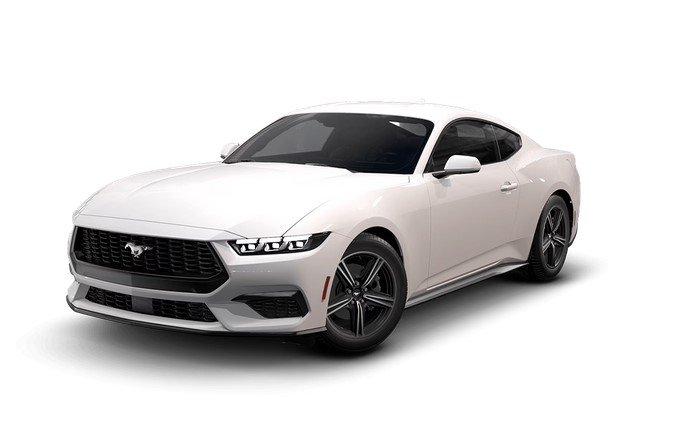
The 2025 Ford Mustang: Evolution of an American Icon

0

The Ford Mustang has always been more than just a car—it’s a cultural phenomenon. Born in 1964, the Mustang ignited a revolution in the automotive world, creating the pony car segment and capturing the hearts of enthusiasts worldwide. Fast-forward to 2025, and the Mustang continues to push boundaries, blending modern technology with its storied heritage.

This year’s Mustang, a seventh-generation masterpiece, is designed to thrill with cutting-edge features, powerful engines, and a renewed focus on driver engagement. Whether you’re a lifelong fan or new to the Mustang family, the 2025 model will impress.

Sleek and Modern Design

The 2025 Mustang retains its iconic silhouette but incorporates contemporary design elements that enhance aesthetics and aerodynamics.

  • Exterior Updates: The aggressive front fascia, LED headlights, and redesigned grille give the Mustang a bold and modern look. The rear end is equally striking, featuring tri-bar taillights and an integrated spoiler.
  • Aerodynamics: Engineers have fine-tuned the car’s airflow dynamics, reducing drag and improving stability at high speeds.
  • Wheel Options: Buyers can choose from alloy wheels ranging from 18 to 20 inches, paired with performance tires for optimal grip.
  • Color Palette: Exciting new color options, including Vapor Blue Metallic and Cyber Orange, join classic hues like Race Red and Oxford White.

A Driver-Centric Interior

Inside, the 2025 Mustang perfectly blends modern technology and classic Mustang elements.

  • Digital Cockpit: The car features a fully customizable 12.4-inch digital instrument cluster that integrates with a 13.2-inch center touchscreen powered by SYNC® 4.
  • Enhanced Connectivity: Wireless Apple CarPlay and Android Auto come standard, along with over-the-air updates to keep the system fresh.
  • Premium Materials: Soft-touch surfaces, aluminum accents, and optional leather-trimmed seats elevate the cabin’s luxury.
  • Personalization: Ambient lighting, customizable drive modes, and driver profiles allow for a tailored experience.

Powertrain Options: Something for Everyone

The 2025 Mustang offers a range of powertrains catering to purists and those seeking cutting-edge performance.

  • 2.3L EcoBoost®: The base engine delivers 315 horsepower and 350 lb-ft of torque, making it one of the most potent four-cylinders in its class. It’s paired with a 10-speed automatic transmission for smooth and efficient performance.
  • 5.0L V8 (GT): The GT model features an updated version of the legendary Coyote V8, now producing 500 horsepower. Buyers can choose between a 6-speed manual transmission with rev-matching or a 10-speed automatic.
  • Dark Horse Edition: The new Dark Horse variant takes performance to the next level with a track-tuned suspension, unique styling, and a 500+ horsepower V8. Designed for enthusiasts, it’s the ultimate expression of Mustang performance.

Handling and Performance

The 2025 Mustang is engineered for driving excitement, whether on the street or the track.

  • Improved Chassis: A stiffer chassis and upgraded suspension enhance handling and cornering stability.
  • MagneRide® Damping System: This adaptive suspension system, optional on higher trims, adjusts damping in real-time for optimal ride comfort and performance.
  • Drive Modes: Customizable modes, including Normal, Sport, Track, and Drag, allow drivers to tailor the car’s performance to their preferences.
  • Braking Power: Brembo brakes provide consistent and reliable stopping power, especially in performance-focused trims.

Advanced Technology

The 2025 Mustang has tech features that enhance safety, convenience, and performance.

  • Ford Co-Pilot360™: This vehicle’s comprehensive safety features include adaptive cruise control, lane-keeping assist, and automatic emergency braking.
  • Performance Features: The Mustang now offers a Performance Electronic Parking Brake, which doubles as a drift brake for track enthusiasts.
  • Remote Rev: This innovative feature allows drivers to rev the engine remotely using the key fob, adding a playful touch to the ownership experience.
  • Track Apps: A built-in system provides performance metrics, such as lap times, G-forces, and acceleration stats.

Sustainability and the Future

Ford is making strides in sustainability with the 2025 Mustang, incorporating eco-friendly practices without compromising performance.

  • EcoBoost Efficiency: The turbocharged EcoBoost engine delivers impressive fuel economy, reducing emissions without sacrificing power.
  • Recyclable Materials: The Mustang’s interior and exterior incorporate sustainable materials, contributing to Ford’s carbon-neutral goals.

Pricing and Trim Levels

The 2025 Mustang offers a variety of trims to suit different needs and budgets:

  • EcoBoost Fastback: Starting at $31,500, it’s an affordable entry point into Mustang ownership.
  • EcoBoost Premium: Adds luxury touches and advanced tech for $36,500.
  • GT Fastback: With the V8 engine, the GT starts at $43,500, delivering serious performance.
  • GT Premium: The GT Premium is priced at $48,000 for added comfort and style.
  • Dark Horse: The high-performance Dark Horse costs $59,000, catering to track enthusiasts.

Competition

The 2025 Mustang faces stiff competition from other performance cars, but it holds its own thanks to its versatility and heritage.

  • Chevrolet Camaro: While it offers similar performance, its aging design and uncertain future make the Mustang a more appealing choice.
  • Dodge Challenger: The Challenger’s retro styling and powerful V8s are compelling but lack the Mustang’s agility and modern tech.
  • Toyota GR Supra: A formidable rival with sharp handling, but it doesn’t match the Mustang’s practicality or range of options.

Final Thoughts: The Legacy Continues

The 2025 Ford Mustang is more than just a car—it’s a statement. The Mustang continues to symbolize American performance and ingenuity with its blend of classic muscle car elements and modern innovations. Whether you’re drawn to the turbocharged EcoBoost, the roaring V8 of the GT, or the track-focused capabilities of the Dark Horse, there’s a Mustang for every enthusiast.

As Ford embraces the future, the Mustang proves that tradition and innovation can coexist, ensuring its place as an enduring automotive icon. For drivers who crave excitement, style, and heritage, the 2025 Mustang delivers in every way.

The 1975 Pontiac Firebird Trans Am: A Muscle Car Icon Amidst an Era of Change

0

In the mid-1970s, the American muscle car faced significant challenges. Stricter emissions regulations, rising insurance premiums, and the looming energy crisis all conspired to dim the golden age of high-performance vehicles. Yet, amidst these challenges, one car stood resilient, embodying the spirit of muscle cars while adapting to the new realities of the era: the 1975 Pontiac Firebird Trans Am.

With its unmistakable design, roaring V8 engines, and a legacy cemented in pop culture, the 1975 Trans Am carried the torch for performance enthusiasts during the transition. Let’s delve into what made this car a standout, from its bold aesthetics to its enduring impact on automotive history.

The Firebird Legacy: A Brief Overview

The Pontiac Firebird debuted in 1967 as a response to the growing popularity of the Ford Mustang and Chevrolet Camaro. While sharing its platform with the Camaro, the Firebird distinguished itself with unique styling, upscale features, and Pontiac’s signature performance-oriented engineering. By the 1970s, the Firebird had established itself as a serious contender in the pony car market, with the Trans Am model representing the pinnacle of performance and style.

The 1975 Model Year: Adapting to Change

The 1975 Pontiac Firebird Trans Am was pivotal in the model’s history. With new federal regulations influencing design and performance, Pontiac had to innovate to maintain the Trans Am’s appeal.

  • Design Changes: The 1975 Trans Am featured a revised front end with a more prominent slant-nose design. It also incorporated larger, federally mandated 5-mph impact bumpers, which were cleverly styled to blend with the car’s overall aesthetic while maintaining its aggressive stance.
  • Graphics Package: The iconic “screaming chicken” hood decal, introduced a few years earlier, was now larger than ever, becoming a defining feature of the Trans Am. Paired with bold body colors like Buccaneer Red, Sterling Silver, and Cameo White, the graphics made the car unmistakable on the road.
  • Interior Updates: Inside, the Trans Am offered a driver-focused cockpit with a sporty three-spoke steering wheel, bucket seats, and optional Rally gauges. In 1975, Pontiac improved sound insulation and updated materials, enhancing overall comfort and refinement.

Powertrain and Performance

While tightening emissions standards and fuel economy concerns dulled the edge of many muscle cars in the mid-1970s, Pontiac worked hard to preserve the Trans Am’s performance pedigree.

  • Engine Options:
    • The base engine was a 6.6-liter (400 cubic inch) V8, producing 185 horsepower.
    • For enthusiasts seeking more power, the optional 7.5-liter (455 cubic inch) V8 delivered 200 horsepower and a robust 330 lb-ft of torque.
  • Transmission Choices:
    • A 3-speed manual transmission came standard, and a 4-speed manual or a 3-speed Turbo Hydra-Matic automatic was available as an option.
  • Performance Specs: Despite the era’s constraints, the Trans Am could still achieve 0-60 mph in approximately 8 seconds, respectable for the time.

Suspension and Handling

The 1975 Trans Am wasn’t just about straight-line speed; it was engineered for impressive handling and road manners.

  • Radial Tuned Suspension (RTS): Pontiac introduced the RTS system, significantly improving ride quality and cornering stability. Paired with front and rear sway bars, the Trans Am offered a balanced and controlled driving experience.
  • Wheels and Tires: The car came equipped with 15-inch Rally II wheels wrapped in performance radial tires, enhancing grip and road feel.

Pop Culture Influence

The Pontiac Firebird Trans Am’s larger-than-life persona extended beyond the showroom and into pop culture, solidifying its status as an automotive icon.

  • Movie Stardom: While the 1975 model itself didn’t star in films, the Firebird Trans Am gained legendary status with the release of Smokey and the Bandit (1977), starring Burt Reynolds. This catapulted the car into the public consciousness, making it a symbol of rebellion and freedom.
  • Music and Media: The Trans Am appeared in numerous music videos, TV shows, and advertising campaigns, further cementing its cultural impact.

Collectibility and Legacy

Today, the 1975 Pontiac Firebird Trans Am is a sought-after classic, cherished by enthusiasts for its bold styling, V8 power, and connection to a pivotal era in automotive history.

  • Collector Appeal: Models equipped with the 455 V8, manual transmission, and unique color combinations are particularly desirable.
  • Restoration and Modification: Many owners restore these cars to their original glory, while others embrace custom modifications to enhance performance and aesthetics.
  • Market Value: Depending on condition and originality, a well-maintained 1975 Trans Am can fetch between $25,000 and over $60,000 in today’s collector market.

Specifications at a Glance

FeatureSpecification
Engine Options6.6L V8 (185 hp), 7.5L V8 (200 hp)
Transmission3-speed manual, 4-speed manual, 3-speed automatic
0-60 MPH~8 seconds
Notable FeaturesRadial Tuned Suspension, screaming chicken hood decal
Base Price (1975)~$4,700

The 1975 Trans Am: An Enduring Symbol

The 1975 Pontiac Firebird Trans Am is more than just a car; it symbolizes resilience and adaptation in the face of changing times. By blending bold design, capable performance, and cultural significance, the Trans Am kept the spirit of the muscle car alive during an era when many thought it was fading.

For enthusiasts and collectors alike, the 1975 Trans Am represents a piece of American automotive history—a reminder of a time when passion, creativity, and determination could overcome even the toughest challenges. Whether you’re admiring one at a car show or lucky enough to own and drive one, the 1975 Trans Am is a true testament to Pontiac’s legacy.

The 1965 Ford Mustang: The Birth of an American Icon

0

Few cars have captured the spirit of a generation quite like the 1965 Ford Mustang. Launched in April 1964, the Mustang quickly became a cultural phenomenon, transforming the automotive landscape and cementing its place in history as one of the most iconic cars ever built. With its sleek design, affordability, and unmatched charisma, the Mustang symbolized freedom, individuality, and the American dream.

In this article, we’ll examine the 1965 Mustang in depth, exploring its origins, design, performance, and lasting legacy.

The Origins of the Mustang

The Ford Mustang was born out of a desire to create a car that appealed to younger buyers, a growing demographic with a taste for speed, style, and affordability. Lee Iacocca, then Ford’s general manager, spearheaded the project, envisioning a sporty, compact car that could bridge the gap between practicality and performance.

  • The Concept: Ford introduced the Mustang I concept car in 1962, a mid-engine two-seater that hinted at the brand’s ambitions. While the production version differed significantly, the concept laid the groundwork for the Mustang’s ethos of sportiness and innovation.
  • Market Timing: By 1964, the Baby Boomer generation was entering adulthood, and Ford recognized an opportunity to tap into their aspirations with an exciting and affordable car.

The Design: A Revolutionary Approach

The 1965 Mustang’s design set it apart from other road vehicles. With its long hood, short deck, and aggressive stance, the Mustang embodied a youthful, sporty aesthetic that resonated with buyers.

  • Exterior Styling: The Mustang’s fastback, coupe, and convertible body styles offered something for everyone. The chrome grille, galloping pony emblem, and optional racing stripes gave the car a distinctive look that oozed personality.
  • Interior Features: Inside, the Mustang featured bucket seats, a floor-mounted shifter, and an optional rally-pac instrument cluster, emphasizing its sporty nature. Buyers could choose from various trim levels, colors, and accessories to customize their Mustang.
  • Affordability: With a base price of just $2,368, the Mustang was within reach of many buyers, making it an instant hit.

Performance: Power and Agility

The 1965 Mustang wasn’t just about looks; it delivered impressive performance for its time. Buyers could choose from various engine options to suit their preferences and budgets.

  • Engine Options:
    • A base 170-cubic-inch inline-six engine producing 101 horsepower.
    • A 200-cubic-inch inline-six with 120 horsepower.
    • V8 options include the 260-cubic-inch and 289-cubic-inch engines, which deliver up to 271 horsepower in the Hi-Po (high-performance) variant.
  • Transmission Choices: The Mustang offered three-speed manual, four-speed manual, and three-speed automatic transmissions, catering to various driving styles.
  • Handling and Braking: The Mustang’s suspension was derived from the Ford Falcon, and its lightweight and well-tuned chassis provided nimble handling. Front disc brakes were available as an option for improved stopping power.

The Mustang GT: A Performance Package

The 1965 model year also introduced the Mustang GT package, adding a new level of performance and style:

  • Features: The GT package included front disc brakes, dual exhaust with chrome tips, fog lights, and special GT badging.
  • Engine: The GT was designed for enthusiasts seeking more power and a sportier driving experience. It is only available with the 289-cubic-inch V8 engine.

Cultural Impact: The Mustang Phenomenon

The Mustang’s launch was a marketing masterstroke. Ford unveiled the car at the 1964 World’s Fair in New York, generating massive publicity and excitement.

  • Sales Success: Ford sold over 22,000 Mustangs on its first day, and by the end of the first year, sales had surpassed 400,000 units.
  • Hollywood Star: The Mustang quickly became a pop culture icon, appearing in films like Goldfinger (1964) and Steve McQueen’s Bullitt (1968), solidifying its status as a symbol of cool.
  • Global Appeal: While the Mustang was quintessentially American, its design and performance resonated with car enthusiasts worldwide.

The Legacy of the 1965 Mustang

The 1965 Ford Mustang’s success laid the foundation for a legacy that still endures. It established the “pony car” segment, inspiring competitors like the Chevrolet Camaro, Dodge Challenger, and Pontiac Firebird.

  • Collector’s Item: Original 1965 Mustangs are highly sought after by collectors, particularly models with the GT package or high-performance V8 engines.
  • Modern Influence: Every new Mustang model pays homage to the original, incorporating design elements and performance cues from 1965.
  • Enduring Popularity: The Mustang remains a cornerstone of Ford’s lineup, beloved by enthusiasts for its blend of heritage and modern innovation.

Key Specifications of the 1965 Mustang

FeatureSpecification
Base Price$2,368
Body StylesCoupe, Convertible, Fastback
Engine OptionsInline-Six, V8
Horsepower Range101 – 271 hp
Transmission Options3-Speed Manual, 4-Speed Manual, Auto
Notable PackageGT Package

Why the 1965 Mustang Still Matters

The 1965 Ford Mustang wasn’t just a car but a movement. It represented freedom, individuality, and the spirit of adventure. Decades later, it inspires car enthusiasts, reminding us of a time when the open road promised endless possibilities.

Whether you’re a classic car collector, a Ford enthusiast, or simply someone who appreciates automotive history, the 1965 Mustang is a testament to innovation, passion, and timeless design. It’s more than a car—it’s a legend.

America’s 2025 Minivan Lineup: Practicality Meets Modern Innovation

0

Minivans have long been the unsung heroes of family transportation. In 2025, they’ve evolved from utilitarian people movers into stylish, tech-filled vehicles that combine comfort, safety, and convenience. For families needing ample space and versatility, minivans remain an unbeatable option.

Let’s explore the minivans available in the U.S. market in 2025, highlighting their standout features and what makes each a compelling choice.

1. Chrysler Pacifica

The Chrysler Pacifica continues to set the standard for luxury and versatility in the minivan segment.

  • Key Features: The Pacifica offers a spacious cabin, premium materials, and advanced technology, including the Uconnect 5 infotainment system with a 10.1-inch touchscreen.
  • Hybrid Powertrain: It remains the only minivan in America with a plug-in hybrid option, offering up to 32 miles of electric-only range and a combined range of over 500 miles.
  • Stow ‘n Go Seating: This exclusive feature allows second—and third-row seats to fold flat into the floor, effortlessly maximizing cargo space.
  • Advanced Safety: Standard safety features include adaptive cruise control, lane-keeping assist, and pedestrian detection.
  • Pricing: Starts at $40,000, with the hybrid version priced slightly higher.

2. Toyota Sienna

Toyota’s Sienna blends fuel efficiency with practicality, making it a top choice for eco-conscious families.

  • Hybrid Powertrain: The Sienna comes exclusively as a hybrid, delivering 36 mpg combined and exceptional range.
  • All-Wheel Drive (AWD): The Sienna is one of the few minivans offering AWD, which ensures confidence in various weather conditions.
  • Versatile Interior: The second-row captain’s chairs slide back for limousine-like legroom or forward for easy access to the third row.
  • Tech Features: The car includes a 9-inch touchscreen, wireless Apple CarPlay/Android Auto, and an available rear-seat entertainment system.
  • Pricing: It starts at $37,000 and offers excellent value, given its features and efficiency.

3. Honda Odyssey

The Honda Odyssey remains a favorite among families for its reliability, comfort, and thoughtful features.

  • Magic Slide Seats: This innovative feature allows the second-row seats to slide laterally, enabling easy access to the third row and creating flexible seating configurations.
  • CabinWatch and CabinTalk: Parents can monitor rear-seat passengers via a camera and communicate through the vehicle’s speaker system.
  • Powerful V6 Engine: A 3.5-liter V6 provides 280 horsepower, ensuring smooth and confident performance.
  • Safety Features: The Honda Sensing suite includes collision mitigation braking, road departure mitigation, and traffic sign recognition.
  • Pricing: Starts at $37,500, with higher trims adding luxury touches like leather seats and a premium audio system.

4. Kia Carnival

The Carnival is dubbed a “multi-purpose vehicle” by Kia, combining SUV-like styling with minivan functionality.

  • Bold Design: The Carnival’s boxy, SUV-inspired look sets it apart from traditional minivans.
  • Luxurious Interior: Available VIP Lounge Seating in the second row features reclining seats with leg rests and ventilation.
  • Tech Savvy: A dual 12.3-inch digital display setup integrates the instrument cluster and infotainment system seamlessly.
  • Ample Cargo Space: With the second and third rows folded, it offers up to 145.1 cubic feet of cargo space.
  • Pricing: Starts at $34,500, making it one of the most affordable options in the segment.

5. Chrysler Voyager

The Chrysler Voyager caters to budget-conscious buyers who need a reliable minivan without the frills.

  • Simplified Features: It offers essential amenities like a 7-inch touchscreen and cloth upholstery.
  • The same platform as the Pacifica: Built on the Pacifica’s platform, it delivers a comfortable ride and solid performance.
  • Fleet Focus: Primarily marketed to fleet buyers but available to individuals looking for value.
  • Pricing: Starts around $30,000, making it an attractive choice for budget-minded families.

Why Minivans Still Shine in 2025

While SUVs dominate the market, minivans offer unique advantages that make them indispensable for many buyers:

  • Unmatched Interior Space: Minivans provide more passenger and cargo room than most SUVs.
  • Sliding Doors: Easy access to the rear seats is a game-changer for parents with young children.
  • Fuel Efficiency: Hybrid options like the Toyota Sienna and Chrysler Pacifica deliver better mileage than many large SUVs.
  • Family-Focused Features: Innovations like CabinWatch, rear-seat entertainment systems, and flexible seating configurations cater to families’ needs.

Choosing the Right Minivan

When selecting a minivan, consider these factors:

  • Powertrain: Do you prefer a hybrid for fuel savings or a V6 for traditional performance?
  • Interior Features: Look for tech and comfort options that align with your family’s needs.
  • Budget: Determine your price range and explore options within that bracket.
  • Drive Type: AWD may be essential if you live in an area with harsh winters.

The Future of Minivans

As automakers continue to innovate, the minivan segment is poised for further transformation:

  • Electrification: Fully electric minivans are on the horizon, with brands like Stellantis and Toyota exploring EV versions.
  • Enhanced Connectivity: Expect more advanced infotainment and driver-assistance technologies.
  • Luxury Appeal: Premium features like reclining seats and panoramic sunroofs are becoming standard in higher trims.

Final Thoughts: A Category Worth Considering

In 2025, minivans will remain an excellent choice for families and anyone needing versatile, spacious transportation. With options ranging from the luxurious Chrysler Pacifica to the budget-friendly Chrysler Voyager, there’s a minivan for every need and budget. As these vehicles continue to evolve, they prove that practicality and innovation can go hand in hand.

Unleashing the Beast: The 2025 Honda Civic Type R Redefines Hot Hatch Excellence

0

Few names command as much respect in the world of high-performance hatchbacks as the Honda Civic Type R. Revered for its thrilling performance, sharp handling, and track-ready capabilities, the Type R has consistently set benchmarks in the hot hatch segment. For 2025, Honda has taken its flagship model to new heights, blending cutting-edge technology with the raw, visceral driving experience enthusiasts crave.

Here’s everything you need to know about the 2025 Honda Civic Type R, a car that continues to push the boundaries of what a hot hatch can be.

A Design That Commands Attention

The 2025 Civic Type R’s exterior perfectly balances aggression and refinement, ensuring it turns heads on both the street and the track.

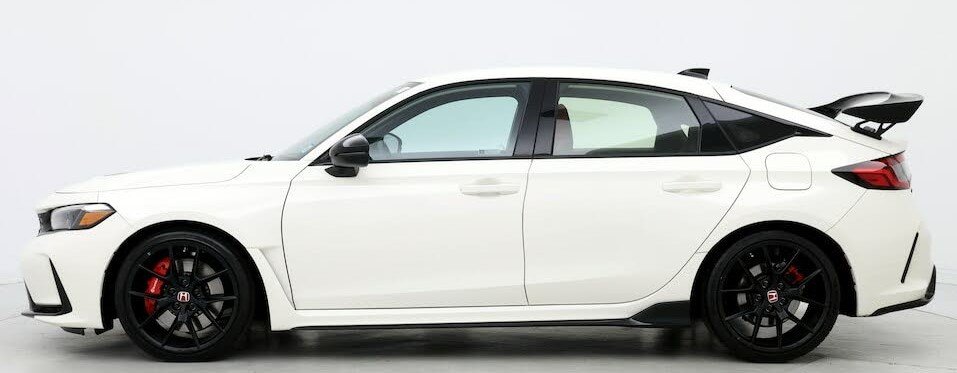
  • Aerodynamic Enhancements: Every design detail, from the large rear wing to the functional air vents, serves a purpose. The car’s wide stance and sculpted bodywork improve airflow and stability at high speeds.
  • LED Lighting: Sleek LED headlights and taillights add a modern touch while providing excellent visibility.
  • Wheels and Tires: Lightweight 19-inch forged alloy wheels wrapped in Michelin Pilot Sport 4S tires ensure optimal grip and performance.
  • Color Options: The iconic Championship White remains a fan favorite, joined by bold hues like Boost Blue and Sonic Gray Pearl.

Interior: Driver-Centric and Refined

Step inside the 2025 Civic Type R, and you’ll be greeted by a cockpit designed for maximum driver engagement.

  • Performance Seats: Heavily bolstered suede-trimmed seats provide exceptional support during spirited driving.
  • Red Accents: Red accents on the seats, steering wheel, and floor mats emphasize the car’s sporty character.
  • Digital Instrument Cluster: A customizable 10.2-inch digital display provides real-time performance metrics, including lap times, G-forces, and throttle/brake inputs.
  • Infotainment System: The 9-inch touchscreen with wireless Apple CarPlay and Android Auto ensures seamless connectivity.
  • Wireless Charging: A wireless charging pad and multiple USB-C ports power devices.

Powertrain: Performance Redefined

Under the hood, the 2025 Honda Civic Type R houses an upgraded version of the 2.0-liter turbocharged inline-four engine enthusiasts know and love.

  • Horsepower and Torque: The engine now delivers 345 horsepower and 310 lb-ft of torque, a slight increase over its predecessor, thanks to improved turbocharger efficiency and enhanced cooling systems.
  • Transmission: A slick-shifting 6-speed manual gearbox remains standard, with rev-matching for precise downshifts.
  • Front-Wheel Drive Mastery: Honda continues to refine the Type R’s front-wheel-drive setup, using a helical limited-slip differential to maximize traction.
  • 0-60 MPH and Top Speed: The 2025 model accelerates from 0 to 60 mph in just 4.9 seconds and has a top speed of 171 mph.

Advanced Chassis and Handling

The 2025 model further enhances the Civic Type R’s reputation for razor-sharp handling, making it one of the most engaging cars in its class.

  • Adaptive Suspension: Honda’s Adaptive Damper System (ADS) has been fine-tuned for better response and ride quality, with modes for Comfort, Sport, and Track.
  • Braking System: Brembo brakes with lightweight calipers and ventilated rotors ensure confident stopping power.
  • Improved Steering: A recalibrated dual-pinion electric power steering system delivers precise feedback and control.
  • Lightweight Construction: Extensive use of lightweight materials, including an aluminum hood and composite panels, reduces overall weight and improves agility.

Cutting-Edge Technology

The 2025 Civic Type R integrates advanced technology to enhance performance and convenience.

  • Honda LogR 2.0: The latest version of Honda’s performance data logger tracks driving metrics and allows drivers to analyze their performance on and off the track.
  • Enhanced Safety Features: Standard Honda Sensing® includes adaptive cruise control, lane-keeping assist, and collision mitigation braking.
  • Head-Up Display (HUD): This option projects critical information onto the windshield for easy viewing during spirited driving.
  • Over-the-Air Updates: Software updates ensure the car remains up-to-date with the latest features and performance enhancements.

Sustainability: A Step Toward the Future

While the Civic Type R is a performance-focused machine, Honda is making strides in sustainability:

  • Eco-Friendly Materials: The interior incorporates sustainable materials without compromising quality or aesthetics.
  • Efficient Manufacturing: Honda’s commitment to carbon-neutral production extends to the Type R’s assembly process.
  • Fuel Efficiency: Despite its power, the 2025 Type R achieves a respectable combined fuel economy of 27 mpg.

Pricing and Availability

The 2025 Honda Civic Type R starts at an estimated $46,500, with additional options such as the head-up display and premium audio system pushing the price higher. Deliveries are expected to begin in the first quarter of 2025, with high demand anticipated due to the model’s popularity.

Competitors: How the Type R Stacks Up

The Civic Type R faces fierce competition in the hot hatch segment, including:

  • Volkswagen Golf R: Offers all-wheel drive and a dual-clutch transmission but lacks the raw engagement of the Type R’s manual gearbox.
  • Toyota GR Corolla: A three-cylinder turbocharged hatch with rally-inspired AWD but less refined on-road manners.
  • Hyundai Elantra N: Another FWD contender with excellent value and driving dynamics, though it doesn’t match the Type R’s heritage.

Final Thoughts: A Hot Hatch Legend Evolved

The 2025 Honda Civic Type R solidifies its place as a leader in the hot hatch world. With its perfect blend of performance, practicality, and cutting-edge technology, the Type R continues to capture the hearts of driving enthusiasts. Whether hitting the track or carving through twisty backroads, this latest iteration promises an unforgettable experience.

As the automotive industry evolves, the Civic Type R remains a testament to Honda’s ability to innovate while staying true to its roots. For anyone seeking a thrilling yet practical performance car, the 2025 Civic Type R is a compelling choice.