
12.2 C
London
Monday, May 11, 2026
Home Blog Page 125

Jaguar: A Legacy of Elegance and Innovation with a Vision for the Future

0

Jaguar: A Legacy of Elegance and Innovation with a Vision for the Future

Jaguar, the iconic British automotive brand, has long been synonymous with luxury, performance, and cutting-edge design. From its beginnings as a manufacturer of motorcycle sidecars to becoming a symbol of automotive sophistication, Jaguar has consistently redefined what it means to drive with style. In 2025, Jaguar stands at a crossroads, embracing electrification and innovation to secure its place in the future of mobility while honoring its rich heritage.

Let’s examine Jaguar’s journey, current lineup, and ambitious plans for the future.

A Storied Past: The Birth of an Icon

Founded in 1922 as the Swallow Sidecar Company, Jaguar originally focused on producing sidecars for motorcycles. In the post-war era, the company shifted its attention to building cars, and by 1945, it adopted the name Jaguar Cars Ltd., reflecting its sleek and ambitious vision for the future.

  • Early Masterpieces: Models like the XK120, introduced in 1948, set benchmarks for speed and style. The XK120 was the world’s fastest production car at the time, capturing the imagination of car enthusiasts worldwide.
  • Motorsport Glory: Jaguar’s success on the track cemented its reputation. The brand’s D-Type racers dominated Le Mans in the 1950s, winning three consecutive titles from 1955 to 1957.
  • The E-Type Revolution: The 1960s saw the debut of the E-Type, often hailed as the most beautiful car ever made. With its breathtaking design and high performance, the E-Type became an automotive icon.

Jaguar Today: A Blend of Tradition and Modernity

In recent years, Jaguar has transformed, adapting to the evolving demands of the automotive industry while staying true to its core values of luxury and performance. The current lineup reflects a balance between timeless elegance and modern innovation.

1. Jaguar F-Type: The Modern Sports Car

The F-Type continues Jaguar’s legacy of building thrilling sports cars. Available as a coupe or convertible, the F-Type offers a range of powerful engines, from a 2.0-liter turbocharged four-cylinder to a supercharged V8, delivering over 570 horsepower.

  • Key Features:
    • Sleek and aerodynamic design.
    • Advanced driver-assistance systems.
    • Luxurious interiors with premium materials.
2. Jaguar XE and XF: Redefining Luxury Sedans

Jaguar’s XE and XF sedans combine elegant styling with cutting-edge technology. These models cater to buyers seeking a refined driving experience without compromising performance.

  • Highlights:
    • Mild-hybrid options for improved efficiency.
    • Intuitive infotainment systems with Apple CarPlay and Android Auto.
    • Dynamic handling and all-wheel drive for versatility.
3. Jaguar I-PACE: A Pioneer in Electrification

The Jaguar I-PACE, introduced in 2018, marked the brand’s entry into the electric vehicle (EV) market. As Jaguar’s first all-electric SUV, the I-PACE has garnered critical acclaim for its design, performance, and innovation.

  • What Sets It Apart:
    • Dual electric motors deliver 394 horsepower and a 0-60 mph time of 4.5 seconds.
    • An impressive range of up to 292 miles on a single charge.
    • Winner of the World Car of the Year, World Car Design of the Year, and World Green Car awards in 2019.

Jaguar’s Vision for the Future: Electrification and Sustainability

Jaguar is committed to becoming a fully electric brand by 2025, signaling a bold shift in its strategy. This transformation is driven by the brand’s desire to lead the luxury market in sustainability and innovation.

Winners and Losers in the EV Market: How the Shakeout is Reshaping the Industry

0

The electric vehicle (EV) market 2025 is undergoing a seismic shift. As the race toward electrification accelerates, some brands emerge as clear winners, while others struggle to keep up. The rapid evolution of EV technology, shifting consumer demands, and tightening regulations have created a competitive landscape where innovation and adaptability are paramount.

Let’s examine the brands thriving in this new era and those struggling to find their footing.

The Winners: Brands Driving the EV Revolution

Certain automakers have not only embraced electrification but have also positioned themselves as leaders in the EV market. These brands capitalize on their early investments, innovation, and consumer trust.

1. Tesla

Tesla continues to dominate the EV market, leveraging its first-mover advantage and cutting-edge technology.

  • Why They’re Winning: Tesla’s expansive Supercharger network, over-the-air updates, and strong brand recognition keep it at the forefront of the EV industry.
  • Key Models: The Model Y and Model 3 remain global best-sellers, while the Cybertruck and Roadster generate significant buzz.
  • Innovations: Battery technology advancements, including the 4680 battery cell, promise longer ranges and lower production costs.
2. BYD (Build Your Dreams)

Thanks to its vertical integration and affordable offerings, China’s BYD has emerged as a powerhouse in the EV space.

  • Why They’re Winning: BYD’s control over its supply chain, particularly battery production, gives it a competitive edge.
  • Key Models: The Dolphin and Seal EVs are popular domestically and internationally.
  • Global Expansion: BYD’s aggressive entry into Europe and Latin America boosts its global presence.
3. Hyundai and Kia

South Korean automakers Hyundai and Kia are redefining their brands with innovative EVs that appeal to many buyers.

  • Why They’re Winning: Their E-GMP platform allows fast charging, excellent range, and competitive pricing.
  • Key Models: The Hyundai Ioniq 5, Ioniq 6, and Kia EV6 have been praised for their design, performance, and technology.
  • Consumer Appeal: Reliability, affordability, and sleek styling make these brands highly attractive.
4. Volkswagen Group

Volkswagen’s massive investment in electrification is paying off as it transitions from a traditional automaker to an EV leader.

  • Why They’re Winning: The MEB platform underpins a range of EVs across the group’s brands, including Audi, Porsche, and Volkswagen.
  • Key Models: The Volkswagen ID.4 and Audi Q4 e-tron are gaining traction globally.
  • Sustainability Goals: Volkswagen’s commitment to carbon-neutral production resonates with eco-conscious buyers.
5. Rivian

Rivian is carving a niche in the electric adventure vehicle market, targeting outdoor enthusiasts.

  • Why They’re Winning: The R1T electric truck and R1S SUV combine rugged capability with luxury and advanced technology.
  • Key Advantage: Rivian’s partnership with Amazon for electric delivery vans provides a steady revenue stream.
  • Consumer Loyalty: Rivian’s focus on unique design and premium features sets it apart.

The Strugglers: Brands Losing Ground in the EV Market

While some automakers are thriving, others are struggling to adapt to the demands of electrification. Challenges include high production costs, underwhelming products, and insufficient infrastructure.

1. Ford

Despite a strong start, Ford is facing hurdles in maintaining momentum in the EV market.

  • Why They’re Struggling: The high-profile launch of the F-150 Lightning and Mustang Mach-E hasn’t translated into consistent profitability.
  • Challenges: Production delays, high battery costs, and quality control issues erode consumer confidence.
  • Future Prospects: Ford’s investment in new battery plants and EV platforms could help it recover.
2. General Motors (GM)

GM’s ambitious EV plans, including a fully electric lineup by 2035, have yet to gain significant traction.

  • Why They’re Struggling: Models like the Chevrolet Bolt EV have faced recalls and negative press, which has impacted brand perception.
  • Challenges: Slow rollout of Ultium-based models and limited charging infrastructure.
  • Path Forward: GM’s focus on electric trucks and SUVs, including the GMC Hummer EV and Silverado EV, may revitalize its EV strategy.
3. Stellantis

Stellantis, the parent company of brands like Jeep, Dodge, and Chrysler, is lagging behind competitors in the EV race.

  • Why They’re Struggling: A lack of compelling EV offerings and a heavy reliance on traditional powertrains.
  • Challenges: High development costs and limited global reach for EV models.
  • Outlook: Stellantis’ new electric vehicle platforms and partnerships could help turn the tide.
4. Nissan

Despite being an early pioneer in the EV market with the Leaf, Nissan is losing ground to more innovative competitors.

  • Why They’re Struggling: The Leaf’s aging design and limited range no longer meet consumer expectations.
  • Challenges: A slow rollout of new EVs and weak branding in key markets.
  • Potential Comeback: The recently introduced Nissan Ariya shows promise but faces stiff competition.

Key Factors Driving the Shakeout

Several forces are shaping the winners and losers in the EV market:

  • Battery Technology: Brands investing in advanced technology are gaining a competitive edge.
  • Global Expansion: Success depends on tapping into emerging markets and building strong supply chains.
  • Consumer Trust: Quality control and reliable performance are critical for building and maintaining consumer loyalty.
  • Infrastructure: Brands with access to robust charging networks have a significant advantage.

What This Means for Consumers

For car buyers, the EV shakeout presents both opportunities and challenges:

  • More Choices: As competition intensifies, consumers benefit from a wider range of models with better features.
  • Lower Prices: Increased production and competition are driving down costs, making EVs more accessible.
  • Risk of Obsolescence: Buyers should carefully research brands to ensure long-term support and value retention.

Looking Ahead

The EV market is pivotal, with clear winners and losers emerging in 2025. Brands prioritizing innovation, sustainability, and consumer needs are well-positioned to thrive. On the other hand, those who fail to adapt risk being left behind in the rapidly evolving automotive landscape.

For consumers, the ongoing shakeout means more options and better technology, but it also underscores the importance of making informed choices. As the industry continues to evolve, one thing is certain: the future of mobility is electric, and the competition is only just heating up.

Top Picks: The Most Popular Used Cars of 2024

0

The used car market in 2024 is more vibrant than ever, with drivers seeking affordability, reliability, and value for their money. Whether first-time buyers, families upgrading on a budget, or enthusiasts hunting for timeless models, certain vehicles have emerged as clear favorites. Let’s explore the used cars dominating sales charts this year and what makes them stand out.

1. Toyota Corolla: The Reliable All-Rounder

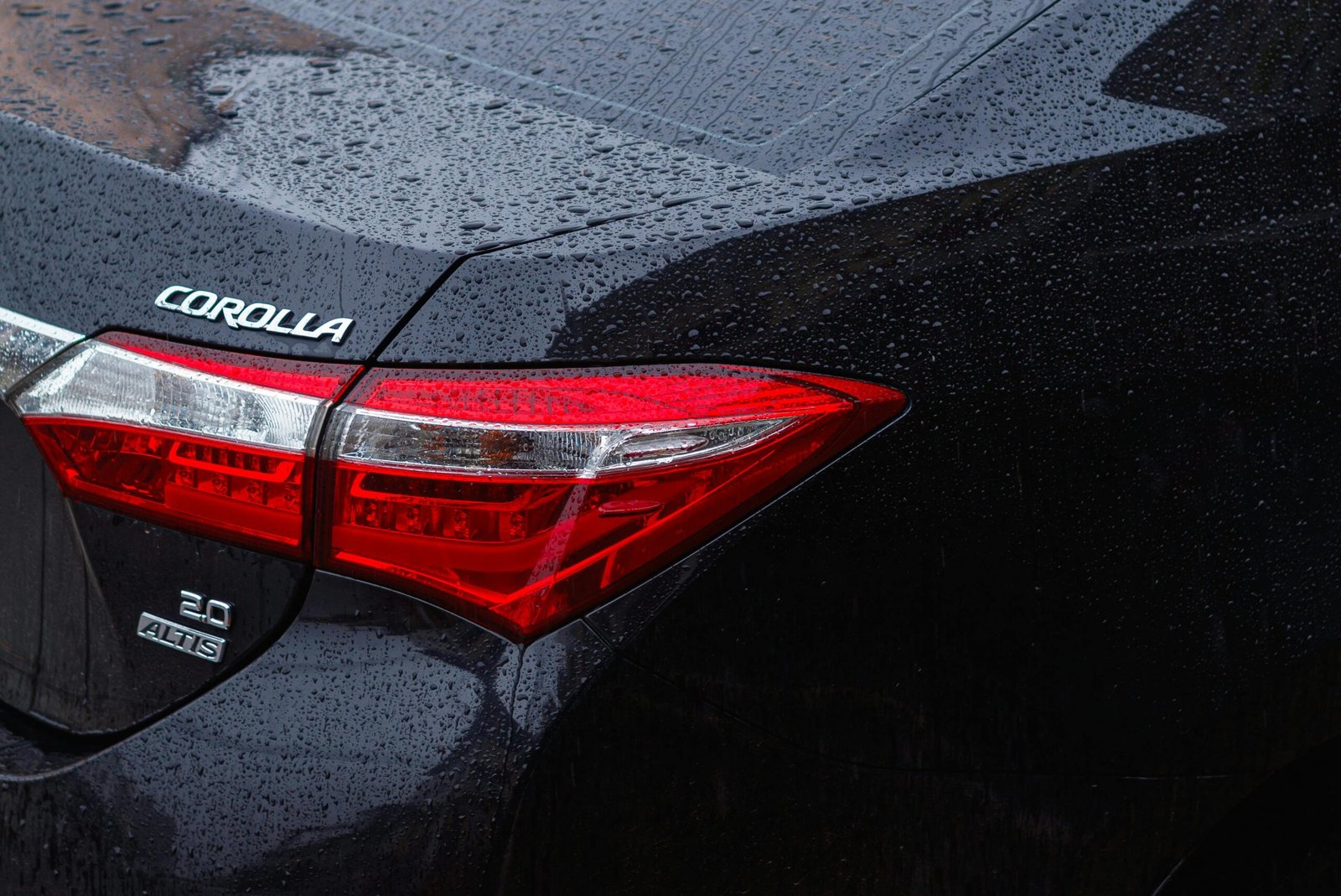
The Toyota Corolla remains one of the most sought-after used cars in 2024, thanks to its legendary reliability and low cost of ownership.

  • Why It’s Popular: The Corolla’s proven track record of durability makes it a top choice for commuters and families alike.
  • Key Features: Fuel-efficient engines, a comfortable ride, and a suite of standard safety features like adaptive cruise control and lane-keeping assist in newer models.
  • Ideal Buyer: Those looking for a dependable sedan with low maintenance costs.

2. Honda Civic: A Compact Favorite

Another perennial bestseller, the Honda Civic, is celebrated for its balance of practicality and fun-to-drive character.

  • Why It’s Popular: The Civic offers sporty handling, excellent fuel economy, and a stylish design that appeals to younger buyers.
  • Key Features: Turbocharged engine options, advanced infotainment systems, and a high resale value.
  • Ideal Buyer: Drivers seeking a reliable yet dynamic compact car.

3. Ford F-150: The King of Trucks

The Ford F-150 continues to dominate the used truck market, offering unparalleled versatility and capability.

  • Why It’s Popular: Its durability, towing capacity, and wide range of trims make it a top pick for work and recreation.
  • Key Features: Robust engine options, advanced safety features, and spacious cabins.
  • Ideal Buyer: Contractors, outdoor enthusiasts, and anyone needing a dependable truck.

4. Toyota RAV4: The Family-Friendly SUV

The Toyota RAV4’s reputation for reliability and practicality makes it a go-to choice in the used SUV market.

  • Why It’s Popular: With its strong resale value and hybrid options, the RAV4 offers great fuel efficiency and versatility.
  • Key Features: All-wheel drive, spacious interiors, and a suite of advanced safety technologies.
  • Ideal Buyer: Families and adventurers who value reliability and comfort.

5. Honda CR-V: Practicality Meets Comfort

The Honda CR-V is another SUV favorite, known for its spacious interior and fuel-efficient powertrains.

  • Why It’s Popular: Its excellent build quality and low maintenance costs make it a dependable choice for families.
  • Key Features: Roomy cargo space, available hybrid models, and user-friendly infotainment systems.
  • Ideal Buyer: Families looking for a practical and reliable crossover.

6. Chevrolet Silverado 1500: A Workhorse with Style

For those in the market for a used truck, the Chevrolet Silverado 1500 offers power and comfort.

  • Why It’s Popular: Its powerful engine lineup and high towing capacity make it a favorite among truck enthusiasts.
  • Key Features: Advanced trailering technologies, spacious interiors, and durable construction.
  • Ideal Buyer: Drivers need a reliable truck for both work and leisure.

7. Nissan Altima: Affordable Comfort

The Nissan Altima has carved out its niche as a comfortable, affordable midsize sedan.

  • Why It’s Popular: Its reasonable price point and impressive fuel efficiency attract budget-conscious buyers.
  • Key Features: Available all-wheel drive, smooth ride quality, and intuitive infotainment.
  • Ideal Buyer: Commuters and families seeking value and reliability.

8. Mazda CX-5: Style Meets Performance

The Mazda CX-5’s engaging driving dynamics and upscale interior make it a standout in the used SUV market.

  • Why It’s Popular: It’s a rare SUV that combines sporty handling with luxurious features at a competitive price.
  • Key Features: Turbocharged engine options, premium cabin materials, and advanced safety systems.
  • Ideal Buyer: Buyers who want an SUV that’s both fun to drive and practical.

9. Hyundai Tucson: Affordable and Versatile

The Hyundai Tucson’s reliability and value make it a strong contender in the used crossover segment.

  • Why It’s Popular: The Tucson appeals to budget-conscious families because of its generous warranty coverage and affordable price.
  • Key Features: Spacious interiors, intuitive technology, and available hybrid options.
  • Ideal Buyer: Families and first-time SUV buyers.

10. Subaru Outback: The Adventure-Ready Wagon

The Subaru Outback’s rugged capability and reliability make it a favorite among outdoor enthusiasts.

  • Why It’s Popular: Standard all-wheel drive and a reputation for durability ensure it performs well in various conditions.
  • Key Features: Ample cargo space, advanced safety features, and off-road capability.
  • Ideal Buyer: Adventurers and those needing a versatile family car.

Trends Driving Used Car Popularity in 2024

  • Rising New Car Prices: As new car prices increase due to supply chain issues and inflation, more buyers turn to used cars as a cost-effective alternative.
  • Reliability Matters: Cars with a proven track record for longevity and low maintenance costs are in high demand.
  • Hybrid and Electric Vehicles: Used hybrid and electric cars like the Toyota Prius and Tesla Model 3 are gaining traction as buyers look for eco-friendly options.
  • Resale Value: Models with strong resale value continue to dominate the used car market, offering buyers long-term financial benefits.

How to Choose the Right Used Car

  • Research Reliability: Check reviews and reliability ratings from trusted sources like Consumer Reports and J.D. Power.
  • Inspect Thoroughly: Always get a pre-purchase inspection to avoid costly surprises.
  • Consider Total Ownership Costs: Factor in insurance, maintenance, and fuel efficiency when comparing options.

Final Thoughts: Find the Perfect Fit

The used car market in 2024 is brimming with options for every type of buyer. From reliable sedans like the Toyota Corolla to adventure-ready SUVs like the Subaru Outback, there’s a vehicle to match your lifestyle and budget. By prioritizing reliability, value, and your specific needs, you can drive away with a car that delivers satisfaction for years.

Top-Rated Reliable Cars of 2025: Dependable Rides That Won’t Let You Down

0

When choosing a new car, reliability is often at the top of every buyer’s checklist. A dependable vehicle saves money on repairs and provides peace of mind on every journey. As automakers continue to innovate, certain models have emerged as leaders in reliability, standing the test of time and usage. From compact cars to SUVs, here’s a roundup of the most reliable cars in 2025 based on expert reviews, owner satisfaction, and long-term performance data.

1. Toyota Corolla

The Toyota Corolla has long been a symbol of reliability, and the 2025 model proudly continues this legacy. Available in sedan, hatchback, and hybrid variants, the Corolla offers something for every driver.

  • Why It’s Reliable: With a tried-and-tested 1.8-liter or 2.0-liter engine, the Corolla boasts robust engineering and excellent fuel efficiency.
  • Key Features: Toyota Safety Sense 3.0, user-friendly infotainment, and an impressive hybrid model with over 50 mpg.
  • Maintenance Costs: One of the lowest in its class, making it an economical choice for long-term ownership.

2. Honda Accord

The 2025 Honda Accord remains a top pick in the midsize sedan category, blending reliability with comfort and performance.

  • Why It’s Reliable: Honda’s engineering excellence ensures a smooth and trouble-free ownership experience.
  • Key Features include available hybrid powertrains, spacious interiors, and advanced driver-assist systems like adaptive cruise control and lane-keeping assist.
  • Long-Term Durability: Known for clocking high mileage without major issues.

3. Mazda CX-5

Mazda’s CX-5 stands out in the crowded compact SUV market for its premium feel and reliability.

  • Why It’s Reliable: The CX-5’s SkyActiv-G engines are built for efficiency and longevity.
  • Key Features: Upscale interior, responsive handling, and advanced safety features.
  • Consumer Praise: Owners consistently rate it highly for its low maintenance needs and durability.

4. Lexus RX

The Lexus RX, a pioneer in the luxury SUV segment, maintains its reputation as a reliable and refined choice in 2025.

  • Why It’s Reliable: Lexus’s reputation for quality and durability is unparalleled, and the RX is no exception.
  • Key Features: Hybrid options, luxurious interiors, and intuitive technology.
  • Resale Value: High resale value reflects its enduring appeal and dependability.

5. Subaru Outback

Adventure-ready and built to last, the Subaru Outback is a favorite among those who value reliability and versatility.

  • Why It’s Reliable: Subaru’s symmetrical all-wheel drive and Boxer engines are known for their resilience.
  • Key Features: Rugged capability, advanced EyeSight driver-assist technology, and ample cargo space.
  • Off-Road Reliability: Designed to perform in diverse terrains and weather conditions.

6. Hyundai Tucson

The Hyundai Tucson combines style, technology, and reliability, making it a standout choice in the compact SUV category.

  • Why It’s Reliable: Hyundai’s 10-year/100,000-mile powertrain warranty underscores its confidence in Tucson’s reliability.
  • Key Features: Bold design, hybrid and plug-in hybrid options, and a spacious, tech-laden interior.
  • Low Repair Costs: Affordable maintenance and repair costs contribute to its high-reliability rating.

7. Kia Telluride

The Kia Telluride has redefined what consumers expect from a three-row SUV, delivering reliability alongside luxury-like features.

  • Why It’s Reliable: Kia’s meticulous quality control and advanced engineering keep the Telluride at the top.
  • Key Features: Upscale cabin, robust V6 engine, and a long list of standard safety features.
  • Family-Friendly Durability: Designed to handle the rigors of family life without compromising performance.

8. Toyota Prius

A pioneer in hybrid technology, the Toyota Prius remains a benchmark for reliability and efficiency.

  • Why It’s Reliable: Decades of hybrid expertise have made the Prius nearly bulletproof.
  • Key Features: Exceptional fuel economy (over 55 mpg), spacious interior, and a proven hybrid system.
  • Eco-Friendly Dependability: Known for its longevity and minimal environmental impact.

9. Honda CR-V

The Honda CR-V, one of the best-selling compact SUVs, continues to impress with its reliability and practicality.

  • Why It’s Reliable: Honda’s engineering excellence ensures long-lasting performance and low ownership costs.
  • Key Features: Turbocharged engine, hybrid model, and a spacious, family-friendly interior.
  • Safety and Longevity: Advanced safety features and a reputation for lasting well beyond 200,000 miles.

10. Lexus ES

The Lexus ES combines luxury and reliability, making it a top choice for those seeking a premium sedan that won’t disappoint.

  • Why It’s Reliable: Built on Toyota’s proven platforms, the ES delivers unmatched dependability.
  • Key Features: Plush interiors, smooth ride quality, and hybrid options.
  • Luxury That Lasts: Owners praise its long-term durability and low maintenance costs.

What Makes a Car Reliable?

Reliability isn’t just about avoiding breakdowns; it’s about delivering consistent performance over the years. Here are some key factors that contribute to a car’s reliability:

  • Build Quality: High-quality materials and precise manufacturing processes ensure a car’s durability.
  • Proven Powertrains: Engines and transmissions with a track record of reliability are less likely to experience issues.
  • Ease of Maintenance: Cars designed with maintenance in mind often have lower long-term costs.
  • Resale Value: Reliable cars retain their value better, reflecting their enduring quality.

Final Thoughts: Choosing a Dependable Car in 2025

Reliability remains a critical factor for car buyers in 2025, and these ten models stand out for their ability to deliver worry-free ownership. Whether you prioritize fuel efficiency, luxury, or rugged capability, these vehicles offer the dependability you can count on.

From time-tested brands like Toyota and Honda to rising stars like Hyundai and Kia, the automotive market offers many reliable options for every lifestyle and budget. When making your next car purchase, consider one of these standout models to ensure your investment pays off for years.

U.S. Implements New Trade Policies Targeting Chinese Automakers: What It Means for the Industry

0

In a move that has shocked the automotive world, the Biden administration has finalized a set of stringent trade rules aimed at restricting Chinese-made cars from entering the U.S. market. This decision is part of a broader strategy to bolster domestic manufacturing, address national security concerns, and reduce economic reliance on China.

While targeting Chinese automakers, the new regulations have far-reaching implications for the global automotive industry. Let’s explore the details of these policies, the reasons behind them, and their potential impact on the market.

The Key Elements of the New Trade Rules

The finalized rules encompass several measures designed to limit the presence of Chinese-made cars in the U.S. automotive market:

  • Tariff Increases: The Biden administration has imposed significantly higher tariffs on vehicles manufactured in China, making them less competitive against domestically produced or imported cars from other countries.
  • Supply Chain Restrictions: Automakers using components sourced from Chinese suppliers may face penalties or additional tariffs, which would incentivize companies to diversify their supply chains.
  • Investment Limits: Stricter regulations on Chinese investments in U.S. automotive ventures aim to curb potential security risks and protect intellectual property.
  • Certification Barriers: New safety and environmental certification requirements have been introduced, which could make it harder for Chinese automakers to comply with U.S. standards.

Why Target Chinese Cars?

The U.S. government has cited several reasons for implementing these rules, ranging from economic to geopolitical concerns:

  1. National Security: The administration has expressed concerns over data privacy and cybersecurity risks associated with vehicles equipped with advanced telematics and connected features, particularly those manufactured by Chinese firms.
  2. Economic Competition: Chinese automakers, such as BYD, NIO, and XPeng, have rapidly expanded their global presence, posing a competitive threat to U.S. and European automakers. These rules are seen as a way to protect domestic industry.
  3. Supply Chain Independence: The rules aim to reduce U.S. dependence on Chinese materials and components, particularly in EV battery production, where China dominates the global market.
  4. Human Rights Concerns: Allegations of forced labor and unethical practices in Chinese supply chains have also contributed to the push for stricter regulations.

Impact on Chinese Automakers

The new rules present significant challenges for Chinese automakers attempting to enter or expand in the U.S. market:

  • Market Barriers: Brands like BYD and NIO, which have been eyeing U.S. expansion, may face insurmountable hurdles due to the increased costs and regulatory requirements.
  • Reputation and Perception: Negative sentiment fueled by geopolitical tensions could further hinder consumer acceptance of Chinese vehicles in the U.S.
  • Global Strategy Shifts: Chinese automakers may redirect their focus to other regions, such as Europe or Southeast Asia, where regulatory environments are more favorable.

How Domestic Automakers Benefit

The restrictions on Chinese cars are likely to benefit U.S.-based automakers and their international allies:

  • Increased Demand for Domestic Production: With fewer low-cost competitors, U.S. automakers like Ford, GM, and Tesla could capture a larger market share.
  • Supply Chain Realignment: Policies incentivizing local sourcing of components may lead to job creation and investment in U.S. manufacturing facilities.
  • Accelerated EV Development: Domestic automakers will likely double down on electric vehicle innovation to maintain their competitive edge against global players.

Challenges for the Broader Automotive Industry

While the new rules aim to strengthen the domestic auto industry, they also come with potential downsides:

  • Increased Costs: Tariffs and supply chain disruptions may lead to higher production costs, which could be passed on to consumers.
  • Global Trade Tensions: The restrictions could escalate trade disputes between the U.S. and China, potentially affecting other industries and global markets.
  • Limited Consumer Choice: The exclusion of Chinese vehicles might limit affordable options for U.S. buyers, particularly in the growing EV segment.

What This Means for Consumers

For American car buyers, the impact of these policies will depend on how automakers respond:

  • Fewer Budget-Friendly EVs: Chinese automakers have been known for offering affordable electric vehicles. Their absence could limit options for cost-conscious buyers.
  • Improved Domestic Offerings: U.S. automakers may introduce more competitively priced models, particularly in the EV and compact car segments to fill the gap.
  • Higher Prices Overall: Increased production costs due to supply chain adjustments and tariffs may result in higher sticker prices overall.

Global Implications

The Biden administration’s move could have ripple effects on the global automotive landscape:

  • European Automakers: Companies like Volkswagen and BMW, which rely on Chinese manufacturing for certain models or components, may need to adjust their strategies to avoid penalties in the U.S.
  • China’s Response: Beijing may retaliate by restricting U.S. automakers such as Tesla and GM from operating in China.
  • Shifting Alliances: The rules could encourage partnerships between U.S. and European automakers to create unified strategies against Chinese competition.

The Road Ahead

As the dust settles, the automotive industry must navigate a rapidly evolving landscape. Automakers must balance compliance with U.S. regulations while maintaining competitiveness in a global market. For consumers, these changes could mean a shift in the vehicles available and potentially higher prices in the short term.

The Biden administration’s rules reflect a broader trend of prioritizing national interests and sustainability in policymaking. While they pose challenges for certain players, they also open doors for innovation and growth within the domestic industry. One thing is certain: the automotive world in 2025 is gearing up for a transformative ride.

Automakers Face Growing Challenges as Consumer Demands Shift

0

The automotive industry will navigate turbulent waters in 2025 as consumer expectations reach new heights. From the demand for greener vehicles to the integration of cutting-edge technology, automakers are under immense pressure to adapt quickly. The stakes are high: Companies that fail to meet these evolving demands risk losing relevance in an increasingly competitive market.

Here’s a deep dive into how consumer preferences reshape the automotive landscape and the challenges automakers face as they strive to keep pace.

A Green Revolution: The Push for Sustainability

One of the most significant forces reshaping the auto industry is the growing consumer demand for sustainability. With climate change becoming a pressing global issue, car buyers prioritize environmentally friendly options.

  • Electric Vehicles (EVs): EVs have gone from niche products to mainstream choices. Consumers are not just seeking fuel-efficient alternatives; they want vehicles with zero emissions. Automakers are scrambling to expand their EV lineups, with many committing to fully electric fleets by 2030.
  • Sustainable Manufacturing: Buyers also look at the bigger picture, questioning how cars are made. Companies like Volvo and Tesla have embraced carbon-neutral manufacturing processes, but smaller automakers are struggling to keep up with the costs of implementing sustainable practices.
  • Battery Recycling: The rise of EVs has brought attention to battery waste. Consumers are pressuring automakers to adopt recycling programs and develop eco-friendly technologies such as solid-state batteries.

Tech-Savvy Buyers Demand More Innovation

Technology is no longer a luxury; it’s an expectation. Today’s car buyers seek vehicles that offer seamless integration with their digital lives.

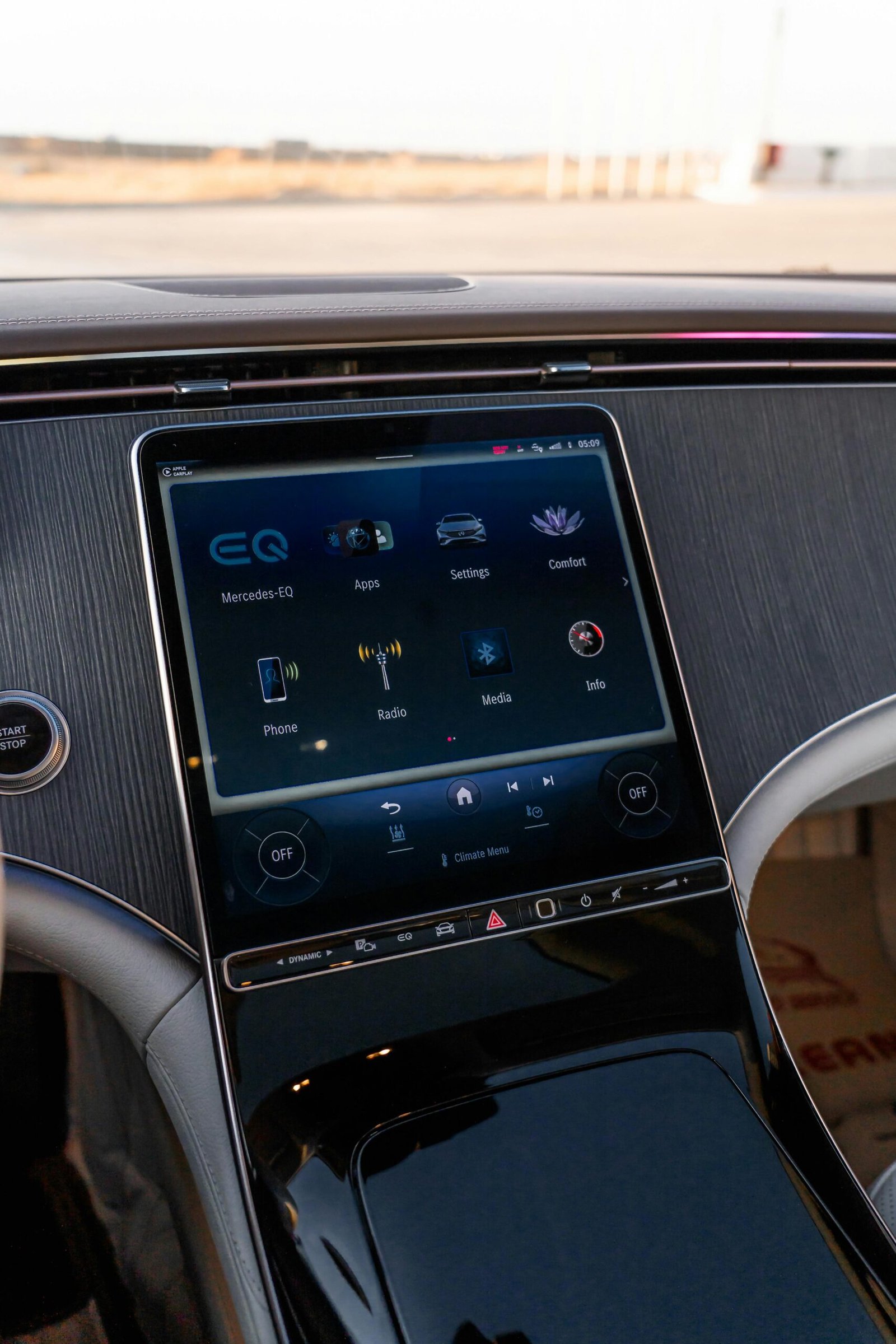
  • Connectivity: Features like wireless Apple CarPlay, Android Auto, and integrated Wi-Fi hotspots are standard in many models. Automakers that fail to include these conveniences risk being left behind.
  • Advanced Driver Assistance Systems (ADAS): Consumers demand more safety features, including adaptive cruise control, lane-keeping assist, and automatic emergency braking. Some even push for semi-autonomous capabilities, such as Tesla’s Autopilot or GM’s Super Cruise.
  • Over-the-Air Updates: As vehicles become more like smartphones on wheels, over-the-air (OTA) updates are becoming critical. Automakers must invest in software infrastructure to deliver regular performance improvements and new features.

Affordability in the Age of Inflation

While consumers want advanced features and sustainable options, affordability remains a critical concern. The rising cost of raw materials, especially EV batteries, has made it challenging for automakers to offer competitive pricing.

  • EV Price Gap: Despite declining battery costs, EVs often have a premium price tag compared to traditional internal combustion engine (ICE) vehicles. Automakers are under pressure to bridge this gap without sacrificing profitability.
  • Subscription Models: Some companies are exploring subscription-based services, allowing consumers to pay a monthly fee for access to a vehicle. While this provides flexibility, it’s not a solution for everyone, especially in lower-income regions.
  • Government Incentives: Buyers want automakers to partner with governments to provide incentives like tax breaks or rebates, making EVs and hybrids more accessible.

The Call for Customization

Today’s consumers value individuality, and the desire for personalized vehicles is growing.

  • Bespoke Options: Buyers want cars that reflect their personality, from custom paint colors to personalized interiors. Luxury brands like Rolls-Royce and Bentley have long catered to this market, but now even mainstream automakers are pressured to offer more customizable options.
  • Digital Personalization: Tech-savvy buyers are also seeking digital customization. Features like user profiles that remember seat positions, climate preferences, and infotainment settings are becoming increasingly popular.

The Supply Chain Strain

Meeting consumer expectations is only part of the battle. Automakers face significant supply chain challenges that make it harder to deliver on these demands.

  • Semiconductor Shortage: The global chip shortage continues to disrupt production, delaying the rollout of new vehicles and features.
  • Material Costs: Prices for key materials like lithium, cobalt, and nickel have surged, driving up costs for EV production.
  • Logistical Issues: Shipping delays and labor shortages further complicate the manufacturing and delivery process.

Transparency and Ethical Practices

Modern consumers are more informed than ever and demand transparency and ethical practices from the brands they support.

  • Ethical Sourcing: Buyers are asking tough questions about where materials like cobalt are sourced and whether workers in supply chains are treated fairly.
  • Data Privacy: With cars becoming increasingly connected, concerns about data security are on the rise. Automakers must demonstrate that they can protect consumer data from breaches and misuse.
  • Corporate Responsibility: Consumers want automakers to take a stand on social and environmental issues, from reducing emissions to supporting local communities.

How Automakers Are Responding

Automakers are taking various approaches to address these consumer pressures:

  • Investing in R&D: Companies are pouring billions into research and development, focusing on EVs, battery technology, and autonomous driving.
  • Collaborations: Partnerships between automakers and tech companies are becoming common, allowing for faster innovation and access to new technologies.
  • Customer-Centric Strategies: Brands like Ford and Hyundai prioritize direct consumer engagement to better understand their needs and preferences.

The Road Ahead

The automotive industry in 2025 is at a critical juncture. Consumer demands drive a seismic shift, forcing automakers to rethink their strategies and priorities. While the challenges are significant, the opportunities are equally vast. Companies that can adapt and innovate stand to thrive in this new era of mobility.

For consumers, this means more options, better technology, and vehicles that align with their values. For automakers, it’s a race to meet these expectations while staying ahead of the competition. The road ahead may be complex, but one thing is clear: the auto industry’s future will be shaped by the voices of its consumers.

Driving Innovation: Top Auto Industry Trends Shaping 2025

0

As we move deeper into 2025, the automotive industry is accelerating through an era of unprecedented change. The mobility landscape is being redefined from the rise of electric vehicles to the rapid advancements in autonomous technology. Whether you’re an industry insider, a tech enthusiast, or a curious consumer, understanding these key trends can provide a glimpse into the future of transportation.

Here are five transformative trends that are steering the direction of the global auto industry in 2025.

1. The Electric Revolution Gains Momentum

Electric vehicles (EVs) are no longer a niche product; they are the cornerstone of the automotive industry’s future. In 2025, the global shift toward electrification is more pronounced than ever.

  • Mainstream Adoption: EVs are expected to account for over 25% of global car sales by the end of the year, driven by government incentives, stricter emissions regulations, and improved infrastructure.
  • Battery Advancements: Solid-state batteries are making their way into production vehicles, offering higher energy densities, faster charging times, and improved safety compared to traditional lithium-ion batteries.
  • Wide Range of Options: From budget-friendly compact EVs to luxury models and high-performance electric sports cars, automakers cater to a diverse audience.
  • Major Players: Companies like Tesla, BYD, and Volkswagen continue to lead the EV race, while traditional automakers like Ford and Toyota are scaling up their EV portfolios.

2. Autonomous Driving Inches Closer to Reality

Autonomous vehicles (AVs) have been the subject of much speculation, and 2025 marks significant strides in making self-driving cars a practical reality.

  • Level 3 Autonomy: Several automakers, including Mercedes-Benz and Honda, have introduced vehicles with Level 3 autonomy, allowing drivers to take their hands off the wheel in certain conditions.
  • Urban Integration: Cities are increasingly adopting connected infrastructure, such as smart traffic lights and dedicated AV lanes, to support autonomous vehicles.
  • Commercial Applications: Autonomous delivery trucks and ride-hailing services are expanding, with companies like Waymo, Cruise, and Aurora making significant progress.
  • Consumer Trust: While technological advancements are impressive, automakers focus on building consumer confidence by emphasizing safety and reliability.

3. Sustainability Drives Manufacturing and Design

Sustainability is not just a buzzword; it’s a core principle guiding the auto industry in 2025. Automakers prioritize eco-friendly practices as climate change and environmental concerns become more pressing.

  • Carbon-Neutral Goals: Leading manufacturers like BMW, Volvo, and General Motors are committing to carbon-neutral operations by 2030 or earlier.
  • Sustainable Materials: Vehicles are increasingly being built with recyclable materials, vegan leather, and plant-based components to reduce environmental impact.
  • Circular Economy: Automakers are adopting closed-loop manufacturing systems, recycling old vehicles and components into new ones.
  • Eco-Friendly Production: Renewable energy sources, power factories, and water conservation practices are implemented across production facilities.

4. Connected Cars Transform the Driving Experience

The era of connected vehicles is in full swing in 2025, reshaping how drivers interact with their cars and the world around them.

  • 5G Integration: High-speed 5G networks enable vehicles to communicate with each other and infrastructure, enhancing safety and efficiency.
  • Personalized Driving: AI-powered systems learn driver preferences and adjust climate controls, seat settings, and even music playlists automatically.
  • In-Car Entertainment: Advanced infotainment systems offer features like augmented reality navigation, streaming services, and voice-activated controls.
  • Over-the-Air Updates: Automakers continuously improve vehicle performance and add new features via software updates, similar to smartphone technology.

5. Shared Mobility Gains Traction

As urbanization grows, shared mobility solutions are becoming critical to modern transportation ecosystems.

  • Electric Ride-Hailing: Companies like Uber and Lyft are expanding their fleets with electric and hybrid vehicles, reducing emissions in urban areas.
  • Car Sharing: Subscription-based car-sharing platforms provide consumers with flexible vehicle access without the burden of ownership.
  • Micromobility: Electric scooters, bikes, and compact vehicles are becoming increasingly popular for last-mile solutions, especially in densely populated cities.
  • Autonomous Fleets: Ride-hailing services are beginning to integrate autonomous vehicles into their operations, offering a glimpse of the future of mobility.

Challenges Ahead

While the trends in 2025 are exciting, the industry also faces several challenges:

  • Infrastructure Development: The widespread adoption of EVs and AVs requires significant investments in charging stations, smart roads, and other infrastructure.
  • Supply Chain Issues: Semiconductor shortages and raw material constraints continue to impact production timelines and costs.
  • Regulatory Hurdles: Stricter emissions and safety standards require automakers to adapt quickly.
  • Consumer Acceptance: Convincing traditional buyers to embrace new technologies remains a hurdle, particularly for autonomous driving.

The Road Ahead

The automotive industry in 2025 is at a pivotal juncture, characterized by rapid technological advancements and a growing emphasis on sustainability. Automakers are not just building cars; they are redefining mobility, prioritizing innovation, and adapting to an ever-changing landscape.

Whether it’s the electrification revolution, the rise of self-driving technology, or the evolution of shared mobility, the trends shaping 2025 are setting the stage for a more connected, efficient, and sustainable future. For consumers, this means more choices and better options than ever before, while for the industry, it’s an exciting yet challenging road ahead.

As we drive into this new era, one thing is clear: the future of mobility is not just about getting from point A to point B—it’s about transforming how we experience the journey.

Global Automotive Outlook 2025: Trends Shaping the Future of Mobility

0

The automotive industry will face a transformative crossroads in 2025. As technology, sustainability, and consumer demands evolve, manufacturers and stakeholders will navigate a rapidly changing landscape. This year is about refining existing trends and embracing groundbreaking innovations that are reshaping mobility as we know it.

Here’s a closer look at the key trends and predictions shaping the automotive world in 2025.

1. The Era of Electrification Accelerates

Electric vehicles (EVs) are no longer the future—they’re the present. Governments worldwide continue to push stringent emissions regulations, incentivizing automakers and consumers to adopt EVs.

  • Global EV Sales Boom: EVs are projected to account for over 25% of global car sales in 2025, a significant leap from just a decade ago.
  • Battery Advancements: Solid-state batteries are entering production, promising faster charging times, longer ranges, and enhanced safety compared to traditional lithium-ion batteries.
  • Infrastructure Expansion: Investment in charging infrastructure has surged, with ultra-fast chargers becoming the norm in urban areas and along major highways.

Automakers like Tesla, Volkswagen, and Hyundai lead the charge, but traditional giants such as Ford, GM, and Toyota are making significant strides to close the gap.

2. Autonomous Driving Gains Traction

While fully autonomous vehicles (Level 5 autonomy) remain a work in progress, 2025 marks a pivotal year for advanced driver-assistance systems (ADAS) and semi-autonomous capabilities.

  • Level 3 Autonomy: Automakers like Mercedes-Benz and Honda are rolling out Level 3 autonomous vehicles that allow drivers to hand over control in specific conditions.
  • Smart City Integration: Connected infrastructure in urban centers enables safer and more efficient autonomous navigation.
  • Autonomous Fleets: Companies like Waymo and Cruise are expanding their autonomous taxi services in select cities, showcasing the viability of driverless ride-hailing.

3. Sustainability Takes Center Stage

As climate change and environmental concerns intensify, sustainability has become a cornerstone of the automotive industry’s strategy in 2025.

  • Carbon-Neutral Goals: Leading automakers such as Volvo, BMW, and Audi have committed to becoming carbon-neutral across their operations by 2030 or sooner.
  • Recyclable Materials: Cars are increasingly built using sustainable materials like recycled aluminum, vegan leather, and biodegradable plastics.
  • Circular Economy: Manufacturers focus on creating closed-loop supply chains to reduce waste and improve efficiency.

4. Connected Cars Revolutionize the Driving Experience

Connectivity is no longer an add-on feature—it’s a necessity in 2025. From seamless integration with smart devices to over-the-air updates, connected cars enhance convenience, safety, and personalization.

  • 5G Connectivity: With the rollout of 5G networks, vehicles can now communicate with each other and surrounding infrastructure in real time.
  • In-Car Entertainment: Advanced infotainment systems with features like augmented reality navigation, streaming services, and personalized AI assistants are becoming standard.
  • Over-the-Air Updates: Automakers continuously enhance vehicle performance and add new features via software updates, similar to smartphone updates.

5. The Rise of Shared Mobility

As urban populations grow and congestion increases, shared mobility solutions are gaining traction in 2025.

  • Ride-Hailing Evolution: Companies like Uber and Lyft are expanding their electric and autonomous vehicle fleets, offering sustainable and cost-effective alternatives to car ownership.
  • Car Sharing: Subscription-based car-sharing platforms provide consumers with flexible vehicle access without the financial burden of ownership.
  • Micromobility: Electric scooters, bikes, and compact vehicles are dominating urban mobility, offering efficient and eco-friendly last-mile solutions.

6. Global Market Shifts

Emerging markets are more significant in shaping the automotive industry in 2025.

  • China’s Dominance: As the world’s largest car market, China continues to lead in EV adoption and production, with companies like BYD and NIO gaining global recognition.
  • India’s Growth: With a booming middle class and government incentives for EVs, India is becoming a key player in the global automotive landscape.
  • European Innovation: European automakers are at the forefront of sustainability and autonomous driving technologies, with a strong focus on luxury EVs.

7. The Evolution of Car Ownership

Changing consumer preferences and technological advancements are redefining traditional car ownership models.

  • Subscription Services: Automakers like Volvo and Porsche offer subscription plans that include maintenance, insurance, and flexibility to switch vehicles.
  • Pay-Per-Use Models: Consumers opt for pay-per-use services for short-term vehicle access, reducing the need for full ownership.
  • Customizable Experiences: Personalization is key, with consumers choosing vehicle features and services tailored to their needs and lifestyles.

8. The Transformation of Manufacturing

In 2025, the automotive manufacturing process is undergoing a digital transformation to improve efficiency, reduce costs, and meet sustainability goals.

  • AI and Robotics: AI-powered automation streamlines assembly lines, enhancing precision and productivity.
  • 3D Printing: This technology produces lightweight components, reducing production time and material waste.
  • Localized Production: Automakers establish localized factories to minimize supply chain disruptions and meet regional demands.

9. The Future of Motorsport

Motorsport in 2025 is embracing electrification and sustainability without losing its competitive edge.

  • Formula E Growth: The electric racing series continues gaining popularity, showcasing EV performance’s potential.
  • Hybrid Power in F1: Formula 1 has adopted hybrid powertrains and sustainable fuels to align with environmental goals.
  • New Competitions: Events like Extreme E highlight the capability of electric SUVs in challenging environments, promoting eco-conscious racing.

10. Challenges Ahead

While the automotive industry in 2025 is brimming with innovation, it also faces significant challenges:

  • Chip Shortages: Semiconductor supply chain issues persist, impacting production schedules and availability.
  • Regulatory Hurdles: Stricter emissions standards and safety regulations require automakers to continually adapt.
  • Consumer Acceptance: Convincing traditional buyers to embrace new technologies, especially autonomous driving, remains a hurdle.

Final Thoughts: Driving Into the Future

The automotive industry in 2025 reflects our evolving priorities—from sustainability and technology to personalization and shared mobility. As manufacturers adapt to these trends, the future of mobility promises to be more connected, efficient, and environmentally friendly.

Whether it’s the rise of electric vehicles, the integration of autonomous driving, or the transformation of manufacturing, the industry is undergoing a profound shift that will shape how we drive for years. For automakers and consumers alike, 2025 is not just another year—it’s the beginning of a new era in automotive history.

Scheduled Servicing: The Key to Optimal Vehicle Performance

0

When owning a vehicle, one of the most critical aspects often overlooked is the importance of scheduled servicing. Just like regular check-ups are vital for our health, routine maintenance is essential for the longevity and performance of your car. This article will delve into the significance of scheduled servicing, provide essential tips for car maintenance, highlight common issues, and offer troubleshooting advice to ensure your vehicle remains in top condition.

Understanding Scheduled Servicing

Scheduled servicing refers to the routine maintenance tasks performed on your vehicle at specified intervals. These services can include oil changes, fluid replacements, filter changes, tire rotations, and inspections of various vehicle components. The frequency of these services largely depends on the manufacturer’s recommendations, which can be found in the owner’s manual. Typically, they are categorized into minor services (often done every 5,000 to 10,000 miles) and major services (usually every 15,000 to 30,000 miles).

Why is Scheduled Servicing Important?

Prevention of Major Issues: Regular maintenance helps identify and address minor issues before they escalate into costly repairs. For example, a small oil leak can lead to engine failure if not caught early.
Optimal Performance: Scheduled servicing ensures that all vehicle components work harmoniously, leading to better fuel efficiency and enhanced driving performance.
Safety: Regular inspections of brakes, tires, and other safety-related components ensure that your vehicle remains safe to drive, reducing the risk of accidents.
Resale Value: A well-maintained vehicle holds a higher resale value. Potential buyers are likelier to invest in a car with a documented service history.
Warranty Compliance: Many vehicle warranties require regular servicing. Failing to adhere to the maintenance schedule can void your warranty, leaving you unprotected against major repairs.

Essential Maintenance Tips

Follow the Manufacturer’s Schedule: Every vehicle has a maintenance schedule outlined in the owner’s manual. Adhering to this schedule is crucial. It specifies what services are needed and when based on your vehicle’s make and model.
Regular Oil Changes: Oil is the lifeblood of your engine. Regular oil changes are essential to lubricate engine components and prevent wear. Changes may be needed every 5,000 to 10,000 miles depending on your vehicle and oil type. Check your oil level regularly and look for signs of contamination, such as dark color or gritty texture.
Check Fluid Levels: Regularly inspect and top off essential fluids, including coolant, brake fluid, transmission fluid, and windshield washer fluid. Low levels can lead to significant issues. For instance, low coolant can cause the engine to overheat, leading to costly repairs.
Tire Maintenance: Your vehicle’s tires are its only contact with the road. Check tire pressure at least once a month and tread depth regularly. Rotate your tires every 5,000 to 7,500 miles to ensure even wear. Align your wheels to prevent uneven tire wear and improve handling.
Brake Inspections: Brakes are crucial for safety. Listen for unusual noises such as squeaking or grinding and pay attention to how your brakes feel. If you notice a decreased responsiveness, it’s time for an inspection. Brake pads typically need replacement every 20,000 to 50,000 miles, depending on driving conditions.
Battery Maintenance: Check your battery regularly for corrosion and ensure that connections are secure. Most car batteries last between three to five years. If your vehicle struggles to start or the dashboard lights flicker, it could indicate a failing battery.
Wiper Blade Replacement: Worn-out wiper blades can severely impair visibility during rain or snow. Inspect blades regularly and replace them every 6 to 12 months or when you notice streaking or skipping.

Common Issues and Troubleshooting Advice

Engine Overheating: Symptoms include a rising temperature gauge, steam from the hood, or a warning light. Troubleshooting steps include checking coolant levels, looking for leaks in hoses, and ensuring the thermostat or water pump functions properly.
Warning Lights on Dashboard: Symptoms include the check engine light, ABS light, or battery light. Use an OBD-II scanner to read trouble codes that can point to the problem. Ignoring warning lights can lead to more severe issues.
Unusual Noises: Symptoms include squealing brakes, knocking from the engine, or rattling under the car. Squealing might indicate worn brake pads, knocking could signal engine trouble, and rattling may point to a loose exhaust. Seek professional help if you cannot identify the source.

Best Practices for Vehicle Maintenance

Keep a maintenance log to track all services and repairs. This is invaluable for monitoring maintenance history and can help when selling the vehicle.
While some maintenance tasks, such as oil changes or air filter replacements, can be done at home, complex repairs, like brake or transmission servicing, should be left to professionals. Know your limits.
Always opt for high-quality replacement parts and fluids that meet or exceed manufacturer specifications. Cheap parts can lead to more significant issues later.
Join online forums, read articles, and engage with other car enthusiasts to stay informed about your vehicle and common issues associated with its make and model.
Schedule seasonal inspections to prepare your car for temperature extremes, particularly before winter and summer.

Cost-Saving Strategies

Shop around for services, as prices can vary significantly between providers.
Look for package deals from dealerships and service centers for routine maintenance.
Learn to perform basic maintenance tasks through online resources and tutorials.
Take advantage of loyalty programs offered by service centers and dealerships.
Consider extended warranties to cover unexpected repair costs if you plan to keep your car long.

Conclusion

Scheduled servicing is not just about adhering to a maintenance schedule; it’s an investment in your vehicle’s performance and longevity. Whether you’re a seasoned car owner or a novice, understanding the importance of routine maintenance can save you time, money, and stress. By following best practices, addressing common issues proactively, and leveraging cost-saving strategies, you can ensure that your vehicle remains in optimal condition for years. A well-maintained car is reliable, and reliability is key to enjoying your journeys on the road.

Extend Vehicle Lifespan

0

Every car owner dreams of a vehicle that runs smoothly for years, saving money on repairs and ensuring safety on the road. However, like any machine, cars require regular maintenance and care to maximize lifespan. This comprehensive guide explores essential tips, common issues, troubleshooting advice, and best practices to help you keep your vehicle in optimal condition, regardless of your experience level.

Understanding the Importance of Car Maintenance

Regular maintenance is crucial for any vehicle. It prevents minor issues from evolving into major problems, enhances safety, improves performance, and retains resale value. According to the Car Care Council, proper maintenance can extend a vehicle’s life by several years, making it a worthy investment of time and resources.

Essential Tips for Vehicle Maintenance

1. Follow the Manufacturer’s Maintenance Schedule

Every vehicle has a manufacturer-recommended maintenance schedule, typically outlined in the owner’s manual or on the manufacturer’s website. It includes services such as:

  • Oil changes
  • Tire rotations
  • Brake inspections
  • Fluid checks (coolant, brake fluid, transmission fluid, etc.)
  • Spark plug replacements

Adhering to this schedule is vital for keeping your car in top condition.

2. Perform Regular Oil Changes

Oil is the lifeblood of your engine. Regular oil changes:

  • Reduce friction
  • Prevent engine wear
  • Improve fuel efficiency

Change your oil every 3,000 to 7,500 miles, depending on your vehicle and driving habits. Always use the oil grade specified in your owner’s manual and replace the oil filter with each change.

3. Keep an Eye on Tire Health

Tires are your vehicle’s only contact with the road. To maintain safety and performance:

  • Check tire pressure monthly and before long trips.
  • Rotate tires every 5,000 to 7,500 miles for even wear.
  • Inspect tread depth using the penny test. If Lincoln’s head is visible, replace the tires.
  • Balance and align tires to prevent uneven wear and improve handling.

4. Monitor Fluid Levels

Your car relies on various fluids to function efficiently. Check and top off these fluids regularly:

  • Coolant: Prevents overheating and protects the engine.
  • Brake Fluid: Ensures safe stopping power.
  • Transmission Fluid: Enables smooth gear shifts.
  • Power Steering Fluid: Helps with steering ease.

If fluid levels are low or contaminated, consult a mechanic.

5. Prioritize Brake Maintenance

Brakes are essential for safety. Look out for unusual sounds, vibrations, or reduced performance. Replace brake pads and rotors as needed, typically every 30,000 to 70,000 miles, depending on usage.

Common Issues and Troubleshooting Advice

1. Battery Problems

Car batteries usually last 3–5 years. Signs of a failing battery include dim lights, slow cranking, or dashboard warnings. Troubleshooting tips:

  • Clean and secure battery terminals.
  • Test battery voltage (12.6 volts is fully charged).
  • Check the alternator if the battery keeps dying.

2. Overheating Engine

If your engine overheats:

  • Pull over and turn off the engine.
  • Let it cool for at least 30 minutes before checking the coolant.
  • Inspect for leaks in hoses or the radiator.

If the issue persists, have a mechanic check the thermostat, water pump, and radiator.

3. Warning Lights

Dashboard warning lights signal potential issues.

  • Consult the owner’s manual for their meaning.
  • Address problems promptly to avoid costly repairs.

Best Practices for Vehicle Longevity

1. Wash and Wax Regularly

Clean your vehicle every few weeks and wax it every few months to protect against rust and corrosion.

2. Drive with Care

Avoid rapid starts, harsh braking, and overloading your car to reduce strain on components and extend lifespan.

3. Store Your Vehicle Properly

Use a garage or car cover to protect your vehicle from harsh weather conditions.

4. Keep Maintenance Records

Documenting repairs and services helps track your vehicle’s health and simplifies communication with mechanics.

Cost-Saving Strategies

  • DIY Maintenance: Perform simple tasks like oil changes and tire rotations yourself.
  • Shop Around: Compare prices for repairs and services.
  • Invest in Quality Parts: High-quality components reduce repair frequency.

Conclusion

By committing to regular maintenance, careful driving, and prompt issue resolution, you can extend your vehicle’s lifespan while saving money and enhancing safety. Follow the tips in this guide to keep your car running reliably for years to come. Remember, a little care today ensures fewer problems tomorrow.