
10.3 C
London
Monday, May 11, 2026
Home Blog Page 127

Toyota GR Yaris: A Rally-Inspired Hot Hatch That Redefines Performance

0

The Toyota GR Yaris is more than just a compact hatchback; it’s a rally-bred beast that delivers thrills and precision in a small, lightweight package. Developed by Toyota’s Gazoo Racing division, the GR Yaris is a bold statement of engineering excellence and celebrates motorsport heritage. This pocket rocket has captured the attention of enthusiasts worldwide, offering a blend of power, agility, and innovation rarely seen in its segment.

Let’s dive into what makes the Toyota GR Yaris a true game-changer in performance cars.

Rally Roots: Born from WRC

The GR Yaris owes its existence to Toyota’s participation in the World Rally Championship (WRC). Designed as a homologation special, it shares much of its DNA with Toyota’s rally cars. Unlike the standard Yaris, the GR Yaris features a bespoke platform that combines elements of the GA-B platform (used in the regular Yaris) and the GA-C platform from larger models like the Corolla. This unique foundation provides the perfect balance of rigidity and lightness, essential for high-performance driving.

Toyota’s president Akio Toyoda, a passionate driver himself, and Toyota Gazoo Racing overseen the car’s development, ensuring that every aspect of the GR Yaris reflects its motorsport pedigree.

Exterior Design: Aggressive and Purposeful

The GR Yaris boasts a design that’s both aggressive and functional. Every line and curve serves a purpose, with aerodynamics playing a crucial role in its performance. The wide stance, sculpted bodywork, and flared wheel arches give it a muscular appearance, while the carbon-fiber roof and aluminum panels reduce weight without compromising structural integrity.

Up front, the car features a bold grille with large air intakes that improve cooling. The sleek and angular LED headlights add to the car’s sporty demeanor. At the rear, the GR Yaris sports a distinctive spoiler, dual exhaust outlets, and a diffuser that enhances downforce and stability at high speeds. The result is a car that looks as fast as it feels.

Engine and Performance: A Turbocharged Marvel

Under the hood of the GR Yaris lies a 1.6-liter turbocharged three-cylinder engine, the most powerful of its kind in production. This compact yet potent powerplant delivers a remarkable 257 horsepower and 266 lb-ft of torque, allowing the GR Yaris to sprint from 0 to 60 mph in just 5.5 seconds. The engine is mated to a six-speed manual transmission, offering a level of engagement enthusiasts crave.

One of the standout features of the GR Yaris is its GR-FOUR all-wheel-drive system. Unlike many competitors, which use front-wheel-drive platforms, the GR Yaris sends power to all four wheels, ensuring optimal traction and control in all conditions. The system allows drivers to choose between different torque distribution modes: Normal (60:40), Sport (30:70), and Track (50:50), catering to various driving scenarios.

Lightweight Construction: Built for Agility

Weighing in at just over 2,800 pounds, the GR Yaris is incredibly lightweight for an all-wheel-drive car. Toyota achieved this by using lightweight materials such as carbon fiber for the roof and aluminum for the doors and hood. This focus on weight reduction translates to razor-sharp handling and a nimble driving experience, whether carving through mountain roads or navigating tight city streets.

Interior: Driver-Focused and Practical

Inside, the GR Yaris strikes a balance between sportiness and practicality. The cabin is designed with the driver in mind, featuring well-bolstered sports seats, a leather-wrapped steering wheel, and a short-throw shifter. Red stitching and GR badging add a touch of exclusivity, reminding you that this isn’t your average hatchback.

The dashboard houses an 8-inch touchscreen infotainment system with Apple CarPlay and Android Auto compatibility. While the focus is on performance, Toyota hasn’t neglected everyday convenience. The GR Yaris has dual-zone climate control, keyless entry, and advanced driver-assistance features, including adaptive cruise control and lane-keeping assist.

Technology: Advanced Features for a Modern Drive

The GR Yaris isn’t just about raw performance; it’s also equipped with cutting-edge technology. Highlights include:

  • Performance Data Display: Allows drivers to monitor real-time performance metrics, such as G-forces, turbo pressure, and lap times.
  • Custom Drive Modes: Adjusts throttle response, steering weight, and torque distribution based on driver preference.
  • Toyota Safety Sense: This feature includes pre-collision braking, pedestrian detection, and traffic sign recognition for added peace of mind.

On the Road: A Thrilling Experience

Driving the GR Yaris is nothing short of exhilarating. The turbocharged engine delivers instant power, while the precise steering and responsive suspension make every turn a joy. The GR-FOUR all-wheel-drive system ensures the car remains planted, even when pushed to its limits. Whether tackling a twisty back road or accelerating out of a corner on a track, the GR Yaris offers a level of engagement that’s hard to match.

The ride quality is firm but not punishing, making it suitable for daily driving. Noise insulation is minimal, allowing you to fully enjoy the engine’s growl and the exhaust’s pops and bangs. The GR Yaris is an absolute dream for enthusiasts who value driving dynamics over comfort.

Competition: How Does It Stack Up?

The GR Yaris faces stiff competition from other hot hatches, including the Volkswagen Golf R, Hyundai i30 N, and Ford Fiesta ST. While each of these rivals has strengths, the GR Yaris stands out for its rally-inspired design, advanced all-wheel-drive system, and lightweight construction. It’s a car built with a singular focus on performance, setting it apart in a segment often dominated by compromises.

Pricing and Value

The Toyota GR Yaris offers incredible value for what it delivers. Starting at approximately $39,000, it’s priced competitively for a car with its level of performance and exclusivity. While it’s not the cheapest hot hatch on the market, it’s certainly one of the most exciting and capable.

Final Thoughts: A Modern-Day Icon

The Toyota GR Yaris is more than just a car; it’s a celebration of driving. With its rally-inspired engineering, thrilling performance, and cutting-edge technology, it delivers an experience that’s as rewarding on the road as it is on the track. For enthusiasts who crave a car that prioritizes fun and engagement over everything else, the GR Yaris is a must-have.

The GR Yaris is a breath of fresh air in a world where SUVs dominate the market and performance cars become increasingly complex. It reminds us of the joy of driving, one corner at a time. For those lucky enough to own one, the GR Yaris isn’t just a car—it’s an icon in the making.
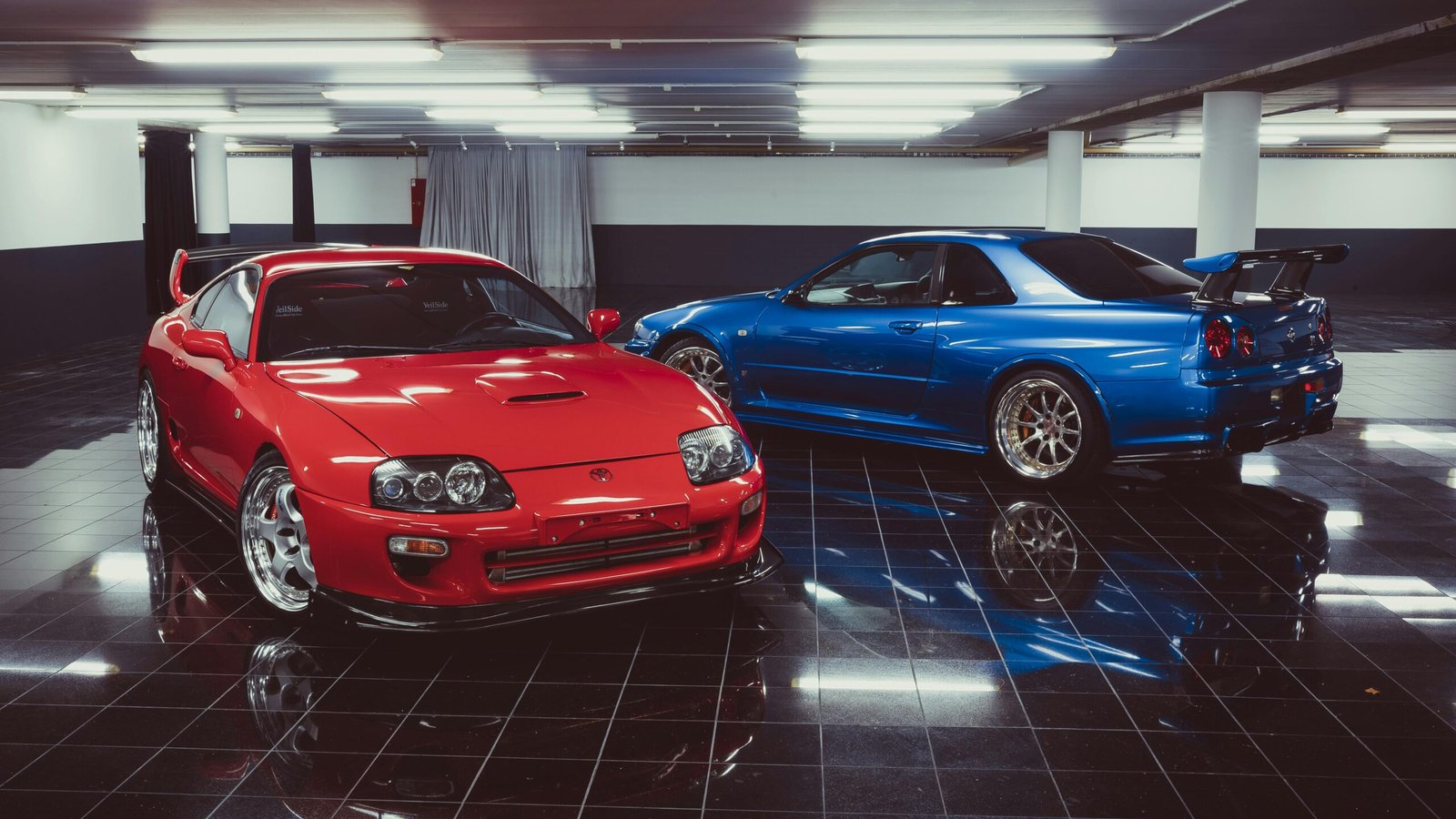

Nissan Skyline vs. Toyota Supra: Battle of the Japanese Legends

0

Nissan Skyline vs. Toyota Supra: Battle of the Japanese Legends

When it comes to legendary Japanese sports cars, two names dominate the conversation: the Nissan Skyline and the Toyota Supra. These two titans of the automotive world have captured the hearts of car enthusiasts for decades, earning their place as icons in performance, tuning, and motorsport. But how do they stack up against each other? In this comprehensive comparison, we’ll dive deep into their history, performance, design, and legacy to determine which car truly reigns supreme.

A Brief History of the Titans

Nissan Skyline

The Skyline’s journey began in 1957, but it wasn’t until the late 1960s and the introduction of the GT-R badge that it cemented its place in automotive history. The R32, R33, and R34 generations of the Skyline GT-R became legendary for their advanced technology, including the ATTESA E-TS all-wheel-drive system and RB26DETT engine, which provided remarkable performance and tuning potential. Today, the latest GT-R models, often called “Godzilla,” continue to set benchmarks for high-performance vehicles.

Toyota Supra

The Toyota Supra’s story began in 1978 as a performance-oriented spin-off of the Celica. However, it wasn’t until the fourth-generation A80 Supra in the 1990s that the car gained global fame. Powered by the legendary 2JZ-GTE inline-six engine, the Supra became a favorite among tuners and racers alike. The modern GR Supra, developed in collaboration with BMW, carries forward the Supra’s legacy while introducing advanced technology and contemporary styling.

Design: A Clash of Styles

Nissan Skyline

The Skyline’s design has always been a blend of aggression and sophistication. The R34 GT-R, for example, features sharp, angular lines, a low stance, and iconic quad taillights. The latest GT-R models maintain this aggressive aesthetic with aerodynamic enhancements and bold features like a prominent grille and sculpted hood.

Toyota Supra

The Supra, on the other hand, leans towards a more curvaceous and sporty design. The fourth-generation Supra A80 is renowned for its sleek profile, pop-up headlights, and iconic rear wing. The modern GR Supra builds on this legacy with a more futuristic look, featuring sharp creases, a double-bubble roof, and a wide rear stance that screams performance.

Performance: Powerhouses on the Road

Nissan Skyline Performance

The Skyline GT-R models, particularly the R32, R33, and R34, are equipped with the RB26DETT, a 2.6-liter twin-turbocharged inline-six engine that produces up to 280 horsepower in stock form (due to Japan’s “gentlemen’s agreement”). However, tuners often push this engine to produce over 1,000 horsepower.

Modern GT-R models, like the R35, take performance to the next level. Their 3.8-liter twin-turbocharged V6 produces 565 horsepower in standard form and up to 710 horsepower in the GT-R NISMO variant. The advanced all-wheel-drive system ensures blistering acceleration and precise handling, making it a formidable contender on both road and track.

Toyota Supra Performance

The legendary A80 Supra features the 2JZ-GTE, a 3.0-liter twin-turbocharged inline-six engine producing 276 horsepower in stock form. Like the Skyline’s RB26DETT, the 2JZ-GTE is a favorite among tuners, capable of handling immense power with relatively few modifications.

The modern GR Supra, powered by a BMW-sourced 3.0-liter turbocharged inline-six, produces 382 horsepower. It’s paired with an eight-speed automatic transmission, delivering quick shifts and a 0-60 mph time of just 3.9 seconds. The GR Supra is rear-wheel drive, offering a more traditional sports car feel than the all-wheel-drive Skyline.

Driving Dynamics: Precision vs. Playfulness

Nissan Skyline

The Skyline GT-R’s all-wheel-drive system and advanced traction control make it incredibly stable and confidence-inspiring, even at high speeds or in challenging conditions. The R34 GT-R, in particular, is lauded for its balanced handling, thanks to its ATTESA E-TS system and Multi-Link Suspension. The modern R35 GT-R continues this tradition with razor-sharp precision, making it a dominant force on the track.

Toyota Supra

With its rear-wheel-drive layout, the Supra offers a more playful and engaging driving experience. The A80 Supra is known for its excellent weight distribution and responsive steering, making it a joy to drive. The GR Supra enhances this with a refined suspension system and adaptive dampers, balancing comfort and performance.

Tuning Potential: Legends of Customization

Both the Skyline and Supra are legends in the tuning world. They offer massive aftermarket support and virtually limitless customization potential.

  • Skyline: The RB26DETT engine is a tuner’s dream, capable of producing over 1,000 horsepower with the right modifications. Upgraded turbos, intercoolers, and ECU tuning are common upgrades for Skyline enthusiasts.
  • Supra: The 2JZ-GTE engine’s robust design makes it equally popular among tuners. Its iron block can handle extreme boost levels, making 1,000+ horsepower builds regularly in the Supra community.

Legacy and Cultural Impact

Nissan Skyline

The Skyline GT-R earned its “Godzilla” nickname after dominating motorsport in the late 1980s and early 1990s. It is a symbol of Japanese engineering excellence and a favorite in racing games, movies, and car culture worldwide. The R34 GT-R, in particular, has achieved cult status, partly thanks to its role in the “Fast & Furious” franchise.

Toyota Supra

The Supra’s reputation was solidified in the 1990s as a tuner’s paradise and a star in motorsport. The A80’s appearance in “The Fast and the Furious” cemented its status as a cultural icon. The GR Supra has revitalized the nameplate, appealing to a new generation of enthusiasts while honoring its storied past.

Pricing and Availability

  • Skyline: Classic Skyline GT-R models, like the R34, command premium prices in the collector market, often exceeding $100,000. The modern R35 GT-R starts at around $115,000, with the NISMO variant priced closer to $215,000.
  • Supra: The A80 Supra’s value has skyrocketed, with pristine examples selling for over $150,000. The GR Supra, however, is more accessible, starting at approximately $45,000.

Final Verdict

Choosing between the Nissan Skyline and Toyota Supra ultimately depends on your priorities as a driver and enthusiast.

  • Go with the Skyline if you value all-wheel-drive stability, advanced technology, and a legacy of motorsport dominance. It’s the ultimate precision machine that performs in all conditions.
  • Choose the Supra if you prefer rear-wheel-drive dynamics, a playful driving experience, and a car deeply entrenched in tuning culture. It’s the ultimate platform for personal expression and modification.

Both cars are legends in their own right, and owning either is a ticket to automotive history. Whether chasing track records or building a show-stopping custom car, the Skyline and Supra offer endless possibilities and timeless appeal.

Essential Guide to Car Tune-Ups: Improve Performance

0

Essential Guide to Car Tune-Ups: Improve Performance

Whether you’re a seasoned gearhead or a novice car owner, understanding the ins and outs of car tune-ups is paramount for maintaining your vehicle’s performance and longevity. A well-executed tune-up can enhance fuel efficiency, boost engine performance, and prolong the life of your car. This comprehensive guide will delve into what a tune-up entails, common issues that arise, troubleshooting tips, and best practices that every car owner should follow.

What is a Car Tune-Up?

A car tune-up is a preventive maintenance procedure that ensures your vehicle runs smoothly and efficiently. While the specifics can vary depending on your car’s make and model, a typical tune-up involves checking and replacing key components that affect engine performance. These components include spark plugs, air filters, fuel filters, and ignition systems.

Signs Your Car Needs a Tune-Up

Before diving into the specifics of tune-ups, it’s crucial to recognize the signs that indicate your vehicle may need one. Here are common symptoms:

1. Decreased Fuel Efficiency: If you notice refueling more often, it could be a sign of worn-out spark plugs or a dirty air filter.

2. Rough Idling: If your engine shakes or runs unevenly while idling, it may be time for a tune-up.

3. Loss of Power: A noticeable decline in acceleration or overall power can indicate issues with the ignition system or fuel delivery.

4. Check Engine Light: This light can indicate various problems, and a tune-up is a good starting point for diagnosis.

5. Engine Misfires: If your engine stutters or hesitates, it could be faulty spark plugs or ignition coils.

Key Components of a Tune-Up

1. Spark Plugs

Spark plugs are essential for igniting the air-fuel mixture in your engine. Over time, they can wear out or become fouled, leading to misfires and decreased engine performance.

Tip: Inspect and replace spark plugs every 30,000 to 100,000 miles, depending on your vehicle’s specifications. Opt for high-quality plugs recommended by the manufacturer.

2. Air Filters

Air filters prevent contaminants from entering the engine. A dirty air filter restricts airflow, affecting performance and fuel economy.

Tip: Replace your air filter every 15,000 to 30,000 miles, or more frequently if you drive in dusty conditions.

3. Fuel Filters

Fuel filters keep impurities from reaching your engine, ensuring a clean fuel supply. A clogged fuel filter can lead to poor engine performance and reduced fuel efficiency.

Tip: Change your fuel filter every 30,000 to 50,000 miles per your owner’s manual.

4. Ignition System

The ignition system includes components like ignition coils and wires that are vital for starting your car. Problems here can lead to starting issues or engine misfires.

Tip: Regularly inspect ignition wires for wear and replace them every 60,000 to 100,000 miles.

5. Battery and Charging System

A healthy battery and charging system are critical for reliable vehicle operation. Corroded connections or a failing alternator can lead to starting issues.

Tip: Check battery terminals for corrosion and clean them as needed. Test the battery every two years and consider a replacement every four to five years.

Common Issues and Troubleshooting Tips

Even with regular tune-ups, issues can still arise. Here are some common problems and how to troubleshoot them:

Issue: Engine Won’t Start

Troubleshooting Steps:

1. Check the Battery: Ensure the battery is charged and terminals are clean.
2. Inspect Fuses: A blown fuse can prevent the engine from starting.
3. Test the Starter: If you hear a clicking sound but the engine doesn’t turn over, the starter may be faulty.

Issue: Engine Overheating

Troubleshooting Steps:

1. Check Coolant Levels: Low coolant can lead to overheating.
2. Inspect the Radiator: Look for leaks or blockages that could impede coolant flow.
3. Test the Thermostat: A malfunctioning thermostat can prevent proper coolant circulation.

Issue: Poor Fuel Economy

Troubleshooting Steps:

1. Inspect Air Filters: A clogged air filter can restrict airflow and reduce efficiency.
2. Check for Tire Pressure: Under-inflated tires increase rolling resistance and decrease fuel efficiency.
3. Evaluate Driving Habits: Aggressive driving can increase fuel consumption.

Best Practices for Regular Maintenance

Maintaining your vehicle doesn’t stop at tune-ups. Implement these best practices to keep your car in top shape:

1. Create a Maintenance Schedule

Keep a detailed log of all maintenance performed and set reminders for upcoming services. This will help you stay on top of necessary tasks and avoid surprises.

2. Use Quality Parts

Always opt for OEM (Original Equipment Manufacturer) or high-quality aftermarket parts. Cheap components might save you money initially but can lead to more significant issues.

3. Regular Fluid Checks

Fluids play a vital role in your vehicle’s operation. Regularly check and top off engine oil, transmission fluid, brake fluid, and coolant.

4. Tire Maintenance

Check tire pressure monthly and rotate your tires every 5,000 to 7,500 miles to promote even wear. Properly inflated and rotated tires enhance fuel efficiency and extend tire life.

5. Drive Sensibly

Adopting a gentle driving style can significantly reduce wear on your vehicle, leading to fewer repairs and better fuel economy.

Cost-Saving Strategies

Regular maintenance can save you money in the long run. Here are some cost-effective strategies:

1. DIY Simple Tasks: Learn to perform basic maintenance tasks, such as changing air filters or checking tire pressure, to save on labor costs.

2. Use Coupons and Discounts: Many auto shops offer promotions, especially for tune-ups. Research local offers before scheduling a service.

3. Join Loyalty Programs: Many auto repair shops have loyalty programs that offer discounts for repeat customers.

4. Stay Informed: Learn about your vehicle’s needs through forums, manuals, and videos. Knowledge can help you diagnose problems early, saving you from costly repairs.

Conclusion

A regular car tune-up is an essential aspect of vehicle maintenance that can significantly improve performance and longevity. By staying vigilant about signs of wear and tear, understanding the key components involved in a tune-up, and following best practices for maintenance, you can ensure that your car runs smoothly for years to come. Whether you perform these tasks yourself or consult a professional, the benefits of a well-maintained vehicle are undeniable. Remember, a little attention today can save you a lot of trouble tomorrow!

2025 Mercedes G500: The Iconic Off-Roader Reimagined for the Future

0

The Mercedes-Benz G-Class, affectionately known as the “G-Wagon,” has symbolized rugged luxury and off-road prowess for over four decades. In 2025, the G-Class lineup welcomes an updated version of its legendary G500, blending its unmistakable design with modern technology, enhanced performance, and unparalleled luxury. Whether tackling rocky trails or cruising through urban streets, the 2025 Mercedes G500 continues to set the benchmark for luxury SUVs.

Timeless Design with a Modern Twist

The 2025 Mercedes G500 retains the iconic boxy design, making the G-Class a legend. While staying true to its roots, this latest iteration features subtle updates to enhance aerodynamics and modernity. The signature flat body panels, round LED headlights, and prominent grille remain intact but now incorporate sleeker details, such as adaptive LED lighting and optional AMG styling elements for an aggressive stance.

The G500 rides on 19-inch alloy wheels as standard, with 20- and 21-inch options available for those looking to add even more flair. The familiar side-mounted spare tire and robust door hinges nod to its utilitarian past, while details like flush door handles and optional two-tone paint finishes give the SUV a contemporary edge.

A Luxurious and High-Tech Interior

Step inside the 2025 Mercedes G500, and you’ll find a cabin that combines luxury with advanced technology seamlessly. Premium materials such as nappa leather, real wood trim, and brushed aluminum create an opulent atmosphere. Buyers can personalize their G500 with a range of interior themes, including exclusive Designo options.

The G500’s dashboard features Mercedes’ latest MBUX infotainment system, displayed on dual 12.3-inch screens that serve as both the digital instrument cluster and the central infotainment display. The system offers wireless Apple CarPlay, Android Auto, and voice control activated by the phrase, “Hey Mercedes.”

The SUV’s luxury extends to its practicality. Heated and ventilated seats are standard, with optional massage functions for front and rear passengers. The 2025 G500 also includes a Burmester 3D surround sound system for audiophiles and ambient lighting with 64 customizable colors to enhance the cabin’s ambiance.

Powertrain and Performance

Under the hood, the 2025 Mercedes G500 houses a 4.0-liter twin-turbocharged V8 engine that delivers a robust 416 horsepower and 450 lb-ft of torque. Paired with a 9-speed automatic transmission, the G500 provides smooth and responsive power delivery on and off the road. Mercedes’ 4MATIC all-wheel-drive system is standard, ensuring maximum traction in all conditions.

The G500’s performance isn’t just about power; it’s also about capability. With a three-locking differential system, a low-range transfer case, and an updated suspension, the G500 is ready to conquer the toughest terrains. Whether navigating steep inclines or traversing rocky trails, the G500’s off-road prowess remains unmatched in its class.

Off-Road Capability Meets On-Road Comfort

The 2025 G500 is designed to perform just as well on city streets as it does in the wilderness. Mercedes has refined the suspension system for improved ride quality and handling, making the G500 surprisingly agile for its size. Advanced driving aids, such as adaptive cruise control and lane-keeping assist, ensure a smooth and safe experience during long-distance highway drives.

Off-road enthusiasts will appreciate the SUV’s impressive ground clearance of 9.5 inches and a water-fording depth of 27.6 inches. The G500’s new Off-Road Package adds features like a surround-view camera with an underbody view, real-time terrain mapping, and selectable drive modes tailored for sand, mud, and rock crawling.

Advanced Safety Features

Mercedes-Benz has always prioritized safety, and the 2025 G500 is no exception. The SUV is equipped with the latest version of Mercedes-Benz Intelligent Drive, a suite of advanced driver-assistance systems that include:

  • Active Brake Assist: Helps prevent collisions by applying automatic braking when necessary.
  • Blind Spot Assist: Alerts the driver to vehicles in their blind spots.
  • Active Lane Keeping Assist: Gently steers the vehicle back into its lane if it begins to drift.
  • Traffic Sign Assist: Detects and displays road signs on the instrument cluster.

Combined with the G500’s sturdy construction, these systems ensure a safe and secure driving experience.

Fuel Efficiency and Sustainability

While the 4.0-liter V8 isn’t the most fuel-efficient engine, Mercedes has improved the G500’s environmental impact. The 2025 model incorporates mild-hybrid technology, featuring a 48-volt starter-generator that enhances efficiency and reduces emissions. The system also supports features like an electric boost for quicker acceleration and seamless start-stop functionality.

The G500 achieves an estimated 17 mpg combined, which, while modest, is respectable for a vehicle of its size and power.

Pricing and Trims

The 2025 Mercedes G500 starts at approximately $140,000, with higher trims and customization options pushing the price beyond $170,000. The base model comes generously equipped, but buyers can opt for additional packages, such as:

  • AMG Line Package: Adds sporty exterior elements and unique interior trim.
  • Exclusive Interior Package: Includes upgraded leather, a suede headliner, and additional luxury touches.
  • Off-Road Package: Enhances the SUV’s off-road capabilities with advanced features.

Competition

The Mercedes G500 competes with high-end luxury SUVs, including the Land Rover Defender V8, Range Rover, and Lexus LX 600. While each vehicle offers its strengths, the G500’s iconic design, unmatched off-road capability, and luxurious amenities set it apart.

Final Thoughts

The 2025 Mercedes G500 is a masterclass in blending tradition with innovation. It retains the rugged charm and off-road excellence that has made the G-Class a global icon while incorporating modern technology and luxury to meet the demands of today’s drivers. Whether you’re an off-road adventurer or a luxury enthusiast, the G500 delivers an exhilarating and refined experience.

With its timeless design, powerful V8 engine, and cutting-edge features, the 2025 Mercedes G500 proves that the G-Class is more than just a status symbol—it’s a testament to engineering excellence. For those seeking the ultimate combination of capability and luxury, the G500 remains in a league of its own.

Chevrolet Corvette ZR1: The Pinnacle of American Performance

0

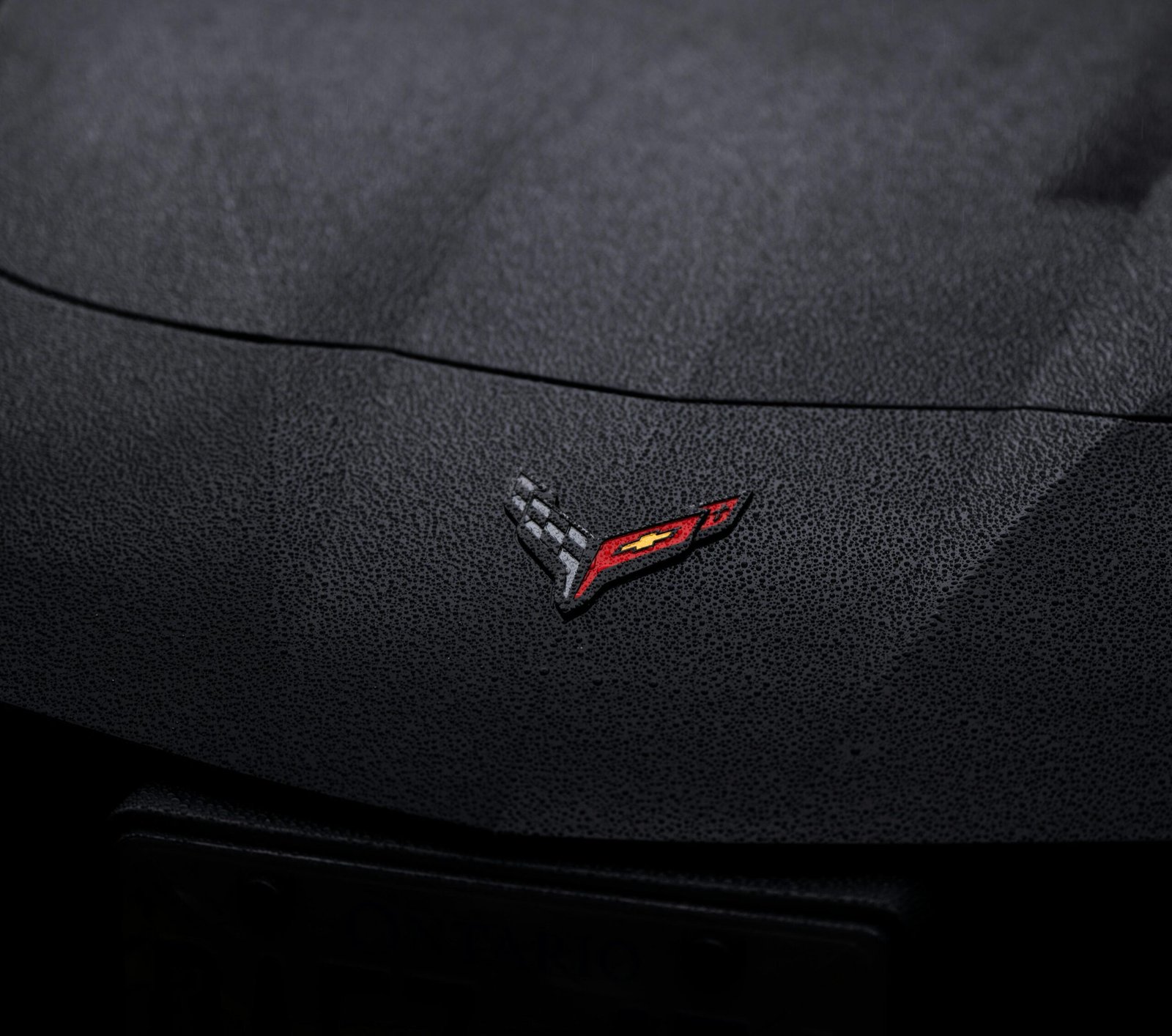
When it comes to American sports cars, few names carry the weight of the Chevrolet Corvette. It has been a symbol of power, performance, and precision engineering for decades. Enter the 2025 Chevrolet Corvette ZR1, the most powerful iteration yet, poised to set new benchmarks in the world of supercars. With a staggering mix of advanced aerodynamics, jaw-dropping horsepower, and cutting-edge technology, the ZR1 is not just a car—it’s a statement.

In this comprehensive review, we’ll examine the 2025 Corvette ZR1’s design, performance, technology, and more to discover what makes it a masterpiece of engineering.

A Design That Commands Attention

The 2025 Chevrolet Corvette ZR1 is an evolution of the C8 Corvette’s mid-engine platform with a distinctive edge that sets it apart. Its aggressive lines, prominent air intakes, and functional aerodynamics make it clear that this car is built for speed.

The ZR1 features an advanced aerodynamic package, including an oversized rear wing, front splitter, and side skirts designed to maximize downforce and stability at high speeds. The hood boasts a central air scoop, which aids in cooling the beastly engine underneath. Lightweight materials such as carbon fiber are extensively used, reducing weight while enhancing structural rigidity.

With options like the ZTK Performance Package, which includes an adjustable high wing and Michelin Pilot Sport Cup 2 tires, the ZR1’s design is as functional as it is breathtaking. It’s available in exclusive colors like Accelerate Yellow and Torch Red, ensuring this supercar turns heads wherever it goes.

Heart-Pounding Performance

At the core of the Corvette ZR1 lies a 5.5-liter twin-turbocharged LT7 V8 engine that produces an astonishing 1,000 horsepower and 850 lb-ft of torque. This engine is paired with an 8-speed dual-clutch automatic transmission, delivering power to the rear wheels with precision and speed. The ZR1 rockets from 0 to 60 mph in just 2.5 seconds and has a top speed of 233 mph, cementing its place among the fastest production cars in the world.

The ZR1 features a sophisticated, active suspension system that adapts to road conditions in real-time, ensuring optimal performance on both the track and the street. Carbon-ceramic brakes provide exceptional stopping power, while the electronic limited-slip differential enhances cornering capabilities. Multiple drive modes further elevate the driving experience, allowing drivers to tailor the car’s performance to their preferences.

Track-Ready Features

The ZR1 is engineered with track enthusiasts in mind. Chevrolet has equipped it with advanced cooling systems, including multiple radiators and intercoolers, to ensure the engine remains at peak performance during high-speed laps. The chassis has been stiffened to handle the immense power, while the suspension geometry has been fine-tuned for maximum grip and stability.

For those looking to push their limits, the ZR1 offers real-time telemetry data, including lap times, G-forces, and tire temperatures. The Performance Data Recorder allows drivers to analyze their runs and improve their skills, making it a valuable tool for amateurs and seasoned racers.

Luxurious and Driver-Focused Interior

While the ZR1 is a track weapon, Chevrolet hasn’t skimped on interior comfort and luxury. The cabin is designed to be both functional and sophisticated, with high-quality materials like leather, Alcantara, and carbon fiber adorning the surfaces.

The driver-focused cockpit features an 8-inch touchscreen infotainment system with Chevrolet’s latest software. Wireless Apple CarPlay and Android Auto ensure seamless connectivity, while the optional Bose Performance Series audio system delivers crystal-clear sound. The digital instrument cluster provides customizable displays, allowing drivers to access critical performance data at a glance.

The ZR1’s sports seats are heavily bolstered for track use but remain comfortable for long drives. Optional upgrades include heated and ventilated seats, a head-up display, and a premium GT2 seat package for added luxury.

Advanced Technology and Connectivity

The ZR1 has cutting-edge technology designed to enhance the driving experience. Highlights include:

  • Performance Data Recorder: Records video and telemetry data, making reviewing and improving track performance easy.
  • Head-Up Display: Projects critical information onto the windshield, minimizing distractions.
  • Driver Mode Selector: Allows customization of throttle response, suspension settings, and traction control.
  • Over-the-Air Updates: Ensures the ZR1’s software remains up-to-date with the latest features and improvements.

Safety Features

While performance is the ZR1’s primary focus, Chevrolet has incorporated robust safety features to ensure peace of mind. These include:

  • Forward Collision Warning
  • Blind-Spot Monitoring
  • Rear Cross-Traffic Alert
  • Traction and Stability Control
  • Advanced Airbag System

Combined with the car’s rigid structure and advanced driver-assistance systems, these features provide security without compromising thrills.

Fuel Efficiency

As a high-performance vehicle, the ZR1 isn’t prioritized for fuel efficiency. However, Chevrolet has incorporated cylinder deactivation technology, which shuts down certain cylinders during light-load driving to improve efficiency. While official EPA ratings are yet to be confirmed, expect fuel economy to hover around 15 mpg combined.

Pricing and Availability

The 2025 Chevrolet Corvette ZR1 is expected to start at approximately $150,000, with higher trims and optional packages pushing the price well above $200,000. While it’s a significant investment, the ZR1’s combination of power, technology, and exclusivity makes it a compelling choice for supercar enthusiasts.

Deliveries are slated to begin mid-2025, and pre-orders are already generating significant buzz. Chevrolet also offers a limited-edition launch model with exclusive features and badging for collectors.

The Competition

The Corvette ZR1 faces fierce competition in the high-performance market, with rivals such as the Porsche 911 Turbo S, Lamborghini Huracán, and McLaren Artura. While these competitors offer their strengths, the ZR1 stands out with its unmatched horsepower, competitive pricing, and American muscle heritage. Its mid-engine layout and advanced technology ensure it holds its own against the best from Europe.

Final Verdict

The 2025 Chevrolet Corvette ZR1 is a testament to what’s possible when cutting-edge engineering meets a relentless pursuit of performance. With its aggressive design, mind-blowing power, and advanced technology, the ZR1 redefines what an American supercar can be.

Whether you’re a track-day enthusiast, a collector, or someone who craves the thrill of raw power, the ZR1 delivers on every front. It’s not just a car—it’s an experience, a symbol of American ingenuity and passion for driving. For those fortunate enough to get behind the wheel, the Corvette ZR1 offers a glimpse into the pinnacle of automotive performance.

Hyundai Ioniq 5 N: The High-Performance EV Redefining Electric Driving

0

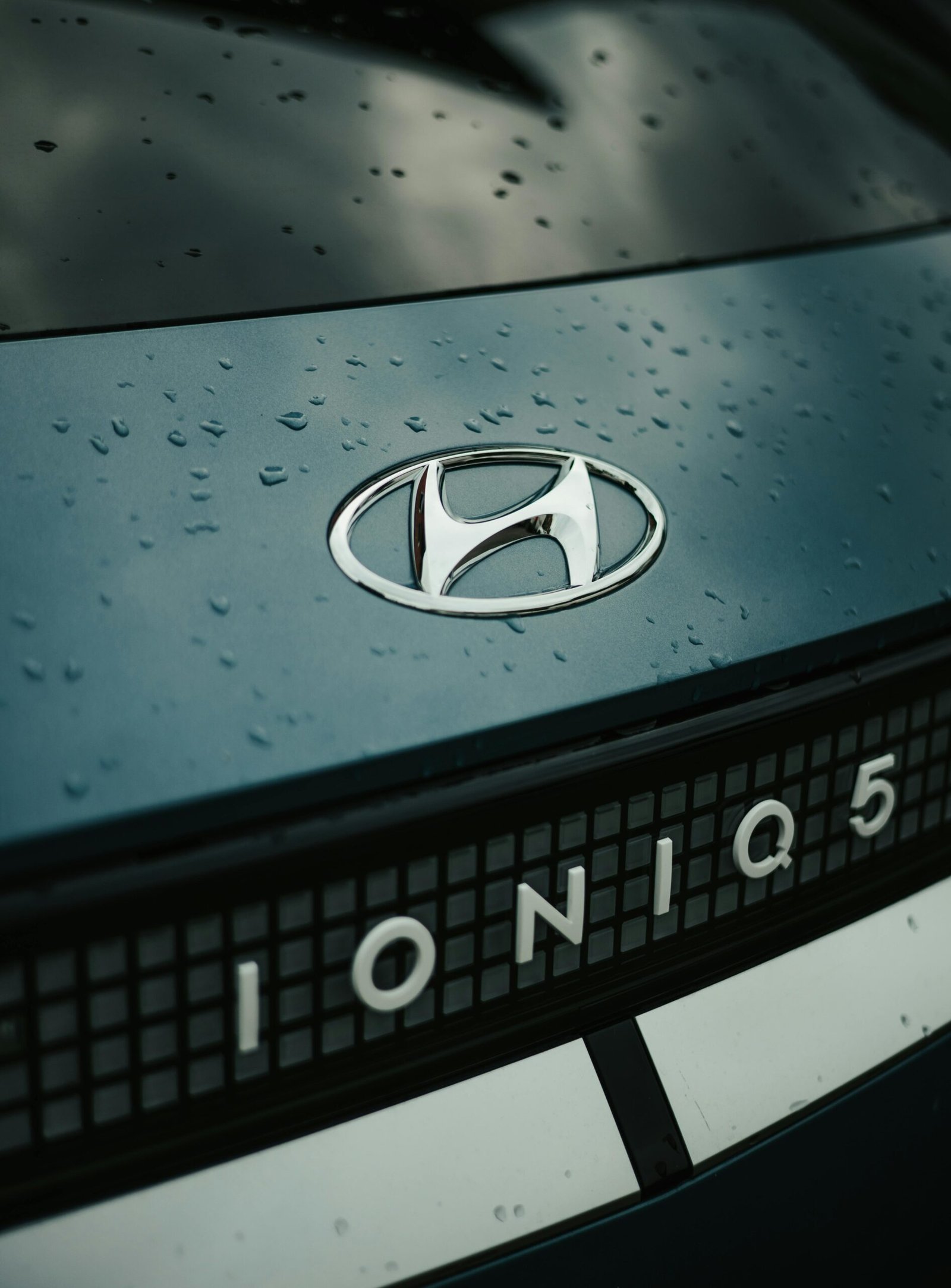
The automotive world is buzzing with excitement as Hyundai’s Ioniq 5 N enters the realm of high-performance electric vehicles (EVs). Building on the success of the standard Ioniq 5, this N-badged variant promises to deliver the thrills of a traditional performance car while embracing the benefits of electrification. Hyundai’s N division, known for its track-ready hot hatches, has brought its expertise to the Ioniq 5 N, creating a vehicle that’s as exhilarating on the road as it is advanced under the hood.

In this article, we’ll explore what makes the Hyundai Ioniq 5 N a groundbreaking addition to the EV market, including its design, performance, technology, and everything in between.

Bold and Aggressive Design

The Hyundai Ioniq 5 N takes the futuristic design of the standard Ioniq 5 and injects it with a healthy dose of aggression. At first glance, you’ll notice the widened wheel arches, aggressive front fascia, and larger air intakes, all hinting at the car’s performance-oriented nature. The unique N-specific paint options, including Sonic Blue and Performance Matte Gray, further set it apart from its siblings.

The rear of the Ioniq 5 N features a prominent spoiler and a sporty diffuser, enhancing aerodynamics and adding to its visual appeal. The car rides on 21-inch forged alloy wheels wrapped in sticky Pirelli P Zero tires, ensuring it looks as capable as it performs. LED headlights and taillights with dynamic light patterns complete the look, making the Ioniq 5 N one of the most striking EVs on the market.

Electrifying Performance

Underneath its bold exterior, the Hyundai Ioniq 5 N houses a dual-motor all-wheel-drive setup, delivering a jaw-dropping 641 horsepower and 567 lb-ft torque in its standard mode. Engage the N Grin Boost, and the output temporarily spikes to 641 horsepower, allowing the Ioniq 5 N to sprint from 0 to 60 mph in just 3.4 seconds.

The car’s high-performance credentials are further enhanced by its 84 kWh battery pack, which features advanced thermal management to maintain peak performance during spirited driving. Hyundai’s N e-Shift system simulates the gear changes and sound of a traditional internal combustion engine, providing a visceral driving experience often missing in EVs. Additionally, the Ioniq 5 N offers torque vectoring, electronically controlled dampers, and a reinforced chassis, ensuring it feels agile and composed whether carving through corners or cruising on the highway.

Cutting-Edge Technology

The Hyundai Ioniq 5 N is packed with technology designed to enhance performance and convenience. At the heart of the cabin is a pair of 12.3-inch displays, one serving as the digital instrument cluster and the other as the infotainment screen. Both are powered by Hyundai’s latest software, including N-specific performance features such as real-time telemetry, lap timers, and a customizable track-day display.

One of the standout features is the augmented reality (AR) heads-up display, which overlays navigation cues, speed limits, and performance metrics onto the windshield. This ensures that drivers can stay focused on the road while accessing critical information. The Ioniq 5 N also features over-the-air (OTA) updates, ensuring the car’s software remains up-to-date with the latest features and improvements.

The Ioniq 5 N offers a premium Bose sound system for audiophiles, which delivers crystal-clear audio. The car also supports wireless Apple CarPlay and Android Auto, making staying connected easily.

Range and Charging

While the Ioniq 5 N prioritizes performance, it doesn’t compromise range or charging capabilities. The EV offers an estimated range of 270 miles on a single charge, which is competitive for a high-performance electric car. Thanks to its 800-volt architecture, the Ioniq 5 N supports ultra-fast DC charging, allowing it to charge from 10% to 80% in 18 minutes. This makes it practical for road trips and daily commutes alike.

Hyundai provides a 10.9 kW onboard charger for home charging that can fully recharge the battery overnight using a Level 2 AC charger. The car’s vehicle-to-load (V2L) capability also powers external devices, making it a versatile companion for camping trips or outdoor adventures.

Interior: A Blend of Luxury and Sportiness

Step inside the Ioniq 5 N, and you’ll find a cabin that perfectly balances luxury and sportiness. The N-specific bucket seats provide excellent support during spirited drives while remaining comfortable for longer journeys. The seats are upholstered in a combination of Alcantara and leather, with N logos embossed for added flair.

The flat-bottom steering wheel features dedicated buttons for the N Grin Boost and drive mode selection, allowing drivers to switch settings on the fly. Ambient lighting with customizable colors creates an inviting atmosphere, while the panoramic glass roof floods the cabin with natural light.

Safety and Driver Assistance

The Hyundai Ioniq 5 N comes equipped with Hyundai’s SmartSense suite of advanced driver-assistance systems (ADAS). Key features include:

  • Adaptive Cruise Control with stop-and-go functionality
  • Lane-Keeping Assist and Lane-Following Assist
  • Blind-Spot Collision-Avoidance Assist
  • Forward Collision-Avoidance Assist with pedestrian and cyclist detection
  • Highway Driving Assist 2, which enables semi-autonomous driving on highways

These features ensure that the Ioniq 5 N is as safe as it is thrilling to drive, providing the driver and passengers peace of mind.

Pricing and Availability

The Hyundai Ioniq 5 N starts at approximately $65,000, making it an attractive option for enthusiasts seeking high-performance electric vehicles. While it’s positioned as a premium offering, the Ioniq 5 N’s blend of performance, technology, and practicality justifies its price tag. The car is expected to hit dealerships in mid-2025, with pre-orders already generating significant interest.

Competition

The Ioniq 5 N faces stiff competition from rivals such as the Tesla Model Y Performance, Ford Mustang Mach-E GT, and Kia EV6 GT. However, its unique combination of N division tuning, advanced technology, and engaging driving dynamics sets it apart in the crowded EV market. Hyundai’s focus on delivering a visceral driving experience with features like N e-Shift and Grin Boost ensures that the Ioniq 5 N appeals to driving enthusiasts who crave excitement behind the wheel.

Final Thoughts

The Hyundai Ioniq 5 N is more than just a high-performance EV; it’s a statement of what’s possible when cutting-edge technology meets a passion for driving. With its aggressive design, thrilling performance, and practical range, the Ioniq 5 N redefines what enthusiasts can expect from an electric car.

For those seeking an EV that doesn’t compromise on excitement, the Hyundai Ioniq 5 N delivers in spades. Whether tackling track days, carving mountain roads, or simply enjoying your daily commute, this electric powerhouse ensures every journey is memorable.morable.

Toyota Highlander vs. Honda Pilot: Battle of the Midsize SUVs

0

The midsize SUV segment is one of the most competitive in the automotive market, and two perennial favorites, the Toyota Highlander and Honda Pilot, often find themselves in head-to-head battles for supremacy. Both SUVs offer a blend of performance, comfort, technology, and reliability that appeals to families and adventurers alike. But which one comes out on top? This comprehensive comparison will dive into key aspects like design, performance, interior space, technology, safety, and value to help you decide between these two titans.

Exterior Design

Regarding curb appeal, the Toyota Highlander and Honda Pilot have distinctly different design philosophies.

The Toyota Highlander has a sleek and modern aesthetic, with sharp lines, an aggressive grille, and sculpted LED headlights that exude sophistication. Its sporty profile is complemented by available two-tone paint options and alloy wheel designs ranging from 18 to 20 inches, giving it a refined yet athletic presence on the road.

The Honda Pilot, on the other hand, opts for a more rugged and traditional SUV design. Its bold front fascia, boxier shape, and wide stance emphasize utility over flair, appealing to those who prioritize a classic SUV look. The 2024 redesign introduces updated LED lighting and more prominent body cladding, adding a touch of modernity to its overall rugged appeal. While it’s not as sleek as the Highlander, it has a commanding presence that suits its adventurous character.

Performance and Powertrains

Under the hood, both SUVs offer capable powertrains, but they cater to slightly different driving preferences.

The Toyota Highlander is powered by a standard 2.4-liter turbocharged 4-cylinder engine producing 265 horsepower and 310 lb-ft of torque. This engine replaces the previous V6 option, prioritizing efficiency without sacrificing performance. Additionally, the Highlander offers a hybrid variant, pairing a 2.5-liter 4-cylinder engine with electric motors to deliver 243 horsepower and an impressive 36 mpg combined.

The Honda Pilot sticks to a tried-and-true 3.5-liter V6 engine, delivering 285 horsepower and 262 lb-ft of torque. Paired with a 10-speed automatic transmission, the Pilot provides smooth acceleration and a towing capacity of up to 5,000 pounds, making it an excellent choice for those who frequently haul trailers or boats. However, the Pilot does not offer a hybrid option, which may sway eco-conscious buyers toward the Highlander.

Interior Comfort and Space

Both the Highlander and Pilot excel in providing spacious and comfortable interiors, but there are notable differences.

The Toyota Highlander seats up to eight passengers with its standard second-row bench or seven with available captain’s chairs. While its overall cargo capacity is slightly smaller than the Pilot’s, the Highlander offers a well-thought-out cabin with high-quality materials and an intuitive layout. The Highlander’s third row is best suited for children or shorter trips, as it lacks the legroom of some competitors.

The Honda Pilot, redesigned for 2024, prioritizes interior space and family-friendly features. It offers seating for up to eight and boasts one of the most spacious third rows in its class, making it more accommodating for adults. With up to 111.8 cubic feet of cargo space when the second and third rows are folded, the Pilot outshines the Highlander in versatility. Honda’s clever storage solutions add to its practicality, like underfloor storage compartments and a removable center console.

Technology and Infotainment

Modern families demand cutting-edge technology, and both the Highlander and Pilot deliver.

The Toyota Highlander comes equipped with a standard 8-inch touchscreen or a 12.3-inch display on higher trims. It features Toyota’s latest infotainment system with wireless Apple CarPlay and Android Auto, making it easy to stay connected. A 7-inch digital instrument cluster is standard, with a 12.3-inch digital gauge cluster available for a more high-tech experience. Optional upgrades include a premium JBL audio system and a panoramic view monitor.

The Honda Pilot also steps up its tech game with a standard 9-inch touchscreen and wireless Apple CarPlay and Android Auto. Higher trims offer a 10.2-inch digital instrument cluster and a head-up display. The Pilot’s infotainment system is user-friendly, and rear-seat passengers can enjoy the optional rear entertainment system with built-in streaming apps. Both SUVs offer multiple USB ports and wireless charging to keep devices powered on the go.

Safety Features

The Highlander and Pilot have advanced safety features, reflecting their family-oriented designs.

The Toyota Highlander comes standard with Toyota Safety Sense 2.5+, which includes adaptive cruise control, lane departure alert with steering assist, road sign assist, and automatic emergency braking. The Highlander also offers blind-spot monitoring and rear cross-traffic alert as standard features. With strong safety ratings from the IIHS and NHTSA, it’s a top choice for safety-conscious buyers.

The Honda Pilot is equally impressive with its Honda Sensing suite of safety features. Standard systems include adaptive cruise control, lane-keeping assist, collision mitigation braking, and traffic sign recognition. The Pilot also adds a standard blind-spot information system and rear cross-traffic monitor. Its redesigned structure and advanced airbag systems have earned it high safety ratings, making it a solid contender in the safety department.

Fuel Efficiency

Regarding fuel efficiency, the Toyota Highlander Hybrid leads the pack with its impressive 36 mpg combined. The non-hybrid Highlander offers a respectable 24 mpg combined, thanks to its efficient turbocharged engine.

The Honda Pilot, with its V6 engine, achieves an EPA-estimated 22 mpg combined, which is competitive for its class but falls short of the Highlander’s hybrid option. The Highlander’s hybrid variant is the clear winner for buyers prioritizing fuel savings.

Pricing and Value

The Toyota Highlander starts at around $37,000 for the base trim and climbs to over $50,000 for fully loaded models. Its wide range of trims, including hybrid options, ensures a Highlander for nearly every budget and preference.

The Honda Pilot starts at a slightly higher price point, around $39,000 for the base trim, with top-tier trims exceeding $52,000. While it’s somewhat more expensive than the Highlander, the Pilot’s spacious interior and strong towing capabilities may justify the premium for some buyers.

Final Verdict

Choosing between the Toyota Highlander and Honda Pilot ultimately depends on your priorities.

  • The Toyota Highlander is the better choice if you’re looking for fuel efficiency, sleek design, and hybrid options. Its modern technology, comprehensive safety features, and excellent reliability make it a well-rounded choice for families and eco-conscious drivers.
  • On the other hand, if you prioritize interior space, towing capability, and a rugged design, the Honda Pilot is the way to go. Its spacious third row, innovative storage solutions, and strong V6 engine cater to families and adventurers who need versatility and power.

Both SUVs are excellent choices in the midsize segment, but understanding your specific needs will help you make the right decision. Whether you choose the Highlander or the Pilot, you’re investing in a reliable, feature-packed vehicle that will serve you well for years.

Ford Recalls Nearly 300,000 Heavy-Duty Diesel Trucks Over Fuel Pump Issues

0

Ford Motor Company, one of the world’s most trusted automotive brands, has recently issued a significant recall affecting nearly 300,000 heavy-duty diesel trucks. The recall addresses a potentially serious issue involving high-pressure fuel pumps, which could fail and lead to a sudden loss of drive power, increasing the risk of accidents. If you own a Ford Super Duty diesel truck, this is a development you won’t want to overlook.

Affected Models: Is Your Truck on the List?

The recall impacts a range of Ford’s popular heavy-duty diesel trucks, including:

  • 2020-2022 F-250
  • 2020-2022 F-350
  • 2020-2022 F-450
  • 2020-2022 F-550
  • 2020-2022 F-600
  • 2021-2022 F-650
  • 2021-2022 F-750

These trucks are celebrated for their towing capacity, durability, and reliability, making them a favorite among contractors, fleet operators, and diesel enthusiasts. However, this recall emphasizes the importance of regular maintenance and staying informed about potential safety concerns.

The Issue: High-Pressure Fuel Pump Failure

The problem with the high-pressure fuel pump is at the heart of the recall. According to Ford, biodiesel deposits may form on the pump’s drivetrain roller components. Over time, this can lead to pump failure. If the fuel pump fails, the vehicle may lose its driving ability, posing a significant safety risk.

Drivers may notice warning signs such as:

  • Illuminated check engine light
  • Decreased engine power
  • Difficulty starting the engine
  • Unusual noises from the engine compartment

If you experience any of these symptoms, it’s crucial to have your vehicle inspected immediately.

Why It Matters: Safety and Performance

A loss of drive power while on the road can be hazardous, especially in heavy-duty trucks often used for towing or carrying heavy loads. Beyond the safety implications, a fuel pump failure can leave drivers stranded, disrupt work schedules, and result in costly repairs if not addressed promptly.

Ford’s Response: What the Recall Covers

Ford has committed to resolving the issue by updating the affected vehicles’ powertrain control module (PCM) software. The update is designed to mitigate the risk of fuel pump failure by addressing the underlying issues related to biodiesel deposits.

Ford will provide the repair free of charge to all affected vehicle owners. Ford will begin notifying owners via mail, with letters expected to be sent by January 13, 2025.

What Owners Need to Do

If you own one of the affected models, here are the steps you should take:

  1. Check Your VIN: Use your vehicle identification number (VIN) to confirm whether your truck is included in the recall. You can check this information on the National Highway Traffic Safety Administration (NHTSA) website at nhtsa.gov.
  2. Schedule a Service Appointment: Contact your local Ford dealer to arrange for the PCM software update. Ensure the dealership is aware of the recall when booking your appointment.
  3. Stay Informed: Look for the recall notification letter from Ford. While you don’t need it to proceed with repairs, it contains important details about the recall process.
  4. Be Proactive: If you notice any warning signs of fuel pump failure, do not wait for the recall notification. Contact your dealer immediately to prevent further issues.

Costs and Coverage

Ford has assured owners that all repair costs associated with the recall will be covered. This includes the PCM software update and any diagnostics required to confirm the vehicle’s eligibility. Ford’s warranty coverage remains intact for any related repairs beyond the recall service.

Preventative Measures: How to Avoid Future Issues

While this recall addresses a specific issue, there are steps you can take to minimize the risk of fuel pump problems in your heavy-duty diesel truck:

  • Use Quality Diesel Fuel: Ensure you use fuel that meets Ford’s recommended specifications. Avoid biodiesel blends with a high concentration of bio-content unless approved by Ford.
  • Regular Maintenance: Follow the recommended maintenance schedule in your owner’s manual. Regular inspections can catch potential issues before they escalate.
  • Monitor Fuel System Health: Pay attention to warning lights and unusual engine behavior. Early detection is key to avoiding costly repairs.

The Bigger Picture: Ford’s Commitment to Safety

This recall underscores Ford’s dedication to customer safety and satisfaction. While inconvenient, recalls are necessary to ensure that vehicles on the road meet the highest safety standards. Ford’s proactive approach to addressing this issue demonstrates its commitment to maintaining customer trust and transparency.

How This Recall Impacts the Industry

The recall also highlights broader industry challenges related to biodiesel use in modern diesel engines. As governments and manufacturers push for more sustainable fuel options, ensuring compatibility and reliability remains a priority. Ford’s response to this issue may influence how other automakers approach similar challenges in the future.

Final Thoughts

The recall of nearly 300,000 Ford heavy-duty diesel trucks is a critical reminder of the importance of vehicle safety and maintenance. If you own an affected model, take immediate action to ensure your truck is up to date with the necessary repairs. Not only will this enhance your vehicle’s safety and performance, but it will also provide peace of mind.

For more information, owners can contact Ford customer service at 1-866-436-7332 or visit the National Highway Traffic Safety Administration’s website at nhtsa.gov. Stay informed, stay safe, and keep your vehicle in top condition.

Kia EV6: A Game-Changing Electric Crossover Redefining Innovation

0

The electric vehicle (EV) market has grown rapidly over the last few years, with automakers pushing design, performance, and sustainability boundaries. Among the top contenders is the Kia EV6, a groundbreaking all-electric crossover that combines futuristic aesthetics, cutting-edge technology, and exceptional performance. As Kia’s first dedicated EV built on the Electric-Global Modular Platform (E-GMP), the EV6 sets the stage for a new era in electrified mobility. This article explores what makes the Kia EV6 a standout in the increasingly competitive EV landscape.

A Striking Exterior Design

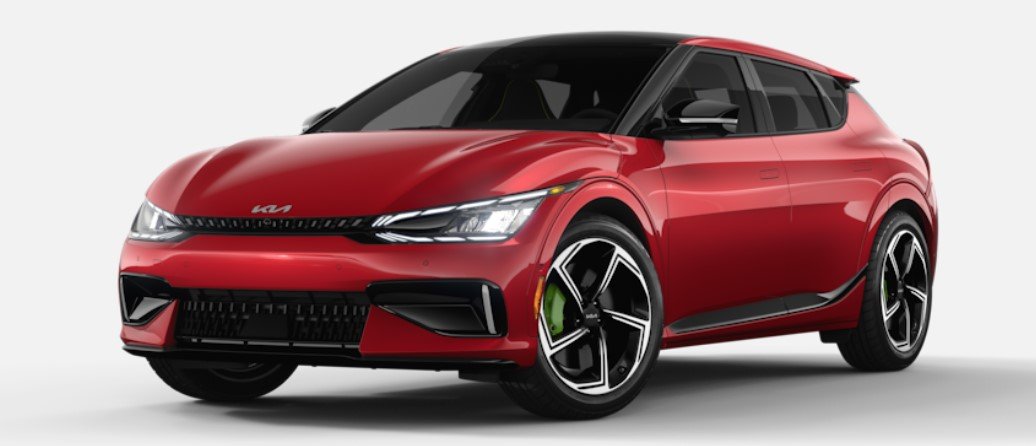
The first thing that grabs your attention about the Kia EV6 is its bold and futuristic design. This visual statement signals Kia’s commitment to innovation and style. With its sleek, aerodynamic lines, aggressive stance, and sculpted bodywork, the EV6 perfectly balances sportiness and practicality.

Kia’s “Digital Tiger Face ” dominates the front fascia,” a reinterpretation of the brand’s iconic “tiger nose” grille. LED headlights with a unique light signature add a sophisticated touch, while the clamshell hood enhances the vehicle’s clean and streamlined look. Flush door handles and sharp character lines along the sides emphasize its futuristic appeal, while the sloping roofline contributes to its coupe-like silhouette.

At the rear, the EV6 features a full-width LED light bar that seamlessly integrates with the vehicle’s contours, creating a striking visual effect, especially at night. Available in a range of eye-catching colors like Yacht Blue, Runway Red, and Matte Gray, the EV6 offers plenty of personalization options.

A Tech-Forward Interior

Step inside the Kia EV6, and you’ll be greeted by a cabin as advanced as its exterior. Kia has embraced minimalism, creating a clean, clutter-free, luxurious and functional environment. High-quality materials, soft-touch surfaces, and sustainable components like recycled plastics and vegan leather reflect Kia’s focus on eco-friendly design.

Dual 12.3-inch curved displays dominate the dashboard and seamlessly merge to form a panoramic digital interface. The driver’s display provides critical information like speed, range, and navigation, while the central touchscreen handles infotainment, climate control, and vehicle settings. The system supports Apple CarPlay and Android Auto, ensuring seamless smartphone integration.

Ambient lighting with customizable colors adds a touch of sophistication, while the spacious cabin offers plenty of headroom and legroom for all passengers. The EV6 also boasts an impressive 50.2 cubic feet of cargo space with the rear seats folded down, making it a practical choice for families and adventurers.

Powertrain and Performance

The Kia EV6 offers multiple powertrain options to suit various driving needs. Buyers can choose between rear-wheel drive (RWD) and all-wheel drive (AWD) configurations and standard-range and long-range battery options. Here’s a breakdown:

  • Standard Range: The base model features a 58 kWh battery paired with a single motor producing 167 horsepower. This setup is ideal for urban commuters.
  • Long Range: Equipped with a 77.4 kWh battery, the long-range RWD version delivers 225 horsepower and an impressive range of up to 310 miles on a single charge.
  • Performance Models: The AWD variant combines the 77.4 kWh battery with dual motors, producing 320 horsepower and offering a range of up to 274 miles. The EV6 GT model boasts a staggering 576 horsepower for thrill-seekers, allowing it to sprint from 0 to 60 mph in just 3.5 seconds.

All models feature Kia’s advanced regenerative braking system, which allows drivers to adjust braking intensity and even enable one-pedal driving for enhanced efficiency.

Fast Charging and Range Confidence

One of the EV6’s standout features is its ultra-fast charging capability. Built on the 800-volt architecture, the EV6 supports DC fast charging, allowing it to charge from 10% to 80% in as little as 18 minutes. The vehicle can add up to 70 miles of range in just five minutes, making long road trips more feasible than ever.

For home charging, the EV6 comes with an onboard charger that supports Level 2 AC charging, enabling a full charge overnight. Kia also offers various charging solutions, including partnerships with major charging networks, ensuring EV6 owners can access thousands nationwide charging stations.

Advanced Technology and Connectivity

The Kia EV6 has advanced technology that enhances convenience, safety, and entertainment. Key features include:

  • Augmented Reality Head-Up Display (AR HUD): This device displays navigation instructions, speed, and safety alerts directly on the windshield, making it easier to keep your eyes on the road.
  • Remote Smart Parking Assist allows the vehicle to park in tight spaces, controlled via the key fob.
  • Vehicle-to-Load (V2L) Capability: Turns the EV6 into a portable power source capable of powering appliances, tools, and other EVs.
  • Over-the-Air (OTA) Updates: Ensures the vehicle’s software remains up-to-date with the latest features and improvements.

Comprehensive Safety Suite

Kia has equipped the EV6 with a comprehensive suite of safety features under the Kia Drive Wise umbrella. These include:

  • Forward Collision-Avoidance Assist with pedestrian and cyclist detection
  • Blind-Spot View Monitor
  • Lane Keeping and Lane Following Assist
  • Smart Cruise Control with machine learning
  • Highway Driving Assist 2, which offers semi-autonomous driving capabilities

These features, combined with the EV6’s robust structure and multiple airbags, ensure top-notch safety for all occupants.

Pricing and Trims

The Kia EV6 is available in several trims to cater to different budgets and preferences:

  • Light: Starts at $42,000 and offers the standard-range battery with RWD.
  • Wind: Priced from $48,500, this trim adds the long-range battery and features like a power liftgate and premium audio.
  • GT-Line: Starting at $51,700, the GT-Line includes sportier styling and advanced driver-assistance features.
  • GT: The high-performance GT model begins at $61,400. It delivers exhilarating power and exclusive upgrades like sport-tuned suspension.

The Competition

The Kia EV6 competes with other electric crossovers such as the Tesla Model Y, Ford Mustang Mach-E, Hyundai Ioniq 5, and Volkswagen ID.4. While all these vehicles offer unique strengths, the EV6 stands out with its striking design, ultra-fast charging, and exceptional performance, particularly in the GT model. Its pricing makes it a strong contender for buyers seeking value without compromising features or capability.

Final Verdict

The Kia EV6 is more than just an electric vehicle; it’s a bold statement of Kia’s vision for the future of mobility. With its futuristic design, impressive range, lightning-fast charging, and advanced technology, the EV6 offers a driving experience that’s as practical as it is exciting. Whether you’re a family looking for a versatile and eco-friendly crossover or a performance enthusiast craving electric thrills, the Kia EV6 delivers on all fronts.

As the EV market expands, the Kia EV6 sets a new benchmark for what an electric crossover can be. It’s not just a car; it’s a glimpse into the future of sustainable transportation wrapped in a stylish, innovative, and undeniably fun package to drive.

Tesla Model Y: The Electric SUV That Redefines the Future of Driving

0

Tesla’s rise as a leader in the electric vehicle (EV) market has been nothing short of revolutionary, and the Model Y stands as one of its most compelling offerings. Bridging the gap between a sedan and a full-size SUV, the Tesla Model Y offers a masterful combination of performance, technology, and practicality. As an all-electric compact SUV, it caters to eco-conscious buyers and tech enthusiasts alike, proving that sustainability and luxury can go hand in hand. This article takes an in-depth look at what makes the Tesla Model Y one of the best EVs on the market today.

Exterior Design: Sleek and Sophisticated

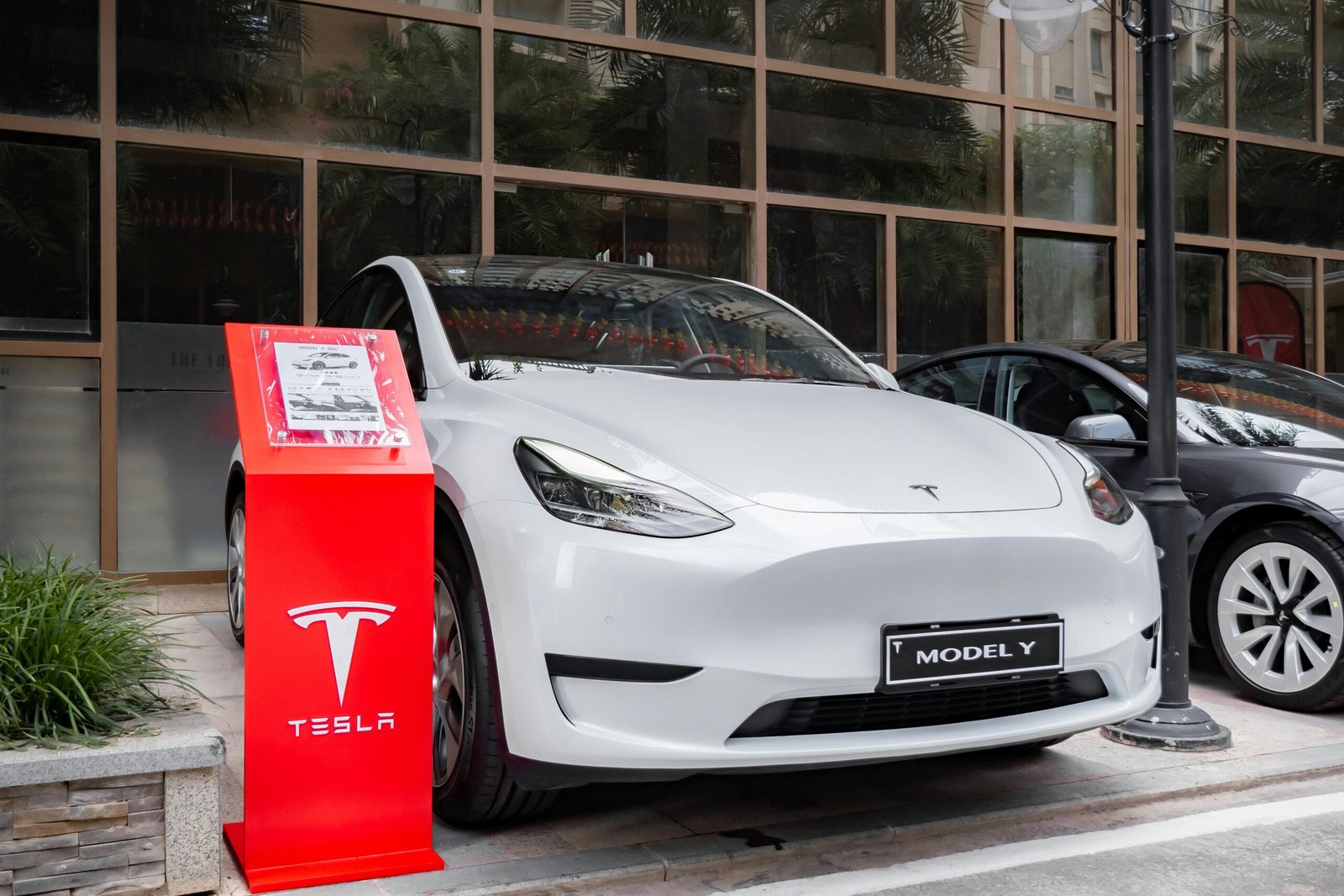
At first glance, the Tesla Model Y’s design is unmistakably Tesla. Sharing a strong familial resemblance with the Model 3, the Model Y features sleek, aerodynamic lines that maximize efficiency while maintaining a modern and sophisticated aesthetic. The absence of a traditional grille gives the front end a clean, minimalist look, while the sloping roofline enhances its sporty profile.

Flush door handles and frameless windows not only contribute to the vehicle’s futuristic appearance but also improve aerodynamics, boosting overall efficiency. LED headlights and taillights add a touch of elegance and ensure excellent visibility in all conditions. For buyers looking to personalize their vehicle, Tesla offers a range of paint options, including Solid Black, Deep Blue Metallic, and the signature Pearl White Multi-Coat.

Interior: A Tech-Lover’s Paradise

The Tesla Model Y’s interior is as futuristic as its exterior. Step inside, and you’re greeted by a minimalist cabin dominated by a 15-inch touchscreen display mounted in the center of the dashboard. This screen acts as the nerve center of the vehicle, controlling everything from navigation and media to climate settings and driving modes.

The lack of physical buttons and switches gives the cabin an uncluttered, airy feel, while premium materials like synthetic leather and wood accents add a touch of luxury. The panoramic glass roof extends from the front to the rear, flooding the interior with natural light and creating an open, spacious atmosphere.

The Model Y’s interior is also incredibly versatile. With seating for up to seven passengers (in the optional third-row configuration), it’s perfect for families or anyone who needs extra space. The rear seats can be folded flat to provide a generous 76 cubic feet of cargo space, making it ideal for road trips, outdoor adventures, or simply running errands around town.

Performance: Electrifying Power

One of the Tesla Model Y’s standout features is its impressive performance. Offered in two configurations—Long Range and Performance—the Model Y caters to a wide range of driving preferences. The Long Range model boasts a 0-60 mph time of just 4.8 seconds, while the Performance model shaves that down to an exhilarating 3.5 seconds. Both versions feature dual-motor all-wheel drive, ensuring excellent traction and stability in all weather conditions.

The Model Y’s electric powertrain delivers instant torque, providing seamless acceleration and a smooth, quiet ride. With a top speed of 155 mph in the Performance trim, it’s clear that the Model Y is more than just an eco-friendly commuter; it’s a thrill to drive.

Range and Charging: Leading the EV Pack

Range anxiety is a thing of the past with the Tesla Model Y. The Long Range model offers an impressive EPA-estimated range of up to 330 miles on a single charge, while the Performance model delivers up to 303 miles. This makes the Model Y one of the longest-range EVs in its class, ensuring you can tackle long road trips with confidence.

Charging is equally convenient, thanks to Tesla’s expansive Supercharger network. With over 45,000 Superchargers worldwide, finding a charging station is never an issue. The Model Y can recover up to 162 miles of range in just 15 minutes at a Supercharger station, making it one of the fastest-charging EVs available. For home charging, Tesla’s Wall Connector provides a convenient and efficient way to recharge overnight.

Cutting-Edge Technology

Tesla is known for pushing the boundaries of automotive technology, and the Model Y is no exception. The vehicle comes equipped with Autopilot, a suite of advanced driver-assistance features that includes adaptive cruise control, lane-keeping assist, and traffic-aware cruise control. For those seeking even more autonomy, Tesla offers the Full Self-Driving (FSD) package, which includes features like Navigate on Autopilot, Auto Lane Change, and Smart Summon.

Over-the-air software updates ensure that the Model Y stays ahead of the curve, continually improving performance, range, and features without the need for dealership visits. The vehicle also features Tesla’s proprietary HEPA filtration system, which provides hospital-grade air quality, a feature especially valued in urban areas.

Safety First

Safety is a top priority for Tesla, and the Model Y’s design reflects that commitment. Built on a rigid aluminum and steel chassis, the vehicle provides excellent structural integrity. Tesla’s low center of gravity, thanks to the floor-mounted battery pack, further enhances stability and reduces the risk of rollover accidents.

The Model Y has received top safety ratings from agencies like the National Highway Traffic Safety Administration (NHTSA), earning a 5-star overall safety rating. Standard safety features include automatic emergency braking, collision warning, blind-spot monitoring, and pedestrian detection, ensuring peace of mind for drivers and passengers alike.

Cost of Ownership

While the Tesla Model Y’s starting price of around $50,000 may seem steep, it’s important to consider the long-term savings associated with owning an EV. With lower fuel costs, reduced maintenance expenses (no oil changes or exhaust systems to worry about), and potential tax incentives, the Model Y offers excellent value over time. Additionally, Tesla’s battery warranty provides coverage for eight years or 120,000 miles, offering further reassurance to buyers.

Competition

The Tesla Model Y competes in a crowded field of electric SUVs, including the Ford Mustang Mach-E, Volkswagen ID.4, Hyundai Ioniq 5, and Kia EV6. While these competitors offer unique features and strengths, the Model Y stands out with its superior range, unmatched Supercharger network, and cutting-edge technology. Tesla’s brand cachet and reputation for innovation also give it an edge over the competition.

Final Thoughts

The 2025 Tesla Model Y is a shining example of what’s possible when performance, technology, and sustainability come together in perfect harmony. With its sleek design, versatile interior, impressive range, and advanced technology, it’s no wonder the Model Y has become one of Tesla’s best-selling vehicles. Whether you’re a seasoned EV owner or considering making the switch for the first time, the Tesla Model Y offers a driving experience that’s as exciting as it is responsible.

As the EV market continues to grow, the Tesla Model Y remains a benchmark for what an electric SUV should be. It’s not just a car; it’s a statement of progress and innovation, embodying the future of transportation. For those looking to lead the charge into a greener tomorrow, the Tesla Model Y is the ultimate choice.