10.3 C
London
Monday, May 11, 2026
Home Blog Page 128

2025 Toyota GR Corolla: The Ultimate Hot Hatch for Driving Enthusiasts

0

Toyota’s Gazoo Racing division has made a name for itself by delivering high-performance machines that combine everyday usability with track-ready thrills. The 2025 Toyota GR Corolla is no exception. This hot hatch has been meticulously engineered to push boundaries, offering power, precision, and practicality in a package that’s sure to turn heads. Whether you’re a die-hard racing fan or simply looking for a car that makes the daily commute a lot more exciting, the GR Corolla is here to deliver.

Bold and Aggressive Exterior Design

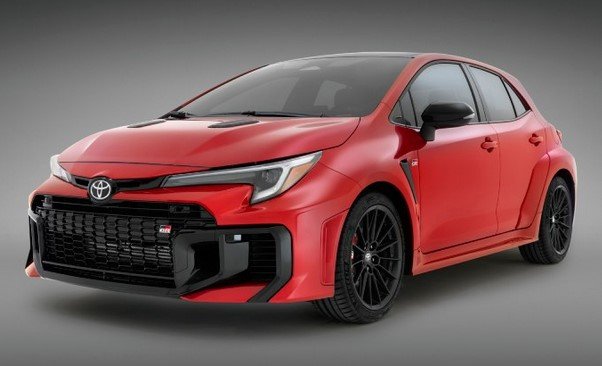
At first glance, the 2025 GR Corolla commands attention with its bold, aggressive styling. Toyota has infused the hatchback with aerodynamic enhancements and sporty accents that set it apart from the standard Corolla. The wide stance, flared fenders, and functional hood vents not only enhance its visual appeal but also improve performance by aiding in cooling and downforce.

The front fascia features a prominent honeycomb grille, flanked by angular LED headlights that give the car a menacing look. Along the sides, you’ll find aggressive side skirts and 18-inch forged alloy wheels wrapped in sticky performance tires. The rear is equally striking, with a prominent diffuser, triple exhaust outlets, and a roof-mounted spoiler that underscores its racing pedigree. Available in exclusive colors like Nitro Yellow and Midnight Black Metallic, the GR Corolla is as eye-catching as it is exhilarating.

A Driver-Centric Interior

Inside, the GR Corolla is all about the driver. The cockpit features a minimalist design with performance-focused elements that enhance the driving experience. Alcantara sport seats provide excellent support during spirited driving while maintaining comfort for longer journeys. Red stitching, GR badges, and carbon-fiber accents add a touch of exclusivity to the interior.

The driver’s seat offers a commanding view of a 12.3-inch digital instrument cluster, which displays critical performance metrics such as boost pressure, gear position, and lap times. At the center of the dashboard, you’ll find an 8-inch touchscreen infotainment system running Toyota’s latest software. With wireless Apple CarPlay, Android Auto, and a premium JBL audio system, the GR Corolla ensures that you’re entertained and connected on every drive.

Powertrain and Performance

The heart of the 2025 GR Corolla lies under the hood. Powering this beast is a 1.6-liter three-cylinder turbocharged engine that delivers an astonishing 300 horsepower and 273 lb-ft of torque. Toyota’s engineers have fine-tuned this engine to maximize performance while maintaining reliability—a hallmark of the brand.

Mated to a 6-speed manual transmission with rev-matching, the GR Corolla offers an engaging and visceral driving experience. The inclusion of Toyota’s GR-Four all-wheel-drive system allows for customizable torque distribution, with modes that let you split power 60:40, 50:50, or even 30:70 between the front and rear wheels. This level of adjustability ensures optimal performance in a variety of driving conditions, from tight corners on a track to slippery roads in adverse weather.

The suspension setup has been completely reworked for the GR Corolla. A MacPherson strut design in the front and a double-wishbone system in the rear provide exceptional handling and stability. Toyota has also equipped the car with adaptive dampers, allowing drivers to tailor the ride to their preferences, whether it’s firm for performance driving or more forgiving for everyday use.

Advanced Technology and Safety

While the GR Corolla is built for speed and agility, it doesn’t skimp on technology or safety. Toyota has equipped the hot hatch with its latest Toyota Safety Sense 3.0, which includes features like adaptive cruise control, lane-keeping assist, blind-spot monitoring, and automatic emergency braking. These systems ensure that the GR Corolla is as safe on the highway as it is thrilling on the track.

In addition to its robust safety suite, the GR Corolla features advanced performance technology. A heads-up display projects vital information onto the windshield, so drivers can stay focused on the road. The inclusion of a track mode in the infotainment system provides real-time telemetry data, including lap times, G-forces, and braking performance, making it a valuable tool for enthusiasts who enjoy pushing their cars to the limit.

Practicality Meets Performance

One of the most impressive aspects of the 2025 GR Corolla is its ability to blend high performance with everyday usability. Unlike many performance cars, the GR Corolla retains the practicality of a traditional hatchback. With a spacious rear seat and 17.8 cubic feet of cargo space, it’s perfect for weekend getaways or hauling gear to the track.

The GR Corolla also boasts a surprisingly efficient fuel economy for a car of its caliber. With an estimated 28 mpg combined, it’s more economical than many of its rivals, making it an excellent choice for those who want performance without sacrificing efficiency.

Pricing and Trims

The 2025 Toyota GR Corolla is available in three trims: Core, Circuit Edition, and Morizo Edition. The Core trim starts at around $37,000 and includes all the essentials for a thrilling driving experience. The Circuit Edition, priced at approximately $44,000, adds upgrades such as a carbon-fiber roof, front and rear limited-slip differentials, and exclusive interior finishes. For the ultimate enthusiast, the Morizo Edition—named after Toyota’s CEO and racing enthusiast Akio Toyoda—comes with track-specific enhancements like weight reduction, increased torque, and ultra-sticky tires. Pricing for the Morizo Edition starts at around $50,000.

The Competition

In the world of hot hatches, the GR Corolla faces stiff competition from the likes of the Honda Civic Type R, Volkswagen Golf R, and Hyundai Veloster N. While each of these cars has its own strengths, the GR Corolla stands out with its all-wheel-drive system, adjustable torque distribution, and a perfect balance of power and practicality. Its aggressive styling and Toyota’s legendary reliability further solidify its position as a top contender in this segment.

Final Verdict

The 2025 Toyota GR Corolla is a masterpiece of engineering, combining the raw excitement of a high-performance car with the practicality of a daily driver. From its aggressive design and driver-focused interior to its powerful engine and cutting-edge technology, it ticks all the boxes for enthusiasts and practical buyers alike.

Whether you’re carving corners on a mountain road, setting lap records at the track, or simply navigating city streets, the GR Corolla delivers an unparalleled driving experience. With its competitive pricing, robust safety features, and Toyota’s reputation for reliability, the 2025 GR Corolla is not just a car—it’s a statement. For those who crave adrenaline without compromise, this hot hatch is ready to take the lead.

P0118: Engine Coolant Temperature Sensor Circuit High Input – Causes, Symptoms, and Fixes

0

When your vehicle’s check engine light illuminates, and diagnostic tools reveal the P0118 code, it’s essential to understand the underlying issue. The P0118 trouble code is associated with the Engine Coolant Temperature (ECT) Sensor Circuit High Input. This article will explore everything you need to know about this code, from what it means to how to fix it, ensuring your vehicle stays in optimal condition.

What Does the P0118 Code Mean?

The P0118 code is triggered when the powertrain control module (PCM) detects an unusually high voltage signal from the engine coolant temperature sensor. Typically, the ECT sensor voltage ranges between 0.1 and 4.5 volts. If the voltage exceeds this range, the PCM registers a fault and sets the P0118 code. The ECT sensor monitors the engine’s coolant temperature and sends this data to the PCM. This information is crucial for adjusting fuel injection, ignition timing, and other engine parameters to ensure efficient performance.

How Does the Engine Coolant Temperature Sensor Work?

The ECT sensor is a thermistor, a type of resistor whose resistance decreases as temperature increases. It is usually located near the thermostat housing or directly in the engine block. When the engine is cold, the resistance is high, and the voltage signal to the PCM is higher. The resistance decreases as the engine warms up, and the voltage drops. This dynamic allows the PCM to gauge the engine’s operating temperature accurately. A P0118 code suggests that the PCM receives a consistently high voltage, which can indicate a sensor malfunction or wiring issue.

Common Causes of the P0118 Code

Understanding what triggers the P0118 code is the first step to resolving the issue. Some of the most common causes include:

  1. Faulty Engine Coolant Temperature Sensor: The sensor may be defective, leading to an incorrect voltage signal.
  2. Wiring Issues: Damaged, corroded, or disconnected wires in the ECT sensor circuit can disrupt the voltage signal.
  3. Coolant Level Problems: Low coolant levels or air pockets in the cooling system can prevent the sensor from accurately measuring temperature.
  4. PCM Issues: In rare cases, a malfunctioning PCM could misinterpret the sensor signal.
  5. Short Circuit: An electrical short in the sensor’s wiring or connector can cause a high voltage reading.

Symptoms of the P0118 Code

When the P0118 code is triggered, you will likely notice several symptoms. These include:

  1. Illuminated Check Engine Light: This is the most obvious sign of a problem.
  2. Poor Fuel Efficiency: Incorrect temperature readings can lead to inefficient fuel-air mixture adjustments, reducing fuel economy.
  3. Rough Idle: The engine may idle unevenly, especially during startup.
  4. Hard Starting: Difficulty starting the engine can occur, particularly in cold conditions.
  5. Engine Overheating: If the sensor fails to detect high temperatures, the cooling system may malfunction, leading to overheating.
  6. Increased Emissions: Miscalibrated engine parameters can result in higher emissions, potentially causing the vehicle to fail emissions tests.

Diagnosing the P0118 Code

Proper diagnosis of the P0118 code requires a step-by-step approach. Here’s how professionals typically address it:

  1. Scan the Vehicle: Use an OBD-II scanner to confirm the P0118 code and check for related codes that may provide additional context.
  2. Inspect the Sensor and Wiring: Inspect the ECT sensor, wiring, and connectors for signs of damage, corrosion, or disconnection.
  3. Test the ECT Sensor: Use a multimeter to measure the sensor’s resistance at different temperatures. Compare the readings to manufacturer specifications.
  4. Check Coolant Levels: Ensure the coolant is at the proper level and free from air pockets.
  5. Inspect the PCM: If all other components are functional, test the PCM to rule out internal issues.

How to Fix the P0118 Code

Once the issue is diagnosed, you can take the necessary steps to resolve it. Common fixes include:

  1. Replace the ECT Sensor: If the sensor is faulty, replace it with a new one. This is a straightforward and cost-effective solution in most cases.
  2. Repair Wiring or Connectors: Address any damaged or corroded wires or connectors in the sensor circuit.
  3. Flush and Refill Coolant: If low coolant levels or air pockets are the problem, flush the system and refill it with the appropriate coolant.
  4. Replace the PCM: In rare cases, replacing the PCM may be necessary. This should only be done after ruling out all other causes.
  5. Clear the Code: Use an OBD-II scanner to clear the code and test drive the vehicle to ensure the issue is resolved.

Preventing Future Issues

Preventing the recurrence of the P0118 code involves regular maintenance and proactive care. Here are some tips:

  1. Monitor Coolant Levels: Regularly check your vehicle’s coolant levels and top them off as needed.
  2. Inspect Wiring: Inspect the wiring and connectors associated with the ECT sensor for damage or corrosion.
  3. Replace the Sensor on Schedule: Follow your vehicle manufacturer’s recommendations for sensor replacement intervals.
  4. Maintain the Cooling System: Flush and refill the cooling system as recommended to prevent air pockets and contamination.

Cost of Repair

The cost of repairing a P0118 code depends on the underlying cause. Replacing an ECT sensor typically costs between $50 and $200, including labor. Wiring repairs can range from $50 to $150. In rare cases where the PCM needs replacement, costs can exceed $500. Regular maintenance and early detection can minimize expenses.

Conclusion

The P0118 code is a critical warning that your vehicle’s engine coolant temperature sensor circuit is malfunctioning. While it may seem daunting initially, understanding the causes, symptoms, and solutions can help you address the issue effectively. Maintaining your vehicle’s cooling system and promptly addressing problems can ensure optimal performance and avoid costly repairs. Remember, proactive care is the key to keeping your vehicle running smoothly and efficiently for years to come.

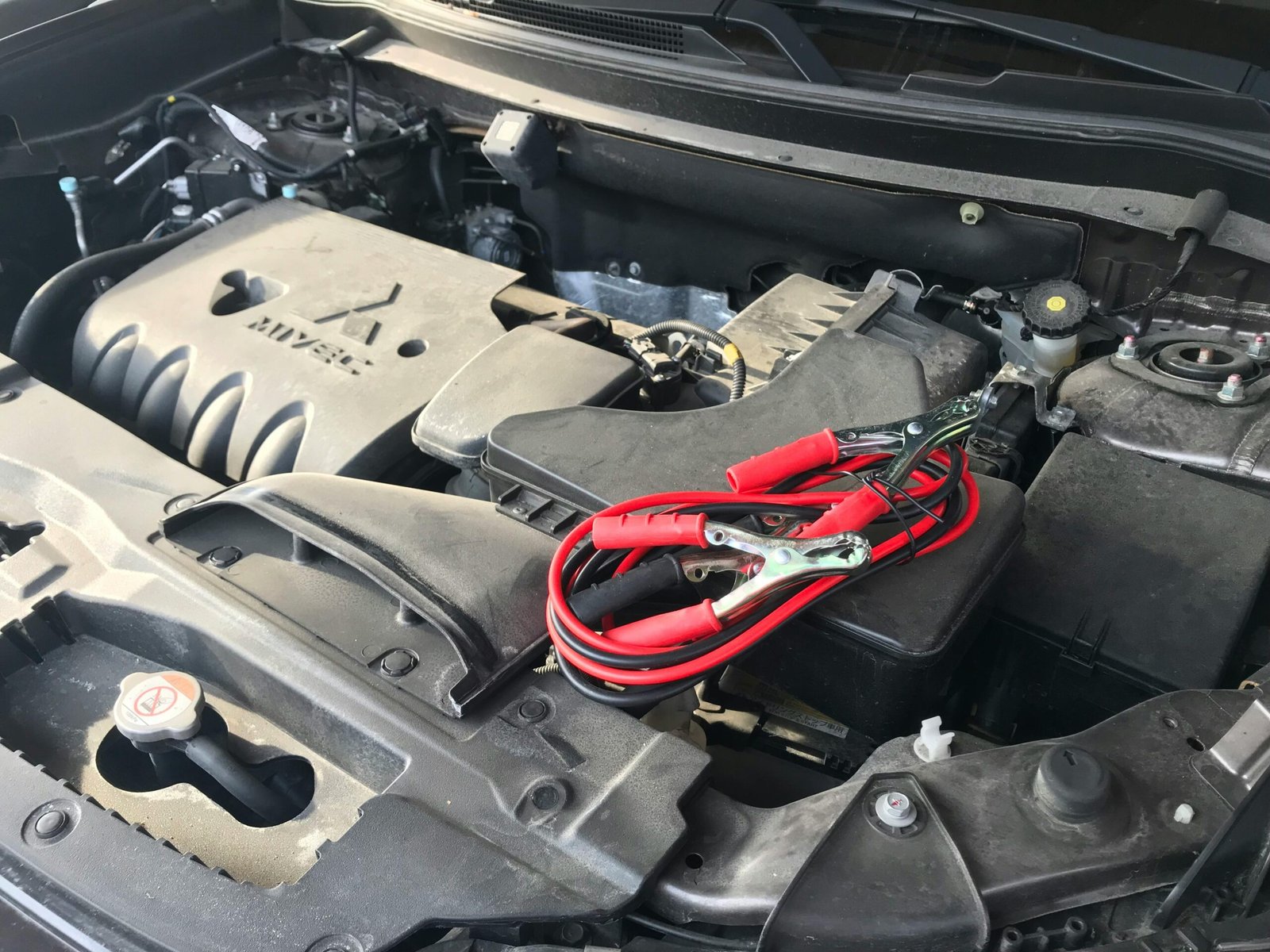
Essential Guide to Battery Replacement: Tips

0

When it comes to car maintenance, one of the most critical components that often gets overlooked is the vehicle’s battery. A powerful battery is the heart of your car, powering everything from the ignition system to the headlights. However, batteries have a finite life span like any other part of your vehicle. Understanding how to maintain, troubleshoot, and replace your car battery can save you time, money, and potential headaches. In this essential guide to battery replacement, we’ll cover everything you need to know to keep your vehicle running smoothly.

Understanding Your Battery

Types of Car Batteries

Before diving into maintenance and replacement, let’s take a moment to understand the different types of car batteries available:

  1. Lead-Acid Batteries: The most common type, often found in older vehicles. They are affordable but have a shorter lifespan.
  2. Absorbent Glass Mat (AGM) Batteries: Designed for vehicles with advanced electrical systems. They have a longer lifespan and are more resistant to vibrations and temperature extremes.
  3. Lithium-Ion Batteries: Commonly found in electric vehicles, these batteries offer longer life and faster charging but are more expensive.

Battery Lifespan

Typically, car batteries last between 3 to 5 years, depending on usage, climate, and vehicle type. Signs of a weakening battery include dimming headlights, slow engine cranking, and electrical issues. Regular checks can help you gauge the health of your battery.

Maintenance Tips for Extending Battery Life

1. Regular Inspections

Perform regular visual inspections of your battery. Look for signs of corrosion, cracks, or leaks. Corrosion can often be found on the terminals, which can hinder performance. A mixture of baking soda and water can clean corroded terminals.

2. Keep It Tight

Ensure that battery terminals are tight and secure. Loose connections can lead to poor electrical flow, resulting in starting issues. If you find any looseness, simply tighten the terminal nuts with a wrench.

3. Avoid Short Trips

Frequent short trips can prevent your battery from fully charging, leading to a shorter lifespan. Combine errands into one longer trip to allow your battery to reach optimal charge levels.

4. Limit Electronic Usage

If you’re parked with the engine off, try to limit the use of electronic devices such as lights, radio, and air conditioning. These systems can drain your battery quickly, especially in older vehicles.

5. Temperature Matters

Extreme temperatures can affect battery performance. Ensure your battery is fully charged in cold weather, as cold can reduce starting power. Conversely, high temperatures can cause battery fluid to evaporate, leading to damage. If leaving your vehicle in extreme conditions, invest in a good battery blanket or insulation.

Recognizing When to Replace Your Battery

Common Signs of Battery Failure

  1. Slow Engine Crank: If your engine takes longer to start than usual, it may be a sign of a failing battery.
  2. Electrical Issues: Dim lights or malfunctioning electrical accessories can indicate battery problems.
  3. Warning Light: Many modern vehicles have a dashboard battery warning light that indicates battery or charging system issues.
  4. Swelling or Bulging: A swollen battery case can indicate internal damage and should be replaced immediately.
  5. Age: Your battery should be tested regularly if it is over three years old.

Testing Your Battery

You can test your battery’s health with a multimeter. A healthy battery should read between 12.4 to 12.7 volts when the vehicle is off. If your vehicle starts but the reading is lower than 12.4 volts, it may be time for a replacement. Many auto parts stores also offer free battery testing.

How to Replace Your Car Battery

Replacing a car battery is a straightforward process, but following safety precautions is essential. Here’s a step-by-step guide:

Tools You’ll Need

  • Safety goggles and gloves
  • Wrench or socket set
  • Battery terminal cleaner or wire brush
  • New battery

Step-by-Step Replacement

  1. Safety First: Park your vehicle on a flat surface, turn off the engine, and engage the parking brake. Wear safety goggles and gloves to protect yourself.
  2. Locate the Battery: Open the hood and locate the battery. Identify the positive (+) and negative (−) terminals.
  3. Disconnect the Battery: Start by disconnecting the negative terminal (usually black) first, followed by the positive terminal (usually red). This prevents any electrical shorts.
  4. Remove the Old Battery: If your battery is secured with a bracket or hold-down, remove it. Carefully lift the old battery from the tray; batteries can be heavy, so ask for help if needed.
  5. Clean the Battery Tray: Use a wire brush or battery terminal cleaner to remove any corrosion or debris from the battery tray.
  6. Install the New Battery: Place the new battery into the tray, ensuring it’s seated properly. Connect the positive terminal first (red) and then the negative terminal (black). Make sure connections are tight.
  7. Secure the Battery: If there is a hold-down bracket, reattach it to secure the battery.
  8. Check Everything: Before closing the hood, double-check that all connections are secure and that there are no tools left in the engine bay.
  9. Start Your Vehicle: Turn the ignition to ensure the new battery functions correctly. If it starts without issue, you’re good to go!

Expert Recommendations for Battery Care

  • Invest in a Battery Charger: A quality battery charger can be a lifesaver, especially in colder climates. Regularly charging your battery can help prolong its life.
  • Consider a Battery Maintenance Plan: Many auto shops offer battery maintenance programs, including regular check-ups and discounts on replacements.
  • Shop Smart: Consider warranty length and brand reputation when purchasing a new battery. Sometimes, spending a little more upfront can save you money in the long run.

Cost-Saving Strategies

  • DIY Installation: If you’re comfortable with tools, installing a battery can save you the labor cost at the shop.
  • Buy Online: Many retailers offer competitive prices online for car batteries. Just make sure you can return it if it doesn’t fit.
  • Recycling: Most places will refund the core charge of your old battery. However, to avoid environmental harm, make sure to recycle your old battery properly.

Conclusion

Maintaining and replacing your car battery is an essential part of vehicle ownership. By understanding how to care for your battery, recognizing signs of failure, and following proper replacement procedures, you can keep your vehicle running smoothly for years. Regular maintenance not only extends the life of your battery but also enhances the overall performance of your car. With these tips and insights, you’ll be equipped to tackle battery replacement like a pro, ensuring your vehicle remains reliable and efficient. Happy driving!

2024 Hyundai Santa Fe Hybrid: A Perfect Blend of Efficiency and Versatility

0

In the ever-evolving world of SUVs, Hyundai has consistently been a brand that pushes boundaries. With the 2024 Hyundai Santa Fe Hybrid, the automaker has not just raised the bar but redefined what a mid-size hybrid SUV can be. Combining advanced hybrid technology, bold design, and family-friendly features, the Santa Fe Hybrid delivers an all-around impressive package. Let’s take a closer look at why this SUV generates buzz and why it might be the ideal choice for eco-conscious adventurers and families alike.

A Bold and Adventurous Design

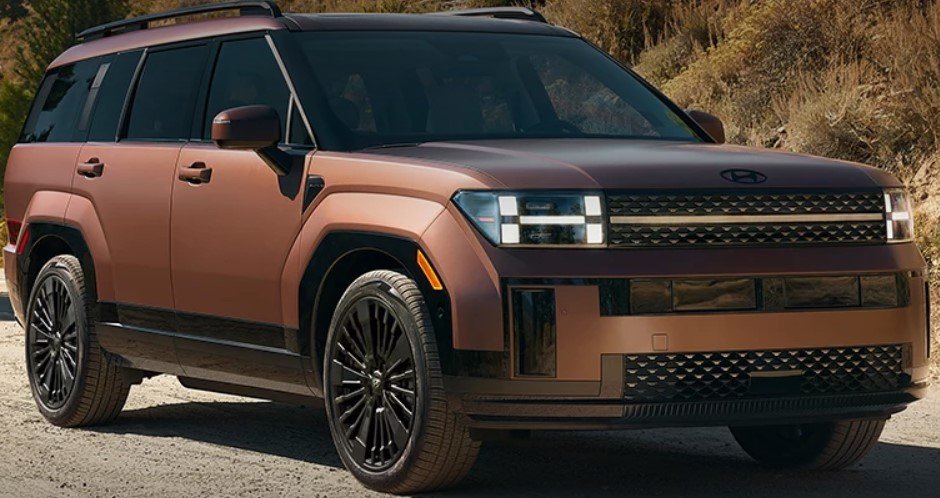
The 2024 Hyundai Santa Fe Hybrid makes a striking first impression with its bold new design language. Hyundai has leaned into a more rugged aesthetic, drawing inspiration from adventure-ready SUVs while maintaining its urban sophistication. The wide grille, flanked by T-shaped LED headlights, dominates the front fascia, giving the Santa Fe Hybrid a commanding road presence.

The boxier silhouette departs from the smoother lines of its predecessors, creating a more rugged yet contemporary look. From the side, strong character lines and pronounced wheel arches emphasize its robust design. Roof rails and a two-tone paint option enhance its adventurous appeal, making it equally suitable for weekend camping trips and daily commutes.

A Cabin Built for Comfort and Practicality

Step inside the Santa Fe Hybrid, and you’ll be greeted by a cabin that seamlessly blends luxury and practicality. Hyundai has spared no expense crafting an interior catering to drivers and passengers. High-quality materials, soft-touch surfaces, and refined stitching elevate the sense of sophistication, while sustainable options like eco-friendly seat fabrics appeal to environmentally conscious buyers.

The interior is spacious, with ample room for up to five passengers. The redesigned seating layout ensures optimal comfort, whether cruising on the highway or tackling off-road trails. Heated and ventilated front seats and a heated steering wheel add a touch of luxury, while the panoramic sunroof fills the cabin with natural light, creating an open and airy ambiance.

Cargo space is another strong point for the Santa Fe Hybrid. With 36.4 cubic feet of storage behind the rear seats and up to 72.1 cubic feet when folded down, it offers plenty of room for groceries, luggage, or camping gear. The hands-free smart liftgate simplifies loading and unloading, especially when your hands are full.

Cutting-Edge Technology

Hyundai has equipped the 2024 Santa Fe Hybrid with a suite of advanced technology designed to enhance both convenience and safety. At the dashboard’s center is a 12.3-inch touchscreen infotainment system, compatible with wireless Apple CarPlay and Android Auto. The user-friendly system features crisp graphics and quick responsiveness, ensuring you stay connected on the go.

The digital instrument cluster, also measuring 12.3 inches, provides customizable displays that allow drivers to monitor hybrid-specific data, such as battery usage and efficiency, alongside traditional information like speed and navigation. An available head-up display projects critical information onto the windshield, helping drivers keep their eyes on the road.

For audiophiles, the premium Harman Kardon audio system transforms the cabin into a concert hall, delivering immersive sound quality. USB-C ports, wireless charging, and multiple power outlets ensure that all devices stay charged, no matter how long the journey is.

Hybrid Powertrain: Efficient and Dynamic

Under the hood, the 2024 Hyundai Santa Fe Hybrid features a 1.6-liter turbocharged inline-four engine paired with an electric motor. Together, they produce a combined output of 226 horsepower and 258 lb-ft of torque. Power is delivered through a six-speed automatic transmission, providing smooth and responsive shifts.

The hybrid powertrain strikes a perfect balance between efficiency and performance. With an estimated 36 mpg in combined city and highway driving, the Santa Fe Hybrid is an excellent choice for drivers looking to reduce their carbon footprint without sacrificing capability. The standard all-wheel-drive system enhances traction and stability, making it a versatile option for all weather conditions and terrains.

One feature of the hybrid system is its regenerative braking, which captures energy during deceleration and stores it in the battery. This improves efficiency and reduces wear on the traditional braking system, extending its lifespan.

Comprehensive Safety Features

Safety is a top priority in the 2024 Hyundai Santa Fe Hybrid. The SUV comes equipped with Hyundai’s SmartSense suite of advanced driver-assistance systems (ADAS). Key features include:

  • Forward Collision-Avoidance Assist with pedestrian and cyclist detection.
  • Blind-Spot View Monitor displays a live video feed of your blind spots in the digital instrument cluster.
  • Lane Keeping Assist and Lane Following Assist for improved lane discipline.
  • Rear Cross-Traffic Collision-Avoidance Assist, which helps prevent accidents when reversing.
  • Highway Driving Assist combines adaptive cruise control with lane centering for semi-autonomous driving on highways.

These features, with a robust body structure and advanced airbag system, earned the Santa Fe Hybrid top marks in safety ratings, providing peace of mind for families and solo drivers alike.

Sustainability and Warranty

Hyundai’s commitment to sustainability is evident in the Santa Fe Hybrid. In addition to its fuel-efficient powertrain, the SUV incorporates eco-friendly materials in its construction. Hyundai also focuses on reducing waste in its manufacturing processes, further aligning the Santa Fe Hybrid with modern sustainability goals.

Hyundai’s industry-leading warranty coverage adds another layer of confidence. The 2024 Santa Fe Hybrid comes with a 10-year/100,000-mile powertrain and an 8-year/100,000-mile warranty for the hybrid battery. Complimentary maintenance for 3 years/36,000 miles sweetens the deal, ensuring hassle-free ownership.

Pricing and Trims

The 2024 Hyundai Santa Fe Hybrid is offered in three trims: Blue, SEL Premium, and Limited. Pricing starts at around $36,000 for the Blue trim, which comes well-equipped with standard features. The mid-tier SEL Premium trim adds luxury touches like leather upholstery and the Harman Kardon audio system. In contrast, the top-of-the-line Limited trim offers every available feature, including the panoramic sunroof and surround-view monitor. Fully loaded, the Santa Fe Hybrid’s price can reach just under $45,000, making it a competitive option in the hybrid SUV market.

Final Verdict

The 2024 Hyundai Santa Fe Hybrid stands out in the crowded mid-size SUV segment. Its bold design, advanced hybrid technology, and family-friendly features make it an excellent choice for a wide range of buyers. Whether you’re a commuter looking for efficiency, a family needing space and safety, or an adventurer seeking capability, the Santa Fe Hybrid checks all the boxes.

Hyundai has crafted an SUV that not only meets modern drivers’ demands but exceeds expectations. With its impressive warranty, comprehensive safety features, and cutting-edge technology, the Santa Fe Hybrid is more than just a vehicle—it’s a statement of Hyundai’s commitment to innovation and sustainability. If you’re in the market for a versatile and eco-friendly SUV, the 2024 Hyundai Santa Fe Hybrid deserves a top spot on your shortlist.

BMW’s iDrive: A Digital Revolution in Automotive Luxury

0

BMW, renowned for its engineering prowess and luxury craftsmanship, is setting new benchmarks with the latest evolution of its iDrive system. First introduced over two decades ago, iDrive has consistently redefined the in-car infotainment experience. Now, in its latest iteration unveiled at CES 2025, BMW promises to transform how drivers and passengers interact with their vehicles. Combining cutting-edge technology, sleek design, and intuitive features, the new iDrive system is a testament to BMW’s commitment to innovation.

The Design: Seamless Integration and Futuristic Aesthetics

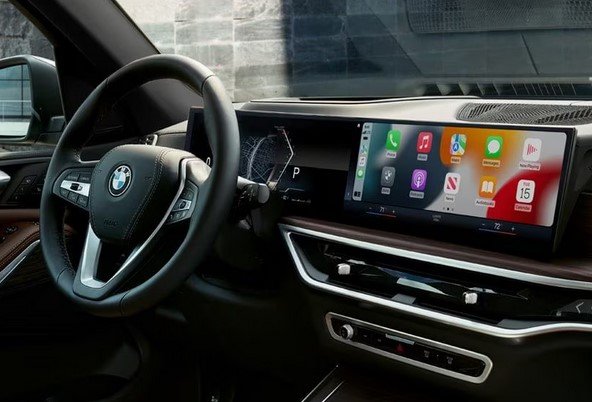
The latest iDrive system boasts a BMW Curved Display that merges seamlessly into the cockpit. This display—a combination of a high-resolution digital instrument cluster and a responsive touchscreen—appears to float effortlessly. The design reflects BMW’s focus on creating a harmonious blend between analog and digital elements. Vibrant graphics, modern colors, and sleek textures elevate the visual appeal, ensuring the interface is as pleasing to the eye as it is functional.

One of the standout features of the new iDrive is its emphasis on reducing screen redundancy. By adhering to the principle of “Act, Locate, and Inform,” the system displays information only when it’s most relevant. This ensures drivers remain focused on the road without being overwhelmed by unnecessary data. The Head-Up Display perfectly synchronizes with the Curved Display, projecting crucial details directly onto the windshield for optimal visibility.

My Modes: Tailored Driving Experiences

Customization is at the heart of the new iDrive system. With My Modes, drivers can personalize their in-car experience by adjusting various parameters, including lighting, seating, and even the vehicle’s performance characteristics. Whether you’re in the mood for a serene, eco-friendly drive or an adrenaline-pumping ride, My Modes sets the tone effortlessly.

The inclusion of “Modes” also extends to the display’s aesthetic. Each mode brings a distinct visual identity to the screens, enhancing the personalized feel. This feature ensures that your BMW adapts to your driving preferences and reflects your personality.

Advanced Intelligent Personal Assistant

BMW has significantly enhanced its Intelligent Personal Assistant (IPA) to make interactions more intuitive and natural. This digital companion is no longer just a voice-controlled interface; it’s an integral part of the driving experience. The IPA can differentiate between the driver and passenger, addressing each individually. It also uses a blend of verbal and non-verbal cues, such as gestures and screen prompts, to make communication seamless.

For instance, the IPA can proactively offer tips on optimizing vehicle settings, such as suggesting energy-efficient routes or notifying you about the nearest charging stations. By recognizing and expressing emotions through subtle visual cues, the IPA adds a layer of human-like interaction that feels genuinely personal.

Augmented Reality and Panoramic Vision

One of the most groundbreaking additions to the new iDrive is its augmented reality (AR) integration. This feature uses the windshield as a panoramic display, transforming it into an expansive AR heads-up interface. Navigation instructions, speed limits, and hazard alerts are projected directly onto the windshield, blending seamlessly with the real-world view. This innovation enhances safety by reducing the need to look away from the road and creates a futuristic driving experience that feels straight out of science fiction.

BMW calls this innovation the Panoramic Vision, and it’s poised to be a game-changer in how drivers interact with their surroundings. The system’s ability to overlay virtual elements on the real-world view ensures that information is always within the driver’s line of sight, whether you’re navigating a complex intersection or spotting potential hazards in low visibility.

5G Connectivity and Software Updates

In today’s hyper-connected world, BMW ensures its vehicles remain at the forefront of technology. The new iDrive system has 5G connectivity, enabling real-time updates, faster data processing, and seamless integration with cloud services. Whether streaming music, receiving over-the-air software updates, or accessing traffic data, the system’s high-speed connectivity guarantees a smooth experience.

BMW’s approach to software updates also reflects its forward-thinking mindset. Regular updates ensure the system evolves, introducing new features and improvements. This ensures the iDrive remains cutting-edge long after the vehicle leaves the showroom.

Sustainability and the Future of iDrive

BMW’s dedication to sustainability extends to developing the new iDrive system. From using eco-friendly materials in the display’s construction to optimizing energy consumption, BMW has prioritized environmental responsibility. The system’s intelligent energy management reduces power usage during idle periods, aligning with BMW’s broader goals for reducing its carbon footprint.

Looking ahead, the new iDrive system lays the foundation for future advancements in autonomous driving. Its ability to process vast amounts of data in real-time, coupled with its intuitive interface, ensures that it’s ready to support higher levels of autonomy as the technology matures.

Driving the Future

BMW’s latest iDrive system is more than an infotainment upgrade; it’s a revolution in how we interact with cars. The system sets a new standard for in-car technology with its sleek design, augmented reality integration, intelligent personal assistant, and unparalleled connectivity. It’s a bold step toward the future, where vehicles are not just modes of transport but intelligent companions that enhance every aspect of the journey.

Whether you’re a tech enthusiast, a luxury seeker, or looking for a smarter and safer driving experience, BMW’s new iDrive system delivers on all fronts. As the automotive industry continues to evolve, this innovation cements BMW’s position as a leader in blending technology with driving pleasure. The future is here, and it’s spelled iDrive.

Essential Car Maintenance Tips: Keep Your Vehicle Running Smoothly

0

Owning a car is a significant investment, and just like any valuable asset, it requires regular care and maintenance to ensure it runs smoothly and lasts for years to come. Whether you’re a seasoned car enthusiast or a novice driver, understanding the basics of car maintenance can save you money, time, and headaches. This article’ll explore essential car maintenance tips, common issues, troubleshooting advice, and best practices to keep your vehicle in top condition.

Understanding the Importance of Car Maintenance

Regular maintenance is crucial for your vehicle’s longevity and performance. A well-maintained car runs more efficiently and provides better fuel economy, reduces the risk of breakdowns, and helps retain its resale value. According to the U.S. Department of Energy, regular maintenance can improve your car’s fuel efficiency by up to 10%.

Key Benefits of Regular Car Maintenance:

– Safety: Ensures that all critical systems are functioning properly.
– Reliability: Reduces the likelihood of unexpected failures.
– Cost Savings: Prevents minor issues from escalating into major repairs.
– Resale Value: A well-maintained vehicle retains a higher market value.

 Essential Car Maintenance Tips

1. Regular Oil Changes

Changing your oil is one of the most critical aspects of car maintenance. Oil lubricates engine components, reducing friction and preventing overheating. Over time, oil breaks down and becomes contaminated, which can lead to engine damage.

Tip: Check your owner’s manual for the recommended oil change interval, which typically ranges from 3,000 to 7,500 miles, depending on the vehicle and oil type. Consider switching to synthetic oil for better performance and longer intervals.

2. Tire Care

Tires are your vehicle’s only point of contact with the road, making their maintenance crucial. Proper tire care includes checking tire pressure, tread depth, and alignment.

– Tire Pressure: Check your tire pressure monthly, including the spare. Under-inflated tires reduce fuel efficiency and increase tire wear.
– Tread Depth: Use the penny test—insert a penny into the tire tread; if you can see all of Lincoln’s head, it’s time to replace the tire.
– Rotation and Alignment: Rotate your tires every 5,000 to 7,500 miles and check alignment annually to ensure even tire wear.

3. Brake System Maintenance

Brakes are vital for your safety. Pay attention to any changes in braking performance, such as squeaking, grinding, or a spongy pedal.

Tip: Inspect your brake pads and rotors regularly, typically every 12,000 miles or at every oil change. Replace pads that are worn down to less than a quarter-inch thickness.

4. Battery Care

A dead battery can leave you stranded. Regularly checking the battery’s condition can prevent this inconvenience.

– Terminals: Inspect battery terminals for corrosion and clean them if necessary.
– Charge: If your battery is older than three years, have it tested annually. Consider carrying jumper cables in case of emergencies.

5. Fluid Levels

Your vehicle relies on various fluids to operate effectively. Regularly check and top off the following fluids:

– Coolant: Prevents engine overheating. Check levels when the engine is cool.
– Brake Fluid: Essential for safe stopping power. Low levels can indicate a leak.
– Transmission Fluid: Keeps gears shifting smoothly. Change it according to your owner’s manual.
– Power Steering Fluid: Low levels can lead to steering difficulties.

6. Wiper Blades and Lights

Visibility is crucial for safe driving. Regularly check your windshield wipers and lights.

– Wiper Blades: Replace them every six to twelve months or if they leave streaks on the windshield.
– Lights: Test all lights—headlights, brake lights, turn signals—monthly. Replace burned-out bulbs immediately.

7. Air Filters

Clogged air filters can reduce engine performance and fuel efficiency. Check and replace your air filter every 12,000 to 15,000 miles, or more frequently if you drive in dusty conditions.

8. Belts and Hoses

Inspect belts and hoses for signs of wear, such as cracks or fraying. The serpentine belt and timing belt are crucial for engine function.

Tip: Depending on your vehicle, replace the serpentine belt every 60,000 to 100,000 miles and the timing belt every 60,000 to 100,000 miles.

Common Issues and Troubleshooting Advice

1. Engine Overheating

If your temperature gauge rises, it could indicate low coolant levels, a faulty thermostat, or a broken water pump. Pull over safely, turn off the engine, and let it cool before checking coolant levels.

2. Poor Fuel Economy

If you notice a drop in fuel efficiency, it could be due to under-inflated tires, dirty air filters, or spark plugs needing replacement. Regular maintenance can help prevent these issues.

3. Unusual Noises

Listen for any strange sounds while driving. A squealing noise could indicate worn brake pads, while clunking could signal a problem with the suspension. Address these sounds immediately to prevent further damage.

Best Practices for Car Maintenance

1. Keep a Maintenance Log

Track all maintenance and repairs. This log can help you remember when services are due and is valuable for resale.

2. Invest in Quality Parts

When replacing parts, opt for OEM (Original Equipment Manufacturer) parts. They may be pricier, but they often offer better reliability and fit.

3. Learn Basic Repairs

Understanding basic repairs can save you money. Learn to change a tire, replace wiper blades, and check fluid levels.

4. Schedule Regular Inspections

Consider scheduling a professional inspection at least once a year. A trained mechanic can identify potential problems that may go unnoticed.

5. Follow the Owner’s Manual

Your vehicle’s owner’s manual contains specific recommendations for maintenance schedules, fluid types, and parts. Always refer to it for guidance.

Conclusion

Maintaining your vehicle doesn’t have to be overwhelming. Following these essential car maintenance tips can keep your vehicle running smoothly and efficiently for years. Regular maintenance enhances performance and safety and saves you money in the long run. Whether tackling basic tasks or seeking professional help, staying proactive about your car’s health is the key to a reliable and enjoyable driving experience. Happy driving!

Ultimate Guide To Navigating The Car Marketplace

0

In the ever-evolving automotive landscape, car buyers are presented with many options that can often feel overwhelming. Whether you’re a seasoned enthusiast or a first-time buyer, understanding the key aspects of a vehicle’s performance, design, advanced technology, and standout features is essential. In this comprehensive guide, we will delve into the intricate details that make up the best-selling vehicles in the marketplace today, providing you with the insights needed to make an informed decision.

Performance: Power Meets Efficiency

One of the most critical factors when evaluating a vehicle is its performance. In today’s competitive car market, manufacturers are focusing on delivering cars that offer exhilarating power while maintaining impressive fuel efficiency.

Engine Options and Powertrain

Let’s take a closer look at some standout models. For instance, the 2023 Honda Accord has a choice of a 1.5-liter turbocharged engine or a robust 2.0-liter turbo, balancing spirited driving dynamics and commendable fuel economy. With a hybrid option that offers an EPA-rated 48 mpg combined, the Accord is perfect for buyers who appreciate performance without sacrificing efficiency.

In contrast, the Ford Mustang continues to dominate the performance segment with its powerful V8 engine, delivering an exhilarating driving experience. Its advanced turbocharged EcoBoost engine option also ensures buyers can enjoy the thrill of driving while still being conscious of fuel consumption.

Handling and Ride Comfort

Another important aspect of performance is the vehicle’s handling and ride comfort. The Mazda CX-5, known for its sporty handling, offers a driving experience that rivals many sedans. Its G-Vectoring Control technology enhances cornering performance, ensuring you feel connected to the road.

On the other hand, if comfort is your priority, the Toyota Camry excels with its smooth ride quality and well-insulated cabin, making it ideal for long commutes or family road trips.

Design: Where Aesthetics Meet Functionality

The design of a vehicle plays a pivotal role in its appeal. It encompasses everything from exterior styling to interior layout and materials.

Exterior Styling

First impressions count, and a vehicle’s exterior design can significantly influence a buyer’s decision. The **2023 Kia Stinger** stands out with its sleek, sporty silhouette, combining elegance with aggressiveness. Its bold front grille and dynamic lines enhance aesthetics and improve aerodynamics.

Conversely, the Subaru Outback embraces a more rugged aesthetic for the adventurous spirit. Its elevated stance and cladding exudes confidence and capability, making it an appealing choice for outdoor enthusiasts.

Interior Comfort and Technology

Step inside, and the interior design can make or break the driving experience. The BMW 5 Series offers a luxurious cabin with high-quality materials, ergonomic seating, and a user-friendly infotainment system. With options for ambient lighting and premium audio systems, the 5 Series caters to those who appreciate the finer things in life.

For families, the Honda Odyssey stands out with its versatile interior. Features like Magic Slide second-row seats and a rear entertainment system make it an excellent choice for parents on the go.

Advanced Technology: Innovation at Your Fingertips

In today’s digital age, technology is essential to any car-buying decision. From safety features to infotainment systems, cars are increasingly equipped with advanced technology that enhances safety and convenience.

Safety Innovations

Safety is paramount, and modern vehicles are now equipped with many advanced safety features. The **Volvo XC90** is renowned for its commitment to safety, boasting a suite of driver-assistance technologies, including adaptive cruise control, lane-keeping assist, and automatic emergency braking. Its robust safety ratings make it a top contender for families and safety-conscious buyers.

Infotainment Systems

The Tesla Model 3 leads the tech charge with its cutting-edge infotainment system. Its large touchscreen display controls nearly every aspect of the vehicle, from navigation to climate control, providing an intuitive driving experience. Moreover, over-the-air software updates ensure that your vehicle remains at the forefront of technology without needing dealership visits.

The 2023 Hyundai Elantra, with its user-friendly interface and Apple CarPlay/Android Auto integration, also deserves a mention. It seamlessly connects your smartphone to the vehicle, keeping you connected and entertained on the go.

Standout Features: What Sets Them Apart

Each vehicle in the marketplace has unique features that cater to specific buyer needs. Understanding these standout features can help you identify which car best fits your lifestyle.

Fuel Efficiency

For eco-conscious consumers, the Toyota Prius remains a benchmark for hybrid technology. With its impressive fuel efficiency and low emissions, the Prius appeals to those seeking to minimize their carbon footprint without compromising practicality.

Luxury and Comfort

The Mercedes-Benz S-Class offers cutting-edge technology and opulent comfort for those seeking luxury. Features like the MBUX voice-activated system, massage seats, and a Burmester sound system elevate the experience, making it a dream car for many luxury buyers.

Versatility and Space

If practicality and space are high on your checklist, consider the **Ford Explorer**. With its three-row seating, ample cargo space, and advanced towing capabilities, it’s designed for families and adventure seekers, making weekend getaways and daily commutes a breeze.

Key Strengths and Unique Selling Points

When navigating the car marketplace, recognize the key strengths of your chosen model. Some vehicles excel in fuel efficiency, while others shine in performance or luxury. Here are some unique selling points to consider:

-Performance: Look for vehicles with powerful engines that do not compromise fuel efficiency. The balance between power and economy is a game-changer.

– Safety: Prioritize vehicles with high safety ratings and advanced driver-assistance systems that provide peace of mind during your journeys.

Technology: Embrace cars with the latest infotainment systems and connectivity options to ensure you stay entertained and informed.

-Resale Value: Consider how well a vehicle holds its value over time. Brands like Toyota and Honda often provide better resale values, making them smart investments.

Practical Benefits for Buyers

The right car should serve your lifestyle and meet your practical needs. Whether commuting to work, running errands, or embarking on family adventures, your vehicle should enhance your daily life.

Fuel Savings

Choosing a fuel-efficient vehicle can lead to significant savings over time. Consider how often you drive and how much you could save with a hybrid or electric option.

Comfort and Convenience

Investing in a vehicle with spacious interiors, advanced infotainment systems, and comfortable seating can transform your driving experience, especially during long journeys.

Reliability

Opt for brands known for their reliability and low maintenance costs. This can save you money and the hassle of frequent repairs.

Conclusion

Navigating the car marketplace can be daunting, but with the right knowledge and insights, you can make an informed decision that best suits your needs. Focus on performance, design, advanced technology, and standout features to find a vehicle that aligns with your lifestyle. Whether you prioritize luxury, efficiency, or reliability, there’s a perfect car waiting for you. Embrace the car shopping journey, and remember that the right vehicle is not just a mode of transportation but an extension of your personality and lifestyle. Happy driving!

The Ultimate Guide to Buy and Sell Cars: Tips

0

In the ever-evolving automotive landscape, buying and selling cars can be daunting. With so many options and the constant influx of new technology, it’s easy to become overwhelmed. Whether you’re a seasoned car enthusiast or a first-time buyer, understanding the intricacies of the car market is crucial. This ultimate guide will provide you with essential tips and insights that will arm you with the knowledge needed to navigate the buying and selling process confidently.

Understanding Your Needs: Assessing Your Requirements

Before diving into the intricacies of car buying and selling, assessing your needs is essential. Ask yourself the following questions:

1. What will I use the car for? – Is it for daily commuting, family outings, or weekend adventures?
2. How many passengers do I need to accommodate? – Consider the size of your family or regular passengers.
3. What’s my budget? – Define a clear financial plan that includes purchase price, insurance, maintenance, and fuel costs.

Once you understand your requirements clearly, you can begin to explore options that fit your lifestyle.

Performance: Power Meets Efficiency

Regarding performance, the right car will balance power and efficiency. Look for vehicles with modern engines that offer horsepower and fuel economy. For example, many manufacturers now offer turbocharged engines that provide a thrilling driving experience without sacrificing fuel efficiency.

Key Performance Metrics to Consider:

– Horsepower and Torque: A higher power output typically translates to better acceleration and performance.
– Fuel Efficiency: Look for vehicles that excel in miles per gallon (MPG) ratings, especially if you commute long.
– Handling and Ride Quality: Test drive different models to gauge their handling and comfort. A good car should feel responsive and stable.

Design: Aesthetics and Functionality

The design of a car is not just about looks; it’s about functionality, comfort, and user experience. Today’s vehicles often blend aesthetics with practicality to create a compelling package.

Factors to Evaluate:

– Exterior Design: Pay attention to the car’s silhouette, color options, and overall aesthetics. A car that looks good on the road can enhance your driving experience.
– Interior Comfort: Check out the cabin’s materials, layout, and space. Ergonomically designed seats and a user-friendly dashboard layout contribute to long-term comfort.
Cargo Space: Ample cargo space is essential whether you’re hauling groceries or luggage for a road trip. Look for versatile configurations that can adapt to your needs.

Advanced Technology: The Future is Now

Modern vehicles have advanced technology to enhance safety, convenience, and entertainment. Familiarize yourself with the latest innovations before making your purchase.

Must-Have Tech Features:

– Infotainment Systems: Look for user-friendly interfaces that support smartphone integration through Apple CarPlay and Android Auto. High-quality sound systems can also elevate your driving experience.
– Safety Features: Advanced Driver Assistance Systems (ADAS), such as adaptive cruise control, lane-keeping assist, and automatic emergency braking, can significantly improve road safety.
Connectivity: Features like Wi-Fi hotspots and Bluetooth capabilities can enhance your driving experience and keep you connected on the go.

Standout Features: What Sets Your Car Apart?

Every car has unique selling points that make it stand out. As you evaluate potential vehicles, consider these standout features that can greatly enhance your ownership experience.

Examples of Unique Selling Points:

– Hybrid and Electric Options: With rising environmental concerns, many manufacturers are investing in hybrid and electric vehicles with low emissions and fuel savings.
– Warranty and Maintenance Packages: Some brands provide extended warranties and maintenance packages, saving you money and providing peace of mind.
– Customization Options: Look for brands offering a wide range of customization options, allowing you to tailor the vehicle to your preferences.

Practical Benefits: The Bottom Line

As you weigh your options, consider the practical benefits of your potential purchase. A car is not just a means of transportation; it’s an investment in your lifestyle.

Practical Aspects to Consider:

– Resale Value: Research models known for retaining their value over time. Brands with strong reputations and reliability often command higher resale prices.
-Insurance Costs: Different cars have varying insurance premiums. Check with your provider to estimate costs based on your preferred models.
– Fuel Cost: Calculate potential fuel expenses based on the car’s efficiency and your driving habits.

Selling Your Car: Tips for Maximum Value

If you want to sell your car, several strategies exist to maximize its value.

Selling Tips:

1. Research Market Value: Use online resources to determine your car’s market value. Websites like Kelley Blue Book and Edmunds offer valuable insights.
2. Prepare Your Car: Clean your car inside and out, and consider minor repairs that boost its appeal. A well-maintained car can command a higher price.
3. Timing Your Sale: Seasonal trends can affect car sales. For instance, convertibles sell better in spring and summer, while SUVs may see increased demand in fall and winter.
4. Choose the Right Selling Method: Decide whether to sell your car privately, trade it at a dealership, or use online platforms. Each method has pros and cons, so choose what best suits your preferences.

Conclusion: Empower Your Automotive Journey

Buying and selling cars doesn’t have to be a stressful process. By understanding your needs and evaluating performance, design, technology, and standout features, you can make informed decisions that enhance your driving experience. Moreover, with the right strategies for selling your car, you can get the best possible value for your investment.

Remember, the automotive world is vast and full of opportunities. Embrace the journey, stay informed, and drive away in the vehicle that best suits your lifestyle. Whether you’re a buyer or a seller, this guide equips you with the essential knowledge to make smart automotive choices. Happy driving!

Essential Guide to Maintenance and Repair: Best Practices

0

Owning a vehicle is a significant investment; like any investment, it requires attention and care. Regular maintenance and timely repairs are essential for ensuring your car runs smoothly, remains safe, and retains its value over time. Whether you’re a seasoned car owner or a novice, this guide will equip you with the knowledge to keep your vehicle in top condition.

Understanding the Importance of Maintenance

Car maintenance can be divided into two categories: preventive and corrective. Preventive maintenance involves regular check-ups and servicing to prevent problems before they occur. Corrective maintenance addresses issues after they arise. Both are crucial for ensuring a vehicle’s longevity and reliability.

Benefits of Regular Maintenance

1. Increased Safety: Regular checks help identify issues that could compromise safety, such as brake wear or tire condition.
2. Better Performance: A well-maintained vehicle performs better, providing a smoother ride and fuel efficiency.
3. Cost Savings: Preventive maintenance can save you money in the long run by avoiding costly repairs and reducing the chances of breakdowns.
4. Resale Value: A well-maintained car appeals more to potential buyers and can command a higher resale price.

Essential Maintenance Tasks

1. Regular Oil Changes

Why: Engine oil lubricates moving parts, reduces friction, and helps cool the engine. Over time, oil breaks down and becomes less effective.

Best Practice: Check your owner’s manual for the recommended oil change interval, but a general rule is every 3,000 to 5,000 miles. Consider using synthetic oil for better performance and longer intervals between changes.

2. Tire Care

Why: Tires are crucial for safety and fuel efficiency. Improper tire maintenance can lead to blowouts or decreased traction.

Best Practice: Rotate your tires every 5,000 to 7,500 miles to promote even wear. Check tire pressure monthly and maintain it at the manufacturer’s recommended level. Inspect tread depth and replace worn-down tires.

3. Brake Inspection

Why: Brakes are vital for safety. Over time, brake pads wear down and can lead to decreased stopping power.

Best Practice: Have your brakes inspected regularly, ideally every 10,000 miles. Listen for unusual noises, such as squeaking or grinding, which may indicate the need for replacement.

4. Battery Maintenance

Why: A dead battery can leave you stranded. Batteries generally last 3-5 years and can be affected by extreme weather.

Best Practice: Check battery terminals for corrosion and clean them if necessary. Test the battery’s charge annually, especially before winter. If it’s showing signs of weakness, replace it before it fails.

5. Fluid Levels

Why: Various fluids, including coolant, brake fluid, transmission fluid, and power steering fluid, are essential for your car’s operation.

Best Practice: Check fluid levels monthly and top them off as needed. Pay attention to any changes in fluid color or consistency, which could indicate leaks.

6. Wiper Blades and Lights

Why: Visibility is critical for safe driving. Worn wipers can impair your view in rain or snow, and burnt-out lights reduce your visibility to others.

Best Practice: Replace wiper blades every 6-12 months, test all lights regularly, and replace any burnt-out bulbs promptly.

Troubleshooting Common Issues

1. Check Engine Light

What It Means: The check engine light can indicate various issues, from minor to serious.

Troubleshooting: Use an OBD-II scanner to read the trouble codes and identify the issue. Common causes include a loose gas cap, faulty oxygen sensor, or issues with the catalytic converter. If the light is blinking, seek immediate assistance.

2. Overheating

What It Means: An overheating engine can cause severe damage.

Troubleshooting: Check the coolant level and look for leaks. If the radiator or hoses are damaged, they may need replacement. If the engine continues overheating, it may indicate a more serious issue, like a failing water pump or thermostat.

3. Unusual Noises

What It Means: Sounds such as grinding, knocking, or squeaking can indicate various problems.

Troubleshooting: Identify the source of the noise. For example, grinding could indicate brake wear, while knocking may suggest engine issues. Address any unusual sounds promptly to avoid further damage.

Expert Recommendations

1. Keep Records

Maintain a detailed log of all maintenance and repairs. This will help you keep track of what has been done and can also improve resale value.

2. Invest in Quality Parts

When it comes to repairs, opting for high-quality parts can prevent future issues. While they may cost more upfront, they often last longer and perform better.

3. Don’t Skip Scheduled Maintenance

Follow the maintenance schedule in your owner’s manual closely. Skipping services can lead to bigger problems down the road.

4. DIY vs. Professional Help

While some maintenance tasks can be done at home, don’t hesitate to seek professional help for complex repairs. It’s often more cost-effective in the long run, especially if you lack the tools or expertise.

Cost-Saving Strategies

1. **Learn Basic Repairs**: Invest time learning to perform basic maintenance tasks like oil changes, tire rotations, and brake pad replacements. This can save on labor costs.

2. **Shop Around for Services**: Don’t settle for the first quote. Compare prices from different shops and look for reputable mechanics with good reviews.

3. **Use Coupons and Promotions**: Many service centers offer discounts or promotions. Look for these to save on routine maintenance.

4. **Consider Extended Warranties**: An extended warranty can protect you from unexpected repair costs if you buy a used vehicle.

Conclusion

Maintaining and repairing your vehicle doesn’t have to be daunting. By following these best practices and being proactive about maintenance, you can ensure your car remains in excellent condition for years. Remember, a little investment in time and effort today can lead to significant savings and peace of mind tomorrow. Whether changing your oil or troubleshooting a check engine light, the knowledge you gain will empower you as a car owner and enhance your driving experience. Happy driving!

Innovations in Car Technology: Transforming the Future of Automotive Experience

0

The automotive industry is in the midst of a profound transformation. As we stand on the brink of a new era, it is clear that innovations in car technology are revolutionizing the driving experience. From electric vehicles to advanced driver-assistance systems, today’s vehicles are not just modes of transportation but sophisticated machines that enhance safety, comfort, and efficiency. In this article, we’ll explore how these technological advancements are shaping the future of the automotive experience, focusing on performance, design, technology, and features that are setting new benchmarks in the industry.

Performance: The Shift to Electric and Hybrid Vehicles

In recent years, one of the most significant shifts has been the transition from traditional internal combustion engines to electric and hybrid vehicles. This change is driven largely by environmental concerns and advances in battery technology. For instance, consider the latest models from companies like Tesla, Ford, and Rivian, which are not just meeting but exceeding performance expectations.

Instant Torque and Acceleration

Electric vehicles (EVs) are known for their instant torque, providing a thrilling driving experience. For example, the Tesla Model S Plaid boasts a mind-boggling 0-60 mph time of just 1.99 seconds. This performance is made possible by the electric powertrain, which delivers power instantly compared to the gradual acceleration of traditional engines. Furthermore, with fewer moving parts, EVs require less maintenance, lowering long-term ownership costs.

Regenerative Braking

Another remarkable feature of EVs is regenerative braking. This technology allows drivers to recapture energy typically lost during braking, converting it into electricity to recharge their batteries. This enhances efficiency and extends the driving range, making electric vehicles more practical for daily use.

Advanced Engine Management Systems

Advancements in engine management systems optimize performance and fuel efficiency for hybrid models. Vehicles like the Toyota Prius incorporate sophisticated algorithms that determine the most efficient power source based on driving conditions, seamlessly switching between the electric motor and gasoline engine. This innovation improves fuel economy and reduces emissions, making these vehicles more environmentally friendly.

Design: Aesthetics Meets Aerodynamics

The design of modern vehicles has evolved dramatically, reflecting a blend of aesthetics and functionality. Today’s cars are visually appealing and engineered for optimal aerodynamics, contributing to performance and efficiency.

Streamlined Profiles

Take, for example, the sleek lines of the Lucid Air. This luxury EV combines stunning design with a focus on aerodynamics, featuring a drag coefficient that rivals some of the most efficient cars on the market. The result is a vehicle that turns heads and glides through the air with minimal resistance, enhancing both performance and range.

Interior Comfort and Usability

Inside, the focus has shifted towards creating a sanctuary for drivers and passengers alike. The use of high-quality materials, customizable ambient lighting, and advanced soundproofing techniques have transformed the cabin into a luxurious retreat. Vehicles like the Mercedes-Benz EQS showcase this trend, offering an interior that rivals high-end sedans with features like a massive curved display that integrates controls for climate, infotainment, and navigation.

Technology: The Digital Revolution

The rapid advancement of technology is perhaps the most exciting aspect of the automotive evolution. Modern vehicles now have features that enhance safety, connectivity, and the overall driving experience.

Advanced Driver-Assistance Systems (ADAS)

Safety has been significantly improved with the introduction of Advanced Driver-Assistance Systems (ADAS). Features such as Adaptive Cruise Control, Lane Keep Assist, and Automatic Emergency Braking are commonplace in many new vehicles. These systems use a combination of cameras, radar, and sensors to monitor the vehicle’s surroundings, providing real-time feedback and assistance to the driver.

Connectivity and Infotainment

Connectivity has become a key selling point for modern cars. Integration with smartphones, real-time navigation, and access to streaming services have become essential for many buyers. The Ford Mustang Mach-E, for example, features a state-of-the-art infotainment system that includes a large touchscreen interface, voice recognition, and support for both Apple CarPlay and Android Auto.

Additionally, over-the-air updates allow manufacturers to improve software and add new features without requiring a trip to the dealership. This capability enhances the vehicle’s functionality over time and ensures that owners stay connected to the latest advancements.

Autonomous Driving Technologies

While fully autonomous vehicles are still on the horizon, incremental advancements are being made. Companies like Waymo and Tesla are pioneering self-driving technology, with features like Autopilot and Full Self-Driving capabilities. These systems are designed to take over driving tasks under certain conditions, offering a glimpse into a future where cars could navigate themselves.

Features: Convenience and Practical Value

In addition to performance, design, and technology, modern vehicles’ features play a significant role in attracting potential buyers. These features enhance convenience, safety, and overall driving enjoyment.

Smart Parking Assistance

Smart parking assistance systems are particularly noteworthy. These systems use sensors and cameras to help drivers precisely park their vehicles. The Nissan Rogue, for instance, offers a ProPILOT Assist feature that can steer, accelerate, and brake for the driver, making parking a breeze, even in tight spots.

Climate Control and Air Quality Management

As environmental awareness grows, features that improve air quality within the vehicle are becoming increasingly popular. Many manufacturers now offer advanced climate control systems with air quality sensors that can filter pollutants and allergens, creating a healthier cabin environment. The BMW iX, for example, comes equipped with a sophisticated air filtration system that monitors air quality and adjusts accordingly.

Personalized User Profiles

Personalization is another trend gaining traction in the automotive space. Modern vehicles often allow multiple user profiles, which can be customized to suit individual preferences. From seat position and climate settings to preferred infotainment options, these profiles enhance the driving experience by ensuring every driver feels at home.

Conclusion: A Glimpse into the Future

Innovations in car technology are not just transforming individual vehicles but redefining the entire automotive experience. As we embrace electric and hybrid vehicles, advanced safety systems, and cutting-edge infotainment, drivers can expect a future filled with excitement, convenience, and sustainability.

Understanding these innovations is crucial for potential buyers to make informed decisions about their next vehicle. Whether it’s the allure of instant torque from an electric vehicle, the luxury of a meticulously designed interior, or the promise of a safer driving experience with advanced driver assistance, the choices available today are more compelling than ever.

As we look ahead, it is evident that the automotive industry will continue to evolve, driven by technology and consumers’ changing needs. The future of driving promises to be not just about getting from point A to B but about enjoying the journey, embracing new possibilities, and connecting with the world in ways we have yet to imagine. The next time you consider buying a car, remember that you’re not just purchasing a vehicle but investing in a slice of the future.