15.1 C
London
Tuesday, May 12, 2026
Home Blog Page 31

Tested: 2026 Hyundai Tucson – Full review, price & features

0
Tested: 2026 Hyundai Tucson – Full review, price & features


The self-charging Hybrid is the big seller within the range, so that’s the one we’re focusing on. It starts at a little over £36,000, so about £3000 more than the manual petrol, or £1500 more than the mild-hybrid. 

The plug-in hybrid starts at £39,500 and is best suited to company car drivers because of its 14% benefit in kind rating, which is half that of the other powertrain options. However, because of its middling 44-mile all-electric range, rivals like the Volkswagen Tiguan eHybrid and Renault Rafale are worth a look – both can do more than 65 miles on a charge, saving on fuel and BIK bills. 

Despite a range of updates in 2026 focused on improving efficiency and driveability, the powertrain remains the Tucson Hybrid’s only real weak point. 

Over a rural test route it averaged just 40mpg, having barely managed 35mpg on the motorway (the engine is turning at 2400rpm at a little over 70mph). It certainly won’t impress anyone coming out of a diesel.

Speaking of which, the Skoda Karoq, Volkswagen Tiguan and Mazda CX-60, which is admittedly more expensive, still offer punchy and frugal diesel options. 

Also, the throttle calibration invites too much torque from the electric motor within the first quarter of pedal travel, so it’s far too easy to spin the wheels in the damp and cause unpleasant tramping.

The system is at least smooth and well-integrated once on the move, if a little gruff when cold – an improvement from before. Overall, though, a Honda Z-RV will be smoother and more efficient more of the time. 

Performance is adequate: it doesn’t have the vigour you might expect from the headline power figure but never feels short of grunt. We recorded a 7.6sec 0-62mph time on Millbrook’s damp one-mile straight.

Overall, the Hybrid isn’t worth the extra outlay over the standard manual petrol, but if you’re looking for a little extra performance and an automatic gearbox, it’s a more manageable step up from the mild hybrid. 

In PHEV guise, the Tucson produces 247bhp and 271lb ft, but this increase in power is also impacted by an increased kerb weight of 1924kg. Its 8.1sec sprint from 0-62mph is respectable, and you will notice the PHEV’s strong, motor-enabled throttle response and smooth power delivery. 

The brakes provide decent stopping power and pedal feel, with the Tucson needing a reasonable 54.1m to come to a standstill from 70mph.

There are steering-wheel paddles on Tuscons with automatic gearboxes, but they’re a little slow on the uptake and will only really be useful for those towing.

Hybrid and PHEV cars in top-spec N-Line S and Ultimate trims are available with with four-wheel drive, but it does further rob from the efficiency of the set-up.  


Source link

6 BMWs That Deliver Performance Without the Upcharge

0
6 BMWs That Deliver Performance Without the Upcharge


BMW’s M-badged offerings provide drivers with the best possible driving engagement, road feel, and performance. But it comes at a price — literally. BMW M models, be it “M-lites” like the M340i and M240i or full-fat Ms like the M3 and M5, often cost tens of thousands more than the standard offering. There are also several other trade-offs drivers make when selecting the full BMW M model. Fuel economy is typically lower. Parts costs are higher. And, frankly, overall comfort in the cabin is sometimes inferior relative to more “basic” models.

So sure. That M badge on the back of the car represents the pinnacle of BMW performance. M cars are sharper, louder, faster, and more focused than their standard-production counterparts. But the reality is that most drivers don’t need that level of intensity. In daily traffic, on imperfect roads, and during long highway stints, balance often beats outright aggression. And few prove that theory better than these modern BMWs.

BMW 540i (G30) and BMW 550e xDrive (G60)
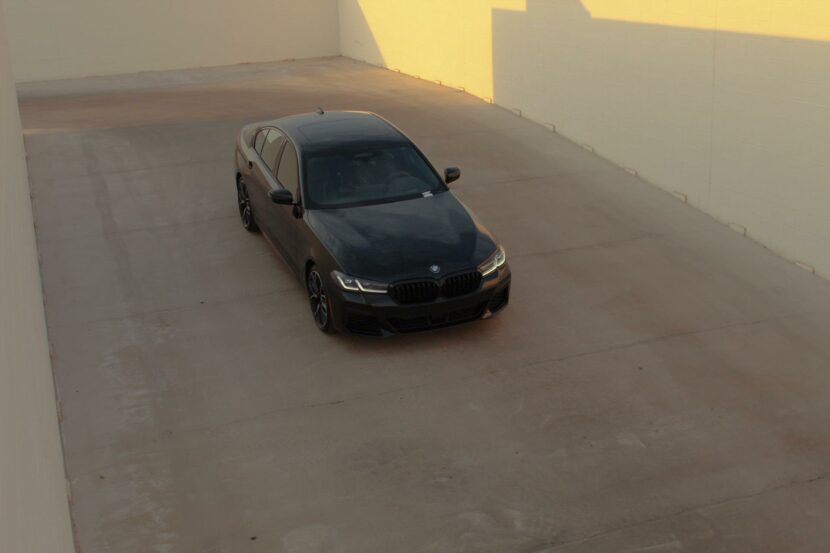
The 540i from the G30 BMW 5 Series generation remains a truly unsung hero. The 2021 BMW 540i was one of my earliest car reviews, but the novelty didn’t guarantee a favorable reception. Even though it was an LCI (mid life-cycle refresh) year, the car still didn’t get the full 385-horsepower B58 other “40” cars got. That said: it was still admirably quick in a straight line and felt luxurious at any speed. Steering was on the light side and there wasn’t a ton of feel, but the variable sport steering did an okay job of letting you know when the front wheels were doing. Furthermore, nothing but good things to say about the suspension tuning. Firm, but comfortable. Today, a G30 540i can be had for a pittance relative to a new M5.

We have to mention the other “M5 side door,” the 550e xDrive. I admittedly haven’t personally driven any G60 5 Series yet, but if you believe what you read in our 550e review, it’s “better than the M5.” Combining a turbocharged inline-six with electric assistance, the 550e xDrive produces substantial system output while offering meaningful electric-only driving range. Sounds eerily similar to the M5. Of course, on a slightly smaller scale; the 550e delivers “just” 483 horsepower, 250-ish shy of the M5. Either way, it deserves a mention.

BMW iX (I20)

2026 BMW IX XDRIVE45 TEST DRIVE REVIEW 77

Although the iX doesn’t try to mimic an M SUV, its EV powertrain naturally lends itself to comparison. After all, instant torque and a low center of gravity have obvious performance benefits. Even in xDrive50 form, acceleration is forceful enough to embarrass many traditional performance SUVs. Equally impressive? The iX is composed at any speed, and the truck’s steering is way more communicative than it really has any business being. It’s fast, but the speed feels integrated rather than aggressive. For many drivers, that seamless, silent thrust might be more satisfying than the theatrics of a full M model. The cheaper iX xDrive45 does a similarly admirable job of making an EV fun to drive.

BMW 340i (F30)
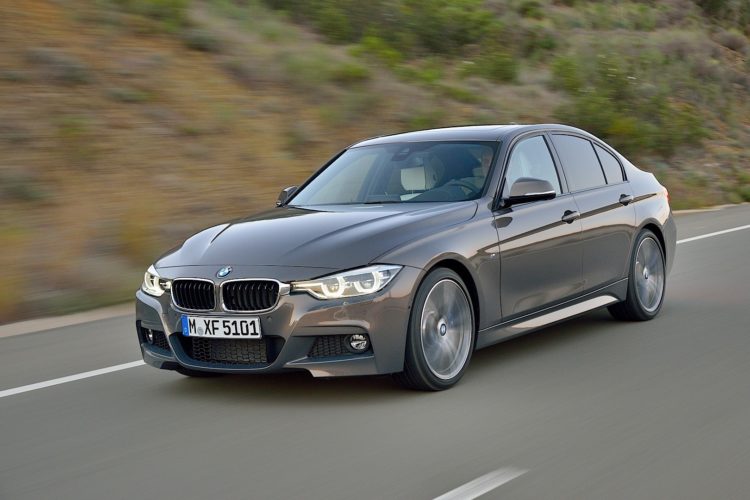
Before M Performance models became dominant in the lineup, the F30 340i was already demonstrating how much car BMW could deliver without going full M. Early B58 power, rear-wheel-drive availability, and a relatively lighter footprint give it an engaging, analog-adjacent feel compared to newer, heavier sedans. It’s quick enough to be genuinely entertaining, yet approachable at sane speeds. Maintenance and consumable costs are lower than an M3, and the ride is generally less punishing.

We’re pushing “modern” on this one a little bit. The last F30 sedans rolled out of Munich (and other plants) in 2018, making the newest one now eight years old. That said, the 340i still has a fairly modern iDrive interface (although sans Apple CarPlay), and you can even find one with a manual transmission! As a used market buy, it may be one of the smartest enthusiast sedans of the last decade.

BMW X5 xDrive50e (G05)

Like the 550e xDrive, the X5 xDrive50e serves very much as a “side door” to performance. The hybrid/B58 combination is good for the same 483 horsepower, and BMW says the SUV scoots from zero to 60 mph in 4.6 seconds. That’s less than half a second off from the X5 M60i, and around a full second away from the X5 M Competition. Of course, the 50e is also over $50,000 less expensive than the full M. Yowch. That leaves a lot of headroom for options, and I can’t help that feel that a well-spec’d X5 xDrive50e might provide way more usable fun than the X5 M. The SUV is already real-world quick; throw on some 21-inch wheels ($800) for some better road feel, grab some M Sport brakes ($650), and enjoy your remaining $48,550 however you please.

BMW 230i (G42)
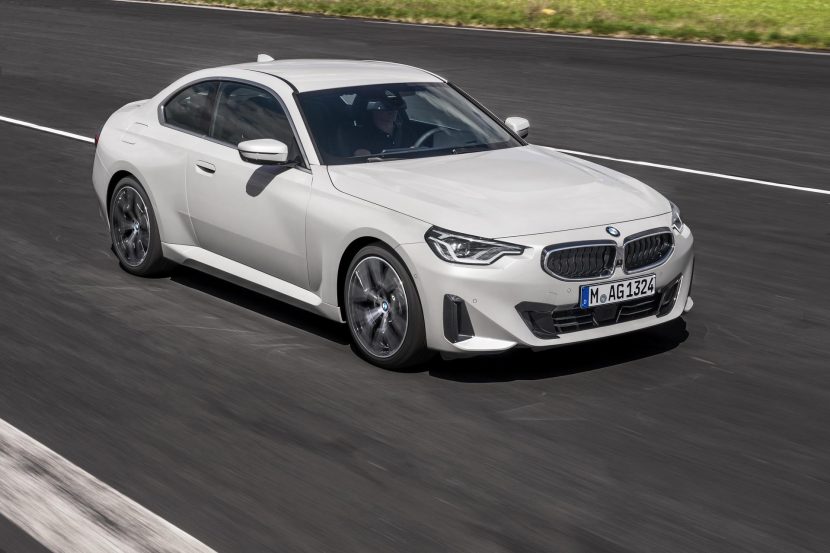
There’s no question that the current 230i is the best proof of the “you don’t need an M” concept. While the least powerful model on this list by a longshot, the perky little B48 four-pot does okay. Turns out, 255 horsepower and nearly 300 pound-feet of torque is more than enough if you know what you’re doing. Balanced chassis tuning, an “acceptable” curb weight of around 3,550 pounds, and a 5.1-second zero to 60 mph time (as tested by Car and Driver) makes the 230i a delightful slice of old-school BMW thrills and approachability. The result is a car you can drive hard without constantly flirting with triple-digit speeds. In many ways, that approach aligns more closely with BMW’s traditional ethos than raw output ever did.

Even if you’re a little heavy-handed with the goodies, a brand-new 230i can be had in decent enough enthusiast spec for around the $50,000 mark. While that sounds like a lot, the M240i now starts at $53,600 and the M2 is another $16,000 upcharge from there. Even compared to the last generation of the M2, though, the 230i is a considerably more comfortable daily driver.

Full M cars remain extraordinary machines. And for some drivers, there’s rightly no substitute. But if you’re not 100% sure the M badge is worth the — sometimes enormous — upcharge, there are a surprising number of options in both the new and used marketplace.


Source link

The Dangerous Rollercoaster to Happiness

0
The Dangerous Rollercoaster to Happiness


For Europeans, the Nürburgring Nordschleife is the ultimate benchmark. For Australians, that role is filled by the Bathurst circuit and its legendary 12-hour race. And Mount Panorama has no need to fear comparison with the dramatic rises and falls of Germany’s Green Hell. Quite the opposite.

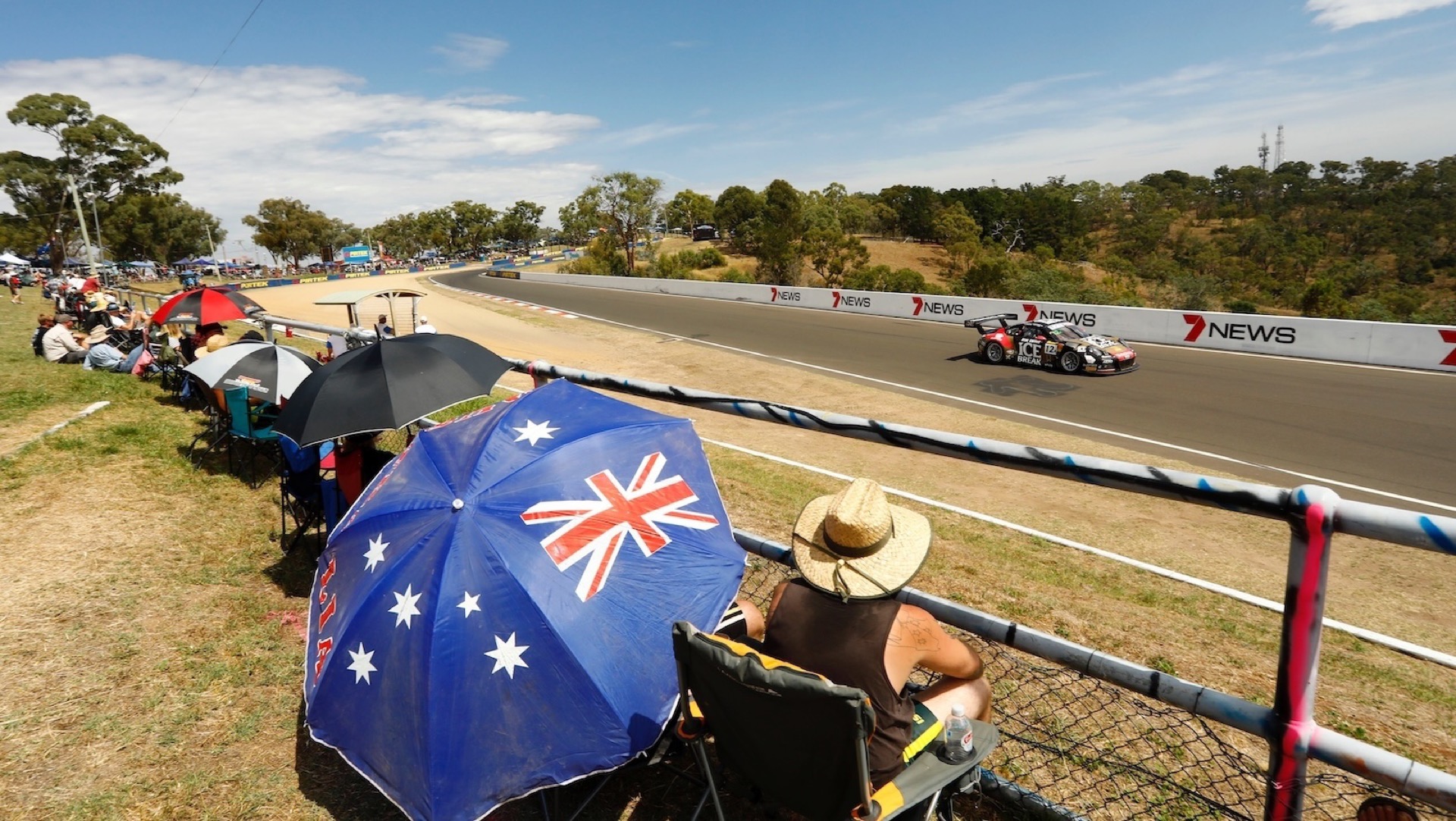
The Bathurst circuit is among the most famous racetracks in the world. Much like the high-speed Sarthe circuit at Le Mans and, in the past, the Nürburgring, the Mount Panorama Circuit, opened in 1938, is for most of the year a public road. It is also the only true landmark in the town of Bathurst, home to around 35,000 people in the Australian state of New South Wales. What makes this circuit particularly unusual is its extreme elevation change. With more than 170 metres of altitude difference and gradients of up to 16 per cent, it is spectacular even in a normal road car, and an outright thrill in a racing machine.

In the international touring car calendar, the opening round of the Intercontinental GT Challenge has long held a fixed place. In Australia, it is arguably even more widely recognised than the Formula 1 Grand Prix, which begins the season in just two weeks. “The Bathurst 12 Hour 2026 was a truly unforgettable event with a record number of visitors who wanted to experience the magic of Mount Panorama,” said event director Shane Rudzis. “We are incredibly proud of the way fans, teams and partners support this race with such passion and enthusiasm. This year’s attendance reflects the growing global importance of the 12-hour race and the commitment of everyone involved who makes this event possible.”
Thirty-five teams, with their GT cars producing up to 600 PS and representing ten different manufacturers, are only one part of the spectacle. The driver line-up is just as impressive year after year. Anyone with serious ambitions in GT racing makes the long journey Down Under, travelling from Asia, Europe or the United States to Australia’s east coast in pursuit of one of the sport’s most prestigious trophies.

12 h Rennen Bathurst 12
12h Bathurst 2026 – Meguiar’s Bathurst 12 Hour – Intercontinental GT Challenge Round 1 – Foto: Gruppe C Photography

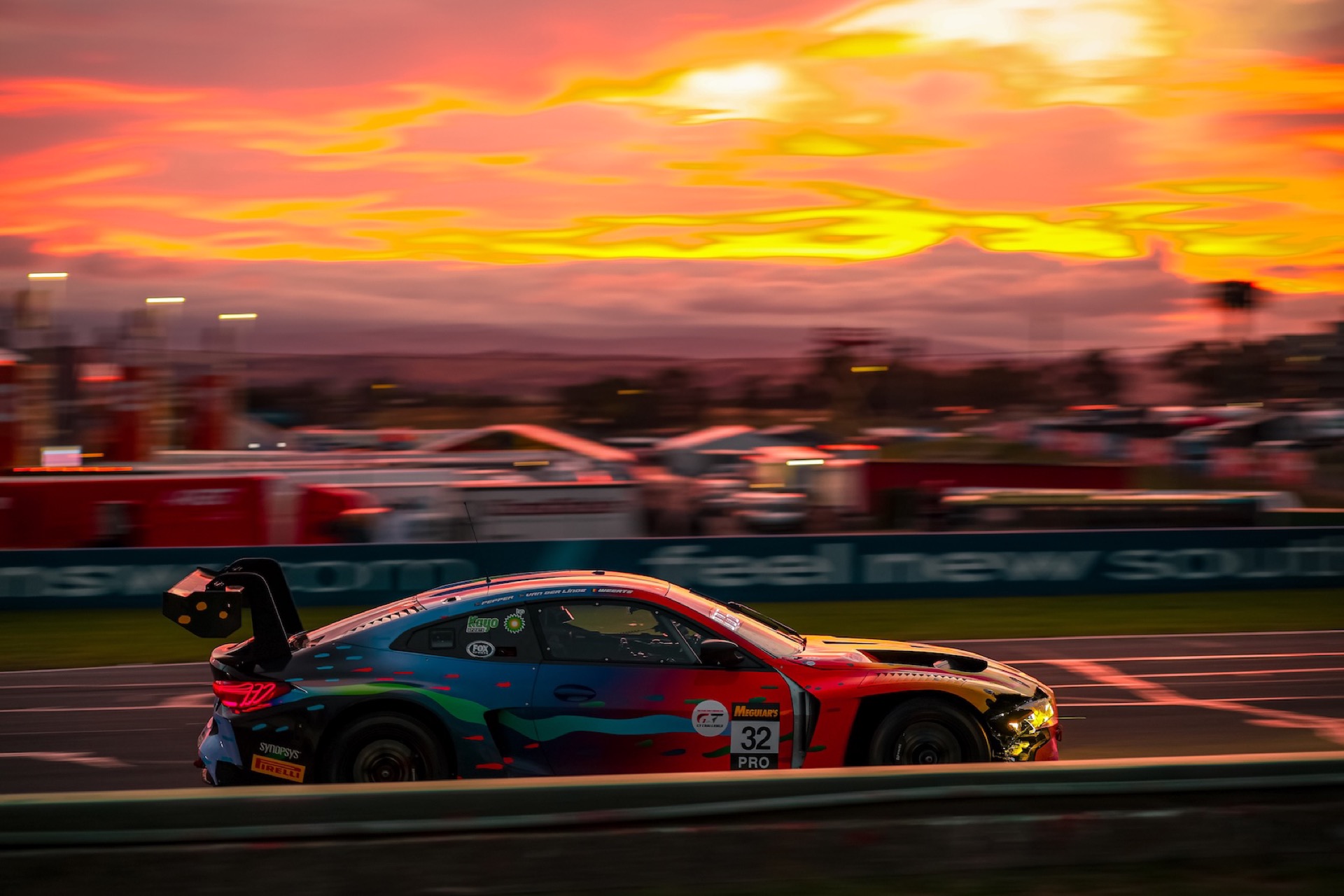
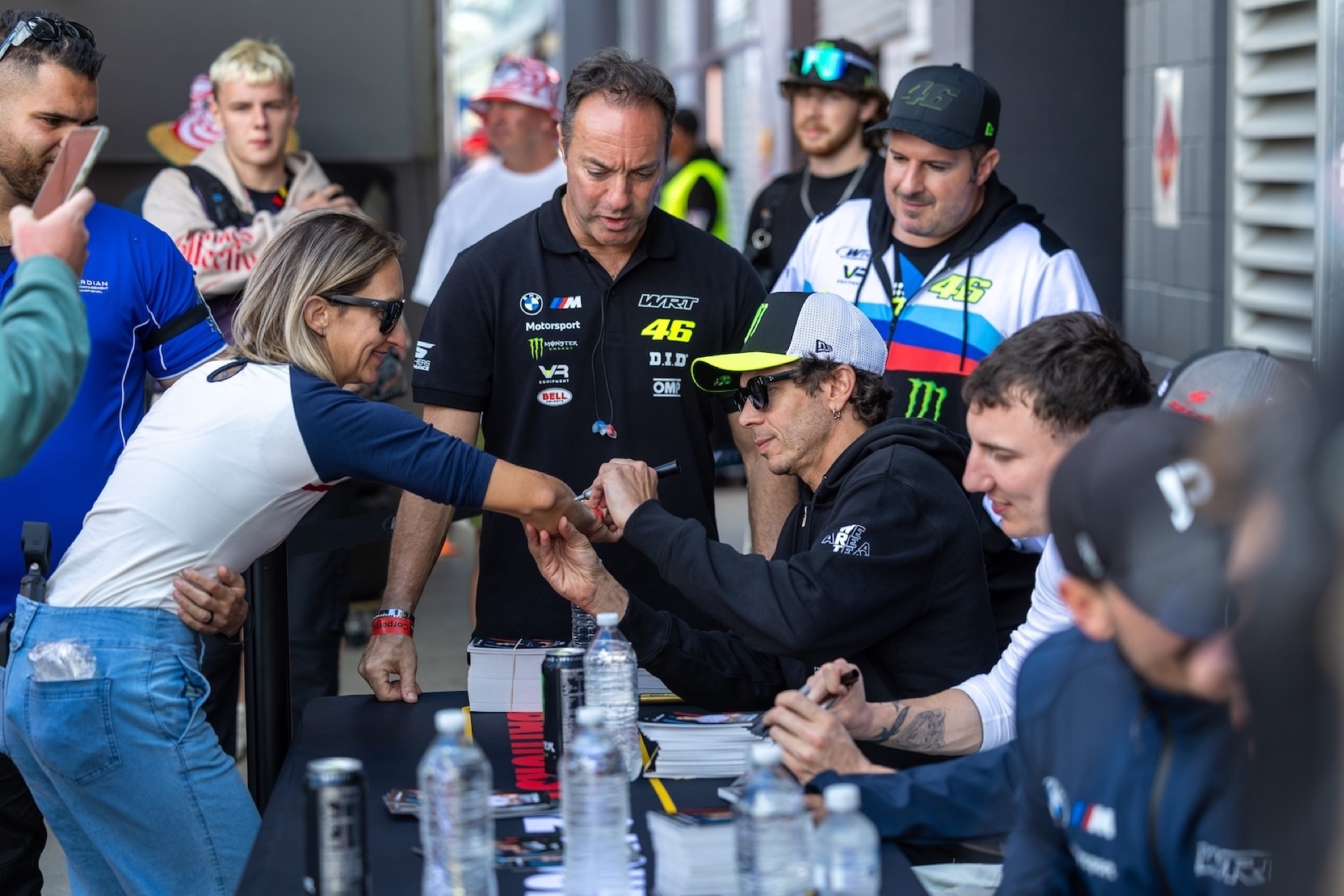
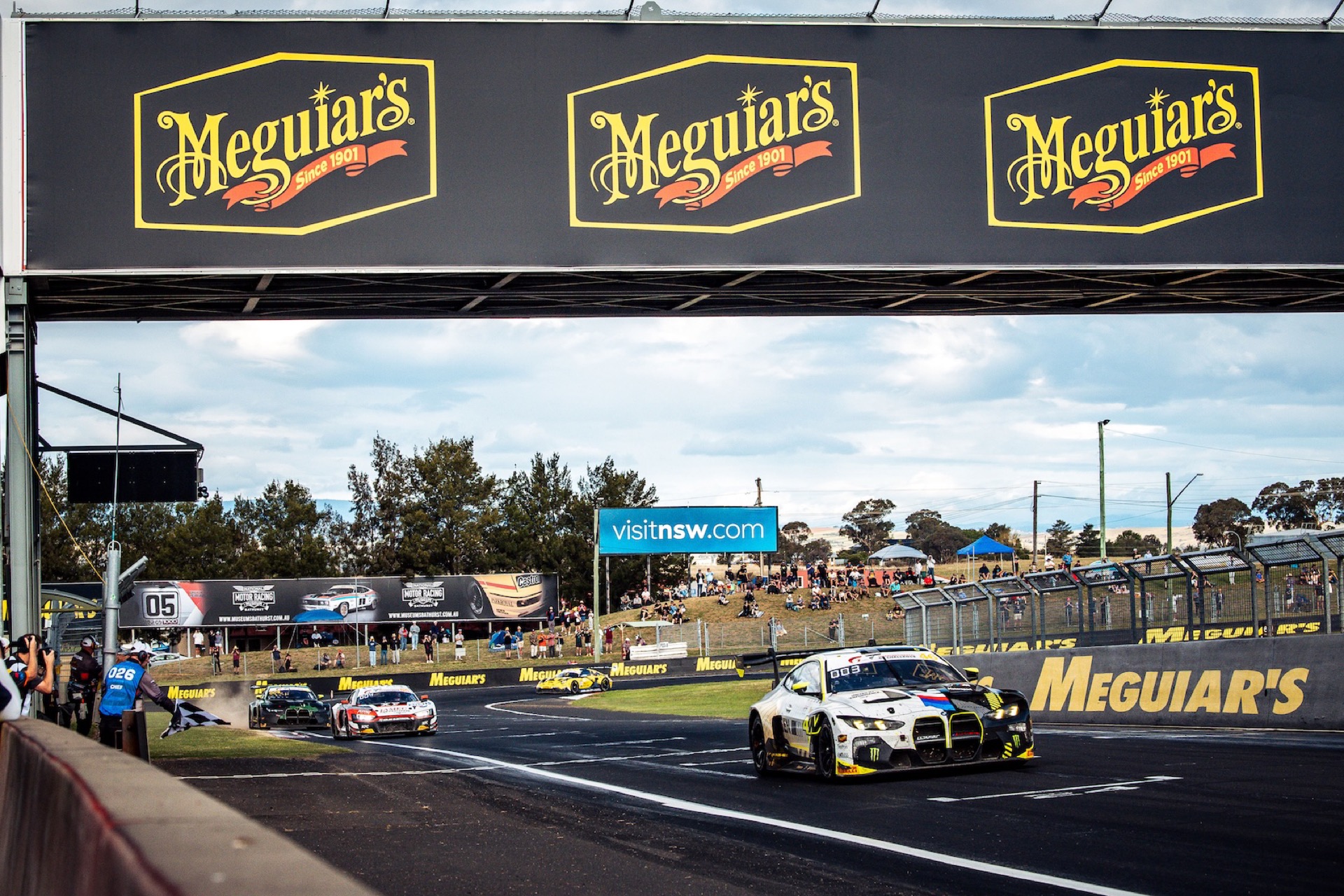
This year once again delivered something of a German celebration. After Porsche won in 2024 and BMW achieved a one-two finish in 2025, Mercedes claimed victory in 2026. At the chequered flag, the Mercedes-AMG GT3 number 888, driven by Engel, Martin and Grenier, finished after 262 laps just one second ahead of the Porsche 911 GT3 of Li, Fjordbach and Boccolacci. The best-placed BMW M4 GT3, driven by Rossi, Farfus and Marciello, followed another seven seconds behind.

Just how dangerous the circuit in the Australian outback remains was underlined not only by the numerous safety car periods and a red flag around three hours before the finish following a heavy crash in the mountain section. There was also a moment of sheer Bathurst madness early on, when German driver Christopher Mies, at around 250 km/h in the fading night, hit a kangaroo that had bounced onto the racing line. The impact destroyed the animal and caused damage to other cars as well.

12 h Rennen Bathurst 1

Mount Panorama is considered one of the most dangerous and spectacular racetracks in the world. Its constant climbs and drops, two long straights up and down the mountain, and the tight, twisting section at over 800 metres above sea level give it a character all of its own. Kangaroos, wallabies and even snakes repeatedly find their way onto the circuit. Sections such as Griffins Bend, The Cutting, Frog Hollow and The Dipper can be recited by almost every Australian boy like a prayer.

Safety provisions remain difficult to compare with European circuits. With hardly any significant fencing and minimal run-off zones, parts of Bathurst feel little different from 1966, when Mini achieved one of the most legendary victories in Australian motorsport history. The first nine positions in the Gallagher 500 were taken by Morris Cooper S models. The winners were rally icon Rauno Aaltonen and his co-driver Bob Holden. Their small Minis defeated far larger and more powerful touring cars with remarkable ease, while a Chrysler Valiant V8 only managed tenth place.
Today, the race is dominated by vastly more powerful GT3 machinery such as the BMW M4, Porsche 911, Corvette Z06, Audi R8 LMS, Mercedes-AMG, Aston Martin Vantage and Ford Mustang. Yet the uniqueness of the circuit has remained untouched. Every year, the Bathurst 12 Hour, with its start at 5:45 in the still pitch-black early morning, remains one of the great highlights of the motorsport calendar.

It is no surprise that the 2026 edition attracted a new record crowd of more than 55,000 spectators. And anyone who wants to be taken seriously in the GT world must compete here at least once, and ideally stand on the podium.

12 h Rennen Bathurst 2
2026 Meguiar’s Bathurst 12 Hour, Meguiar’s Bathurst 12 Hour, Mount Panorama, Bathurst, New South Wales, Australia. 14 Feb, 2026.


Source link

2022 Audi R8 GT

0
2022 Audi R8 GT


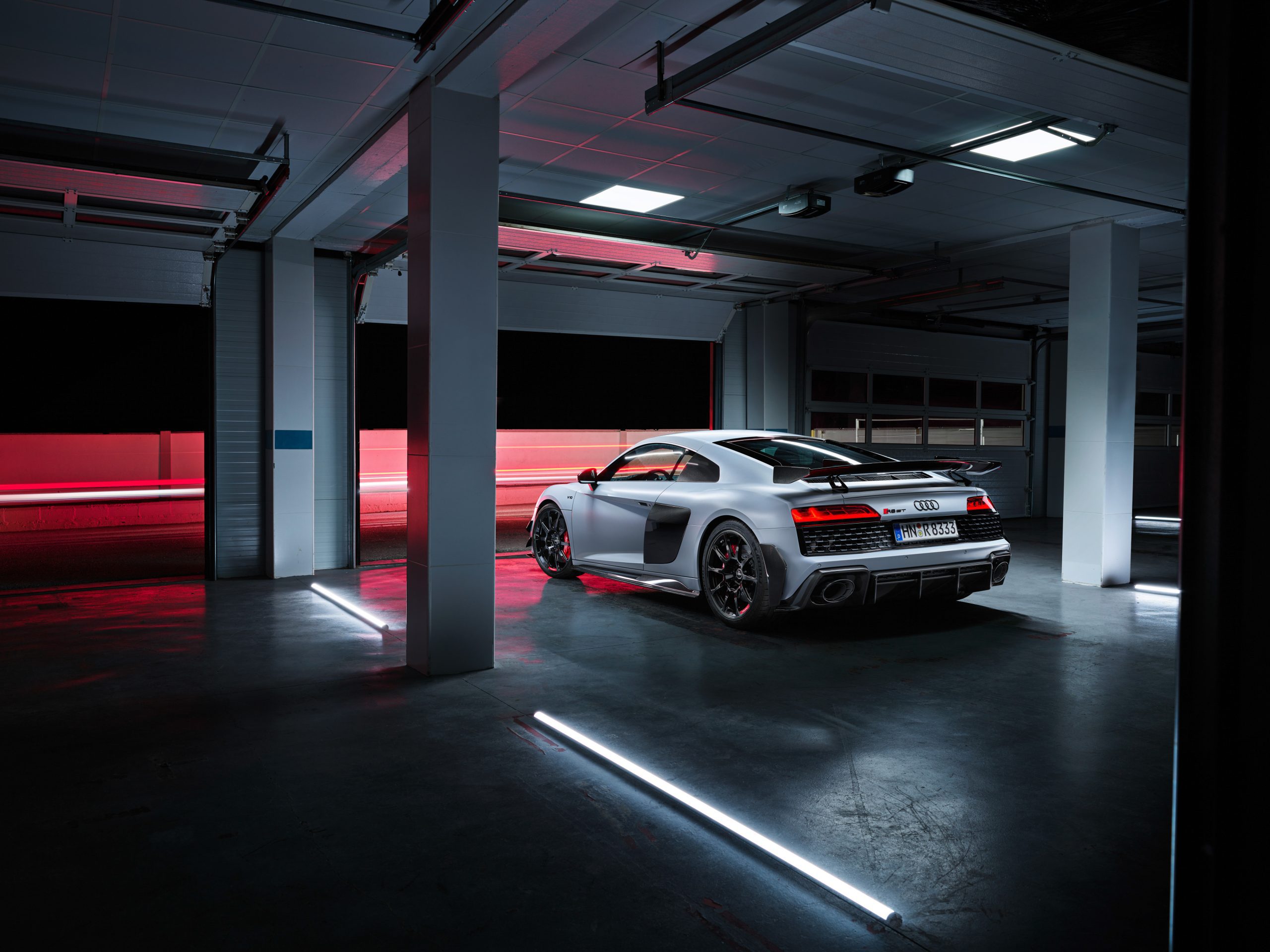
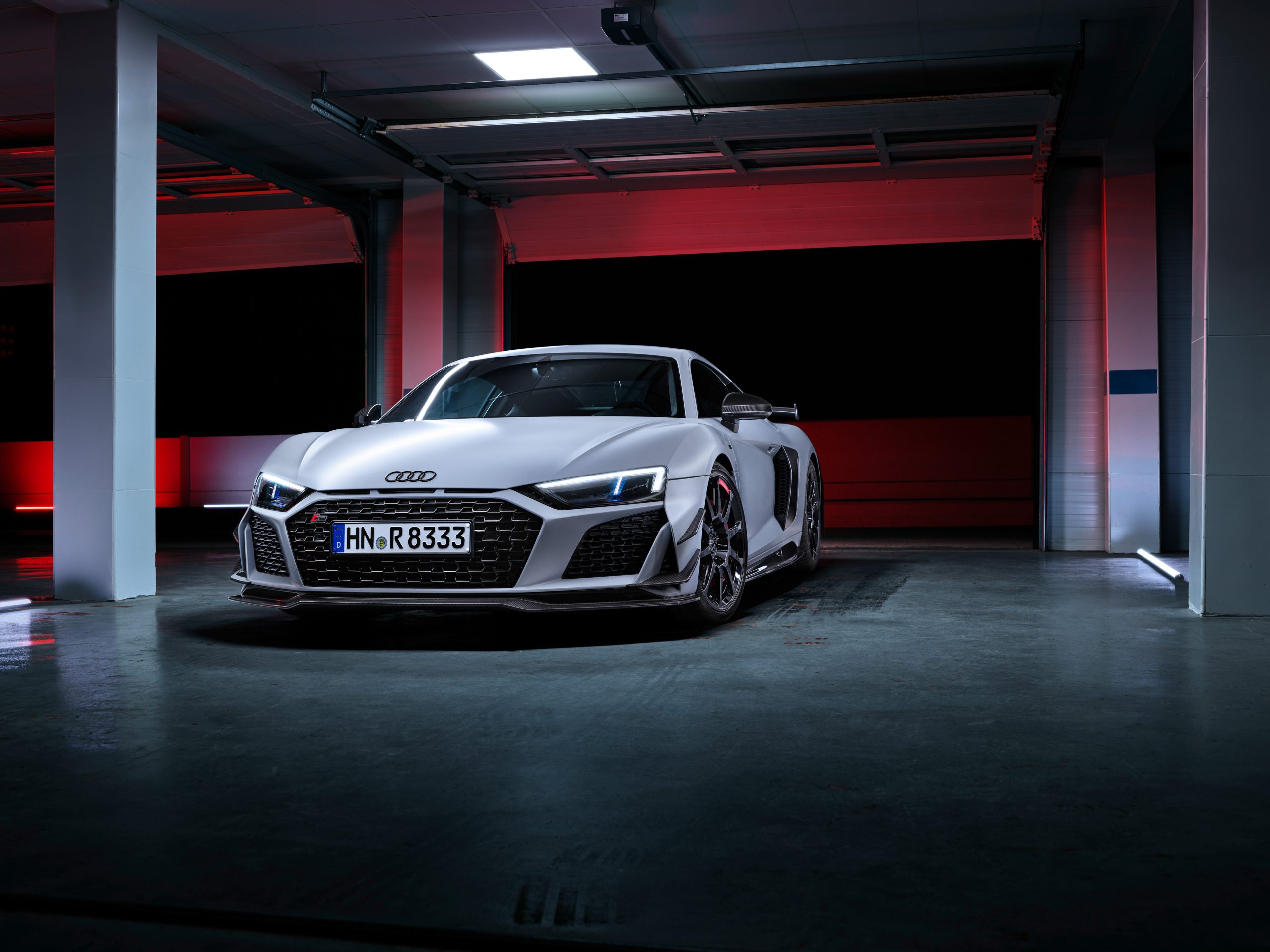
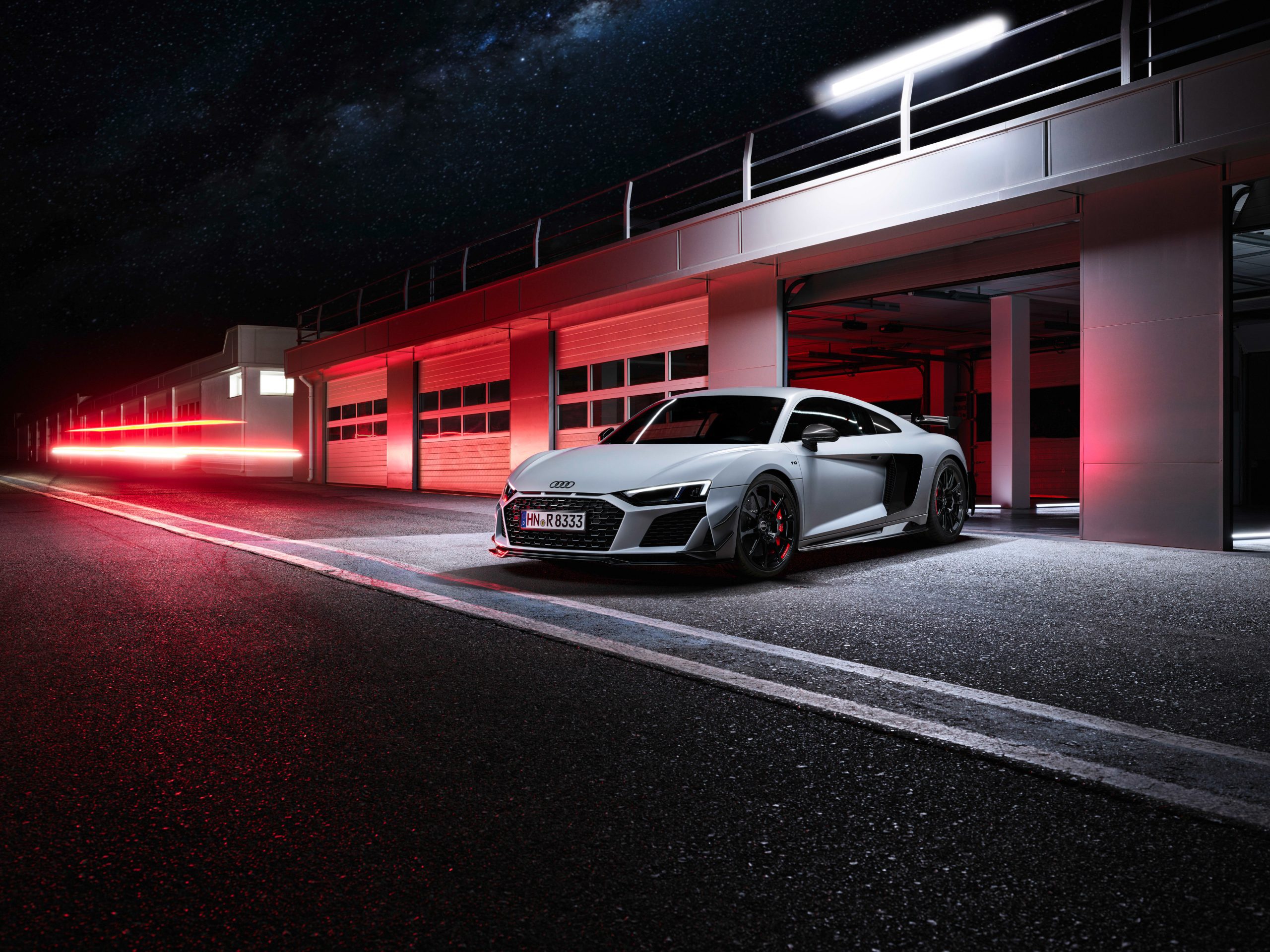
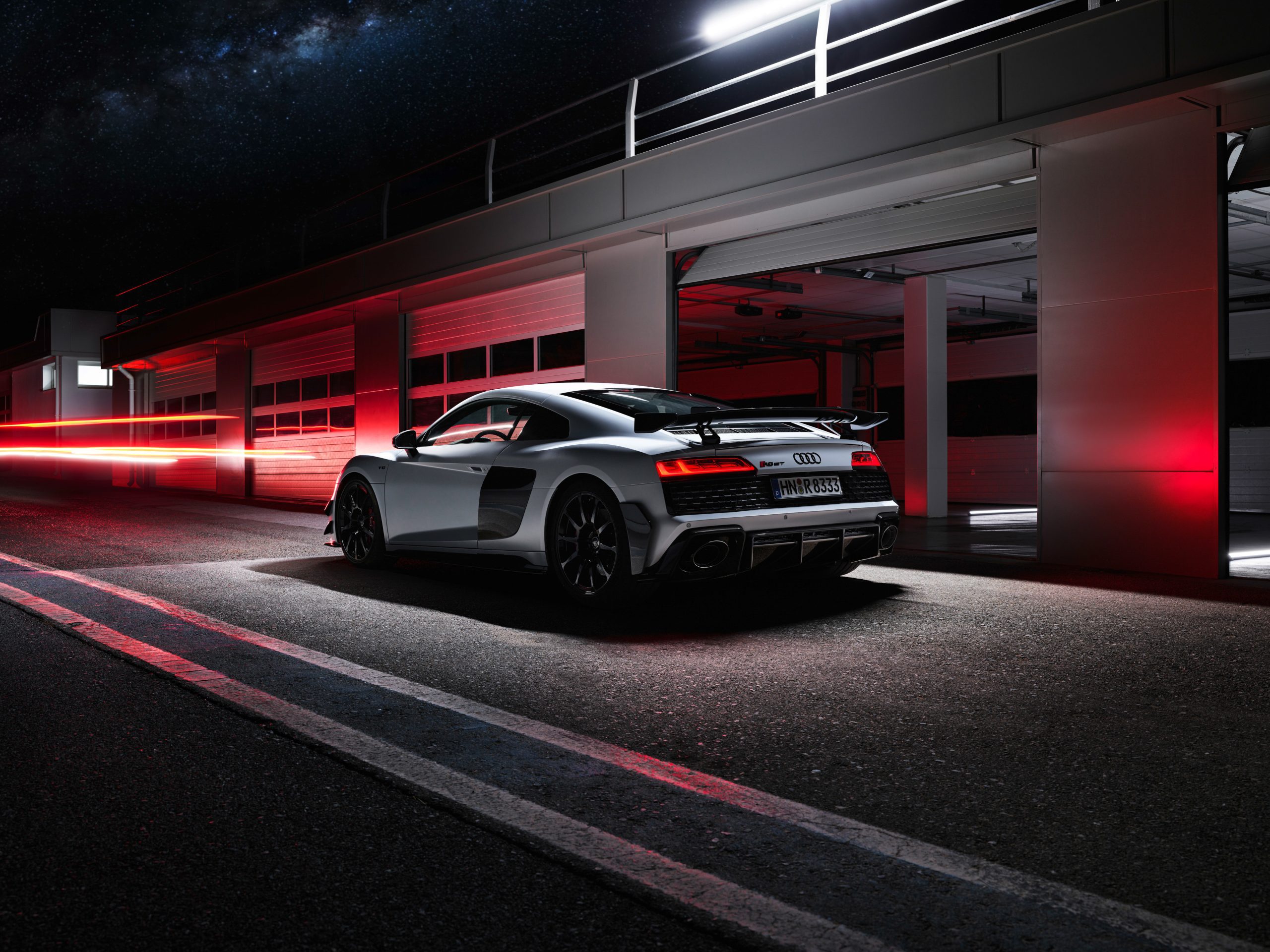
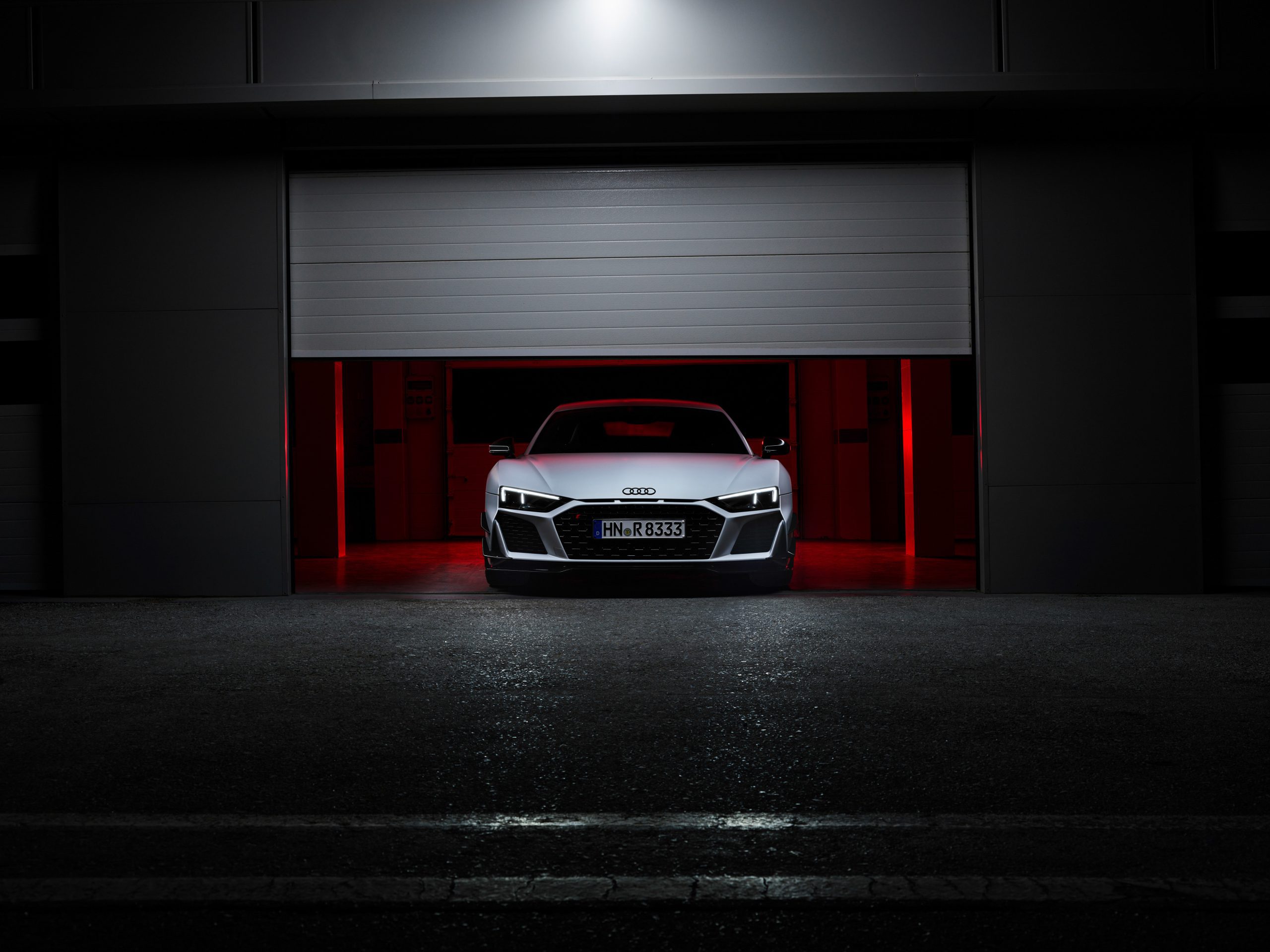
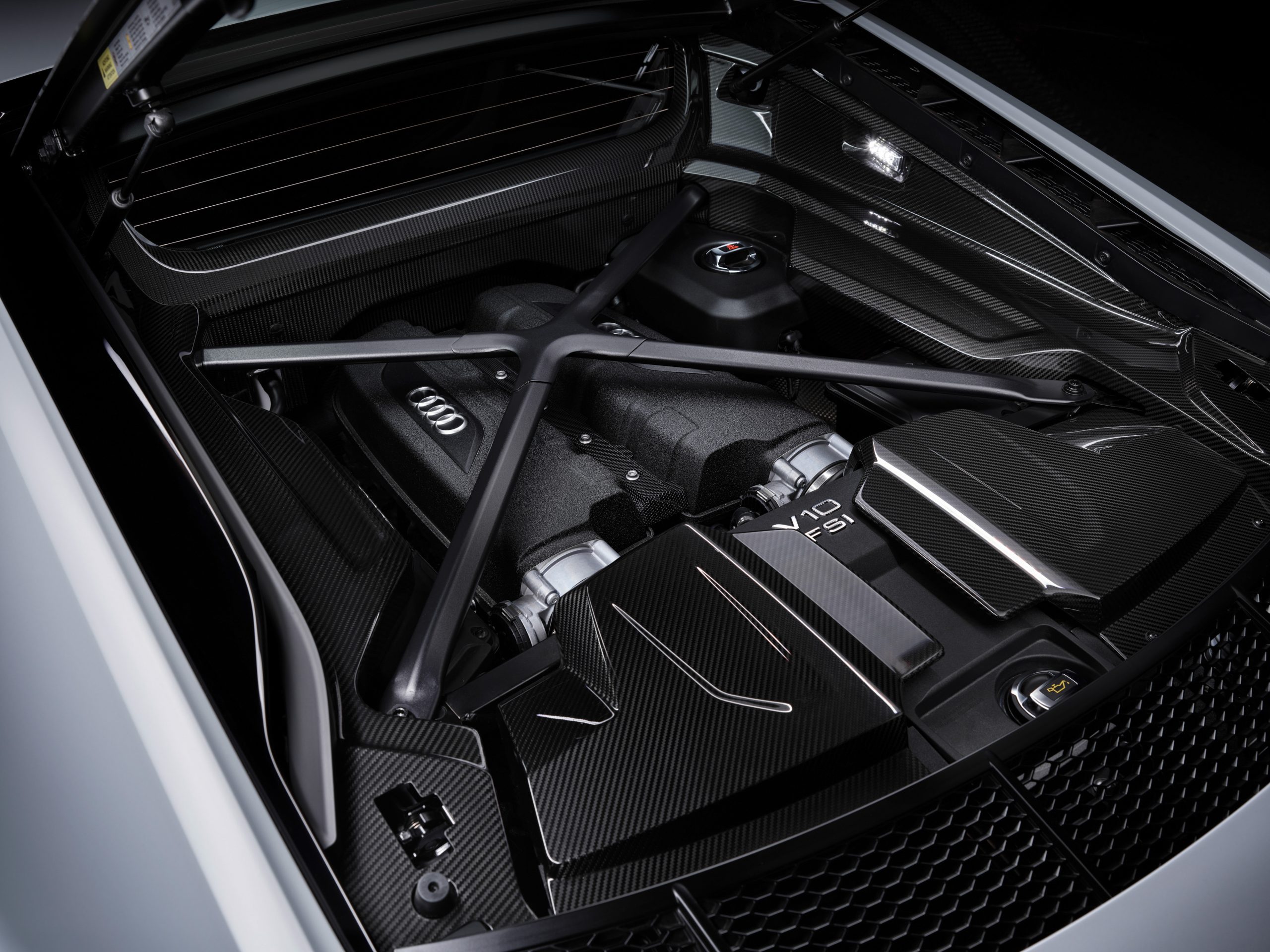
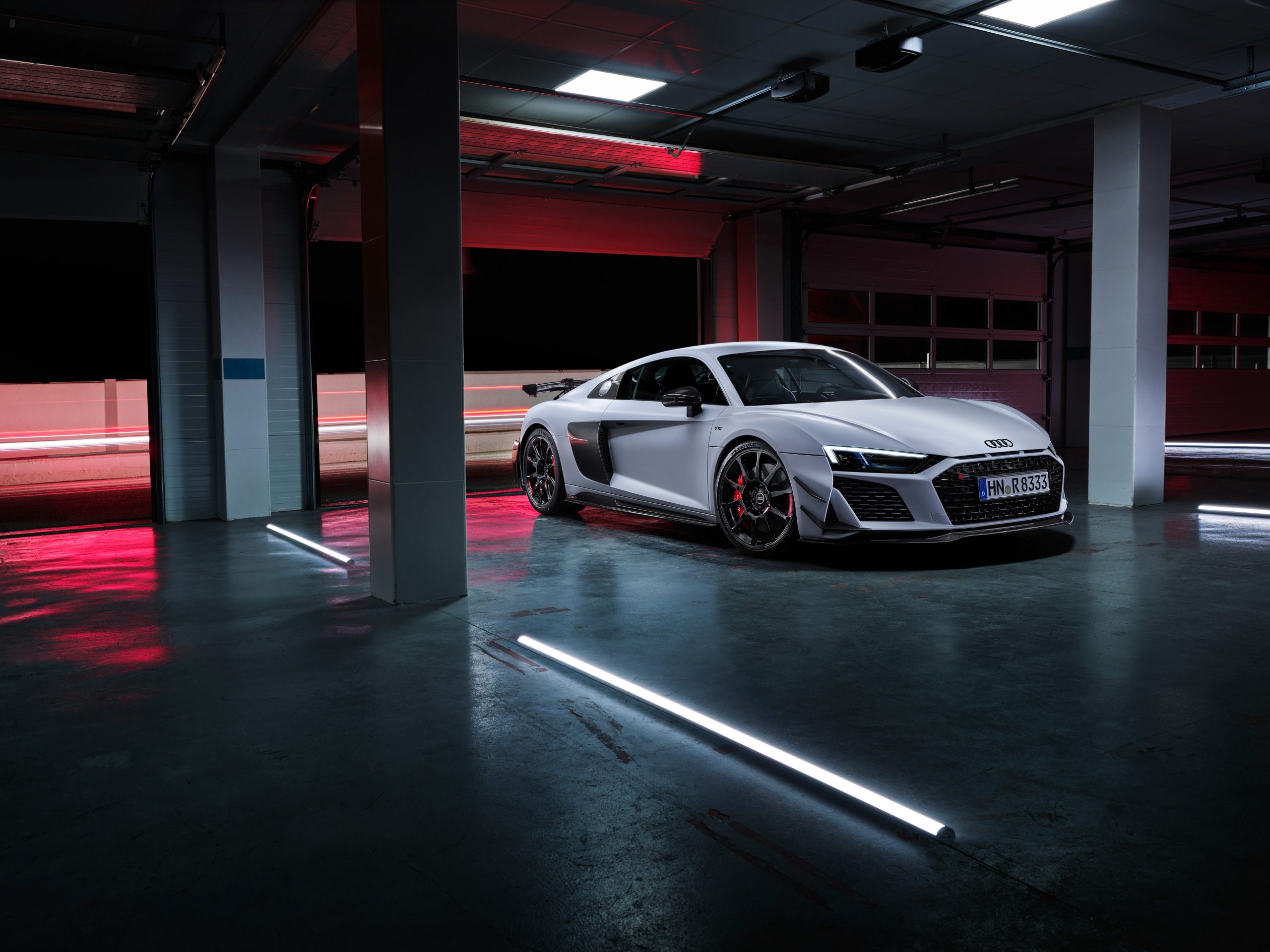
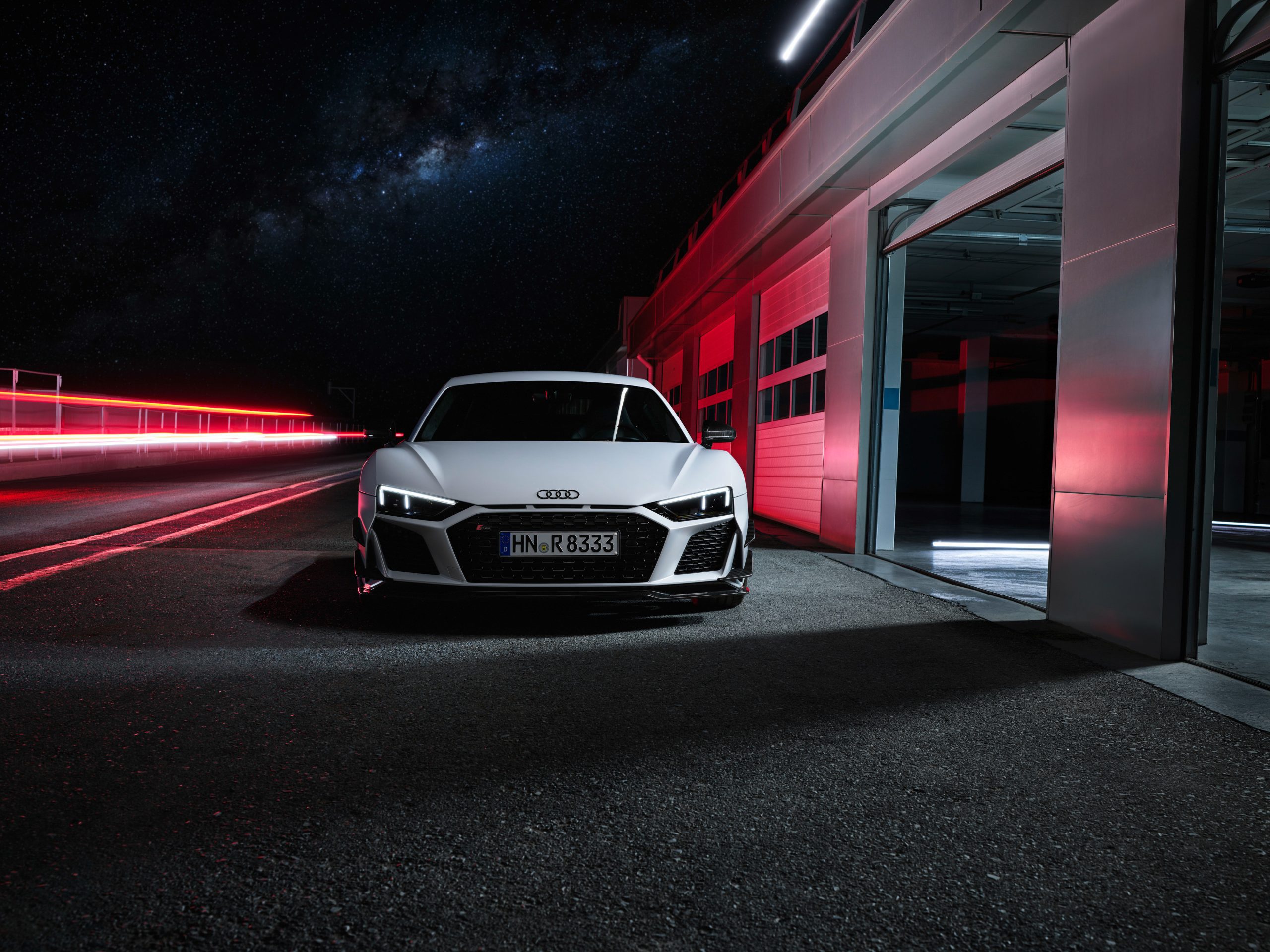
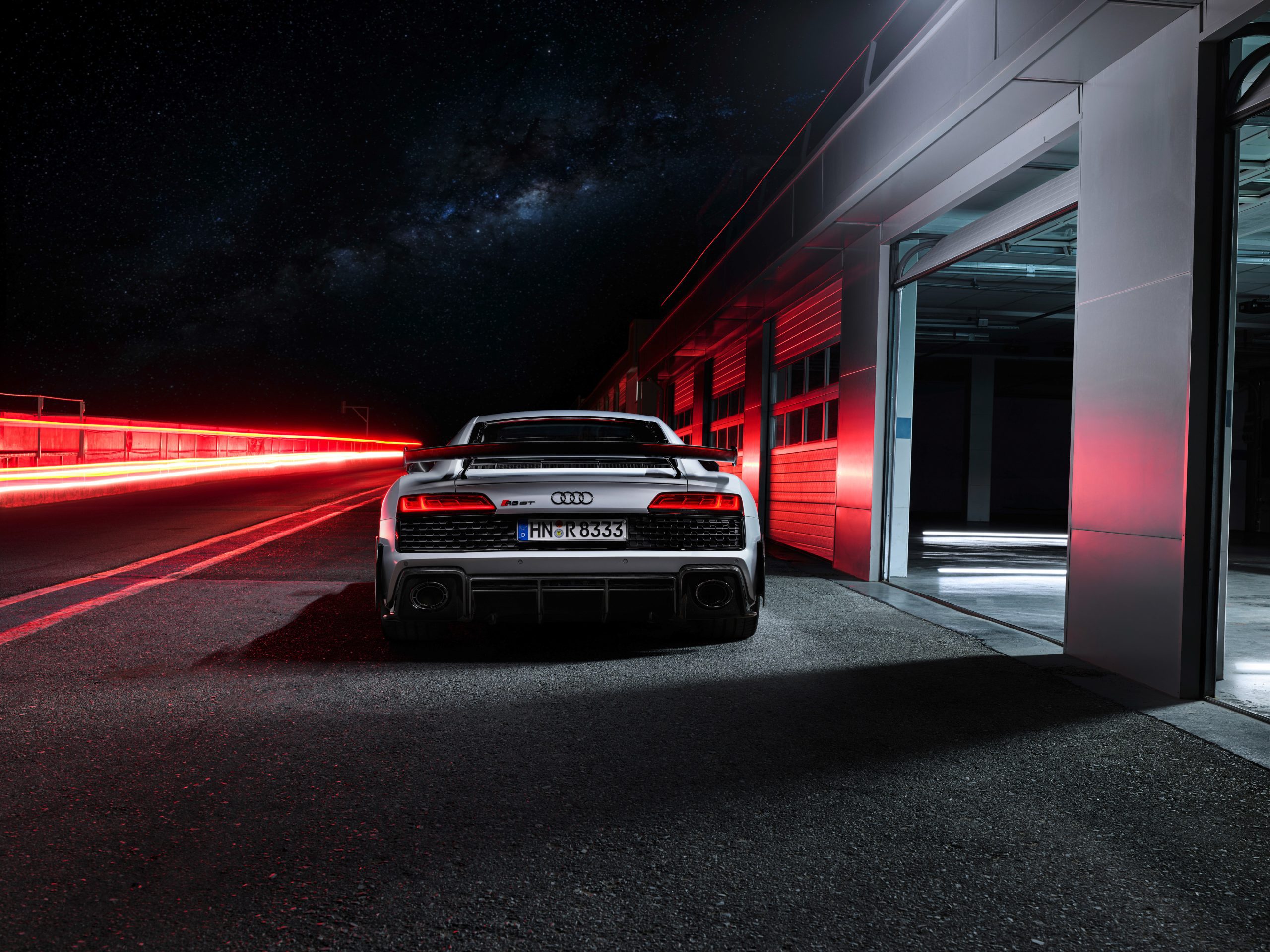
Twelve years ago, the first Audi R8 GT was released. Finally, this year Audi Sport GmbH will be launching the new Audi R8 Coupe V10 GT RWD. The second edition of the exclusive super sports car has a 5.2-liter, naturally aspirated V10 engine with an increased output of 602 hp which easily makes it the most powerful rear-wheel drive that Audi has ever launched.

It is equipped with a new 7-speed dual-clutch transmission for faster shifts. A new Torque Rear driving mode gives the drivers options on their preference in terms of ESC support. Those features allow for both controlled and precise oversteering. Using the control knob on the steering wheel adjusts the seven-stage torque rear.

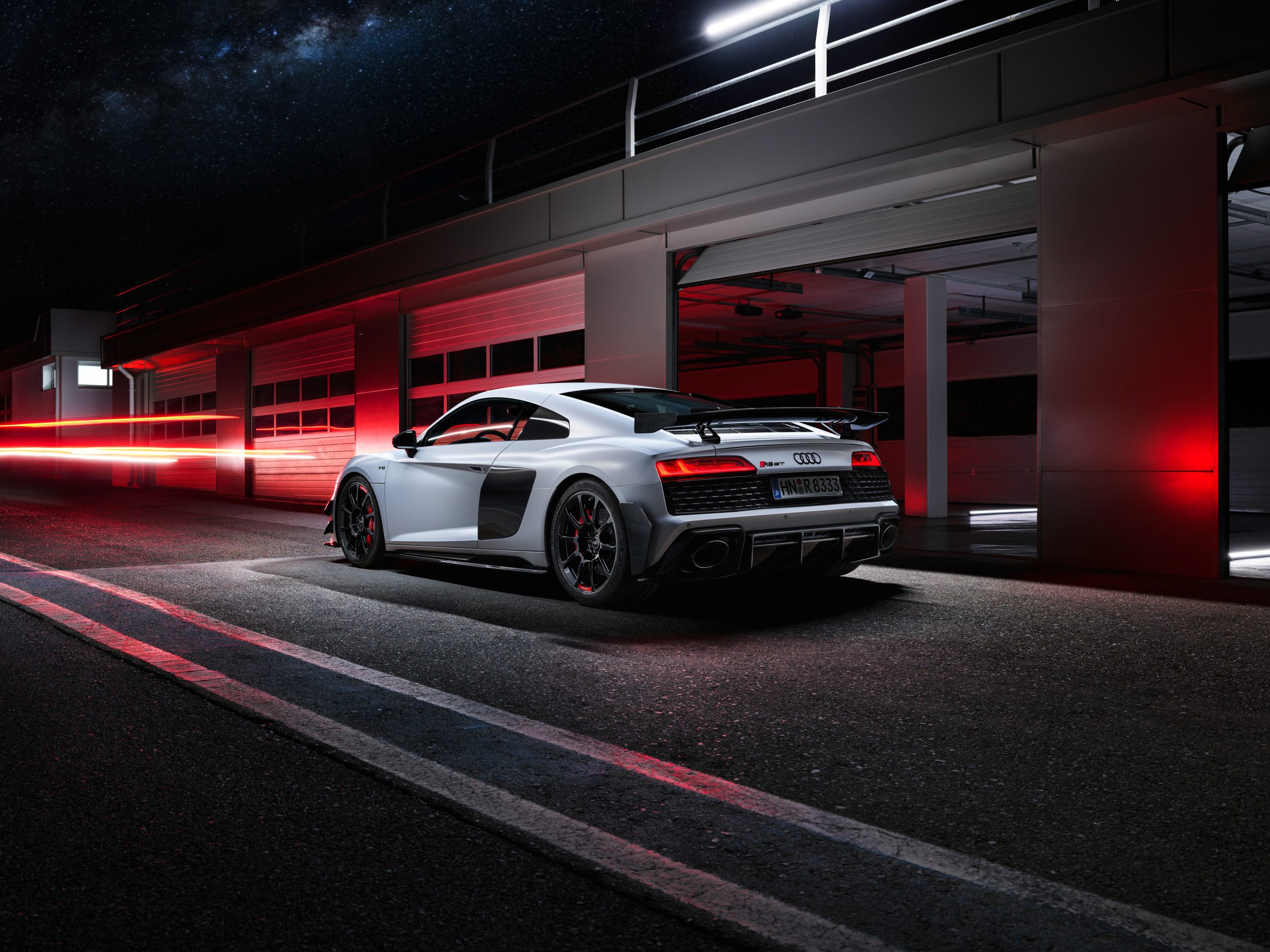
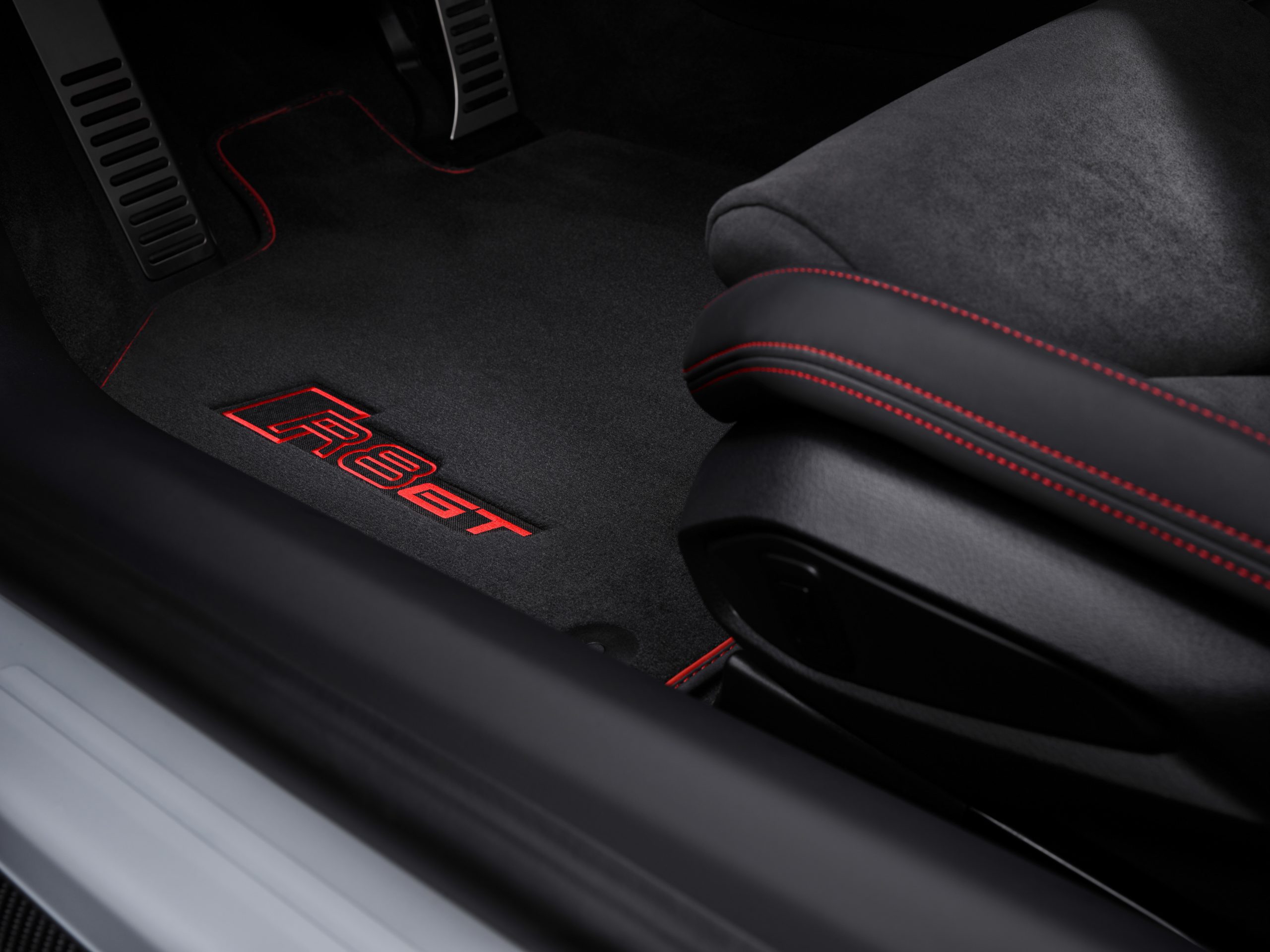
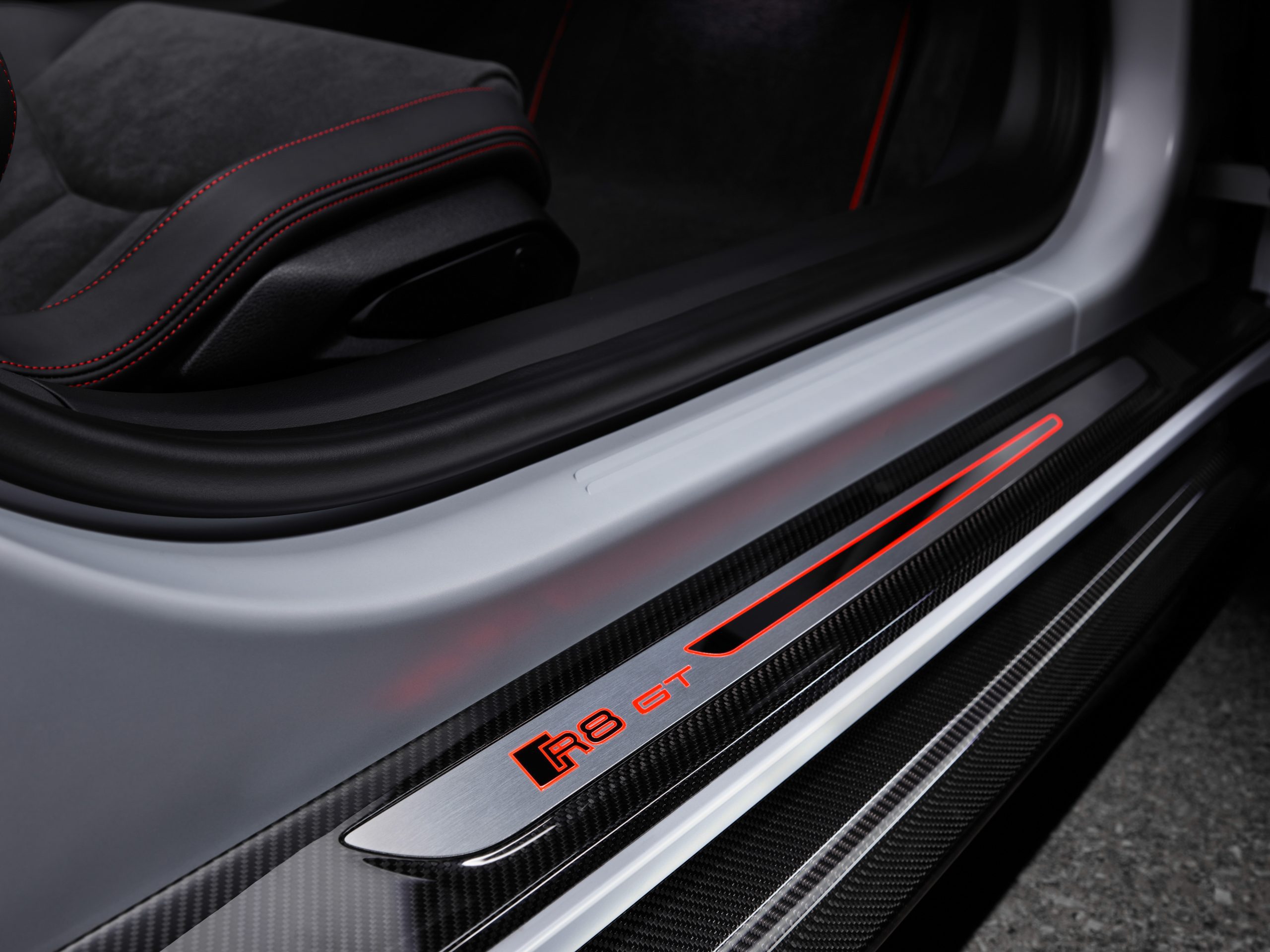
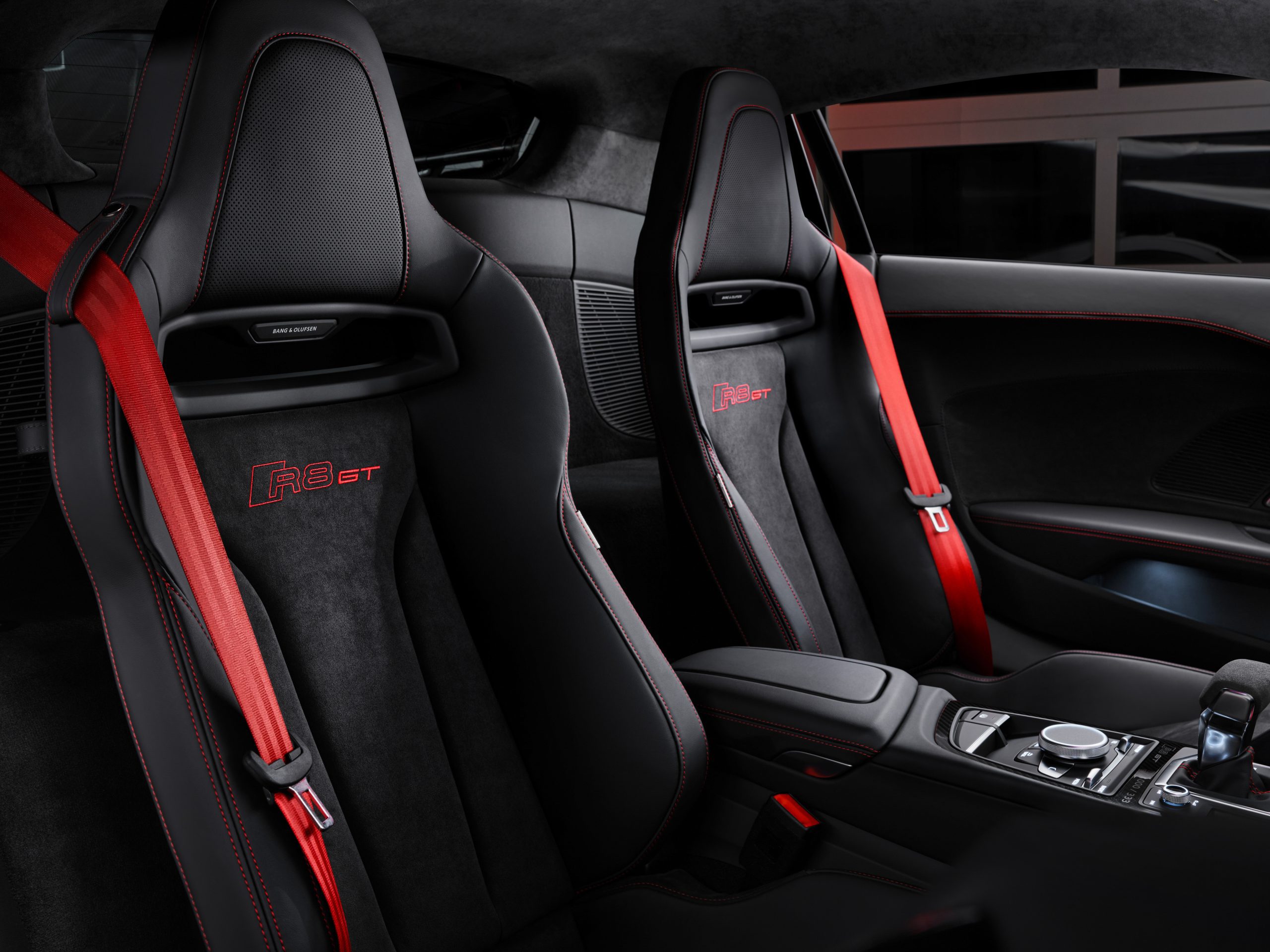
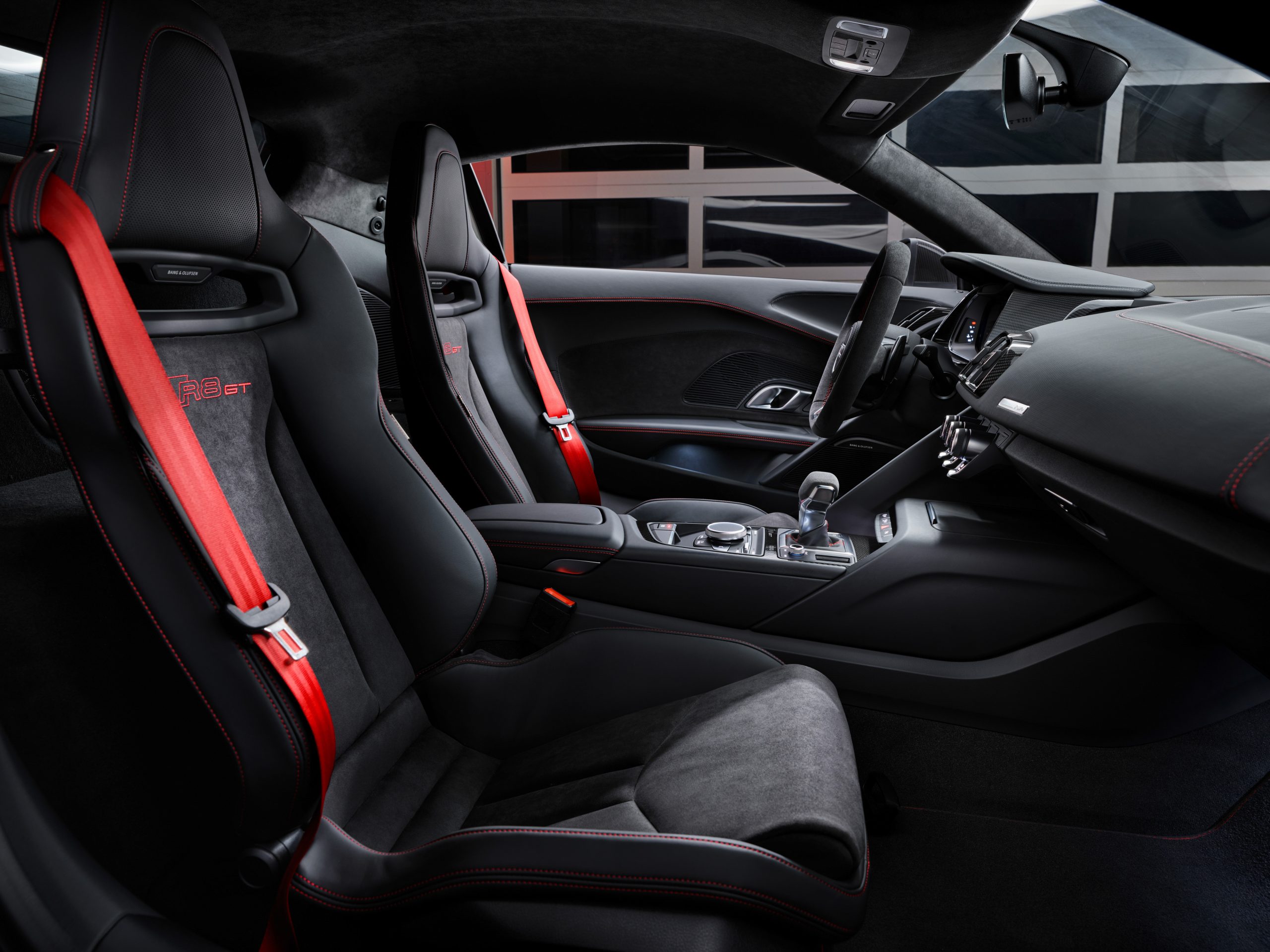
New and exclusive features of the R8 GT is a nod to the first-generation model including sequential numbering, interior in black and red combination, and special light alloy wheels.


No V10 Engine in the R8 GT

Even though the R8 GT engine took inspiration from the R8 V10 performance RWD with 562 HP, Audi Sport GmbH has raised the performance of the second-generation model to the same level as the quattro model. Simply put, the new RT GT has 602 HP from 10 cylinders, 5.2 liters of displacement, and 413 lb.-ft of torque. This gives the R8 GT the capability to accelerate from 0 to 100 kph in just 3.4 seconds, and it takes 10.1 seconds for it to reach 200kph. It also has a top track speed of 320 kph or 199 mph.

Another notable difference is the new 7-speed dual-clutch transmission that has an even quicker shift times. The new gearbox is also capable of faster acceleration in all gears due to an altered gear ratio and the associated higher speed. As for exterior design feature, a notable exclusive design feature for the R8 GT is its black intake manifold.

New Torque Rear Drive Mode

Audi Sport GmbH is manufacturing the new R8 GT at Böllinger Höfe mostly by hand, and for the first time, Audi is offering Torque Rear mode. The traction control system (ASR), which is part of the ESC controls the slippage on the rear axle. Levels range from 1 to 7, with 1 allowing little slippage and 7 is at the other end of the spectrum.

A control knob on the steering wheel sets the desired torque rear level which also enables a different adaptation as the driving skills and road conditions change on a track. It also gathers information from wheel speed sensors, accelerator pedal position, steering angle, and the selected gear to help the engine control unit to measure the engine power needed on the rear axle.


Less is More

After a variety of measures taken to reduce the weight, they were able to lighten the R8 GT up to roughly 20 kilograms (44 lbs) compared to the R8 Coupé V10 performance RWD. It has a total weight of 1,570 kilograms. One of the key factors in eight reduction is the 20-inch, 10-spoke wheels wrapped in high-performance Michelin Sport Cup 2 tires that was designed for both racetrack and road use. The lightweight forged wheels are based on the motorsport vehicles from Audi. As standard, the R8 GT is equipped with an extremely powerful ceramic braking system which also helped in reducing weight. There are also the R8 bucket seats and the performance sports suspension with the CFRP anti-roll bar. Carbon fiber reinforced plastic was the material used on the front anti-roll bar. Two coupling rod connections are made from red anodized aluminum which also helped in weight reduction and improved road-holding and cornering dynamics.

Exclusive Design

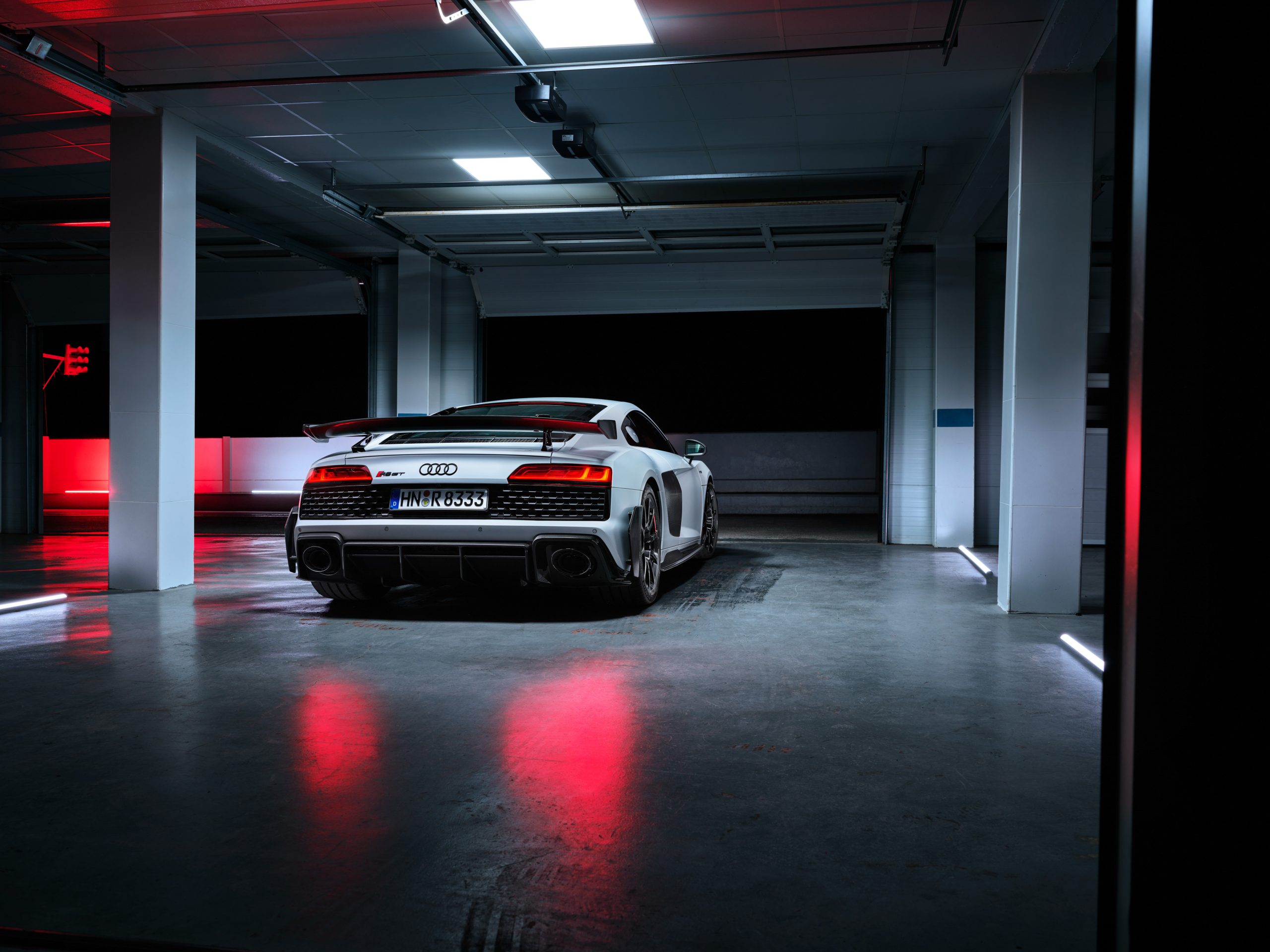
To set the new Audi R8 GT apart, a lot of exclusive add-on parts were equipped on this model. It has a black ‘R8 GT’ lettering on the rear, along with other emblems in black. It is also equipped with the Carbon Aerokit in high gloss. Developed in the wind tunnel, the Carbon Aerokit provides improved stability on the road, resulting in faster cornering speeds. The Carbon Aerokit includes the front splitter, side skirt covers, flics, a diffuser, cW-elements on the sides of the rear bumper, gooseneck suspension, and a rear wing. The insert improves aerodynamic efficiency by ensuring optimum wing underflow.

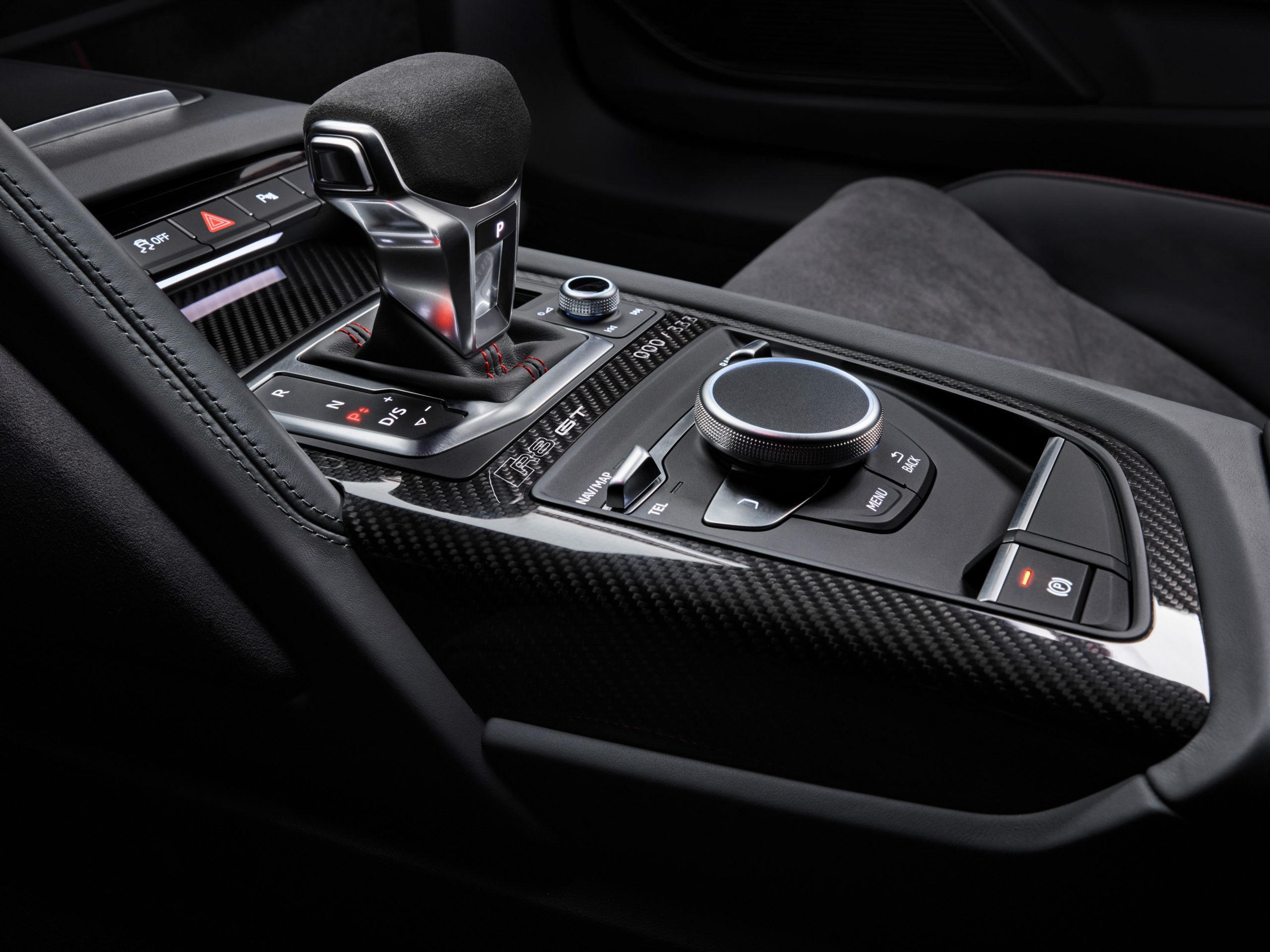
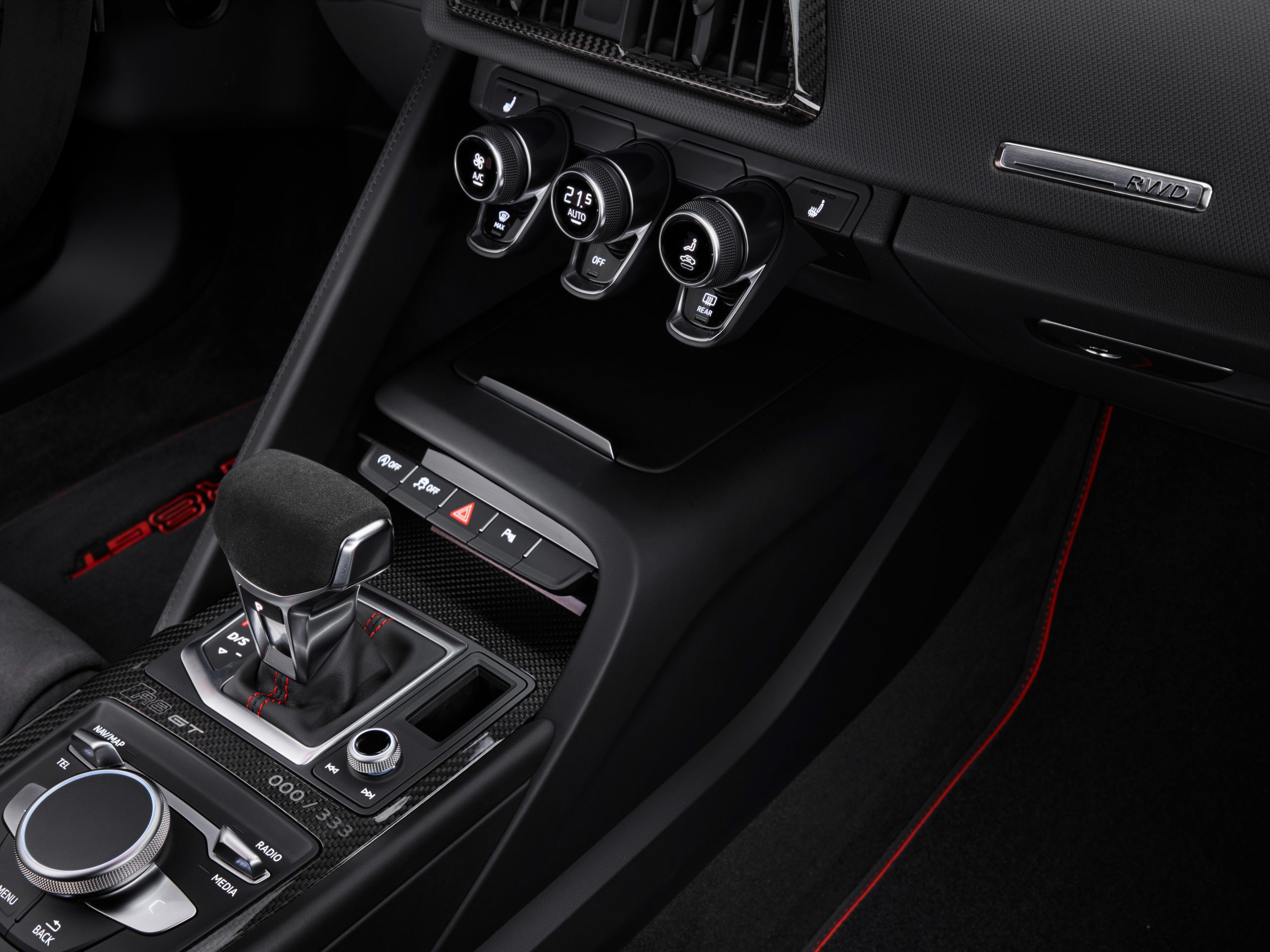
Even the interiors are influenced by the first R8 GT which was released in 2010, and it has a black and red color motif. The red belts, which was only available on the R8 GT from 2010 can also be seen in the new R8 GT. The red and black lettering of the special model is also on the floor mats and the R8 bucket seats. On the middle of the center console near the gear selector lever is the sequential numbering of their R8 GT, and it is partially matted in the carbon inlay.

Audi will only be producing 333 units of the new R8 GT, and they will be available at dealerships starting in 2023.


Source link

The New Standard of Horological Security: Luxury Watch Safes

0
The New Standard of Horological Security: Luxury Watch Safes


The world of high-end horology has evolved. For today’s serious collector, owning a masterpiece from Patek Philippe or Richard Mille is only half the journey; the other half lies in ensuring its absolute preservation. As collections grow not only in size but in cultural and financial significance, the industry is witnessing a decisive shift – the emergence of the luxury watch safe as a new standard in horological ownership.

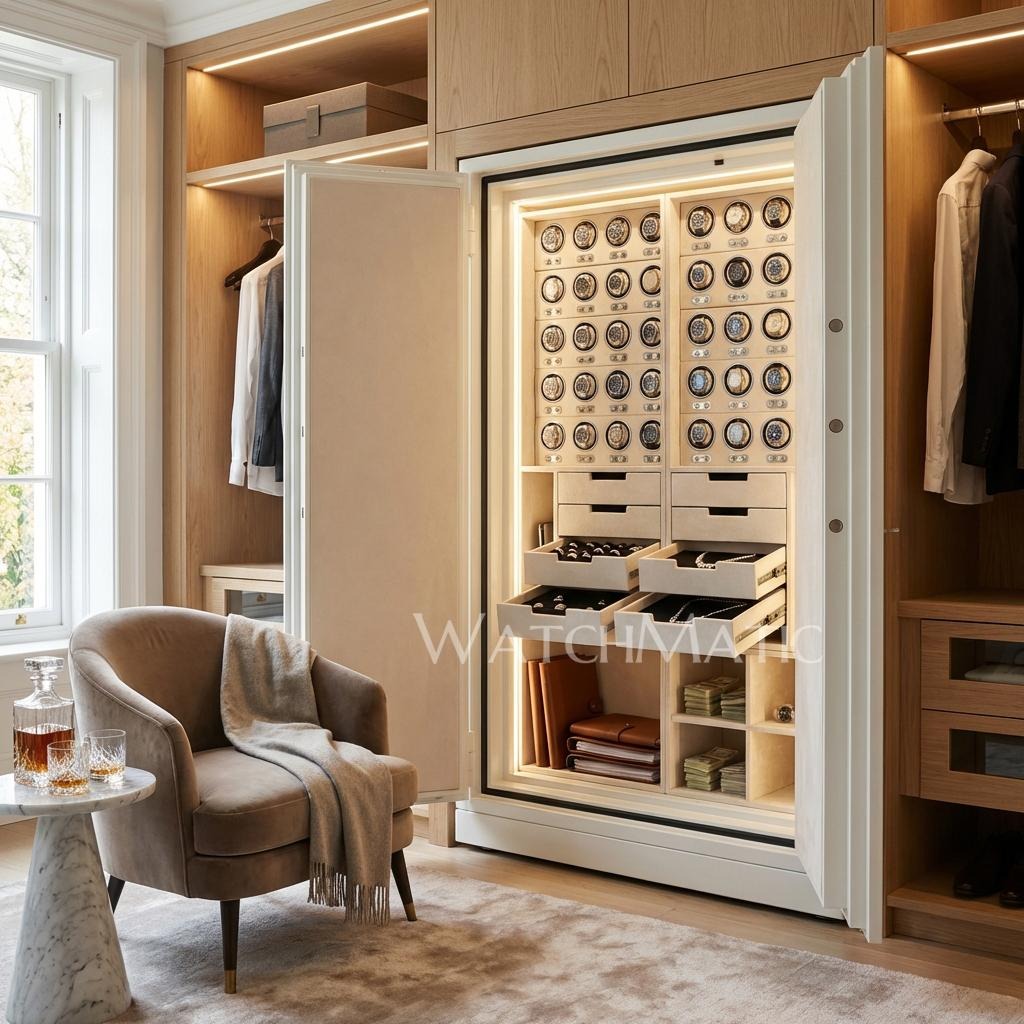
Luxury watch safes are increasingly designed as architectural elements within high-end interiors.

More than a storage solution, these safes represent a convergence of security engineering, environmental science, and bespoke craftsmanship – redefining how timepieces are protected for the long term.

Beyond the Traditional Winder

For decades, the watch winder has been a familiar accessory for collectors, designed to keep automatic movements running smoothly. Yet, while effective for mechanical maintenance, conventional winders offer little protection against external threats such as theft, fire, or environmental degradation.

As collections evolve, a new category has emerged – one that integrates precise mechanical care with institutional-grade security. According to Chris Tran, Founder & CEO of WatchMatic, a long-time advocate for holistic watch preservation, safeguarding timepieces today requires a more comprehensive approach.

“A luxury watch is a piece of history on your wrist,” he notes. “True protection means creating a fortress that respects that history – combining uncompromising security with the elegance these watches deserve.”

Under this philosophy, WatchMatic has helped redefine the landscape by integrating winding systems inspired by Swiss horological standards directly into fire-resistant, biometric-secured safes – effectively bridging the gap between movement care and high-level physical protection.

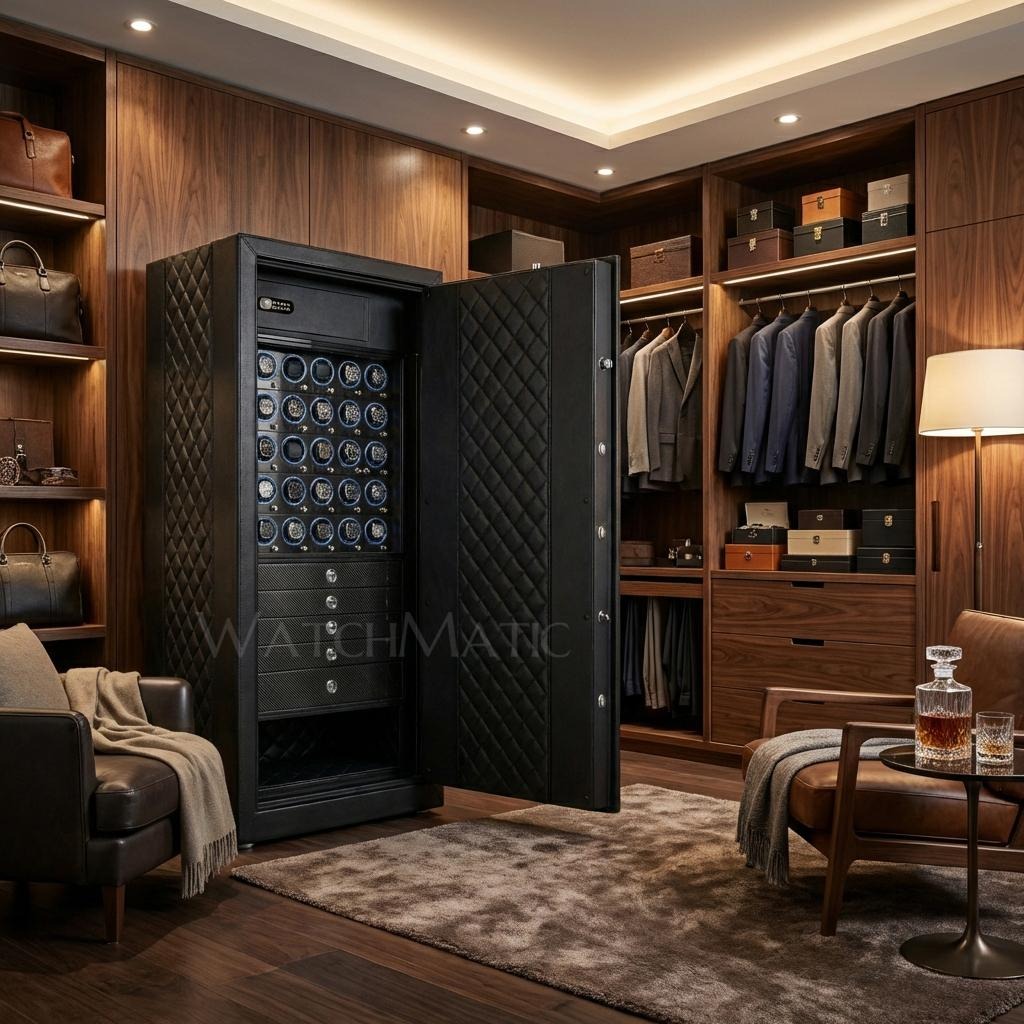
Bespoke interiors allow collectors to customize layouts, materials, and finishes according to personal taste.

Engineering for Preservation: Fireproofing and Climate Control

True horological preservation extends far beyond reinforced steel. High-value timepieces are sensitive instruments, vulnerable not only to impact and intrusion but also to extreme heat and fluctuating humidity.

To meet the expectations of serious collectors, modern luxury watch safes are now engineered to comply with stringent European fire-resistance certifications. These standards are designed to ensure that, even under extreme conditions, internal temperatures remain within a safe range for delicate lubricants, gaskets, and mechanical components.

Equally critical is climate management. Moisture, often overlooked, remains one of the most destructive forces affecting vintage dials and movements. Advanced safes now incorporate active humidity control systems that maintain a stable micro-environment, helping to prevent oxidation, corrosion, and mold — all of which can permanently compromise a watch’s patina and long-term value.

For many collectors, such safeguards are no longer optional accessories but essential tools of preservation.

The Bespoke Safe as Functional Art

The aesthetic role of the watch safe has also evolved. No longer confined to hidden vaults or utilitarian designs, today’s luxury watch safes are increasingly conceived as statement pieces – objects that harmonize with high-end interiors while reflecting the personal identity of the collector.

Through bespoke programs, collectors can now tailor every aspect of their safes, transforming them into functional works of art. Customization options often include:

  • Tailored finishes, ranging from high-gloss carbon fiber to exotic wood veneers and hand-stitched Italian leather interiors
  • Modular internal configurations, allowing precise layouts for watches, jewelry, documents, and individual winding rotors
  • Architectural integration, ensuring the safe complements private offices, dressing rooms, or dedicated horology spaces

In this context, the luxury watch safe becomes more than protection – it becomes an extension of personal taste and lifestyle.

A Global Perspective on Legacy Protection

As watch collections increasingly represent generational wealth, the role of secure storage has expanded into the realm of long-term planning. For many high-net-worth individuals, luxury watch safes are now considered an integral part of estate planning – safeguarding horological assets intended to endure well beyond their original owners.

Historically, access to certified, high-security safes has been limited by complex logistics and regional availability. By removing many of these traditional barriers, brands like WatchMatic have enabled collectors worldwide – from New York to Singapore – to integrate advanced protection seamlessly into their private environments.

In an era where horology intersects with architecture, security, and legacy, the modern luxury watch safe has become as essential as the timepieces it protects – ensuring that history remains not only wound and timed but preserved for generations to come.

For more on the latest in luxury fashion, style and beauty reads, click here.


Source link

Keystone Adds Off-Grid Features to Family RV

0
Keystone Adds Off-Grid Features to Family RV


You Asked, They Answered — Introducing the Coleman 18OG

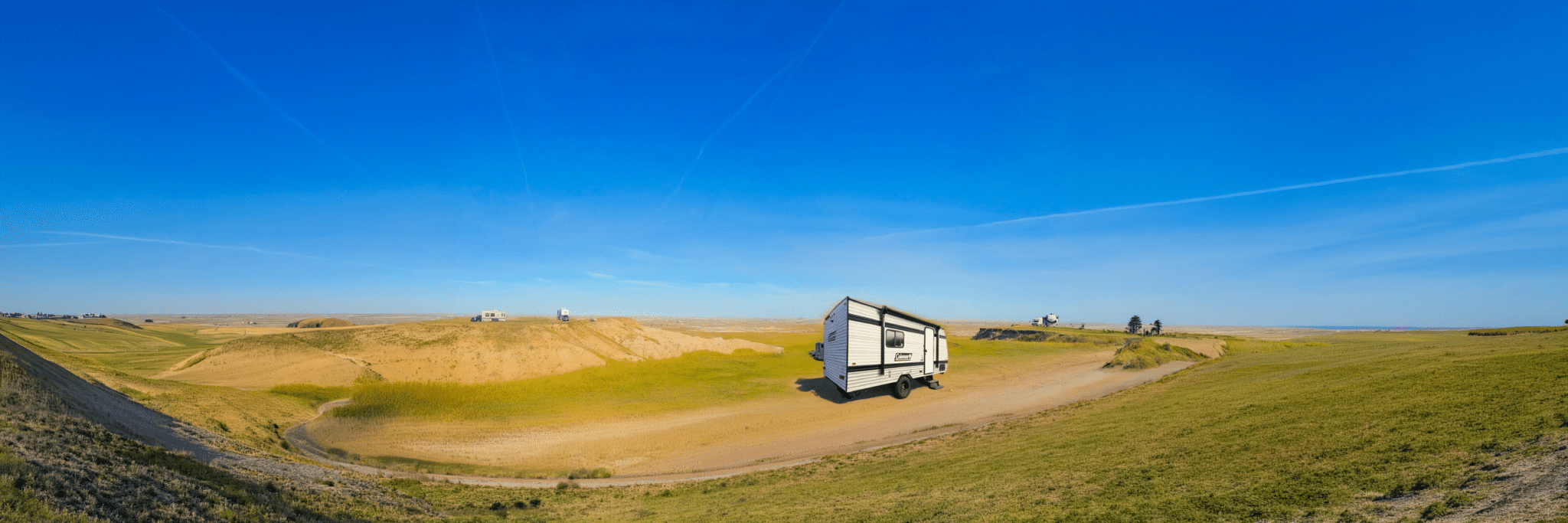
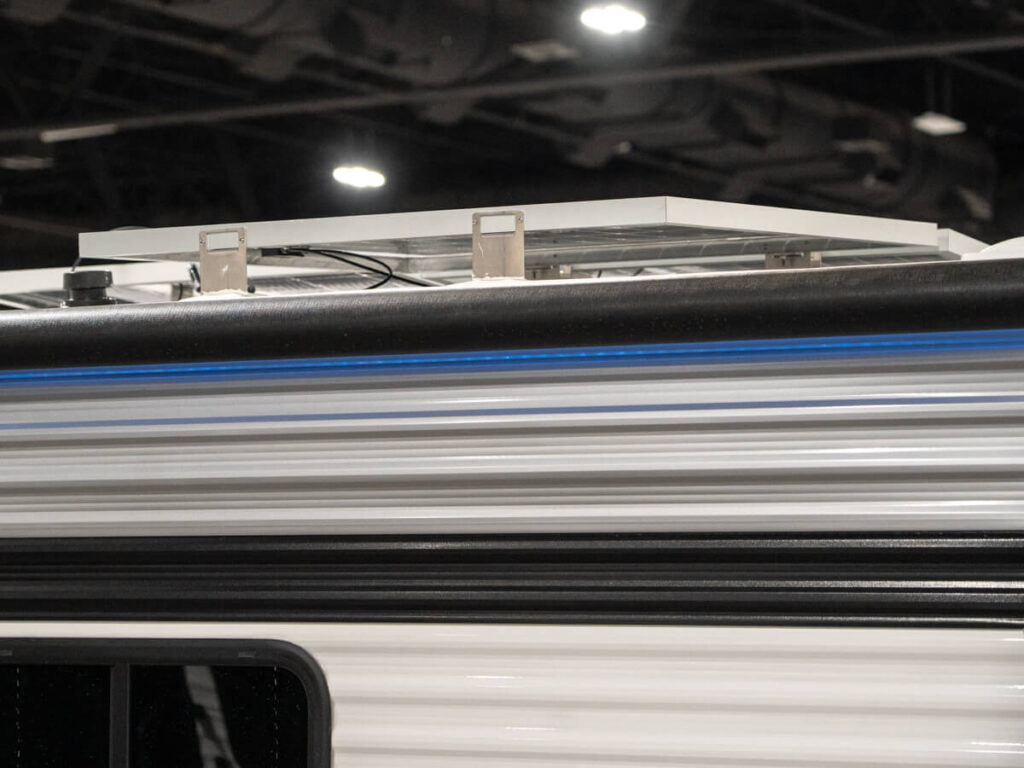
Isn’t it nice when an RV manufacturer makes practical changes spurred on by direct customer feedback? In many ways, that has been the bedrock of Keystone’s approach to relaunching the Coleman lineup since they brought it under their wing a couple of years ago, leading them to introduce an all-new, off-grid-capable version of their family-favorite 17B floor plan. New for 2026, the Keystone Coleman 18OG brings impressive solar and suspension upgrades to this layout, designed in direct response to customers who asked for a “17B with better solar capability.”

Images by Camping World

Here’s the rundown of the major changes and additions: 

  • Three 220-watt, roof-mounted solar panels for a total of 660 watts of solar capture capability
  • Two 100-amp-hour lithium batteries in a heated enclosure
  • A 2,000-watt inverter and inverted outlets throughout
  • A 30-pound tongue-mounted LP bottle (upgraded from 20 pounds on the 17B)
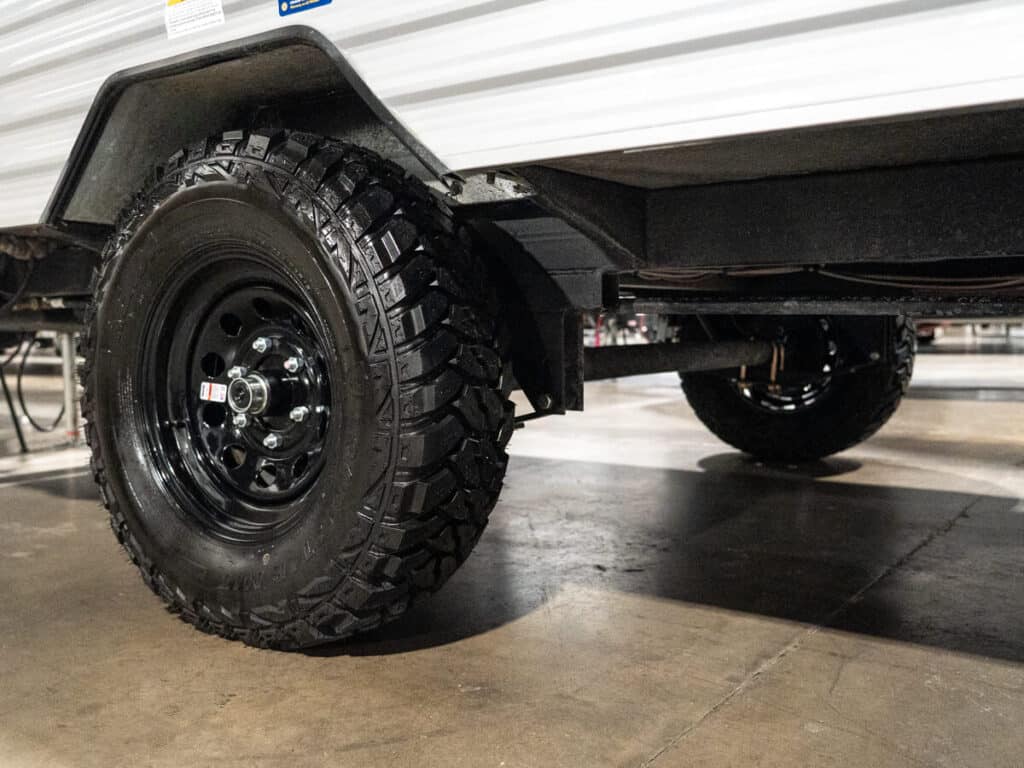
  • Higher ground clearance and rugged off-road tires
  • Upgraded suspension with shocks
  • An upgrade from a 4,000-pound axle to a 4,400-pound axle
  • A 46-gallon fresh water tank (upgrade from the 21-gallon tank on the 17B)
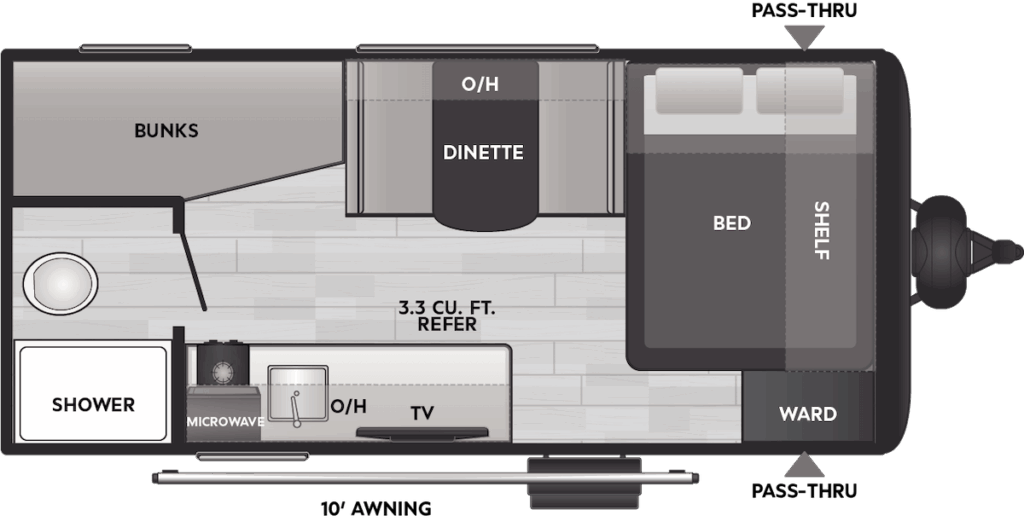
Keystone Coleman 18OG Floor Plan
Image by Keystone

Inside, the Coleman 18OG delivers the same interior comforts that attract many families to the 17B—stacked single bunks for smaller kids, a larger front bed for parents, a cozy dinette that converts for extra sleeping space, a functional kitchen, and a small rear bathroom with a larger-than-average 30” x 36” shower. 

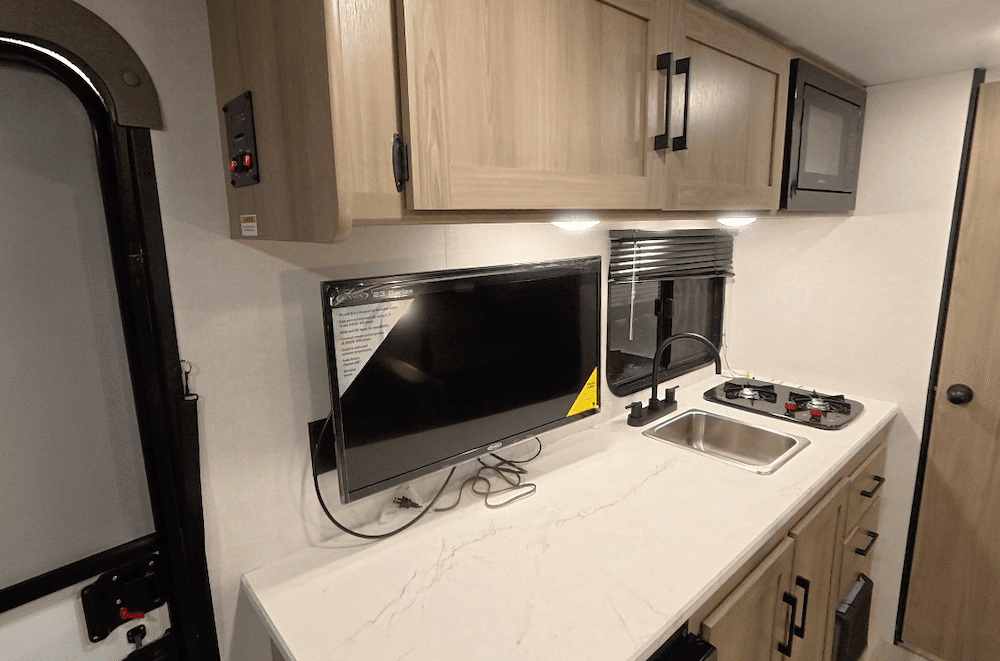
Additionally, Keystone made several smart layout changes to improve livability. They added a driver’s side baggage door for easier access to the storage area under the bunks. They extended the kitchen countertop for more prep space and installed a 32” TV above it for optimal viewing from pretty much anywhere inside—front bed, bunks, or the dinette. 

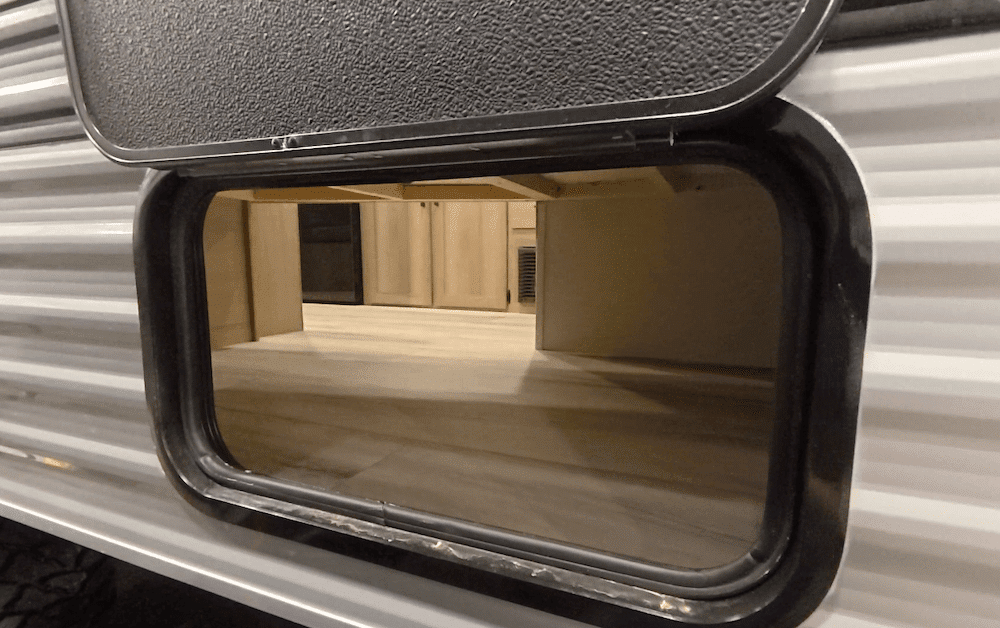
Speaking of that dinette, they added a 56” x 29” window over it and increased the size of the overhead cabinets above it, as well as those in the kitchen. 

Images by Camping World

Kevin Horoky, National Sales Manager for Keystone Coleman, shared how the 18OG proved itself in real-world conditions:

“We used this camper at outdoor shows completely unplugged and were running the A/C in the middle of the day in Arizona — powered strictly from the sun. That was one of the best demonstrations I’ve ever seen of how usable this unit really is. It’s not just capable on paper. It works in the real world. On top of that, you’re getting higher ground clearance and upgraded off-road suspension. So now you’re pairing serious solar capability with a platform that can actually get you where you want to camp.”

Overall, the Keystone Coleman 18OG showcases smart, practical changes that dramatically improve this trailer’s off-grid capability. And the best part? Keystone did it while staying true to one of their most important core principles: affordability. 


Source link

Flat Rat: A Slammed1950 Ford COE Firetruck On Air

0
Flat Rat: A Slammed1950 Ford COE Firetruck On Air


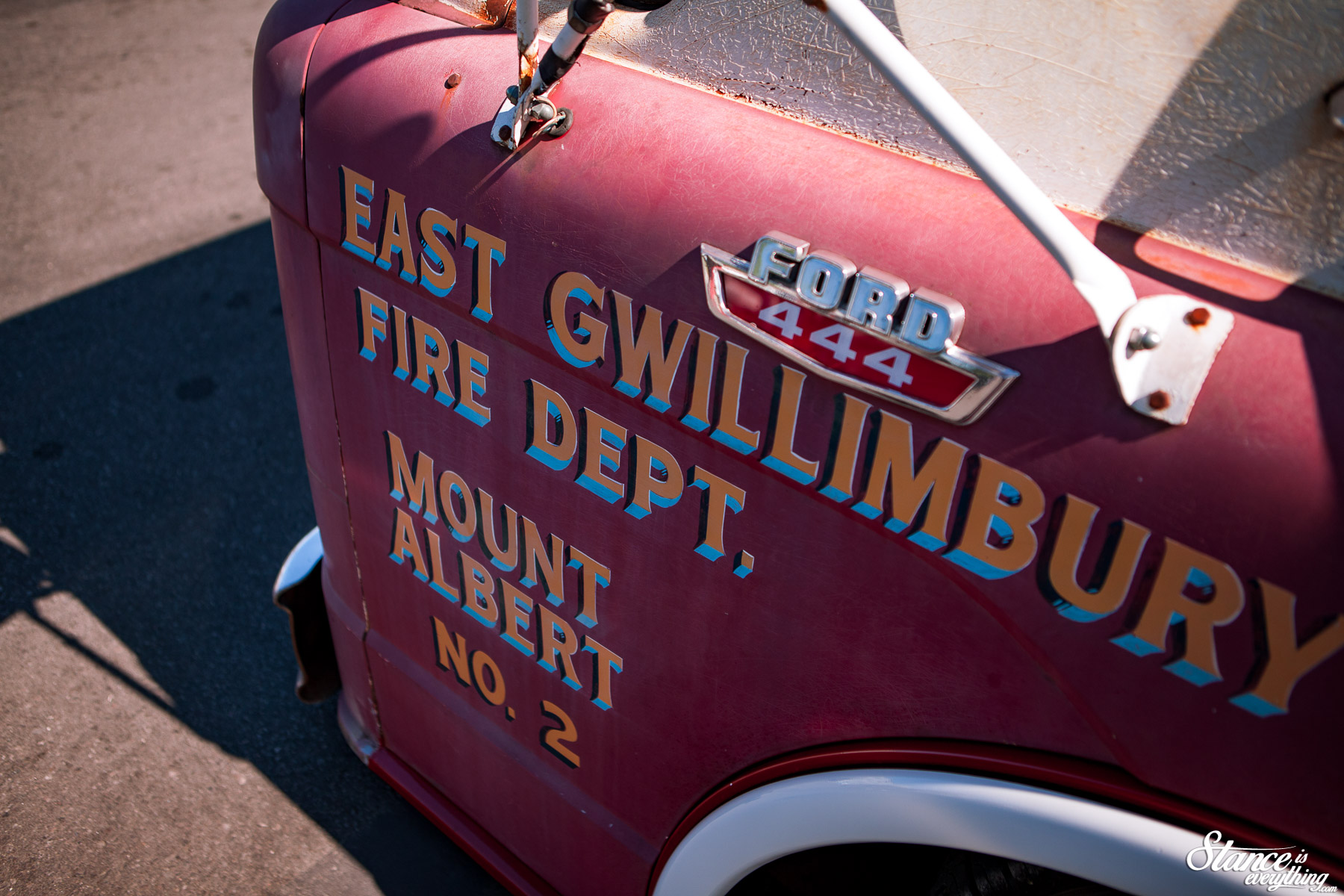
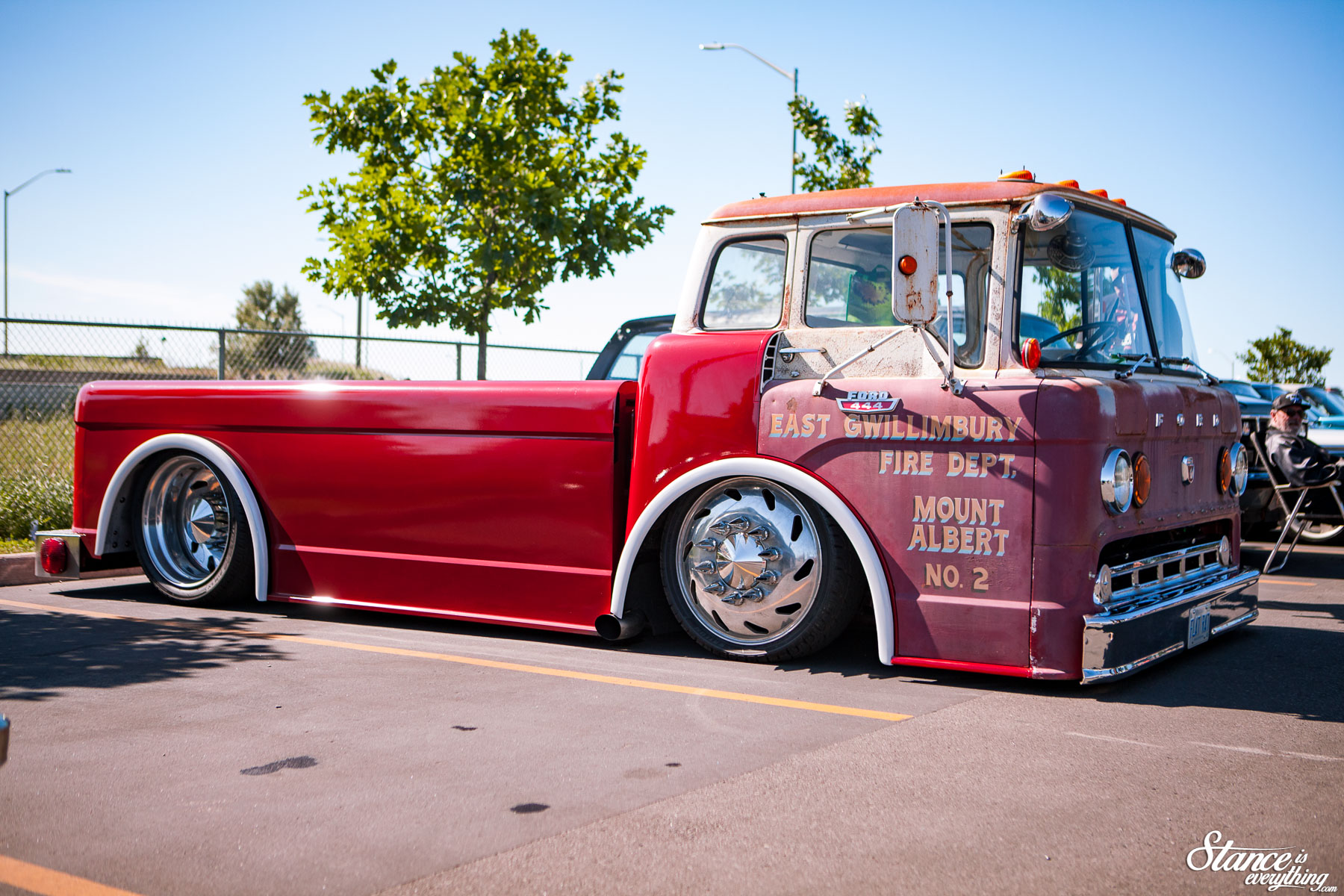
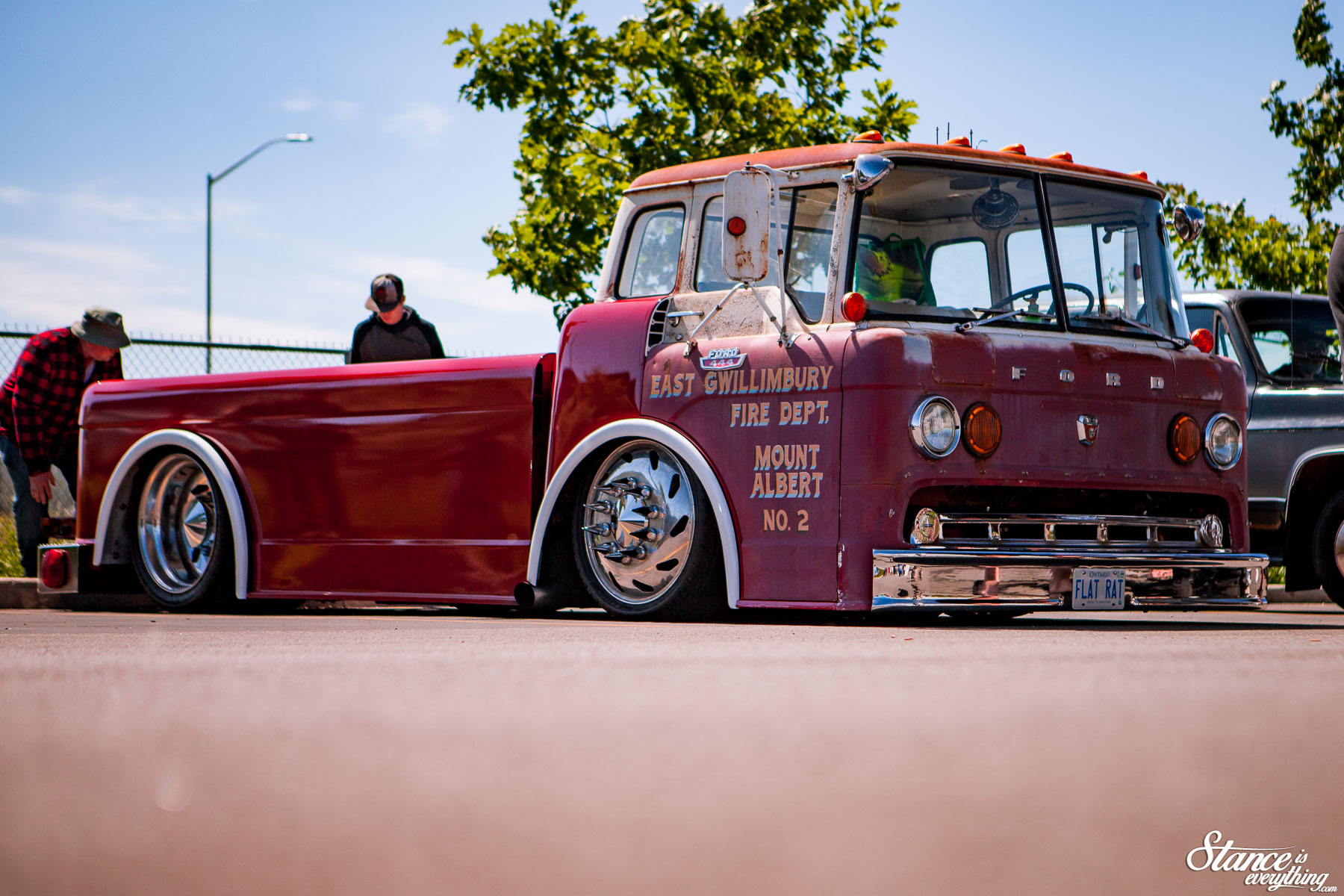
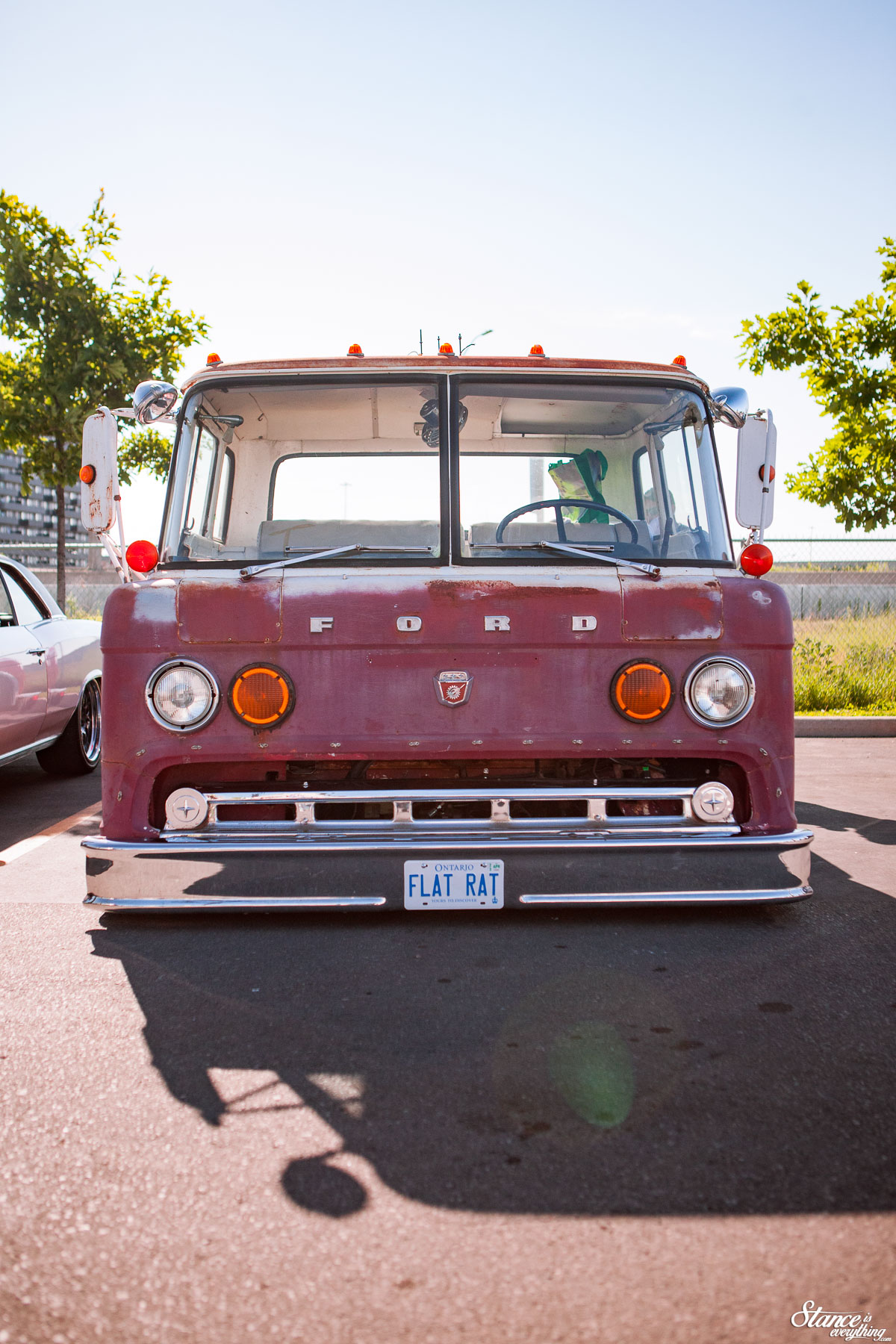
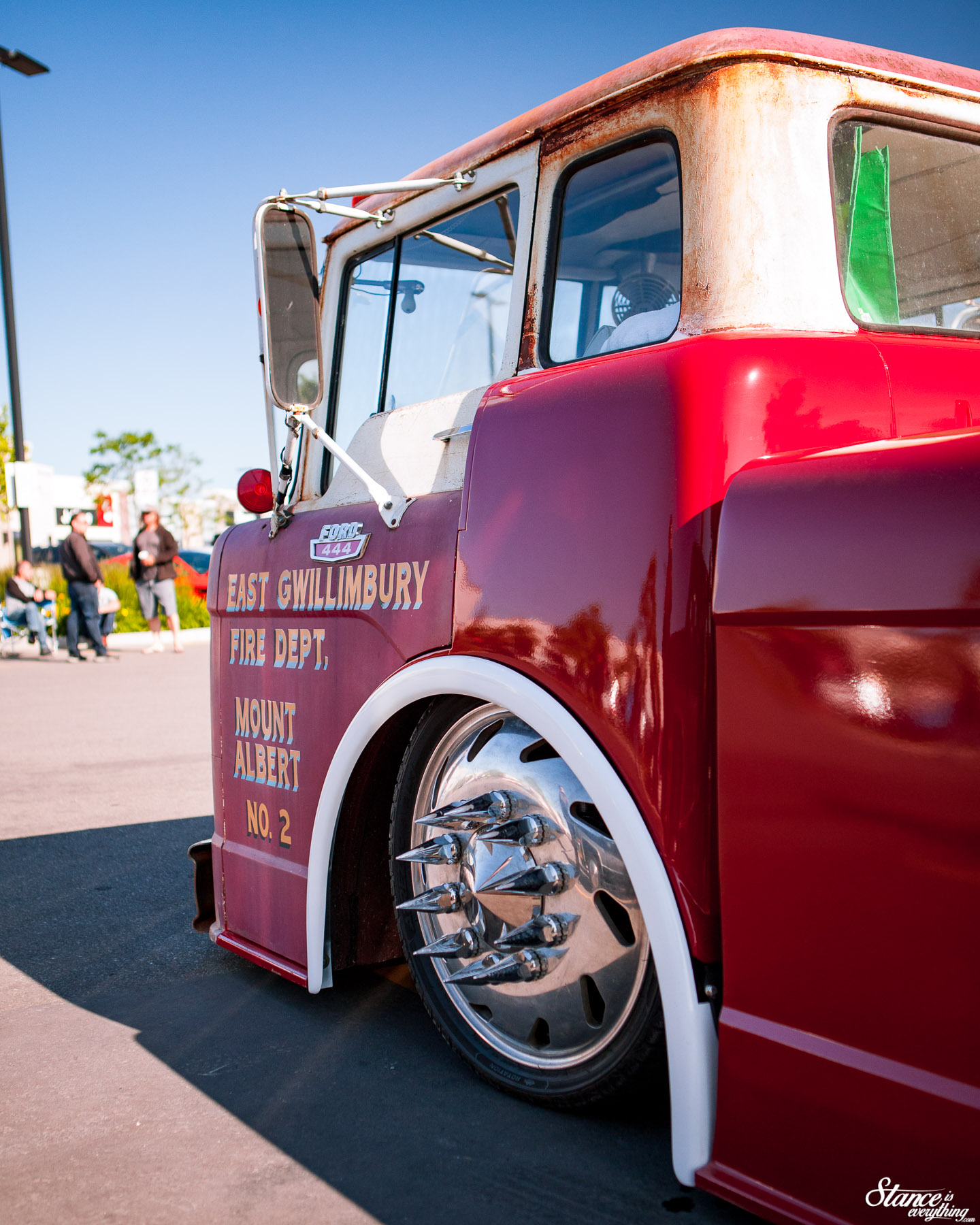
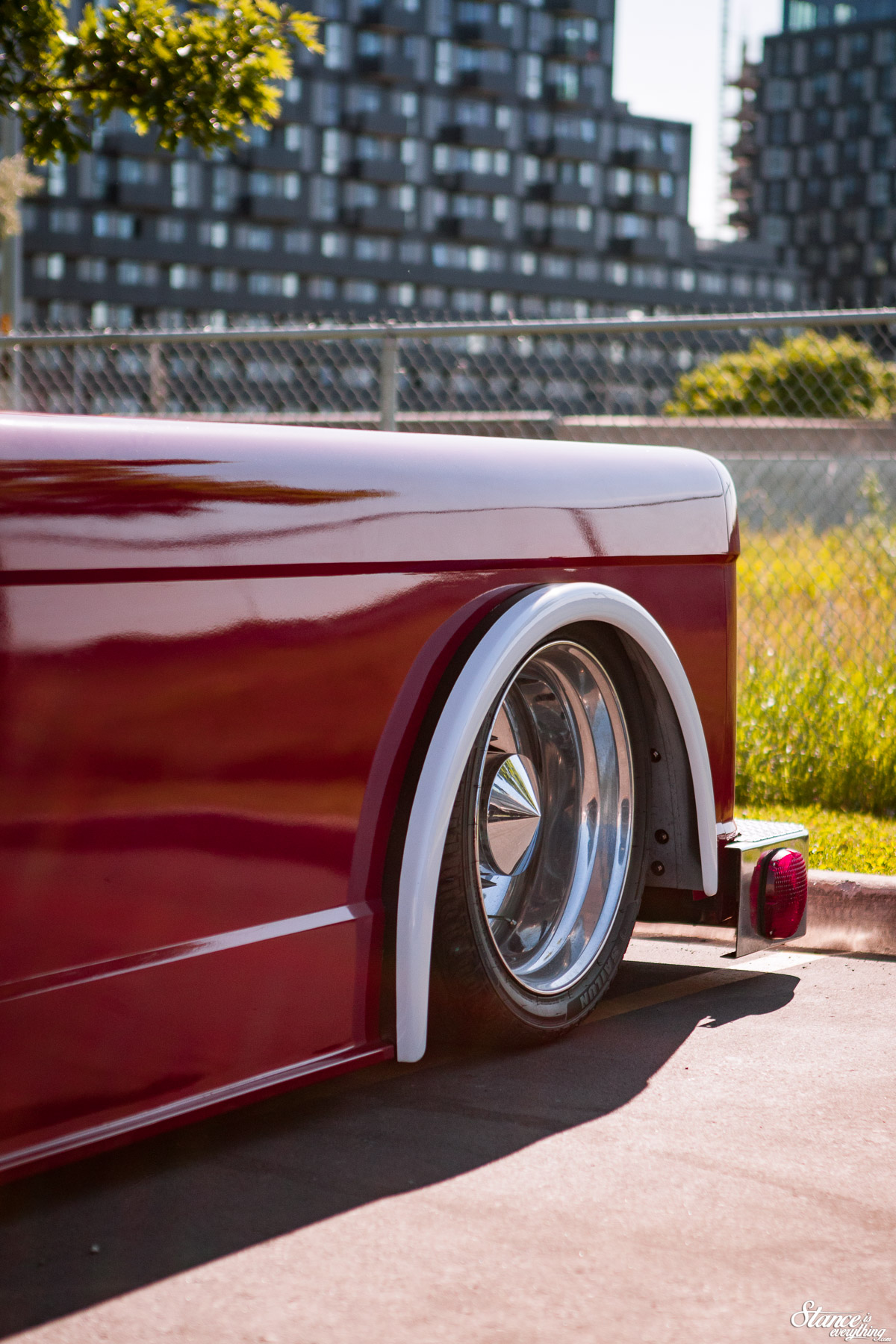
Flat Rat: A Slammed1950 Ford COE Firetruck On AirI know, I know, I said I’d post more of this 1950 Ford COE just over a week ago. My bad, I got a little distracted. I’ll reveal why soon. But, take these additional photos of my penance.

This truck, known as the Flat Rat hails from Keswick Ontario and was built by it’s owner Scott Badger (@keswickscott).

Scott has owned the truck cab about ten years now. Things really got going on the truck about five years ago, with significant progress being made during the pandemic.

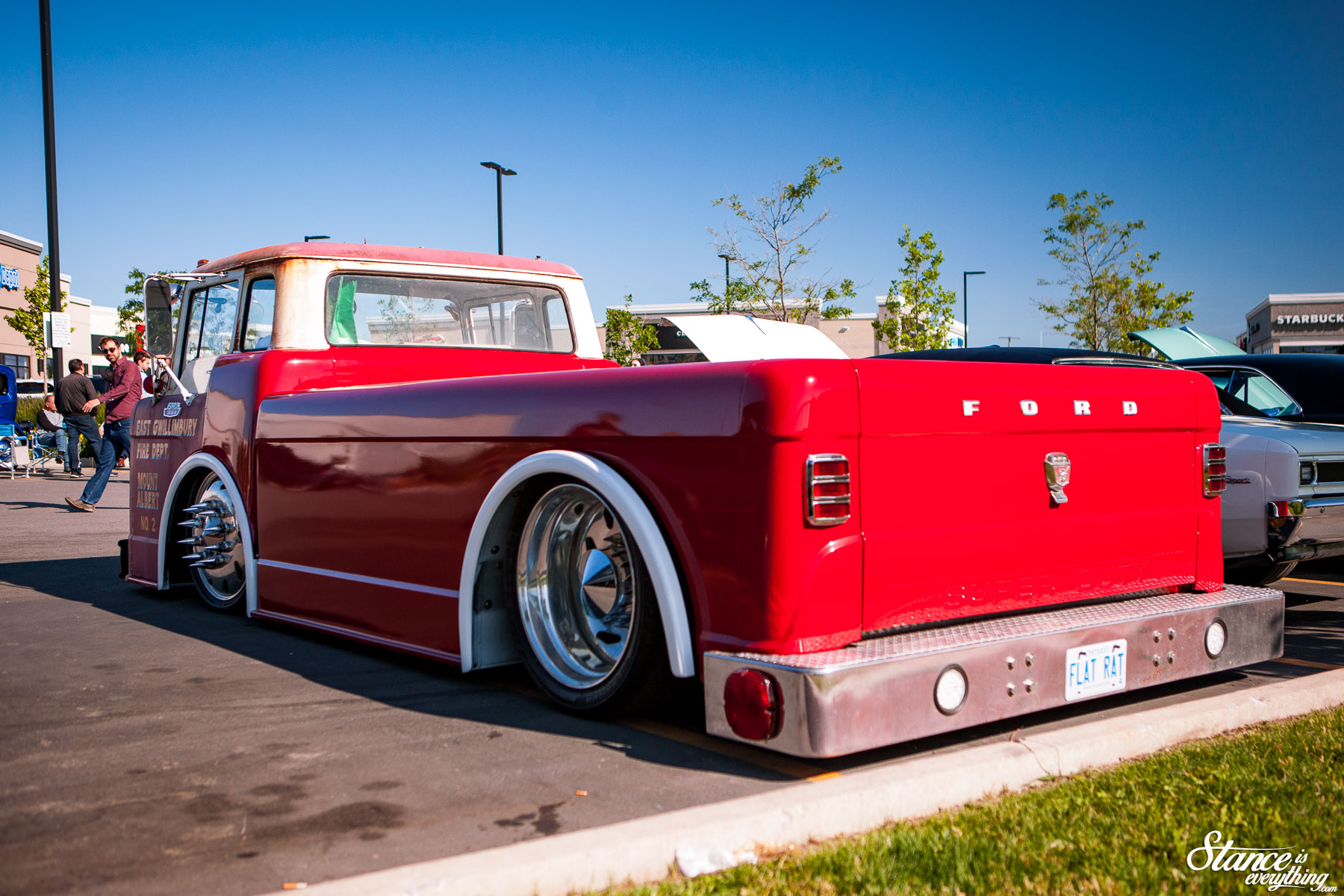
From behind the tilt cab to where the custom four-link starts is most of a widened Chevy 3500 chassis. Forward of the front wheels is mostly factory Ford with signficant modifications done to make the steering work at the truck’s new height.

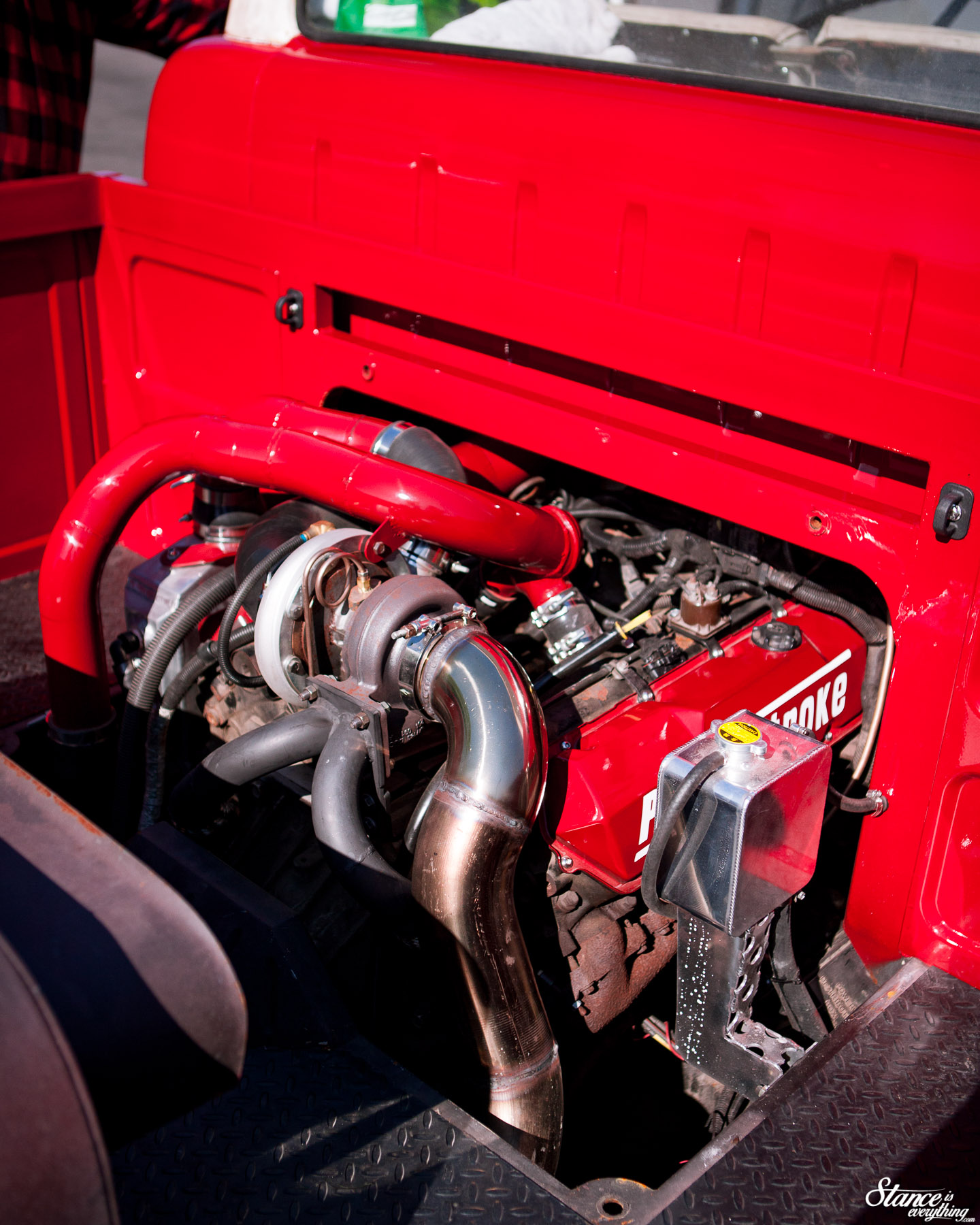
The motor is a 7.3L Powerstroke with a T4 turbo upgrade backed by an automatic transmission.

Scott managed to keep as much original as he could, but he did have to replace a bit of sheet metal here and on the cab. The new additions were sprayed by Scott in either white or red.

Scott and his son also made all 11 feet of the bed from scratch.

Nothing more than an English wheel and a Princess Auto bead roller was used in the bed construction.

In fact, the entire truck was built in a rather humble home garage. Proving once again that where there’s a will there’s a way when it comes to do-it-yourself fabrication. Something that certainly provided a bit of motivation for my own project.

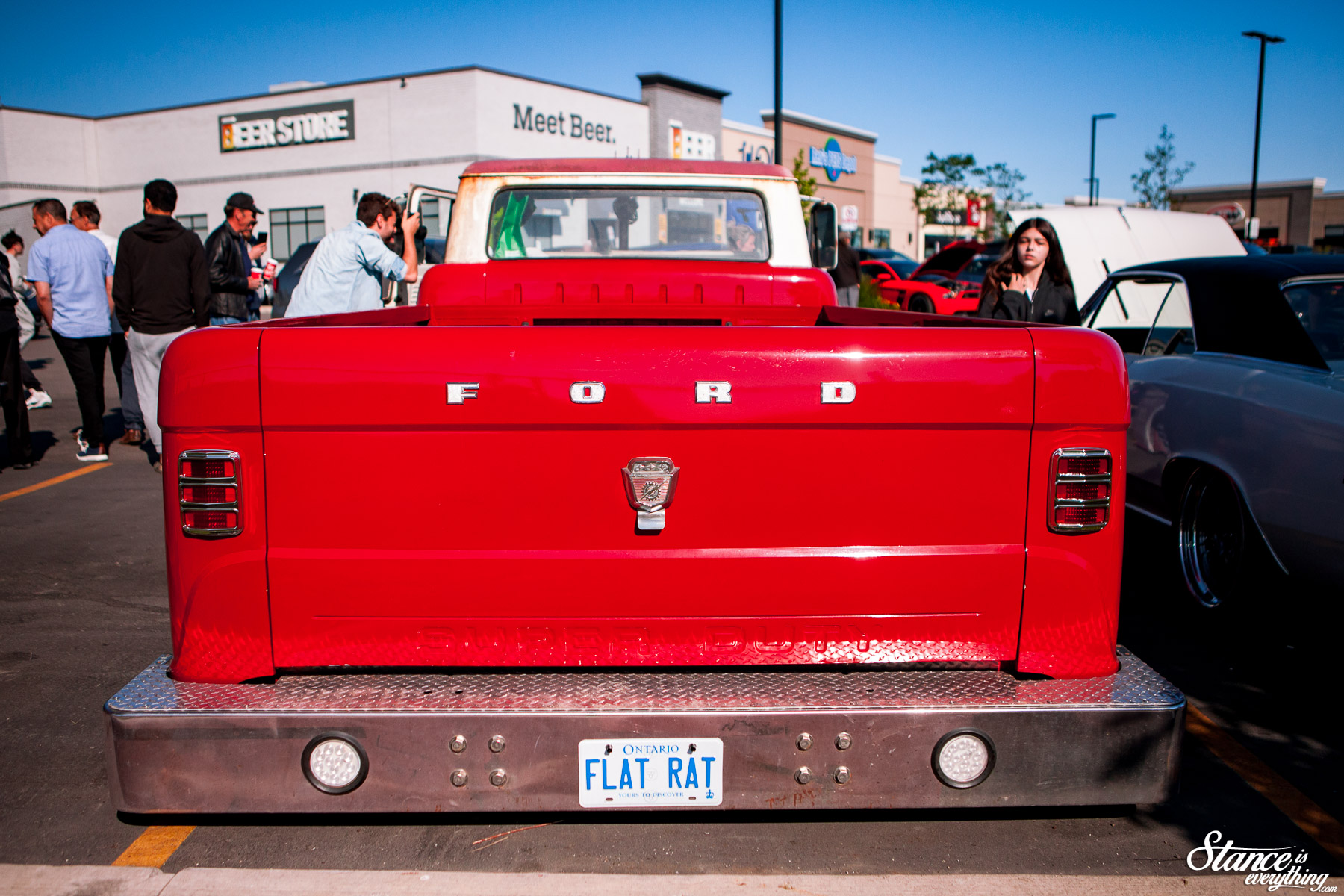
The tailgate of the truck is actually a second COE front end that has been modified to create a tailgate. Scott filled the grill, made it hinge and took the Super Duty embossing from a late model ford.

“If this isn’t Super Duty I don’t know what is,” Scott said.

For the eagle-eyed, yes the tail lights are rotated versions from a 65 Ford Mustang, Pretty clever if you ask me.


Obviously, this truck is very much up my alley and I hope to see more of it again soon.

Ontario is back jamming again and I’m absolutely here for it!


Source link

Tesla ends Full Self-Driving purchase option in the U.S.

0
Tesla ends Full Self-Driving purchase option in the U.S.


Elon Musk’s bankers are looking to trim the debt that xAI has taken on over the past few years, following the company’s merger with SpaceX, a new report from Bloomberg says.

xAI has built up $18 billion in debt over the past few years, with some of this being attributed to the purchase of social media platform Twitter (now X) and the creation of the AI development company. Bankers are trying to create some kind of financing plan that would trim “some of the heavy interest costs” that come with the debt.

The financing deal would help trim some of the financial burden that is currently present ahead of the plan to take SpaceX public sometime this year. Musk has essentially confirmed that SpaceX would be heading toward an IPO last month.

SpaceX IPO is coming, CEO Elon Musk confirms

The report indicates that Morgan Stanley is expected to take the leading role in any financing plan, citing people familiar with the matter. Morgan Stanley, along with Goldman Sachs, Bank of America, and JPMorgan Chase & Co., are all expected to be in the lineup of banks leading SpaceX’s potential IPO.

Since Musk acquired X, he has also had what Bloomberg says is a “mixed track record with debt markets.” Since purchasing X a few years ago with a $12.5 billion financing package, X pays “tens of millions in interest payments every month.”

That debt is held by Bank of America, Barclays, Mitsubishi, UFJ Financial, BNP Paribas SA, Mizuho, and Société Générale SA.

X merged with xAI last March, which brought the valuation to $45 billion, including the debt.

SpaceX announced the merger with xAI earlier this month, a major move in Musk’s plan to alleviate Earth of necessary data centers and replace them with orbital options that will be lower cost:

“In the long term, space-based AI is obviously the only way to scale. To harness even a millionth of our Sun’s energy would require over a million times more energy than our civilization currently uses! The only logical solution, therefore, is to transport these resource-intensive efforts to a location with vast power and space. I mean, space is called “space” for a reason.”
The merger has many advantages, but one of the most crucial is that it positions the now-merged companies to fund broader goals, fueled by revenue from the Starlink expansion, potential IPO, and AI-driven applications that could accelerate the development of lunar bases.


Source link

Celebrating 50 Years of the BMW 3 Series

0
Celebrating 50 Years of the BMW 3 Series


Celebrating 50 Years of the BMW 3 Series

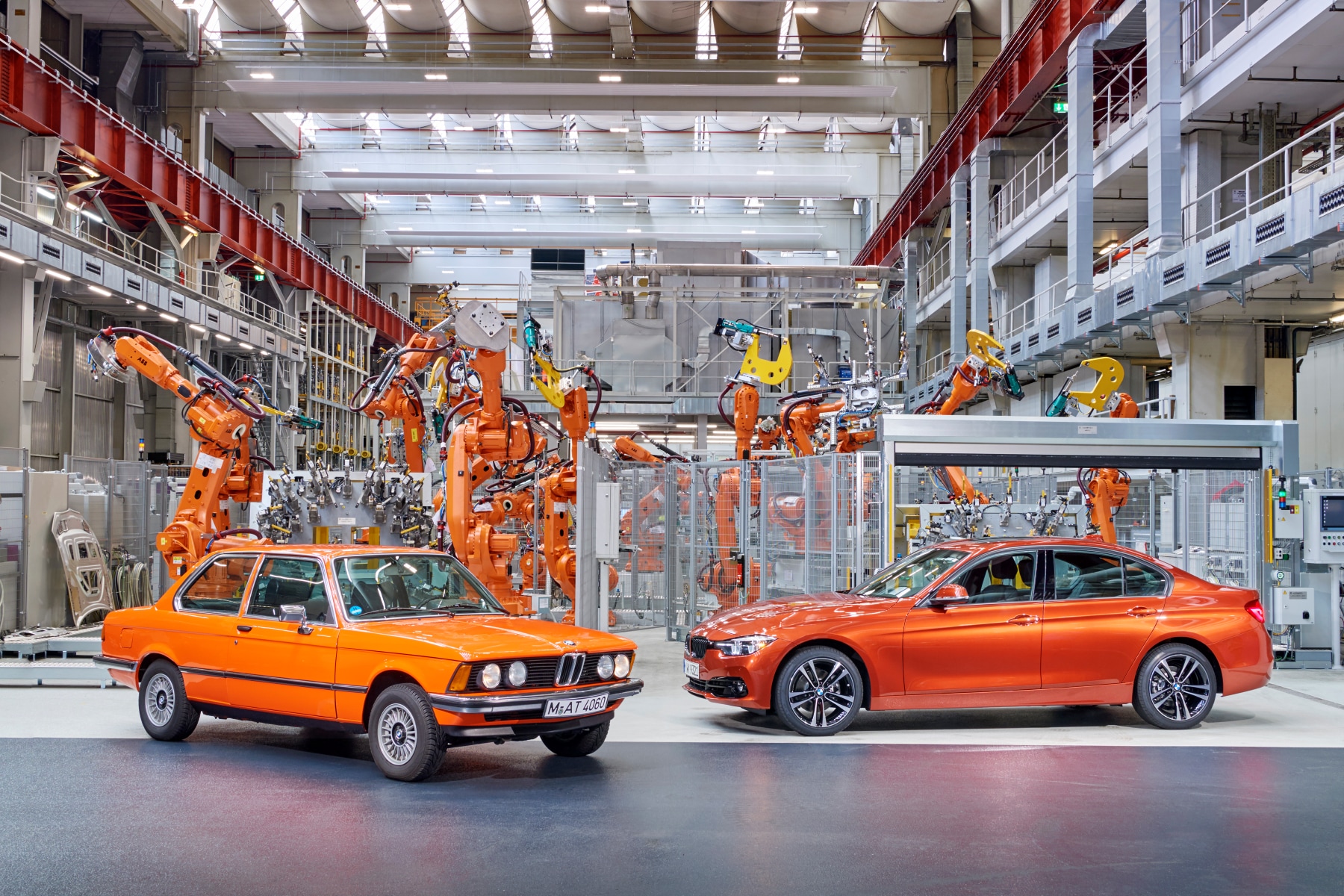
The BMW 3 Series has accomplished what very few models have been able to in automotive history: reach five decades of production. This luxury sedan has graced the roads since 1975, and each of the seven generations has been better than the last. To see the high-performing and elegant 2026 model, stop by Fields BMW Northfield.

Five Decades of Innovative Luxury

Over the last 50 years, the BMW 3 Series has been produced at cutting-edge plants across the globe. The model’s story began in Munich, and now 18 plants in 13 different countries are involved in providing one of the world’s favorite vehicles to drivers everywhere. Here’s a brief look at its history:
  • 1975-1983: The first-generation luxury sedan is produced in Germany.
  • 1983-1994: Convertible, Touring, M3 Coupe, and M3 Convertible models are added to the BMW 3 Series lineup, and production begins in South Africa.
  • 1900-2000: The third generation is produced, bringing manufacturing to the United States.
  • 1997-2006: Advancements in luxury, technology, and safety are incorporated into the fourth generation.
  • 2004-2013: Chinese production of the BMW 3 Series begins.
  • 2011-2021: The BMW 3 Series lineup includes Sedan, Touring, and Gran Turismo models.
  • 2018-Current: Sedan, Touring, and M3 models are available worldwide, and a fully-electric model is produced in China.

Future plans for the lineup include broader production of the EV and incorporation of the NEUE KLASSE concept. However, there’s no need to wait. Both pre-owned and new BMW 3 Series models are available now, and you’re welcome to peruse our inventory.

Build Your BMW 3 Series Near Chicago, IL

A 50th anniversary doesn’t come along very often, and when it does, it’s time to celebrate. Join the fun by visiting our BMW dealership near Chicago, IL. We’ll help you find the BMW 3 Series model you’ve been dreaming of!


Source link

World’s first and only Porsche 911 S/T kitted with a roof tent

0
World’s first and only Porsche 911 S/T kitted with a roof tent


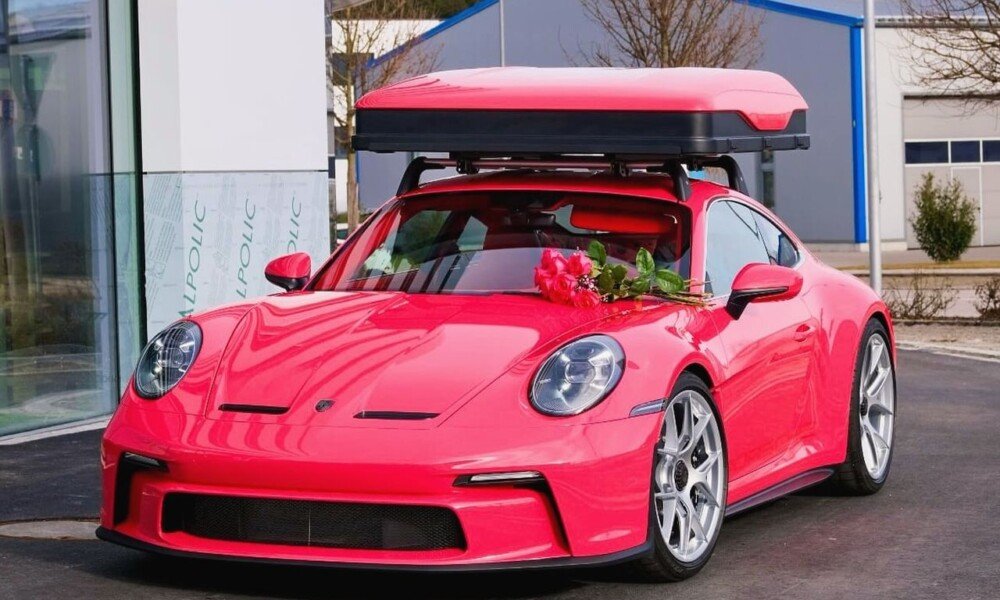
Today, we have an update on the Sonderwunsch Porsche 911 S/T, which was delivered in June last year. It’s the only 911 S/T painted in a special shade of pink called ‘PTS Plus Fraise. But what makes it truly unique is the recent modification that the factory made on the customer’s request.

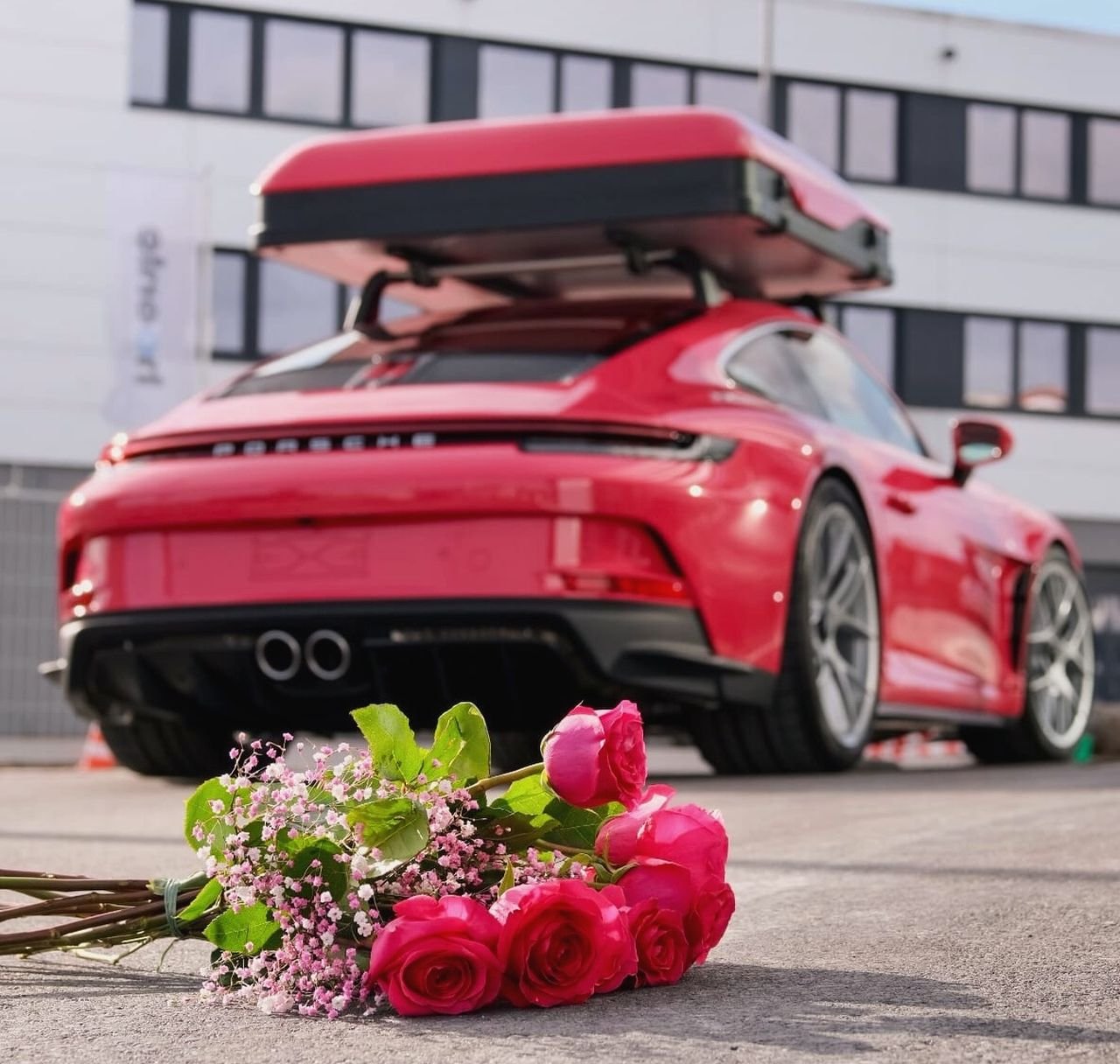
What you see here is the world’s first Porsche 911 S/T with a factory-fitted roof tent. The Porsche roof tent was never designed for the S/T, nor is it physically possible to mount it on any of the GT, Cabriolet and Targa models. The owner tells us that it will remain the only 911 S/T converted to accept roof rails.

Porsche 911 ST with roof tent-2

If you recall, this is the same 911 S/T which had the duplicate limited-edition number plaque – a rare goof-up by Porsche. The original 911 S/T #1724 was delivered to Pedro Solis Klussmann of Guatemala.

Instead of brushing it under the rug, Porsche was quick to acknowledge the mistake and invited both customers to the factory to commemorate the double rarity. It has even been documented in the brand’s archives.

Only 1963 examples of the 911 S/T were built. Each one was customized to the owner’s preference, but some, like this Fraise 911 S/T, are more special than others.


Source link