9.2 C
London
Thursday, May 14, 2026
Home Blog Page 33

Common Winter RV Problems and How to Avoid and Fix Them

0
Common Winter RV Problems and How to Avoid and Fix Them


Winter is in full swing. For those of us who live in our RVs full-time, this means we either need to A) head south to warm weather, or B) plan to deal with a set of season-specific problems.

Most of the time, my family chooses the former option—but for the past couple of years, we have wintered in Oklahoma, where we have experienced true winter weather while living in an RV. This has meant taking extra precautions and dealing with some unfortunate situations. 

In this article, I will share the most important precautions we take while winter RVing, as well as some of the mistakes we’ve made and how you can avoid them. 

Frozen Water Lines and Pipes

Easily the most common winter RVing problem, frozen water lines are a real pain in the neck. We actually had our first experience with this in our new-to-us motorhome after a freak October ice storm. Some of our water lines froze and we didn’t realize it, so when we hooked up to a water source for the first time after the storm, we had water pouring out of the bottom of our RV. We ended up replacing several water lines and it was not a fun time. 

Warning Signs

  • No water flow from faucets
  • Reduced water pressure
  • Frost on exposed pipes
  • Unusual smells when attempting to run water
  • Water leaks under sinks, behind walls, or from the outside of the RV

How to Prevent It

If you won’t be staying in your RV during the freezing weather, winterize it. This is the most surefire way to avoid frozen water lines and all the issues that come with them. 

That said, if you will be staying in your RV when the temperatures drop below freezing, you’ll have to come up with a different method of protecting your plumbing. In this case, you will want to insulate exploded pipes and water lines with foam and invest in a heated water hose.

Keep the interior of your RV heated and open the cabinet doors to allow warm air to reach water lines. I also recommend heating the underside of your RV using a small space heater (tank heaters are also a great investment). 

How to Fix It

You can fix this problem by using a hair dryer or heat gun to thaw the frozen lines. Once the frozen spots are thawed, inspect the plumbing for leaks. If you find a burst line, turn the water off right away and replace the damaged section with PEX fittings. 

RV sewer hose: this can freeze in cold weather
Image source: Wonder Wherever We Wander

Frozen Sewer Hoses and Dump Valves

Another thing that can and will freeze? Your sewer hose and dump valves. The end result is a heavy “poopsicle” in your hose that makes it impossible to dump your tanks. This is an issue that I definitely don’t want to deal with—like, ever—so I make sure to take steps to avoid it. 

How to Prevent It

We prevent this problem by keeping our dump valves closed and only emptying the tanks when they reach about ¾ full. For extra measure, you could use a heavy-duty sewer hose rated for cold temperatures and insulate the hose with foam wrap, but I’ve never done this and we’ve never had a problem. 

How to Fix It

To thaw a frozen hose, pour warm (but not boiling) water over the frozen section. If a valve is the problem, use a space heater or even a heating pad near the valve area. If it comes down to it, you could always thaw the hose indoors, but I wouldn’t recommend it because it’s sure to be pretty gross as it thaws. It’s also good to note that a sewer hose that froze is likely to have a leak, so that’s something you’ll want to look out for. 

Furnace Failures

Okay, so really an RV furnace could fail at any time of year. That said, you aren’t likely to notice it during the summer months, making furnace failure a winter problem. We’ve been fortunate enough to never have issues with our RV furnaces. That said, there are many reasons a furnace could fail, including dust buildup, low battery voltage, airflow blockages, and more. 

Common Causes

  • Dirty burner chamber
  • Blocked exterior exhaust vent
  • Weak house batteries
  • Faulty sail switch or limit switch

How to Prevent It

To ensure you don’t have problems with your RV furnace, you might want to clean the vents before winter hits. It’s also a good idea to inspect exterior exhaust ports regularly for snow, ice, or insect nests, and maintain fully charged batteries. Lastly, we like to run our furnace from time to time even though we rely mostly on space heaters to keep our RV warm. 

How to Fix It

If you have a problem with your furnace, check the house battery voltage first, as many furnace “failures” are electrical. You should also clean the burner and fan assembly. If the ignition clicks but doesn’t light, the sail switch may need cleaning or replacement.

Condensation and Moisture Buildup

One of the biggest winter RV problems we have faced? Moisture buildup. When the interior of an RV is warmer than the exterior, condensation tends to gather on the walls. People breathing, releasing steam into the air while cooking and showering, and running the propane furnace all add to this problem, to the point where you could see water literally dripping down your walls. 

Problems Caused

All of this moisture buildup is a problem because it can cause issues such as:

  • Mold and mildew
  • Rotting wood
  • Fogged windows
  • Damp bedding and clothing

How to Prevent It

We run a dehumidifier constantly throughout the winter to get rid of condensation in the RV. It also helps to run roof vents while cooking and showering, or to crack windows on opposite sides of the RV to encourage airflow.

DampRid in cabinets and closets is great if you have trouble with moisture gathering in these places, something I have noticed in every RV we’ve owned. 

How to Fix It

If you do notice condensation in your RV, wipe the excess moisture off the walls right away. Treat mold immediately with vinegar or RV-safe mold cleaner, replace moldy mattresses and clothing, and repair soft spots caused by moisture buildup. 

Slide, Roof, Seal, and Vent Damage 

We’ve only seen snow and ice a handful of times while living in our RV. That said, every time we do, I worry about damage to the roof, slides, vents, and seals.

I have heard plenty of times that the weight of heavy snow can damage vents, skylights, and roof seams, and that freeze-thaw cycles widen small cracks into major leaks. On top of that, snow and ice collect on slides, and when those slides are brought in, frozen debris can tear seals or prevent full closure (not to mention the melty mess that ends up indoors).

How to Prevent It

You can prevent damage caused by ice and snow by using a roof rake to clean the top of your rig regularly—especially before moving—and using slide toppers to prevent accumulation on the tops of your slides. It’s also a good idea to avoid parking under trees, which can drop snow and ice (along with broken branches) onto your RV.

Checking seals before winter sets in and using conditioner on slide seals can also help prevent leaks from cracked seals. 

How to Fix It

If you run into issues with snow and ice accumulation, remove the snow gradually. Look for leaks and patch them immediately with RV-specific sealant. Replace cracked vent covers and torn slide seals promptly, and never ever force a slide in or out. 

Tire Problems and Flat Spots

Pretty much anytime we stay in cold weather for any length of time, we leave with RV tires that need air. This is because cold air reduces tire pressure. If you stay parked in one spot long enough, this can lead to flat spots and even cracking. 

How to Prevent It

I try to check our tire pressure regularly—even when parked for long periods of time—to ensure the tires don’t develop flat spots. Tire covers can help protect your tires from weather exposure, and moving the RV every few weeks can also help keep them healthy. 

How to Fix It

Believe it or not, flat spots often resolve themselves after driving. That said, severe cases (or cases where the tires have been cracked) will require replacement. Before driving after being parked in cold weather, make sure to inflate your tires to the manufacturer’s specifications. 

These are some of the more common winter RV problems. Most of these we have dealt with at one point or another, and those we haven’t seen are issues our friends have dealt with. Fortunately, all of these problems are completely preventable.

I highly recommend doing what you can to avoid the issues in the first place, and if you miss something and damages do occur, make sure to repair them as soon as possible in order to avoid even bigger ordeals down the road.


Source link

Rivian Targets 67,000 Deliveries In 2026. How Many Will Be The R2?

0
Rivian Targets 67,000 Deliveries In 2026. How Many Will Be The R2?


The R2 crossover’s launch is a make-or-break moment for Rivian. The EV startup’s success largely hinges on how buyers react to its first mass-market model—and how quickly it can ramp up production.

On Thursday, the carmaker shared its rough volume expectations for the R2’s first year on the market. On Rivian’s fourth quarter earnings call, CFO Claire McDonough said the company aims to deliver 62,000-67,000 vehicles across its portfolio in 2026. She added that Rivian’s R1T, R1S and commercial van volumes will be roughly in line with last year’s numbers, which came in at a little over 42,000 units.

That means the R2 is expected to drive Rivian’s growth in 2026. Some simple math leaves us with an implied 20,000-25,000 units for the R2.

Production will start in the second quarter, and McDonough said not to expect meaningful R2 volume until the back half of the year. The launch edition model will be manufactured on one shift to start, she said, with a second shift at the company’s plant in Normal, Illinois, planned for later in 2026.

Looking further ahead, Rivian founder and CEO RJ Scaringe told CNBC on Thursday that he expects the R2 will make up the “majority” of Rivian’s volume by the end of 2027. Rivian has said that its newly expanded Normal plant will have the capacity to product 215,000 units annually, including up to 155,000 R2s. Later this decade, the company plans to make R2s and future vehicles at a new plant under construction in Georgia. 


2026 Rivian R2 Prototype Drive

Rivian aims to deliver 62,000-67,000 vehicles this year. 

Photo by: Patrick George

Rivian has touted a $45,000 base price for the R2, about half the transaction price of the bigger, pricier R1S. But the launch edition will likely cost considerably more than that. More details of the debut model will be revealed on March 12, but Rivian has said that it will be a dual-motor, all-wheel-drive version similar to the prototype we tested earlier this month. 

Positive early reviews of the R2 that came out this week, including ours, suggest that Rivian succeeded in shrinking down the charming, high-tech R1S into a more affordable package. And it looks like Rivian has a formidable challenger to the Tesla Model Y, America’s best-selling EV by a huge margin.

Still, success isn’t guaranteed. Rivian needs to scale up production quickly with minimal issues, and the vehicle needs to click with buyers. 

Scaringe told InsideEVs last year that the company is far better prepared to scale up production of the R2 than it was for its debut R1T and R1S in 2021. He’s also said that what’s holding the EV market back is a lack of truly excellent options to rival the Model Y. Soon, we’ll learn if that theory holds up. 

Contact the author: Tim.Levin@InsideEVs.com


Source link

Legal Guide About Brisbane Motorcycle Accident Claims

0
Legal Guide About Brisbane Motorcycle Accident Claims


Read Time:7 Minute, 17 Second

There is nothing quite like the feeling of riding a motorcycle through Brisbane. Whether you are commuting across the Story Bridge or heading out toward Mount Nebo for a weekend ride, the sense of freedom is unmatched. However, every rider knows that this freedom comes with a trade-off. Without the protective metal cage of a car, you are far more vulnerable on the road than other motorists.

No one gears up expecting a crash, but the reality of Brisbane traffic is unpredictable. When an accident happens, the physical and emotional toll can be overwhelming. Amidst the pain and confusion, navigating the legal landscape might be the last thing on your mind, yet it is arguably one of the most critical steps in your recovery journey.

The purpose of this guide is to demystify the process of seeking compensation after a crash. The legal system in Queensland can be complex, and insurance companies often make it difficult for riders to get a fair go. Understanding your rights and the procedural steps ahead is essential for securing the support you need to get back on your feet and back on the bike.

The Unique Vulnerability of Motorcyclists

It is a simple matter of physics: when a motorcycle collides with a passenger vehicle or truck, the rider always comes off second best. Statistics consistently show that while motorcycles make up a small percentage of registered vehicles, they account for a disproportionately high number of serious road injuries.

Unlike car accidents, which often result in whiplash or soft tissue injuries, motorcycle crashes frequently cause catastrophic damage. Riders often face road rash, complex fractures, spinal cord damage, and traumatic brain injuries. These aren’t just “injuries”; they are life-altering events that require extensive surgery, months of rehabilitation, and potentially lifelong care.

Because the medical costs and rehabilitation needs are significantly higher for riders, the financial stakes are massive. This is why Motorcycle accident claims require a detailed understanding of future medical needs, not just immediate injuries. A settlement needs to cover you for the long haul, ensuring you aren’t left out of pocket years down the track when complications arise.

Immediate Steps to Protect Your Claim

The moments immediately following a crash are chaotic. Adrenaline is high, and you may be in shock. However, the actions you take at the scene and in the days following are crucial for the validity of your claim.

1. Seek Medical Attention

Your health is the priority. Even if you think you have just suffered a few bumps and bruises, go to a hospital or GP immediately. Shock can mask pain, and internal injuries may not be immediately obvious. Furthermore, medical records created right after the event act as the foundation of your case. If you wait two weeks to see a doctor, an insurer may argue your injuries happened elsewhere.

2. Gather Evidence

If you are physically able, document everything. Take photos of the road conditions, your bike, the other vehicle, and any visible injuries. Collect names and contact details of any witnesses. Their independent accounts can be the difference between winning and losing a dispute over who was at fault.

3. File a Police Report

In Queensland, you are required to report any traffic accident involving injury to the police. This report is a vital piece of official documentation that confirms the date, time, and parties involved in the incident.

4. Legal Consultation

Insurance adjusters may contact you quickly, asking for a statement. It is often safer to decline these early requests until you have sought advice. Contacting Motor vehicle accident lawyers Brisbane early can prevent you from inadvertently saying something that could damage your case later. They can handle communication with the insurer while you focus on healing.

Navigating the Queensland CTP Scheme

In Queensland, the Compulsory Third Party (CTP) insurance scheme exists to support people injured in motor vehicle accidents. It covers your personal injury liability, meaning it pays for your medical treatment and lost income if the accident was someone else’s fault.

While the scheme is designed to help, accessing these benefits involves jumping through several bureaucratic hoops. There are strict time limits for lodging a Notice of Accident Claim form. If you miss these deadlines, you may be barred from receiving any compensation at all.

One of the trickiest parts of the CTP scheme for riders is the concept of “contributory negligence.” This is a legal term used when an injured person is found to be partially responsible for their own injuries. Insurers frequently try to pin blame on motorcyclists, arguing that they were speeding or lane filtering incorrectly, in an effort to reduce the payout. Understanding how to counter these allegations is vital.

Overcoming Bias Against Riders

There is an unfortunate stigma attached to motorcyclists. Many people including some police officers and insurance adjusters hold a subconscious bias that riders are reckless, aggressive, or simply “asking for it” by being on a bike. This “organ donor” mentality can seep into the claims process.

Insurance adjusters often leverage this bias. They might look at a crash scenario and automatically assume the rider was at fault, offering a lower settlement than what is fair. They count on the rider accepting the blame to resolve the matter quickly.

Experienced legal teams know how to dismantle these biases. They use factual evidence, such as dashcam footage, tyre marks, and reports from accident reconstruction experts, to prove exactly what happened. By relying on physics and facts rather than stereotypes, it is possible to protect the integrity of your claim and ensure the fault is attributed correctly.

What Can You Actually Claim?

If your claim is successful, the compensation is designed to put you back in the financial position you would have been in had the accident not occurred. This is broken down into specific “heads of damage.”

Economic Loss

This covers the income you have lost because you couldn’t work while recovering. Crucially, it also covers “future economic loss.” If your injuries prevent you from returning to your trade or force you to take a lower-paying job, you can claim the difference in earnings up to retirement age, including lost superannuation.

Medical Expenses

This includes everything from emergency surgery and hospital stays to ongoing physiotherapy and pain medication. It also covers future medical costs, which is essential if you require further surgeries or long-term pain management.

Care and Assistance

If you need help washing, dressing, or maintaining your home while recovering, you can claim for this care. This applies even if the care was provided for free by a friend or family member (known as “gratuitous care”), as well as paid professional nursing.

Pain and Suffering

Legally known as “General Damages,” this compensates you for the physical pain and psychological impact of the injury. In Queensland, this is calculated using an Injury Scale Value (ISV), which assigns a number from 0 to 100 based on the severity of your condition.

Choosing the Right Legal Representation

Not all lawyers are equipped to handle the complexities of a serious motorcycle accident. A generalist lawyer who usually handles wills or family law might not be familiar with the nuances of the CTP scheme or how to effectively cross-examine accident experts.

It is wise to look for a firm that specializes in motor vehicle accidents. They will be familiar with the tactics insurers use and will have a track record of handling cases involving severe trauma.

Most specialist firms in Brisbane operate on a “No Win, No Fee” basis. This arrangement shifts the financial risk away from you. You do not pay upfront legal costs; instead, the lawyer’s fees are deducted from your successful settlement. If you do not win, you generally do not pay for their professional time. This ensures that quality legal representation is accessible to everyone, regardless of their financial situation at the time of the crash.

Don’t Face the Road Alone

A motorcycle accident can change your life in a split second. The road to recovery is often long, involving physical rehabilitation and the stress of financial uncertainty. While money cannot undo the trauma of the crash or heal your injuries overnight, it provides the resources you need to rebuild your life.

The Queensland CTP scheme is there to protect you, but it is a complex system that requires careful navigation. From gathering evidence at the scene to fighting back against unfair bias, every step matters.

If you or a loved one has been injured in a motorcycle accident, do not leave your future to chance. Strict time limits apply to these claims, and evidence can disappear quickly. Reach out for a free case assessment today to ensure your rights are protected and you receive the full compensation you deserve.


Source link

Mercedes’ profits halved in 2025 due to low volume, tariffs

0
Mercedes’ profits halved in 2025 due to low volume, tariffs


Mercedes’ profits halved in 2025 due to low volume, tariffs | Automotive World


Skip to content

Despite making operational efficiency gains, Mercedes couldn’t offset headwinds from US tariff impact and volume decline in China. By Will Girling

Ola Källenius, Chief Executive of Mercedes-Benz Group, announced on 12 February that the company’s 2025 financial results “remained within our guidance”. While that might be the case, its published figures still undershot the market’s expectations.

Subscribe to Automotive World to continue reading

Sign up now and gain unlimited access to our news, analysis, data, and research

Subscribe

Already a member?

Mercedes’ profits halved in 2025 due to low volume, tariffs

Welcome back , to continue browsing the site, please click here


Source link

Ferrari Luce to be officially unveiled on May 25, 2026

0
Ferrari Luce to be officially unveiled on May 25, 2026


Ferrari Luce, the first electric car with the prancing horse logo, will be officially unveiled on May 25, 2026.

We have no clue what the Ferrari Luce looks like, as the prototypes we’ve seen till now have either been heavily camouflaged or have had a Maserati Levante body. Maybe its design is inspired by classic Ferraris, just like the interior.

Earlier this week, Ferrari showed us the interior of the new Luce EV. The retro-styled interior is designed by former Apple design chief Jony Ive.

The car has a simple dashboard layout with a 10-inch touchscreen in the centre that swivels along the vertical axis to face either the driver or passenger. The Y-spoke steering wheel is a nod to classic Ferraris and features proper physical buttons and rotary knobs.

Behind the steering wheel is a 12.5-inch digital instrument cluster with three separate dials, featuring retro-style graphics. There’s also a roof-mounted panel with more toggle switches and a launch control button.


Source link

5 New Class A Motorhomes for Less Than $250K

0
5 New Class A Motorhomes for Less Than 0K


Think you need to spend half a million dollars to enjoy the comfort and convenience of a 2026 Class A motorhome? Think again. There are plenty of options out there to get you on the road in a Class A for less than you think. In fact, the five gas-powered coaches in this roundup prove that you can still enjoy the best of 2026 Class A motorhomes without busting your budget. And that includes spacious floorplans, modern technology, and premium features. From versatile layouts with Murphy beds and home office setups to family-ready bunk configurations and tech-forward cockpits, each model offers a unique take on what affordable luxury can look like on the road.

Built on the proven Ford F-53 chassis and packed with innovations like touchscreen control systems, solar-ready power setups, and residential-style finishes, these coaches are ideal for full-timers, weekend warriors, and digital nomads alike. Whether you’re chasing national parks, camping in comfort, or traveling with the kids, this lineup delivers performance, flexibility, and serious bang for your buck. And it does so while keeping the price tags under $250K.

Entegra Coach Vision XL 31UL

The 2026 Vision XL 31UL from Entegra Coach is a Class A motorhome that doesn’t cut corners. Plus, the 31UL offers strong towing capability and smooth handling. Entegra’s E-Z Drive Elite system adds even more stability, with features like a Safe-T-Plus steering stabilizer, Koni shocks, and Michelin tires. Automatic leveling jacks make setup simple at camp.

Inside, the Vision XL feels more like an upscale condo than an RV. Owners are treated to a walkaround king bed, soft-close hardwood cabinets, and a galley with solid-surface countertops, stainless-steel sink, and a residential fridge. There’s a spacious dinette, plus the Firefly touchscreen control system, which also works with a mobile app for convenience on the go.

Two quiet A/C units keep things cool, while the Suburban tankless water heater ensures long, comfortable showers. The bathroom includes a glass door shower, porcelain toilet, and plenty of light from a skylight and vent fan. Owners will also appreciate the panoramic windshield, offering incredible views on the road and in camp, plus side and backup cameras for extra confidence.

Outside, you’ll find a 200-watt solar panel, 5,500-watt generator, and a large patio awning with LED lights. An exterior entertainment center with Smart TV and JBL speakers makes tailgating or relaxing at camp easy.

Whether you’re out for a weekend getaway or a long-haul adventure, the Vision XL 31UL combines practical living space with features that make life on the road feel just right.

Why We Like It

What stands out: Houston, no problems here. The cockpit is one of the best in its class. Between the panoramic windshield, quiet cab, and Entegra’s driver-focused layout, it genuinely feels more like a luxury SUV than a motorhome. The power sunshade and removable cockpit table add real comfort on both travel days and downtime.

Floorplan courtesy Entegra Coach.
  • Ext Length: 33′
  • Ext Height: 12′ 10″
  • GVWR: 22,000 lbs
  • Fresh/Black/Gray Cap: 72 gal/50 gal/40 gal
  • MSRP, Base: $218,243

Fleetwood Fortis 32RW

Fleetwood Fortis front to back. Photo courtesy Fleetwood RV.Fleetwood Fortis front to back. Photo courtesy Fleetwood RV.
Photo courtesy Fleetwood RV.

Looking for a Class A that blends power, comfort, and cutting-edge tech? The 2026 Fleetwood Fortis 32RW hits a sweet spot. This coach puts down 335 hp and 468 lb-ft of torque, with an impressive 8,000-pound towing capacity. Pair that with a 5.5kW generator, a 2,000-watt inverter, and four 6-volt house batteries supported by a standard 100-watt solar panel, and you’re ready for adventures on or off the grid.

Inside, the Fortis delivers a residential feel with premium Apex furniture, a Serenity Series king bed, solid-surface countertops, a jackknife sofa, and a Dream Dinette that converts for extra sleeping space. The Hide-A-Loft electric bed adds even more versatility, tucked above the cab and ready when needed. Soft blackout shades and luxury vinyl tile floors round out the upscale feel.

For the techies, the Fortis shines with the IllumaPlex Multiplex system, giving you full control of lighting, climate, and more from a touchscreen or your smartphone. A 50-inch exterior LED TV, JBL sound system, Winegard 360+ Wi-Fi and 4G antenna, and always-on backup camera round out an entertainment-focused setup that’s ready for long stays or quick escapes.

You’ll find plenty of thoughtful touches throughout, like the pop-up TV with fireplace in the bedroom, CPAP storage nooks, cavernous interior/exterior storage, and even optional washer/dryer setups. Add in driver-assist tech like adaptive cruise control and lane-keeping alerts, and you’ve got a well-rounded, feature-rich Class A.

Why We Like It

What stands out: A co-pilot’s playground. Not all motorhomes make the co-pilot feel special, but the Fortis does. With new Villa captain’s chairs, a pedestal table, wireless phone connectivity, and smart assistant access, the co-pilot gets a true command center for the ride. And that’s whether navigating, DJing, or just enjoying the scenery.

Fleetwood Fortis 32RW floorplan. Photo courtesy Fleetwood RV.Fleetwood Fortis 32RW floorplan. Photo courtesy Fleetwood RV.
Floorplan courtesy Fleetwood RV.
  • Ext Length: 34′ 6″
  • Ext Height: 12′ 10″
  • GVWR: 26,000 lbs
  • Fresh/Black/Gray Cap: 100 gal/50 gal/50 gal
  • MSRP, Base: $243,110

Jayco Precept 36C

Exterior image of Jayco Precept. Photo courtesy Jayco.Exterior image of Jayco Precept. Photo courtesy Jayco.
Photo courtesy Jayco.

The 2026 Jayco Precept 36C blends power, comfort, and smart tech in a family-friendly Class A motorhome that’s easy to drive. The 36C features Jayco’s JRide Plus package for smoother handling, which includes a Safe-T-Plus steering stabilizer, Koni shocks, heavy-duty stabilizer bars, a computer-balanced driveshaft, and 22.5-inch tires. So whether you’re on the highway or navigating winding mountain roads, you’ll feel confident behind the wheel.

Outside, you’ll notice the one-piece fiberglass front and rear caps, the panoramic 120-inch windshield, and the electric patio awning with LED lights. Large pass-through storage, heated holding tanks, and a 5,500-watt generator make extended travel and dry camping a breeze. There’s also a 200-watt solar panel and 1,200-watt inverter onboard.

Inside, the Precept delivers a truly residential feel. High ceilings, soft-close hardwood cabinetry, day-night shades, and dual ducted A/Cs (15,000 BTU with heat pump and 13,500 BTU) make you feel at home. The kitchen features LED-lit solid-surface countertops, a residential fridge, and an all-in-one oven and cooktop. The king bed in the rear bedroom is flanked by nightstands with wireless charging. The 36C’s layout adds a stacked washer/dryer and electric fireplace for comfort in all seasons.

Entertainment options are everywhere, with multiple smart TVs, a JBL sound system, and an exterior entertainment center. The Firefly control system puts lighting, climate, and tank monitoring at your fingertips via the wall touchscreen or mobile app. Whether you’re cooling things down before heading in or setting the mood, the Precept makes it easy.

Why We Like It

What stands out: Real-life RVing. The Precept 36C is ideal for remote work or road schooling families. Its stable ride, ample work surfaces, and reliable power setup that includes an auto-start generator and solar power all mean you can stay productive and connected no matter where you park. It’s a Class A that’s built with real-life routines in mind.

Jayco Precept 36C floorplan. Floorplan courtesy Jayco.Jayco Precept 36C floorplan. Floorplan courtesy Jayco.
Floorplan courtesy Jayco.
  • Ext Length: 38′ 10″
  • Ext Height: 12′ 10″
  • GVWR: 24,000 lbs
  • Fresh/Black/Gray Cap: 72 gal/72 gal/72 gal
  • MSRP, Base: $232,650

Newmar Bay Star Sport 2813

Newmar Bay Star Sport. Photo courtesy Newmar.Newmar Bay Star Sport. Photo courtesy Newmar.
Photo courtesy Newmar.

Newmar’s 2026 Bay Star Sport 2813 proves that luxury and livability don’t have to come in a massive package. At just under 29 feet long, it’s Newmar’s most compact Class A gas coach. That makes it a great choice for couples or small families who want the freedom to explore without sacrificing comfort. This coach is designed for smooth, confident driving whether you’re heading through the mountains or pulling into a tight lakeside campsite.

Inside, you’ll find the craftsmanship Newmar is known for, with stylish cabinetry (in your choice of finishes), hardwood doors, and high-end fabrics. The living area includes a roomy sofa and booth dinette across from the galley, which features solid-surface countertops, a recessed three-burner cooktop with a glass cover, and a convection microwave. A pantry and full-size fridge keep food fresh and organized. The rear of the coach houses a walkaround queen bed with wardrobes on either side and a second Samsung TV.

Bathroom highlights include a spacious shower, stainless sink, and large vanity with storage. You also get climate comfort with dual air conditioners and a 30,000-BTU furnace. Standard features like the 2,000-watt Victron inverter, Winegard Wi-Fi, and energy management system help keep everything powered and connected wherever you go.

Why We Like It

What stands out: A commanding compact. The Bay Star Sport’s small size is actually a plus. At just under 29 feet, it opens the door to national park campgrounds and scenic routes that larger RVs generally can’t access. It’s nimble enough for new drivers but still loaded with that Newmar quality. Bonus: the available folding cockpit table is a smart, space-saving touch.

Newmar Bay Star Sport 2813 floorplan. Floorplan courtesy Newmar.Newmar Bay Star Sport 2813 floorplan. Floorplan courtesy Newmar.
Floorplan courtesy Newmar.
  • Ext Length: 28′ 11″
  • Ext Height: 12′ 4″
  • GVWR: 20,500 lbs
  • Fresh/Black/Gray Cap: 75 gal/40 gal/60 gal
  • MSRP, Base: $237,580

Winnebago Vista 34R

Front of Winnebago Vista in a campsite. Photo courtesy Winnebago.Front of Winnebago Vista in a campsite. Photo courtesy Winnebago.
Photo courtesy Winnebago.

The 2026 Winnebago Vista 34R is a full-featured Class A motorhome that delivers space, comfort, and flexibility without pushing into luxury pricing. The Vista is designed for confident highway cruising and long-haul travel. The 34R floorplan includes two slideouts and a versatile king Murphy bed that transforms into a dinette and workstation. It’s a smart solution for anyone who needs both living space and a functional area for remote work or hobbies.

Inside, the Vista features a 50-inch smart TV, Winnebago Control touchscreen system, residential vinyl flooring, and blackout roller shades for privacy and comfort. The kitchen is well-equipped with Corian countertops, a large 12-volt refrigerator, microwave, three-burner cooktop with oven, and a deep stainless-steel sink with a pullout faucet. A spacious bathroom includes a porcelain toilet, shower with a glass door, and plenty of thoughtful storage.

Power systems include a 5,500-watt gas generator, 2,000-watt inverter, and 50-amp shorepower. There’s also solar prep and an option for a rooftop panel. Dual A/Cs and a 35,000-BTU furnace keep the coach comfortable in all seasons, and heated holding tanks help in colder climates. Exterior features include a powered awning with LED lighting, side-hinged storage doors, and an available tailgate package with sink, fridge, and storage.

The Vista also comes with an impressive suite of safety features. Adaptive cruise control, lane keeping assist, automatic braking, and hill start assist are all part of the Driver Confidence Package. It’s a travel-ready coach with a user-friendly layout and a lot of value packed inside.

Why We Like It

What stands out: Work hard, play hard. The 34R’s Murphy bed and work station combo is perfect for travelers who work on the road or just want extra space during the day. It’s a clever layout that gives owners a true multi-purpose room without making the RV feel too cramped. That kind of versatility is hard to find at this price.

Winnebago Vista 34 R floorplan. Floorplan courtesy Winnebago.Winnebago Vista 34 R floorplan. Floorplan courtesy Winnebago.
Floorplan courtesy Winnebago.
  • Ext Length: 35′ 5″
  • Ext Height: 12′ 4″
  • GVWR: 22,000 lbs
  • Fresh/Black/Gray Cap: 74 gal/42 gal/42 gal
  • MSRP, Base: $227,092

Final Thoughts on 2026 Class A Motorhomes

Whether you’re looking for nimble drivability, spacious living, tech integration, or work-from-the-road versatility, these Class A motorhomes show just how far your money can go. Each coach brings something distinct to the table, from the compact freedom of the Bay Star Sport to the Vista’s clever Murphy bed work area, the Fortis’s high-tech cockpit, the Vision XL’s luxury SUV feel, and the Precept’s family-first layout.

These Class A’s are equipped for real-life travel, with features that support extended stays, off-grid capability, and modern convenience. And they prove that premium RVing doesn’t have to come at a premium price. Of course, we recognize that a quarter of a million dollars is a lot of money. But these motorhomes are worth the investment in the RV lifestyle.


Source link

Texas bets on Tesla bets on WeChat, and big oil bets on Toyota

0
Texas bets on Tesla bets on WeChat, and big oil bets on Toyota


On today’s Texas-sized episode of Quick Charge, Tesla Cybertruck owners in the Lone Star state get V2G access, Tesla Model 3 and Y models get WeChat via OTA, and Toyota has an all-new electric Toyota Highlander with up to 320 miles of range!

We’re also taking a look at a Japanese joint venture involving oil refining giant Idemitsu Kosan and Sumitomo Metal Mining that’s helping Toyota scale up its solid-state battery production plus up to $5,000 off and 0% interest financing on new Toyota EVs.

Prefer listening to your podcasts? Audio-only versions of Quick Charge are now available on Apple Podcasts, Spotify, TuneIn, and our RSS feed for Overcast and other podcast players.

New episodes of Quick Charge are (allegedly) recorded several times per week, most weeks. We’ll be posting bonus audio content from time to time as well, so be sure to follow and subscribe so you don’t miss a minute of Electrek’s high-voltage podcast series.

Advertisement – scroll for more content

Got news? Let us know!
Drop us a line at tips@electrek.co. You can also rate us on Apple Podcasts and Spotify, or recommend us in Overcast to help more people discover the show


If you’re considering going solar, it’s always a good idea to get quotes from a few installers. To make sure you find a trusted, reliable solar installer near you that offers competitive pricing, check out EnergySage, a free service that makes it easy for you to go solar. It has hundreds of pre-vetted solar installers competing for your business, ensuring you get high-quality solutions and save 20-30% compared to going it alone. Plus, it’s free to use, and you won’t get sales calls until you select an installer and share your phone number with them. 

Your personalized solar quotes are easy to compare online and you’ll get access to unbiased Energy Advisors to help you every step of the way. Get started here.

Add Electrek as a preferred source on Google

FTC: We use income earning auto affiliate links. More.


Source link

Ferrari & Jony Ive’s Bold In-Car UI Is the Lesson BMW Shouldn’t Ignore

0
Ferrari & Jony Ive’s Bold In-Car UI Is the Lesson BMW Shouldn’t Ignore


For the past decade, in-car UI has followed a predictable path: bigger screens, more plastic, and fewer physical controls. Today, Jony Ive and Marc Newson delivered a striking counterpoint. Their vision, revealed inside Ferrari’s first all-electric model, the Luce, embraces analogue switches, metal enclosures, and screens that respond to the physical controls around them. It’s a masterclass in restraint and precision, and it’s already sending ripples through the industry.

Rather than default to the industry’s touchscreen?heavy orthodoxy, Ive, Newson and their team LoveFrom appear to be pursuing something subtler: a well?balanced blend of physicality and digital finesse. Steel and glass meet OLED, analogue dials meet configurable digital gauges, and essential controls stay tactile rather than buried in endless menus. The work evokes Ive’s Apple legacy, minimalist, function?rich, and unmistakably tactile, but with an automotive soul. And let’s not forget Newson’s ground-breaking Ford 032C concept (named after the Pantone color) from 1999.

Ferrari’s Interface Philosophy: A Reminder That Less Can Be More

One of the biggest notes from the Luce’s reveal is how deliberately Ferrari has steered away from making the cockpit “all screen, all the time.” Instead, the interface team focused on clear, direct interaction: physical buttons where they still make sense, contextual digital feedback where appropriate. This isn’t just about aesthetics, it’s about keeping the driver connected to the machine without digital distraction, a design ethos that feels almost analog in a world obsessed with touchscreens.  

This heritage?inspired minimalist approach actually reveals something interesting about automotive UI design overall: more pixels don’t automatically mean a better experience. Instead, Ferrari and LoveFrom seem to be saying: quality of interaction matters as much as quantity of info.

Another important note is the shape of the screens which forgo the typical elongated or free-form center screen and instead use an iPad-like ratio. To us, that’s a human-centered approach that may sound like a nuance but in reality will have a real impact on approachability.

BMW IDrive: Powerful, But Still Entangled In Complexity

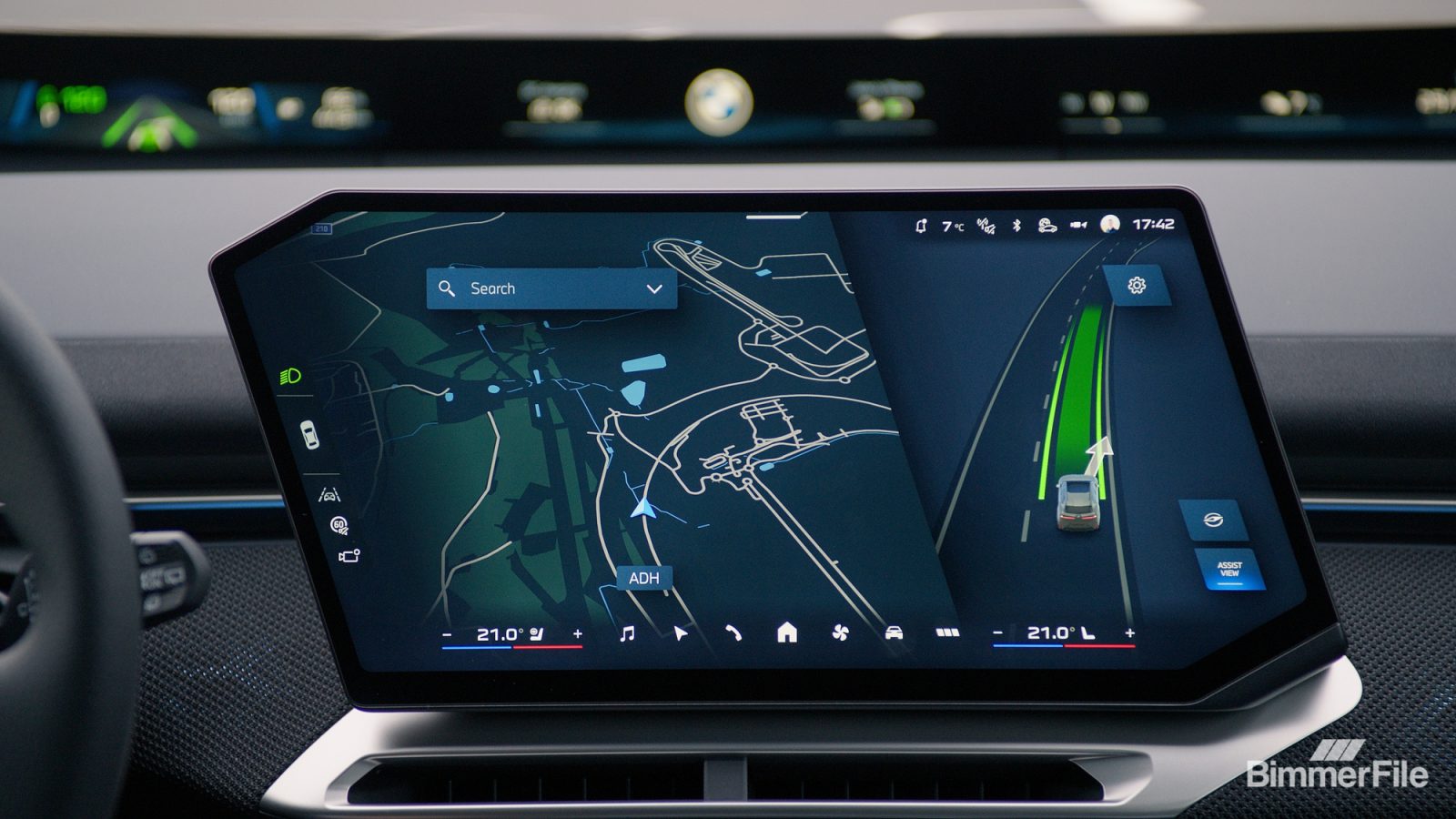
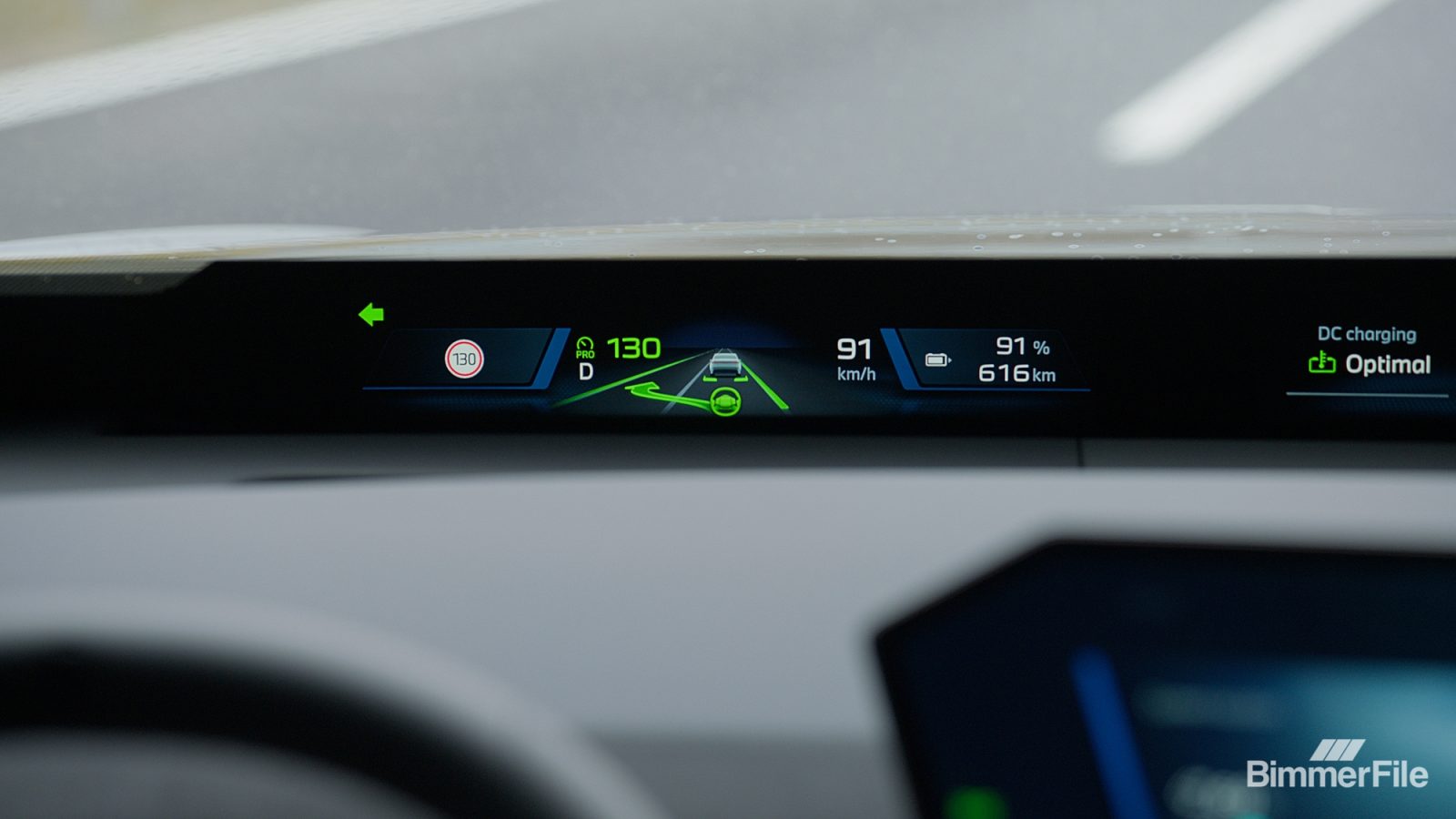
Contrast that with what BMW has been doing with the latest iDrive, the long-standing infotainment pillar across the brand. Originally groundbreaking, integrating controls from radio to climate and nav into a single united system, iDrive has evolved rapidly. With iDrive 8 and its successors, BMW has pushed big, bold screens and expansive functionality, from large panoramic displays to voice and gesture interfaces.  

But while the visuals and feature list are impressive, critics and owners often point out that ease of use still lags behind the promise. Menus can be deep, functions can be buried, and learning curves remain steeper than they ought to be for systems sold on premium cars, a reminder that clever tech still needs clever presentation to be truly delightful.  

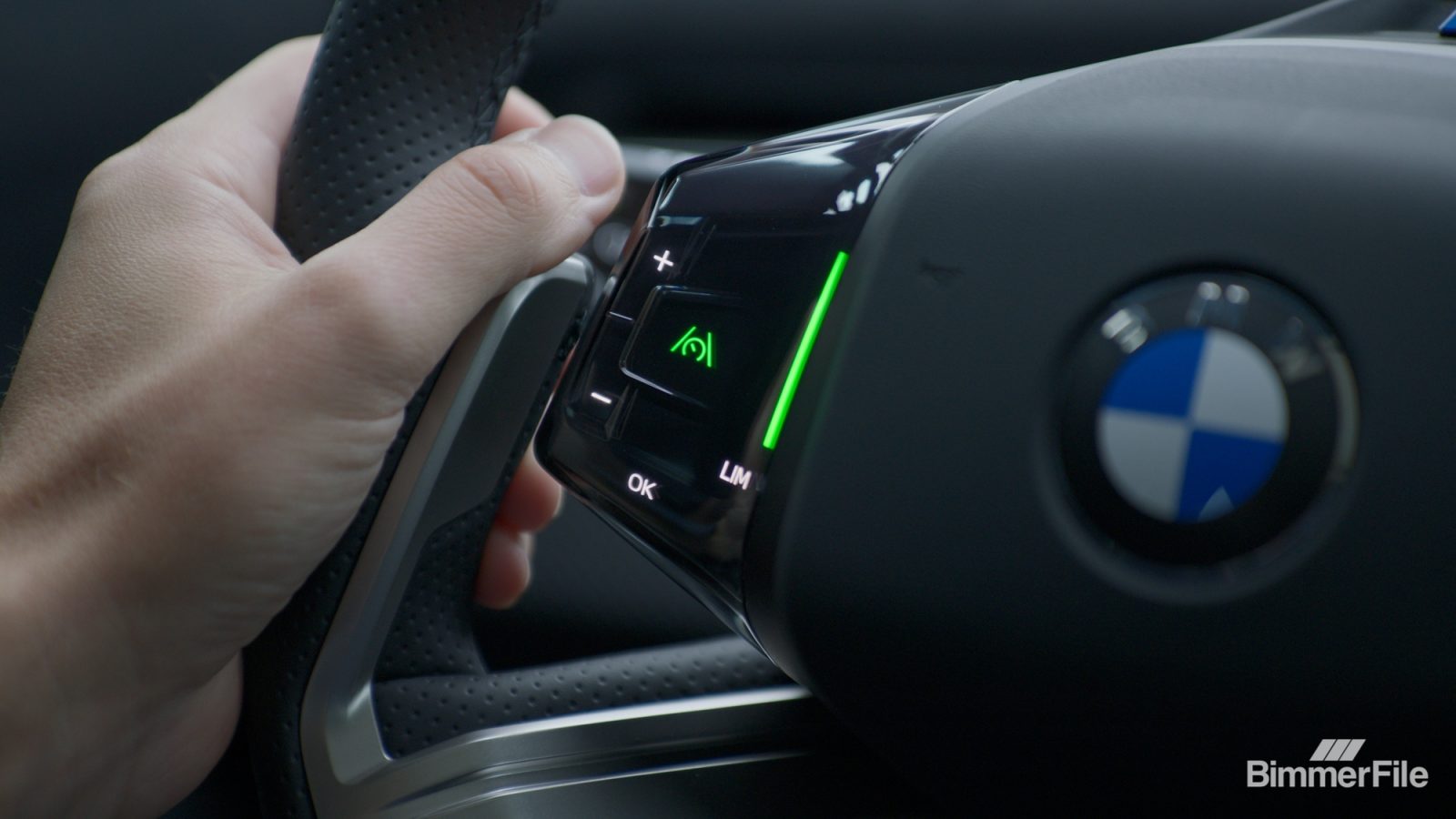
BMW’s latest iDrive is truly ground-breaking with its panoramic display. But having used the latest release just this past week, it’s still not quite perfect. The haptic controls on the steering wheel lack the tactile quality that you need when navigating menus at speed and the system has more lag than you’d expect given the processing power onboard. Still expect it to evolve into a market leader within 6-12 months.

What This All Means For The Industry

Ferrari’s Luce interior may feel exotic and exclusive, but it signals a broader shift in how carmakers, especially those rooted in performance or character, are thinking about the digital cockpit. It isn’t just about screens anymore. It’s about how digital and physical layers coexist without compromising driver focus, tactile feedback, or brand identity. It if sounds familiar it’s because we wrote about the exact same things this week on MotoringFile.

For BMW, that’s both a challenge and an opportunity. BMW’s tech is powerful, capable, and feature rich, but it still wrestles with complexity.

Ferrari’s collaboration with Ive and Newson reminds the industry that great interaction design doesn’t come from piling on features, but from integrating them in a way that feels purposeful. And as cars become ever more digital, that principle might just be the most important part of the driving experience, regardless of the badge on the hood.


Source link

Ferrari 849 Testarossa: Ferociously Fast, Remarkably Calm

0
Ferrari 849 Testarossa: Ferociously Fast, Remarkably Calm


There was a time when 1,000 bhp felt like an abstract number. Something unreal, reserved for the most extreme exotica, the Bugattis and other bona fide hypercars that existed as much to prove a
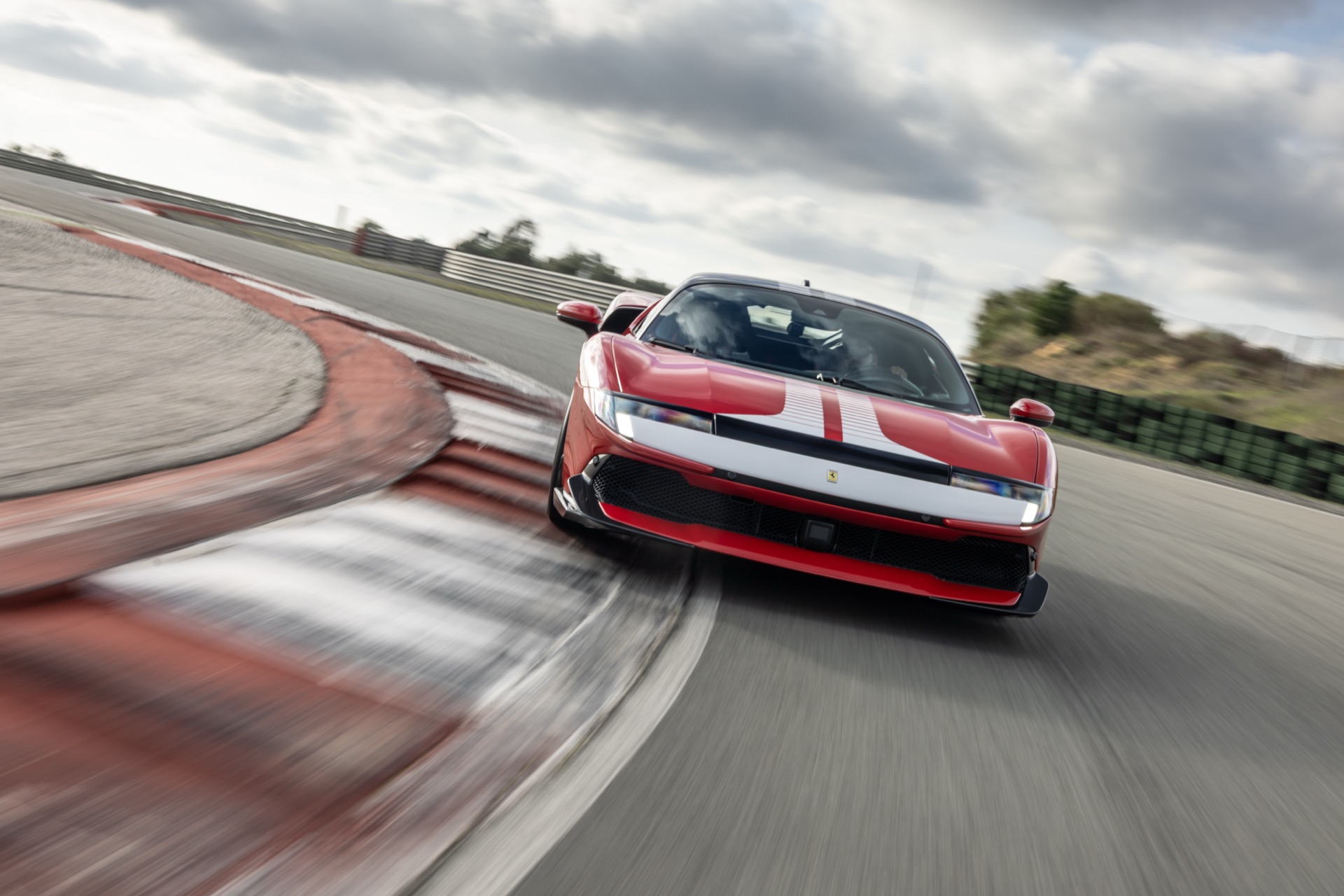
point as to be driven. The Ferrari 849 Testarossa quietly detonates that notion. This is a 1,036 bhp series-production Ferrari that accelerates from 0–100 km/h in under 2.3 seconds and reaches 200 km/h in 6.3 seconds, yet it starts at around €460,000 and is available from launch not only as a coupé, but as a Spider. Numbers like that still feel faintly ridiculous, but Ferrari now delivers them with a confidence that suggests this is simply the next logical step.

When Ferrari unveiled the car and its name for the first time, the internet duly combusted. “Testarossa” remains one of Maranello’s most emotionally loaded badges, and for many it immediately summoned images of flat-12 engines, side strakes and Miami Vice posters. But the history runs far deeper than that. Long before the 1984 icon, Testa Rossa referred to the redpainted cam covers on Ferrari’s racing engines of the 1950s, a designation reserved for the brand’s most extreme, competition-bred powerplants. Viewed through that lens, the name suddenly makes sense. This is Ferrari reclaiming Testarossa as a statement of engineering intent rather than a styling exercise.

The 849 Testarossa replaces the SF90 at the top of Ferrari’s mid-engined V8 range, and crucially, it feels like the finished article rather than a brilliant prototype. Its thoroughly reworked twin-turbo V8 produces 819 bhp on its own, paired with a three-motor plug-in hybrid system for a combined 1,036 bhp. It is the most powerful production powertrain Ferrari has ever offered, but more importantly, it finally feels cohesive.

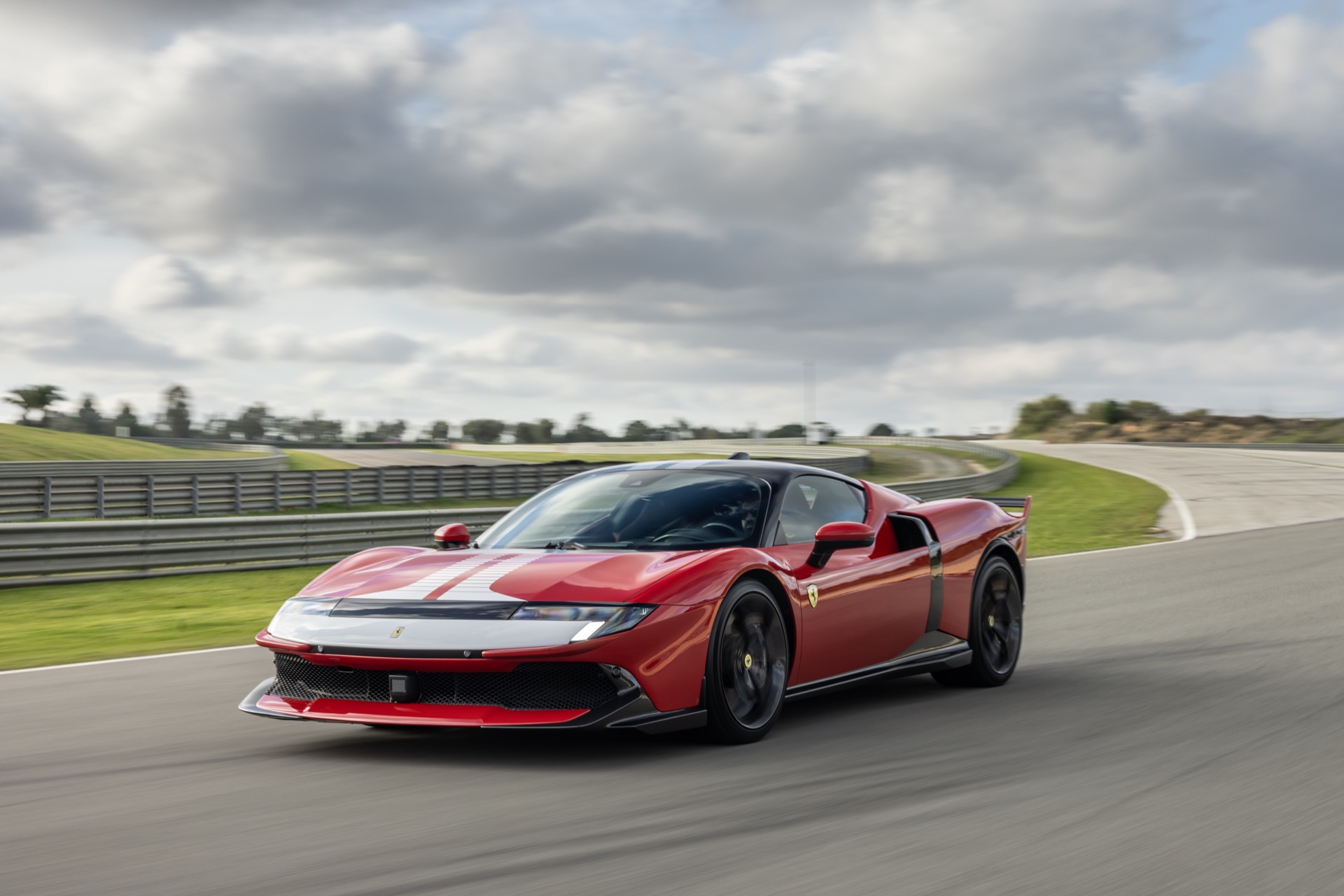
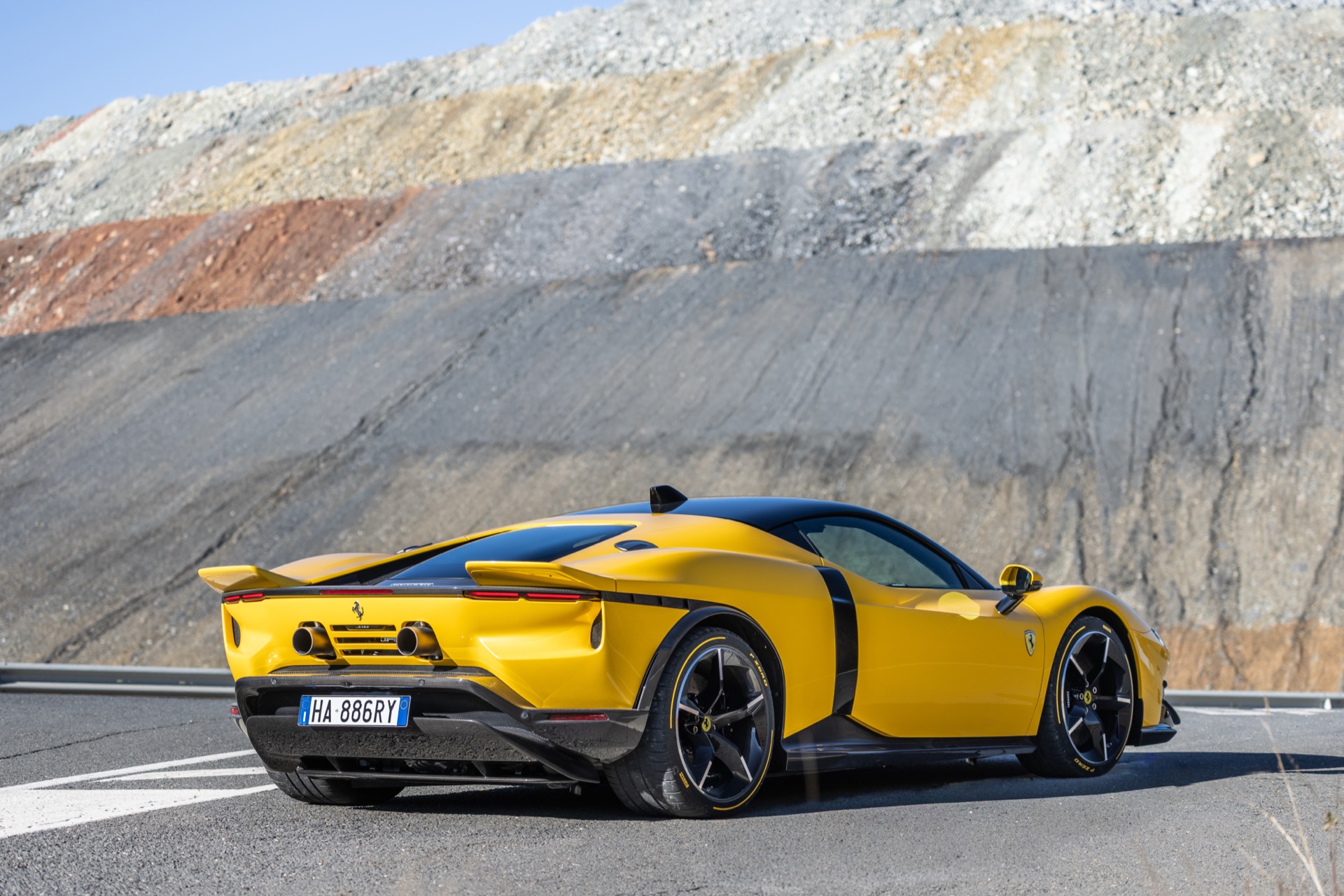
Visually, the car leans into Ferrari’s Sports Prototype heritage rather than road-car nostalgia. The sharp, geometric surfacing and squared-off volumes reference the 1970s, most clearly at the rear where the twin-tail architecture nods directly to the 512 S and 512 M. Those twin tails are not styling theatre. They integrate active rear aerodynamics and help generate 415 kg of downforce at 250 km/h, alongside a 15 per cent improvement in cooling performance over the SF90. Heritage here is functional, not decorative.

NOR1944

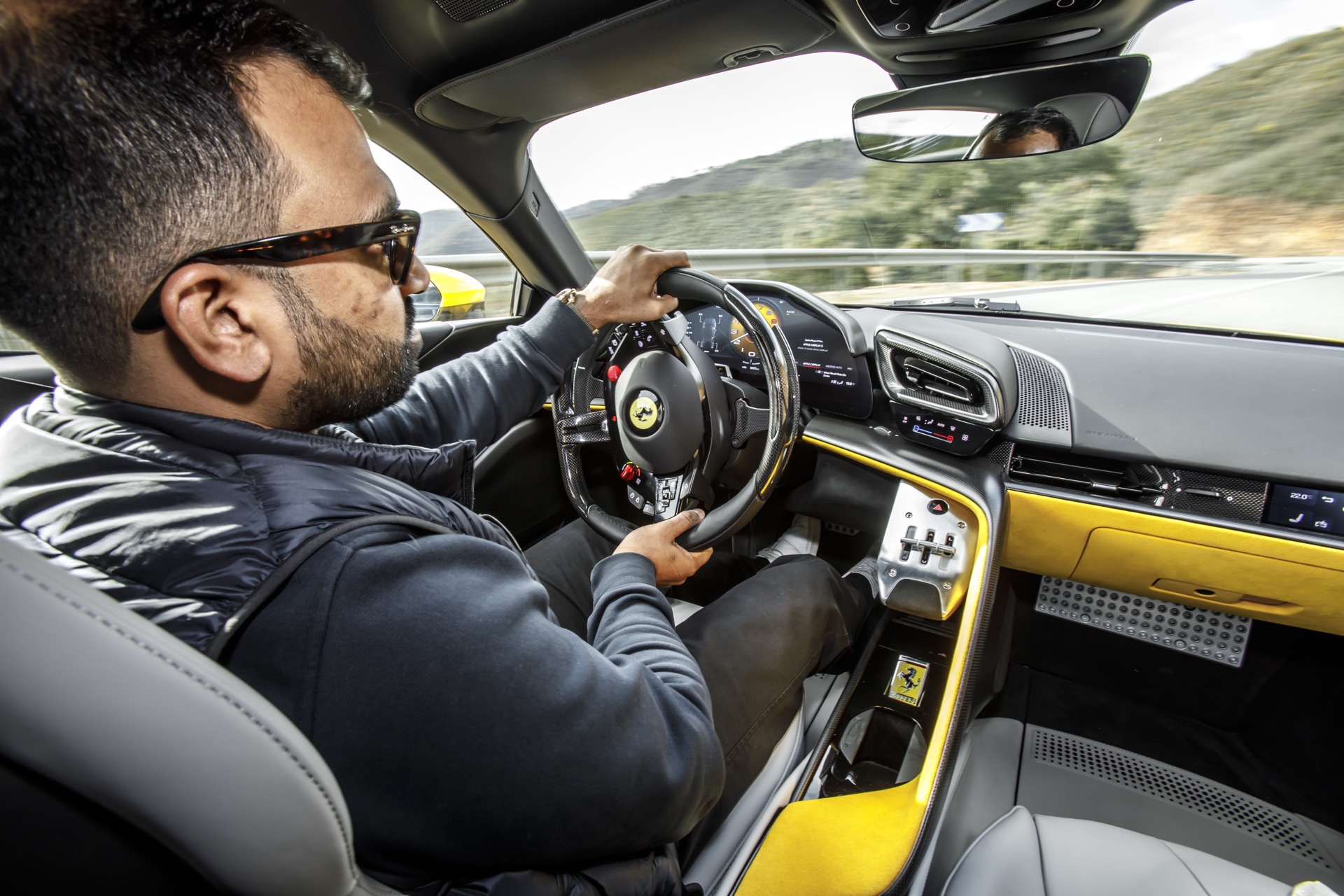
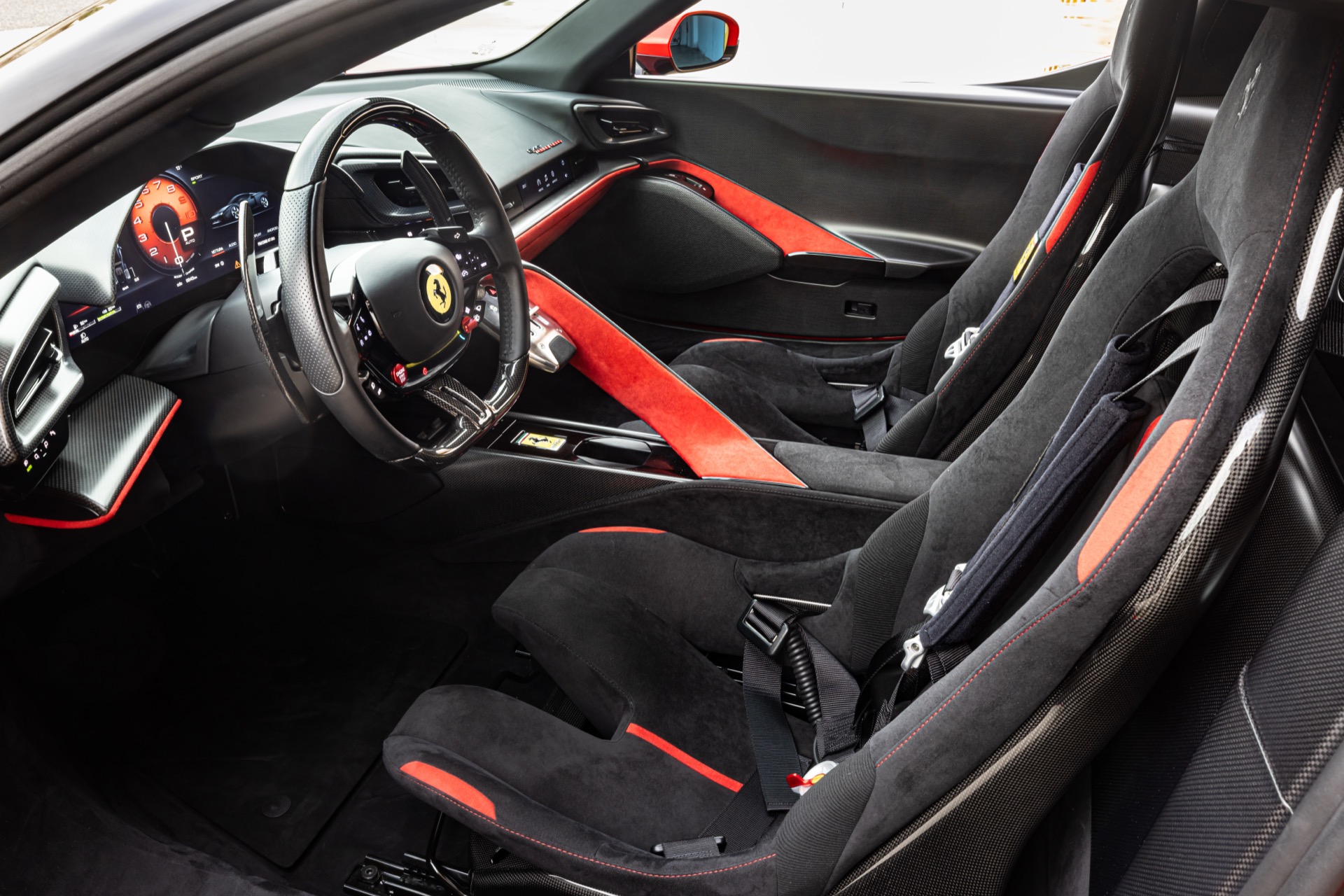
Inside, Ferrari has deliberately pulled things back. The cabin is more driver-centric, with a mechanical feel returning through physical steering-wheel buttons and the classic red start key. The gated-style selector motif reappears as a tactile anchor in an otherwise very modern cockpit. It feels contemporary, but unmistakably Ferrari. Front-trunk space remains less than adequate, but the space behind the seats can be used if you pack very lightly.

Within a few metres on the road, you know this is a modern Ferrari. The control weights are hyperalert yet measured, the steering needle-sharp and immediate. The seating position heightens that connection, placing you close to the front axle and its electric motors, which adds a distinct sense of precision to the way the nose responds.

Ferrari 849 Testarossa red details 8

There is theatre too. Under load, you get a playful flutter from the turbo wastegates, audible and engaging without ever becoming obnoxious. In EV running, the electric motor emits a gentle, futuristic whirr that feels considered rather than gimmicky. It is always present, but never irritating. Performance is outrageous without ever feeling ragged. In-gear acceleration borders on surreal as instant electric torque stacks seamlessly with the relentless muscle of the 819 bhp V8. You burn through the revs so quickly you would swear the gearing is short, but it is not. The powertrain simply builds speed with an almost unreal sense of momentum, the sort that recalibrates your internal sense of pace.

The eight-speed dual-clutch gearbox is exceptional. Pull the oversized left paddle and it delivers downshifts you do not think it will allow, slamming straight into the red line with a proper V8 howl. Upshifts have been given real character too. There is a hard-edged, almost brutal chuff on the change that makes each upshift feel like an event rather than a background process. The brakes are ferocious. Ferrari’s latest brake-by-wire system with ABS Evo clearly delivers astonishing stopping power and repeatability. I trusted them completely, but I needed more miles to feel fully at one with the pedal. I had the same experience recently in the Amalfi, which suggests this is more about acclimatisation to ABS Evo than any real flaw. Once you adjust, the confidence remains sky-high.

H5A2629

What also stands out on the road is the ride quality, which is nothing short of sensational. This car does not use Multimatic’s active dampers, those are reserved for the F80 and Purosangue, yet the passive set-up here is a quiet masterclass. In its softer settings, particularly in bumpy road mode, the adjustable spring and damper calibration delivers remarkable compliance without ever feeling loose. It breathes with broken tarmac, maintains body control, and somehow manages to feel both settled and alert at the same time. Crucially, Ferrari has now made this configuration available as part of the Assetto Fiorano package. Rather than the fixed Multimatic set-up that previously defined Fiorano cars, buyers can now specify this adaptive passive suspension alongside a front axle lift system, making the most focused version of the 849 Testarossa far more usable in the real world. It is a smart decision, and a very Ferrari one.

What truly defines the car on the road is transparency. Many felt the SF90’s calibration was slightly rushed, as though the systems never quite settled into harmony. In the 849 Testarossa, everything feels aligned. The car is calm, devastatingly quick, and remarkably readable. You can sense the electronics working, but they work with you rather than over you.

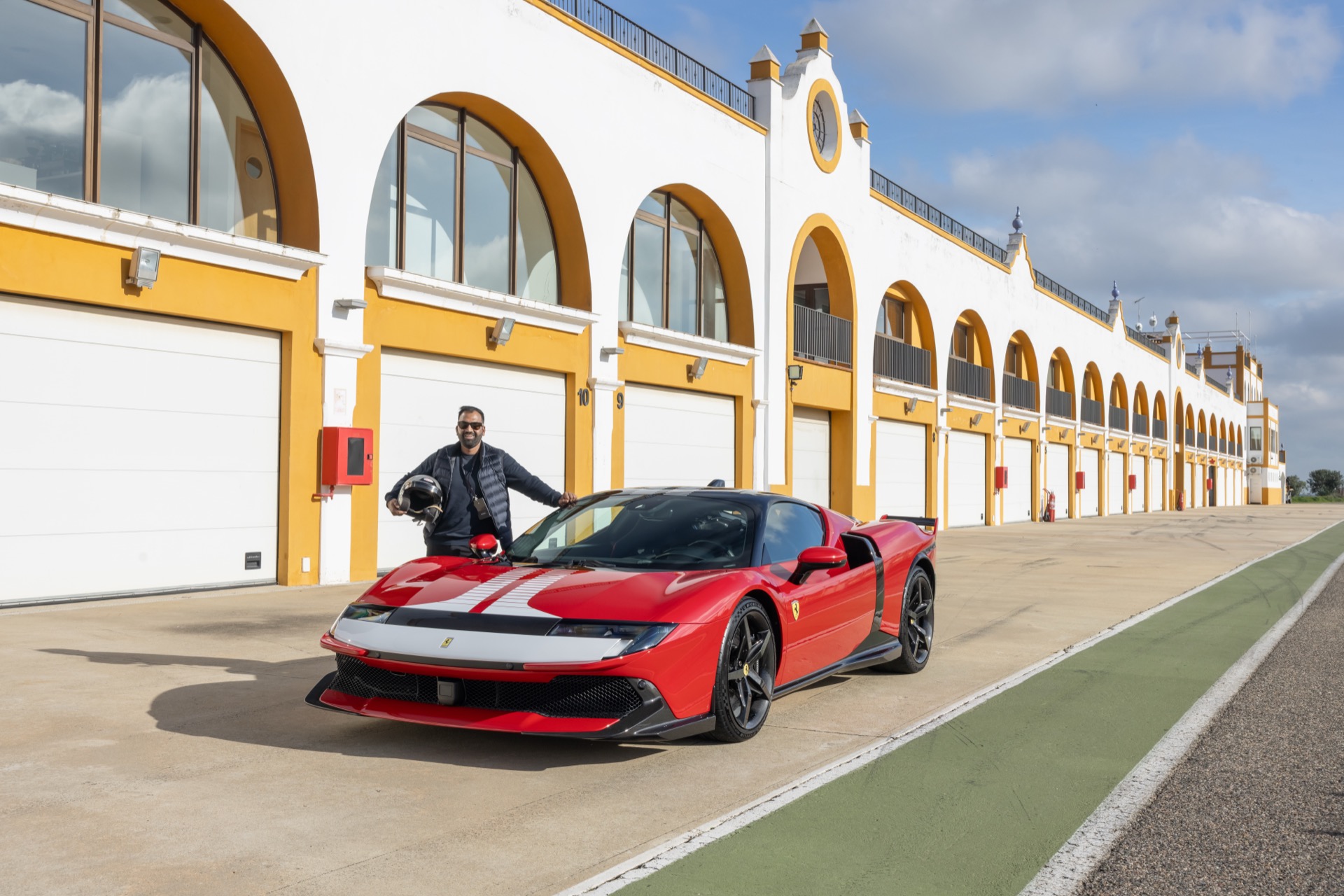
Monteblanco was new to me, and learning a circuit with 1,036 bhp is objectively absurd. Yet the 849 Testarossa never once felt intimidating. This Assetto Fiorano-equipped car delivered huge pace with astonishing composure. The way the power is metered out is masterful. You get everything you ask for, but never in a way that tips you into trouble.

Ferrari 849 Testarossa red static 1

The car allows you to feel fast, encourages you to push, and quietly looks after you in the background. Variable traction control and side-slip systems let you lean into the torque, ride the swell, and make small, clean corrections. On corner exit, with the Michelin Pilot Sport Cup 2s clearly past their best after a full day of punishment, you could feel the car carefully metering out its 1,036 bhp, the traction-control light flashing feverishly as it translated intent into forward motion rather than wheelspin. The chassis talks; the systems interpret. You can also feel the front electric motors at work on circuit. On turn-in and through tighter corners, there is a subtle pull from the front axle that helps draw the car into the apex, sharpening response and aiding rotation before the rear power takes over. It never feels artificial, just quietly effective. On those same well-used tyres there was a trace of understeer on entry, entirely understandable given the abuse. Yet traction off the apex remained mighty, and the balance stayed trustworthy throughout the lap.

The gearbox on track is borderline telepathic. There is no hesitation, no second-guessing. It gives you the gear you want, when you want it, even if that means snapping a downshift straight into the limiter. The sense of speed is immense, but the clarity through the steering and pedals keeps your head cool. You think you are the hero, and then you realise the calibration is quietly doing the heavy lifting while preserving the fun.

The flip side of all this control and confidence, and it is a genuine flip side rather than a criticism, is that the 849 Testarossa is not the spiciest or most intense Ferrari experience. It does not leave you climbing out drenched in sweat, ears ringing, booking an appointment with both your therapist and your chiropractor. If that is what you are after, Ferrari offers other answers. Cars like the 296 Speciale exist precisely to deliver that kind of raw, nerve-ending intensity. The fact that such different experiences sit side by side within the same range says everything about how broad Ferrari’s offering has become.

Ferrari 849 Testarossa yellow static 5

The design, too, divides opinion, and I include myself in that. I find the 849 Testarossa visually challenging, particularly with the AF package, complete with its stripes. That is entirely subjective, and there is no questioning the functional brilliance of the aero work, but it lacks the natural elegance of some other Ferraris. For those drawn to more classical proportions and more traditional powertrains, there are alternatives within Maranello’s own catalogue, such as the 12Cilindri, that prioritise form, atmosphere and theatre over outright technical aggression.

None of that detracts from what the 849 Testarossa achieves. It is ferociously fast, deeply confidence-inspiring, and astonishingly complete. It makes four-figure bhp feel usable, approachable and coherent in a way that would have seemed absurd not so long ago. It delivers on a name that set the internet alight, not by leaning on nostalgia, but by reminding us what

Testarossa was always meant to represent. Ferrari has not just revived a legendary badge. It has earned it, but only if you take the time to understand why.

H5A0143


Source link

Best RV Trips in Spring (March–May) by Region

0
Best RV Trips in Spring (March–May) by Region


Spring is slowly creeping into the air — and it’s definitely the exact right time to get to planning your springtime RV trip! (For starters, who can resist ideating about future sunny travels while Jack Frost does his worst? 

In this article, we’ll walk you through the best RV trips in spring — March, April, and May — across the entire country. We’ll also discuss why spring is one of the best times of the entire year to take an RV trip, how to choose the best RV rental vehicle for the journey, travel tips, and more. 

Why Spring Is One of the Best Times for an RV Trip

“Summer” is basically synonymous with “road trip,” it’s true. But spring is a surprisingly underrated season for RV travel.

For starters, spring offers the beginning of more mild weather across most regions. In some areas, you’ll even be greeted by blooming wildflowers, gushing waterfalls, and other offerings of new growth. And the sun feels even better when it’s coming right after winter’s chill.

Plus, spring travelers will be faced with fewer crowds than those who travel in peak summer season, which makes everything from driving to reserving a campsite to getting a stranger-free Instagram photo easier. There are also plenty of festivals that take place in the springtime, giving you an event around which to orient your travels. (And in many cases, shoulder season will make the journey more affordable, even if you’re going to a destination with lots of fun action going on.) 

Each month of the spring season has its own benefits for RV travelers. March is great for those who can handle cooler temperatures in exchange for even fewer crowds, and maybe even a snow day or two. April, on the other hand, brings more new growth and increasing wildflower blooms, while May is the closest to summertime without the drawbacks of summer travel (i.e., traffic and crowds). 

Convinced yet? Cool — because next, we’re going to get into the where as well as the why.

Best RV Trips in the Southwest (March–May)

Looking to get away from it all in the desert? Springtime is actually the perfect time to explore America’s most otherworldly landscapes. 

Why Spring Is Ideal for RV Travel in the Southwest

Whether you’re visiting in March, April, or May, a desert trip in the southwest means:

  • Cooler temperatures, which is important in parts of the country that can reach over 100 degrees Fahrenheit in the summertime 
  • Peak hiking and sightseeing conditions, including desert wildflower blooms and more
  • Access to the southwest’s many national parks before summer heat and crowds (though you’ll still want to reserve any on-site national park campsites early)

Top Spring RV Trips in the Southwest

We’ll be real with you: It’s pretty hard to go wrong with a southwest road trip, no matter which corners you start and end in. Still, we know you come here for travel inspiration — so here are our top spring RV trip ideas in the desert southwest. 

Grand Canyon & Northern Arizona Loop

There is perhaps no U.S. national park more famous than the Grand Canyon — and for good reason. This stunning geological icon of a canyon is truly something that has to be experienced to be believed. (And the national park itself is one of the best-appointed for RV travelers, including a year-round campground with hookups.) 

But there’s a lot more in northern Arizona that reaches that level of intrigue, including Horseshoe Bend and Antelope Canyon (both outside of Page, Arizona), Vermilion Cliffs National Monument, and the quaint college town of Flagstaff — which will be quietly bustling and offer plenty of fun to-dos in the springtime. (There are also plenty of very nice nearby Flagstaff-area campgrounds.)

Utah Might 5 National Parks Road Trip

Utah bears the distinction of being among the most national-park-dense states in the union, especially in the lower 48. (Alaska, obviously, crowds it out — but still, five in one state ain’t bad!)

A loop among all of the Mighty 5 could be done in as little as a week or 10 days, though many travelers will want to linger longer to fully explore each of these unique and frankly unbelievable alien landscapes. The parks include:

Keep in mind that there are even more incredible preserved wildernesses in this state, such as Fishlake National Forest and the Grand Staircase-Escalante National Monument. It may be easier to see as much as possible if you take a one-way RV rental!

Sedona & Red Rock Scenic Byway

If you’re looking for a shorter desert trip that still packs a big experiential punch, our top tip would be to head to Sedona. A stunning city in its own right with world-class hiking opportunities just minutes from the center of town, it’s also easy to add on the Red Rock Scenic Byway, a 7.5-mile, nationally designated All American Road that connects Sedona to the Village of Oak Creek, offering, as its name implies, rippling red-rock views and even more outdoor recreation opportunities along the way. 

Las Vegas to Southern Utah National Parks

For a trip that truly offers something for everything — even if you’ve got some city slickers onboard — start in Las Vegas to enjoy the bright lights and big buildings before heading east toward the Southern Utah national parks (i.e. Zion and Bryce Canyon). This is another one where a one-way RV rental might fit just fine, not to mention expand your opportunities to explore deeply along the way.

Best Months to Visit

So, now that you have some ideas in mind, when should you plan this incredible desert road trip? Any spring month will do, though they each offer their own unique benefits.

  • March means desert wildflowers and mild temps
  • April is prime hiking weather in most of the American southwest
  • By May, higher elevations open up for those interested in more serious hiking or mountaineering — and you’ll also enjoy warmer temperatures, especially during the daytime

Best RV Trips in California & the West Coast (March–May)

Find anyone who lives there, and you’ll hear that the West Coast is the Best Coast. Here’s where and when to visit if you’re planning a trip to the Golden State this spring.

Why Spring Is Perfect for the West Coast

You may think a summer trip down the Pacific Coast Highway is the only way to do it — and to be sure, it’s one way to do it (and an excellent one at that). But springtime in California also means:

  • Coastal fog is lighter, so you can actually enjoy those sea- and bayside views
  • Wildflowers bloom across California, making for unforgettable memories and photo ops
  • Ideal temperatures make coastal and mountain drives even more enjoyable — windows down, music up!

Top Spring RV Trips on the West Coast

Now for the fun part: Exactly where to?

Pacific Coast Highway (Southern & Central California)

Truly, you basically can’t go wrong if you’re driving the Pacific Coast Highway. There’s a reason it’s such a legendary route. It’s literally one of the most beautiful in the entire world, let alone the U.S.

But springtime unlocks a special magic here, one marked by clear blue skies over the endless Pacific blue, fewer crowds, and easier-to-make reservations, even at highly sought-after destinations like Esalen. If you have enough time to truly slow down and soak it all in, this drive gives you equal opportunities to experience southern California’s sophisticated, urban vibes along with some of the most truly breathtaking natural landscapes it’s possible to see on earth, including opportunities to get truly away from it all in preserved wildernesses like Mendocino National Forest or the Redwood National and State Parks. (In fact, the California State Parks system in general will be a great resource for you as you navigate this route; plenty have RV campgrounds with hookups.) 

San Francisco to Big Sur RV Trip

Want all the beauty and dynamism of the Pacific Coast Highway, but only have a long weekend to spend? You can get a lot of bang for your buck even if you dramatically shorten the route, starting in San Francisco (yes, there are RV-friendly campgrounds even in this urban megaplex!) and heading south toward Big Sur. 

Along the way, you’ll pass through Monterey, well-known for its world-class aquarium and Cannery Row (which actually has RV-friendly parking right on site), as well as alongside preserved wildernesses like Fort Ord Dunes State Park, Fremont Peak State Park, Henry W. Coe State Park, Big Basin Redwoods State Park and even more. It’s truly the best kind of choose-your-own-adventure, where no matter what you choose, you’ll have an adventure worth remembering.  

Yosemite National Park

What can we even say? Many people consider Yosemite National Park to be the most beautiful valley on the entire face of the planet. It’s also a legendary locale in the world of outdoor recreation, and particularly climbing. (You’ll likely remember that pro climber Alex Honnold was the first in the world to free solo, or ascend without a rope, the massive granite rock face El Capitan back in 2017 — or even if you don’t remember, you’ll appreciate it more once you see the rock for yourself.)

Traveling to Yosemite in spring means fewer crowds, more opportunities to explore in peace, and potentially even lower prices. Still, this is one of the most popular national parks in the entire system, so make reservations early. (And keep in mind that some parts of the park may still be snow-bound depending on when you show up!)

California Wine Country Wandering RV Trip

What better way to celebrate spring break than with a slightly boozy trip through some of the most beautiful landscapes in the country? The best thing about doing a California wine country loop is that it can be as limited or as extensive as you want; almost the entire state is involved in wine-growing to some extent. 

This is also an excellent opportunity, if you haven’t yet, to try out Harvest Hosts, a program that allows you to stay overnight on participating vineyards, farmlands, and other agricultural sites. The owners are often happy to offer you a wine tasting during your stay, making it a two-for-one bonus.

Best Months to Visit

Yet again, you can’t go wrong — but here’s what to expect, depending on which spring month you visit. 

  • Thanks to its mild climes, March is often best for coastal drives and desert regions
  • April is, contrary to the popular nursery rhyme, when wildflower season peaks
  • Those who want to get high might wait until May to make their move, as that’s when mountain access improves

Best RV Trips in the Southeast (March–May)

Want to get some real sunshine? Let’s head southeast, where the weather trends warmer and the pace trends molasses slow.

Why Spring Is a Sweet Spot in the Southeast

Looking for warm, but not hot? Looking for sunny, but not instant-sunburn-sunny? The southeast in springtime has you covered. Enjoy:

  • Warm, but not hot and humid, weather
  • Spring festivals and coastal events
  • Lush greenery and blooming landscapes that will make you forget that winter is even a thing

Top Spring RV Trips in the Southeast

Here are our top trips for enjoying spring in the southeast.

Blue Ridge Parkway & Great Smoky Mountains

The Appalachian Mountains may not be as tall as the Rockies, but that’s because they’re older — and, for many biologists and geologists, therefore more interesting. And no matter your depth of interest or knowledge, there’s no doubt that the chain of mountains conserved inside Great Smoky Mountains National Park (and visible on the nearby Blue Ridge Parkway) are absolutely stunning.

A weeklong trip will give you a good chance to see a lot of the national park, and the Blue Ridge Parkway is an easy add-on, especially for campers who may have accessibility concerns when it comes to steep hiking trails. We also recommend adding on a night or two in community centers like Asheville, NC or Pigeon Forge, TN to get a sense of the local flavor and enjoy fun, non-outdoorsy things to do with the family.

Florida Gulf Coast RV Road Trip

Yes, Florida’s east-coast beaches are world-class. They’re also often crowded. For a slower pace, warmer water temperatures, and less wake, we recommend heading to the west coast of the state. If you’re really ambitious, you could start all the way south in Everglades National Park — one of the very best dark sky locations east of the Mississippi for stargazers and astronomy nerds — and meander all the way north through Naples, Ft. Myers, St. Pete, Tampa, and beyond. (If you make it all the way to the panhandle beaches, you’ll see why that area’s called the Emerald Coast.) 

Along the way, you’ll have lots more to see and experience than beaches and cityscapes. Though they’re sometimes a bit off the beaten path, Florida’s Gulf Coast actually has a lot to offer in the way of preserved wildernesses and state parks. A few not to miss include Big Cypress National Preserve, Fakahatchee Strand Preserve State Park, Charlotte Harbor Preserve State Park, Egmont Key National Wildlife Refuge, and, of course, Weeki Wachi Springs State Park, world-famous for its mermaid shows.

Charleston to Savannah Coastal Route

Florida may get all the glory when it comes to southeast beaches, but the truth is, there are other, equally beautiful coastal views to see and enjoy. The route between Charleston and Savannah is only about two hours of driving, but there’s so much history and wilderness here that you could easily turn it into a long weekend or even a week-long journey. We also love this option as a good mix of urban (or at least provincial) adventures and more truly out-there landscapes. 

Shenandoah National Park and Skyline Drive

Want all the majesty of the Smokies with fewer crowds and an opportunity to see it all without ever stepping foot outside of your vehicle? Take your spring getaway to Shenandoah National Park, a parcel of preserved United States landscape including blue-toned mountain ridges and epic waterfalls. Skyline Drive is a great way to see it all from the comfort of your RV, though there are, of course, also plenty of opportunities to get out, up close, and personal.

Best Months to Visit

Here’s how the benefits break down depending on which spring month you plan your trip.

  • March offers the mildest temperatures along with early spring blooms
  • April is when to visit for peak wildflower action, as well as prime hiking in many of the Appalachian foothills
  • May is the official beginning of beach weather — and also snow-free ascents if you’re scaling the taller peaks inside the southeast’s national parks

Best RV Trips in the Mountain West & Rockies (April–May)

You’ll learn quickly why John Denver called it the Colorado Rocky Mountain high no matter what time of year you visit — but we have to say, springtime is among the best times to head to the highest mountains in the lower 48. Here’s why. 

What to Expect in Spring in the Mountains
Why explore the Rockies in the springtime? Well:

  • Snow will still be present at higher elevations, lending an additional touch of magic for those who don’t have their heart set on scaling the tallest peaks (and an additional edge of adventure for those who do)
  • Shoulder season pricing means more opportunities to enjoy and explore for less money
  • Fewer crowds give you the chance to really enjoy gateway towns like Estes Park at a reasonable pace

Top Spring RV Trips in the Mountain West

In Colorful Colorado and beyond, here’s where to navigate for an incredible springtime RV road trip adventure.

Colorado National Parks and Scenic Byways

You already know about Rocky Mountain National Park. But Colorado is also quietly home to a lot of other national parks, too, including:

Colorado is also home to 13 designated America’s Byways, which is more than any other state in the union, and includes 10 National Forest Scenic Byways. All of which is to say: No matter what corner of the state you choose, there’s endless outdoor adventure of all varieties to be had in Colorado. It’s all right there for the taking, especially in springtime.

Utah Desert Parks (Before Summer Heat)

Yes, Utah is technically part of the mountain west — and yes, we’re going to plug your opportunity to explore the Mighty 5 again in the same article because they’re just that special. Along with the national parks, consider Utah’s many incredible state parks (we’d especially like to highlight Natural Bridges National Monument, an undersung alternative to often-crowded Arches). You just can’t go wrong.

Wyoming & Montana Lower-Elevation Routes

It’s true that if you try to travel to, say, Glacier National Park or parts of the Grand Tetons in the springtime, you’re likely to be met by disappointment. Wyoming and Montana’s highest elevations are often snowed in and inaccessible until high summer.

But the springtime is still a great time to visit these states’ lower-elevation gems, including Jackson Hole, Flathead Lake, and Missoula. You can even shelter from the cold underground in Lewis and Clark Caverns State Park.

Denver to Moab RV Road Trip

Why not connect two of the most iconic (but totally different) cities in the Mountain West? On this route, you’ll start in the urban bustle of the Mile-High City (which, don’t worry, does have an RV-friendly campground or two to choose from). You’ll then venture southwest through some of the densest areas of preserved wildness and beauty in the entire U.S. — we’re talking Rocky Mountain National Park, yes, but also White River National Forest, Grand Mesa, Uncompahgre and Gunnison National Forests, and Black Canyon of the Gunnison National Park, i.e., total hidden gems preserving the San Juans, which are arguably even more beautiful than the Front Range.

Finally, you’ll end up in the otherworldly red-rock swirl of southeastern Utah, where you’ll be well positioned from Moab to explore Arches National Park, Canyonlands National Park, or if you’re truly ambitious, both. This is a truly unforgettable road trip for outdoor explorers and urban adventurers alike.

Best Months to Visit

Truth time: In most of these areas, you probably don’t want to visit in March. It’ll just still be too darn cold and snowy. Still, that means two of the springtime months are wide open:

  • In April, lower elevations become accessible (while the surrounding mountains maintain their powdered-donut look)
  • In May, even more roads and campgrounds open — but you’ll still beat the thick of the crowds

Best RV Trips in the Pacific Northwest (April–May)

Take it from someone who lives there: The Pacific Northwest is just the best. And while March might still usually be too rainy for most out-of-towners to enjoy the area, April and May are actually excellent times to visit the northwestern corner of the country.

Why Spring Works Well in the Pacific Northwest

Why spring in the Pacific Northwest? Well, for starters:

  • Waterfalls are at peak flow, bulked up by freeze and snowfall
  • Fewer crowds than during our peak travel season in the summer
  • Wildflowers begin to bloom at lower elevations (i.e., the ones most accessible to untrained hikers)

Top Spring RV Trips in the Pacific Northwest

While, again, you can’t go wrong anywhere in the PNW (at any time, if you ask me), here are some of our top hits for spring RV road trips in the Pacific Northwest.

Oregon Coast RV Road Trip

Ask any Portlander where their favorite quick getaway is, and they’re going to say the coast. (But do be prepared: This is less a “sunbathing” kind of beach trip and more a “deeply moody and introspective” kind of beach trip.)

You can’t go wrong, but big highlights include Astoria (especially for fans of The Goonies, Lewis and Clark National Historical Park for American history buffs, Fort Stevens State Park (don’t miss the ancient shipwreck), and, of course, Seaside, which is the kind of place where a not-insignificant share of the economy runs on saltwater taffy. Further south, Cannon Beach and its famous Haystack Rock, Manzanita and Nehalem Bay State Park, and Yachats (this writer’s personal favorite) await. 

Columbia River Gorge Scenic Drive

The Columbia River is considered one of the most treacherous in the entire country, especially where it spits out into the Pacific Ocean. But if you’re navigating by the roads rather than steering a ship in the river itself, it becomes a lot less stressful and a lot more scenic. We recommend starting in Astoria and winding your way eastward, perhaps all the way to Tri-Cities, Washington. 

Along the way, you’ll pass through and alongside endless outdoor recreation and hiking opportunities, including Clatsop State Forest, Benson State Recreation Area, Beacon Rock State Park, and so many more. Although you’d do well even just driving, we highly recommend stopping off at one of the many visitor centers (like the one at Oregon’s Multnomah Falls, just thirty minutes east of Portland) to learn more about the hiking and recreating opportunities along the way. 

Washington’s Olympic Peninsula

You could wander around Washington’s Olympic Peninsula for a lifetime and still not see it all. Heck, you could keep yourself just to the confines of Olympic National Park and not see it all. Still, it’s well worth trying to see whatever you can in this part of the country that looks like it’s falling off the map and into the water. The Hoh Rain Forest in particular is one that most travelers don’t forget, but we also recommend making the trek out to La Push, whose many beaches are perfect for tidepooling and sight-seeing. 

Seattle to Portland RV trip

One-way RV rental alert: This trip is perfect for a one-way journey! Both of the terminal cities are easy to fly into and out of (Portland’s airport was just redone, even), and both cities offer endless urban to-dos with some of the most incredible landscapes and outdoor recreation opportunities in, truly, the entire world strung between them. Just a few of these include:

But truly, if you can slow down enough to take it all in, this three-to-five-hour stretch of I-5 could take you a lifetime — especially if you also add in a trip or two out towards the coast. Enjoy!

Best Months to Visit

Again, this region might be slightly too rainy for many in March. But in the two later springtime months, you can look forward to:

  • In April, snow-boosted waterfalls and coastal drives beckon
  • May, on the other hand, brings drier weather and longer days

Best RV Trips in the Midwest & Great Lakes (April–May)

We see you, midwesterners. Don’t get it twisted; we would never forget the heart of our country!

Why Late Spring Is Best for the Midwest

While March can still be a little meh in the midwest as far as weather is concerned, by April and May, the area opens up for spring travel thanks to:

  • Winter thaw making roads and parks accessible
  • Mild temperatures for easy and comfortable sightseeing
  • Spring festivals and lakefront towns that put winter firmly in the rearview

Top Spring RV Trips in the Midwest

Here’s the very best for spring travel in the midwest.

Great Lakes Shoreline Drive

While the full extent of the Great Lakes Shoreline Drive meanders some 6,500 miles (!!) around all five lakes, you can definitely make a shorter (and still extremely sweet) spring RV road trip by navigating any segment. The southern shore of Lake Superior may still be pretty icy even in April and May, but the lakes further south, like MIchigan and Eerie, offer stunning sightseeing alongside nearby urban population centers. It’s a best-of-both worlds kind of scenario — and with so many cities and lakesides to choose from, you can really customize this trip precisely to your own travel desires.

Indiana Dunes National Park

One of the newest in the roster, Indiana Dunes National Park was officially designated just a few years ago in 2019. As you’ll recall, some fairly major world history happened shortly thereafter, so there’s a good chance you haven’t had the opportunity to explore this stunning landscape quite yet. 

If that’s true, there’s no time like the present — especially for those who live in Chicago or other nearby cities. (P.S., Chicago itself is a great addition to this road trip if you live further afield, and there are a surprising number of RV-friendly campgrounds in The Windy City.) The national park also offers RV-friendly camping, though it doesn’t have electricity hookups. Also, keep a look out for seasonal road closures, which may still be in effect earlier in springtime.

Door County, Wisconsin

The finger stretching up north into Lake Michigan, just north of Green Bay, Door County, Wisconsin is one of the most underrated road trip destinations in the U.S., especially in spring. For a relatively small amount of land, it packs in a huge amount of wildness, including several state parks — Newport State Park, Peninsula State Park, Whitefish Dunes State Park and Potawatomi State Park, for starters — many of which offer cushy-yet-affordable RV camping opportunities.

Truly intrepid travelers can also make their way all the way out to Rock Island State Park, which is accessible only by ferry and offers a truly primitive experience of this part of the world. (Again, double-check the ferry schedule and park hours, as seasonal closures may still be in effect too early in the season.)

Michigan Coastal Road Trips

Finally, we can’t not vouch for any trip around the perimeter of Michigan, ringed as it is by epic lakeside views. On the west side, consider starting out in Grand Rapids before heading coastward, or go all the way north and add Mackinac Island to your list of checked travel boxes. (There’s no vehicular traffic on the island, which these days is truly a relief.) On the east side of the state, it’s Lake Huron you’ll be looking at, with landscapes like Thunder Bay River State Forest ripe for exploring. 

This is another trip you could easily throttle up or down in length and intensity depending on how much time and energy you have. No matter what, enjoy the springtime blooms, including, perhaps, the Tulip Time Festival that draws crowds to the tiny town of Holland in early May!

Best Months to Visit

Again, you might want to skip most of the midwest in March — it’s just not her best look. But later in the season, you’ll be greeted with:

  • April travelers are getting an early spring escape that may still be a little chilly, but definitely less crowded (and likely less costly) 
  • May is truly prime-time prime weather — but still safely before summer crowds arrive

How to Choose the Best Spring RV Trip for You

Golly — that’s a lot of options! How do you choose the best spring RV trip for you and your family? Here are some considerations to keep in mind:

  • Climate and temperature preferences. Do you chill easily, or do you enjoy the opportunity to bundle up a bit? These can help direct both your where and your when.
  • What kind of outdoor activities are you into (or not)? Maybe you’re looking to check national parks off your list, or you’d rather a relaxed coastal drive with an urban campground.
  • Your availability for driving distance and trip length. Some of the trips we’ve outlined above are truly epic in scope, while others easily lend themselves to a long weekend.
  • One-way vs round-trip RV travel. One-way travel truly opens so many doors for road trippers, since you don’t have to save time and money to go back where you came from — but it also usually requires flying into and out of your terminal cities, which can, for some travelers, be a bit of a headache.

Spring RV Travel Tips (March–May)

Here are our top tips for spring RV travel so you can take to the road like a pro (i.e., not have to learn the same things we did the hard way!)

  • Expect the unexpected when it comes to the weather. Spring is well-known to be a bit “bipolar” as far as what the sky is doing at any given moment, and the general patterns also vary a lot depending on where you’re going. To be safe, prepare for multiple eventualities by bringing layers, including rain protection.
  • Plan your camping early. Campground availability can be dicey during shoulder season, since some campgrounds just close until the high-demand summer months.
  • Consider road closures and elevation changes ahead of time. Even smaller RVs can be more challenging than the typical vehicle, and that’s before you’re on a mountain road in snowy weather.
  • Make a packing list. It’s just a fact of life that you’re going to forget something. (Psst: We actually already made one for you.)

Plan Your Perfect Spring RV Road Trip

As you can see from all of the adventures on offer above, March, April and May are ideal for RV travel, offering their own special magic that’s perhaps even better than high summer’s big sunshiney days, for some. With so many options across the United States, it’s easy to find a region where the weather, the activities, and the distance all match your personal travel goals. And in an RVshare vehicle, getting there isn’t just easy — it’s part of the fun.

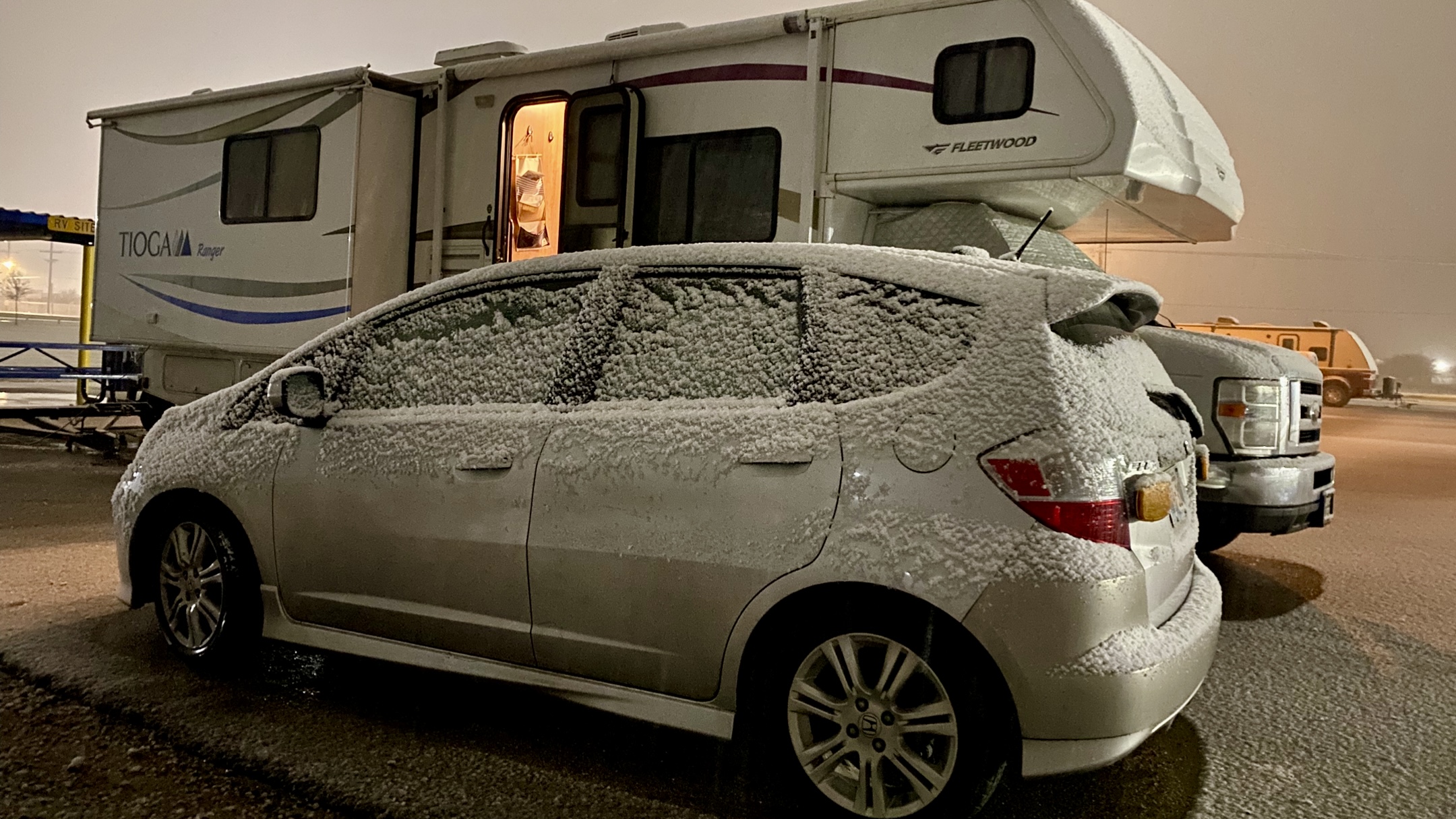
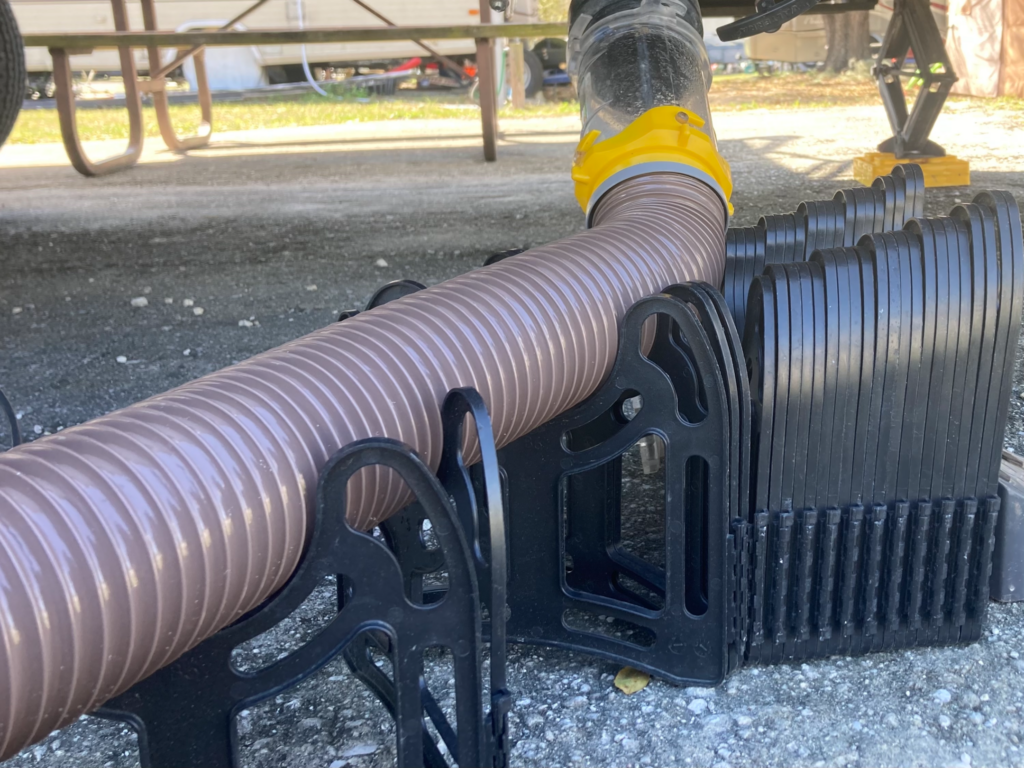
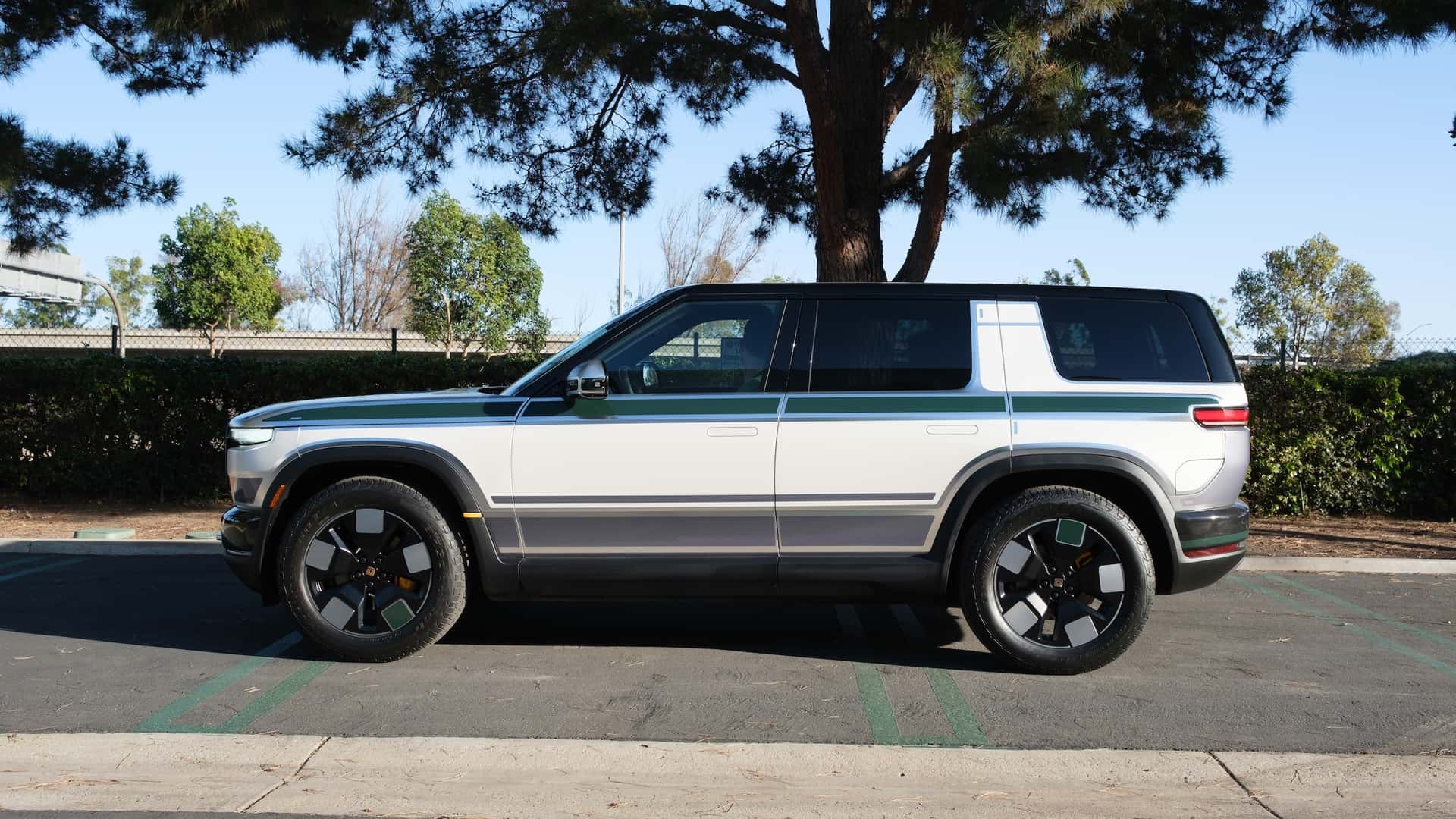
Source link