11.9 C
London
Thursday, May 14, 2026
Home Blog Page 41

Imported Materials Are Manageable, Imported Energy Reprices Economies

0
Imported Materials Are Manageable, Imported Energy Reprices Economies


Support CleanTechnica’s work through a Substack subscription or on Stripe.


Or support our Kickstarter campaign!



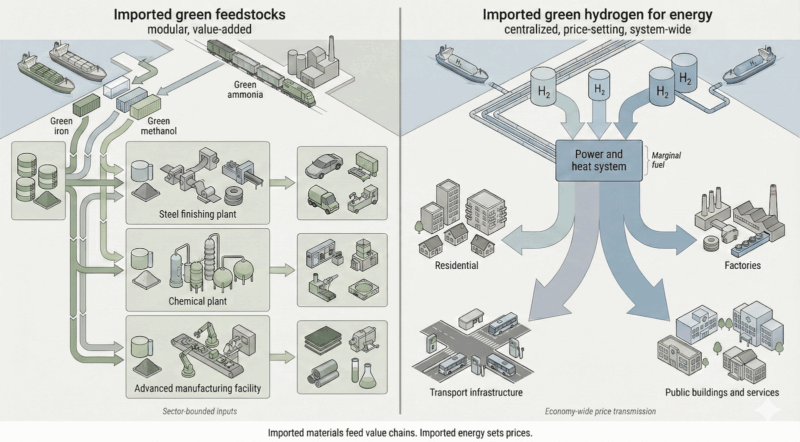
Europe’s gas crisis in 2022 is often described as a supply shock driven by geopolitics, but that framing misses the core lesson. The crisis was not caused by import dependence in general, nor by shortages of industrial feedstocks. It was caused by reliance on an imported energy carrier that sat at the margin of electricity and heat markets and therefore set prices across the economy. Natural gas did not need to be the dominant energy source to trigger the crisis. It only needed to be marginal. Once gas prices spiked, electricity prices followed, household heating costs surged, industrial energy bills rose in parallel, and governments were forced into fiscal intervention measured in hundreds of billions of euros. Inflation accelerated and monetary policy tightened. None of this occurred because Europe imported iron, ammonia, or other feedstocks. It occurred because Europe imported gas for energy.

Energy prices behave differently from feedstock prices because energy is a system input rather than a sectoral input. Electricity and heat underpin almost every economic activity simultaneously, and energy prices propagate through wholesale markets, retail tariffs, industrial contracts, transport costs, and consumer prices with little friction. Feedstocks do not have this property. If the price of imported iron units rises, steel producers feel the impact and downstream customers may see higher prices, but the shock does not reset electricity markets or household bills. If ammonia prices increase, fertilizer producers and agriculture absorb the change, but the economy does not experience a generalized price spike. Energy carriers used for power and heat occupy a unique position at the top of the cost stack, which is why their volatility becomes macroeconomic.

The events of 2022 demonstrated this distinction with unusual clarity. Gas did not disappear from Europe. Physical shortages were managed through demand reduction, storage drawdowns, and alternative supplies. The damage came from prices. Gas prices increased by multiples, and because gas was marginal in electricity generation, power prices increased by similar magnitudes even in systems where gas provided a minority share of total generation. The result was a price shock that propagated far beyond the gas sector. Governments responded with price caps, subsidies, and emergency market interventions to prevent social and industrial collapse. These responses were not optional. They were required because energy prices affect everyone at once.

This is the context in which hydrogen for energy must be evaluated. When hydrogen is proposed as a fuel for power generation, industrial heat, or backup capacity, it is being positioned to play the same marginal role that gas played. Even if hydrogen supplies only a small share of total energy, if it is required to meet peak demand or provide dispatchable capacity, its price will influence clearing prices across the system. If hydrogen is expensive or volatile, electricity prices will reflect that, regardless of how much hydrogen is actually consumed. This is not a transitional issue that resolves with scale. It is a structural property of marginal pricing in energy markets.

Proponents often argue that green hydrogen changes this risk profile because it is low carbon and sourced from friendly suppliers. That argument confuses emissions with economics. Green hydrogen remains dominated by electricity input costs, conversion losses, transport costs, and infrastructure charges. Germany’s own planning assumes that 50% to 70% of hydrogen demand in 2030 will be met through imports, amounting to roughly 45 to 90 TWh. Imported hydrogen or hydrogen derivatives will be exposed to global electricity prices, shipping constraints, conversion costs, and policy risk in exporting countries. These are not stable inputs. They are layered costs that introduce volatility, not resilience.

By contrast, domestic renewable electricity has a different price structure. Wind and solar are capital intensive, but once built their marginal costs are low and predictable. They do not reprice the economy when global fuel markets move. Storage and demand flexibility add further insulation by reducing reliance on marginal fuels during peak periods. Electrification weakens the price transmission channel that turned gas price spikes into economy wide crises. Hydrogen for energy strengthens that channel by introducing another imported fuel into the marginal position.

Industrial feedstocks do not pose the same strategic risk because they cannot reprice the economy. Green iron, ammonia, and methanol can be imported in large volumes without becoming macroeconomic levers. Their price volatility is absorbed within specific value chains. Firms manage that risk through contracts, inventories, supplier diversification, and product pricing. Governments are rarely compelled to intervene to stabilize feedstock prices because feedstock shocks do not threaten social stability or basic services in the short term. Even when feedstock prices rise sharply, the effects are uneven and contained.

The difference becomes clearer when considering substitutability and buffering. Feedstocks can be stockpiled for weeks or months. Production schedules can be adjusted. Alternative suppliers can be sought. Energy carriers used for power and heat lack this flexibility. Electricity must be balanced in near real time. Hydrogen used as an energy carrier requires continuous supply to maintain system stability. If hydrogen prices spike or supplies tighten, there are few rapid substitutes once hydrogen has been embedded in the energy system. This is why energy price shocks force governments into emergency action, while feedstock price shocks rarely do.

Carbon border adjustment mechanisms are often cited as a counterargument, but they do not address this distinction. CBAM reduces the advantage of high carbon imports into the EU market by applying a carbon cost aligned with the EU ETS. It does not lower domestic energy costs, and it does not protect EU exporters competing in markets outside the EU. If German industry relies on hydrogen based energy pathways with high input costs, CBAM does not make those products competitive globally. It only penalizes competitors who fail to decarbonize, and competitors can respond by electrifying and lowering their embedded emissions. CBAM is a compliance tool, not a cost equalizer.
Google Gemini generated this infographic illustrating the stark mismatch between the massive scale of Germany's planned hydrogen infrastructure and current realistic demand.
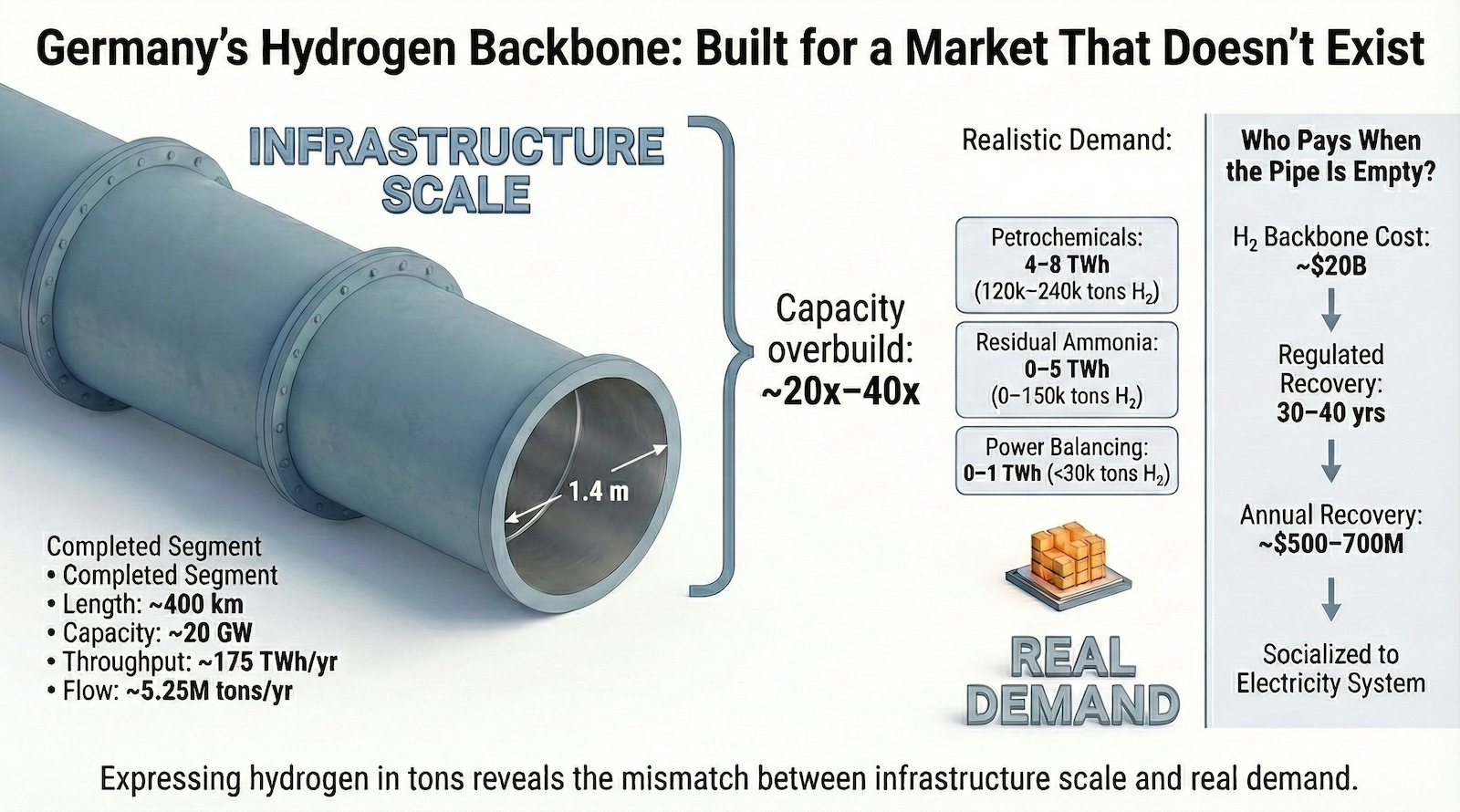
Google Gemini generated this infographic illustrating the stark mismatch between the massive scale of Germany’s planned hydrogen infrastructure and current realistic demand.

This is where hydrogen pipelines like Germany’s newly pressurized backbone without customers or suppliers—a pipeline from nowhere to nowhere—become problematic from a strategic perspective. Building hydrogen pipelines before cheap and abundant hydrogen exists—and it never will exist—encourages industry and policymakers to assume that hydrogen will be available at acceptable prices, and it embeds hydrogen into regulated infrastructure with political protection. Once hydrogen becomes part of the regulated energy system, price volatility becomes harder to contain because too many services depend on it. The state then faces pressure to subsidize hydrogen prices or shield consumers and industry from shocks, repeating the dynamic seen with gas.

Green ammonia, methanol, and iron are fundamentally different from hydrogen used as an energy carrier because they enter the economy as industrial materials rather than price-setting fuels. Their prices affect specific value chains, not the entire energy system. If the cost of green iron rises, it affects steel producers and downstream manufacturers, but it does not reprice electricity, heating, or transport across society. This containment is what makes these imports strategically manageable. They remain commercial risks borne by firms, not macroeconomic risks borne by states.

These materials also align closely with Europe’s existing industrial structure. Green iron would feed directly into Europe’s steel sector, particularly producers of high-grade flat steel, specialty alloys, and engineered steels used in automotive manufacturing, rail, construction systems, wind turbines, and industrial machinery. Europe does not compete on bulk commodity steel. It competes on quality, tolerances, performance, and integration into complex products. Importing low-emissions iron units allows European steelmakers to decarbonize upstream inputs while preserving their focus on high-margin finishing, alloying, rolling, and fabrication, which is where skills intensity and value creation are highest.

Green ammonia and methanol fit the same pattern in chemicals and downstream manufacturing. Ammonia is a core input to fertilizers, explosives, and chemical intermediates. Methanol is a platform chemical used in plastics, resins, solvents, coatings, and synthetic materials. European chemical firms are global leaders in formulation chemistry, process optimization, specialty products, and integrated chemical systems. They generate value not by producing the cheapest bulk molecules, but by transforming them into tailored, high-performance products. Importing low-emissions ammonia and methanol supports decarbonization without forcing European producers to compete on primary energy costs where they are structurally disadvantaged.

Green methanol, specifically biomethanol, is highly likely to become an energy carrier, but only for longer haul shipping, a much smaller energy segment than ground transportation, more suitable for bunkering arbitrage and highly likely to be supplemented with hybrid battery electric maritime power systems.

Critically, these feedstocks are compatible with buffering and risk management at the firm level. Iron units, ammonia, and methanol can be stockpiled for weeks or months, contracted long term, and sourced from multiple suppliers. Firms can manage price volatility through inventories and commercial hedging. Disruptions affect production schedules and margins, but they do not force governments into emergency interventions. This is exactly how advanced industrial economies have always managed raw material dependence, and it remains a viable model in a decarbonized context.

Importing these green intermediates also preserves high-quality employment. Steel finishing plants, chemical complexes, automotive factories, machinery producers, and advanced manufacturing clusters employ large numbers of highly skilled workers at wages well above national averages. These jobs depend on engineering expertise, process control, digital systems, and complex supply chain integration. Forcing these industries to internalize energy-intensive primary production using high-cost electricity would compress margins and ultimately threaten employment. Importing green feedstocks instead protects profitability while maintaining domestic value-added activity.

The broader strategic benefit is that this approach decouples industrial decarbonization from domestic electricity price disadvantages. Regions with abundant low-cost renewables can specialize in energy-intensive primary production. Europe specializes in transformation, precision manufacturing, and systems integration. That division of labor lowers total system cost, accelerates emissions reductions, and keeps European industry competitive. It also ensures that exposure to global markets remains proportional and manageable, rather than systemic.

In this context, importing green ammonia, methanol, and iron is not a concession or a retreat. It is an industrial strategy that preserves margins, sustains good-paying jobs, and limits strategic vulnerability. By treating these materials as tradable inputs rather than as energy carriers, Europe can decarbonize its industrial base without recreating the price and security risks that accompanied dependence on imported fuels.

Electrification offers a different trajectory than imported hydrogen. By shifting energy demand toward domestically produced electricity with low marginal costs, electrification reduces exposure to imported price setters. It flattens price curves over time and reduces the scale of fiscal intervention required during external shocks. This is not an abstract benefit. During the gas crisis, countries with higher shares of domestic renewables experienced lower wholesale price volatility than those more exposed to gas. Electrification is therefore not just an efficiency or climate strategy. It is a price stability strategy.

The implications for industrial policy are significant. Industries anchored to stable electricity prices are better positioned to compete globally than those tied to volatile imported fuels. This is already visible in electricity price comparisons. EU industrial electricity prices have hovered around €0.15 to €0.20 per kWh excluding taxes, while comparable prices in the US and China have been closer to $0.07 to $0.09 per kWh. This is a well known problem, and Germany, for example, is responding with €0.06 per kWh industrial energy pricing. Building industrial decarbonization pathways on top of this disadvantage using hydrogen compounds the problem rather than solving it. Direct electrification, combined with grid expansion and renewable buildout, reduces the disadvantage over time.

Germany can act on this insight without abandoning hydrogen entirely. Hydrogen can and should be constrained to roles where it does not become a price setter, such as chemical feedstocks and specific industrial processes where alternatives are limited. What must be avoided is allowing hydrogen to become a marginal energy carrier for power or heat. That requires explicit policy choices. Infrastructure investment should prioritize transmission, distribution grids, storage, and demand flexibility. Success metrics should focus on price stability, delivered electricity capacity, and export competitiveness, not hydrogen volumes moved through pipelines.

The real lesson of 2022 is not that Europe chose the wrong supplier. It is that Europe allowed an imported fuel to set energy prices across the economy. Replacing gas with hydrogen in that role would repeat the mistake with a different molecule. Strategic vulnerability arises when price setting power is imported. Limiting hydrogen to feedstock roles and accelerating electrification removes that vulnerability at its root, which is why this distinction matters far more than debates about color labels or supplier geography.

Support CleanTechnica via Kickstarter


Sign up for CleanTechnica’s Weekly Substack for Zach and Scott’s in-depth analyses and high level summaries, sign up for our daily newsletter, and follow us on Google News!


Advertisement


Have a tip for CleanTechnica? Want to advertise? Want to suggest a guest for our CleanTech Talk podcast? Contact us here.


Sign up for our daily newsletter for 15 new cleantech stories a day. Or sign up for our weekly one on top stories of the week if daily is too frequent.


CleanTechnica uses affiliate links. See our policy here.

CleanTechnica’s Comment Policy


Source link

How to Check Your Oil Level at Home

0
How to Check Your Oil Level at Home


How to Check Your Oil Level at Home

Every time you visit our BMW service center, we’ll check your oil level. Your luxury vehicle is a finely-tuned driving machine, and it needs the proper amount of oil to run smoothly. Between service appointments, you can give your oil a checkup at home—and here’s how to do it from the friendly professionals at Fields BMW Northfield. 

Digital Oil Level Check

Although many maintenance tasks should be handled by our trained BMW service technicians, you can easily check your own oil level. Newer BMW models have built-in technology that uses sensors to measure the oil quantity and thickness. Warm up the engine by driving around for a few minutes, park on level ground, and look at the “Vehicle Status” menu to find the oil level.

Manual Oil Level Check

If your BMW model is older, you’ll need to check the oil level manually. Just follow these steps:

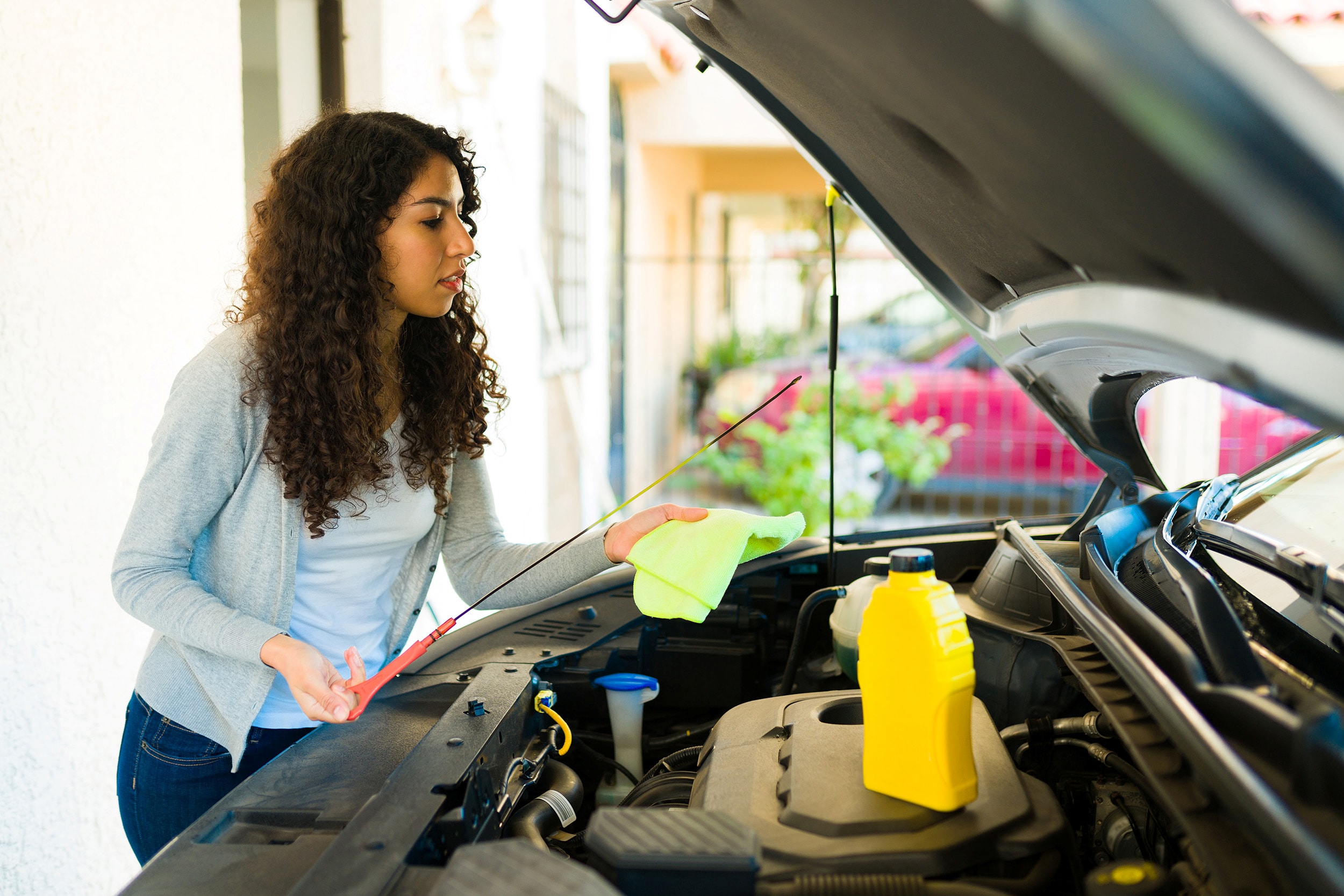
  • Make sure your vehicle is parked on level ground and that the engine is cool. Never check your oil while the engine is still hot.
  • Pop open the hood.
  • Locate the dipstick, which will be near the engine.
  • Pull the dipstick out, wipe it with a clean cloth, then plunge it back in.
  • Pull it out again to see the oil level. There will be an indicator line on the dipstick showing you the ideal level.

Our luxury vehicles stopped including dipsticks in the early 2000s, so chances are you can just check the oil level digitally. However, our models are known for their longevity, so you might have a BMW model that’s more than two decades old. 

Keep Your Engine Running Smoothly with Expert BMW Service in Northfield, IL

Our BMW service professionals will help keep your vehicle running smoothly. When you have questions or concerns about your oil level, don’t hesitate. Schedule an appointment at our Northfield, IL BMW dealership!


Source link

2026 Toyota Raize in Indonesia – Perodua Ativa twin gets new GR Sport bodykit, Apple CarPlay, fr RM58k

0
2026 Toyota Raize in Indonesia – Perodua Ativa twin gets new GR Sport bodykit, Apple CarPlay, fr RM58k


2026 Toyota Raize in Indonesia – Perodua Ativa twin gets new GR Sport bodykit, Apple CarPlay, fr RM58k

Toyota has released a mild 2026 model year update for the Raize in Indonesia, despite the Perodua Ativa‘s twin remaining unchanged in its home market since its late-2019 debut. As expected, the tweaks are few and far between, with the biggest being a new bodykit for the range-topping GR Sport model.

Here, you get a new front lip spoiler with black inserts that “extend” the front and faux corner air inlets, leading to an almost drooping effect. The same is true for the diffuser-like rear skirt with cutouts for the reflectors. There’s also new black-to-red gradient stickers aft of the rear quarter windows, but the side skirts and 17-inch black turbine-style alloy wheels are carried over.

Inside, all models get black headlining, with the GR Sport model also gaining a GR badge on the bottom spoke of the steering wheel. Also standard fitment is a new nine-inch touchscreen head unit, now offering Apple CarPlay and Android Auto.

Beyond that, the Raize remains unchanged, offering the same engine options – an 86 PS/113 Nm 1.2 litre WA-VE naturally-aspirated four-cylinder and a 98 PS/140 Nm 1.0 litre 1KR-VET turbo three-pot (the latter is shared with the Ativa), mated to either a five-speed manual gearbox or Daihatsu’s Dual-mode CVT (D-CVT). The GR Sport is exclusively available with the 1.0 litre turbo and D-CVT combo.

Standard equipment includes LED lighting, keyless entry, push-button start, manual fabric seats with red trim, digital air-con controls and 16-inch silver alloy wheels, with the 1.0T G adding 17-inch two-tone alloys. Aside from the exterior addenda, the GR Sport gains part-leather upholstery and auto air con.

2026 Toyota Raize in Indonesia – Perodua Ativa twin gets new GR Sport bodykit, Apple CarPlay, fr RM58k

Safety-wise, the Raize comes as standard with only two airbags, with six airbags and a suite of driver assists (autonomous emergency braking, adaptive cruise control, lane keep assist, blind spot monitoring, rear cross traffic alert, front departure alert and pedal misapplication control) offered as an option on the GR Sport. This brings the car up to parity with the Ativa, which has most of these features as standard.

Prices have gone up quite a bit since the Raize’s 2021 Indonesian launch, ranging from 243,500,000 rupiah (RM58,200) to 292,100,000 rupiah (RM69,800). Still, the drop in the rupiah does mean that the car now undercuts the (admittedly much higher-specced) Ativa, which retails between RM62,500 and RM73,400.


Looking to sell your car? Sell it with Carro.


Source link

2026 Mercedes-Benz S-Class facelift teaser leaked!

0
2026 Mercedes-Benz S-Class facelift teaser leaked!


Mercedes-Benz’s flagship sedan, the S-Class, is due for a midlife makeover this year. Earlier, the carmaker had shared images of the prototype covered in camouflage, but an official teaser could be revealed soon.

This leaked image could be one of the first teasers of the S-Class facelift. It shows its front silhouette, highlighting the redesigned grille and new headlamp units.

Mercedes-Benz S-Class facelift-teaser1

It appears that the new S-Class will feature a hexagonal grille with four horizontal slats and a central spine. Also note that it has an illuminated frame. The headlights have star-shaped DRLs with an eyebrow.

The S-Class facelift will come with an updated range of engines. The S450 will be powered by an inline 6-cylinder unit producing 443 lb-ft of torque, peaking at 472 lb-ft with the overboost function. The S500 will reportedly have 442 hp, while the S580 will get a flat-plane V8 with 530 hp and 553 lb-ft. A plug-in hybrid version will be on offer.

Source: @liucunyi_starandcar


Source link

How Motorcycle Accident Attorneys Build a Winning Injury Case in Las Vegas

0
How Motorcycle Accident Attorneys Build a Winning Injury Case in Las Vegas


Unfortunately, motorcycle crash-related injuries make up 3.4% of all road injuries, despite motorcycles being just 3% of registered vehicles. In densely populated cities like Las Vegas, these crashes may occur due to several reasons, such as traffic moving too fast or someone stopping without warning.

After a crash, injured riders face hospital bills, missed work and insurance calls that start right away. This is where a motorcycle accident attorney can assist. Winning an injury case starts with understanding how the crash happened and why the rider was not at fault. Attorneys look at police reports, medical records, traffic camera footage and witness statements to build a case. Below, we examine how this works.

Early Investigation

Attorneys gather police reports, photos from the scene, traffic camera clips and vehicle damage records before any details go missing. They track down witnesses while accounts are still fresh. Plus, they gather medical records from you to link injuries to the crash and rule out claims that pain came from something else.

Building the Story

While insurance carriers focus on numbers, attorneys take facts into account. A solid injury case explains how and why the crash happened. Lawyers piece together speed, traffic flow, road layout, lighting and driver behavior.

Densely populated cities like Las Vegas present their own problems, with heavy traffic and tourists who may not be familiar with driving in the city. Attorneys use accident reports, expert opinions and (sometimes) crash reconstruction to show how a driver caused harm. They also push back against common bias toward riders to show that the rider acted responsibly and the other party failed to do the same.

How Motorcycle Accident Attorneys Build a Winning Injury Case in Las Vegas
Photo courtesy of Unsplash

Gathering Medical Proof

Injury claims depend on medical proof, so attorneys review emergency room notes, follow-up visits, imaging results and treatment plans. Lawyers also work with doctors to explain how injuries affect daily life. Everything from pain levels and sleep loss to limited movement and work restrictions matters.

These details help counter low settlement offers by insurance companies that ignore the long-term impact. Medical evidence puts real weight behind the claim and supports fair compensation.

Preparing for Court

While many cases settle, others do not. Attorneys prepare each claim as if a trial will happen. This approach strengthens leverage and refines arguments right from the beginning. When insurers see real trial readiness, positions often shift. Preparation changes the tone of talks and raises the value of the claim. Careful preparation also helps avoid surprises if the case reaches a courtroom. Judges and juries respond better to proper presentation and a story that holds together from start to finish.

Endnote

No one’s really prepared for what to do after a motorcycle accident, but if you have the right lawyer by your side, things become easier. A qualified attorney, like Las Vegas’ Steve Dimopoulos, can make the process clearer and less stressful. They can step in early and keep the case on track while you focus on recovery. A lawyer who understands local roads, courts and insurers helps level the field. When the legal side is handled with care, riders get the space to heal.


Source link

Nissan design adds romance to electrification and autonomy

0
Nissan design adds romance to electrification and autonomy


Nissan design adds romance to electrification and autonomy | Automotive World


Skip to content

The head of Nissan Design Europe shares his playbook for navigating new mobility design challenges with a human touch. By Megan Lampinen

Automotive design merges aesthetics with functionality and then layers in a myriad of considerations around sustainability, brand identity and customer preferences. More recently, electrification of the powertrain has simultaneously introduced new design challenges and opportunities. The Nissan Leaf, now in its third generation, serves as a showcase for the evolution of design in the wake of electrification. Giovanny Arroba, Vice President of Nissan Design Europe, has been shaping Nissan design for a quarter of a century. As he tells Automotive World, it’s been an exciting journey, with learnings underpinned by a commitment to passion and romance.

Subscribe to Automotive World to continue reading

Sign up now and gain unlimited access to our news, analysis, data, and research

Subscribe

Already a member?

Nissan design adds romance to electrification and autonomy

Welcome back , to continue browsing the site, please click here


Source link

Rolex Monterey Motorsports Reunion (2022)

0
Rolex Monterey Motorsports Reunion (2022)


Ms. Ellen Bareley curated the Le Mans Legends Heritage Display. This display contained close to fifty cars, all with Le Mans history. From the 1929 Bentley Speed Six overall winner in 1929 and 1930 to the 2016 Ford GTLM class winner.

Among the displays was the Jim Hall 1967 Chaparral 2F; push rods, 427 cubic inch Chevy aluminum block, and an automatic transmission wrapped in fiberglass designed and built in Southwest Texas. This is an American Endurance Racing Car. Each of the many times I walked by the Chaparral 2F, I noticed somebody of my age explaining to sons and grandsons what an important car the Chaparral was to them. Jim Hall and his Chaparrals proved that American cars could compete internationally.

Another significant car is Cameron Healey’s 1951 Porsche 356/02-063. This is the car that started the Porsche mystique by winning Porsche’s first international race. The 1100cc Class of the 1951 Le Mans. Later the car was bought by Southern California’s John von Neumann, who eventually cut the roof off, producing the first Speedster. Northern California Porsche racer Chuck Forge eventually raced the car.

Cameron Healey bought the car from the Forge estate and returned it to how it left the factory in 1951. Even down to the rubber hose jammed behind the right front external driving light to stop vibration and the light moving during the race. Compared to the early fifties British and Italian cars here, this sleek racer definitely feels German!

Cameron Healey and SportsCarDigest compatriot Bill Wagenblatt have worked together to produce the book “46: The Birth of Porsche Motorsport,” which covers the history of 356/02-063 from its first production orders to today. The book includes conversations with original mechanics and team members. I have seen the layout for the book; if you are a Porsche enthusiast, you should have this book. It should be available early next year.

1951 Porsche 356 /2-0631951 Porsche 356 /2-063
The one that started it all. 1951 Porsche 356 /2-063 acelerating out of turn eleven. ©2022 Dennis Gray
Various vintage cars at the Le Mans Heritage DisplayVarious vintage cars at the Le Mans Heritage Display
Le Mans Heritage display. This was proably the best display of historic Le Mans ever displayed in the States if not world wide. ©2022 Dennis Gray
Chaparrel Mk. 1Chaparrel Mk. 1
For many my age the Chaparrels were our first serious love. I first saw Jim Hall debut his Chaparrel Mk. 1 at Laguna Seca in 1957. Front Chevy engine with three down draft two barrel carbs. Jim Hall and Hap Sharp built the first Chaparral 2 in 1963. This Chaparral 2F was built for the 1967 season. It won the BOAC 500 at Brands Hatch that year. Aluminum 7 liter Chevy with an automatic transmision. ©2022 Dennis Gray
1950 Cadillac Series 61 Le Monstre1950 Cadillac Series 61 Le Monstre
1950 Cadillac Series 61 Le Monstre. I had to stand next to this car to get a handle on how big it is. At speed, it must be a real kick. ©2022 Dennis Gray
1952 Mercedes Benz W1941952 Mercedes Benz W194
1952 Mercedes Benz W194 drops down The Corkscrew. ©2022 Dennis Gray

The Sunday morning Hillclimb or “Backwards up The Corkscrew.” This year the 2022 Rolex Monterey Motorsports Reunion ran Wednesday through Saturday, leaving Sunday for the “Cars on Grass” people. For the rest of us, Laguna Seca held a Hillclimb running from the start-finish line through turns eleven, ten, and nine, ending just past The Corkscrew. You may notice this is backward from the usual direction the cars run.

With over fifty entrants in this novel event, the hillside behind The Corkscrew was packed with spectators. Once the entrants grasped the technique of driving up the hill, they put on a good show. The Word is that the track is looking to build a Hillclimb series out of this event. I am for it.

1967 427 Corvette 1967 427 Corvette
Looking down the hill from The Corkscrew into turn nine on a foggy Sunday morning. Nicholas Colonna in his 1967 427 Corvette at the base of turn 8 The Corkscrew. ©2022 Dennis Gray
1964 Aston Martin DB4 RS 1964 Aston Martin DB4 RS
Up The Corkscrew. Philip Bagley’s 1964 Aston Martin DB4 RS Williams LW. ©2022 Dennis Gray
1951 Fabulous Hudson Hornet1951 Fabulous Hudson Hornet
The 1951 Fabulous Hudson Hornet made famous by Disney Pixar. ©2022 Dennis Gray
1976 Lotus 771976 Lotus 77
Chris Locke in his 1976 Lotus 77 up The Corkscrew. ©2022 Dennis Gray
Porsche 911 Porsche 911
A Porsche 911 in The Corkscrew. ©2022 Dennis Gray
Cooper Porsche "Pooper"Cooper Porsche "Pooper"
Cameron Healey in his Cooper Porsche “Pooper” in turn 8 The Corkscrew. ©2022 Dennis Gray

The Main Event

Weathertech Raceway Laguna Seca Raceway had 13 groups of cars running this event. Starting with 1923-1955 The Early Years cars to 1981 – 2005 Le Mans Prototypes and GT1 cars. If you’re turned on by ground-shaking, loud, fast cars, how about the Group 12 Historic Vintage Trans-Am group. Or if your thing is the flame-throwing Porsches, there is Group 8 for 1972-1982 Le Mans cars. On the other end of the spectrum, we have Group 1 1968-1963 Formula Junior; buzzy but quick. Further up the open-wheel ladder is Group 13 1966-1985 Formula One. Very fast with the great sound of high revving V8s and even a Ferrari flat-12 in the field.

1976 Porsche 935K31976 Porsche 935K3
Steve Schmidt – 1976 Porsche 935K3 ©2022 Dennis Gray
1989 Porsche 962C1989 Porsche 962C
Bruce Canepa – 1989 Porsche 962C ©2022 Dennis Gray
1990 Jaguar XJR101990 Jaguar XJR10
Zak Brown – 1990 Jaguar XJR10 ©2022 Dennis Gray
1964 Alfa Romeo Guilia Ti1964 Alfa Romeo Guilia Ti
Frank Zucchi – 1964 Alfa Romeo Guilia Ti ©2022 Dennis Gray
1970 AMC Javelin1970 AMC Javelin
Dirt tracking out of turn five. Bruce Canepa – 1970 AMC Javelin ©2022 Dennis Gray
1976 Ferrari 312 T21976 Ferrari 312 T2
Chris MacAllister – 1976 Ferrari 312 T2 ©2022 Dennis Gray
1973 Chevron B231973 Chevron B23
John Fudge – 1973 Chevron B23 ©2022 Dennis Gray
1981 Porsche 9351981 Porsche 935
Zak Brown – 1981 Porsche 935 ©2022 Dennis Gray

Enjoy the following gallery. I plan on having a follow-up 2022 RMMR posting in late September or early October with more images. If you don’t see a car or driver you’re interested in, let us know, and I’ll see if I have a picture to include in the future posting. Hope to hear from you.


Source link

Best National Parks for Nordic Trails

0
Best National Parks for Nordic Trails


Whether you call it Nordic skiing or cross-country skiing, we’re about to see a whole lot of it during the February Olympic games. And if you’re wanting to try your own hands and legs at the sport, America’s slate of stunning national parks offer some of the most perfect place(s) in which to do so.

With well-maintained trail systems that transform into winter wonderlands best tackled on skis, a cross-country skiing trip is a great reason to rent an RV and make your way to some of the most beautiful preserved landscapes in America. And, of course, we’ve got all the details you need to do it right, including our hand-picked list of the best national parks in the U.S. for cross-country skiing and Nordic trails. 

What Makes a Great National Park for Nordic Skiing

While many of America’s national parks offer incredible cross-country skiing opportunities (alongside other winter sports and leisure activities), we’ve hand-selected a few of our favorites below for their exceptional landscapes, high snowfall, and other features. Some standout reasons the national parks below are great choices for Nordic skiing:

  • Groomed and ungroomed trail systems
  • Varied terrain for beginners through advanced skiers
  • Reliable snow each season — and access to the park during winter
  • Proximity to RV-friendly campgrounds and winter lodging

And, of course, when you rent an RV on RVshare, you’ll be able to bring all your gear along with you without any headache, or annoying wait for bulky checked baggage upon arrival.

Best National Parks for Cross-Country Skiing and Nordic Trails

Let’s dive into our favorite national parks for cross-country and Nordic skiing.

Yosemite National Park (California)

Even if you’ve seen it in the summertime, Yosemite National Park is well worth a return visit once its one-of-a-kind features are buried under a fresh blanket of snow. Come see how the park is transformed — and enjoy miles of groomed trails that are absolutely perfect for cross-country skiing. You’ll find opportunities for both class style and skate-skiing here, too.

Best Months for Nordic Skiing:

  • December through March bring the most reliable snowfall (and you’ll enjoy fewer crowds, too)

Why It Is Ideal for Cross-Country Skiing:

  • Explore an extensive network of groomed trails in Yosemite Valley and Badger Pass area
  • Benefit from the perfect combination of scenic, relatively gentle valley terrain combined with higher-elevation challenges — there’s truly something here for every skier
  • Finally, as mentioned above, discover opportunities for both classic and skate skiing

RV Camping Options:

  • A few Yosemite campgrounds are open all year and also allow RVs, but closures can happen, so always check the official NPS website
  • You’ll also find RV parks and year-round campgrounds in nearby towns such as Groveland and Mariposa

Rocky Mountain National Park (Colorado)

While visitors flock to Rocky Mountain National Park in the summer for blooming Alpine meadows, shimmering blue lakes, and hiking opportunities that just can’t be found anywhere else, the wintertime brings a whole new vibe to this land of extremes. Above the treeline, high-altitude trails give you the opportunity to train like you mean it, whether on skis or otherwise, and at the other extreme, backcountry-style routes offer sweeping views punctuated with cozy forested areas.

Best Months for Nordic Skiing:

  • November through April will be cold enough to support fresh powder, though always check snowfall reports ahead of time

Why It Is Ideal for Cross-Country Skiing:

  • With dozens of peaks over 12,000 feet — and 20 reaching as high as 13,000 — this park is the go-to for high-altitude trails ideal for endurance training
  • You’ll also find backcountry-style routes with wide-open alpine views which are more accessible for beginners
  • Last but not least, criss-cross your way among snow-packed roads used as ski routes in winter, whose wide margins are also beginner-friendly

RV Camping Options:

  • RMNP’s Moraine Campground is open and reservable during the winter season, with electrical hookups, freshwater fill and dump stations (though no ice or firework are for sale during this time)
  • Again, you can also check out private RV parks and winter-friendly campgrounds in Estes Park and surrounding communities

Grand Teton National Park (Wyoming)

We can forgive the French-Canadian fur trappers who gave Grand Teton National Park its name — after all, they’d been traveling for a long time. All you need to know in your own travels is that this is a park that combines long-distance Nordic trails with unbeatable views along with smaller-than-average annual visitor numbers, and those numbers get even smaller when you visit during the winter. Translation: Peace, quiet, and plenty of wide-open trails to sink into.

Best Months for Nordic Skiing:

  • December through March is the time to arrive for powder and tranquility

Why It Is Ideal for Cross-Country Skiing:

  • Take your time along long-distance Nordic trails through valley floors and open meadows
  • Feel your strength on terrain similar to Olympic-style Nordic courses
  • Enjoy absolutely exceptional mountain scenery throughout ski routes, truly like nowhere else on earth

RV Camping Options:

  • Although most of the campgrounds inside Grand Teton National Park close during the winter season, you can find nearby campgrounds in the surrounding cities (like Jackson) and natural areas

[INSERT RV RENTAL BLOCK]

Yellowstone National Park (Wyoming, Montana, Idaho)

Not every national park bears the distinction of inhabiting three different states — nor of being the very first designated national park not only in our nation’s roster, but in the world. But Yellowstone National Park isn’t every national park. It’s the largest intact volcanic landscape of its kind, and in the winter, it’s even more dynamic and otherworldly than during the warm season. Imagine cross-country skiing through an alien landscape filled with geothermal features like brightly-colored pools and geysers shooting up through snow. Yeah, it’s worth the trip.

Best Months for Nordic Skiing:

  • This park has a slightly shorter cross-country skiing season, so aim to arrive between December and February

Why It Is Ideal for Cross-Country Skiing:

  • It’s a truly unique opportunity to ski groomed trails that navigate through geothermal basins and forests
  • This particular juxtaposition of snow-covered trees and geothermal features cannot be found anywhere else in the world
  • Enjoy the Easter Egg feel of getting to see ski-in-only areas closed to vehicles in winter

RV Camping Options:

Acadia National Park (Maine)

We couldn’t let the west-coasters have all the fun! If you live in New York or New England — or simply want to see (and ski) one of the most dynamic parts of our country — Acadia National Park should not be missed. While this one can be a bit harder to access in the winter with no on-site campground options, the nearby town of Bar Harbor is both cute and cozy, and there are private RV campgrounds in the surrounding areas. Did we mention the park features a well-trodden network of historic carriage trails that magically convert with snowfall into the perfect Nordic skiing course?

Best Months for Nordic Skiing:

  • January through March offer reliable snow, but with the salt-spray air, it can get seriously cold — so pack accordingly

Why It Is Ideal for Cross-Country Skiing:

  • The famous carriage roads you may have been carried down behind a horse in the summer time are converted by the snow into scenic Nordic ski routes
  • Is there anything more romantic than coastal winter scenery with rolling terrain and pink granite peaks? We think not
  • With its relatively lower altitudes and proximity to population centers, this one is well-suited for recreational and intermediate skiers

RV Camping Options:

Mount Rainier National Park (Washington)

If you’ve never visited Mount Rainier National Park, you’re seriously missing out. The most heavily glaciated peak in the lower 48, this imposing and impressive volcano is a totally different beast in the winter and the summer. Both are worth seeing — and the wintertime especially for cross-country skiers. With its massive elevation and beautiful surrounding forest areas, this national park offers deep snowpack and a long winter season, giving you plenty of time and space to feel out the sport. The views, of course, are unmatched, and you can choose between serious endurance training and more relaxed exploration. The options are endless, but all worthwhile.

Best Months for Nordic Skiing:

  • The December through April season means you have four long months — a whole quarter of the year — to make your way to the park for this purpose

Why It Is Ideal for Cross-Country Skiing:

  • This majestic mountain combines deep snowpack with a nice, long winter season to give you plenty of opportunities and flexibility
  • The park’s open terrain is ideal for both endurance and elevation training
  • Along the way, you won’t miss unforgettable views of glaciers and alpine landscapes

RV Camping Options:

Planning an RV Trip for Nordic Skiing in National Parks

Once you’ve got your skis, boots, and gaiters, you’ll also want to figure out the perfect rental RV vehicle for your trip. If you’re renting on RVshare, here’s how to make sure you’re set up the right way with the perfect cozy home base after you busy days of skiing.

  • Consider a smaller rig. Yes, Class A motorcoaches and fifth-wheel trailers are luxurious, but in snowy conditions and on windy mountain roads, a Class B campervan can be easier to navigate
  • Make sure it’s winter-ready. The RV owner you rent from will be able to give you more details, but chances are you’re going to want a furnace — and protection like snow tires and chains, too
  • Check the weather and roads ahead of time. Even if the park is officially open, the way in might be under snow. Most states offer up-to-date information during the winter if you search for the state name as well as “road condition cameras”
  • Stay avalanche-safe. Mother Nature is beautiful, but she’s also nothing to mess with! Many of the parks we’ve listed above see many avalanches during the winter time, especially Mount Rainier. Always be sure to keep your wits about you and listen to Park Rangers

Why Renting an RV from RVshare Is the Best Way to Experience Nordic Skiing Trips

Why do we think an RV is the best way to travel? Well, because all of us here on the team have done it, and it speaks for itself. In case you need just a bit more convincing, though, consider this: RVshare offers RV rentals of all shapes, types, and sizes near every major national park gateway and beyond. Renting a rig offers you flexible travel options for changing snow and weather conditions, and you’ll have the comfort and convenience of tucking into the same warm bed each night between your ski sessions (and never having to unpack or repack your suitcase to switch hotels). Plus, RV travel makes it easy to carry heavy or bulky equipment, i.e. your cross-country skis — and you don’t have to worry about maintenance or long-term ownership costs. It’s truly an ideal way to get around, whether you’re considering a single-park trip or a whole multi-park Nordic circuit!

Speaking of which…

Sample Nordic Ski Road Trip Ideas

Here are some quick sample itineraries for a Nordic ski road trip you’ll never forget — and that incorporate other wonderful national parks as well!

  • Western Parks Nordic Skiing Loop: Start out at Lassen Volcanic, then navigate north to Crater Lake and eventually Mount Rainier for varied terrain and snow quality
  • Rocky Mountain High-Altitude Endurance Route: After Rocky Mountain NP, hit both Grand Teton and Yellowstone, emphasizing long climbs and thin-air training
  • Sierra Nevada Snow Classics Tour: Start at Yosemite (we said classic, after all), then head south to Sequoia & Kings Canyon for dramatic scenery and groomed Nordic routes
  • Upper Midwest Nordic Heritage Trip: The midwest gets powder, too! Start out at Isle Royale before heading to Pictured Rocks (where you can ski along the lakeshore), and finish at Voyageurs for quiet forests and frozen lakes

Without a doubt, our national parks provide some of the best Nordic skiing terrain in the U.S. — and most travelers have them on their bucket lists anyway. Even ones you’ve already visited in the summertime totally transform in the winter, making them well worth another look. 

Cross-country skiing like an Olympian (or like a beginner!) are totally accessible to everyday travelers, especially when you travel in the comfort and convenience of an RVshare rental vehicle. These cozy, loved- and lived-in rigs make winter Nordic adventurers easier and more comfortable, so you can focus on keeping the effort where it belongs: on the trail!


Source link

The U.S. Military’s Abrams Tank Is Going Hybrid

0
The U.S. Military’s Abrams Tank Is Going Hybrid


  • The legendary Abrams tank is getting a hybrid version.
  • Designed by the U.S. Army and built by Roush, the diesel-hybrid M1E3 Abrams tank is lighter and more efficient.
  • It can be deployed quickly in any part of the world, where it can also be easily serviced.

The Abrams tank is widely regarded as the best of its kind, but it’s getting a bit long in the tooth, so the United States Army is trying to breathe new life into the aging war machine.

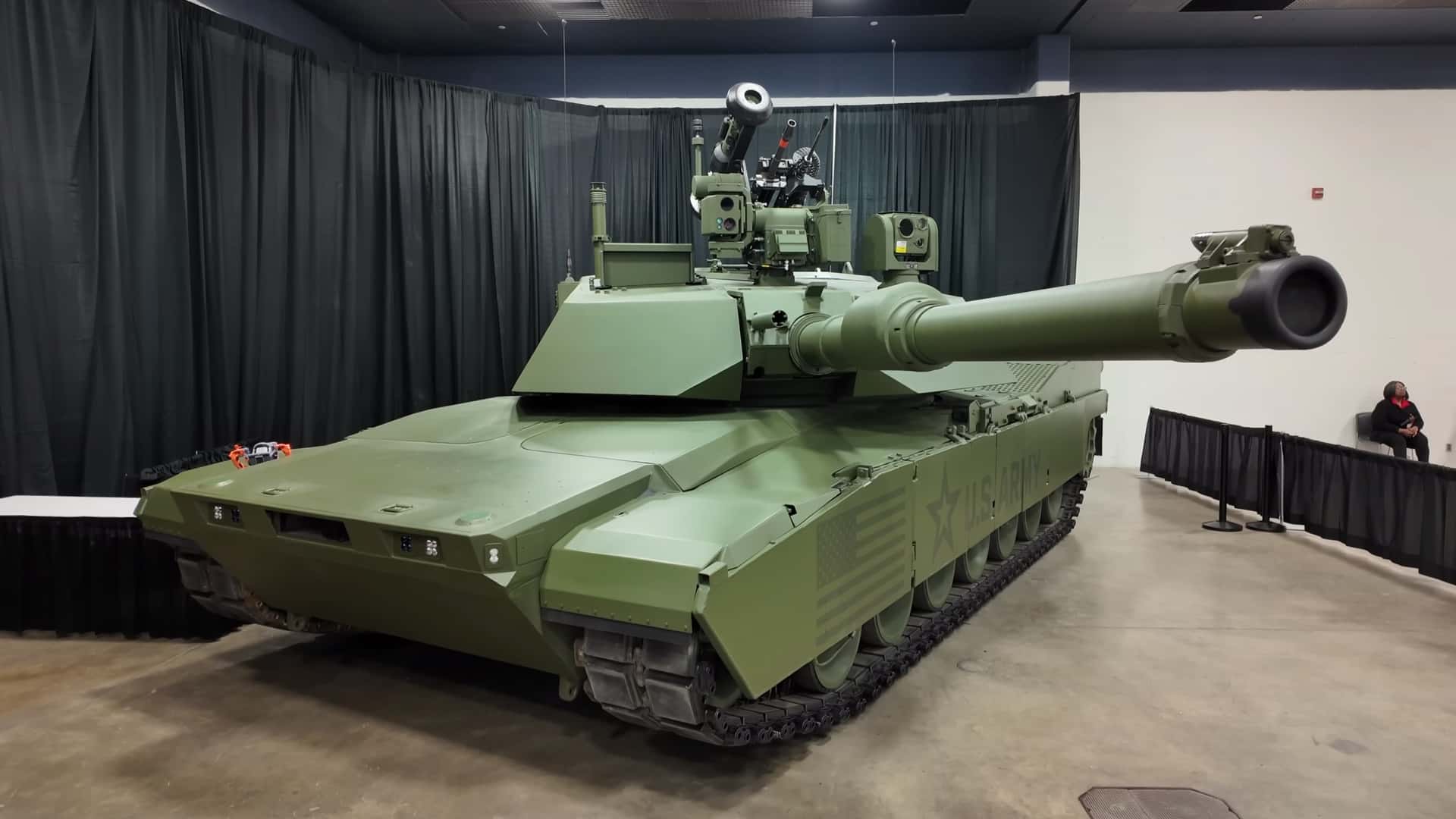
This is the M1E3 Abrams, a state-of-the-art tank that uses the latest and greatest in terms of technology, which includes–gasp–a hybrid powertrain. The first early prototype of the hybridized Abrams debuted at the Detroit Auto Show last week, where U.S. Army officials claimed some impressive efficiency gains and a serious weight reduction over the outgoing M1 Abrams.

But first, let me address the elephant in the room. Gone is Honeywell’s 1,500-horsepower turbine engine, and in its place is a Caterpillar C13D diesel engine that can easily be serviced everywhere in the world. If something went wrong with the old Abrams’ engine, it had to be shipped to a big army base to be serviced, but the Caterpillar engine in the M1E3, which makes 690 horsepower in stock form, is widely used in industrial and heavy machinery around the world, so spare parts are much easier to find.

The Allison Transmission is also out of the picture, with the Army going for a hybridized SAPA transmission that integrates an electric drive unit. It can use the combustion engine and the electric motor at the same time or separately, allowing the three-man crew to sit silently in sensible areas while also having everything powered on.

Alex Miller, the U.S. Army’s chief technology officer, told The Fast Lane Truck that the M1E3 Abrams is about 20% to 30% lighter than the outgoing model. This, coupled with the hybrid powertrain, leads to a massive improvement in fuel efficiency of up to 50%. The classic Abrams can tip the scales at over 80 tons when fully loaded, while the M1E3 hybrid will weigh no more than 60 tons–at least, that’s what the Army is targeting.

The new Abrams is also more tech-heavy than ever before. Its systems run on a custom-made software architecture that enables the Army to integrate all the latest and greatest systems. This includes microphones that can pick up drones from afar, and a 360-degree camera system.


M1E3 Abrams hybrid tank

Photo by: U.S. Army

The tank was designed to be driven with a yoke-style wheel that has multiple buttons, which can be mapped just like on a PlayStation controller, depending on what accessories are mounted on the vehicle.

It’s all pretty cool, but it’s worth mentioning that the M1E3 is still in its prototype phase. Miller said that the Army is still looking at what type of high-voltage battery could be integrated, and that it is looking at both conventional lithium-ion and lithium-iron-phosphate (LFP) chemistries. The prototype drives, and it can shoot, but it has yet to go through the certification process–that’s expected to start this month.

The Marine Corps is also looking to replace its fleet of aging Oshkosh MTVRs with new, more efficient hybrid trucks. The Oshkosh-made trucks went into service in 2001, but two companies, Mack and ND Defense, are in the running to create a modern replacement.


M13E Abrams hybrid tank

Photo by: The Fast Lane Truck via YouTube


Source link

All-New RV LIFE Podcast Now 250K Downloads Strong

0
All-New RV LIFE Podcast Now 250K Downloads Strong


The RV LIFE Podcast is back on the road with an all-new format, an expanded lineup of hosts, and an exciting milestone, all because of you. 

Thanks to our engaged and passionate community of listeners who tune in, share stories, and get the word out about the show, downloads of the RV LIFE podcast have skyrocketed past 250,000, and continue to rise. For that, we are forever grateful. But we’re not one to rest on our laurels.

That’s why the new chapter of the RV LIFE Podcast builds on everything our faithful listeners love about the original format, but includes so much more. As in: more voices, more expertise, and more real-world RV experience that RVers like you deserve.

The New Format

The new season introduces five recurring segments, each hosted by trusted voices from across the RV community.

  • Life on the Road: Discover regional highlights, hidden gems, and off-the-beaten-path destinations. Listen in for travel reports and insights from RVers who explore the routes, campgrounds, and communities.
  • Living the Dream: From planning and budgeting to family travel, fitness, and everyday life hacks, this segment focuses on the tools and ideas that help RVers thrive on the road.
  • The RV Entrepreneur: The spirit continues! This segment shares success stories, startup advice, and proven strategies from RVers who earn a living while traveling.
  • The Camper Report: Get the word on industry news that impacts RVers, safety updates, manufacturing trends, and coverage of events shaping the RV world.
  • Campfire Stories: We invite listeners to share their own wins, lessons learned, and memorable moments from life on the road. See how easy it is to share your story at podcast.rvlife.com/contact.

Familiar Voices and Trusted Hosts

The new RV LIFE Podcast brings together an all-star cast of hosts you already know, along with new perspectives that reflect the diversity of today’s RV community:

Together, the crew delivers a well-rounded look at modern RV life, combining experience, curiosity, and practical knowledge with real-world examples and interviews.

Explore the New Podcast

Visit the RV LIFE Podcast website to:

  • Learn more about the show’s evolution
  • Meet the hosts
  • Discover how to be a guest
  • Share your own Campfire Story

Moving Forward

So, whether you are planning your first trip or have years of road miles behind you, the all-new RV LIFE Podcast has one simple mission: to make RVing simple, smarter, and more enjoyable for everyone.

Follow  @RVLIFEPodcast everywhere or find it in your favorite listening app. Discover each new episode with complete show notes and full transcript at podcast.rvlife.com.

Thank you to every listener who helped us reach 250,000 downloads. Every episode played, story shared, and mile traveled together has helped shape this next chapter. We can’t wait to meet you around the campfire to talk all about the new-and-improved RV LIFE Podcast!


Source link