8.4 C
London
Thursday, May 14, 2026
Home Blog Page 81

Special Ferrari LaFerraris fetch big money at Swiss auction

0
Special Ferrari LaFerraris fetch big money at Swiss auction


The RM Sotheby’s Zurich auction concluded a few hours ago. On sale were some of the most highly sought-after supercars from a single-owner collection. It included iconic races like the Ferrari 333 SP and FXX-K Evo to modern hypercars like the Pagani Huayra Roadster BC, Pagani Utopia and Ferrari Daytona SP3.

Two very special LaFerraris were part of the auction, and both cars fetched upwards of $4 million.

Ferrari LaFerrari Grey Swiss Auction-2

2014 Ferrari LaFerrari

This is one of the few LaFerraris in the world without the signature red exterior. It is finished in an ultra-rare shade of Grigio Ferro Metallic. Ordered through Ferrari’s Atelier program, the supercar is fitted with silver centre-lock forged wheels from the FXX-K.

The interior is lined in grey and black Alcantara. Other details include exposed carbon fibre wing mirror arms, a carbon front splitter, a diffuser, and rear fog light housing.

The car was delivered new to the Swiss collector and has just over 1,000 miles on the odometer. It was sold for $4.15 million.

Ferrari LaFerrari Grey Swiss Auction-1

2017 Ferrari LaFerrari Aperta

One of only 210 examples, this LaFerrari Aperta is finished in a rare shade of Bianco Italia metallic with silver 5-spoke wheels and yellow brake calipers. The Nero leather interior also gets contrasting Giallo accents.

Ferrari LaFerrari Aperta White Swiss Auction-1

This LaFerrari Aperta was also ordered through Ferrari’s Atelier program and delivered new to the Swiss garage. The current odometer reading stands just over 2,400 miles.

Certified by Ferrari with a “Serie Speciali Yellow Book”, this stunning example was sold for $6.62 million.

Ferrari LaFerrari Aperta White Swiss Auction-2

Source: RM Sotheby’s


Source link

RV Pantry Staples: The Best Long-Lasting Ingredients

0
RV Pantry Staples: The Best Long-Lasting Ingredients


When we visited Big Bend National Park, we stocked up just enough for our week there. Unfortunately, I didn’t realize how remote the park was. We left the park expecting to find a grocery store somewhere along our route, but even after hours of driving, we found nothing. This meant we had to get really creative when dinner time rolled around. It also led me to vow never to run out of food again, especially when camping in remote areas, meaning long lasting ingredients were going to be needed. 

The problem with that? It can be difficult to find foods that 1) store well in an RV, 2) stay good for long periods of time, and 3) provide balanced nutrition. Difficult, but not impossible. In this article I will talk about the long-lasting ingredients I like to keep on hand, so we always have something to eat even if we happen to be in an area with no grocery stores. 

Why Long-Lasting Foods Matter for RV Living

The story above should be enough to convince you that stocking your RV with plenty of food is important. That said, if you’re still not convinced, I can provide a few more reasons why your pantry should always be stocked with long-lasting staples. 

Stocking long-lasting ingredients ensures that:

  • You won’t run out of meals between shopping trips like we did.
  • You save money by avoiding overpriced convenience stores in tourist areas.
  • You waste less food because your supplies don’t spoil quickly.
  • You reduce stress by knowing your pantry is always well prepared, even in remote locations. 

What to Look for in RV Adventure-Friendly Foods

Keeping a stockpile is important, but what is in the stockpile is equally important. Obviously you don’t want foods that don’t do the job right. Here’s what you’re looking for as you set out to build a solid pantry of foods:

  • As mentioned above, you want long-lasting ingredients that go a long time without spoiling.
  • Foods that store well in limited RV space.
  • Options that provide balanced nutrition for energy and health.
  • A variety of options so you don’t get tired of what you have on hand. 
  • Meals that can be prepared with limited appliances.

The Core Pantry Staples

Need some ideas that meet the criteria above? Below are some of my favorite foods to keep in our RV pantry at all times. 

Rice

White rice is amazing because it can last up to two years if stored in an airtight container. Brown rice has oils that spoil faster, but it still keeps 6–12 months. Both types of rice can be used as a side dish or stir-fry base. It can also be used in soups, burrito bowls, etc. 

Pasta

I adore pasta, and dried pasta has a shelf life of 1–2 years. It’s great for things like pasta salads, hearty main dishes, soups, and quick one-pot meals, and you can buy pasta with added protein if you feel like you aren’t getting enough protein in your diet. 

Dried Beans & Lentils

Dried beach and lentils will last up to two years if stored in airtight containers. They are an ideal source of protein and can be used in dishes such as chili, soups, stews, and burritos. Keep in mind, lentils cook faster than beans and don’t need soaking, making them perfect for quick meals.

Canned Goods

Canned goods are wonderful because they will keep for years. They are heavy though, so you have to be careful about how many canned goods you carry in your RV, but I still like to stock up before long trips. Some of my favorite things to keep on hand include the following:

  • Tomatoes: Sauces, soups, casseroles.
  • Beans: Quick protein for tacos, salads, and chilis.
  • Vegetables: Peas, corn, carrots, mushrooms.
  • Meats: Chicken, tuna, salmon, SPAM, corned beef.
  • Fruits: Pineapple, peaches, mandarin oranges.

Oats

Oats are filling, healthy, and perfect for stretching your food supply. I like to use them for oatmeal, granola, baking, and smoothies—and since they last for up to 18 months, I can keep them around for long periods of time. 

Flour & Baking Supplies

The ability to bake opens up all kinds of doors. Keep things like flour, sugar, baking powder, yeast, and salt on hand so you can make pancakes, bread, tortillas, biscuits, and more. These ingredients should last for at least 6 months.

Cooking Oils & Fats

You can’t cook much without some sort of oil. I prefer olive oil, but also keep coconut oil and vegetable oil around. Oils last for 6–24 months and can be used for frying, baking, sautéing, roasting, etc. 

Protein Sources that Keep

Many people believe that the only way to get enough protein is by eating fresh meat. Luckily, that simply isn’t true. Grab some of these shelf-stable options for when you run out of fresh meat and can’t get to a store:

  • Canned or pouched meat
  • Jerky and other dehydrated meats
  • Nut butters
  • Shelf-stable tofu or tempeh
  • Powdered or freeze-dried protein

Long-Lasting Fresh Produce

Obviously, fruits and veggies are crucial. While some fresh produce won’t keep for long, there are options that’ll stay good for longer than you might expect. Try these fruits and vegetables for your next long trip:

  • Root Vegetables — Good for 2–4 weeks if kept cool and dry
  • Cabbage — Good for 2–4 weeks in the fridge
  • Apples & Citrus Fruits — Good for 2–3 weeks
  • Winter Squash — Good for 1–2 months
  • Dried or Dehydrated Fruits & Veggies — Good for 6–12 months

Herbs, Spices & Flavor Boosters

Staples are important, but they’ll get old fast if you don’t have any way to spice them up. This is why herbs and spices are a super important part of your RV kitchen. Stock up on dried herbs as well as spices like chili powder, cumin, curry powder, and cinnamon. Condiments like soy sauce, hot sauce, ketchup, and mustard are also helpful, as are bouillon cubes and dry soup bases. 

Snacks & Quick-Grab Foods

Whenever we’re exploring a new place, we might stay out for hours at a time. Add in some long driving days and you can bet we’re going to be doing a lot of snacking. I like to keep a variety of long-lasting, shelf-stable snacks on hand for these occasions. 

Some of my top picks include:

  • Trail mix (nuts, seeds, dried fruit, chocolate)
  • Granola bars or energy bars
  • Crackers and rice cakes
  • Shelf-stable cheese (wax-wrapped or processed)
  • Popcorn kernels
  • Dark chocolate

Storage & Organization Tips for RV Pantries

It’s no secret that RV pantry space is extremely limited. This can make stocking up on foods—and finding what you need when you need it—difficult to say the least. Fortunately, these are some tricks you can use to make it work. 

  1. Stack smartly. Use bins or baskets for grouping (canned goods in one, snacks in another).
  2. Label everything so you know what’s what and what’s expiring soon.
  3. Store heavy items low to prevent falling hazards while driving.
  4. Rotate stock. Use older items first, add new ones to the back.
  5. Look beyond the pantry. We store foods in cabinets, under dinette seats, and even behind the couch. 

Sample Meal Ideas with Long-Lasting Ingredients

Not sure how to use the staple ingredients listed? There are tons of great options. Here are a few of the easiest ideas. Use these and then expand upon them with your own twist. 

Breakfasts

  • Oatmeal with dried fruit and nuts.
  • Pancakes with peanut butter topping.
  • Scrambled powdered eggs with canned mushrooms and salsa.

Lunches

  • Tuna salad with crackers.
  • Lentil soup with carrots and potatoes.
  • Wraps with canned chicken, cabbage slaw, and hot sauce.

Dinners

  • Pasta with canned tomato sauce, garlic, and dried herbs.
  • Chili with canned beans, tomatoes, and dehydrated veggies.
  • Stir-fry with rice, canned vegetables, and shelf-stable tofu.

Snacks

  • Jerky and trail mix.
  • Apples with peanut butter.
  • Popcorn with chili powder seasoning.

As you can see, there are plenty of foods that you can keep on hand for those longer and more remote RV trips in order to ensure you always have something good to eat. I adore our RV stockpile and I can rest easy knowing we’ll never run out of meal options again! Ready to create a well stocked pantry of your own?


Source link

Has Cadillac ever succeeded in the UK?

0
Has Cadillac ever succeeded in the UK?


Enjoy full access to the complete Autocar archive at the magazineshop.com

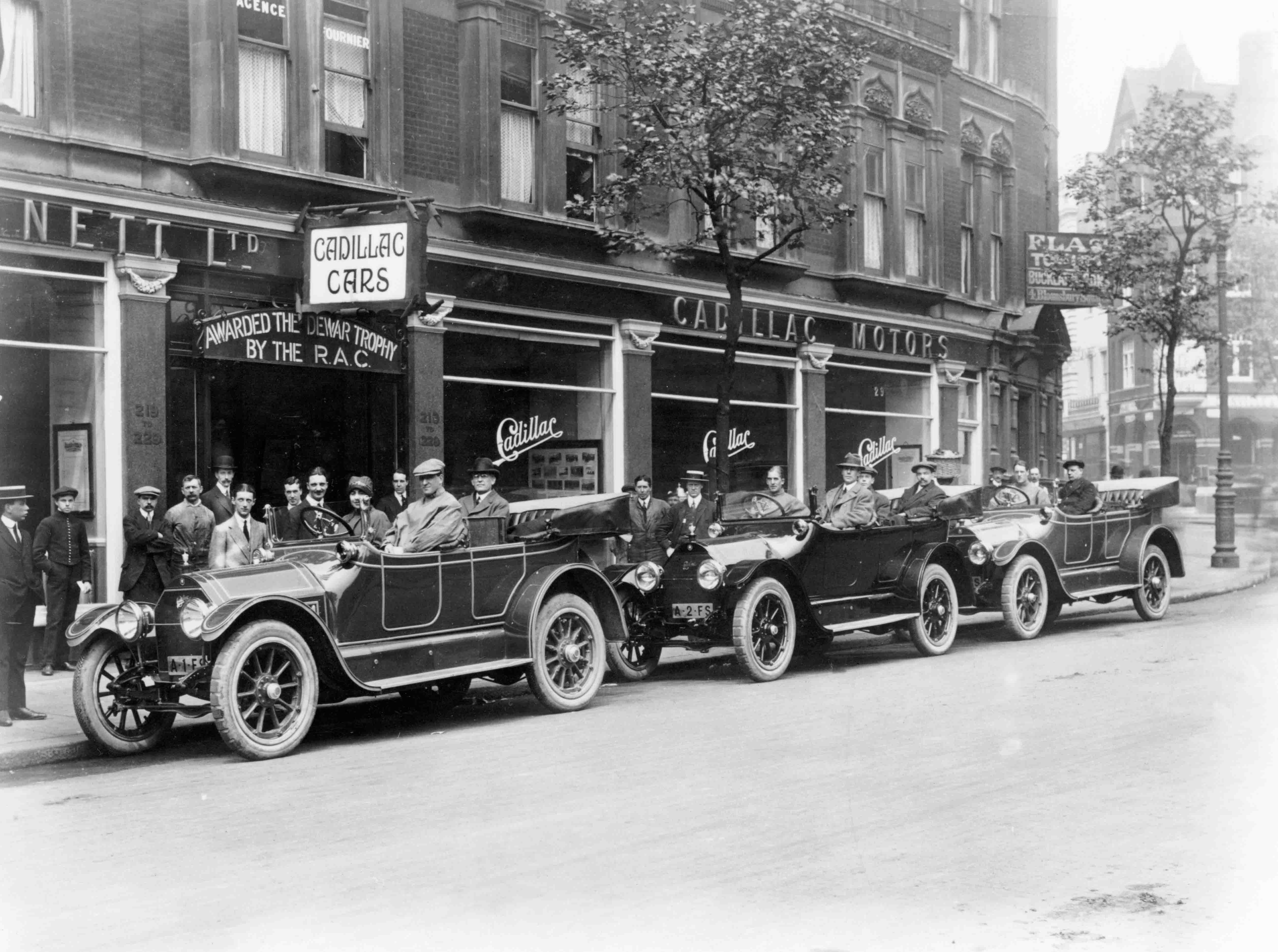
In 1927, GM transferred the UK Cadillac concession to Lendrum & Hartman, which opened a grand showroom in Mayfair, where the Type V-63 would be sold alongside GM’s lesser La Salle and Buick cars.

Two years later, Cadillac made another engineering innovation: a V16 engine for its new limousine. “It will certainly be one of the most interesting machines of recent years,” said Autocar as it “created quite a sensation in America”.

Little wonder Brits considered Cadillac as belonging to the highest echelon of brands, alongside Rolls-Royce. L&H may have sold only a handful of Cadillacs each year, but the buyers were aristocrats and celebrities – although the Prince of Wales ordered a Buick instead, as it came from his dominion of Canada.

L&H resumed selling new cars relatively promptly after World War II, and Cadillac embraced space-age styling in all its glory, chrome-plating its already glamorous image. Autocar first experienced one of these modern ‘Caddies’ in 1961, courtesy of L&H customer Joseph Bamford. The JCB founder had bought the world’s largest production car: the nine-seat, 6.2m-long, 2m-wide Fleetwood 75 limo.

“In almost every respect, its mechanical behaviour conforms with the highly civilised luxury of its appointments,” we reported. “It is always fascinating to sample the best that any country’s car industry can produce. Certainly the United States are well and truly represented with this fine Cadillac.” Bamford lent us several more of his L&H-supplied Caddies for road tests: Coupe de Villes of 1964 and 1968.

Impressive these may have been, but their enormous size and the unquenchable thirst of their 7.0-litre-plus V8s greatly diminished their appeal here, and so by the mid-1970s much of L&H’s business was funnelling cars to the Middle East.

The onset of Detroit’s ‘malaise era’ made the pitch even harder, but L&H persevered until January 1987 before succumbing to insolvency.

Cadillac surprisingly returned in spring 1998, wisely selling a small, FWD saloon but unwisely doing so via Vauxhall dealers. Worse still, the Seville STS was well below class standards: we deemed it the worst car we drove that year. Sales were dismal, so Cadillac gave up in 2002.


Source link

Malaysian gov’t to collect est RM11.1 billion in revenue from vehicle import, excise duties, sales tax this year

0
Malaysian gov’t to collect est RM11.1 billion in revenue from vehicle import, excise duties, sales tax this year


According to the Malaysian finance ministry‘s ‘Fiscal Outlook and Federal Government Revenue Estimates‘ report, total government revenue from vehicle import duties, excise duties and sales tax this year is estimated to be RM11.1 billion, and this is expected to rise 4.5% to RM11.6 billion next year.

The 2025 estimates can be broken down into RM630 million in import duties, RM3.97 billion in CKD excise duties (cars plus motorcycles), RM3.27 billion in CBU excise duties (cars), RM2.11 billion in CKD sales tax (passenger vehicles plus commercial vehicles) and RM1.13 billion in CBU sales tax (also passenger vehicles plus commercial vehicles).

Also provided are the 2026 estimates, and you can see from the table below that while import duty revenue is not expected to change much and excise duty revenue is only expected to grow by 2.3%, the government expects to collect 10.4% more sales tax next year.

Malaysian gov’t to collect est RM11.1 billion in revenue from vehicle import, excise duties, sales tax this year

One thing that will change come next year is that fully-imported (CBU) EVs will begin contributing to import and excise duty revenues. Currently, CBU EVs are import- and excise-duty free, but they are subject to sales tax, and EVs still make up a very small piece of the Malaysian pie.

So the projected 10.4% rise in sales tax revenue has us wondering. It is possible that the relatively high quantum (around RM3 billion) and projected increase is because sales tax is applied after all the duties, which creates a compound effect. Another possible explanation is a forecasted increase in total industry volume (TIV) for 2026 over 2025.

Now, while RM11 billion in revenue may sound like a lot, remember that the government typically has to spend around RM20 billion annually in RON 95 petrol subsidies (Budi Madani RON 95 minuses just RM2.5 billion-RM4 billion from that figure). So, cheap cars or cheap petrol? Pick one, because you can’t have both!

Looking to sell your car? Sell it with Carro.


Source link

Most Advanced 4K UHD Front & Rear DashCam | Review

0
Most Advanced 4K UHD Front & Rear DashCam | Review


Most Advanced Dashcam 2018 Review

This review is for everyone in search of the perfect dashcam for their vehicle. We all know how important it is to have a dashcam in their car and if you did not know, well here’s why you gotta have one asap.

1. You get just the perfect evidence in case of an accident or better in a hit and run case. A dashcam will capture everything at the moment of the crash and you can easily find the culprit. Nobody can mess with you about whose fault is this as you got everything captured and you can simply show the footage to the police or to your insurance company.

2. You will get to know everything that is happening inside or outside your car even when you are not near the car. Thanks to the latest technology, you can get an insight into what is happening on your phone. Even when someone else is driving your car, you will get to see how they drove it and in case of an accident, you are fully aware.

3. For those vloggers out there or simply those who love to capture their beautiful trips, well a dashcam got your back. You can use the clips in your videos or simply keep them for memories.

4. Again thanks to technology, dashcams are not simply a camera that records the road but they come equipped with a lot of features. WiFi, GPS, G-Sensor to name just a few.

Ok, I’ll stop here or else this article will turn into benefits of dashcam instead of a review. The bottom line is that it is not mandatory to have a dashcam but it is highly recommended if you want to have peace of mind.

SuperCar Guru is reviewing a dashcam out of the ordinary this time. Believe me, when I say, you’ll want one right after reading. This dashcam is the most advanced and most sophisticated one currently available on the market. It is actually better than some of the cameras also. A dashcam this good? Are you serious?

Yes, I am serious and I am talking about the BlackVue DR900S-2CH 4K UHD Dashcam. BlackVue recently released their best dashcam and we knew at first sight that we need to experience this. So here we are today, after one week of living and testing the dashcam. Here is an honest overview.

It has to be the best dashcam that I have ever used and I mean it

 Let’s take a look at some of its features before:

Live View – It is basically a CCTV camera for your car. You get a live view of your car’s surrounding wherever you are, thanks to the BlackVue app. Provided one has a hotspot in their car, or the dashcam has an access to a close-by Wi-Fi. You can of course watch Live View when you are in the range of your dashcam, but if you are, let’s say, a few miles from your car, you will need a hotspot to connect.

Remote Video Playback – You can play recorded video that has been stored in the dashcam or cloud right from your mobile phone.

Emergency Alarm – You get notifications on your phone whenever something unusual is happening around your car.

GPS Tracking – This is useful for both individuals and businesses. You can easily track your vehicle’s route, speed and parking location.

Video Backup – We all have priorities in life and there may be important videos that you would want to keep safe with you. BlackVue lets you move your important footage to a free cloud storage or to your smartphone’s memory.

Auto-Upload – The dashcam can automatically upload recordings to the cloud, this feature really makes life easier. Only for Live Auto Upload for now (more info: https://www.blackvue.com/blackvue-cloud-how-to-use-live-auto-upload/) and Event files (for Fleet Tracking users only, more info: https://www.blackvue.com/blackvue-fleet-tracking-introducing-event-file-auto-upload/)

Two-Way Voice Communication – This feature is more useful for those in minivans etc. The passengers and driver can communicate with each other by using their smartphones.

Supports up to 128 GB MicroSD Card – When you are buying your BlackVue dashcam, you get to choose what memory capacity you want. You have the choice between 16GB, 32GB, 64GB and 128GB. You will get around 1 hour of footage storage in 4K and HD both in the front and at the rear on a 16GB memory card. The resolution can be decreased (in case you are wondering). And you get approximately 8 hours of footage storage in a 128GB memory card which is more than enough.

When you buy any BlackVue product, you get a free account that can be upgraded for more possibilities. The free account has a bunch of features which we are going to take a look at very fast.

10 Minutes Live View Per Day – Register 1 BlackVue Dashcam Per Account – 5 GB Of Cloud Storage – 100 Downloads Or Replays Per Month


4K UHD Front & Rear Dashcam


Our Review After Using The BlackVue 4K UHD Dash Cam

The first thing that you notice once you get the dashcam out of the box is that it is of high quality. It looks pretty durable and there seems to be no cheap parts in that. After all, you are paying some bucks for it and it gotta be worth it, right! Here’s a list of everything that resides inside the box.

1 4K UHD Front-Mounted Cam (8 MP)

1 Full HD Rear-Mounted Cam (2.1 MP)

Accessory box includes: 12V Cigarette Power Adapter Cable

                                         Coaxial Rear Camera Cable

                                         Adhesive Clips

                                         Trim Tool for install

                                         MicroSD Card

User Manual and Install Guide

After using the dashcam for 1 week, we can notice the huge difference between the BlackVue 4K UHD and other dashcams. Now we understand why there has been a huge hype when the company has announced this one.

The installation has been quite straightforward and easy. It is installed the same way as other dashcams. The most challenging part for me was to hide the wire inside the A-pillar and C-pillar.

Instantly, you see the image difference, the image is clearer and you can easily track down car’s number plates even from a distance. The wide frame view is also amazing, you get to see on both side of your car. Another impressive thing about the dashcam is it enhanced night vision, even at night, the video quality is mind-blowing. The dual channel cameras are amazing, a lot of dashcams on the market has only the front one and not the rear one. But believe me, the duo is better as a lot of things can happen at the back too and you do not want to miss that.

When you download the BlackVue app and connect to it, you feel a lot safer as wherever you are, you know what is happening around your car and it is an awesome feeling. The loop recording and intelligent parking mode are to die for. The built-in WiFi, G-Sensor and GPS really become handy and once you get used to it, you will want it the whole time. This has been well-engineered and it has to be one of the best dashcams ever produced (if not the best).

A little word about the BlackVue app, it is awesome, there is no lagging and there is everything you would expect in the right place. The download speed however, is a bit slow, again not that much but I think it was because of my WiFi connection. A high-speed connection will eliminate this problem.

A little thing that I really appreciate is the sleek and beautiful design of the dashcam. It fits your car perfectly and it does not look like an aftermarket cheap part that you installed in your car.

Each dashcam comes with a one-year limited warranty, again giving you peace of mind but I do not think you will ever need the warranty. Yes, it is that good!

Maybe the only drawback is the amount that it costs. Yes, it is pretty expensive over normal dashcams but if you want the best of the best, then the BlackVue 4K UHD dashcam is for you. In terms of investment for your car, it is a pretty good one and you will not regret your purchase.

Best Dashcam 2018

We tried collecting some of the users’ opinions and this is what they have to say:

The camera is excellent. Quality and resolution is supreme. Night driving function is excellent and the utility of the cloud service is unmatched. 
I was hesitant to spend the money as it’s an expensive system. Now that I have it I don’t regret it a bit. It is worth every cent spent. It is an investment that once purchased you will feel at ease with as you see its purpose unfold and experience its superb function.


Great choice and I’m happy!

I’ve enjoyed the dash cam so far. Setup was easy and the cables were lengthy enough. Video quality is great … although the FPS could be better. Some stuttering is noticeable at high speeds. 

This dashcam is simply amazing. It is sleek and easily hidden from view. The install went perfectly (using the pre-order hardwire kit). The BlackVue app is excellent as well. Very easy to use and lots of great features. It’s a pricey investment, but well worth the peace of mind. 
If you get this, do not get the CPL filter. It covers a lot of the recording area, which is a huge benefit for this camera over others.  

If you want to get impressed by this amazing dashcam, you can order yours by clicking here.

NOTE: We don’t believe in bias reviews so we have written this review after testing the product ourselves for several days.

If you like this article, please share it with your friends and family. It really helps us to keep creating awesome contents for you. Also, if you have questions, tips, recommendation or anything else, feel free to write it down in the comments section and we will try our best to reply to all of them. Don’t forget to subscribe to our newsletter for hot supercar related news and also to be the first one to know when we upload a new blog.


Source link

Audi rethinks plan to launch last gas car in 2026

0
Audi rethinks plan to launch last gas car in 2026


  • Audi is reassessing its plan to phase out gas engines by 2026 due to slower-than-expected EV adoption
  • Audi reported a nearly 12% drop in sales in 2024 and said it plans to cut 7,500 jobs by 2029
  • Audi CEO Gernot Döllner hinted at increased production in North America

Audi CEO Gernot Döllner said the company is reassessing its plan, first announced in 2021, to launch its final model equipped with a gas engine in 2026.

Döllner made the statement on Tuesday during Audi’s annual general meeting, where he also announced that Audi will be cutting 7,500 jobs by 2029, mostly in Germany.

“We will manage the production of our last combustion engine vehicles depending on the various developments in the world markets,” he said.

Under the original plan, Audi intended to only launch electric vehicles beyond 2026 and cease selling gas-powered models by 2033 in most markets. However, Döllner said those dates needed to be reassessed due to the slower-than-expected adoption of EVs. The automaker announced last year that it will be closing its plant in Brussels, where the Q8 E-Tron is built, due to slow sales of the electric midsize SUV.

Gernot Döllner

Gernot Döllner

Other automakers, such as Mercedes-Benz and Volvo, also planned to phase out gas engines this decade but now intend to offer them well into the next decade.

Even with limited EVs in its lineup, Audi sales suffered significantly in 2024. The brand’s global sales dropped 11.8%, ending the year at 1,671,218 units, while its operating profits fell 38%, closing the year at 3.9 billion euros (approximately $4.3 billion).

Audi plans to turn things around by launching more than 20 new or updated models within the next two years, including new generations of the A6 and Q3 in 2025, plus a plug-in hybrid option for the A5.

2026 Audi A6 Avant (Europe spec)

2026 Audi A6 Avant (Europe spec)

Döllner on Tuesday also hinted at increased production in North America, without directly mentioning the Trump administration’s tariff threats.

“We are also currently assessing various scenarios for additional localization in North America—among other things, to be closer to the needs of local customers and to make ourselves more resilient to global economic uncertainties,” he said.

Audi currently has a plant in Mexico, where it builds the Q5. The automaker could also potentially share capacity at Volkswagen’s plant in Chattanooga, Tennessee, or possibly even at the new plant that Volkswagen Group brand Scout is constructing near Columbia, South Carolina.


Source link

Complete Guide to RV Ownership: Costs, Maintenance, Value

0
Complete Guide to RV Ownership: Costs, Maintenance, Value


I absolutely adore owning an RV. It gives my family the freedom to explore this beautiful country in the comfort of our own little home-on-wheels. We can travel off the beaten path, hit the road with very little preplanning, and fly by the seat of our pants.

That said, there are also some things about RV ownership that are less than glamorous. RV maintenance is incredibly important and sometimes seems never-ending, and then there is the cost of RV insurance and registration as well as storage. Still, I love having an RV and find that the expense of owning one is worthwhile. 

Not sure if buying an RV is a good idea for you? This RV ownership guide will give you valuable insights and help you determine the answer to this question. 

The Real Costs of RV Ownership

The first things you’ll want to consider are RV costs and expenses. We learned very quickly after purchasing our first RV that the purchase price is just the beginning when it comes to the costs of RV ownership. 

Purchase Price: Financing vs. Paying Cash

First, there is of course the upfront purchase price of the RV. This can vary widely depending on the type of RV you choose, along with whether you buy new or used. We have always purchased used rigs to avoid getting hit with too much depreciation and have always spent less than $30K. That said, if you buy new, you can expect to see prices between $20K for a small inexpensive towable, and $200K or more for a luxury motorhome. 

Obviously, RV financing can make ownership more accessible, but I much prefer cash purchases, which allow us to avoid interest and remove RV payments from our monthly budget. 

Note: If you’re looking for the best price, buy during slow season. 

Recurring Costs

As I mentioned above, owning an RV also comes with several ongoing expenses and RV upkeep costs. These include:

  • Insurance: Insurance is required for most RVs and is critical for protecting your property and yourself. Premiums vary by vehicle type, use, and location. 
  • Roadside Assistance: You’ll also want to invest in RV roadside assistance. This has been a lifesaver for us on more than one occasion. 
  • Registration: You will also have to register your RV. Fees differ by state and RV class.
  • Storage: We store our RV on my grandma’s land. If you can’t do something similar, expect monthly storage fees. These can range from $50 to $250 or more.
  • Maintenance and Repairs: Clearly, you will want to stay on top of maintenance and repairs to keep your rig in tip-top shape. We spend a good chunk of change on this each year. 
  • Fuel and Campground Fees: Fuel costs add up, especially for long trips. Campground fees can also get expensive depending on where you stay. To save, budget for fuel efficiency and choose free or low-cost campsites. 

Hidden Expenses

Beyond the basics, RV ownership includes several smaller—but often overlooked—costs. These are things like:

  • Propane and generator fuel for cooking and powering appliances.
  • Consumables such as toilet chemicals, filters, and cleaning supplies.
  • Upgrades like solar panels, Wi-Fi systems, and/or towing gear.

In my opinion, RV ownership is still a good investment for my family—even with all of the costs involved—because we use our RV regularly. That said, some might feel differently. Knowing what to expect in terms of expenses and how often you plan to use the RV can help you determine whether it will be a smart investment. 

RV Maintenance and Repair

Like I said earlier, keeping your RV in good shape means regular upkeep. RV maintenance and repair is, in my opinion, the least fun thing about RV ownership, but it really is a must-do. 

Routine Maintenance Checklist

Not sure where to begin when it comes to maintenance? I make sure to schedule routine inspections for:

  • Oil changes, tires, and brakes
  • Roof and seal checks to prevent leaks
  • Appliances, plumbing, and electrical systems

I set reminders in my phone to ensure I don’t miss an inspection. 

Seasonal Maintenance

There are also some seasonal maintenance tasks that I set reminders for:

  • Winterizing and De-winterizing: Only true four-season RVs can handle the winter cold—and really, even those need some protection. I use RV antifreeze to protect pipes and tanks from freezing, then drain the antifreeze to safely prepare for spring.
  • Summer Prep: I check A/C systems, tires, and fluid levels before hitting the road in summer. 

DIY vs. Professional Repairs

Personally, I like to handle most repairs and maintenance tasks myself. I’ve used YoutTube videos to teach myself everything from how to replace filters and reseal windows to how to replace light fixtures and repair our A/C unit. That said, I do leave complex electrical, plumbing, and engine work to professionals in order to avoid costly mistakes.

Roadside Assistance and Warranties

I love our RV roadside assistance plan. It has helped us out of a number of jams. Many RVers also have extended warranties that have been helpful for them. Because we like to buy used from individuals, we have never been offered a warranty, but I imagine it would be nice to have for peace of mind. 

Understanding RV Values

It’s good to understand RV values and depreciation before you jump into buying. Knowing what I know now about these things will absolutely affect how I shop for an RV in the future. 

New vs. Used RVs

Unlike homes, RVs depreciate quickly. Sometimes they’ll lose up to 20% of their value in the first year. This is why we always buy used RVs. We avoid that initial depreciation, so we don’t have to worry about being upside down in our home-on-wheels. 

RV Values by Class

Depreciation rates vary by RV class. Motorhomes (Class A, B, and C) typically depreciate faster than towables. That said, luxury and specialty models (or those with special features) can hold value better. Travel trailers and fifth wheels tend to retain more of their worth over time if properly maintained. This is something I have personally witnessed in selling our various RVs. 

Determining Fair Market Value

Determining what an RV is worth can be a bit tricky. When buying or selling, I like to use:

  • RV pricing guides like NADA.
  • Online marketplaces for real-time comparisons.
  • Professional appraisals for accurate resale estimates.

By checking these resources, I am usually able to come up with a fair price that all parties can agree on. 

Owner’s Manuals and Documentation

Your RV owner’s manual is one of your most valuable resources. It includes operating instructions, maintenance schedules, and troubleshooting guides specific to your make and model. Checking it before maintenance and repairs can help you avoid damaging your rig and might even extend the lifespan of your RV. 

Digital vs. Printed Manuals

Every RV comes with a printed manual when purchased new. That said, many manufacturers now provide digital versions online. These are ideal for quick reference or backup copies. They also come in handy if you buy a used RV that does not have a printed manual with it, something we have had to deal with before. 

Maintenance Logs and Receipts

As an RV owner, I have a lot to think about and keep track of. Even with everything I have on my plate, I still make sure to keep detailed records of all RV maintenance, upgrades, and repairs. I do this because it helps with troubleshooting and adds to RV resale value down the road, especially if a buyer is concerned about getting a lemon RV. 

RV Ownership and Taxes

In addition to understanding the real costs of RV ownership, it’s good to understand how owning an RV will affect your taxes. I was really surprised by this particular aspect of owning an RV, especially when it comes to potential RV tax deductions. 

Possible Deductions

Depending on how you use your RV, you may qualify for certain tax benefits. These include:

  • Second Home Deductions: If your RV has sleeping, cooking, and toilet facilities, you may be able to deduct RV loan interest when filing your taxes. 
  • Business Use: Some people use their RVs for work or for work-related travel. In these cases, some expenses may qualify as deductions.
  • Rental Income: Renting out your RV can generate income. You have to report that income on your taxes, but because you rent your RV, you may also be able to deduct some expenses of RV ownership.

Recordkeeping and Professional Help

In order to take any tax deductions, you will need a way to prove you are entitled to those benefits. Because of this, I make sure to maintain clear records of mileage, expenses, and income. It’s also important to note that tax laws vary based on the situation, so consulting a professional is always recommended.

Selling an RV

Eventually, every RV owner faces the decision to sell. In some cases, this is to upgrade; in other instances, it’s to downsize or even step away from the lifestyle. We’ve sold a few different rigs ourselves and this is what I’ve learned about selling an RV. 

When It’s Time to Sell

If you no longer use your RV, there is really no reason to leave it sitting unused. It’ll just develop issues and depreciate. Instead, consider selling the rig and setting the money aside so you can buy again if and when you feel ready to travel again. 

Another sign you might need to sell? An inability to keep up with the costs of ownership. 

Prepping Your RV for Sale

Before we list an RV for sale, I do a lot of work to prepare it. First, I clean the rig thoroughly both inside and out. I fix any issues with the rig that might cause a buyer to turn away or might show up as a problem in an inspection, and then I stage it before taking high-quality photos to include with my detailed listing. 

Pricing and Platforms

As I mentioned above, I like to use online resources to find a fair price. Once I’ve settled on an asking price, I list the RV across multiple platforms, including RV Trader and Facebook Marketplace.

Another option is to sell your rig on consignment. 

Understanding RV Mileage

Something a lot of people don’t realize? RV mileage affects value differently than with cars. In fact, RV mileage impact is pretty minimal. Since RVs spend long periods parked, engine hours, maintenance history, and condition are what actually tend to matter more than miles. Because of this, you’ll want to make sure to stay on top of maintenance of your engine and transmission. 

Not sure how many miles you should be driving? The average RV owner drives 5,000–7,000 miles per year. Keeping mileage in this range helps preserve value, keep the engine active enough to remain healthy and give you plenty of travel fun. 

Try Before You Buy

When we bought our first rig, we went in blind, not knowing what to expect. We quickly learned lessons about what we actually wanted and needed in an RV. Because of this experience, I highly recommend trying out some rigs before buying anything. You can do this by renting an RV for a few days and taking a trip, or even just heading to a local RV show to tour RVs and get a feel for what staying in one might feel like. 

Listing Your RV for Rent

Those costs of ownership I talked about at the beginning of the article? They can be a lot, but some RV owners offset those costs by renting their RVs out. If you don’t use your RV often enough but aren’t ready to part with it, this is something you might consider in order to earn income with your RV.

Choosing a Platform

You can rent your RV through peer-to-peer platforms like RVshare or choose to go through a dealership. That said, peer-to-peer options typically offer higher income potential and direct control. Because of this, I’d go the peer-to-peer route for sure. 

Preparing for Renters

Before renting out your RV, be sure you are properly insured and set a fair rental price based on market averages. You’ll also want to perform safety checks, clean thoroughly, and stock essentials such as kitchenware and linens. When you meet with renters, make sure to establish clear usage rules and provide a thorough walkthrough.

RV Owner’s Glossary

If you’re an RV beginner, you may be wondering what some of the terms mean. Here’s a quick guide to help you out. 

  • Boondocking — Camping without hookups (water, electricity, or sewer), usually on public lands or remote areas.
  • Chassis — The base frame of a motorhome, including the engine, transmission, and wheels.
  • Class A, B, C RVs — Categories of motorhomes:
    • Class A: Largest bus-style motorhomes.
    • Class B: Smallest, van-style RVs.
    • Class C: Mid-sized with a distinctive cab-over design.
  • Dry Camping — Another term for camping without hookups, similar to boondocking.
  • Full-Timer — Someone who lives in their RV year-round.
  • Grey Water — Wastewater from sinks and showers.
  • Black Water — Wastewater from the toilet.
  • Fresh Water Tank — Tank that stores potable (drinkable) water for use when hookups aren’t available.
  • Hookups — Connections at campsites for electricity, water, and sewer.
    • Full Hookups: Water, electricity, and sewer.
    • Partial Hookups: May only include water and electric.
  • Inverter — Device that converts battery (DC) power into household (AC) power for electronics and appliances.
  • Leveling Jacks — Hydraulic or electric jacks used to stabilize and level the RV at a campsite.
  • LP Gas (Propane) — Fuel used for cooking, heating, and some appliances in an RV.
  • Slide-Out — A section of an RV that expands outward to create more living space when parked.
  • Shore Power — Electricity supplied by a campground hookup, as opposed to onboard generators or batteries.
  • Stabilizers — Devices used to reduce RV rocking or swaying when parked.
  • Towable RV — RVs that must be towed by another vehicle, such as travel trailers, fifth wheels, and pop-ups.
  • Fifth Wheel — A towable RV that connects to a special hitch mounted in the bed of a pickup truck.
  • Tongue Weight — The downward force a trailer exerts on the hitch of the towing vehicle.
  • Dry Weight (UVW) — The weight of an RV without fuel, water, cargo, or passengers.
  • GVWR (Gross Vehicle Weight Rating) — Maximum allowable weight of the RV when fully loaded, including passengers, fuel, water, and cargo.
  • CCC (Cargo Carrying Capacity) — The maximum weight of personal items and cargo you can safely add to your RV.
  • DOT — Department of Transportation; regulations apply to RV safety and roadworthiness.
  • Generator — A machine that produces electricity for RV appliances when shore power is unavailable.
  • Tow Rating — The maximum weight a vehicle can safely tow, as determined by the manufacturer.
  • Warranty — Manufacturer or dealer coverage for repairs and defects within a certain time or mileage limit.

RV ownership is amazing and has allowed us to enjoy travels we never could have enjoyed otherwise. That said, it does come with some extra responsibilities and financial commitments that require some balancing.

As long as you’re ready to take those things on and you really will travel in your trailer or motorhome, go ahead and buy the RV, learn the rules of the road, and get out there and have a blast. You won’t regret the memories made!



Source link

2026 BMW iX Modern Luxury & Cutting-Edge Technology Features

0
2026 BMW iX Modern Luxury & Cutting-Edge Technology Features


2026 BMW iX Modern Luxury & Cutting-Edge Technology Features

The all-electric 2026 BMW iX has the competition scrambling. Its sophisticated, elegant design and industry-leading technologies have made this SUV the benchmark for luxury EV models. Set your expectations at an all-time high and meet this model at Fields BMW Northfield.

Impeccable Design Features

Redesigned for this model year, the 2026 BMW iX is breathtaking from the very first moment you see it. Colors like Dune Grey Metallic, Tanzanite Blue Metallic, and Alpine White highlight the sleek, athletic curves, and available wheel designs like 20-inch Aero Frozen Dark Grey and 21-inch Aero Bicolor only add to the overall aesthetic. Vertical headlights and an available illuminated kidney grille create an aggressive, imposing look.

Inside, the spacious cabin feels even larger thanks to the Panoramic Eclipsing Roof. Pick from a variety of Sensatec or perforated leather upholstery colors to design the elegant driving environment you’ve always wanted. 

Cutting-Edge Infotainment and Safety Technology

The cabin of the 2026 BMW iX surrounds you with the latest in automotive technology. Our customers’ favorite features include:

  • BMW Curved Display™ with video streaming and AirConsole games
  • Head-up display
  • BMW Intelligent Personal Assistance with voice commands
  • Android Auto™ and Apple CarPlay®
  • 5G Wi-Fi® hotspot

Safety and driver assistance technologies include lane keeping assist, lane departure warning, and front and rear parking sensors. This model also boasts the brand-exclusive Shy Tech package, which adds a rearview camera, radar technology, and a host of design features.

Experience True Luxury in the 2026 BMW iX Near Chicago, IL

There’s never been a model quite like the 2026 BMW iX. Stop by our BMW dealership near Chicago, IL, today and experience the future of electric luxury models. Our finance experts will be standing by to help you take your SUV home!


Source link

Volkswagen Group increases global deliveries to 6.6 million vehicles by the end of September

0
Volkswagen Group increases global deliveries to 6.6 million vehicles by the end of September


The Volkswagen Group has slightly increased its global deliveries in the first nine months

“The Volkswagen Group has slightly increased its global deliveries in the first nine months. We are benefiting from the continued positive momentum generated by the broad-based product offensive with a total of 60 new models from our strong brands this year and last year. These vehicles are proving extremely popular with our customers, as evidenced by the 17 per cent increase in order intake in Western Europe. We were able to compensate for the challenging conditions in China and the US with partly significant increases in South America and Europe. In our home region of Europe, we grew by eight per cent in the third quarter alone. Our all-electric models are a key driver of this positive development. By the end of September, we have delivered around 80 per cent more of these models in Europe than in the same period last year, and worldwide we were up around 40 per cent. However, the first nine months also show one thing very clearly: in order to succeed in this challenging market environment, we must continue to focus all our efforts on implementing our group- wide product offensive and ongoing performance programmes.”

Marco Schubert, Member of the Group’s Extended Executive Committee for Sales


Key figures

6.60 million vehicles delivered worldwide after nine months,
up 1 per cent on previous year
(6.52 million vehicles)
Growth in South America (+15 per cent), Western Europe (+3 per cent) and Central and Eastern Europe (+10 per cent) more than offset expected declines in China (-4 per cent) and North America (-8 per cent)
 
717,500 BEV deliveries worldwide by the end of September,
up 42 per cent year- on-year (506,600 vehicles)
Strong increase in BEV deliveries in Europe (+78 per cent) and the USA (+85 per cent), decline in China (-43 per cent) as planned ahead of the launch of new electric models; Volkswagen Group is the clear BEV market leader in Europe (market share of around 27 per cent); global BEV share after three quarters rises significantly from 8 to 11 per cent compared to the previous year, climbing from 12 to 20 per cent in Western Europe
 
Incoming orders in Western Europe
rise by 17 per cent in the first nine months
The rise in orders is driven in particular by new models of all drive types, such as the VW ID.7 Tourer, VW Transporter/Multivan, CUPRA Terramar, Škoda Elroq, Audi Q6 e- tron, and Porsche 911; BEV orders increase particularly strongly (+64 per cent) and account for around 22 per cent of total order intake in Western Europe
 
299,000 PHEV deliveries worldwide,
up around 55 per cent on the same period last year
(193,000 vehicles)
Demand for vehicles with modern second- generation plug-in hybrid drives (PHEVs) and pure electric ranges of up to 143 km1 is increasing
 

Development of core regions

Europe North America
A total of 2,907,500 vehicles were delivered in the region, representing an increase of 4.1cent. Growth was 3.2 per cent in Western Europe and 10.2 per cent in Central and Eastern Europe. In the home market of Germany, 4.6 per cent more vehicles were handed over to customers. 708,800 customers took delivery of a vehicle from a Group brand, 7.8 per cent per fewer than in the same period last year. In the main market, the USA, the decline was 9.3 per cent in a challenging environment marked by the tariff situation.
South America  Asia-Pacific
The region grew most strongly, by 14.9 per cent, to 481,800 vehicles. In the main market of Brazil, growth was 6.8 per cent. The region recorded a decline of 2.8 per cent to 2,208,000 vehicles. The main reason for this was the intense competitive situation in China. In the BEV segment there, deliveries declined significantly as planned ahead of the launch of new models. Across all drive types, the decline of 4.0 per cent was in line with expectations.

Best-selling all-electric vehicles (BEV)

  • Volkswagen ID.4/ID.5 128,900
  • Volkswagen ID.3 88,800
  • Audi Q4 e-tron (incl. Sportback) 65,700
  • Audi Q6 e-tron (incl. Sportback) 63,800
  • Škoda Elroq 60,400
  • Škoda Enyaq (incl. Coupé) 58,100
  • Volkswagen ID.7 (incl. Tourer) 55,500
  • Volkswagen ID. Buzz (incl. Cargo) 42,900
  • Porsche Macan 36,300
  • CUPRA Born 32,900

1) Volkswagen Golf 1.5 eHybrid: weighted combined energy consumption 15.6-14.6 kWh/100 km plus 0.3 l/100 km; combined fuel consumption with discharged battery: 5.3-5.0 l/100 km; weighted combined CO2 emissions 7-6 g/km; CO2 class weighted combined: B; CO2 class with discharged battery: D-C Audi A3 Sportback TFSI E: weighted combined energy consumption 16.6-14.6 kWh/100 km plus 0.4-0.3 l/100 km; combined fuel consumption with empty battery: 5.4-4.9 l/100 km; weighted combined CO2 emissions 8-6 g/km; CO2 class weighted combined: B; CO2 class with discharged battery: D-C


Deliveries Volkswagen Group – All drive types

Deliveries to customers by market Jul. – Sep.
2025
Jul. – Sep.
2024
Delta Jan. – Sep.
2025
Jan. – Sep.
2024
Delta
(%)
Western Europe 802,800 743,600 +8.0 2,501,300 2,424,600 +3.2
Central and Eastern Europe 133,100 117,000 +13.7 406,200 368,600 +10.2
North America 246,900 273,800 -9.8 708,800 769,000 -7.8
South America 179,700 163,800 +9.7 481,800 419,100 +14.9
China 660,300 711,500 -7.2 1,974,000 2,056,600 -4.0
Rest of Asia-Pacific 76,800 70,300 +9.2 233,900 214,800 +8.9
Middle East/Africa 99,300 96,400 +3.0 298,100 271,700 +9.7
World 2,198,800 2,176,300 +1.0 6,604,100 6,524,400 +1.2


Deliveries to customers by brand Jul. – Sep.
2025
Jul. – Sep.
2024
Delta Jan. – Sep.
2025
Jan. – Sep.
2024
Delta
(%)
Brand Group Core 1,664,200 1,613,600 +3.1 4,975,900 4,801,600 +3.6
   Volkswagen Passenger Cars 1,172,200 1,176,400 -0.4 3,492,500 3,396,800 +2.8
   Škoda 256,300 222,700 +15.1 765,700 671,300 +14.1
   SEAT/CUPRA 136,900 124,700 +9.8 439,500 422,100 +4.1
   Volkswagen Commercial Vehicles 98,800 89,800 +10.0 278,200 311,500 -10.7
Brand Group Progressive 397,100 407,400 -2.5 1,191,100 1,251,400 -4.8
   Audi 392,200 402,600 -2.6 1,175,800 1,235,600 -4.8
   Bentley 2,400 1,900 +23.9 7,200 7,400 -2.0
   Lamborghini 2,500 2,900 -13.8 8,100 8,400 -3.2
Brand Group Sport Luxury 66,100 70,100 -5.7 212,500 226,000 -6.0
   Porsche 66,100 70,100 -5.7 212,500 226,000 -6.0
Brand Group Trucks / TRATON 71,500 85,300 -16.2 224,600 245,400 -8.5
   MAN 24,600 19,800 +24.7 71,700 68,900 +4.0
   Volkswagen Truck & Bus 11,900 12,400 -4.0 36,600 35,700 +2.5
   Scania 21,500 21,700 -0.9 68,400 74,000 -7.6
   International 13,400 31,500 -57.3 48,000 66,800 -28.2
Volkswagen Group (total) 2,198,800 2,176,300 +1.0 6,604,100 6,524,400 +1.2

Deliveries Volkswagen Group – All-electric vehicles (BEV)

Deliveries to customers by market Jul. – Sep.
2025
Jul. – Sep.
2024
Delta Jan. – Sep.
2025
Jan. – Sep.
2024
Delta
(%)
Europe 174,700 109,200 +60.0 522,600 293,300 +78.2
USA 37,400 11,900 +213.5 68,700 37,100 +85.2
China 25,800 57,500 -55.2 85,100 148,100 -42.5
Rest of the world 14,100 10,700 +31.7 41,100 28,100 +46.6
World 252,100 189,300 +33.1 717,500 506,600 +41.7


Deliveries to customers by brand Jul. – Sep.
2025
Jul. – Sep.
2024
Delta Jan. – Sep.
2025
Jan. – Sep.
2024
Delta
(%)
Brand Group Core 174,500 142,300 +22.6 503,100 373,200 +34.8
Volkswagen Passenger Cars 95,100 102,700 -7.4 287,700 271,200 +6.1
Škoda 45,600 21,300 +113.8 118,500 50,800 +133.5
SEAT/CUPRA 19,800 12,900 +53.7 57,300 31,200 +84.0
Volkswagen Commercial Vehicles 14,100 5,400 +162.1 39,600 20,100 +97.2
Brand Group Progressive 62,000 39,100 +58.6 163,400 115,800 +41.1
Audi 62,000 39,100 +58.6 163,400 115,800 +41.1
Bentley
Lamborghini
Brand Group Sport Luxury 14,700 7,400 +98.2 48,900 16,400 +197.4
Porsche 14,700 7,400 +98.2 48,900 16,400 +197.4
Brand Group Trucks / TRATON 80 50 +54.9 2,100 1,100 +82.6
MAN 290 150 +95.9 1,090 380 +183.6
Volkswagen Truck & Bus 10 10 -42.9 60 100 -43.9
Scania 160 80 +98.8 380 190 +101.1
International 360 290 +26.3 540 460 +17.4
Volkswagen Group (total) 252,100 189,300 +33.1 717,500 506,600 +41.7

SOURCE: Volkswagen

Volkswagen Group increases global deliveries to 6.6 million vehicles by the end of September


Source link

Becoming an American without Losing My Roots, Part 1

0
Becoming an American without Losing My Roots, Part 1


where the “shot heard round the world” was fired: Lexington, Massachusetts

This story began
way back when I was born. My father was a soldier who fought alongside
Americans against the Japanese on Philippine soil in WWII.  My mother was sent to America on a Philippine
government scholarship to study the latest in deaf education and to bring it
back to the Philippines. Both infected me with their love for America.

Getting a
high school scholarship to the American School fueled the addiction. Training
by American multinationals after college further stirred the pot. I almost relocated
to the US when Philippine democracy and economy were in tatters during the fall
of Marcos. It was, therefore, no accident that I came to America to retire. On
Valentine’s Day 2011, I became a US citizen.

Early in our
RV cruising days, I unequivocally saw America’s beauty. I was mesmerized
by spectacular national parks like Glacier Bay, Denali, Mt. Rainier, Yosemite,
Sequoia, Joshua Tree, Grand Canyon, Rocky Mountain, Badlands, Everglades,
Smokey Mountain, Acadia, etc. I began to sing the song, “America, the Beautiful.”

When we drove
up the East Coast from Florida, I lingered in the solemn halls of Washington DC,
Baltimore in Maryland, Philadelphia in Pennsylvania, and Boston and Concord in Massachusetts.
These cities played significant roles in the birth of this great nation. I
began to hum “The Star-Spangled Banner.” 

In no
uncertain terms, I was starting to feel like an American. I felt sad as I
walked along the Civil War battlegrounds, proud when I gazed at awesome NASA
rockets, inspired among the ancient ruins and great houses of American Indians,
and more. I knew the conversion was final when I began to take pride.

The
technical difference between a US permanent resident and a naturalized citizen
is that the latter can vote (or run for an elected post office). I cast my vote
for the first time in the 2012 presidential elections. It was amazing to watch as
more than 300 million people accepted the results broadcast by the press with
polling centers in Hawaii and Alaska still open.

There are
other systems to love. They say that there are more libraries than McDonald’s
stores in America. Every county issued library cards to us even if we would
only be in the area for a few weeks. The largest national highway system in the
world made road trips so easy. Through Bill’s $10 Senior Golden Pass, we have visited,
for free, 31 National Parks, 92 National Monuments and National Historic Sites,
and both national parkways.

I have visited
31 of the forty-six American Presidents’ homes, tombs, and/or presidential
libraries; even the homes of their first ladies. We came across
larger-than-life heroes, brave pioneers, cultural icons, and lay and church
leaders. I was inspired by Americans who came and fulfilled their dreams.
Visits to the homes and tombs of literary greats gave me the final nudge to
start writing.

We have been
to the largest and the smallest of towns, the poorest of counties and the
wealthiest of states, and everything in between. Some of America’s man-made
structures and natural formations are among the tallest, the biggest, or the longest
in the world. There are those that you cannot find anywhere else. We visited
factories of products made in America and headquarters of noble institutions
that serve the world. It was cool to discover that we had been to half of the
suggested places in the July 2014 article in Readers’ Digest,
“A Quirky Tour of the US.”

My American
education was an intravenous transfusion, not just an injection. I am no longer
a Filipino tourist or a permanent resident. I am not even just a US citizen. I
am an American. But to be a US citizen, I had to surrender my Philippine
citizenship. Did this mean I ceased to be a Filipino? The answer is in Part 2.


Source link