Tesla (NASDAQ: TSLA) bull Dan Ives of Wedbush Securities published a new note to investors on Thursday evening, which seemed to open up the possibility of the automaker returning to a growth rate in terms of deliveries.
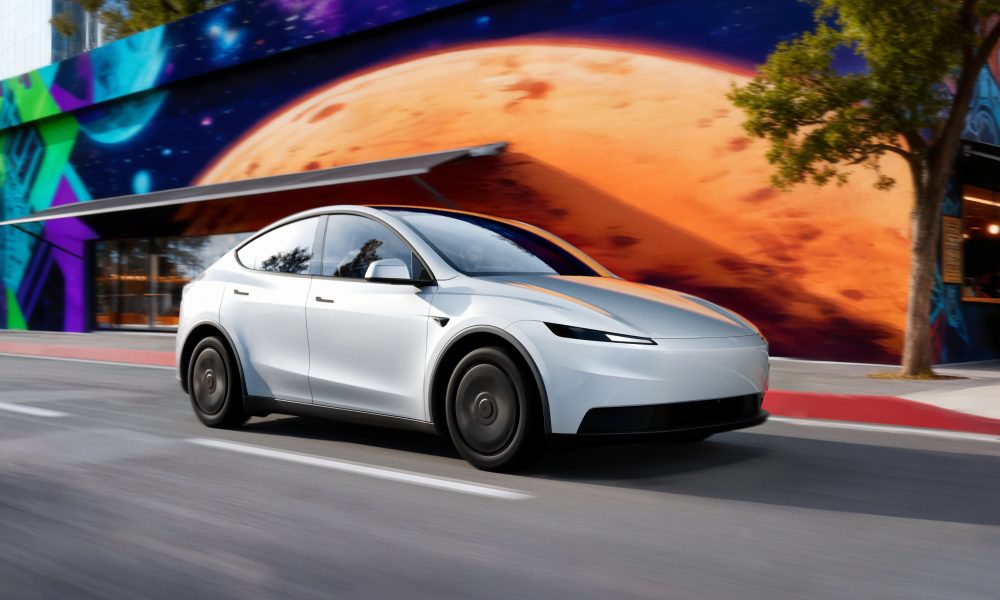
After nearly two years of leveling off with deliveries, which was expected, Tesla is now slated to potentially return to growth, Ives says, as it has introduced new, more affordable models. It launched its Standard offerings for the Model 3 and Model Y this week, a strategy to bring cheaper cars to customers amid the loss of the $7,500 tax credit.
🚨 Wedbush’s Dan Ives put up a new Tesla $TSLA note:
“The AI valuation will start to get unlocked in the Tesla story and we believe the march to an AI driven valuation for TSLA over the next 6-9 months has now begun in our view with FSD and autonomous penetration of Tesla’s…
“We believe the launch of a lower cost model represents the first step to getting back to a ~500k quarterly delivery run-rate, which will be important to stimulate demand for its fleet with the EV tax credit expiring at the end of September.”
Although these cars come in only slightly under $40,000, there is some belief that they will do two things: attract car buyers looking for an under-$40k EV with Tesla’s technology and infrastructure, or push those on the fence to the now-Premium models, which are simply the Long Range Rear-Wheel-Drive and Long Range All-Wheel-Drive.
Ives said in the note that Tesla’s plans for a $25,000 car are “on hold,” but it seems as if that vehicle will be the Cybercab, which the company unveiled a year ago today.
That project seems to be moving forward as well, based on what we saw at both Fremont and Gigafactory Texas yesterday. At Fremont, the Cybercab was spotted on the Test Track, while crash-tested units were spotted at the factory in Austin.
After the Standard models were rolled out and the Cybercab or another $25,000 unit arrives, Ives believes Tesla could actually get closer to 600,000 deliveries per quarter, he said on CNBC this morning:
BREAKING: DAN IVES SAYS — $TSLA WILL DELIVER ABOVE 600K CARS PER QUARTER 👀
Moving forward, Tesla has much more going for it than its potential growth in quarterly deliveries. Ives recognizes that a majority of what Tesla’s value will come from in the future: AI and autonomy.
Ives said:
“The AI valuation will start to get unlocked in the Tesla story and we believe the march to an AI driven valuation for TSLA over the next 6-9 months has now begun in our view with FSD and autonomous penetration of Tesla’s installed base and the acceleration of Cybercab in the US representing the golden goose for Musk & Co. We believe Tesla could reach a $2 trillion market cap early 2026 in a bull case scenario and $3 trillion by the end of 2026 as full scale volume production begins of the autonomous and robotics roadmap.”
Ives and Wedbush maintained their $600 price target and ‘Outperform’ rating on Tesla stock.
The 4th of July is a time for families near Marlow Heights, MD, to come together and celebrate America’s independence. This year, add a touch of luxury and excitement to your festivities by incorporating your BMW into the holiday plans. In this blog, we’ll explore four thrilling activities that are perfect for families in the Marlow Heights area to make the most of their 4th of July weekend while enjoying the comfort and performance of their BMW.
Road Trip to the National Mall: Just a short drive from Marlow Heights, the National Mall in Washington, D.C., hosts a spectacular fireworks display every 4th of July. Plan a memorable road trip with your BMW and experience the magic of fireworks lighting up the night sky against the backdrop of iconic landmarks. Enjoy the comfort of your BMW’s interior and smooth handling as you navigate the city streets. Don’t forget to pack some snacks and patriotic tunes for the journey, creating an adventure your family will treasure.
Patuxent River Park: Escape the city and head to the beautiful Patuxent River Park, located a short distance from Marlow Heights. This serene park offers stunning natural scenery, hiking trails, and picnic areas. Pack your BMW with outdoor essentials like hiking gear, blankets, and a delicious picnic lunch. Enjoy a day immersed in nature, exploring the park’s trails, and perhaps even taking a peaceful kayak trip along the river. Your BMW’s spacious trunk and comfortable seats will ensure a convenient and enjoyable experience.
Fireworks Cruise on the Potomac: For a unique and unforgettable 4th of July experience, consider a fireworks cruise on the Potomac River. Several companies offer special Independence Day cruises departing from various locations near Marlow Heights. Treat your family to an evening aboard a luxurious boat, complete with dinner, music, and panoramic views of the fireworks extravaganza. Your BMW will transport you to the departure point in style, and you can relax knowing it’s waiting for you when you return.
Community Celebrations and Parades: Explore the vibrant community spirit of Marlow Heights and its surroundings by attending local 4th of July celebrations and parades. Check the schedule for nearby towns and cities to find parades and events that are family-friendly. Decorate your BMW with flags and patriotic accessories to join in the festivities. Participate in small-town charm, wave flags, and cheer along with fellow residents as you enjoy the parade. Afterward, explore the community’s offerings, from live music performances to food stalls, for a delightful day out.
This 4th of July weekend, make your family’s celebration of America’s independence near Marlow Heights, MD, even more, special by incorporating your BMW into the festivities. Whether you embark on a road trip to witness dazzling fireworks, escape to the tranquil Patuxent River Park, enjoy a fireworks cruise on the Potomac, or immerse yourself in local community celebrations and parades, your BMW will elevate the experience with its comfort, style, and performance. Embrace the spirit of freedom, create lasting memories, and cherish the time spent together as you enjoy the luxury and excitement of your BMW. Happy 4th of July!
Posted in
Uncategorized |
Comments Off on Celebrate Independence Day near Marlow Heights, MD with BMW: Fun-Filled Activities for Families
One of the most precious resources to an RVer? Storage space. As full-timers, we spend a lot of time figuring out where to keep things, and every single cabinet and drawer is full. We also fill the spaces under the couch, under the bed, and under the dinette seats to capacity.
So what about when we need even more storage space? Well, that’s where RV exterior storage comes into play.
In this article, I will share my best tips for storing things outside of your rig so you can free up space in the RV and live a bit more comfortably.
Why Exterior Storage Matters
Wondering why RV exterior storage is such a big deal to me? Honestly, without exterior RV storage, I might go a little bit crazy. It serves a few different purposes:
Reduces interior clutter: Keeping bulky gear like folding chairs, firewood, or hoses outside frees up valuable living space. This is the biggest and most important benefit.
Improves organization: With exterior storage, you can create “zones” for tools, outdoor gear, cooking equipment, and RV essentials.
Enhances safety: Items like propane tanks (in a dedicated, vented compartment), fuel cans, and dirty tools are better stored outside where ventilation and accessibility are better.
Supports outdoor living: We love spending time outdoors, and having easy access to grills, tables, and chairs means we’re more likely to head outside for dinner or to hang with friends.
Understanding Your RV’s Built-In Exterior Storage
All our RVs have had exterior storage bays. In some cases these have been small compartments. Other times they’ve been enormous pass-through bays (though not all RVs are so equipped). Obviously, these storage bays are the first place to look when deciding where to store things on the exterior of your RV.
Here are my thoughts on which kinds of things should go into these storage bays.
Pass-Through Storage Bays
These compartments run across the width of your RV and are usually accessible from both sides. They are as big as storage bays get, meaning they’re best for things like:
Camping tables
Folding chairs
Outdoor mats
Because things tend to get pushed around in these large bays and can sometimes get stuck in the middle and be hard to reach, I like to organize things. To do this, I use the following methods:
Plastic bins or stackable crates to divide the space.
Slide-out trays that help you reach the items in the middle.
Battery-operated LED lights that allow me to see what I’m doing at night.
Side Compartments
Usually, RVs will also have smaller compartments along the sides of the rig. These don’t pass all the way through to the other side, but still offer valuable storage space. I like to put the following kinds of things in these smaller storage spaces:
Tool kits
Sewer hoses
Electrical cords and adapters
Wheel chocks
Labeled bags or boxes are helpful for making things easier to find, especially if your side compartments are stuffed full.
Creative Add-Ons for Exterior Storage
In a lot of cases, the built-in exterior storage simply isn’t enough. Luckily, I have found a few ways to add some extra storage to the outside of our RVs.
Hitch-Mounted Cargo Carriers
Hitch-mounted cargo carriers act almost like extra trunk space. There are basket-style racks which are great for coolers, firewood, or totes, as well as enclosed cargo boxes that can be weatherproof and lockable.
You will want to check your RV’s weight ratings (including the hitch, axle, GVWR, etc.) before loading a hitch-mounted carrier. It’s also important that all items are secured well with ratchet straps or cargo nets.
Roof Racks and Cargo Pods
We’ve never put anything on our RV roof, but we’ve used a cargo box on the roof of our car and it has been fantastic. We’ve also had friends who mounted storage solutions to their RV roofs.
The roof of your RV or vehicle is great for storing things like inflatable kayaks, skis, and other seasonal gear. Just make sure you don’t overload the roof, and always use proper tie-downs.
Bumper-Mounted Accessories
In some cases, RV bumpers can accommodate things like spare tire mounts, bike racks, and sewer hose carriers. You do have to be careful with this because RV bumpers aren’t always rated to hold a lot of weight, but if yours is, it can be a good option.
Ladder-Mounted Storage
Compact carriers can be strapped to your RV’s rear ladder. These are handy for folding chairs, small cargo bags, and water jugs. That said, ladders cannot hold a lot of weight, so again, you need to be careful with how much you store there.
Tent Storage
Finally, there is the option of a pop-up-type shelter/tent or something similar. This does have to be set up and torn down at every campsite, but it offers simple storage for things like toys, sports gear, and outdoor furniture. No, it isn’t a particularly secure place to store belongings, but it does keep things out of the elements (relatively) and has always worked well for us.
DIY Exterior Storage Hacks
Making sure you use your space efficiently is all about creativity. Below are some of my favorite ways to maximize space outside of our RV.
PVC Tube Storage
Use a length of 6- to 8-inch PVC pipe with screw caps to create a durable storage tube, which is then mounted under your RV or along the bumper. This is perfect for fishing poles, awning rods, or sewer hoses.
Magnetic or Velcro Tool Holders
Strategically mount some magnetic strips or Velcro straps inside compartments to keep tools, wrenches, or flashlights accessible.
Collapsible Gear
Whenever possible, opt for collapsible versions of outdoor gear. We adore our collapsible ladder, for example. It cuts down on bulk and makes storage easier, and it’s relatively lightweight as far as tall ladders go.
Organizing for Functionality
Sure, you could just cram everything into your storage compartments and call it a day, but believe me when I say you’ll regret it the next time you need to find something. For this reason, I do my best to keep things relatively organized in our RV basement.
Categorize by Use
First, make sure to divide items into categories and store the items in each category together. For instance, we have a utility bay that contains things like hoses, cords, adapters, and leveling blocks. We also have a tool bay that contains drills, lubricants, sealants, and tool sets.
Our big pass-through bay holds outdoor living gear such as tables, chairs, and outdoor mats, and we have a small bay with gear like beach toys, a soccer ball, and helmets.
Prioritize Accessibility
The things we use most often get stored closest to the doors. Things that are rarely pulled out go to the backs of bays, the center of the pass-through storage, or in hard-to-access spots such as under the dinette.
Label Everything
As mentioned above, you will want to label every box and bag you put into storage so you know exactly what is inside without digging through every single container. Another option is to use clear bins so you can see what’s inside.
Keep Safety in Mind
Of course, safety is a concern. When loading storage bays, make sure you don’t block access to emergency equipment such as the fire extinguisher. You’ll also want to store hazardous items such as fuel and chemicals in ventilated compartments.
Finally, make sure you don’t overload the RV (know your cargo carrying capacity and stick to it) and avoid weighing one side down more than the other, as this can affect balance and handling. Also be mindful of front-to-back loading.
Protecting Exterior Storage
Obviously, you’ll want to take care of the things you’re storing on the outside of your rig. This means protecting items from the elements and making sure everything is locked up to avoid theft. Here’s how to go about that.
Weatherproof Containers
Clearly, you’ll need to find a way to keep everything dry, even when it’s pouring rain. For this, I recommend choosing bins with gasket-sealed lids to keep moisture out. As an added bonus, these will also help keep critters out.
Locks and Security
As far as security goes, there are a few things you can do. First, use the locks on exterior compartments, and for hitch carriers and roof carriers, choose models with lockable lids. Lock items like bikes up every single night. You may even decide to upgrade your compartment locks for additional security. You might also consider a motion-sensor light or small security camera to deter theft.
Rust and Corrosion Prevention
We had such a problem with rust on one of our tool sets that we had to find a solution. What we learned is that if you keep metal tools and gear in rust-proof containers or use silica gel packs to absorb moisture, you can avoid this problem completely. Be sure to replace gel packs per the manufacturer’s instructions.
Regular Cleaning
It’s easy to forget about the stuff in the basement of your RV. Unfortunately, if this stuff is left untouched, it is much more likely to see damage. For this reason, I recommend emptying compartments every few weeks to wipe them down, as well as to check for mold, mildew, and/or pests.
Mistakes to Avoid
It might seem like the easiest thing in the world to just throw everything in the RV basement and hit the road. That said, there are actually some mistakes that can be made, and a few of them are made more often than you might think.
When planning for exterior storage, you’ll want to avoid these common pitfalls:
Overloading compartments: Too much weight can damage your RV’s frame or affect driving safety.
Ignoring weight distribution: Uneven loads can make your rig harder to handle.
Storing food outside: Unless it’s sealed in a bear-proof container, you’re asking for critters.
Forgetting airflow: Some gear (like propane) needs ventilation—don’t pack it into airtight bins.
Skipping maintenance: Out of sight, out of mind—until your hose compartment grows mold or your tools rust. Ask me how I know.
Finding exterior storage solutions on and around your RV is often crucial for ensuring you can travel comfortably with everything you need. Luckily, my family has found many ways to do just that, and I imagine these tips will help you do the same.
Support CleanTechnica’s work through a Substack subscription or on Stripe.
General Motors has been aching to bill itself as the #1 EV seller in the US. That dream seems like a fantasy as Tesla continues to dominate. However, a glimmer of hope appeared this week as GM re-launched its popular Chevy Bolt while Tesla continues to flounder its way into the dustbin of automotive history.
A Tale Of Two Relaunches: The “New” Tesla Standard Vs. The New Chevy Bolt
On its face, stripping some extra features from your company’s top-selling EVs and re-marketing them at a reduced price is a genius move, except when it’s not. Earlier this week, Tesla attempted to follow through on its age-old promise of a $30,000 EV, launching “Standard” versions of its Model 3 and Model Y to much fanfare.
That’s some sound reasoning there. After all, the $7,500 federal EV tax credit has evaporated but EV charging stakeholders are still installing new stations hand over fist, indicating continued demand for a zero-emission ride — at the right price, that is.
The effort flopped bigly, as in fish out of water flopped. The general media and automotive press alike reacted to Tesla’s “Standard” gambit with a collective yawn over the strategy of simply de-contenting existing models and then offering them at a price that fails to offset the loss of the tax credit.
Then there’s the Chevy Bolt. Many a tear was shed back in 2023 when GM announced that it was halting production of the popular EV. Not to worry, though. GM soon dropped word that an all-new Chevy Bolt was in the works. By January of this year, rumors of the EV’s rise from the dead were flying thick and fast. Sure enough, in July, GM let slip a few details about a forthcoming re-launch, alongside some fresh news about its LFP battery plans.
That brings us to earlier today, when GM Authority scooped the news that the new Chevy Bolt is back, in a detail-saturated report complete with pricing:
“The 2027 Chevy Bolt will launch in the RS trim, which will start around $32K in the U.S. The launch model will also offer an LT package, which will start at $29,990. Later on in the model year, the Bolt will add an LT trim with a base price of $28,995. These figures, which include the destination freight charge, make the 2027 Bolt the cheapest EV announced in America so far.”
As US Economy Sinks, The New Chevy Bolt Runs Away From Tesla Standard On Price
Doing the math, if GM set out to beat the Tesla Standard launch on price, they accomplished that while also squeezing past the $30,000 Nissan LEAF. The figure cited by GM Authority brings the cost of the least expensive Bolt — including the destination freight charge — comfortably below the $30,000 mark.
Meanwhile, as CleanTechnica editor Zachary Shahan noted, Tesla Standard models 3 and Y clocked in far above the $30,000 benchmark, with a base price of $37,000 and $40,000.
“These are close to the same prices offered on the Model 3 six years ago when I bought one,” Shahan noted.
“If you adjust for inflation, things are going to look better, but on the other hand, are people typically making more money than they were a few years ago? Do people have more spending power?” he added.
And, that’s the question. If people were willing to pay a premium to have the Tesla “T” (some say lady parts, btw) on the hood of their EV in years past, three circumstances have collided in recent years to dim the prospects for Tesla’s future in the auto industry:
1. Competition is rising from legacy automakers with a solid fan base in the US (see GM: Chevy).
2. Tesla CEO Elon Musk’s enormous pile of right-wing baggage keeps growing.
3. US President Trump’s tariff-drenched, job-killing economy is hitting EV-curious car buyers in the wallet.
4. With evidence mounting that EV batteries last much longer than expected, car buyers who really want a Tesla can dip into the growing stockpile of used EVs for a more affordable, zero emission ride.
If you can add anything to the list, drop a note in the comment thread. Meanwhile, as Shahan emphasizes: “With the $7,500 [tax credit] now gone, these low-priced models are actually more expensive than the normal Model 3 and Model Y were 8 days ago! And they’re much worse. They aren’t even close to $30,000.”
So, What Do You Get From GM?
One thing you don’t get from GM is a CEO who keeps digging their company farther down the drain of brand reputation gone sour. Sure, Tesla is a diversified outfit with other stuff to sell besides EVs, but cars are its signature consumer-facing product. The Tesla brand is crashing while other automakers tend to business, and GM is a case in point.
If you can name the Chair and CEO of GM off the top of your head, run right out and buy yourself a cigar. Hint: This person was also inducted into the Automotive Hall of Fame in 2023.
Of course, that would be Mary Barra, who worked her way up from a college job at GM in 1980 to reach her current position. With that in mind, let’s take a closer look at one of the more interesting details GM Authority has described about the new Chevy Bolt: The exclusion of Apple CarPlay.
CarPlay has its fans, as does Android Auto. However, GM is among the automakers aiming to give their drivers soup-to-nuts control over EV charging without interference from a third party that has a lot of other things on its plate.
GM Authority reporter Alex Luft covered that angle in 2023, in a review of the Blazer EV. “The primary reason is that we’re looking to create a comfort level around the [EV] charging experience,” GM told Luft.
“With Android Auto or Apple CarPlay environments, the vehicle energy model or road segment data is sending energy usage and everything else associated with it to the phone, and it’s pretty difficult to off-board it from the phone,” GM continued. “So what we have built in[to the Blazer EV’s infotainment system] is really accurate data around battery health and battery monitoring and everything else that comes with it.”
GM also noted that its route planning technology integrates charging station availability as well as battery pre-conditioning, enabling drivers to arrive at a fast-charging station along their route with their battery already in peak condition to absorb a full charge.
Speaking of batteries, on October 8, GM received the Battery Innovation of the Year award for its LMR (lithium-manganese-rich) cells. On accepting the award, Kurt Kelty, the company’s VP of battery propulsion and sustainability, indicated that the company is prepped and ready to build EV profitability into its affordability journey.
“The global EV market is growing, and foreign countries and companies are investing heavily in this space. At the same time, the U.S. policy and regulatory environment is shifting. Amid all this change, GM remains focused on our North Star: Building a profitable EV future,” Kelty, who used to be the battery lead at Tesla, said.
That’s a rather gentle way of saying that the partisan war on EVs is doomed to fail, regardless of the fossil-friendly mission of the current US government….
Photo (cropped): General Motors has been teasing the re-launch of the new Chevy Bolt EV for months, and now the affordable EV cat is finally out of the bag (via GM).
Sign up for CleanTechnica’s Weekly Substack for Zach and Scott’s in-depth analyses and high level summaries, sign up for our daily newsletter, and follow us on Google News!
Advertisement
Have a tip for CleanTechnica? Want to advertise? Want to suggest a guest for our CleanTech Talk podcast? Contact us here.
Sign up for our daily newsletter for 15 new cleantech stories a day. Or sign up for our weekly one on top stories of the week if daily is too frequent.
CleanTechnica uses affiliate links. See our policy here.
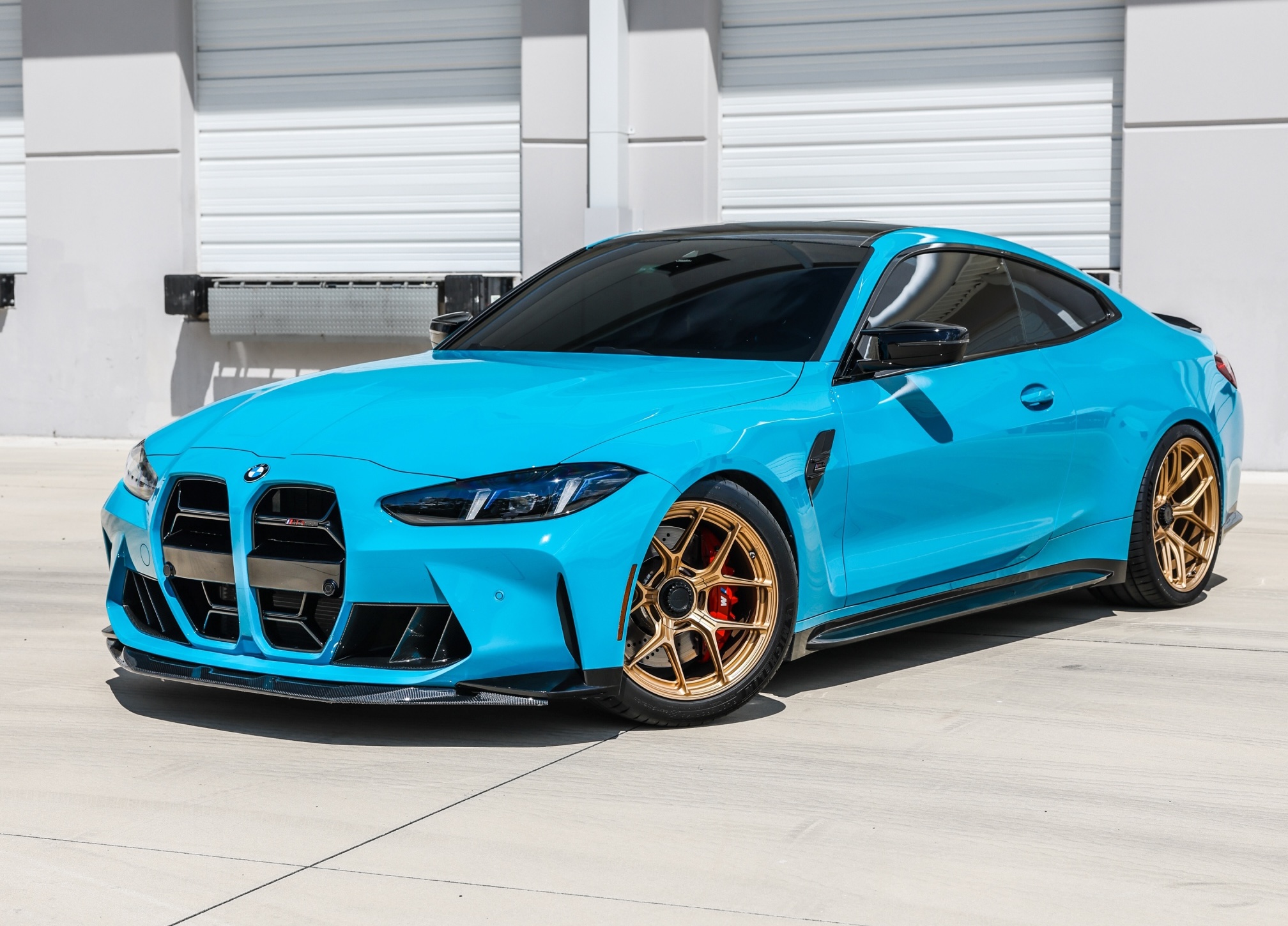
Miami Blue Individual G82 M4 x Gold Incurve wheels!
Finally made up my mind on a set of wheels. Joey with Incurve has been amazing with every set Ive ordered from them. Wanted to try something different on the Miami blue individual paint than the usual black wheels I order. Pics were taken by the talented Michael Blackwidowg82 (instagram handel).
Specs:
19×10 et10 20×11 et12 295/30/20 285/35/19
Wheel color: Satin Sand Gold Hex Cap color: Satin black
RV travel is a wonderful way to see a lot of this country – from important historic sites to bustling cities to gorgeous national parks. If you want to live an RV lifestyle, either full-time or with lots of weekend and vacation road trips, you may be thinking about purchasing your own RV. Because that’s a big purchase, this is the time you may be considering RV financing.
This article will walk you through the various options for RV financing, along with the steps you’ll need to take to secure an RV loan. If you’re a first-time buyer, looking to upgrade your rig, or are a full-timer looking for a suitable motorhome, check out these tips for RV financing.
The RV Financing Process Step-by-Step
This infographic pretty clearly outlines the steps you need to take when you want to secure RV financing. Let’s take a closer look at each step.
Pre-approval (and why it matters)
Getting pre-approved for an RV loan can make the entire financing process easier. Pre-approval is the process where a lender looks at your financial situation. They’ll consider your credit score, income, debts, and sometimes the amount of your down payment – all before you actually apply for a loan. If you qualify, the lender will give you a conditional approval that says how much they’re willing to lend you, at what interest rate, and how long you have to pay the loan back.
All of this helps you to know where you stand when you begin shopping for RVs.
And pre-approval matters for a few reasons:
Sets a budget: Getting pre-approved for a loan means you know exactly how much you can borrow so you can focus on RVs within your range.
Strengthens negotiating power: You’re in a strong position when you have a note from your bank, showing what you have to spend. It also shows you’re serious – you went to the trouble of securing financing already, making you a strong prospective buyer. Sellers may be more willing to negotiate since they know you have the money ready to go.
Helps lock in interest rates: Some lenders let you lock in your interest rate for a certain period after the pre-approval. In those cases, you don’t need to worry about rates going up as you shop for your rig.
Saves time later: Since you get most of the paperwork done beforehand, the loan approval and closing process move faster after you’ve settled on an RV. You won’t have to wait as long to get the new rig you’re excited about.
Shows red flags early on: If you have issues with your credit, income, or debt-to-income ratio, you’ll find out before you’ve been out shopping for RVs. You can take some time to work on your financial picture before committing to a big RV purchase.
Choosing a loan type and lender
There are several types of RV loans, which we’ll look at in more depth in a minute. But you can choose from secured RV loans, unsecured personal loans, home equity loans, or dealer financing.
You also have options for different lenders where you can get financing. Banks often have competitive rates for those with good credit. Credit unions often have lower rates, more flexible terms, and fewer fees. However, you usually need to be a member of the credit union in order to take advantage of these perks. Online lenders vary widely. They offer convenient, quick applications and decisions. But rates vary widely and, as with anything online, you’ll want to research and read reviews of the lenders to make sure they’re trustworthy. Some lenders also specialize in RV and marine financing. With specialty lenders, you may find tailored terms, long repayment periods, and a better knowledge of the market and the unique challenges of financing larger vehicles.
As you look for financing, you’ll want to compare the following factors:
Interest rate: A 1% difference seems small, but because RVs are expensive, that can add thousands to your total cost.
Loan term: The shorter the loan, the less interest you accrue and the quicker you pay it off. However, you’ll also pay a greater amount each month. You’ll need to weigh lower monthly payments against paying more interest.
Down payment requirements: Many lenders require you to put 10-20% down so you’ll need a good chunk of money.
Fees: There may be origination fees, prepayment penalties, and late fees. Make sure you know the fees and avoid the ones you can.
Customer service & flexibility: Are you able to refinance if you wish? Are you penalized if you add extra payments to pay off your loan quicker? Are there options to pause payments if you have a sudden hardship? A lender who is easy to work with can make a huge difference.
Submitting an application and documents
Once you’ve settled on a loan type and lender, it’s time to fill out an application. You can often apply online now, but there are sometimes options to do so in person or at a dealership as well. You’ll need your Social Security number, employment and income information, an estimated RV price and down payment, and the desired terms of the loan. Some lenders will do a credit inquiry at this point.
You’ll likely need to provide documents to prove your income and identity. These may include W-2s or pay stubs, a driver’s license, utility bills or mortgage statements, and bank statements. Be ready for lenders to follow up with any questions or to ask for other documentation. If this is a complicated loan, it may take a few days for the loan to be funded.
Negotiating loan terms
Once you’ve been approved for a loan, you don’t need to assume those numbers are set in stone. Loan terms can often be negotiated, especially if you have qualities like good credit, a hefty down payment, or several lenders competing to loan you money.
Consider negotiating the interest rate, especially if you have several offers. You can also negotiate loan terms like the length of the loan or whether extra payments can go directly towards the principal. Ask to have origination fees, documentation fees, or prepayment penalties waived.
Although it may be tempting to pick the loan with the lowest monthly payment, that might not be to your best advantage. Taking longer to pay back the loan means you’ll pay more in interest. Compare the total cost of your loan instead of just the monthly payment.
Also, use this opportunity to ask any questions you have. Ask whether your rate is fixed (it won’t move) or variable (it could go down – yay! – or up – boo!) Ask about any one-time or other fees. Don’t be afraid to ask about any terms you don’t understand. There are no silly questions, especially when this much money is on the line!
Closing the loan and taking ownership
Once you’ve done your negotiating and have an offer you like, it’s time to close the loan and become the proud owner of your RV. This step is similar to closing on a car or home.
Your lender will prepare a loan agreement and outline the terms everyone agreed to. It will state the interest rate, loan amount, repayment schedule, fees, and other details. Read everything carefully before you sign. Make sure this is the interest rate and loan terms you were promised. Check for any extra fees. Look at the loan type (variable or fixed). If anything looks different than what you were expecting, ask questions. Do not feel pressured to sign anything you’re uncomfortable with.
Your lender may ask for final paperwork. They might want a signed purchase agreement or bill of sale from the dealer or private seller. They often require proof of insurance to show the RV is covered. The lender might ask to see title transfer paperwork or a vehicle identification number verification. If this is a private sale, the lender may also want to see the seller’s title to make sure there are no existing liens.
When the paperwork is done, the lender will release the money. If you’re buying from a dealer, the lender will often send the payment directly to them. If you’re doing a private sale, you might get funds via an escrow service, or the seller may get a cashier’s check. Then, you’ll get a confirmation that your loan is active, along with details on how to make payments, the amount, and the monthly due date.
When the loan is funded, the RV title will be updated to show you as the owner, although the lender will appear as the lienholder until you pay off the loan. After you completely repay the loan, the lender will release the lien, and you’ll get a clear title in your name.
Congratulations! Be sure to keep copies of your loan agreement, your insurance policy, and your title or registration paperwork. You’ll need all of that if you want to sell or refinance your RV.
Understanding RV Financing Basics
To understand RV financing basics, you’ll first need to understand what RV financing is and how it works. Financing an RV can feel tricky, because it’s like buying a home and a vehicle, all in one. RV financing is, quite simply, borrowing money from a lender to buy an RV … then paying that money back with interest.
When you secure RV financing, you’ll apply for a loan through a bank, credit union, online lender, or RV dealership. You’ll get approval based on factors like your credit score, income, down payment, and debt-to-income ratio. The lender wants to make sure you’re likely to pay back your loan.
Difference between RV financing and car financing
Although they have some similarities, RV financing is different from car financing.
The amount of RV financing you need is likely much higher than the amount of money you need to buy a car. RVs can cost anywhere from $20,000 for a small trailer to $300,000 and up for luxury Class A motorhomes. RV financing usually requires a much bigger down payment because the price is so much higher. Car loans don’t necessarily involve a down payment at all.
Loan terms are also longer for RVs because the overall price is higher. Car loans usually range from 3 – 7 years, while RV loans can go 10 to 20 years or longer. They’re closer in length to a mortgage.
RVs are also usually considered luxury or recreational purchases, which means lenders consider them riskier to finance. Interest rates on RV loans are usually higher than on car loans. Borrowers often need better credit than they do for a car loan as well.
Like cars, the RV itself is usually the collateral – if you can’t pay, the lender can take back the RV. Also, not all banks deal with RV loans. You might want to search for a specialty RV lender or credit union that understands the RV market and offers better terms for RV buyers.
Lenders may also look at the maintenance, insurance, and storage conditions for the RV when they’re deciding on the risk of loaning you money.
New vs. used RV loan considerations
RV financing can look different, depending on whether you’re buying a brand-new motorhome or a used and loved RV. Rates, terms, and other loan requirements can all change, depending on whether the RV you’re financing is new or used. New RVs usually qualify for lower interest rates and longer terms – sometimes up to 20 years. This is because it’s easier to determine the value of new models, they have a predictable depreciation rate, and they’re considered less risky for lenders.
However, financing a new RV can sometimes leave you “upside down” for a few years. Being upside down on a loan means you owe more than the item is worth. With RVs, this is because the vehicle depreciates quickly at first. New RVs can lose 20-30% of their value in the first year, and around 50% of their value after five years.
New models may also allow smaller down payments since these RVs have a higher resale value.
Loans for used RVs can often come with higher rates and shorter terms of between 5-15 years. Older vehicles have more wear and tear than new models. However, older models don’t have the steep depreciation that happens with newer RVs. Used RVs may also require larger down payments.
With used RVs, most lenders have age or mileage limits on what they will agree to finance. Some lenders won’t offer RV financing for vehicles more than 10-15 years old. Others might cap the number of miles they’ll allow on motorized RVs. If you have trouble with RV financing for an older RV, you may need to look into a personal loan or a specialty RV lender who handles vintage or high-mileage rigs.
RVs as luxury purchases
Lenders often consider RVs “luxury purchases.” Luxury purchases carry more risk – if someone hits a tough spot, they’re more likely to stop making RV payments than car or home mortgage payments. So classifying RV loans as luxuries can affect everything from the interest rate to the approval requirements for your loan.
Lenders often charge higher interest rates and require larger down payments for these loans. You’ll probably also need a stronger credit score than you might for another loan.
The rate of depreciation for your RV and the resale value also matter more. A lender knows if they have to repossess and resell an RV, it might get them less than the loan balance. They may loan less of the total price, or limit loans on RVs of a certain age or model.
Types of RV Loans
There are several possibilities for RV loans that you can consider. Here are a few of the most popular options.
Secured RV Loans: These types of loans use the actual RV as collateral. They also usually have lower interest rates. Terms on these loans can go up to 10-20 years for larger motorhomes. They’re best for buyers of newer or more expensive RVs who want lower monthly payments.
Unsecured Personal Loans: These types of loans do not require using your RV as collateral. Since the lender doesn’t have that in the balance, interest rates are usually higher and terms are shorter – often 3-7 years. These loans are best for less expensive rigs like campervans or travel trailers.
Home Equity Loans (HELOCs): If you own a home, you can use the equity in that home to get a loan. HELOCs usually have lower rates, but your home is at risk if you can’t repay the loan. These loans are best for homeowners with significant equity who are confident they can repay the loan.
Dealer Financing: Many RV dealers partner with banks or credit unions to offer financing on-site with the dealership. It’s a very convenient option, but it isn’t always the most competitive option. It’s best for buyers who want to get everything done in one spot, but it’s only worth it if the rate and terms are good.
RV Loan Terms and Rates
You’ll want to know the terms and interest rate for your loan as part of the process of securing RV financing. Here’s what to know:
Factor
What It Means
Typical Range/Key Details
What Affects It
Loan Length (Term)
How long you have to repay the loan. Longer terms mean lower monthly payments but more in interest.
• Short-term: 5–7 years (smaller or used RVs) • Mid-term: 10–15 years (mid-range models) • Long-term: up to 20 years (new or expensive RVs)
RV price, age, lender type, and your credit score
Interest Rate (APR)
The cost of borrowing, Interest is an extra charge that is a percentage of the loan balance.
Current Average Range: 6%–10% for new RVs; 8%–14% for used RVs
Credit score, income stability, down payment size, loan term, and whether the RV is new or used
New vs. Used RV Loans
New RVs typically have longer terms and lower rates, while used RVs depreciate faster and may require larger down payments.
• New RVs: Lower rates, up to 20-year terms • Used RVs: Higher rates, 5–15-year terms • Some lenders limit financing for RVs over 10–15 years old
RV condition, resale value, model year, and lender policy
Fixed vs. Variable Rate Loans
Fixed rates stay the same for the life of the loan; variable rates can rise or fall with market conditions.
• Fixed Rate: Predictable payments; most common • Variable Rate: Lower initial rate but interest rate can go up or down
Economic conditions, risk tolerance, loan length, and lender offerings
What Lenders Look At (Loan Requirements)
You’ll want to know what lenders look at when they’re determining RV financing. That way, you can build a strong case for your loan.
Credit Score: Your credit score is one of the biggest factors in determining whether you’ll be approved and get a good interest rate for your loan. If you have a high credit score, you’re probably a safe lending risk, and you’re likely to get a better interest rate.
Prime borrowers are those with scores of 700 and up. They get the lowest interest rates and longest loan terms
Mid-tier borrowers score between 650-699 and can still get financing but may have higher interest rates.
Subprime borrowers are those below 650. They may need bigger down payments, shorter terms, or a co-signer. They may be denied for a loan.
RV-specialty lenders and credit unions that specialize in RV loans are often more flexible with lower scores, but those customers usually pay more for lenders to assume more risk.
Debt-to-Income Ratio: This compares what you earn to your monthly loan payment. Most lenders prefer a DTI below 40-45%. This indicates that you make enough money to afford your monthly payments.
Down Payment: The higher the down payment, the more favorably a lender will see you because this lowers the overall size of the loan. It’s beneficial to you as well, because it means you’ll pay less in interest over the length of the loan.
Employment and Income Verification: Since RV loans can be from 10-20 years long, lenders want reassurance that you have a steady income to continue making payments. They might ask for W-2s, pay stubs, or tax returns to verify your income.
RV Type, Age, and Value: Lenders also want to know about the actual RV. Newer, more expensive RVs are easier to finance and may get better terms. Older RVs may have limits on the length of the loan, or may need an inspection by the lender. This is because often, the RV is the collateral for the loan. The lender needs to know that it has enough value to recover any losses if it gets repossessed.
Costs Beyond the Loan
When people buy a new, or new-to-them, RV, the loan is usually the cost that looms largest. This makes sense because the number is so high! However, there are other costs associated with an RV purchase that you’ll need to consider. Some of these are even expenses the lender may require you to incur in order to secure your loan. Here are a few of those other costs.
Insurance Requirements
Most lenders will require you to carry full coverage RV insurance while you have a loan with them. If your RV is collateral for the loan, they want to make sure it’s in good condition if they have to take it back. So they’ll want it to be protected in case of an accident, theft, or other damage. Usually, they’ll require you to have:
Comprehensive and collision: This covers accidents, fire, vandalism, and weather damage
Liability: Most states require liability coverage to cover injuries or property damage that you might cause in an accident
Gap coverage: Some lenders may want this, or you may decide to get it yourself. It covers the difference between what your RV is worth and what you still own if your rig is totaled early in the loan when you’re upside down on the vehicle.
Registration, Taxes, and Fees
Just like a car or truck, your RV will need to be registered with the Department of Motor Vehicles in your state. You’ll pay a registration fee for this, along with a sales tax when you purchase your RV, although this can often be rolled into the loan amount. You’ll have title and registration fees, which vary by state. Some states also have annual vehicle taxes, which are based on the RV’s value or weight.
If you buy your RV from the dealer, these extra fees may be rolled right into your loan. For private sales, you may need to pay them as they’re due.
Maintenance and Storage
Your RV will require regular maintenance to make sure it’s safe and in good shape for driving. Lenders may ask how you intend to maintain and store your RV … because, again, they want to make sure it stays in good shape if they have to take it back.
Plan on costs for routine maintenance like oil changes, tires, roof resealing, generator service, and appliance repairs.
You may also plan to store your RV when it’s not in use. Plan on monthly fees for covered or outdoor storage, especially if you live in an area with harsh weather.
Along with meeting any requirements from lenders, budgeting to maintain and protect your RV can help you avoid costly repairs that could affect your ability to make payments on your loan.
RV Financing Tips & Strategies
Now that you know what to expect when securing RV financing, here are a few things you can work on to get a better rate and possibly a lower payment.
The most important factor is your credit score, and even a small bump up can get you a better interest rate and save you thousands over the life of your loan. If you need to improve your score, check your credit report to make sure there aren’t any errors. Pay down debt like credit cards, and don’t apply for any other big loans or new credit cards at this point. If you can get your score above 700, you’ll be positioned to get the best terms for a loan.
Next, you can save up a large down payment. The more you can put down, the less you need to borrow (and the less interest you’ll pay!). You can also qualify for better interest rates this way. Aim to put down 10-20% of the total cost of the RV.
Then, shop around. Compare offers from banks, credit unions, online lenders, RV-specialty lenders, and dealer financing programs. Small tweaks, like a 1% interest rate, can save you thousands of dollars when you’re looking at a 10-15 year loan.
If you can, consider a shorter loan term. You’ll have a higher payment, but you’ll pay less interest because you won’t have the loan as long. If you do have a longer-term loan, try to make extra payments toward the principal so you can pay it off quicker.
When you’re considering RV financing, avoid the temptation to roll all of your costs, like warranties, add-ons, and taxes, into the loan. That will increase your total balance and earn you more interest. If you can pay those expenses as you go, you’ll be in a better financial position. This can also help you avoid being upside down on your loan in case you have to sell your RV shortly after you buy it.
Special Financing Situations
Since buying an RV is different than buying another vehicle, you may find yourself with special financing needs. Here are a few situations potential RV buyers may find themselves in and how to handle them.
Full-Time RVers
If your RV will be your primary residence, your financing may be different than someone buying an RV to use on weekends. Many traditional banks assume RV loans are for those people and offer recreational financing for part-time or vacation use. Lenders may need extra verification for those who use their RV as a home. You may need to provide:
Proof of stable, recurring income even if you’re self-employed or a remote worker. Your lender wants to know you have the money to make payments.
A permanent mailing address: Lenders still need to send you some things. You may need a family address, P.O. box you check regularly, or a mail forwarding service.
Full-time RV insurance which combines important elements of auto and homeowners insurance coverage.
Not every lender offers loans for full-time RVers. You may need to look for specialty RV lenders or credit unions that are used to these types of loans.
Bad or Low Credit Scores
If you have a low credit score, you can often still secure RV financing, but you may have some extra challenges. You’ll likely have a higher interest rate and need to put down a larger down payment. You may also end up with a shorter loan, so the lender can reduce their risk. Lenders may also require a co-signer.
Begin by looking at financing with credit unions or RV-specialty lenders. These organizations tend to be more flexible than big banks. Consider buying a less expensive or used RV. Meanwhile, build up your credit by paying down debt and avoiding any new credit inquiries.
Refinancing an RV Loan
Refinancing can be a good idea if it helps you lower your interest rate or shorten your term so you pay off your loan faster. Consider refinancing if interest rates have dropped since you took out the initial loan. Also consider refinancing if your credit score has improved, you now have a higher income, or you want to reduce your monthly payments or shorten the term of the loan to save on interest.
You’ll want to compare your new rate, loan balance, and payoff time before deciding. You’ll also want to find out if there are any closing costs that come with refinancing and factor those into your decision.
Financing an RV Through a Private Seller
You might save money by purchasing an RV from a private party instead of through a dealer. However, that can be more complicated to finance. Private sellers don’t have a financing department like dealers do. You’ll need to arrange a loan directly with your bank, credit union, or online lender.
They’ll probably want you to provide:
A bill of sale and title from the seller
The RV’s VIN and condition report
Possibly an inspection or appraisal
Money for the sale is usually paid directly to the seller or through an escrow service. You’ll want to make sure the title is clear of liens before you transfer the money.
Alternatives to Traditional Financing
Although RV loans are the most common way to pay for a rig, they’re not the only way to do it. Depending on your financial situation, how you’ll use the RV, and your long-term plans, you can also look at options like leasing, rent-to-own, or shared ownership to pay for an RV.
Leasing an RV
Leasing an RV works like leasing a car – you’ll make monthly payments to use the RV for a set time period (usually 3-5 years). At the end, you return, buy, or trade the RV in for an upgrade. Leases often offer lower monthly payments than financing. You also have the option to upgrade to a newer model every few years. Finally, you don’t need to worry about the RV depreciating – you’ll be turning it in at the end.
However, you also don’t build any equity or own the RV at all. There may be mileage limits or wear-and-tear penalties for using the RV. Not all RV dealers offer lease programs, and there are fewer options than with autos.
Rent-to-Own Programs
Some dealers and RV specialty companies offer rent-or-lease-to-own programs. This allows you to apply part of your rental payments toward eventually owning the RV. You’ll pay monthly rental fees, and a portion of each month’s rent counts as credit toward the RV purchase price.
This option can mean easier approval for buyers with a limited credit history. It also lets first-time RVers try the RV for a while before fully committing to buying the RV. You may not need as big a down payment, either.
However, there’s often a higher overall cost if you buy an RV this way. There’s limited availability for this kind of RV financing, and there are stricter conditions. You also don’t own the RV until all your payments are complete.
Paying Cash vs. Financing
If you can pay cash for an RV, you may want to consider that instead of financing. You won’t accrue interest, you won’t have monthly payments, and you’ll fully own your RV from the very beginning. However, this can also drain your savings and eliminate your liquidity.
Financing an RV lets you keep more cash on hand for traveling, maintenance, or investments. If your RV counts as a second home, you may also get some tax advantages. But you’ll pay interest over time, which will increase the total cost of the RV. Also, the RV’s depreciation could outpace your equity, leaving you owing more than the RV is worth.
If financing rates are low and you can earn more through savings or investments than you’d pay in interest, you might want to consider financing. But if you prefer simplicity and debt-free ownership, go cash.
Fractional Ownership or Co-Ownership Models
Fractional ownership means several buyers go in on one RV together, similar to a timeshare or boat club. Each co-owner pays a portion of the purchase price and contributes to the ongoing expenses. Then each owner gets a certain amount of scheduled use time with the RV.
Fractional ownership reduces up-front and maintenance costs and can make high-end RVs accessible for less money. It can also include professional management of the RV or storage.
However, you don’t have as much flexibility with this plan. You’ll need to schedule trips and use in advance. These ownership agreements can be complicated and involve legal contracts and detailed exit terms. Financing and insurance can also be more complex. This option is best for people who only want to use an RV for a few weeks a year and want the experience of RVing without the responsibility of maintaining one full-time.
RV financing can be a great way to enjoy road trips and sightseeing, or even full-time living, in an RV! But you’ll want to understand the different types of loans and the requirements for each type. Research lenders carefully and make sure you understand the terms and costs of any loan you’re considering. Check out our guidance to be sure you’re avoiding bad RV financing as you research your options. Also, consider loan pre-approval before you shop for an RV.
You can also rent an RV with RVshare to try it out before you commit to purchasing your own!
FAQs: RV Financing 101
What credit score do I need to finance an RV?
Most lenders look for a credit score of at least 650 to finance an RV, but you’ll get better rates and terms if your score is above 700. Some lenders may approve lower scores, but you’ll likely have a higher interest rate.
How long can you finance an RV?
RV loans can range from 5 to 20 years, depending on the lender and the RV’s price. Longer terms mean lower monthly payments but may result in higher total interest by the time you pay off your loan.
Is it harder to finance an RV than a car?
Yes. Because RVs are considered luxury items, are more expensive, and have longer loan periods, lenders may have stricter requirements, larger down payments, and longer approval processes than auto loans.
Can I finance a used RV?
Yes. In fact, used RVs are one of the most common purchases in the RV market. Many lenders offer used RV financing, although loan terms may be shorter and interest rates slightly higher compared to those for new RV loans.
Do I need insurance to finance an RV?
Yes. Lenders typically require full coverage RV insurance until the loan is paid off, much like auto loans require comprehensive coverage. This is because often, your RV is the collateral for the loan. Lenders want to make sure it stays in good shape in case they have to take it back.
What’s the average interest rate on an RV loan?
Interest rates vary by credit score, loan amount, and lender. Recent trends indicate that rates often range from 6% to 18%, with prime borrowers receiving the lowest offers.
Can I refinance my RV loan?
Yes. Refinancing can help you lower monthly payments, reduce interest rates, or adjust loan terms, especially if your credit score has improved since you first financed.
Is it possible to finance an RV with bad credit?
It is possible, but expect higher interest rates and stricter requirements. Some lenders and credit unions specialize in subprime RV loans, and a larger down payment can improve your approval chances.
What’s the minimum down payment for an RV loan?
Many lenders require a down payment of 10–20%, although requirements vary. A larger down payment can reduce monthly costs and improve your loan approval odds.
Should I finance an RV or pay cash?
It depends on your financial situation. Paying cash avoids interest costs, but financing allows for flexible budgeting and preserves your savings. Consider the total cost of your loan before you decide.
Auto-industry tariffs coming in April, may bring immediate price hikes
Mexico makes many U.S.-bound EVs, buys few of them
EV tax credit still potentially applies to models made in Mexico and Canada
The threat of auto tariffs affecting models made in Mexico and Canada has not abated. And as industry experts continue to suggest, there may be rocky times ahead for vehicle affordability.
Although delayed, the auto-industry tariffs are coming soon, as are additional tariffs on China and the EU, President Donald Trump revealed Monday.
“We’ll be announcing that fairly soon, over the next few days probably,” said Trump, as quoted by Politico. “And then April 2 comes. That will be reciprocal tariffs.”
According to the report, the U.S. imported $471 billion in automotive products in 2024, which includes $214 in passenger cars.
Mexico builds many U.S.-bound EVs but buys few of them—and EVs are a very small portion of the nearly 1.1 million new cars sold in Mexico. A lack of significant charging infrastructure, combined with affordability, remain obstacles.
That’s because EVs generally remain too expensive for that market—although Mexico has in recent months announced plans to develop its own EV supply chain as it’s also pushing ahead with a federally subsidized EV that might cost as little as $4,400.
2025 Chevrolet Blazer EV
Under the Biden-era Inflation Reduction Act, tax credits of up to $7,500 stipulated requirements for North American assembly and sourcing, in policy that went along with the United States-Mexico-Canada Agreement (USMCA) deal made during the first Trump term and closely following NAFTA policy that preceded it. Trump has separately indicated a desire to eliminate the EV tax credit, which a research group recently emphasized would have a devastating effect on U.S. manufacturing.
Mexico currently builds hundreds of thousands of U.S.-bound vehicles annually—many of them affordable entry-level models. Automakers have already cautioned that tariffs on Mexico and Canada would lead to immediate price hikes in some cases, as well as the potential for some models to be pulled from the market.
According to a Reuters report from December, citing estimates from Wells Fargo, a 25% tariff on parts from Canada and Mexico would make vehicles more expensive, EV or not. Specifically, it might add $2,100 in cost to consumers for U.S.-assembled vehicles alone, while models made in Canada or Mexico could end up costing $8,000 to $10,000 more.
It could affect the viability of some of the domestic automakers as well. GM is relying on imports from Canada and Mexico for both profitable full-size trucks and various EVs. Mexico Business News noted that GM alone assembled more than 889,000 vehicles in Mexico, with about 653,000 of those shipped to the U.S.
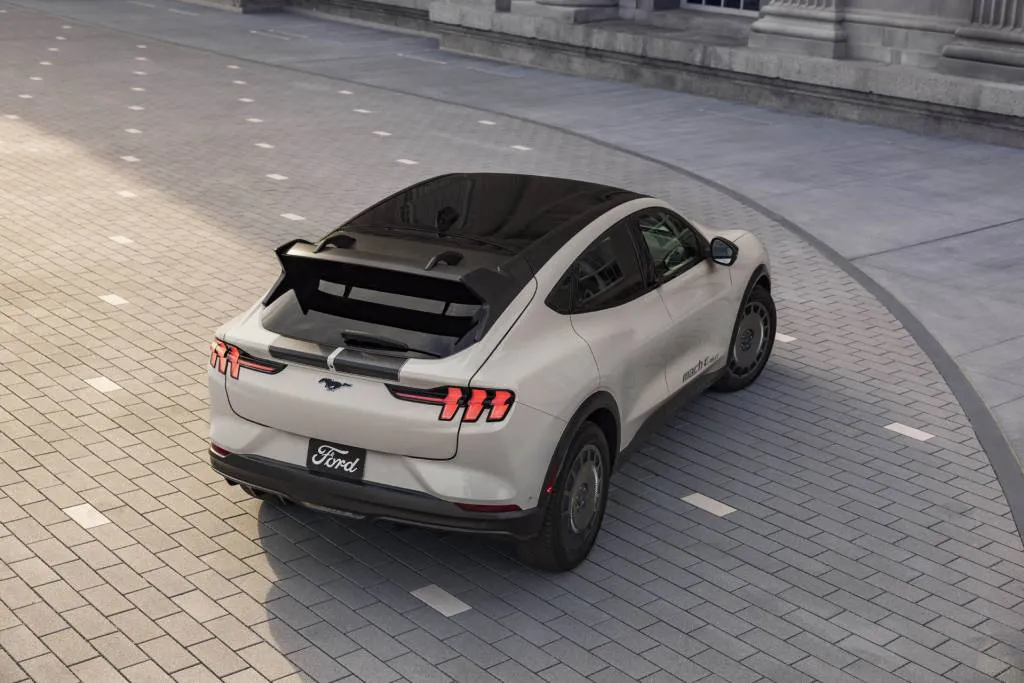
2025 Ford Mustang Mach-E Rally
As called out by the latest list from the federal government per American Automobile Labeling Act (AALA) labeling requirements, here’s a rundown of the EVs, as well as the hybrid and plug-in models, currently made in Mexico and Canada respectively:
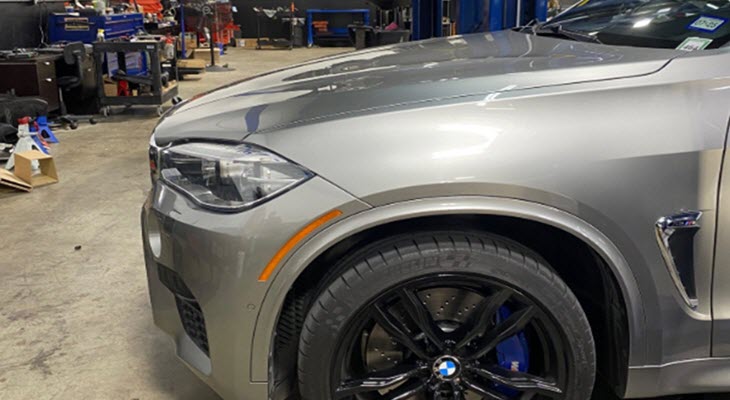
If you are a car enthusiast and always search for outstanding performance along with luxury and comfort, BMW has all of it for you. BMWs are the most reliable vehicles that produce superior performance with optimum power. To keep them running smoothly, it is essential to adhere to their regular maintenance schedule. Like all vehicles, BMW is not immune to common issues. At the Ultimate Bimmer Service, located near you in Plano, Texas, we receive numerous complaints regarding leaks in the vacuum hose. During regular maintenance, our mechanics inspect the hose to ensure it remains in good working order.
A vacuum leak can occur anywhere between the engine and a mass airflow sensor, making it a challenging problem to diagnose, which requires trained eyes, like those of our technicians, to pinpoint the exact fault. At Ultimate Bimmer Service, serving the nearby cities of Plano, TX, we fix your vacuum hose leak or any other issue in minimal time, so you can drive your BMW again with absolute peace of mind.
Understanding the Role of the Vacuum Hose
The vacuum hose in your BMW is responsible for carrying air under low pressure to various engine components, such as the brake booster, the fuel pressure regulator, and the PCV valve. It also connects to different parts of the emissions system, helping to maintain proper engine performance and regulate exhaust emissions. This hose is designed to withstand the pressure and temperature fluctuations that occur within the engine. It’s not just internal temperatures that can start to wear down the hoses, but also external temperatures.
Why Timely Repair of BMW’s Vacuum Hose Leaks is Important?
Impacts on Engine Performance
If you had planned to visit a restaurant with your friends and family, but couldn’t because your vehicle started acting up, you may have had an issue with your vacuum hose. Since vacuum leaks can cause an imbalance in the air-fuel ratio, your BMW’s engine may struggle to run smoothly. These performance issues are often subtle at first, but over time, they can develop into more significant engine problems if left unaddressed. If you’re experiencing issues with your BMW’s performance, visit any of our garages located near you in Plano and Carrollton, TX, to have your BMW’s engine inspected.
Decreased Fuel Efficiency
The vacuum system plays a significant role in maintaining the optimal fuel-to-air ratio, which is necessary for efficient combustion. When a vacuum hose is leaking, your engine may experience an incorrect air-fuel mixture, resulting in inefficient fuel combustion. As a result, your BMW will consume more fuel than necessary, which will have you visiting the gas station more often than you would like. If you’re making frequent trips to the fuel station or experiencing lower miles per gallon, visit any of our stores located near you in Plano, TX. We will conduct a thorough inspection of your car.
Check Engine Light Activation
While driving along the road, you could find that your check engine light comes on, and it’s vital that you get it checked out immediately. If you want your BMW to perform at its optimal level, do not drive around with that light on, or else in the end you will find that you have caused more damage to your BMW’s engine than previously. It’s best to check out right away if you have an illuminated check engine light at Ultimate Bimmer Service, located near you in Plano, TX.
Effects on the Brake System
No one wants to push down on the brake only to find they can’t stop. Now, that might sound a little extreme, but not addressing the vacuum hose issues can lead to this. The power brake booster relies on vacuum pressure to amplify the force you apply to the brake pedal, making it easier to stop the vehicle. If there is a vacuum hose leak, the brake booster may not function properly, requiring you to exert more effort to stop the car. If you don’t get the vacuum hose fixed, you may not be able to stop and could end up in an accident. Immediately, drive into our garage near you in Plano, TX.
Why Choose Us
Ultimate Bimmer Service, located near you in Plano, TX, prioritizes repairing your BMW the first time we touch it, so you can rest assured knowing that your car is being maintained at our facility. We have ASE-certified technicians with 14 years of experience working on your BMW, and we have the right tools and equipment to ensure a quick and high-quality repair. Contact us today if you have any issues with your BMW; we’ll resolve the problem promptly.
Recently, Lamborghini celebrated the 20th anniversary of Centro Stile, its in-house design centre. The event was marked by the unveiling of a new futuristic concept car called the Lamborghini Manifesto.
The Manifesto concept gives us a glimpse of Lambo’s future design philosophy. Finished in a bright shade of yellow, the Manifesto retains the brand’s classic wedge design.
The front is sharp and low and features triangular headlights with Y-shaped LED DRLs. The sleek rear section features Y-shaped taillights and is dominated by a massive diffuser.
The Lamborghini Fenomeno was also showcased at the event. Parked alongside the Manifesto, you can see where the design inspiration for it came from.
Mitja Borkert, Design Director – Centro Stile Lamborghini, said, “Yesterday remarked for us a wonderful day and evening. We’ve celebrated more than 20 years of the existence of Centro Stile Lamborghini. Proudly supporting with a visionary sculpture “Lamborghini Manifesto” showcasing the potential future of our unique Design DNA. I want to thank [Lamborghini] from my heart to make this event happen. And everyone that came to see and celebrate with us.”
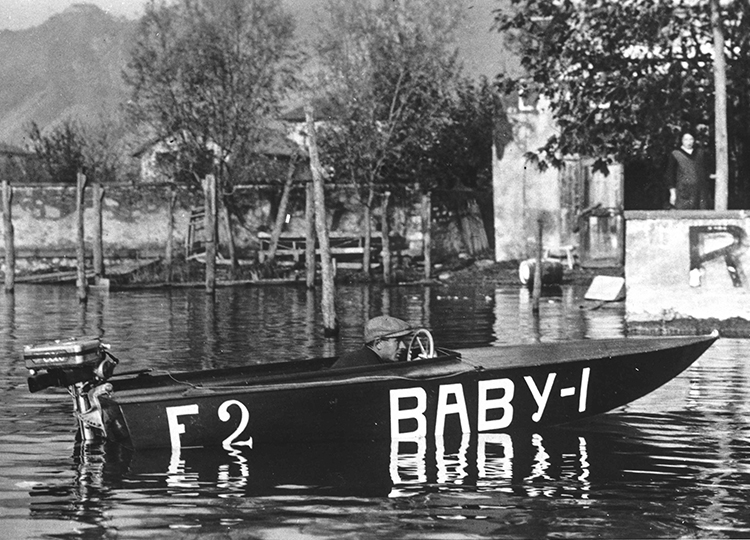
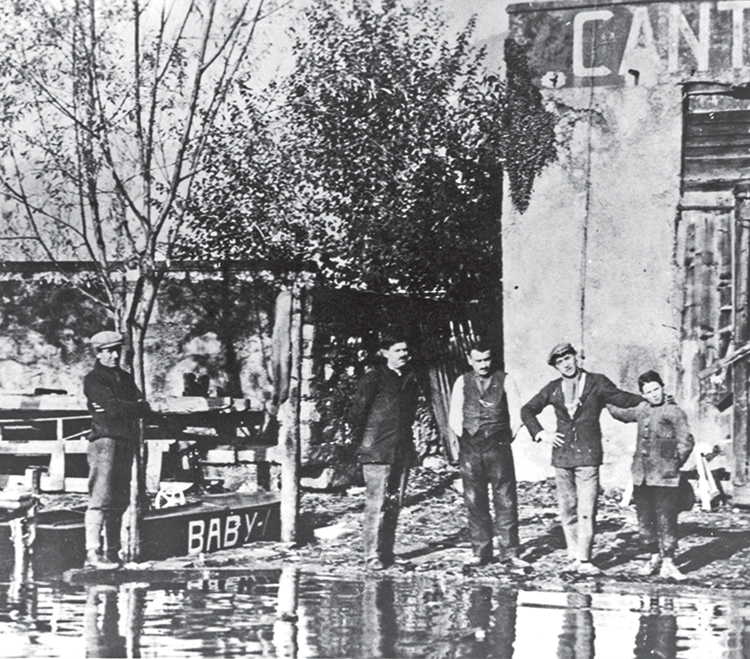
The Riva story began in 1842 on the shores of Lake Iseo, where a devastating storm left the local fishing community in ruins. Pietro Riva, a skilled shipwright, took it upon himself to repair their boats. His work not only restored what was lost but set the foundation for a family enterprise that would one day become one of Italy’s most recognisable names in boating.
Through successive generations, Riva evolved from a small local yard into a name associated with technical mastery and design refinement. Pietro’s son Ernesto introduced internal combustion engines to Riva’s boats, a decision that shifted the shipyard from utility to leisure and marked the beginning of a new era.
By the 1930s, under Serafino Riva, the company began producing high-performance motorboats that combined speed with elegance. Riva boats became known across Europe for their clean lines and agile handling, winning titles in competitions and attracting a new class of clientele. It was also during this time that Carlo Riva was born, the man who would eventually define the modern era of Riva and shape its international image.
Read More: Viva Riva: Celebrating 180 Years in Style
The Carlo Riva Era
When Carlo Riva took over in the 1950s, he transformed the family shipyard into a global reference point for style on water. The period coincided with Italy’s Dolce Vita years, when glamour and leisure were part of a national identity and Riva motorboats became its most visible expression.
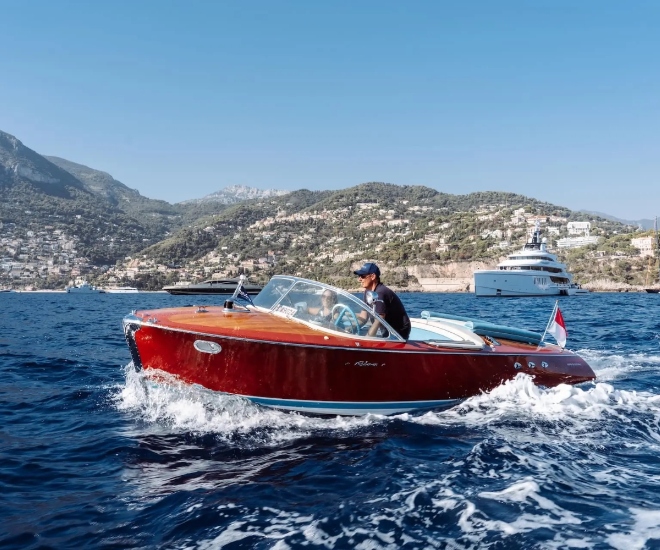
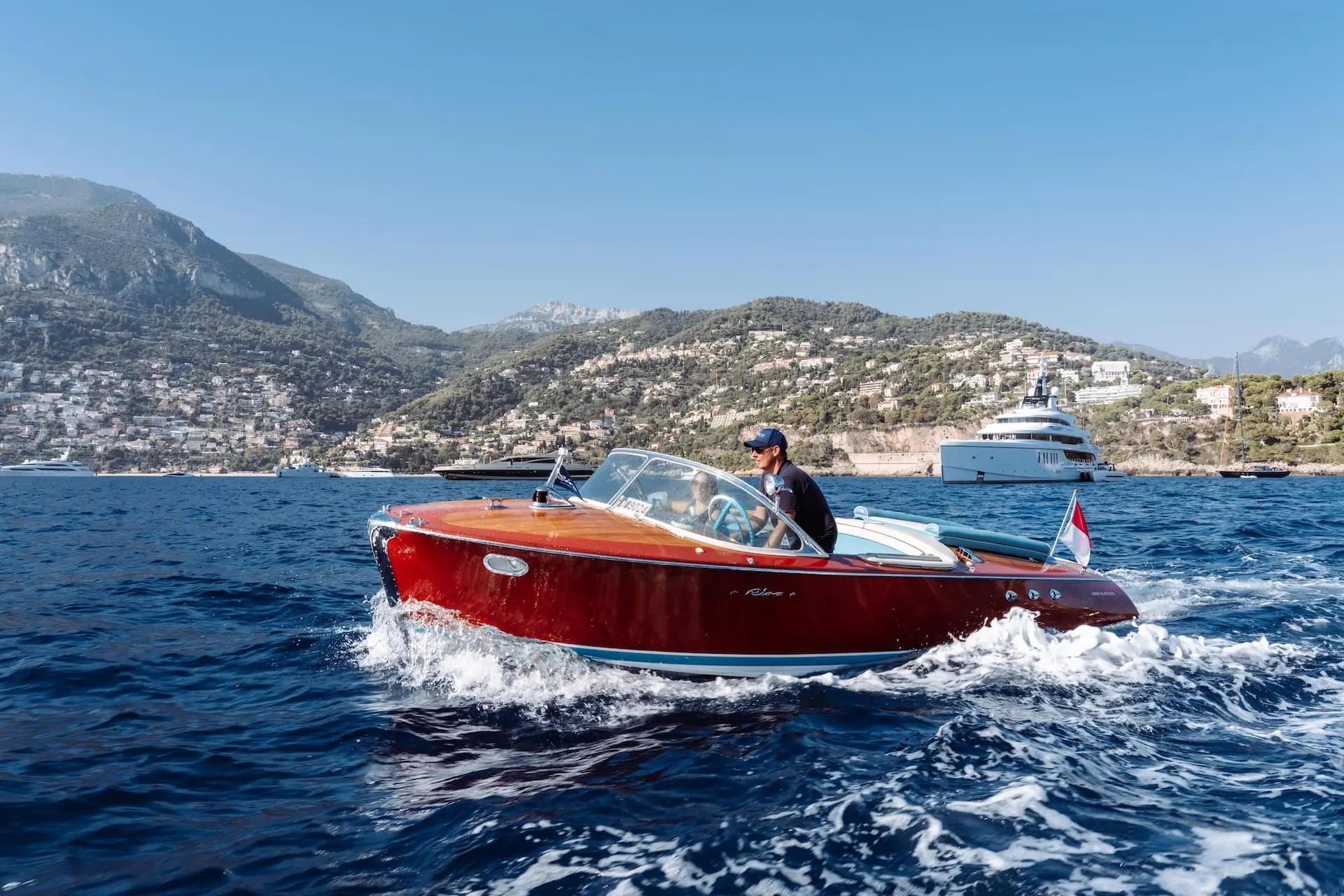
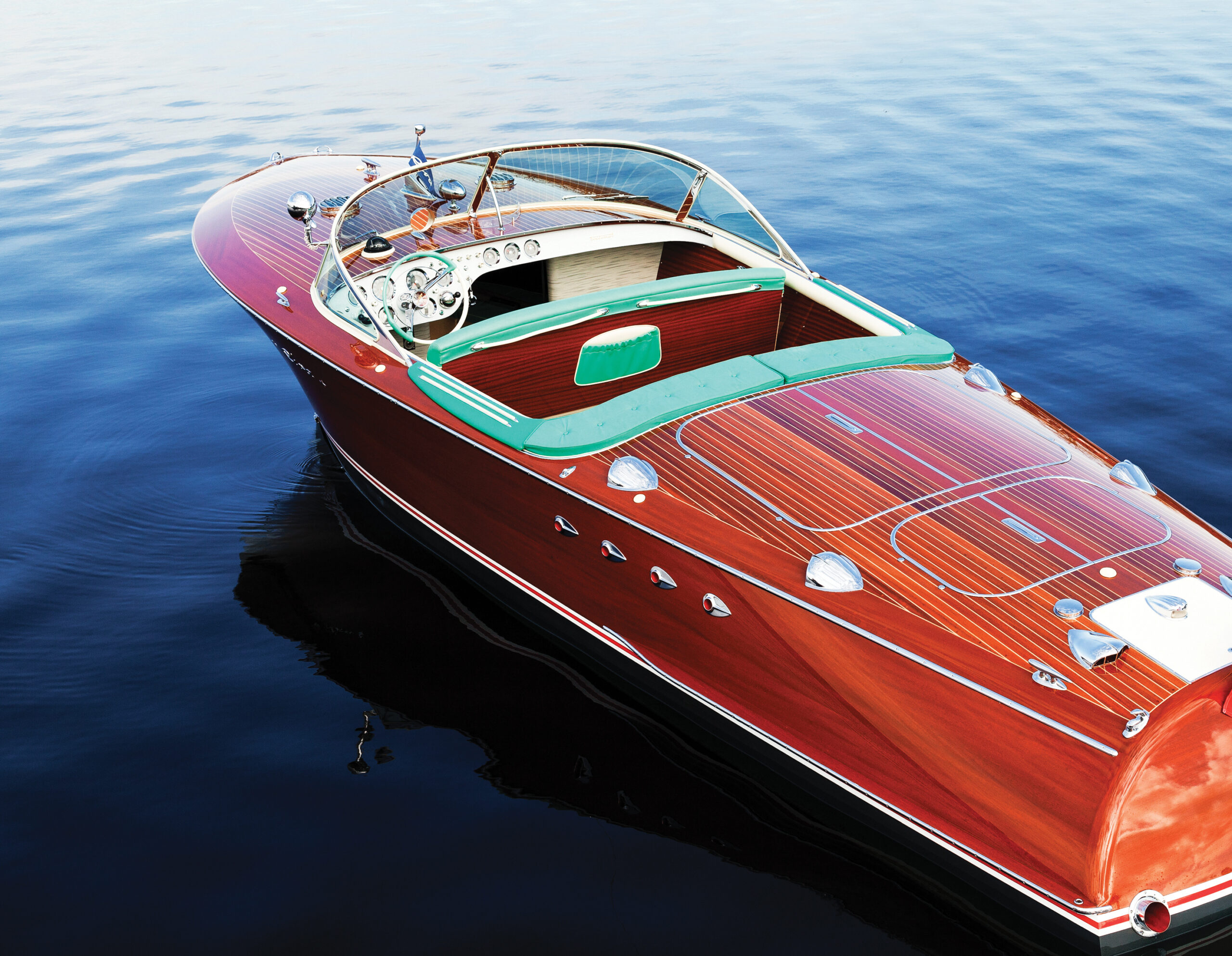
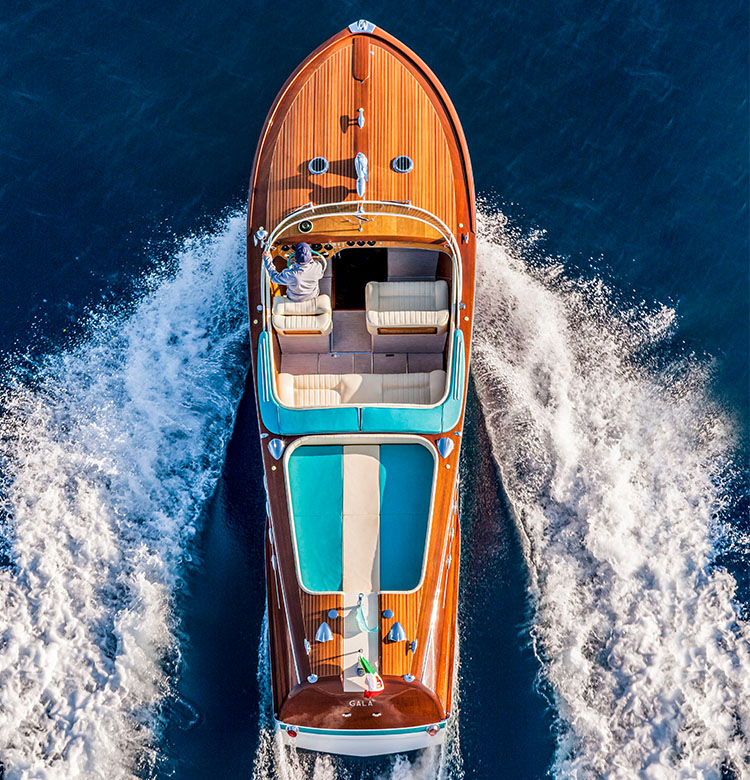
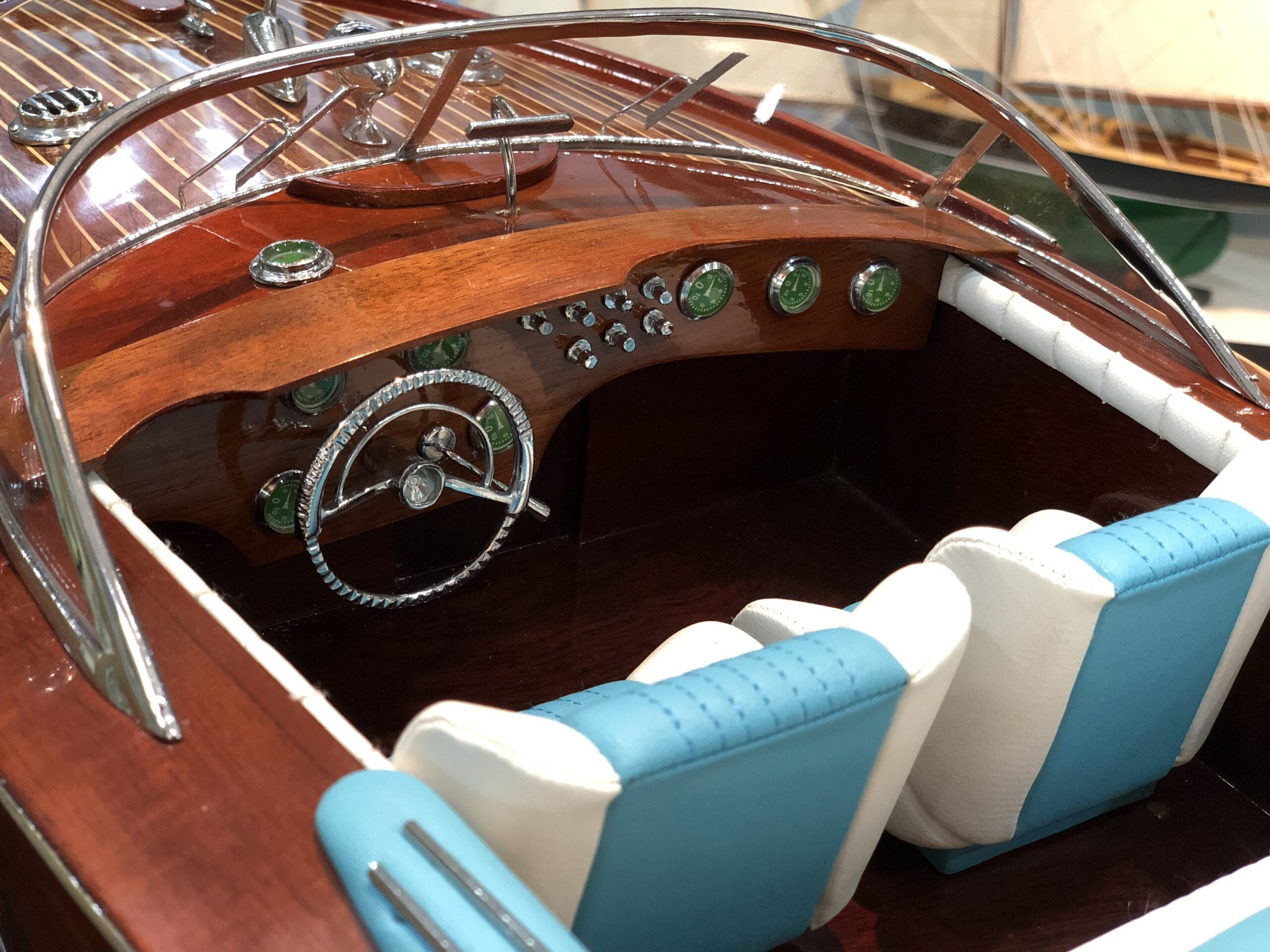
Crafted from mahogany and polished to a mirror-like sheen, boats such as the Ariston, Tritone and the legendary Aquarama were designed with an eye for proportion and an instinct for drama. The Aquarama, introduced in 1962, became the ultimate embodiment of that vision — sleek, powerful and unmistakably Italian. With fewer than 800 built, it remains one of the most admired boats ever made.
Riva Today: A Cultural Symbol
The Aquarama soon became a fixture of cinematic coastlines, appearing alongside film stars, royals and jet-set figures. Owners ranged from Brigitte Bardot to Sophia Loren and Prince Rainier of Monaco, each drawn to its understated glamour and distinctive silhouette. Even today, collectors regard the Aquarama as more than a boat — it is a piece of history that captures the optimism and spirit of post-war Italy.
While the materials and technology have evolved, the essence of Riva remains unchanged. The Aquariva, introduced in 2000, carries forward the same profile and detailing that made the original models legendary. Contemporary yachts continue to honour the brand’s lineage through balance, proportion and a quiet sense of sophistication that never feels overstated.
Partnerships in Power
Over the decades, Riva’s name has occasionally met others that share its Italian heritage. In the 1960s, Ferruccio Lamborghini commissioned a bespoke Aquarama fitted with twin V12 engines, merging two icons of performance. In 2016, Riva became a sponsor of Ferrari’s Formula 1 team, a partnership that brought its distinctive aquamarine logo back into the realm of speed and competition.
From its modest beginnings on Lake Iseo to its present-day prestige, Riva has remained true to its origins — boats built not for excess, but for a way of life that values grace, balance and beauty. More than 180 years on, the name endures as a testament to Italy’s ability to turn even the practical into the timeless.