I had to
renounce my Filipino citizenship when I took my oath as a US citizen. It was a heartbreaking technicality.
Although
having lived here for almost 20 years, I must admit I have changed. My dancing turned from
disco and ballroom to country and rock, my singing from pop to country, and my
clothes from blouses and skirts to tank tops and shorts. My kitchen is shifting
from cooking pancit and lumpia to grilling steaks and baking pies. My everyday
conversation has become American English, not Tag-lish.
Still, my sixty
years of Filipino upbringing are a solid foundation. I felt lost when I
was thrust into a largely white community of RVers, meeting only a handful of
African-American, Hispanic, and Asian-American couples in eight years. Even in
Viewpoint’s thousands of households, there are only three Filipinos.
When I am
with kababayans, I readily shift to Tagalog because that is how I think.
That’s why I can confuse genders. Tagalog words, except for those that connote
respect like kuya for older brother and ate, older sister, are
the same. Son or daughter is anak; wife or husband, asawa; brother
or sister, kapatid. Speaking in Tagalog will always be easier for me.
I miss
authentic Filipino food, too. A sandwich is not a complete meal because there’s
no rice. Pan de sal (bread) is only for snacks or breakfast. The Philippine
mango is still my favorite fruit. And I will never erase the fact that my skin
is brown, and my nose is small. Nor do I want to change any of these.
When I meet
Filipinos worldwide who are sacrificing not being with their families to eke
out dollars to send home, I identify with the homesickness. And I take pride in
Filipino triumphs and feel compassion for Filipino difficulties. Those will always be my automatic impulses.
But there is
a deep kinship between the Philippines and America. We share the Pacific Ocean
and with it, the treacherous Pacific Ring of Fire. Spain colonized the American
Southwest and the Philippines at the same time. Filipino nurses, teachers, and
seamen are part of US hospitals, schools, and ships. And July 4 is doubly
meaningful for, on that day in 1946, the US gave us our independence, 170 years
after she got her own.
There are also big differences. The Philippines is a tropical archipelago
of 7,641 islands while the US is more of a vast contiguous temperate landmass.
Plants and wildlife are different. The wide vistas of the Great Plains, the
desert landscape of the Southwest, and the glaciers of Alaska are so different
from what I knew as a child.
At first, I
despaired for my homeland when I saw that American systems are much more
developed. But no more. The Philippines is only 78 years old; the US is already
248. And it was America who laid the foundation for Philippine highways,
schools, and public administration. There is reason, time, and room to grow!
I will not
be able to recapture the life I left in the Philippines. Other people are not
as clannish as those with Spanish heritage like us. Sometimes friendships we build
here move far away to different states or countries. The good news is that
America is moving away from being a melting pot. Pockets of people can
preserve their traditions and cultures, except when you marry into another
culture like I did.
When I learned that the Philippines is one of the few countries where
the US allows dual citizenship, I heaved a sigh of relief. But the nearest Philippine Consulate was in Los
Angeles so it took me two years to get the chance to do it. On Oct. 13, 2013, I
re-pledged my loyalty to my native land and became a Filipino-American.
I did not
get boiled into a thick soup melting in the pot. Instead, I got included in a
colorful chunky stew, contributing to the taste, but retaining enough of my
shape, color, and flavor. In this privileged perch, I see my developing
homeland from the perspective of my developed home base. I have
an enviable dual mission: helping the Philippines as an American and contributing to
America as a Filipino.
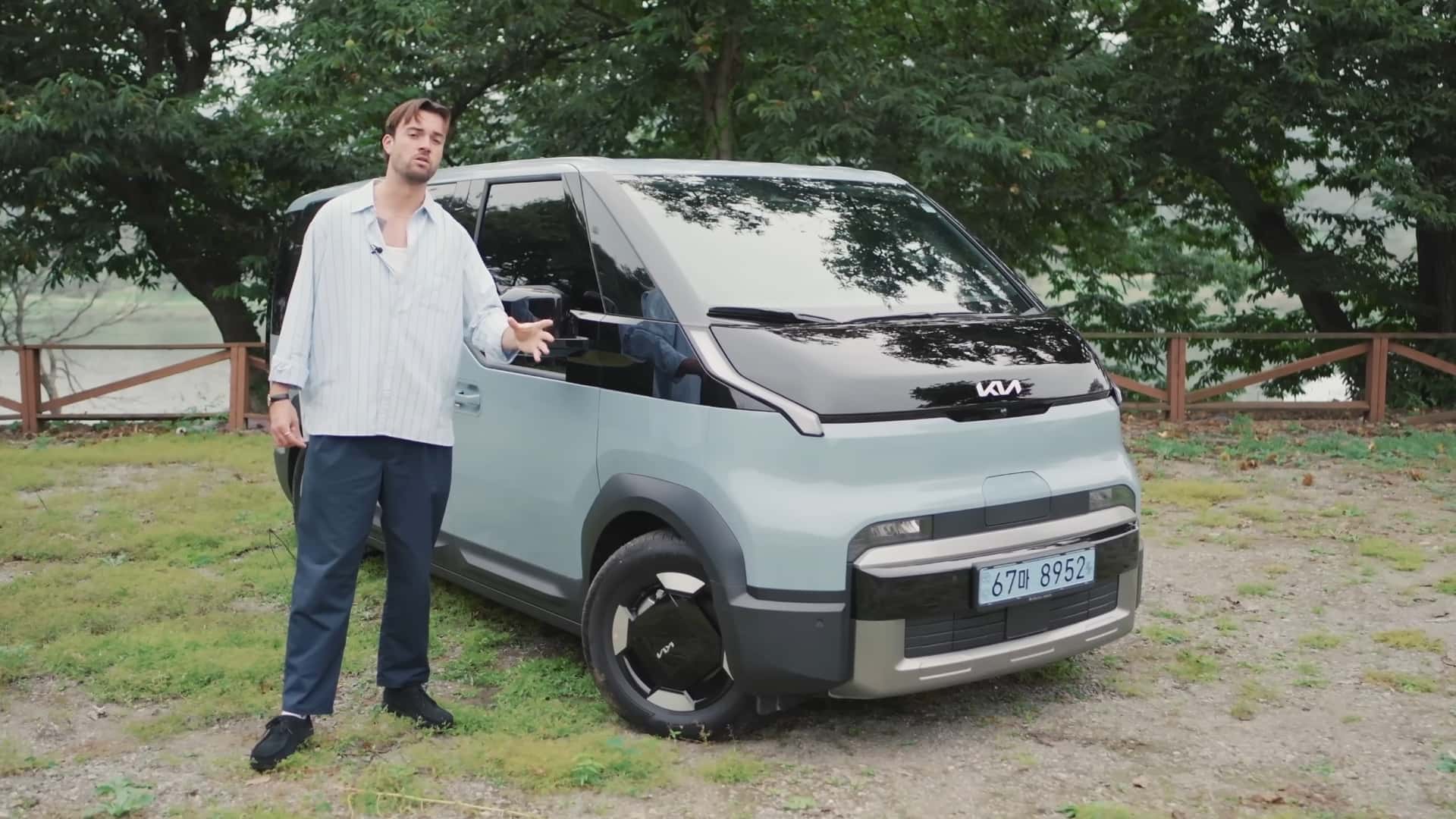
The Kia PV5 is the Korean automaker’s first proper electric van.
Based on a reworked version of the E-GMP platform that underpins the Kia EV9 and Hyundai Ioniq 5, the PV5 promises a lot of tech at a great price.
The first reviews of the promising EV are now out, and it’s looking good for the Kia PV5.
The Kia PV5 is one of the most serious contenders to the loveable Volkswagen ID. Buzz. It’s a highly modular electric van that tries to offer just about every feature of the ID. Buzz, but at a lower price. That’s a great proposition, especially knowing that Volkswagen’s battery-powered people carrier ticks a lot of the right boxes, but some might see it as a little too expensive.
Now, the first wave of auto journalists got the chance to test drive the PV5 in Korea, and the first impressions are very good. We’ll write our own review once we get the chance to jump behind the wheel of Kia’s innovative electric van, but until that happens, we’ll hand it over to Jack Scarlett from Everything Electric.
Right off the bat, the exterior design of the PV5 is unlike anything else on the market, but everything has a purpose. There’s a super-low beltline, a huge glasshouse and the entry height is very low, making it very easy to get in and out.
Three battery options are available, starting with a 43.3-kilowatt-hour lithium iron phosphate (LFP) pack for the cargo version. The passenger versions can have either a 51.5 kWh or a 71.2 kWh nickel manganese cobalt (NMC) pack.
The passenger van’s smallest battery allows for 183 miles (294 km) of WLTP range, while the big battery enables 256 miles (411 km) of range. It’s exclusively front-wheel-drive, with 122 horsepower when paired with the small NMC battery or 163 hp with the bigger battery.
Source: Kia
There’s vehicle-to-load (V2L) functionality with a maximum output of 3.6 kilowatts. Meanwhile, Kia says that going from 10 to 80% will take roughly 30 minutes from a powerful enough DC fast charger.
But enough about the specs. The Kia PV5 has immense space inside, with a lot of storage trays, including one in front of the driver and one in the front passenger footwell. It’s well put together and it oozes practicality, but there is one downside: it’s a little boring, at least compared to the ID. Buzz, which is a bit friendlier.
However, there’s an explanation for the dull colors and surfaces, and it comes down to practicality once again. The PV5’s interior was designed to be easily wiped and cleaned.
On the road, Kia’s first proper electric van offers fantastic visibility and a superb turning circle. It’s also refined, quiet and comfortable, and there’s loads of space for the second-row passengers, as well as a completely flat floor. The trunk is also cavernous.
But it’s the price where the Kia PV5 shines. In the United Kingdom, the base passenger version with the smaller battery starts from the equivalent of $44,375 (£32,995), including VAT. Meanwhile, the big battery version starts from $48,400 (£36,000). That’s a lot of car for the money, considering an entry-level Volkswagen ID. Buzz, which admittedly has a larger 79 kWh battery, starts from $80,650 (£60,005) in the UK.
The reviewer reckons that the PV5 drives about the same as the ID. Buzz, but in terms of efficiency, it’s likely better, with an observed efficiency of around 4 to 4.5 miles/kilowatt-hour, which is very impressive for a big van.
The fate of Kia’s electric van in the United States feels unlikely, at least for now. Tariffs have forced the automaker to adopt a “wait-and-see” attitude, and it’s unclear if the PV5 will ever make it stateside. But if it does, it will bring a fair fight to the Volkswagen ID. Buzz—and maybe even some gas vans.
Persuading Southern autoworkers to join a union remains one of the U.S. labor movement’s most enduring challenges, despite persistent efforts by the United Auto Workers union to organize this workforce.
To be sure, the UAW does have members employed by Ford and General Motors at facilities in Kentucky, Texas, Missouri and Mississippi.
However, the UAW has tried and largely failed to organize workers at foreign-owned companies, including Volkswagen and Nissan in Southern states, where about 30% of all U.S. automotive jobs are located.
But after the UAW pulled off its most successful strike in a generation against Detroit’s Big Three automakers, through which it won higher pay and better benefits for its members in 2023, the union is trying again to win over Southern autoworkers.
The UAW has pledged to spend US$40 million through 2026 to expand its ranks to include more auto and electric battery workers, including many employed in the South, where the industry is quickly gaining ground.
Based on my five decades of experience as a union organizer and labor historian, I anticipate that, recent momentum aside, the UAW will face stiff resistance from Toyota, Volkswagen, Mercedes-Benz and the other big foreign automakers that operate in the South. The pushback is also coming from Southern politicians, many of whom have expressed concern that UAW success would undermine the region’s carefully crafted approach to economic development.
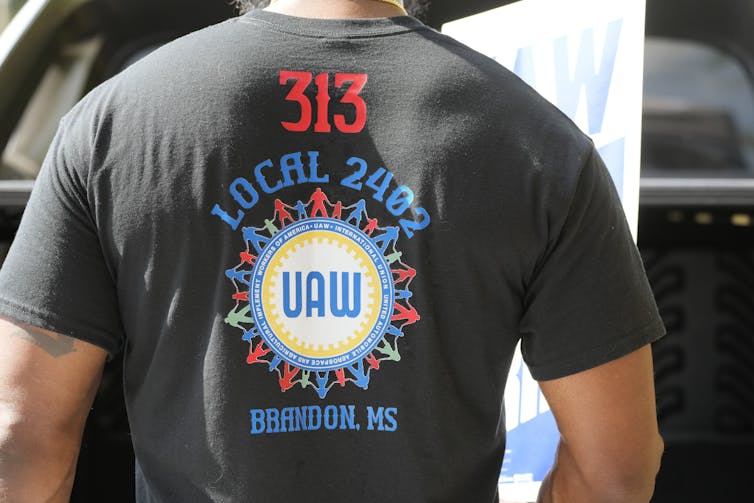
A sign of things to come? AP Photo/Rogelio V. Solis
Lauding the ‘perfect three-legged stool’
After the region’s formerly robust textile industry imploded in the 1980s and 1990s because of an influx of cheap imports, Southern business and political leaders revived the region’s manufacturing base by successfully recruiting foreign automakers.
The strategy of those leaders reflects what the Business Council of Alabama has described as the “perfect three-legged stool for economic development.” It consists of “an eager and trainable workforce with a work ethic unparalleled anywhere in the nation,” accompanied by a “low-cost and business-friendly economic climate, and the lack of labor union activity and participation.”
The prospect of a low-wage and reliable workforce has lured the likes of Nissan, BMW, Mercedes-Benz, Kia, Honda, Volkswagen and Hyundai to the South in recent decades.
Although many of those companies negotiate constructively with unions on their home turf, the lack of union membership and the protections that go with it have proved a draw for them in the United States.
As journalist Harold Meyerson has noted, these foreign automakers embraced the opportunity to “slum” in America and “do things they would never think of doing at home.”
The absence of union representation is a major reason why.
Less than 5% of workers in six Southern states are union members, and only Alabama and Mississippi approach union membership levels above 7%, according to the Bureau of Labor Statistics.
That’s below the national average, which slid to 10% in 2023.
Blaming unions for bad job prospects
One way automotive employers in the South have blocked unions is by portraying them as outdated institutions whose bloated contracts and rigid work rules destroy jobs by making domestic auto companies uncompetitive.
Automotive leaders in the South argue the region has developed an alternative labor relations model that provides management with flexibility, offers wages and benefits superior to what local workers have earned previously and frees employees from any subordination to union directives.
Southern automakers also draw on another powerful resource in resisting the UAW: public intervention by top elected officials.
In 2014, when the UAW attempted to organize a Volkswagen plant in Chattanooga. Bob Corker, Tennessee’s junior U.S. senator and a former mayor of Chattanooga, weighed in as voting commenced.
Corker claimed he had received a pledge from Volkswagen’s management to expand production in Chattanooga if workers voted against the union.
Three years later, Mississippi Gov. Phil Bryant similarly urged Nissan workers to reject the UAW.
“If you want to take away your job, if you want to end manufacturing as we know it in Mississippi, just start expanding unions,” Bryant said in 2017.
A majority of the autoworkers heeded their conservative leaders’ advice in both cases and voted against joining the UAW.
Making dire warnings
With the UAW ramping up its organizing efforts again, Southern governors are sounding alarms once more.
“The Alabama model for economic success is under attack,” warned Alabama Gov. Kay Ivey.
She then asked workers: “Do you want continued opportunity and success the Alabama way? Or do you want out-of-state special interests telling Alabama how to do business?”
Unions “have crippled and distorted the progress and prosperity of industries and cities in other states,” South Carolina Gov. Henry McMaster declared in his Jan. 24, 2024, State of the State address. He then issued an ominous call: “We will fight” the UAW’s labor organizers “all the way to the gates of hell. And we will win.”
The UAW counters that union membership means workers will get predictable raises, better benefits and improved workplace policies.
Changing context
Although these arguments from anti-union politicians haven’t changed much over the years, the context certainly has.
The UAW’s big wins on pay and benefits resulting from its 2023 strike against General Motors, Ford and Stellantis have increased its clout and credibility.
Many automakers with a U.S. workforce not covered by the UAW – including Volkswagen, Honda, Hyundai and other foreign transplants – responded by raising pay at their Southern plants. The union justifiably describes those raises as a “UAW bump.”
The UAW will presumably cite these pay hikes in its outreach to workers at Tesla and other nonunion companies involved in electric vehicle and battery production in which the industry is investing heavily.
“Nonunion autoworkers are being left behind,” the UAW’s recruiting website warns. “Are you ready to stand up and win your fair share?”
The pitch continues: “It’s time for nonunion autoworkers to join the UAW and win economic justice at Toyota, Honda, Hyundai, Tesla, Nissan, BMW, Mercedes-Benz, Subaru, Volkswagen, Mazda, Rivian, Lucid, Volvo and beyond.”
Some Southern autoworkers, meanwhile, have been expressing concerns over scheduling, safety, two-tier wage systems and workloads that they believe a union could help resolve.
It’s also clear they’ve been emboldened by the gains they have seen UAW members make.
Southern autoworkers applaud the union-organizing drive underway at a VW factory in Chattanooga, Tennessee.
Revving up
The UAW’s campaign is just starting to rev up.
In accordance with its “30-50-70” strategy, the union is announcing the share of workers who have signed union cards in stages. Once it hits 30% at a factory, the UAW will announce publicly that an organizing campaign is underway. At the 50% mark, it will hold a public rally for workers that includes their neighbors and families, as well as UAW President Shawn Fain.
Once it gains support from 70% of a plant’s workers, the UAW says it will seek voluntary recognition by management.
A recent National Labor Relations Board ruling provides unions with additional leverage in this process. If management refuses to recognize the union’s request, the employer would then be required to seek an NLRB representation election.
To win, unions need a majority of those voting. Under the new rule, if management is found to have interfered with workers’ rights during the election process, it could then be required to bargain with the union.
So far, the UAW has announced that it has obtained the support of more than half the workers at factories belonging to two of the 13 nonunion automakers it’s targeting: a Volkswagen plant in Chattanooga, Tennessee, and a
Mercedes-Benz factory near Tuscaloosa, Alabama. It has also obtained 30% support at a Hyundai plant in Alabama and a Toyota engine factory in Missouri.
I believe that the stakes are high for all workers, not just those in the auto industry.
As D. Taylor, the president of Unite Here, a union that represents workers in a wide range of occupations, recently observed: “If you change the South, you change America.”
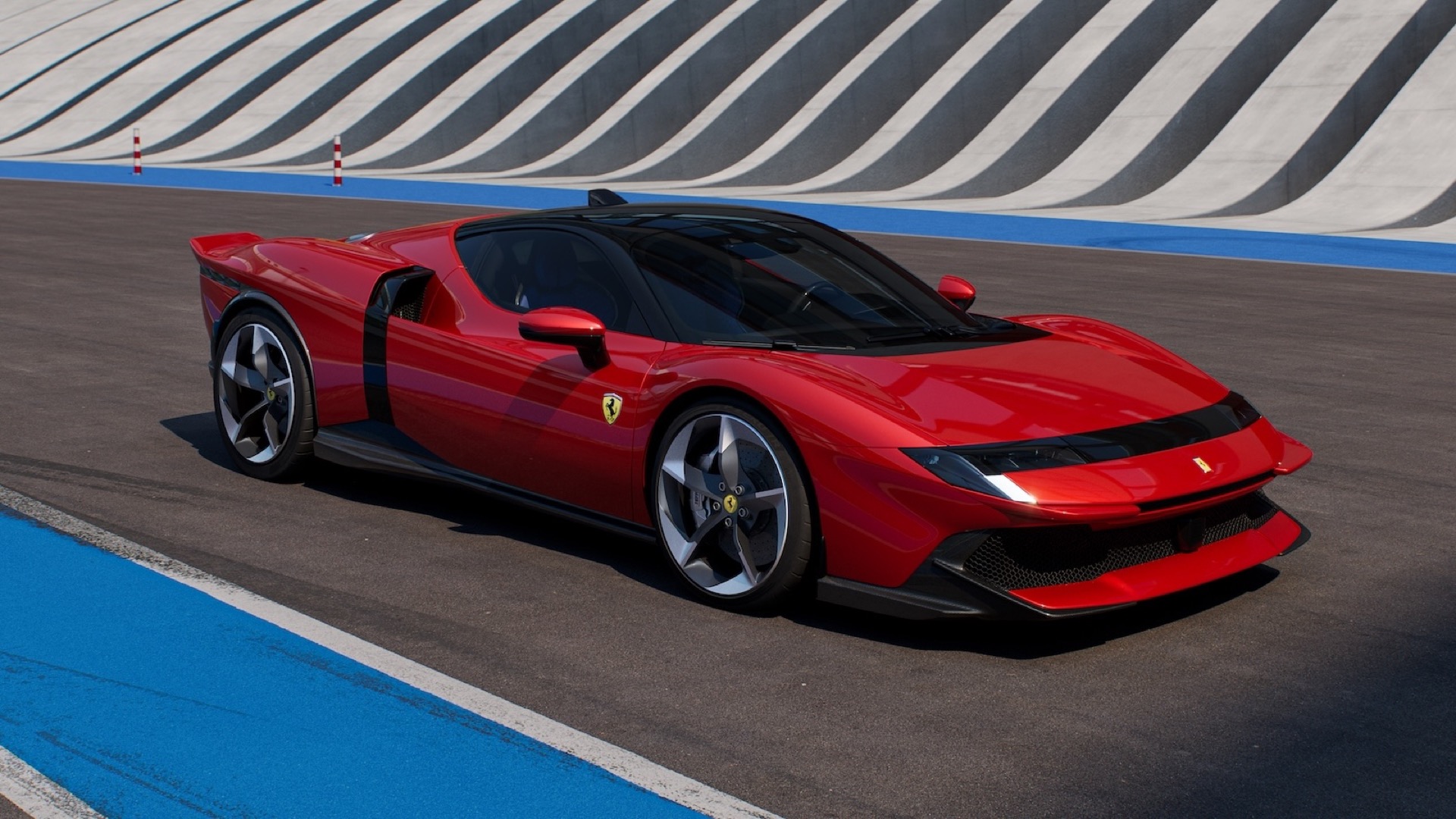
Ferrari is replacing the SF90 Stradale with a name of serious weight—Testarossa. It comes with the modest prefix “849”, but delivers more power, more emotion and a front end straight out of Daft Punk’s wardrobe.
The current Ferrari design language isn’t for everyone. That blacked-out fascia introduced with the 12Cilindri continues here with the 849 Testarossa. Its most striking feature is a nose that resembles the slim sunglasses worn by the pop duo Daft Punk, paired with a bold front splitter.
Compared to its predecessor, the SF90, the powertrain has been significantly enhanced. The twin-turbocharged 4.0-litre V8 produces 611kW (830PS), supported by three electric motors and a plug-in battery system. One e-motor is mounted at the rear, with two more powerful 163kW (220PS) units at the front, giving not only added punch but also all-wheel-drive agility, all orchestrated via an eight-speed dual-clutch gearbox.
Combined, the four motors deliver an immense 772kW (1,050PS) and a maximum torque output of 842Nm at 6,500rpm. From a standstill, the 849 Testarossa sprints to 100km/h in just 2.3 seconds, hitting 200km/h in under 6.5 seconds. Top speed exceeds 330km/h.
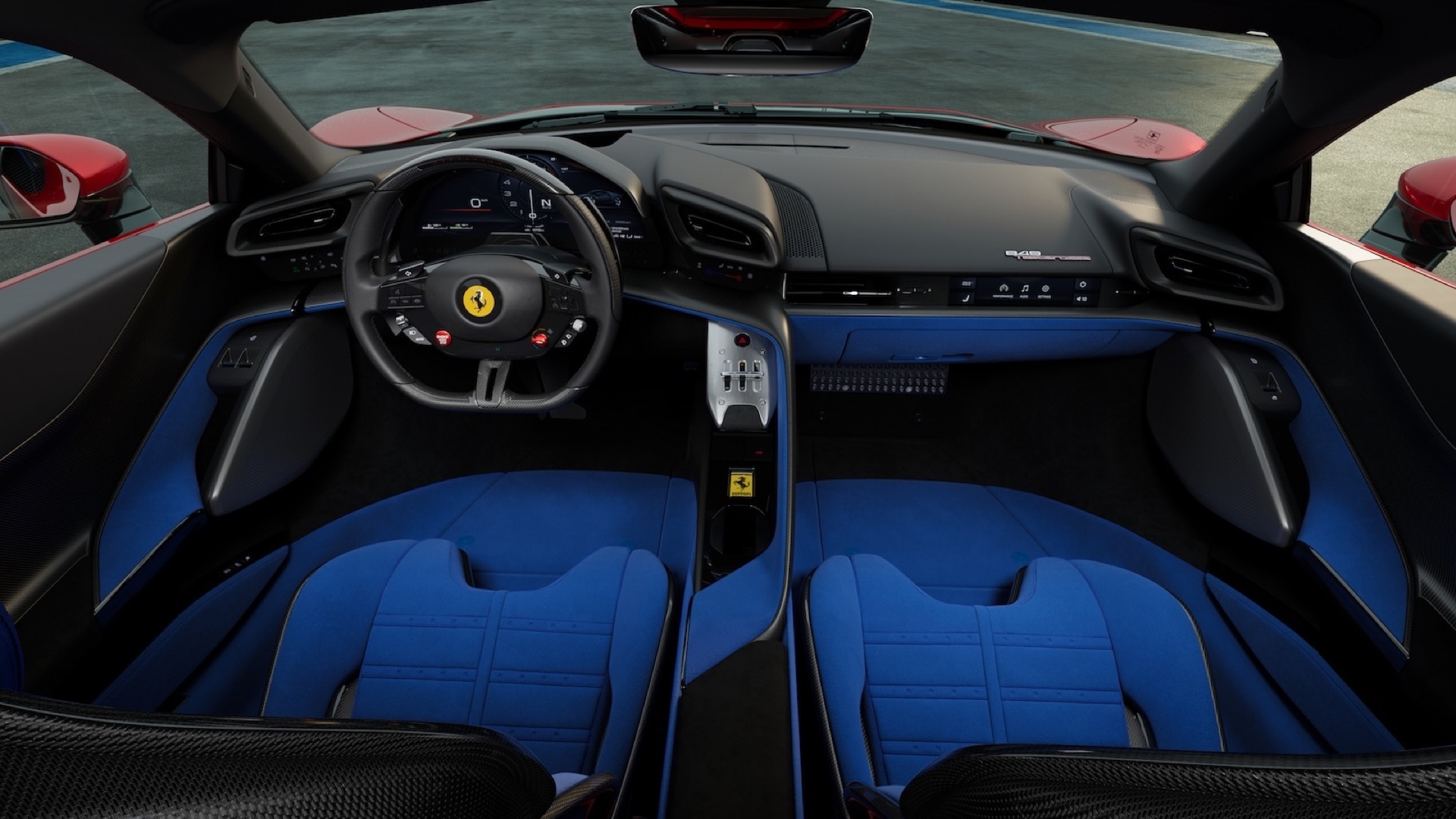
The cabin largely mirrors that of the 12Cilindri, including its blend of touchscreen, physical switchgear and voice control. One unusual detail: the boot space is 74 litres—barely more than the 68-litre fuel tank.
Despite lacking large spoilers, the 849 Testarossa still produces significant downforce. At 250km/h, aerodynamic wizardry generates 415kg of grip-enhancing force. Ferrari is thinking green too: for the first time in a series-production model, engine cast components like the cylinder head, crankcase and oil sump are made from recycled aluminium alloys, reducing CO₂ emissions by up to 80 percent per kilogram of material.
Pricing for Ferrari’s latest superstar is expected to start at around half a million euros.
Vittori, a US-based startup, has revealed its first hypercar. It’s called the Vittori Turbio. It was designed in collaboration with Pininfarina using artificial intelligence (AI).
“The goal of the car’s design, creation, and production, while certainly prioritizing utilizing cutting-edge technology, is to create a car that returns and celebrates the beauty, movement, sound, and energy of classic, historic cars. The goal of this car to create something that would stand the test of time,” a Vittori spokesperson said.
The Vittori Turbio reminds us of modern McLaren supercars with fluid surfaces and flowing lines. The front end features a hexagonal nose section, flanked by large intakes and slim headlamp clusters housing L-shaped DRLs.
The large side intakes look similar to those on the McLaren 650S. The rear design is quite unique, though. The centrally mounted quad-exhausts have the same hexagonal design as the nose section. The car has a large diffuser and floating buttresses along the edge of the rear fenders.
The interior of the Turbio looks pretty straightforward. It comes with a sporty steering wheel with a multitude of physical buttons and switches, paddle shifters, a digital instrument console and a central touchscreen in a portrait orientation.
At the heart of the Vittori Turbio is a 6.8-liter V12 hybrid that features an electric motor mounted on the front axle. The powertrain was developed by Italtecnica and delivers a combined output of 1100 hp. The company claims the car can sprint from 0-62 mph in an estimated 2.5 seconds.
Prices for the Vittori Turbio start at $2.5 million. Production will be limited to 50 units.
When we first got on the road, it was to find adventure. That said, we quickly found that we needed some community while traveling the country. Once we found the tricks to seeking out that community, we found plenty of amazing friends to connect with. In fact, I’d even go so far as to say we have made more close friendships on the road than we ever did living in a sticks-and-bricks home.
This is likely because fellow RVers tend to have the same mindsets and interests as us. It could also be because they have more free time on their hands. Whatever the reason, we have so many amazing RV friends that I’m often overwhelmed by the number of caravaning and meetup invitations.
That said, finding those friends did involve learning how to find and connect with people while traveling. In this article, I’m going to share my top tips with you so you can have an amazing RV community that always has your back.
Why do you need community while on the road? Honestly, there are a lot of reasons why finding RV friends is important. There’s the obvious human need for connection, as well as the fact that community is good for your mental health.
That said, there is also a sort of safety in the community. You know that if you have a problem with your RV or vehicle, there will be someone who understands your situation and is there to help. I’ve also loved having a close-knit RV community because it means we always have travel buddies and we are always helping each other out with childcare, trips to the store, etc.
When you’re living a lifestyle that thrives on movement, friendships like these offer stability, comfort, and belonging that you might not be able to find otherwise.
Where RV Friendships Begin
We’ve made RV friends in all kinds of places over the years. That said, there are definitely some places that tend to offer more opportunities for connection than others. If you’re seeking out RV buddies, try looking in these spots.
Campgrounds and RV Parks
Obviously, campgrounds are the natural hub of RV social life. A lot of people spend a lot of time outdoors while camping, meaning it’s easy to step outside and find someone to chat with.
That said, if you need something to get the conversation started, you could attend a campground social event. These include things like potlucks, game nights, and hiking groups.
A simple wave or compliment can be the start of a conversation that leads to a long-term friendship, so get out there and start chatting!
Boondocking Spots
Of course, if you prefer off-grid camping, you may not be spending a lot of time in campgrounds. In this case, you might choose more popular boondocking spots purely for the opportunity to make social connections. This will likely mean putting together opportunities for connection on your own, but this is easy enough to do.
I love to host campfires, and we’ve had a lot of fun stargazing with fellow boondockers in the past. We also tend to share tools, water, and other resources, something that creates tight bonds very quickly.
Rallies and Conventions
One of the easiest ways to make quick connections on the road? Attend a rally. Our first RV friends were found at a Full-time Families rally. That said, other organizations like Escapees, FMCA, and Xscapers also host similar gatherings.
Some of these events bring in hundreds of RVers, meaning you’re sure to find someone you click with. I recommend going out of your way to attend an event or two if making friends is high on your list of priorities.
Online Communities
Believe it or not, a lot of my best RV friendships actually started online. I’ve met many people through Facebook RV groups and then met up with them in real life down the line. RV forums like iRV2 can also help travelers connect before even arriving at a destination.
I recommend that you hop on a few different groups and forums and start chatting. If you find someone you click with, plan to meet them at an event or for a field trip in a public place.
Volunteer Programs
Nothing builds friendships faster than working on a project together. This is why volunteering is such a great way to make friends. Programs like Workamping, Habitat for Humanity builds, and national park volunteering offer opportunities to work alongside other RVers and build those bonds that only working together can build.
How to Break the Ice
I’m not going to lie: I’m not a naturally outgoing person. I have a really hard time approaching strangers, and starting conversations can sometimes feel nearly impossible. That said, there are some tricks you can use to break the ice and make connecting a little more natural:
Start with curiosity: Ask about their rig, solar setup, or travel plans. RVers love sharing tips and stories.
Offer help: If you see someone struggling with backing in or setting up, offer a hand (respectfully).
Share food or drinks: Nothing builds community faster than offering someone a cold drink on a hot day or sharing extra s’mores by the fire.
Use humor: A lighthearted comment about campsite quirks or travel mishaps can open the door to laughter and conversation.
Remember that deep connections grow over time. You may not have a best friend at the end of your stay in a particular campground, but by keeping up with the people you met, you can grow your friendships, making them stronger each time you meet up.
Activities That Build Stronger Bonds
Okay, so you got up the gumption to approach someone and you’ve made a friendship you think could grow—what now? I recommend finding some activities to do together in order to build your connection. The options below are perfect for this.
Campfire Gatherings
The classic RV friendship builder. Invite your new buddies to bring a chair, a drink, or a story. Campfires create a relaxed environment for meaningful conversations.
Group Meals and Potlucks
Food is a universal connector. Organize a potluck where everyone brings a dish, or host a small dinner at your campsite.
Outdoor Adventures
Hiking, kayaking, biking, or sightseeing together builds camaraderie and shared memories, especially if problem-solving happens to be involved.
Skill Sharing
Teach each other something new—whether it’s how to maintain a generator, bake in an RV oven, or use a new app. These exchanges strengthen bonds and create mutual appreciation. As an added bonus, you might just get a new skill out of the deal!
Games and Hobbies
Cards, board games, or even setting up a projector for an outdoor movie night can turn casual acquaintances into friends.
The Etiquette of RV Friendships
Of course, you will want to make sure to respect boundaries. This can feel tricky when your new friend is right next door. The rules below have helped our family respect the boundaries of those we are camping near.
Respect Personal Space
Not everyone wants to socialize all the time. I’m among those who need a bit of time alone on occasion. If someone declines an invite, don’t take it personally.
Be Mindful of Noise
Loud neighbors that keep my kids awake at night drive me crazy. That said, it can be easy to get caught up in your own fun. Remember that loud music or late-night gatherings will likely annoy your RV neighbors, making them less likely to befriend you.
Offer, Don’t Impose
An offer to help is always nice, but sometimes people like to solve problems on their own. If you’re lending tools or giving advice, frame it as an offer—not a directive—in order to avoid stepping on toes.
Give Back
If someone helps you out, look for ways to return the favor. Everyone has their own unique skillset, and if everyone in the community shares their skills with one another, everyone will be stronger for it.
Staying Connected Beyond the Campground
The most difficult part of creating a strong community on the road is continuing friendships after you and your friends head separate ways. We have found many ways to stay in touch over the years. Here are some of the options that have worked best for us.
Exchange Contact Info
Obviously, you will want to swap phone numbers, emails, or connect on social media. I’ve found Facebook works really well for keeping up with where our friends are, as well as sending messages back and forth.
Share Travel Plans
We rarely leave our RV friends without making plans to meet up again sometime in the future. We share our travel plans with everyone in our circle and will often go out of our way to see friends. We’ve also attended rallies and events because we knew certain friends would be there. Apps like RVillage let you see where friends will be, making meetups easier.
Plan Online Fun
A quick text or funny meme can be nice, but sometimes a full hangout session is needed. Fortunately, the internet makes it possible to plan these even when we’re away from our friends. We’ve had game nights, virtual campfires, and movie nights with our friends, and our kids often enjoy video calls as well.
The Challenges of Building RV Friendships
Our road friendships are some of the best we’ve ever had, and I wouldn’t trade them for the world. That said, they definitely do come with some unique challenges. Below are some of the things I find most challenging about main thing friendships while RVing full time:
Goodbyes are frequent: We often have to part ways sooner than we’d like. It’s tough emotionally, especially for the kids.
Different travel styles: I love boondocking, while many of my friends prefer full-hookup resorts. We have to compromise in order to ensure we get to spend time together.
Privacy needs: I’ve found that many RVers value solitude more than socializing. Others want to socialize all the time. Communication is important in order to ensure you and your friends find a healthy balance.
Schedules don’t always align: With everyone traveling at different paces, staying connected requires coordination. It can be frustrating when you want to do something different from your friends but also want to keep your community close. Flexibility is key here.
Feast or famine: We have spent months on end traveling with our friends only to then turn around and spend a solid three months without any of our travel buddies. This can be difficult and is impossible to get around sometimes, but a bit of planning can help you avoid the worst of it.
Tips for Nurturing Lasting RV Friendships
Finally, I want to offer some of my best tips for maintaining RV friendships and helping them grow into something amazing:
Be intentional: Don’t just wait for friendships to happen—seek them out. Attend gatherings, start conversations, and extend invitations.
Be authentic: Be yourself. RV friendships thrive on honesty and shared values.
Be generous: Share your resources, knowledge, and time when you can.
Be flexible: Understand that RV life is unpredictable. Don’t be discouraged if plans fall through.
Be proactive: Reach out first when you miss someone. A simple “thinking of you” goes a long way.
Fellow long-time RVer Barbara shared the following advice: “I have been able to maintain RV friendships with these tips:
Make an effort to reach out to those people on purpose and regularly. Be it social media, zoom calls, or cell phone calls… reach out, stay in touch.
Make an effort to meet up with those you care about, even if you have to drive 100 miles out of your way to see them. We call them 100 mile friends, going out of our way to maintain friendship and spend time with them.
Plan to be in the same campgrounds with those you count as friends at least once a year.
Make travel plans together. Bounce around the country in a caravan with your friends.
Go to Fulltime Families events! Events, big and small, are great ways to connect and maintain friendships.”
Unlike traditional friendships that grow out of work, school, or neighborhood ties, RV friendships are built on shared adventures, problems solved as a team, similar sets of values, and a common lifestyle. They tend to form quickly and often under unique circumstances, and they thrive on mutual support. Because of this, RV friendships are something special—and in many cases, the best part of a full time RV journey.
Ready to experience an amazing RV community for yourself? Why not get out there and start making connections right away?
After an announcement last week, eVTOL developer Archer Aviation completed display flights to the public at the 2025 California International Air Show. This public display was Archer’s latest aerial achievement in the public eye as it moves closer to certification and commercial eVTOL operations.
While Archer Aviation ($ACHR) has been a mainstay on Electrek‘s eVTOL news beat for the past few years, the past few months have been fascinating. In May, Archer signed on as the exclusive air taxi provider of the 2028 Olympic Games in Los Angeles.
By June, it became the latest sustainable aviation developer to begin bona fide piloted test flights in its flagship Midnight aircraft (pictured below). Archer’s success continued through the summer, as it reported milestones that marked its longest piloted eVTOL flight (55 miles in 31 minutes), as well as its two highest altitude flights, reaching heights of 7,000 and 10,000 feet.
Last week, Archer announced that it would be demonstrating the capabilities of its Midnight eVTOL to the public with multiple flights over the weekend during the California International Air Show. One day later, we have footage of one of the flights that we want you to see (and try to hear).
Advertisement – scroll for more content
Archer shows of eVTOL tech during display flights in CA
As promised, Archer Aviation completed display flights with its Midnight eVTOL during both days of the 2025 California International Air Show in Salinas, CA, this past weekend. The Salinas Municipal Airport is actually home to Archer’s test flight facility, and the startup was a sponsor of the event.
The annual air show was expected to welcome over 65,000 attendees, not including the 1,000 expected to visit from Archer’s engineering, operations, and flight test departments. According to Archer, its Midnight eVTOL was scheduled for initial test flights, followed by notable flybys from other prominent groups, such as the Blue Angels and the USAF F-16 Viper Demo team.
While those other aerial teams are indeed more death-defying entertainment, their conventional technology is significantly more polluting, from an air and noise perspective. That’s a huge selling point for eVTOL developers like Archer, as they offer more and more public flight demonstrations to inform people of the benefits of this segment.
You have to see Archer’s flight footage of the Midnight to understand what we’re talking about. The aircraft is zooming by over the crowd, and you can not only clearly hear the emcee tallying off the eVTOL’s specs, but you can actually hear murmurs and conversations of people in the crowd—no chance you’re hearing any of that when the Blue Angels soar by.
Obviously, there’s a huge design gap between an all-electric air taxi and an F/A-18 Super Hornet, but the test flights still showcase how much quieter certain aerial travel can be. A better comparison would be a helicopter, which could easily be replaced by eVTOL vessels in the near future.
Until then, you can enjoy the demo eVTOL flight video from Archer below.
Source: Archer Aviation
FTC: We use income earning auto affiliate links. More.
Relocating to a new city or state can be one of the most exciting experiences of your life. However, it’s no secret that moving long-distance comes with a price tag. Between packing supplies, transportation, and professional movers, the cost can quickly add up.
The good news is that there are plenty of smart ways to save money without sacrificing the safety or efficiency of your move. With careful planning and some creativity, you can cut costs and still enjoy a smooth transition into your new home.
Here are 11 tried-and-true strategies to help make your long-distance move more affordable:
1. Plan Your Long-Distance Move Early
Timing is everything when it comes to moving. The earlier you start planning, the more opportunities you have to find affordable services and lock in lower rates. Moving companies often fill their schedules months in advance, and last-minute bookings typically cost more.
Start researching moving companies at least two to three months before your moving date. Compare quotes, check reviews, and confirm availability. Early planning also lets you choose less expensive mid-week or mid-month slots rather than peak weekends.
2. Declutter to Reduce Your Load
Every item you bring takes up space and adds weight, increasing your move’s overall cost. Decluttering before you start packing is one of the most effective ways to save money.
Go room by room and set aside items you no longer use. Clothes that haven’t been worn in years, duplicate kitchen gadgets, or old furniture can be sold, donated, or recycled.
Many movers charge by weight, so trimming your load can make a noticeable difference in your final bill. Plus, you can put the extra cash toward moving expenses if you sell items online or at a garage sale.
What is the single most effective way to save money on a long-distance move?
Decluttering your home before packing can lead to the biggest savings. Movers often charge by weight or volume, so reducing what you bring lowers transportation costs. Selling unneeded items can also give you extra funds for moving expenses.
3. Don’t Overspend on Packing Supplies
Packing supplies such as boxes, bubble wrap, and tape may seem inexpensive, but they can quickly add up during a household move. To save money, look for free or low-cost boxes from local grocery stores, bookstores, or liquor stores. Many community groups on social media also offer free moving boxes.
Use what you already have for padding. For example, towels, linens, and clothing can replace expensive packing paper and bubble wrap. Reuse sturdy boxes whenever possible and label them clearly so you won’t need to buy special containers.
Pro Tip: Track every expense in a simple spreadsheet or budgeting app as you go. Seeing the numbers in real time helps pinpoint areas where you can cut costs, prevents overspending, and ensures you stay on track.
4. Save by Renting Moving Equipment
Heavy furniture and appliances can be difficult and dangerous to move without the right equipment. Hiring movers to handle them is convenient, but it can also be expensive.
A budget-friendly alternative is to rent moving equipment like dollies, hand trucks, and furniture pads from a hardware store or moving supply company. These rentals typically cost only a fraction of what you’d pay for professional labour, allowing you to safely transport large items.
5. Consider Renting a Truck or Moving Container
Full-service moving companies handle everything for you, but they often come with the highest price tag. Renting a truck is usually cheaper, though it does mean you’ll be responsible for driving long distances, paying for fuel, and covering tolls.
Portable moving containers are another affordable option. The container is delivered to your home, you pack at your own pace, and the company transports it to your new location. This option often costs less than full-service movers while still sparing you the stress of driving a large truck across the country.
6. Saving on Vehicle Transportation
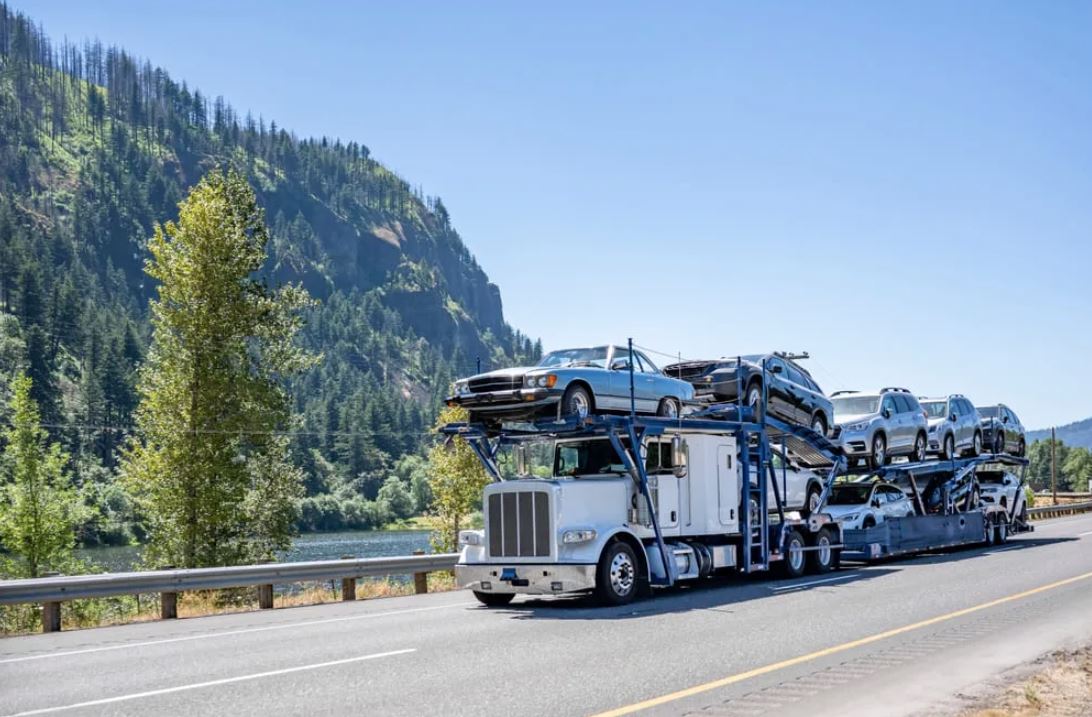
If you’re moving multiple cars or relocating across several states, you must decide whether driving or shipping a car to another state is better. Driving may look cheaper at first glance, but don’t forget to factor in gas, meals, hotel stays, and the wear and tear on your vehicle.
Professional auto transport can sometimes be more affordable once all costs are considered. Request quotes from several car shipping companies and compare them to the real cost of driving. Open carrier transport is usually the most budget-friendly option, while enclosed carriers are better for high-value vehicles.
7. Timing is Critical
Summer is the peak moving season because families prefer to relocate while schools are out, but this means prices are higher and availability is limited. If you can be flexible, try to schedule your move during the off-season from late fall through early spring. Companies are less busy and more likely to offer discounts. It’s also possible to save money by moving mid-week or mid-month when demand dips compared to weekends and month-ends.
Is it cheaper to move during a certain time of year?
Yes. Moving in the off-season, typically between late fall and early spring, is almost always cheaper. Prices are lower, movers have more availability, and you’re less likely to face last-minute surcharges due to high demand.
8. Do It Yourself to Save Money
Anything you can do yourself is going to save money. Some jobs, like moving oversized furniture, may be best left to the experts, but you can save a lot by packing your boxes, disassembling furniture, and loading smaller items. Do as much of the work as possible and only pay movers for the most essential services.
9. Ask for Help from Friends and Family
Asking friends or family to help with packing, loading, or even childcare on moving day can significantly reduce costs. Of course, you should show your appreciation with food, drinks, or small thank-you gifts, but it’s still far less expensive than hiring extra help.
11. Check for Moving Discounts
Many moving companies offer discounts that can help trim your final bill. Students, seniors, military personnel, and AAA members often qualify for reduced rates. Some companies also run seasonal promotions or provide lower rates for repeat customers. Always ask about available discounts when requesting a quote. You might be surprised at how much you can save.
Conclusion
A long-distance move will always come with some expenses, but it doesn’t have to strain your budget. By planning early, reducing what you take, and being strategic about services, you can cut costs without sacrificing quality. The key is to stay organized, flexible, and resourceful, making your move smoother, affordable, and far less stressful.
It’s only been ten days since the BYD Seal 6 EV was launched in Malaysia, but the car has already notched up over 100 deliveries to dealers on the peninsula and East Malaysia, with the first batch of customers getting their keys. These individuals are notable in being the first people outside China to own the sedan, which is sold in its home market as the Qin L EV.
“Malaysia is proud to be the first international market to welcome the BYD Seal 6 — a milestone that not only marks the debut of a dynamic new vehicle, but also reflects our commitment to meeting customers’ needs with professionalism and passion, said BYD Sime Motors MD Adeline Lew. “We commend the seamless coordination by the team that ensured the BYD Seal 6 reached every corner of the country without delay. For us, this is about consistently building trust while making electric mobility more accessible for Malaysians.”
With the nationwide deliveries completed, the Seal 6 is now available to view and test drive in showrooms. Speaking of which, BYD Sime Motors plans to expand its dealer network from the existing 37 outlets to 50 next year, improving access to sales, service and charging across the country.
To recap, the Seal 6 is available in Dynamic and Premium variants, priced at RM100,000 and RM115,800 respectively. On top of that, BYD is offering a launch package worth RM6,288, inclusive of a choice of either a wallbox charger and a RM3,000 rebate, or a 12-month doorstep charging programme (via Power Up) and a RM1,000 rebate.
Both variants are rear-wheel drive, with the Dynamic producing 129 PS (95 kW) and 220 Nm, getting it from zero to 100 km/h in 10.9 seconds. The Premium boosts outputs to 218 PS (160 kW) and 330 Nm, cutting the century sprint to 7.5 seconds.
Common to both is a 56.64 kWh Blade lithium iron phosphate (LFP) battery, delivering a quoted range of 485 km on the NEDC cycle; expect closer to 410 km on the stricter WLTP cycle. The Seal 6 supports up to 100 kW of DC fast charging, taking 23 minutes to top it up from 30 to 80%. It will also accept up to 6.6 kW of AC charging and comes with a 3.7 kW vehicle-to-load (V2L) function. More details in our launch report.
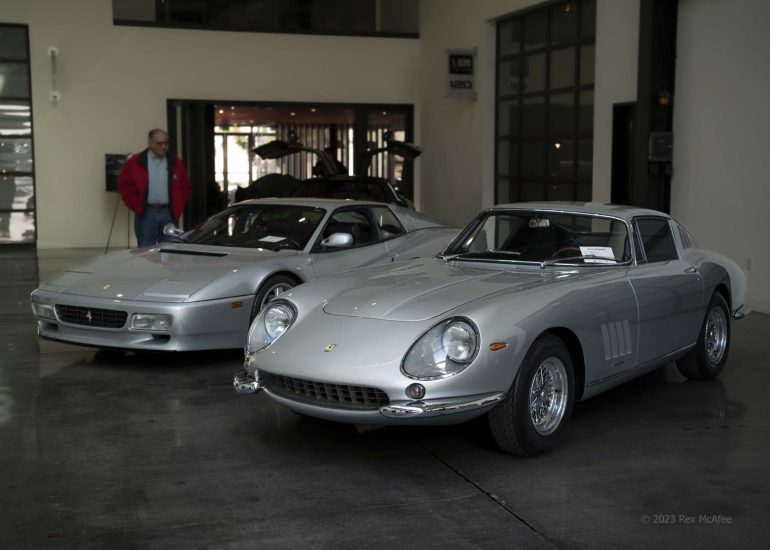
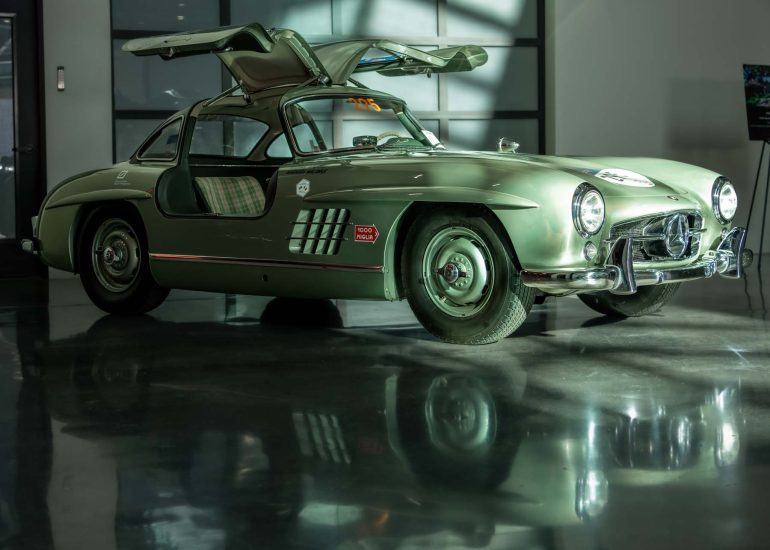
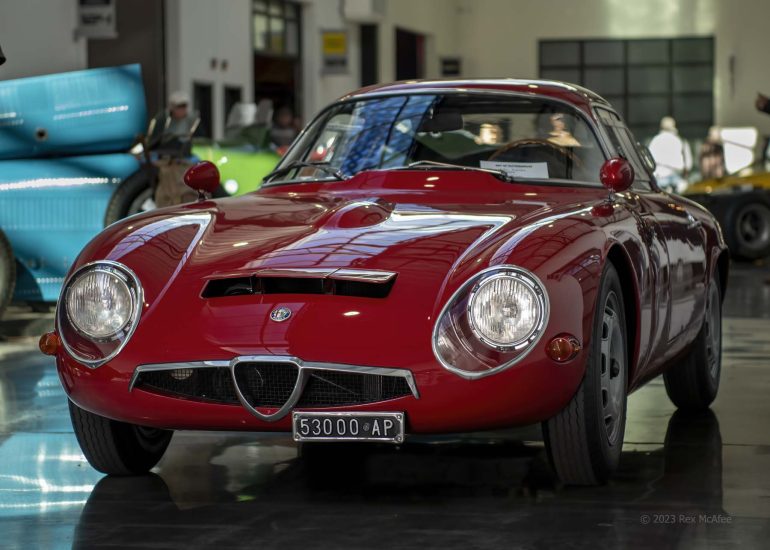
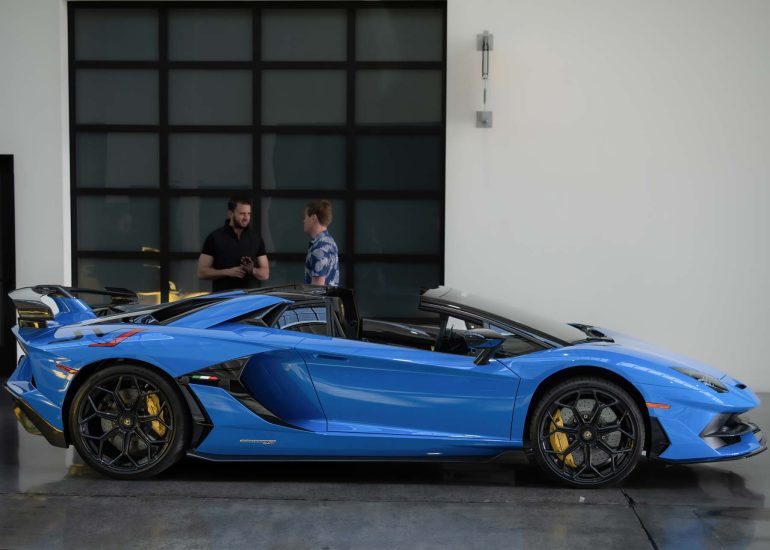
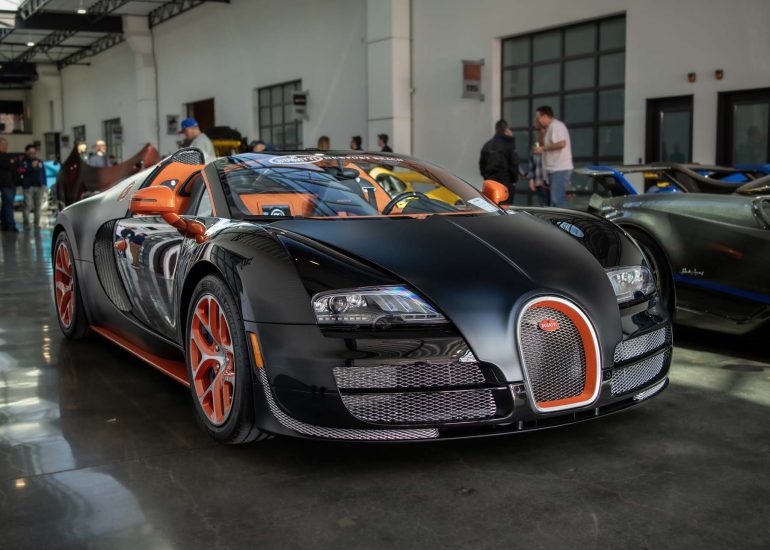
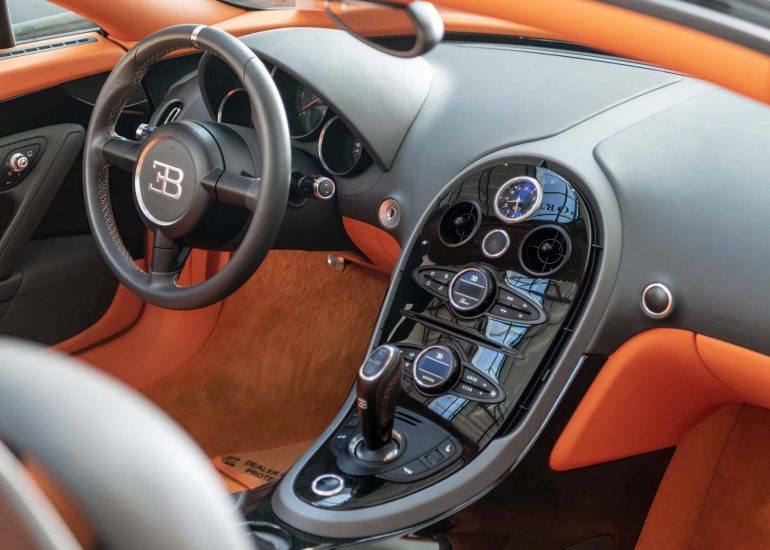
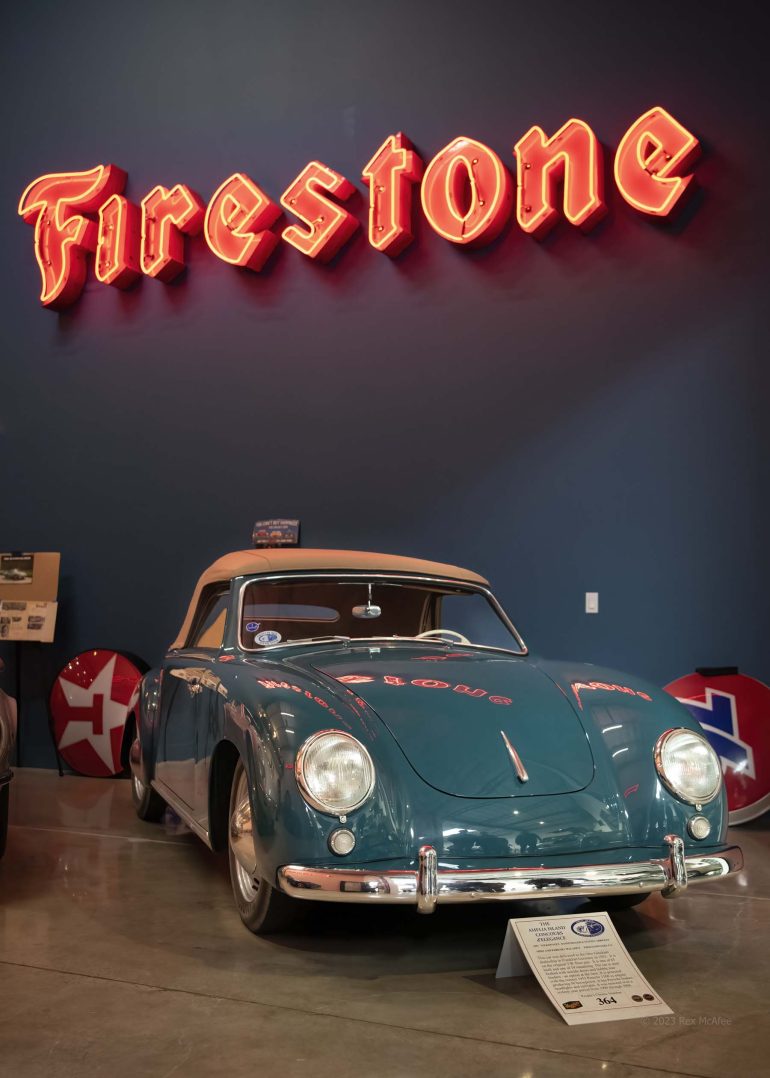
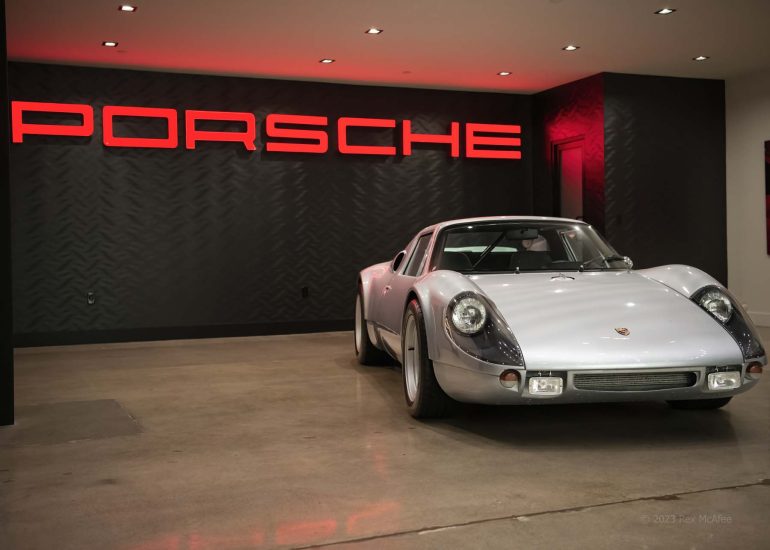
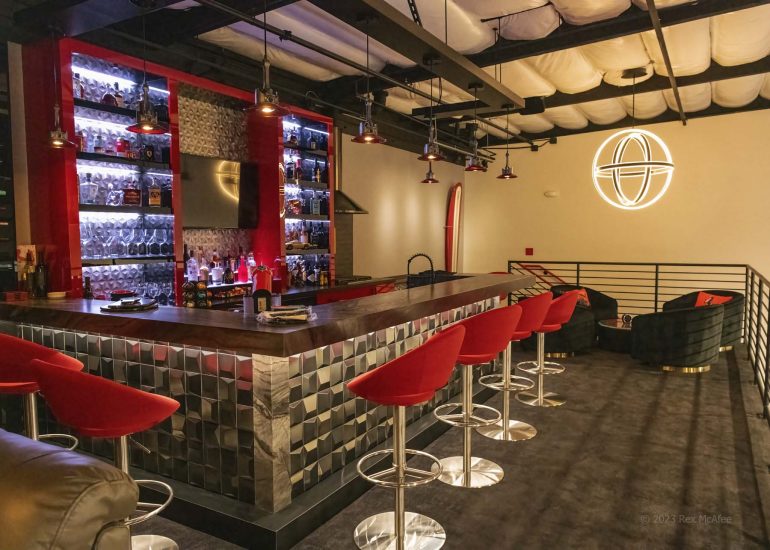
Akin to splurging on a first-class airline ticket or tasting an exceptional glass of wine, it’s never easy “going back” to what you can realistically afford. The same can be said of car shows; enjoy an afternoon on the lawns at Pebble Beach, and you’ve just raised the bar, for better and for worse, to appreciating the automobile. Hence it was with some surprise that I was impressed after attending a local car gathering held of all places, at a car storage facility. But to be fair, this is the opulent world of Southern California car culture, so leave those visions of an old Sears building behind.
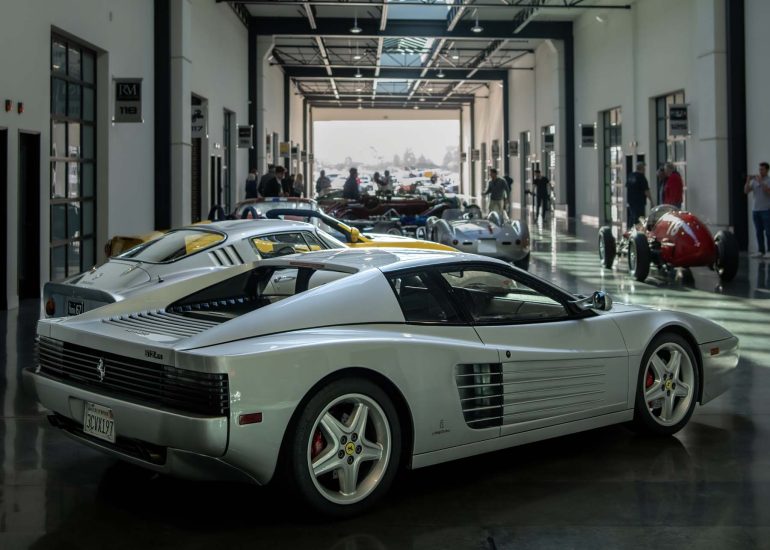
Behind most novel ventures is a person that found a way to create reality out of a fleeting thought. For both the car storage facility named Finish Line Auto Club and the Art of the Automobile show, this would be Tony Principe. As he explained, he and his father started buying and rehabbing distressed commercial properties in 1994. As real estate in Southern California tends to be at a premium, they combined its demand and industry knowledge to build a successful business.
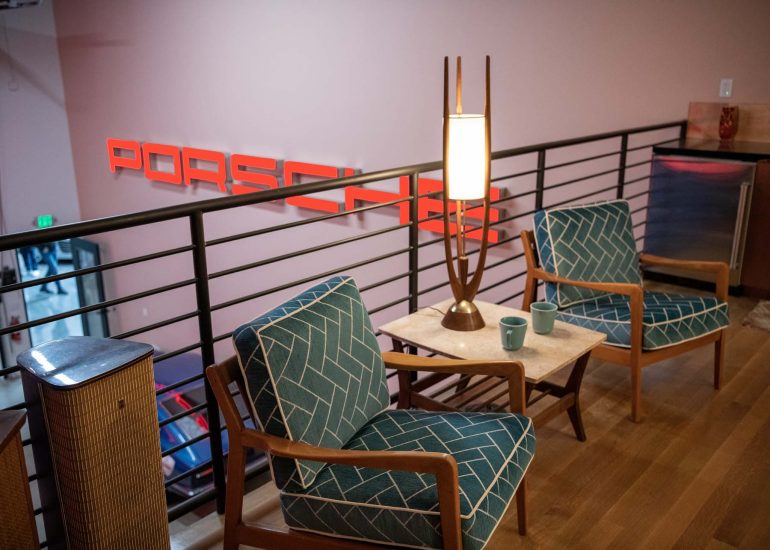
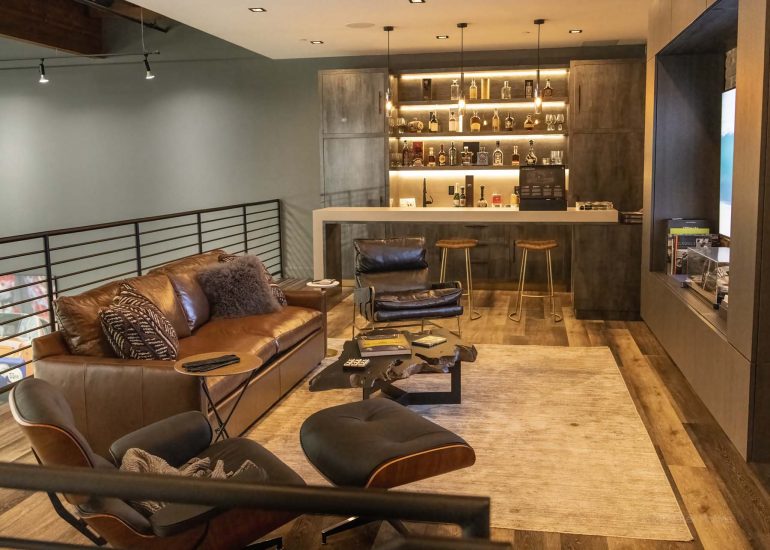
Being cars guys with no more room left in their garages, Tony and his dad couldn’t resist the temptation in 2000 to keep a few of the spaces in one of their buildings for themselves. As they spoke to their car buddies, they realized how others had the same challenge of finding space in a secure location, hence the incentive to create Finish Line Auto Club; a “country club” of sorts designed for car guys, by car guys. Members buy their spaces (car condos) and create their own vision of the ultimate man cave. A common lounge area encourages socializing and is used for private events etc. Tony’s first location in Westlake was so successful that a second was built near John Wayne Airport in Orange County.
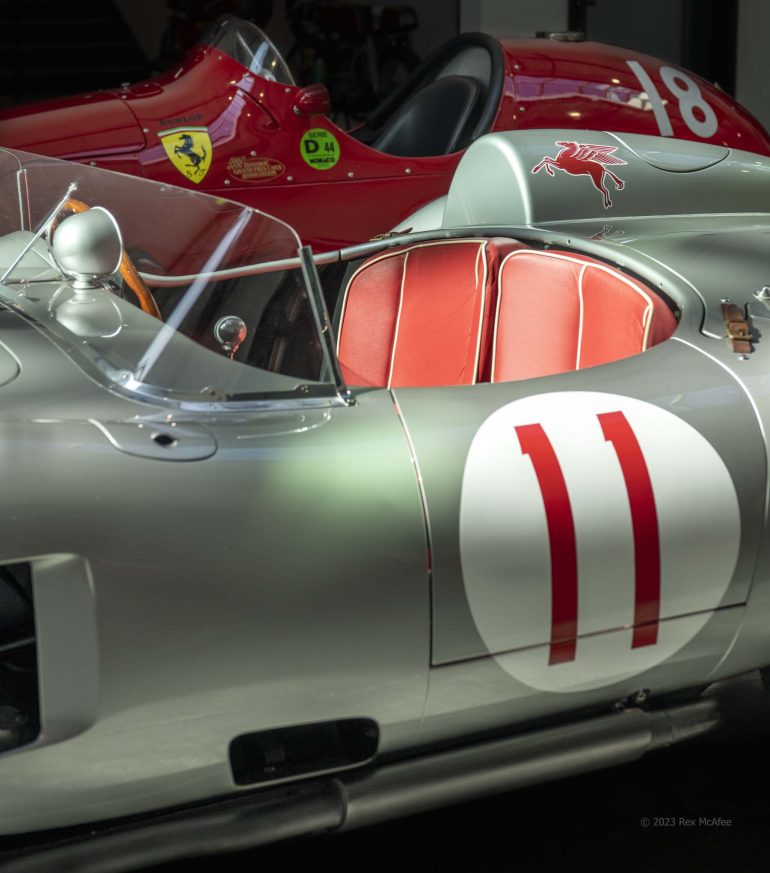
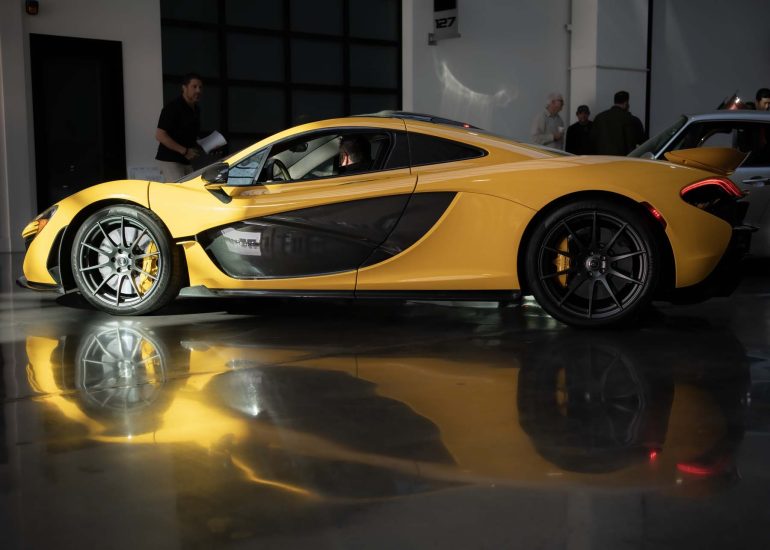
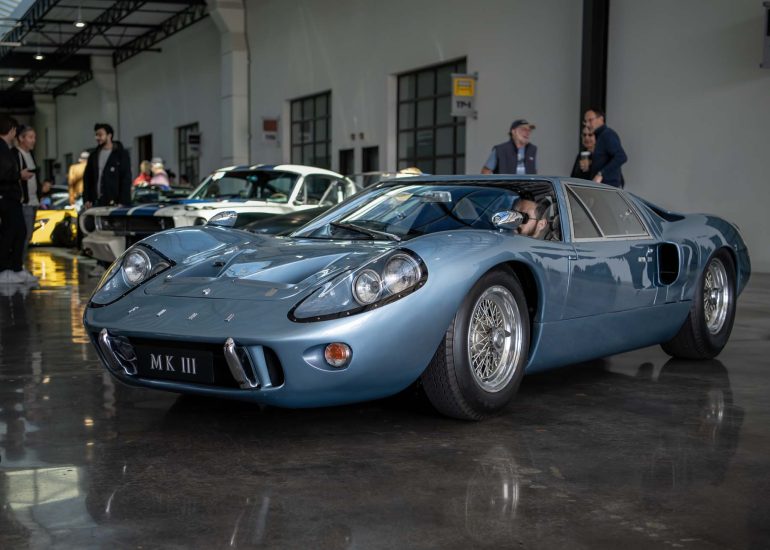
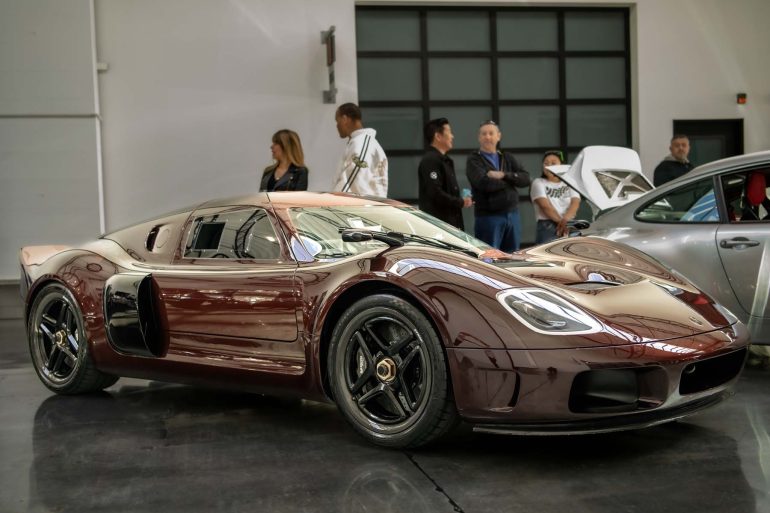
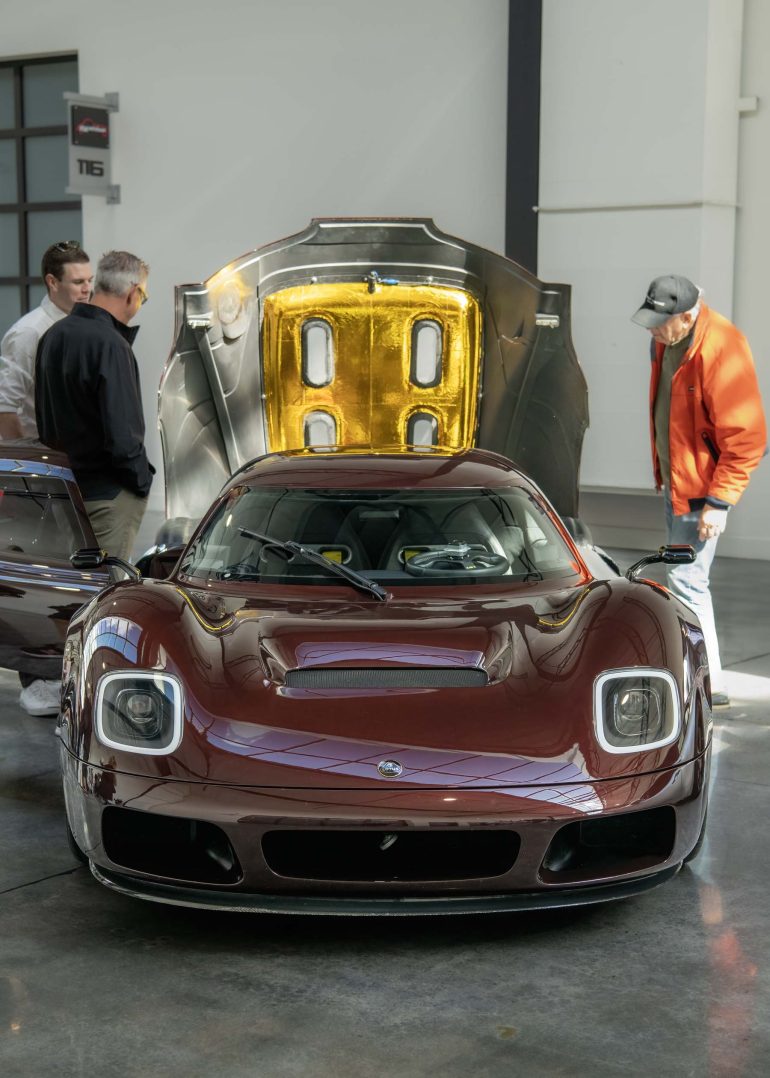
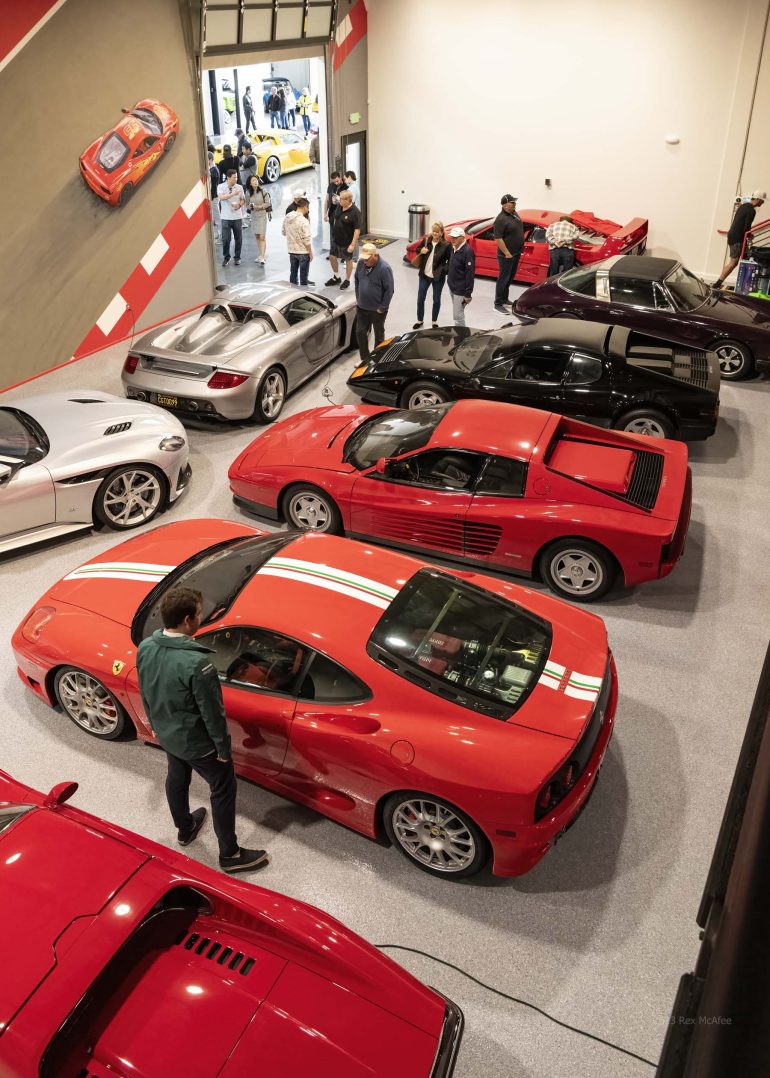
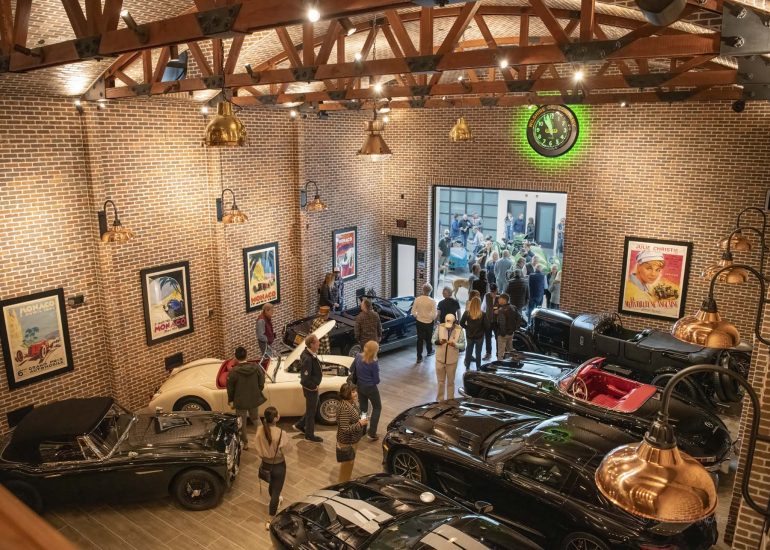
Because the Orange County Finish Line has a large indoor ally down the center of the building, Tony figured it was time to hold a car show among the owners, so Art of the Automobile was born. The first edition was held in 2022, themed Evolution of Design. Tony himself picked the cars among the condo owners with the goal of placing the first and last of the same model next to each other (e.g. 1965 Porsche 911 next to a new 911). This year’s show was titled “Beauty in Design” and aimed to show early race and touring cars alongside their contemporary counterparts (imagine a Ford GT-40 next to a modern Ford GT).
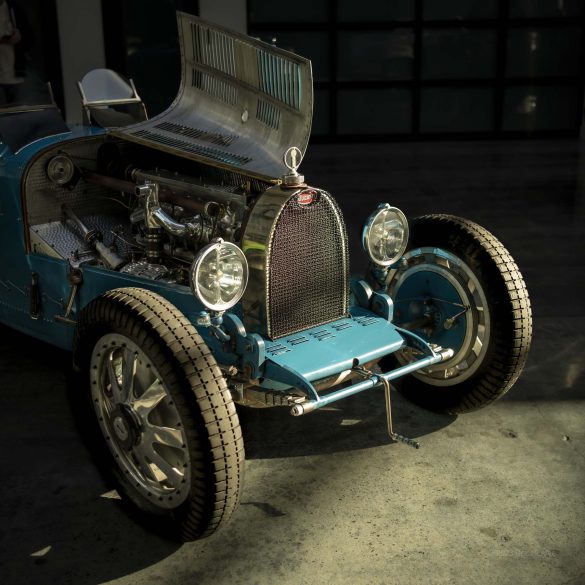
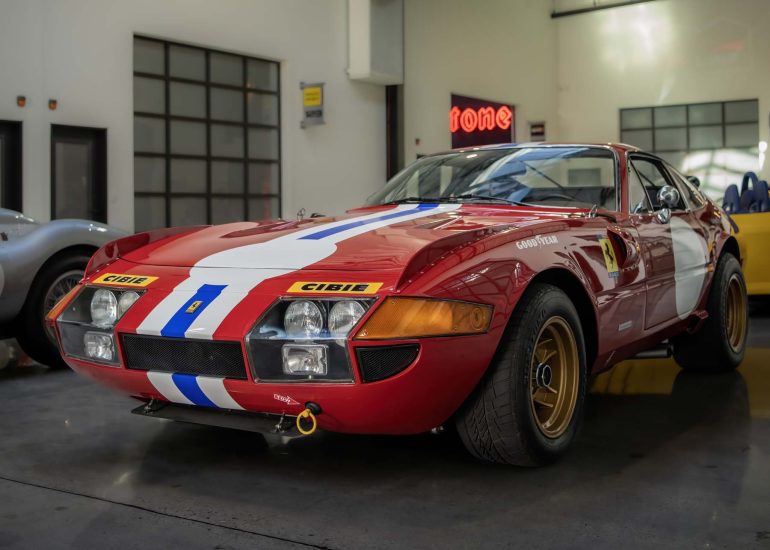
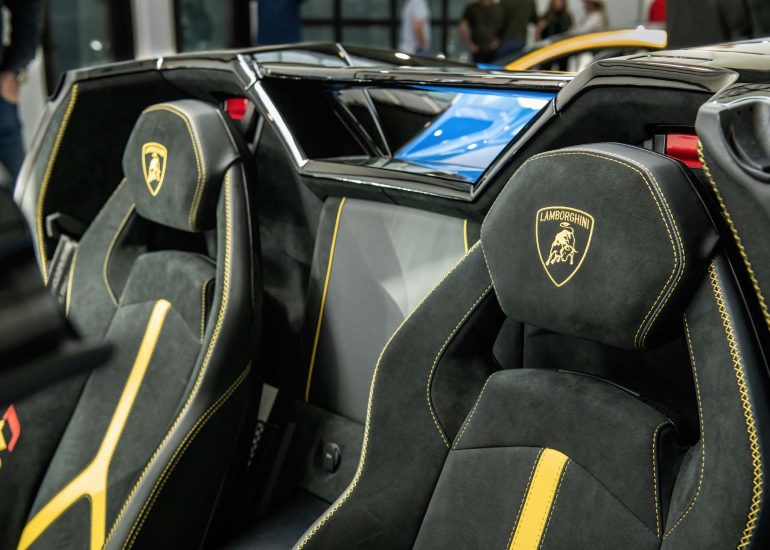
As for the cars on display, the variety was huge, and almost all of them simply came from the collections of the unit owners at Finish Line. Some cars were literally rolled out of their units onto the show aisle. Some of my favorites were a 1957 Ferrari 250 Testa Rossa, a 1927 Bugatti Type 35B, and a 1967 Gurney Eagle F1 racer. Oh…and I guess I shouldn’t forget an original condition, Shelby Cobra! A full list of entrants is as follows:
While Pebble, Amelia, Goodwood, and Lake Como all have their place in the elite world of the Automobile, the casual atmosphere and quality cars left me with a fresh experience I look forward to repeating next year. Tony Principe set out to fulfill a niche in the car enthusiast world and created so much more. Well done.









![Archer demo’d eVTOL flights in CA, and they were so quiet! [Video]](https://i0.wp.com/electrek.co/wp-content/uploads/sites/3/2025/10/Archer-eVTOL-flights-CA.jpg?resize=1200%2C628&quality=82&strip=all&ssl=1 "Archer demo’d eVTOL flights in CA, and they were so quiet! [Video]")