Polestar 2 will be reborn for a new generation and it won’t morph into yet another amorphous crossover.
The new Polestar 2 will be built on the same new platform as an upcoming crossover, which will be designed and built in Europe.
Polestar will make another 2 because it doesn’t want to alienate buyers of its most popular model by far.
The most popular model from Volvo’s electric spinoff brand is the Polestar 2. The electric sedan-like liftback accounted for four out of five Polestars sold around the world, or over 180,000 units sold, so its success can’t be contested. However, the Chinese-made EV’s future wasn’t clear in a tariff-heavy industry increasingly shifting to producing crossovers and SUVs over sedans, hatchbacks and wagons.
But we now know Polestar is committed to having a compact model that isn’t a mini-SUV in its lineup, which also includes a sporty fastback that’s more than just a Porsche Taycan rival, two crossovers and a future dedicated sports car.
Work on an all-new Polestar 2 was confirmed to Australia’s Drive at IAA 2025 in Munich earlier this month. Polestar’s recently appointed CEO Michael Lohscheller told us as much at the beginning of this year, but now he has even more details about how its revival is going.
Lohscheller acknowledged to the Aussie publication that a new model was on its way, as well as the fact that it would retain its current name.
“Let’s word it like this: I want to have those current Polestar 2 customers back. I want to have those, because we built it up [the customer base],” Lohscheller said. “I think we did a great job, and I want to keep them in the family.”
Polestar seems to be going through some sort of identity crisis, so dropping its most popular model, whose formula clearly worked, seems like a move that would hurt the company.
Lohscheller’s statement seems to contradict what former Volvo design boss Thomas Ingenlath said a year and a half ago, when he stated that “we will not replace a Polestar 2 with a Polestar 2.” This sounded like yet another crossover was in the works, and that’s likely still the case, but the new, similar-footprint high-rider will sit alongside a Polestar 2 rather than replace it.
The new Polestar 2 is still a few years away, and it’s not clear where it will be produced—it’s currently only made in China for all global markets. It gained plenty of fans in the United States, where it was sold until earlier this year when the 100% import tariff imposed on Chinese-made cars made its Stateside sale uneconomical.
Polestar 2 fans in the U.S. who couldn’t buy one anymore likely chose a Tesla Model 3, Hyundai Ioniq 6 or BMW i4 instead. Tesla likely benefited the most since it’s the only local brand producing vehicles in the country, thus avoiding tariffs. There aren’t that many electric sedans on sale here and manufacturers seem reluctant to offer them. For instance, Volkswagen wanted to introduce the ID.7 in the States, but then changed its mind.
The new, smaller crossover, called Polestar 7, will be based on a new Geely platform and is currently being designed in Europe, where it’s also expected to be manufactured. The new related Polestar 2 could also come out of a European factory. But that would still mean the vehicle is subject to a 15% tariff, which would bring the price up enough to make the model uncompetitive, especially with the federal tax credit program coming to an end.
Polestar could produce the new 2 for the U.S., where Volvo currently makes the EX90, and the Polestar 3 for the local market in Ridgeville, South Carolina. However, Volvo also plans to build the electrified XC60 in Ridgeville, so there likely won’t be room for a new model there without a major expansion of the facility.
The blower motor is the component that circulates air through the vents and is responsible for maintaining comfort in both hot and cold climates in your BMW. It is interconnected with the climate control system and controls the fan at the speed you set. Regardless of whether you have the AC on in the hot summer or the heater on during the cold season, the blower motor makes sure there is good circulation in the car. When it fails, you may get little or no airflow, uneven temperatures, or no air blowing out at all. Neglecting the blower motor can cause discomfort while driving particularly during extreme weather conditions.
Signs of a Failing BMW HVAC Blower Motor
Weak or No Airflow from Vents: One of the most noticeable symptoms of a bad blower motor is poor or no airflow from the vents. Sometimes, you can turn the fan to the highest level, yet the airflow is very poor or even completely absent. This can cause some problems in regulating the climate inside your BMW, particularly when the weather is either very hot or cold.
Fan Speed Problems: A fan that runs at a certain speed or a blower that only blows air at a certain speed indicates failure in the blower motor resistor or control module. Sometimes, you might observe that the fan speed fluctuates on its own or fails to adjust properly when you change the settings. This problem could be a sign of electrical failure in the system.
How a BMW HVAC Blower Motor Is Repaired
Identifying the Issue: Troubleshooting is the first process that needs to be done when one is working on a faulty blower motor. A trained technician will inspect the electrical components such as fuses, relays and wiring connections to diagnose power supply problems. They will also check the blower motor resistor and control module for problems and inspect the motor for potential wear or heat. If there is debris that hinders the circulation of the air, it will be cleared to allow proper circulation of air.
Replacing the Blower Motor: This is the most appropriate solution if the blower motor has totally stopped working. A new blower motor provides the right amount of air and makes sure that the heating and cooling systems of your BMW are working optimally. This replacement ensures that the temperature inside the cabin is well regulated and does not put more stress on the electrical system of the vehicle.
Replacing the Blower Motor Resistor: If the issue is with the blower motor resistor or control module, the technician will replace the defective part. This repair brings back normal fan speed regulation so that the speed will not fluctuate and cause more electrical problems.
Cleaning and Maintenance: In special cases where the blower motor challenge is as a result of dust, leaves, or any other debris, a thorough cleaning of the blower housing and air intake would help solve the issue. Maintenance of the HVAC system such as the regular inspection of the filters and airways can go a long way in avoiding future blower motor problems.
Reducing Chances of Future HVAC Blower Motor Problems
Check the HVAC System Often: The climate control system should be checked every now and then to ensure that it is not developing problems that could lead to its breakdown. If you feel that the airflow is poor or the car makes some sound, take it to the mechanic as soon as possible.
Use the HVAC System Regularly: The blower motor should be operated from time to time to ensure that the internal parts do not rust. In moderate conditions, it is advisable to switch on the fan and A/C system for some time to keep the blower motor up and running.
Let Ultimate Bimmer Service Help With Your BMW HVAC
At Ultimate Bimmer Service, we have services such as blower motor replacement, resistor repair and electrical diagnosis of BMW HVAC systems. Our techs employ only professional tools and genuine BMW parts to ensure that the climate control system of your car is in optimal condition. We are delighted to work with BMW car owners in Carrollton and Dallas, TX, by offering quality car repairs at reasonable rates. If your blower motor is faulty, don’t wait until you are caught up in very cold or hot weather – call us now for an appointment.
New investment expands Johnson Matthey’s testing capabilities for hydrogen internal combustion engines. By Megan Lampinen
Hydrogen has been hailed as a pivotal tool in the collective effort to decarbonise transportation, but momentum has shown signs of slowing. In June 2025, Honda announced a delay in its hydrogen fuel cell vehicle roadmap, citing “recent changes in the global hydrogen market environment.” In July, Stellantis discontinued its hydrogen fuel cell programme, having concluded the market had “no prospects of mid-term economic sustainability.”
Subscribe to Automotive World to continue reading
Sign up now and gain unlimited access to our news, analysis, data, and research
At Watkins Glen they said, “It looks like the box it came in.” Even that harsh judgement of the appearance of the new Chaparral 2J may have been too generous. However, handsome is as handsome does and in its astonishing way the 2J did handsomely.
A World Champion was sufficiently impressed with its concept to drive the Chaparral 2J at Watkins Glen in 1970 and set a fastest lap while running in very fast company. Although the 2J did not last long enough to get close to winning, it showed great potential and restored its developer, Jim Hall, to his well-earned status of the Wizard Technician of Group 7 racing. In the rest of the 1970 Can-Am season it revealed phenomenal pace.
In mid-1970 Jim Hall looked at the birdie from the cockpit of his latest creation, the Chaparral 2J. The result of a combined effort between Chaparral cars and Chevrolet R&D, the 2J was the innovative elixir that Hall needed after his troubled Can-Am seasons of 1968 and ‘69. Looking, as one commentator said, “like the box it came in,” the 2J introduced suction ground effects to automobile racing.
But was it the Chaparral Show…or was it really the Chevy Show with Jim Hall as master of ceremonies? In fact, the new 2J Chaparral was conceived and constructed, in its major essentials, at the Chevrolet Engineering Center in Warren, Michigan. This was not a new relationship. Since 1964, Chaparral and Chevrolet’s secretive R&D Department had been closely cooperating on the building, testing and even racing of advanced sports-racing cars.
Shown, as at left, at Midland’s Rattlesnake Raceway prior to its racing debut, the 2J was sucked against the road surface by two extractor fans mounted at its extreme rear. Hall’s 2J was a much-improved (by Chaparral) evolution of a crude test vehicle built by Chevrolet R&D to explore this radical concept.
The 2J’s basic concept was simple enough. If a vacuum could be maintained underneath a moving automobile, it would hold the car down with greater force. With the latest racing tires, more force would mean more grip, translating into vastly increased cornering power. The idea was not new. Dresden, Germany’s Vasa Nićin applied for a patent on it on December 29, 1925.
A diagram explained the concept of the Chaparral 2J. Driven at a constant speed of some 5,000 rpm by a separate engine, the twin 17-inch fans at the rear extracted air from an enclosed area of the 2J extending from the rear of the front wheels all the way to the extreme tail. At the side and rear, skirts made of tough GE Lexan plastic ensured that the suction was highly effective by staying close to the road surface.
The wider and larger the tires, the bigger the contact patch on the pavement and the more work they will do before sliding as the downforce is increased. Faster cornering is the key to success on road-racing tracks. This would later be exploited in so-called “ground effect” racing cars but these were a decade in the future, while the basis of the 2J was created in the winter of 1968.
The front end of the 2J Chaparral was shaped to divert as much air as possible up over the top of the vehicle and around its sides. Front air inlets were for the engine-cooling radiator and ducts to the front brakes. Slotted inlets on both sides of the rollover bar ingested induction air for the engine.
This concept was available long before the FIA implemented a height reduction on aerodynamic wings that sent all Can-Am and other competitors scrambling for some new “unfair advantage.” During 1968, engineers in Chevrolet’s Research and Development Department seized on suction downforce as a radical breakthrough that could revitalize their activities under new chief Charlie Simmons.
With Jim Hall building his Chaparral 2H on his own for the 1969 season, they needed something new that might help the Texan in the future. After tests with mockups and mule vehicles showed promise, R&D engineer Paul Van Valkenburgh said, “Simmons gave Don Gates all the draftsmen, technicians and budget he needed to have it ready for the next racing season.”
Gates, the brainy engineer who had won Simmons’ approval, concentrated on the suction system of Chevy’s “Suspension Test Vehicle” or STV. Don Cox, Joe Marasco and Ernie DeFusco designed the car that would carry it. The challenge they faced in creating a suitable body forced them to ignore conventional aerodynamic ideas. Their dominant need was for a robust box that would not collapse under the vacuum generated inside it.
The central section of the Chaparral 2J was a deep and rugged aluminum monocoque tub. It used front suspension similar to that of the 2H and rear suspension adapted from the 2G. That the suspension geometries provided anti-dive and anti-squat was particularly useful for the 2J, which needed to ride as flat and level as possible to maintain its ground-effect skirts in close proximity to the road.
The STV’s fundamental monocoque structure was very deep through its center because that portion, initially unpainted, was a major load-bearing section. Hatches in its sides met the rules requiring doors. Longerons extending rearward from the monocoque embraced the Chaparral-prepared Chevrolet V-8, an aluminum engine of 7.6 liters and 680 bhp driving through a Chevy-built transmission combining a torque converter with three gears forward that were shifted without a clutch.
The Chaparral 2H carried over Chevrolet’s torque-converter transmission with a three-gear dog-clutch box. Perched atop this was the engine that drove the extractor fans, a two-cylinder two-stroke air-cooled JLO engine usually found in snowmobiles. Disc brakes were internally ventilated.
Containing the areas where suction was generated was a box-like structure made of 0.25-inch aluminum honeycomb. With no available technology to give it curvature, the result was a laughably slab-sided appearance. Dzus fasteners joined the major panels together and allowed quick access. In all, said Van Valkenburgh, “it was probably the strongest, stiffest racecar chassis that had ever been built.”
Stripped of its front and rear body sections, the 2J revealed its deep central aluminum monocoque structure. Its hinged “doors” met the letter of the Can-Am regulations. Standing behind the car in sunglasses was Cameron Argetsinger, spark plug of road racing at Watkins Glen who had joined Chaparral Cars as a vice president in 1970.
The STV’s suspension was conventional. At the front it had tubular wishbones and coil/damper assemblies like those of the Chaparral 2H and racing-style linkages like those of the 2E/G at the rear. Their geometries countered nose-dive on braking and tail squat on acceleration, both of these being activities that would upset the skirt system more than would be convenient.
Ducts from the air inlets athwart the cockpit provided fresh ram air to the inlet manifold of the 2J, carried over from the 2H. In the foreground, attached to the rear suspension by a Bowden cable, is the bell-crank linkage that kept the Lexan side skirt close to the ground as the rear of the Chaparral rose and fell over bumps.
An important feature of the STV’s springing was that it was trimmed for ideal geometry at 1.5 inches below the car’s stance with its downforce not running. That was the amount that the car was calculated to be pulled down by suction to its operating height. From that datum line, the springing allowed three inches of travel in both jounce and rebound. To take advantage of its downforce the STV wore the widest wheel rims it could accept and the widest of Firestone’s racing tires. Disc brakes were internally vented for cooling.
Jim Hall’s problematic Chaparral 2H.
As the 1969 Can-Am season progressed, the faults of Hall’s Chaparral 2H were found to be many and insoluble. This was not surprising to Chevrolet, which knew that Hall’s personally chosen approach, a car built for maximum speed with little attention to downforce, would not work on the Can-Am circuits.
Meanwhile, tests of the STV were attracting attention at Chevrolet R&D. “The first time the auxiliary-motor fan-drive system was fired up,” recalled Van Valkenburgh, “it literally smoked out the engineering lab. It became rather embarrassing to have around…so ridiculously sensational that everyone was talking about it.” In the spring of 1969, Hall asked Don Gates to join his effort to sort out the 2H. Chevrolet decided that as the STV was Gates’s baby, the semi-finished vehicle might as well accompany him to Midland. It was shipped there in September.
As originally built by Chevrolet and made whole to run at Rattlesnake, the STV’s rear wheels were exposed, in conventional fashion. Suction was applied over an area that was the width of the car and the length of the body between its wheel arches. Suction fans were mounted low at the sides of the body, flanking the engine and individually driven by small two-stroke motors.
In tests, beginning in November of 1969, this arrangement did give substantial downforce but the car’s handling was treacherous. “Regardless of how much basic understeer was incorporated with the fans off,” said Paul Van Valkenburgh, “when they were turned on the car oversteered uncontrollably. Apparently, the center of downward pressure was too far forward. But in spite of all the problems, with the fans working it was as fast as any other car ever run at Midland.”
Among the gauges facing the driver in the cockpit of the 2J was one which told him how much suction was being generated under the car. Tests showed that when suction was lost the Chaparral remained easily controllable. He was also informed about the cylinder-head temperature of the auxiliary engine. As in the 2G the steering wheel was quick-removable for easy entry.
While Jim Hall was increasingly cool to “someone else’s Can-Am car” the STV found a defender at Midland in Tom Dutton, an engineer-driver who had joined the team during 1969. “Practically everyone else viewed the project with either distrust or malice,” recalled Van Valkenburgh. Dutton was the driver for tests that proved to the sanctioning Sports Car Club of America that the car would not be wildly uncontrollable if or when downforce was lost. The SCCA also judged it acceptable in spite of FIA rules prohibiting “movable aerodynamic devices”.
To address the handling problem Gates reconceived the rear of the STV. Mocking it up with plywood, the rear of the body was rebuilt to enclose the wheels, nearly doubling the area of suction downforce. In tests of this version at Rattlesnake, said Paul Van Valkenburgh, “Dutton was able to circle the skid pad at a fantastic lateral 1.7 G! This was a major jump from the previous best of 1.3 G. Dutton went out on the road course and knocked nearly two seconds off Hall’s previous best time.”
This won respect at Midland, where the STV was given such a skeptical reception. Now accepted as a potential Chaparral, it was given the 2J designation, 2I being skipped. It needed substantial rebuilding and testing before it could become a racing car, time-consuming effort that lost its priority to Hall’s agreement to take over Chevrolet’s Trans-Am Camaro program. Its demands meant that the 2J missed the first two Can-Am races but was ready—just—for the third one at Watkins Glen on July 12th.
As much for its potential as for its performance, the Chaparral 2J caused great consternation in the Can-Am ranks. Rivals had recourse to the rule books, which stated that moving parts with an aerodynamic function were banned. In 1970 this regulation had caused the elimination of high movable wings like those Chaparral had pioneered. It was concluded that both the rotating fans and the movable skirt contravened this regulation. At the end of the season both would be banned.
Preparation included extending the aluminum honeycomb box to shroud the rear wheels entirely and complete enclosure of the rear of the car. Suction fans were now mounted at the extreme rear and driven by a single central auxiliary engine. “An alternate plan to use a variable-ratio snowmobile belt drive off the transmission was set aside as too complex,” Van Valkenburgh related, “but as it turned out that might have proved more dependable.” As well the new arrangement placed some 200 pounds of fans and engine high in the air, cantilevered out over the tail—not ideal for the center of gravity.
Suction was generated by radiator-cooling fans from an M-109 self-propelled howitzer. They had 17-inch blades, aluminum castings made by the Pesco Products Division of Borg-Warner, whose catalogue said that each fan could pump 9,650 cubic feet of air per minute when spun at 6,000 rpm, while maintaining a static pressure of 11 inches of water or 0.027 bar.
The “snowmobile” part of the 2J, two Howitzer cooling fans being driven by a JLO two-stroke, 2-cylinder engine, whose separate exhaust pipe can be seen just above the centrally placed Chaparral sticker.
Driving two of these fans, through cogged rubber belts and magnesium sprockets, was the best engine Chaparral could find for the job: a German-made JLO two-stroke, air-cooled twin imported by Rockwell, giving a rated 45 bhp at 5,500 rpm. This engine was judged reliable after engine man Gary Knutson fitted a capacitor-discharge ignition system to overcome problems caused by dirt getting into the points of its conventional coil ignition. Problems with blade erosion from roadway debris were tackled by fitting each fan blade with a steel leading-edge guard.
Chaparral engine man Gary Knutson equipped the air-cooled JLO engine with fuel injection and capacitive-discharge ignition to enhance its reliability. Nevertheless it showed a strong tendency to run well at Midland but to give trouble when the 2H visited the Can-Am tracks. With the engine running at full throttle all the time, the 2J driver had to monitor its cylinder-head temperature and adjust its mixture accordingly. He was often too busy to carry out this task.
The fans were evidently operating at slight under-drive, relative to engine speed (about 5,000 rpm) because their gross horsepower requirement at 6,000 rpm was 52 bhp—more than the JLO could deliver. That was still enough to maintain a vacuum of 0.020 bar under the skirts when the car was at rest or moving slowly. The advantage of having an auxiliary engine was, of course, that downforce was present at all times, especially at low speeds where the extra downforce is most effective—and where wings don’t work at all.
Crucial to the creation and maintenance of downforce was a system of skirts that surrounded the suction area and remained as close to the ground as possible. The closer they conformed to the road the more effective the suction from the fans would be. But in being close to the road they inevitably made contact at times. To permit this without having the skirts bent or broken, they were made of General Electric’s tough Lexan plastic.
Side skirts were simple 2.3-mm sheets suspended from lever arms that adjusted their height in response to suspension movement through push-pull Bowden cables. The side skirts went up and down with the wheels and the rear skirt followed them, linked as it was to the side skirts at its ends.
The front skirt presented the greatest problem. Running across the car just behind its front wheels, it was crucial to the system’s success. While the fans worked hard to pull air out of the suction chamber, the car’s forward motion tried to ram air into that chamber. To minimize the extent of the pressure with which this forward skirt had to cope, the 2J’s body was shaped to scoop as much air up and over its top as possible. Transverse rubber strips under the car’s nose further interrupted the air flow.
Providing the vital seal at the front of the suction area under the Chaparral 2J was a transverse row of a dozen Lexan plaques. Each of the plaques comprised an individual system, with a plastic hinge to the body. As designed by Chevrolet’s Don Gates, each was backed up by two more Lexan plaques which were hinged to it in such a way as to harness both spring and vacuum force to keep its trailing edge firmly against the pavement.
The front skirt had to rub hard against the ground while the 2J was moving. It did this, at acceptable wear rates, because it was composed of a row of 12, thick Lexan plaques. These trailed sharply back from the underbody. Each had its own plastic hinge, backed by two others similarly hinged in a way that used combined spring and vacuum pressure to keep its trailing edge down against the pavement.
The front skirt’s segmented construction allowed it to adjust to road contours. The individual plaques had enough length to accept some wear. A new set was fitted for each race or as required, depending on the measured wear rate. They successfully survived 200 miles of testing at Hall’s Rattlesnake Raceway, showing that they could cope with a race duration.
Based on the suction system’s parameters an estimate would be that it could hold a 0.020 bar vacuum through the speed range up to 80 mph at which it was designed to perform best. Applied over the approximately 7,400 square inches of skirted chamber, this generated 2,220 pounds of downforce. That was more than the gross weight of the car with its 320 liters of fuel (57 of them in a separate tank, mixed with oil, for the JLO engine) and a driver in the cockpit. So Jim Hall could have unveiled his 2J with it hanging upside down from the ceiling, the JLO shrieking away.
Next to a Porsche 917, considered one of the most advanced conventional racers of 1970, the Chaparral 2J was a startling sight. Measurements conducted by Chaparral showed it to be capable of cornering at least seven percent faster than the dominant Can-Am McLarens.
With its original abbreviated vacuum chamber the 2J had enough downforce to corner at a lateral 1.8 G. Best figures for winged Can-Am cars were in the range of 1.5 G. Hall said that with the extended chamber up to 2.0 cornering G should be attainable. A major difficulty was simply finding a driver who could exploit the extra half-G. Jim did not feel that he was up to it, “I’m driving like I always did but I just don’t seem to be going fast.
“When we introduced the 2J we thought who we’d like to do it,” Hall continued, “and we thought of Jackie Stewart.” It helped that both Hall and Stewart were represented by the same talent-management company at the time. “He agreed to drive it on a one-shot basis at a very reasonable price because he wanted to look at the car and see what it was.”
Jim Hall obtained the services of reigning World Champion driver Jackie Stewart as his 2J pilot for the Watkins Glen Can-Am race.
Special test days arranged at Watkins Glen were wasted because Stewart discovered all too early that stones sucked up from the recently resurfaced track lodged in the fan sprockets and flipped off the drive belts. A protective guard was made to shield the belts while other problems were diagnosed: overheating of the huge rear brakes and persistent vapor-locking of the JLO’s Tillotson carburetors. Bathed in engine heat from below and trapped under Lexan above, the JLO was complaining—although like the skirt it had kept going through the 200-mile test at Midland.
The early tests helped Stewart meet one of the challenges of the 2J: its left-foot braking, an important advantage of the car’s semi-automatic transmission. “This called for a new sensitivity in getting things coordinated,” said the Scot, “almost re-learning how to drive.”
Asked about his new car’s attributes, Jim Hall answered, “With my former car, the 2G, we could get wheelspin and make it violently oversteer by over-controlling the throttle at almost any speed and at almost any place on the race course. But not the 2J. We can go full throttle without wheelspin or uncontrollable oversteer, at a much lower speed, and accelerate out of the corners at a much higher speed than ever before.”
The Chaparral crew gave Jackie Stewart a push out of the pits in the 2J at Watkins Glen. After several troubled years Chaparral was again in the limelight, and with good reason. Although powered ground effects were banned, the same principle underpinned the successful use of venturi-generated ground effects toward the end of the 1970s.
Stewart qualified third fastest at Watkins Glen and was chasing the leading McLarens in the same position when various maladies forced the Chaparral’s retirement. Sub-par power from the JLO reduced downforce which, with deterioration of the track, caused unexpected tire wear. Then brakes started acting strange and the JLO vapor-locked itself into silence. Finally, Stewart missed one of the tricky shifts with the “automatic” box, scrambling its internals, and the day was done.
“I was impressed with Stewart,” Hall recalled. “Jackie was fantastic. I was just astounded at his ability. We didn’t have enough brakes, we had some other problems with the fans and skirts but he didn’t complain about it. He soldiered on and did a hell of a job for us. He drove the bottom off that car.”
Hall was extremely satisfied with the services provided by Stewart at Watkins Glen, who extracted all of the car’s considerable performance. In spite of a number of problems during practice he qualified it in third place behind the factory-team McLarens of Dan Gurney and Denny Hulme. Photo: Jim Hall Collection
Jackie was impressed as well, finding the 2J “extraordinary, almost unbelievable. The car has remarkably good adhesion and it’s certainly very easy to drive. Notwithstanding the difficulties we’ve had with the fans pulling in dirt and fouling the belt drives, the car’s traction, its ability to brake and go deeply into the corners, is something I’ve never experienced before in a car this size or bulk.”
Before the race was over the white trucks were headed back to Texas with the asphalt-splattered 2J. “Hall was disgusted,” Paul Van Valkenburgh related. “He refused to put more of his own money into the project and because of its poor showing at the Glen sponsorship was unlikely. The 2J was disassembled and put into crates to be sent to the warehouse.”
But the makers of Lexan had been present at Watkins Glen to observe this car that used so much of their wonder material so effectively. In fact, the car carried small GE decals. When prompted by Don Gates, General Electric came to the party. GE put up sponsorship “in the low five figures” to fund three more race appearances. Their support not extending to Jackie Stewart’s fee, Hall installed Vic Elford, a driver of his Trans-Am Camaros, in the 2J. One of history’s most versatile drivers, “Quick Vic” quickly got the hang of this new-fangled racing car.
Briton Vic Elford drove the 2J in the three more Can-Am races it contested after Watkins Glen. Its speed was undeniable; Elford was on pole in all three races. At Road Atlanta the auxiliary engine’s problems demoted him to sixth. A Chevrolet engine failure kept him from starting at Laguna Seca and at Riverside the auxiliary engine broke its crankshaft.
Skipping races at Mid-Ohio, Edmonton and Elkhart Lake, the 2J next appeared at Road Atlanta for the 189-mile Can-Am race on September 13th, 1970. This gave the Midland team a break to reassemble the “sucker car”—as it became known—and make some improvements. To help its JLO fight vapor-locking Gary Knutson converted it to fuel injection. Drive belts to the fans were moved out of the car’s interior to an external position, shrouded by what its creators called a “Martian bra”.
Originally the cogged-rubber drive belts from the auxiliary engine to the two extractor fans were located inboard of the fans. This arrangement proved vulnerable to debris sucked up from the road, which dislodged the drive belts. During the season the belts were relocated outboard of the fans and enclosed by an exotic cover nicknamed by one crew member the “Martian bra”. The 2J’s engine exhaust emerged on both sides of its fans.
In early practice at the hilly Georgia track, the 2J was an astonishing three seconds a lap faster than the all-conquering McLarens using similar Chevrolet V-8 engines. In spite of their best efforts, Elford retained pole position by a 1.2-second margin. But in the first lap a fatigued ignition wire caused the JLO to start missing. A lengthy pit stop to diagnose and fix the problem kept Elford from finishing better than sixth place, six laps in arrears. However, at least the 2J had finished a race.
The next Can-Am was missed to concentrate on the two popular Californian events that concluded the championship. At Laguna Seca for the October 18th race, the 2J and Elford were in dominant form, breaking the one-minute mark while qualifying 1.8 seconds ahead of both McLarens. All was set for a dominant display when the 2J’s Chevrolet engine broke a connecting rod during the warm-up session on race-day morning.
Jim Hall leaned across Vic Elford into the cockpit of the 2J at Riverside in the radical car’s last race appearance. Keeping the lap chart, Sandy Hall was protecting her eardrums. Although unsuccessful as a racing car, the 2J made history as the first automobile capable of generating so much suction downforce that it could be driven on the ceiling.
Regrouping for the race at Riverside near Los Angeles on November 1, Jim Hall’s outfit had its 2J ready. On this longer circuit the margin of superiority in qualifying was the largest yet, 2.2 seconds over the fastest McLaren. An easy runaway was obviously on the cards. But soon after the start the JLO twin decided to break its crankshaft. With various pit stops the 2J struggled on, retiring after only five laps.
In spite of these profound disappointments GE’s modest investment paid off, said the company. So sensational was the Chaparral 2J that more than 200 million press “impressions” were totted up by the unique racing car. However, there would be no more because the SCCA, convinced that a developed 2J would wipe the field in 1971, finally implemented the FIA’s prohibition of “movable aerodynamic devices.” The 2J had plenty of these—the blades of its twin fans and the suspension-linked rear skirts. It entered legislatively enforced retirement.
Vic Elford reunited with the Chaparral 2J at the Goodwood Festival in 2007.
A bizarre postscript to the 2J story was Gordon Murray’s use of fan-generated downforce for his Brabham BT46B of the 1978 Grand Prix season. After winning one race it was swiftly banned on the same basis as the Chaparral. By then modern underbody downforce was widely used after its efficacy was convincingly demonstrated by the Lotus 78 and Mario Andretti in 1977. Fathered by both Chevrolet and Chaparral, the 2J had been dramatically ahead of its time.
I’ll be honest – I love RVing with teens. I love travel of any kind with my teens.
I loved traveling with my kids at every stage. But traveling with teenagers is a wonderful reward after years of hauling around baby gear, or hiking with a toddler on your back, or changing diaper blowouts at rest stops in 100° heat.
RVing with teens means you now have extra people who are capable of helping with stuff! People who can pack themselves and go on longer hikes and try more adventurous activities. I miss my sweet babies, it’s true. But traveling with teens can be a whole lot of fun.
Of course, as the kids get older, there are challenges, too. Most of the challenges when traveling are the same ones everyone faces at home. Teens might complain about being bored sometimes. They want to be on their phones. They’re probably going to squabble with their siblings. Babies go wherever you take them, but teenagers have their own opinions about what they want to do … and what they don’t.
Add to that a much smaller living space on the road, and RVing with teens can present some difficulties along with fun family memories!
Plan Your Road Trip with Teenagers in Mind
I remember the first time we planned a family road trip, and I realized that I could actually consult with my kids on what to do. It’s a strange feeling to go from having the adults plan everything to including older kids and teens in planning a road trip. But it’s a great feeling, too! Your kids are growing and learning and hopefully developing the skills to travel throughout their lives.
Involving your teens in planning stops and routes, or even letting them pick your destination, makes them feel valued. Their opinion matters. Also, they have some pretty great ideas! We took a camping trip to Bryce Canyon National Park once, because my 9-year-old saw a picture of the hoodoos and asked, “Is that on Earth?” So we went to check them out.
By the time the kids were in high school, they were helping plan our trips and schedules in more detail. Because teens are so tech-savvy, you might find that they suggest stops or routes you didn’t even know about.
Since we have four kids, we usually begin our planning by checking in with everyone. All the kids and all the adults get a chance to share one thing they’d like to do, or one stop they’d like to make on our trip. That way, everyone gets heard and no one feels ignored. We don’t end up leaving a destination with someone who’s upset because they didn’t get to do something I didn’t know they wanted to do.
I also think it’s important to include the things the adults want to do, too! It’s part of balancing everyone’s needs and opinions as a family. We all get a say.
Family RV Travel Entertainment
Our usual screen limits go out the window while we’re driving. It’s not like I can send everyone outside to play! We try to generally take breaks and talk. The teens get some time to make fun of their dad’s music choices (or sometimes sing along!). When we stop on our drive, phones go away unless people are taking pictures.
But we use tech to make the trip more fun, as well. My daughter has been in charge of our family Spotify road trip playlist for several years now. She has a general road trip playlist, but she also has playlists tailored to various destinations, and she adds to them for months before our trips. We listen to podcasts together (one on the Donner Party, while we were traveling over Donner Pass was particularly memorable!). The kids also listen to their own podcasts or watch movies. Sometimes, they’re assigned summer reading, and they can listen to audiobooks and get a jump on their work. And when we arrive at a destination, we often use our phones to look up more information about what we’re seeing.
Even when we let the teens have unlimited screen time, everyone has a natural limit for how long they want to be online. They’ll stop and play road trip games – teens playing “I Spy” can get wildly competitive! Sometimes they journal or draw. We bring along plenty of snacks and drinks for everyone, and we try to have a blend of special road trip treats and healthy options.
Of course, they also document our trips with plenty of selfies, group photos, and videos. They share things on social media. They make ridiculous TikToks. It’s so much fun to see their creative, goofy posts and videos. Those also help them stay connected with their friends during long breaks from school. Our extended family also likes tracking social media updates from our trips.
We actually broke down on a lonely highway last summer, and it took three hours for us to make it to the nearest town. I’m so grateful that this happened when our children were teens instead of little kids! They took silly pictures and made videos pretending to be lost in the desert. And when two of them had to hitch a ride to town in a police car … well, they had a field day posting about that.
Activities at Campgrounds & Stops
Once we take a break from driving, teens can find plenty of stuff to do at campgrounds or during other stops. Here are a few of the activities that are great options for teens.
Swimming: The wonderful thing about teenagers is that you can send them to the campground pool without needing adult supervision (assuming they know how to swim). I usually go anyway, though, because I need the exercise as much as they do after a day on the road. Swimming is a great way to cool off, get some activity, and wear everyone out for a little bit.
Biking: If you bring along bikes, that’s another great way to stretch everyone’s legs after a day on the road. It also lets your teens explore the area.
Hiking: The wonderful thing about hiking with teens is that you can go farther and try more strenuous trails than when they had short, little toddler legs. In fact, at some point, most of my teens had a lot more energy and stamina than I did, and now they usually pass me up on the trail.
Outdoor Adventures: It’s also easier to plan things like rafting, ropes courses, backpacking trips, and other more strenuous activities. Teens are usually up for adventure, and they love exciting activities that might be hard for younger kids to handle.
Campground Amenities: Many campgrounds also have amenities like basketball courts, gaga ball pits, or rec rooms where teens can hang out. And, of course, there may be game rooms or WiFi zones where they can connect.
Teen-Friendly RV Travel Trips
Over the years of traveling with teens, I now have tips to make sure they (and their parents!) have a smoother trip.
Encourage their independence
The feeling you get when you realize you don’t have to pack for teenagers like you do for younger kids … well, you might just shed some happy tears. I make one packing list for the whole family (because I forget things, too!), and then it’s up to everyone to pack themselves. I also give them a departure time and let them figure out what they need to do to be ready to go. You and I worked so hard to teach these kids how to take care of themselves – now it’s time to reap the benefits!
Other ways to encourage independence include having teens help with camp chores. Let them plan dinner or other meals. Have them take charge of a day of family activities and plan a hike or other outing. If they have a learner’s permit or license and you have a suitable vehicle, teens often love driving in new places! Let them shop for souvenirs and make other decisions without you.
Teen Road Trip Essentials
Here is a packing list of road trip essentials for teens.
Bags
Duffel bag or suitcase for clothing
Backpack for road trip entertainment items
Clothing
Pajamas
Short-sleeve shirts, T-shirts, or tank tops
Shorts
Long pants
Rain jacket
Sweatshirts or sweaters
Sneakers and/or hiking boots
Flip-flops or slides
Hat (sun hat or baseball cap)
Underwear
Socks
Bathing suit
Winter hat & mittens (depending on weather)
Toiletries
Toothbrush & toothpaste
Deodorant
Hairbrush/comb & hair ties
Face wash & moisturizer
Sunscreen
Lip balm/chapstick
Feminine hygiene products (if needed)
Personal Items
Sunglasses
Prescription glasses/contacts & case
Refillable water bottle
Phone & charger
Car adapter
Wallet w/ ID, teen debit card
For theRV
Pillow, blanket, stuffed animal
Books or e-reader
Laptop & charger
Homework if necessary (sorry, kids!)
Headphones/earbuds
Small games, cards, other activities like knitting
Give them their space
Yes, being together as a family is wonderful, and I treasure it every time it happens. But teens need their own space. As they get older, they start pulling away more and more. It’s normal, and it’s part of growing up and getting ready to be on their own. If you can, make sure they have a bed or other area where they can retreat when they need some peace and quiet. Let them set up their space, and bring things that make them feel comfortable and right at home.
And when they’re in their space … try not to invade too much. That might be the toughest part for me!
It can be hard when you want to soak up the remaining time with them that feels like it’s slipping away. But also – remember when you couldn’t even go to the bathroom without them right there with you? You get a little break now! They’ll come find you after they recharge, and they’ll be in a much better mood, too.
Give them downtime away from family
I have one son who has always needed his Alone Time, especially after a day of being in a vehicle with his whole family! Anytime we arrive somewhere for the night, he needs to go off on a walk by himself. Now that he’s a teen, I let him. He has a cell phone, and he tells us where he’s headed. And then we leave him alone.
Actually, I need this a lot of times, too!
You can let your teen go on a walk or sit at a nearby scenic spot. They can go to the pool on their own or for a drive by themselves. We establish when they’ll be back, and we make sure we can reach them by cell phone if we need to. But they appreciate time to themselves. I think it also helps them develop skills to be on their own as they get older.
Schedule free time
Our work and school lives can get really busy! So one thing that’s really important to us is to make sure our road trips aren’t overscheduled. Definitely hike to the iconic spots and see amazing things. But leave some time to just chill out. One great thing about RVing with teens is that you can let them sleep in at least some days, without needing to be up and packed by checkout time.
Let teens explore a quaint downtown shopping area. Sit by a scenic lake and just relax for a while. Let everyone split up at an amusement park or historic district and arrange to meet back at a certain time. Give them time to wander a campground and check it out.
Vacationing with teens is a mix of making great memories as a family and letting them begin to do things on their own without their parents nearby at every moment.
Life Skills & Responsibilities
Along with giving teens agency in planning trips and letting them explore on their own, we can get them to help with all the hard work that camping inevitably brings. One of the perks of having teens is that they’re just as capable as adults of doing campground chores (although I’m not sure my teens would call this a perk!)
Teens are old enough to help level rigs and assist with hookups and setting up camp. They can unpack and set up beds and cooking areas. And they can help cook and clean up after each meal.
You can divide chores in several ways. For example, I have one teen who loves campground cooking and makes much better breakfasts than the instant oatmeal I bring along! You can have a teen who enjoys one chore take charge of that area. Or you can have everyone rotate. Sometimes, we’ll have each person in our family take a night to plan and make dinner on our trips.
This is a great opportunity to help teens develop camping skills that they’ll hopefully use as adults. And since everyone is part of this family, and everyone is enjoying this trip, everyone gets to help make it happen. They may moan and groan (no? Just my kids?), but hooking up an RV or making a meal the whole family loves builds their confidence. It might kill them to admit it, but they’re usually pretty proud of themselves when they do a good job.
RVing with teens can conjure up images of sulky teenagers buried in their phones or fighting with their siblings. And let’s not sugarcoat things – sometimes that’s the case! But a lot of times, RVing with teens is a great experience. Giving them a mix of structure and freedom, time with family and time on their own, is a huge step towards helping them enjoy a road trip. Embrace the adventure of older kids who can do so many more things, and enjoy the flexibility of traveling with them. You can create lasting memories, and hopefully they’ll even come back to travel with you after they’ve flown the nest.
Can an EV really help power your home when the power goes out? It’s one of the biggest FAQs people have about electric cars — but the answer can be a bit confusing. It’s either a yes, with a but – or a no, with an unless. To find out which EVs can offer vehicle-to-home (V2H) tech to keep the lights on or even lower your energy bills, keep on reading.
UPDATE: a new Acura, and one you can ride hard and put away wet.
Modern EVs have big, efficient batteries capable of storing enough energy to power home for days. That can mean backup power during a storm or the ability to use stored energy during expensive peak hours and recharge again when kilowatts are cheap.
That’s all true – but only in theory. Because, while your EV might have a big battery, that doesn’t mean it has the special hardware and software that allow electricity to safely flow back out of the car baked in. Car companies call this vehicle-to-home (V2H) or bi-directional charging, and only a handful of models currently support it. That’s that, “yes, with a but” asterisk.
Advertisement – scroll for more content
Yes, an EV can power your home, but it has to be one of these.
Acura RSX (2026)
2026 Acura RSX; via Honda.
At RE+ 2025 earlier this month, Honda announced that its upcoming all-Honda–developed Acura RSX will feature bi-directional home charging, previewing a future where every new EV built on Honda’s own global EV platform will support both vehicle-to-home (V2H) and vehicle-to-grid (V2G) capabilities.
So, if you’re excited about the upcoming RSX or Honda’s 0 electric rides and want to take advantage of V2x tech, you don’t have much longer to wait. No word on pricing.
Ford F-150 Lightning
F-150 Lightning powers home; via Ford.
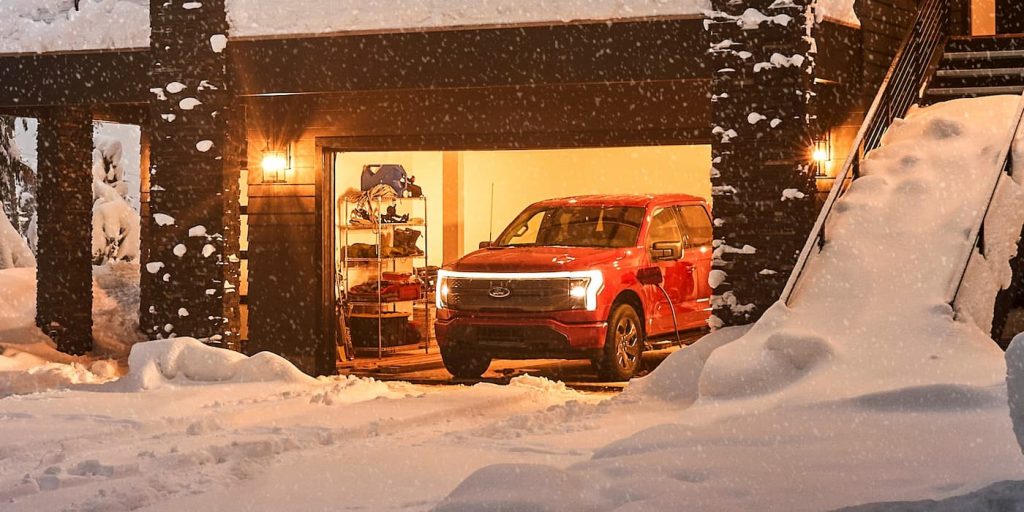
Ford made early headlines using its F-150 Lightning as a life-saving generator during winter ice storms and hurricanes, so it should come as no surprise that it’s included in this list. The best-selling electric truck in America can send up to 9.6 kW of power from its onboard batteries back to the house. More than enough to keep the lights on and the refrigerator running during an outage.
To make it work, you’ll need to install the Charge Station Pro (formerly called Intelligent Backup Power) home charger, the Home Integration System (HIS), which includes an inverter, a transfer switch, and a small battery to switch the system on, as well Ford’s Charge Station Pro 80A bi-directional charger (which comes free with the Extended Range F-150 Lightning, but costs about $1,300 otherwise).
All-in, you’re looking at about $5,000 in hardware, plus installation, to make it work.
Kia EV9
Wallbox Quasar 2 bidirectional charger; via Kia.
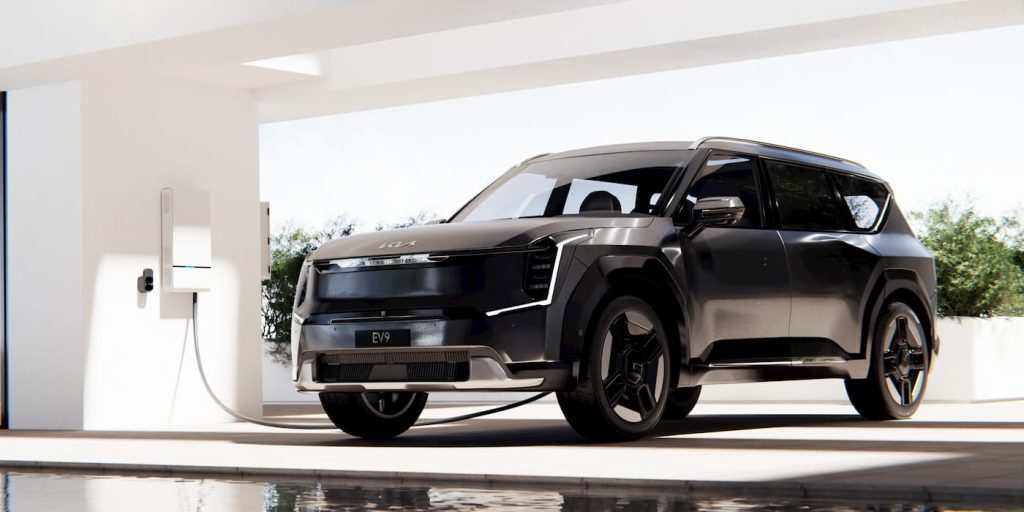
With up to 300 miles of range and ultra-fast charging, the seven-passenger electric SUV from Kia has been a hot seller. And back in March, the Kia EV9 unlocked yet another new feature: vehicle-to-home charging.
When paired with the Quasar 2 bidirectional charger from Wallbox (and the associated Power Recovery Unit, or PRU), a fully-charged Kia EV9 can power a standard suburban home for three days. Longer, still, if you’re keeping the energy use low. The Wallbox Quasar 2 isn’t cheap, though – pricing starts at $6,440 (again, plus installation). For that price, you the PRU plus a wall-mounted 12 kW L2 charger with 12.8 kW of with discharge power on a split-phase system.
Pretty much all the GM EVs
Chevy Silverado, Equinox, and Blazer EVs at Tesla Supercharger; GM.
With the exception of the Chevy Brightdrop, GMC Hummer EV, and the hand-built, ultra-luxe Cadillac CELESTIQ, every Ultium-based GM EV can send battery power back to your home through GM Energy’s Ultium Home System – arguably the most fully integrated EV + battery backup + solar option out there outside of Tesla.
GM Energy says its new 19.2 kW Powershift Charger delivers around 6-7% more juice than a typical 11.5 kW L2 charger, delivering up to 51 miles of range per charge hour. Bi-directional charging requires the Powershift Charger to be paired up with a compatible GM EV and the GM Energy V2H Enablement Kit. The full system retails for $12,699, plus installation, and can be financed through GM Financial.
NOTE: some 2024 models might require a software update to enable V2H functionality, which can be done either at the dealer or through an OTA update.
Taiga Orca WX3
Taiga Orca WX3; via Taiga.
Candian startup Taiga have been offering high-performance electric watercraft for several years now. For 2026, their third-gen offering features automotive-grade fast charging that will allow riders to plug into the same fast charging networks their electric cars and trucks use, getting them back in the water in 30 minutes or less.
That said, this isn’t an article about fast-charging your PWC. Taiga is incorporating bidirectional charging into all its electric watercraft as of 2026, turning the PWC EVs into a mobile energy resources that can recharge equipment at the dock, power hotel loads on larger yachts, or bring power to an off-grid cabin or campsite.
Tesla Cybertruck
Tesla Cybertruck stuck in mud.
Tesla Cybertruck owners may have zero taste, but they have two options when it comes to powering their homes with their trucks. If they already have a Tesla Powerwall, they don’t need anything else. If they don’t, they’ll need to install a Universal Wall Connector charger, a Powershare Gateway, and a Tesla Backup Switch.
That second option will run about $3,500, plus installation.
That rounds off the list of vehicles that ship with V2H software baked in, so if you’re wondering whether or not your EV can be used to power your home, now you know the answer is yes, as long as it’s one of the ones listed here. But you might remember that I answered the initial question by saying it was either a yes, with a but – or a no, with an unless. So if you want to use your car’s battery as a backup, but don’t have one of the EVs listed above, that doesn’t mean you’re completely out of luck.
No, with an unless
Fred Lambert explains Sigenergy V2X system.
As some of the earliest and most enthusiastic EV adopters, Tesla fans have also been among the loudest advocates for using the energy stored their cars’ batteries to back up their homes — or even the grid itself. Unfortunately for them, the slow-selling Cybertruck is the only Tesla vehicle that officially supports bi-directional charging. If you’re one of the many Model 3 and Y owners frustrated by those delays, there’s good news: those vehicles are now capable of V2H charging thanks to an “impressive” Powerwall competitor, Sigenergy.
The good news doesn’t stop there, however. The Sigenergy V2X also works with both the popular Kia EV6 and Electrek‘s 2024 EV of the Year, the Volvo EX30 over the DIN70121 protocol, and several VW/Audi/Porsche and Mercedes-Benz EVs over the ISO15118-2 protocol.
Our own Editor-in-Chief, Fred Lambert, recently went on a Sigenergy deep dive with Sylvain Juteau, President of Roulez Electrique, and came away deeply impressed with the system. I’ve included the video, above, and you can read more about the system itself at this link.
And, of course, I look forward to learning about any V2H models or more universal battery backup systems from you, the smartest readers in the blogosphere, in the comments.
Original content from Electrek.
If you’re considering going solar, it’s always a good idea to get quotes from a few installers. To make sure you find a trusted, reliable solar installer near you that offers competitive pricing, check out EnergySage, a free service that makes it easy for you to go solar. It has hundreds of pre-vetted solar installers competing for your business, ensuring you get high-quality solutions and save 20-30% compared to going it alone. Plus, it’s free to use, and you won’t get sales calls until you select an installer and share your phone number with them.
Your personalized solar quotes are easy to compare online and you’ll get access to unbiased Energy Advisors to help you every step of the way. Get started here.
FTC: We use income earning auto affiliate links. More.
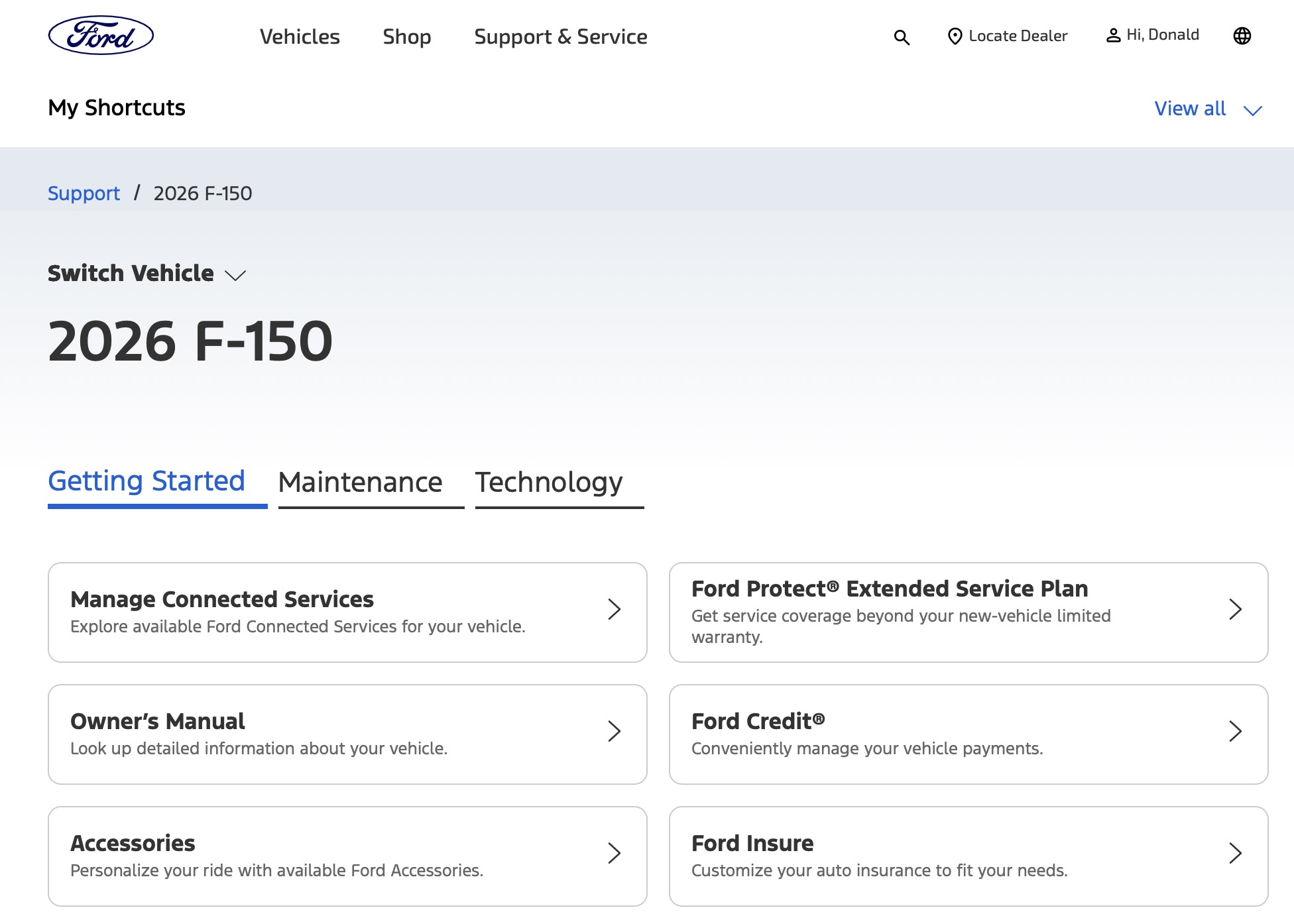
In a plot twist worthy of MI6’s finest, the 2026 Ford F-150 has been caught red-handed on Ford’s official customer support website, courtesy of the sharp-eyed operatives at AutoSpies.com. Like James Bond slipping into a villain’s lair under the cover of darkness, these auto espionage experts infiltrated the digital shadows of ford.com/support, unearthing dedicated pages for the revamped F-150 and its electrified Lightning counterpart. Complete with slots for owner manuals, SYNC tutorials, FordPass connectivity guides, and how-to videos, this covert drop suggests the Blue Oval’s blockbuster truck is gearing up for an earlier-than-anticipated launch—shaken, not stirred.
Picture this: It’s late September 2025, and while Ford had officially Q-branch’ed the debut for mid-to-late 2025 with showroom arrivals in early 2026, AutoSpies.com’s Bond-like reconnaissance reveals the mission is accelerating. No gadgets needed—just a keen browser refresh to spot the placeholders, signaling that production at Dearborn or Kansas City assembly lines could rev up sooner, perhaps dodging supply chain villains from the 2024 chip crisis. Insiders speculate streamlined hybrid tech and validation tests have fast-tracked the operation, leaving rivals like the Ram 1500 REV or Silverado EV in the dust.
What secrets does this 2026 F-150 hide in its tuxedo-black grille? Expect a bolder facade with aerodynamic edges for efficiency gains, an amped-up PowerBoost hybrid lineup flirting with 700+ horsepower, and enhanced BlueCruise AI for autonomous hauls that would make Q proud. Spy photos of the Lobo variant—a sleek, street-prowling wolf with lowered stance and roaring dual exhaust—have already surfaced undisguised, hinting at aggressive styling that’s licensed to thrill on highways or heists alike.
For F-150 loyalists, this is like Bond’s Aston Martin arriving early to the party. America’s top-selling truck, with over 750,000 units sold last year.
Keep your eyes peeled…this must mean the official launch is days away? More info soon
Supercars
come and go and few make a big impact on the world but the Ferrari F12tdf
special edition is something rather different.
With
heaps of ambition, added power and even more agility, Ferrari’s special edition
of the f12 is here with three simple letters to sort the men form the boys;
tdf.
We
borrowed a Rosso Corsa F12 tdf (pictured) to give you the best review kindly arranged by the guys at carautodriver.co.uk, and to
provide a small word of caution to prospective buyers…
When it was unveiled in 2016, a
new F12tdf cost £339,000 and Ferrari lovers and iconic car fans queued up to
buy one. For those who are asking, ‘How many Ferrari F12tdf were made?’ then
the answer is just 799.
And despite the Ferrari F12 tdf
price tag, fans and collectors have seen prices rocket since then and among
those who parted with their cash weren’t just exclusive clients but also
celebrity petrolheads such as the chef Gordon Ramsay.
For the money, buyers got to
enjoy one of the fastest Ferraris ever created with a 6.3litre V12 under the
bonnet. But how fast is the Ferrari F12? Well, it has a (restricted) top speed
of 211 mph.
Ferrari lovers said it was the
purest of the Ferrari production cars. And they were right.
What is tdf in Ferrari?
If you are asking, ‘What is tdf in Ferrari?’ then the answer is
that this car is a track-focused version of the F12berlinetta which had been
unveiled the year previously and pays tribute to the Tour de France car race
that was staged between 1899 and 1986.
In this event, the Ferrari 250 Tour de
France and legendary 250 GTO dominated in the 50’s and 60’s
Indeed, the design wizards at
Ferrari have given the F12tdf a hint of the stylish GTO’s look in its profile.
The big attraction for this
model is that the F12tdf delivers more power from the same engine used in the
F12 berlinetta and offers new technology in a lighter and faster vehicle while
promising huge performance levels.
How impressive, you may ask?
Well, the Ferrari F12 power has seriously impressive torque at 780 PS at
8500rpm and the F12tdf weighs 110kg (or 243lbs) less than its sibling at just
1,415kg – thanks to the extensive use of carbon fibre inside and outside of the
car. The power-to-weight ratio for this supercar is 1.95kg (or 4.3lbs) per
horsepower.
To appreciate how dynamic the
car is, 80% of that power is available from 2,500rpm.
How have
Ferrari added power?
Ferrari engineers have revised
the inlet tracts and replaced the hydraulic tappets with mechanical ones.
Whilst they are a bit noisier they allow for faster, higher revs allowing the
mighty V12 to reach an impressive 8900 rpm.
These and other modifications have
boosted power from a mere 730bhp to a more remarkable 770bhp.
Aerodynamics are improved with
the bodywork gaining winglets to direct airflow a la formula 1 and the rear track is wider to accommodate the
active rear steering.
The gear ratios in the 7 speed dual clutch automatic
gearbox are shorter which give the tdf a very quick 0-62 mph time of, a not too
tardy, 2.9 seconds.
As most sports car fans will know, anything under 3 seconds
is serious supercar territory. This V12 lump produces 80% of its torque from a
low 2000rpm so really pushes you into the seat.
F12tdf debuted a new four-wheel steering system
This level of power means that
to help deal with the rigours of pushing the car to its limits on a track the
F12tdf debuted a new four-wheel steering system, known as the Virtual Short
Wheelbase, with an ‘active’ rear axle which enables the rear wheels to pivot
and deliver more grip and control on corners.
And you’ll need it when the
engine starts to whine through the gears and Ferrari have also boosted the
downforce to cope with the potential of the car taking off with the front
bumper design – along with improved wings and louvres. The model is also fitted
with three pairs of GT racing strakes, or diffusers, which also boost
downforce.
There’s also a higher and
longer rear spoiler helping with a more upright rake and a rear diffuser uses
three active flaps to accelerate and increase the airflow underneath the car.
For those car fans who love the
specs: the special edition Ferrari F12tdf delivers 230kg of downforce at
132mph. That is, Ferrari says, an 87% improvement on the sibling.
Difference over the standard F12
So, what was the big difference
over the standard of F12 in terms of performance?
The 6.3litre engine
delivers plenty of torque and uses a seven-speed dual clutch gearbox for
quicker upshifting and downshifting. The engine will then power the
F12tdf onto 124mph in 7.1 seconds and then onto its top speed of 211mph.
With all of this power, not all
cars fans will get to enjoy the F12tdf’s performance but the carmaker
appreciates that not everyone has the skills necessary so the front tyres are
wider to help increase lateral grip and increase the tendency for oversteering
– usually this makes driving at the limit a touch too exciting and difficult
for inexperienced drivers.
This is where the active rear
axle also helps to help deliver agility so non-professional drivers can enjoy
the extraordinary performance with some degree of confidence. Though most
drivers will be wary on a racetrack once they’ve let the hammer fall and the
F12tdf sets off like a missile.
The Ferrari F12tdf specs
It’s this issue of delivering a
supercar that non-professional drivers can handle that has been tackled
effectively with the Ferrari F12tdf specs: the four-wheel steering system not
only delivers responsiveness but ensures that the rear wheels are steering in
the same direction as the front ones to boost stability.
Ferrari claim that the new
wheelbase delivers a better response than the 599 GTO with more predictable
precision to suit drivers of various abilities. The handling is also helped by
the magnetic dampers being retuned and stiffer springs being added along with
the firm’s extreme design brake callipers which feature on the LaFerrari.
The only place to enjoy the
engineering delights is on a racetrack where the throttle can be opened up.
Here, the F12tdf delivers great handling and agility with precise steering
which delivers excellent feedback. The chassis has been chosen to deliver a
responsive drive but with the front end grip being so strong, there is little
room for error.
This means that inexperienced
drivers may find that any slight mistake they make at speed will be magnified
by the car until they appreciate the responsiveness and handling more effectively.
On the roads, the F12tdf has a
firm set-up so rough roads will be uncomfortable, but smoother roads help show
why Ferrari are so proud of this creation – it’s car that still needs to be
respected on the roads and handled as such. There’s definitely a lot of good
fun to be had while behind the wheel.
The car delivers a balanced and smooth ride
The other issue is that once
the driver gets to appreciate that there is no chance of oversteering into a
slide and that the steering is precise means the car delivers a balanced and
smooth ride with the aggressive power being controlled effectively.
There’s no doubt the four-wheel
steering takes some getting used to but driving at speed into corners can be
done with confidence.
Even with this level of
handling, it’s for the engine that the F12tdf offers a stand-out performance
and drivers will get to enjoy the raw and impressive levels of power being
delivered to the wheels so quickly and responsibly.
For a rear-drive machine with a
big front engine, drivers get to enjoy a glamorous and aggressive sports car
that delivers superlative levels of performance. However, most of the buyers
probably don’t push the car to its limits on a racetrack in competition, but if
they have made the most of track days then they would have had a thrilling experience.
How does that
v12 engine sound?
Ludicrous acceleration is not
all the tdf offers, at the end of the day this is a Ferrari V12 and it sounds
glorious.
The howl of a Ferrari V12 engine is always going to bring out goose
bumps, and is simply one of those definitive sounds that makes everyone turn to
look, whether a car fanatic or not.
This one also has the sports exhaust to help
the engine breathe and aid the increase in horsepower making this F12tdf look
and sound like the ultimate Ferrari right down to the red brake callipers
visible through the dark wheels.
How does the tdf corner?
Impressive acceleration is all
very well going incredibly fast in a straight line but Ferrari’s have a
reputation for being able to go round corners rather quickly as well, and the
F12 tdf is no exception. To give it faster entry and exit corner speed Ferrari
bolted on bigger 285 section front tyres. Now that the front could get in and
out of a corner quickly the trick was to get the rear to follow.
Ferrari fitted an Active Rear
Steering unit which turns the rear wheels, in most cases, in the same direction
as the fronts. To say it turns the wheels is slightly misleading; it changes
the toe angle by approximately one degree.
What this means is that the rear now
follows the front with a greater degree of stability and agility. Add to this
the fact that the spring rates are 20% stiffer giving a firm but by no means
uncomfortable ride – and you approach a corner with the confidence that you
will still be on the black stuff when you start feeding in the power as you
come out the other side.
The steering is two turns lock to lock and gives a
race car type feel as less input is needed to sweep through bends.
Track-focused creation
For a great car like this the
fuel figures are irrelevant but it returns 15 l per 100km which is a reasonable
(for the power and performance) 18mpg and emissions are 360g/km. This probably
explains why this track-focused creation isn’t really for the public roads.
To underline this performance,
the F12tdf went around Ferrari’s testing facility at Fiorano quicker than the
Enzo in just 1 minute 21 seconds.
It helps too – and brings
confidence to the person sat behind the steering wheel – that there are big
brakes fitted to the car which will bring the vehicle to a stop within 30
metres when travelling at 62mph.
For those lucky enough to sit
inside one, the Ferrari f12 interior features a racing cockpit that is
well-designed and means business! It’s a comfortable place to enjoy the
delights of the F12tdf and there are knee pads where the glovebox should be and
the seats use a technical fabric and the floor mats are patterned aluminium.
And if you fancy picking up a
Ferrari F12tdf for sale, then you’ll need a big wallet to do so.
That’s because earlier this
year a limited edition Ferrari F12tdf was put up for auction for a cool £1
million – that’s an appreciation of three times what it was worth when bought
new two years previously. Though the car was withdrawn from sale, interest
might have been helped by the fact there were only 150 miles on the clock – so
that really is one careful previous owner!
Soaring price of the F12tdf
Part of the reason for the soaring
price of the F12tdf is down to its rarity, but there is no escaping the fact
that this limited edition really is a fabulous creation paying tribute to the
iconic Ferraris of the 1950s and 1960s.
Essentially, the Ferrari F12tdf
might be a tribute act to the iconic motors of that generation but it’s one of
the true all-time modern great front engine supercars and deserves all of the
plaudits it gets.
A note for
prospective buyers
A word of caution- this is not
a car that you just jump into and go quickly (unless your name is Sebastian
Vettel).It is a special edition Ferrari
and as such has to be treated with respect.
However, once you have learned all
the race car inspired quirks, it is a feat of engineering that will put a huge
smile on your face. With its vast amounts of grunt and impressive cornering
grip, the rear end of the F12 tdf is the view most other drivers will see.
Having said that the rear end of the tdf is rather pleasing on the eye.
Health issues became a nagging
problem when my husband and I RVed full-time.
Cardiovascular problems plagued Bill while gastrointestinal and other
stress-related conditions hounded me. Mesmerized
by America’s beauty, we were always on the go, forgetting to keep fit. We should
have paid more attention to it in three areas: exercise, food intake, and
healthcare.
Regular Exercise
Before our RV cruising days, we went
to the gym regularly. However, campground fitness facilities proved
inconsistent when we started our cross-continent runs. We thought hiking would
be our main regimen, but many times hordes of mosquitoes feasted on us! And it was
either too cold or too hot. And, even if sightseeing meant plenty of walking,
it was only strolling.
Over time, we learned that we just had
to do at least two of the following or suffer the consequences. When Fitbits
became popular, we aimed to do at least 6,000 steps a day.
1.Play a sport for at least 30 minutes five
times a week. Choose from available facilities: table tennis, billiards,
mini-golf, golf, tennis, and pickleball. Or dance!
3.Exercise for at least 30 minutes, five
times a week, gym or no gym. YouTube offers many exercise videos. We like
Jennifer McClendon.
2.Walk for 30 minutes at least five times
a week after dinner.
Healthy Food Intake
During our early cruising days in our
smaller RV, we would cut up a lot of veggies and fruits and have nuts available
for snacking on, with lots of water to wash them down, while we moved from
place to place. When we settled at campgrounds longer, nesting in a bigger RV,
we began to cook more meals. Loving to try local cuisine, we succumbed to heartier
eating.
When the Blue Zones became well-known, we went into a modified Longevity Diet: more vegetables, legumes, nuts,
whole grains, and fruits, regularly adding fish and seafood, and occasionally, chicken,
pork, or beef. We had to make the following rules:
1.Eat one big meal a day, preferably
lunch, and two other small ones or just two regular meals, late breakfast and
early dinner.
2.Graze throughout the day with light
morning, afternoon, and evening snacks, such as nuts, fruits, or vegetables.
3.Eat out infrequently, preferably only
during an occasion for celebration, and compensate with smaller meals the rest
of the day when we do.
In addition, we discovered two novel
ways of skipping a meal at least once a week. One is to have a popcorn lunch
while watching a movie in the theater. The other is to lunch with free Costco food
samples when we shop for supplies.
When we started to travel the world after
our RVing phase, we stayed in our timeshare units. They always have kitchens,
enabling shopping at local groceries, where there are many goodies we don’t
find in stores back home, and cooking new and exciting local fare.
Beginning in 2019, we converted our
El Cid timeshares in Mexico to be all-inclusive. Instead of encouraging us to
eat more, we became smart and upped our resolve with buffets’ abundant seafood,
vegetable, and fruit choices.
Preventive Healthcare
At the beginning of our full-time
RVing, we forgot about preventive healthcare. Later we became snowbirds and settled
our RV in Phoenix every winter. It was the smartest decision we ever made.
There is excellent care for seniors because of the high population of retired
and visiting seniors. Arizona ranks #15 among the 50 states in terms of elderly
care. It is one of the reasons we chose to settle here permanently. We found an
excellent family doctor who keeps track of regular screens and refers us to the
best specialists needed.
We travel less now but the habits we
formed have stayed with us. With regular exercise, healthy food intake, and consistent
preventive healthcare, we look forward to some travel, even past our 70s and
80s.
Ford-Werke GmbH, the German subsidiary of the Ford Motor Company, is looking for an exceptional Motion Design professional. If you are passionate about the latest user-focused technology, possess a keen eye for elegant, modern design and obsess over the finest details in design and function, this is the opportunity for you.
You will be a key member of the forward-looking team that is creating next-level in-vehicle digital experiences. In collaboration with outstanding coders and designers (2D, 3D, UX, UI), you will conceive the sophisticated systems that infuse our entire vehicle ecosystems. Ready to engage, iterate, and innovate in a new and growing department that is at the forefront of revolutionizing the auto industry?
NOTE: This position is based in Merkenich, Germany
KEY RESPONSIBILITIES
Produce nuanced and highly crafted motion and behavioral artifacts with Unreal Engine, C4D, Houdini, Adobe Creative Suite or a similar toolset to support our global UX vision.
Visualize interaction-flows and in-vehicle changes to support internal communication.
Translate motion Design to technical specs to aid development teams in implementation.
YOUR PROFILE
You have a foundation in human-centered design thinking, techniques and philosophy.
To thrive in our fast-paced, dynamic environment you have strong collaboration and communication skills.
English is a must – German is a plus.
You will be working in a small cross-functional team with the ability to storyboard, edit video, and generate audio propositions as well as a background or at least a strong interest in User interface Design.
To integrate motion Design into our UI systems a proven ability to prototype in HTML/CSS/JS is needed. Additional experience with Gaming Engines is a plus.
Ideally, you have experience working freelance, agency or in a start-up.
NOTE: Automotive background is NOT required
WHAT YOU’LL RECEIVE IN RETURN
Join this new Digital Experience team in Köln Merkenich, creating new User Experiences and carrying them from early concept work into production as one team. You will help us to develop and execute our global vision together with our global sister departments. We are offering a start-up way of working including industry-leading tools with the pay and stability of an established OEM.
See also
Be Part of a Global and Diverse Team within a Leading Automotive Manufacturer
Access to multiple learning and professional development platforms
Satisfaction of seeing the impact of your solution in millions of vehicles
Hybrid Working Opportunities – blending working from Home with working at the Office
Access to multiple additional benefits (Ford Sports Club, Ford Insurance, Ford Bank, …)
Excellent compensation Package
HOW TO APPLY
We look forward to your application including a cover letter and CV with links to your portfolio/videos. For further information please contact Sonja Vandenberk ([email protected]) or Konstantin Eisert ([email protected]) as HR contact.
ABOUT FORD-WERKE GmbH
As the German subsidiary of the Ford Motor Company, Ford-Werke GmbH has been successful in the automotive business for over 90 years. As a modern mobility company, it is our goal to always “bring on tomorrow”. Around 20,000 employees are already committed to this in Cologne, Aachen and Saarlouis.

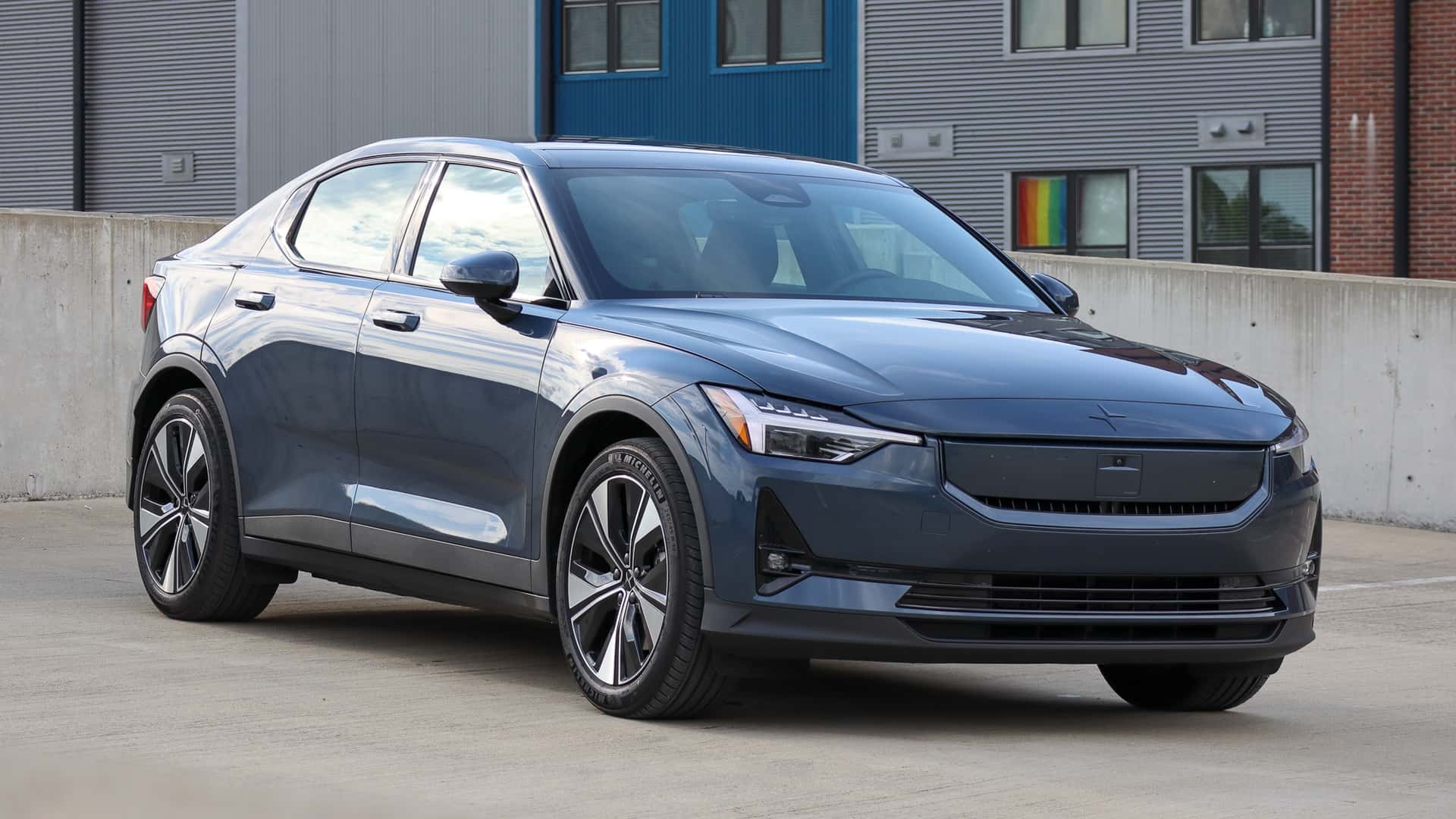
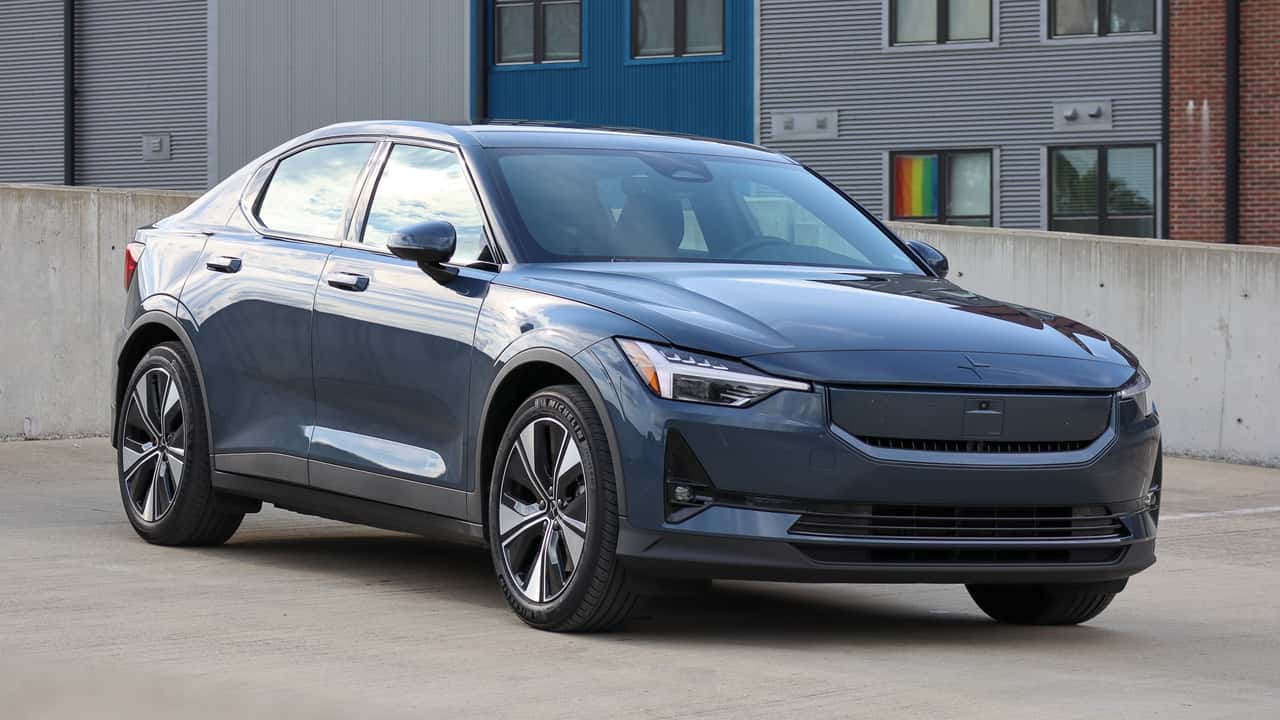


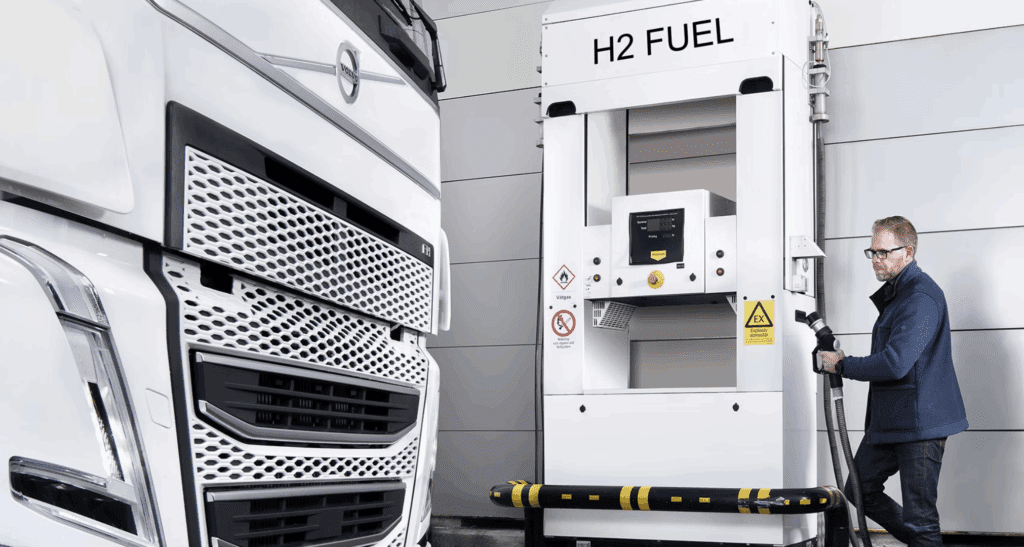

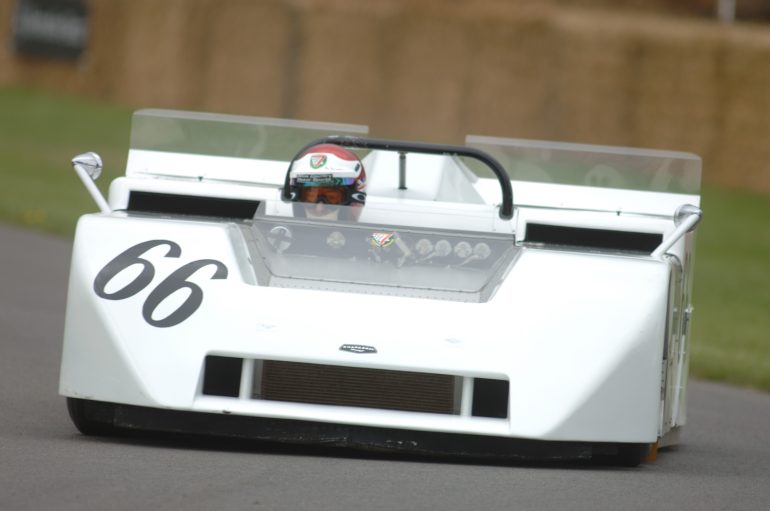

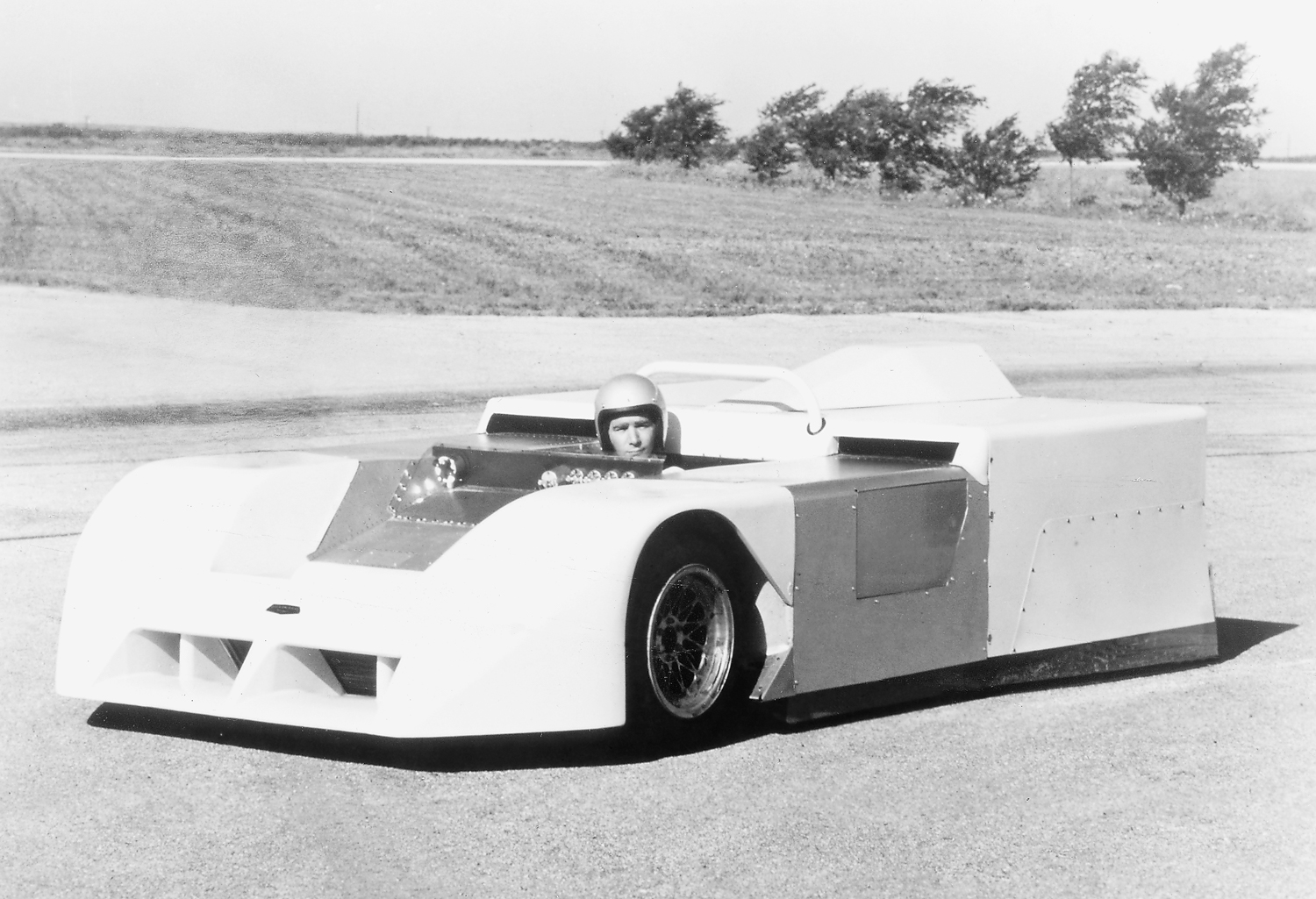
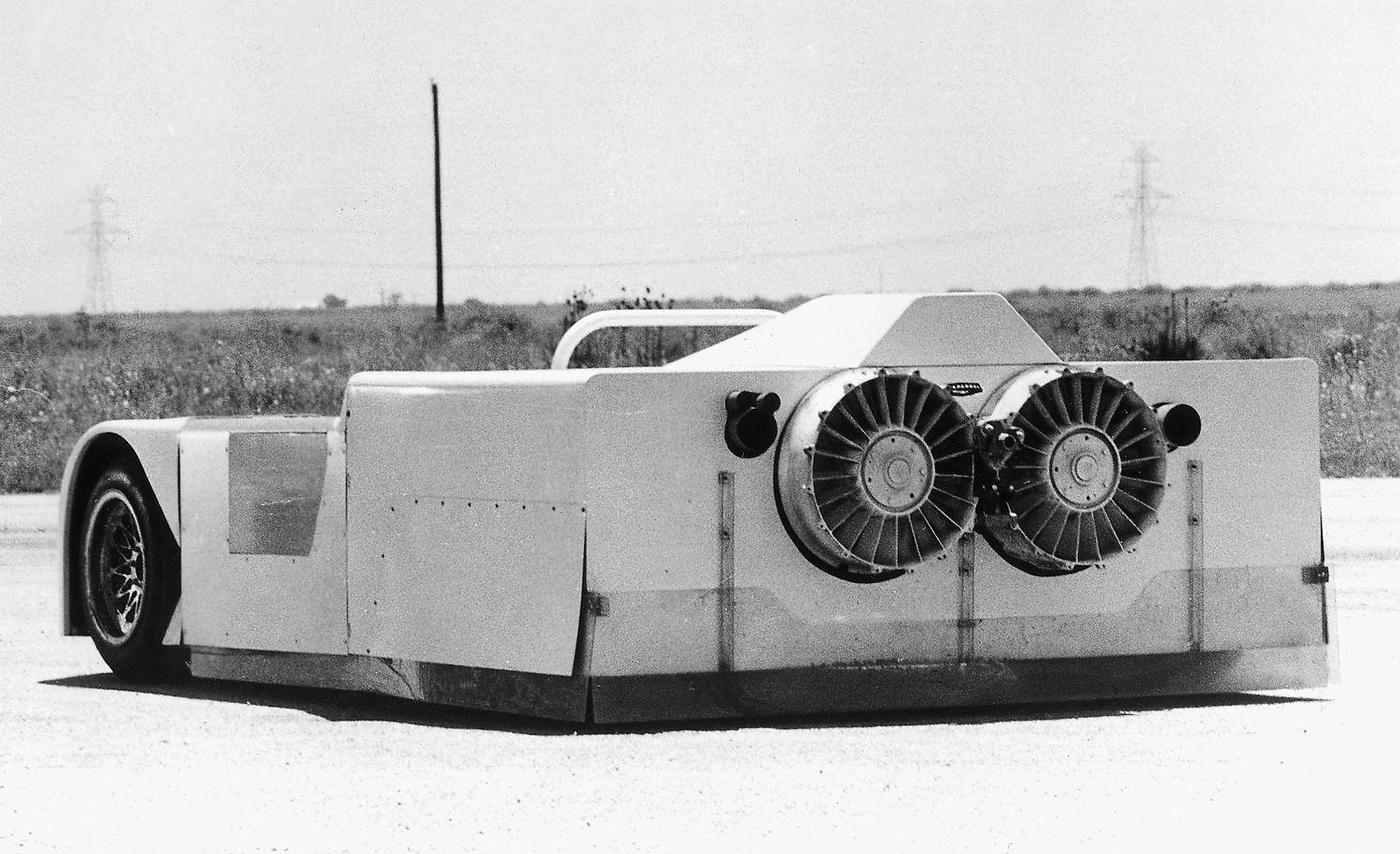
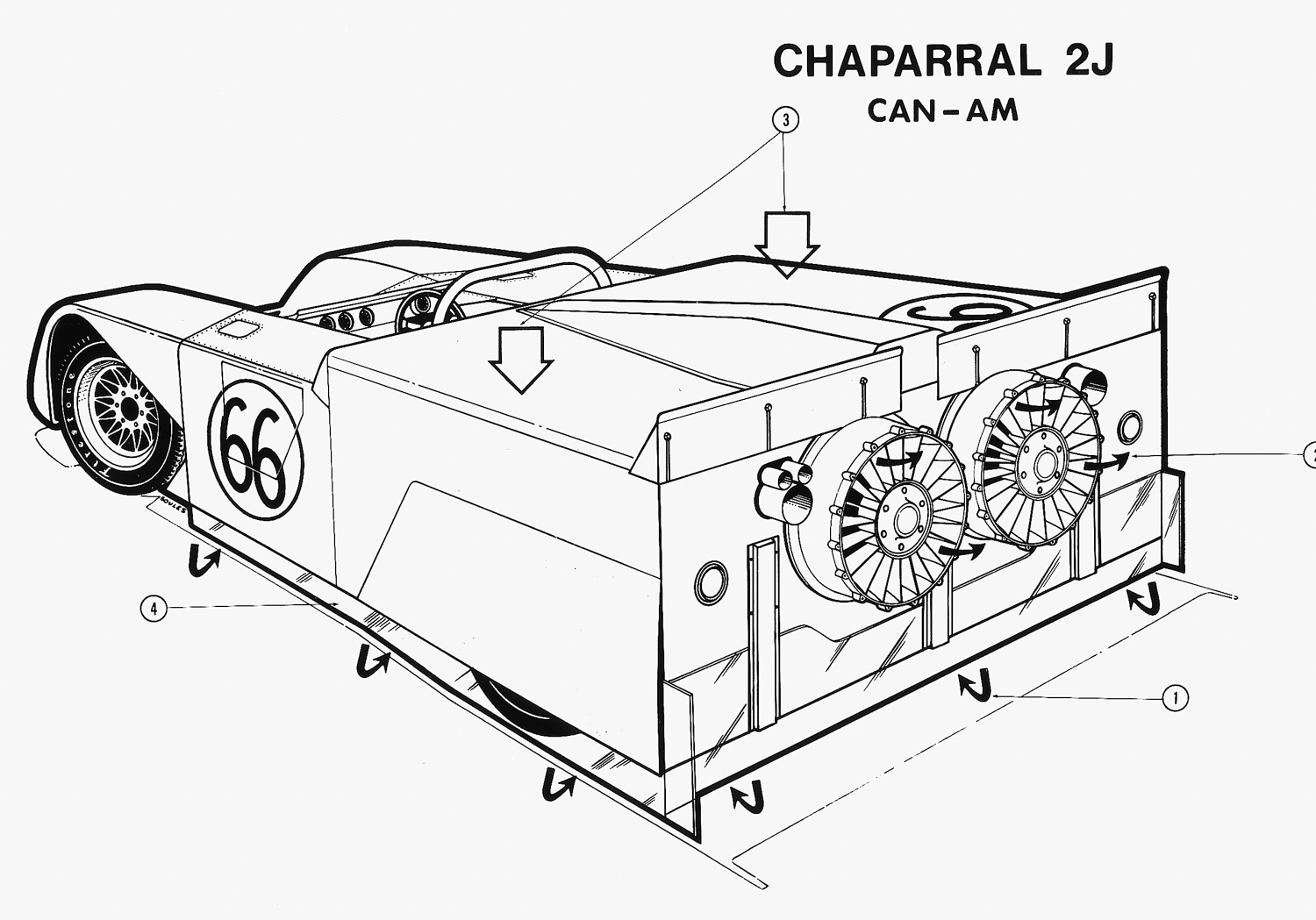
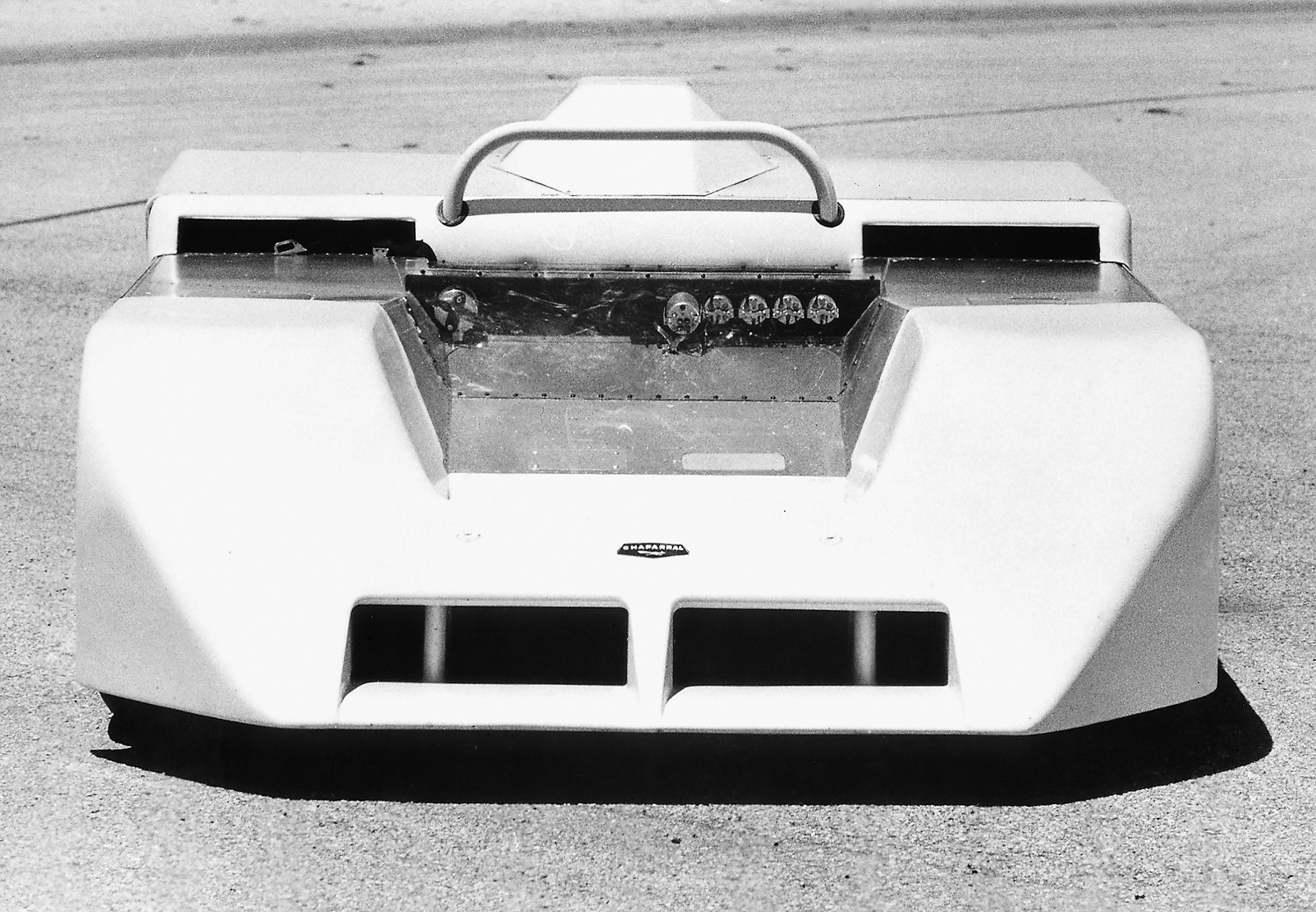
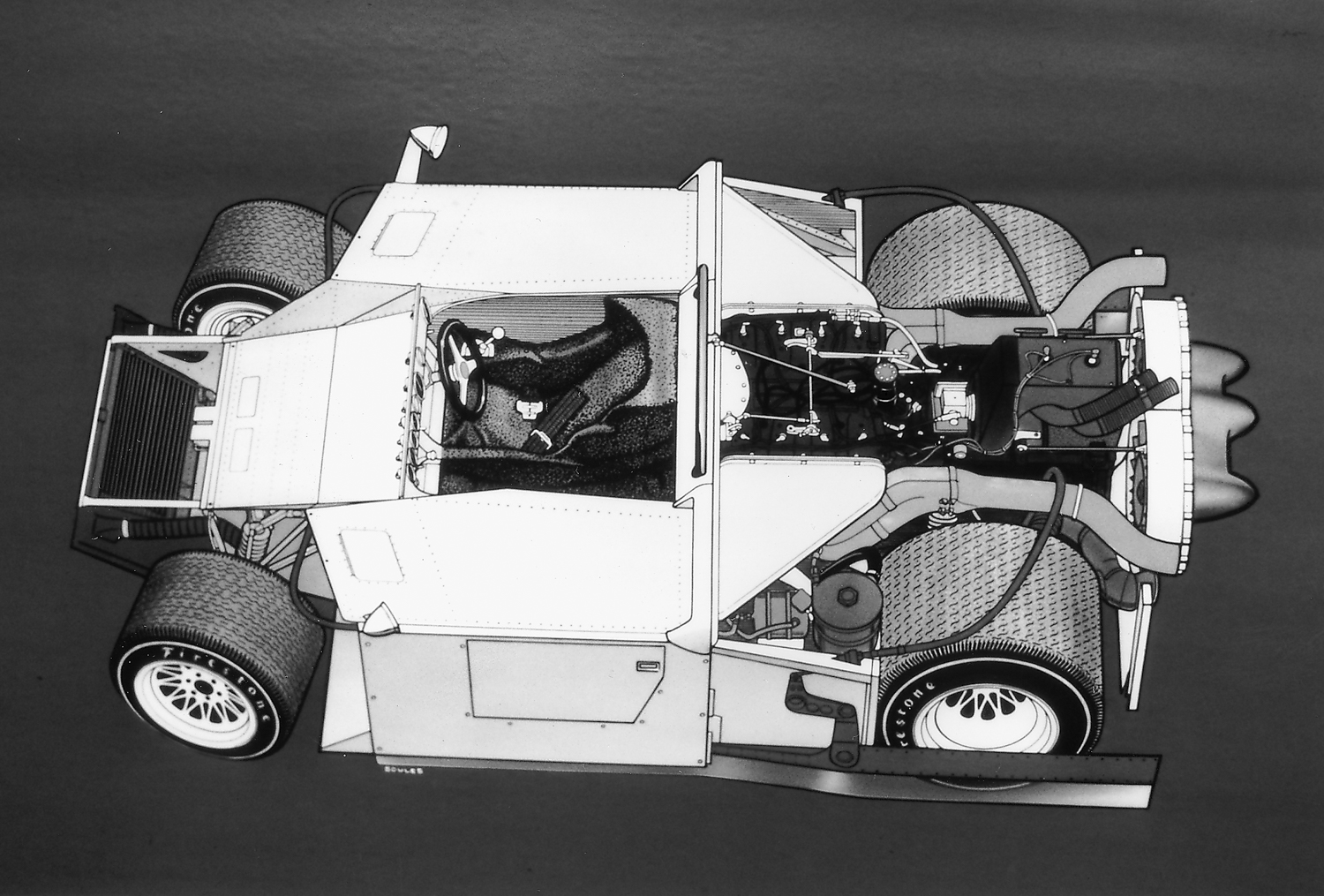
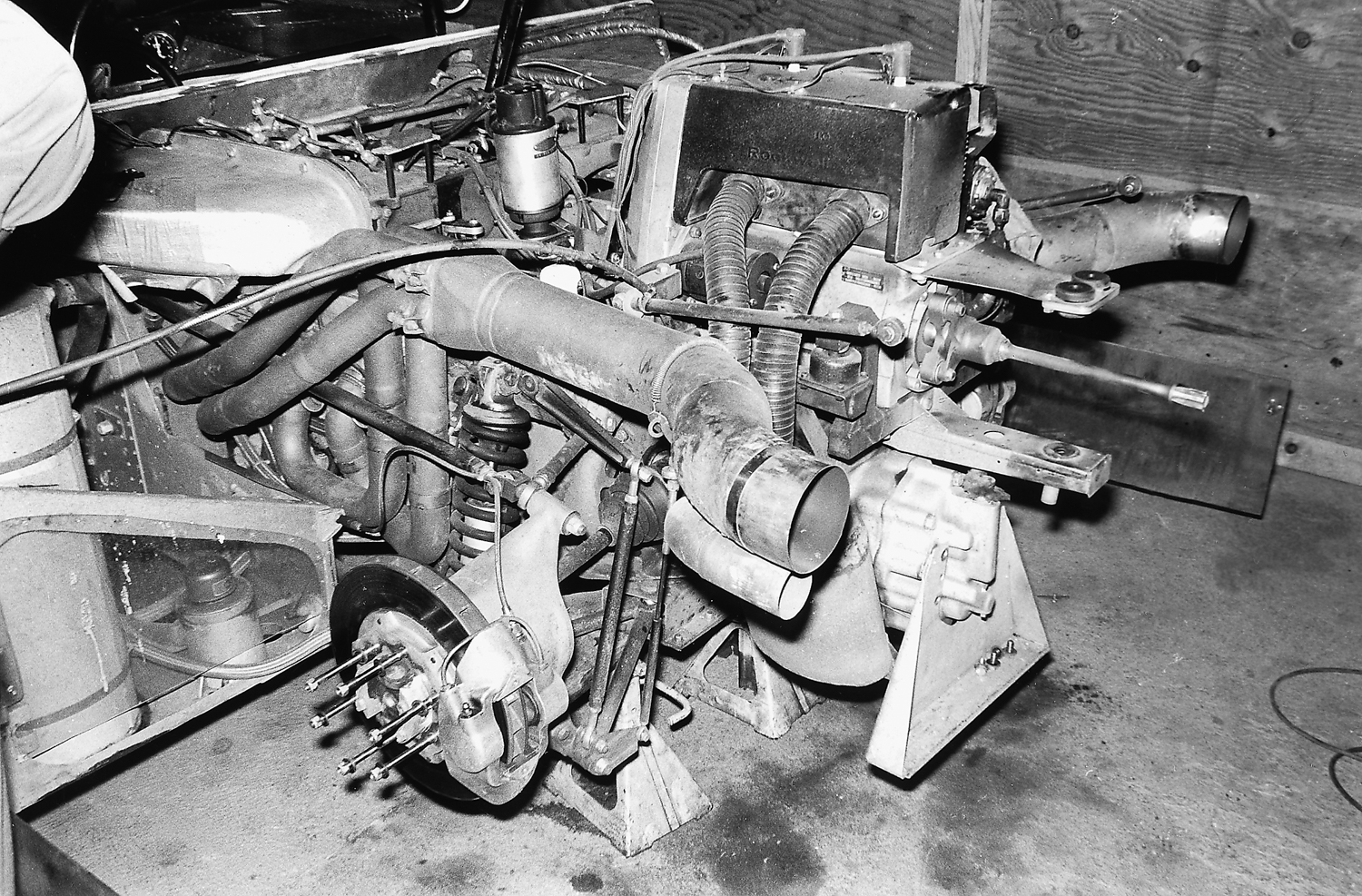
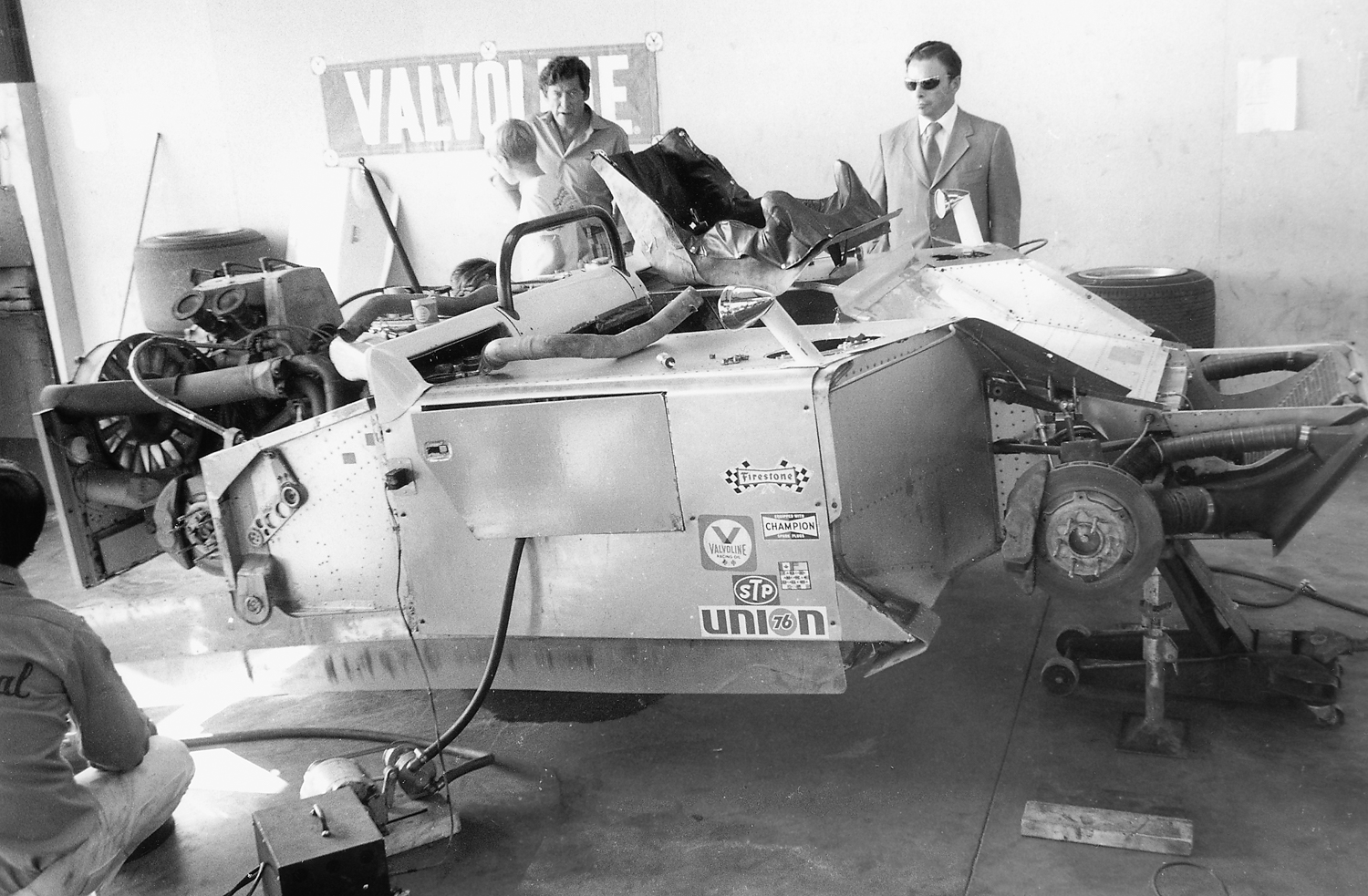
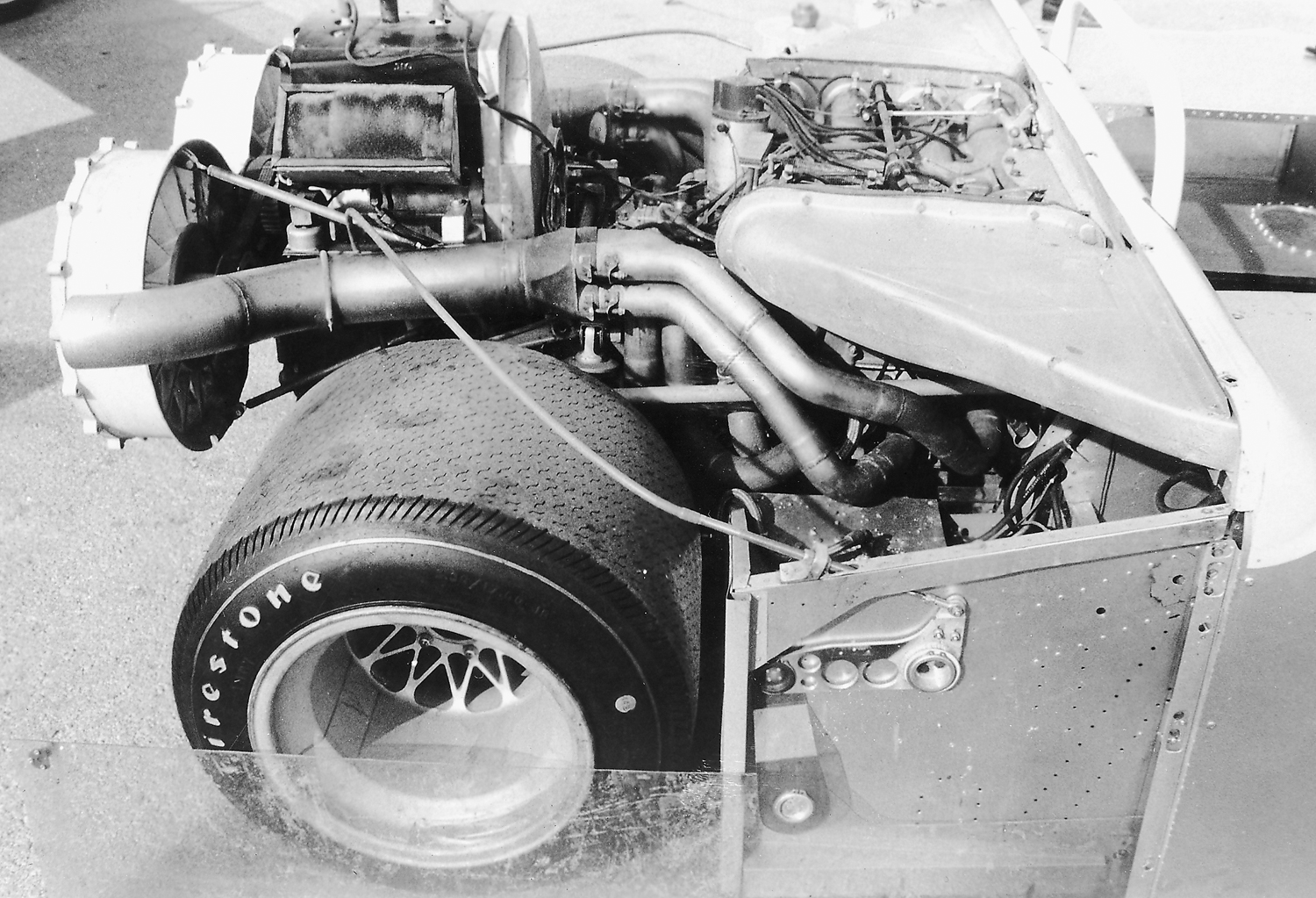
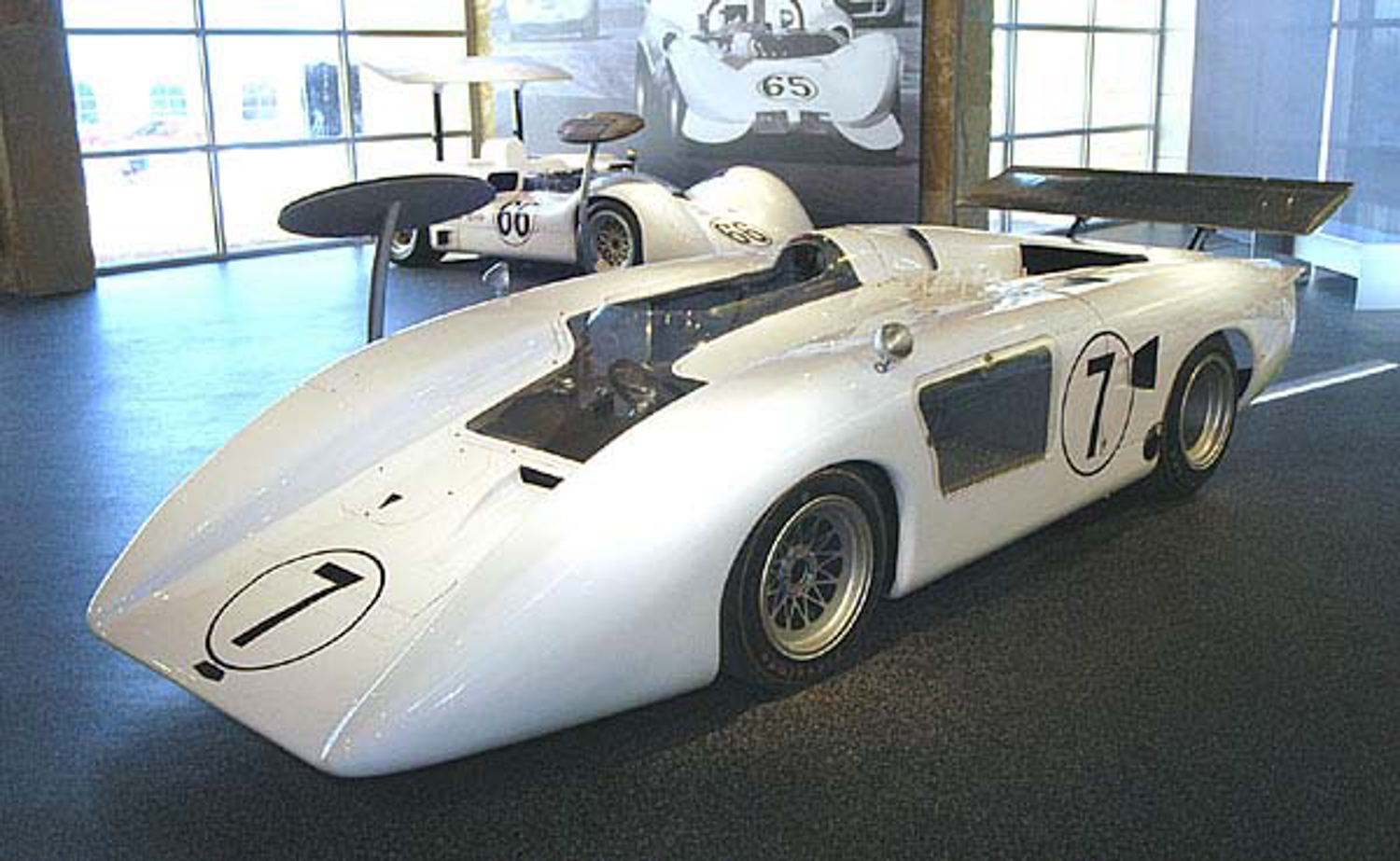
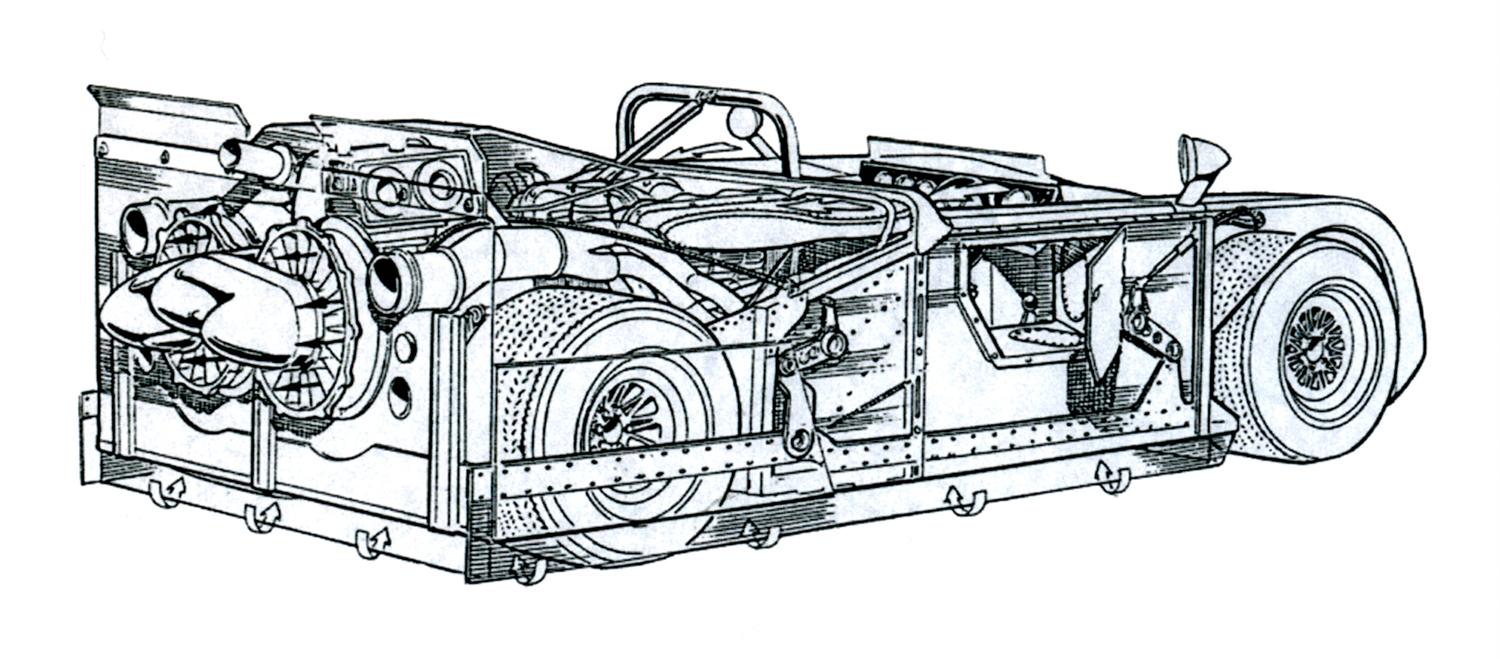
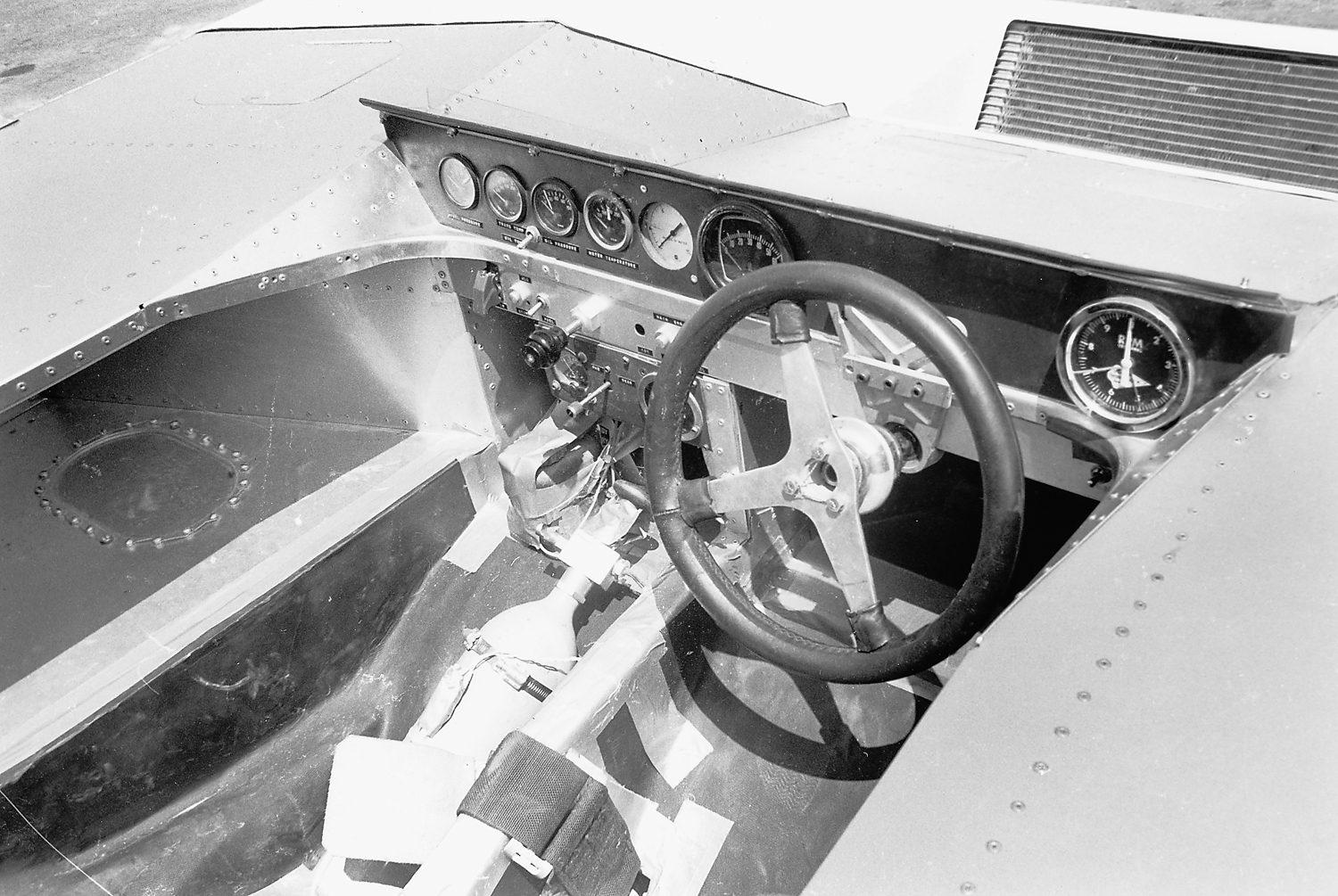
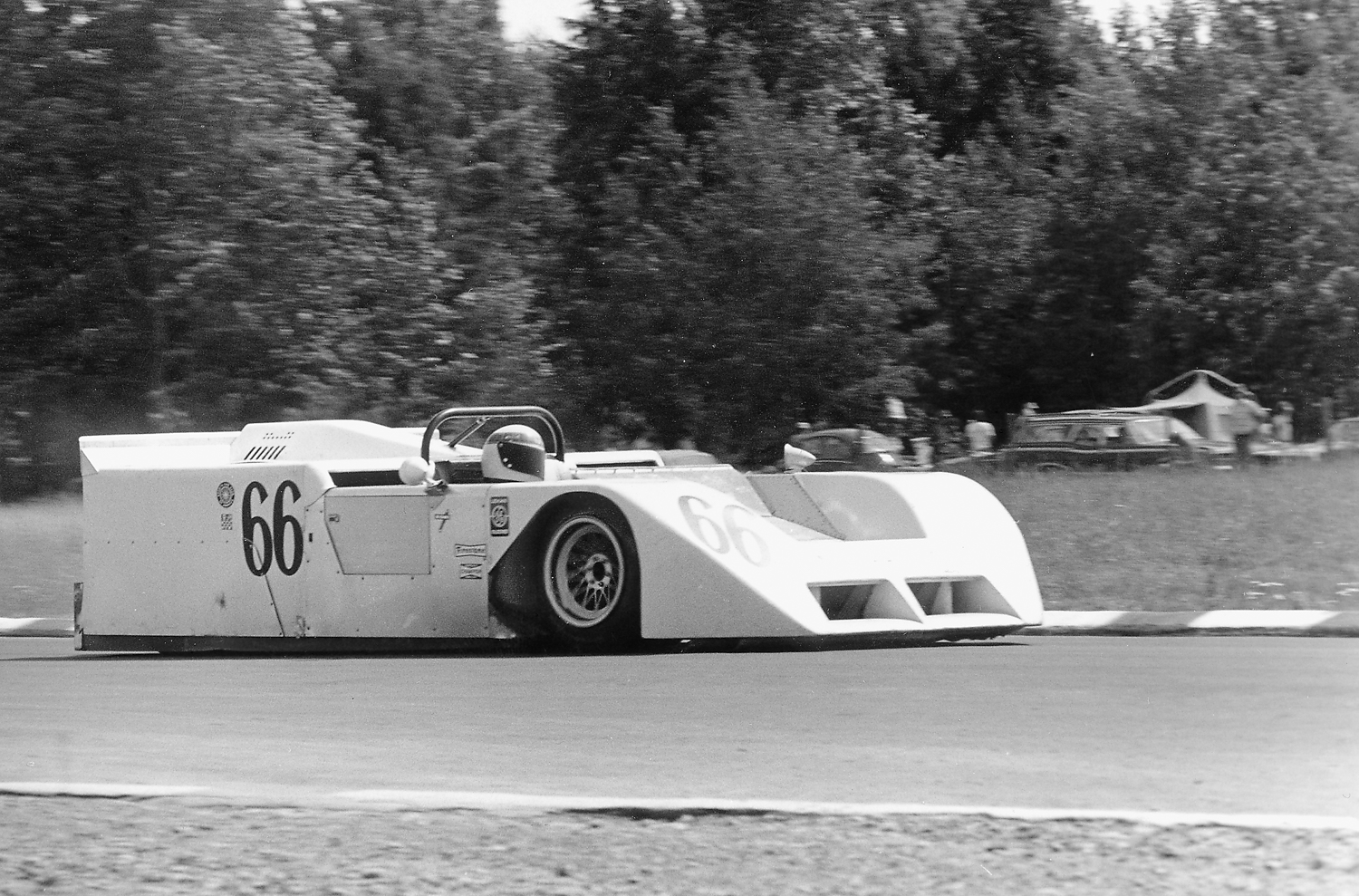
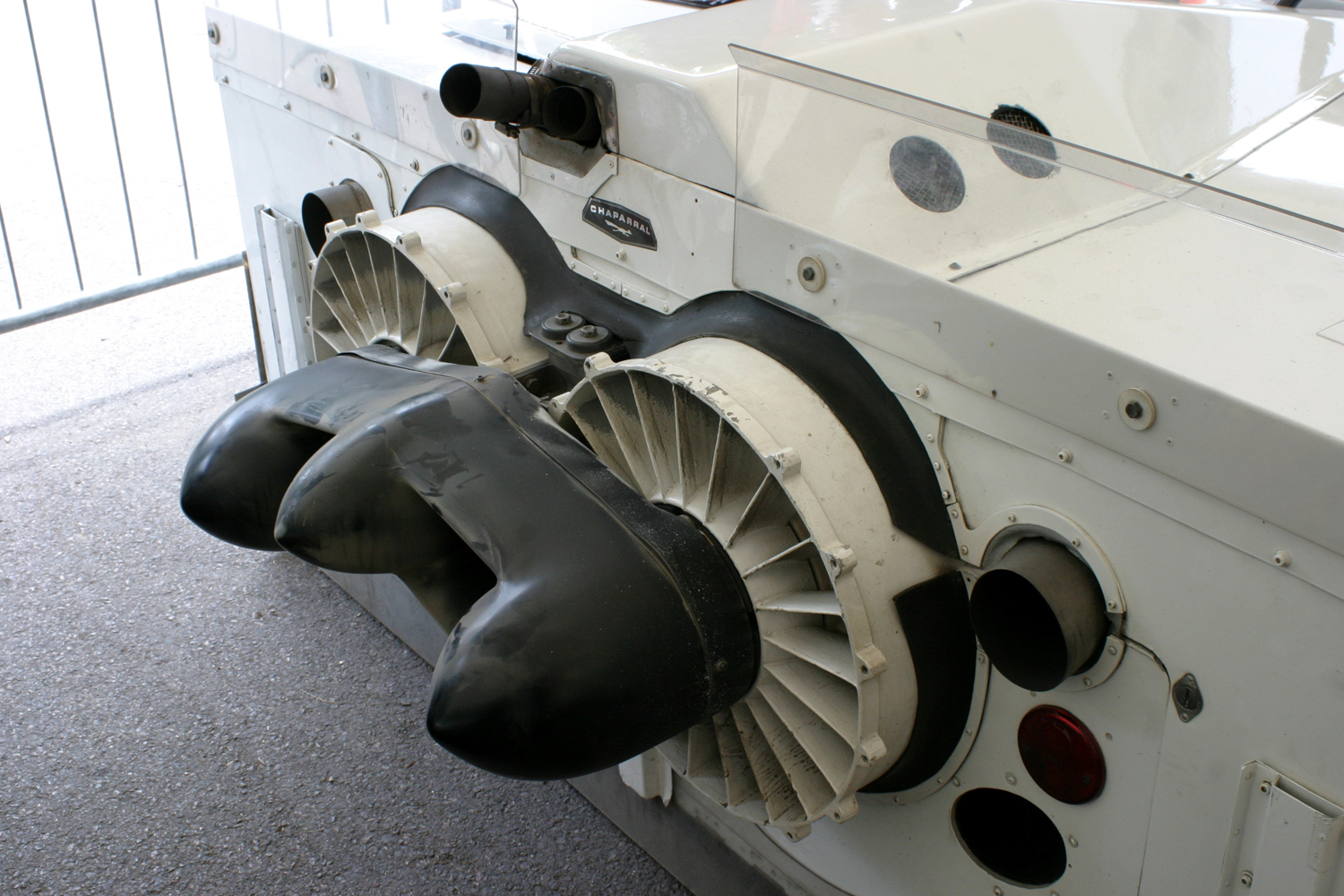
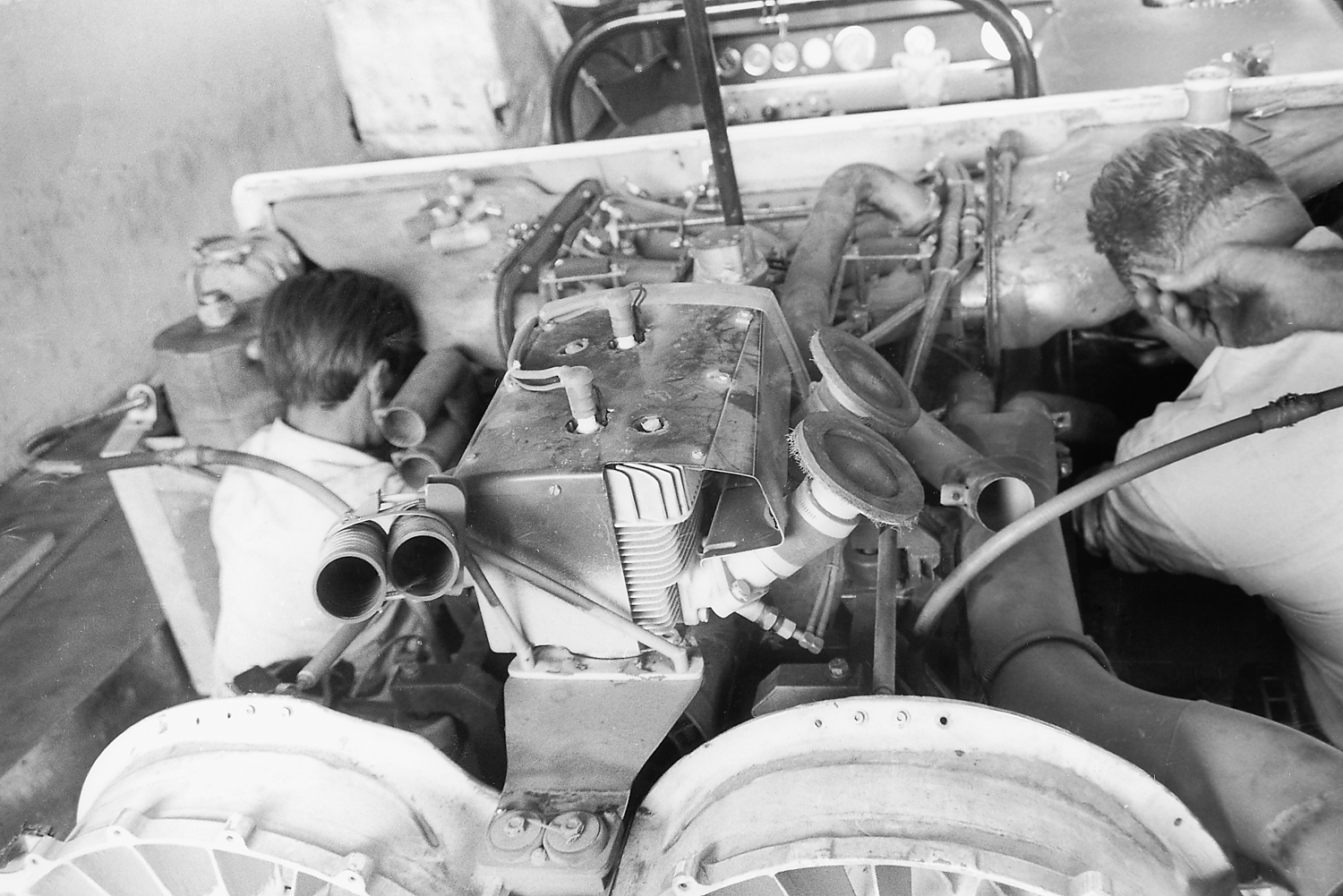
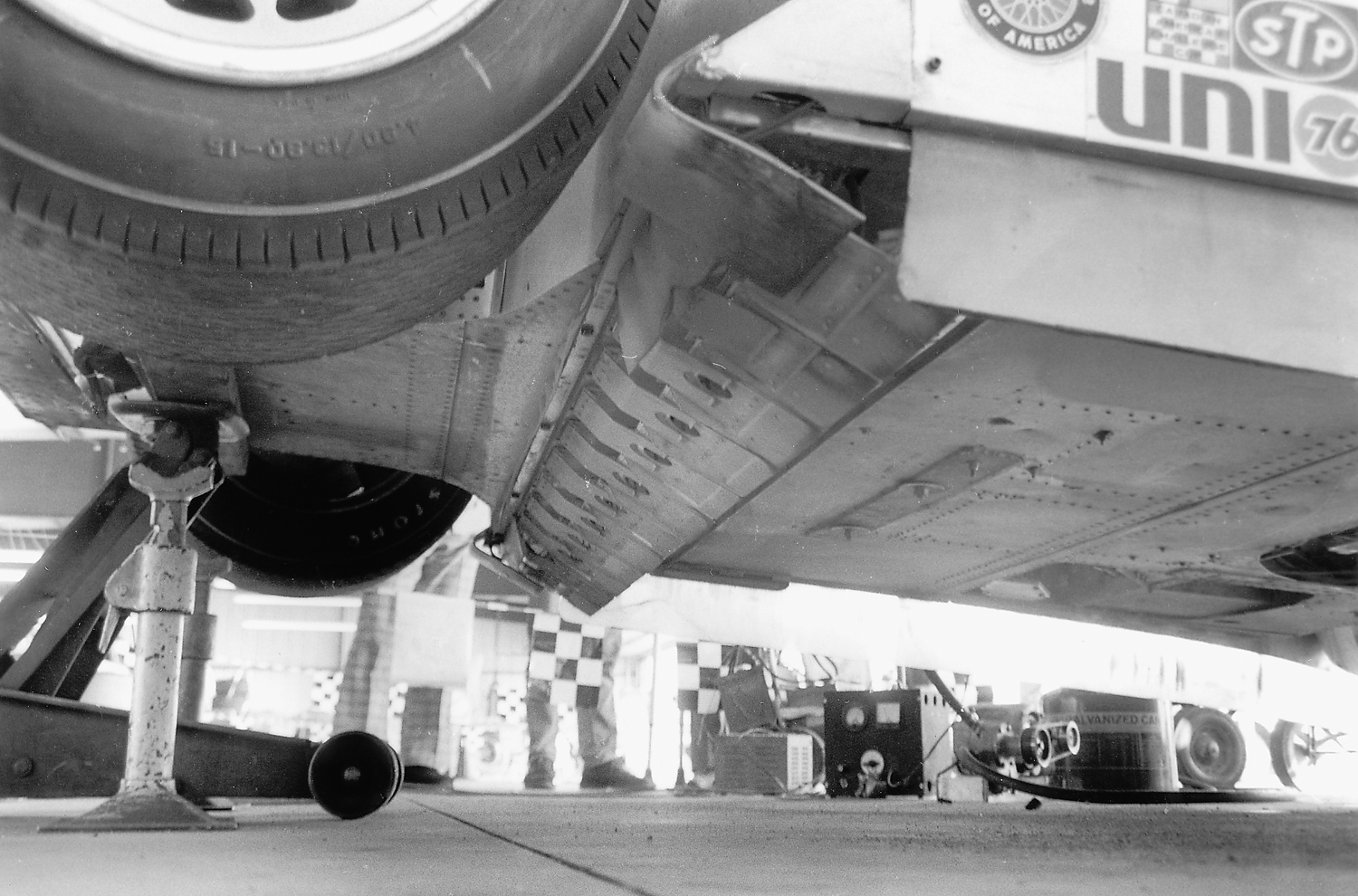
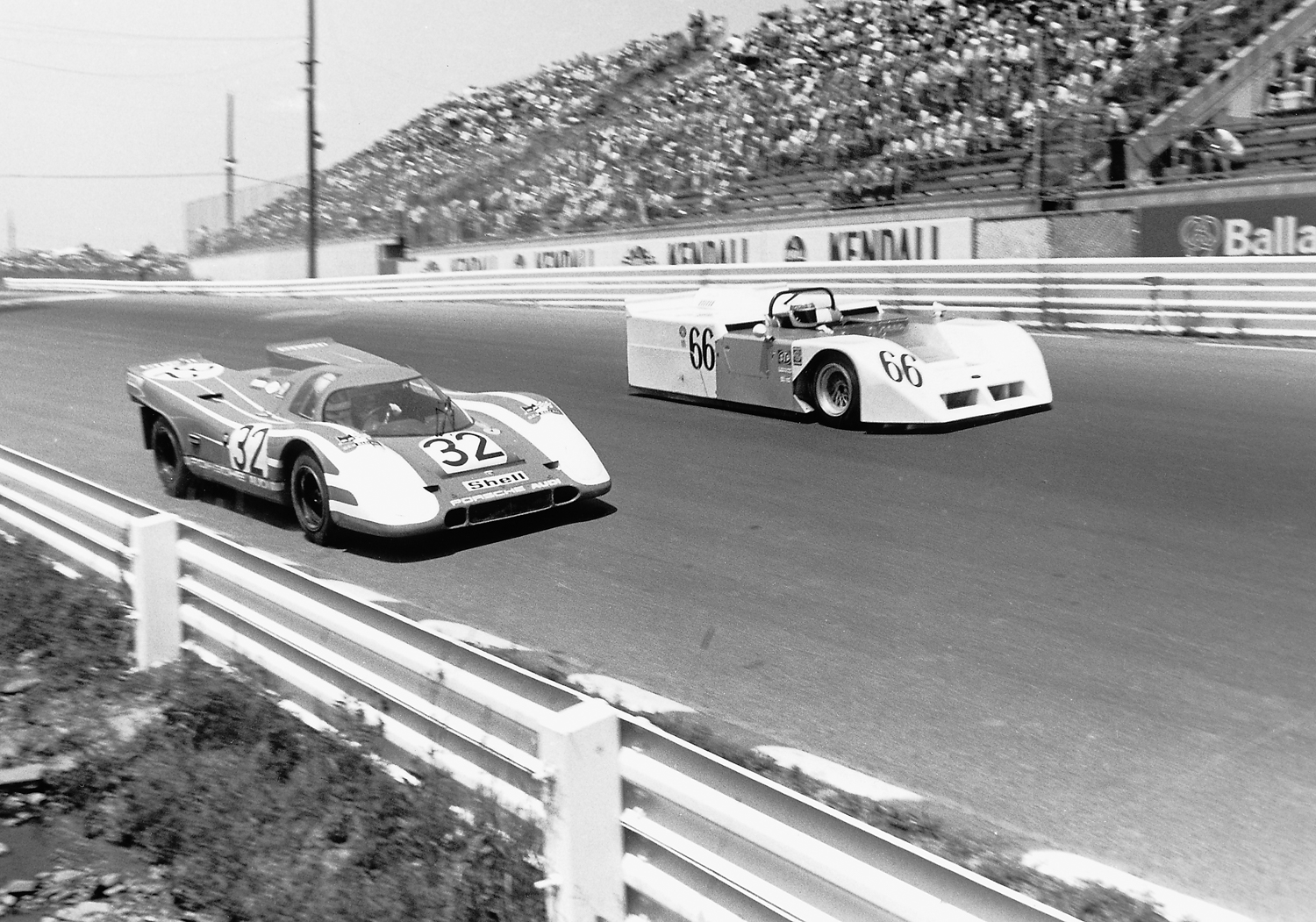
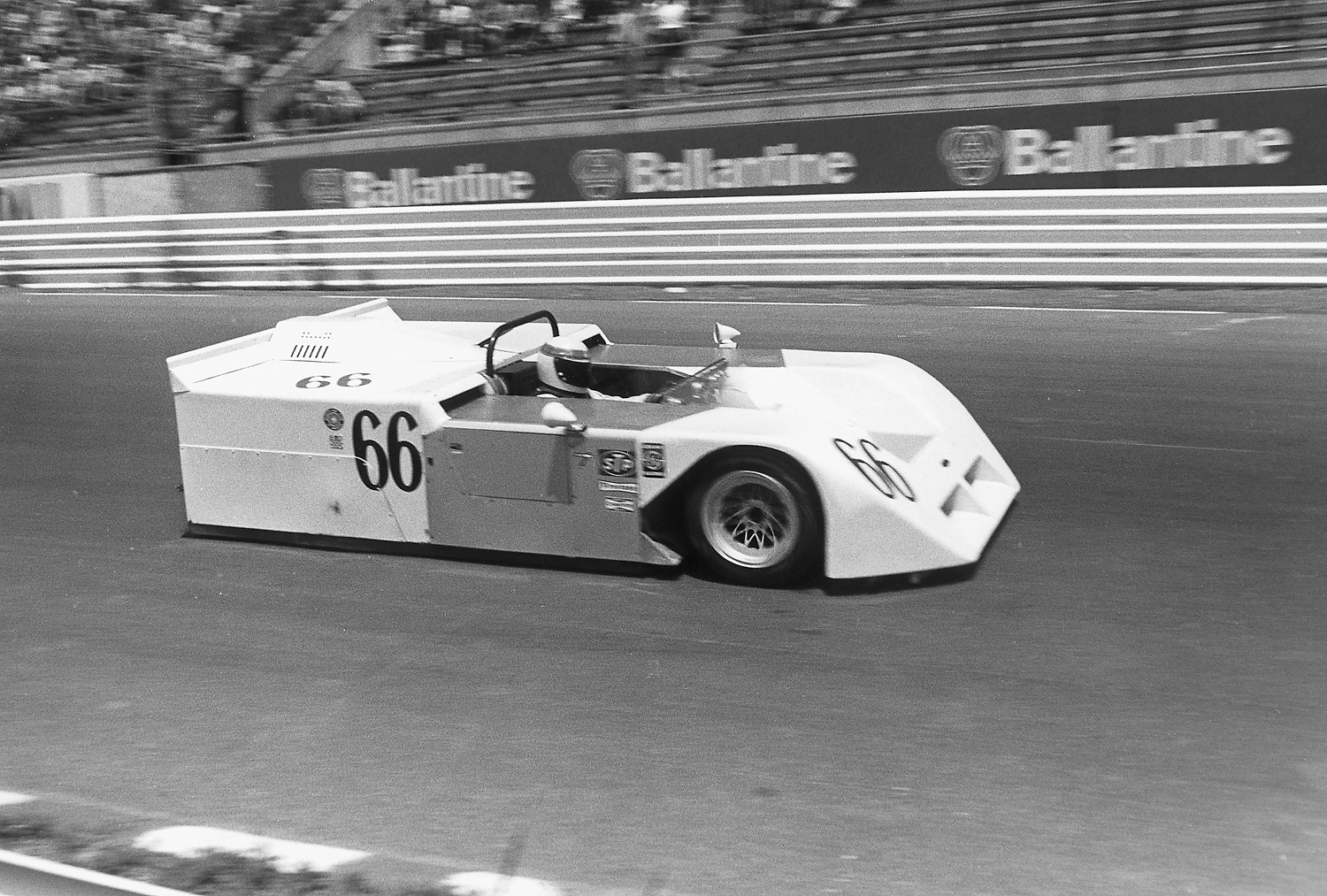
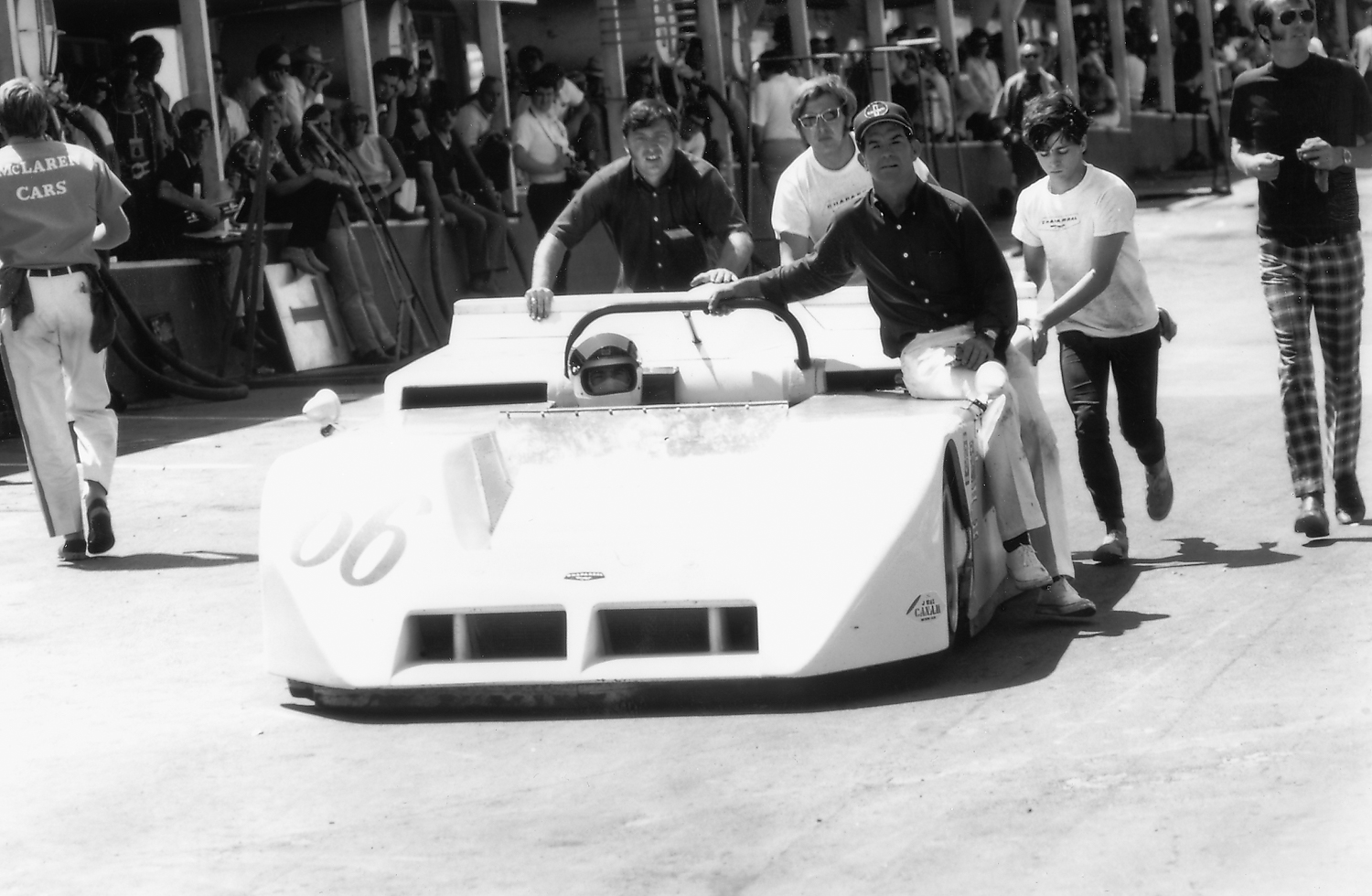
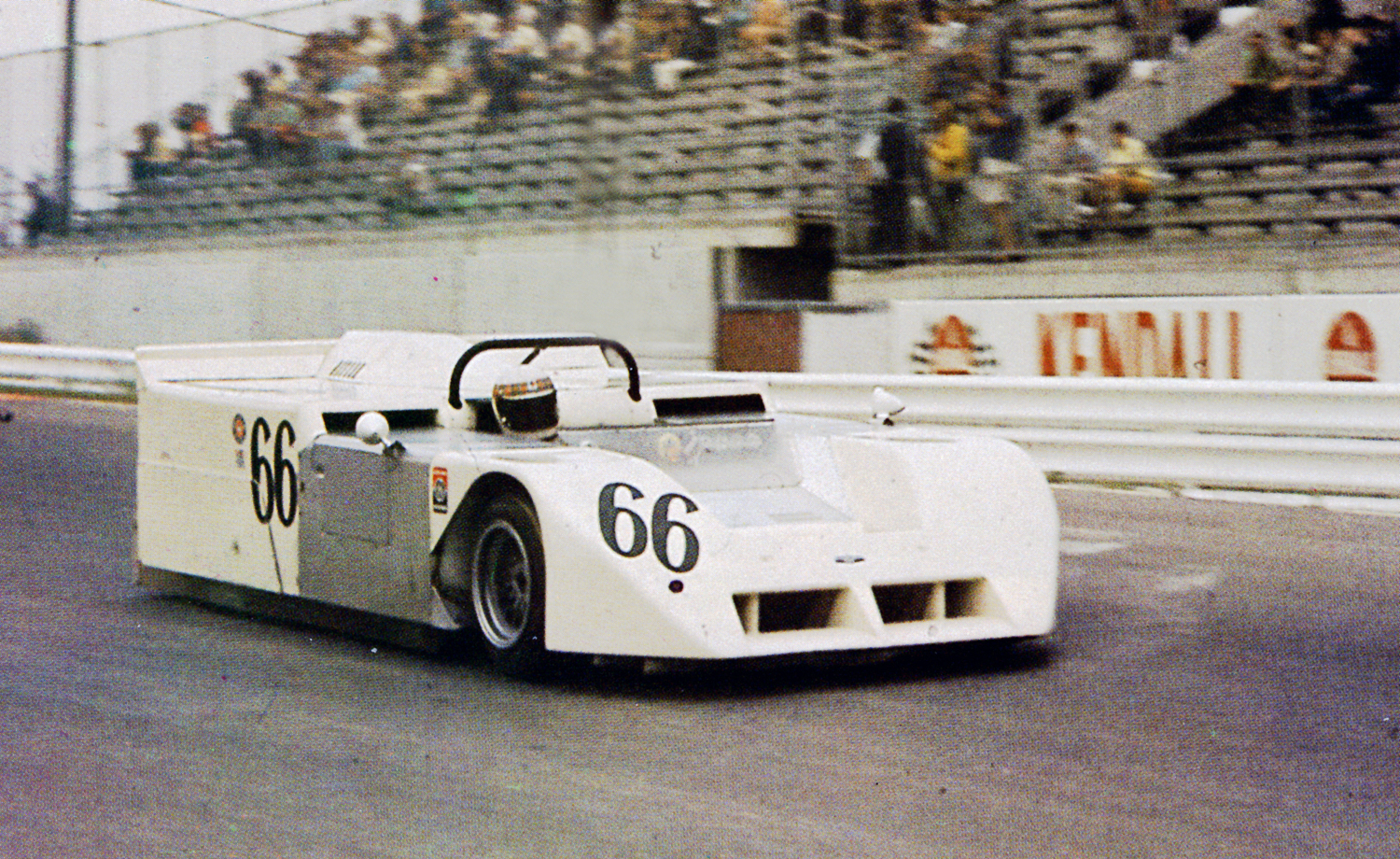
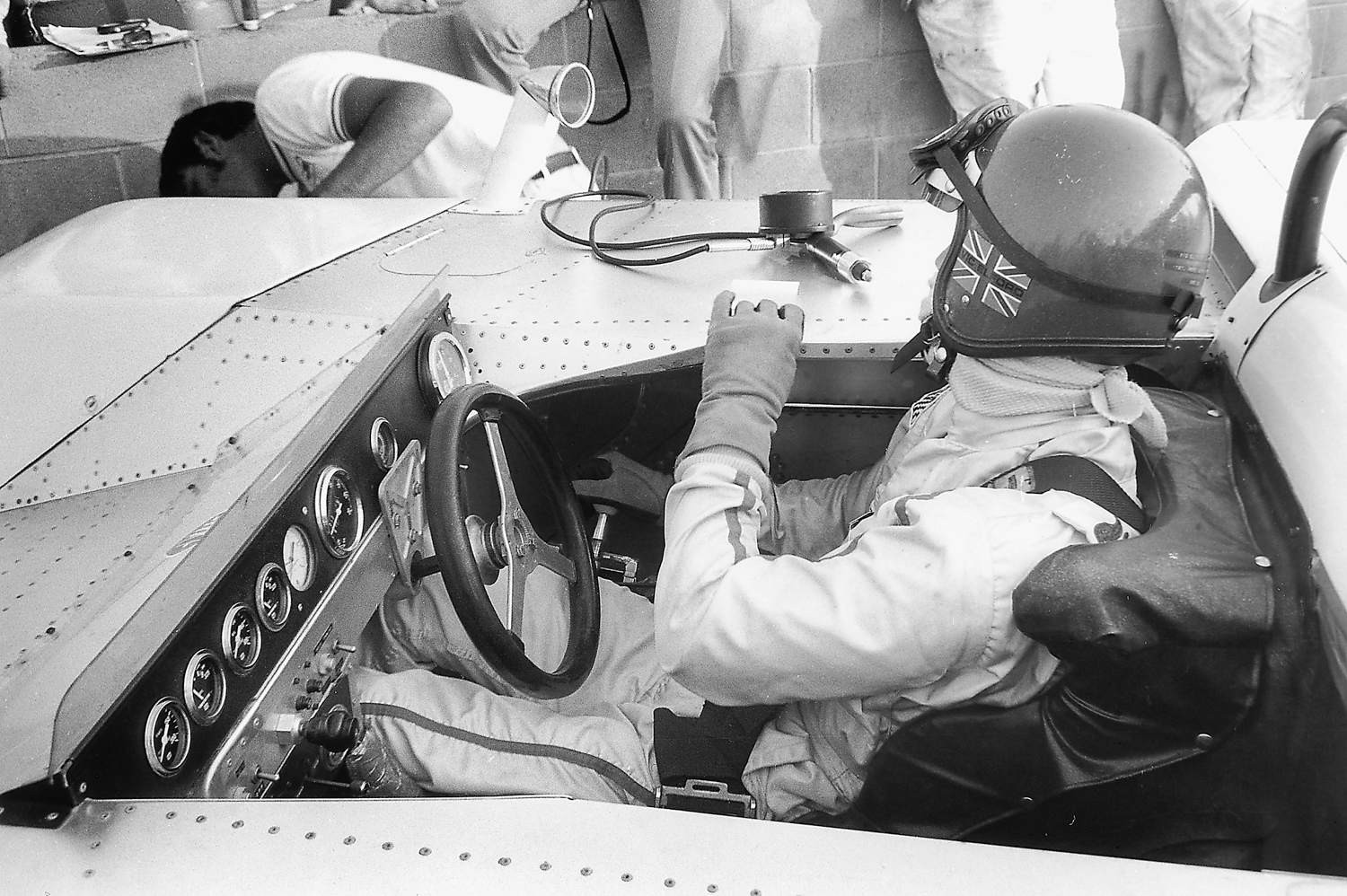
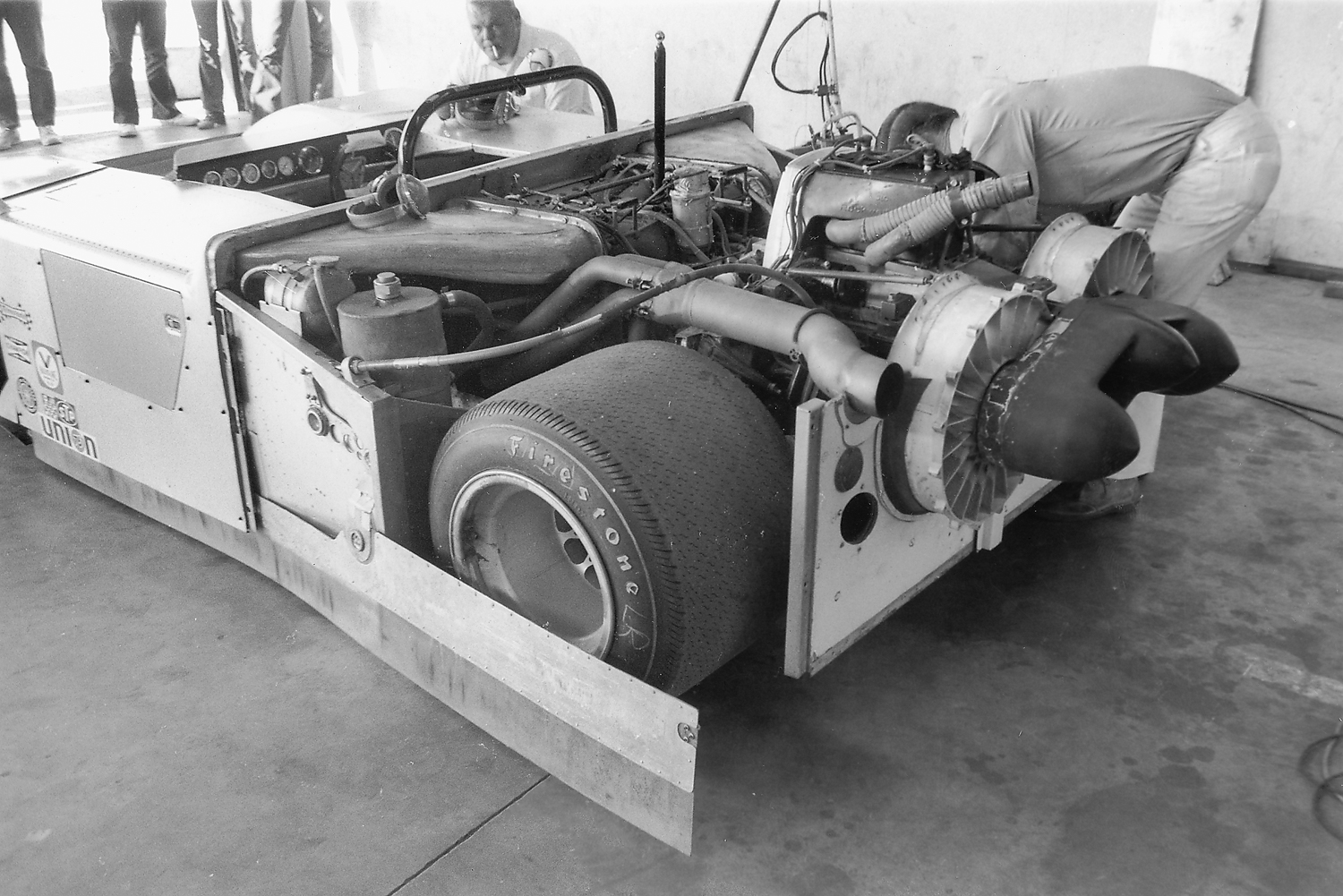
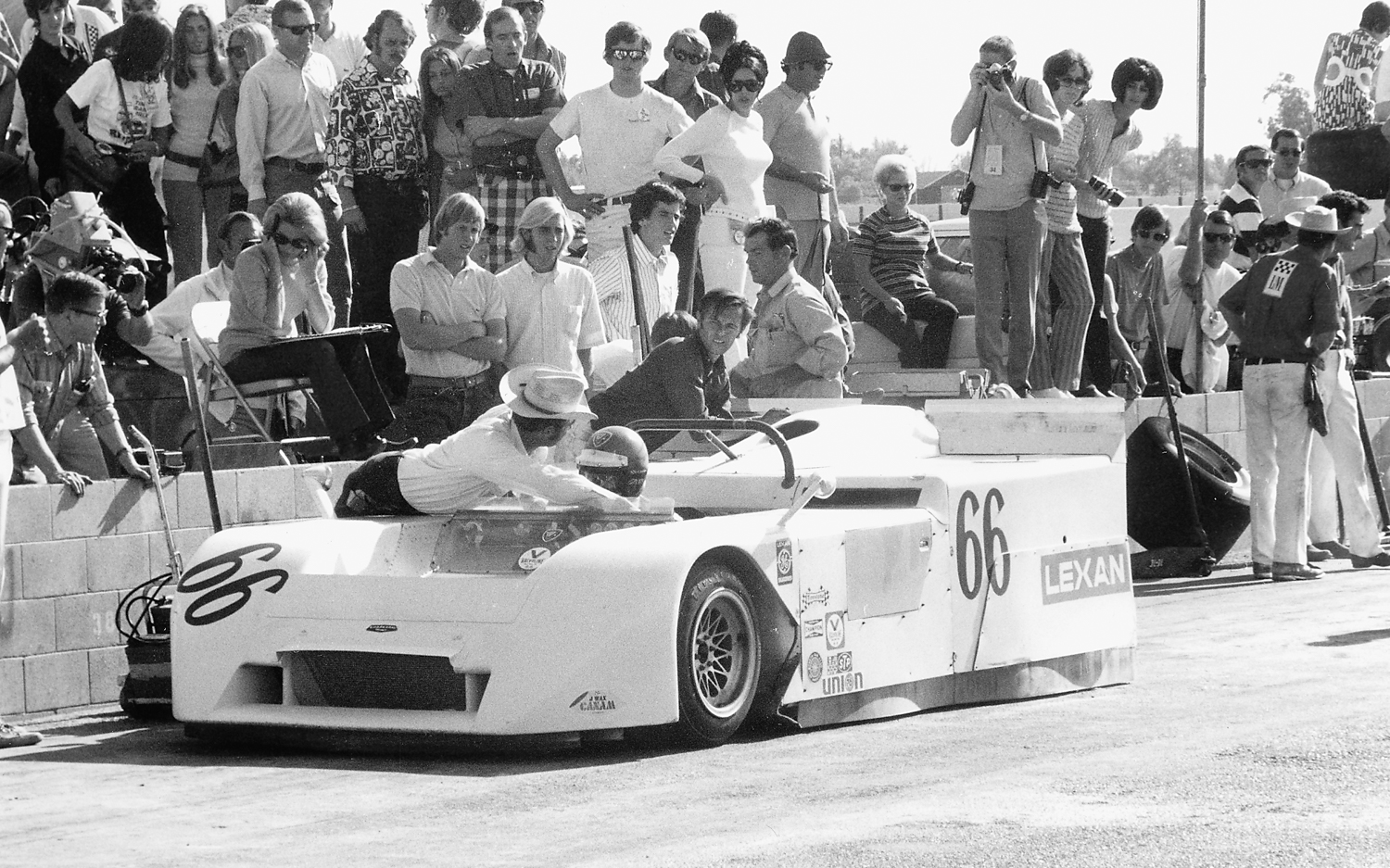
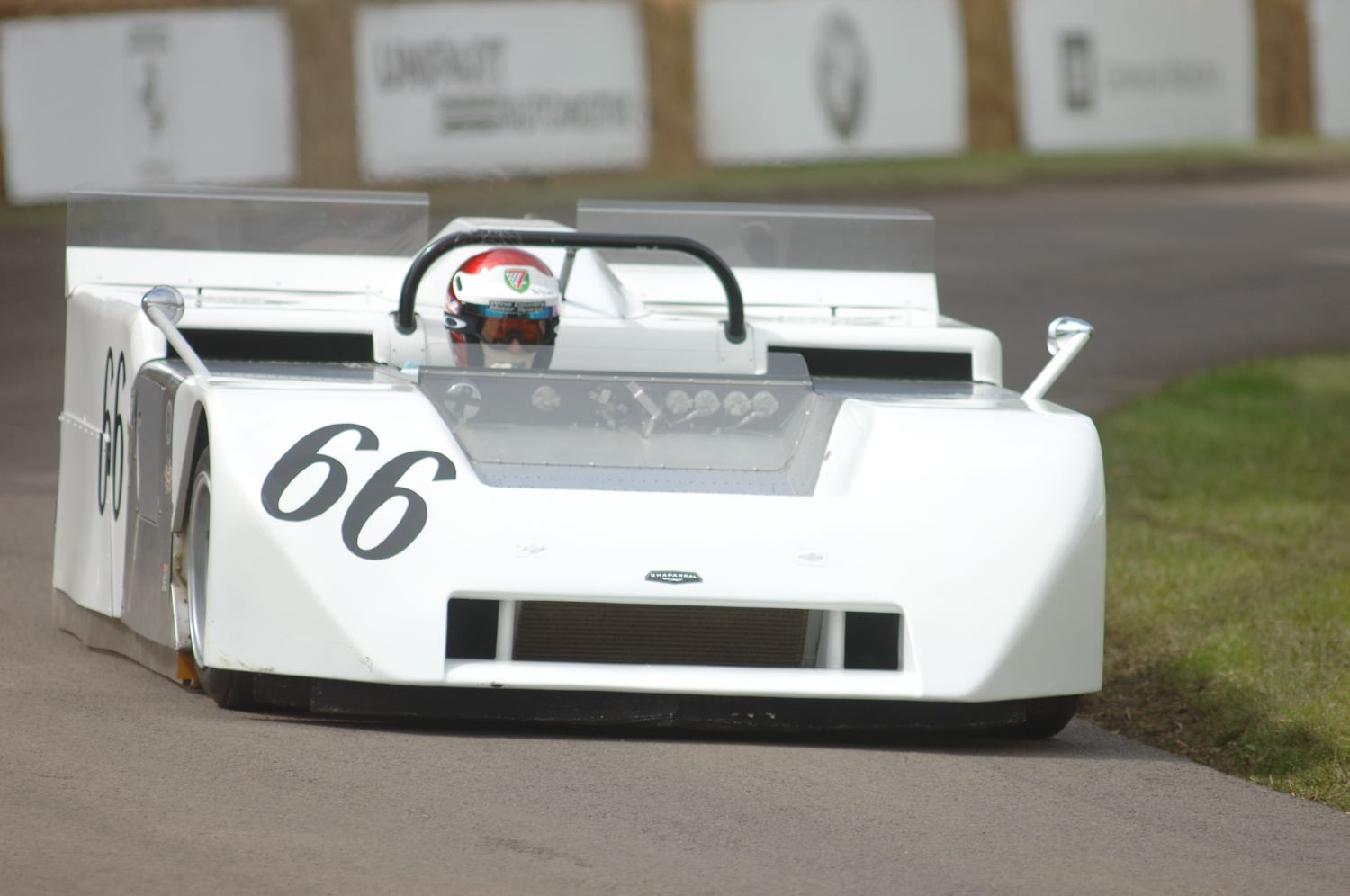
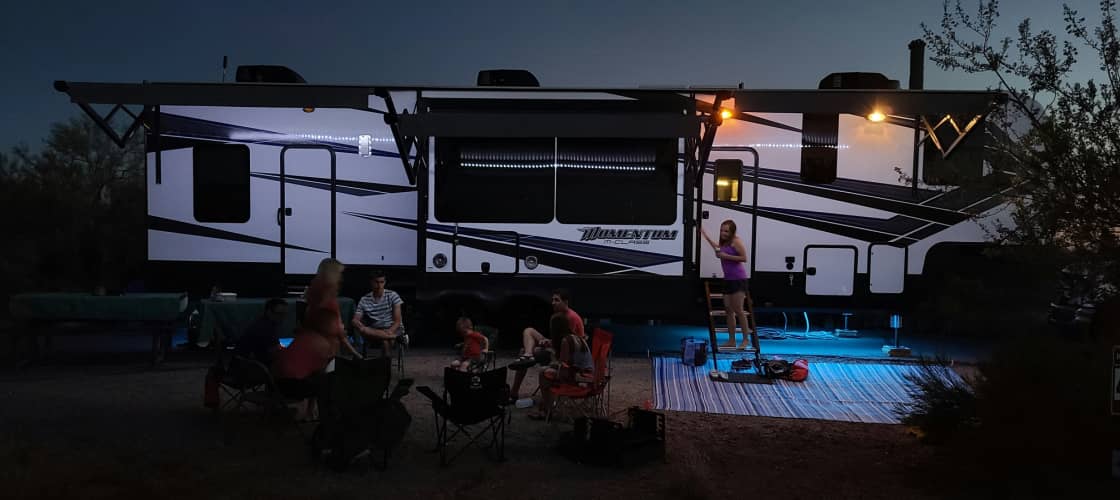
![Yes, an EV really CAN power your home – if it’s one of these [update]](https://i0.wp.com/electrek.co/wp-content/uploads/sites/3/2025/09/taiga_orca-wx3.jpg?resize=1200%2C628&quality=82&strip=all&ssl=1 "Yes, an EV really CAN power your home – if it’s one of these [update]")