No car company wants regulation. But every so often, rules and deadlines force the industry to move in ways it might not otherwise. For BMW, California’s first emissions standards in 1966 and the U.S. Clean Air Act in 1970 were just that kind of push. They didn’t just clean the air — they accelerated BMW into fuel injection with cars like the 2002 tii, making them cleaner, more efficient and quicker.
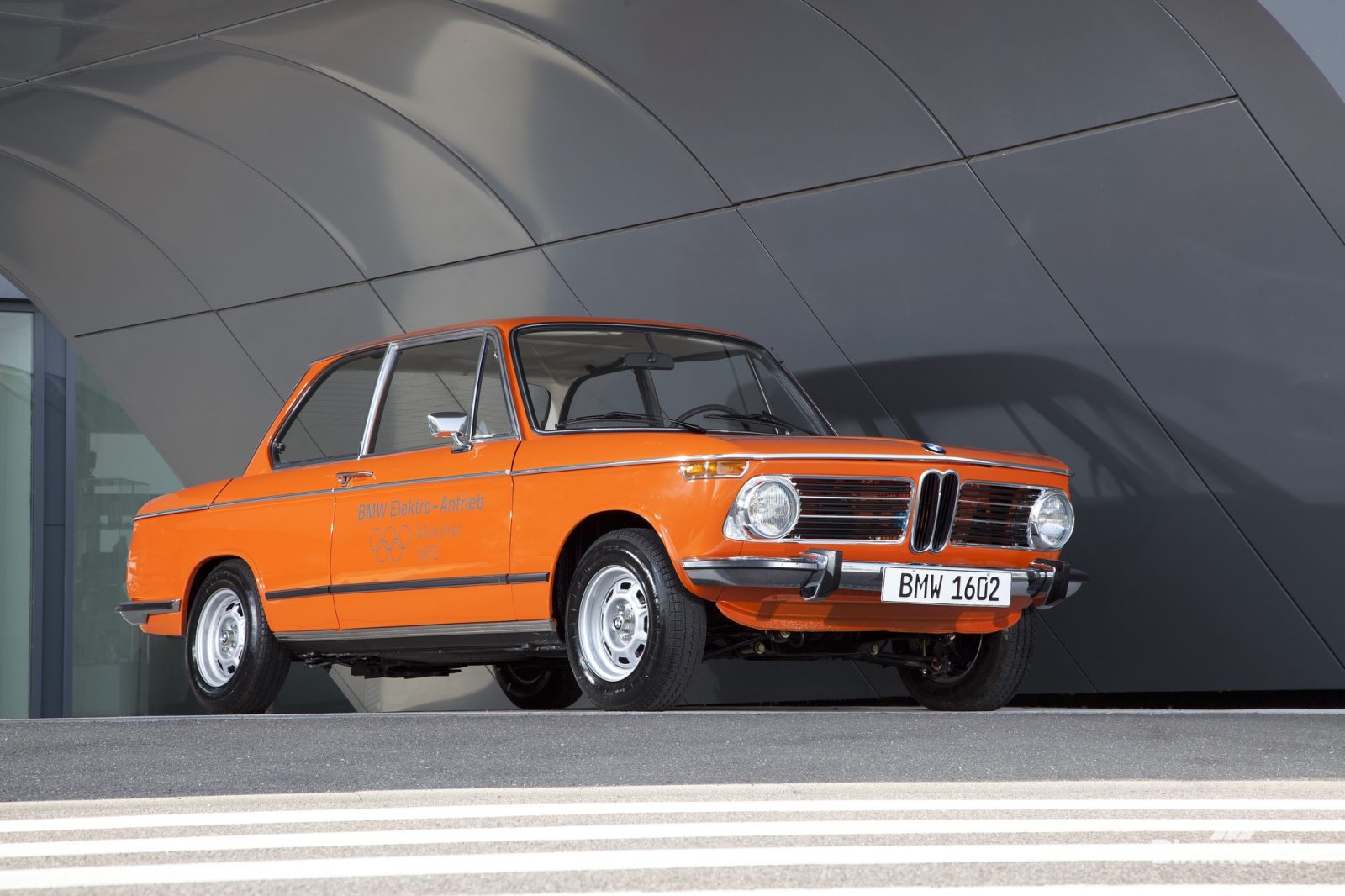
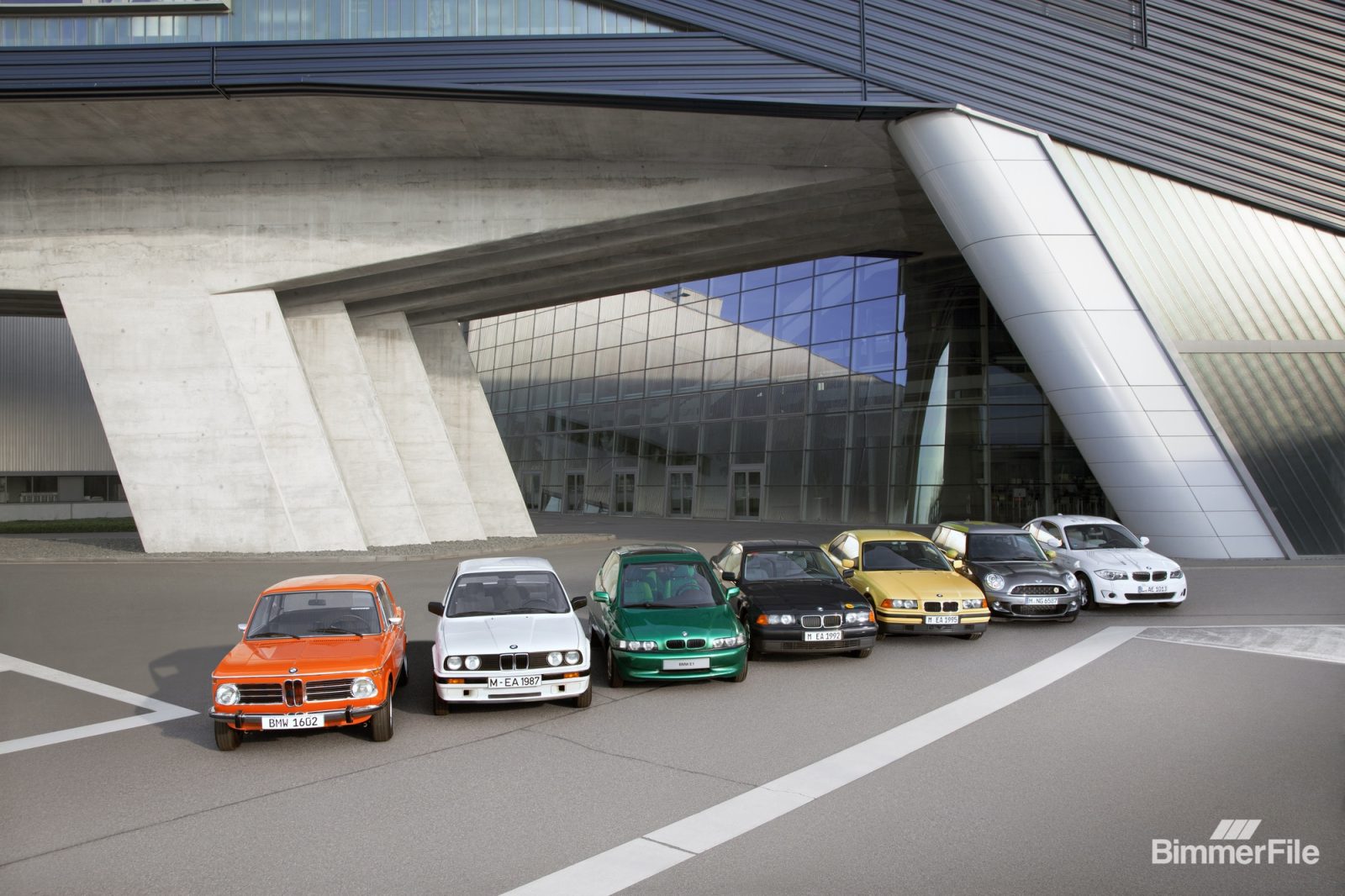
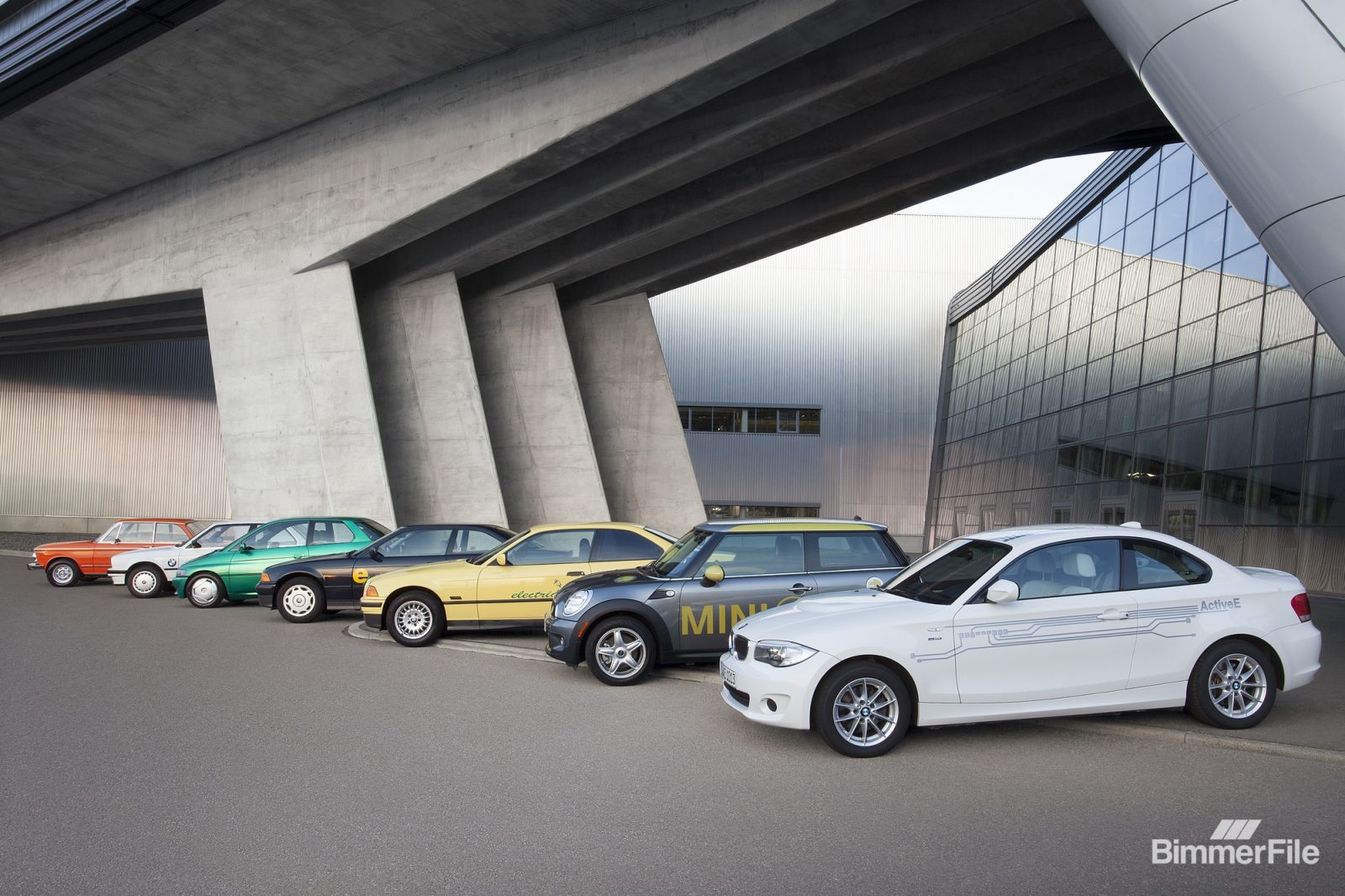
But lowering emissions was only part of the story. Eliminating them completely required something radical: a return to electric drivetrains. And while BMW wasn’t building cars during the first “electric age” at the turn of the century, it dipped its toes in 1972 with the Elektro 1602, a converted 2002 that quietly paced marathon runners at the Munich Olympics. Twelve lead-acid batteries and a 44-mile range meant it was more science project than production car, but it marked the beginning of a long journey.
Hydrogen Detours and California Pressure
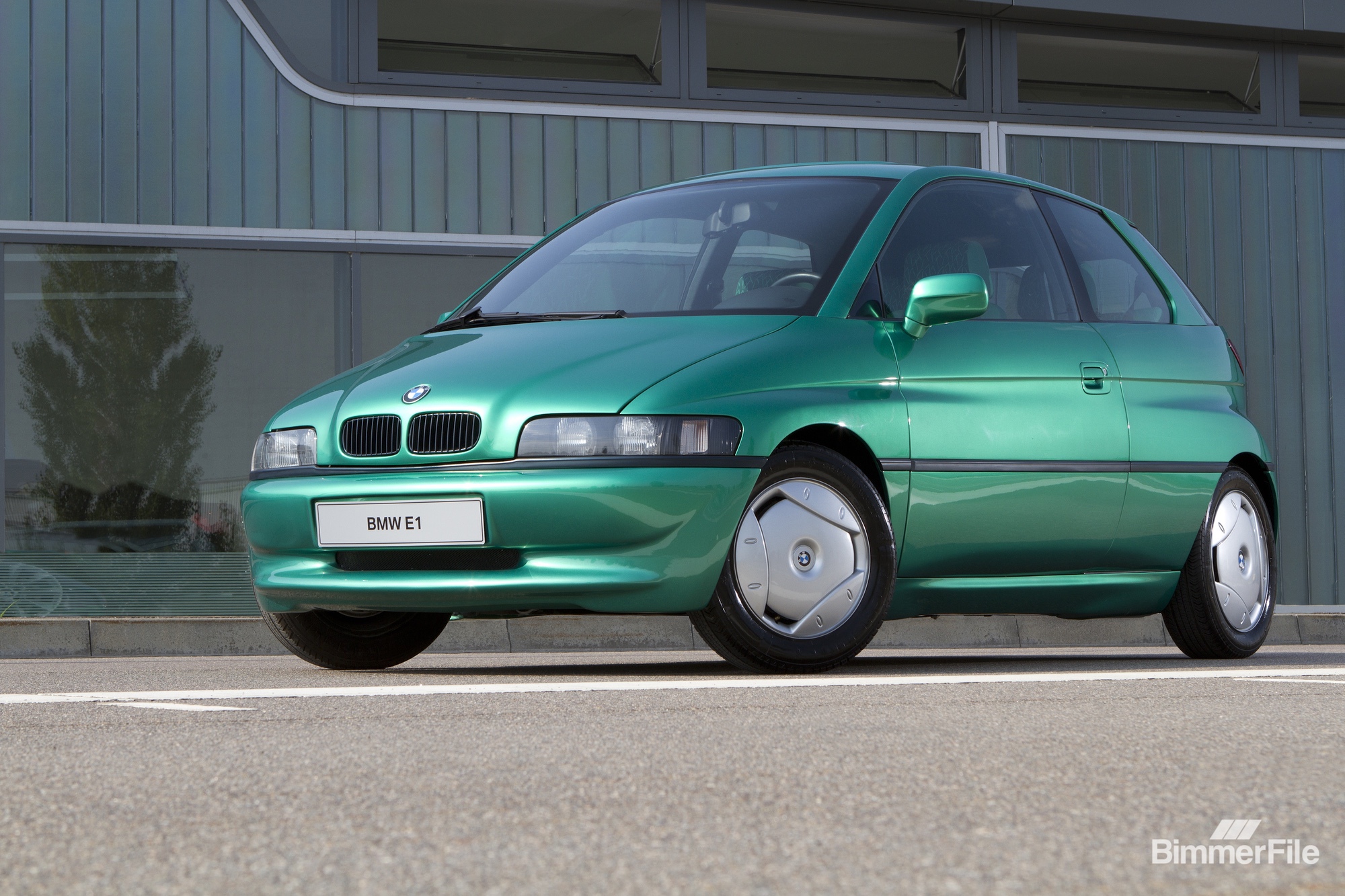
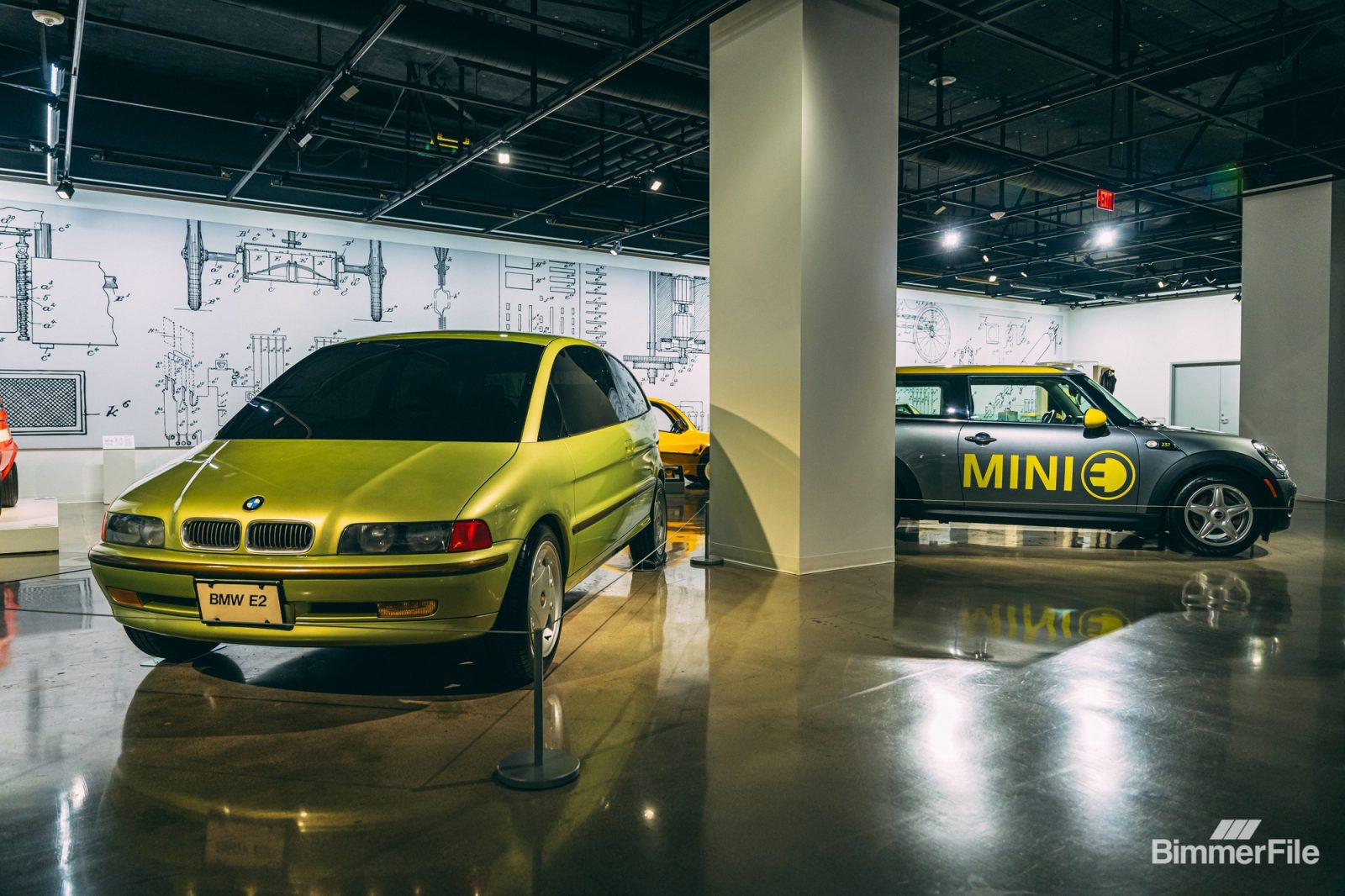
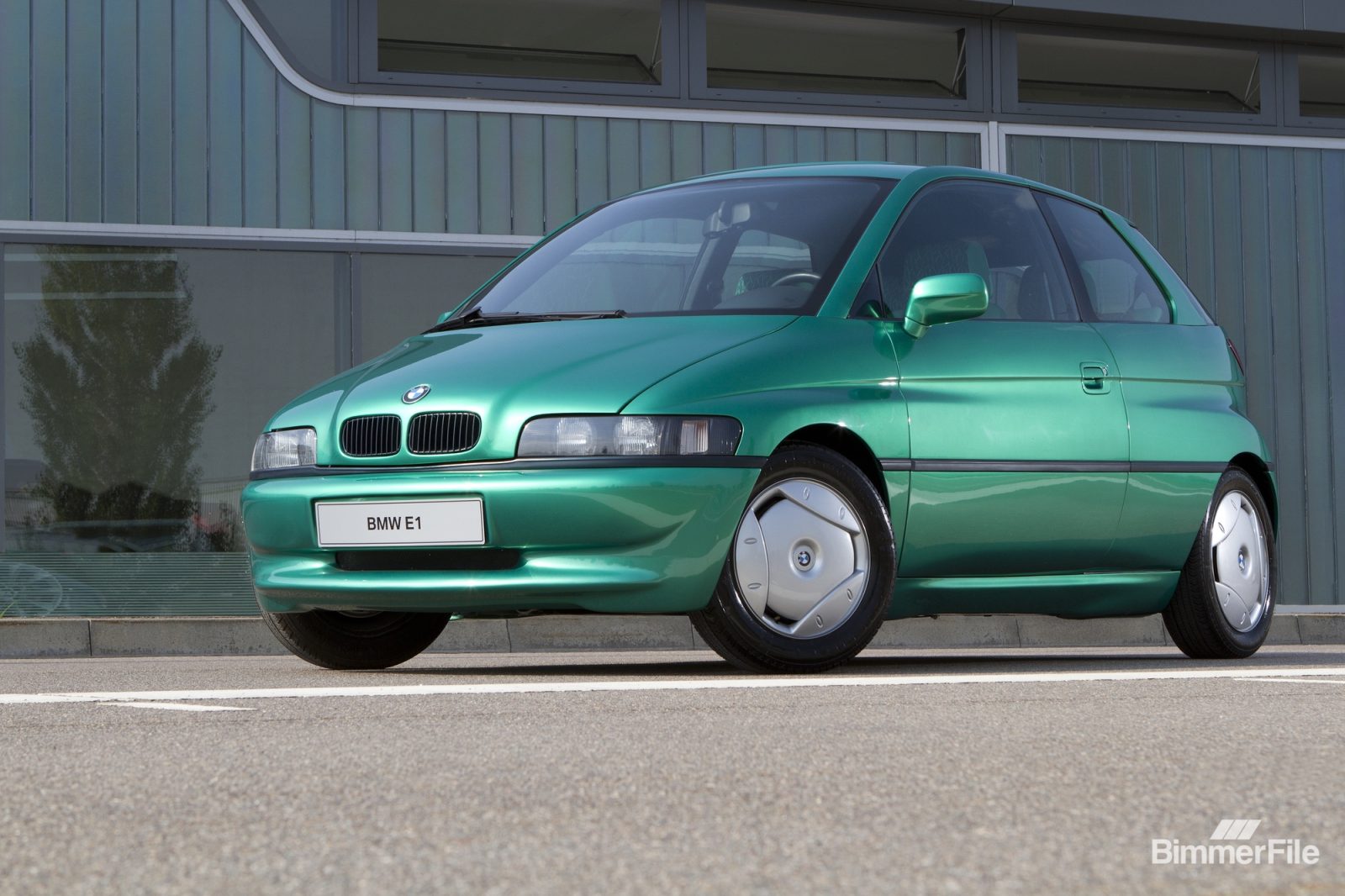
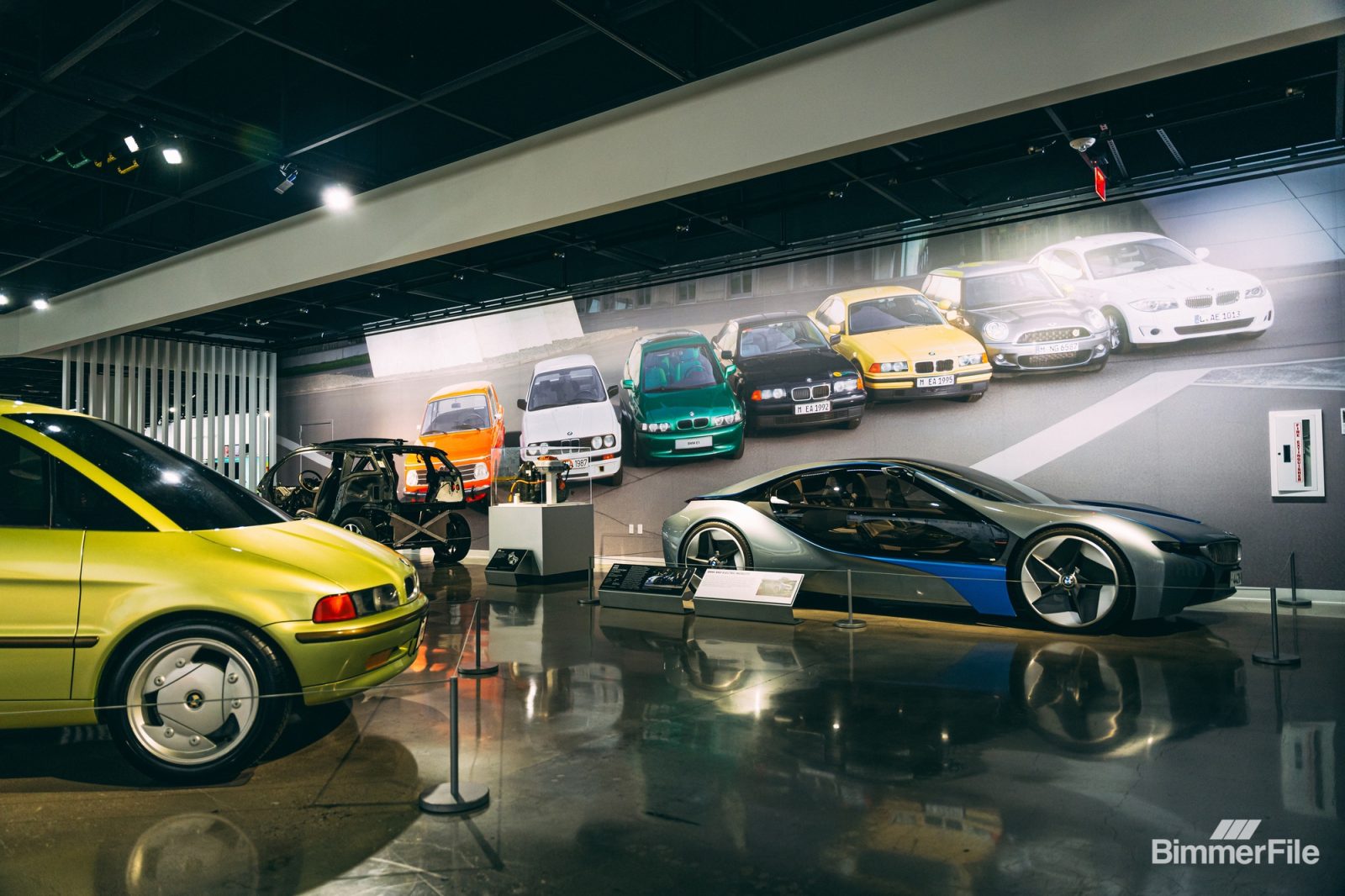
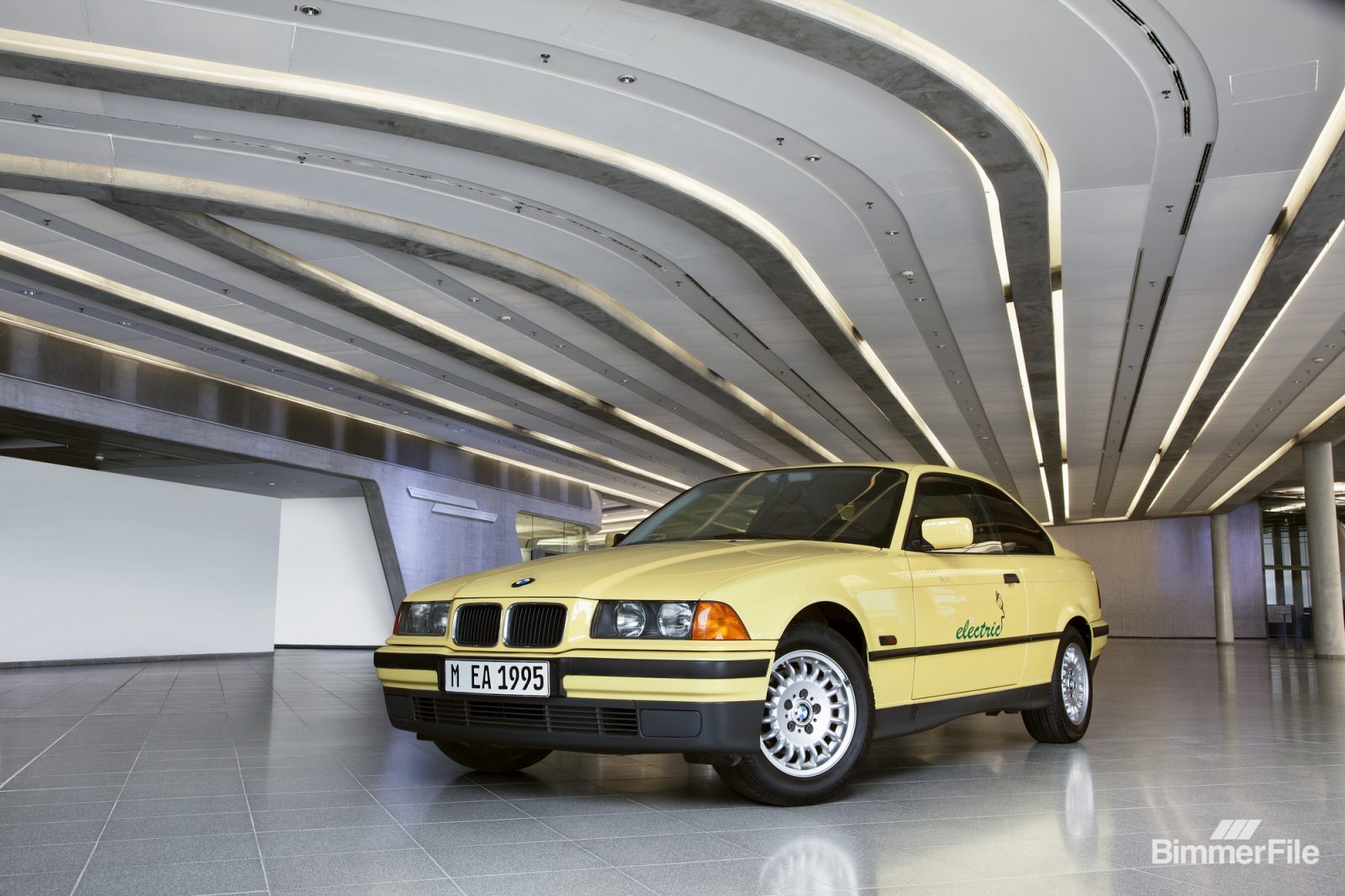
Through the 1980s and 90s, BMW chased hydrogen as a zero-emission path while regulators in California kept pressing for EVs. Concepts like the E1 and E2 looked futuristic but struggled with sodium-sulfur batteries. Even a small fleet of 3 Series with experimental range-extenders missed the mark. The reality, as BMW NA’s Rich Brekus later put it: “The E36 electric vehicles were terrible.”
California eventually agreed to accept BMW’s Partial Zero Emission Vehicles instead — cars that were still gasoline-powered but extraordinarily clean. Millions of them hit the road, dramatically improving California’s air quality.
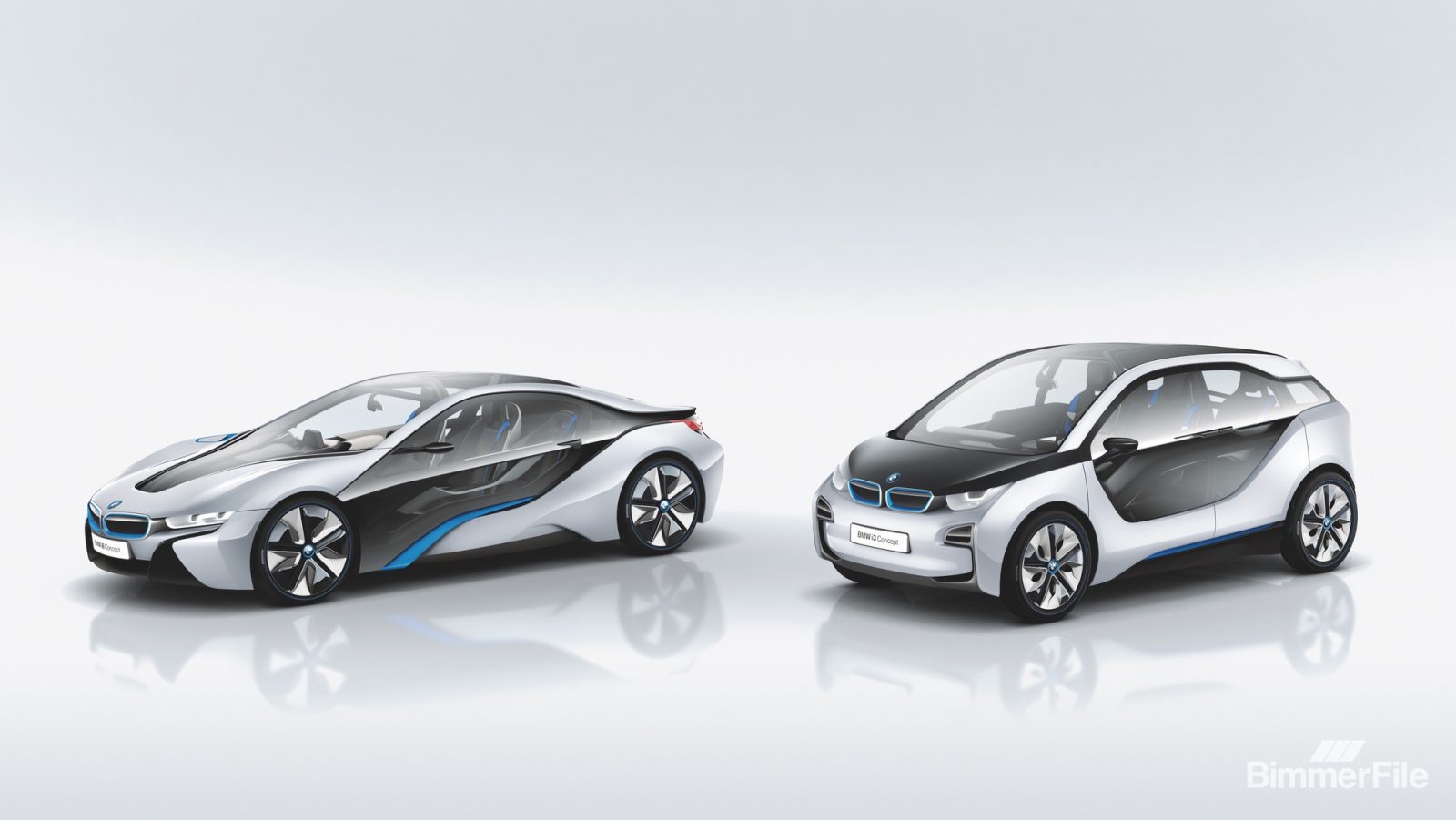
Project i and the Megacity Vision
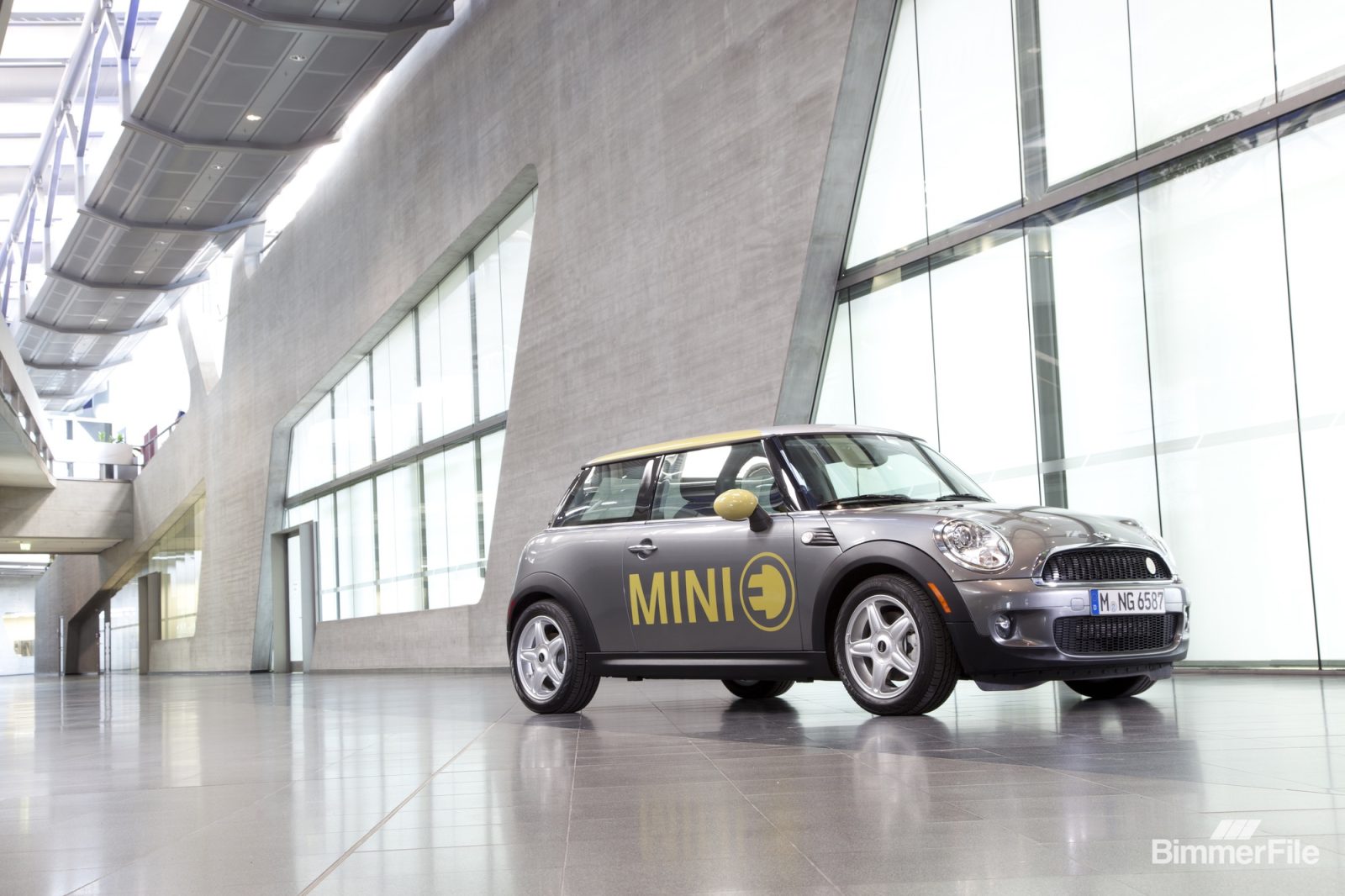
By 2007, BMW shifted gears. Cancelling its F1 projectm, BMW shifted engineering talent to electrification. This combined with hydrogen experiments being abandoned, the company launched Project i. The idea wasn’t just to build an EV, but to rethink mobility in the age of megacities. Enter the MINI E: 1,088 lithium-ion cells powering a MINI hatch stripped of its rear seats. With 201 hp and a claimed 156-mile range, it was crude but promising.
What made the MINI E remarkable wasn’t the hardware but the test program. In 2009, BMW put 450 of them in the hands of real customers in LA, New York and New Jersey. Leasing cost $850 a month, and drivers had to provide feedback. Suddenly BMW wasn’t just experimenting in a lab — it was living the EV future alongside its customers.
Enthusiasts like Pacific Palisades resident Peter Trepp blogged daily about charging, regenerative braking and life without gas stations. Customers discovered the joys (instant torque, one-pedal driving) and the headaches (European plugs without UL approval, brutal range loss in the cold).
From MINI E to ActiveE
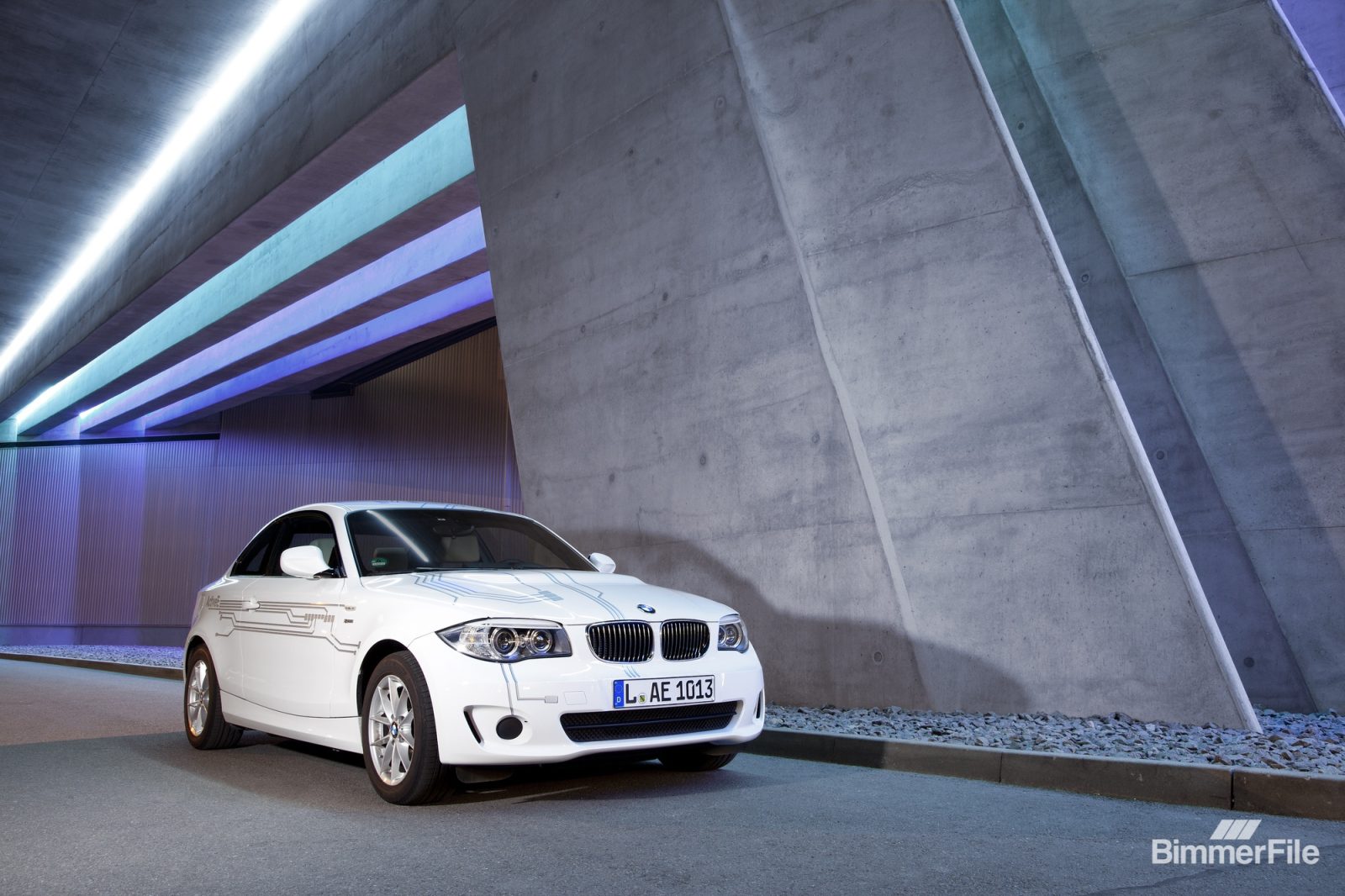
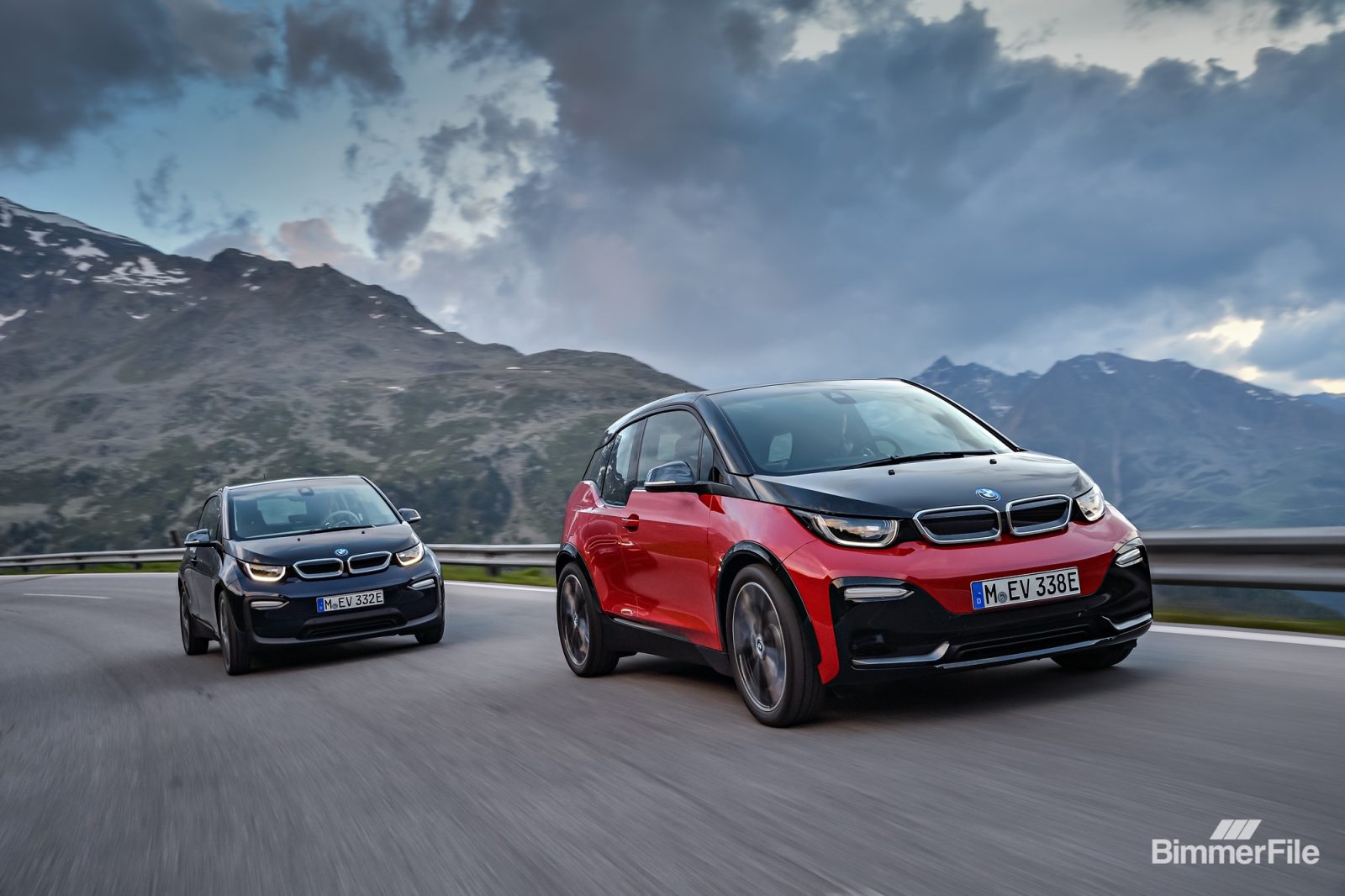
Phase two came in 2012 with the BMW ActiveE, a battery-electric 1 Series coupe with liquid-cooled batteries and more refinement. Range was still only about 100 miles, but the car previewed the powertrain and thermal management that would underpin BMW’s first true production EV, the i3.
Lessons That Still Matter
The MINI E and ActiveE weren’t sales hits — they were rolling test beds. But they taught BMW how customers charge, what range anxiety feels like, and how utilities might one day use EVs to stabilize the grid. They also laid the groundwork for BMW’s circular economy thinking, repurposing old EV batteries for stationary energy storage.
And while Tesla grabbed headlines with the Model S and its 300-mile range, BMW’s methodical path through Project i showed how a legacy automaker could learn by doing. The experiments were messy, sometimes frustrating, but essential.
Our Take
Looking back, the MINI E and ActiveE feel like scrappy prototypes compared to the polished Neue Klasse EVs about to arrive. But they were the spark. Regulation may have forced BMW’s hand, but what kept the momentum going was curiosity, engineering stubbornness and the willingness to hand imperfect cars to real drivers. Without that, there’s no i3, no iX, and no EV future for BMW and no forthcoming Neue Klasse.
Still among the most bizarre decisions Audi has ever made, its AUDI sub-brand (yes, that is just Audi in all caps) has finally launched its E5 Sportback, some five months after it made its debut at Auto Shanghai. The timing may have been tardy, but this first joint venture model with SAIC wasted no time racking up the orders, with 10,153 pre-sales achieved within just 30 minutes of the launch.
Built on the co-developed Advanced Digitised Platform (ADP) and sharing componentry with the likes of the IM L6 and LS6, the E5 Sportback is available in four variants, with prices ranging from 235,900 yuan (RM139,000) to 319,900 yuan (RM188,500) – about the same as an A5L. For that money, you get a choice of either rear- or quattro all-wheel drive, both in standard and long range versions.
In standard trim, the E5 Sportback makes 299 PS (220 kW) and 420 Nm of torque, getting it from zero to 100 km/h in 6.1 seconds. With a 76 kWh lithium iron phosphate (LFP) battery, the claimed range is 618 km on China’s lenient CLTC cycle.
The quattro variant boosts the rear motor to 314 PS (231 kW) and 475 Nm and adds a front motor making 211 PS (155 kW) and 250 Nm. This results in a total system output of 525 PS (386 kW) and 725 Nm, rocketing the car to 100 km/h in just 3.9 seconds. Despite this, a slightly larger 83 kWh nickel manganese cobalt (NMC) battery enables the car to eke out slightly more range at 623 km.
Stepping up to the RWD plus model increases the battery capacity still further to a round 100 kWh, enabling an impressive 773 km of range – very slightly higher than previously predicted. It also boosts the rear motor to 408 PS (300 kW) and 500 Nm for a zero-to-100 km/h time of five seconds flat.
At the top of the range sits the long range quattro that turns the power to 11 – the rear motor to an astonishing 515 PS and the front motor to 272 PS (200 kW) and 300 Nm. All in all, this thing produces a heady 787 PS (579 kW) and 800 Nm, blitzing the century sprint in just 3.4 seconds. With the same 100 kWh battery, the range is slightly shorter at 647 km.
In terms of DC fast charging, the E5 can be topped up from 10 to 80% in under 13 minutes for the base model and 17 minutes with the largest 100 kWh battery. One outlier is the mid-tier quattro version, which takes a yawning 35 minutes for the same metric; we suspect that this variant has a 400-volt electrical architecture rather than the usual 800 volts. Also disappointing is AC charging speed that is capped at just 6.6 kW for the lower-rung models, and even the 100 kWh battery only maxes out at 11 kW.
Under the skin, the E5 rides on double-wishbone front and five-link rear suspension, with air suspension, adaptive dampers and rear-wheel steering fitted to the flagship quattro variant. A 6.6 kWh vehicle-to-load (V2L) function is fitted standard.
Essentially the production version of last year’s E concept, the E5 has been catered specifically for the Chinese customer. It being spun off from the main Audi brand means it can ditch Ingolstadt’s iconic design cues, such as the “quattro” box flares and the singleframe grille.
In their place are rounded haunches and a new Light Frame – a black ring that encircles the entire front end, incorporating the slim LED headlights with optional matrix technology, the AUDI script, driving assistance sensors and air inlets. This is framed by an illuminated tessellated pattern made up of more than 1,000 lighting elements, which come with a welcome animation on the top-spec model.
Moving further back, you’ll find a black roof and a kinked window line that leads up to the thick body-coloured D-pillars, while the rear end receives the same Light Frame as the front, here forming the taillights. A front spoiler, flush pop-out door handles, an elongated rear wing and optional digital rear view mirrors improve aerodynamic efficiency, with a drag coefficient as low as 0.252.
Step inside through the also-optional powered doors and you’ll find that the E5 Sportback adopts several design cues already common in Chinese vehicles. These include a full-width 27-inch panel that incorporates a driver’s display and a single infotainment touchscreen for the centre and front passenger, as well as headrest speakers (connected to an available Bose sound system) and an expansive centre console with storage for two phones and a 50-watt Qi wireless charger.
You also get ambient lighting strips built into the wood inlays – imported from North America, no less, AUDI claims – and an optional electrochromic glass roof. Particular attention has been paid to the front seats, which feature a nine-layer composite structure for optimum support and an eight-point massage function with four modes and three speed settings.
The E5’s infotainment is underpinned by a new AUDI OS, running on the latest Qualcomm Snapdragon 8295 chip and coming with an AI-powered AUDI Assistant – this, as is usual for Chinese cars these days, can accept multiple commands at once, and is visualised through a 4.29-inch AUDI Smart Island touch panel with 24 “personalities”. There’s also an app store that incorporates facial recognition, plus a zonal electrical architecture that allows next-generation connectivity and over-the-air updates for all vehicle systems.
This is a car designed for China, so of course the E5 gets highly-automated city and highway driving in the form of AUDI 360 Assisted Driving. Thanks to a lidar sensor, Adaptive Cruise Assist can evade obstacles, identify red lights and perform automated lane changes and U-turns; it can even detect tricycles and delivery riders, Audi says. Autonomous emergency braking, rear cross traffic alert with auto brake and a door opening warning all come as standard.
In 2019, Bugatti stunned the world when it took the covers off the La Voiture Noire – a bespoke, coachbuilt hypercar inspired by the legendary Type 57SC Atlantic. Commissioned by a Swiss collector, the one-off Bugatti is said to cost $19 million.
The La Voiture Noire is being offered for sale for the first time, more than 5 years since it was revealed at the Geneva Motor Show. It is available exclusively through SBX Cars in collaboration with Broad Arrow. Interested clients can request an invitation for the private sale by registering here.
“La Voiture Noire“ which simply means “the black car” in English, is a modern recreation of the original Type 57SC Atlantic that was designed and owned by Jean Bugatti but was lost in the ravages of World War II.It has a unique exterior, featuring a larger horseshoe grille, bespoke LED headlamps, a smooth engine cover and an open rear fascia with a continuous LED light bar. It also has six exhaust tips, just like the original Type 57SC Atlantic.
The heart of the La Voiture Noire is the same 16-cylinder engine that powers the Chiron. The 8.0-liter W16 develops 1,500 hp and 1180 lb-ft of torque.
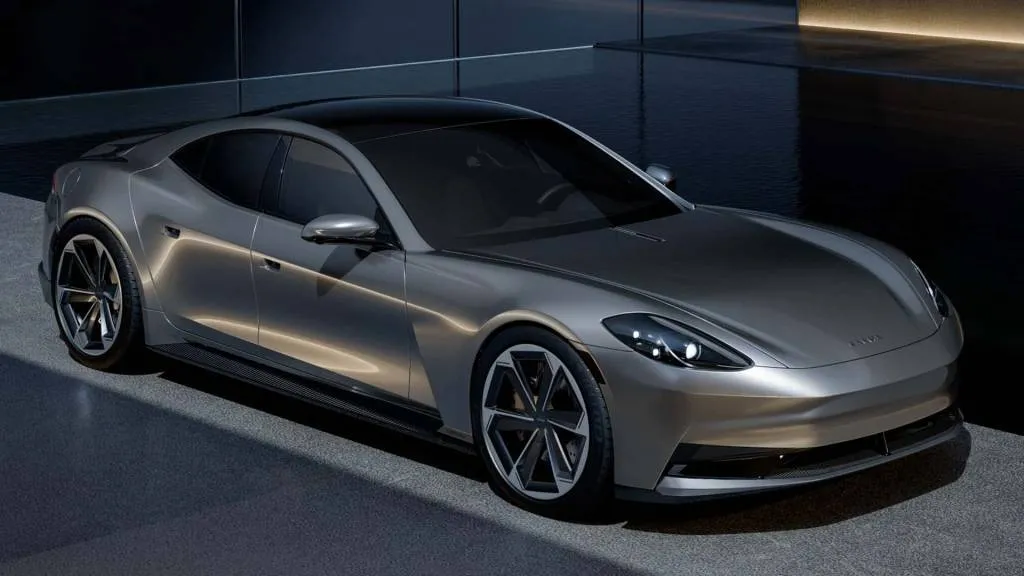
Karma Automotive on Thursday unveiled the new Amaris series plug-in hybrid coupe during the company’s first Create Karma product presentation event held in Irvine, California.
Karma was gearing up to launch a separate coupe, the fully electric Kaveya, in 2026, but the company on Thursday said it would delay that model to 2027 due to changing demand dynamics for electric vehicles in the high-end sector. The Amaris will help plug the gap by launching on the market in late 2026. An Ivara electric SUV is also due in 2027.
Unlike the Kaveya, which has been designed around a new dedicated EV platform capable of delivering over 1,000 hp, the Amaris will use a modified version of the platform found in Karma’s sole vehicle currently on sale, the Revero sedan, helping to accelerate its development. The Revero’s platform can actually trace its roots back to the original Fisker Karma, launched early last decade. Karma was born out of the remains of the original Fisker, which went bankrupt in 2013.
Karma on Thursday also said the previously announced Gyesera electric sedan will now initially arrive as a series plug-in hybrid, and with revised styling compared to the original design first shown a year ago. The Gyesera series plug-in hybrid is due later this year and will replace the Revero, which has been on sale since the 2017 model year.
Karma Gyesera
“We’re building a range of vehicles that will deliver exceptional EV torque and performance paired with worry-free cruising range, a combination that only [series plug-in hybrids] can deliver,” Marques McCammon, Karma’s president, said in a statement.
Series plug-in hybrids, often referred to as extended-range electric vehicles, feature electric powertrains but with smaller batteries compared to the typical EV. Instead, a gas engine acts as a generator to top up the battery, and in some cases, also sends power directly to the electric motor(s) during high-load situations.
For the Amaris—and likely the Gyesera, too—Karma will use a turbocharged 4-cylinder engine as the generator instead of the turbocharged 3-cylinder currently found in the Revero, which relies on two electric motors at the rear axle to generate a peak 536 hp. The Revero also comes with a 28-kwh battery, which Karma estimates can deliver 80 miles of pure electric range. Karma hasn’t provided further details on the Amaris powertrain but said the car will accelerate to 60 mph in under 3.5 seconds and top out at 165 mph.
Pricing and the start of deliveries for the Amaris and Gyesera haven’t been announced. Production is scheduled to take place at Karma’s plant in Moreno Valley, California.
Where to Camp for Brilliant Fall Colors This Season
If chasing fall colors is on your travel list, an RV trip to the best campgrounds for autumn scenery is the perfect way to welcome the season. From mountain forests that glow with fiery red maples to lakeside escapes lined with golden oaks, fall camping brings nature’s most breathtaking views right to your RV doorstep.
It’s also the coziest time of year to gather around a campfire, explore nearby trails, or join in seasonal festivities. Thousand Trails offers campgrounds across the country where the foliage is at its peak, and this lineup even includes a few unique surprises, like historic ghost tours and alpine lake views. Here are some of the best places to soak in autumn’s beauty.
“The campground is amazing. It’s beautiful and appears to be cut out of the woods.”
66To30 | RV LIFE Campgrounds
Set on 830 wooded acres with a 3-mile lake, Thousand Trails Natchez Trace is a nature lover’s escape in the heart of Tennessee. In autumn, the surrounding forest lights up with reds, oranges, and golds that reflect across the water. Guests can spend fall mornings fishing from the bank for bass or crappie, with a convenient fish cleaning station on site, or launch their boats from the campground’s ramp to explore the lake.
On land, scenic hiking trails, mini golf, a game of horseshoes, and other activities keep the fun going. With RV sites, cabins, tiny houses, and even a lodge that sleeps 15, it’s a destination that welcomes everyone, from solo travelers to big family groups.
Nearby, you’ll find even more fall charm with day trips to historic Franklin, President James Polk’s home in Columbia, or Loretta Lynn’s Dude Ranch in Hurricane Mills. Nashville is just over an hour away, pairing Tennessee’s fall scenery with live music and city energy.
Thousand Trails Circle M – Lancaster, Pennsylvania
“This is a truly beautiful campground. It’s in the middle of Rural Lancaster, surrounded by corn fields. It’s super quiet and gets very dark at night time. This is definitely one of the nicest Thousand Trails campgrounds I’ve ever been to.”
Tfay412 | RV LIFE Campgrounds
In the Pennsylvania Dutch Country, Thousand Trails Circle M is surrounded by Lancaster’s rolling farmland, Amish homesteads, and vibrant fall scenery. Framed by the Conestoga River, the campground offers plenty of autumn ways to enjoy the outdoors.
Cast a line in the river, paddle out in a kayak or canoe, or simply stroll along the streamside setting and take in the changing colors. A variety of onsite amenities and family activities add to the fun, while the cozy atmosphere makes it easy to settle in after a day of exploring.
Circle M is also just minutes from Lancaster’s unique attractions. Seasonal rides on the historic Strasburg Rail Road let you see the foliage by steam train. And the region’s theaters, outlet shopping, Amish markets, and hearty Pennsylvania Dutch cuisine give you plenty to fill a fall getaway.
Drummer Boy Camping Resort – Gettysburg, Pennsylvania
“If youre looking for things to do in Gettysburg, its a great location less than a mile away. Downtown Gettysburg is beautiful.”
Patrick_696 | RV LIFE Campgrounds
Nestled across 95 wooded acres just minutes from historic downtown Gettysburg, Drummer Boy Camping Resort blends autumn beauty with seasonal fun. In fall, the campground comes alive with festive themed weekends (everything from pumpkin bake-offs and crafts to costume contests, trick-or-treating, and site decorating).
Guests can also enjoy catch-and-release fishing or simply take in the colorful views. With more than 400 sites plus cabin options, Drummer Boy is a welcoming base for families and groups alike.
Beyond the campground, Gettysburg is famous for its history and its haunts. Visitors can explore the battlefields in peak fall color, browse local shops and museums, or join one of the town’s legendary ghost walks for a spooky evening out. And with Washington, D.C., Baltimore, Lancaster, and Hershey all within an easy drive, Drummer Boy makes it simple to pair your camping trip with memorable day adventures.
Lake George Escape Campground – Lake George, New York
“This campground has to be one of my favorites! We visited in the fall so the trees were absolutely stunning…We loved how spacious the park was, perfect for a 2 mile run with our dogs. There is also a large fenced in dog park to enjoy as well. They had lots of fun things planned for the adults and kids alike! Pool was still open and heated nicely. River was gorgeous as well. Overall a great spot to stay and see all the beauty of the Lake George area!”
LaHayne Family | RV LIFE Campgrounds
Located in New York’s Adirondack region, Lake George Escape Campground puts you right in the middle of one of the nation’s most iconic fall destinations. As autumn unfolds, the surrounding forests shift into a vibrant patchwork of crimson maples, amber birches, and coppery oaks reflected in the calm waters of the Schroon River. Guests can canoe or kayak along the river, bike the local trails, or join in seasonal campground activities before settling into the easy pace of local life.
Just a short shuttle ride away, Lake George Village offers boutique shopping, dining, and small-town charm. Whether you’re planning a couples’ retreat, a friends’ getaway, or a family weekend filled with crafts and wagon rides, Lake George Escape delivers the quintessential fall vacation.
Tahoe Valley Campground – South Lake Tahoe, California
“We love this park. It’s tucked into trees so it feels like real “camping” but it’s so close to the lake and you can ride your bikes everywhere…one of the best Thousands Trails in the network!”
Jaclyn and Talbot | RV LIFE Campgrounds
With its backdrop of towering pines and snow-dusted peaks, Tahoe Valley Campground offers a one-of-a-kind setting for fall camping in the Sierra Nevada. As the season changes, cooler air and golden aspens transform the landscape into a striking contrast against the evergreens.
Guests can hike local trails, stroll along the river, or head to the lake’s shoreline to take in mountain reflections framed by autumn colors. Onsite activities, from kids’ crafts to outdoor games, add to the lively campground atmosphere, while shaded RV sites and cabins provide a comfortable place to relax after a day outside.
Just minutes away, South Lake Tahoe delivers even more variety. Spend a day exploring the lake by kayak, browsing local shops, or enjoying fulfilling mountain fare, then test your luck at the Stateline casinos for a night of entertainment. Whether you’re drawn by the alpine scenery, the vibrant town, or both, Tahoe Valley Campground pairs the energy of South Lake Tahoe with the natural beauty of fall in the Sierra.
Tips for Planning Your Fall RV Trip
Book early. Peak foliage season is one of the busiest times of year, and the best sites often fill up quickly.
Pack for changing weather. Crisp mornings can give way to warm afternoons and chilly evenings, so bring layers you can mix and match.
Plan around local events. From harvest festivals to ghost walks, autumn brings plenty of activities that make your trip even more memorable. Call the campground office ahead of your stay to ask about special events and schedules.
Take lots of pictures. You’ll want to capture the brilliant colors at golden hour. And don’t forget to share those photos when you leave a review on RV LIFE Campgrounds.
Add cozy comforts. Blankets, firewood (from the campground store), and your favorite warm drinks make campsite evenings even more enjoyable.
Check the foliage forecast. Peak colors can shift each year depending on weather, so keep an eye on regional reports before you go.
Mind the daylight. Shorter days mean earlier sunsets, so plan hikes, drives, or activities with fewer daylight hours in mind.
Wrapping Up the Best Campgrounds for Fall Colors
Fall is one of the most rewarding times to hit the road in your RV, when cooler air, vibrant colors, and seasonal traditions make every trip feel special. If you’re drawn to Tennessee’s wooded lakes, Lancaster’s Amish countryside, Gettysburg’s history and haunts, the Adirondacks’ mountain scenery, or the alpine beauty of Lake Tahoe, these campgrounds bring the season to life in unforgettable ways.
Ready to plan your own autumn adventure? With locations across the country, Thousand Trails makes it easy to find the best campgrounds for fall colors and beyond. Book your stay today and discover why fall camping is an experience you’ll want to return to year after year.
The BMW Group recently celebrated the sale of its three millionth electrified vehicle. The Dingolfing plant in Germany played a major role in reaching that milestone, and the factory in southern Bavaria is now celebrating one of its own. The 500,000th electrified car has rolled off the assembly line. It’s an i5 xDrive40 Touring in Individual Twilight Purple for a German customer.
Assembling 500,000 plug-in hybrids and EVs comes just two years after the Dingolfing plant marked its 50th anniversary. The factory currently builds five plug-in hybrid models and four fully electric ones: the i5 Sedan, i5 Touring, i7, and iX. By year’s end, BMW expects electrified cars to account for about 40% of total production. It would be a sharp increase from last year’s 27%.
Dingolfing also produces the 8 Series Coupe, Convertible, and Gran Coupe, but these are not offered with plug-in hybrid or fully electric drivetrains. The entire 8er lineup is reportedly set to be discontinued, with production believed to end in 2026. Meanwhile, the iX is unlikely to see a successor, with production expected to continue until mid-2028. In its place, BMW plans to launch the iX5 and iX7, both of which could arrive even before the iX is retired.
In the meantime, the plant may add another plug-in hybrid to its lineup. We’re hearing BMW intends to move 3 Series production from Munich to Dingolfing. Next year’s “G50” model is widely expected to receive a PHEV variant. An all-electric 3 Series is also coming in 2026, though it will be built in Munich.
Dingolfing is BMW’s largest car factory in Europe, covering more than 300 hectares. In terms of volume, it’s also among the most productive in the global network. In 2024, it assembled 297,761 vehicles, a 2% increase over the previous year. Only the plants in Spartanburg, Dadong, and Regensburg produced more cars last year.
The site employs more than 18,500 people who build around 1,350 cars per day. Part of the workforce is dedicated to making bodies for Rolls-Royce models. Beyond cars, Dingolfing also produces electric motors and batteries for BMW’s plug-in hybrids and EVs.
Japanese automakers may benefit from tariff relief, although Tokyo stressed the new rate is still far above historic levels. By Stewart Burnett
The US has reduced tariffs on imported Japanese cars and auto parts to 15%, cutting a rate that had previously stood at 27.5%. The change, effective from 16 September, stems from a trade agreement signed back in July and will be applied retroactively to August, with excess charges refunded. The move marks a partial rollback of measures introduced under US President Donald Trump’s “reciprocal” tariff framework.
Subscribe to Automotive World to continue reading
Sign up now and gain unlimited access to our news, analysis, data, and research
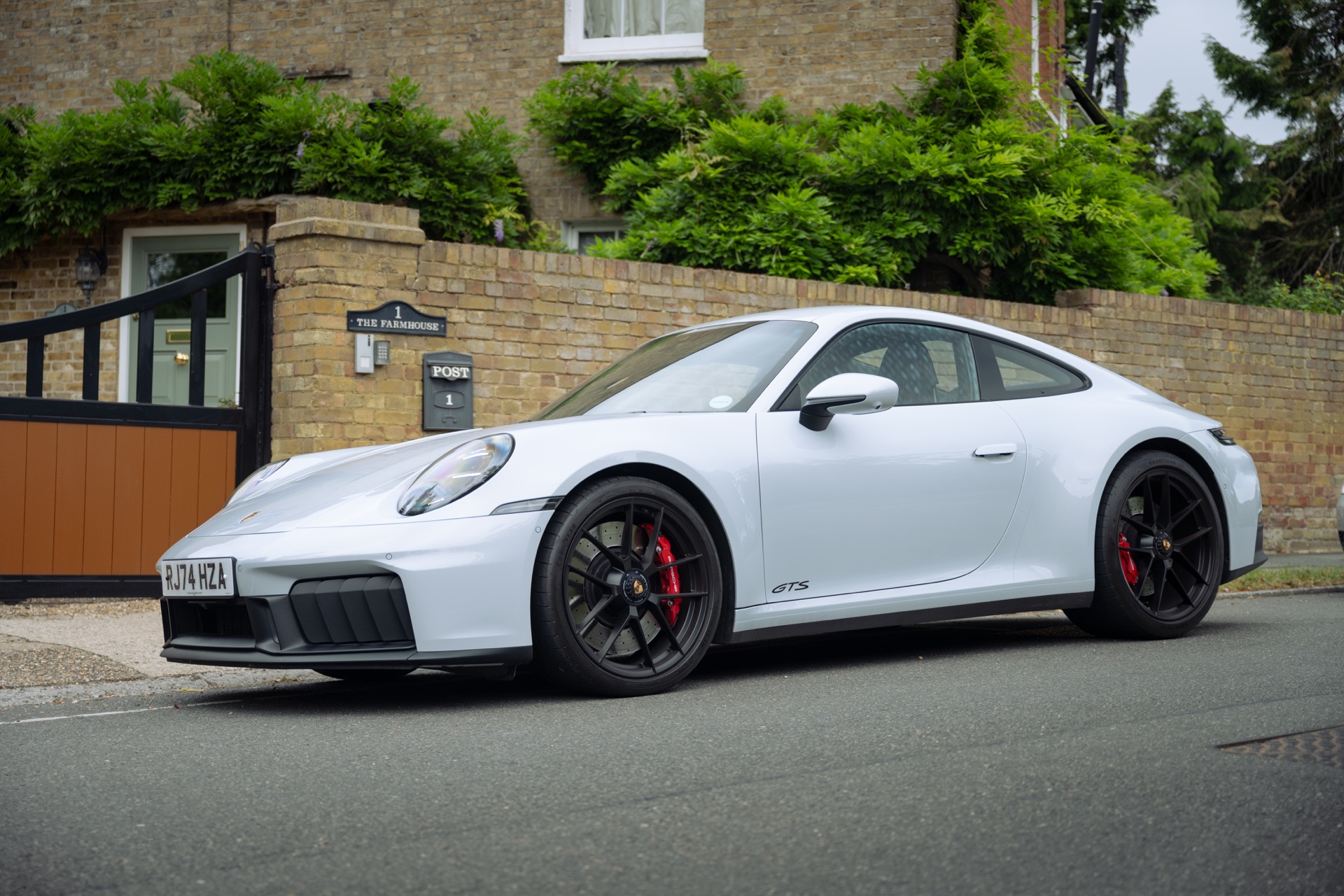
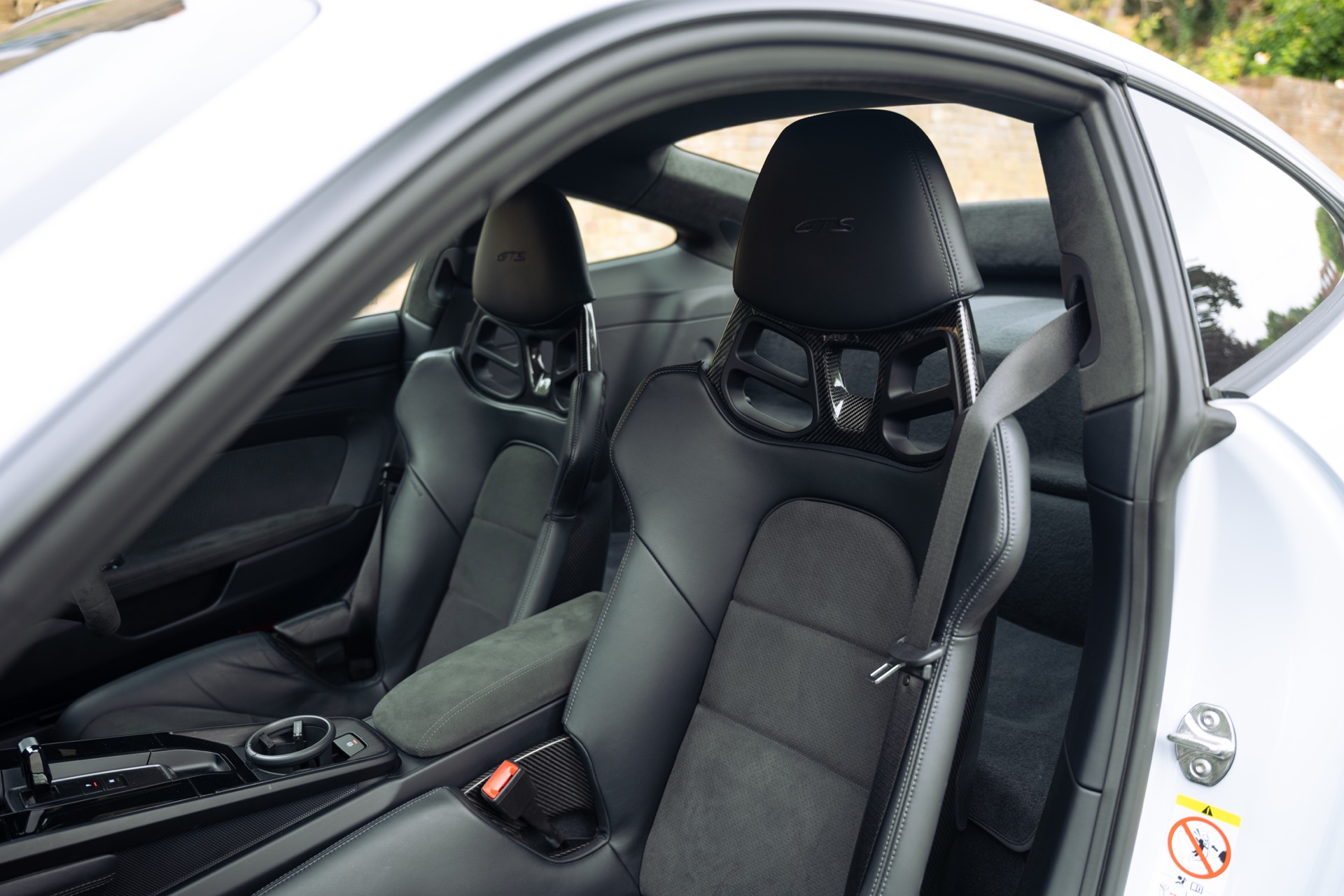
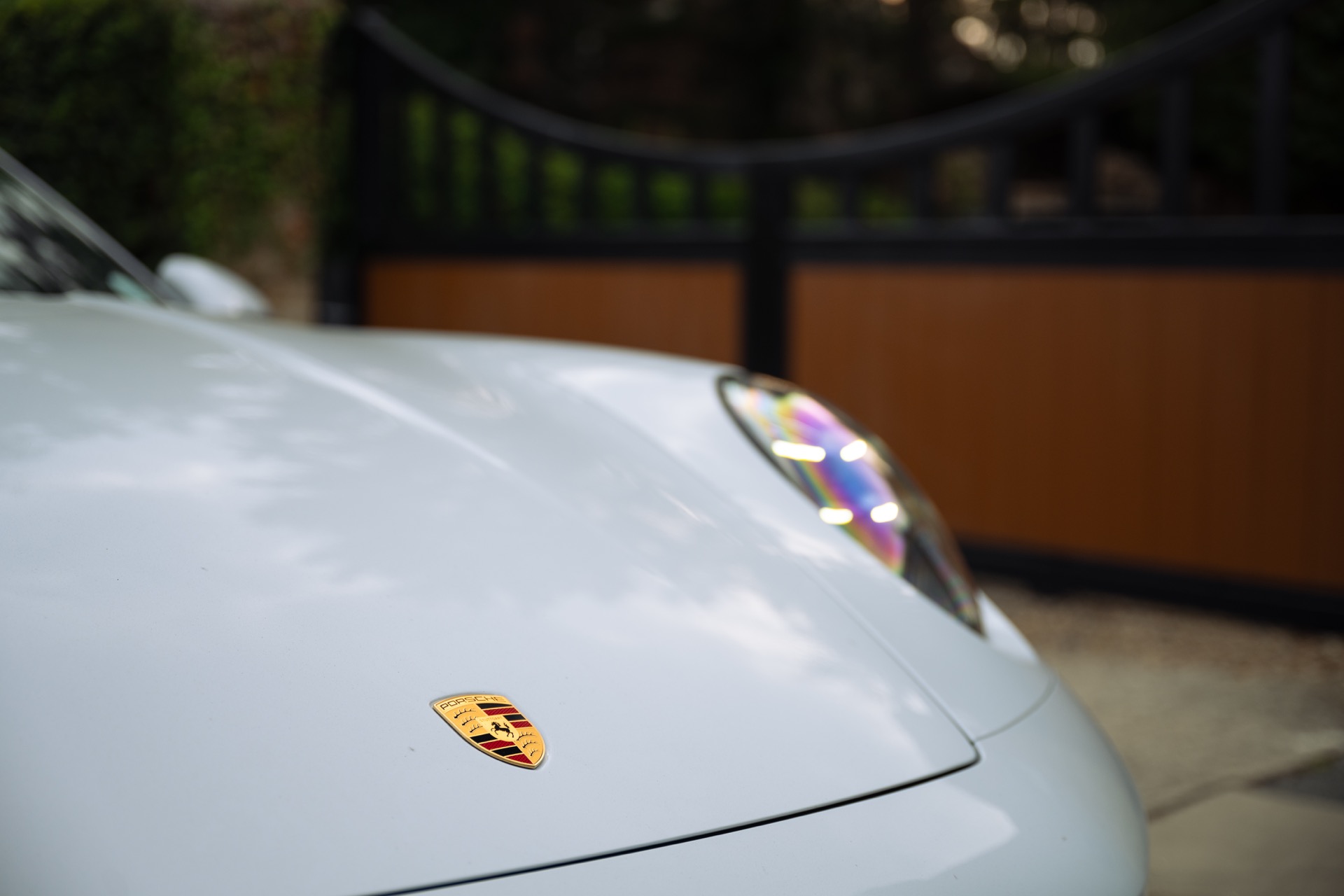
I’ve just spent a few hundred miles in the 992.2 Carrera GTS T-Hybrid and it feels like the calm, confident centre of the refreshed 992.2 911 range. My test car was lightly specced: no front axle lift, no head-up display, no InnoDrive. It did have the brilliant full carbon buckets, the mid-tier BOSE audio, LED headlights, Lane Change Assist and 360 parking cameras. Even with that restrained build, the car landed the “do-it-all” brief better than anything else in the line-up.
Under the skin is the new 3.6-litre flat-six paired with Porsche’s compact T-Hybrid system. The e-turbo kills lag, a 40kW e-motor sits in the PDK housing, and a 1.9kWh battery feeds both. Total output is 532bhp and 610Nm, good for 0–100km/h in 3.0 seconds and 312km/h flat out. It’s not a plug-in; it’s a light, performance-first hybrid, and it feels it on the road.
Response is the headline. From 2,000rpm the GTS surges like a big-capacity NA engine, only with extra shove from the e-motor. Throttle accuracy is superb, and the PDK seems to read intent half a beat early. Rear-steer trims your line without dram, and the steering stays beautifully weighted and consistent. It’s quick enough for a track day, calm enough for a commute, and never shouts about its cleverness.
Liveability seals it. The carbon buckets aren’t the convenient choice, but set you low, centred and locked; a proper Porsche driving position. Ride quality is firm but disciplined on mixed surfaces, with that familiar GTS bandwidth between comfort and control. Even without front lift the nose never felt precious, and the lack of InnoDrive and HUD actually made the car feel purer. BOSE is great for everyday use, and cabin storage remains decent for a 911, even with normal seats and rear seats optioned, there is copious space for luggage/small limbed humans.
The newly announced 992.2 Turbo S is the headline act, the top of the tree. It adds a second electrically assisted turbo and pushes outputs into hypercar-baiting territory. On a fast road or long straight, it would leave a GTS for dead. It is also far pricier and heavier on hardware, chasing numbers with relentless efficiency. If you want the ultimate poster-quick 911, the Turbo S is the daddy.
That doesn’t make the GTS a consolation prize. The GTS is the car you’ll enjoy wringing out more often, on more roads. It serves rich feedback, instant response (even if the Turbo S promises to be even more responsive) and real-world pace you can actually access.
It carries less complexity, may feel more connected, and still delivers proper 911 theatre. You won’t get Turbo S bragging rights, but you also won’t feel short-changed for a second.
The 992.2 Carrera GTS T-Hybrid is the real-world 911 to buy. It’s blisteringly fast, deeply rounded and refreshingly focused even in a modest spec. The Turbo S owns the record books, but the GTS might just own the everyday. Time will tell…
With its dramatic granite cliffs alongside a churning, crashing sea, Acadia National Park truly feels like a landscape out of a storybook. The trails that wind their way through the park display sweeping vistas where the mountains meet the beach, and sometimes even opportunities to forage wild blueberries. Of course, such attractive destinations are popular for good reason—which means that in the peak summer months, Acadia’s best-known hiking trails can also become the most crowded. Fortunately, though, there are plenty of lesser-known but equally rewarding trails for those on the hunt for unique hiking experiences in our country’s national parks—without the addition of strangers in your Instagram snaps.
If you’re reading the RVshare blog, you already know that we think RV camping is the very best way to experience the outdoors—especially for those who enjoy crowd-free hiking trails. RVing is like bringing your home along with you for the adventure: You can enjoy all your favorite creature comforts (and, importantly, privacy), all while sleeping close enough to the heart of the action to beat the traffic on the way in. Win-win!
Best Crowd-Free Trail Suggestions by AllTrails
Committed hikers probably already know about AllTrails: It’s the very best app for all things outdoors. But if you still have the free Base membership, listen up—because upgrading is well worth it.
At the next tier up, Plus, you’ll get access to downloadable trail maps to keep you in the know even when you’re out of cell range, along with wrong turn alerts and live sharing—in short, features that can go a long way toward keeping you safe in wild areas. Better yet, for RVshare readers, an annual membership to AllTrails Plus is available at 30% off, but only for a limited time. (It’s already super affordable, so this is an unbeatable deal!)
Finally, for serious adventurers, there’s the Peak membership, a new tier that includes the option to customize your own routes and a community heatmap that connects you to AllTrails’ community of more than 80 million members. Either way, you can’t go wrong. (Literally, if you have wrong turn alerts activated!)
Built for serious adventurers (and those who can’t pass up a truly epic view), Beehive Loop Trail is easily one of the most beloved trails in all of Acadia National Park. Case in point: It has almost 15,000 reviews on AllTrails and more than 21,000 user photos. It can also get so crowded that you’re basically in a queue.
Although Beehive Trail is only 1.5 miles round trip and a few hundred feet of elevation gain, it’s considered a challenging hike—in large part because part of the adventure involves scaling sheer, exposed cliff faces on iron-runged ladders. (It’s not for the faint of heart—or faint of fitness, to be honest.) But for those hikers who are already in the right kind of shape for such an adventure—but eager to find a less-crowded alternative—Buck Cove Mountain Trail offers a worthy alternative.
At about six miles round-trip and just over 1,000 feet of elevation gain, Buck Cove Mountain Trail is definitely longer and technically steeper than Beehive Loop, but you won’t need to scale any ladders hand-over-hand. (That also makes this trail pet-friendly for those traveling with Fido, so long as you keep your furry friend leashed the entire time.) The longest established trail on Schoodic Peninsula, Buck Cove Mountain Trail ascends to the summit of its eponymous peak, where you’ll be rewarded for your efforts with endless views of coastal islands like Rolling Island. The trail is also a popular option for birders thanks to its population of hard-to=spot grouse and other wildlife.
Here’s what real, live hikers (like you!) have to say about their experience on Buck Cove Mountain Trail:
This trail is beautiful and well marked, and lined with wild blueberry bushes all the way up the mountain.
Great non-crowded hike on Memorial Day. Views from top are impressive!
A pleasant change from the hustle and bustle of the main park.
Before You Go Considerations
Like every trail, a trip up Buck Cove Mountain requires some forethought. Here’s what to keep in mind for your adventure.
Be prepared for mud. Even in the summer months, this trail can get slick—and since it’s got plenty of tree roots and rocks, it’s important to watch your step (and wear good hiking shoes!).
It’s a long one. Bring plenty of water, snacks, and sun protection—and be prepared for up to eight miles and many hours on your feet.
You’re in bear country. The Schoodic Peninsula has some of the most common black bear sightings in the park, so be sure you’re familiar with what to do if you encounter one. Check out the NPS page on bear safety for details.
Skip Jordan Pond Path; Try Western Head and Cliff Trail Instead
Acadia Park’s Mount Desert Island is the most popular and often-visited part of the entire park—so you won’t be surprised to learn that Jordan Pond Path, an easy, three-mile loop that sees negligible elevation change, is one of the most crowded. If you don’t arrive early enough, you may not even find parking, and even if you do, you could find yourself feeling more like you’re in a supermarket line than the great outdoors.
Of course, the views offered by Jordan Pond Path are indeed worthwhile, with the reflection of mountain peaks towering over low waters dotted with boulders and surrounded by green. Fortunately, there’s a hike with similar views and stats (though in an entirely different part of the park) that’s the perfect crowd-free hiking trail alternative: Western Head and Cliff Trail.
Tucked on to Isle au Haut—which is only accessible by ferry—this kid- and pet-friendly trail is automatically made less crowded by the effort visitors must make to get there. Once you arrive in this nearly untouched world, you can enjoy a loop of about four miles in length and 300 feet in elevation change, offering up unparalleled Atlantic views through stands of trees towering over moss-covered granite cliffs and rocky beaches. Though relatively short and only moderate in difficulty, the trail encompasses a wide variety of landscapes, so it truly has something for everyone.
Here’s what hikers have to say about their experience at Western Head and Cliff Trail:
It’s beautiful with a diverse landscape. A mixture of rock climbing along the ocean and flat wooded areas. Highly recommend.
Here’s what to know before you go to Western Head and Cliff Trail.
Getting here takes planning. The only ferry to Isle au Haut leaves from Stonington, Maine and takes about 45 minutes one way. It is first-come, first-served, but you will need to add in travel time to your overall budget for this hike.
This trail is slick and rocky, so many hikers highly recommend bringing trekking poles!
Post-Hike Resources for Acadia National Park
With over 150 miles of hiking trails criss-crossing Acadia National Park, it’s true that you could easily spend your whole vacation—in fact, probably several vacations—exploring it. Still, there are plenty of other amazing things to do in the immediate vicinity once you’re ready to take off your boots for a while.
For starters, though, you’ve gotta have a cozy place to stay. Check out the best RV campgrounds in and around Acadia National Park, from luxurious developed campgrounds with all the comforts of home to more rugged, rustic options.
Bar Harbor is considered Acadia’s gateway town, but it’s a worthy destination in its own right, replete with art galleries, museums and delicious seafood options. For those hoping to knock Maine lobster off their bucket lists, we recommend Bar Harbor Lobster Pound, where you can enjoy whole lobster fresh from local docks or a variety of lobster-based dishes like lobster tacos, lobster nachos and even a lobster grilled cheese.
Bar Harbor is also a great place to catch guided whale watching tours, where, along with (of course) whales, you might also catch sight of puffins, harbor seals and lighthouses.
(Psst: Looking for other landscapes that have a similar vibe to Acadia National Park—without the crowds? Check out these Acadia National Park destination dupes!)
Acadia National Park truly offers a one-of-a-kind opportunity for exploration and adventure—and, as we’ve seen, plenty of crowd-free hiking trails and unique hiking experiences for those willing to do a little footwork to find them. You already know that RVing is the best way to see any place in the U.S. (and beyond), but RVshare vehicles up the ante even more. That’s because peer-to-peer rentals allow you to experience real rigs that are lived in and loved by their people rather than sterile, just-off-the-lot rental vehicles from big box retailers. It’s the perfect place to call home after a big hike—especially with AllTrails in your pocket to ensure you get there and back safely.
Mahindra Group has announced the appointment of Pratap Bose as the Executive Vice President and Chief Design Officer to lead its newly formed Global Design organization. The new Global Design organization, expected to be headquartered in the UK, aims to ‘renew Mahindra’s commitment to reshaping the future of mobility by designing and developing dynamically engineered next-generation authentic products with global appeal’, according to the company press release.
Bose, who until recently was Head of Design at Mahindra’s cross-town rival Tata Motors, will now be tasked with leading the recently announced Mahindra Advanced Design Europe (M.A.D.E), which is being set up in Coventry, UK, and the existing Mahindra India Design Studio (M.I.D.S), which was previously led by Ramkripa Ananthan.
According to internal sources, Anathan has resigned from the company after 24 years of service. It is as yet unclear what her next role will be.
Mahindra’s decision to create a new Global Design Organization is not without warrant. Following Brexit, the UK is no longer subject to stringent EU rules regarding overseas candidates. This move will allow the company to access a broader talent pool and expand its global technology footprint.
Pratap Bose (right of the Sierra Concept clay model) stands with Tata Motors’ UK design team | 2019
In his new role, Bose will oversee the design of all key business segments for Mahindra globally and continue the company’s momentum in building authentic SUVs. He will guide the design of Mahindra’s battery-electric vehicle range; light and heavy-duty commercial vehicles; last-mile mobility products; Peugeot scooters and the company’s tractors and farm machines. Based in the UK, Bose will report to Rajesh Jejurikar, Executive Director, Auto and Farm Sectors, Mahindra and Mahindra Ltd.
“We are at an inflection point in our Auto and Farm Sectors growth journey as we accelerate our transformative initiatives,” Jejurikar said in a statement. “Our robust pipeline of 23 new products that will be launched in the next five years would bring our design and advanced engineering capability across automotive, farm equipment and two-wheelers to the fore. Having Pratap on the team will strengthen our design capability, enhance our products and widen our customer base.”
See also
The Global Design organization is a strategic initiative aimed at ensuring that products are future-ready and exceed the expectations of customers across the world. The company says ‘dedicated verticals are being created in each studio location that will maximize and enhance creativity,’ adding that the new organizational structure ‘will sharpen Mahindra’s distinctive product designs and differentiated technology offerings across its portfolio’.
Prior to becoming Global Head of Design at Tata Motors in 2011, Bose held several positions within the company, including that of Chief Designer and Principal Designer of Tata Motors’ European Technical Center (TMETC), which he joined in 2007 following roles at scooter manufacturer Piaggio in Italy and at DaimlerChrysler in Japan. An alumnus of the UK’s Royal College of Art and the National Institute of Design in India, Bose has more than 20 years of global automotive design experience.