15.6 C
London
Tuesday, May 12, 2026
Home Blog Page 105

Record Auctions Around the World

0
Record Auctions Around the World


These days, no classic car event or exclusive automotive gathering is complete without a high-profile auction. The world’s most valuable classics and modern supercars are either sold behind closed doors or offered at public auction—and business is booming.

When Mercedes sold its legendary 300 SLR Uhlenhaut Coupé three years ago, it wasn’t through a private negotiation but an ultra-exclusive auction held behind closed doors. The result? The most expensive car ever sold at auction—around €135 million. Potential bidders were hand-picked and thoroughly vetted. Things are more relaxed at RM Sotheby’s in Monterey—registration is all that’s required. This August marked the 28th edition of RM Sotheby’s flagship sale during Monterey Car Week, held at the Portola Hotel’s convention centre. And the results? More than satisfactory.

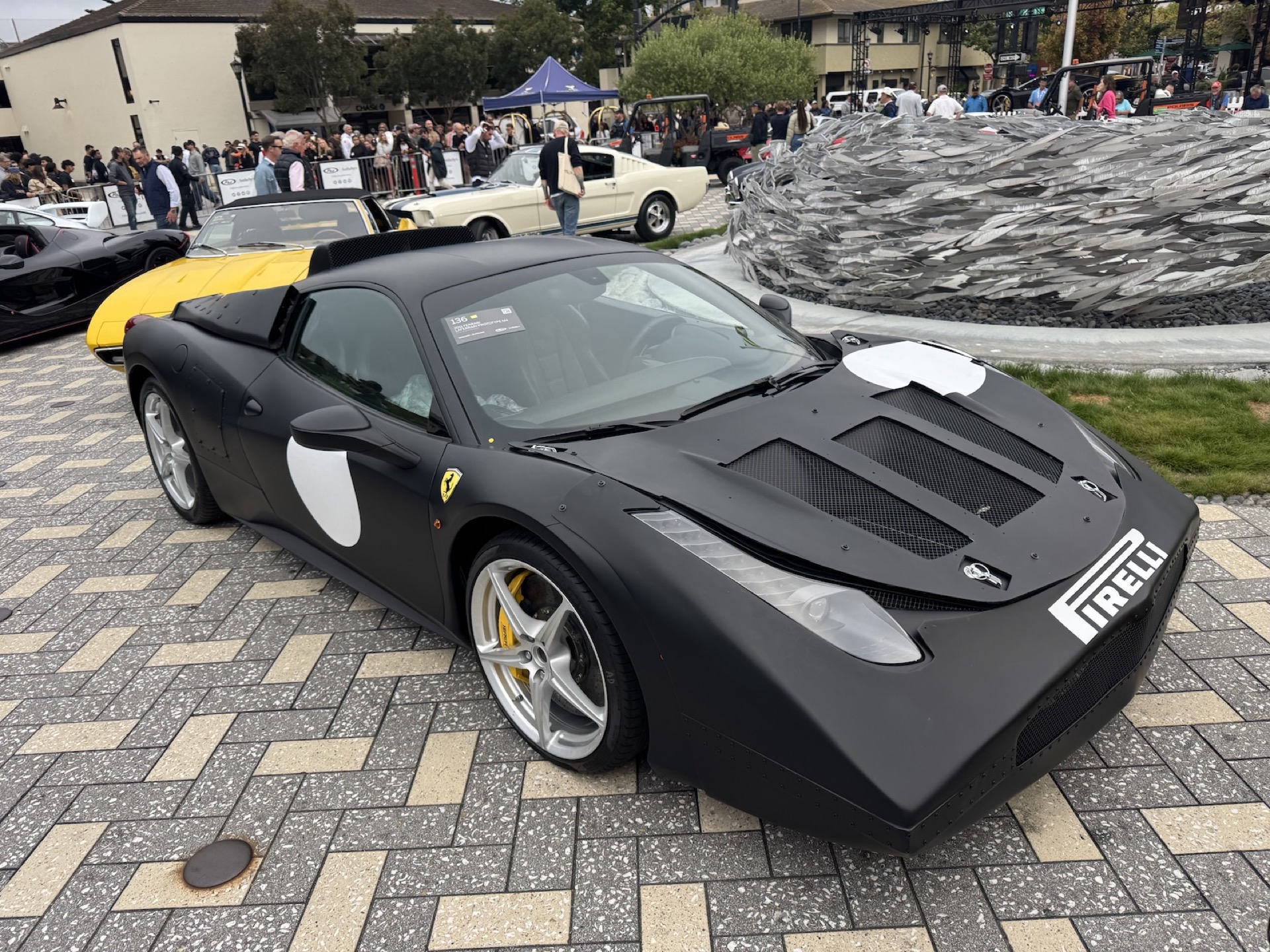
Surprisingly, the most expensive car wasn’t a vintage classic but a brand-new hypercar: a 2025 Ferrari Daytona SP3, which fetched $26 million, making it the most expensive new car ever sold at auction. Over two days, RM Sotheby’s achieved total sales exceeding $165 million. Bidders from 46 countries snapped up 87% of the lots, including 37 cars that sold for over $1 million and six that surpassed the $5 million mark. “Monterey has always been a stage for historic results, and this year will be remembered as one of our best,” said RM Sotheby’s president Gord Duff. “From the record-breaking Daytona SP3 to the stunning prices for the LaFerrari Aperta and the F40, I’m incredibly proud of our team.”

A clear trend is emerging: pre-war cars—and increasingly, those from the ’50s and ’60s—are struggling to command the attention they once did. RM wasn’t the only auctioneer to see once-coveted British, German, and Italian sports cars fall short of their estimates. Meanwhile, so-called ‘everyday’ models from the 1980s and ’90s are surging in popularity. How else to explain a 1991 Lancia Delta Integrale with low mileage going for $155,000—nearly double expectations? A 1995 Delta Evo achieved nearly $205,000 at a rival auction. Younger bidders, who don’t relate to pre-war machinery, are driving demand for cars that filled their childhood bedroom posters: Porsche 959, Mercedes 190 E 2.5-16, BMW M3. A 1992 Ferrari 512 TR fetched $700,000—again, nearly twice its guide price. By contrast, a pristine 1964 Aston Martin DB5 struggled to break $750,000 against a $825k–$950k estimate.
GTspirit Auctions 6

It was a similar story at Broad Arrow, part of the Hagerty group, who staged their sale inside an aircraft hangar. Auctioneers Lydia Fenet and Thomas Forrester led bids totalling nearly $58 million, with an 80% sell-through rate. The top lot was a 2005 Maserati MC12 Stradale, sold for $5.2 million. Reflecting the generational shift, Broad Arrow also focused heavily on modern collectables—Japanese icons and contemporary performance cars.

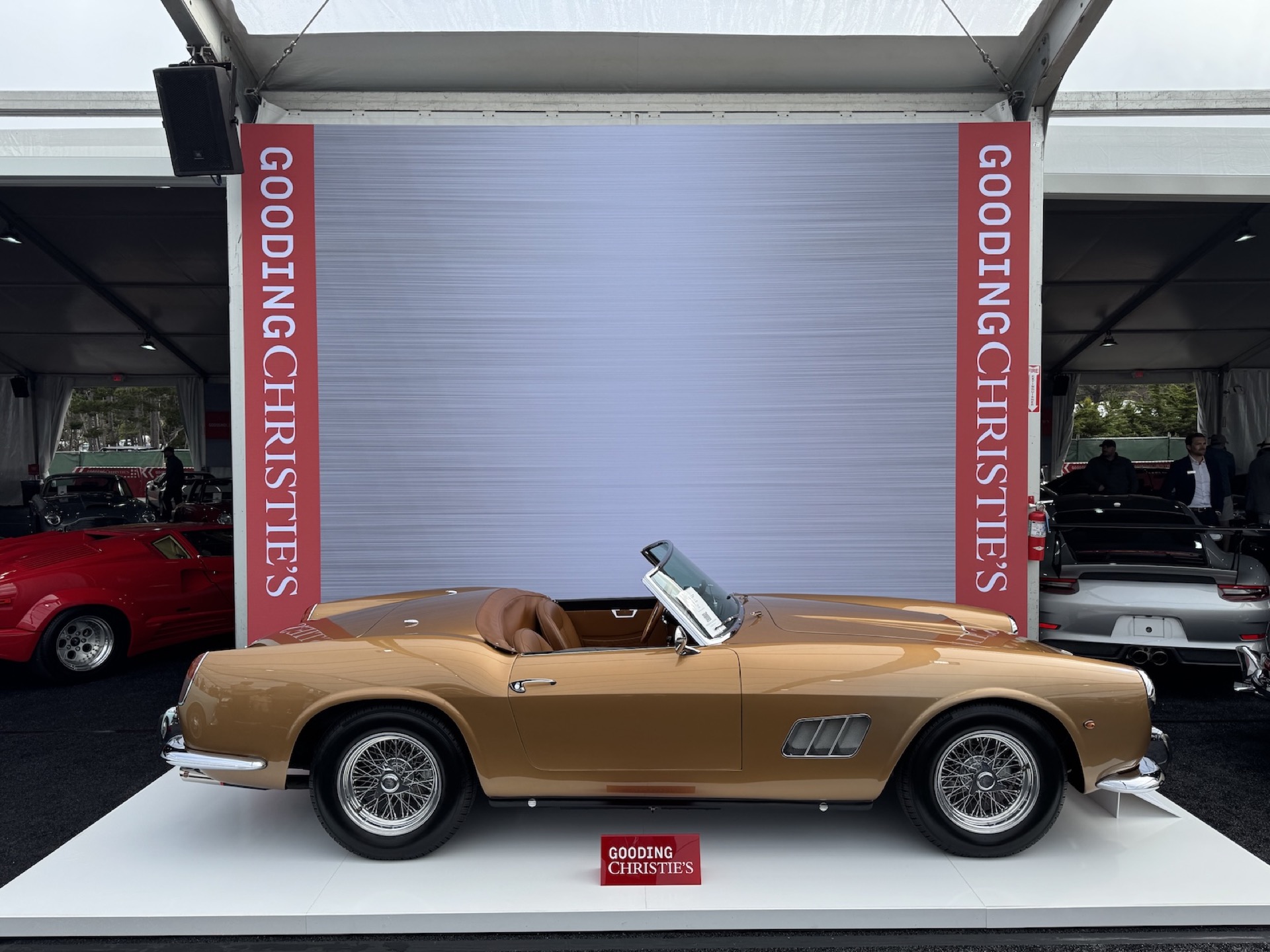
Gooding & Company (in partnership with Christie’s) were equally pleased with their headline Pebble Beach sale, achieving $128 million—up nearly 20% year-on-year, making it one of their most successful auctions ever. Their star car? A 1961 Ferrari 250 GT SWB California Spider Competizione, which sold for $25.3 million. “It was the most expensive car I’ve ever sold, and it set a personal record,” said Charlie Ross, Gooding’s principal auctioneer. “The winning bidder taught us all a masterclass in how to buy at auction—calm, decisive, and lightning fast.” Over the two days, 85% of the 153 cars sold, with around 30 lots crossing the $1 million threshold. The average price per car? $847,262.

GTspirit Auctions 8

As elsewhere, demand was strongest for newer classics and sports cars with standout provenance from the ’60s and ’70s. A 1973 Ferrari 365 GTB/4 Daytona Competizione Series III achieved $8.1 million, and a 1974 Ferrari Dino 246 GTS cleared the million-dollar mark.

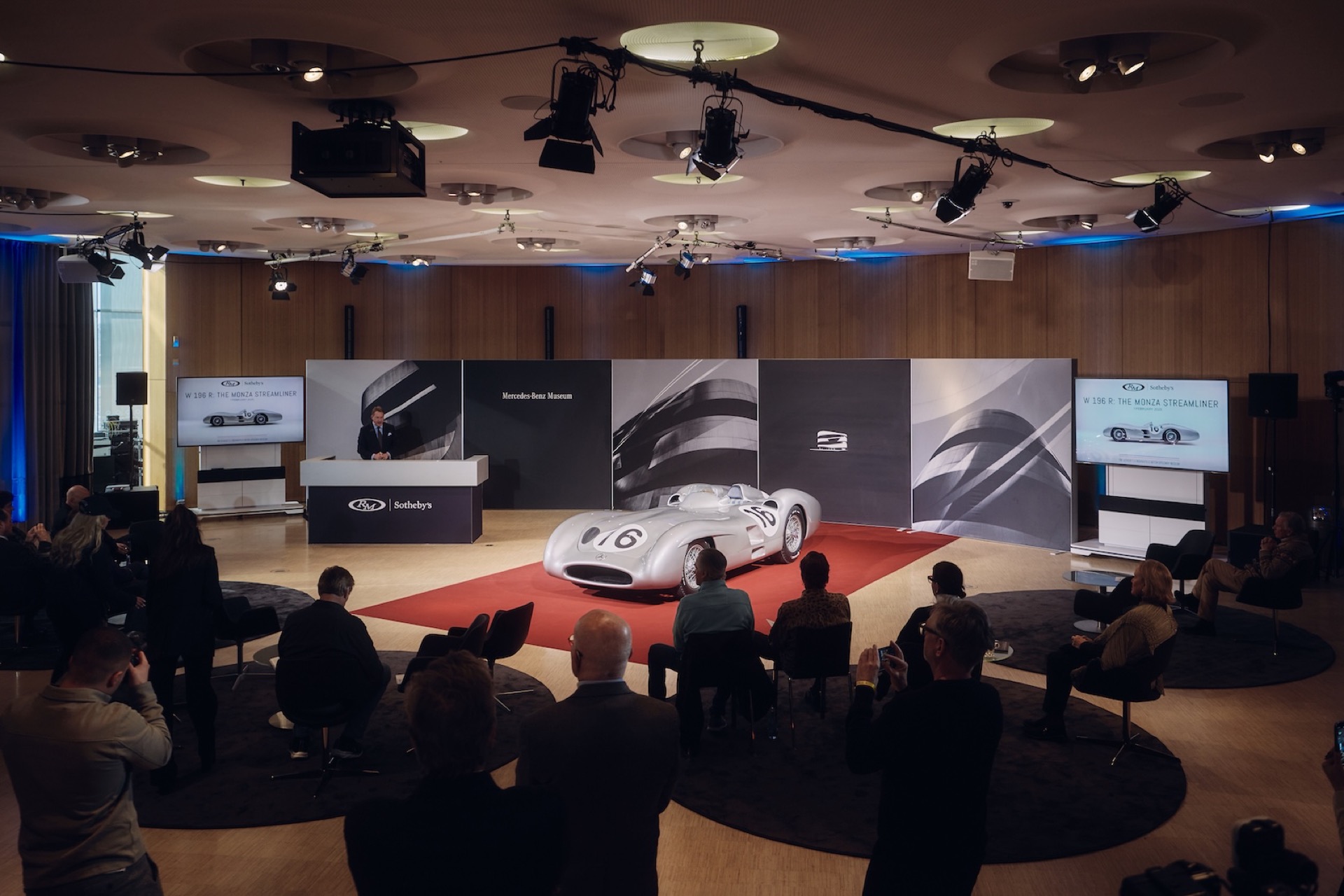
But record prices aren’t exclusive to mega-events like Pebble Beach or Retromobile. In early 2025, a one-off auction at the Mercedes-Benz Museum in Stuttgart saw a historic streamliner race car—once driven by Juan Manuel Fangio and Stirling Moss—sell for €51.16 million, making it the most expensive race car of all time. “This chassis, number 00009/54, is absolutely unique,” explained Peter Haynes of RM Sotheby’s in London. “It simply didn’t belong at a conventional event. Even though the Indianapolis Motor Speedway Museum conducted the sale, this car is inextricably linked to Mercedes-Benz—so the museum in Stuttgart was the only fitting venue.”
GTspirit Auctions 15


Source link

Cruising Past Seventy: The Inner Journeys: An Exciting Addition to the Corporate Ladder: Chief Storyteller

0
Cruising Past Seventy: The Inner Journeys: An Exciting Addition to the Corporate Ladder: Chief Storyteller


as Anne of Green Gables by Lucy Montgomery


Last week’s article was
about personal branding. This week, we look at company branding. The Chief
storyteller position has emerged in recent years to connect companies with
audiences, build brand loyalty, and drive business results. It is the secret to
sustaining a company brand.

It is a truly creative
role, but it is also quite strategic. It shapes the narrative and ensures
it aligns with the overall business strategy. If it had been available during
my time, I would have preferred being a storyteller instead of a trailblazer.
It would have been a gentler path.

The Origin of the
Title

The term Chief
Storyteller traces back to the growing importance of storytelling in the
digital age. As consumers become inundated with too much information, brands
that deliver compelling stories will likely stand out more.

Unlike other C-level
officers who primarily focus on specific functional areas (e.g., finance,
operations, technology), this one is cross-functional, working closely with
other departments like marketing, product development, and human resources. The
Chief Storyteller ensures the company story is consistent and cohesive across
different touchpoints.

While the Chief
Marketing Officer (CMO) is also responsible for telling the company story, the
Chief Storyteller focuses on the overarching narrative and how it connects with
the mission, vision, and values. The CMO focuses on specific marketing tactics and
campaigns.

But they work closely
together. The Chief Storyteller takes a broader view. He manages the company
brand and ensures it is positively perceived by the public.

His Key
Responsibilities

Here are the key
responsibilities of the Chief Storyteller:

1. Develop and
articulate the brand story with a compelling narrative that captures the company’s
essence. He delivers many versions of it to resonate with the different
segments of the audience.

2. Ensure consistency
and alignment with the company vision, mission, and values and that the story
is consistent across all internal and external communications.

3. Strengthen
relationships with key stakeholders, including employees, customers, investors,
and the media, to help them understand and appreciate the company story.

4. Measure and conduct
an analysis of the impact of storytelling, tracking the effectiveness of the
efforts and making data-driven recommendations for improvement.

It sounds like some of
the work the Chief Executive Officer (CEO) does. The CEO is often the Chief
Storyteller, and while the title is becoming more common in corporate
structures, it is not always a separate role.

In many cases,
especially in smaller or more traditional organizations, the CEO takes on the
responsibility of being the primary storyteller. I played that role as CEO of
MegaLink, SAP, and BayanTrade.

The CEO is often seen as
the face of the company, and his ability to articulate its vision, mission, and
values can significantly impact its success. As the Chief Storyteller, the CEO
can directly connect with employees, customers, investors, and the public,
fostering a sense of loyalty and trust.

However, as companies
grow and become more complex, they may find it beneficial to have a dedicated
Chief Storyteller who can focus solely on developing and communicating the
company’s narrative. A dedicated person allows the CEO to concentrate on other strategic
aspects of the business, especially operations and product development.

His Key Skills and
Abilities

As such, here is the combination
of creative, strategic, and analytical skills that a Chief Storyteller must
have to succeed:

1. Strong storytelling
abilities and the ability to craft compelling narratives.

2. Strategic thinking to
see the big picture and understand how storytelling can contribute to the
overall business objectives.

3. Excellent ability to
effectively communicate with all internal and external stakeholders.

4. The ability to think
outside the box and come up with new and innovative storytelling ideas.

5. The ability to use
data to measure the effectiveness of storytelling efforts and make informed
decisions for change and improvement.

As I shifted to writing
(storytelling) in America, I can even be a better Chief Storyteller today. The
position plays a vital role in today’s organizations. By effectively telling
the company’s story, a Chief Storyteller can help build brand loyalty, drive
customer engagement, and improve business performance. It has become such an
important role.


Source link

Winner of the WOW factor! – Car Design Blog

0
Winner of the WOW factor! – Car Design Blog


“WOW” was the first expression that came to mind when I first test drove the 2016 Kia Optima EX Hybrid.  The gracefully aggressive looking exterior is tamed by the luxurious and sporty interior.  A Double-WOW is experienced once you find out all the exciting features hardly mentioned at the dealership, and end up being a super-surprising experience once you find them out, by happenstance.

Now, for the Nitty Gritty of the 2016 Kia Optima EX Hybrid

FRONT / HEADLIGHTS
Winner of the WOW factor! – Car Design Blog

The 2016 Kia Optima Hybrid has a very elegant, classy and equally mean and aggressive look.  Particularly the EX model with the piercing headlights, this Optima demands attention when it shows up in your rearview mirror.

Added to the recent versions of the 2011-2016 Optima body styles, the headlights are crowned by the upward curved LED Daylight running lights.  Just having those lights on alone make the car look even meaner, resembling frowning eyebrows.

The fog lights on the upper trims (EX / SX) add to the sportiness of the bumper, especially the ones with the 4 LED lights seen in the image.

TAIL LIGHTS

When the redesigned Optima came to market, it caught everyone by surprise.  The boring collection of metal (pre-2011 Kia Optima models) transformed into the aggressive and sexy beast, thanks to Kia’s smart decisions to hire some kick-ass car designers.

One of the design elements that really struck a fancy and made the Kia Optima stand out was the curved tail light… at least that’s what made me notice the Kia Optima and develop a crush ( on the upper trims and the hybrids, to be specific)

Needless to say, I was sorely disappointed when, starting from the 2014 model, they filled in the gap left by the upward curve, which was the best part of the tail light.  However, the more I saw the new tail lights, especially at night lit with the LED lights, my love affair renewed (so much so that I ended up leasing a 2016 Kia Optima EX Hybrid!).

Kia optima Tail Light Comparison
INTERIOR

The interior of the 2016 Kia Optima Hybrid (EX) far exceeds many of its competitors, and even matches up with luxury brands in such as BMW, Lexus, Infinity. 

The leather seats are inviting, sporty and comfortable.  The middle armrest is wide and big enough to be a real “armrest”.

The interior ambient lighting was a very enjoyable discovery which makes nighttime driving a thrilling experience.

The 2016 Kia Optima’s dashboard centerpiece is a very useful and easily accessible infotainment system, which includes the Kia UVO.  Coupled with Android Auto / Apply Carplay, this system becomes a top-notch copilot.

Kia designers have done a superb job on the visual comfort and appeal of the instrument cluster.  The fuel, car temperature, and hybrid battery gauges are lights instead of manual dials, which really makes a great impact and impression of high-tech! 

I’m still perplexed as to those same designers reverted back to the old style dials in the newer models of Kia…

why ruin a good thing Kia???  See my review of the 2017 Kia Sportage where I mention the same issue

Having dual temperature control is a great plus, and help avoid driver/passenger disagreements on long trips 🙂  The dials are a good size, nicely colored and smooth to turn.  Equally helpful in avoiding arguments is the Seat Memory feature, when it comes to multiple drivers.

The Start button is Sexy!  Equally sexy are the “Eco” and “Communication” paddles at the bottom of the steering wheels buttons.

The steering wheel has almost everything you would need for a hands-free drive.  Kia designers have done a good job of having safety in mind.

Finally, once you are comfortably situated in the cockpit, you can enjoy the thrilling ride with the soundtrack of your favorite tunes emanating crystal clear from the Infinity speakers throughout the interior

EXCITERS

Now for the exciting features.

  1. Android Auto – Even though the EX trim comes with factory navigation, I use Android Auto all the time.  Traffic information and trip estimates are much more accurate than the factory navigation system.
     
  2. Auto Hold – immensely enjoyable when stopped at a red light: you can move your foot off the brake pedal while the car brakes for you (if activated).  I know it’s a small thing in the grand scheme of things, but its existence really raised the car’s value perspective.
     
  3. Heat Warmers – Front Seats (individual – multi-level)
     
  4. Heat Warmers – Back Seat (indivudla – very nice surprise)
     
  5. Heat Coolers – Front Seats (individual – multi-level)
  6. Interior Ambient Lighting – Gorgeous amber color lighting brings a soothing ambiance to the interior of the car, highlighted by the super-awesome accents at the bottom of the doors, the area in front of the transmission stick (where the USBs are) and the periphery of the cupholders (very very cool!)
     
    AND, Finally, the most exciting and coolest feature….drum roll…
     
  7. Self-Folding Sideview Mirrors – They automatically unfold when you approach the car with your key, and fold when you lock and walk away from the car.  So awesome, and makes you look very cool! 
IN CONCLUSION – 2016 Kia Optima Hybrid EX

When I drew cars in my younger days, some of my favorite and most-proud-of designs looked like the 2016 Kia Optima, which is why I was very attracted to this model and ended up leasing one. 

I can’t say enough good things about the 2016 Kia Optima.  It’s a sexy looking car, with great technology, exciting features, and overall, such great value for its price that makes Lexus and BMW owners think twice


Source link

This Tesla Supercharger Extension Cable May Look Perfect, But It Isn’t Ready For Prime Time: Expert

0
This Tesla Supercharger Extension Cable May Look Perfect, But It Isn’t Ready For Prime Time: Expert


  • More and more non-Tesla EVs can now charge at Tesla Superchargers, and many of them need charging adapters.
  • But for some EVs like the Rivian R1T, even with a NACS to CCS1 adapter at hand, it’s still hard to plug in because most Supercharger stalls have short cables.
  • Now, a company called Hansshow is selling a 5-foot extension cable that promises to fix both problems at once. However, you should do your research before paying $600.

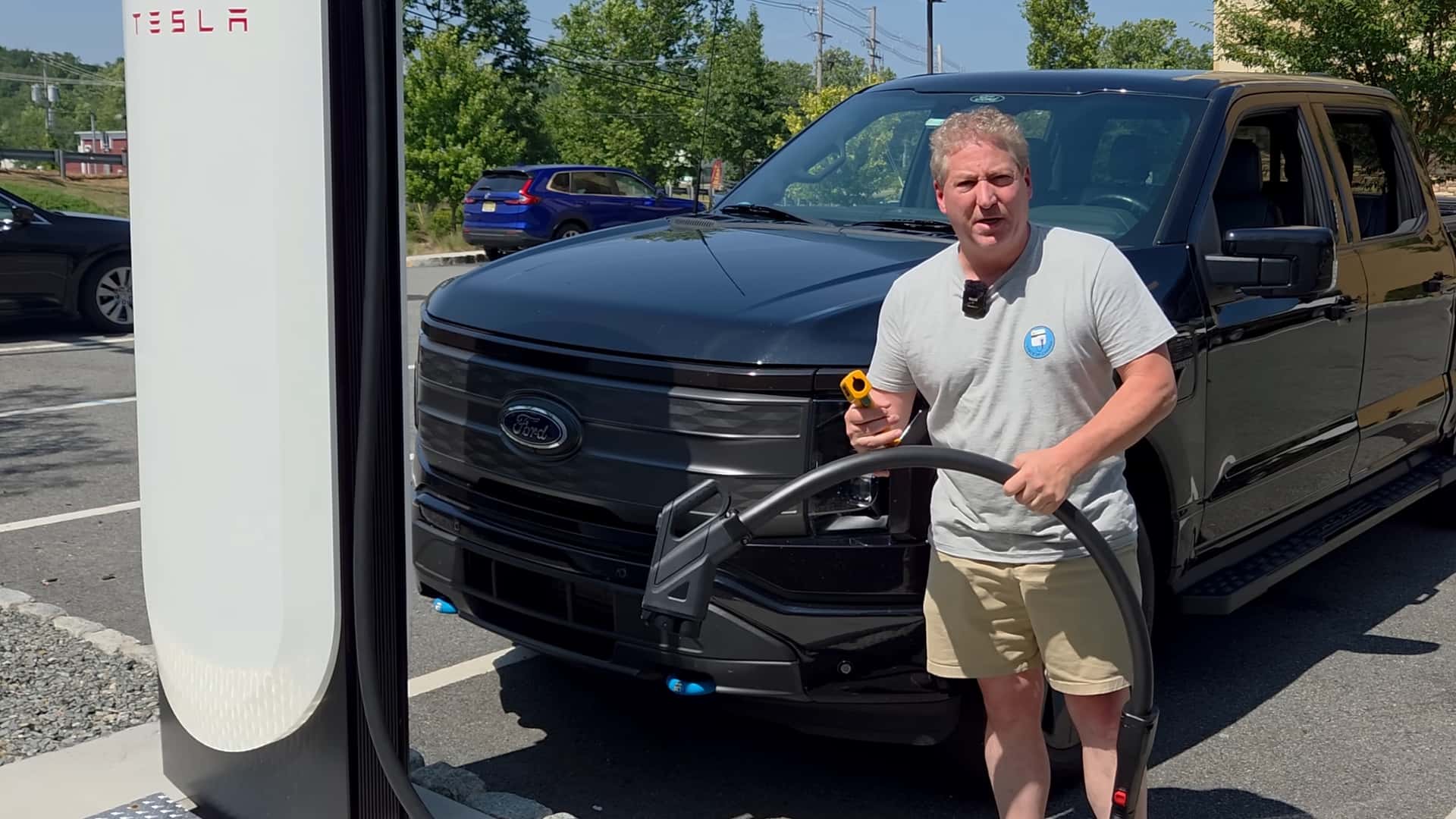
Having access to Tesla Superchargers as a non-Tesla owner is quite good, as Tesla managed to install a DC fast charger just about everywhere you’d want to drive in the United States. But as some EV drivers know, it’s not always easy to use a Supercharger, especially if you happen to drive an EV like the Rivian R1S or Ford F-150 Lightning.

Leaving aside the fact that you’ll need an NACS to CCS1 adapter, the Supercharger cable might not reach the charge port many popular EVs, including the Chevy Blazer EV and the aforementioned trucks. The most popular stall version, known as V3, was designed for Tesla EVs, which have the charge port on the rear left, while many American electric pickups and SUVs have their ports on the front left side.

Thankfully, there’s a company out there that is trying to fix two issues with one product. Hannshow’s five-foot extension cable also doubles as a NACS to CCS1 adapter, so it should come in handy for owners of EVs that came with a CCS1 inlet from the factory–like the Gen1 Rivian R1S and R1T, as well as the Ford F-150 Lightning.

That said, the $600 product has some flaws, as InsideEVs contributor and charging expert Tom Moloughney found out during his review of the product. Put simply, he wouldn’t recommend it as a safe option.

Specs-wise, the extension cable has two thermal sensors inside the connectors, so when the temperature hits 185 degrees Fahrenheit (85 degrees Celsius), the charging session stops automatically.

Furthermore, the charging can be ended by pressing the button on the CCS1 connector, or you can stop the session from the Tesla app. That said, there’s another release button on the NACS connector, which does just that–it only releases the extension cable from the NACS charging cable. It doesn’t stop the charging session, and that’s a big problem because one could inadvertently remove the NACS part first while charging, and that could create a big electrical arc, as power would continue to flow through the charging cable.

For what it’s worth, the company says in the instructions that users should always stop the charging session first by pressing the button on the CCS1 handle or through the station’s app, and then remove the extension cable. But as InsideEVs contributor Tom Moloughney rightly puts it, people don’t read the instructions manual. It would be much safer if the release button on the NACS end of the extension cord also stopped the charging session.

That’s not the only problem with the $600 cable, though. According to Hansshow’s website, the product is rated for a maximum of 250 amps and 1,000 volts, resulting in a maximum power of 250 kilowatts. The problem is that a lot of EVs on the market will ask for a lot more than 250 amps–some require over 500 amps for short stints.

This means that the extension cable will not function as expected in some scenarios. At least that’s what we found out during our testing. When topping up a Ford F-150 Lightning at a Tesla Supercharger, going from 10% to 50% took 30 minutes using the extension cord. When using a certified NACS to CCS1 adapter during an identical charging session, it took 24 minutes.

The same extension cable was used to charge a Gen1 Rivian R1S at a different Tesla Supercharger. After plugging in with a dead battery, the car stopped charging after just a couple of minutes, saying the cable was too hot. After unplugging, waiting for 15 minutes and plugging back in, the car accepted a charge for just one minute before ending the session again.

The Ford F-150 Lightning, however, accepted a charge with the same extension cable at the same station. After changing stations, the Rivian R1S charged from 10% to 34% before stopping again. This time, though, there was no error; it just refused to charge, even after unplugging and replugging.

It’s worth noting that with a regular NACS to CCS1 adapter, the same R1S went from 10% to 60% in 26 minutes at the same location.

Hannshow’s NACS to CCS1 extension cable is the only product of its kind that’s currently available for sale. A2Z, another company that makes charging adapters, has a NACS to NACS extension cable, but that’s not on sale yet, with the company saying it expects the first units to ship in the last quarter.

All this being said, there’s another issue that EV owners should be aware of. If anything were to go wrong during a charging session, carmakers might not honor the car’s warranty if anything other than the manufacturer-recommended charging adapter was used.

The product is out there, and it can be used, but there are issues that need to be considered before you plug one in. Make sure to look into safe operation, and consult with safety and charging experts when necessary.


Source link

MT Auto Parts Is Becoming On Of The Best Sources for BMW parts in the UK

0
MT Auto Parts Is Becoming On Of The Best Sources for BMW parts in the UK


Read Time:6 Minute, 10 Second

If you’ve been hunting for reliable BMW parts in the UK, you’ve likely come across a long list of sellers claiming to offer the best deals. But very few actually deliver on quality, fitment, and trust. MT Auto Parts is changing that — and it’s not just hype. They’re quickly becoming one of the most respected BMW breakers in the country for drivers who want real value from used parts without compromising performance.

Whether you drive a daily-runner 3 Series or a tuned M5, MT Auto Parts is carving out a name as a go-to destination for dismantled OEM parts that work — and work well.

How MT Auto Parts Is Changing the Way UK Drivers Shop for BMW Parts And Save Money

The UK’s automotive aftermarket is worth over £70 billion and growing. BMW vehicles — known for their precision, performance, and premium feel — make up a large part of this demand. But as these cars age past their warranty, replacement parts from the dealership can get expensive.

That’s where BMW dismantlers like MT Auto Parts come in. Based in Thurnscoe, South Yorkshire, they’re not just pulling random spares from scrapyards. They’re doing things the right way: organised, transparent, and professional — offering thoroughly tested, warranty-backed parts that are mostly ready to fit.

And they only stock parts for BMWmodels from 2012 onwards — the F, G, and i Series models — meaning everything is modern, relevant, and compatible with today’s tech-loaded vehicles.

Why You May Want to Source BMW Parts from MT Auto Parts

Not all parts are equal. And not all sellers are reliable. If you’re on the fence about buying used BMW parts online, here’s why MT Auto Parts is worth your attention:

  • OEM Quality Without the Dealer Price: Most of their stock consists of original BMW parts (not pattern or cheap aftermarket alternatives).
  • Clarity and Honesty: Aftermarket items (if they ever appear) are always clearly labelled.
  • No Service Parts: They don’t deal in consumables like oil filters or brake pads. Just the core components that matter — engines, transmissions, lights, body panels, electronics and other BMW spare parts.
  • Expert Dismantlers: Their team is specialised in BMWs. That’s it. Nothing else. So you’re not buying from a generalist garage.
  • Fast UK Delivery: 48-hour dispatch on most items. Many parts qualify for free 24-hour tracked shipping.

In a fragmented market full of uncertainty, that sort of focus and dependability matters.

What Kind of BMW Parts Can You Buy at mtautoparts.com?

MT Auto Parts breaks modern BMW F, G, and i Series vehicles — everything from the small F20 1 Series to the luxury G11 7 Series and electric i3 and i4 models.

Here’s a closer look at what’s on offer:

Engine & Drivetrain

  • Complete engines (petrol, diesel, hybrid, electric)
  • Cylinder heads, blocks, crankshafts
  • ECUs, turbochargers, alternators
  • Automatic gearboxes (including GA8HP and dual-clutch units)
  • Transfer cases and xDrive components

Exterior & Body Panels

  • Front and rear bumpers, bonnets, wings
  • Doors, bootlids, spoilers
  • Mirrors (including power-fold and heated types)
  • Headlights (LED, Laser, Xenon) and tail lights

Electronics & Interior

  • Instrument clusters, iDrive controllers, screens
  • Airbags, steering wheels, interior trims
  • Window regulators, switches, wiring looms

All parts are tested before dispatch and come with a 30-day warranty (T&Cs apply), which adds peace of mind — especially for those buying remotely.

How Do BMW Breakers Like MT Auto Parts Work?

Unlike traditional scrapyards, a modern BMW breaker like MT Auto Parts doesn’t just pile cars into a yard and let you wander. Here’s how the process works:

  1. Vehicle Acquisition: They acquire damaged or end-of-life BMWs — often with light body damage but fully functioning mechanical components.
  2. Careful Dismantling: Trained technicians dismantle each car using professional tools, ensuring parts are removed without damage.
  3. Testing: Key components are tested where possible — especially engines, gearboxes, and electronics.
  4. Cleaning & Storage: Parts are cleaned, labelled, and stored in a structured warehouse for easy retrieval.
  5. Listing Online: The team adds parts to their site with clear photos, part numbers, and compatibility notes.

This clean, methodical approach is what separates professional BMW breakers from dodgy Facebook Marketplace listings with “untested, as-is” disclaimers.

The Rise of Used BMW Parts in the UK

There’s a clear reason why more UK drivers are turning to trusted dismantlers like MT Auto Parts:

  • Affordability: A used OEM part typically costs 20–70% less than new. That’s a massive saving, especially for major items like engines or gearboxes.
  • Sustainability: Re-using quality parts reduces landfill waste and avoids the CO2 emissions from manufacturing new components.
  • Availability: With many dealers no longer stocking parts for older models, breakers often have what OEMs no longer carry.
  • Precision Fitment: BMWs don’t like cheap pattern parts. An OEM-sourced component means better fitment, fewer warning lights, and smoother performance.

It’s not about cutting corners. It’s about getting the right part, at the right price, from someone who knows BMWs inside out.

Real Benefits for BMW Owners Across the UK

Whether you’re a home mechanic or a professional garage, MT Auto Parts offers real-world benefits for drivers who want the job done right:

1. Confidence in Fitment

Parts come from the exact same make and model. Fitment issues are rare.

2. Nationwide Reach

If people are looking for BMW breakers in London to BMW breakers in Birmingham, MT Auto Parts delivers nationwide and offers their expertise for everyone in the UK — quickly and reliably.

3. Friendly Support

Have a question about a part or need help with matching? The team is just a phone call or message away and they can help you directly ensure if the part matches your BMW model.

4. Ideal for Performance & M Models

Need something for your F80 M3 or G30 540i? They regularly break high-performance variants and post them online fast.

Things to Consider When Buying BMW Parts Online

To make your buying experience smooth, here are a few quick tips:

  • Always Check Part Numbers: BMW parts are exact. Match the part number when possible, or ask their team to help verify. They are just one WhatsApp message away!
  • Ask About Condition: Used parts vary in wear. Look for photos, mileage, and testing info.
  • Watch for Software Matching: ECUs and some electronics may require coding — MT Auto Parts can guide you and give consultations on that.
  • Don’t Forget Shipping Times: While most deliveries arrive in 48 hours, engines or large items may take slightly longer due to handling.

Final Thoughts: Why MT Auto Parts Deserves Its Spot Among the UK’s Best BMW Parts Suppliers

The used BMW parts market is competitive — and crowded. But MT Auto Parts stands out for all the right reasons: mostly genuine OEM stock,  newer BMWs specialisation, clear listings, expert staff and fast UK-wide delivery.

They’re not trying to be everything to everyone. They’re focused, passionate, and professional about one thing: BMW parts. And that’s exactly why more drivers, garages, and enthusiasts are choosing them over general breakers or overpriced dealerships.

So if you’re replacing a failed turbo, sourcing a new headlight, or rebuilding your M4 engine from scratch — there’s a good chance MT Auto Parts has the part, the expertise, and the service to help you get the job done right.


Source link

2025 Zeekr 7X launched in Malaysia – Model Y, Sealion 7, G6 rival, up to 646 PS, 615 km WLTP, from RM179.8k

0
2025 Zeekr 7X launched in Malaysia – Model Y, Sealion 7, G6 rival, up to 646 PS, 615 km WLTP, from RM179.8k


2025 Zeekr 7X launched in Malaysia – Model Y, Sealion 7, G6 rival, up to 646 PS, 615 km WLTP, from RM179.8k

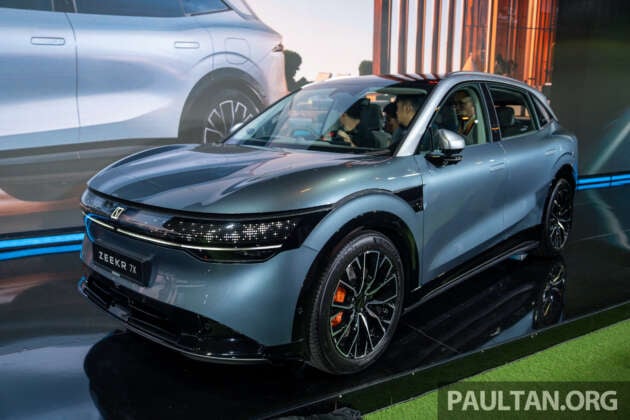
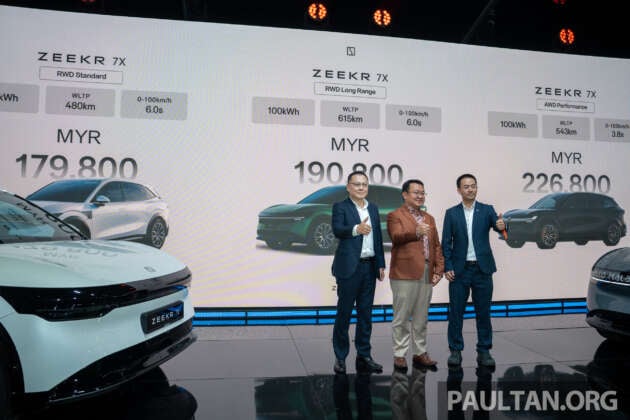
You saw it at the Malaysia Autoshow 2025 and at paultan.org‘s Premium Auto Car Expo (PACE); now the Zeekr 7X has finally landed in Malaysia officially, in RM179,800 RWD Standard Range, RM190,800 RWD Long Range and RM226,800 AWD Performance variants. Prices are OTR before insurance. Over 1,000 bookings have been received for the 7X to date, according to Zeekr Malaysia, and the waiting period is now 3-4 months. Customer deliveries are to start mid-September.

Its competitors are the likes of the Tesla Model Y (RM195k-242k), BYD Sealion 7 (RM188k-204k) and Xpeng G6 (RM169k-189k). The 800-volt Zeekr 7X is 4,787 mm long, 1,930 mm wide and 1,650 mm tall, with a 2,900 mm wheelbase.

The two lower variants share the same 421 PS/440 Nm rear-mounted electric motor and six-second 0-100 km/h time, but the Standard Range uses a 75 kWh LFP battery (480 km WLTP) while the Long Range has a 100 kWh NMC battery, making it the range king (615 km WLTP) of the three variants.

2025 Zeekr 7X launched in Malaysia – Model Y, Sealion 7, G6 rival, up to 646 PS, 615 km WLTP, from RM179.8k

The Performance has two motors making 646 PS and 710 Nm of torque altogether, so it does the century sprint in just 3.8 seconds. The Performance has the same battery as the Long Range, but because it has more, erm, performance, range drops to 543 km WLTP.

In terms of charging, the Zeekr 7X can swallow up to 22 kW AC across the board, but the Standard Range, having the smallest battery, is the fastest-charging variant. It’ll get from 10-100% in 4.5 hours (an hour faster than the other two) at 22 kW AC, and can take up to 450 kW DC (30 kW more than the other two), enabling it to get from 10-80% in a crazy 10.5 minutes (16 minutes for the RWD Long Range and AWD Performance at 420 kW DC). All variants have 3.3-kW vehicle-to-load (V2L).

The Standard Range’s suspension consists of front double wishbones and a multi-link rear, paired with 19-inch multi-spoke alloys wrapped with Continental EcoContact 7 rubber. LED headlamps, daytime running lights and tail lamps are also standard, along with RGB dynamic ambient lighting. There are 36 cabin storage areas, including two underneath the rear bench. Also on are frameless doors and an interior occupant monitoring system (OMS) camera.

Other items on the base variant include a powered tailgate, a panoramic glass roof with powered sunshade, a manually-adjustable leather steering wheel, leatherette upholstery, powered front seats with memory, powered rear seats with 10-degree backrest adjustment, a 13.02-inch digital instrument cluster, a 16-inch centre touch-screen with a 3.5K mini-LED display (Qualcomm 8295 chip), 10 speakers, three-zone climate control as well as wireless Android Auto/Apple CarPlay.

The Long Range gets additions such as a power-adjustable steering wheel, front seat ventilation and massage, a 36.21-inch augmented reality head-up display, 21 Zeekr Sound Pro speakers (including headrest speakers) and dual 50-watt wireless phone chargers.

But it’s the AWD Performance that has all the bells and whistles, including 20-inch multi-spoke alloys covered in Michelin Pilot Sport EV tyres, orange Akebono front four-piston brake callipers, orange rear callipers, single-chamber air suspension with continuous control damping, powered doors (which none of its rivals get), full-grain Nappa leather upholstery and powered rear side window sunshades.

The highlight of the top-spec car is the Zeekr Stargate Integrated Smart Light Curtain, which features 1,831 LEDs on the front panel above the headlamps that are customisable to show different patterns. Text is not available for now (Zeekr Malaysia is working to get authorities’ approval) but this could arrive as an OTA update later. By the way, the AWD Performance has an illuminated Zeekr logo in the middle of the Stargate; the other two variants have no Stargate, so they have a regular Zeekr logo on the bonnet.

2025 Zeekr 7X launched in Malaysia – Model Y, Sealion 7, G6 rival, up to 646 PS, 615 km WLTP, from RM179.8k2025 Zeekr 7X launched in Malaysia – Model Y, Sealion 7, G6 rival, up to 646 PS, 615 km WLTP, from RM179.8k

Click to enlarge specs

Safety? No matter which variant you choose, you get seven airbags, ACC, lane centring control, lane keep assist, auto lane change, AEB with forward collision warning and mitigation, parking emergency brake, door open warning, blind spot monitoring, rear collision mitigation support, front and rear cross traffic alert, driver monitoring, automated parking assist, a 360 camera with transparent chassis and sentry mode.

There are five body colours – Crystal White, Onyx Black, Tech Grey and Forest Green are available for all variants while Brook Blue with a silver roof is an AWD Performance-exclusive (RM3k option). As for the interior, black is standard, but the AWD Performance can be had with a purple and white cabin. The range-topping variant can also be specced with 21-inch forged alloys for RM14.8k.

Warranties? Five years/150,000 km for the vehicle and eight years/160,000 km for the high-voltage battery. Buyers get a free 22 kW wallbox and solar tint, plus one year free connected services to access the Zeekr App, onboard navigation and OTA updates – beyond this, customers may extend at extra cost (prices yet to be determined). Without data connectivity, App Controls will not work and OTA will only be possible via Wi-Fi.

There’s also an eight-litre in-car fridge (-15 to 50 degrees Celsius) that the first 500 customers will get as an early bird gift, which is, for now, not available for new customers. It’s a plug-and-play accessory that slides into the drawer at the back of the centre console.

Zeekr 7X Malaysian brochure

Zeekr 7X AWD Performance launched in Malaysia

Zeekr 7X AWD Performance at PACE 2025

Zeekr 7X RWD Long Range launched in Malaysia

AD: Drive the ZEEKR model of your dreams. Submit your details and Zeekr Carro (Bangsar, Mutiara Damansara, Penang, Seremban outlets) will get in touch with you.


Source link

Breaking Boundaries: Black Athletes In Motorsport

0
Breaking Boundaries: Black Athletes In Motorsport


“I am completely overcome with rage at the sight of such blatant disregard for the lives of our people. The injustice that we are seeing our brothers and sisters face all over the world time and time again is disgusting, and MUST stop.” – Lewis Hamilton, 2021

February is Black History Month

Black History Month is as much about reflecting on the actions of our predecessors, as it is about looking toward the future with hope and celebrating every accomplishment that’s been achieved by members of the Black community. 

It may seem like the Jim Crow era is long in the rearview mirror, but let’s all keep in mind that the Civil Rights Act was only signed into law 59 years ago, and it took several years to be fully implemented after that. In perspective, that’s just not that long ago, and even though the law was implemented, the damaging effects on the Black community are still being reverberated today. As much as we’d all love to think that “things are different”, for so many of our fellow Americans, this couldn’t be further from the truth. 

Take one look at motorsport and you’ll see a glaring lack of diversity across every series, but just as Bob Dylan once sang “For the times they are a-changin’”.

Let’s take a look at some of the best Black motorsports athletes and celebrate their accomplishments together. 

Wendell Scott

NASCAR was born of bootleggers in the segregated south, which also happened to be ground zero for the Civil Rights Movement of the 1960s. Thanks to the oppressive laws and arcane attitudes, Black Americans had little shot of moving into traditionally white sports like NASCAR but NASCAR hall of fame inductee Wendell Scott never got that memo. 

After serving in World War II as a mechanic, Wendell came home to Virginia and opened up a mechanic shop, and ran moonshine to make ends meet. After meeting a promoter who was looking to recruit black drivers in 1952, Wendell competed in his first race and beat the competition to the tune of $50. He was hooked. 

Despite the persistent challenges of being Black in the south, Wendell and his family pressed on until he joined the NASCAR series as a professional in 1961. He won his first race in 1963, which was rife with controversy because NASCAR handed the initial win to the second-place finisher, only to later declare a “scoring error”. Later, it was determined that NASCAR simply wanted to avoid Wendell receiving a kiss from the event’s White beauty queen. 

By 1966, he was a solid mid-pack driver, which is especially impressive because his mechanics were his family, and the old Fords he raced were almost always secondhand. It would be many years before Bubba Wallace would kick open the NASCAR door, but Wendell was incredibly brave in a time when there were few allies in the pit lane.

Willy T. Ribbs

Born in San Jose, California, and one of five kids, Willy T. Ribbs was born to be in a racecar. 

As a teen, he would scream down mountain passes in his modified muscle car, and after high school, he left for Europe to pursue his dream of becoming an open-wheel racer. After winning amateur series in Europe, Willy returned to America and competed in the Formula Atlantic series in Long Beach, where he finished 10th place. From there on out, Willy made the rounds across a staggering number of series and blazed an incredible career. 

In the early 80s, Willy dipped his toes in NASCAR and even tested out for Formula 1’s  Bernie Ecclestone-owned Brabham team. This made him the first black driver to pilot a Formula 1 car, which in and of itself is an incredible accomplishment. By the early 90s, Willy was competing in CART (now INDYCAR) and was the first black driver to compete in the Indianapolis 500. The 2000s saw Willy make the switch back to NASCAR but this time behind the wheel of a Dodge-powered truck in the truck series. 

Despite reservations from sponsors, and percent barriers, Willy had one hell of a career in motorsport that spanned nearly three decades. 

Lewis Hamilton

Wendell Scott and Willy T. Ribbs cut the path that Lewis Hamilton would turn into a five-lane superhighway. 

There’s little debate that Lewis is the greatest Formula 1 driver in history, which he backs up with seven World Drivers Championships, but it wasn’t always easy for Lewis. In the beginning, Lewis always knew wanted to be a race car driver, but growing up without much money meant that Lewis and his dad Anthony had to do things the hard way. Lewis often reflects on those early days of showing up to the circuit with a second-hand kart, while other white kids had the newest and best equipment. 

He began racing at only eight years old and won his first karting championship by ten, from there he would join McLaren’s young driver program and win nearly every race he entered up to the age of fifteen. After winning the F1 feeder series, GP2, Hamilton joined the McLaren F1 team in 2007. His rookie season would see him come in second to Kimi Raikkonen, but only by a few points. In 2008, he would win his first driver’s championship and would remain competitive in his McLaren years, but it was the F1 hybrid era that would be where Hamilton would shine.

Once he joined Mercedes-Benz Petronas in 2013, it only took him a season to get adjusted, and in 2014, he won his second title. From there on out, it was domination for Hamilton, winning five more championships in the coming years, until Max Verstappen put a halt to his glory in 2021.

On top of his incredible performances, Lewis is also a major advocate of Civil Rights and is a huge champion of boosting diversity in a traditionally white, and male-dominated space. His foundation, Mission 44, seeks to boost participation from traditionally un-represented groups in STEM programs that serve the automotive and motorsports industries. He’s used his platform for good from day one, and that makes him not only an outstanding driver but an outstanding human being. 

Lewis Hamilton’s legacy is still being written, and we can’t wait to see what he does for the sport and world next.

Black American Racers Association / African American Racers Association (AARA)

Way back in 1972, Leonard W. Miller with Wendell Scott (who we already showcased), Ron Hines, and Malcolm Durham banded together to form an organization that showcased Black drivers, and their accomplishments. In addition, BARA worked hard to boost interest in racing careers within the Black community and increase Black attendance at motorsports events all over the world. 

Although it only lasted for five years, BARA managed to capture the hearts and minds of 5000 members and held 4 annual conventions. Chairperson Leonard W. Miller would go on to be one of the prolific members of the racing community, including being the first black open-wheel race team owner to enter a vehicle into the Indy 500.  In subsequent years, the African American Racers Association (AARA) was formed to continue the mission of African Americans in all types of motorsports, from drag racing to NASCAR. 

Check out their hall of fame to read some bios on some of the best and brightest that have ever taken to the track, including a new breed of racers who are set to take the racing world by storm. 

We Still Have A Long Way To Go

Even though we live in an age of awareness and apparent openness, the Black community still faces an incredible amount of adversity across the board. 

Just last year, Lewis Hamilton was the subject of a disgusting comment made by Formula 1 legend Nelson Piquet regarding his race, along with dealing with hate speech online and in person. Take one look at social media and you’ll see more than one video of racial slurs slung with cowardice at members of the Black community. As abhorrent as this behavior is, there is still far too much acceptance and silence. 

This is exactly why we need to keep sharing stories, and spreading love and adoration around exceptional members of the black community. Motorsports just happens to be one of those unstudied areas of Black achievement where the story is still being written and evolving right before our very eyes. It’s crucial to celebrate the pioneers that paved the way for people like Lewis Hamilton to achieve greatness, even as Lewis Hamilton considers passing the torch to a new generation. 

Will Lewis Hamilton finally get that eighth title to beat out Michael Schumacher for the all-time greatest racing driver in history? You’ll just have to follow the 2023 season with a keen eye and see if Lewis and the new W14 can achieve the greatest honor in all of motorsport.

The post Breaking Boundaries: Black Athletes In Motorsport appeared first on Xtreme Xperience.


Source link

Essential RV House Battery Maintenance Tips

0
Essential RV House Battery Maintenance Tips


gloved hands performing battery maintenance

RV Battery Maintenance is Essential to Your RV

RV batteries are an essential component of an RV’s power system. After all, they store and supply electrical energy for your RV’s 12-volt system. Your RV batteries provide power for essential RV amenities such as lights, the water pump, the 12-volt refrigerator, the furnace, the stove top, and the 12-volt RV TV.

That said, whether you’re parked at a scenic boondocking site or powering lights after dark in a campground, your RV batteries need a little care and maintenance. Without it, even the best batteries will lose their ability to supply power when you need them most.

1. Understanding Battery Types

Most RVs use some form of lead-acid battery to supply power to the 12-volt power system. Lithium LiFePO4 (Lithium Iron Phosphate) batteries have been gaining a lot of popularity in the RV world in recent years. Each battery type has specific maintenance and care requirements.

Lead-Acid Batteries

Lead-acid batteries use the reversible chemical reaction between lead, lead dioxide, and sulfuric acid. During discharge, these components react to produce electricity, and during charging, the reaction is reversed to restore the battery’s chemical energy. To do that efficiently, your RV batteries need a little help from you.

  • Flooded lead-acid (Most common, need regular watering)
  • Sealed AGM (Maintenance-free)
  • Sealed gel batteries (Spill-proof and maintenance-free)

LiFePO4 Batteries

LiFePO4 batteries uses a similar process of using a chemical reaction to produce and store electrical energy. However, LiFePO4 batteries use lithium, iron and phosphate as chemicals instead of lead and sulfuric acid to produce and store electricity. These batteries use a process of lithium-ion movement when charging or discharging. When the battery is charging, lithium ions move from the cathode to the anode, but when discharging, they move from the anode to the cathode. As this happens, an electrical current is created. It’s this flow of ions and electrons that provides useful energy that provides power for the RV.

  • LiFePO4 Lithium-Ion Batteries:
    • Extremely low-maintenance
    • Lifespan: 5–10 years

2. Inspect battery housing, terminals, and connections regularly

IMPORTANT: Battery acid is extremely corrosive and can quickly burn through clothing and skin. Therefore, before you do anything with lead-acid RV batteries, be sure to wear eye protection, long sleeves, and gloves.

RV house batteries tend to be one of those things many RVers don’t think about until they don’t work. With that in mind, taking time to inspect house batteries every 4–6 weeks allows you to stay on top of small issues before they become bigger problems. Here are the steps you should follow.

  1. Battery housing: Inspect the battery housing for anomalies like cracks, bulging, and/or leaks.
  2. Terminals and connections: Inspect battery terminals and ensure connections are tight and free of corrosion. Corrosion looks like white or blue-green powder around the battery terminals and connections. If you happen to find any terminal corrosion, proceed to step 3.
  3. Disconnect the battery: You can do this either using the battery disconnection switch or do it the old-school way and disconnect the terminals one at a time. Always disconnect the negative terminal first and then disconnect the positive terminal. When reconnecting, use the reverse order. That is, connect the positive terminal first, and then the negative.
  4. Use a baking soda paste to neutralize and remove corrosion from terminals
    • Make a thick paste by mixing baking soda with a little water.
    • Apply to corrosion using an old toothbrush or a wire brush.
    • Allow the paste to sit for a few minutes to neutralize the corrosion.
    • Rinse or wipe off with a damp rag or paper towel.
  5. Apply a light coat of dielectric grease on each battery terminal to inhibit corrosion.

3. Check and refill flooded lead-acid batteries

Flooded lead-acid batteries contain lead plates that need to stay submerged in a sulfuric acid solution to function properly. If the level of liquid in the battery becomes low, the battery won’t charge or perform properly, and its lifespan will be shortened.

  • Check levels after charging, not before
  • Wear PPE: a long-sleeved shirt (preferably one you don’t like), eye protection, and gloves for this job
  • Remove the cell lids
  • Only use distilled water to fill cells just above the plates

4. Maintain Proper Charge Levels

LiFePO4 Lithium batteries can be discharged to 100% capacity without affecting their lifespan (or so it’s claimed), but the same is not true for deep-cycle lead-acid batteries. Deep discharging lead-acid batteries below 50% capacity can drastically shorten their life. Therefore, it’s a good idea to keep an eye on battery voltage levels using your RV’s battery monitor. Additionally here a few things you can do to prolong the lifetime of your RV house batteries.

  • Charge them before and during storage.
  • Keep them charged when not in use.
  • Don’t overcharge batteries. This is often expressed as a C-rate that’s 10% of the battery capacity. For example, a 100Ah flooded lead-acid battery should be charged at a rate of less than 10 amps. Slower charging allows the electrolyte to mix properly, preventing the acid from separating and settling at the bottom. This maximizes battery performance and longevity.

5. Battery storage tips

Storing RV house batteries properly when your RV isn’t in use will help prolong their lifetime. That said, improper storage of RV batteries will quickly destroy them. Here’s what you should know about storage requirements of both lead-acid batteries and LiFePO batteries.

Lead-Acid Battery Storage

  • Store lead-acid batteries in a cool, dry environment.
  • The ideal temperature for lead-acid battery storage is between 50°–77°F (10°– 25°C)
  • Never expose lead-acid batteries to freezing temperatures or extreme heat.
  • Store lead-acid batteries in the RV if the RV is plugged into power. This will keep them charged.
  • If plugging into a power source isn’t an option, remove the batteries and store them where they’ll be protected from freezing temperatures.
  • Charge batteries before storage.
  • Check charge level every month, and recharge as necessary.

LiFePO4 Battery Storage

LifePO4 batteries have different storage requirements than their lead-acid counterparts. Here’s what you should know.

  • Always disconnect LiFePO4 batteries before storage.
  • Charging LiFePO4 batteries to 100% capacity before storage can kill them. The ideal charge level for storing LiFePO4 batteries is 30–50%.
  • The ideal storage temperature range for LiFePO4 batteries depends on how long they are being stored:
    • Less than 30 days: -4℉–140℉
    • 30–days: 14℉–95℉
    • More than 90 days: 59℉–95℉
  • Never store LiFePO4 batteries in direct sunlight or in hot temperatures.
  • LiFePO4 batteries can be stored up to a year without significantly affecting their lifespan. However, battery-charge levels should be checked every three months.

RV Battery Maintenance Keeps Your Power Systems Problem Free

Maintaining your RV house batteries is an easy way to maximize their lifespan so you can enjoy the all the amenities your RV’s 12-volt system offers. Not only that, but proper care and maintenance of house batteries helps avoid costly RV technician calls and expensive RV battery replacement.

RV LIFE Maintenance is a handy service that simplifies tracking and scheduling essential RV maintenance specific to your RV. That makes maximizing the lifespan of your RV easier than ever.


Source link

Here are the EVs you can lease for under $300 a month in August

0
Here are the EVs you can lease for under 0 a month in August


With just over a month left until the $7,500 federal tax credit for electric vehicles expires, automakers are pushing the savings. We’ve put together a list of all the EVs you can still lease for under $300 a month in August.

Which EVs can you lease for under $300 in August?

Over 607,000 electric vehicles were sold in the US in the first half of 2025, but sales are expected to pick up over the next month or so.

With the EV tax credit set to expire, auto brands are offering generous discounts to lure buyers. According to Cox Automotive, average EV incentives reached an all-time high of 14.8% of the ATP (average transaction price), or nearly $8,500.

The discounts are boosting sales with several brands announcing record EV sales over the past two months. GM and Honda are leading the growth, with the Chevy Equinox EV and Prologue at the forefront.

Advertisement – scroll for more content

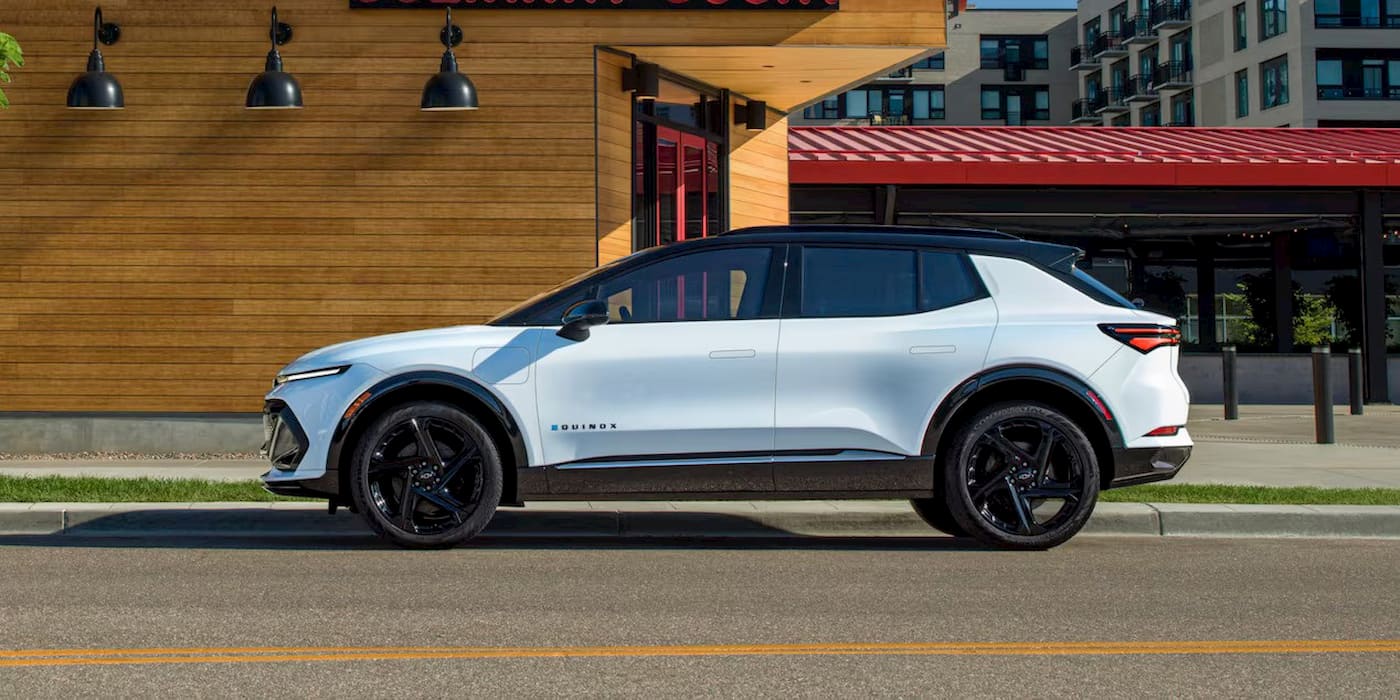
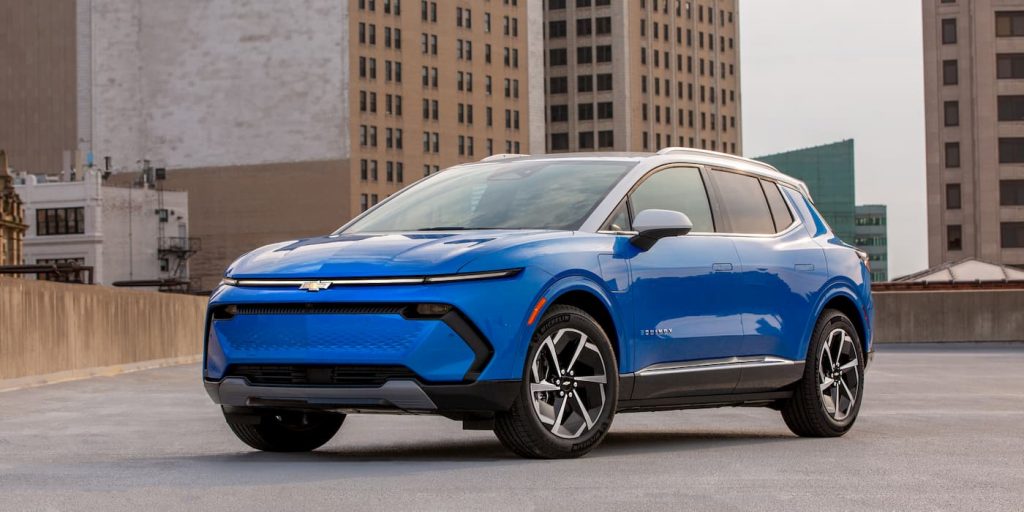
Who would’ve thought two affordable, long-range electric SUVs would sell? Both EVs are still available to lease for under $300 a month this August.

Chevy is offering Equinox EV leases as low as $249 for 24 months with $6,149 due at signing. You can also opt for 0% APR for 60 months in addition to the $7,500 EV tax credit, which Chevy is offering across its entire EV lineup.

Chevy-Equinox-EV-lease
2025 Chevy Equinox EV LT (Source: GM)

Chevy Equinox EV, Honda Prologue, and Acura ZDX

Lease From Term
(months)
Due at Signing
2025 Chevy Equinox EV $249 24 $6,149
2025 Honda Prologue $159 24 $1,099
2024 Acura ZDX $299 24 $2,999

The Honda Prologue is listed for lease as low as $159 per month in California and other ZEV states. The offer is for a 24-month lease with $1,099 due at signing. In other states, leases still start as low as $229 per month.

Honda is also offering deals that could save you even more. Last month, Honda introduced One Pay Lease for all 2025 Prologue models. The Prologue EX is available for $0 a month with $4,800 down, which amounts to about $200 a month for 24 months.

You can even snag Acura’s luxury ZDX electric SUV for $299 a month right now in California and other ZEV states. To find deals in your area, check out the listings at the bottom of the page.

Hyundai-IONIQ-5-EV-lease
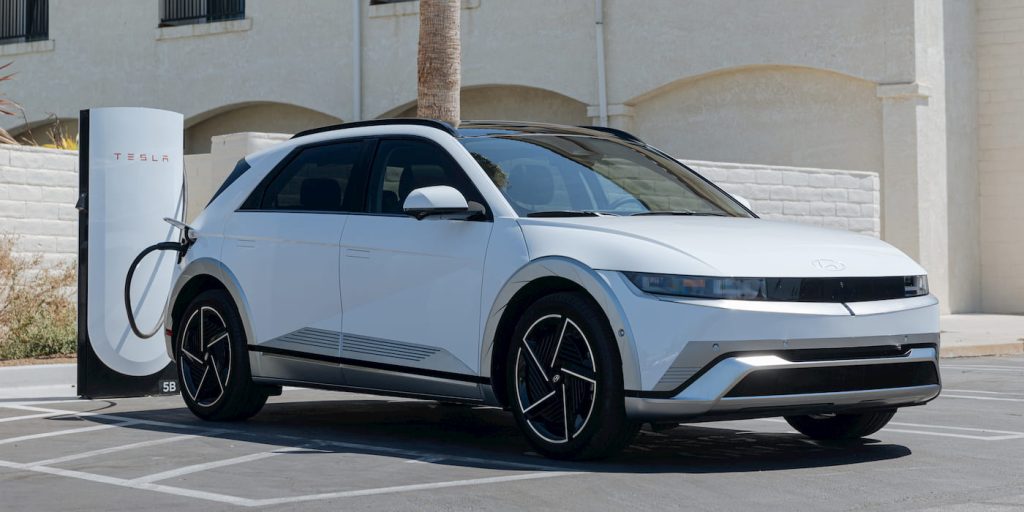
2025 Hyundai IONIQ 5 at a Tesla Supercharger (Source: Hyundai)

Hyundai and Kia August EV lease deals

Lease From Term
(months)
Due at Signing
2025 Kia Niro EV $129 24 $3,999
2025 Kia EV6 $179 24 $3,999
2025 Hyundai IONIQ 5 $209 24 $3,999
2025 Hyundai IONIQ 6 $169 24 $3,999
2026 Hyundai IONIQ 9 $299 36 $4,999

Hyundai’s new 2025 IONIQ 5 may take the cake with leases starting at just $129 per month in California. In other states, the 2025 Hyundai IONIQ 5 is available to lease starting at $179 per month for 24 months. That’s with $3,999 due at signing.

The 2025 IONIQ 6 is listed at $169 per month for 24 months with $3,999 due at signing and includes $11,750 in lease cash.

Hyundai-IONIQ-9-EV-lease
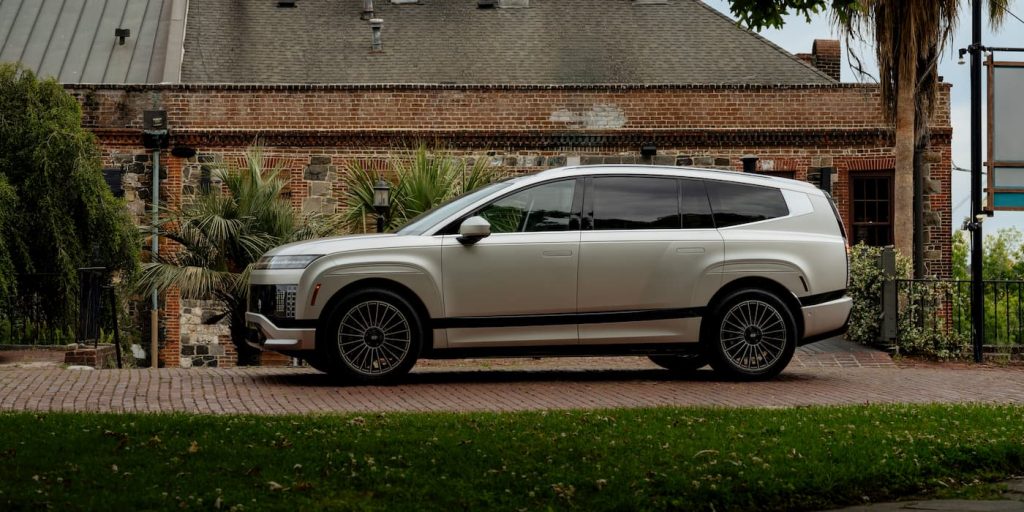
Hyundai IONIQ 9 (Source: Hyundai)

Hyundai’s new three-row electric SUV, the IONIQ 9, is one of the best EV lease deals available right now, starting at just $299 per month for 36 months with a $4,999 due at signing.

The Hyundai Getaway sales event ends on September 3. You can find deals in your area by scrolling to the bottom.

Kia is also offering deals on the 2025 EV6, with leases starting from $269 per month. The offer is for a 24-month lease with $3,999 due at signing.

Volkswagen-ID.4-lease
Volkswagen ID.4 (Source: Volkswagen)

VW ID.4, Tesla Model 3, and Ford Mustang Mach-E

Lease From Term
(months)
Due at Signing
Ford Mustang Mach-E $269 36 $4,369
Volkswagen ID.4 $129 24 $2,499
Tesla Model 3 $299 24 $3,000
2025 Toyota bZ4X $189 36 $3,999
2025 Subaru Solterra $279 36 $279

The Ford Mustang Mach-E is a pretty good deal right now, with leases starting at $269 per month for 36 months and $4,369 due at signing.

Volkswagen is offering 2025 ID.4 leases starting at just $129 per month for 24 months. That’s nearly half the cost to lease a new Jetta S. However, the offer is limited to California, Arizona, and Nevada. In other states, the ID.4 is available from $209 per month.

The Tesla Model 3 is now on sale. After cutting lease prices, the Tesla Model 3 Long Range RWD is now listed at $299 per month. That’s for a 24-month lease with a $3,000 down payment.

Other EVs you can still lease for under $300 a month in August include the 2025 Toyota bZ4X and 2025 Subaru Solterra. The bZ4X starts at $189 per month, while the Subaru Solterra has leases starting from $279 for 36 months.

Most of these deals wrap up on September 30, when the federal EV tax credit is set to expire. After that, it’ll be up to automakers to keep the discounts coming with their own incentives.

Looking to snag the savings while they are still available? You can use our links below to find deals on top-selling EVs in your area.

FTC: We use income earning auto affiliate links. More.


Source link

Expanded Tariffs Hit BMW’s Spartanburg: What It Means for the German Automaker in South Carolina

0
Expanded Tariffs Hit BMW’s Spartanburg: What It Means for the German Automaker in South Carolina


On August 19, 2025, the U.S. Commerce Department extended steel and aluminum tariffs by 50 % to 407 new product categories. Among these newly added categories are imported parts for automotive exhaust systems and electrical steel essential for electric vehicle components. 

These include exhaust components used in internal combustion models as well as key EV metal inputs—things like stator steel in EV motors and electrical steel for batteries. For a plant like Spartanburg, which relies on global sourcing for both traditional and electrified vehicles, these new duties will translate directly into cost hikes.

BMW Margin Pressure: Already Being Felt

BMW has already flagged the impact of tariffs. In its automotive segment, the company expects tariff-related pressure of around 1.25 percentage points on profit margin for 2025, with 1.5 points already felt in the first half. 

Spartanburg’s Advantages—And Limits

There is a silver lining: Spartanburg operates within a U.S. free-trade zone, meaning parts imported for vehicles destined for export might evade these tariffs. The plant has even considered adding shifts to boost output by up to 80,000 units, in part to absorb policy shocks. 

Meanwhile, BMW CEO Oliver Zipse remains publicly optimistic, pointing to the plant’s scale and export power as potential leverage.  Additionally, BMW is hopeful that a proposed EU-U.S. “netting mechanism”, which would allow exports from the U.S. to offset import tariffs based on value, could help mitigate the damage. 

BMW’s Spartanburg, South Carolina facility isn’t just crucial for BMW—it’s monumental. In 2024, it assembled 396,117 Sports Activity Vehicles and Coupes, including over 57,000 plug‑in hybrids (around 14 % of its volume). Nearly 225,000 vehicles were exported, with the total export value exceeding $10 billion—making it the top U.S. automotive exporter by value. Overall, about 63 % of the plant’s production since 2014 has been exported. 

Why This Hits Spartanburg Harder Than Before

In prior tariff rounds, BMW weathered domestic steel and aluminum tariffs in the late 2010s. However, the current wave is different because it strikes automotive parts themselves, not just raw materials. That means components crucial to both combustion and electric powertrains—especially EV-specific elements like electrical steel—are now more expensive.

BMW’s $1.7 billion EV expansion in Spartanburg (including battery assembly) now faces a more expensive reality even before EVs roll off the line. And with exports comprising the bulk of plant output, any shift in export competitiveness is consequential.

Bottom Line: Spartanburg has long been BMW’s U.S. flagship—built for exports and progressively leaning into electrification. But Trump’s expanded tariffs now target components at the heart of both its supply chains—not just raw materials. That layer of complexity and exposure comes at a critical juncture, just as BMW seeks to scale EV production from its U.S. base.

BMW’s options are clear: accelerate U.S. localization of EV parts (a multi-year effort), lean on free-trade exemptions for export-bound vehicles, and race for trade accommodations like the EU-U.S. netting mechanism.


Source link