15.6 C
London
Tuesday, May 12, 2026
Home Blog Page 106

Toyoda Gosei develops light transmission technology for vehicle exterior parts

0
Toyoda Gosei develops light transmission technology for vehicle exterior parts


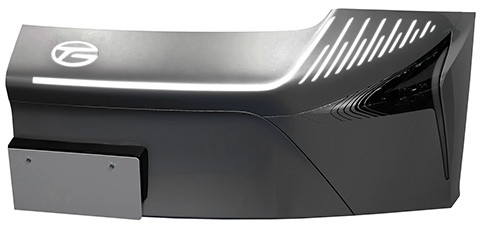
Toyoda Gosei Co., Ltd. has developed a technology that allows light to pass through the painted surfaces of plastic exteriors from behind, allowing the clear display of light patterns or signage on these surfaces

Toyoda Gosei Co., Ltd. has developed a technology that allows light to pass through the painted surfaces of plastic exteriors from behind, allowing the clear display of light patterns or signage on these surfaces.

Previously, achieving light transmission through painted surfaces required numerous holes, which degraded the surface appearance when the lights were off. Now, through innovations in paint composition design and membrane thickness control, patterns can be depicted using backlight without compromising exterior quality.

Additionally, Toyota Gosei has improved its technology to transmit millimeter waves through metallic finish painted surfaces, enabling a unified metallic appearance even in areas equipped with millimeter-wave radar devices. These embellishing technologies will contribute to attractive vehicle design.


Toyoda Gosei develops light transmission technology for vehicle exterior parts
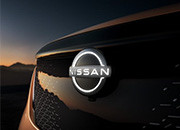
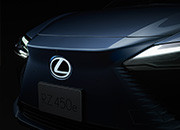
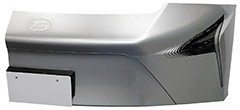
Concept model of front panel using light transmission technology


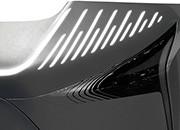
Maintains exterior quality when not lit

[Reference] Toyoda Gosei’s technology for integrating design and functionality into exterior parts

Technology Millimeter-wave transmission through emblem Light transmission through emblem Millimeter-wave and light transmission through emblem Millimeter-wave and light transmission through painted surface
Year Developed 2003 2022 2023
World’s first*
2025
Current development
Applied
Products
Millimeter wave radar compatible emblems LED illuminated emblems Millimeter wave radar compatible emblems that emit light Light transmission technology (Millimeter wave transmission through metallic painted surface)

SOURCE: Toyoda Gosei


Source link

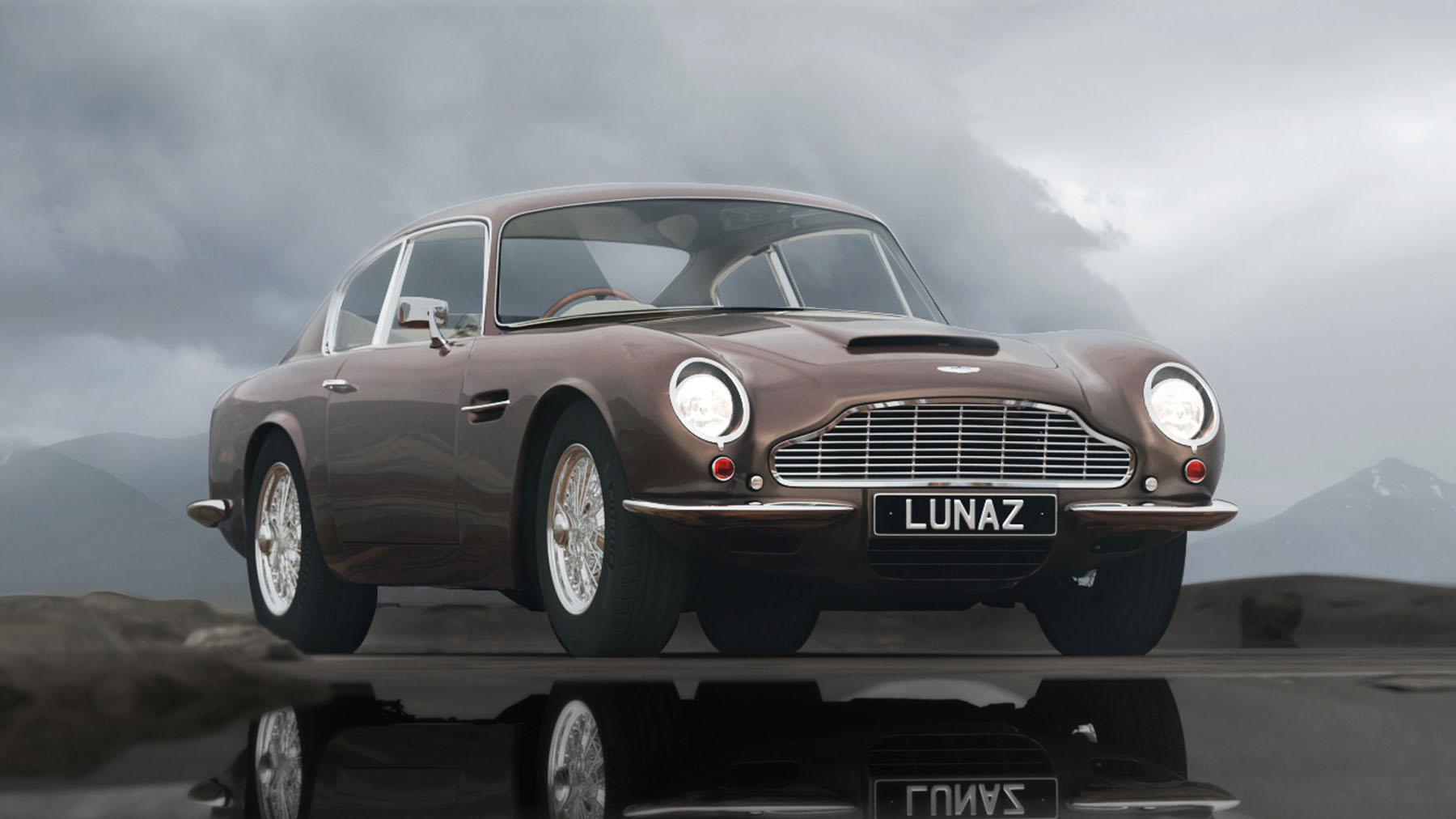
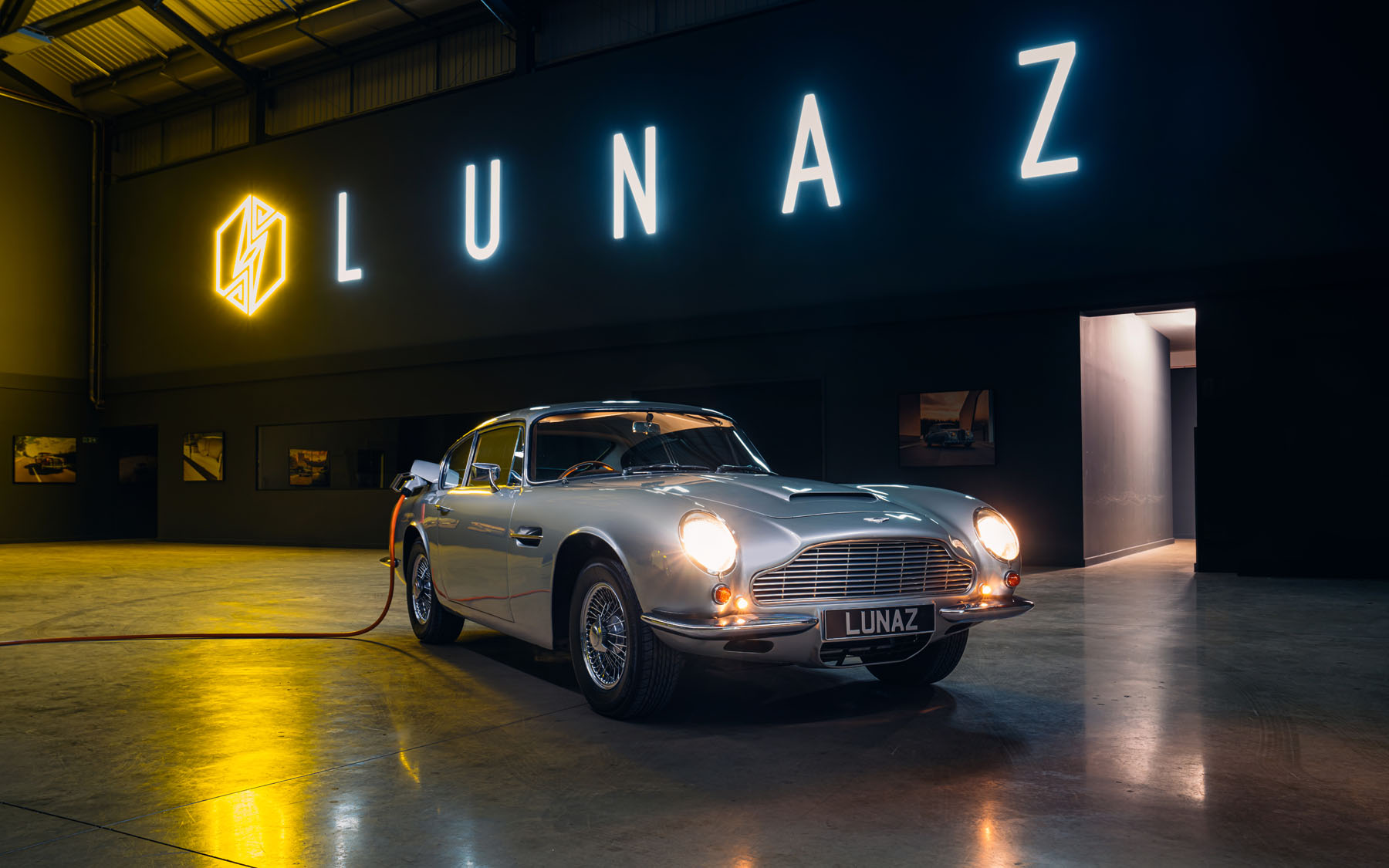
Lunaz reveals concept for vintage Aston Martin DB6

0
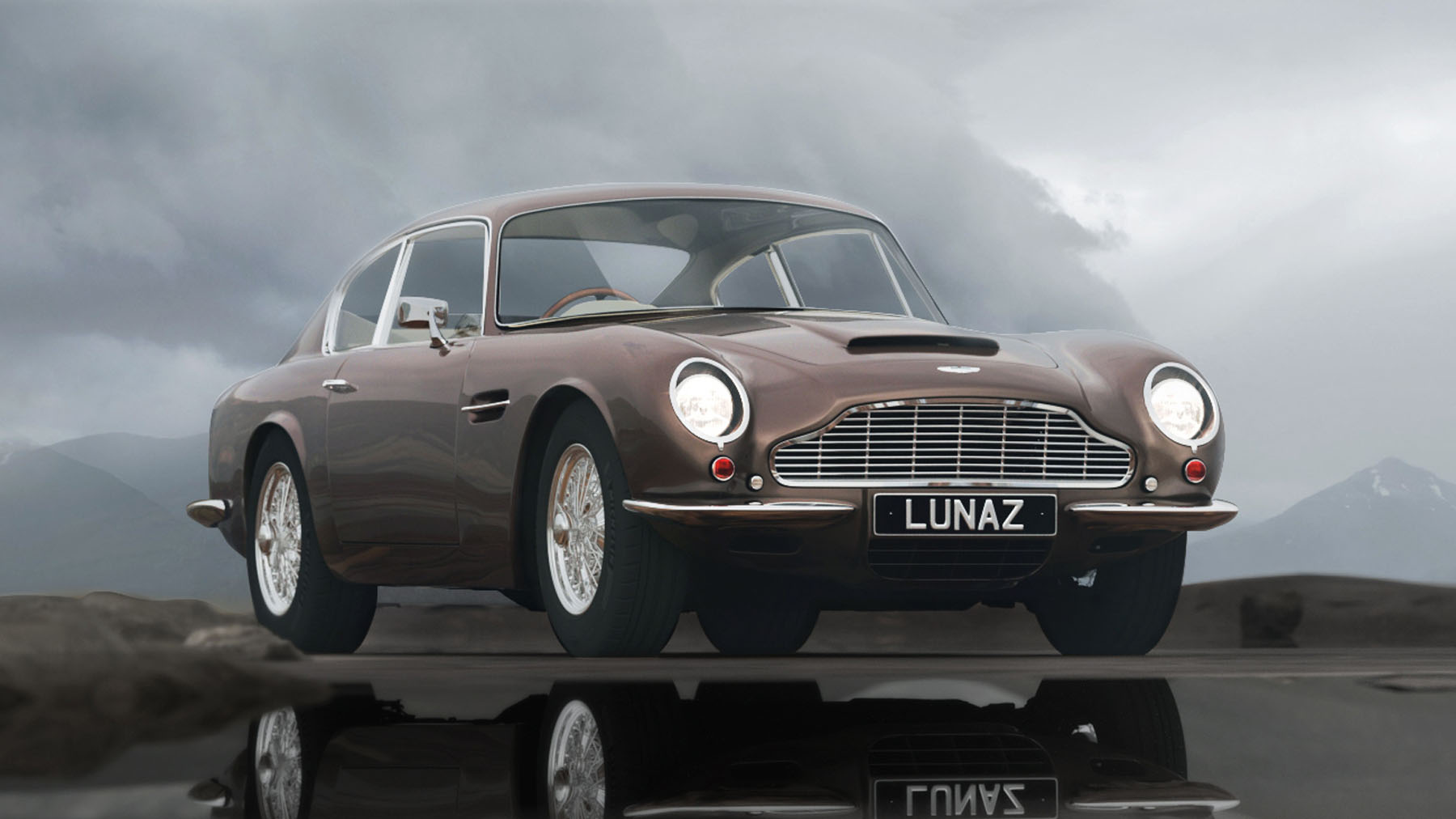
Lunaz reveals concept for vintage Aston Martin DB6


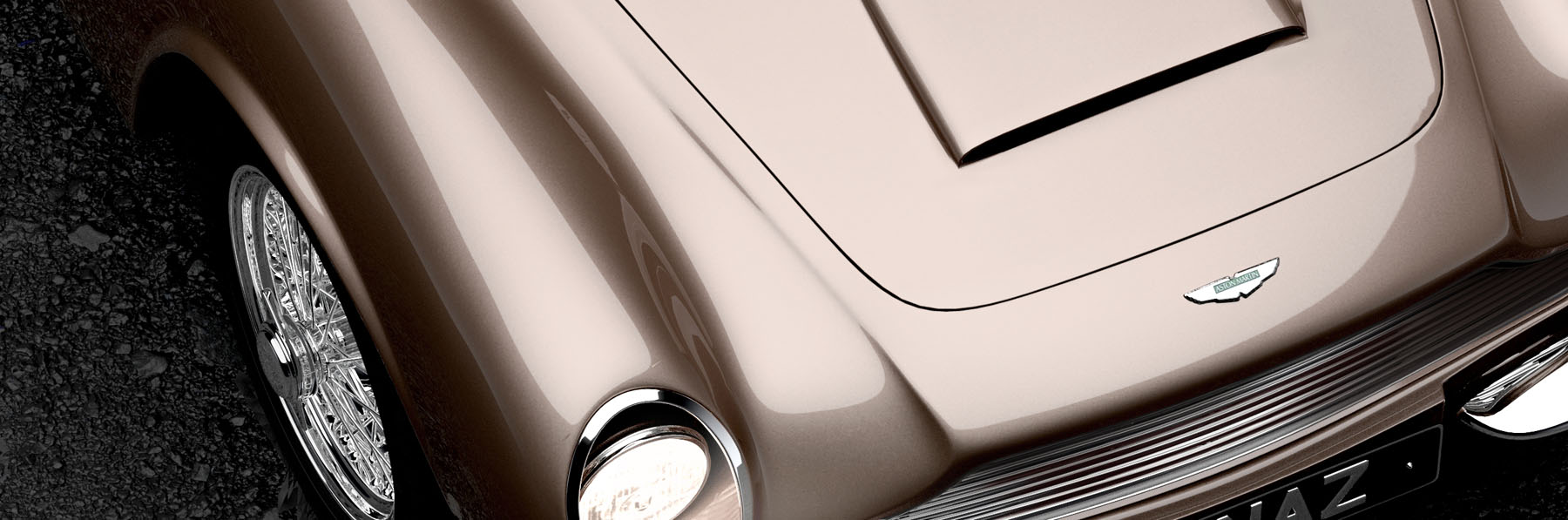
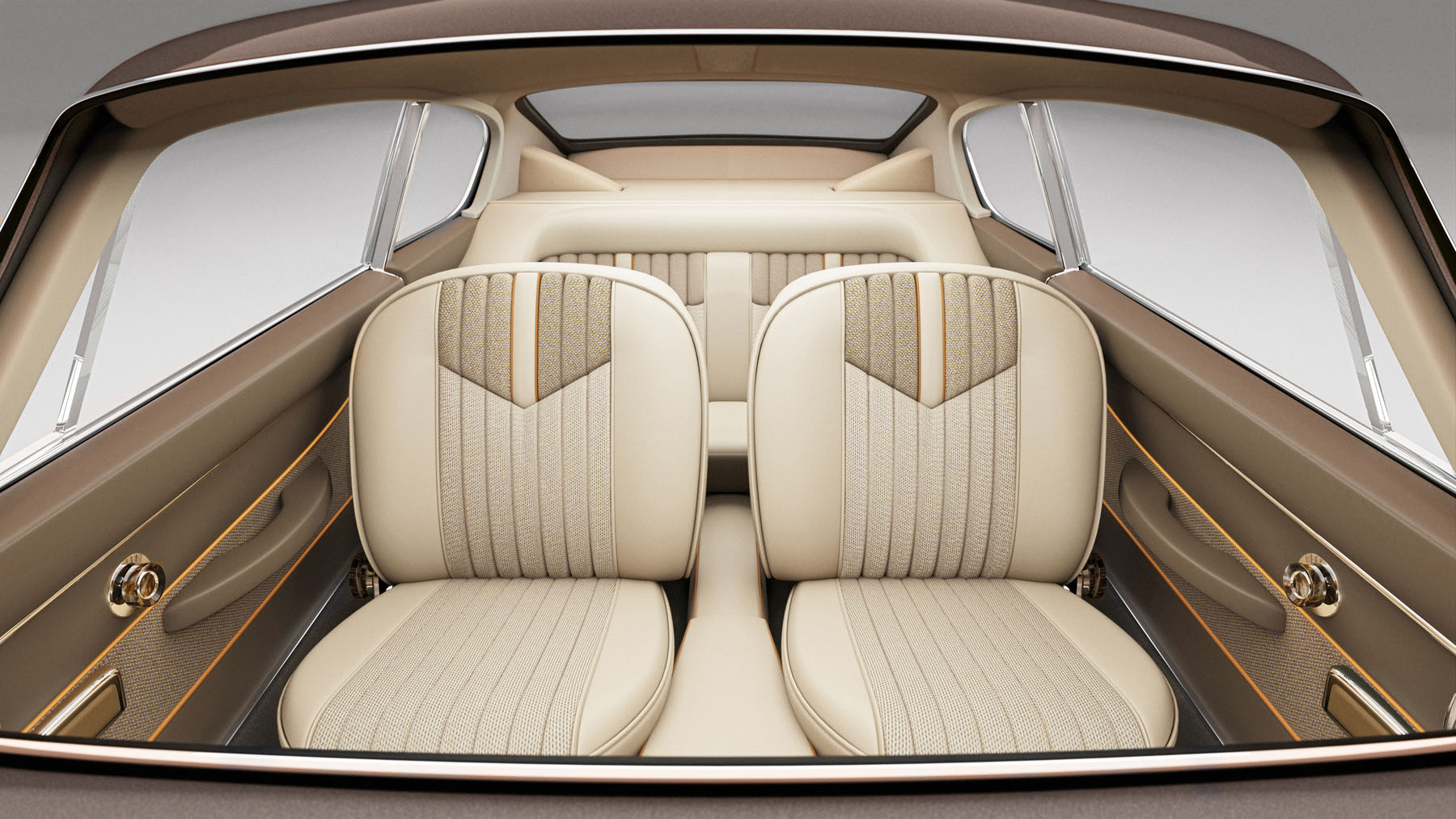
Lunaz proudly presents a concept for the world’s most sustainable Aston Martin: an upcycled and elevated DB6. Its silent, powerful 375 bhp electric powertrain and wealth of innovative materials and finishes clearly state that sustainable luxury is not defined by compromise but by an astonishing breadth of new possibilities. While the concept is currently a design study, all the innovations are production-ready, and many have already been used on previous classic cars electrified and elevated by Lunaz. This landmark initiative brings them together in one place, highlighting the Lunaz brand’s leadership of sustainable luxury.


Highlights

  • Lunaz presents its latest upcycled Aston Martin DB6 – a vision of eco-conscious material usage never seen combined on a road car, until today
  • The interior incorporates an unprecedented wealth of sustainable materials, specially selected for their luxurious appearance and tactile qualities.
  • Lunaz’ trailblazing approach to eco-material applications includes veneer made from egg and nut shells, plastic replacement using corn and wood fibers, alongside alternative leather made from apple by-product.
  • Demonstrating how the Lunaz upcycling process and philosophy extends beyond the all-electric drivetrain to include every part of the motor car, this new concept further solidifies Lunaz’ commitment to reducing pollution.
  • A leader in the development of clean-air automotive technologies, Lunaz reaffirms its commitment to UK manufacturing and future of holistic upcycling.


The Founder speaks

“Upcycling is a holistic, whole-vehicle process in which sustainability encompasses not only the clean-air powertrain but also the materials and finishes used in the interior. We’ve seen significant interest from our clients in maximizing our use of sustainable alternatives to traditional leathers, veneers and fabrics. This upcycling project provides a wonderful showcase for emerging materials and innovative products, which are opening up new possibilities across the luxury world. As this magnificent [Aston Martin] DB6 shows, we can create authentic, truly luxurious interiors worthy of the most famous marques using materials with the smallest possible environmental impact. These are very exciting times for us, our clients and our industry.” David Lorenz, Founder, Lunaz


Lunaz electric powertrain

Like all classic cars upcycled and elevated by Lunaz, the concept includes Lunaz’ proprietary modular electric powertrain, developed entirely in-house and comprised of the highest standard European-sourced Tier 1 OEM battery cells and motors. All current Lunaz vehicles’ battery capacity ranges from 80-120 kWh with Combined Charging System (CCS) fast-charging capability, a 255-mile range and 375 bhp.


See also

Innovative and sustainable

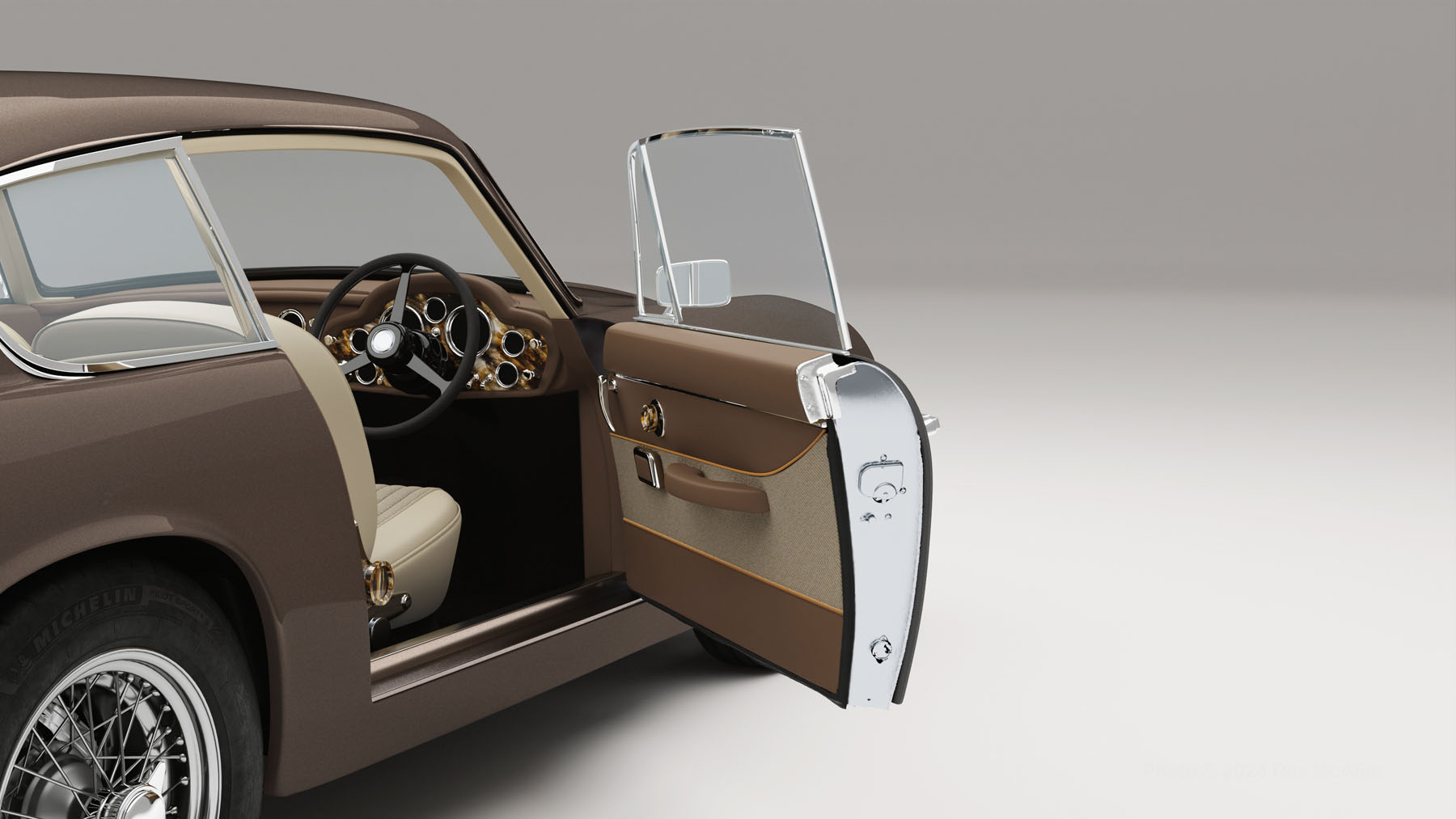
  • Eggshell and nutshell veneers: The dashboard face, gear shifter and three-quarter glass handle are finished in a unique, biodegradable composite material, used as a replacement for oil-based plastics. Produced from discarded egg and nut shells combined with an organic, biodegradable binder, it can be made to precisely replicate a range of natural high-luxury materials, including the ‘marble’ used in the DB6. The material is 100% natural and compostable.
  • Bio-based Polyurethane (PU) fabric: Meanwhile, the elevated by Lunaz DB6’s door cards are finished in a bio-based PU fabric constructed from a blend of renewable plant-based materials, including corn and wood pulp-based fibres. The unique matte surface features a subtle organic texture with a semi-lustrous base. Its multi-layer construction reduces the number of raw materials required without sacrificing durability or ease of maintenance.
  • Bio-based alternative leather: The accent piping on the headlining, seats and door cards is crafted from a remarkable leather alternative made from apple pomace, a by-product of cider, juice and compote production in the beverage industry. It is combined with water-based polyurethane and a backing made from wood pulp to produce a light, soft material with the look and feel of the finest leather.
  • Post-recycled fibers fabric: The fabric used in the seat upper flutes and door card accent is a blend of 66% post-industrial recycled cotton, 27% polyester, 6% rayon and 1% nylon, designed specifically for ‘high-traffic’ areas subject to intensive wear. It is completely free of the ‘forever chemicals’ per- and polyfluoroalkyl substances (PFAs) and contains no substances on the Living Building Challenge Red List.
  • Blended recycled fabric: For the lower seat flutes, Lunaz designers selected a new upholstery fabric that combines 54% recycled polyester with 35% new wool and 11% nylon to create a tactile and visually appealing ‘knitted’ surface with an intricate pattern of chevrons. The wool and recycled polyester fibers are carefully aligned to give excellent abrasion resistance and a lustrous finish.
  • Recycled carpets: The soft yet highly durable cabin and boot-floor carpets are made from a regenerated nylon derived from recycled waste material such as discarded carpets and fishing nets. The backing is made from 100% recycled polyethylene terephthalate (PET) plastic bottles.
  • Low-carbon leather: For the seat bolsters, flute accent, parcel shelf and transmission tunnel, Lunaz has used a Savannah colorway of the world’s lowest-carbon leather, with total emissions in its manufacture around 30-50% below the industry standard. The leather itself is a by-product of the meat industry and is 100% biodegradable.


David Lorenz adds: “The fact that our team has been able to bring together such a wide range of innovative materials in this sumptuous, tactile and completely harmonious interior is a testament to their skill and creativity. It’s an exceptional marriage of materials and methods that elevates automotive interiors beyond anything available in the market.”


Source link

BMW M6 (F12/F13/F06) Generation Buyers Guide

0
BMW M6 (F12/F13/F06) Generation Buyers Guide


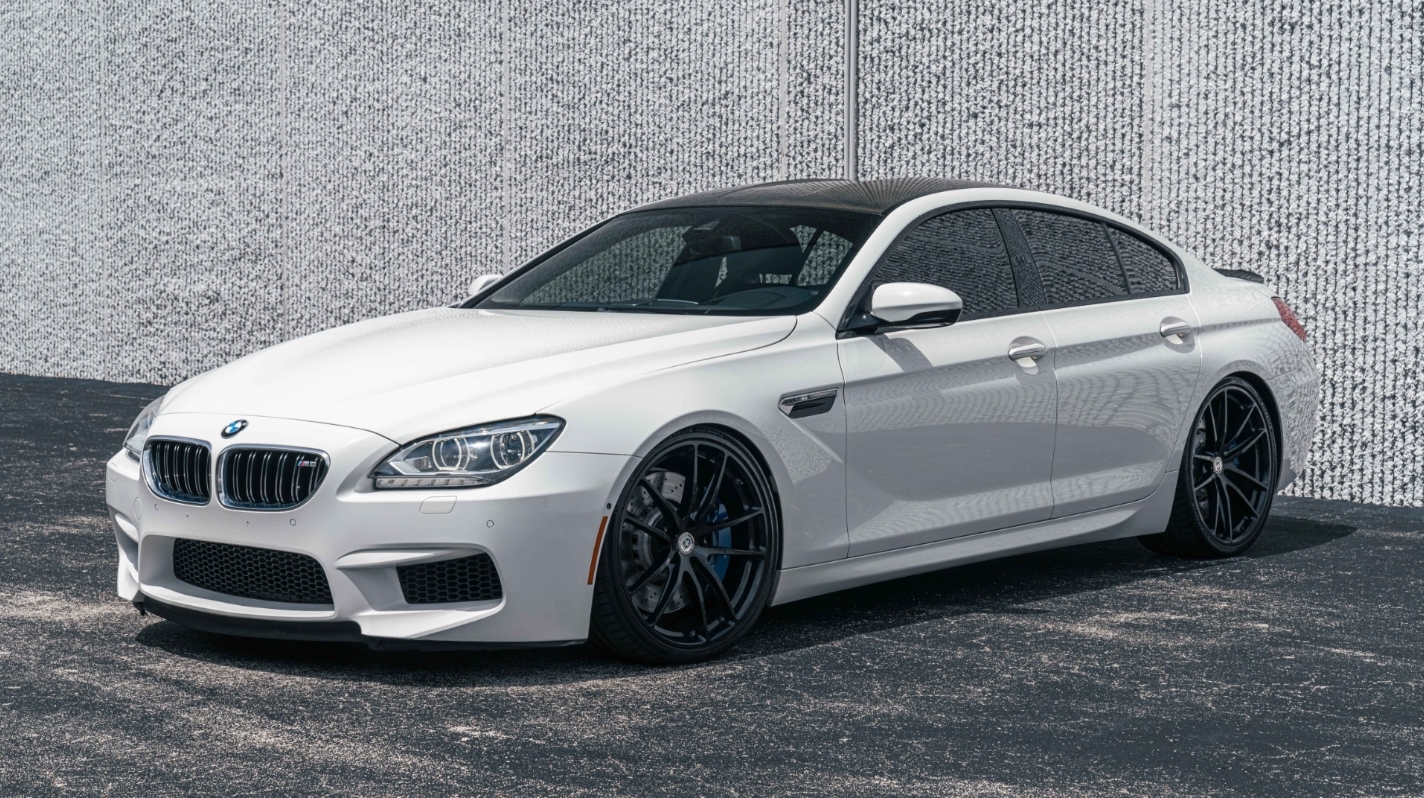
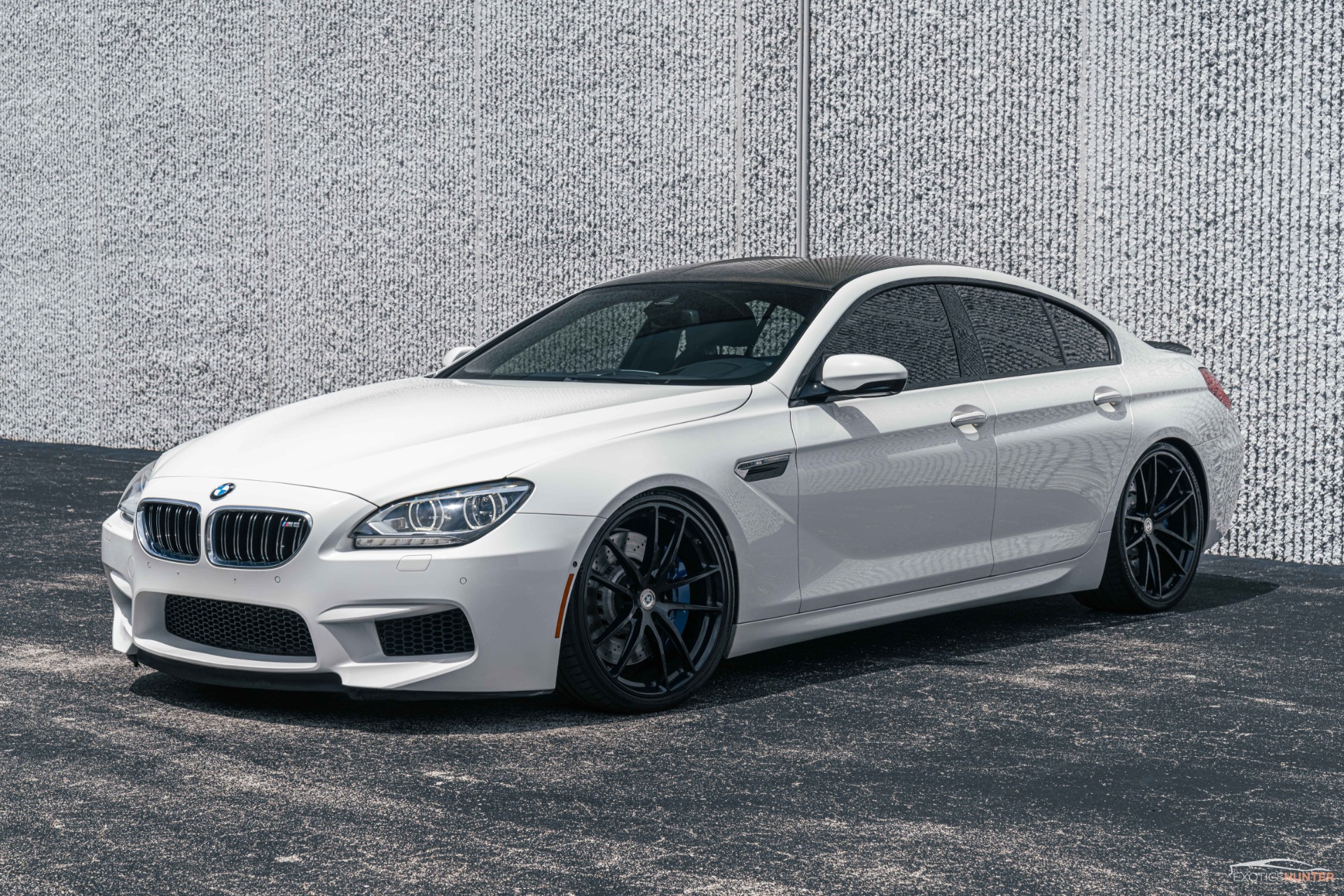
When the BMW M6 (F13/F06) was introduced in 2012, it marked the return of BMW’s high-performance grand tourer, succeeding the E63 M6. Available in Coupé (F13) and Convertible (F12) body styles, with the Gran Coupé (F06) joining in 2013, this generation of the M6 represented the pinnacle of BMW’s M Division.

At the heart of the M6 is a 4.4-liter twin-turbocharged V8 engine, codenamed S63, producing 560 hp and 500 lb-ft of torque in standard form. This engine, shared with the F10 M5, featured BMW’s innovative Valvetronic and Double-VANOS technology, enhancing efficiency and throttle response.

Power was sent exclusively to the rear wheels via a 7-speed dual-clutch transmission (DCT), though a 6-speed manual was available in select markets. Later models equipped with the optional Competition Package pushed output to 600 hp, shaving fractions off the 0-60 mph time, which dipped as low as 3.8 seconds.

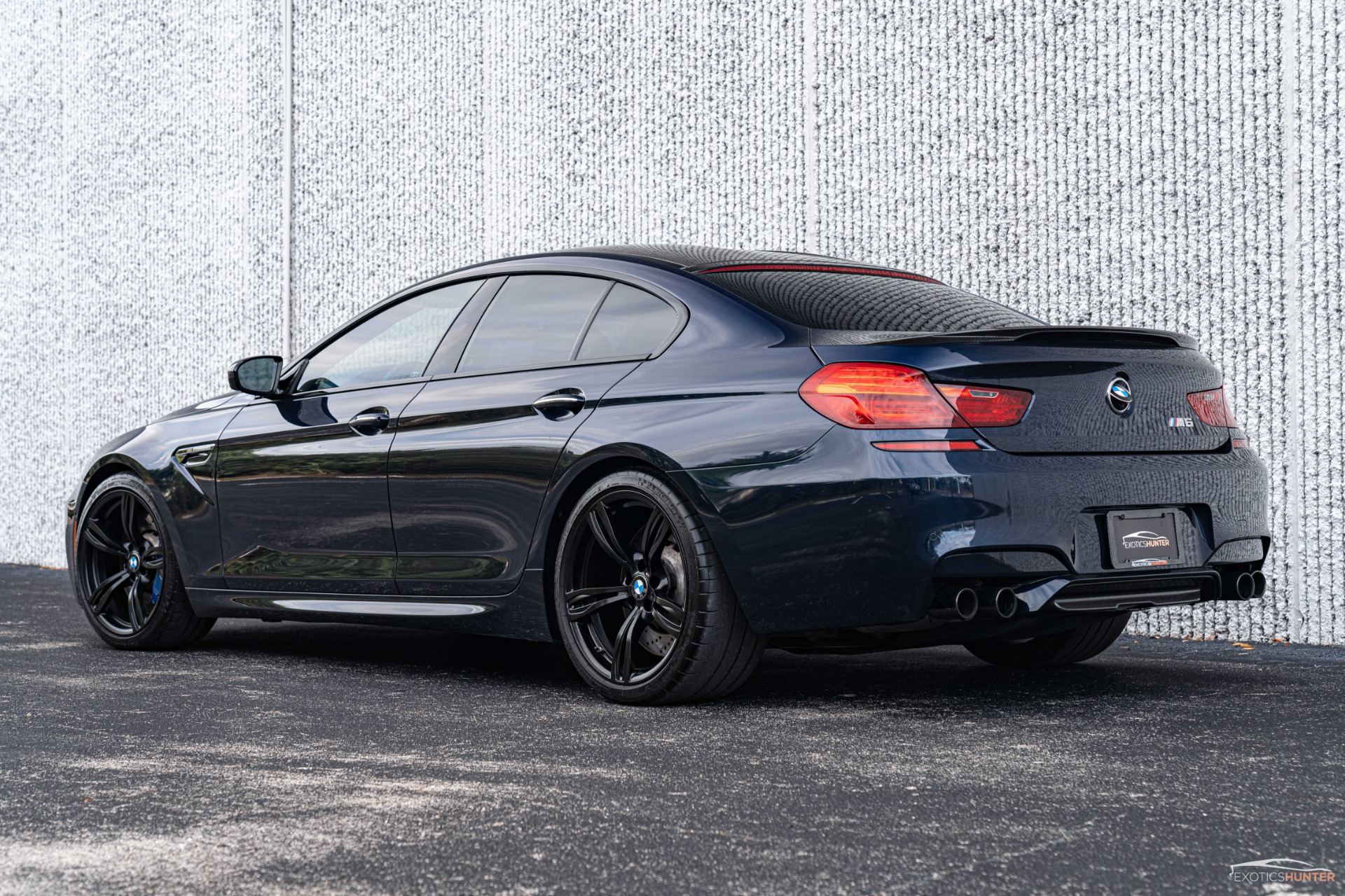
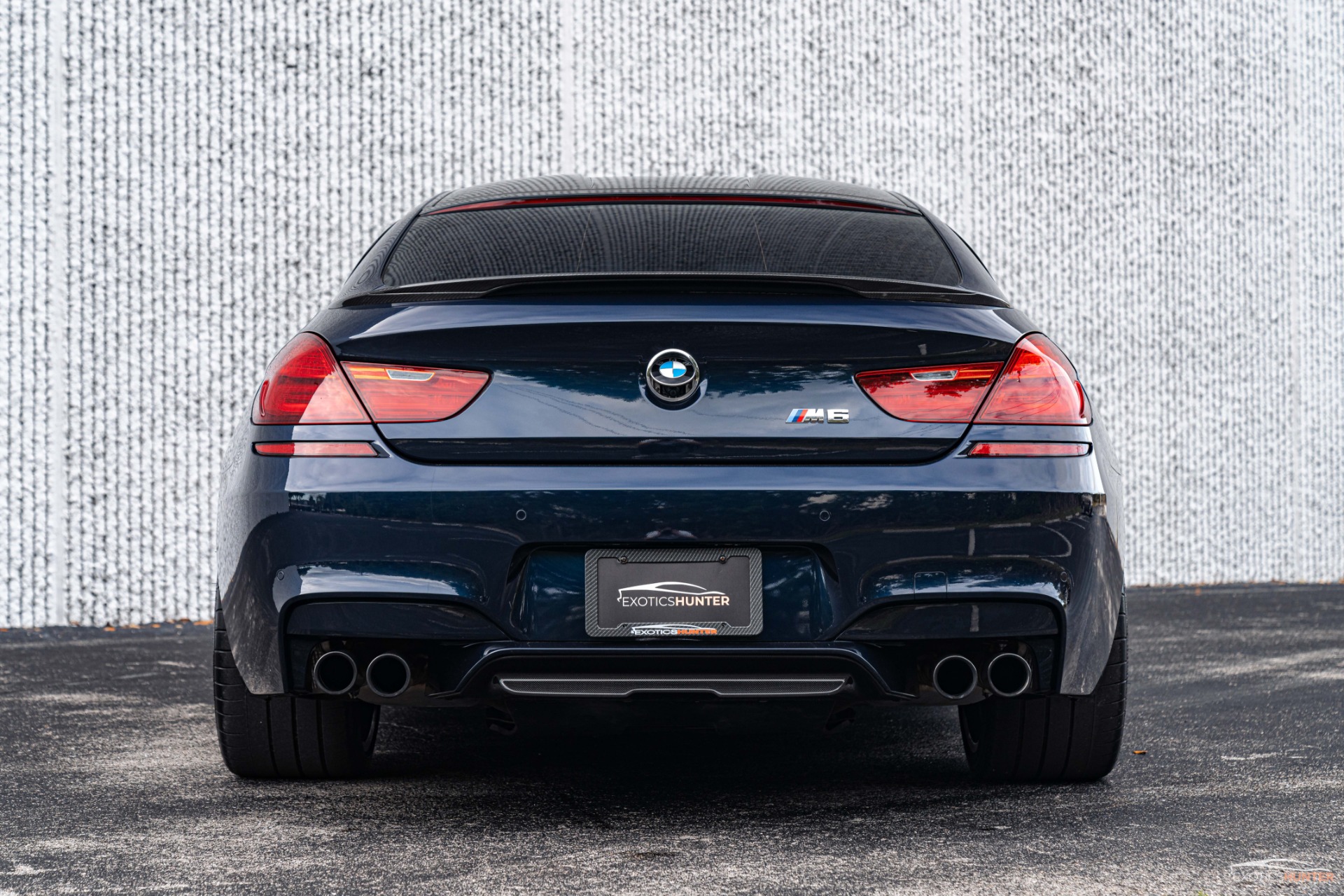
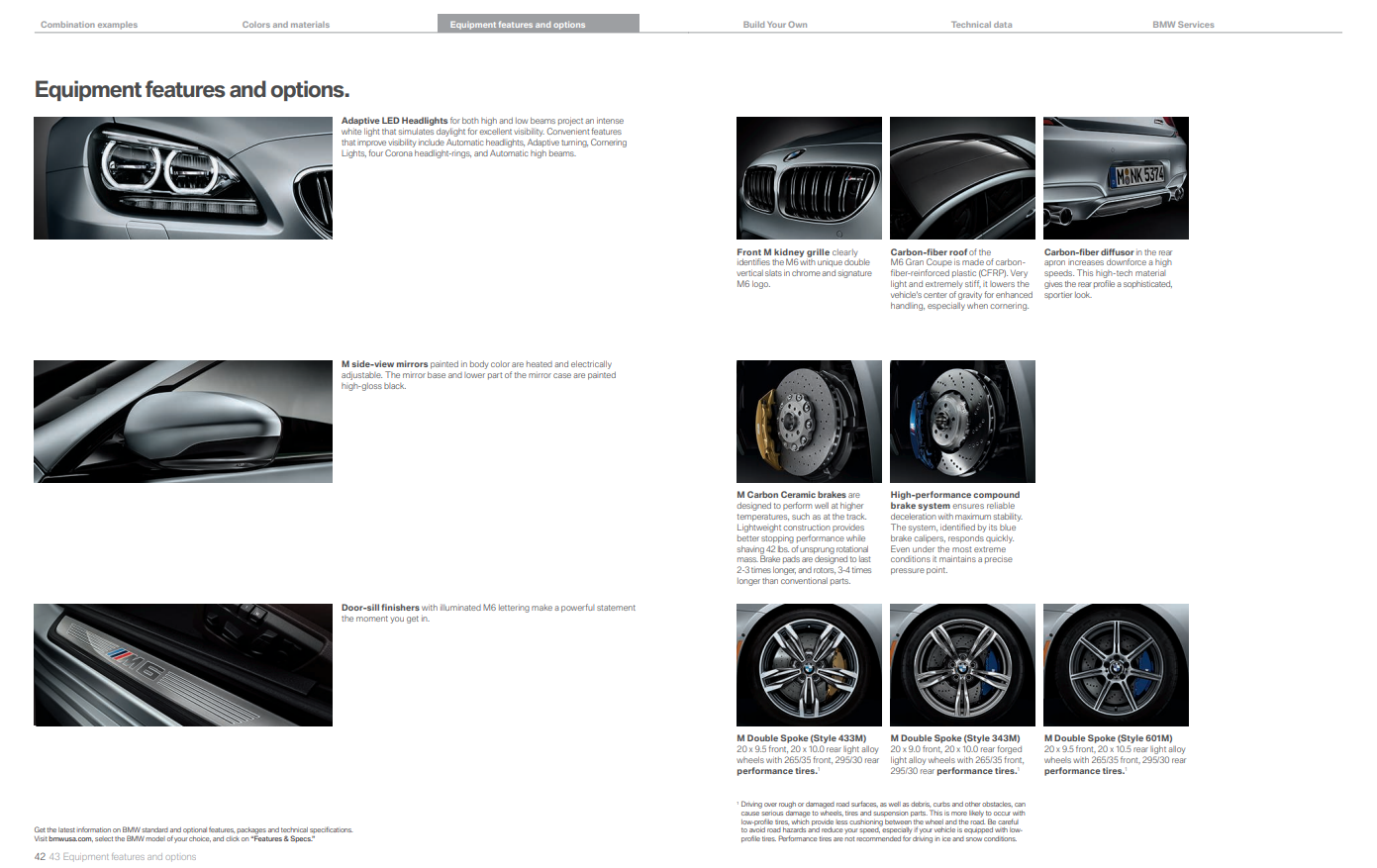
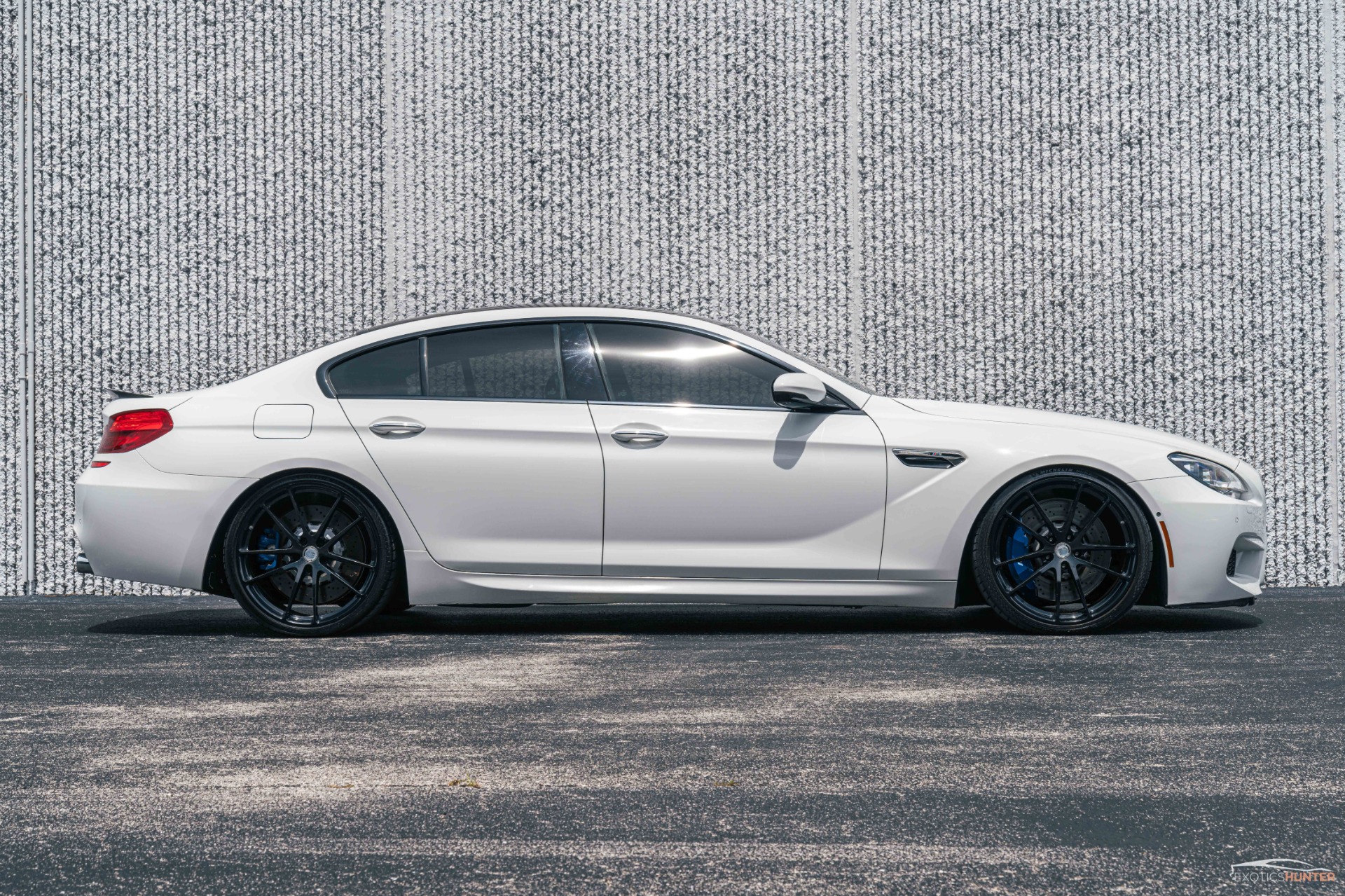
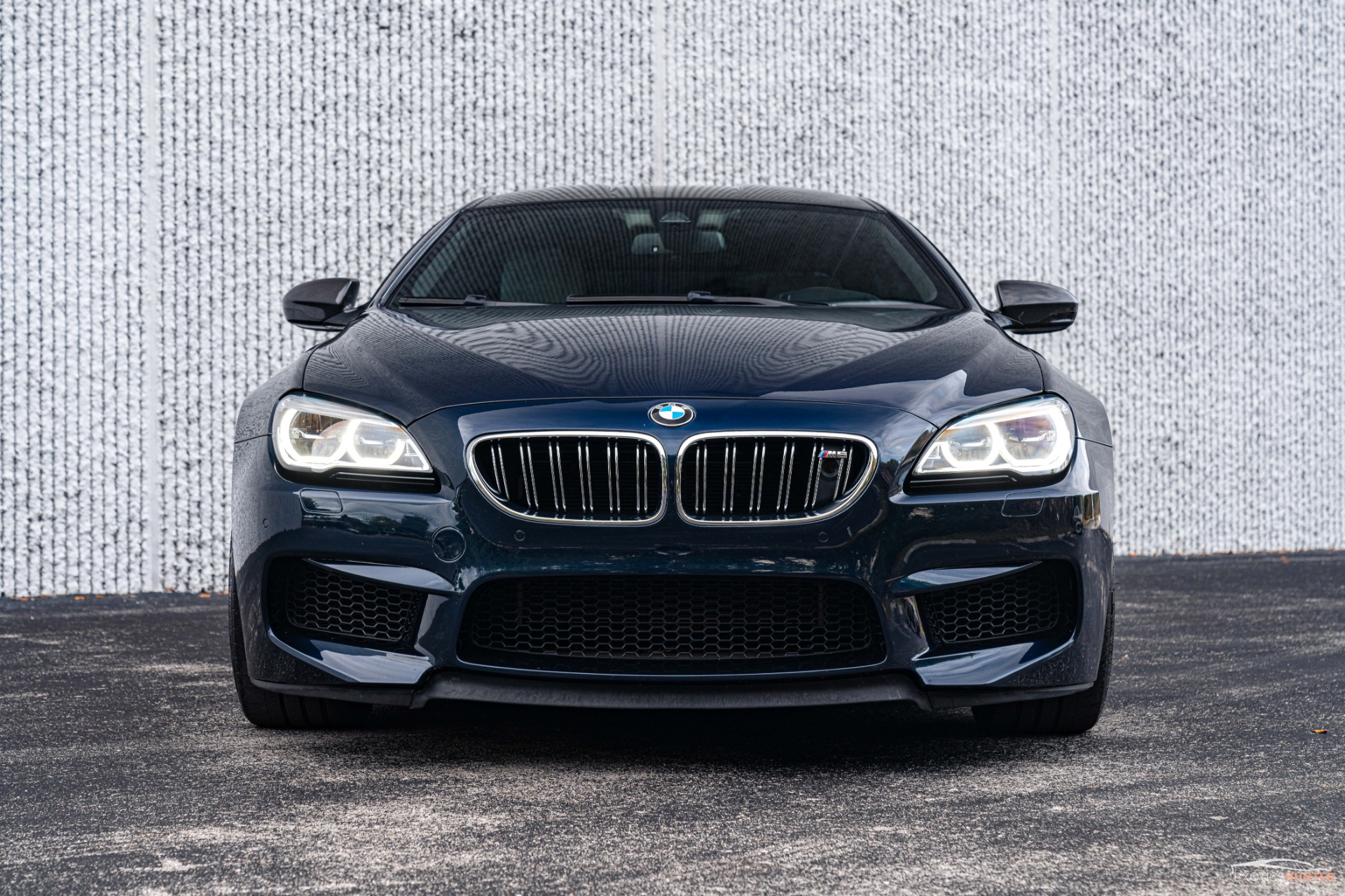
The exterior of the M6 featured an aggressive stance, muscular wheel arches, and a lightweight carbon-fiber-reinforced plastic (CFRP) roof on the Coupé. A sculpted front bumper with large air intakes, a bold kidney grille with blacked-out slats, and signature quad exhaust outlets added to its aggressive character. The Gran Coupé variant, with its stretched wheelbase and sweeping roofline, offered a more elegant silhouette while retaining the performance DNA of its siblings.

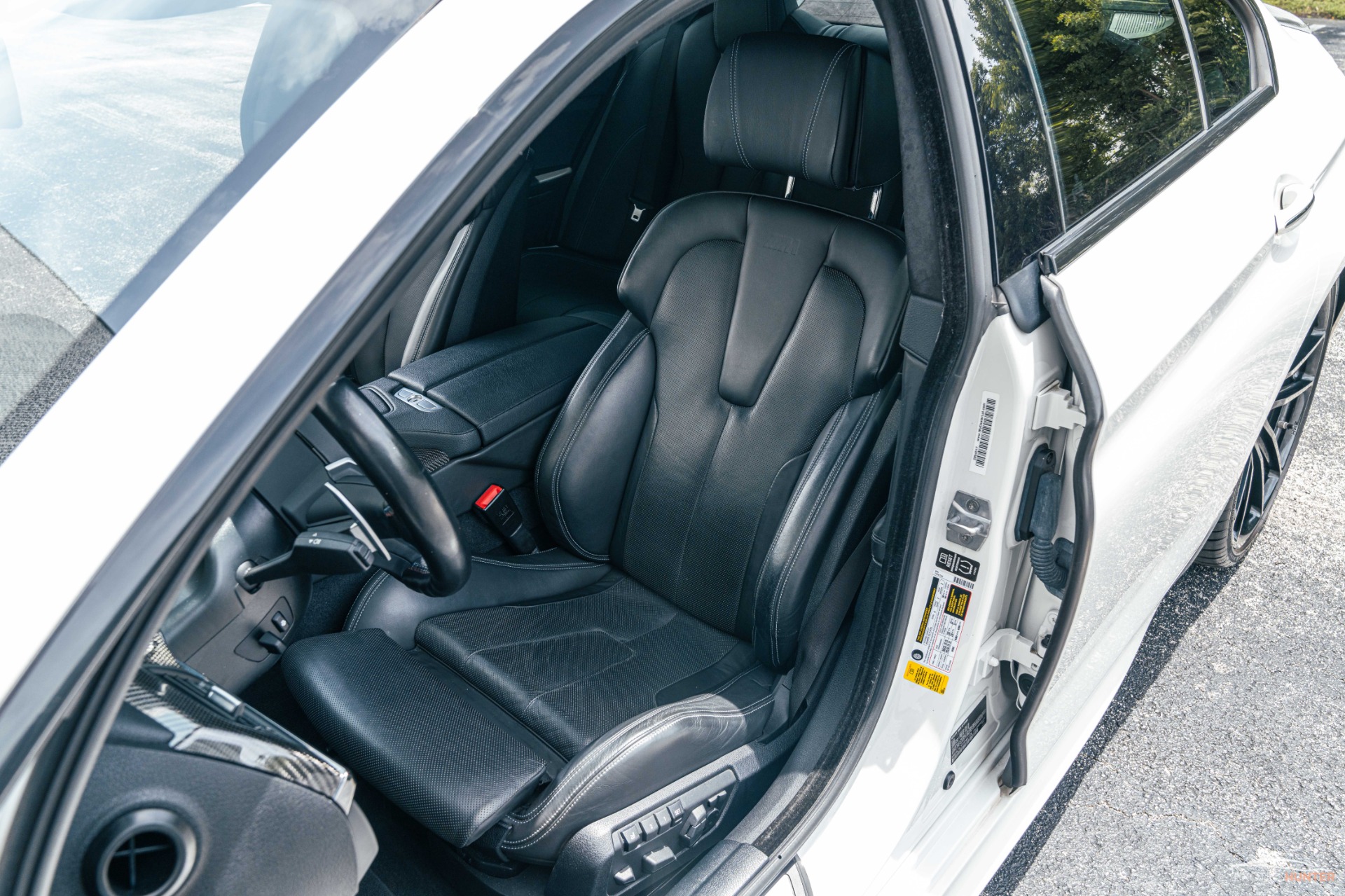
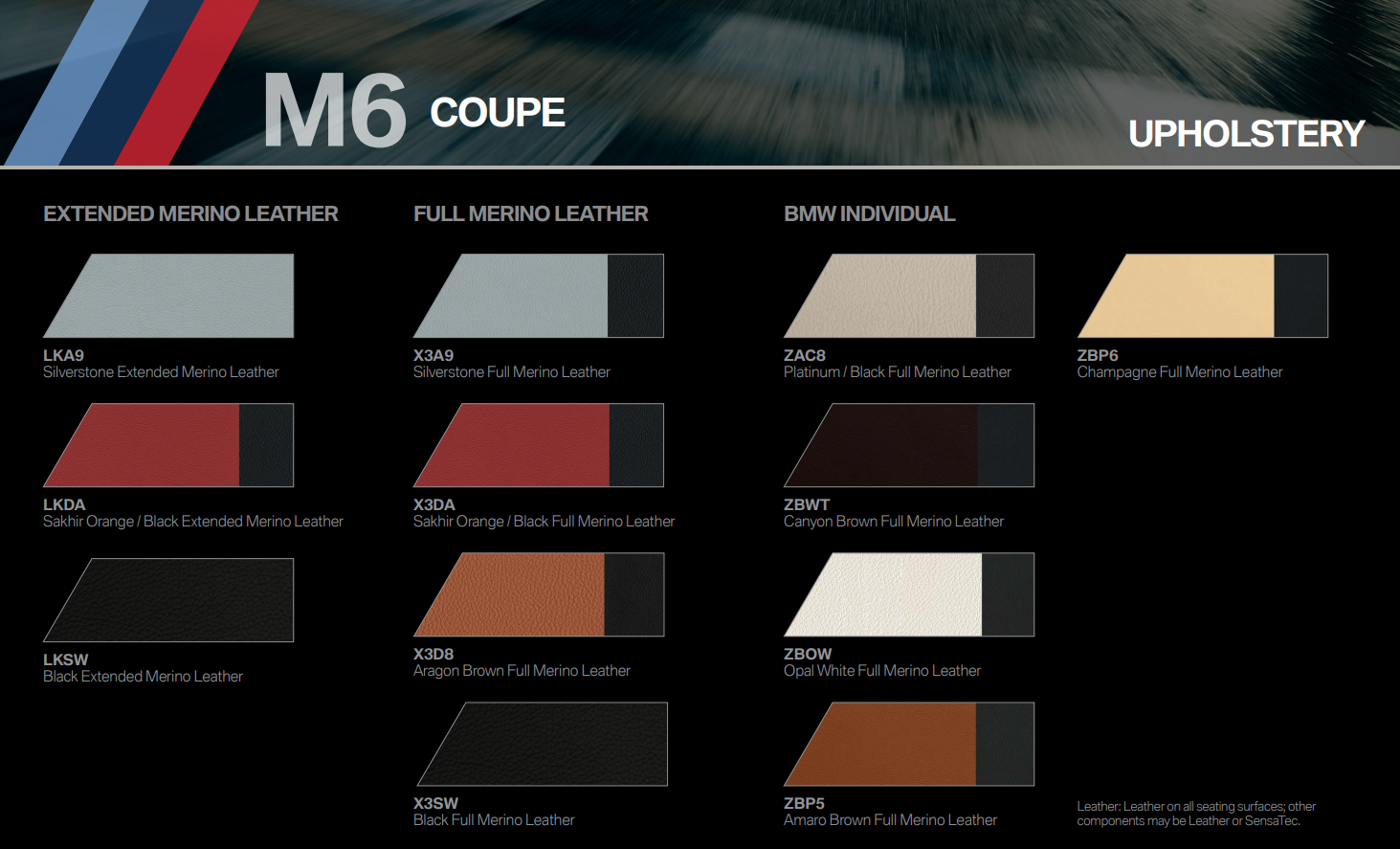
Inside, the M6 has a driver-focused cockpit featuring Merino leather upholstery, a head-up display, and a 10.2-inch iDrive infotainment system with navigation and performance telemetry. M-specific instrument clusters provided real-time performance data, while carbon-fiber and Alcantara trim options elevated the cabin’s sporty feel. The M6 was also available with optional M Multifunction seats, offering increased lateral support for spirited driving.

Throughout its production, the BMW M6 faced competition from several high-performance grand tourers, including the Mercedes-AMG S63, the Audi RS7, and the Porsche Panamera Turbo. Despite these formidable rivals, the M6 distinguished itself with its combination of brute power, advanced technology, and BMW’s signature driving dynamics, making it a compelling choice for enthusiasts seeking both luxury and performance.

Model Changes (Breakdown by Year)

2012 BMW M6

The 2012 BMW M6 marked the debut of the F12 generation, initially offered only as a convertible. 

Under the hood, it featured a 4.4-liter twin-turbocharged V8 (S63), producing 560 hp and 500 lb-ft of torque, paired with a 7-speed dual-clutch transmission (DCT). 

Standard features included adaptive LED headlights, Merino leather upholstery, iDrive with navigation, and 19-inch M light-alloy wheels, while M Drive settings allowed for customizable performance adjustments. 

Buyers looking for a little extra more, could opt for 20-inch forged wheels, a Bang & Olufsen high-end surround sound system, M Carbon Ceramic Brakes, and a Driver Assistance Package that included lane departure warning and blind-spot monitoring.

The 2012 BMW M6 Convertible had a starting price of $113,100.

2013 BMW M6

The 2013 BMW M6 saw the introduction of the F13 Coupé alongside the existing F12 Convertible. While performance figures remained the same, the Coupé gained a carbon fiber-reinforced plastic (CFRP) roof, reducing weight and lowering the center of gravity for improved handling. 

Both models came equipped with an M-specific heads-up display and an enhanced adaptive suspension system to further refine driving dynamics. Notably, a 6-speed manual transmission was introduced as an option, catering to enthusiasts seeking a more engaging driving experience. Additional available upgrades included a full leather package.

The 2013 BMW M6 had a starting price of $108,295 for the Coupé and $115,545 for the Convertible.

2014 BMW M6

The 2014 BMW M6 lineup expanded with the introduction of the F06 Gran Coupé in the U.S. market, offering a four-door alternative to the existing F12 Convertible and F13 Coupé. 

While there were no major mechanical changes, BMW introduced new optional packages. The Competition Package made its debut, increasing power output to 575 hp, refining handling with a revised suspension, and adding a sportier exhaust system with unique 20-inch alloy wheels. 

For those prioritizing comfort, the Executive Package introduced heated and ventilated front seats, power rear sunshades, soft-close automatic doors, and a head-up display. Safety and driver assistance technology also saw improvements with the Driver Assistance Package, which included lane departure warning and blind-spot monitoring. 

Also, Night Vision with pedestrian detection became available, utilizing infrared technology to detect pedestrians and animals in low-visibility conditions. For those seeking enhanced braking performance, M Carbon Ceramic Brakes were offered as an option, providing superior stopping power and reduced fade under high-performance driving conditions.

The 2014 BMW M6 was available in three variants, each with its own starting price. The Coupé (F13) started at $111,200, while the Gran Coupé (F06) had a base price of $115,000. The Convertible (F12) was the most expensive of the trio, starting at $117,500 before options and additional packages.

2015 BMW M6

The 2015 BMW M6 received a Life Cycle Impulse (LCI) facelift, bringing subtle design updates and technology enhancements while maintaining its powerful performance. On the exterior, revised front and rear bumpers, new wheel designs, and full-LED adaptive headlights with a refreshed internal layout gave the M6 a sharper, more modern look. 

Inside, the cabin saw notable improvements, including an updated iDrive system with a touch controller, a higher-resolution infotainment screen, and new trim and leather options to elevate the luxury feel. Mechanically, the standard model retained its 560 hp output, while the Competition Package remained available with 575 hp, continuing to offer an extra edge in performance and handling.

The 2015 BMW M6 was available in three variants with different starting prices. The Coupé had a base price of $111,900, while the Gran Coupé started at $115,700. The Convertible was the highest-priced variant, starting at $118,200, with all prices before additional options and packages.

2016 BMW M6

The 2016 BMW M6 received minor for this year. However, BMW enhanced the Competition Package, increasing its output to 600 hp while refining steering response and stiffening the suspension for improved handling. 

Additionally, M Carbon Ceramic brakes became standard when opting for the Competition Package, further enhancing braking performance. On the technology front, Apple CarPlay was introduced as an option, bringing improved smartphone integration to the M6’s infotainment system.

The 2016 BMW M6 was available in three variants with different starting prices. The Coupé had a base price of $113,400, while the Gran Coupé started at $116,200. The Convertible was the highest-priced variant, starting at $119,700, with all prices before additional options and packages.

2017 BMW M6

The 2017 BMW M6 marked the final model year for the M6 Coupé (F13) in the U.S., making it the last opportunity for buyers to purchase the two-door variant. 

This model year brought a few technology enhancements, including an upgraded head-up display, as well as standard wireless charging and a Wi-Fi hotspot for improved connectivity. 

Performance remained largely unchanged, though 0-60 mph times saw a slight improvement to 3.8 seconds with the Competition Package. The M Carbon Ceramic brakes continued to be available as an option, offering enhanced braking performance for those seeking track-capable stopping power.

The 2017 BMW M6 was available in three variants with different starting prices. The Coupé had a base price of $113,700, while the Gran Coupé started at $116,500. The Convertible was the most expensive variant, starting at $122,295, with all prices before additional options and packages.

2018 BMW M6

The 2018 BMW M6 marked the final year for the Convertible and Gran Coupé, as the Coupé variant had been discontinued after the 2017 model year. There were no major changes to performance or features, with BMW maintaining the same powerful twin-turbo V8 and luxury-oriented design. 

To commemorate its final production year, BMW introduced Individual paint and interior combinations, allowing buyers to further personalize their vehicles.

The 2018 BMW M6 was available in two variants, with the Gran Coupé starting at $119,800 and the Convertible at $122,300.

2019 BMW M6

The 2019 BMW M6 marked the final year of the Gran Coupé in the U.S., as it remained the only available variant. Although production officially ended in October 2018, some 2019 models were still sold in select markets.

BMW M6 (F12/F13/F06) Generation Common Problems

The BMW M6 (F12/F13/F06) Generation has several common issues that buyers should be aware of. The S63 twin-turbo V8 is prone to rod bearing wear, valve stem seal failure, and turbocharger issues, which can lead to costly repairs. The 7-speed dual-clutch transmission (DCT) may develop overheating, rough shifting, or clutch wear over time. Cooling system leaks, electrical issues, and suspension wear are also common, affecting reliability and maintenance costs. 

A thorough inspection and proper upkeep are essential to ensuring a trouble-free ownership experience.

Rod Bearing Wear: Owners have reported premature rod bearing wear in the S63 4.4L twin-turbo V8, which can lead to catastrophic engine failure if not addressed. Regular oil changes and using high-quality oil can help extend the life of the bearings.

Turbocharger Failure: Some M6 owners experience turbocharger issues, including wastegate rattle and oil starvation, which can cause power loss, increased turbo lag, and whining noises. Heat buildup is a contributing factor, making proper cooling system maintenance essential.

Fuel Injector & High-Pressure Fuel Pump (HPFP) Issues: Faulty fuel injectors and high-pressure fuel pumps (HPFP) can cause misfires, rough idling, poor fuel economy, and difficulty starting the engine. BMW has issued updates for some fuel system components, but failures are still reported.

Valve Stem Seal Failure: Excessive oil consumption and blue smoke from the exhaust are symptoms of valve stem seal failure. This issue tends to appear in higher-mileage M6s and can result in poor engine performance and rough cold starts.

Dual-Clutch Transmission (DCT) Issues: The 7-speed DCT is known for rough shifting, overheating, and clutch slippage, particularly in stop-and-go traffic. Regular transmission fluid changes can help prevent premature wear.

Drivetrain Malfunction Warning: A “Drivetrain Malfunction” warning can appear due to fuel system issues, ignition coil failures, or turbo problems, causing the car to enter limp mode with reduced power. Diagnosis typically requires scanning for error codes.

Coolant Leaks & Radiator Failures: Some M6 models suffer from coolant leaks, failing water pumps, and cracked radiators, which can lead to engine overheating. Regular coolant checks and timely replacements are necessary to prevent costly engine damage.

Oil Cooler Leaks: The oil cooler lines are prone to leaks, leading to low oil pressure and increased engine wear. If left unaddressed, this can cause long-term damage to engine components.

iDrive System Malfunctions: The iDrive infotainment system can experience freezing, lagging, or complete failure, often requiring software updates or a head unit replacement to resolve.

Battery Drain Issues: Due to high electrical demand, the M6’s battery can drain quickly, especially if the vehicle sits unused for extended periods. Faulty IBS (Intelligent Battery Sensor), alternator issues, or excessive parasitic draw are common culprits.

Comfort Access & Keyless Entry Failure: Owners report that keyless entry and Comfort Access sometimes stop working due to faulty door handle sensors or a weak key fob battery. Replacing the affected components typically resolves the issue.

Premature Brake Wear (Carbon Ceramic Brakes): While M Carbon Ceramic Brakes (CCB) offer excellent stopping power, they are known for high replacement costs and occasional squeaking or uneven wear under regular driving conditions.

Suspension Component Wear: Control arms, bushings, and adaptive dampers can wear prematurely, leading to clunking noises, uneven tire wear, and a rougher ride. Regular suspension inspections can help detect early signs of wear.

Exhaust Flap Failure: Some M6 models experience exhaust flap failures, which can cause rattling noises or reduced exhaust sound. This issue often requires actuator replacement or coding the flap open.

Catalytic Converter Clogging: The high-flow catalytic converters can become clogged over time, causing power loss and increased emissions errors. Upgraded aftermarket exhaust systems may contribute to this problem.

Soft-Top Convertible Issues (F12 Models): M6 Convertible owners have reported slow operation, hydraulic leaks, or failure to latch properly with the soft-top mechanism. Regular lubrication and sensor maintenance can help prevent these issues.

Door Handle & Mirror Motor Failures: The automatic folding mirrors and Comfort Access door handles are known to fail, requiring replacement of motors or sensors.

Recalls

2013 BMW M6 Coupé and Convertible vehicles built between July 19, 2012, and September 11, 2012

Oil Pump Driveshaft Issue (Recall No. 12V475000)

The issue involved the oil pump driveshaft potentially separating from the rotor, leading to a sudden loss of oil pressure and possible engine failure. BMW notified owners, and dealers replaced the affected oil pumps to prevent engine damage.

2015 BMW M6 Coupé, Convertible, and Gran Coupé models, built between September 2014 and December 2014

Driveshaft Weld Defect (Recall No. 16V540000)

A defect in the driveshaft weld could cause the component to fail, leading to a loss of power transmission to the rear wheels. Affected vehicles were inspected, and defective driveshafts were replaced at no cost to the owners.

Maintenance and Ownership Costs

Compared to other high-performance grand tourers in its class, the BMW M6 (F12/F13/F06) offers a relatively manageable ownership experience in terms of maintenance. 

However, as a high-powered M Division vehicle, it comes with higher maintenance costs than standard BMW models. 

Regular oil changes, brake replacements, and turbo system maintenance can add up, especially if serviced at a dealership. Independent mechanics can help reduce costs, but parts and labor for performance components remain expensive. Staying on top of preventative maintenance is crucial to avoid costly repairs down the line.

Here is the suggested service schedule and intervals per BMW:

1 YEAR OR 10,000 MILES

2 YEARS OR 20,000 MILES

3 YEARS OR 30,000 MILES

  • Replace brake fluid (Note: After the first replacement, every 60,000 miles thereafter)

  • Comprehensive vehicle inspection and necessary adjustments

6 YEARS OR 60,000 MILES

  • Replace engine air filter and spark plugs

  • Inspect and replace brake pads and brake rotors, as necessary

  • Replace transmission fluid for automatic transmission models

  • Comprehensive vehicle inspection and necessary adjustments

9 YEARS OR 90,000 MILES

Here is a rough estimate of typical service costs associated with the BMW M6:

  • Oil Change – The S63 twin-turbo V8 in the BMW M6 requires high-quality synthetic oil, and due to its high-performance nature, oil changes should be done frequently. The cost for an oil change typically ranges between $200 and $350 at a dealership, while independent shops may charge $150 to $250, depending on labor rates and the oil brand used.

  • Minor Service – Minor services, including oil changes, fluid top-offs, filter replacements, and basic inspections, are recommended approximately every 10,000 miles. At a dealership, the cost usually ranges from $400 to $600, whereas independent shops may charge between $250 and $450 for the same service.

  • Major Service – A major service, which includes spark plug replacements, brake fluid flush, transmission and differential fluid changes, and other in-depth inspections, is typically required every 30,000 to 50,000 miles. The cost for a dealership service can range from $1,500 to $2,500, while an independent shop may charge $1,000 to $1,800, depending on the required maintenance items.

  • Tires – The M6 comes equipped with high-performance Michelin Pilot Super Sport or Michelin Pilot Sport 4S tires, which wear quickly due to the vehicle’s power and weight. A full set of four performance tires costs between $1,500 and $2,500, depending on the brand and specifications. Owners looking for track-focused tires or ultra-high-performance options may see prices on the higher end of that range.

  • Brakes – The M6’s high-performance braking system, particularly models with the M Carbon Ceramic Brakes (CCB), can be costly to maintain. OEM brake pad and rotor replacements at a dealership can cost between $2,500 and $5,000 for all four corners, depending on whether it has standard steel or carbon-ceramic brakes. Independent shops may charge $1,500 to $3,500 for aftermarket or OEM replacements.

  • Clutch – For models equipped with the 7-speed dual-clutch transmission (DCT), the clutch is designed to last a long time but can wear under aggressive driving. A DCT clutch pack replacement can range from $3,000 to $5,000 at a dealership, while independent shops may charge $2,500 to $4,000. Manual transmission models (rare in the U.S.) have a clutch replacement cost between $2,000 and $3,500, depending on whether the flywheel also needs replacement.

Options List

The BMW M6 (F12/F13/F06) was available with a range of options that could affect the resale value. 

Buyers had the ability to configure their M6 with several factory packages and standalone options. The Competition Package increased horsepower from 560 to 575 hp (later 600 hp), sharpened steering response, stiffened suspension, and added a sportier exhaust system. M Carbon Ceramic Brakes reduced brake fade under high-performance driving and decreased unsprung weight but came with higher maintenance costs. 

The M Driver’s Package raised the top speed limiter from 155 mph to 190 mph and included a BMW Performance Driving School session. For wheels, 20-inch forged wheels were available, designed for enhanced grip and handling performance.

Interior options included the Full Merino Leather Package, which expanded premium leather coverage across the dashboard, door panels, and center console. The Executive Package added heated and ventilated front seats, power rear sunshades (Gran Coupé), soft-close automatic doors, and a head-up display. 

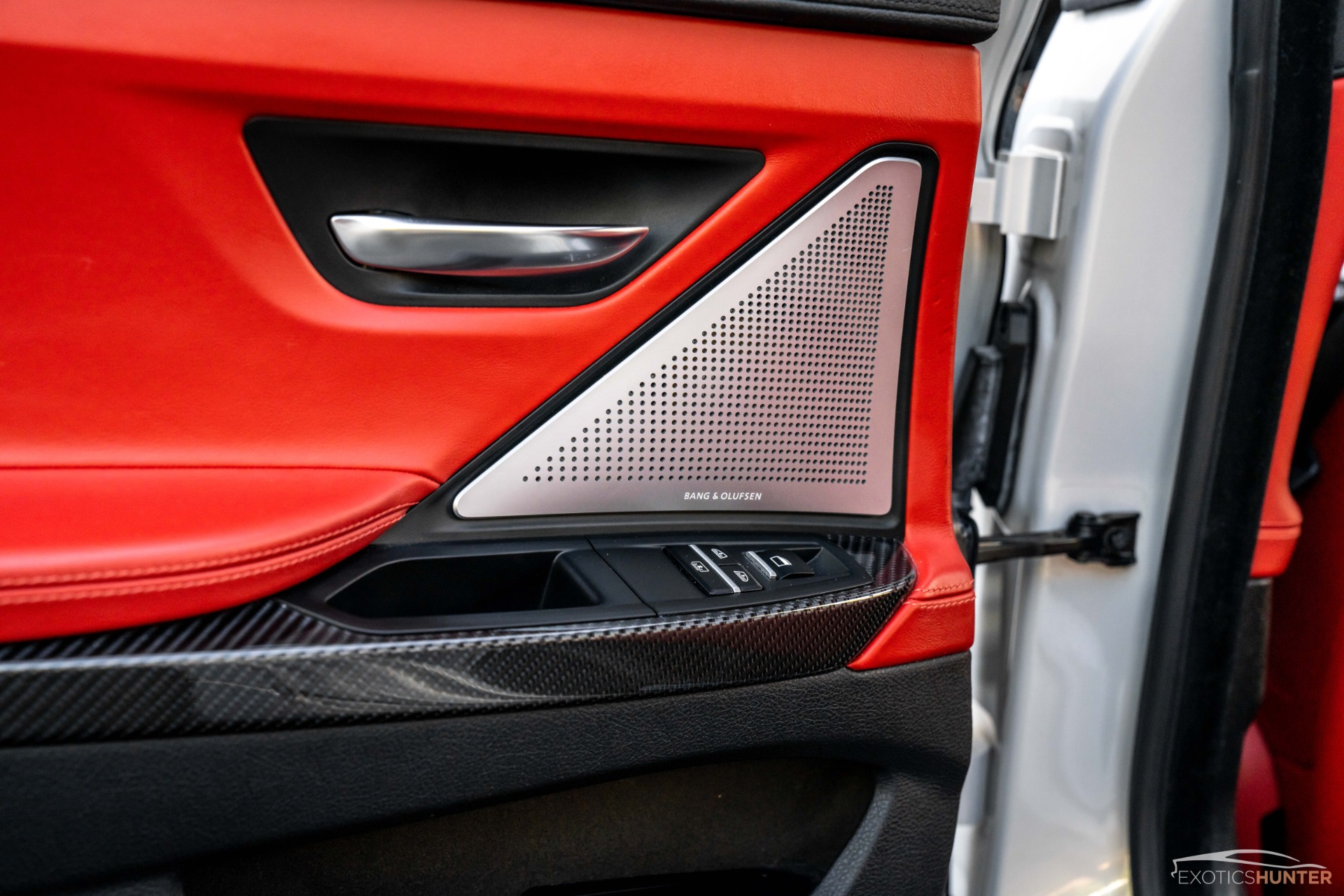
The Bang & Olufsen High-End Surround Sound System was a 1,200-watt, 16-speaker setup with illuminated tweeters for a premium listening experience. For more customization, BMW Individual Interior options offered custom leather colors, Alcantara headliners, and unique trim choices.

Technology and safety options included the Driver Assistance Package, which added lane departure warning, blind-spot monitoring, and a 360-degree camera system. Night Vision with Pedestrian Detection used infrared technology to detect people and animals in low-light conditions. Apple CarPlay was introduced later in production, allowing seamless smartphone integration with the infotainment system.

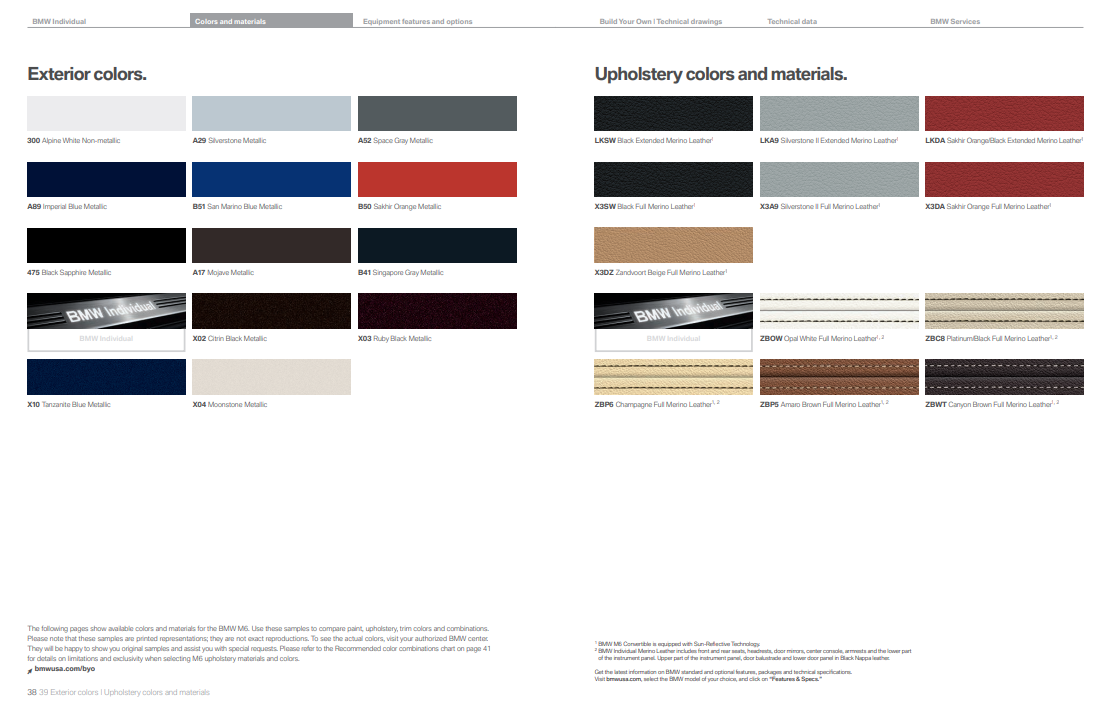
Exterior customization options included BMW Individual Paint Colors, which offered custom color choices beyond standard options, including Frozen Matte finishes and rare metallic shades. The Shadowline Exterior Trim replaced chrome accents with gloss black trim for a more aggressive look. 

The BMW M6’s extensive options list allowed buyers to configure their cars to their personal preferences. Models equipped with the Competition Package, Carbon Ceramic Brakes, and Individual options tend to be the most desirable on the used market.

2013 BMW M6 options list

2014 BMW M6 Gran Coupe options list

Key Options

BMW M6 (F12/F13/F06) Generation Price and Value

BMW M6 (F12/F13/F06) Generation to Buy

When it comes to choosing the best BMW M6 (F12/F13/F06) Generation, several key factors should be considered.

For those looking for the best version of the M6, the 2017 model year is a strong choice. As the final production year for the M6 Coupé (F13) in the U.S., it benefits from all the refinements made throughout the generation, including improved technology, enhanced iDrive functionality, and the availability of the Competition Package with 600 hp.

The 2018 model year is also a good option for buyers interested in the M6 Convertible (F12) or M6 Gran Coupé (F06), as it marked the last full year of production for both variants, offering buyers the most refined version of the platform.

In terms of market stability, model years 2012 to 2019 is safe to hack, as long you can find a clean example. 

In addition to model selection, the condition and mileage of the vehicle play a significant role in long-term value and reliability. Well-maintained M6s with full-service records, low mileage, and minimal modifications are more likely to retain their value and avoid costly repairs. The Competition Package is a highly desirable option, as it enhances performance and handling, making it a desirable choice for enthusiasts.

Conclusion

In summary, with a price of around $40,000+, the BMW M6 (F12/F13/F06) Generation remains a solid choice for those seeking a high-performance grand tourer. Its twin-turbocharged V8, aggressive styling, and premium interior set it apart in the segment.

While alternatives like the Mercedes-AMG S63, Audi RS7, and Porsche Panamera Turbo offer similar levels of performance and refinement, the M6 distinguishes itself with its rear-wheel-drive dynamics, sharp handling, and available Competition Package, which pushes power up to 600 hp.

For those looking for a timeless grand tourer, with BMW M engineering, the BMW M6 remains a strong choice. Whether as a Coupé, Convertible, or Gran Coupé, it delivers an exhilarating driving experience while maintaining the refinement expected of a high-end grand tourer.

Car Hacking Shortcuts

  • Look for models equipped with the Competition Package for added horsepower, sharper handling, and stronger resale value

  • Model years 2012 to 2019 are safe for hacking

  • Prioritize well-maintained, low-mileage examples with a full service history, especially for vehicles with the DCT transmission or M Carbon Ceramic Brakes to avoid costly repairs


Source link

What It’s Really Like to RV in the North Cascades

0
What It’s Really Like to RV in the North Cascades


Chasing mountain views, lush forests, alpine lakes, and the kind of remote tranquility that only the Pacific Northwest can deliver, van camping or RVing through the North Cascades means that camping here moved quickly to the top of our list. Tucked away in northern Washington State, the North Cascades are known as the “American Alps.” Often noted as one of the least visited National Parks, the solitude of North Cascades National Park makes it one of our favorite summer destinations. With craggy peaks, endless hiking trails, and breathtaking viewpoints, this region is tailor-made for adventurous road trippers.

The Cascade Loop Scenic Byway: An Overview

Whether you’re rolling in a van (like us), towing a trailer, or cruising in a big rig, the Cascade Loop Scenic Byway offers a diverse and unforgettable drive through some of the most beautiful and accessible parts of Washington. The Cascade Loop is a 440-mile scenic drive that circles through nine of Washington’s most iconic regions. Starting and ending in the Seattle area, the loop travels through Seattle Northcountry, Stevens Pass Greenway, Leavenworth, Lake Chelan, Methow Valley, North Cascades National Park, and even through the San Juan Islands.

Van campers and RVers love this loop for its mix of backcountry access and small-town charm. Expect easy pull-offs for dispersed camping, RV parks with amenities, and plenty of options for scenic boondocking. We took on the Cascade Loop this July for a two-week van trip. We kept our plans loose and didn’t book any campsites ahead of time because we wanted to try to experience the variety of options the loop has to offer.

Mountain Loop Highway

We began in Seattle Northcountry, visiting a farmers market, grabbing some groceries, and visiting a few small businesses before taking a detour. Branching off from the western edge of the loop near Darrington or Granite Falls, the Mountain Loop Highway is less traveled but packed with wilderness experiences.

Must-see stops include:

Big Four Ice Caves – A short, family-friendly hike to stunning (and chilly) ice formations. If you are up for a larger hike, head to the Mount Pilchuck Lookout – One of the best fire lookout hikes in the state, with views from the Sound to the Cascades.

Camping Options

  • Paca Pride Guest Ranch: We booked directly for this Hipcamp and enjoyed both incredible hospitality as well as a sunset spent with their alpacas before retreating to our quiet van space.
  • Verlot Campground – Forested and close to several trailheads. This is a primitive campground with potable water access and vault toilets.
  • Dispersed Camping – The Forest Service land along the highway offers numerous pull-offs and primitive campsites. Many of these are for tent camping or can accommodate a smaller rig.

Steven’s Pass Greenway

Nestled in the heart of Washington’s scenic Cascade Mountains, the Stevens Pass Greenway offers an unforgettable blend of natural beauty, outdoor adventure, and quirky charm. A must-stop along this lush corridor is the Heybrook Lookout Tower hike, a short but invigorating trail that rewards hikers with panoramic views of Mount Index and the surrounding wilderness from a historic fire lookout. Just down the road, you’ll find the Espresso Chalet: the perfect pit stop after your hike.

View from Heybrook Lookout Tower

Leavenworth, Lake Chelan, and Methow Valley

These regions are not to be missed. While on the road, soaring temperatures and a small wildfire pushed us through these regions on the loop to chase cooler temperatures in the mountains; however, we have plenty of recommendations from previous trips.

Leavenworth: This alpine-themed town is a tourist hotspot. Great stops for hiking, shopping, eating, and camping. We loved our previous hike in Icicle Creek Canyon as well as our downtown stroll through endless shops and restaurants. We have dreamed of returning to camp at Eightmile Campground, about 20 minutes outside of town.

Lake Chelan: Don’t miss a trip on the lake. Rent a boat or bring a book and a beach chair to Lake Chelan for a dreamy lake day. If you have a bit more time, venture to Stehekin. Only accessible by boat, this quiet town on the north end of the lake will leave your heart full of love for a slower pace of life.

The Methow Valley: The Methow Valley boasts a dry, sunny climate, which is a stark contrast to the damp forests we had been enveloped in.

Must-see towns in this region include Winthrop and Twisp. Winthrop is a charming Old West-style town with restaurants and shops galore. Twisp is a low-key artsy town with great farmers’ markets and excellent food at the Twisp River Pub.

North Cascades National Park: Must-See Stops

  • Diablo Lake Overlook – Possibly the most iconic viewpoint in the park. The surreal turquoise water surrounded by towering peaks is jaw-dropping. There’s a day-use area, but also nearby campgrounds like Colonial Creek Campground (RV and van accessible).
  • Washington Pass Overlook – Located just outside the park boundaries on Hwy 20. A short, paved walk brings you to panoramic views of Liberty Bell Mountain.
  • Cascade Pass Trailhead – This 7.5-mile round-trip hike rewards with panoramic alpine views and occasional mountain goat sightings. The road to the trailhead is gravel and can be rough, best for smaller vans than large RVs.

Camping at Colonial Creek Campground is a great option, right on Diablo Lake with spots for tents and RVs. No hookups, but vault toilets and water are available. This is where we stayed during our time in the North Cascades, and it served as an excellent jumping-off point for many of the hikes and overlooks within the park.

Mt. Baker Wilderness Area

Though slightly off the Cascade Loop, Mt. Baker is well worth the detour. The Mount Baker Highway (SR 542) leads to some of the most scenic drives and hikes in the state. This was our favorite add-on during our trip, and we highly recommend reserving one or more days to fully experience the area.

Must-See Stops Include:

Artist Point and Heather Meadows. We hiked the Fire and Ice trail with our pups to enjoy the views of the alpine area, including many blooming wildflowers.

Camping Options:

  • Silver Fir and Douglas Fir Campgrounds – Forested sites near the Nooksack River with basic amenities.
  • Dispersed Camping – Several pullouts and primitive sites off SR 542. We opted to stay two nights in two different locations directly on the river. If you have four-wheel drive, you can even park on the rocky riverbed and camp.
An RV looking out over Ross Lake
Our van, GoGo looking out over Ross Lake

Tips for Van Life and RVing in the North Cascades

  • Fuel Up Often: Services are sparse between towns—don’t let your tank drop too low.
  • Check Road Conditions: Snow can linger into July at higher elevations. Always check WSDOT and National Forest websites.
  • Pack Out What You Pack In: Especially important when dispersed camping—leave no trace.
  • Cell Signal Is Spotty: Download offline maps and trail info ahead of time.

Final Thoughts

Van camping and RVing through the North Cascades and around the Cascade Loop is the kind of trip that lingers with you long after the last mountain fades in your rearview mirror. The mix of epic wilderness, charming small towns, and scenic byways makes it a Pacific Northwest road trip of a lifetime.


Source link

Anna Costamagna on Experience Design, Diversity and Design Management

0
Anna Costamagna on Experience Design, Diversity and Design Management


Anna Costamagna is an Italian Interior Design Manager working at Peugeot and Advanced Design Manager for Stellantis. While her mother worked as an assistant to Sergio Pininfarina, she was initially drawn to fashion design before venturing down the path in automotive. She began her career at Bertone in Caprie, a suburb of her native Turin, after studying engineering and management at the acclaimed Politecnico di Torino. Costamagna then moved to Paris, France, to bring Peugeot production cars to fruition. Despite not speaking a word of French, then design director Gérard Welter hired her on the spot.

Over her career, Costamagna has worked with a number of companies to develop future-looking concepts as well as groundbreaking interior proposals, including the Peugeot i-Cockpit, which made its debut on the 2010 SR1 concept and the production 208 two years later. In this episode of FORMCAST, Form Trends editor Eric Gallina spoke with Costamagna about her career path, interface and advanced design, diversity in the workplace and the role of the designer and manager in the corporate environment.

LISTEN

SHOW NOTES
01:00 – Background and Starting Out
04:00 – Joining Bertone
05:25 – Design Management
07:20 – Projects and Concepts at Bertone
09:45 – Moving to Peugeot
12:00 – The Language Barrier
13:15 – Peugeot projects
14:00 – i-Cockpit and Peugeot Design Vision
15:47 – Ergonomic Priorities
16:40 – The Role of the Screen
18:25 – The New 308
19:00 – User Interface – Buttons and Screens
20:50 – User Experience
21:45 – Architectural influence
23:40 – Transitional Phase
24:00 – Natural Interface
26:00 – Management Style
27:00 – Problem Solving and Anticipating Problems
28:00 – Managing People and the Gender Gap
29:40 – Diversity in the Workplace
33:00 – The Studio Imbalance
34:30 – Cancel Gender Friction
36:00 – People Creating for People
38:30 – Overcoming Challenges
41:00 – Managing Expectations
42:00 – Future Skills of the Designer
44:00 – Shifting Objectives
46:30 – Personal Life and Hobbies

See also


Source link

Charged EVs | Carbon DC acquires Elywhere North America, will expand its EV charging offerings for commercial real estate

0
Charged EVs | Carbon DC acquires Elywhere North America, will expand its EV charging offerings for commercial real estate


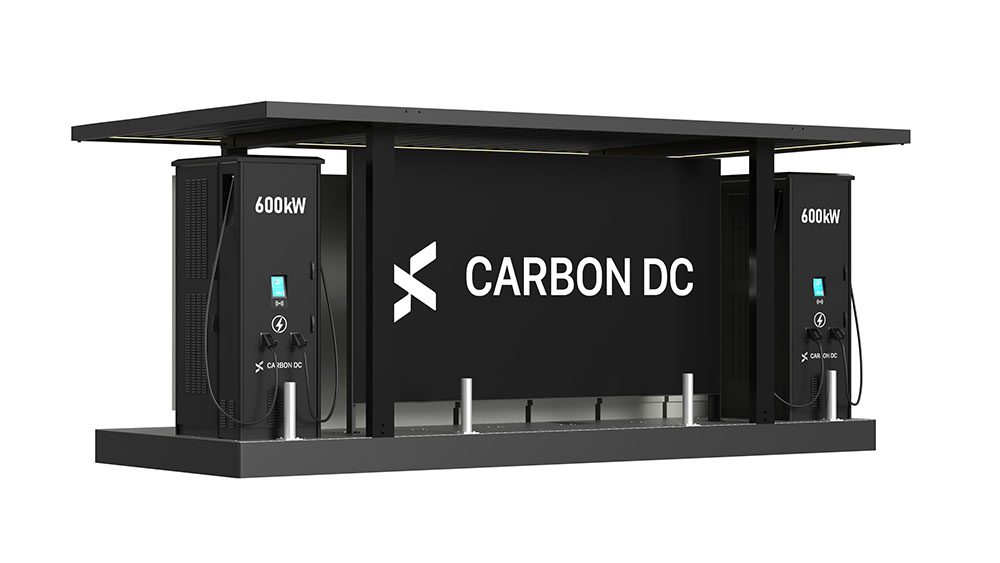
EV charging systems provider Carbon DC has acquired Norwegian EV charging technology firm Elywhere’s North American operations.

The merger positions Carbon DC to rapidly expand its energy optimization solutions across North America while addressing electrification challenges in multi-unit buildings and hotels.

Carbon DC will benefit from Elywhere’s extensive experience deploying battery-assisted fast charging solutions across Europe, bringing deployment strategies and operational expertise to similar grid-constrained environments in North America. Its operations in Vancouver, Canada, and Portland, Oregon will operate under the Carbon DC brand.

The combined company will use Carbon DC’s energy optimization software to enhance deployment strategies refined through Elywhere’s European operations.

“Large residential buildings need stable and scalable EV charging solutions. Without battery systems for load management and time shifting, existing buildings’ AC infrastructure simply cannot support growing demand,” said Elywhere North America CEO Erlend Wilhelmsen, who will continue as CEO of the combined company. “Our DC-based approach delivers faster charging while protecting the building’s electrical systems. We believe that within 10 years, DC electrical infrastructure will be common in most new buildings as properties, vehicles, and more efficient heating and cooling systems are developed and integrated with batteries and connected to both traditional grid and renewable energy such as solar.”

Source: Carbon DC


Source link

Could a 450-HP Infiniti Q50 With a Manual Cut Into BMW 3 Series Sales?

0
Could a 450-HP Infiniti Q50 With a Manual Cut Into BMW 3 Series Sales?


When the Infiniti G35 came around in the early 2000s, it had the BMW 3 Series squarely in its sights. And, unlike many competitors, it actually did a pretty good impersonation. It ditched the front-wheel drive platform its predecessor was based on, instead sharing Nissan’s “front midship” architecture underpinning the contemporary Nissan 350Z. Rear-wheel drive, a powerful 3.5-liter V6, and a six-speed manual transmission made it an alluring alternative to BMW 3 Series.

Through the years, while power gains kept the car competitive with many of the Bavarian’s 3er, little else changed. A low-quality interior and lagging technology saw the otherwise decent car suffer in the marketplace. After Infiniti sold just 6,201 units in the US in 2023 and 5,428 in 2024, the car was discontinued with no gas-powered successor in sight. But recent reports from Automotive News indicate that might be about to change. The Infiniti Q50 is coming back, and a return to form may mean giving the 3 Series a real run for its money.

Details: Infiniti Q50 vs. BMW 3 Series

3ER VS INFINITI 33ER VS INFINITI 3

AN cites “people familiar with the matter,” who claim the Q50 will make a comeback with a manual transmission and rear-wheel drive. Yes, you read that right: Infiniti’s only sport sedan will have an optional manual transmission. Infiniti is also allegedly planning a sportier Red Sport version. “It‘s an opportunity to connect back to the roots of the brand,” Infiniti Americas Vice President Tiago Castro told AN. As is tradition, the Q50 will be based on the current Nissan Z. That means a twin-turbo 3.0-liter V6 under the hood. NISMO performance models generate 420 horsepower, and AN’s sources indicate power for the Q50 could extend as high as 450 horsepower.

With 400 — or more — horsepower on tap, it’s clear the Q50 would most directly compete with the BMW M340i. It would even give the upcoming 2027 BMW M350 a solid run, since that car is estimated to make around 420 horsepower. The last Infiniti Q50 weighed around 115 pounds (52 kg) less than the M340i. It also commanded a lot less of your wallet. In 2024, the last year it was sold, MSRP was around $44,200. Back then, the M340i started at a comparatively quite high $58,595. Even despite its shortcomings, we can see where, today, there might be a bit of a value proposition there.

Can the Q50 Truly Compete?

INFINITI VS 3ER 2INFINITI VS 3ER 2

Vinay Shahani, Senior Vice President of U.S. Marketing and Sales seems to be acutely aware of what demographic Infiniti appeals to. He told AN that the car is “super important, especially for bringing younger buyers back into the brand.” Ultimately, I think he’s right. Nissan is in an awful place right now, and bringing in young buyers is better than bringing in no buyers. The car is scheduled to land in the second half of 2027.

One thing is for certain: Infiniti has a lot of work to do if they want to make the Q50 truly competitive. Re-releasing the same car with the same shortcomings — but with more power and a manual transmission — is not going to be enough to recapture a meaningful audience. Of course, for some buyers, the Q50 gets an easy win — it would be the only car in the segment to offer a manual transmission. And if I didn’t have the luxury of a two-car garage, that would probably be enough for me. The question is — how many in Infiniti’s demographic can say the same thing? The answer will very likely determine how Infiniti’s balance sheet looks in the coming few years.


Source: Automotive News


Source link

Agent 001 Calls His New Ride The MOST UNDERRATED American Vehicle RIGHT NOW. Do You Agree?

0
Agent 001 Calls His New Ride The MOST UNDERRATED American Vehicle RIGHT NOW. Do You Agree?


As you know if you read Auto Spies, you know the agents LOVE their vehicles and 001 may actually have a slight problem, if you know what we mean.

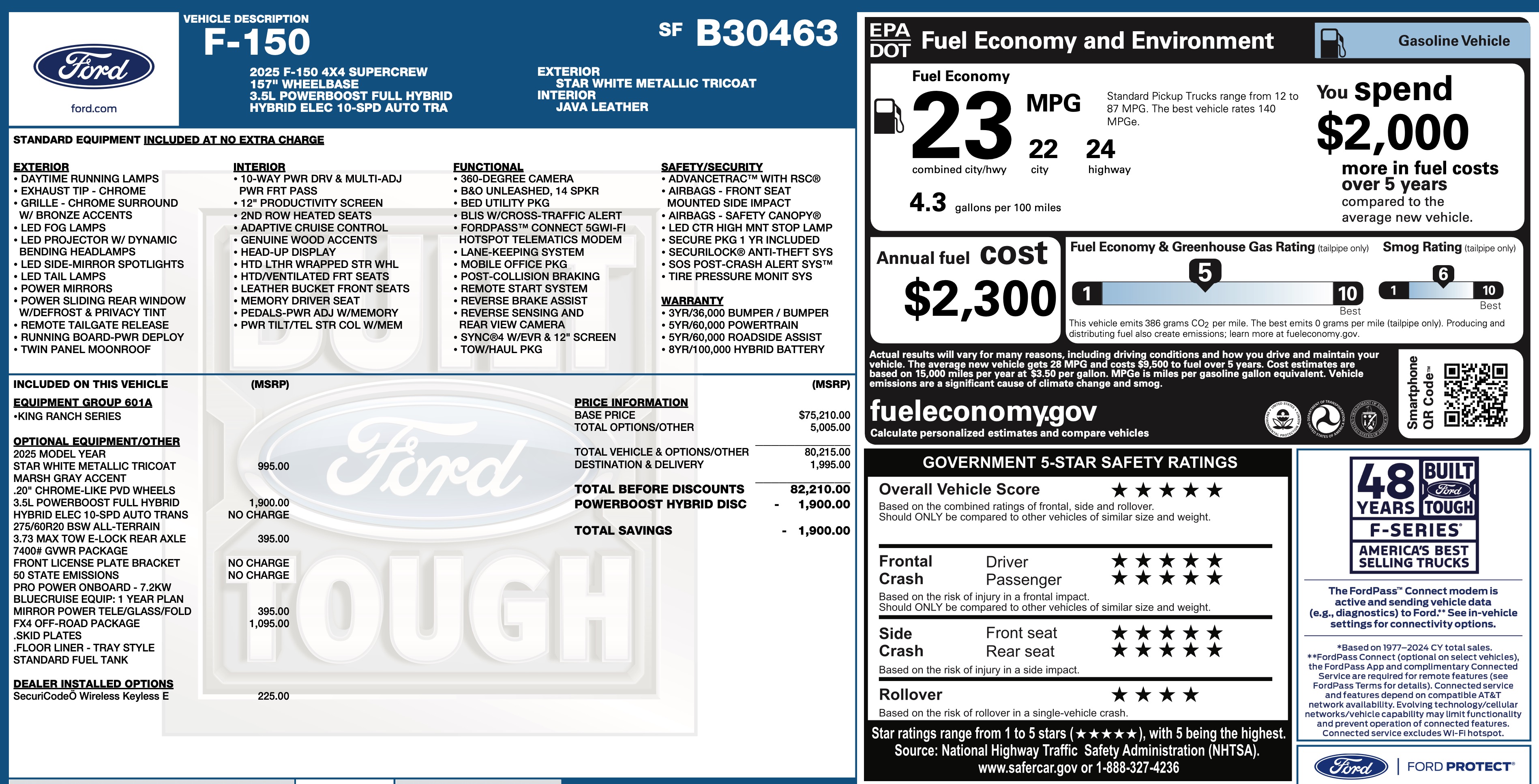
Enter his new STEED, the 2025 Ford F-150 Powerboost Hybrid 157”, King Ranch Edition.

In a world obsessed with flashy electric crossovers and overpriced luxury sedans, one American icon quietly reigns supreme without the fanfare it deserves: the 2025 Ford F-150 PowerBoost King Ranch with a 157-inch wheelbase and 6.5-foot bed. This beast of a truck isn’t just a workhorse—it’s a sophisticated, efficient powerhouse that’s criminally underrated. While everyone chases the latest trends, this F-150 delivers unmatched versatility, comfort, and value, making it the ultimate choice for those who demand more from their ride.

Let’s start with its imposing size, which perfectly balances brawn and usability. Stretching over 243 inches in overall length, with that generous 157-inch wheelbase and a spacious 6.5-foot bed, this SuperCrew configuration offers room for everything—from hauling lumber for a weekend project to comfortably seating a family of five on a cross-country adventure. The bed itself measures a wide 50.6 inches between the wheel wells, allowing for easy loading of ATVs, furniture, or gear without the hassle of smaller trucks. Yet, despite its full-size stature, it handles like a dream, thanks to Ford’s refined suspension and available Ford BlueCruise for hands-free highway driving. This isn’t some clunky relic; it’s a modern marvel that dominates the road while fitting seamlessly into daily life.

What truly sets this PowerBoost apart—and elevates it to underrated status—is its astonishing fuel efficiency. Powered by a 3.5L full-hybrid V6 engine churning out 430 horsepower and 450 lb.-ft. of torque, it sips fuel like a compact car while delivering truck-level performance. Around town, you’re looking at about 25 MPG, perfect for errands or commuting without constant gas station stops. On the highway, it holds steady at around 22 MPG, making long hauls economical and eco-friendly. That’s hybrid magic at work, blending electric assist with V6 power for seamless transitions and up to 11,200 pounds of towing capacity. In an era of skyrocketing fuel prices, this F-150 laughs in the face of inefficiency, proving you don’t have to sacrifice capability for savings. And how about close to 700 miles on a 30 gallon tank?

Step inside, and you’ll wonder why anyone settles for less. The King Ranch interior is arguably the best in the entire F-series lineup, a luxurious sanctuary wrapped in quilted leather seats, genuine wood accents, and premium details that scream high-end sophistication. The B&O Unleashed 14-speaker sound system immerses you in crystal-clear audio, while features like the Interior Work Surface—a stowable shifter creating a flat workspace—and under-seat storage keep things organized and practical. Add in the Head-Up Display, LED ambient lighting, and heated/ventilated, and massaging seats, and it’s clear this cabin rivals luxury SUVs, all while maintaining that rugged Ford DNA. And we prefer the King Ranch motif over the Platinum or Lariat.

The best option in our opinion is the amazing on-board power system.

And here’s the cherry on top: this truck qualifies for sweet deductions under President Trump’s new One Big Beautiful Bill Act. Signed into law in 2025, the bill allows up to $10,000 in deductions on interest paid for loans on new U.S.-assembled vehicles like the F-150, effective through 2028. For business owners or anyone financing this beauty, that’s real money back in your pocket, making ownership even more rewarding. And don’t forget if you have your own business the Section 179 IRS deduction which the 157” F-150 qualifies for a 100% of MSRP deduction.

So why re we saying this is this the most underrated American vehicle right now? Because it does it all—size, efficiency, luxury, and tax perks—without the hype. In a market flooded with gimmicks, the 2025 F-150 PowerBoost King Ranch stands tall as a true patriot’s pick: powerful, practical, and profoundly underappreciated. If you’re ready for a truck that exceeds expectations, this is it. Oh, and it drives better than an Escalade in my opinion. 

And I couldn’t say no to the heavy discount and the Summer Ford promo of 0% for 48 months, 0 down, and 0 paymwnt for 90 days. AND 24 months, free maintenance. I first for an F-150.

Enjoy the shots and look for more content talking about the mods I’m doing with our friends at Truxs Auto Salon, TruckcoversUSA, and Patriot Liners.

Full 2025 Ford F-150 Powerboost Hybrid King Ranch Gallery

Agent 001 Calls His New Ride The MOST UNDERRATED American Vehicle RIGHT NOW. Do You Agree?


Source link

New Bugatti Chiron Sport “110 ans Bugatti” Celebrates Anniversary

0
New Bugatti Chiron Sport “110 ans Bugatti” Celebrates Anniversary


Bugatti have marked the 110th anniversary of the company’s existence with an immaculate special edition of the Chiron Sport, labelled the “110 Ans Bugatti”.

A mere 20 units of this special edition Bugatti will be produced, making them extremely exclusive and highly sought-after among supercar enthusiasts!

Official images were revealed on February 7th, showing off a beautiful matte Steel Blue model that unmistakably pays homage to Bugatti’s French roots and the luxury models from the 1920s.

With the mechanical performance of the incredible Bugatti Chiron Sport, a deluxe exterior and a striking interior to match, the “110 Ans Bugatti” is an excellent celebration of the 110th birthday of the first ever Bugatti – the Type 10.

The History of Bugatti

The first car ever created by Ettore Bugatti was the Type 10, which made its debut way back in 1909 – hence the “110 Ans Bugatti” name of this special edition, which translates to “110 years of Bugatti”.

At the time, the purpose of the Type 10 was to be a light, powerful and nimble form of transport –not only to match the competition but to surpass it in every way, a goal that Ettore could accurately apply to today’s Bugatti models.

In terms of its appearance and being light and small – the Bugatti “110 Ans” is not necessarily similar to the legendary Type 10. The new special edition is hardly light and not very small at all, but it sure is powerful, generating a jaw-dropping 1,479bhp.

It may be unsustainable for such a powerful machine as the Bugatti Chiron “110 Ans” to maintain the ‘light and nimble’ characteristics obtained by its predecessors, but with engineering mastery, the power of this new special edition Bugatti certainly does the company’s creator justice.

Bugatti’s French Connection

Bugatti’s new special edition Chiron Sport pays an obvious tribute to how proud the company is of its French heritage, with a blue theme throughout and the iconic Tricolour appearing all over the vehicle. 

Bugatti President Stephan Winkelmann referred to the importance of their roots in Molsheim, in the Alsace region of France, stating that France was not only a monumental part of the company’s past but also the planned location for their future.

It’s also worth noting that the luxurious two-tone colour scheme is a purposeful feature in reference to the pioneering models during the 1920s.

The Design of Bugatti’s “110 Ans” Chiron Sport

Bugatti’s “110 Ans” special edition version of the Chiron Sport is distinctly representative of Bugatti as a company. Their newest model is beautifully sculpted, as we have come to expect as standard from the French manufacturer, with an added elegance provided by its matte Steel Blue paintwork.

The French Tricolour 

A prominent feature of the new Bugatti is the French tricolour, one of the most iconic symbols of any nation around the world, which appears numerous times on both the interior and exterior alongside the words “110 Ans Bugatti”.

The “Le Bleu-Blanc-Rouge” (blue, white and red) decorates the exterior side mirrors, fuel filler cap, and (most notably) the underside of the substantial rear wing.

The theme continues inside the car, with the tricolour visible on both headrests, the back of the front seats, and centrally at the top point of the steering wheel.

You would expect something so extraordinary and eye-catching to stand out awkwardly on most vehicles, but the tricolour seems to only complement the Bugatti Chiron. It just works.

What does the “110 Ans Bugatti” Chiron Sport Look Like?

The new Bugatti’s exterior is quite simply stunning to look at. Its body and front-end is matte Steel Blue carbon fibre, whereas the rear-end is overlaid with matte paintwork.

Its wheels are painted Nocturne matte black, with the bright contrast of the French Racing Blue brake callipers visible through the gaps in the alloys.

At the rear of the “110 Ans Bugatti”, a distinct diffuser is finished with gleaming Steel Blue carbon that juxtaposes with the dark, matte black exhaust system.

The sky view roof consists of two fixed glass panels above the driver and passenger’s seats, which is included as standard for these limited edition Bugatti models, but is an optional extra for standard Chiron examples.

Flashes of the previously mentioned French Racing Blue occasionally appear around the exterior – including a small Bugatti emblem at the centre of the alloy – but the supercar’s true vibrancy is more obvious as we step inside.

Bugatti Chiron Sport “110 Ans” Interior

The interior of the “110 Ans Bugatti” is especially striking, with the French Racing Blue covering the headrests and seatbelts, giving the inside of the vehicle an added edge.

As previously mentioned, the tricolour is expertly embroidered at the top of the steering wheel, and stretches centrally from the top of the headrest to the bottom of the seat. Bugatti certainly haven’t held back in displaying their commitment to their French roots.

Bugatti have utilised Alcantara for the trim, but the majority of the interior is immersed in blue leather, with elements of carbon fibre found throughout the car for adequate weight reduction.

Special Edition “110 Ans Bugatti” Performance

This limited edition Bugatti is pretty much identical to the standard Chiron Sport in terms of its performance, which isn’t necessarily a downfall.

With the Chiron Sport setting a 0-62mph time of under 2.4 seconds and hitting a ridiculous top speed of 261mph, what more would you ask for? As a Sport version of the Chiron, the driver will experience stiffer suspension, modified steering, and torque vectoring, among other more advanced features.

The Chiron Sport’s power output peaks at 1,479bhp and 1,180lb-ft of torque thanks to its 8.0-litre W-16 engine.

Per reports, the Sport version is an astonishing five seconds faster than the standard Chiron around the track, demonstrating just how dynamic and breath-taking this model really is.

Our Verdict

Where some special edition supercars fail to leave a real mark on the industry, this Chiron Sport “110 Ans” will be remembered for all the right reasons, and seems to be receiving overwhelmingly positive feedback from motor enthusiasts across the world.

The model’s tribute to France is far from subtle, but the intrepid nature of the design successfully displays just how proud the company is of its French heritage.

Bugatti’s Chiron Sport “11 Ans” edition is everything a special edition supercar should be – aesthetically pleasing and exclusive, with an authentic and meaningful purpose.


Source link

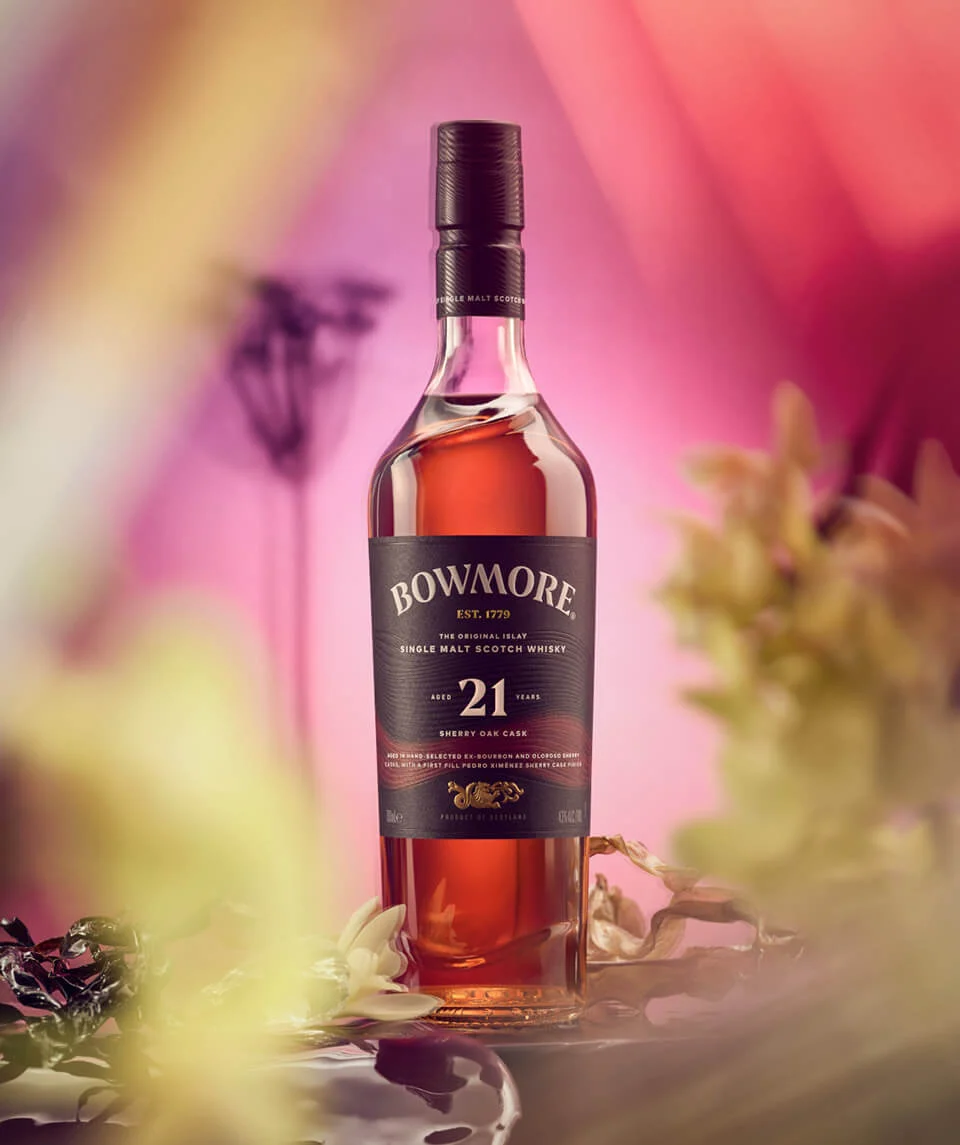
Bowmore Sherry Oak Cask: The Subtle Islay Single Malt Whisky Experience

0
Bowmore Sherry Oak Cask: The Subtle Islay Single Malt Whisky Experience


Sherry Oak Cask Series. (BOWMORE)

In a documentary on Raf Simons’ debut at Dior, the then newly-appointed creative director consistently peppers one word throughout the 89-minute runtime: sublime. It’s been over a decade and it strangely haunts me to this day. Maybe it’s a lack of vocabulary (man’s a designer, not a wordsmith), but it’s still an effective descriptor nonetheless. 

Tasting Bowmore’s latest collection set it echoing off in my head again. In 12, 15 and 18-year old expressions, it’s easy to underestimate the trio; especially if you’re heavy-handed on the years of maturation. It is still the oldest Islay distillery we’re talking about. Home to the legendary No. 1 vault, the only warehouse below sea level (which we’re told does wonders for angel share).

Bowmore’s intention to harness hand-selected Oloroso and Pedro Ximénez sherry casks centres around liminality. When crossed with other Speyside labels that we shalt not name, the fortified wine’s sweet notes don’t hide within the whisky. To match a smoky single malt scotch however, it’s pretty logical to not go the overt route.

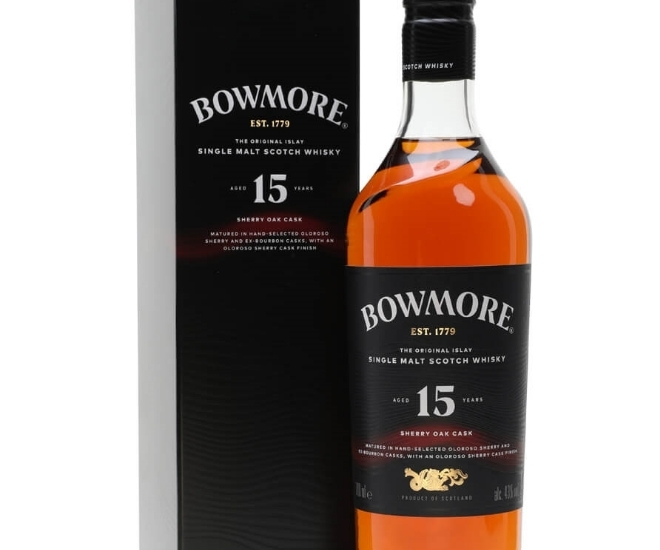
Sherry Oak Cask 15-Year Old. (BOWMORE)

Now that you’re sufficiently curious about how that translates, let’s get into it.

The youngest is in truth more of a 13-Year Old, but we won’t dive into the technicalities. It’s primarily aged in ex-Bourbon, so the hint of sherry is shy in the oily profile. It leans to tropical fruits on the palate, and appears in a radiant vermilion. 

The middle child is unabashed about seeking attention. Embodying a progressively darker hue, the 15-Year Old oddly reminds of meat in robust aromas of spice, underscored with darker layers of wood.

The only one culminating in Pedro Ximenez sherry casks of the lot, the 18-year old is—no avoiding this word in the liquor world—complex. Unapologetically peaty, it reveals a bittersweet zest on the tongue, followed by a cocoa richness towards its finish. It’s a subdued take on sherry oak for some, but a quietly pronounced one for others. 

Head to 67 Pall Mall Singapore for a personal encounter, as it stands as Flight of the Month. Besides the taster paired with seasonal bites, full bottles are also ready for purchase at the club.

The Sherry Oak Cask Series is available on the Suntory Global Spirits LazMall store from SGD120

This article was first seen on ESQUIRE SG.

For more on the latest in alcohol and luxury spirits stories, click here.


Source link