Clean water is something you don’t think much about until you start traveling in an RV. When you’re hooking up to water sources at different campgrounds, parks, and RV sites, the quality and taste of that water can vary quite a bit.
From dishes and brushing teeth to cooking and drinking, so much of daily RV life depends on the water coming into your camper. That’s why having a reliable RV water filter system is so important. We’ve been using the Glacier Fresh RV Water Filter System (Elite) for a while on the road, it has become one of those pieces of gear we’re really glad to have in our setup and now couldn’t RV without. In this review, we’ll share our experience with the system, what we like about it, and whether it’s worth adding to your RV water setup.
Do You Need an RV Water Filter?
Many new RV owners wonder if a water filter is really necessary. After traveling to many different campgrounds, we’ve learned that water quality can vary a lot depending on location and local plumbing systems. We’ve seen everything from great-tasting water to water that looked questionable. One campground in Florida even told us the rusty red colored water coming out of the spigot was completely safe to use. Umm… no, thank you.
That’s when having a good RV water filter becomes really important. A reliable filter helps improve taste, reduce chlorine, and remove sediment before the water ever enters your RV’s plumbing. For families traveling full time like we do, having cleaner water just makes everyday RV life easier and gives us a lot more confidence in using the water coming into our camper.
Find Free RV Water Near You.
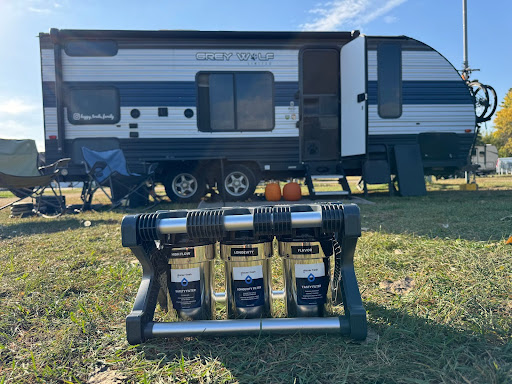
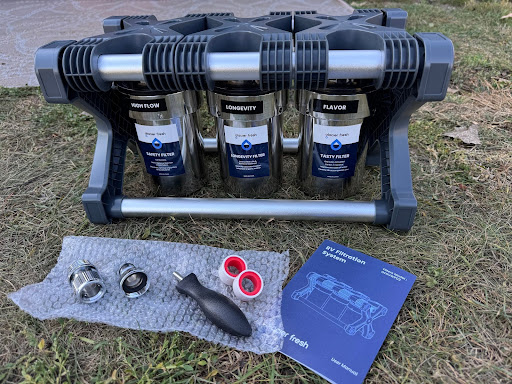
What’s inside the box of the Glacier fresh RV filter
What’s in the Box: Glacier Fresh RV Water Filter System
The Glacier Fresh RV Water Filter System comes with everything you need to get started. Inside the box you’ll find: • Glacier Fresh filter housing • Replaceable filter cartridge • Hose connection fittings (including quick connects) • Mounting hardware • Setup instructions
What You’ll Need
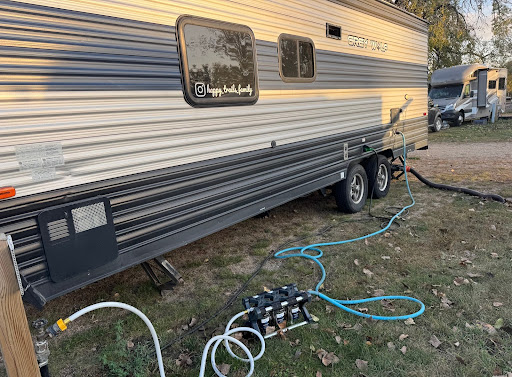
One thing we didn’t realize at first was that you’ll need an additional short hose to complete the setup. Since the system installs inline, you’ll need one hose running from the campground spigot to the Glacier Fresh unit, and another from the unit to your RV. Once we had that, everything hooked up quickly and easily.
Setup and Installation
Installation took just a few minutes. The filter connects inline between the campground spigot and your RV water hose, making setup quick and straightforward. After connecting everything, we flushed the system for a few minutes before use. The housing feels sturdy and well-built without adding bulk to your setup, and the stainless steel quick-connects make it easy to hook up to city or well water for safe, reliable drinking water on the road.
Glacier Fresh set up with hoses
Performance and Water Quality
After using the Glacier Fresh RV Water Filter System for a while, the biggest difference we noticed was the improvement in water taste. Before this, we never felt comfortable drinking straight from the faucet in our camper, but with this system, the water tasted cleaner and more neutral.
The system uses a 3-stage filtration process that reduces chlorine, sediment, bacteria, and other contaminants, filtering down to 0.2 microns, which is finer than most standard inline RV filters. We noticed less sediment overall and had more peace of mind when hooking up to unfamiliar campground water sources.
Another thing we appreciated is that the unit is compact and relatively lightweight, around 10 pounds, making it easy to move and store. For everyday RV use like drinking, cooking, brushing teeth, and filling the fresh water tank, it gave us much more confidence in the water coming into our camper.
How It Compares to the Camco TastePURE Filter
Before trying the Glacier Fresh system, we had been using the Camco TastePURE RV Water Filter, which is a very common entry-level inline filter many RVers start with. At around $15, it’s affordable and easy to install (no extra hose required).
However, even when we used the Camco filter, we still relied heavily on bottled water for drinking and cooking. The filtration is fairly minimal compared to the Glacier Fresh system. One of the biggest differences is the level of filtration. Glacier Fresh filters down to 0.2 microns, providing noticeably better water quality. After switching, we felt comfortable drinking directly from our camper faucets, which helped us cut back on bottled water while traveling.
For occasional RV trips, the Camco filter works fine. But for full-time RV living or travelers who want cleaner, better-tasting water, the Glacier Fresh system feels like a worthwhile upgrade.
Cost and Value
One of the nice things about the Glacier Fresh RV Water Filter System is that it’s still relatively affordable compared to larger multi-stage RV filtration systems. At the time of writing, the system typically costs around $299.99 (often discounted from $399.99), depending on where you purchase it and current deals. Considering the level of filtration and overall performance, the price feels reasonable for the improvement in water quality and peace of mind it provides.
Maintenance and Ongoing Costs
Replacement filters for the Glacier Fresh system typically run around $50–$60 and need to be changed every 3–6 months, depending on usage and water quality. If you’re traveling full-time or connecting to lower-quality campground water, you may find yourself replacing them more often.
Maintenance is simple overall, but it’s something to factor into the long-term cost. Signs it’s time to replace the filter include a drop in water pressure, changes in taste, or visible sediment buildup. For us, it’s a small tradeoff for having cleaner, better tasting water and feeling confident using our RV water for everyday needs.
Pros and Cons
Pros
• Easy installation • Noticeable improvement in water taste • Helps reduce chlorine smell and sediment • Lightweight design (around 10 lbs) • Durable filter housing • Replaceable filter cartridges • Advanced 3-stage filtration system • Allows us to comfortably drink from our RV faucets
Cons
• Higher upfront cost than basic inline filters • Filters need to be replaced periodically and can be costly each year.
•Extra hose needed and must be purchased separately.
Lightweight and small size of the Glacier Fresh filter
Final Thoughts
We think the Glacier Fresh RV Water Filter System is a great option for everyone who is camping long-term or short-term. It’s one of those upgrades that quietly makes life on the road better. After using the Glacier Fresh RV Water Filter System, we’ve been really happy with how easy it is to use, how lightweight it is, and the improvement in water taste and quality. Being able to drink directly from our RV faucets instead of relying on bottled water has been a big plus.
If you frequently connect to different campground water sources, having a dependable RV water filtration system can make a noticeable difference in day-to-day RV life!
Tesla and SpaceX are two of Elon Musk’s most popular and notable companies, but a new note from one Wall Street analyst claims the two companies will become one sometime next year, as 2027 could see the dawn of a new horizon.
In a bold new research note, Wedbush analyst Dan Ives has reaffirmed his long-standing prediction: Tesla and SpaceX will merge in 2027.
The move, Ives argues, is no longer a distant possibility but a logical next step, fueled by deepening operational ties, shared AI ambitions, and Elon Musk’s vision for dominating the next era of technology.
He writes:
“Still Expect Tesla and SpaceX to Merge in 2027. We continue to believe that SpaceX and Tesla will eventually merge into one company in 2027 with the groundwork already in place for both operations to become one organization. Tesla already owns a stake in SpaceX after the company’s $2 billion investment in xAI got converted to SpaceX shares following SpaceX’s acquisition of xAI earlier this year initially tying both of Musk’s ventures closer together but still represents <1% of SpaceX’s expected valuation. The recent announcement of a joint Terafab facility between SpaceX and Tesla further ties both operations together making it more feasible to merge operations given the now existing overlap being built out across the two with this the first step.”
The groundwork is already being laid. Earlier this year, SpaceX acquired xAI, converting Tesla’s $2 billion investment in the AI startup into a small equity stake, less than 1 percent, in SpaceX.
Regulatory filings cleared the transaction in March 2026, formally linking the two Musk-led companies financially for the first time. Then came the announcement of a joint TERAFAB facility in Austin, Texas: two advanced chip factories, one dedicated to Tesla’s AI needs for vehicles and Optimus robots, the other targeting space-based data centers.
Elon Musk launches TERAFAB: The $25B Tesla-SpaceXAI chip factory that will rewire the AI industry
Ives calls Terafab the “first step” toward full operational integration.
SpaceX’s impending IPO, expected as soon as mid-June 2026, will turbocharge these plans. The company aims to raise approximately $75 billion at a roughly $1.75 trillion valuation, far exceeding earlier estimates.
Proceeds will fund Starship rocket flights, a NASA-contracted lunar base, expanded Starlink services across maritime, aviation, and direct-to-mobile applications, and crucially, orbital AI infrastructure
A major driver is the exploding demand for AI compute. U.S. data centers are projected to consume 470 TWh of electricity by 2030, constrained by power grids and land.
🚨 Wedbush’s Dan Ives says that Tesla and SpaceX will merge in 2027. SpaceX will IPO soon, his new note says:
“According to media reports, SpaceX could file a prospectus for an IPO imminently with the goal of raising ~$75 billion above the prior expectation of ~$50 billion…
SpaceX’s strategy, launching millions of solar-powered satellites to host data centers in orbit, bypasses Earth’s energy bottlenecks. Solar energy captured in space avoids atmospheric losses and day-night cycles, offering a scalable solution for AI training and inference.
The xAI acquisition ties directly into this vision, positioning the combined entity as a leader in extraterrestrial computing.
The merger would create a formidable conglomerate spanning electric vehicles, robotics, satellite communications, human spaceflight, and defense.
Ives highlights SpaceX’s role in the Trump administration’s “Golden Dome” missile defense shield, which would leverage Starlink satellites for tracking.
For Tesla, access to SpaceX’s launch cadence and orbital assets could accelerate autonomous driving, Robotaxi fleets, and Optimus deployment.
Musk, who has signaled his desire to own roughly 25 percent of Tesla to steer its AI future, views the combination as essential to overcoming fragmented regulatory scrutiny from the FTC and DOJ.
Challenges remain. Antitrust hurdles could delay or reshape the deal, and shareholder approvals on both sides would be required. Yet Ives remains bullish, maintaining an Outperform rating on Tesla with a $600 price target, implying substantial upside from current levels. The analyst sees the merger as the “holy grail” for consolidating Musk’s disruptive tech empire.
If realized, a 2027 Tesla-SpaceX union would not only reshape corporate boundaries but redefine humanity’s trajectory in AI and space exploration. It would mark the moment two pioneering companies become one unstoppable force, pushing the limits of what’s possible on Earth and beyond.
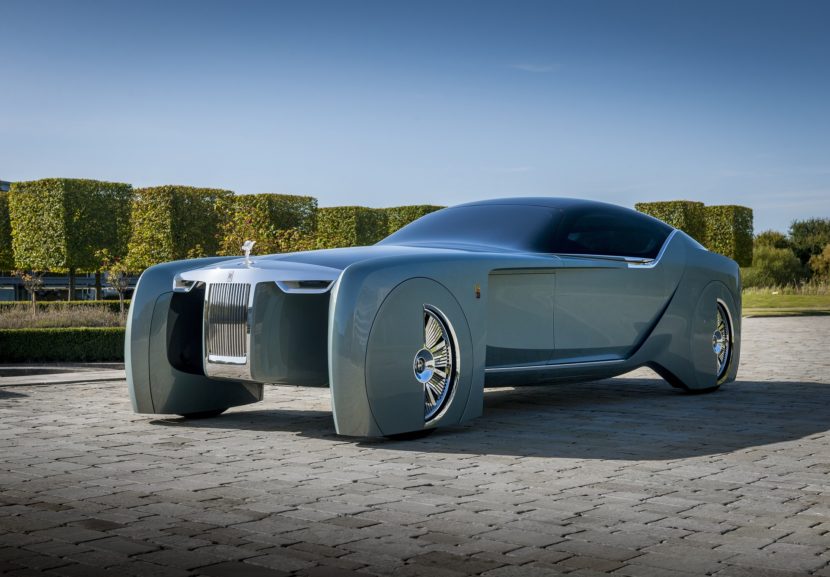
The 102EX was a 2011 Phantom converted to full electric power — 389 hp, 71 kWh battery, 125-mile range — then taken on a world tour so Rolls-Royce customers could drive it and give direct feedback
The 103EX concept in 2016 doubled down on the electric direction, previewing an autonomous, AI-driven future for the brand — a second listening exercise before any production commitment
The Spectre arrived in 2023 as the first production electric Rolls-Royce, but the brand has since softened its 2030 all-electric deadline as sales came in below early expectations
There is something quietly audacious about what Rolls-Royce did in 2011. The company took a Phantom — its largest, heaviest, most traditionally minded car — ripped out the 6.75-liter V12, filled the engine bay with batteries and electric motors, painted the whole thing “Atlantic Chrome,” and drove it to every major city on earth to let wealthy customers sit in it. The car was called the 102EX. It was, officially, an experiment. Nobody was supposed to read too much into it.
Twelve years later, the Rolls-Royce Spectre arrived in customer garages. The first production electric car ever to wear the Spirit of Ecstasy. The 102EX had not been forgotten.
What the 102EX actually was
The 102EX, also called the Phantom Experimental Electric, was unveiled at the 2011 Geneva Motor Show as part of the broader “EX” series of concept cars Rolls-Royce had been running since 2004. Earlier entries in that series — the 100EX and 101EX — had explored open-top and fixed-head grand tourer body styles, both of which eventually made it into production as the Phantom Drophead Coupé and Phantom Coupé respectively. The 102EX was different. It wasn’t exploring what shape a Rolls-Royce should be. It was asking whether a Rolls-Royce could exist without its engine.
The answer required significant engineering. Two UQM-supplied synchronous permanent-magnet electric motors were mounted on the rear subframe, producing a combined 389 horsepower and 590 lb-ft of torque. The battery pack was a 71 kWh unit made up of 96 NCM cells running at 338 volts — Rolls-Royce claimed at the time it was the largest battery ever fitted to a road car, which, in 2011, was probably true. Range was around 125 miles. Top speed was electronically limited to 100 mph, and 0-60 mph arrived in under 8 seconds.
Those numbers won’t impress anyone today, but in 2011, before Tesla had changed what people expected from electric cars, a 71 kWh battery in a Phantom-sized vehicle was genuinely remarkable. The weight was a problem — the 102EX was even heavier than the standard Phantom, which already tips the scales at around 2,600 kg — but Rolls-Royce wasn’t building it to win drag races. They were building it to ask a question.
The exterior details were worth noting. The Spirit of Ecstasy was remade in illuminated polycarbonate, glowing blue. The paint contained ceramic nano-particles to increase reflectivity. Small gestures, but they signaled that Rolls-Royce understood an electric car needed to feel different, not just perform differently.
The world tour that did the real work
Here’s the part that doesn’t get talked about enough: Rolls-Royce actually drove the 102EX everywhere. Not in the usual motor show circuit sense, but on a deliberate global tour covering Europe, the Middle East, Asia, and North America. The point was to put existing and potential Rolls-Royce customers behind the wheel and collect their reactions directly.
This was an unusual move for a brand that typically tells customers what they want rather than asking them. The 102EX tour was a structured listening exercise, and what Rolls-Royce heard shaped everything that came after it. Customers were impressed by the silence, uncertain about the range, and — perhaps most importantly — willing to consider it.
The 103EX doubles down
In 2016, Rolls-Royce unveiled the 103EX — the Vision Next 100 — and made clear that the 102EX had not been a one-off curiosity. If anything, the 103EX was more radical. At 5.9 meters long, it was fully electric and fully autonomous, driven by Eleanor, an AI assistant named after the company’s co-founder. The interior was a silk lounge chair, real wood, and handwoven wool carpet — a drawing room on wheels, except now the wheels drove themselves. The roof swung upward and the door opened wide enough to stand upright inside before sitting down.
Nobody expected the 103EX to go into production either, and it didn’t. But it was shown around the world for nearly four years, another rolling survey of what Rolls-Royce’s wealthiest customers might eventually accept. The answer, again, seemed to be: yes, if the experience is right.
Two concepts. Two world tours. Both pointing in the same direction.
What finally happened
The Spectre was announced in 2021, the same year then-CEO Torsten Müller-Ötvös declared that every Rolls-Royce would be fully electric by 2030. It went on sale in late 2022, arrived with customers in late 2023, and it’s the direct answer to the question the 102EX was asking over a decade earlier.
The engineering progress between the two cars makes the 102EX look almost experimental by comparison, which is, of course, exactly what it was. The Spectre carries a 105 kWh usable battery pack driving two motors. EPA range is 264 miles, with WLTP pushing to 321 miles. That’s more than double the 102EX’s 125 miles from a battery pack only about 50 percent larger — a straightforward measure of how much battery chemistry improved in the intervening years.
The drag coefficient of 0.25 Cd is the lowest Rolls-Royce has ever achieved on a production car, which required redesigning the Spirit of Ecstasy herself: her posture adjusted, her robes reshaped, her position on the bonnet lowered to reduce drag. The same icon the 102EX had illuminated in blue, now quietly reshaped for aerodynamics.
The part nobody saw coming
What the 102EX could not have predicted is how the 2030 deadline would start to soften before it arrived. Rolls-Royce’s current CEO, Chris Brownridge, has stepped back from the firm all-electric target his predecessor set. The Spectre took about 17.7 percent of Rolls-Royce deliveries in 2025, down from 33 percent in 2024. Still selling, but not at the pace the original announcements implied. The Ghost, Phantom, and Cullinan all continue on the V12 for now. An all-electric SUV is reportedly in development and expected around 2027.
Twenty years on
The EX series started in 2004 as a centenary project. The 102EX came seven years later and did something genuinely unusual: Rolls-Royce built an electric car not to sell it, but to drive it around the world and watch how people reacted. Most of them said they could picture it. Eventually. That “eventually” took another twelve years to become a car in a showroom. Whether that’s a slow success or a very long experiment probably depends on how patient you are. Rolls-Royce customers tend to be pretty patient.
The upcoming Budi95 quota adjustment, which will see the 300 litre monthly quota for RON 95 petrol under the Budi Madani RON 95 fuel subsidy programme being temporarily adjusted to 200 litres a month – at the present subsidised rate of RM1.99 per litre – from April 1 will not impact e-hailing drivers, as their monthly quota of 800 litres will remain in place.
The retention of that quota has drawn a mixed response from different e-hailing groups. Sahabat E-hailing Malaysia (SEM) believes that the 800-litre amount is insufficient for high-mileage drivers, some of which consume up to 40 litres of petrol a day, forcing them to pay the unsubsidised market rate for RON 95 after exhausting their quotas before the end of the month.
As such, the group has urged the government to review the subsidy mechanism for e-hailing, the New Straits Times reports. “Even before the Middle East conflict, e-hailing drivers were facing a dire financial situation as fares were inadequate to cover operating costs. Now, some are forced to pay for unsubsidised RON 95 starting from the middle of the month after hitting their limit,” SEM said in a statement.
The group criticised the different eligibility criteria and quotas set for e-hailing drivers, diesel-based vehicles and airport taxis. It said using the previous month’s travel record as a prerequisite to determine a quota was unfair. “The requirement for e-hailing drivers to meet a minimum travel distance is a biased policy that primarily benefits service provider companies,” it said.
Under the current tiered system, e-hailing drivers must clock over 5,000 km a month to qualify for the maximum 800-litre quota. Those covering between 2,000 km and 5,000 km receive 600 litres, while those under 2,000 km are entitled only to the base quota.
The group said many drivers risked losing their additional quotas because the eligibility criteria failed to account for unforeseen circumstances, such as losing access to their vehicle through accidents or vehicle breakdowns. “By April, more drivers are expected to lose their additional quotas because they could not meet trip requirements during the Ramadan and festive period,” it added.
Separately, another group says the government’s decision to maintain the monthly ceiling of 800 litres for e-hailing drivers and gig workers is a timely move to stabilise operating costs, Bernama reports.
Malaysian E-hailing Coalition (GEM) chief activist Masrizal Mahidin said the move to retain the 800-litre quota is expected to boost demand for e-hailing services. “The temporary quota adjustment is expected to encourage more users, especially in urban areas, to opt for e-hailing instead of using their own vehicles, thereby creating opportunities for higher income among drivers,” he said.
Masrizal added that maintaining the quota for e-hailing and gig workers provides immediate relief to drivers, but stressed the need for long-term solutions to address global oil price uncertainties. He proposed a more comprehensive approach be explored, including supporting the gradual transition of the e-hailing sector to electric vehicles (EVs) to reduce the dependence on petrol.
Support CleanTechnica’s work through a Substack subscription or on Stripe.
Australia’s world-first national legislation to restrict access to social media accounts for children under 16 years old has been in force for about three months. New data from a survey of 1,070 Australian adults provides tantalising evidence of some positive effects.
The YouGov survey found many parents had noticed several positive behavioural shifts in their children aged 16 and under since the law took effect on December 10 2025. This, however, wasn’t universal, with some parents also reporting negative changes in their children’s behaviour.
This data does offer some insights into the impact of Australia’s Online Safety Amendment (Social Media Minimum Age) Act. But it also has some major limitations.
So what exactly do the results of the survey show? And how should they be interpreted?
A first step
Before we can assess any effect of the legislation in preventing online harms we need to know whether the age-assurance processes are working.
Initial figures gathered by Australia’s eSafety Commission indicated social media platforms had removed 4.7 million accounts of children under 16 last December.
This figure reportedly includes a number of inactive and duplicate accounts. As a result, it may not be an accurate representation of the actual number of young people affected.
Young people are also reportedly circumventing age verification restrictions. And a report by Crikey, based on new data by parental control company Qustodio, showed social media usage among under-16s had dropped only marginally in the first three months of the ban.
Parents see some positive impacts
The YouGov survey took place online on January 12–14 this year – a little over a month after social media age restrictions took effect.
Among parents of children under 16 years old, 61% observed between two and four positive effects. Some 43% noticed more in-person social interactions, while 38% said their children were more present and engaged during interactions and 38% reported improved parent-child relationships.
But these parents also reported negative impacts. Some 27% noted a shift to alternative or less regulated platforms. And 25% observed reduced social connection, creativity or peer support online.
Two thirds of adults in this survey believed greater parental involvement could make the ban more effective. And 56% agreed stricter enforcement and age verification would improve its effectiveness.
This suggests many parents understand the complex challenges around implementation of effective age-assurance processes.
Limitations of the survey
Disappointingly, the proportion of parents in the YouGov sample is not reported, nor is the exact age of their children.
Given the survey took place in the middle of the summer holidays, it is hard to know what contribution this may have had, as social media use generally declines then.
We also do not know whether the reported behavioural changes were observed among young people who had been “kicked off” their social media accounts.
Crucially, the YouGov survey is also missing the voices of young people.
Ongoing work
We are involved in an ongoing study that aims to evaluate the impact of social media age restrictions. This study directly measures how much time young people actually spend on different social media apps using passive sensing technology, in addition to more common self-reported questionnaires.
Our baseline data (collected before the new rules came into effect) from 171 young people counters the prevailing narrative that “all teens are against the social media restrictions”.
In fact, 40% of 13–16-year-olds were either supportive of or indifferent to the legislation, suggesting a more nuanced examination is warranted.
Young people also showed insights into their own experiences of using social media. Watching short videos was the most frequently reported activity. But only 16% thought it was a good use of their time.
Australia’s eSafety Commissioner Julie Inman Grant has also committed to a comprehensive evaluation of the Social Media Minimum Age Act.
A collaboration between the eSafety Commission, Stanford University’s Social Media Lab (the lead academic partner), and an 11-member academic advisory group, this evaluation aims to assess how the minimum age requirement is being implemented and examine both intended and unintended impacts.
A major element of the eSafety evaluation is its longitudinal design over at least the next two years, with perspectives from over 4,000 young people aged 10–16 years and their parent or carer. The participants include enough young people from certain groups, such as those living in the country, or who are neurodiverse, to take a closer look at whether restricting access to social media has a disproportionate impact on them.
The eSafety evaluation will also directly track how much time young people spend on different apps and when they do so.
Measuring success in years, not months
The next few months will no doubt be the toughest for the eSafety Commissioner as she works with each of the technology platforms to ensure they are taking the “reasonable steps” required by the law.
There will be much global interest in the public compliance report that the eSafety Commission will soon release, which will detail these steps.
Technology companies face fines of up to A$49.5 million for failing to comply with the law. For many, the financial cost may be less of a concern than avoiding damage to their reputation, as evident in recent court cases in the United States where Snapchat and TikTok settled out of court.
Rather than anticipating immediate benefits in young people who have already enjoyed access to social media, we may see stronger effects in the next generation of children, whose parents are yet to provide permission for them to access social media accounts.
In this regard, the true benefit of Australia’s legislation may be whether it changes social norms among parents about the “right” age for children to have a phone and around what role social media should play in young people’s lives.
Such changes will be measured in years, not months.
By Susan M. Sawyer, Professor of Adolescent Health The University of Melbourne; Director, Royal Children’s Hospital Centre for Adolescent Health; and Murdoch Children’s Research Institute, The University of Melbourne and Sylvia C. Lin, Postdoctoral research fellow, Deakin University; Murdoch Children’s Research Institute
This article is republished from The Conversation under a Creative Commons license. Read the original article.
Featured photo by Jason Howie (CC license)
Sign up for CleanTechnica’s Weekly Substack for Zach and Scott’s in-depth analyses and high level summaries, sign up for our daily newsletter, and follow us on Google News!
Advertisement
Have a tip for CleanTechnica? Want to advertise? Want to suggest a guest for our CleanTech Talk podcast? Contact us here.
Sign up for our daily newsletter for 15 new cleantech stories a day. Or sign up for our weekly one on top stories of the week if daily is too frequent.
CleanTechnica uses affiliate links. See our policy here.
Have you priced motorcycle tires lately? Holy cow! I’d call it sticker shock, but it’s more than that—I’m calling it sticker bludgeoning instead. If you’re shopping for tires in March like I am, well, we picked just about the worst time to do it. By the time I finished digging into it, I realized two things: Why tires got so expensive and when the best time is to buy them if you don’t want to get hammered.
TL;DR Version
Worst time to buy: March through May.
Best time to buy: Before you need them! Plus also November through January.
Bonus tip: Watch for model closeouts and manufacturer incentives like rebates.
It’s been just over a year since I last bought tires, and I was completely stunned by how expensive they’ve gotten. The tires I bought in November 2025 were for my 1976 BMW R 90/6 (i.e., skinny and bias-ply). Thinking I might need to put tires on my 2015 R 1200 GS before summer inspired my looking at tires, but given the prices, I’m doing the research now and not buying tires for a while. I’ll wring every last mile I can out of the tires on the bike by diligently keeping my tire pressure correctly set and trying to modulate my throttle hand.
By the way, when I bought those Metzeler Road Tec 01 tires for my Slash 6, they cost $121 (front) and $149 (rear) from Revzilla and came with free shipping to my door. The front (3.25×19) is out of stock and soon to be discontinued with the rise of the Road Tec 02, but an equivalent front (90/90-19) is now $168 and the rear (4.00×18) is $174. That’s an increase of $70!
I started to think I might need tires for my 2015 R 1200 GS ahead of riding season. I’ve currently got Dunlop Mutants on the bike, and I like them a lot. I don’t ride off-road, but I appreciate how they perform in sloppy weather and on the few hard-packed dirt roads on which I occasionally find myself. On the road, they’re solid tires, giving a secure feel and plenty of feedback through the chassis. The sizes for my GS are 120/70R19 (front) and 170/60R17 (rear), and here’s what I found on Revzilla in late March 2026.
NOTE: This list is limited to what I could find with both tires in stock at the moment of my search. Prices are listed as front/rear.
What I discovered was a wide variety of tires, but they were all expensive—except the Shinko 705s, which kicked the table off at $140/$192. However, the 705 is a 70/30 ADV tire—which I don’t need or care to use—and I’ve heard a lot of anecdotal reports that they don’t last long. Some stories I’ve heard even involve people buying three tires at once—one front and two rears—because the rears especially wear out quickly. All things considered, I include them here for completeness because if I don’t, some yo-yo on the internet will discount my work because I didn’t include Shinko.
Interestingly, the other 70/30 ADV tire on my list—the Continental TKC 70—came in as the most expensive of them all at $276/$344. With sales tax in my home state of Virginia, a set would cost me $660! That’s pretty rarified air for tires, especially since I don’t need a 70/30 tire. Nobody would believe I ride off-road even if I had these equipped.
Another eye-wateringly expensive option is Metzeler’s ME888 ($235/$340), a hard touring tire known for long life and the capacity for heavy loads. You see the ME888 mostly on beastly cruisers, which honestly makes them a pretty good candidate for an overloaded two-up ADV bike like my GS.
Knocking those three tires out of contention, everything else currently available exists in a $100 range between $425 and $525, from the Bridgestone Battleax T41 ($183/$242), a 90/10 ADV tire, to Michelin’s justifiably popular Road 6 ($231/$294) long-life touring tire.
I’m leaning towards a road tire or possibly a sport-touring tire, rather than even a 90/10 ADV tire. I want long life and good wet weather performance and don’t need to pose or chase cred in the parking lot. I don’t keep it secret that I treat my GS as a touring bike. That knocks out the Battleax T45 and the other ADV tires: Pirelli’s Scorpion II and III ($208/$267 and $222/$285, respectively) and the Continental Trail Attack 3 ($210/$272). I’ve had Trail Attacks before and they are fantastic tires, but if I’m going in on road-oriented tires, they’re off the list.
I’ve had several different Bridgestone tires in the past and they always feel weird to me no matter how long I give them to break in. This eliminates their sport-touring tires, the Battleax T32 GT Spec ($211/$255) and T33 ($216/$267).
The short list I’m left to choose from certainly contains no slouches. In addition to the Michelin Road 6, there are:
Dunlop Roadsmart 3 ($191/$234)
Metzeler Roadtec 02 ($205/$252)
Continental Road Attack 4 ($197/$274)
Dunlop Mutant ($220/$278)
Michelin Anakee Road ($207/$295)
It would be easy to choose the least expensive, but life is never that easy. I would be fine with the Anakee Road or Roadsmart 3, but I’ve never used tires from those model lines before. I’ve got good experience with the Roadtec 01 on my Slash 6. I’ve used the previous generations of the Road Attack on multiple occasions and had good results, and as I said above, I like the Mutants that are currently on the bike. I’ve heard great things about Michelin’s Road line, but never ridden on them before.
All that figuring means I’ll probably end up buying a set of Road Attack 4 tires—but not yet. That seems low enough to not seem unreasonable, but it’s still a lot of money for tires. All I can do now is wonder why motorcycle tires are so goddamned expensive and how they came to be that way.
As it turns out, it’s not that complicated. Motorcycle tires require specialized design and engineering staff to bring them to life, not to mention separate machines and specific materials to take things like lean angles, dynamic loads and shifting weather conditions into account. On top of that, the numbers aren’t in the manufacturers’ favor—they will never make as many motorcycle tires as they do tires for cars, trucks and SUVs. This means the economy of scale is not in our favor as motorcyclists; manufacturers have fewer units from which to extract revenue, and that drives the per-unit costs up.
When it comes to materials, motorcycle tires benefit from people with advanced degrees in chemistry, physics, thermodynamics and more, but the things getting thrown into the hopper to manufacture the tires are more or less common across the industry. Steel for reinforcement, natural and synthetic rubber, carbon black and a multitude of polymers and other things that provide durability, grip and stability—the costs for all these things do not exist in a vacuum and prices for raw materials everywhere are volatile and seemingly ever on the upswing. Add logistics (i.e., freight shipping) and supply chain issues like shortages to the ever-rising cost of labor around the world and it’s not hard to see why the per-unit costs on motorcycle tires continues to climb.
Analysts and experts expect the global motorcycle market to continue to expand, and that means more demand for motorcycle tires. It might not mean more demand for fat 190/55ZR17 rear tires for sport bikes, but a factory that makes those also makes tires for the mopeds, scooters and small-displacement motorbikes that drive urban mobility in some of the densest population centers on the planet. We should all be aware of and sensitive to the core equation of capitalism and consumerism: D – S = C, where D is Demand, S is Supply and C is cost. When demand goes up but supply does not, cost goes up—sometimes achingly so.
Finally, I can’t talk about the prices of anything without discussing the involvement of the U.S. government. With the closing of Dunlop’s motorcycle tire factor in Buffalo, New York, in 2024, there are now exactly zero motorcycle tire manufacturers operating in the United States. That means every motorcycle tire we buy is imported to here from somewhere else. Because of the tariff environment that’s existed since January 2025, the simple fact is that the cost of tires is going to be higher. As of this writing (22 March 2026), every country listed below in which motorcycle tires are manufactured is subject to tariffs on products they import into the USA. Where manufacturers and distributors cannot absorb these elevated costs, the tariffs are passed on to the consumers and that translates into higher prices for our motorcycle tires.
Manufacturing Regions for Motorcycle Tires
Bridgestone: Japan. The company invested $12.6 million in its Nasu plant to boost production to 90,000 tires per year by 2026.
Continental: Thailand, Germany.
Dunlop: Japan, Thailand, China, France, Germany, Brazil. The U.S. factory closed in 2024.
Pirelli & Metzeler: Germany (primarily radials, sport and ADV), China (high-volume models), Brazil, Indonesia (primarily bias-ply), Argentina (Pirelli only)
Tariff Rates for Countries in Which Motorcycle Tires Are Made
This data came from the Center for Global Development (cgdev.org) and the UN Trade and Development (unctad.org) websites. The 2026 rates are what they call “trade weighted averages,” which takes into account a whole lot of things, while the 2025 rates are more closely aligned with manufacturing regulations and requirements, which are often affected by other things and can appear lower than what we actually see in operation. (NOTE: Imports from France, Germany and Spain are not typically subjected to individual tariffs, but rather the overall European Union tariff rates.)
We could see tariffs continue to fluctuate, possibly wildly, in the near future. In early March 2026, The U.S. Supreme Court struck down a huge number of tariffs based on the Trump administration justifying the tariffs with the International Emergency Economic Powers Act. The same week, President Trump used a different legal justification to announce a new 10% tariff on all goods entering the U.S., and a day after that, raised that tariff to 15%. These kinds of swift, unpredictable changes make it difficult for companies to plan and in some cases, has caused companies to shy away from importing anything into the United States at all. Obviously, this is not the case with motorcycle tire manufacturers, or at least not the ones with which Revzilla has distribution agreements.
How to Reduce Your Tire Cost
The real trick, then, is trying to find ways to reduce the cost of tires when it’s time for new ones on your motorcycle. There are always tips and tricks, after all! One thing you can do is ask your local dealer about price matching. Go in with hard data from an online retailer’s website and ask—politely!—if your dealer will match those prices. In many cases, they may already be doing so; Revzilla has become the 800-pound gorilla in the tire retailing world in a lot of ways. Still, prices aren’t going to come down and stay down in any meaningful way, so the bottom line is you can’t wait for prices to drop—you have to buy smart.
Keep an eye on other retailers and e-tailers for occasional sales, promotions, rebates and other specials. Michelin, Continental and Dunlop have all had promotions and rebates available to MOA members in the past few years and there’s no reason they wouldn’t continue to do so in the future. In addition, watch for news of a tire line being discontinued or superseded by a new model. When this happens, retailers will often drop prices by a lot to get rid of built-up stock and make room for the new model. For example, Metzeler recently released the Roadtec 02 model, which means Roadtec 01s are going to get cheaper sooner or later.
You can research average tire life until your brain hurts, but I’ve found the averages rarely apply to me. I still base my choices on them, because everything else is anecdotal. So if you know you’re going to ride 30,000 miles in the next year, buy two sets of tires when prices are lowest. Store them in a dry, climate-controlled place out of the sun; you can expect them to last a good, long time if stored like this.
Unfortunately, the worst time to buy new tires is March through May. Demand is increasing, inventories will start to drop and nobody is interested in giving either of us a deal. If you can plan ahead, buy between November and January when demand is the lowest. Watch for closeout sales when new models replace old ones and keep an eye out for rebates. Timing matters more than luck in this regard.
The lesson this has reinforced for me is that if you wait until you need tires, you’re going to pay whatever the market requires and you might not even get the tires you really wanted simply because they’re out of stock. I don’t need tires for my GS right now, and after doing this research, I’m glad I chose not to rush into buying anything. I just put new tires on the R 90/6, tires I bought in November. Sure, it was November 2025, but that wasn’t an accident. I planned it! Really!
If the GS tires start to look sketchy, I can live with letting the bike sit for a couple of months. That’s cheaper than overpaying—or worse, buying a set of 70/30s just because they’re in stock and I’m desperate. The last thing I want is to end up with tires that aren’t suited to my riding style simply because I have to have something right now.
Planning ahead and buying at the right time means that saving $50-100 on a set of tires is entirely realistic. That’s money we can spend on fuel and snacks instead of paying full price just because the calendar says it’s riding season.
Otherwise … enjoy your $500 tire bill as you realize it’s going to cost you even more money to get them installed.
Coming soon: buy a set of Continental motorcycle tires, get a year of MOA membership! Once this program goes active, it becomes a way you can save money—not on tires, specifically, but in general.
NOTE: A member commented to me that Revzilla—though big in the industry now—is not the only e-tailer selling tires over the internet. Check other major motorcycle parts and supplies vendors; they might have deals Revzilla does not.
If you’re interested in a way to save money by installing your own tires, check out the first video in a series I did with Mark Barnes on how to set up and use the Rabaconda tire changer. It’s easy enough that just about anybody can do it!
Uber is reportedly looking to acquire premium chauffeur service provider Blacklane. By Megan Lampinen
Uber’s diversification push appears to know no bounds and the list of partnerships is expanding rapidly. Hot on the heels of a new robotaxi deal with Pony.ai and Verne comes news from Germany that it’s about to acquire the chauffeur service provider Blacklane. Manager Magazin reports that the deal, rumoured to be around €900m (US$1.03m), is close to being finalised. Neither company is responding to requests for clarification, but the move makes a lot of sense strategically for Uber.
Over the past 25 years, Blacklane has built a global presence as a premium chauffeured car service, operating on a pre-booked, fixed-price model using vetted, professional drivers. The core customer group consist of business and luxury travellers, a highly profitable and ‘sticky’ demographic. And most of them are going to and from the airport—a key destination that’s become notoriously difficult for Uber due to strict regulations, steep fees and restricted pick-up and drop-off zones. Blacklane has not only navigated those already, but it has also established relationships with travel management companies, airlines, and hotel concierges. Acquiring Blacklane would instantly give Uber access to a host of lucrative, completely new distribution channels.
Blacklane’s strengths could complement Uber’s existing business model
While Uber Black and Uber Business offer some degree of overlap, generally speaking Blacklane’s operational model is the opposite of Uber’s. Other ride-hailing operators have made similar moves: Lyft acquired TBR Global Chauffeuring in October 2025 and Bolt made an organic entry to the chauffeur segment around the same time. Under Lyft’s ownership, TBR continued to operate under its own brand and kept its leadership team.
The chauffeur market promises higher revenue per ride and hence bigger margins. Blacklane is a big player here, active in around 500 cities across more than 50 countries. Taking it in-house would add a true premium professional layer to the existing offering. Notably, Uber has been building up its own Black operations recently, introducing new requirements for qualified drivers, refining the tier premium offerings, and pursuing marketing deals with luxury brands and airlines.
But a true chauffeur service demands more than just a vast technology platform and nice cars. Users will have high expectations when it comes to the professionalism and service provided by the driver, not something Uber is currently known for. And the potential for autonomous driving may be far out on this vertical. Uber is betting heavily on robotaxis, but users of a chauffeur service will be expecting not only a human driver but a highly qualified one.
On the other hand, Blacklane’s pre-booked, predictable routes are well suited for electric vehicles (EVs), making it easier for drivers to schedule charging and avoid range anxiety. Uber is already moving to electric, and as of mid-2025 there were 230,000 EV drivers on its platform worldwide—most of them complaining about how hard it was to charge.
The global chauffeur service market poised for strong growth, driven by an increase in luxury and corporate travel. North America is the largest market at the moment, but Europe and Asia Pacific are seeing rapid expansion. HTF Market Intelligence expects the global market value of luxury chauffeur services to soar from US$34.6bn today to US$63.2bn by 2033. It’s no surprise that Uber wants a piece of that; the only question is whether Blacklane is its ticket in.
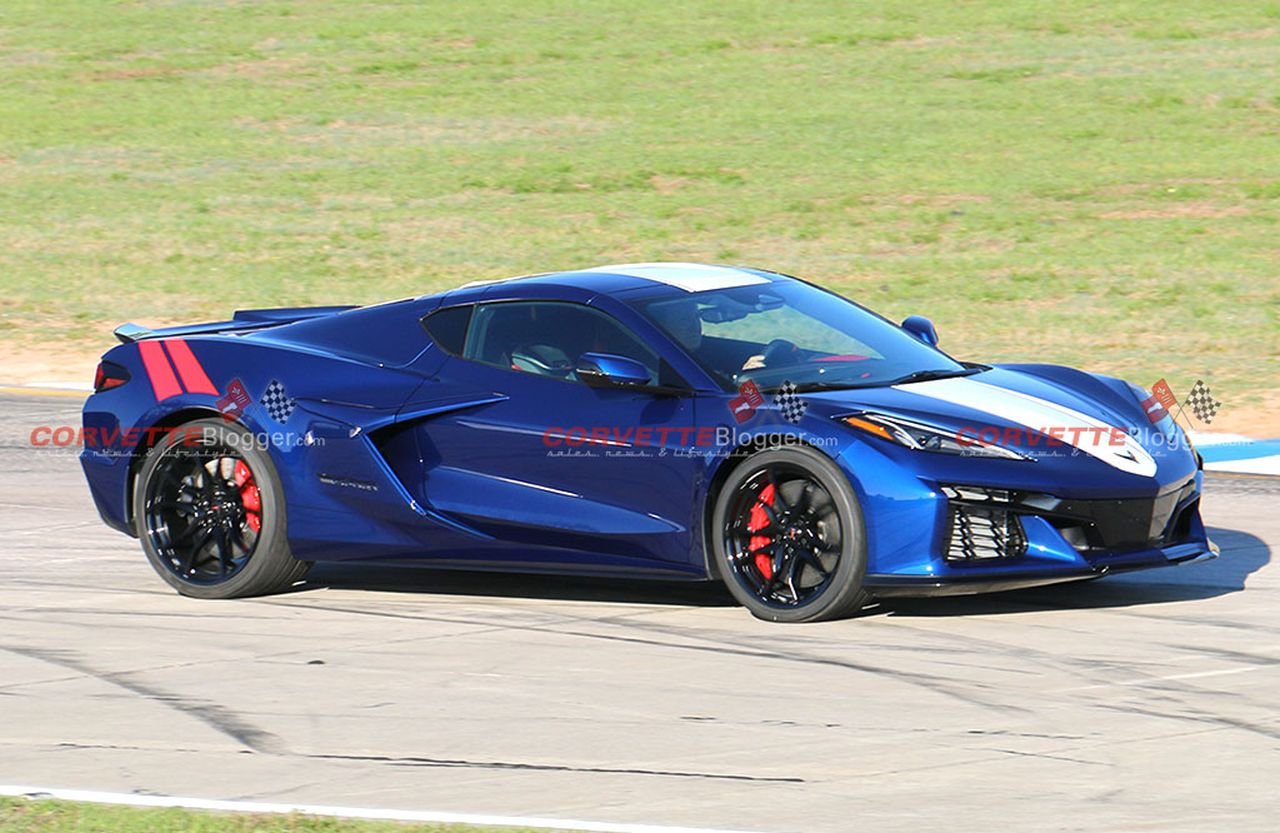
General Motors is all set to reveal the all-new Chevrolet Corvette Grand Sport on March 26. The first official teaser is now out.
The teaser video shared on social media reveals the Grand Sport’s most distinct design element – the hashmarks.
The new Chevy Grand Sport made its first appearance in February. It was spotted during an ad shoot on the Angeles Crest Highway in California. Recently, the car was part of the pre-race parade at the 12 Hours of Sebring.
The new Grand Sport range will be positioned below the ZR1 and ZR1X, offering a decent level of performance at an affordable price. It could be powered by a new 6.7-liter V8 engine producing around 550 hp.
A more track-focused Grand Sport X will also be on offer. It could feature a more aggressive aero kit compared to the standard Grand Sport.
The Grand Sport X is likely to use the same 6.7-liter V8 paired with a front-mounted electric motor, producing 720 hp.
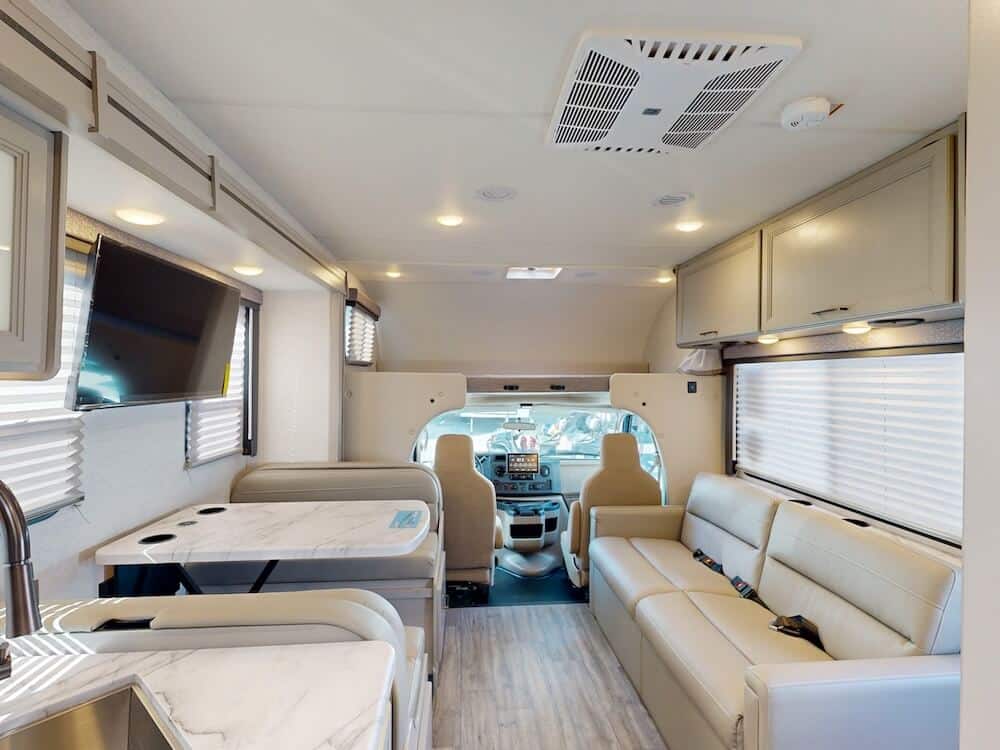
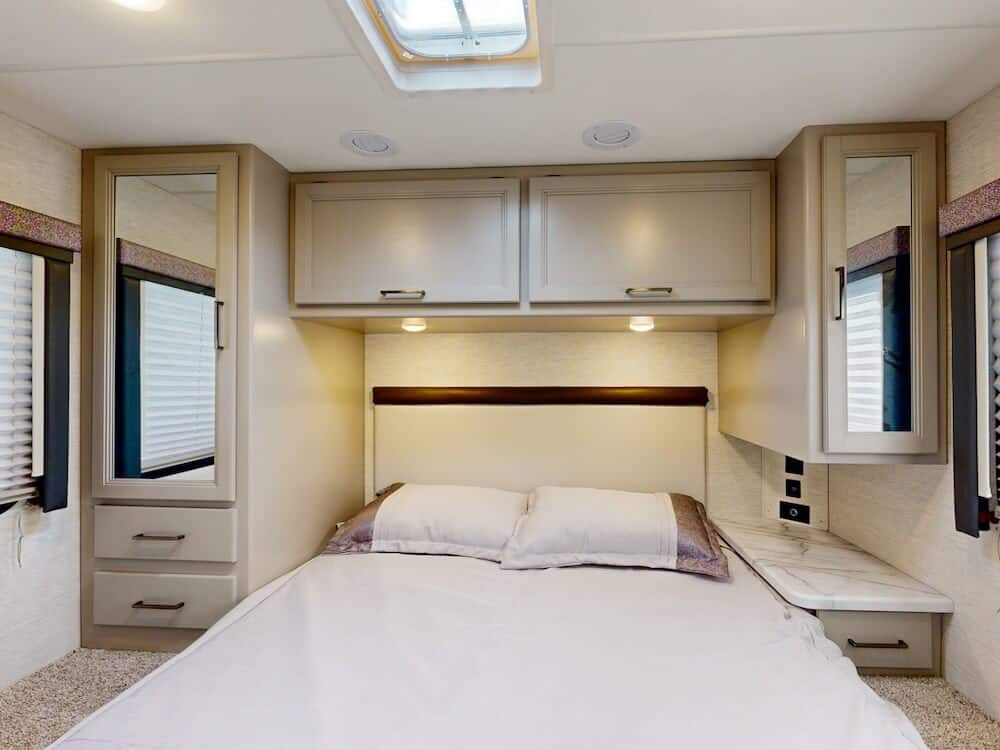
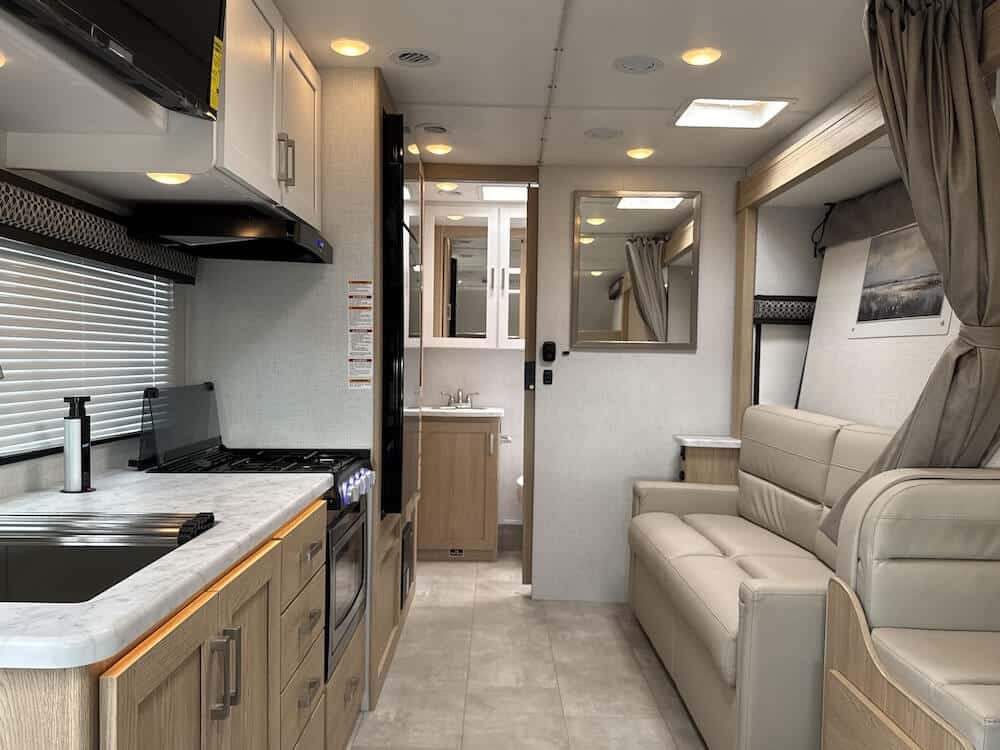
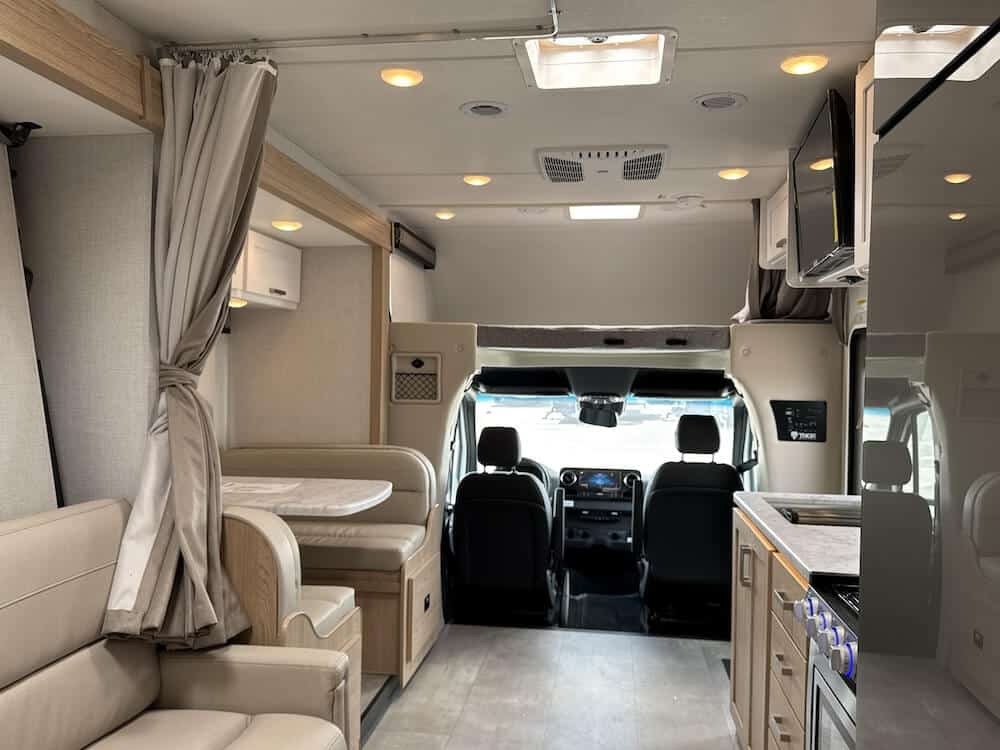
ARE YOU considering a new RV in 2026? Class C motorhomes are some of the most popular RV types on the market, offering a wide range of amenities in a more maneuverable format. Because they are smaller, they are more affordable and easier to drive than larger Class A motorhomes, and they are often less intimidating than tow-behind RVs.
Key Takeaways
The Ideal Size: A length of 24 to 30 feet is considered the “sweet spot” for 2026, offering the best balance of interior comfort and maneuverability for restricted campgrounds.
Stress-Free Driving: These motorhomes offer a smooth, approachable driving experience that’s easier to handle than a large Class A or a heavy tow-behind trailer.
High-End Versatility: Modern layouts now prioritize multi-functional features such as Murphy beds, split bathrooms, and convertible workstations to maximize space without sacrificing luxury.
What Are the Top 10 Class C Motorhomes?
Let’s take a look at the top 10 Class C motorhomes of the year! We have added a helpful ‘best for’ section for each camper, highlighting a few reasons we think each camper benefits a specific type of RV owner.
Jayco Granite Ridge 22T
Subscribe to the Camping World YouTube channel, and never miss a video.
Specs
Length: 23’5”
Chassis: Ford® Transit 350HD AWD
Engine: 3.5L EcoBoost V6
GVWR: 11,000 pounds
Sleeping Capacity: Up to 2
Best For: Digital Nomads
The Granite Ridge 22T is perfect for one or two campers because the sleeping area adapts to your preferences. Two twin beds offer a king conversion in the camper’s rear, with wardrobes and overhead storage.
As a digital nomad, a few things about this Class C really caught my attention. First, the dinette and lounge area is in an L-shape, providing ample space to work. Direct overhead storage provides a place to store a laptop or other equipment after work.
I also love the wet bath. Many smaller campers don’t have a bathroom, and it’s no fun to run half a mile to the nearest bathroom right after a meeting. Despite being a wet bath, the shower still has a retractable curtain, in addition to the bathroom door.
On the exterior, there’s a heated garage space, providing ample room to store bikes and other adventure gear. The Granite Ridge motorhome also offers some unique full-body paint options that will help your rig stand out—a bonus for influencers!
Thor Eddie Bauer 31ED
Subscribe to the Camping World YouTube channel, and never miss a video.
Specs
Length: 32’7”
Chassis: Ford® E-Series
Engine: 7.3L V8
GVWR: 14,500 pounds
Sleeping Capacity: Up to 5
Best For: Adventure Families
The Eddie Bauer 31ED is a beautiful camper, and it’s easy to see why it’s a top-rated Class C motorhome for families. As you step in, you’ll notice the decor and color scheme. From the green cabinets and golden hardware to the mountain photography, the Eddie Bauer design shines throughout.
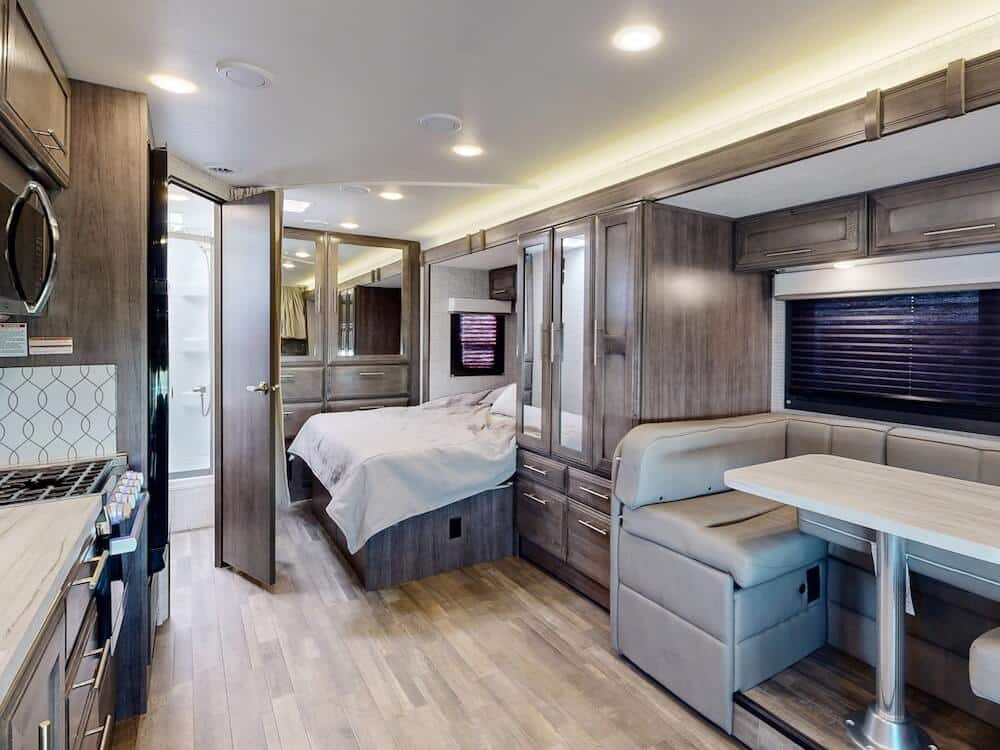
With an overcab bunk, a jackknife sofa, and a convertible dinette, there are ample sleeping arrangements for family members, with a queen mattress in the main bedroom for the parents. The bathroom layout is also a huge plus for families, or even just couples. It’s a split bathroom, with the shower on the passenger side and the toilet and sink on the driver’s side. The door hooks open, blocking the bathroom and bedroom from the main living area. It’s a great use of space to maximize privacy.
Whether you’re looking to camp for the weekend or spend the summer exploring national parks, chances are, families (or at least the parents) will appreciate the full kitchen. With a sizable amount of counterspace, a microwave, a gas cooktop, and an oven, there are plenty of cooking options.
Jayco Redhawk 24B
Images by Camping World
Specs
Length: 26’8”
Chassis: Ford® E-Series
Engine: 7.3L V8
GVWR: 14,500 pounds
Sleeping Capacity: Up to 5
Best For: Active Retirees
The Redhawk 24B Class C motorhome features an open floor plan, making it easy to move from the comfortable driver and passenger seats to the bedroom without any obstructions.
It’s a great layout for active couples, and I can easily see retirees on the road in this Class C, which offers multiple sleeping options for guests. The overcab bunk doubles as storage and guest sleeping, while the U-shaped dinette provides additional sleeping space. This versatility makes it perfect for hosting the kids or grandkids for a weekend visit.
The bedroom is open to the main living area in a studio-apartment-style setup, but it does have a privacy curtain. With a queen-sized bed in a slide-out and multiple wardrobes, it checks the boxes with comfortable sleeping space and great clothing storage. Add the spacious full bathroom, and you’ve got everything you need.
What better way to spend retirement?
Dynamax DX3 34KD
Image by Dynamax
Specs
Length: 36’8”
Chassis: Freightliner® M2 106 PLUS
Engine: Cummins® L9 Turbo Diesel
GVWR: 33,000 pounds
Sleeping Capacity: Up to 5
Best For: Luxury Travelers
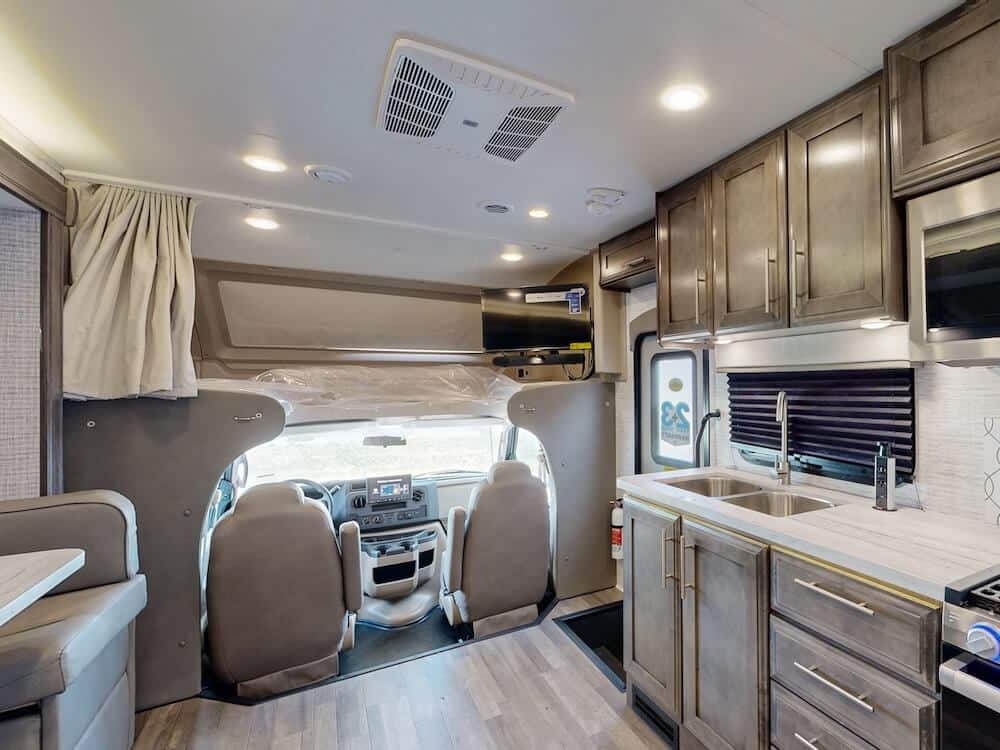
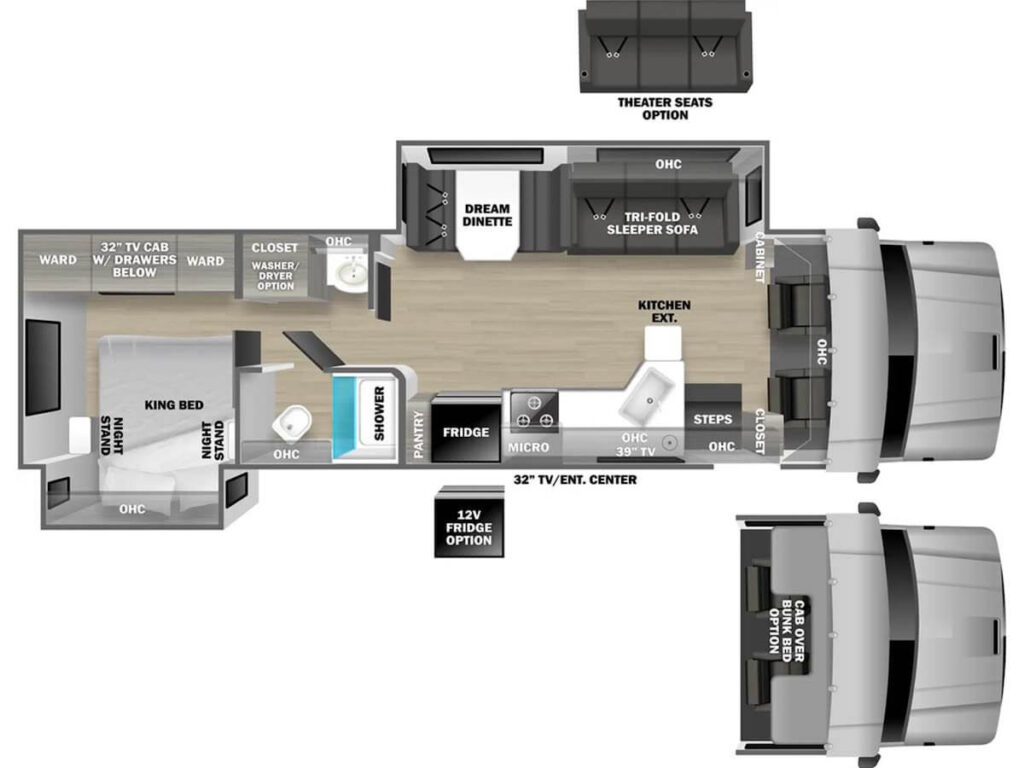
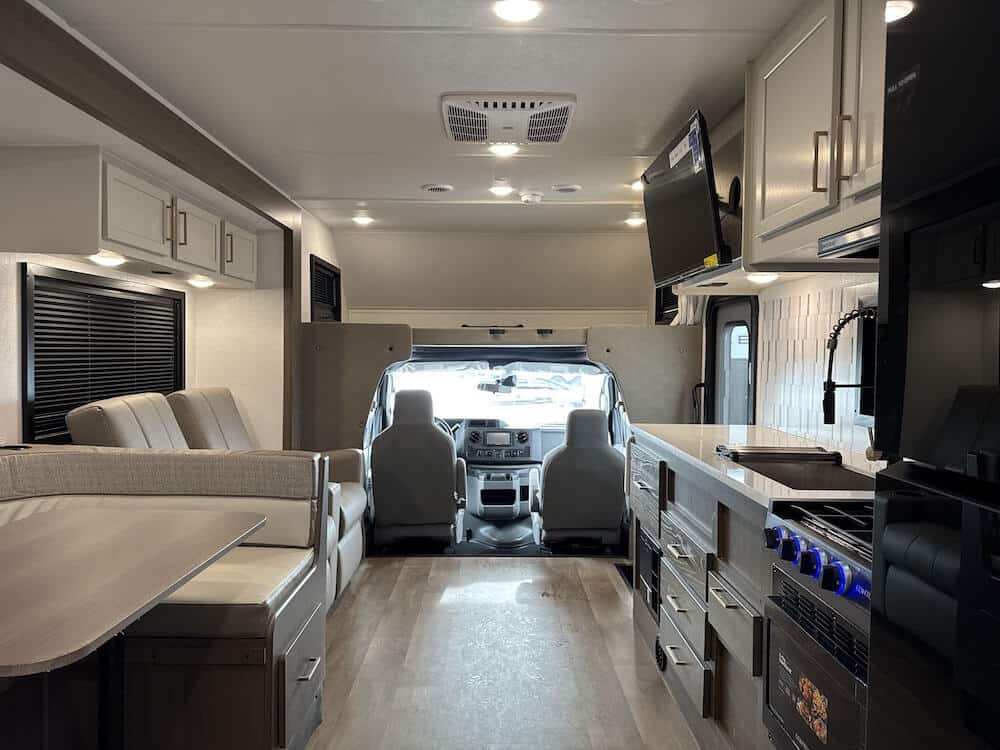
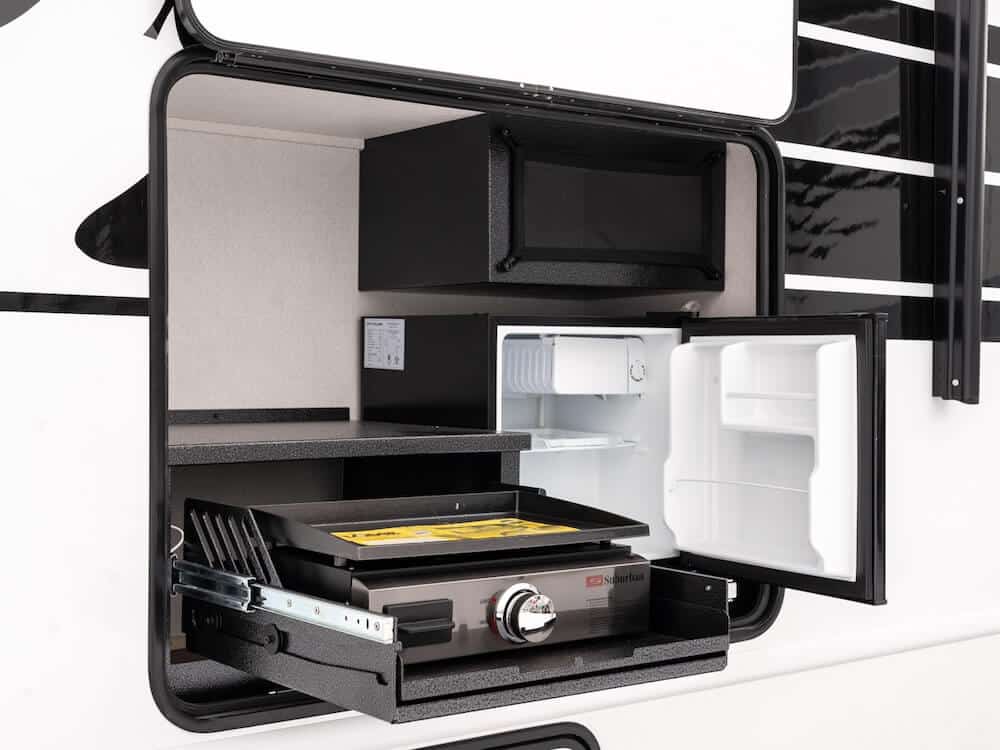
For travelers seeking a cut above, the DX3 34KD is one of the top luxury Class C motorhomes in 2026. You will see the upgrades at first glance, with standard keyless entry and a “Quad-View” camera system covering both sides, the rear horizon, and the hitch. The 2026 model comes with a 40” outdoor TV as well. My personal favorite is the optional blackout package that looks so snazzy!
Inside, the amenities continue. Most models come with a cabover bunk, offering additional sleeping space. Dynamax includes a safety railing and retractable ladder, nice touches you don’t find in many cabover bunks. The powered theater sofa and Dream Dinette® face the kitchen. This Class C has a washer and dryer option in the hallway across from the spacious bathroom, which includes a solid surface shower surround and an upgraded spa-style shower head. In the main bedroom, enjoy a king-sized mattress, cedar-lined wardrobes, and a hidden safe behind the TV.
This Class C offers the luxuries of a high-end hotel or nice condo, but with the freedom of the open road.
East to West College Avenue 2951OK
Images by Camping World
Specs
Length: 32’3”
Chassis: Ford® E-Series
Engine: 7.3L V8
GVWR: 14,500 pounds
Sleeping Capacity: Up to 8
Best For: Avid Hobbyists
The College Avenue 2951OK is a large Class C that offers plenty of space and ample storage. As large as many travel trailers or fifth wheels, this motorhome offers the convenience of a drivable camper with the space of larger pull-behind campers.
The living area has a 62” jackknife sofa alongside a 42” x 82” U-shaped dinette. That dinette is one of my favorite features for dining, sleeping guests, or a part-time workstation. With the swiveling driver and passenger chairs, there is plenty of seating for guests. This camper also features a nice split bathroom leading into the main bedroom. With a queen mattress in a slide room, the bedroom is very spacious and offers ample storage.
Outside, you’ll find so much storage that makes it easy to load all your recreational gear—a rarity amongst Class C motorhomes. Whatever your passion, this camper has plenty of space to store the tools of the trade.
East to West College Avenue 2201S
Subscribe to the Camping World YouTube channel, and never miss a video.
Specs
Length: 23’10”
Chassis: Ford® E-Series
Engine: 7.3L V8
GVWR: 14,500 pounds
Sleeping Capacity: Up to 5
Best For: Digital Nomads
The College Avenue 2201S offers so much to love in a motorhome that’s under 24 feet long. While it offers additional sleeping space in the overcab bunk and convertible dinette, it’s a great layout for a couple on the road.
The dinette offers a comfortable work space, particularly thanks to its legless design—no more bumping into the center support leg. Among the upgrades are the solid surface countertops, which are a great benefit for added durability in any camper. I wish we had them in ours, where the thermoformed countertops are peeling off. The kitchen counter also has a pop up extension, offering additional prep space, or even a standing desk.
In the bedroom, find a split bathroom and a queen mattress on a slide-out. Conveniently, there are dual nightstands and power by the bed, great for plugging in a CPAP or working in bed on a lazy day.
Outside, this Class C has upgraded fiberglass, meaning reduced risk of delamination. It also comes with partial paint, creating a sharp black-and-white design.
Thor Coleman 28CM
Images by Camping World
Specs
Length: 30’
Chassis: Ford® E-Series
Engine: 7.3L V8
GVWR: 14,500 pounds
Sleeping Capacity: Up to 5
Best For: Adventure Families
The Coleman 28CM is ideal for adventurous families looking to hit the road without stretching the budget. While reasonably priced, it still delivers the comfort and functionality you’d expect from a top-rated Class C motorhome.
With an overcab bunk, jackknife sofa, and a queen-size bed in the private bedroom, this layout comfortably sleeps five, with seatbelts for up to seven. The Dream Dinette® offers a dedicated indoor dining space, while a portable table stored in the exterior compartment makes it easy to take meals or activities outside.
An on-demand water heater ensures the whole family can rinse off after a day of exploring—no waiting turns or running out of hot water. For downtime, the 28CM is equally well-equipped, with interior and exterior TVs and a wall-mounted TV prep in the bedroom. Whether it’s a movie night inside or a game under the awning, everyone has options to unwind.
Overall, the 28CM balances affordability and comfort, making it an ideal Class C for families who want to travel farther, stay longer, and enjoy the journey without compromise.
Thor Freedom Elite 24FL
Images by Camping World
Specs
Length: 25’10”
Chassis: Mercedes-Benz® Sprinter 3500
Engine: 2.0L I-4
GVWR: 12,125 pounds
Sleeping Capacity: Up to 4
Best For: Active Retirees
The Freedom Elite 24FL is a thoughtfully designed Class C that feels tailor-made for active retirees ready to travel light without sacrificing comfort. Compact yet well-appointed, it offers a layout that prioritizes flexibility and ease of living on the road.
The open floor plan centers around a Dream Dinette® and a sofa that seamlessly transforms into a Murphy bed. By day, the space feels open and inviting. By night, the queen-size bed folds down to create a comfortable sleeping area. While it foregoes a traditional private bedroom, a wraparound curtain adds separation when needed. An overcab bunk provides extra sleeping space for the occasional guest or visiting family.
In the kitchen, a microwave/air fryer combo sits above a two-burner gas cooktop, offering options for quick meals or more involved cooking. The extended countertop is a pleasant surprise in a Class C of this size, complemented by a large single-basin sink that makes prep and cleanup easy.
But the true standout is the full-width rear bathroom and closet. This space feels more like a private retreat—perfect for unwinding after a day of travel or outdoor adventure. Despite the absence of a dedicated bedroom, the generous wardrobe with hanging storage ensures there’s still room for longer trips and varied climates.
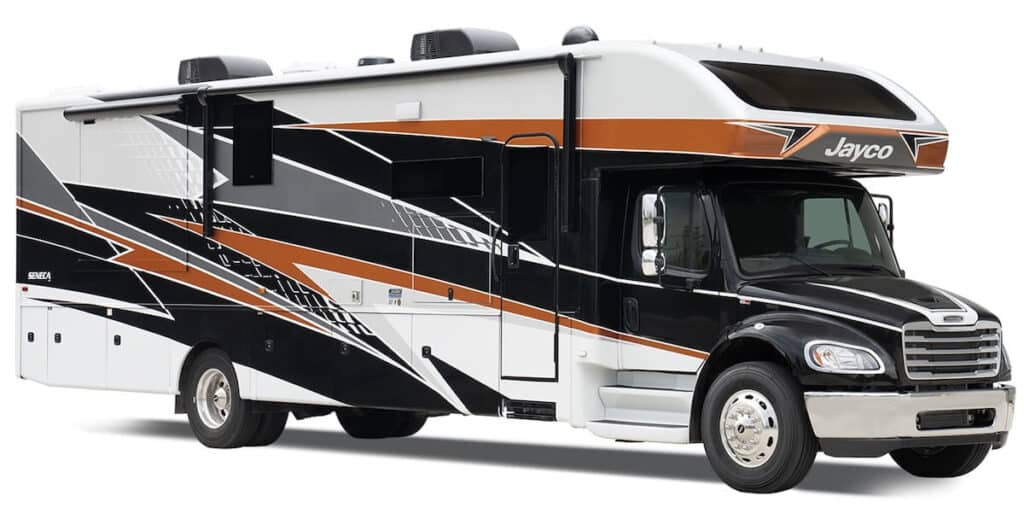
Jayco Seneca 37K
Image by Jayco
Specs
Length: 39’4”
Chassis: Freightliner® S2RV Plus
Engine: Cummins® ISB 6.7L
GVWR: 31,000 pounds
Sleeping Capacity: Up to 6
Best For: Luxury Travelers
The Seneca 37K is a Super Class C that delivers Class A level space and comfort without fully crossing into Class A territory. It firmly sits in the luxury RV category—and that’s clear from the moment you step inside.
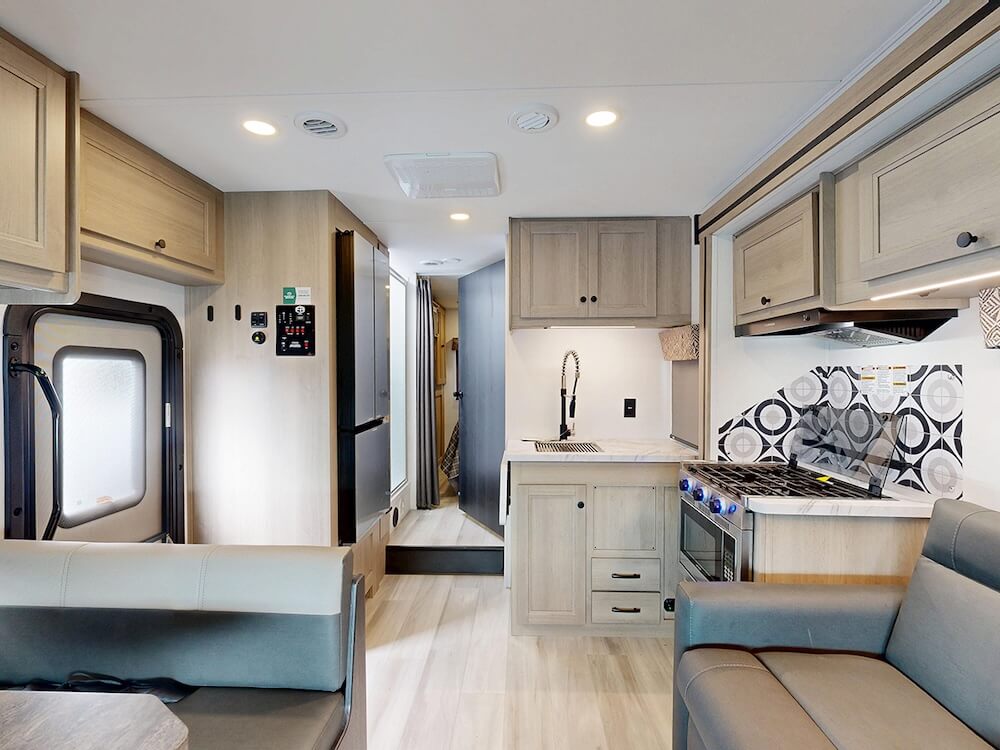
The main living area feels open and upscale, anchored by a dinette and a large reclining sofa, facing an entertainment center and fireplace. Tucked behind the entertainment wall is a half bath—a standout feature that makes hosting guests or traveling with family far more convenient.
Above the cab, the oversized bunk offers impressive versatility, comfortably sleeping two adults or doubling as a massive storage space with a 750-pound capacity. An electric shade adds a refined touch, making it functional and comfortable.
In the kitchen, the residential feel continues with a two-door, side-by-side refrigerator, generous cabinetry, and thoughtful design. Cooking is handled by a two-burner induction cooktop and microwave/air fryer combo, while the multi-functional sink has a built-in cup washer and prep accessories.
The rear bedroom truly lives up to its “suite” designation, featuring a king-size bed on a power lift, ample storage, and washer/dryer prep for extended travel. Beyond that, the full rear bath offers a spa-like finish, complete with a glass-door shower and upgraded fixtures that elevate the entire experience.
Forest River Forester 2861DSF
Images by Camping World
Specs
Length: 30’9”
Chassis: Ford® E-Series
Engine: 7.3L V8
GVWR: 14,500 pounds
Sleeping Capacity: Up to 6
Best For: Avid Hobbyists
The Forester 2861DSF features two slideouts that expand the living area and bedroom well beyond its footprint. At first glance, it may not immediately stand out as a top choice for hobbyists—but a closer look quickly reveals why it’s such a strong contender.
Inside, the living area offers a dinette and sofa, with the option to choose a larger three-seat sofa or a two-seat powered theater-style recliner. The space flows seamlessly into the kitchen, which is equipped with a 12-volt refrigerator, a gas cooktop, and a microwave. Storage is a standout throughout, from overhead cabinets to the cabover bunk, making it easy to stow everything from outdoor gear to creative equipment.
The split bathroom adds a layer of functionality, allowing two people to use the space at once—ideal when transitioning between activities or getting ready for the day. In the rear bedroom, a queen-size bed sits on a slide-out, surrounded by generous storage for longer trips or gear-heavy lifestyles.
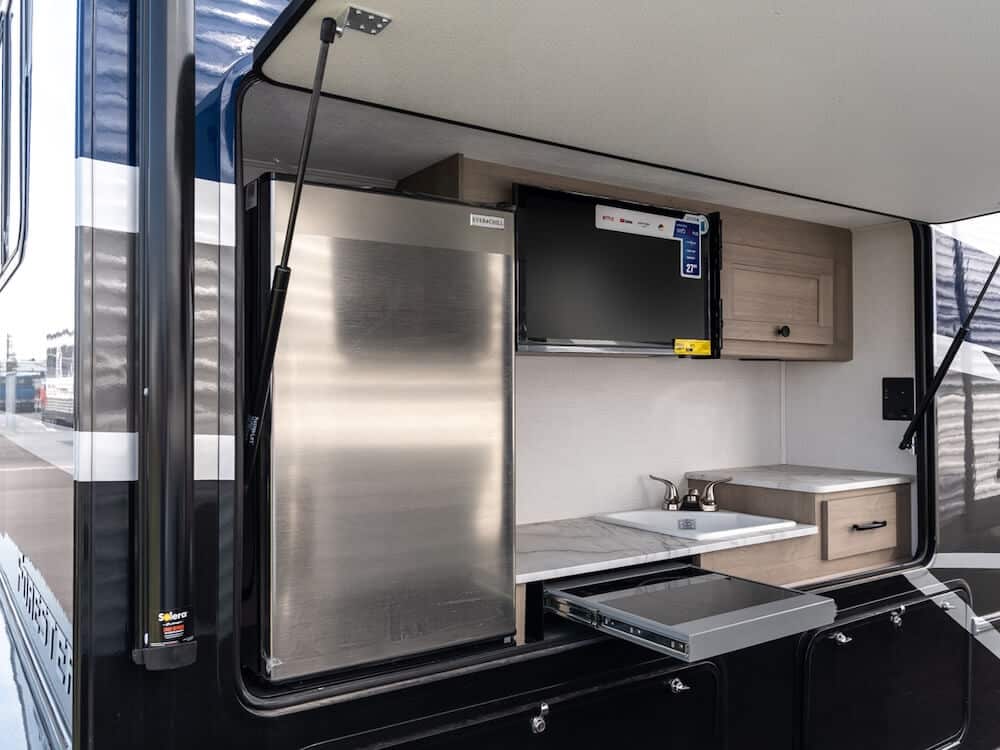
Outside, the full outdoor kitchen under the 16-foot awning creates an ideal setup for tailgating, relaxing, or prepping meals in the fresh air. With a 7,500-pound towing capacity, the 2861DS gives you the freedom to bring along additional equipment—whether that’s a trailer full of bikes, kayaks, or tools for the road.
Honorable Mentions
For Adventure Families: Freedom Elite 28HE – At just 30’, it sleeps up to 8 thanks to four useful sleeping zones!
For Digital Nomads: Forester MBS 2401BDS – The large U-shaped dinette offers a great workspace.
For Active Retirees: Redhawk 26M – A Murphy bed allows for a full-width rear bathroom and plenty of living space versatility.
For Luxury Travelers: Seneca Prestige 37M – A Super C with two sofas and plenty of living space.
For Avid Hobbyists: Compass Go 22MT – The bed lifts for a large storage space that’s easily accessible from the rear door.
What Is the Best Length for a Class C RV?
When choosing the right Class C RV length, the 24 to 30-foot range is a sweet spot for many RVers. This length offers a strong balance between easy maneuverability on the road and comfortable interior living space once you’re parked.
Staying within this range also helps keep more campground options open, as some parks have length restrictions that can limit larger rigs. At the same time, you’re not sacrificing the features and layouts that make Class C RVs so appealing.
Ultimately, the best approach is to tour a variety of sizes and floor plans to see what feels right for your travel style. But for many, this mid-range length delivers the ideal mix of flexibility, comfort, and access.
What Are the Downsides of Class C RVs?
Class C RVs have a lot to offer, but one of their largest downsides is the added expense of engine maintenance. Unlike a tow behind, they require regular oil changes, engine air filter replacements, and a host of other maintenance checks.
As we’ve witnessed in several RV parks, another disadvantage of any motorhome is the lack of a secondary vehicle to get around once you make camp. In many cases, Class C owners tow a small vehicle, which reduces fuel economy. Otherwise, they’ll need to unhook everything and take the motorhome, even if they just need to make a quick trip down the road for groceries.
Furthermore, this means you’ll need to find parking for the motorhome wherever you go, rather than unhooking and using a tow vehicle to explore a busy downtown area or fit into a small trailhead parking lot.
Still undecided? Check out these articles for more information:
Which of these top-rated Class C RVs do you like best? Let us know in the comments below!
Shannon and her husband Bobby have been traveling fulltime since 2021 in their Grand Design travel trailer, all while working remotely. You’ll find them on hikes and paddles from Florida to Alaska! They love sharing outdoor adventures and RV living tips on Instagram and YouTube @snorkelsandsnowpants, and their blog www.snorkelsandsnowpants.com.
Cars are built for a global market, but the rules governing them stop dead at the border. The exact same SUV rolling off an assembly line will face entirely different legal and financial realities depending on where the license plates are issued. Driving cultures shape risk models. Local laws dictate liability. For example, when pulling a fast quote in Qatar, securing vehicle insurancemeans interacting with a digital infrastructure that looks nothing like the bureaucratic heavy-lifting required in older Western markets. It is never just a standard policy. It is a reflection of how different countries manage chaos on the asphalt.
The USA: Fifty Different Legal Systems
The American framework is completely decentralized. There is no national standard for auto coverage. What constitutes full coverage in a snowy state like Michigan differs wildly from the legal minimums in Florida. The market relies heavily on private companies battling it out over ZIP codes, credit scores and localized risk factors.
Bodily injury liability and uninsured motorist coverage are massive deals here because the healthcare system and tort law make lawsuits incredibly expensive. Automotive journalists at Car and Driver regularly highlight how regional weather events or localized theft spikes can completely derail regional premium averages. Major providers like Progressive dominate by packaging these complex state-by-state requirements into digestible policies, but the underlying legal web remains incredibly tangled.
The UK: Telematics and the Black Box
Jump over to the UK and the system tightens up fast. The Motor Insurance Database tracks every registered plate, and driving without coverage is a fast track to getting a vehicle impounded. The rules are absolute. An expired MOT (Ministry of Transport) automatically invalidates most policies.
The biggest shift here is how heavily the market relies on telematics. Young drivers often have no choice but to install a black box in their car to track braking force, cornering speed and late-night driving. Without it, premiums are basically unaffordable. Trusted aggregators like Сompare Тhe Мarket run the consumer side of things, forcing underwriters to compete fiercely on price while maintaining strict regulatory compliance. It is highly centralized and leaves very little room for error.
Australia: The Straightforward Contrast
Australia offers a brilliant contrast to the rigid British system. Down under, the base layer of coverage is practically unavoidable. Compulsory Third Party (CTP) insurance, often called a Green Slip, is heavily tied to vehicle registration. You cannot legally register a car without it. It covers personal injury to others if an accident happens.
Because that legal baseline is so straightforward, the secondary market for comprehensive coverage feels much less stressful. Drivers simply add policies for property damage, fire and theft. The environment demands it. Outback driving involves serious hazards like animal strikes, a niche but crucial coverage element often discussed by gearheads at The Drive. Trusted local platforms like RACV handle these comprehensive add-ons without the extreme surveillance-style telematics seen in the UK.
Qatar: OEM Repairs and Premium Digitization
The Middle Eastern market operates on a totally different wavelength. Everything is streamlined, fast and heavily digitized. In Qatar, the consumer base drives high-end luxury and premium off-road vehicles. As a result, the insurance market leans heavily into specific regional demands.
Agency repair clauses are a perfect example. Drivers here usually insist that any accident damage gets fixed by the official dealership rather than a third-party garage, and top-tier policies are built around this exact guarantee. Furthermore, comprehensive options almost always need to factor in off-road protection for dune driving and extreme environmental wear from heat and sand. The platforms managing these policies are heavily app-based, allowing expatriates and locals to adjust coverage tiers instantly without sitting in an office signing endless stacks of paper.
Сonclusion
Risk always depends on geography. Whether dealing with American liability limits, British driving monitors, Australian outback hazards or modern Qatari tech platforms, the core goal is always financial protection. But the actual product changes the minute rubber meets a foreign road.