Home»Travel»VAN LIFE SPAIN! Our first 48 hours did not go as planned…
We use cookies on our website to give you the most relevant experience by remembering your preferences and repeat visits. By clicking “Accept”, you consent to the use of ALL the cookies.
Tesla CEO Elon Musk revealed the date of Full Self-Driving’s next massive release: v14.3.
For months, Tesla owners with Hardware 4 have been utilizing Full Self-Driving v14.2 and subsequent releases. Currently, the most up-to-date FSD version is v14.2.2.5, which has definitely brought out mixed reviews. With releases, some things get better, and other things might regress slightly.
For the most part, things are better in terms of overall behavior.
However, many owners have been looking forward to the next release, which is v14.3, about which Musk has said many great things. Back in November, Musk said that v14.3 “is where the last big piece of the puzzle lands.”
He added:
“We’re gonna add a lot of reasoning and RL (reinforcement learning). To get to serious scale, Tesla will probably need to build a giant chip fab. To have a few hundred gigawatts of AI chips per year, I don’t see that capability coming online fast enough, so we will probably have to build a fab.”
Initially planned for a January or February release, v14.3 aims to add some reasoning and logic to the decisions that Full Self-Driving makes, which could improve a lot of things, including Navigation, which is a major complaint of many owners currently.
Tesla Full Self-Driving v14.2 is a considerable improvement from early versions of the suite, but we have written about the somewhat confusing updates that have come with recent versions.
Tesla Full Self-Driving v14.2.2.5 might be the most confusing release ever
They’ve been incredibly difficult to gauge in terms of progress because some things have gotten better, but there seems to be some real regression on a handful of things, especially with confidence and assertiveness.
Musk confirmed today on X that Tesla is already testing v14.3 internally right now. It will hit a wide release “in a few weeks,” so we should probably expect it by late April.
It’s in testing right now. Wide release in a few weeks.
Overall, there are high hopes that v14.3 could be a true game changer for Tesla Full Self-Driving, as many believe it could be the version that Robotaxis in Austin, Texas, some of which are driverless and unsupervised, are running.
It could also include some major additions, including “Banish,” also referred to as “Reverse Summon,” which would go find a parking spot after dropping occupants off at their destination.
What Tesla will roll out, and when exactly it arrives, all remain to be seen, but fans have been ready for a new version as v14.2.2.5 has definitely run its course. We have had a lot of readers tell us their biggest request is to fix Navigation errors, which seem to be one of the most universal complaints among daily FSD users.
For drivers in Camp Springs and nearby communities like Alexandria, Upper Marlboro, and Waldorf, staying on top of recommended maintenance for your BMW is essential. With decades of local experience, Passport BMW understands the unique challenges posed by our roads, from the wear and tear of daily commutes on busy routes like Allentown Road and Oxon Hill Road to the seasonal impacts of our climate. By following the tailored OEM maintenance schedule, you ensure your vehicle remains durable and performs at its best, ready to tackle everything from errands to weekend getaways.
What Does “Recommended Maintenance” Truly Mean for Your BMW?
For BMW owners in Camp Springs, “recommended maintenance” is a tailored service plan crafted by BMW engineers to keep your vehicle running smoothly and efficiently. This goes far beyond the basics of oil changes; it’s a comprehensive schedule that includes inspections, fluid replacements, and essential component checks based on your car’s age and mileage. For those navigating the local roads, such as Allentown Road and the Capital Beltway, adhering to this schedule serves as your roadmap to a long and trouble-free ownership experience.
Imagine your BMW’s maintenance plan as a health regimen for your vehicle. Just as you would regularly visit a doctor for check-ups and vaccinations, your BMW requires routine service to maintain its performance and reliability. Each maintenance visit is crucial for ensuring that everything from your engine to your brakes is primed for the demands of local driving—whether it’s the steep inclines around Fort Washington or the daily stops at the Camp Springs Shopping Center.
By following this structured maintenance schedule, you’re investing in the longevity of your vehicle. Think of it as a proactive approach to prevent unexpected issues, ensuring that your BMW continues to deliver that exhilarating driving experience we all cherish. In a region where commutes can be long and traffic dense, like on the way to Joint Base Andrews, this roadmap is essential for enjoying your BMW to the fullest.
How Does Regular Service Enhance Your BMW’s Safety?
Regular maintenance is crucial for ensuring the safety of you and your passengers, especially in the diverse driving conditions around Camp Springs and its neighboring areas like Alexandria and Upper Marlboro. Key safety systems—such as brakes and tires—require consistent attention to function optimally. The varying weather, from humid summers to the occasional icy winter, means your BMW must be equipped to handle the challenges of local roads, whether you’re commuting via Branch Avenue or navigating through traffic on Allentown Road. For more information on vehicle safety, visit the NHTSA.
Why Are Brake Inspections and Fluid Changes Critical?
In the humid climate of Camp Springs, regular brake inspections and fluid changes are essential for ensuring safe driving. High humidity levels can lead to moisture accumulation in brake fluid, reducing its effectiveness and potentially compromising your vehicle’s braking performance.
Brake Pad & Rotor Checks: Conducting routine inspections of your brake pads and rotors is vital for maintaining optimal stopping power. In areas with heavy traffic, like those seen on Allentown Road or during rush hour on the Capital Beltway, worn brake pads can lead to longer stopping distances, especially during sudden stops. Ensuring your brake components are in good condition helps you navigate unexpected traffic or sudden summer rainstorms confidently.
Brake Fluid Replacement: Many manufacturers recommend periodic brake fluid service, often every 2–3 years, depending on model and driving conditions. This service is crucial for maintaining hydraulic pressure in the braking system, ensuring your brakes respond promptly when you need them most. In Camp Springs, where humidity can affect fluid quality, regular replacement helps prevent brake fade during the high-stress conditions of city driving or wet weather.
How Does Tire Maintenance Contribute to Safety?
Your tires are the sole point of contact between your vehicle and the road, making tire maintenance crucial for grip, handling, and stability—especially in the diverse driving conditions around Camp Springs. Keeping tires in optimal condition allows for safer navigation on local routes such as Allentown Road and the Capital Beltway.
Tire Rotations: Regular tire rotations promote even wear, which not only extends the lifespan of your tires but also enhances handling predictability. For instance, when driving through the winding roads near Oxon Cove Park, even wear helps ensure your BMW maintains its stability during turns, providing confidence whether you’re commuting to work or heading out for leisure.
Tire Pressure: Maintaining the correct tire pressure is essential; underinflated tires can lead to overheating and increase the risk of blowouts, while also negatively impacting fuel efficiency. By checking your tire pressure monthly—a quick and easy habit—you can significantly enhance your vehicle’s performance and safety, especially during the hot, humid summers in Camp Springs.
Why is Routine Maintenance a Smart Financial Decision?
For drivers in Camp Springs, neglecting routine maintenance may seem like a way to save money now, but it often leads to greater expenses in the long run. Regularly scheduled maintenance protects not just your vehicle’s performance but also its overall value, ensuring that your BMW remains a wise investment as it ages. Predictable, planned service helps you avoid unexpected breakdowns and costly repairs, allowing you to enjoy a smoother ride whether you’re commuting along Allentown Road or heading to National Harbor.
How Does Maintenance Preserve Your Car’s Value?
For drivers in Camp Springs, maintaining a well-documented service history for your BMW can significantly enhance its resale and trade-in value. Buyers and dealers alike tend to offer more for vehicles that come with a complete maintenance record, as it provides assurance that the car has been properly cared for. According to Kelley Blue Book, having meticulous service records builds trust, making future buyers more willing to pay a premium for your vehicle.
To maximize this potential, keep your maintenance records organized, whether digitally or in paper form. This not only showcases the attention given to the vehicle but also serves as a tangible asset during negotiations, especially if you’re considering upgrading to a new model like the BMW X5 or X3. Remember, a consistent maintenance schedule pays off in the long run, as it reflects reliability and quality that resonates with buyers in our local community.
Can Following the Schedule Really Prevent Expensive Repairs?
Yes, adhering to a regular maintenance schedule can significantly reduce the risk of costly repairs. During routine service appointments, skilled technicians can detect early signs of wear, such as fraying belts, minor leaks, or uneven tire wear that may signal alignment issues. For instance, replacing a timing belt at the recommended interval for models like the BMW X3 can cost far less than repairing an engine that has suffered damage due to a snapped belt. This proactive approach not only saves money but also provides peace of mind for drivers navigating the busy roads of Camp Springs.
By addressing small problems early, you prevent them from escalating into major repairs that could disrupt your daily commute, whether it’s along the Capital Beltway or to Joint Base Andrews. For more insights on vehicle maintenance, check out Consumer Reports.
How is BMW Maintenance Tailored for Maryland’s Climate?
While BMW’s maintenance schedule is designed with a broad range of driving conditions in mind, local expertise is crucial in adapting it to the specific climate of Camp Springs. The hot, humid summers and the occasional chilly winters call for tailored care that only local technicians can provide. They not only interpret the base schedule but also consider the unique driving conditions influenced by local weather patterns and road conditions.
Humidity and Heat Considerations
In Camp Springs, the sweltering summer humidity can lead to increased wear on components like the air conditioning system and engine cooling mechanisms. Local technicians are adept at recognizing these patterns, ensuring that maintenance tasks—like checking coolant levels or servicing the AC—are performed before the peak heat hits. This proactive approach can help avoid breakdowns during your daily commutes along busy routes like Allentown Road or the Capital Beltway.
Filter Maintenance
With the high pollen counts common in spring and summer, maintaining clean cabin filters is essential for a comfortable driving experience. Local experts recommend more frequent changes to the cabin air filter, especially for BMW models like the X3 and 5 Series, to keep the air inside your vehicle fresh and clear. This attention to detail not only enhances comfort but also aligns with the needs of families running errands or commuting to D.C. through busy traffic.
What Effect Does Humidity and Heat Have on Your Vehicle?
During the sweltering, humid summers in Camp Springs, your BMW faces unique challenges that can stress crucial systems. High temperatures and increased moisture can lead to overheating, diminished battery life, and A/C inefficiencies. Understanding how these factors affect your vehicle can help ensure reliability and comfort on your daily drives.
Engine Cooling System: In extreme heat, the engine cooling system works harder to maintain optimal temperatures. If the coolant levels are low or the system isn’t properly maintained, overheating can result, especially during stop-and-go traffic on routes like Allentown Road or while navigating the Capital Beltway. Regular coolant checks and timely flushes not only prevent overheating but also combat internal corrosion, ensuring that your engine runs smoothly.
Battery Life: The heat can be particularly harsh on your BMW’s battery, accelerating its wear and tear. In humid conditions, battery terminals can corrode more quickly, leading to potential no-start situations. Routine battery inspections, including checking connections and charge levels, can save you from unexpected breakdowns—especially on long commutes to Andrews AFB or when running errands around the Camp Springs Shopping Center.
A/C System: A well-maintained A/C system is essential for comfort during hot summers. A clean cabin air filter and regular service help the system operate efficiently, reducing strain on the engine and improving fuel economy. This is particularly important for families using their BMWs for weekend trips to Oxon Cove Park or daily commutes, ensuring a pleasant driving experience while navigating the area’s humid conditions.
Why is Filter Replacement So Important in the Piedmont Triad?
In the Camp Springs area, the combination of high pollen counts and dust creates unique challenges for vehicle maintenance. From the spring’s vibrant blooms to the dust that settles on your car after a dry spell, ensuring your BMW’s filters are in top condition is crucial for maintaining comfort and performance.
Engine Air Filter: A dirty engine air filter can significantly affect your vehicle’s performance. In a region where pollen and dust are common, clogged filters restrict airflow to the engine, which can lead to reduced horsepower and decreased fuel efficiency. Regularly replacing the engine air filter ensures your BMW runs smoothly, allowing for optimal performance during your daily commute along busy routes like Allentown Road or the Capital Beltway.
Cabin Air Filter: The cabin air filter plays a vital role in the quality of air you breathe while driving. In our area, where allergens are prevalent, a clean cabin filter traps pollen, dust, and other irritants, enhancing your comfort on the road. This is especially important for families traveling to local parks like Henson Creek Park or commuting to work at Joint Base Andrews, as it helps maintain a pleasant driving environment.
Frequently Asked Questions (FAQs)
How do I know what maintenance my specific BMW needs?
Your owner’s manual is your best guide for understanding the recommended maintenance schedule tailored to your BMW model and year. Additionally, BMW’s official website offers online maintenance tools that can help you determine service needs based on your vehicle’s mileage and age.
What’s the difference between “required” and “recommended” service?
“Required” maintenance includes essential services necessary for safe vehicle operation and to maintain warranty coverage. In contrast, “recommended” services are based on various factors, such as driving conditions, which can enhance your BMW’s performance and longevity, especially on local roads like Branch Avenue and Allentown Road.
I bought a pre-owned BMW. How should I approach maintenance?
If you lack a complete service history, it’s prudent to start with a thorough inspection at a certified service center. Begin with an oil change, fluid checks, and a brake inspection to establish a maintenance baseline for your pre-owned vehicle.
Does using a non-dealership service center void my BMW warranty?
No, servicing your BMW at a non-dealership center does not automatically void your warranty. However, you must ensure that all required maintenance is performed according to BMW specifications and keep detailed records to validate the work done.
Is synthetic oil worth the extra cost for my BMW?
Absolutely, synthetic oil is highly beneficial for most modern BMW models. It offers superior protection against engine wear, performs well under extreme temperatures—like those hot summer days in Camp Springs—and allows for longer intervals between oil changes, which can be cost-effective in the long run.
My check engine light is on. Is that related to routine maintenance?
It can be related. While the check engine light indicates a potential issue detected by your vehicle’s diagnostic system, it could be something minor, such as a loose gas cap or a sensor issue due to lack of maintenance. It’s essential to have the diagnostic codes read by a professional to accurately identify the problem.
About Passport BMW
Since 1991, our family-owned team at Passport BMW has been dedicated to serving our community with a superior car-buying experience. Our commitment to excellence has earned us the prestigious Center of Excellence Award multiple times, highlighting our expertise in all things BMW. We offer unique benefits like no-haggle pricing, home delivery, and mobile service vans to make your life easier. As experts, we provide detailed information and a transparent process so you can feel confident in your decisions. Trust our award-winning team to deliver the quality and care you deserve for your automotive needs.
Related Articles:
A DC Driver’s Guide to Choosing the Right BMW Dealership
Posted in
Uncategorized |
Comments Off on BMW Recommended Maintenance: Why It Matters
The highly anticipated next-generation Audi Q7, set to debut around 2026-2027 as a 2027 model year vehicle, has been caught in spy photos offering our first clear glimpse of its modernized interior.
Leaked images from testing at the Nürburgring reveal a cockpit heavily inspired by Audi’s recent models like the Q6 e-tron. The dashboard features a prominent curved digital display for the driver, paired with a large central infotainment touchscreen. A standout element is the optional passenger-side screen—potentially larger than in the Q6 e-tron—which allows front-seat occupants to control media, navigation, or climate independently, complete with privacy filtering to avoid distracting the driver.
The steering wheel sports Audi’s updated flat 2D four-ring logo and a sleek airbag design. Materials appear premium, with hints of extended leather and high-tech inlays, maintaining the Q7’s luxurious three-row, seven-seat layout for family practicality.
Support CleanTechnica’s work through a Substack subscription or on Stripe.
After the usual December EV record sales peak in China, which coincided with an end-of-incentive sales rush (NEVs are no longer exempt from purchase tax this year), and adding to the Chinese New Year happening in February, EVs had an expected sales slump, down by 32% — which sounds like a lot, but considering that the overall market was also down 25% YoY, to around one million units, it doesn’t sound all that bad.
BEVs were down by 35% YoY in February, to 278,000 units, while the PHEV drop was also harsh (-31%). In the middle of all this pessimist outlook, EREV was the powertrain less affected by the slowdown (plugless models were down 19% YoY), having dropped only 16% YoY. This is thanks to the popularity of this kind of powertrain in large SUVs, which was the category less affected by the end of incentives.
These events pulled the year-to-date (YTD) tally to around 1.1 million units, and with March set to be the first strong month of the year, we should see Q1 end between 1.5 to 2 million units.
Share-wise, February saw plugin vehicles hit 45% market share. This is a full 5 percentage point result below where we were 12 months ago. Full electrics (BEVs) alone accounted for 27% of the country’s auto sales, also a significant drop from the 31% score of February 2025.
Still, this result pulled the 2026 share to 41% (in the same period last year, it was at 45% share). BEVs alone were also up, to 24% (27% BEV in Jan–Feb ’24), and considering that the last month of the quarter is usually a strong month, we can assume that the country’s plugin vehicle market share will end close to the 45% mark in Q1, and June should see it reach 50%.
(Could China finish the year close to 66%?)
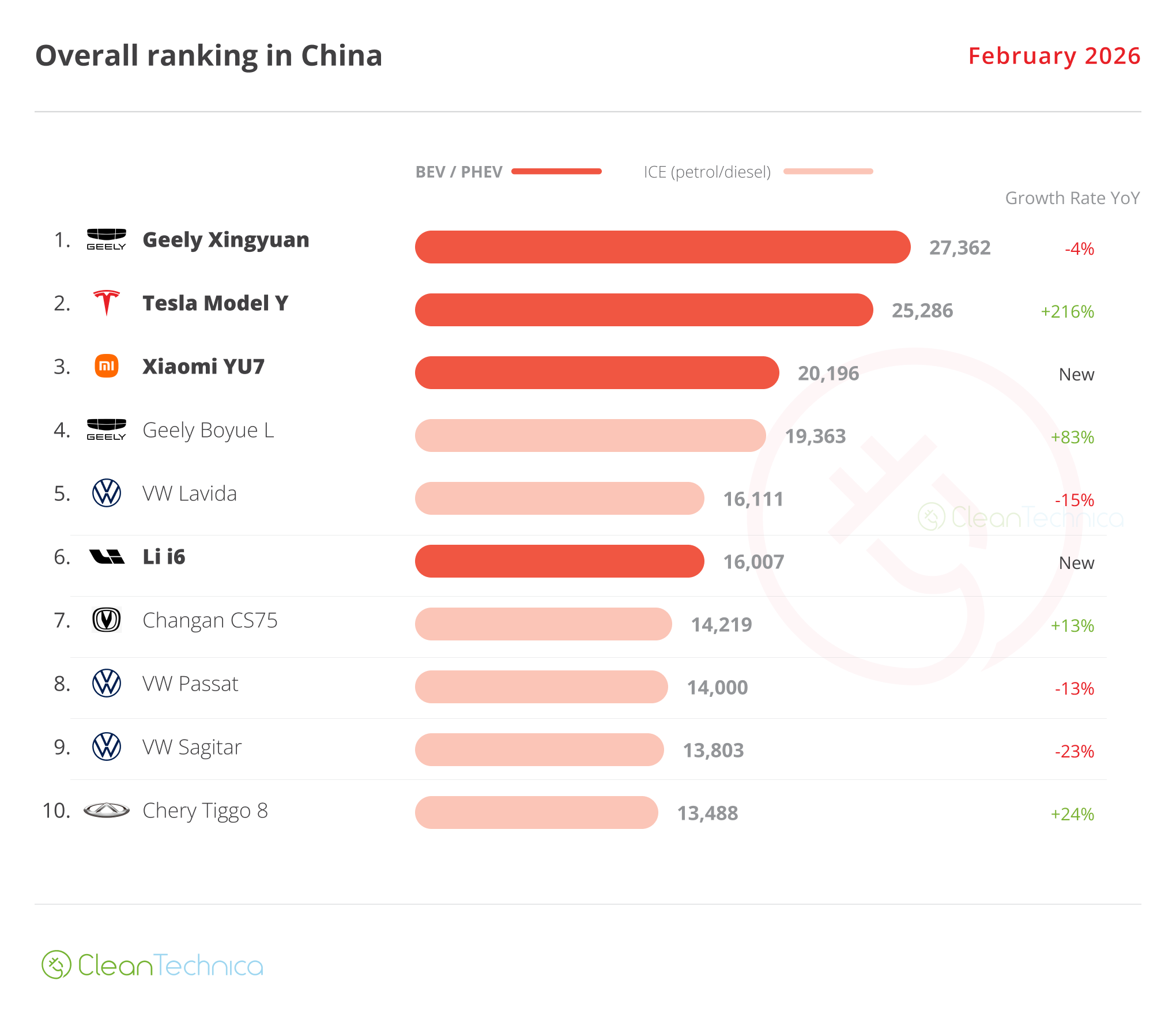
In the overall ranking, as usual, the beginning of the year had ICE models populating the top positions, but less than in January. Also rather surprising, the podium was all BEV, something unexpected this early in the year. The Geely Xingyuan was the best seller, beating everyone’s darling, the Xiaomi YU7, which ended the month in 3rd, and a surprisingly strong Tesla Model Y, which ended February in the runner-up position, no doubt thanks to the new, extended-wheelbase Model Y L.
See, Tesla? When you offer new stuff to consumers, your sales increase! I know, it seems more complicated than rocket science (or AI), but it would be worth having a look at it….
Behind these frontrunners, it is an ocean of ICE, with one EV island in the middle — which is in itself a surprise — the Li Auto i6. And Li Auto’s shark-like MPV-SUV combo deserves a few lines of reflection.
Li Auto success as a company has had its ups and downs, starting with tremendous success in 2020 thanks to the popularity of its innovative formula — big, comfy SUVs with a long-range EREV powertrain. This allowed it to be one of the most successful Chinese startups from the get-go, but around 2024, with the market shifting towards BEVs, Li Auto had to follow the market, so the company launched its first BEV, the bullet-train inspired mega-MPV … Li Auto Mega.
Despite the amazing specs and distinctive design, sales haven’t replicated the previous success, which led the startup to postpone the launch of the i8 full size SUV and its smaller sibling, the i6. And sales continued to suffer.
When they did launch those two models, in the second half of 2025, their success was quite different. While the bigger i8 failed to go toe to toe with the luxury full size category big boys (AITO’s M7 & M8, NIO ES8, Zeekr 9X, etc), the midsize i6 saw itself in a much less crowded space.
True, there are plenty of midsize SUVs on sale, but few exude the same level of luxury as the i6. The only other successful SUV that could compare to it is the Xiaomi YU7, but that one is sportier than Li Auto’s comfort-focused midsizer, and is generally priced higher than Li’s i6.
So it seems that Li Auto’s new star player has found its place in the market, and it will allow the startup to ride a second wave of success.
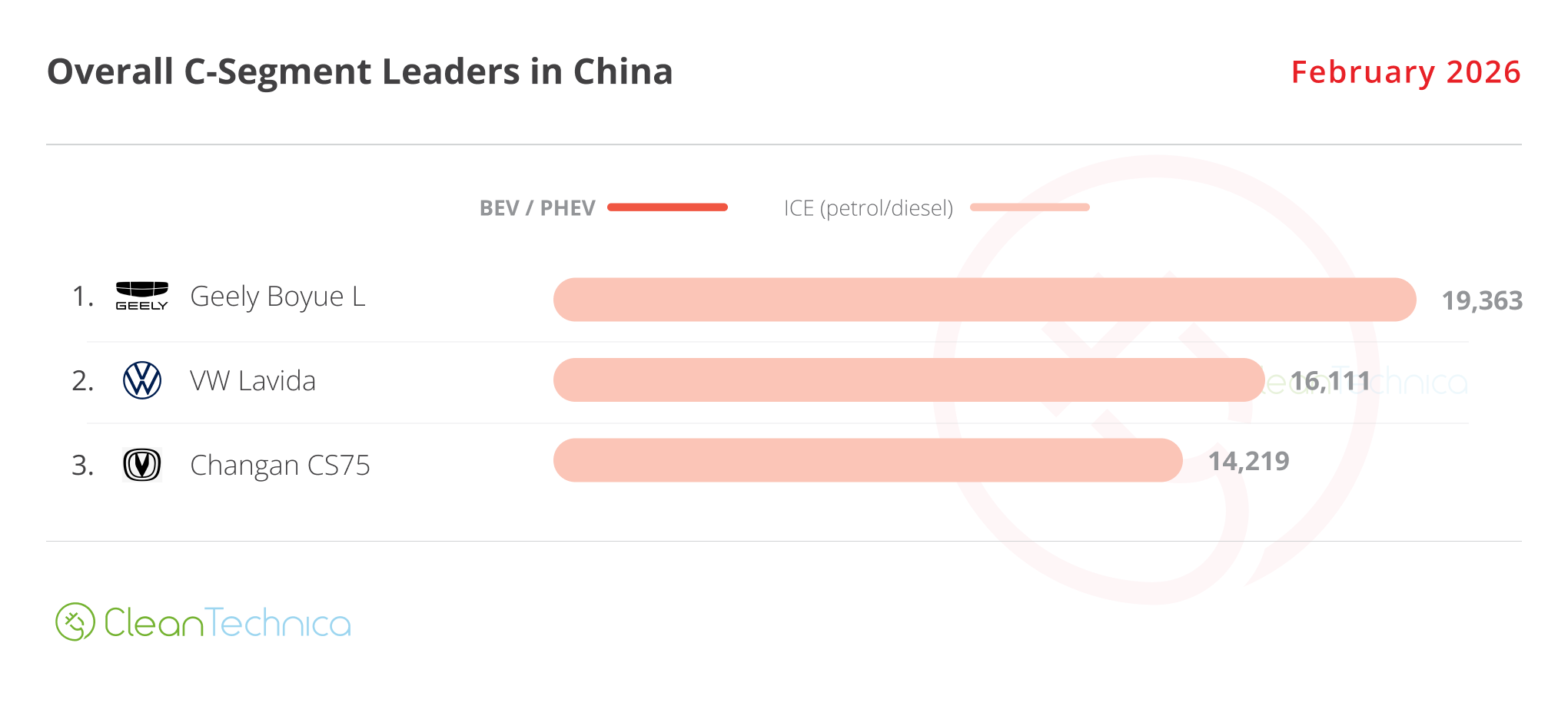
Looking at the best sellers in several size categories, things are returning to normal, as all but the C segment (compact cars) have plugins leading the way. In fact, the C segment was the only category where ICE managed to be the majority. This is a recurring topic, as it seems that the C segment is the hardest of all to convert into EVs.
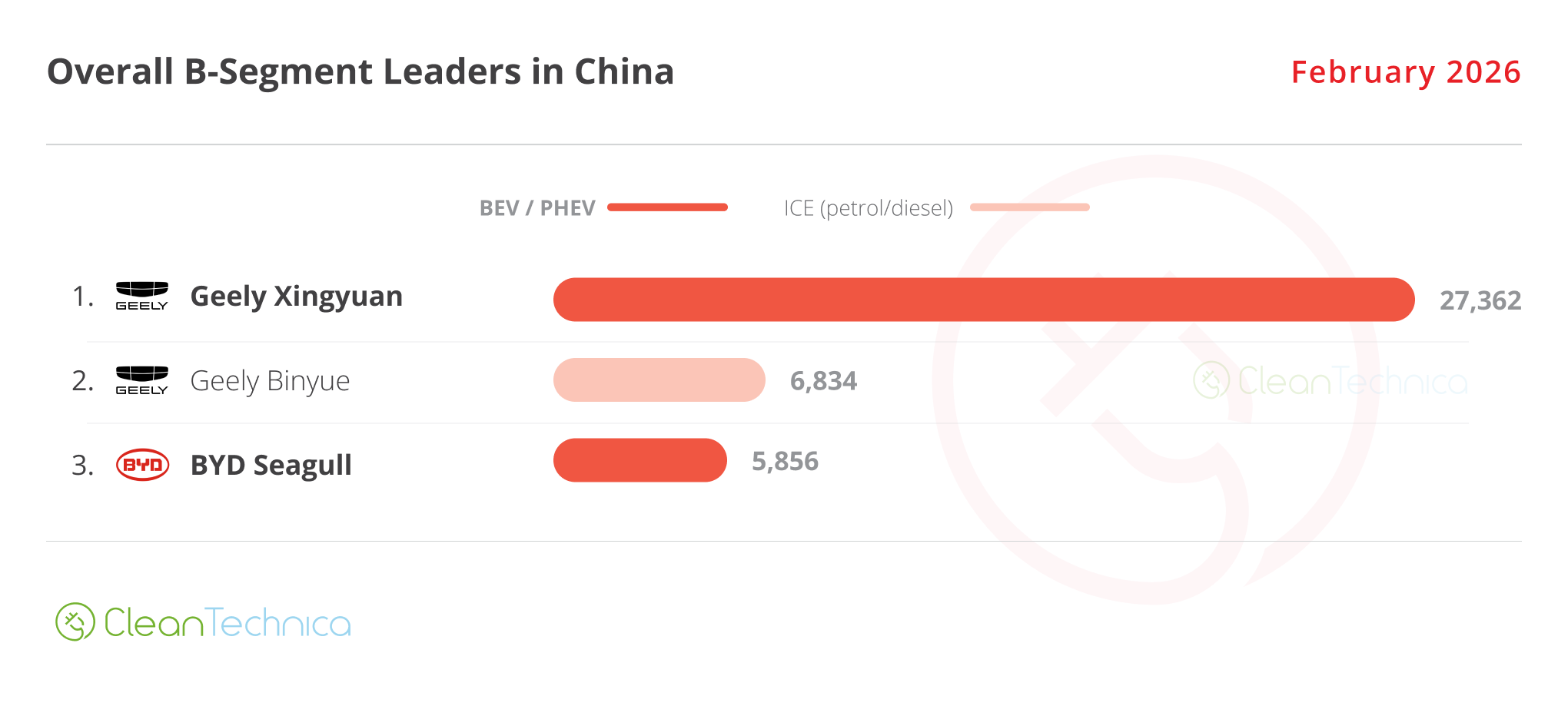
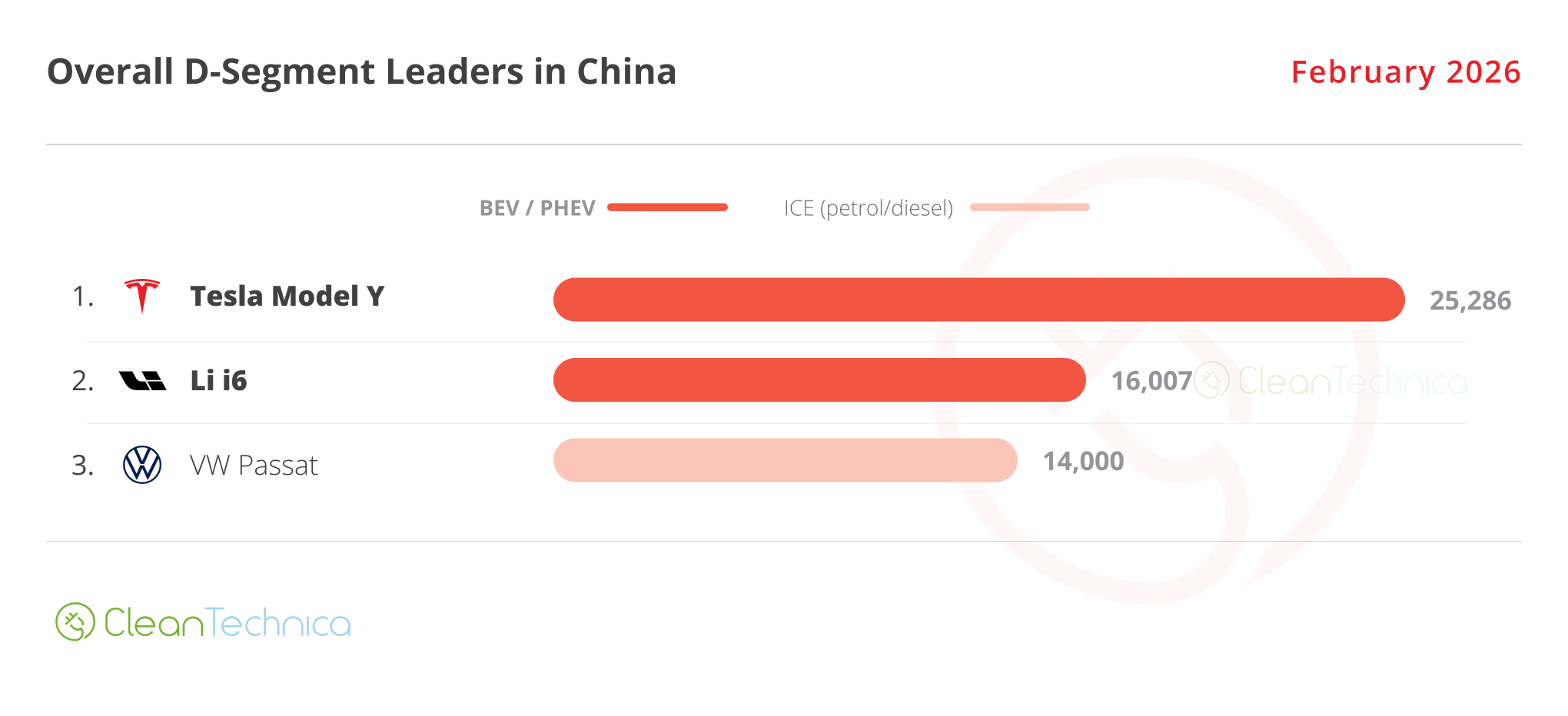
The biggest surprise was that the Tesla Model Y and Li Auto i6 stormed into the top two positions of the midsize category, while in the B segment (subcompacts), the BYD Seagull has returned to the podium. Will it be able to regain the upper hand over the Geely competitors?
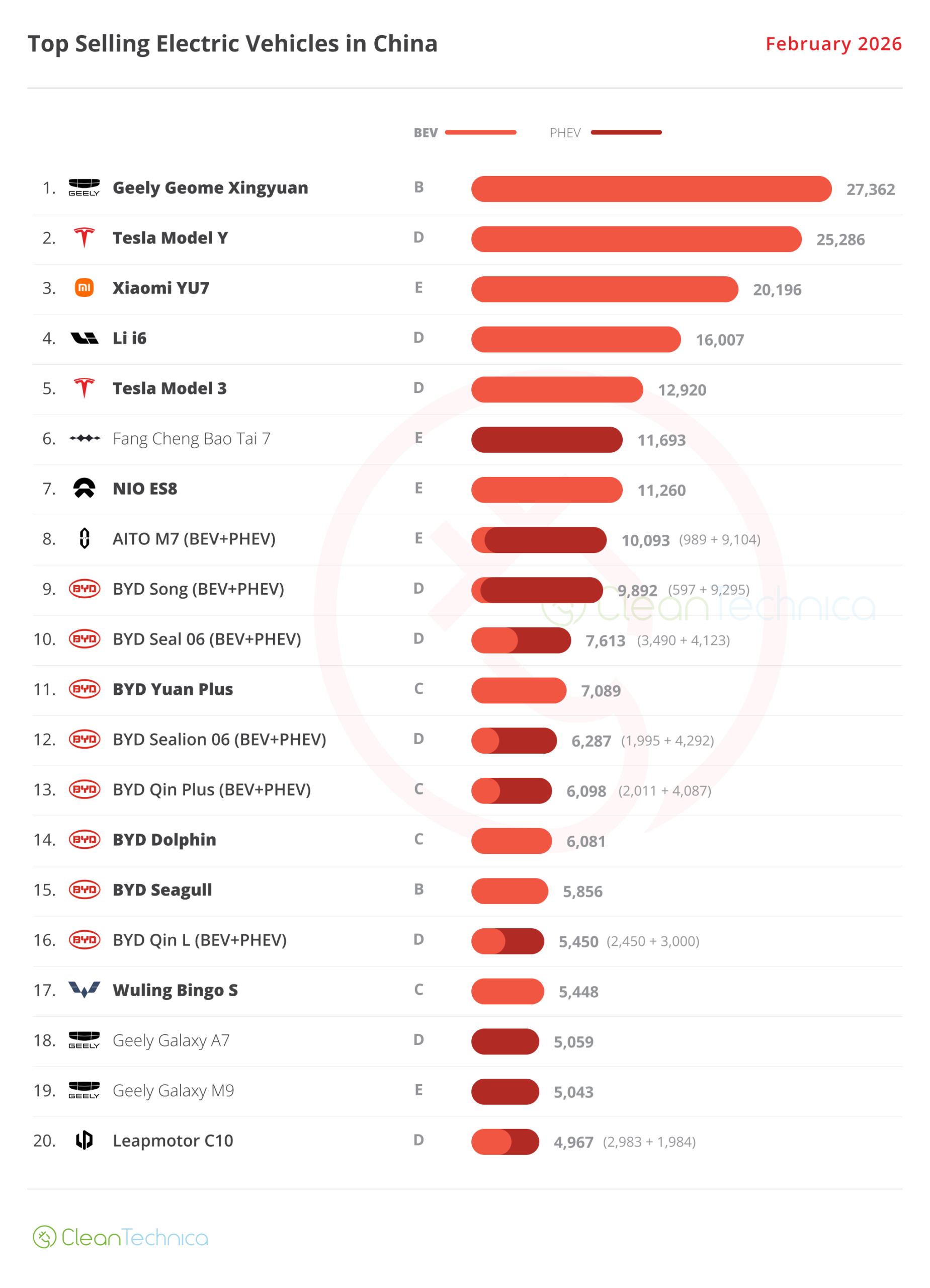
After a surprisingly balanced January, Tesla managed to place two models in the top 5, an increasingly rare event. Here’s more info and commentary on February’s top selling electric models:
#1 — Geely Geome Xingyuan
A BYD Dolphin for BYD Seagull money ($10,000 USD). At least, that’s how Geely’s internal memo might have described the Geome Xingyuan when developing its latest hatchback. And it’s got an interesting name, as Xingyuan translates as “wishing upon a star.” It seems that Geely had its wish granted. The small hatchback has finally given the Hangzhou OEM the much coveted Best Seller trophy, not only beating its BYD nemesis, but also everyone else. In February, the Geely model hit 27,362 registrations.
#2 — Tesla Model Y
The extended wheelbase version, imaginatively called “L,” seems to be helping the Model Y’s fortunes in China. In February, deliveries were up 216% YoY, to 25,286 units. True, comparing this month’s performance with February 2025 is distorted by the fact that a year ago, the Model Y was being affected by the launch of the refreshed version. But, comparing with what was going on two years ago, deliveries are more or less even. Though, considering Tesla’s current sales performances, that can already be considered a win….
#3 — Xiaomi YU7
Veni, Vidi, Vici. “I came, I saw, I conquered.” This could have been the YU7’s motto. Xiaomi’s crossover wasn’t able to keep its leadership spot from January in February, but nevertheless, thanks to 20,196 registrations, it again won the full size category leadership position. Besides already having that category trophy in the bag, expect the crossover to be a serious candidate for the overall leadership position in 2025, and with volume exports only planned to go into motion in 2027, expect a great year for the Chinese Ferrari.
#4 — Li Auto i6
After a strong January, things continue to go well for the midsize model, with the startup EV securing its first top 5 presence thanks to 16,007registrations. With a high level of space, comfort, and luxury, for just $35,000 USD (for reference, the cheapest Tesla Model Y in China starts at $36,000 USD), the i6 offers an extensive list of equipment (air suspension, refrigerator, advanced self-driving — including Lidar), with a focus on space (three-meter wheelbase) and comfort, leading to a model that proposes full size luxury in a midsize-priced EV.
#5 — Tesla Model 3
Along with the Model Y, the Tesla Model 3 has been the lifeline for the Texan for a long time. But while the crossover sibling has been receiving regular updates, the sedan has been left out to dry. And while the 12,920 deliveries of February allowed it a top 5 presence, that number represents a 31% drop compared to February 2025. So, yeah, the midsize sedan is not holding on as well as its SUV sibling. With the price already low ($34,500 USD), maybe it would be a good time for Tesla to launch an extended wheelbase Tesla Model 3? I mean, today in 2026, the sedan still offers the same interior space as it did at its launch way back in 2017…. In a market where space is high on people’s priorities, that seems like a no-brainer.
Looking at the rest of the best seller table, the highlight comes from the BYD Yuan Plus, which benefitted from a recent refresh to jump into 11th, joining the rest of the BYD Armada. The brand placed 8(!) models, from 9th to 16th, in the top 20. The last one of them was the BYD Seagull, which is recovering from the incentive cut.
Other models on the rise are the #17 Wuling Bingo S, SAIC’s answer to the Geely Xingyuan and BYD Dolphin, while the sleek Geely Galaxy A7, the make’s answer to BYD’s midsize sedan offerings, joined the table at #18 thanks to 5,059 units.
Outside the top 20, because we are in the low season in China, there wasn’t that much to talk about, but we should highlight the following fact that proves the disruption that the incentive cut has brought to the Chinese EV market — the $5,000 USD Wuling Mini EV sold as many units (4,866 vs. 4,878) as the $65,000 USD Zeekr 9X….
The 20 Best Selling Electric Vehicles in China — January–February 2026
Looking at the 2026 ranking, the leader Xiaomi YU7 remained in #1, but below it, the Geely Xingyuan has shortened the distances significantly, so I wouldn’t be surprised if the small hatchback dethroned the crossover in March.
Below these two, the Climber of the Month was the Tesla Model Y, which jumped four positions into the 3rd position. Now the question is — will the Texan crossover be able to reach close to the top two next month?
Please place your bets now.
The other climbers in the top half of the table were the Li Auto i6, which climbed to 5th, and the veteran BYD Song, which was up one spot to 8th. Still in the BYD stable, the Seal 06 sedan jumped three positions into 10th, while the Tesla Model 3 did even better, coming out of nowhere into 9th, or one place above of its final standing in 2025. Will the Tesla sedan be able to stay there?
In the second half of the table, there were also major movements, with the highlights being the BYD Sealion 06 going up three spots, into #13, while two models rejoined the table — the #15 BYD Dolphin and #20 BYD Qin L. Additionally, the new Wuling Bingo S made its debut on the table in 17th place. Will Wuling’s new baby be a regular in the top 20?
Looking at the overall manufacturer ranking, after BYD’s shock crash in January, there was a lot of expectation to know what would happen in February.
Well … while the trend across the top 10 was slowing sales, BYD didn’t slow down, it crashed. Again. Sales were down 64% YoY. But … the explanation could be linked to March 6th and the unveil of BYD’s new technology suite, designed around the 2nd generation of the Blade battery. With amazing specs, and the added bonus that this new technology would be more spread out than previously thought, this could be just the Osborne Effect taking its toll.
To be continued…
Looking at the few gainers in the top 10, Tesla (+43% YoY) was by far the highlight, but Chery (+10%) and BMW (+1%) also deserve a mention. In the case of the Bavarian, it will be interesting to see of the new iX3 will have any impact in China. So far, the only foreign legacy brand able to sell EVs in decent volumes in China has been Nissan. Will BMW be the second?
Outside this top 10, a mention goes out to NIO, which is continuing to grow fast (+65% YoY) thanks to the success of its new ES8. Can these volumes continue?
On the losers side, Xpeng is crashing (-59% YoY, to 11,608 units), a surprising result for a startup that was among the hottest brands last year.
Auto Brands Selling the Most Electric Vehicles in China
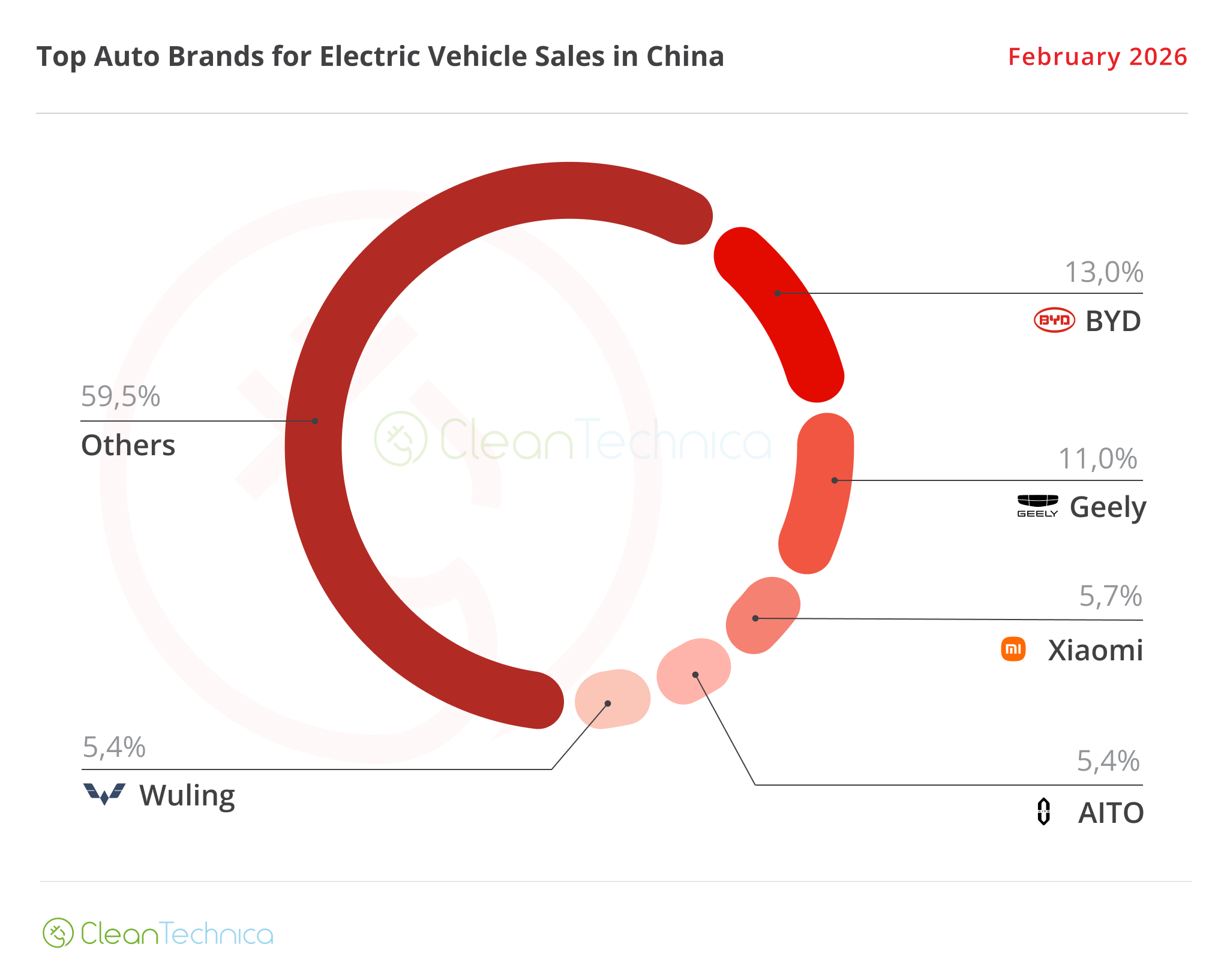
Looking at the auto brand ranking, there’s some news, but not at the top. Leader BYD (13%, up from 11.5%) and runner-up Geely (11%, up 0.6%) have gained share and will probably fight for the top position, during the remainder of the year.
Things get more interesting below, though. Despite losing share, Xiaomi (5.7%, down from 6.5% in January) climbed one position, to 3rd, since previous bronze medalist, AITO, lost even more share.
#5 Wuling (5.4%) hung on, and is now some 100 units behind #4 AITO. So, we might see SAIC’s most popular brand jump into 4th…
… unless #6 Tesla (5.4%), which is fewer than 1,000 units behind AITO, experiences a strong peak month in March and surpasses both brands. It could even be the case that Xiaomi’s 3rd spot ends up in danger….
Behind Tesla, another brand is on the rise. #7 Li Auto increased its share (5.2%, up 0.6%), so it too could have a shot at joining the top 5 in March.
Auto Groups Selling the Most Electric Vehicles in China
Looking at OEMs/automotive groups/alliances, BYD is leading, with 17.2% share of the market, up 1.4% compared to the previous month. Meanwhile, #2 Geely, despite gaining 0.4% share and getting up to 15.9%, has seen BYD put more distance between it in the race for #1.
Far from runner-up Geely, #3 SAIC (9.4%, down 0.4 percentage points) has lost share, as several of its brands (MG, IM Motors, Shangjie) had a slow February.
Lucky for them that the most direct competition didn’t fared much better, as Xiaomi (5.7%) and Seres (5.5%, down from 6.7%) dropped even more than the Shanghai-based OEM.
Changan (5.5%, up 0.3%) profited from all of this and joined the table in 5th, kicking Seres out of the top 5.
Sign up for CleanTechnica’s Weekly Substack for Zach and Scott’s in-depth analyses and high level summaries, sign up for our daily newsletter, and follow us on Google News!
Advertisement
Have a tip for CleanTechnica? Want to advertise? Want to suggest a guest for our CleanTech Talk podcast? Contact us here.
Sign up for our daily newsletter for 15 new cleantech stories a day. Or sign up for our weekly one on top stories of the week if daily is too frequent.
CleanTechnica uses affiliate links. See our policy here.
Artist Yanran Chen will return to ComplexCon Hong Kong 2026, presenting her latest creative project, KeyA: A Lucid Dream Series, during the event taking place from 21 to 22 March. The showcase introduces audiences to Chen’s newest original IP character and marks another step in her growing international presence. The KeyA: A Lucid Dream Series will also be featured as part of the event’s wider programme, offering an early glimpse into Chen’s evolving narrative universe.
Working across painting, sculpture and video, Chen’s artistic language blends mechanical, biological and cyber-inspired elements. Her work often explores surreal dreamlike environments where reality and imagination intersect, reflecting themes of self-discovery and transformation that resonate strongly with a younger global audience. This hybrid visual language positions her practice at the intersection of contemporary art, digital culture and collectible design.
At the centre of Chen’s latest presentation is KeyA, a character that represents a girl in perpetual self-creation. Confident, rebellious and deeply self-aware, KeyA embodies a spirit that refuses to conform while seeking balance between inner conflict and clarity. The character moves through shifting dimensions and dreamlike spaces, navigating identity and possibility in a world where rules and structures constantly evolve. Conceived as a “prototype in progress”, KeyA reflects a fluid, unfinished identity — one that evolves continuously rather than adhering to a fixed form.
The new KeyA: A Lucid Dream Series figurines expand this narrative universe. The collection imagines KeyA travelling through fractured timelines and surreal environments where dreams and reality merge. Each piece reflects a different stage of exploration and transformation, portraying the character as she searches for truth, growth and new worlds beyond fixed boundaries. Individual works within the series explore distinct states — from truth-seeking within digital landscapes to the fusion of organic and mechanical worlds — transforming the collection into a layered narrative system rather than a set of standalone objects.
Visitors to ComplexCon Hong Kong will have the opportunity to enter this imaginative universe through Chen’s immersive presentation. The showcase invites audiences to experience a mysterious sensory world shaped by shifting light, layered symbolism and futuristic visual motifs.
Although still only 20 years old, Chen has already exhibited internationally in cities including Tokyo, Beijing, Shanghai, Hong Kong, Taipei, Budapest and Las Vegas. Her cross-disciplinary collaborations span both art and fashion, with partnerships involving brands and organisations such as GUCCI, POP MART, CASETiFY and Givenchy.
With KeyA: A Lucid Dream Series set to debut at ComplexCon Hong Kong 2026, Chen continues to expand the narrative possibilities of contemporary character design while blending art, storytelling and collectible culture into a single evolving world. As character-led IP becomes an increasingly valuable cultural and commercial asset, Chen’s work signals a new generation of artists building scalable universes that move fluidly between art and experience.
Tickets for 21 March, as well as marketplace tickets for 22 March, are currently available through Klook and Trip.com. Visitors can also follow ComplexCon’s official channels for the latest guest announcements and programme updates.
KeyA: A Lucid Dream Series will also be showcased at ComplexCon Hong Kong from 21 to 22 March.
For more on the latest in culture and art reads, click here.
One of the first things I wondered when we first started thinking about RV living was about the cost of living in an RV full time. Would we be able to afford it? Is full time RV living cheaper than living in a house or apartment?
What I found was that the answer to these questions totally depends on how you live and travel.
Maybe that answer isn’t as straightforward as many would like it to be, but it is the honest truth—and really, it makes sense. After all, anyone’s month-to-month living costs are dependent on how they choose to live. When we first started traveling, we were living on less than $2,000 a month. These days, we spend quite a bit more than that.
How Much Does Full-Time RV Living Cost Per Month?
Like I said before, full time RV living cost varies widely. Most full-time RVers spend between $3,000 and $6,000 a month, but you could easily make your total expenses more or less than that.
To give you a better idea of our RV living monthly cost, here are the things we spend money on as full-time RVers in a given month:
Campgrounds and RV parks: between $0 and $1,000 per month
Fuel: roughly $200 to $800 per month
RV insurance: around $100 a month
Vehicle insurance: around $100 a month
Maintenance and repairs: around $100 to $400 per month
Food and groceries: about $400 to $800 per month
Internet and cell service: approximately $250 per month
Health insurance: $125 a month
Attractions and fun money: around $500 to $700 a month
Many other RVers also see these costs:
RV payment (if financed): about $400 to $1,200 per month
Higher RV insurance costs: as much as $300+ a month
Higher vehicle insurance costs: as much as $300+ a month
Higher health insurance costs: as much as $1000+ a month
Your total cost of living will depend on what rig you buy, whether you finance it, how much you have to spend on insurance, where you choose to camp, how you shop for groceries, what sorts of attractions you choose to check out, and how quickly you travel.
Slow Travel vs. Fast Travel
I’m not gonna lie, I love a season of fast-paced travel now and then. That said, moving every few days isn’t really sustainable over the long term. For one thing, we get tired. For another thing, it gets expensive. Higher fuel costs from driving more miles per month are one factor. On top of that, nightly campground rates tend to be higher per night than monthly rates, and moving often causes more wear and tear on the RV.
By choosing to travel slowly during the fall, winter, and spring, we save quite a bit of money, which we then apply to our faster summertime travels.
RV Living vs. Traditional Housing: Cost Comparison
When comparing RV life vs house cost, it’s important to look at the full financial picture.
Living in a traditional house, you’ll have to pay rent or mortgage payments and utilities. You may also have to pay property taxes and pay for ongoing home maintenance.
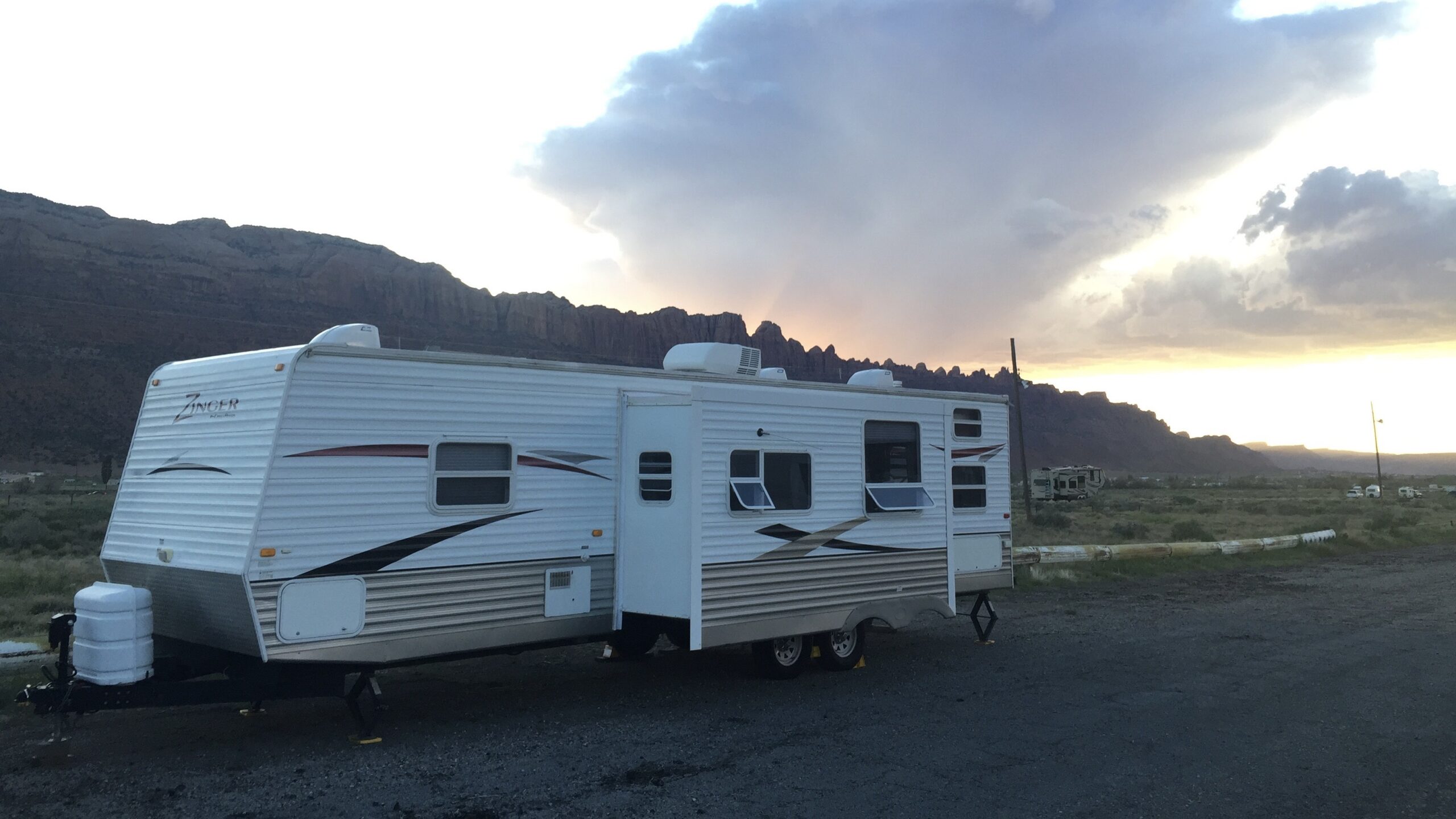
When we switched to full-time RV living, we got rid of the mortgage and property taxes, but had to account for campground fees and the occasional utility bill (though for us, utilities are usually included in campground costs). Since we bought an older rig and paid cash for it, we also did not have to make an RV payment and our insurance payment was low. That said, some people may choose to finance an RV, which will mean RV payments and possibly higher insurance costs.
The Biggest Expenses of Full-Time RV Living
Obviously, there are lots of small day-to-day costs associated with RV living (and living life in general). That said, there are a handful of bigger expenses that make up the majority of our budget as full timers. Here’s a full time RV expenses breakdown.
Campground and RV Park Fees
We may not have to pay rent, but we do have to budget for camping fees when figuring out full time RV living cost. Fortunately, I have found a few ways around spending tons of money on campsites.
For instance, we have a Thousand Trails membership that allows us to camp at Thousand Trails parks across the country while paying only our annual dues. We also have a Boondockers Welcome membership that gives us the opportunity to camp on private land for free or very low cost. On top of all that, we tend to do a lot of boondocking, dry camping, and camping in free or extremely low-cost city park campgrounds.
That said, there are still times when we need to pay for a campsite. In these cases, I like to turn to state parks, national forest campgrounds, or county park campgrounds, which tend to be around $25–$50 a night. This is much more affordable than the $50–$100+ a night that many private parks charge.
The exception? Some private parks offer monthly rates that break down to be much less per night than other options.
Fuel Costs
Fuel is another major cost for our family, especially in the summer when we are moving quickly. Obviously, the amount of fuel you use will depend entirely on how often you move, how far you move, the size and weight of your RV, and whether it runs on gasoline or diesel.
In general, we have found that all of our rigs have gotten between 6 and 10 MPG. We have spent as little as $200 a month on fuel during the winter when we were moving once a month, and as much as $1,000 a month on fuel during the summer when we were moving every few days.
RV Payments or Purchase Costs
Of course, RVs themselves are also incredibly expensive, especially if you buy new. We chose to buy a used older RV for our first rig and kinda stuck to that theme for every RV we purchased after that. The thing we found was that we loved not having an RV or truck payment, and I don’t mind doing most of my own RV repairs, so this has worked out well for us. We have spent anywhere from $6,000 on a super old truck and trailer a decade ago to $25,000 on an older motorhome just a few years ago.
If you do decide to finance an RV, monthly payments can vary widely depending on the RV type and purchase price. They commonly fall somewhere between $400 and $1,200 per month.
Maintenance and Repairs
Unfortunately, RVs do require maintenance and repairs. Motor oil needs to be changed, tires need to be replaced, broken bits and bobs need to be fixed, and you gotta keep the appliances up and running. There is no way around this. If you do the repairs yourself, you can save a lot of money, but you will still need to budget some amount for parts.
These expenses don’t necessarily occur every month, but they can be significant when they do happen. Because of this, I like to set aside several hundred dollars every month for maintenance. This is great because it ensures we have a safety net when things do need to be fixed.
Hidden Costs Many New RVers Don’t Expect
The expensive budget line items mentioned above make up the majority of our budget. That said, there are also plenty of smaller expenses that need to be taken into account when you’re trying to get a feel for how much RV living might cost you.
Some commonly overlooked RV living expenses include:
Internet and mobile hotspot plans: Reliable internet is essential for many travelers, especially remote workers who depend on connectivity. Cell plans and satellite internet are the options for travelers, and both can be pricey.
Laundry: Since we (like many other full-time RVers) don’t have an onboard washer and dryer, we have to use laundromats and campground laundry rooms. This can be a surprisingly big expense.
Dump station fees: When we boondock, we have to find dump stations to empty our tanks. Sometimes these stations charge a fee for dumping, which is something we have to account for when budgeting.
Propane: In our rig, propane is used for heating, cooking, and operating the water heater. During the winter, we can burn through propane quickly, so we have to make sure to include propane as a line item in our budget.
Storage units: Some full-time RVers keep a storage unit for belongings that don’t fit in their RV. This isn’t something we choose to do, but if you will need to store things, make sure to keep the associated fees in mind.
Membership programs: We tend to carry a few different memberships at any given time. Some are memberships that reduce campground fees. Others are reciprocal memberships to attractions. All have annual fees that we have to account for.
When Full-Time RV Living Is Actually Cheaper
RV living can save money if you do it right. We have definitely saved money over living in a house in our time on the road, and it has allowed us to build a decent savings account.
If you want to save money while RVing full-time:
Pay cash for an older RV.
Do your own RV maintenance and repairs.
Travel slowly.
Look for monthly rates, boondock, or use a membership to camp for free or cheap.
Visit tourist areas during the off season.
Use reciprocal memberships for free attraction entry or look for free things to do.
When RV Living Can Cost More Than a House
I think it’s important to point out that RV living is not necessarily automatically cheaper than living in a house. We could easily spend a lot more than we do every month, but we make a point of being frugal.
Some common pitfalls that may cause full time RV living cost to be more expensive for you include:
Purchasing a brand new rig
Traveling long distances quickly
Paying someone else to do RV repairs and maintenance
Staying in luxury RV parks
Visiting high-priced attractions rather than free alternatives
There is nothing inherently wrong with these lifestyle choices, but they are not the best options if you are looking to save money while living in an RV.
Try the RV Lifestyle Before Going Full-Time
When we decided to hit the road full-time, we jumped right in feet first. While this ended up being fine for us, it’s not something I recommend doing. Instead, I highly recommend renting an RV and heading out on an RV trip first.
This will allow you to…
Experience different types of RVs.
Learn how campgrounds and hookups work.
Understand the real costs of traveling.
Discover whether the lifestyle fits your daily routine.
If RVing is truly the right fit for you and your family, you will come back with a better idea of what kind of RV you might need. On the other hand, if this lifestyle isn’t for you, you’ll come back knowing that and will have saved thousands of dollars and lots of time and effort in the process.
Final Thoughts: Is Full-Time RV Living Worth It?
In my opinion, yes, full-time RV living is absolutely worth it! We figured out how to RV on the cheap so we could save hundreds of dollars a month while also traveling the country and experiencing all kinds of amazing things. We’ve also met families who spend thousands more than us every month who are totally okay with that, able to sustain the spending, and are having the time of their lives.
That said, this lifestyle is not for everyone. If you are heading into RVing purely to save money and aren’t willing to 1) travel slowly, 2) seek out inexpensive campground options, and 3) DIY your own repairs, you probably aren’t going to love it. Likewise, if you don’t love cramped spaces, don’t love car travel, or don’t want to leave your life in your home city behind, RVing might not be for you no matter how much you have available to spend.
My advice is to rent an RV first and then carefully consider your finances versus full time RV living cost, what you want and need to be comfortable, and your RVing goals to decide whether RV living fits into your life and budget.
This article was originally published on Speedhunters June 27, 2018.
I know each and every one of you reading this has a dream project, and to go with that dream project is a list of modifications aimed at making said vehicle better through aesthetic or performance upgrades – or a combination of both. Suspension, wheels, body, paint, power adders… the list is probably quite lengthy.
At the top are the basics and near the bottom are the more challenging modifications. But what happens when we get that car and make our way through the list only to discover that everything we thought we needed didn’t result in the car we wanted? Nearing the end of the road with his first S-chassis build, Mike Martino found himself in such a position.
For years, Mike built his S13 in the winter and drove it in the summer in Toronto, Ontario before starting the process all over again. The end result of this yearly cycle was an impressive 500hp, caged street car that, which in Mike’s own words, “had every modification ‘they’ tell you makes a better drift car.”
Looking back now, Mike describes many of those drift-specific upgrades as overkill and estimates he would have probably enjoyed the car more with less than half of them. Hindsight is a funny thing and his vision was only made 20/20 after a trip to Japan in 2015.
While abroad, Mike had the opportunity to experience several different cars on some of the best roads Japan had to offer. The car that left a lasting impression on him was an S15 Silvia Spec-R not at all unlike the one he owns today. That car was modified in several areas, but the owner knew when enough was enough. As a result, every modification, be it function or form, had a purpose.
On the flight back to Toronto Mike’s mind was set, and almost immediately after landing he went straight to ‘The Unit’ (the place he stores and works on his cars) to break down his S13.
Chapter Two: Starting Over
Within the space of about two weeks Mike had sold most of his S13 and used the money to put himself behind the wheel of an S15. To truly appreciate the differences between the two, he drove the S15 stock for a brief period of time, this evaluation period being used to figure out what modifications would improve the Silvia as a street and track vehicle.
Wheels and a drop are nearly every car guy’s go-to, so naturally Mike started there. The Spec-R models are already equipped with additional chassis bracing so most of the modifications have centered around adding points of adjustment. In this regard, Mike installed HKS Hipermax D coilovers, which not only addressed the car’s ride height but stiffened things up as well. Under the S15 are Parts Shop Max tension rods, Maxima inner tie rods and Tein outer tie rods.
One modification Mike didn’t add was an excessive angle kit. They might be all the rage in competitive drifting, but Mike is of the mindset that extreme steering angle isn’t necessary for his style of driving. His car is equipped with a simple drop knuckle setup from ERA-1 that improves suspension geometry, as well as giving him a few more degrees of angle over stock.
Adding a more drastic angle kit wouldn’t have allowed Mike to tuck 18×9.5-inch wide Work T7R wheels at all four corners, and that would have been a damn shame.
Chapter Three: Style Up
In terms of styling, Mike’s car is aggressive, but it does so without the use of flares, a big wing, or wild livery. Instead, he used late ’90s and early 2000s Japanese drift cars as visual inspiration. JDM builds from that era are what attracted him to drifting in the first place, and Mike hopes that in keeping that style alive he’ll inspire the next local generation to do the same.
To achieve the look of a car that is practically hovering, Mike took a Vertex body kit and made it even lower. The side skirts have had material added to them horizontally and vertically so that they’re both deeper and wider. It’s a subtle, challenging, change to execute but it makes a drastic difference in the car’s profile. An Origin Labo carbon fiber roof wing and D-Max wing add a bit of extra visual sugar to the rear of the car.
Up front, a vented hood and headlight eyelids give the car a menacing stare, while Final Konnexion under-canards and custom bumper canards help drive home the point that style is an important aspect of this car.
Inside, Mike has kept things clean and simple. There’s no cage to step over upon entry, the doors retain their panels, there’s still rear seating, and heck, even the power windows still work. Mike regularly drives the car out of country for drift events, so keeping the creature comforts intact was a necessity.
Mike’s seat is a red Bride Zeta II and he steers the S15 with a Vertex wheel. There’s also Nismo gauges, a Bee-R rev limiter, G Corporation checker mats, and a double-DIN headunit to control an audio system that features a removable subwoofer enclosure.
Chapter Four: K.I.S.S
Under the hood of this car isn’t a V8, nor a baby-eating turbo. There’s simply an SR20DET that’s received a few modifications to make it better handle the demand Mike puts on it.
Mike traded the already larger Spec-R intercooler for a Blitz front mount, added an HKS Super Power Flow filter, swapped the battery for a half size equivalent, and turned up the boost. As it sits, he estimates the 2.0-liter four cylinder makes somewhere in the neighborhood of 260hp.
Final Chapter: Don’t Talk About It, Be About it
If you think that’s too few horses in the stable to drift, think again. Mike is able to put that power to good use as he was more than happy to demonstrate at Drift Jam. High horsepower cars are cool, especially on paper, but there’s something to be said for a mid-power car that sees its entire power band used effectively.
The day these photos were taken the temperature was, 35°C (94°F), but the S15 performed without a hiccup lap after lap. And after being punished all day, Mike was able to flick his A/C on and close his inline exhaust baffle for a peaceful trip back home.
As much as I enjoy reading and writing about cars that push the limits of sanity, cars that excel at their purpose without breaking the bank are extremely compelling. In our own personal missions to build the car of our dreams, let’s not lose sight along the way of what matters in the end. The drive.
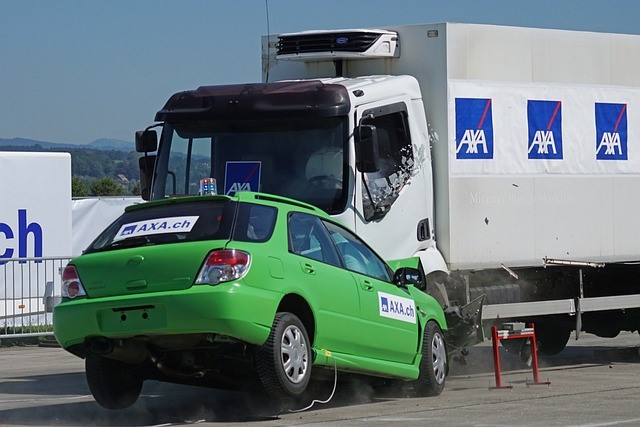
When a fleet vehicle gets into a collision, the repair estimate is usually the first number that lands on a manager’s desk. A crumpled fender, a totaled cargo van, maybe an ambulance bill. But that repair estimate is the tip of a very expensive iceberg. The National Safety Council estimates that the average cost of a work-related motor vehicle crash resulting in injury is $75,000—and crashes involving a fatality exceed $1.7 million when all cost categories are accounted for (NSC Injury Facts). For fleet operations running on thin margins, a single serious accident can wipe out a quarter’s profit.
Understanding the full cost picture is not an academic exercise. It is the difference between treating safety as a line-item expense and recognizing it as a revenue-protection strategy.
The Direct Costs You Already Know—and the Ones You Underestimate
Direct costs are the obvious ones: vehicle repair or replacement, medical expenses, workers’ compensation claims and insurance deductibles. Most fleet managers track these because the invoices show up.
But even within the “direct” category, the numbers are routinely underestimated. The Bureau of Labor Statistics reports that transportation incidents accounted for 37.5% of all work-related fatalities in 2022 and remain the leading cause of occupational death in the United States (BLS Census of Fatal Occupational Injuries). Workers’ comp claims for these incidents carry some of the highest average payouts across all injury categories, and they trigger experience modification rate increases that inflate premiums for three or more years after the event.
Insurance is where the compounding starts. A fleet with a poor loss ratio does not just see higher premiums at renewal. Carriers may impose higher deductibles, exclude certain vehicle classes or decline to renew altogether—forcing the fleet into surplus lines markets where coverage costs two to three times the standard rate. For a 50-vehicle operation, a single bad year can add $40,000 to $100,000 in annual insurance costs that persist long after the wrecked truck has been replaced.
Indirect Costs: The Multiplier Effect
The National Safety Council uses a commonly cited multiplier: indirect costs run between 2.1 and 4.5 times the direct costs of a workplace injury. For fleet accidents, that multiplier tends to land on the higher end because of the operational disruption involved.
Consider what happens operationally after a collision takes a vehicle and driver offline:
Lost productivity: Routes need to be reassigned. If you are running a delivery fleet, delayed or missed deliveries translate directly to customer dissatisfaction and, in contract logistics, financial penalties.
Replacement vehicle costs: Renting a comparable commercial vehicle on short notice is expensive. A cargo van that costs $45,000 to own might run $1,500 to $2,000 per month to rent—assuming one is available in your market.
Driver downtime: An injured driver collecting workers’ comp is still on your payroll in many states, and you are simultaneously paying a replacement driver overtime or hiring temporary help at premium rates.
Administrative burden: Accident investigation, insurance claims processing, OSHA reporting if applicable, DOT compliance documentation—these hours come from your safety team and operations managers, pulling them away from their primary functions.
Reputational damage: A branded vehicle involved in a serious collision is a negative advertisement. In the age of dashcam footage and social media, one incident can circulate far beyond the local market.
When you stack these indirect costs against the direct ones, a $30,000 fender-bender quickly becomes a $90,000 to $135,000 event. A serious injury crash can approach half a million dollars in total organizational cost.
Legal Liability: Where the Real Exposure Lives
Fleet accidents carry legal dimensions that personal vehicle collisions do not. Two doctrines in particular create significant exposure for fleet operators.
Respondeat superior holds employers liable for the negligent acts of employees performed within the scope of their employment. If your driver runs a red light while making a delivery, the injured party can—and almost certainly will—name your company as a defendant. The logic is straightforward: the driver was acting on your behalf, using your vehicle during work hours.
Negligent entrustment goes further. If your company knew or should have known that a driver posed an unreasonable risk—a history of moving violations, a lapsed CDL medical certificate, inadequate training on a specific vehicle class—and you put that driver behind the wheel anyway, you face direct liability for the decision itself. FMCSA regulations require carriers to maintain driver qualification files and conduct regular reviews of motor vehicle records for exactly this reason (FMCSA Driver Qualification).
When fleet collisions result in serious injuries, the drivers involved often need experienced legal counsel to navigate complex claims involving multiple insurance policies, employer liability and potential third-party negligence. Firms like the Bruning Law Firm regularly handle these multi-party accident cases where determining fault and recovering fair compensation requires understanding both the legal framework and the operational realities of commercial fleet operations. For fleet managers, this is worth internalizing: the other side of every serious accident involves an injured person with an attorney who understands these employer liability doctrines and will use them.
Punitive damages enter the picture when a plaintiff can demonstrate that the fleet operator acted with reckless disregard for safety. Allowing a driver with known substance abuse issues to continue operating, ignoring repeated maintenance warnings on brake systems or pressuring drivers to violate hours-of-service regulations—these decisions transform a compensatory damages case into one with punitive exposure that can dwarf the underlying claim.
Prevention Strategies That Actually Move the Needle
The good news is that fleet accident prevention has become significantly more data-driven and effective over the past decade. The tools exist. The question is whether your organization deploys them consistently.
Telematics and Driver Behavior Monitoring
Modern telematics platforms do far more than track vehicle location. They monitor hard braking events, rapid acceleration, cornering forces, speeding incidents and phone usage. The key is not just collecting this data but building a coaching program around it. Fleets that implement telematics with active driver coaching programs typically see 20% to 35% reductions in collision frequency within the first year. The data also becomes your defense in litigation—proof that you monitored, trained and acted on safety concerns.
Structured Driver Training
Annual defensive driving courses are table stakes. Effective programs go further: vehicle-specific training when drivers transition between vehicle classes, seasonal driving modules for winter and wet-weather conditions and scenario-based training that addresses the specific risks of your operating environment. A long-haul operation faces different risk profiles than an urban last-mile delivery fleet, and training should reflect that.
Preventive Maintenance Discipline
Tire blowouts, brake failures and lighting deficiencies are not just mechanical problems—they are liability accelerants. A rigorous preventive maintenance schedule with documented inspections removes one of the most common negligent entrustment arguments plaintiffs use. Digital vehicle inspection reports completed by drivers at the start of each shift create a paper trail that demonstrates organizational commitment to vehicle safety.
MVR Monitoring and Hiring Standards
Pull motor vehicle records at least annually—quarterly for drivers operating Class A and B vehicles. Set clear thresholds for violations that trigger retraining, reassignment or termination. Document every decision. The fleet that can show a jury its written safety policy, consistent enforcement history and proactive driver management stands in a fundamentally different position than one that cannot.
The ROI Calculation Fleet Managers Should Be Making
A comprehensive fleet safety program—telematics, training, maintenance systems, MVR monitoring—might cost $1,500 to $2,500 per vehicle per year. For a 50-vehicle fleet, that is $75,000 to $125,000 annually. Set that against the total cost of even one serious accident, and the math is not close.
But the ROI extends beyond accident avoidance. Fleets with strong safety records attract better insurance rates, retain drivers longer in a tight labor market, experience less vehicle downtime and face fewer regulatory headaches. Safety performance is increasingly a factor in winning contracts with enterprise customers who audit their transportation partners.
Fleet accidents are not a cost of doing business. They are a cost of doing business poorly. The organizations that treat safety investment as a competitive advantage—not a compliance obligation—are the ones that protect their margins, their people and their reputation over the long term.
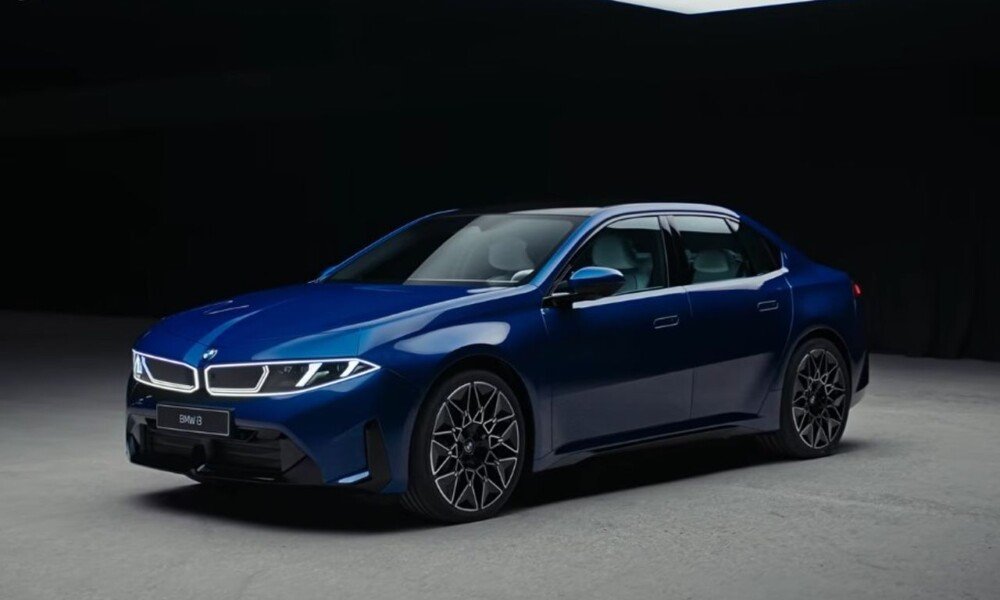
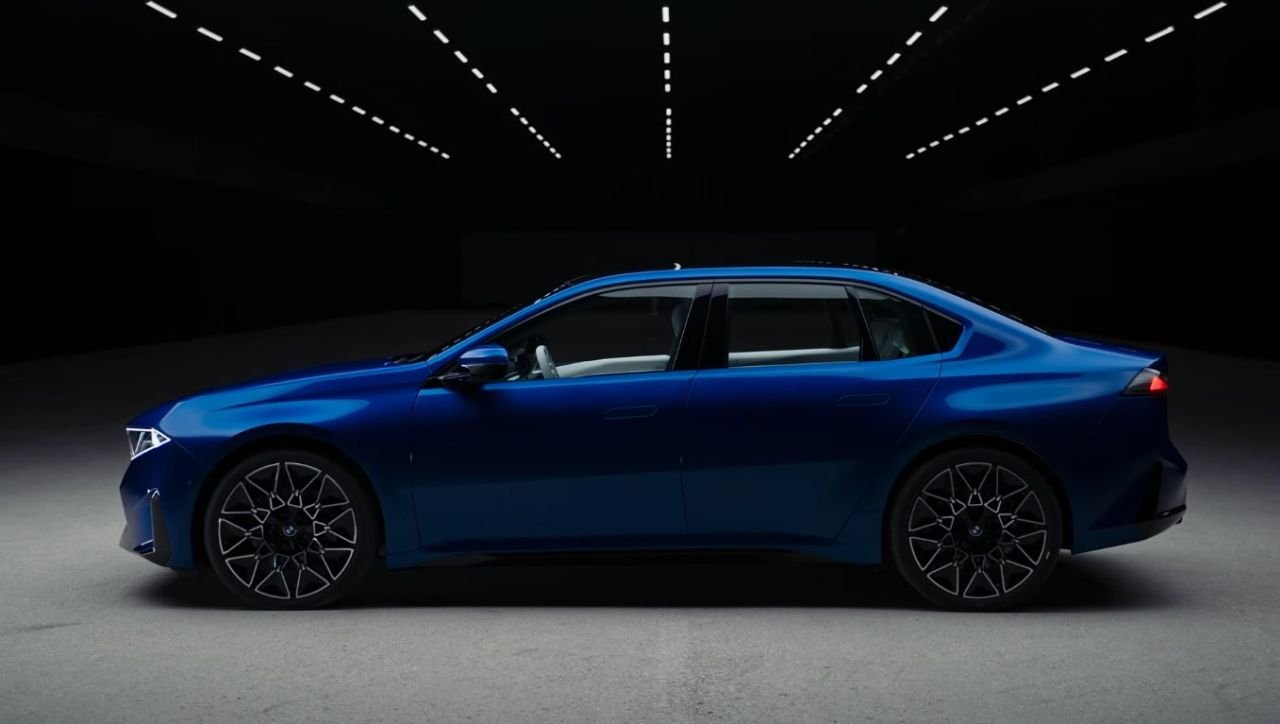
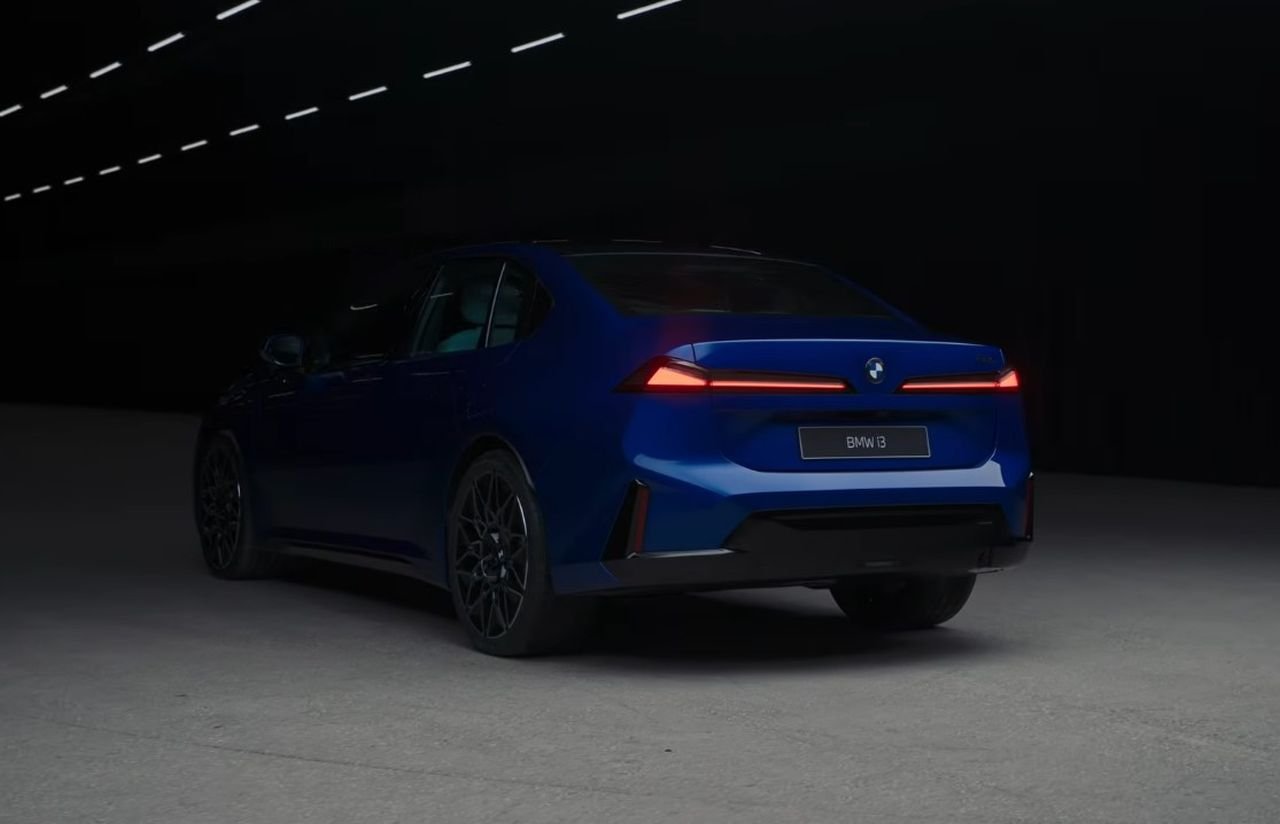
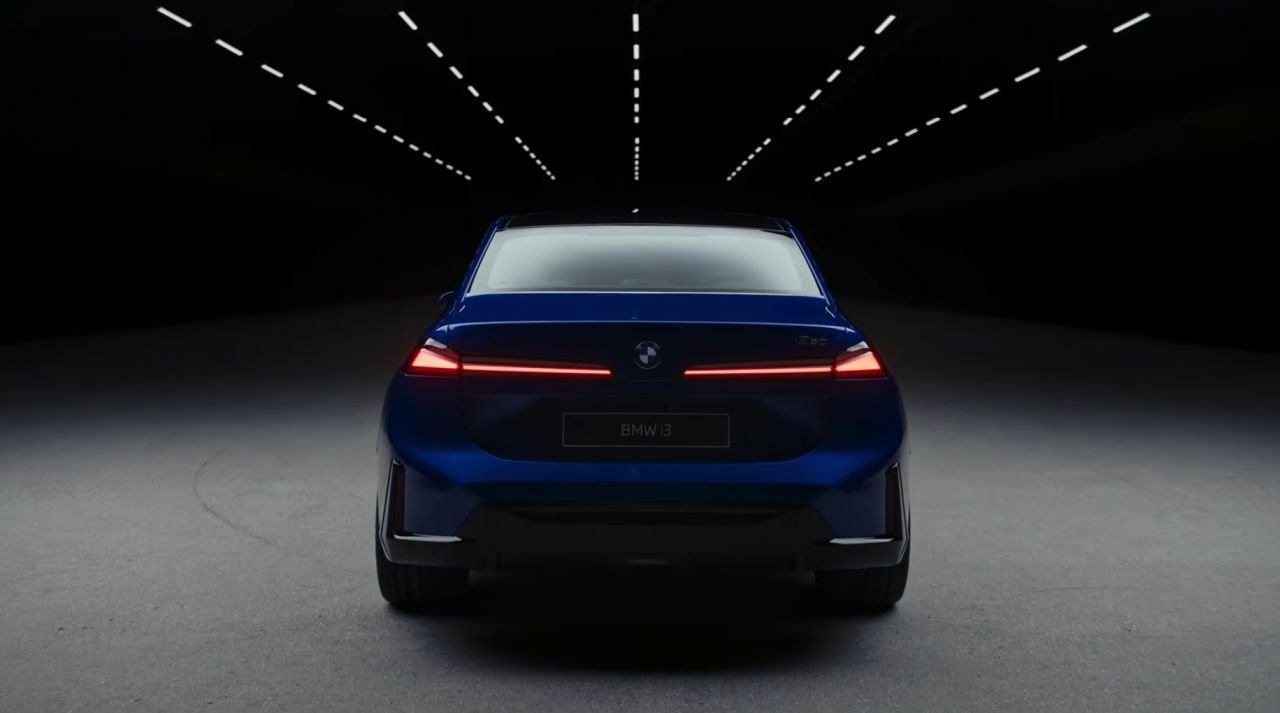
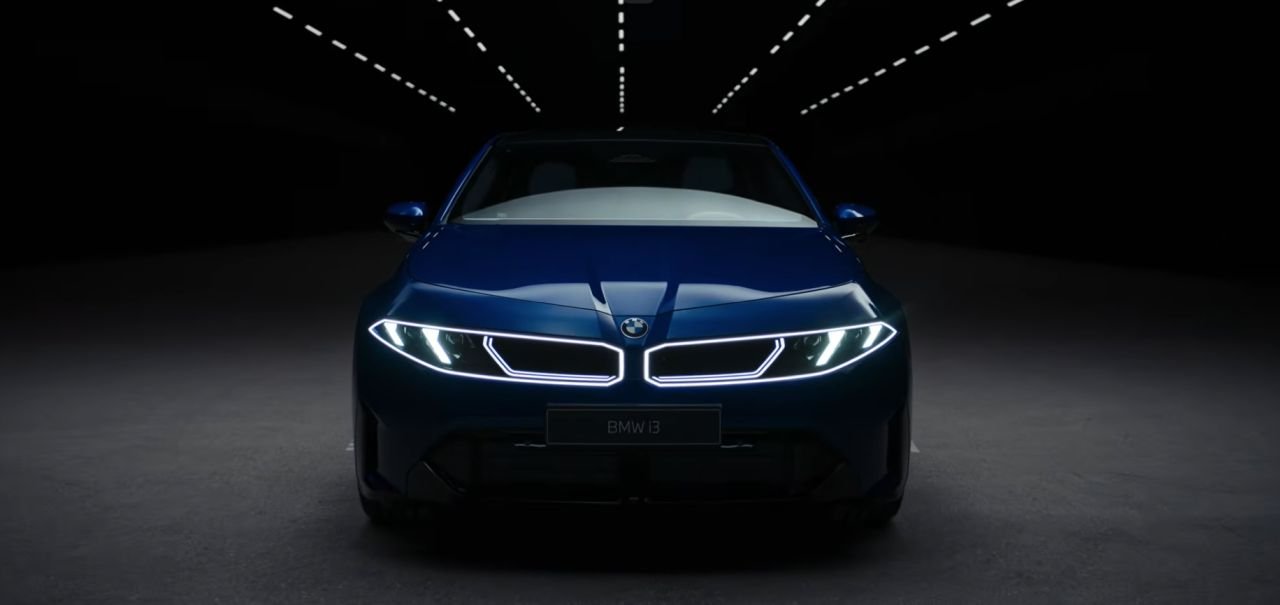
This is it! The all-new BMW i3. It will be officially revealed on March 18, and here are some images that you weren’t supposed to see yet.
The design of the BMW i3 is based on the Neue Klasse Concept, and the production version looks just as sleek. It features a brand-new BMW design signature that is the modern interpretation of the kidney grille.
The kidney grille has been slimmed down and now stretches across the entire front fascia. It has an illuminated frame and houses the new LED headlamps.
The i3 features crisp lines all around and flush-fitting door handles that give it a clean look. The iconic Hofmeister kink has been carried over, and the rear features sleek, wraparound LEDs.
Inside, you get a modern dashboard with a large floating touchscreen in the centre. It has the same 4-spoke steering wheel as the iX3.
The BMW i3 will be based on an 800-volt electrical architecture and will support charging speeds of up to 400 kW. Reports suggest that the i3 might offer up to 500 miles of range.