Donut Lab’s weekly solid-state battery tests are finally out of the lab.
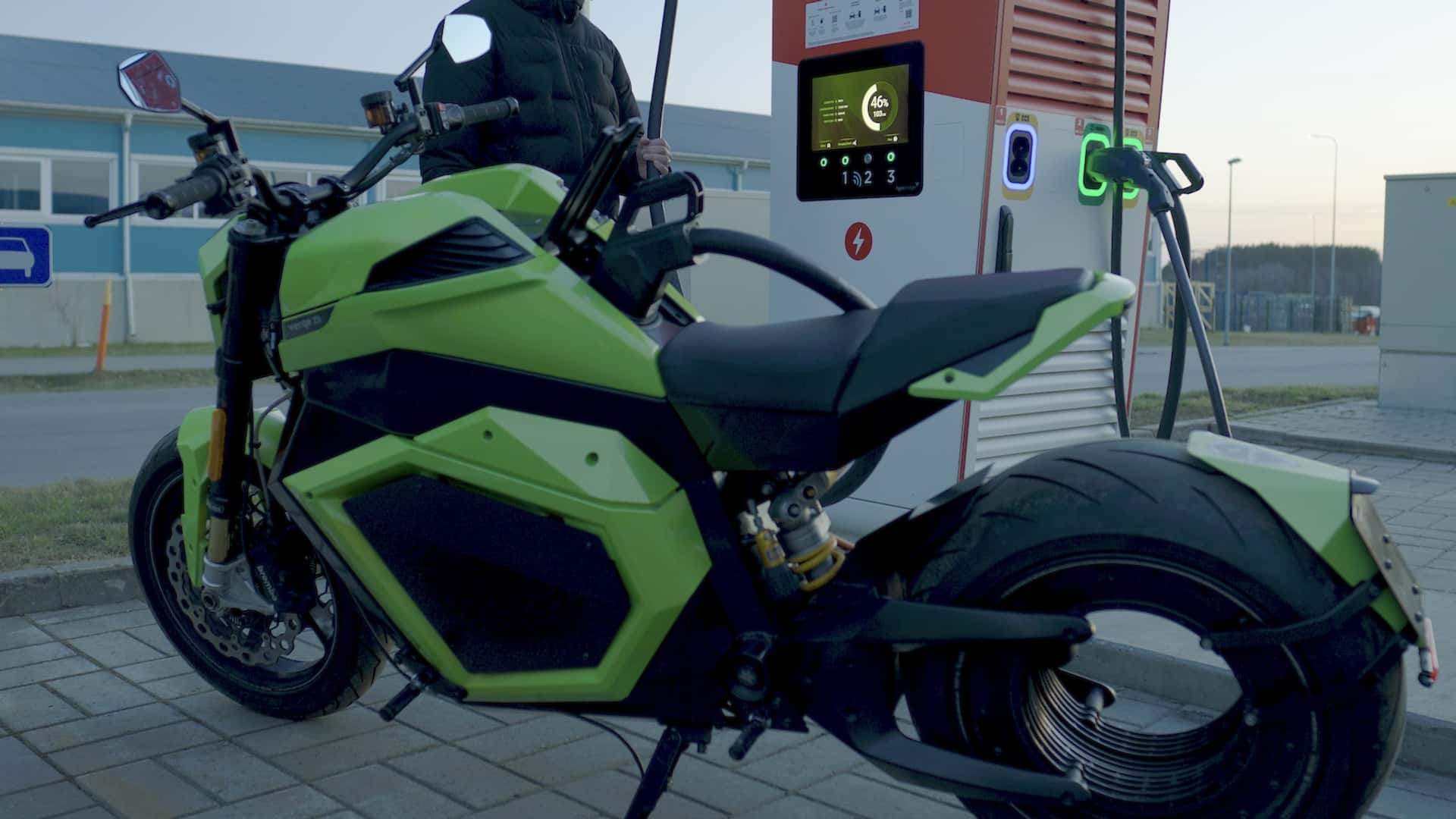
The company showcased its battery charging out in the wild, on the Verge TS Pro.
The battery is claimed to be air-cooled, which is rare on modern EVs.
There’s a new chapter in the Donut Lab saga, and this time it involves a real-world charging test on an actual electric vehicle. The Finnish startup plans to supply what it claims is the world’s first production solid-state battery pack to Estonian company Verge Motorcycles starting this spring.
Until now, we had only seen lab-level tests on individual cells that didn’t reveal much about the battery’s real-world performance. That changed this Monday, as the companies showcased a Verge TS Pro test mule charging at a public DC fast-charging station. The motorcycle was claimed to be equipped with an 18 kWh (nominal) solid-state battery pack, with a manufacturer-estimated range of 217 miles.
“The battery has an industry-defining 5C charging rate at the pack level, while only shockingly having air cooling,” Donut Lab CEO Marko Lehtimaki said in a YouTube video. To decode that jargon, a 1C rate would charge a battery in an hour, 2C means 30 minutes, and so on. At a 5C rate, a battery can theoretically fully charge in about 12 minutes.
15
Source: Verge Motorcycles
If you’re new to the Donut Lab drama, here’s a quick recap of what has happened so far. The company made sweeping claims of a solid-state battery breakthrough at the Consumer Electronics Show this year: 400 watt-hours per kilogram of energy density, 100,000 charge cycles, and zero use of rare-earth materials.
Battery experts and industry executives pushed back hard, calling out the lack of proof, validation results, or patents. The company then began slowly releasing third-party test results, none of which have so far confirmed that the battery chemistry is actually solid-state or that the energy density reaches the 400 Wh/kg figure.
What we did see was an ultra-fast charging test, and a single cell surviving temperatures as high as 100 degrees Celsius. We also know that it’s not a supercapacitor. All three tests, though, were conducted at the cell level in a lab, not at the pack level on a vehicle.
Photo by: Donut Lab
That brings us to today’s test. The Verge test mule was plugged in at 9% state of charge, after which it quickly started drawing about 103 kilowatts of power. For context, modern electric cars in the U.S. today can charge at much higher speeds, but 100+ kW is a pretty strong charging speed for motorcycles, where tight packaging leaves little room for sophisticated thermal management systems.
More than 100 kW of charging power also seems unusually high for a tiny battery pack relative to cars. Smaller battery packs usually charge more slowly because they contain fewer cells sharing the current, so limiting current helps extend their lifespan. They also typically run at lower voltages and are subject to packaging constraints.
It’s also worth noting that 103 kW is roughly half of the 200 kW peak that Donut Lab claimed at CES. Whether that gap is due to charger limitations or the motorcycle’s own architecture remains unclear.
From there, the numbers seem compelling. The EV reached about 50% state of charge in five minutes, adding about 7 kWh of energy. Then 80% in 12 minutes, adding roughly 13 kWh total. All of this, Donut Lab emphasized, was without active liquid cooling, just two fans pushing air over heat sinks on either side of the pack.
A similarly sized lithium-ion battery pack on the previous-generation Verge TS Pro takes about 35 minutes to charge from 0% to 80%, according to independent reviews. And a LiveWire One, which is Harley-Davidson’s electric spinoff, takes 40 minutes to reach 80% on a fast charger. If Verge Motorcycles can demonstrate those speeds on its production bikes, it may have an edge over its rivals.
Batteries that rely solely on air cooling are largely a thing of the past in modern EVs, which use sophisticated liquid cooling—as well as some air cooling—to manage heat from fast-charging and hard acceleration. Studies suggest that solid-state batteries are inherently more thermally stable. They don’t use flammable liquid electrolytes, which means less heat is generated, potentially making simpler cooling viable.
That said, the company indicated that the motorcycle may not be fully production-ready yet. “Verge is doing system-level optimization and fine-tuning the charge profile on this new battery pack,” Lehtimaki said.
Above all, some of the most pressing questions still remain unanswered. Donut Lab is still tight-lipped about the actual battery chemistry, and there’s no indication of whether this pack can realistically last 100,000 charging cycles. With deliveries set to start soon, it may only be a matter of time before curious owners take their motorcycles apart to uncover what’s inside.
Every April 1st, car enthusiasts brace for the usual flood of nonsense. Automakers roll out imaginary cars, ridiculous specs, and concepts that everyone secretly wishes were real. Most of the time the joke lasts about twenty-four hours before disappearing into the internet archives. Occasionally the joke resonates a little too well.
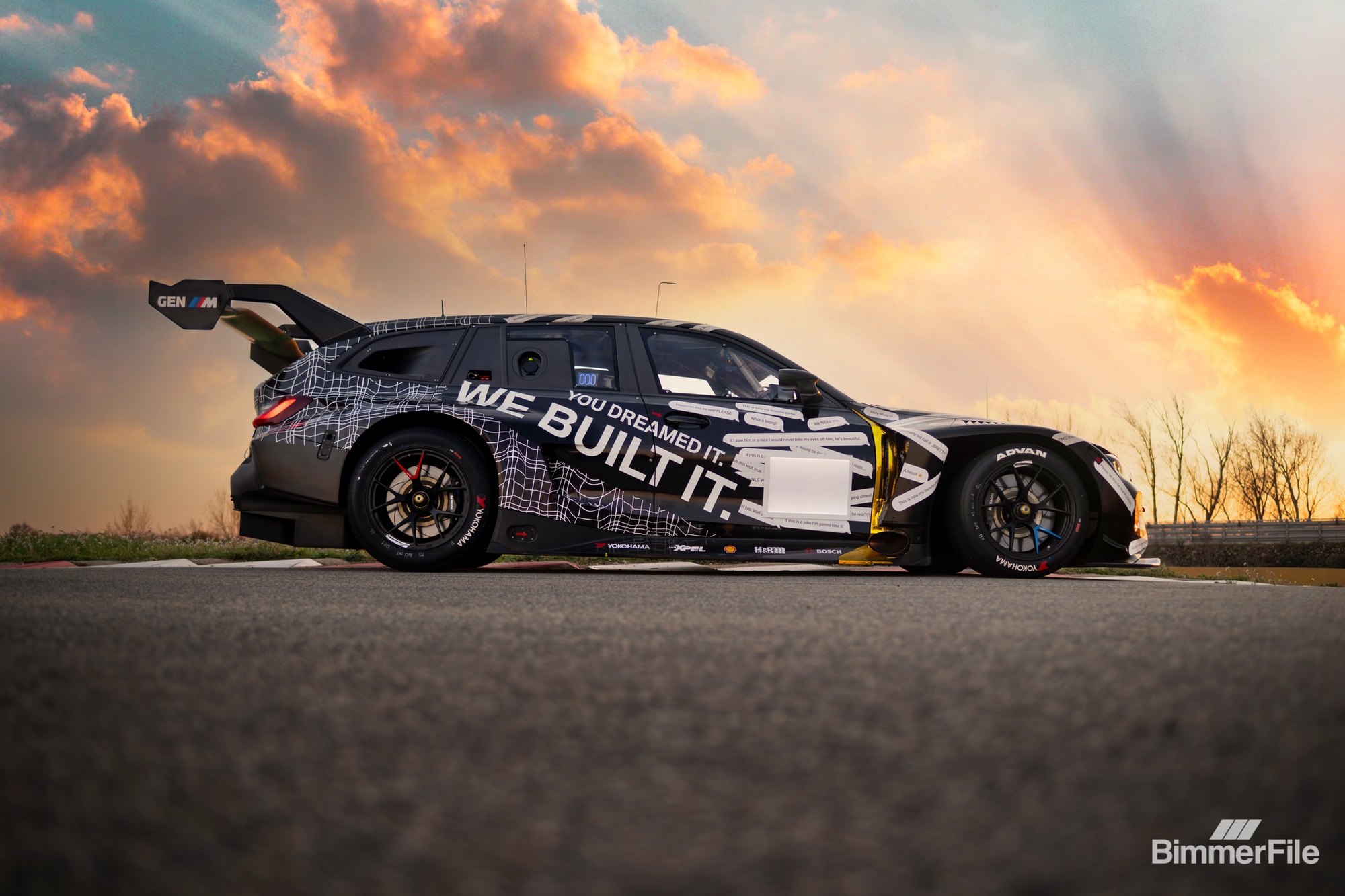
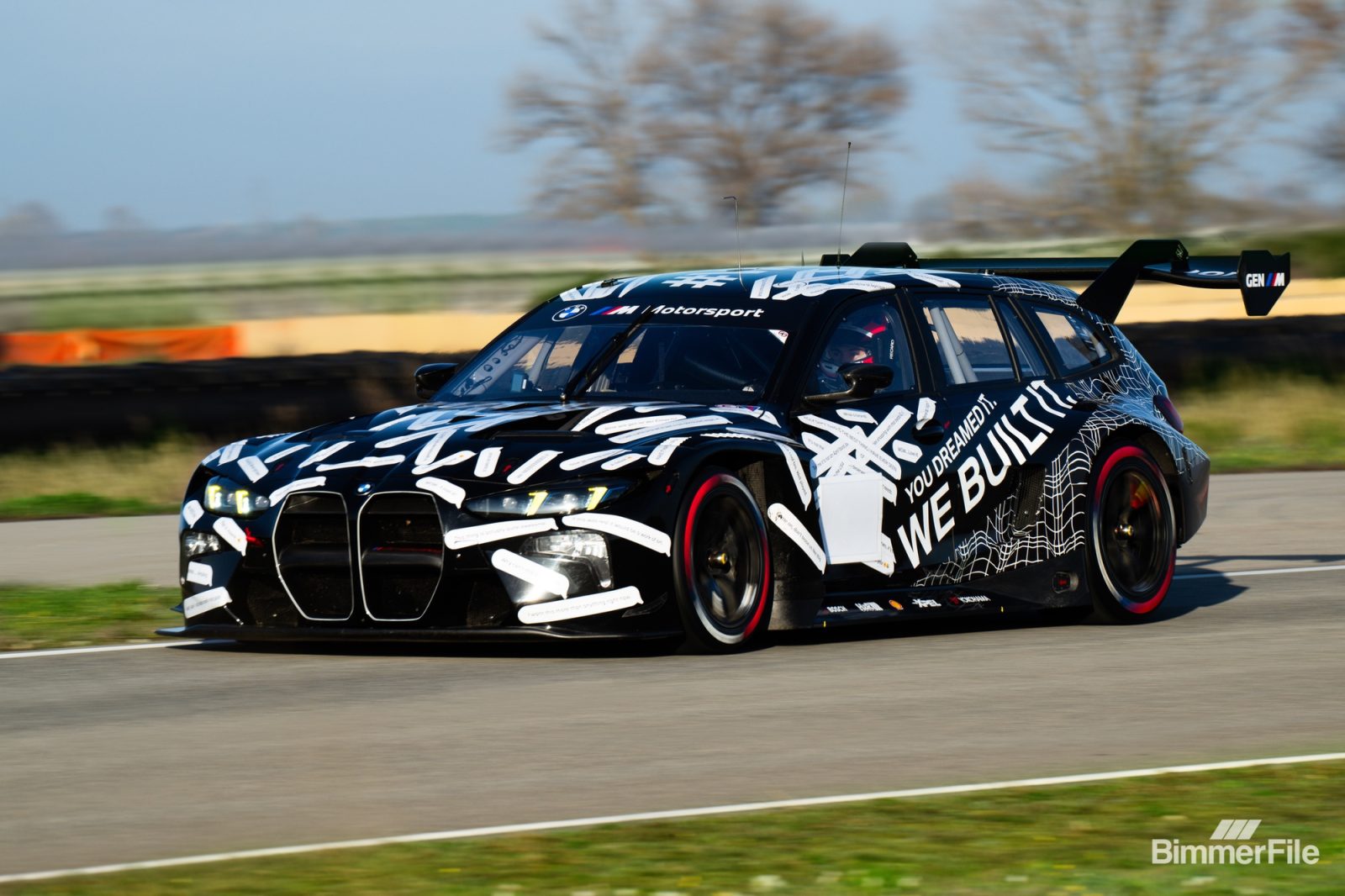
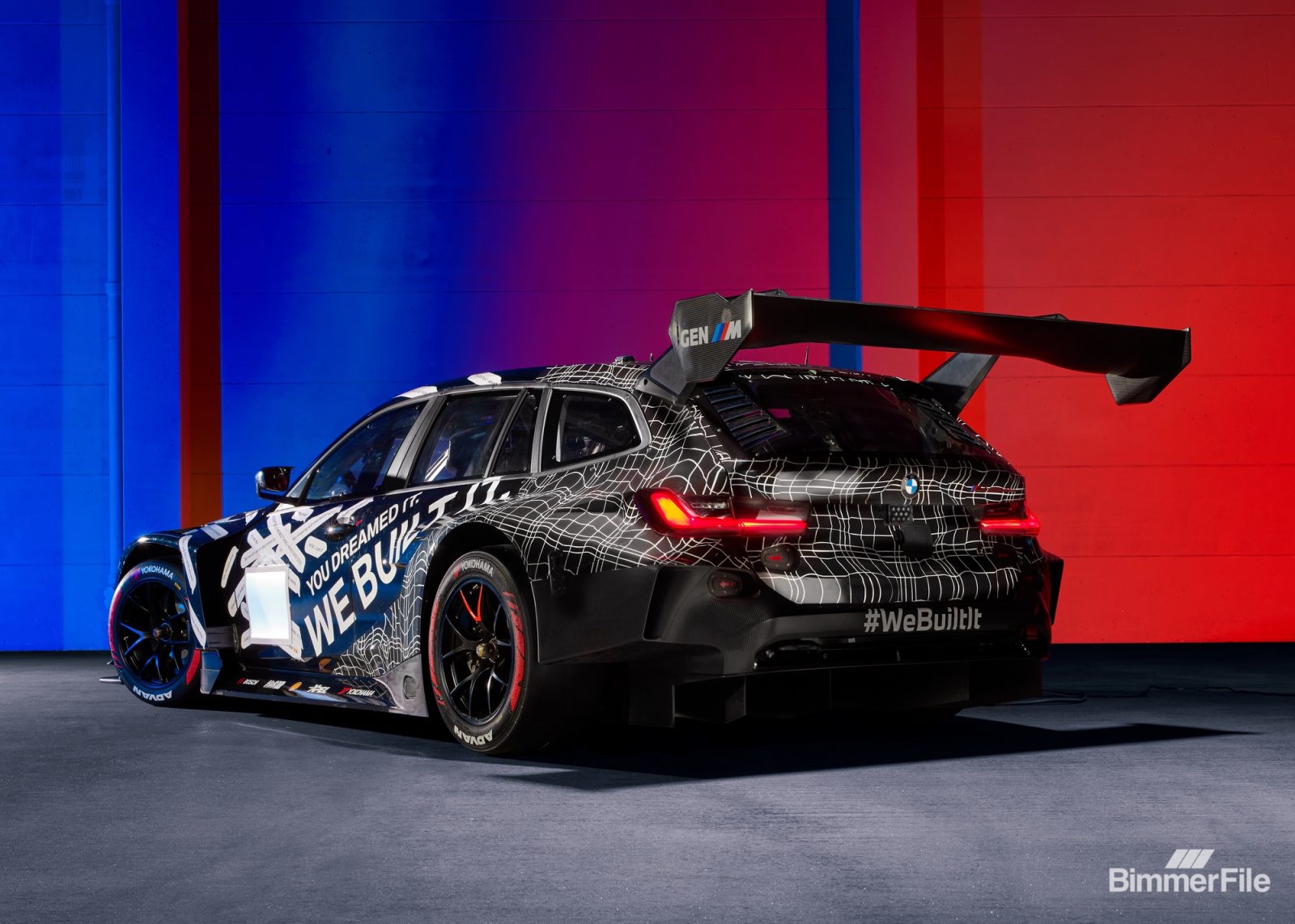
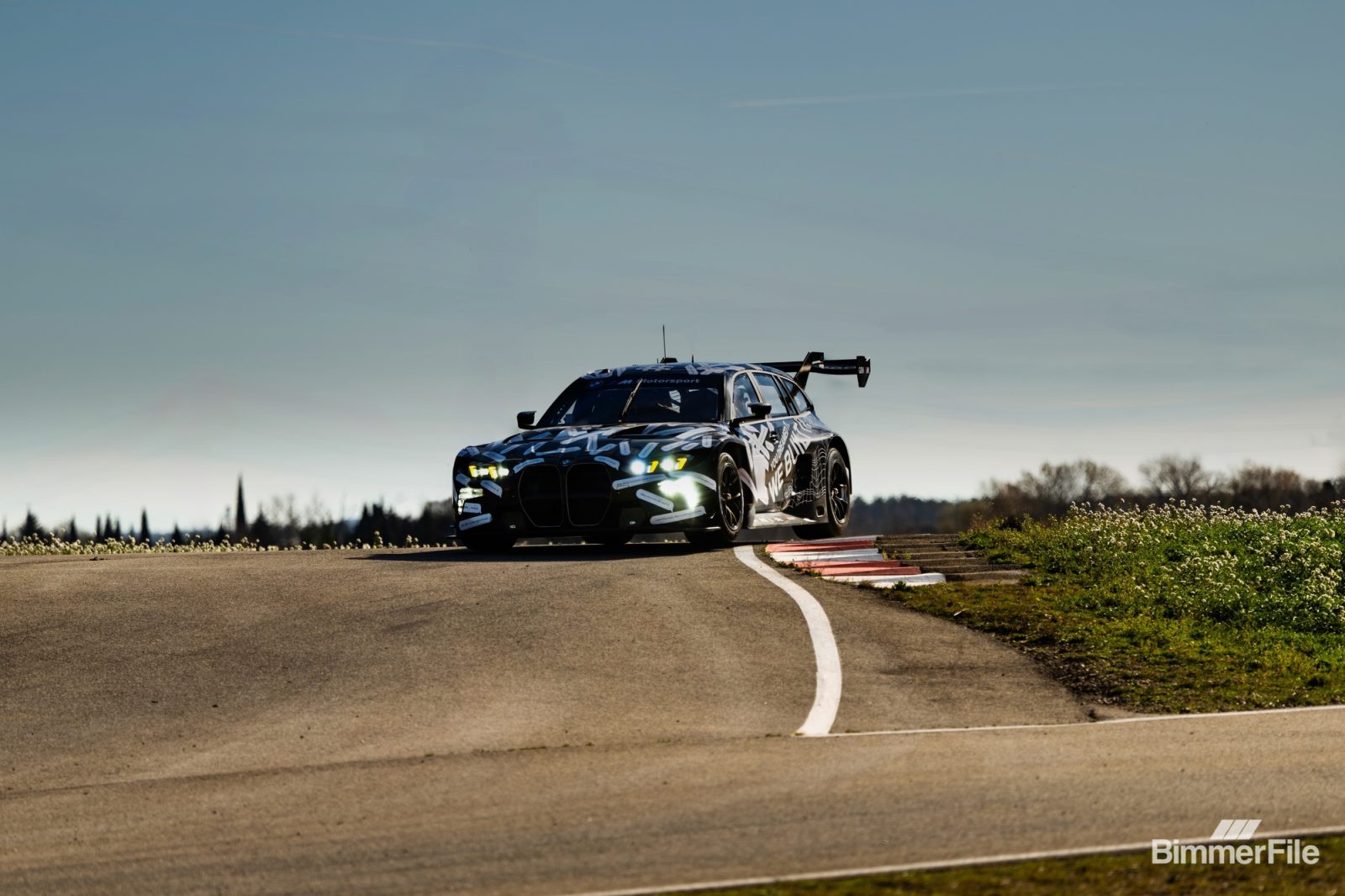
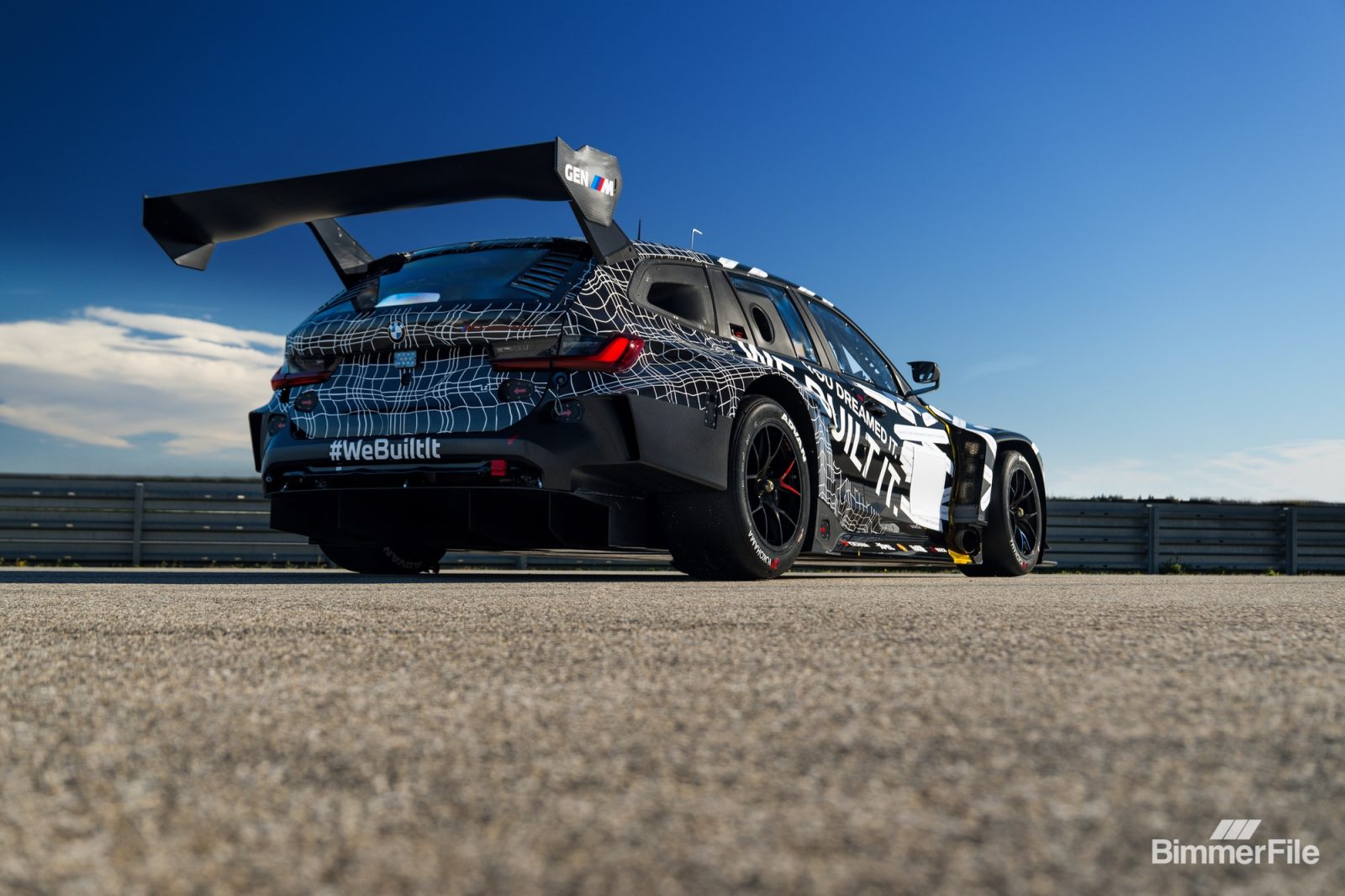
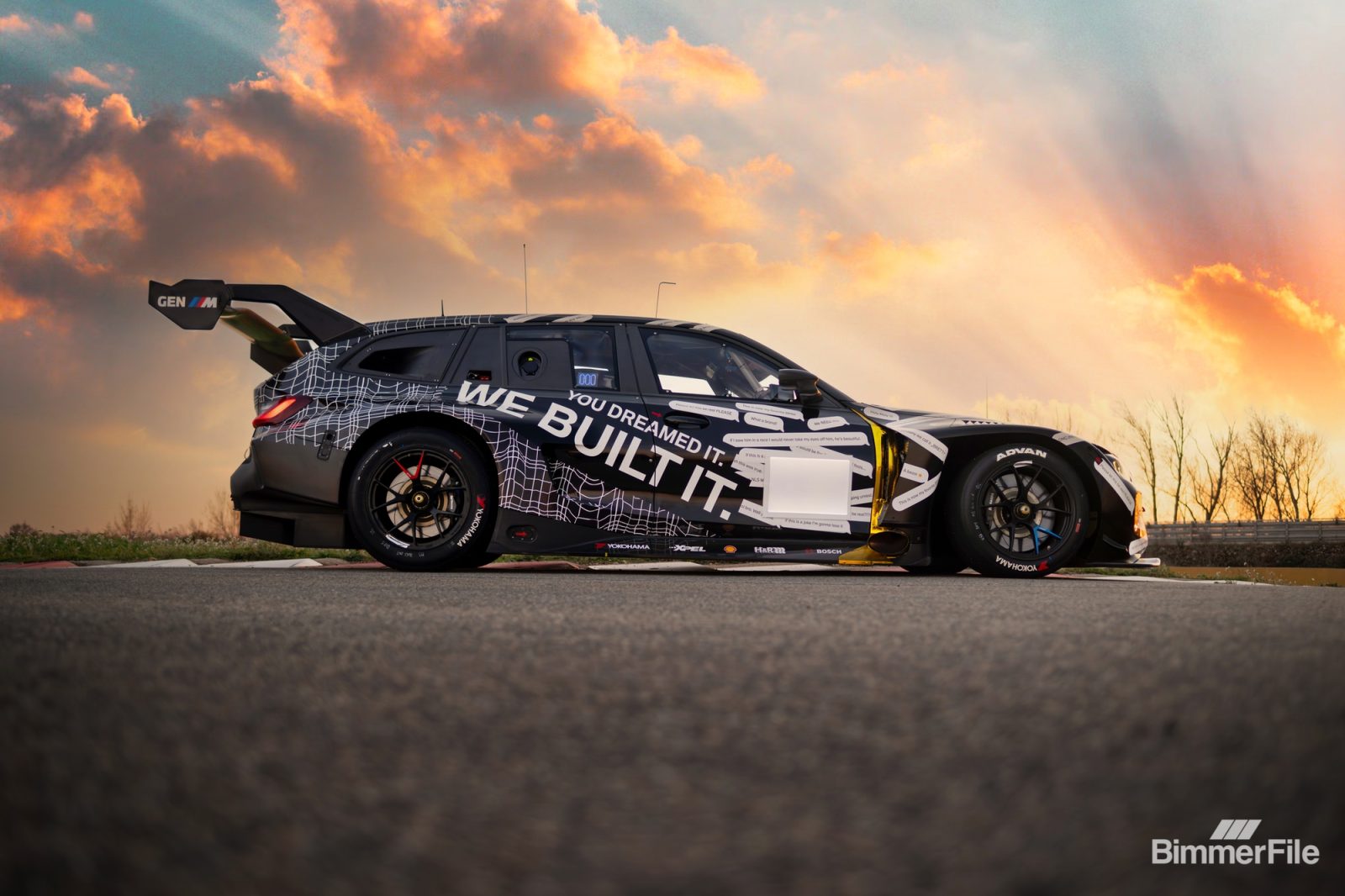
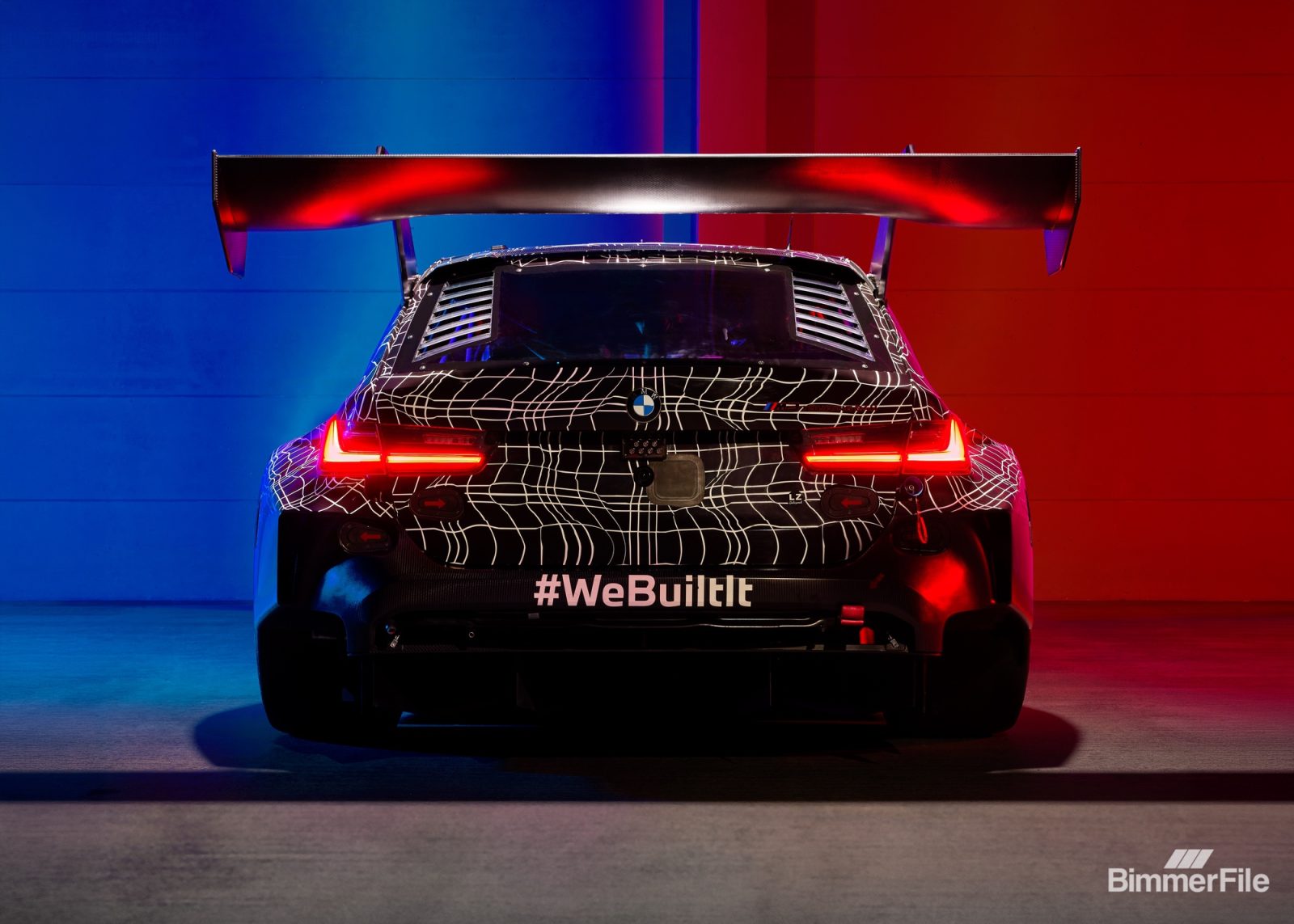
That is exactly what happened with the BMW M3 Touring and the race-ready BMW M3 Touring 24H. What began as an April Fools’ post in 2025 has now turned into a real race car that will compete in the 24 Hours of Nürburgring in 2026.
BMW is sending a long-roof M3 to the most demanding endurance race in the world, and the whole thing started as a joke.
The joke that refused to die
The story began on April 1, 2025 when BMW M Motorsport shared images of a supposed racing version of the M3 Touring. The concept was simple and slightly ridiculous. It showed a GT-style racing wagon prepared for the Nürburgring.
Fans immediately loved it.
The post reached more than a million people and generated enormous engagement across BMW’s social channels. The reaction was strong enough that the idea started circulating internally within BMW M Motorsport. Engineers and decision makers began asking the same question enthusiasts were already asking.
What if the racing wagon actually happened?
By the summer of 2025 the project was approved. Eight months later the BMW M3 Touring 24H became a real car rather than a marketing gag.
A touring body with GT3 foundations
Despite the practical wagon silhouette, the race car underneath is serious motorsport machinery. The M3 Touring 24H shares much of its technical foundation with the BMW M4 GT3 EVO, which currently represents BMW at the highest level of GT racing.
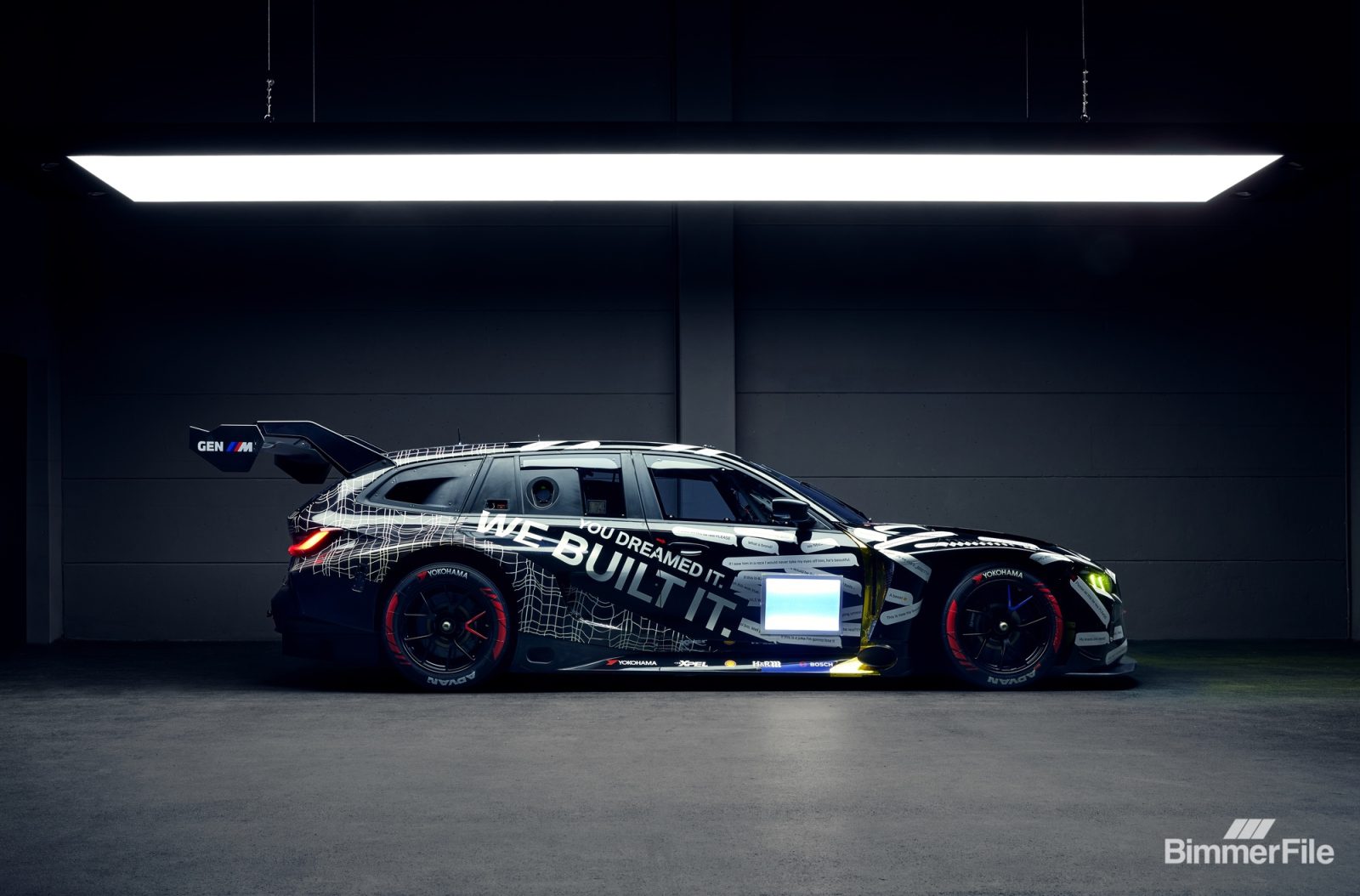
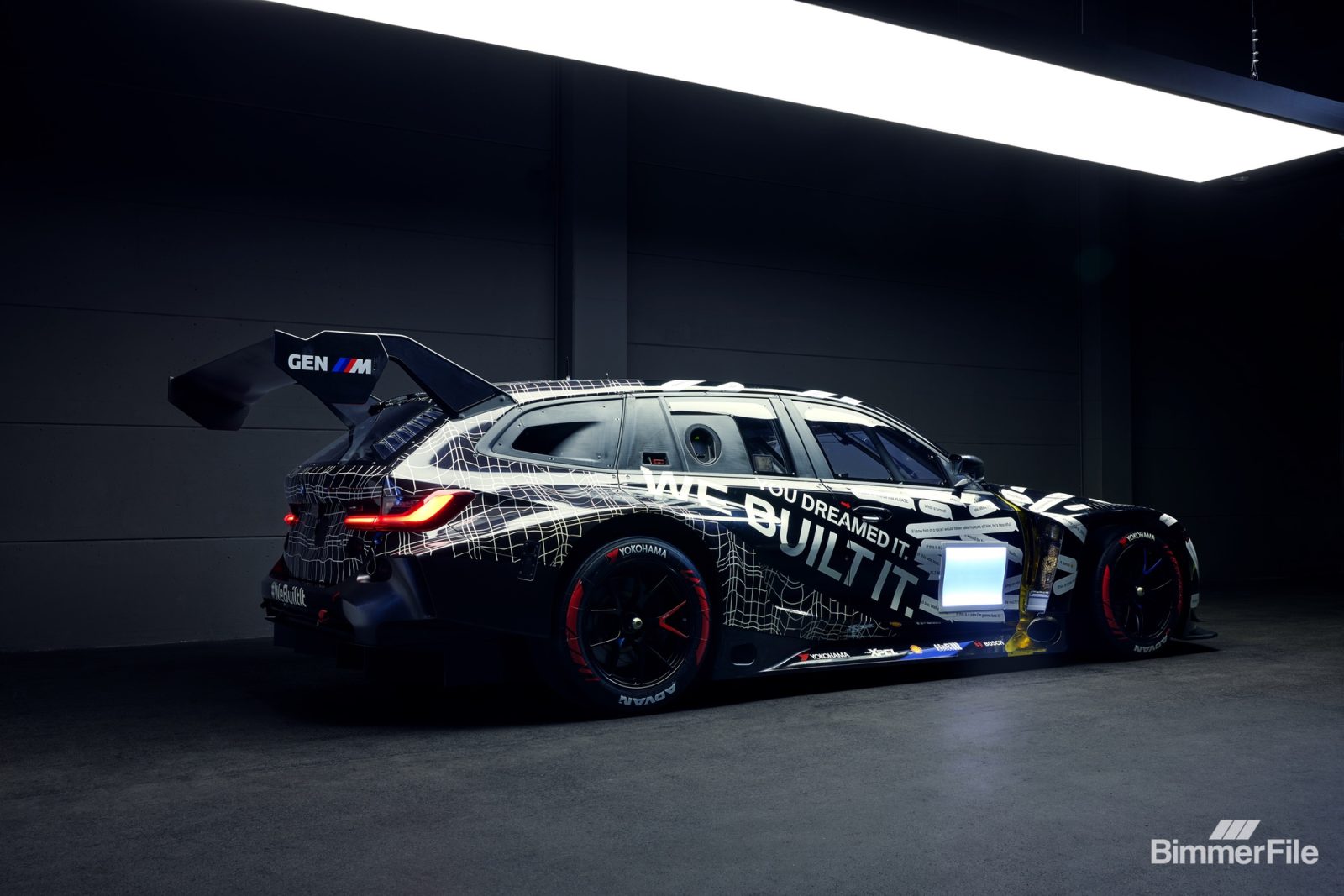
The most obvious difference is the bodywork. The Touring shell comes from the road-going G81 M3 Touring, which means the race car carries the extended roofline and longer rear section of the wagon.
That change alters the proportions slightly compared with the GT3 coupe. The Touring race car is about 200 millimeters longer and sits slightly taller once the race aerodynamics are installed. Everything underneath remains pure race car engineering including endurance cooling, motorsport suspension, and the aerodynamic hardware required to survive the Nordschleife at full speed.
The result is something unusual. It is a full GT race machine wearing the shape of a family wagon.
Built for Nürburgring fans
BMW is not pretending this project exists purely for competitive reasons. The company openly describes the car as a tribute to its Nürburgring fanbase and the enthusiasm surrounding the M3 Touring itself.
That connection even appears on the car’s livery.
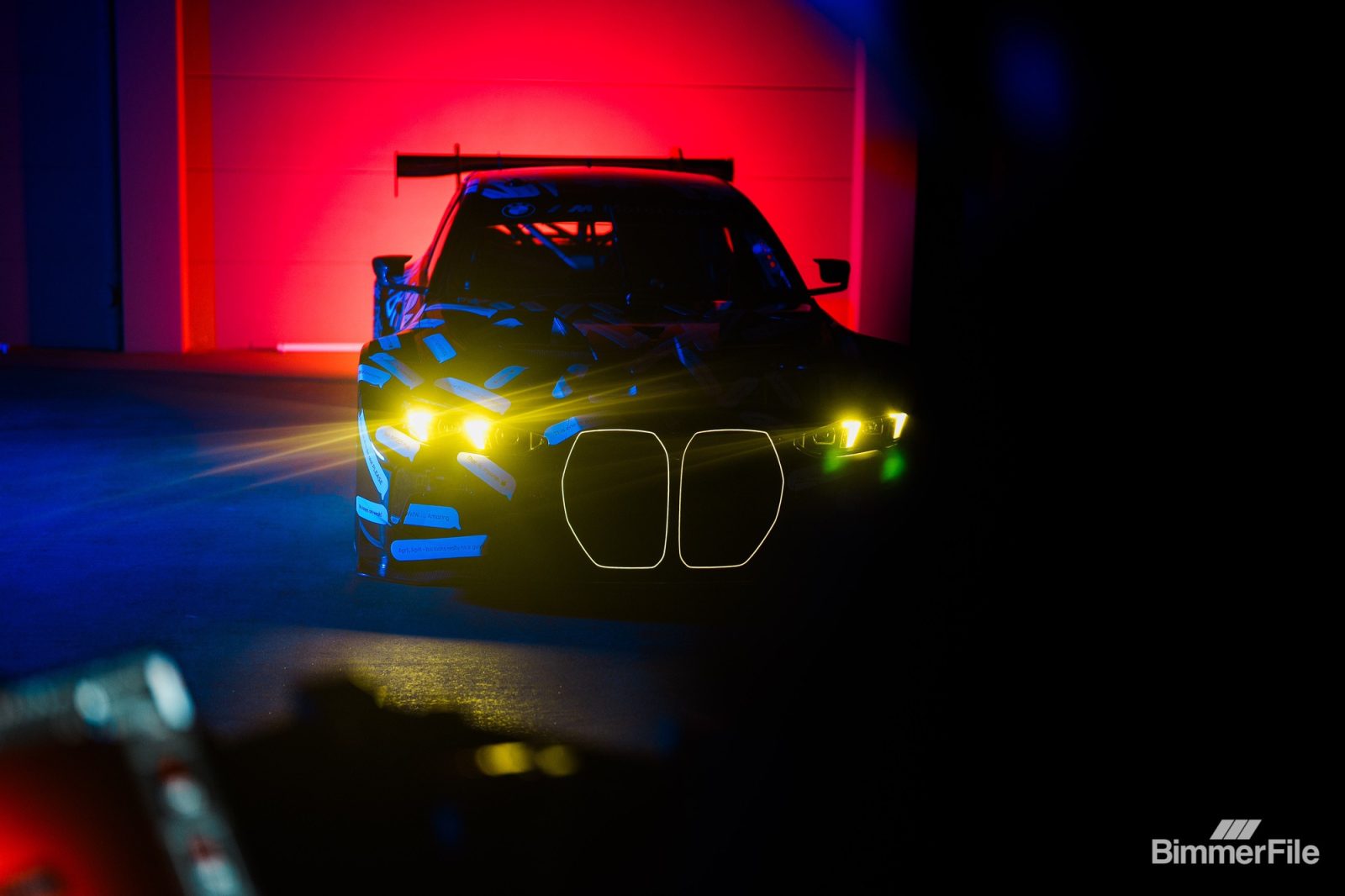
For its early Nürburgring races the M3 Touring 24H will feature selected comments taken directly from the original April Fools’ social media post. The design literally incorporates fan reactions that helped inspire the car in the first place.
The final livery for the 24-hour race will be different, but the message remains the same. This project exists because enthusiasts wanted it to exist.
Nürburgring preparation
Before tackling the main event, the car will make its competitive debut in the Nürburgring Langstrecken-Serie. The championship serves as the proving ground for cars and teams preparing for the 24-hour race.
The program will be run by Schubert Motorsport, one of BMW’s most experienced partners in endurance racing.
Four BMW M works drivers will share driving duties throughout the program. The lineup includes Jens Klingmann, Ugo de Wilde, Connor De Phillippi, and Neil Verhagen.
The car will compete in the SPX class rather than the top GT3 category. That means it will not be directly fighting for the overall win against BMW’s M4 GT3 entries. Instead it will run as an experimental entry that highlights the unusual concept and entertains Nürburgring fans.
A very BMW kind of idea
There is something unmistakably BMW about this entire story. Take a practical wagon that enthusiasts already love, give it serious motorsport hardware, and throw it into one of the toughest endurance races in the world.
The result is playful, slightly absurd, and deeply rooted in enthusiast culture.
In an era when many automotive headlines revolve around efficiency charts and software updates, a racing wagon feels refreshingly old school. It exists because people thought the idea was cool.
A fast BMW wagon attacking the Nordschleife for 24 hours may have started as a joke. Now it is one of the most entertaining entries heading to the Nürburgring in 2026.
Deliveries of the Ferrari F80 commenced last year around Christmas. Since then, the carmaker has delivered several customer cars in Europe and the Middle East. Now, one of the first US-spec Ferrari F80s has been delivered.
This F80 is part of Steven Victor’s collection and will be based in Greenwich, CT. However, it probably isn’t the first one in the United States, as there have been reports of sightings elsewhere in the country.
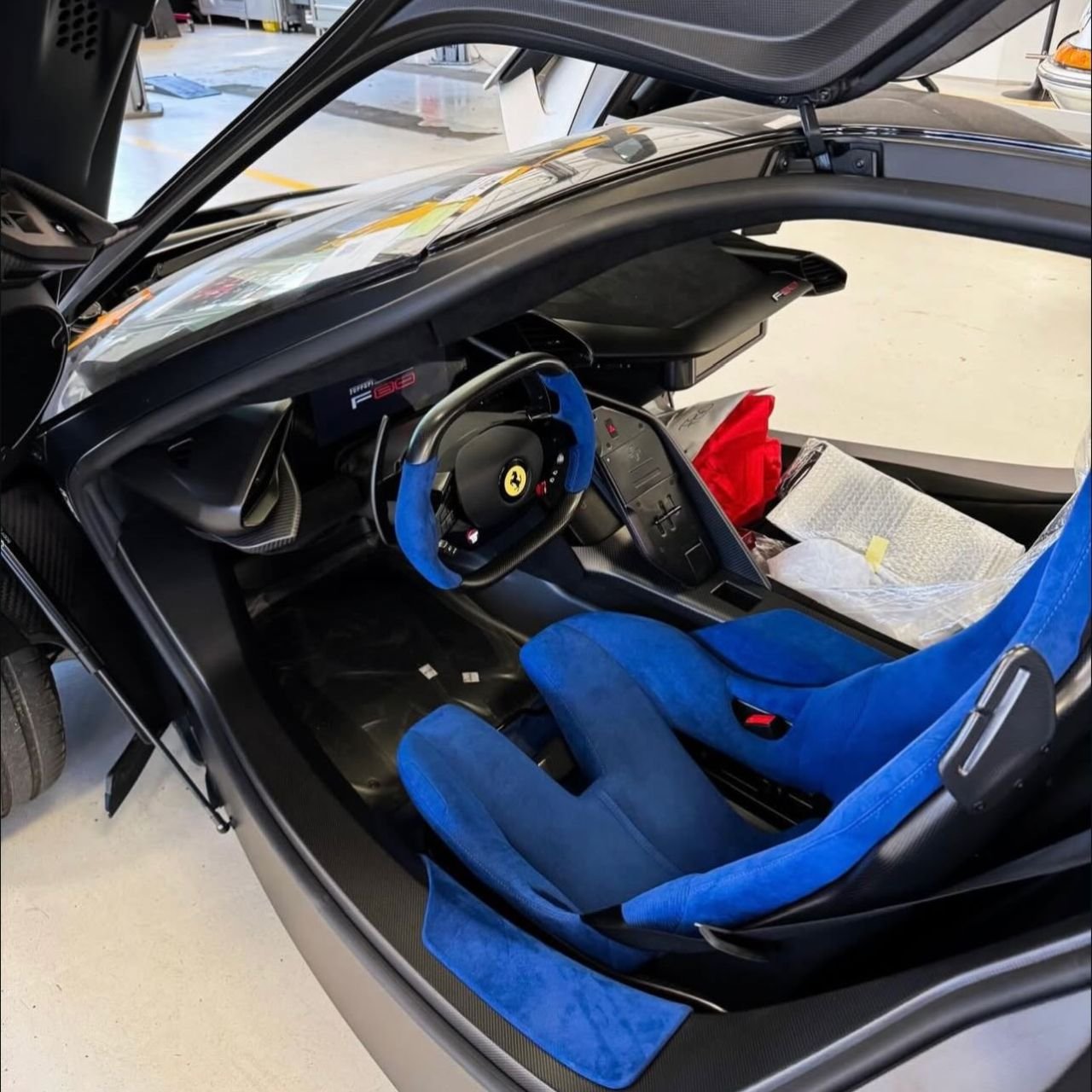
The car is finished in Alluminio Opaco, a shade of light grey with a matte finish, and has a blue Alcantara interior. Victor also owns a similarly specced LaFerrari and Daytona SP3.
The F80 uses a 3.0-liter twin-turbo V6 engine that produces 900 hp. The internal combustion engine is paired with an electric front axle and an F1-derived MGU-K, which adds another 300 hp, taking the total output to 1200 hp.
Ferrari claims a 0-62 mph time of 2.15 seconds. 0-124 mph comes up in 5.75 seconds, and it can reach a top speed of 217 mph. Deceleration is equally brisk. From 62 mph, the F80 will come to a standstill in just 28 meters.
FINDING a travel trailer that works for the whole family and feels genuinely luxurious usually means giving something up. You usually get bunks but lose floor space, or you get a luxury kitchen but lose storage. However, the 2026 Forest River Salem Hemisphere 310BHI is one of my favorite bunk room travel trailers of the year because it does both.
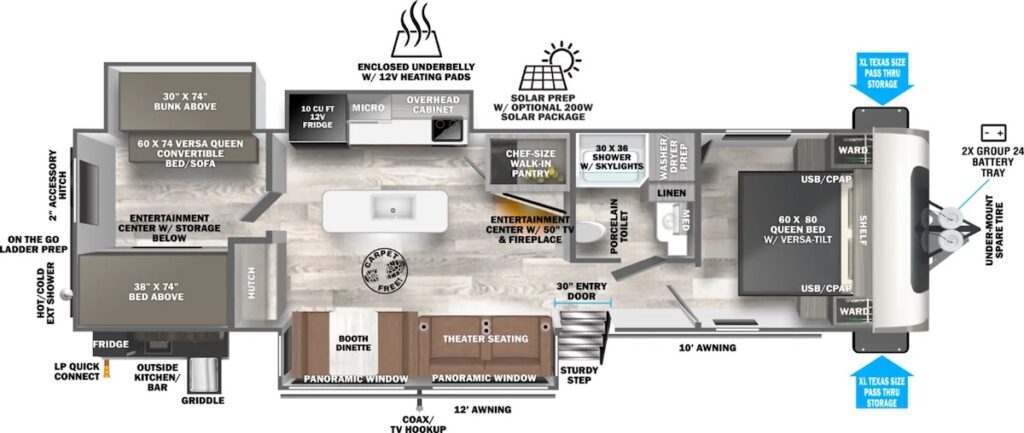
The floor plan includes three slide-outs, a dedicated bunk room, and construction features usually reserved for high-end fifth wheels—like a fiberglass roof and drop-frame storage. In short, the 310BHI is designed for the family that lives life to the fullest on the road. Whether you are chasing the Bourbon Trail with friends or taking the kids on their first national park tour, this bunk room travel trailer is built to be the ultimate basecamp.
Key Takeaways
High-End Construction: Features a full fiberglass roof and massive drop-frame “basement” storage—premium upgrades typically reserved for luxury fifth wheels rather than travel trailers.
Spacious & Versatile Layout: The three-slide floor plan includes a dedicated rear bunk room for kids or guests and a “fifth wheel style” island kitchen designed for real meal prep.
Superior Amenities: Equipped with a 60K BTU on-demand water heater, an expansive outdoor kitchen and bar, and dual camp-side awnings to create a true luxury basecamp.
2026 Salem Hemisphere 310BHI Specs at a Glance
Image by Forest River
Length: 38’1”
Hitch Weight: 1,245 pounds
Dry Weight: 9,333 pounds
Cargo Capacity: 2,112 pounds
Exterior Height: 11’8”
Fresh Water Capacity: 45 gallons
Gray Water Capacity: 66 gallons
Black Water Capacity: 30 gallons
Awning Size: 10’ & 12’
Yes, it’s one of the largest travel trailers out there, meaning it will require a heavy-duty pickup with sufficient towing and payload capacities. To me, we’re talking an F-250, Silverado 2500, RAM 2500, or larger. Once you load camp gear, you’ll want that extra capability for smooth, safe travels.
That said, you get good holding tank sizes for a family trailer, and the dual camp-side awnings create a comfortable outdoor living space.
Why the 2026 Hemisphere 310BHI Wins
To me, the 2026 Forest River Salem Hemisphere 310BHI is a masterclass in layout design. It understands that a family RV needs versatility as much as it needs non-negotiables like a kitchen that handles real meals, a living room capable of hosting movie nights, and construction that handles the rigors of the road.
By including high-end features such as the fiberglass roof, prep for a third air conditioner, and massive drop-frame storage, Forest River has created one of the year’s best bunk room travel trailers. That’s not to mention the heated and enclosed underbelly or the optional solar package for those looking to extend their camping season or enjoy more comfortable off-grid trips.
Let’s explore in detail what else I love about the exterior of this Salem Hemisphere next.
Exterior Features
Image by Camping World
Because I’m a bit of a technical RV junkie, I took a close look at the 310BHI’s construction. While most travel trailers in this class utilize a rubber or TPO roof, Forest River has equipped the Hemisphere with a full fiberglass roof. This is a massive upgrade for long-term durability, providing better protection against debris, easier maintenance, and improved leak resistance throughout the RV’s life.
But one of the first things I noticed was the massive basement storage. Thanks to the drop-frame construction, the storage compartment is significantly deeper than a standard travel trailer. This means you likely won’t struggle to jam everything in. You actually have the vertical clearance for zero-gravity camp chairs, large coolers, and all the “stuff” that comes with traveling with kids.
And while the roof is a great upgrade for longevity, a trailer of this size requires stability on the road—which is likely why the 310BHI engineers paired wide-stance axles with the BAL® suspension system. This setup significantly reduces “porpoising” (that rhythmic bouncing sensation) and provides a much smoother ride. It’s a confidence-inspiring setup for those long stretches of highway between destinations.
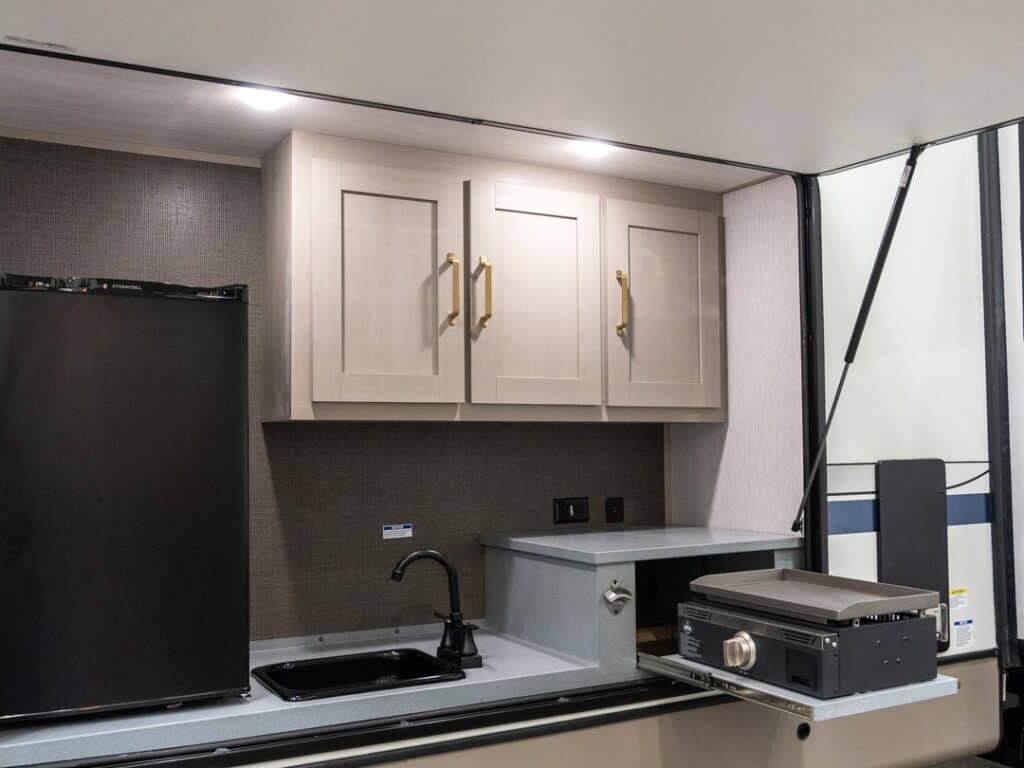
Finally, the kitchen is the heart of the 310BHI, and it’s one of the best in its class. It features a full outdoor “kitchen and bar,” complete with a pull-out grill/griddle combo, a dedicated beverage fridge, a plumbed sink, a bottle opener, excellent upper-cabinet storage, and aluminum countertops for easy meal prep.
Pro Tip: Cooking outside keeps the smells and heat out of the main cabin. Plus, the layout allows the chef to keep an eye on the kids playing in the grass while keeping a cold drink within arm’s reach.
All that to say, we haven’t even mentioned the power stabilizers and tongue jack for easier setup, ladder prep for easier roof access, and laminated sidewalls with block foam insulation for added durability and cold-weather protection.
Let’s see if the interior layout really suits families like mine.
Living Area
Images by Camping World
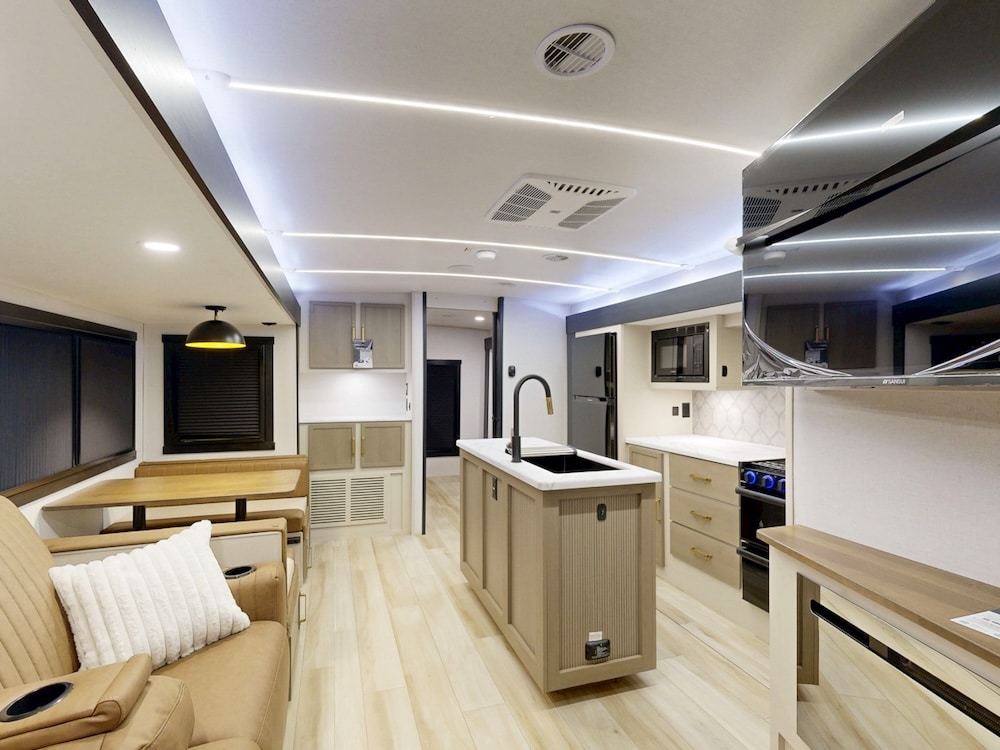
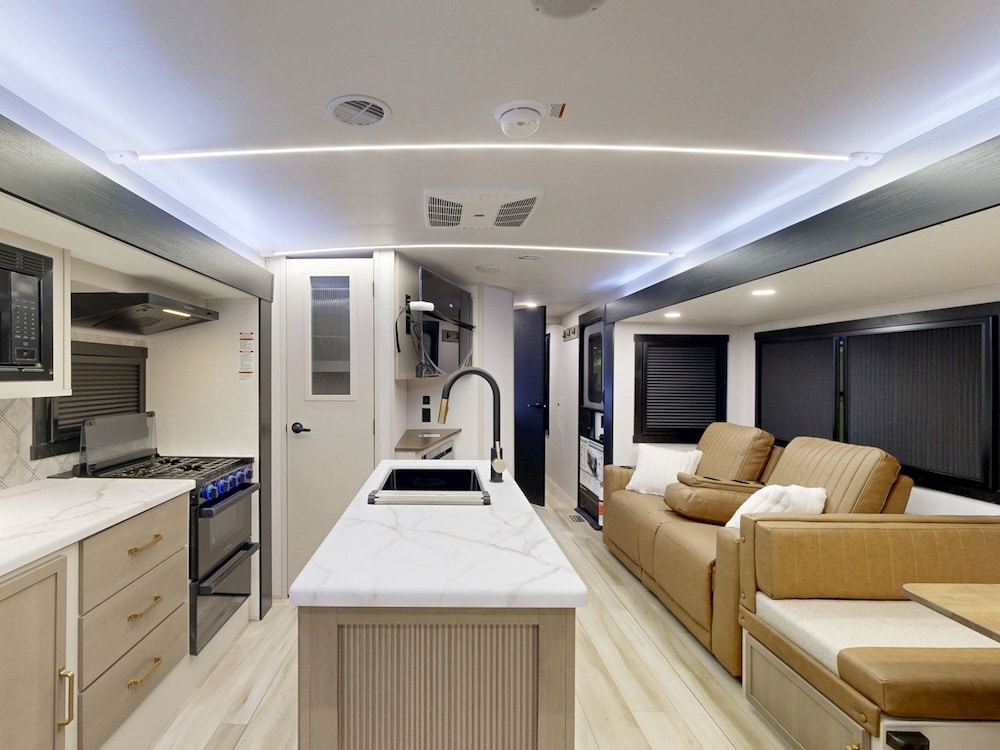
Right out of the gate, the opposing slides in the main living area stand out. By pushing the kitchen and the dining/seating areas outward, they create a massive main room where families can actually move past one another without turning sideways or bumping elbows.
The dinette is also a centerpiece for family connection. It’s definitely deep enough for four to eat comfortably, and maybe more depending on how small the kids are. My one downside might be that they didn’t upgrade to a legless dinette style, since I always seem to knock my knees into these, but the larger tablet provides plenty of room for bigger board games and snacks.
The windows in the Hemisphere sit flush against the wall, which makes it much more comfortable to throw pillows right up against the wall in the dinette, so the whole family can enjoy movie night. Parents enjoy the theater seating, and kids pile into the “dinette lounge.”
Across from the theater seats, the electric fireplace adds ambiance and functional heat. It’s the perfect companion to the ducted heating system, helping take the chill off on cooler days.
Pro Tip: If your RV thermostat is right above the electric fireplace, it may create what I like to call a “climate imbalance.” The air above the fireplace will be much warmer than the rest of your RV, but the thermostat only registers ambient temperature in its immediate vicinity. Use that fireplace strategically to ensure the furnace kicks on regularly and you aren’t heading into a chilly bedroom or bunk room after movie night.
Next, let’s examine how this Salem Hemisphere travel trailer’s kitchen can handle family meals.
Kitchen
Image by Camping World
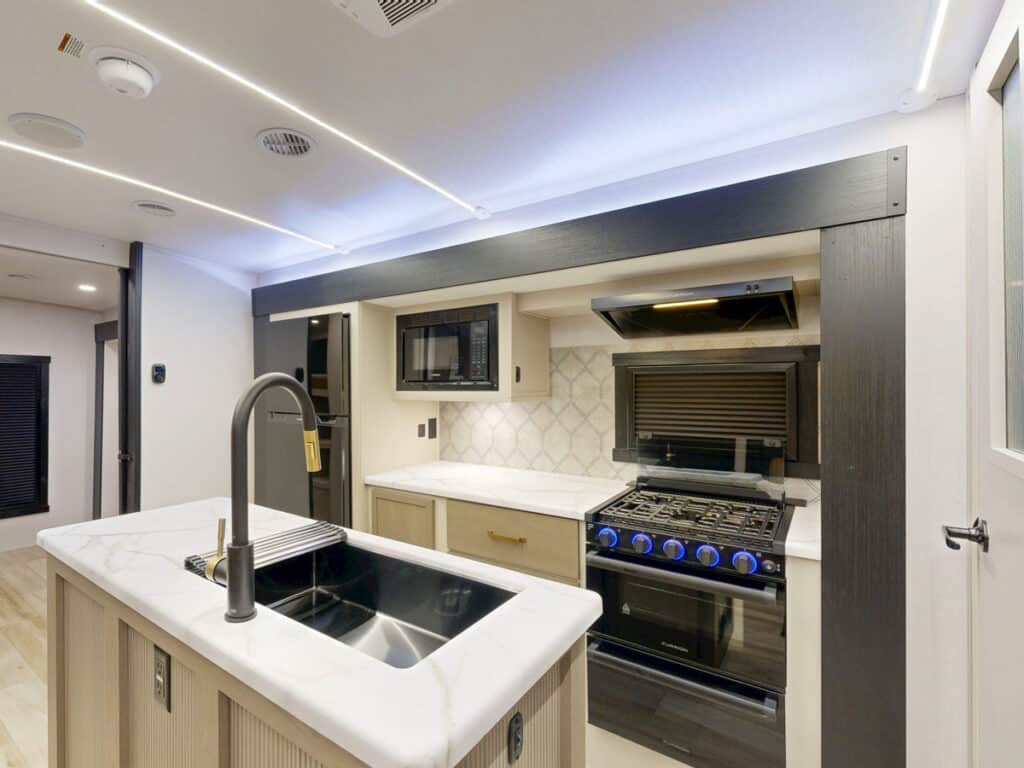
As someone who’s been scarred by prepping full family meals on tiny RV counters, I love how “fifth wheel” this trailer’s kitchen layout feels. The central island provides a massive workspace that is 100% necessary when cooking for four or more people. Plus, there’s all this prep space to the left of the range.
And speaking of that, it’s a residential-style range with a true gas oven and storage for pots and pans down below. It provides the ideal camp kitchen workflow: prep on the island, cook on the stove, and plate on the side counter.
The feature that surprised me most was the massive pantry. In smaller RVs, our dry goods tend to clutter countertops or get stuffed into overhead cabinets. This floor-to-ceiling pantry makes it easier to keep the kitchen clean and organized. From cereal boxes to small appliances, I’d store a lot in here.
Finally, as a coffee—and cocktail—lover, I love that the Hemisphere team rounded out this kitchen design with a dedicated bar area. It offers enough counterspace and outlet access to house an espresso machine and a Keurig simultaneously, and abundant upper and lower storage for all my preferred morning and evening beverage supplies.
Now, I know I’ve been talking a lot about what I like, but a huge selling point of this trailer for me is the space for the kids.
Bunk Room
Image by Camping World
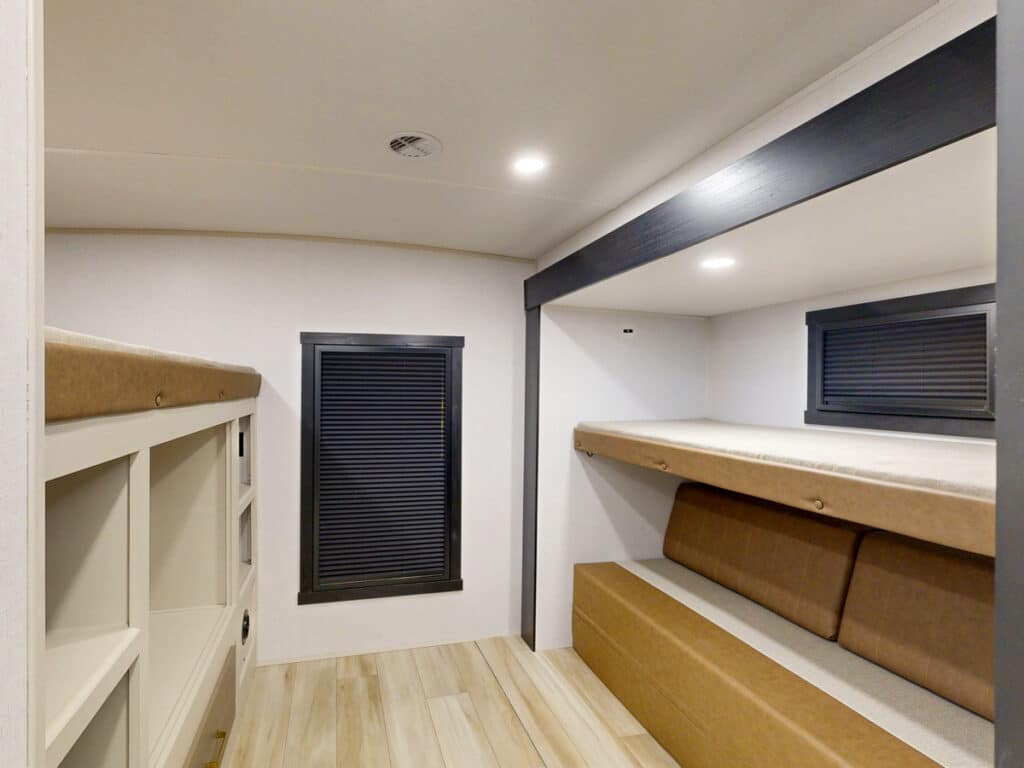
I love the versatility of the rear bunk room. My kids will love playing games or watching movies back here just as much as I know they’ll be comfortable sleeping. As a family, we just got the NEX Playground, and this bunk room’s entertainment center is perfectly suited for that.
But this bunk room’s design makes it surprisingly versatile for adult guests as well. Because the lower sofa converts to a 60” x 74” bed, I could easily see a couple of friends enjoying it as a comfortable, private space on a festival or wine-tasting weekend.
So this Salem Hemisphere checks my boxes for kid and guest comfort, but I’m ready to look more closely at where I’ll be getting my sleep. Thankfully, it’s all the way at the other end of the trailer!
Main Bedroom
Images by Camping World
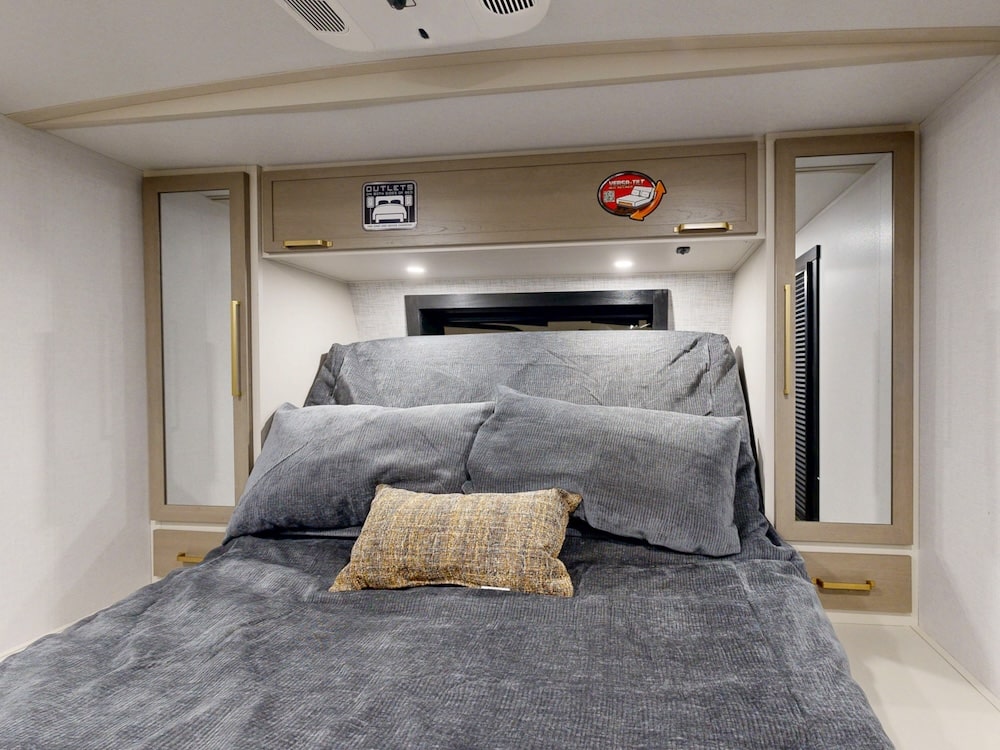
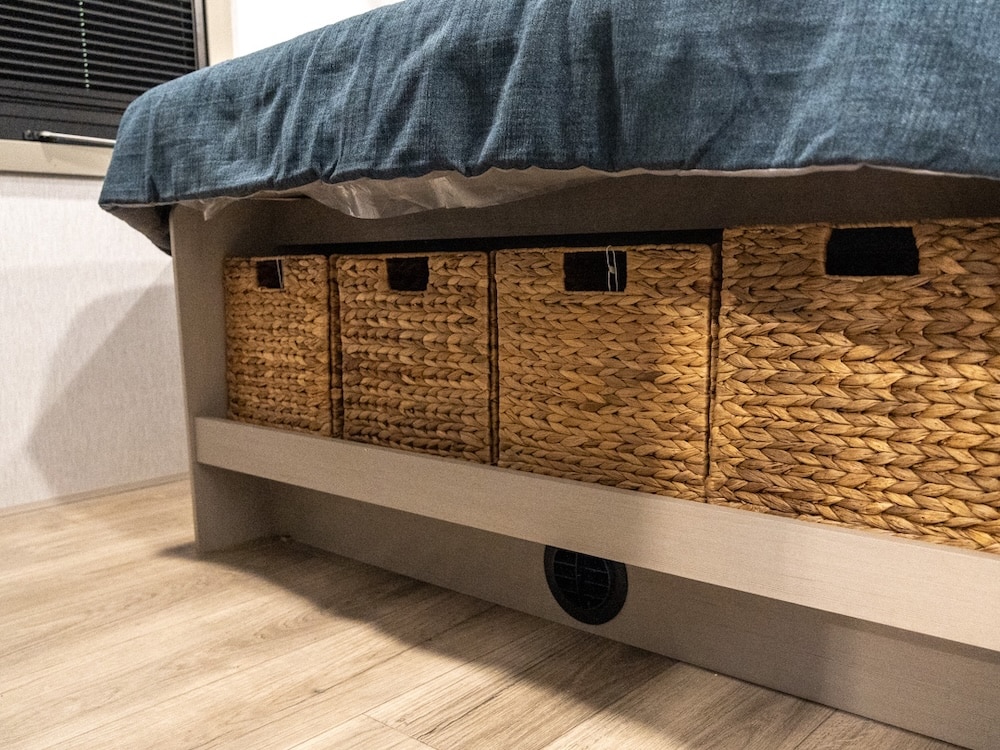
The primary bedroom features a residential-sized queen bed (60” x 80”). While many manufacturers try to cram a king bed into these spaces, there are reasons why I actually prefer a queen bed. It preserves the “walk-around” space on both sides, so you don’t have to shimmy along the wall to reach the closets. Plus, and maybe this is an overshare, I actually like to cuddle with my partner at night, and I find that king beds have almost too much space to roll apart.
As a CPAP user, I really appreciate this cut-out in the bedside wardrobes. It allows me to place the machine at the back of the wardrobe, plug it in, and route the mask and tubing through the cut-out while still being able to close the wardrobe door.
And to further ensure a good night’s sleep in any climate, there’s a dedicated bedroom air conditioner. In fact, this Forest River camper comes with two A/Cs standard and is prepped for a third—a rarity in the travel trailer market that ensures you stay cool even in the middle of a Texas summer.
To round it out, the additional closet at the foot of the bed comes with washer-dryer prep. It’s a game-changer. Instead of hauling bags of dirty clothes to a laundromat, we can handle spills and muddy outfits in real time, allowing us to pack lighter and stay out longer.
Bathroom
Images by Camping World
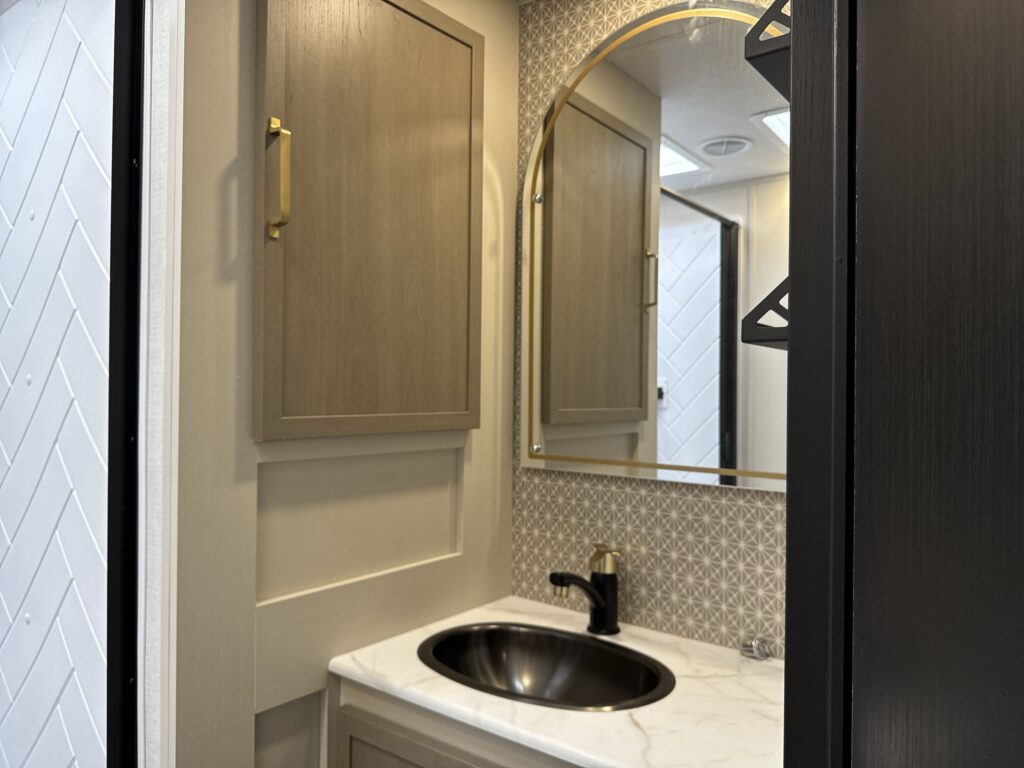
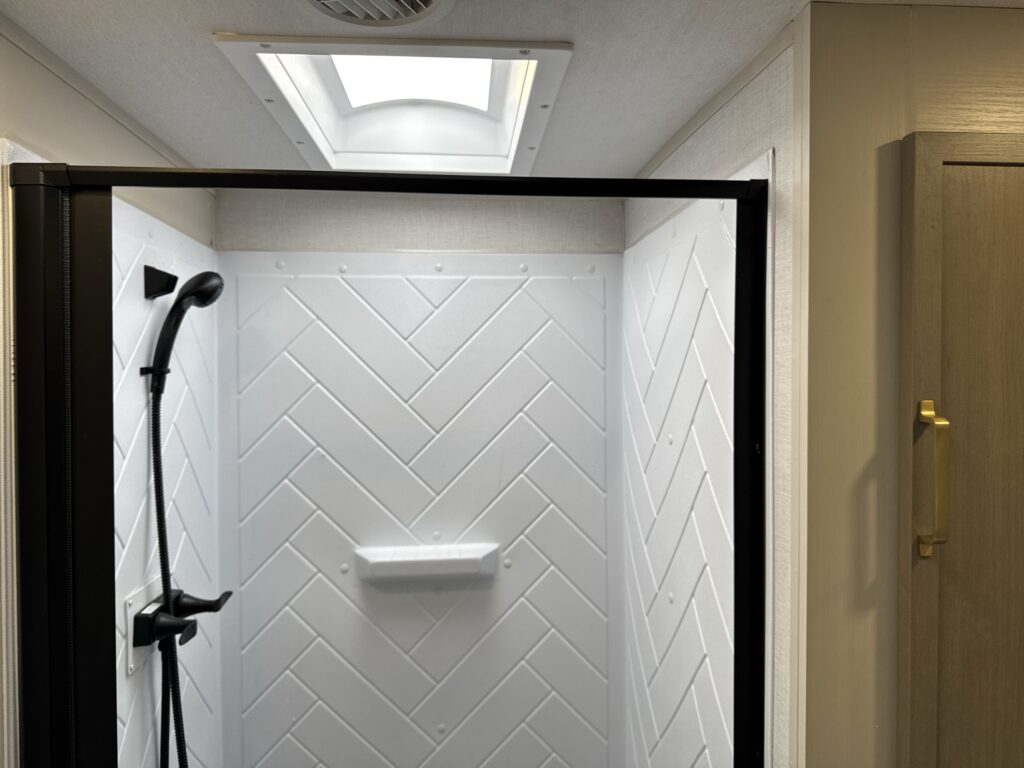
Admittedly, I’m typically one to prioritize function over form, but I think this bathroom proves that utility doesn’t have to be ugly. The elegant backlit mirror and stylish accent wall almost give it a boutique hotel feel.
The standout feature here is the 60K BTU on-demand water heater. This is the larger of the two common RV options, and it means the “cold shower” struggle is a thing of the past. Especially since this is the only bathroom in this camper, that upgraded heater is critical for our family to shower back-to-back-to-back without running out of hot water.
Additional thoughtful touches include:
Linen Storage: Dedicated space for towels and toiletries.
Trash Can Space: A specific nook for a skinny trash can, so it isn’t sitting in the middle of the floor.
Height: A tall shower ceiling that gives me plenty of room to stand comfortably, even if my head isn’t directly beneath the skylight.
Final Verdict
Whether you’re traveling with a pack of kids or hosting friends for a tailgating weekend, the 310BHI provides the space, luxury, and durability to make every trip a success. The 310BHI is one of those rare trailers that doesn’t ask you to compromise. The space works, the kitchen delivers, and the build quality backs it up. If you’re in the market for a bunk room trailer that can genuinely do it all, this one belongs on your shortlist.
Ready to see the 310BHI in person?
Compare other Forest River Salem Hemisphere floor plans.
Curious about our other in-depth RV reviews? Check out our top selections:
What’s your take on the 2026 Salem Hemisphere 310BHI? Let us know in the comments below!
Ian Baker is a Camping World Product Expert. On any given day, you can find him filming tutorials to help new and existing RV owners use and care for their campers, reviewing the newest RV models, and exploring behind-the-scenes of the RV manufacturing process. He’s also a Dad, Gym Lover, Avid Reader, Voiceover Master, and last, but certainly not least, a Bourbon Aficionado.
The new PWRcell 2 Energy Storage System from Generac has earned the prestigious 2025 GOOD DESIGN Award, recognizing the brand’s home battery products for their stand out design, functionality, and sustainability.
While Generac is one of the best-known names in the backup generator business, it’s important to note that but they’re not taking the electric revolution lying down – and they don’t see this as a major focus-shift, either. The company has built its reputation on keeping the lights on when the grid goes down, and that’s exactly what they’re doing now. With batteries.
“The Generac PWRcell pairs well with solar panel systems, especially if your utility has reduced or removed net metering, introduced time-of-use rates, or instituted demand charges,” says EnergySage Director of Insights, Emily Walker. “Installing a storage solution like the Generac PWRcell with a solar energy system allows you to maintain a sustained power supply during the day or night as long as you store enough power from your solar panels when the sun is shining.”
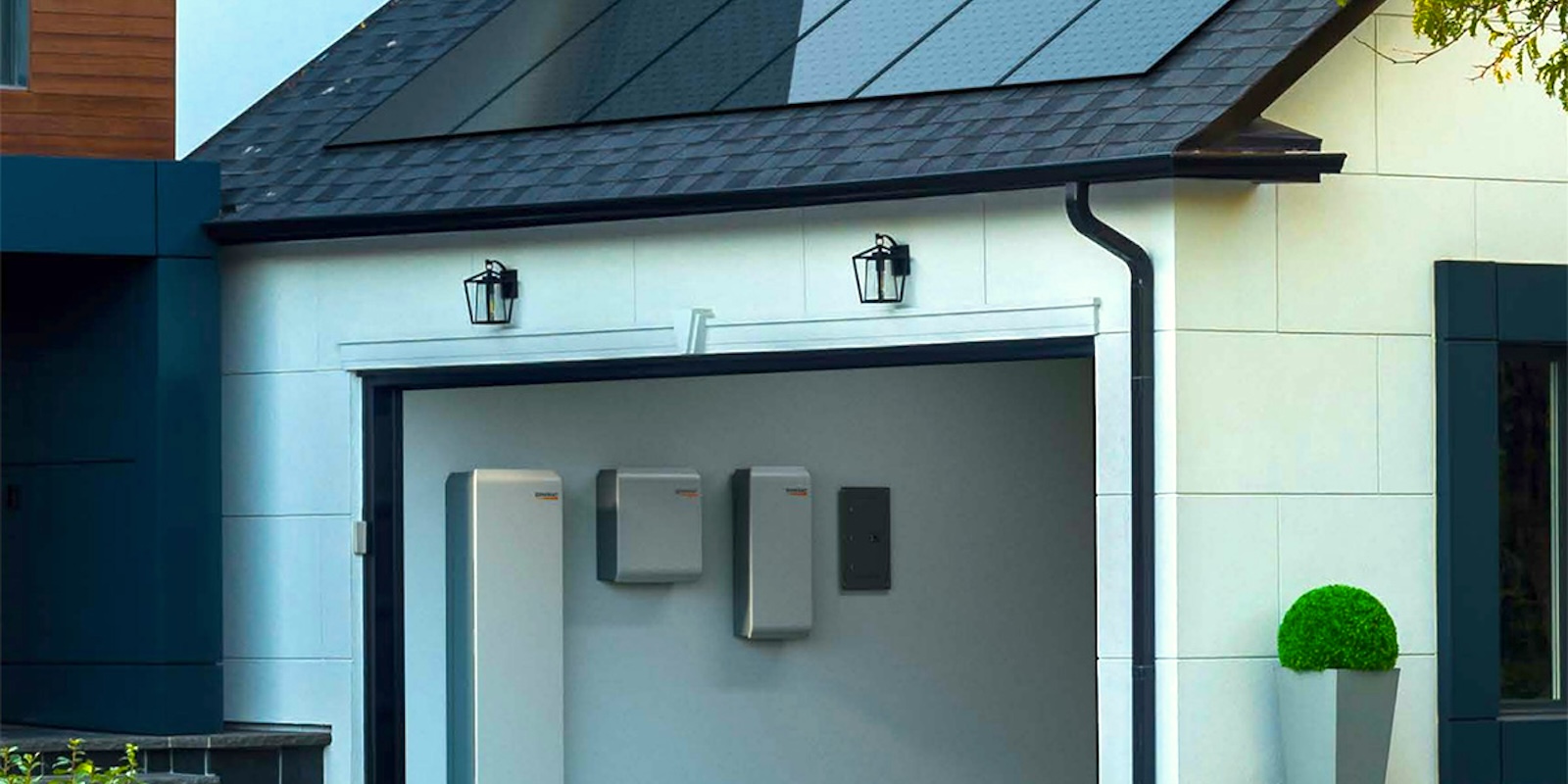
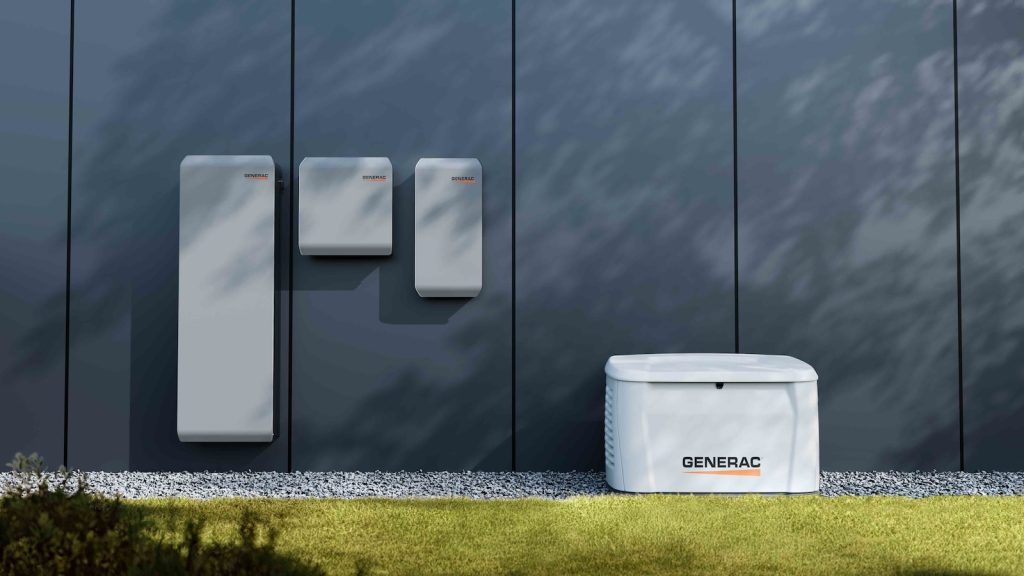
Generac’s latest PWRcell 2 energy storage system is a compact, easily scalable home battery solution designed to deliver reliable power for homes and businesses. In practice, it works great – but it’s the PWRcell 2’s modular architecture, sleek enclosure, and neutral design aesthetics that allow it to integrate seamlessly into a wide range of environments while maintaining a modern, unobtrusive presence that helped earn it the GOOD DESIGN award.
Advertisement – scroll for more content
Durable materials chosen with circular design principles in mind to prioritizes the battery’s longevity, easy serviceability, and sustainability add to the Generac battery’s appeal and prove that someone at the nearly 70 year old company gets it.
“This year’s awards highlight Generac’s design excellence spanning multiple product categories, demonstrating how the company’s design principles are showing up with unmistakable clarity, quality and cohesion across product lines,” explains Randy Sandlin, a Senior VP in Generac’s Industrial Design department. “At Generac, design excellence isn’t just about how a product looks. It’s about how the product works for the people who rely on it. When design is emphasized in our product development process, that intention is recognized by installers and customers alike.”
The GOOD DESIGN award covers the Generac PWRcell 2 home battery as well as the brand’s new iQ series ICE-powered generator, which an angled intelligent LED display, pushbutton electric start, dual fuel capability (either gasoline or propane), and thoughtfully placed controls enable safer, more reliable operation.
Totally inoffensive, clean design
PWRcell 2 Energy Storage System; by Generac.
Generac PWRcell pricing starts at ~$12,00 and scales up in cost for larger battery models. That price includes the battery itself, but not additional costs like installation and labor. Because of variations in home design, panels, and labor, it’s important to notw installation costs can vary widely. However, Generac estimates that a 9 kilowatt-hour (kWh) system and installation will cost about $18,000.
Because of that, it’s always best practice to get multiple independent quotes and talk to a trusted financial experts about any potential tax benefits and lease deals before moving forward with any major home improvement project.
You can read more about how electric vehicles and home energy storage systems can work with home solar panel systems to provide seamless, off-grid power and energy savings here:
SOURCE | IMAGES: Generac.
If you’re considering going solar, it’s always a good idea to get quotes from a few installers. To make sure you find a trusted, reliable solar installer near you that offers competitive pricing, check out EnergySage, a free service that makes it easy for you to go solar. It has hundreds of pre-vetted solar installers competing for your business, ensuring you get high-quality solutions and save 20-30% compared to going it alone. Plus, it’s free to use, and you won’t get sales calls until you select an installer and share your phone number with them.
Your personalized solar quotes are easy to compare online and you’ll get access to unbiased Energy Advisors to help you every step of the way. Get started here.
FTC: We use income earning auto affiliate links. More.
Rolls-Royce sales fell 0.8% last year to 5,664 units.
The Cullinan took the lion’s share with 3,291 vehicles.
Demand for the electric Spectre nearly halved compared to the year before.
Compared to BMW and MINI, Rolls-Royce sales account for only a fraction of the Group’s bottom line. While volume has never been a priority, it doesn’t take a math expert to understand that selling more cars brings in more cash. Goodwood has the biggest profit margins of the three brands, so every car it moves matters at the end of the year.
In 2025, deliveries remained nearly flat, falling by only 0.8% to 5,664 vehicles. As you might expect, the Cullinan was by far the best-selling Rolls-Royce. Deliveries of the V12-powered SUV rose by 27.1% to 3,291 vehicles, accounting for about 58% of total volume. The luxobarge has been a license to print money for RR ever since it debuted in 2018. The fact that it’s getting up there in years doesn’t seem to deter buyers looking for the ultimate SUV.
Rolls-Royce’s first electric car in history grabbed second place, although the Spectre could muster only 1,002 units, a massive 47% drop compared to the year before. Even so, it still finished slightly ahead of the Ghost, despite the sedan’s 22.9% jump in sales. The smaller of the two RR saloons took the last place on the podium with 993 vehicles.
Predictably, the Phantom is last in the rankings. After all, it’s by far the most expensive car to carry the Spirit of Ecstasy. It starts at nearly $600,000 in the United States for the 2026 model year. For reference, its smaller brother begins at under $400,000, while the Cullinan kicks off at nearly $450,000. As for the Spectre, the electric coupe costs about as much as the Ghost before you start tacking on options.
Surprisingly, the Wraith and Dawn appear in the 2025 sales chart. Production of the V12-powered coupe and convertible ended back in 2023, but Rolls-Royce still delivered two cars last year. Direct replacements aren’t coming, as the Spectre has taken their place in the lineup. However, a convertible version of RR’s inaugural electric model has yet to arrive, although we wouldn’t rule it out.
Although the ultra-luxury British marque has jumped on the electric bandwagon, the venerable V12 is staying. Engineers are updating the twin-turbo, 6.75-liter engine to meet Euro 7 regulations, so the N74 isn’t going anywhere. However, our sources tell us it won’t return to the 7 Series or to any ALPINA models.
The newly created sub-brand will use the usual inline-six and V8 mix, along with fully electric drivetrains. This strategy ensures Rolls-Royce remains the BMW Group’s flagship for those seeking the ultimate in luxury and combustion engines. Inevitably, the V12 will be retired, but that day isn’t coming anytime soon.
ASEAN NCAP (New Car Assessment Program for Southeast Asian Countries) has announced it is downgrading the safety rating of the new Proton X90 MC to a one-star rating. For context, when the X90 was first launched back in May 2023, it received a five-star rating.
According to ASEAN NCAP, the reason for the downgrade is the lack of essential advanced driver assistance systems (ADAS) in the updated model. Previously, the X90 was offered with autonomous emergency braking, forward collision warning, lane departure warning, lane keep assist, rear cross traffic alert, blind spot monitoring and more.
However, the MC update stripped away all of that, with all three available variants not having any form of ADAS. This did not sit well with ASEAN NCAP, which said that under its 2021-2025 protocol, “a vehicle’s star rating is restricted if it performs poorly in any single category, ensuring all-round protection.”
“The removal of these technologies has caused the safety assist (SA) score to drop to a four-star level, while the motorcyclist safety (MS) category— which relies heavily on blind spot detection – has plummeted to a one-star rating. Consequently, the Proton X90’s overall rating is capped at one-star,” the assessment programme said in its release posted today.
The lack of ADAS (and other features) has resulted in a lower starting price by as much as RM30,000, with the X90 MC going for between RM99,800 and RM115,800 on-the-road without insurance. Under its visually unchanged exterior, there is a new turbocharged inline-four engine that replaces the previous three-cylinder unit with a 48-volt mild hybrid system.
The director general of the Malaysian Institute of Road Safety Research (MIROS), Siti Zaharah binti Ishak, commented, “We deeply regret Proton’s decision to remove life-saving ADAS technologies from the new facelift model. To protect consumers and maintain the integrity of safety standards, we have no choice but to revoke the 2023 five-star rating.”
“This serves as a reminder to all manufacturers: safety is not a trade-off. Do not sacrifice proven safety technology for face-value luxuries like infotainment systems or leather upholstery,” she added.
This is not the first time that Proton has downgraded safety features. It removed the side airbags from the Exora in 2017, and it was never offered again until the MPV was discontinued. We should also point out that unlike the pre-MC X90, Proton did not communicate anything about safety ratings in its marketing materials.
AD: Drive the Proton model of your dreams. Submit your details and Proton PJ will get in touch with you.
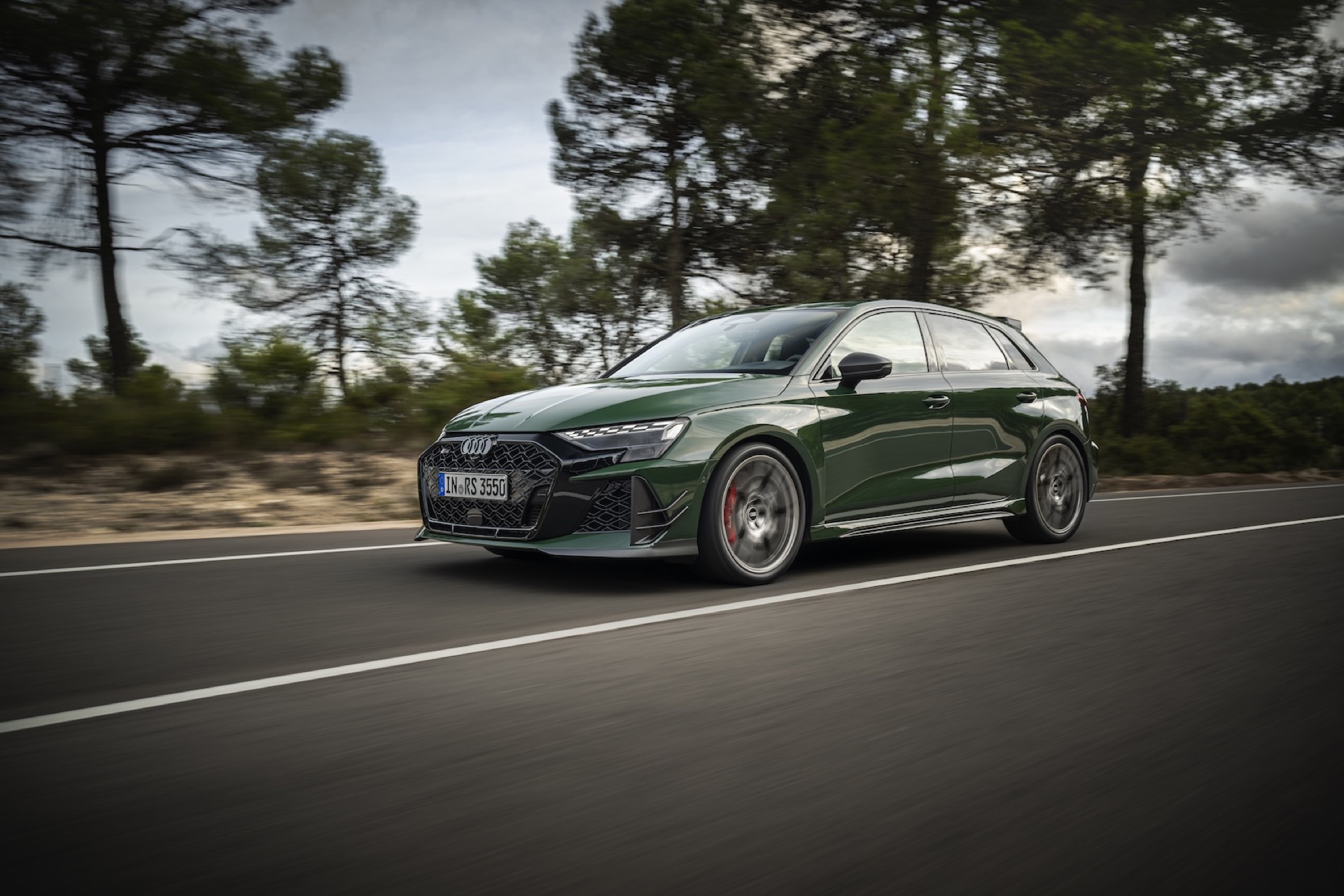
The Audi RS3 is approaching the end of its lifecycle. Fans of the charismatic five-cylinder engine, with its distinctive 1-2-4-5-3 firing order, should not wait too long. The compact performance icon will soon disappear from the line-up. One possible farewell choice is the RS3 Competition Limited, although the price premium is considerable.
Time is running out for RS3 enthusiasts. Audi is offering the limited-edition RS3 Competition Limited, restricted to 750 units worldwide. While the special model does not deliver additional power, it still has everything required to capture the hearts of compact performance fans. The edition celebrates the 50th anniversary of Audi’s five-cylinder engine and focuses on exclusive equipment rather than extra output.
Audi RS3 Competition Limited
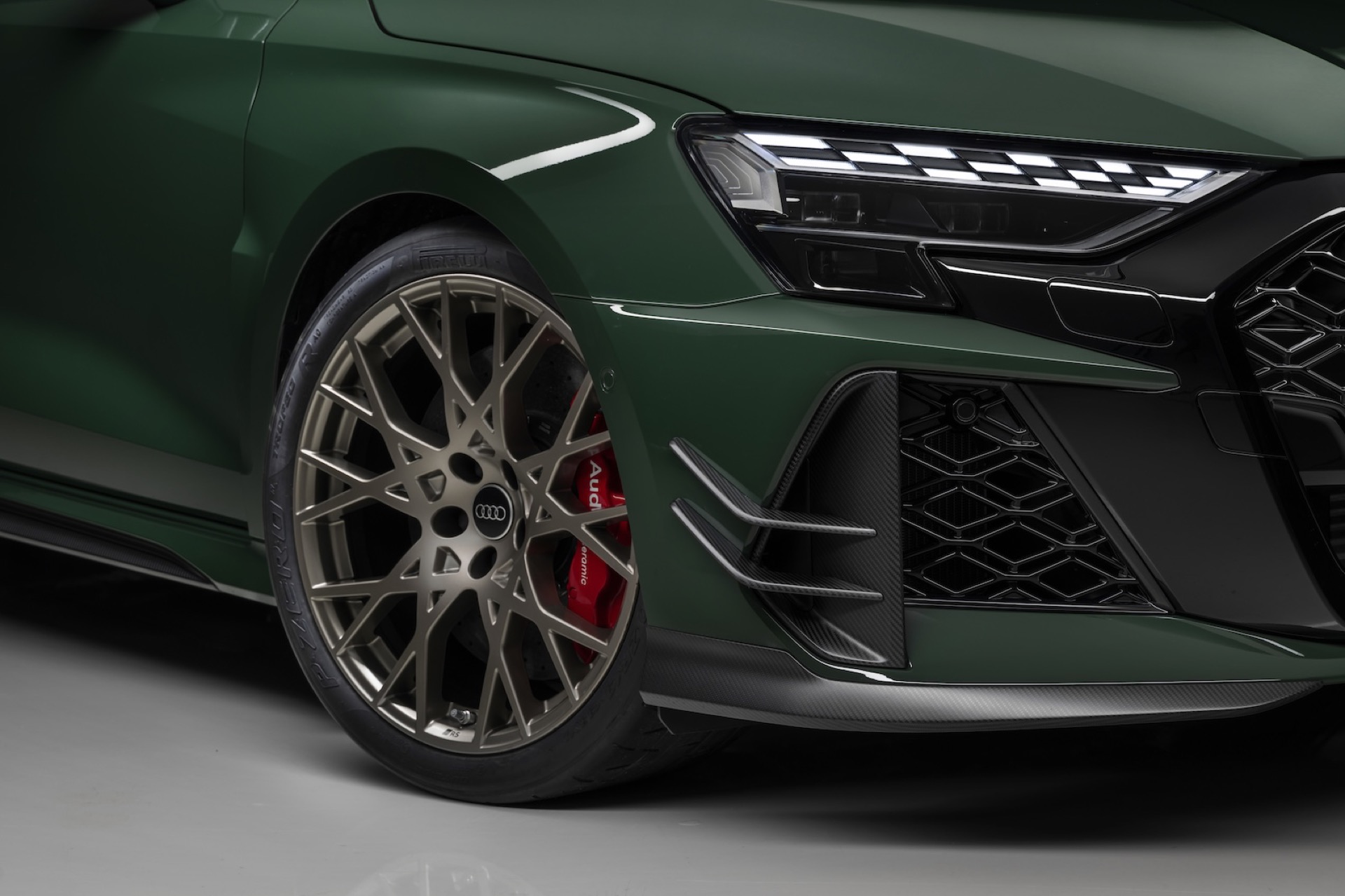
The familiar 2.5-litre five-cylinder engine produces 294 kW (400 PS) and is paired with a coilover suspension setup that includes a specifically tuned rear stabiliser bar. Carbon details emphasise the special paint finishes in dark green, white and grey. Inside, the RS3 Competition Limited features gold design accents and a sequential numbering plate.
The gold theme continues on the 19-inch cross-spoke wheels. Exterior mirror housings, side sills, rear spoiler and diffuser appear in a matte carbon look. A subtle but distinctive detail is the RS badge finished in historic Audi Sport colours.
Audi RS 3 Sportback competition limited
Most observers will only see these details flash past. With 500 Nm of torque and quattro all-wheel drive, the Audi RS3 accelerates from zero to 100 km/h in 3.8 seconds and reaches a top speed of 290 km/h.
Such exclusivity does not come cheap. The Audi RS3 Sportback Competition Limited costs €108,365, while the four-door saloon version is priced at €110,005. Buyers can choose between dark green, white and dark grey paint. That represents a substantial premium compared with the standard RS3, which offers the same engine and similar equipment but starts at €66,800 for the Sportback and €68,800 for the saloon.
This post may contain affiliate links. See our affiliate disclaimer here.
When we started RVing full-time, the idea of making money while traveling was foreign to us. It was 2014, coworking was new, and remote work was barely a thing.
I remember making my first $75 while RVing in California, knowing it would barely put a dent into filling up our tank, but elated that this work-from-anywhere dream was even possible.
Flash forward to December of 2022, Heath and I bought a blog from a friend to keep that same dream alive. After selling multiple businesses, our cash flow all but dried up. The idea of purchasing an existing business was to build up a revenue stream that supported us while we traveled as a family.
Another goal: Get a return on our investment in two years (initial purchase price was $100,000)
Here on the blog, we are sharing monthly updates on our progress in the business. If you haven’t read them yet, I highly recommend catching up on past editions before you dive into this one! (Or at the very least, use the Table of Contents to skip down to see our revenue for each month to compare how we are doing!)
As of today, we’ve owned the business for four months and I’m excited to share our biggest wins and failures of month four. If you have any questions or thoughts as you read this, drop a comment below! They make us happy and we love answering your questions.
Let’s get to the nitty gritty.
What Went Well
Starting with the good!
We have a new website!
I think we’ve mentioned the lack of a new website theme as a fail the past three months in a row, but this month we finally went live!
There have been a few bugs and edits after we got the site live (which I’ll share more about later) but overall it’s been a breath of life into the website. We both love the final product and how this theme highlights the beautiful RV photos on our site better than the old theme.
We also updated our marketplace site to look like this:
The biggest update with this site other than making it easier for customers to list their RV is that we added a setting where sold RVs can be viewed live on the site. We noticed that most people look for inspiration for their own renovations by checking out RVs on our site, so by keeping these sold listings live, they can see more campers.
Plus, then when people click the links on social media, the URLs will still be live instead of giving 404 errors, which was a previous issue.
This was a heavy lift for Heath, who did most of the designing on the sites, but they look great!
Coupons are awesome. And free is even more awesome.
One of the reasons we bought RV Inspiration was for the “RV Inspiration Marketplace” on RenovatedRVsforSale.com. It’s a listing site similar to RV Trader but for only renovated RVs. This was the part of the business Heath was most interested in.
Our goal for 2023 is to get 365 new listings on the site, or one a day for the year.
This side of the business has the most growth potential, but with only 15 or fewer listings on the site each month, it didn’t offer the breadth of RVs that people want to see while shopping. We needed more listings.
So we decided on something a little unconventional. We were going to go after those 365 listings even if some were free or discounted. The idea is that as we add more listings, the site will attract more RV shoppers and be more valuable to sellers (the whole chicken and egg dilemma that many marketplaces face).
This is one of those strategies where you’re never really sure what will happen. If I give away a free listing, am I losing revenue because they might’ve actually paid for a listing? Will we lose money each month if we discount some listings?
After testing this strategy, the answer so far appears to be no.
We’ve actually grown our revenue and had the best revenue month ever for listings in March.
Most of the credit for the success of this strategy goes to our VA, Alexis. Not only is she actively offering coupon codes, but she is searching social media and finding people already selling their RVs and offering them discount codes. Since these people are actively trying to sell, they have converted really well.
Moreover, we’ve had Alexis target RV types we don’t have as much of on the site (i.e. skoolies) and offer them free listings. This way, we can create a better selection of RVs to choose from. (Previously we heard comments that our site had too many fifth wheels and needed more types of RVs.)
In the last two months, we’ve tripled the number of active listings on the site AND grown our revenue. Plus, many of our new customers have used a discount code (and who doesn’t love a good coupon)?
That being said…
If you want to sell your RV this year and it’s partially or fully renovated…hit us up for a coupon code to sell on RenovatedRVsforSale.com.
Best Traffic Day…Ever?!
I’m writing this post on April 2nd. We bought the business on December 2nd, so today officially marks four months as business owners and we are celebrating in style!
We launched our new website on March 22nd (hence the dip) and our traffic boomed today!
LOOK AT THAT TRAFFIC SPIKE.
I’m very proud of myself because that spike is due to one article + its corresponding web stories I edited yesterday. Let me say that again. YESTERDAY. And it popped off on Google today with organic traffic.
Shout out to Ashley, the previous owner of RV Inspiration, for writing the post last year. It’s raking in the traffic today.
This isn’t the best day ever in traffic because Ashley had a wild 20,000+ page views in a single day back when she was the owner. But this was by far our best traffic day as owners!
I mentioned in our last update that I’m slowly going through old articles and updating the content. I’ve gone through about 40 articles or so now (there were about 120 when we bought the site) and my goal is to update every single one by the end of the year or sooner.
As I’ve updated the articles, I’ve worked in order of popularity (by pageviews) but also by RPM, or revenue per mille. After updating the 20 most popular posts, I’ve focused more on “earning potential” by choosing to update articles that have a high RPM, but aren’t getting the traffic they deserve.
The articles currently earning the most are pretty much the same as the top 20 highest-trafficked posts, with only a few exceptions. Instead of just focusing on what is already bringing in the most money, I decided to look at what had the most earning potential. This was a little bit of a debate between Heath and me on which direction to go, but since the top 20 had already been updated, I figured it would be more fun to try this route and test how our ad revenue changed.
The results?
The new articles I’ve updated—with earning potential of $45+ RPM versus our average of $30 RPM for most articles—have almost all moved into our top 10 most popular for the week.
Some of these articles weren’t even cracking the top 50 most popular posts, but are getting all the love after a little update.
The biggest question is how will this affect our ad revenue (stay tuned for next month when we find out).
Now I fully don’t expect this high to last. That’s why it’s so important to me to keep updating old content as we continue to release new content. We need to bring in traffic continually and own the top spot in Google for different keywords.
For more on the process I’ve used for updating and revitalizing old content, read last month’s summary here.
Show me the money💰💰💰
I will dive into specific numbers later in this post, but we exceeded our growth goals for month four! This was a big win.
Back in January, I texted Heath when we grew our revenue by $1,000 in our first month.
“What if we did that every month?” I threw it out casually (but also felt like this was crazy). “What would that be?”
“$12,000?” Heath asked confused.
“No, like what if every month we increased by another $1,000 in revenue? What would that be for the year?”
I whipped out a spreadsheet and did the math:
December 2022
$3,800.00 (actual)
January 2023
$4,400.00 (actual)
February
$5,400.00
March
$6,400.00
April
$7,400.00
May
$8,400.00
June
$9,400.00
July
$10,400.00
August
$11,400.00
September
$12,400.00
October
$13,400.00
November
$14,400.00
December
$15,400.00
Total:
$122,600.00
We bought RV Inspiration for $100,000 and our goal is to get a return on our money in two years. If we achieved this seemingly unachievable growth, we could almost get that return in a year! 😱
I will share some of our expenses below so you can get a better idea of our burn rate as well. And also because I don’t actually know how much we’re spending on the business each month and I really should check out those numbers…
Stay tuned.
What Didn’t Go Well
It can’t all be good.
We lost and had to remake content.
Getting the new website live was a huge win for March! However, it came with drawbacks.
When you change themes on a website—particularly an old website full of lots of blog posts—the best way to do it is to spin up a staging site. This is basically a practice version of the website where you can set up the theme exactly how you want it without messing up the live site for visitors.
Once the staging site is ready to go, you switch places a la Parent Trap and your staging site dawns a fake British accent and goes public.
When it goes public, you use a backup of all the content from the old site and put it up on the new site.
It was during this part of the process that we lost some of our content. I’m not sure what happened or why the articles disappeared. Some of it was ultimately recovered, but some of it I needed to recreate from scratch.
It was in this process that we made Google a little mad…
We made Google mad 😡
When we redesigned our website, we did it on a wing and a prayer that the new theme wouldn’t mess up our ad revenue. That was our main focus as we worked on the launch a couple of weeks ago. We even had the AdThrive team go through the site and put placeholder markers so we could see how everything would look when it was launched.
But what we didn’t really think about was how many links might break or not transfer in the theme switch.
When our new site went live, we had one hundred new 404 errors pop up on URLs. We THINK we’ve fixed some of the bigger 404 errors, which ended up being smaller than it seemed. I spent a couple of hours completely rebuilding those pages this week and we had Google recrawl our site to show them that the errors were fixed. Hopefully, this makes the internet like us again!
If you’re a blogger and you haven’t yet, I highly recommend you create a Google Search Console account. This is what we use to get alerts when there are errors on the site, but also where we can see a ton of data on how we are showing up in Google search.
Another tool we used during the website switch was called Rankmath, which helped us see all of the pages & posts laid out on our website (so in theory we’d be able to see if any didn’t transfer correctly).
March Numbers at a Glance
Pageviews on RV Inspiration: 164,315 (up from 159,709 in February)
New listings on the marketplace: 26
Live listings: 40
Total revenue: $7,832.86 (up $2k from the previous month!)
It’s worth noting that March is three days longer than Feburary, so the slight increase in pageviews this month is actually a decrease in average daily page views. This is partially due to the site being affected during the transfer. But the dip did not affect ad revenue.
March Revenue Breakdown
RV Inspiration Ads: $4,180
RV Inspiration Marketplace Ads: $545.64
Old ad network: $57.59 (technically this was for February, but we got paid in March and I missed it for last month’s update!)
Listings: $1,554.99
Amazon Affiliates: $1,147
Other affiliates: $332.23
Product sales: $16.80
Total: $7,834.86
Average Expenses
One thing we haven’t shared or paid much attention to in the business is our expenses, so I want to give a high-level overview of what we’re paying each month.
Subscriptions, plugins, apps, and recurring charges: $700
Writing and editing team: $500-$750 (variable based on the number of articles published)
And this month: a little over $2,000 for the new websites
We’re averaging around $2,000 in expenses but March is definitely going to see a big spike with bringing on someone to manage our Pinterest and paying for the website.
Key Takeaways
When we first got quotes for redesigning two websites, they were all five figures. At the time of getting those quotes, we were making under $4,000 on the sites and could not afford those quotes, so we decided to do the design ourselves and then hire for the technical part. (That’s where that $2,000 we paid comes in.)
While we don’t know how well the site will perform long term yet, we do know that we saved a lot of money by going this way.
Heath and I aren’t great at website design, but we’ve learned enough over the past 10 years of blogging that we could cobble together a site and hire out the stuff that was out of our comfort zone. I think this is by far one of the biggest skills you can bring into any business. Not web design specifically. But the ability to learn how to do something yourself enough to create an MVP (minimum viable product) and then bring in someone else to make it shine.
You don’t have to know how to do everything yourself, but if you know just enough, you can go farther than you think.
Heath did an amazing job designing the new websites and I love the way they turned out! Hopefully the rest of the internet likes it too.
Moving Forward
I think April will be very telling as RV season ramps up and as we take a back seat on running the blog. As you may know, we will be in Japan and New Zealand for over a month and won’t be in front of our computers often. I’m very interested to see how the site performs with no work from Heath or me 😬 Will our traffic and revenue dip? Have we done enough for it to sustain itself without our help? Time will tell!
Questions?
As always, drop your comments and questions below!
Featured image and renovation credit: Tera Wages, Armosa Studios
After years of development, Tesla is ramping up production of its electric Semi, and simultaneously beginning to roll out the necessary charging infrastructure. The company currently plans to deploy 66 Megacharger locations across the US.
Tesla already has two Megacharger sites operational—one at Gigafactory Nevada and one in Carson, California. However, these appear to be designed to serve Tesla’s own fleet operations. Now the company has opened its first Megacharger station aimed at Semi customers, in Ontario, California.
Tesla’s Megacharger locations are planned for the busiest freight corridors in North America: I-5 on the West Coast, I-10 running east-west, and I-95 and I-75 on the East Coast. The company aims to have 37 sites operational by the end of 2026, and 46 sites by early 2027.
The Ontario site is in the heart of the Inland Empire, one of the busiest freight corridors in the world, strategically located near the junction of I-10 and I-15, as well as the Ports of Los Angeles and Long Beach.
Tesla’s Megachargers can deliver up to 1.2 MW of charging power, but the company says this first public Megacharger cranks out only 750 kW.
Electrek’s Fred Lambert calls the opening of the Ontario Megacharger a significant step that marks the Semi’s transition from the pilot phase to commercial operation. The company has been moving at an impressive pace in recent months, demonstrating 1.2 MW charging in December, announcing a deal with truck stop operator Pilot in January, and opening its first customer-facing station in March (shades of the good old Tesla!).
However, as regular Charged readers know, there’s many a bottleneck between planning and plugging in, from permitting to utility interconnection to construction to commissioning. Electric truck fans will be following Tesla’s timeline closely over the next couple of years.
Meanwhile, the company’s competitors have not been idle. Chargers based on the Megawatt Charging System (MCS), an open standard that supports charging speeds up to 3.75 MW, are already in operation in Europe and the US, and truck OEMs Daimler, Volvo and Scania all plan to deploy MCS-compatible electric trucks in 2026. EVSE manufacturer Kempower has deployed MCS charging hubs at three locations in Scandinavia, and one in San Bernardino, not far from Tesla’s new site.