15.6 C
London
Tuesday, May 12, 2026
Home Blog Page 23

Ferrari 296 Challenge Stradale could be a 900 hp plug-in hybrid track toy

0
Ferrari 296 Challenge Stradale could be a 900 hp plug-in hybrid track toy


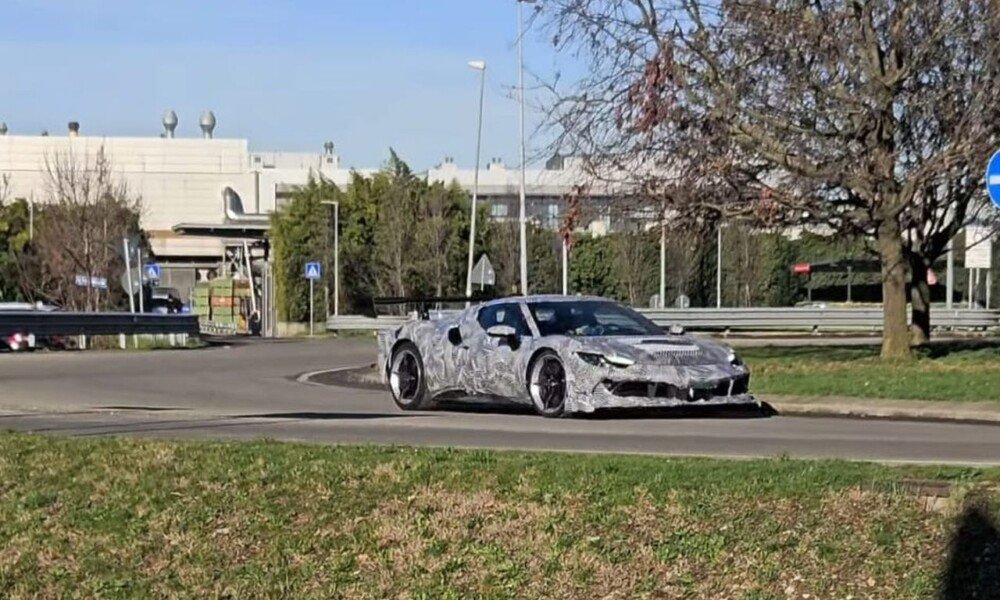
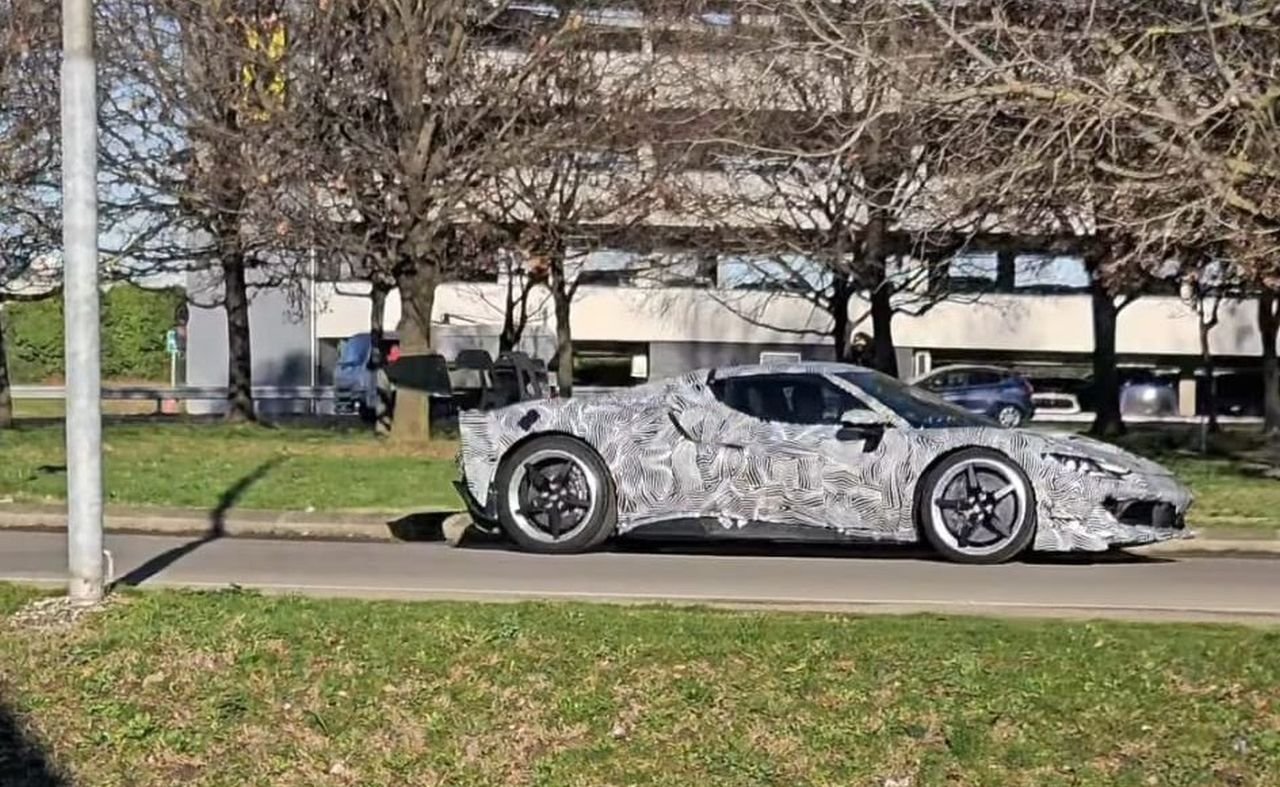
Ferrari is said to be working on a track-focused version of the 296 GTB called the 296 Challenge Stradale. Spy images suggest that it will be more hardcore than the 296 Speciale.

A recent report by Automoto has revealed fresh details of the new 296 CS. According to them, it will be a “road-legal, track-focused hybrid” and the most extreme evolution of Ferrari’s mid-engined V6 platform.

Ferrari 296 Challenge Stradale-spy-images-1

Ferrari introduced a twin-turbo V6 plug-in hybrid powertrain on the 296 GTB. It replaced the old V8 engine, and despite the smaller capacity, the new powertrain delivered exceptional performance.

The 296 CS aims to push this architecture to its limit. The report claims significant gains in performance over the standard 296 GTB’s 830 hp.

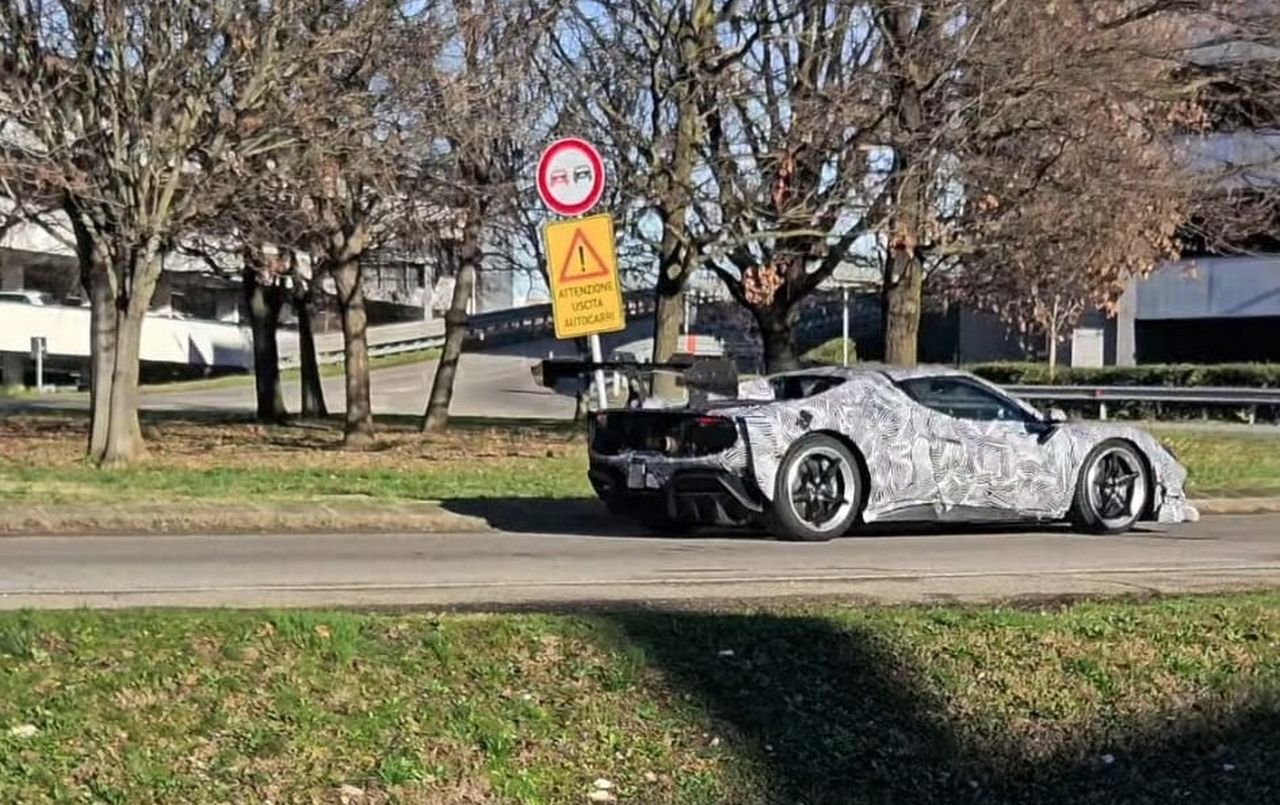
Ferrari 296 Challenge Stradale-spy-images-3

It is said that the V6 engine has been further optimized. The electric motor delivers more performance. Ferrari is also said to have improved the hybrid system’s energy deployment.

The 296 Challenge Stradale is expected to be much lighter than the regular 296. Weight reduction will be achieved through the use of carbon fibre, reduced sound insulation and lightweight wheels and brakes.

The aerodynamics package will be upgraded to include a larger front splitter and rear diffuser, a massive rear wing, and revised underbody airflow management.

The chassis setup is expected to be more aggressive with stiffer suspension, faster gearshifts and recalibrated electronic aids like traction and stability control.

Source: Automoto


Source link

Audi RS3 Competition Limited debuts in Sportback & Saloon body styles

0
Audi RS3 Competition Limited debuts in Sportback & Saloon body styles


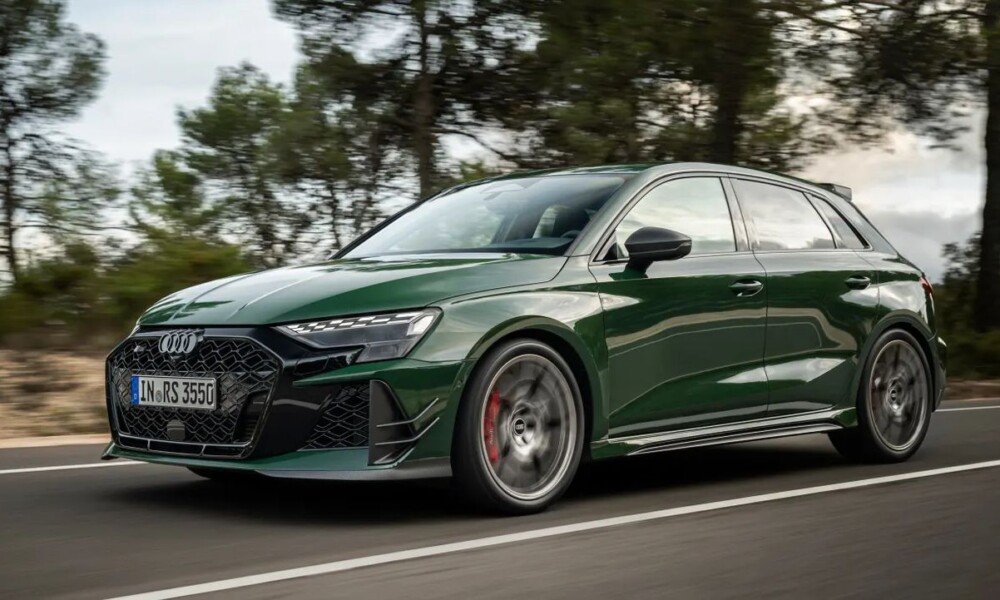
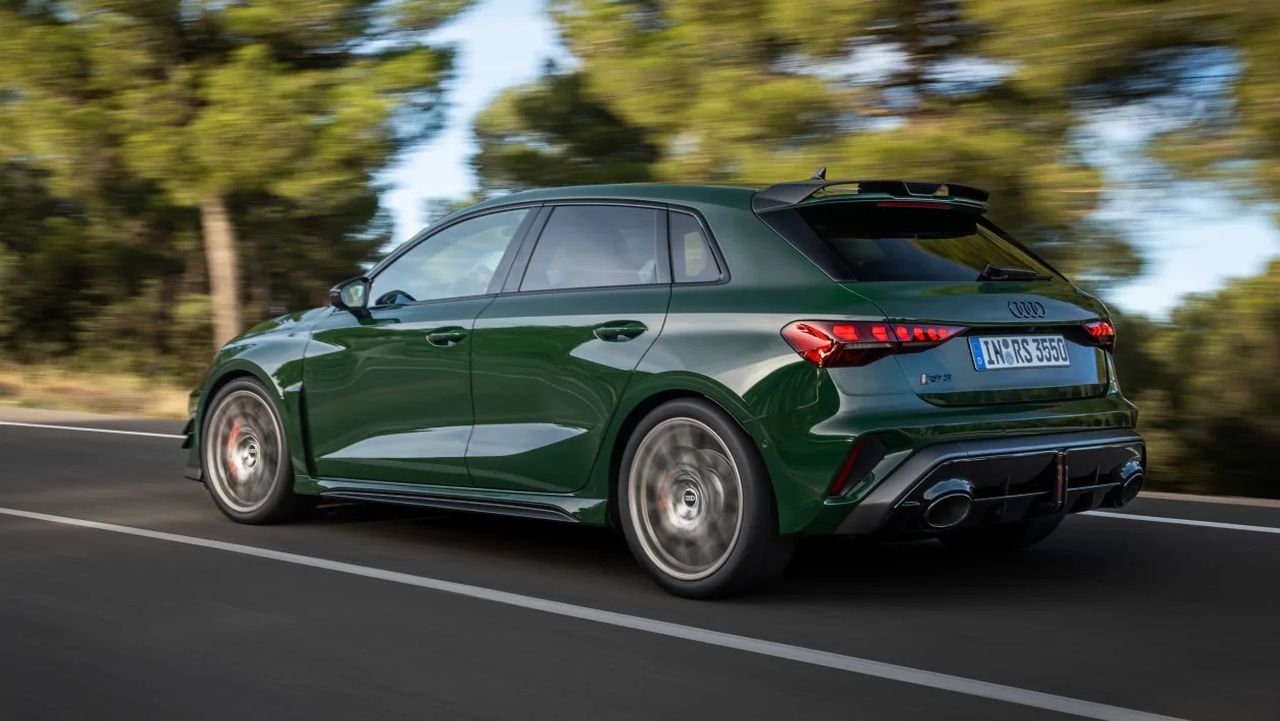
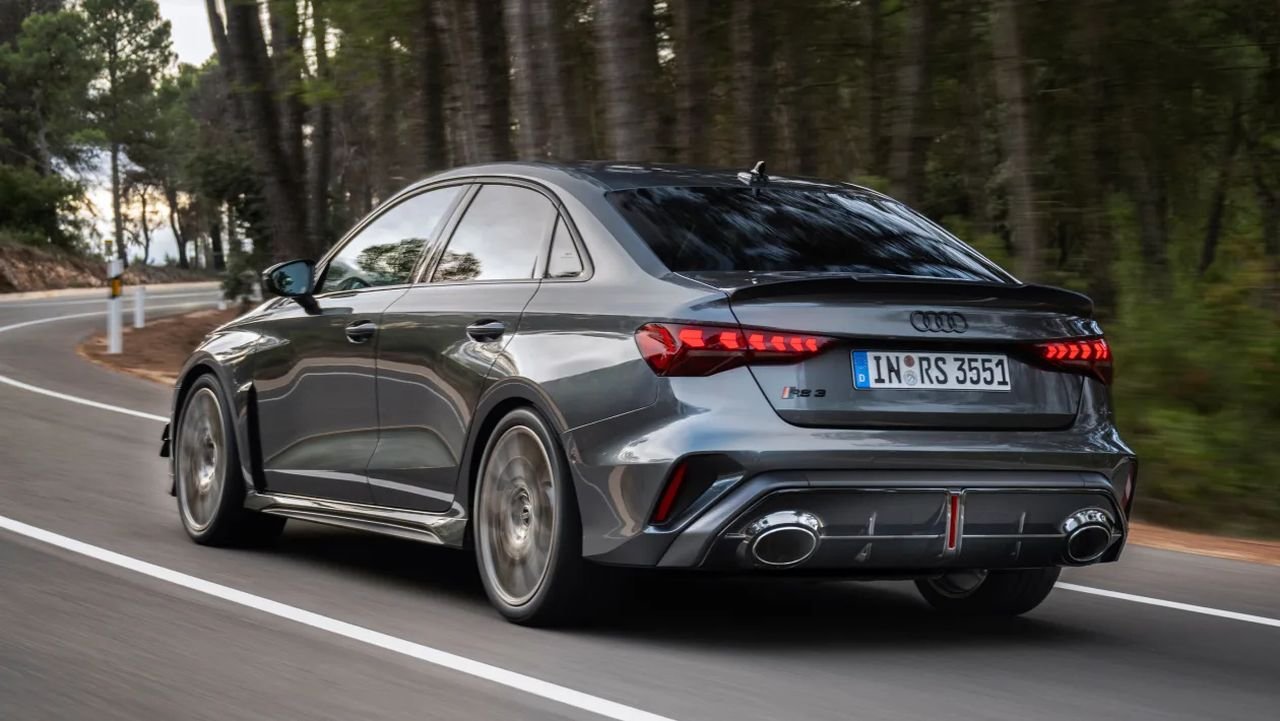
Audi is bidding farewell to its iconic 5-cylinder turbo-petrol engine with a new limited edition RS3. The RS3 Competition Limited will be available in Sportback and saloon body styles. Only 750 units will be built with prices starting at around $121,000.

The RS3 Competition Limited features a sporty body kit which comprises an aggressive-looking front bumper with large vents and dive planes, side skirts and a rear diffuser with dual exhausts. It has a low-set singleframe grille, vents behind the front fenders, a roof spoiler and 19-inch alloy wheels finished in Neodymium gold.

Audi RS 3 Competition Limited 2026-20

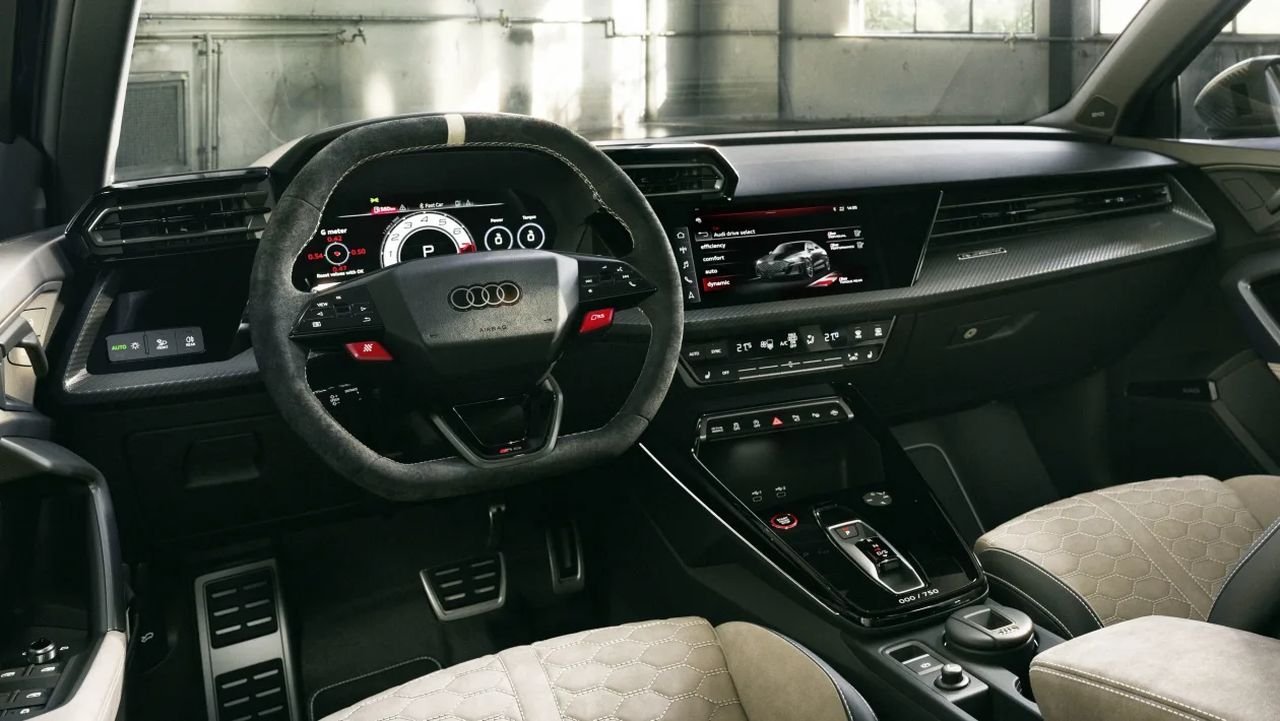
Inside, the limited edition RS3 gets black Nappa leather upholstery with Neodymium gold stitching and Dynamica inserts. The car comes with RS bucket seats and matte carbon fibre trim. The sporty steering wheel is wrapped in Alcantara.

Under the bonnet is Audi’s 2.5-liter inline 5-cylinder turbo-petrol engine that produces 388 hp and 369 lb-ft of torque. Audi claims a 0-62 mph time of 3.8 seconds and a top speed of 180 mph.

Audi RS 3 Competition Limited 2026-2

The RS3 Competition Limited has all-wheel drive with a torque-vectoring rear differential. It is equipped with an RS Sports exhaust and a set of new manually adjustable coilover suspension instead of the adjustable dampers offered on the standard car.

Audi RS 3 Competition Limited 2026-8

Source: Audi


Source link

Chevy Bolt 2.0 — Way Better In (Almost) Every Way

0
Chevy Bolt 2.0 — Way Better In (Almost) Every Way


Support CleanTechnica’s work through a Substack subscription or on Stripe.


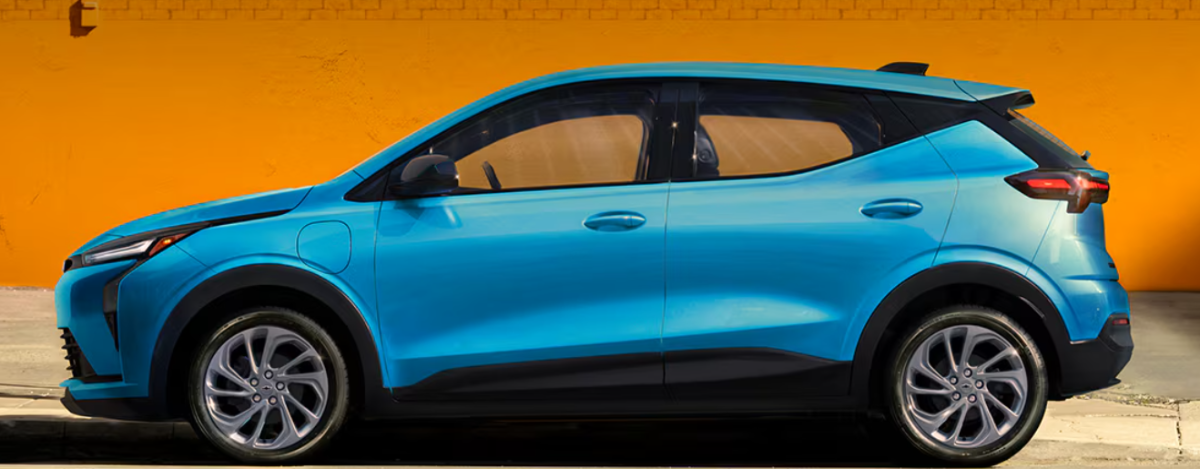
The second-generation Chevy Bolt is arriving in dealer showrooms as you read this. Based on the prior Bolt EUV, it takes a discerning eye to notice the new headlight and taillight treatments. To the casual observer, the car appears to be “refreshed” rather than “all new.” And yet, under the skin, there is very little left of the original car.

All New Powertrain

Chevy Bolt
Credit: Chevrolet

The new Bolt comes with a 65 kWh LFP battery in place of the previous NMC battery. This means a greatly reduced risk of fires and the ability to charge to 100 percent on a regular basis. Chevy strongly recommended charging only to 80 percent with the old battery.

As a practical matter, travelers will probably elect to stop charging at 80 percent on trips, as the charging curve tapers sharply past that point. Many EV owners have found it is faster to make two stops to charge to around 70 percent or so than it is to make one stop to charge to 100 percent. That sounds counterintuitive, but in practice it works well.

The motor that drives the front wheels comes directly from the Equinox EV and is rated at 210 hp and 169 lb-ft of torque. That’s actually less torque than the old motor, but Chevy has fiddled with the gear ratio in the one-speed transmission to boost low-speed performance and the difference in acceleration is less than an eye blink or two. The new motor is also said to be more efficient, which allows the new car to garner a 262-mile range estimate from the EPA, even though LFP batteries tend to be less energy dense than NMC batteries.

Chevy says the new Bolt can accept up to 150 kW of DC charging power — triple that of the first-generation car. It claims 10 to 80 charging can occur in about 25 minutes, which is pretty darn good if not outstanding in the world of EVs today. The car comes with a NACS charging port built in, and “plug & charge” convenience is available now on some charging networks and coming to more (including Tesla) soon.

The new navigation system that is part of the Android Auto software platform will also precondition the battery prior to a designated charging stop. LFP batteries suffer from reduced performance in cold weather. Getting the battery temperature correct before charging begins helps offset that weakness.

The Price Includes Important Safely Features

Chevy Bolt
Credit: Chevrolet

The new Bolt is the least expensive electric car available in the US. It starts at $28,995, including the destination fee. But at that price, the car is no strippo. Here are the safety features baked in at the factory — most of which were extra cost add-ons in the first generation Bolt:

  • Rear Cross Traffic Braking: When you’re in reverse, Rear Cross Traffic Braking alerts you and automatically provides hard emergency braking to help prevent a collision with detected vehicles crossing behind you.
  • Front Pedestrian and Bicyclist Braking: At speeds between 5 and 50 mph, Front Pedestrian and Bicyclist Braking can help you avoid or reduce the severity of a collision with a pedestrian or bicyclist it detects directly in front of you. It provides alerts and can automatically provide hard emergency braking or enhance the driver’s hard braking. It has limited nighttime and low visibility performance.
  • Enhanced Automatic Emergency Braking: At speeds above 2 mph, Enhanced Automatic Emergency Braking can help you avoid or reduce the severity of a collision with a detected vehicle you’re following. Radar and camera technology are used to automatically provide hard emergency braking or enhance the driver’s hard braking.
  • Lane Keep Assist with Lane Departure Warning: Lane Keep Assist with Lane Departure Warning uses a brief steering wheel turn to prevent a potential lane departure when it detects you are unintentionally drifting out of your lane lines. If needed, you may receive additional Lane Departure Warning alerts. System alerts do not occur if you’re using your turn signal, or it detects you may be intentionally leaving your lane.
  • Blind Zone Steering Assist: Blind Zone Steering Assist can alert you and provide a brief, firm turn of the steering wheel when a potential crash is detected with a moving vehicle in the lane you’re entering.
  • Forward Collision Alert: Forward Collision Alert can warn you if it detects a potential collision with a detected vehicle you’re following so you can take action. It can also provide a tailgating alert if you’re following a vehicle much too closely.
  • Side Bicyclist Alert: Side Bicyclist Alert alerts you to a detected bicyclist that is approaching a side blind zone. Also, during a brief time after parking, the feature can alert you when a detected bicyclist is approaching so you don’t open your door.
  • Rear Seat Reminder: Tells you to look in your rear seat before exiting your vehicle under certain conditions. It’s activated by the opening and closing of a second-row rear door just before or during vehicle use.
  • Intersection Automatic Emergency Braking: Can help you avoid or reduce the severity of an intersection collision with a detected cross-traffic vehicle. It provides alerts and can even automatically provide hard emergency braking or enhance the driver’s hard braking.
  • Buckle to Drive: Reminds the driver to buckle their seat belt before driving by preventing the vehicle from being shifted out of PARK temporarily when the driver’s seat belt is not buckled. On some vehicles, the feature also reminds the front passenger to buckle up.
  • Teen Driver Technology: When a Teen Driver designated key fob is used, Teen Driver helps encourage better driving habits for teens by providing an in-vehicle report card. It also activates certain safety systems when a Teen Driver-designated key fob is used and mutes the radio until the front-seat occupants fasten their seat belts.
  • HD Rear Vision Camera: Shows a high resolution digital image of the area directly behind your vehicle when in reverse to help you park and avoid vehicles and objects. You can also display an overlay of where your vehicle is heading.
  • Reverse Automatic Braking: Alerts you and/or automatically provides hard emergency braking to help avoid collisions with detected vehicles and objects directly behind you when you’re in reverse.
  • Safety Alert Seat: Uses left, right, or both side driver seat vibration pulses to help you detect and identify the direction of potential crashes. You can also switch to beeping crash avoidance alerts.

Super Cruise

Chevy Bolt
Credit: Chevrolet

The new Bolt is also the lowest priced car in the United States to offer an advanced driver assistance package. The Super Cruise option is the same package offered on GM’s more expensive models, including those from Cadillac. It only operates on certain limited access highways and secondary roads, but where permitted, it performs automatic lane changes and freeway to freeway navigation with admirable precision. BMW now requires drivers to shift their gaze briefly to confirm an intended lane change, but Super Cruise simple alerts the driver with a vibration in the seat — on the left side for a merge left and on the right side for a merge right.

Super Cruise is not inexpensive, it is a $6,600 upgrade over the base price of the car. But that still keeps the total price well below the cost of any other car with similar features. The new Bolt is a modern interpretation of the traditional Chevrolet mantra — maximum value for the minimum price.

A Limited Time Offer

The new Bolt will be assembled at the GM factory in Kansas City, but the current anti-EV, pro-internal combustion gale force winds blowing across the land from the headwaters of the Potomac have induced GM execs to decide that factory could be put to better use building gas hogs internal combustion powered vehicles currently made in Mexico and China there instead. Production of the Bolt is already scheduled to end sometime next year. At the present time, there are no plans to build the car elsewhere. That’s a shame, because this is the electric car America needs as gas prices rocket upward.

What Reviewers Say

Chevy invited a bunch of journalists to sample the new Bolt in Southern California last week. (Our invitation must have gotten lost in the mail.) The consensus is that it is a pretty darn good car but has a few weaknesses. Several people commented on the seats being uncomfortable. In addition, there is no room for those sitting in back to tuck their feet under the front seats.

Motor Trend contributor Aaron Gold wrote, “The Bolt’s annoyances are big ones. Front seat comfort (or lack thereof) is one thing that can really irk long term, and the back seat arrangement makes the Bolt better suited to groceries than families. And if you live in a place where frost wreaks havoc with pavement, the bouncy, crashy ride will get very old very quickly.”

So, is the new Bolt a home run? Maybe not, but it offers far more features for about the same price as the old car, which is quite a statement considering how the cost of everything else has shot up in the past two years. Perhaps Chevy has only hit a triple with the new Bolt, but as Lee Iacocca used to say, “If you can find a better car at this price, buy it!


Sign up for CleanTechnica’s Weekly Substack for Zach and Scott’s in-depth analyses and high level summaries, sign up for our daily newsletter, and follow us on Google News!


Advertisement


Have a tip for CleanTechnica? Want to advertise? Want to suggest a guest for our CleanTech Talk podcast? Contact us here.


Sign up for our daily newsletter for 15 new cleantech stories a day. Or sign up for our weekly one on top stories of the week if daily is too frequent.


CleanTechnica uses affiliate links. See our policy here.

CleanTechnica’s Comment Policy


Source link

2026 BMW ALPINA XB7 MANUFAKTUR: Final 120 Units Revealed

0
2026 BMW ALPINA XB7 MANUFAKTUR: Final 120 Units Revealed


Let’s be honest. The ALPINA most North American enthusiasts really want is not an SUV. It is the BMW ALPINA B3 Touring, the long-roof Autobahn weapon that Europe enjoys while we watch from afar.

That dream wagon still has not crossed the Atlantic. But ALPINA is giving North America something special before the curtain closes.

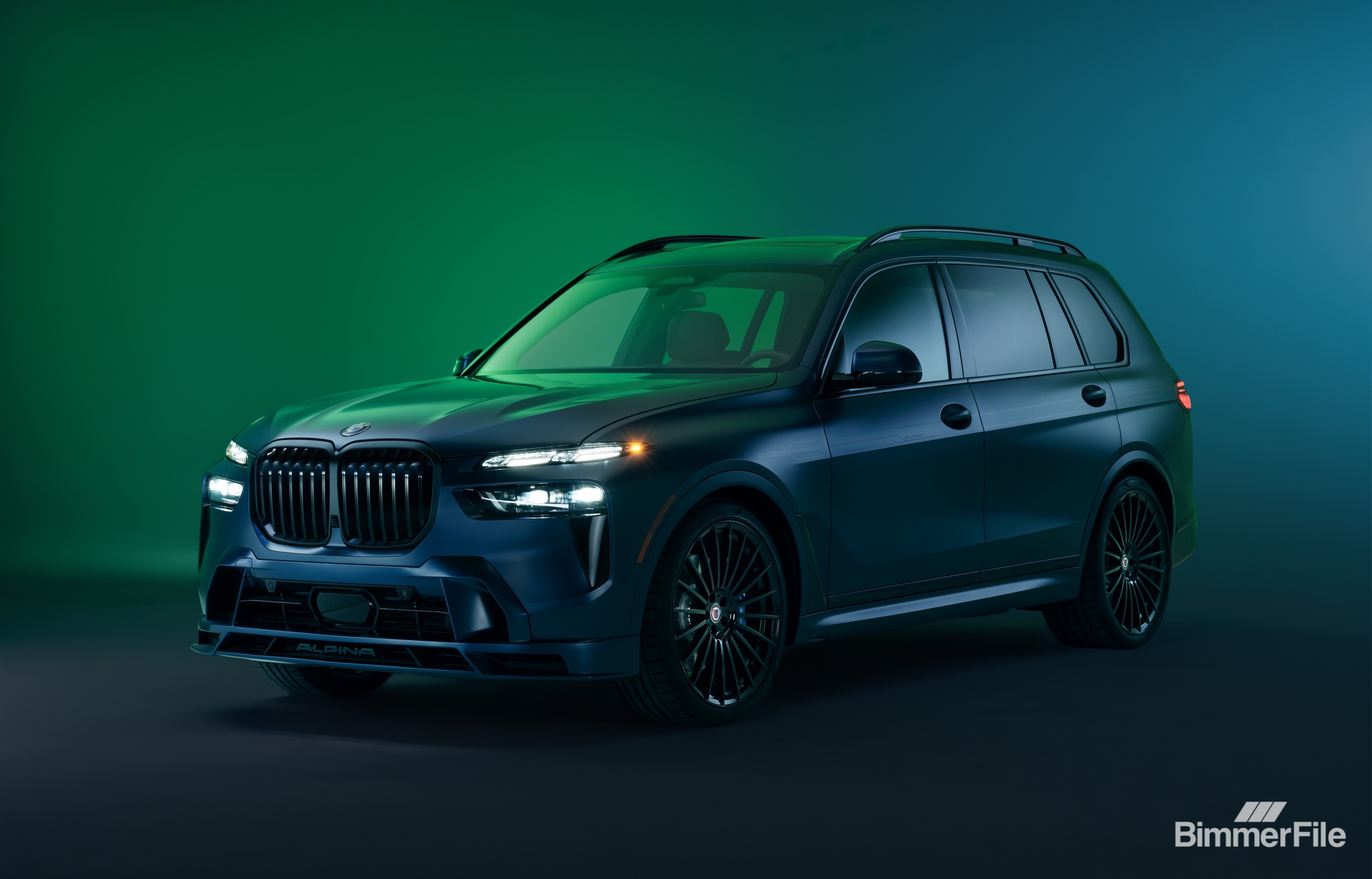
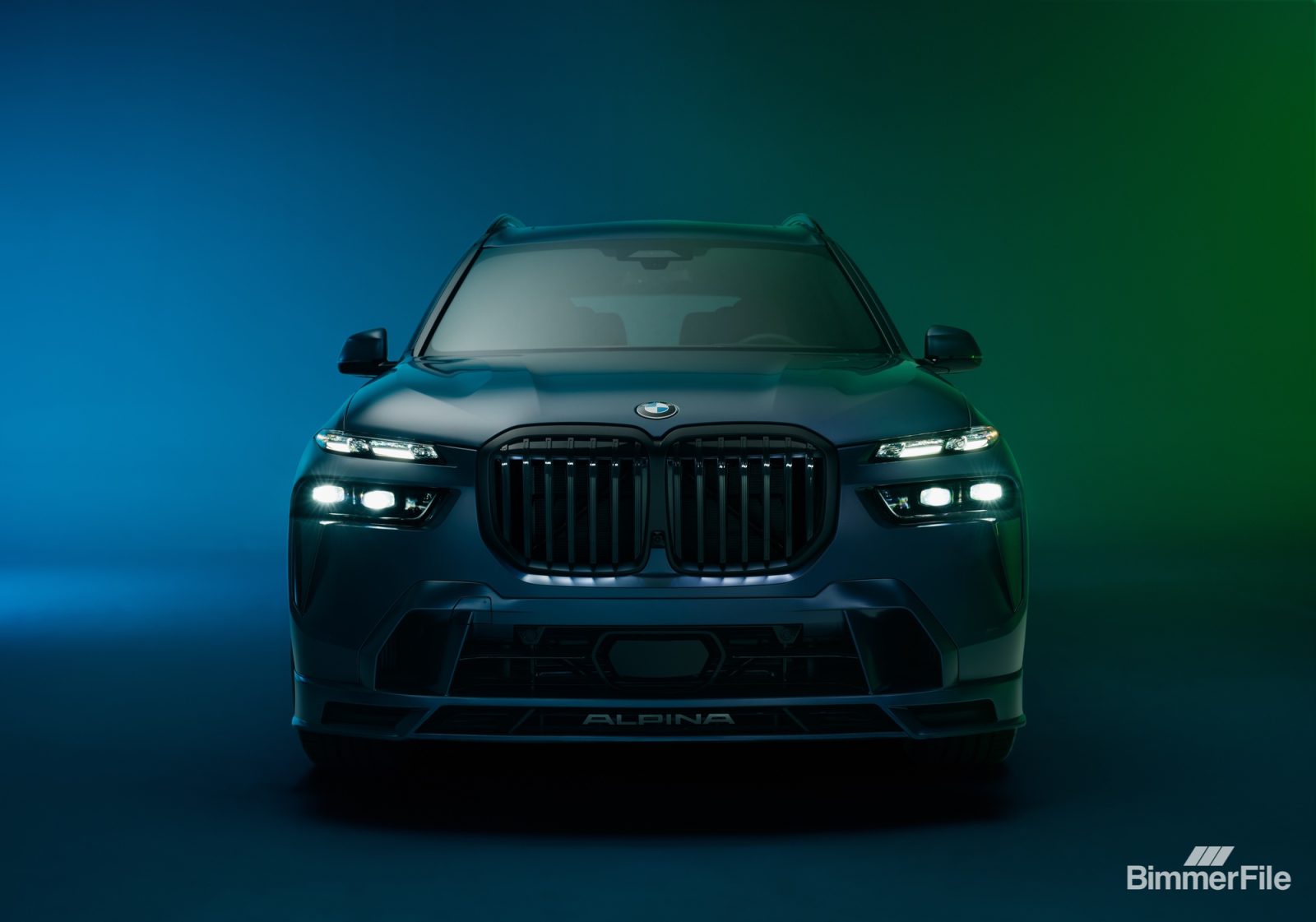
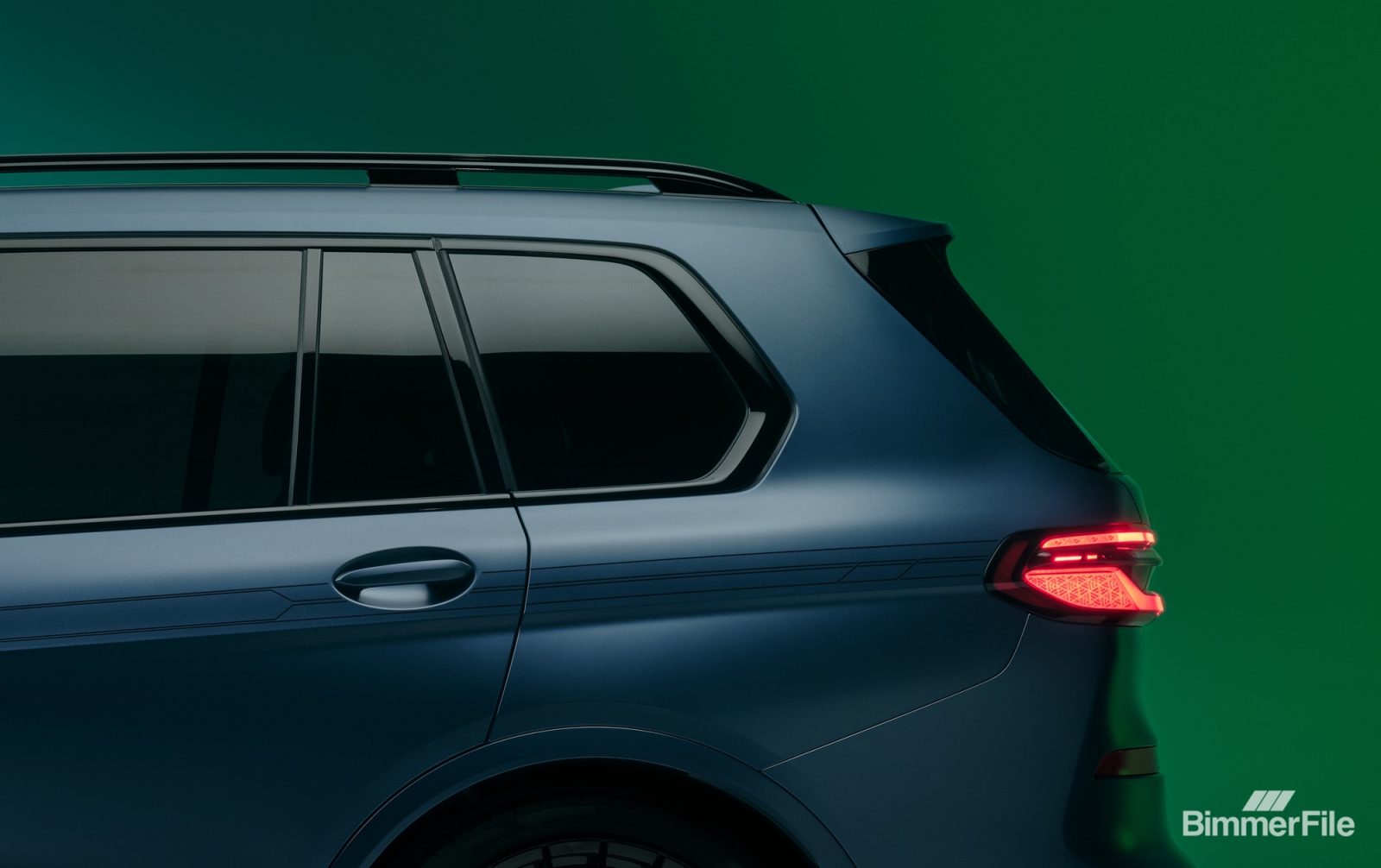
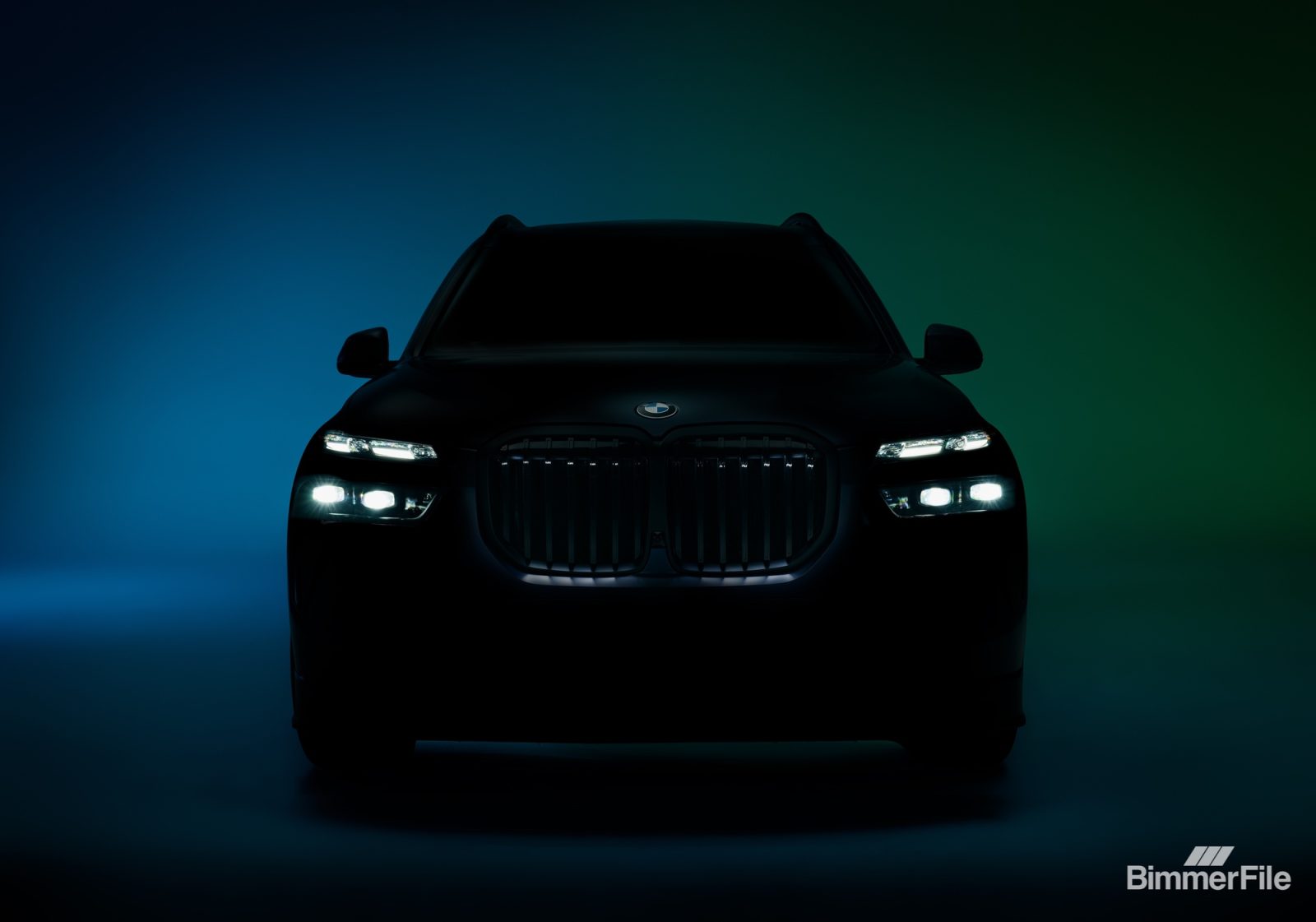
The 2026 BMW ALPINA XB7 MANUFAKTUR arrives as a limited production farewell. Just 120 examples will be built for the United States and Canada, marking the end of XB7 production and the final chapter for one of ALPINA’s most successful but unusual models.

Unusual because the XB7 quietly made history when it launched in 2020. Instead of completing its transformation in Buchloe like every ALPINA before it, the big SUV became the first ALPINA assembled in the United States, at BMW Plant Spartanburg.

Six years later the story ends where it began. The XB7 MANUFAKTUR serves as a carefully curated send-off. Production begins in September 2026 with deliveries expected in Q4 2026. Each of the 120 vehicles will arrive fully equipped, with buyers choosing only between two exclusive exterior finishes.

Production begins September 2026 at BMW Plant Spartanburg, with deliveries expected in Q4 2026. Pricing starts at $180,000 plus $1,550 destination, and every vehicle arrives in a single fully equipped specification.

Frozen ALPINA Colors Make Their XB7 Debut

The MANUFAKTUR model introduces two paint finishes never before offered on the XB7:
• Frozen ALPINA Green
• Frozen ALPINA Blue

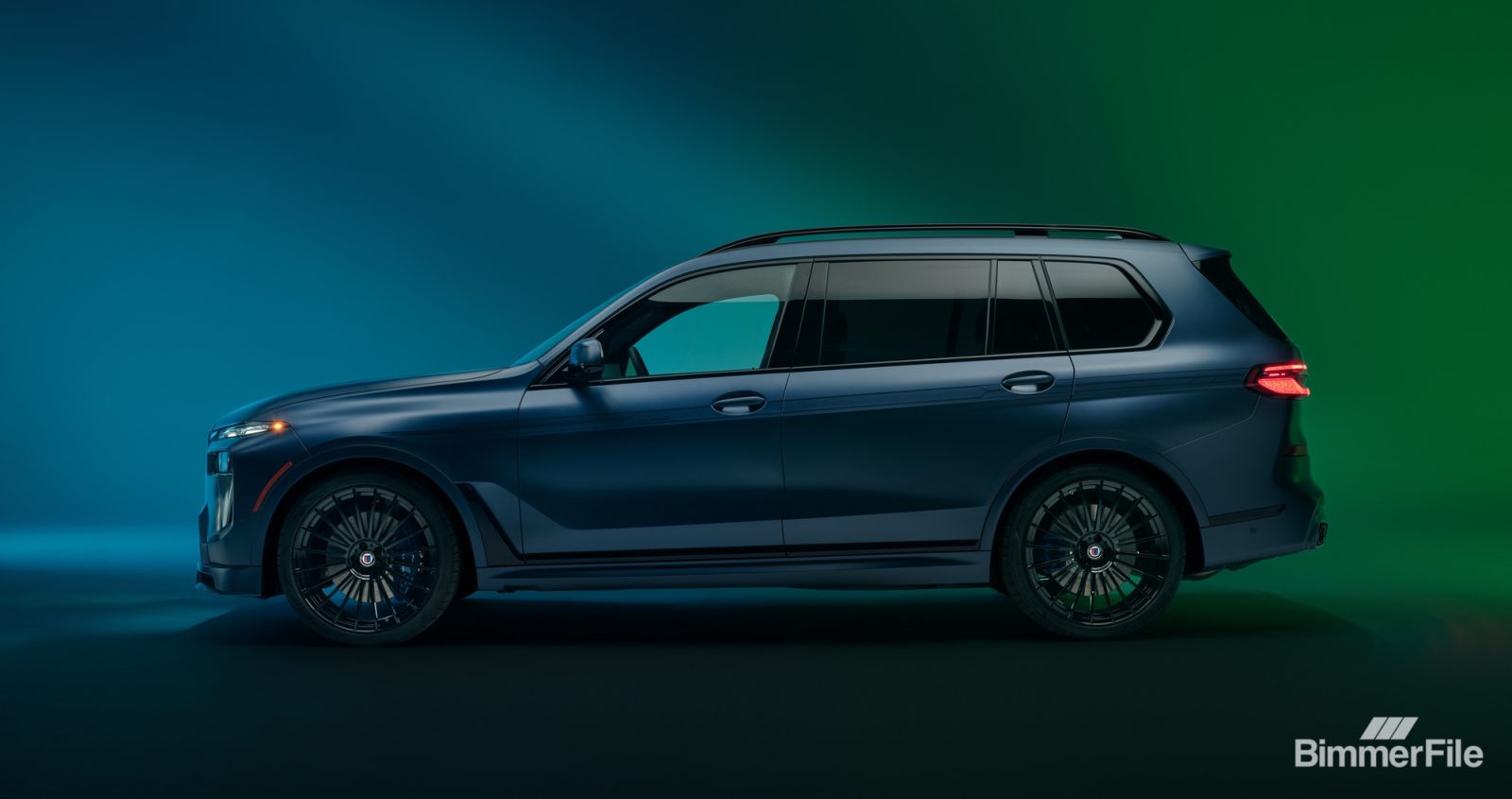
Both colors draw directly from ALPINA’s heritage palette while giving the big SUV a striking matte finish.

Contrast comes via high-gloss Shadowline trim, applied across nearly every exterior element:
• Kidney grille
• Window surrounds
• Air breathers
• Tailpipe finishers
• Front ALPINA logo

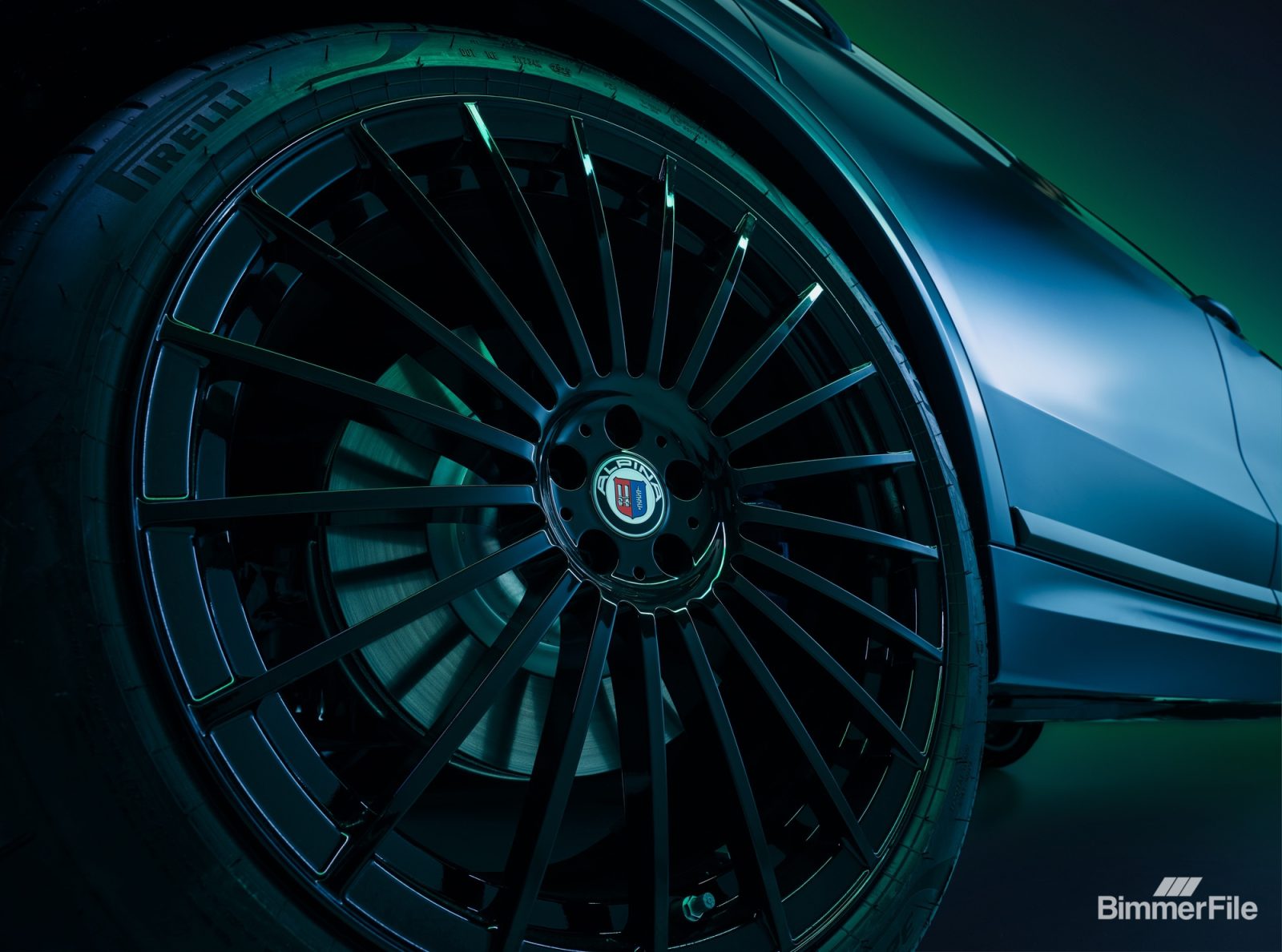
The look is purposeful and restrained, exactly what you’d expect from Buchloe’s design philosophy. Even the signature 23-inch ALPINA CLASSIC forged wheels arrive finished in Shadowline black, reinforcing the stealthy aesthetic.

Subtle identifiers mark the special edition:
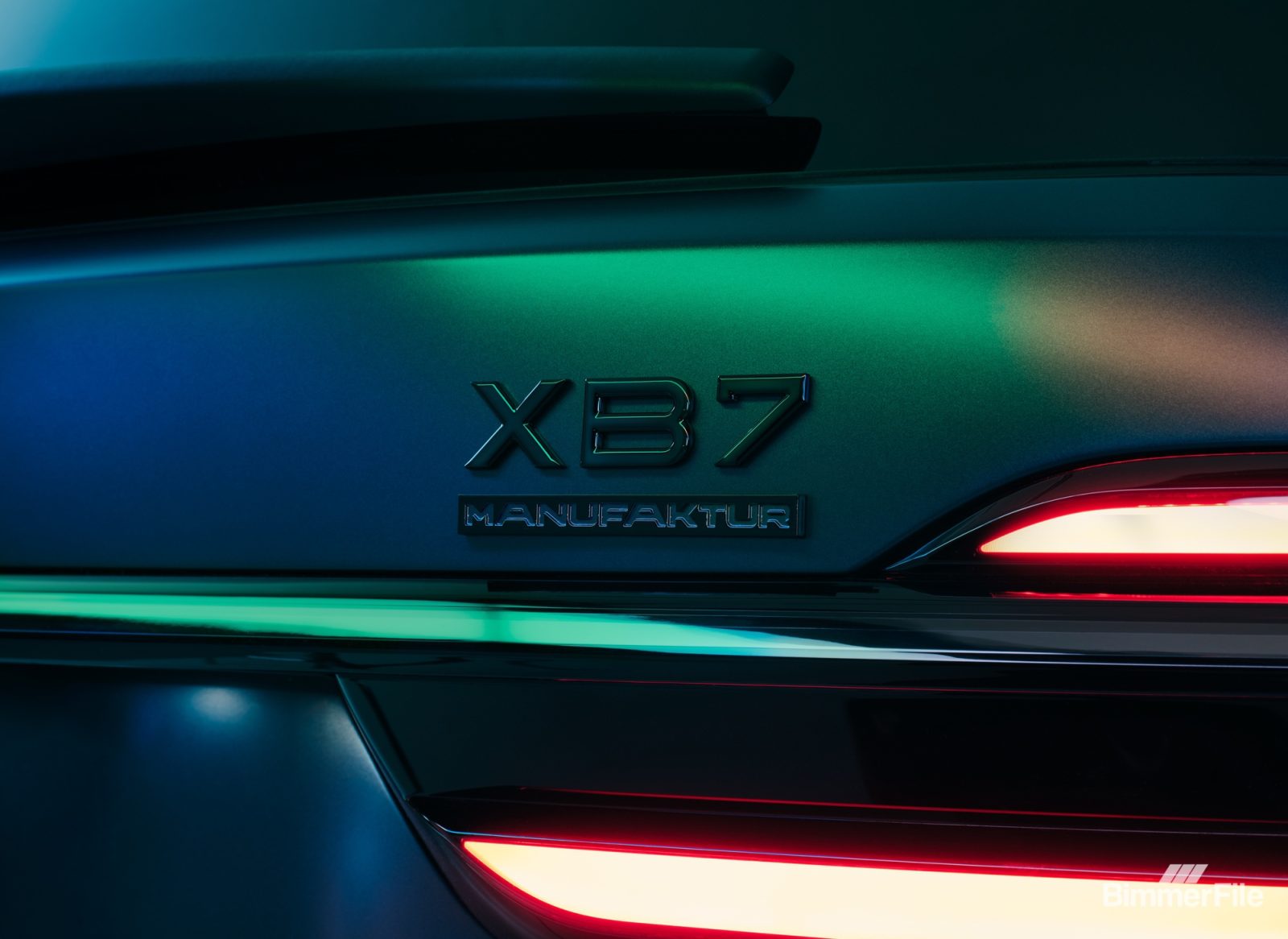
• “XB7 MANUFAKTUR” rear badge
• Laser-etched MANUFAKTUR wordmark on the B-pillars
• Black ALPINA Deco-Set side graphics

For buyers who actually intend to use their 631-horsepower luxury hauler, a 7,500-lb towing capacity remains intact thanks to the standard receiver hitch.

Inside, every MANUFAKTUR model shares the same configuration — and it’s appropriately lavish.

The cabin is upholstered entirely in Tartufo Full Merino leather, paired with ALPINA Walnut Nature Black trim. The combination gives the interior a warm, almost lounge-like atmosphere.

Heritage cues appear throughout:
• ALPINA script embroidered in green and blue on the front headrests
• Silver ALPINA emblem pins on the floor mats
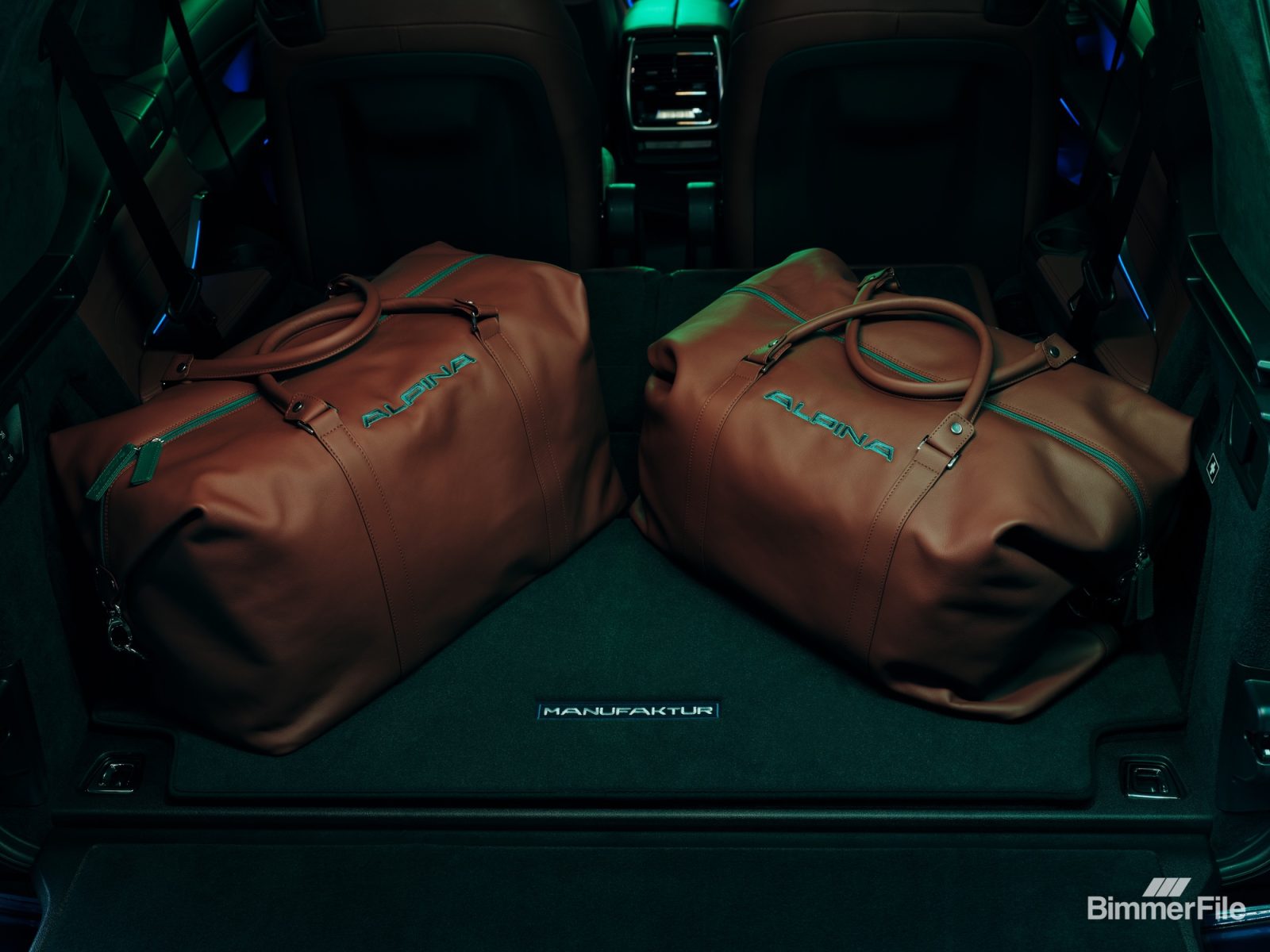
• “MANUFAKTUR” embroidery on the trunk mat

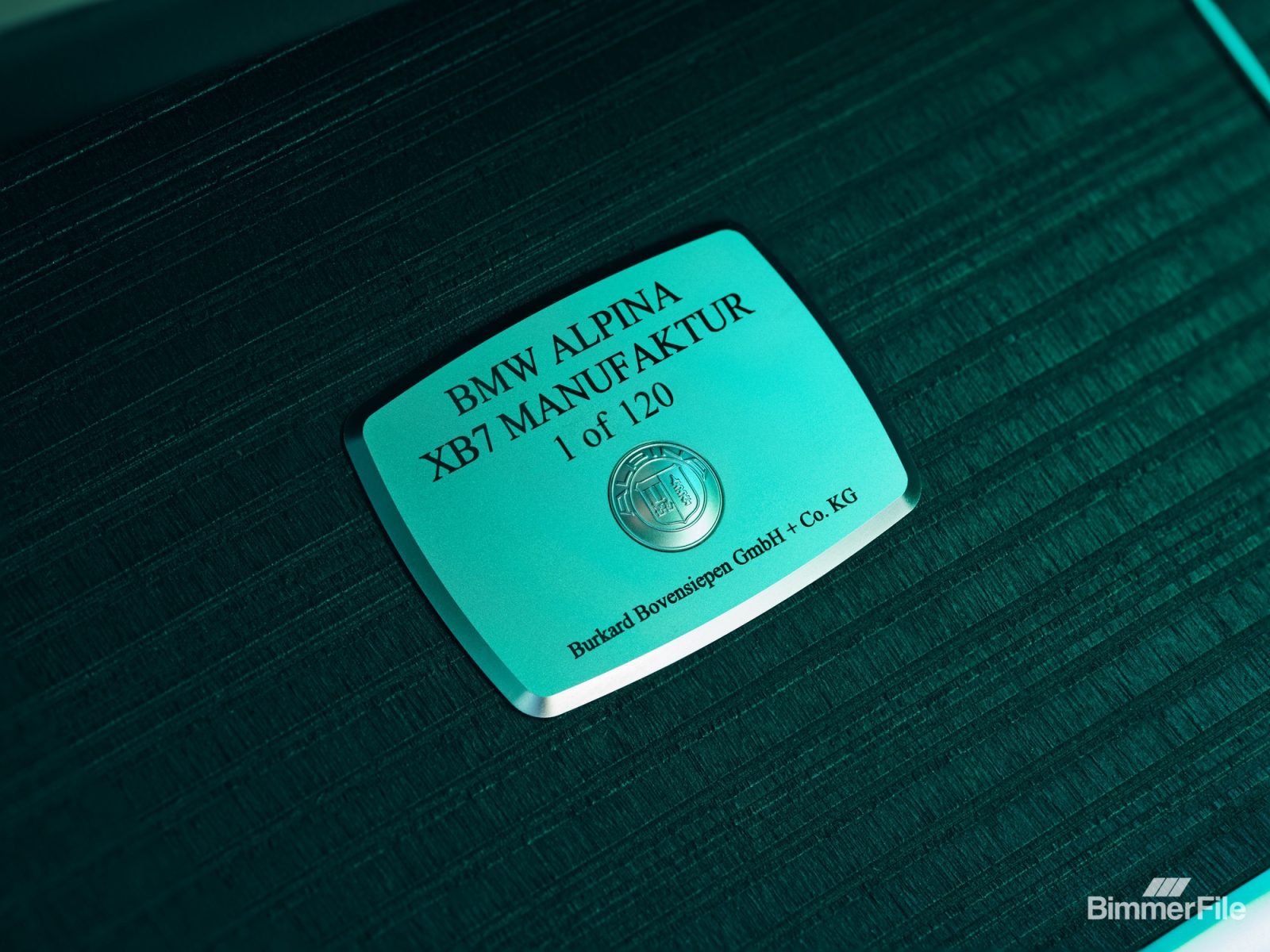
The centerpiece is a silver plaque on the center console reading: “BMW ALPINA XB7 MANUFAKTUR – 1 of 120”

Standard equipment includes:
• Second-row captain’s chairs
• Bowers & Wilkins Diamond Surround Sound System
• ALPINA Switch-Tronic transmission with anodized black column-mounted paddles

Owners will also receive two handmade ALPINA weekender bags, crafted from brown LAVALINA leather and trimmed with green and blue ALPINA script.

It’s the kind of detail that feels quintessentially ALPINA, quietly luxurious and slightly eccentric.

631 Horsepower, Effortless ALPINA Performance

Under the hood sits the familiar ALPINA-tuned 4.4-liter Bi-Turbo V8 based on BMW’s S68 architecture.

Output remains unchanged but impressive:

  • 631 hp
  • 590 lb-ft of torque
  • 0–60 mph: 3.9 seconds

Power flows through an 8-speed ALPINA Switch-Tronic transmission paired with a 48-volt starter-generator.

But raw numbers have never been the whole point. ALPINA’s philosophy is about effortless speed, the ability to cross continents quickly, quietly, and comfortably.

The chassis reflects that balance with the ALPINA 2-Axle Air Suspension

  • Adjustable ride height range of 3.2 inches
  • +1.6 inches lift below 20 mph
  • −0.8 inches at speed
  • −1.6 inches in SPORT+ above 155 mph

Advanced chassis systems include:

  • Active Roll Stabilization
  • Electromechanical anti-roll bars
  • Stiffer rear axle bushings
  • Integral Active Steering with up to 2.3° rear steering

Drivers can tailor the experience through COMFORT, SPORT, and SPORT+ modes, transforming the XB7 from relaxed long-distance cruiser to improbably agile seven-seat performance machine.

The End of the XB7 Era

The MANUFAKTUR edition isn’t simply another special trim, it represents the final production run of the ALPINA XB7.

For six years, the model served as ALPINA’s interpretation of BMW’s flagship SUV: faster, more refined, and subtly more exclusive. Its production in Spartanburg also marked the first time an ALPINA model was completed outside Buchloe, an important milestone for the brand.

With just 120 units allocated for North America, the MANUFAKTUR version will almost certainly become one of the most collectible ALPINA SUVs ever produced.

And in classic ALPINA fashion, the farewell arrives not with drama, but with quiet, confident elegance.


Source link

Sunshine & Supercars: Amelia Island 2026

0
Sunshine & Supercars: Amelia Island 2026


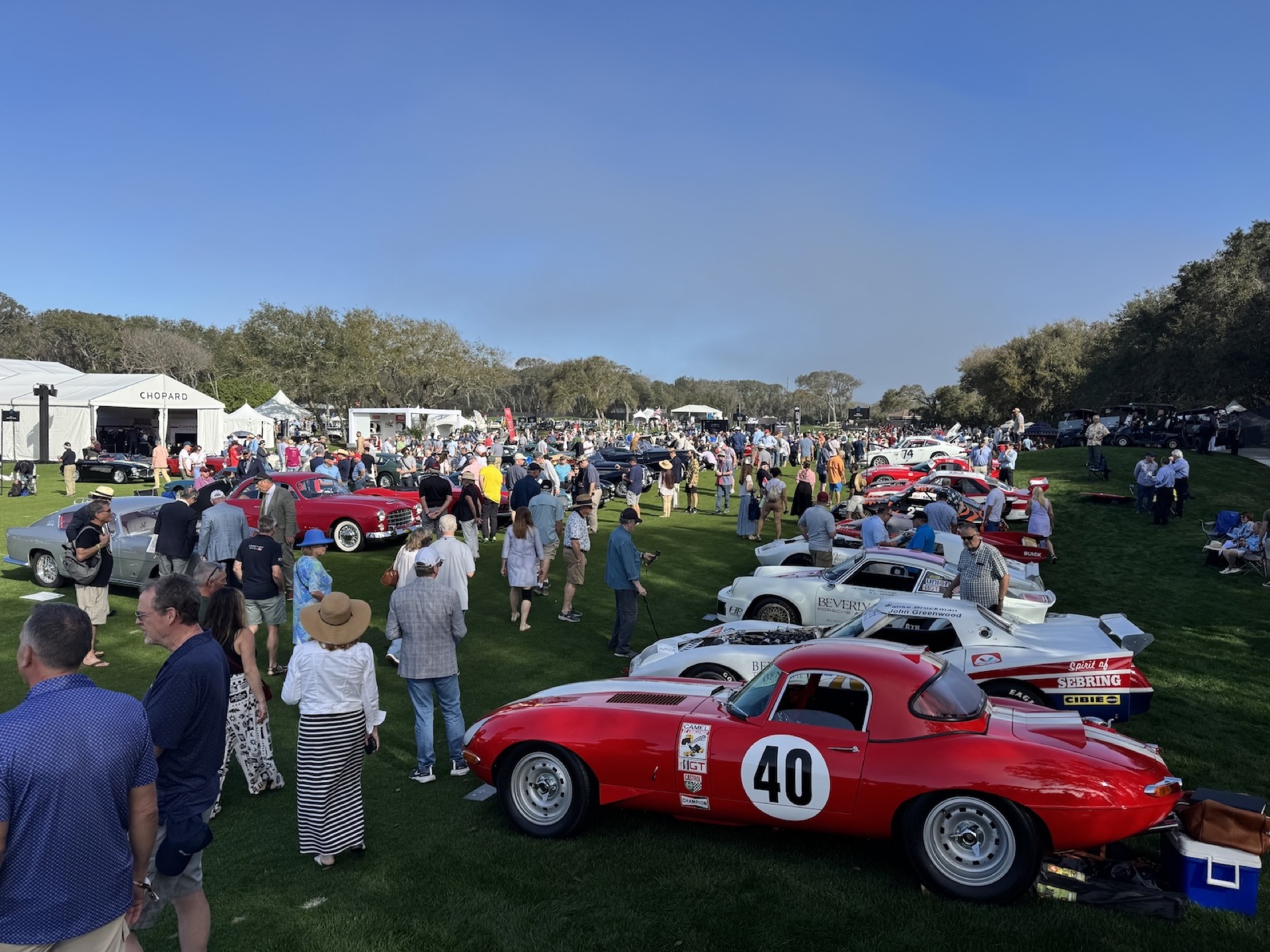
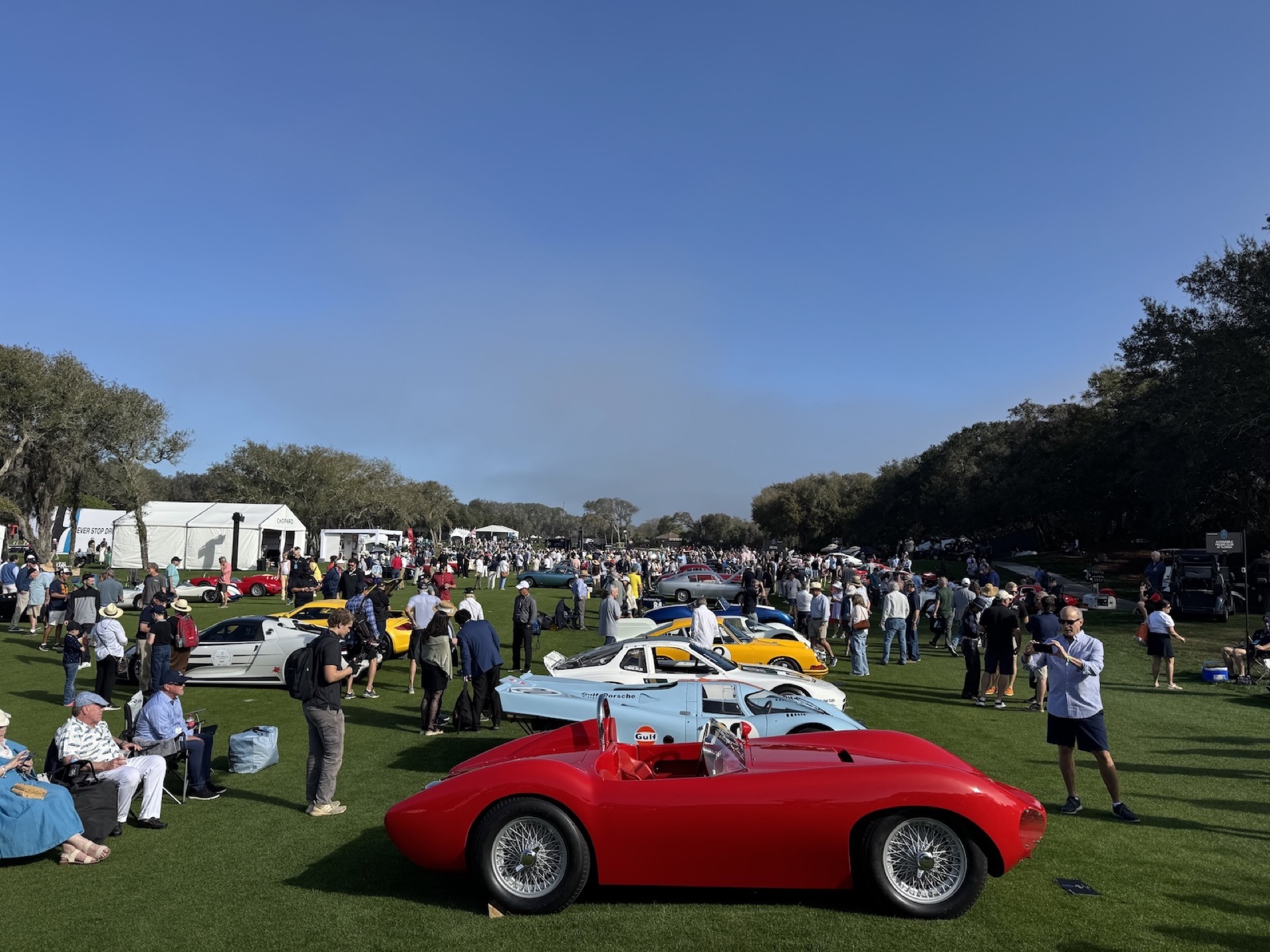
Alongside the grand spectacle of Pebble Beach in August, the Amelia Island Concours remains one of the most coveted automotive events in the United States. Multi-million-dollar auctions, relaxed fan gatherings and an exclusive concours competition all come together in the pleasant spring sunshine of Florida.

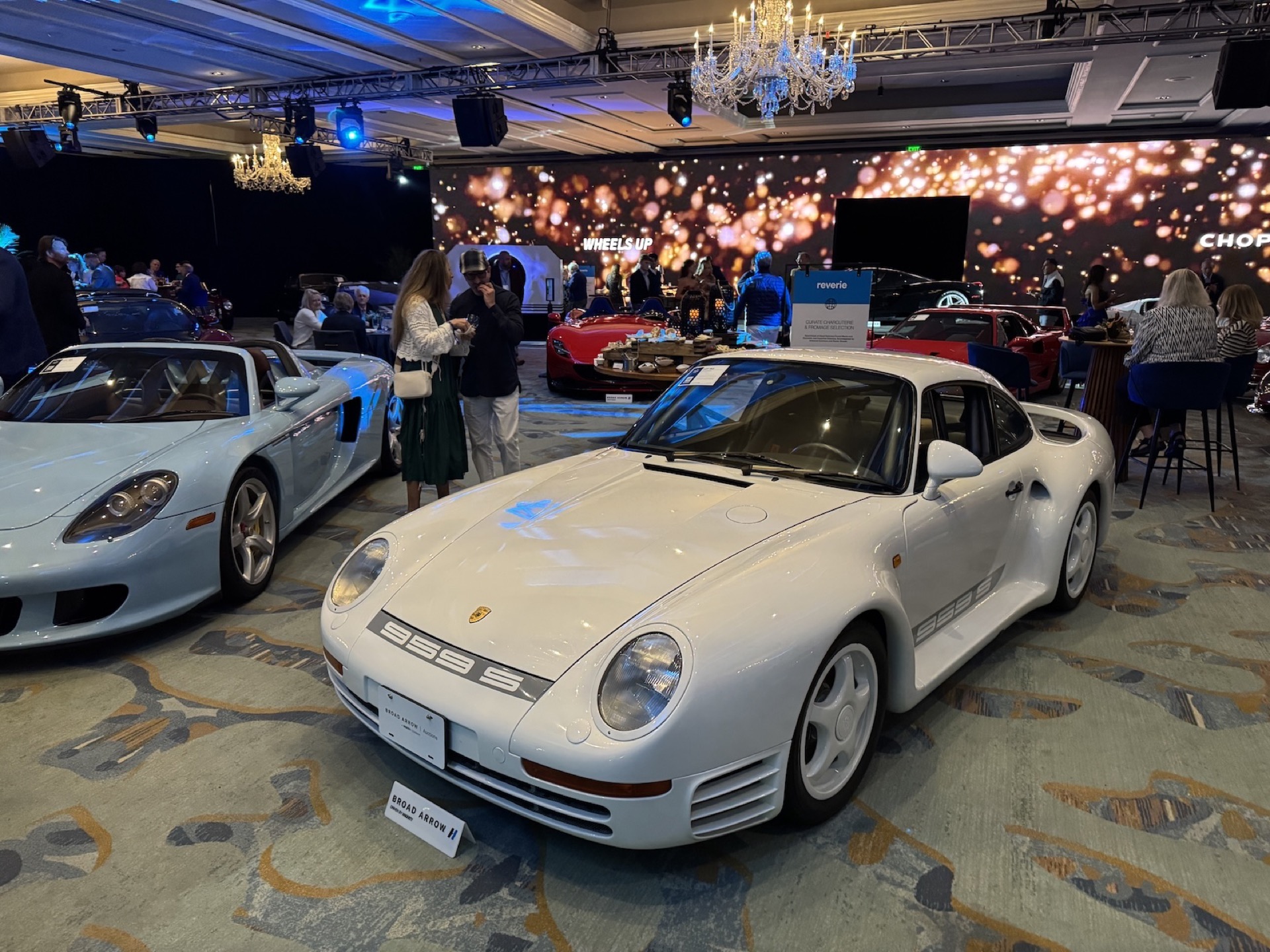
“And… sold,” murmurs auctioneer Lydia Fenet into the hall of the elegant Ritz-Carlton Hotel, her voice softer than many of her male colleagues. “This Porsche 959 S sells for 5.5 million dollars.” At the Broad Arrow auction, younger sports cars in particular changed hands almost as quickly as they appeared on stage. A white Porsche 959 Sport reached $5.5 million. A red Ferrari Monza SP2 fetched $4.7 million. A Lamborghini Miura SV climbed to $6.6 million, while a light blue Porsche Carrera GT achieved an astonishing $6.7 million. Broad Arrow alone generated more than $107 million in sales over the Amelia Island weekend. Alongside these prestigious classics, more ordinary cars are becoming increasingly popular. A white Volkswagen Golf Cabriolet appears, then a Porsche 968, and suddenly paddles rise for a dark Mercedes 560 SEL from the W126 generation.

Less than 500 metres away, Adam stands beside his pale green 1990 Lada Niva, mirrored sunglasses reflecting the Florida sun. The Russian off-roader is covered in rust bubbles. It is one of the most unusual vehicles at the Radwood Festival, arguably the most visited event of the weekend alongside the auctions and the exclusive concours. “I bought the Niva 1600 four years ago from a guy in Illinois and I just love it,” says the enthusiast from New England with a broad smile. “Something is always broken and it barely reaches 50 miles per hour on the highway, but I wouldn’t swap it for anything else.”

Amelia Island has been a cult gathering for more than three decades. Fans travel not only from Florida but from across the United States to the Atlantic coast for a long weekend devoted entirely to cars. The event is much more than the central concours on Saturday, where wealthy collectors gather on the lush golf course beside the dunes. BMW celebrates 40 years of the M3 and casually unveils the $180,000 Alpina XB7 before the brand enters a new chapter later this year. It is the kind of automotive celebration Europe often lacks. Brand clubs, enthusiastic owners, auction-hungry collectors and concours connoisseurs all converge on northern Florida each March. The atmosphere is relaxed and welcoming, partly because of the location and partly because cars of every conceivable price category stand side by side.

Amelia Island 2026 1

That the 1931 Duesenberg Model J Tapertail Speedster owned by William Lyon from Coto de Caza ultimately wins the prestigious concours comes as little surprise, even if tastes have shifted in recent years. “We are all still adjusting to the idea that a car like a Nissan Skyline can sell for a million dollars,” explains Ramsey Pott from the Broad Arrow auction house. “Many pre-war cars or models from the 1950s and 1960s are becoming harder to sell. They still have their fans, but the trend clearly favours cars people remember from their childhood. That means Porsche, Acura or Nissan rather than Duesenberg.”

These modern classics appear not only at the Cars & Caffeine gathering on Sunday but also at Radwood and at the many informal meet-ups in parking lots and petrol stations stretching towards Jacksonville. There is no $180 entrance fee there and the air does not carry the sweet scent of cigars that hangs over the concours grounds. Visitors wear shorts and colourful polo shirts, while judges and long-time concours enthusiasts often appear in dark double-breasted jackets, light pleated chinos and straw hats. It is the unofficial uniform of Amelia Island.

Later, there is always time for a glass of champagne by the hotel pool, perhaps after picking up some Amelia memorabilia or even a miniature Ferrari decorated in sparkling Swarovski crystals.

Amelia Island 2026 24


Source link

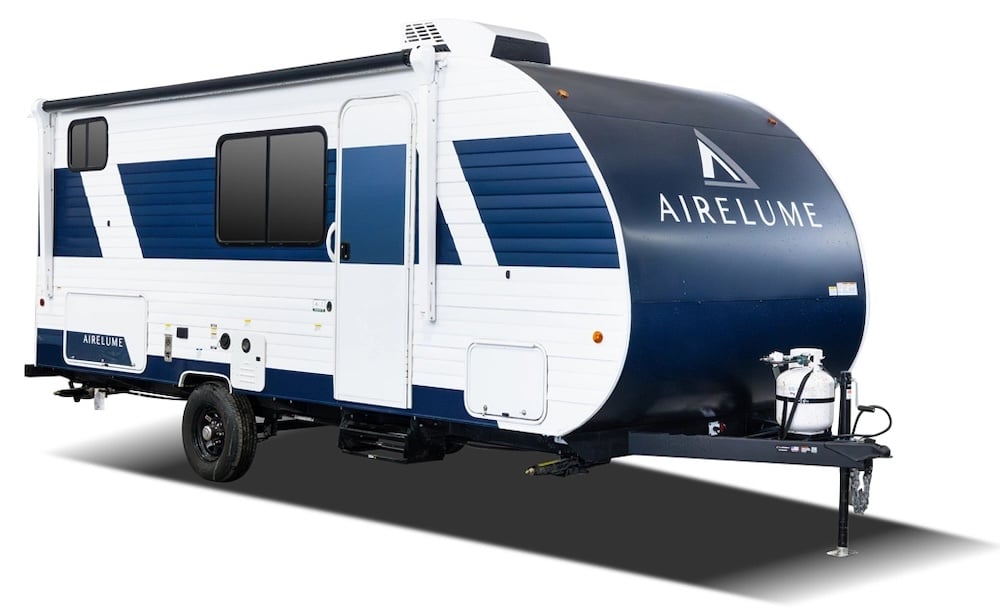
Forest River Airelume Makes Its Debut in 2026

0
Forest River Airelume Makes Its Debut in 2026


IN AN ERA where “family time” is often synonymous with everyone staring at separate screens in the same room, the value of camping has never been higher. However, the leap into RVing can feel daunting for many families. Towing can be intimidating, and steep price tags often keep the dream of the open road out of reach. Those are exactly the problems that the all-new Forest River Airelume seeks to solve. 

Designed specifically for families with little to no RV camping or towing experience, this new 2026 Forest River camper shows that simple, smart design can pay off big for new RVers. Let’s get to know Airelume, the newest addition to the Forest River family.

Key Takeaways

  • Innovative “Luma Lounge”: A versatile 3-in-1 furniture system that quickly converts between a four-person dinette, a massive chaise lounge for movies, and a large sleeping area in under 60 seconds.
  • Stress-Free Towing: Designed specifically for beginners, the Airelume features a lower exterior profile and aerodynamic front cap to reduce wind resistance and increase confidence on the road.
  • Purpose-Built Family Features: Practical design choices—such as a “mudroom” bathroom entry, easy-clean no-vent flooring, and oversized camp-side windows—focus on the real-world needs of active families.

The Airelume “Calling Card”: Purpose-Built Practicality

Images by Forest River

Unlike many entry-level trailers that strip away features to lower costs, Airelume took a different path. The designers asked two simple questions: How does a family actually use an RV? And how do we meet those needs at an affordable price?

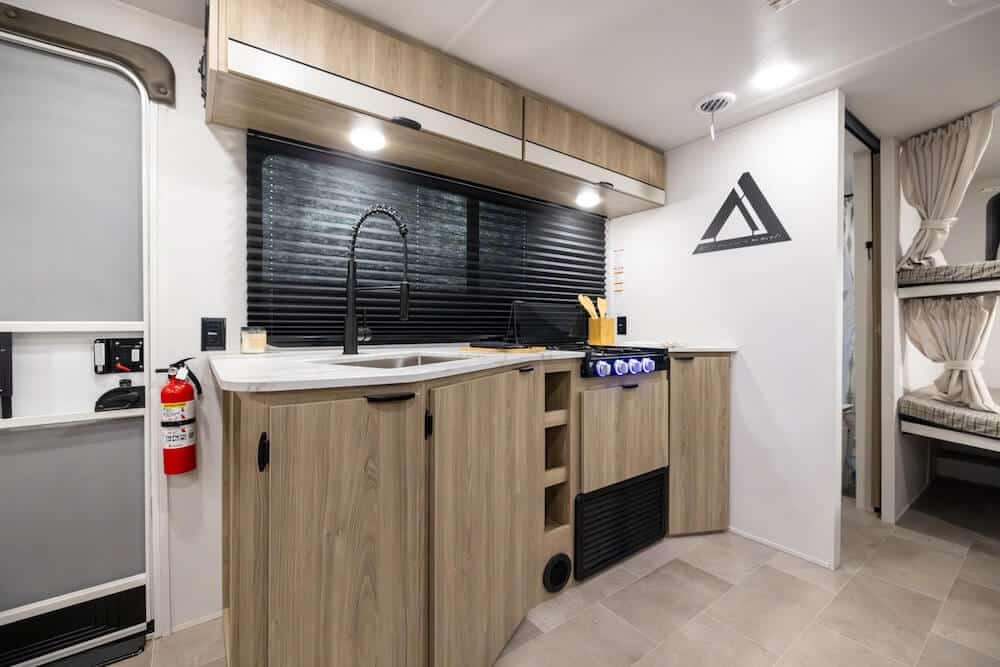
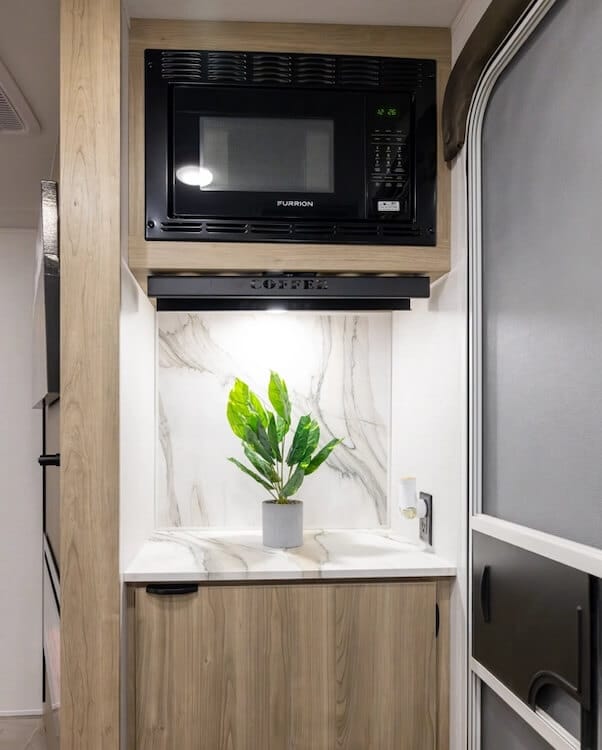
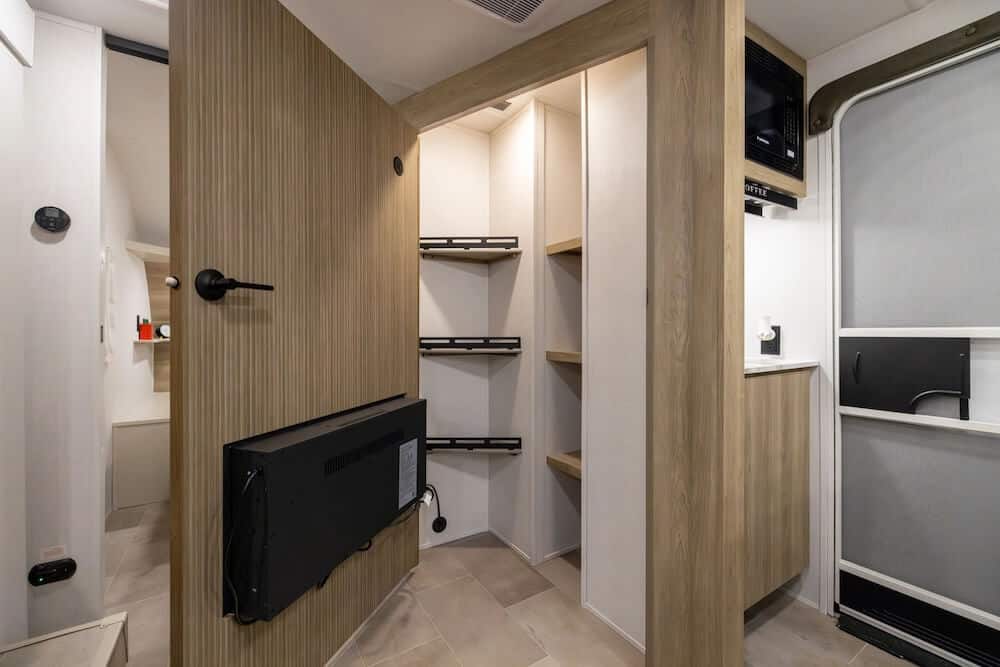
The answers shaped every design choice in the Airelume. We see a large camp-side window, making it easier to watch the kids play while finishing up dishwashing. There’s easy-to-clean flooring because kids (and pets!) get muddy when you’re camping. They designed a dedicated coffee nook so your Keurig or French press doesn’t take up valuable counterspace in your prep areas. 

There are plenty more examples where those come from, but the approach is undeniable: it’s a thoughtful design that removes the common frustrations that many new campers experience with entry-level trailers.

And one of those major frustrations is that seating and sleeping capacities often don’t match in family campers. Let’s see how the Airelume solves that.

The Luma Lounge: The Heart of the Home

2026-Forest River Airelume-Luma Lounge
Image by Forest River

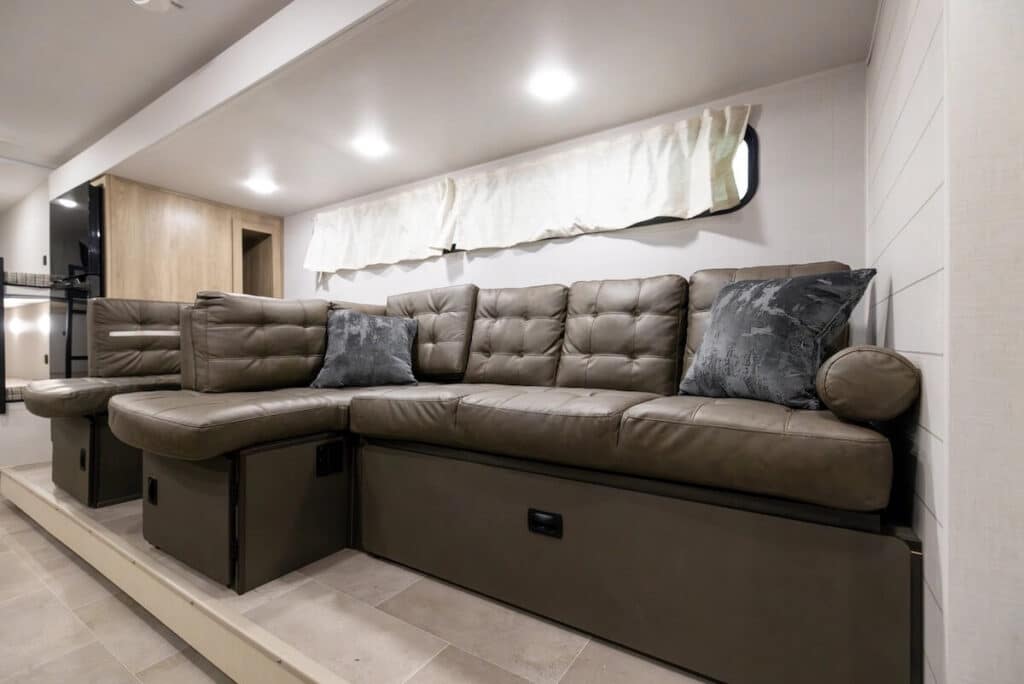
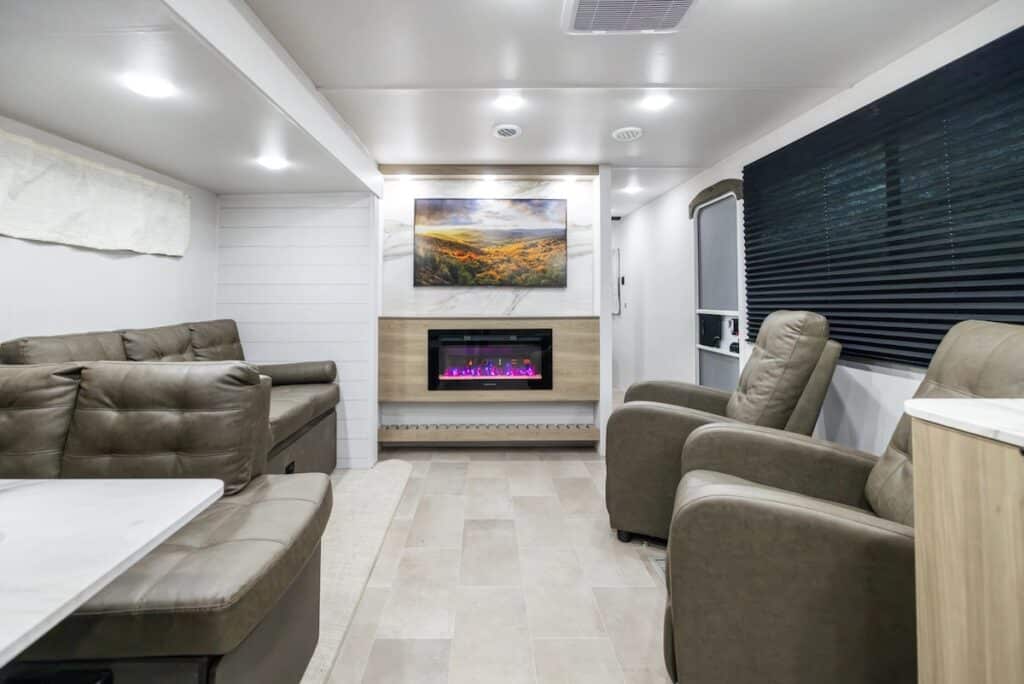
Airelume’s standout innovation is the Luma Lounge. In most trailers, you must choose between a dinette for meals or a sofa for lounging. Even floor plans that offer both keep them separate when converted for sleeping, offering two functional—but small—beds. 

Enter the Luma Lounge, Airelume’s versatile sofa and dinette system that quickly converts into a 7-foot chaise lounge. Whether it’s a rainy-day movie marathon, a family game night, or a full-on sleepover, the Luma Lounge creates a unified space where the whole family can actually fit.

Its 3-in-1 versatility is seldom matched in RV furniture design. It boasts three distinct arrangements: Dining Mode, Movie Mode, and Sleep Mode. The removable central backrest is key to this convertibility. It allows you to flip from a four-person dinette with a jackknife sofa (Dining Mode) to a two-person dinette and a massive chaise lounge (Movie Mode). And for Sleep Mode, remove the backrest, drop down the dining table, and fold out the sofa to create an enormous sleeping space spanning nearly the entire length of the slide room. The best part? Converting between these modes takes less than 60 seconds. 

To complement this, Airelume features a massive 72” x 29” camp-side window. Positioned to face the “action side” of your campsite, it allows parents to keep an eye on the kids at the picnic table or fire pit while prepping meals inside.

They clearly had “easy living” in mind when designing these new Forest River campers, but they also thought of another major hurdle for RV beginners: the towing learning curve.

Confidence Behind the Wheel

For RV newbies, towing anxiety is certainly real. The makers of Airelume know this, which is why they made strategic design choices to give these new campers superior towability. 

They started by lowering the exterior height to 10’4″, which is a full foot lower than the industry standard. Then, they incorporated a more aerodynamic front profile, significantly reducing wind resistance. This makes for a smoother, more stable, and less intimidating drive—even for those who have never hitched up a trailer before.

And since we’re talking towing, let’s peek at the lineup’s key specifications.

Forest River Airelume Specs

Forest River Airelume 170
Image by Forest River

While new models may still be in development, here’s a quick overview of the current Airelume floor plans: 

Lengths: ~20 to 37 feet

Hitch Weights: ~500 to 1,100 pounds 

Dry Weights: ~3,500 to 8,700 pounds

Cargo Capacities: ~1,000 to 2,000 pounds

Sleeping Capacities: ~3 to 10

Water Heater Size: 60,000 BTUs (Tankless)

Fresh Tank Sizes: ~30 to 45 gallons

Gray Tank Sizes: ~30 to 60 gallons

Black Tank Sizes: ~30 gallons

Floor Decking: ⅝” Tongue-and-Groove Plywood

Roof Decking: ⅜” Plywood (Fully Walkable)

Front Cap: 0.40-gauge Smooth Aluminum

And sure, specs play a role in things like safe towing and ensuring the tank sizes will meet your camping needs, but there are so many other livability features that Airelume carefully crafted to help you create core family memories.

Smart Airelume Features for Modern Campers

Images by Forest River

Even with decades of experience reviewing RVs, our Product Expert Ian Baker had several “why haven’t I seen that before?” moments when they first unveiled the Airelume RV. These are some of the thoughtful features that make a massive difference in daily use:

The User-Centric Kitchen: Recognizing that modern campers prefer an air fryer or Crockpot over a traditional RV oven, Airelume replaced the oven with a massive pots-and-pans drawer below the cooktop. They also designed the angled countertops for better campsite visibility and added that dedicated coffee nook with a flip-down coffee pod storage rack.

Repair-Friendly Exterior: The exterior sidewall panels are hung top-to-bottom, making it easier and less expensive to replace a single panel rather than requiring a major repair, especially lower on the walls, the areas most susceptible to damage from campsite obstacles.

Perfect Balance of Views and Privacy: Designing the oversized camp-side window for better site visibility is key for parents keeping an eye on the kids, but the designers also recognized that the off-camp window in many campgrounds stays closed the vast majority of the time. So they reduced the size of that window, providing extra privacy while retaining excellent airflow.

No-Vent Flooring: With no vents in the floor, there’s nowhere for pet hair, crumbs, or dirt to hide, making cleanup a breeze.

The “Mudroom” Bathroom: Select models feature a second entry door leading directly into the bathroom. This means no more tracking dirt through the entire trailer just to use the restroom, and easy access during quick highway pit stops.

The intelligent features don’t stop there, either. 

  • The wall-mounted dining table offers a more secure design and eliminates a leg post for less knee-knocking. 
  • They smartly placed the exterior awning to cover both entry doors on two-door models.
  • They added dry-erase surfaces to the basement compartment doors for gear lists or a little kid fun at the campsite. 
  • The fully enclosed underbelly uses sectioned paneling for easier maintenance access.
  • The inside refrigerator stays accessible in Travel Mode, even without opening the slide room.

The list goes on and on. But let’s check out two of our favorite floor plans before we get down to brass tacks.

Featured Airelume Floor Plans

One small; one larger. Here’s an early look at two of the new Airelume RV trailers. 

Airelume 170

Subscribe to the Camping World Tutorials YouTube channel and never miss a video.

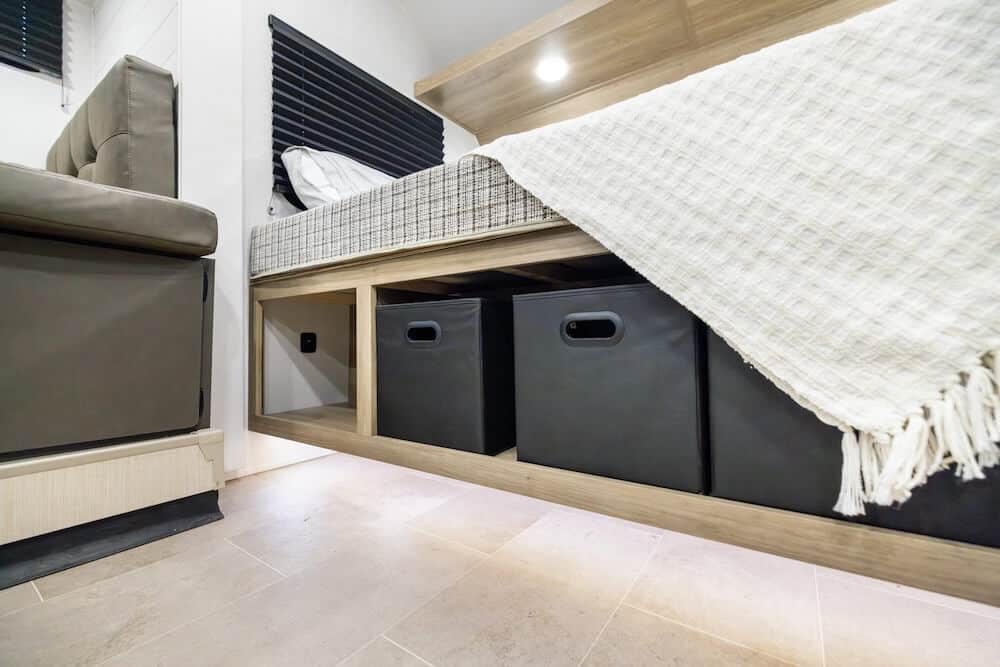
The Airelume 170 offers a lightweight towable with plenty of versatility for families with capable SUVs or light-duty trucks. Airelume adds some excellent touches to this tried-and-true floor plan, such as cubby storage under the front bed, a dedicated coffee nook, privacy curtains for the bunks, and extended dinette booths with abundant storage under each side.

Airelume 270

Subscribe to the Camping World Tutorials YouTube channel and never miss a video.

Stepping up to a heavier model designed for couples’ luxury—but at a more affordable price—the Airelume 270 offers a superbly spacious rear kitchen and living room. The 3-in-1 Luma Lounge is the real highlight in this layout, but the addition of dual recliners makes this the ultimate space for couples who like to host guests. And the expanded counterspace in the L-shaped kitchen makes meal prep so much easier when hosting.

Forest River Airelume: Value Without Compromise

2026-FR-Airelume-270-01 (13) copy
Image by Forest River

How do you define “affordability”? At Airelume, it isn’t about being “cheap”—it’s about value engineering. By focusing on features that actually enhance the camping experience and simplifying areas that don’t, Forest River has created a high-quality, innovative trailer that remains accessible to the average family budget.

Ready to see how Airelume can transform your family weekends?


Curious to explore other Forest River brands? Check out these resources:

What do you think of the design and style of the new Airelume campers? Let us know in the comments below!


Source link

What Happens When a Defective Car Part Causes an Accident?

0
What Happens When a Defective Car Part Causes an Accident?


This article may contain affiliate links.

Getting behind the wheel every day is something most drivers take for granted. Driving to work, school, or the store is just routine. But when a defective car part causes an accident, that routine trip can turn into a nightmare in a matter of seconds.

The worst part? The driver probably did nothing wrong.

Victims who are injured after a crash caused by faulty parts are often left wondering who is liable—and how they can even begin filing accident compensation claims. Talking to a personal injury lawyer as soon as possible can drastically change the outcome of a claim. Pursuing justice isn’t always easy—but it is possible.

Here’s what you should know:

  1. How Common Are Defective Car Part Accidents?
  2. Which Parts Cause the Most Crashes?
  3. Who Is Liable — And How Is It Proven?
  4. How To Build a Strong Accident Compensation Claim
  5. What Compensation Can Victims Recover?
  6. What To Do When It Happens To You
What Happens When a Defective Car Part Causes an Accident?

How Common Are Defective Car Part Accidents?

It may be surprising to you. Despite what many people think, defective car parts are responsible for thousands of crashes each year. Per NHTSA data, mechanical failures lead to roughly 44,000 crashes annually. That’s already alarming, but that number doesn’t even account for crashes in which the defective part was never identified.

And it gets worse. Failed or degraded tires account for 43% of mechanical failure crashes each year, while brake defects and malfunctions account for another 25%. Millions of vehicles get recalled every year for defective parts. But many defective car parts will never be on a recall list. A vehicle could be on the road right now with a hidden defect the driver is completely unaware of.

Which Parts Cause the Most Crashes?

Dangerous car parts aren’t created equal. Some are naturally riskier than others. Here are some of the most common defective vehicle parts that cause serious car crashes:

  • Tires — Blowouts can cause drivers to lose control of their vehicles suddenly and violently while moving at high speeds
  • Brakes — Brake failure can prevent a driver from being able to react in time to avoid a collision
  • Airbags — Airbags can fail to deploy when they should—or they can deploy with too much force
  • Accelerators — A stuck accelerator removes the ability to slow down or stop the vehicle
  • Steering systems — A locked steering column can leave a driver unable to control their vehicle
  • Seat belts — Improper latches can cause a driver or passenger to be violently thrown around inside the vehicle during impact
  • Windshield wipers — Failure during inclement weather can eliminate forward visibility entirely

Some defects develop gradually, with warning signs along the way. Others occur without warning. Drivers aren’t always able to do much about defective vehicle parts before they cause an accident. That’s why it’s up to someone else to take accountability—and pay.

Who Is Liable — And How Is It Proven?

This is where it gets interesting. In most defective car part accidents, liability doesn’t end with one single party. Often, multiple parties share responsibility for what happened:

  • The manufacturer — Sometimes parts are built wrong from the start—or there may be a design flaw
  • The retailer or distributor — If a retailer knows about a defect but sells the product anyway, they can be held liable
  • Mechanics — If a mechanic installs the wrong part or neglects to spot an obvious issue, they can be held liable
  • The vehicle owner — Vehicle owners who ignore recall notices can sometimes be held responsible as well

Where did the breakdown occur in the chain of distribution? Product liability laws can help answer that question. There are three different types of liability that can be established in defective car part accident cases:

  1. Negligence — Someone in the distribution chain knew about the defect but failed to take care of it
  2. Strict liability — A defective part directly caused the crash and the responsible party can be held liable—regardless of intention
  3. Breach of warranty — By law, manufacturers must stand by their products. If they don’t, they can be held liable

Proving a claim will require evidence, and that evidence needs to be collected from the accident scene right away. That includes the vehicle itself.

How To Build a Strong Accident Compensation Claim

The process for filing accident compensation claims is different after a defective part crash.

Here’s why: When part defects cause a crash, the liable party is more than just another driver. It could be a large corporation with a team of lawyers trying to deny the claim at every turn. That’s exactly why having legal help matters.

An experienced attorney can help prove a defective car part caused the accident—and go after the responsible party for the largest settlement possible. Defective part accident compensation claims are much more complex than most car insurance claims. Building a strong case requires someone who knows how.

Building a strong claim starts with these steps:

  • Don’t let anyone tamper with the vehicle — Whatever part failed and caused the crash will need to be examined by experts
  • Check NHTSA recall databases — Find out if the manufacturer ever officially recalled the part
  • Document every injury — Every medical record received should be used to paint a full picture of the injuries
  • Gather witness information — Anyone who was present at the accident scene should be interviewed
  • Hire an accident reconstructionist — These experts can prove to insurers and courts that the accident was caused by a part defect

Each of these steps builds the claim. Without them, an insurance company or manufacturer will fight the claim tooth and nail.

What Compensation Can Victims Recover?

Nearly every cost incurred by the victim can be factored into accident compensation claims. Medical bills, lost wages, pain and suffering—if it was caused by the accident, it should be recoverable.

That includes:

  • Past and future medical expenses related to the accident
  • Lost wages and reduced earning capacity going forward
  • Property damage to the vehicle
  • Pain and suffering
  • Punitive damages if negligence can be proven against the manufacturer

Each case is different. Some accident compensation claims can be worth hundreds of thousands—even millions of dollars. Typically, the more serious the injuries, the higher the case value. However, tying an accident to a specific product defect—especially one that is currently under a manufacturer recall—gives the claim a much stronger foundation to build on.

What To Do When It Happens To You

Time is not a friend here. Like all accident compensation claims, statutes of limitations exist. There is a limited window to take legal action. Waiting too long can mean losing the ability to claim compensation entirely.

Don’t wait.

If a defective car part caused the accident, there is every right to fight and demand accountability from whoever is responsible. That means acting quickly, preserving evidence, and getting experienced legal help in the corner as soon as possible.

The defective part caused the accident. Now it’s time for someone else to pay for it.


Source link

The Most Beautiful Car BMW Ever Built

0
The Most Beautiful Car BMW Ever Built


Article Summary

  • BMW’s legendary 507 Roadster debuted in 1956 at the urging of American importer Max Hoffman, who promised it would compete with the Mercedes-Benz 300SL — but production costs nearly doubled the target price and almost pushed BMW into bankruptcy.
  • Just 254 examples were ever built, each with a hand-formed aluminum body and a 3.2-liter V8 producing around 150 hp — including one famously owned and repainted red by Elvis Presley during his military posting in Germany.
  • From a money-losing rarity, the 507 has become one of BMW’s most valuable automobiles, with exceptional examples now fetching over $2 million at auction and its design DNA still visible in every BMW sports car built since.

There are cars that age gracefully, and then there are cars that simply refuse to age at all. The BMW 507 Roadster belongs to the rarest category of all: those that look, even today, as though they were designed tomorrow. As 2026 marks the 70th anniversary of the 507’s birth, it is worth pausing — really pausing — to understand what this car was, what it cost the company that built it, and why, seven decades later, it still makes the jaw drop and the pulse quicken in equal measure.

A Desperate Gamble on American Dreams

BMW 507 ROADSTER CONCORSO D'ELEGANZA VILLA DESTE 01

The story of the 507 begins not in Munich, but in New York City, in the offices of Max Hoffman — the legendary Austrian-born importer who had an unusual sense for what American buyers wanted from European automobiles. It was Hoffman who pushed Porsche to build the Speedster. It was Hoffman who convinced Mercedes to bring the 300SL to the United States. And it was Hoffman who, sometime around 1954, walked into BMW’s boardroom with a proposition that was equal parts vision and audacity.

BMW in the mid-1950s was in a precarious place. The company had rebuilt itself from the rubble of postwar Germany, but its model range was awkwardly split between the ultra-luxurious and painfully expensive 501/502 sedans and the tiny, impossibly cute Isetta microcar. There was nothing in between — and certainly nothing that could compete with the Mercedes-Benz 300SL, the car that was dazzling wealthy Americans and dominating the cultural conversation around European performance.

Hoffman’s pitch was elegant in its simplicity: build a lightweight, open-top sports car powered by BMW’s new aluminum V8 engine. Price it at around $5,000. Sell it to Americans. He personally committed to purchasing 1,000 units.

BMW said yes. And in doing so, it set in motion one of the most beautiful — and ultimately most financially ruinous — chapters in automotive history.

The Man Who Drew an Icon

BMW 507 Roadster top view

To design the new car, BMW turned to Albrecht Goertz — a German-born, American-trained industrial designer who had studied under the great Raymond Loewy. Goertz was not a career automotive designer by training, which may well be exactly why his solution was so fresh, so unencumbered by convention.

Working with pencil and paper and a deep instinct for proportion, Goertz penned a body of breathtaking restraint. Where the 300SL was dramatic and gull-winged and theatrical, the 507 was serene. It was a study in long, low horizontals — a hood that stretched forward with quiet authority, a windscreen that curved gently back, flanks that swept in a single, unbroken arc from front wheel arch to tail. The kidney grille — BMW’s signature — was present but integrated so organically into the nose that it seemed to have grown there naturally rather than been grafted on.
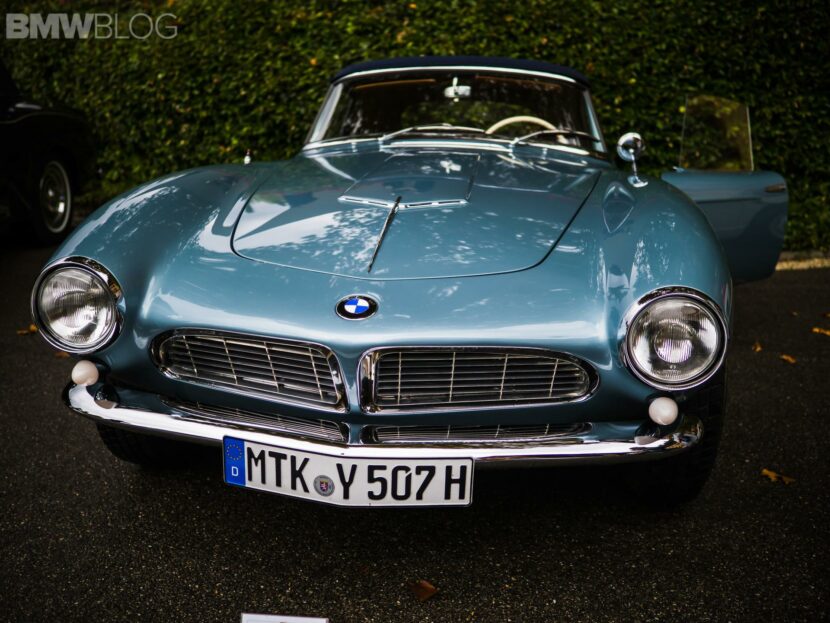
Front grille BMW 507 Roadster

The body was hand-formed in aluminum, giving the car a lightness both literal and visual. In photographs, the 507 almost seems to hover. In the metal, it glows.

Goertz completed the design with remarkable speed. BMW showed the car at the 1955 New York Motor Show, and the response was everything Hoffman had promised. The press was rapturous. Orders poured in. The 507 was, without question, the most talked-about new car in the world.

The Engine That Roared

BMW 507 engine

Beneath that sinuous aluminum skin beat a heart worthy of the body that surrounded it. The 507’s engine was BMW’s all-aluminum 3.2-liter V8 — a unit that had debuted in the 502 sedan but was here tuned and breathed-on to produce somewhere in the region of 150 horsepower in standard form, with some examples pushing considerably higher in more aggressive specification.

In 1956, 150 horsepower in a car weighing around 1,330 kilograms was genuinely serious performance. The 507 could reach 0-100 km/h in roughly 11 seconds — quick for the era, but the headline figure was always the top speed, which BMW claimed at over 220 km/h (around 137 mph). Whether every example genuinely reached that number is a matter of spirited debate among historians, but the point was made: this was a real sports car, not a boulevard cruiser wearing sports car clothes.

The soundtrack was part of the experience. The V8 had a low, cultured burble at idle that opened up into something altogether more urgent under hard acceleration. A four-speed manual gearbox sent power to the rear wheels.

The Car That Nearly Sank BMW

BMW 507 ROADSTER YELLOW 07

Here is where the story turns, because the 507’s beauty contained within it the seeds of near-catastrophe.

The problem was cost. BMW had assumed the 507 could be manufactured at a price that would allow it to retail at Hoffman’s target of $5,000. That assumption turned out to be spectacularly, almost fatally wrong.

The hand-crafted aluminum bodywork, built by the coachbuilding firm Baur in Stuttgart, was extraordinarily labor-intensive. Every panel was shaped by craftsmen working with hammers and wheeling machines and decades of accumulated skill. There was no way to automate this process, no way to industrialize what was essentially a bespoke, artisanal operation.

Restoration of the BMW 507

The true cost of manufacturing each 507 was far beyond what BMW had planned. Rather than retailing at $5,000, the car was priced in the United States at around $9,000 to $10,000 — roughly double the original target, and dangerously close to the territory of the Mercedes 300SL it was meant to undercut. Sales suffered accordingly. Hoffman, faced with a car that cost twice what he had imagined, never came close to fulfilling his commitment of 1,000 units.

In total, between 1956 and 1959, BMW built just 254 examples of the 507. On each one, BMW is believed to have lost money. The car that was supposed to save BMW’s premium credibility in America very nearly put the company out of business entirely.

It was the small, humble Isetta — the microcar that seemed the 507’s comic opposite — that actually kept the lights on in Munich during those difficult years.

Elvis, Rock and Roll, and a Repainted BMW

Painting the Elvis Presley BMW 507

Among those 254 lucky owners, one stands above all others in the mythology of the 507: Elvis Presley.

When the King arrived in West Germany in 1958 to serve his military posting with the US Army, he was already the most famous human being on the planet. He purchased a white BMW 507 — serial number 70079 — and it became, for the duration of his posting, his constant companion and his greatest civilian extravagance.

There is a lesser-known postscript to Elvis’s 507, one that speaks to the particular kind of fame that comes with being Elvis Aaron Presley. Female fans, apparently undeterred by the concept of private property, would routinely lipstick-kiss the white paint, leaving the car perpetually decorated in the traces of adoration. Elvis, in a decision that was either pragmatic or philosophical depending on your interpretation, eventually had the car repainted red.

His 507 was rediscovered decades later, restored to white, and returned to something approaching its original glory. It was displayed publicly to considerable fanfare — a piece of cultural history that transcended automotive collecting and touched something deeper in the popular imagination.

Resurrection and Recognition

BMW 507 winning at Villa d'Este

For much of the postwar period, the 507 existed in a curious limbo. Collectors and historians knew it was significant, knew it was beautiful, knew it was rare. But it hadn’t yet achieved the stratospheric values — and the corresponding stratospheric profile — that would come later.

That changed in earnest as the classic car market matured through the 1980s and 1990s and the 507 began appearing at the great international auctions. The numbers were revelatory. By the time the market peaked in the mid-2010s, exceptional examples of the 507 were fetching north of $2 million at auction — with the very finest cars, those with documented histories and original matching-numbers drivetrains, reaching considerably higher.

Today, a well-presented 507 is comfortably a multi-million-dollar automobile. The car that lost BMW money on every build has become one of the most valuable production cars the company ever made.

What 70 Years Teaches Us

BMW 507 ROADSTER CONCORSO D'ELEGANZA VILLA DESTE 03

It is tempting, at moments like this, to lapse into uncritical reverence. The 507 was a commercial failure. It nearly destroyed the company that built it. By any rational business metric, it was a disaster. And yet.

And yet it gave BMW something that cannot be manufactured or engineered or budgeted: a soul. The 507 established, once and for all, that BMW was not merely a maker of competent, reliable motorcars. It was a company capable of genuine beauty — of work that transcended function and entered the realm of art.

Every BMW sports car that followed — the 3.0 CSL, the M1, the Z8, the i8 — carries some DNA from the 507. Every time a BMW designer reaches for that particular balance of restraint and drama, of aggression and elegance, they are reaching back, consciously or not, to what Albrecht Goertz drew on those first sketching pads seven decades ago.

The 507 was a commercial catastrophe. It was also one of the greatest things BMW ever did. Here’s to the next seventy.

Source link

13-year-old boy caught driving, with dad present in the car, tells JPJ he had ‘no choice’ as father was unwell

0
13-year-old boy caught driving, with dad present in the car, tells JPJ he had ‘no choice’ as father was unwell


13-year-old boy caught driving, with dad present in the car, tells JPJ he had ‘no choice’ as father was unwell

Unlicensed, underage driving, which is more prevalent than you think, is usually the result of vehicles being taken out on joyrides without the knowledge of the vehicle owner, and sometimes there is even consent from the latter, but what if there’s even more, such as the presence of a guardian in the vehicle itself?

Such a case unfolded in Kedah last week, when a 13-year-old boy was caught driving a car – with his father seated in the passenger seat of the vehicle – during a road transport department (JPJ) enforcement operation in Kulim, as the Malay Mail reports.

According to Kedah JPJ director Stien Van Lutam, the boy was driving a Perodua Kancil when he was pulled over at about 12.45 pm on March 5 along Jalan Sungai Seluang during an operation conducted by the Sungai Petani JPJ branch. Checks found the boy did not possess a valid driving licence as he had yet to reach the legal age to obtain one, an offence under Section 39(1) of the Road Transport Act 1987.

13-year-old boy caught driving, with dad present in the car, tells JPJ he had ‘no choice’ as father was unwell

The lad’s response to enforcement officers about the matter was that he had ‘no choice’ but to drive because his father was unwell and needed to run an errand. He was issued a summons for underage driving, while his father was likewise fined by JPJ. Checks showed the vehicle, which was not seized, had a valid road tax.

While nothing untoward came about in this particular instance, allowing underage individuals to get behind the wheel of a vehicle can have dire – and fatal – consequences. Last week, The Star reported that a woman who allowed her 17-year-old son to drive her car, which was later involved in an accident that claimed three lives, was fined RM1,500 by the magistrate’s court in Seremban.

In the traffic incident, the accused’s son had run a red light and then crashed into two motorcycles, which resulted in three teenagers, aged 15, 16 and 17, being killed in the mishap. The boy initially claimed trial when first charged with reckless driving on April 22 last year, but changed his plea to guilty in December, and is due for sentencing in May, pending a social report from the welfare department.

Looking to sell your car? Sell it with Carro.


Source link

Business Acquisition Update #5: The month we didn’t touch it

0
Business Acquisition Update #5: The month we didn’t touch it


This post may contain affiliate links. See our affiliate disclaimer here.

Hey! If you’re new here, for the last few months we’ve been sharing numbers behind the business we purchased in late 2022. Our goal is to share the ups and downs of our experience buying our first business (so you can learn from our mistakes!).

The business we purchased is called RV Inspiration, which consists of RVInspiration.com & RenovatedRVsforSale.com.

As a whole, the business is focused on helping you make your RV feel like home and the renovated RV marketplace helps people sell their beautifully restored RVs.

Okay, let’s get into it!

RV Inspiration Revenue By Month:

What Went Well in April

Revenue increased while we took time off.

For the last two months, we’ve been on a campervan trip across Japan & New Zealand. Because of that, we didn’t actively work on the business. This means we didn’t write new posts, edit, or otherwise do much at all.

Literally, at all.

(Including writing this recap, which is a month late! Sorry not sorry)

Hiking to a pagoda near Mount Fuji > Sitting behind a laptop


However, we had our best month to date! I attribute this to a handful of things.

One, it was leading into RV season.

Two, we front-loaded a lot of content & processes before we left on our trip. Blogs and newsletters went out without us needing to lift a finger.

Three, we have a couple of amazing people helping us run RV Inspiration.

We hired our friend Brooke to help us edit and send out weekly newsletters and we have an awesome VA who runs our Instagram & customer support for RenovatedRVsforSale.com.

Without this team and processes in place, I have no doubt the business would’ve had a sharp tank in traffic and revenue. But they kept the boat afloat in our absence and we are extremely grateful to them!

Our Profit Margin Increased

I’m not 100% sure what we should aim for in a “stabilized” profit margin each month. However, our margin on income that hit our bank account in April was 83.59% (which was up considerably from previous months).

Our goal is to reinvest a considerable amount back into content & growth but to also set aside enough profit to pay ourselves back on the initial $100K we invested to buy the business. 

During our first five months, we’ve had a handful of large one-off expenses, such as building out our new website and purchasing a 100K-member Facebook group. Therefore, it’s been a bit hard to calculate what our running expenses should be.

Moving forward, we are targeting to spend around $3k per month on running the two websites. This would go to our VA, writers, hosting, software tools, and editor. This would mean once we hit $10k/month we’ll be at a 70% profit margin. I believe we can and should try to get this number up closer to 80-90%, but we will see!

Finally Figuring Out What to Do with Our FB Group

I’m not sure that I mentioned it in any previous updates, but in February we bought a 90K-member Facebook group focused on RV renovations. We bought this from Debra and Barry of The Virtual Campground, whom we met many years ago at our RVE Summit.

I can’t stress this enough…

We bought this without a plan.

We knew from our past experience running the RV Entrepreneur Facebook Group that groups like this are great for cultivating fans, growing brand recognition, and getting content ideas. They can be good for traffic and we were hoping that it would be a great way to push our marketplace.

The group’s existing rules when we purchased it were to not allow anyone to sell their RV—not that the rule deterred people from trying. What if we switched to “If you’re listed with us, you can share your listing in the group”?

This has been a great value add to our customers and has gotten a ton of exposure to our listings page.

Plus, we use the intake form when people ask to be in the group as a way to collect email sign-ups for our email list. Our email list has grown by over 10K from this! (Don’t quote me on it, but I think the email list when we bought the business was around 8,000 subs and is now around 25,000.)

Our email list now has constant weekly growth from new members joining the group and that in turn has more people opening and clicking through our newsletters, growing our traffic and our ad revenue—hopefully.

(And before you ask, you do not have to join our email list to get into the group. It’s just a field for people to opt into the list.)

We didn’t dial in this system until the end of April, so I’m hoping May shows a major increase in traffic because of this setup, but who knows?

Shout out to my mom who is admitting people to the group and adding all those emails to a spreadsheet (which we have automated to get people instantly into our email sequences on Convertkit).

What Didn’t Go Well

Lack of real growth

Yes, our revenue grew in April. But the business as a whole didn’t grow. Our ad revenue and listings revenue stayed the same.

There was one anomaly that really pushed our revenue forward in April.

Amazon Creator Rewards

In February or March, Alyssa opened an email that sounded like a typical Amazon newsletter but was actually an invitation to join Amazon Creator Rewards for Q2. She opted into the program and learned that if we meet certain metrics, Amazon will pay us bonus rewards on top of our affiliate earnings.

This is why April grew by $1,000 over March. We earned a $1,200 bonus!

Which is awesome, don’t get me wrong. We should get the bonus for May and June as well.

But once this quarter is over and we don’t earn the bonuses anymore, I’m a bit nervous that we will see our July revenue dip. So we need to focus on growth in other areas so that these $1,200 bonuses are great extra money, but the rest of the business is growing actively too.

April Numbers at a Glance

Pageviews on RV Inspiration: 155,991 (down from 164,315 in March)

Total revenue: $8,816

April Revenue Breakdown

RV Inspiration Ads: $4,074

RV Inspiration Marketplace Ads: $539.20

Listings: $1,670

Amazon Affiliates: $2,320 (bonus included)

Other affiliates: $304

Product Sales: $4.55

Total: $8,816

Key Takeaways

I’m definitely glad we took a month off. The adventures were totally worth it!

But the numbers reveal that we do not have the business in a place where we can be fully hands-off yet. This is really good to know since our ultimate goal is to have this business run without constant upkeep.

We are working on a plan moving forward on how to make moves that allow the business to grow without us.

Questions?

As always, drop your comments and questions below!


Source link