15.6 C
London
Tuesday, May 12, 2026
Home Blog Page 24

The Business Case For EV Fleets Is Getting Hard To Ignore

0
The Business Case For EV Fleets Is Getting Hard To Ignore


  • A new study shows that moving from gas to electric is basically a cheat code for businesses to save money.
  • Fleet costs could be reduced up to 50% by making the switch.
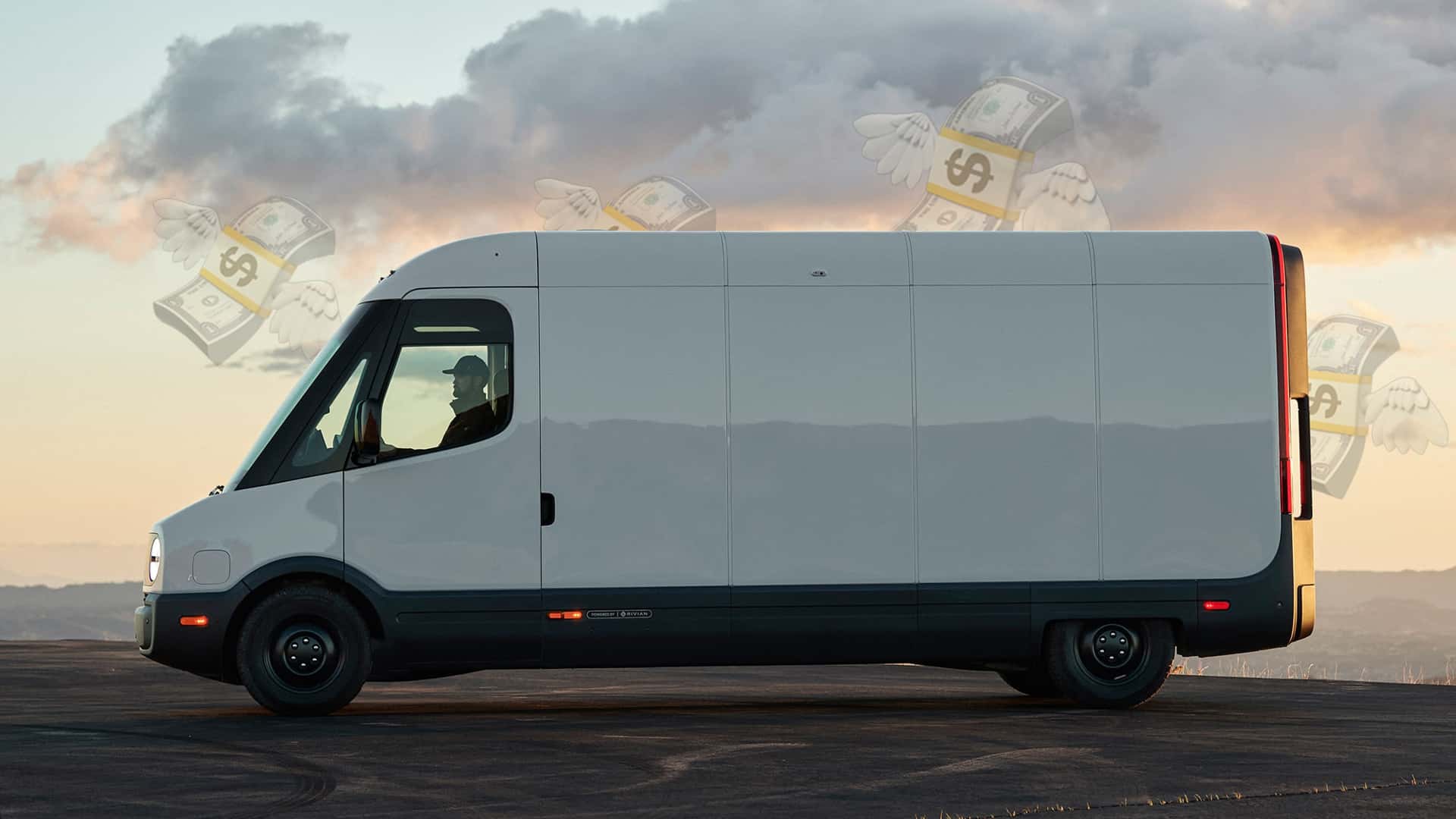
  • The biggest winners are light commercial fleets like local delivery vans.

When you or I buy a new car, we’re probably looking at monthly payments, style, or how a particular vehicle makes us feel. But businesses? The folks in comfy office chairs crunching through spreadsheets all day are obsessing over something much less glamorous: total cost of ownership.

Automakers have been touting that EVs have a lower total cost of ownership for some time. Now, a new study from consulting firm EY and Eurelectric, a trade association for Europe’s electricity industry, makes it hard for bean counters to ignore the savings of going electric.


Fleet Savings

Photo by: EY

The study argues that switching a corporate fleet from gas to electric could cut total vehicle operating costs by as much as 50%. That’s thanks to cheaper energy costs (versus gasoline), lower maintenance requirements, and various regulatory perks that favor EVs as a whole. In fact, the report finds that companies that move from diesel to battery-electric vans can achieve cost savings between 15% and 40%.

Eurelectric’s study focuses on the European sector where corporate fleets make up around 60% of all new car sales, as well as virtually all commercial vans, buses, and trucks. Operating costs make up between 60% and 75% of the vehicle’s total cost of ownership.

The data suggests that electrifying the various fleets across Europe could cumulatively save up to $286 billion through 2030. And if certain costs—like high acquisition costs and lower residual values—are reduced further, those savings could rise even higher.

The economics of EV ownership makes a lot of sense. It’s not a political issue or preference when it comes to businesses. When it comes down to the bottom line, it’s just dollars and cents on whether to spend the extra money up front on battery-electric.

On the operations side of the business, it’s hard to ignore that electrification won’t work for every business with fleets, at least not yet. But the entire segment is getting better each day. Better, cheaper EVs with more range are coming to market and the DC fast chargers needed to power them are popping up in more locations. So while they might not work today, the future still looks pretty bright—especially if you work in the accounting department.


Source link

Navigating the load-out for a long trip (part 1)

0
Navigating the load-out for a long trip (part 1)


When it comes to filling your panniers, top case, tank bag and dry bag for an extended motorcycle trip, we often struggle to decide what comes with us and what stays home. From “I use this every day” to “but I might need it,” we have to balance limited space and gross weight limits with our needs, wants and comforts.

There’s no one correct set of stuff to take and no one right way to pack your bike, but I can offer some tips and insights based on what I take with me for a trip of longer than one week.

This is Part 1, looking at just one pannier. I call it my “high side” case because if the bike is on its side stand, this is the one on the high side of the bike. The panniers are from Touratech’s Zega EVO X series and hold 38 liters per side. I wrote a comprehensive review of these cases after riding to the National Rally in Great Falls, Montana, in 2021. In the review, I talk a little about what I took with me on that trip; consider this series a 2026 update. Read Part 2 | Read Part 3 | Read Part 4 (all coming soon)

I’ve left some extra room because I like to be able to carry some insulating layers with me—a heavy flannel shirt and maybe even a sweatshirt or hoodie. Those kinds of things unfortunately don’t compact down terribly well, but chances are I’m wearing them for at least part of the day, so they’re not always in the pannier anyway.

1: Rain gear

My rain gear is a mix of brands simply due to convenience. Frogg Toggs pants (silver), Tiheen jacket (blue) and BMW Motorrad gloves (black). All waterproof, all easily compacted into a basic stuff sack.

2: Bike cover

This is my Nelson-Rigg “Defender” XL half-cover in its stuff sack. This comes in handy anywhere you stop for the night; it keeps rain off the seat and looky-loos from thinking they can touch your bike whenever you like. Don’t leave your expensive electronics mounted, though—it’s not a secure cover in that regard.

The cases fit easily under an XL Nelson-Rigg half cover for additional weather protection and minor security in motel parking lots.

3: Air pump

There are about a million USB-rechargeable air pumps on the market now, so pick one. Mine from Trail Tech (look under “adventure gear”) has its own semi-rigid case, which is nice for tossing into a pannier. It also can function as a power bank to recharge your phone, but I hesitate to use it like that because I’m always concerned about having enough charge to air up the tires. I carry a separate power bank with my computer gear.

4: Tool roll

I have a MotoHansa kit I got from the Beemershop a number of years ago—it’s meant for the non-liquid cooled boxers of the 21st century, but there’s a lot of overlap. They’ve switched to a new supplier (SBV Tools) with similar high-quality tools. (I’d love to update my kit to this one if anybody’s looking for a Christmas gift!) I supplement my kit with a few extras, like a small probe (the orange handled thing), toothbrush (for cleaning things when needed), tool for taking apart electrical connectors (red handle), 22mm wrench, wire cutters (on top of the 22mm) and a 12/13 combo ratcheting wrench (next to the ratchet driver). Because this is easily the heaviest thing in the pannier, I have it on the bottom and slid forward as far as possible.

5: Quart of oil

BMW says to use 5W40 oil for my 2015 R 1200 GS, so that’s what I have. I like Castrol “Power 1.” Organizing the case like this means I can keep the oil bottle upright, which—once it’s been opened—can help minimize the possibility of spilling oil inside the case. Trust me when I tell you that if you spill oil inside your pannier, it is a giant pain to clean. (Hint: use lots of Dawn liquid dish soap!)

6: First aid kit

I started with a My Medic FAK and added a few things, like an easy-to-use tourniquet and clotting powder packets. Because the things I added didn’t fit in the case the kit came in, I switched to a Giant Loop Possibles Pouch, specifically a short run they did with the universal “first aid kit inside here” symbol on it. They’ve updated the design and don’t appear to offer the first aid logo any more.


Source link

2026 on track to be Ford’s worst year for recalls ever

0
2026 on track to be Ford’s worst year for recalls ever


Ford’s latest twin recall covers 1.74 million SUVs for rearview camera faults, adding to a 2026 tally already more than halfway to last year’s record. By Stewart Burnett

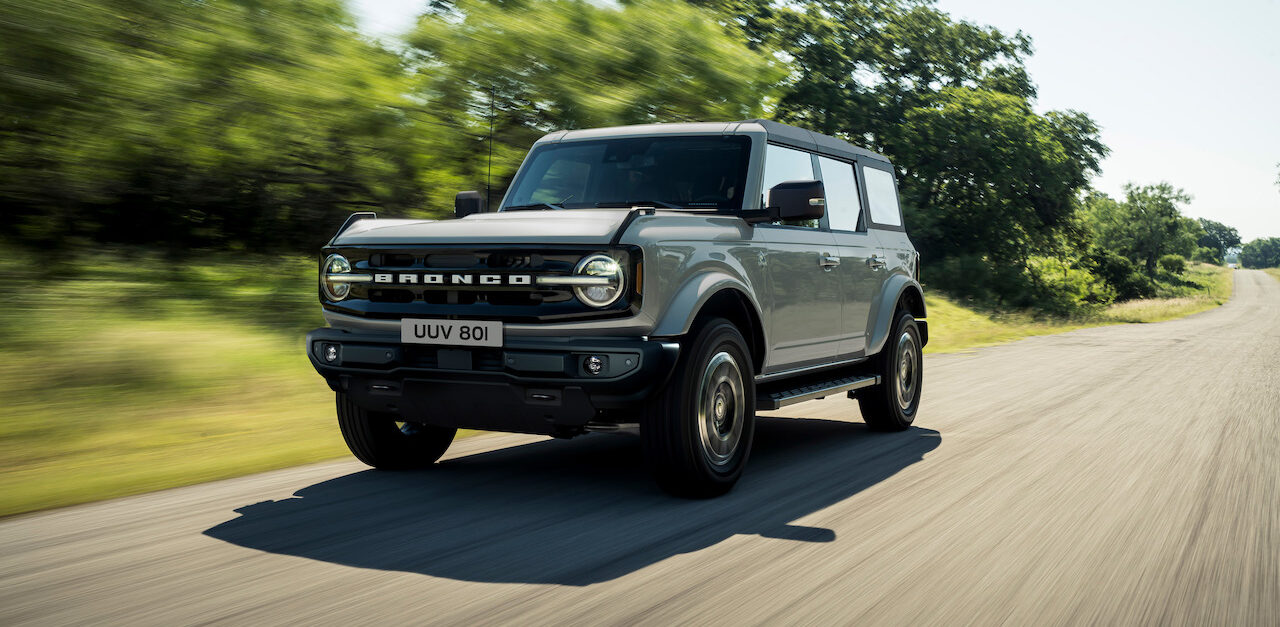
Ford is conducting yet another recall, affecting 1.74 million vehicles in the US across two separate rearview camera defects, according to the National Highway Traffic Safety Administration. The first affects 2021–2026 Bronco and 2021–2024 Edge models, where an overheating Accessory Protocol Interface Module can shut down the camera display entirely; the second covers 2020–2024 Explorer and Lincoln Aviator and 2020–2022 Escape and Lincoln Corsair models, where the camera image may flip or invert when reversing.

Software fixes are currently in development for both. Ford has said that it expects a remedy for Bronco and Edge owners by late March. However, no timeline has been set for the Escape, Explorer, Corsair, and Aviator models.

The recalls deepen an already stark picture for Ford recalls in 2026 alone. Thus far the automaker has recalled more than 7.3 million vehicles in the year to date, meaning that in a little over two months it is already more than halfway to 2025’s record-breaking total of 12.92 million across 152 campaigns. With 17 recalls issued so far this year, Ford has more than triple the count of the next-placed automakers; Toyota and Hyundai are tied in second with five each.

2026 on track to be Ford’s worst year for recalls ever
Ford Broncos from model years 2021-2026 are among those affected by the latest recalls slate

While Ford has tried to characterise its recall leadership as aggressive self-policing, this position is arguably becoming somewhat untenable. At a certain point the volume becomes a financial and reputational drag that substantially outweighs any quality-culture argument. Particularly given that warranty costs have consistently eroded its margins, and especially considering that last year it claimed its reliability problems were exclusive to older models and therefore in the rear view. 

Unfortunately for Ford, its rear view capabilities are now in severe doubt. The larger issue appears to be software quality: Both camera recalls are software-driven, as was February’s 4.4 million-vehicle campaign covering F-150, Super Duty, and Expedition models for trailer brake lighting faults—the single largest action of the year so far. The concentration of defects in electronics and software is notable given Ford’s stated ambitions to excel in precisely these areas.

Ford’s forthcoming Universal EV platform, due to underpin a US$30,000 midsize pickup from 2027, consolidates the vehicle’s electronic architecture from around 30 control units down to five modules and removes roughly 4,000 feet of wiring. The apparent logic is that fewer components means fewer failure points—and that current recall volume is presumably a consequence of the complexity it is now trying to eliminate.

However, while concentrating vehicle functions into five modules reduces the number of things that can go wrong in isolation, it also means a single software fault has broader consequences. Ford may need to pick up the pace fixing its software problems, then, before it lets any of its more ambitious bets enter series production.


Source link

Style Is Everything at Sleds North 2024

0
Style Is Everything at Sleds North 2024


This article was originally published on Speedhunters June 27, 2018. 

Accurately communicating what car culture truly is can be challenging. It goes beyond just knowing about cars and attending gatherings; the culture is deeper – something lived, shared, and experienced.

Many events lack the magic that makes car culture special. Often, they seem like moneymaking ventures for promoters, devoid of the passion and camaraderie that define the best gatherings.

Great events focus on more than just showcasing cars and dishing out trophies. They celebrate community – people bound by a shared love for cars, regardless of their differences.

These true enthusiasts are the ones who’ll bring you a jerry can in the middle of the night when you run out of gas on your project’s maiden voyage. Any thanks are brushed off with a casual “Yeah, my fuel gauge doesn’t work yet either.”

My most recent experience of everything that makes car culture so special was at Sleds North 2024 – Canada’s only invite-only Kustom car event.

Chapter Two: Kommunity

Sleds North is the brainchild of two veterans of the Ontario car community: automotive and commercial photographer Kenny Kroeker and kustom car enthusiast “London” Jay Handsor.

Without their shared passion for cars, these two might never have crossed paths. And without their deep appreciation for the people and culture of hot rodding, Sleds North would never have come to life.

But Sleds North is far from a solo effort. Key to this year’s event were Fred Botcher and Jill McIntosh, who generously offered their property as the venue. Jill, a well-regarded automotive journalist – who won’t let you leave without a full stomach – and Fred, one of the most genuine car guys you’ll ever meet, form the backbone of this gathering.


Fred, who’d gladly give you the shirt off his back to help you down the road, also drives a stunning gold ’57 Cadillac powered by a 440 six-pack motor. You’d never know it, though, as his hood stays closed 95% of the time. I’ll get to the reason why soon.

Kenny, Jay, Jill, and Fred appreciate most vehicles, but their true passion lies with traditionally styled builds.

The turnout at Sleds North 2024 proves they’re not alone in Ontario. However, without this event, it’s unlikely all these stunning cars would gather in one place at the same time.

More a gathering than a show, Sleds North is about catching up with friends and living the culture. The event spans two days: the first features shop tours, and the second – documented here – is loosely called the ‘show.’ I say loosely because only a handful of participant-chosen, handmade awards are handed out.

Chapter Three: Presentation Is Everything

You’ve probably noticed Sleds North doesn’t resemble a typical car show. This is entirely by design.

The layout is reminiscent of how a child might arrange their Hot Wheels collection. Some areas are loosely organized by year, others by style, and the rest just look cool side by side.


This unique approach is a photographer’s dream. You’re never far from something visually striking, and there’s never anything out of place in the background.


The absence of stanchions and the need to walk right past one vehicle to admire another means details that might be overlooked at other events are properly appreciated.


Stopping to notice a detail – a sticker, a scratch, a scuff – sparks conversation and inspiration.


If the cars were parked further apart and roped off, many incredible interiors would likely go unnoticed.

One of the few presentation rules stood out: hoods closed. Unlike most shows, where it’s customary to pop your hood and walk away, at Sleds North, if you open your hood, you’re expected to close it soon after.

Why? Simply put, a field of cars with their hoods open wouldn’t look as good.

In this genre of automotive modification, style takes precedence over performance. You could argue that this is the defining genre where aesthetics trump everything else – a notion that still ruffles some feathers today.

People can argue all day that a chopped top, Lexan windows, and missing wipers aren’t as safe and don’t make the car faster, but those critiques often fall on deaf ears.

So, who’s right in this debate? Well, a display card on Jay’s dash succinctly addresses the matter. Don’t mistake these cars for lacking performance upgrades however.

Take, for example, this Mercury, which hides a NASCAR-spec V8 beneath its understated exterior. Much of the suspension came with the engine, and the only clues are the tire sizing, license plate, and the aggressive bark when the V8 fires up.

Chapter Four: The Same, Yet Different

As I wove through the cars, it was fascinating to see how each took inspiration from the same era, yet none could be called cookie-cutter.

Traditional Kustoms follow a loose set of guidelines, and even those are up for interpretation.


Pinstriping, louvres, chopped tops, and sectioned bodies are common but not mandatory.


Exhausts can be completely hidden, tucked down the side, or, in the case of this ’56 Ford F-100, run through the bedside and right before the bed rail before exiting at the rear.

Paint treatment varies widely, too. It can be glossy and flaked or satin, heavily faded, or worn away by years of use.

With not a trailer in sight, every car here was driven to the event, some from as far away as Michigan. This raises a question: Is it better to keep your vehicle pristine and off the road or to drive it and accept the inevitable wear and tear?

That’s a debate we could have for years.

Chapter Five: One of One

Before I go any further, I want to spotlight this 1967 ‘Ferguson Super Sport,’ a scratch-built creation by Ross Ferguson and his wife, Blanche.

Ross was involved in Canada’s famous yet ultimately ill-fated Avro Arrow superplane, where he helped create tooling for the turbojet engines. He used this experience to build his dream car at home in his garage for over a decade.

Beneath the hand-laid fibreglass body lies a tube frame reinforced with X-shaped cross members. The car features independent suspension front and rear, utilizing MacPherson-style struts and longitudinally mounted torsion bars.

Powering the Ferguson Super Sport is a Ford 289ci V8 crate engine paired with a three-speed manual transaxle.

The locally cast magnesium wheels are mounted via knock-off hubs – complete with a custom socket Ross fabricated himself.

Today, the car is cared for by Chris Atkins. For those interested in a deep dive into the build, a thorough article can be found here.

Being in the presence of something so unique was truly special. It serves as a reminder that there are no limits to what someone with determination can achieve in their garage.

Final Chapter: Bigger And Better

With the 5th Sleds North set for 2025, the plan is for the event to continue growing year after year, while maintaining its unique appeal.


While the event might be the brainchild of Jay and Kenny, its true ownership lies with the community that fuels it and the culture they represent.


If you want to be part of Sleds North 2025, the best way is to enjoy your car. Jay and Kenny personally hand out physical invitations, so don’t keep your ride under wraps. Bring it out for the world to see, because kustoms are always better when you drive them!

Bonus: Cutting Room Floor


Source link

Batteries become the new home solar as energy prices soar

0
Batteries become the new home solar as energy prices soar


Net metering — the ability to sell excess electricity back to the grid for fun and profit — has helped make rooftop solar panels the centerpiece of the home energy transition for more than a decade. But, as net metering rules change and electricity prices keep climbing, the value proposition isn’t as clear as it once was. Instead of sending extra power back to the grid, homeowners are increasingly deciding that it makes more sense to hold on to that excess power for themselves.
Despite rising energy costs, changes to regulations like California Net Energy Metering 3.0 (NEM3.0) have dramatically reduced the value of exporting rooftop solar power to the grid, so the math no longer maths. What does often math, though, is the ability to store free solar-generated electricity and cheap, off-peak power in a battery, then use it yourself during peak demand hours when energy is most expensive.

One of our commenters, perhaps, explained it best:

Another reason is that batteries function as energy arbitrage devices. They can charge when electricity is cheap and discharge when it is expensive. Even in the winter when solar isn’t doing much. This reduces the need for expensive peaker plants, and increases utilization of cheaper power sources.

BCV

That baked-in flexibility, combined with ever-increasing grid loads and (it’s worth repeating) higher electricity bills, are driving a shift in the home energy market from solar alone, to solar + battery and, in many cases, solar + battery + EV.

Advertisement – scroll for more content

Better math, better grid


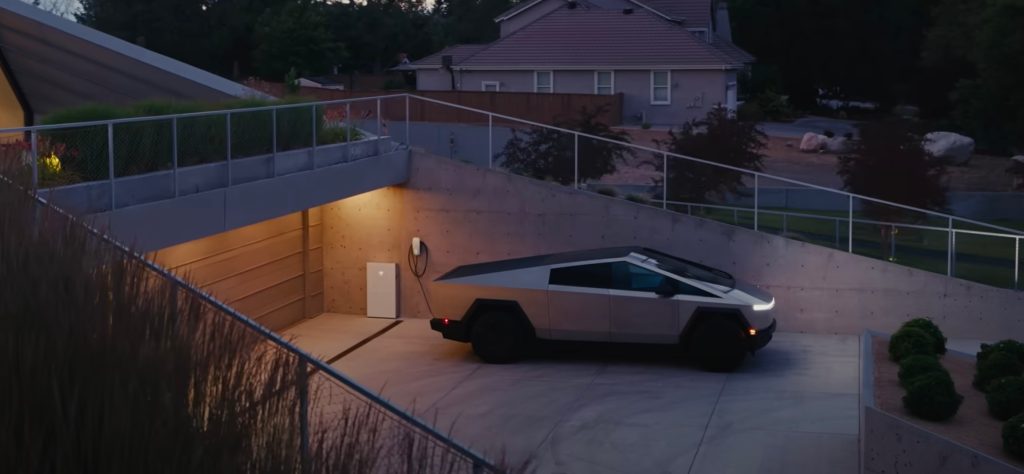
Tesla Powerwall 3 Cybertruck
Cybertruck and Powerwall; via Tesla.

A number of home energy systems are already looking at “whole home” solutions that combine smart meters, smart panels, solar panels, and home batteries – but the most forward-thinking of these are also starting to treat the car in your driveway as part of that “whole home” power plant.

“America has arrived at an inflection point in which the technical, policy, and financial pieces are finally in place for whole-home electrification,” says Tracy Price, founder and retired CEO of EV charging installers Qmerit. “What’s needed now is a way to integrate those technologies into a simple home energy system that homeowners can actually use.”

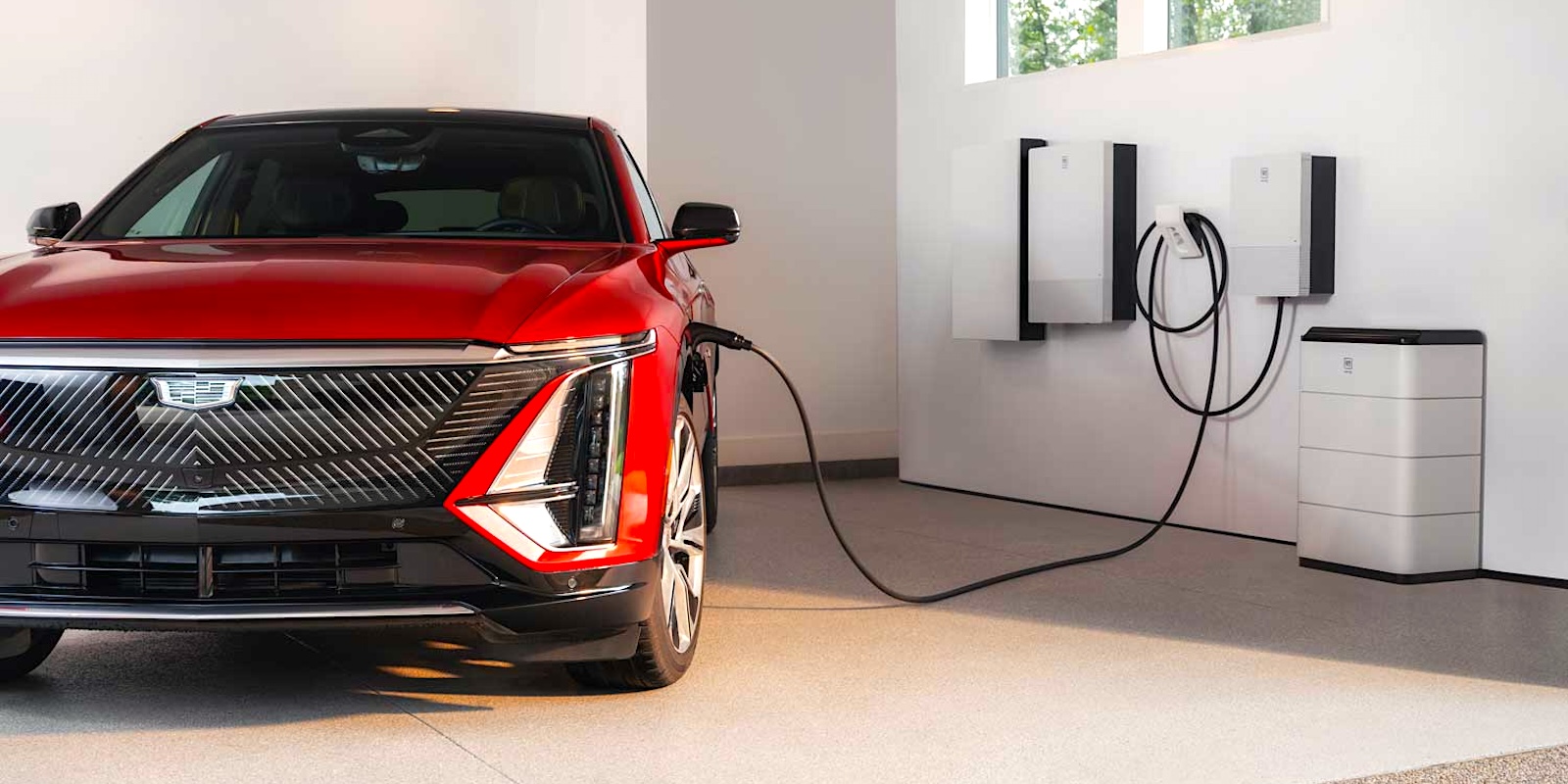
To that end, platforms like the industry-leading Tesla Powerwall + Cybertruck, GM Energy’s V2H Bundle, and the home energy ecosystems being developed by Rivian and Nissan are designed to coordinate all of the above into a single cohesive energy solution. The result is a system that behaves less like a simple rooftop generator and more like a miniature grid, constantly optimizing when to store, use, or export electricity.

You can read more about some of these systems here:

Finally, it’s always smart to get multiple independent quotes and talk to your trusted financial experts before moving forward with any major home improvement project.

Original content from Electrek.


If you’re considering going solar, it’s always a good idea to get quotes from a few installers. To make sure you find a trusted, reliable solar installer near you that offers competitive pricing, check out EnergySage, a free service that makes it easy for you to go solar. It has hundreds of pre-vetted solar installers competing for your business, ensuring you get high-quality solutions and save 20-30% compared to going it alone. Plus, it’s free to use, and you won’t get sales calls until you select an installer and share your phone number with them. 

Your personalized solar quotes are easy to compare online and you’ll get access to unbiased Energy Advisors to help you every step of the way. Get started here.

Add Electrek as a preferred source on Google

FTC: We use income earning auto affiliate links. More.


Source link

Tips for Winterizing Your BMW Vehicle in Chicagoland

0
Tips for Winterizing Your BMW Vehicle in Chicagoland


Tips for Winterizing Your BMW Vehicle in Chicagoland

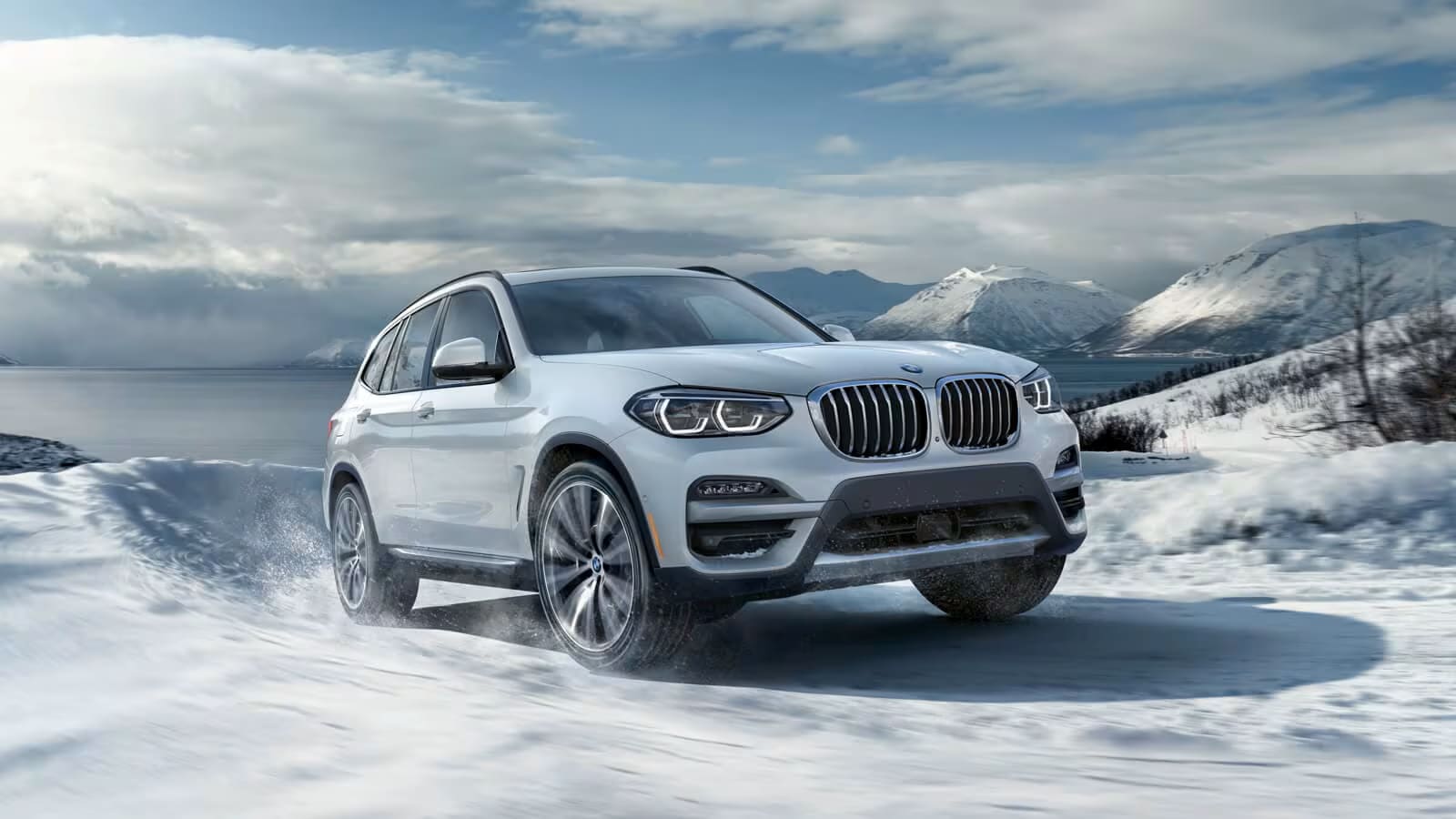
Chicagoland winters can be tough on vehicles, but you’ll be ready to take on all the cold, ice, and snow with our expert BMW service near Chicago. Our specially trained technicians are here to winterize your luxury model so it performs at its top capacity even in the most inclement weather. Here are some winterization tips from the friendly professionals at Fields BMW Northfield.

When to Winterize Your Vehicle

It’s usually best to schedule a winterization appointment in the autumn, before the cold really sets in. However, if time gets away from you and you aren’t able to visit our BMW service center until December, it’s better late than never! 

Our Winterization Checklist

Here are some of the winter preparation tasks we’ll perform when you come in for BMW service near Chicago:

  • Oil change
  • Coolant, transmission, and other fluid top-off
  • Battery test
  • Brake inspection
  • Tire tread and pressure check
  • New windshield wiper blade installation

We’ll perform a thorough inspection of your vehicle to make sure it’s in great condition to keep you safe, warm, and on the road all winter long.

How You Can Winterize Your Vehicle

There are also a few things you can do to prepare for the cold months. For example, put a snow brush and ice scraper in your cabin, and pack some emergency supplies and blankets — after the Lakeshore Drive blizzard incident of 2011, this need is absolutely essential. You should also clean the inside of your windshield and windows for maximum visibility when you’re driving during a snowstorm.

Protect Your Luxury Vehicle from the Elements With Our BMW Service Near Chicago, IL

As a Midwesterner, you’re ready to meet the Chicago winter head-on. And we’ll make sure your vehicle is as prepared as you are. Schedule your winterization service appointment at our BMW dealership near Chicago, IL!


Source link

Most Affordable Host Cities for a World Soccer Tournament Trip

0
Most Affordable Host Cities for a World Soccer Tournament Trip


If you’re planning a last-minute trip to the World Soccer Tournament, your biggest budget enemy isn’t going to be the ticket; it’s where you sleep. This cost breakdown of six major U.S. host cities shows hotel prices are surging around the big event and that they come with various additional costs to cover, such as taxes, food, and parking. Turning a unique and last-minute experience into a multi-thousand-dollar expense. Here is our list of the most affordable host cities for a last-minute world soccer tournament trip that unlocks more memories than costs.

The 3 Most Affordable Host Cities for the World Soccer Tournament

1) Atlanta: The Most Budget-Friendly Host City Overall

Among the U.S. cities hosting matches during the World Soccer Tournament, Atlanta stands out as the most affordable overall. Based on lodging data we analyzed, hotel prices here remain lower than in many other host cities, where tournament demand has pushed nightly rates much higher. In Atlanta, the average nightly hotel rate sits around $370, which helps keep a typical four-night stay relatively manageable compared with other tournament markets.

Hotel estimate (4 nights): $2,000–$2,432
Average nightly rate: $370

But even in the most affordable host city, hotels still represent a significant portion of the trip budget. For travelers looking to stretch those savings even further, an RV stay can lower the total cost of attending matches.

RV alternative (4 nights): $1,693

Our estimate includes the major trip expenses: nightly RV rental, campground fees, fuel, and parking, so it’s easier to compare the full trip cost against a hotel stay. For fans already choosing Atlanta because it’s the cheapest tournament city, traveling by RV can make the overall trip even more affordable.

2) Dallas: Strong Value (Especially for Groups)

Dallas is another host city where hotel prices remain relatively accessible compared with many other tournament locations. With an average nightly rate of around $380, the total cost for a four-night stay still lands within a reasonable range for fans planning a long weekend around a match.

Hotel estimate (4 nights): $2,050–$2,478
Average nightly rate: $380

Where Dallas becomes particularly appealing is when comparing hotel costs with RV travel.

RV alternative (4 nights): $1,518

One of the biggest advantages of an RV stay is the built-in kitchen. During major sporting events, relying on restaurants for every meal can quickly inflate a trip budget, especially for groups. Being able to cook a few meals on the road can help offset those costs.

Last-minute tip for Dallas: Many hotels during large events require three- to four-night minimum stays. In a city like Dallas, where overall lodging prices remain lower than the most expensive tournament markets, committing to that longer stay can feel much more reasonable.

3) Miami: Mid-Range Hotels with Meaningful RV Savings

Miami falls into the middle pricing tier among U.S. host cities. While it isn’t the cheapest destination, it can still be a strategic choice for travelers, comparing multiple cities and trying to avoid the most expensive markets.

Hotel estimate (4 nights): $2,300–$2,730
Average nightly rate: $435

However, Miami is also a good example of how quickly hotel costs can climb once additional fees are included.

RV alternative (4 nights): $1,711

Parking and taxes alone can add $560 to $990 to the final cost of a Miami hotel stay during a major event. Those add-ons often appear late in the booking process—and they can quickly push the total higher than expected.

Traveling by RV helps create a more predictable trip budget, while also offering the flexibility to stay just outside the city and still be within reach of the action.

The Cities Most Likely to Blow Up Your Budget (Especially Last-Minute)

While some host cities remain relatively affordable, others are already showing the kind of event-driven price spikes that can make last-minute travel significantly more expensive—especially if you’re relying on hotels alone.

New York City / New Jersey: The Highest Sticker-Shock Risk

The New York–New Jersey host market carries the highest hotel price risk among U.S. tournament cities. With an average nightly rate of around $540, even a standard four-night stay quickly climbs past the $3,000 mark in many cases.

Hotel estimate (4 nights): $2,760–$3,220
Average nightly rate: $540

Large international events often trigger dramatic lodging price swings in major cities, and tournament demand is already pushing rates higher. Analyses of previous host markets have shown hotel prices rising sharply around opening matches and key tournament dates—exactly the type of surge pricing that can catch travelers off guard.

For fans still hoping to attend matches in this region, RV travel can help soften the blow.

RV alternative (4 nights): $2,400

Even in one of the most expensive host markets, traveling by RV can come in below the upper end of hotel costs. That said, this is still one of the more difficult cities to visit on a tight budget—making flexibility and early planning especially valuable.

Seattle: High Nightly Rates That Add Up Fast

Seattle is another host city where hotel prices climb quickly. With an average nightly rate around $565, it’s one of the most expensive hotel markets of the tournament.

Hotel estimate (4 nights): $2,900–$3,320
Average nightly rate: $565

When nightly rates start this high, the total cost of a multi-night stay can escalate quickly—especially during a global sporting event when demand surges.

An RV trip can offer a meaningful price difference here as well.

RV alternative (4 nights): $2,126

For travelers who still want to attend matches in Seattle, RV travel creates an opportunity to stay outside the most expensive hotel zones while keeping the overall trip budget more manageable.

Why RVing can be the best last-minute lodging “hack.”

RVshare’s big point isn’t that hotels are always bad—it’s that RV trips are more customizable when demand spikes. Your costs depend on the RV type, your campground choice, and how far you travel. 

They also point out a major last-minute advantage: if you don’t want to deal with a long drive (or fuel costs), you may be able to rent an RV and have it delivered and set up, which can remove fuel from the equation entirely.

And for groups, the math can get even better:

  • One RV can sleep more travelers than a single hotel room. 
  • Campground nights can cost less than hotel nights. 
  • A kitchen can reduce restaurant spending (one of the hidden trip costs RVshare highlights). 

Quick last-minute tips to keep your trip affordable (no matter the city)

1) Assume you’ll be locked into 3–4 nights.
RVshare lists a typical minimum stay of 3–4 nights across all six cities, so price your trip as a four-night block from the start. 

2) Budget for the “silent” costs.
Parking fees, transportation to the stadium, and dining can quietly add hundreds. RVshare explicitly calls these out as common hotel-adjacent expenses. 

3) Do the per-person math before you book.
A hotel room is priced per room, not per person. If your group needs two rooms (or more), the “hotel is simpler” assumption can get expensive fast—especially in higher-cost markets. 

4) If you’re flexible, choose the city before the match.
If your trip is more about the experience than a single must-see game, picking a lower-cost host city first (Atlanta/Dallas/Miami) can keep the whole trip in reach. 


Source link

Charged EVs | Horse Powertrain’s amorphous-steel hybrid motor reaches 98.2% efficiency

0
Charged EVs | Horse Powertrain’s amorphous-steel hybrid motor reaches 98.2% efficiency


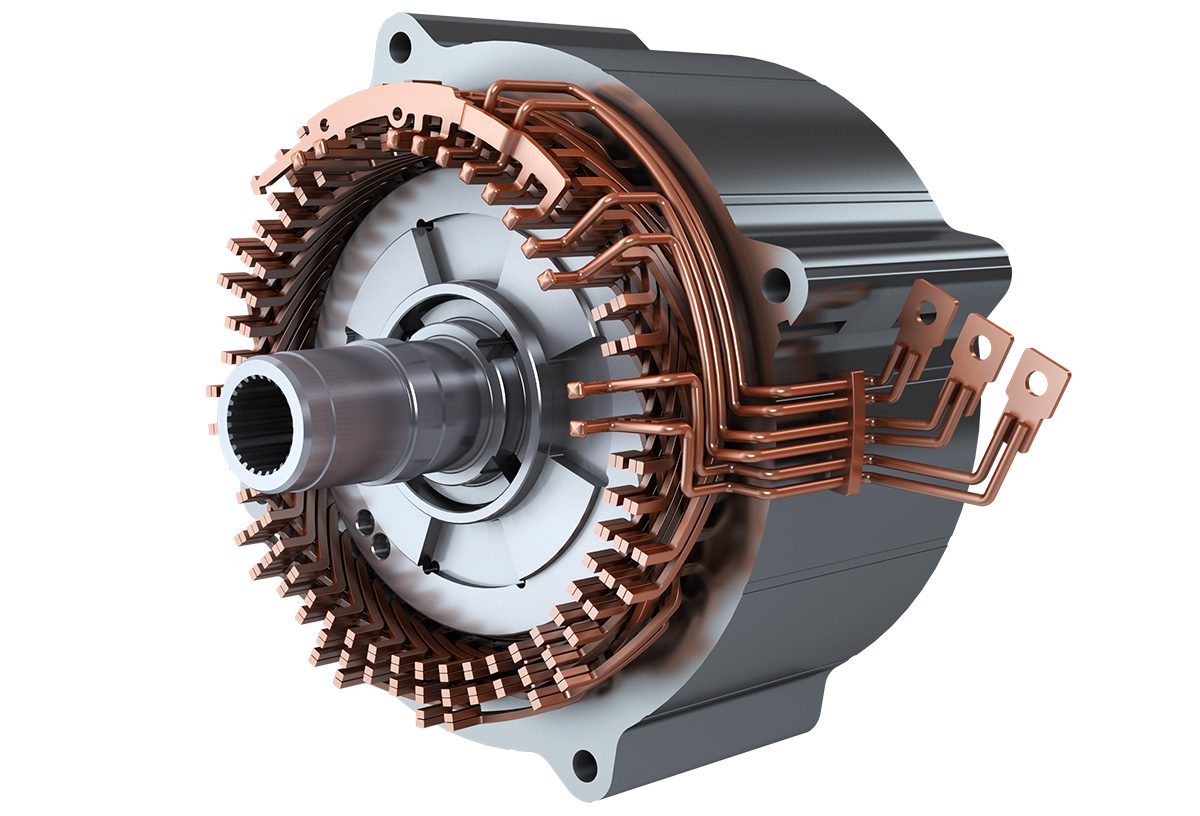
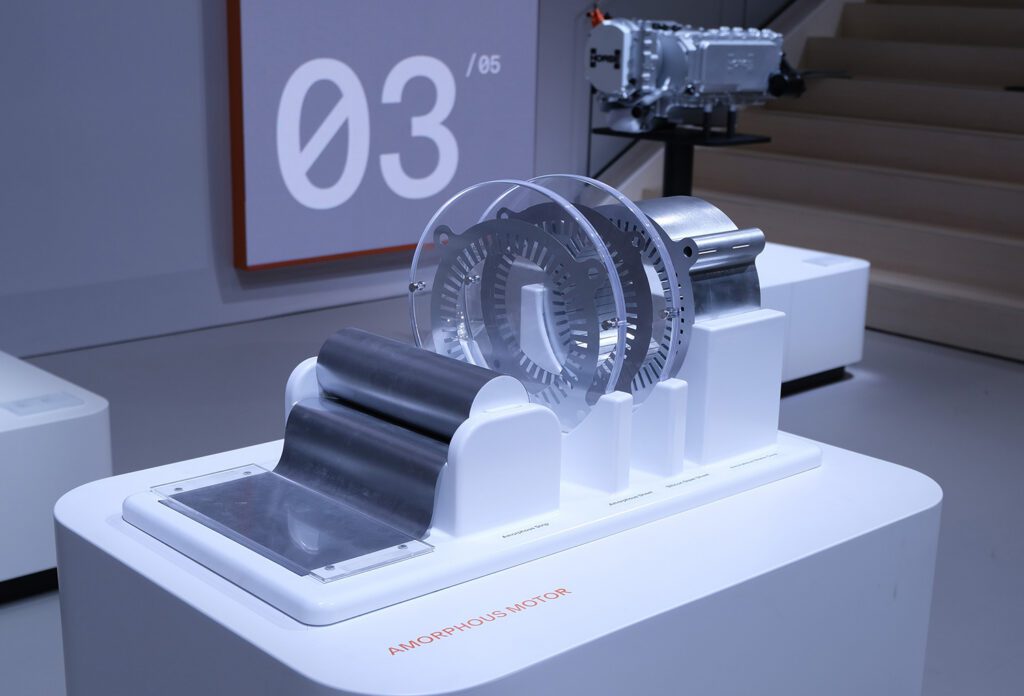
Horse Powertrain has unveiled a new hybrid transmission motor that uses amorphous steel in the stator and, the company says, reaches 98.2% efficiency while delivering 140 kW and 360 Nm.

The company says the motor’s stator uses amorphous steel alloy layers just 0.025 mm thick—about one tenth the thickness of steel used in conventional motors. According to Horse, that cuts stator iron losses by 50% versus equivalent designs, which is the main reason the unit reaches its claimed efficiency figure.

Horse is positioning the motor for hybrids, plug-in hybrids, and range-extended EVs. The company says the efficiency gain can translate into a 1% reduction in whole-vehicle fuel and power consumption compared with existing motor designs.

“This latest innovation demonstrates Horse Powertrain’s continued commitment to research and development,” said deputy CTO Ingo Scholten. He called the motor “an ideal tool” for a new generation of high-efficiency hybrids and range-extended EVs.

Source: Horse Powertrain


Source link

Auto Loan Basics: How BMW Financing Works from Start to Finish

0
Auto Loan Basics: How BMW Financing Works from Start to Finish


BMW Service

Author: Passport BMW

For drivers in Camp Springs and nearby areas like Alexandria, Upper Marlboro, and Waldorf, navigating the world of BMW financing can seem daunting at first. At Passport BMW, a family and veteran-owned dealership, we prioritize making this process clear and transparent. In this guide, we’ll take you step-by-step through the essentials of financing both new and pre-owned BMWs, ensuring you feel confident and informed without any sales pressure. Whether you’re commuting along the Capital Beltway or running errands around Henson Creek Park, understanding your financing options can help you enjoy the ultimate driving experience.

What Should I Know Before Applying for a Car Loan?

Before diving into the car buying process, it’s essential to prepare your finances. Understanding your financial situation will help ensure a smoother experience when applying for an auto loan.

Start by reviewing your credit report. You can obtain a free copy from major credit bureaus, which allows you to see what lenders will see. Knowing your credit score is crucial, as it can significantly influence the interest rates you’ll qualify for. If your score isn’t where you’d like it to be, consider taking steps to improve it before you apply. There are many resources available for learning about credit management.

Next, it’s time to set a realistic budget. Remember, your budget should encompass not just the monthly car payment but also insurance, fuel, and maintenance costs. A good guideline is to keep your total automotive expenses, including all these factors, at about 15-20% of your take-home pay. Tools like online auto loan calculators can help you estimate payments and identify a comfortable price range for your new BMW.

How Do I Get Approved for BMW Financing?

Getting approved for financing through a BMW dealership is a straightforward process that can be completed online or in person. Whether you’re at home in Camp Springs or visiting our dealership, applying for financing is designed to be efficient and hassle-free.

To start, you’ll need to submit a credit application, which requires some essential information:

Personal Information: This includes your full name, current address, date of birth, and Social Security number.

Employment and Income: Lenders will look for your employer’s name, your job title, and your monthly or annual income, as they want to ensure you have a stable source of income.

Vehicle Information: Provide details about the specific BMW model you’re interested in, such as the year and model (e.g., BMW X3, 3 Series).

After you submit your application, our finance team reviews it and shares it with BMW Financial Services and other trusted lending partners. These lenders will assess your credit history, income, and the requested loan amount to determine your eligibility and the financing terms they can offer. This means you’ll benefit from competitive rates tailored to your financial profile, which is especially valuable for residents commuting along the Capital Beltway or visiting local landmarks like National Harbor.

What Do Different Loan Terms Mean?

Sell Buy4 - Buying/Finance

Understanding key loan terms is essential when evaluating financing offers for your new BMW. This knowledge empowers you to make informed decisions that align with your budget and driving needs.

APR (Annual Percentage Rate): This is the yearly cost of borrowing money, expressed as a percentage. It combines the interest rate and any additional fees. A lower APR means you’ll pay less in interest over the life of the loan, which directly affects your monthly payments and overall cost. For Camp Springs drivers, a favorable APR can help make those daily commutes to work at Andrews AFB or trips along the Capital Beltway more affordable.

Loan Term: This refers to the duration you have to repay the loan, typically ranging from 24 to 84 months. A shorter term often results in higher monthly payments but less interest paid overall, while a longer term lowers monthly payments but increases the total interest paid. Choosing the right loan term can keep your payments manageable, especially when navigating the busy streets of Camp Springs or commuting to Alexandria.

Down Payment: This is the initial amount of money you pay upfront when purchasing your vehicle. A larger down payment reduces the total amount financed, leading to lower monthly payments and interest costs. This is crucial for residents who want to ensure their new BMW fits comfortably within their budget, whether driving to Henson Creek Park or running errands around Camp Springs Shopping Center.

To navigate these terms effectively, it’s wise to read the full offer details and don’t hesitate to ask questions if anything is unclear. You can also explore vehicle values and ownership costs on trusted sites like Kelley Blue Book to assist in your decision-making process.

Can I Finance a Pre-Owned BMW?

Absolutely! Financing a pre-owned or Certified Pre-Owned (CPO) BMW is a common and straightforward process, similar to securing financing for a new vehicle. You’ll find that many lenders are eager to work with you on these purchases, as pre-owned BMWs are well-regarded for their performance and reliability.

What makes a Certified Pre-Owned BMW particularly appealing is its thorough inspection process, conducted by trained technicians, ensuring that each vehicle meets high standards of quality. Additionally, CPO vehicles come with a warranty that adds an extra layer of reassurance. Lenders often view these BMWs favorably due to their strong value retention and proven dependability, which can lead to competitive financing options. So, whether you’re commuting along the Capital Beltway or taking family trips to Oxon Cove Park, financing a pre-owned BMW makes sense. For more insights, check out detailed reviews and pricing information on Edmunds.

How Does a Trade-In Affect My Auto Loan?

When you trade in your current vehicle, its value functions similarly to a down payment, directly reducing the total amount you need to finance for your new BMW. This can lead to a lower monthly payment and potentially less interest paid over the life of the loan.

For instance, if you’re eyeing a BMW X3 with a price tag of $40,000 and your trade-in is worth $10,000, you would only need to finance $30,000. This reduction not only makes your payments more manageable but also decreases the total interest you’ll pay. Our dealership can appraise your vehicle while you test drive, ensuring a seamless transition. To verify your trade-in’s value independently, consider checking resources like Consumer Reports, which provides reliable market data.

Frequently Asked Questions (FAQs)

What credit score is needed for BMW financing?

For financing through BMW Financial Services, while there isn’t a strict minimum, scores in the prime range (generally around 661 and above) are often preferred for competitive rates. However, we work with a variety of lenders to assist shoppers from Camp Springs and nearby areas in securing financing options that best suit their needs, regardless of credit history.

Can I get BMW financing with no money down?

Yes, qualified buyers may have the option to secure BMW financing with zero down payment. Approval is typically contingent on creditworthiness and stable income. While a down payment is not mandatory, it can help lower your monthly payments and total interest over the loan term.

Does BMW offer promotional 0% financing in the Camp Springs area?

BMW frequently provides promotional 0% APR financing on select new models for eligible buyers. These offers change regularly, so it’s wise to check our current promotions or reach out to our finance team to explore available incentives for shoppers in Camp Springs and surrounding communities.

How long does the BMW financing process take?

The financing process can be quite swift. After submitting your application, you could receive a decision within an hour. Once approved and you’ve chosen your vehicle, the final paperwork usually takes about an hour to complete, ensuring a smooth and efficient transition to your new BMW.

Passport BMW

About Passport BMW


Since 1991, our family-owned team at Passport BMW has been dedicated to serving our community with a superior car-buying experience. Our commitment to excellence has earned us the prestigious Center of Excellence Award multiple times, highlighting our expertise in all things BMW. We offer unique benefits like no-haggle pricing, home delivery, and mobile service vans to make your life easier. As experts, we provide detailed information and a transparent process so you can feel confident in your decisions. Trust our award-winning team to deliver the quality and care you deserve for your automotive needs.


Related Articles:

A DC Driver’s Guide to Choosing the Right BMW Dealership


Source link

GMA T.50 Niki Lauda sets new lap record at Bahrain International Circuit

0
GMA T.50 Niki Lauda sets new lap record at Bahrain International Circuit


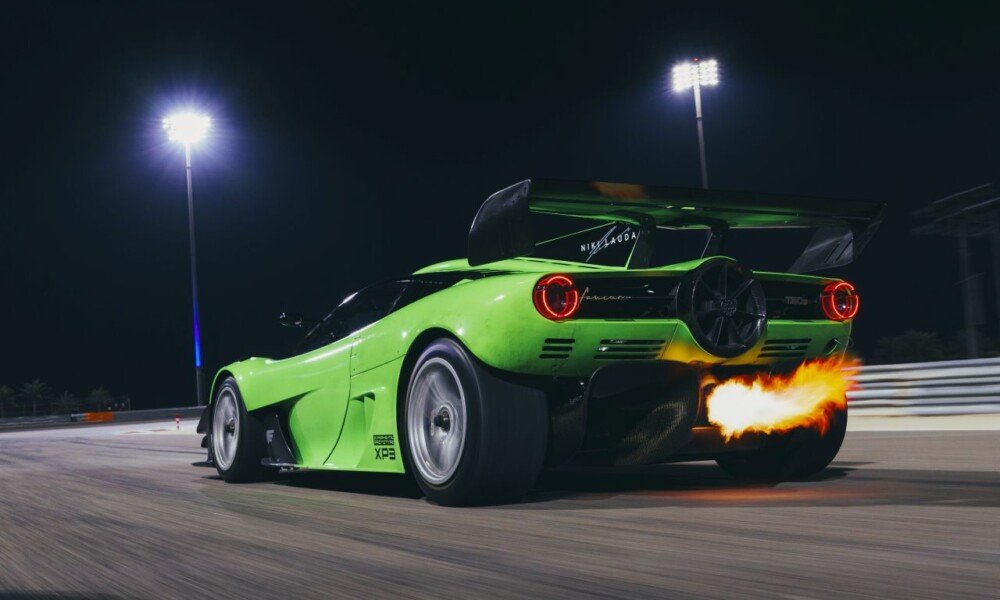
The Gordon Murray Automotive’s (GMA) T.50 Niki Lauda has been greenlit for production, and as Dario Franchitti was completing the final laps during the Production Approval Test at the Bahrain International Circuit, he went on to set a new lap record.

The GMA T.50 Niki Lauda completed the lap in 1 min 53.03 seconds. That’s faster than the fastest GT3 race car that has ever lapped this track.

GMA T50 Niki Lauda-1

“The T.50s is the most engaging car I’ve ever driven. For pure fun factor, it surpasses all other track-only models, my favourite supercars of all time, and even the race cars I drove to multiple world championship wins,” Franchitti said.

“Gordon set out to create the greatest on-track driving experience ever. The team has more than delivered. The feedback, responsiveness, performance, sound, visibility, braking, stability… everything… it’s just perfect.”

The T50 Niki Lauda uses a 3.9-litre, naturally aspirated V12 engine that makes 711 hp @11500 rpm and 358 lb-ft @ 9000 rpm. The engine drives the rear wheels via a 6-speed paddle shift gearbox. The car weighs just 852 kg and has a power-to-weight ratio of 835 hp/tonne.


Source link