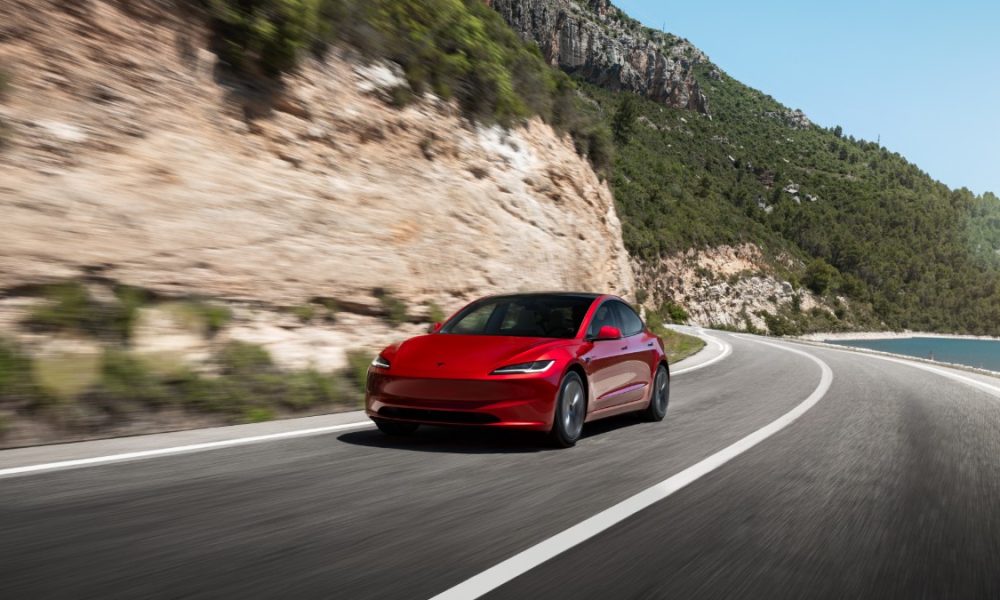
Lancia is reviving the famed Gamma as an upmarket SUV related to the Peugeot 3008 and incoming DS No7, and it has now been seen for the first time.
Caught winter testing ahead of its unveiling later this year, the Gamma evidently draws on the Lancia Ypsilon supermini in its design, with Y-shaped grille decoration and low-set headlights.
The Gamma is large and rakish SUV, in a similar vein to the Cupra Tavascan and Ford Capri EVs.
Like other models based on the STLA Medium platform, it will offer a mix of pure-combustion, hybrid and electric powertrains. This prototype, according to Autocar’s spy photographer, is an EV.
Lancia CEO Luca Napolitano previously said the Gamma “represents a milestone in our journey towards the future”, standing for “innovation, style and a relentless pursuit of excellence”.
Stellantis relaunched Lancia in 2022 with the Pu+Ra Zero concept, but no plans for UK sales have been detailed.
The Italian brand has limited cachet here, having left the market back in 1994, so a return seems unlikely.
The Gamma will prove crucial in securing Lancia’s future in Europe, given it has struggled to build much traction with the Ypsilon.
According to data from European industry body the ACEA, it sold 11,747 cars in the region last year, a drop of 64% compared with 2024.
Turbochargers often fail due to internal wear, while the rest of the unit usually remains serviceable. A turbocharger repair kit corrects imbalance between wear components and structural parts. Turbochargers operate under extreme thermal and rotational load. The system distributes load continuously bearings, seals, and thrust elements. When these components exceed wear limits, oil control degrades, shaft stability declines, and boost efficiency drops. The majority of housing and wheels continue to be usable for service. The turbocharger assembly requires no replacement because repair kits restore its internal geometry and functional clearances.
How a Turbocharger Works
A turbocharger uses exhaust energy to increase intake air mass. The exhaust gases drive a turbine wheel, which connects to the compressor wheel through a shaft. The turbine speed increases when exhaust flow increases, which powers the compressor. The compressor pressurizes intake air to increase oxygen availability inside the combustion chamber.
The rotating assembly operates at very high speeds. The shaft is supported by a hydrodynamic oil film within bearings. Oil pressure prevents metal-to-metal contact, dissipates heat, and stabilizes rotation. Axial forces generated by boost pressure are controlled by thrust bearings. System function depends on oil quality, bearing surface integrity, and precise alignment of rotating components. Any deviation from designed clearances results in friction, leakage, or imbalance.
Typical Turbocharger Problems
Turbocharger wear follows predictable mechanical patterns. The primary failure points are internal and progressive. Common issues include:
Oil leakage caused by worn seal rings or excessive bearing clearance
Radial or axial shaft play resulting from bearing surface wear.
Reduced boost pressure due to inefficient compressor rotation.
Oil contamination from thermal breakdown or debris circulation.
Contact between rotating wheels and housings due to misalignment.
Increased shaft play accelerates seal failure. Oil leakage contaminates intake and exhaust systems. Boost loss increases exhaust temperature and load on remaining components.
What a Turbocharger Repair Kit Contains
A turbocharger repair kit replaces components responsible for internal tolerances. Kits are model-specific and precisely matched to the shaft and housing dimensions. Standard contents include:
Journal bearings or bearing sleeves sized to the shaft.
Thrust bearings, collars, and washers for axial load control.
Seal rings or piston rings for oil containment.
Spacers, shims, and retaining clips.
O-rings and gaskets for oil and air sealing.
These parts are manufactured to restore factory clearances. Turbine wheels, compressor wheels, and housings are excluded because they rarely fail without external damage.
Turbocharger Repair Process Overview
Turbocharger repair begins with controlled disassembly. Component orientation is marked to preserve the balance reference. The compressor housing and turbine housing are removed from the center housing. Bearings, thrust components, and seals are extracted and inspected.
Shaft journals and wheel bores are measured for scoring, taper, and heat damage. If surfaces remain within tolerance, rebuilding proceeds. New bearings and thrust parts from the repair kit are installed. Seal rings are replaced to restore oil control. Clearances are verified during assembly to ensure correct oil film formation.
Dynamic balancing is essential because even minor imbalances can cause rapid failure at high rotational speeds. Repair kits restore mechanical integrity but do not correct the imbalance. Balancing must be performed after reassembly to ensure durability and noise control.
Benefits of Repair Kits Over Full Turbo Replacement
Repair kits address the root cause of most turbocharger failures. Compared to full replacement, they provide clear mechanical and economic advantages:
Repair kits reduce cost by reusing housings and wheels that remain within specification.
Original equipment geometry is preserved, avoiding aftermarket fitment variance.
Material waste is reduced by replacing only wear components.
Performance is restored without altering boost control or calibration.
Full replacement is justified only when housings are cracked, wheels are damaged, or shafts are deformed. In wear-related failures, replacement offers no functional benefit.
Turbochargers experience failure because their components undergo predictable wear that affects their bearings, seals, and thrust elements. A turbocharger repair kit restores internal clearances, oil control, and shaft stability without replacing intact structural parts. When combined with proper inspection and dynamic balancing, repair kits return turbochargers to operational condition and original performance levels. For serviceable turbocharger cores, rebuilding is the most direct and efficient repair strategy.
It is Wednesday, which means that it is once again time for the weekly fuel price update, as announced by the ministry of finance for the coming week of February 26 until March 4, 2026.
The retail price of diesel fuel in Peninsular Malaysia climbs five sen to RM3.04 per litre, up from the RM2.99 per litre rate of last week. Meanwhile, the Euro 5 B7 blend of diesel, which is 20 sen more per litre, is at RM3.24 per litre for the coming week. The retail price of diesel fuels in Sabah, Sarawak and Labuan stays unchanged at RM2.15 per litre.
For petrol, the subsidised RON 95 fuel under the Budi Madani RON 95 (Budi95) scheme remains at RM1.99 per litre; Malaysians with a valid driving licence are eligible for the fuel at a monthly quota of 300 litres.
The price of unsubsidised RON95 petrol also climbs by five sen from RM2.54 per litre to RM2.59 per litre, as does RON 97 petrol, climbing to RM3.15 per litre from RM3.10 per litre of last week.
These prices take effect from midnight tonight until Wednesday, February 18, 2026, when the next set of fuel price updates are announced. This is the seventh edition of the weekly fuel pricing format for 2026, and the 370th in total since the format was introduced at the start of 2019.
If you listen carefully to Frank van Meel, you can almost hear the gears turning. Not the ones in a six-speed gearbox. The corporate ones.
In a recent interview with Carsales.com.au, the BMW M CEO admitted he isn’t quite sure how customers will respond to the forthcoming all-electric BMW M3. And yet, in the very next breath, he assures us that what they’re developing is “exactly the technology everyone has been waiting for, or waiting for in a high-performance car.”
That’s a bold claim. Maybe even brave. But it also sounds a bit like someone peering into the abyss of enthusiast opinion and hoping it blinks first. Our take? We’re not so sure. And if we’re honest, it doesn’t sound like he is either.
The Return of Combustion (Sort Of)
Now here’s the part that made us sit up straighter. Van Meel pointed to recent regulatory changes that have led to renewed investment in internal combustion engines. BMW, he said, has a long tradition of inline-six engines, iconic, globally beloved, as well as V8s. And crucially, there remains a “big community worldwide” not ready for EVs, or living in places where charging is inconvenient at best.
This is good news. Not shocking news. But good news. BMW’s inline-six is as much a part of the brand’s DNA as Hofmeister kinks and oversteer. Think about the lineage: from the E46 to the current BMW M4, the straight-six has been the spine of the M story. It’s smooth, charismatic, and tunable in ways that make engineers smile.
But let’s temper expectations. Don’t expect an all-new clean-sheet engine family. This isn’t a combustion renaissance. It’s iteration. Evolution of what we already have, likely hybridized, increasingly complex, and carefully engineered to pass whatever emissions hurdle comes next.
BMW has to do this. The segment demands it. The uncertainty around high-performance EVs in this class is real. Customers voting with their wallets are even more real.
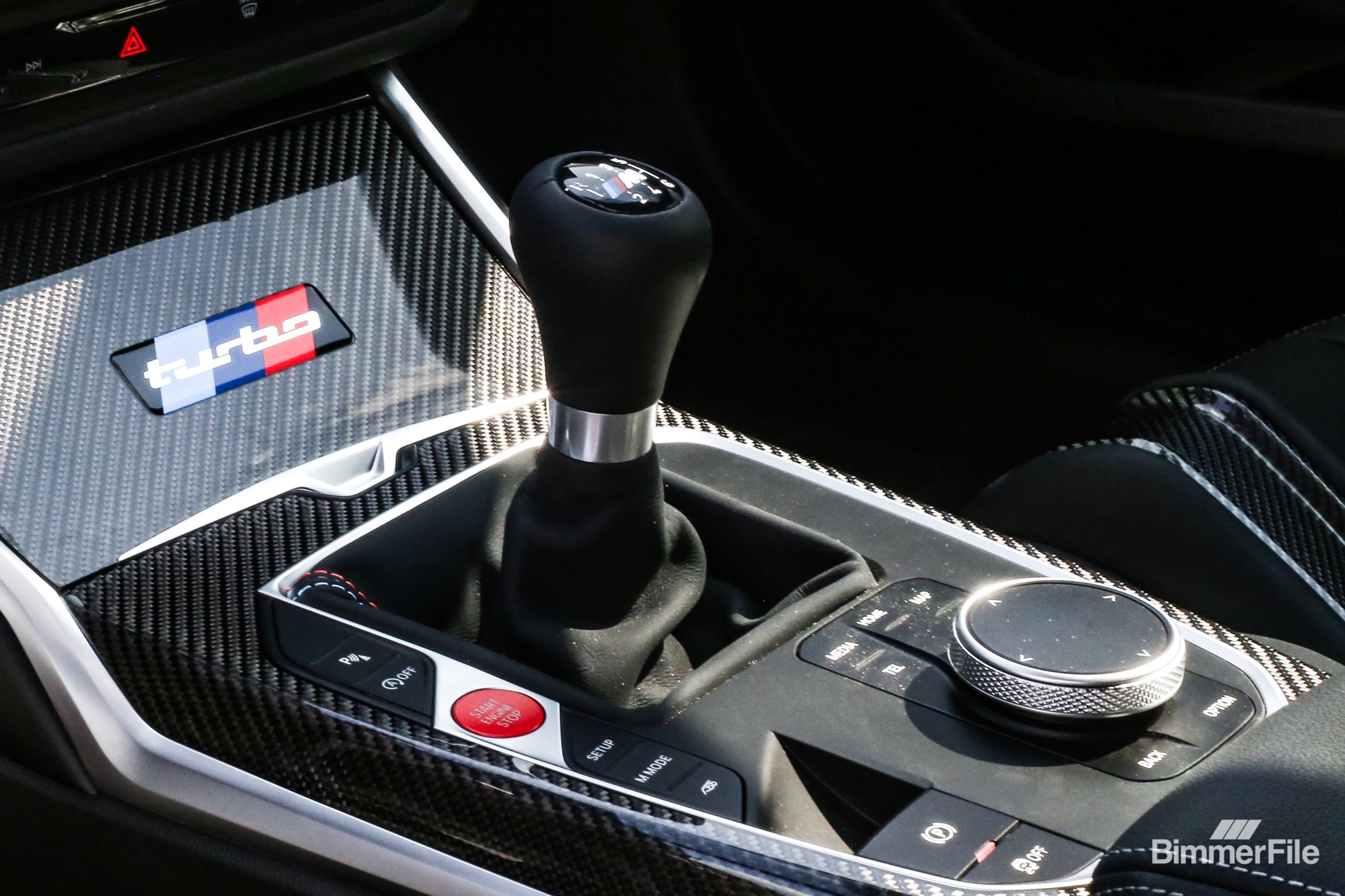
The current F80 M3’s manual.
And Then… The Manuals
Here’s where things go from cautiously optimistic to genuinely worrying. Van Meel acknowledged that manuals remain popular in certain segments. In the U.S., roughly 50 percent of BMW M2 buyers opt for the six-speed. That’s not niche. That’s half the pie.
But the problem, we’re told, is torque. BMW’s current six-speed is limited to 550Nm. That ceiling restricts performance improvements and effectively disqualifies it from higher-output variants like CS models. Yes, BMW could work with Getrag to engineer a stronger unit. But Getrag, by most accounts, doesn’t see a large enough market to justify the investment.
And then came the line that landed with a dull thud: “From an engineering standpoint, the manual doesn’t really make sense because it limits you in torque and also in fuel consumption.”
But it seems like a sentiment that customers aren’t worried about given the take rate of manuals in the M2 alone. Why do we need more torque? At what point did the horsepower arms race become the only metric that mattered? A manual isn’t about shaving tenths off a 0–60 time. It’s about interactivity. It’s about that moment on a back road where you choose third instead of second, not because it’s faster, but because it feels right.
A manual gearbox is friction. It’s rhythm. It’s the subtle mechanical conversation between driver and drivetrain. Torque limits are a spec-sheet concern. Connection is a soul concern. And that’s the part that feels dangerously undervalued in these comments.
It wasn’t long ago when the BMW 1M was offered only with a manual.
Reading Between the Lines
Van Meel’s final comment was diplomatic, but the subtext was hard to ignore. They’re happy with the manuals they have and plan to keep them “for the next couple of years.” But for future products that will have to comply with increasingly strict EU emissions standards, it’s going to be more difficult to keep them alive.
When the BMW M3 and BMW M4 transition to a hybridized inline-six in the coming years, the manual likely dies with them. The same probably applies to the M2. Electrification plus rising torque outputs will simply outpace what the current gearbox can handle. And if that happens, expect consequences.
Look at the MINI Cooper JCW. Roughly half its sales were manuals. When the manual was dropped, sales fell by over 30 percent. Not a perfect one-to-one comparison, but the lesson is there: remove the engagement, and a meaningful slice of buyers simply walks away.
For the M2 in the U.S., losing the manual could mean losing half its audience. Not overnight. Not literally 50 percent. But close enough to matter.
BMW M stands at a crossroads. On one side: electrified torque, software-defined performance, and staggering acceleration figures. On the other: a clutch pedal and a community that still believes driving is something you do, not something the car optimizes for you.
If manuals disappear from M cars, it won’t just be the end of a transmission option. It’ll be the end of an era, the last mechanical handshake between Munich and the enthusiast who still wants to row their own gears. And once that’s gone, no amount of instantaneous electric torque will quite replace it.
Is the all-electric supercar market at a dead end? | Automotive World
Skip to content
Enthusiasm for battery-electric supercars is withering amid low consumer appetite, expensive R&D, and changing regulatory standards. By Will Girling
Lamborghini Chief Executive Stephen Winkelmann has confirmed that the company’s much-anticipated battery-electric vehicle (BEV), Lanzador, has been cancelled. In a 21 February article, The Sunday Times quoted Winkelmann as stating there was “close to zero” market appetite for such a model, which was originally due to enter production in 2029.
Subscribe to Automotive World to continue reading
Sign up now and gain unlimited access to our news, analysis, data, and research
Welcome back , to continue browsing the site, please click here
We use cookies to ensure that we give you the best experience on our website. If you continue to use this site we will assume that you are happy with it.
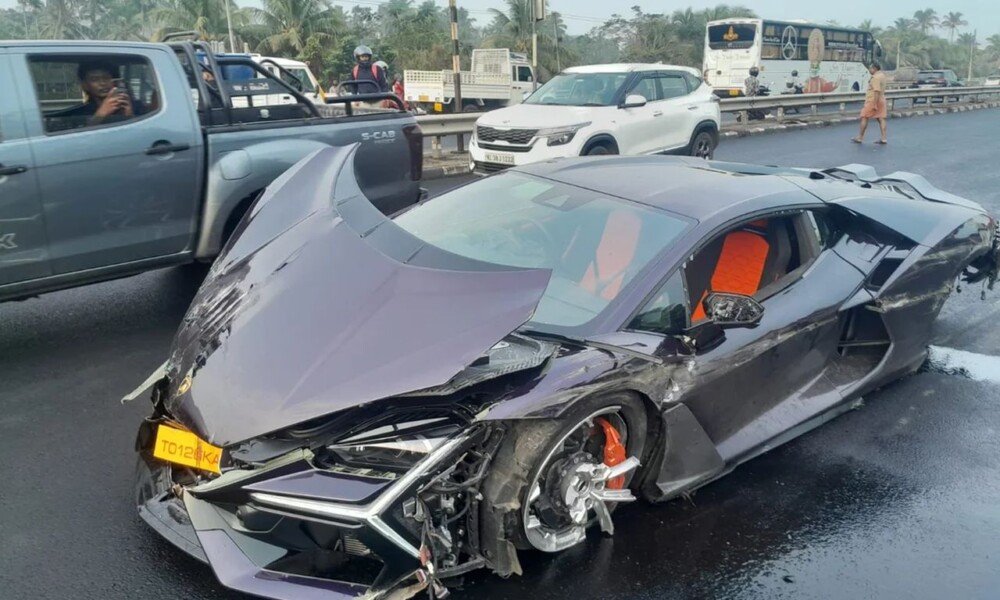
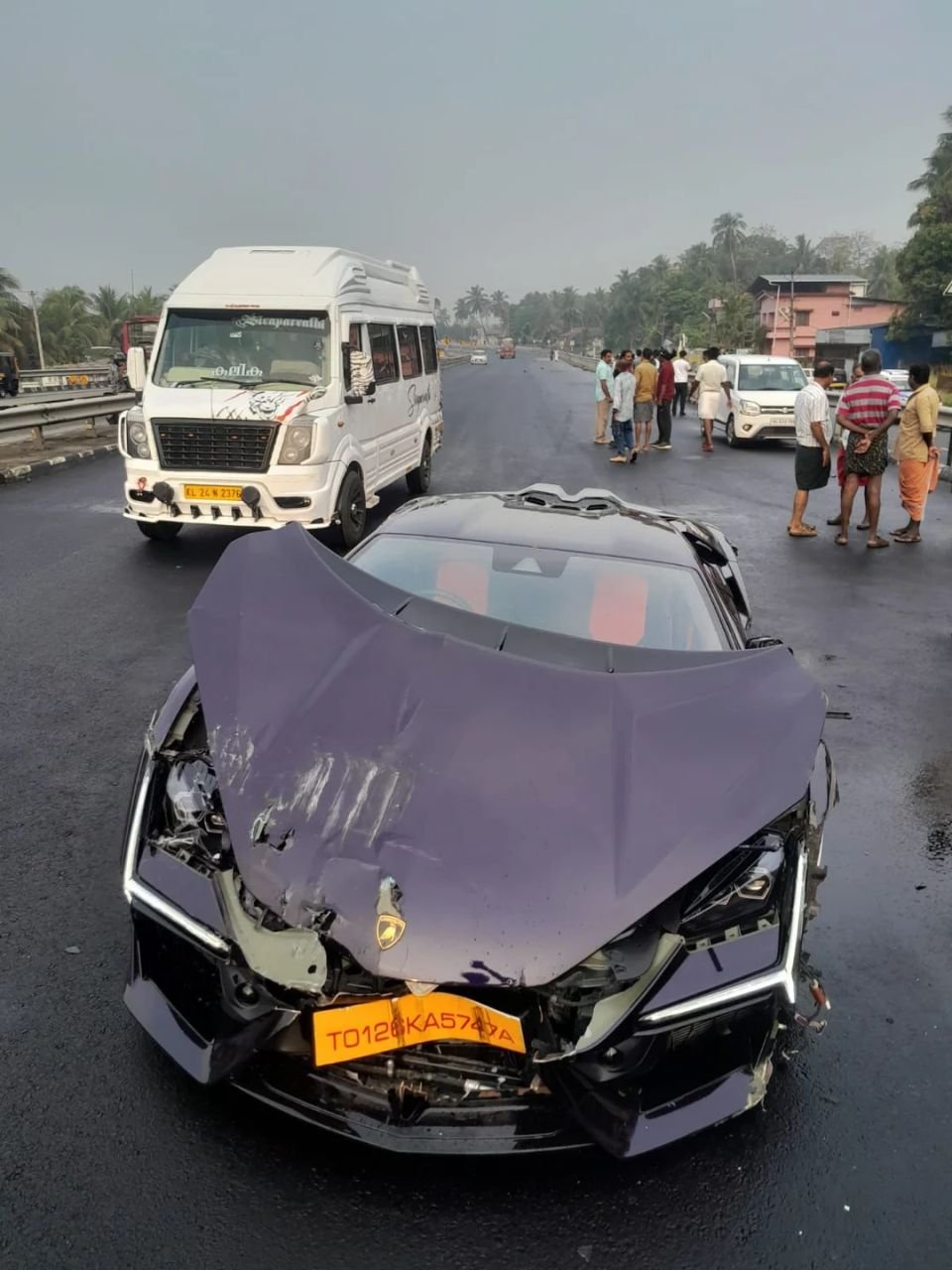
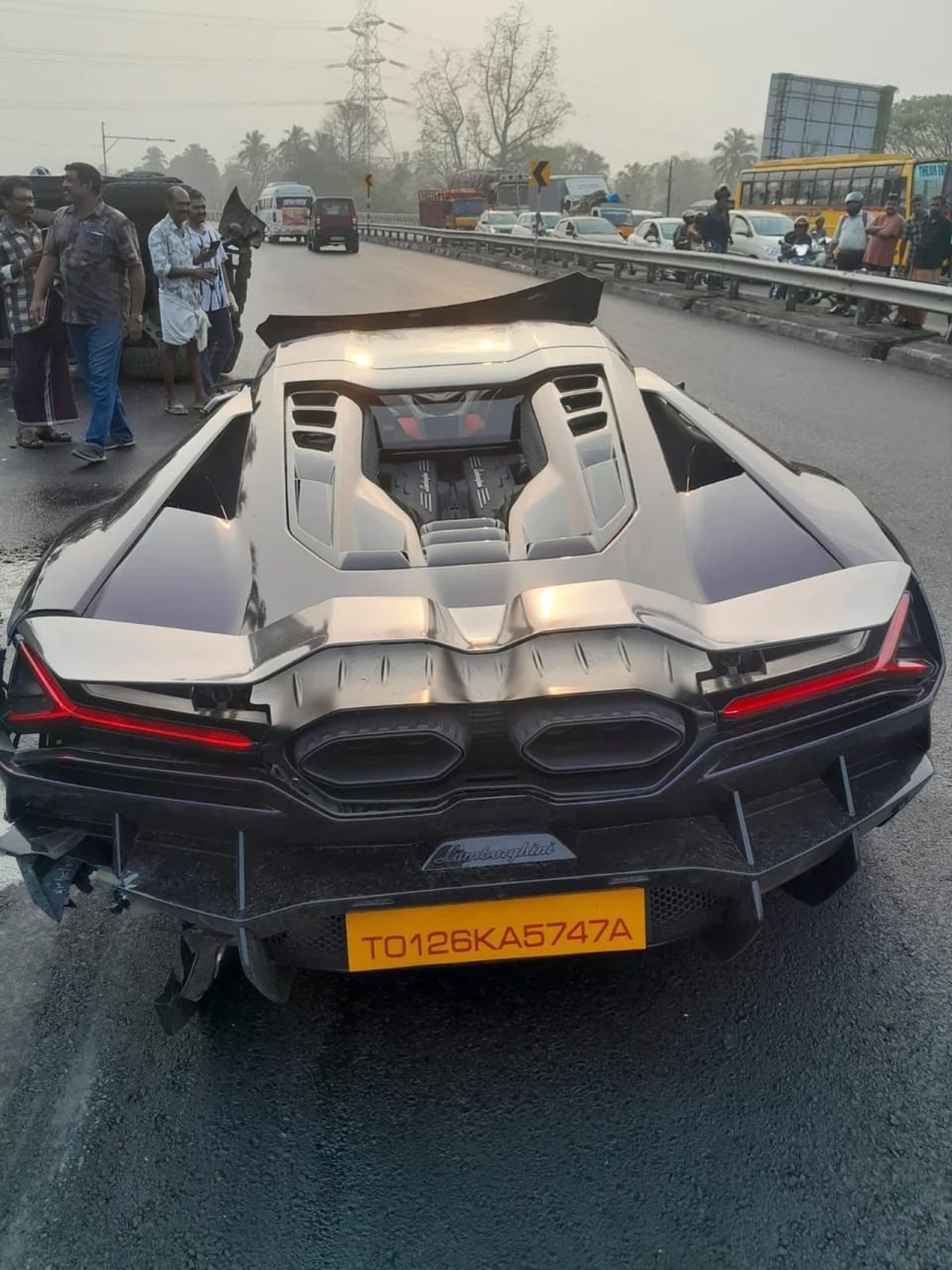
A brand-new Lamborghini Revuelto owned by a well-known businessman from India has crashed. The supercar was barely a month old and was on temporary plates at the time of the accident.
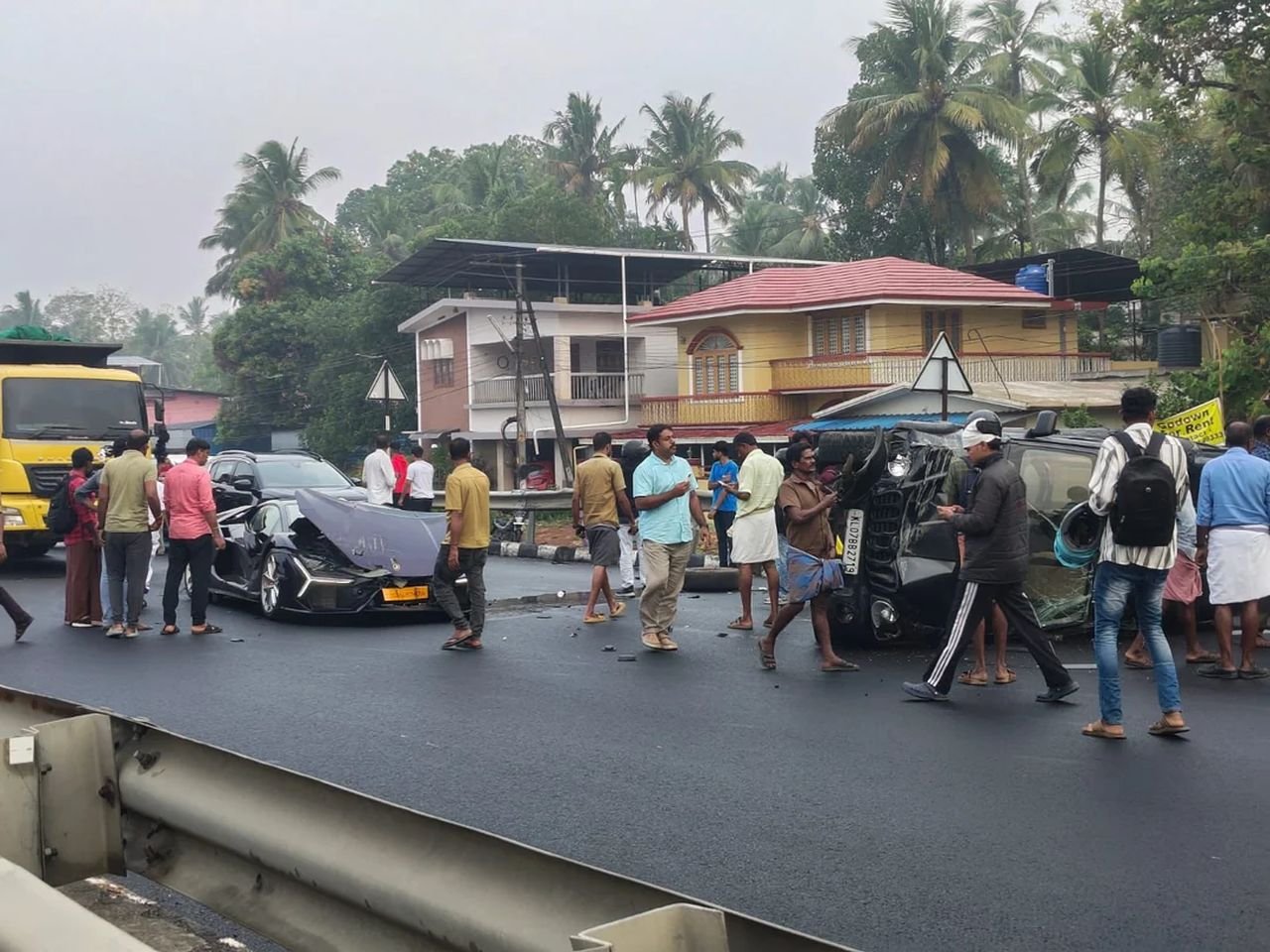
The accident took place on a highway near the city of Thrissur, Kerala. The Revuelto reportedly crashed into an SUV, which rolled over and came to rest on its side. Fortunately, no one was injured.
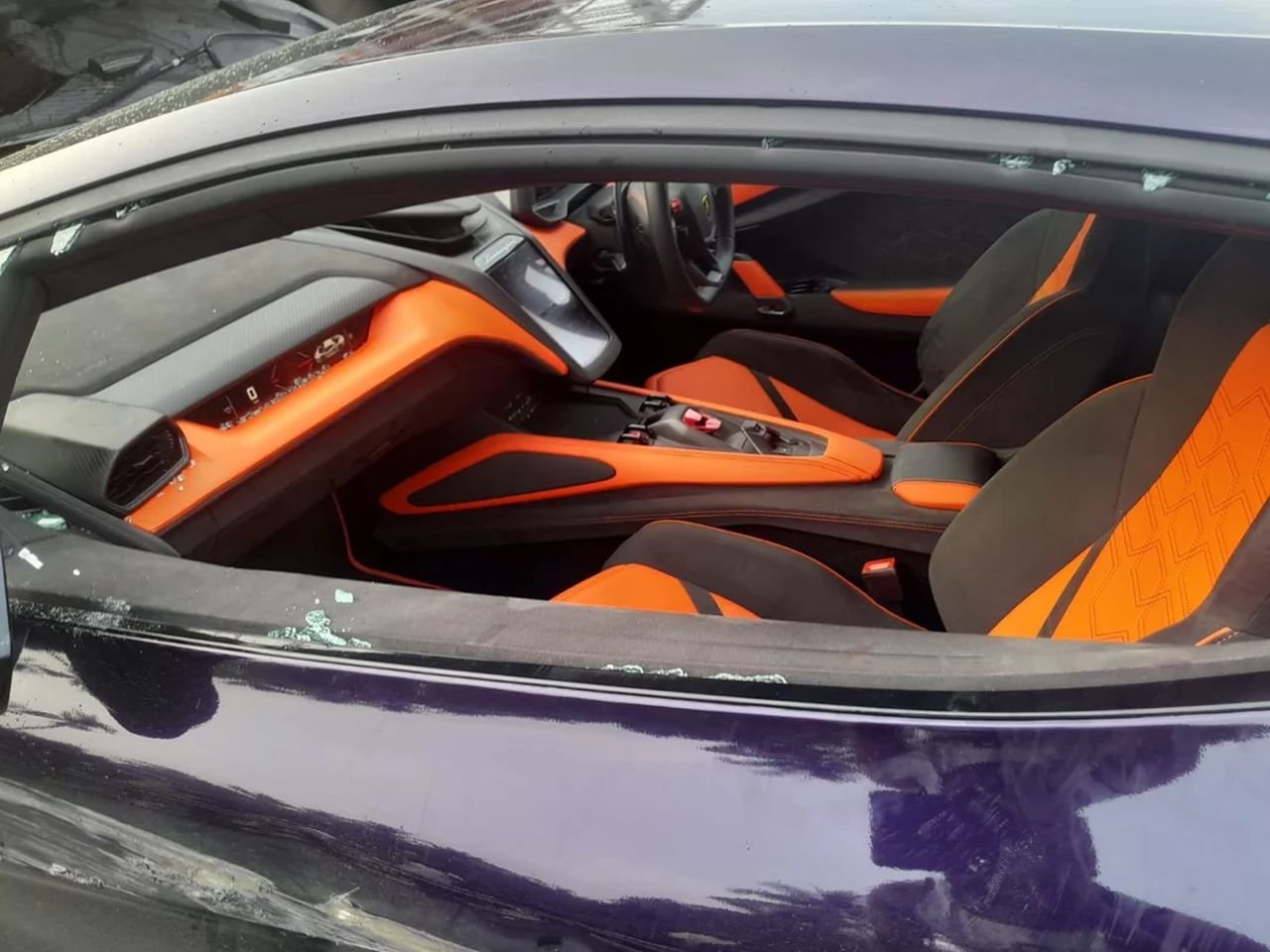
The Revuelto, though, suffered serious damage. From the images posted on social media, it appears that the supercar may have side-swiped the SUV at high speed. The passenger’s side sustained the majority of the damage. The rear wheel and suspension were ripped off, while the front wheel rim just exploded due to the impact.
Interestingly, the airbags did not deploy, which isn’t normal. We suspect that the driver may not have been wearing the seatbelt.
If you recall, a similar accident was reported in Indonesia last year, where a Revuelto bumped into a Suzuki S-Presso at high speed. Then there was the crash involving a showroom-fresh car in Beirut, Lebanon.
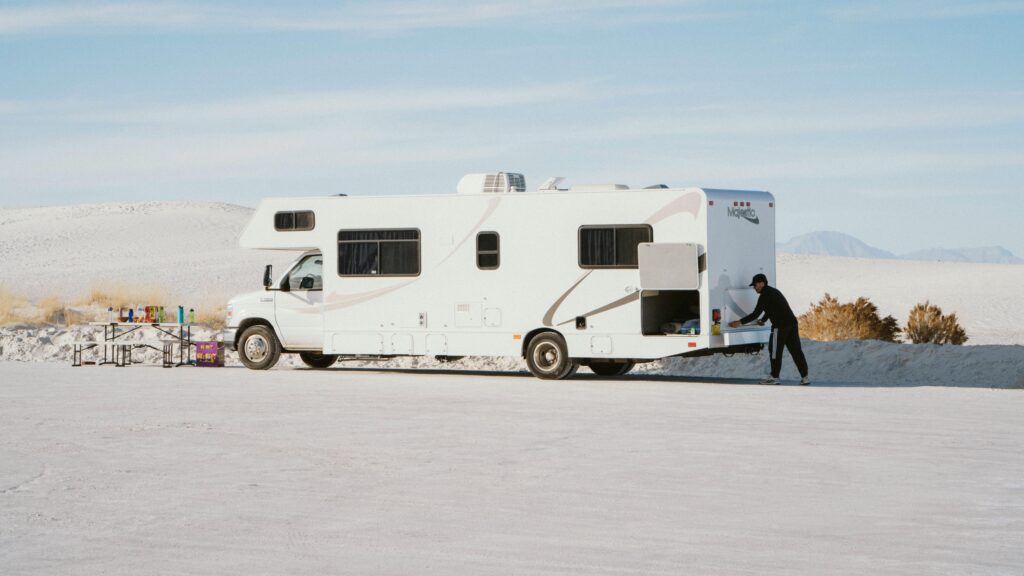
Living in an RV is, plainly stated, awesome. It provides freedom, flexibility, and the opportunity to customize your lifestyle to fit just about any budget and travel desire. However, it does also come with important logistical, financial, and even legal considerations that you’ll want to think about before you take the full-time drive. From choosing a domicile state to securing insurance and managing mail — and even just figuring out how to store all your stuff on the road — here are the 10 most important things to think about before you head out onto the road as a full-time RVer.
Full-Time RV Living Checklist
For starters, here’s an at-a-glance pre-road to-do checklist to help you ascertain whether you’re ready to hit the road as a full-time RVer.
Choose your domicile state
Set up mail forwarding
Secure RV and health insurance
Understand voting requirements in your domicile state
Plan for internet access
Budget for real monthly costs
Prepare for maintenance and repairs
Consider long-term camping and parking options
Downsize strategically
Plan for emergencies
Don’t worry, we’re going to go over everything in detail below.
1. Choosing Your Domicile State
First things first: While you’re living (and likely traveling) in your RV, you’ll also need somewhere to “live.” That is, you’ll need to elect a domicile state (also known as setting up state residency) so that you have an official address for legal and logistical matters like taxes, vehicle registration, and insurance.
The thing is, some states are easier — and harder — than others when it comes to residency requirements and rules that affect full-time RVers. Popular states, like Texas, Florida and South Dakota, don’t charge a state income tax (after all, you likely won’t be home often enough to take advantage of state benefits anyway), and also have laws on the books that make it easier for full-timers to get their logistics situated. For example, in South Dakota, you only need to stay a single night to establish residency.
Where you set up domicile also impacts your vehicle registration cost. Each state has its own calculation for determining the cost of registering a vehicle, and in some states, RVs can be substantially more expensive to register. The same is true, of course, for attaining health and RV insurance; geographic location has a major impact on the premiums you’ll pay each month. For all of these reasons, it’s worth doing your research ahead of time to figure out which states are cheapest in these regards. (Hint: South Dakota, Florida, and Texas are among the most popular states for full-timers to set up residency in for several reasons!)
2. Setting Up a Mail Forwarding Service
Once you have your state residency covered, a good next step is to set up mail forwarding. Maybe you actually own a home or property in the state, but many full-timers do not. That’s where RV-friendly mail forwarding services come in.
RV mail forwarding will set you up with a physical address and periodically forward your mail according to your instructions. These can be low-cost, simple ways to get your hands on your mail, no matter where you’re traveling, but that’s not even the most important part of the service. Because your mail forwarding service will have a physical address, that means you’ll be able to get your driver’s license or other ID, register to vote, have an address for your bank account — all the things people need a permanent address for, logistically. Since even long-term RV campgrounds rarely allow campers to list their address as a permanent home address, that’s a pretty huge benefit. (You can also get a virtual mailbox as your residential address to receive letters, but these services usually scan and upload your mail to be read online rather than forwarding your mail physically, and you may not be allowed to use the address for licensure, voter registration and other logistics..)
Other options for handling your mail on the road include having a trusted family member or friend forward the mail — and perhaps supply a permanent address. You can also have packages delivered to the nearest postmaster general if your RV park doesn’t support delivery (you can check with the front desk).
3. Insurance: RV, Health, and Liability
If one thing’s certain in life, it’s that it’s full of surprises. Unfortunately, some of those surprises can come with hefty costs if you’re not careful.
That’s where insurance comes in. Even, or perhaps especially, while you’re gallivanting around on the road, you’ll want robust insurance policies to back you up in case the unexpected happens. (Or just so you can go get your annual physical.)
Keep in mind when you’re shopping for RV insurance that there’s a difference between recreational RV insurance and full-time RV insurance, which offers specialized, year-round coverage specifically designed for those who call their rig home. Just like you would as part of your homeowners or renters insurance plan, you’ll want your RV insurance to include liability coverage in the event that someone is injured or sustains a loss while in your RV. RV insurance might also cover, for example, damages that a campground sustains if a part of your RV blows off in a windstorm and damages the fence, as well as your personal property stored inside the RV.
Everyone knows why health insurance is important. But for travelers, checking that the Ts are crossed and Is are dotted becomes even more critical. Many traditional health insurance plans are designed for people who live in one place (since, after all, most people do). That means your coverage may be limited once you cross out of your domicile state’s lines if you’re not careful.
Fortunately, there are plans available on the ACA market that have national networks, but this is important to research before you choose a plan. Original Medicare combined with a Medigap plan can also work for RVers aged 65 and over. Either way, you may want to plan your travels such that your regular doctors appointments will happen in the state where you receive primary coverage, not only for insurance purposes but to establish continuity of care.
4. Voting While Living in an RV
People who travel the United States extensively are often exactly the people who most want to protect it. As citizens, voting is one of the most direct ways we can influence the future of this beautiful country of ours, and although it takes a little bit more pre-planning and footwork, voting is also possible for full-time travelers.
First of all, remember that your domicile state determines the state you’ll register to vote in, as well as whose local elections you’ll be participating in. As you travel, you’ll want to ensure you keep your voter registration current, and sign up for absentee ballots if you won’t be in your domicile state during the election season. (Keep in mind that some states require you to have an excuse to cast an absentee ballot, while vote-by-mail states like Hawaii, Colorado, and Oregon provide one automatically.)
5. Budgeting for Full-Time RV Living
It’s true: Full-time RVing can be a great way to live on a budget. But it can also easily cost a lot more than you expect.
That’s why you have to take the word budget into your own hands and treat it like the verb it is. If you make a plan for your money ahead of time, you can benefit from the flexibility of this lifestyle by customizing it to your financial needs and comfort level.
Let’s start by looking at some of the most common costs associated with RV living:
The cost of the RV itself, such as a monthly payment if you have one (or the cost of a rental, if you’re trying out the lifestyle before you buy in)
The cost of insurance, including RV insurance as well as health insurance and other products
The cost of where you’re parking, such as campground fees (although there are ways to minimize or even do away with this cost, like boondocking)
Fuel costs
Maintenance costs
Internet service (critical for those working on the road)
Other day-to-day expenses including food, supplies, and entertainment
As we said, the good news is, RVing really can make budgeting flexible. If you want to spend less money one month, for example, you might choose to travel less (and spend less on fuel); in another month, perhaps you’ll travel more but save money on campground fees by boondocking on BLM lands. And since your RV has its own kitchen, you don’t have to spend any money on dining out at all if you don’t want to.
As an example, here are two different full-time monthly RV costs broken down by category so you can see how the lifestyle can scale to your needs.
Cost
Low-Cost Travel Lifestyle
Higher-Cost Travel Lifestyle
RV
$0/ month (rig purchased in cash and paid off
$2,000/month (payment on a large and luxurious Class A motorhome)
Parking/Camping
$300/month (staying in state parks with hookups for a couple of weeks, then BLM camping the rest of the time)
$1,500/month (monthly rent cost at a high-end luxury campground)
Fuel
$100/month (traveling minimally, staying in one place)
$700/month (traveling more extensively)
Food
$400 per person per month (eating meals at home)
$1,000 per person per month (eating out often)
Internet
$100 per month (cell phone hot spot, using free wifi at cafes and campgrounds)
$300+ per month (getting a high-end off-grid subscription or buying a latte every day for wifi)
Miscellaneous
$200 per month for entertainment and extras
$1,000 per month for entertainment and extras
MONTHLY TOTAL
$1,100
$6,500
6. Reliable Internet and Connectivity
For travelers who are working on the road, a reliable internet connection isn’t a luxury. It’s a must-have. And even for modern travelers who are retired or don’t work online, you may simply desire a good connection.
There are lots of ways to get online on the road these days, since just about everyone needs to. Many campgrounds offer free wifi, but the connection may leave something to be desired or only be strong on certain parts of the property. Getting an RV wifi booster can help you amplify the signal, but many campers choose to use a Starlink or cellular hotspot to ensure they have signal no matter where in the world they are, even if it comes at an additional monthly cost.
7. Long-Term Parking & Campground Planning
So many full-timers overlook what can quickly become one of the most expensive parts of the lifestyle: parking your rig. If you’re exclusively relying on RV parks and luxury campgrounds, these costs can easily total well over $1,000 (or even several thousands of dollars) per month.
If, on the other hand, you’re scrappy, and rely on state parks, discount long-term RV parks and boondocking, you can get away pretty darn cheap on this front. There are, however, often stay limits in place in lower-cost campgrounds (including BLM boondocking spots), and it may be more challenging to stay off the grid during a more challenging season (even if you normally rough it, you’re likely to want power and hot water during the winter).
You’ll also want to think through any parts of the year when you may not be staying in your rig, because even then, you’ll need somewhere to park it. Long-term RV storage (or even shorter-term RV storage) comes at its own cost, and just like campgrounds, it’s a good idea to reserve early to ensure you won’t be stuck high and dry when the time comes.
8. Downsizing & Storage
Getting to travel with your literal kitchen sink is one of the best parts of RVing, if you ask us. Still, even the biggest RVs are far smaller than the average-sized home, and they do have weight limits. If you’re transitioning from sticks-and-bricks living to full-time RVing, you may want to downsize your belongings ahead of time, or consider finding a storage solution (like renting a storage unit) to keep your rig from getting too cluttered.
What makes the cut will heavily depend on what’s important to you in your travel lifestyle. Some people might regret taking every single pair of fancy shoes they own, but if dining out at Michelin-star restaurants is your favorite part of travel, maybe you wouldn’t. On the other hand, a serious snow bunny wouldn’t be caught dead without their skiing gear, but if you’re not actually that outdoorsy, bulky equipment is just going to take up space (even if you wish you’d use it).
Take hints from other full-timers to learn the secrets of efficient RV traveling. For example, keeping originals of important documents like birth certificates in safety deposit boxes keeps them from being at risk on the road, and you can digitally document everything to have a copy of it with you on your phone wherever you wind up.
9. Maintenance & Repairs
It’s just a fact of life. Things break down. Especially things that move a lot.
And even without emergency repairs, RVs, like any other vehicle, also require regular maintenance to keep functioning at their best. While you’re on the road, you’ll want to plan to keep up with routine inspections and maintenance milestones, and if you have a manufacturer warranty, it’s likely worth factoring these into your travel schedule so you wind up at a dealership where you’ll score your discounts. (Sure, it’s possible to find a service center anywhere on the road, but your options for coverage may be more limited.)
Additionally, budgeting ahead of time for repairs, including unexpected repairs, goes a long way toward avoiding a catastrophe at the last minute. We also recommend full-time RVers opt into a roadside assistance service. After all, your RV isn’t just your vehicle, it’s literally your home. You’ll want help to be affordably available when you need it.
10. Try Before You Commit
Full-time RVing is amazing enough that we’re pretty sure you’re going to love it. But it’s also a huge commitment, especially if you’re considering downsizing your belongings and selling your house.
Renting an RV for an extended period, like a month, can give you good insight into whether or not you’ll truly thrive in the full-time RVing lifestyle. Additionally, renting off a peer-to-peer RV rental platform like RVshare gives you the opportunity to try out different types of RVs, or different makes and models, so you can buy exactly the one that suits you best when you’re ready to set off on the road for real.
Oh, and did we mention that many of our owners offer discounts for longer-term rentals? Search for your perfect try-before-you-buy RV today.
FAQ: Full-Time RV Living
Is it legal to live in an RV full time?
Yes, but your domicile state determines taxes, insurance, and registration requirements. That’s why it’s important to carefully consider where you’ll set up residency before you hit the road.
What state is best for full-time RV living?
Texas, Florida, and South Dakota are popular due to tax advantages and residency flexibility. On the other end of the spectrum, states like California feature higher taxes and registration costs that can make full-timing more challenging.
How do full-time RVers get mail?
Most use a mail forwarding service that provides a legal mailing address and also forwards their physical mail periodically. You can also look into a virtual mailbox, but you usually won’t be able to use the address on your license, voter registration or bank account. Some full-time RVers also “live” with a close family member or friend.
How much does it cost to live in an RV full time?
Costs vary widely, but many RVers spend between $1,500–$4,000 per month depending on travel style. However, you can do it more cheaply (or far more expensively) if you want to!
The Woodlands Township, Texas, has formally entered The Boring Company’s tunneling sweepstakes.
The township’s board unanimously approved an application to The Boring Company’s “Tunnel Vision Challenge,” which offers up to one mile of tunnel construction at no cost to a selected community.
The Woodlands’ proposal, dubbed “The Current,” features two parallel 12-foot-diameter tunnels beneath the Town Center corridor near The Waterway. Teslas would shuttle passengers between Waterway Square, Cynthia Woods Mitchell Pavilion, Town Green Park and nearby hotels during concerts and large-scale events, as noted in a Chron report.
Township officials framed the tunnel as a solution for the township’s traffic congestion issues. The Pavilion alone hosts more than 60 shows each year and can accommodate crowds of up to 16,500, often straining Lake Robbins Drive and surrounding intersections.
“We know we have traffic impacts and pedestrian movement challenges, especially in the Town Center area,” Chris Nunes, chief operating officer of The Woodlands Township, stated during the meeting.
“The Current” mirrors the Loop system operating beneath the Las Vegas Convention Center, where Tesla vehicles transport passengers through underground tunnels between venues and resorts.
The Boring Company issued its request for proposals (RFP) in mid-January, inviting cities and districts to pitch local uses for its tunneling technology. The Woodlands must submit its application by Feb. 23, though no timeline has been provided for when a winning community will be announced.
Nunes confirmed that the board has authorized a submission for “The Current’s” proposal, though he emphasized that the project is still in its preliminary stages.
“The Woodlands Township Board of Directors has authorized staff to submit an application to The Boring Company, which has issued an RFP for communities interested in leveraging their technology to address community challenges,” he said in a statement.
“The Board believes that an underground tunnel would provide a safe and efficient means to transport people to and from various high-use community amenities in our Town Center.”
The M760 xDrive is returning for the facelifted G70 7 Series with a V8 engine and a rumored start of production date of March 27, joining the M760e PHEV in a two-model M Performance lineup.
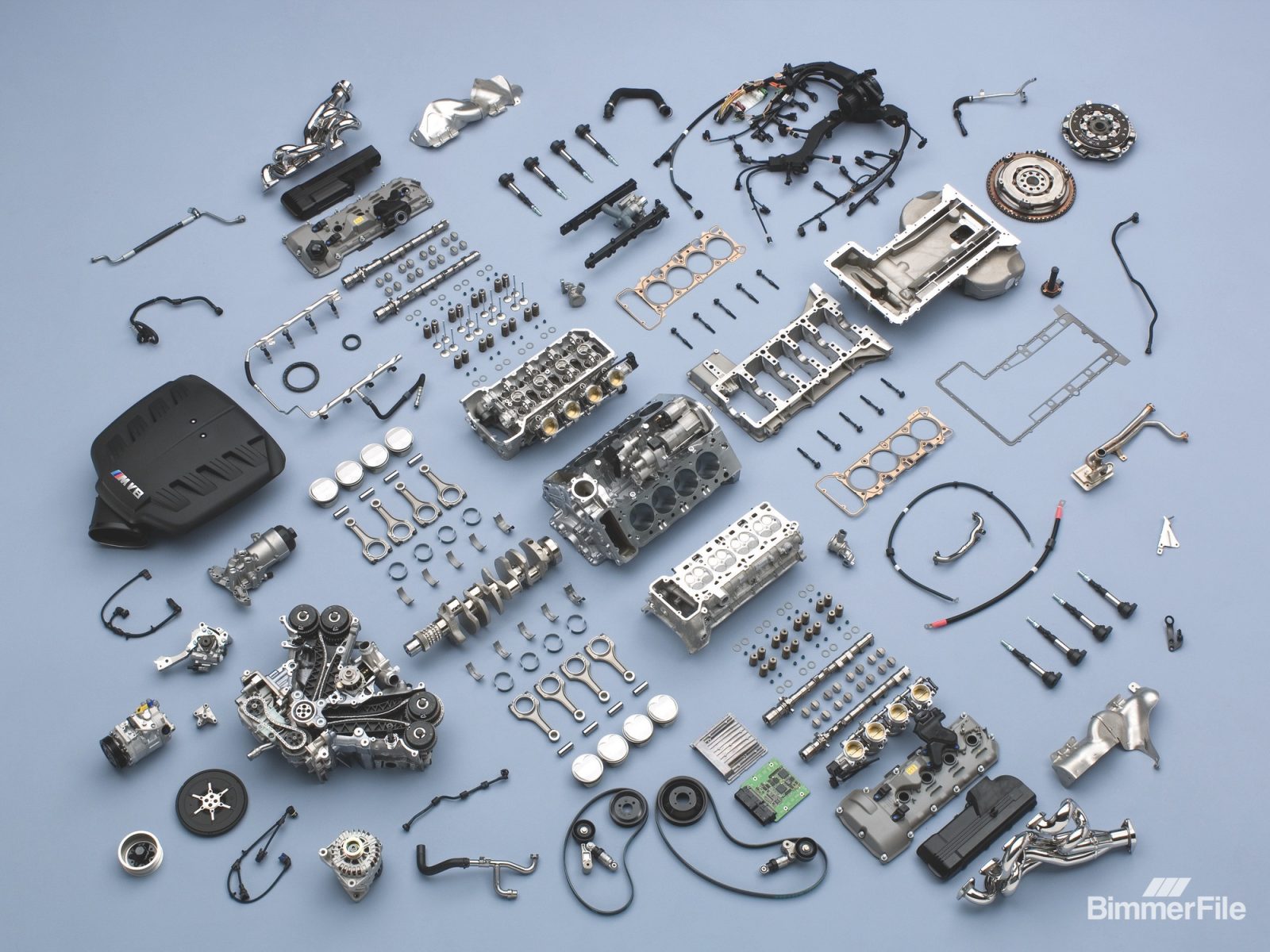
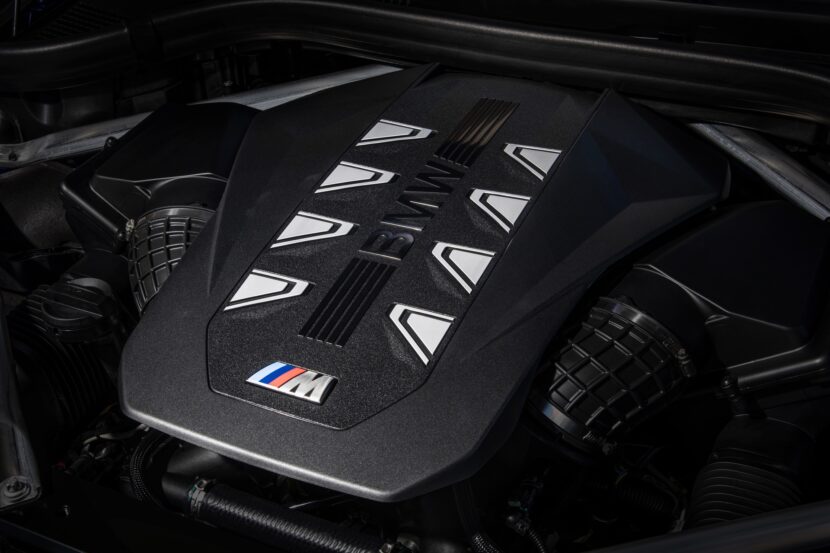
The updated S68TÜ1 V8 is expected to produce at least 523 hp, with the same engine also debuting in the G65 BMW X5 M60.
The new model drops the traditional “i” suffix — a reflection of BMW’s broader naming shift reserving “i” for electrified models — and unlike its V12-powered M760i predecessor, will simply be badged M760 xDrive.
The full-fat V8 is coming back to BMW’s flagship sedan, but with a twist. According to new rumors by the usual insider ynguldyn, the G70 7 Series LCI (facelift) will spawn an M760 xDrive variant powered by a V8 engine, with a rumored start of production date as early as March 27. If confirmed, the model would mark a powerful statement from BMW at a time when the brand is doubling down on internal combustion alongside its electrification push.
Currently, BMW sells a V8-powered 7 Series in some markets. The 760i is the model badge in the U.S. But the M760 xDrive would not arrive alone. It is expected to join the M760e, a plug-in hybrid M Performance model that carries over the proven six-cylinder PHEV drivetrain. Yet, that model is not expected to be sold in North America.
The pairing of the two would give the 7 Series LCI lineup a compelling one-two punch — a cleaner, electrified performance option alongside a pure, uncompromising V8 for those who want nothing to do with a charging cable.
The M760e will appeal to markets with strict emissions regulations or customer incentives tied to electrification, while the M760 xDrive is expected to target buyers who prioritize outright performance and the tactile experience of a naturally aspirated or turbocharged V8.
An Updated Engine: The S68TÜ1
The heart of the M760 is expected to be a revised version of BMW’s S68 V8, now designated the S68TÜ1 — an updated iteration of the 4.4-liter twin-turbocharged unit. This same engine is also slated to debut in the upcoming G65 BMW X5 M60, where it is expected to produce at least 536 horsepower. The TÜ1 suffix signals a significant technical update to the engine, though full specifications are yet to be officially confirmed by BMW.
Market Availability Still to Be Determined — But the US Would Be The Main One
While it remains unclear whether the M760 xDrive will reach every global market, the United States is expected to be one of the confirmed destinations. That makes sense: American buyers have historically gravitated toward V8-powered luxury flagships, and the M760 nameplate carries strong recognition in the market from its prior-generation run in the G11/G12 7 Series.
European availability may be more nuanced given tightening CO₂ regulations, which could limit or delay the V8 model’s roll-out in certain countries. However, markets like the Middle East, China, and Australia are also natural fits for a high-output V8 flagship.
The potential of an M760 with a V8 will also give the BMW M division a boost since it will fall under their sale reports. The M Performance Automobiles lineup has been very strong for the M brand in the last few years, both on the gasoline and electric side of things.
BMW Sold An M760i Before, But With A V12
The M760 name carries genuine heritage. BMW previously offered the M760i and M760Li on the prior-generation G11/G12 7 Series, where it was powered by a thunderous 6.6-liter twin-turbocharged V12 producing 601 horsepower — one of the last V12-powered BMWs ever sold.
That engine made the M760i one of the most exclusive and viscerally satisfying luxury sedans on the market at the time. Worth noting: the new model drops the traditional “i” suffix, as BMW has been phasing out the designation for its gasoline-powered vehicles — a branding shift meant to reserve the “i” identifier for electric and plug-in hybrid models. So while it’s a spiritual successor to the M760i, it will simply wear the M760 xDrive badge — a subtle but meaningful distinction for BMW enthusiasts keeping score.
V8s Are Here To Stay
Recently, BMW has made clear that the V8 remains a cornerstone of its product portfolio, and the S68 family of engines — already found in the M5, XM, and X7 M60i — is receiving continued development investment. The S68TÜ1 update demonstrates that BMW is not simply maintaining these engines, but actively evolving them.
The broader LCI update for the G70 7 Series is expected to bring a range of design and technology refinements, including revised lighting signatures front and rear, interior updates, and the latest generation of BMW’s operating system. For the full picture on the 7 Series facelift, see our earlier report here.
What to Expect Next
With a potential start of production date in July 26, the 7 Series Facelift will have an official reveal this Spring— whether at a motor show or through a standalone online debut — we will soon see the flagship luxury limousine.
It is just an inescapable fact: The automobile, in all of its wildly diverse interpretations, has propelled us through all of our life stages, even though some out there refuse to acknowledge it. But it’s the first blush of independent mobility, starting with riding bicycles as kids, or riding in cars with adults as the scenery rushes by, that draws us into the idea that there’s another world out there to explore and experience. And the concept that we’re free to go and do as we please is an intoxicating feeling that has powered our memories to this day.
I’ve had more than my share of scintillating automotive memories, and the following is one of my favorites.
As most of our AE readers know by now, I have lived an impossibly charmed automotive life. My dad was appointed Vice President of General Motors Public Relations in 1957, which turned out to be right at the beginning of GM’s golden era. At that time, being a VP at GM was a very big deal, and the fact that he was the youngest person ever to ascend to that level (at the age of 40) was an even bigger deal (John Z. DeLorean would eclipse that years later at the age of 39).
Back then, GM’s automotive divisions were fiefdoms akin to small countries, and if you were a VP, General Manager, of one of those divisions, you were like a potentate with immense power. GM’s divisional General Managers had control over engineering, production and sales – everything but design, in fact – which remained under the iron-clad purview of Harley Earl and then Bill Mitchell. (Talk about fiefdoms! – WG)
The other difference back in that era was that the upper echelon executives at GM knew each other well, often socializing together on the weekends. And being GM’s PR Chief, my dad – and mom – were always in the thick of it. Two executives in particular who were frequent guests or dinner companions with my parents were Bunkie Knudsen and Ed Cole (and their wives, of course).
Bunkie had just been appointed General Manager of Pontiac, which back then was a staid enterprise featuring uninspired, mundane cars that was barely treading water; it was sort of the forgotten division in the burgeoning GM empire. But Bunkie was out to change that, and in a hurry too. I will save that story for another column, but suffice to say, Bunkie assembled some of the hottest young engineering talent available (including the aforementioned John Z.), and he was off to the races, hell-bent on turning Pontiac into the hottest car company in the industry. Which he promptly did.
One thing that Bunkie did every summer was send over the hottest Pontiac model for my mom to drive, usually a fire red Bonneville convertible with the biggest engine available at the time. It started out with a 389 cu. in. V8-powered Bonneville in ’59 and quickly transitioned to the 421 cu. in. V8-powered Pontiacs through the years. And, of course, my brother Tony – who is eight years my senior – was happy to have those hot rods around the house. He washed them and eventually drove them, and we had a blast with every single one of them. (I seem to remember spending all day one Saturday painting the tire letters on the sidewalls of one of those Pontiacs white; it’s just what you did back then.) To this day, Pontiac is a favored brand of mine, and I was lucky enough to work on the Pontiac account in one of the stops during my advertising career too.
We moved from Flint to a suburb of Detroit at the end of December 1959, and it was instantly clear that being closer to the action had its immediate benefits. It was car heaven all the time because we quickly discovered that legends walked among us. Bill Mitchell, the legendary designer and GM Styling Chief lived one block away from us. (Peter’s column about Mitchell is still one of our most-requested columns -WG.) Unprompted, Bill customized a ’63 Corvair Coupe and sent it over to my dad. It was bright red with a narrow white racing stripe – with two thin pinstripes on either side – painted down the center of it. It also had the Turbo engine in it before it was offered to the public (complete with Turbo emblem on the back of it). We, of course, took it down to the Detroit Dragway to see what it would do, and I remember the tech “inspectors” being mystified at the turbocharger, complete with factory-looking installation and decals that no one had ever seen before.
But that was only one story. There was the time Ed Cole sent over his personal driver for Tony to drive one weekend, which just so happened to be a white ’61 409 Chevy with a 4-speed gearbox (how’s that for an executive company car?). Ed was one of the fathers of the small-block Chevy V8 and one of the legendary figures of this business, calling him a “car guy” doesn’t even begin to cover it. I spent the weekend riding shotgun with my brother as we drove up and down Woodward Ave., kicking ass with that machine.
And then there were the Corvettes. My, oh my, there were so many I’m not sure I can recall them all (nah, that’s not true, I recall every single one of ‘em). GM PR had a 1962 Corvette (300HP, 4-speed) that sat unused, well, let me clarify that, it sat unused when it wasn’t in our driveway, as Tony borrowed it every single weekend as he began to “learn” how to drive fast. I don’t know how many miles we put on that Corvette that summer, but it was a lot. There was one Corvette immersion in particular that is still fantastic to think about now, and that was the fall weekend in 1962 when Ed Cole sent over his personal driver at the time, which was a fuel-injected, 4-speed, 1963 Sting Ray Coupe in Sebring Silver. It was right before the car was introduced, and needless to say I will never forget that car and that time. It was like rocketing into the future, and to this day the ‘63 Sting Ray remains the most riveting, iconic machine that GM has ever produced.
You would think that living in a utopian state of constant Corvettes would be enough, but no, it wasn’t nearly enough. Tony got a job at Pontiac headquarters in the summer of ‘63 – when the Pontiac Motor Division was actually in downtown Pontiac – and John Z. DeLorean had just been recently elevated to Pontiac General Manager. One day Tony found himself wandering through the executive garage when he discovered an interesting little black sports car parked forlornly by itself off to the side. Lo and behold it was an early Shelby Cobra, so early in fact that it didn’t have the side vents and it had the original Shelby Cobra emblem on the nose (pre-snake). What had been a life of Corvette-Corvette-Corvette was interrupted by reports in the car magazines of a hot little sports car from California by way of England. And suddenly, my brother added Cobra-Cobra-Cobra to his lexicon. And I, of course, would too.
After about the third week of seeing this black Cobra sit there unattended and clearly not driven, Tony got the nerve to get a message to John Z. through his secretary (they weren’t called “Admins” yet), asking if he could “borrow” the Cobra some weekend. And the answer came back, “sure.” Needless to say, one weekend turned into damn near the whole summer.
When Tony first brought that Cobra home, it was like an alien being. People may forget that it was basically a classic British sports car stuffed with a Ford V8. It couldn’t have been more different from a Corvette if it tried. It even smelled different, because of its English leather seats. And it was tiny, noticeably smaller in every dimension than the Corvette back then, and the fact that it had gray-painted wire wheels completed a picture that was 180 degrees different from the Corvette.
And then, we went for a ride, and my whole car world instantly changed. Even with its early 260 cu. in. Ford V8 that Cobra was blistering fast. On Woodward Ave. it was the scourge of Corvettes, leaping three to four car-lengths ahead of them off the line and disappearing off in the distance. It was exactly then that I learned about having an advantageous power-to-weight ratio, as Tony explained that the Cobra was several hundred pounds lighter than a Corvette. You could feel it, too, it was an entirely different dimension of agile and responsive, even from the passenger seat.
That time is etched in my mind permanently. We drove it everywhere, even down to the Detroit Dragway one night. I even got my foot run over with it, while we were pushing it to the start line. I lived, and it was worth it. After cursory instruction from Tony, that Cobra was also the first car I ever washed on my own, which was a delicate operation since we never put the top up. Sometimes I would wash it twice over a weekend, as we thought if he brought it back clean, he would get to borrow it again. But that was never an issue, because after that Cobra Summer, life would never be the same.