End at 65,217 (201 miles) Longest day on this bike so far in a single session—103 miles; new world record for a single day!
A couple days ago I got the idea to meet up with Scott for lunch. He lives in the Raleigh area, about 3-4 hours from me. I found the town of South Hill, Virginia, is about halfway between us. A little closer to him but not much. It’s on US 1 in the I-85 corridor. Not much to the town—gas stations, BBQ joints—and it’s kind of run-down. We went to Kissin’ Smoke Barbeque. It was OK. A little dry. But the pie was AWESOME. Peanut butter chocolate chip with a chocolate icing drizzle. Wow. I picked up lunch, Scott got the pie.
It is incredibly gratifying to see Scott not just succeeding with the bike I sold him, but really enjoying riding on it and keeping it running in tip-top shape. I get little pangs of guilt when he has a problem with it, but that’s the nature of not just used bikes, but OLD used bikes to boot. I’m sure he doesn’t blame me for any of its issues. At least I hope he doesn’t! As much as I dig my bike, my blackened little heart skipped a beat when I saw his coming up the road.
After lunch, we backtracked to a Sunoco on the north end of town to get E0 gas. One pump; Scott paid and handed me the pump when he was done—no idea how much gas I got or what it cost, but I ran 130 miles on the tank to that point. Very kind of him to gift me a tank of gas. That stuff is getting expensive!
The 103-mile run home—no stops other than traffic lights—was a bit of a challenge. To my butt. The seat is not great for my size, but that’s not a surprise. I think a 400-mile day is going to be an ambitious goal, I’ll need to stretch that to 500 to be able to do long trips in a reasonable amount of time.
I took US 360 and the interstates a bit to get south of the city, then VA 288 to US 1, then on south to South Hill. To get home, I took US 1 north to Hopewell, then cut across to I 295 and took the long way on some back roads to get over 100 miles for that leg.
Tree pollen is kicking my ass—snot (lots) and headaches from that long day on the road. Sore throat too, but not as bad as two days ago. Taking Claritin. I’ll live. Time to take off my boots, blow my nose and have a nap. Meeting my kid and her boyfriend for dinner tonight.
I stopped at a random Exxon to pee and get water after about an hour on the bike on the way down. Random dude getting back in his work truck while I was putting my gloves on hollered “Sweet ride!”
Another gas station, another declaration of how cool my bike is.
BYD’s application to join the ACEA may hinge on the political appetities of its legacy membership. By Stewart Burnett
BYD has applied to join the European Automobile Manufacturers’ Association (ACEA), marking the first attempt by a Chinese automaker to seek membership of the Brussels-based, EU-connected lobby. The application happens to coincide with the automaker kicking off trial production at its flagship European manufacturing base in Hungary, expected to shift towards mass production later in Q2.
ACEA confirmed that it has received the application, but has not indicated a timeline for a decision. Membership typically requires established European manufacturing and demonstrated long-term commitment to the regional industry—criteria BYD is only just now beginning to meet, in the same way non-European members including Ford and Honda qualified previously.
Membership would give BYD direct access to the policy conversations that shape the region’s electrification standards, charging infrastructure rules, emissions targets, and perhaps most importantly, the tariff frameworks that currently add significantly to the cost of Chinese-made vehicles sold in Europe. As a dedicated electric vehicle and hybrid manufacturer with no pure internal combustion engine assets to protect, BYD’s interests within the lobby would diverge meaningfully from most legacy members.
Indeed, most automakers in ACEA’s ranks are pushing for greater flexibility on the 2035 ICE ban—a tension that some existing members may view as reason to delay the application. This would not be the first time even in April that BYD has been disadvantaged for arguably political reasons: the automaker also had its purchasing subsidies hacked down in Japan while domestic and US counterparts saw improved rates.
The Hungary plant serves as the other key pillar of the localisation strategy. Vehicles assembled within the EU avoid the anti-subsidy tariffs that have materially raised prices for battery-electric BYD models shipped over from China, and European production would give the brand stronger grounds for its ACEA case. The plant has also been the subject of significant controversy: a China Labor Watch report published earlier in April documented alleged forced labour conditions among Chinese construction workers at the site, echoing similar findings at BYD’s Camaçari facility in Brazil.
BYD appears cognisant that its expansion plans for Europe hinge in no small part on its ability to overcome the ‘outsider’ image. As it stands, the automaker functions in Europe primarily as an exporter; tariffs, political resistance, and the EU’s localisation requirements under the forthcoming Industrial Accelerator Act all point toward needing a genuine European footprint. The ACEA application is the regulatory dimension of a transition the Hungary plant represents physically.
Whether ACEA admits BYD may depend on two things: first, of course, being procedural criteria, but also the political appetite of existing members to welcome their most significant emerging competitor into the same room where industry-wide positions are formed. Some members—particularly those with large Chinese market exposure like BMW and Mercedes-Benz—may see BYD’s presence as a useful counterweight to protectionist voices within the lobby. Others may view it differently.
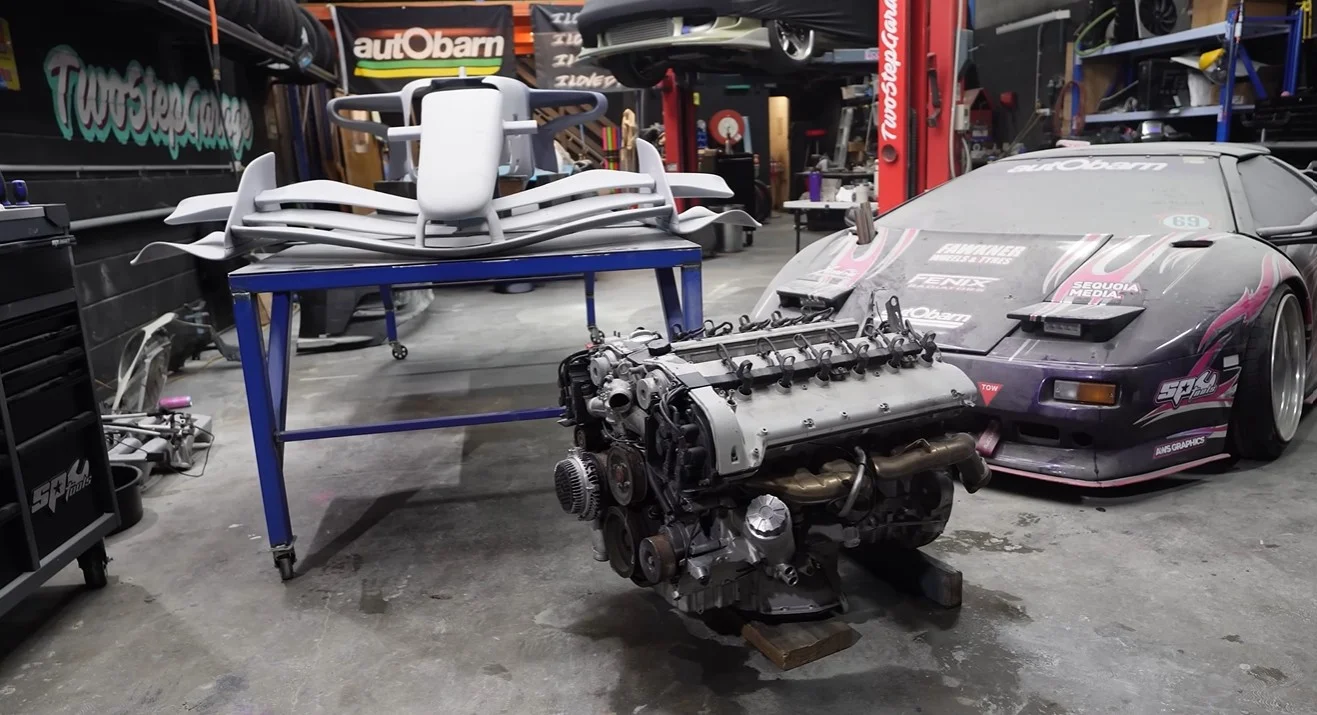
Here’s an insane project from Australia, led by YouTuber Mike Lake. These guys are creating a fully custom, 3D-printed F1-inspired machine that is now going to accommodate the legendary Mercedes-Benz M120 engine – a naturally aspirated icon best known for powering the early Pagani Zonda.
Over 500 hours of industrial 3D printing have already gone into producing body panels and structural elements styled to a modern 2026 F1 aesthetic. But the real twist lies beneath.
Fitting a massive V12 into a tight, single-seater chassis isn’t exactly straightforward. The team has had to rethink everything using 3D printing to create bespoke solutions.
The M120 itself has been refreshed and tested, proving it’s ready to scream once again. And scream it will, as the team is developing a wild 12-into-1 exhaust system.
With printed panels now being mounted onto a custom metal frame, the project is inching closer to life. Next up: wiring, fuel systems, and that all-important first ignition.
If it all comes together, this could be one of the most insane project builds that we’ve ever seen!
Home»Travel»Our experience using the France Passion Program (aka the Harvest Hosts of France)
We use cookies on our website to give you the most relevant experience by remembering your preferences and repeat visits. By clicking “Accept”, you consent to the use of ALL the cookies.
Support CleanTechnica’s work through a Substack subscription or on Stripe.
For a few months now I have quoting a claim that 70% of ferries on order had batteries, based on reading the stat in what I considered a reliable site. After digging deeper into the orderbook and the denominator, I do not think that figure stands up, but the actual number is still large. The problem was not that ferry electrification had been oversold. The problem was that I had treated an incomplete numerator as if it described the whole market. DNV, as reported by Riviera and repeated by Interferry conference material, identified 98 battery-equipped car and passenger ferries on the orderbook as of May 2024. Clarksons, in its July 2025 world fleet statistics, put the total global ship orderbook at 6,890 vessels, but grouped cruise and ferry together rather than giving a clean ferry denominator. Cruise Industry News separately counted 74 cruise ships on order at the start of 2026. Put those together and the defensible conclusion is not 70%, but something closer to two-fifths of ferry orders having battery-electric or battery-hybrid drivetrains, depending on how tightly the category is defined. That is still a big shift. It just is not a 70% shift.
That correction matters because the global ferry market is worth understanding on its own terms. Ferries are not a sideshow in shipping. They are one of the clearest cases where electrification has already moved from conference panels and pilot projects into fleet planning, vessel procurement, and infrastructure investment. The reason is simple. Ferries sit in the narrow band of maritime transport where distance, schedule, terminal infrastructure, and local pollution concerns all line up in favor of batteries more often than not. They are not easy because maritime engineering has suddenly become romantic or visionary. They are easier because the operating reality is unusually structured. Fixed routes, repeated voyages, known dwell times, and terminals at both ends change the math. A battery-electric truck still has to find a charger on a sprawling road network. A ferry comes back to the same berth. That sounds mundane. It is also the reason the segment matters so much.
It is worth starting with scale, because the scale is larger and messier than many people assume. Riviera, citing Clarksons data, reported a global fleet of 8,704 passenger ferries as of May 2024. That number alone is a reminder that the ferry business is not a boutique market built around a few Nordic case studies. It is a sprawling global fleet spread across urban harbors, island chains, inland waterways, airport links, tourist routes, and lifeline services connecting communities that do not have bridges or tunnels. If even 10% of that fleet turned over to electrified propulsion in one replacement cycle, that would mean hundreds of vessels. If one-quarter of it turned over, that would mean more than 2,000 vessels. The size of the opportunity is not theoretical. It is arithmetic.
But the global ferry market is not one market. It is several overlapping markets that happen to use similar hulls and serve similar purposes. There are passenger-only urban ferries carrying commuters across short spans. There are Ro-Pax ferries carrying both people and vehicles across estuaries, channels, and sheltered coastal routes. There are larger regional ferries connecting islands to the mainland, often in harsher conditions and at longer distances. There are fast ferries and hydrofoils chasing higher speeds on routes where time savings matter. There are tourist and leisure ferries with very different annual duty cycles from public-service vessels. And there are airport link ferries, workboat-adjacent ferries, and municipal services that sit somewhere in between. Once those categories are separated, the electrification picture becomes clearer. Batteries are not competing with diesel in a single universal market. They are competing in a set of route-and-service niches, each with its own physical and economic limits.
That is why ferries have become the leading edge of maritime electrification. The physics are not mysterious. If a ferry sails 5 kilometers or 10 kilometers each way, docks at a terminal with a fixed berth, spends several minutes or longer loading and unloading, and repeats that trip throughout the day, the battery case starts to look strong. If the vessel burns diesel today, the operator is also paying not just for fuel, but for engines, emissions equipment, maintenance labor, vibration, noise, and the challenge of moving pollution into port cities and waterfronts where people live and work. Batteries do not solve every part of the problem, but they replace a surprising amount of machinery and a surprising amount of uncertainty on the routes where the fit is good. That is why ferry electrification has moved faster than short-sea shipping. Short-sea vessels have longer voyages, limited charging opportunities, and far larger energy demands. Ferries often do not.
The market evidence supports that logic. According to the Maritime Battery Forum, summarized by Safety4Sea and Bureau Veritas, there were about 1,045 battery-powered vessels in operation globally as of March 2025, with another 561 under construction. Most of those were hybrids and only around 20% were pure battery-electric. That wider vessel count includes much more than ferries, but the important point is that ferries sit at the center of the battery story, not at the edge. DNV’s count of 346 operational battery-equipped car and passenger ferries, plus 98 on the orderbook as of May 2024, means that ferries account for a large share of the installed maritime battery base even before considering passenger-only craft and smaller categories that are not always captured cleanly in public summaries. Ferry operators are not waiting for 2040 to test the concept. They are already buying, running, and replacing vessels with electric architectures now.
The most useful way to think about where electrification sits right now is by route type. Urban passenger ferries are the easiest category. Their route lengths are short, their schedules are regular, their terminal dwell times are manageable, and their passengers care about comfort, noise, and local air quality. The battery packs are smaller, the charger power requirements are lower, and the economic case is often straightforward. Short-route Ro-Pax ferries are the next strong category. These vessels are heavier because they carry vehicles, but the same logic still applies on many routes. Medium-distance regional ferries are where the market starts to tilt toward hybrid solutions, because energy demand rises faster than operators would like and charging windows can get tighter. High-speed ferries and hydrofoils are more selective still. Speed is expensive in maritime transport. Pushing a hull quickly through water raises power demand sharply, and battery size follows. There is progress here, and some routes will fit well, but the segment is less forgiving. Then there are the difficult edge cases. Long exposed routes, rough-weather routes, and very large ferries may stay hybrid for a while or move later. In other words, the current market is not “ferries are electric now.” It is “the most electrifiable ferry segments are already turning, and the rest are sorting themselves by physics.”
Geography matters as much as route length. Northern Europe moved first because policy, grid quality, ferry density, shipbuilding capacity, and fuel costs lined up. Norway became the emblematic case, but it is not alone. Northern Europe has the route structures and policy frameworks that reward lower-emission, lower-noise, lower-maintenance vessels. Southern Europe and island systems are a different story, but still a promising one. There the drivers include port-city air quality, tourism exposure, and the rising cost of marine fuels. Transport & Environment’s recent European work is useful because it pushes the discussion from isolated examples toward fleet-level potential. The organization found that 20% of Europe’s existing ferries could already be cheaper as battery-electric newbuilds in 2025, and that 52% could rely on battery-electric propulsion by 2035. Those are not trivial shares. If a continent-wide ferry fleet can economically move from one-fifth viable now to roughly half viable within a decade, that is no longer a demonstration market. That is a transition market.
North America sits somewhere between early adoption and uneven execution. British Columbia has been one of the cleaner illustrations of the strategic case because ferry routes are important, public ownership is central, and fleet renewal can be planned rather than improvised. Quebec, Toronto, the Pacific Northwest, San Francisco Bay, New York, and a handful of other systems are all adding to the picture, but not in a uniform way. Some are pursuing full battery-electric vessels. Some are buying hybrids. Some are still in planning and procurement. Some are constrained more by terminal power and public procurement than by vessel design. North America is not lagging because the physics are worse. It is lagging where institutions are fragmented, utilities move slowly, or procurement cycles drag on. That distinction matters, because it means the barrier is often administrative rather than technical.
Asia is important and often under-read in English-language commentary. China has the industrial depth to matter in any battery-heavy transport segment. Southeast Asia has dense ferry networks, urban water transport, island services, and many areas where reducing diesel pollution near population centers would have immediate health value. India’s water metro developments are part of that story. So are emerging electric passenger services and battery projects in Singapore and other regional markets. The challenge is that public disclosure is less consistent. Europe and North America often publish polished case studies, order announcements, and technical summaries in English. Asian markets sometimes do, but not always, and not in a way that makes clean apples-to-apples comparison easy. That weak visibility should not be confused with weak activity. It means the global census is still rough around the edges, not that the market is not real.
Technology labels also need sorting. Battery-electric and battery-hybrid are not the same thing, and both should be treated differently from hydrogen or LNG. A battery-electric ferry runs on stored electricity and expects regular shore charging. A battery-hybrid ferry still carries combustion machinery, but shifts propulsion architecture toward electric drive, battery support, and in many cases lower fuel use and better operational flexibility. Hybrids are not a failure case. In the medium term they are part of the market clearing mechanism for routes where full electrification is not yet ideal or where operators need to reduce risk while upgrading terminals. Hydrogen remains much smaller than its advocates often imply, a single operating ferry today with a single at risk ferry on order. In ferry applications it carries the burden of fuel production, storage, bunkering, fuel-cell systems, safety requirements, and higher system cost. LNG has found a few ferry applications, but it increasingly looks like a transition that arrives late and ages badly, especially once methane slip and long asset lives are taken seriously. The market is not waiting for perfect ideological purity. It is sorting propulsion systems according to route fit, infrastructure, and cost.
The most interesting part of the story right now is that the constraint has moved ashore. For years the question sounded like this. Can batteries really power a working ferry? On many routes, that question has been answered. The harder question now is whether the port can deliver the power. Transport & Environment’s European analysis is useful here as well. It found that 57% of ports would need chargers below 5 MW to support electric ferry operations. That is not nothing, but it is also not the stuff of science fiction. A 5 MW charger running for half an hour delivers 2.5 MWh. Run it for 20 minutes and it delivers about 1.67 MWh. Run it multiple times a day and the energy moved adds up quickly. For many ferry routes, the issue is not whether the charger is impossible. It is whether the berth, transformer, feeder line, and utility interconnection are ready. Grid access, port design, berth automation, charger uptime, and construction sequencing are now as important as hull design and battery chemistry.
This is also where fleet age starts to matter. Transport & Environment notes that the average European ferry is 26 years old. Toronto’s harbor ferries are more than twice that age. A fleet that old is ripe for renewal, but renewal does not happen all at once. Operators do not scrap usable vessels because a technology trend looks attractive in a slide deck. They replace vessels on a schedule shaped by maintenance condition, regulatory pressure, financing, and service needs. That means electrification advances in pulses. A procurement cycle opens. A port is rebuilt. A route is prioritized. A vessel class is replaced. Then the next tranche follows. The market will look lumpy because capital turnover in transport is lumpy. That should not be mistaken for weakness. It is how real infrastructure transitions happen.
There are also still real limits. Some ferry routes are long enough, exposed enough, or speed-sensitive enough that full battery-electric service is not the right near-term answer, although that window is expanding quickly. Some operators do not have the balance sheet for rapid fleet replacement. Some ports do not have the electrical capacity. Some regions do not have the shipyard slots. Some governments want the optics of a hydrogen pilot or a green-branded alternative fuel vessel even when the system case is thin. And public global data is still patchy enough that bold percentages should be treated with care. The right framing is not that electrification already owns the whole ferry orderbook. The right framing is that electrified propulsion has become a major and rising share of new ferry procurement, especially where route design and terminal power line up, while the rest of the market is still being sorted by engineering and institutional realities.
Even with that caution, the direction of travel is clear. If there are 8,704 passenger ferries in the global fleet and 346 battery-equipped car and passenger ferries were already operational by May 2024, that implies battery-equipped vessels were already around 4% of that broad passenger ferry base even before a large amount of orderbook turnover and before counting every smaller passenger craft consistently. Add 98 on the orderbook from DNV’s tally and the visible pipeline alone represented another 1% to 1.1% of the fleet equivalent. Those numbers may not sound revolutionary until they are placed in shipping context. Maritime asset turnover is slow. A few hundred vessels in operation and another hundred on order in one niche means the technology is no longer speculative. If roughly two-fifths of ferry orders are now landing in battery-electric or battery-hybrid formats, then the center of gravity in newbuild thinking has moved even if the installed fleet remains mostly conventional.
The reason ferries matter beyond their own market is that they show what transport decarbonization looks like when the technology is matched to the job instead of forced into a bad fit. Batteries are not the answer to every shipping segment. They do not need to be. They only need to be the right answer often enough to take over the routes where they clearly belong. Ferries are proving that point in real time. The global ferry market is still mostly diesel today, because large fleets do not flip overnight. But the build-out underway is not cosmetic. It is commercial, physical, and increasingly global. The earlier overstatement about 70% of orders having batteries was wrong. The corrected story is better. Ferry electrification is neither a fringe experiment nor a total victory lap. It is a serious industrial transition that already has enough vessels in the water, enough hardware on order, and enough infrastructure in planning to make clear where this part of maritime transport is headed.
Sign up for CleanTechnica’s Weekly Substack for Zach and Scott’s in-depth analyses and high level summaries, sign up for our daily newsletter, and follow us on Google News!
Advertisement
Have a tip for CleanTechnica? Want to advertise? Want to suggest a guest for our CleanTech Talk podcast? Contact us here.
Sign up for our daily newsletter for 15 new cleantech stories a day. Or sign up for our weekly one on top stories of the week if daily is too frequent.
CleanTechnica uses affiliate links. See our policy here.
Leasing or financing a BMW is an exciting step for drivers in Camp Springs, Alexandria, Upper Marlboro, Waldorf, and surrounding areas, but it can also come with challenges that might lead to costly mistakes if you’re not well-informed. At Passport BMW, we bring years of local experience to the table, helping you navigate the financial landscape with confidence. With insights tailored to our community, we aim to guide you away from common pitfalls, ensuring you make informed decisions as you embark on your journey toward owning a luxury vehicle that suits your lifestyle.
What are the most common errors when leasing a BMW?
One of the most frequent mistakes drivers make when leasing a BMW is not fully grasping the lease terms, which can lead to unexpected charges down the road. Understanding the implications of mileage limits, wear-and-tear policies, and early termination fees is critical. For instance, exceeding your mileage allowance can incur hefty penalties, turning what seemed like a good deal into a costly mistake. By carefully reviewing these details before signing, you can avoid surprises that might impact your budget.
For those who frequently navigate the busy roads around Camp Springs, like Allentown Road and Oxon Hill Road, it’s particularly important to pay attention to mileage allowances. With commutes to D.C. or trips to local parks, knowing your limits can save you from extra fees. Additionally, understanding the fine print regarding maintenance responsibilities can help you keep your BMW in prime condition without incurring unnecessary costs. Remember, asking questions upfront can provide clarity and peace of mind.
Why should you calculate your expected mileage?
Calculating your expected mileage before signing a lease is crucial for avoiding unexpected overage fees. For drivers commuting from Camp Springs to Washington, D.C., or making frequent trips to nearby Alexandria and Waldorf, it’s easy to exceed the common mileage limits of 10,000 to 12,000 miles per year. Understanding your local driving patterns can help you make a more accurate estimate and avoid costly penalties down the line.
Track Your Driving: Spend a week logging your daily mileage to establish an average that reflects your true driving habits. If you frequently navigate local routes like Allentown Road or Old Branch Avenue, these small daily trips can accumulate quickly.
Anticipate Future Trips: Think about any upcoming vacations or changes in your routine that might increase your mileage. For instance, if you’re planning a summer getaway to the National Harbor or anticipate more local travel, discussing a higher mileage lease can save you money compared to facing per-mile penalties later.
How does skipping the fine print hurt you?
Neglecting to read the fine print in your lease agreement can lead to unexpected costs and missed opportunities when your lease ends. Many drivers in Camp Springs and nearby areas find themselves surprised by hefty end-of-lease charges, wear-and-tear penalties, or even lost chances to purchase their vehicle simply because they didn’t fully understand the contract details.
Excess Wear and Tear: In places like Fort Washington and Waldorf, the local climate and road conditions can take a toll on your vehicle. Excess wear and tear might include noticeable dings from city parking, stains on upholstery from family outings, or bald tires from navigating winter slush. Understanding what qualifies as “excess” wear can save you from costly penalties at lease end.
Purchase Options: Your lease often includes a purchase option at a predetermined price, which can be a great opportunity if you love your BMW. Knowing this figure early allows you to plan your finances and make informed decisions about whether to buy or lease again when the time comes.
What financial missteps should you avoid with a BMW loan?
One of the biggest missteps when financing a BMW is failing to understand your financial standing and skipping pre-approval. Knowing your credit score and securing pre-approval are crucial steps that empower you to negotiate better financing terms, ensuring you can enjoy the ultimate driving experience without financial surprises.
Why is ignoring your credit score a costly mistake?
Overlooking your credit score can lead to significantly higher interest rates on loans, costing you more than you might expect. A higher credit score typically results in a lower annual percentage rate (APR), which can save you thousands of dollars throughout the life of a loan. For instance, even a small difference in rate—just a fraction of a percentage point—can translate to hundreds or even thousands of dollars over time, especially on larger loans like mortgages or auto financing.
It’s essential to regularly check your credit report from major credit bureaus for errors that could negatively impact your score. If you identify inaccuracies, disputing them can help improve your score and, in turn, lower your potential APR. This proactive approach can make a substantial difference when you’re ready to finance your next BMW—whether it’s the sporty 3 Series Sedan or the versatile X5 SUV, understanding your credit score can enhance your purchasing power.
Is focusing only on the monthly payment a bad idea?
Chasing the lowest monthly payment can be a slippery slope. A low payment may come with a longer loan term—think 72 or even 84 months—which can lead to paying significantly more in interest over time. This not only increases your total loan cost but also delays the time it takes to build equity in your vehicle. In contrast, while a shorter loan term typically means a higher monthly payment, it often results in less interest paid overall and allows you to build equity faster. For local drivers in Camp Springs, considering the total cost of the loan rather than just the monthly figure is essential. Tools like Edmunds can help you compare various loan scenarios, ensuring you’re making a well-informed financial decision.
How does getting pre-approved help you?
Entering a dealership with a pre-approval letter not only clarifies your budget but also significantly strengthens your negotiation position. This letter provides a baseline interest rate that can guide your financing discussions, ensuring you know what to expect as you explore your options. For drivers in Camp Springs, this means you can confidently assess your budget as you consider BMW models like the X3 or 5 Series, which are ideal for local commuting and weekend trips to the National Harbor.
While your pre-approval sets a solid foundation, it’s essential to remember that it’s not a restriction. At Passport BMW, you can still evaluate dealership financing options, which may include special offers or incentives that could better suit your needs. This approach empowers you to make an informed decision, ensuring you find the best financing solution for your new BMW.
How can you ensure you get a fair deal?
Ensuring a fair deal when leasing or financing a BMW requires thorough research, patience, and a clear understanding of your values and trade-in options. By taking the time to learn about current offers and assessing the value of your trade-in, you can avoid rushing into decisions that might not serve your best interests.
Where can you find information on current BMW offers?
Before heading to Passport BMW, it’s essential to know where to find the latest BMW incentives. The official BMW USA website is your best bet for discovering national offers and promotions directly from the manufacturer. Additionally, reputable automotive sites like Edmunds and Kelley Blue Book can help track and compare these incentives, ensuring you have a comprehensive view of what’s available. Doing your research ahead of time empowers you to make informed decisions when it comes to leasing or financing your next BMW.
What is the value of your trade-in?
Understanding your trade-in’s market value is crucial when negotiating your next vehicle purchase at Passport BMW. A well-informed estimate can significantly lower the amount you need to finance or lease, making your new BMW more affordable. Before heading to the dealership, consider using independent valuation tools like Kelley Blue Book (KBB) or Consumer Reports to obtain an objective and accurate assessment of your vehicle’s worth. This knowledge provides a solid foundation for smoother and more transparent trade discussions.
Frequently Asked Questions (FAQs)
What credit score is needed to finance a BMW in Camp Springs?
While there’s no strict minimum, a credit score of around 670 or better often helps you secure more favorable interest rates. Passport BMW collaborates with a wide range of lenders to assist drivers with varying credit profiles.
Can I negotiate the mileage allowance on a BMW lease?
Yes, you can often negotiate mileage limits. If you expect to drive more than the standard allowance, it’s wise to agree on a higher mileage lease initially to avoid costly penalties later.
Is it better to lease or finance a new BMW in Camp Springs?
This choice largely depends on your lifestyle and financial goals. Leasing usually results in lower monthly payments and allows you to enjoy a new vehicle every few years, while financing leads to ownership without mileage restrictions.
What happens if I exceed my lease mileage?
If you exceed the agreed mileage, you’ll incur a per-mile fee upon returning the vehicle. This fee is typically specified in your lease agreement and can range from $0.15 to $0.25 per mile, depending on the contract.
About Passport BMW
Since 1991, our family-owned team at Passport BMW has been dedicated to serving our community with a superior car-buying experience. Our commitment to excellence has earned us the prestigious Center of Excellence Award multiple times, highlighting our expertise in all things BMW. We offer unique benefits like no-haggle pricing, home delivery, and mobile service vans to make your life easier. As experts, we provide detailed information and a transparent process so you can feel confident in your decisions. Trust our award-winning team to deliver the quality and care you deserve for your automotive needs.
A DC Driver’s Guide to Choosing the Right BMW Dealership
Posted in
BMW Information |
Comments Off on Top Mistakes to Avoid When Leasing or Financing a BMW
The more I see these on the road, the more I believe that not doing at least a hybrid or gas model was beyond idiotic.
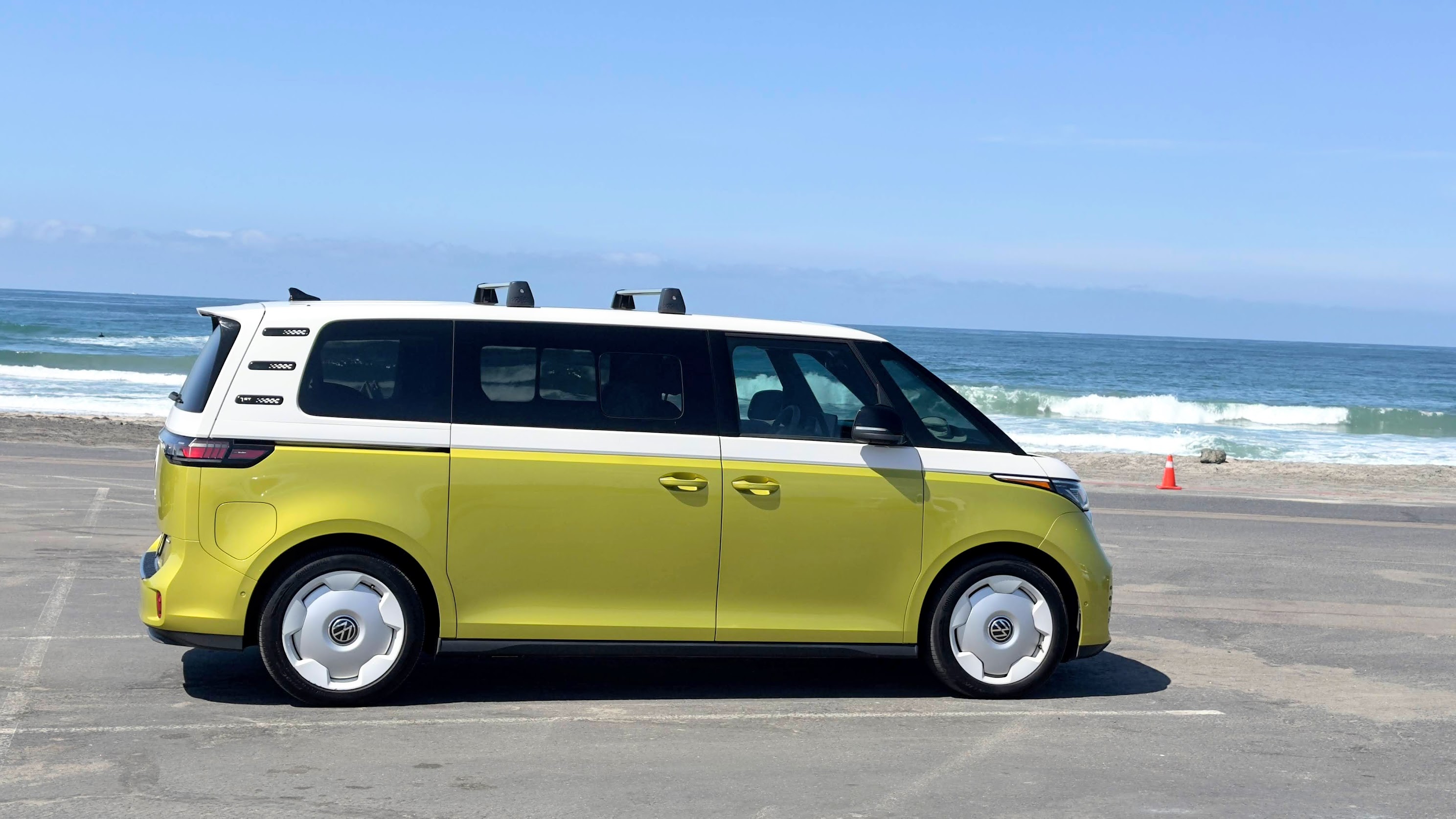
They glide past in traffic—rounded, cheerful, retro-styled electric vans that instantly evoke the spirit of classic family haulers from decades past. Their playful design turns heads, promising space for kids, gear, and weekend adventures. Yet every sighting triggers the same thought: what a missed opportunity. In an era when many drivers still face range anxiety, spotty charging networks, and sticker shock, committing an entire model line to battery power alone feels like corporate hubris. A hybrid or even a basic gas version could have eased buyers in, delivering efficiency where it counts and unlimited range when it matters. Skipping those options wasn’t just cautious; it was reckless.
Automakers love to lecture us about the electric future, but the present is messier. Families shopping for a van want something versatile enough for soccer practice one day and a cross-country trip the next. Pure EVs force compromises—smaller payloads, longer refueling stops, and higher upfront costs—that many simply won’t accept. A hybrid powertrain would have solved most of those headaches while still cutting emissions and fuel bills. It would have broadened the appeal dramatically, turning a niche curiosity into a mainstream family mover.
That vehicle, of course, is the Volkswagen ID Buzz. When VW first teased the concept years ago, it was billed as the affordable, fun-loving successor to the old Microbus. Early projections suggested a price that could compete with mainstream minivans, putting modern electric driving within reach for regular households. Reality has been far less forgiving. Today the ID Buzz starts north of $60,000 in many markets, loaded with premium features that few families actually need. Battery costs, supply-chain headaches, and the push for advanced tech have inflated the price far beyond those early promises. What was meant to be approachable now feels exclusive.
The result is a slow-motion flop. Sales have lagged behind expectations as buyers gravitate toward proven, lower-priced alternatives that don’t punish them for occasional long drives. The ID Buzz sits on lots longer than it should, its charm undercut by practicality gaps that a hybrid version could have closed overnight.
So, if you were in the market for a van right now, would you buy a Toyota, KIA Carnival, or a hybrid VW ID Buzz if it were offered?
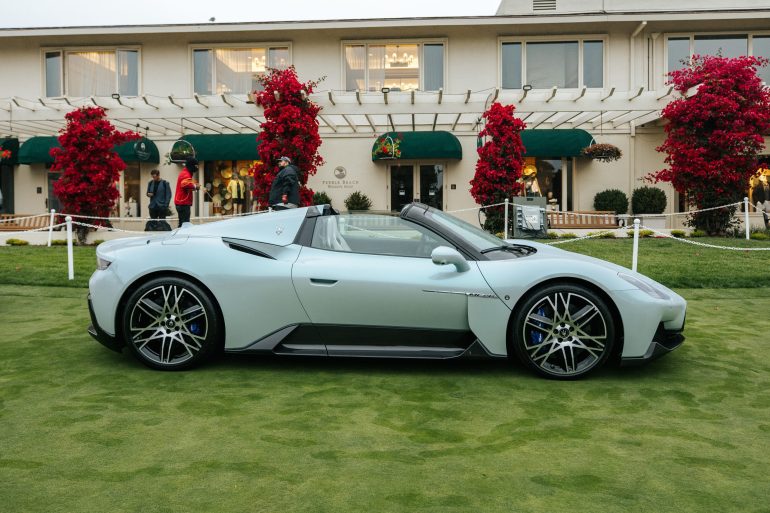
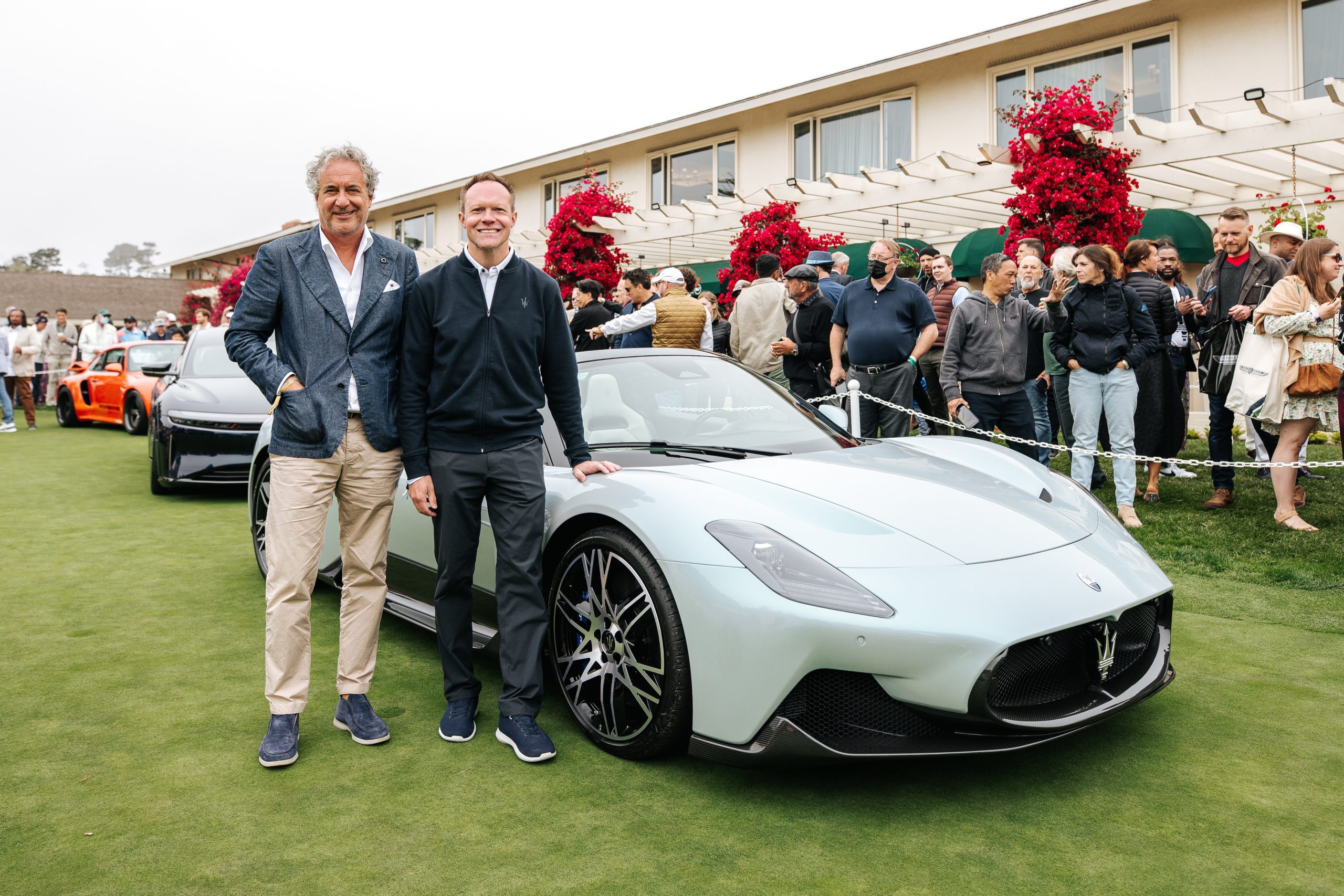
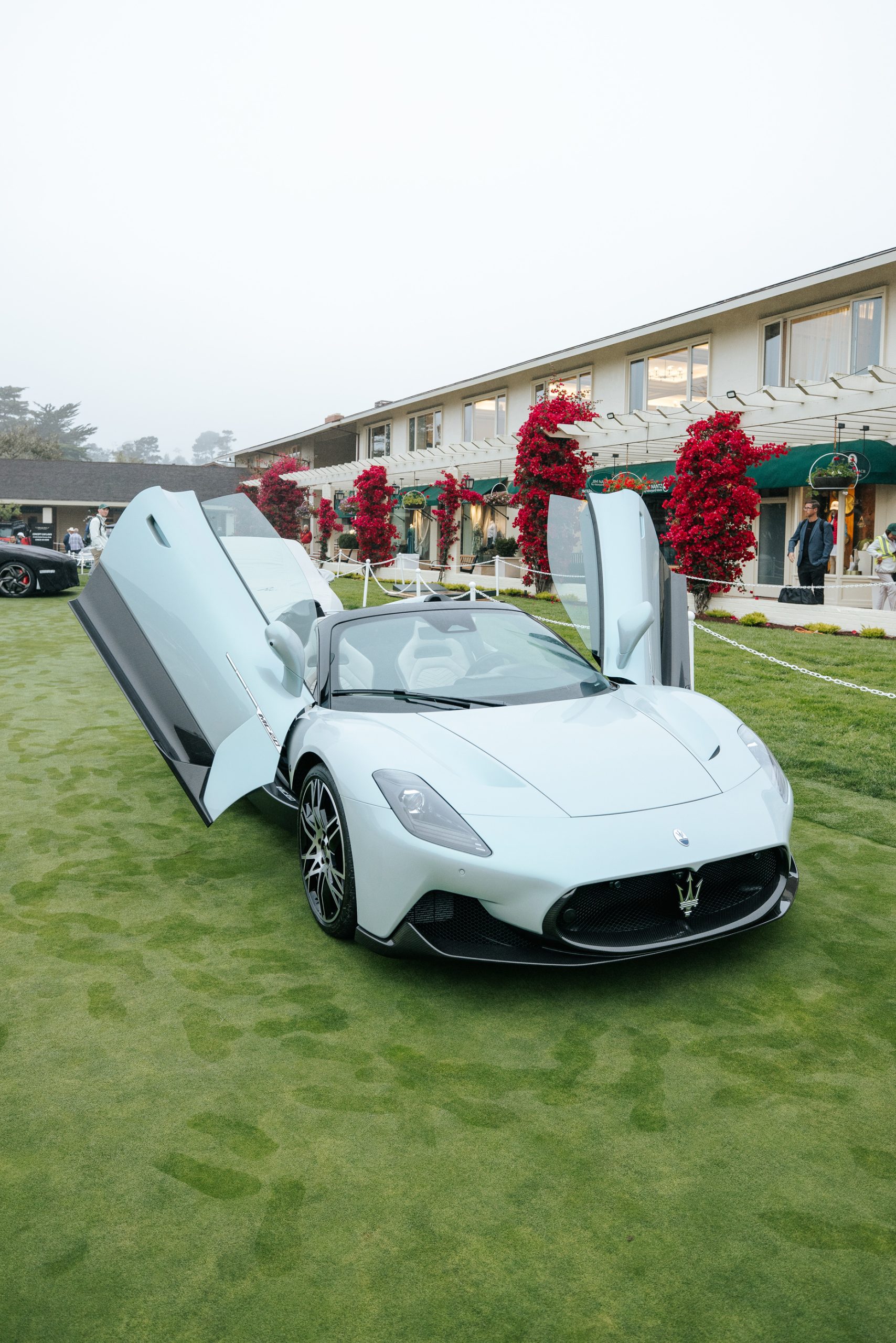
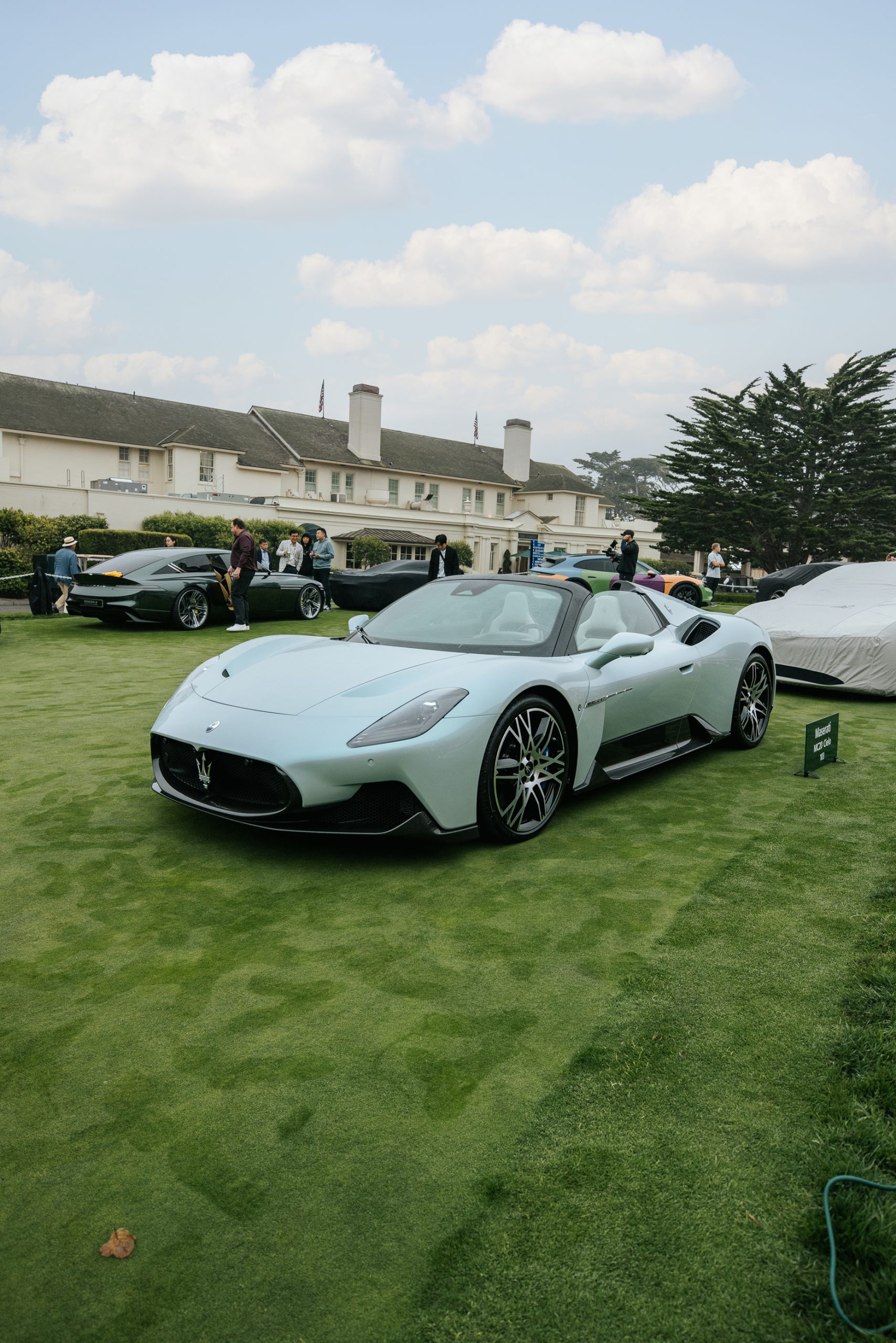
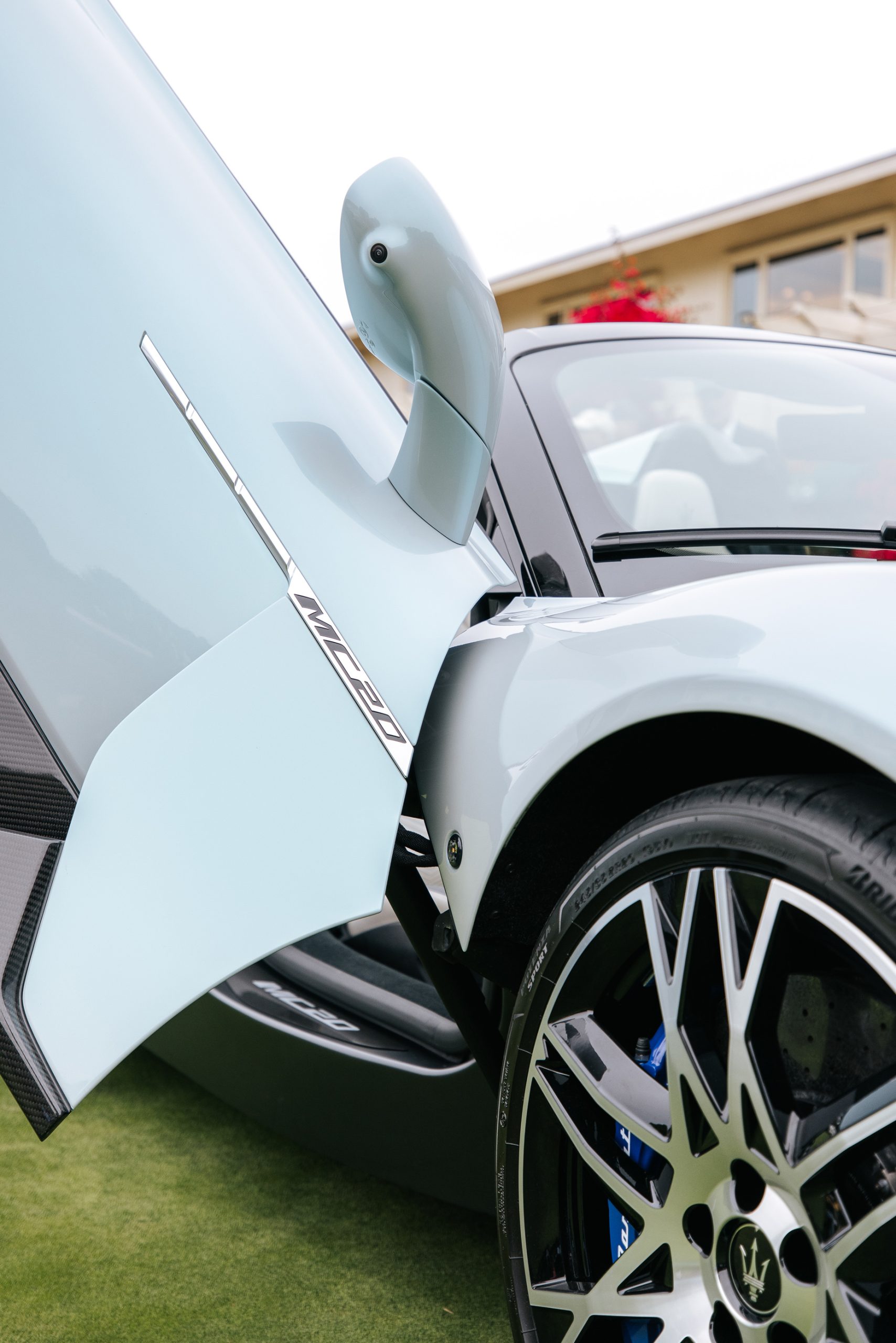
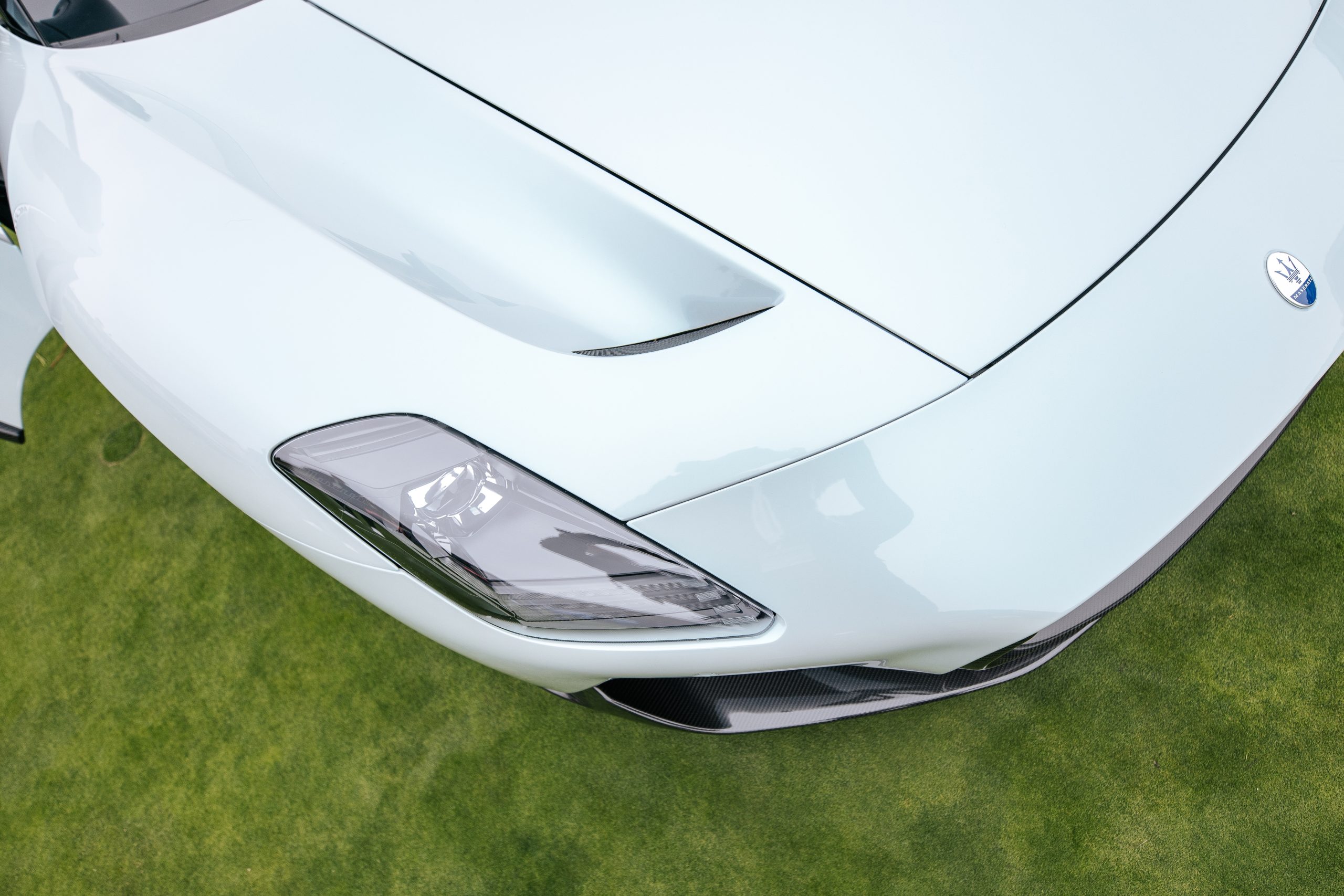
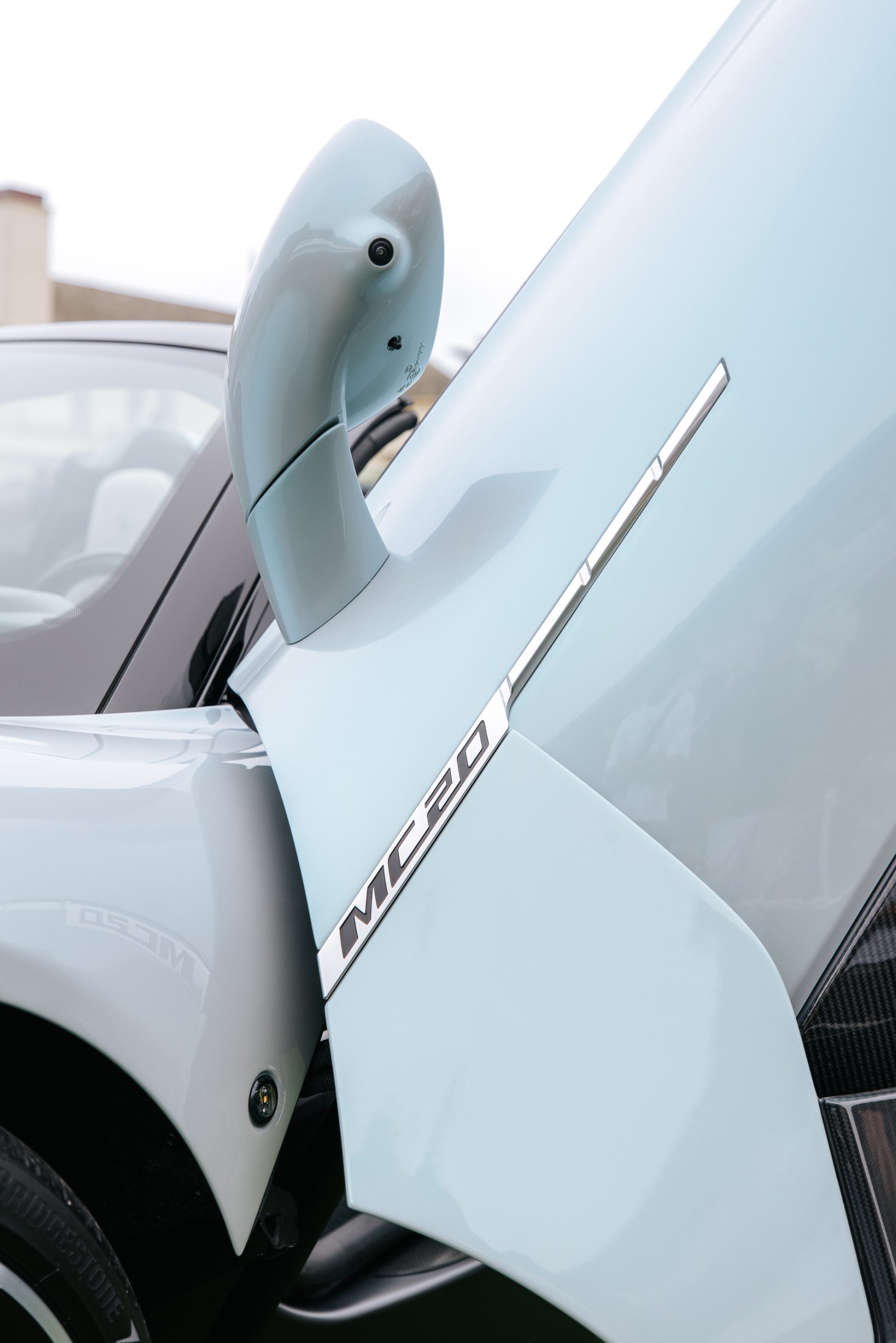
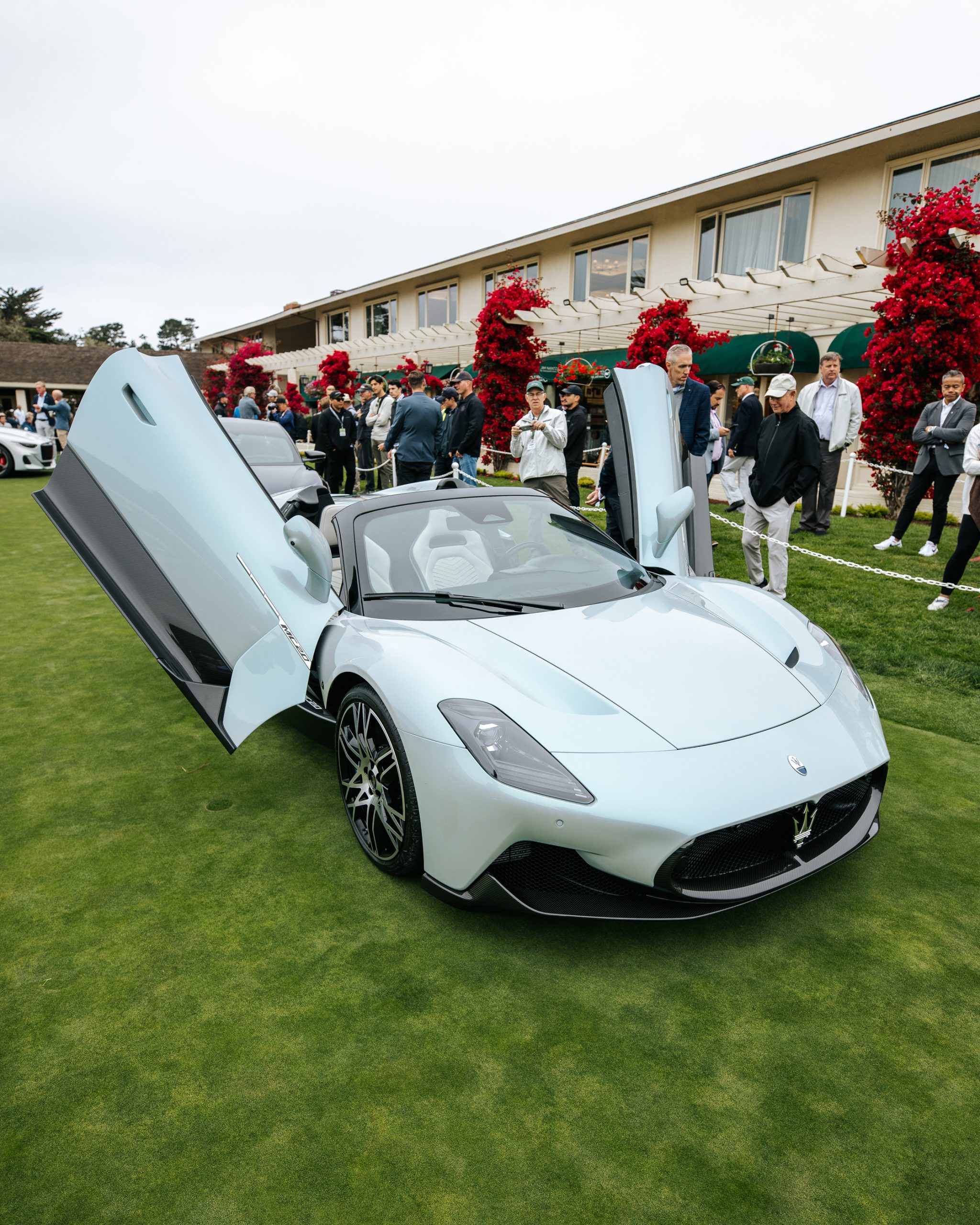
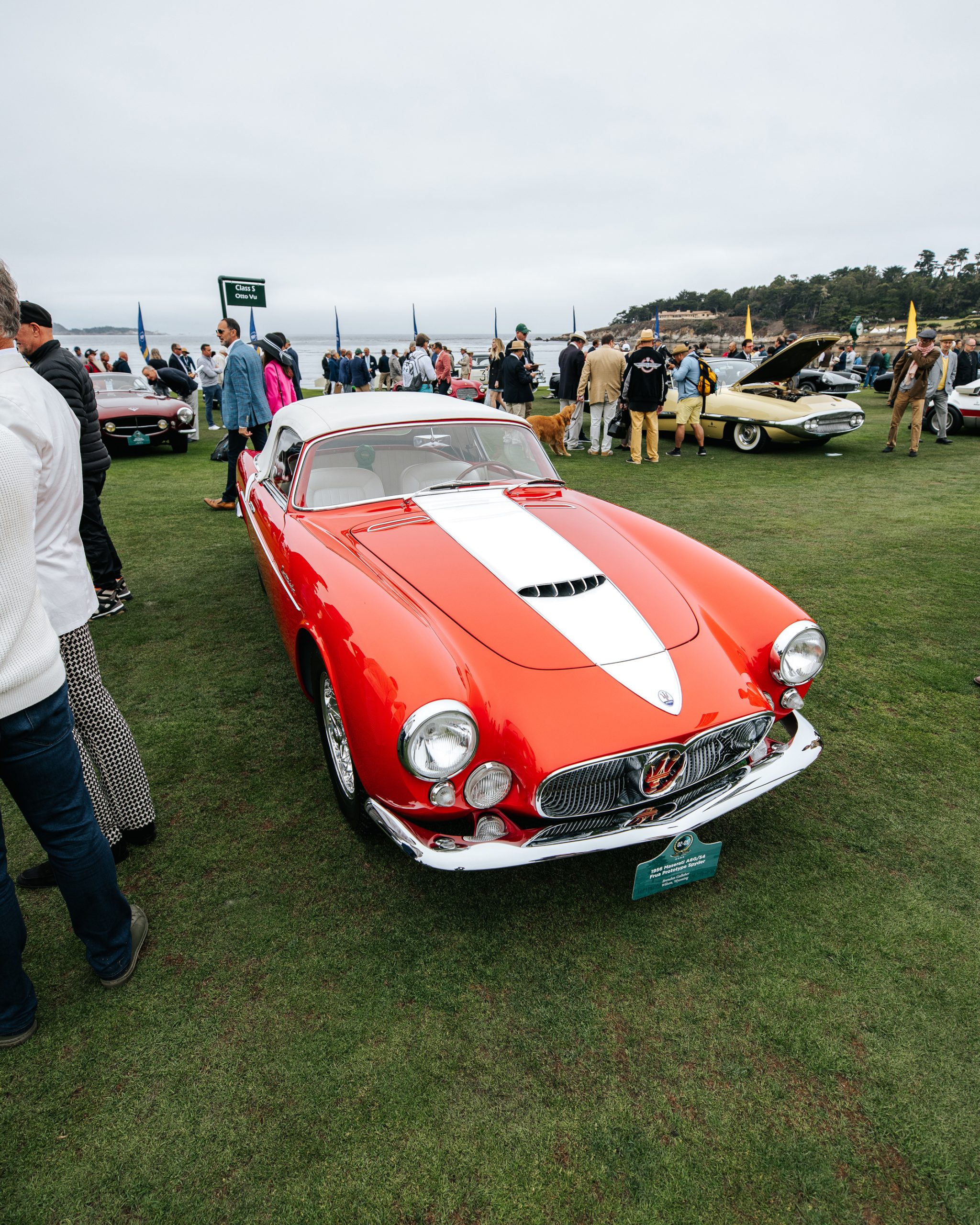
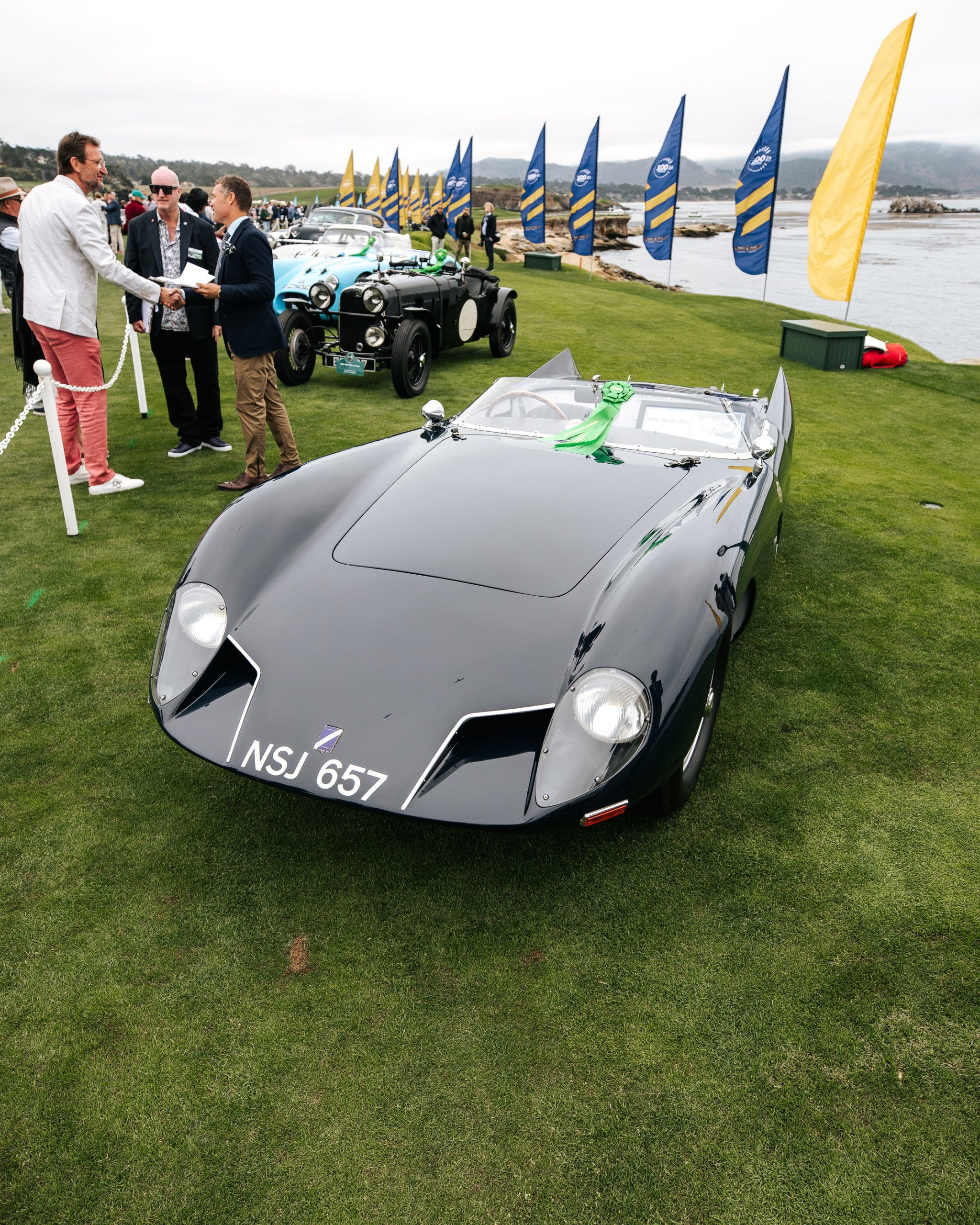
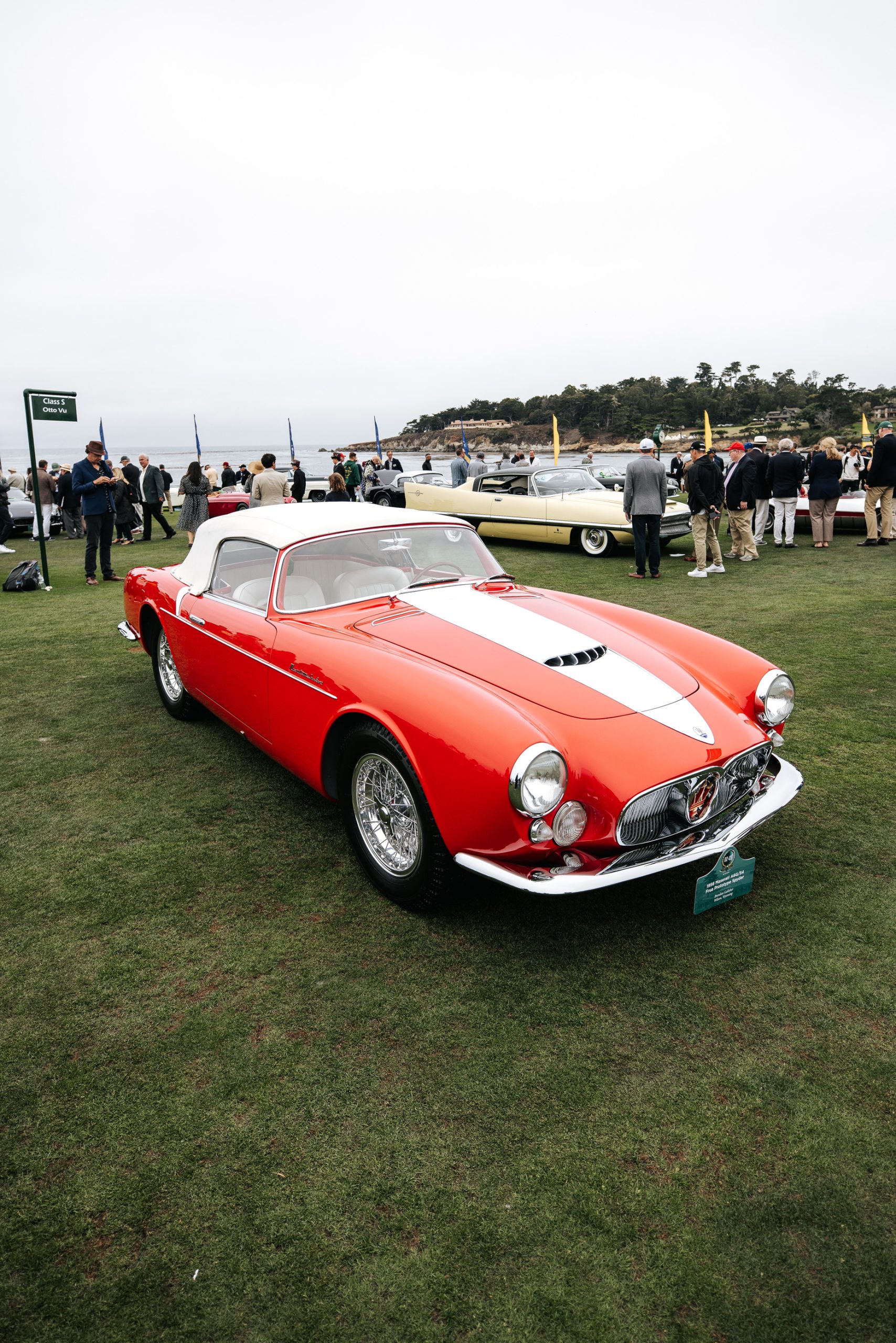
During the prestigious “Pebble Beach Concours d’Elegance”, Maserati definitely showed up and delivered. They started the weekend with the North American debut of the new open-top version of the MC20 super sports car, the MC20 Cielo.
The weekend continued with activities which was held at the exclusive “House of Maserati” at Pebble Beach. It all leads up to Maserati showcasing their latest addition to the “Pebble Beach Concours d’Elegance”.
On Friday, Maserati Chief Executive Officer Davide Grasso, CEO of Maserati Americas Bill Peffer, and Head of Maserati Design Klaus Busse was at “The Quail, A Motorsports Gathering” to introduce the MC20 Cielo. The convertible version of the 630-hp vehicle was undoubtedly the star of the show. Thousands of fans gathered under the clear California sky to admire and view the new car. The Quail also displayed the new Grecale Trofeo performance SUV as well as the MC20 Coupe super sports car.
Close by, they also set up the elegant “House of Maserati” to be able to show a suitably luxurious representation of the style of the Trident brand as they offer its Italian ‘La Dolce Vita’ hospitality, along with the chance to experience the audio performance of the prestigious sound system from one of their partners, Sonus faber. Designed to give their guests a unique experience, the “House of Maserati” features some of the aspects of the brand’s DNA: design, comfort, elegance, and style.
At the main event in the “Pebble Beach Concours d’Elegance” on Sunday, the MC20 Cielo grabbed the attention of the guests on the Concept Lawn. For the first time in North America, these guests were able to have a closer look of the innovative car which can deliver the performance of a super sports car as well as an immersive driving pleasure that has never been done before.
To know more about the MC20 Cielo, please go to the Maserati USA website.
Securing vendor communications, centralizing maintenance notifications, training dispatch teams to identify targeted phishing and establishing backup communication workflows are four simple ways to end charging delays and improve vehicle uptime.
Charging reliability frequently suffers when firmware updates or critical vendor alerts are missed, misdirected or spoofed. Hardware is rarely the sole culprit in these disruptive daily scenarios. By treating your operations inbox as a vital piece of charging infrastructure, fleet managers can eliminate avoidable EV fleet downtime and protect tight delivery margins.
Consider a familiar scenario where it is early Monday morning at a regional delivery depot. Your driver is suited up, manifest in hand and ready to start the first route of the week. However, the electric work truck is not going anywhere. The charger is offline, locked out by a firmware update that ran overnight, and nobody on your team knew it was coming.
The vendor sent an alert Friday afternoon, but it landed in a spam folder. Nobody saw it until the shift was already lost. If you manage an electrified fleet, this communication breakdown likely hits close to home.
Idle vehicles erode delivery windows, strain customer relationships and quietly chip away at operational budgets. Fortunately, these gaps are highly fixable and do not require expensive infrastructure upgrades.
The following strategies are practical habits any fleet operation can build right now. They ensure smooth digital coordination, prevent unexpected access lockouts, and promote consistent fleet electrification.
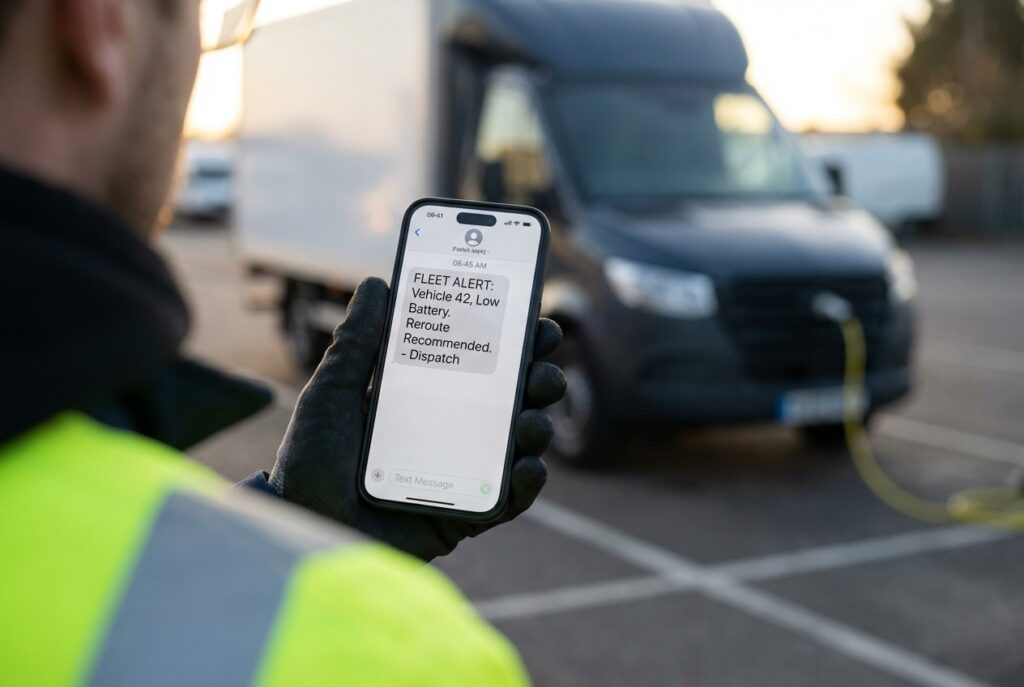
Fleet alert message on phone about vehicle’s low battery
1. Secure the Emails That Keep Your Chargers Running
Your charging network depends on a steady stream of vendor emails, from firmware updates to outage alerts. Because these messages are the link between your vehicles and their operational uptime, they are now a primary target for cybercriminals.
A single spoofed email can trick a dispatcher into surrendering credentials, locking the team out of the charging portal. The result is immediate: vehicles sit idle while IT scrambles to recover access.
Protecting the inbox is just as critical as maintaining the hardware. To prevent downtime, organizations are moving beyond standard filters toward advanced solutions like Trustifi’s email security and fleet software that automatically flag spoofed addresses.
Audit which team members receive vendor communications and verify those accounts are protected against impersonation. Standard inbox providers often lack the advanced filtering required for this level of operational security.
Key Insight: Treat your operational inbox with the same priority as your physical charging hardware. Digital security is now a direct component of vehicle uptime and overall fleet reliability.
2. Centralize Maintenance and Charging Notifications
A pattern that plays out in fleets of every size involves a scheduled charger maintenance window where the vendor notification lands in a personal inbox.
This inbox belongs to a dispatcher who left the company two weeks ago. Nobody forwarded the email, and no redirect was established. The replacement dispatcher shows up at a locked-out charging bay with no explanation and no immediate contact number for support.
This human handoff problem is a massive source of avoidable EV fleet downtime. In fact, communication issues are one of the most frequent sources of charging failures, driving up to 30% of related service calls. When alerts scatter across personal email accounts, text threads, and physical maintenance logs, there is no single source of truth. Without a unified system, there is no reliable way to ensure the right person acts on time-sensitive information.
The fix requires designating a shared operational inbox as the sole destination for all charger maintenance alerts, vendor updates and service scheduling confirmations. Some fleets use a dedicated address, while others route these messages directly through their fleet management dashboard. Beyond basic organization, centralization creates a searchable audit trail. When a charger goes offline unexpectedly, managers can quickly trace whether a maintenance window was scheduled and what action was taken.
Your action step involves mapping out which vendors send operational alerts, then redirecting those senders to your centralized channel. Ensure at least two people have access to that shared inbox. Always establish a clear protocol for acting on incoming notifications.
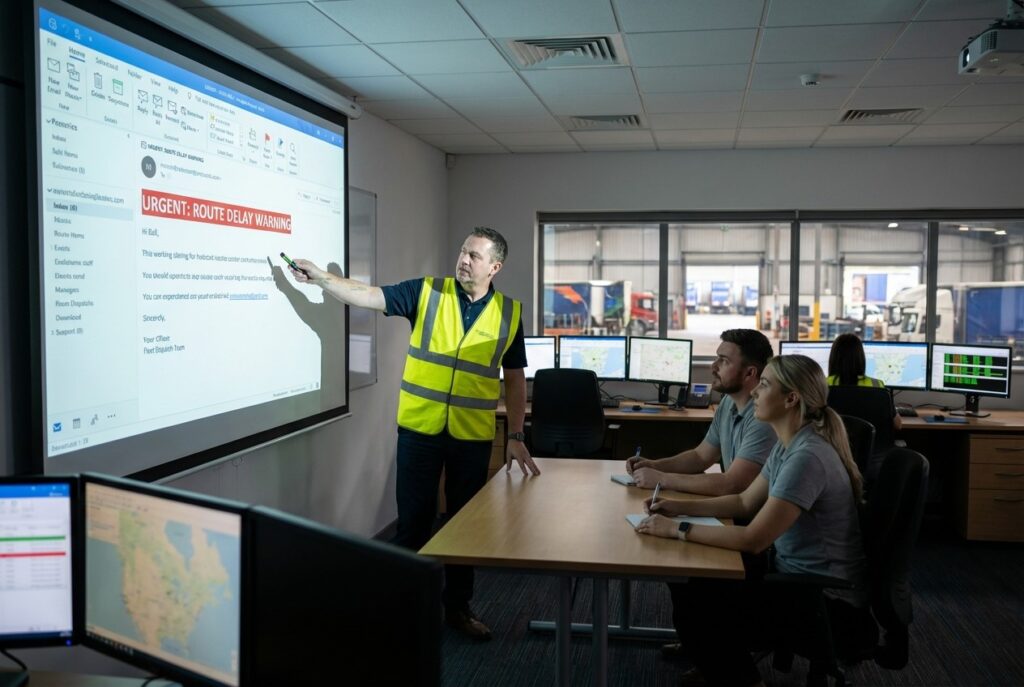
Team discusses urgent route delay warning
3. Train Your Team to Spot Fleet-Targeted Phishing
Fleet managers and dispatchers are not cybersecurity professionals, nor should they be. However, they do need to recognize when a message arriving in their inbox is deceptive.
The consequences of clicking a malicious link now manifest physically in the charging bay. EV fleets are attractive targets because their accounts house charging portal credentials, telematics login access and fuel card integrations. Gaining access to even one of these systems can disrupt an entire day of operations.
Attackers know that fleet operations teams are fast-paced, frequently understaffed and accustomed to receiving routine update requests from multiple vendors. Research shows that human error accounts for more than 80% of cyberattacks, making staff awareness absolutely crucial.
Urgent requests for login credentials or account resets arriving from charging network providers without prior notice or context.
Mismatched sender details where the display name reads like official support, but the actual email address belongs to an unfamiliar domain.
Unexpected links to update your fleet account that do not correlate with any recent account activity initiated by your team.
Consider an instance where a dispatcher receives what appears to be a routine telematics update request.
The link leads to a credential-harvesting page styled exactly like their actual fleet software portal. The URL is slightly off by one transposed letter, but during a busy morning shift, the discrepancy goes unnoticed.
Reviewing real-world examples with your team helps build natural vigilance. Your action step is to pull a real example of a phishing attempt targeting a logistics company. Briefly walk your team through what made it suspicious during a shift briefing. Keeping it concrete and recurring builds lasting habits.
Warning/Important: Cybercriminals target fleet accounts specifically because they offer access to charging portals and telematics. A single stolen credential can lock out your entire fleet during a critical morning shift.
4. Build Backup Communication Workflows for Charging and Dispatch
Even a well-secured and organized inbox can experience delays, filtering errors, or temporary service outages.
When a critical message about a charger going offline does not arrive in time, routes are not rescheduled. Drivers are not redirected, and uptime plummets simply because the communication chain lacked a failsafe.
Fleet managers already plan for backup charging locations in case a primary station goes down. That identical logic must apply to how critical messages travel through your daily operations. There are several practical redundancy options worth building into your daily workflow.
SMS alerts for time-sensitive charger outages and service notifications are configured directly within your portal.
Fleet dashboard push notifications to ensure maintenance reminders are visible outside the email environment.
Secure messaging apps dedicated to dispatch coordination when traditional email is delayed.
Printed emergency protocols were posted physically in the depot covering service vendor escalation contacts.
For example, a municipal fleet operation recently configured its charging network to send outage alerts via both email and SMS to three designated contacts simultaneously. When an email delay occurred during a provider migration, the SMS backup ensured dispatchers were notified immediately. This redundancy prevented major route disruptions.
Your action step is to identify your most critical communication types, such as charger outages and maintenance windows. Assign each a primary channel and a secondary backup.
Pro Tip: Configure your charging network to send outage alerts via both email and SMS. This redundancy ensures your team stays informed even if an email provider experiences a service delay.
Office employee monitors charging and maintenance on dual screens
Putting It All Together
Reliable fleet operations require more than just keeping batteries properly charged. They depend entirely on keeping the digital systems behind those vehicles running smoothly.
Both the physical charger and the digital inbox are essential components of your uptime infrastructure. Federal standards now require government-funded chargers to meet a minimum uptime of 97%, setting a high baseline for reliability. To prevent communication-based delays, bring this quick checklist back to your operation.
Protect charger-related email accounts from phishing and spoofing.
Centralize all charger maintenance and vendor notifications into one shared channel.
Train dispatch and operations staff to recognize fleet-targeted phishing tactics.
Establish backup communication workflows for time-sensitive alerts.
Whether you manage three local vans or an expanding regional electrified fleet, these habits are inexpensive to implement. They can save an entire shift’s worth of productivity with minimal initial effort. Start by addressing the communication gap you already know exists, and build a more resilient operation from there.
What internal mount collapse actually sounds and feels like
Engine mounts are supposed to do two things:
Secure the engine to the chassis
Isolate vibration from reaching the cabin
When they start failing, both jobs break down at the same time.
Sitting in traffic on I-35E through Carrollton, I can feel a low-frequency vibration through the seat and steering wheel. It’s not sharp—it’s dull and persistent. The engine is still running fine, but the mount is no longer absorbing what it should.
Blip the throttle, and the engine doesn’t just rev—it leans, then settles late. That delay is the mount losing its internal damping control.
Why modern BMW mounts fail around 50,000 miles in Dallas
BMW didn’t always have this problem.
Before around 2012, seeing 100,000 miles out of engine mounts wasn’t unusual. Now, in real-world conditions, 50,000 miles is often a full lifespan.
I see it every week. Same pattern. Same mileage window.
How softer hydraulic designs trade lifespan for comfort
As BMW shifted toward comfort—especially in non-M models—they made a deliberate change.
With the introduction of 4-cylinder turbo engines like the N20, and later the B48 found in:
330i
430i
530i
X3
Most “30i” models
…the vibration characteristics changed.
Four-cylinder engines are inherently rougher. To compensate, BMW engineered softer hydraulic engine mounts to smooth out the driving experience.
That decision worked—but it came with a cost.
That softer design didn’t stay isolated to 4-cylinders. It carried over into:
N55 inline-6
B58 turbo inline-6
N63 V8 engines
Now even traditionally smooth engines are using mounts that wear faster under real-world conditions.
Eventually, the mount starts leaking that dark hydraulic fluid—what we call “squid ink.” Once that happens, the damping system is gone.
Here’s what the manuals don’t tell you: The mount is already failing before you ever see that leak. The performance drops gradually, so most drivers don’t realize how much vibration has increased over time.
Is it engine mounts or something else?
A lot of shops go straight to electronics—misfires, injectors, coils.
That’s not where I start.
I load the drivetrain and watch how the engine reacts. A healthy mount controls movement instantly. A failing one allows a visible shift.
How we separate normal BMW vibration from actual mount failure
BMWs aren’t perfectly smooth at idle—that’s normal.
What isn’t:
Engine movement that lags behind throttle input
A second “settle” after startup
Increasing vibration sitting in traffic—like waiting through multiple light cycles on George Bush Turnpike
Then there’s visual confirmation. Fluid seeping from the mount housing is the final proof.
No scan tool needed.
Why transmission mounts fail at the same time
Engine mounts don’t fail in isolation. The drivetrain is connected.
When engine mounts soften, that load transfers directly into the transmission mount.
We regularly see:
Engine mounts leaking
Transmission mounts completely torn
Understanding driveline load and torque stress
Every time you accelerate onto Dallas North Tollway or push through I-35E traffic, the drivetrain twists under torque.
Mounts are what keep that movement controlled.
When they fail:
Movement increases beyond design limits
Torque transfers into other components
The driveline becomes unstable
That’s when you start noticing:
Clunks under acceleration
Harsh shifting
A loose or unsettled driving feel
Keeping the driveline properly mounted isn’t just about comfort—it protects every connected component.
How we replace BMW engine mounts correctly
Replacement isn’t simple, and it varies depending on the model.
Some jobs take a few hours. Others take most of the day.
On many BMWs, I’m supporting the engine from above while preparing to lower the front subframe or crossmember just to gain access.
Why subframe removal is often required
The mounts are buried within the chassis.
To do it correctly:
The subframe has to be lowered
Components need to be repositioned
The engine must be stabilized independently
We follow BMW repair procedures and use the correct tools for each model. This isn’t a shortcut job.
If it’s done incorrectly, the new mounts won’t last.
The part the manual doesn’t tell you
Service data doesn’t reflect real-world conditions.
On paper, mounts should last longer. In reality—especially in Dallas—they don’t.
Heat, traffic, and daily driving cycles accelerate failure well beyond what’s expected.
The biggest misconception: Drivers assume vibration is normal. It’s not. It’s gradual mount failure.
The moment it’s confirmed
There’s always a point where everything lines up.
Startup thump. Idle vibration. Engine movement under load.
Then I see it—dark hydraulic fluid leaking from the mount housing.
That’s the moment it’s confirmed.
At that point, the mount isn’t damping anything anymore. It’s just barely holding the engine in place.
Final Thoughts
BMW didn’t get it wrong—they made a tradeoff.
Better comfort. Smoother driving. Less vibration.
But the cost is shorter mount lifespan.
In Dallas heat and traffic, that tradeoff shows up faster—and once it starts, it doesn’t reverse.