In less than a month, The Concours of Elegance, presented by A. Lange & Söhne will return for 2022 with a sensational collection of ultra-rare and highly significant Ferraris. The display was designed to also celebrate the 75th anniversary of the marque and it will showcase what is arguably the most exceptional group of Ferraris ever put together in the UK. From September 2-4, the beautiful grounds of Hampton Court Palace will host a fabulous line up of Ferrari vehicles for the event’s 10th anniversary show. The road and competition Ferraris will be joining more than 70 other Concours cars, proving yet again why the Concours of Elegance is the leading Concours in the UK and one of the top events internationally.
The main feature in the Hampton Court Display is what is considered by many as the ultimate Ferrari, if not the ultimate car; the legendary 250 GTO. It is the perfect combination of striking, gorgeous design, optimized V12 performance, and scarcity. With only 36 units built, through the years it has become one of the most coveted machines by collectors, and what is considered the ‘holy grail’ for Ferrari collectors.
In 1962, Ferrari revealed the homologation special GTO which was the successor of the 250 GT SWB. Young engineer Giotto Bizzarrini added upgrades to the car. Scaglietti reworked the body as part of the revisions, using wind tunnel testing to mold the iconic GTO shape. To improve top end speed, they lengthened the car and gave it an elongated and lowered nose. They also stretched the rear and gave the tail an upwards kick to improve high-speed stability.
250 GTO
Powering the iconic model is a single-cam 3.0-liter version of the Colombo V12 that was the same engine used on the Testa Rossa racing car. Producing 300 bhp, almost 100 bhp per liter which is quite an engineering feat in 1962. It was equipped with a five-speed manual gearbox with the long aluminum gear level dramatically rising from the iconic open-gate, close to the wooden rimmed steering wheel, ideally placed for quick shifts while in a race.
Compared to its competitors, the GTO was lightweight at roughly 1,000 kg. It can accelerate from 0 to 60 mph in under 6 seconds. The 250 GTO was not just powerful, it also stood out in terms of reliability and mechanical resilience. These seemingly perfect combination made the 250 GTO the legendary car it is now.
This September, the GTO that will be displayed at Hampton Court is chassis number 4219GT. In 1963, it was delivered new to a young American heiress Mamie Spears Reynolds. Reynolds was an intriguing character. Her father was a senator while her mother came from a successful gold mining family, and her godfather was former FBI director J Edgar Hoover. Reynolds was also a car and racing enthusiast, being the first woman to qualify for the Daytona 500.
In early 1963 at only 20 years old, she visited New York City looking for a suitable Ferrari to campaign for the upcoming racing season. It was then that she purchased the 250 GTO. She also met her future husband in the same trip, Luigi Chinetti Jr. the son of three-time Le Mans winner Chinetti Sr. At the time, they were the exclusive US importer for Ferrari and were the owner of NART (North American Racing Team).
By February 1963, the GTO was at the iconic banking of Daytona for the 3-hour Continental driven by Pedro Rodriguez. The GTO was able to beat the powerful V8 Corvettes and Cobras and claimed victory. In spring, it competed at the 12 Hours of Sebring before Reynolds sold it to Beverly Spencer who was a Buick dealer owner in California which also sold Ferrari. 4219GT stayed in the west coast until the early 1990s when it was brought to the UK. Since then, its enthusiast owner has used the 250 GTO as it was intended.
Given a deep, dark blue finish, 4219GT is truly a great example of the ultimate Ferrari. The Concours of Elegance this September is a great chance for any automotive enthusiast to see a genuine automotive legend which is also considered to be one of the most valuable cars in the world.
195 Inter
Aside from the 250 GTO, there will also be a very early Ferrari road car to be showcased at Hampton Court, a 1950 Ferrari 195 Inter. It is a glamorous Grand Touring model which was introduced by Ferrari at the Paris Motor Show back in 1950.
The 195 was a very elegant coupe which was designed for Europe’s moneyed elite to compete with other recently launched models like the Aston Martin DB2. Only 28 examples were produced with a range of distinguished, flowing bodies from the leading coachbuilders at the time. 13 out of the 28 opted for a Vignale body, 11 were bodied by Ghia, 3 were bodied by Touring, and a lone example was bodied by Motto. Powered by a 130 bhp, 2.3-liter Colombo V12, the 195 really set itself apart in the early 1950s.
The successor to the 195 Inter, the 250 GT Europa will also be on display. Ferrari launched this model in Paris in the late 1953. The Europa was the start of the famed 250 lineage, which includes the GT SWB, California Spyder, and the legendary GTO. It is powered by a Colombo V12 that can produce 220 bhp. Only 34 units were produced making it one of the move coveted Ferraris by collectors.
1961 Ferrari 250 GT SWB Competition SEFAC
Another exceptional car will also be featured in September’s event, a 250 GT SWB SEFAC. Only 20 SEFAC ‘Hotrod’ 250 Berlinettas were produced by Scuderia Enzo Ferrari Auto Corse (SEFAC) and they were all optimized to dominate the track. They will display a short-wheelbase 250 which was given a considerable upgrade compared to the standard SWB. It can produce 300 bhp almost instantaneously and it can accelerate from 0 to 60 in just 5 seconds which was a pretty impressive feat in 1961. This example, chassis 2735 was extensively raced in period by none other than Sir Stirling Moss himself. The example was able to claim victory at Goodwood in the Tourist Trophy in August 1961. With Sir Stirling Moss at the wheel, it was definitely the fastest GT racing car in the world.
They will also be displaying the almost mythical Ferrari 365 P Berlinetta Speciale which is more commonly known as the ‘Tre Posti’. The 365 P was wide, low, and gorgeously sleek, and was originally designed as the base of a Le Mans racer. It was unveiled at the 1966 Paris Motor Show and then toured the globe, impressing audiences everywhere with its futuristic Pininfarina body, unusual three-seater cabin, and mid-mounted V12 engine. It was the first Ferrari road car configured in that way. Only two units was produced making this Ferrari one of the rarest and most valuable. This September will give guests the chance to see this truly rare and exceptional car up close.
These are only some of the fantastic Ferraris that will be displayed in the upcoming Concours of Elegance, joining 70 other exceptional Concours cars this September. Other cars that will be showcased will be announced in the coming weeks. Aside from the main display of vehicles, the Concours of Elegance will also be gathering around 1,000 more cars in a variety of special features and displays. Gooding & Co will also be hosting a live collector car auction.
Concours of Elegance
Concours of Elegance CEO James Brooks-Ward shared, “We are immensely proud to have assembled such a remarkable line-up to celebrate Ferrari’s 75th birthday, to sit at the centre of our 10th anniversary show. With such a fabulous selection of highly-significant motor cars from his most evocative and storied of marques – all sourced from world leading private collections – it will likely be the greatest display of Ferraris ever assembled in the UK. We cannot wait to welcome guests to Hampton Court Palace in just over a month’s time for what is set to be a truly unmissable occasion, the UK’s ultimate automotive extravaganza.”
Aside from the automotive display, the Concours of Elegance is an event that celebrates pure luxury. Charles Heidsieck will be providing the champagne, Fortnum & Mason will provide the picnics, and there will also be displays of art, jewelry, and fashion. Presenting Partner A. Lange & Söhne will also be displaying their most intricate timepieces.
Tickets to the Concours of Elegance 2022 are now available at their website. Ticket prices starts at £35 for a half-day entry, while full three-course hospitality packages start at £320.
FINDING AN AFFORDABLE Class B RV used to mean a significant compromise — a stripped-down van with minimal amenities and no bathroom. In 2026, that’s no longer the case.
Today’s most affordable camper vans pack genuine kitchens, pop-top sleeping options, and — in many cases — full wet baths into compact, easy-to-drive packages that start under $80,000. If you’ve been watching van life content and wondering whether you can actually afford a brand-new Class B motorhome, this list will show you that you can.
Key Takeaways
The most affordable Class B RVs in 2026 start under $80,000, with the Thor Freedom Elite 17D and Coleman 17D regularly available in the mid-$70K range.
Budget-friendly doesn’t mean bare-bones — models in the $90K–$120K range add full wet baths, AWD capability, lithium battery systems, and premium chassis options like the Mercedes-Benz® Sprinter diesel.
Pop-top upgrades are available at nearly every price tier on this list, adding a second sleeping loft without significantly increasing the van’s length or footprint.
Starting Under $80,000: Most Affordable Class B RVs
The sub-$80K bracket is where Class B ownership becomes genuinely achievable for first-time buyers. The least expensive Class B RVs are intentionally minimalist — you won’t find wet baths here — but they deliver exactly what you need: a real bed, a kitchen, and the freedom of a (mostly) self-contained motorhome that parks anywhere a car can go. Think of them as your entry point into van life, not a compromise.
Thor Freedom Elite 17D: Most Affordable Class B RV Under $80K
Subscribe to the Camping World YouTube channel, and never miss a video.
Specs
Length: 17’11”
Engine: 3.6L V6 Gas
Chassis: RAM ProMaster® 1500
GVWR: 8,550 pounds
Sleeping Capacity: Up to 2 (4 with Pop-Top)
The Freedom Elite 17D is one of the most genuinely affordable new Class B RVs. Built on the ProMaster® 1500 chassis, it handles more like a large passenger van than a motorhome, meaning a first-time buyer can feel confident behind the wheel from day one.
The floor plan is clean and purposeful. The rear 47″ x 75″ bed flips up on strut supports to reveal the MEGA-Storage™ garage below — a practical, accessible space through the rear double doors for camp chairs, bikes, hiking gear, and anything you want within quick reach. The kitchen offers a portable single-burner induction cooktop, an undermount stainless sink, and a 12V refrigerator. The opposing dinette benches include seatbelts for extra passengers, and an outdoor rear shower is a genuinely useful bonus for campers, hikers, and pet owners alike.
What I find most impressive at this price point is the cabin technology. A touchscreen dash radio with Apple CarPlay™ and Android Auto™, heated and power-folding side mirrors, and a backup camera are all standard. The 17D is also solar-prepped, making it easy to add a panel later for off-grid trickle charging. For buyers who want a real motorhome without crossing the $80K threshold, this is the pick.
Coleman 17D: Same Value, Different Look
Subscribe to the Camping World YouTube channel, and never miss a video.
Specs
Length: 17’11”
Engine: 3.6L V6 Gas
Chassis: RAM ProMaster® 1500
GVWR: 8,550 pounds
Sleeping Capacity: Up to 2 (4 with Pop-Top)
The Coleman 17D is the sister product of the Freedom Elite 17D — identical chassis, kitchen, MEGA-Storage™ flip-up bed, etc. Both vans use a cassette toilet rather than a dedicated wet bath — the honest trade-off at this price point. If a wet bath is non-negotiable, the next tier opens up meaningfully better options.
What differs is the look: Coleman carries its own distinct exterior graphics and interior decor. For buyers, the decision between the two usually comes down to which aesthetic appeals more, or simply which has more inventory available at your local dealership.
Both the Freedom Elite and Coleman 17D are available in pop-top models for 2026, adding a SkyBunk™ sleeping loft at a modest price bump.Explore the Freedom Elite 17D Pop-Top and Coleman 17D Pop-Top.
Starting Under $100,000: Fully Self-Contained Affordable Class B RVs
Step into the sub-$100K range, and the floor plan picture changes. This is where you find the most affordable Class B motorhomes that are truly fully self-contained — real wet baths, more sophisticated chassis safety systems, and the features that make extended trips genuinely comfortable. These vans still drive like daily drivers, but they live like real motorhomes.
Jayco Comet 18C: Best Affordable Fully Self-Contained Class B Under $100K
Subscribe to the Camping World YouTube channel, and never miss a video.
Specs
Length: 17’10”
Engine: 3.6L V6 Gas
Chassis: RAM ProMaster® 1500
GVWR: 8,550 pounds
Sleeping Capacity: Up to 2
The Jayco Comet 18C is arguably the most feature-rich Class B motorhome you can buy under $100,000. Jayco markets it accurately as having “daily driver” dimensions. It parks in a standard space and navigates city traffic and narrow campground roads without any of the second-guessing you might associate with driving a larger motorhome.
The headline feature is the Aqua-Hot® hydronic water and heating system — a fume-free, whisper-quiet unit that delivers on-demand hot water and cabin heat from a single integrated appliance. You typically find this system on motorhomes costing significantly more, and its presence here is a meaningful differentiator.
The SHOWERMI$ER™ in the rear wet bath recirculates water until it reaches your desired temperature, then opens the flow — a water-conscious feature ideal for boondockers. The 54″ x 72″ convertible sofa bed sets up comfortably for two, and the kitchen features a portable induction cooktop and a 32″ drop-down overhead TV.
The ProMaster® chassis delivers impressive safety tech: rear backup camera, blind spot monitoring, lane departure warning, and forward collision warning with active braking. Jayco also includes solar prep on every motorhome in its lineup, making it easy to add panels for off-grid capability as a future upgrade.
Compare the Entegra Coach Arc 18C— sister model with a distinct interior decor package worth exploring if you love the feature set but want a different aesthetic.
Thor Scope & Rize (Plus Sport Models): Best Value Class B Family
Images by Camping World
The Thor Scope and Rize are sister products — identical floor plans, specs, and mechanical underpinnings, differentiated only by their interior decor. Both offer three core floor plans — 18Z, 18M, and 18G (plus an available 18G Pop-Top) — as well as Sport trims (18GS, 18MS, and 18ZS).
Specs (All Floor Plans)
Length: 17’11”
Engine: 3.6L V6 Gas
Chassis: RAM ProMaster® 1500
GVWR: 8,550 pounds
Sleeping Capacity: Up to 2
The 18Z is the flagship floor plan: a rear fold-up double bed converts to a cargo garage by day, and the front wet bath keeps the rear living area open and uncluttered. A Rapid Camp Plus® system and mobile app let you control and monitor coach systems from your phone.
The 18M is the most popular floor plan across both the Scope and Rize, and it earns that status. A pull-out expanding sleeper sofa, an enclosed rear wet bath, a two-burner gas cooktop, a microwave, and a refrigerator give you everything you need for extended travel in a van under 18 feet. This is the all-rounder of this family — equally suited to weekend trips and longer adventures.
The 18G takes a simpler approach with a rear wet bath, opposing expanding sleeper sofas, and an open front kitchen area. For weekend campers who don’t need a fully loaded kitchen, the 18G hits a compelling price point. The available SkyBunk® pop-top option transforms it into one of the more family-friendly options in this class.
The Sport trims (18GS, 18MS, 18ZS) offer a more “essentials-only” approach for even better affordability, while maintaining identical chassis and mechanical specs to the standard models.
Starting Under $120,000: Premium Affordable Class B RVs
The sub-$120K tier is where affordable Class B RVs start to feel genuinely premium. Iconic interior decor, off-road capability, diesel chassis options, upgraded power systems, and longer floor plans that add meaningful interior volume.
Thor Eddie Bauer 18EB: Entry-Level Premium with a Complete Wet Bath
Subscribe to the Camping World YouTube channel, and never miss a video.
Specs
Length: 17’11”
Engine: 3.6L V6 Gas
Chassis: RAM ProMaster® 1500
GVWR: 8,550 pounds
Sleeping Capacity: Up to 2
The 18EB is the gateway to the Eddie Bauer experience on the RAM ProMaster® 1500. The key upgrade over the sub-$80K tier is an enclosed rear wet bath with pull-down sink, shower, medicine cabinet, and cassette toilet — a complete bathroom solution that significantly expands usability for extended trips.
In the kitchen, this affordable camper van boasts a two-burner stove, microwave, stainless steel sink, and a 12V refrigerator with freezer space. For buyers who want a fully self-contained van without stepping into the Mercedes-Benz® diesel premium of the 19EB, the 18EB is an outstanding choice.
Thor Eddie Bauer 19EB: The Off-Road AWD Diesel Adventure Van
Image by Camping world
Specs
Length: 19’8″
Engine: 2.0L Diesel High-Output
Chassis: Mercedes-Benz® Sprinter 2500 AWD
GVWR: 9,050 pounds
Sleeping Capacity: Up to 2
Eddie Bauer’s 19EB is where the lineup earns genuine trail credentials. The Mercedes-Benz® Sprinter 2500 AWD diesel chassis, factory off-road tires, and lifted frame expand your campsite options considerably — Forest Service roads, loose gravel approaches, and snowy mountain passes all become more accessible. A defining floor plan feature is a fold-up bed that reveals a cargo garage through the rear doors, perfect for bikes, kayaks, or snowboards.
The Re(Li)able Power Pack with 460Ah lithium battery and 3,000W Pure Sine inverter covers most boondocking power needs without a generator. I find this van most compelling for the buyer who wants a Class B that can genuinely go where the adventure is, not just approach it from a paved parking area.
Thor Eddie Bauer 20EB: The Versatile Central Living Plan
Subscribe to the Camping World YouTube channel, and never miss a video.
Specs
Length: 21’1”
Engine: 3.6L V6 Gas
Chassis: RAM ProMaster® 3500 XT
GVWR: 9,350 pounds
Sleeping Capacity: Up to 2
The 20EB centers on a flexible central living zone — parallel benches with a swivel-mounted table that shifts from daytime lounge to working desk to sleeping surface in moments. A 2,800-watt Onan® gas generator handles shore-independent power.
For buyers who live in their van more than they weekend in it, or who need a workspace as much as a bedroom, the 20EB’s modular central layout is genuinely hard to beat.
For a detailed comparison of all three Eddie Bauer floor plans, read our full Eddie Bauer motorhome introduction.
Jayco Swift (20T, 20E, 20A): Three Floor Plans, One Exceptional Van
Subscribe to the Camping World YouTube channel, and never miss a video.
Specs (All Floor Plans)
Length: 20’11”
Engine: 3.6L V6 Gas
Chassis: RAM ProMaster® 1500 (159″ wheelbase)
GVWR: 9,350 pounds
Sleeping Capacity: Up to 2 (up to 4 with optional pop-top on 20A or 20E)
The Jayco Swift gives you three meaningfully different floor plans within one well-built van — and your camping style will tell you immediately which one wins.
The 20T is the perennial bestseller. Two twin beds that convert to a king-size configuration midship, a front kitchen, and a rear wet bath with wardrobe storage. The twin-to-king conversion is genuinely seamless in real use, and the overall layout is the most intuitive of the three floor plans.
The 20E swaps the twin beds for a Murphy bed (59″ x 73″) with under-floor storage and pull-out trays in the rear — a gear-focused layout for cyclists, kayakers, and anyone who travels with bulky equipment. An optional pop-top adds SkyBunk™ sleeping for additional capacity.
The 20A puts the wet bath midship and moves a 48″ x 76″ convertible sofa bed and kitchen to the rear — a rear living configuration that gives the van a distinctly lounge-forward personality.
Across all three, you get Jayco’s JRide® suspension with Hellwig® helper springs, a Thule® patio awning with LED strip, a convection microwave, and an optional SkyBunk™ for additional sleeping capacity.
The Entegra Coach Ethos is the Swift’s sister brand — same platform and floor plans with Entegra’s distinct interior aesthetic. Worth a side-by-side look.
Winnebago Solis 59P: Classic Pop-Top Van Life for Up to Four
Images by Camping World
Specs
Length: 19’9″
Engine: 3.6L V6 Gas
Chassis: RAM ProMaster®
GVWR: 8,900 pounds
Sleeping Capacity: Up to 4 (standard pop-top + Murphy+ bed)
Winnebago’s Solis 59P earns its reputation as one of the best all-around Class B vans in the affordable segment. The standard fiberglass pop-top sleeps two in the loft; the Murphy+ bed below sleeps two more — a total of four in just under 20 feet of van. The rear bedroom doubles as a gear garage when the bed is raised, thanks to an L-track tie-down system. It’s a van that hauls equipment by day and sleeps a family by night.
In the wet bath, you’ll find a swiveling cassette toilet and a removable clothing rod for extra hanging storage. The galley kitchen features a two-burner range, stainless sink, pull-out countertop extension, and a 12V compressor-driven mini refrigerator.
Swiveling cab seats expand the lounge significantly when parked, and factory solar (190W without pop-top & 220W with pop-top) provides meaningful off-grid capability from day one. The Eco-Hot® water system delivers on-demand hot water without the wait.
Winnebago Solis Pocket 36A: The Minimalist Pick
Images by Camping World
Specs
Length: 17’10”
Engine: 3.6L V6 Gas
Chassis: RAM ProMaster®
GVWR: 8,900 pounds
Sleeping Capacity: Up to 3
The Solis Pocket 36A is arguably Winnebago’s most affordable camper van. Inspired by the DIY van conversion movement, the 36A centers on a Murphy+ bed in the rear, with L-track gear storage below, and a multi-functional convertible dinette up front that serves as a sofa, daybed, or secondary sleeping surface.
The two-burner kitchen includes a forward-facing mini fridge accessible from inside or outside the van. There’s no full wet bath — a portable toilet stored beneath the dinette seat is the bathroom solution — but 190 watts of factory solar, a Truma® heating system, and a MOLLE panel retention gate under the bed with a galley-side storage pack show that Winnebago didn’t cut corners on the systems that matter most for extended use.
Images by Camping World
Like the Scope and Rize, the Sequence and Tellaro are sister products — same floor plans and specs, separate interior decor, and regional availability. They step up from the 18-foot Scope/Rize family to a 21-foot footprint, with three standard floor plans — 20L, 20Y, and 20U — and Sport trims (20LS, 20YS, and 20US).
Specs (All Floor Plans)
Length: 21’1”
Engine: 3.6L V6 Gas
Chassis: RAM ProMaster® 3500 XT
GVWR: 9,350 pounds
Sleeping Capacity: Up to 2 (4 with optional SkyBunk™ on select models)
The 20L is the most popular layout — a rear wet bath, open central living zone, and a flexible sleeping configuration that makes this the natural upgrade for buyers who want more room than in the Scope or Rize.
The 20Y moves the wet bath forward, just behind the cockpit. At the rear, a sofa bed system converts into a 74” x 71” sleeping area, and also folds into a full-width bench with two side seats for expanded passenger seating.
The 20U offers another take on the rear living/sleeping configuration, with dual opposing sofas that convert to a full-width bed. This layout places the kitchen mid-ship, with the wet bath across from it on the driver’s side.
The Sequence and Tellaro Sport models offer a similar “essentials-only” approach as the Scope and Rize Sport editions.
FAQs About the Least Expensive Class B RVs
What is the cheapest new Class B RV you can buy in 2026?
The Freedom Elite 17D and Coleman 17D are among the least expensive new Class B motorhomes available in 2026, regularly priced in the mid-$70,000s at Camping World. Both are built on the RAM ProMaster® 1500, include a full kitchen and a flip-up rear bed with a large storage garage, and are solar-prepped for future off-grid upgrades. The main trade-off at this price is a cassette toilet (and the lack of a shower) rather than a dedicated wet bath.
What is the most affordable Class B RV that’s fully self-contained with a wet bath?
The Thor Scope/Rize 18M and Jayco Comet 18C are among the most affordable fully self-contained Class B motorhomes with an enclosed wet bath in 2026, typically priced under $100,000. Both are built on the RAM ProMaster® 1500, sleep two, and include a kitchen and shower. The Comet 18C distinguishes itself with the premium Aqua-Hot® hydronic heating system, making it an exceptional value for the price.
What is the best affordable Class B RV with a pop-top for extra sleeping?
Several affordable Class B motorhomes offer pop-top sleeping.
The Freedom Elite 17D Pop-Top and Coleman 17D Pop-Top are both available under $100K.
Thor’s Scope and Rize (18G Pop-Top) and the Jayco Swift (20A or 20E) lineups offer the optional pop-top for additional sleeping capacity while generally priced under $120K.
The Winnebago Solis 59P includes a standard pop-top with pricing right at or under $120K.
Can you finance an affordable Class B RV?
RV financing is widely available for Class B motorhomes, often with loan terms up to 20 years for qualified buyers. This can make even a $100,000 Class B van accessible at a monthly payment comparable to a standard car loan. Your final terms will depend on your down payment, credit score, and current interest rates.
Learn more about financing a camper van.
Here are a few additional resources to compare other top Class B RVs:
Which of these affordable Class B motorhomes made your shortlist? Tell us in the comments below.
Tucker Ballister is our Content Strategist. He grew up RV camping in a Fleetwood Bounder with his parents and has lived and camped in two motorhomes and two travel trailers of his own. His current RV is a 2025 Forest River Campsite Ultra 26BW, which he loves taking on adventures with his wonderful partner and furry companion from their home base in Western North Carolina. Check out his adventures, gear reviews, and outdoor advice at thebackpackguide.com.
Support CleanTechnica’s work through a Substack subscription or on Stripe.
LAS VEGAS — Today, a group of environmental, health, and environmental justice advocates hosted a press conference outside of the Las Vegas Convention Center during the Advanced Clean Transportation (ACT) Expo to highlight the benefits of a rapid transition to electric trucks and call out greenwashing by truckmakers such as Volvo and Daimler, companies that continue to lobby to weaken or delay the policies that would advance this transition.
“We do not have the luxury to take our air quality for granted when it already exacerbates health risks. Every industry must take swift action to move beyond fossil fuels,” said Jackie Spicer, Coalition Coordinator for the Nevada Environmental Justice Coalition. “Today, we call on the trucking industry to electrify their fleets to protect the health and wellbeing of Nevada communities today and in solidarity with communities around the world.”
“For familias like mine, this is about the air our children breathe every day,” said Mary Wagner, Nevada Field Organizer with Moms Clean Air Force and EcoMadres. “The technology is here. The benefits are clear. What we need now is urgency. We don’t need clean trucks on display, we need them on the roads in our communities. Moving forward means making these trucks more available, more affordable, and fully supporting the standards that help get us there.”
“Manufacturers from around the world are showcasing their latest innovative trucks at the ACT Expo this week. But communities choking on diesel pollution, in Nevada and across the country, need electric trucks on our roads, not just at the Convention Center” said Olivia Tanager, Director, Sierra Club Toiyabe Chapter. “If truckmakers like Daimler and Volvo are serious about protecting public health, cutting climate pollution, and delivering a zero-emission future, they need to stop undermining the clean truck standards needed to get those vehicles on the road at scale.”
Background:
The transition to zero-emission trucks and buses is already underway—and it’s delivering cleaner air, lower costs, and a more resilient transportation system.
Zero-emission trucks eliminate tailpipe pollution, one of the largest sources of smog and fine particulate matter, creating measurable improvements in daily life for the people who drive them, work near them, and live alongside the routes they travel. This means cleaner air in communities near freight routes, ports, and warehouses reduced risks of asthma, heart disease, and other pollution-related illnesses; and healthier neighborhoods where families, workers, and children can thrive.
Despite public commitments to advance electric trucks, major manufacturers, such as Daimler and Volvo, have stalled progress and opposed environmental standards. Sierra Club’s chart “Truck Manufacturers: Who’s Delivering for Climate in 2026?” visualizes how truck manufacturers have engaged in climate policy. Learn more here.
About the Sierra Club
The Sierra Club is America’s largest and most influential grassroots environmental organization, with millions of members and supporters. In addition to protecting every person’s right to get outdoors and access the healing power of nature, the Sierra Club works to promote clean energy, safeguard the health of our communities, protect wildlife, and preserve our remaining wild places through grassroots activism, public education, lobbying, and legal action. For more information, visit www.sierraclub.org.
Sign up for CleanTechnica’s Weekly Substack for Zach and Scott’s in-depth analyses and high level summaries, sign up for our daily newsletter, and follow us on Google News!
Advertisement
Have a tip for CleanTechnica? Want to advertise? Want to suggest a guest for our CleanTech Talk podcast? Contact us here.
Sign up for our daily newsletter for 15 new cleantech stories a day. Or sign up for our weekly one on top stories of the week if daily is too frequent.
CleanTechnica uses affiliate links. See our policy here.
In the rarefied world of haute horlogerie, few names claim a legacy as direct and intellectually significant as Arnold & Son. Unlike heritage revival brands that merely reference a historic name, Arnold & Son functions as a modern, independent manufacture that actively re-engineers its 260-year legacy into singular, 21st-century mechanical art. By developing distinctive mechanical calibres in-house, the brand transforms the old quest for precision into a contemporary dialogue, making it a cornerstone for the discerning collector who values horological depth over mere nostalgia.
For collectors navigating this complex landscape, Sincere Fine Watches serves as the trusted “guide” – a modern compass connecting John Arnold’s historical foundations with today’s connoisseur. As a champion of independent horology, Sincere curates brands such as Arnold & Son that prioritise substance, character and technical originality.
The identity of Arnold & Son is defined by three distinct pillars: historical narrative, mechanical ingenuity, and artistic watchmaking. This is not a brand that rests on past laurels; instead, it uses the 18th-century spirit of scientific exploration to solve modern aesthetic and technical challenges.
Longitude Titanium 5°W Edition 42.5mm in titanium
LONGITUDE TITANIUM 5°W EDITION
The most direct expression of this legacy is the Longitude Titanium 5°W Edition, a “sport-chic” chronometer rooted in the marine instruments John Arnold began producing in 1775. Its 42.5mm Grade 5 titanium case features a “waterline” case band and a “keel” concave case back, mirroring the lines of modern sailing boats. The “Lizard Point Grey” dial – with a vertical satin finish evoking rolling waves – references the southernmost tip of Great Britain at 5° west, a landmark near Arnold’s birthplace. Powered by the COSC-certified A&S6302 calibre, the watch features a 22k gold oscillating weight shaped like a sextant, literally anchoring the history of navigation to the wrist. The watch is a limited edition of 38 pieces.
DSTB 42 42mm in red gold
DSTB 42
Arnold & Son’s commitment to historical relevance is vividly captured in the DSTB 42 (Dial-Side True-Beat). This model pays homage to the marine chronometers Arnold supplied to the Royal Navy, whose escapements beat precisely once per second to allow for exact timekeeping. While most mechanical watches feature a sweeping hand, the A&S6203 calibre uses a dedicated in-house mechanism to create a “jumping” second. Staged entirely on the dial side, this “mechanical theatre” uses three openworked gold bridges and an anchor-shaped counterweight to reveal the complexity that defined early maritime navigation. There are two variants for this model, one with a Mint Green dial and red gold case, and the other with an Ascot Blue dial and platinum case. Both are limited to 18 pieces.
Constant Force Tourbillon 11 Platinum 41.5mm in platinum
ARTISTIC WATCHMAKING: CONSTANT FORCE TOURBILLON 11
At the apex of the collection, the Constant Force Tourbillon 11 Platinum celebrates the legendary friendship between John Arnold and Abraham-Louis Breguet. It honours the first tourbillon Breguet presented to Arnold’s son in 1808 by combining two precision devices: a patented constant-force mechanism and a tourbillon cage that rotates in exact one-second increments. This technical brilliance is matched by hand-crafted artistry; the solid gold dial features a “tremblé” pattern hand-engraved with a burin to evoke the wind-swept ferns of Arnold’s native Cornwall. This 41.5mm limited edition of 11 pieces marks a fitting tribute to this model.
A LEGACY CURATED FOR THE CONNOISSEUR
Together, these timepieces illustrate why Arnold & Son remains essential to contemporary horology. It is a brand that does not just reference the past; it reimagines it. In this journey, Sincere Fine Watches and SHH (Sincere Haute Horlogerie) act as the ultimate facilitators, providing a sanctuary where the intricate craft of independent horology is celebrated and understood.
Discover Arnold & Son at: Sincere Fine Watches, Takashimaya S.C. #02-12A/B/C SHH (Sincere Haute Horlogerie), The Shoppes at Marina Bay Sands #B2M-202
This story was first seen as part of the WOW #83 Spring 2026 Issue
For more on the latest in luxury watch reads, click here.
This post may contain affiliate links. See our affiliate disclaimer here.
Welcome back to our monthly series that documents our first business acquisition! If this is the first post you’re reading, we closed on our first business acquisition in December.
The business we bought is called RV Inspiration, a site focused on DIY articles for your RV and making it feel like home, plus a marketplace where people can buy and sell renovated RVs.
As part of buying these websites, we’ve decided to document the journey and what we learn along the way.
Our first 30-day update you can read here.
Why I’m sharing our journey acquisition journey:
Our goal for HeathandAlyssa.com has always been to share what we learn while chasing after our goals. Sometimes those goals are travel related, like going to all fifty states, or business-related, like growing and selling Campground Booking.
And in line with how we’ve tried to share the highs and lows, we want to do the same thing with RV Inspiration (how it’s going, what we’re doing to grow it, and what isn’t going well).
As part of sharing this update, we’ve decided to be open and share some of the actual numbers (revenue, KPIs, etc) from running the site. Yes, real numbers. I feel it helps provide context to anyone who might be interested in buying a business of their own.
Okay, let’s get into it!
What Went Well During January
Getting featured in Google Discover.
I mentioned this as one of our “opportunities” ending last month, but this was a major win for the month of January.
We started off the month with 5% of our traffic from Google Discover and ended it with 22% of our traffic coming from Discover.
Heath, what the heck is Google Discover and why does it matter if your traffic is coming from there?
In short, Google Discover is what you see if you go to Chrome on your phone or what you see on the homepage if you’re using the Google app. Basically, it’s Google serving up your articles to someone and saying “Hey, I think you’d be interested in this.”
Above is a screenshot of what my Google discover is serving me today. Apparently, it thinks I care about Aaron Rodgers. I don’t. However, I do travel a lot and often on Southwest Airlines (and I have been watching some football during playoffs).
While Google discover isn’t perfect, I would say that a handful of my daily recommended articles have some merit and tempt me to click.
As a result of being so targeted on Google Discover, when an article is featured here, it generates a lot of traffic. Not only does it generate a lot of traffic, but the RPMs for these articles are also much higher. (RPM = revenue per mille and is how much we make for every 1,000 pageviews) To sum it up, getting featured on Google Discover drives more ad revenue and gets more eyeballs on our site.
35% Increase in Ad Revenue(!!!)
Due to the spike in traffic that came from being featured in Discover, our ad revenue was up 35% compared to the previous month (December). Huge win! I share more of our revenue numbers down below.
Approved for Marketplace to Be Added to AdThrive Network
Currently, the RV Inspiration Marketplace (where you can buy & sell renovated RVs) is only making money from people buying listings. However, it has a significant search volume. I sent an application to AdThrive and they approved the site to be added to their ad network. Hopefully, this means we can start generating some additional income through RenovatedRVsforSale.com through ads. We will see!
Brought on Guest Writers & Editor for RV Inspiration
We brought on an amazing editor who we love and have worked with before and also a few writers to help us crank on new content! This will help us really start to hum on producing new and amazing content on RV Inspiration. We currently have about six weeks of articles assigned or already written, and it feels great to see major progress on this front.
What Didn’t Go Well During January
Didn’t hit the goal of four new articles written and published.
While we had a traffic spike, almost all of that came from articles that Alyssa has been re-writing. We only published two new articles in January. I’m bummed about this and really have no good excuse. It took longer than I thought it would to get new writers on board. (If you’re a freelance writer looking for a gig, we are always looking for more writers who can write DIY and RV renovation articles!)
On the positive side, we should have five new articles go live in February and nine in March, so I’m 100% confident this goal will be achieved this month.
No big spike in new listings in the marketplace.
This is not surprising to me. I didn’t do anything special to really push or market our marketplace in January (outside of spending a little money on boosting Facebook posts).
When we were thinking about putting in an offer to buy this business, I saw the most potential with the marketplace. Right now, it’s been my focus while Alyssa focuses on the RVInspiration.com side of things. To boost new listings in February and beyond, we have our VA doing direct outreach to RV renovators on Instagram to start getting more listings on the site. We’re offering coupon codes and free listings—anything to get more RVs listed. This will be a big focus this spring as we get closer to RV shopping season.
That’s another con with the marketplace or any RV-related business—it’s highly seasonal.
Didn’t launch new branding.
I was hopeful we’d do this in month one, but it didn’t happen. Not that a new logo is incredibly challenging, but I’ve dragged my heels on launching our new brand identity for RV Inspiration. However, it is coming along! What do you think of our new logo below?
We want our site to feel like an inspirational design blog, so the logo and branding should reflect that. As Alyssa updates articles, she’s focusing on improving photos and titles to reflect this as well.
January Numbers at a Glance:
$4,408 (up $819 from December)
177,867 page views (both sites)
13 new orders to Marketplace (up from 10)
Total live listings: 14 (down 10 from Dec)
January Revenue Breakdown
Adthrive: $2,702
RV Inspiration Marketplace: $950
Amazon Associates: $524.86
Other (affiliates mostly): $231.14
Total revenue: $4,408
January Web Traffic
RV Inspiration: 115,054 page views
Looking back over previous years, January typically does have a spike in traffic. For some reason, last January was absolutely bonkers and is the huge outlier below. However, I can say with confidence that this spike was mostly caused by the article rewrites (shoutout to Alyssa for cranking on these). It’s fun to see the traffic going up and hope to continue this trend moving forward.
Again, RV selling is a very seasonal business and you can see a trend upward is hopefully coming in the spring. My hope is that we can not just ride the seasonal wave, but really drive meaningful traffic to this site (and help people sell their RVs in the process).
ROI Calculation:
I honestly have no idea how much money we have to put into the “bucket” of our return on investment. Last month I mentioned that our goal is to get a positive return on investment within two years, but I think trying to measure ROI at this point is a bit silly. It’s not like we’re currently pulling money out of the biz and paying ourselves.
That being said, we’re going to track revenue and keep working to grow this into a profitable site.
Our goal for the site this year is to triple ad revenue. That means making $400/day just from ads. (The average ad revenue in 2022 was $128.77.) We averaged $87/day in January and currently halfway through February we are averaging $128.92. We love seeing this progress and hope it can continue.
As far as ROI goes, we aren’t paying ourselves but our expenses are about a 1/4 of our revenue (based on the last two months alone). Most of those profits are going to be reinvested in site updates and branding, but it does feel good to have a business that is instantly profitable.
Focus Moving Forward
Looking ahead, I had two areas of focus:
Producing great content (both rewriting existing articles and publishing new ones). This is really what is going to help drive us forward.
Optimizing both websites. This is a bit broad, but there are a number of areas we feel we can keep improving with both sites. A few specific areas would be a redesign of both sites (in the works), better CTAs for signing up for the email list, and a better job pitching certain affiliate programs.
My Takeaways from Month Two
The biggest key learning this past month was the power of rewriting existing articles on our site. Many of the articles were already doing well and have been doing well for years. We simply improved headlines, updated photos, added a target SEO keyword, and made sure the readability was A+. Simply by improving on already valuable content. Google really rewarded this effort. I’m still enjoying stepping into an already operating business and finding ways we can make it better and improve (versus starting from scratch).
RV Inspiration has been really a perfect fit for us at this point in our lives. We’re currently working a max of 20 hours/week, but we can make great strides in the time we have. It’s enough of a challenge to push us, but still in our comfort zone of writing and content creation. Still a lot of fun work to do moving forward! But work I’m excited about 🙂
Alyssa’s Biggest Takeaway
Alyssa hopping in here, as I read Heath’s summary 🙂
My biggest takeaway is to only focus on one thing in your control. In December, I wholly focused on cleaning up the website as we transferred everything into our name. Removing plugins we weren’t going to use or didn’t want to pay for. Archiving pages like articles about the old owner. Canceling subscriptions. In January, all I did was update articles—about 20 in total.
There is so much we could be focusing on—building an email list, creating new products, promoting existing products, creating new lead magnets, filming tutorial videos. The list is endlessly long.
But we’re taking tasks one at a time, learning the business, mastering the process, and then moving to the next thing. I have about 20 more articles to finish up in February, then I’m onto the next thing.
Questions?
The last monthly update I wrote there were quite a few great questions (or comments) about buying a business. I loved answering all of them. If you made it this far and don’t have a question, I’d still love to hear from you below. What was interesting or in what areas could I expand a bit more? Thanks for reading!
Cover photo credit: RVing with Lesley from our RV Inspiration article on RV Desk Ideas 🙂
There are an overwhelming number of steps to coordinate when you’re moving the family from one state to another. Even with all the best-developed plans you’ve spent months painstakingly preparing, boxes can stack up, timelines can shift and trying to handle the details like coordinating multiple vehicles can turn into a nightmare.
The smartest way to cut through the confusion is to get some help. Treat auto transport as central to your moving plan by starting as early as possible, rather than waiting until the last box is packed onto the moving truck. That is how you reduce stress and ensure your family van or commuter sedan is patiently waiting for the rest of your move when you arrive.
Moving Week Reality Check for Families Juggling Boxes and Vehicles
Around 11.8% of the U.S. population picks up the kids, pets and old record collections for a move. A significant portion of that percentage goes much further than down the street. It’s not uncommon to find a young family moving from Idaho to Florida for the warmer weather or California to Boston for educational opportunities and new jobs.
In all that hustle and bustle, families often overlook all the details involved during moving week. You have to coordinate the logistics of final home walkthroughs, shutting off utilities, packing timelines and travel arrangements, including the delivery of your car(s).
While driving a single vehicle from state to state might seem like a good choice, adding a second or third car quickly becomes unmanageable. You end up with higher fuel costs, overnight lodging availability issues, driver fatigue and exposing the vehicle to road debris, harsh weather and additional mechanical wear. Plus, there’s no guarantee you have enough drivers. Not every family has enough legal drivers over 16 who meets state requirements as you journey from coast to coast.
Relying instead on good car shipping companies like Nexus Auto Transport means you don’t have to build a strategy around splitting drivers or extending travel time. The coordination of getting your vehicle from one point to another is professionally managed, saving you a great deal of moving struggle.
When Pickup Dates Slip, Your Whole Relocation Plan Unravels
The real issue in managing all the different steps in a move is timing. Designing a schedule that aligns with landlord inspections, last days of school, work relocation or the moving company you use is no small task. One little hiccup in that timeline will create a ripple effect, disrupting everything else in your move.
The same applies to transport carriers. Your car might arrive before you are allowed to access or park at your new home. Around 35.1% of people searching for a job only get a 5-week window before finding and starting that new career. That doesn’t leave a whole lot of “room for error” in your car delivery window.
There may be limited communication from less experienced providers, fees for route changes or fuel surcharges. The moment your pickup date slips, you’ll have to scramble to make up time in other ways, often adding more cost and complexity to your move.
A much better solution is to work with domestic transport providers that offer flexible delivery timelines. You want someone experienced with interstate transport laws and willing to provide clear quotes or estimates for the best way to move your vehicle.
The point of working with experienced transport coordinators is that you reduce risk. Instead of having to overcome a challenge, you get a more structured scheduling solution with clear communication and realistic delivery windows based on the season and route. That empowers your family relocation plan for success.
Why Auto Transport Matters When Moving Across States at Once
It cannot be overemphasized how important it is to know interstate transport laws for your family move. For your personal vehicle, that might mean having too much tint on an Arizona-bought car moving to Maine, or no emissions test for a car in Georgia on its way to California.
The background and type of auto transport matters when you move from Nebraska to Washington or South Carolina to Delaware also applies. Look for a provider with FMCSA and USDOT certifications, optional shipping insurance, cost-saving measures like enclosed vs. open car transport and vehicle condition verification before delivery.
The reason for all these provider features is simple. When your vehicle is going across state lines, you don’t want delays. It should arrive at your home so you can commute to a new job or run errands to keep food in the fridge. Without professional drivers who understand these interstate rules and timelines, you may end up with phone calls about predictable traffic congestion, weather issues, busy routes or delays that leave you reliant on ride sharing instead of setting up your new domicile.
Photo by Roger Starnes Sr. on UnSplash
A Transparent Door-to-Door Process Keeps Schedules Predictable
The best way to keep your car delivery timeline aligned with your physical arrival is to work with a professional team. Not all cross-country car shipping companies are the same or offer an equal level of services. Look for:
Quote & Scheduling: Easy-to-understand quotes with fair estimates based on distance, vehicle type and timeframe. There shouldn’t be any last-minute charges or pressured upgrades.
Pickup Coordination: The professional driver should communicate directly with your family during the move, providing a time to safely pick up your vehicle for loading onto the truck.
Vehicle Inspection: You should have the opportunity to walk around the vehicle with the driver to make any notes on its condition before it leaves your property.
Active Tracking: As your move progresses, you should receive real-time updates on your auto transport delivery so you can plan for minor delays or route changes.
Delivery: When the big day is finally here, your car should be delivered to your new location, not a depot somewhere far from your doorstep.
Door-to-door delivery is a major reason Nexus Auto Transport is one of the good choices for a hectic move. It’s a company that will provide you with a predictable variable in your complex moving equation. Something you know you can plan on while you manage sweaty movers and bored kids.
Closing the Loop with a Simple Timeline and Fewer Surprises
Build your moving timeline around the structures that work for your family. Work with the best auto shipping service you choose to create a clear plan that everyone is on board with. A good vehicle shipping action plan might involve:
Request quotes from a few different reliable car transport providers about 2-3 weeks before your move.
Confirm pickup windows and prepare your vehicle for shipping about a week before the big day.
During moving week, keep a folio of all your vehicle documents (insurance, bill of sale, title, photos, videos, odometer reading, etc.) and create a copy for the professional truck driver.
Take a photo of the driver’s phone number, email address, or other contact info, and send it to your older kids or partner to help when the car arrives.
Make sure someone over 18 is ready to receive the vehicle upon delivery at your new location during the given delivery window.
If possible, you should try to schedule your car shipping service earlier rather than later. That will give you more access to better routes and to any promotions or discounts that save a little cash when all is said and done.
A Smarter Way to Move Forward
Why auto transport matters when moving across state lines is because it’s a massive life change. You will have days when everything feels a little out of your control. To reduce that stress it’s best to start by researching safe, reliable and professional auto shipping services like Nexus Auto Transport to set up the scheduled move.
That little extra mental space that your car is taken care of frees up energy you can use to make sure the dishes are packed, the dog is in its travel kennel, and your kids have enough snacks for the long road trip ahead.
Federal legislation, state court battles, and automaker software locks are rewriting who gets to repair your car. Here is where it stands and what it means for every vehicle owner in America.
TL;DR: Right to Repair in 2026
The REPAIR Act (H.R. 1566) is a federal bill that would require automakers to share vehicle data, repair information, and tools with owners and independent shops. It advanced out of a House subcommittee on February 10, 2026.
Massachusetts voters approved telematics access for independent repairers by a 75 percent majority in 2020 through Ballot Question 1. The law has been tied up in federal court since.
The Federal Trade Commission unanimously adopted a 2021 policy statement committing to enforcement action against unlawful repair restrictions and has since brought cases against Harley-Davidson, Weber, and Westinghouse.
Independent repair shops charge an average of 34 percent less than dealerships, according to a study commissioned by the Auto Care Association.
Automakers are adding software locks, security gateways, and parts-pairing requirements faster than legislation can respond. The fight in 2026 is whether federal law locks in aftermarket access before that window closes.
What this article covers
What right to repair actually means for car owners
How much more you pay at a dealer, and why
The REPAIR Act explained
State laws, court battles, and FTC enforcement
How automakers are using software to gate repairs
The FCA Security Gateway Module as a case study
What independent repair shops and American aftermarket companies face
What happens next in 2026 and beyond
Frequently asked questions
What Right to Repair Actually Means
Right to repair is the principle that the person who buys a product should have the legal and practical ability to fix it, to choose who fixes it, and to access the information, parts, and tools needed to do so. In the automotive context specifically, right to repair means that vehicle owners and independent repair shops should have access to the same diagnostic data, repair procedures, and service tools that franchised dealers get from the manufacturer.
That sounds simple. The problem is that modern vehicles are no longer simple. A 2024 model year car can contain more than one hundred electronic control modules, millions of lines of code, and cybersecurity gateways that filter which scan tools are allowed to communicate with which systems. Whoever controls the keys to those systems controls who gets to repair the car.
Right to repair is not a niche policy debate. It is a question about who really owns the systems inside the car in your driveway.
The Consumer Angle: Why Your Repair Bill Keeps Going Up
Walk into a modern dealership with a check engine light, and the service advisor will run a scan, pull codes, and quote you a number. Walk into an independent shop down the street with the same car, and one of two things happens. Either they plug in their own tool and do the same job for less, or they hand the keys back and say the system is locked and you need to go to the dealer.
That second outcome has been happening more often. As vehicles have moved from mechanical systems to rolling computers, manufacturers have gated more of what a technician can actually access. Some modules require factory credentials to communicate with. Some procedures require online authorization to complete. Some parts will not function until they are coded to the car with manufacturer software. The practical result for the vehicle owner is narrower choice and higher bills.
How much is the price gap, actually?
A study commissioned by the Automotive Aftermarket Industry Association (now the Auto Care Association) found that vehicle repairs cost an average of 34.3 percent more at new car dealerships than at independent repair shops, a gap that translated into roughly $11.7 billion in excess consumer costs per year. That study remains one of the most cited pieces of data in the right to repair debate, and more recent pricing analyses show the gap has not closed.
According to AAA’s 2026 labor rate analysis, dealerships typically charge between $150 and $250 per hour for labor depending on brand and metro area, while independent shops average $90 to $150 per hour. On a three hour job, that translates to a labor gap of $180 to $300 before parts are even considered. Stack the labor gap on top of the parts markup, and a typical repair at a dealer can cost nearly twice what the same repair costs at a qualified independent.
Dealership vs independent repair: a quick comparison
Repair factor
Dealership
Independent shop
Average labor rate
$150 to $250 per hour
$90 to $150 per hour
Typical markup on parts
OEM list price
OEM or OE-equivalent, often 20 to 40 percent less
Access to factory software
Full factory credentials
Limited, often blocked by security gateways
Repair time for a 3-hour job
$450 to $750 in labor
$270 to $450 in labor
Average overall repair cost
Baseline
About 34 percent lower (Auto Care Association study)
The affordability gap shows up most clearly in common repairs. A battery replacement on a late model European car used to be a fifteen minute job. Now it can require a registration procedure that some independent shops cannot perform. A brake job on certain vehicles needs an electronic parking brake retraction that used to be free and is now behind a paywall. None of these are repairs the manufacturer needs to protect for safety reasons. They are repairs the manufacturer has chosen to make harder for anyone outside the dealer network.
That gap is one of the reasons independent American companies like YOUCANIC have built diagnostic platforms that cover 140 plus makes without routing owners through dealer only workflows, because the alternative is a repair market where the only answer to a coded battery or a locked brake module is a dealership appointment two weeks out.
Vehicle repairs cost an average of 34 percent more at dealerships than at independent shops, resulting in an estimated $11.7 billion in excess consumer costs annually.
The Legislative Angle: REPAIR Act, State Laws, and the Courts
What is the REPAIR Act?
The Right to Equitable and Professional Auto Industry Repair Act, or H.R. 1566, is a federal bill that would prohibit motor vehicle manufacturers from employing technological or legal barriers that impair vehicle owners and independent repair facilities from accessing vehicle generated data, critical repair information, and diagnostic tools. In plain terms, it would require automakers to share with owners and independent shops the same data and tools they share with their franchised dealers.
The bill was advanced by the House Energy and Commerce Subcommittee on Commerce, Manufacturing, and Trade on February 10, 2026, moving it to the full committee for the second consecutive Congress. The REPAIR Act has bipartisan cosponsorship, with a companion Senate bill (S. 1379) led by Senators Hawley and Lujan. Advocates are pushing for the provisions to be included in the Surface Transportation Reauthorization Act, which Congress must pass by September 30, 2026.
Who opposes it?
The National Automobile Dealers Association has urged opposition to the REPAIR Act, arguing that the bill has little to do with repairing a vehicle and raising concerns about provisions that would allow direct real time in vehicle data to be sold to any other person with the consent of the vehicle owner. Automaker groups have floated a competing proposal, the SAFE Repair Act, backed by the Society of Collision Repair Specialists, the Automotive Service Association, and the Alliance for Automotive Innovation. The SAFE Repair Act builds on a 2023 voluntary industry agreement but has not yet been introduced as federal legislation.
State laws: Massachusetts, Maine, Colorado
Massachusetts remains ground zero for modern automotive right to repair policy. In 2020, Bay State voters approved Ballot Question 1 by a 75 percent majority, requiring manufacturers to provide independent repair facilities access to vehicle telematics and wireless mechanical data through a standardized, non-proprietary open platform. The law applies to model year 2022 and later vehicles. It has been tied up in federal court challenges since shortly after passage, and the fight continues in 2026.
Maine passed its own right to repair ballot initiative in 2023. Colorado, Minnesota, and New York have passed or debated state-level digital or agricultural right to repair laws that create a patchwork of overlapping standards. Federal legislation is designed in part to unify this patchwork before it becomes unworkable for national manufacturers and national repair chains alike.
FTC enforcement: the federal cop on the beat
While Congress debates, the Federal Trade Commission has already been enforcing existing law. In July 2021, the FTC unanimously adopted a policy statement committing to devote more enforcement resources to combat unlawful repair restrictions, following its Nixing the Fix report to Congress. The Commission has since brought enforcement actions against Harley-Davidson, Weber-Stephen (the grill maker), and MWE Investments (Westinghouse outdoor power equipment) over warranty terms that effectively voided coverage when consumers used third-party parts or repair services. These cases set the precedent that tying warranty coverage to exclusive dealer service is a violation of the Magnuson-Moss Warranty Act.
How Automakers Are Using Software to Gate Repairs
The policy fight is only half the story. The other half is what is happening inside the cars themselves. Automakers have expanded the use of several technical mechanisms that turn repair questions into licensing questions:
Security gateways and cybersecurity modules: These sit between the OBD-II port and the vehicle’s internal network, filtering which tools are allowed to send write commands. Without authentication, an aftermarket scan tool may be limited to reading codes, unable to perform resets, adaptations, or bidirectional tests.
Parts pairing: New modules, including something as basic as a battery, will not function at full capability until they are coded to the specific VIN with manufacturer software. Replacing the part with an identical unit is not enough.
Online authorization and subscription tools: Some service procedures now require a live internet connection to a manufacturer server, with pay-per-use or subscription pricing that independent shops must absorb or pass on to customers.
Telematics data control: Connected cars continuously generate data about their own operation. In most cases, that data flows to the manufacturer by default. Owners and independent shops generally do not get access without a fight.
Case study: the FCA Security Gateway Module
One of the clearest real-world examples of the fragmentation problem is the FCA Security Gateway Module (SGW), introduced by Fiat Chrysler in 2018 and now present on most Chrysler, Dodge, Jeep, Ram, and Fiat vehicles. The SGW is a cybersecurity firewall sitting between the OBD-II port and the vehicle’s CAN bus. It blocks aftermarket scan tools from performing bidirectional operations, limiting them to reading trouble codes and sensor data only.
For years, the primary way around the SGW was a third-party cloud authorization service called AutoAuth, which required an annual subscription for the repair shop and a separate fee per vehicle. That model moved the cost of basic diagnostic access from the manufacturer to the independent repair sector, and ultimately to the consumer.
A handful of American companies have responded by engineering hardware alternatives. YOUCANIC, for instance, manufactures a 12 plus 8 pin adapter that bypasses the FCA gateway in hardware, with no subscription and no cloud authentication required. This is the kind of independent engineering that right to repair legislation exists to protect, and the kind of work that disappears if automakers succeed in locking down more modules behind proprietary software going forward.
The Industry Angle: Independent Shops and American Alternatives Under Pressure
The third front in this fight is the one consumers see least directly but feel most over time. Independent repair shops, the neighborhood garages that have kept American cars on the road for a century, are being squeezed out of more jobs every year. The companies that supply those shops with tools and information are feeling the same pressure.
The squeeze is not one single policy. It is the accumulation of small decisions. A parts pairing requirement here. A software subscription there. A cybersecurity gateway that requires manufacturer authorization to pass through. Each one on its own sounds reasonable. Together, they add up to a landscape where a qualified technician with thirty years of experience can be locked out of a repair that a dealer apprentice can complete on day one.
That matters for reasons beyond nostalgia. Independent shops compete on price and keep dealer labor rates in check. They serve rural areas where the nearest dealer is two counties away. They specialize in older vehicles that dealers have little interest in servicing. When an independent shop closes because it can no longer afford the tools and subscriptions needed to work on modern cars, the loss is permanent and the local repair market gets less competitive as a result.
American manufacturers of diagnostic equipment occupy an interesting position in this ecosystem. YOUCANIC, founded in Maryland in 2015, builds the UCAN-II Pro professional scanner and publishes free repair guides and video content with the stated goal of giving everyday owners the same information a dealer technician has. That model only works if legislation protects the flow of data and procedures from automakers to the aftermarket. When a manufacturer decides to gate a new module behind proprietary software, it is not just independent shops that lose access. The American companies building affordable alternatives for those shops and for DIY owners lose access too, and the repair ecosystem gets thinner on both ends.
Industry groups have responded by investing in their own tooling and by supporting the legislative push. The Auto Care Association, SEMA, and the Repair Association have been vocal advocates in Washington and in statehouses around the country. SEMA’s position is that any right to repair legislation must guarantee the aftermarket access to tools, repair procedures, configurable vehicle parameters, customization settings, software, technical and compatibility information, and wiring diagrams, at fair and reasonable prices and subject to the same protections as authorized dealers.
When a manufacturer gates a new module behind proprietary software, it is not just independent shops that lose access. The American companies building affordable alternatives lose access too.
Frequently Asked Questions
What is the REPAIR Act in simple terms?
The REPAIR Act (H.R. 1566) is a federal bill that would require automakers to share vehicle generated data, critical repair information, and diagnostic tools with vehicle owners and independent repair shops. It would also establish that vehicle owners have rights over the data their own cars produce.
Is right to repair law already in effect anywhere?
Yes. Massachusetts has had a state right to repair law since 2013, expanded by ballot initiative in 2020 to cover telematics. Maine passed a right to repair ballot initiative in 2023. Several other states have passed right to repair laws covering digital devices or agricultural equipment. No comprehensive federal automotive right to repair law exists yet.
How much more do dealers charge than independent shops?
Studies have consistently shown that dealerships charge an average of 30 to 50 percent more for equivalent repairs than independent shops. A study commissioned by the Auto Care Association pegged the average at 34 percent more, costing American consumers an estimated $11.7 billion per year in excess repair costs.
What is the FCA Security Gateway?
The FCA Security Gateway Module (SGW) is a cybersecurity firewall installed in most Chrysler, Dodge, Jeep, Ram, and Fiat vehicles starting in 2018. It filters communication between the OBD-II diagnostic port and the vehicle’s internal network, blocking aftermarket scan tools from performing advanced diagnostic procedures unless they authenticate through a manufacturer-approved service or use a hardware bypass.
Does right to repair put my car at cybersecurity risk?
Automakers argue that unrestricted access could create cybersecurity vulnerabilities. Right to repair advocates respond that the aftermarket industry can be held to the same cryptographic and technological protection standards as authorized dealers, and that the dealer network is not inherently more secure than a certified independent shop. The REPAIR Act specifically addresses data privacy, requiring that vehicle-generated data only be used for repair and maintenance purposes absent additional consumer consent.
What can I do as a vehicle owner?
Contact your federal representatives if you want the REPAIR Act to move forward. Support the independent repair shops you trust. When shopping for your next vehicle, ask about what is required to service it outside the dealer network, and factor the answer into your decision.
Where This Goes From Here
The rest of 2026 will be decisive. The REPAIR Act has momentum but faces organized opposition. State laws are advancing but remain vulnerable to court challenges. The FTC is enforcing existing consumer protection law but cannot write the comprehensive rules that only Congress can. Automakers are still adding new software restrictions faster than legislation can respond to them. And consumers, for the most part, are still unaware that any of this is happening until the day their repair bill comes back higher than it used to be.
Ownership used to be a simple concept. The fight to keep it that way is still very much open, and the decisions made over the next twelve months will shape American vehicle ownership for a generation.
In most parts of the world, blasting past a police car at over 150 mph would end in flashing lights and a hefty fine. But on the Isle of Man, it’s a different story altogether, and one that perfectly suits a car like the Lamborghini Huracan.
In what seems to be a dashcam footage, a green Huracan is seen cruising behind a marked police vehicle. As per the Instagram post, the supercar waits for the opportunity and then storms past the police BMW at speeds exceeding 150 mph (241 kmph), with no consequences whatsoever.
The reason? The Isle of Man’s unique road laws. Large sections do not have any speed limit, thereby allowing drivers to explore the full potential of their machines. Well, provided they do it responsibly.
The V10-powered Lamborghini Huracan thrives in exactly this kind of environment. With its naturally aspirated 5.2-litre engine screaming toward redline, delivering over 600 hp (depending on the variant), it’s built to be driven hard and fast.
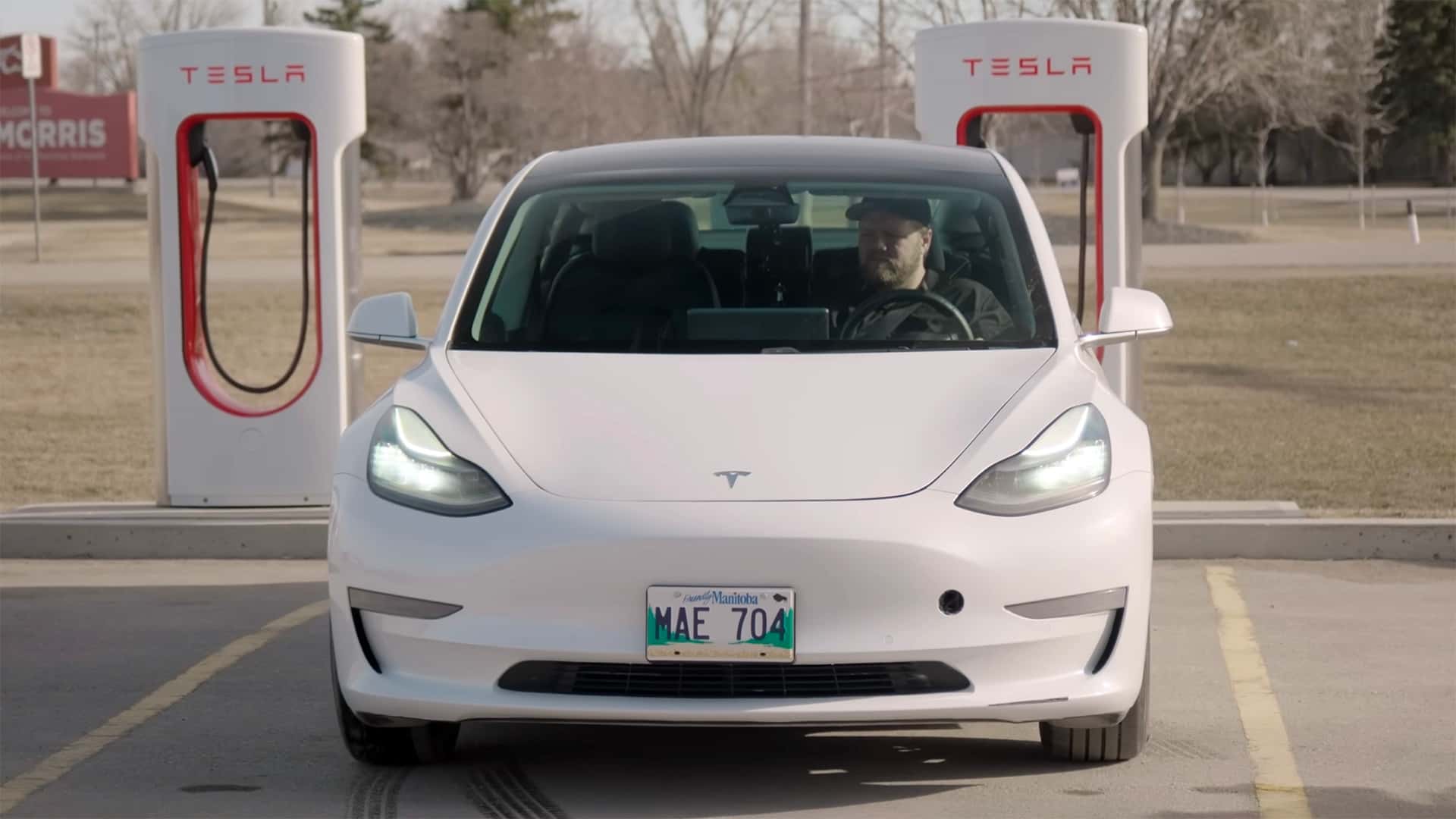
This 380,000-mile Tesla Model 3 is still running on its original battery pack.
Its displayed range has dropped by 34.2%, from 240 miles to 158 miles.
Despite major degradation, it still managed 138.3 highway miles at 68 mph.
Battery degradation is an inevitable reality of EV ownership, but how much capacity it loses over time can vary wildly depending on how it was used. You would think that a 2019 Tesla Model 3 Standard Range with 380,000 miles (610,000 km) and its original battery would be wheezing by now with hardly any usable range. But that’s not the case.
Drive Protected from Canada bought this high-mileage Model 3, which is reportedly still sporting its original battery pack, to document its performance. They took the car in to charge up to 100%, and it showed a range of 158 miles (254 km). That’s a lot less than it originally had with a full battery—240 miles (386 km) when new—meaning it’s 82 miles (132 km) down, or 34.2% less.
That is certainly a big drop and expected given the mileage. This is a battery that has less than 70% of its original capacity, so it is a prime candidate to be swapped out for a fresh unit. However, over 150 miles is still a decent number for someone with a short commute, and since the car doesn’t seem to have any other issues except the range loss, it should continue to run fine with its original battery.
They performed a highway range test in the video, setting off with a fully charged battery, driving at 110 km/h (68 mph), with ambient temperature rising from 51.8°F (11°C) to 73.4°F (23°C) by the end of the test. It returned to the charger showing 0% left in the battery after covering 138.3 miles (222.6 km), with an average consumption of 4.27 miles/kWh (14.55 kWh/100 km).
This means the car used 32.4 kilowatt-hours for the trip, which is considerably less than the 49 kWh it should have had originally. But the number is consistent with the initial range prediction, and it’s still a good result given that it was almost all highway driving.
This is a useful reminder that the problem of battery degradation is not a simple one. This Model 3 has clearly lost significant capacity, and no one shopping for a used EV should ignore that. But after mileage that would send many gas cars into retirement, it still behaves like a usable car rather than a rolling advertisement about range loss.
BMW builds cars on monocoque platforms. That’s been true for decades — from the E30 to the CLAR architecture underpinning everything from the G20 3 Series to the G70 7 Series. So when a patent surfaces showing BMW engineering a ladder frame chassis, it will certainly catch our attention.
The patent, filed with Germany’s DPMA under file number DE 10 2024 130 768.4 and first spotted by CarBuzz, was submitted in 2024 but only published at the end of April 2026. Ladder frames are the structural backbone of body-on-frame vehicles: the Mercedes G-Class, the Land Rover Defender, every American full-size pickup on sale today. BMW has never used one in a modern production car.
What The Patent Actually Describes
The design is built around simplicity and scalability, you can see it here. The diagonal connecting elements between the floor assembly and the front and rear sections can be identical on both ends — same part, front and back. The front and rear crossmembers can be the same part as well. Individual profiles are cut from long beams, which means adding or subtracting a few centimeters in length or width is a straightforward operation. The connecting elements carry over unchanged. That kind of modularity is what makes a platform genuinely scalable rather than theoretically scalable.
Material choices go beyond steel and aluminum. The patent mentions fiber-reinforced plastic — including carbon fiber — as a possibility for the cross and longitudinal beams. Whether that shows up in any production version is a separate question, but it’s not window dressing: FRP beams would meaningfully reduce unsprung weight in a body-on-frame structure that would otherwise trend heavy.
Designed for EVs, Not Combustion
Here’s the detail that stands out. The patent explicitly addresses the ladder frame’s suitability for electric cars, including the installation of drive batteries and electric motors. It does not mention conventional combustion engines at all. A body-on-frame EV isn’t a contradiction — the Rivian R1T and R1S prove the concept works, and both are serious off-road performers. But it does narrow the field of likely candidates. BMW isn’t going to build a ladder-frame electric sedan. What they might build is something meant to go places that a CLAR-based X5 can’t.
Will BMW Give Us A True Off-Roader?
BMW has been rumored for months to be working on a project internally called the BMW Rugged, chassis code G74 — a Munich-built answer to the G-Class and the Defender. Both of those vehicles use ladder frames. Both sell extremely well to buyers who actually use them off-road, and to a much larger group of buyers who like the idea that they could.
The G74 is the obvious candidate. The timing fits: a 2024 patent filing published in 2026 lines up with a vehicle that could reach production by 2030, if approved. The scalability language in the patent would make sense for a platform intended to spawn multiple body styles, which is exactly what you’d want if you’re trying to compete with Land Rover’s lineup rather than just the Defender specifically.
But it’s also worth saying plainly: BMW files patents on technologies it never builds. This could be a defensive filing, a hedge against a competitor, or an engineering exercise that stays internal. The patent is broad enough to apply to almost anything — the document says the frame suits “sedan, SUV, station wagon, compact, hatchback, convertible” — which is either impressively flexible or a sign that no one has decided what it’s actually for yet.
If the G74 is real and uses this platform, BMW would be entering a segment where heritage matters enormously. The G-Class has been in continuous production since 1979. The Defender name goes back to 1983. BMW has no equivalent history to lean on, which means the product itself has to carry the argument.
A well-engineered electric ladder-frame platform — scalable, light enough to not be a rolling anchor, capable off-road — could do that. Whether this patent becomes that platform, or stays in a filing cabinet in Munich, is still an open question.









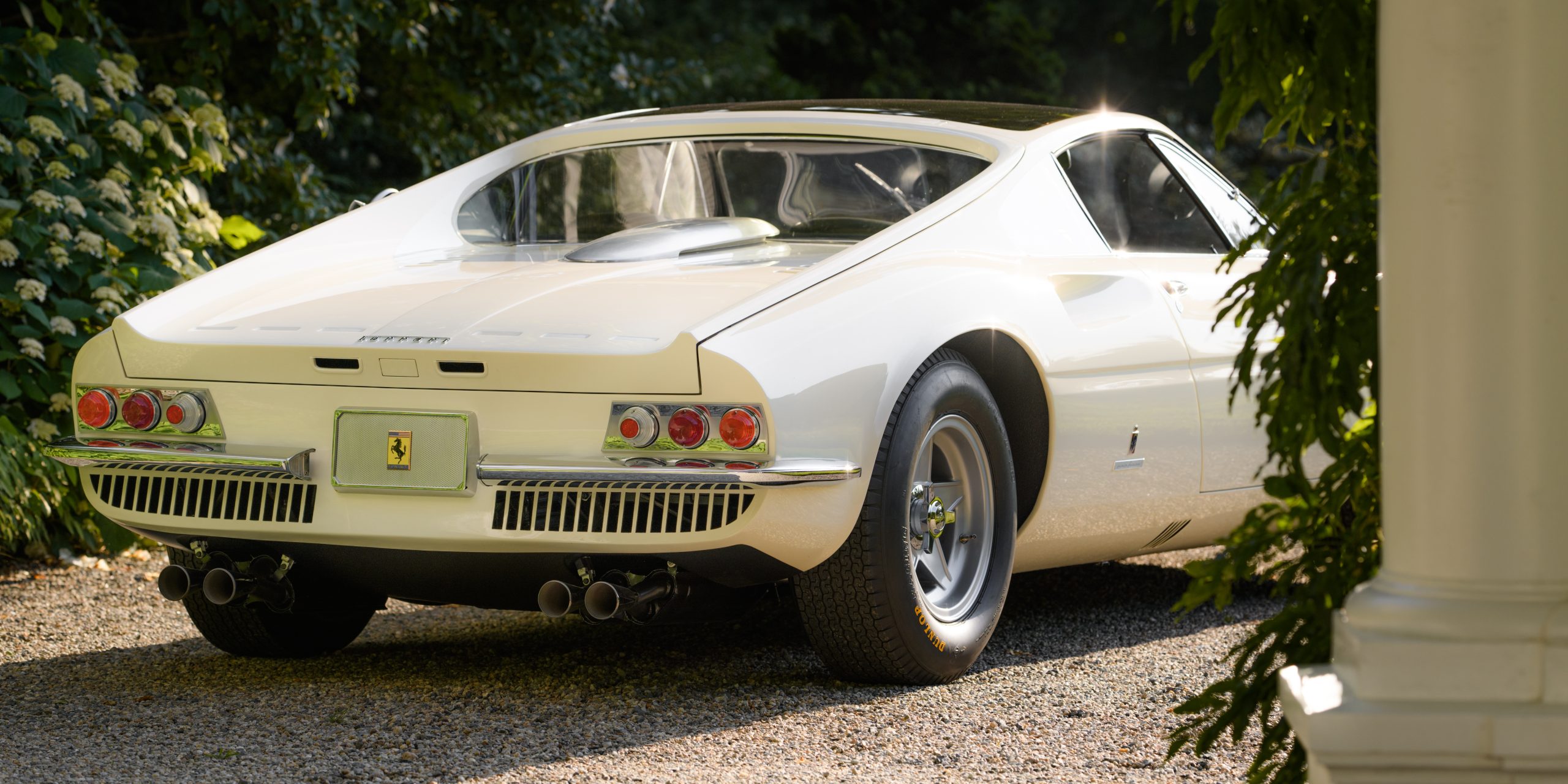
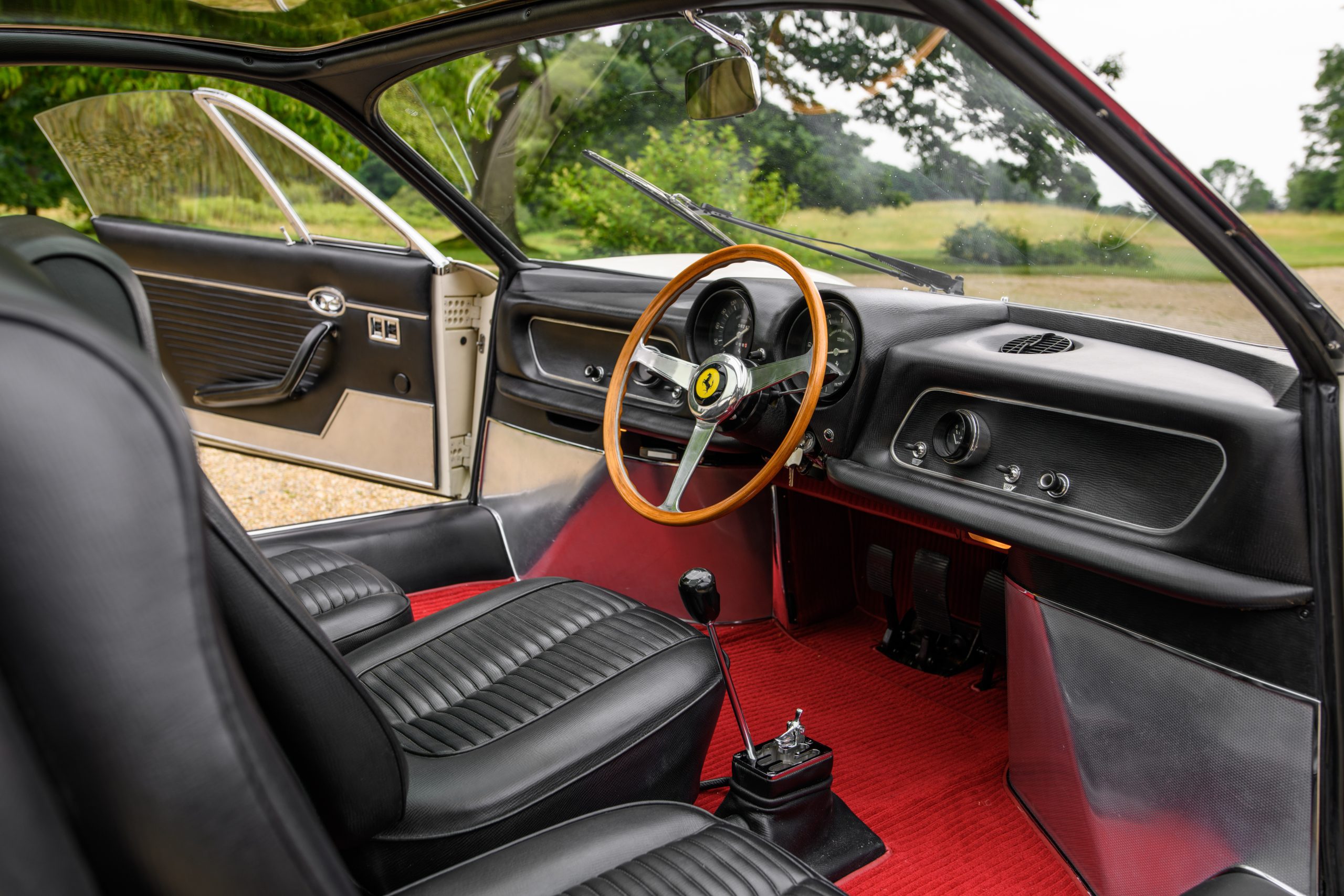




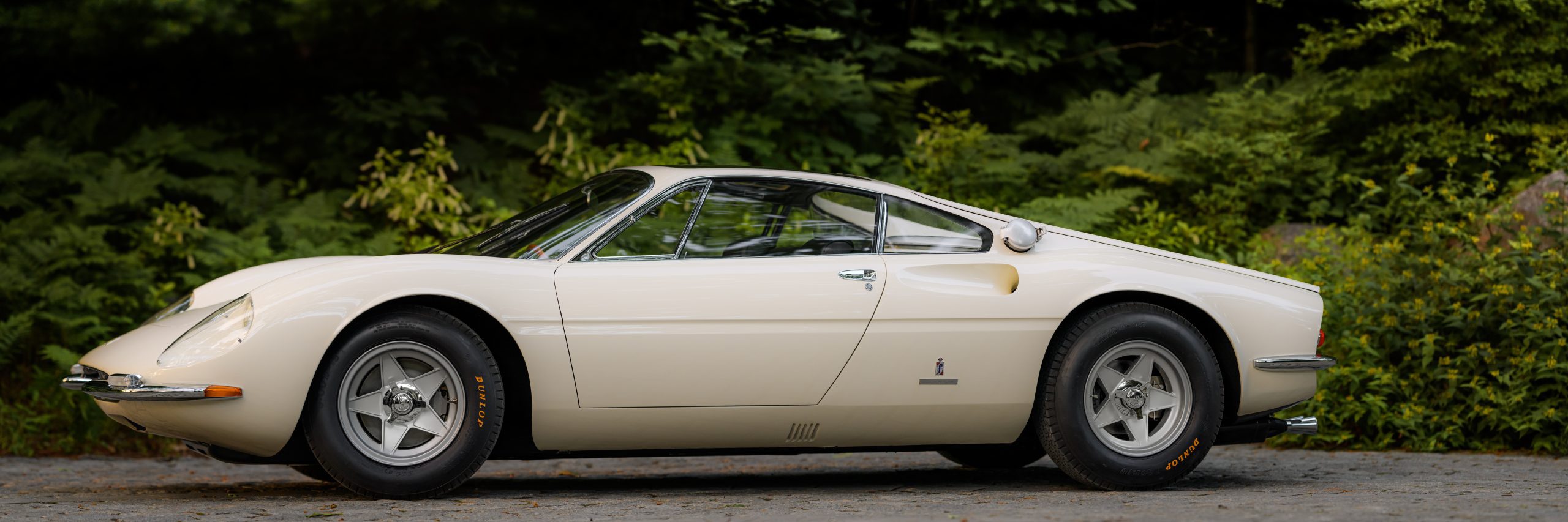


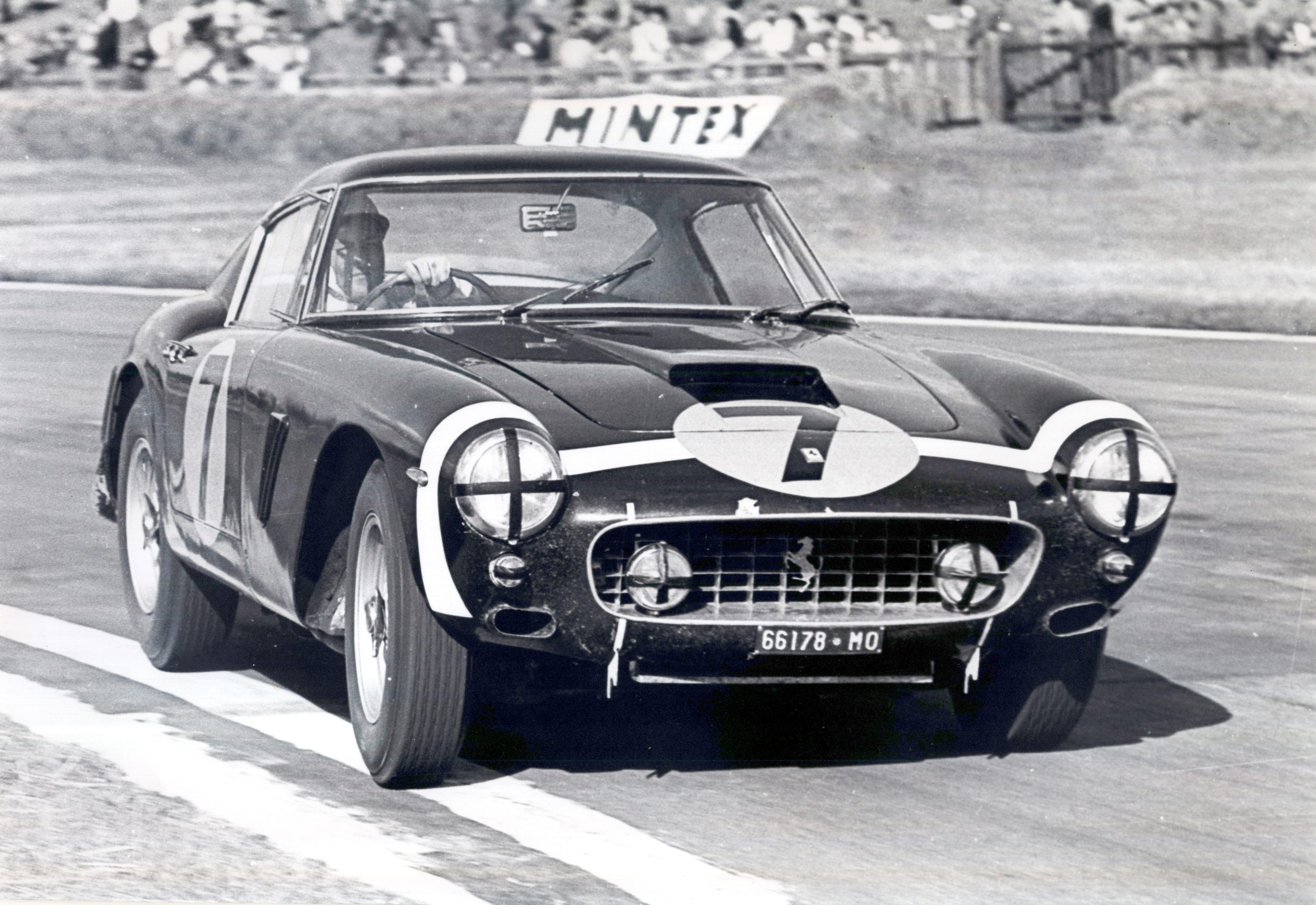







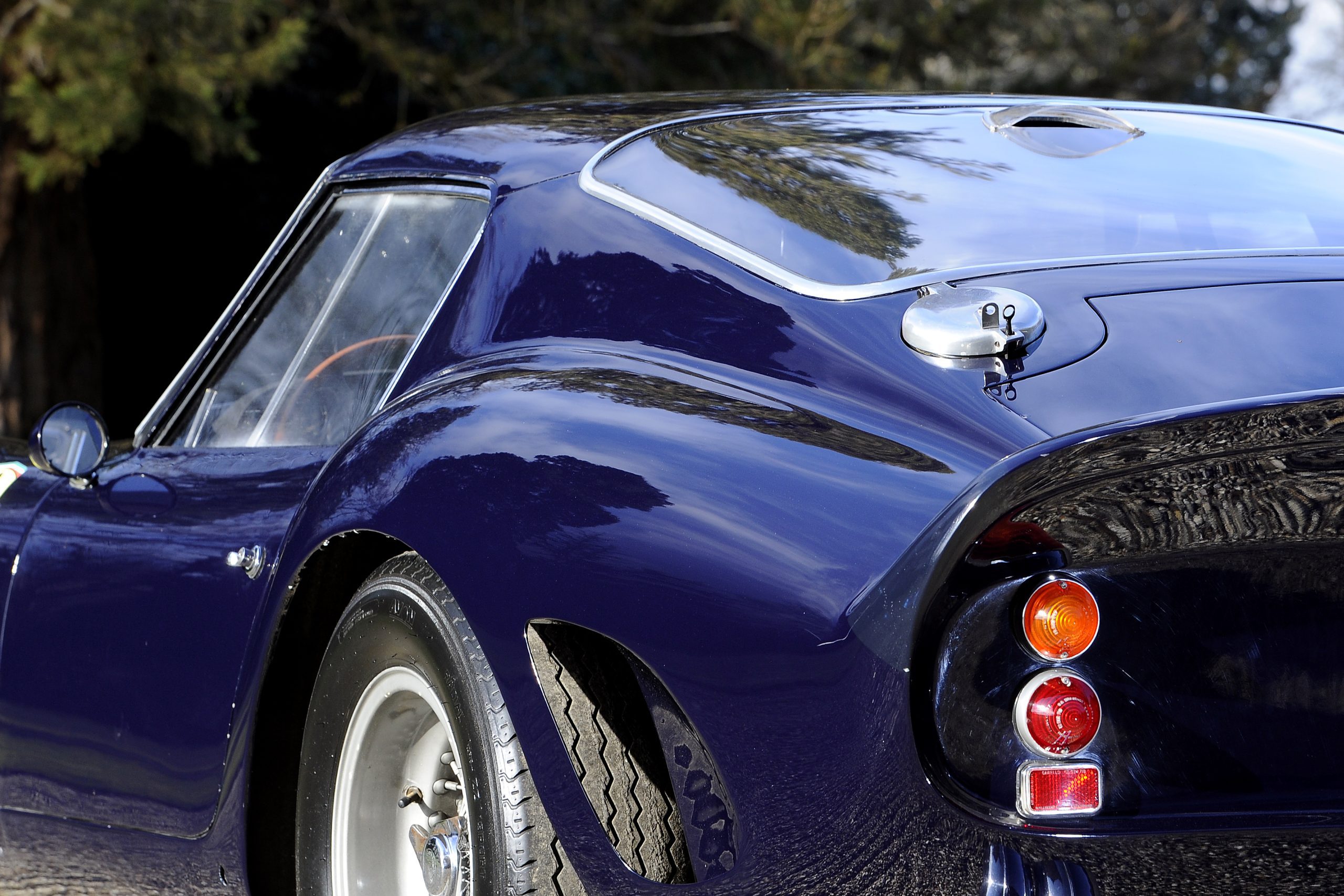



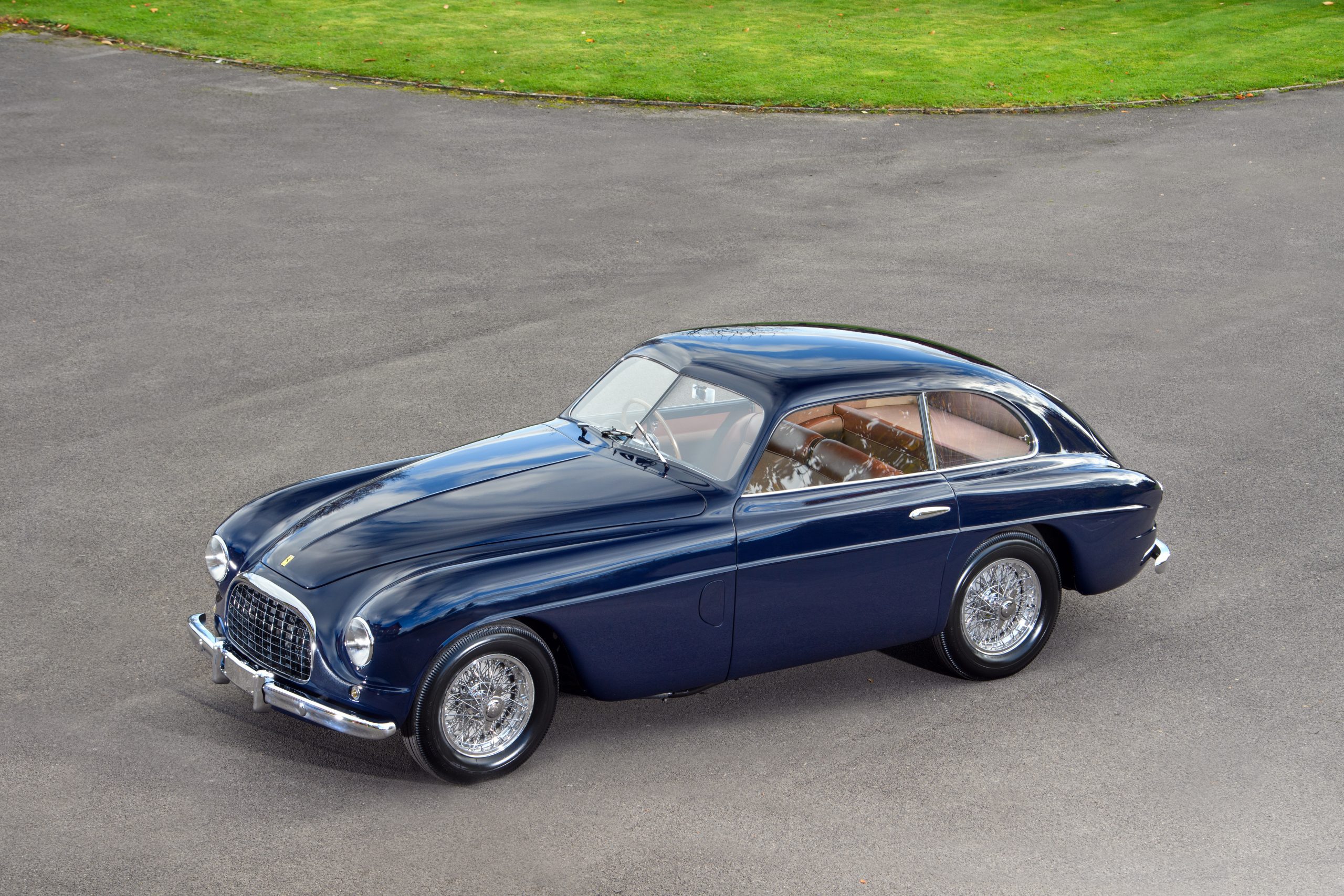

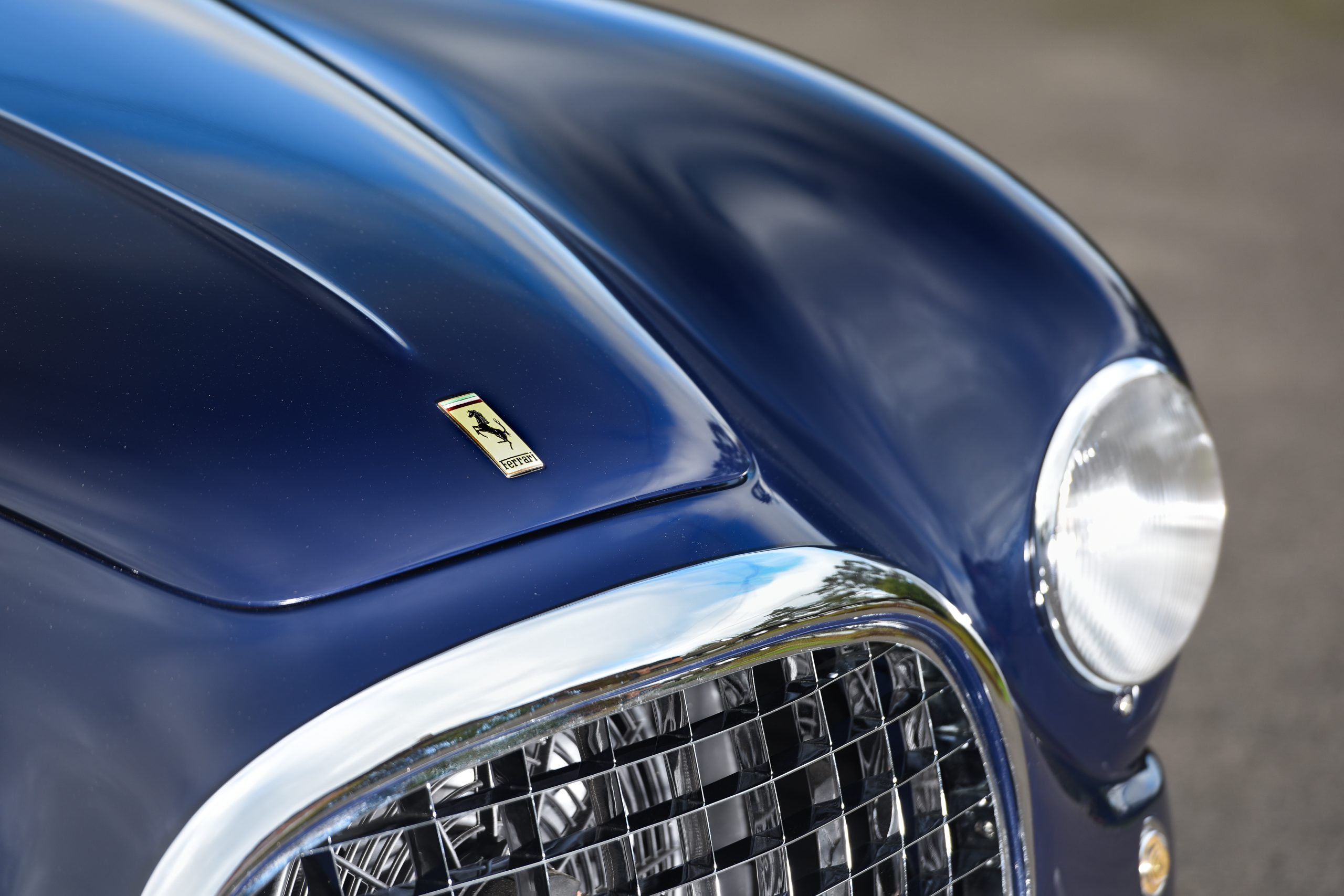
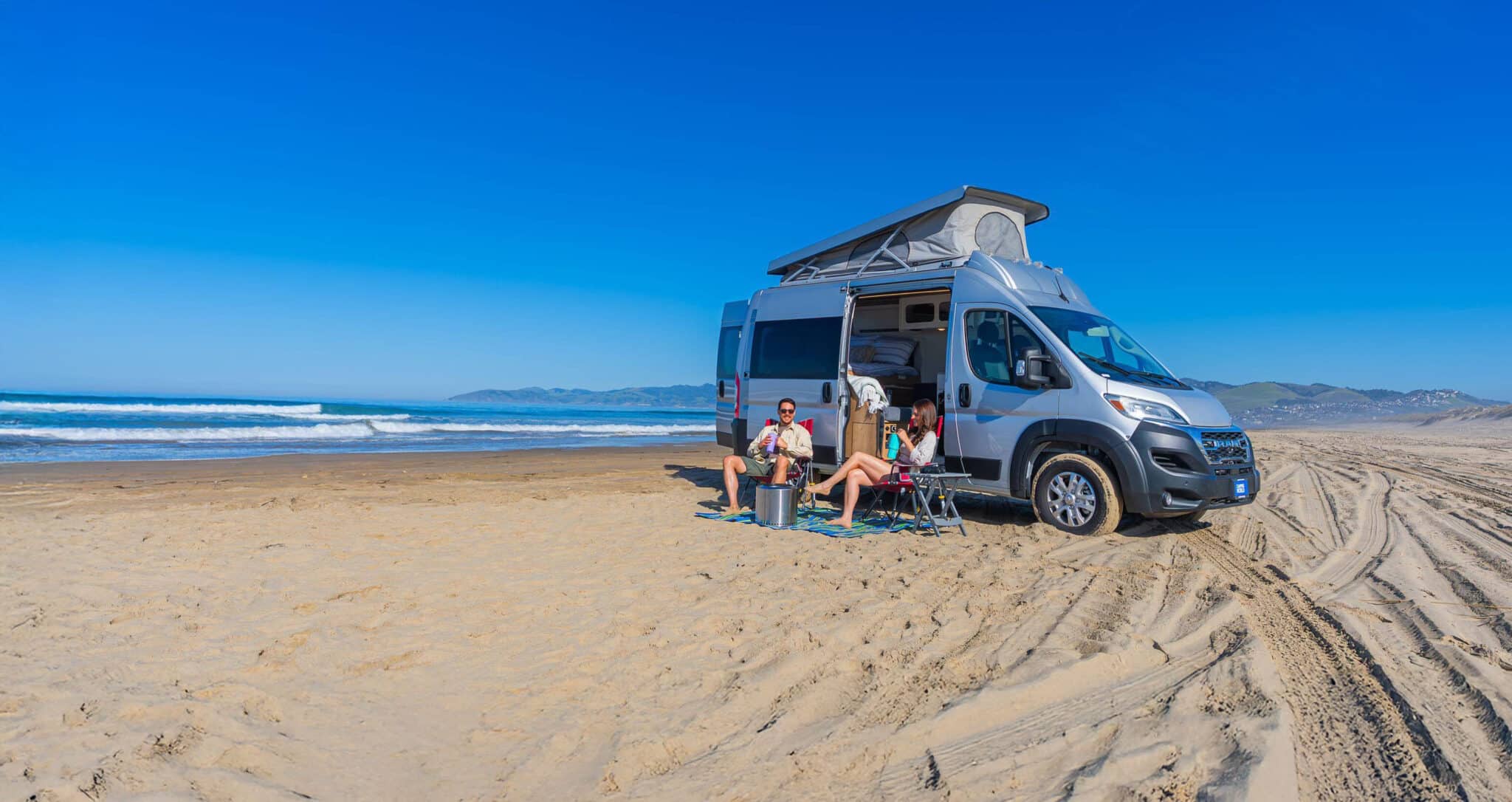
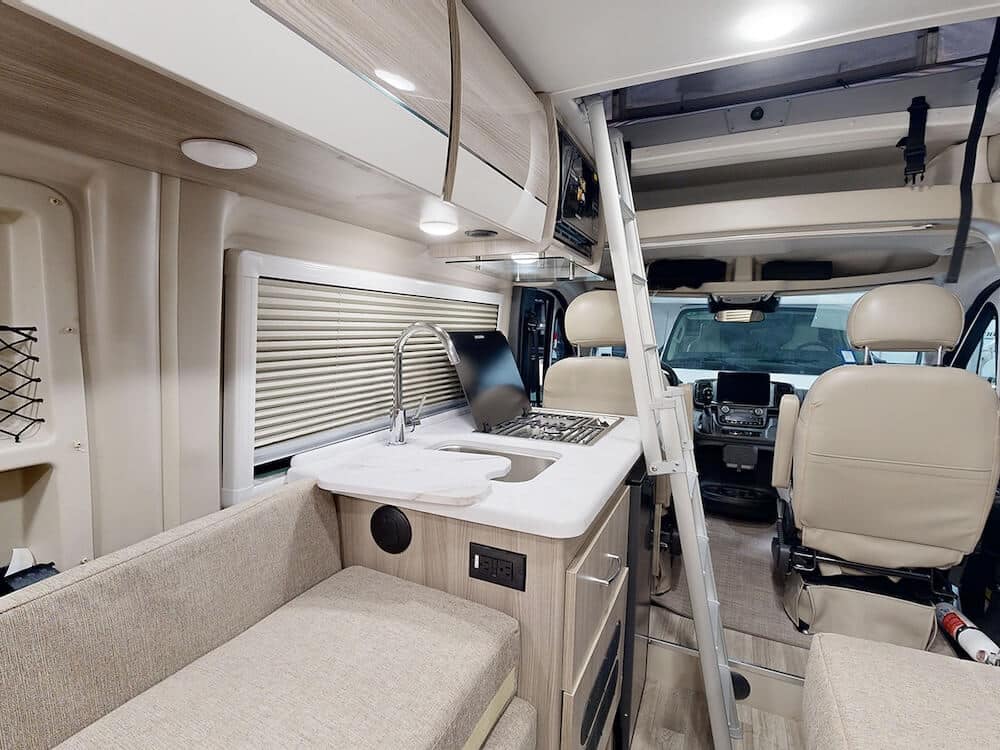
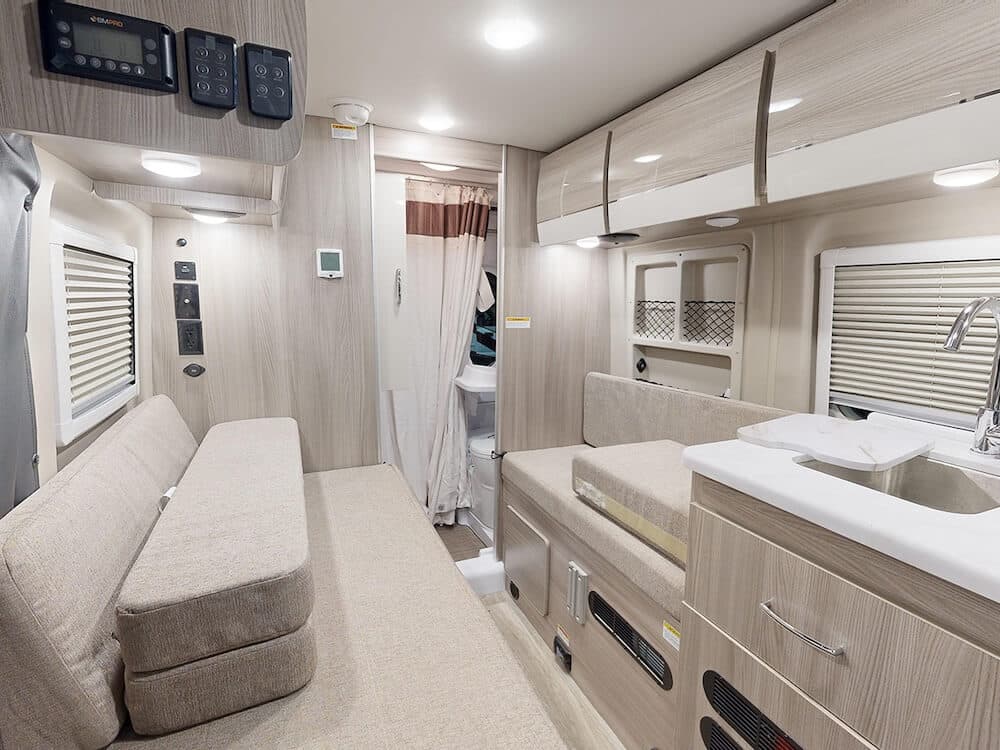
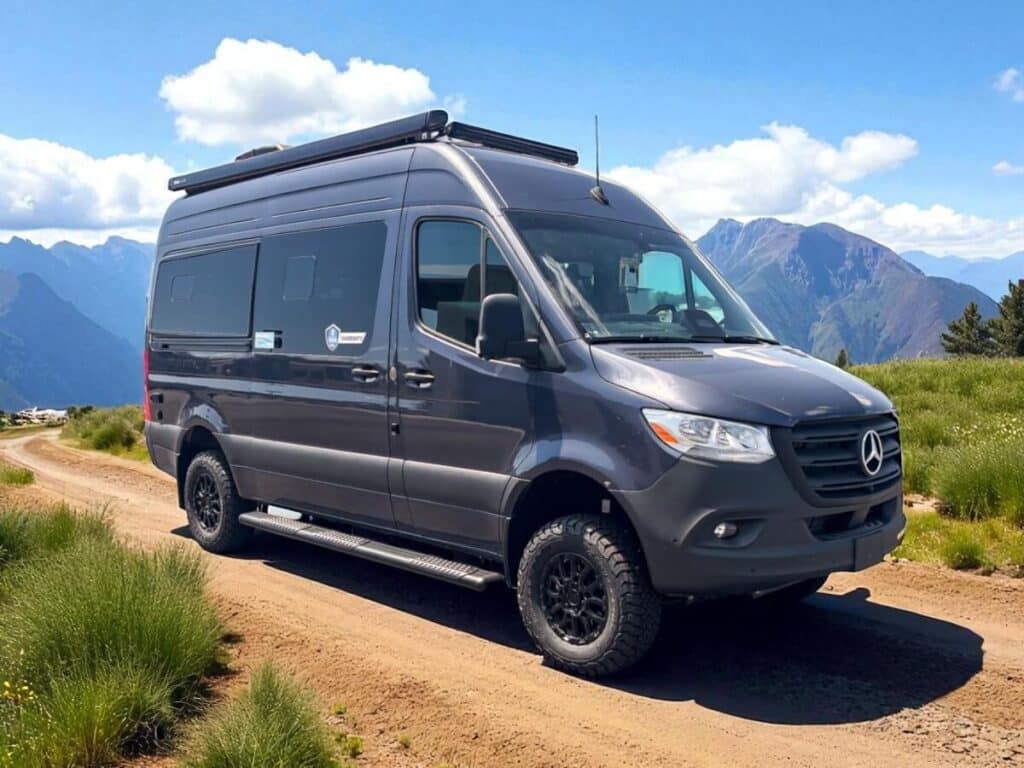
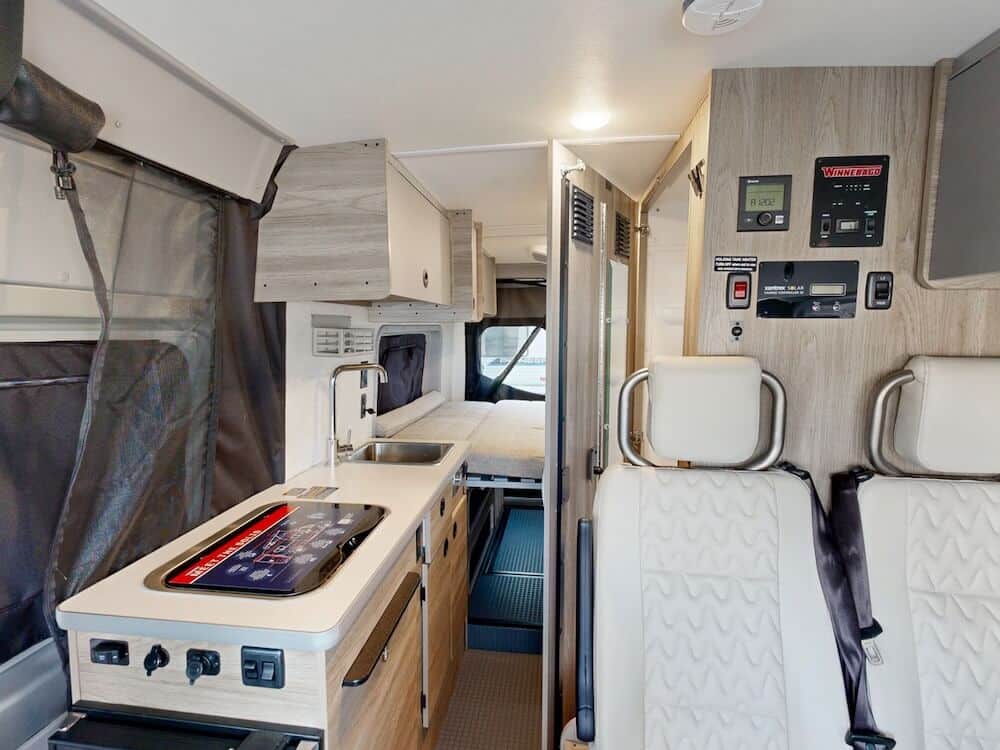
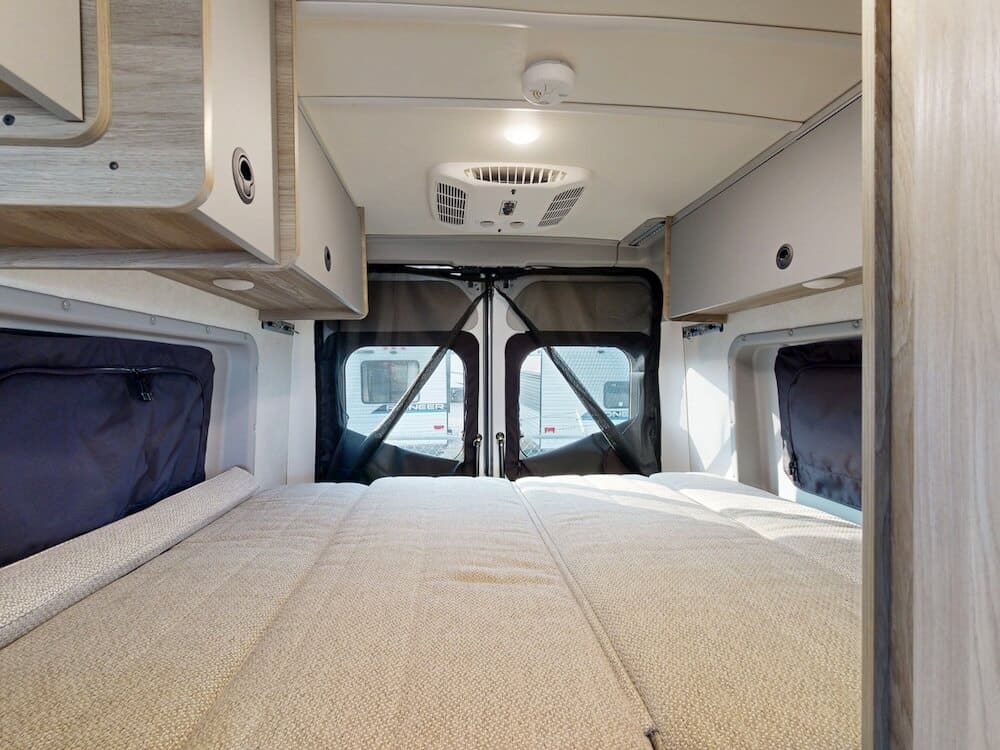
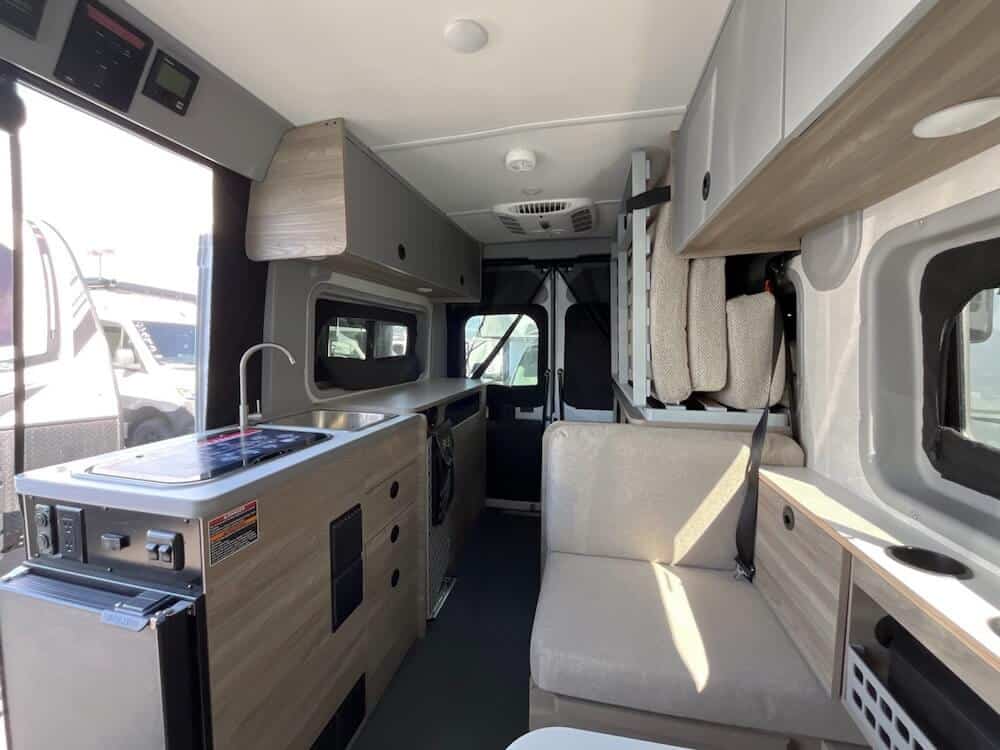
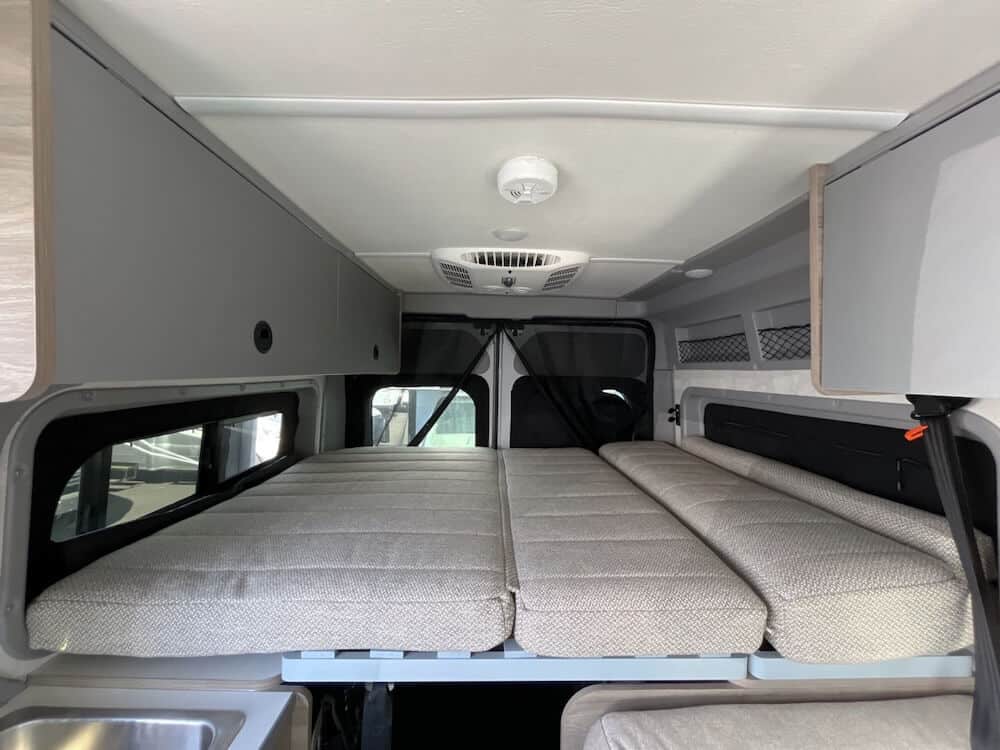
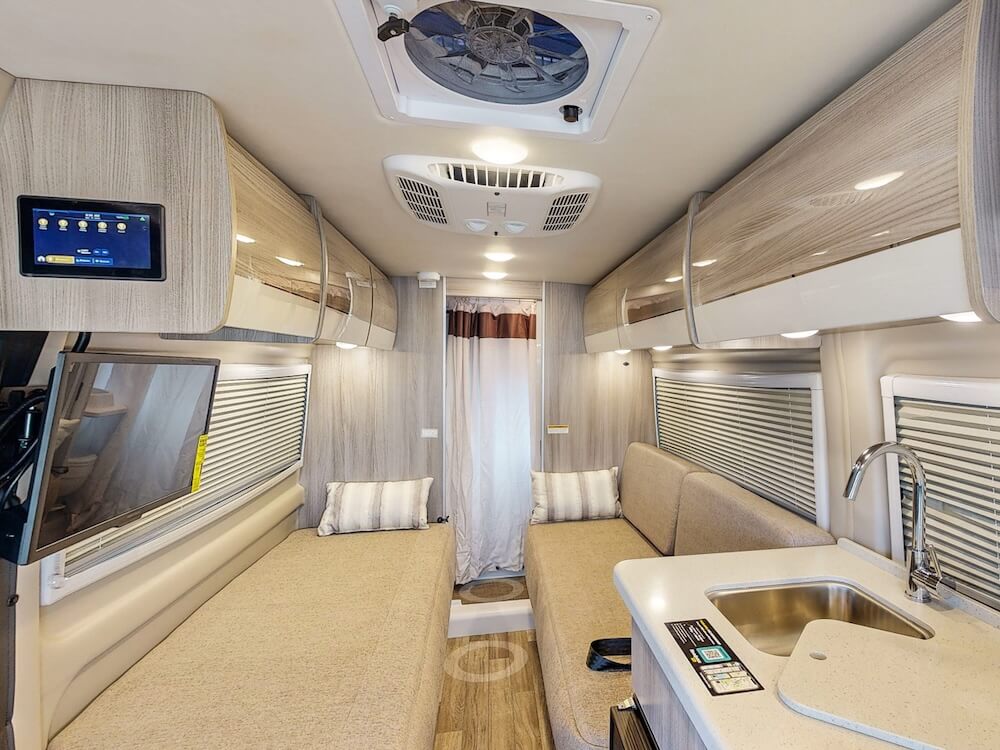
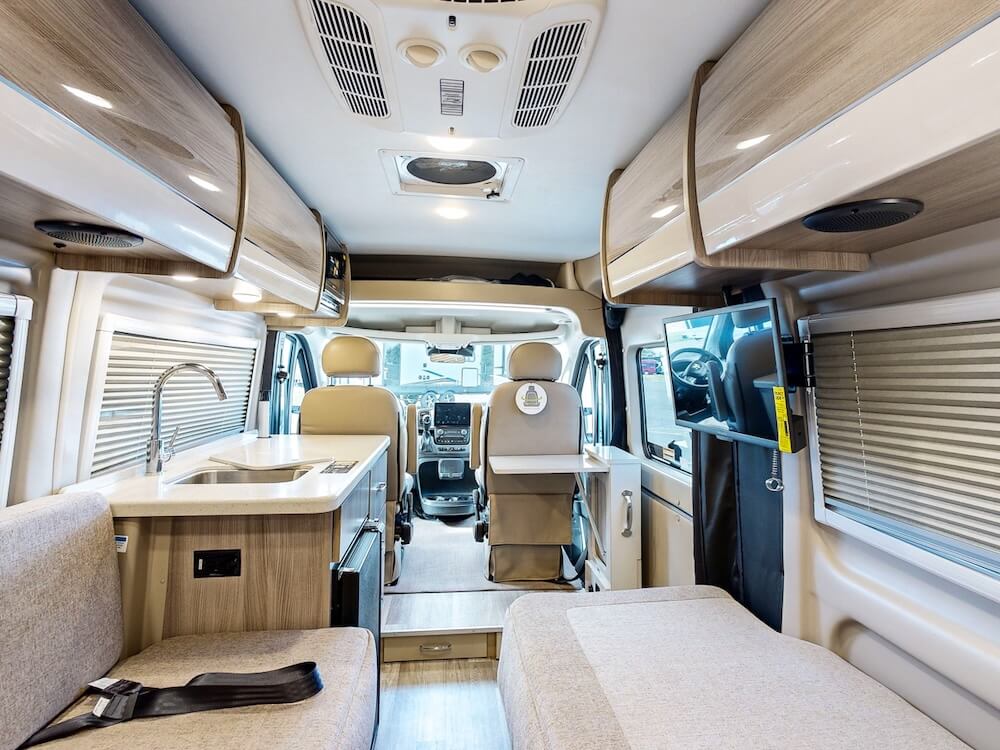









 RV Inspiration Marketplace (aka RenovatedRVsforSale.com): 62,813